PRUITTHEALTH - RICHMOND, LLC

1227 WEST WHEELER PARKWAY, AUGUSTA, GA 30909 (706) 863-1188
For profit - Limited Liability company 100 Beds PRUITTHEALTH Data: November 2025
Trust Grade
40/100
#320 of 353 in GA
Last Inspection: April 2024

Within standard 12-15 month inspection cycle. Federal law requires annual inspections.

Overview

PruittHealth - Richmond, LLC has a Trust Grade of D, indicating below-average performance with some concerns about care quality. It ranks #320 out of 353 nursing homes in Georgia, placing it in the bottom half of facilities statewide, and #11 out of 11 in Richmond County, meaning there are no better local options. Although the facility is improving, with a drop in reported issues from 14 in 2024 to just 1 in 2025, staffing remains a significant weakness, rated at 1 out of 5 stars and showing a concerning turnover rate of 60%, which is higher than the state average. The facility has no fines on record, which is a positive aspect, but there have been some serious issues, such as failure to complete important resident assessments on time and improper food handling practices, which could affect resident safety. Overall, while there are some strengths, families should carefully consider these weaknesses before making a decision.

Trust Score
D
40/100
In Georgia
#320/353
Bottom 10%
Safety Record
Low Risk
No red flags
Inspections
Getting Better
14 → 1 violations
Staff Stability
⚠ Watch
60% turnover. Above average. Higher turnover means staff may not know residents' routines.
Penalties
✓ Good
No fines on record. Clean compliance history, better than most Georgia facilities.
Skilled Nurses
⚠ Watch
Each resident gets only 22 minutes of Registered Nurse (RN) attention daily — below average for Georgia. Fewer RN minutes means fewer trained eyes watching for problems.
Violations
⚠ Watch
18 deficiencies on record. Higher than average. Multiple issues found across inspections.
★☆☆☆☆
1.0
Overall Rating
★☆☆☆☆
1.0
Staff Levels
★★★☆☆
3.0
Care Quality
★★☆☆☆
2.0
Inspection Score
Stable
2024: 14 issues
2025: 1 issues

The Good

  • Full Sprinkler Coverage · Fire safety systems throughout facility
  • No fines on record

Facility shows strength in fire safety.

The Bad

1-Star Overall Rating

Below Georgia average (2.6)

Significant quality concerns identified by CMS

Staff Turnover: 60%

14pts above Georgia avg (46%)

Frequent staff changes - ask about care continuity

Chain: PRUITTHEALTH

Part of a multi-facility chain

Ask about local staffing decisions and management

Staff turnover is elevated (60%)

12 points above Georgia average of 48%

The Ugly 18 deficiencies on record

Sept 2025 1 deficiency
CONCERN (D) 📢 Someone Reported This

A family member, employee, or ombudsman was alarmed enough to file a formal complaint

Potential for Harm - no one hurt, but risky conditions existed

Deficiency F0558 (Tag F0558)

Could have caused harm · This affected 1 resident

Based on observations and resident and staff interviews, the facility failed to ensure one of 65 sampled residents (R) (R22) was provided with a call device to accommodate their needs. This deficient ...

Read full inspector narrative →
Based on observations and resident and staff interviews, the facility failed to ensure one of 65 sampled residents (R) (R22) was provided with a call device to accommodate their needs. This deficient practice had the potential to place R22 at risk of unmet care needs and a diminished quality of life. Findings include:Review of the electronic medical record (EMR) for R22 revealed an admission date of 11/9/2023 with diagnoses including, but not limited to, non-traumatic brain dysfunction, non-Alzheimer's dementia, and depression.Review of the Quarterly Minimum Data Set (MDS) assessment for R22, dated 8/12/2025, revealed Section C (Cognitive Patterns) documented a Brief Interview for Mental Status (BIMS) of 14. Section GG (Functional Status and Abilities) documented that R22 had impairment on one side, was dependent for eating, oral hygiene, and personal hygiene. Review of the care plan for R22, dated 11/9/2023, revealed Problem areas of falls risk and vision deficit. Approaches included, but were not limited to, keeping the call light within reach. Observation and interview on 9/2/2025 at 3:15 pm revealed R22 attempting to press his call light button four times, with the light not coming on. R22 stated he was pressing the button and thought the light was on; however, it did not come on outside the door until the fourth time he pressed the button. R22 stated that the button was hard for him to press sometimes. He further stated he knows the light should come on and blink, but he could not see if the light was blinking.In an interview on 9/09/2025 at 5:47 pm, a family member of R22 revealed that it was difficult for R22 to press the call light button on his bed due to his hands going numb. Observation on 9/9/2025 5:50 pm, with Certified Nursing Assistant (CNA) DD present, revealed R22 was unable to successfully press the call light button. R22 expressed numbness in his hand when trying to press the button on the call light. CNA DD confirmed R22 was unable to activate the call light independently. In an interview on 9/9/2025 at 6:06 pm, the Assistant Director of Nursing (ADON) stated the facility had just gotten a new call light system, and the touch pads for the system had just come in. Observation on 9/9/2025 at 6:10 pm revealed the Maintenance Director attempted to change the call light button to a tap pad call light for R22. When instructing R22 on how to use the call light device, the Maintenance Director discovered that the tap pad call light was not compatible with the new call light system.In an interview on 9/9/2025 at 6:34 pm, the Maintenance Director stated the facility had a new call light system, and the touch pads they ordered were not compatible with the new system. He stated the facility would initiate providing residents with bells and every two-hour checks.In an interview on 9/10/2025 at 2:32 pm, Licensed Practical Nurse (LPN) MM revealed that the new call light system was put in around June or July. Since then, there had been no formal directive given to him to see if each resident was able to press the call light button until 9/9/2025. LPN MM stated that the process for assessing the resident involved visually checking to see if any residents might have trouble pressing the call light button. In an interview on 9/10/2025 at 3:46 pm, the Director of Nursing (DON) revealed the new call light system was installed in the latter part of May and the early part of June. The DON stated an assessment had been completed with the old system to see if the residents needed a touch pad or a regular button for call lights. The DON further revealed that call device assessments had not been completed with the new call light system.In an interview on 9/10/2025 at 4:24 pm, the Administrator stated he expected the equipment to be functional for residents. He stated the new call light system was installed on June 26, 2025, and stated he was not present during the call light system check when maintenance and the call light agency installed it to see if the call lights were accommodating for each resident.
Apr 2024 14 deficiencies
CONCERN (D) 📢 Someone Reported This

A family member, employee, or ombudsman was alarmed enough to file a formal complaint

Potential for Harm - no one hurt, but risky conditions existed

Deficiency F0561 (Tag F0561)

Could have caused harm · This affected 1 resident

**NOTE- TERMS IN BRACKETS HAVE BEEN EDITED TO PROTECT CONFIDENTIALITY** Based on observation, resident and staff interviews, record review, and review of the facility's document titled, Patient's Righ...

Read full inspector narrative →
**NOTE- TERMS IN BRACKETS HAVE BEEN EDITED TO PROTECT CONFIDENTIALITY** Based on observation, resident and staff interviews, record review, and review of the facility's document titled, Patient's Rights, the facility failed to honor one of four sampled residents (R) (R26) the choice for scheduled times to be gotten out of bed to accommodate the preference of the resident. This failure had the potential to affect the resident's psycho-social being. Findings include: Review of an undated document titled, Patient Rights, provided by the facility revealed as a patient of the health care center, patients have the right to a dignified existence, self-determination, and communication with and access to persons and services inside and outside the health care center. Your Rights as a patient - Specifically: Patients are entitled to exercise their personal and legal rights and privileges to the fullest extent (sic) possible. Self-Determination - Residents have the right to self-determination, including but not limited to (sic) the following rights: a. To choose activities, schedules (including sleeping and waking times), health care, and providers of health care services consistent with your interests, assessments, and plan of care. b. To make choices about aspects of your life in the center that are significant to you. Review of R26's face sheet revealed he admitted with the following diagnoses that included generalized muscle weakness, right hand contracture, and hemiplegia and hemiparesis following cerebral infarction affecting right dominant side. Review R26's Quarterly Minimum Data Set (MDS) dated [DATE] revealed Section C-Cognitive Pattern, a Brief Interview of Mental Status (BIMS) score of 15 which indicated little to no cognitive impairment; Section GG-Functional Abilities and Goals revealed he was required assistance with Activities of Daily Living (ADLs) care needs; Function limitation in Range of Motion - upper and lower extremity - impairment on one side. Further review of the Annual assessment with an ARD date of 11/4/2023 Section F- Preferences for Customary Routine and Activities indicated it was somewhat important to him to choose his own bedtime, very important to him to do things with a group of people and to do his favorite activities. Review of R26's care plan revealed a problem initiated 10/13/2023 that indicated residents' psychosocial well-being included a variety of activity interests and a general willingness to take part in group programs. GOAL: Resident will choose and participate in activities of choice - Group activities. Interventions included describe activities available and assist patient/ resident to choose activities to match interests and abilities. There was also a problem initiated 12/20/2023 which indicated resident had an ADL deficit due to CVA with right hemiparesis and impaired range of motion (ROM), weakness. Interventions included to provide assistance when needed. Observation and interview 4/26/2024 at 9:03 am with R26 stated, his preferences to get up between the hours of 6am and 6:30 am were not honored. R26 specified he did not like to eat breakfast in bed, he is an early riser, and he desired to get up out of the bed early. R26 stated he had requested to get up prior to the night shift staff leaving the facility, particularly Monday through Friday, but that does not happen. In addition, R26 stated he likes to attend various activities, so he did not desire to be in bed all morning. Resident attributes his choices not being honored to staffing issues. Observation 4/26/2024 at 11:12 am revealed R26 out of bed to wheelchair. Resident informed surveyor the staff finally got him up, shaking his head in dissatisfaction. Review of the facility's Resident Council Meeting Minutes dated 4/23/2024 revealed R26 stated he would like for the third shift to get him up in the mornings. Review of the facility's 11-7 getup list posted on the wall at the nurse's station revealed R26's name listed on the list to be gotten up on the 11-7 list. Review of a Quarterly Social Service Progress Review note dated 8/24/2023 indicated R26 participated in activities. R26 attended all activities offered in the facility, he likes to get up early in the morning. Further review of the Social Service Observation progress notes dated 1/1/2024, 1/31/204, and 2/23/2024 indicated there were no changes in R26's personal interests from the last assessment. Observation and interview with resident 4/27/2024 at 8:34 AM revealed resident lying in bed wearing a hospital gown. Resident informed surveyor that he does not want to get up today. He further stated he does not like to get up early on Saturday and Sunday, however he desires to get up early Monday through Friday. R26 stated he likes to get up early, eat his breakfast and attend various activities during the week. Resident stated the staff does not get him up usually until after 10:00 am and always give him the excuse they do not have enough help. Resident stated he had spoken with the lady who runs the place (Administrator) about the issue, but nothing has changed. Interview 4/28/2024 at 7:54 AM with Certified Nursing Assistant (CNA) HH revealed R26 is supposed to be gotten out of the bed on the night shift. She further stated there had been many times when she arrived at work, and R26 remained in bed. CNA HH further stated R26 complains when he is not up at his scheduled time. She further stated the 11-7 shift does not get him up at times because of staffing issues. Interview 4/28/2024 at 8:01 am with Licensed Practical Nurse (LPN) FF revealed R26 does like to be up early. He further stated the staff should be asking him and getting him up as desired. LPN FF verified R26 is on the facility's 11-7 shift get up list. Interview 4/28/2024 at 8:17 am with the Social Service Director (SSD) revealed R26 has always desired to get up early. SSD further stated getting up early is the standard norm for resident, it has been for a long time, and that has not changed. Interview 4/28/2024 at 9:08 am with Administrator and Director of Health Services (DHS) revealed R26 had voiced concerns about his desires to get up early and the staff were aware. The administrator stated she had spoken with the staff, and it was her expectation that residents would be assisted as desired. DHS stated R26 recently voiced his concerns in the resident council meeting, and she spoke with the night shift staff about ensuring that he is gotten up as desired.
CONCERN (D) 📢 Someone Reported This

A family member, employee, or ombudsman was alarmed enough to file a formal complaint

Potential for Harm - no one hurt, but risky conditions existed

Safe Environment (Tag F0584)

Could have caused harm · This affected 1 resident

Based on observations, staff interviews, and review of policy titled, Infection Control Housekeeping Services, the facility failed to ensure a safe, clean, and comfortable home-like environment on one...

Read full inspector narrative →
Based on observations, staff interviews, and review of policy titled, Infection Control Housekeeping Services, the facility failed to ensure a safe, clean, and comfortable home-like environment on one of three halls (Richmond Hall), as evidence by a lingering malodorous smell throughout the hall. Findings: Review of the policy titled, Infection Control - Housekeeping Services, revised 10/16/2023, revealed it is the policy of this facility to ensure housekeeping services will be performed on a routine and consistent basis to ensure an orderly, sanitary, and comfortable environment. Review of the Pre-Survey Report dated 4/22/2024 revealed the urine odor was present in a large portion of the long-term hall (Richmond Hall) during visit. Observation on 4/26/2024 at 8:30 am tour of facility revealed call-lights answered in a timely manner. A strong stale lingering urine odor was noted on Richmond Hall. Staff observed in and out of resident's rooms providing morning care, answering call lights, and engaging with the residents. There were no containers for dirty clothes and linens in the hall. Further observations revealed the strong odors remained on the unit at 11:49 am and 1:48 pm. Telephone interview on 4/26/2024 at 11:25 am with Ombudsman II revealed there was a distinctly strong urine odor on Richmond Hall during her last visit to the facility as noted on the Ombudsman report. Observations on 4/27/2024 at 8:14 am, and from 9:00 am to 10:30 am on the Richmond Unit revealed a strong foul urine odor still noted on the hall. Observation 4/27/2024 at 11:38 am revealed lingering stale urine odors remain on Richmond Hall. The door to the unit is open and the odor lingers into the main hall near the Social Service Director (SSD's) office and continues onto the hall. The odors are consistent throughout the entire Richmond Hall. Interview 4/27/2024 at 12:28 pm with Director of Health Services (DHS) revealed she was aware of the odors on Richmond Hall. She further stated the staff places the residents dirty personal clothing in bags in hampers in resident bathrooms. She stated the dirty clothes are kept in the residents' rooms until the laundry/housekeeping staff removes them to be laundered on the scheduled laundry day and she was unsure of the laundry schedule. DHS further stated the Housekeeping Supervisor and Administrator were dealing with that issue. Interview 4/27/2024 at 12:31 pm with Registered Nurse (RN) KK revealed she had worked on the Richmond Hall for the last 2 months. RN KK further confirmed there is an odor on the hall, but she was unsure of the contributing factor of where the odor originated from. Interview 4/27/2024 at 12:33 pm with Licensed Practical Nurse (LPN) FF, revealed he works on the Richmond Hall all the time and had become accustomed to the odor on the hall. LPN FF further stated he was not sure if the issue with the smell was a housekeeping or nursing issue. Interview 4/27/2024 at 12:37 pm with Certified Nursing Assistant (CNA) LL revealed she was aware of the odor on the Richmond Hall. CNA LL further stated she was unsure of where the odor was coming from but acknowledged resident's dirty clothes were still being stored in hampers in each residents' room. CNA LL also stated residents dirty clothing was not removed from the hall daily. Interview 4/27/2024 at 12:39 pm with CNA MM revealed she had worked at the facility for 24 years. She stated in the last year or so she had noticed urine odors on the unit. CNA MM stated the odors on the hall had not always been this way. CNA MM further stated the odor is different on this hall (Richmond Hall) than the rest of the facility and she does not know why. Interview and rounds (main hall near SSD's office door) on 4/27/2024 at 12:41 pm with the Administrator revealed she was aware of the odors on the Richmond Hall. The administrator stated staff were putting residents' dirty clothes in hampers in the residents' rooms which contributed to the odors. The administrator further stated and acknowledged the odors on the Richmond Hall are bad and she agreed the odors are lingering stale urine odors. Interview 4/27/2024 at 12:45 pm with Laundry Aide (LA) JJ revealed there are two sections on the Richmond Hall (Richmond 1 and Richmond 2). She stated residents on Richmond 1 dirty laundry is pulled and washed each Monday and residents on Richmond 2 dirty laundry is pulled and washed each Tuesday. LA JJ stated the residents' laundry for each unit is only washed once weekly on the scheduled day due to the facility having one industrial washer and dryer in the facility. LA JJ further acknowledged that residents' dirty laundry remains in residents' rooms for a week before being collected and washed. Interview and walking rounds 4/27/2024 at 12:47 pm with Housekeeping Supervisor revealed the odors on Richmond Hall have been an issue since his arrival at the facility. He stated he thought the odors may have been coming from the carpet leading to the unit, so the carpet was deep cleaned, and the issue persisted. The housekeeping Supervisor further stated residents' dirty clothes are kept in resident rooms throughout the facility. The Housekeeping Supervisor verified residents' dirty laundry was still being stored in hampers in residents rooms. He also acknowledged the dirty unbagged laundry was contributing to the odors on the hall.
CONCERN (D) 📢 Someone Reported This

A family member, employee, or ombudsman was alarmed enough to file a formal complaint

Potential for Harm - no one hurt, but risky conditions existed

Deficiency F0655 (Tag F0655)

Could have caused harm · This affected 1 resident

**NOTE- TERMS IN BRACKETS HAVE BEEN EDITED TO PROTECT CONFIDENTIALITY** 2. Record review for R176 revealed resident was admitted to the facility on [DATE] and discharged to the hospital on [DATE]. The...

Read full inspector narrative →
**NOTE- TERMS IN BRACKETS HAVE BEEN EDITED TO PROTECT CONFIDENTIALITY** 2. Record review for R176 revealed resident was admitted to the facility on [DATE] and discharged to the hospital on [DATE]. There was not a baseline care plan developed by the facility staff which included essential components based on the residents' stay. Interview on 4/28/2024 at 11:12 am with MDS Coordinator DD revealed the admitting nurse is responsible for baseline care plans. She stated that baseline care plans are to be completed within 48 hours after admission. She stated that if the base line care plan is not completed it will be caught upon the MDS assessment. Based on staff interviews, record review, and the facility policies titled, Care Plans and Discharge Planning, the facility failed to develop a baseline care plan which included essential components based on the resident stay for two of eight Residents (R), (R74 and R176). Specifically, the facility failed to ensure R74 had a baseline care plan developed after admission, and R176 had a care plan that addressed the residents' essential care needs as well as to develop a discharge care plan to include residents' goals leading up to discharge from the facility. Findings: Review of the facility policy titled, Discharge Planning review date 1/11/2024 under Procedure: 1. Discharge and care plan goals will be established with the IDT (Interdisciplinary Team), patient/resident, and patient/resident representative at the time of admission based on the patient/resident discharge goals and treatment preferences in conjunctions with needs as identified by the IDT. 2. Discharge Care plans will be updated after the Post admission Care Conference, reviewed quarterly, prior to the anticipated discharge date , and as needed. Review of the facility policy title, Care Plans, dated 7/27/2023 revealed under New admission Baseline Plan of Care: 1. Upon a new admission, a baseline care plan will be developed by the admitting nurse in conjunction with other IDT, the patient/resident and/or patient/resident representative. The baseline care plan should be initiated in 24 hours and will be completed and implemented within 48 hours of admission. 1. Record review of R74 's Electronic Medical Record (EMR) revealed that resident was admitted to the facility on [DATE] with diagnoses that included but not limited to chronic obstructive pulmonary disease (COPD), anxiety disorder, long term anticoagulant use, chronic respiratory failure (CRF), gastro-esophageal reflux (GERD), and anxiety disorder. The admission Minimum Data Set (MDS) dated [DATE] revealed a BIMS score of 12 indicating moderate cognitive impairment. Record review of R74's plan of care revealed an incomplete baseline care plan in the record that did not capture the residents' overall care needs and plan of care for unnecessary medications including psychotropic drugs use of (Seroquel, Zoloft, and trazodone). Interview on 4/27/2024 at 11:00 am, the MDS Coordinator EE confirmed that discharge care plan was not included in the care plan and that the residents' discharge care plan should have been completed within 24 hours of admission. She confirmed that the baseline care plan was completed on 1/17/2024 and that the baseline care plan did not capture the residents' overall care needs based on the resident needs at the time of admission. Further interview also revealed that at the time of R74's admission, the resident would have required a plan of care for the following: communication, Activities of Daily Living (ADL), psychotropic meds, discharge planning, pain due to receiving pain medications, and the use of an anticoagulant medication. She confirmed that in her review the baseline care plan was missing trigger areas.
CONCERN (D) 📢 Someone Reported This

A family member, employee, or ombudsman was alarmed enough to file a formal complaint

Potential for Harm - no one hurt, but risky conditions existed

Comprehensive Care Plan (Tag F0656)

Could have caused harm · This affected 1 resident

**NOTE- TERMS IN BRACKETS HAVE BEEN EDITED TO PROTECT CONFIDENTIALITY** 2. R276 was admitted to the facility 4/2/2024 with diagnoses that included but not limited to pseudobulbar affect, mood disorder...

Read full inspector narrative →
**NOTE- TERMS IN BRACKETS HAVE BEEN EDITED TO PROTECT CONFIDENTIALITY** 2. R276 was admitted to the facility 4/2/2024 with diagnoses that included but not limited to pseudobulbar affect, mood disorder due to known physiological condition, vascular dementia, and protein-calorie malnutrition. Review of R276 comprehensive care plan revealed no care plans to address nutritional status and needs, behaviors, or the use of psychotropic medications. Interview on 4/28/2024 at 9:10 a.m. with MDS Coordinator DD confirmed R276 did not have a comprehensive care plan developed to address nutrition, behaviors, and psychotropic medication uses. Based on observations, staff interviews, record review, and review of the facility policy titled, Care Plans, the facility failed to develop a comprehensive care plan to address nutrition, behaviors, and psychotropic medication use for one of five residents (R) (R276) and implement a discharge care plan for one of three residents (R126). The deficient practice had probability of R126 and R276 needs to not be meet by facility staff according to their individual care needs. Findings include: Review of policy titled Care Plans last revised 7/27/2023 revealed: under Policy Statement: It is the policy of the health care center for each patient/resident to have a person centered baseline care plan followed by a comprehensive care plan developed following completion of the Minimum Data Set (MDS) and Care Area Assessment (CAA) portions of the comprehensive assessment according to the Resident Assessment Instrument (RAI) Manual and the patient/resident choice. Baseline Care Plan- Must include the minimum healthcare information necessary to properly care for each patient/resident immediately upon their admission, which would address patient/resident specific health and safety concerns to prevent decline or injury, and would identify needs for supervision, behavioral interventions, and assistance with activities of daily living, as necessary. 1. Record review of R126's electronic medical record (EMR) revealed resident was admitted to the facility on [DATE] with the following diagnoses but not limited to unspecified fracture of left femur, subsequent encounter for closed fracture with routine healing, interstitial pulmonary disease, hypertension, type 2 diabetes mellitus, and chronic kidney disease. The Minimum Data Set (MDS) dated [DATE] assessed Brief Interview for Mental Status (BIMS) Score of 15 indicating little to no cognitive impairment. Review of the R126 care plan revealed an omission of a plan of care for discharge planning. Interview on 4/28/2024 at 11:30 AM, the MDS Coordinator confirmed that discharge care plan was not created and that this was an oversight. The discharge care plan should have been implemented at the time of the residents' admission by the nurse and MDS Coordinator. She reported that the facility has a remote MDS staff who works in different facilities. This person was responsible for ensuring the care plan was created.
CONCERN (D) 📢 Someone Reported This

A family member, employee, or ombudsman was alarmed enough to file a formal complaint

Potential for Harm - no one hurt, but risky conditions existed

Deficiency F0657 (Tag F0657)

Could have caused harm · This affected 1 resident

**NOTE- TERMS IN BRACKETS HAVE BEEN EDITED TO PROTECT CONFIDENTIALITY** Based on staff interviews, record review, and review of the facility policy titled, Care Plans the facility failed to revise the...

Read full inspector narrative →
**NOTE- TERMS IN BRACKETS HAVE BEEN EDITED TO PROTECT CONFIDENTIALITY** Based on staff interviews, record review, and review of the facility policy titled, Care Plans the facility failed to revise the comprehensive care plan related to pressure ulcers for one of seven residents (R54). Findings include: Review of the facility policy titled, Care Plans revealed under Care Plan Review and Update: l. Comprehensive care plans should be reviewed not less than quarterly according to the OBRA MDS schedule, following the completion of the assessment. Care plan updates/ reviews will be performed within 7 days of each quarterly assessment, each acute change in condition, and as needed following each hospital stay. 2. Discontinued problems, goals or approaches should be indicated directly on the care plan. A line should be drawn through the discontinued item. Updates to the care plans should be made with any changes in condition at the time the change in condition occurred. For MatrixCare users, all updates are made electronically. 3. All updates to care plans are to be dated and signed. The Master Care Plan will be electronically updated and printed following the completion of Comprehensive OBRA assessments. For MatrixCare users, Care Plans are maintained electronically. 4. Care plans will be updated by nurses, Case Mix Directors (CMD), or any other interdisciplinary team member so that the care plan will reflect the patient/resident's needs at any given moment.' Record review for R46 revealed resident was admitted to the facility on [DATE] with diagnoses including Parkinson's disease, myasthenia gravis, anorexia, and pressure ulcer of unspecified site. Review of R46 comprehensive care plan last revised 4/26/2024 revealed a care plan for 'Resident is at risk for skin breakdown R/T incontinence, impaired mobility, impaired joint ROM. DTPI to left heel.' Review of R46 Electronic Medical Record (EMR) revealed R46 had an unstageable pressure ulcer to the sacrum with an onset date of 3/14/2024. Interview on 4/28/2024 at 8:57 a.m. with Minimum Data Set (MDS) Coordinators DD and EE revealed it is the responsibility of the interdisciplinary team to update care plans. Continued interview firmed residents care plan was not updated to reflect actual wound.
CONCERN (D) 📢 Someone Reported This

A family member, employee, or ombudsman was alarmed enough to file a formal complaint

Potential for Harm - no one hurt, but risky conditions existed

Deficiency F0661 (Tag F0661)

Could have caused harm · This affected 1 resident

**NOTE- TERMS IN BRACKETS HAVE BEEN EDITED TO PROTECT CONFIDENTIALITY** Based on record review and staff interviews, and review of the facility policy titled, Discharge Planning, the facility failed t...

Read full inspector narrative →
**NOTE- TERMS IN BRACKETS HAVE BEEN EDITED TO PROTECT CONFIDENTIALITY** Based on record review and staff interviews, and review of the facility policy titled, Discharge Planning, the facility failed to reconcile all pre-discharge medications with the resident's post-discharge medications both prescribed and over the counter for one of four residents (R), R126. In addition, the facility failed to provide documentation that R126's medications were transferred with her at the time of discharge. Findings include: Review of the facilities policy titled, Discharge Planning, dated 1/11/2024 revealed Discharge Summary is initiated by the SSD, nurse navigator, or administrator designee upon admission. The discharge summary provides necessary information to continuing care providers pertaining to the course of treatment while the resident was in the facility and the patient/residents plan of care after discharge, including but not limited to The following: discharge recapitulation of state form, framework link or matrix care continuity of care document (CCD), reconciliation of all pre-discharge with post-discharge medications. A review of the clinical record revealed that R126 was admitted to the facility on [DATE] with diagnoses of but not limited to unspecified fracture of right femur, interstitial pulmonary disease, systemic lupus erythematosus, hypertension, chronic kidney disease, and type 2 diabetes mellitus. On 11/28/2023 resident discharge from the facility to home. Record review of the admission Minimum Data Set (MDS) dated [DATE] revealed a Brief Interview for Mental Status (BIMS) Score of 15 indicating little to no cognitive impairment. Interview on 4/27/2024 at 2:19 pm R126 reported that the facility nurse failed to give her all her medications. The unidentified nurse reported to her that she should receive her medications two weeks from now by mail. A review of Physician Order form (November 1, 2023 -November 28, 2023) revealed the following orders for R126: folic acid 1 Milligram (mg), gabapentin capsule 300 mg, hydroxyzine HCI 25 mg, Lidocaine Pain Relief Over the Counter (OTC), Methocarbamol 500 mg, Oxycodone 5 mg, Polyethylene glycol 3350 (OTC) powder 17 grams/dose Famotidine (OTC) 20 mg, Ferrosol 325 mg, duloxetine capsule 30 mg, bupropion HCl tablet 150 mg, Atorvastatin 40 mg, and Alendronate tablet 70 mg. Interview on 4/28/2024 at 9:15 am, the Regional Consultant confirmed that there was no evidence that R126 medications were reconciled and given to the resident at the time of discharge. She reported that if meds were given, then there should be documentation in the residents' Electronic Medical Record (EMR) and not in the hard copy record. During an interview on 4/28/2024 at 9:25 am Register Nurse (RN) NN reported not being able to recall if she provided R126 with her medications. She reported that the procedure is that any discharged to home/community, that residents should only get a 7-day supply of their medications and any narcotics are not transferred with the resident, all narcotics are turned over to the Director of Health Services (DHS). RN NN reported that she did not reconcile the medication with another staff member nor signed off on the medications. She denied receiving any education to sign off that medications were given to the patient and to document in the resident files. Interview on 4/28/2024 at 9:38 am the DHS reported that the correct procedure at the time of any residents' discharge to home/community is the nurse will review the medication with the Medical Director (MD) prior to sending the medication with the resident. If there are narcotics, the nurse will consult with that MD to release the narcotics and review the resident CCD form with the physician. The next step is that the nurse will date and time the medication packages and provide education concerning the medications to the resident/responsible party. She reported that her expectation is that all parties signed the form and nurse file the form in the resident 's EMR.
CONCERN (D) 📢 Someone Reported This

A family member, employee, or ombudsman was alarmed enough to file a formal complaint

Potential for Harm - no one hurt, but risky conditions existed

Deficiency F0679 (Tag F0679)

Could have caused harm · This affected 1 resident

**NOTE- TERMS IN BRACKETS HAVE BEEN EDITED TO PROTECT CONFIDENTIALITY** Based on observations, staff and resident interviews, record reviews, and review of the facility's policy titled, ''Activities P...

Read full inspector narrative →
**NOTE- TERMS IN BRACKETS HAVE BEEN EDITED TO PROTECT CONFIDENTIALITY** Based on observations, staff and resident interviews, record reviews, and review of the facility's policy titled, ''Activities Program the facility failed to ensure one of 23 Residents (R) (R22) reviewed for activities were provided with an individualized activities program to meet their individual needs. Findings include: Review of the facility's policy titled, ''Activities Program dated 9/28/2023 under the Policy Statement revealed, The Health Care Center provides, and ongoing program of Activities designed to meet the physical, mental, and psychosocial well-being of each resident while offering a rich array of activities to the residents of the center. Review of R22's Resident Face Sheet revealed she admitted on [DATE] with diagnoses that included but not limited to generalized anxiety disorder, major depressive disorder, single episode, unspecified, depression, suicidal ideations unspecified, schizoaffective disorder, bipolar type, and schizoaffective disorder, unspecified. Review of R22's admission Minimum Data Set (MDS) for Sections C-Cognitive Patterns revealed a Brief Interview of Mental Status (BIMS) score of 14 indicating little to no Cognitive impairment. Review of R22's Psychiatry Follow Up Note dated 2/13/2024 revealed the Recommendations/Plan included but not limited to continue to encourage participation in recreational activities and patient request coloring book and crayons to provide positive stimulation. Review of R22's Psychiatry Follow Up Note dated 3/13/2024 revealed the Recommendations/Plan included but not limited to continue to encourage participation in recreational activities and patient request coloring book and crayons to provide positive stimulation. Review of R22's Psychiatry Follow Up Note dated 4/9/2024 revealed the Recommendations/Plan included but not limited to continue to encourage participation in recreational activities, patient request coloring book and crayons to provide positive stimulation. Review of the Facility's Activities Calendar from January 2024 through April 2024 revealed one to one activity were provided for residents on Monday, Wednesday, and Fridays. Review of R22's electronic medical records (EMR) revealed there was no evidence that an Activities Assessment had been completed or any documentation related to Activities. During observation and interview on 4/26/2024 at 9:30 am R22 was observed lying in her bed with the television not working. R22 stated she was not happy with the activities at this facility and that the only activity she had was watching television when it worked. She stated she was not sure how long it had been since her television had not been working but would like to have it fixed. During an interview on 4/27/2024 at 8:56 am with the Administrator revealed that she had recently hired a new Activities Director, however he was still in the onboarding process. She stated they had been without an Activities Director for about two months, but she was able to fill the role because she was a certified activities director as well. The Administrator stated that Activities Assistant GG helped with providing activities for the residents Monday through Friday and they would rotate coming to work on the weekends if they had something special planned. The Administrator stated they provided one to one activity with residents in their rooms if they were unable to participate with group activities which included hand massages, reading books, word puzzles, word writing, watching television, and listening to music. During observation and interview on 4/27/2024 at 9:03 am, revealed R22 lying in her bed watching television. She reported staff came and fixed her television yesterday, but she would like a coloring book and crayons. She reported staff did not come to her room to offer her activities nor did they offer her a coloring book and crayons. She reported that she received psych services once a month and they told her that they were going to get her a coloring book and crayons but never brought them. During observation and interview on 4/27/2024 at 12:18 pm with the Administrator present revealed R22 lying in bed watching television. R22 stated she did not have a coloring book or crayons but would like to have them. R22 stated staff never offered her a coloring book or crayons. Interview with the Administrator revealed she was not aware the resident wanted a coloring book. She stated Activities Assistant GG usually rolled a cart from room to room with different activities on it such as books, puzzles, and coloring books. During a telephone interview on 4/27/2024 at 12:25 pm with Activities Assistant GG revealed she assisted with activities Monday through Friday at the facility but not on the weekends because she had a second job. She reported she provided one to one activity with R22 daily during the week. When questioned what type of activities she completed with R22 she revealed the resident usually enjoyed conversations with her. Activities Assistant GG revealed she had not completed an activities preference interview with the resident. She stated the Activities Director was responsible for completing those interviews and would communicate that information to her. Activities Assistant GG confirmed she had not offered R22 a coloring book or crayons and that no staff had communicated to her R22's activity preferences. During an interview on 4/27/2024 at 1:55 pm, the Social Services Director (SSD) with the Administrator present revealed R22 received psych services from [Name]. He reported he was responsible for reviewing the psych notes and would communicate to the other departments the recommendations if it pertained to that department. He stated that the Interdisciplinary Team (IDT) reviewed psych notes as well during their weekly meetings. During this time, the Administrator reviewed the R22's Psychiatry Follow Up Note recommendations for coloring book and crayons. Both the SSD and Administrator revealed they did not know that this activity had been recommended. The Administrator confirmed that it had been overlooked. She stated the expectations of staff were to address the needs of residents. During observation and interview on 4/27/2024 at 2:28 pm, R22 was observed lying in bed. She stated she had not received a coloring book or crayons nor had she been offered one to one activity or offered to get up and attend the group activity. During an interview on 4/28/2024 at 7:59 am with the Administrator revealed that the activity notes and activity assessments were completed in the EMR. The Administrator confirmed there were no activity notes or activity assessments completed for R22 in the EMR. She stated they went without an Activity Director during R22 stay at the facility and she was filling in and documented the activity notes on paper and kept them in a book in her office. At this time, the activity notes and activity assessments were requested from the Administrator but were not received prior to the survey exit. During observation and interview on 4/28/2024 at 8:12 am, revealed R22 lying in bed with no coloring book or crayons noted. When asked had anyone come and do activities with her or offered her a coloring book and crayons, she stated, no.
CONCERN (D)

Potential for Harm - no one hurt, but risky conditions existed

Deficiency F0760 (Tag F0760)

Could have caused harm · This affected 1 resident

Based on staff interviews, record review, and review of the facility's policy titled, Medication Administration: Oral Medications , the facility failed to follow physician orders for one of five Resid...

Read full inspector narrative →
Based on staff interviews, record review, and review of the facility's policy titled, Medication Administration: Oral Medications , the facility failed to follow physician orders for one of five Residents (R) (R22). Specifically, the facility failed to administer medication to R22 as prescribed by the physician to take medications whole. Findings include: Review of the facility's policy titled, Medication Administration: Oral Medications effective date 4/1/1998, reviewed 10/17/2023 under Procedures and Key Points revealed nine (9). Crush medication if indicated by Physician's order for this resident only after checking the Crush List. Crush in tablet crusher using the double souffle cup method or other method to prevent tablets from coming into direct contact with the crusher. Medication administration observation on 4/26/2024 at 9:08 am revealed Registered Nurse (RN) KK stated that R22 likes to take her meds crushed but there is no physicians order to crush medications in rsidents medical record. RN KK individually crushed and combined the following medications together pouring them into a plastic 30 Milliliter (ml) medicine cup: Allopurinol 300 Milligram (mg) one tablet Amlodipine 5 mg one tablet Aspirin 81 mg chewable one tablet Bisacodyl 5 mg one tablet Buspar 10 mg one tablet Colace 100 mg one tablet Gabapentin 100 mg one tablet Klonopin 0.5 mg one tablet Metoprolol Tartrate 25 mg one tablet Singulair 10 mg one tablet Oxcarbazepine 150 mg one tablet Oxybutynin Chloride 5 mg one tablet Sodium Chloride 1000 mg two tablets Effexor 37.5 mg one tablet Pravastatin 80 mg one tablet Cranberry Extract 200 mg two capsules RN KK opened the capsules and poured the medicine into the cup with the crushed medication. RN KK put ½ spoonful of vanilla pudding on top of the medications and stirred them together. RN KK informed R22 of the medications that were in the cup. RN KK administered the medications to R22. Interview with RN KK on 4/26/2024 at 9:40 am revealed that she has been working at the facility for about six months. She stated that she received an in-service on medication administration during orientation upon hire from the clinical manager. During an interview on 4/27/2024 at 10:40 am with the Director of Nursing (DON) revealed her expectations is that medications should be administered as per physician's orders. She stated that if a resident likes their medications crushed the nurse should have called the doctor and get an order to have them crushed.
CONCERN (D) 📢 Someone Reported This

A family member, employee, or ombudsman was alarmed enough to file a formal complaint

Potential for Harm - no one hurt, but risky conditions existed

Deficiency F0804 (Tag F0804)

Could have caused harm · This affected 1 resident

Based on observation, staff interviews, and review of the facility provided recipe titled, Hamburgers, the facility failed to ensure puree recipes were followed to conserve nutritive value of food ite...

Read full inspector narrative →
Based on observation, staff interviews, and review of the facility provided recipe titled, Hamburgers, the facility failed to ensure puree recipes were followed to conserve nutritive value of food items served to eight of eight residents receiving a puree consistency diet from the kitchen. Findings include: Review of the facility provided recipe titled, Hamburgers undated, under the Note section revealed, For Pureed: Measure desired # (number) of servings into food processor. Blend until smooth. Add broth or gravy if product needs thinning. Add commercial thickener if product needs thickening. Observation on 4/27/2024 at 11:34 am of Dietary [NAME] CC revealed she was preparing food for a total of eight residents that received a puree diet. Dietary [NAME] CC placed 10 pieces of hamburger meat into the food processor and began to puree the hamburger meat for approximately one minute. She then stated that she needed to get some beef gravy and beef base. Dietary [NAME] CC left the area to get these items from the cooler. Dietary [NAME] CC returned with a half-filled container of a liquid substance. When asked by the Surveyor what was inside the container, Dietary [NAME] CC stated that it was a half-cup of beef gravy and a half cup of beef base. There was a black book observed nearby which was identified by the Dietary Manager as a recipe book. The Surveyor did not observe Dietary [NAME] CC when she poured the liquid in the container because she walked away to the cooler and came back with the liquid nor was the actual measurement of the liquid in the container determined. The Surveyor requested a recipe for puree of the hamburger meat and the facility provided recipe did not specify the amount of meat or liquid needed. However, the puree hamburger meat did not have a puree consistency and appeared thinned and watery. Interview with Dietary [NAME] CC on 4/27/2024 at 11:40 am revealed she followed the recipe and knew how much liquid she needed to add to the hamburger for a puree consistency. Interview with the Administrator on 4/27/2024 at 2:40 pm revealed her expectations of dietary staff was to follow the recipes. Interview with Dietary Manager on 4/27/2024 at 2:57 pm regarding her expectations of dietary staff was to follow the recipe book for puree food.
CONCERN (E) 📢 Someone Reported This

A family member, employee, or ombudsman was alarmed enough to file a formal complaint

Potential for Harm - no one hurt, but risky conditions existed

Deficiency F0761 (Tag F0761)

Could have caused harm · This affected multiple residents

Based on observations and staff interviews, the facility failed to ensure that one of two medication carts on the Richmond Hall were locked and secured when not in use. The facility census was 79 resi...

Read full inspector narrative →
Based on observations and staff interviews, the facility failed to ensure that one of two medication carts on the Richmond Hall were locked and secured when not in use. The facility census was 79 residents. Findings Include: Observation on 4/27/2024 at 8:40 am revealed cart one on the Richmond Hall was observed unlocked and unattended with a plastic 30 Milliliter (ml) medicine cup with pills on top of the cart. The Electronic Health Record (EHR) was open, and the resident's information was visible on the computer screen. Continued observation on 4/27/2024 at 8:44 am revealed Licensed Practical Nurse (LPN) FF, returned to the medication cart and confirmed that he left the medication cart unlocked and unattended with a cup of pills on top of the cart and with the EHR information visible on the computer screen. During an interview with LPN FF on 4/27/2024 at 8:50 am, he stated that he normally does not leave the cart like that. LPN FF stated that he guesses he was a little nervous because the state was there. LPN FF thanked the surveyor for bringing the unlocked cart to his attention. The medication cart remained unlocked and unattended for four minutes. During an interview on 4/27/2024 at 10:40 am, the Director of Nursing (DON) stated that the medication cart should always be locked while unattended. The DON stated that she expects the nurse to administer the medication after it is pulled, and she expects the nurses to lock the medication cart before walking away. She stated that she expects the nurses to cover the computer screen with a piece of paper or log out when not in use.
CONCERN (F) 📢 Someone Reported This

A family member, employee, or ombudsman was alarmed enough to file a formal complaint

Potential for Harm - no one hurt, but risky conditions existed

Assessment Accuracy (Tag F0641)

Could have caused harm · This affected most or all residents

**NOTE- TERMS IN BRACKETS HAVE BEEN EDITED TO PROTECT CONFIDENTIALITY** 2. R276 was admitted to the facility 4/2/2024. Review of admission MDS revealed it was 'in progress'. R276 admission MDS assessm...

Read full inspector narrative →
**NOTE- TERMS IN BRACKETS HAVE BEEN EDITED TO PROTECT CONFIDENTIALITY** 2. R276 was admitted to the facility 4/2/2024. Review of admission MDS revealed it was 'in progress'. R276 admission MDS assessment had not been completed or transmitted. R279 was admitted to the facility 4/4/2024. Review of admission MDS revealed it was 'in progress'. R279 admission MDS assessment had not been completed or transmitted. Interview on 4/27/2024 at 10:41 a.m. MDS Coordinator DD revealed resident assessment should have been completed and transmitted by time of survey. Stated she has not had time to complete resident assessments. Interview on 4/27/2024 at 10:43 a.m. with RN MDS Coordinator EE revealed admission MDS assessments are due within 14 days after admission 3. Review of the facility's policy titled, MDS Assessment Accuracy, dated 1/11/2024 Policy Statement revealed, It is the policy of this healthcare center that each Minimum Data Set (MDS) reflect the acuity and the medical status of each patient/resident in accordance with acceptable professional standards and practices. The assessment will be scheduled to accurately account for the acuity and complexity of the patient/resident. Review of R22's admission MDS assessment dated [DATE] for Sections C-Cognitive Patterns revealed a Brief Interview of Mental Status (BIMS) score of 14 which indicated she was cognitively intact; Section F-Preference for Customary Routine and Activities, indicated staff should have conducted an interview with the resident for Daily and Activity Preferences however the section was left blank and marked as Not Assessed/no information. Interview on 4/27/2024 at 2:30 pm with Licensed Practical Nurse (LPN) MDS Coordinator revealed she was responsible for completing and making sure MDS assessments were completed accurately on residents. She stated R22 admission assessment was done remotely by a corporate nurse that helped her out during this time. She stated they were to collect data from the resident's electronic medical records (EMR) and through interviews to complete MDS assessment. LPN MDS Coordinator confirmed the resident had not been interviewed and should have been interviewed for Section F to determine her activity preference. She stated her expectations of staff were to gather the information needed so that an accurate assessment could be completed. xxDONEXX Based on staff interviews, record review, and review of the facility's policy titled, MDS Assessment Accuracy, facility failed to ensure the Minimum Data Set (MDS) assessments were completed and transmitted timely for 13 of 34 Residents (R), (R25, R63, R5, R57, R66, R53, R24, R59, R44, R8, R276, R279, and R22). Findings include: Review of the facility's policy titled, MDS Assessment Accuracy, dated 1/11/2024 Policy Statement revealed, It is the policy of this healthcare center that each Minimum Data Set (MDS) reflect the acuity and the medical status of each patient/resident in accordance with acceptable professional standards and practices. The assessment will be scheduled to accurately account for the acuity and complexity of the patient/resident. 1. Record review revealed the following: R25's admission date to the facility 8/30/2022. Record review showed at least one or more MDS 120 days late due to not completed/transmitted. R25's Quarterly Assessment was due 3/12/2024 and submitted late on 4/20/2024. R63's admission date to the facility 9/18/2023 and record showed at least one or more MDS 120 days late due to not completed/not transmitted. The Quarterly Assessment for R63 was not completed or transmitted. R5 's admission date to the facility was 8/3/2020 and the record showed at least one or more MDS 120 days late due to not completed/transmitted. The Quarterly Assessment for R5 was not completed or transmitted. R57 's admission date to the facility was 9/15/2022 and record showed at least one or more MDS 120 days late due to not completed/transmitted. R57's 9/12/2023 Quarterly Assessment was late, Quarterly Assessment due 6/7/2023 and not completed until 6/12/2023, Annual not completed and transmitted. R66 's admission date to the facility was 7/18/2023 and record showed at least one or more MDS 120 days late due to not completed /transmitted. R66's admission Assessment was late due 12/20/2023 not signed off until 1/19/2024 and the Quarterly Assessment had not been completed or transmitted. R53 's admission date to the facility was 11/18/2021 and the record showed at least one or more MDS 120 days late due to not completed /transmitted. R24's Quarterly Assessment was due on 3/11/2024 and not completed until 4/24/2024. R24 's admission date to the facility was 6/2/2022 and record showed at least one or more MDS 120 days late due to not completed/transmitted. R24's Quarterly Assessment was due on 12/19/2023 and not completed until 2/15/2024. A Quarterly Assessment due for 3/19/2024 had not been completed. R59 's admission date to the facility was 7/1/2022 and record showed at least one or more MDS 120 days late due to not completed/transmitted. R59's Quarterly Assessment had not been completed or transmitted. Quarterly due 12/02/2023 not completed to 1/19/2024. R44's admission date to the facility was 8/15/2023 and the record showed at least one or more MDS 120 days late due to not completed /transmitted. R44's Quarterly Assessment had not been completed or transmitted. R8 's admission date to the facility was 9/2/2014 and record showed at least one or more MDS 120 days late due to not completed/transmitted. R8 's Quarterly Assessment had not been completed or transmitted. Interview on 4/27/2024 at 1:38 pm, the MDS Coordinator confirmed that all the MDS were late. She reported that the new company took over in October 2023 and at this time the resident 's records are in the previous company's electronic systems. She reported that the shortage of help is a contributing factor to the MDS not being transmitted timely.
CONCERN (F) 📢 Someone Reported This

A family member, employee, or ombudsman was alarmed enough to file a formal complaint

Potential for Harm - no one hurt, but risky conditions existed

Food Safety (Tag F0812)

Could have caused harm · This affected most or all residents

**NOTE- TERMS IN BRACKETS HAVE BEEN EDITED TO PROTECT CONFIDENTIALITY** Based on observations, staff interviews, and review of the facility's policies titled, Labeling, Dating, and Storage and Cleanin...

Read full inspector narrative →
**NOTE- TERMS IN BRACKETS HAVE BEEN EDITED TO PROTECT CONFIDENTIALITY** Based on observations, staff interviews, and review of the facility's policies titled, Labeling, Dating, and Storage and Cleaning schedule, the facility failed to ensure food items were properly labeled and dated. Specifically, the facility failed to ensure opened food items in the dry storage room were properly labeled and dated and to ensure that kitchen equipment used for food preparation was kept clean and sanitary. The deficient practice had the potential to affect 77 of 79 residents receiving an oral diet from the kitchen. Findings include: Review of the facility policy titled Labeling, Dating, and Storage revised 11/11/2022 under the Policy Statement revealed It is the policy of [Name] for all partners who assist in handling, preparing, serving, and storing food and beverage items to follow the proper procedures for labeling, dating, and storage to ensure proper food and safety. Under the section titled, Procedure revealed, Number one Food and beverage will have an identifying label as well as received date and opened date, as applicable; for items prepared onsite, a 'use by' date will also be indicated. Review of the Cleaning Schedule Policy revised 9/29/2022 under the Policy Statement revealed, It is the policy of [Name] that the Dietary Manager prepare a list of all cleaning tasks and post them in the Dietary Department. It is the Dietary Managers responsibility to develop and enforce the cleaning schedules and to monitor the completion of assigned cleaning tasks to promote a sanitary environment. Under the section titled, Procedure revealed, Number one The cleaning schedule: daily, weekly, and monthly lists all cleaning tasks, specifies frequency of the task, and position (job title) responsible for completion of the task. The dietary partner will initial the form once the cleaning task is completed. Observations on 4/26/2024 at 8:00 am during the initial walk thru with the Dietary Manager (DM) revealed three white containers in the dry storage room with dry food items, two of the three containers were labeled flour and sugar with no opening or discard date, and one container had no label or date on it. The DM identified the item in one of the containers as breadcrumbs. A sticky black substance was observed inside one of the ovens and a white, powdered substance was observed on the second oven. Follow-up observation on 4/27/2024 at 8:15 am with the DM revealed all previously identified concerns were still observed. The DM acknowledged that the three white containers with dry food items were not dated or labeled on the container. The DM acknowledged that one oven had a sticky, black substance inside the oven and the other oven had a white, powdered substance. She stated that someone may have poured something into the oven to clean it but forgot about it. Interview on 4/27/2024 at 2:40 pm with the Administrator revealed that she expected dietary staff to follow food policies on labeling and dating food items, cleaning kitchen equipment, and preparing pureed foods. She stated that they have had a lot of turnovers in the Dietary Department and have had several in-services with dietary staff regarding food labeling and dating as well as cleaning kitchen equipment and preparing pureed foods. She stated that she expected dietary staff to follow the cleaning schedule to clean after use of any kitchen equipment. Interview on 4/27/2024 at 2:57 pm with the DM revealed that she expected dietary staff to label and date all food items and include when to discard the food items. She revealed that she expected dietary staff to clean the kitchen equipment right after use. She stated that she interacts with staff every day about cleaning equipment after use and to date and label food items.
CONCERN (F) 📢 Someone Reported This

A family member, employee, or ombudsman was alarmed enough to file a formal complaint

Potential for Harm - no one hurt, but risky conditions existed

Staffing Data (Tag F0851)

Could have caused harm · This affected most or all residents

Based on record review, staff interviews, and review of the Payroll Based Journal (PBJ) [NAME] Report for the first quarter (Q1) of Fiscal Year 2024, the facility failed to accurately report direct ca...

Read full inspector narrative →
Based on record review, staff interviews, and review of the Payroll Based Journal (PBJ) [NAME] Report for the first quarter (Q1) of Fiscal Year 2024, the facility failed to accurately report direct care staffing data to the Centers for Medicare and Medicaid (CMS). The facility census was 79 residents. Findings include: Review of the PBJ [NAME] Report for October 1 through December 31, indicated as Q1, documented the following triggered metrics: One-Star Staffing Rating Excessively Low Weekend Staffing Interview on 4/27/2024 at 8:15 am with the Administrator revealed the facility recently had a change in management. She stated the Director of Partner Services at the corporate office submitted the staffing data that was retrieved from the time clock system. She stated salaried employees do not always clock in and out and that the agency staff were not clocking in and out through the facility time clock system until February of this year. She stated the agency staff, which included Registered Nurses (RNs), Licensed Practical Nurses (LPNs), and Certified Nursing Assistants (CNAs) used timesheets. She stated the invoices and timesheets from the staffing agency came to the facility however she did not know how to convert the hours electronically into the new time clock system that was used by the corporate office to upload the agency nursing hours to include in the PBJ Report. Telephone interview on 4/27/2024 at 8:45 am with the Director of Partner Services confirmed he was responsible for reporting the data for PBJ report. He stated he generated a report directly from the time clock system, and that was how he got the staffing hours to report. He could not confirm if all the agency staffing hours were included.
CONCERN (F) 📢 Someone Reported This

A family member, employee, or ombudsman was alarmed enough to file a formal complaint

Potential for Harm - no one hurt, but risky conditions existed

Antibiotic Stewardship (Tag F0881)

Could have caused harm · This affected most or all residents

Based on staff interviews, record review, and review of the facility policies titled, Infection Prevention and Control Program Surveillance Reporting, and Antibiotic Stewardship Program the facility f...

Read full inspector narrative →
Based on staff interviews, record review, and review of the facility policies titled, Infection Prevention and Control Program Surveillance Reporting, and Antibiotic Stewardship Program the facility failed to provide evidence of a process for periodic review of antibiotic prescribing practices, and to document follow-up measures in response to the data for three of twelve months of infection control data reviewed (January 2024 through March 2024). The deficient practice had the potential to prevent an action plan from being developed related to identified infection concerns within the facility by the Infection Control Committee. Findings include: Review of the facility's policy titled, Infection Prevention and Control Program Surveillance Reporting revised 11/30/2023 revealed: It is the policy of this facility to establish and maintain an Infection Control Program that includes detection, prevention, and control of the transmission of disease and infection among patients/residents and partners. Under Procedure: 1. Patient/resident infections cases are monitored and documented by the Infection Preventionist (IP). The IP review cases of infections, including tracking and analysis of the findings and develops an action plan to resolve identified concerns. 2. A report of residents' infections, Epidemiology Report, and monthly Tuberculosis (TB) reports are submitted. Monthly to the Administrator and Director of Health Services (DHS) Quarterly to the Infection Control Committee. Review of the facility's policy titled; Antibiotic Stewardship Program revised 11/30/2023 revealed: Under Accountability: a. The Antibiotic Stewardship Program (ASP) Team will be established to be accountable for promoting and overseeing antibiotic stewardship activities. b. The ASP Team will monitor and review the following data: I. Infection and antibiotic usage patterns on a regular basis. ii. Antibiogram reports for trends of antibiotic resistance. iii. Antibiotic resistance patterns for multidrug resistant organisms, (e.g., MRSA, VRE, ESBL, CRE, C auris, etc.) and Clostridium difficile infections. iv. Number of antibiotics prescribed (e.g., days of therapy) and the number of residents treated each month. v. Include a separate report for the number of residents on antibiotics that did not meet criteria for active infection. Under Tracking: a. The IP will be responsible for infection surveillance and multi-drug resistance organism (MDRO) tracking. b. The IP, along with the DHS, will collect and review the following data such as: I. Documentation of completion of antibiotic choice, dosage, duration, indication and route of administration. ii. Whether appropriate tests, such as a lab and/or cultures, were obtained before ordering antibiotic. Iii. Whether the antibiotic was changed during the course of treatment. Review of the facility's Antibiotic Stewardship Log revealed that the facility's policy is not being utilized. Review of the data collected for the months of January, February, and March 2024 revealed The Infection Control Report Tracker listed residents who received antibiotic therapy who met and did not meet the McGeers criteria for true infections. Review of the Monthly Healthcare Associated Infection Summary Reports revealed all resident who received antibiotic therapy names were listed on The Infection Control Report Tracker and were calculated into the facility's monthly infection rate. Further review of the reports revealed there was a lack of documentation of surveillance data. There was no evidence of communication with the physician related to residents receiving antibiotic therapy who did not meet the McGeers criteria. Review of the mapping of infections revealed the tracking did not match the monthly reports. Interview 4/27/2024 at 1:55 pm with Director of Health Services (DHS) revealed the facility uses the McGeer infection Report from electronic medical records system. She stated the electronic system indicates whether the infection meets the criteria or not on the report based on the data entered. DHS verified that she enters all residents who received antibiotics on the monthly Healthcare associated Infection Summary Report. DHS further clarified she list all residents who were started on antibiotic therapy to include residents in the facility, admitted from the hospital, and those who the report indicated it did not meet the criteria and are calculated into the monthly infection rate. She stated the physician is not notified if the resident is on an antibiotic and it does not meet the criteria for a true infection. DHS further stated she was aware that the McGeers criteria is not met, it is not a true infection and should not have been counted in the monthly infection rate. She looked at the infection control book and confirmed mapping trending and surveillance of the program are not being monitored. Interview 4/28/2024 at 9:15 am with Administrator revealed she expects the staff to follow the CDC guidelines and facility policy with the Antibiotic Stewardship Program
Jul 2022 3 deficiencies
CONCERN (D)

Potential for Harm - no one hurt, but risky conditions existed

Deficiency F0688 (Tag F0688)

Could have caused harm · This affected 1 resident

**NOTE- TERMS IN BRACKETS HAVE BEEN EDITED TO PROTECT CONFIDENTIALITY** Based on observations, record review, and staff interviews, the facility failed to provide restorative therapy services for one ...

Read full inspector narrative →
**NOTE- TERMS IN BRACKETS HAVE BEEN EDITED TO PROTECT CONFIDENTIALITY** Based on observations, record review, and staff interviews, the facility failed to provide restorative therapy services for one resident (R) (R#6) reviewed for limitations in range of motion (ROM), by not providing daily passive ROM and hand rolls and palm guards to bilateral hands as ordered. The sample size was 21. Findings: Review of the clinical record for R#6 revealed resident was admitted to the facility on [DATE] with diagnoses of respiratory failure, acute kidney injury, cerebrovascular accident (CVA), hyperlipidemia, diabetes, glaucoma, seizure disorder, major depressive disorder, Hypertension (HTN). The resident's most recent annual Minimum Data Set (MDS) dated [DATE], revealed a Brief Interview for Mental Status (BIMS) was coded 0, indicating severe cognitive impairment. Resident was total dependent on staff for activities of daily living (ADLs) such as bed mobility, bathing, dressing, personal hygiene, eating, and toilet use. Section O revealed R#6 did not receive any therapy or restorative nursing services during the seven day look back period. Observation on 7/26/22 at 10:19 a.m. revealed R#6 lying in bed with both hands clinched closed. There was nothing observed in the resident hands (Hand rolls, palm guard, or washcloth). Observation on 7/27/22 at 1:26 p.m. revealed both hands of R#6 remain clinched into a fist with no noted washcloth, palm guard, or hand roll in residents' hands. Review of care plan dated 5/11/22 revealed decline in range of motion related to contracture to bilateral hands including fingers, and bilateral foot drop. Goals include to maintain bilateral passive range of motion (PROM) finger extension 6x's a week through next review. Approaches to care include alert nurse if resident has new or worsening pain, observe for a change in ROM and consult with physician as necessary, perform PROM to bilateral hands to include finger stretching daily as tolerated, apply hand palm protectors - may wear at all times, remove for hygiene, and Bilateral upper Extremities (BUE) PROM in all planes. Interview on 7/27/22 at 8:09 a.m. with Executive Director-University Extended Care revealed the facility does not have a current restorative program in place. Interview on 7/27/22 at 2:19 p.m. with Licensed Practical Nurse (LPN) CC, revealed that R#6 was totally dependent on staff for all ADL's. She stated resident is currently not receiving any restorative or therapy services for her contractures. She stated resident is to have a washcloth in both hands daily due to contractures. During further interview, she confirmed that R#6 did not have a washcloth or any hand guards in her palms at time of observation. Interview on 07/27/22 at 2:57 p.m. with Director of Nursing (DON), revealed that there is not an active restorative program at the facility and has not been since she began working at the facility four months ago. During further interview, the DON confirmed that the nursing staff was not conducting PROM for R#6 even though it is indicated on resident's care plan. Interview on 7/28/22 at 10:12 a.m. with Certified Nursing Assistant (CNA) AA, revealed that she does work with residents that have contractures. She stated the nurse puts a washcloth in R#6 hands, and if the washcloth looks dirty, she will remove the washcloth and wash the residents' hands. During further interview, she stated that there is no range of motion done during care. She stated therapy usually does the range of motion. Interview on 7/28/22 at 10:27 a.m. with LPN AA, revealed that there is not a restorative nursing program at the facility. She stated if there is a noted decline in a resident's function, the process would be to notify the physician of the decline and get a referral for therapy services. During further interview, LPN AA confirmed that when therapy services was completed, there is no restorative program that will maintain resident's current functional level. Interview on 7/28/22 at 1:32 p.m. with Administrator, revealed that there is currently not a restorative program at the facility and there had not been a program in place for the last six years. During further interview, the Administrator revealed she is working on a restorative program to be initiated at the facility.
CONCERN (D)

Potential for Harm - no one hurt, but risky conditions existed

Infection Control (Tag F0880)

Could have caused harm · This affected 1 resident

Based on observation, review of the facility policy titled Nursing Services Policy and Procedure Manual for Long-Term Care Skin and Wound Management, and staff interviews, the facility failed to wash/...

Read full inspector narrative →
Based on observation, review of the facility policy titled Nursing Services Policy and Procedure Manual for Long-Term Care Skin and Wound Management, and staff interviews, the facility failed to wash/sanitize hands and change gloves during wound treatment for one resident (R) R#52, reviewed for pressure ulcers. The sample size was 21 residents. Findings include: Observation on 7/28/22 at 1:03 p.m. Licensed Practical Nurse (LPN) CC, perform wound care for R#52. LPN CC washed her hands, donned gloves, and repositioned R#52 in bed with the assistance of the Assistant Director of Nursing (ADON). LPN CC removed soiled dressing and removed gloves. She changed gloves but did not wash or sanitize her hands. She donned clean gloves, cleansed the wound with normal saline (NS) and patted dry with a clean gauze. LPN CC removed gloves, donned clean gloves, and then applied 4x4 Dakin's gauze dressing. She changed gloves again but did not wash or sanitize her hands. LPN CC removed her gloves, donned clean gloves, and repositioned R#52 in bed with assistance of ADON. LPN CC did not wash or sanitize her hands during or after the wound care procedure. Interview on 7/8/22 at 1:25 p.m. with LPN CC, revealed she has received in-services on hand hygiene and infection control. She stated she knows that she should have sanitized her hands after removing her gloves. She confirmed that she did not wash/sanitize her hands after removing her gloves during wound treatment, and stated she was nervous. Interview on 7/28/22 at 1:30 p.m. with the ADON, confirmed that she observed that LPN CC did not wash or sanitize her hands after removing gloves during wound care for R#52. The ADON stated that LPN CC should have washed or sanitized her hands each time after removing her gloves. During further interview, the ADON stated that changing gloves is the most important thing to prevent spread of infections. Phone interview on 7/28/22 1:41 p.m. with the Administrator, revealed her expectation is for staff to follow the policy and procedure for infection control, and wash hands after changing gloves, wash hands before and after dealing with residents, after passing trays. Review of the facility policy titled Nursing Services Policy and Procedure Manual for Long-Term Care Skin and Wound Management, Revised March 2019 revealed the following: Steps in the Procedure: Step 5. Wash and dry your hands Thoroughly. Step 6. Put on clean gloves. Loosen tape and remove soiled dressing. Step 7. Pull glove over dressing and discard into plastic or biohazard bag. Step 8. Wash and dry hands thoroughly. Step 9 Open dry, clean dressing (s) by pulling corners of the exterior wrapping outward, touching only the exterior surface. Step 10. Label tape or dressing with date, time, and initials. Place on clean field. Step 11. Using clean technique, open other products (i.e., prescribed dressing: dry, clean gauze). Step 12. Wash and dry your hands thoroughly.
MINOR (C)

Minor Issue - procedural, no safety impact

Abuse Prevention Policies (Tag F0607)

Minor procedural issue · This affected most or all residents

Deficiency Text Not Available

Read full inspector narrative →
Deficiency Text Not Available
Understanding Severity Codes (click to expand)
Life-Threatening (Immediate Jeopardy)
J - Isolated K - Pattern L - Widespread
Actual Harm
G - Isolated H - Pattern I - Widespread
Potential for Harm
D - Isolated E - Pattern F - Widespread
No Harm (Minor)
A - Isolated B - Pattern C - Widespread

Questions to Ask on Your Visit

  • "Why is there high staff turnover? How do you retain staff?"
  • "Can I speak with families of current residents?"
  • "What's your RN coverage like on weekends and overnight?"

Our Honest Assessment

Strengths
  • • No major safety red flags. No abuse findings, life-threatening violations, or SFF status.
  • • No fines on record. Clean compliance history, better than most Georgia facilities.
Concerns
  • • 18 deficiencies on record. Higher than average. Multiple issues found across inspections.
  • • Grade D (40/100). Below average facility with significant concerns.
  • • 60% turnover. Above average. Higher turnover means staff may not know residents' routines.
Bottom line: Trust Score of 40/100 indicates significant concerns. Thoroughly evaluate alternatives.

About This Facility

What is Pruitthealth - Richmond, Llc's CMS Rating?

CMS assigns PRUITTHEALTH - RICHMOND, LLC an overall rating of 1 out of 5 stars, which is considered much below average nationally. Within Georgia, this rating places the facility higher than 0% of the state's 100 nursing homes. A rating at this level reflects concerns identified through health inspections, staffing assessments, or quality measures that families should carefully consider.
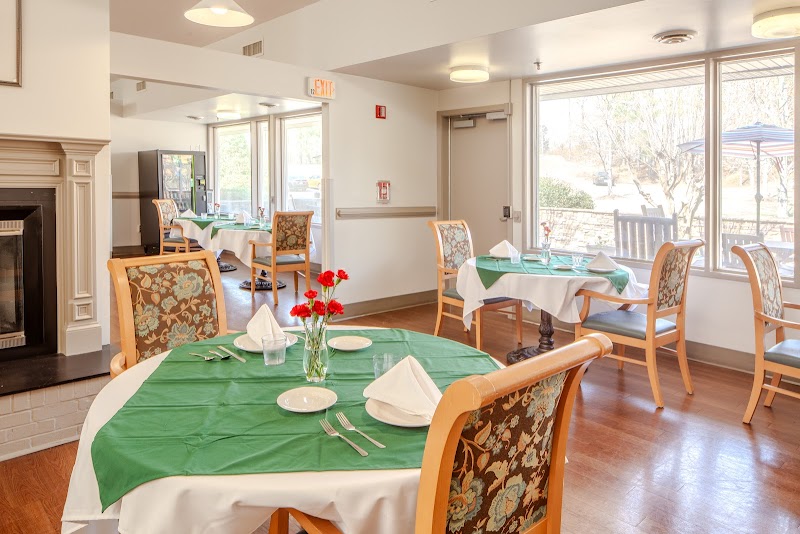
How is Pruitthealth - Richmond, Llc Staffed?

CMS rates PRUITTHEALTH - RICHMOND, LLC's staffing level at 1 out of 5 stars, which is much below average compared to other nursing homes. Staff turnover is 60%, which is 14 percentage points above the Georgia average of 46%. High turnover can affect care consistency as new staff learn residents' individual needs. RN turnover specifically is 64%, which is notably high. RNs provide skilled clinical oversight, so turnover in this role can affect medical care quality.

What Have Inspectors Found at Pruitthealth - Richmond, Llc?

State health inspectors documented 18 deficiencies at PRUITTHEALTH - RICHMOND, LLC during 2022 to 2025. These included: 17 with potential for harm and 1 minor or isolated issues.

Who Owns and Operates Pruitthealth - Richmond, Llc?

PRUITTHEALTH - RICHMOND, LLC is owned by a for-profit company. For-profit facilities operate as businesses with obligations to shareholders or private owners. The facility is operated by PRUITTHEALTH, a chain that manages multiple nursing homes. With 100 certified beds and approximately 75 residents (about 75% occupancy), it is a mid-sized facility located in AUGUSTA, Georgia.
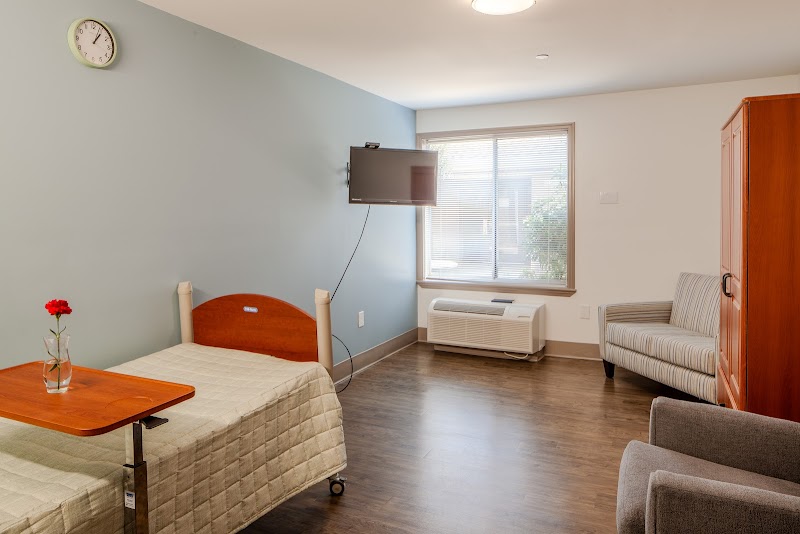
How Does Pruitthealth - Richmond, Llc Compare to Other Georgia Nursing Homes?

Compared to the 100 nursing homes in Georgia, PRUITTHEALTH - RICHMOND, LLC's overall rating (1 stars) is below the state average of 2.6, staff turnover (60%) is significantly higher than the state average of 46%, and health inspection rating (2 stars) is below the national benchmark.

What Should Families Ask When Visiting Pruitthealth - Richmond, Llc?

Based on this facility's data, families visiting should ask: "How do you ensure continuity of care given staff turnover, and what is your staff retention strategy?" "Can you walk me through typical staffing levels on day, evening, and night shifts?" "Can I visit during a mealtime to observe dining assistance and food quality?" "How do you handle medical emergencies, and what is your hospital transfer rate?" These questions are particularly relevant given the facility's high staff turnover rate and the below-average staffing rating.

Is Pruitthealth - Richmond, Llc Safe?

Based on CMS inspection data, PRUITTHEALTH - RICHMOND, LLC has a clean safety record: no substantiated abuse findings (meaning no confirmed cases of resident harm), no Immediate Jeopardy citations (the most serious violation level indicating risk of serious injury or death), and is not on the Special Focus Facility watch list (a federal program monitoring the lowest-performing 1% of nursing homes). The facility has a 1-star overall rating and ranks #100 of 100 nursing homes in Georgia. While no facility is perfect, families should still ask about staff-to-resident ratios and recent inspection results during their visit.

Do Nurses at Pruitthealth - Richmond, Llc Stick Around?

Staff turnover at PRUITTHEALTH - RICHMOND, LLC is high. At 60%, the facility is 14 percentage points above the Georgia average of 46%. Registered Nurse turnover is particularly concerning at 64%. RNs handle complex medical decisions and coordinate care — frequent RN changes can directly impact care quality. High turnover means new staff may not know residents' individual needs, medications, or preferences. It can also be disorienting for residents, especially those with dementia who rely on familiar faces. Families should ask: What is causing the turnover? What retention programs are in place? How do you ensure care continuity during staff transitions?

Was Pruitthealth - Richmond, Llc Ever Fined?

PRUITTHEALTH - RICHMOND, LLC has no federal fines on record. CMS issues fines when nursing homes fail to meet care standards or don't correct problems found during inspections. The absence of fines suggests the facility has either maintained compliance or corrected any issues before penalties were assessed. This is a positive indicator, though families should still review recent inspection reports for the full picture.

Is Pruitthealth - Richmond, Llc on Any Federal Watch List?

PRUITTHEALTH - RICHMOND, LLC is not on any federal watch list. The most significant is the Special Focus Facility (SFF) program, which identifies the bottom 1% of nursing homes nationally based on persistent, serious quality problems. Not being on this list means the facility has avoided the pattern of deficiencies that triggers enhanced federal oversight. This is a positive indicator, though families should still review the facility's inspection history directly.