RESORTS AT POOLER INC

508 SOUTH ROGERS STREET, POOLER, GA 31322 (912) 748-6840
For profit - Limited Liability company 122 Beds Independent Data: November 2025
Trust Grade
53/100
#227 of 353 in GA
Last Inspection: June 2024

Within standard 12-15 month inspection cycle. Federal law requires annual inspections.

Overview

Resorts at Pooler Inc has a Trust Grade of C, which means it is considered average-middle of the pack, not great but not terrible. It ranks #227 out of 353 facilities in Georgia, placing it in the bottom half overall, and #7 out of 12 in Chatham County, meaning only six local options are better. The facility is improving, with the number of issues decreasing from 6 in 2024 to 4 in 2025. Staffing is a strength here, rated at 4 out of 5 stars, with a turnover rate of 54%, which is close to the state average. However, the facility has faced some concerning issues, such as failing to maintain effective infection control practices, resulting in a potential risk for all residents, and not providing proper bed hold information for residents being transferred to the hospital, which could impact their re-admission. Additionally, there were cleanliness concerns in residents' rooms, indicating a need for better housekeeping practices. Overall, while there are strengths in staffing and a trend toward improvement, these weaknesses highlight areas that need attention.

Trust Score
C
53/100
In Georgia
#227/353
Bottom 36%
Safety Record
Low Risk
No red flags
Inspections
Getting Better
6 → 4 violations
Staff Stability
⚠ Watch
54% turnover. Above average. Higher turnover means staff may not know residents' routines.
Penalties
✓ Good
$4,017 in fines. Lower than most Georgia facilities. Relatively clean record.
Skilled Nurses
✓ Good
Each resident gets 44 minutes of Registered Nurse (RN) attention daily — more than average for Georgia. RNs are trained to catch health problems early.
Violations
⚠ Watch
19 deficiencies on record. Higher than average. Multiple issues found across inspections.
★★☆☆☆
2.0
Overall Rating
★★★★☆
4.0
Staff Levels
★★★★☆
4.0
Care Quality
★★☆☆☆
2.0
Inspection Score
Stable
2024: 6 issues
2025: 4 issues

The Good

  • 4-Star Staffing Rating · Above-average nurse staffing levels
  • 4-Star Quality Measures · Strong clinical quality outcomes
  • Full Sprinkler Coverage · Fire safety systems throughout facility
  • No fines on record

Facility shows strength in staffing levels, quality measures, fire safety.

The Bad

2-Star Overall Rating

Below Georgia average (2.6)

Below average - review inspection findings carefully

Staff Turnover: 54%

Near Georgia avg (46%)

Higher turnover may affect care consistency

Federal Fines: $4,017

Below median ($33,413)

Minor penalties assessed

The Ugly 19 deficiencies on record

Jul 2025 4 deficiencies
CONCERN (D) 📢 Someone Reported This

A family member, employee, or ombudsman was alarmed enough to file a formal complaint

Potential for Harm - no one hurt, but risky conditions existed

Deficiency F0658 (Tag F0658)

Could have caused harm · This affected 1 resident

**NOTE- TERMS IN BRACKETS HAVE BEEN EDITED TO PROTECT CONFIDENTIALITY** Based on record review, interview, and facility policy review, the facility failed to follow professional standards of practice ...

Read full inspector narrative →
**NOTE- TERMS IN BRACKETS HAVE BEEN EDITED TO PROTECT CONFIDENTIALITY** Based on record review, interview, and facility policy review, the facility failed to follow professional standards of practice in regard to following a physician's order to obtain a blood pressure prior to the administration of a blood pressure medication for one of six residents (R) (R16) reviewed for medication administration out of 16 total sample residents. This failure had the potential for R16 to be administered blood pressure medication unnecessarily and to experience adverse effects by receiving the blood pressure medication when not needed. Findings include: Review of the facility's policy titled, Medication Administration Overview, dated 2/1/2024, indicated . Verify physician's orders for medication to be administered . Perform needed evaluations prior to administering specific medications (e.g., pulse, blood pressure, blood glucose) . Review of Lippincott Manual of Nursing Practice, dated 2018, page 75, revealed .Departure from Standards of Care . Failure to monitor . a patient's clinical status adequately . Failure to implement a physician's, advanced practice nurse's, or physician assistant's order properly . Review of R16's undated Face Sheet located under the Profile tab in the electronic medical record (EMR) indicated R16 was admitted to the facility on [DATE] with the diagnosis of hypertension. Review of R16's admission Minimum Data Set (MDS) located under the MDS tab in the EMR with an Assessment Reference Date (ARD) of 6/3/2025 indicated R16 had short and long-term memory loss, with being moderately impaired in making daily decisions. Review of R16's Care Plan located under the Care Plan tab in the EMR indicated R16 had a Focus of The resident has .hypertension . Interventions included Give anti hypertensive [sic] medications as ordered . Review of R16's Physician's Orders located under the Orders tab in the EMR indicated R16 had an order, dated 6/16/2025, for Sotalol 80 milligrams by mouth two times a day for hypertension. Hold for systolic blood pressure less than 110 or diastolic blood pressure less than 70. Review of R16's Medication Administration Record (MAR) located under the Orders tab in the EMR indicated R16 was administered Sotalol 80 milligrams by mouth two times a day beginning on 6/16/2025 at 9:00 pm through 7/1/2025 at 9:00 pm. There were no documented blood pressures taken prior to the administration of this blood pressure medication. During an interview on 7/2/2025 at 2:30 pm, Licensed Practical Nurse (LPN) 3 stated, I haven't been taking the resident's blood pressure before I give this medication [blood pressure medication] to the resident. LPN3 reviewed the EMR and the physician's order for this medication and stated, The nurse putting this order in [the electronic record system] did not put in it right. They forgot to put in that the blood pressure needed to be taken each time when administering this medication to [R16]. During an interview on 7/2/2025 at 2:45 pm, the Regional Director of Nursing (RDON) stated, The nurse should have followed the physician's order to obtain the blood pressure prior to the administration of the medication. This is a standard of practice to obtain the blood pressure prior to the administration of this medication when it was ordered by the physician to be done.
CONCERN (D) 📢 Someone Reported This

A family member, employee, or ombudsman was alarmed enough to file a formal complaint

Potential for Harm - no one hurt, but risky conditions existed

Pharmacy Services (Tag F0755)

Could have caused harm · This affected 1 resident

**NOTE- TERMS IN BRACKETS HAVE BEEN EDITED TO PROTECT CONFIDENTIALITY** Based on record review and staff interview, the facility failed to ensure a physician-ordered antibiotic was available for admin...

Read full inspector narrative →
**NOTE- TERMS IN BRACKETS HAVE BEEN EDITED TO PROTECT CONFIDENTIALITY** Based on record review and staff interview, the facility failed to ensure a physician-ordered antibiotic was available for administration from the pharmacy for one of two residents (R) (R3) out of a total sample of 16 residents. This failure had the potential for R3 to have adverse effects from not receiving the antibiotic as ordered by the physician. Findings include: Review of R3's undated Face Sheet located under the Profile tab in the electronic medical record (EMR) indicated R3 was admitted to the facility on [DATE] with the diagnosis of osteomyelitis of the vertebra in the thoracic region. Review of R3's admission Minimum Data Set (MDS) located under the MDS tab in the EMR with an Assessment Reference Date (ARD) of 9/14/2024 indicated R3 had a Brief Interview for Mental Status (BIMS) score of 15 out of 15 which indicated R3 was cognitively intact. Review of R3's Physician Orders located under the Orders tab in the EMR indicated R3 had an order, dated 9/7/2024, for Cefazolin Sodium Solution Reconstituted 1 GM [gram] Use 2 gram intravenously [IV] every 8 hours for infection until 10/11/2024 [sic]. Review of R3's Medication Administration Record (MAR) located under the Orders tab in the EMR and dated September 2024, indicated on 9/9/2024 at 12:00 am, R3 received his first dose of cefazolin IV since being admitted to the facility on [DATE]. The IV antibiotic was scheduled to be given on 9/7/2024 at 4:00 PM and then again on 9/8/2024 at 12:00 am, 8:00 am, and 4:00 pm. These doses were not documented as being given. Review of R3's EMR in its entirety did not indicate R3 had any untoward effects from not receiving the IV antibiotic as ordered by the physician. During an interview on 7/1/2025 at 11:42 am, the Pharmacist stated, The first delivery of the medication was on 9/8/2024 at 7:36 pm, this would have been a stat [urgent] delivery. Someone from the facility had called the after-hours pharmacist, and they filled it. That was the first time we had heard about this order. The order had hung up in [the electronic record system] because someone at the facility has to confirm the order. From our records, the order was confirmed by someone there at the facility on 9/9/2024, and then we received the transmission of the order and sent the rest of the order they would need for this medication. During an interview on 7/1/2025 at 12:30 pm, Licensed Practical Nurse (LPN) 3 stated, I was called into work a night shift and noted that [R3] did not have an antibiotic in the med [medication] room to be given. I called the pharmacy and asked them to send this to me, and I gave it around midnight on 9/9/2024. After looking back in the computer to see if the antibiotic was ordered, I saw that no one had confirmed the order that was put into [the electronic record system], so I did that. During an interview on 7/1/2025 at 3:00 pm, the Director of Nursing (DON) stated, The nurse is to place the order into [the electronic record system] and then another nurse checks the order and then confirms the order for the pharmacy to send us the medication that has been ordered by the doctor. The nurse can fax the order to the pharmacy to ensure we get the medication, and the pharmacy will send a three-day supply and then once a nurse confirms it in the computer the pharmacy will send the rest of the remaining medication needed for a 30-day supply. I wasn't here at that time, but this is the process that should have been used.
CONCERN (D) 📢 Someone Reported This

A family member, employee, or ombudsman was alarmed enough to file a formal complaint

Potential for Harm - no one hurt, but risky conditions existed

Deficiency F0757 (Tag F0757)

Could have caused harm · This affected 1 resident

**NOTE- TERMS IN BRACKETS HAVE BEEN EDITED TO PROTECT CONFIDENTIALITY** Based on record review, interview, and facility policy review, the facility failed to follow the parameters order for a blood pr...

Read full inspector narrative →
**NOTE- TERMS IN BRACKETS HAVE BEEN EDITED TO PROTECT CONFIDENTIALITY** Based on record review, interview, and facility policy review, the facility failed to follow the parameters order for a blood pressure medication in which the medication was given to one of six residents (R) (R3) reviewed for medication administration out of 16 total sample residents. This failure had the potential for R3 to receive unnecessary medications. Findings include: Review of the facility's policy titled, Medication Administration Overview, dated 2/1/2024, stated, To administer the following according to the principles of medication administration, including the right medication, to the right resident/patient at the right time, and in the right dose and route .Verify physician's orders for medications to be administered . Perform needed evaluations prior to the administering specific medications (e.g., pulse, blood pressure, blood glucose) . Review of R3's undated Face Sheet located under the Profile tab in the electronic medical record (EMR) indicated R3 was admitted to the facility on [DATE] with the diagnosis of hypertension. Review of R3's admission Minimum Data Set (MDS) located under the MDS tab in the EMR with an Assessment Reference Date (ARD) of 9/14/2024 indicated R3 had a Brief Interview for Mental Status (BIMS) score of 15 out of 15 which indicated R3 was cognitively intact. Review of R3's Physician Orders located under the Orders tab in the EMR indicated R3 had an order, dated 9/18/2024, for Amlodipine Besylate Oral Tablet 5 mg [milligram] Give 1 tablet by mouth one time a day for Blood Pressure Hold for SBP [systolic blood pressure] < [less than] 130 [sic]. Review of R3's Medication Administration Record (MAR) located under the Orders tab in the EMR and dated September 2024, indicated on 9/20/2024 through 9/22/2024, R3's blood pressure was documented as 111/92 for each of those dates and received Amlodipine Besylate five mg on each of those dates. R3's MAR, dated October 2024, indicated R3's blood pressure was documented as 123/75 on 10/4/2024, 10/6/2024 through 10/11/2024. R3 received Amlodipine Besylate five mg on each of those dates when the mediation should have been held. During an interview on 7/1/2024 at 12:30 pm, Licensed Practical Nurse (LPN) 3 stated, I can't tell you why the blood pressures were the same on those dates. But looking at the blood pressures, the medication should not have been given. During an interview on 7/1/2024 at 3:00 pm, the Director of Nursing (DON) stated, The resident's blood pressure should be taken prior to each of the administration times the resident is to receive the blood pressure medication. According to the blood pressure documentation, the medication should have been held and not given to the resident. I expect the nurses to follow the physician's orders.
CONCERN (D) 📢 Someone Reported This

A family member, employee, or ombudsman was alarmed enough to file a formal complaint

Potential for Harm - no one hurt, but risky conditions existed

Infection Control (Tag F0880)

Could have caused harm · This affected 1 resident

**NOTE- TERMS IN BRACKETS HAVE BEEN EDITED TO PROTECT CONFIDENTIALITY** Based on observation, record review, interview and facility policy review, the facility failed to place a resident with an open ...

Read full inspector narrative →
**NOTE- TERMS IN BRACKETS HAVE BEEN EDITED TO PROTECT CONFIDENTIALITY** Based on observation, record review, interview and facility policy review, the facility failed to place a resident with an open wound in Enhanced Barrier Precautions (EBP) and failed to follow infection control guidelines for EBP during a dressing change for one of one resident (R) (R9) reviewed and observed for pressure wounds out of a total sample of 16 residents. This failure had the potential to increase the risk and spread of infections throughout the facility to a vulnerable population. Findings include: Review of the facility's policy titled, Enhance Barrier Precautions, dated August 2022, indicated . Enhanced barrier precautions (EBPs) are used as an infection prevention and control intervention to reduce the spread of multi-drug organisms (MDROs) to residents. EBPs employ targeted gown and glove use during high contact resident care activities when contact precautions do not otherwise apply . Examples of high-contact resident care activities requiring the use of gown and gloves for EBPs . wound care (any skin opening requiring a dressing). Review of R9's undated Face Sheet located under the Profile' tab in the electronic medical record (EMR) indicated R9 was admitted to the facility on [DATE] with the diagnosis of dementia. Review of R9's Significant Change Minimum Data Set (MDS) located under the MDS tab in the EMR, indicated R9 had a stage four pressure ulcer that was acquired while in the facility. During an observation on 7/2/2025 at 9:15 am, Licensed Practical Nurse (LPN) 1 was observed performing a dressing change to R9 while wearing only gloves. It was also observed that no personal protective equipment (PPE) was available in R9's room or outside of the resident's room for easy access for staff to use when delivering care to R9. During an interview on 7/2/2025 at 9:45 am, LPN1 was asked if R9 should be in EBP due to having an open wound. LPN1 stated, Yes, she should be, and I should have worn a gown when doing the dressing change. During an interview on 7/2/2025 at 2:00 pm, the Director of Nursing (DON) stated, When I walked past the door and looked in, I saw that the nurse was not wearing a gown. This resident has an open wound, and the staff should have been performing care per the enhanced barrier precautions guidelines.
Jun 2024 6 deficiencies
CONCERN (D) 📢 Someone Reported This

A family member, employee, or ombudsman was alarmed enough to file a formal complaint

Potential for Harm - no one hurt, but risky conditions existed

Deficiency F0554 (Tag F0554)

Could have caused harm · This affected 1 resident

**NOTE- TERMS IN BRACKETS HAVE BEEN EDITED TO PROTECT CONFIDENTIALITY** Based on observations, resident and staff interviews, record review, and review of the facility's policies titled Medication Ord...

Read full inspector narrative →
**NOTE- TERMS IN BRACKETS HAVE BEEN EDITED TO PROTECT CONFIDENTIALITY** Based on observations, resident and staff interviews, record review, and review of the facility's policies titled Medication Orders and Storage of Medications, the facility failed to ensure unauthorized medications at the bedside were safely stored and failed to obtain a physician order for self-administration of medications for one of three residents (R) (R223) observed during medication administration. This deficient practice placed R223 at risk for unsafe medication use. Findings include: A review of the facility's undated policy titled Medication Orders revealed the section titled Supervision by a Physician stated, 4. If resident regularly self-administers medication and requests to continue, a self-administration of medication assessment must be completed, and MD [Medical Doctor] must write order as such. The section titled Recording Orders stated, 8. Self-Administration of medication, after assessment completed MD must write order enabling resident to self-administer. A review of the facility's undated policy titled Storage of Medications revealed the section titled Policy Interpretation and Implementation stated, 7. Compartments (including, but not limited to, drawers, cabinets, rooms, refrigerators, carts, and boxes) containing drugs and biologicals shall be locked when not in use, and trays or carts used to transport such items shall not be left unattended if open or otherwise potentially available to others. 9. Medications requiring refrigeration must be stored in a refrigerator located in the drug room at the nurse's station or other secured location. Medications must be stored separately from food and must be labeled accordingly. A review of R223's admission Record revealed diagnoses including, but not limited to, pneumonia, chronic obstructive pulmonary disease (COPD), type 2 diabetes mellitus, pulmonary hypertension, morbid obesity due to excess calories, acute pulmonary edema, and obstructive sleep apnea. A review of R223's admission Minimum Data Set (MDS) dated [DATE] revealed Section C (Cognitive Patterns) documented a Brief Interview for Cognitive Status (BIMS) score of 15, which indicated he was cognitively intact. On 6/15/2024 at 8:05 am, observation of medication administration and interview with Licensed Practical Nurse (LPN) AA, as she prepared to administer R223's 9:00 am scheduled medications, revealed an Anoro Ellipta inhaler [a medication used to treat COPD] was self-administered by the resident and kept at the bedside. When questioned if the resident had been assessed to self-administer medications, LPN AA stated, he does what he wants to do. LPN AA entered R223's room to administer medications. During this time, a plastic bag containing three medications (an Anoro Ellipta inhaler, an Ozempic pen-injector [a medication used to help lower blood sugar], and an albuterol inhaler [a medication used to treat asthma and COPD]) was observed in the unlocked top drawer of the nightstand at the bedside. The manufacturer's instructions on the box containing the Ozempic pen read, REFRIGERATE-DO NOT FREEZE. An interview during this time with R223 revealed he was admitted to the facility two weeks ago and that the medications were brought from home by a family member. R223 revealed he self-administered these medications that were kept at the bedside. A review of R223's Self-Medication Evaluation, dated 6/3/2024, revealed all questions were marked Can Not Do. The evaluation tool was used to determine if a resident was capable of self-administering medications. A review of R223's June 2024 Physician Orders revealed orders dated 6/3/2024 of Anoro Ellipta inhalation aerosol powder breath activated 62.5-25 mcg (microgram)/ACT (umeclidinium-vilanterol) one inhalation, inhale orally one time a day for PNA (pneumonia), 6/3/2024 for albuterol sulfate powder two puffs inhale orally every four hours as needed for dyspnea, and 6/3/2024 for Ozempic (0.25 or 0.5 mg (milligram)/dose) subcutaneous solution pen-injector two mg/three ml (milliliter) (semaglutide) inject 0.25 mg subcutaneously one time a day every Monday for DM (diabetes mellitus). Further review revealed there were no orders for R223 to self-administer or store medications at the bedside. A review of R223's care plan dated 6/4/2024 revealed a focus area of having medications noted in his room, stated to be brought in by (a family member). The goal was that R223 will not keep medications in his room. The interventions included educating R223 and (family member) on proper storage of prescribed medications, such as in the nurses' cart, educating R223 and his family on the risks of R223's self-medication up to and including overdose, coma and death, and evaluating as needed for possible self-administration of medications. Interview on 6/15/2024 at 1:15 pm with the Director of Nursing (DON) and the Administrator, when questioned how many residents at the facility self-administer medications, they revealed two residents at the facility that had been assessed to self-administer and store medications at the bedside. The DON revealed if a resident wanted to self-administer a medication, the nurses would complete a self-administration tool which would include a return demonstration, in addition to a care plan would be put in place. Interview on 6/15/2024 at 1:20 pm with LPN/Unit Manager (UM) BB, with the DON present, revealed two residents at the facility who self-administered medications. When questioned if R223 self-administered medications, they both stated, No. During the interview, R223's self-medication evaluation assessment and orders were reviewed. Both the DON and LPN/UM BB verified the assessment determined he could not self-administer medications and there were no physician orders to self-administer and store medications at bedside. Observation on 6/15/2024 at 1:25 pm with the DON and LPN/UM BB of R223's room revealed a plastic bag in the unlocked top drawer of the nightstand at the bedside. The plastic bag contained three medications (an Anoro Ellipta inhaler, an Ozempic pen injector, and an albuterol inhaler). An interview with the DON and LPN/UM BB revealed they were unaware R223 had these medications at the bedside. The DON confirmed that R223 should not have been allowed to self-administer and store medications at the bedside, the nightstand drawer should have been locked, and the Ozempic should have been refrigerated. Interview on 6/16/2024 at 8:17 am with the DON revealed her expectations of staff were if a resident wanted to self-administer medications, staff should complete a self-medication evaluation assessment, obtain a physician's order for the resident to self-administer the medications, safely store medications, and make sure a care plan was in place for self-administration of medications.
CONCERN (D) 📢 Someone Reported This

A family member, employee, or ombudsman was alarmed enough to file a formal complaint

Potential for Harm - no one hurt, but risky conditions existed

PASARR Coordination (Tag F0644)

Could have caused harm · This affected 1 resident

**NOTE- TERMS IN BRACKETS HAVE BEEN EDITED TO PROTECT CONFIDENTIALITY** 2. Record review revealed R16 was admitted to the facility on [DATE] with diagnoses including bipolar disorder, major depressive...

Read full inspector narrative →
**NOTE- TERMS IN BRACKETS HAVE BEEN EDITED TO PROTECT CONFIDENTIALITY** 2. Record review revealed R16 was admitted to the facility on [DATE] with diagnoses including bipolar disorder, major depressive disorder, post-traumatic stress disorder (PTSD), and antisocial personality disorder. A review of the annual MDS dated [DATE] revealed a BIMS score of 15, indicating intact cognition. Section I (Active Diagnosis) revealed anxiety, depression, bipolar, and PTSD were checked. A review of the PASRR Level II dated 6/10/2021 with a start date of 6/2/2021 and an expiration date of 12/31/2099 revealed OBRA status code and definition: 1:1 skilled nursing facility (SNF) approval, appropriate for SNF level of care; has serious mental illness (SMI), needs specialized services for SMI. Further review of R16's medical records revealed no specialized services were being offered for SMI. An interview on 6/16/2024 at 9:23 am with the SSD revealed R16 has a PASRR Level II and was receiving psychiatric services. The SSD stated the Unit Manager kept up with the documentation. An interview on 6/16/2024 at 10:05 am with Unit Manager DD revealed R16 resident was never referred to psychiatric services after admission. Unit Manager DD stated the resident was admitted with PASRR Level II and should be receiving psychiatric services. An interview on 6/16/2024 at 10:10 am with the DON revealed it was her expectation for residents requiring specialized services to receive those services. Based on staff interviews, record review, and a review of the facility policy titled Preadmission Screening and Resident Review (PASRR) Level I and II Policy, the facility failed to submit for a PASRR Level II for one resident (R) (R32) after a new mental illness diagnosis was added and failed to implement recommendations of a PASRR Level II for one resident (R16). This deficient practice had the potential to affect the appropriate level of care and services provided for R32 and R16. The sample size was 42. Findings included: A review of the facility policy titled Preadmission Screening and Resident Review (PASRR) Level I and II Policy revealed the Policy Statement of (PASRR) is a federal requirement to help ensure that individuals are not inappropriately placed in nursing homes for long term care. PASRR requires that all applicants to a Medicaid-certified nursing facility: 1. Be evaluated for mental illness, intellectual disability, and/or related condition 2. Be offered the most appropriate setting for their needs 3. Receive the services they need in those settings The facility will utilize the admitted PASRR. However, if there is a noted psychological change in condition with behaviors impacting resident day to day care, this will prompt the IDT (Interdisciplinary Team) to review for a new screening. Residents will be monitored for behaviors. Facility will continue to meet highest level of psychological needs and will offer psychology and psychiatry services as needed for emotional support. Behaviors are monitored on all residents regardless of PASRR level to determine if there is a need for review. Residents noted with a need for review will be referred to the Medical Director /IDT to have a new PASRR submitted. 1. A review of the clinical record revealed that R32 was admitted to the facility on [DATE] with diagnoses including, but not limited to, anxiety disorder and depression. On 1/4/2023, a diagnosis of schizophrenia was added. A review of the quarterly Minimum Data Set (MDS) dated [DATE] revealed a Brief Interview for Mental Status (BIMS) score of 11, indicating moderate cognitive impairment. Section I (Active Diagnosis) revealed schizophrenia, anxiety disorder, and depression (other than bipolar) were checked. During an interview on 6/15/2024 at 9:10 am, the Director of Nursing (DON) reviewed R32's medical diagnoses and confirmed that R32 had a current diagnosis of schizophrenia. The DON stated that R32 was not taking any medications for schizophrenia and did not have a Level II PASRR. The DON further stated the Social Service Director (SSD) was responsible for PASRRs and her expectation was for the SSD to submit for Level II PASRRs timely. During an interview on 6/15/2024 at 2:20 pm, the SSD revealed a submission for a PASRR Level II screening was not done after R32's new diagnosis of schizophrenia and should have been. She stated that she was responsible for submitting for Level II PASRR to Georgia Medicaid Management Information System (GAMMIS).
CONCERN (D) 📢 Someone Reported This

A family member, employee, or ombudsman was alarmed enough to file a formal complaint

Potential for Harm - no one hurt, but risky conditions existed

Respiratory Care (Tag F0695)

Could have caused harm · This affected 1 resident

Based on observations, staff interview, record review, and review of the facility policy titled Oxygen Therapy Policy, the facility failed to ensure oxygen equipment was safely stored for two of 19 re...

Read full inspector narrative →
Based on observations, staff interview, record review, and review of the facility policy titled Oxygen Therapy Policy, the facility failed to ensure oxygen equipment was safely stored for two of 19 residents (R) (R50 and R223) who received oxygen therapy. The deficient practice had the potential to increase the probability of respiratory infection for R50 and R223. Findings include: Review of the facility policy titled Oxygen Therapy Policy, last review date 8/23/2023, revealed the Procedure section included 11. When not in use, the nasal cannula or oxygen mask will be placed in a plastic bag. 1. Record review for R50 revealed the resident was admitted to the facility with the diagnoses of, but not limited to, acute and chronic respiratory failure with hypoxia, pneumonia, dysphagia, bronchitis, disease of the jaw, paralysis of vocal cords and larynx. Observation on 6/14/2024 at 9:50 am revealed a nebulizer mask was noted in the recliner on the seat and not covered. 2. Record review for R223 revealed resident was admitted to the facility with diagnoses of, but not limited to, pneumonia, chronic obstructive pulmonary disease, morbid obesity due to excess calories, acute pulmonary edema, obstructive sleep apnea, and acute or chronic diastolic congestive heart failure. Observation on 6/14/2024 at 9:02 am revealed a nebulizer mask not bagged or labeled. Observation on 6/15/2024 at 7:43 am revealed a nebulizer mask lying on the resident's chest of drawers, not bagged or labeled. An interview on 6/15/2024 at 8:42 am with the Director of Nursing (DON) revealed that all nebulizer masks should be stored in a plastic bag after each use by the charge nurse. Further interview also revealed that the nebulizer masks should never be left lying around on the residents' bedside table without being covered. The DON was notified by the Surveyor that the resident's nebulizer masks were not safely stored for two consecutive days and the DON acknowledged the observations.
CONCERN (E) 📢 Someone Reported This

A family member, employee, or ombudsman was alarmed enough to file a formal complaint

Potential for Harm - no one hurt, but risky conditions existed

Safe Environment (Tag F0584)

Could have caused harm · This affected multiple residents

Observations on 6/14/2024 at 8:30 am and 6/15/2024 at 7:30 am of room B11 revealed there was no paper towel dispenser in the bathroom, and paper towels were stored on the back of the toilet. Observati...

Read full inspector narrative →
Observations on 6/14/2024 at 8:30 am and 6/15/2024 at 7:30 am of room B11 revealed there was no paper towel dispenser in the bathroom, and paper towels were stored on the back of the toilet. Observations on 6/14/2024 at 8:45 am and 6/15/2024 at 7:45 am of room B12 revealed there was no paper towel dispenser in the bathroom and no paper towels for use. Observations on 6/14/2024 at 9:00 am and 6/15/2024 at 8:00 am of room C1 bed A area revealed a nightstand cluttered with paper, a meal tray top from breakfast, and a bag of miscellaneous items. The wall behind the bed had scraped marks with the sheetrock showing. There were two chairs in the middle of the room with clothes and a large clear bag of miscellaneous items noted in the bag. Observations on 6/14/2024 at 8:45 am and 6/15/2024 at 8:15 am of room C1 bed C area revealed it was cluttered with five cardboard boxes stacked on each other. The nightstand was cluttered with a bag of briefs and other items. The area in the middle of the room had clutter noted on top of the counter area, and on the floor underneath the counter, there were five different boxes with various items in them and a stack of books on the floor. Observations on 6/14/2024 at 9:00 am and 6/15/2024 at 8:30 am of room C4 revealed the counter in the middle of the room had resident items in two hospital bags, and a top from a meal tray was on the counter. Observations on 6/14/2024 at 9:30 am and 6/15/2024 at 8:35 am of room C5 revealed the privacy curtain for A bed had brown stains throughout the curtain. There was trash on the floor in front of the nightstand, the nightstand was cluttered with various items including a folded lap blanket, a brown paper bag, and a dirty washcloth. Bed B area was noted to have a box on the floor by the bed with various items in it. There was a deflated air mattress on the floor by the window and a pile of coffee ground-like substances on the floor in front of the air conditioning unit. The toilet had brown stains noted in the base of the bowl. The urinal on the back of the toilet seat was unlabeled and unbagged. Observations on 6/14/2024 at 10:00 am and 6/15/2024 at 8:40 am of room C6 bed A area revealed on the wall coming into the room, there was an area of missing paint with a brown layer of the wall exposed. The wall to the right of the resident's bed had scraped areas at the base of the wall with missing paint and with the sheetrock visible. The wall to the left of the room by the base board had areas of sheet rock visible and peeling paint noted. An interview on 6/16/2024 at 8:21 am with the Housekeeping Supervisor revealed there were several open positions in the department, and they were working short-staffed. The Housekeeping Supervisor stated the residents' rooms were deep cleaned daily, and during the deep clean, all the furniture was removed from the room, and the room was cleaned from top to bottom. Further interview revealed the floors were buffed and cleaned with a scrubber, and the bathrooms were cleaned with a disinfectant cleaner with dwell time of three to five minutes. The Housekeeping Supervisor stated during the deep clean, the privacy curtains were changed if they were soiled or needed repair. Observation walking rounds were conducted on 6/16/2024 at 8:24 am with the Administrator, Maintenance Director, and Housekeeping Supervisor, and all observations were confirmed at the time of the walking rounds. An interview on 6/16/2024 at 8:45 am with the Maintenance Director revealed the Maintenance logbook was kept at the reception desk for staff to log in any repairs needed. The Maintenance Director stated the logbook was reviewed daily and the repairs were done by priority. The Maintenance Director further stated daily rounds were made for any immediate needed repairs as well. An interview on 6/16/2024 at 9:15 am with the Administrator revealed that she was aware of the repairs that needed to be completed within the facility and will continue to work on completing the repairs and replacing the privacy curtains when they are available. During the interview, it was also disclosed that the corporate office was aware of the needed repairs within the facility, and she was currently working with them to get things done for the improvement of the residents' environment. Based on observations, resident and staff interviews, and review of the policies titled Maintenance Department Policy and Procedures and Cleaning and Disinfection of Environmental Surfaces, and review of the facility document titled Room Cleaning Step by Step, the facility failed to ensure that resident rooms were clean, homelike, and in good repair on two of three halls (Hall B and Hall C). The deficient practice placed residents at risk of residing in an unsanitary living environment and the potential for a diminished quality of life. Findings included: A review of the facility's undated policy titled Maintenance Department Policy and Procedures revealed the Objectives stated 1. Direct and coordinate the operations and activities of the physical plant maintenance, including but not limited to: . building and grounds maintenance; . and environmental compliance. A review of the undated facility policy titled Cleaning and Disinfection of Environmental Surfaces revealed the Policy Interpretation and Implementation stated, 9. Housekeeping surfaces (e.g. floors, tabletops) will be cleaned on a regular basis when spills occur, and when these surfaces are visibly soiled. 10. Environmental surfaces will be disinfected (or cleaned) on a regular basis (e.g. daily, three times per week) and when surfaces are visibly soiled. 11. Walls, blinds, and window curtains in resident areas will be cleaned when these surfaces are visibly contaminated or soiled. A review of the undated facility document titled Room Cleaning Step by Step revealed Step 1 included room high-dusting (anything above the shoulders) and filter/ceiling vent cleaning. Step 2 included refilling the paper towel dispenser and sweeping/mopping. Step 3 included everything on the ground must be moved for sweeping and mopping. Observations on 6/14/2024, beginning at 8:00 am and 6/15/2024, beginning at 7:50 am revealed the following: Room C9/C11 adjoining bathroom had stained ceiling tiles and dust on the ceiling ventilation unit. Room C14 had dirty privacy curtains, dirty window blinds, and stained ceiling tiles. Room C17 had broken sheetrock on the walls. Room C18 had a large area of sheetrock that had been plastered but not painted and a missing doorknob on one of two closet doors.
CONCERN (E) 📢 Someone Reported This

A family member, employee, or ombudsman was alarmed enough to file a formal complaint

Potential for Harm - no one hurt, but risky conditions existed

Deficiency F0625 (Tag F0625)

Could have caused harm · This affected multiple residents

Based on staff interviews, family interview, record reviews, and a review of the facility policy titled Bed Hold Acknowledgement Form: Georgia, the facility failed to provide bed hold information, in ...

Read full inspector narrative →
Based on staff interviews, family interview, record reviews, and a review of the facility policy titled Bed Hold Acknowledgement Form: Georgia, the facility failed to provide bed hold information, in writing, at the time of transfer or within 24 hours, for four of six residents (R) (R50, R66, R13, and R11) reviewed for transfer to the hospital. This failure had the potential to contribute to possible denial of re-admission and loss of the resident's home following a hospitalization for residents transferred to the hospital. Findings included: A review of the facility's undated policy titled Bed Hold Acknowledgement Form: Georgia under Policy: Bed Holds revealed, Two notices related to the healthcare center's bed hold policy will be issued. The first notice of the bed hold policies is given during the admission, which is well in advance of any transfer. The second notice, which specifies the bed hold policy's duration, will be issued at the time of any transfer. 1. Record review for R50 revealed the resident was transferred to the local hospital on 6/6/2024. A review of the facility's Notice of Transfer or Discharge form for R50 did not indicate that the resident or resident representative was notified of the rates at which the bed hold would be contingently held, nor did it indicate when the bed hold would begin or end for R50 while out of the facility. 2. Record review for R66 revealed the resident was transferred to a stabilization unit on 1/17/2024 for medication regimen stabilization and to the local hospital on 4/17/2024. A review of the facility's Notice of Transfer or Discharge form for R66 did not indicate that the resident or resident representative was notified of the rates at which the bed hold would be contingently held, nor did it indicate when the bed hold would begin or end for R66 while out of the facility. An interview on 6/15/2024 at 8:57 am with Licensed Practical Nurse (LPN) AA revealed that when residents are transferred to the hospital, they are supposed to have the bed hold policy sent with them at the time of transfer. LPN AA stated the Unit Manager (UM) is responsible for ensuring that all documents for resident transfer are completed, including the medication list, history and physical, and the bed hold policy. An interview on 6/15/2024 at 9:01 am with UM BB revealed when residents are transferred, the UM completes the paperwork to send with the resident through the week, and the Weekend Supervisor completes the paperwork on the weekends. The UM stated the documents sent with the resident include the face sheet, list of medications, history and physical, and the bed hold. During the interview, it was confirmed that the bed hold policy did not disclose the amount of the bed hold or provide an area for the resident or the resident's representative to acknowledge and/or agree or disagree with the terms of the bed hold. The bed hold also did not disclose the amount per day for the bed hold. 4. Record review for R11 revealed the resident was transferred to the local hospital on 6/14/2022, 8/11/2022, 6/23/2023, and 7/3/2023. A review of the facility's Notice of Transfer or Discharge form for R11 for the above transfer dates revealed the form did not indicate that the resident or resident representative was notified of the rates at which the bed hold would be contingently held, nor did it indicate when the bed hold would begin or end for R11 while out of the facility. An interview on 6/15/2024 at 9:12 am with the DON revealed there is not a separate bed hold policy. She stated that the information about the bed hold is documented at the bottom of the Notice of Transfer or Discharge form. The DON stated that when residents are admitted into the facility, they sign a bed hold agreement during that time. Further interview also revealed that there is not a bed hold agreement that is utilized by the facility that indicates the room rate for the bed hold or that requires a signature by the resident or the resident representative to either agree to hold the bed or to be admitted back into the next available room. 3. Record review for R13 revealed discharges to the hospital with return anticipated on: 10/5/2022, 1/3/2023, 8/4/2023, 9/20/2023, 10/6/2023, and 4/9/2024. A review of the electronic medical record revealed one form titled Notice of Transfer or Discharge. The form did not include information about the room rate per day or other required information.
CONCERN (F) 📢 Someone Reported This

A family member, employee, or ombudsman was alarmed enough to file a formal complaint

Potential for Harm - no one hurt, but risky conditions existed

Infection Control (Tag F0880)

Could have caused harm · This affected most or all residents

Based on staff interviews, record review, and review of facility policy titled Infection Control, the facility failed to maintain an effective infection prevention and control program that demonstrate...

Read full inspector narrative →
Based on staff interviews, record review, and review of facility policy titled Infection Control, the facility failed to maintain an effective infection prevention and control program that demonstrated ongoing surveillance, recognition, investigation, and control of infection to prevent the onset and spread of infection. This deficient practice had the potential to increase all residents' exposure to communicable illnesses. The facility census was 77. Findings include: A review of the facility's undated policy titled Infection Control revealed the Policy section stated, It is the policy of our facility to adhere to the basic infection control guidelines to limit or prevent residents and staff from the onset of or spread of microorganisms. The Purpose section stated, To comply with the Department of Health Guidelines and prevent the spread of infection, and maintain a safe, sanitary, and comfortable environment. The Policy Interpretation and Implementation section titled Objectives of Infection Control Policies and Procedures stated, The objectives of our infection control policies and practices are to: a. Prevent, detect, investigate, and control infections in the facility. b. Maintain a safe, sanitary, and comfortable environment for personnel, residents, visitors, and the general public. c. Establish guidelines for the availability and accessibility of supplies and equipment necessary for standard precautions. d. Maintain records of incidents and corrective actions related to infections. e. Provide guidelines for the safe cleaning and reprocessing of reusable resident-care equipment. A review of the facility's infection surveillance revealed that the McGeer criteria, or other standardized criteria, was not used for infection surveillance and control in January 2024 and February 2024. There was no documentation of ongoing surveillance, recognition, investigation, and control of infection to prevent the onset and spread of infection for January 2024 or February 2024. An interview on 6/15/2024 at 2:00 pm with Infection Control Preventionist (ICP) CC revealed she uses the McGeer criteria, but she counts all of the infections and everyone that is on antibiotics on her infection control report. The ICP CC stated that she knew to use the McGeer criteria and would go back and use it to track infections. An interview on 6/16/24 at 7:29 am with ICP CC revealed she took over the infection control program in January 2024 and did not use McGeer criteria until March 2024. She stated she had completed training to include using McGeer criteria and knew she should use it. In an interview on 6/16/2024 at 7:58 am, the Director of Nursing (DON) stated that she trusted that ICP CC was using the McGeer criteria and stated that she did not review the infection control book to make sure that the McGeer criteria was being used. The DON verified that there was no documentation of ongoing surveillance, recognition, investigation, and control of infection to prevent the onset and spread of infection for January 2024 or February 2024. The DON further stated that her expectation was for ICP CC to follow the McGeer criteria for counting true infections.
Nov 2022 3 deficiencies
CONCERN (D) 📢 Someone Reported This

A family member, employee, or ombudsman was alarmed enough to file a formal complaint

Potential for Harm - no one hurt, but risky conditions existed

Comprehensive Care Plan (Tag F0656)

Could have caused harm · This affected 1 resident

**NOTE- TERMS IN BRACKETS HAVE BEEN EDITED TO PROTECT CONFIDENTIALITY** Based on review of clinical record, review of the facility policy entitled, Comprehensive Care Plan Standards and staff intervie...

Read full inspector narrative →
**NOTE- TERMS IN BRACKETS HAVE BEEN EDITED TO PROTECT CONFIDENTIALITY** Based on review of clinical record, review of the facility policy entitled, Comprehensive Care Plan Standards and staff interviews, it was determined that the facility failed to develop or update the care plan of one resident (R) (#1) related to her wound type, location, and plan of treatment/care, of six sampled residents. Findings include: Resident #1 (R#1) admitted to the facility on [DATE] and discharged on 6/15/2022. She had diagnoses of (not an all-inclusive list): nondisplaced supracondylar fracture with intercondylar extension of lower end of right femur, diabetes, hypertension, cerebral infarctions, gastro-esophageal reflux disease, hyperlipidemia, hemiplegia and hemiparesis following CVA, contracture left hand, candida stomatitis, pneumonia, and an unspecified injury of the head subsequent encounter. A review of R#1's most recent Minimum Data Set (MDS) dated [DATE] revealed a Brief Interview for Mental Status (BIMS) score of 13, indicating slight cognitive impairment. Further review of the MDS Assessment revealed the resident required the assistance of two staff members to complete her Activities of Daily Living (ADL). A review of R#1's Care Plan revealed a Care Plan for .has a potential for alteration in skin integrity r/t (related to): decreased mobility, diabetes, incontinence. There is no information related to her entry with a surgical wound, the location of that wound or the treatment of her skin concerns. A review of the undated facility policy, Comprehensive Care Plan Standards revealed under, Non-Binding Development and Implementation of Comprehensive Care Plan Guidelines, that, Each resident will have a plan of care to identify problems, needs, and strengths that will identify how the facility will provide services to attain or maintain the resident's highest practicable physical, mental, and psychosocial well-being. Number 4 also states, Person-centered care means to focus on the resident as focus of control and support the resident in making their own choices and having control over their daily lives. During an interview with the Assistant Director of Nursing (ADON) AA, on 11/8/2022 at 12:29 p.m., she confirmed the Care Plan for R#1's skin did not track her surgical wound care and that multiple documentation entries for this resident may not be about this resident at all. During an interview with the Director of Nursing (DON) on 11/9/2022 at 8:45 a.m., she indicated that she could not follow the pattern of wound care for R#1. She also confirmed there was no other documentation to indicate an accurate picture of R#1's wounds and that the Care Plan did not have any information related to the care and treatment of R#1's surgical wound. Cross refer to F686.
CONCERN (E) 📢 Someone Reported This

A family member, employee, or ombudsman was alarmed enough to file a formal complaint

Potential for Harm - no one hurt, but risky conditions existed

Pressure Ulcer Prevention (Tag F0686)

Could have caused harm · This affected multiple residents

**NOTE- TERMS IN BRACKETS HAVE BEEN EDITED TO PROTECT CONFIDENTIALITY** Based on record review, staff interviews and review of the facility policy, Non-Binding Skin Management/Tracking Guidelines, the...

Read full inspector narrative →
**NOTE- TERMS IN BRACKETS HAVE BEEN EDITED TO PROTECT CONFIDENTIALITY** Based on record review, staff interviews and review of the facility policy, Non-Binding Skin Management/Tracking Guidelines, the facility failed to ensure that two residents (R) (#1 and #4) of three residents reviewed, received the necessary treatment and services, consistent with professional standards or practice to promote healing, prevent infection and prevent new ulcers from developing. Findings include: 1. Resident #1 admitted to the facility on [DATE] and discharged on 6/15/2022. Her diagnoses were (not an all-inclusive list): nondisplaced supracondylar fracture with intercondylar extension of lower end of right femur, diabetes, hypertension, cerebral infarctions (CVA), gastro-esophageal reflux disease, hyperlipidemia, hemiplegia, and hemiparesis following CVA, contracture left hand, candida stomatitis, pneumonia, and 5/3/22 unspecified injury of head subsequent encounter. A review of R#1's Minimum Data Set (MDS) upon admission dated 5/10/2022 revealed a Brief Interview for Mental Status (BIMS) score of 13, indicating a small deficit in cognition. A further review of this MDS revealed R#1 needed the assistance of two staff members to complete her Activities of Daily Living (ADL). The following documentation/skin observation tools were reviewed and were found to be deficient in information and consistency: R#1 Rap-Skin Observation Tool dated 5/10/2022 for R#1 blank under site and type. Number 2 on the Rap Skin Observation Tool, states, no skin issues. R#1 entered the facility on 5/3/2022 with a surgical repair incision of the right femur. Rap-Skin Observation Tool dated 5/17/22 for R#1 under site and type listed, abdomen, surgical incision. There is no documentation in the medical record that indicates this resident had an abdominal surgical incision upon admission or during her stay of 5/3/22 through 6/15/22. There was a surgical repair incision for the repair of a right femur fracture. This was not recorded on this form. A review of the Treatment Administration Records (TAR) for May 2022 and June 2022 did not have treatments ordered for an abdominal surgical incision. The medical record progress notes do not indicate the resident had an abdominal surgical incision at any time during her stay at the facility. A review of the Resorts at [NAME] Order Summary Report for 5/3/22-6/13/22 revealed no orders for the treatment of an abdominal incision for R#1. Rap-Skin Observation Tool dated 5/24/22 for R#1, under site and type listed, abdomen, surgical incision. There is no documentation in the medical record that indicates this resident had an abdominal surgical incision upon admission or during her stay of 5/3/22 through 6/15/22. A review of the May 2022 or June 2022, Treatment Administration Record (TAR) does not indicate a surgical incision or treatment of one on the abdomen of R#1. Rap-Skin Observation Tool dated 5/31/22 for R#1, under site and type listed; 13) vertebrae (upper mid) rash, 23) Coccyx rash, 38) left knee front, surgical incision. There is no documentation in the medical record that indicates this resident had rashes on her coccyx or mid upper vertebrae. There is also no record of R#1 having a surgical incision on her left front knee. A review of the TARs for May and June 2022 does not have documentation for treatment on rashes for the mid upper vertebrae or the coccyx. There is no documentation on either TAR for a surgical incision to the left front knee. Rap-Skin Observation Tool dated 6/7/2022 for R#1, under site and type listed; 53) sacrum, type pressure. Then also under site and type are; other and other, nothing is specified. There is no documentation in the medical record that indicates what this other is. A review of the Resorts at [NAME] Order Summary Report for R#1 does not show an order every written for a sacrum pressure ulcer. The TAR for May 2022 and June 2022, does not have documentation for treatment on a wound on the sacrum of R#1. A review of the Treatment Administration Records (TAR) for R#1 for the month of May 2022 revealed missing treatments per the physician orders as follows: Keep incision to right lateral thigh clean and dry every shift for femur fracture. Order date 5/7/22, D/C date 5/22/22. Out of 32 opportunities to follow the physician orders for this treatment there were 20 missing opportunities that this wound was not documented as being treated. A review of the June 2022 TAR for R#1 revealed no order for the treatment to the right lateral thigh but indicates a dressing to the left lateral thigh. There is no documentation on the June 2022 TAR for R#1 that indicates a treatment for the right lateral thigh was ever completed. 2. Resident#4 admitted to the facility on [DATE] and discharged on 8/11/22. His diagnoses were (not an all-inclusive list): cerebral infarction, urinary tract infection, acute kidney failure, altered mental status, abnormalities of gait and mobility, dizziness and giddiness, diabetes, hypertension, anemia, hyperlipidemia, pressure of sacral region stage III, congestive heart failure and dysphagia. A review of R#4's Minimum Data Set (MDS) 5-Day assessment dated [DATE] revealed a Brief Interview for Mental Status (BIMS) score of eight indicating moderate cognitive deficits. Further review of the MDS Assessment revealed he needed the assistance of two staff members to complete his ADL. A review of the Treatment Administration Records (TAR) for R#4 for the month of August 2022 revealed the following: Order: Cleanse wound of the sacral with wound cleanser, pat dry, apply moist gauze with Santyl ointment, secure dressing with an adhesive tape, Change dressing daily and as needed. Order date 8/3/22, DC 8/11/22. Missing dates of wound care were Saturday 8/6/2022 and Sunday 8/7/2022. Skin prep left medial heel daily and as needed, one time a day. Order Date 7/16/22, DC 8/11/22. Missing dates of wound care were Saturday 8/6/2022 and Sunday 8/7/2022. Offload heel with boots Q shift every shift. Order date 7/10/22, DC 8/11/22. Missing dates of this treatment were: Friday, 7/5/22 7:00 p.m., Saturday 7/6/2022 7:00 a.m. and 7:00 p.m., Sunday 7/7/2022 at 7:00 a.m. On 11/9/2022 at 8:45 a.m., during an interview with the Director of Nursing (DON) she indicated that she could not follow the pattern of the wound care for R#1. She confirmed that there is no other documentation to indicate an accurate picture of R#1's wounds and wound care. She also confirmed R#4 had missing treatments for his wound care and she could not say why. On 11/9/2022 at 11:34 during an interview with the Administrator she stated there have been gaps (she's been here a year), they are trying to get a wound nurse, to stay on top of assessments and wounds. The unit manager's job is to take the orders off and ensure they were correctly done. The DON and the ADON and the old wound nurse, at that time were supposed to be checking orders and that treatments were done. The goal is to track and trend with systems in place that are maintained. Every patient should have optimal care. She does not know what happened with the documentation of R#1 for wound care and she does not know why R#1 and R#4 have missing treatment administration dates. A review of the undated facility policy, Non-Binding Skin Management Standards, indicates, It is imperative that a system be in place to: identify residents at risk for skin breakdowns. Identify and evaluate factors that can be removed or modified. Provide appropriate intervention and treatment for wounds. Monitor the impact of the interventions as appropriate. Document all assessments, treatments, interventions, progress of healing and outcomes.
CONCERN (E) 📢 Someone Reported This

A family member, employee, or ombudsman was alarmed enough to file a formal complaint

Potential for Harm - no one hurt, but risky conditions existed

Medical Records (Tag F0842)

Could have caused harm · This affected multiple residents

**NOTE- TERMS IN BRACKETS HAVE BEEN EDITED TO PROTECT CONFIDENTIALITY** Based on record review and staff interviews, the facility failed to document Activities of Daily Living (ADL) care for three res...

Read full inspector narrative →
**NOTE- TERMS IN BRACKETS HAVE BEEN EDITED TO PROTECT CONFIDENTIALITY** Based on record review and staff interviews, the facility failed to document Activities of Daily Living (ADL) care for three residents (R) (#3, #4, and #5) and failed to document medication administration for four residents (R#3, R#4, R#5, and R#6), of six sampled residents. Findings include: 1. Resident #3 admitted to the facility on [DATE] and discharged on 7/27/2022. He entered the facility with diagnoses of (not an all-inclusive list): encephalopathy, hypertensive kidney disease, atrial fibrillation, diabetes, atherosclerosis of bilateral legs, peripheral vascular disease, depression, gastro esophageal reflux disease, dementia, dysphagia, long term use of anticoagulants, psoriasis, gout, and repeated falls. His most recent Minimum Data Set (MDS) as and admission Assessment with the ARD of 7/24/2022 at which time his mini mental exam indicated that he was severely cognitively impaired. His physical functioning level was assessed and coded to indicate he needed the assistance of one staff member to complete his ADLs. A requested for the most recent ADL Flow Sheets available for R#3 revealed that no documentation of ADLs was conducted for this resident during his stay in the facility. 2. Resident #4 admitted to the facility on [DATE] and discharged on 8/11/2022. He entered the facility with diagnoses of (not an all-inclusive list): cerebral infarction, urinary tract infection, acute kidney failure, altered mental status, abnormalities of gait and mobility, dizziness and giddiness, diabetes, hypertension, anemia, hyperlipidemia, pressure of sacral region State III, Congestive heart failure, and dysphagia. His most recent MDS was a 5-Day Assessment with an ARD of 8/8/2022. His mini mental exam was conducted at that time and indicated a score of eight out of 15. His physical functioning level was assessed and coded as needing the assistance of two staff members to complete his ADLs. A request for his ADL Flow Record for his stay in the facility revealed one ADL Flow Record for the month of August 2022. The only days documentation was completed during this month were on August 1, 2022 and August 3, 2022. This documentation was just for the day and evening shift and did not include information about the night shift on those two days. 3. Resident #5 admitted to the facility on [DATE] and discharged on 10/7/2022. She entered the facility with diagnoses of (not an all-inclusive list): congestive heart failure, atrial fibrillation, chronic respiratory failure, non-rheumatic aortic valve stenosis, hypertension, macular degeneration, and malignant neoplasm of female breast. Her most recent MDS was an admission Assessment with an ARD of 9/9/2022. At this time her mini mental exam was completed, and she was coded for a 14 out of 15 indicating no impairments. She was also assessed at that time for her physical functioning level, and it was coded as needing the assistance of one staff member to complete her ADLs. A request for her ADL Flow Records revealed the only documentation on ADLs was for the month of September 2022 and only two days were documented and this did not include the night shift. Those dates of documentation were September 27, 2022 and September 21, 2022. During an interview with the Regional Director KK on 11/18/2022 at 9:32 she indicated that the facility does not have records of ADL documentation of most of the residents. She cannot explain why there is no documentation of ADL activity. During an interview with the Director of Nursing (DON) on 11/18/2022 at 10:00 am she stated that when she started about two (2) months ago she saw there was inadequate documentation of the ADLs. She stated she began education of that process and it's on going at this time. During an interview with the Administrator on 11/18/2022 at 11:47 a.m., she indicated that there has been a history of ADL documentation that was not adequate. She stated going forward this is discussed at morning meetings and documentation and the provision of ADL care is getting better. 4. Resident #3 admitted to the facility on [DATE] and discharged on 7/27/22. He entered the facility with diagnoses of (not an all-inclusive list): encephalopathy, hypertensive kidney disease, atrial fibrillation, diabetes, atherosclerosis of bilateral legs, peripheral vascular disease, depression, gastro esophageal reflux disease, dementia, dysphagia, long term use of anticoagulants, psoriasis, gout, and repeated falls. His most recent Minimum Data Set (MDS) was an admission Assessment with the ARD (Assessment Reference Date) of 7/24/22, at which time a Brief Interview for Mental Status (BIMS) mental exam indicated that he was severely cognitively impaired. Review of the MAR for July 22 for R#3 was conducted, and the following dates were missing documentation that medications had been administered: Amlodipine Besylate Tablet 5 milligram (mg), Give one tablet by mouth one time a day for hypertension. Order date 7/23/22, discontinue (DC) 7/29/22. Missing date: Sunday, 7/24/22 at 9:00 a.m. Aricept Tablet 5 mg. (Donepezil HCL) Give one tablet by mouth at bedtime for dementia. Order date: 7/23/22, DC 7/29/22. Missing date(s): Saturday 7/23/22 at 9:00 p.m. and Monday 7/25/22 at 9:00 p.m. Atorvastatin Calcium Tablet 40 mg Give one tablet by mouth at bedtime for hyperlipidemia. Order date: 7/23/22, DC 7/29/22. Missing date(s): Saturday 7/23/22 at 9:00 p.m., Sunday 7/24/22 at 9:00 p.m. and Monday 7/25/22 at 9:00 p.m. Irbesartan Tablet 300 mg Give one tablet by mouth one time a day for hypertension. Order date: 7/23/22, DC 7/29/22. Missing date(s): Sunday 7/24/22 at 9:00 a.m. Magnesium Oxide Tablet 400 mg. Give one tablet by mouth one time a day for supplement. Order date: 7/23/22, DC 7/29/22. Missing date(s): Sunday 7/24/22 at 9:00 a.m. Protonix Tablet Delayed Release 40 mg (Pantoprazole Sodium) Give one tablet by mouth one time a date for GERD. Order date: 7/23/22, DC 7/29/22. Missing date(s): Sunday 7/24/22 at 6:00 a.m. and Monday 7/25/22 at 6:00 a.m. Sertraline HCL Tablet 50 mg Give one tablet by mouth one time a day for depression. Order date: 7/23/22, DC 7/29/22. Missing date(s): Sunday 7/24/22 at 9:00 a.m. Sitagliptin Phosphate Tablet 100 mg, Give one tablet by mouth one time a day for diabetes. Order date: 7/23/22, DC 7/29/22. Missing date(s): Sunday 7/24/22 at 9:00 a.m. Eliquis Tablet 5 mg, (Apixaban) Give 5 mg by mouth two times a date for atrial fibrillation (a-fib). Order date: 7/23/22, DC 7/29/22. Missing date(s): Saturday 7/23/22 at 5:00 p.m., Sunday 7/24 at 9:00 a.m. and 5:00 p.m., Monday 7/25/22 at 5:00 p.m. and Tuesday 7/26/22 at 5:00 p.m. Gabapentin Capsule 400 mg Give 1 mg by mouth two times a day for diabetic neuropathy. Order date: 7/23/22, DC 7/29/22. Missing date(s): Sunday 7/24/22 at 9:00 a.m. and 5:00 p.m., Monday 7/25/22 at 5:00 p.m. and Tuesday 7/26/22 at 5:00 p.m. Tobramycin Solution 0.3% Instill one drop in both eyes four times a day for right eye conjunctivitis for seven days. Order date: 7/23/22, DC 7/29. Missing date(s): Saturday 7/23/22 at 12:00 p.m. and 6:00 p.m. Sunday 7/24/22 at 12:00 a.m., 6:00 a.m., 12:00 p.m. and 6:00 p.m. Monday 7/25/22 at 12:00 a.m., 6:00 a.m. and 6:00 p.m. and Tuesday 7/26/22 at 6:00 p.m. 5. Resident #4 admitted to the facility on [DATE] and discharged on 8/11/22. He entered the facility with diagnoses of (not an all-inclusive list): cerebral infarction, urinary tract infection, acute kidney failure, altered mental status, abnormalities of gait and mobility, dizziness and giddiness, diabetes, hypertension, anemia, hyperlipidemia, pressure of sacral region State III, Congestive heart failure, and dysphagia. His most recent MDS was a 5-Day Assessment with an ARD of 8/8/22. His Brief Interview for Mental Status (BIMS) was conducted at that time and indicated a score of eight out of 15. This indicates some mental deficits. A review of the MAR for August 22 for R#4 revealed: Order: Famotidine tablet 20 mg. Give one tablet by mouth two times a day for GERD, Order date: 7/10/22, DC 8/11/22. Missing dates of administration were Friday 8/5/22 at 5:00 p.m., and Saturday 8/6/22 at 5:00 p.m. Klor-Con M20 tablet Extended Release (Potassium Chloride Crep ER) Give one table by mouth two times a day for hypokalemia. Order date: 7/8/22, DC 8/11/22. Missing dates of administration were Friday 8/5/22 at 5:00 p.m. and Saturday 8/6/22 at 5:00 p.m. Cyproheptadine HCL tablet 4 mg. Give one tablet by mouth three times a day for appetite stimulant. Order 7/31/22, DC 8/11/22. Missing dates of administration were Friday 8/5/22 at 5:00 p.m. and Saturday 8/6/22 at 5:00 p.m. 6. Resident #5 admitted to the facility on [DATE] and discharged on 10/7/22. She entered the facility with diagnoses of (not an all-inclusive list): congestive heart failure, atrial fibrillation, chronic respiratory failure, nonrheumatic aortic valve stenosis, hypertension, macular degeneration, and malignant neoplasm of female breast. Her most recent MDS was an admission Assessment with an ARD of 9/9/22. A Brief Interview for Mental Status (BIMS) score was a 14 out of 15 indicating no impairments. A review of R#5's October 22 MAR revealed the following: Ascorbic Acid Tablet 500 mg Give 1 tablet by mouth one time a day for supplement. Order date 9/2/22, DC 10/11/22. Missing dates of medication administration were Saturday 10/8/22 at 9:00 a.m., Sunday 10/9/22 at 9:00 a.m. and Monday 10/10/22 at 9:00 a.m. Breo Ellipta Aerosol Power Breath Activated 100-25 MCG/IHN (Fluticasone Furoate-Vilanterol) one puff inhale orally one time a day for shortness of breath (SOB). Order 9/2/22, DC 10/11/22. Missing dates of administration were Saturday 10/8/22 at 9:00 a.m., Sunday 10/9/22 at 9:00 a.m. and Monday 10/10/22 at 9:00 a.m. Gabapentin Capsule 300 mg Give one capsule by mouth at bedtime for Nerve pain. Order date 9/2/22, DC 10/11/22. Missing dates of administration were Wednesday 10/5/22 at 9:00 p.m., Friday 10/7/22 at 9:00 p.m., Saturday 10/8/22 at 9:00 p.m., Sunday 10/9/22 at 9:00 p.m. and Monday 10/10/22 at 9:00 p.m. Lidoderm Patch 5% (lidocaine) apply to per additional directions topically at bedtime for pain of left shoulder. Removed at 9:00 a.m. and remove per schedule. Order date 9/7/22, DC 10/11/22. Missing dates of administration/application/removal were Wednesday 10/5/22 at 9:00 p.m., Friday 10/7/22 at 9:00 p.m., Saturday 10/8/22 at 9:00 a.m. and 9:00 p.m., Sunday 10/9/22 at 9:00 a.m. and 9:00 p.m. and Monday 10/10/22 at 9:00 a.m. and 9:00 p.m. Cholestyramine Light Packet 4 gm Give one packet by mouth one time a day for HDL, Mix in 8 oz of liquid. Order date: 9/2/22, DC 10/11/22. Missing dates of administration was Saturday 10/8/22 at 9:00 a.m., Sunday 10/9/22 at 9:00 a.m. and Monday 10/10/22 at 9:00 a.m. Cyanocobalamin Tablet 500 MCG Give two tablets by mouth one time a day for supplement. Order day 9/2/22, DC 10/11/22. Missing dates of administration were Saturday 10/8/22 at 9:00 a.m., Sunday 10/9/22 at 9:00 a.m. and Monday 10/10/22 at 9:00 a.m. Dexamethasone Tablet 1 mg, Give six tables by mouth one time a day for inflammation. Order date 9/2/22, DC 10/11/22. Missing dates of administration were Saturday 10/8/22 at 9:00 a.m., Sunday 10/9/22 at 9:00 a.m. and Monday 10/10/22 at 9:00 a.m. Omega-3 Fatty Acids Capsule 1000 mg. Give one capsule by mouth one time a day for Congestive Heart failure (CHF). Order date 9/2/22, DC 10/11/22. Missing dates of administration were Saturday 10/8/22 at 9:00 a.m., Sunday 10/9/22 at 9:00 a.m. and Monday 10/10/22 at 9:00 a.m. Amiodarone HCL Tablet 100 mg Give one tablet by mouth two times a day for abnormal heart rhythm. Order date 9/2/22, DC 10/11/22. Missing dates of administration were Saturday 10/1/22 at 5:00 p.m., Friday 10/7/22 at 5:00 p.m., Saturday 10/8/22 at 9:00 a.m. and 5:00 p.m., Sunday 10/9/22 at 9:00 a.m. and 5:00 p.m. and Monday 10/10/22 at 9:00 a.m. and 5:00 p.m. Apixaban Tablet 5 mg Give one tablet by mouth two times a day for a-fib. Order 9/2/22, DC 10/11/22. Missing dates of administration were Saturday 10/1/22 at 5:00 p.m., Wednesday 10/5/22 at 5:00 p.m., Friday 10/7/22 at 5:00 p.m., Saturday 10/8/22 at 5:00 p.m., Sunday 10/9/22 at 5:00 p.m. and Monday 10/10/22 at 5:00 p.m. Fluticasone Propionate Suspension 50 MCG/ACT 2 spray in each nostril two times a day for allergies. Order 9/2/22, DC 10/11/22. Missing dates of administration were Saturday 10/1/22 at 5:00 p.m., Friday 10/7/22 at 5:00 p.m., Saturday 10/8/22 at 9:00 a.m. and 5:00 p.m., Sunday 10/9/22 at 9:00 a.m. and 5:00 p.m. and Monday 10/10/22 at 9:00 a.m. and 5:00 p.m. Furosemide Tablet 40 mg Give one tablet by mouth two times a day for CHF Order 9/2/22, DC 10/11/22. Missing dates of administration were Saturday 10/1/22 at 5:00 p.m., Friday 10/7/22 at 5:00 p.m., Saturday 10/8/22 at 5:00 p.m., Sunday 10/9/22 at 5:00 p.m. and Monday 10/10/22 at 5:00 p.m. Metoprolol Tartrate Tablet 25 mg Give one tablet by mouth two times a day for HTN. Order date: 9/2/22, DC 10/11/22. Missing dates of administration were Saturday 10/1/22 at 5:00 p.m., Friday 10/7/22 at 5:00 p.m., Saturday 10/8/22 at 9:00 a.m. and 5:00 p.m., Sunday 10/9/22 at 9:00 a.m. and 5:00 p.m. and Monday 10/10/22 at 9:00 a.m. and 5:00 p.m. 7. Resident #6 admitted to facility 8/18/22, and she remains in the facility. She has current diagnoses of (not an all-inclusive list): methicillin resistant staphylococcus aureus infection (MRSA), sepsis due to MRSA, encephalopathy, congestive heart failure, hypertension, acute kidney failure, hypothyroidism, gastro esophageal reflux disease, muscle abscess, urinary tract infection, and dysphagia. Her most recent MDS was a 5-Day Assessment with the ARD of 8/25/22. At this time a Brief Interview for Mental Status (BIMS) was conducted and she was assessed and coded for a score of 10 out of 15 indicating some cognitive impairments. During a review of the MAR for 11/22 for R#6 the following information was noted: Aricept Tablet 5 mg, (Donepezil HCL) Give one tablet by mouth at bedtime for dementia. Order date: 8/18/22. Missing dates of administration was Thursday 11/3/22 at 9:00 p.m. Famotidine Tablet 10 mg. Give two tablets by mouth one time a day related to Gastro esophageal reflux disease (GERD) without esophagitis (K21.9) Give 20 mg by mouth. Order date: 9/16/22. Missing date(s) of administration was Friday 11/4/22 at 6:00 a.m. Protonix Tablet Delayed Release 40 mg, (Pantoprazole Sodium) Give one tablet by mouth one time a day related to GERD. Order date: 8/19/22. Missing date of administration was Friday 11/4/22 at 6:00 a.m. Flonase Suspension 50 MCG/ACT (Fluticasone Propionate) one spray in each nostril two times a day for Rhinitis for 30 days. Order 10/7/22 and missing dates of administration were Saturday 11/5/22 at 5:00 p.m., Sunday 11/6/22 at 5:00 p.m. and Monday 11/7/22 at 9:00 a.m. Sucralfate Suspension 1 GM/10/ml Give 10 ml by mouth three times a day for gastric protection. Order Date: 11/4/22 and missing date(s) for administration was Saturday 11/12/22 at 12:00 p.m. and 4:00 p.m. During an interview with the Administrator on 11/11/22 at 3:15 p.m., she stated that the Director of Nursing (DON) and the Assistant Director of Nursing (ADON) were responsible for this and did not follow-up on the documentation of the MARs. She confirms there are no codes on the MAR to explain why the medications were not given and there is no corresponding nursing note to explain why these dates of medication administration are missing. She acknowledged the holes in the MARs on multiple residents and cannot say why or if the problem was documentation or that the residents did not receive that medication.
Apr 2022 2 deficiencies
CONCERN (E)

Potential for Harm - no one hurt, but risky conditions existed

Menu Adequacy (Tag F0803)

Could have caused harm · This affected multiple residents

Based on observations, staff interviews, and review of facility menus, the facility failed to ensure the planned menu was followed related to portion sizes for nine residents that had physician's orde...

Read full inspector narrative →
Based on observations, staff interviews, and review of facility menus, the facility failed to ensure the planned menu was followed related to portion sizes for nine residents that had physician's orders for a pureed diet. Findings include: Observation of the lunch meal service on 04/19/2022, beginning at 11:58 AM in the facility kitchen, revealed the following portions were being served for the pureed diets: one yellow #20 scoop (1/5 cup) of the pureed chili; one gray #8 scoop (1/2 cup) of the pureed rice; one light blue #16 (1/4 cup) scoop of pureed green beans; no pureed bread was observed to be served. On 04/19/2022 at 12:12 PM, a copy of the menus with the special diet extensions was requested from Dietary Manager (DM) RR. A review of the facility menu extensions for the lunch meal on 04/19/2022 revealed residents on pureed diets were to receive: one cup of pureed turkey chili; 1/2 cup of pureed green beans; 1/2 cup of pureed rice; and pureed bread. The portions on the menu did not match the portions being served during the observation on 04/19/2022. Observation of the lunch meal service on 04/20/2022, beginning at 12:08 PM in the facility kitchen, revealed the following portions were served for the pureed diets: one cream color #10 (3/8 cup) scoop of pureed pork; one cream color #10 scoop (3/8 cup) of pureed beans; one yellow #20 scoop (1/5 cup) of pureed mixed vegetables; four ounces (pre-portioned) of pureed peaches; no pureed bread was observed to be served. A review of the facility menu extensions for the lunch meal on 04/20/2022 revealed residents on a pureed diet were to receive: 3 ounces of pureed pork carnitas; 1/2 cup of pureed rice and beans; 1/2 cup of pureed vegetable blend; 1/2 cup of pureed peaches; and #20 (1/5 cup) of pureed bread. The portions on the menu did not match the portions being served during the observation on 04/20/2022. In an interview on 04/20/2022 at 12:34 PM [NAME] SS stated the scoops used during the lunch meal on 04/20/2022 for the pureed pork carnitas was 3 1/4 ounces, the scoop for the pureed vegetables was 3 1/4 ounces, and the scoop for the pureed beans was 1/4 cup. [NAME] SS stated there was a sheet that the cooks referred to, so they knew what portion sizes to serve. [NAME] SS stated she had not looked at the sheet with the portion sizes that day because she served the meals every day, so she knew what to serve. In an interview on 04/20/2022 at 12:37 PM, DM RR stated staff were supposed to look at the menu extension book with the serving sizes and that they normally served pureed bread. In an interview on 04/20/2022 at 2:15 PM, the Consultant Registered Dietitian (RD) TT stated that check marks on the diet extension menus meant that residents on that diet should get the same menu item and portion as the regular diet. If the menu indicated pureed, it should be the same portion size as the regular unless another portion size was indicated. RD TT stated she expected the kitchen to follow the menus and portion sizes unless they emailed her to make a substitution, such as a meat for another meat or different fruit. In an interview on 04/20/2022 at 2:37 PM, the Administrator stated she had been making rounds in the kitchen and thought things looked good. The Administrator stated that she expected the kitchen staff to follow the portion sizes that were on the menu. There were no concerns identified with weight loss.
CONCERN (E)

Potential for Harm - no one hurt, but risky conditions existed

Infection Control (Tag F0880)

Could have caused harm · This affected multiple residents

Based on observations, interviews, and record reviews, it was determined that the facility failed to implement an infection prevention and control program (IPCP) designed to provide a safe and sanitar...

Read full inspector narrative →
Based on observations, interviews, and record reviews, it was determined that the facility failed to implement an infection prevention and control program (IPCP) designed to provide a safe and sanitary environment to help prevent the possible development and transmission of Coronavirus (COVID-19) as well as other communicable diseases and infections. Specifically, the facility failed to ensure visitors were screened for COVID-19 before gaining access to the facility and failed to ensure unvaccinated residents were encouraged to wear masks and/or socially distance from other residents throughout the facility. This deficient practice had the potential to affect all residents of the facility and occurred during the COVID-19 pandemic. Findings include: 1. According to the Centers for Medicare and Medicaid Services (CMS) memorandum (memo) QSO-20-39-NH, last revised on 03/10/2022 and retrieved on 04/28/2022 from https://www.cms.gov/files/document/qso-20-39-nh-revised.pdf, revealed, Core Principles of COVID-19 Infection Prevention. Visitors who have a positive viral test for COVID-19, symptoms of COVID-19, or currently meet the criteria for quarantine should not enter the facility until they meet the criteria used for residents to (quarantine). Facilities should screen all who enter for these visitation exclusions. On 04/19/2022, the survey team entered the facility at approximately 8:30 AM. Upon arrival, an unidentified staff member welcomed the survey team to the facility. The Director of Nursing (DON) then walked towards the facility's main entrance, welcomed the survey team, and without offering to screen the team, the DON sat the survey team in the facility's conference room. The facility's conference room housed two vending machines that served as the main source of purchasing snacks by staff and residents of the facility. Therefore, it had high traffic of staff and residents going in and out of the room. The team had to bring the attention of the DON to the fact that no one had offered to screen the survey team. Only after bringing the DON's attention to the fact that the survey team had not been screened did the facility screen the survey team for COVID-19. On 04/21/2022 at 1:39 PM, the facility's Nurse Consultant and the DON were interviewed. The DON stated that the facility's routine was to initially screen anyone coming into the facility for COVID-19 and make sure no one entering the facility had and/or presented with any COVID-19 related symptoms. Per the DON, it was important to screen for COVID-19 symptoms before allowing visitation at the facility to help ensure that any symptomatic individual was not allowed access to staff and/or residents of the facility. The DON acknowledged that she failed to offer and/or screen the survey team upon entrance and invitation of the survey team into the facility's conference room. The DON acknowledged that her failure to screen the survey team posed a risk of exposing staff and/or residents of the facility to the survey team, were any member of the team positive and/or symptomatic for COVID-19. 2. According to the Centers for Disease Control and Prevention (CDC) Interim Infection Prevention and Control Recommendations for Healthcare Personnel During the Coronavirus Disease 2019 (COVID-19) Pandemic guidelines, last updated on 02/02/2022 and retrieved on 04/28/2022 from https://www.cdc.gov/coronavirus/2019-ncov/hcp/infection-control-recommendations.html, revealed Source control and physical distancing (when physical distancing is feasible and will not interfere with provision of care) are recommended for everyone in a healthcare setting. This is particularly important for individuals, regardless of their vaccination status, who live or work in counties with substantial to high community transmission or who are not up to date with all recommended COVID-19 vaccine doses. Multiple observations conducted across the facility throughout the first three days of survey (04/19/2022 through 04/21/2022) revealed that residents across the facility were not wearing masks nor socially distanced when participating in group activities, communal dining, and when sitting in common areas across the different hallways of the facility. The observations included the following: - On 04/19/2022 at 9:05 AM, residents were observed roaming the hallway without wearing masks. - On 04/19/2022 at 10:26 AM, a group of residents was observed participating in activities in the facility's dining room. Residents sat shoulder to shoulder without wearing masks. - On 04/20/2022 at 11:13 AM, residents were observed walking back and forth in the common areas without wearing masks. No staff members were observed encouraging the residents to wear a mask. - On 04/21/2022 at 10:53 AM, residents gathered in front of the nursing staff station and the residents were not wearing masks. The residents did not receive encouragement to wear masks. - On 04/21/2022 a group of nine residents was observed in the facility's dining room participating in activities at approximately 2:17 PM and they were not wearing or encouraged to wear masks. On 04/21/2022 at 1:39 PM, the facility's Nurse Consultant and the DON were interviewed. The DON identified that the facility did not have a 100% vaccination rate for their residents. Specifically, the DON identified 16 residents who had not been vaccinated. The DON also verified that no resident of the facility wore a mask, regardless of their vaccination status. The Nurse Consultant and the DON verified that the facility was in a county with low transmission rate for COVID-19 but clarified that they were still required to encourage mask use with the residents. On 04/21/2022 at 3:16 PM, Infection Control Preventionist (ICP) AA stated that she brought the facility's administration's attention to the non-compliance with mask use. Specifically, the ICP stated that when she first started her employment with the facility back in October of 2021, she self-identified that residents across the facility were not wearing masks and that they were not encouraged to wear masks. Per the ICP, she brought the attention of the facility's previous DON to the concern and was told that the residents did not have to wear masks. The ICP stated the feedback she got was that it was going to be an infringement of the residents' rights to compel them to wear masks. Per the ICP, she was not aware of any guidance from the CDC that lifted the mask mandate in healthcare settings related to mask use and/or encouragement with residents. She stated that her expectation was that the facility encouraged mask use as well as social distancing with residents who were not vaccinated and non-compliant with mask use. She stated that education had been provided on mask use. The ICP added that proper screening of all individuals who accessed the facility for signs and symptoms of COVID-19 was the best way to address the spread of the virus. Per the ICP, screening was a proactive measure to checkmate the introduction of the virus to the facility staff and/or residents. The facility had no residents or staff positive for COVID.
Feb 2019 4 deficiencies
CONCERN (D)

Potential for Harm - no one hurt, but risky conditions existed

Deficiency F0645 (Tag F0645)

Could have caused harm · This affected 1 resident

**NOTE- TERMS IN BRACKETS HAVE BEEN EDITED TO PROTECT CONFIDENTIALITY** Based on observations, record reviews and staff interviews the facility failed to ensure a Preadmission Screening/Resident Revie...

Read full inspector narrative →
**NOTE- TERMS IN BRACKETS HAVE BEEN EDITED TO PROTECT CONFIDENTIALITY** Based on observations, record reviews and staff interviews the facility failed to ensure a Preadmission Screening/Resident Review (PASRR) Level I Application was reviewed for the need of a Level II PASRR for one (1) resident, Resident #53 (R#53). The PASRR form is completed to ensure a resident in a nursing facility is evaluated when a major mental disorder diagnosis is given and that the resident is offered/receive specialized care and services as determined by that PASRR information. The facility census was 75 residents. Finding include: Resident #53 was admitted to the facility on [DATE] with diagnosis of altered mental status, urinary tract infection, hypertension and gastro esophageal reflux disease (this is not an all inclusive list). During review of the medical record it was noted that R#53 presented with behaviors of refusing care from the staff, agitation and the need for behavior monitoring by the staff. Her medical co-morbidities have caused multiple hospitalizations as well as a psychiatric hospitalization for stabilization of her behaviors. A new diagnosis was given upon discharge from her recent psychiatriac hospitalization of major depressive disorder with recurrent severe psychotic features. The medical record contains a PASRR Level I form that was presented upon admission to the facility but her status had not been reviewed for the need of a PASRR Level II which may have included recommendations for possible specialized services. During an interview on February 7, 2019 at 9:04 a.m., with the Social Service Director (SSD) stated she only reviews the PASRR Levels when a resident admits to the facility or when there are behavior changes that warrant a change in PASRR level. She stated the only thing that would prompt her to look at the PASSR information after admission would be those behavior changes. She also stated that she would not review the PASRR level for a new diagnosis. The SSD also stated this resident has never been offered specialized services before or after her diagnosis of major depressive disorder with recurrent severe psychotic features with the use of antipsychotic medications. During an interview with the Administrator on February 7, 2019 at 1:42 p.m. she stated her expectations of the staff were to ensure the PASRR forms were reviewed when needed, accurate and meet the needs of the residents ensuring that needed care and services were provided
CONCERN (D)

Potential for Harm - no one hurt, but risky conditions existed

Comprehensive Care Plan (Tag F0656)

Could have caused harm · This affected 1 resident

**NOTE- TERMS IN BRACKETS HAVE BEEN EDITED TO PROTECT CONFIDENTIALITY** Based on record review and staff interview, the facility failed to follow the plan of care related to pain management for one re...

Read full inspector narrative →
**NOTE- TERMS IN BRACKETS HAVE BEEN EDITED TO PROTECT CONFIDENTIALITY** Based on record review and staff interview, the facility failed to follow the plan of care related to pain management for one resident (R#65). The sample size was 24 residents. Findings include: Review of the clinical records for resident (R)#65 revealed he was admitted to the facility on [DATE] with diagnoses which include chronic kidney disease and benign prostate hyperplasia (BPH). Review of the quarterly Minimum Data Set assessment of 1/22/19 revealed the resident was on as needed (PRN) pain medications, and experienced occasional pain. Further review of the clinical records revealed an order valid since 11/16/18 for the resident to be assessed for pain every shift. A review of the care plan records for R#65 revealed a plan of care for pain management last updated 1/23/19. Interventions included directives for staff to administer pain medications as ordered, to observe for signs and symptoms of pain, and to notify the physician if pain is not relieved within 45 minutes of receiving pain medications. A review of the February 2019 Medication Administration Record (MAR) on 2/7/19 at 9:25 a.m. revealed the order for the resident to be assessed for pain every shift had been excluded from the printed orders and it was not documented that that the resident was assessed for pain, or that pain medication was administered for any of the preceding days in February. During an interview on 2/7/19 at 9:29 a.m. with Licensed Practical Nurse (LPN) BB, it was revealed that she assesses R#65 for pain only if he verbalizes pain and/or asks for pain medication. Under those circumstances, the nurse documents the resident's pain number on a scale between 1 and10 before administering pain medication and then assesses his pain level again 45 minutes after the medication is administered. R#65 is not routinely assessed for pain every shift. LPN BB also verified that the resident had not been documented as being assessed for pain each shift, nor had he received an PRN pain medications thus far during the month of February 2019. During an interview on 2/7/19 at 11:36 a.m. with the Director of Nursing (DON), it was revealed that, since November 2018, the facility had experienced issues with the pharmacy not printing some of the orders on the MARS. She had asked repeatedly for the problem to be fixed to no avail. Since that time, staff members who were assigned to check the accuracy of the MARS had identified orders each month that were not preprinted. The orders so identified were manually added to the relevant MARS. Unfortunately, the staff members who were assigned to that task had left the facility, and the staff who were subsequently assigned did not catch the missing orders for February 2019. The DON said she was aware that some of the orders were still missing from the MARs, including the order for R#65 to be assessed for pain each shift. Cross-refer to F697
CONCERN (D)

Potential for Harm - no one hurt, but risky conditions existed

Deficiency F0697 (Tag F0697)

Could have caused harm · This affected 1 resident

**NOTE- TERMS IN BRACKETS HAVE BEEN EDITED TO PROTECT CONFIDENTIALITY** Based on staff interview and review of the record, the facility failed to complete a pain assessment every shift for one residen...

Read full inspector narrative →
**NOTE- TERMS IN BRACKETS HAVE BEEN EDITED TO PROTECT CONFIDENTIALITY** Based on staff interview and review of the record, the facility failed to complete a pain assessment every shift for one resident (R#65) from a sample of 24 residents. Findings include: Review of the clinical records for resident (R)#65 revealed he was admitted to the facility on [DATE] with diagnoses which included chronic kidney disease and benign prostate hyperplasia (BPH). Review of the quarterly Minimum Data Set assessment of 1/22/19 revealed the resident was on as needed (PRN) pain medications, and experienced occasional pain. Further review of the clinical records revealed an order valid since 11/16/18 for the resident to be assessed for pain every shift. A review of Medication Administrative Records (MARs) for November 2018 through January 2019 revealed the order for the resident's pain to be assessed every shift was added to the record in pen and had not been printed like the other orders on the record. However, the nurses had documented that the order was followed as written. A review of the MAR for February 2019 revealed there was no order, printed or handwritten on that record for the resident to be assessed for pain each shift, no indication that the resident was assessed for pain, nor was it documented that pain medication was administered. During an interview on 2/7/19 at 9:29 a.m. with Licensed Practical Nurse (LPN) BB, it was revealed that she assesses R#65 for pain only if he verbalizes pain and/or asks for pain medication. Under those circumstances, the nurse documents the resident's pain number on a scale between 1 and10 before administering pain medication and then assesses his pain level again 45 minutes after the medication is administered. R#65 is not routinely assessed for pain every shift. LPN BB also verified that the resident had not been documented as being assessed for pain each shift, nor had he received any PRN pain medications thus far during the month of February 2019. During an interview on 2/7/19 at 11:36 a.m. with the Director of Nursing (DON), it was revealed that, since November 2018, the facility had experienced issues with the pharmacy not printing some of the orders on the MARS. She had asked repeatedly for the problem to be fixed to no avail. Since that time, staff members who were assigned to check the accuracy of the MARS had identified orders each month that were not preprinted. The orders so identified were manually added to the relevant MARS. Unfortunately, the staff members who were assigned to that task had left the facility, and the staff who were subsequently assigned did not catch the missing orders for February. The DON said she was aware that some of the orders were still missing from the MARs, including the order for R#65 to be assessed for pain each shift. She planned to update his MAR accordingly. However, to ensure that the problem did not continue, she had hired new staff to review the MARs each month for accuracy, and she also planned to call the pharmacy again to see how the issue might be resolved.
CONCERN (E)

Potential for Harm - no one hurt, but risky conditions existed

Infection Control (Tag F0880)

Could have caused harm · This affected multiple residents

Based on observation, interview, and review of the facility policy titled, Handling Soiled Laundry the facility failed to assure the cross contamination of laundry. This deficient practice affected al...

Read full inspector narrative →
Based on observation, interview, and review of the facility policy titled, Handling Soiled Laundry the facility failed to assure the cross contamination of laundry. This deficient practice affected all residents. The facility census was 75 residents. Findings include: Review of facility policy titled, Handling Soiled Linen Handling Soiled Linen 1. All used linen should be handled using standard precautions (i.e. gloves) and treated as potentially contaminated: a. Linen should not be allowed to touch the uniform or floor and should be handled as little as possible, with minimum agitation to avoid contamination of air, surfaces, and persons. During laundry tour on 2/6/19 at 12:44 p.m. Laundry Aide EE was observed sorting soiled laundry outside of the laundry room. Once the soiled items were sorted the container was then taken into the laundry room for items to be washed. Laundry Aide EE was noted to lean over the container (uniform touching the container) when removing items to put into the washer. While pulling some of the items out of the container they were noted to touch the front of Laundry Aide EE's uniform. It is noted that there was no barrier between resident's clothing and the soiled laundry. On 2/6/19 at 12:55 p.m. Laundry Aide EE was observed pulling a sheet out of the clean linen container and two wash cloths fell to the floor. Laundry Aide EE picked up the two wash cloths and placed them back in the container with the other clean linens. Laundry Aide EE then began to fold a sheet. However, while folding the sheet it was observed to be touching the floor. Laundry Aide EE continued to fold two more sheets with each touching the front of her uniform and touching the floor while folding. In total there were three sheets that touched the floor while Laundry Aide EE was folding and only one was placed in the soiled linen container to be rewashed. During an interview with Laundry Aide EE on 2/6/19 at 1 p.m. it was reported that if clean items fall on the floor they would have to be placed in the soiled laundry container and then rewashed. Laundry Aide EE then acknowledged that the wash cloths were picked up off the floor and placed back into the clean linen container but should have been placed in the container to be rewashed. When questioned about items touching the floor while folding Laundry Aide EE reported that items are going to always touch the floor because he/she is short. During an interview on 2/6/19 at 1:31 p.m. with the Environmental Coordinator it was reported that staff should be using the white jumper with goggles when sorting dirty laundry. It was further reported that if items touch the floor they should be rewashed. Environmental Coordinator also reported that the goggles and jumper were placed in the laundry room yesterday (2/5/19).
Understanding Severity Codes (click to expand)
Life-Threatening (Immediate Jeopardy)
J - Isolated K - Pattern L - Widespread
Actual Harm
G - Isolated H - Pattern I - Widespread
Potential for Harm
D - Isolated E - Pattern F - Widespread
No Harm (Minor)
A - Isolated B - Pattern C - Widespread

Questions to Ask on Your Visit

  • "Can I speak with families of current residents?"
  • "What's your RN coverage like on weekends and overnight?"

Our Honest Assessment

Strengths
  • • No major safety red flags. No abuse findings, life-threatening violations, or SFF status.
  • • $4,017 in fines. Lower than most Georgia facilities. Relatively clean record.
Concerns
  • • 19 deficiencies on record. Higher than average. Multiple issues found across inspections.
  • • Grade C (53/100). Below average facility with significant concerns.
Bottom line: Mixed indicators with Trust Score of 53/100. Visit in person and ask pointed questions.

About This Facility

What is Resorts At Pooler Inc's CMS Rating?

CMS assigns RESORTS AT POOLER INC an overall rating of 2 out of 5 stars, which is considered below average nationally. Within Georgia, this rating places the facility higher than 0% of the state's 100 nursing homes. A rating at this level reflects concerns identified through health inspections, staffing assessments, or quality measures that families should carefully consider.
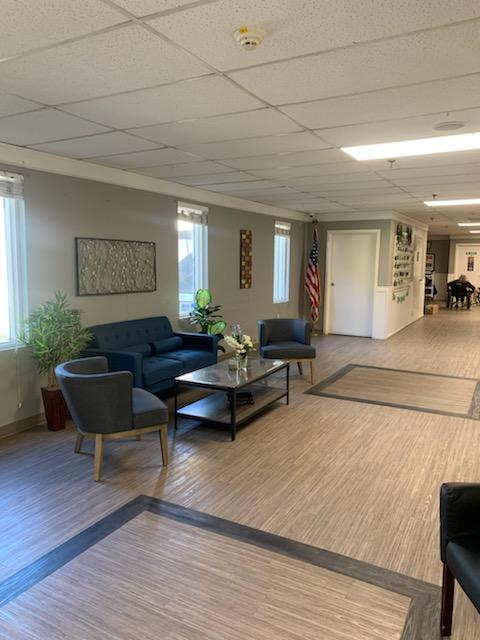
How is Resorts At Pooler Inc Staffed?

CMS rates RESORTS AT POOLER INC's staffing level at 4 out of 5 stars, which is above average compared to other nursing homes. Staff turnover is 54%, compared to the Georgia average of 46%.

What Have Inspectors Found at Resorts At Pooler Inc?

State health inspectors documented 19 deficiencies at RESORTS AT POOLER INC during 2019 to 2025. These included: 19 with potential for harm.
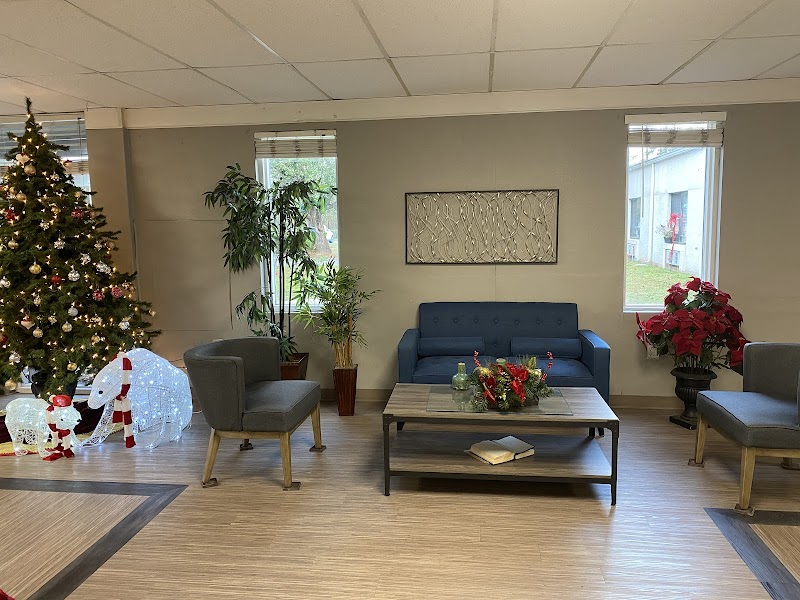
Who Owns and Operates Resorts At Pooler Inc?

RESORTS AT POOLER INC is owned by a for-profit company. For-profit facilities operate as businesses with obligations to shareholders or private owners. The facility operates independently rather than as part of a larger chain. With 122 certified beds and approximately 76 residents (about 62% occupancy), it is a mid-sized facility located in POOLER, Georgia.
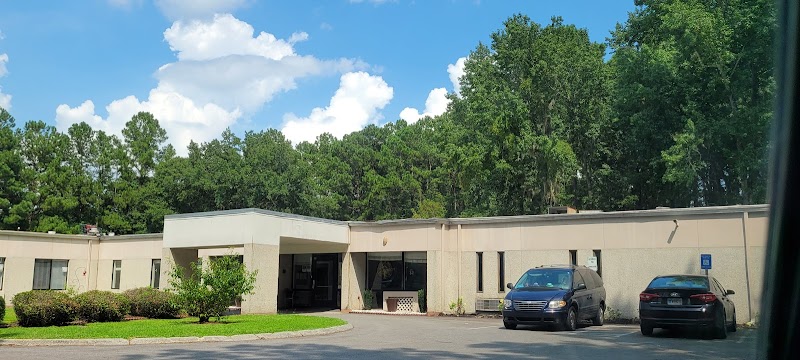
How Does Resorts At Pooler Inc Compare to Other Georgia Nursing Homes?

Compared to the 100 nursing homes in Georgia, RESORTS AT POOLER INC's overall rating (2 stars) is below the state average of 2.6, staff turnover (54%) is near the state average of 46%, and health inspection rating (2 stars) is below the national benchmark.

What Should Families Ask When Visiting Resorts At Pooler Inc?

Based on this facility's data, families visiting should ask: "Can I visit during a mealtime to observe dining assistance and food quality?" "How do you handle medical emergencies, and what is your hospital transfer rate?" "Can I speak with family members of current residents about their experience?"

Is Resorts At Pooler Inc Safe?

Based on CMS inspection data, RESORTS AT POOLER INC has a clean safety record: no substantiated abuse findings (meaning no confirmed cases of resident harm), no Immediate Jeopardy citations (the most serious violation level indicating risk of serious injury or death), and is not on the Special Focus Facility watch list (a federal program monitoring the lowest-performing 1% of nursing homes). The facility has a 2-star overall rating and ranks #100 of 100 nursing homes in Georgia. While no facility is perfect, families should still ask about staff-to-resident ratios and recent inspection results during their visit.

Do Nurses at Resorts At Pooler Inc Stick Around?

RESORTS AT POOLER INC has a staff turnover rate of 54%, which is 8 percentage points above the Georgia average of 46%. Moderate turnover is common in nursing homes, but families should still ask about staff tenure and how the facility maintains care continuity when employees leave.

Was Resorts At Pooler Inc Ever Fined?

RESORTS AT POOLER INC has been fined $4,017 across 1 penalty action. This is below the Georgia average of $33,119. While any fine indicates a compliance issue, fines under $50,000 are relatively common and typically reflect isolated problems that were subsequently corrected. Families should ask what specific issues led to these fines and confirm they've been resolved.

Is Resorts At Pooler Inc on Any Federal Watch List?

RESORTS AT POOLER INC is not on any federal watch list. The most significant is the Special Focus Facility (SFF) program, which identifies the bottom 1% of nursing homes nationally based on persistent, serious quality problems. Not being on this list means the facility has avoided the pattern of deficiencies that triggers enhanced federal oversight. This is a positive indicator, though families should still review the facility's inspection history directly.