AZALEALAND NURSING HOME
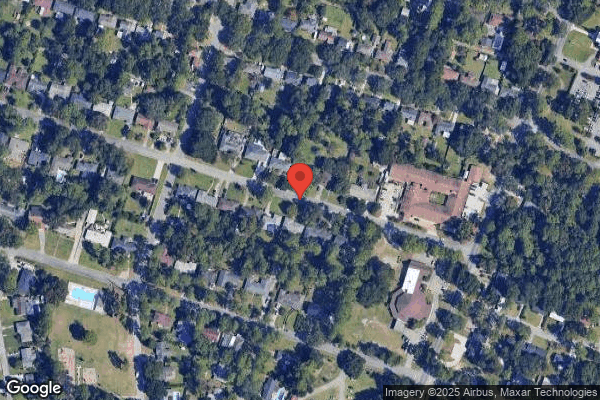
2040 COLONIAL DRIVE, SAVANNAH, GA 31406 (912) 354-2752
For profit - Corporation 107 Beds Independent Data: November 2025
Trust Grade
65/100
#115 of 353 in GA
Last Inspection: November 2024

Within standard 12-15 month inspection cycle. Federal law requires annual inspections.

Overview

Azalealand Nursing Home in Savannah, Georgia has a Trust Grade of C+, which indicates that it is slightly above average in quality but not outstanding. It ranks #115 out of 353 facilities in Georgia, placing it in the top half, and #4 out of 12 in Chatham County, meaning only three local options are better. Unfortunately, the facility is trending worse, with reported issues increasing from 1 in 2020 to 5 in 2024. Staffing ratings are below average at 2 out of 5 stars, with a turnover rate of 56%, which is concerning as it is higher than the state average. On a positive note, the facility has not incurred any fines, signaling compliance with regulations, but it does have less RN coverage than 80% of facilities in Georgia, which could affect the quality of care. Specific incidents include staff failing to wear proper hygiene gear while serving food, not conducting background checks for some licensed nurses, and issues with wound care practices that could jeopardize infection control. Overall, while Azalealand has some strengths, such as its fine-free record, there are notable weaknesses in staffing and compliance that families should consider.

Trust Score
C+
65/100
In Georgia
#115/353
Top 32%
Safety Record
Low Risk
No red flags
Inspections
Getting Worse
1 → 5 violations
Staff Stability
⚠ Watch
56% turnover. Above average. Higher turnover means staff may not know residents' routines.
Penalties
✓ Good
No fines on record. Clean compliance history, better than most Georgia facilities.
Skilled Nurses
⚠ Watch
Each resident gets only 18 minutes of Registered Nurse (RN) attention daily — below average for Georgia. Fewer RN minutes means fewer trained eyes watching for problems.
Violations
○ Average
6 deficiencies on record. Average for a facility this size. Mostly minor or procedural issues.
★★★☆☆
3.0
Overall Rating
★★☆☆☆
2.0
Staff Levels
★★★☆☆
3.0
Care Quality
★★★☆☆
3.0
Inspection Score
Stable
2020: 1 issues
2024: 5 issues

The Good

  • Full Sprinkler Coverage · Fire safety systems throughout facility
  • No fines on record

Facility shows strength in fire safety.

The Bad

3-Star Overall Rating

Near Georgia average (2.6)

Meets federal standards, typical of most facilities

Staff Turnover: 56%

Near Georgia avg (46%)

Frequent staff changes - ask about care continuity

Staff turnover is elevated (56%)

8 points above Georgia average of 48%

The Ugly 6 deficiencies on record

Nov 2024 5 deficiencies
CONCERN (D)

Potential for Harm - no one hurt, but risky conditions existed

Deficiency F0726 (Tag F0726)

Could have caused harm · This affected 1 resident

Based on observation and staff interviews, the facility failed to evaluate the Wound Care Registered Nurse's competencies associated with the provision of wound care and infection control. Infection c...

Read full inspector narrative →
Based on observation and staff interviews, the facility failed to evaluate the Wound Care Registered Nurse's competencies associated with the provision of wound care and infection control. Infection control concerns were noted during the provision of wound care for one of three residents (R) (R4) observed during wound care. This deficient practice had the potential to have a negative impact on residents receiving wound care at the facility. Findings included: During an interview on 11/7/2024 at 1:21 pm, the Director of Nursing (DON) stated the facility did not have a policy that addressed nurse competencies. An observation of wound care on 11/4/2024 beginning at 10:46 am revealed he Wound Care Registered Nurse (RN) entered the resident's room with clean dressings and medication and placed them directly on the resident's bed without using a barrier. Prior to initiating wound care, the Wound Care RN did not wash her hands are put on a gown, but she applied gloves. The Wound Care RN proceeded to remove three wound dressings, including one from the resident's right knee, one from the resident's right lateral thigh, and one from the resident's left lower leg. The Wound Care RN did not wash hands or change gloves during the removal of each of these dressings. The Wound Care RN then cleaned and applied treatment to the resident's right lateral leg wound without changing gloves or washing her hands. She then returned to the treatment cart to obtain supplies for the remaining treatments and left the resident's right knee wound and left lower leg wound open to air. Upon returning to the treatment cart, the Wound Care RN used hand sanitizer and gathered the remaining supplies for treatment. At 10:56 am, she applied gloves, returned to the resident's room, and placed the treatment items directly on the resident's bed without using a barrier. At 10:57 am, the Wound Care RN cleaned the resident's right knee wound and immediately cleaned the resident's left lower leg wound without washing hands or changing gloves between wounds. The Wound Care RN then applied the treatment on the right knee wound and covered it with a dry dressing, then immediately applied the treatment on the left lower leg wound and covered it with a dry dressing, without cleaning hands or changing gloves between wounds. After completing the treatments, the Wound Care RN asked if the resident wanted a snack. She then obtained a snack bag from the resident's window ledge, removed her gloves, and without washing her hands, opened the snack and provided it to the resident. After exiting the resident's room, The Wound Care RN returned to the treatment cart and placed the treatment supplies inside the cart, without first washing or sanitizing her hands. During an interview on 11/4/2024 at 11:04 am, the Wound Care RN stated she did not know she needed to clean her hands and change gloves between cleaning a wound and dressing a wound. She further stated she did not know she should treat each wound separately. The Wound Care RN stated she had not been trained to use a barrier for placing clean supplies used to treat wounds. The Wound Care RN stated she received training on wound care from an online wound care company. She stated there was a portion of the program that addressed infection control during wound care. She further stated neither the Infection Control Preventionist nor the Director of Nursing (DON) had watched her perform wound care. During an interview on 11/7/2024 at 3:38 pm, the DON stated that during wound care, the Wound Care RN should have used a barrier for treatment supplies, so they did not contact the surface of the resident's bed. The DON stated the Wound Care RN should have cleaned her hands and changed gloves during wound care, going from dirty (cleaning the wound) to clean (application of medications and dressings), and should have treated one wound at a time to prevent cross contamination of the wounds. During an interview on 11/7/2024 at 1:54 pm, the DON stated the Wound Care RN took an online wound care certification course in August 2024. According to the DON, the Wound Care RN paid for the course and brought a copy of her certificate to the facility; however, the DON indicated the facility was unable to find the completion certificate and said the online company's system was down, so they were unable to access a copy of the Wound Care RN's course completion certificate. During a follow-up interview on 11/7/2024 at 3:37 pm, the DON stated she expected nurses to be competent in infection control during wound care. The DON confirmed she had no documentation of competency evaluations for the Wound Care RN. During an interview on 11/7/2024 at 3:52 pm, the Administrator stated he expected nurses to be competent in infection control during wound care.
CONCERN (D)

Potential for Harm - no one hurt, but risky conditions existed

Deficiency F0761 (Tag F0761)

Could have caused harm · This affected 1 resident

**NOTE- TERMS IN BRACKETS HAVE BEEN EDITED TO PROTECT CONFIDENTIALITY** Based on observations, staff interviews, and review of the facility policy titled, Medication Storage in The Facility, the facil...

Read full inspector narrative →
**NOTE- TERMS IN BRACKETS HAVE BEEN EDITED TO PROTECT CONFIDENTIALITY** Based on observations, staff interviews, and review of the facility policy titled, Medication Storage in The Facility, the facility failed to ensure two of five treatment and medication carts were locked and secured when unattended by staff. This deficient practice created the potential for residents, unauthorized staff, and visitors to have access to medications and biologicals stored in the carts. Findings included: A review of the facility policy titled, Medication Storage in The Facility, effective 5/1/2020, indicated, Medications and biologicals are stored safely, securely, and properly, following manufacturer's recommendations or those of the supplier. The medication supply is accessible only to licensed nursing personnel, pharmacy personnel, or staff members lawfully authorized to administer medications. An observation on 11/4/2024 at 9:39 am revealed a treatment cart was unlocked on the [NAME] Hall. The treatment cart contained Biofreeze, lactate lotion, betamethasone cream, clindamycin cream, diclofenac gel, antifungal powder, one bottle of alcohol, and one bottle of peroxide. During an interview on 11/4/2024 at 9:45 am, Registered Nurse (RN) 1 stated treatment carts should be locked if they were not attended by staff or out of staff's line of sight. RN 1 confirmed the treatment cart was unlocked, but then walked away to talk to another staff member without first locking the treatment cart. During an interview on 11/4/2024 at 9:52 am, Licensed Practical Nurse (LPN) 2 stated the treatment cart should not be left unlocked. During an interview on 11/4/2024 at 11:44 am, the Director of Nursing (DON) stated if staff left the treatment cart unattended, they should lock it to ensure only those authorized to do so accessed the cart. During an interview on 11/5/2024 at 8:42 am, the Administrator stated treatment carts should be locked unless they were in use. An observation on 11/5/2024 at 8:00 am revealed an unlocked medication cart was located outside of the nurses' station on the Skidaway Hall. No staff were observed in the area. A concurrent observation and interview on 11/5/2024 at 8:04 am revealed Licensed Practical Nurse (LPN) 11 approached the medication cart and stated he was trained not to leave the medication cart unlocked. He stated he usually locked it to make sure nobody could access the medications inside the cart. LPN 11 stated if the cart was left unlocked and unattended, someone could access the medications and take something they should not. During an interview on 11/6/2024 at 2:19 pm, LPN 8 stated medication carts must be secured so nobody could get into the medications or take something out of it, which would be risky if someone took something they should not. During an interview on 11/6/2024 at 4:09 pm, LPN 10 stated the medication cart should be locked when not in a nurse's line of sight to ensure residents' safety. LPN 10 said it could cause serious consequences if a resident took a medication from a cart that they should not have. During an interview on 11/7/2024 at 3:38 pm, the DON stated medication carts should be locked when not attended by staff to ensure residents' safety and to keep residents from getting medications they should not have. During an interview on 11/7/2024 at 3:52 pm, the Administrator stated he expected medication carts to be locked because somebody could get into the carts and take medications they should not have.
CONCERN (D)

Potential for Harm - no one hurt, but risky conditions existed

Infection Control (Tag F0880)

Could have caused harm · This affected 1 resident

Based on observations, staff interviews, record review, review of the facility-provided document titled, Wound Care Procedure, and review of the facility policy titled, Enhanced Barrier Precautions, t...

Read full inspector narrative →
Based on observations, staff interviews, record review, review of the facility-provided document titled, Wound Care Procedure, and review of the facility policy titled, Enhanced Barrier Precautions, the facility failed to implement enhanced barrier precautions (EBP) and failed to ensure licensed staff followed proper infection control practices during and after the provision of wound care for one of three residents (R) (R4) reviewed for wound care. This deficient practice had the potential to increase R4's risk of infection due to cross-contamination and increased the potential for staff to spread infection to other residents residing in the facility. Findings included: A review of a facility-provided undated document titled Wound Care Procedure included . 3. Each wound will be treated individually. 4. When multiple wounds are being dressed, the dressings will be changed in order of least contaminated to most contaminated (i.e. [id est, that is] change extremity wounds before wounds contaminated with stool). Dressings of infected wounds should be changed last. 5. Set up clean field on the overbed table with needed supplies for wound cleansing and dressing application: a. If the table is soiled, wipe clean. b. Place a disposable cloth or linen saver on the overbed table. c. Place only the supplies to be used per wound on the clean field at one time (include wound cleanser, gauze for cleaning, disposable measuring guide, and pen/pencil, skin protectant products as indicated, dressings, tape). 6. Establish area for soiled products to be placed (Chux [disposable absorbent pad] or plastic bag). 7. Wash hands and put on clean gloves. The policy further indicated that after removing the dressing, staff should, 9. Remove gloves, pulling inside out over the dressing. Discard into appropriate receptacle. 10. Wash hands and put on clean gloves. 11. Cleanse the wound as ordered, taking care not to contaminate other skin surfaces or other surfaces of the wound (i.e., clean outward from the center of the wound). Pat dry with gauze. 12. Wash hands and put on clean gloves. 13. Apply topical ointments or creams and dress the wound as ordered. Protect surrounding skin as indicated with skin protectant. 14. Secure dressing. [NAME] with initials and date. 15. Discard disposable items and gloves into appropriate trash receptacle and wash hands. A review of the facility policy titled, Enhanced Barrier Precautions, effective 3/2024, revealed, Definitions: Enhanced barrier precautions EBP refer to an infection control intervention designed to reduce transmission of multidrug-resistant organisms that employs targeted gown and gloves use during high contact resident care activities. The policy further revealed, . 4. High-contact resident care activities include: a. Dressing b. Bathing c. Transferring d. Providing hygiene e. Changing linens f. Changing briefs or assisting with toileting g. Device care or use: central lines, urinary catheters, feeding tubes, PICC [peripherally inserted central catheter] lines, midline catheters h. Wound care: any skin opening requiring a dressing. An admission Record revealed the facility admitted R4 on 6/27/2024. According to the admission Record, the resident had a diagnosis of sequela of an infection and inflammation due to an internal fixation device of the right femur. A Quarterly Minimum Data Set (MDS), with an Assessment Reference Date (ARD) of 9/13/2024, revealed R4 had a Brief Interview for Mental Status (BIMS) score of 3, which indicated the resident had severe cognitive impairment. According to the MDS, R4 had open lesions other than ulcers, rashes, or cuts, had surgical wounds, received surgical wound care, and had nonsurgical dressings applied. R4's Order Summary Report, listing active orders as of 11/6/2024, contained an order started on 8/22/2024 for EBP due to right thigh/right knee wounds. The Order Summary report also reflected the following wound treatment orders: - an order dated 8/18/2024 for a wound vacuum to the resident's right lateral leg wound. The order indicated that if the wound vacuum became dislodged, staff should cleanse the wound with wound cleanser, apply a silver strip to the site, cover with an island dressing twice daily and as needed, and notify the nurse practitioner and wound care nurse; - an order dated 8/21/2024 for a negative pressure dressing to the resident's right knee wound. The order indicated that if the negative pressure dressing became dislodged, staff should cleanse the wound with wound cleanser, pat dry, coat the wound bed with Xeroform (a yellow, petroleum-impregnated gauze dressing used to cover wounds) or medicated honey, and cover with a dry dressing every shift; and - an order started on 9/27/2024 to clean a wound to the resident's left lower extremity, pat dry, and to apply silver sulfadiazine and a dry dressing one time a day on Mondays, Wednesdays, and Fridays. An observation of wound care on 11/4/2024 beginning at 10:46 am revealed there was no EBP sign on R4's door or door frame. The Wound Care Registered Nurse (RN) entered the resident's room with clean dressings and medication and placed them directly on the resident's bed without using a barrier. Prior to initiating wound care, the Wound Care RN did not wash her hands or put on a gown, but she applied gloves. The Wound Care RN proceeded to remove three wound dressings, including one from the resident's right knee, one from the resident's right lateral thigh, and one from the resident's left lower leg. The Wound Care RN did not wash hands or change gloves during the removal of each of these dressings. The Wound Care RN then cleaned and applied treatment to the resident's right lateral leg wound without changing gloves or washing her hands. She then returned to the treatment cart to obtain supplies for the remaining treatments and left the resident's right knee wound and left lower leg wound open to air. Upon returning to the treatment cart, the Wound Care RN used hand sanitizer and gathered the remaining supplies for treatment. At 10:56 am, she applied gloves, returned to the resident's room, and placed the treatment items directly on the resident's bed without using a barrier. At 10:57 am, the Wound Care RN cleaned the resident's right knee wound and immediately cleaned the resident's left lower leg wound, without washing hands or changing gloves between wounds. The Wound Care RN then applied the treatment on the right knee wound and covered it with a dry dressing, then immediately applied the treatment on the left lower leg wound and covered it with a dry dressing without cleaning hands or changing gloves between wounds. After completing the treatments, the Wound Care RN asked if the resident wanted a snack. She then obtained a snack bag from the resident's window ledge, removed her gloves, and, without washing her hands, opened the snack and provided it to the resident. After exiting the resident's room, The Wound Care RN returned to the treatment cart and placed the treatment supplies inside the cart without first washing or sanitizing her hands. During an interview on 11/4/2024 at 11:04 am, the Wound Care RN stated she did not know she needed to clean her hands and change gloves between cleaning a wound and dressing a wound. She further stated she did not know she should treat each wound separately. The Wound Care RN stated she had not been trained to use a barrier for placing clean supplies used to treat wounds. During a follow-up interview on 11/6/2024 at 2:12 pm, the Wound Care RN stated she had asked the Director of Nursing (DON) about the concerns identified during R4's wound care and was told she should use a barrier for treatment supplies to ensure she had a clean field to work from for treatments and dressing changes. The Wound Care RN further stated she knew whether residents required EBP because a sign was generally posted to let staff know they required EBP. According to the Wound Care RN, R4 did have open wounds, but they had minimal drainage, so the Wound Care RN did not think the resident needed to be on EBP. During an interview on 11/6/2024 at 4:09 pm, Licensed Practical Nurse (LPN) 10 stated that if a resident had open wounds, a mask, gloves, and a gown should be worn to provide care to them. She further stated residents on EBP should have a sign on their door. During an interview on 11/7/2024 at 3:38 pm, the DON stated she expected a resident with draining wounds to be on EBP and to have an EBP sign posted on the door. The DON stated that during wound care, the Wound Care RN should have used a barrier for treatment supplies so they did not contact the surface of the resident's bed. The DON stated the Wound Care RN should have cleaned her hands and changed gloves during wound care going from dirty (cleaning the wound) to clean (application of medications and dressings) and should have treated one wound at a time to prevent cross contamination of the wounds.
CONCERN (E)

Potential for Harm - no one hurt, but risky conditions existed

Abuse Prevention Policies (Tag F0607)

Could have caused harm · This affected multiple residents

Based on staff interviews, review of facility documents, review of the document titled Rules and Regulations for Criminal Background Checks: 111-8-12-.03(h), and review of the facility policy titled, ...

Read full inspector narrative →
Based on staff interviews, review of facility documents, review of the document titled Rules and Regulations for Criminal Background Checks: 111-8-12-.03(h), and review of the facility policy titled, Abuse Neglect and Exploitation, the facility failed to ensure the screening component of their abuse policy was consistently implemented. Specifically, the facility failed to provide evidence of background checks for three Licensed Practical Nurses (LPNs) (LPN 7, LPN 9, and LPN 10) of five licensed staff whose employee files were reviewed. This deficient practice had the potential to place residents residing in the facility at risk of abuse, neglect, and exploitation from staff. The census was 70 residents. Findings included: A review of the facility policy titled, Abuse Neglect and Exploitation, reviewed/revised in 2/2023, revealed, The components of the facility abuse prohibition plan are discussed herein: I. Screening A. Potential employees will be screened for a history of abuse, neglect, exploitation, or misappropriation of resident property. 1. Background, reference, and credentials' [sic] checks shall be conducted on potential employees, contracted temporary staff, students affiliated with academic institutions, volunteers, and consultants. 2. Screenings may be conducted by the facility itself, third-party agency or academic institution. 3. The facility will maintain documentation of proof that screening occurred. A Georgia Department of Community Health document titled, Rules and Regulations for Criminal Background Checks: 111-8-12-.03(h) revealed, Licensed Healthcare Providers* who are EXEMPT from state fingerprint background check requirements as long as the employer checks with the applicable licensing board to verify that the license is in good standing: included, -Nurses- includes advanced practice registered nurse, nurse practitioner, certified registered nurse anesthetist, certified nurse midwife, clinical nurse specialist, registered nurse professional, and licensed practical nurse. The document further indicated, *This is a listing of common professionals that may work in the long-term care setting. LPN 7's personnel file revealed her hire date was 9/17/2024. LPN 7's employee file indicated she was exempt from the GCIC [Georgia Crime Information Center, an official criminal record report for Georgia]/Criminal Background Check. The facility had no evidence a background check was completed for LPN 7 prior to employment. LPN 9's personnel file revealed her hire date was 10/8/2024. LPN 9's employee file indicated she was exempt from the GCIC/Criminal Background Check. The facility had no evidence a background check was completed for LPN 9 prior to employment. LPN 10's personnel file revealed her hire date was 2/20/2024. LPN 10's employee file indicated she was exempt from the GCIC/Criminal Background Check. The facility had no evidence a background check was completed for LPN 10 prior to employment. During an interview on 11/7/2024 at 1:38 pm, the Human Resources (HR) Director stated she conducted license checks yearly for the licensed staff, and any marks against their license would be reflected. She stated licensed nurses had their fingerprints run before they got their license. The HR Director further stated the facility used to do background checks for licensed nurses until GCHEXS (Georgia Criminal History Check System, a state and federal fingerprint-based criminal history background check utilized to make employment eligibility determinations) was initiated in 2020 and the rules changed. She stated no background checks had been done for licensed staff since the rule changed if the license check came back in good standing. According to the HR Director, the Georgia Board of Nursing completed the background checks for licensed nurses. During an interview on 11/7/2024 at 8:26 am, the Administrator stated the facility was under the impression that if an LPN's license check came back without issues, then no additional criminal background check was needed. He stated license checks had been completed, and all licenses of staff working in the facility were in good standing. He stated the facility had not done criminal background checks on LPNs 7, LPN 9, or LPN 10.
CONCERN (F)

Potential for Harm - no one hurt, but risky conditions existed

Food Safety (Tag F0812)

Could have caused harm · This affected most or all residents

**NOTE- TERMS IN BRACKETS HAVE BEEN EDITED TO PROTECT CONFIDENTIALITY** Based on observations, staff interviews, a review of the facility policy titled, Personal Hygiene, and review of the Food and Dr...

Read full inspector narrative →
**NOTE- TERMS IN BRACKETS HAVE BEEN EDITED TO PROTECT CONFIDENTIALITY** Based on observations, staff interviews, a review of the facility policy titled, Personal Hygiene, and review of the Food and Drug Administration (FDA) Food Code 2022, the facility failed to ensure staff wore beard restraints when serving food and failed to ensure resident food items stored in a nourishment refrigerator were labeled and dated. These failures had the potential to affect all residents receiving meals from the dietary department. Findings included: 1. A review of the facility's undated facility policy titled, Personal Hygiene indicated, If hair is long and not covered properly with a cap, a hair net must be worn. The FDA Food Code 2022, dated 01/18/2023, revealed Chapter 2. Management and Personnel, 2-4 Hygienic Practices, 2-402 Hair Restraints, specified, FOOD EMPLOYEES shall wear hair restraints such as hats, hair coverings or nets, beard restraints, and clothing that covers body hair, that are designed to be worn to effectively keep their hair from contacting exposed FOOD; clean EQUIPMENT, UTENSILS, and LINENS; and unwrapped SINGLE-SERVICE and SINGLE-USE ARTICLES. On 11/5/2024 at 11:35 am, the Food Service Director (FSD) was observed with facial hair on his chin and a full mustache. The FSD was observed serving trays for the lunch meal, including chicken, potatoes, vegetables, and bread, while not wearing a beard or mustache restraint. During an interview on 11/5/2024 at 1:56 am, the FSD stated he did not require his staff to wear beard restraints or facial hair coverings. During a follow-up interview on 11/5/2024 at 4:09 pm, the FSD stated beard nets were required if a beard was full and long. During an interview on 11/6/2024 at 2:09 pm, the FSD stated if someone had the same amount of hair that was on his face on their head, he would require them to wear a hair net. The FSD said the facility did not have a policy that specifically addressed the use of beard restraints. During an interview on 11/06/2024 at 2:54 pm, the Administrator stated the facility had beard restraints available for use. The Administrator said he had never been concerned about a trimmed goatee. The Administrator further stated the facility's policy did not specify beard restraints were required, but he knew regulations required them. 2. A review of the facility policy titled, Use and Storage of Food Brought in by Family or Visitors, revised in 1/2017, indicated, 2. Food items must be labeled with content and dated. a) The facility may refrigerate labeled and dated prepared items in the nourishment refrigerator. b) The prepared food must be consumed by the resident within 3 days. c) If not consumed within 3 days, food will be thrown away by facility staff. An observation on 11/07/24 at 8:15 am revealed the nourishment refrigerator located on [NAME] Hall had a sign posted that indicated the refrigerator would be cleaned out every Friday and expiration dates would be checked. During a concurrent interview and observation of the nourishment refrigerator on [NAME] Hall on 11/7/2024 at 8:16 am, Certified Nursing Assistant (CNA) 6 stated kitchen staff restocked the nourishment refrigerator with resident supplements every two days. The following items were observed inside the refrigerator, not labeled or dated: a bowl of an unidentified food item labeled for a resident that was not dated and a bowl of an unidentified food item that was not dated or labeled. The freezer compartment contained a cup and a smoothie, but neither was labeled or dated. During an interview on 11/7/2024 at 8:25 am, Licensed Practical Nurse (LPN) 7 stated the nourishment refrigerator was used for the residents, and everything should be dated and labeled. During an interview on 11/7/2024 at 8:39 am, the Dietary Manager (DM) stated the nourishment refrigerators were checked each morning and filled with supplies. The DM said all food items in the nourishment refrigerator should be labeled and dated. During an interview on 11/7/2024 at 8:56 am, the Administrator stated he expected any resident food items to be labeled and dated. During an interview on 11/7/2024 at 12:21 pm, the Director of Nursing (DON) stated the nourishment refrigerators on the units should be used for residents, and all food items should be labeled and dated.
Jan 2020 1 deficiency
CONCERN (D)

Potential for Harm - no one hurt, but risky conditions existed

Deficiency F0635 (Tag F0635)

Could have caused harm · This affected 1 resident

**NOTE- TERMS IN BRACKETS HAVE BEEN EDITED TO PROTECT CONFIDENTIALITY** Based on record review and staff interviews, the facility failed to ensure the medication, levothyroxine (a thyroid medication) ...

Read full inspector narrative →
**NOTE- TERMS IN BRACKETS HAVE BEEN EDITED TO PROTECT CONFIDENTIALITY** Based on record review and staff interviews, the facility failed to ensure the medication, levothyroxine (a thyroid medication) was ordered upon admission for one resident (R) (#70) of 34 sampled residents. Findings include: Review of R#70's medical record revealed she was admitted to the facility on [DATE] with a diagnosis of hypothyroidism. She was admitted to the facility after a hospital stay from 12/2/19 through 12/6/19. Review of the hospital record titled Sound Physicians Hospitalist History and Physical dated 12/2/19 revealed the resident has past medical history of disorder of the thyroid and taking Synthroid 100 micrograms (mcg) one tablet by mouth (PO) daily. Her thyroid stimulating hormone (TSH) blood level completed on 12/2/19 was within normal range at 1.31 with a reference range of 0.47-4.68. Review of R#70's hospital record titled Sound Physicians Hospitalist Nursing Home Orders dated 12/6/19 revealed the resident was ordered levothyroxine 100mcg one tablet PO daily. Review of R#70's Physicians Orders dated 12/7/19 did not have an order for the levothyroxine 100 mcg one tablet PO daily. The Medication Administration Record (MAR) for December 2019 indicated R#70 began levothyroxine 50 mcg one tablet PO daily on 12/12/19. Review of the routine laboratory results dated [DATE] conducting by the facility revealed an elevated TSH level of 9.380 with a range of 0.270-4.200. A note written on the laboratory record indicated to recheck on 12/11/19. Review of the laboratory results dated [DATE] revealed an elevated TSH level of 12.240 with a reference range of 0.270-4.200. A note written on the laboratory record indicated no Synthroid therapy start 50 mcg and recheck TSH level in eight weeks. An interview held on 1/09/2020 at 9:49 a.m. with the Registered Nurse (RN) Assistant Director of Nursing (ADON) revealed when a resident is admitted to the facility either she or the Director of Nursing (DON) review the orders and input them into the system. She looked at R#70's discharge orders from the hospital and verified the resident had an order for Synthroid 100 mcg one tablet PO daily. She verified it was not correctly transcribed on admission. She indicated all orders are double checked after orders are transcribed. They check the orders against the actual orders from the hospital. She stated the order for the levothyroxine was overlooked. An interview held on 1/09/2020 at 10:41 a.m. with the DON revealed new admission orders are usually put in the facility system by herself or the ADON. She indicated she completed R#70's admission orders and overlooked the order for the Synthroid 100 mcg 1 tablet PO daily. She indicated the orders are transcribed according to the hospital orders and if the facility Physician wants something different, she completes a Post admission Order and another nurse will double check for correctness/errors. She stated the orders were originally put in by her and verified by RN EE. The DON reported no other problems with transcription of orders.
Understanding Severity Codes (click to expand)
Life-Threatening (Immediate Jeopardy)
J - Isolated K - Pattern L - Widespread
Actual Harm
G - Isolated H - Pattern I - Widespread
Potential for Harm
D - Isolated E - Pattern F - Widespread
No Harm (Minor)
A - Isolated B - Pattern C - Widespread

Questions to Ask on Your Visit

  • "Why is there high staff turnover? How do you retain staff?"
  • "Can I speak with families of current residents?"
  • "What's your RN coverage like on weekends and overnight?"

Our Honest Assessment

Strengths
  • • No major safety red flags. No abuse findings, life-threatening violations, or SFF status.
  • • No fines on record. Clean compliance history, better than most Georgia facilities.
Concerns
  • • 56% turnover. Above average. Higher turnover means staff may not know residents' routines.
Bottom line: Mixed indicators with Trust Score of 65/100. Visit in person and ask pointed questions.

About This Facility

What is Azalealand's CMS Rating?

CMS assigns AZALEALAND NURSING HOME an overall rating of 3 out of 5 stars, which is considered average nationally. Within Georgia, this rating places the facility higher than 99% of the state's 100 nursing homes. This mid-range rating indicates the facility meets federal standards but may have areas for improvement.

How is Azalealand Staffed?

CMS rates AZALEALAND NURSING HOME's staffing level at 2 out of 5 stars, which is below average compared to other nursing homes. Staff turnover is 56%, which is 10 percentage points above the Georgia average of 46%. High turnover can affect care consistency as new staff learn residents' individual needs.

What Have Inspectors Found at Azalealand?

State health inspectors documented 6 deficiencies at AZALEALAND NURSING HOME during 2020 to 2024. These included: 6 with potential for harm.

Who Owns and Operates Azalealand?

AZALEALAND NURSING HOME is owned by a for-profit company. For-profit facilities operate as businesses with obligations to shareholders or private owners. The facility operates independently rather than as part of a larger chain. With 107 certified beds and approximately 75 residents (about 70% occupancy), it is a mid-sized facility located in SAVANNAH, Georgia.

How Does Azalealand Compare to Other Georgia Nursing Homes?

Compared to the 100 nursing homes in Georgia, AZALEALAND NURSING HOME's overall rating (3 stars) is above the state average of 2.6, staff turnover (56%) is near the state average of 46%, and health inspection rating (3 stars) is at the national benchmark.

What Should Families Ask When Visiting Azalealand?

Based on this facility's data, families visiting should ask: "How do you ensure continuity of care given staff turnover, and what is your staff retention strategy?" "Can you walk me through typical staffing levels on day, evening, and night shifts?" "Can I visit during a mealtime to observe dining assistance and food quality?" "How do you handle medical emergencies, and what is your hospital transfer rate?" These questions are particularly relevant given the facility's high staff turnover rate and the below-average staffing rating.

Is Azalealand Safe?

Based on CMS inspection data, AZALEALAND NURSING HOME has a clean safety record: no substantiated abuse findings (meaning no confirmed cases of resident harm), no Immediate Jeopardy citations (the most serious violation level indicating risk of serious injury or death), and is not on the Special Focus Facility watch list (a federal program monitoring the lowest-performing 1% of nursing homes). The facility has a 3-star overall rating and ranks #1 of 100 nursing homes in Georgia. While no facility is perfect, families should still ask about staff-to-resident ratios and recent inspection results during their visit.

Do Nurses at Azalealand Stick Around?

Staff turnover at AZALEALAND NURSING HOME is high. At 56%, the facility is 10 percentage points above the Georgia average of 46%. High turnover means new staff may not know residents' individual needs, medications, or preferences. It can also be disorienting for residents, especially those with dementia who rely on familiar faces. Families should ask: What is causing the turnover? What retention programs are in place? How do you ensure care continuity during staff transitions?

Was Azalealand Ever Fined?

AZALEALAND NURSING HOME has no federal fines on record. CMS issues fines when nursing homes fail to meet care standards or don't correct problems found during inspections. The absence of fines suggests the facility has either maintained compliance or corrected any issues before penalties were assessed. This is a positive indicator, though families should still review recent inspection reports for the full picture.

Is Azalealand on Any Federal Watch List?

AZALEALAND NURSING HOME is not on any federal watch list. The most significant is the Special Focus Facility (SFF) program, which identifies the bottom 1% of nursing homes nationally based on persistent, serious quality problems. Not being on this list means the facility has avoided the pattern of deficiencies that triggers enhanced federal oversight. This is a positive indicator, though families should still review the facility's inspection history directly.