SAVANNAH POST ACUTE LLC
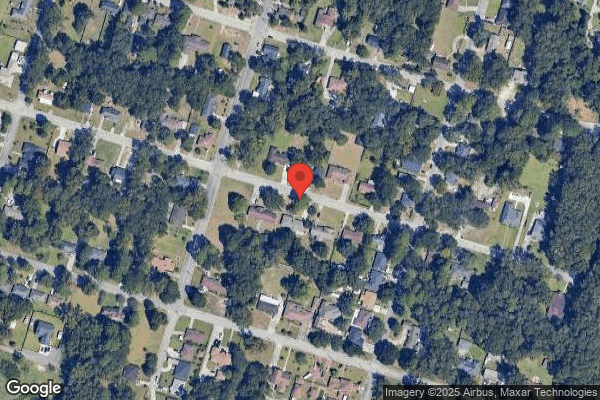
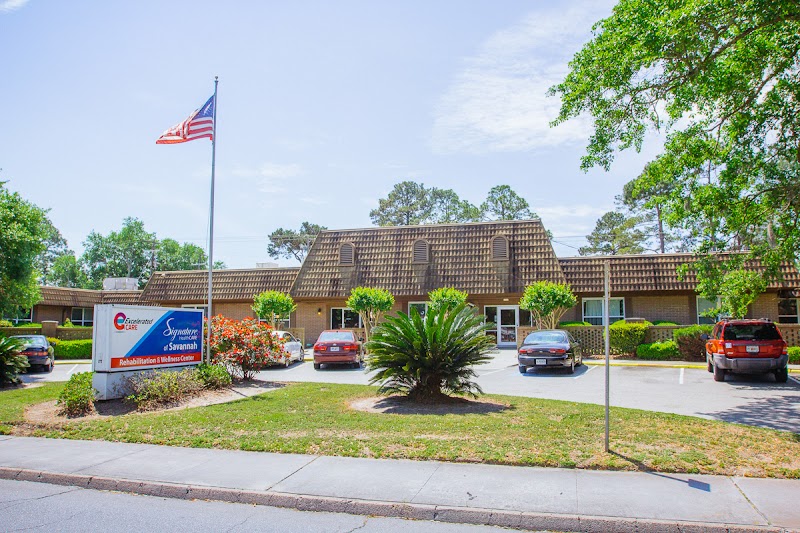
815 EAST 63 STREET, SAVANNAH, GA 31405 (912) 352-8615
For profit - Limited Liability company 120 Beds ELEVATION HEALTHCARE Data: November 2025
Trust Grade
33/100
#333 of 353 in GA
Last Inspection: May 2025

Inspected within the last 6 months. Data reflects current conditions.

Overview

Savannah Post Acute LLC has received a Trust Grade of F, which indicates significant concerns and is considered poor compared to other facilities. Ranking #333 out of 353 in Georgia places it in the bottom half of nursing homes statewide, and #10 out of 12 in Chatham County means only two local options are worse. The facility is showing signs of improvement, with the number of issues decreasing from 20 in 2024 to 10 in 2025. However, staffing is a major concern with a low rating of 1 out of 5 stars and a high turnover rate of 65%, which is above the state average. Recent inspections revealed that staff did not ensure adequate nursing coverage, some medication aides were not properly trained, and the kitchen cleanliness was inadequate, posing potential risks to residents' health.

Trust Score
F
33/100
In Georgia
#333/353
Bottom 6%
Safety Record
Low Risk
No red flags
Inspections
Getting Better
20 → 10 violations
Staff Stability
⚠ Watch
65% turnover. Above average. Higher turnover means staff may not know residents' routines.
Penalties
✓ Good
$5,446 in fines. Lower than most Georgia facilities. Relatively clean record.
Skilled Nurses
⚠ Watch
Each resident gets only 24 minutes of Registered Nurse (RN) attention daily — below average for Georgia. Fewer RN minutes means fewer trained eyes watching for problems.
Violations
⚠ Watch
35 deficiencies on record. Higher than average. Multiple issues found across inspections.
★☆☆☆☆
1.0
Overall Rating
★☆☆☆☆
1.0
Staff Levels
★★☆☆☆
2.0
Care Quality
★★☆☆☆
2.0
Inspection Score
Stable
2024: 20 issues
2025: 10 issues

The Good

  • Full Sprinkler Coverage · Fire safety systems throughout facility
  • No fines on record

Facility shows strength in fire safety.

The Bad

1-Star Overall Rating

Below Georgia average (2.6)

Significant quality concerns identified by CMS

Staff Turnover: 65%

19pts above Georgia avg (46%)

Frequent staff changes - ask about care continuity

Federal Fines: $5,446

Below median ($33,413)

Minor penalties assessed

Chain: ELEVATION HEALTHCARE

Part of a multi-facility chain

Ask about local staffing decisions and management

Staff turnover is elevated (65%)

17 points above Georgia average of 48%

The Ugly 35 deficiencies on record

May 2025 10 deficiencies
CONCERN (D) 📢 Someone Reported This

A family member, employee, or ombudsman was alarmed enough to file a formal complaint

Potential for Harm - no one hurt, but risky conditions existed

Resident Rights (Tag F0550)

Could have caused harm · This affected 1 resident

Based on resident and staff interviews and record review, the facility failed to promote care in a manner that maintained or enhanced dignity and respect for one of 49 sampled residents (R) (R72). Spe...

Read full inspector narrative →
Based on resident and staff interviews and record review, the facility failed to promote care in a manner that maintained or enhanced dignity and respect for one of 49 sampled residents (R) (R72). Specifically, the facility failed to ensure the correct size brief was available to prevent incontinence leakage. This deficient practice had the potential to place R72 at risk of a diminished quality of life in an environment that promotes the maintenance or enhancement of each resident's quality of life. Findings include: Review of R72's clinical record revealed diagnoses including, but not limited to, morbid obesity due to excess calories, muscle weakness, and need for assistance with personal care. Review of R72's Annual Minimum Data Set (MDS) assessment, dated 3/7/2025, revealed Section C (Cognitive Patterns) documented a Brief Interview for Mental Status (BIMS) score of 15 (indicating little to no cognitive impairment). Section GG (Functional Abilities and Goals) documented R72 required maximal assistance with toileting hygiene. Section H (Bladder and Bowel) documented that R72 was always incontinent of bladder and bowel. Review of R72's care plan revealed a Focus of bowel and bladder incontinence. Interventions included checking every two to three hours and as needed, and providing incontinent care. In an interview on 5/12/2025 at 1:26 pm, R72 stated that the facility often ran out of the correct size of brief he needed, resulting in him having to wear a smaller size, which caused leakage. He revealed this caused him to feel embarrassed, and he felt that he must request a bath each time this happened. In an interview on 5/14/2025 at 11:42 am, Certified Nurse Assistant (CNA) CC stated that residents were measured to determine the size of the brief a resident needed. She stated residents had briefs in their rooms, and further stated there were times, if a resident was out of briefs, a brief from another resident's supply would be used, and it may not always be the correct size. In an interview on 5/14/2025 at 8:56 am, the Central Supplies Clerk stated residents were measured to ensure they received the correct brief size. She stated she entered measurements into a conversion program that the supplier offered on their ordering site. She confirmed that the facility was running out of 3x-size briefs. She stated her expectation was for residents to receive the correct size brief. In an interview on 5/14/2025 at 10:36 am, the Administrator stated the facility ordered briefs weekly. She stated residents were measured to determine the size of the brief the resident required. She stated her expectation was for staff to ensure residents receive the correct size brief. She further stated she was aware that R72 was receiving a smaller brief than needed.
CONCERN (D) 📢 Someone Reported This

A family member, employee, or ombudsman was alarmed enough to file a formal complaint

Potential for Harm - no one hurt, but risky conditions existed

Report Alleged Abuse (Tag F0609)

Could have caused harm · This affected 1 resident

**NOTE- TERMS IN BRACKETS HAVE BEEN EDITED TO PROTECT CONFIDENTIALITY** Based on resident and staff interviews, record review, and review of the facility policy titled Abuse, Neglect, and Misappropria...

Read full inspector narrative →
**NOTE- TERMS IN BRACKETS HAVE BEEN EDITED TO PROTECT CONFIDENTIALITY** Based on resident and staff interviews, record review, and review of the facility policy titled Abuse, Neglect, and Misappropriations, the facility failed to report an allegation of abuse in a timely manner for one of seven residents (R) (R20) reviewed for abuse. Findings include: Review of the facility policy titled Abuse, Neglect, and Misappropriations, reviewed 1/1/2025, revealed the Policy Components section included, . G. Reporting/Response 1 . Reporting Guidelines: . Any allegation of neglect, exploitation, mistreatment, or misappropriation of resident property must be reported to the State Regulatory Agency within 24 hours. Review of R20's Quarterly Minimum Data Set (MDS), dated [DATE], revealed Section C (Cognitive Patterns) documented a Brief Interview for Mental Status (BIMS) score of 99 (indicating the resident was unable to complete the interview). Review of R20 diagnoses included, but were not limited to, schizophrenia, unspecified, type 2 diabetes mellitus with hyperglycemia, and muscle weakness. Review of R20's clinical record revealed there was no documentation of a report of abuse allegation to other staff or the Administrator. Review of the Facility Incident Report Form, dated 2/25/2025, documented that the date of the incident was 2/12/2025. The Details of Incident documented Resident came to the nurse's station reporting 'There was a man in my room. I needed to go home. He was trying to stick his penis in me.' In an interview on 5/14/2025 at 10:25 am, the Assistant Director of Nursing (ADON) revealed that the allegation of abuse was reported to the State Agency late because the nurse to whom the resident reported the allegation only entered a note in the progress notes and did not report the incident to anyone. The ADON stated that the nurse no longer worked at the facility. In an interview on 5/14/2025 at 10:36 am, the Administrator confirmed that the allegation of abuse involving R20 was not reported to the State Agency within the required time frame. She stated her expectation was for staff to report abuse allegations immediately, so it can be reported to the State Agency as required.
CONCERN (D) 📢 Someone Reported This

A family member, employee, or ombudsman was alarmed enough to file a formal complaint

Potential for Harm - no one hurt, but risky conditions existed

Deficiency F0628 (Tag F0628)

Could have caused harm · This affected 1 resident

**NOTE- TERMS IN BRACKETS HAVE BEEN EDITED TO PROTECT CONFIDENTIALITY** Based on resident and staff interviews, record reviews, and review of the facility policy titled Bed Hold and Returns Policy, th...

Read full inspector narrative →
**NOTE- TERMS IN BRACKETS HAVE BEEN EDITED TO PROTECT CONFIDENTIALITY** Based on resident and staff interviews, record reviews, and review of the facility policy titled Bed Hold and Returns Policy, the facility failed to ensure one of 49 residents (R) (R72) was provided with a written bed hold notice. This failure had the potential to place the resident or resident representative at risk of being uninformed about their rights related to their return to the facility. Findings include: Review of the facility policy titled Bed Hold and Returns Policy, dated 2/1/2024, revealed the Procedure section included, . 3. Prior to a transfer, written information will be given to the residents and the residents' representatives that explains in detail: a. The rights and limitations of the resident regarding bed holds. b. the reserve bed payment policy as indicated by the state plan c. the facility per diem rate required to hold a bed or to hold a bed beyond the stated bed hold period. Review of R72's Quarterly Minimum Data Set (MDS), dated [DATE], revealed Section C (Cognitive Patterns) documented a Brief Interview for Mental Status (BIMS) score of 15 (indicating little to no cognitive impairment). Review of R72's Clinical Resident Profile revealed the resident was his own responsible party. Review of R72's Clinical Census revealed R72 was transferred to the hospital from the facility on 2/27/2025 and 4/29/2025. Review of R72's clinical record revealed no evidence of the provision of a notice of bed hold provided to R72 on 2/27/2025 or 4/29/2025. In an interview on 5/24/2025 at 1:00 pm, R72 stated the facility did not provide a written bed hold notice on 2/27/2025 or on 4/29/2025. In an interview on 5/15/2025 at 11:17 am, Licensed Practical Nurse (LPN) BB stated that when a resident is transferred from the facility to a hospital, she prints the resident's orders, face sheet, and notifies the physician and family. She stated she will put a blank bed hold policy into the packet that goes with transport, but does not give anything in writing to the resident. In an interview on 5/15/2025 at 11:26 am, the Director of Nursing (DON) stated that residents were to be given a bed hold policy when they transferred from the facility. She confirmed there was no record of R72 being given a bed hold policy on 2/27/2025 or 4/29/2025. She revealed that the resident should have been notified in writing of the bed hold policy at the time of each transfer.
CONCERN (D) 📢 Someone Reported This

A family member, employee, or ombudsman was alarmed enough to file a formal complaint

Potential for Harm - no one hurt, but risky conditions existed

Assessment Accuracy (Tag F0641)

Could have caused harm · This affected 1 resident

**NOTE- TERMS IN BRACKETS HAVE BEEN EDITED TO PROTECT CONFIDENTIALITY** Based on staff interview and record review, the facility failed to ensure that the Minimum Data Set (MDS) assessment was accurat...

Read full inspector narrative →
**NOTE- TERMS IN BRACKETS HAVE BEEN EDITED TO PROTECT CONFIDENTIALITY** Based on staff interview and record review, the facility failed to ensure that the Minimum Data Set (MDS) assessment was accurately coded for one of five sampled residents (R) (R24) with a Pre-admission Screening and Resident Review (PASRR) Level II. Findings include: Review of R24's Annual MDS, dated [DATE], revealed Section A (Identification Information) documented the resident had not been evaluated by Level II PASRR and determined to have a serious mental illness and/or mental retardation or a related condition. Section I (Active Diagnoses) documented diagnoses including anxiety disorder, depression, and manic depression (bipolar). Review of R24 's electronic medical record (EMR) revealed an admission date of 3/18/2022. Review of R24's PASRR Level II revealed an approval date of 3/7/2022. During an interview on 5/15/2025 at 12:08 pm, the MDS Coordinator stated she was unaware that R24 had received approval for a PASRR Level II. She stated she planned to submit a modification of R24's MDS to accurately code the PASRR Level II.
CONCERN (D) 📢 Someone Reported This

A family member, employee, or ombudsman was alarmed enough to file a formal complaint

Potential for Harm - no one hurt, but risky conditions existed

Deficiency F0645 (Tag F0645)

Could have caused harm · This affected 1 resident

Based on staff interview and record review, the facility failed to ensure one of three residents (R) (R10) reviewed for Pre-admission Screening and Resident Review (PASRR) Level II assessment was refe...

Read full inspector narrative →
Based on staff interview and record review, the facility failed to ensure one of three residents (R) (R10) reviewed for Pre-admission Screening and Resident Review (PASRR) Level II assessment was referred to the appropriate state-designated authority for review. This deficient practice had the potential to place R10 at risk of not receiving services or care according to their needs. Findings include: Review of R10's Annual Minimum Data Set (MDS) assessment, dated 12/30/2024, revealed Section A (Identification Information) documented R10 had not been evaluated by Level II PASRR and determined to have a serious mental illness and/or mental retardation or a related condition. Section I (Active Diagnoses) documented diagnoses including anxiety disorder and manic depression (bipolar disease). Review of R10 's electronic medical record (EMR) revealed an admission date of 2/15/2024 with diagnoses including, but not limited to, bipolar disorder mixed severe with psychotic features, dated 11/23/2022 and created 3/8/2024. Review of R10's EMR revealed no PASRR Level II. Review of a facility-provided list of residents with PASRR Level II revealed that R10 was not included on the list. In an interview on 5/13/2025 at 12:00 pm, the Administrator verified that R10 did not have a PASRR Level II and should have had a submission for one.
CONCERN (D) 📢 Someone Reported This

A family member, employee, or ombudsman was alarmed enough to file a formal complaint

Potential for Harm - no one hurt, but risky conditions existed

Comprehensive Care Plan (Tag F0656)

Could have caused harm · This affected 1 resident

Based on observations, staff interviews, record review, and review of the facility policy titled Person Centered Care Plans, the facility failed to develop a person-centered care plan for one of 11 re...

Read full inspector narrative →
Based on observations, staff interviews, record review, and review of the facility policy titled Person Centered Care Plans, the facility failed to develop a person-centered care plan for one of 11 residents (R) (R24) who received oxygen (O2). In addition, the facility failed to implement the care plan for two of 11 R (R45 and R49) who received O2. These deficient practices had the potential to place R24, R45, and R49 at risk of respiratory complications, unmet needs, and a diminished quality of life. Findings include: Review of the facility policy titled Person Centered Care Plans, dated 2/1/2024, revealed the Policy Statement section included, A comprehensive, person-centered care plan that includes measurable objectives and timetables to meet the resident's physical, psychosocial, and functional needs is developed and implemented for each resident. The Procedure section included, . 8. The comprehensive, person-centered care plan will: . b. Describe the services that are to be furnished to attain or maintain the resident's highest practicable physical, mental, and psychosocial well-being. 1. Review of R24's Annual Minimum Data Set (MDS) assessment, dated 2/17/2025, revealed Section O (Special Treatments, Procedures, and Programs) documented that R24 received O2. Review of R24's Electronic Medical Record (EMR) revealed diagnoses including, but not limited to, chronic obstructive pulmonary disease (COPD) and acute respiratory failure with hypoxia. Review of R24 's Clinical Physician Orders revealed an order dated 6/17/2024 for O2 at 2 liters per minute (LPM) via a nasal cannula (NC) continuously. Review of R24's Care Plan Report revealed a Focus area, revised 1/31/2025, for being at risk for ineffective peripheral tissue perfusion, and was on continuous O2. There were no interventions for the use of O2 in the care plan. Observations on 5/12/2025 at 12:35 pm and 2:05 pm revealed R24 receiving O2 by an O2 concentrator via a NC at a flow rate of 3.5 LPM. 2. Review of R45's Quarterly MDS assessment, dated 3/17/2025, revealed Section O (Special Treatments, Procedures, and Programs) documented that R45 received O2. Review of R45's EMR revealed diagnoses including, but not limited to, COPD. Review of R45's Clinical Physician Orders revealed an order dated 5/14/2024 for O2 at 2 LPM via NC O2: 90 percent or above. Every shift for shortness of breath. Review of R45's Care Plan Report revealed a Focus area, revised 1/2/2025, for has a diagnosis of COPD and respiratory failure, is on O2. Interventions included O2 via nasal prongs at 2 LPM. Observations on 5/12/2025 at 10:01 am, 1:20 pm, and 6:00 pm revealed R45 was receiving O2 at 3.5 LPM via a NC. 3. Review of R49's admission MDS assessment, dated 4/18/2025, revealed Section O (Special Treatments, Procedures, and Programs) documented that R49 received O2. Review of R45's EMR revealed diagnoses including, but not limited to, COPD and chronic respiratory failure with hypoxia. Review of R49's Clinical Physician Orders revealed an order dated 4/18/2025 for O2 at 2 LPM via NC continuously for shortness of breath. O2 saturation to maintain saturation 90 percent or above every shift. Review of R49's Care Plan Report revealed a Focus area, dated 4/23/2025, for has a history of chronic respiratory failure with hypoxia and a diagnosis of COPD. Interventions included O2 via nasal as ordered by the physician. Observations on 5/12/2025 at 12:24 pm, 6:10 pm, and 5/13/2025 at 11:06 am revealed R49 receiving O2 via a NC at 3.5 LPM. During an interview on 5/15/2025 at 12:28 pm, the MDS Coordinator confirmed O2 interventions were not addressed on R24's care plan. She stated the care plan interventions should be followed for R45 and R49, including the O2 flow rate. She further stated that the care plan served as a blueprint for nurses to provide resident care. Cross-Reference F695
CONCERN (D) 📢 Someone Reported This

A family member, employee, or ombudsman was alarmed enough to file a formal complaint

Potential for Harm - no one hurt, but risky conditions existed

Deficiency F0688 (Tag F0688)

Could have caused harm · This affected 1 resident

Based on observations, resident and staff interviews, and record review, the facility failed to ensure one of 49 sampled residents (R) (R12) received services to maintain or improve their functional a...

Read full inspector narrative →
Based on observations, resident and staff interviews, and record review, the facility failed to ensure one of 49 sampled residents (R) (R12) received services to maintain or improve their functional abilities. Specifically, the facility failed to ensure a supportive footrest/leg rest was secured to R12's wheelchair. This deficient practice had the potential to place R12 at risk of unmet needs and a diminished quality of life. Findings include: Review of R12's Annual Minimum Data Set (MDS) assessment, dated 4/2/2025, revealed Section C (Cognitive Patterns) documented a Brief Interview Mental Status Score (BIMS) of 14 (indicating little to no cognitive impairment). Section GG (Functional Abilities and Goals) documented that the resident had lower extremity impairment on both sides, required maximal assistance for lower body dressing, and was dependent for putting on and taking off footwear. Section M (Skin Conditions) documented that the resident was at risk for developing pressure ulcers and had one stage four pressure ulcer. Review of R12's Care Plan Report revealed a Focus area, dated 5/20/2024, that the resident has peripheral vascular disease. Interventions included elevating legs when sitting or sleeping, monitoring/documenting for excessive edema, and encouraging the resident to elevate legs. Review of R12 's clinical record revealed diagnoses including, but not limited to, varicose veins of right lower extremity with ulcer of ankle, non-pressure chronic ulcer of right heel and midfoot with unspecified severity, contracture right knee, hemiplegia and hemipareses following unspecified cerebrovascular disease affecting the right dominant side, long term use of anticoagulants, acquired absence of left leg above knee, hypertension, and peripheral vascular disease. Observation on 5/12/2025 at 12:08 pm revealed R12 in a wheelchair, propelling himself in the hallway towards the activity room with his right lower extremity (RLE) highly elevated in the air and extended outward in an upward position without the support of a leg rest/footrest attachment. Observation on 5/12/2025 at 1:00 pm revealed R12 sitting in a wheelchair in the activity area and holding his RLE in the air without the support of a leg rest or other supportive device. In a concurrent observation and interview on 5/12/2025 at 3:00 pm, R12 was observed sitting in a wheelchair in the hallway and holding his RLE in the air without the support of a leg rest or other supportive device. R12 stated he had a leg rest with an attached footrest for the wheelchair and was unable to put it on the wheelchair unassisted, and that staff did not assist him. Observations on 5/13/2025 at 12:01 pm and 3:00 pm, 5/14/2025 at 2:15 pm, and 5/15/2025 at 3:00 pm revealed R12 sitting in a wheelchair, propelling himself in the hallway with his RLE highly elevated in the air, extended outward and dangling in the air without the support of a leg rest or other supportive device. In a concurrent observation of R12 and interview on 5/15/2025 at 12:55 pm with the Physical Therapy (PT) Director and the Director of Nursing (DON), both confirmed R12 should not be positioned in his wheelchair without the attachment of a supportive device such as a leg rest/footrest due to R12's right ankle ulcer, contracture, and immobility. The PT Director stated that the therapy department had assessed R12 for a leg rest/footrest, obtained the device from R12's room, and attached it to the wheelchair. The DON stated the resident would be at risk of injury, pain, edema, added pressure, and discomfort by holding his RLE in an elevated position without the supportive device. The DON further stated she was unaware that R12's wheelchair did not have the leg rest/footrest attached. The DON stated that her expectation was for staff to ensure the resident's leg rest/footrest is attached to the wheelchair daily. She stated that nursing staff were responsible for ensuring that the resident's leg rest/footrest was applied as part of resident care services.
CONCERN (D) 📢 Someone Reported This

A family member, employee, or ombudsman was alarmed enough to file a formal complaint

Potential for Harm - no one hurt, but risky conditions existed

Respiratory Care (Tag F0695)

Could have caused harm · This affected 1 resident

Based on observations, staff interviews, record review, and review of the facility policy titled Oxygen Administration, the facility failed to ensure that three of 11 sampled residents (R) (R24, R45, ...

Read full inspector narrative →
Based on observations, staff interviews, record review, and review of the facility policy titled Oxygen Administration, the facility failed to ensure that three of 11 sampled residents (R) (R24, R45, and R49) were administered oxygen (O2) therapy in accordance with the physician's orders. This failure had the potential to place R24, R45, and R49 at risk of respiratory complications and unmet needs. Findings include: Review of the facility policy titled Oxygen Administration, dated 2/1/2024, revealed the Preparation section included, 1. Verify that there is a physician's order for this procedure. Review the physician's orders or facility protocol for oxygen administration. 1. Review of R24's Annual Minimum Data Set (MDS) assessment, dated 2/17/2025, revealed Section O (Special Treatments, Procedures, and Programs) documented that R24 received O2. Review of R24's Electronic Medical Record (EMR) revealed diagnoses including, but not limited to, chronic obstructive pulmonary disease (COPD) and acute respiratory failure with hypoxia. Review of R24 's Clinical Physician Orders revealed an order dated 6/17/2024 for O2 at 2 liters per minute (LPM) via a nasal cannula (NC) continuously. Observations on 5/12/2025 at 12:35 pm and 2:05 pm revealed R24 receiving O2 by an O2 concentrator via a NC at a flow rate of 3.5 LPM. 2. Review of R45's Quarterly MDS assessment, dated 3/17/2025, revealed Section O (Special Treatments, Procedures, and Programs) documented that R45 received O2. Review of R45's EMR revealed diagnoses including, but not limited to, COPD. Review of R45's Clinical Physician Orders revealed an order dated 5/14/2024 for O2 at 2 LPM via NC O2: 90 percent or above. Every shift for shortness of breath. Observations on 5/12/2024 at 10:01 am and 6:00 pm revealed R45 receiving O2 by an O2 concentrator via a NC with the flow rate set at 4.5 LPM. In an interview on 5/12/2024 at 1:20 pm, the Respiratory Therapist (RT) confirmed that R45 was receiving O2 at 4.5 LPM. The RT verified increasing the flow rate due to having concerns with the resident's O2 saturation reading of 88 percent. He verified that the physician's order was 2 LPM and adjusted the flow rate to 2 LPM. In an interview on 5/15/2025 at 10:00 am, the Director of Nursing (DON) confirmed that R24 and R45 were receiving O2 at the wrong flow rate and not per physician orders. She stated that the RT should not be changing the flow rate without a physician's order. She reported being uncertain of which staff could have changed R24 's O2 flow rate. 3. Review of R49's admission MDS assessment, dated 4/18/2025, revealed Section C (Cognitive Patterns) documented a BIMS score of 13 (indicating little to no cognitive impairment). Section O (Special Treatments, Procedures, and Programs) documented that R49 received O2. Review of R45's EMR revealed diagnoses including, but not limited to, COPD and chronic respiratory failure with hypoxia. Review of R49's Clinical Physician Orders revealed an order dated 4/18/2025 for O2 at 2 LPM via NC continuously for shortness of breath. O2 saturation to maintain saturation 90 percent or above every shift. In a concurrent observation and interview on 5/12/2025 at 12:24 pm, R49 was observed receiving O2 at 3.5 LPM via a NC. R49 stated her O2 should be set at 2 LPM, and it had been set at 3.5 LPM since she was admitted . Observation on 5/12/2025 at 6:10 pm revealed R49 receiving O2 at 3.5 LPM via a NC. In a concurrent observation and interview on 5/13/2025 at 11:00 am, Licensed Practical Nurse (LPN) DD confirmed that R49's oxygen was set on 3.5 LPM. LPN DD further confirmed the physician's order was for O2 at 2 LPM. LPN DD stated the nurses were responsible for ensuring the O2 flow rate was set correctly. In an interview on 5/13/2024 at 3:06 pm, the DON stated that she expected nursing staff to ensure each resident's O2 was administered according to the physician's orders.
CONCERN (D) 📢 Someone Reported This

A family member, employee, or ombudsman was alarmed enough to file a formal complaint

Potential for Harm - no one hurt, but risky conditions existed

Menu Adequacy (Tag F0803)

Could have caused harm · This affected 1 resident

4. Review of R72's Annual Minimum Data Set (MDS) assessment, dated 3/7/2025, revealed Section C (Cognitive Patterns) documented a Brief Interview for Mental Status (BIMS) score of 15 (indicating littl...

Read full inspector narrative →
4. Review of R72's Annual Minimum Data Set (MDS) assessment, dated 3/7/2025, revealed Section C (Cognitive Patterns) documented a Brief Interview for Mental Status (BIMS) score of 15 (indicating little to no cognitive impairment). In an interview on 5/12/2025 at 1:26 pm, R72 stated he never knew what he would be served at mealtimes. He stated residents who ate in their rooms were not provided a menu choice, and the menu was inaccurate. He stated he got what the facility gave him at meals. Observation on 5/13/2025 at 1:02 pm revealed R72 sitting in his room, eating lunch. He was served ribs, mashed potatoes, and broccoli. His meal tray ticket indicated he was to receive a turkey burger on a bun, chips, tomato salad, fruit salad, and tea. The menu for the day stated the lunch meal would be a tuna salad hoagie or turkey burger, country tomato salad, creamy cucumber and onion salad, potato chips, macaroni salad, and deluxe fruit salad. R72 stated he was not asked what his choice for the meal was. Observation on 5/14/2025 at 12:45 pm revealed R72 sitting in his wheelchair, eating lunch. His meal tray had a hamburger patty with gravy, mashed potatoes with gravy, and carrots. The meal tray ticket indicated he was to receive a garlic-baked pork chop, buttered rice, seasoned okra, dinner roll, and brownie. The menu for the day stated the lunch meal would be sausage jambalaya, Salisbury steak, seasoned okra, sliced parsley carrots, mashed potatoes, cornbread, and a double chocolate brownie. R72 stated he was not asked what his choice for the meal was. In an interview on 5/14/2025 at 4:45 pm, the Dietary Manager (DM) confirmed that residents who receive lunch in their rooms do not know what meal they will receive, as substitutions are not written on the menus. She had no explanation for the discrepancies between what meal was posted to be served, what meal was on the tray tickets, and what was served. The DM confirmed that all residents should have the opportunity to have preferences of foods, and the posted meals should be served. In an interview on 5/14/2025 at 4:55 pm, the Administrator stated residents should be informed of the menu and offered an alternative. The Administrator further stated that all residents should be given a menu and allowed to choose what foods they wanted for their meals. Based on observation, resident and staff interviews, and review of the facility policy titled Menus, the facility failed to ensure four of 49 sampled residents (R) (R90, R106, R103, and R72) were offered meal choices. In addition, the facility failed to ensure meal menus were followed for one of 49 sampled R (R72). Findings include: Review of the facility policy titled Menus, revised 10/2022, revealed the Procedures section included, . 6. Menus will be served as written, unless a substitution is provided in response to preference, unavailability of an item, or a special meal. 8. Menus will be posted in the Dining Services department, dining rooms, and resident/patient care areas. 1. Review of R90's Quarterly Minimum Data Set (MDS) assessment, dated 3/18/2025, revealed Section C (Cognitive Patterns) documented a Brief Interview for Mental Status (BIMS) score of 15 (indicating little to no cognitive impairment). In an interview on 5/13/2025 at 12:25 pm, R90 stated he was not given a choice of meals, and the only alternative food offered was a peanut butter and jelly sandwich. He stated he gets what the facility gives him for meals. 2. Review of R106's Quarterly Minimum Data Set (MDS) assessment, dated 3/14/2025, revealed Section C (Cognitive Patterns) documented a Brief Interview for Mental Status (BIMS) score of 15 (indicating little to no cognitive impairment). In an interview on 5/14/25 3:04 pm, R106 stated that she eats in the dining area because she has a choice of food. R106 explained that she only eats in the dining room because when she eats in her room, she does not get to choose what she wants to eat. She stated that the only alternative offered was a peanut butter and jelly sandwich. 3. Review of R103's Quarterly Minimum Data Set (MDS) assessment, dated 3/7/2025, revealed Section C (Cognitive Patterns) documented a Brief Interview for Mental Status (BIMS) score of 15 (indicating little to no cognitive impairment). In an interview on 5/14/2025 at 3:12 pm, R103 stated she never got to choose what meal she wanted since she ate in her room, and further stated that if she ate in the dining room, she would be able to make a meal choice.
CONCERN (E) 📢 Someone Reported This

A family member, employee, or ombudsman was alarmed enough to file a formal complaint

Potential for Harm - no one hurt, but risky conditions existed

Infection Control (Tag F0880)

Could have caused harm · This affected multiple residents

Based on observation, staff interviews, and review of the facility's document titled Enhanced Barrier Precautions in Nursing Homes Algorithm, the facility failed to ensure respiratory staff followed i...

Read full inspector narrative →
Based on observation, staff interviews, and review of the facility's document titled Enhanced Barrier Precautions in Nursing Homes Algorithm, the facility failed to ensure respiratory staff followed infection control practices during tracheostomy care for one of two residents (R) (R13) with a tracheostomy. The deficient practice had the potential to place R13 at risk of respiratory illness and infection due to cross-contamination. Findings included: Review of the facility's document titled Enhanced Barrier Precautions in Nursing Homes Algorithm, dated 2022, revealed, The purpose of this algorithm is to outline when to use and how to implement enhanced barrier precautions (EBP). 1. EBP are indicated for the following residents who are: At increased risk of MDRO (multidrug-resistant organism) acquisition (e.g., resident has a wound or indwelling medical device) .In addition to following Standard Precautions, gowns and gloves should be worn during the following high-contact resident care activities: Device care or use. With implementation, it is critical to ensure that staff have awareness of the facility's expectations about hand hygiene and gown/glove use . To accomplish this: Post clear signage on the door or wall outside of the resident room indicating the type of precautions and required personal protective equipment (PPE) (e.g., gown and gloves) . Definitions. Indwelling medical device: An indwelling medical device provided a direct pathway for pathogens in the environment to enter the body and cause infection. Examples include, but are not limited to . tracheostomy tubes . Review of R13's Quarterly Minimum Data Set (MDS) assessment, dated 4/14/2025, revealed Section GG (Functional Abilities and Goals) documented R13 was dependent for activities of daily living (ADLs). Section I (Active Diagnoses) documented diagnoses including debility, cardiorespiratory conditions, aphasia, cerebrovascular accident (CVA), hemiplegia or hemiparesis, and respiratory failure. Section O (Special Treatments, Procedures, and Programs) documented that R13 received oxygen (O2), suctioning, and tracheostomy care. Observation of R13's room door revealed EBP signage on the door indicating the type of precautions, the required PPE that all healthcare personnel must wear, and the high-contact resident care activities that required the use of a gown and gloves, which included tracheostomy care. Observation on 5/14/2025 at 10:15 am of Respiratory Nurse Technician LL providing tracheostomy care for R13 revealed Respiratory Nurse Technician LL donned a mask and gloves. Respiratory Nurse Technician LL suctioned R13's tracheostomy, donned sterile gloves, connected the tube, placed a small amount of normal saline, and suctioned two passes. Respiratory Nurse Technician LL removed the tracheostomy collar and discarded it, removed the split gauze, cleaned around the tracheostomy stoma, assessed the stoma, placed new split gauze, placed a new collar, and secured the tracheostomy. The Respiratory Nurse Technician stated he changed the inner cannula twice a day, and the tracheostomy tube was changed once a month. In an interview on 5/14/2025 at 11:10 am, Respiratory Nurse Technician LL confirmed R13 was on EBP. He stated he did wear a mask and gloves during R13's tracheostomy care and did not wear a gown. Respiratory Nurse Technician LL stated he wore gloves and a mask while providing care to residents on EBP and a gown for residents on contact isolation-precautions. In an interview on 5/15/2025 at 9:39 am, Respiratory Nurse Technician KK stated staff should wear gloves, a gown, and a mask when providing tracheostomy care. In an interview on 5/15/2025 at 10:55 am, the Director of Nursing (DON) stated she expected staff to wear gloves and a gown while providing care to a resident on EBP, and to wear gloves, a gown, and a mask while providing tracheostomy care.
Sept 2024 2 deficiencies
CONCERN (D) 📢 Someone Reported This

A family member, employee, or ombudsman was alarmed enough to file a formal complaint

Potential for Harm - no one hurt, but risky conditions existed

Comprehensive Care Plan (Tag F0656)

Could have caused harm · This affected 1 resident

**NOTE- TERMS IN BRACKETS HAVE BEEN EDITED TO PROTECT CONFIDENTIALITY** Based on staff interviews, record review, and review of the facility policy titled, Person Centered Care Plans, the facility fai...

Read full inspector narrative →
**NOTE- TERMS IN BRACKETS HAVE BEEN EDITED TO PROTECT CONFIDENTIALITY** Based on staff interviews, record review, and review of the facility policy titled, Person Centered Care Plans, the facility failed to develop a care plan for one of four sampled residents (R) (R1) with a history of wandering and exit-seeking behaviors. This failure increased the potential for R1 to not receive treatment and/or care according to their needs. Findings include: A review of the facility policy titled Person Centered Care Plans, dated 2/1/2024, revealed the Policy Statement was A comprehensive, person-centered care plan that includes measurable objectives and timetables to meet the resident's physical, psychosocial and functional needs is developed and implemented for each resident. The Procedure section included . 8. The comprehensive, person-centered care plan will: . b. Describe the services that are to be furnished to attain or maintain the resident's highest practicable physical, mental, and psychosocial well-being. g. Incorporate identified problem areas. H. Incorporate risk factors associated with identified problems. 13. Assessments of residents are ongoing and care plans are revised as information about the residents and the resident's conditions change. A review of R1's clinical record revealed diagnoses including, but not limited to, dementia, psychotic disturbance, mood disturbance, anxiety, depression, lack of coordination, and unsteadiness on feet. A review of the Quarterly Minimum Data Set (MDS) assessment dated [DATE] revealed Section E (Behaviors) documented wandering behavior occurred one to three days, section GG (Functional Abilities and Goals) documented R1 was independent with mobility, and section P (Restraints) documented a wander/elopement alarm was not used. A review of R1's care plan revealed no focus area, goals, or interventions for wandering or elopement prior to 9/15/2024. A review of the clinical record revealed on 8/18/2024 at 11:29 pm, Licensed Practical Nurse (LPN) GGG documented R1 continued to ambulate, entering residents' rooms and occasionally getting out of the wheelchair and attempting to hit the writer. Continued to exit seek and will not cooperate with staff. A review of the clinical record revealed on 9/15/2024 at 6:20 pm, LPN NN documented that a visitor approached her and reported he had to push R1 back into the facility when he saw R1 near the school located near the facility. R1 stated she went outside to make a call to her mother. A review of the clinical record revealed on 9/15/2024 at 6:35 pm, Registered Nurse (RN) FF documented R1 was found outside of the facility with no injuries. During an interview with the DON on 9/18/2024 at 2:20 pm, the DON verified there were no care plan interventions for wandering or elopement on R1's care plan before 9/15/2024. The DON further confirmed there was a delay in assessing R1 for elopement. During an interview on 9/18/2024 at 2:30 pm, the Administrator stated behaviors of wandering and exit-seeking should be care planned. During an interview on 9/23/2024 at 10:44 am, LPN PP stated that staff used the care plan as guidance for interventions to properly address residents' concerns. During an interview on 9/23/2024 at 11:36 am, the MDS Coordinator stated all residents should be assessed for elopement upon admission and quarterly thereafter. The MDS Coordinator stated R1 was cognitively impaired and had insisted on leaving the facility on numerous occasions. The MDS Coordinator further stated if a resident exhibited exit-seeking behaviors, the behaviors should be included in their care plan. During further interview, the MDS Coordinator verified that R1's care plan did not include a focus area or interventions for elopement until after the resident had eloped on 9/15/2024. Cross-Reference F689
CONCERN (D) 📢 Someone Reported This

A family member, employee, or ombudsman was alarmed enough to file a formal complaint

Potential for Harm - no one hurt, but risky conditions existed

Accident Prevention (Tag F0689)

Could have caused harm · This affected 1 resident

**NOTE- TERMS IN BRACKETS HAVE BEEN EDITED TO PROTECT CONFIDENTIALITY** Based on staff interviews, record review, and review of the facility policy titled, Elopement Risk and Prevention Program, the f...

Read full inspector narrative →
**NOTE- TERMS IN BRACKETS HAVE BEEN EDITED TO PROTECT CONFIDENTIALITY** Based on staff interviews, record review, and review of the facility policy titled, Elopement Risk and Prevention Program, the facility failed to provide protective oversight and supervision to prevent elopement when one of four sampled residents (R) (R1) exited the facility and was unaccounted for by staff for over one hour. Findings include: A review of the facility policy titled, Elopement Risk and Prevention Program, dated 2/1/2024, revealed the Policy Statement of To identify those residents that have the potential to wander or are at risk for elopement. The Procedure section included 1. An elopement risk assessment will be completed by the admitting nurse/designee upon admission and readmission to the facility. The Elopement Prevention Program section included A. Residents identified at risk of elopement will have interventions placed. A review of R1's clinical record revealed diagnoses including, but not limited to, dementia, psychotic disturbance, mood disturbance, anxiety, depression, lack of coordination, and unsteadiness on feet. A review of the Quarterly Minimum Data Set (MDS) assessment dated [DATE] revealed Section C (Cognitive Patterns) documented a Brief Interview for Mental Status (BIMS) score was 99 (indicating R1 was unable to complete the interview), Section E (Behaviors) documented wandering behavior occurred one to three days, Section GG (Functional Abilities and Goals) documented R1 was independent with mobility, and Section P (Restraints) documented a wander/elopement alarm was not used. A review of the clinical record revealed no assessment for elopement was completed before R1 eloped from the facility on 9/15/2024. A review of the clinical record revealed on 8/18/2024 at 11:29 pm, Licensed Practical Nurse (LPN) GGG documented R1 continued to ambulate, entering residents' rooms and occasionally getting out of the wheelchair and attempting to hit the writer. Continued to exit seek and will not cooperate with staff. A review of the clinical record revealed on 8/23/2024 at 11:06 pm, LPN JJ documented R1 was noted to have increased confusion in comparison to baseline. R1 questioned LPN JJ when her family was coming to get her and take her out of the hospital. LPN JJ advised R1 she was in a nursing home. R1 then stated she wanted to call her family to have them pick her up so she could return home. A review of the clinical record revealed on 9/15/2024 at 10:33 am, LPN OO documented that R1 became increasingly agitated and insisted on leaving the facility. R1 stated she was in jail, and LPN OO explained to R1 that she was not in jail. A review of the clinical record revealed on 9/15/2024 at 6:20 pm, LPN NN documented a visitor approached her and reported he had to push R1 back into the facility when he saw R1 near the school located near the facility. R1 stated she went outside to make a call to her mother. A review of the clinical record revealed on 9/15/2024, Receptionist MM documented that R1 went out of the front door while she was in the copy room printing off orientation packets. A review of the clinical record revealed on 9/15/2024 at 6:35 pm, Registered Nurse (RN) FF documented that R1 was found outside of the facility with no injuries. R1 was taken back to the facility. RN FF documented she informed the Director of Nursing (DON) regarding the elopement. During an interview on 9/18/2024 at 9:05 am, Certified Nursing Assistant (CNA) FFF revealed she worked on 9/15/2024 from 7:00 am to 3:00 pm and from 3:00 pm to 11:00 pm on the hall where R1 resided. CNA FFF stated that on 9/15/2024, R1 was agitated, stated she wanted to go home and repeatedly asked to visit her relatives. CNA FFF further stated she last saw R1 looking outside the door at approximately 4:30 pm on 9/15/2024. During an interview on 9/18/2024 at 9:10 am, LPN KK revealed she worked 9/15/2024 from 7:00 am to 1:00 pm. LPN KK stated that R1 was confused and was able to ambulate without assistance. LPN KK stated that R1 had been asking if she could go home multiple times in the last five months. During an interview on 9/18/2024 at 9:20 am, CNA EEE stated she had not completed elopement training. CNA EEE stated that when a resident requested to leave the facility, she would redirect the resident. During an interview on 9/18/2024 at 10:38 am, Receptionist LL revealed she was the receptionist during the day, and she explained that she always had to make sure she was at the reception area to assist visitors. She stated that in the event she had to take a break, another staff member would assume her position. Receptionist LL revealed the front exit door had a delay before the door lever latched on to close the door. During observation and interview with Assistant Maintenance Director HH on 9/18/2024 at 9:15 am, the front exit door was observed to not latch closed. Assistant Maintenance Director HH revealed staff had not brought the issue to his attention. During an interview on 9/18/2024 at 9:30 am, Maintenance Director II revealed that a switch on the front exit door was turned off. Maintenance Director II activated the switch, and the door latched and functioned as required. During an interview on 9/18/2024 at 2:20 pm, the Director of Nursing (DON) confirmed there was a delay in assessing R1 for elopement. The DON further stated that on 9/15/2024, Receptionist MM did not lock the front exit door when she stepped out, and R1 exited the building unnoticed. She stated RN FF was the last staff member to observe R1 on 9/15/2023 at 5:20 pm and R1 was unaccounted for at least for one hour. During an interview on 9/18/2024 at 2:30 pm, the Administrator revealed a staff member was required to be present at the front door during the day. The Administrator stated R1 exited the facility without being noticed and was brought back by a family member who was visiting the facility. During an interview on 9/23/2024 at 10:44 am, LPN PP revealed she was on duty 9/15/2024 from 1:00 pm to 9:00 pm. LPN PP stated R1 was very confused and had always expressed she wanted to go home. She further stated on 9/15/2024 at approximately 6:30 pm, a family member observed R1 near a school that was located near the facility and notified her that R1 was outside. LPN PP stated she reported the incident to RN FF. LPN PP stated staff were to guard the front door and lock the door when they were not present at the front door. During an interview on 9/23/2024 at 11:07 am, the Social Service Director (SSD) revealed that R1 was cognitively impaired and had always wanted to leave the facility. The SSD stated a staff member should always be at the front exit door during the day, or the door should be locked. The SSD further stated that R1 was able to exit the building on 9/15/2024 unnoticed. During an interview on 9/23/2024 at 11:50 am, Nurse Practitioner (NP) CC stated she wrote an order for R1's departure alert system on 9/15/2024.
Apr 2024 18 deficiencies
CONCERN (D) 📢 Someone Reported This

A family member, employee, or ombudsman was alarmed enough to file a formal complaint

Potential for Harm - no one hurt, but risky conditions existed

Deficiency F0554 (Tag F0554)

Could have caused harm · This affected 1 resident

**NOTE- TERMS IN BRACKETS HAVE BEEN EDITED TO PROTECT CONFIDENTIALITY** Based on observations, resident and staff interviews, record review, and review of the facility's policy titled Self-Administrat...

Read full inspector narrative →
**NOTE- TERMS IN BRACKETS HAVE BEEN EDITED TO PROTECT CONFIDENTIALITY** Based on observations, resident and staff interviews, record review, and review of the facility's policy titled Self-Administration of Medications by Patients/Residents, the facility failed to ensure three of 54 sampled residents (R) (R30, R32, and R71) did not have unsecured and unauthorized medication or medicated treatment products at the bedside. This deficient practice had the potential to cause adverse effects for R30, R32, and R71 and allow unauthorized medication access to other residents and visitors. Findings include: A review of the facility's policy titled Self-Administration of Medications by Patients/Residents, effective date of 2/1/2024, documented the Policy Statement of Each resident who desires to self-administer medication is permitted to do so if the healthcare center's Licensed Nurse/Registered Nurse and physician have determined that the practice would be safe for the resident and other residents of the healthcare center. Medication self-administer also applies to family members who wish to administer medication. The Procedure section stated, 2. If the resident or family member desires to self-administer medications, an assessment is conducted by the Licensed Nurse to assess the individual's cognitive, physical, and visual ability to carry out this responsibility. Also, the resident or family member should, in conjunction with the facility Nurse, utilize the Electronic Medical Record assessment tool, Medication Self -Administration assessment, to complete the administration of the medication. 1. A review of R30's electronic medical record (EMR) revealed a Self-Administration Assessment Form was not completed to determine the resident's capability with medication self-administration. An observation on 4/8/2024 at 2:03 pm, in R30's room, revealed a bottle of fluticasone (a medication used to treat asthma, allergic rhinitis, and emphysema) stored unsecured and within visual view on the resident's bedside table. In an interview on 4/8/2024 at 2:05 pm, the Infection Control Preventionist (ICP) confirmed the medication on R30's bedside table. The ICP exited R30's room without removing the medication, stated she did not remove it because she did not have a place to secure it, and stated she planned for the Charge Nurse to return and lock the medication in the medication room or medication cart. In an interview on 4/08/2024 at 2:44 pm, the Director of Nursing (DON) confirmed that R30 was not assessed to self-administer medication. She reported that her expectations were for the nurses to remove the medication, place it in a secure location, and notify the DON. In an interview on 4/8/2024 at 2:49 pm, Licensed Practical Nurse (LPN) LL and LPN FFF reported being unaware of medication at R30's beside. They confirmed that R30 was not assessed to self-administer medications and reported only giving R30 their morning medication from the doorway without entering the resident's room today. 2. A review of R32's annual Minimum Data Set (MDS) dated [DATE] revealed a Brief Interview Mental Status Score (BIMS) of 10 (indicating moderate cognitive impairment). A review of R32's EMR revealed a Self-Administration Assessment Form was not completed to determine the resident's capability with medication self-administration. An observation on 4/8/2024 at 12:25 pm, in R30's room, revealed a container of Alka Seltzer Cold Medicine (an over-the-counter cold medication) and a 16-oz jar of Zinc Oxide Skin Protectant cream stored unsecured and within visual view on the resident's bedside table. In an interview at the time of observation on 4/8/2024 at 12:25 pm, R32 reported using the cold medication the previous night and that an unidentified certified nursing assistant (CNA) left the ointment in the room after applying it to her sacral area earlier. In an interview and during the observation of the medications, on 4/8/2024 at 1:11 pm, LPN FFF confirmed the medications at the bedside. She removed the medications and reported being unaware of the medication being in the room. She confirmed that the resident was not assessed for medication self-administration and reported not knowing the jar of zinc ointment as being included in the resident's treatment plan. She further stated the jar of zinc ointment cream should not be in the resident's room. LPN FFF checked the physician's orders and confirmed that the zinc oxide ointment was not ordered. In an interview on 4/10/2024 at 2:56 pm, Certified Medical Assistant (CMA) JJJ reported being unaware that R32 had medications in the room. 3. An observation of R71's room on 4/8/2024 at 1:00 pm revealed a bottle of rubbing alcohol and a bottle of hydrogen peroxide on a bedside nightstand within visual view. A review of R71's EMR revealed a Self-Administration Assessment Form was not completed to determine the resident's capability with medication self-administration. In an interview and observation of R71's room on 4/8/2024 at 1:16 pm, LPN FFF confirmed the unsecured medications in the resident's room. She reported the resident was not assessed to self-administer any medications, including topical anesthetic products, removed the products from the room, and confirmed the resident would be at risk of adverse effects from the medications. In an interview on 4/8/2024 at 2:18 pm, the DON stated the nurse had informed her of the medications in R30, R32, and R71's rooms. She stated that R30, R31, or R71 should not have medications or unapproved products in their rooms, and her expectation was for staff to observe for unauthorized medications and remove them from resident rooms. She further stated no residents in the facility had been assessed for safe self-administration of medications.
CONCERN (D) 📢 Someone Reported This

A family member, employee, or ombudsman was alarmed enough to file a formal complaint

Potential for Harm - no one hurt, but risky conditions existed

Deficiency F0574 (Tag F0574)

Could have caused harm · This affected 1 resident

**NOTE- TERMS IN BRACKETS HAVE BEEN EDITED TO PROTECT CONFIDENTIALITY** Based on observations and staff interviews, the facility failed to post a complete listing of how to report abuse and the types ...

Read full inspector narrative →
**NOTE- TERMS IN BRACKETS HAVE BEEN EDITED TO PROTECT CONFIDENTIALITY** Based on observations and staff interviews, the facility failed to post a complete listing of how to report abuse and the types of abuse, including a mailing address, email address, and information on how to report to the State Agency in a manner accessible to residents and visitors. The facility census was 109 residents. Findings include: During the initial tour on 4/8/2024 at 10:15 am and during daily walks throughout the building during the survey week of 4/8/2024 through 4/12/2024, observations revealed a posted white paper, measuring 8 x 10 inches, with bold black print stating Georgia Department of Community Services [PHONE NUMBER]. During the Resident Council Meeting held on 4/9/2024 at 1:45 pm, residents were educated on Resident Rights and Abuse. Eight of the 11 residents in attendance did not know what information to report to the State Agency or how to report it. None of the 11 residents could identify the location of the posting of the Georgia Department of Community Services telephone number. During a tour of the facility on 4/11/2024 at 4:34 pm with the Director of Nursing (DON), she confirmed the posting did not provide the correct agency name, address, telephone number, or detailed instructions on reporting different types of abuse. The DON reported that she was unaware of what should be on the sign and acknowledged the missing information. In an interview on 4/12/0224 at 11:58 am, the Administrator confirmed that the sign posted in the facility did not provide complete information for abuse reporting. She reported that she had identified this and that her plan before the survey was to order the correct sign.
CONCERN (D) 📢 Someone Reported This

A family member, employee, or ombudsman was alarmed enough to file a formal complaint

Potential for Harm - no one hurt, but risky conditions existed

Report Alleged Abuse (Tag F0609)

Could have caused harm · This affected 1 resident

**NOTE- TERMS IN BRACKETS HAVE BEEN EDITED TO PROTECT CONFIDENTIALITY** Based on resident and staff interviews, record review, and review of the facility's policy titled Abuse, Neglect, and Misappropr...

Read full inspector narrative →
**NOTE- TERMS IN BRACKETS HAVE BEEN EDITED TO PROTECT CONFIDENTIALITY** Based on resident and staff interviews, record review, and review of the facility's policy titled Abuse, Neglect, and Misappropriation of Property, the facility failed to develop and implement policies and procedures for ensuring the reporting of a reasonable suspicion of a crime in accordance with section 1150B of the Act. Specifically, the facility failed to report the misappropriation of property to the State Survey Agency (SSA) for two of four residents (R) (R41 and R45) who were investigated for abuse. This failure had the potential to have a negative impact on the quality of life for R65 and R41. The sample size was 54 residents. A review of the facility's policy titled Abuse, Neglect, and Misappropriation of Property, revised 9/15/2023, revealed the Policy Statement stated: It is the organization's intention to prevent the occurrence of abuse, neglect, exploitation, injuries of unknown origin, and misappropriation of resident property, and to assure that all alleged violations of federal {sic}or State laws which involve abuse, neglect, exploitation, injuries of unknown origin and misappropriation of resident property are investigated, and reported immediately to the Facility Administrator, the Stated Survey Agency, and other appropriate State and local agencies in accordance with Federal and State law. The organization will include screening, training, prevention, identification, investigation, protection, and reporting to provide protection for the health, welfare, and rights of each resident residing in the facility. The Definitions section stated: Misappropriation of resident property is defined as the deliberated misplacement, exploitation, or wrongful, temporary, or permanent use of a resident's personal belongings or money without the resident's consent. The Policy Components section, subsection G. Reporting/Response Reporting Guidelines stated: Any allegation of neglect, exploitation, mistreatment, or misappropriation of resident property must be reported to the State Regulatory Agency within 24 hours. 1. A review of the R41's quarterly Minimum Data Set (MDS) dated [DATE] revealed a Brief Interview for Mental Status (BIMS) score of 10, indicating moderate cognitive impairment. A review of the facility's Grievance Log revealed a grievance dated 3/22/2024 by R41 indicating he was missing six hundred dollars. The resident stated that he gave the receptionist the money upon admission to the facility. The Social Service Assistant (SSA) documented the grievance. Further review of the grievance form revealed that the SSA and the resident signed the form on 3/22/2024. The form was not signed or dated by the Administrator. During an interview on 4/11/2024 at 10:07 am, R41 revealed he had six one-hundred-dollar bills in his wallet when he was admitted to the facility. He stated that upon entering the facility, he handed the money and his wallet to the receptionist to lock them into the lockbox. He stated he never saw the money again and was unsure of the staff member's name. During an interview on 4/11/2024 at 10:18 am, the SSA revealed that R41 had informed her he was missing money, which he gave to the receptionist upon his admission to the facility in 2022. The SSA stated she reported the missing money to the Administrator but did not report it to the Social Services Director (SSD) or the State Agency. 2. A review of R45's quarterly MDS dated [DATE] revealed a Brief Interview for Mental Status (BIMS) score of 8, indicating moderate cognitive impairment. A review of the facility-provided Grievance Log revealed a grievance dated 3/27/2024 by R45 stating she was missing $7.80. The grievance documented that the resident did not know when she had the money, but she had put it in her bra, and it was no longer there. The SSA documented the grievance. Further review of the grievance form revealed that the SSA signed the form on 3/27/2024. The section for the Administrator's signature was blank. During an interview on 4/11/2024 at 10:23 am, the SSA revealed that R45 informed her she was not sure when she had the money, but it was missing. She stated she reported R45's missing money to the Administrator but did not report the allegation to the State Agency. During an interview on 4/11/2024 at 10:59 am, the Director of Nursing (DON) revealed she was unaware of R41 or R45 missing money. She stated the concerns should have been discussed and reported to the State Agency, and the Social Service Department did not follow the facility's policy with the investigations. During a telephone interview on 4/11/2024 at 11:08 am, the Administrator revealed she did not remember being informed that any resident in the facility was missing money. She stated the initial report should have been filed with the State Agency, the police notified, and a five-day follow-up report should have been sent to the State office after the investigation. The Administrator stated the facility did not follow the process related to reporting grievances and abuse allegations.
CONCERN (D) 📢 Someone Reported This

A family member, employee, or ombudsman was alarmed enough to file a formal complaint

Potential for Harm - no one hurt, but risky conditions existed

Investigate Abuse (Tag F0610)

Could have caused harm · This affected 1 resident

**NOTE- TERMS IN BRACKETS HAVE BEEN EDITED TO PROTECT CONFIDENTIALITY** 2. A review of R41's quarterly MDS dated [DATE] revealed a BIMS score of 10, indicating moderate cognitive impairment. The asses...

Read full inspector narrative →
**NOTE- TERMS IN BRACKETS HAVE BEEN EDITED TO PROTECT CONFIDENTIALITY** 2. A review of R41's quarterly MDS dated [DATE] revealed a BIMS score of 10, indicating moderate cognitive impairment. The assessment documented that R41 had not exhibited behaviors. A review of a Grievance/Concern Form documented that R41 filed a grievance on 3/22/2024 stating that he was missing six hundred dollars. This grievance was documented by the Social Service Assistant (SSA). Findings from the grievance investigation indicated that the facility's safe was checked, and the money or wallet was not found. Further review of the grievance form revealed that the SSA and resident signed the form on 3/22/2024. The form was not signed or dated by the Administrator. In an interview on 4/11/2024 at 10:07 am, R41 revealed that he had recently reported that 600 dollars had been taken from him. R41 further stated that a report was taken and that he had filed a grievance in the past related to the issue, but no one had followed up with him about his money. A further interview revealed he signed the form but was not told the investigation was over. In an interview on 4/11/2024 at 10:18 am, the SSA revealed that R41 informed her he was missing money, which he gave to the receptionist upon his admission to the facility. The SSA stated she checked the facility's safe and had informed R41 that the money was not there, and that was all that had been done. The SSA stated she did not investigate the allegation further after she could not locate the money. The SSA did not give a reason for the allegation not being investigated. However, she acknowledged that allegations of misappropriation of resident property should be investigated. 3. A review of R45's quarterly MDS dated [DATE] revealed a BIMS score of 8, indicating moderate cognitive impairment. A review of the facility's Grievance/Concern Form revealed R45 filed a grievance on 3/27/2024 stating she had $7.80 missing. Findings from the grievance investigation documented that social services checked the residents' room for the money, but it was not found. Further review of the grievance form revealed that the SSA signed the form on 3/27/2024, and R45 signed the form with no date. The section for the Administrator's signature was blank. In an interview on 4/11/2024 at 10:23 am, the SSA revealed that R45 informed her she was unsure of the last time she had the money was, but it was missing. The SSA stated that the money was not found after checking the resident's room, and she reported the missing money to the Administrator but did not report the allegation to the State Agency. The SSA stated she spoke to other residents who regularly attended activities in the dining room because R45 frequents the dining room, but there was no documentation about the residents she spoke with. She further stated that she did not interview the resident's roommate or staff members who may have entered the resident's room. On 4/12/2024 at 10:05 am, R45 was observed sitting in the dining room getting ready for an activity. The resident was alert and oriented. In an interview, R45 stated that no one had searched her room for money. She further stated that she looked for the money and could not find it, and that she had not heard anything from the facility's staff about her money. 4. A review of a Facility-Reported Incident (FRI) revealed that the SSD submitted the report to the State Agency on 2/9/2024. The report documented that R64 alleged he placed his wallet on his nightstand with 36 dollars in it before he went to bed. He stated that the money was missing the next morning, and he reported the missing money to the nursing staff. A review of R64's quarterly MDS dated [DATE] revealed a BIMS score of 11, indicating moderate cognitive impairment. A review of R64's clinical record did not reveal any documentation of the resident's allegation to the social worker about the missing money. A review of the Investigative Files provided by the DON revealed no documentation that the facility investigated the allegation. In an interview on 4/11/2024 at 9:13 am, R64 revealed his money and wallet were missing. He further stated that he had told staff about it, but no one had done anything or told him any information about it. In an interview on 4/11/2024 at 10:02 am, the SSD revealed that R64 reported his missing money and wallet to him. He stated he searched the resident's room, and after the items were not located, he reported it to the State Agency and informed the current Administrator. The SSD stated he investigated the allegation when he searched for the wallet and money in the resident's room, but he did not interview staff who had access to R64's room because the resident said the money was missing and not that it was stolen. He further stated that he did not document any part of the investigation other than the grievance form or complete the 5-day follow-up for the State office because he did not receive the letter from the State Agency acknowledging that the report was filed. The SSD stated that he informed R64 three or four days after the allegation that he had not found his money. In an interview on 4/11/2024 at 10:59 am, the DON revealed she was unaware of R41, R45, or R64 missing any money. She stated the issues should have been reported to the State, a thorough investigation should have been conducted to include written witness statements, and the Social Service Department did not follow the facility's policy with these investigations. In a telephone interview on 4/11/2024 at 11:08 am, the Administrator revealed she did not remember being informed that any resident in the facility had missing money. She stated that after the initial report was filed with the State office and the police were called, a thorough investigation, including written witness statements, should have been started. The Administrator stated that the facility did not follow the process related to investigating grievances and abuse. Based on resident and staff interviews, record review, and a review of the facility's policy titled Abuse, Neglect, and Misappropriation of Property, the facility failed to ensure that abuse allegations, specifically an allegation of physical abuse and allegations of misappropriation of resident property, were thoroughly investigated for four residents (R) (R65, R41, R45, an R64) reviewed for abuse. These failures had the potential to negatively impact R65, R41, R45, and R64's quality of life. The sample size was 54 residents. Findings include: A review of the facility's policy titled Abuse, Neglect, and Misappropriation of Property, revised 9/15/2023, revealed the Policy Statement of It is the organization's intention to prevent the occurrence of abuse, neglect, exploitation, injuries of unknown origin, and misappropriation of resident property, and to assure that all alleged violations of federal {sic}or State laws which involve abuse, neglect, exploitation, injuries of unknown origin and misappropriation of resident property are investigated, and reported immediately to the Facility Administrator, the Stated Survey Agency, and other appropriate State and local agencies in accordance with Federal and State law. The organization will include screening, training, prevention, identification, investigation, protection, and reporting to provide protection for the health, welfare, and rights of each resident residing in the facility. The Investigation Guidelines stated: 1. The facility Administrator will investigate all allegations, reports, grievances, and incidents that potentially could constitute allegations of abuse, injuries of unknown source, exploitation, or suspicions of crime, as defined in this document. The facility Administrator may delegate some or all of the investigation as appropriate, but the Facility Administrator retains the ultimate responsibility to oversee and complete the investigation and to draw conclusions regarding the nature of the incident. 2. The investigation should include interviews of involved persons, including the alleged victim, alleged perpetrator, witnesses, and others who might have knowledge of the allegations. 3. To the extent possible and applicable, provide complete and thorough documentation of the investigation. 4. The investigation should be documented, and any specific forms required by the State or as otherwise instructed by legal counsel (if applicable). These forms are not part of a resident's medical record. The documentation will be kept in the Facility Administrator of Directo of Nursing office in a secure administrative file marked CONFIDENTIAL or as otherwise instructed by legal (if applicable). 6. The Facility Administrator will make reasonable efforts to determine the root cause of the alleged violation and will implement corrective action consistent with the investigation findings and take steps to eliminate any ongoing danger to the resident or residents. 7. Any affected resident's physician and family/responsible party will be informed of the result of the investigation. 1. A review of a complaint filed with the State Agency revealed an allegation of staff to resident physical abuse involving R65. A review of R65's quarterly Minimum Data Set (MDS) dated [DATE] revealed a Brief Interview for Mental Status (BIMS) score of 3, indicating severe cognitive impairment. In an interview on 4/9/2024 at 12:35 pm, the Social Services Director (SSD) stated he had spoken to R65 about the allegation and that a nurse had assessed the resident. The SSD also stated that local law enforcement came out to see R65 and could not determine if there was abuse toward the resident. When asked if the investigation, the assessment, and the police visit were documented, the SSD revealed that they were not. A review of R65's Electronic Medical Record (EMR) Progress Notes revealed no documentation of the investigation of the alleged abuse. In an interview on 4/9/2024 at 6:00 pm, the Director of Nursing (DON) revealed she was not aware of the alleged abuse. She stated that the process when abuse was alleged was to notify the DON and the Administrator, file a report with the State Agency, and notify the Ombudsman, the local law enforcement, the physician, and the family. She further stated that the SSD should have investigated and documented everything that occurred. In an interview on 4/10/2024 at 12:58 pm, the SSD confirmed that he did not notify the Administrator or the DON of the abuse allegation and did not interview other residents or staff. In a telephone interview on 4/10/2024 at 1:10 pm, the Administrator revealed she was not aware of the alleged abuse incident, that it was not reported to her, and she could not answer if an investigation was conducted. She stated that the facility process is to report the abuse to the Administrator, who then reports it to the State and conducts an internal investigation. She stated if a staff member is involved, the staff member will be suspended pending investigation. She further stated that she would interview residents, staff, and anybody involved with the incident, and the investigation should be documented and kept in a file.
CONCERN (D) 📢 Someone Reported This

A family member, employee, or ombudsman was alarmed enough to file a formal complaint

Potential for Harm - no one hurt, but risky conditions existed

Comprehensive Care Plan (Tag F0656)

Could have caused harm · This affected 1 resident

**NOTE- TERMS IN BRACKETS HAVE BEEN EDITED TO PROTECT CONFIDENTIALITY** 3. A review of the clinical record revealed that R49 had diagnoses that included, but not limited to, acute respiratory failure ...

Read full inspector narrative →
**NOTE- TERMS IN BRACKETS HAVE BEEN EDITED TO PROTECT CONFIDENTIALITY** 3. A review of the clinical record revealed that R49 had diagnoses that included, but not limited to, acute respiratory failure with hypoxia and pneumonia. A review of R49's quarterly MDS dated [DATE] revealed Section O (Special Treatments and Programs) documented that R49 received oxygen therapy. A review of the physician's orders revealed an order dated 4/11/2024 for oxygen at 2 liters per minute via nasal cannula. A review of R49's Care Plan revealed there was no care plan area for oxygen therapy. In an interview on 4/10/2024 at 9:35 am, Licensed Practical Nurse (LPN) LL verified that R49's care plan did not include an area for oxygen therapy. In an interview on 4/10/2024 at 11:50 am, the DON verified that R49 did not have a care plan related to oxygen therapy. She stated she attended care plan meetings but was unsure why a care plan was not developed. In an interview on 4/12/2024 at 12:01 pm, the Administrator reported being unaware that R49 did not have a care plan for oxygen therapy. She reported that her expectation for staff was to make sure all care plans were completed and updated accordingly. Cross Reference F695 and F698 Based on record review, staff interviews, and review of the facility's policy titled Minimum Data Set (MDS)/Care Plan, the facility failed to develop or implement a comprehensive, person-centered care plan for three of 54 sampled residents (R) (R11, R60, and R49). Specifically, the facility failed to develop a care plan for contracture management for R11, implement a care plan for oxygen therapy for R11, dialysis care and treatment for R60, and oxygen therapy for R49. The deficient practice had the potential to place R49, R11, and R60 at risk for medical complications, unmet needs, and a diminished quality of life. Findings include: A review of the facility's policy titled Minimum Data Set (MDS)/Care Plan, dated 2/1/2024, revealed the Policy Statement of Each resident will have an individualized interdisciplinary plan of care in place. The Comprehensive Care Plan will be resident-centered, having the individual resident as the focus of control. The Procedure section stated: 2. The Interdisciplinary Team will develop and implement the Comprehensive Care Plan within 21 days of admission. This comprehensive care plan will address resident goals, actual and potential problems, needs, strengths, and individual preferences of the resident. 3. Each discipline will be responsible for the initiation and ongoing follow-up for care plans as related to their area of expertise. 1. A review of R11's electronic medical record (EMR) revealed the Face Sheet documented diagnoses including, but not limited to, hemiplegia and hemiparesis following cerebral infarction affecting right dominant side, generalized weakness, functional quadriplegia, lack of coordination, and acute and chronic respiratory failure with hypoxia. A review of R11's quarterly MDS with an Assessment Reference Date (ARD) of 2/9/2024 revealed Section GG (Functional Abilities and Goals) documented impaired functional range of motion on one side of the upper extremities and both sides of the lower extremities. Section O (Special Treatments and Programs) documented that R11 received oxygen therapy. A review of R11's care plan dated 11/30/2023 revealed there was no care plan area for contracture management. A further view of the care plan revealed a care plan area indicating the resident had an impaired respiratory status due to a diagnosis of respiratory failure with hypoxia and a history of pneumonia. Interventions included administering oxygen as ordered and monitoring oxygen saturations as needed. A review of the Medication Administration Record (MAR) dated April 2024 revealed oxygen was not documented as administered, and oxygen saturation checks were not documented as performed. During an interview on 4/10/2024 at 11:50 am with the Director of Nursing (DON), she verified that R11 did not have a care plan for contracture management. She stated she attended care plan meetings and was unsure why a care plan for contracture management was not developed for R11. The DON also verified that if the facility was not documenting oxygen saturations, then R11's respiratory care plan was not being followed. The MDS/Care Plan Coordinators were not available for interviews during the survey. 2. A review of R60's quarterly Minimum Data Set (MDS) dated [DATE] revealed section I (Active Diagnoses) included, but was not limited to, renal insufficiency, renal failure, or ESRD. Section O (Special Treatments and Programs) documented that R60 received hemodialysis while a resident. A review of the EMR revealed a physician's order dated 1/21/2021 for dialysis services on Monday, Wednesday, and Friday and vital signs prior to dialysis once a day on Monday, Wednesday, and Friday. A review of R60's care plan, initiated 1/21/2021 and last reviewed 2/8/2024, listed a care area for dialysis. Interventions included communicating with the dialysis center regarding medication, diet, and lab results and coordinating the resident's care with the dialysis center. In an interview with the DON on 4/11/2024 at 10:13 am, she confirmed there were no current dialysis communication forms in R60's EMR, and the last one filed was dated 10/2023. She verified the care plan interventions and confirmed that R60's care plan was not being followed if the nursing staff was not communicating with the dialysis center and coordinating the services.
CONCERN (D) 📢 Someone Reported This

A family member, employee, or ombudsman was alarmed enough to file a formal complaint

Potential for Harm - no one hurt, but risky conditions existed

ADL Care (Tag F0677)

Could have caused harm · This affected 1 resident

**NOTE- TERMS IN BRACKETS HAVE BEEN EDITED TO PROTECT CONFIDENTIALITY** Based on resident and staff interviews, record review, and review of the facility's policy titled Bathing-Shower, the facility f...

Read full inspector narrative →
**NOTE- TERMS IN BRACKETS HAVE BEEN EDITED TO PROTECT CONFIDENTIALITY** Based on resident and staff interviews, record review, and review of the facility's policy titled Bathing-Shower, the facility failed to provide assistance with activities of daily living (ADL), specifically baths or showers, for one resident (R) (R5) of 54 sampled residents. This failure placed R5 at risk for unmet needs and a diminished quality of life. Findings include: A review of the facility's policy titled Bathing-Shower, effective 2/1/2024, revealed the Purpose section stated: To clean the skin and shampoo hair (as needed). To increase circulation. To exercise body parts. To reduce tension. To promote comfort while maintaining safety and dignity. The Procedure section stated: 29. Provide the resident with the opportunity to bathe according to preference and facility procedure. 31. Review and revise resident/patient bathing plan, as indicated. A review of the clinical record revealed R5 had diagnoses including, but not limited to, muscle weakness, type 2 diabetes mellitus with moderate nonproliferative diabetic retinopathy, acquired absence of right leg below the knee, acquired absence of left leg below the knee, and need for assistance with personal care. A review of the annual Minimum Data Set (MDS) assessment dated [DATE] and the most recent quarterly MDS assessment dated [DATE] revealed Section C (Cognitive Patterns) documented a Brief Interview for Mental Status (BIMS) score of 14 (indicating little to no cognitive impairment). Section GG (Functional Abilities and Goals) documented that R5 required supervision with bathing and showering. A review of R5's care plan revised on 3/7/2024, documented that Resident's ability to transfer, walk in room, walk in corridor, dress, eat, toilet, maintain personal hygiene has deteriorated related to below the knee leg amputation, physical limitations, peripheral vascular disease (PVD), difficulty walking. Approaches to care included providing supervision with minimal assistance with ADL care and monitoring for the presence of pain/intolerance during self-care. A review of the facility-provided documents titled CNA (Certified Nursing Assistant) Skin Care Alert (a form that tracks when showers or baths are given) revealed R5 had received two showers, dated March 11, 2024, and March 21, 2024, in the past 25 days. There was no documentation that R5 had received any type of bath from April 1, 2024, to April 6, 2024. In interviews on 4/8/2024 at 11:31 am, 4/9/2024 at 10:04 am, and 4/10/2024 at 1:20 pm, R5 stated he had not received a shower in two weeks and was supposed to receive one twice a week on Wednesday and Saturday. R5 was observed to be in the same clothes for three days in a row. In an interview on 4/9/2024 at 3:50 pm, the Director of Nursing (DON) revealed bath sheets were completed on all residents, whether they received a shower or a bed bath. She further revealed that if a resident refused a shower or bed bath, the sheet would reflect the refusal, and staff would let her know so that the care plan could be revised within 24 hours. The DON confirmed that two bath sheets were completed on R5 during the last 25 days, indicating R5 only received two baths in the last 25 days. She revealed her expectation was for nursing staff to provide care by giving residents baths or showers according to the bath schedule. In an interview on 4/12/2024 at 10:11 am, Certified Nursing Assistant (CNA) PP revealed that staff followed the bath schedule most of the time. CNA PP revealed that if a bath sheet was not completed, then the shower/bath was not provided. In an interview on 4/12/2024 at 10:21 am, CNA TT revealed that staff followed a shower schedule and completed bath sheets for all residents when a bath or shower was provided.
CONCERN (D) 📢 Someone Reported This

A family member, employee, or ombudsman was alarmed enough to file a formal complaint

Potential for Harm - no one hurt, but risky conditions existed

Quality of Care (Tag F0684)

Could have caused harm · This affected 1 resident

Based on staff interviews and record review, the facility failed to transcribe an antibiotic medication order and administer it as ordered by the physician, resulting in a delay in treatment for one r...

Read full inspector narrative →
Based on staff interviews and record review, the facility failed to transcribe an antibiotic medication order and administer it as ordered by the physician, resulting in a delay in treatment for one resident (R) (R49) of seven residents receiving antibiotics. This failure had the potential for R49 to not receive medical treatment according to their needs and placed R49 at risk for adverse consequences. Findings Include: A review of the electronic medical record (EMR) Face Sheet revealed that R49 was re-admitted to the facility from an acute care hospital on 4/5/2024. A review of the facility-provided document titled Internal Medicine Discharge Summary, dated 4/6/2024, revealed that R49 had a current diagnosis of multifocal pneumonia. The discharge medication list included, but was not limited to, Levaquin (a medication used to treat bacterial infections) 750 milligrams (mg) by mouth daily for five days, starting 4/5/2024. R49 was discharged back to the facility on 4/5/2024. A review of theProgress Notes revealed an entry dated 4/7/2024 of Resident returned to the facility on 4/5/2024 from the hospital. The entry was signed by a nurse. Further observation revealed an entry dated 4/9/2024 of . Patient readmitted stats [sic] post pneumonia. Continue Levaquin for one week. The entry was signed by a physician. A review of the Physician's Order revealed a telephone physician's order dated 4/9/2024 for Levaquin 750 mg, 1 tablet by mouth one time a day. A review of the medication administration record (MARS) dated 4/2024 revealed that Levaquin 750 mg, 1 tablet by mouth one time a day, was first administered on 4/10/2024. In an interview on 4/9/2024 at 10:32 am, Licensed Practical Nurse (LPN) LL stated she was the receiving nurse when R49 returned from the hospital. When asked about R49's medication order for Levaquin not being transcribed and ordered at the time the resident returned to the facility, she stated it must have been an oversight. She verified there was no order in R49's EMR for Levaquin at the time of the interview and confirmed that R49 returned to the facility on 4/5/2024 with a physician's order for Levaquin. In an interview on 4/11/2024 at 12:54 pm, LPN LL stated that floor nurses were responsible for transcribing physician orders when a resident returned to the facility from a hospital stay. She acknowledged that there was not a physician's order for Levaquin until 4/9/2024 and that the order had not been transcribed until 4/10/2024, resulting in R49 not receiving the medication until 4/10/2024. She further confirmed that oral Levaquin was kept in stock at the facility. In an interview on 04/12/24 at 12:34 pm, the Director of Nursing (DON) stated the floor nurses were responsible for transcribing physician orders. She acknowledged there was a lapse in care for R49 due to the medication order not being transcribed in a timely manner.
CONCERN (D) 📢 Someone Reported This

A family member, employee, or ombudsman was alarmed enough to file a formal complaint

Potential for Harm - no one hurt, but risky conditions existed

Deficiency F0688 (Tag F0688)

Could have caused harm · This affected 1 resident

Based on observations, staff and resident interviews, record review, and a review of the facility's policy titled Contracture Management, the facility failed to ensure one of 54 sampled residents (R) ...

Read full inspector narrative →
Based on observations, staff and resident interviews, record review, and a review of the facility's policy titled Contracture Management, the facility failed to ensure one of 54 sampled residents (R) (R11) reviewed for limited range of motion (ROM) received passive range of motion (PROM) exercises and splint application as needed to address limited ROM in her right upper extremity. This failure created a potential for worsening contracture (fixed resistance to passive stretch), pain, or skin breakdown for R11. Findings include: A review of the facility's policy titled Contracture Management, dated 02/01/2024, revealed the Policy Statement of Assisting a resident to attain and/or maintain joint mobility promotes independence, prevents, or reduces contractures, preserves range of motion for use of prothesis, stimulates circulation and enhances muscle strengthening. A resident requiring passive range of motion, active range of motion and/or splint/brace application and removal are considered for the restorative program. Restorative programs including range of motion and splint/brace assistance are provided by trained nursing assistants or licensed nurses. The Procedures section stated: 1. Review resident status with the interdisciplinary team. A resident may benefit from a restorative contracture prevention and management program if one of the following exists: * Currently receiving PT and/or OT which includes range of motion or splint/brace application and removal. Interdisciplinary team recommends restorative nursing to begin after completion of therapy goals. * Demonstrates change in condition that indicates a need for range of motion or a splint or brace. 2. Verify resident meets criteria to participate in this restorative program. Criteria includes, but is not limited to: * Requires application and/or removal of a splint or brace. 4. Review any recommendations from therapy on providing range of motion or splint/brace assistance. 10. Re-evaluate range of motion at least quarterly and with change in condition. A review of R11's electronic medical record (EMR) Face Sheet revealed diagnoses that included, but not limited to, hemiplegia and hemiparesis following cerebral infarction affecting the right dominant side, generalized weakness, functional quadriplegia, and lack of coordination. A review of R11's quarterly Minimum Data Set (MDS) assessment, with an assessment reference date (ARD) of 2/9/2024, revealed Section GG (Functional Abilities and Goals) documented impaired functional range of motion on one side of the upper extremities and both sides of the lower extremities. Section O (Special Treatments and Programs) documented that the resident did not receive therapies or restorative nursing. A review of R11's Orders tab of the EMR revealed no orders for using a hand splint or brace on the right or left hand, PROM, or restorative nursing services. A review of R11's record revealed an Occupational Therapy Treatment Encounter Progress Note dated 4/6/2022 documented Manual Tx (treatment): joint mobilization techniques and manipulation techniques. Donning orthotic to R (right) hand. Demo (demonstrate) and educate cart nurse on proper application. Verbalized understanding. Patient tolerated for 6 hours. Further record review revealed an Occupational Therapy Treatment Encounter Progress Note dated 1/18/2023 documented Discharge Recommendations and Status D/C (discharge) (Recs Discharge Recommendations: RNP (Restorative Nursing Program) for R WHFO (wrist, hand, finger orthodic). Tolerating 6-8 hours. Restorative Programs Restorative Program Established/Trained = Restorative Splint and Brace Program Splint and Brace Program Established / Trained: Yes Functional Maintenance Functional Maintenance Program Established/Trained = Not Indicated at This Time Prognosis to Maintain CLOF (current level of functioning) = Excellent with participation in RN (Restorative Nursing). Observations on 4/8/2024 at 10:45 am and 12:45 pm and on 4/9/2024 at 10:16 am and 4:47 pm revealed R11 lying in bed without anything in her hand. Both hands were closed, and nothing was in her hands to reduce the progression of contracture. During an interview on 4/10/2024 at 10:16 am, Restorative Aide (RA) AA revealed that R11 is not currently on the restorative caseload. RA AA also stated she attends the weekly restorative meetings to determine which residents will remain on restorative services and she did not recall R11's name mentioned in the meetings. RA AA further stated that she had not seen R11 wearing a splint to her right hand or having anything in her left hand to prevent contracture. During an interview on 4/10/2024 at 10:24 am, RA BB revealed that R11 was not assigned to her for restorative caseload, and she had not witnessed R11 wearing a splint on her right hand. RA BB further stated that decisions are made in the weekly meetings and that once R11 was discharged from the Restorative Nursing Program, she was placed on maintenance services for the Certified Nursing Assistant (CNA) on the floor to perform the ROM exercises and splinting. During an interview on 4/10/2024 at 10:51 am, Licensed Practical Nurse (LPN) Restorative Nurse CC revealed that she oversees the Restorative Nursing Program. She stated that R11 was on the restorative caseload from 5/3/2023 through 7/12/2023. She further stated once a resident was discharged from the Restorative Nursing caseload, the CNAs on the floor were responsible for providing the services. She stated that the CNAs assigned to the resident don't document the ROM exercises and the application and removal of the splints in the EMR. During an interview on 4/10/2024 at 11:17 am, the Rehabilitation Manager revealed he was unaware that R11's left hand had begun to contract. After viewing R11's record, he stated that the resident is dependent on all movement, meaning R11 does not display any voluntary movement of joints or follow directions for any physical action. The Rehabilitation Manager further stated that R11 was discontinued from therapy services on 4/6/2022 with PROM and a right wrist, hand, and finger contracture orthotic device. He stated there had not been anything to indicate discontinuation of the device, and it should still be in use. The Rehabilitation Manager further stated there had not been any referrals for screening from the nursing department related to contracture management. During an observation in the room with R11, the Rehabilitation Manager moved the resident's left hand and was able to get the resident to open her hand with a gentle stretch and massage. He stated that R11 would benefit from therapy services and needed ROM for the left hand and the orthotic device for the right hand. During an interview on 4/10/2024 at 11:24 am, CNA EE stated she was assigned to R11 on this date, but she did not perform PROM exercises, nor did she apply the splint to the resident's right hand. She stated she was unaware that R11 was required to have PROM or a splint on her hands and further stated she opened R11's hand and applied a rolled cloth sometimes because her hands were so stiff. During an interview on 4/10/2024 at 11:29 am, Registered Nurse (RN) FF revealed she had not observed R11 with a hand splint but had observed R11 with a blue spongy item in her right hand before, but not consistently. She stated she was unaware if R11 was supposed to receive PROM for her hands and a splint for the right hand. During an interview on 4/10/2024 at 11:50 am, the Director of Nursing (DON) revealed that if a resident requires a splint, that resident should remain on the Restorative Nursing Program. She stated that nursing staff should have informed her of any changes in the resident's condition. She further stated that she was unaware that R11 no longer received PROM and splinting to the right hand or that the left hand had limited ROM and that a new referral should be sent to therapy for an assessment.
CONCERN (D) 📢 Someone Reported This

A family member, employee, or ombudsman was alarmed enough to file a formal complaint

Potential for Harm - no one hurt, but risky conditions existed

Respiratory Care (Tag F0695)

Could have caused harm · This affected 1 resident

**NOTE- TERMS IN BRACKETS HAVE BEEN EDITED TO PROTECT CONFIDENTIALITY** 3. A review of R22's quarterly MDS dated [DATE] revealed that Section I (Active Diagnoses) documented that R22 had chronic obstr...

Read full inspector narrative →
**NOTE- TERMS IN BRACKETS HAVE BEEN EDITED TO PROTECT CONFIDENTIALITY** 3. A review of R22's quarterly MDS dated [DATE] revealed that Section I (Active Diagnoses) documented that R22 had chronic obstructive pulmonary disease, and Section O (Special Treatments and Programs) documented that R22 received oxygen therapy. Observations on 4/8/2024 at 3:59 pm and on 4/9/2024 at 10:12 am and 5:00 pm revealed that R22's oxygen concentrator filter was covered in dirt and dust. R22 was receiving oxygen via the concentrator and nasal cannula at a rate of 4 LPM. A review of the EMR revealed a physician order dated 2/2/2024 for oxygen via nasal cannula at 4 to 5 LPM. During an observation on 4/9/2024 at 5:05 pm with the DON, she verified the oxygen filter was covered in dirt and dust and stated it was not clean. The DON stated the filter should be changed every Sunday on the night shift. She further stated a supply nurse followed up on Mondays to ensure the oxygen concentrator filters were changed. She verified the physician's order for oxygen at a flow rate of 4 to 5 LPM and stated that a nurse should have verified the order, and the order should have indicated a flow rate of either 4 or 5 LPM. 4. A review of the clinical record revealed that R49 had diagnoses that included, but not limited to, acute respiratory failure with hypoxia and pneumonia. A review of R49's quarterly MDS dated [DATE] revealed Section O (Special Treatments and Programs) documented that R49 received oxygen therapy. A review of the EMR revealed a physician's order dated 4/11/2024 for oxygen at 2 LPM via nasal cannula. An observation on 4/8/2024 at 11:49 am revealed that R49 had a nasal cannula and oxygen tubing in her hand. The oxygen tubing was not labeled with a date, and the oxygen concentrator did not have a filter. An observation on 4/9/2024 at 12:12 pm revealed that R49's nasal cannula was lying on the floor, the tubing was not labeled with a date, and R49 was not receiving oxygen. An observation on 4/10/2024 at 9:33 am revealed that R49 was not receiving oxygen. The nasal cannula was lying on top of the oxygen concentrator, undated and not in a protective bag. Observation of the oxygen concentrator revealed there was no filter. In an interview on 4/9/2024 at 5:07 pm, LPN MM verified that R49's nasal cannula was lying on the floor, not in a protective bag. LPN MM further verified that R49's oxygen concentrator did not have a filter. During an observation on 4/9/2024 at 5:03 pm with the DON, she acknowledged that R49's nasal cannula was lying on the floor, not in a protective bag, the tubing was unlabeled, and the oxygen concentrator did not have a filter. The DON verified that R49 was not receiving oxygen during the observation. In an interview on 4/10/2024 at 9:35 am, LPN LL verified that R49's physician's orders were for oxygen at 2 LPM via nasal cannula. She verified the resident was not receiving oxygen. Cross-Reference F656 Based on observations, staff interviews, record review, and review of the facility's policies titled Oxygen Administration and Tracheostomy Care-Adults, the facility failed to provide respiratory care consistent with professional standards of practice for four of seven residents (R) (R11, R39, R22, and R49) receiving respiratory services. Specifically, the facility failed to ensure there was a current physician's order for oxygen therapy and oxygen saturation checks before administering oxygen, to ensure the oxygen concentrator and concentrator filters were clean, and to provide humidification for oxygen therapy for R11. In addition, the facility failed to document daily tracheostomy inner cannula change for R39. Additionally, the facility failed to ensure the oxygen concentrator filter was clean and to clarify a physician's order for oxygen for R22, failed to follow the physician's orders for oxygen, to ensure the oxygen concentrator had a filter, and to label and store respiratory equipment in a sanitary manner when not in use for R49. These deficient practices had the potential to cause respiratory distress or respiratory-associated infections for R11, R39, R22, and R49. Findings include: A review of the facility's policy titled Oxygen Administration, dated 02/01/2024, documented: Preparation: 1. Verify that there is a physician's order for this procedure. Review the physician's orders or facility protocol for oxygen administration. Equipment and Supplies: 2. Nasal cannula, nasal catheter, mask (as ordered). 3. Humidifier bottle. Assessment: Before administering oxygen, and while the resident is receiving oxygen therapy, assess for the following: 4. Vital signs. Steps in the Procedure: 12. Check the mask, tank, humidifying jar, etc., to be sure they are in good working order and securely fastened. Be sure there is water in the humidifying jar and that the water level is high enough that water bubbles as oxygen flows through. 14. Periodically re-check water level in humidifying jar. A review of the facility's policy titled Tracheostomy Care-Adults, dated 2/1/2024, documented: Purpose 1. To keep stoma area clean and free from excessive amounts of secretions. 2. To maintain the patency of the airway, prevent breakdown of the skin surrounding the site, and prevent infection. Definitions 1. Tracheostomy care includes changing the inner cannula. The facility did not provide a policy related to the maintenance of oxygen equipment. 1. A review of the clinical record revealed R11 had diagnoses that include, but not limited to, acute and chronic respiratory failure with hypoxia. A review of a Quarterly Minimum Data Set (MDS) assessment dated [DATE] revealed that Section O (Special Treatments and Programs) documented that R11 received oxygen therapy. Observations on 4/4/2023 at 10:45 am and 12:45 pm revealed R11 lying in bed receiving oxygen via nasal cannula at 4 liters per minute (LPM). The oxygen concentrator's filter had a light gray fuzzy substance over the entire filter. The oxygen concentrator had an accumulation of a light gray fuzzy substance and a white substance along both sides and the front. The humidification container was empty, and the nasal cannula tubing was connected to the concentrator instead of the humidification container. Observations on 4/9/2024 at 10:16 am and 4:47 pm revealed R11 lying in bed receiving oxygen via nasal cannula at 4 LPM. Further observation revealed the humidification container was not on the concentrator. The oxygen concentrator continued to be dirty, and the concentrator's oxygen filter continued to have a light gray fuzzy substance on both filters. A review of the electronic medical record (EMR) Physician Orders dated March 2024 revealed orders for oxygen at 4 liters per minute via nasal cannula every shift and oxygen saturations every shift with a start date of 5/10/2023. A review of the active Physician Orders dated 4/9/2024 revealed no order for oxygen therapy or to check oxygen saturation every shift. Further review of the EMR revealed no documentation that the oxygen or oxygen saturation orders had been discontinued or changed. A review of the Medication Administration Record (MAR) dated March 2024 revealed documentation of oxygen being administered continuously at 4 liters per minute and oxygen saturations as checked every shift. A review of the Medication Administration Record (MAR) dated April 2024 revealed oxygen was not documented as administered, and oxygen saturation checks were not documented as performed. In an interview and walking rounds on 4/9/2024 at 4:57 pm, the Director of Nursing (DON) verified the oxygen concentrator and filters were not clean. She stated that oxygen being administered at 4 LPM should be humidified, and the nurses should check the concentrators and filters for cleanliness and verify that there was a physician's order for the oxygen. She further stated the Central Supply Clerk and the nurse were ultimately responsible for ensuring that humidification bottles were in place for residents requiring humidified oxygen and that oxygen concentrators and filters were cleaned weekly and as needed. In a continued interview, she stated all residents on continuous oxygen should have orders for the oxygen and for oxygen saturations to be checked and documented every shift on the MARS. She verified oxygen saturations were not documented as being checked every shift, and there was no current order for oxygen therapy in the EMR. In an interview on 4/9/2024 at 5:06 pm, Licensed Practical Nurse (LPN) GG verified that R11's concentrator was set at 4 LPM and stated a humidification bottle should be on the concentrator. LPN GG also verified the dirty filters and the unclean concentrator and stated that the concentrator's condition places R11 at risk for potential respiratory infections. She further stated that it was all of the nurse's responsibility to check the oxygen concentrators. In an interview on 4/9/2024 at 5:11 pm, Registered Nurse (RN) HH revealed she was not aware that R 11's oxygen order did not carry over to the April 2024 EMR. RN HH further stated that R11 had been receiving oxygen and should have a current order in the EMR. In an interview on 4/9/2024 at 5:16 pm, the Central Supply Clerk revealed she was responsible for cleaning the filters on the oxygen concentrators, wiping the concentrators down, and replacing the humidification bottles. The Central Supply Clerk verified the condition of R11s concentrator and the missing humidification bottle and stated that she had not had the opportunity to check on the concentrators recently. In a follow-up interview on 4/10/2024 at 8:14 am, the DON revealed the facility changed EMRs on April 1, 2024, and only the medication orders were transferred to the new EMR. The DON stated she was aware of the lack of transfer of other orders but had not had the opportunity to check on residents' orders to see what was there and what was not. 2. A review of the clinical record revealed that R39 had diagnoses that included, but not limited to, tracheostomy and shortness of breath. A review of R39's quarterly MDS dated [DATE] revealed that section GG (Functional Abilities and Goals) documented that R39 was dependent on staff for all Activities of Daily Living (ADLs), and Section O (Special Treatments and Programs) documented that R39 received oxygen therapy, suctioning, and tracheostomy care. A review of the EMR revealed a physician's order dated 4/6/2024 to change the inner cannula, cleanse the tracheostomy site with normal saline, pat dry, and cover with a drain sponge daily and as needed (PRN) every day shift for a preventative measure. A review of the Treatment Administration Record (TAR) dated 4/2024 revealed there was no documentation that the inner tracheostomy cannula was changed from 4/7/2024 through 4/10/2024. In an interview on 4/10/2024 at 10:47 am, LPN GG verified a physician order dated 4/6/2024 to change R39's inner tracheostomy cannula every day. She further verified there was no documentation on the TAR of R39's inner tracheostomy cannula being changed from 4/7/2024 to 4/10/2024. LPN GG stated she could not say why it was not documented on the TAR or if the cannula had been changed from 4/7/2024 through 4/10/2024. In an interview on 4/10/2024 at 4:40 pm, the DON verified the physician order dated 4/6/2024 to change R39's inner tracheostomy cannula daily. She acknowledged that there was no documentation on the TAR that the cannula had been changed from 4/7/2024 to 4/10/2024. She stated that she expected staff to follow physician orders and document care.
CONCERN (D) 📢 Someone Reported This

A family member, employee, or ombudsman was alarmed enough to file a formal complaint

Potential for Harm - no one hurt, but risky conditions existed

Deficiency F0698 (Tag F0698)

Could have caused harm · This affected 1 resident

**NOTE- TERMS IN BRACKETS HAVE BEEN EDITED TO PROTECT CONFIDENTIALITY** Based on staff interviews, record review, and review of the facility's policy titled Dialysis Care, the facility failed to ensur...

Read full inspector narrative →
**NOTE- TERMS IN BRACKETS HAVE BEEN EDITED TO PROTECT CONFIDENTIALITY** Based on staff interviews, record review, and review of the facility's policy titled Dialysis Care, the facility failed to ensure ongoing communication and collaboration with the dialysis center for one of one resident (R) (R60) reviewed for dialysis services. This deficient practice had the potential to place R60 at risk for medical complications, unmet needs, and a diminished quality of life. Findings include: A review of the facility's policy titled Dialysis Care, effective 2/1/2024, documented the Policy Statement of Pre and Post care will be provided for dialysis residents. Communication to the dialysis will be completed and return documentation from the dialysis center will ensure the dialysis resident receives necessary interventions and shunt /end-stage renal disease (ESRD) management holistically. The Documentation section stated: 3. Complete the Pre and Post Dialysis assessment and send with the resident to dialysis. When a resident returns, upload document into the electronic health record and note any recommendations/orders from the dialysis clinic. A review of R60's quarterly Minimum Data Set (MDS) dated [DATE] revealed section I (Active Diagnoses) included, but was not limited to, renal insufficiency, renal failure, or ESRD. Section O (Special Treatments and Programs) documented that R60 received hemodialysis while a resident. A review of the electronic medical record (EMR) revealed a physician's order dated 1/21/2021 for dialysis services on Monday, Wednesday, and Friday and vital signs prior to dialysis once a day on Monday, Wednesday, and Friday. In an interview on 4/11/2024 at 9:44 am, Registered Nurse (RN) SS confirmed that R60's dialysis black book, which contained the dialysis communication forms, was missing. In an interview on 4/11/2024 at 10:13 am, the Director of Nursing (DON) confirmed the only dialysis communication form documented in R60's EMR was dated 10/2023. She reported being unaware of the missing forms and that the forms were not being sent to the dialysis clinic at each dialysis appointment. She stated her expectation was for the nurse who received the form from the dialysis center to verify the information, obtain vital signs, monitor for symptoms, and sign and file the form. In an interview on 4/11/2024 at 10:48 am, Central Supply/Medical Record Licensed Practical Nurse (LPN) II verified that there were no hard copies of R60's dialysis forms in her office. She stated the process was for the nursing staff to submit the forms for her to load in the resident's EMR and confirmed the last dialysis communication form in the EMR was dated 10/2023. She reported that she could not recall the last time she received a dialysis form from staff to load in the EMR. She stated that each dialysis resident should have a black binder with their dialysis communication forms and reported that R60's binder was missing. In an interview on 4/11/2024 at 11:01 am, the Dialysis Register Nurse (RN) confirmed that the facility was not submitting R60's dialysis communication forms to the dialysis clinic at the time of the resident's dialysis appointments. She reported that the dialysis clinic had contacted the facility to request the forms once the problem was identified and stated that after a while, the dialysis clinic stopped following up after the facility continued to fail to submit the forms. She stated she could not recall the last time the facility submitted the communication form. In an interview on 4/12/2024 at 12:01 pm, the Administrator reported being unaware of R60's dialysis communication forms not being sent with him to dialysis appointments. She reported that her expectations were for the nursing staff to send the dialysis communication form to each dialysis appointment. Cross Reference F656
CONCERN (E) 📢 Someone Reported This

A family member, employee, or ombudsman was alarmed enough to file a formal complaint

Potential for Harm - no one hurt, but risky conditions existed

Deficiency F0565 (Tag F0565)

Could have caused harm · This affected multiple residents

Based on resident and staff interviews, record review, and review of the facility's policy titled Grievance Policy, the facility failed to thoroughly complete resident grievance forms to provide evide...

Read full inspector narrative →
Based on resident and staff interviews, record review, and review of the facility's policy titled Grievance Policy, the facility failed to thoroughly complete resident grievance forms to provide evidence that resident grievances were resolved in a timely manner and to ensure that residents were satisfied with the final resolutions for 42 of 101 resident grievance forms reviewed. This deficient practice had the potential to have an adverse effect on any resident who filed a grievance. Findings include: A review of the facility's policy titled Grievance Policy, revised 2/1/2024, documented the Policy Statement of It is the policy for healthcare centers to have and follow an established process whereby residents and/or other customers may have their grievances and complaints resolved in a prompt, reasonable and consistent manner. The Procedure section stated: 2. The Social Services or Administrator will be responsible for tracking all grievances: * The Social Services Director/Administrator will track the grievance on the Grievance Log Form. This will provide a central place for all grievances. * The Social Service Director or Administrator will then refer the grievance to the appropriate department if it has not already been referred. The Social Services Director Administrator will record the date of the referral and sign the form. * A copy of the grievance form will be maintained until the original form is returned. * A copy of the grievance form will also be sent to the Administrator. 5. The Grievance /Complaint should be completed within three business days. 6. If the complainant is not satisfied with the resolution or written response of the Administrator or designee, the complainant may submit an oral or written grievance to the community Ombudsman. Review and follow the state grievance procedures. A record review of the facility-provided documents titled Grievance Complaints revealed 101 handwritten or typed grievance forms. A continued review of the forms revealed 42 incomplete Grievance Complaints due to an omission of a response to provide evidence that the grievance was thoroughly investigated and a resolution was obtained to determine resident satisfaction. The form also omitted documentation to show that actual follow-up was made with the complainant to determine complainant or resident satisfaction. During a Resident Council Meeting on 4/11/2024 at 1:45 pm, the residents in the meeting reported that they filed grievances, and no one got back to them with a resolution. They further stated that when they report a problem, no one offers to file a grievance for them. Six of the 11 members attending the meeting stated they did not know what a grievance was. Four of the members in attendance stated they had filed a grievance. In an interview on 4/12/2024 at 11:03 am, the Activity Director reported that she helped residents write grievances if they came up in Resident Council Meetings. She stated that if a resident complained that no one got back to them after they filed a grievance, she would then submit the complaint to the Administrator. She reported that many residents speak of grievances filed with the former Administration. She further stated that most of the residents' concerns were that they felt that staff were not getting back to them to inform them of resolutions. In an interview on 4/12/2024 at 11:58 am, the Administrator reviewed the 42 Grievance Complaints forms, which were incomplete with an omission of a response. The Administrator confirmed that this was not an effective process for resident grievances and stated that upon her hire on 2/5/2024, she identified a problem with the grievances and complaints process. She further stated residents had reported issues with the former Administrator not getting back to them and offering resolutions to their problems and concerns. She confirmed no process was in place to ensure the grievance process was completed when she began working at the facility on 2/5/2024.
CONCERN (F) 📢 Someone Reported This

A family member, employee, or ombudsman was alarmed enough to file a formal complaint

Potential for Harm - no one hurt, but risky conditions existed

Deficiency F0725 (Tag F0725)

Could have caused harm · This affected most or all residents

Based on staff interviews, a review of the Payroll-Based Journal (PBJ) Staffing Data Report, and a review of the facility document titled Facility Assessment Tool 2024, the facility failed to ensure a...

Read full inspector narrative →
Based on staff interviews, a review of the Payroll-Based Journal (PBJ) Staffing Data Report, and a review of the facility document titled Facility Assessment Tool 2024, the facility failed to ensure adequate nursing staff for the first quarter of 2024. The deficient practice had the potential to adversely affect the care and services provided to the residents residing in the facility. The census was 109 residents. Findings include: A review of the PBJ Staffing Data Report Quarter 1 2024 (October 1, 2023, through December 31, 2023) revealed that based on the data submitted, the facility triggered for a One-Star Staffing Rating (Failure to submit PBJ data by the deadline, more than 4 days in the quarter without Registered Nurse (RN) Staffing hours, failure to respond to, submit documentation for, or failure to pass a Center for Medicare and Medicaid Services (CMS) audit designed to discover discrepancies in PBJ data). A review of The Facility Assessment Tool 2024 revealed the average daily census in the facility was 106 to 109 residents. Further review revealed the facility personnel included, but not limited to, 20 licensed nurses {Registered Nurses (RNs) and Licensed Practical Nurses (LPNs)}, 38 certified nursing assistants (CNAs), and seven certified medication technicians (CMT). The section titled Staffing Plan Table documented the number of staff available to meet residents' needs, included, but not limited to, eight licensed nurses for days and four for evenings, 12 CNAs for days and eight for evenings, four to six CNAs for nights, and one to two CMTs available for care during those shifts. In an interview on 4/10/2024 at 9:45 am, the Director of Nursing (DON) and the Nursing Scheduler (NS) III revealed they were both aware of the facility's PBJ's one-star staffing rating for the first quarter of 2024. The DON stated that it was due to the facility's high turnover rate and that it utilizes staffing agencies. In an interview on 4/12/2024 at 12:10 pm, the Administrator acknowledged she was aware of the facility's PBJ's one-star staffing rating for the first quarter of 2024.
CONCERN (F) 📢 Someone Reported This

A family member, employee, or ombudsman was alarmed enough to file a formal complaint

Potential for Harm - no one hurt, but risky conditions existed

Deficiency F0726 (Tag F0726)

Could have caused harm · This affected most or all residents

Based on staff interviews and a review of the facility document titled Certified Medication Aide Bi-Annual Checklist, the facility failed to ensure that services provided by Certified Medication Aides...

Read full inspector narrative →
Based on staff interviews and a review of the facility document titled Certified Medication Aide Bi-Annual Checklist, the facility failed to ensure that services provided by Certified Medication Aides (CMA) met professional standards of quality. Specifically, the facility failed to provide evidence that three of four CMAs completed a Medication Administration Competency Skills Checklist for CMAs before being allowed to administer medications to residents. This deficient practice had the potential to result in adverse outcomes for residents related to medication administration. The census was 109 residents. Findings: A review of the facility's document titled Certified Medication Aide Bi-Annual Checklist, dated 2/1/2024, documented that RN (Registered Nurse)/Pharmacist will conduct an Annual Competency for Medication Administration for a Certified Medication Aide in the state of Georgia. The CMA must either conduct the medication administration skill with proficiency or verbalize how to complete the medication administration based on various routes. The checklist will remain in the Education Folder for CMA. A review of the facility-provided documents for the four CMAs revealed that the Medication Administration Clinical Skills checklist was not documented for three of the four CMAs currently employed in the facility. In an interview on 4/12/2024 at 9:28 am, CMA PP revealed she began working full-time in the facility as a CMA in 2022. She stated she received orientation on the medication cart with a nurse but did not remember completing a skills competency checklist upon hire. She further stated she only recalled her medication administration skills being observed by a consultant pharmacist once since being hired and stated her primary job was to administer medication. In an interview on 4/12/2024 at 9:34 am, CMA JJJ revealed she began working at the facility full-time in 2022 on the night shift. She stated she had not completed a medication administration skills checkoff and had not been observed by a consultant pharmacist or the nursing administration staff during medication administration. In an interview on 4/12/2024 at 9:40 am, the Director of Nursing (DON) revealed she was aware that CMAs were required to complete a medication skills checklist prior to being released from orientation. She further stated there was no additional information in the CMA files, and she was unsure if the medication skills checklists were completed for the CMAs. In an interview on 4/12/2024 at 9:48 am, the Administrator revealed she was unaware the CMAs had not completed the required checkoffs. She stated the facility should have ensured that the CMAs completed a medication skills checkoff prior to being allowed to administer medications to residents.
CONCERN (F) 📢 Someone Reported This

A family member, employee, or ombudsman was alarmed enough to file a formal complaint

Potential for Harm - no one hurt, but risky conditions existed

Food Safety (Tag F0812)

Could have caused harm · This affected most or all residents

Based on observations, staff interviews, and review of the facility's policies titled Equipment and Environment, the facility failed to ensure that the kitchen walls, floors, and equipment were clean ...

Read full inspector narrative →
Based on observations, staff interviews, and review of the facility's policies titled Equipment and Environment, the facility failed to ensure that the kitchen walls, floors, and equipment were clean and free of rust, debris, and grease buildup and failed to use un-expired quaternary test strips in the three-compartment sink. The deficient practices had the potential to place all residents who received an oral diet from the kitchen at risk of contracting a foodborne illness. The census was 109 residents. Findings include: A review of the facility's policy titled Equipment, revised 9/2017, revealed the Policy Statementof All foodservice equipment will be clean, sanitary, and in proper working order. The Procedures section stated: 1. All equipment will be routinely cleaned and maintained in accordance with manufacturer's directions and training materials. 4. All non-food contact equipment will be cleaned and sanitized after every use. 5. The Dining Services Director will submit requests for maintenance or repair to the Administrator and/or Maintenance Director as needed. A review of the facility's policy titled Environment, revised 9/2017, revealed the Policy Statement of All food preparation areas, food services areas, and dining areas will be maintained in a clean and sanitary condition. The Procedures section stated: 1. The Dining Services Director will ensure that the kitchen is maintained in a clean and sanitary manner, including floors, walls, ceilings, lighting, and ventilation. 4. The Dining Services Director will ensure that a routine cleaning schedule is in place for all cooking equipment, food storage areas, and surfaces. Observations on 4/8/2024 at 10:10 am during the initial kitchen walk-through with the Food Service Manager (FSM) revealed sticky, brown, greasy substance and debris behind the oven and surrounding area, a dusty ventilation unit on the juice machine, and a build-up of rust and dust on the fire extinguisher located next to the handwashing sink. Further observation revealed water puddles on the floor near the three-compartment sink, and the water from the handwashing sink would not turn off completely. The FSM confirmed the observations. An observation of the three-compartment sink on 4/10/2024 at 11:11 am revealed that Dietary Aide CCC tested the sanitizing sink using quaternary test strips. The observation revealed that the strips' expiration date was May 15, 2023. The FSM confirmed that the strips were expired. In an interview on 4/10/2024 at 11:00 am, Dietary Aide CCC revealed she did not have a cleaning list or schedule. She further stated that water was usually on the floor around the sinks. In an interview with the FSM on 4/10/2024 at 11:25 am, she stated that the staff does a lot of scrubbing and cleaning, but it is an old building, and the grease and grime build up. In an interview on 4/11/2024 at 11:05 am, Dietary Aide DDD confirmed that everyone was responsible for cleaning, but she had never seen anyone clean the ventilation units or filters. She also stated she had never seen the maintenance department deep clean or repair anything in the kitchen. In an interview on 4/11/2024 at 11:06 am, Dietary Aide EEE stated that she had not observed deep cleaning in the kitchen this month. During a walk-through of the kitchen on 4/11/2024 at 2:30 pm, the [NAME] President (VP) of Clinical Operations observed and confirmed that the kitchen was not clean and needed to be deep cleaned. She also confirmed that the fire extinguisher near the hand-washing sink needed cleaning. The VP revealed her expectations were that dietary staff should maintain cleanliness in the kitchen and all equipment should be in good working condition.
CONCERN (F) 📢 Someone Reported This

A family member, employee, or ombudsman was alarmed enough to file a formal complaint

Potential for Harm - no one hurt, but risky conditions existed

Garbage Disposal (Tag F0814)

Could have caused harm · This affected most or all residents

Based on observations, staff interviews, and a review of the facility's policies titled Dispose of Garbage and Refuse and Environment, the facility failed to ensure the outdoor garbage and refuse area...

Read full inspector narrative →
Based on observations, staff interviews, and a review of the facility's policies titled Dispose of Garbage and Refuse and Environment, the facility failed to ensure the outdoor garbage and refuse area was free of litter and maintained in a sanitary manner for two of two dumpsters. The deficient practice had the potential to promote the harboring of pests, insects, and other organisms and create the potential for disease transmission by pests and rodents. The census was 109 residents. Findings include: A review of the facility policy titled Dispose of Garbage and Refuse, dated 8/2017, revealed the Policy Statement of All garbage and refuse will be collected and disposed of in a safe and effective manner. The Procedures section stated: 1. The Dining Services Director coordinates with the Director of Maintenance to ensure that the area surrounding the exterior dumpster area is maintained in a manner free of rubbish or other debris. A review of the facility's policy titled Environment, dated 9/2017, revealed the Procedures section stated: 7. All trash will be properly disposed of in external receptacles (dumpsters), and the surrounding area will be free of debris. During the initial observation of the dumpsters on 4/9/2024 at 12:26 pm, the Food Service Manager (FSM) and the District Manager verified that two of the two dumpsters were open and filled with visible black trash bags and boxes. Continued observation also revealed uncompressed empty boxes surrounding the two dumpsters. The District Manager and FSM confirmed the dumpsters were open and stated they should be closed without trash or boxes on the ground around them. In an interview on 4/9/2024 at 12:30 pm, the District Manager confirmed that he noticed yesterday's dumpster pick-up had not been made upon his arrival. He stated the Maintenance Director was responsible for maintaining the dumpster pick-up scheduling and had called for an alternative pick-up. The District Manager confirmed the dumpsters were the kitchen staff's responsibility and verified the dumpsters were open to the environment and should be closed.
CONCERN (F) 📢 Someone Reported This

A family member, employee, or ombudsman was alarmed enough to file a formal complaint

Potential for Harm - no one hurt, but risky conditions existed

Infection Control (Tag F0880)

Could have caused harm · This affected most or all residents

**NOTE- TERMS IN BRACKETS HAVE BEEN EDITED TO PROTECT CONFIDENTIALITY** Based on observations, staff interviews, and review of the facility's policies titled Infection Control and Prevention Policy an...

Read full inspector narrative →
**NOTE- TERMS IN BRACKETS HAVE BEEN EDITED TO PROTECT CONFIDENTIALITY** Based on observations, staff interviews, and review of the facility's policies titled Infection Control and Prevention Policy and COVID-19 Employee and Resident Prevention and Control Practices, the facility failed to ensure infection control practices were followed to prevent transmission and spread of COVID-19. Specifically, the facility failed to ensure staff changed their masks when entering and exiting COVID-19 Transmission-Based Precaution (TBP) rooms and failed to ensure staff closed the doors of two COVID-19 TBP rooms during care. The facility was in an outbreak, with 31 residents and 11 staff tested positive for COVID-19. This deficient practice had the potential to spread COVID-19 to other residents, staff, and visitors. The census was 109 residents. Findings include: A review of the facility's policy titled Infection Prevention and Control Policy, dated 2/1/2024, revealed the Policy Statement included: The facility strives to prevent transmission of infections and communicable diseases, development of nosocomial infection, and effectively treat and manage nosocomial and community-acquired infection. A review of the facility policy titled COVID-19 Employee and Resident Prevention and Control Practices, dated 2/1/2024, revealed the section titled Masking Requirements documented: 2. If the center is in an outbreak status, . Personal Protective Equipment (PPE) for Transmission-based precautions will be utilized at individual Transmission-based precautions rooms and includes eye protection/face shield and N95 mask. The mask and eye protection must be changed when entering the room and a clean mask/eye protection applied after exiting the room and doffing soiled/dirty mask/eye protection. Observations on 4/8/2024 at 10:58 am revealed that Resident rooms [ROOM NUMBERS] had signage on the doors indicating they were TBP/COVID-19 isolation rooms. Further observation revealed both resident room doors to the hallway were open. Staff was observed walking up and down the hallway, passing the open TBP room doors, without closing the doors. An observation on 4/8/2024 at 11:06 am revealed Restorative Aide BB positioned a resident in a wheelchair in front of room [ROOM NUMBER]. The door to room [ROOM NUMBER] was open, and Restorative Aide BB did not close the door. An observation on 4/8/2024 at 11:08 am revealed a Certified Nursing Assistant (CNA) entering room [ROOM NUMBER] to answer the call light. Upon exiting the room, she failed to close the door. An observation on 4/8/2024 at 11:10 am revealed a housekeeper disinfecting resident room door handles. After cleaning the door handles of rooms [ROOM NUMBERS], he failed to close the doors. An observation on 4/9/2024 at 5:21 pm revealed that CNA UU approached room [ROOM NUMBER] with a mask on. Observation revealed her to don (put on) a gown and gloves. She was observed entering and exiting room [ROOM NUMBER] without discarding or changing her mask. room [ROOM NUMBER] had TBP signage on the door. An observation on 4/9/2024 at 5:23 pm revealed that CNA VV approached room [ROOM NUMBER] with a mask on. She was observed to don a gown and gloves. She was further observed entering and exiting room [ROOM NUMBER] without discarding or changing her mask. room [ROOM NUMBER] had TBP signage on the door. In an interview with CNA VV, after she exited room [ROOM NUMBER], she stated she had received COVID and Infection Control education in the past but had not received COVID-19 or Infection Control education since the current outbreak began on April 1, 2024. An observation on 4/9/2024 at 5:25 pm revealed that a CNA was observed exiting a room with TBP signage on the door. The CNA was observed in the hallway after exiting the room and was not observed to change her mask. In an interview on 4/8/2024 at 12:32 pm, Restorative Aide AA revealed she did not realize the TBP room doors were open, and she stated further she was aware that the TBP room doors should remain closed at all times. In an interview on 4/12/2024 at 11:49 am, the Director of Nursing (DON) revealed she was just made aware there was an issue with the TBP room doors being left open. She stated that the TBP room doors should be closed when staff enter and exit the room. She further stated that she re-educated the staff on this date about the importance of containing the spread of infections and illness.
CONCERN (F) 📢 Someone Reported This

A family member, employee, or ombudsman was alarmed enough to file a formal complaint

Potential for Harm - no one hurt, but risky conditions existed

Antibiotic Stewardship (Tag F0881)

Could have caused harm · This affected most or all residents

Based on record review, staff interviews, and review of the facility's policy titled Antibiotic Stewardship, the facility failed to provide evidence of a process for periodic review of antibiotic pres...

Read full inspector narrative →
Based on record review, staff interviews, and review of the facility's policy titled Antibiotic Stewardship, the facility failed to provide evidence of a process for periodic review of antibiotic prescribing practices and failed to document follow-up measures in response to the data for 12 of 12 months of infection control data reviewed. This deficient practice had the potential to adversely affect any resident who was prescribed an antibiotic. The facility census was 109 residents. Findings include: A review of the facility's policy titled Antibiotic Stewardship, dated 2/1/2024, revealed a Policy Statement of Antibiotics will be prescribed and administered to residents under the guidance of the facility's Antibiotic Stewardship Program. The Procedure section stated, 1. The purpose of the Antibiotic Stewardship Program is to monitor the use of antibiotics to the residents. A review of the facility's Antibiotic Stewardship Log revealed no documentation in the log book for July 2023 and January 2024 through March 2024. Further review revealed only a facility map labeled with infections for December 2023, a color-coded mapping, and an antibiotic report from the pharmacy for March 2023 through June 2023 and August 2023 through November 2023. There was no documented testing data to determine if infections were true infections (meeting the McGeers criteria) or were facility or community-acquired in the log. In addition, only the facility's calculated infection rate was documented for April 2023 through March 2024. A review of the Antibiotic Medications Reports provided by the facility's pharmacy revealed a listing with the resident's name, start date, drug label name, order duration, and provider. Further review of this report revealed that it did not document the organism, if a culture was performed, or the organism's susceptibility to the prescribed antibiotic. In addition, this report did not indicate if the McGeers criteria was met or if the infection was a true infection. During an interview on 4/9/2024 at 8:32 am, the Director of Nursing (DON) revealed she was responsible for tracking the antibiotics from March 2023 through December 2023. The DON stated that the new orders for antibiotics are reviewed during the daily clinical meeting. She confirmed that the program's trending, surveillance, and monthly calculation rates were not being monitored and that monthly infection control meetings were not conducted in the facility. She stated that typically, with antibiotic stewardship, all that was performed was verifying that the orders and the antibiotic therapy duration were correct. During an interview on 4/9/2024 at 8:53 am, the [NAME] President of Clinical Services revealed that around the end of February, she realized the Infection Control Program, particularly the Antibiotic Stewardship Program, did not utilize the floor plan mapping effectively or track organisms and perform surveillance. She revealed they were not tracking and trending infections or monitoring infection rates. She further stated she had educated the DON on the process but had not followed up to see if the process was implemented. During a follow-up interview on 4/11/2024 at 9:13 am, the DON stated that she had not had the opportunity to review the facility's Infection Control Policies or the Antibiotic Stewardship Program. The DON stated that there had not been a specific person in place monitoring the Antibiotic Stewardship Program since December 2023.
CONCERN (F) 📢 Someone Reported This

A family member, employee, or ombudsman was alarmed enough to file a formal complaint

Potential for Harm - no one hurt, but risky conditions existed

Deficiency F0882 (Tag F0882)

Could have caused harm · This affected most or all residents

Based on record review, staff interviews, and review of the facility document titled Healthcare Center Infection Preventionist, the facility failed to designate a qualified staff member to the role of...

Read full inspector narrative →
Based on record review, staff interviews, and review of the facility document titled Healthcare Center Infection Preventionist, the facility failed to designate a qualified staff member to the role of Infection Control Preventionist (ICP) for two of the last 12 months and failed to ensure staff assigned to the role of ICP had enough time to perform the ICP responsibilities for six of the last 12 months. These deficient practices had the potential to create an ineffective Infection Prevention program that may contribute to the spread of infectious diseases among all residents in the facility. The census was 109 residents. Findings include: A review of the facility document titled Healthcare Center Infection Preventionist, with an effective date of 2/1/2024, revealed the Job Purpose of: The Healthcare Center Infection Preventionist is responsible for the development, direction, implementation, management and operation of the infection prevention in the healthcare center. The Key Responsibilities section and the subtitle Infection Prevention documented: j. Develops, implements and evaluates infection prevention and control goals, measurable objectives and action plans for the healthcare center infection prevention and control program. A review of the Infection Control book revealed no documentation of infection surveillance from November 2023 to April 2024. The facility was unable to provide line listings for any infectious illnesses for January 2024, February 2024, and March 2024. In an interview on 4/9/2024 at 2:13 pm, the ICP and the Director of Nursing (DON) confirmed they were not tracking and trending infections and further stated it had not been completed since November 2023. They confirmed there was no color coding tracking or line listing that included the residents' names and types of infection for January 2024, February 2024, and March 2024. The DON stated she did not have time to manage the program effectively and confirmed that the program's trending, surveillance, and monthly calculation rates were not being monitored and that monthly infection control meetings were not conducted in the facility. She further confirmed that infection surveillance had not been correctly documented for the last six months. During the interview, the ICP stated that she had been employed as the ICP since 4/8/2024. She stated she could not provide any information on infection control tracking. In an interview on 4/11/2024 at 9:30 am, the DON stated she was responsible for infection control from March 2023 through December 2023. She stated that a staff member no longer employed by the facility was responsible for infection control in January 2024. She verified that no one was responsible for infection control from February 2024 through March 2024 and stated the new ICP began the position in April 2024. The DON further stated that she had asked for help from the Corporation's [NAME] President, that she was not adequately trained in the Infection Control program, and confirmed that she did not have enough time to track and trend infections in the facility while performing the job responsibilities of the DON and the ICP.
May 2022 5 deficiencies
CONCERN (D)

Potential for Harm - no one hurt, but risky conditions existed

Deficiency F0578 (Tag F0578)

Could have caused harm · This affected 1 resident

Based on record review and staff interviews, the facility failed to obtain a concurring Physician's signature for a Physician Orders for Life Sustaining Treatment (POLST) for Do Not Resuscitate (DNR) ...

Read full inspector narrative →
Based on record review and staff interviews, the facility failed to obtain a concurring Physician's signature for a Physician Orders for Life Sustaining Treatment (POLST) for Do Not Resuscitate (DNR) consents for one residents (R) (#111). The sample size was 34 residents. Findings include: Review of medical record for R#111 revealed a POLST with a choice to Allow Natural Death/DNR that was signed by one Physician on 4/12/22 and resident's daughter, that was not the residents Power of Attorney, on 4/6/22 there was no concurring Physician's signature. Further review of the Medical Record for R#111 also revealed that there was not a Health Care Agent for R#111 on file at facility. Interview with the Director of Nursing (DON) on 5/19/22 at 7:58 a.m. revealed DON stated per the facility's policy you do not need two physician's signatures on the POLST form. Interview with the Administrator on 5/19/22 at 8:45 a.m. revealed he did not have an answer as to why there was not a concurring physician's signature on the POLST form. Interview with Social Services Director (SSD) BB on 5/19/22 at 10:42 a.m. revealed she is responsible for POLST forms. SSD stated she would check to see if R#111's daughter was her power of attorney. Further interview with SSD on 5/19/22 at 11:50 a.m. revealed that R#111's daughter was not the power of attorney. SSD stated R#111 did not have a power of attorney and she did not have a health care agent. Review of document titled Guidance for Completing POLST Form revealed under additional guidance for health care professionals Section III. When a POLST form is signed by an authorized person (other than the health care agent) and attending Physician, I. If section A indicates allow natural death -Do Not Attempt Resuscitation, this order may be implemented when the patient is a candidate for non-resuscitation as defined by Georgia Code 31-39-2 (4). A concurring physician signature is required per Georgia code 31-39-4 (c).
CONCERN (D)

Potential for Harm - no one hurt, but risky conditions existed

Safe Environment (Tag F0584)

Could have caused harm · This affected 1 resident

**NOTE- TERMS IN BRACKETS HAVE BEEN EDITED TO PROTECT CONFIDENTIALITY** Based on observations and staff interviews the facility failed to ensure that it was maintained in a safe clean and comfortable ...

Read full inspector narrative →
**NOTE- TERMS IN BRACKETS HAVE BEEN EDITED TO PROTECT CONFIDENTIALITY** Based on observations and staff interviews the facility failed to ensure that it was maintained in a safe clean and comfortable environment. Specifically, the facility failed to maintain clean privacy curtains in three rooms (102, 107, and 111), and failed to ensure that bathroom walls were in good repair in three resident rooms (106, 107, and 110). The facility census was 109. Findings Include: Initial facility tour conducted on 5/17/22 at 9:00 a.m. revealed observations of room [ROOM NUMBER] privacy curtain by the window of bed B had dark brown stain by the hem of the curtain. Observation of room [ROOM NUMBER] revealed bathroom wall has chipped paint under towel rack with sheet rock cracked and exposed and also black markings. Observation of room [ROOM NUMBER] privacy curtain between bed B and C had brown debris noted on the curtain. There was scuff markings on the bathroom wall with sheet rock exposed surrounded by black markings on the wall. Observation of room [ROOM NUMBER] revealed an unlabeled urinal noted on towel rack in bathroom and bathroom wall had black markings with peeling paint noted and sheet rock exposed. Observation of room [ROOM NUMBER] privacy curtain for bed A and B had black markings on the lower half of the curtain, privacy curtain for bed C had noted brown stains to lower part of curtain by the hem. Environmental rounds were conducted on 5/18/22 at 8:00 a.m. with Administrator, Plant Operations Director, and House Keeping Manager that confirmed all observations observed during survey process. Interview with Plant Operations Manager on 5/18/22 at 8:15 a.m. revealed that there is a maintenance logbook that is kept at each nursing station which was checked daily. Once the logbook is checked the repairs are made and checked off as a completed work order in the logbook. Further interview also revealed that Plant Manager was unaware of the areas in the bathroom in rooms [ROOM NUMBER] which needed repairs. There are ambassador rounds that are assigned to each department head which are conducted daily that includes checking everything in residents' room to include any needed repairs and the privacy curtain for any stains or damage for replacement. Once the ambassador rounds are completed the results are brought to a morning meeting on Wednesday and any issues are addressed at that time. Continued interview also revealed that there were no written policies and procedures available for review. Interview with House Keeping Manager on 5/18/22 at 8:25 a.m. revealed that there are two rooms per day that are deep cleaned which includes cleaning all the residents' furniture in the room, high dusting, inspecting the privacy curtains for damage and cleanliness, and cleaning the bathrooms. Further interview also revealed that inspection of the privacy curtains should be conducted on daily cleaning rounds as well. There was no indication that Manager was aware of the status of the privacy curtain in 102, 107, and 111. Interview with the Administrator on 5/18/22 at 8:35 a.m. revealed that any maintenance issues can be reported by any staff member by creating a work order and placing it in the maintenance logbook that is checked daily. Further interview also revealed that each department head has rooms that they are responsible for checking daily to ensure that the residents' rooms are clean and clutter free as well as checking to ensure that rooms are in good repair. The result of the Ambassador rounds is discussed during the Wednesday morning meeting and any issues that need to be addressed are completed by the designated department. Continued interview also revealed that the facility should always be kept clean and in good repair. Review of facility undated document titled Housekeepers Daily Focus Project Cleaning revealed Sunday and Thursday were the designated days for housekeeping staff to check privacy curtains in conjunction with routine cleaning of the rooms. There were no designated policy or procedures for maintenance or housekeeping that were available for review.
CONCERN (D)

Potential for Harm - no one hurt, but risky conditions existed

Pressure Ulcer Prevention (Tag F0686)

Could have caused harm · This affected 1 resident

Based on observations, record review, and staff interviews the facility failed to ensure that treatment orders for one resident (R) (#71) were transcribed and implemented as ordered by the physician, ...

Read full inspector narrative →
Based on observations, record review, and staff interviews the facility failed to ensure that treatment orders for one resident (R) (#71) were transcribed and implemented as ordered by the physician, of 10 residents with pressure ulcers. Findings include: Wound care observation on 5/19/22 at 9:15 a.m. for R#71 revealed Treatment Nurse gathered supplies from treatment cart which included dry gauze, Mesalt dressing, wound cleanser, gloves, and hand sanitizer. After nurse gathered supplies, nurse entered the residents' room and asked permission to complete dressing change. Resident was repositioned to her right side. An undated dressing was removed and placed on residents' bed on blue chuck that was resting underneath resident. Observation of R#71 wound revealed area to the top right of sacrum wound bed was beefy red with small amount of bloody drainage noted, wound edges where flat, no maceration was noted. Area was measured by wound doctor which included the following, wound was classified as a cluster wound with a surface area that measured 5.3 centimeters (cm) X 7.1cm X 1.2 cm, undermining measured 2.6 cm at 12 o'clock. After old dressing was removed nurse removed dirty gloves, sanitized hands, donned clean gloves and cleansed area with wound cleanser and patted dry. Nurse then applied Mesalt dressing to wound base and covered with foam bordered dressing. Review of medical record revealed R#17 was admitted to facility on 12/15/17 with diagnoses of dementia, major depressive disorder, acquired absence of left leg, peripheral vascular disease, anxiety disorder, Type 2 diabetes mellitus, gout, vitamin D deficiency, sacral pressure ulcer stage 4, dysphagia, cognitive communication deficit, hyperlipidemia, and generalized muscle weakness. Review of resident physician orders did not reveal any indication of written wound care orders since 5/1/22. Interview with Treatment Nurse on 5/19/22 at 9:30 a.m. revealed the orders for R#71 that were prescribed by Wound Physician on 5/18/22 were not in the resident's record for review and that they had to be put in. Further interview with wound care nurse also revealed that when the physician writes an order for wound treatment it is their responsible to ensure that order is transcribed and implemented within twenty-four hours of receipt. Review of resident record revealed that on the last visit by Wound Care Physician on 5/11/22 R#71 treatment orders were changed to Calcium Alginate dressing daily and Mesalt dressing was discontinued. Treatment Nurse confirmed that dressing was changed from Mesalt, which was used during dressing change observation, to Calcium Alginate. During interview it was confirmed by Treatment Nurse that R#71 treatment orders were not transcribed and followed as prescribed by physician. Interview with Director of Nursing (DON) on 5/19/22 at 10:24 a.m. revealed that chart checks are completed daily by the Unit managers and the DON during morning meeting. Further interview also revealed that when the Wound Care Physician prescribes a treatment it is the responsibility of the Treatment Nurse to ensure that orders are transcribed and implemented within 48 hours of receipt. Further interview also revealed that DON was not aware that treatment orders that had been changed for R#71 where not transcribed and implemented. The expectation is that during daily chart checks that are conducted daily in morning meeting that all orders that have been written by the physician are transcribed correctly and implemented. Interview with Licensed Practical Nurse (LPN) CC on 5/19/22 at 11:41 a.m. revealed that when a physician writes an order that is from an outside entity it is written on a verbal communication form that indicates to the nursing staff there has been an order written for that resident. The form has the residents name, room number, date, medication, and frequency detailed on it for review. The 11-7 nurse is responsible for completing the chart checks as part of their nighttime duties and once they have checked the order to ensure that it was transcribed properly, it is put in the outgoing basket to be taken to the morning meeting by the unit manager for review. Continued interview also revealed that when the Wound Care Physician comes to see the residents and any changes that are made to their treatment regimen the wound care notes and orders are uploaded to the residents' record. The Wound Care nurse would be responsible for ensuring that the order is transcribed and implemented. That information would then be discussed during the morning meeting separately.
CONCERN (D)

Potential for Harm - no one hurt, but risky conditions existed

Tube Feeding (Tag F0693)

Could have caused harm · This affected 1 resident

Based on observation, interviews, and record review, the facility failed to follow Physician's Order for one resident (R) (R#68) of five residents who received nutrition via gastric feeding tube. Fin...

Read full inspector narrative →
Based on observation, interviews, and record review, the facility failed to follow Physician's Order for one resident (R) (R#68) of five residents who received nutrition via gastric feeding tube. Findings include: Observation on 5/18/22 at 2:20 p.m. revealed R#68 out of bed sitting in Geri-chair in day area on unit. Feeding pump was connected to G-tube, and tube feeding formula Jevity 1.2 Cal was infusing at 40 milliliters (ml)/ hour (hr). Review of the Physician's Order revealed to turn Jevity 1.2 Cal off at 6:00 a.m., and turn feeding tube Jevity 1.2 Cal on at 6:00 p.m. Interview with Unit Manager (UM) Licensed Practical Nurse (LPN) CC on 5/18/22 at 2:50 p.m. revealed R#68 tube feeding order is that her tube feeding is turned off at 6 a.m. and it is turned back on at 6 p.m. LPN CC stated the nurse put it on too early. Interview with Registered Nurse (RN) II on 5/18/22 at 3:15 p.m. revealed she misread the order. She stated she is not a new nurse or new to the facility. RN II stated she was called into work today because of a nurse calling out. She stated most of the tube feedings are turned on at 2:00 p.m. Interview with the Director of Nursing (DON) on 5/18/22 at 4:00 p.m. revealed he expects for all nurses to follow the physicians' orders as it related to tube feedings.
CONCERN (E)

Potential for Harm - no one hurt, but risky conditions existed

Deficiency F0883 (Tag F0883)

Could have caused harm · This affected multiple residents

Based on record review and staff interview, the facility failed to develop a pneumococcal vaccine policy and procedure for the residents; and failed to provide documentation that three of five sampled...

Read full inspector narrative →
Based on record review and staff interview, the facility failed to develop a pneumococcal vaccine policy and procedure for the residents; and failed to provide documentation that three of five sampled residents (R) (#77, #24, and # 79) were offered and/or received the pneumococcal vaccine. Findings include: Review of the medical records revealed the following: R#77 had no documentation in his medical record and no documentation could be provided indicating that he was offered the education and had the opportunity to consent or refuse the pneumococcal vaccine. R#24 had no documentation in her medical record and no documentation could be provided indicating that she was offered the education and had the opportunity to consent or refuse the pneumococcal vaccine. R#79 had no documentation in his medical record and no documentation could be provided indicating that he was offered the education and had the opportunity to consent or refuse the pneumococcal vaccine. The facility provided no evidence of pneumococcal vaccine policies. During an interview with the Infection Control Prevention Coordinator (ICPC) on 5/19/22 at 1:30 p.m. it was revealed that there was no available documentation for pneumonia vaccines. ICPC stated that the admissions director may have some in her file and she would go and check with the admissions director. Further interview with ICPC at 3:45 p.m. revealed that she was only able to obtain copies of flu vaccine consents but was unable to retrieve any documentation for consents of pneumococcal vaccines for R#77, R#24 or R#79.
Understanding Severity Codes (click to expand)
Life-Threatening (Immediate Jeopardy)
J - Isolated K - Pattern L - Widespread
Actual Harm
G - Isolated H - Pattern I - Widespread
Potential for Harm
D - Isolated E - Pattern F - Widespread
No Harm (Minor)
A - Isolated B - Pattern C - Widespread

Questions to Ask on Your Visit

  • "Why is there high staff turnover? How do you retain staff?"
  • "Can I speak with families of current residents?"
  • "What's your RN coverage like on weekends and overnight?"

Our Honest Assessment

Strengths
  • • No major safety red flags. No abuse findings, life-threatening violations, or SFF status.
Concerns
  • • 35 deficiencies on record. Higher than average. Multiple issues found across inspections.
  • • Grade F (33/100). Below average facility with significant concerns.
  • • 65% turnover. Above average. Higher turnover means staff may not know residents' routines.
Bottom line: Trust Score of 33/100 indicates significant concerns. Thoroughly evaluate alternatives.

About This Facility

What is Savannah Post Acute Llc's CMS Rating?

CMS assigns SAVANNAH POST ACUTE LLC an overall rating of 1 out of 5 stars, which is considered much below average nationally. Within Georgia, this rating places the facility higher than 0% of the state's 100 nursing homes. A rating at this level reflects concerns identified through health inspections, staffing assessments, or quality measures that families should carefully consider.

How is Savannah Post Acute Llc Staffed?

CMS rates SAVANNAH POST ACUTE LLC's staffing level at 1 out of 5 stars, which is much below average compared to other nursing homes. Staff turnover is 65%, which is 19 percentage points above the Georgia average of 46%. High turnover can affect care consistency as new staff learn residents' individual needs.

What Have Inspectors Found at Savannah Post Acute Llc?

State health inspectors documented 35 deficiencies at SAVANNAH POST ACUTE LLC during 2022 to 2025. These included: 35 with potential for harm.

Who Owns and Operates Savannah Post Acute Llc?

SAVANNAH POST ACUTE LLC is owned by a for-profit company. For-profit facilities operate as businesses with obligations to shareholders or private owners. The facility is operated by ELEVATION HEALTHCARE, a chain that manages multiple nursing homes. With 120 certified beds and approximately 111 residents (about 92% occupancy), it is a mid-sized facility located in SAVANNAH, Georgia.
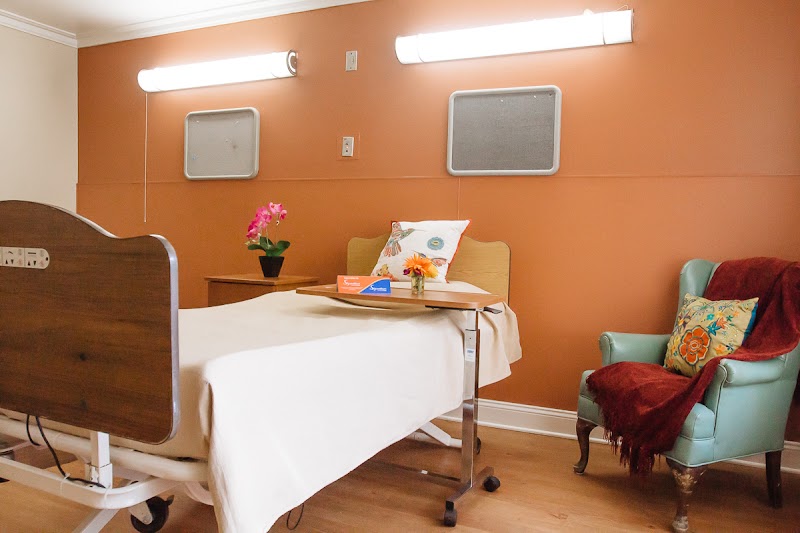
How Does Savannah Post Acute Llc Compare to Other Georgia Nursing Homes?

Compared to the 100 nursing homes in Georgia, SAVANNAH POST ACUTE LLC's overall rating (1 stars) is below the state average of 2.6, staff turnover (65%) is significantly higher than the state average of 46%, and health inspection rating (2 stars) is below the national benchmark.

What Should Families Ask When Visiting Savannah Post Acute Llc?

Based on this facility's data, families visiting should ask: "How do you ensure continuity of care given staff turnover, and what is your staff retention strategy?" "Can you walk me through typical staffing levels on day, evening, and night shifts?" "Can I visit during a mealtime to observe dining assistance and food quality?" "How do you handle medical emergencies, and what is your hospital transfer rate?" These questions are particularly relevant given the facility's high staff turnover rate and the below-average staffing rating.

Is Savannah Post Acute Llc Safe?

Based on CMS inspection data, SAVANNAH POST ACUTE LLC has a clean safety record: no substantiated abuse findings (meaning no confirmed cases of resident harm), no Immediate Jeopardy citations (the most serious violation level indicating risk of serious injury or death), and is not on the Special Focus Facility watch list (a federal program monitoring the lowest-performing 1% of nursing homes). The facility has a 1-star overall rating and ranks #100 of 100 nursing homes in Georgia. While no facility is perfect, families should still ask about staff-to-resident ratios and recent inspection results during their visit.

Do Nurses at Savannah Post Acute Llc Stick Around?

Staff turnover at SAVANNAH POST ACUTE LLC is high. At 65%, the facility is 19 percentage points above the Georgia average of 46%. High turnover means new staff may not know residents' individual needs, medications, or preferences. It can also be disorienting for residents, especially those with dementia who rely on familiar faces. Families should ask: What is causing the turnover? What retention programs are in place? How do you ensure care continuity during staff transitions?

Was Savannah Post Acute Llc Ever Fined?

SAVANNAH POST ACUTE LLC has been fined $5,446 across 1 penalty action. This is below the Georgia average of $33,133. While any fine indicates a compliance issue, fines under $50,000 are relatively common and typically reflect isolated problems that were subsequently corrected. Families should ask what specific issues led to these fines and confirm they've been resolved.

Is Savannah Post Acute Llc on Any Federal Watch List?

SAVANNAH POST ACUTE LLC is not on any federal watch list. The most significant is the Special Focus Facility (SFF) program, which identifies the bottom 1% of nursing homes nationally based on persistent, serious quality problems. Not being on this list means the facility has avoided the pattern of deficiencies that triggers enhanced federal oversight. This is a positive indicator, though families should still review the facility's inspection history directly.