LIFE CARE CENTER OF BOISE
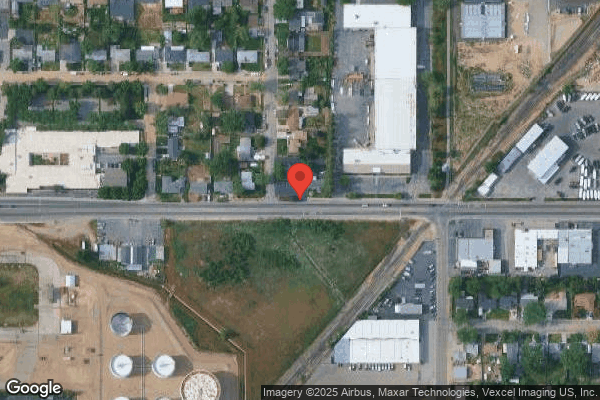
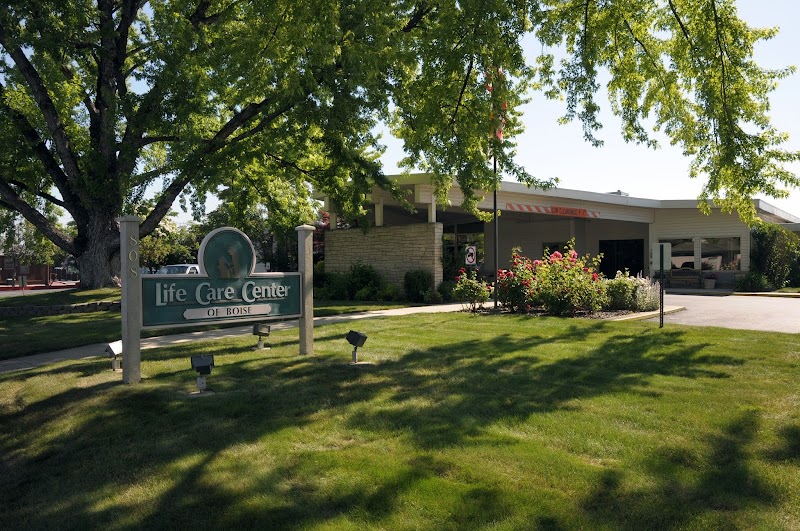
808 NORTH CURTIS ROAD, BOISE, ID 83706 (208) 376-5273
For profit - Limited Liability company 153 Beds LIFE CARE CENTERS OF AMERICA Data: November 2025
Trust Grade
65/100
#9 of 79 in ID
Last Inspection: July 2025

Inspected within the last 6 months. Data reflects current conditions.

Overview

Life Care Center of Boise has a Trust Grade of C+, which indicates that the facility is slightly above average but still has room for improvement. It ranks #9 out of 79 nursing homes in Idaho, placing it in the top half of the state and #2 out of 14 in Ada County, meaning there is only one better local option. The facility is on an improving trend, with issues decreasing from 8 in 2021 to 3 in 2025. However, staffing is a concern, with a low rating of 2 out of 5 stars and a turnover rate of 59%, which is higher than the state average. On the positive side, there are no fines on record, indicating compliance with regulations, and the facility has good RN coverage, which is important for catching potential health issues. However, there are serious weaknesses to consider. For instance, the facility failed to provide adequate supervision, leading to a resident suffering multiple falls and fractures. Additionally, there were incidents of resident-to-resident abuse that resulted in harm. The facility also showed lapses in infection control practices, which could pose risks to residents. Overall, while there are strengths, families should weigh these concerns carefully when considering this nursing home for their loved ones.

Trust Score
C+
65/100
In Idaho
#9/79
Top 11%
Safety Record
Moderate
Needs review
Inspections
Getting Better
8 → 3 violations
Staff Stability
⚠ Watch
59% turnover. Above average. Higher turnover means staff may not know residents' routines.
Penalties
✓ Good
No fines on record. Clean compliance history, better than most Idaho facilities.
Skilled Nurses
○ Average
Each resident gets 31 minutes of Registered Nurse (RN) attention daily — about average for Idaho. RNs are the most trained staff who monitor for health changes.
Violations
⚠ Watch
22 deficiencies on record. Higher than average. Multiple issues found across inspections.
★★★★★
5.0
Overall Rating
★★☆☆☆
2.0
Staff Levels
★★★★★
5.0
Care Quality
★★★★☆
4.0
Inspection Score
Stable
2021: 8 issues
2025: 3 issues

The Good

  • 5-Star Quality Measures · Strong clinical quality outcomes
  • Full Sprinkler Coverage · Fire safety systems throughout facility
  • No fines on record

Facility shows strength in quality measures, fire safety.

The Bad

Staff Turnover: 59%

13pts above Idaho avg (46%)

Frequent staff changes - ask about care continuity

Chain: LIFE CARE CENTERS OF AMERICA

Part of a multi-facility chain

Ask about local staffing decisions and management

Staff turnover is elevated (59%)

11 points above Idaho average of 48%

The Ugly 22 deficiencies on record

2 actual harm
Jul 2025 3 deficiencies
CONCERN (D)

Potential for Harm - no one hurt, but risky conditions existed

Deficiency F0554 (Tag F0554)

Could have caused harm · This affected 1 resident

**NOTE- TERMS IN BRACKETS HAVE BEEN EDITED TO PROTECT CONFIDENTIALITY** Based on observation, record review, interview, and facility policy review, the facility failed to ensure one of one resident (R...

Read full inspector narrative →
**NOTE- TERMS IN BRACKETS HAVE BEEN EDITED TO PROTECT CONFIDENTIALITY** Based on observation, record review, interview, and facility policy review, the facility failed to ensure one of one resident (Resident (R)34) reviewed for self-administration of medications out of a total sample of 20 had a self-administration assessment completed before medications were left at the resident's bedside. This had the potential for the resident to not take the correct medications per order with a potential for significant medication error.Findings include: Review of the policy titled, Administration of Medications, dated 2025, revealed, . 2. The Facility, in conjunction with the interdisciplinary care team, should assess and determine, with respect to each resident, whether self-administration of medications is safe and clinically appropriate, based on the resident's functionality and health condition. 3. To ensure safe and appropriate self-administration, facility should educate residents to ensure that a resident is able to: 3.1 State the name, dose, strength, frequency, and purpose for use of their medications. 3.2. Understand the possible medication side effects and that they should notify facility staff if they experience any such side effects. 3.3 Correctly administer, inject, or apply all prescribed medications. 3.4. Correctly store their medications in a locked compartment . 5. Facility should ensure that orders for self-administration list the specific medication(s) the resident may self-administer . 9.1 The medication storage compartments should be located in the resident's room so that another resident is not able to access the medications. 9.2. The storage compartment should be locked when not in use . Review of R34's Medical Diagnosis record, located in the electronic medical record (EMR) under the Medical Diagnosis tab, revealed the resident was admitted to the facility on [DATE] with diagnoses including schizoaffective disorder (Bipolar type), gastro-esophageal reflux disease (GERD), and chronic pain. Review of R34's quarterly Minimum Data Set (MDS), with an assessment reference date (ARD) of 04/07/25 and located in the EMR under the MDS tab, revealed a Brief Interview for Mental Status (BIMS) score of 14 out of 15, indicating the resident was cognitively intact. Review of R34's current physician's Orders, located in the EMR under the Orders tab, revealed an order for Excedrin migraine oral tablet 250 milligrams (mg)-65mg, give two tablets, two times a day for chronic pain, with a start date of 08/01/24. During an observation and interview on 07/14/25 at 10:30 AM, R34's bedside table's top drawer was open. Inside the drawer was a plastic cup with several white pills. R34 said they were Excedrin and Gas-X (for gas and/or bloating) pills. He stated staff give them to him and allow him to keep them in the drawer of his bedside table. During an observation and interview on 07/16/25 at 10:30 AM, the cup of pills was still in the R34's drawer. Licensed Practical Nurse (LPN)1 confirmed there were six Excedrin and six Gas-X pills in the plastic cup in the resident's top drawer of his bedside table. R34 again said that staff gave them to him to keep in his drawer. LPN1 confirmed R34 did not have an assessment completed to ensure his safety for keeping medications at the bedside. During an interview on 07/16/25 at 2:00 PM, the Director of Nursing (DON) confirmed R34 did not have a self-administer assessment and he was not to be administering his own medications. She said it was not safe for him to do so.
CONCERN (D) 📢 Someone Reported This

A family member, employee, or ombudsman was alarmed enough to file a formal complaint

Potential for Harm - no one hurt, but risky conditions existed

Incontinence Care (Tag F0690)

Could have caused harm · This affected 1 resident

Based on record review, interview, and facility policy review, the facility failed to obtain and document urinary outputs as ordered for one of three residents (Resident (R) 42) reviewed for the manag...

Read full inspector narrative →
Based on record review, interview, and facility policy review, the facility failed to obtain and document urinary outputs as ordered for one of three residents (Resident (R) 42) reviewed for the management of indwelling urinary catheters out of a total sample of 20. Failure to obtain and document urinary output may result in delayed identification of complications such as urinary retention, dehydration, infection, or impaired kidney function.Findings include: Review of the facility's policy titled, Indwelling Urinary (Foley) Management, last revised 06/07/23, indicated, . The facility will ensure that residents admitted with a urinary catheter, or determined to need a urinary catheter for medical indication hill have the following areas addressed; . 4. Insertion, ongoing care and catheter removal protocols that adhere to professional standards of practice and infection prevent and control procedures . Additional care practices related to catheterization 1. Recognizing and assessing for complications and their causes and maintaining a record of catheter-related problems; 2. Recognizing and assessing whether residents are at risk for other possible complications resulting from the continuing use of the catheter, such as obstruction resulting from catheter encrustations, urethral erosion, bladder spasms, hematuria, and leakage around the catheter. The policy did not include specific guidance on obtaining and documenting urinary output. Review of R42's admission Record (Face Sheet), located under the Profile tab of the electronic medical record (EMR), indicated that the facility initially admitted R42 on 10/21/21. R42's pertinent diagnoses included bladder-neck obstruction and obstructive and reflux uropathy. Review of R42's Care Plan, last revised on 04/03/25 and located under the Care Plan tab of the EMR, indicated that R42 had an indwelling catheter related to urinary retention and incomplete bladder emptying due to bladder-neck obstructive uropathy, as well as functional urinary incontinence. The pertinent interventions directed staff to monitor output as per facility policy (every shift), observe for and report to medical doctor signs and symptoms of urinary tract infections: pain, burning, blood-tinged urine, cloudiness, no output. Review of R42's quarterly Minimum Data Set (MDS) with an Assessment Reference Date of 04/09/25 and located under the MDS tab of the EMR, revealed R42 did not have cognitive impairments as evidenced by a Brief Interview for Mental Status (BIMS) score of 14 out of 15. R42 required substantial/maximal assistance with toileting and had an indwelling catheter. Review of the Physician Order, dated 10/31/21 and located under the Orders tab of the EMR, directed staff to record catheter output every shift related to obstructive and reflux uropathy. Review of the Treatment Administration Records (TARs), located under the Orders tab of the EMR and dated 12/01/24 through 06/30/25, revealed staff did not obtain and or document urinary output as follows: 12/2024: Day shift: 12/19 and 12/28; Evening Shift: 12/13/, 12/14, and 12/20/24; and Night shift: 12/14 and 12/21/24.01/2025: Day shift: 01/03, 01/18, 01/28, and 01/30; and Night shift: 01/01/25.02/2025: Day shift: 02/07 and 02/09; and Night shift: 02/10, 02/11, 02/12/, 02/13/2503/2025: Day shift: 03/11; Evening shift: 03/05; and Night shift: 03/02, 03/03, 03/05, 03/13, and 03/19/25.04/2025: Day shift: 04/04, 04/18/, and 04/26/25.05/2025: Day shift: 05/03, 05/18, 05/18, 05/24, and 05/30; Evening shift:05/25; and Night shift: 05/10, 05/15, 05/23, 05/24, and 05/30/25. Review of the nursing Progress Notes, dated 12/01/24 through 06/30/25 and located under the Progress Notes tab of the EMR, revealed no documentation of the above missing urinary output amounts. During an interview on 07/16/25 at 10:14 AM, Licensed Practical Nurse (LPN) 4 stated that the certified nurse aides (CNAs) obtain the urine output and report it to the nurse at the end of their shift. LPN4 stated the nurse documents the resident's output on the TAR. LPN4 stated if a urinary output was not documented, either the CNA did not get it and report it to the nurse or the nurse did not document it on the TAR. During an interview on 07/16/25 at 11:36 AM, CNA1 stated that the CNAs are responsible for emptying the resident's catheter bag, measuring the urinary output, and reporting it to the nurse. She stated that the CNAs report the total amount of output to the nurse verbally or on a sticky note, they do not complete a specific form to document the resident's output, and they do not enter that information into their CNA charting. During an interview on 07/16/25 at 12:34 PM, in the presence of the Director of Nursing (DON), LPN6, the Unit Coordinator, stated that the facility tracks the output on all residents with an indwelling urinary catheter per their policy. LPN6 stated the CNAs are responsible for obtaining the resident's urinary output at the end of each shift and reporting it to the nurse, who documents the output on the TAR. The DON added that their goal is to have 90% of charting completed, ideally 100%. She confirmed that the CNAs were responsible for reporting urinary outputs to the nurse, who then documents the output in the computer. She stated that the standard of nursing is that if it was not documented, it was not done.
CONCERN (D)

Potential for Harm - no one hurt, but risky conditions existed

Deficiency F0825 (Tag F0825)

Could have caused harm · This affected 1 resident

**NOTE- TERMS IN BRACKETS HAVE BEEN EDITED TO PROTECT CONFIDENTIALITY** Based on observation, record review, hospital record review, interview, review of recommendations from the Mayo Clinic website f...

Read full inspector narrative →
**NOTE- TERMS IN BRACKETS HAVE BEEN EDITED TO PROTECT CONFIDENTIALITY** Based on observation, record review, hospital record review, interview, review of recommendations from the Mayo Clinic website for Huntington's disease (https://www.mayoclinic.org/diseases-conditions/huntingtons-disease/diagnosis-treatment), review of the recommendations from the Huntington's Disease Society of America website (https://www.hdsa.org), and facility policy review, the facility failed to ensure therapy orders and recommendations were completed for two of two residents (Residents (R)17 and R7) reviewed for rehabilitation out of a total sample of 20. This had the potential for both residents to decline in their mobility and range of motion (ROM).Findings include: Review of the Mayo Clinic recommendations revealed Huntington's Disease (HD) causes nerve cells in the brain to decay over time. The disease affects a person's movements, thinking ability, and mental health. The movement disorders may cause movements that cannot be controlled causing muscle rigidity, muscle contracture, and trouble with speech or swallowing. Physical Therapy can provide safe exercises that enhance strength, flexibility, balance, and coordination. These exercises can help maintain mobility as long as possible and may reduce the risk of falls. Occupational Therapy can provide eating and drinking utensils for people with limited fine motor skills. Review of the Huntington's Disease Society of America recommendations revealed there is currently no cure or treatment that can slow or reverse the progression of the disease. However, there are many treatments and interventions that can help to manage HD symptoms. Physical and Occupational therapists can work with patients to develop strength and to move safely. A person with HD may develop muscle and joint contractures (abnormal shortening of muscles that restrict joint movement). To prevent contractures, active range of motion (AROM) exercises should be performed daily. Review of the facility policy titled, Evaluation and Plan of Care, revised 03/2024, revealed, Procedure 1. Evaluations are completed in the Rehab EMR [electronic medical record] software . 3. Evaluations may be very comprehensive or may be problem-specific, depending on the resident's condition and/or the physician's orders. 4. Evaluations include but not limited to: a. The patient's prior level of function, b. The patient's current level of function c. An accurate description of the patient's functional limitations d. Standardized tests and objective about the resident, such as strength, range of motion, pain level, functional performance, communication status, swallowing ability, etc. e. Medical and treatment diagnosis f. Long term treatment goals . 1. Review of R17's Profile record, located in the EMR under the Profile tab, revealed the resident was admitted to the facility on [DATE] with a diagnosis of Huntington's Disease and a history of falling. Review of R17's Hospital Discharge Summary, located in the EMR under the Documents tab and dated 02/07/25, revealed skilled nursing and rehab were required on a continuing basis as the resident was receiving skilled nursing care and Physical Therapy (PT) and Occupational Therapy (OT) services while at the hospital. Orders were noted for PT/OT to evaluate and treat. Review of R17's NRSG [Nursing] Admission/readmission Collection Tool, located in the EMR under the Assessment tab and dated 02/07/25, revealed PT and OT were marked under the admission details. Under the Admission/readmission Progress Note in the collection tool also revealed the resident was to be seen by PT/OT for an evaluation. Review of R17's admission Minimum Data Set (MDS), with an assessment reference date (ARD) of 02/13/25 and located in the EMR under the MDS tab, revealed a Brief Interview for Mental Status (BIMS) score of three out of 15, indicating severe cognitive impairment. There were no behaviors or rejection of care noted. R17 was noted with limited ROM bilaterally to both upper and lower extremities. Review of R17's Progress Note, located in the EMR under the Progress Note tab, dated 02/11/25, and written by the physician, revealed under the assessment plan an order for PT/OT to evaluate and treat. Review of R17's Care Plan, located in the EMR under the Care Plan tab and with a date initiated of 02/19/25, revealed the resident had an Activities of Daily Living (ADLs) self -care deficit related to her diagnosis of Huntington's Disease. The goal indicated that the resident would minimize decline in self-care and mobility through the next review date. Interventions included PT/OT. Review of R17's quarterly MDS, with an ARD of 05/16/25 and located in the EMR under the MDS tab, revealed a BIMS score of six out of 15, indicating severe cognitive impairment. She had no noted behaviors or rejection of care. She was noted to have limited ROM bilaterally to both upper and lower extremities. Review of R17's Care Plan, located in the EMR under the Care Plan tab and revised on 05/23/25, revealed the resident had an alteration in neurological status related to Huntington's Disease. The goal indicated the resident would show improvement with mobility by the review date. Interventions included Physical Therapy: to improve balance, coordination, and mobility; Occupational Therapy: to help with daily activities and self-care; and Speech Therapy: To address speech and swallowing problems. Review of R17's Progress Note, located in the EMR under the Progress Note tab, dated 06/24/25, and written by the physician, revealed under the assessment and plan an order for PT/OT to evaluate and treat. Review of R17's EMR revealed no evidence that the resident received a PT/OT evaluation or that she had received any therapy or restorative services since her admission over five months ago. During an observation on 07/14/25 at 12:05 PM, R17 was in the dining room being assisted with her lunch meal. She was observed to be able to drink by herself with her cup that had handles on both sides. During an interview on 07/15/25 at 12:45 PM, the Director of Rehabilitation (DOR) confirmed that R17 had not had a PT or OT evaluation, nor was she receiving any therapy or restorative services. She indicated she did not complete a PT evaluation because the resident was on straight Medicaid and she would not be paid for it. She said she did a brief screening on the resident after she admitted ; however, she did not document any findings in the resident's EMR because she would not be paid for it. She further said the resident did not have any contractures so a PT/OT evaluation was not necessary. The DOR said she can do some formal PT evaluations on Medicaid residents if the Administrator approves them, even though they are not reimbursed for them. During an observation and interview on 07/15/25 at 3:00 PM, R17 was able to answer simple questions appropriately. She indicated she enjoyed bingo with other residents and she just had a haircut and really liked it. She did not respond when asked if she had ever received any therapy services at the facility. During an interview on 07/17/25 at 9:00 AM, the Administrator revealed the facility provided therapy services for residents whose payor source was Medicaid; however, the Administrator confirmed R17 had not received any PT or OT services since being admitted over five months ago. The Administrator confirmed there was no way to show if the resident had a decline in her mobility per her Care Plan goals. The Administrator indicated he was having the DOR provide a statement regarding R17 in an email. Review of an email provided from the Administrator, dated 07/17/25, revealed the DOR had sent an email of a summary of her assessment of R17 to the Administrator. The email indicated that the DOR assessed R17 upon her admission to the facility on [DATE] (however, the resident was not admitted to the facility until 02/07/25). The email indicated she had full ROM on all extremities with a marked decrease in control of her extremities. There was nothing in the email of the assessment that could be measured to ensure the resident's goals were met, or that any therapy services were recommended. 2. Review of R7s' admission Record, located in the EMR under the admission Record tab, revealed the resident was admitted to the facility on [DATE] with diagnoses of stroke with hemiparesis (muscle weakness/partial paralysis) affecting left non-dominant side and contracture of muscle to the lower legs. Review of R7's Hospital Record, located in the EMR under the Documents tab and dated 06/27/25, revealed orders for PT/OT to evaluate for safety, balance, and strength. Review of R7's NRSG [Nursing] Admission/readmission Collection Tool, located in the EMR under the Assessment tab and dated 06/27/25, revealed PT and OT were marked under the admission details. Under the Admission/readmission Progress Note in the collection tool, it was revealed the resident was to have PT/OT for strengthening. Review of R7's admission MDS, with an ARD of 07/03/25 and located under the MDS tab of the EMR, revealed the resident had a BIMS score of 12 out of 15, indicating moderate impaired cognition. R7 was noted with limited ROM on one side of her upper extremity and both lower extremities. Review of R7's Care Plan, located in the EMR under the Care Plan tab and with an initiated dated of 06/27/25 and with a revision date of 07/09/25, revealed the resident had an ADL self-care and mobility deficit related to hemiplegia and hemiparesis following cerebral infarction (stroke) affecting the left, non-dominant side, and contractures of lower leg muscles. The goal indicated the resident would maintain current level of function in self-care and mobility through the review date. Interventions included PT/OT evaluation and treatment per orders. Review of the Progress Note, located in the EMR under the Progress Note tab and dated 06/30/25, revealed the facility's Interdisciplinary team indicated the resident was working with PT and the goal was for her to maintain self-care and mobility through the review date. Review of the Progress Note, located in the EMR under the Progress Note tab, dated 07/01/25, and written by the physician, revealed an order for PT/OT to evaluate and treat the resident. Review of the Restorative Nursing Communication Tool, dated 07/01/25 and provided and completed by the DOR, revealed the resident had weakness to her upper extremities and stiffness in her lower extremities. The goal was to maximize strength and ROM. The resident was to receive restorative nursing six to seven days a week for 30 minutes per day of active ROM to the upper extremities and passive ROM to her lower extremities. Review of the Restorative Nursing Program Weekly/Monthly Summary Form, provided by the facility, revealed the resident received active and passive ROM to upper and lower extremities. The weekly notes for 07/07/25 and 07/14/25 did not have any details of what specific restorative nursing was provided. During an interview on 07/15/25 at 3:30 PM, R7 revealed she did not remember having a PT or OT evaluation since she had been in the facility. She did confirm that aides came in and worked with her occasionally. During an interview on 07/16/25 at 11:50 AM, the DOR revealed R7 was the same as R17 as her payor source was Medicaid. She confirmed she did not do a PT evaluation due to not being paid for it. She revealed she did an assessment screen and recommended Restorative Nursing. She further confirmed there was no way to measure the resident's progress to ensure her goals were met per her Care Plan. During an interview with the Restorative Nursing Assistant (RNA) on 07/16/25 at 12:30 PM, the RNA confirmed she did provide restorative nursing to R7, however there was no documentation of what each visit entailed. During an interview on 07/16/25 at 9:00 AM, the Regional Director of Clinical Services (RDCS) revealed the facility did treat residents whose payor source is Medicaid for therapy services. The RDCS stated if an order is received to evaluate and treat for PT/OT, it should be done and documented.
Dec 2021 8 deficiencies 2 Harm
SERIOUS (G)

Actual Harm - a resident was hurt due to facility failures

Free from Abuse/Neglect (Tag F0600)

A resident was harmed · This affected 1 resident

**NOTE- TERMS IN BRACKETS HAVE BEEN EDITED TO PROTECT CONFIDENTIALITY** Based on policy review, record review, Incidents and Accidents (I&A) report review, and staff interview, it was determined the f...

Read full inspector narrative →
**NOTE- TERMS IN BRACKETS HAVE BEEN EDITED TO PROTECT CONFIDENTIALITY** Based on policy review, record review, Incidents and Accidents (I&A) report review, and staff interview, it was determined the facility failed to ensure residents were free from abuse by other residents. This was true for 4 of 8 residents (#25, #30, #47 and #158) reviewed for abuse. This failure resulted in harm to Resident #47 when staff failed to supervise Resident #2 and he touched her breasts with his hands. Deficient practice also placed Residents #25, #30, #47 and #158, and all other residents in the facility at risk of psychosocial harm and/or physical harm. Findings include: The facility's policy and procedure, Protection of Residents: Reducing the Threat of Abuse and Neglect, revised 8/10/21, stated the facility practiced a hardline, zero-zero tolerance approach to resident abuse. The resident had the right to be free from abuse, neglect, misappropriation of resident property, and exploitation. The policy defined the following: *Physical Abuse: including but not limited to hitting, slapping, punching, biting, and kicking. *Sexual Abuse: non-consensual contact of any type with a resident. Including but not limited to sexual harassment, sexual coercion, or sexual assault. This policy was not followed. 1. Sexual abuse of Resident #47 by Resident #2: *Resident #47 was admitted to the facility on [DATE], with multiple diagnoses including dementia, major depressive disorder and cognitive communication deficit. A quarterly MDS assessment, dated 6/2/21, documented Resident #47 was severely cognitively impaired. *Resident #2 was admitted to the facility on [DATE], with multiple diagnoses including dementia, hypertension and major depressive disorder. A care plan, initiated on 6/10/21, documented Resident #2 had a behavior problem of wandering related to dementia and the staff were directed to maintain line of sight supervision of him while he was up and out of bed. An I&A report, dated 8/4/21, documented Resident #2 entered the Activity Room. The Activity Director gave Resident #2 some cookies and he started to watch television. The Activity Director turned her head away from Resident #2, to take care of a couple of things prior to engaging Resident #2. Upon turning around, the Activity Director found Resident #2 had moved toward Resident #47 and touched her breasts with his hands. The Activity Director immediately intervened and separated the two residents. The facility's investigation of the 8/4/21 incident documented abuse was substantiated. On 12/2/21 at 3:11 PM, the Executive Director stated the direct line of sight to Resident #2 was not followed when the Activity Director turned away from Resident #2 for a brief period. The Executive Director said the Activity Director was provided with education regarding line of sight monitoring. The facility failed to ensure Resident #47 was free from sexual abuse. 2. Physical abuse by Resident #31 directed at Resident #25 and Resident #158: *Resident #31 was admitted to the facility on [DATE], with multiple diagnoses including major depressive disorder, hemiplegia (paralysis) and hemiparesis (weakness) on one side of the body following a stroke. A quarterly MDS assessment, dated 7/12/21, documented Resident #31 was moderately cognitively impaired and had no physical or verbal behaviors symptoms such as hitting, kicking, pushing, grabbing, threatening, cursing or screaming towards others. *Resident #25 was admitted to the facility on [DATE], with multiple diagnoses including hemiplegia (paralysis) and hemiparesis (weakness) on one side of the body. An annual MDS assessment, dated 8/5/21, documented Resident #25 was cognitively intact. *Resident #158 was admitted to the facility on [DATE], and readmitted on [DATE], with multiple diagnoses including multiple sclerosis (a potentially disabling disease of the brain and spinal cord), cognitive communication deficit and diabetes mellitus. A quarterly MDS assessment, dated 8/10/21, documented Resident #158 was cognitively intact. An I&A report, dated 7/21/21 at 8:00 AM, documented Resident #31 punched Resident #158 on her shoulder in the dining room and was going to punch Resident #158 again when a CNA called his name. The Speech Therapist helped the CNA separate Resident #31 from Resident #158. After they were separated, Resident #31 was observed going after another resident. The CNA called the nurse and told the nurse what happened in the dining room. The nurse took Resident #31 and brought him back to his room. The nurse informed Resident #31 he could not go back to the dining room because he was trying to hit other people. The nurse instructed the staff members they needed to keep a close eye on Resident #31. An I&A report, dated 7/21/21 at 10:50 AM, documented Resident #31 was in the Activity Room participating in activities, when he approached Resident #25 and punched her in the nose. The I&A report documented Resident #25 thought she may have some bruising, but none had appeared at that time. Resident #25 was assessed and no injuries were noted. Resident #31 was subsequently transferred to the emergency room for evaluation related to his change in behavior The facility's investigations of the 7/21/21 incidents documented the incidents occurred and substantiated Resident #31 physically abused Resident #158 and Resident #25. On 12/3/21 at 8:11 AM, the Activity Director said she remembered the incident in the Activity Room when Resident #31 punched Resident #25's face. When asked if she was asked to keep an eye on Resident #31 while he was in the Activity Room or if she was aware of the incident in the dining room involving Resident #31 and the other residents, the Activity Director said she was not aware of the incident in the dining room and was not told to keep an eye on Resident #31 while he was in the Activity Room. On 12/3/21 at 1:32 PM, the Executive Director said Resident #31 had no history of physically hitting other residents in the facility. The Executive Director said they later found out Resident #31 became agitated when he was told by his family representative he would likely not be returning home and the facility was a great place for him. The Executive Director also stated the nurse was not told Resident #31 punched Resident #158 in the dining room, and it was a miscommunication between the staff. The Executive Director said staff were educated about proper reporting of abuse incidents. 3. Physical abuse by Resident #2 directed at Resident #30: *Resident #30 was admitted to the facility on [DATE], with multiple diagnoses including hypertension (high blood pressure) and diabetes mellitus. A quarterly MDS assessment, dated 7/7/21, documented Resident #30 was cognitively intact. *Resident #2 was admitted to the facility on [DATE], with multiple diagnoses including dementia, hypertension and major depressive disorder. A quarterly MDS assessment, dated 6/2/21, documented Resident #2 was severely cognitively impaired. An I&A report, dated 6/10/21, documented Resident #2 entered Resident #30's room uninvited. Resident #30 yelled at Resident #2 to leave her room. Resident #2 reached for Resident #30's overbed table and Resident #30 grabbed the table from him. Resident #2 then grabbed Resident #30's arm creating a scratch on her arm. Staff were able to intervene and redirect Resident #2. The facility's investigation of the 6/10/21 incident documented the incident did occur and Resident #30's physical abuse by Resident #2 was substantiated. On 12/2/21 at 3:11 PM, the Executive Director stated Resident #2 had no history of wandering prior to above incident. The Executive Director stated Resident #2's care plan was updated and directed staff to maintain line of sight supervision while he was up and out of bed.
SERIOUS (G)

Actual Harm - a resident was hurt due to facility failures

Accident Prevention (Tag F0689)

A resident was harmed · This affected 1 resident

**NOTE- TERMS IN BRACKETS HAVE BEEN EDITED TO PROTECT CONFIDENTIALITY** Based on policy review, record review, I&A report review, and staff interview, it was determined the facility failed to ensure a...

Read full inspector narrative →
**NOTE- TERMS IN BRACKETS HAVE BEEN EDITED TO PROTECT CONFIDENTIALITY** Based on policy review, record review, I&A report review, and staff interview, it was determined the facility failed to ensure adequate supervision of residents to prevent falls. This was true for 1 of 3 residents (Resident #23) reviewed for falls. This resulted in harm to Resident #23 when she had multiple falls and fractured her wrist and shoulder. Findings include: The facility's Fall Management policy, dated 6/4/20, documented the facility ensured the residents' environment remained as free of accident hazards as was possible and each resident received adequate supervision and assistive devices to prevent accidents. Adequate supervision was defined as an intervention and means of mitigating the risk of accident. Resident #23 was admitted to the facility on [DATE], with multiple diagnoses including aftercare following a surgical procedure to repair a right femur (thigh bone) fracture, Lennox-Gastaut syndrome (a type of epilepsy with multiple different types of seizures, intellectual development is usually delayed and often worsens over time. Behavioral problems including hyperactivity, agitation, aggression and autism are common) intractable (hard to control), intellectual disabilities, difficulty walking, and repeated falls. A Fall Risk Evaluation, dated 6/24/21, documented Resident #23 was at high risk for falls. An admission MDS assessment, dated 6/30/21, documented Resident #23 had moderate cognitive impairment, she required extensive assistance of two persons with bed mobility, transfers, dressings and toileting, she was unsteady and only able to stabilize with human assistance when moving from seated to standing and when transferring from surface to surface, and she had fallen in the previous one to six months prior to admission to the facility. Resident #23's physician's orders included the following: * Seizure precaution. Keep vagus nerve stimulator (VNS - implanted to a patient and the patient will have a magnet that can be used at the time of the seizure), magnet at bedside and swipe the magnet past VNS if event occurs, ordered 6/24/21. * Clobazam (anti-seizure) 10 mg (milligrams) tablet, two times a day for seizure, ordered 10/31/21. * Tegretol (anti-convulsant) XR (extended release) 600 mg at bedtime for symptomatic epilepsy and epileptic syndrome, ordered 10/14/21. * Tegretol-XR 600 mg in the morning for symptomatic epilepsy and epileptic syndrome, ordered 10/22/21. Resident #23's care plan documented she had diffuse psycho motor delays (slowing of movement) and mild to moderate retardation, osteoporosis which resulted in multiple fractures and she was at risk for falls or had actual falls. Interventions included the following: * Initiated on 6/24/21: Assist Resident #23 with ADLs as needed, place her call light within reach, and complete fall risk assessment. * Initiated on 6/30/21: Educate Resident #23 that she is not strong enough to transfer self and that she needs to ask for assistance. * Initiated on 7/1/21: Anticipate Resident #23's needs and educate her family and caregivers about safety reminders and what to do if a fall occurs. Resident #23's I&A reports, dated 7/18/21 to 9/29/21, documented she had a total of 11 falls in 3 months, as follows: An I&A report, dated 7/18/21 at 9:10 PM, documented Resident #23 had an unwitnessed fall. Resident #23 reported she went to the bathroom using her wheelchair and did not lock the brakes of her wheelchair. Resident #23 picked herself up and reported the event to the staff. Resident #23's care plan was updated on 7/19/21, and directed staff to place anti-roll back bars on her wheelchair for safety. An I&A report, dated 7/23/21 at 11:00 AM, documented a CNA reported Resident #23 was noted on the floor in the hallway having a seizure. Resident #23 was assisted to bed after her seizure. The physician was notified and gave an order to obtain Tegretol level stat (immediately). A Physician's progress note, dated 7/23/21 at 11:24 AM, documented Resident #23 had an unwitnessed fall secondary to seizure. The progress note documented the facility staff reported Resident #23 generally was having seizures nightly. The physician gave an order to obtain Resident #23's Tegretol level. The physician also gave an order to increase Resident #23's Tegretol to 800 mg (milligrams) at bedtime and 600 mg in the morning. The physician documented based on Resident #23's records she had a history of frequent seizures especially at night. An I&A report, dated 7/29/21 at 1:30 PM, documented Resident #23 had an unwitnessed fall. She was found sitting on the floor between her bed and the window. Resident #23 reported she was getting up from her wheelchair to get her walker which was located across the room, the walker slid out from under her hands and she fell and bumped against the footboard. The I&A report documented Resident #23 did not use her call light to call for assistance. Resident #23's care plan was updated on 7/29/21, and directed staff to move her to a room closer to the nurse's station so that the staff could monitor her for safety, provide her with activities that would minimize the potential for falls, and provide diversion and distraction by encouraging her to attend activities and dine with other residents. An I&A report, dated 8/5/21 at 6:57 AM, documented Resident #23 had an unwitnessed fall. The nurse heard Resident #23 moaning and she was found on the floor beside her bed having a seizure. Facility staff used the VNS magnet to stop Resident #23's seizure and she was assisted to her bed. Resident #23 denied any pain from the fall. Resident #23's care plan was updated on 8/9/21, and directed staff to provide her with a lipped mattress to help her define the bed borders for safety. An I&A report, dated 8/14/21 at 3:00 PM, documented Resident #23 had an unwitnessed fall. A loud noise was heard from Resident #23's room and staff members found her on the floor beside her bed. The I&A report documented the bedside mat caused Resident #23 to trip and she fell on the floor. Resident #23's care plan was updated on 8/14/21, and directed staff to remove her fall mats during waking hours to avoid tripping hazard. An I&A report, dated 8/28/21 at 7:30 AM, documented Resident #23 had an unwitnessed fall. Resident #23 called out for help and staff found her on the floor lying on her back between the room's two beds. Resident #23 stated she was going to the bathroom. The I&A report documented the light in Resident #23's room was off when she had the fall. Resident #23's care plan was updated on 8/28/21, and directed staff to keep her night light on while sleeping in bed for safety. An Unusual Occurrence Report, dated 8/30/21 at 5:30 PM, documented Resident #23 was noted to have a bruise to her left arm the following day after her fall on 8/28/21. Resident #23 complained of pain which was effectively treated with Tramadol (narcotic pain medication). An order to X-ray Resident #23's left wrist was received, and revealed she had fracture on her left wrist. The Unusual Occurrence Report documented Resident #23 fractured her left wrist from the fall she had on 8/28/21. The root cause of the fall was related to her impulsivity and not using her call light, and when she attempted to be independent she might not be able to see clearly in a darker room. On 8/30/21 at 5:10 PM, a handwritten note documented an order was received to splint Resident #23's left wrist and refer her to an orthopedic physician. Subsequently, on 10/19/21, Resident #23 was seen by a physician in a hand center clinic and it was recommended to discontinue using the splint on her left wrist and she could use the wrist and thumb brace for comfort. An I&A report, dated 9/22/21 at 8:40 AM, documented Resident #23 had an unwitnessed fall. She was heard screaming from her room and when staff entered her room, she was on her knees on the floor between the window wall and her bed. Resident #23 was not wearing her slipper socks. Resident #23's care plan was updated on 9/22/21, and staff were directed place non-skid strips on the floor on the window side of her bed to help with traction and safety. On 9/24/21, staff were directed place a sign on her walker to remind her to take her walker with her when walking. An Unusual Occurrence report, dated 9/23/21, documented that at approximately 4:00 AM a CNA heard a commotion coming from Resident #23's room and checked on her. Resident #23 was found in her bathroom wearing five briefs. The one brief that was on the bottom was wet. The CNA redirected Resident #23 and removed the briefs and changed her. Resident #23 was reeducated to wear only one brief and assisted her back to bed. The CNA removed the remaining briefs from Resident #23's room. At approximately 4:50 AM, the CNA heard a commotion from Resident #23's room. When the CNA entered the room, Resident #23 rummaging through her roommate's drawers looking for more incontinence briefs. As the CNA walked in, Resident #23 repositioned herself by putting her hand on a can of nuts located on her over-bed table. The table rolled causing Resident #23 to lose her balance and fall on the floor onto her back and right shoulder. Resident #23 was assessed for pain and injury, and was assisted back to bed as she was not complaining of any pain. When the oncoming nurse checked on Resident #23, she complained of pain in her left shoulder. The nurse noted that Resident #23's left shoulder appeared to be out of socket. An order was received to perform an X-ray on Resident #23's left shoulder. The X-ray result, dated 9/23/21, showed a fracture on Resident #23's left shoulder involving the neck of the humerus (bone of the upper arm). The Unusual Occurrence report documented the root cause analysis of Resident #23's injury was her disabilities which led to her having an emotional outburst leading to poor choices. Resident #23 would often impulsively get up, being fiercely independent, lose her balance and fall. Resident #23 resisted redirection and often became angry when provided with 1:1 assistance. The Unusual Occurrence report also documented Resident #23 was very demanding for her independence, demonstrated behaviors that frequently compromised her safety, and when staff intervened her behavior frequently escalated. On 10/2/21, Resident #23 had a repeat X-ray of her left shoulder to compare with 9/23/21 result. The repeat X-ray result documented Interval displacement of the humeral neck fracture without healing demonstrated. An I&A report, dated 9/26/21 at 9:15 PM, documented Resident #23 had an unwitnessed fall. A loud bang was heard from Resident #23's room and when staff entered her room, she was found sitting on the floor by the privacy curtain. Resident #23's bedside table tipped over and there was water on the floor. Resident #23 stated she turned on her call light by mistake and she was trying to get up to turn it off. Resident #23's care plan was updated on 9/27/21, and staff were directed to move her roommate to another room, encourage her to keep her privacy curtain open for better line of sight, and to place a silent alarm to her bed and wheelchair to help notify the staff when she was getting up. Staff would carry the pagers with them. Staff were also educated on de-escalation of anger and emotional agitation. An I&A report, dated 9/29/21 at 3:00 PM, documented Resident #23 had a witnessed fall in her room. Resident #23 fell before the staff could reach her. Interdisciplinary Team reviewed the falls and decided to place a 1:1 (one to one) staff within line of sight supervision to manage Resident #23's safety. Resident #23's care plan was updated on 9/30/21, and directed staff to provide 1:1 line of sight supervision to her during waking hours and periods of agitation. On 11/16/21, a physician's progress note for Resident #23's follow-up check-up for her left shoulder fracture, documented her left shoulder's active range of motion was severely restricted and there was tenderness on palpation on her left shoulder. The physician's progress note also documented Resident #23 was not a good surgical candidate at this time. Resident #23 had to continue wearing her left shoulder immobilizer, as needed, for comfort and continue her physical therapy. Resident #23's record did not include documentation of additional falls after the initiation of 1:1 supervision. On 12/3/21 at 11:20 AM, the DON stated Resident #23 had multiple interventions to prevent falls in her care plan, and reviewed what those interventions were. The DON stated the 1:1 staff supervision for Resident #23 was not initiated earlier, such as after she fractured her left wrist from the fall on 8/28/21, as the interdisciplinary team thought it would make her behaviors worse. The facility failed to ensure Resident #23 received the level of supervision necessary to prevent falls, which resulted in a fracture of her left wrist from a fall on 8/28/21, and a fracture of her left shoulder from a fall on 9/23/21.
CONCERN (D)

Potential for Harm - no one hurt, but risky conditions existed

Deficiency F0554 (Tag F0554)

Could have caused harm · This affected 1 resident

**NOTE- TERMS IN BRACKETS HAVE BEEN EDITED TO PROTECT CONFIDENTIALITY** Based on observation, record review, policy review, and resident and staff interview, it was determined the facility failed to e...

Read full inspector narrative →
**NOTE- TERMS IN BRACKETS HAVE BEEN EDITED TO PROTECT CONFIDENTIALITY** Based on observation, record review, policy review, and resident and staff interview, it was determined the facility failed to ensure residents were assessed to determine if they were safe to self-administer medication. This was true for 1 of 2 residents (#19) reviewed for self-administration of medication. This failure created the potential for adverse outcomes if Resident #19 self-administered inhaler medication inappropriately. Findings include: The facility's Self Administration of Medications policy, revised 5/10/10, stated the Interdisciplinary Team (IDT) would assess each resident and determine whether self-administration of medications was safe and clinically appropriate, based on the resident's functionality and health condition. Resident #19 was admitted to the facility on [DATE], with multiple diagnoses including chronic obstructive pulmonary disease (progressive lung disease characterized by increasing breathlessness). An admission MDS assessment, dated 3/30/21, documented Resident #19 was cognitively intact. A physician's order, dated 11/1/21, documented Resident #19 was to inhale 2 puffs of Albuterol Sulfate HFA (hydrofluoroalkane) Aerosol solution (an inhaler use to treat wheezing and shortness of breath,) orally every 6 hours as needed for wheezing and shortness of breath. On 12/2/21 at 8:40 AM, the Albuterol Sulfate HFA inhaler was observed on top of Resident #19's overbed table. Resident #19 stated he used the inhaler every six hours. A Self-Administration of Medications assessment was not found in Resident #19's record. On 12/2/21 at 9:15 AM, the DON reviewed Resident #19's record and said Resident #19 did not have an assessment to self-administer his inhaler medication and he should have one.
CONCERN (D)

Potential for Harm - no one hurt, but risky conditions existed

Notification of Changes (Tag F0580)

Could have caused harm · This affected 1 resident

**NOTE- TERMS IN BRACKETS HAVE BEEN EDITED TO PROTECT CONFIDENTIALITY** Based on policy review, record review, and staff interview, it was determined the facility failed to immediately notify the phys...

Read full inspector narrative →
**NOTE- TERMS IN BRACKETS HAVE BEEN EDITED TO PROTECT CONFIDENTIALITY** Based on policy review, record review, and staff interview, it was determined the facility failed to immediately notify the physician and the resident's representative when there was a significant change in a resident's condition. This was true for 1 of 2 residents (Resident #159) reviewed for notification of changes in condition. This deficient practice placed Resident #159 at risk of harm due to lack of physician involvement and lack of advocacy and support from her representative when she was unable to make decisions for herself due to decreased health status and level of consciousness. Findings include: The facility's policy entitled Changes in Resident's Condition or Status, reviewed 4/2/21, documented the facility would notify the resident, his/her primary care provider and resident/resident representative of changes in the resident's condition or status. Changes included deterioration in health, mental, or psychosocial status in either life-threatening conditions or clinical complications. This policy was not followed. Resident #159 was admitted to the facility on [DATE], with multiple diagnoses including hemiplegia and hemiparesis (partial paralysis) following cerebral infarction (stroke) affecting left non-dominant side, essential hypertension (high blood pressure) and diabetes mellitus with diabetic neuropathy (nerve damage that can cause numbness, tingling, and pain). Resident #159's annual MDS assessment, dated 5/27/21, documented she was moderately cognitively impaired. A health status note, dated 6/20/21 at 6:52 AM, stated: All evening and all night [Resident #159] has been very confused. Her speech is slurred. All she wants to do is sleep [sic] Her lungs are wet. Her lungs have always been wet but before she was always able to cough to clear them. Now she is so out of it that she no longer has a strong cough to clear her lungs. She has this whitish phlegm that is constantly stuck on the roof of her mouth. A nursing alert note, dated 6/20/21 at 2:34 PM, documented Resident #159 was having difficulty breathing at 12:55 PM. Staff attempted to suction Resident #159 and determined she had no vital signs and a weak pulse. Staff called Emergency Medical Services (EMS), the on-call nursing supervisor, the DON, the Executive Director, and the Nurse Practitioner on call. Staff began to use a defibrillator but stopped when told Resident #159's code status was Do Not Resuscitate. Resident #159 was pronounced dead at 1:25 PM. Resident #159's son and Nurse Practitioner on-call were notified of her death, along with the DON and Nursing Supervisor. On 12/3/21 at 10:05 AM, the DON stated the on-call physician and Resident #159's representative should have been notified when Resident #159 began to show symptoms of decline in her health. Resident #159's health and cognitive status began to decline the evening of 6/19/21. Resident #159's physician and representative were not notified when her health and cognitive status began to decline. Resident #159's representative and physician were notified of her change in status after she passed away.
CONCERN (D)

Potential for Harm - no one hurt, but risky conditions existed

Grievances (Tag F0585)

Could have caused harm · This affected 1 resident

**NOTE- TERMS IN BRACKETS HAVE BEEN EDITED TO PROTECT CONFIDENTIALITY** Based on policy review, record review, review of grievances, and resident and staff interview, it was determined the facility fa...

Read full inspector narrative →
**NOTE- TERMS IN BRACKETS HAVE BEEN EDITED TO PROTECT CONFIDENTIALITY** Based on policy review, record review, review of grievances, and resident and staff interview, it was determined the facility failed to ensure grievances were responded to and investigated, and prompt corrective action was taken to resolve grievances. This was true for 1 of 2 residents (Resident #29) reviewed for grievances. This failure created the potential for psychosocial harm if residents' grievances were not acted upon. Findings include: The facility's Grievance policy, dated 8/7/21, documented the social services staff and/or Executive Director were responsible to maintain records of all grievances received, including a summary statement of the resident's grievance, the steps taken to investigate the grievance, a summary of the findings or conclusions including whether the grievance was confirmed or not confirmed, any corrective action taken or to be taken, and the date the written decision was issued. They were to respond to an individual who expressed a concern and contact all parties with the outcome of the investigation. This policy was not followed. Resident #29 was admitted to the facility on [DATE], with multiple diagnoses including unspecified dementia with behavioral disturbance, chronic obstructive pulmonary disease (progressive lung disease characterized by increasing breathlessness), and bipolar disorder (unusual shifts in mood, energy, activity levels, concentration, and the ability to carry out day-to-day tasks). Resident #29's annual MDS assessment, dated 10/5/21, documented he was cognitively intact. On 11/30/21 at 3:25 PM, Resident #29 stated he filled out two complaint cards when he felt a staff member was rude to him. He attempted to give the cards to the Executive Director in the hallway. He stated the Executive Director laughed at him and defended the staff member. He stated the Executive Director did not listen to him. The facility's grievance file from 6/1/2021 through 12/1/2021 was reviewed. There was no grievance for Resident #29 regarding his complaints. On 12/3/21 at 9:50 AM, the Executive Director said he spoke with Resident #29 regarding the incident. The Executive Director stated he told Resident #29 he made the staff member cry and the Executive Director told Resident #29 he should not speak to others that way. The Executive Director stated he took the grievance cards from Resident #29, and he did not know where they went. The cards were not entered in the facility's grievance log and he did not follow up on the grievances.
CONCERN (D)

Potential for Harm - no one hurt, but risky conditions existed

Investigate Abuse (Tag F0610)

Could have caused harm · This affected 1 resident

**NOTE- TERMS IN BRACKETS HAVE BEEN EDITED TO PROTECT CONFIDENTIALITY** Based on policy review, record review, and resident and staff interview, it was determined the facility failed to ensure an inve...

Read full inspector narrative →
**NOTE- TERMS IN BRACKETS HAVE BEEN EDITED TO PROTECT CONFIDENTIALITY** Based on policy review, record review, and resident and staff interview, it was determined the facility failed to ensure an investigation was conducted after an allegation of neglect was reported to a department director. This was true for 1 of 8 residents (#156) reviewed for abuse and neglect. This failure had the potential to place residents at increased risk for physical and/or psychosocial harm. Findings include: The facility's Protection of Residents: Reducing the Threat of Abuse & Neglect policy, undated, documented the facility would promptly and thoroughly investigate reports of abuse, neglect, mistreatment, exploitation and misappropriation of property. This policy was not followed. Resident #156 was admitted to the facility on [DATE], with multiple diagnoses including Type 2 diabetes mellitus with diabetic neuropathy (nerve damage, often in the legs and feet), major depression, epilepsy, and anxiety disorder. Resident #156's annual MDS assessment, dated 11/5/21, documented she was cognitively intact. Resident #156 was continent of urine and bowel, required physical assistance of one person for toileting, and extensive assistance from one person for personal hygiene. On 11/30/21 at 11:40 AM, Resident #156 stated about a month ago she was left on the toilet for over an hour. Resident #156 stated she reported the incident to the Activities Director (AD). On 11/30/21 at 12:00 PM, the AD stated she recalled Resident #156's complaint about being left on the toilet for over an hour. The AD stated she immediately reported the incident verbally to RN #1. On 11/30/21 at 1:10 PM, RN #1 stated she did not recall receiving a complaint verbally or in writing from the AD about Resident #156 being left on the toilet for an hour. On 11/30/21 at 1:45 PM, the DON stated she expected a blue card (a complaint card system utilized by the facility) to be filled out and discussed at the Interdisciplinary Team meeting for further investigation when a complaint or grievance was received. The DON verified a blue card was not filled out for this allegation. The facility failed to ensure an investigation was conducted after an allegation of neglect was reported.
CONCERN (D)

Potential for Harm - no one hurt, but risky conditions existed

Quality of Care (Tag F0684)

Could have caused harm · This affected 1 resident

**NOTE- TERMS IN BRACKETS HAVE BEEN EDITED TO PROTECT CONFIDENTIALITY** Based on policy review, record review, and staff interview, it was determined the facility failed to ensure professional standar...

Read full inspector narrative →
**NOTE- TERMS IN BRACKETS HAVE BEEN EDITED TO PROTECT CONFIDENTIALITY** Based on policy review, record review, and staff interview, it was determined the facility failed to ensure professional standards of practice were followed for nursing assessment and monitoring of residents when their condition changed. This was true for 1 of 14 residents (Resident #159) reviewed for nursing care. This resulted in lack of care and services of Resident #159 when her cognitive status declined and she was unable to clear her lungs impeding her ability to breathe. Findings include: Resident #159 was admitted to the facility on [DATE] and readmitted [DATE], with multiple diagnoses including hemiplegia and hemiparesis (partial paralysis) following cerebral infarction (stroke) affecting left non-dominant side, essential hypertension (high blood pressure), dysphagia (difficulty swallowing), and diabetes mellitus with diabetic neuropathy (nerve damage that can cause numbness, tingling, and pain). Resident #159's annual MDS assessment, dated 5/27/21, documented she was moderately cognitively impaired. A health status note, dated 6/20/21 at 6:52 AM, documented: All evening and all night [Resident #159] has been very confused. Her speech is slurred. All she wants to do is sleep [sic] Her lungs are wet. Her lungs have always been wet but before she was always able to cough to clear them. Now she is so out of it that she no longer has a strong cough to clear her lungs. She has this whitish phlegm that is constantly stuck on the roof of her mouth. The term wet lung, is a lay term for acute respiratory distress syndrome (ARDS), which is when the lungs fill up with fluid, instead of air. A nursing alert note, dated 6/20/21 at 2:34 PM, documented Resident #159 was having difficulty breathing at 12:55 PM. Staff attempted to suction Resident #159 and determined she had no vital signs and weak pulse. Staff called Emergency Medical Services (EMS), the on-call nursing supervisor, the DON, the Administrator, and the Nurse Practitioner on call. Staff began to use a defibrillator, but EMS staff told them to stop because Resident #159 had a code status of DNR. Resident #159 was pronounced dead at 1:25 PM on 6/20/21. Resident #159's son, Nurse Practitioner on-call, the DON, and Nursing Supervisor, were notified of her death. Resident #159's record did not include other nursing notes regarding Resident #159's condition. There was no documentation frequent checks, increased monitoring of vital signs, or other increased nursing oversight for Resident #159 prior to 6/20/21 at 6:52 AM, or between 6:52 AM and 12:55 PM on 6/20/21. On 12/3/21 at 10:05 AM, the DON stated there was no documentation of other interventions between 6:52 AM and 2:34 PM on 6/20/21. The DON stated she was told by staff they did not intervene because Resident #159's code status was DNR. The DON stated she expected Resident #159 to be monitored and she, the on-call physician, and Resident #159's representative, notified when Resident #159 began to show symptoms of decline in her health status.
CONCERN (E)

Potential for Harm - no one hurt, but risky conditions existed

Deficiency F0578 (Tag F0578)

Could have caused harm · This affected multiple residents

**NOTE- TERMS IN BRACKETS HAVE BEEN EDITED TO PROTECT CONFIDENTIALITY** Based on policy review, record review, and staff interview, it was determined the facility failed to ensure residents' advance d...

Read full inspector narrative →
**NOTE- TERMS IN BRACKETS HAVE BEEN EDITED TO PROTECT CONFIDENTIALITY** Based on policy review, record review, and staff interview, it was determined the facility failed to ensure residents' advance directive information was periodically reviewed with the residents and/or their representatives and was accurate. This was true for 5 of 14 residents (#2, #10, #12, #20 and #27) whose records were reviewed for advanced directives. This failed practice created the potential for harm if the residents' documented wishes were not accurate and up-to-date regarding their advance care planning. Findings include: The Centers for Medicare and Medicaid Services State Operations Manual, Appendix PP, defines an Advance directive as a written instruction, such as a living will or durable power of attorney for health care, recognized under State law (whether statutory or as recognized by the courts of the State), relating to the provision of health care when the individual is incapacitated. Physician Orders for Life-Sustaining Treatment (or POLST) paradigm form is a form designed to improve patient care by creating a portable medical order form that records patients' treatment wishes so that emergency personnel know what treatments the patient wants in the event of a medical emergency, taking the patient's current medical condition into consideration. A POLST [POST] paradigm form is not an advance directive. The facility's Advance Directive policy, updated 10/20/21, documented the following: *The Admissions Director or designee would interview the resident and/or family upon admission to determine the need and knowledge relative to advance directives and advanced care planning, including the resident's goals of care. *If the resident had an advance directive, the facility requested a copy and kept it in the resident's medical chart accessible to the physician and facility staff. *If the resident did not have an advance directive, the facility provided an opportunity to formulate an advance directive with the assistance of the medical director, executive director, director of nursing, director of social services, chaplain or other personnel as appropriate. *The facility reviewed the information with each admission, quarterly, annually, and during significant changes in condition. The social services director or designee should document the conversation in the medical record. *The POLST form was not an advance directive. This policy was not followed. a. Resident #2 was admitted to the facility on [DATE], with multiple diagnoses including dementia, hypertension (high blood pressure), and major depressive disorder. A significant change MDS assessment, dated 11/23/21, documented Resident #2 had severe cognitive impairment. Resident #2's record included a POST, which documented his code status of DNR (do not resuscitate). Resident #2's record did not include an advance directive or documentation one was discussed with him or future care decisions were discussed with his representative. b. Resident #10 was admitted to the facility on [DATE], with multiple diagnoses including Mitochondrial Metabolism Disorder (a long term, genetic, often inherited disorder occurring when mitochondria - found in cells and responsible for energy production and respiration - fail to produce enough energy for the body) and aplastic anemia (a condition occurring when the body stops producing enough new blood cells). An admission MDS assessment, dated 9/17/21, documented Resident #10 was cognitively intact. Resident #10's record contained a DPOA (durable power of attorney) related to managing her finances and property and a POST which documented her code status of DNR. Resident #10's record did not include a copy of a DPOA for healthcare or living will, or documentation advance care planning had been discussed with her. c. Resident #12 was admitted to the facility on [DATE], with multiple diagnoses including hemiplegia and hemiparesis (partial paralysis) following cerebral infarction (stroke) affecting the left non-dominant side, and chronic pain. Resident #12's Significant Change in Status MDS assessment, dated 9/8/21, documented he was cognitively intact. Resident #12's care plan, updated 7/9/19, documented he had Advance Directives, DNR, living will, and DPOA in his record. Resident #12's record included a DPOA related to managing his finances and property and a POST which documented his code status of DNR. Resident #12's record did not include a copy of a DPOA for healthcare or living will, or documentation advance care planning had been discussed with him. d. Resident #20 was admitted to the facility on [DATE], with multiple diagnoses including hypertension, diabetes mellitus, and depression. A quarterly MDS assessment, dated 9/21/21, documented Resident #20 had moderate cognitive impairment. Resident #20's record included a POST which documented her code status of DNR. Resident #20's record did not include an advance directive or documentation one had been discussed with her. e. Resident #27 was admitted to the facility on [DATE], with multiple diagnoses including diabetes mellitus with diabetic neuropathy (nerve damage), repeated falls, and noninfective gastroenteritis and colitis (inflammation of the colon, with symptoms including nausea, vomiting and pain). Resident #27's Significant Change in Status MDS assessment, dated 10/1/21, documented she was cognitively intact. Resident #27's care plan, dated 2/4/20, updated 7/3/21, documented she was full code per her signed POST. Resident #27's record included a POST which documented her status as full code. There was no advance directive in her medical record or documentation one had been discussed with her. On 12/2/21 at 2:30 PM, the DON said the advance directive was discussed with the residents and/or their representatives on admission and during their quarterly care conferences. She stated the facility offered to assist with creating an advance directive if the resident did not have one. The DON stated the facility considered the resident's POST form to be the advance directive. The DON reviewed the DPOA documents for Residents #10 and #12 and said they were for financial services. The DON said Resident #2, #20 and #27 had a POST form. Care conference notes were reviewed with the DON and there was no documentation the advance directives were discussed.
Feb 2020 11 deficiencies
CONCERN (D)

Potential for Harm - no one hurt, but risky conditions existed

Safe Environment (Tag F0584)

Could have caused harm · This affected 1 resident

Based on observation, policy review, and resident and staff interview, it was determined the facility failed to ensure a resident's room was homelike. This was true for 1 of 16 residents (Resident #45...

Read full inspector narrative →
Based on observation, policy review, and resident and staff interview, it was determined the facility failed to ensure a resident's room was homelike. This was true for 1 of 16 residents (Resident #45) whose environment was observed. This failure created the potential for diminished quality of life and psychosocial harm due to living with a damaged window. Findings include: The facility's Environment Services policy, dated 8/9/19, directed staff to create a homelike environment and to maintain a sanitary, orderly, and comfortable interior. This policy was not followed. On 2/20/20 at 8:05 AM, the window in Resident #45's room had a three-inch diameter chip in it with an 11-inch crack running through the chip. The chip was covered by a piece of clear tape. Resident #45 said the chip had been there a long time, when a lawnmower flicked a rock into the window. She said she could not see out of that portion of the window. On 2/20/20 at 10:33 AM, the Director of Maintenance observed the window and said the window was broken two-weeks ago when a lawnmower flicked a rock into the window. He said he called a local glass company and had not received a call back.
CONCERN (D)

Potential for Harm - no one hurt, but risky conditions existed

Comprehensive Care Plan (Tag F0656)

Could have caused harm · This affected 1 resident

**NOTE- TERMS IN BRACKETS HAVE BEEN EDITED TO PROTECT CONFIDENTIALITY** Based on observation, policy review, record review, and resident and staff interview, it was determined the facility failed to e...

Read full inspector narrative →
**NOTE- TERMS IN BRACKETS HAVE BEEN EDITED TO PROTECT CONFIDENTIALITY** Based on observation, policy review, record review, and resident and staff interview, it was determined the facility failed to ensure vision was addressed on a resident's comprehensive care plan for 1 of 16 residents (Resident #1) reviewed for comprehensive care plans. This deficient practiced created the potential for harm if a resident's vision worsened. Findings include: The facility's Resident Assessment and Care Plan policy, dated 1/28/16, documented information identified using the MDS and Care Area Assessment process was used to develop an individualized person-centered care plan to assist residents to attain and/or maintain their highest practicable level of well-being. This policy was not followed. Resident #1 was admitted to the facility on [DATE], with multiple diagnoses including glaucoma (a group of eye conditions that damage the optic nerve). Resident #1's admission MDS, dated [DATE], documented he had glaucoma and impaired vision that required corrective lenses to see. The Care Area Assessment (CAA) worksheet documented he had glaucoma and required large print in order to see. The CAA was triggered to include vision on his care plan. Resident #1's care plan did not include his vision problem and that he requried large print in order to see and read. On 2/18/20 at 11:17 AM, Resident #1 was in his room with a pair of glasses on. He said he could not see the print to read. On 2/21/20 at 10:10 AM, the MDS Coordinator said Resident #1's vision should have been addressed on his comprehensive care plan.
CONCERN (D)

Potential for Harm - no one hurt, but risky conditions existed

ADL Care (Tag F0677)

Could have caused harm · This affected 1 resident

**NOTE- TERMS IN BRACKETS HAVE BEEN EDITED TO PROTECT CONFIDENTIALITY** Based on observation, record review, policy review, and resident and staff interview, it was determined the facility failed to e...

Read full inspector narrative →
**NOTE- TERMS IN BRACKETS HAVE BEEN EDITED TO PROTECT CONFIDENTIALITY** Based on observation, record review, policy review, and resident and staff interview, it was determined the facility failed to ensure bathing and dressing was provided to meet a resident's needs. This was true for 1 of 16 residents (Resident #45) reviewed for ADL care. This created the potential for residents to experience skin breakdown and a negative effect to their psychosocial well-being when care was not provided as needed. Findings include: The facility's ADL policy, dated 4/22/19, directed staff to provide residents with bathing and dressing needs in accordance with residents' preferences, goals for care, and professional standards of practice. This policy was not followed. Resident #45 was admitted to the facility on [DATE], with multiple diagnoses including muscle weakness and osteoporosis. Resident #45's annual MDS assessment, dated 1/16/20, documented she was cognitively intact and required extensive, two-person assistance for dressing and one-person assistance for bathing. Resident #45's care plan, dated 4/30/19, documented she was dependent on staff for dressing and bathing. The care plan directed staff to bathe her twice a week, as needed, or provide a sponge bath when a full bath or shower was not tolerated. ADL Reports from 12/1/19 through 2/20/20, documented Resident #45's bathing days were Tuesday and Thursday. The ADL Reports documented the following: - Resident #45 was not bathed from 12/1/19 to 12/30/19 (29 days). The report documented showers were not applicable on 12/3/19, 12/10/19, 12/17/19, and 12/24/19. - Resident #45 was not bathed from 12/31/19 to 1/15/20 (16 days). The report documented she refused her showers on 1/1/20, 1/6/20, and 1/8/20. - Resident #45 was not bathed from 1/27/20 to 2/21/20 (25 days). The report documented she refused her showers on 1/29/20, 2/3/20, 2/10/20, 2/12/20, and 2/17/20 and was not available on 2/19/20. Progress notes for Resident #45 documented the following: - A progress note, dated 12/25/19 at 12:20 PM, documented she refused her shower. - A Progress note, dated 1/28/20 at 11:09 AM, documented she was not showered that day. - Progress notes, dated 1/30/20 and 1/31/20, documented she was not on the shower schedule and did not receive a shower. - A progress note, dated 2/12/20, documented she refused her shower and was reapproached by staff and she declined again. On 2/18/20 at 10:46 AM, Resident #45 was in her bed in her room. She wore a pink and white shirt with food stains on it. She said she was not receiving showers like she should. On 2/19/20 at 12:40 PM, Resident #45 was in her bed in her room. She wore the same shirt as the previous day and her hair appeared unkempt with visible dandruff flakes in her hair. She said the only reason she declined showers was when staff wanted to give her a shower before lunch because she did not want to miss her lunch. She said staff did not always come back to offer her a shower at a different time when she declined. She said she would like more than two showers a week. On 2/19/20 at 3:02 PM, Resident #45 was in her bed in her room. She wore the same shirt as the previous time and her hair appeared unkempt with visible dandruff flakes in her hair. RN #1 came into Resident #45's room and gave her a medication. RN #1 did not appear to notice the stained shirt and did not offer her a shower or to change her shirt. On 2/20/20 at 8:05 AM, Resident #45 was in her bed in her room. She wore the same shirt as the previous two days and her hair appeared unkempt with visible dandruff flakes in her hair. She said she would have staff change her shirt when she received her shower that day. On 2/20/20 at 8:43 AM, Shower Aide #1 said she generally offered showers to Resident #45 from mid-morning to early afternoon. She said when Resident #45 refused her showers, she let the nurse know and offered the shower again or a bed bath at a later time. On 2/20/20 at 8:52 AM, CNA #3 said staff were to change Resident #45's shirts in the morning and on shower days. On 2/20/20 at 11:11 AM, UM #1 observed Resident #45's shirt, hair, and clothes in her closet. She said Resident #45 needed hygiene attention. She said her hair had dandruff, her shirt was soiled, and she had clothes in her closet that staff could change her into. UM #1 said she expected staff to bathe and dress residents. She said she expected staff to reapproach residents when they declined and to document it. She said the last time Resident #45 had been bathed was on 1/27/20. On 2/20/20 at 4:25 PM, the IDON said Resident #45 refused showers and she expected staff to reapproach and/or offer her a bed bath. She said she expected staff to offer her clean clothes everyday. On 2/21/20 at 10:00 AM, Resident #45 was in her bed in her room. She wore the same shirt as the previous day and her hair appeared unkempt with visible dandruff flakes in her hair. She grabbed at her shirt and said staff did not give her a bath or change her shirt.
CONCERN (D)

Potential for Harm - no one hurt, but risky conditions existed

Deficiency F0757 (Tag F0757)

Could have caused harm · This affected 1 resident

**NOTE- TERMS IN BRACKETS HAVE BEEN EDITED TO PROTECT CONFIDENTIALITY** Based on record review, policy review, and resident and staff interview, it was determined the facility failed to ensure a resid...

Read full inspector narrative →
**NOTE- TERMS IN BRACKETS HAVE BEEN EDITED TO PROTECT CONFIDENTIALITY** Based on record review, policy review, and resident and staff interview, it was determined the facility failed to ensure a resident was free from unnecessary medications when a resident was continually prescribed an antibiotic without clinical rationale. This was true for 1 of 6 residents (Resident #47) reviewed for unnecessary medications. This deficient practice had the potential for harm due to adverse drug reactions. Findings include: The facility's Antibiotic Stewardship policy, dated 4/15/19, documented the facility must implement an antibiotic stewardship program that includes antibiotic use protocols and a system to monitor antibiotic use. Resident #47 was admitted to the facility on [DATE], with multiple diagnoses including a history of Urinary Tract Infection (UTI). Resident #47's MDS assessments, dated 7/18/19, 10/18/19, and 1/18/20, documented she was on an antibiotic and had no infections. Resident #47's care plan, dated 7/23/19, documented she was on the antibiotic Macrobid for long term recurrent UTI's. The care plan directed staff to administer antibiotic medications as ordered by the physician, and observe for and report adverse reactions related to antibiotic therapy. Resident #47's urinalysis and culture, dated 12/17/19, documented the urinalysis result was negative for a UTI and the culture results documented there was no significant growth. Resident #47's February 2020 MAR included a physician's order, dated 1/10/20, for 100 mg of Macrobid at bedtime for urinary prevention. The MAR documented the medication was administered from 2/1/20 to 2/20/20. On 2/18/20 at 9:27 AM, Resident #47 said she did not have a UTI. On 2/21/20 at 9:10 AM, the Infection Control Preventionist said Resident #47 was on Macrobid since she was admitted to the facility. She said she could not find a clinical rationale for Resident #47's continued use of the maintenance dose of Macrobid.
CONCERN (D)

Potential for Harm - no one hurt, but risky conditions existed

Dental Services (Tag F0791)

Could have caused harm · This affected 1 resident

**NOTE- TERMS IN BRACKETS HAVE BEEN EDITED TO PROTECT CONFIDENTIALITY** Based on observation, record review, policy review, resident and staff interview, it was determined the facility failed to provi...

Read full inspector narrative →
**NOTE- TERMS IN BRACKETS HAVE BEEN EDITED TO PROTECT CONFIDENTIALITY** Based on observation, record review, policy review, resident and staff interview, it was determined the facility failed to provide dental services for 1 of 2 residents (Resident #7) reviewed for dental services. The deficient practice had the potential to harm residents if residents experienced pain or decay in teeth due to lack of care for dental needs. Findings include: The facility's Dental Services policy, dated 4/15/19, documented the facility was responsible for assisting residents in obtaining needed dental services, including routine dental services. On admission, the facility obtained the name of the resident's dentist and if none was provided, they selected a dentist to provide dental services as needed. The policy also documented arrangements were made promptly for routine and emergency dental services. This policy was not followed. Resident #7 was admitted to the facility on [DATE], with multiple diagnoses including diabetes mellitus. Resident #7's care plan, initiated on 11/8/19 and revised on 2/7/20, directed staff to assist him as needed to clean gums with toothpaste and report open areas or complaints of pain to the nurse. On 2/18/20 at 12:37 PM, Resident #7's mouth was observed and he said his teeth were corroded and he needed to see a dentist. He said there was food he could not eat with his teeth. Resident #7 said he told a staff person when he was admitted about his corroded teeth. On 2/20/20 at 9:00 AM, the Social Worker said Resident #7 never said anything to her about his teeth. On 2/20/20 at 2:44 PM, CNA #2 said she thought Resident #7's teeth were so worn down that the roots to the teeth were dead. CNA #2 said she asked him if they hurt and he told her they did not hurt. On 2/20/20 at 3:20 PM, LPN #1 said she knew Resident #7 had terrible teeth and that was why he ate a lot of soft food. She said she did not think he saw a dentist since being admitted to the facility. On 2/20/20 at 3:30 PM, the Medical Records representative said Resident #7's name was never placed on the dentist's list. On 2/20/20 at 3:57 PM, the IDON said Resident #7 never complained until the previous day when he ate a burger and fries that bothered his teeth.
CONCERN (D)

Potential for Harm - no one hurt, but risky conditions existed

Deficiency F0883 (Tag F0883)

Could have caused harm · This affected 1 resident

**NOTE- TERMS IN BRACKETS HAVE BEEN EDITED TO PROTECT CONFIDENTIALITY** Based on record review, policy review, and staff interview, it was determined the facility failed to ensure consent, education o...

Read full inspector narrative →
**NOTE- TERMS IN BRACKETS HAVE BEEN EDITED TO PROTECT CONFIDENTIALITY** Based on record review, policy review, and staff interview, it was determined the facility failed to ensure consent, education of side effects, and risks for receiving an influenza vaccine were obtained before the vaccine was administered for 1 of 5 residents (Resident #8) reviewed for influenza immunizations. This deficient practice had the potential for harm if medication side effects and risks if the medication was administered without the resident and/or resident's representative being informed. Findings include: The facility's Influenza Vaccine policy, dated 3/2017, documented the facility must ensure that before offering the influenza immunization each resident or resident representative received education regarding the benefits and potential side effects of the immunization. This policy was not followed. Resident #8 was readmitted to the facility on [DATE], with multiple diagnoses including chronic kidney disease. Resident #8's physician's standing orders upon admission for all residents documented . the resident may receive the flu vaccine. Resident #8's October 2019 MAR documented Afluria Quadrivalent suspension for flu vaccine for prophylaxis. The medication was administered on 10/10/19. Resident #8's Informed Consent for Influenza Vaccination documented the consent was signed on 10/11/19 (after the vaccine was administered). On 2/21/20, the ICP said the influenza vaccination for Resident #8 was administered on 10/10/19 and the consent documenting the side effects and risks of the vaccine was signed after he received it on 10/11/19. The ICP said the consent should have been signed before the vaccine was administered.
CONCERN (E)

Potential for Harm - no one hurt, but risky conditions existed

Deficiency F0578 (Tag F0578)

Could have caused harm · This affected multiple residents

**NOTE- TERMS IN BRACKETS HAVE BEEN EDITED TO PROTECT CONFIDENTIALITY** Based on record review, policy review, and staff interview, it was determined the facility failed to ensure residents records in...

Read full inspector narrative →
**NOTE- TERMS IN BRACKETS HAVE BEEN EDITED TO PROTECT CONFIDENTIALITY** Based on record review, policy review, and staff interview, it was determined the facility failed to ensure residents records included an Advance Directive or documentation an Advance Directive was discussed or offered. This was true for 3 of 9 residents (#36, #37, and #40) whose records were reviewed for an Advance Directive. This failed practice created the potential for harm if residents' wishes regarding end of life or emergent care were not honored if they became incapacitated. Findings include: The State Operations Manual, Appendix PP, defines an Advance Directive as .a written instruction, such as a living will or durable power of attorney for health care, recognized under State law (whether statutory or as recognized by the courts of the State), relating to the provision of health care when the individual is incapacitated. The State Operations Manual also states a Physician Orders for Life-Sustaining Treatment (POLST) is a form designed to improve patient care by creating a portable medical order form that records patients' treatment wishes so that emergency personnel know what treatments the patient wants in the event of a medical emergency, taking the patient's current medical condition into consideration. A POLST paradigm form is not an Advance Directive. The facility's Advance Directive policy, dated 8/21/19, documented the following: * The social worker requested a copy of the Advance Directive so that it became a part of the medical record. * Copies of the Advance Directive remained in the resident's record, even if the chart was thinned. * Each time the resident was admitted , had a significant change, quarterly or as needed, Social Services reviewed the Advance Directive for accuracy. This policy was not followed. 1. Resident #36 was admitted to the facility on [DATE], with multiple diagnoses which included atrial fibrillation (an irregular and often faster heartbeat), heart failure, kidney disease, and cognitive communication deficit. Resident #36's physician orders, dated 3/1/19, documented her status was do not resuscitate. Resident #36's care plan conference, dated 3/5/19, documented Resident #36's daughter would bring in a copy of her living will. The most recent care plan conference, dated 11/26/19, documented Resident #36 had no living will. Resident #36's record did not include an Advance Directive or documentation that one was offered or discussed with her. On 2/19/20 at 1:47 PM, the MDS Coordinator and the Social Worker were interviewed. The MDS Coordinator stated she facilitated the care conferences for residents. She stated there was no documentation an Advance Directive was discussed or offered to Resident #36. The Social Worker stated there was no documentation of an Advance Directive in Resident #36's chart. 2. Resident #37 was readmitted to the facility on [DATE], with multiple diagnoses including chronic kidney disease. Resident #37's care plan conferences dated, 8/23/18, 12/24/18, 3/14/19, and 1/18/20 documented none for Advance Directive. Resident #37's record did not include an Advance Directive, or documentation that one was offered or discussed with her. On 2/19/20 at 12:46 PM, UM #1 stated there was an Idaho POST, but no Advance Directive in Resident #37's chart. 3. Resident #40 was readmitted to the facility on [DATE], with multiple diagnoses including diabetes, kidney disease, and heart failure. Resident #40's care plan conference, dated 4/7/19, documented he had no Advance Directive. Resident #40's record did not include an Advance Directive or documentation that one was offered or discussed with him. On 2/19/20 at 12:48 PM, UM #1 stated Resident #40's record did not include documentation about an Advance Directive. On 2/19/20 at 1:47 PM, the MDS Coordinator stated she facilitated the care conferences for residents. She stated there was no documentation that an Advance Directive was discussed or offered to Resident #40.
CONCERN (E)

Potential for Harm - no one hurt, but risky conditions existed

Deficiency F0657 (Tag F0657)

Could have caused harm · This affected multiple residents

**NOTE- TERMS IN BRACKETS HAVE BEEN EDITED TO PROTECT CONFIDENTIALITY** Based on observation, record review, policy review, and staff interview, it was determined the facility failed to ensure residen...

Read full inspector narrative →
**NOTE- TERMS IN BRACKETS HAVE BEEN EDITED TO PROTECT CONFIDENTIALITY** Based on observation, record review, policy review, and staff interview, it was determined the facility failed to ensure residents' care plans were revised and updated to maintain accuracy. This was true for 3 of 16 residents (#1, #36, and #45) whose care plans were reviewed. This failure created the potential for harm if care was based on inaccurate care plan information. Findings include: The facility's policy for Care Planning and Interventions dated 7/23/09, documented the care plan is updated as needed and not less than quarterly as conditions change or interventions are determined to be ineffective or need to be revised. This policy was not followed. 1. Resident #36 was admitted to the facility on [DATE], with multiple diagnoses which included atrial fibrillation (an irregular and often fast heart rate), heart failure, and kidney disease. Resident #36's care plan initiated on 7/11/19, documented she was to receive oxygen continuously at 2 liters per minute (LPM) by nasal cannula, related to her congestive heart failure (weakness of the heart leading to a buildup of fluid in the body). Resident #36's physician orders, updated 12/19/19, documented her oxygen was changed from 2 LPM continuously, to 0-2 LPM as needed to keep her oxygen saturation levels above 88%. On 2/18/20 at 11:13 AM, Resident #36 was asleep in her room and oxygen was being delivered to her by an oxygen concentration unit set at 2 LPM. On 2/20/20 at 8:11 AM, UM #1 stated there was a change in Resident #36's oxygen order from continuous to as needed and the care plan was not changed. 3. Resident #45 was admitted to the facility on [DATE], with multiple diagnoses including hearing loss. Resident #45's care plan, dated 4/30/19, directed staff to assist her with wearing a pocket talker (a hearing device with a small microphone and headphones). On 2/19/20 at 3:00 PM, Resident #45 said she was hard of hearing and had tried different hearing devices and chose not to wear them. She said she had not used the pocket talker for a long time because she did not like the way it fit on her head. On 2/20/20 at 8:52 AM, CNA #3 said Resident #45 did not use a hearing device. On 2/20/20 at 9:12 AM, RN #2 said Resident #45 was able to hear good enough as long as staff looked at her when they spoke. RN #2 said Resident #45 did not use a hearing device. On 2/20/20 at 11:11 AM, UM #1 said Resident #45 did not use a pocket talker and said the care plan was not revised regarding the hearing device. 2. Resident #1 was admitted to the facility on [DATE], with multiple diagnoses including glaucoma (a group of eye conditions that damage the optic nerve). An Incident report, dated 12/13/19, documented Resident #1 had an unwitnessed fall at 11:18 PM. A progress note, dated 12/13/19 at 11:56 PM, documented Resident #1 was found on the floor in his room and did not sustain an injury. A Fall Summary, dated 12/13/19, documented fall interventions were to instruct Resident #1 to call for assistance with transfers and keep his bed in the low position. A Nurse Practitioner note, dated 12/16/19, documented Resident #1 slipped off the side of his bed without injury and was assessed for bed modifications. Resident #1's care plan, dated 2/4/20, documented he was at risk for falls. The care plan was not revised with the fall interventions for him to call for assistance with transfers and for his bed to kept in the low position, as documented on the 12/13/19 Fall Summary. On 2/18/20 at 11:19 AM, Resident #1 said he fell about a month ago while trying to transfer from his bed to a chair and was not hurt. On 2/21/20 at 9:19 AM, the MDS Coordinator said Resident #1's care plan was not revised after he fell on [DATE]. On 2/21/20 at 10:17 AM, the IDON said she expected staff to revise Resident #1's care plan regarding fall prevention interventions.
CONCERN (E)

Potential for Harm - no one hurt, but risky conditions existed

Medication Errors (Tag F0758)

Could have caused harm · This affected multiple residents

**NOTE- TERMS IN BRACKETS HAVE BEEN EDITED TO PROTECT CONFIDENTIALITY** Based on record review, policy review, and staff interview, it was determined the facility failed to ensure psychotropic medicat...

Read full inspector narrative →
**NOTE- TERMS IN BRACKETS HAVE BEEN EDITED TO PROTECT CONFIDENTIALITY** Based on record review, policy review, and staff interview, it was determined the facility failed to ensure psychotropic medications were limited to 14 days for PRN medications and behaviors were adequately monitored. This was true for 3 of 6 residents (#13, #21, and #57) reviewed for unnecessary medications. This deficient practice created the potential for harm if residents experienced adverse effects from unnecessary psychotropic medications. Findings include: The facility's Psychotropic Medication Use policy, dated 11/28/16, documented PRN psychotropic medications were limited to 14 days. If the practitioner believed it was appropriate to extend beyond 14 days, the practitioner was to document the rationale and indicate a duration for the use of the PRN medication in the resident's medical record. This policy was not followed. 1. Resident #21 was readmitted on [DATE], with multiple diagnoses including anxiety. Resident #21's physician's order documented to administer lorazepam (a psychotropic drug used to treat anxiety) 0.5 mg, one tablet by mouth daily PRN for anxiety, dated 9/26/19 with an end date of 2/14/20. A Pharmacy Consultation report for Resident #21, dated 9/26/19, documented to discontinue PRN lorazepam unless the prescriber documented the indication for use, the intended duration of therapy, and the rationale for the extended time period. The nurse practitioner's response was to add a six month stop date and See the original order. Resident #21's MAR for December 2019 and January 2020, documented to administer lorazepam 0.5 mg, one tablet by mouth daily PRN for anxiety. The medication was administered 23 times in December and 19 times in January. Resident #21's February 2020 MAR documented to administer lorazepam 0.5 mg, one tablet by mouth daily PRN for anxiety. The medication was administered 11 times from 2/1/20 to 2/11/20. A Pharmacy Consultation report for Resident #21, dated 2/3/20, documented PRN orders for psychotropic drugs were limited to 14 days unless the prescriber documented the diagnosed specific condition being treated, the rationale for the extended time period, and duration for the PRN order. Resident #21's physician's order, dated 2/17/20, with an undetermined stop date, documented to administer lorazepam 0.5 mg, one tablet every 12 hours PRN for anxiety. Resident #21's February 2020 MAR documented to administer lorazepam 0.5 mg, one tablet by mouth daily PRN for anxiety. The medication was administered 2 times from 2/17/20 to 2/20/20. On 2/20/20 at 2:45 PM, UM #1 said the comment by the nurse practitioner on the pharmacy notice to See the original order was not a justification to extend the stop date for Resident #21's lorazepam. On 2/21/20 at 1:15 PM, the IDON said the medical record for Resident #21 lacked documented evidence of a rationale to extend the PRN psychotropic medication for longer than 14 days. 2. Resident #13 was readmitted to the facility on [DATE], with multiple diagnoses including Alzheimer's Disease and anxiety. Resident #13's physician's order, documented to administer Xanax (a psychotropic drug used to treat anxiety) 0.5 mg, one tablet by mouth every 8 hours PRN for anxiety, dated 1/25/20 with an end date of 7/24/20. Resident #13's January 2020 and February 2020 MAR documented she received the PRN Xanax 16 times from 1/25/20 to 2/20/20. Resident #13's record did not document a clinical rationale for continuing the PRN medication beyond 14 days. On 2/21/20 at 9:19 AM, UM #1 said there was not a documented rationale for Resident #13's Xanax to extend the PRN psychotropic medication beyond 14 days. On 2/21/20 at 1:15 PM, the IDON said the medical record for Resident #13 lacked documented evidence of a rationale to extend the PRN psychotropic medication for longer than 14 days. 3. The facility's Psychotropic Medication Use policy, dated 11/28/16, directed staff to monitor and document a resident's behaviors using a behavioral monitoring chart, and to document the number of symptoms and the resident's response to staff interventions. Resident #57 was readmitted to the facility on [DATE], with multiple diagnoses including major depression, cognitive social or emotional deficit following cerebrovasuclar disease (a group of conditions, diseases, and disorders that affect the blood vessels and blood supply to the brain), anxiety, and dementia with behavioral disturbance. Resident #57's physician orders documented to administer Sertraline (an antidepressant) 37.5 mg once a day Monday through Saturday related to major depressive disorder, Sertraline 25 mg once a day every Sunday related to anxiety, and Zyprexa (an antipsychotic) 7.5 mg once a day related to cognitive social or emotional deficit following cerebrovasuclar disease. All three orders started on 11/17/19. Resident #57's MARs for December 2019, January 2020, and February 2020 documented the Sertraline and Zyprexa were administered as ordered. Resident #57's care plan documented the following: * Staff were directed to administer antidepressant medications and observe efficacy every shift. The intervention was initiated on 5/14/19. * Staff were directed to engage Resident #57 in conversations related to anxiety. The intervention was initiated on 9/14/19. * Staff were directed to document wandering behaviors, what diversion interventions were attempted in Resident #57's behavior log, and to encourage him to participate in activities to divert him from exit seeking behavior related to risk of elopement. The intervention was initiated on 1/28/20. * Resident #57's triggers for wandering and eloping were when he believed he needed to leave for work. His behaviors were deescalated through diversion discussion with him. The intervention was initiated on 1/28/20. There was no documentation in Resident #57's record of resident specific behavior monitoring related to his depression and anxiety. Resident #57's December 2019 and January 2020 behavior monitoring documented a behavior of Perseveration on past events with interventions of allow conversation and don't argue. The behavior monitoring did not document what past events were considered harmful to him and what diagnosis and/or medication was related to this behavior. Resident #57's February 2020 behavior monitoring documented a behavior of delusions that he is working with an intervention of validation therapy. The behavior monitoring did not document what work delusions were considered harmful to him and what diagnosis and/or medication was related to this behavior. On 2/20/20 at 3:02 PM, the Social Worker (SW) said Resident #57's depression was not monitored. She said he sometimes wandered into other residents' rooms and was also at risk for elopement. The SW said these behaviors were not documented on the behavior monitoring and should have been. The SW said the Zyprexa was for his wandering and elopement behaviors. On 2/21/20 at 9:13 AM, the IDON said the Perseveration on past events and Delusions that he is working were related to Resident #57's wandering and elopement behaviors where he thought he was going through doors at work. The IDON said she expected the behavior monitoring to be more clear on what behaviors were monitored and what medications were used to treat the behaviors. She said she expected staff to document Resident #57's behaviors to make sure he still needed the medications.
CONCERN (E)

Potential for Harm - no one hurt, but risky conditions existed

Deficiency F0761 (Tag F0761)

Could have caused harm · This affected multiple residents

Based on observation, record review, policy review, and staff interview, it was determined the facility failed to ensure two opened vials of Tuberculin Purified Protein Derivative (a diagnostic soluti...

Read full inspector narrative →
Based on observation, record review, policy review, and staff interview, it was determined the facility failed to ensure two opened vials of Tuberculin Purified Protein Derivative (a diagnostic solution administered for the detection of tuberculosis) was labeled with the date the vials were opened. This was true for 1 of 2 medication storage rooms reviewed for expired medications. This deficient practice had the potential for harm if residents received a decreased potency resulting in false Tuberculosis (TB) test readings. Findings include: The facility's Storage and Expiration Dating of Medications policy, revised 12/13/17, documented once any medication or biological package was opened, the facility followed manufacture/supplier guidelines with respect to expiration dates for opened medications. Facility staff recorded the date the medication was opened on the container when the medication had a shortened expiration date once it was opened. This was not followed. The manufacturer instructions for the Tuberculin Purified Protein Derivative, undated, documented vials in use more than 30 days should be discarded due to possible oxidation and degradation which may affect potency. This was not followed. On 2/19/20 at 2:45 PM, the Hall 1 medication room was observed with the RDCS. In the medication refrigerator, two opened vials of Tuberculin Purified Protein Derivative were observed without an opened date. More than one half of the TB derivative was used out of both vials. On 2/19/20 at 3:00 PM, the RDCS said the TB vials were used for staff and residents. She said the vials should have been labeled with an opened date. On 2/20/20 at 4:00 PM, the IDON said the TB vials should have been dated when opened and discarded after 30 days from the opened date.
CONCERN (F)

Potential for Harm - no one hurt, but risky conditions existed

Infection Control (Tag F0880)

Could have caused harm · This affected most or all residents

Based on review of facility documents, policy review, and staff interview, it was determined the facility failed to ensure the Infection Control policies and Infection Control Surveillance plan were r...

Read full inspector narrative →
Based on review of facility documents, policy review, and staff interview, it was determined the facility failed to ensure the Infection Control policies and Infection Control Surveillance plan were reviewed annually by the Infection Control Committee, which had the potential to affect the 63 residents in the facility. This deficient practice had the potential of placing residents and staff at risk for infectious diseases. Findings include: The facility's Infection Control Plan, revised 3/2017, documented the Infection Control Surveillance Plan was reviewed at least annually and whenever significant changes occurred. The facility's Infection Control Policy Manual was reviewed. An Annual Review sheet located in the front of the manual was not dated or signed, it was left blank. On 2/20/20 at 4:00 PM and on 2/21/20 at 10:16 AM, the ICP said the annual review sheet was not signed. The ICP said the Quality Assessment and Assurance (QAA) meeting minutes should have also documented when the Infection Control policies were reviewed and they were not. On 2/21/20 at 12:56 PM, the RDCS said the QAA minutes lacked documented evidence the Infection Control Policies and Plan were reviewed annually.
Understanding Severity Codes (click to expand)
Life-Threatening (Immediate Jeopardy)
J - Isolated K - Pattern L - Widespread
Actual Harm
G - Isolated H - Pattern I - Widespread
Potential for Harm
D - Isolated E - Pattern F - Widespread
No Harm (Minor)
A - Isolated B - Pattern C - Widespread

Questions to Ask on Your Visit

  • "Why is there high staff turnover? How do you retain staff?"
  • "Can I speak with families of current residents?"
  • "What's your RN coverage like on weekends and overnight?"

Our Honest Assessment

Strengths
  • • No fines on record. Clean compliance history, better than most Idaho facilities.
Concerns
  • • 22 deficiencies on record, including 2 serious (caused harm) violations. Ask about corrective actions taken.
  • • 59% turnover. Above average. Higher turnover means staff may not know residents' routines.
Bottom line: Mixed indicators with Trust Score of 65/100. Visit in person and ask pointed questions.

About This Facility

What is Life Of Boise's CMS Rating?

CMS assigns LIFE CARE CENTER OF BOISE an overall rating of 5 out of 5 stars, which is considered much above average nationally. Within Idaho, this rating places the facility higher than 99% of the state's 100 nursing homes. This rating reflects solid performance across the metrics CMS uses to evaluate nursing home quality.
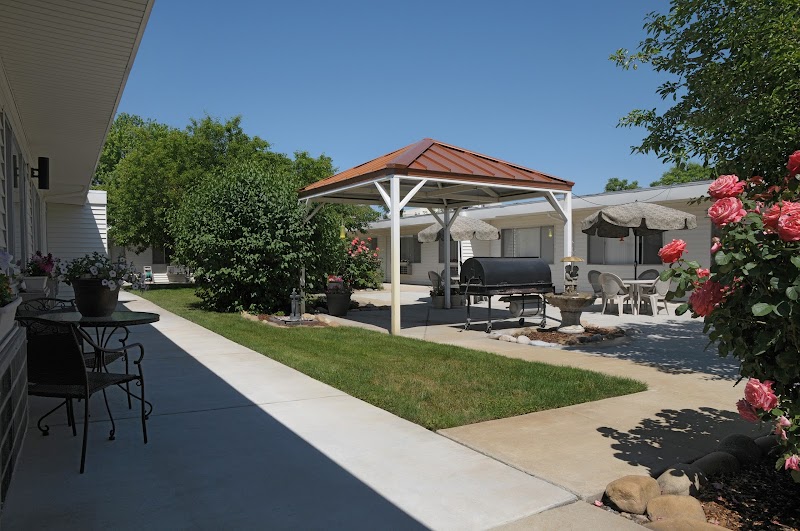
How is Life Of Boise Staffed?

CMS rates LIFE CARE CENTER OF BOISE's staffing level at 2 out of 5 stars, which is below average compared to other nursing homes. Staff turnover is 59%, which is 13 percentage points above the Idaho average of 46%. High turnover can affect care consistency as new staff learn residents' individual needs.

What Have Inspectors Found at Life Of Boise?

State health inspectors documented 22 deficiencies at LIFE CARE CENTER OF BOISE during 2020 to 2025. These included: 2 that caused actual resident harm and 20 with potential for harm. Deficiencies causing actual harm indicate documented cases where residents experienced negative health consequences.
Who Owns and Operates Life Of Boise?

LIFE CARE CENTER OF BOISE is owned by a for-profit company. For-profit facilities operate as businesses with obligations to shareholders or private owners. The facility is operated by LIFE CARE CENTERS OF AMERICA, a chain that manages multiple nursing homes. With 153 certified beds and approximately 61 residents (about 40% occupancy), it is a mid-sized facility located in BOISE, Idaho.

How Does Life Of Boise Compare to Other Idaho Nursing Homes?

Compared to the 100 nursing homes in Idaho, LIFE CARE CENTER OF BOISE's overall rating (5 stars) is above the state average of 3.3, staff turnover (59%) is significantly higher than the state average of 46%, and health inspection rating (4 stars) is above the national benchmark.

What Should Families Ask When Visiting Life Of Boise?

Based on this facility's data, families visiting should ask: "How do you ensure continuity of care given staff turnover, and what is your staff retention strategy?" "Can you walk me through typical staffing levels on day, evening, and night shifts?" "Can I visit during a mealtime to observe dining assistance and food quality?" "How do you handle medical emergencies, and what is your hospital transfer rate?" These questions are particularly relevant given the facility's high staff turnover rate and the below-average staffing rating.

Is Life Of Boise Safe?

Based on CMS inspection data, LIFE CARE CENTER OF BOISE has a clean safety record: no substantiated abuse findings (meaning no confirmed cases of resident harm), no Immediate Jeopardy citations (the most serious violation level indicating risk of serious injury or death), and is not on the Special Focus Facility watch list (a federal program monitoring the lowest-performing 1% of nursing homes). The facility has a 5-star overall rating and ranks #1 of 100 nursing homes in Idaho. While no facility is perfect, families should still ask about staff-to-resident ratios and recent inspection results during their visit.

Do Nurses at Life Of Boise Stick Around?

Staff turnover at LIFE CARE CENTER OF BOISE is high. At 59%, the facility is 13 percentage points above the Idaho average of 46%. High turnover means new staff may not know residents' individual needs, medications, or preferences. It can also be disorienting for residents, especially those with dementia who rely on familiar faces. Families should ask: What is causing the turnover? What retention programs are in place? How do you ensure care continuity during staff transitions?

Was Life Of Boise Ever Fined?

LIFE CARE CENTER OF BOISE has no federal fines on record. CMS issues fines when nursing homes fail to meet care standards or don't correct problems found during inspections. The absence of fines suggests the facility has either maintained compliance or corrected any issues before penalties were assessed. This is a positive indicator, though families should still review recent inspection reports for the full picture.

Is Life Of Boise on Any Federal Watch List?

LIFE CARE CENTER OF BOISE is not on any federal watch list. The most significant is the Special Focus Facility (SFF) program, which identifies the bottom 1% of nursing homes nationally based on persistent, serious quality problems. Not being on this list means the facility has avoided the pattern of deficiencies that triggers enhanced federal oversight. This is a positive indicator, though families should still review the facility's inspection history directly.