SUNTERRA SPRINGS RIVERVIEW
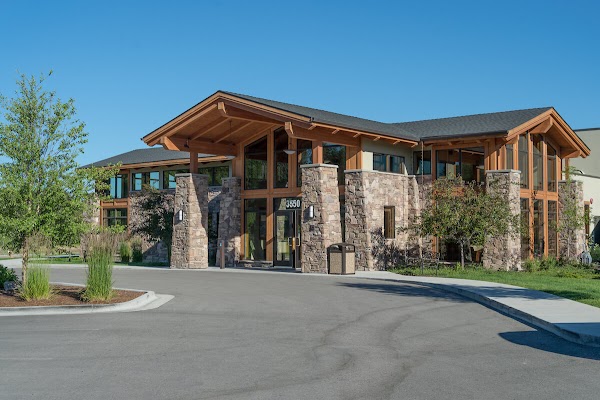

3550 WEST AMERICANA TERRACE, BOISE, ID 83706 (208) 615-4940
For profit - Limited Liability company 30 Beds SUNTERRA SPRINGS Data: November 2025 1 Immediate Jeopardy citation
Trust Grade
71/100
#18 of 79 in ID
Last Inspection: January 2025

Within standard 12-15 month inspection cycle. Federal law requires annual inspections.

Overview

Sunterra Springs Riverview has a Trust Grade of B, indicating it is a good choice for families seeking a nursing home, as it performs better than average but not exceptionally. It ranks #18 out of 79 facilities in Idaho, placing it in the top half, and #3 out of 14 in Ada County, meaning only two local options are ranked higher. The facility is improving, with the number of issues decreasing from 6 in 2024 to 3 in 2025. While the overall star rating is excellent at 5/5, staffing is a concern with a 2/5 rating and a 55% turnover rate, which is higher than the state average. The facility has faced $8,021 in fines, indicating compliance issues that are more concerning than 81% of Idaho facilities, and it has less RN coverage than 79% of its peers, which is critical as RNs can identify issues that CNAs may miss. Specific incidents from inspections include a critical error where a resident was not given a necessary high-risk medication, which put them at serious risk of harm. Additionally, three residents experienced uncomfortable bedroom temperatures, which could affect their health, and there were failures to follow up on pharmacy recommendations for medication management, potentially jeopardizing residents' care. While the facility has strengths, such as low health inspection issues, families should weigh these serious weaknesses when considering care options.

Trust Score
B
71/100
In Idaho
#18/79
Top 22%
Safety Record
High Risk
Review needed
Inspections
Getting Better
6 → 3 violations
Staff Stability
⚠ Watch
55% turnover. Above average. Higher turnover means staff may not know residents' routines.
Penalties
⚠ Watch
$8,021 in fines. Higher than 89% of Idaho facilities, suggesting repeated compliance issues.
Skilled Nurses
○ Average
Each resident gets 38 minutes of Registered Nurse (RN) attention daily — about average for Idaho. RNs are the most trained staff who monitor for health changes.
Violations
⚠ Watch
11 deficiencies on record. Higher than average. Multiple issues found across inspections.
★★★★★
5.0
Overall Rating
★★☆☆☆
2.0
Staff Levels
★★★★★
5.0
Care Quality
★★★★★
5.0
Inspection Score
Stable
2024: 6 issues
2025: 3 issues

The Good

  • 5-Star Quality Measures · Strong clinical quality outcomes
  • Full Sprinkler Coverage · Fire safety systems throughout facility
  • No fines on record

Facility shows strength in quality measures, fire safety.

The Bad

Staff Turnover: 55%

Near Idaho avg (46%)

Frequent staff changes - ask about care continuity

Federal Fines: $8,021

Below median ($33,413)

Minor penalties assessed

Chain: SUNTERRA SPRINGS

Part of a multi-facility chain

Ask about local staffing decisions and management

Staff turnover is elevated (55%)

7 points above Idaho average of 48%

The Ugly 11 deficiencies on record

1 life-threatening
Jan 2025 3 deficiencies
CONCERN (D)

Potential for Harm - no one hurt, but risky conditions existed

Safe Environment (Tag F0584)

Could have caused harm · This affected 1 resident

Based on observation, policy review, and resident and staff interview, it was determined the facility failed to ensure residents' bedroom temperatures were maintained at a comfortable level. This was ...

Read full inspector narrative →
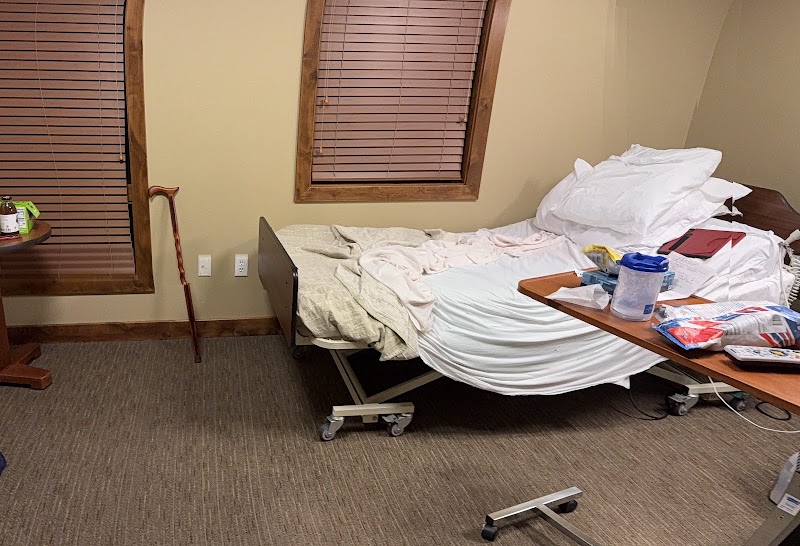
Based on observation, policy review, and resident and staff interview, it was determined the facility failed to ensure residents' bedroom temperatures were maintained at a comfortable level. This was true for 3 of 30 residents (#10, #127, and #144) whose bedrooms were observed. This deficient practice created the potential for harm if residents became too cold or hot and it compromised their health status. Findings include: The Centers for Medicare and Medicaid Services (CMS) State Operations Manual (SOM) Appendix PP, rev.225; issued: 8/8/24, §483.10(i) defines comfortable and safe temperature levels as the ambient temperature should be in a relatively narrow range that minimizes residents' susceptibility to loss of body heat and risk of hypothermia, or hyperthermia, or and is comfortable for the residents. The facility's Resident Environment Quality policy, dated 7/2021 and revised 6/2023, documented, resident rooms and activity areas should be of a comfortable temperature for the resident. Resident behavior should be observed (wearing sweaters, wrapping in blankets, etc.) to determine the appropriate temperature levels. 1. On 1/22/25 at 2:17 PM, Resident #10 stated his room is always too cold. He was observed sitting in a chair in his bedroom with a thick blanket over his lap. Resident #10 stated he told staff about it, and they adjusted the thermostat, but the room was still cold. The wall thermostat control unit was set at 78 degrees Fahrenheit (F), and the thermostat documented the room temperature was 73 degrees F. During the observation it was noted that his room felt drafty and cold. On 1/23/25 at 8:43 AM, the Director of Nursing (DON) confirmed the wall thermostat in Resident #10's room was set at 78 degrees F, the thermostat showed the room was 73 degrees F. The DON stated she did not feel the room was too cold although was noted to be wearing a wool winter coat during the observation. The DON stated the Maintenance Director would check the temperature in the bedroom using an ambient temperature gauge. On 1/23/25 at 12:57 PM, the Maintenance Director stated he was able to check the thermostats for the resident bedrooms from his computer. He added it should not have felt cold in Resident #10's bedroom because his computer was showing the thermostat was set to 75 degrees F and showing the room to be 75 degrees F, but he had not gone to the room to take the ambient air temperature reading. On 1/23/25 at 1:00 PM, Resident #10 was in his bedroom sitting in his chair with a heavy blanket on when the Maintenance Director was observed measuring the ambient temperature of Resident #10's bedroom to be 71 degrees F. The Maintenance Director added the ambient temperature should have measured closer to the thermostat reading and thought the thermostat may need to be repaired. 2. On 1/22/25 at 3:31 PM, Resident #127 stated her room is always too cold, especially the bathroom. She was observed sitting in her bedroom in a chair with a thick blanket over her and pulled up to her chin. She stated the cold makes my joints hurt and going into the bathroom is like going to the north pole and the toilet seat feels like sitting on an iceberg. The bathroom door was observed to be open, and a cold draft was felt blowing into the bedroom. Resident #127 stated she told staff about it and the staff placed towels on the toilet seat for warmth, and the toilet seat was observed to have towels draped over it. On 1/23/25 at 8:40 AM, Resident #127 was observed telling the DON she asked staff to turn the heat up, and it improved but the bedroom and bathroom were still too cold and was causing her pain. The thermostat was observed to be set at 76 degrees F and read the temperature in the bedroom was 70 degrees F, the bathroom was noted to be substantially colder than the bedroom. On 1/23/25 at 12:57 PM, the Maintenance Director stated if Resident #127 told staff she was cold, those staff did not report that information to him and he was unaware of her concerns. He added his computer documented the room was within 71-81 degrees F as regulation stated. On 1/23/25 at 1:05 PM, Resident #127 was observed sitting in the chair in her bedroom with the same heavy blanket covering her from the chest down, she stated the room was a little bit warmer but it her joints were still bothering her because it was too cold. The Maintenance Director confirmed the thermostat was set at 75 degrees F and read the temperature to be 76 degrees F, he then tested the temperature next to the ceiling vent with the ambient temperature gauge and stated it read 77 degrees F. The Maintenance Director was then observed measuring the ambient air temperature in the bathroom, which read to be 68 degrees F. 3. On 1/22/25 at 3:51 PM, Resident #144 stated her room was too cold in the mornings and too hot in the evenings, and she had to keep her bedroom door open to let the heat out. Her room was noticeably very warm, and the door was open during the observation. On 1/23/25 at 8:38 AM, Resident #144 was observed sitting in the chair in her bedroom and telling the DON her room was too cold and requested a lap blanket. The thermostat was observed set to 69 degrees F and the thermostat read the room was 68 degrees F. Resident #144's room was noted to feel cool and cold air was felt blowing from the ceiling vent. On 1/23/25 at 1:08 PM, Resident #144 was observed telling the Maintenance Director she would like to move to another room because it was too cold in the mornings and too hot in the evenings, and she was uncomfortable. He responded by saying there were no other rooms available and the temperature fluctuation was likely caused by the large windows in her room. The thermostat was observed to be set to 75 degrees F and read the room was 77 degrees F. When he tested the ambient temperature of the bedroom it was 71 degrees F. On 1/23/25 at 3:00 PM, the Administrator stated none of the resident rooms were reading on the Maintenance Directors computer to be out of the 71-81 degrees F range specified in the regulation, but the facility policy documented the residents bedrooms and common areas needed to be a kept at a comfortable temperature for the residents.
CONCERN (D)

Potential for Harm - no one hurt, but risky conditions existed

Drug Regimen Review (Tag F0756)

Could have caused harm · This affected 1 resident

**NOTE- TERMS IN BRACKETS HAVE BEEN EDITED TO PROTECT CONFIDENTIALITY** Based on record review, policy review, and staff interview, it was determined the facility failed to ensure pharmacy recommendat...

Read full inspector narrative →
**NOTE- TERMS IN BRACKETS HAVE BEEN EDITED TO PROTECT CONFIDENTIALITY** Based on record review, policy review, and staff interview, it was determined the facility failed to ensure pharmacy recommendations were followed or addressed by the attending physician. This was true for 2 of 5 residents (Resident #4 and #10) reviewed for pharmacy recommendations and had the potential for harm if residents' medications were administered without a clinical rationale. Findings include: The facility's policy for Pharmacy Medication Regimen Review (MRR), undated, stated the pharmacist will send monthly medication reviews to Director of Nursing (DON)/Designee who then prints the pharmacist recommendations and give to the medical provider to review and sign. 1. Resident #4 was admitted to the facility on [DATE], with multiple diagnoses including displaced fracture of first, second, third, and fourth metatarsal bones of the right foot, depression, and anxiety. A physician's order, dated 12/23/24, with no end date, documented Resident #4 was prescribed alprazolam 0.25 mg once daily as needed for depression. A pharmacy consultation report, unsigned by the physician, dated 1/8/25, documented Resident #4's alprazolam order currently had no stop date and per regulations all PRN psychotropic medications must be re-evaluated by provider after 14 days to see if continuation is justified. 2. Resident #10 was admitted to the facility on [DATE], with diagnoses which included orthopedic aftercare for surgical amputation and osteomyelitis (infection of the bone). A physician's order dated 12/31/24, documented Resident #10 was prescribed vancomycin 1,000 mg, intravenous every 24 hours for his osteomyelitis. A pharmacy consultation report, unsigned by the physician, dated 1/8/25, documented Resident #10's vancomycin order was missing a duration of therapy and recommended a duration of at least 6 weeks when used to treat osteomyelitis. On 1/24/25 at 1:00 PM, the DON stated they had received the pharmacy recommendations for the month of December 2024 on 1/8/25 and the physician would review December 2024's MRR's at the January Quality Assurance and Performance Improvement (QAPI) meeting, scheduled to be held the third week of the month, but was rescheduled due to survey entrance. The DON stated she could not provide evidence the physician had addressed the pharmacist' recommendation for Resident #4's alprazolam or Resident #10's vancomycin.
CONCERN (D)

Potential for Harm - no one hurt, but risky conditions existed

Medical Records (Tag F0842)

Could have caused harm · This affected 1 resident

**NOTE- TERMS IN BRACKETS HAVE BEEN EDITED TO PROTECT CONFIDENTIALITY** Based on medical record review and staff interview, it was determined the facility failed to ensure accuracy of 1 of 12 resident...

Read full inspector narrative →
**NOTE- TERMS IN BRACKETS HAVE BEEN EDITED TO PROTECT CONFIDENTIALITY** Based on medical record review and staff interview, it was determined the facility failed to ensure accuracy of 1 of 12 resident records reviewed. This was true for Resident #146 and placed him at risk for harm when he was administered a medication that was listed on his allergy list. Findings include: Resident #146 was admitted to the facility on [DATE] for care following a lumbar fracture. On 1/24/25 Resident #146's medical record documented he had an allergy to opioid analgesics. Resident #146's physician orders and medication administration record (MAR) documented he had been prescribed and was receiving oxycodone (an opioid analgesic) since 12/15/24. On 1/24/25 at 11:10 AM, the DON confirmed Resident #146's allergy list documented he had an opioid analgesic allergy and he had been prescribed and had received opioid analgesics without complication. On 1/24/25 at 11:25 AM, the DON stated the documents from the transferring hospital did not include an allergy to opioid analgesics and it appears it was transcribed to his allergy list in error. The DON confirmed this error in Resident #146's medical record went unnoticed when his physician orders were verified and with each opioid medication administration.
Feb 2024 6 deficiencies 1 IJ
CRITICAL (J) 📢 Someone Reported This

A family member, employee, or ombudsman was alarmed enough to file a formal complaint

Immediate Jeopardy (IJ) - the most serious Medicare violation

Deficiency F0760 (Tag F0760)

Someone could have died · This affected 1 resident

**NOTE- TERMS IN BRACKETS HAVE BEEN EDITED TO PROTECT CONFIDENTIALITY** Based on record review, review of the State Agency's Long-Term Care Reporting Portal, and staff interview, it was determined the...

Read full inspector narrative →
**NOTE- TERMS IN BRACKETS HAVE BEEN EDITED TO PROTECT CONFIDENTIALITY** Based on record review, review of the State Agency's Long-Term Care Reporting Portal, and staff interview, it was determined the facility failed to ensure residents were free from significant medication errors. This was true for Resident #171 and placed this resident in immediate jeopardy of serious harm, impairment, or death when LPN #1 and RN #2 failed to administer a high-risk medication. Findings include: Resident #171 was admitted to the facility on [DATE], with multiple diagnoses including pneumonia caused by influenza, hypertension, and longstanding persistent atrial fibrillation (an irregular and often very rapid heart rate which can lead to blood clots and stroke). Resident #171's physician orders on admission included Xarelto (medication to treat or prevent blood clots) 20 mg by mouth, once a day at bedtime for prevention of deep vein thrombosis (blood clots). The US Food and Drug Administration approved medication guide written by the manufacturer of Xarelto stated, Do not stop taking Xarelto without talking to the doctor who prescribes it for you. Stopping Xarelto increases your risk of having a stroke. Resident #171's MAR, dated 12/11/23-12/25/23, documented the following regarding Xarelto: -12/18/23- Not Administered: Drug/Item Unavailable, signed by LPN #1 -12/19/23- Not Administered: Drug/Item Unavailable, signed by RN #2 -12/20/23- Not Administered: Drug/Item Unavailable, signed by RN #2 -12/21/23- Not Administered: Drug/Item Unavailable, signed by LPN #1 A nursing progress note, dated 12/25/23 at 6:20 PM, documented the nurse was called to Resident #171's room for a change in condition. Resident #171 was unable to respond to any questions when asked, had right sided facial drooping, and diminished strength in her right hand. The note documented, 911 called immediately. Resident sent to ER to eliminate stroke. A provider's progress note, dated 12/26/23 at 4:32 PM, documented Resident #171 was diagnosed with Acute Ischemic Stroke at 7:26 PM on 12/25/23. An ischemic stroke occurs when something blocks blood supply to part of the brain which can cause lasting brain damage, long-term disability, or death. On 12/26/23 at 7:00 PM, the facility administrator entered a report into the State Agency's Long-Term Care Reporting Portal. The report stated [Resident #171] ran out of Xarleto [sic]. Medication was ordered via pharmacy over the holiday and was not delivered. Medication was reordered and again not delivered. Resident missed a few consecutive doses and was subsequently sent to the hospital for significant history of atrial fibrillation and cardiac issues with symptoms similar to CVA. Numerous other contributing comorbidities related to care. The facility's investigation report of this incident, undated, included the following: - 12/18/23 - [LPN #1] reported the medication Xarelto was out of stock. [LPN #1] reports marking this medication as unavailable and placing the order for the missing medication to [the pharmacy]. - 12/19/23 - [RN #2] arrives on duty and notes this medication is unavailable. [RN #2] marks it as unavailable and reports reordering it from the pharmacy. - 12/20/23 - [RN #2] returned to shift and recorded medication unavailable. [RN #2] reports marking it as unavailable and reordering the medication through pharmacy. - 12/21/23 - [LPN #1] returned to shift and recorded medication not available. [LPN #1] reports marking it as unavailable and reordering the medication through pharmacy. The pharmacy record of all medications ordered for Resident #171 in December 2023 did not include requests to reorder Xarelto after her admission on [DATE]. On 2/23/24 at 10:00 AM, the DON stated it was unacceptable LPN #1 and RN #2 did not contact the physician or pharmacy before skipping a dose of a high-risk medication. On 2/23/24 at 10:30 AM, the Medical Director stated LPN #1 and RN #2 were not qualified to make the decision to withhold a dose of a high-risk medication and that decision must be made by a prescriber. The facility took the following corrective action in response to the medication errors after they were identified: - The facility suspended LPN #1 and RN #2 from employment on 12/26/23. - LPN #1 and RN #2 were terminated from employment on 12/28/23 for failing to contact the physician or pharmacy regarding the missing medication. - The facility stopped all new admissions on 12/26/23. - The facility conducted an audit of all missed medications for every resident on 12/26/23. - The facility created and implemented a new policy titled Guidelines for Unavailable Medications to supplement their Medication Reordering policy already in place. - The facility provided education and evaluated all staff for competency regarding abuse and neglect. - The facility provided education and evaluated all licensed nurses for competency regarding medication reordering and anticoagulants. I & A reports and facility grievances were reviewed from 12/26/23 to 2/23/24. There were no additional reports of residents not receiving their high-risk medications as prescribed. The State Agency's Long-Term Care Reporting Portal was reviewed for missed doses of high-risk medications from 12/26/23 to 2/23/24, and no instances were identified. MARs for 12 residents currently residing in the facility were reviewed for administration of high-risk medications and no concerns were identified. Based on the corrective action taken by the facility and no other evidence of missed high-risk medications after 1/6/24, the facility was cited for past non-compliance.
CONCERN (D) 📢 Someone Reported This

A family member, employee, or ombudsman was alarmed enough to file a formal complaint

Potential for Harm - no one hurt, but risky conditions existed

Deficiency F0578 (Tag F0578)

Could have caused harm · This affected 1 resident

**NOTE- TERMS IN BRACKETS HAVE BEEN EDITED TO PROTECT CONFIDENTIALITY** Based on policy review, record review, and staff and resident interview, it was determined the facility failed to ensure a resid...

Read full inspector narrative →
**NOTE- TERMS IN BRACKETS HAVE BEEN EDITED TO PROTECT CONFIDENTIALITY** Based on policy review, record review, and staff and resident interview, it was determined the facility failed to ensure a resident's advance directive was obtained and documented in his record. This was true for 1 of 4 residents (Resident #7) whose advance directives were reviewed. This deficient practice created the potential for harm or adverse outcomes if the resident's wishes regarding their advance care planning were not followed or documented. Findings include: The facility's Resident's Rights Regarding Treatment and Advanced Directives policy, dated 11/1/22, stated: 1. On admission, the facility will determine if the resident has exhausted an advanced directive and, if not, determine whether the resident would like to formulate an advanced directive. 2. The facility will provide the resident or resident representative information, in a manner that is easy to understand, about the right to refuse medical or surgical treatment and formulate an advanced directive. 3. Upon admission, should the resident have an advanced directive, copies will be made and placed on the chart and communicated to the staff. The State Operation Manual, Appendix PP, defined an advance directive as, a written instruction, such as a living will or durable power of attorney for health care, recognized under State law (whether statutory or as recognized by the courts of the State), relating to the provision of health care when the individual is incapacitated. Physician Orders for Life-Sustaining Treatment (or POLST) paradigm form is a form designed to improve patient care by creating a portable medical order form that records patients' treatment wishes so that emergency personnel know what treatments the patient wants in the event of a medical emergency, taking the patient's current medical condition into consideration. A POLST [or POST] paradigm form is not an advance directive. Resident #7 was admitted on [DATE] with multiple diagnoses, including acute respiratory failure. Resident #7's Consent For Treatment form in the facility's admission agreement was electronically signed by Resident #7 without a signature date, included the following: Advance Directives The Resident has been given written materials about his or her right to accept or refuse medical treatments as provided by state law and has been informed of the right to formulate Advance Directives. The Resident/Legal Representative understands the Facility must have the Resident's Attending Physician's do not resuscitate (DNR) order on file. In the event a DNR is not on file and it becomes necessary to respond to a Resident, the Facility's policy is to always resuscitate the Resident. The Resident understands that he/she is not required to have an Advance Directive in order to receive treatment at the Facility. Resident #7's Face Sheet (a document that gives a resident's information at a quick glance) documented Resident #7's advance directive was Do Not Resuscitate (DNR). The advance directive section, Copy on File, was left blank. Resident #7's record did not include a copy of her advance directive. On 2/21/24, at 3:45 PM, the social worker said she did not know the advance directive was a requirement. She confirmed Resident #7 did not have an advance directive in her record, and there was no documentation the facility communicated with Resident #7 or her representative to obtain a copy of her advance directive if she already had one. On 2/21/24 at 4:26 PM, Resident #7 said she signed the admission agreement because she did not need a new advance directive. She said she had an advance directive in place completed long ago and filed with the hospital where she was treated before being admitted to the facility. Resident #7 said no one in the facility asked her if she had an advance directive or if they could have a copy.
CONCERN (D) 📢 Someone Reported This

A family member, employee, or ombudsman was alarmed enough to file a formal complaint

Potential for Harm - no one hurt, but risky conditions existed

Deficiency F0655 (Tag F0655)

Could have caused harm · This affected 1 resident

**NOTE- TERMS IN BRACKETS HAVE BEEN EDITED TO PROTECT CONFIDENTIALITY** Based on record review, policy review, and staff interview, it was determined the facility failed to ensure baseline care plans ...

Read full inspector narrative →
**NOTE- TERMS IN BRACKETS HAVE BEEN EDITED TO PROTECT CONFIDENTIALITY** Based on record review, policy review, and staff interview, it was determined the facility failed to ensure baseline care plans were developed within 48 hours of the residents' admission to establish care and monitoring for psychotropic medication use. This was true for 2 of 12 residents (#24, and #36) reviewed for baseline care plans. This failure created the potential for harm when the care plan failed to provide directions for care. Findings include: The facility's Psychotropic Medication Monitoring policy received on 2/22/24, documented the facility's psychotropic review process, including reviewing the residents who are on psychotropic medications upon admission and establishing a baseline care plan. The psychotropic medication care plan should be appropriate and individualized to the behaviors and interventions specified to the resident and updated after each psychotropic meeting. The staff should audit residents' care plans to ensure that the care plan accurately reflects current psychotropic medications and individual resident behaviors. The care plan must include nonpharmacological interventions. 1. Resident #24 was admitted on [DATE] with multiple diagnoses, including anxiety disorder. Resident #24's MAR for February 2024, documented she received duloxetine (antidepressant) 20 mg, one capsule, once a day for pain, start 2/9/24. Resident #24's baseline care plan for psychotropic medication use, dated 2/20/24, included the following: - Monitor for adverse side effects to medications every shift - notify the physician if present. - Monitor for behaviors and documenting as needed. Resident #24's baseline care plan did not include documentation what resident specified target behaviors, medication specified adverse effects should be monitored or offered. The care plan did not include intervention to offer nonpharmacological interventions. On 2/23/24 at 11:50 AM, the DON reviewed Resident #24's record and stated the target behavior and adverse effect monitoring should be in place and specified, and nonpharmacological interventions should be offered, and documented in the care plan. 2. Resident #36 was admitted on [DATE] with multiple diagnoses, including anxiety disorder and depression. Resident #36's MAR for February 2024, documented she received fluoxetine (antidepressant) 40 mg, one capsule, once a day for depression, start 2/16/24. Resident #36's baseline care plan for psychotropic medication use, dated 2/20/24, included the following: - Medication as prescribed. - Monitor for adverse side effects to medication every shift; notify the physician if present. - Monitor behaviors and document as needed. - Psychotropic committee review per facility. Resident #36's baseline care plan did not include documentation what resident specified target behaviors, medication specified adverse effects, and nonpharmacological interventions were to be monitored or offered. On 2/23/24 at 11:50 AM, the DON reviewed Resident #36's record and stated the target behavior and adverse effect monitoring should be in place and specified, and nonpharmacological interventions should be offered, and documented in the care plan.
CONCERN (D) 📢 Someone Reported This

A family member, employee, or ombudsman was alarmed enough to file a formal complaint

Potential for Harm - no one hurt, but risky conditions existed

Medication Errors (Tag F0758)

Could have caused harm · This affected 1 resident

**NOTE- TERMS IN BRACKETS HAVE BEEN EDITED TO PROTECT CONFIDENTIALITY** Based on record review and staff interview, it was determined the facility failed to ensure residents receiving psychoactive med...

Read full inspector narrative →
**NOTE- TERMS IN BRACKETS HAVE BEEN EDITED TO PROTECT CONFIDENTIALITY** Based on record review and staff interview, it was determined the facility failed to ensure residents receiving psychoactive medications had resident-specific target behaviors identified and monitored and offered nonpharmacological interventions. This was true for 3 of 6 residents (#7, #24, #36) reviewed for psychoactive medications. This deficient practice created the potential for harm if residents received medications that may result in negative outcomes without a clear indication of need and monitoring. Findings include: The facility's Psychotropic Medication Monitoring policy, received on 2/22/24, documented the Psychotropic medications would be audited by the facility staff daily to ensure the following: - Psychotropic behavior tracking should be individually tailored to residents' need for the medication and try to make it as patient-centered as possible. - The adverse effects tracking should be placed appropriately in the electronic medical system. - The prescribed medication is appropriate for the behavior in which the medication was initiated. - Nonpharmacological measures should be taken. The physician should be notified for every attempt of non-pharmacological measures prior to discontinuing the medication. 1. Resident #7 was admitted on [DATE] with multiple diagnoses, including anxiety disorder and depression. Resident #7's MAR for February 2024, documented she received psychotropic medications ordered by the physician as follows: - Bupropion (antidepressant) 300 mg, one tablet, once a day for mood, start 1/31/24. - Sertraline (antidepressant) 100 mg, one and a half tablets, once a day for mood, start 1/31/24. Resident #7's TAR for February 2024, documented she was to be monitored for the following: - Monitor negative life statements related to antidepressant drug use, start 3/30/24. - Monitor for signs and symptoms of adverse effects related to psychotropic drug use, start 1/30/24. Resident #7's record did not include documentation of: - What specific target behaviors did she manifest for depression, anxiety, and being monitored. - What specific signs and symptoms of adverse effects were she being monitored for. - What nonpharmacological interventions were offered. On 2/22/24 at 11:16 AM, The DON stated monitoring for Negative Life Statements R/T Anti-Depressant was the company policy for every resident. She stated Resident #7's target behavior was tearfulness, it should have been monitored, and there was no documentation it was being done. The DON confirmed there was no documentation what nonpharmacological interventions were given, and no documentation what specific adverse effects were being mentored. She stated it should have been detailed by the drug class as dry mouth, dry eyes, constipation, urinary retention, sedation, drowsiness, blurred vision, muscle tremor, agitation, rash, weight loss, or weight gain. 2. Resident #24 was admitted on [DATE] with multiple diagnoses including anxiety disorder. Resident #24's MAR for February 2024, documented she received duloxetine (antidepressant) 20 mg, one capsule, once a day for pain, start 2/9/24. Resident #24's TAR for February 2024, documented she was to be monitored for the following: - Monitor for verbalized anxious statements for anxiolytic drug use, start day 2/8/24. - Monitor for signs and symptoms of adverse effects related to psychotropic drug use, start 2/8/24. Resident #24's record did not include documentation of: - What specific target behaviors did she manifest for depression, anxiety, and being monitored. - What specific signs and symptoms of adverse effects were she being monitored for. - What nonpharmacological interventions were offered. On 2/23/24 at 11:50 AM, the DON reviewed Resident #24's record and stated the target behavior and adverse effect monitoring should be in place and specified, and the nonpharmacological should be offered. 3. Resident #36 was admitted on [DATE] with multiple diagnoses, including anxiety disorder and depression. Resident #36's MAR for February 2024, documented she received fluoxetine (antidepressant) 40 mg, one capsule, once a day for depression, start 2/16/24. Resident #36's TAR for February 2024, documented she was to be monitored for the following: - Monitor negative life statements related to antidepressant drug use, start 2/15/24. - Monitor for signs and symptoms of adverse effects related to psychotropic drug use, start 2/15/24. Resident #36's record did not include documentation of: - What specific target behavior she manifested for depression, anxiety, and monitoring of the behaviors. - What specific signs and symptoms of adverse effects were to be monitored. - Nonpharmacological interventions offered for psychotropic medication use. On 2/23/24 at 11:50 AM, the DON reviewed Resident #36's record and stated the target behavior and adverse effect monitoring should be in place and specified, and nonpharmacological interventions should be offered.
CONCERN (D) 📢 Someone Reported This

A family member, employee, or ombudsman was alarmed enough to file a formal complaint

Potential for Harm - no one hurt, but risky conditions existed

Infection Control (Tag F0880)

Could have caused harm · This affected 1 resident

Based on observation, staff interview, and record review, it was determined the facility failed to ensure infection control and prevention practices were followed to provide a safe and sanitary enviro...

Read full inspector narrative →
Based on observation, staff interview, and record review, it was determined the facility failed to ensure infection control and prevention practices were followed to provide a safe and sanitary environment during a COVID-19 outbreak. COVID-19 is an infectious disease caused by a new virus causing respiratory illness with symptoms including cough, fever, new or worsening malaise, headache, or new dizziness, nausea, vomiting, diarrhea, loss of taste or smell, and in severe cases, difficulty breathing that could result in severe impairment or death. These failures placed residents at risk for adverse outcomes from cross-contamination of COVID-19. Findings include: 1. The Centers for Disease Control and Prevention (CDC) website for SARS-CoV-2 Rapid Testing Performed in Point-of-Care Settings, accessed on 2/26/24, documented after performing a COVID-19 test, the staff should decontaminate the testing area using an approved disinfectant, proper dilution, contact time, and safe handling of the used test specimens. On 2/20/24 at 7:25 AM, multiple COVID-19 test specimens were observed on top of the facility's conference room table. The MDS nurse said positive COVID-19 tests were confirmed in the facility on 2/19/24, and the facility conducted many COVID-19 tests for the staff and left the specimens on the table overnight after completion. On 2/20/24 at 7:32 AM, the MDS nurse stated the specimens should not have been left on the table overnight. On 2/20/24 at 3:30 PM, the DON stated the COVID-19 test kits should have been thrown away within 15 minutes after use into the red trash bag as medical waste. 2. The CDC website for Interim Infection Prevention and Control Recommendations for Healthcare Personnel, updated 5/8/23, and accessed on 2/26/24, documented when caring for a patient with suspected or confirmed SARS-CoV-2 infection, healthcare professionals should use a respirator face mask with N95 filters or higher, gown, gloves, and eye protection (goggles or a face shield that covers the front and sides of the face). On 2/20/24 at 9:00 AM, one PPE storage container was observed outside of Resident #6's room, and there were three signs on the door: - One stated contact precautions with instructions for using gloves, gowns, and disinfecting reusable equipment. - One had instructions on putting on PPE, including gown, gloves, goggles, mask, or respirator - One had instructions on removing PPE, including gown, gloves, goggles, mask, or respirator. On 2/20/24 at 9:01 AM, RN #1 stated Resident #6 tested positive for COVID-19 on 2/19/24. She stated staff members wore full PPE with face shields, gowns, gloves, and N95 masks when entering the room. She stated staff members were instructed to reuse the face shield for one shift by placing it in a plastic bag with the staff's name. On 2/20/24 at 10:00 AM, CNA #1 was observed in Resident #6's room with a surgical mask on without a face shield and then left the room with the same surgical mask. CNA #1 did not wear an N95 mask and face shield when entering Resident #6's room and did not dispose of the contaminated surgical mask when leaving Resident #6's room. On 2/20/24 at 2:20 PM, CNA #1 was observed leaving Resident #6's room with a surgical mask and face shield. He closed Resident #6's door, removed his face shield, and stored it in the reusable plastic bag. He wore the same surgical mask and left Resident #6's room. On 2/20/24 at 2:21 PM, when asked, CNA #1 confirmed he had worn a surgical mask without a face shield when he entered Resident #6's room. He stated he did not sanitize the face shield and wore the same surgical mask when he left the room the second time. CNA #1 stated he should wipe his face shield after use before reusing it, and he should have removed his used surgical mask and switched to a new one when leaving the room. When asked about his training, he corrected his statement and said he should wear an N95 mask, not a surgical mask when entering the isolation room. On 2/20/24 at 3:30 PM, the DON stated staff should wear an N95 mask, not surgical masks, when entering the room, and a face shield should be sanitized before storing it in the reused bag.
CONCERN (D) 📢 Someone Reported This

A family member, employee, or ombudsman was alarmed enough to file a formal complaint

Potential for Harm - no one hurt, but risky conditions existed

Deficiency F0883 (Tag F0883)

Could have caused harm · This affected 1 resident

**NOTE- TERMS IN BRACKETS HAVE BEEN EDITED TO PROTECT CONFIDENTIALITY** Based on record review, policy review, and staff interview, it was determined the facility failed to ensure residents who were o...

Read full inspector narrative →
**NOTE- TERMS IN BRACKETS HAVE BEEN EDITED TO PROTECT CONFIDENTIALITY** Based on record review, policy review, and staff interview, it was determined the facility failed to ensure residents who were offered and consented to the pneumococcal vaccine, received the vaccine. This was true for 2 of 5 residents (#6 and #24) reviewed for pneumococcal vaccinations. This failure placed the residents at increased risk of pneumococcal (bacterial) pneumonia and the potential for severe illness or death. Findings include: The facility's Infection Prevention and Control Program policy, dated 1/12/24, documented the following: - Residents will be offered the pneumococcal vaccine recommended by the CDC upon admission unless contraindicated or received the vaccine elsewhere. - Education will be provided to residents and representatives regarding the benefits and potential side effects of immunization prior to offering the vaccines. - Residents will have the opportunity to refuse the immunization. - Documentation will reflect the education provided and details regarding whether or not the resident received the immunization. The facility's pneumococcal vaccine consent form included the CDC's pneumococcal recommendation as follows: - If you have never received any pneumococcal vaccine, the CDC recommends receiving one dose of PCV (pneumococcal conjugate vaccine) 15 or PCV 20. - If you have previously received PPSV (pneumococcal polysaccharide vaccine) 23, the CDC recommends receiving one dose of PCV 15 or PCV 20 at least one year after administration of PPSV 23. - If you have received PCV 13 and PPSV 23, the CDC recommends receiving one dose of PCV 20 for at least five years after the last pneumococcal vaccine. 1. Resident #6 was admitted to the facility on [DATE], with multiple diagnoses including diabetes mellitus and hypertension. Resident #6's record included her pneumococcal vaccine history which documented she received PPSV 23 on 11/7/02 and 8/6/15. She received PCV 13 on 11/18/16. Resident #6's consent for the pneumococcal vaccine, dated 2/4/24, documented Resident #6 consented to the PCV 20 vaccine, and there was no documentation in the record the PCV 20 was administered. On 2/23/24 at 10:00 AM, the IP reviewed Resident #6's record and stated he could not find documentation the PCV 20 was admnistered. 2. Resident #24 was admitted to the facility on [DATE], with multiple diagnoses including left femur (thigh bone) fracture. Resident #24's record documented she received one dose of the PPSV 23 vaccine on 3/26/02, and there was a past due recommendation for PCV 20 on 3/26/02. Resident #24's consent for the pneumococcal vaccine, dated 2/8/24, documented Resident #28 consented to the PCV 20 vaccine and there was no documentation in the record that the PCV 20 was administered. On 2/23/24 at 10:00 AM, the IP reviewed Resident #24's record and stated he could not find documentation the PCV 20 was administered.
Jan 2020 2 deficiencies
CONCERN (D)

Potential for Harm - no one hurt, but risky conditions existed

Transfer Requirements (Tag F0622)

Could have caused harm · This affected 1 resident

**NOTE- TERMS IN BRACKETS HAVE BEEN EDITED TO PROTECT CONFIDENTIALITY** Based on staff interview and record review, it was determined the facility failed to ensure information was provided to the rece...

Read full inspector narrative →
**NOTE- TERMS IN BRACKETS HAVE BEEN EDITED TO PROTECT CONFIDENTIALITY** Based on staff interview and record review, it was determined the facility failed to ensure information was provided to the receiving hospital for emergent situations for 2 of 4 residents (#7 and #13) reviewed for transfers. This deficient practice had the potential to cause harm if the resident was not treated in a timely manner due to lack of information. Findings include: 1. Resident #7 was readmitted to the facility on [DATE], with multiple diagnoses including heart failure and chronic obstructive pulmonary disease (affects the lungs and causes reduced airflow). A discharge MDS assessment, dated 12/18/19, documented Resident #7 was discharged to an acute care hospital. A Hospital Transfer Form, dated 12/18/19 at 10:20 AM, documented Resident #7 was transferred to the hospital for new or worsening edema (swelling) and the nurse practitioner gave a verbal report to the hospital. A Physician Progress Note, dated 12/18/19 at 10:21 AM, documented Resident #7 had a change of condition and ordered him to be transferred to the Emergency Department for further evaluation. A Nurse's Progress Note, dated 12/18/19 at 10:33 AM, documented Resident #7 was sent to the hospital for evaluation. Resident #7's record did not document information regarding who transported him to the hospital. Resident #7's record did not include documentation information was provided to the transportation staff members and the Emergency Department to ensure a safe and effective transition of care. On 1/8/20 at 3:07 PM, the DNS stated Resident #7's record did not include documentation the Hospital Transfer Form and paperwork were provided to the transport staff members. 2. Resident #13 was readmitted to the facility on [DATE], with multiple diagnoses including a perforated (pierced with a hole) gall bladder. A discharge MDS assessment, dated 12/27/19, documented Resident #13 was discharged to an acute care hospital. A Nurse's Progress Note, dated 12/27/19 at 8:20 PM, documented Resident #13's laboratory results were abnormal and the physician ordered to send him to the Emergency Department for further evaluation. The note documented he was transported via ambulance to the Emergency Department. Resident #13's record did not include documentation information was provided to the paramedics and the Emergency Department to ensure a safe and effective transition of care. On 1/9/20 at 9:37 AM, the DNS stated the Hospital Transfer Form for Resident #13 was not filled out when he was transferred to the hospital on [DATE]. The DNS stated Resident #13's record did not include documentation the paperwork was provided to the paramedics and the Emergency Department he was sent to for evaluation.
CONCERN (D)

Potential for Harm - no one hurt, but risky conditions existed

Quality of Care (Tag F0684)

Could have caused harm · This affected 1 resident

**NOTE- TERMS IN BRACKETS HAVE BEEN EDITED TO PROTECT CONFIDENTIALITY** Based on observation, resident and staff interview, and record review, it was determined the facility failed to ensure physician...

Read full inspector narrative →
**NOTE- TERMS IN BRACKETS HAVE BEEN EDITED TO PROTECT CONFIDENTIALITY** Based on observation, resident and staff interview, and record review, it was determined the facility failed to ensure physician orders and care plans were followed for 1 of 12 residents (Resident #7) who were reviewed for standards of practice. This failed practice had the potential to adversely affect or harm residents whose care and services were not delivered according to accepted standards of clinical practices. Findings include: Resident #7 was admitted to the facility on [DATE], with multiple diagnoses including weakness, cirrhosis of the liver, and alcohol abuse. Resident #7's care plan, dated 11/27/19, documented Resident #7 was at risk for altered safety related to alcohol consumption. The interventions directed staff to educate Resident #7 about the negative impacts of excessive alcohol and to encourage him to abstain from alcohol consumption while in the facility. Resident #7's physician's orders did not include orders for him to have alcohol. On 1/7/20 at 4:15 PM, Resident #7 was observed sitting at a table drinking a beer during happy hour at the facility. On 1/7/20 at 4:45 PM, Resident #7 was observed sitting at the table drinking a second beer. On 1/7/20 at 5:10 PM, the Activity Assistant stated the facility provided happy hour from 4:00 PM to 5:00 PM, twice a week for the residents. The activity assistant stated she served beer, wine, and soda to the residents. On 1/7/20 at 5:19 PM, Resident #7 was back in his room and stated he had two beers during the happy hour activity. Resident #7 stated he requested a third beer in his room and was told he could not have alcohol in his room. On 1/7/20 at 5:30 PM, the Activity Assistant stated the floor nurse or the DNS notified her of residents who were not allowed to have alcohol when they were admitted to the facility. The Activity Assistant stated LPN #1 came down to the dining room to visit another resident and noticed Resident #7 was there and instructed her to not serve Resident #7 anymore alcohol. The Activity Assistant stated she limited the residents to two beers for each happy hour. The Activity Assistant stated she did not talk to LPN #1 prior to Resident #7 attending happy hour. The Activity Assistant stated she did not look in residents' records to see if they could have alcohol. The Activity Assistant stated she did not know Resident #7 should not have alcohol. The Activity Assistant stated she did not report to the floor nurse who attended happy hour and what each resident consumed. On 1/7/20 at 5:30 PM, LPN #1 stated Resident #7 did not have a physician's order for alcohol and he should not have had alcohol because of his history of alcohol abuse. LPN #1 stated she was unaware Resident #7 attended happy hour until she went down to the dining room to see another resident and saw Resident #7 sitting at the table finishing a beer. LPN #1 was not aware Resident #7 consumed two beers within the hour. On 1/8/20 at 9:55 AM, the DNS stated Resident #7 did not have a physician's order for alcohol. The DNS stated the Activity Assistant should have reported to the floor nurse every resident that attended happy hour and what they consumed. On 1/8/20 at 10:00 AM, the Nurse Practitioner stated Resident #7 should not have had the two beers without a physician's order.
Understanding Severity Codes (click to expand)
Life-Threatening (Immediate Jeopardy)
J - Isolated K - Pattern L - Widespread
Actual Harm
G - Isolated H - Pattern I - Widespread
Potential for Harm
D - Isolated E - Pattern F - Widespread
No Harm (Minor)
A - Isolated B - Pattern C - Widespread

Questions to Ask on Your Visit

  • "What changes have you made since the serious inspection findings?"
  • "Why is there high staff turnover? How do you retain staff?"
  • "Can I speak with families of current residents?"
  • "What's your RN coverage like on weekends and overnight?"

Our Honest Assessment

Strengths
  • • Licensed and certified facility. Meets minimum state requirements.
Concerns
  • • Multiple safety concerns identified: 1 life-threatening violation(s). Review inspection reports carefully.
  • • 11 deficiencies on record, including 1 critical (life-threatening) violation. These warrant careful review before choosing this facility.
  • • 55% turnover. Above average. Higher turnover means staff may not know residents' routines.
Bottom line: Mixed indicators with Trust Score of 71/100. Visit in person and ask pointed questions.

About This Facility

What is Sunterra Springs Riverview's CMS Rating?

CMS assigns SUNTERRA SPRINGS RIVERVIEW an overall rating of 5 out of 5 stars, which is considered much above average nationally. Within Idaho, this rating places the facility higher than 99% of the state's 100 nursing homes. This rating reflects solid performance across the metrics CMS uses to evaluate nursing home quality.
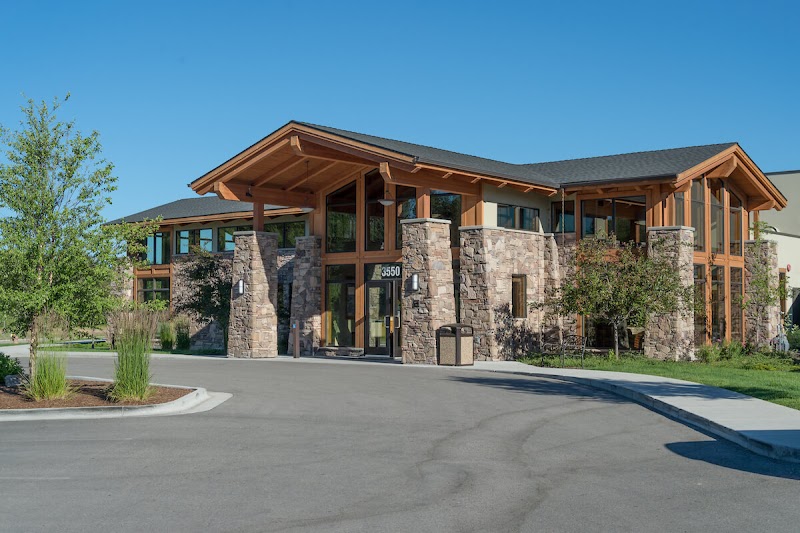
How is Sunterra Springs Riverview Staffed?

CMS rates SUNTERRA SPRINGS RIVERVIEW's staffing level at 2 out of 5 stars, which is below average compared to other nursing homes. Staff turnover is 55%, which is 9 percentage points above the Idaho average of 46%. High turnover can affect care consistency as new staff learn residents' individual needs. RN turnover specifically is 70%, which is notably high. RNs provide skilled clinical oversight, so turnover in this role can affect medical care quality.

What Have Inspectors Found at Sunterra Springs Riverview?

State health inspectors documented 11 deficiencies at SUNTERRA SPRINGS RIVERVIEW during 2020 to 2025. These included: 1 Immediate Jeopardy (the most serious level, indicating potential for serious harm or death) and 10 with potential for harm. Immediate Jeopardy findings are rare and represent the most serious regulatory concerns. They require immediate corrective action.
Who Owns and Operates Sunterra Springs Riverview?

SUNTERRA SPRINGS RIVERVIEW is owned by a for-profit company. For-profit facilities operate as businesses with obligations to shareholders or private owners. The facility is operated by SUNTERRA SPRINGS, a chain that manages multiple nursing homes. With 30 certified beds and approximately 27 residents (about 90% occupancy), it is a smaller facility located in BOISE, Idaho.
How Does Sunterra Springs Riverview Compare to Other Idaho Nursing Homes?

Compared to the 100 nursing homes in Idaho, SUNTERRA SPRINGS RIVERVIEW's overall rating (5 stars) is above the state average of 3.3, staff turnover (55%) is near the state average of 46%, and health inspection rating (5 stars) is much above the national benchmark.

What Should Families Ask When Visiting Sunterra Springs Riverview?

Based on this facility's data, families visiting should ask: "What changes have been made since the serious inspection findings, and how are you preventing similar issues?" "How do you ensure continuity of care given staff turnover, and what is your staff retention strategy?" "Can you walk me through typical staffing levels on day, evening, and night shifts?" "Can I visit during a mealtime to observe dining assistance and food quality?" These questions are particularly relevant given the facility's Immediate Jeopardy citations, the facility's high staff turnover rate, and the below-average staffing rating.

Is Sunterra Springs Riverview Safe?

Based on CMS inspection data, SUNTERRA SPRINGS RIVERVIEW has documented safety concerns. Inspectors have issued 1 Immediate Jeopardy citation (the most serious violation level indicating risk of serious injury or death). The facility has a 5-star overall rating and ranks #1 of 100 nursing homes in Idaho. Families considering this facility should ask detailed questions about what corrective actions have been taken since these incidents.

Do Nurses at Sunterra Springs Riverview Stick Around?

Staff turnover at SUNTERRA SPRINGS RIVERVIEW is high. At 55%, the facility is 9 percentage points above the Idaho average of 46%. Registered Nurse turnover is particularly concerning at 70%. RNs handle complex medical decisions and coordinate care — frequent RN changes can directly impact care quality. High turnover means new staff may not know residents' individual needs, medications, or preferences. It can also be disorienting for residents, especially those with dementia who rely on familiar faces. Families should ask: What is causing the turnover? What retention programs are in place? How do you ensure care continuity during staff transitions?

Was Sunterra Springs Riverview Ever Fined?

SUNTERRA SPRINGS RIVERVIEW has been fined $8,021 across 1 penalty action. This is below the Idaho average of $33,159. While any fine indicates a compliance issue, fines under $50,000 are relatively common and typically reflect isolated problems that were subsequently corrected. Families should ask what specific issues led to these fines and confirm they've been resolved.

Is Sunterra Springs Riverview on Any Federal Watch List?

SUNTERRA SPRINGS RIVERVIEW is not on any federal watch list. The most significant is the Special Focus Facility (SFF) program, which identifies the bottom 1% of nursing homes nationally based on persistent, serious quality problems. Not being on this list means the facility has avoided the pattern of deficiencies that triggers enhanced federal oversight. This is a positive indicator, though families should still review the facility's inspection history directly.