LEWISTON TRANSITIONAL CARE OF CASCADIA
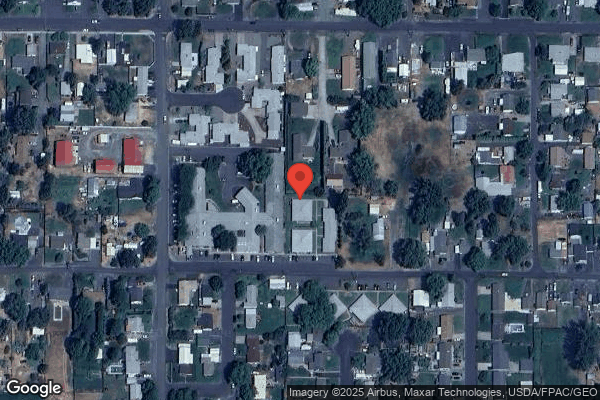
3315 8TH STREET, LEWISTON, ID 83501 (208) 743-9543
For profit - Limited Liability company 96 Beds CASCADIA HEALTHCARE Data: November 2025
Trust Grade
75/100
#27 of 79 in ID
Last Inspection: August 2025

Inspected within the last 6 months. Data reflects current conditions.

Overview

Lewiston Transitional Care of Cascadia has a Trust Grade of B, indicating it is a good facility, solid but with some room for improvement. It ranks #27 out of 79 nursing homes in Idaho, placing it in the top half, and #3 of 6 in Nez Perce County, meaning there are only two local options rated higher. Unfortunately, the facility is currently worsening, with issues increasing from 3 in 2024 to 6 in 2025. Staffing is rated average at 3 out of 5 stars, with a turnover rate of 31%, which is better than the state average of 47%, suggesting that many staff members stay long enough to build relationships with residents. The facility has not incurred any fines, which is a positive sign, and it offers average RN coverage. However, recent inspections revealed serious concerns, such as improper food storage that could lead to contamination and expired food items being served, both of which pose potential health risks to residents. Additionally, there were issues regarding incomplete documentation for advanced directives, which are crucial for honoring residents' end-of-life wishes.

Trust Score
B
75/100
In Idaho
#27/79
Top 34%
Safety Record
Low Risk
No red flags
Inspections
Getting Worse
3 → 6 violations
Staff Stability
○ Average
31% turnover. Near Idaho's 48% average. Typical for the industry.
Penalties
✓ Good
No fines on record. Clean compliance history, better than most Idaho facilities.
Skilled Nurses
○ Average
Each resident gets 34 minutes of Registered Nurse (RN) attention daily — about average for Idaho. RNs are the most trained staff who monitor for health changes.
Violations
⚠ Watch
20 deficiencies on record. Higher than average. Multiple issues found across inspections.
★★★★☆
4.0
Overall Rating
★★★☆☆
3.0
Staff Levels
★★★★☆
4.0
Care Quality
★★★★☆
4.0
Inspection Score
Stable
2024: 3 issues
2025: 6 issues

The Good

  • 4-Star Quality Measures · Strong clinical quality outcomes
  • Full Sprinkler Coverage · Fire safety systems throughout facility
  • No fines on record
  • Staff turnover below average (31%)

    17 points below Idaho average of 48%

Facility shows strength in quality measures, fire safety.

The Bad

Staff Turnover: 31%

14pts below Idaho avg (46%)

Typical for the industry

Chain: CASCADIA HEALTHCARE

Part of a multi-facility chain

Ask about local staffing decisions and management

The Ugly 20 deficiencies on record

Aug 2025 6 deficiencies
CONCERN (D)

Potential for Harm - no one hurt, but risky conditions existed

Deficiency F0657 (Tag F0657)

Could have caused harm · This affected 1 resident

**NOTE- TERMS IN BRACKETS HAVE BEEN EDITED TO PROTECT CONFIDENTIALITY** Based on record review and staff interview it was determined the facility failed to update a resident's care plan for 1 of 17 re...

Read full inspector narrative →
**NOTE- TERMS IN BRACKETS HAVE BEEN EDITED TO PROTECT CONFIDENTIALITY** Based on record review and staff interview it was determined the facility failed to update a resident's care plan for 1 of 17 residents (Resident #54) reviewed for care plan accuracy. This deficient practice created the potential for harm if resident's care plan was not current for health care interventions. Findings include:Resident #54 was admitted to the facility on [DATE] with multiple diagnoses including COPD (Chronic Obstructive Pulmonary Disease: an irreversible lung disease that progressively makes breathing difficult), dependence on supplemental oxygen, diabetes, dementia, depression, and cognitive communication deficit.A physician's order, dated 5/31/23, documented Resident #54 was to receive oxygen at 2 liters/minute via nasal cannula continuously. This order was discontinued on 6/21/23. Resident #54's care plan, dated 6/5/25, documented Resident #54 had COPD with oxygen dependence; however, it did not address Resident #54 was no longer using oxygen. On 8/19/25 at 4:15 PM, the CNO stated Resident #54 no longer had an oxygen machine and added we should have updated her care plan when the order was discontinued on 6/21/23.
CONCERN (D)

Potential for Harm - no one hurt, but risky conditions existed

Quality of Care (Tag F0684)

Could have caused harm · This affected 1 resident

**NOTE- TERMS IN BRACKETS HAVE BEEN EDITED TO PROTECT CONFIDENTIALITY** Based on record review and staff interview it was determined the facility failed to follow a dietary restriction related to a fo...

Read full inspector narrative →
**NOTE- TERMS IN BRACKETS HAVE BEEN EDITED TO PROTECT CONFIDENTIALITY** Based on record review and staff interview it was determined the facility failed to follow a dietary restriction related to a food allergy. This was true for 1 of 1 resident (Resident #14) whose medical record was reviewed for food allergies. This deficient practice had the potential to cause harm or death related to anaphylaxis (a severe, potentially life-threatening allergic reaction) when staff failed to follow dietary restrictions related to food allergies. Findings include: Resident #14 was admitted to the facility on [DATE] with multiple diagnoses including dementia, diabetes, high blood pressure, depression, and anxiety. Resident #14's admission MDS assessment, dated 6/18/25, documented Resident #14 was not cognitively intact. A review of Resident #14's care plan documented the resident had an allergy to aspirin, peanuts, and pollen. A nursing progress note, dated 8/19/25 at 3:16 PM, documented Resident #14 mistakenly ate a peanut butter sandwich. On 8/20/25 at 5:30 PM, the CNO stated a facility staff gave Resident #14 a peanut butter sandwich on 8/19/25 when she asked for something to eat. The CNO reported the facility staff did not check Resident #14's medical record prior to giving the peanut butter sandwich. She added, when the facility nurse was informed Resident #14 had eaten a peanut butter sandwich, the nurse immediately notified the physician, the facility administration, and the resident's representative. The facility nurse was directed by the doctor to monitor the resident for signs and symptoms of allergic reaction. As of 8/20/25 at 5:30 PM, the CNO reported Resident #14 had not experienced any signs or symptoms of an allergic reaction. The CNO stated the snack room had a binder to record all resident food allergies to keep staff educated on resident needs. The CNO added the allergen binder had not been updated and was not where it belonged in the snack room on 8/19/25.
CONCERN (D)

Potential for Harm - no one hurt, but risky conditions existed

Deficiency F0697 (Tag F0697)

Could have caused harm · This affected 1 resident

**NOTE- TERMS IN BRACKETS HAVE BEEN EDITED TO PROTECT CONFIDENTIALITY** Based on record review, and resident and staff interviews, it was determined the facility failed to ensure resident's pain was e...

Read full inspector narrative →
**NOTE- TERMS IN BRACKETS HAVE BEEN EDITED TO PROTECT CONFIDENTIALITY** Based on record review, and resident and staff interviews, it was determined the facility failed to ensure resident's pain was effectively managed and treated. This was true for 1 of 3 residents (Resident #31) reviewed for pain management. This deficient practice created the potential for harm should residents not receive effective pain management. Findings include:Resident #31 was admitted to the facility on [DATE] and readmitted on [DATE] with multiple diagnoses including lymphedema (accumulation of fluid due to disruption of lymphatic flow for a variety of reasons) and congestive heart failure (when the heart is unable to pump enough blood to meet the body's needs, leading to a buildup of fluid in the body).A physician's order, dated 8/13/25 documented Resident #31 was to receive the following medications:- hydrocodone -acetaminophen (narcotic pain medication) oral tablet 10-325 mg, one tablet every four hours as needed for pain level of 1-5.- hydrocodone -acetaminophen oral tablet 10-325 mg, two tablets every four hours as needed for pain level of 6-10.Resident #31's August 2025 MAR, documented the physician's order was not followed. Resident #31 received the hydrocodone -acetaminophen oral tablet 10-325 mg incorrectly on the following instances:- 8/14/25 at 1:17 PM, one tablet of hydrocodone -acetaminophen 10-325 mg for a pain level of 0- 8/14/25 at 7:33 PM, one tablet of hydrocodone -acetaminophen 10-325 mg for a pain level of 6- 8/16/25 at 7:03 PM, two tablets of hydrocodone -acetaminophen 10-325 mg for a pain level of 4- 8/17/25 at 3:44 AM, two tablets of hydrocodone -acetaminophen oral tablet 10-325 mg for a pain level of 4- 8/17/25 at 7:52 PM, two tablets of hydrocodone -acetaminophen oral tablet 10-325 mg for a pain level of 5- 8/18/25 at 3:59 PM, two tablets of hydrocodone -acetaminophen oral tablet 10-325 mg for a pain level of 5On 8/21/25 at 9:476 AM, the CNO with the Clinical Resource Nurse present, stated Resident #31's physician's orders were not followed and the nurse should have reviewed the physician's orders after assessing Resident #31's pain level.
CONCERN (D)

Potential for Harm - no one hurt, but risky conditions existed

Deficiency F0760 (Tag F0760)

Could have caused harm · This affected 1 resident

**NOTE- TERMS IN BRACKETS HAVE BEEN EDITED TO PROTECT CONFIDENTIALITY** Based on record review and staff interview it was determined the facility failed to ensure significant medication errors were pr...

Read full inspector narrative →
**NOTE- TERMS IN BRACKETS HAVE BEEN EDITED TO PROTECT CONFIDENTIALITY** Based on record review and staff interview it was determined the facility failed to ensure significant medication errors were prevented. This was true for 1 of 6 residents (Resident #14) reviewed for significant medication errors. This failed practice had the potential for harm if medications were not administered according to physicians orders. Findings include: Resident #14 was admitted to the facility on [DATE] with multiple diagnoses including dementia, diabetes, high blood pressure, depression, and anxiety. Resident #14's Admissions MDS assessment, dated 6/18/25, documented Resident #14 was not cognitively intact. A physician's order, dated 6/18/25, documented Resident #14 was to receive the following medications: -Namenda (a dementia medication), give 5 mg by mouth once per day [AM/morning.] -Carvedilol (a blood pressure medication), give 6.25 mg by mouth two times per day [8:00 AM; 5:00 PM.] A physician's order, dated 6/19/25, documented Resident #14 was to receive the following medications: -Amlodipine Besylate oral tablet (a blood pressure medication), give 10 mg by mouth one time per day [AM.] -Hydrochlorothiazide (a blood pressure medication), give 12.5 mg by mouth one time per day [AM.]-Losartan Potassium (a blood pressure medication), give 100 mg by mouth one time a day [AM.] -Sertraline HCl Oral Tablet (an antidepressant), give 150 mg by mouth one time per day [AM.] -Budesonide Inhalation Suspension (for COPD), 1 mg/ 2 ml, 1 dose inhaled orally two times a day [AM; PM.] A physician's order, dated 7/23/25, documented Resident #14 was to receive the following medications: -Fluticasone-Salmeterol Inhalation Aerosol Powder 250-50 mcg (for COPD), 1 puff inhaled orally two times per day [AM; PM.] Resident #14's MAR was reviewed from June - August 2025, with the following AM medications documented as not received: Resident Sleeping: - 6/25; 6/29; 6/30- 7/2; 7/4; 7/8; 7/9; 7/11; 7/15; 7/18; 7/20; 7/23; 7/24; 7/28 - 8/1; 8/11; 8/12; 8/17; 8/20 Resident Refused: -7/1 Resident #14's care plan, initiated on 6/18/25, documented the use of antipsychotic medication related to unspecified psychosis and dementia. The care plan directed staff to give medications as ordered by the physician, and to monitor and document the effectiveness and potential side effects including over-sedation and lethargy, and to notify the physician as indicated. Nursing progress notes, dated 6/18/25 through 8/19/25, documented the following: -On 8/15/25, an SBAR was submitted with the statement: Resident [#14] prefers to sleep in until 11:00 AM most days per direct care staff. [The facility staff] are having issues waking her up early to give her [morning medications.] -No further documentation regarding the effects of medication, missed medications, or notification to the physician was found. On 8/20/25 at 5:27 PM, the CNO stated there was no documentation in Resident #14's medical record regarding her 'sleeping' and missing medication until 8/15/25. She verified there were no staff to physician notifications in Resident #14's medical record regarding the multiple days of missed medication as documented in the MAR due to Resident #14 sleeping. On 8/21/25 at 11:14 AM, the CNO stated the facility does not have a policy relating to when the doctor should be notified, but best practice would be to notify the doctor within 24-48 hours, depending upon the medication. The physician should have been notified in June 2025 of Resident #14's missed medications.
CONCERN (D)

Potential for Harm - no one hurt, but risky conditions existed

Infection Control (Tag F0880)

Could have caused harm · This affected 1 resident

**NOTE- TERMS IN BRACKETS HAVE BEEN EDITED TO PROTECT CONFIDENTIALITY** Based on observation, record review, and staff interview, it was determined the facility failed to ensure infection prevention s...

Read full inspector narrative →
**NOTE- TERMS IN BRACKETS HAVE BEEN EDITED TO PROTECT CONFIDENTIALITY** Based on observation, record review, and staff interview, it was determined the facility failed to ensure infection prevention standards were followed. This was true for 1 of 1 resident (Resident #40) whose intravenous (IV) medication administration was observed. This failure created the potential for harm if infectious pathogens (any organism that causes disease) were introduced to his peripherally inserted central catheter (PICC- a thin tube placed in a vein in the arm passed through to the large vessels near the heart). Findings include: The National Library of Medicine web page, World Health Organization (WHO) Guidelines on Hand Hygiene in Health Care, article dated 2009, accessed 8/25/25, documented indications for hand hygiene included to perform hand hygiene before handling an invasive device for patient care and after contact with inanimate surfaces and objects (including medical equipment) in the immediate vicinity of the patient. The CDC Infection Control, Standard Precautions for All Patient Care, web page, dated 4/3/24, accessed on 8/25/25, documented Standard Precautions are used for all patient care. They're based on a risk assessment and make use of common sense practices and personal protective equipment use that protect healthcare providers from infection and prevent the spread of infection from patient to patient. The web page instructs to perform hand hygiene after contact with a contaminated surface and use personal protective equipment (PPE) when needed for Standard Precautions (when you anticipate that you will come in contact with blood or other infectious materials, mucous membranes, non-intact skin, potentially contaminated skin, or contaminated equipment).The facility's IV Fluid Administration checklist, undated, documented directions for infection control as Perform hand hygiene. Apply gloves. Use infection control measures and standard precautions during the entire procedure with the rationale, Prevents the transmission of microorganisms.Resident #40 was admitted to the facility on [DATE] with multiple diagnoses, including sepsis (a life-threatening, extreme response to an infection that causes the immune system to damage the body's organs and tissues), pneumonia, and diabetes.On 7/3/25, Resident #40 was diagnosed with osteomyelitis (a bone infection) and had a PICC line placed in his inner right upper arm for IV antibiotic administration. Resident #40's physician orders documented an order, dated 8/14/25, for an antibiotic, vancomycin hcl intravenous solution 1250 mg/ 250 ml, administer 1250 mg once a day, intravenously, over 1 hour, for osteomyelitis. On 8/21/25 at 9:20 AM, LPN #1 was observed preparing Resident #40's IV vancomycin. LPN #1 walked into Resident #40's room while introducing herself, she then hung the bag of vancomycin on the IV pole with pump near his bed while explaining she was there to administer his IV antibiotic. LPN #1 was observed washing her hands with soap and water, then dried them, she put on a clean reusable PPE gown, and put on gloves. LPN #1 was observed closing the resident's divider curtain with her gloved right hand when the resident asked her to. She was then observed gathering an alcohol wipe and sterile 10 ML saline solution syringe from a plastic bag hanging on the IV pole, feeding the IV tubing through the pump, pressing the IV pump buttons to set the rate of delivery, then primed the medication tubing using the prime button on the IV pump with her right hand, while holding the open end of the IV tubing over the garbage can with her left hand. The open end of the IV tubing stayed in LPN #1's left hand while she opened a sterile 10 ML saline solution syringe and alcohol wipe. LPN #1 accessed one of the two ports on Resident #40's PICC line by removing the cap, she then scrubbed the opening of the port with the alcohol swab, then attached the saline syringe, and verified the PICC line was functioning appropriately. LPN #1 then attached the open end of the IV tubing and began delivery of the IV vancomycin by pressing start on the IV pump. LPN #1 was not observed to change her gloves or perform hand hygiene after touching the divider curtain and IV pump in Resident #40's room before accessing his PICC port. On 8/21/25 at 10:24 AM, LPN #1 stated she should have performed hand hygiene and changed her gloves after touching things in Resident #40's room before accessing his PICC port. On 8/21/25 at 10:26 AM, the CNO stated nurses should always perform hand hygiene and put on clean gloves before accessing an IV site.
CONCERN (E)

Potential for Harm - no one hurt, but risky conditions existed

Food Safety (Tag F0812)

Could have caused harm · This affected multiple residents

Based on observation, review of the Food, Drug, Administration (FDA) Food Code, and staff interview, it was determined the facility failed to ensure staff food and physical therapy ice packs were stor...

Read full inspector narrative →
Based on observation, review of the Food, Drug, Administration (FDA) Food Code, and staff interview, it was determined the facility failed to ensure staff food and physical therapy ice packs were stored separately from resident food in a freezer, resident food was not dated correctly, and pest control measures were not followed. This was true for the 66 residents who consumed food stored and prepared by the facility. This placed residents at risk for potential contamination of food and adverse health outcomes, including food-borne illnesses. Findings include: 1. The FDA Food Code Section 6-403.11 documented areas designated for employees to eat, drink, and use tobacco products shall be located so that food, equipment, and linens, single-service and single use articles are protected from contamination. On 8/21/25 at 9:27 AM, it was observed in the A-Wing Resident Snack freezer, therapy ice packs were stored with two packages of raw beef burgers labeled for employee use. On 8/21/25 at 9:35 AM, in the El Bistro Resident refrigerator, an open and incorrectly dated orange juice (dated use by 11/25) was observed. In the freezer, therapy ice packs were stored with 3 open and undated ice cream containers. On 8/21/25 at 9:40 AM, the Culinary Director stated, staff food, like the beef burgers and physical therapy ice packs should not be stored with resident's food items. She stated all food should be labeled with the resident's name, open date, and use by date. The Culinary Director stated the orange juice was not correctly dated, the ice cream should have been dated, and staff needed more education on how to properly label and date resident foods.2. The FDA Food Code Section 6-501.111 Controlling Pests documented the premises shall be maintained free of insects, rodents, and other pests. The presence of insects, rodents, and other pests shall be controlled to eliminate their presence on the premises by: (A) Routinely inspecting incoming shipments of food and supplies; (B) Routinely inspecting the premises for evidence of pests; (C) Using methods, if pests are found, such as trapping devices or other means of pest control., and (D) Eliminating harborage (a hiding place for pests) conditions.On 8/21/25 at 10:04 AM, two kitchen dumpsters were observed with their lids left open. Dumpster #1 was immediately outside the kitchen door and had multiple flies surrounding the trash inside it. Dumpster #2 located in an enclosed area on the property was observed with garbage and leaves piled around it on the ground. On 8/21/25 at 10:25 AM, the Maintenance Director stated the leaves and trash surrounding dumpster #2 was normally cleaned every Monday when the garbage was collected, but had not been cleaned on 8/18/25. He stated the [Pest Control Company] came to the facility every two weeks. The Maintenance Director stated all facility staff are instructed to close the dumpster lids after use and the lids should not have been left open.
Jun 2024 3 deficiencies
CONCERN (D) 📢 Someone Reported This

A family member, employee, or ombudsman was alarmed enough to file a formal complaint

Potential for Harm - no one hurt, but risky conditions existed

PASARR Coordination (Tag F0644)

Could have caused harm · This affected 1 resident

**NOTE- TERMS IN BRACKETS HAVE BEEN EDITED TO PROTECT CONFIDENTIALITY** Based on record review, policy review, and staff interview, it was determined the facility failed to ensure a Level I Preadmissi...

Read full inspector narrative →
**NOTE- TERMS IN BRACKETS HAVE BEEN EDITED TO PROTECT CONFIDENTIALITY** Based on record review, policy review, and staff interview, it was determined the facility failed to ensure a Level I Preadmission Screening and Resident Review (PASARR) was updated to include a diagnosis of Post-Traumatic Stress Disorder (PTSD). This was true for 1 of 1 resident (Resident #29) whose PASARR record was reviewed. This deficient practice had the potential to cause harm if residents' specialized services for mental health needs were not provided due to a lack of updated screening. Findings include: The facility's Pre-admission Screening and Resident Review (PASARR) policy, dated 11/28/17, documented Any resident with newly evident or possible serious mental disorder, ID [Intellectual Disability], or related condition is to be referred, by the facility to the appropriate state-designated mental health or intellectual disability authority for review. Resident #29 was admitted to the facility on [DATE] and readmitted on [DATE], with multiple diagnoses including PTSD and other anxiety disorders. A quarterly MDS assessment, dated 6/7/24, documented Resident #29 was cognitively intact. Resident #29's Care Plan, revised 1/5/24, documented Resident #29 had a mood disorder related to diagnosis of other anxiety, and PTSD. A PASARR, dated 9/6/23, documented No for Resident #29 under the question: Does the individual have any of the following Major Mental Health Illnesses (MMI)? The list included PTSD and anxiety disorders. A PASARR, dated 9/8/22, documented No for Resident #29 under the question: Does the individual have any of the following Major Mental Health Illnesses (MMI)? The list included PTSD and anxiety disorders. During an interview on 6/11/24 at 10:31 AM, the Social Services (SS) staff stated she oversaw the PASARR reviews. She stated she reviewed the documentation on admission to make sure the mental health diagnoses and substance abuse were captured. She stated if any of the sections were marked Yes, then she would send it to the state for them to determine A level II PASARR or if any recommendations were needed. She verified Resident #29 had a diagnosis of PTSD and she needed to update the PASARR to include that information.
CONCERN (D) 📢 Someone Reported This

A family member, employee, or ombudsman was alarmed enough to file a formal complaint

Potential for Harm - no one hurt, but risky conditions existed

ADL Care (Tag F0677)

Could have caused harm · This affected 1 resident

**NOTE- TERMS IN BRACKETS HAVE BEEN EDITED TO PROTECT CONFIDENTIALITY** Based on record review, policy review, and resident and staff interview, it was determined the facility failed to ensure residen...

Read full inspector narrative →
**NOTE- TERMS IN BRACKETS HAVE BEEN EDITED TO PROTECT CONFIDENTIALITY** Based on record review, policy review, and resident and staff interview, it was determined the facility failed to ensure residents were provided with bathing consistent with their needs. This was true for 1 of 3 residents (Resident #6) reviewed for activities of daily living. This failure created the potential for residents to experience embarrassment, isolation, decreased sense of self-worth, and skin impairment due to a lack of personal hygiene. Findings include: The facility's ADLs policy, revised 11/14/17, documented staff were to provide a shower, tub bath, or bed bath as scheduled and document resident refusals of care. Resident #6 was admitted to the facility on [DATE], with multiple diagnoses including muscle weakness and difficulty walking. A quarterly MDS Assessment, dated 5/6/24, documented Resident #6 was cognitively intact. Resident #6's Care Plan, revised 11/16/21, documented Resident #6 had an ADL self-care performance deficit and required substantial/maximal assistance for bathing with the assistance of one staff member (revised 5/10/24). During an interview on 6/10/24 at 7:48 AM, Resident #6 stated her shower schedule was Tuesdays and Fridays. She stated some showers were missed and she was supposed to receive them at least twice a week. Resident #6's bathing/shower record for May 2024 through June 2024, documented Resident #6 missed her scheduled bathing/shower on 5/7/24, 5/10/24, 5/24/24, 5/28/24, and 6/4/24. During an interview on 6/11/24 at 1:05 PM, CNA #2 stated she completed resident showers during the week Monday-Friday from 6:00 AM- 4:00 PM. She stated if a shower was missed a refusal sheet was completed and signed and they would make up the shower the next day. She stated Resident #6 would sometimes decline showers. During an interview on 6/11/24 at 1:53 PM, the Administrator stated missed showers would have had a refusal completed. At 2:52 PM, she stated there was a lack of documentation of refusals/ missed showers, so it did not flag in the system for them to follow up.
CONCERN (E) 📢 Someone Reported This

A family member, employee, or ombudsman was alarmed enough to file a formal complaint

Potential for Harm - no one hurt, but risky conditions existed

Food Safety (Tag F0812)

Could have caused harm · This affected multiple residents

Based on policy review, observation, and staff interview, it was determined the facility failed to ensure food was not expired and the stove hood was cleaned in 1 of 1 kitchen. These deficiencies had ...

Read full inspector narrative →
Based on policy review, observation, and staff interview, it was determined the facility failed to ensure food was not expired and the stove hood was cleaned in 1 of 1 kitchen. These deficiencies had the potential to affect 69 residents residing in the facility who consumed food prepared by the facility. This placed residents at risk for potential contamination of food and adverse health outcomes, including food-borne illnesses. Findings include: 1. The facility's Food and Supply Storage policy, dated 11/28/17, documented All food .shall be stored in such a manner as to maintain safety and sanitation of the food or supply for human consumption. During an observation on 6/10/24 at 6:28 AM, the walk-in refrigerator contained four (32-ounce) containers of low-fat yogurt, dated 6/1/24, from the manufacturer. There was one (five-pound) container of sour cream dated with a use-by-date of 5/29/24. During an interview on 6/10/24 at 6:31 AM, [NAME] #1 confirmed the food was expired. 2. The 2022 Food and Drug Administration (FDA) Food Code, page 452, dated 1/18/23, documented The accumulation of grease and condensate may contaminate food and food-contact surfaces as well as present a possible fire hazard. During an observation on 6/10/24 at 6:29 AM, the stove hood was greasy with lint throughout. During an additional observation on 6/12/24 at 10:35 AM, the hood remained greasy with lint buildup. The Culinary Assistant stated it was cleaned last week. She confirmed the hood was dirty and stated it was supposed to have been cleaned last week. During an interview on 6/12/24 at 12:44 PM, the CM stated she was in the process of making a new cleaning checklist. She stated the stove hood was supposed to be cleaned every week. She stated it was not cleaned yet this week. She confirmed there was no other documentation of the stove hood being cleaned before last week. She stated she was not aware of how the staff cleaned the hood last week. She stated she was not the one who cleaned it. During an interview on 6/12/24 at 4:01 PM with the RD, CM, the Administrator, and the Director of Maintenance, the RD stated the stove hood was cleaned last week but was not scrubbed.
Jan 2020 11 deficiencies
CONCERN (D)

Potential for Harm - no one hurt, but risky conditions existed

Safe Environment (Tag F0584)

Could have caused harm · This affected 1 resident

Based on observation, policy review, and resident and staff interview, it was determined the facility failed to ensure residents' room temperatures were maintained at a comfortable level. This was tru...

Read full inspector narrative →
Based on observation, policy review, and resident and staff interview, it was determined the facility failed to ensure residents' room temperatures were maintained at a comfortable level. This was true for 2 of 17 residents (#41 and #46) whose environment was observed. This deficient practice created the potential for harm if residents became too cold or hot and it compromised their health status. Findings include: The facility's Resident's Environment policy, dated 11/28/19, directed staff to keep ambient temperatures above 71 degrees F (Fahrenheit). This policy was not followed. On 1/7/20 at 9:33 AM, Resident #46 said his room, which he shared with Resident #41, was cold because the thermostat did not work. Resident #46 said he told facility staff about it and the room was still cold. The wall thermostat control unit was set at 76 degrees F, and the thermostat documented the room temperature was 68 degrees F. The ceiling air register above the room sink was blowing cool air. On 1/8/20 at 9:45 AM, the Maintenance Director said he was not aware the room was cool and said the control unit in Resident #41's and Resident #46's room was set at 76 degrees F. He tested the ambient air with a laser temperature gauge and said it read 66.8 degrees F. The Maintenance Director said the temperature should have been higher and said he would find out why the room was cool. On 1/8/20 at 10:02 AM, the Health Information Director (HID) said she found the window in Resident #41's and Resident #46's room was opened a crack, and she closed it. The window was observed, and it had a small gap near the top of the window. The HID then attempted to re-close the window, and on the third attempt it closed completely. The HID said she would report the window condition to the Maintenance Director. On 1/9/20 at 8:53 AM, in Residents' #41's and Resident #46's room, the wall thermostat control unit was set at 90 degrees F, and the thermostat documented the room temperature was 71 degrees F.
CONCERN (D)

Potential for Harm - no one hurt, but risky conditions existed

Transfer Notice (Tag F0623)

Could have caused harm · This affected 1 resident

**NOTE- TERMS IN BRACKETS HAVE BEEN EDITED TO PROTECT CONFIDENTIALITY** Based on record review, policy review, and resident representative and staff interview, it was determined the facility failed to...

Read full inspector narrative →
**NOTE- TERMS IN BRACKETS HAVE BEEN EDITED TO PROTECT CONFIDENTIALITY** Based on record review, policy review, and resident representative and staff interview, it was determined the facility failed to ensure transfer notices were provided in writing to residents and their representatives. This was true for 1 of 2 residents (Resident #50) reviewed for transfers. This created the potential for harm if residents were not made aware of or able to exercise their rights related to transfers. Findings include: The facility's policy for Transfer and Discharge, dated 11/28/17, documented the following: * The facility provided sufficient preparation and orientation to residents to ensure safe and orderly discharge from the facility. * The written notice included: the reason for the discharge, effective date of transfer/discharge, location where the resident was being transferred/discharged , a statement of the resident's right to appeal the action of transfer/discharge, the contact information for the state long term care ombudsman, and the mailing address and phone number of the agency responsible for protection and advocacy of developmentally disabled or mentally ill individuals. This policy was not followed. Resident #50 was admitted to the facility on [DATE] and readmitted to the facility on [DATE], with multiple diagnoses including COPD (progressive lung disease characterized by increasing breathlessness), congestive heart failure (weakness of the heart leading to a buildup of fluid in the body), and chronic kidney disease. Resident #50's Discharge MDS assessment, dated 12/8/19, documented he had an unplanned discharge to the hospital. A Progress Note, dated 12/8/19 at 6:46 PM, documented Resident #50 was sent to the emergency room by ambulance. The note documented Resident #50's physician order summary, MAR, POST, and facesheet was sent with the resident. There was no documentation in Resident #50's record the facility provided written notification of the transfer to Resident #50 and his representative when he was transferred to the hospital on [DATE]. On 1/9/20 at 3:28 PM, the DON said Resident #50's family lived in another state, and they were notified verbally of his transfer to the hospital. The DON said the documentation in Resident #50's record was the only documentation regarding the transfer. On 1/9/20 at 3:41 PM, Resident #50's daughter said she did not receive written notification of Resident #50's transfer to the hospital on [DATE].
CONCERN (D)

Potential for Harm - no one hurt, but risky conditions existed

Assessment Accuracy (Tag F0641)

Could have caused harm · This affected 1 resident

**NOTE- TERMS IN BRACKETS HAVE BEEN EDITED TO PROTECT CONFIDENTIALITY** Based on staff interview, record review, and policy review, it was determined the facility failed to ensure resident MDS assessm...

Read full inspector narrative →
**NOTE- TERMS IN BRACKETS HAVE BEEN EDITED TO PROTECT CONFIDENTIALITY** Based on staff interview, record review, and policy review, it was determined the facility failed to ensure resident MDS assessments were accurate regarding falls and anticoagulant use. This was true for 2 of 16 residents (#36 and #57) whose MDS assessments were reviewed. This deficient practice created the potential for harm if residents received inappropriate care related to inaccurate MDS assessments. Findings include: The facility's policy for Resident Assessment, dated 11/28/17, documented a comprehensive, accurate, standardized, reproducible assessment of each resident's functional capacity and needs is conducted using the Resident Assessment Instrument (RAI), which directs the care of the resident based on his or her individual needs. This policy was not followed. 1. Resident #57 was admitted to the facility on [DATE], with diagnoses including atrial fibrillation (irregular heart rhythm). Resident #57's physician's order, dated 10/23/19, documented Apixaban (an anticoagulant) 5 mg, 1 tablet by mouth two times a day for atrial fibrillation. Resident #57's MAR for December 2019 documented Apixaban tablet 5 mg two times a day related to atrial fibrillation with a start date of 10/23/19. The Apixaban was administered two times a day for the month of December 2019. Resident #57's quarterly MDS assessment, dated 12/20/19, documented he did not receive anticoagulant medication during the past 7 days. On 1/8/20 at 1:31 PM, the MDS Coordinator verified Resident #57 was receiving an anticoagulant, and said the MDS assessment dated [DATE] should have documented Resident #57 received anticoagulant medication on 7 out of the past 7 days. 2. Resident #36 was admitted to the facility on [DATE] and readmitted on [DATE], with multiple diagnoses including dementia, unsteadiness on feet, and Parkinson's disease (a progressive disease of the nervous system that affects movement). Resident #36's quarterly MDS assessment, dated 11/29/19, documented she had no falls since admission. Incident and Accident reports, dated 10/12/19 and 11/12/19, documented Resident #36 fell while in the facility. A Progress Note, dated 10/12/19 at 10:47 AM, documented a nurse found Resident #36 on the floor in her room. A CNA was in Resident #36's room with her, and Resident #36 fell backwards and landed on the floor as the CNA turned to pick up a blanket from the floor. A Progress Note, dated 11/12/19 at 4:40 PM, documented Resident #36 was found sitting on the floor on her bottom. The note documented Resident #36 attempted to sit on a coffee table and it moved away from her, resulting in her falling to the floor. On 1/7/20 at 11:03 AM, Resident #36's son said she slipped out of bed a couple times since she was admitted to the facility. On 1/8/20 at 11:41 AM, the DON said Resident #36 had fallen in the facility since her admission. On 1/8/20 at 2:15 PM, the MDS Coordinator said Resident #36's fall status needed to be updated on her MDS assessment.
CONCERN (D)

Potential for Harm - no one hurt, but risky conditions existed

Deficiency F0657 (Tag F0657)

Could have caused harm · This affected 1 resident

**NOTE- TERMS IN BRACKETS HAVE BEEN EDITED TO PROTECT CONFIDENTIALITY** Based on record review, policy review, and resident and staff interview, it was determined the facility failed to ensure care co...

Read full inspector narrative →
**NOTE- TERMS IN BRACKETS HAVE BEEN EDITED TO PROTECT CONFIDENTIALITY** Based on record review, policy review, and resident and staff interview, it was determined the facility failed to ensure care conferences were held after each assessment, including the comprehensive and quarterly assessments. This was true for 1 of 16 residents (Resident #2) whose care plans were reviewed. These failures created the potential for harm if residents and/or their representative were not included in making decisions regarding residents' care, and if care was not provided or care decisions were made based on inaccurate information. Findings include: The facility's policy for Care Plans, dated 11/28/19, documented the following: * Care conference meetings were scheduled upon admission, quarterly, and with change of condition. * The care plan included directives for revising and updating the plan of care as needed to reflect the resident's current status. * The facility developed and implemented a comprehensive person-centered care plan for each resident, and it included measurable objectives and time frames to meet the resident's needs as identified in the comprehensive assessment. * The team of qualified persons monitored the resident's condition and effectiveness of the care plan interventions and revised the care plan quarterly, annually, with a significant change assessment or more frequently as needed with input from the resident and/or the representative. This policy was not followed. Resident #2 was admitted to the facility on [DATE], with multiple diagnoses including Type 2 diabetes mellitus, hemiplegia and hemiparesis (weakness and paralysis on one side of the body) following a stroke, muscle weakness, and seizures. Resident #2's record documented the most recent care conference was held on 7/18/19. On 1/7/20 at 9:20 AM, Resident #2 said she had not attended care conference meeting recently. On 1/8/20 at 10:17 AM, the Social Services Director said Resident #2's last care conference was held on 7/18/19, and it should be held quarterly.
CONCERN (D)

Potential for Harm - no one hurt, but risky conditions existed

Quality of Care (Tag F0684)

Could have caused harm · This affected 1 resident

Based on observation, record review, policy review, and staff interview, it was determined the facility failed to ensure medication was not left unattended at a resident's bedside. This was true for 1...

Read full inspector narrative →
Based on observation, record review, policy review, and staff interview, it was determined the facility failed to ensure medication was not left unattended at a resident's bedside. This was true for 1 of 6 residents (Resident #21) who were observed during medication pass. This failure created the potential for harm if residents did not ingest the medication as ordered by the physician resulting in a decrease or change in their health status. Findings include: The facility's Medication Pass Guide, dated 1/1/18, directed staff to Observe resident ingest medication, do NOT leave at bedside. This policy was not followed. On 1/8/20 at 7:03 AM, LPN #1 was observed administering medications to Resident #21. LPN #1 presented a medicine cup that contained 7 pills and a plastic cup containing Clearlax (a laxative) in water to Resident #21. Resident #21 swallowed the pills from the medicine cup, and then said he did not want to take the Clearlax until he received breakfast. LPN #1 said okay and placed the cup of Clearlax on Resident #21's overbed table, which was over his lap. LPN #1 then exited the room and left the Clearlax with Resident #21. On 1/8/20 at 7:29 AM, LPN #1 said she knew Resident #21 was not going to take the Clearlax until he received breakfast, and she should have watched him take it. On 1/8/20 at 8:23 AM, the Clinical Resource Nurse said medication should not be left at the bedside unless the resident was assessed for self-administration of medication. The Clinical Resource Nurse said Resident #21 was not assessed for self-administration of medication, and the nurse should have removed the medication from the room when he said he did not want to take it at that time.
CONCERN (D)

Potential for Harm - no one hurt, but risky conditions existed

Deficiency F0688 (Tag F0688)

Could have caused harm · This affected 1 resident

**NOTE- TERMS IN BRACKETS HAVE BEEN EDITED TO PROTECT CONFIDENTIALITY** Based on record review, policy review, and staff interview, it was determined the facility failed to consistently implement a re...

Read full inspector narrative →
**NOTE- TERMS IN BRACKETS HAVE BEEN EDITED TO PROTECT CONFIDENTIALITY** Based on record review, policy review, and staff interview, it was determined the facility failed to consistently implement a restorative nursing program (RNP). This was true for 1 of 3 residents (#36) reviewed for restorative nursing services. The failure created the potential for harm if residents experienced a decline in Range of Motion (ROM). Findings include: The facility's policy for Restorative Nursing, dated 2/28/18, documented the following: * Restorative nursing is a program established to help residents progress to a higher level of function and/or rehabilitate function, augment progress made in therapy or during recovery, and assists the resident to live as independently and safely as possible. * Restorative nursing is initiated when a resident has been discharged from therapy, when a resident has been admitted to the facility with restorative needs, when a resident is not eligible for rehabilitation therapy, and when restorative needs arise during the resident's stay in the facility. * Integrated restorative nursing services occurred 24 hours a day, 7 days a week. During the course of the day and during all routine care activities, residents should be encouraged to perform at their optimal functional level . * Areas of function may include urinary and/or bowel toileting program, passive and/or active range of motion, splint or brace assistance, bed mobility and/or walking, transfer training, dressing and/or grooming training, eating and/or swallowing training, amputation/prosthesis care, and communication training. This policy was not followed. Resident #36 was admitted to the facility on [DATE] and readmitted on [DATE], with multiple diagnoses including dementia, unsteadiness on feet, aphasia (loss of ability to understand or express speech) after stroke, and Parkinson's disease (a progressive disease of the nervous system that affects movement). Resident #36's quarterly MDS assessment, dated 11/29/19, documented she required physical assistance of 1 person for locomotion, extensive assistance of 1 person for dressing, personal hygiene, and toileting, and physical assistance of 1 person for bathing. Resident #36's care plan documented she required RNP for ambulation and active ROM, initiated on 4/15/19. The care plan documented Resident #36 was to ambulate outdoors with supervision for 15 minutes, 7 days a week, and she was to perform bilateral upper extremity exercises with supervision for 15 minutes, 7 days a week, initiated on 4/15/19. Resident #36's ADL flowsheet documented she received RNP services 9 times out of 29 opportunities from 12/10/19 through 1/7/20. The flowsheet documented the RNP services were provided for less than 15 minutes on 12/15/19, 12/28/19, 12/31/19, 1/1/20, and 1/7/20. On 1/8/20 at 1:39 PM, CNA #1 said Resident #36 did not receive RNP services on 1/7/20 because the Restorative Aide was pulled to work on the floor. On 1/8/20 at 2:46 PM, the DON said there were 2 aides to provide the RNP, and the facility hit a bad spot with staffing so we did the programs as best as we could for maintenance. The DON said there were times when the Restorative Aide helped out on the floor, and she would have to talk to the CNAs to find out why Resident #36 did not receive Restorative Nursing services consistently.
CONCERN (D)

Potential for Harm - no one hurt, but risky conditions existed

Medication Errors (Tag F0758)

Could have caused harm · This affected 1 resident

**NOTE- TERMS IN BRACKETS HAVE BEEN EDITED TO PROTECT CONFIDENTIALITY** Based on staff interview, record review, and policy review, it was determined the facility failed to ensure an as needed psychot...

Read full inspector narrative →
**NOTE- TERMS IN BRACKETS HAVE BEEN EDITED TO PROTECT CONFIDENTIALITY** Based on staff interview, record review, and policy review, it was determined the facility failed to ensure an as needed psychotropic medication had a physician evaluation or documented rationale when the medication order extended beyond 14 days . This was true for 1 of 5 residents (Resident #32) reviewed for unnecessary medications. This deficient practice created the potential for harm if residents experienced adverse effects from unnecessary psychotropic medications. Findings include: The facility's policy for Unnecessary Medications and Psychotropic/Antipsychotic Medication, dated 11/28/17, documented the following: * The residents' medication regimen was free of any medication used in excessive dose, excessive duration, without adequate monitoring, and without adequate indication for its use. * PRN psychotropic medications, which were not antipsychotic medications, were limited to 14 days, unless a longer timeframe was deemed appropriate by the attending physician or prescribing practitioner. * PRN orders for psychotropic and antipsychotic medications were used only when necessary to treat a diagnosed specific condition, and PRN use was limited to 14 days. * The PRN order could be extended beyond 14 days if the attending physician or prescribing practitioner believed it was appropriate to extend the order. The attending physician or prescribing practitioner documented the rationale in the resident's record and indicated the specific duration. This policy was not followed. Resident #32 was admitted to the facility on [DATE] and readmitted on [DATE], with diagnoses including anxiety. Resident #32's physician's order, dated 11/26/19, documented he was to receive lorazepam (antianxiety medication) 0.5 mg by mouth twice a day as needed for anxiety until 5/26/20, a period of six months. A pharmacy note to the attending physician/prescriber, signed by the Nurse Practitioner (NP) on 10/8/19, documented the pharmacist recommended to include a stop date for Resident #32's lorazepam, and to document the rationale in the resident's record if the stop date was more than 14 days. The NP documented Stop date 6 months from start date. The pharmacy note did not include a rationale from the NP for the extended stop date for Resident #32's lorazepam. On 1/9/20 at 3:55 PM, the RCM confirmed she was unable to find a rationale for Resident #32's lorazepam documented in his record. The RCM said she spoke to the NP, who thought signing the 6-month order was the justification and she did not write an additional note addressing the reason for the extended stop date for the lorazepam.
CONCERN (D)

Potential for Harm - no one hurt, but risky conditions existed

Infection Control (Tag F0880)

Could have caused harm · This affected 1 resident

Based on observation, policy review, and staff interview, it was determined the facility failed to ensure staff performed appropriate hand hygiene during blood gluocse (BG) testing. This was true for ...

Read full inspector narrative →
Based on observation, policy review, and staff interview, it was determined the facility failed to ensure staff performed appropriate hand hygiene during blood gluocse (BG) testing. This was true for 1 of 2 nurses (LPN #1) observed during medication pass, and had the potential to affect 2 of 6 residents (#3 and #10) observed during medication pass. This failed practice had the potential for harm due to cross contamination. Findings include: The facility's policy for Hand Hygiene/Handwashing, dated 11/28/17, directed staff to perform hand hygiene after touching blood, body fluids, secretions, excretions, and contaminated items, regardless of whether gloves were worn. The policy also directed staff to perform hand hygiene after handling soiled equipment, after removal of gloves, and intermittently after gloves were removed, between patient contacts, and when otherwise indicated to avoid transfer of microorganisms to other patients or environments. This policy was not followed. The facility's undated Medication Pass Guide directed staff to wash hands before donning gloves, with glove change, and when removing gloves. The Guide documented the following steps during BG testing: Cleanse the BG meter with 10% bleach, set on a barrier, and wait 2 minutes. Leave the barrier on the cart, remove gloves, and use gel hand cleanser. Wash hands, apply gloves, perform the BG test, then return with supplies to the cart. Set the BG meter on the barrier, dispose of sharps and test strip, remove gloves, and wash hands. Apply gloves and cleanse the meter with 10% bleach. Set the BG meter on a new barrier, and wait. These guidelines were not followed. On 1/8/20 at 7:03 AM, LPN #1 was at the medication cart and prepared to perform BG testing for Resident #10. LPN #1 placed the BG machine and canister of BG test strips in the pocket of her sweater. LPN #1 entered Resident #10's room, applied gloves, and performed the BG test. LPN #1 then removed her gloves, did not perform hand hygiene, wiped the BG machine with an alcohol wipe, and put the BG machine back in her pocket. LPN #1 then exited Resident #10's room, did not perform hand hygiene, and returned to the medication cart. On 1/8/20 at 7:10 AM, LPN #1 said she should have performed hand hygiene after wiping the BG machine and disposing of the lancet (device to puncture the finger to obtain a blood sample) for Resident #10. On 1/8/20 at 7:20 AM, LPN #1 prepared to perform BG testing for Resident #3. LPN #1 wiped the BG machine using a bleach solution without wearing gloves , then she performed hand hygiene, disposed of the used bleach wipe with bare hands, and did not perform hand hygiene. LPN #1 then entered Resident # 3's room, placed the BG machine on a paper towel, donned gloves, and performed the BG test. LPN #1 then removed her gloves, washed her hands, and returned to the medication cart with the BG machine in her hands. LPN #1 then wiped the BG machine using a bleach solution without wearing gloves. LPN #1 said she needed to call Resident #3's physician regarding the BG result, and she walked away from the medication cart without performing hand hygiene. On 1/8/20 at 7:29 AM, LPN #1 said she probably should perform hand hygiene after wiping the BG machine, but she did not think about it because she used a bleach wipe. LPN #1 said she probably should not touch the bleach wipe with bare hands. LPN #1 said she always put the BG machine and canister of BG testing strips in her pocket, and she probably should not. On 1/8/20 at 8:37 AM, the Infection Preventionist (IP) said it was not best practice for the nurse to carry the BG machine and test strips in her pocket. The IP said hand hygiene should always be performed before and after resident contact, when entering and leaving the resident's room, and when changing gloves. The IP said she would have to check the manufacturer's instructions, but she would prefer for the nurse to wear gloves when cleaning the BG machine with bleach wipes.
CONCERN (E)

Potential for Harm - no one hurt, but risky conditions existed

Deficiency F0578 (Tag F0578)

Could have caused harm · This affected multiple residents

**NOTE- TERMS IN BRACKETS HAVE BEEN EDITED TO PROTECT CONFIDENTIALITY** Based on record review, policy review, and staff interview, it was determined the facility failed to ensure resident records inc...

Read full inspector narrative →
**NOTE- TERMS IN BRACKETS HAVE BEEN EDITED TO PROTECT CONFIDENTIALITY** Based on record review, policy review, and staff interview, it was determined the facility failed to ensure resident records included an advanced directive, or documentation of an advanced directive being offered. This was true for 3 of 7 residents (#2, #50, and #52) whose records were reviewed for advanced directives. This failed practice created the potential for harm if residents' wishes regarding end of life or emergent care were not honored if they became incapacitated. Findings include: The State Operations Manual, Appendix PP, defines an Advance Directive as a written instruction, such as a living will or durable power of attorney for health care, recognized under State law (whether statutory or as recognized by the courts of the State), relating to the provision of health care when the individual is incapacitated. Physician Orders for Life-Sustaining Treatment for POST) paradigm form is a form designed to improve patient care by creating a portable medical order form that records patients' treatment wishes so that emergency personnel know what treatments the patient wants in the event of a medical emergency, taking the patient's current medical condition into consideration. A POST paradigm form is not an advance directive. The facility's policy for Advance Directives/Health Care Decisions, dated 10/1/17, documented the following: * Upon a resident's admission to the facility, the facility determined whether the resident executed an advance directive or gave other instructions to indicate their wishes in case they became incapacitated. * If the resident or their representative had executed an advance directive, a copy was obtained and maintained in the resident's record. * If the resident did not execute an advance directive, the facility advised the resident and their family of their right to establish an advance directive. * The facility documented the discussions regarding advance directives in the resident's medical record. * The facility identified, clarified, and periodically reviewed at least quarterly, after a life altering event (e.g. diagnosis of terminal illness, etc.) and after return from hospitalization, as part of the comprehensive care planning process, the existing care instructions and whether the resident wished to change or continue those instructions. * If a resident changed their advance directive, the facility documented in a progress note the update and current care decisions. This policy was not followed. 1. Resident #2 was admitted to the facility on [DATE], with multiple diagnoses including Type 2 diabetes mellitus, hemiplegia and hemiparesis (weakness and paralysis on one side) following a stroke, muscle weakness, and seizures. Resident #2's physician orders documented Do Not Resuscitate (DNR), ordered on 7/17/19. Resident #2's care plan documented she had a DNR POST (Physician Order for Scope of Treatment) in place, and it was initiated on 7/17/19. Resident #2's quarterly MDS assessment, dated 10/4/19, documented she was cognitively intact. Resident #2's record did not include documentation of an advance directive, or that it was offered or discussed with her. On 1/9/20 at 4:13 PM, the Resident Support Services assistant said there was only a POST in Resident #2's record. The facility had no documentation an advance directive was offered or discussed with Resident #2. 2. Resident #50 was admitted to the facility on [DATE] and readmitted to the facility on [DATE], with multiple diagnoses including COPD (progressive lung disease characterized by increasing breathlessness), congestive heart failure (weakness of the heart leading to a buildup of fluid in the body), and chronic kidney disease. Resident #50's General Power of Attorney, signed on 10/25/12, did not address the power to make decisions for health care. Resident #50's MDS assessment, dated 12/19/19, documented he was severely cognitively impaired. Resident #50's physician orders documented his status was DNR, and it was ordered on 12/12/19. Resident #50's care plan documented his wishes were DNR, he had a POST in place, initiated on 2/20/19. Resident #50's record did not include documentation of an advance directive, or that it was offered or discussed with him or his representative. On 1/9/20 at 4:18 PM, the Licensed Medical Social Worker (LMSW) said Resident #50 only had a General Power Of Attorney. The facility had no documentation that an advance directive was offered or discussed with Resident #50 or his representative. 3. Resident #52 was admitted to the facility on [DATE] and readmitted on [DATE], with multiple diagnoses including stroke, hemiplegia and hemiparesis, COPD, and convulsions (medical condition where body muscles contract and relax rapidly and repeatedly, resulting in uncontrolled actions of the body). Resident #52's MDS assessment, dated 12/20/19, documented she was cognitively intact. Resident #52's physician orders documented her status was DNR, ordered on 1/19/18. Resident #52's care plan documented her status was DNR, and it was outlined in her POST. The focus area was initiated on 1/20/18 and updated on 2/7/18. Resident #52's record did not include documentation of an advance directive, or that it was offered or discussed with her. On 1/9/20 at 4:45 PM, the LMSW said she did not see any other documentation regarding advance directives in Resident #52's record. The facility did not provide documentation of an advance directive being offered or discussed with Resident #52 or her representative.
CONCERN (E)

Potential for Harm - no one hurt, but risky conditions existed

Deficiency F0761 (Tag F0761)

Could have caused harm · This affected multiple residents

Based on observation, staff interview, manufacturer's instructions, and policy review, it was determined the facility failed to ensure a vial of Tuberculin Purified Protein Derivative (PPD- a solution...

Read full inspector narrative →
Based on observation, staff interview, manufacturer's instructions, and policy review, it was determined the facility failed to ensure a vial of Tuberculin Purified Protein Derivative (PPD- a solution that is injected under the skin and used to help diagnose tuberculosis) was discarded 30 days after the open date. This was true for 1 of 2 medication storage rooms reviewed for outdated medications. This failed practice had the potential to result in decreased potency of the PPD, resulting in a false tuberculosis (TB) test readings, and had the potential to affect all residents who resided on the A wing and received the PPD. Findings include: The facility's policy for Medication Management, revised on 2/28/18, documented medications are discarded by the expiration date unless indicated by the manufacturer's instructions to discard sooner. The undated manufacturer's instructions for the PPD documented vials in use more than 30 days should be discarded due to possible oxidation and degradation which may affect potency. On 1/9/20 at 12:57 PM, the medication refrigerator on A wing was inspected, and an opened vial of PPD was found. The vial had the date 10/28/19 hand written on it. On 1/9/20 at 1:01 PM, LPN #1 verified the date written on the vial of PPD indicated when it was first opened and used. On 1/9/20 at 1:58 PM, RN #1 confirmed the manufacturer's printed instructions for the PPD instructed staff to discard the vial 30 days after opening. On 1/9/20 at 2:20 PM, LPN #1 confirmed the vial of PPD, dated 10/28/19, should have been thrown away. On 1/9/20 at 2:24 PM, the RCM confirmed the vial of PPD should have been discarded 30 days after opening.
MINOR (C)

Minor Issue - procedural, no safety impact

Staffing Information (Tag F0732)

Minor procedural issue · This affected most or all residents

Based on observation, review of daily staff posting, policy review, and staff interview, it was determined the facility failed to ensure the posted staffing information was maintained daily, and the p...

Read full inspector narrative →
Based on observation, review of daily staff posting, policy review, and staff interview, it was determined the facility failed to ensure the posted staffing information was maintained daily, and the posted information was in an easily readable format. This failure had the potential to effect the 65 residents living in the facility, their family members, and visitors who wanted to know the facility's staffing levels. Findings include: The facility's policy for Posting of Direct Care Staff, dated 11/28/17, documented the facility posted the total number and actual hours worked by licensed and unlicensed nursing staff directly responsible for residents' care per shift daily. This policy was not followed. On 1/6/20 at 2:35 PM, the daily staffing bulletin board across from the facility's main entrance was observed from approximately 3 feet away. The board included a posting detailing the daily staffing for 1/5/20. The form was difficult to read due to the small print. The posting included all staff for the 24-hour period with the number of RNs, LPNs, CNAs and the hours worked. It did not delineate staffing for the day, evening, and night shift. On 1/6/20 at 2:41 PM, the Administrator stated the daily posting was too small for anyone to read. She stated the daily posting was for the wrong date. On 1/6/20 at 3:48 PM, the Administrator stated the facility needed a better process for the daily staff posting, and the facility did not break out staffing into day, evening and night shift, but posted it all on one page daily.
Understanding Severity Codes (click to expand)
Life-Threatening (Immediate Jeopardy)
J - Isolated K - Pattern L - Widespread
Actual Harm
G - Isolated H - Pattern I - Widespread
Potential for Harm
D - Isolated E - Pattern F - Widespread
No Harm (Minor)
A - Isolated B - Pattern C - Widespread

Questions to Ask on Your Visit

  • "Can I speak with families of current residents?"
  • "What's your RN coverage like on weekends and overnight?"

Our Honest Assessment

Strengths
  • • No major safety red flags. No abuse findings, life-threatening violations, or SFF status.
  • • No fines on record. Clean compliance history, better than most Idaho facilities.
  • • 31% turnover. Below Idaho's 48% average. Good staff retention means consistent care.
Concerns
  • • 20 deficiencies on record. Higher than average. Multiple issues found across inspections.
Bottom line: Generally positive indicators. Standard due diligence and a personal visit recommended.

About This Facility

What is Lewiston Transitional Care Of Cascadia's CMS Rating?

CMS assigns LEWISTON TRANSITIONAL CARE OF CASCADIA an overall rating of 4 out of 5 stars, which is considered above average nationally. Within Idaho, this rating places the facility higher than 99% of the state's 100 nursing homes. This rating reflects solid performance across the metrics CMS uses to evaluate nursing home quality.

How is Lewiston Transitional Care Of Cascadia Staffed?

CMS rates LEWISTON TRANSITIONAL CARE OF CASCADIA's staffing level at 3 out of 5 stars, which is average compared to other nursing homes. Staff turnover is 31%, compared to the Idaho average of 46%. This relatively stable workforce can support continuity of care.

What Have Inspectors Found at Lewiston Transitional Care Of Cascadia?

State health inspectors documented 20 deficiencies at LEWISTON TRANSITIONAL CARE OF CASCADIA during 2020 to 2025. These included: 19 with potential for harm and 1 minor or isolated issues.

Who Owns and Operates Lewiston Transitional Care Of Cascadia?

LEWISTON TRANSITIONAL CARE OF CASCADIA is owned by a for-profit company. For-profit facilities operate as businesses with obligations to shareholders or private owners. The facility is operated by CASCADIA HEALTHCARE, a chain that manages multiple nursing homes. With 96 certified beds and approximately 64 residents (about 67% occupancy), it is a smaller facility located in LEWISTON, Idaho.

How Does Lewiston Transitional Care Of Cascadia Compare to Other Idaho Nursing Homes?

Compared to the 100 nursing homes in Idaho, LEWISTON TRANSITIONAL CARE OF CASCADIA's overall rating (4 stars) is above the state average of 3.3, staff turnover (31%) is significantly lower than the state average of 46%, and health inspection rating (4 stars) is above the national benchmark.

What Should Families Ask When Visiting Lewiston Transitional Care Of Cascadia?

Based on this facility's data, families visiting should ask: "Can I visit during a mealtime to observe dining assistance and food quality?" "How do you handle medical emergencies, and what is your hospital transfer rate?" "Can I speak with family members of current residents about their experience?"

Is Lewiston Transitional Care Of Cascadia Safe?

Based on CMS inspection data, LEWISTON TRANSITIONAL CARE OF CASCADIA has a clean safety record: no substantiated abuse findings (meaning no confirmed cases of resident harm), no Immediate Jeopardy citations (the most serious violation level indicating risk of serious injury or death), and is not on the Special Focus Facility watch list (a federal program monitoring the lowest-performing 1% of nursing homes). The facility has a 4-star overall rating and ranks #1 of 100 nursing homes in Idaho. While no facility is perfect, families should still ask about staff-to-resident ratios and recent inspection results during their visit.

Do Nurses at Lewiston Transitional Care Of Cascadia Stick Around?

LEWISTON TRANSITIONAL CARE OF CASCADIA has a staff turnover rate of 31%, which is about average for Idaho nursing homes (state average: 46%). Moderate turnover is common in nursing homes, but families should still ask about staff tenure and how the facility maintains care continuity when employees leave.

Was Lewiston Transitional Care Of Cascadia Ever Fined?

LEWISTON TRANSITIONAL CARE OF CASCADIA has no federal fines on record. CMS issues fines when nursing homes fail to meet care standards or don't correct problems found during inspections. The absence of fines suggests the facility has either maintained compliance or corrected any issues before penalties were assessed. This is a positive indicator, though families should still review recent inspection reports for the full picture.

Is Lewiston Transitional Care Of Cascadia on Any Federal Watch List?

LEWISTON TRANSITIONAL CARE OF CASCADIA is not on any federal watch list. The most significant is the Special Focus Facility (SFF) program, which identifies the bottom 1% of nursing homes nationally based on persistent, serious quality problems. Not being on this list means the facility has avoided the pattern of deficiencies that triggers enhanced federal oversight. This is a positive indicator, though families should still review the facility's inspection history directly.