ORCHARD VIEW POST ACUTE
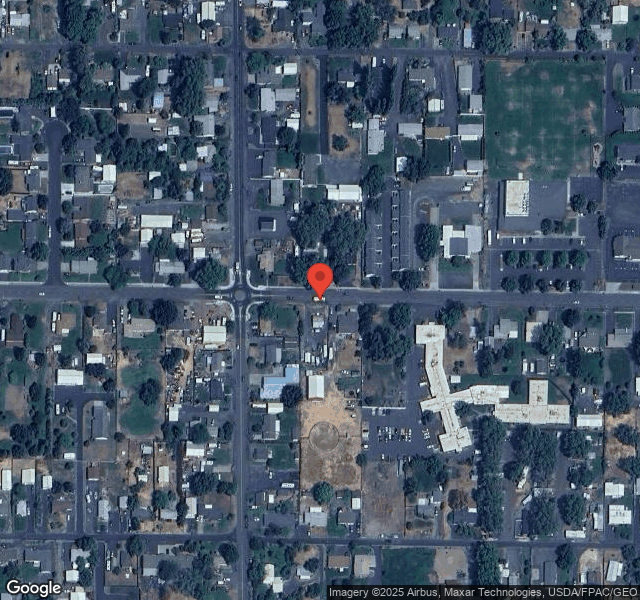

1014 BURRELL AVENUE, LEWISTON, ID 83501 (208) 743-4558
For profit - Limited Liability company 127 Beds PRESTIGE CARE Data: November 2025
Trust Grade
43/100
#65 of 79 in ID
Last Inspection: August 2025

Inspected within the last 6 months. Data reflects current conditions.

Overview

Orchard View Post Acute in Lewiston, Idaho has a Trust Grade of D, indicating below-average quality and some significant concerns about care. It ranks #65 out of 79 facilities in Idaho, placing it in the bottom half, and #6 out of 6 in Nez Perce County, meaning there are no better local options. The facility's condition appears stable, with 8 issues reported in both 2024 and 2025. Staffing is a strength, rated at 4 out of 5 stars, and the RN coverage is better than 87% of state facilities, which is encouraging. However, there are troubling incidents, such as a resident not receiving adequate supervision, leading to harm, and the discovery of expired medications and food safety violations, which could pose risks to residents' health.

Trust Score
D
43/100
In Idaho
#65/79
Bottom 18%
Safety Record
Moderate
Needs review
Inspections
Holding Steady
8 → 8 violations
Staff Stability
⚠ Watch
48% turnover. Above average. Higher turnover means staff may not know residents' routines.
Penalties
○ Average
$16,790 in fines. Higher than 61% of Idaho facilities. Some compliance issues.
Skilled Nurses
✓ Good
Each resident gets 63 minutes of Registered Nurse (RN) attention daily — more than 97% of Idaho nursing homes. RNs are the most trained staff who catch health problems before they become serious.
Violations
⚠ Watch
33 deficiencies on record. Higher than average. Multiple issues found across inspections.
★★☆☆☆
2.0
Overall Rating
★★★★☆
4.0
Staff Levels
★★★☆☆
3.0
Care Quality
★★☆☆☆
2.0
Inspection Score
Stable
2024: 8 issues
2025: 8 issues

The Good

  • 4-Star Staffing Rating · Above-average nurse staffing levels
  • Full Sprinkler Coverage · Fire safety systems throughout facility
  • No fines on record

Facility shows strength in staffing levels, fire safety.

The Bad

2-Star Overall Rating

Below Idaho average (3.3)

Below average - review inspection findings carefully

Staff Turnover: 48%

Near Idaho avg (46%)

Higher turnover may affect care consistency

Federal Fines: $16,790

Below median ($33,413)

Minor penalties assessed

Chain: PRESTIGE CARE

Part of a multi-facility chain

Ask about local staffing decisions and management

The Ugly 33 deficiencies on record

1 actual harm
Aug 2025 8 deficiencies
CONCERN (D) 📢 Someone Reported This

A family member, employee, or ombudsman was alarmed enough to file a formal complaint

Potential for Harm - no one hurt, but risky conditions existed

Free from Abuse/Neglect (Tag F0600)

Could have caused harm · This affected 1 resident

**NOTE- TERMS IN BRACKETS HAVE BEEN EDITED TO PROTECT CONFIDENTIALITY** Based on record review, interview, and facility policy review, the facility failed to protect the residents right to be free fro...

Read full inspector narrative →
**NOTE- TERMS IN BRACKETS HAVE BEEN EDITED TO PROTECT CONFIDENTIALITY** Based on record review, interview, and facility policy review, the facility failed to protect the residents right to be free from physical abuse by other residents for two out of nine residents (Resident (R) 32, and R61) reviewed for abuse of 25 sample residents. These failures had the potential to cause physical harm or psychosocial distress.Findings include:Review of the facility's policy titled, Abuse screening, training, identification, investigation, reporting and protection - Idaho, dated February 2019, revealed It is the policy of this center to.Protect our residents from abuse.Abuse is defined as.the willful infliction of injury, unreasonable confinement, intimidation, or punishment with resulting physical harm, pain or mental anguish.Instances of abuse of all residents, irrespective of any mental, physical condition, cause physical harm, pain or mental anguish. 1. a. Review of R23's EMR under the Profile tab revealed he was admitted to the facility on [DATE] and had diagnoses of anxiety, personality and behavioral disorder, schizoaffective disorder, mood disorder, and restlessness/agitation.Review of R23's annual MDS with an ARD of 06/04/25 and located under the MDS tab of the EMR, revealed a BIMS score of two out of 15 which indicated R23 was severely cognitively impaired. He exhibited minor mood symptoms and no behavioral symptoms.b. Review of R32's admission Record located under the Profile tab of the EMR, revealed he was admitted to the facility on [DATE] and had diagnoses including intracerebral hemorrhage and depression.Review of R32's quarterly MDS with an ARD of 05/15/25 and located under the MDS tab of the EMR, revealed a BIMS score of nine out of 15 which indicated R32 was moderately cognitively impaired. He exhibited moderate mood symptoms but did not exhibit behavioral symptoms.Review of R23's Behavior Note, dated 03/09/25 and located under the Progress Notes tab of the EMR, revealed Resident walk [sic] up to the nurse station, no word said other than breathing heavily then LN saw both arms up and reaching for LN neck, LN backed up as this resident was grabbing holding on and hands were around LN neck, this LN had to put foot up against this resident's abdomen to stop this resident though this resident was too strong. Another resident [R32] was in the hallway that saw and witnessed the entire as this resident continue [sic] to grab, hit, push, and attempt to cause serious bodily harm. Other resident in the hallway observed the incident and help [sic] intervene. The other resident help [sic] pull this resident off LN. Then this resident [R23] went after the other resident [R32] and grabbed his arm attempting to cause bodily harm to this resident. On-call nurse notified, and administrative staff notified. Review of the facility's investigation packet for the above incident, dated 03/14/25 and provided on paper, revealed the incident occurred on 03/09/25 at 1:30 PM. R23 began choking RN2 and R32 tried to intervene, at which time R23 grabbed R32's arm and twisted it. Interviews with staff revealed RN2 was directly involved in the incident and witnessed R23 grab and twist R32's arm. Interview with R32 revealed he stated R23 grabbed his arm, and assessment revealed a bruise to R32's right arm. The facility's investigation substantiated resident-to-resident abuse occurred, as it was witnessed by staff and residents. R32 only received minor bruising and did not exhibit signs or symptoms of psychosocial distress.During an interview on 08/13/25 at 2:17 PM, the Director of Nursing (DON) stated on 03/09/25, R23 began choking RN2 without any warning. She stated R32 attempted to intervene when R23 turned his attention to R32 and grabbed his arm. The DON stated this incident of resident-to-resident abuse was substantiated because the incident was witnessed and R23 assaulted R32. The DON stated the police department was contacted in this situation, but no citations were made and R23 was sent to the emergency room for psychiatric evaluation.2. a. Review of R61's admission Record located under the Profile tab of the EMR, revealed he was admitted to the facility on [DATE] and had diagnoses including weakness and limitation of activities due to disability, subdural hemorrhage, and depression.Review of R61's quarterly MDS with an ARD of 05/18/25 and located under the MDS tab of the EMR, revealed a BIMS score of 12 out of 15 which indicated R61 was moderately cognitively impaired. He exhibited minor mood symptoms and no behavioral symptoms. b. Review of R32's admission Record located under the Profile tab of the EMR, revealed he was admitted to the facility on [DATE] and had diagnoses including intracerebral hemorrhage and depression.Review of R32's quarterly MDS with an ARD of 05/15/25 and located under the MDS tab of the EMR, revealed a BIMS score of nine out of 15 which indicated R32 was moderately cognitively impaired. He exhibited moderate mood symptoms but did not exhibit behavioral symptoms.Review of R61's Alert Charting, dated 05/09/25 and located under the Progress Notes tab of the EMR, revealed At 1020 this LN heard yelling coming from down the hallway, I went into room.and observed [R32] standing up over roommate [R61] who was sitting on his bed. [R32] was yelling at roommate with his hands up making fists. I asked what was going on and [R32] swung and hits [sic] roommate with his Rt [right] hand on [R61] Lt [left] side of his face.Review of the facility's investigation packet for the above incident, dated 05/16/25 and provided on paper, revealed the incident occurred on 05/09/25 at 10:10 AM. RN4 observed R32 standing over R61, who was sitting on his bed. R32 was yelling and making fists, and he swung and hit R61 on the face. Police were contacted and R32 was cited with battery. Interview with RN4 confirmed R32 punched R61 in the face. Interview with R32 revealed he admitted to hitting R61 and stated R61 had kicked him in the shin. Interview with R61 revealed he was hit in the face by R32 and denied kicking R32. R32 had redness to his shin. R61 received minor redness and swelling and did not exhibit signs or symptoms of psychosocial distress.During an interview on 08/13/25 at 2:17 PM, the DON stated on 05/09/25, an altercation occurred between R32 and R61, who were roommates. She stated R32 reported R61 kicked him in the leg; however, R61 denied this. R32 was witnessed to punch R61 in the face and R32 denied kicking R61. The DON stated the police were called and only R32 was issued a citation, as R61 denied kicking R32. However, R32's shin had redness upon assessment. The DON stated this was a substantiated case of resident-to-resident abuse.
CONCERN (D) 📢 Someone Reported This

A family member, employee, or ombudsman was alarmed enough to file a formal complaint

Potential for Harm - no one hurt, but risky conditions existed

Report Alleged Abuse (Tag F0609)

Could have caused harm · This affected 1 resident

**NOTE- TERMS IN BRACKETS HAVE BEEN EDITED TO PROTECT CONFIDENTIALITY** Based on interview and record review the facility did not ensure an alleged violation involving abuse was reported immediately t...

Read full inspector narrative →
**NOTE- TERMS IN BRACKETS HAVE BEEN EDITED TO PROTECT CONFIDENTIALITY** Based on interview and record review the facility did not ensure an alleged violation involving abuse was reported immediately to the Director of Nursing (DON) and to other officials in accordance with state law through established procedures for two of nine residents (Resident (R) 6 and R69) reviewed for abuse of 25 sample residents. This failure decreased the facility's potential to protect the residents from a possible allegation of abuse and ensure a safe environment during the investigation.Findings include:Review of the facility's policy titled, Abuse screening, training, identification, investigation, reporting and protection-Idaho, dated 02/19, indicated that all employees were mandatory reporters and any suspicion of a crime including assault must be reported if there was an injury or within 24 hours if there was no bodily injury.Review of the facility's policy titled, Grievance, dated 03/19, indicated that alleged violations involving abuse should be reported immediately as required by state law and facility policy. 1. Review of R6's Profile tab of the electronic medical record (EMR) revealed she was admitted to the facility on [DATE] with diagnosis that include heart failure, respiratory failure, type II diabetes, kidney failure, and hypertension.Review of R6's quarterly Minimum Data Set (MDS) with an Assessment Reference Date (ARD) of [DATE] and located in the MDS tab of the EMR, revealed a Brief Interview for Mental Status (BIMS) score of 15 out of 15 which indicated R6 was cognitively intact.During an interview on [DATE] at 11:35 AM, R6 stated that on [DATE] of this year, somebody came into her room while she was sleeping and cut her hair off. R6 stated that she told the nurse, but nobody had done anything about it.During an interview on [DATE] at 12:42 PM, the Administrator stated that R6 did report the incident and filed a grievance report. The Administrator stated that R6 reported that two residents had entered her room while she was asleep and cut her hair. The Administrator stated that the Director of Nursing (DON) had conducted the investigation and had determined during the investigation that R6's hairclip which she never removed from her hair had somehow broken her hair off and no residents were involved. A review of the grievance report, provided by the facility, revealed that the report was filed on [DATE] indicating that the incident happened on [DATE] and reported as two residents came into R6's room and cut her hair off while she was asleep.During an interview on [DATE] at 2:44 PM the DON stated that the grievance was given to her by the Social Worker and she immediately investigated it. The DON stated that the incident was not reported because when she talked with R6 she told her that nobody came into her room and cut her hair. The DON stated that upon inspection of R6's hair they did not find any cutting marks and the hair looked broken and R6 could not find the hairclip she always wore.During an interview on [DATE] at 2:05 PM the Social Service Director (SSD) stated as soon as she received the grievance, she alerted the DON and went and talked with R6. The SSW stated R6 told her no one was in her room, so she felt there was no need to report the incident to the state agency. The SSW agreed that the way the incident was reported, it should have been reported before they determined there was no abuse or an assault did not happen. The SSW stated staff should know how to report these allegations and should not have filed a grievance but reported it as an allegation of an assault.During an interview on [DATE] at 4:06 PM, Licensed Practical Nurse (LPN) 1 stated R6 reported to her that two residents came into her room and cut her hair off, but she didn't notice it for two days. LPN1 stated she looked for signs of her hair being cut but couldn't find any hair. LPN1 stated she noted R6 had a pair of scissors on her nightstand but could not determine if her hair was cut. LPN1 stated that they did not have any residents who wandered and no reported residents going into other resident rooms. LPN1 state she helped R6 fill out a grievance form because she was told that was what needed to be done. LPN1 could not recall who told her that a grievance form should be filled out instead of an abuse report. 2. Review of R69's Profile tab of the EMR revealed she was admitted to the facility on [DATE] with diagnosis that include type II diabetes, overactive bladder, schizophrenia disorder, anxiety, bi-polar disorder, and cognitive communication deficit. R69 expired in the facility on [DATE].Review of R69's quarterly MDS with an ARD of [DATE] and located in the MDS tab of the EMR, revealed a BIMS score of 15 out of 15 which indicated R69 was cognitively intact.A review of a Facility Reported Incident (FRI), dated [DATE] and provided by the facility, revealed R69 reported an allegation of sexual abuse when she awoke to a Certified Nursing Assistant (CNA) checking her brief. R69 became upset and asked the CNA to get the supervisor on duty. R69 reported she felt she was being sexually assaulted when the CNA was checking her brief. The supervisor reassured R69 that the CNA was checking her brief and calmed her down. The report indicated that the incident occurred at 1:05 AM and was not reported to the DON until 8:05 AM. A full investigation was then initiated by the DON and reported to the appropriate agencies. During an interview on [DATE] at 1:37 PM the DON stated that she was notified of the incident when she was getting to work by the nurse on duty. The DON was aware the nurse should have immediately contacted her and in-serviced the nurse on reporting appropriately. The DON stated she immediately reported the incident and did a full investigation. The DON stated that the CNA was suspended during the investigation and was re-instated when the allegation was unsubstantiated but did not work with the resident again. During an interview on [DATE] at 9:27 PM, Registered Nurse (RN) 3 stated she was called into the R69's room by CNA5. RN3 stated R69 was visibly upset and told her CNA5 had sexually molested her. RN3 stated she explained to R69 that the CNA was checking her brief as she was assigned to do. RN3 stated that R69 stated she was not fully awake and was startled by the incident. RN3 stated she assured R69 that CNA5 would not come into the room and that she would be the only staff to assist her the rest of the night. RN3 stated that R69 calmed down and went back to sleep. RN3 stated she did not send CNA5 home and did not immediately report the incident to the DON.
CONCERN (D) 📢 Someone Reported This

A family member, employee, or ombudsman was alarmed enough to file a formal complaint

Potential for Harm - no one hurt, but risky conditions existed

Investigate Abuse (Tag F0610)

Could have caused harm · This affected 1 resident

**NOTE- TERMS IN BRACKETS HAVE BEEN EDITED TO PROTECT CONFIDENTIALITY** Based on record review, staff interview, and policy review, facility staff failed to protect one of nine residents (Resident (R)...

Read full inspector narrative →
**NOTE- TERMS IN BRACKETS HAVE BEEN EDITED TO PROTECT CONFIDENTIALITY** Based on record review, staff interview, and policy review, facility staff failed to protect one of nine residents (Resident (R) 69) reviewed for abuse from further abuse by not immediately removing a staff from the facility who was accused of sexual abuse of 25 sample residents. This failure decreased the facility's potential to protect the residents and ensure a safe environment during the investigation.Findings include:Review of the facility's policy titled, Abuse screening, training, identification, investigation, reporting, and protection-Idaho, dated 02/19, indicated that any staff member involved will be removed from their duties and sent home while a thorough investigation was conducted. Review of R69's Profile tab of the electronic medical record (EMR) revealed she was admitted to the facility on [DATE] with diagnosis that include type II diabetes, overactive bladder, schizophrenia disorder, anxiety, bipolar disorder, and cognitive communication deficit. R69 expired in the facility on [DATE].Review of R69's quarterly Minimum Data Set (MDS) with an Assessment Reference Date (ARD) of [DATE] and located in the MDS tab of the EMR, revealed a Brief Interview for Mental Status (BIMS) score of 15 out of 15 which indicated R69 was cognitively intact.A review of a Facility Reported Incident (FRI), dated [DATE] and provided by the facility, revealed R69 reported an allegation of sexual abuse when she awoke to a Certified Nursing Assistant (CNA) checking her brief. R69 became upset and asked the CNA to get the supervisor on duty. R69 reported she felt she was being sexually assaulted when the CNA was checking her brief. The supervisor reassured R69 that the CNA was checking her brief and calmed her down. The report indicated that the incident occurred at 1:05 AM and was not reported to the Director of Nursing (DON) until 8:05 AM. A full investigation was then initiated by the DON.During an interview on [DATE] at 1:37 PM, the DON stated that she was not notified of the incident until she arrived at work by the nurse on duty. The DON stated she did a full investigation. The DON stated that the CNA was not suspended until she received the report at 8:00 AM but was re-instated when the allegation was unsubstantiated and did not work with the resident again. During an interview on [DATE] at 9:27 PM, Registered Nurse (RN) 3 stated she was called into the R69's room by CNA5. RN3 stated R69 was visibly upset and told her CNA5 had sexually molested her. RN3 stated she explained to R69 that the CNA5 was checking her brief as she assigned to do. RN3 stated that R69 stated she was not fully awake and was startled by the incident. RN3 stated she assured R69 that CNA5 would not come into the room and that she would be the only staff to assist her the rest of the night. RN3 stated that R69 calmed down and went back to sleep. RN3 stated she did not send CNA5 home at the time of the incident and did not immediately report the incident to DON because she told CNA5 not to go back in the room and took over the care of R69.
CONCERN (D)

Potential for Harm - no one hurt, but risky conditions existed

Assessment Accuracy (Tag F0641)

Could have caused harm · This affected 1 resident

**NOTE- TERMS IN BRACKETS HAVE BEEN EDITED TO PROTECT CONFIDENTIALITY** Based on interview, record review, and review of the Resident Assessment Instrument (RAI) Manual, the facility failed to ensure ...

Read full inspector narrative →
**NOTE- TERMS IN BRACKETS HAVE BEEN EDITED TO PROTECT CONFIDENTIALITY** Based on interview, record review, and review of the Resident Assessment Instrument (RAI) Manual, the facility failed to ensure the Minimum Data Set (MDS) accurately reflected the medication usage of three (Resident (R) 4, R61, and R34) of 25 residents reviewed in the sample. These failures created potential for an incomplete or ineffective plan of care related to medication use and side effect monitoring.Findings include:1. Review of R4's admission Record located under the Profile tab of the electronic medical record (EMR), revealed she was admitted to the facility on [DATE] with diagnoses including type two diabetes with hyperglycemia.Review of R4's quarterly MDS with an Assessment Reference Date (ARD) of 06/20/25 and located under the MDS tab of the EMR, revealed she used hypoglycemic medication and used insulin one day of the previous seven days.Review of R4's Medication Administration Record (MAR), dated June 2025 and located under the Reports tab of the EMR, revealed an order, which originated on 05/27/25, for Ozempic (a hypoglycemic medication that is not an insulin), one time a week for diabetes management. There were no orders for insulin on the MAR.During an interview on 08/14/25 at 1:25 PM, the MDS Coordinator (MDSC) stated R4 was using Ozempic, which she mistakenly believed was an insulin. After further research, the MDSC agreed R4 was receiving hypoglycemic medication but was not receiving insulin, and this was incorrect on the MDS.2. Review of R61's admission Record located under the Profile tab of the EMR, revealed he was admitted to the facility on [DATE] with diagnoses including type two diabetes.Review of R61's quarterly MDS with an ARD of 05/18/25 and located under the MDS tab of the EMR, revealed he used hypoglycemic medication and used insulin one day of the previous seven days.Review of R61's MAR, dated May 2025 and located under the Reports tab of the EMR, revealed an order, which originated on 04/04/25, for Ozempic one time a week for diabetes management. There were no orders for insulin on the MAR.During an interview on 08/14/25 at 1:25 PM, the MDSC stated R61 was using Ozempic, which she mistakenly believed was an insulin. After further research, the MDSC agreed R61 was receiving hypoglycemic medication but was not receiving insulin, and this was incorrect on the MDS.3. Review of R34's admission Record located under the Profile tab of the EMR, revealed he was admitted to the facility on [DATE] with diagnoses including history of stroke.Review of R34's quarterly MDS with an ARD of 06/26/25 and located under the MDS tab of the EMR, revealed he used anticoagulant medication.Review of R34's MAR, dated June 2025 and located under the Reports tab of the EMR, revealed an order, which originated on 03/20/25, for clopidogrel bisulfate (an antiplatelet medication that is not anticoagulant) for stroke prevention. There were no orders for an anticoagulant on the MAR.During an interview on 08/14/25 at 1:25 PM, the MDSC stated R34 was using an antiplatelet medication and not an anticoagulant; this was a data entry error on the MDS.During an interview on 08/14/2025 at 1:47 PM, the Administrator stated the facility did not have a policy addressing MDS accuracy and followed the guidance in the RAI [Resident Assessment Instrument] Manual.Review of the Centers for Medicare & Medicaid Services (CMS) RAI Manual, dated October 2024 and located at https://www.cms.gov/files/document/finalmds-30-rai-manual-v1191october2024.pdf, revealed, Insulin.Steps for Assessment 1. Review the resident's medication administration records for the 7-day look-back period.2. Determine if the resident received insulin injections during the look-back period.4. Count the number of days insulin injections were received.Coding Instructions.Enter.the number of days during the 7-day look-back period.that insulin injections were received.Anticoagulant (e.g., warfarin, heparin, or low-molecular weight heparin): Check if an anticoagulant medication was taken by the resident at any time during the 7-day look-back period.Do not code antiplatelet medications such as aspirin/extended release, dipyridamole, or clopidogrel as.Anticoagulant.
CONCERN (D)

Potential for Harm - no one hurt, but risky conditions existed

Deficiency F0655 (Tag F0655)

Could have caused harm · This affected 1 resident

Based on interview, record review, and policy review, the facility failed to ensure a newly admitted resident had a baseline care plan documented within 48 hours of admission for one of four residents...

Read full inspector narrative →
Based on interview, record review, and policy review, the facility failed to ensure a newly admitted resident had a baseline care plan documented within 48 hours of admission for one of four residents (Resident (R) 70) reviewed for baseline care plan of 10 newly admitted residents. As a result of this deficient practice the residents had the potential for care needed not being provided during the initial days of admission to the facility.Findings included:Review of the facility's policy titled, Care Plans-Baseline, revised 05/24, revealed A baseline plan of care should be developed for each resident within forty-eight (48) hours of admission. The baseline care plan should include instructions needed to provide effective, person-centered care of the resident, which may include the following: a. Initial goals based on admission orders and discussion with the resident/representative. b. Physician orders. c. Dietary orders. d. Therapy services. e. Social services.Review of R70's admission Record located in the electronic medical record (EMR) under the Profile tab, revealed an admission date of 08/06/25 with medical diagnoses that included encephalopathy and aftercare provided after total joint replacement.Review of R70's EMR revealed the document for a baseline care plan had not been initiated or completed.During an interview on 08/12/25 at 1:15 PM, the Resident Care Manager (RCM) 1 reviewed the EMR for R70 and confirmed the EMR lacked completion of the baseline care plan by the admitting nurse, and it should have been completed.During an interview on 08/12/25 at 2:39 PM, the Director of Nursing (DON) confirmed there should be a baseline care plan for all new admission residents within 48 hours of admission.
CONCERN (D)

Potential for Harm - no one hurt, but risky conditions existed

Comprehensive Care Plan (Tag F0656)

Could have caused harm · This affected 1 resident

**NOTE- TERMS IN BRACKETS HAVE BEEN EDITED TO PROTECT CONFIDENTIALITY** Based on record review, interview, and policy review, the facility failed to develop a comprehensive Care Plan for one of 25 sam...

Read full inspector narrative →
**NOTE- TERMS IN BRACKETS HAVE BEEN EDITED TO PROTECT CONFIDENTIALITY** Based on record review, interview, and policy review, the facility failed to develop a comprehensive Care Plan for one of 25 sample residents (Resident (R) 4) that addressed psychiatric diagnoses and needs. This placed R4 at risk for unmet psychosocial and behavioral care needs and the inability to meet their maximum practicable level of functioning.Findings include:Review of the facility's policy titled, Care Plans, Comprehensive Person-Centered, dated March 2022, revealed The comprehensive, person-centered care plan.describes the services that are to be furnished to attain or maintain the resident's highest practicable physical, mental, and psychosocial well-being, including.any specialized services to be provided as a result of PASARR [preadmission screen and resident review] recommendations.Review of R4's admission Record located under the Profile tab of the electronic medical record (EMR), revealed she was admitted to the facility on [DATE] and had diagnoses including bipolar disorder, major depression, insomnia, suicidal ideation, and post-traumatic stress disorder (PTSD). Review of R4's quarterly Minimum Data Set (MDS) with an Assessment Reference Date (ARD) of 06/20/25 and located under the MDS tab of the EMR, revealed a Brief Interview for Mental Status (BIMS)score of 14 out of 15 indicating intact cognition. She exhibited only minor mood symptoms and no behavioral symptoms. R4 received antianxiety and antidepressant medications.Review of R4's Pre-admission Screen and Resident Review (PASARR) Level II Evaluation, dated 04/26/23 and located under the Documents tab of the EMR, revealed, Supporting documents identify diagnoses of bipolar disorder, major depressive disorder, anxiety disorder, posttraumatic stress disorder, and borderline personality disorder. Remote history of suicidal ideation with inpatient hospitalization 6/2022. Provider note of 3/29/2023 references restarting counseling. [R4] may benefit from an evaluation for specialized services.Review of R4's Care Plan, dated 01/13/25 and located under the Care Plan tab of the EMR, revealed it did not address her diagnoses of post-traumatic stress disorder, depression, or bipolar disorder. During an interview on 08/14/25 at 1:45 PM, the Social Services Director (SSD) stated R4 was receiving medication for depression and anxiety, received daily visits by the SSD, and received counseling services. The SSD also stated R4 was followed by a psychiatrist and had a diagnosis of PTSD. The SSD stated the only trigger she was aware of for R4's PTSD/anxiety was using the telephone. The SSD stated her diagnoses, and potential PTSD should have been included in the Care Plan in order to develop appropriate interventions.
CONCERN (D)

Potential for Harm - no one hurt, but risky conditions existed

Incontinence Care (Tag F0690)

Could have caused harm · This affected 1 resident

**NOTE- TERMS IN BRACKETS HAVE BEEN EDITED TO PROTECT CONFIDENTIALITY** Based on observations, interviews, record review, and policy review, the facility failed to ensure the indwelling urinary cathet...

Read full inspector narrative →
**NOTE- TERMS IN BRACKETS HAVE BEEN EDITED TO PROTECT CONFIDENTIALITY** Based on observations, interviews, record review, and policy review, the facility failed to ensure the indwelling urinary catheter tubing and collection bag were not in contact with the floor for one of three residents (Resident (R) 54) reviewed for catheters and urinary tract infection of 25 sample residents. This failure placed the residents at risk for transmission of infection to the urinary tract.Findings include:Review of the facility's policy titled, Catheter Care, Urinary, dated 08/22, indicated that to prevent urinary catheter-associated complications, staff should be sure to keep the catheter tubing and collection bag off the ground. Review of the Profile tab in R54's electronic medical record (EMR) revealed she was admitted to the facility on [DATE] with diagnoses including depression, heart failure, neurogenic bladder, adult failure to thrive, overactive bladder, and history of urinary tract infections.Review of R54's quarterly Minimum Data Set (MDS) with an Assessment Reference Date (ARD) of 07/25/25 and located in the MDS tab of the EMR, revealed a Brief Interview for Mental Status (BIMS) score of 13 out of 15 which indicated R54 was cognitively intact. She used an indwelling urinary catheter.During an observation on 08/11/25 from 2:06 PM to 3:12 PM, R54 was sitting in her wheelchair in the activity area. R54's catheter tubing was observed dragging on the floor as several staff passed by. During an interview on 08/11/25 at 3:12 PM, Certified Nursing Assistant (CNA) 6 stated that R54's catheter tubing was usually checked several times a day. CNA6 stated she did not notice the tubing was on floor and it did not belong there. CNA6 stated that the catheter privacy bag seemed small, and the tubing tended to come out of the bag. During an interview on 08/13/25 at 2:34 PM, the Director of Nursing (DON) stated that catheter tubing and placement was checked every shift and would expect staff to check often during the day to ensure the tubing was not dragging on the ground.
CONCERN (E)

Potential for Harm - no one hurt, but risky conditions existed

Food Safety (Tag F0812)

Could have caused harm · This affected multiple residents

**NOTE- TERMS IN BRACKETS HAVE BEEN EDITED TO PROTECT CONFIDENTIALITY** Based on observations, interviews, and policy review, the facility failed to maintain sanitation in one of one dining room area ...

Read full inspector narrative →
**NOTE- TERMS IN BRACKETS HAVE BEEN EDITED TO PROTECT CONFIDENTIALITY** Based on observations, interviews, and policy review, the facility failed to maintain sanitation in one of one dining room area by allowing a dog to wander the dining area and into two of eight residents' rooms during a meal. This failure had the potential to expose the residents to harmful pathogens and infections.Findings include:Review of the 2022 Food Code by the U.S. Food and Drug Administration, located at https://www.fda.gov/food/fda-food-code/food-code-2022, Chapter 6-501.115, indicated that pets in nursing homes were allowed in the common areas except during mealtimes.Review of the facility's undated policy titled, Pets in the Building indicated that staff must keep pets out of the dining area during mealtimes.During a meal observation on 08/12/25 at 12:43 PM, a dog was observed wandering in and out of the dining area during the lunch meal service. The dog was observed to go up to several different residents and sit by them begging for food. Residents were observed to tell the dog no, and the dog would go to a different resident. The dog was observed to wander in and out of room [ROOM NUMBER] and 314 several times while the residents in those rooms were eating their meals.During an interview on 08/13/25 at 11:43 AM, the Dietary Manager (DM) stated that dogs did not belong in the dining room, and their owner should be monitoring them.During an interview on 08/13/25 at 2:41 PM, the Director of Nursing (DON) stated that dogs did not belong in the dining room, and the owners have been educated to keep better track of them and keep them out of the dining area.
Oct 2024 8 deficiencies
CONCERN (D) 📢 Someone Reported This

A family member, employee, or ombudsman was alarmed enough to file a formal complaint

Potential for Harm - no one hurt, but risky conditions existed

Deficiency F0692 (Tag F0692)

Could have caused harm · This affected 1 resident

**NOTE- TERMS IN BRACKETS HAVE BEEN EDITED TO PROTECT CONFIDENTIALITY** Based on record review, staff interview, and resident interview, it was determined the facility failed to ensure a therapeutic d...

Read full inspector narrative →
**NOTE- TERMS IN BRACKETS HAVE BEEN EDITED TO PROTECT CONFIDENTIALITY** Based on record review, staff interview, and resident interview, it was determined the facility failed to ensure a therapeutic diet was served to 1 of 3 residents (Resident #29) who were prescribed renal diets. This failure placed Resident #29 at risk for complications related to her kidney disease. Findings include: The facility's undated policy titled Therapeutic Diets documented the Dietary Manager will establish and use a tray identification system to ensure each resident receives their diet as ordered. Resident #29 was admitted to the facility on [DATE] with multiple diagnoses including diabetes, and end stage renal disease dependent on renal hemodialysis (a treatment using a machine to replicate kidney function, removing waste from the bloodstream). Resident #29's record documented a physician order, written on 6/12/24, for her to receive a CCHO/Renal (consistent carbohydrate/kidney healthy) diet. Resident #29's dietary meal slip directed the kitchen staff to serve her a Renal/CCHO diet and specified the foods she dislikes. The meal slip included documentation she disliked bananas and oranges. On 10/8/24 at 3:30 PM, Resident #29 stated she is often served bananas and oranges. Resident #29 added she liked oranges very much but because they were not recommended for someone prescribed a renal diet, she had a difficult time resisting temptation and wished the kitchen would follow her meal slip and not send food she should not eat. On 10/9/24 at 8:30 AM, the Dietary Manager stated the prescribed therapeutic diets are noted on the meal slips on each residents' tray and the kitchen staff use menu therapeutic extensions to determine appropriate substitutions. He stated Resident #29 should not have been served oranges if she had them listed as something she disliked, and because they were not recommended for people prescribed a renal diet. The DM stated he did not know why Resident #29 was served oranges when her meal slip directed not to serve oranges.
CONCERN (D) 📢 Someone Reported This

A family member, employee, or ombudsman was alarmed enough to file a formal complaint

Potential for Harm - no one hurt, but risky conditions existed

Deficiency F0760 (Tag F0760)

Could have caused harm · This affected 1 resident

**NOTE- TERMS IN BRACKETS HAVE BEEN EDITED TO PROTECT CONFIDENTIALITY** Based on record review, policy review, and staff interview, it was determined the facility failed to ensure residents were prote...

Read full inspector narrative →
**NOTE- TERMS IN BRACKETS HAVE BEEN EDITED TO PROTECT CONFIDENTIALITY** Based on record review, policy review, and staff interview, it was determined the facility failed to ensure residents were protected from significant medication errors. This was true for 1 of 1 resident (Resident #42) reviewed for medication errors. This deficient practice created the potential for harm when the facility failed to administer Resident #42's blood pressure medication for four consecutive days Findings include: The facility's Medication Errors policy and procedure, release date January 2023, documented a medication error as any preventable event that may cause or lead to inappropriate medication use or resident harm while the medication is in the control of the health care professional, resident, or consumer. Resident #42 was admitted to the facility on [DATE], with multiple diagnoses including diabetes, high blood pressure, and schizophrenia. A nurse progress note, dated 5/18/24, documented Resident #42 continued to have elevated blood pressures and his physician prescribed Losartan 50 mg (a medication used to lower high blood pressure) to begin 5/19/24. An Incident Report, initated 5/28/24, documented RN #1 did not administer Resident #42's Losartan, as ordered, for four consecutive days (5/20/24-5/23/24). The incident report documented the error was discovered by RN #2 on 5/24/24. RN #2 informed the RCM it appeared Resident #42's Losartan doses had not been removed from the blister pack since 5/19/24. During the facility's investigation RN #1 was interviewed and stated she administered every dose of Resident #42's Losartan as ordered. When RN#1 was asked why 4 doses remained in the blister pack for the dates she worked she stated, there must have been a second blister pack of this medication delivered by pharmacy. On 5/30/24 the DON spoke with a pharmacy representative who stated only 1 card of 30 Losartan tablets was delivered to the facility for Resident #42 on 5/19/24. The facility's investigation concluded RN #1 documented she had administered Resident #42's Losartan on those 4 days but the medication had not been administered. On 10/11/24 at 10:00 AM, the DON confirmed RN #1 did not administer Resident #42's Losartan as ordered on May 20, 21, 22, and 23. Following the identification of the medication error, the facility completed the following corrective actions to prevent medication errors: -immediate physical assessment was preformed for Resident #42 and continued to have elevated blood pressures, but did not require emergent treatment. -Resident #42's physician was notified, and orders were received to increase his blood pressure medications -RN #1 was placed on administrative leave on 5/30/24. -provided medication error education to all licensed nurses on 6/6/24. -An audit of the Cubex medication storage was completed, and there were no concerns identified. -RN #1 was terminated from employment on 6/7/24. These findings represent past-noncompliance with this regulatory requirement, there was sufficient evidence the facility had corrected the noncompliance as of 6/7/24, and there were no other occurrences of significant medication errors. At the time of the survey, the facility was in substantial compliance for this regulatory requirement and, therefore, does not require a plan of correction.
CONCERN (D) 📢 Someone Reported This

A family member, employee, or ombudsman was alarmed enough to file a formal complaint

Potential for Harm - no one hurt, but risky conditions existed

Deficiency F0806 (Tag F0806)

Could have caused harm · This affected 1 resident

Based on observation, interview, record review, and facility policy review, it was determined the facility failed to honor known food preferences for 2 of 2 residents (Resident's #10 and #25) reviewed...

Read full inspector narrative →
Based on observation, interview, record review, and facility policy review, it was determined the facility failed to honor known food preferences for 2 of 2 residents (Resident's #10 and #25) reviewed for food choices. This failure created the potential to cause nutritional needs to go unmet for residents who consumed food prepared from the facility's kitchen. Findings include: The facility's policy titled, Food and Nutrition Services, revised 10/2017, documented each resident is provided with a nourishing, palatable, well-balanced diet to meet their daily nutritional and special dietary needs, taking into consideration the preferences of each resident and reasonable efforts will be made to accommodate resident choices and preferences. 1. On 8/20/24 Resident #25 was assessed to be cognitively intact. On 10/7/24 at 3:40 PM, Resident #25 stated his food preferences were noted on his meal tray slip but the kitchen staff did not follow the slip when preparing his meals, so his preferences were not honored. On 10/9/24 at 8:20 AM, Resident #25 was observed in the main dining room waiting to be served his breakfast. Resident #25 stated pancakes were being served, and his meal tray slip noted his preference to be served peanut butter with his pancakes. Resident #25 stated the kitchen staff frequently forget to serve peanut butter with his pancakes. On 10/9/24 at 8:23 AM, Resident #25 was observed being served his breakfast. His meal tray slip documented, Please send peanut butter w/[with] waffles, french toast, and pancakes. Resident #25's meal tray was observed to have pancakes as planned, there was no peanut butter observed on his tray. Resident #25 stated, see, they forgot to put peanut butter on my tray again. On 10/9/24 at 8:40 AM, the Administrator confirmed Resident #25 did not have peanut butter served on his breakfast tray as his meal tray slip directs. On 10/9/24 at 8:50 AM, the DM stated Resident #25's meal tray slip was not followed and he should have been served peanut butter with his pancakes. 2. On 7/7/24, Resident #10 was assessed to be cognitively intact. On 10/9/24 at 8:21 AM, Resident #10 was observed in the main dining room with his breakfast meal tray placed on the table in front of him. Resident #10's plate was observed to have 2 hard fried eggs on it. Resident #10's meal tray slip documented his preferences and included the statement, no eggs at breakfast. Resident #10 stated he informed the staff he did not want to be served eggs. On 10/9/24 at 8:50 AM, the DM stated Resident #10's preferences documented on his meal slip were not followed and he should not have been served eggs.
CONCERN (E) 📢 Someone Reported This

A family member, employee, or ombudsman was alarmed enough to file a formal complaint

Potential for Harm - no one hurt, but risky conditions existed

Menu Adequacy (Tag F0803)

Could have caused harm · This affected multiple residents

Based on observation, interview, record review, facility menu review, and policy review, it was determined the facility failed to ensure menus were followed as planned for 3 of 3 residents (Resident #...

Read full inspector narrative →
Based on observation, interview, record review, facility menu review, and policy review, it was determined the facility failed to ensure menus were followed as planned for 3 of 3 residents (Resident #16, #25, and #36) reviewed for this concern. This failure had the potential to cause nutritional needs to go unmet for residents who consumed food prepared from the facility's kitchen. Findings include: The facility's policy titled Menus, revised 10/2008, documented, menus will be prepared in advance, meet the nutritional needs of residents, and be followed. 1. The facility's menu for Sunday 10/6/24 documented sweet and sour chicken with Asian stir-fry was planned to be served for the evening meal. Resident #25's MDS assessment on 8/20/24 documented he was cognitively intact. During an interview on 10/8/24 at 2:55 PM, Resident #25 stated on Sunday, 10/6/24, the menu was not served as planned. He stated this tends to happen on the weekends or Monday's because the kitchen did not have the ingredients required to prepare what was on the menu. On 10/9/24 at 12:52 PM, the DM stated he was not always able to order all ingredients needed for the cooks to follow the standardized recipes of food on the planned menu because he had to pare down his food orders to ensure food costs were within budget as directed by the facility's prior Administrator. During an interview on 10/10/24 at 4:00 PM, the DM confirmed the stir-fry was not served on Sunday 10/6/24, as planned on the menu because the kitchen did not have enough of the ingredients required to prepare it. On 10/11/24 at 10:00 AM, the facility's Interim Administrator stated he expected the residents would be served food at meals that they liked and enjoyed. The Interim Administrator stated there should be no budgetary restrictions on the kitchen staff purchasing the food needed to serve the facility's menu as planned. 2. On 10/8/24 the facility's breakfast menu documented 1 cup of milk was to be served with the meal. Resident #16's MDS assessment on 9/5/24 documented she was moderately cognitively impaired. Resident #16's EMAR for October 2024 documented she was prescribed to receive a regular diet. On 10/8/24 at 8:20 AM, a staff was observed serving Resident #16 her breakfast meal tray in the main dining room. The staff was observed telling Resident #16 and other residents at the table that the kitchen was out of milk. Resident #16 was observed to be served dry cereal with her breakfast. On 10/8/24 at 8:30 AM, [NAME] #2 stated they ran out of milk during the breakfast meal service and a dietary employee left to go to the store to purchase milk. [NAME] #2 added she was informed they received only 2 gallons of milk in the food delivery on 10/7/24. On 10/8/24 at 8:35 AM, Resident #16 was observed in the dining room eating her cereal. The resident's cereal bowl was observed to have a small amount of milk at the bottom. Resident #16 stated LPN #1 brought milk in her lunch and shared her milk with Resident #16 and 4 other residents who did not receive milk with their dry cereal. On 10/8/24 at 8:50 AM, the Administrator stated he was unaware the kitchen only received 2 gallons of milk with their delivery on 10/7/24 or they had run out of milk during breakfast service. The Administrator stated the kitchen staff should have let him know so he could ensure there was milk for breakfast. On 10/8/24 at 8:55 AM, the DM confirmed the kitchen ran out of milk during breakfast service. The DM stated he was unaware they had only received 2 gallons of milk with their food delivery on 10/7/24 until about 20 minutes before breakfast service began. He stated they ordered and expected to receive 20 gallons of milk on 10/7/24 and did not know why their order was short. The DM stated the staff who informed him of the delivery shortage should have informed himself and the Administrator immediately so milk could be purchased and breakfast could be served as planned. 3. The facility's menu for breakfast on 10/9/24 documented residents' who receive regular diets should be served two pancakes with their meal. On 9/16/24, Resident #36 was assessed to have severe cognitive impairment. Resident #36's EMAR for October 2024 documented a physician order for him to receive a regular diet. On 10/9/24 at 8:33 AM, Resident #26 was observed eating breakfast in the main dining room. The meal slip served on his tray documented he was to receive a regular diet. Resident #36 was observed to have been served one pancake. Resident #36 stated he got one pancake and wanted another because he was still hungry. On 10/9/24 at 8:40 AM, the Administrator confirmed Resident #36 had been served one pancake and should have been served two pancakes. On 10/9/24 at 8:50 AM, the DM confirmed Resident #36 was prescribed a regular diet and his breakfast was not served as planned. The DM specified Resident #36 should have been served two pancakes.
CONCERN (E) 📢 Someone Reported This

A family member, employee, or ombudsman was alarmed enough to file a formal complaint

Potential for Harm - no one hurt, but risky conditions existed

Deficiency F0804 (Tag F0804)

Could have caused harm · This affected multiple residents

Based on observation, interview, test tray review, record review, review of Resident Council Meeting Minutes, and facility policy review, it was determined the facility failed to serve food that was p...

Read full inspector narrative →
Based on observation, interview, test tray review, record review, review of Resident Council Meeting Minutes, and facility policy review, it was determined the facility failed to serve food that was palatable for 7 of 7 residents (Residents' #10, #16, #17, #20, #24, #25, and #26) reviewed for food palatability. This failure created the potential to cause unmet nutritional needs for residents who consumed food prepared from the facility's kitchen. Findings include: The facility's policy titled, Food Preparation, dated 9/27/16, documented, food is stored and prepared by methods that conserve nutritive value, flavor, and appearance to the extent possible and food is prepared according to standardized, yield adjusted recipes by trained staff in order to produce a palatable and attractive meal. 1. On 8/20/24 Resident #25 was assessed to be cognitively intact. On 10/7/24 at 3:40 PM, Resident #25 stated the food served at the facility could be improved and specified the food served at meals did not always taste good and was not always seasoned. 2. Resident #20 was assessed on 10/1/24 to be cognitively intact. On 10/7/24 at 4:04 PM, Resident #20 stated the food served at the facility could be better and specified the food served at meals did not always taste good because it was not seasoned, and the meat was tough. 3. On 7/7/24, Resident #10 was assessed to be cognitively intact. On 10/7/24 at 4:07 PM, Resident #10 stated the food quality at the facility had gone downhill, was not prepared correctly, and did not taste good. Resident #10 stated the fancier the name of the food, the less edible the food was, and the food was lukewarm when served at meals. 4. On 9/5/24 Resident #16 was assessed to be moderately cognitively impaired. On 10/7/24 at 4:15 PM, Resident #16 stated the food served at the facility did not taste good because it was not seasoned and was not always hot when served. 5. Resident #24 was assessed on 7/16/24 to be cognitively intact. On 10/8/24 at 3:45 PM, Resident #24 stated he was not satisfied with the food served at the facility. Resident #24 specified that he would find better food if he went dumpster diving. 6. On 8/13/24, Resident #17 was assessed to be cognitively intact. On 10/8/24 at 3:30 PM, Resident #17 stated the food at the facility was inedible, and she had family bring her food from the outside to eat. 7. On 9/3/24, Resident #26 was assessed to be cognitively intact. On 10/8/24 at 10:01 AM, Resident #26 stated the food served at the facility was terrible. Resident #26 stated she had a family member bring her alternatives to eat that were palatable. 8. Review of Resident Council Meeting Minutes, from 04/25/24 to 09/26/24 documented the following resident concerns regarding food palatability: On 4/25/24, one resident stated, Vegetables were overcooked, one resident stated, Poor food quality, and one resident stated, We always get raw meat, especially on evenings and weekends. On 6/26/24, three residents stated, Meats were overcooked and tough. On 8/29/24, revealed one resident stated, Hamburgers were burnt, three residents stated, Meat was dry, and two residents stated, chicken was not cooked. On 10/9/24, the kitchen staff were observed plating meals. At 12:14 PM the food temperatures on a test tray were appropriately greater than 135 degrees Fahrenheit (F), the tray was placed in an enclosed cart with no heating element. The meal cart with the test tray was observed to arrive on the 300-hallway at 12:17 PM. Staff were observed to complete serving the residents meal trays at 12:30 PM in the main dining room. At this time, the foods and beverages on the test tray were sampled in the presence of the facility's Dietary Manager (DM). The green beans served on the test tray tasted bland and lacked seasoning. The DM tasted the green beans and confirmed they tasted bland and lacked seasoning. On 10/9/24 at 12:50 PM, [NAME] #2 stated they used standardized recipes for the menu items and specified for the green beans the recipe directed the use of olive oil and a salt-free seasoning blend. [NAME] #2 stated when she prepared the green beans she did not use olive oil and added a small amount of butter and did not use the salt-free seasoning blend because it was unavailable. On 10/9/24 at 12:52 PM, the DM confirmed the salt-free seasoning blend was not available. The DM stated he was instructed by the previous Administrator to pare down his food orders and was unable to purchase all of the ingredients required for the recipes to manage the budget. On 10/11/24 at 10:00 AM, the current Administrator stated the residents would be served food they liked and enjoyed and there should be no budgetary restrictions on purchasing ingredients necessary to serve the facility's menu as planned.
CONCERN (E) 📢 Someone Reported This

A family member, employee, or ombudsman was alarmed enough to file a formal complaint

Potential for Harm - no one hurt, but risky conditions existed

Deficiency F0809 (Tag F0809)

Could have caused harm · This affected multiple residents

**NOTE- TERMS IN BRACKETS HAVE BEEN EDITED TO PROTECT CONFIDENTIALITY** Based on observation, interview, record review, review of Resident Council Minutes, and facility policy review, it was determine...

Read full inspector narrative →
**NOTE- TERMS IN BRACKETS HAVE BEEN EDITED TO PROTECT CONFIDENTIALITY** Based on observation, interview, record review, review of Resident Council Minutes, and facility policy review, it was determined the facility failed to offer and provide between-meal snacks to 4 of 4 residents (Residents' #5, #16, #20, and #25) reviewed for snacks and 3 additional residents (Residents' #29, #35, and #42) who participated in the Resident Council Interview. This failure had the potential to cause unmet nutritional needs for residents who resided in the facility. Findings include: The facility's policy titled, Food and Nutrition Services, revised 10/2017, documented nourishing snacks are available to the residents 24 hours a day and the resident may request snacks or snacks may be scheduled between meals to accommodate the resident's typical eating patterns. 1. Resident #5 was admitted to the facility on [DATE] with multiple diagnoses including diabetes and chronic obstructive pulmonary disease (COPD). On 9/17/24 Resident #5 was assessed to be cognitively intact. On 10/8/24 at 4:35 PM, Resident #5 stated she was diabetic and staff did not offer her between-meal snacks, and snacks were not always available when she requested them. Resident #5 stated she kept snacks she purchased in her room and felt it was not right for her to buy snacks when the facility should be providing them. 2. Resident #25 was admitted to the facility on [DATE] with multiple diagnoses including diabetes and chronic respiratory failure. On 8/20/24 was assessed to be cognitively intact. On 10/7/24 at 3:40 PM, Resident #25 stated the facility did not offer between-meal snacks and specified when he requested a snack, the staff would report there were no snacks available. 3. Resident #16 was admitted to the facility on [DATE] with multiple diagnoses including COPD and chronic pain syndrome. On 9/5/24 Resident #16 was assessed to be moderately cognitively impaired. On 10/7/24 at 4:15 PM, Resident #16 stated the facility did not offer snacks between meals and specified when they asked for a snack the staff would state there were no snacks to provide. 4. Resident #20 was admitted to the facility on [DATE] with multiple diagnoses including COPD and chronic kidney disease. On 10/1/24 Resident #20 was assessed to be cognitively intact. On 10/7/24 at 4:04 PM, Resident #20 stated between-meal snacks were not offered by staff or provided when requested. Resident #20 stated when he asked for a snack, staff would tell him no snacks were available. 5. On 10/8/24 at 2:00 PM, during the Resident Council Interview, 5 of 11 residents (Residents #5, #20, #29, #35, #42) who expressed concerns that staff did not offer them between-meal snacks and did not always receive a snack when they requested one. The Resident Council Meeting Minutes, from 04/25/24 to 09/26/24 documented the following resident concerns regarding in between meal snacks: On 4/25/24, one resident stated, we never get snacks passed. On 6/26/24, five residents stated, We never get snacks anymore unless we ask and often [staff] never come back even when we do. Makes us feel like we are begging, and we should not have to do that at our age. On 7/25/24, five residents stated, We never get snacks, but we always see aides eating them. On 10/10/24 at 9:40 AM the resident refrigerator on the facility's Annex hallway was observed to have available snacks and included half sandwiches, puddings, and juices. On 10/10/24 at 11:10 AM the resident refrigerator on the facility's Main hallway was observed to have available snacks and included half sandwiches, puddings, and juices. On 10/10/24 at 10:00 AM, LPN #2 stated snacks were available during the day shift but not always available during the night shift. LPN #2 specified by 10:00 PM, all resident snacks were gone and because the kitchen was closed, there were not any snacks to give to the residents who ask for them. On 10/10/24 at 4:00 PM, the DM stated there should be a variety of snacks available to offer to residents between meals and the kitchen checks and replenishes the snacks multiple times during the day. The DM stated the kitchen staff restock snacks before the kitchen closes at 7:00 PM and does not know why the staff state there are no snacks available. On 10/11/24 at 10:00 AM, the Administrator stated he expected residents to be able to receive a snack when they requested a snack.
CONCERN (F) 📢 Someone Reported This

A family member, employee, or ombudsman was alarmed enough to file a formal complaint

Potential for Harm - no one hurt, but risky conditions existed

Deficiency F0761 (Tag F0761)

Could have caused harm · This affected most or all residents

Based on observation, policy review, and staff interview, it was determined the facility failed to ensure medications and medical supplies available for residents were not expired. This was true for 1...

Read full inspector narrative →
Based on observation, policy review, and staff interview, it was determined the facility failed to ensure medications and medical supplies available for residents were not expired. This was true for 1 of 2 medication storage rooms observed. This failure created the potential for residents to receive expired medications or medical supplies with decreased efficacy. Findings include: The facility's Medication Storage: Storage of Medication policy, initiated January 2023, documented, outdated medications are immediately removed from stock and disposed of according to procedures for medication disposal. On 10/10/24 at 8:35 AM, one of the facility's medication storage rooms was inspected with LPN #1 present. The following medications were observed to be expired: -One bottle of Deep-Sea Nasal Spray, expired 1/24. -Two bottles of Allergy Relief (fexofenadine hydrochloride) 180 mg tablets, expired 8/24. -Two bottles of Bisacodyl 5 mg tablets, expired 9/24. -One open box of Nicotine patches 21 mg, expired 7/24. -Five bottles of Niacin 100 mg, expired 8/24. -58 single use packets of A & D ointment, expired 5/24. -Two boxes with 100 each, Cotton tipped applicators, individually wrapped, expired 9/22. -One box of 200 Alcohol wipes, individually wrapped, expired 1/24. On 10/10/24 at 8:44 AM, LPN #1 stated it was all of the nurse's responsibility to check the dates on these medications and medical supplies and dispose of the expired ones. On 10/11/24 at 10:00 AM, the DON confirmed the expired medications and medical supplies should have been removed by the nursing staff.
CONCERN (F) 📢 Someone Reported This

A family member, employee, or ombudsman was alarmed enough to file a formal complaint

Potential for Harm - no one hurt, but risky conditions existed

Food Safety (Tag F0812)

Could have caused harm · This affected most or all residents

Based on observation, interview, and facility policy review, it was determined the facility failed to label, date, and/or cover food stored in kitchen refrigeration units and dry storage areas. The fa...

Read full inspector narrative →
Based on observation, interview, and facility policy review, it was determined the facility failed to label, date, and/or cover food stored in kitchen refrigeration units and dry storage areas. The facility also failed to discard food with expired use by dates and ensure a scoop was not stored in a container of brown sugar. This failure had the potential to create an environment for food-borne illnesses which could affect residents who consumed food prepared from the facility's kitchen. Findings include: The facility's policy titled, Food Receiving and Storage, dated 7/2014, documented food would be received and stored in a manner that complies with safe food handling practices, dry foods that are stored in a bin will be removed from the original packaging, labeled and dated with the use by date, and all foods stored in the refrigerator or freezer will be covered, labeled, and dated with the use by date. The facility's undated policy titled, Use by Dates, documented all open food items in the refrigerator needed use by dates. The facility will label, date, and monitor refrigerated food so it is used by its use by date, frozen (where applicable), or discarded, and condiments should be opened and used for 6 months before they are discarded. 1. On 10/7/24 from 2:00 PM to 2:50 PM, [NAME] #1 was present during the initial kitchen observation when the following concerns were identified: a. Observation of food stored in the kitchen's Cooks reach-in refrigerator revealed one opened and undated package of turkey slices, one opened and undated five pound package of mild cheddar cheese, one opened and undated package of parmigiana cheese, one opened and undated 138-ounce container of Dijon wine mustard, one opened and undated gallon container of honey mustard dressing, one opened and undated gallon container of pickle relish, three undated hard boiled eggs, five undated individual serving containers of cottage cheese, eight undated individual serving containers of ranch dressing, three undated packages of thawed hot dog buns, one undated package of thawed hoagie buns, two undated packages of thawed bread sticks, and one undated 20-ounce package of thawed wheat bread. Also, stored in this reach-in refrigerator was one opened 138-ounce container Dijon wine mustard with a handwritten date of 12/07 on its lid and a small food preparation pan which contained an unidentified food that was not labeled or dated. b. Observation of food stored in the kitchen's Aides reach-in refrigerator revealed two opened and undated 46-ounce containers of thickened lemon-flavored water, one opened and undated 46-ounce container of thickened apple juice, one undated dish of pureed peaches, and one opened and undated 16-ounce container of whipped topping. c. Observation of food stored in the kitchen's walk-in refrigerator revealed an opened 48-ounce box of Neufchatel cheese which had an expired use by date of 9/20/24, seven undated 12-ounce packages of thawed English muffins, 11 undated 20-ounce packages of thawed white bread, and seven undated packages of thawed hot dog buns. d. Observation of food stored in the kitchen's dry storage room revealed one opened 10-pound package of dry spaghetti noodles which was not closed and was unprotected from contamination, one opened 25-pound bag of all-purpose flour (stored in its original bag) that was not closed and was unprotected from contamination, and one opened twenty-five-pound box of dry food thickener that was not closed and was unprotected from contamination. e. Observation of food stored in kitchen food preparation areas revealed one large unlabeled and undated container which contained brown sugar that had a scoop stored inside the container with the scoop's handle embedded in the brown sugar, and one opened six-pound container of rainbow sprinkles that was not closed and was unprotected from contamination. On 10/7/24 during the initial kitchen observation, [NAME] #1 confirmed all of the observed food storage concerns. [NAME] #1 stated the kitchen staff had been instructed to always label, date, and cover all opened and stored food and not to store scoops in dry food goods. [NAME] #1 stated the date of 12/7 written on the 138- ounce container of Dijon wine mustard stored in the Cooks reach-in refrigerator, indicated it was opened by staff on 12/7/23 and it should have been discarded after 6 months and needed to be discarded immediately. On 10/8/24 at 8:55 AM, the DM stated food should be labeled, dated, and covered when opened and stored. The DM explained if food packaging was opened and the food was not dated, or the food had an expired use by date, it should be discarded. On 10/8/24 at 11:25 AM, the DM stated staff should date bread products when thawed and bread products should be discarded if not used within seven days of this thaw date per the bread vendor's storage instructions.
Oct 2023 17 deficiencies 1 Harm
SERIOUS (G) 📢 Someone Reported This

A family member, employee, or ombudsman was alarmed enough to file a formal complaint

Actual Harm - a resident was hurt due to facility failures

Accident Prevention (Tag F0689)

A resident was harmed · This affected 1 resident

**NOTE- TERMS IN BRACKETS HAVE BEEN EDITED TO PROTECT CONFIDENTIALITY** Based on policy review, I&A review, record review, and review of the facility's investigation report, it was determined the faci...

Read full inspector narrative →
**NOTE- TERMS IN BRACKETS HAVE BEEN EDITED TO PROTECT CONFIDENTIALITY** Based on policy review, I&A review, record review, and review of the facility's investigation report, it was determined the facility failed to ensure adequate supervision for residents to prevent falls. This was true for 1 of 1 resident (Resident #60) whose record was reviewed for falls. This resulted in harm to Resident #60 when the proper supervision was not provided. Findings include: Resident #60 was admitted to the facility on [DATE], with multiple diagnoses including osteoporosis (bone disease that develops when bone mineral density and bone mass decreases, which can lead to a decrease in bone strength and increase risk of fractures), and dementia. A smoking safety evaluation, dated 4/17/23, documented Resident #60 required supervision to ensure all smoking materials were returned to a locked box. The smoking evaluation did not document Resident #60 required assistance with mobility while in the smoking area. The care plan, dated 4/17/23, documented Resident #60 was a smoker and the charge nurse was to be notified immediately if Resident #60 was suspected of violating the facility smoking policy. The care plan documented Resident #60 was a 1-person extensive assist with ambulation until evaluated and cleared by physical therapy. The care plan did not include documentation Resident #60 required supervision while smoking. An I&A report, dated 4/18/23, documented Resident #60 had a fall with injury on 4/18/23 at 6:30 PM, while outside unsupervised in the smoking area. An X-ray report dated 4/19/23 at 1:58 PM, documented Resident #60 had a right femoral neck fracture (hip fracture). Resident #60 was transferred to the emergency room for further evaluation. The final I&A report, dated 4/26/23, documented an RN escorted Resident #60 to the smoking area and left her unsupervised. During that time Resident #60 attempted to stand up but her wheelchair brakes were not on, and she fell. The report documented the RN stated she escorted Resident #60 out to the smoking area and left her without supervision. She also stated she was unaware Resident #60 required assistance with ambulation and transfers and supervision while smoking. The facility's investigation, dated 4/26/23, concluded the fall was an avoidable fall with injury. The facility took the following corrective actions in response to the investigation: - Resident #60 was transported to the hospital. The care plan and [NAME] (informational filing system that is used as a quick reference for health care providers that gives a brief overview of each patient and is updated every shift) were updated to include fall interventions/smoking supervision upon admission. - Review of residents in the facility to identify those at highest risk of falls with supervision requirements was conducted by the DON. Identified residents were placed on a visual identifier system, to alert staff to supervision requirements. - Review of residents who smoke was conducted to validate supervision requirements were in place on the care plan/[NAME] and supervision was provided as needed. - Center staff were educated on provision of supervision for ADLs and smoking per the care plan and [NAME]. - Protocol developed for visual identifier program and review for any needed modifications by the Quality Assurance and Program Improvement (QAPI) committee. - Newly admitted residents had the baseline care plan/[NAME] posted at each nurses station for new and part time staff to review as part of the shift to shift report process. - DON conducted audits of care plans/[NAME] to validate that supervision requirements were in place for smoking and ADLs as indicated. - DON conducted interviews with staff members regarding the process for reviewing the care plans and [NAME] for residents at shift to shift report and the visual identification system to validate staff knowledge of processes and process changes. - Audits were conducted weekly for 4 weeks and then monthly for 3 months until substantial compliance was achieved. The facility provided documents of their plan of correction and their date of completion of all action items were complete by 9/7/23. I&A reports and facility grievances were reviewed from April through October 20,2023. There were no reports discovered of avoidable falls with injuries. Based on the corrective action taken by the facility and provision of documentation of those actions; and no other incidences of avoidable falls with injury after the 4/18/23 date of Resident #60's fall, the facility was cited for past non-compliance as of 9/7/23.
CONCERN (D) 📢 Someone Reported This

A family member, employee, or ombudsman was alarmed enough to file a formal complaint

Potential for Harm - no one hurt, but risky conditions existed

Deficiency F0553 (Tag F0553)

Could have caused harm · This affected 1 resident

**NOTE- TERMS IN BRACKETS HAVE BEEN EDITED TO PROTECT CONFIDENTIALITY** Based on policy review, record review, and resident, resident representative, and staff interview, it was determined the facilit...

Read full inspector narrative →
**NOTE- TERMS IN BRACKETS HAVE BEEN EDITED TO PROTECT CONFIDENTIALITY** Based on policy review, record review, and resident, resident representative, and staff interview, it was determined the facility failed to ensure a resident or their representative participated in establishing the expected goals and outcomes of care. This was true for 1 of 4 residents (Resident #55) reviewed for care plans. This failure created the potential for harm if a resident experienced a decline in physical, mental, or psychosocial functioning due to lack of their input toward their goals. Findings include: The facility's Care Conference policy, last reviewed 2/2019, documented Review of the care plan with resident and/or resident representative shall be documented in EHR [Electronic Health Record]. The policy documented this included the existing care plan was reviewed with the resident or resident's representative at the care conference, and requests for change in regard to their existing care plan was documented. This policy was not followed. Resident #55 was admitted to the facility on [DATE], with multiple diagnoses including osteomyelitis (bone infection) of the left ankle and foot, amputation of the small left toe, neuropathy, depression, and type 2 diabetes. A physician's order, dated 8/4/23, documented Resident #55 was to ambulate only with his walker, increase activity as tolerated, and to resume regular activities per physical therapy. The note also documented physical and occupational therapy were to evaluate and treat Resident #55. Resident #55's care plan, dated 8/4/23, documented his goals included to work with therapy to regain strength by receiving services with physical, occupational, and speech therapies. The care plan also documented his goal was to return home. Resident #55's record did not include a physical therapy evaluation, goals, or treatment notes. During an interview on 10/17/23 at 9:06 AM, Resident #55 stated he had a family representative, but he made his own choices. He stated he wanted to return home and the facility told him to return home certain goals would have to be met, but he did not know what those goals were and he was not given a copy of his goals. During a phone interview on 10/17/23 at 12:00 PM, Resident #55's representative, also stated she was concerned, and both she and Resident #55 were unclear what his goals were. A change in status care conference note, dated 9/7/23, and labeled as a late entry, documented the attendees at the care conference were Resident #55, social services director, the DON., and Resident #55's representatives via phone. The note documented Resident #55 decided to stay another 30 days or more until he could be more independent. The note did not include documentation what specific goals Resident #55 had to obtain to be more independent. A social services note, dated 9/26/23 documented social services met with Resident #55, the DOR, and Resident #55's representative. The note documented Resident #55 needed to meet a few goals in order to be cleared for discharge. The note did not document what specific goals Resident #55 needed to meet. During an interview on 10/19/23 at 2:40 PM, the DOR stated she had been working with Resident #55 and had explained to him what his specific goals were and would communicate to Resident #55 and his representatives again regarding his goals. At the end of the interview, physical therapy evaluations, goals, and treatment notes were requested from the DOR, and none were provided.
CONCERN (D) 📢 Someone Reported This

A family member, employee, or ombudsman was alarmed enough to file a formal complaint

Potential for Harm - no one hurt, but risky conditions existed

Deficiency F0604 (Tag F0604)

Could have caused harm · This affected 1 resident

**NOTE- TERMS IN BRACKETS HAVE BEEN EDITED TO PROTECT CONFIDENTIALITY** Based on observation, policy review, record review, and staff interview, it was determined the facility failed to ensure chest s...

Read full inspector narrative →
**NOTE- TERMS IN BRACKETS HAVE BEEN EDITED TO PROTECT CONFIDENTIALITY** Based on observation, policy review, record review, and staff interview, it was determined the facility failed to ensure chest straps were assessed as potential restraints. This was true for 1 of 1 resident (Resident #38) reviewed for restraints. This deficient practice had the potential for adverse outcomes if the chest strap was improperly used and if the resident experienced physical deterioration due to lack of movement. Findings include: The facility's Physical Restraints and Enablers/Devices policy, revised on 7/2023, stated the resident would be assessed for the least restrictive device and if appropriate a consent would be obtained prior to the application of the assistive device. The policy also documented the care plan would be evaluated quarterly and as needed and the resident would be evaluated on admission, re-admission, annually, and with significant change in condition. This policy was not followed. Resident #38 was admitted to the facility on [DATE], with multiple diagnoses including scoliosis (a curvature of the spine). A care plan, revised on 8/24/22, documented Resident #38 used a chest strap to prevent him from falling and for independence to use his motorized wheelchair on his own. The care plan documented Resident #38 often refused the chest strap. The care plan documented Resident #38 was a moderate fall risk. A restraint assessment, dated 8/24/22, documented Resident #38 verbalized he could release the chest strap but did not wish to do so. It also documented no prior interventions were used. On 10/17/23 at 11:43 AM, Resident #38 was observed sitting in the dining room with the strap across his chest while in his wheelchair. On 10/18/23 at 1:36 PM, Resident #38 was observed in his room with the strap around his waist. When asked, Resident #38 attempted to remove the belt but was unable to do so. On 10/19/23 at 2:50 PM, the DON stated Resident #38 was last assessed on 8/24/22. The DON stated his record did not document the facility nurse observed Resident #38's ability to remove the belt if he wished to do so. She also stated if Resident #38 was unable to remove the belt it would be considered a restraint.
CONCERN (D) 📢 Someone Reported This

A family member, employee, or ombudsman was alarmed enough to file a formal complaint

Potential for Harm - no one hurt, but risky conditions existed

Transfer Requirements (Tag F0622)

Could have caused harm · This affected 1 resident

**NOTE- TERMS IN BRACKETS HAVE BEEN EDITED TO PROTECT CONFIDENTIALITY** Based on facility policy and record review, it was determined the facility failed to ensure information was provided to the rece...

Read full inspector narrative →
**NOTE- TERMS IN BRACKETS HAVE BEEN EDITED TO PROTECT CONFIDENTIALITY** Based on facility policy and record review, it was determined the facility failed to ensure information was provided to the receiving facility when a resident was transferred to another long-term care facility. This was true for 1 of 1 resident (Resident #40) reviewed for resident transfer. This deficient practice had the potential to result in adverse outcomes if Resident #40 was not treated in a timely manner due to lack of information provided upon transfer. Findings include: The facility's policy for Transfer or Discharge, dated 4/2020, stated, when the center transfers or discharges a resident .the center documents the transfer or discharge in the medical record and appropriate information is communicated to the receiving care institute or provider. As a minimum the following information is provided: a. Contact information of the practitioner responsible for the care if [sic] the resident. b. Resident representative information, including contact information. c. Advanced Directive information. d. Special instructions or precautions for ongoing care. e. Comprehensive Care Plan Goals. f. Other necessary information including a copy of the discharge summary. Such as, resident needs that cannot be met and centers attempts to meet those needs. This policy was not followed. Resident #40 was admitted to the facility on [DATE], with multiple diagnoses including Wernicke's Encephalopathy (a degenerative brain disorder caused by a lack of vitamin B1), Metabolic Encephalopathy (chemical imbalance in the blood to the brain), and pleural effusion (a buildup of fluid between the tissues that line the lungs and the chest). Resident #40's care plan focus initiated 1/3/22, documented he wished to remain in the facility long-term. A communication-with family note, dated 8/14/23 at 12:24 PM, documented Resident #40's daughter requested a referral to another facility be made for her father. An interdisciplinary team note, dated 8/14/23, at 3:32 PM, documented Resident #40 and his representative authorized the referral to be sent to another facility. A nurses note, dated 9/7/23 at 2:30 PM, documented Resident #40 discharged to another long-term care facility. Resident #40's condition was stable at the time of discharge, and he was transported via receiving facility van. The note documented medications along with discharge instructions were sent with Resident #40. Resident #40's record did not include physician orders for discharge or copies of transfer information to the new facility. On 10/19/23 at 8:51 AM, the DON stated Resident #40 transferred to another facility on 9/7/23. She stated the face sheet, physician's order, and progress notes were documents they sent with residents when they were transferred. On 10/19/23 at 9:09 AM, RN #3 stated the facility had a discharge summary, list of medications, progress notes, physician's orders, labs, and therapy discharge folder. She stated she did not keep a copy of the documentation that was sent when Resident #40 transferred to another facility. On 10/19/23 at 9:18 AM, the facility was unable to locate the physician's discharge order, labs, therapy notes, and discharge care plan. The DON stated it should have been documented what was sent with Resident #40 when he was transferred.
CONCERN (D) 📢 Someone Reported This

A family member, employee, or ombudsman was alarmed enough to file a formal complaint

Potential for Harm - no one hurt, but risky conditions existed

Deficiency F0657 (Tag F0657)

Could have caused harm · This affected 1 resident

**NOTE- TERMS IN BRACKETS HAVE BEEN EDITED TO PROTECT CONFIDENTIALITY** Based on observation, record review, and staff interview, it was determined the facility failed to ensure resident care plans we...

Read full inspector narrative →
**NOTE- TERMS IN BRACKETS HAVE BEEN EDITED TO PROTECT CONFIDENTIALITY** Based on observation, record review, and staff interview, it was determined the facility failed to ensure resident care plans were revised to reflect current needs and interventions. This was true for 1 of 4 residents (Resident #9) whose care plans were reviewed. This placed Resident #9 at risk for adverse outcomes when his care plan was not revised to reflect current services. Findings include: Resident #9 was admitted to the facility on [DATE], with multiple diagnoses including abnormalities of gait and mobility. A care plan, revised on 4/13/21, documented Resident #9 received physical therapy services. A quarterly MDS assessment, dated 7/23/23, documented Resident #9 required extensive assistance with transfers, bed mobility, and toileting. A physical therapy evaluation, signed on 8/10/23 at 8:25 AM, documented Resident #9 was authorized to have physical therapy 2 times a week for 29 days starting on 8/1/23 to 8/30/23. On 10/19/23 at 2:47 PM, the MDS coordinator stated Resident #9 was no longer on physical therapy services and the care plan should have been revised on 8/30/23 when the services ended.
CONCERN (D) 📢 Someone Reported This

A family member, employee, or ombudsman was alarmed enough to file a formal complaint

Potential for Harm - no one hurt, but risky conditions existed

Quality of Care (Tag F0684)

Could have caused harm · This affected 1 resident

**NOTE- TERMS IN BRACKETS HAVE BEEN EDITED TO PROTECT CONFIDENTIALITY** Based on record review and staff interview, it was determined the facility failed to ensure physician orders were followed prior...

Read full inspector narrative →
**NOTE- TERMS IN BRACKETS HAVE BEEN EDITED TO PROTECT CONFIDENTIALITY** Based on record review and staff interview, it was determined the facility failed to ensure physician orders were followed prior to administering medication. This was true for 1 of 7 residents (Resident #254) whose medication records were reviewed. This failure created the potential to adversely affect residents whose care and services were not delivered according to their physician orders. Finding include: Resident #259 was admitted to the facility on [DATE], with multiple diagnoses including high blood pressure and chronic obstructive pulmonary disease (COPD- a chronic inflammatory lung disease that causes obstructed airflow in the lungs). A physician order, dated 10/7/23, documented Resident #259 was to receive Atenolol (anti-hypertensive medication that can slow down the heart rate), 50 mg by mouth two times a day. The order stated to check the heart rate prior to administering the medication. The medication was to be held and the physician notified if the heart rate was less than 50 beats per minute. Resident #259's MAR, dated 10/5/23 to 10/17/23, documented she received Atenolol 50 mg every morning and at bedtime. Resident #259's Vital Signs record, dated 10/1/23 to 10/18/23, documented her pulse rate was last checked on 10/5/23 at 3:34 PM. On 10/18/23 at 11:19 AM, the DON reviewed Resident #259's record and verified the last heart rate documented for Resident #259 was last taken on 10/5/23. The DON stated the medication (Atenolol) was administered since 10/5/23 without her heart rate being checked and it should have been checked prior to administration of the medication.
CONCERN (D) 📢 Someone Reported This

A family member, employee, or ombudsman was alarmed enough to file a formal complaint

Potential for Harm - no one hurt, but risky conditions existed

Deficiency F0688 (Tag F0688)

Could have caused harm · This affected 1 resident

**NOTE- TERMS IN BRACKETS HAVE BEEN EDITED TO PROTECT CONFIDENTIALITY** Based on policy review, record review, and staff interview, it was determined the facility failed to ensure restorative services...

Read full inspector narrative →
**NOTE- TERMS IN BRACKETS HAVE BEEN EDITED TO PROTECT CONFIDENTIALITY** Based on policy review, record review, and staff interview, it was determined the facility failed to ensure restorative services were provided to increase range of motion and/or to prevent further decrease in range of motion. This was true for 1 of 3 residents (Resident #9) reviewed for restorative services. This failure placed Resident #9 at risk of decline in range of motion and function. Findings include: The facility's Restorative Nursing policy, revised on 2/2018, documented the following: Residents assessed with deficits in communication, mobility, range of motion, performance of ADLs, eating or toileting will receive necessary care and services to attain and maintain their highest practicable physical, mental and psychosocial well-being. This policy was not followed. Resident #9 was admitted to the facility on [DATE], with multiple diagnoses including abnormalities of gait and mobility. Resident #9's care plan, revised on 5/22/23, documented Resident #9 was receiving restorative services to maintain range of motion. Services were to be scheduled 6 times a week for 15 minutes. A quarterly MDS assessment, dated 7/23/23, documented Resident #9 required extensive assistance with transfers, bed mobility and toileting. Resident #9's restorative log for 8/2023, documented 5 of 19 sessions. The record did not contain documentation of the other 14 sessions. Resident #9's restorative log for 9/2023, documented 7 of 24 sessions. The record did not contain documentation of the other 17. Resident #9's restorative log dated 10/1/23 to 10/13/23, documented 8 of 12 sessions. The record did not contain documentation of the other 4 sessions were provided. On 10/19/23 at 2:47 PM, the MDS coordinator stated Resident #9 was not getting restorative services due to low staffing. She also stated if the restorative team was not able to perform the task the nurse on shift should be doing it. The MDS coordinator stated the sessions were not documented in Resident #9's record.
CONCERN (D) 📢 Someone Reported This

A family member, employee, or ombudsman was alarmed enough to file a formal complaint

Potential for Harm - no one hurt, but risky conditions existed

Respiratory Care (Tag F0695)

Could have caused harm · This affected 1 resident

**NOTE- TERMS IN BRACKETS HAVE BEEN EDITED TO PROTECT CONFIDENTIALITY** Based on observation, policy review, record review, and resident and staff interview, it was determined the facility failed to e...

Read full inspector narrative →
**NOTE- TERMS IN BRACKETS HAVE BEEN EDITED TO PROTECT CONFIDENTIALITY** Based on observation, policy review, record review, and resident and staff interview, it was determined the facility failed to ensure physician orders and indication for amount, method, and duration of oxygen usage were documented for 1 of 4 residents (Resident #29) reviewed for oxygen use. This deficient practice placed Resident #29 at risk of respiratory distress due to receiving too much or too little oxygen. Findings include: The facility's Respiratory Treatment policy, revised 6/22/22, documented residents received respiratory treatments and monitoring, per their physicians' orders, standards of practice and care plan. The amount, method and duration of oxygen usage and diagnosis were identified on the resident's treatment record per the physicians' orders and care plan. This policy was not followed. Resident #29 was admitted to the facility on [DATE], with multiple diagnoses including chronic respiratory failure and chronic kidney disease. On 10/17/23 at 10:23 AM, Resident #29 was asleep on her bed receiving oxygen via nasal cannula and the oxygen concentrator running next to bed. On 10/17/23 at 12:27 PM, Resident #29 was awake sitting on the edge of her bed receiving oxygen via nasal cannula. On 10/18/23 at 10:34 AM, Resident #29 was sitting in her wheelchair in the TV room with oxygen in place via nasal cannula. Resident #29 stated she had been on oxygen for a long time. Resident #29's record did not include physician orders or documentation of oxygen amount, method or duration of oxygen use. On 10/19/23 at 10:00 AM, the DON reviewed Resident #29's physician orders and stated there were no oxygen orders in Resident #29's record.
CONCERN (D) 📢 Someone Reported This

A family member, employee, or ombudsman was alarmed enough to file a formal complaint

Potential for Harm - no one hurt, but risky conditions existed

Deficiency F0760 (Tag F0760)

Could have caused harm · This affected 1 resident

**NOTE- TERMS IN BRACKETS HAVE BEEN EDITED TO PROTECT CONFIDENTIALITY** Based on record review and staff interview, it was determined the facility failed to ensure residents were free of significant m...

Read full inspector narrative →
**NOTE- TERMS IN BRACKETS HAVE BEEN EDITED TO PROTECT CONFIDENTIALITY** Based on record review and staff interview, it was determined the facility failed to ensure residents were free of significant medication errors. This was true for 1 of 7 residents (Resident #259) whose medications were reviewed. This failure created the potential for harm to Resident #259 when her medication was not administered as ordered by the physician. Findings include: Resident #259 was admitted to the facility on [DATE], with multiple diagnoses including hypertension (high blood pressure) and chronic obstructive pulmonary disease (COPD- a chronic inflammatory lung disease that causes obstructed airflow in the lungs). A physician order, dated 9/29/23, documented Resident #259 was to receive Benazepril (anti-hypertensive medication) HCL (hydrochloride), 20 mg by mouth every morning and at bedtime. Resident #259's MAR, dated 10/1/23 through 10/18/23, documented she did not receive Benazepril HCL in evening of 10/16/23 and in the morning of 10/17/23 and 10/18/23. On 10/18/23 at 12:01 PM, RN #1 stated she did not administer Resident #259's Benazepril on the evening of 10/16/23 because it was unavailable, and she called the pharmacy to request the medication. RN #1 also stated she made a follow-up call to the pharmacy this morning and was told the medication would be satellite (would be provided by the local pharmacy). On 10/18/23 at 12:13 PM, LPN #1 stated Resident #259's daughter was in the facility the night of 10/17/23 and found out the Benazepril was not available. LPN #1 stated Resident #259's daughter went home and came back to the facility with the medication. LPN #1 stated she gave Resident #259 one tablet of the Benazepril and advised Resident #259's daughter to take the medication home with her since she was told the medication would be delivered by the local pharmacy. LPN #1 stated their main pharmacy was located out of state and she was unable to administer Resident #259's medication this morning because the medication had not yet been delivered.
CONCERN (D) 📢 Someone Reported This

A family member, employee, or ombudsman was alarmed enough to file a formal complaint

Potential for Harm - no one hurt, but risky conditions existed

Dental Services (Tag F0791)

Could have caused harm · This affected 1 resident

**NOTE- TERMS IN BRACKETS HAVE BEEN EDITED TO PROTECT CONFIDENTIALITY** Based on record review, and resident and staff interview, the facility failed to ensure 1 of 1 resident (Resident #34) reviewed ...

Read full inspector narrative →
**NOTE- TERMS IN BRACKETS HAVE BEEN EDITED TO PROTECT CONFIDENTIALITY** Based on record review, and resident and staff interview, the facility failed to ensure 1 of 1 resident (Resident #34) reviewed for the provision of dental services was provided with routine dental services. This failure created the potential for Resident #34 to experience physical discomfort and mental anguish when dental services were not provided. Findings include: Resident #34 was admitted to the facility on [DATE], and readmitted on [DATE], with multiple diagnoses including motor and sensory neuropathy (damaged nerve cells throughout the body, causing nerve signals to slow or stop). A care plan, initiated on 12/27/21, documented Resident #34 had the potential for oral/dental health problems. Interventions included for staff to coordinate arrangements for dental care and transportation as needed. A physician order, dated 8/17/23, documented Resident #34 was to see a denturist for an upper denture. Resident #34's record did not include documentation of coordination of routine dental services for Resident #34. On 10/16/23 at 3:12 PM, Resident #34 stated all of his upper teeth were removed and he wanted to have an upper denture made. He stated the facility had not made an appointment for him to obtain dentures. During an interview on 10/19/23 at 11:50 AM, RN #3 and the DON reviewed Resident #23's record. When asked if Resident #34 received dental services for his upper denture as ordered, RN #3 stated she was not aware of Resident #34's order for dental services.
CONCERN (D) 📢 Someone Reported This

A family member, employee, or ombudsman was alarmed enough to file a formal complaint

Potential for Harm - no one hurt, but risky conditions existed

Deficiency F0808 (Tag F0808)

Could have caused harm · This affected 1 resident

**NOTE- TERMS IN BRACKETS HAVE BEEN EDITED TO PROTECT CONFIDENTIALITY** Based on observation, record review, and staff interview, it was determined the facility failed to ensure residents received a t...

Read full inspector narrative →
**NOTE- TERMS IN BRACKETS HAVE BEEN EDITED TO PROTECT CONFIDENTIALITY** Based on observation, record review, and staff interview, it was determined the facility failed to ensure residents received a therapeutic diet following physician orders for 1 of 14 residents (Resident #13) whose dietary orders were reviewed. This placed residents at risk for adverse outcomes such as choking, aspiration of food and/or liquid, and worsening of diagnosed diseases and conditions. Findings include: Resident #13 was admitted to the facility on [DATE], with diagnoses including multiple sclerosis (a disease that impacts the brain, spinal cord and optic nerves, which make up the central nervous system and controls everything we do). On 10/17/23 beginning at 12:30 PM, lunch service was observed in the facility's main dining room. RN #2 was observed assisting with passing out lunch trays to the residents in the dining room. RN #2 set a lunch tray down on the table in front of Resident #13. She removed the lid from the plate and the lunch included a grilled cheese sandwich cut in half and potato chips. RN #2 used a napkin to pick up half of the sandwich and handed it to Resident #13. Shortly after handing the sandwich to Resident #13, RN #2 was talking with other staff handing out trays and it was discovered Resident #13 had received the wrong lunch tray. RN #2 had given her Resident #27's lunch by mistake. She reviewed the dietary paper on Resident #13's actual lunch tray and the lunch tray given to her by mistake and switched them. She then walked out of the dining room and said she would get a new tray from the kitchen for Resident #27. RN #2 did not give Resident #13 the lunch tray provided for her and allowed Resident #13 to continue eating. The dietary paper on the lunch tray Resident #13 was eating had her name on it and documented she had a therapeutic diet of soft and bite sized Level 6. According to the International Dysphagia Diet Standardization Initiative (IDDSI), website accessed on 10/27/23, a Level 6 diet may be used if the individual was not able to bite off pieces of food safely but able to chew bite-sized pieces down into little pieces that are safe to swallow. The IDDSI also stated the pieces are 'bite-sized' to reduce choking risk. The dietary paper for Resident #27 documented she was on a general diet with regular texture. On 10/19/23 at 11:00 AM, RN #2 was interviewed by phone interview. She acknowledged the wrong lunch tray was given to Resident #13 and she was given the tray for Resident #27. She stated they both had regular diets but should have checked if Resident #13 was lactose intolerant or allergic. RN #3 stated she was not aware Resident #13 had a therapeutic diet of soft, bite-sized food.
CONCERN (D) 📢 Someone Reported This

A family member, employee, or ombudsman was alarmed enough to file a formal complaint

Potential for Harm - no one hurt, but risky conditions existed

Food Safety (Tag F0812)

Could have caused harm · This affected 1 resident

Based on observation and staff interview, it was determined the facility failed to ensure hand hygiene was performed as needed by staff during meal service for 1 of 2 meals observed at the facility in...

Read full inspector narrative →
Based on observation and staff interview, it was determined the facility failed to ensure hand hygiene was performed as needed by staff during meal service for 1 of 2 meals observed at the facility in the main dining room. This failure to perform hand hygiene had the potential to impact all residents who ate in the dining room and placed the residents at risk for cross contamination and infection. Findings include: The Centers for Disease Control and Prevention (CDC) website, accessed on 10/27/23, last reviewed 1/30/20, documented Healthcare personnel should use an alcohol-based hand rub or wash with soap and water for the following clinical indications: immediately before and after having touched a patient or the patient's immediate environment. This guidance was not followed. On 10/17/23 at 12:12 PM, CNA #1 was observed in the dining room offering and placing clothing protectors on residents, pouring and placing liquid drinks on the table in front of residents, and offering a drink through a straw for residents who required assistance. She was observed not performing hand hygiene after touching her face. CNA #1 did not perform hand hygiene between tasks, after touching residents and after touching multiple surfaces between tasks. On 10/17/23 at 12:40 PM, CNA #1 stated she did not perform hand hygiene after touching her face or before and after touching multiple residents and surfaces.
CONCERN (D) 📢 Someone Reported This

A family member, employee, or ombudsman was alarmed enough to file a formal complaint

Potential for Harm - no one hurt, but risky conditions existed

Infection Control (Tag F0880)

Could have caused harm · This affected 1 resident

**NOTE- TERMS IN BRACKETS HAVE BEEN EDITED TO PROTECT CONFIDENTIALITY** Based on policy review, observation, and staff interview, it was determined the facility failed to ensure infection control meas...

Read full inspector narrative →
**NOTE- TERMS IN BRACKETS HAVE BEEN EDITED TO PROTECT CONFIDENTIALITY** Based on policy review, observation, and staff interview, it was determined the facility failed to ensure infection control measures were consistently implemented and maintained to provide a safe and sanitary environment during medication administration. This was true for 1 of 2 residents (Resident #54) whose medication administration was observed. This failure created the potential for harm by exposing Resident #54 to the risk of infection. Findings include: The facility's Medication Administration Subcutaneous (below the skin) Insulin policy, dated 1/2023, directed staff to cleanse the injection site with an anti-microbial agent and allow it to dry then to inject the insulin slowly. This policy was not followed. Resident #54 was admitted to the facility on [DATE], with multiple diagnoses including diabetes. An admission MDS assessment, dated 7/18/23, documented Resident #54 received insulin injections. On 10/17/23 at 11:41 AM, LPN #2 was observed administering insulin by injection to Resident #54's lower abdomen. LPN #2 did not clean the injection site prior to administering the insulin. LPN #2 stated she was told by another nurse that Resident #54 did not want her insulin injection site to cleaned. When asked if she asked Resident #54 if she could sanitize her injection site, LPN #2 stated she did not. On 10/17/23 at 11:59 AM, together with the surveyor, LPN #2 asked Resident #54, if she could sanitize her abdomen for an insulin injection, Resident #54 stated Yes. LPN #2 stated she should have sanitized Resident #54's injection site before administering the insulin.
CONCERN (E) 📢 Someone Reported This

A family member, employee, or ombudsman was alarmed enough to file a formal complaint

Potential for Harm - no one hurt, but risky conditions existed

Grievances (Tag F0585)

Could have caused harm · This affected multiple residents

Based on policy review, review of grievance logs, and staff interview, it was determined the facility failed to ensure resident grievances were promptly addressed and the responses to the grievances d...

Read full inspector narrative →
Based on policy review, review of grievance logs, and staff interview, it was determined the facility failed to ensure resident grievances were promptly addressed and the responses to the grievances documented. These deficient practices placed residents at risk of ongoing frustration and decreased sense of self-worth, as well as unmet care needs when their concerns were not promptly addressed by the facility. Findings include: The facility's Grievance policy and procedure, revised 3/2019, documented it was the facility's policy to support each resident's right to voice concerns/grievances. The facility should actively seek resolution to concerns and attempt to keep the individual who filed grievance updated on progress toward resolution. This policy further documented the Social Services Director should log all concerns/grievances received onto the facility grievance log, ensure completed with appropriate actions and follow-up, keep a running log of concerns voiced and their resolutions as well as a copy of the completed grievance forms. This policy was not followed. Facility grievance logs included the following findings: -8/2/23 through 8/31/23, 6 of 21 entries logged had no grievance form present -9/7/23 through 9/27/23, 1 of 5 entries logged had no grievance form present -10/3/23 through 10/16/23, 3 of 6 entries logged had no grievance form present On 10/18/23 at 9:57 AM, the Activities Director stated the Resident Council meeting minutes were reviewed after each meeting and formal grievances were written for any concerns noted on the minutes and then given to the Social Services Director. The Activities Director stated if the Resident Council could not meet because of precautions, such as COVID, she would offer each resident a 1 on 1 chance to voice concerns and write any concerns on a grievance form. On 10/18/23, at 11:00 AM, the Social Services Director stated the grievances were received by the Activities Director and then she logged the grievances and distributed them to the appropriate departments to address concerns. She stated when the concerns were addressed, the grievances were returned to her and a resolution date and outcome were written on the log. The Social Services Director reviewed the logs and stated she did not know where the missing or incomplete grievances were. She stated she did not have a system in place to ensure grievances were returned or completed.
CONCERN (E) 📢 Someone Reported This

A family member, employee, or ombudsman was alarmed enough to file a formal complaint

Potential for Harm - no one hurt, but risky conditions existed

Deficiency F0698 (Tag F0698)

Could have caused harm · This affected multiple residents

**NOTE- TERMS IN BRACKETS HAVE BEEN EDITED TO PROTECT CONFIDENTIALITY** 2. Resident #25 was re-admitted to the facility on [DATE], with multiple diagnoses including kidney failure and hemodialysis. T...

Read full inspector narrative →
**NOTE- TERMS IN BRACKETS HAVE BEEN EDITED TO PROTECT CONFIDENTIALITY** 2. Resident #25 was re-admitted to the facility on [DATE], with multiple diagnoses including kidney failure and hemodialysis. The care plan, revised 10/16/23, documented Resident #25 required dialysis due to kidney failure. The care plan did not specify Resident #25's location or type of dialysis port (access to the body to administer dialysis). A physician order, dated 10/20/23, documented Resident #25 was to receive hemodialysis three times a week on Monday, Wednesday, and Friday. The orders did not include monitoring of Resident #25's dialysis site. Resident #25's pre dialysis evaluations, dated 10/6/23, 10/9/23, 10/11/23, and 10/13/23, documented Resident #25's respiratory rate and temperature were last assessed on 10/5/23. There was no documentation in the evaluation his respiratory rate and temperature were retaken or remeasured to assess for change in status for 8 days. Resident #25's pre and post dialysis evaluations dated, 10/6/23 to 10/18/23, were not completed prior to dialysis and upon return from dialysis to assess and monitor his condition for any change and potential complications, as follows: - A pre dialysis evaluation was completed on 9/22/23 at 5:34 PM, a post dialysis evaluation was completed on 9/22/23 at 5:34 PM, at the same time. - A pre dialysis evaluation was completed on 10/6/23 at 6:09 PM, a post dialysis evaluation was completed on 10/6/23 at 6:10 PM. The pre and post dialysis evaluations were documented 1 minute apart. - A pre dialysis evaluation was completed on 10/9/23 at 9:04 AM, a post dialysis evaluation was completed on 10/9/23 at 9:08 AM. The pre and post dialysis evaluations were documented 4 minutes apart. - A pre dialysis evaluation was completed on 10/13/23 at 5:45 PM, a post dialysis evaluation was completed on 10/13/23 at 5:47 PM. The pre and post dialysis evaluations were documented 2 minutes apart. - A pre dialysis evaluation was completed on 10/16/23 at 12:43 PM, a post dialysis evaluation was completed on 10/16/23 at 12:45 PM. The pre and post dialysis evaluations were documented 2 minutes apart. On 10/18/23 at 4:26 PM, the DON and Resource Nurse were interviewed together. The DON stated she could not provide an answer if the licensed nurses were assessing Resident #25 accurately. The Resource Nurse stated evaluations were not being done accurately. 3. Resident #29 was admitted to the facility on [DATE], with multiple diagnoses including chronic respiratory failure and chronic kidney disease. Resident #29's pre dialysis evaluations, dated 10/9/23 and 10/11/23, documented vital signs were taken on dates other than the date of the evaluation as follows: - A pre dialysis evaluation, dated 10/9/23, documented a blood pressure and pulse on 10/12/23, 3 days after her dialysis. Resident #29's respirations and temperature were documented on 9/26/23, 14 days prior to her dialysis. Resident #29's blood glucose was documented on 10/13/23, 4 days after her dialysis. - A pre dialysis evaluation, dated 10/11/23, documented her blood pressure and pulse on 10/12/23, 1 day after her dialysis. Resident #29's respirations and temperature were documented on 9/26/23, 15 days prior to her dialysis. Resident #29's blood glucose was documented on 10/13/23, 2 days after her dialysis. On 10/19/23, at 4:06 PM, Resident #29 stated the nurses never took her vital signs before she went to dialysis. She stated the dialysis center took her vital signs at the center. On 10/19/23 at 10:00 AM, the DON reviewed Resident #29's pre dialysis evaluations dated 10/9/23 and 10/11/23 for vital signs. She stated she would have to ask the nurse about vital signs being completed before dialysis. The DON stated vital signs were to be taken before a resident leaves for dialysis. Based on observation, record review, policy review, resident interview, and staff interview, it was determined the facility failed to ensure pre and post dialysis assessments were completed and accurate, an emergency kit was available at the bedside, and orders were followed for 3 of 6 residents (#25, #29, and #31) who received hemodialysis. This created the potential for adverse outcomes such as acute blood loss from the access site, infection of the access site, electrolyte imbalance, low blood pressure, and anemia. Findings include: 1. Resident #31 was admitted to the facility on [DATE] and readmitted on [DATE], with diagnoses including hemodialysis (purifying the blood of a person whose kidneys are not working normally) for end stage kidney disease and Type 2 Diabetes. Resident #31 had an AV fistula to her left upper arm for dialysis. An AV fistula is a surgical connection between an artery and a vein for individuals who require permanent access to receive long-term hemodialysis. Resident #31's record included a care plan related to dialysis. The care plan documented Resident #31 had an arteriovenous (AV) fistula to her left arm for dialysis and she attended dialysis each Monday, Wednesday, and Friday. The care plan included interventions to assess for a thrill and bruit of the fistula every shift while awake (to ensure the fistula is working). A thrill is a vibration caused by blood flowing through the fistula and can be felt by placing your fingers on the fistula. A bruit is a whooshing sound heard through a stethoscope placed on the site. The care plan also documented not to draw blood or take a blood pressure using the left arm and to keep an emergency clamp in her room in case there was bleeding from the fistula. Resident #31's record included physician orders for hemodialysis three times a week on Monday, Wednesday, and Friday. The orders documented Resident #31's blood glucose was to be checked prior to dialysis on her scheduled days, an emergency dialysis kit at the head of the bed, and to assess once a day for signs and symptoms of infection to the fistula. Physician orders also included to remove her pressure dressing from the fistula 4-6 hours after completion of dialysis. Resident #31's care plan and physician orders were not followed. a. Resident #31's pre and post dialysis evaluations were inaccurate and did not include appropriate assessments. Examples include: i. Resident #31 had an AV fistula for hemodialysis located on her left upper arm. The pre and post dialysis evaluations, dated 9/1/23 to 10/16/23, did not include the accurate type and location of her access site and did not include complete assessments of her AV fistula to ensure there were no complications and that it was working. - A post dialysis evaluation, dated 9/1/23 at 6:50 PM, documented Resident #31's AV fistula was in her left forearm, not her left upper arm. The thrill from the fistula was not assessed. - Post dialysis evaluations dated 9/4/23, 9/6/23, 9/11/23, 9/13/23, 9/18/23, 9/20/23, documented Resident #31 had a central venous catheter, she had an AV fistula. The evaluations included assessments of a central venous catheter site. They did not include documentation Resident #31's fistula was assessed for signs and symptoms of complications and infection. - Post dialysis evaluations, dated 9/8/23, 9/29/23, 10/4/23, 10/6/23, 10/9/23, 10/11/23, and 10/13/23, did not include documentation Resident #31's AV fistula was assessed for a thrill. - A post dialysis evaluation, dated 9/15/23, documented Resident #31 had both a central venous catheter and AV fistula. The evaluation documented assessment of both access sites. Resident #31 did not have a central venous catheter. - A post dialysis evaluation, dated 9/26/23, documented Resident #31 had an AV fistula. There was no documentation where it was located and it was not assessed for a bruit or thrill, signs or symptoms of infection, edema, or pain, and whether the dressing was in place with no bleeding. ii. On 10/16/23 at 4:06 PM, Resident #31 was in her room after returning from the dialysis facility. She stated on dialysis days she left around 10:40 AM because it was scheduled to start at 11:00 AM and returned around 4 PM to 4:40 PM. Resident #31's pre and post dialysis evaluations, dated 9/1/23 to 9/30/23, were not completed prior to dialysis and upon return from dialysis to assess and monitor her condition for any changes and potential complications, as follows: - A pre dialysis evaluation was completed on 9/1/23 at 6:49 PM, almost 8 hours after her scheduled dialysis start time. - A pre dialysis evaluation was completed on 9/4/23 at 2:17 PM, almost 4 hours after her scheduled dialysis start time. - A pre dialysis evaluation was completed on 9/6/23 at 4:10 PM, 5 hours after her dialysis start time. - A post dialysis evaluation was completed on 9/6/23 at 11:01 PM, more than 6 hours after her scheduled return time from dialysis. - A pre dialysis evaluation was completed on 9/8/23 at 6:33 PM, more than 7 hours after her scheduled dialysis start time. - A pre dialysis evaluation was completed on 9/11/23 at 1:41 PM, almost 3 hours after her scheduled dialysis start time. - A pre dialysis evaluation was completed on 9/13/23 at 2:32 PM, almost 4 hours after her scheduled dialysis start time. - A post dialysis evaluation was completed on 9/13/23 at 9:59 PM, almost 6 hours after her scheduled return from dialysis. - A pre dialysis evaluation was completed on 9/15/23 at 5:41 PM, almost 7 hours after scheduled dialysis start time. - A pre dialysis evaluation was completed on 9/18/23 at 1:40 PM, almost 3 hours after her scheduled dialysis start time. - A pre dialysis evaluation was completed on 9/20/23 at 12:57 PM, almost 2 hours after her scheduled dialysis time. - A pre dialysis evaluation was completed on 9/22/23 at 9:10 PM, almost 10 hours after her scheduled dialysis start time. There was no post dialysis evaluation completed on 9/22/23. - A pre dialysis evaluation was completed on 9/25/23 at 1:54 PM, almost 4 hours after her scheduled dialysis start time. There was no post dialysis evaluation completed on 9/25/23. - A pre dialysis evaluation was completed on 9/29/23 at 5:59 PM, almost 7 hours after her scheduled dialysis start time. The post dialysis evaluation was documented as completed at the same time as the pre dialysis evaluation. iii. Resident #31's blood glucose was not measured prior to her dialysis per her physician order on the following days: - A pre dialysis evaluation, dated 8/23/23, documented Resident #31's most recent blood glucose was 170 mg/dL on 8/21/23 at 11:52 AM, 2 days prior. - A pre dialysis evaluation, dated 8/25/23, documented Resident #31's most recent blood glucose was 168 mg/dL on 8/23/23 at 9:35 AM, 2 days prior. - A pre dialysis evaluation, dated 8/28/23, documented Resident #31's most recent blood glucose was 139 mg/dL on 8/30/23 at 10:47 AM, 2 days after the date of the evaluation. The same blood glucose measurement was documented on the 8/30/23 pre dialysis evaluation. - A pre dialysis evaluation, dated 9/1/23, documented Resident #31's most recent blood glucose was 139 mg/dL on 8/30/23, 2 days prior. - A pre dialysis evaluation, dated 9/8/23, documented Resident #31's most recent blood glucose was 148 mg/dL on 9/6/23, 2 days prior. - A pre dialysis evaluation, dated 9/15/23, documented Resident #31's most recent blood glucose was 104 mg/dL on 9/13/23, 2 days prior. - A pre dialysis evaluation, dated 9/22/23, documented Resident #31's most recent blood glucose was 10 mg/dL on 9/20/23, 2 days prior. - A pre dialysis evaluation, dated 9/29/23, documented Resident #31's most recent blood glucose was 150 mg/dL on 9/27/23, 2 days prior. - A pre dialysis evaluation, dated 10/6/23, documented Resident #31's most recent blood glucose was 135 mg/dL on 10/4/23, 2 days prior. - A pre dialysis evaluation, dated 10/13/23, documented Resident #31's most recent blood glucose was 161 mg/dL on 10/11/23, 2 days prior. iv. Resident #31's pre dialysis evaluations, dated 9/1/23 to 10/16/23, did not include a complete set of current vital signs prior to her leaving for dialysis. - The pre dialysis evaluations dated 9/1/23, 9/4/23, 9/6/23, 9/8/23, 9/11/23, 9/13/23, 9/15/23, 9/18/23, 9/20/23, and 9/22/23, documented Resident #31's respiratory rate and temperature were last measured on 8/24/23. There was no documentation in the evaluations her respiratory rate and temperature were retaken or remeasured to assess for changes in status, for 28 days. - The pre dialysis evaluations dated 9/25/23, 9/29/23, 10/2/23, 10/4/23, 10/6/23, 10/9/23, 10/11/23, 10/13/23, and 10/16/23, documented Resident #31's respiratory rate was 18 per minute and were last measured on 9/24/23. There was no documentation in the evaluations her respiratory rate was remeasured for 21 days. b. Resident #31's record included an order to remove the pressure dressing from her AV fistula 4 to 6 hours after dialysis. There was no documentation in her record this was completed from 9/1/23 to 10/16/23. c. Resident #31's record included a laboratory and nutrition communication note from the dialysis facility dated 9/15/23. The note included a recommendation for Resident #31 to receive Renvela (a phosphorous binding agent) 800 mg 1 tablet with dinner. The note also documented phosphorous binders were to be given with meals and/or snacks and not during medication pass. Phosphorous binders work by attaching to some of the phosphate in food to help reduce the amount of phosphate being absorbed by the body. High phosphorous levels reduce calcium levels which may cause symptoms such as confusion, memory loss, delirium, depression, and hallucinations. Resident #31's MAR for September 2023 did not include an order or administration of Renvela 800 mg 1 tab with dinner. The MAR for October 2023 documented an order for Renvela 800 mg 1 tab at bedtime, which started on 10/5/23. The first dose was documented as given on 10/5/23, 19 days after it was recommended by the dialysis facility. It was also documented to be given at bedtime not dinner as recommended and per manufacturer instructions (Renvela.com, accessed on 10/26/23). d. The facility's policy Hemodialysis Care, last revised 7/2023, stated with an AV shunt (fistula) the resident's record included orders of emergency care and when to notify the physician. The policy stated emergency supplies may include a pressure dressing and emergency supplies are kept at the bedside. Resident #31 did not have the appropriate emergency supplies in her room. During an observation on 10/19/23 at 5:51 PM, there was a plastic bag hanging on a bulletin board behind the head of her bed with a [NAME] clamp inside (a device used to clamp blood vessels and hold heavy tissues in place, usually during surgery). There was no pressure dressing or other supplies for emergency use. On 10/18/23 beginning at 4:27 PM, Resident #31 was observed sitting on the side of her bed. She had her left upper arm covered with white gauze and a clear dressing over the gauze. Resident #31 stated she had just returned from dialysis. She stated the dressing was covering her fistula and she usually removed it herself around noon the following day. Resident #31 stated the nurses do not look at her arm after dialysis. During an interview, on 10/19/23 at 11:20 AM, the DON and Regional Support Nurse reviewed Resident #31's record. The DON stated the order for Renvela did not match the recommendation from the dialysis facility and she was not sure why it was scheduled for nighttime rather than with meals. She was unable to locate the orders for Renvela prior to 10/5/23. The DON and Regional Support Nurse verified the pre and post dialysis evaluations inaccurately documented Resident #31 had a central venous catheter and there was no assessment of her fistula documented. They also verified the timing of the evaluations did not demonstrate they were completed prior to dialysis and/or upon return. The DON verified the order for Resident #31's pressure dressing to be removed 4-6 hours after dialysis. She stated it was not documented because the order was put into the EMR on an as needed basis, rather than on Mondays, Wednesdays, and Fridays. On 10/19/23 at 5:52 PM, the DON was asked to view Resident #31's room at the emergency kit by her bedside. The DON was asked if this was an appropriate tool to stop bleeding from the dialysis fistula if it occurred and she stated no.
CONCERN (E) 📢 Someone Reported This

A family member, employee, or ombudsman was alarmed enough to file a formal complaint

Potential for Harm - no one hurt, but risky conditions existed

Deficiency F0825 (Tag F0825)

Could have caused harm · This affected multiple residents

**NOTE- TERMS IN BRACKETS HAVE BEEN EDITED TO PROTECT CONFIDENTIALITY** Based on review of staff time sheets, record review, resident interview, and staff interview, it was determined the facility fai...

Read full inspector narrative →
**NOTE- TERMS IN BRACKETS HAVE BEEN EDITED TO PROTECT CONFIDENTIALITY** Based on review of staff time sheets, record review, resident interview, and staff interview, it was determined the facility failed to ensure residents received physical therapy services as ordered by their physician. This was true for 1 of 4 residents (Resident #55) reviewed for rehabilitative services. This failure created the potential for all residents in the facility who required physical therapy services to experience a decline in their physical functioning and ability to do ADLs when these services were not provided consistently. Findings include: 1. During a Resident Council meeting on 10/18/23, residents stated the facility had Occupational and Speech Therapy but not Physical Therapy. During the meeting, Resident #55 stated he was told by the DOR he had a list of goals he needed to meet in order to go home. He stated he and his family had not seen the list, even after the goals list was requested by him. Resident #34 stated he moved to the facility because they told him there was a Physical Therapist on site. Residents in the meeting stated they felt their abilities had declined because they did not receive Physical Therapy. During an interview on 10/19/23 at 2:40 PM, the DOR stated she worked with a company contracted by the facility to provide rehabilitative services beginning on 8/1/23. She stated since they started with the facility it was difficult to cover the position of Physical Therapist (PT). The DOR stated there was 1 full time Occupational Therapist, herself, and 1 full time Speech Therapist. She stated they had 2 PTs and a Physical Therapy Assistant (PTA) who worked on an as needed basis. She stated the PTA came in most weekends but there was no set schedule for the other 2 PTs. The DOR stated they were unable to consistently provide Physical Therapy services, especially if the services were required 3 times per week for a resident. 2. Resident #55 was admitted to the facility on [DATE], with multiple diagnoses including osteomyelitis (bone infection) of the left ankle and foot, amputation of the small left toe, neuropathy, depression, and Type 2 diabetes. Resident #55's care plan, dated 8/4/23, documented his goals included working with therapy to regain strength by receiving services from physical, occupational, and speech therapies. Resident #55's record included physician's orders for physical therapy to evaluate and treat him on 3 separate dates, 8/4/23, 9/23/23, and 9/29/23. Resident #55's record did not include documentation he was evaluated or treated by Physical Therapy. The DOR stated she had shared Resident #55's goals with him, but he had difficulty remembering them. She did not have documentation Resident #55 was evaluated or treated by Physical Therapy.
CONCERN (F) 📢 Someone Reported This

A family member, employee, or ombudsman was alarmed enough to file a formal complaint

Potential for Harm - no one hurt, but risky conditions existed

Deficiency F0868 (Tag F0868)

Could have caused harm · This affected most or all residents

Based on facility document review and staff interview, it was determined the facility failed to meet regulation requirements for the participation of Quality Assessment and Assurance (QAA) committee m...

Read full inspector narrative →
Based on facility document review and staff interview, it was determined the facility failed to meet regulation requirements for the participation of Quality Assessment and Assurance (QAA) committee members in the Quality Assurance and Performance Improvement (QAPI) meetings. This failure had the potential to negatively affect all residents in the facility if quality deficiencies throughout the facility were not identified and responded to timely and appropriately. Findings include: On 10/19/23 at 5:39 PM, the Administrator stated the QAA team was comprised of the Medical Director, Pharmacy Consultant, the Interdisciplinary Team, and department managers. He added meetings were mandatory and to be held at least quarterly, and the facility chose to hold the meetings monthly. The Monthly QAPI Participation sign-in sheets from February 2023 to September 2023, did not include documentation the Medical Director and Pharmacy Consultant participated in the QAPI meeting in February, March, April, May, and June. The Administrator stated he was not able to provide documentation these professionals had participated in a QAPI meeting in those quarters.
Understanding Severity Codes (click to expand)
Life-Threatening (Immediate Jeopardy)
J - Isolated K - Pattern L - Widespread
Actual Harm
G - Isolated H - Pattern I - Widespread
Potential for Harm
D - Isolated E - Pattern F - Widespread
No Harm (Minor)
A - Isolated B - Pattern C - Widespread

Questions to Ask on Your Visit

  • "Can I speak with families of current residents?"
  • "What's your RN coverage like on weekends and overnight?"

Our Honest Assessment

Strengths
  • • Licensed and certified facility. Meets minimum state requirements.
Concerns
  • • 33 deficiencies on record, including 1 serious (caused harm) violation. Ask about corrective actions taken.
  • • $16,790 in fines. Above average for Idaho. Some compliance problems on record.
  • • Grade D (43/100). Below average facility with significant concerns.
Bottom line: Trust Score of 43/100 indicates significant concerns. Thoroughly evaluate alternatives.

About This Facility

What is Orchard View Post Acute's CMS Rating?

CMS assigns ORCHARD VIEW POST ACUTE an overall rating of 2 out of 5 stars, which is considered below average nationally. Within Idaho, this rating places the facility higher than 0% of the state's 100 nursing homes. A rating at this level reflects concerns identified through health inspections, staffing assessments, or quality measures that families should carefully consider.

How is Orchard View Post Acute Staffed?

CMS rates ORCHARD VIEW POST ACUTE's staffing level at 4 out of 5 stars, which is above average compared to other nursing homes. Staff turnover is 48%, compared to the Idaho average of 46%.

What Have Inspectors Found at Orchard View Post Acute?

State health inspectors documented 33 deficiencies at ORCHARD VIEW POST ACUTE during 2023 to 2025. These included: 1 that caused actual resident harm and 32 with potential for harm. Deficiencies causing actual harm indicate documented cases where residents experienced negative health consequences.

Who Owns and Operates Orchard View Post Acute?

ORCHARD VIEW POST ACUTE is owned by a for-profit company. For-profit facilities operate as businesses with obligations to shareholders or private owners. The facility is operated by PRESTIGE CARE, a chain that manages multiple nursing homes. With 127 certified beds and approximately 60 residents (about 47% occupancy), it is a mid-sized facility located in LEWISTON, Idaho.

How Does Orchard View Post Acute Compare to Other Idaho Nursing Homes?

Compared to the 100 nursing homes in Idaho, ORCHARD VIEW POST ACUTE's overall rating (2 stars) is below the state average of 3.3, staff turnover (48%) is near the state average of 46%, and health inspection rating (2 stars) is below the national benchmark.

What Should Families Ask When Visiting Orchard View Post Acute?

Based on this facility's data, families visiting should ask: "Can I visit during a mealtime to observe dining assistance and food quality?" "How do you handle medical emergencies, and what is your hospital transfer rate?" "Can I speak with family members of current residents about their experience?"

Is Orchard View Post Acute Safe?

Based on CMS inspection data, ORCHARD VIEW POST ACUTE has a clean safety record: no substantiated abuse findings (meaning no confirmed cases of resident harm), no Immediate Jeopardy citations (the most serious violation level indicating risk of serious injury or death), and is not on the Special Focus Facility watch list (a federal program monitoring the lowest-performing 1% of nursing homes). The facility has a 2-star overall rating and ranks #100 of 100 nursing homes in Idaho. While no facility is perfect, families should still ask about staff-to-resident ratios and recent inspection results during their visit.

Do Nurses at Orchard View Post Acute Stick Around?

ORCHARD VIEW POST ACUTE has a staff turnover rate of 48%, which is about average for Idaho nursing homes (state average: 46%). Moderate turnover is common in nursing homes, but families should still ask about staff tenure and how the facility maintains care continuity when employees leave.

Was Orchard View Post Acute Ever Fined?

ORCHARD VIEW POST ACUTE has been fined $16,790 across 1 penalty action. This is below the Idaho average of $33,247. While any fine indicates a compliance issue, fines under $50,000 are relatively common and typically reflect isolated problems that were subsequently corrected. Families should ask what specific issues led to these fines and confirm they've been resolved.

Is Orchard View Post Acute on Any Federal Watch List?

ORCHARD VIEW POST ACUTE is not on any federal watch list. The most significant is the Special Focus Facility (SFF) program, which identifies the bottom 1% of nursing homes nationally based on persistent, serious quality problems. Not being on this list means the facility has avoided the pattern of deficiencies that triggers enhanced federal oversight. This is a positive indicator, though families should still review the facility's inspection history directly.