GATEWAY TRANSITIONAL CARE CENTER
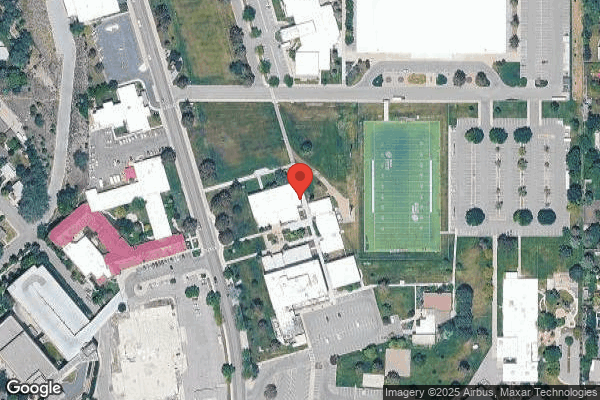
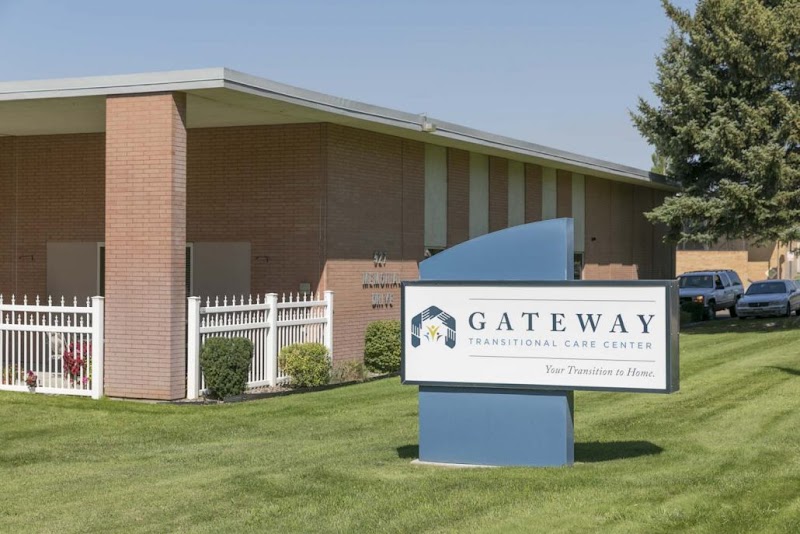
527 MEMORIAL DRIVE, POCATELLO, ID 83201 (208) 478-3333
For profit - Corporation 88 Beds THE ENSIGN GROUP Data: November 2025
Trust Grade
50/100
#58 of 79 in ID
Last Inspection: July 2025

Inspected within the last 6 months. Data reflects current conditions.

Overview

Gateway Transitional Care Center in Pocatello, Idaho has a Trust Grade of C, which means it is average and ranks in the middle of the pack for nursing homes. It stands at #58 out of 79 facilities in Idaho and is last in Bannock County, indicating limited local options for families. The facility's trend is worsening, with reported issues increasing from 12 in 2024 to 15 in 2025. Staffing is a relative strength, rated at 3 out of 5 stars with a turnover rate of 45%, which is slightly below the state average, suggesting that staff tend to stay longer and provide more consistent care. While there have been no fines reported, there have been serious concerns regarding kitchen sanitation and resident transport practices; for example, the kitchen was found to have inadequate sanitizer solutions and unclean surfaces, posing a risk for food-borne illnesses, and one resident was improperly transported in a Geri-Chair, which could lead to accidents. Overall, while there are some strengths, such as staffing stability, the facility has significant areas that need improvement.

Trust Score
C
50/100
In Idaho
#58/79
Bottom 27%
Safety Record
Low Risk
No red flags
Inspections
Getting Worse
12 → 15 violations
Staff Stability
⚠ Watch
45% turnover. Above average. Higher turnover means staff may not know residents' routines.
Penalties
✓ Good
No fines on record. Clean compliance history, better than most Idaho facilities.
Skilled Nurses
○ Average
Each resident gets 41 minutes of Registered Nurse (RN) attention daily — about average for Idaho. RNs are the most trained staff who monitor for health changes.
Violations
⚠ Watch
34 deficiencies on record. Higher than average. Multiple issues found across inspections.
★★☆☆☆
2.0
Overall Rating
★★★☆☆
3.0
Staff Levels
★★★★☆
4.0
Care Quality
★★☆☆☆
2.0
Inspection Score
Stable
2024: 12 issues
2025: 15 issues

The Good

  • 4-Star Quality Measures · Strong clinical quality outcomes
  • Full Sprinkler Coverage · Fire safety systems throughout facility
  • No fines on record

Facility shows strength in quality measures, fire safety.

The Bad

2-Star Overall Rating

Below Idaho average (3.3)

Below average - review inspection findings carefully

Staff Turnover: 45%

Near Idaho avg (46%)

Higher turnover may affect care consistency

Chain: THE ENSIGN GROUP

Part of a multi-facility chain

Ask about local staffing decisions and management

The Ugly 34 deficiencies on record

Jul 2025 15 deficiencies
CONCERN (D)

Potential for Harm - no one hurt, but risky conditions existed

Deficiency F0554 (Tag F0554)

Could have caused harm · This affected 1 resident

**NOTE- TERMS IN BRACKETS HAVE BEEN EDITED TO PROTECT CONFIDENTIALITY** Based on observation, record review, and staff interview, it was determined the facility failed to ensure residents were assesse...

Read full inspector narrative →
**NOTE- TERMS IN BRACKETS HAVE BEEN EDITED TO PROTECT CONFIDENTIALITY** Based on observation, record review, and staff interview, it was determined the facility failed to ensure residents were assessed to determine if they were safe to self-administer medications for 1 of 6 residents (Resident #83) reviewed for self-administration of medications. This failure created the potential for adverse effects if residents self-administered medications inappropriately. Findings include: Resident #83 was admitted to the facility on [DATE], with multiple diagnoses including atrial fibrillation (irregular heartbeat that may cause the heart to beat faster) and diabetes.On 7/23/25 at 11:54 AM, observed a bottle of artificial tears on Resident #83's bedside table.Review of Resident #83's medical record contained a Self-Administration of Medications - Initial Evaluation dated 9/15/23, documented for eye drops- Can correctly administer eye drops or eye ointments according to proper procedure Not Applicable. On 7/23/25 at 12:00 PM, LPN #5 stated the artificial tears in Resident #83's room should not have been in his room because he did not have an order for them and a self-administration of medication assessment was not done.
CONCERN (D)

Potential for Harm - no one hurt, but risky conditions existed

Deficiency F0558 (Tag F0558)

Could have caused harm · This affected 1 resident

**NOTE- TERMS IN BRACKETS HAVE BEEN EDITED TO PROTECT CONFIDENTIALITY** Based on observation, policy review, record review, and resident and staff interview, it was determined the facility failed to e...

Read full inspector narrative →
**NOTE- TERMS IN BRACKETS HAVE BEEN EDITED TO PROTECT CONFIDENTIALITY** Based on observation, policy review, record review, and resident and staff interview, it was determined the facility failed to ensure resident's call light device in their room was within reach for 2 of 19 Residents (#42 and #84) whose rooms was observed. This deficient practice had the potential to cause harm if residents experienced falls, accidents, or had other needs and could not reach the call light device. Findings include:The facility Call Light/Bell policy dated 8/30/21, documented before leaving the room, staff will place the call light device within the resident’s reach. a. Resident #42 was initially admitted to the facility on [DATE], and readmitted on [DATE], with multiple diagnoses including paraplegia (paralysis of the legs and lower body, typically caused by spinal injury or disease) and hypertension. On 7/21/25 at 2:56 PM, Resident #42 while sitting in her wheelchair stated the call light device had been placed up high on the trapeze bar by staff when they made her bed and now it was out of her reach. On 7/21/25 at 3:00 PM, LPN #1 stated Resident #42's call light device was supposed to be attached to the bed covers to allow easy access for her and was not. On 7/23/25 at 10:23 AM, the DON stated the call light device should have been attached to the bed covers and was not. b. Resident #84 was admitted to the facility on [DATE], with multiple diagnoses including polyosteoarthritis (condition in which multiple joints are affected by inflammation and damage to the tissue that cushions the ends of bones), and obesity. On 7/23/25 at 10:42 AM, Resident #84 while sitting in her wheelchair stated the call light device was wrapped around the overbed light and out of her reach. On 7/23/25 at 10:51 AM, NA #1 stated Resident #84's call light device was supposed to be attached to the blankets for easy access for her and was not. On 7/23/25 at 3:23 PM, the DON stated the call light device should have been attached to her covers and was not.
CONCERN (D)

Potential for Harm - no one hurt, but risky conditions existed

Assessment Accuracy (Tag F0641)

Could have caused harm · This affected 1 resident

**NOTE- TERMS IN BRACKETS HAVE BEEN EDITED TO PROTECT CONFIDENTIALITY** Based on record review and staff interview, it was determined the facility failed to ensure the MDS assessment accurately reflec...

Read full inspector narrative →
**NOTE- TERMS IN BRACKETS HAVE BEEN EDITED TO PROTECT CONFIDENTIALITY** Based on record review and staff interview, it was determined the facility failed to ensure the MDS assessment accurately reflect resident's status. This was true for 1 of 19 residents (Resident #47 ) whose MDS assessments were reviewed. This deficient practice had the potential for negative outcomes if the resident was not assessed and/or monitored due to inaccurate assessments. Findings include: Resident #47 was admitted to the facility on [DATE], with multiple diagnoses including spina bifida (a birth defect in which an area of the spinal column does not form properly, leaving a section of the spinal cord and spinal nerves exposed through an opening in the back), anxiety, major depression, and PTSD.Resident #47's admission MDS assessment dated [DATE], documented: Section A: -1500 Is the resident currently considered by the state level II PASRR process to have serious mental illness and/or intellectual disability or a related condition? Yes.-1510 Level II PASRR conditions: Serious Mental Illness = No.Section I: Psychiatric/Mood Disorder: -I6100. Post Traumatic Stress Disorder (PTSD) = No.0n 7/23/25 at 2:01 PM, Social Services Supervisor stated PTSD should have been on Resident #47's admission MDS assessment and was not.
CONCERN (D)

Potential for Harm - no one hurt, but risky conditions existed

Deficiency F0655 (Tag F0655)

Could have caused harm · This affected 1 resident

**NOTE- TERMS IN BRACKETS HAVE BEEN EDITED TO PROTECT CONFIDENTIALITY** Based on clinical record review, policy review, and staff interviews, the facility failed to include a resident's mental and psy...

Read full inspector narrative →
**NOTE- TERMS IN BRACKETS HAVE BEEN EDITED TO PROTECT CONFIDENTIALITY** Based on clinical record review, policy review, and staff interviews, the facility failed to include a resident's mental and psychosocial needs in their Baseline Care Plan. This was true for for 1 of 19 residents reviewed for baseline care plans (Resident #47). Findings include:The facility's Comprehensive Person-Centered Care Planning policy revision date April 2025, documented it was the policy of the facility that the interdisciplinary team (IDT) shall develop a comprehensive person-centered care plan for each resident that includes measurable objectives and timeframes to meet a resident's medical, nursing, mental and psychosocial needs that are identified in the comprehensive assessment. The IDT team will also develop and implement a baseline care plan for each resident, within 48 hours of admission, that includes minimum healthcare information necessary to properly care for each resident and instructions needed to provide effective and person-centered care that meets professional standards of quality care.Resident #47 was admitted to the facility on [DATE], with multiple diagnoses including spina bifida (a birth defect in which an area of the spinal column does not form properly, leaving a section of the spinal cord and spinal nerves exposed through an opening in the back), anxiety, major depression, and PTSD.Record review of Resident #47's Baseline care plan, Section 1.a. Cognition, was not answered for focus, goal, or intervention. On 7/23/25 at 2:05 PM, Social Services Supervisor stated Resident #47's anxiety, depression, and PTSD diagnoses should have been on her baseline care plan but was not.
CONCERN (D)

Potential for Harm - no one hurt, but risky conditions existed

Deficiency F0657 (Tag F0657)

Could have caused harm · This affected 1 resident

**NOTE- TERMS IN BRACKETS HAVE BEEN EDITED TO PROTECT CONFIDENTIALITY** Based on observation, record review, policy review, and staff interview, it was determined the facility failed to ensure residen...

Read full inspector narrative →
**NOTE- TERMS IN BRACKETS HAVE BEEN EDITED TO PROTECT CONFIDENTIALITY** Based on observation, record review, policy review, and staff interview, it was determined the facility failed to ensure resident care plans were revised to reflect current needs and interventions. This was true for 5 of 19 residents (#3, #28, #47, #59, #82) whose care plans were reviewed. This placed resident at risk of adverse outcomes if care and services were not provided due to care plans not being revised as residents' needs changed. Findings include: The facility's Comprehensive Person-Centered Care Planning policy, revision date 4/2025, documented the comprehensive care plan would be reviewed and/or revised by the interdisciplinary team after each assessment, including both the comprehensive and quarterly review assessments. a.Resident #3 was admit to the facility on 4/21/25, with multiple diagnoses including surgical aftercare following surgery on the digestive system and schizoaffective disorder. Resident #3's comprehensive care plan documented the following: - Food preferences: Gravy on meat, enjoys green and yellow vegetables, wheat bread, fruit, ice cream, milk. Dated 5/21/24 -Advance to regular diet. Ensure patient is tolerating well. Date 4/22/25 -Patient prefers full liquid diet. Dated 5/16/25 Resident #3's physician order dated 4/27/25, documented, Full liquid diet, thin liquids consistency. On 7/22/25 at 1:41 PM, the DON stated Resident #3 gets bowel blockages real easy so she is on liquid diet. Her care plan should have been updated. b. Resident #28 was initially admitted to the facility on [DATE], and readmitted on [DATE], with multiple diagnoses including chronic kidney disease and gait and mobility issues. Resident #28’s care plan dated 7/11/24, documented she was on Enhanced Barrier Precautions (EBP). On 7/21/25 at 11:06 AM, when visiting with Resident #28 in her room, the surveyor noted the lack of EBP posting and EBP PPE outside or inside of her room. On 7/23/25 at 9:27 AM, RN#1 stated she was not sure if Resident #28 was on EBP because she had not been on this hall for a while. RN #1 confirmed there was no EBP sign posting or EBP PPE outside or inside Resident #28’s room. On 7/23/25 at 10:43 AM, RN #1 stated the DON had just let her know the EBP had been discontinued. On 7/23/25 at 2:19 PM, the DON stated Resident #28’s EBP had been previously discontinued, and the care plan should have been updated and had not been. c. Resident #47 was admitted to the facility on [DATE], with multiple diagnoses including spina bifida (a birth defect in which an area of the spinal column does not form properly, leaving a section of the spinal cord and spinal nerves exposed through an opening in the back), anxiety, major depression, and PTSD. Review of Resident #47's comprehensive care plan, revision date 10/15/24, documented she required assistance with ADL self care. Her care plan did not document she requested no male caregivers. On 7/22/25 at 3:47 PM, the ADON stated Resident #47 did request no male caregivers due to her history and it was not documented in her care plan and should have been. d. Resident #59 was admitted to the facility on [DATE], with multiple diagnoses including heart failure and respiratory failure. Resident #59’s care plan was not updated with the new oxygen parameter orders. On 7/23/25 at 8:11 AM, the ADON stated the recent change of oxygen parameters for Resident #59 were not listed on his care plan and the care plan should have been updated. e. Resident #82 was admitted to the facility on [DATE], with multiple diagnoses including compression of brain (condition in which something increases the amount of pressure pushing on the brain) and aphasia (language disorder that affects ability to communicate). On 7/24/25 at 8:00 AM, observed a fall mat on the floor at Resident #82’s bed side. On 7/24/25 at 8:03 AM, fall mat had not been documented on Resident # 82's care plan. On 7/24/25 at 8:12 AM, LPN #5 stated the fall mat intervention was not listed on Resident #82’s care plan. On 7/24/25 at 8:15 AM, the ADON stated the fall mat had not been documented on Resident #82’s care plan and the care plan should have been updated.
CONCERN (D)

Potential for Harm - no one hurt, but risky conditions existed

Quality of Care (Tag F0684)

Could have caused harm · This affected 1 resident

**NOTE- TERMS IN BRACKETS HAVE BEEN EDITED TO PROTECT CONFIDENTIALITY** Based on facility standing orders, record review, and staff interview, it was determined the facility failed to follow a) facili...

Read full inspector narrative →
**NOTE- TERMS IN BRACKETS HAVE BEEN EDITED TO PROTECT CONFIDENTIALITY** Based on facility standing orders, record review, and staff interview, it was determined the facility failed to follow a) facility bowel care standing order of delivering specific medications to residents who have not had a BM due to constipation for 1 of 1 resident (#28) whose record was reviewed for bowel care and b) obtain a physician's order for insertion of an IV and dressing changes. This failed practice created the potential for residents to experience discomfort when medications were not administered according to the physician's standing order and potential harm if a resident had an IV inserted without consulting the physician. Findings include: The facility standing order (undated) documented Dulcolax suppository PRN for constipation, Fleet Enema PRN for constipation, and Milk of Magnesia 30 mg Q4 hours PRN for constipation. a. Resident #28 was initially admitted to the facility on [DATE], and readmitted on [DATE], with multiple diagnoses including chronic kidney disease and gait and mobility issues. Resident #28’s medical record under CNA tasks Bowel movement/Bowel continence documented she had a bowel movement (BM) on 6/22/25 at 16:33 and not again until 6/27/25 at 16:59 which was 120 hours later. Resident #28’s medical record under CNA tasks Bowel movement/Bowel continence documented she had a BM on 7/3/25 at 14:44 and not again until 7/10/25 at 6:06, which was 180 hours later. Resident #28’s medical record documented she normally had at least one BM each day. Resident #28’s physician order dated 6/31/23, documented Sennosides Docusate Sodium Oral Tablet 8.6 - 50 mg, give 1 tablet by mouth for bowel maintenance. Resident #28’s June 2025 and July 2025, MAR documented Sennoside Docusate Sodium Oral Tablet was administered each day in June and July 2025. Resident #28’s MAR had not documented the use of the three facility standing order medications for constipation during June or July 2025. Resident #28’s care plan dated 7/19/23, documented the following intervention: - Toilet Use: Requires supervision staff participation to use toilet. On 7/23/25 at 10:30 AM, the DON stated nursing staff should be following the facility standing order by given medications for constipation and the physician should be contacted for residents who do not have a bowel movement within 72 hours and had not. b. Resident #89 was admitted to the facility on [DATE], with multiple diagnoses including fracture of the right acetabulum (hip) and COPD (a group of lung diseases that block airflow and make it difficult to breathe). On 7/22/25, observed Resident #89 with an IV inserted in his right arm. On 7/23/25 at 3:50 PM, a record review of Resident #89's medical record did not document orders for his IV or IV dressing changes. On 7/23/25 at 4:17 PM, the DON stated Resident #89's IV was started on 7/22/25, and he should have had orders for the IV and dressing changes in his medical records but did not.
CONCERN (D)

Potential for Harm - no one hurt, but risky conditions existed

Deficiency F0726 (Tag F0726)

Could have caused harm · This affected 1 resident

**NOTE- TERMS IN BRACKETS HAVE BEEN EDITED TO PROTECT CONFIDENTIALITY** Based on observation and staff interview, it was determined the facility failed to ensure nursing staff removed meal trays from ...

Read full inspector narrative →
**NOTE- TERMS IN BRACKETS HAVE BEEN EDITED TO PROTECT CONFIDENTIALITY** Based on observation and staff interview, it was determined the facility failed to ensure nursing staff removed meal trays from resident rooms in a timely manner for which they had the knowledge, skills, and competencies. This was true for 1 of 1 resident (Resident #28) whose breakfast meal tray was observed in her room prior to lunch. This had the potential to create dissatisfaction with meals and decrease residents' quality of life. Findings include:Resident #28 was initially admitted to the facility on [DATE], and readmitted on [DATE], with multiple diagnoses including chronic kidney disease and gait and mobility issues.On 7/21/25 at 7:58 AM, observed Resident #28's uneaten breakfast meal tray on her overbed table.On 7/21/25 at 11:06 AM, observed Resident #28's uneaten breakfast meal tray still on her overbed table over 3 hours since it had been delivered. Resident #28 stated she does not know why the nursing staff sometimes wait to pick up the breakfast tray when they deliver the lunch meal tray.On 7/22/25 at 3:54 PM, the DON stated the meal trays should be picked up within 2 hours of delivery and had not been.
CONCERN (D)

Potential for Harm - no one hurt, but risky conditions existed

Deficiency F0728 (Tag F0728)

Could have caused harm · This affected 1 resident

Based on review of the State Operations Manual, Appendix PP, staffing schedules, personnel files, and staff interviews, it was determined the facility failed to ensure full-time employees working as a...

Read full inspector narrative →
Based on review of the State Operations Manual, Appendix PP, staffing schedules, personnel files, and staff interviews, it was determined the facility failed to ensure full-time employees working as a nurse aide successfully completed a State approved training and competency evaluation program within 4 months of being hired. This was true for 4 of 10 nurse aides whose personnel files were reviewed. This failure had the potential to result in negative outcomes for all residents living in the facility. Findings include:On 7/23/25, personnel files for 10 Nurse Aides (NAs) were reviewed. Four of the 10 NAs had not completed a State approved training and competency evaluation program within 4 months of being hired. - NA #2 was hired on 12/11/24. Had not completed a course- NA #3 was hired on 1/10/25. Had not completed a course- NA #4 was hired on 11/12/24. Had not passed test. Must take course again.- NA #5 was hired on 11/7/24. Had not completed a course. On 7/23/25 at 2:00 PM, the Executive Director stated NA #2, NA #3, NA #4, and NA #5 were not certified nursing assistance and the facility needs to get better about ensuring NAs become certified within the required 4 months of hire date.
CONCERN (D)

Potential for Harm - no one hurt, but risky conditions existed

Unnecessary Medications (Tag F0759)

Could have caused harm · This affected 1 resident

**NOTE- TERMS IN BRACKETS HAVE BEEN EDITED TO PROTECT CONFIDENTIALITY** Based on observation, interview and document review, the facility failed to ensure medications were administered in accordance w...

Read full inspector narrative →
**NOTE- TERMS IN BRACKETS HAVE BEEN EDITED TO PROTECT CONFIDENTIALITY** Based on observation, interview and document review, the facility failed to ensure medications were administered in accordance with physician orders without errors for 1 of 6 residents (Resident #68) observed to receive medication during the survey. This had the potential to affect the resident's health if she did not receive the medications that were ordered. This resulted in a facility medication error rate of 6.9%. Resident #68 was admitted to the facility on [DATE], with multiple diagnoses including fractured left humerus (long bone in the upper arm) and diabetes.Resident #68's physician order dated 6/13/25, documented Cranberry Oral Tablet. Give 500 mg by mouth one time a day for supplement.Resident #68's physician order dated 6/13/25, documented Multivitamin Oral Tablet. Give 1 tablet by mouth one time a day for supplement.On 7/23/25 at 9:25 AM, observed LPN #6 administer Cranberry oral 450mg tablet and Multi-vit with minerals to Resident #68.On 7/23/25 at 9:36 AM, LPN #6 stated the Cranberry tablet was the wrong dose and the Multiple vitamin was the wrong medication and she would have to get the orders clarified with the doctor.
CONCERN (D)

Potential for Harm - no one hurt, but risky conditions existed

Deficiency F0761 (Tag F0761)

Could have caused harm · This affected 1 resident

Based on observation, policy review, and staff interview, it was determined the facility failed to ensure stored medications had not passed their expiration date and ensure medication carts were kept ...

Read full inspector narrative →
Based on observation, policy review, and staff interview, it was determined the facility failed to ensure stored medications had not passed their expiration date and ensure medication carts were kept locked when not attended by authorized staff in an area where residents could access it. These failed practices affected a) 1 of 3 medication storage rooms creating the potential for residents to receive expired medications with decreased efficacy and b) 1 of 4 medication carts which had the potential for residents to gain access and ingest medications that can cause significant adverse outcomes. Findings include:The facility’s Pharmacy Services Drug Storage policy dated 10/24, documented medication and treatment carts will be kept locked when unattended. On 7/21/25 at 11:00 AM, observed the Hall-B medication cart had been left unlocked and unattended. On 7/21/25 at 11:08 AM, LPN #1 stated the Hall-B medication cart had been left unlocked when unattended and should not have been. On 7/23/25 at 10:55 AM, the DON stated medication carts should not be left unlocked when unattended and had been. On 7/23/25 at 9:00 AM, a vial of Novolog solution with the expiration date of 1/9/25, was observed in the A/B Hall medication room. On 7/23/25 at 9:02 AM, LPN #5 stated the Novolog was expired and should have been discarded.
CONCERN (D)

Potential for Harm - no one hurt, but risky conditions existed

Food Safety (Tag F0812)

Could have caused harm · This affected 1 resident

**NOTE- TERMS IN BRACKETS HAVE BEEN EDITED TO PROTECT CONFIDENTIALITY** Based on observation, interview, policy review, and review of the Idaho Food Code, the facility failed to ensure food items were...

Read full inspector narrative →
**NOTE- TERMS IN BRACKETS HAVE BEEN EDITED TO PROTECT CONFIDENTIALITY** Based on observation, interview, policy review, and review of the Idaho Food Code, the facility failed to ensure food items were dated, labeled, and stored at a safe temperature. These deficient practices had the potential to impact all residents who received meals prepared in the facility's kitchen. This placed residents at risk for potential contamination and use of spoiled foods, and adverse health outcomes including food-borne illnesses. Findings include:The FDA Food Code Section 3-501.17 stated, Ready-to-Eat, Time/Temperature Control for Safety Food, Date Marking, states refrigerated, ready-to-eat, time/temperature control for safety food prepared and held in a food establishment for more than 24 hours shall be clearly marked to indicate the date or day by which the food shall be consumed on the premises, sold, or discarded. Review of the facility's Foods Brought by Family or Visitor policy revision date January 2019, documented food items should be labeled with date it was prepared, if known, and a discard/use by date.a. Resident #28 was initially admitted to the facility on [DATE], and readmitted on [DATE], with multiple diagnoses including chronic kidney disease and gait and mobility issues. On 7/21/25 at 7:58 AM, observed Resident #28’s uneaten breakfast meal tray on her overbed table. On 7/21/25 at 11:06 AM, observed Resident #28’s uneaten breakfast meal tray still on her overbed table over 3 hours since it had been delivered. Resident #28 stated she does not know why the nursing staff sometimes wait to pick up the breakfast tray when they deliver the lunch meal tray. On 7/22/25 at 3:54 PM, the DON stated the meal trays should be picked up within 2 hours of delivery and had not been. b. On 7/21/25 at 8:15 AM, observed in the kitchen with the Dietary Supervisor #1 (DS) present: -Three bags of English muffins not dated. -A box of frozen sliced carrots not covered. On 7/21/25 at 8:25 AM, DS #1 stated the bags of English muffins should have been dated and the frozen carrots should have been covered and had not been. On 7/23/25 at 1:49 PM, the following were observed in the dry food storage area with DS #1 and RD present: - - Six cans of evaporated milk with a use by date 2/6/25 On 7/23/25 at 2:43 PM, the following were observed in the resident unit refrigerators, with RD present: - Three cans of Glucerna with an expiration date of February 2025. - A container of applesauce with an expiration date of May 2025. - A box of pizza not dated. On 7/23/25 at 2:49 PM, the RD stated the food items should have been discarded from the refrigerators.
CONCERN (D)

Potential for Harm - no one hurt, but risky conditions existed

Garbage Disposal (Tag F0814)

Could have caused harm · This affected 1 resident

Based on observation, interview, and U.S. Food and Drug Administration 2022 Food Code review, the facility failed to ensure garbage cans were properly closed with lids to minimize attracting pests and...

Read full inspector narrative →
Based on observation, interview, and U.S. Food and Drug Administration 2022 Food Code review, the facility failed to ensure garbage cans were properly closed with lids to minimize attracting pests and rodents into the kitchen. This deficient practice had the potential to affect all residents and staff in the facility. Findings include:U.S. Food and Drug Administration 2022 Food Code, 5-501.113 Covering Receptacles. Receptacles and waste handling units for REFUSE, recyclables, and returnables shall be kept covered: (A) Inside the FOOD ESTABLISHMENT if the receptacles and units: (1) Contain FOOD residue and are not in continuous use; or (2) After they are filled.On 7/21/25 at 8:18 AM, observed in the kitchen, next to the freezers a garbage can with a hole in the lid.On 7/21/25 at 8:21 AM, the DS #1 stated she was unaware the garbage can should have had a solid lid on it.On 7/23/25 at 3:05 PM, the ED stated the garbage can should have had a solid lid and did not.
CONCERN (D)

Potential for Harm - no one hurt, but risky conditions existed

Infection Control (Tag F0880)

Could have caused harm · This affected 1 resident

**NOTE- TERMS IN BRACKETS HAVE BEEN EDITED TO PROTECT CONFIDENTIALITY** Based on observation, policy review, and staff interview, it was determined the facility failed to ensure infection control and ...

Read full inspector narrative →
**NOTE- TERMS IN BRACKETS HAVE BEEN EDITED TO PROTECT CONFIDENTIALITY** Based on observation, policy review, and staff interview, it was determined the facility failed to ensure infection control and prevention practices were maintained to provide a safe and sanitary environment when staff did not store oxygen supplies in a sanitary manner. This was true for 4 of 9 Residents (#5, #47, #72, and #84). These failures had the potential to impact all residents in the facility by placing them at risk for cross contamination and infection. Findings include: 1. Resident #5 was admitted to the facility on [DATE], with multiple diagnoses including fracture right humerus (long bone in the upper arm) and COPD (a group of lung diseases that block airflow and make it difficult to breathe). On 7/21/25 at 9:07 AM, observed Resident #5's nasal cannula draped on bedside table without a cover. 2. Resident #47 was admitted to the facility on [DATE], with multiple diagnoses including spina bifida (a birth defect in which an area of the spinal column does not form properly, leaving a section of the spinal cord and spinal nerves exposed through an opening in the back), anxiety, major depression, and PTSD. On 7/21/25 at 9:13 AM, observed in Resident #47's room, her CPAP mask was on the floor, next to her bed. Resident #47 stated the staff got her out of bed this morning and must have not put the CPAP mask on her dresser. 3. Resident #72 was admitted to the facility on [DATE], with multiple diagnoses including diabetes and emphysema (a chronic lung disease that damages the air sacs in the lungs making it difficult to breathe). On 7/21/25 at 9:16 AM, observed Resident #72's oxygen tubing and nasal cannula hanging on the wall, not covered. On 7/22/25 at 2:27 PM, the DON stated the oxygen supplies and the cpap tubing and mask should not have been on the floor, and should have been stored appropriately when not in use. 4. Resident #84 was admitted to the facility on [DATE], with multiple diagnoses including polyosteoarthritis (condition in which multiple joints are affected by inflammation and damage to the tissue that cushions the ends of bones) and obesity. A physician order dated 6/20/24, documented Resident #84 was to have her don her CPAP mask (provides positive airway pressure to help breathing) at night when sleeping to ensure adequate oxygenation. On 7/21/25 at 2:16 PM and 7/22/25 at 10:43 AM, Resident #84's CPAP mask and tubing were observed on a pile of linens and pillows in the chair next to Resident #84's bed. The equipment was not bagged. On 7/22/25 at 2:29 PM, the DON stated the CPAP equipment should not have been in the chair and should have been stored appropriately and placed in a bag when not in use.
CONCERN (E)

Potential for Harm - no one hurt, but risky conditions existed

Accident Prevention (Tag F0689)

Could have caused harm · This affected multiple residents

**NOTE- TERMS IN BRACKETS HAVE BEEN EDITED TO PROTECT CONFIDENTIALITY** Based on observation, record review, and interviews, it was determined the facility failed to assess the risks of transporting r...

Read full inspector narrative →
**NOTE- TERMS IN BRACKETS HAVE BEEN EDITED TO PROTECT CONFIDENTIALITY** Based on observation, record review, and interviews, it was determined the facility failed to assess the risks of transporting residents backwards in Geri-Chairs and had not provided attentive care during resident transports in Geri-Chairs. This was true for 1 of 2 residents (Resident #12) who was observed during transport down the facility's C-Hallway. This deficient practice placed residents at risk for harm when improperly transported and supervision was not provided. Findings include:Resident #12 was admitted to the facility on [DATE], with multiple diagnoses including cerebellar ataxia (a group of neurological disorders that affect the cerebellum, the part of the brain responsible for coordination and balance), cognitive communication deficit, and muscle spasms.On 7/22/25 at 3:37 PM, observed Resident #12 in a Geri-Chair being pulled out of her room backwards. Resident #12 was crying out loudly, kicking her legs, and trying to move about in the chair as the CNA pulled her backwards down the hallway. The surveyor observed the CNA pull the Geri-Chair from the upper left corner of the chair as she led it down the hall and the CNA had not observed the resident during the transport.Resident #12 had three falls involving her wheelchair on 8/10/24, 9/4/24, and 9/13/24 as reported in the facility's Incident and Accident log. Each fall was a result of lack of supervision when Resident #12 was kicking and moving about in her wheelchair. One of the falls resulted in a head injury requiring transportation to the local hospital.On 7/23/25 at 10:43 AM, the DON stated staff must be attentive to Resident #12 during transports in the Geri-Chair and were not.
CONCERN (E)

Potential for Harm - no one hurt, but risky conditions existed

Respiratory Care (Tag F0695)

Could have caused harm · This affected multiple residents

**NOTE- TERMS IN BRACKETS HAVE BEEN EDITED TO PROTECT CONFIDENTIALITY** Based on policy review, observation, record review, and interviews, it was determined the facility failed to a) provide respirat...

Read full inspector narrative →
**NOTE- TERMS IN BRACKETS HAVE BEEN EDITED TO PROTECT CONFIDENTIALITY** Based on policy review, observation, record review, and interviews, it was determined the facility failed to a) provide respiratory services as ordered by the physician and b) ensure physician orders and resident care plans identified interventions for oxygen therapy. This was true for 5 of 13 residents (#3, #5, #9, #28, and #59) whose records were reviewed for respiratory services. This failure created the potential for residents to experience increased fatigue and low oxygen levels. Findings include: The Centers for Medicare & Medicaid Services website, accessed 7/28/25, stated Section 1833(e) of the Social Security Act precludes payment to any provider of services unless “there has been furnished such information as may be necessary in order to determine the amounts due such provider.” It is expected that the beneficiary’s medical records will reflect the need for the care provided. The beneficiary’s medical records include the physician’s office records, hospital records, nursing home records, home health agency records, records from other healthcare professionals and test reports. This documentation must be available upon request. For items that are provided based on a dispensing order, the supplier must obtain a detailed written order before submitting a claim. A detailed written order (DWO) is required before billing. Someone other than the ordering physician may produce the DWO. However, the ordering physician must review the content and sign and date the document. It must contain: Beneficiary’s name Physician’s name Date of the order and the start date, if start date is different from the date of the order Detailed description of the item(s) (see below for specific requirements for selected items) Physician signature and signature date for items provided on a periodic basis, including drugs, the written order must include: Item(s) to be dispensed Dosage or concentration, if applicable Route of Administration Frequency of use Duration of infusion, if applicable Quantity to be dispensed Number of refills 1. Resident # 3 was admitted to the facility on [DATE], with multiple diagnoses including surgical aftercare following surgery on the digestive system and schizoaffective disorder. Resident #3's physician order dated 4/21/25, documented Oxygen at 0-10 liters via nasal cannula. Titrate to maintain sats above 90% every shift. Resident #3's oxygen order did not document the frequency of use. 2. Resident #5 was admitted to the facility on [DATE], with multiple diagnoses including fracture right humerus (long bone in the upper arm) and COPD (a group of lung diseases that blocks airflow and makes it difficult to breathe). Resident # 5's physician order dated 6/17/25, documented Oxygen at 0-10 liters via nasal cannula. Titrate to maintain saturations above 90% every shift. Resident #5's oxygen order did not document the frequency of use. 3. Resident #9 was initially admitted to the facility on [DATE] and readmitted on [DATE], with multiple diagnoses including chronic viral hepatitis C (an infection that causes liver swelling), dependence on renal dialysis, and acute and chronic respiratory failure with hypoxia (when the lungs cannot adequately oxygenate the blood). Resident #9’s physician’s order dated 2/26/25, documented “oxygen at 0-4 liters via nasal cannula – every shift”. Resident #9’s MAR dated 2/26/25, documented oxygen at 0-4 liters via nasal cannula every shift. Resident #9’s care plan revised 4/11/25, documented oxygen per MD orders. Resident #9’s physician order, MAR, or care plan did not document an indication for use, a baseline SpO2 level, or when to initiate and/or discontinue oxygen therapy. On 7/22/25 at 2:38 PM, the DON stated Resident #9’s oxygen order was written generically because he does not always need oxygen; however, the order should have clarified when to use or discontinue use of oxygen on Resident #9. 4. Resident #28 was initially admitted to the facility on [DATE], and readmitted on [DATE], with multiple diagnoses including chronic kidney disease and gait and mobility issues. On 7/21/25 at 2:21 PM, Resident #28’s physician oxygen order documented oxygen at 0 to 10 lpm, every shift PRN to maintain O2 at or greater than 88%. Resident #28’s care plan documented oxygen per MD orders. Resident #28’s daily oxygen saturation logs documented the following: 7/11/25 at 22:34 SpO2 82% on RA per LPN #2 7/7/25 at 18:26 SpO2 67% on O2 per RN #2 4/26/25 at 22:06 SpO2 86% on RA per RN #2 4/26/25 at 15:07 SpO2 86% on RA per LPN #4 Resident #28’s medical record had not contained any documentation of nursing interventions when her oxygen saturation dropped below 88%. On 7/21/25 at 10:48 AM, the DON stated the nursing staff should have addressed Resident #28’s low oxygen saturations below 88% and had not. 5. Resident #59 was admitted to the facility on [DATE], with multiple diagnoses including heart failure and respiratory failure. The facility's policy for Oxygen Administration, revision date 7/2024, documented oxygen tubing is to be replaced every seven (7) days. Oxygen masks or nasal prongs are to be replaced every seven (7) days. Resident #59's medical record included physician orders for oxygen 0-5 liters per minute via nasal cannula for titrate to maintain above 90% every shift. The order started on 4/11/25. The orders also documented to change oxygen tubing, label and date every seven (7) days as per policy. On 7/24/25 at 8:17 AM, Resident #59's oxygen tubing and humidifier were not dated and Resident #59 stated he did not know when it was last changed. On 7/24/25 at 8:18 AM, the ADON stated Resident #59’s oxygen tubing and humidifier should have been dated when changed and had not been.
Jul 2024 12 deficiencies
CONCERN (D)

Potential for Harm - no one hurt, but risky conditions existed

Deficiency F0625 (Tag F0625)

Could have caused harm · This affected 1 resident

**NOTE- TERMS IN BRACKETS HAVE BEEN EDITED TO PROTECT CONFIDENTIALITY** Based on record review, policy review, and staff interview, it was determined the facility failed to ensure a bed hold notice wa...

Read full inspector narrative →
**NOTE- TERMS IN BRACKETS HAVE BEEN EDITED TO PROTECT CONFIDENTIALITY** Based on record review, policy review, and staff interview, it was determined the facility failed to ensure a bed hold notice was provided to residents or their representatives upon transfer to the hospital. This was true for 2 of 2 residents (#10 and #24) reviewed for transfers. This deficient practice created the potential for harm if residents were not informed of their right to return to their former bed/room at the facility within a specified time. Findings include: The facility's Bed Hold policy, dated 12/2023, states It is the policy of this facility to inform the resident or resident's representative in writing of the right to exercise the bed hold provision of 7 days upon admission and provide a second notice before transfer to a general acute care hospital or before the resident goes on therapeutic leave. In the event of an emergency transfer, the second notice will be provided within 24 hours. A copy of this notification shall become a part of the resident's health record at the time of transfer. 1. Resident #24 was originally admitted to the facility on [DATE], and readmitted on [DATE] and 4/17/24 with multiple diagnoses including sepsis (extreme reaction to an infection that can lead to organ failure, tissue damage and death if not treated promptly), diabetes, respiratory failure (develops when the lungs cannot get enough oxygen into the blood making it difficult to breathe), hemiplegia and hemiparesis (paralysis and or weakness on one side of the body) following a stroke, and Parkinson's Disease (a progressive disorder that affects the nervous system and the parts of the body controlled by the nerves). a. A progress note, dated 4/12/24 at 5:05 PM documented Resident #24 had hypotension (low blood pressure) and respiratory issues and was sent out to the hospital emergency department with a critical lab value. The note documented Resident #24's first two emergency contacts were not available, so a friend was notified. A social services progress note, dated 4/12/24 at 4:19 PM stated, a bed hold notification was delivered to Resident #24's daughter via telephone. b. A progress note, dated 7/7/24 at 10:27 AM, documented Resident #24 was sent to the hospital with respiratory issues and a critical lab value. The note stated, Call placed to emergency contacts 1 and 2 with no answer. Message left with callback information to both. Review of the Bed Hold Notification provided by the DNS for Resident #24's 7/7/24 transfer documented the bed hold was provided on 7/8/24 at 3:15 (no AM or PM) with the name of the facility representative. When asked when the written bed hold notice was provided to Resident #24 and her representative, the DNS stated the notices were not provided in writing. During an interview on 7/11/24 at 12:56 PM, the Community Relations Liaison staff member (CLS) was asked about the 7/7/24 written bed hold notice for Resident #24 and her representative, that had her signature. The CLS stated she did not do the bed hold notices and when queried if provided by mail or email, the CLS stated nope, just calling them. 2. Resident #10 was admitted to the facility on [DATE] with multiple diagnoses including chronic respiratory failure, Parkinson's Disease, and repeated falls. Resident #10's record documented he was his own responsible party and his sister was listed as his emergency contact. An annual MDS assessment, dated 2/3/24, documented Resident #1 was cognitively intact. A progress note, dated 4/7/24 documented Resident #10 was sent to the local hospital related to not feeling well increased temperature, and an episode of projectile vomiting. The note documented Resident #10's sister was notified by phone of his transfer to the hospital. The note also documented Resident #10's sister would be notified by phone of any additional changes. Resident #10's record did not include documentation a bed hold notice in writing was provided to him or his sister. During an interview on 7/11/24 at 11:02 AM, regarding provision of a written bed hold notice upon a resident's emergent transfer, LPN #2 stated if the resident was cognizant, he would have the resident sign it, and if the resident asked, he would make a copy. LPN #2 then unsuccessfully attempted to find the form at the facility's A/B hall Nurse's Station. Unable to find the bed hold notice form, LPN #2 went to speak to the DNS. At 11:22 AM, LPN #2 provided a blank bed hold policy and stated, the form was in the admission packet and he did not give the notice to a resident or their representative. During an interview on 7/11/24 at 11:18 AM, when asked if residents and representative are provided a written bed hold notice, LPN #3 stated, I notify social services and they handle the bed hold.
CONCERN (D)

Potential for Harm - no one hurt, but risky conditions existed

Assessment Accuracy (Tag F0641)

Could have caused harm · This affected 1 resident

**NOTE- TERMS IN BRACKETS HAVE BEEN EDITED TO PROTECT CONFIDENTIALITY** Based on observation, record review, and resident and staff interview, the facility failed to ensure residents' Minimum Data Set...

Read full inspector narrative →
**NOTE- TERMS IN BRACKETS HAVE BEEN EDITED TO PROTECT CONFIDENTIALITY** Based on observation, record review, and resident and staff interview, the facility failed to ensure residents' Minimum Data Set (MDS) had correct assessment information. This was true for 1 of 19 residents (Resident #39) reviewed for accuracy of MDS assessments. This deficiency created the potential for residents to not have their care needs met due to inaccurate assessments. Findings include: Resident #39 was admitted to the facility on [DATE], with multiple diagnoses including diabetes, and hemiplegia and hemiparesis (weakness and paralysis on one side of the body) following a stroke. a. During an interview with Resident #39 on 7/8/24 at 11:15 AM, in response to the question if he had any issues with his teeth, gums, or dentures, Resident #39 stated he did not have teeth and wanted dentures. A Nutrition - admission Evaluation, dated 2/20/20, documented Resident #39 was edentulous (lacking teeth) of both the upper and lower jaws. Annal MDS assessments dated 7/20/23, and 4/20/24, and a significant change of status MDS assessment, dated 5/7/24, did not include documentation Resident #39 had no natural teeth or tooth fragment(s) (edentulous). During an interview on 7/10/24 at 1:12 PM, the MDS Coordinator confirmed that Resident #39's MDS assessments were incorrectly coded and should have included Resident #39 was edentulous. b. A physician order, dated 4/23/24, documented Resident #39 was to be admitted to hospice care. A significant change of status MDS assessment, dated 5/7/24, did not include documentation Resident #39 was on hospice care or that he had a terminal prognosis (life expectancy of six months or less). During an interview on 7/10/24 at 1:19 PM, the MDS Coordinator confirmed Resident #39 should have been coded for a terminal prognosis and on hospice, that was the intent of the significant change assessment. During an interview on 7/11/24 at 5:06 PM, the DNS stated it was an expectation that MDS assessments would be coded accurately.
CONCERN (D) 📢 Someone Reported This

A family member, employee, or ombudsman was alarmed enough to file a formal complaint

Potential for Harm - no one hurt, but risky conditions existed

Quality of Care (Tag F0684)

Could have caused harm · This affected 1 resident

**NOTE- TERMS IN BRACKETS HAVE BEEN EDITED TO PROTECT CONFIDENTIALITY** Based on observation, record review, and staff interview, it was determined the facility failed to ensure professional standards...

Read full inspector narrative →
**NOTE- TERMS IN BRACKETS HAVE BEEN EDITED TO PROTECT CONFIDENTIALITY** Based on observation, record review, and staff interview, it was determined the facility failed to ensure professional standards of practice were followed for 1 of 4 residents (Resident #33) reviewed for quality of care. This created the potential for Resident #33 to have decreased caloric intake and weight loss when physician's orders were not followed to provide a specific dietary supplement. Findings include: Resident #33 was admitted to the facility on [DATE] with multiple diagnoses including dementia, adult failure to thrive, and dysphagia (impaired swallowing) after a stroke. A quarterly MDS assessment, dated 6/13/24, documented Resident #33 was 61 inches tall (5 feet, 1 inch) tall and weighed 85 pounds. The assessment documented Resident #33 experienced a significant unplanned weight loss. The assessment further documented Resident #33 was severely cognitively impaired. A Weight Summary, dated 9/30/22 - 7/9/24, documented on 7/2/24 Resident #33 weighed 83.6 pounds and had a body mass index (BMI) of 16.4 indicating she was underweight. The summary documented on 4/11/24, Resident #33 weighed 106.2 pounds and had lost 22.6 pounds since that time. A physician order, dated 5/29/24, documented Resident #33 was to be provided a Mighty Shake to be administered three times a day to Resident #33 for weight loss. Resident #33's care plan, dated 9/17/22, documented Resident #33 had a nutritional problem. Interventions included to provide Resident #33 a Mighty Shake three times a day. During an interview on 7/8/24 at 10:02 AM, the DS stated the dietary staff made house shakes from a recipe and served them instead of Mighty Shakes. The DS stated there were no Mighty Shakes in the facility several months ago the facility switched from using Mighty Shakes to making and providing house shakes. The DS stated the dietary staff served the house shakes at meals and put the shakes on residents' trays during tray line meal service. Review of the undated Recipe Analyzer Results for House Shake provided by the facility, documented the house shake provided 166 calories in a four-ounce serving. Review of the undated Hormel Foods Product Fact Sheet for Mighty Shake, documented there were 220 calories in a four-ounce serving. Resident #33 was served 498 calories daily from the Health Shakes instead of 660 calories daily from Mighty Shakes. During dining observations in the dining room on 7/8/24 for lunch from 11:31 AM through 12:54 PM, on 7/9/24 for breakfast at 8:43 AM, and on 7/10/24 at 12:31 PM, Resident #33 was served the house shake with her meals. During an interview on 7/10/24 at 5:19 PM, the RD verified the dietary department served house shakes instead of Mighty Shakes. The RD verified that Mighty Shake was a specific name brand product. The RD stated she did not have the nutritional analysis for the house shake and did not know if the nutritional content was the same. The RD stated the residents' orders had not been adjusted to reflect that residents were receiving a different product than what was prescribed (Mighty Shake). During an interview on 7/11/24 at 8:55 AM, the RD stated Mighty Shake provided 220 calories per serving whereas the house shake provided 166 calories. The RD verified the house shake was not equivalent in calories to Mighty Shake and provided less calories. During an interview on 7/11/24 at 12:43 PM, the ADN and LPN #4 who was the charge nurse, stated it was important for orders to match the medication/supplement being administered, and if an order did not match, it should be clarified with the physician. The ADNS and LPN #4 verified Resident #33 received the house shake and not Mighty Shake as prescribed.
CONCERN (D)

Potential for Harm - no one hurt, but risky conditions existed

Accident Prevention (Tag F0689)

Could have caused harm · This affected 1 resident

**NOTE- TERMS IN BRACKETS HAVE BEEN EDITED TO PROTECT CONFIDENTIALITY** Based on policy review, record review, facility fall reports, observation, and staff interview, the facility failed to ensure re...

Read full inspector narrative →
**NOTE- TERMS IN BRACKETS HAVE BEEN EDITED TO PROTECT CONFIDENTIALITY** Based on policy review, record review, facility fall reports, observation, and staff interview, the facility failed to ensure residents were adequately supervised and had interventions in place to prevent falls. This was true for 2 of 6 residents (#22 and #67) reviewed for falls. The failure to implement adequate supervision and interventions created the potential for Resident #22 and Resident #67 to sustain significant injuries from falls. Findings include: The facility's Fall Prevention/Investigation and Falling Star policy, dated January 2024, documented, it was the facility's policy to prevent falls and investigate the circumstances surrounding each resident fall and implement actions to reduce the incidence of additional falls and minimize potential for injury. The policy documented if the resident sustained a fall, an Incident Report was completed by the nurse which included: - A brief description of the fall by staff and by the resident. - Identification of medications, environmental conditions, equipment involved, contributing medical factors, and any other factors that may be related to the fall. - Identification of an action plan or approaches to be taken in an attempt to prevent further falls based on newly identified facts or risk factors. - The care plan would be updated with each fall. 1. Resident #67 was admitted to the facility on [DATE], with multiple diagnoses including partial amputation of her right and left toes, seizures, unsteadiness on her feet, difficulty walking, lack of coordination, and dementia. A quarterly MDS assessment, dated 5/29/24, documented Resident #67 was severely cognitively impaired, and her bilateral lower extremities range of motion was impaired. The assessment documented Resident #67 was dependent on staff for toileting/hygiene, required substantial/maximum assistance for putting on and taking off footwear and lower body dressing. The assessment further documented Resident #67 required partial/moderate assistance for transferring from the bed to chair and back and getting on and off the toilet. Resident #67 required supervision or touching assistance to walk 10 feet and required partial/moderate assistance to walk 50 feet. A physician order, dated 6/8/23, documented Resident #67 was to have a wireless pressure alarm applied to her wheelchair and bed. Resident #67's care plan, initiated on 2/6/23 documented Resident #67 was at risk for falls related to weakness, dementia, seizures, impulsiveness, and frequent attempts to self-transfer. The goal was for Resident #67 to be free of falls through the review date. Current interventions included: -Anti roll back breaks to wheelchair to help prevent it from rolling back when Resident #67 attempted to self-transfer (initiated on 1/13/23). - Anticipate and meet Resident #67 needs. (initiated on 2/9/23). - Ensure the call light is within Resident #67's reach and encourage her to use it to call for assistance as needed (initiated on 2/9/23). - Bed in lowest position (initiated on 2/9/23). - Keep needed items, water, etc., in reach. (initiated on 2/9/23). - Educate Resident #67/family/caregivers about safety reminders and what to do if a fall occurs (initiated on 2/9/23). - Therapy services in place per physician orders (initiated 2/9/23) - Lactose intolerance causing Resident #67 to have loose stool and she is attempting self- transfers to the restroom. Lactose intolerance being treated with lactase and limiting dairy (initiated on 6/23/23). - Encourage Resident #67 to participate in activities that promote exercise, physical activity for strengthening and improved mobility (initiated on 6/30/23). - Resident #67 has dementia and forgets to use call light and she is not safe to self-transfer. Signs have been placed in her room and on call light with her and her family's permission to help remind Resident 67 to use call light and wait for help (initiated on 7/1/23). - Bring Resident #67 to the dining room for each meal (initiated on 7/3/23). - Encourage/check Resident #67 for toileting needs prior to shift change and at mealtime to help reduce self-transfers (initiated on 9/1/23). - Resident #67 educated on waiting for help to the restroom once her call light is turned on (initiated 10/17/23). - Wheelchair to be left outside of Resident #67's room to help avoid room clutter/fall risk as Resident #67 allows (initiated on 10/25/23). - Wireless pressure alarm to Resident #67's wheelchair and bed to help alert staff when she attempted to self-transfer as she is impulsive and does not use call light (initiated on 10/25/23). - Assess and treat Resident #67 for infection/hypotension as indicated (initiated on 6/10/24) - Encourage to not be left alone in room while in wheelchair (initiated on 6/12/24) - Visual reminder on call light and wall to use call light and wait for assistance (initiated 1/7/24). The facility's fall reports from 7/1/23 - 7/10/24, included reports Resident #67 had 15 falls between 7/1/23 and 7/10/24 as follows: a. A fall report, dated 7/1/23, documented Resident #67 was found sitting on the floor beside her toilet at dinnertime. The report documented Resident #67 self-transferred and fell and the call light was not turned on. The report did not indicate whether the pressure alarm was in place, and whether it was sounding. No injuries were sustained and the intervention was for the resident to eat in the dining room. b. A fall report, dated 7/22/23, documented Resident #67 fell and was sitting on the floor in the hallway. The report documented Resident #67's call light was not turned on and the pressure alarm did not go off. No injuries were sustained. The intervention was for the resident to continue with therapy. There was no documentation why the pressure alarm did not go off (not turned on, dead battery, broken, etc.) and what would be done to address it. c. A fall report, dated 8/10/23, documented Resident #67 was found on the floor in the bathroom. A skin tear to her right foot second toe was documented. Resident #67 was trying to use the toilet. A toileting program was noted to be in place. The report documented Resident #67 had confusion and orders for lab tests were received (urinalysis, complete blood count, comprehensive metabolic panel). There was no documentation related to the effectiveness of the pressure alarm, such as whether it was in place, sounding, or not working. d. A fall report, dated 8/28/23, documented Resident #67 was sitting on the floor in her bathroom. Resident #67 stated she turned the call light on, waited for a minute then tried to go to the bathroom by herself. Resident #67 had an abrasion to her left lower leg. Resident #67's toileting plan was adjusted. There was no documentation related to the effectiveness of the pressure alarm, such as whether it was in place, sounding, or not working. e. A fall report, dated 8/31/23, documented Resident #67 was found sitting on the floor in her room by her door. Resident #67 sustained two small skin tears on her right forearm and Resident #67 reported she bumped her head. The report documented the bed alarm was not going off. Resident #67 stated she turned on the call light but no one came and she toileted herself. The intervention was to put the bed in a low position, increased checks of the bed alarm, and replacement of the bed alarm. f. A fall report, dated 9/28/23, documented Resident #67 was found sitting on the floor in her room and was incontinent. No injuries were noted. Resident #67 stated she was attempting to self-transfer from her bed to the wheelchair. The report documented the bed alarm was in place but did not sound. There was no additional information regarding the alarm that did not sound, such as whether it was working. The previous fall on 8/31/23 noted the need for increased checks of the bed alarm because it did not go off when that fall occurred. The investigation revealed if the wheelchair was not present, Resident #67 would be more prone to use the call light. Intervention was to encourage the wheelchair to not be located at Resident #67's bedside. g. A fall report, dated 10/17/23, documented Resident #67 was found sitting on the floor in the bathroom with a scratch on her left knee. Resident #67 stated she was trying to go to the bathroom. No new interventions were documented. There was no documentation related to the effectiveness of the alarm, such as whether it was in place, sounding, or not working. h. A fall report, dated 11/5/23, documented Resident #67 was found sitting on the floor with water spilled on the floor. Resident #67 stated she tried to get up out of bed to transfer herself to the wheelchair and fell. The report documented, Bed alarm needs to be turned back on and put on w/c [wheelchair] or bed, whichever place she is at. There was no documentation regarding the location of the wheelchair such as whether it was placed away from the bed as noted following the fall that occurred on 9/28/23. i. A fall report, dated 11/9/23, documented Resident #67 was assisted to the toilet by a staff member who then left the resident alone for about two minutes. When the staff returned, Resident #67 was on the floor. Resident #67 stated she was done and was trying to get back into her wheelchair. Resident #67 sustained a superficial abrasion to her left hip. No new interventions were implemented and there was no follow regarding the resident being left alone unsupervised on the toilet as documented in her MDS assessment that she required substantial/maximal assistance for toileting hygiene, and her care plan, dated 2/6/23 documenting Resident #67 required extensive assistance of one staff to use the toilet. j. A fall report, dated 11/12/23, documented Resident #67 fell out of bed while trying to grab something off the floor. The report documented Resident #67 had increased confusion and sustained an abrasion to her face and a skin tear to her left elbow. Due to confusion, the provider was contacted and a urinalysis was ordered which was positive for infection and an antibiotic was prescribed. k. A fall report, dated 1/7/24, documented Resident #67 fell in the restroom. Resident #67 stated she had to have a bowel movement. Resident #67 sustained skin tears to her left shoulder, left hand and an old skin tear to the right forearm opened. There was no documentation related to the pressure alarm, such as whether it was in place, sounding, or not working. There was no documentation regarding the location of the wheelchair such as whether it was placed away from the bed. No new interventions were noted. l. A fall report, dated 3/24/24, documented Resident #67 fell at the bedside with the wheelchair behind her, with the appearance that Resident # 67 attempted to self-transfer. The investigation documented Resident #67 slid out of the wheelchair and a new intervention was to have therapy evaluate the wheelchair. There was no documentation related to the pressure alarm, such as whether it was in place, sounding, or not working. m. A fall report, dated 4/2/24 documented Resident #67 was found sitting on the floor by her bed. Resident #67 stated she was trying to get into her chair and was noted to be incontinent. The intervention was an adjustment of her bowel and bladder program around shift change and meals. There was no documentation related to the alarm, such as whether it was in place, sounding, or not working. There was no documentation regarding the location of the wheelchair such as whether it was placed away from the bed. n. A fall report, dated 6/8/24, and documented Resident # 67 was found on the floor in the bathroom with the call light going off. Resident #67 sustained a skin tear on her right forearm. The report documented Resident #67 was hypotensive (low blood pressure) due to infection and Resident #67 would be treated for the infection. There was no documentation related to the alarm, such as whether it was in place, sounding, or not working. o. A fall report, dated 6/10/24, documented Resident #67 was found on the floor in her room and had a skin tear to her left forearm. Resident #67 stated she fell while attempting to stand and close her bedroom door. An x-ray was ordered for acute right wrist pain. The new intervention was for Resident #67 not to be left in her room while in her wheelchair. There was no documentation related to the alarm, such as whether it was in place, sounding, or not working. The fall investigations did not address provision of sufficient supervision of Resident #67, ensuring the alarm was applied and functioning properly, and placement of the wheelchair in Resident #67's room. Furthermore, the investigations failed to identify if previous interventions were in place at the time of subsequent falls to determine the effectiveness of current interventions. During observations on 7/8/24 at 12:50 PM, 7/9/24 at 8:41 AM, 7/9/24 at 9:52 AM, and 7/10/24 at 10:56 AM, Resident #67 was in her wheelchair with anti-tip bars in place and with the pressure alarm in the chair. On 7/8/24 at 3:36 PM, Resident #67 was observed lying in bed with her wheelchair in the room near the bed. During an interview on 7/10/24 at 10:44 AM, NA #1 stated Resident #67 had dementia and she was transferred with the Sara lift (mechanical lift) by two persons. NA #1 stated Resident #67 tried to get out of bed at times and forgot she could not walk. NA #1 stated current interventions were to lower the bed, use the pressure alarm in the bed and chair, and wear non-skid socks. NA #1 did not mention the wheelchair intervention of not being left near the resident when she was in bed. During an interview on 7/11/24 at 12:10 PM with LPN #4, the charge nurse, and the ADNS, they stated Resident #67 had dementia, was impulsive and tried to transfer herself. They stated there was a sign in her room to wait for help once the call light was activated. They stated the wheelchair was to be away from the bed when Resident # 67 was in the bed, as she allowed. They stated Resident #67 was to be toileted per schedule, use a low bed, and wear nonskid socks. The ADNS stated there were several falls in which the alarms were not sounding, not functioning, or had not been moved between the bed and chair once the resident changed location. The ADNS verified many of the fall investigations did not document the status of the alarm at the time the fall occurred. The ADNS stated Resident #67 should not have been left unattended on the toilet on 11/9/23 when the fall occurred on that date. During an interview on 7/11/24 at 3:21 PM, CNA #5 stated Resident # 67 had a pad alarm that was wireless and should be transferred with the resident from bed to chair and chair to bed depending on where the resident was. He stated the bed was to be in a low position. The wheelchair was supposed to be left out of reach/out of room since Resident #67 has tried to move from bed to chair when in bed. CNA #5 stated Resident # 67 was more or less on a toileting program and they did take her to the toilet about every two hours but she was very confused and sometimes did not go. During an interview on 7/11/24 at 4:02 PM, DNS stated falls were reviewed by the interdisciplinary team after a fall occurred. He stated the fall investigations should indicate whether the alarms were working and there was a section for documenting potential problems. The DNS stated Resident #67 should not have been left alone on the toilet. The DNS stated Resident #67 had impaired memory and she did not always remember to use the call light. The DNS also stated Resident #67 had issues with her left knee. 2. Resident #22 was admitted to the facility on [DATE], with multiple diagnoses including history of stroke, hemiplegia/hemiparesis related to stroke, brain cancer, visuospatial deficit, and repeated falls. A quarterly MDS assessment, dated 5/22/24, documented Resident #22 was severely cognitively impaired. The assessment documented Resident #22 had no falls since her admission to the facility. Resident #22's care plan for falls, undated, documented Resident #22 was at high risk to experience falls related to her confusion, hearing and vision deficits, behaviors, and gait and balance problems. The care plan documented Resident #22's bed was to be in the lowest position while she was in bed, her call light was to be within reach, and fall mats were to be placed on the floor next to her bed. On 7/9/24 at 2:41 PM and 7/10/24 at 1:57 PM, Resident #22 was observed laying in her bed, which was in the low position and had raised 1/3 side rails on each side of the head of the bed. Resident #22's bed was in the lowest position; however, the floor mats were not in place on either side of her bed per her plan of care. During an observation of Resident #22 conducted with the DNS on 7/10/24 at 1:57 PM, the DNS confirmed the mats were not in place next to Resident #22's bed as care planned and stated he expected care planned interventions for falls for residents to be in place consistently.
CONCERN (D)

Potential for Harm - no one hurt, but risky conditions existed

Respiratory Care (Tag F0695)

Could have caused harm · This affected 1 resident

**NOTE- TERMS IN BRACKETS HAVE BEEN EDITED TO PROTECT CONFIDENTIALITY** Based on observation, record review, policy review, and staff interview, it was determined the facility failed to ensure a resid...

Read full inspector narrative →
**NOTE- TERMS IN BRACKETS HAVE BEEN EDITED TO PROTECT CONFIDENTIALITY** Based on observation, record review, policy review, and staff interview, it was determined the facility failed to ensure a resident received oxygen therapy per physician's orders. This was true for 1 of 1 resident (Resident #39) reviewed for oxygen therapy. This failure created the potential for Resident #14 to experience hyperoxia (cells, tissues, and organs are exposed to an excess supply of oxygen. Findings include: The facility's policy, Oxygen Administration, revised 1/2024, stated it was the policy of the facility that oxygen therapy is administered as ordered by the physician or as an emergency measure until the order can be obtained. The policy documented the procedure as follows: - Oxygen per MD/NP [Medical Doctor/Nurse Practitioner] orders - Reassess oxygen flowmeter for correct liter flow. Instructions for Tubing and Humidifier Changes: - Oxygen tubing is to be replaced every seven (7) days. Oxygen masks or nasal prongs are to be replaced every seven (7) days. - Humidifiers are not required if flow of oxygen is two (2) liters or less per minute. Resident #39 was admitted to the facility on [DATE], and readmitted on [DATE] and 9/29/23, with multiple diagnoses including chronic respiratory failure with hypoxia (low oxygen levels in the blood), hemiplegia and hemiparesis (paralysis and weakness on one side of the body) following a stroke, congestive heart failure, and obstructive sleep apnea. A physician order, dated 9/29/23, documented Resident #39 was to receive oxygen at 0-2 liters per minute (LPM) via a nasal canula. During an interview on 7/8/24 at 11:13 AM, Resident #39 was observed to be on oxygen via nasal canula. Resident #39 stated he was supposed to be 3 or 4 LPM of oxygen. Resident #39's oxygen concentration flow meter was observed at a flow rate of 4 LPM. During observations of Resident #39's oxygen concentrator on 7/9/24 at 9:07 AM and 3:03 PM, and on 7/10/24 at 10:55 AM and 1:23 PM, the oxygen flow rate on the oxygen concentrator was at 4 LPM. During an observation on 7/10/24 at 1:48 PM with the ADNS confirmed the oxygen flow rate was at 4 LPM. Resident #39's MAR/TAR for July 2024, included a line for Oxygen at 0-2 liters via NC with an order date of 9/29/23 at 12:44 PM. Instead of an entry of the flow rate there was an x in each of the boxes. Resident #39's MAR/TAR for June 2024 also had an x in each of the boxes for the month instead of a flow rate. A physician order, dated 7/10/24, documented a new order for Resident #39's oxygen to be at 0-4 LPM. During an interview on 7/11/24 at 11:00 AM, LPN #2 stated he tried to document the flow rate in a note or the daily assessment, and that he checked the physician's order for the flow rate. During an interview on 7/11/24 at 12:45 PM, the DNS confirmed the oxygen flow rate should be documented. When advised of all x's on the MAR/TAR, the DNS stated, that only usually happens when an order is discontinued. The DNS then reviewed Resident #39's June and July 2024 MAR/TARs and confirmed the documentation was all x's. The DNS pulled up the July MAR/TAR with the new order and it also had all x's. The DNS went into the oxygen order in Resident #39's record and made changes so the order then showed up on MAR/TAR with daily spaces for documentation. At 12:55 PM, the DNS stated the oxygen flow should be checked and documented by the nurses.
CONCERN (D)

Potential for Harm - no one hurt, but risky conditions existed

Deficiency F0700 (Tag F0700)

Could have caused harm · This affected 1 resident

**NOTE- TERMS IN BRACKETS HAVE BEEN EDITED TO PROTECT CONFIDENTIALITY** Based on policy review, record review, observation, and staff interview, it was determined the facility failed to ensure that pr...

Read full inspector narrative →
**NOTE- TERMS IN BRACKETS HAVE BEEN EDITED TO PROTECT CONFIDENTIALITY** Based on policy review, record review, observation, and staff interview, it was determined the facility failed to ensure that prior to the placement of bed rails, alternatives to bed rails were attempted and individual residents were thoroughly assessed for the risk of entrapment. This was true for 1 of 2 residents (Resident #31) reviewed for bed rails. This failure created the potential for harm due to the risk for injury, entrapment and/or death due to lack of opportunity for the resident and/or their representative to make an informed decision regarding the use of bed rails. Findings include: The facility's policy, Bed Rails, revised 1/2022, stated it was the policy of the facility to attempt to use appropriate alternatives prior to installing a side or bed rail. If a bed or side rail was used, the facility must ensure correct installation, use, and maintenance of bed rails. The policy documented after the facility attempted alternatives to bed rails and determined the alternatives failed to meet the resident's assessed needs, the facility's interdisciplinary team assessed the resident for risks of entrapments and possible benefits of using bed rails. The risks and benefits of bed rails would be considered for each resident. Resident #31 was admitted to the facility on [DATE] with multiple diagnoses including multiple fractures, protein calorie malnutrition, dementia, insomnia, and history of transient ischemic attacks (when blood flow to a part of the brain stops for a brief time). During an interview on 7/8/24 at 4:23 PM, Resident #30 was observed with bilateral upper side rails. Resident #31 stated she did not really use the side rails and they were put up and she sometimes used them to turn in bed. A Licensed Nurse - Restraint / Enabling Device/Safety Device Evaluation, dated 5/23/24, documented Resident #31 used side rails for mobility and security. The evaluation documented in the section for alternatives attempted prior to side rail use was she was a new admission and there were no previous measures. Resident #31s care plan documented, #Bed mobility (Roll left and right, sit to lying, lying to sitting on side of bed: Requires 2 substantial staff participation to reposition and turn in bed, initiated 5/16/24. During an interview on 7/10/24 at 5:38 PM, while reviewing the facility policy, the DNS stated, No alternates were attempted. The DNS confirmed the policy was not followed and expressed an expectation that alternatives would be attempted prior to side rail use.
CONCERN (D)

Potential for Harm - no one hurt, but risky conditions existed

Medication Errors (Tag F0758)

Could have caused harm · This affected 1 resident

**NOTE- TERMS IN BRACKETS HAVE BEEN EDITED TO PROTECT CONFIDENTIALITY** Based on record review, policy review, and staff interview, the facility failed to ensure the medical necessity of psychotropic ...

Read full inspector narrative →
**NOTE- TERMS IN BRACKETS HAVE BEEN EDITED TO PROTECT CONFIDENTIALITY** Based on record review, policy review, and staff interview, the facility failed to ensure the medical necessity of psychotropic medication administration. This was true for 1 of 6 residents (Resident #7) reviewed for psychotropic medication administration. This failure created the potential for Resident #7 to experience negative side effects related to receiving more psychotropic medication than necessary. Findings include: The facility's Psychotropic Medications Policy, revised 12/2023 stated, Residents who use psychotropic drugs receive gradual dose reductions (GDR), and behavioral interventions, unless clinically contradicted, in an effort to discontinue these drugs. Resident #7 was admitted to the facility on [DATE], with multiple diagnoses including paraplegia (the inability to voluntarily move the lower parts of the body), anxiety disorder, insomnia, and depression. A quarterly MDS assessment, documented Resident #7 was cognitively intact. The assessment documented Resident #7 was receiving antipsychotic, antidepressant, and antianxiety medications routinely. The assessment further documented during the assessment period Resident #7 did not exhibit behaviors but did sometimes socially isolate himself. An Orders Summary Report, dated 7/11/24, documented Resident #7 was to receive duloxetine (an antidepressant medication) delayed release particles 60 mg by mouth one time a day for depression, risperidone (an antipsychotic medication) 0.5 mg by mouth at bedtime for depression, trazadone (an antidepressant medication) 300 mg by mouth at bedtime for insomnia, and buspirone (an antianxiety medication) 10 mg by mouth two times a day for Anxiety. Review of Resident #7's MAR/TAR, dated 4/1/24 through 7/11/24, documented Resident #7's routine medications were administered per physician orders. The record documented Resident #7 did not exhibit side effects related to the administration of the drugs during that time frame. Behavior monitoring related to the identified behaviors related to administration of the medications in the MAR/TAR documented Resident #7 exhibited one episode of anxiety related behaviors in April, no episodes of anxiety related behavior in May, one episode in June, and two episodes in July. The record documented Resident #7 exhibited one behavior related to the administration of his antipsychotic medication in April, one episode in May, no episodes in June, and four episodes (two of irritability and two of negative statements) in July. The record documented Resident #7 was generally receiving 7 to 12 hours of sleep during each twenty-four-hour period. Resident #7's comprehensive care plan, undated, documented Resident #7 was receiving antidepressant medication related to outbursts of anger, inability to sleep and self-isolation, antianxiety medication related to restlessness, and antipsychotic medication related to depression related irritability and negative statements. The care plan documented behaviors and side effects were to be monitored related to the administration of each of the medications. A Psychotropic Interdisciplinary Team (IDT) progress note, dated 6/17/24, documented Resident #7 was reviewed by the psychotropic IDT. The note documented Resident #7 had a long history of depression and PTSD [Post Traumatic Stress Disorder]. The note further documented Resident #7 would be scheduled with a psychiatric provider to assess for GDR [Gradual Dose Reduction] of risperidone related to duplication of therapy for depression. Resident #7's record did not include documentation the facility follow-up related to scheduling Resident #7 with a psychiatric provider to attempt to reduce the resident's antipsychotic medication. During an interview on 0/10/24 at 3:58 PM with the SSD, the SSA, and the Corporate Social Services Director, the SSD and SSA confirmed a recommendation was made to refer Resident #7 to a psychiatric provider during the IDT meeting on 6/17/24 to potentially reduce his antipsychotic medication related to duplicative therapy. The SSA stated she thought she sent a referral out for Resident #7 but was not able to locate a referral in Resident #7's or facility records.
CONCERN (D)

Potential for Harm - no one hurt, but risky conditions existed

Deficiency F0761 (Tag F0761)

Could have caused harm · This affected 1 resident

Based on observation, policy review, and staff interview, it was determined the facility failed to ensure medications available for residents were labeled and had not expired. This was true for 2 of 5...

Read full inspector narrative →
Based on observation, policy review, and staff interview, it was determined the facility failed to ensure medications available for residents were labeled and had not expired. This was true for 2 of 5 insulin pends in a medication cart. This failure created the potential for insulin pens to be used for different residents presenting a risk for cross-contamination or to receive expired medications with decreased efficacy for blood glucose levels. Findings include: The facility's policy titled Labeling of Medications and Biologicals, revised 5/2020 stated t was the policy of the facility that medications and biologicals were labeled in accordance with facility requirements, state, and federal laws. The policy stated, Only the provider and pharmacy modifies or changes prescription labels. The policy stated the procedure was as follows: Each prescription medication label includes at the minimum: - Resident's name. - Medication name -Prescribed dose and strength of medication - Expiration date - Route of administration - Specific Directions or Instructions for use, as applicable - For medications designed for multiple administration (inhalers, eye drops), the label should indicate for which resident it was prescribed for. The policy further stated improperly labeled medications are rejected and returned to supplier, multi-dose vials that have been opened or accessed: the vial should be dated and discarded within 28 days unless otherwise specified by manufacturer, and medication containers having soiled, damaged, incomplete, illegible, or makeshift labels are returned to the issuing pharmacy for re-labeling or destroyed in accordance with medication destruction policy. During an observation on 7/11/24 at 8:20 AM with LPN #1, a zip lock biohazard bag with a date of 7/8/24 was observed that contained two insulin pens rubber banded together. One pen was Lantus (long-acting insulin) with a label for Resident #13, the second was an Admelog (fast-acting insulin) pen with no label. LPN #1 confirmed neither pen had an open date on it and only one pen was labeled. A second zip lock biohazard bag was observed dated 7/8/24, with three insulin pens rubber banded together; the Admelog and Novolog (fast-acting) insulin pens had labels for Resident #60 and a third pen without a label. LPN #1 confirmed the observation. During an interview on 7/11/24 at 9:20 AM, the DNS stated an expectation that each insulin pen would have a pharmacy resident label on it.
CONCERN (D)

Potential for Harm - no one hurt, but risky conditions existed

Infection Control (Tag F0880)

Could have caused harm · This affected 1 resident

**NOTE- TERMS IN BRACKETS HAVE BEEN EDITED TO PROTECT CONFIDENTIALITY** Based on record review, observation, and staff interview, it was determined the facility failed to ensure infection control prev...

Read full inspector narrative →
**NOTE- TERMS IN BRACKETS HAVE BEEN EDITED TO PROTECT CONFIDENTIALITY** Based on record review, observation, and staff interview, it was determined the facility failed to ensure infection control prevention practices were maintained to provide a safe and sanitary environment. This was true for 3 of 19 residents (#10, #163, and #182) observed for infection control. These failures put residents at risk for cross contamination and infection. Findings include: 1. Resident #10 was admitted to the facility on [DATE], with multiple with diagnoses including Chronic Obstructive Pulmonary Disease (COPD - a condition caused by damage to the airways or other parts of the lung that blocks airflow and makes it hard to breathe). A quarterly MDS assessment, dated 4/29/24, documented Resident #10 was moderately cognitively impaired. The assessment further documented he was receiving continuous oxygen therapy. A physician order, dated 4/10/24, documented Resident #10 was to receive Ipratropium-Albuterol Inhalation Solution 0.5-2.5 mg per 3ml via nebulizer every six hours for shortness of breath and wheezing. Resident #10's MAR/TAR, dated 7/1/24 through 7/11/24, documented Resident #10 was receiving the nebulizer treatments every six hours round the clock as ordered. On 7//9/24 at 9:18 AM and 2:35 PM, and on 7/10/24 at 8:46 AM, 11:05 AM, 12:42 PM, and 1:48 PM, Resident #10's nebulizer equipment was observed in his room. Residual nebulizer solution was observed in the nebulizer basket and the mask and basket were observed on Resident #10's television stand, unbagged, during each of the observations. On 7/10/24 at 1:48 PM, with the DNS present, Resident #10's respiratory equipment was observed. The DNS confirmed the equipment was not appropriately cleaned or bagged after use to prevent potential collection of pathogens on the equipment. 2. Resident #63 was admitted to the facility on [DATE], with multiple diagnoses including chronic respiratory failure. An admission MDS assessment, dated 6/13/24, documented Resident #63 was moderately cognitively impaired. The assessment documented Resident #63 was receiving continuous oxygen therapy. A physician order, dated 6/17/24, documented Resident #63 was to have her BiPAP machine (provides positive airway pressure to help breathing) placed when sleeping to ensure adequate oxygenation. Resident #63's MAR/TAR, dated 7/1/24 through 7/11/24, documented Resident #63's BiPAP machine was being placed each night shift as ordered. On 7/8/24 at 2:16 PM, 7/9/24 at 9:29 AM and 2:53 PM, and on 7/10/24 at 8:42 AM and 2:04 PM, Resident #63's BiPAP mask and tubing were observed to be placed on an overbed table next to the Resident #63's bed. The equipment was not bagged. On 7/10/24 at 2:04 PM, with the DNS and ADNS present, Resident #63's respiratory equipment was observed. The DNS and ADNS confirmed the equipment was not appropriately bagged when not in use to prevent potential collection of pathogens on the equipment. The DNS stated his expectation was BiPAP equipment was to be bagged when not in use. 3. Resident #182 was admitted to the facility on [DATE], with multiple diagnoses including obstructive uropathy (occurs when urine cannot drain through the urinary tract). An admission MDS assessment, dated 3/31/24, documented Resident #182 was mildly cognitively impaired. The assessment documented Resident #182 had an indwelling catheter (a thin, flexible tube that is inserted into the bladder to drain urine that attaches to a collection bag outside of the body) placed in his bladder. An order summary report, dated 7/11/24, documented Resident #182's was to have a Foley (indwelling) catheter in his bladder related to his diagnosis of obstructive uropathy. Resident #182's TAR, dated 7/1/24 through 7/11/24, documented Resident #182 had the catheter in place per the physician order. On 7/8/24 at 10:07 AM, 7/9/24 at 2:46 PM, and 7/11/24 at 7:55 AM, Resident #182 was observed either seated in his wheelchair or laying in his bed. The drainage bag and/or the catheter tubing was observed to be laying on/in contact with the floor during each of the observations. During an interview with the DNS on 7/11/24 at 9:19 AM, he stated his expectation was urinary catheter drainage bags and tubing were expected to be kept off the floor to avoid contamination which could potentially lead to infection.
CONCERN (D)

Potential for Harm - no one hurt, but risky conditions existed

Deficiency F0909 (Tag F0909)

Could have caused harm · This affected 1 resident

**NOTE- TERMS IN BRACKETS HAVE BEEN EDITED TO PROTECT CONFIDENTIALITY** Based on observation, record review, policy review, and staff interview, it was determined the facility failed to ensure beds an...

Read full inspector narrative →
**NOTE- TERMS IN BRACKETS HAVE BEEN EDITED TO PROTECT CONFIDENTIALITY** Based on observation, record review, policy review, and staff interview, it was determined the facility failed to ensure beds and bed rails were inspected and maintained as part of an ongoing program. This was true for 2 of 6 residents (#10 and #22) reviewed for bed rails. This failure created the potential for injury or harm if a resident was to become entrapped by unmonitored equipment. Findings include: The facility's Bed Rails policy, revised 1/2022, stated it is the policy of the facility to attempt to use appropriate alternatives prior to installing a side or bed rail. If a bed or side rail is used, the facility must ensure correct installation, use, and maintenance of bed rails. Entrapment is an event in which a resident is caught, trapped, or entangled in the space in or about the bed rail. The policy stated when installing and using bed rails, the facility shall install bed rails using the manufacturer's instructions to ensure a proper fit and safe spacing. It further stated regardless of mattress width, length, and/or depth, the bed frame, bed rail and mattress, no gaps wide enough to entrap a resident's head, body, or limbs should be present post-installation or during the course of use. 1. Resident #10 was admitted to the facility on [DATE] with multiple diagnoses including Parkinson's Disease (a brain disorder that causes unintended or uncontrollable movements, such as shaking, stiffness, and difficulty with balance and coordination), arthritis, weakness, and repeated falls. A quarterly MDS assessment, dated 4/29/24, documented Resident #10 was moderately cognitively impaired. The assessment documented Resident #10 required substantial to maximum assistance from staff to roll from one side to the other in bed and to transfer in and out of bed. The assessment documented bed rails were not in use for Resident #10. An order summary report, dated 7/11/24, included an order for Resident #10 to have upper bed rail to assist with bed mobility and repositioning. Resident #10's care plan for Activities of Daily Living, undated, documented Resident #10 had a self-care deficit related to arthritis and weakness. The care plan documented Resident #10 required extensive assistance from two staff members and a Hoyer (mechanical) lift to transfer in and out of his bed. The care plan documented Resident #10 resident required one staff member assist to roll left and right in his bed/to reposition and turn in his bed. The care plan further documented Resident #10 may have upper bed rail to assist with bed mobility and repositioning. The care plan did not include specifics related to the size or type of the bed rail to be used on his bed. A side rail assessment, dated 5/29/24, documented Resident #10's use of side rails. The assessment documented Resident #10 provided informed consent for the use of the rails. Documentation of routine physical bed checks of Resident #10's bed to ensure there were no gaps between the bed and side rails or within the side rails themselves, large enough to potentially allow entrapment of Resident #10's body parts could be found in the facility's records. Resident #10 was observed seated in his wheelchair either in his room or about in the facility during the survey and was not observed in his bed. On 7/9/24 at 9:06 AM and 2:35 PM, and 7/10/24 at 8:33 AM, 11:05 AM, 12:42 AM, and 1:48 PM, Resident #10's bed was observed to be pushed up against the wall on one side. A 1/3 bed rail was in the raised position on the outer side of the bed during all the observations. During all the observations, the mattress on Resident #10's bed was pushed all the way up against the wall, creating a large gap measuring approximately 5 to 6 inches wide between the rail on the outer side of his bed and the mattress. During an observation on 7/10/24 at 1:48 PM, with the DNS and Maintenance Director present, the gap between Resident #10's mattress and the side rail was confirmed. The gap between the rail and the mattress was measured by the Maintenance Director and confirmed the gap was 5 ¼ inches wide. 2. Resident #22 was admitted to the facility on [DATE], with multiple diagnoses including history of stroke, hemiplegia/hemiparesis (paralysis and weakness on one side of the body) related to stroke, brain cancer, visuospatial deficit (difficulty interpreting what a person sees to respond appropriately), and repeated falls. A quarterly MDS assessment, dated 5/22/24, documented Resident #22 was severely cognitively impaired. The assessment documented Resident #22 required substantial to maximum assistance from staff to roll from one side to other in bed and to transfer in and out of bed. The assessment documented bed rails were not in use for the resident. An order summary report, dated 7/11/24, included an order for Resident #10 to have upper bed rails to assist with bed mobility and repositioning. Resident #22's care plan for Activities of Daily Living, undated, documented Resident #22 had a self-care deficit related to poor nutrition and history of stroke. The care plan documented Resident #22 required assistance from one staff member to roll left and right in her bed and to transfer in and out of her bed. The care plan further documented Resident #22 may have upper bed rail to assist pt (patient) with bed mobility and repositioning. The care plan did not include specifics related to the size or type of the bed rail to be used on the Resident #22's bed. A side rail assessment, dated 4/1/24, documented Resident #22's use of side rails. The assessment documented the Resident #22's representative provided informed consent for the use of the rails. Documentation of routine physical bed checks of Resident #22's bed to ensure there were no gaps between the bed and side rails or within the side rails themselves, large enough to potentially allow entrapment of Resident #10's body parts could be found in the facility's records. On 7/9/24 at 9:02 AM and 2:41 PM, 7/10/24 at 8:38 AM, 11:03 AM, 12:44 PM, and 1:57 PM, Resident #22 was observed laying in her bed, which was in the low position and had raised 1/3 side rails on each side of the head of the bed. Two horizontal gaps within each rail were observed to be approximately 12 to 13 inches long. Vertical gaps within each rail were observed to be approximately three to four inches tall. On 7/10/24 at 1:57 PM, with the DNS and Maintenance Director present, Resident #22 was observed in her bed. The Maintenance Director measured the gaps in each rail and confirmed each vertical gap was 4 inches tall and each horizontal gap was 12 inches long. During an interview with the Maintenance Director on 7/10/24 at 2:25 PM, he showed the surveyor the facility's program (the TELS system) used to direct the maintenance team regarding physical bed evaluations. Review of the system documentation included a directive to ensure the gap between a resident's mattress and side rail was to be no larger than 4 ¼ inches. The Maintenance Director confirmed general bed types used by the facility were physically assessed for safety, but the bed/mattress/rail combination of each residents' bed was not being assessed. The Maintenance Director stated there were too many beds in the facility to check each bed individually for physical safety of bed rails and so had not been done. During an interview with the DNS on 7/10/24 at 2:28 PM, he stated his expectation was all beds with rails installed on them were expected to be maintained in a safe and functional manner to prevent the risk of entrapment.
CONCERN (E)

Potential for Harm - no one hurt, but risky conditions existed

Staffing Information (Tag F0732)

Could have caused harm · This affected multiple residents

Based on observation, policy review, record review, and staff interview, the facility failed to ensure the required nursing staff posting accurately reflected the actual staff hours to care for the 76...

Read full inspector narrative →
Based on observation, policy review, record review, and staff interview, the facility failed to ensure the required nursing staff posting accurately reflected the actual staff hours to care for the 76 current residents and failed to ensure the posting included an updated census for each shift. This failure had the potential to inaccurately inform any resident, family member, or visitor to the facility of the available nursing staff caring for residents. Findings include: On 7/9/24 at 3:05 PM, a posted nurse staffing was not observed in the R and D/C hall Nurse's Stations. There were white boards located at or near the nurse's stations with staff assignments for the halls. On 7/9/24 at 3:15 PM, the DNS showed the nursing staff posting for 7/8/24 and 7/9/35 on the wall across from the A/B Nurse's Station. The postings included the date, the number of CNAs, RNs, and LPNs, and the anticipated hours to be worked. The nursing staff posting did not include the actual number of hours worked for each nursing staff category or the updated census to account for any admissions, discharges, or transfers to acute care. On 7/11/24 at 8:30 AM, the nurse staffing posting on the wall across from the A/B Nurse's Station had the anticipated hours for 7/10/24 and 7/11/24. During an interview on 7/11/24 at 1:10 PM, the Administrator and RNC stated there was no policy regarding the nurse staff posting and confirmed where it was currently posted by the A/B Nurse's station residents and visitors for the R and D halls would probably never see it.
CONCERN (F)

Potential for Harm - no one hurt, but risky conditions existed

Food Safety (Tag F0812)

Could have caused harm · This affected most or all residents

Based on observation, record review, and staff interview, it was determined the facility failed to ensure the kitchen was maintained in a sanitary manner when sanitizer solutions were had inadequate s...

Read full inspector narrative →
Based on observation, record review, and staff interview, it was determined the facility failed to ensure the kitchen was maintained in a sanitary manner when sanitizer solutions were had inadequate strength, rust was observed on the inside of the ice machine, and the dishwashing area contained caulking that was peeling off with food particles entrapped creating a surface that was uncleanable on the stainless counter. These deficiencies had the potential to affect all 76 residents residing in the facility who consumed food prepared by the facility. This placed residents at risk for potential contamination of food and adverse health outcomes, including food-borne illnesses. Findings include: 1. The initial kitchen inspection was conducted on7/8/24 from 9:45 AM through 10:28 AM with the DS. The following was observed: a. The stainless-steel counter where the dish machine sprayer hose was located was observed with a brown and black rubbery substance (caulking) partially adhered to two pipes coming up through the stainless counter and was also partially adhered to the stainless counter around where the pipes penetrated the counter. There were food particles adhered under the partially affixed caulking. The partially adhered excess caulking created a surface that was not cleanable. DA #1 and the DS stated there was a leak in the pipes and maintenance staff applied the caulking around the pipes to seal the leak. DA #1 stated the leak was ongoing since approximately October 2023. The DS stated the leaking pipes were a problem since she started in her position in December 2023. b. Three buckets of wiping rag sanitizer solution (Oasis 146 Multi-Quat Sanitizer) were tested by the DS using quat test strips. The two sanitizer buckets for wiping cloths that were currently in use by dietary staff to sanitize kitchen surfaces were inadequate in parts per million (ppm) of quaternary ammonia (quat). The first bucket did not have any sanitizer present in the solution and read zero ppm. The solution in the second bucket read 100 ppm per the test strip, both sanitizer levels verified by the DS. The DS stated there might be a problem with the test strips. The DS filled a new bucket with the Oasis 146 Multi-Quat solution that was dispensed from a hose in the three-sink pot washing area. The ppm of the freshly mixed bucket of quat solution was 200 ppm; the DS stated this was the correct level and verified the test strips were working. The DS stated the desired level of quat was 200 ppm. c. The interior of the ice machine had a plastic panel in which the ice would touch as ice was made and fell into the interior ice bucket. The panel was attached on one side with a significantly rusted screw; the screw on the other side was missing. The DS stated she was not aware of the rusted screw and verified ice would make contact with the rusted screw when tumbled into the interior ice storage area. 2. A second kitchen inspection was conducted on 7/10/24 at 4:50 PM with the DS. The following was observed: a. Two buckets of wiping rag sanitizer solution, currently in use, were tested by the DS using quat test strips. One of the sanitizer buckets for wiping cloths was inadequate in ppm of quat. The bucket of sanitizer solution was tested by the DS and it read 100 ppm of quat. The DS tested a second bucket and it was at the proper concentration of 200 ppm of quat, verified by the DM. [NAME] #1 stated she changed the buckets of sanitizer solution about an hour ago. The DS took an empty bucket to the spigot for the Oasis 146 Multi-Quat Sanitizer and dispensed a new bucket. The DS checked the level of the newly mixed bucket of solution and the concentration was 250 ppm indicating the solution was being mixed and dispensed out of the hose at the correct concentration and that the test strips worked properly. The DS stated the concentration of quat in the wiping rag buckets decreased over time indicating the buckets should be changed regularly which may have accounted for the drop in concentration in the first bucket to 100 ppm. b. The ice machine was observed and had been fixed with new screws. The rusted screw was gone; there was a small area of rust remaining around the area where the new screw was affixed to the metal plate. The DS stated the rusted screw had been replaced. c. The caulking around the pipes and on the counter in the dish washing area had been removed. The DS stated the leak was repaired and excess caulking removed, getting rid of the nasty stuff on the counter. During an interview on 7/9/24 at 10:46 AM, the Administrator stated the new Maintenance Director fixed the pipe and removed the caulking in the dish pit following the surveyor's observation on 7/8/24. The Administrator stated the Maintenance Director had first become aware of the problem with leaking pipes in the dish pit area on 7/5/24. During an interview on 7/10/24 at 6:11 PM, the Registered Dietitian stated the sanitizer solution should be at a minimum concentration of 150 PPM to effectively sanitize surfaces. On 7/11/24 at 10:00 AM, the Maintenance Director and Administrator were interviewed. The Maintenance Director stated he was in his position as Maintenance Director for approximately four months and Maintenance Staff worked as his assistant. The Maintenance Director stated he came to work on 7/5/24 and fixed the leak in the pipes in the dish pit area on that date after being notified of the leak. The Maintenance Director stated the caulking on top of the counter and attached to the pipes were there for a while and previously was applied by Maintenance Staff. The Maintenance Director stated he had not removed the excess caulking on 7/5/24 when he fixed the leak. The Maintenance Director stated there was food constantly in that area (where the pipe leaked and caulking was located) due to debris from the sprayer. The Maintenance Director stated the ice machine broke last week and they called a contractor who came and put new washers in the machine. During an interview on 7/11/24 at 7:33 AM, the DS stated when she tested the sanitizer level in the buckets of Oasis 146 Multi-Quat solution on 7/8/24 and 7/10/24, she had not held the test strip in the sanitizer solution long enough accounting for the inadequate levels recorded on the test strips. The DS verified the test strips read adequate levels of sanitizer in the newly mixed buckets on 7/8/24 and 7/10/24 and in one bucket on 7/10/24 using the same technique and holding the test strip in the solution for the same amount of time, indicating the test strips were in the solution long enough to get a reading.
Apr 2019 7 deficiencies
CONCERN (D)

Potential for Harm - no one hurt, but risky conditions existed

Grievances (Tag F0585)

Could have caused harm · This affected 1 resident

Based on record review, policy review, resident, resident representative, and staff interview, it was determined the facility failed to document, investigate, and report complaints expressed by 1 of 1...

Read full inspector narrative →
Based on record review, policy review, resident, resident representative, and staff interview, it was determined the facility failed to document, investigate, and report complaints expressed by 1 of 19 residents (Resident #227) whose complaints were reviewed. This failure created the potential for harm if residents' verbal grievances were not acted upon and residents did not receive appropriate care or were at risk for abuse or neglect. Findings include: The facility's Grievance Policy, dated 1/2018, documented residents had the right to file a grievance orally or in writing and the right to obtain a review in writing; and when a grievance was voiced to a staff member a grievance form would be completed and the grievance would be evaluated and investigated. The facility's Grievance file did not include a grievance for Resident #227. On 4/10/19 at 9:56 AM, Resident #227 and his representative stated they reported incidents to the facility staff, as well as other concerns that were medical in nature, as follows: - A nurse answered the call light and said she could not help Resident #227 but was going to get a CNA to help. The CNA never came, and Resident #227 had to sit in urine and feces for an extended period of time causing skin issues in his peri-area. - A nurse yelled at Resident #227 and chewed him out when his representative called the DON to complain about the care the nurse had given to Resident #227. The representative said she used her cell phone and a land line phone to connect the DON directly to Resident #227's room so the DON could hear the way Resident #227 was treated by a particular nurse. - Resident #227 received rough care by a CNA who had transferred him, unassisted, using a Hoyer lift (a mechanical lift). During the transfer, Resident #227 was bumped against the Hoyer lift and the foot board of the bed which caused damage to his knee, which was the site of a recent surgical procedure. Resident #227 reported the same CNA picked up his leg, jerked the stump away from his body and dropped his stump on the bed causing extreme pain. Resident #227 said this same CNA also positioned his urinal in a rough manner, which caused him pain. On 4/9/19 at 11:09 AM, the DON said he had not documented the complaints made by Resident #227 and said Resident #227 was very particular in his care needs. The DON said when Resident #227 made complaints, the staff tried to meet his needs. The DON recalled the partial conversation he overheard by phone between Resident #227 and the nurse, and said he could not substantiate that abuse had occurred. The DON said he had not conducted a formal investigation into the nurse's behavior but had reassigned the nurse to prevent other complaints and incidents. The DON said he had not documented any of the incidents reported by Resident #227, nor had he documented the resolution of the complaints and he was not aware of some of the complaints. The DON said he had responded to several complaints by the resident but had not felt the complaints had risen to the level of abuse or neglect. The facility failed to provide documented evidence Resident #227's concerns reported by him and/or his representative were investigated, reported, and acted upon.
CONCERN (D)

Potential for Harm - no one hurt, but risky conditions existed

Deficiency F0657 (Tag F0657)

Could have caused harm · This affected 1 resident

**NOTE- TERMS IN BRACKETS HAVE BEEN EDITED TO PROTECT CONFIDENTIALITY** Based on record review, policy review, resident interview, and staff interview, it was determined the facility failed to ensure ...

Read full inspector narrative →
**NOTE- TERMS IN BRACKETS HAVE BEEN EDITED TO PROTECT CONFIDENTIALITY** Based on record review, policy review, resident interview, and staff interview, it was determined the facility failed to ensure residents' care plans were revised as needed. This was true for 1 of 21 residents (Resident #67) whose care plans were reviewed. This failure had the potential for harm if cares and/or services were not provided due to inaccurate information. Findings include: The facility's Care Planning policy, undated, directed staff to develop a comprehensive care plan for each resident and care plans were to be updated quarterly and as needed. Resident #67 was readmitted to the facility on [DATE], with multiple diagnoses including depression, anxiety, generalized muscle weakness, and reduced mobility. a. Resident #67's quarterly MDS assessment, dated 3/21/19, documented she required the assistance of two staff with toilet use and transfers, and the assistance of one person with eating. Resident #67's care plan documented she required one-person assist with toilet use and transfers. The care plan was not consistent with the MDS assessment for Resident #67 which documented she required the assistance of two staff with toilet use and transfers and the assistance of one staff for eating. b. An Incident and Accident report, dated 1/21/19, documented Resident #67 had a fall and fractured her right shoulder. A hospital evaluation, dated 1/21/19, documented Resident #67 had a right shoulder fracture and directed staff to provide a sling for comfort. Resident #67's MAR, dated 1/30/19 through 3/18/19, documented a sheepskin sleeve was to be placed around the strap of the sling, in the neck area, for comfort. Resident #67's physician's progress notes, dated 2/6/19, 3/6/19, and 4/3/19, directed staff to provide a sling for her right shoulder fracture. Resident #67's care plan, documented she was at risk for falls and had a history of falls with a fracture. Resident #67's care plan did not include documentation she fractured her right shoulder and she required the use of a shoulder sling with a sheepskin sleeve over the strap of the sling. c. Resident #67's progress notes, dated 3/21/19, documented she received counseling services through a local mental health provider. The notes documented she was treated for depression and anxiety. Resident #67's care plan did not include she received counseling services. On 4/12/19 at 8:28 AM and 10:52 AM, The ADON stated Resident #67's ADLs care plan should have been revised to include her need for two-person assistance related to toilet use and transfers and one person assistance with eating. The ADON stated Resident #67's care plan was not revised to include her fractured right shoulder and her need for a sling with a sheepskin cover. The ADON stated Resident #67 continued to receive counseling from a local counseling provider and the care plan did not include this service.
CONCERN (D)

Potential for Harm - no one hurt, but risky conditions existed

Deficiency F0883 (Tag F0883)

Could have caused harm · This affected 1 resident

**NOTE- TERMS IN BRACKETS HAVE BEEN EDITED TO PROTECT CONFIDENTIALITY** Based on policy review, record review, and staff and resident interview, it was determined the facility failed to ensure residen...

Read full inspector narrative →
**NOTE- TERMS IN BRACKETS HAVE BEEN EDITED TO PROTECT CONFIDENTIALITY** Based on policy review, record review, and staff and resident interview, it was determined the facility failed to ensure residents were offered the pneumococcal vaccine and information and education consistent with current Centers for Disease Control and Prevention recommendations. This was true for 1 of 7 residents (Resident #23) reviewed for pneumococcal immunizations. This failure created the potential for harm to residents should they acquire, transmit, or experience complications from pneumococcal pneumonia. Findings include: The Centers for Disease Control and Prevention (CDC) website, updated 11/22/16, documented recommendations for Pneumococcal vaccination (PCV 13 or Prevnar13®, and PPSV 23 or Pneumovax23®) for all adults 65 years or older: * Adults 65 years or older who have not previously received PCV 13, should receive a dose of PCV 13 first, followed 1 year later by a dose of PPSV 23. *If the patient already received one or more doses of PPSV 23, the dose of PCV 13 should be given at least 1 year after they received the most recent dose of PPSV 23. The facility's Immunizations policy and procedures, dated 9/2018, directed staff to minimize the risk of residents acquiring, transmitting, or experiencing complications from pneumococcal pneumonia by assuring that each resident was informed about the benefits and risks of immunizations and had the opportunity to receive, unless medically contraindicated or refused or already immunized, the pneumococcal vaccine. Resident #23 was admitted to the facility on [DATE], with multiple diagnoses including hemiplegia (paralysis on one side of the body) and Parkinson's Disease. Resident #23's quarterly MDS assessment, dated 2/1/19, documented her cognition was intact, and her pneumococcal vaccination was up to date. Resident #23's record documented she received Pneumovax 23 pneumococcal vaccine on 10/10/14. Resident #23's record did not include documentation she received the Prevnar 13 pneumococcal vaccine, consent, or information about the benefits and risks of pneumococcal immunization. On 4/11/19 at 8:10 AM, the ADON stated Resident #23's record did not include documentation she was offered or educated on the Prevnar 13 vaccine and stated she should have been offered and provided the education. On 4/12/19 at 9:17 AM, Resident #23 stated she was not offered the pneumococcal vaccination or informed about the benefits and risks of immunizations on admission or otherwise during her stay in the facility.
CONCERN (E)

Potential for Harm - no one hurt, but risky conditions existed

Deficiency F0565 (Tag F0565)

Could have caused harm · This affected multiple residents

Based on Resident Council meeting minutes, Resident Group interview, policy review, and staff interview, it was determined the facility failed to address Resident Council concerns. This was true for 8...

Read full inspector narrative →
Based on Resident Council meeting minutes, Resident Group interview, policy review, and staff interview, it was determined the facility failed to address Resident Council concerns. This was true for 8 of 8 residents (#3, #8, #17, #26, #36, #45, #60, and #64) who participated in the Resident Group interview. The deficient practice had the potential to cause psychosocial harm for residents frustrated by the perception their concerns were not valued or addressed by the facility. Findings include: The facility's Grievance policy, revised on 1/2018, documented the facility would make prompt efforts to resolve grievances, including Resident Council concerns, and to keep residents notified of progress toward resolution. Resident Council minutes, dated 2/28/19, documented complaints of cold meals and coffee, and long wait times for response to call lights. Resident Council minutes, dated 3/28/19, documented the residents wanted follow through with the issues they talked about in the meetings and still wanted hot coffee. The facility did not document what actions were taken to resolve the concerns identified at the 2/28/19 meeting. On 4/10/19 at 10:10 AM, during the Resident Group interview, Residents #3, #8, #17, #26, #36, #45, #60, and #64 said the food concerns were not addressed, the food was still cold, and did not taste good. Residents #3, #26, #36, #45, #60, and #64 said the call light concern was not addressed and was still an issue. On 4/11/19 at 8:52 AM, the Resident Council Liaison said she emailed the Resident Council minutes and concerns to the department head so they could respond back to her. She said not all of the department heads responded back to the concerns. On 4/11/19 at 2:18 PM, the DM said she received the Resident Council minutes, attempted to fix the concerns, but did not respond to the emails or notify the Resident Council Liaison or the Resident Council of her response. On 4/11/19 at 2:44 PM, the DON said he received the Resident Council minutes, had completed call light audits due to the concerns, and verbally reported the results to the Resident Council Liaison and to the Resident Council President. The DON said he had not considered the concerns from the Resident Council as grievances.
CONCERN (E)

Potential for Harm - no one hurt, but risky conditions existed

Deficiency F0804 (Tag F0804)

Could have caused harm · This affected multiple residents

Based on observation, policy review, review of Resident Council minutes, resident interview, Resident Group interview, test tray evaluation, and staff interview, it was determined the facility failed ...

Read full inspector narrative →
Based on observation, policy review, review of Resident Council minutes, resident interview, Resident Group interview, test tray evaluation, and staff interview, it was determined the facility failed to ensure palatable food was served. This was true for 15 of 18 residents (#1, #3, #8, #17, #20, #26, #27, #36, #38, #41, #45, #53, #54, #60, and #64) reviewed for food and nutrition. This failed practice had the potential to negatively affect residents' nutritional status and psychosocial well-being. Findings include: The facility's Food Quality and Palatability policy, revised 9/2017, documented food will be palatable and served at an appetizing temperature. Resident Council minutes, dated 2/28/19, documented complaints of cold meals and coffee. Resident Council minutes, dated 3/28/19, documented the residents wanted follow through with the issues they talked about in the meetings and still wanted hot coffee. The facility did not document what actions were taken to resolve the concerns identified at the 2/28/19 meeting. On 4/10/19 at 10:10 AM, during the Resident Group interview, Residents #3, #8, #17, #26, #36, #45, #60, and #64 said the previously mentioned food concerns were not addressed, the food was still cold, and did not taste good. Residents were interviewed regarding the food served at the facility. Examples include: * On 4/8/19 at 4:18 PM, Resident #38 stated she did not like the greasy noodles that were served by the facility. * On 4/8/19 at 4:30 PM, Resident #54 stated the facility put Mrs. Dash and garlic on everything, and the food was lukewarm 90 percent of the time. * On 4/8/19 at 4:44 PM, Resident #27 stated the chicken was pasty. She stated the only fruit the facility had were apples, canned peaches, and fruit cocktail, and they were not very flavorful. She stated she told the DM her concerns with the food, and the DM told her everyone had told her that they liked the food. * On 4/8/19 at 5:58 PM, Resident #53 stated he did not like the food. * On 4/8/19 at 6:11 PM, Resident #41 stated the food was monotonous. * On 4/9/19 at 8:23 AM, Resident #17 stated the food could be better. She stated the broccoli and carrots were not cooked through and were rubbery. She said the pasta was also rubbery. * On 4/9/19 at 8:29 AM and on 4/11/19 at 9:20 AM, Resident #20 stated the food was cold sometimes. She stated she had tried to voice her concerns with kitchen staff but they did not address her food concerns. She stated she had difficulty eating her pancake the morning of 4/11/19, because part of the crust was too hard to cut. * On 4/9/19 at 10:45 AM, Resident #26 stated the food sucks! He said the food quality was poor and was often cold. * On 4/9/19 at 11:10 AM, Resident #36 stated the regular and alternate meals were served lukewarm and tasted terrible. * On 4/9/19 at 11:55 AM, Resident #1 stated the food was always the same and they put too much pepper on the food. On 4/10/19 at 11:45 AM, two test tray lunch meals were requested for the regular and alternate meals. The DM plated residents' meals and took one plate and one warming pellet at a time out of the top of the unplugged plate warmer which was opened at the top. At 12:07 PM, the last of the warming pellets were used and the DM plugged in the plate warmer and asked DA #2 to place new pellets into the warmer. DA #2 took a stack of pellets that had been on a nearby counter and placed them in the warmer. The DM then plated two more residents' meals and the two test tray meals with the new warming pellets underneath them and were delivered down the C and D hallways. On 4/10/19 at 12:15 PM, the two test trays were evaluated by three surveyors along with the District Manager of Dietary (DMD). The alternate meal included Swedish meatballs which had a temperature of 129 degrees F (Fahrenheit), parsley noodles which were 106 degrees F, and broccoli which was 93.5 degrees F. The regular meal included garlic and rosemary roasted red potatoes which were 111 degrees F and sauteed zucchini which was 110 degrees F. The DMD said the noodles, broccoli, potatoes, and zucchini were lukewarm. The surveyors evaluated the meals and found the meatballs to lack flavor, the noodles were cool and greasy, the broccoli was cool and tough, the potatoes were lukewarm, and the zucchini was lukewarm and chewy.
CONCERN (E)

Potential for Harm - no one hurt, but risky conditions existed

Infection Control (Tag F0880)

Could have caused harm · This affected multiple residents

**NOTE- TERMS IN BRACKETS HAVE BEEN EDITED TO PROTECT CONFIDENTIALITY** Based on observation, record review, policy review, and staff interview, it was determined the facility failed to implement appr...

Read full inspector narrative →
**NOTE- TERMS IN BRACKETS HAVE BEEN EDITED TO PROTECT CONFIDENTIALITY** Based on observation, record review, policy review, and staff interview, it was determined the facility failed to implement appropriate infection control practices when assisting residents during dining and after a Hoyer lift transfer of a resident on contact precautions. This was true for 2 of 6 residents (#33 and #42) observed in the assisted dining room and 1 of 4 residents (Resident #16) in contact precaution rooms. These deficient practices created the potential for harm by exposing residents to the risk of infection and cross contamination. Findings include: The facility's Infection Control policy, dated 9/29/17, directed staff to disinfect equipment after each use for residents in contact precaution rooms. 1. Resident #16 was admitted to the facility on [DATE]. Resident #16's record included a physician's order, dated 3/28/19, which documented she was to be on contact precautions due to a Vancomycin-resistant Enterococci (specific types of antimicrobial-resistant bacteria that are resistant to Vancomycin, the drug often used to treat infections caused by enterococciare) infection found during a urinalysis test. On 4/11/19 at 2:00 PM, CNA #2 and CNA #3 assisted Resident #16 in a Hoyer lift transfer. All staff persons in the room wore personal protective equipment during the transfer. After the task was completed, CNA #2 removed the Hoyer lift from the room and took it down the hall to the shower room. CNA #2 placed the Hoyer lift in the shower room and left the room. On 4/11/19 at 2:30 PM, CNA #2 said she did not cleaned the Hoyer lift after it was used to transfer Resident #16. CNA #2 said she should have cleaned it as the Hoyer lift could have been used for other residents. The Hoyer lift was left in the shower room for use by other staff for other residents without being properly sanitized between uses. On 4/11/19 at 3:10 PM, RN #1 said the Hoyer lift should be disinfected after each use. On 4/11/19 at 3:15 PM, LPN #2 said she thought the Hoyer lift should be cleaned before and after use with each resident. On 4/11/19 at 4:00 PM, the DON said he expected staff to clean the Hoyer lift between resident use. 2. On 4/9/19 at 12:19 PM, CNA #1 sat between Resident #33 and Resident #42 at the assisted dining table in the dining room. CNA #1 assisted both residents using her gloved right hand on the residents' utensils to offer bites of food. She then picked up each resident's napkins from the table and wiped their mouths with their napkins, using her right hand. CNA #1 then continued to assist both residents with the utensils. This process continued through-out the entire meal. CNA #1 did not change her gloves or sanitize her hands when moving between the two residents. On 4/10/19 at 08:38 AM, CNA #1 said she should not have assisted Resident #33 and Resident #42 with wiping their mouths without sanitizing her hands. On 4/10/19 at 9:12 AM, the DON said when assisting residents, he expected staff to only use the left side of their body to assist the person on the left, and the right side their body to assist the person on the right.
CONCERN (F)

Potential for Harm - no one hurt, but risky conditions existed

Food Safety (Tag F0812)

Could have caused harm · This affected most or all residents

Based on observation, policy review, and staff interview, it was determined the facility failed to a) date items in the freezer and refrigerator, b) ensure staff contained all hair with a hair net, c)...

Read full inspector narrative →
Based on observation, policy review, and staff interview, it was determined the facility failed to a) date items in the freezer and refrigerator, b) ensure staff contained all hair with a hair net, c) ensure infection control practices were implemented when gathering ice to be used to keep foods cool and d) clean and maintain the kitchen floor. These deficient practices placed 18 of 18 sample residents (#1, #2, #11, #22, #23, #26, #27, #36, #42, #43, #44, #62, #65, #67, #71, #76, #228, and #229) who dined in the facility, and the other 61 residents who dined in the facility, at risk food borne illness or other disease-causing pathogens. Findings include: The facility's food labeling and dating policy, dated 2017, directed staff to date food upon receipt before being stored. The policy also documented food moved from the freezer to the refrigerator for thawing was to be labeled with the removal date and a use by date. The facility's Staff Attire policy, dated 9/2017, directed staff members to have their hair off the shoulders and confined in a hair net or cap. On 4/8/19 from 4:00 to 4:30 PM, during a tour of the kitchen the following were observed: * An open half bag of brussel sprouts was in the freezer. The bag was not dated when it was opened. Five other bags of brussel sprouts were found in the refrigerator without labels or dates as to when they were moved from the freezer to the refrigerator. * DA #1 had on a baseball cap in the kitchen. The lower half of her hair was loose and hung almost to her shoulders. * A plastic pitcher was face down on top of the ice machine. DA #1 took the plastic pitcher and filled it with ice and walked across the kitchen to a plastic tub with milk and juice cartons in it and poured the ice into the plastic tub. At that time, the DM told DA #1 to use the ice scoop and not the pitcher. The DM then instructed DA #1 to place the plastic pitcher in the dish washing area. * The floor throughout the kitchen and storage areas was dirty, with grime build up along the walls, door frames, drains, and stationary equipment. Various cracks and divots were observed in the flooring in multiple areas throughout the kitchen and storage areas. On 4/8/19 at 4:00, 4:26, and 4:30 PM, the DM said the brussel sprouts found in the freezer should have been dated when they were opened, and the brussel sprouts found in the refrigerator should have been dated when they were moved from the freezer to the refrigerator. She said the brussel sprouts were thawing for the next day's meal and said she moved them from the freezer to the refrigerator and had not dated them because she was in a hurry. The DM said she believed dietary staff could either wear a hair net or a baseball cap, and hair in a cap could reach the shoulders. The DM said she expected staff to use the ice scoop next to the ice machine instead of the plastic pitcher. On 4/9/19 at 8:22 AM, the kitchen floor was not completely clean. There was build up along all the walls and around legs of stoves, cabinets, preparation tables, ice machine, and almost all items stationary in the kitchen. The floor tile had divots and cracks throughout the kitchen, especially in the grill area. All areas of the kitchen and storage areas had tiles that were worn and cracked. On 4/9/19 at 8:22 AM, the DM said the facility was aware of the condition of the floor and planned to replace the floor last July but had not completed that project. She said the surface of the floor was uncleanable and they did the best that we can to keep it clean. On 4/9/19 at 8:56 AM, the Facility Operations Manager said the kitchen floor had been identified for replacement last October and he believed the floor would be replaced in June or July of this year. He said a solid plan for when the floor would be replaced would depend on the facility's ability to hire a mobile kitchen to use for the period the floor would be replaced.
Understanding Severity Codes (click to expand)
Life-Threatening (Immediate Jeopardy)
J - Isolated K - Pattern L - Widespread
Actual Harm
G - Isolated H - Pattern I - Widespread
Potential for Harm
D - Isolated E - Pattern F - Widespread
No Harm (Minor)
A - Isolated B - Pattern C - Widespread

Questions to Ask on Your Visit

  • "Can I speak with families of current residents?"
  • "What's your RN coverage like on weekends and overnight?"

Our Honest Assessment

Strengths
  • • No major safety red flags. No abuse findings, life-threatening violations, or SFF status.
  • • No fines on record. Clean compliance history, better than most Idaho facilities.
Concerns
  • • 34 deficiencies on record. Higher than average. Multiple issues found across inspections.
  • • Grade C (50/100). Below average facility with significant concerns.
Bottom line: Mixed indicators with Trust Score of 50/100. Visit in person and ask pointed questions.

About This Facility

What is Gateway Transitional's CMS Rating?

CMS assigns GATEWAY TRANSITIONAL CARE CENTER an overall rating of 2 out of 5 stars, which is considered below average nationally. Within Idaho, this rating places the facility higher than 0% of the state's 100 nursing homes. A rating at this level reflects concerns identified through health inspections, staffing assessments, or quality measures that families should carefully consider.
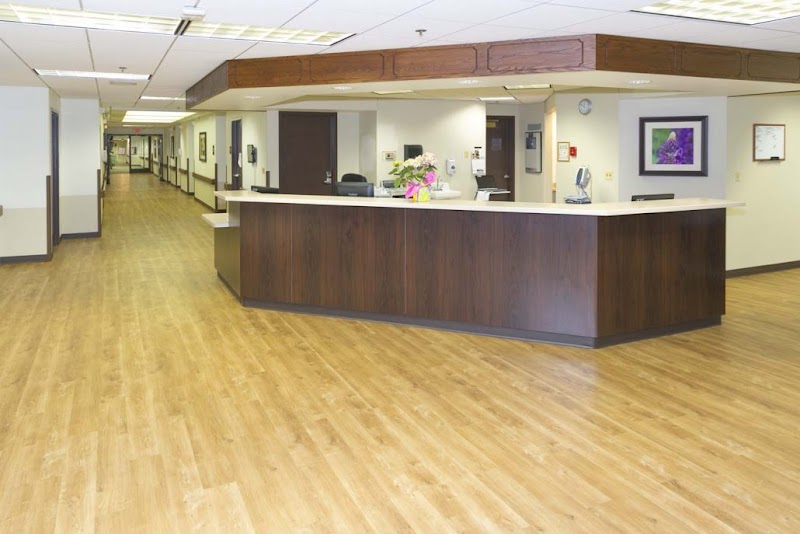
How is Gateway Transitional Staffed?

CMS rates GATEWAY TRANSITIONAL CARE CENTER's staffing level at 3 out of 5 stars, which is average compared to other nursing homes. Staff turnover is 45%, compared to the Idaho average of 46%. This relatively stable workforce can support continuity of care.

What Have Inspectors Found at Gateway Transitional?

State health inspectors documented 34 deficiencies at GATEWAY TRANSITIONAL CARE CENTER during 2019 to 2025. These included: 34 with potential for harm.
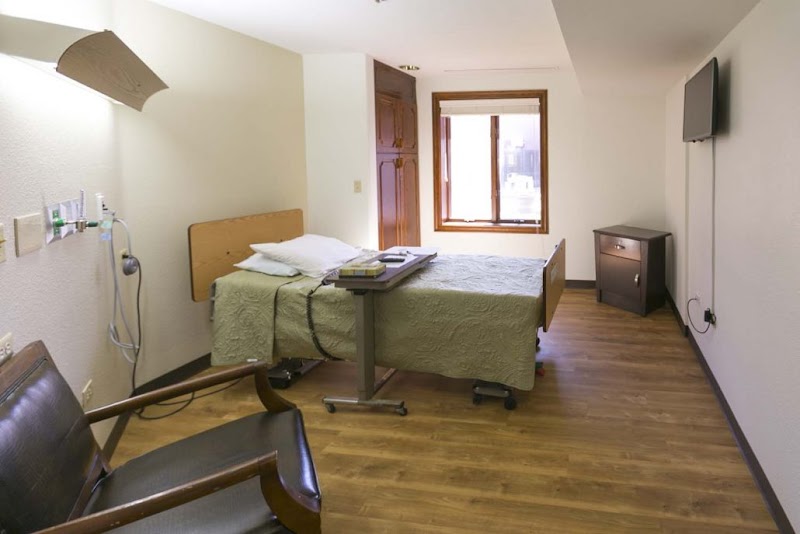
Who Owns and Operates Gateway Transitional?

GATEWAY TRANSITIONAL CARE CENTER is owned by a for-profit company. For-profit facilities operate as businesses with obligations to shareholders or private owners. The facility is operated by THE ENSIGN GROUP, a chain that manages multiple nursing homes. With 88 certified beds and approximately 80 residents (about 91% occupancy), it is a smaller facility located in POCATELLO, Idaho.
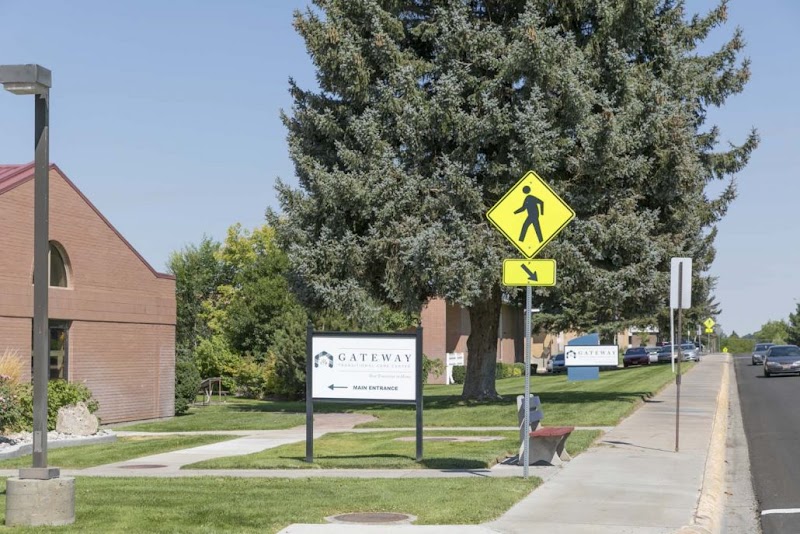
How Does Gateway Transitional Compare to Other Idaho Nursing Homes?

Compared to the 100 nursing homes in Idaho, GATEWAY TRANSITIONAL CARE CENTER's overall rating (2 stars) is below the state average of 3.3, staff turnover (45%) is near the state average of 46%, and health inspection rating (2 stars) is below the national benchmark.

What Should Families Ask When Visiting Gateway Transitional?

Based on this facility's data, families visiting should ask: "Can I visit during a mealtime to observe dining assistance and food quality?" "How do you handle medical emergencies, and what is your hospital transfer rate?" "Can I speak with family members of current residents about their experience?"

Is Gateway Transitional Safe?

Based on CMS inspection data, GATEWAY TRANSITIONAL CARE CENTER has a clean safety record: no substantiated abuse findings (meaning no confirmed cases of resident harm), no Immediate Jeopardy citations (the most serious violation level indicating risk of serious injury or death), and is not on the Special Focus Facility watch list (a federal program monitoring the lowest-performing 1% of nursing homes). The facility has a 2-star overall rating and ranks #100 of 100 nursing homes in Idaho. While no facility is perfect, families should still ask about staff-to-resident ratios and recent inspection results during their visit.

Do Nurses at Gateway Transitional Stick Around?

GATEWAY TRANSITIONAL CARE CENTER has a staff turnover rate of 45%, which is about average for Idaho nursing homes (state average: 46%). Moderate turnover is common in nursing homes, but families should still ask about staff tenure and how the facility maintains care continuity when employees leave.

Was Gateway Transitional Ever Fined?

GATEWAY TRANSITIONAL CARE CENTER has no federal fines on record. CMS issues fines when nursing homes fail to meet care standards or don't correct problems found during inspections. The absence of fines suggests the facility has either maintained compliance or corrected any issues before penalties were assessed. This is a positive indicator, though families should still review recent inspection reports for the full picture.

Is Gateway Transitional on Any Federal Watch List?

GATEWAY TRANSITIONAL CARE CENTER is not on any federal watch list. The most significant is the Special Focus Facility (SFF) program, which identifies the bottom 1% of nursing homes nationally based on persistent, serious quality problems. Not being on this list means the facility has avoided the pattern of deficiencies that triggers enhanced federal oversight. This is a positive indicator, though families should still review the facility's inspection history directly.