MONTE VISTA HILLS HEALTHCARE CENTER
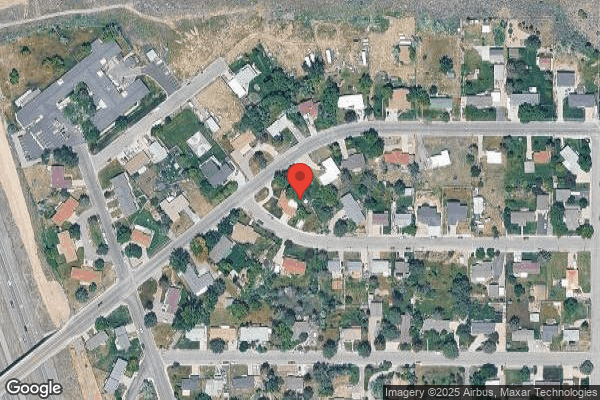
1071 RENEE AVENUE, POCATELLO, ID 83201 (208) 233-1411
For profit - Corporation 113 Beds THE ENSIGN GROUP Data: November 2025
Trust Grade
75/100
#31 of 79 in ID
Last Inspection: July 2024

Within standard 12-15 month inspection cycle. Federal law requires annual inspections.

Overview

Monte Vista Hills Healthcare Center has a Trust Grade of B, indicating it is a good choice for families seeking care, though there are areas for improvement. It ranks #31 out of 79 facilities in Idaho, placing it in the top half, and #2 out of 4 in Bannock County, meaning only one local option is rated higher. The facility is improving, with the number of issues decreasing from 10 in 2018 to 9 in 2024. Staffing is average with a turnover rate of 46%, slightly below the state average, and there are no fines on record, which is a positive sign. However, there were concerns regarding food service management, as the dietary supervisor was not fully qualified, and there were issues with food safety practices, such as improper food storage and labeling. Additionally, there were lapses in documenting important health information during resident transfers to hospitals, which could affect continuity of care.

Trust Score
B
75/100
In Idaho
#31/79
Top 39%
Safety Record
Low Risk
No red flags
Inspections
Getting Better
10 → 9 violations
Staff Stability
⚠ Watch
46% turnover. Above average. Higher turnover means staff may not know residents' routines.
Penalties
✓ Good
No fines on record. Clean compliance history, better than most Idaho facilities.
Skilled Nurses
○ Average
Each resident gets 40 minutes of Registered Nurse (RN) attention daily — about average for Idaho. RNs are the most trained staff who monitor for health changes.
Violations
⚠ Watch
19 deficiencies on record. Higher than average. Multiple issues found across inspections.
★★★★☆
4.0
Overall Rating
★★★☆☆
3.0
Staff Levels
★★★★★
5.0
Care Quality
★★★☆☆
3.0
Inspection Score
Stable
2018: 10 issues
2024: 9 issues

The Good

  • 5-Star Quality Measures · Strong clinical quality outcomes
  • Full Sprinkler Coverage · Fire safety systems throughout facility
  • No fines on record

Facility shows strength in quality measures, fire safety.

The Bad

Staff Turnover: 46%

Near Idaho avg (46%)

Higher turnover may affect care consistency

Chain: THE ENSIGN GROUP

Part of a multi-facility chain

Ask about local staffing decisions and management

The Ugly 19 deficiencies on record

Jul 2024 9 deficiencies
CONCERN (D) 📢 Someone Reported This

A family member, employee, or ombudsman was alarmed enough to file a formal complaint

Potential for Harm - no one hurt, but risky conditions existed

Deficiency F0578 (Tag F0578)

Could have caused harm · This affected 1 resident

**NOTE- TERMS IN BRACKETS HAVE BEEN EDITED TO PROTECT CONFIDENTIALITY** Based on policy review, record review, and staff interview, it was determined the facility failed to ensure a resident and their...

Read full inspector narrative →
**NOTE- TERMS IN BRACKETS HAVE BEEN EDITED TO PROTECT CONFIDENTIALITY** Based on policy review, record review, and staff interview, it was determined the facility failed to ensure a resident and their representative received assistance to exercise their right to formulate an advanced directive. This was true for 1 of 16 residents (Resident #25) whose records were reviewed for advanced directives. This deficient practice created the potential for harm or adverse outcomes if residents' wishes were not followed or documented regarding their advance care planning. Findings include: The facility's Advanced Directives and Associated Documentation policy, revision date December 2023, documented it is the policy of this facility that a resident's choice about advance directives will be recognized and respected. It is the policy of this facility to inform and provide written information to all adult residents concerning the right to accept or refuse medical or surgical treatment and, at the resident's option, formulate an advanced directive. The facility will obtain a copy of the advanced directive documents and place the documents in the resident health record. Resident #25 was admitted to the facility on [DATE], with multiple diagnoses including stroke and dementia. A Medical Treatment Decisions form, dated 8/3/21, documented Resident #25 had an advanced directive and had presented her advanced directive to the Admissions Coordinator. Resident #25's care plan, dated 8/3/21, did not include an advanced directive decision. On 7/25/24 at 4:01 PM, the DON stated Resident #25 did not have an advanced directive but did have a POST and a DPOA. She also stated Resident #25's advanced directive decisions should have been included in her care plan.
CONCERN (D) 📢 Someone Reported This

A family member, employee, or ombudsman was alarmed enough to file a formal complaint

Potential for Harm - no one hurt, but risky conditions existed

Quality of Care (Tag F0684)

Could have caused harm · This affected 1 resident

**NOTE- TERMS IN BRACKETS HAVE BEEN EDITED TO PROTECT CONFIDENTIALITY** 2. Resident #41 was admitted to the facility on [DATE], with multiple diagnoses including traumatic subdural hemorrhage, diabete...

Read full inspector narrative →
**NOTE- TERMS IN BRACKETS HAVE BEEN EDITED TO PROTECT CONFIDENTIALITY** 2. Resident #41 was admitted to the facility on [DATE], with multiple diagnoses including traumatic subdural hemorrhage, diabetes, malnutrition, and respiratory failure. Resident #41's physician's order, dated 7/28/22, documented every shift staff were to ensure the catheter is secured to facilitate flow of urine, prevent kinking of tubing, and accidental removal. Resident #41's care plan, directed staff to secure catheter to facilitate flow of urine, prevent kinking of tubing, and accidental removal. On 7/24/24 at 9:36 AM, Resident #41's foley catheter tubing was observed, with CNA #2 present, and found not to be secured. On 7/25/24 at 5:06 PM, Resident #41's foley catheter tubing was observed, with the DON present, and found not to be secured. On 7/25/24 at 5:08 PM, the DON stated Resident #41 should have had his catheter tubing secured to his leg to prevent it from being pulled out. Based on observation, record review, and staff interview, it was determined the facility failed to ensure professional standards of practice and comprehensive care plans were followed for 2 of 16 residents (Residents #17 and #41) reviewed for quality of care. Resident #17 was at risk of wound infection when her wound care was not performed as directed by her care plan. Resident #41 was at risk for adverse outcomes when his urinary catheter tubing was not secured as directed by his care plan. Findings include: 1. Resident #17 was admitted to the facility on [DATE] and readmitted on [DATE], with multiple diagnoses including orthopedic aftercare following surgical amputation of lower right extremity and morbid obesity. Resident #17's MAR included the following wound care interventions which were not completed as ordered by her physician and care plan: - Monitor wound vac each shift to ensure properly functioning, do not change dressing. If issues are noted, then reinforce dressing only and notify physician. Dressing will be completed in the orthopedic office. Order start date 1/18/23. Order discontinued date 2/12/23. The wound monitoring was not documented as completed for the dayshift on 1/19/23, 1/20/23, 1/21/23, 1/26/23, and 1/27/23. - Wound care RLE (right lower extremity). Clean with wound cleanser or NS (normal saline). Cover with a dry dressing. Change daily and as needed for wound care. Order start date 1/26/23. Order discontinued date 1/29/23. The wound care was not documented as completed on 1/26/23 and 1/27/23. - Leave incision to right leg open to air every shift. Order start date 11/28/22. Order discontinued date 1/12/23. The wound care was not documented as completed for the dayshift on 12/2/23, 12/4/23, 12/8/23, 12/22/23, 12/31/23, and for nightshift on 12/17/23 and 12/23/23. During an interview on 7/26/24 at 11:35 AM, the DON reviewed Resident #17's record and confirmed her wound care was not performed as directed by physician orders and the care plan, and there was no further documentation as to why the wound care was not completed.
CONCERN (D) 📢 Someone Reported This

A family member, employee, or ombudsman was alarmed enough to file a formal complaint

Potential for Harm - no one hurt, but risky conditions existed

Deficiency F0688 (Tag F0688)

Could have caused harm · This affected 1 resident

**NOTE- TERMS IN BRACKETS HAVE BEEN EDITED TO PROTECT CONFIDENTIALITY** Based on observation, interview, and record review, the facility failed to ensure positioning devices were in place to prevent f...

Read full inspector narrative →
**NOTE- TERMS IN BRACKETS HAVE BEEN EDITED TO PROTECT CONFIDENTIALITY** Based on observation, interview, and record review, the facility failed to ensure positioning devices were in place to prevent further contractures for 1 of 1 resident (Resident #6) reviewed for range of motion. This deficient practice could result in further contractures and pain for Resident #6. Findings include: A facility policy for range of motion was requested and not provided. Resident #6 was admitted to the facility on [DATE], with multiple diagnoses including traumatic brain dysfunction, quadriplegia (a symptom of paralysis that affects all a person's limbs and body from the neck down), and contractures (a condition of shortening and hardening of muscles, tendons, or other tissue, often leading to deformity and rigidity of joints). Resident #6's annual MDS, dated [DATE], documented Resident #6's cognition was severely impaired and her upper extremity (shoulder, elbow, wrist, hand) had impairment on both sides. A physician order, dated 5/27/22, documented, Encourage use of carrots [a positioning device] or rolled up washcloth in bilateral hands as she will accept to assist with contracture prevention. Resident #6's care plan, revised 7/23/24, directed staff to, Encourage (carrots) or rolled up washcloths to bilateral hands as she will accept/tolerate (does often refuse and remove) to assist with prevention of further contractures and ROM limitations. A TAR, dated July 2024, documented Resident #6 had the carrots or rolled up washcloths in place during the dayshift on 7/22/24, 7/23/24, and 7/24/24. On 7/22/24 at 11:45 AM, Resident #6 was observed sitting in her wheelchair in the hallway. Resident #6's hands were contracted as she held them against her chest. No positioning devices were in her hands. On 7/23/24 at 2:50 PM, Resident #6 was observed awake in bed and holding her contracted hands against her chest. No positioning devices were in her hands. On 7/24/24 at 10:27 AM, Resident #6 was observed asleep in bed and holding her contracted hands against her chest. No positioning devices were in her hands. On 7/24/24 at 2:37 PM, Resident #6 was observed asleep in bed and holding her hands against her chest. No positioning devices in her hands. Progress notes, dated 7/22/24, 7/23/24, and 7/24/24, did not include documentation of Resident #6 refusing the positioning devices in her hands. During an interview on 7/24/24 at 3:03 PM, LPN #2 was asked about Resident #6's positioning devices. LPN #2 confirmed Resident #6 did not have the positioning devices in her hands stating, she has them but will refuse to use them. LPN #2 looked in Resident #6's room for the positioning devices and came out of the room stating she could not find them. LPN #2 then stated, the laundry may have it. LPN #2 stated sometimes Resident #6 will get the positioning devices soiled during breakfast when RNA #1 feeds her and RNA #1 may have put it in the laundry. On 7/25/24 at 11:52 AM, RNA #1 was asked if Resident #6 had positioning devices in her hands during this week and RNA #1 said, No. On 7/25/24 at 4:51 PM, CNA #6 was asked if Resident #6 used positioning devices for her contractures and CNA #6 stated, No, she's never seen any carrots or wash cloths for her hands. On 7/26/24 at 9:57 AM, the DON stated she was not aware the TAR documented Resident #6 had the positioning devices in her hands, but Resident #6's refusals were not documented. On 7/26/24 at 10:24 AM, the PTA was asked about Resident #6's carrots for her hands. The PTA stated he had provided Resident #6 with positioning devices about two months ago, and they should be in her room and should be used.
CONCERN (D) 📢 Someone Reported This

A family member, employee, or ombudsman was alarmed enough to file a formal complaint

Potential for Harm - no one hurt, but risky conditions existed

Accident Prevention (Tag F0689)

Could have caused harm · This affected 1 resident

**NOTE- TERMS IN BRACKETS HAVE BEEN EDITED TO PROTECT CONFIDENTIALITY** Based on interview, record review, and policy review, it was determined the facility failed to ensure staff used a gait belt per...

Read full inspector narrative →
**NOTE- TERMS IN BRACKETS HAVE BEEN EDITED TO PROTECT CONFIDENTIALITY** Based on interview, record review, and policy review, it was determined the facility failed to ensure staff used a gait belt per the policy during a transfer that resulted in a potential for more than minimal harm for 1 of 5 residents (Resident #116) reviewed for accidents. Findings include: Resident #116 was admitted to the facility on [DATE], with multiple diagnoses including status-post left hip fracture, osteoporosis, Parkinson's disease, and arthritis. Resident #116's admission MDS, dated [DATE], stated Resident #116 was cognitively intact; height was 63 inches and weight was 202 pounds and required substantial/maximal assistance with chair/bed-to-chair transfer. A care plan, dated 11/6/23, stated, ADL Self Care Performance Deficit r/t [related to] acute illness, Parkinson's disease, S/P [status post] left hip fracture. An intervention included, Transfer (chair/bed to chair transfer, toilet transfer): Requires dependent assist, 2 person mechanical lift, dated 11/16/23. A fall risk evaluation, dated 11/8/23 stated Resident #116 was a high risk for falls, had a history of falls, and had balance problems while standing/walking. A nursing note, dated 12/8/24, stated Resident #116 was assisted by COTA #1 resulting in a complaint of pain in her left hip and a skin tear to her left hand. Resident #116 was transferred to the hospital for assessment. Physician progress notes, dated 12/29/24, stated Resident #116 was admitted to the hospital on [DATE] with a left femoral fracture (periprosthetic [close to implant], both distal and proximal). The facility investigation, dated 12/8/23, documented the following: Resident #116 lost her balance and was assisted to the floor by COTA #1 during a transfer from a wheelchair to a recliner. Resident #116 was taken to the hospital and a left periprosthetic femoral fracture was found and surgical repair was performed. COTA #1's statement documented, I was helping resident transfer from wheelchair to recliner. I placed the walker in front of the resident and put a hand under her right arm to give her a boost up, because she has been transferring well lately. Resident lost her balance and had a moderate fall backwards, more to her left side. She was mostly on her left buttock when she was on the floor. I immediately notified nursing while I supported resident upper body in sitting position on the floor. The facility investigation conclusion documented staff were trained on 12/8/23 regarding ensuring residents are wearing non skid footwear during transfers, locking wheelchair brakes, and using a gait belt during transfers. On 7/25/24 at 6:40 PM, COTA #1 was asked if she used a gait belt during Resident #116's transfer. She stated she normally used a gait belt, but could not remember if she used a gait belt during Resident #116's transfer on 12/8/23. COTA #1 confirmed Resident #116 was a two-person transfer for the CNAs, but she did not use a second person because therapy listed Resident #116 as a moderate assist, requiring one person. On 7/26/24 at 10:15 AM, the PTA stated COTA #1 should have used two-persons to transfer Resident #116 on 12/8/23, and confirmed COTA #1 did not utilize a second person. The PTA was asked if it was their policy to use a gait belt for Resident #116 and was a gait belt used when Resident #116 fell. He stated it was their policy and confirmed it was not documented that COTA #1 used a gait belt during resident #116's transfer on 12/8/23. On 7/26/24 at 1:52 PM, the Administrator stated for all staff, including therapy staff, are expected to follow the care plan and use a gait belt for transfers.
CONCERN (D) 📢 Someone Reported This

A family member, employee, or ombudsman was alarmed enough to file a formal complaint

Potential for Harm - no one hurt, but risky conditions existed

Infection Control (Tag F0880)

Could have caused harm · This affected 1 resident

**NOTE- TERMS IN BRACKETS HAVE BEEN EDITED TO PROTECT CONFIDENTIALITY** The facility's Oxygen Use policy with a revision/review dated January 2024, documented the filter on the concentrator should be ...

Read full inspector narrative →
**NOTE- TERMS IN BRACKETS HAVE BEEN EDITED TO PROTECT CONFIDENTIALITY** The facility's Oxygen Use policy with a revision/review dated January 2024, documented the filter on the concentrator should be checked at least every month and cleaned as needed. Resident #14 was admitted to the facility on [DATE], with multiple diagnoses including cerebral palsy, chronic respiratory failure, and diabetes. Resident #14's physician order documented to change tubing, clean filter, and change oxygen water bottle every Sunday on the night shift, starting 12/19/21. On 7/22/24 at 11:22 AM, surveyor observed the filter on Resident #14's oxygen concentrator to have a thick layer of dust. On 7/26/24 at 8:48 AM, the IP stated the night shift nurse is responsible for cleaning the filters on the side of the oxygen concentrators. Additionally, the IP stated the oxygen concentrators should be cleaned monthly and PRN. Based on observation, policy review, and staff interview, the facility failed to ensure adherence to infection control and prevention practices to provide a safe and sanitary environment, when staff did not clean resident's equipment, perform hand hygiene properly, and follow proper protocol when checking blood sugars, and administering insulin. These failures had the potential to impact 1 of 7 resident's (Resident #27) equipment observed for cleanliness, 1 of 1 resident (Resident #41) for catheter drainage bag care, and 2 of 4 residents (Resident #14 & #41) who have their blood sugar checked and are on insulin. These deficient practices placed them at risk for cross-contamination and infection. Findings include: The facility's Hand Hygiene policy, revised December 2023, directs staff to use alcohol-based hand rub prior to donning gloves, removing gloves, before moving from a contaminated body site to a clean body site during resident care, and before and after handling urinary catheters. The U.S. Centers for Disease Control and Prevention, (CDC), Clinical Safety: Hand Hygiene for Healthcare Workers, (https://www.cdc.gov/clean-hands/hcp/clinical-safety/), dated February 27, 2024, documents to change gloves and clean hands, when moving from a soiled body site to a clean body site on the same patient. The facility's Glucometer Cleaning and Decontamination policy, revised December 2020, directed staff to disinfect the exterior surface of the glucometer after each use, following the manufacturer's directions, using either an EPA-registered detergent/germicide with a tuberculocidal or HBV/HIV label claim. The Sani-Cloth guideline for use documented: - unfold a clean wipe and thoroughly wet surface. - allow treated surface to remain wet for 2 minutes. - let it air dry. The facility's Administering Insulin policy, revised March 2023, directed staff to swab rubber cap with alcohol sponge, when preparing the insulin syringe and needle. 1. On 7/22/24 at 12:31 PM, CNA #6 delivered Resident #25's meal to her. CNA #6 did not offer hand hygiene to Resident #25. On 7/22/24 at 12:33 PM, CNA #6 stated I do wash their hands, but I must have spaced that one. On 7/22/24 at 12:36 PM, CNA #1 was observed passing meal trays to residents eating in their room. She did not offer to wash the resident's hands before setting up their meals. On 7/22/24 at 12:40 PM, CNA #1 stated, she did not offer to wash her hands and should have. We should be asking if they want their hands washed. 2. On 7/23/24 at 2:30 PM, CNA #3 and CNA #4 were observed transferring Resident #27 using the Hoyer lift (an assistive device that allows resident to be transferred by the use of electrical power). The Hoyer lift was observed with a dry gray substance on the base of the machine. After Resident #27 was transferred, CNA #4 took the Hoyer lift down the hall to the storage room. CNA #4 did not clean the Hoyer lift after transferring Resident #27. On 7/23/24 at 2:43 PM, CNA #4 stated she was not sure when the Hoyer lifts were cleaned. On 7/23/24 at 2:44 PM, Housekeeper #1 stated Hoyer lifts should be cleaned after every use. On 7/23/24 at 2:46 PM, CNA #3 stated the Hoyer lift should have been cleaned after transferring Resident #27. On 7/26/24 at 11:53 AM, the DON stated Hoyer lifts should be cleaned by the CNAs between residents. 3. Resident #41 was admitted to the facility on [DATE], with multiple diagnoses including traumatic subdural hemorrhage, diabetes, malnutrition, and respiratory failure. On 7/24/24 at 9:36 AM, observed CNA #2 provide Resident #41 with foley catheter care. CNA #2 donned gloves and cleaned Resident #41's urinary meatus (the opening in the penis where the urine comes out) and then cleaned a small amount of stool from his rectum. CNA #2 did not change soiled gloves before placing a clean brief on Resident #41. On 7/24/24 at 9:38 AM, observed CNA #2 donning a new pair of gloves without performing hand hygiene, to drain Resident #41's foley drainage bag. On 7/24/24 at 9:43 AM, CNA #2 stated she should have changed her gloves after providing catheter care to Resident #41 and she did not know she needed to wash her hands when changing her gloves. 4. Resident #49 was admitted to the facility on [DATE], with multiple diagnoses including diabetes and COPD. On 7/24/24 at 11:34 AM, LPN #2 used the glucometer (a device used to measure the amount of glucose in your blood) to check Resident #49's blood sugar. LPN #2 brought the glucometer to the medication cart and was observed wiping the glucometer off with a Sani-cloth (disinfecting wipe) and then placed the glucometer on a tissue, on top of the medication cart. LPN #2 did not follow recommended dry time of 2 minutes as listed on the Sani-cloth container. On 7/24/24 at 11:39 AM, LPN #2 removed Resident #49's insulin pen from the top drawer of the medication cart. She then placed the needle on the tip of the insulin pen. LPN #2 did not clean rubber cap of the insulin pen prior to applying the needle. On 7/24/24 at 11: 43 AM, LPN #2 stated the needle was still covered so she did not think she had to clean the insulin pen stopper. She also stated she thought the dry time for the Sani-cloth was 2 minutes, but she would have to check, and she did not know it had to be kept wet for the 2 minutes. Resident #10 was admitted to the facility on [DATE], with multiple diagnoses including diabetes and hypertension. On 7/24/24 at 11:49 AM, LPN #1 used the glucometer to check Resident #10's blood sugar. LPN #1 brought the glucometer to the medication cart and was observed wiping the glucometer off with a Sani-cloth and then placed the glucometer on a tissue, on top of the medication cart. LPN #1 did not follow recommended dry time of 2 minutes as listed on the Sani-cloth container. On 7/24/24 at 11:57 AM, LPN #1 stated the dry time for the Sani-cloth was 2 minutes, but she did not realize it had to stay on the glucometer for 2 minutes. On 7/26/24 at 8:50 AM, the DON stated the facility did not have an Insulin pen use/cleaning policy. They just follow the regular insulin policy.
CONCERN (E) 📢 Someone Reported This

A family member, employee, or ombudsman was alarmed enough to file a formal complaint

Potential for Harm - no one hurt, but risky conditions existed

Transfer Requirements (Tag F0622)

Could have caused harm · This affected multiple residents

**NOTE- TERMS IN BRACKETS HAVE BEEN EDITED TO PROTECT CONFIDENTIALITY** 4. Resident #33 was admitted to the facility on [DATE], with multiple diagnoses including metabolic encephalopathy, sepsis, and ...

Read full inspector narrative →
**NOTE- TERMS IN BRACKETS HAVE BEEN EDITED TO PROTECT CONFIDENTIALITY** 4. Resident #33 was admitted to the facility on [DATE], with multiple diagnoses including metabolic encephalopathy, sepsis, and pneumonia. Resident #33's record documented she was transported and admitted to the hospital on [DATE], with a diagnosis of pneumonia and again on 5/25/24, with a diagnoses of acute chronic respiratory failure and sepsis secondary to pneumonia. Resident #33's record did not include documentation of the information that was provided to the hospital upon Resident #33's transfer. On 7/26/24 at 11:58 AM, the SSD, who is responsible for transfer and discharge documentation and notification, stated he was not aware of what documentation was needed for a hospital transfer. Based on policy review, record review, and staff interview, it was determined the facility failed to ensure continuity of care by not providing pertinent health information to the receiving hospital. This was true for 4 of 6 residents (#19, #33, #34, and #55) reviewed for transfers. This deficient practice had the potential to result in adverse outcomes if residents were not treated in a timely manner due to the lack of information provided upon transfer. Findings include: The facility's Criteria for Transfer and Discharge policy, dated December 2023, documented, information provided to the receiving provider must include a minimum of the following: a. Contact information of the practitioner responsible for the care of the resident. b. Resident representative information including contact information. c. Advance Directive information. d. All special instructions or precautions for ongoing care, as appropriate, to include but is not limited to treatments and devices, transmission-based precautions, and special risks (e.g., falls, elopement, aspiration, or pressure injury). e. Comprehensive care plan goals; and f. All other necessary information, including a copy of the resident's discharge summary, and any other documentation, as applicable, to ensure a safe and effective transition of care. The following resident records did not include documentation that pertinent resident health information had been sent to the hospital upon their transfer: 1. Resident #19 was admitted to the facility on [DATE], with multiple diagnoses including metabolic encephalopathy (a chemical imbalance in the blood that damages the brain), sepsis, urinary tract infection, diabetes, severe protein-calorie malnutrition, and acute kidney failure. LPN #1 noted on 7/16/24 at 10:13 AM, due to lab work results, Resident #19 was transferred to the hospital and admitted for hyponatremia and abnormal renal function. A nurses note, dated 7/16/24 at 6:14 PM, documented Resident #19's daughter was notified of the hospital transfer and admit. Resident #19's medical record did not include documentation that her advance directive, comprehensive care plan, or other pertinent resident health information had been sent to the hospital. On 7/26/24 at 9:45 AM, the DON stated there was no documentation of what information was sent with Resident #19 to the hospital. 2. Resident #34 was admitted to the facility on [DATE], with multiple diagnoses including gastrointestinal hemorrhage, severe protein-calorie malnutrition, COPD, and diabetes. A Nursing Home to Hospital Transfer form, dated 5/28/24, documented Resident #34 was transferred to hospital for gastrointestinal bleeding. A nurses note, dated 5/28/24, documented, resident left facility with POST form, admission form, and med list. Resident #34's medical record did not include documentation that her advance directive, comprehensive care plan, or other pertinent resident health information had been sent to the hospital. On 7/25/24 at 3:54 PM, the DON confirmed that the care plan and advanced directives were not sent to the hospital. 3. Resident #55 was admitted to the facility on [DATE], with multiple diagnoses including acute osteomyelitis of the left ankle and foot, sepsis, chronic ulcer on part of left foot, diabetes, and morbid obesity. A nurses note, dated 5/27/24, documented Resident #55 was transferred to the hospital with new onset, foul drainage from his left foot ulcer. A nurses note, dated 5/27/24 at 2:06 PM, noted Resident #55's brother was notified of his transfer to the hospital. On 7/25/24 at 5:05 PM, the DON stated there was no documentation in Resident #55's record of what information was sent to the hospital. Additionally, the DON confirmed there was no physician's order for his transfer to the hospital.
CONCERN (E) 📢 Someone Reported This

A family member, employee, or ombudsman was alarmed enough to file a formal complaint

Potential for Harm - no one hurt, but risky conditions existed

Deficiency F0761 (Tag F0761)

Could have caused harm · This affected multiple residents

Based on observation, policy review, and staff interview, it was determined the facility failed to secure and label unidentified loose pills in 1 of 1 medication cart (North side medication cart), aud...

Read full inspector narrative →
Based on observation, policy review, and staff interview, it was determined the facility failed to secure and label unidentified loose pills in 1 of 1 medication cart (North side medication cart), audited for labeling and storage of medication. This failure created the potential for residents to miss doses of medication. Findings include: The facility's Medication Access and Storage policy, revision date May 2023, documented: - The provider pharmacy dispenses medications in containers that meet legal requirements, including requirements of good manufacturing practices where applicable. Medications are kept and stored in these containers. - Outdated, contaminated, or deteriorated medications and those in containers that are cracked, soiled, or without secure closures are immediately removed from stock, disposed of according to procedures for medication destruction, and reordered from the pharmacy, if a current order exists. - Medication storage areas are kept clean, well lit, and free of clutter. On 7/24/24 at 2:39 PM, a North side medication cart audit was completed with LPN #1 present. The following was found: - 4 unidentified pink pills loose in the second drawer. - 3 unidentified blue pills loose in the second drawer. - 1 unidentified half of a brown tablet loose in the second drawer. - 10 unidentified white pills, different sizes, loose in the second drawer. On 7/24/24 at 2:44 PM, LPN #1 stated she did not know why the pills were on the bottom of the drawer and she was not sure whose job it was to check the medication cart for loose pills. On 7/25/24 at 11:09 AM, the DON stated the nurses should check the medication cart throughout their shift and destroy loose medication in the drug buster bottle. If it is a narcotic it is destroyed by 2 nurses. She also stated she was not sure if pharmacy checks the carts when they are in the facility. The DON stated the medication cart audits are done by the DON but, there is not documentation of the audit being done, what they are looking for, or what they found.
CONCERN (F) 📢 Someone Reported This

A family member, employee, or ombudsman was alarmed enough to file a formal complaint

Potential for Harm - no one hurt, but risky conditions existed

Deficiency F0801 (Tag F0801)

Could have caused harm · This affected most or all residents

Based on interview and record review, the facility failed to employ a qualified director of food and nutrition services. This deficient practice had the potential to affect 61 of 62 residents who rece...

Read full inspector narrative →
Based on interview and record review, the facility failed to employ a qualified director of food and nutrition services. This deficient practice had the potential to affect 61 of 62 residents who received meals prepared in the facility's kitchen. Findings include: A printout of the Dietary Manager certification training program stated the Dietary Supervisor (DS) had completed 34% of the course since it was started 1/4/24. On 7/23/24 at 4:06 PM, the DS was asked if she was certified as a Dietary Manager. She stated she was not, but she had been working as the Dietary Manager at the facility since April of 2023. The DS stated she had ten years of food service experience in restaurants but none in healthcare. She stated she had her food handler's certification and had not completed other courses in food safety and management. During an interview on 7/25/24 at 3:15 PM, the Administrator and RD confirmed the DS was currently enrolled in a qualifying course which would provide the DS with the credentials she needed to meet the regulation after completion of the course.
CONCERN (F) 📢 Someone Reported This

A family member, employee, or ombudsman was alarmed enough to file a formal complaint

Potential for Harm - no one hurt, but risky conditions existed

Food Safety (Tag F0812)

Could have caused harm · This affected most or all residents

Based on observation, interview, policy review, and review of the Idaho and FDA Food Codes, the facility failed to appropriately store, distribute, and label foods; clean ovens; and perform appropriat...

Read full inspector narrative →
Based on observation, interview, policy review, and review of the Idaho and FDA Food Codes, the facility failed to appropriately store, distribute, and label foods; clean ovens; and perform appropriate hand hygiene. This deficient practice had the potential to affect 61 of 62 residents who received meals prepared in the facility's kitchen. Findings include: 1. The Idaho Food Code, revised February 2021, stated 3-501.17 Ready-to-Eat, Time/Temperature Control for Safety Food, Date Marking . refrigerated, ready-to-eat, time/temperature control for safety food prepared and held in a food establishment for more than 24 hours shall be clearly marked to indicate the date or day by which the food shall be consumed on the premises, sold, or discarded when held at a temperature of 5ºC (41ºF) or less for a maximum of 7 days. The day of preparation shall be counted as Day 1. The facility policy titled Food Labeling and Storage, undated, stated All time and temperature control for safety (TCS) foods (including leftovers) should be labeled, covered and dated when stored and When a food package is opened, the food item should be marked to indicate the open date. This date is used to determine when to discard the food. The facility policy titled Food Storage, undated, stated 12. Leftover food should be stored in covered containers or wrapped carefully and securely and clearly labeled and dated before being refrigerated, f. All foods should be covered, labeled and dated and routinely monitored to assure that foods (including leftovers) will be consumed by their use by dates, or frozen (where applicable) or discarded, and c. All foods should be covered, labeled and dated. All foods will be checked to assure that foods will be consumed by their use by dates or discarded. A. On 7/22/23 at 10:44 AM and on 7/23/24 at 4:20 PM, the walk-in refrigerator was observed with the DS. Open containers were found that included: - a bottle of salad dressing with an expired use by date of 7/7/24. - a bottle of Italian dressing with an open date of 6/25/24 and a use by date of 7/25/24 with an open/exposed spout. - a bottle of Italian dressing with an open date of 6/29/24 and a use by date of 7/28/24 with an open/exposed spout. - a bottle of Ranch dressing with an open date of 6/23/24 and a use by date of 7/30/24 with an open/exposed spout. On 7/25/24 at 12:42 PM, the DS stated the salad dressings were homemade except the Ranch dressing and the Ranch dressing was removed from the original container. The DS stated she thought the USDA [United States Department of Agriculture] rule applied, keeping salad dressings up to 30 days. On 7/25/24 at 3:05 PM, the RD was asked about kitchen labeling, storing, cleaning the ovens, and handwashing practices. The RD confirmed the items in the walk-in refrigerator and mini freezer should have been protected from freezer burn and should have been labeled and dated. B. On 7/23/24 at 4:20 PM, the walk-in refrigerator was observed with the DS. An undated open/exposed bag of whipped cream was found. The DS stated staff should have placed it in a zip lock bag. C. On 7/22/24 at 10:44 AM, the mini freezer in the kitchen was observed with the DS. The freezer contained food products that were loosely wrapped/covered and did not contain a date or a label. These included a package of pancakes, two packages of French toast, two packages of hash browns, a package of onions/pepper mix, a double layer of trays with multiple single size servings of ice cream, a package of chicken cordon bleu, a package of chicken nuggets, a pizza, a package of biscuits covered in ice, and a package of chicken strips. The DS acknowledged the frozen items did not contain a date or label but felt the items wrapped in a plastic film was sufficient to prevent freezer burn. On 7/23/24 at 4:28 PM, the mini freezer in the kitchen was observed with the DS. The freezer contained an undated package of loosely wrapped chicken strips and ravioli. The DS acknowledged the frozen items did not contain a date or label and the items were only wrapped in plastic film. During an interview on 7/25/24 at 3:05 PM, the RD was asked about kitchen labeling, storing, cleaning the ovens, and handwashing practices. The RD confirmed the items in the walk-in refrigerator and mini freezer should have been protected from freezer burn and should have been labeled and dated. The RD stated she observed the trays of single servings of ice cream in the mini freezer and made recommendations to the DS. 2. FDA Food Code Section 4-601.11 stated, EQUIPMENT, FOOD-CONTACT SURFACES, NONFOOD-CONTACT SURFACES, AND UTENSILS (A) (B) (C) EQUIPMENT FOOD-CONTACT SURFACES and UTENSILS shall be clean to sight and touch. The FOOD-CONTACT SURFACES of cooking EQUIPMENT and pans shall be kept free of encrusted grease deposits and other soil accumulations. Non FOOD-CONTACT SURFACES of EQUIPMENT shall be kept free of an accumulation of dust, dirt, FOOD residue, and other debris. The facility's General Food Preparation and Handling policy, undated, stated: - The kitchen surfaces and equipment will be cleaned and sanitized as appropriate - Prepared food will be transported to other areas in covered containers - Bare hands should never touch ready to eat raw food directly. Disposable gloves are a single use item and should be discarded after each use. Employees should wash their hands prior to putting gloves on and after removing gloves. A. On 7/22/24 at 10:44 AM, the two standard ovens and stoves were observed with the DS. The bottom of the inside of both ovens contained a white dried residue and the two grease trays, below the stoves, contained food drainage. On 7/23/24 at 4:06 PM, the two standard ovens were observed to have the same white residue and both stove grease trays contained the same food drainage from the day before. On 7/23/24 at 4:06 PM, the DS stated the ovens and grease trays should be cleaned daily but she was not sure what the white residue was. B. On 7/22/24 at 10:55 AM and 7/23/24 at 4:11 PM, multiple clean trays, tubs, silverware, multiple plate bases and lids sitting on a back table were observed with the DS. These items were noted to be covered in a white residue. On 7/23/24 at 4:11 PM, DS stated the white residue was due to hard water. DS stated, the water softer machine had been down for one week and the last time the dishes were de-limed was one and a half months ago. C. On 7/23/24 at 4:46 PM, the refrigerator in the nutrition room on the south nurse station was observed with the DS and to contain an open container of frozen fruit, undated, and a container of fruit, with an expired date of 7/16/24. The DS confirmed the frozen fruit should have been disposed of on 7/16/24. D. On 7/24/24 at 7:31 AM, the [NAME] did not wash his hands between glove changes while plating breakfast foods on the steamtable. On 7/24/24 at 7:39 AM, the Dietary Aide did not wash her hands before donning gloves while assembling the breakfast trays. On 7/24/24 at 7:41 AM, the DS was observed handling the lid of the large trash can to discard her gloves and did not wash her hands prior to donning another pair of gloves at 7:42 AM, and handling toast while preparing for breakfast. The DS was asked about not washing her hands and the DS confirmed she should have washed her hands before donning the gloves. On 7/24/24 at 9:28 AM, the Dietary Aide touched the sink faucet with her bare hands after washing her hands and then proceeded to unload clean dishes from the dishwasher. During a follow up interview on 7/26/24 at 8:26 AM, the RD was asked about her expectation for sealing open foods, labeling foods, and handwashing. RD stated to follow their state food code which was to securely seal and label foods and wash hands when indicated.
May 2018 10 deficiencies
CONCERN (D)

Potential for Harm - no one hurt, but risky conditions existed

Deficiency F0583 (Tag F0583)

Could have caused harm · This affected 1 resident

Based on observation and staff interview, it was determined the facility failed to ensure a resident's privacy was maintained during personal care. This true for 1 of 6 residents (#30) observed during...

Read full inspector narrative →
Based on observation and staff interview, it was determined the facility failed to ensure a resident's privacy was maintained during personal care. This true for 1 of 6 residents (#30) observed during the provision of personal care. The failure created the potential for Resident #30 to be embarrassed if her body was exposed to others unnecessarily. Findings include: On 05/1/18 at 9:52 AM, CNA #1 and the DNS were observed as they transferred Resident #30 to bed, pulled her pants down, checked her incontinence brief, pulled her pants up, then repositioned her to her side. During this time, the window blind was raised eight inches. The grass lawn was visible from the resident's window. On 05/2/18 at 11:21 AM, CNA #2 was observed as she completed incontinence care for Resident #30, pulled up the resident's pants, then placed a mechanical lift sling under the resident. During this time, the window blind was raised eight inches. The recently mowed lawn was visible from the resident's window. When asked about the raised window blind, CNA #2 said she forgot to lower the blind when she changed the resident's incontinence brief. On 5/3/18 at 6:30 PM the DNS said the window blind should have been lowered when Resident #30 received personal care in her room.
CONCERN (D)

Potential for Harm - no one hurt, but risky conditions existed

Deficiency F0657 (Tag F0657)

Could have caused harm · This affected 1 resident

**NOTE- TERMS IN BRACKETS HAVE BEEN EDITED TO PROTECT CONFIDENTIALITY** 2. Resident #8 was readmitted to the facility on [DATE] with multiple diagnoses, including respiratory failure. The care plan w...

Read full inspector narrative →
**NOTE- TERMS IN BRACKETS HAVE BEEN EDITED TO PROTECT CONFIDENTIALITY** 2. Resident #8 was readmitted to the facility on [DATE] with multiple diagnoses, including respiratory failure. The care plan which addressed psychotropic medications and anxiety, dated 11/10/15 and revised on 1/31/18, did not direct staff on what to do when the resident became anxious. A hospice physician's order, dated 1/26/18, documented an order for Lorazepam .5 mg every 4 hours PRN for anxiety. Resident #8's MAR from 1/26/18 through 5/2/18, documented the Lorazepam was administered one time on 3/8/18 and it was effective On 4/30/18 at 5:59 PM, and on 5/1/18 at 11:17 AM, 12:56 PM, and 4:58 PM, Resident #8 was observed in her wheelchair either in the dining room or in the hallway and did not appear to display signs or symptoms of anxiety. On 5/3/18 at 8:17 AM, LPN #2 said Resident #8 was occasionally anxious, but staff would talk with her, redirect her with food, or provide an activity. On 5/3/18 at 8:31 AM, the DNS said the care plan which addressed psychotropic medications and anxiety, did not direct staff to attempt non-pharmacological interventions. She said when the resident became anxious she would personally hold Resident #8's hand and the resident would usually calm down. On 5/3/18 at 9:19 AM, CNA #4 said Resident #8 usually did not get anxious. She said when the resident became anxious she would talk with her and she would calm down. Based on record review and staff interview, it was determined the facility failed to ensure care plans were revised as residents' needs changed. This was true for 2 of 14 sample residents (#8 and #16) whose care plans were reviewed. The failure created the potential for harm when Resident #16's care plan was not revised to include upper extremity ROM and cone splints, and when Resident #8's care plan was not revised to include non-pharmacological interventions for managing the resident's anxiety. Findings include: 1. Resident #16 was admitted to the facility on [DATE] with multiple diagnoses, including traumatic brain injury and quadriplegia. The admission MDS assessment, dated 8/22/17, documented Resident #16 had severe cognitive impairment, required extensive to total assistance of 1 to 2 people for all ADLs, and had 3 days of OT. The 11/21/17 quarterly MDS assessment differed from the 8/22/17 MDS in that it documented OT ended 10/18/17 and Resident #16 had 3 days of a Restorative Nursing Program (RNP). The 2/20/18 quarterly MDS assessment, differed from the 11/21/17 MDS in that it documented the resident had 1 day of a Restorative Nursing Program. A 10/18/17 OT Discharge Summary documented that at baseline (8/16/17), Resident #16 would not allow hand splints to be placed without biting and hitting; by 10/11/17 that 75% of CNAs had been trained to place cone splints in the resident's hands; and by discharge (10/18/17), CNAs had been trained on cone splint placement. The OT Discharge Summary recommendations included, Continue wearing cone splints to prevent contracture .Restorative Program Established/Trained . Resident #16's 11/20/17 PT Discharge Summary documented, RNA trained on ROM techniques . The 8/12/17 ADL care plan was revised on 11/13/17 to include an intervention for nursing rehabilitation 3 days per week for passive ROM to the hips and lower extremities. Resident #16's care plan did not include an intervention for an RNP for the upper extremities and cone splints to the hands as recommended by OT on 10/18/17. On 5/2/18 at 3:45 PM, the MDS nurse said she managed the RNP and that Resident #16's restorative nursing involved ROM to the hips and lower extremities. On 5/3/18 at 1:44 PM, the MDS nurse said the OT recommendations for a restorative program and continuation of the cone splints should have been included in Resident #16's care plan but it was over looked.
CONCERN (D)

Potential for Harm - no one hurt, but risky conditions existed

Quality of Care (Tag F0684)

Could have caused harm · This affected 1 resident

Based on observation, staff interview, and clinical record and policy review, it was determined the facility failed to ensure medications were administered in accordance with professional standards of...

Read full inspector narrative →
Based on observation, staff interview, and clinical record and policy review, it was determined the facility failed to ensure medications were administered in accordance with professional standards of practice. This was true for 4 of 26 medications administered during medication pass observations. This deficient practice directly impacted 2 of 6 residents (#5 and #16) whose medication administration was observed. Failure to check the medication pharmacy label against the physician's orders and/or MAR resulted in Resident #5's powder laxative being mixed in less fluid than ordered and created the potential for Resident #16's medications to be administered by the wrong route. Findings include: 1. On 5/2/18 at 9:15 AM, RN #1 was observed as she poured, then administered 7 medications for Resident #5, including polyethylene glycol (laxative) 17 gm in about 3 1/2 ounces of water. The resident took 3 sips of the polyethylene glycol water then refused the rest of the medication. Immediately after the administration, RN #1 was asked to reread the pharmacy label on Resident #5's polyethylene glycol medication. After rereading the polyethylene glycol pharmacy label, the RN compared the label to the May 2018 MAR instructions and the 9/21/17 physician's order for the medication. RN #1 said the medication was ordered to be mixed in 6 to 8 ounces of fluid. 2. On 5/2/18 at 1:30 PM, RN #1 was observed as she poured, then administered 4 medications via Resident #16's PEG tube. The medications included the muscle relaxant, cyclobenzaprine; the gastrointestinal stimulant, metoclopramide; and the anticonvulsant, phenytoin. The pharmacy labels for these 3 medications directed administration by mouth rather than per PEG tube. Immediately after the administration, RN #1 was asked to reread the pharmacy labels on Resident #16's cyclobenzaprine, metoclopramide, and phenytoin medications. The RN reread the pharmacy labels then compared the labels to the physician orders and the May 2018 MAR instructions for the 3 medications. RN #1 then said the 3 medications were ordered to be administered via PEG tube and the pharmacy label directions for administration by mouth were wrong for all 3 of the medications. On 5/2/18 at 4:30 PM, the DNS provided the facility's 2007 Medication Pass Observation policy which documented, The medication label must be checked against the medication sheet to ensure the proper medication and dose is administered . and The Six Rights of Medication Pass .Right Drug .Medication label should match the medication order .Right Route .Dosage form needs to be consistent with the physician order .
CONCERN (D)

Potential for Harm - no one hurt, but risky conditions existed

Deficiency F0688 (Tag F0688)

Could have caused harm · This affected 1 resident

**NOTE- TERMS IN BRACKETS HAVE BEEN EDITED TO PROTECT CONFIDENTIALITY** Based on observation, staff interview, and record review, it was determined the facility failed to ensure residents received tre...

Read full inspector narrative →
**NOTE- TERMS IN BRACKETS HAVE BEEN EDITED TO PROTECT CONFIDENTIALITY** Based on observation, staff interview, and record review, it was determined the facility failed to ensure residents received treatment and services to prevent decrease in ROM. This was true for 1 of 3 residents (#16) reviewed for treatment and services related to ROM. This failure created the potential for harm when a restorative program and cone splints were not implemented or care planned for Resident #16 to prevent deterioration of existing upper extremity ROM limitations. Findings include: Resident #16 was admitted to the facility on [DATE] with multiple diagnoses, including traumatic brain injury and quadriplegia. Resident #16's 8/11/17 initial nursing assessment documented bilateral hand contractions and limited ROM in both upper extremities. On 4/30/18 at 3:20 PM, 4:55 PM, and 5:35 PM, Resident #16 was observed with a carrot shaped pad in her left hand. The resident's right fingers were contracted during these observations. Nothing was in the resident's right hand. On 5/1/18 at 4:45 PM and on 5/2/18 at 9:08 AM, 9:33 AM, and 1:30 PM, Resident #16 was observed with nothing in either hand and her fingers on both hands were contracted. On 5/2/18 at 1:30 PM, RN #1 said Resident #16 had 2 carrot shaped pads and that some CNAs put them in the resident's hands. The RN said there were no orders or care plan for the carrot pads to be placed in resident's hands. Resident #16's 10/18/17 OT Discharge Summary documented one short-term goal was that the resident would allow the CNAs to place cone splints without aggressive behavior. This goal was met on 10/18/17 and the summary documented that CNAs were trained on the cone splint placement. OT discharge recommendations included, Continue wearing cone splints to prevent contracture .Restorative Program Established/Trained . On 5/2/18 at 3:45 PM, the MDS nurse said she also supervised the RNP. The MDS nurse said Resident #16's care plan included passive ROM to her hips and lower extremities but the care plan did not address the resident's hands or upper extremities. The MDS nurse said there were no orders for pads to be placed in the resident's hands. On 5/3/18 at 1:44 PM, the MDS nurse said she clarified with OT that cone splints meant the carrot shaped pads. On 5/3/18 at 7:10 PM, the MDS nurse said the OT recommendation for cone splints had been overlooked and that Resident #16 had not been getting ROM to her upper extremities.
CONCERN (D)

Potential for Harm - no one hurt, but risky conditions existed

Deficiency F0692 (Tag F0692)

Could have caused harm · This affected 1 resident

Based on observation, staff interview, and record review, it was determined the facility failed to ensure residents were consistently provided with adequate hydration to prevent dehydration. This was ...

Read full inspector narrative →
Based on observation, staff interview, and record review, it was determined the facility failed to ensure residents were consistently provided with adequate hydration to prevent dehydration. This was true for 1 of 2 residents (#30) reviewed for nutrition/hydration concerns. The failure created the potential for harm if Resident #30 became dehydrated. Findings include: Resident #30 was readmitted to the facility in February 2017 with multiple diagnoses, including dementia, hypokalemia and hyponatremia (low potassium and sodium levels), and acute kidney failure. A 3/27/18 quarterly MDS assessment documented Resident #30 had severe cognitive impairment, she required extensive assistance for eating, and she weighed 135 pounds. Resident #30's nutrition/hydration care plan interventions instructed staff to offer and encourage fluids between meals, initiated 12/28/17; provide extensive to total assistance with meals as needed, initiated 4/3/18; and assist and encourage nectar thick fluid intake in order to meet daily requirements, initiated 2/2/17. The resident's active physician's orders documented nectar thick fluids were ordered on 9/6/17. A 3/13/18 Nutrition/Hydration Risk Evaluation documented Resident #30 was at High Risk. On 4/30/18 at 4:49 PM, Resident #30 was observed awake in bed. There were no fluids for her to drink visible on the resident's side of the room. On 5/1/18 at 9:35 AM, RN #1 said Resident #30 required staff assistance to drink fluids. On 5/1/18 at 9:37 AM, a single handle mug with a lid and a straw was observed on the over bed table near Resident #30's bed. The resident was not in the room at the time. On 5/1/18 at 9:52 AM, CNA #1 and the DNS were observed as they transferred Resident #30 into bed and completed personal care. Following that, CNA #1 moved the over-bed table with the mug on it closer to Resident #30's bed. The DNS and CNA #1 did not offer Resident #30 a drink or ask if she was thirsty before leaving the room. On 5/2/18 at 8:59 AM, 9:50 AM, 10:48 AM, and 11:21 AM, there were no fluids to drink observed on Resident #30's side of the room. On 5/2/18 at 11:21 am, CNA #2 was observed as she completed personal cares for Resident #30. CNA #2 did not offer Resident #30 a drink or ask if she was thirsty before leaving the room. On 5/2/18 at 11:35 AM, CNA #2 and CNA #3 were observed as they transferred Resident #30 from her bed to her wheelchair. The CNAs told the resident they were getting her ready for lunch. CNA #2 and CNA #3 did not offer Resident #30 a drink or ask if she was thirsty before they and Resident #30 left the room. On 5/2/18 at 11:45 AM, CNA #2 said she had been Resident #30's caregiver that morning. The CNA said she had not offered Resident #30 a drink since breakfast. On 5/2/18 at 12:30, during the lunch meal service, Resident #30 was observed at a table in the small dining. A nosey cup [a cup with a cut out on the non-drinking side so that they can be tilted without interference by the nose] with thickened milk and a nosey cup with thickened apple juice was on the table in front of Resident #30. At 12:58 PM, CNA #2 was observed as she attempted to feed Resident #30 and assist her to drink the thickened fluids. Resident #30 resisted many bites and sips of fluids. At 1:10 PM, CNA #2 said the resident was not eating or drinking very much and she asked CNA #3 to take over for her. On 5/2/18 at 1:15 PM, the Dietary Manager said both of Resident #30's nosey cups contained 180 milliliters (ml) of fluid each. On 5/2/18 by 1:42 PM, Resident #30 drank 75% of the milk (135 ml) & 65-70% of the juice (120 - 130 ml). According to the Nutrition Care Manual Methods for Estimating Fluid Requirements from the Academy of Nutrition and Dietetics, 2013, adults in Resident #30's age range should consume 25 ml per kilogram of body weight per day. Using this calculation method, Resident #30 needed a total daily fluid intake of 1534 ml. Fluid intake records, dated 4/3/18 to 5/2/18, documented Resident #30's total fluid intake ranged from 580 ml to 1440 ml per day. The resident's total daily fluid intake was less than 1000 ml on ten of those days and was 1440 ml on one day only. On 5/3/18 4:35 PM, the DNS said she was aware Resident #30 did not drink much fluids on 5/2/18 and that fluids were not consistently being offered to her.
CONCERN (D)

Potential for Harm - no one hurt, but risky conditions existed

Drug Regimen Review (Tag F0756)

Could have caused harm · This affected 1 resident

**NOTE- TERMS IN BRACKETS HAVE BEEN EDITED TO PROTECT CONFIDENTIALITY** Based on record review and staff interview, it was determined the facility failed to ensure pharmacy recommendations were follow...

Read full inspector narrative →
**NOTE- TERMS IN BRACKETS HAVE BEEN EDITED TO PROTECT CONFIDENTIALITY** Based on record review and staff interview, it was determined the facility failed to ensure pharmacy recommendations were followed or addressed by the attending physician. This was true for 1 of 7 residents (#8) reviewed for pharmacy recommendations and had the potential for harm if residents' medications were administered without a clinical rationale. Findings include: 1. Resident #8 was readmitted to the facility on [DATE] with multiple diagnoses, including respiratory failure. A hospice physician's order, dated 1/26/18, documented an order for Lorazepam .5 mg every 4 hours PRN for anxiety. Resident #8's MAR from 1/26/18 through 5/2/18, documented the Lorazepam was administered one time on 3/8/18 and it was effective. A pharmacy recommendation form, signed by the hospice physician on 4/4/18, documented Resident #8 was on Lorazepam and PRN psychotropic medications were limited to 14 days, unless a clinical rationale was provided. The physician documented to continue the medication and did not document the clinical rationale for its ongoing use. On 5/3/18 at 8:31 AM, the DNS said the hospice physician did not respond to the pharmacist's recommendation to provide a clinical rationale for the Lorazepam.
CONCERN (D)

Potential for Harm - no one hurt, but risky conditions existed

Medication Errors (Tag F0758)

Could have caused harm · This affected 1 resident

**NOTE- TERMS IN BRACKETS HAVE BEEN EDITED TO PROTECT CONFIDENTIALITY** Based on observation, record review, and staff interview, it was determined the facility failed to ensure there was clinical rat...

Read full inspector narrative →
**NOTE- TERMS IN BRACKETS HAVE BEEN EDITED TO PROTECT CONFIDENTIALITY** Based on observation, record review, and staff interview, it was determined the facility failed to ensure there was clinical rationale to continue PRN psychotropic medications beyond 14 days and non-pharmacological interventions were attempted prior to the use of these medications. This was true for 2 of 7 residents (#8 and #46) reviewed for psychotropic medications. This created the potential for residents to experience adverse reactions from unnecessary anti-anxiety medications. Findings include: 1. Resident #8 was readmitted to the facility on [DATE] with multiple diagnoses, including respiratory failure. The care plan which addressed psychotropic medications and anxiety, dated 11/10/15 and revised on 1/31/18, did not include non-pharmacological interventions for anxiety. A physician's order, dated 1/24/18, documented the resident was placed on hospice services. A hospice physician's assessment note, date 1/26/18, documented the resident said she was fine and denied any acute concerns and did mention anxiety as a potential concern. A hospice physician's order, dated 1/26/18, documented an order for Lorazepam .5 mg every 4 hours PRN for anxiety. Resident #8's MAR from 1/26/18 through 5/2/18, documented the Lorazepam was administered one time on 3/8/18 and it was effective. The clinical record documented that Resident #8's episodes of anxiety were responsive to non-pharmacological interventions. The prescribing physician failed to provide clinical rationale and/or indications for a PRN anti-anxiety medication beyond 14 days. On 4/30/18 at 5:59 PM, and 5/1/18 at 11:17 AM, 12:56 PM, and 4:58 PM, Resident #8 was observed in her wheelchair either in the dining room or in the hallway and did not appear to display signs or symptoms of anxiety. On 5/3/18 at 8:17 AM, LPN #2 said Resident #8 was occasionally anxious, but staff would talk with her, redirect her with food, or provide an activity. LPN #2 said she did not think the resident had ever used the Lorazepam order. On 5/3/18 at 8:31 AM, the DNS said there were no non-pharmacological interventions in place prior to starting the Lorazepam. She said she could hold Resident #8's hand if she became anxious and the resident would usually calm down. The DNS said Resident #8's hospice physician ordered the Lorazepam because the resident was placed on hospice and it was part of the hospice comfort care kit. She said the physician did not provide a clinical rationale for the continued use of the medication. 2. Resident #46 was admitted to the facility on [DATE] with multiple diagnoses, including heart failure and generalized anxiety disorder. Hospice care was in place on admission. Resident #46's active physician's orders documented Lorazepam 0.5 mg every 4 hours PRN for anxiety or restlessness was ordered on 10/11/17. Resident #36's 1/19/18 Psychotropic Medication Review form documented the PRN Lorazepam had not used during the last 30 days and recommended the medication be discontinued for non-use. That same day, the resident's physician disagreed with the recommendation and documented, Patient is stable, on hospice. A 1/18/18 Note to Attending Physician/Prescriber from the pharmacist documented Resident #46 was prescribed PRN Lorazepam and that PRN psychotropic medications were limited to 14 days, unless a clinical rationale was provided. The note documented the resident had not used Ativan at least since the beginning of December and recommended the medication be discontinued. It also documented, Please consider this, and mark any recommendations below, or provide rationale with the understanding of the need for new orders, or signed review ever 14 day . On 1/19/18, the physician documented Disagree on the 1/18/18 Note to Attending Physician/Prescriber form. The physician did not document a clinical rationale to continue the PRN psychotropic medication. Resident #46's physician disagreed with subsequent recommendations by the pharmacist on 2/13/18, 3/5/18 and 4/2/18 to discontinue Resident #46's PRN Ativan. The physician did not provide a clinical rationale to continue the PRN Ativan. On 5/3/18 at 8:31 AM, the DNS said the hospice physician did not provide a clinical rationale to continue Resident #46's PRN Lorazepam.
CONCERN (D)

Potential for Harm - no one hurt, but risky conditions existed

Unnecessary Medications (Tag F0759)

Could have caused harm · This affected 1 resident

**NOTE- TERMS IN BRACKETS HAVE BEEN EDITED TO PROTECT CONFIDENTIALITY** Based on observation, staff interview, and record review, it was determined the facility failed to ensure the medication error r...

Read full inspector narrative →
**NOTE- TERMS IN BRACKETS HAVE BEEN EDITED TO PROTECT CONFIDENTIALITY** Based on observation, staff interview, and record review, it was determined the facility failed to ensure the medication error rate was less than 5%. This was true for 2 of 26 medications (7.69%) which affected 2 of 6 residents (#5 and #45) whose medication passes were observed. The failure created the potential for sub-therapeutic effect when Resident #5's powder laxative was mixed in less fluid than ordered & Resident #45's intravenous (IV) antibiotic was administered late. Findings include: 1. On 5/2/18 at 9:15 AM, RN #1 was observed as she poured, then administered 7 oral medications to Resident #5, including polyethylene glycol powder (laxative)17 grams mixed in approximately 3 1/2 ounces of water. The resident took 3 sips of the polyethylene glycol in water then refused the rest of the medication. Immediately afterward, RN #1 reread Resident #5's polyethylene glycol pharmacy label and May 2018 MAR, then she read the physician order. The pharmacy label, the MAR, and the physician's order all documented the polyethylene glycol was to be mixed in 6 to 8 ounces of fluid. RN #1 said she should have mixed the medication in at least 6 ounces of fluid but she had mixed it in less than 4 ounces of fluid. 2. Resident #45 was admitted to the facility on [DATE] with multiple diagnoses, including acute osteomyelitis (bone infection) of the left ankle and foot. Resident #45's current physician's orders and May 2018 MAR documented a 4/19/18 order for IV Tygacil (antibiotic) 50 mg 2 times a day until 5/15/18 for left foot osteomyelitis. The MAR documented the Tygacil administration times were 7:00 AM and 7:00 PM. On 5/3/18 at 7:25 AM, RN #2 was observed as she prepared Resident #45's Tygacil 50 mg, for IV administration. RN #2 said the IV medication expired on 5/2/18 at 2:00 PM and there were no other mixed bags of Tygacil available. RN #2 said she would contact the pharmacy and request more Tygacil for the resident as soon as possible. On 5/3/18 at 9:05 AM, RN #1 was observed as she started Resident #45's IV Tygacil 50 mg. The IV antibiotic was more than an hour late when it was started. At that time, RN #2 said the Tygacil was administered late.
CONCERN (D)

Potential for Harm - no one hurt, but risky conditions existed

Deficiency F0761 (Tag F0761)

Could have caused harm · This affected 1 resident

Based on observation, staff interview, and record review, it was determined the facility failed to ensure the pharmacy label on 3 of 26 medications matched the physician's orders for 1 of 6 residents ...

Read full inspector narrative →
Based on observation, staff interview, and record review, it was determined the facility failed to ensure the pharmacy label on 3 of 26 medications matched the physician's orders for 1 of 6 residents (#16) whose medication passes were observed. The failure created the potential for the wrong route of administration for 3 of Resident #16's medications. Findings include: On 5/2/18 at 1:30 PM, RN #1 was observed as she poured, then administered 4 medications via Resident #16's PEG tube. The medications included the muscle relaxant, cyclobenzaprine; the gastrointestinal stimulant, metoclopramide; and the anticonvulsant, phenytoin suspension. The pharmacy label on the cyclobenzaprine, metoclopramide, & phenytoin documented administration by mouth rather than by per PEG tube. Immediately afterward, when asked to reread the pharmacy label for the cyclobenzaprine, metoclopramide, and phenytoin, RN #1 said the route of administration on the pharmacy label was wrong on all 3 of the medications. RN #1 then reviewed Resident #16's physician orders which documented administration per PEG tube for all 3 of the previously mentioned medications. The RN said she would contact the pharmacy regarding the medication label errors.
CONCERN (D)

Potential for Harm - no one hurt, but risky conditions existed

Infection Control (Tag F0880)

Could have caused harm · This affected 1 resident

**NOTE- TERMS IN BRACKETS HAVE BEEN EDITED TO PROTECT CONFIDENTIALITY** Based on observation, record review, policy review, and staff interview, it was determined the facility failed to ensure: a) Uri...

Read full inspector narrative →
**NOTE- TERMS IN BRACKETS HAVE BEEN EDITED TO PROTECT CONFIDENTIALITY** Based on observation, record review, policy review, and staff interview, it was determined the facility failed to ensure: a) Urinary catheter bags and tubing did not rest or drag on the floor. This was true for 2 of 3 (#32 and #46) residents reviewed for urinary catheter use. b) Standard infection control technique and hand hygiene were adhered to during dressing changes. This was true for 1 of 2 (#27) residents whose wound care was observed. These deficient practices created the potential for harm by exposing residents to the risk of infection and cross contamination. Findings include: 1. Resident #27 was admitted to facility on 4/29/16, with multiple diagnoses including a cutaneous (skin) abscess of buttock. Resident #27's MDS quarterly assessment dated [DATE], documented a non-surgical wound dressing. Resident #27's MDS annual assessment dated [DATE], documented normal cognition and the same non-surgical wound dressing. The facility's wound care policy dated 5/2007, did not include the cleaning technique for a wound during dressing changes. It did document hand washing was to be done as outlined in the procedure. Resident #27's wound care order dated 2/12/18, documented every day shift, staff was to cleanse the right gluteus wound with normal saline, place a saline dampened gauze pad in the wound bed, apply an absorbent dressing pad, and adhere the dressing with tape . On 5/2/18 at 10:55 AM, LPN #2 removed the dark soiled dressing from Resident #27's right gluteal wound. LPN #2 changed her gloves without washing her hands. LPN #2 cleansed the area around the outside of the wound with a saline moistened 4x4 inch gauze pad, then wiped the inside wound bed with the same moistened gauze pad. On 05/2/18 at 10:59 AM, LPN #2 stated she contaminated the wound during the change. On 05/3/18 at 09:02 AM, the MDS nurse stated she expected staff to wash their hands prior to donning gloves. She also stated that staff was expected to wash their hands between dirty and clean glove change. The MDS nurse stated she expected nurses to know that the wound was to be cleansed from the inside center to the outer edge of the wound bed using a separate moistened cleansing 4X4 gauze pad each time. She stated she expected nurses to use a separate cleaning wipe for the outer skin prior to cleansing the wound. 2. Resident #32 was admitted to the facility on [DATE], with multiple diagnoses including cancer of the liver and colon, obstructive and reflux uropathy. Resident #32's MDS quarterly assessment dated [DATE], documented Resident #32 had normal cognition. An MDS assessment dated [DATE], also documented Resident #32 required the assistance or supervision of one person for transfers, toileting, personal hygiene, dressing and bathing. The facility policy and procedure for catheter care dated 5/2007, documented staff were not to place urinary catheters on the floor. The Centers for Disease Control and Prevention (CDC) website, updated 10/24/16, recommendation for proper techniques for urinary catheter maintenance documented not to rest the catheter bag on the floor. Residents #32's care plan dated 1/13/18, documented Resident #32 is at increased risk for infections due to chemotherapy. Residents #32's ADL care plan dated 10/29/17, documented Resident #32 had a self-care performance deficit related to generalized weakness, cancer. On 4/30/18 at 2:33 PM, Resident #32's urinary catheter tubing was dragging on the floor under his wheelchair. On 4/30/18 at 2:35 PM, Physical Therapy Aide (PTA) #1 passed by Resident #32 in the hall and did not react to his urinary catheter tubing dragging on the floor under his wheelchair. On 4/30/18 at 5:05 PM, Resident # 32 was observed in his arm chair with several inches of urinary catheter tubing on the floor. On 5/1/18 at 4:52 PM, Resident #32's urinary catheter tubing was laying on the floor. On 5/3/18 at 7:12 AM, Resident #32's urinary catheter tubing was laying on the floor beside his chair. On 5/3/18 at 7:33 AM, LPN #1 observed Resident #32's urinary catheter tubing and said it should not be on the floor. LPN #1 did not reposition the tubing or speak to Resident #32 about the tubing observed on the floor. On 5/3/18 at 8:12 AM, Resident #32's urinary catheter tubing was on the floor. On 5/3/18 at 8:48 AM, PTA #1 stated she had not noticed anything about the urinary catheter tubing on 4/30/18 as she passed by. She stated if she had noticed, she would have alerted staff. On 5/3/18 at 8:58 AM, the MDS nurse stated Resident #32's urinary catheter bag should not have been on the floor and if it was on the floor, it would need to be cleaned and repositioned off the floor. 3. Resident #46 was admitted to the facility on [DATE] with multiple diagnoses, including obstructive and reflux uropathy. The resident's 10/20/17 urinary care plan documented an intervention for an indwelling urinary catheter. Resident #46's active physician's orders documented an indwelling urinary catheter was ordered on 10/11/17. On 5/1/18 at 8:52 AM, Resident #46 was observed in bed. The bed was raised to mid height and the bottom of the resident's urinary privacy bag was in contact with the floor. On 5/1/18 at 9:21 AM, the bottom of Resident #46's urinary privacy bag was observed in contact with the floor. RN #1 was in the room at the time. RN #1 said the urinary privacy bag should not be on the floor, then adjusted the privacy bag to suspend on the bed frame.
Understanding Severity Codes (click to expand)
Life-Threatening (Immediate Jeopardy)
J - Isolated K - Pattern L - Widespread
Actual Harm
G - Isolated H - Pattern I - Widespread
Potential for Harm
D - Isolated E - Pattern F - Widespread
No Harm (Minor)
A - Isolated B - Pattern C - Widespread

Questions to Ask on Your Visit

  • "Can I speak with families of current residents?"
  • "What's your RN coverage like on weekends and overnight?"

Our Honest Assessment

Strengths
  • • No major safety red flags. No abuse findings, life-threatening violations, or SFF status.
  • • No fines on record. Clean compliance history, better than most Idaho facilities.
Concerns
  • • 19 deficiencies on record. Higher than average. Multiple issues found across inspections.
Bottom line: Generally positive indicators. Standard due diligence and a personal visit recommended.

About This Facility

What is Monte Vista Hills Healthcare Center's CMS Rating?

CMS assigns MONTE VISTA HILLS HEALTHCARE CENTER an overall rating of 4 out of 5 stars, which is considered above average nationally. Within Idaho, this rating places the facility higher than 99% of the state's 100 nursing homes. This rating reflects solid performance across the metrics CMS uses to evaluate nursing home quality.
How is Monte Vista Hills Healthcare Center Staffed?

CMS rates MONTE VISTA HILLS HEALTHCARE CENTER's staffing level at 3 out of 5 stars, which is average compared to other nursing homes. Staff turnover is 46%, compared to the Idaho average of 46%. This relatively stable workforce can support continuity of care.

What Have Inspectors Found at Monte Vista Hills Healthcare Center?

State health inspectors documented 19 deficiencies at MONTE VISTA HILLS HEALTHCARE CENTER during 2018 to 2024. These included: 19 with potential for harm.

Who Owns and Operates Monte Vista Hills Healthcare Center?

MONTE VISTA HILLS HEALTHCARE CENTER is owned by a for-profit company. For-profit facilities operate as businesses with obligations to shareholders or private owners. The facility is operated by THE ENSIGN GROUP, a chain that manages multiple nursing homes. With 113 certified beds and approximately 54 residents (about 48% occupancy), it is a mid-sized facility located in POCATELLO, Idaho.
How Does Monte Vista Hills Healthcare Center Compare to Other Idaho Nursing Homes?

Compared to the 100 nursing homes in Idaho, MONTE VISTA HILLS HEALTHCARE CENTER's overall rating (4 stars) is above the state average of 3.3, staff turnover (46%) is near the state average of 46%, and health inspection rating (3 stars) is at the national benchmark.

What Should Families Ask When Visiting Monte Vista Hills Healthcare Center?

Based on this facility's data, families visiting should ask: "Can I visit during a mealtime to observe dining assistance and food quality?" "How do you handle medical emergencies, and what is your hospital transfer rate?" "Can I speak with family members of current residents about their experience?"

Is Monte Vista Hills Healthcare Center Safe?

Based on CMS inspection data, MONTE VISTA HILLS HEALTHCARE CENTER has a clean safety record: no substantiated abuse findings (meaning no confirmed cases of resident harm), no Immediate Jeopardy citations (the most serious violation level indicating risk of serious injury or death), and is not on the Special Focus Facility watch list (a federal program monitoring the lowest-performing 1% of nursing homes). The facility has a 4-star overall rating and ranks #1 of 100 nursing homes in Idaho. While no facility is perfect, families should still ask about staff-to-resident ratios and recent inspection results during their visit.

Do Nurses at Monte Vista Hills Healthcare Center Stick Around?

MONTE VISTA HILLS HEALTHCARE CENTER has a staff turnover rate of 46%, which is about average for Idaho nursing homes (state average: 46%). Moderate turnover is common in nursing homes, but families should still ask about staff tenure and how the facility maintains care continuity when employees leave.

Was Monte Vista Hills Healthcare Center Ever Fined?

MONTE VISTA HILLS HEALTHCARE CENTER has no federal fines on record. CMS issues fines when nursing homes fail to meet care standards or don't correct problems found during inspections. The absence of fines suggests the facility has either maintained compliance or corrected any issues before penalties were assessed. This is a positive indicator, though families should still review recent inspection reports for the full picture.

Is Monte Vista Hills Healthcare Center on Any Federal Watch List?

MONTE VISTA HILLS HEALTHCARE CENTER is not on any federal watch list. The most significant is the Special Focus Facility (SFF) program, which identifies the bottom 1% of nursing homes nationally based on persistent, serious quality problems. Not being on this list means the facility has avoided the pattern of deficiencies that triggers enhanced federal oversight. This is a positive indicator, though families should still review the facility's inspection history directly.