ALHAMBRA REHAB & HEALTHCARE
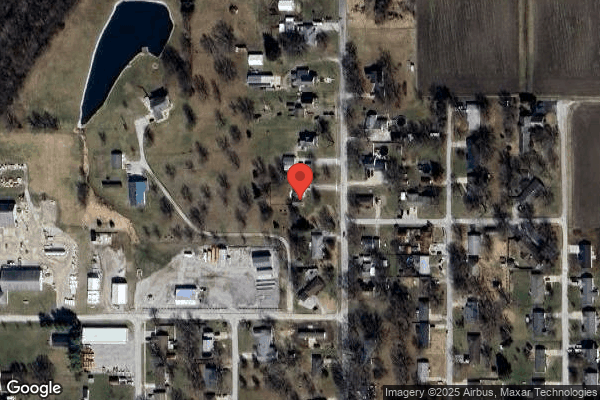
417 EAST MAIN STREET, BOX 310, ALHAMBRA, IL 62001 (618) 488-3565
For profit - Corporation 57 Beds WLC MANAGEMENT FIRM Data: November 2025
Trust Grade
75/100
#6 of 665 in IL
Last Inspection: May 2025

Inspected within the last 6 months. Data reflects current conditions.

Overview

Alhambra Rehab & Healthcare has received a Trust Grade of B, indicating it is a good choice among nursing homes. They rank #6 out of 665 facilities in Illinois, placing them in the top half, and they are the best option out of 17 in Madison County. The facility is improving, having reduced their issues from 10 in 2024 to 0 in 2025, which is a positive trend. However, staffing is a concern, with a 100% turnover rate, significantly higher than the state average, and they only have average RN coverage. While there have been no fines, which is reassuring, recent inspections revealed that the facility failed to maintain adequate RN staffing on multiple days and did not properly store medications, including expired ones, raising potential health risks for residents.

Trust Score
B
75/100
In Illinois
#6/665
Top 1%
Safety Record
Low Risk
No red flags
Inspections
Getting Better
10 → 0 violations
Staff Stability
⚠ Watch
100% turnover. Very high, 52 points above average. Constant new faces learning your loved one's needs.
Penalties
✓ Good
No fines on record. Clean compliance history, better than most Illinois facilities.
Skilled Nurses
○ Average
Each resident gets 39 minutes of Registered Nurse (RN) attention daily — about average for Illinois. RNs are the most trained staff who monitor for health changes.
Violations
⚠ Watch
14 deficiencies on record. Higher than average. Multiple issues found across inspections.
★★★★★
5.0
Overall Rating
★★★☆☆
3.0
Staff Levels
★★☆☆☆
2.0
Care Quality
★★★★★
5.0
Inspection Score
Stable
2024: 10 issues
2025: 0 issues

The Good

  • Full Sprinkler Coverage · Fire safety systems throughout facility
  • No fines on record

Facility shows strength in fire safety.

The Bad

Staff Turnover: 100%

53pts above Illinois avg (47%)

Frequent staff changes - ask about care continuity

Chain: WLC MANAGEMENT FIRM

Part of a multi-facility chain

Ask about local staffing decisions and management

Staff turnover is very high (100%)

52 points above Illinois average of 48%

The Ugly 14 deficiencies on record

Aug 2024 7 deficiencies
CONCERN (D)

Potential for Harm - no one hurt, but risky conditions existed

Free from Abuse/Neglect (Tag F0600)

Could have caused harm · This affected 1 resident

**NOTE- TERMS IN BRACKETS HAVE BEEN EDITED TO PROTECT CONFIDENTIALITY** Based on interview and record review, the Facility failed to ensure residents were free from abuse for 2 of 4 residents (R23, R3...

Read full inspector narrative →
**NOTE- TERMS IN BRACKETS HAVE BEEN EDITED TO PROTECT CONFIDENTIALITY** Based on interview and record review, the Facility failed to ensure residents were free from abuse for 2 of 4 residents (R23, R36) reviewed for abuse in the sample of 29. Findings include: 1-R23's Face Sheet documents R23 was admitted to the facility on [DATE] with diagnoses including Alzheimer's disease, anxiety, major depressive disorder, and cognitive communication deficit. R23's Minimum Data Set (MDS) dated [DATE] documented R23 was severely cognitively impaired and ambulated via walker. R23's Care Plan printed 7/30/24 documents R23 has aggressive behaviors toward others. 2-R36's Face Sheet documents R36 was admitted to the facility on [DATE] with diagnoses including depression, hypertension, and cerebral infarction. R36's MDS dated [DATE] documented R36 was cognitively intact and independent with ambulation. R36's Care Plan printed 7/30/24 documents R36 has both verbally and physically aggressive behaviors. The Facility's Initial Report sent to the Illinois Department of Public Health (IDPH) on 5/7/24 documents, Administrator notified of incident between resident (R36) and (R23), with unwanted contact made between the two residents. Resident's {sic} immediately separated and assessed for injuries. PCP (Primary Care Physician) and POAs (Power of Attorneys) notified of incident. Investigation has begun with final investigation to follow. R23's Incident Investigation by V2, Director of Nursing (DON), dated 5/7/24 documents, Resident entered into TV area and appeared to be speaking as she was entering. She sat down in the rocking chair and began rocking. (R23) on occasion was seen looking to other residents and sitting on the couch area and appeared to be speaking. Another resident stood up from the couch and walked over to (R23) and placed his hand on the back of the chair which stopped the rocking motion of the chair. He bent down to a face to face level and pointed his figer {sic} at her and appeared to verbalize something to her. The two continued to make verbalizing gesture to each other as (R23) stood up holding onto her walker. She began to back up as the other resident was in front of her. She raised her hand toward his face and he swiped his hand up to her hand and appeared to touch her arm in the process. (R23) back into a wheelchair behind her. Both residents continued to make verbal gestures as (R23) left the area. The nurse immediately intervened and assessed the situation. Both residents were separted {sic} for the rest of the evening. (R23) has a ST (Skin Tear) to Right forearm. On 8/1/24 at 2:45 PM, V2, DON, stated she watched the video of the altercation between R23 and R36. She stated R23 has behaviors and was antagonizing R36. R23 sat next to R36 on the couch, got in his face, and was pointing at him. R23 got up and moved, then paced around for a while and sat down in the rocker. R23 continued to say things and was looking directing at R36 and pointing at him. The video tape does not have sound, so she could not tell what R23 was saying, but R23 generally curses at whoever she comes across. After R23 sat down, R36 stood up and walked over to R23 and pointed at her. Then R23 stood up with the walker and tried to knock R36's hand away. V2 stated R36 has longer nails, so his hand might have caught her arm, but R23 also lost her balance and bumped into a wheelchair of a resident coming down the hall. V2 stated she was unable to tell from the video whether the skin tear came from R36's nails or the other resident's wheelchair. R23's Post-Incident Actions dated 5/7/24 documents, Narrative of incident: Resident engaged in a verbal confrontation {sic} with (R36). At that point (R23) started pointing her finger/hand in (R36)'s face. (R36) raised his hand/arm to protect himself causing (R23) to loose {sic} her balance and fall against someones wheel chair resulting in a skin tear to her right forearm. Immediate Post-Incident Action: Resident immediately separated {sic} and assessed for injuries. Kept one on one until behaviors ceased. Residents then monitored and kept distanced. R23's Incident Follow Up dated 5/7/24 documents, 24 Hour condition and injury appearance: St (Skin Tear) to rt (right) upper forearm. 8 steri strips with xeroform and dry dressing in place. All edges of ST approximated and without drainage. R23's 5/8/24 Progress Note by V14, LPN, documents (unknown) Certified Nursing Assistant (CNA) brought R23 to her with a large skin tear to right forearm, stating resident just had an altercation with another resident. The skin tear measured 7.5 cm (centimeters) and was treated with rolled gauze and tape to secure. V14 went to the tv area where the incident occurred. Resident R21 stated she was there and R23 was yelling at everyone and calling names, then R36 tried to diffuse the situation. R23 became more angry and put fingers in R36's face, then R36 grabbed her arm to protect himself. V14 then went to interview R36 who told her he did not grab R23's arm, but threw up his own arm to move her hand away, causing her to lose her balance and falling against someone's wheelchair. On 8/1/24 at 1:10 PM, attempted to contact V14, Licensed Practical Nurse (LPN), by phone and left voicemail requesting call back. As of 8/2/24 at 10:00 AM, no return call from V14, LPN, was received. On 8/1/24 at 9:37 AM R21 stated she could not recall the 5/7/24 incident between R23 and R36. On 7/31/24 at 9:10 AM, R23 was unable to provide any information regarding the 5/7/24 incident with R36. R36's Incident Investigation dated 5/7/24 documents, Resident was in tv area sitting on couch when another resident entered the area. The other resident was reported to have been having verbal aggressive behavior throughout the evening. (R36) walked over to the rocking chair where the other resident was sitting and placed his hand on the back of the chair which stopped the chair from rocking. He then bent over, looking the other resident in the face, and pointed his finger at her face. A motion of verbalization appeared to take place between the two residents. The other resident stood up from her chair and as the two continued to have gestures of verbalization, She began to back away and she reached up to his face. (R36) pushed her hand away and his hand appeared to touch her arm. This caused her to back into a wheelchair behind her. The residents continued to have verbalization between each other as she was leaving the area. (V2) had conversation with (R36) related to interactions between himself and other agitated residents. He agreed not to be aggressive toward {sic} other residents. On 8/1/24 at 2:20 PM, V6, Regional Minimum Data Set (MDS), stated she spoke with R36 who stated R23 was trying to move out of his way, but he did not hit her. On 8/1/24 at 9:47 AM, R36 stated R23 was sh*t talking on 5/7/24, but was unable to recall detailed information from the incident. On 8/1/24 at 9:39 AM V1, Administrator, stated that the injury to R23's arm did occur as a result to the altercation with R36. The Facility's Final Report sent to IDPH on 5/13/24 documents, (R36) was in TV area sitting on couch when another resident entered the area. (R23) was reported to have been loud verbally throughout the evening time and had entered the TV area where (R36) was located. (R36) walked over to where (R23) was sitting, pointing at her while she was sitting down. (R23) stood up as the two began to exchange words. She began to back away but reached her hand up to his face in a gesture. As (R36) tried to push away her hand, his hand did touch her arm, causing her to bump into wheelchair that was behind her. Residents were immediately separated and nurse notified of incident. Nurse assessed both residents. Evaluation of (R23) showed a scratch to her arm which needed in-house treatment of steri strips. No injury to (R36) noted. On 8/2/24 at 9:55 AM, V4, Regional Director of Clinical Operations, stated she expects the Facility to keep residents free from abuse. The Facility's Abuse Prevention Policy dated 8/16/19 documents, This facility affirms the right of our residents to be free from abuse, neglect, misappropriation of resident property, corporal punishment, and involuntary seclusion. This facility therefore prohibits mistreatment, neglect or abuse of its residents, and has attempted to establish a resident sensitive and resident secure environment.
CONCERN (D)

Potential for Harm - no one hurt, but risky conditions existed

Pressure Ulcer Prevention (Tag F0686)

Could have caused harm · This affected 1 resident

**NOTE- TERMS IN BRACKETS HAVE BEEN EDITED TO PROTECT CONFIDENTIALITY** Based on observation, interview and record review, the facility failed to provide pressure ulcer treatment as ordered for 1 of 4...

Read full inspector narrative →
**NOTE- TERMS IN BRACKETS HAVE BEEN EDITED TO PROTECT CONFIDENTIALITY** Based on observation, interview and record review, the facility failed to provide pressure ulcer treatment as ordered for 1 of 4 residents (R32) reviewed for pressure ulcers in the sample of 29. Findings include: On 8/1/24 at 1:05 PM V18, Licensed Practical Nurse (LPN) provided pressure ulcer treatment for R32, assisted by V20, Certified Nursing Assistant (CNA) for turning and positioning. They both washed their hands and donned gloves. V18 explained what she was going to do to R32 and (resident) stated, It's embarrassing. She reassured him it would not take too long and that his treatment needed to be done. V20 rolled R32 onto his right side and unfastened his adult diaper to expose his buttocks. R32 did not have a treatment on his stage 2 pressure ulcer in his gluteal cleft as ordered and he was incontinent of feces which was smeared over his exposed pressure ulcer. V18 stated the old dressing must have come off when they did R32's incontinent care around lunch time. V20 stated he had not provided care for R32 before this today and that he thinks one of the other CNAs would have changed him around lunch time. After V20 cleansed most of fecal material off R32's buttocks, V18 cleansed his pressure ulcer with wound cleanser, then applied a piece of calcium alginate above the pressure ulcer and secured it with a bordered dressing. She removed gloves and donned new gloves without performing hand hygiene. The pressure ulcer was still completely uncovered after V18 placed the treatment on R32's buttock. V18 then confirmed she was done with the dressing and removed her gloves. Writer informed her the pressure ulcer is not covered and V18 stated, yes it is,, and V20 confirmed that he could still see the pressure ulcer also as it was not covered with the dressing. V18 pulled the dressing off and attempted to put that same dressing over the pressure ulcer, but the edges became stuck together and she discarded it and got a new piece of calcium alginate and a new bordered foam dressing and applied them to the pressure ulcer. The calcium alginate was not completely covering the wound bed, but the bordered gauze did cover the ulcer. On 8/1/24 at 1:35 PM V21, CNA stated she had changed R32 before breakfast and around lunch time. She stated R32 did not have a treatment in place to his pressure ulcer on his coccyx either time that she provided incontinent care to him today. V21 stated she did not report to his nurse that he did not have a treatment in place. R32's Face Sheet documents his diagnoses include Adult Failure to Thrive, Malignant Neoplasm of Prostate, and Unspecified Dementia. R32's Minimum Data Set (MDS) dated [DATE] documents R32 is severely cognitively impaired, is occasionally incontinent of bladder and always incontinent of bowel and had on unhealed Stage 2 pressure ulcer at the time of this assessment. R32's Physician Order Summary Report dated 8/1/24 documents the order: 7/17/24: Clean wound with NS (normal saline) or WC (wound cleanser) cover with calcium alginate and border gauze once a day or prn (as needed) one time a day. R32's Care Plan focus dated 7/17/24 documents: (R32) has pressure area to his sacral/coccyx area r/t (related to) weakness, end of life care. The goal for this care plan documents, (R32) will have no complications r/t pressure area of the sacral/coccyx area until the next review dated. Interventions for this care plan include: Administer medications as ordered. Monitor/document for side effects and effectiveness. Avoid scratching and keep hands and body parts from excessive moisture. Keep fingernails short. Document location of wound, amount of drainage, peri-wound area, pain, edema, and circumference measurements (weekly). Encourage good nutrition and hydration in order to promote healthier skin. Evaluated wound for : size, depth, margins: peri wound skin, sinuses, undermining, exudates, edema, granulation, infection, necrosis, eschar, gangrene. Document progress in wound healing on an ongoing basis. Notify physician as indicated. Float heels while in bed as tolerated. Monitor dressing when providing care to ensure it is intact and adhering. Report loose dressing to the nurse. Monitor pressure areas for changes in color, sensation, temperature and report any change to the nurse. Monitor/document/report to MD (Medical Doctor) prn for s/s (signs and symptoms) of infection: green drainage, foul odor, redness and swelling, red lines coming from the wound, excessive pain, fever. Pressure redistributing mattress on bed. R32's Skin and Wound Evaluation dated 7/17/24 documents he has an unstageable pressure ulcer with slough and/or eschar that was acquired in-house and first observed on 7/17/24 that measured length-1.7 centimeters (cm) by width-1.0 cm by depth-not applicable. It described wound bed as eschar 50 %. This assessment described the surrounding skin as fragile. Per this assessment, this is a new area and R32's Power of Attorney, MD and hospice were notified of new pressure ulcer. R32's Skin and Wound Evaluation dated 7/24/24 documents the pressure ulcer measurements as 1.4 cm by 0.8 cm with 50% granulation tissue and 50% slough. On 8/2/24 at 9:50 AM V4, Regional Director of Clinical Operations stated staff should ensure a treatment is done as ordered and make sure that treatment is in correct place when doing pressure ulcer treatment. She stated if a CNA is providing care for a resident and discovers a treatment fell off or becomes dislodged during care, that CNA should inform the nurse that the treatment is off so it can be replaced. The facility's policy, Treatments/Wound Care, revised October 2010 documents, The purpose of this procedure is to provide guidelines for the care of wounds to promote healing. 2. Wash and dry hands thoroughly. 3. Position resident. Place disposable cloth next to resident, (under the wound) to serve as a barrier to protect the bed linen and other body sites. 4. Put on exam glove. Loosen tape and remove dressing if applicable. 5. Pull glove over dressing and discard into appropriate receptacle. Wash and dry your hands thoroughly or use hand sanitizer. 6. Put on gloves. Gown will only be necessary if soiling of your skin or clothing with blood, urine, feces, or other body fluids is likely. 10. Wear gloves when touching the wound or holding a moist surface over the wound. 11. Wash tissue around wound that is usually covered by the dressing, tape, or gauze with antiseptic or soap and water. Remove gloves, perform hand hygiene, and replace gloves. 12. Apply treatments as indicated.
CONCERN (D)

Potential for Harm - no one hurt, but risky conditions existed

Incontinence Care (Tag F0690)

Could have caused harm · This affected 1 resident

**NOTE- TERMS IN BRACKETS HAVE BEEN EDITED TO PROTECT CONFIDENTIALITY** Based on observation, interview and record review the facility failed to provide complete incontinent care for 1 of 2 residents ...

Read full inspector narrative →
**NOTE- TERMS IN BRACKETS HAVE BEEN EDITED TO PROTECT CONFIDENTIALITY** Based on observation, interview and record review the facility failed to provide complete incontinent care for 1 of 2 residents (R32) reviewed for incontinent care in the sample of 29. Findings include: On 8/1/24 at 1:05 PM V18, Licensed Practical Nurse (LPN) provided pressure ulcer treatment of R32, assisted by V20, Certified Nursing Assistant (CNA) for turning and positioning. They both washed their hands and donned gloves. V20 rolled R32 onto his right side and unfastened his adult diaper to expose his buttocks. V20 used disposable wipes and wiped feces from area of his pressure ulcer and around the pressure ulcer, and wiped most, but not all of the feces from his rectal area and buttocks. V20 then placed the soiled diaper with soiled wipes inside of it and some feces exposed on the outside of the diaper on the bed. After V18 finished pressure ulcer care, V20 applied a new adult diaper on R32 without washing the feces off his buttocks or cleansing his scrotum, penis or groin. R32's Face Sheet documents his diagnoses include Adult Failure to Thrive, Malignant Neoplasm of Prostate, Urinary Tract Infection (1/12/24) and Unspecified Dementia. R32's Minimum Data Set (MDS) dated [DATE] documents R32 is severely cognitively impaired, is occasionally incontinent of bladder and always incontinent of bowel and had on unhealed Stage 2 pressure ulcer at the time of this assessment. R32's Care Plan did not include a focused care plan regarding his incontinence or assistance he requires for Activities of Daily Living (ADLs). On 8/2/24 at 9:50 AM V4, Regional Director of Clinical Operations stated if staff are providing incontinent care to a resident who had been incontinent of bowel and bladder, that staff should ensure all areas touched by incontinence are thoroughly cleaned before putting on a new adult diaper. The facility's policy, Perineal Care, revised February 2018, documents, The purposes of this procedure are to provide cleanliness and comfort to the resident, to prevent infections and skin irritation, and to observe the resident's skin condition. For a male resident, b. Wash perineal area starting with urethra and working outward. K. Ask resident to turn on his side with his upper leg slightly bent, if able. Wash and rinse the rectal area thoroughly, including the area under the scrotum, the anus and the buttocks.
CONCERN (D)

Potential for Harm - no one hurt, but risky conditions existed

Antibiotic Stewardship (Tag F0881)

Could have caused harm · This affected 1 resident

Based on interview and record review, the Facility failed to establish an infection prevention and control program that reduces the risk of adverse events, including the development of antibiotic-resi...

Read full inspector narrative →
Based on interview and record review, the Facility failed to establish an infection prevention and control program that reduces the risk of adverse events, including the development of antibiotic-resistant organisms, from unnecessary or inappropriate antibiotic use in 2 of 4 residents (R195, R196) reviewed for antibiotic stewardship in the sample of 29. Findings include: 1-The Facility's Infection Control Log lists No culture done for R195's 10/10/23 urinary infection. On 7/31/24 at 7:45 AM, requested culture and sensitivity for R195's 10/10/23 urinary infection from V4, Regional Director of Clinical Operations. On 8/2/24 at 10:00 AM, no culture and sensitivity was received. R195's October 2023 Physician Orders document an order for the antibiotic Bactrim DS 800 mg (milligram) - 160mg tablet with instructions to take one tablet twice daily for seven days for UTI (Urinary Tract Infection). R195's October 2023 Medication Administration Record (MAR) documents R195 received 14 doses of Bactrim DS. 2-The Facility's Infection Control Log lists No culture done for R196's 7/21/23 urinary infection. On 7/31/24 at 7:45 AM, requested culture and sensitivity for R196's 7/21/23 urinary infection from V4, Regional Director of Clinical Operations. On 8.2.24 at 10:00 AM, no culture and sensitivity were received. R196's July 2023 Physician Orders document an order for the antibiotic Cephalexin 500 mg capsule with instructions to take 500 mg three times daily. R195's July 2023 MAR documents R195 received 21 doses of Cephalexin. On 8/2/24 at 9:55 AM, V4, Regional Director of Clinical Operations, stated she expects the Facility to obtain urine cultures prior to starting antibiotics. The Facility's Antibiotic Stewardship Policy revised December 2016 documents, Antibiotics will be prescribed and administered to residents under the guidance of the facility's Antibiotic Stewardship Program. The purpose of our Antibiotic Stewardship Program is to monitor the use of antibiotics in our residents. When a culture and sensitivity (C&S) is ordered lab results and the current clinical situation will be communicated to the prescriber as soon as available to determine if antibiotic therapy should be started, continued, modified, or discontinued.
CONCERN (F)

Potential for Harm - no one hurt, but risky conditions existed

Deficiency F0727 (Tag F0727)

Could have caused harm · This affected most or all residents

Based on interview and record review, the Facility failed to use the services of a Registered Nurse (RN) for at least eight hours daily. This has the potential to affect all 38 residents living in the...

Read full inspector narrative →
Based on interview and record review, the Facility failed to use the services of a Registered Nurse (RN) for at least eight hours daily. This has the potential to affect all 38 residents living in the Facility. Findings Include: The Facility's July 2024 RN (Registered Nurse) and LPN (Licensed Practical Nurse) schedule documents the Facility did not have a RN on 7/9/24, 7/19/24, 7/24/24, 7/27/24, or 7/28/24. The Facility provided time cards documenting V6, Registered Nurse (RN) and Minimum Data Set (MDS) Coordinator, worked on 7/9/24, 7/19/24, and 7/24/24, and V2, Director of Nursing (DON) worked on 7/27/24. The Facility was unable to provide documentation that a RN worked for at least eight hours on 7/28/24. On 7/31/24 at 7:52 AM, V2, Director of Nursing (DON), stated staffing has been an issue, and they have been trying to hire more nurses. On 8/1/24 at 10:10 AM, V13, Regional Director of Operations, stated the Facility does not have a policy regarding RN staffing, and they just follow the federal guidelines. The Facility's Long-Term Care Facility Application For Medicare and Medicaid dated 7/30/24 documents there are 38 residents living in the Facility.
CONCERN (F)

Potential for Harm - no one hurt, but risky conditions existed

Deficiency F0761 (Tag F0761)

Could have caused harm · This affected most or all residents

Based on observation, interview, and record review, the Facility failed to properly store and medications and discard expired medications. This has the potential to affect all 38 residents living in t...

Read full inspector narrative →
Based on observation, interview, and record review, the Facility failed to properly store and medications and discard expired medications. This has the potential to affect all 38 residents living in the Facility. Findings include: On 7/31/24 at 8:35 AM, the medication cart on A Hall was inspected with V3, Licensed Practical Nurse (LPN). The cart contained one opened bottle of over the counter liquid protein that was not dated upon opening and one opened bottle of over the counter cough syrup that was not dated upon opening. V3, LPN, stated the liquid protein had a label, but it must have worn off. She stated none of the residents use the cough syrup, so she will just throw it away. On 7/31/24 at 8:40 AM, the medication room on A Hall was inspected with V3, LPN. The refrigerator in the room contained one opened unlabeled multi dose Tubersol vial. V3, LPN, stated the vial should be dated upon opening, so she will get rid of it and order a new vial. She stated all residents receive Tubersol on admission and yearly. On 8/2/24 at 9:55 AM, V4, Regional Director of Clinical Operations, stated she expects the Facility to date medications upon opening and follow the medication storage policy. The Facility's Storage of Medications Policy revised April 2007 documents, The facility shall store all drugs and biologicals in a safe, secure, and orderly manner. The nursing staff shall be responsible for maintaining medication storage AND preparation areas in a clean, safe, and sanitary manner. The facility shall not use discontinued, outdated, or deteriorated drugs or biologicals. All such drugs shall be returned to the dispensing pharmacy or destroyed. Medications requiring refrigeration must be stored in a refrigerator located in the drug room at the nurses' station or other secured location. Medications must be stored separately from food and must be labeled accordingly. The Facility's Tubersol package documents the product should be discarded 30 days after opening. The Facility's Long-Term Care Facility Application For Medicare and Medicaid dated 7/30/24 documents there are 38 residents living in the Facility.
CONCERN (F)

Potential for Harm - no one hurt, but risky conditions existed

Infection Control (Tag F0880)

Could have caused harm · This affected most or all residents

A. Based on Observation, Interview, and Record Review, the facility failed to establish and maintain a system of surveillance to identify communicable diseases or infection. This has the potential to ...

Read full inspector narrative →
A. Based on Observation, Interview, and Record Review, the facility failed to establish and maintain a system of surveillance to identify communicable diseases or infection. This has the potential to affect all 38 residents in the facility. Findings include: On 8/1/2024 Facility Infection Control log documents on 7/21/2023 R196 Urinary Infection. No culture done. On 8/1/2024 Facility Infection Control log documents on 10/10/2023 R195 Urinary infection. No culture done. R195's Physician Order Sheets dated 10/2024 has no documentation of culture and sensitivity. R195's Physician Order Sheets dated 10/10/2023 documents Bactrim DS 800MG-160MG Tablet: Administer 1 tablet by mouth at 8am and 8pm everyday x 7 days related to UTI, Urinary Tract Infection. R195's medication administration record dated 10/2024 documents Bactrim DS 800mg-160MG Tablet. Administer 1 tablet by mouth at 8AM and 8PM. Everyday x 7 days related to UTI, Urinary Tract Infection. Order Date 10/10/2023. Start Date 10/10/2023. Stop Date 10/17/2023. Sulfamethoxazole/Trimethoprim. Administration dates document 10/10/2023 at 8PM. 10/11/2023-10/16/2023 at 8AM and 8PM. 10/17/2023 at 8AM. R196's Physician Order Sheets dated 7/2023 has no documentation of culture and sensitivity. R196's Physician Order Sheets dated 7/21/2023 Cephalexin 500MG Capsule: Administer 500mg oral at 8am, 12pm, 5pm every day. Stop date 7/28/2023. Generic: Cephalexin. R196's medication administration records dated 7/2023 document Cephalexin 500MG Capsule. Administer 500 MG oral at 8AM, 12PM, 5PM Everyday. Order date 7/21/2023. Start date 7/21/2023. Stop date 7/28/2023. Administration dates document 7/22/23-7/28/2023 8AM,12PM,5PM. Facility infection control log dated 6/9/2023-7/1/2024 contains no documentation of infection tracking for 7/2024. On 8/1/24 at 3:10 PM, V3, Infection Preventionist, IP, stated she just took over the role in October 2023. She tracks and trends facility infections with the floor plan, but has not yet started July 2024. She stated she had a floor plan for tracking organisms for previous months but it will take her a while to find them because her office has been moved and they are in boxes. On 8/2/2024 at 10:00AM V4, Regional Director of Clinical Operations, stated I would expect cultures to be completed prior to antibiotic administration. I would expect infection surveillance to be conducted throughout the facility. Facility policy date 2001 states Surveillance for Infections: The Infection preventionist will conduct ongoing surveillance for Healthcare Associated Infections and other epidemiologically significant infections that have substantial impact on potential resident outcome an that may require transmission based precautions and other preventative interventions. B. Based on observation, interview and record review, the facility failed to maintain Enhanced Barrier precautions and perform appropriate hand hygiene to prevent spread of infection for 1 of 6 residents (R32) reviewed for infection control in the sample of 29. Findings include: On 8/1/24 at 1:05 PM V18, Licensed Practical Nurse (LPN) provided pressure ulcer treatment of R32, assisted by V20, Certified Nursing Assistant (CNA) for turning and positioning. They both washed their hands and donned gloves. V20 rolled R32 onto his right side and unfastened his adult diaper to expose his buttocks. R32 did not have a treatment on his stage 2 pressure ulcer in his gluteal cleft as ordered and he was incontinent of feces which was smeared over his exposed pressure ulcer. V18 stated the old dressing must have come off when they did R32's incontinent care around lunch time. V20 used disposable wipes and wiped feces from area of his pressure ulcer and around the pressure ulcer, and wiped most of the feces from his rectal area and buttocks, but left some feces on both buttocks. V20 then placed the soiled diaper with soiled wipes inside of it and some feces exposed on the outside of the diaper on the bed. This soiled diaper was sitting right next to the area V18 was performing pressure ulcer care. After V20 cleansed most of fecal material off R32's buttocks, V18 cleansed his pressure ulcer with wound cleanser, then applied a piece of calcium alginate above the pressure ulcer and secured it with a bordered dressing. She removed gloves and donned new gloves without performing hand hygiene. V18 handed V20 a pair of gloves and told him to change your gloves, but he did not perform hand hygiene before donning the gloves. After V18 finished pressure ulcer care, V20 applied a new adult diaper on R32 without washing the feces off his buttocks or cleansing his scrotum, penis or groin. V18 and V19 did not wear appropriate Personal Protective Equipment (PPE) to maintain enhanced barrier precautions while providing pressure ulcer treatment and incontinent care. Neither wore a gown during care and neither hand sanitized when changing gloves during care. On 8/2/24 at 9:50 AM V4, Regional Director of Clinical Operations, stated if staff are providing incontinent care to a resident who had been incontinent of bowel and bladder, that staff should ensure all areas touched by incontinence are thoroughly cleaned before putting on a new adult diaper. V4 stated V18 and V20 should have worn a gown and gloves while performing wound care and incontinent care per the enhanced barrier precautions. V4 stated any time a staff changes gloves while providing care they should hand sanitize with alcohol gel or wash their hands with soap and water before donning new gloves. The facility's policy, Enhanced Barrier Precautions Policy, revised 3/28/24 documents, Enhanced Barrier Precautions (EBP) expand the use of PPE and refer to an infection control intervention designed to reduce transmission of multidrug-resistant organisms (MDRO) that employs targeted gown and glove use during high contact resident care activities. The use of gown and gloves for high-contact resident care activities is indicated for residents with chronic wounds or indwelling medical devices, regardless of their MDRO status, in addition to residents who have an infection or colonization with a CDC- targeted or other epidemiologically important MDRO when contact precautions do not otherwise apply. Wounds generally include chronic wounds, not shorter lasting wounds such as skin breaks or skin tears covered with an adhesive bandage or similar dressing. Examples of chronic wounds include, but are not limited to pressure ulcers, diabetic foot ulcers, unhealed surgical wounds, and venous stasis ulcers. The facility's policy, Handwashing/Hand Hygiene, revised August 2015, documents, This facility considers hand hygiene the primary means to prevent the spread of infections. All personnel shall follow the handwashing/hand hygiene procedures to help prevent the spread of infections to other personnel, residents, and visitors. Wash hands with soap and water for the following situations: a. When hands are visibly soiled; and b. After contact with a resident with infectious diarrhea, including, but not limited to infections caused by norovirus, salmonella, shigella and C. difficile. Use an alcohol-based hand rub containing at least 62% alcohol; or alternatively, soap and water for the following situations: g. before handling clean or soiled dressings, gauze pads etc; and m. after removing gloves.
Feb 2024 1 deficiency
CONCERN (D) 📢 Someone Reported This

A family member, employee, or ombudsman was alarmed enough to file a formal complaint

Potential for Harm - no one hurt, but risky conditions existed

Incontinence Care (Tag F0690)

Could have caused harm · This affected 1 resident

**NOTE- TERMS IN BRACKETS HAVE BEEN EDITED TO PROTECT CONFIDENTIALITY** Based on interview, observation and record review, the facility failed to provide complete incontinence care to prevent urinary ...

Read full inspector narrative →
**NOTE- TERMS IN BRACKETS HAVE BEEN EDITED TO PROTECT CONFIDENTIALITY** Based on interview, observation and record review, the facility failed to provide complete incontinence care to prevent urinary tract infections for 2 of 5 residents (R2, R4) reviewed for incontinence care in the sample of 10. Findings include: 1. On 2/14/24 at 9:39 AM, V7, Certified Nurse Aide (CNA) and V8, CNA, took R2 to the restroom, gait belt applied, and with a 2 person assist R2 was placed on toilet. R2's incontinent brief was wet with urine. V8, with a piece of toilet paper, swiped R2's rectal area once, a new incontinent brief and pants were pulled up. R2 was then placed in her wheelchair. R2 was then returned to the living room. V8 failed to cleanse R2's peri-area or R2's buttocks. R2's Face Sheet, print date of 2/14/24, documents that R2 was admitted on [DATE] and has diagnosis of Alzheimer's Disease and Dementia. R2's Minimum Data Set (MDS), dated [DATE], documents that R2 is severely cognitively impaired, dependent on staff for toileting hygiene, requires substantial assistance from staff for mobility, and is always incontinent of bowel and bladder. 2. On 2/14/24 at 9:28 AM, V7, CNA and V8, CNA took R4 to restroom, gait belt applied, and with a 2 person assist R4 was placed on toilet. R4's incontinent brief was wet with urine. V7, with a piece of toilet paper, swiped R4's rectal area twice. V7 did not cleanse R4's peri-area or the buttocks. R4's new incontinent brief and pants were pulled up. R4 was then placed in wheelchair and assisted to bed. R4's Face Sheet, dated 2/14/24, documents that R4 was admitted on [DATE] and has diagnoses of Epilepsy and intellectual disabilities. R4's MDS, dated [DATE], documents that R4 is severely cognitively impaired, dependent on staff for toileting needs, and is frequently incontinent of bowel and bladder. On 2/14/24 at 3:30 PM, V1, Administrator stated that if an incontinent brief is soiled full incontinent care should be provided. The facility's Urinary Incontinence policy, dated 4/2018, did not document the process of incontinent care.
Feb 2024 1 deficiency
CONCERN (D) 📢 Someone Reported This

A family member, employee, or ombudsman was alarmed enough to file a formal complaint

Potential for Harm - no one hurt, but risky conditions existed

Resident Rights (Tag F0550)

Could have caused harm · This affected 1 resident

**NOTE- TERMS IN BRACKETS HAVE BEEN EDITED TO PROTECT CONFIDENTIALITY** Based on interview and record review, the Facility failed to answer call lights in a timely manner for 3 of 3 (R1, R5, R6) resid...

Read full inspector narrative →
**NOTE- TERMS IN BRACKETS HAVE BEEN EDITED TO PROTECT CONFIDENTIALITY** Based on interview and record review, the Facility failed to answer call lights in a timely manner for 3 of 3 (R1, R5, R6) residents reviewed for call lights in the sample of 6. Findings include: 1. R1's Face Sheet documents R1 was admitted to the facility on [DATE] with diagnoses including hypertension, muscle weakness, depression, urinary retention, dysphagia, displaced intertrochanteric fracture of left femur, and unspecified abnormalities of gait and mobility. R1's Minimum Data Set (MDS) dated [DATE] documented R1 was moderately cognitively impaired and ambulated via wheelchair and walker. R1's Care Plan dated 4/14/23 documents R1 has a self-care deficit and assistance will be provided to meet needs, including assistance with dressing/undressing, assistance with meals as needed, and assistance with oral/dental hygiene. On 2/1/24 at 1:00 PM, R1 was sitting in her wheelchair in her room. She stated call light response times vary, but sometimes they take a really long time. 2. R5's Face Sheet documents R5 was admitted to the facility on [DATE] with diagnoses including cerebral infarction, obstructive sleep apnea, hypertension, and depression. R5's MDS dated [DATE] documented R5 was cognitively intact, ambulated via wheelchair and walker, and required partial/moderate assistance with oral hygiene, toileting, bathing and dressing. R5's Care Plan dated 1/16/24 documents R5 requires assistance with mobility. On 2/2/24 at 6:18 AM, R5 stated sometimes call lights take a long time and usually take around 30 minutes to get a response. 3. R6's Face Sheet documents R6 was admitted to the facility on [DATE] with diagnoses including diabetes mellitus, anxiety, muscle weakness, hypothyroidism, hyperlipidemia, need for assistance with personal care, and other abnormalities of gait and mobility. R6's MDS dated [DATE] documented R6 was cognitively intact, ambulated via wheelchair, and required substantial assistance with rolling left to right and transfer. R6's Care Plan does not address need for assistance with personal care. On 2/2/24 at 7:10 AM, R6 stated sometimes call lights take up to an hour to be answered. The Facility's Resident Council Meeting Minutes dated 11/22/23 document, Issues/Concerns: Too long to answer call lights. The Facility's Resident Council Meeting Minutes dated 12/28/23 document, Issues/Concerns: Call light response time. On 2/2/24 at 5:50 AM, V16 and V17, Certified Nursing Assistants (CNA's) stated they try to answer call lights as quickly as possible. On 2/2/24 at 7:23 AM, V5, CNA, stated she answers call lights as quickly as she can. On 2/2/24 at 8:10 AM, V1, Administrator, stated he has done several in-services on call light response, and his goal is for call lights to be answered within 3-5 minutes. The Facility's Resident Rights Policy revised 12/2016 documents, Employees shall treat all residents with kindness, respect, and dignity. Federal and state laws guarantee certain basic rights to all residents of this facility. These rights include the resident's right to: A dignified existence; be treated with respect, kindness, and dignity; communication with and access to people and services, both inside and outside the facility.
Jan 2024 1 deficiency
CONCERN (D) 📢 Someone Reported This

A family member, employee, or ombudsman was alarmed enough to file a formal complaint

Potential for Harm - no one hurt, but risky conditions existed

Free from Abuse/Neglect (Tag F0600)

Could have caused harm · This affected 1 resident

**NOTE- TERMS IN BRACKETS HAVE BEEN EDITED TO PROTECT CONFIDENTIALITY** Based on interview and record review the facility failed to keep a resident free from abuse for 1 of 5 residents (R1) reviewed f...

Read full inspector narrative →
**NOTE- TERMS IN BRACKETS HAVE BEEN EDITED TO PROTECT CONFIDENTIALITY** Based on interview and record review the facility failed to keep a resident free from abuse for 1 of 5 residents (R1) reviewed for abuse in the sample of 5. Findings include: Facility Abuse Investigation: 1/4/24 - Initial report: R2 was in R1's room having a verbal altercation. After a very short time went by R2 pushed R1 into the hallway and R1 fell down. Residents were separated and the investigation started. Final investigation: It was reported on 1/4/24 that resident R2 with identified behaviors for physical/verbal aggression toward staff and resistant to care has allegedly made physical contact with resident R1. R1 had noted skin tear to left elbow with minor bruising noted to shoulder. R1's Face Sheet to include diagnosis of muscle weakness and depression. R1's Minimum Data Set (MDS) dated [DATE] documents R1 is moderately impaired and has physical/verbal behaviors directed towards others. R1's Care Plan dated 12/14/23 documents R1 Displays episodes of physical aggression towards others by evidence of attempting to hit nursing staff (swinging at them and also verbally threatening to hit them). Resident displays episodes of verbal aggression towards others by evidence of yelling at, name calling, and threatening nursing staff. Interventions in place and are personalized to this resident. R1's Behavior Tracking documents: Physical aggression: resident will threaten to hit staff, swing to hit staff. R1's Nursing Note dated 01/04/2024 at 12:49 PM documents, Writer summoned to B Hall at 5:57AM, staff observed resident lying on left side on floor. Mid hallway by room [ROOM NUMBER]. Resident vocal, stated he threw me. Writer observed other resident standing in hallway. Small amount blood noted to resident's 3rd finger left hand, refused assessment did not want to do ROM (Range of Motion), Resident stated just leave me lay here and call my son. Resident remained alert and conscience while lying on floor. Staff kept resident immobile until EMS arrived. No distress, no guarded behavior no grimacing noted. Writer called ambulance 911. Call placed to son, message left for administrator to call facility. 6p to 6a nurse called DON (Director of Nursing). R1's Nursing Note dated 01/04/2024 at 3:16 PM documents, MD notified of resident being on floor this am and sent to ER given report that there no findings at hospital, notified of skin tear to left elbow 1.2 cm (centimeters) x 0.7cm x 0.1cm, shearing to mid back and bruising with small amount bleeding to 2nd finger left hand. Resident did return. On 1/5/24 at 8:25am R1 When asked about the incident with R2, resident stated I'm not talking to you without my lawyer present. All R1 would say is that he was on the ground because of R2. R2's Face Sheet to include diagnosis of Alzheimer's Disease, Unspecified Dementia Without Behavioral Disturbance. R2's MDS dated [DATE], not completed, documents R2 has severe impairment. R2's Care Plan dated 1/3/24 documents, Resident frequently wanders throughout the facility and is at risk for elopement as he makes statements of wanting to get out of this place and lingering near exits, also at times into other resident rooms. 1/2/24 - Resident has a diagnosis of Dementia/Alzheimer's and may experience disorientation, loss of self-awareness, difficulty making decisions, and may be startled/display agitation by loud noises. 1/2/24 - Per interviews with spouse/POA (Power of Attorney), resident may display episodes of increased agitation surrounding assistance with care tasks/ADLs. Interventions in place with no concerns. R2' Behavior Tracking: Resident may become agitated or restless wondering where he is/what to do. Interventions in place with no concerns. R2's Nurses Notes dated 1/4/24 at 4:13 PM document, Observed standing in hall after altercation with another resident. Staff attempted multiple times to redirect resident away from the other resident. Resident placed on 1:1 supervision with a staff member until EMS arrived. EMS placed resident on stretcher and he was transferred to the hospital for abnormal aggressive behaviors. Wife called and notified of transfer. On 1/5/24 at 8:30 am V5, Registered Nurse, stated she did not witness the incident between R1 and R2, it happened before she got to the facility. Stated she heard that R2 pushed R1 down. Stated R2 has only been at the facility for a couple of days and was at home prior to coming to the facility. Stated the wife told her he could be aggressive with her at times and wanders. Stated other than wandering, he hadn't displayed any behaviors when she was working. Stated R2 was very forgetful and that upset him and if he did have agitation, it was probably due to being in a new environment. On 1/5/24 at 8:55 am V1, Administrator, stated R2 was ok until last night (1/4/24), he became aggressive and pushed R1 down. Neither R1 or R2 sustained any injuries. Stated R1 was sent out to the hospital for evaluation and returned to the facility. V1 stated R2 was placed on 1:1 supervision until EMS came. Stated R2 was sent to the hospital and they were planning on taking R2 back but his family decided to send him to an Alzheimer's unit at another facility. Stated R2 was a new resident and was only in the building for about 72 hours.
Nov 2023 1 deficiency
CONCERN (D) 📢 Someone Reported This

A family member, employee, or ombudsman was alarmed enough to file a formal complaint

Potential for Harm - no one hurt, but risky conditions existed

Deficiency F0583 (Tag F0583)

Could have caused harm · This affected 1 resident

**NOTE- TERMS IN BRACKETS HAVE BEEN EDITED TO PROTECT CONFIDENTIALITY** Based on observation, interview and record review, the facility failed to provide Personal Privacy/Confidentiality for 1 of 3 re...

Read full inspector narrative →
**NOTE- TERMS IN BRACKETS HAVE BEEN EDITED TO PROTECT CONFIDENTIALITY** Based on observation, interview and record review, the facility failed to provide Personal Privacy/Confidentiality for 1 of 3 residents (R2) reviewed for dignity and respect in the sample of 13. Findings include: R2's Face Sheet, not dated, documents, that R2 was readmitted to the facility on [DATE] with diagnosis of Pressure ulcer of sacral region, unspecified stage listed as diagnosis. R2's Care Plan, dated 10/10/2023, documents, Pressure Ulcer: Unstageable (Slough and/or eschar) to Sacrum. R2's Minimum Data Set, dated [DATE], documents that R2 is severely impaired cognitively and never/rarely made decisions. On 10/30/2023 at approximately 10:10 AM V16, LPN, stated, that she is the Nurse on the hall and also helps with the wounds. V16 stated, that she does take pictures of wounds for treatment purposes. V16 stated, that she sends those pictures to V2, Director of Nurses, and V17, Wound Nurse (from outside company). On 10/30/2023 at approximately 11:00 AM. V2, Director of Nurses, stated that the facility does not take pictures of wounds in the facility. V2 stated, that this is not a requirement of the Wound Nurse. V2 stated, that they do not have a policy on taking photos of wounds, because this is not something that is done at this facility. V2 stated, that he is not aware of staff taking pictures of residents and or resident wounds on their personal phone. On 10/30/2023 at approximately 11:30 AM V18, R2's daughter, stated that she was not aware of facility staff taking pictures of R2's wound. V18 stated that she did not give permission for staff to take pictures of residents wound on her coccyx. On 10/30/2023 at 4:07 PM V15, R2's Daughter-in-law, stated that she came in to visit R2 in the afternoon. R2 stated that R2 was soiled with bowel. V15 stated that she pulled the call light and waited for staff. V15 stated that she waited a little while and then went to the Nurse. V15 stated that she voiced her concerns to the Nurse. V15 stated that she informed V16, Licensed Practical Nurse, that R2 was sitting in stool. V15 stated that she asked V16 how was R2's wound supposed to heal if R2 is sitting in stool for over 2 hours. V15 stated that V16 informed V15 that R2's wound was improving. V15 stated that V16 then pulled out her phone and showed V15 a picture of R2's coccyx wound when R2 was first admitted and the wound at a later date. V15 stated, that V16 scrolled through her personal photos of her family and children and then showed the photos of the wound on the coccyx. V15 stated that anyone looking at her pictures would see R2's wound on her buttocks. V15 stated that R2 can't say anything at this point, but that R2 would not like that. V15 stated that R2 would not have given the ok to take pictures and keep them in their personal phone. V15 stated that if she gave the phone to someone to look at her photos R2's coccyx wound would be seen. V15 stated that R2 would be embarrassed. V15 stated that she asked V16 why she had pictures of R2's coccyx wound. V15 stated that V16 informed her that she sends the pictures to her Director of Nurses. V15 stated now V2 has pictures of R2's coccyx wound and rear end in his personal phone. V15 stated that I don't know if this is how things are done, but I do know that R2 would not be ok with this. On 10/31/2023 at 11:01 AM V17, APRN FNP-BC, stated, that she is the (Wound Management Company), Wound Nurse. V17 stated that the normal process of new admits with wounds is the staff will describe the wound to her and then review the current orders if any and then either continue the current order or change it. V17 stated that this will treat the wound until she sees the wound on Tuesday. V17 stated that she did receive a picture of R2's wound from V16. V17 stated that R2 was admitted from the hospital. V17 stated per R2 the wound was worse than what was reported from the hospital. V17 stated that V16 sent V17 the picture of the wound. V17 stated that the picture did not identify the area of the body. V17 stated that she had to respond to V16 and ask where the wound was and who was the resident. V17 stated that V16 did respond. V17 stated that she gave direction and orders for R2. V17 stated that this is not the normal way of communicating. V17 stated that V16 was having a difficult time describing the wound and sent the picture. V17 stated that she felt it was ok, because the location was unidentifiable. V17 stated that she would expect that the picture be deleted immediately. On 10/31/2023 at approximately 2:50 PM V16 stated, that she did take a picture of R2's wound on her coccyx with her personal phone. V16 stated that she was notified of R2 had a stage 4 wound on her coccyx the day before admission. V16 stated that she was aware of the wound. V16 stated that she had not had any visual of the wound. V16 stated that in report from the hospital on the day of admission she was again notified of the stage IV pressure ulcer to R2's coccyx. V16 stated that when R2 was admitted the wound was different that she expected and did not know what to do. V16 stated that she notified the (V2) Director of Nurses and they both looked at the wound. V16 stated that at that time she took a picture of the wound and sent it to V17 for guidance. V16 stated that V2 was with her when she took the picture. V16 stated that she deleted the picture immediately. When asked if she showed a picture of the wound to the family? V16 denied. V16 stated that she did not discuss with the family a picture of the wound. When asked how would the family know that pictures were taken by V16 and visually seen them? V16 stated that she does not know. On 10/31/2023 at approximately 3:00 PM V2 stated that V16 did take the picture of R2's coccyx wound. V2 stated that he went down to the room. V2 stated that the facility does not have wounds of this caliber. V2 stated that upon admission (V2 ) and V16 looked at the wound. V2 stated that they were unsure if the treatment was the correct one and did not know how to proceed with this wound treatment. V2 stated at that time V16 took a picture of the wound, with V16's personal cell, and sent it to V17 cell. V2 stated that it was easier to show her then try to describe what was being seen. V2 stated that he thought the photo was deleted and would have expected it to be deleted. V2 stated that this is the not normal practice but felt this was an extenuating circumstance. When asked what was the extenuating circumstance? V2 stated that the wound was different than what was received in report. V2 stated that the expectation would be that the Nurse would delete the photo and not keep it in her personal phone. The Illinois Long Term Care Ombudsman Program Residents Rights for people in Long-Term Care Facilities, dated 11/18, documents as Long-term care resident in Illinois, you retain the same rights as every citizen of Illinois and the United States. It also documents, your facility must treat you with dignity and respect and must care for you in a manner that promotes your quality of life. It continues, Your medical and personal care are private. Facility must respect your privacy when you are being examined and given care.
Jun 2023 2 deficiencies
CONCERN (D)

Potential for Harm - no one hurt, but risky conditions existed

Assessment Accuracy (Tag F0641)

Could have caused harm · This affected 1 resident

**NOTE- TERMS IN BRACKETS HAVE BEEN EDITED TO PROTECT CONFIDENTIALITY** Based on interview, record review, and observation the facility failed to provide nonpharmacological interventions for one of th...

Read full inspector narrative →
**NOTE- TERMS IN BRACKETS HAVE BEEN EDITED TO PROTECT CONFIDENTIALITY** Based on interview, record review, and observation the facility failed to provide nonpharmacological interventions for one of three resident (R33) reviewed Psychotropic medications in the sample of 18. Findings Include: R33's Minimum Data Set, (MDS), dated [DATE] documents, R33's cognitive skills for daily decision making is severely impaired, and she rarely makes decisions. R33's MDS also, documents R33 has diagnoses of Schizophrenia, Alzheimer's, and Dementia. R33's Behavior Tracking for the month of May documents, R33 has history of mental illness requiring the use of Antipsychotic medications - monitor for any episodes, such as yelling and crying Goal: maintain absence of behavior/mood swings. Behavior tracking was not done every day. Interventions: 1. report any episodes to nurse 2. encourage activities 3. Provide consistent and clear feedback in non-threatening behavior. (No specific interventions for psychotic behavior were listed on the behavior tracking, and no specific mental illness behaviors were listed.) On 06/07/23 02:24 PM V18 Certified Nursing Assistant, (CNA), She sees things that are not there reaching on the table for things. On 06/07/23 at 2:26 PM V19 CNA yes, she is always reaching for things that are not there She is always talking to people. On 06/07/23 at 2:35 PM V20 Licensed Practical Nurse, (LPN), No Psychosis I haven't noticed her talking to self. She is usually sleeping. On 06/07/23 at 2:40 PM V11 CNA, she talks to self and grabs things out of the air that are not there. She talks to herself. (None of them had any interventions for the above behaviors). On 06/08/24 at 12:50 AM V10 LPN stated, it depends on the day talking to her baby doll in her room. Sometimes she is talking to herself. 90% of the time she can be redirected or reproached. She has a diagnosis of Dementia. She does have verbal aggression not toward anybody. On 6/8/23 at 12:52 PM V22 CNA stated, no behaviors with me. she has fits with other aides. We try to do an activity or watch TV (television). Sometimes it works. V3 MDS stated, I saw it (the schizophrenia diagnosis) in the computer. I don't know how it got there. When she came, she had behavior. V7 CNA Coordinator stated, we just leave her (R33) alone. Let her calm down. She has a baby doll 06/07/23 11:15 AM R33 is very confused her husband was pushing her around the facility she has a flat affect. 06/07/23 11:50 AM R33 is sitting in the dining room. Mumbling to herself. The facility policy dated 10/1/20 entitled Behavioral Assessment, Intervention, and Monitoring. the facility will provide, and residents will receive behavioral health services as needed to attain or maintain the highest practicable physical, mental, and Psychosocial well-being in accordance with comprehensive assessment and plan of care.
CONCERN (D)

Potential for Harm - no one hurt, but risky conditions existed

Deficiency F0658 (Tag F0658)

Could have caused harm · This affected 1 resident

Based on interview, record review, and observation the facility failed to properly assess before giving a diagnosis of Schizophrenia for the administration of Antipsychotic medications for one of one ...

Read full inspector narrative →
Based on interview, record review, and observation the facility failed to properly assess before giving a diagnosis of Schizophrenia for the administration of Antipsychotic medications for one of one resident (R33) reviewed for diagnosis without assessment in the sample of 18. Findings Include: R33's Local Hospital Record Adult Hospitalist Service History and Physical dated 4/13/23 documents in part R33 as having diagnoses of Alzheimer's Disease, Dementia in senility without behavioral disturbances, Memory Loss, Depression. R33's Adult Hospitalist Service History does not document a diagnosis Schizophrenia, but her home medications documents Risperidone 1mg (milligrams) take 1.5 tablets nightly at bedtime. The patient (R33) was taking differently take 1mg by mouth nightly at bedtime. R33's Electronic Health Record/ Diagnoses document on 5/25/22 the diagnosis of Schizophrenia was added to her diagnosis list. R33's Electronic Health Record/Physician Order Sheet (POS) dated 11/3/22 documents R33 has an order for Risperidone 0.5mg daily at 12:00 noon. R33's Electronic Health Record POS dated 5/26/23 documents Risperidone 1mg daily at 6:00 PM was added to the resident regimen with the diagnosis of Schizophrenia Unspecified. R33's Electronic Health Record/Antipsychotic drug use: At risk for side effects Care Plan does not document an assessment, goals, or interventions concerning her diagnosis of Schizophrenia. The undated facility policy entitled Physician Services documents the physician will perform pertinent, timely medical assessments prescribe an appropriate medical regimen; provide adequate timely information about the resident's condition and medical needs, visit the resident at appropriate intervals and ensure adequate alternative coverage. The medical director will identify attending physician qualifications and responsibilities based on clinical and regulatory requirements and the recommendations of relevant professional associations.
Apr 2023 1 deficiency
CONCERN (E) 📢 Someone Reported This

A family member, employee, or ombudsman was alarmed enough to file a formal complaint

Potential for Harm - no one hurt, but risky conditions existed

ADL Care (Tag F0677)

Could have caused harm · This affected multiple residents

**NOTE- TERMS IN BRACKETS HAVE BEEN EDITED TO PROTECT CONFIDENTIALITY** Based on observation, interview and record review, the facility failed to provide assistance with bathing, grooming, and hygiene...

Read full inspector narrative →
**NOTE- TERMS IN BRACKETS HAVE BEEN EDITED TO PROTECT CONFIDENTIALITY** Based on observation, interview and record review, the facility failed to provide assistance with bathing, grooming, and hygiene to dependent residents for 6 of 7 residents (R2, R3, R4, R5, R6, R8) observed for activities of daily living (ADLs) in the sample of 7. Findings include: 1. R2's Electronic Medical Record, documents R2's diagnoses as Gastrointestinal (GI) Hemorrhage, Urinary Tract Infection (UTI), Dysphagia, Anemia, Cognitive communication deficit, COVID-19, Malignant neoplasm of upper lobe lung, Chronic Obstructive Pulmonary Disease (COPD), Hypertension (HTN), left femur fracture. R2's Care Plan, dated 8/10/22, documents (R2) has a self-care deficit. Interventions: Assist with ambulation, transfers, and locomotion as needed, assist with dressing/undressing, assist with oral/dental hygiene, encourage resident to perform self-care if able. It continues (R2) has Excoriation. Interventions: Provide prompt attention to incontinent episodes, assess wound healing weekly, full skin evaluation with bath/shower, assess skin daily with routine care, perform skin care with attention to keeping skin folds clean and dry. R2's Minimum Data Set (MDS), dated [DATE], documents that R2 is cognitively intact and requires total dependence on one staff member for bathing, total dependence of two staff members for toileting, limited assistance from one staff member for personal hygiene, extensive assistance from one staff member for dressing. R2's MDS documents R2 is frequently incontinent of urine and always continent of bowel. On 4/18/23 at 2:05 PM, R2 was sitting in wheelchair and hair messy. On 4/18/23 at 2:10 PM, R2 stated I only get one shower a week. They have too many residents and not enough helpers. I would prefer to have two a week because it's relaxing. No one helps me with oral care on me. I only have four teeth left and no one ever offers to brush those teeth or even rinse my mouth out. I will sometimes use a washcloth to wipe out my mouth. On 4/19/23 at 8:40 AM, R2 stated I did not get cleaned up since Tuesday (4/18/23). I sometimes just ask for a washcloth to at least wash my face because I have to wait a week to get a shower. R2's Electronic Medical Record, Resident Care Tasks, documents that R2 is scheduled for a bath on Tuesdays and Fridays. The Facility's Shower Schedule, documents that R4's showers are on Tuesdays & Fridays. The Facility's shower sheets with staff signatures along with the staff schedules were reviewed. R2's Shower sheets appeared to have the same handwriting. V4, Certified Nurse's Assistant (CNA), was documented as providing R2 showers on the following days 3/21, 3/24 and 3/31/23. R2's Shower Sheets for 3/28, 4/14 and 4/17/23 documented that V7, Registered Nurse, gave R2 showers. The staff schedule for these dates documented that V7 did not work these days. R2's Shower Sheets for 4/4 documented V8, Licensed Practical Nurse/LPN, gave R2 the shower. The staff schedule for that date documented V8 did not work this day. R2's Shower Sheet for 4/7/23 documented V9, RN, gave R2 the shower; however, the staff schedule for that date documented V9 did not work that day. 2. R3's Electronic Medical Record, documents that R3's has diagnoses of Encephalopathy, Anemia, Dysphagia, Anxiety Disorder, Atrial-Fibrillation (A-Fib), Cervicalgia, Chronic Pain, Diabetes Mellitus (DM), Gastroesophageal Reflux Disease (GERD), Falls, Osteoarthritis, COPD, Major Depressive Disorder, Congestive Heart Failure (CHF), Methicillin-resistant Staphylococcus aureus (MRSA), Cardiomyopathy, Chronic Kidney Disease (CKD)-stage 3, Pulmonary Embolism (PE), Radiculopathy lumbar, Spinal stenosis lumbar, Morbid obesity, Prurigo Nodularis, Pleurodynia, Left Knee replacement, HTN. R3's Care Plan, dated 4/9/23, documents (R3) is at risk for alteration in skin integrity. Interventions: Incontinence care, apply barrier cream, pressure reducing cushion to wheelchair and mattress. It continues (R3) has a new skin tear noted to coccyx. Interventions: Full skin evaluation with bath/shower. R3's MDS, dated [DATE], documents R3 is cognitively intact with Basic Interview for Mental Status (BIMS) of 15. R3's MDS documents requires total dependence of two staff members for bathing, toilet use, and transfers. R3's MDS documents R3 requires dependence on one staff member for personal hygiene and extensive assistance from two staff members for dressing, has a urinary catheter and is frequently incontinent of bowel. On 4/18/23 at 2:15 PM, R3 was lying on her side in bed, on top of covers, appears to have clean clothes on, hair messy. On 4/18/23 at 2:28 PM R3 stated I get one shower a week. I am supposed to get one on Fridays too, but I never get one then. I think they are just too busy. I would prefer to have a shower every other day but that won't happen here. My last shower was last Tuesday (4/11/23) and I am supposed to get one tonight. I have to use mouthwash in the mornings when they get me out of bed to try and keep my mouth clean. On 4/19/23 at 8:28 AM, R3 stated They put clean clothes on me this am, but I have not had a shower. R3's Electronic Medical Record, Resident Care Tasks, documents that R3 is scheduled for a bath on Tuesdays and Fridays. The Facility's Shower Schedule, documents that R3's showers are on Tuesdays & Fridays. The Facility's shower sheets with staff signatures along with the staff schedules were reviewed. On 3/28/23 and 4/14/23, the CNAs listed as performing R3's shower were not scheduled that day and were signed by V2, Director of Nursing/DON. 3. R4's Electronic Medical Record, documents R4's diagnoses of UTI, HTN, Gout, Osteoarthritis, Atherosclerotic Heart Disease (ASHD), Type 2 DM, Morbid Obesity, Irritable Bowel Syndrome (IBS), A-Fib. R4's Care Plan, dated 1/2/23, documents (R4) requires assistance for all ADLs. Interventions: Refer to Occupational Therapy to work on ADL re-training, give verbal cues to help prompt, give verbal cues to help prompt, give verbal cues to help prompt. It continues (R4) has a self-care deficit related to fracture of left lower leg. Interventions: Assist with ambulation, transfers, and locomotion as needed, assist with dressing/undressing, assist with oral/dental hygiene. R4's MDS, dated [DATE], documents R4 is cognitively intact and requires total dependence on two staff members for bathing, toileting, and transfers. R4 requires extensive assistance from one staff member for dressing, and limited assistance from one staff member for personal hygiene. R4 is occasionally incontinent of urine and always continent of bowel. On 4/18/23 at 2:28 PM, R4 was sitting in her wheelchair in her room, appears to have clean clothes on, hair messy. On 4/18/23 at 2:30 PM, R4 stated I was just elected president of the resident council meeting. We have a meeting once a month and there were several residents complaining of not getting their showers. I only get one shower a week, but I would prefer to have at least two of them. I had a CNA came in this morning and gave me a shower in my room. I have asked for two showers a week and was told that they barely have enough staff to give everyone one shower a week. On 4/19/23 at 8:55 AM, R4 stated I do get clean clothes to put on every day, but I am hoping for another shower yet this week. R4's Electronic Medical Record, Resident Care Tasks, documents that R4 is scheduled for a bath on Tuesdays and Fridays. The Facility's Shower Schedule, documents that R4's showers are on Tuesdays & Fridays. R4's Shower Sheets, dated 4/4/23 and 4/14/23, documented that V4 provided R4 with a shower. 4. R5's Electronic Medical Record, documents R5's diagnoses of Acute/Chronic Respiratory Failure, Anemia, Arthritis, A-Fib, HTN, Malignant neoplasm of breast, Morbid Obesity, Type 2 DM, Osteoarthritis. R5's Care Plan, dated 4/9/23, documents (R5) requires assistance for all ADLs. Interventions: Give verbal cues to help prompt, give verbal cues to help prompt, give verbal cues to help prompt. It continues (R5) has a self-care deficit. Interventions: Assist with ambulation, transfers, and locomotion as needed, assist with dressing/undressing, assist with oral/dental hygiene, encourage resident to perform self-care if able. R5's MDS, dated [DATE], documents R5 is cognitively intact with BIMS 15. R5 requires total dependence on one to two staff members for bathing, transfers, and personal hygiene. R5's MDS documents R5 requires extensive assistance from one to two staff members for dressing and toilet use. R5's MDS documents R5 is frequently incontinent of urine and always continent of bowel. On 4/18/23 at 3:35 PM, R5 was seen sitting in her wheelchair next to her bed, husband at bedside. Appears to have clean clothes on, hair brushed straight back and slightly greasy. On 4/18/23 at 3:38 PM, R5 stated I only get a shower once a week. I am supposed to get one tonight, but we will see if that happens. I think having two showers would be nice, especially at night. On 4/19/23 at 9:05 AM, R5 stated I did get a shower last evening (Tuesday). I'm hoping for another one on Friday, but I doubt it. R5's Electronic Medical Record, Resident Care Tasks, documents that R5 is scheduled for a bath on Tuesdays and Fridays. The Facility's Shower Schedule, documents that R5's showers are on Tuesdays & Fridays. The Facility's shower sheets with staff signatures along with the staff schedules were reviewed. The shower sheet, dated 3/24/23, showed the CNA listed as performing R5's shower was not on the schedule that day. The Shower sheets dated 4/4/and 4/14/23, documented V4 gave these showers. 5. R6's Electronic Medical Record, documents R6's Diagnosis include: Need for assistance with personal care, Cognitive communication deficit, Obesity, Hyperlipidemia, Peripheral Vascular Disease (PVD), Seizures, Middle cerebral artery syndrome, Subarachnoid hemorrhage, Alzheimer's Disease, Right arm fracture, Falls, Dementia. R6's Care Plan, dated 1/23/23, documents (R6) has a self-care deficit. Interventions: Assist with ambulation, transfers, and locomotion as needed, assist with dressing/undressing, assist with oral/dental hygiene, encourage resident to perform self-care if able. R6's MDS, dated [DATE], documents R6 has a severe cognitive impairment and requires total dependence of one staff member for bathing, and limited assistance from one staff member for all other ADLs. R6's MDS documents R6 is occasionally incontinent of urine and always continent of bowel. On 4/18/23 at 3:32 PM, R6 was seen lying in bed, hair appears greasy and pulled straight back and put into a bun/ponytail on back of her head. Appears to have clean clothes on. On 4/18/23 at 3:35 PM, R6 stated I can do just about everything myself and I don't really need their help. I only shower once a week but would like one twice a week. They don't give me one twice a week, and they really don't tell me why not. On 4/19/23 at 9:00 AM, R6 lying in bed with her hair still slightly greasy and pulled up into a ponytail. On 4/19/23 at 9:02 AM, R6 stated I did get a shower this past Monday (4/17/23) but I never get one on Thursdays, but I am hoping I get one this Thursday. R6's Electronic Medical Record, Resident Care Tasks, documents that R6 is scheduled for a bath on Mondays and Thursdays. The Facility's Shower Schedule, documents that R6's showers are on Mondays and Thursdays. The Facility's shower sheets with staff signatures along with the staff schedules were reviewed: R6 has shower sheets with staff names that performed the showers on the following dates. The Shower sheets, dated 3/22,3/27, 4/7/23 and 4/12/23, documented staff that were not working that day per schedule. The shower sheets, dated 3/20 and 3/29 and 4/3/23, documented that V4 gave R6 showers. 6. R8's Electronic Medical Record, documents that R8's has diagnoses of Sepsis, COVID-19, COPD, Benign prostatic hyperplasia, GERD, Major Depressive disorder, Anxiety disorder, Malignant neoplasm of rectosigmoid junction, Myalgic encephalomyelitis, Anemia, Urine retention, Hypothyroidism, Generalized Anxiety disorder, CKD, Need for assistance with personal care. R8's Care Plan, dated 4/19/23, documents (R8) has a self-care deficit. Interventions: Assist with ambulation, transfers, and locomotion, assist with dressing/undressing, assist with oral/dental hygiene, encourage resident to perform self-care if able. R8's MDS, dated [DATE], documents R8 is cognitively intact with BIMS 15. R8 requires total dependence of two staff members for bathing. R8 is independent for all other ADLs. On 4/18/23 at 2:45 PM, R8 was wheeling himself around his room in wheelchair, with his hair messy and appeared slightly greasy under his ballcap. On 4/18/23 at 2:48 PM, R8 stated I only go to the main shower in the facility once a week because they are too busy to do it more and I want more than one shower a week. Now I use my own shower in my room. Whenever I want a shower, I ask them to help me get into the shower in my room and then I can clean myself up. I do that about every other three days. R8's Electronic Medical Record, Resident Care Tasks, documents that R8 is scheduled for a bath on Wednesdays and Saturdays. The Facility's Shower Schedule, documents that R6's showers are on Wednesdays and Saturdays. The Facility's shower sheets with staff signatures along with the staff schedules were reviewed: R8 has shower sheets with staff names that performed the showers. The shower sheets, dated 3/22/23, 3/25/23, 3/29/23, 4/5/23 and 4/15/23, documented V4 gave R8 showers. On 4/19/23 at 8:25 AM, V1, Administrator, stated Our residents should be getting two showers a week. That is what is expected. I have not heard otherwise that they are not getting them twice a week. I know of one instance where an employee was on their cell phone while trying to transfer a resident, but nothing about a shower. On 4/19/23 at 8:30 AM, V2 provided the residents shower sheets. All writing on the sheets appears to be in the same handwriting and appears to be the same ink pen used. There are a couple of residents who have duplicate shower sheets for the same date but have different staff names on each one. When comparing a signature of one staff member, it appears different on a different page. On 4/19/23 at 9:30 AM, V1, Administrator, stated I have to agree that the handwriting and signatures look very similar on each page. Some of the signatures don't match each other. On 4/19/23 at 9:40 AM, V4, stated I work Monday through Friday from 6:00 AM, until 2:00 PM. I use the list of residents who require a shower that day and go down the list. I can only do so many showers in my time, so there are some that might not get done. I will give a resident a shower and when finished, I will complete the shower sheet, sign it and give it to the nurse on duty to sign. On 4/19/23 at 9:58 AM, V4 stated That is not my handwriting or my signatures on those shower pages. These pages are made up. I do not ever give (R5) her shower because she only lets one CNA give her one. This one shower sheet for (R6) shows a CNA on 3/27/23, and I doubt that CNA did that one because she rarely works here and usually does not do the showers. (V2) has never given me a log-in in the electronic medical record to document showers given. I have been here since January and have never documented in the computer. They are making all of these shower sheets up because again, that is not the way I print or sign my name. On 4/19/23 at 10:28 AM, V4 stated The Regional Nurse asked me if I document in the computer when showers are given, and when I said no because I have not received a log-in, (V2) stated that she sent it to me via messenger, we both looked at our phones and (V2) stated, my bad, I guess I didn't. On 4/19/23 at 2:12 PM, V5, CNA Supervisor, stated This is a good facility, and our staff work hard for our residents. We only have a couple of shower aides that try hard to keep up with the showers. If we are not keeping up and the residents are complaining, then we should just confess to that. I was a little upset when I found out that our shower sheets are getting filled out with our names on it without us knowing about it. On 4/19/23 at 2:38 PM, V6, Regional Nurse, stated We have a couple issues that need to be worked on here. Showers are one of them. The Facility's Activities of Daily Living (ADLs), Supporting, Policy, dated 3/2018, documents Residents will be provided with care, treatment and services as appropriate to maintain or improve their ability to carry out activities of daily living (ADLs). Residents who are unable to carry out activities of daily living independently will receive the services necessary to maintain good nutrition, grooming and personal and oral hygiene. 2. Appropriate care and services will be provided for residents who are unable to carry out ADLs independently, with the consent of the resident and in accordance with the plan of care, including appropriate support and assistance with: a. Hygiene (bathing, dressing, grooming, and oral care).
Understanding Severity Codes (click to expand)
Life-Threatening (Immediate Jeopardy)
J - Isolated K - Pattern L - Widespread
Actual Harm
G - Isolated H - Pattern I - Widespread
Potential for Harm
D - Isolated E - Pattern F - Widespread
No Harm (Minor)
A - Isolated B - Pattern C - Widespread

Questions to Ask on Your Visit

  • "Why is there high staff turnover? How do you retain staff?"
  • "Can I speak with families of current residents?"
  • "What's your RN coverage like on weekends and overnight?"

Our Honest Assessment

Strengths
  • • No major safety red flags. No abuse findings, life-threatening violations, or SFF status.
  • • No fines on record. Clean compliance history, better than most Illinois facilities.
Concerns
  • • 14 deficiencies on record. Higher than average. Multiple issues found across inspections.
  • • 100% turnover. Very high, 52 points above average. Constant new faces learning your loved one's needs.
Bottom line: Generally positive indicators. Standard due diligence and a personal visit recommended.

About This Facility

What is Alhambra Rehab & Healthcare's CMS Rating?

CMS assigns ALHAMBRA REHAB & HEALTHCARE an overall rating of 5 out of 5 stars, which is considered much above average nationally. Within Illinois, this rating places the facility higher than 99% of the state's 100 nursing homes. This rating reflects solid performance across the metrics CMS uses to evaluate nursing home quality.

How is Alhambra Rehab & Healthcare Staffed?

CMS rates ALHAMBRA REHAB & HEALTHCARE's staffing level at 3 out of 5 stars, which is average compared to other nursing homes. Staff turnover is 100%, which is 53 percentage points above the Illinois average of 47%. High turnover can affect care consistency as new staff learn residents' individual needs.

What Have Inspectors Found at Alhambra Rehab & Healthcare?

State health inspectors documented 14 deficiencies at ALHAMBRA REHAB & HEALTHCARE during 2023 to 2024. These included: 14 with potential for harm.

Who Owns and Operates Alhambra Rehab & Healthcare?

ALHAMBRA REHAB & HEALTHCARE is owned by a for-profit company. For-profit facilities operate as businesses with obligations to shareholders or private owners. The facility is operated by WLC MANAGEMENT FIRM, a chain that manages multiple nursing homes. With 57 certified beds and approximately 35 residents (about 61% occupancy), it is a smaller facility located in ALHAMBRA, Illinois.

How Does Alhambra Rehab & Healthcare Compare to Other Illinois Nursing Homes?

Compared to the 100 nursing homes in Illinois, ALHAMBRA REHAB & HEALTHCARE's overall rating (5 stars) is above the state average of 2.5, staff turnover (100%) is significantly higher than the state average of 47%, and health inspection rating (5 stars) is much above the national benchmark.

What Should Families Ask When Visiting Alhambra Rehab & Healthcare?

Based on this facility's data, families visiting should ask: "How do you ensure continuity of care given staff turnover, and what is your staff retention strategy?" "Can I visit during a mealtime to observe dining assistance and food quality?" "How do you handle medical emergencies, and what is your hospital transfer rate?" "Can I speak with family members of current residents about their experience?" These questions are particularly relevant given the facility's high staff turnover rate.

Is Alhambra Rehab & Healthcare Safe?

Based on CMS inspection data, ALHAMBRA REHAB & HEALTHCARE has a clean safety record: no substantiated abuse findings (meaning no confirmed cases of resident harm), no Immediate Jeopardy citations (the most serious violation level indicating risk of serious injury or death), and is not on the Special Focus Facility watch list (a federal program monitoring the lowest-performing 1% of nursing homes). The facility has a 5-star overall rating and ranks #1 of 100 nursing homes in Illinois. While no facility is perfect, families should still ask about staff-to-resident ratios and recent inspection results during their visit.

Do Nurses at Alhambra Rehab & Healthcare Stick Around?

Staff turnover at ALHAMBRA REHAB & HEALTHCARE is high. At 100%, the facility is 53 percentage points above the Illinois average of 47%. High turnover means new staff may not know residents' individual needs, medications, or preferences. It can also be disorienting for residents, especially those with dementia who rely on familiar faces. Families should ask: What is causing the turnover? What retention programs are in place? How do you ensure care continuity during staff transitions?

Was Alhambra Rehab & Healthcare Ever Fined?

ALHAMBRA REHAB & HEALTHCARE has no federal fines on record. CMS issues fines when nursing homes fail to meet care standards or don't correct problems found during inspections. The absence of fines suggests the facility has either maintained compliance or corrected any issues before penalties were assessed. This is a positive indicator, though families should still review recent inspection reports for the full picture.

Is Alhambra Rehab & Healthcare on Any Federal Watch List?

ALHAMBRA REHAB & HEALTHCARE is not on any federal watch list. The most significant is the Special Focus Facility (SFF) program, which identifies the bottom 1% of nursing homes nationally based on persistent, serious quality problems. Not being on this list means the facility has avoided the pattern of deficiencies that triggers enhanced federal oversight. This is a positive indicator, though families should still review the facility's inspection history directly.