ALDEN COURTS OF WATERFORD
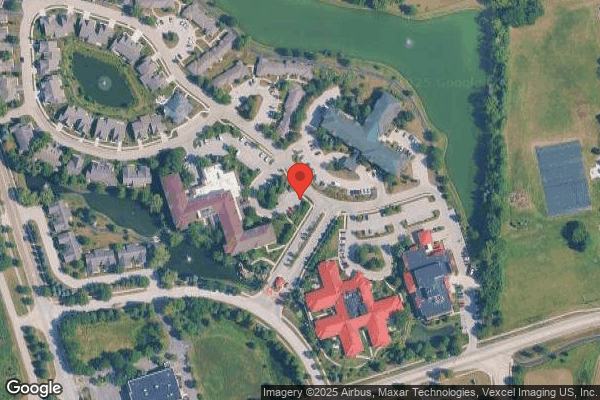

1991 RANDI DRIVE, AURORA, IL 60504 (630) 851-1466
For profit - Corporation 60 Beds THE ALDEN NETWORK Data: November 2025
Trust Grade
70/100
#94 of 665 in IL
Last Inspection: August 2024

Within standard 12-15 month inspection cycle. Federal law requires annual inspections.

Overview

Alden Courts of Waterford in Aurora, Illinois has a Trust Grade of B, indicating it is a good choice, falling in the upper range of quality care. It ranks #94 out of 665 nursing homes in Illinois, placing it in the top half, and #7 out of 25 in Kane County, meaning only six facilities nearby perform better. The facility is improving, with issues decreasing from six in 2024 to just two in 2025. Staffing, however, is a concern with a 2/5 rating, although the turnover rate is excellent at 0%, suggesting staff stability. While there have been no fines, which is a positive sign, recent inspections revealed some significant issues: one resident with dementia and a pressure injury was not properly assessed or treated according to her care plan, and there were concerns around improperly labeled insulin pens, which indicates potential for medication errors. Additionally, another resident's personal care needs, like nail trimming, were not met in a timely manner. Overall, while there are strengths in RN coverage and no fines, families should be aware of the staffing challenges and some care deficiencies.

Trust Score
B
70/100
In Illinois
#94/665
Top 14%
Safety Record
Low Risk
No red flags
Inspections
Getting Better
6 → 2 violations
Staff Stability
○ Average
Turnover data not reported for this facility.
Penalties
✓ Good
No fines on record. Clean compliance history, better than most Illinois facilities.
Skilled Nurses
✓ Good
Each resident gets 63 minutes of Registered Nurse (RN) attention daily — more than 97% of Illinois nursing homes. RNs are the most trained staff who catch health problems before they become serious.
Violations
⚠ Watch
23 deficiencies on record. Higher than average. Multiple issues found across inspections.
★★★★☆
4.0
Overall Rating
★★☆☆☆
2.0
Staff Levels
★★☆☆☆
2.0
Care Quality
★★★★☆
4.0
Inspection Score
Stable
2024: 6 issues
2025: 2 issues

The Good

  • Full Sprinkler Coverage · Fire safety systems throughout facility
  • No fines on record

Facility shows strength in fire safety.

The Bad

Chain: THE ALDEN NETWORK

Part of a multi-facility chain

Ask about local staffing decisions and management

The Ugly 23 deficiencies on record

Aug 2025 1 deficiency
CONCERN (D) 📢 Someone Reported This

A family member, employee, or ombudsman was alarmed enough to file a formal complaint

Potential for Harm - no one hurt, but risky conditions existed

Pressure Ulcer Prevention (Tag F0686)

Could have caused harm · This affected 1 resident

**NOTE- TERMS IN BRACKETS HAVE BEEN EDITED TO PROTECT CONFIDENTIALITY** Based on observation, interview and record review, the facility failed to provide pressure injury treatment to a resident as ord...

Read full inspector narrative →
**NOTE- TERMS IN BRACKETS HAVE BEEN EDITED TO PROTECT CONFIDENTIALITY** Based on observation, interview and record review, the facility failed to provide pressure injury treatment to a resident as ordered by the physician.This applies to 1 of 3 residents (R29) reviewed for pressure injury in the sample of 16. The findings include:R29 had multiple diagnoses including COPD (chronic obstructive pulmonary disease), chronic respiratory failure with hypoxia, Alzheimer's disease and generalized muscle weakness, based on the face sheet. On August 25, 2025 at 10:37 AM, R29 was taken to her room by V3 (RN/Registered Nurse). R29 was assisted to bed by V3 and while in bed, the resident's disposable brief was removed. The skin on R29's sacral/coccyx and the surrounding buttock areas were denuded (outer layer of the skin was lost) and the exposed skin was pinkish in color. R29 had no dressing in place on the buttocks/sacral/coccyx areas. After providing bowel incontinence care to R29, V3 applied Zinc Oxide ointment on R29's sacral/coccyx and buttocks areas. According to V3, zinc oxide was the only skin treatment that is being applied on R29's sacral/coccyx and buttocks areas. No other skin treatment or dressing was applied by V3.The wound physician assessment dated [DATE] showed that R29 has a stage 2 pressure injury on the coccyx extending to the buttocks measuring 7 cm (centimeters) in length x 5 cm in width x 0 cm in depth. It had 100% open dermis and the peri-wound was denuded. The wound physician documented that the pressure injury had light serous exudate. The same assessment showed recommended daily and as needed treatment, by cleaning the pressure injury with normal saline, zinc oxide to be applied topically and to cover with foam dressing.R29's order summary report showed an active order dated August 8, 2025 for zinc oxide ointment to the buttock topically every day shift and as needed for skin condition related to stage 2 pressure injury. The same order report showed an active order dated August 7, 2025 for, Optifoam Gentle EX (extra or enhanced) (a silicone faced foam with border) Sacrum 7 x 7, apply to buttocks topically every night shift and as needed post cleansing the area with normal saline.On August 26, 2025 at 4:18 PM, V3 stated on August 25, 2025 after seeing R29 without the dressing on the buttocks, she asked V12 (CNA/Certified Nursing Assistant) if there was a dressing on R29's buttocks on the morning of August 25, 2025 before the resident was given a shower at around 7:00 AM. V3 stated that she was informed by V12 that there was no dressing on R29's buttocks on the morning of August 25, 2025 before the resident's shower. V3 confirmed that she was not notified by V12 about the missing foam dressing. According to V3 she did not apply the foam dressing on R29's buttocks during her shift on August 25, 2025 (6:00 AM - 6:00 PM) because the order to apply the foam dressing should be done during the night shift. V3, admitted that she was not aware that there was an order to apply the foam dressing on the buttocks as needed.On August 27, 2025 at 9:18 AM, V12 (CNA) stated that on August 25, 2025 when she assisted R29 to get up and provided shower to the resident at around 7:00 AM, the resident had no foam dressing on her sacral/coccyx and/or buttocks. V12 admitted that she did not inform the nurse on duty (V3) about R29 not having the foam dressing.On August 27, 2025 at 9:23AM, V16 (RN) stated that he applied the foam dressing on R29's buttocks at around 12:00 AM on August 25, 2025 during his shift (6:00 PM-6:00 AM) on August 24, 2025. According to V16, he did not receive a report from the CNA assigned to the R29 that the foam dressing got removed or got soiled after the application at 12:00 AM on August 25, 2025. V16 stated that, if he was informed, he will reapply the foam dressing because there is an order to apply the foam dressing as needed.On August 27, 2025 at 12:55 PM, V2 (Director of Nursing) stated that all pressure injury treatments should be administered as ordered by the physician because it assist with wound healing. According to V2, if the foam dressing was missing for whatever reason, the foam dressing should be reapplied to R29, since there was an order to apply as needed. V2 added that for R29, it is important for the resident to have the foam dressing because it also serves as a protection for the buttocks area since R29 likes to sit in the chair and refuses to use the gel cushion.
Jan 2025 1 deficiency
CONCERN (D) 📢 Someone Reported This

A family member, employee, or ombudsman was alarmed enough to file a formal complaint

Potential for Harm - no one hurt, but risky conditions existed

Quality of Care (Tag F0684)

Could have caused harm · This affected 1 resident

**NOTE- TERMS IN BRACKETS HAVE BEEN EDITED TO PROTECT CONFIDENTIALITY** Based on interview and record review, the facility failed to ensure medication orders were transcribed accurately on admission. ...

Read full inspector narrative →
**NOTE- TERMS IN BRACKETS HAVE BEEN EDITED TO PROTECT CONFIDENTIALITY** Based on interview and record review, the facility failed to ensure medication orders were transcribed accurately on admission. This applies to 2 of 3 residents (R1 and R2) reviewed for medications in a sample of 3. Findings include: 1. R2's Face Sheet showed R2 was initially admitted to the facility on [DATE], went to the hospital on [DATE] for a fall, and was re-admitted to the facility on [DATE]. R2's 12/21/24 hospital discharge orders showed to orally administer the scheduled medications 81 mg of aspirin twice daily, carbidopa-levodopa 10-100 four times daily, dicyclomine 20 mg before meals and at bedtime, vitamin D 100 mcg daily, and to apply hydrocortisone topically twice daily. R2's discharge orders also included to administer the as-needed medications of hydrocodone-acetaminophen 5-325 every four hours as needed, simethicone every six hours as needed, and to apply zinc oxide topically as needed. R2's December 2024 POS (Physician Order Sheet) and MAR did not include any of the above medications. On 1/30/25 at 11:05 AM, V3 ADON (Assistant Director of Nursing) verified that these medications were missed on R2's December 2024 MAR, adding the medications were not made available to R2 and this was a transcription error. R2's 12/21/24 care plan showed to administer medications per Physician orders. 2. R1's Face Sheet showed R1 was initially admitted to the facility on [DATE], went to the hospital on [DATE], and was re-admitted to the facility on [DATE]. R1's 1/3/25 hospital discharge orders showed to administer levothyroxine 88 mcg (micrograms) by mouth every morning, alprazolam 0.125 mg (milligrams) every twelve hours as needed, and to use an albuterol inhaler every four hours as needed. R1's January 2025 MAR (Medication Administration Record) showed R1 did not start receiving levothyroxine until 1/7/25, missing the scheduled doses on 1/4, 1/5, and 1/6/25. R1's MAR also showed the order for the albuterol inhaler was not entered until 1/6/25. The MAR also showed R1's 1/3/25 alprazolam order incorrectly transcribed as 0.25 mg every twelve hours (instead of 0.125 mg). On 1/29/25 at 3:07 PM, V2 DON (Director of Nursing) stated that during order transcription for R1, the levothyroxine and albuterol orders were missed and then entered on 1/6/25. V2 stated R1 did not receive any of the incorrectly transcribed doses of alprazolam. R1's 1/3/25 Care Plan showed to administer medications per Physician orders. The facility's 6/2022 Re-Admissions policy showed, .C . 2. The facility nurse will clarify and confirm all admission orders (or any changes, additions, or deletions from previous POS) with the attending physician (see P&P P-7037: New admission Orders) .
Aug 2024 6 deficiencies
CONCERN (D)

Potential for Harm - no one hurt, but risky conditions existed

Incontinence Care (Tag F0690)

Could have caused harm · This affected 1 resident

**NOTE- TERMS IN BRACKETS HAVE BEEN EDITED TO PROTECT CONFIDENTIALITY** Based on observation, interview, and record review, the facility failed to maintain a resident urinary drainage bag below the le...

Read full inspector narrative →
**NOTE- TERMS IN BRACKETS HAVE BEEN EDITED TO PROTECT CONFIDENTIALITY** Based on observation, interview, and record review, the facility failed to maintain a resident urinary drainage bag below the level of her bladder in order to prevent urinary tract infections for one of five residents (R16) reviewed for urinary catheter or urinary tract infections in the sample of 15. The findings include: R16's Order Summary report dated August 27, 2024 shows she was admitted to the facility on [DATE] with diagnoses including major depressive disorder, encounter for fitting and adjustment of urinary device, mental disorder, bipolar disorder, and dementia. On August 26, 2024 at 10:35 AM, V5 and V6 CNAs (Certified Nursing Assistants) transferred R16 from her bed to her high back wheeled recliner via mechanical lift. While R16 was on her sling, in the air, V6 lifted R16 urinary drainage bag above the level of her bladder and set the bag on top of R16's lap. V5 and V6 transferred R16 into her recliner. V6 then lifted R16's urinary drainage bag above the level of her bladder again, in order to hang it on the side of her recliner. There was amber urine in the tubing and in the urinary drainage bag. On August 28, 2024 at 10:16 AM, V3 CNA said urinary drainage bag should be kept below the level of the bladder because if it's not, then the urine could go back and create infection. The facility's Catheter Care Policy dated September 2020 shows daily and as needed catheter care will be done to promote comfort and cleanliness. It does not include information regarding where to keep the urinary drainage bag.
CONCERN (D)

Potential for Harm - no one hurt, but risky conditions existed

Deficiency F0692 (Tag F0692)

Could have caused harm · This affected 1 resident

**NOTE- TERMS IN BRACKETS HAVE BEEN EDITED TO PROTECT CONFIDENTIALITY** Based on observation, interview and record review the facility failed to ensure dietary supplements were provided for 2 of 15 re...

Read full inspector narrative →
**NOTE- TERMS IN BRACKETS HAVE BEEN EDITED TO PROTECT CONFIDENTIALITY** Based on observation, interview and record review the facility failed to ensure dietary supplements were provided for 2 of 15 residents (R46, R14) reviewed for weight loss in the sample of 15. The findings include: 1.) R46's face sheet shows she was admitted to the facility on [DATE] and has diagnosis including dementia and severe protein-calorie malnutrition. R46's active nutrition care plan initiated 7/29/24 and active Physician Order Summary (POS) both show she should receive the following supplements: Mighty Shakes with meals, fortified cereal at breakfast, Magic Cup with lunch and Pro T gold (nutritional supplement) 2 times a day. R46's July admission weight is documented at 90.8 pounds (lbs.) and on 8/8/24 her weight was 86.2 (lbs.) A comprehensive nutrition assessment completed by V10 (Dietician) on 8/21/24 shows R46 had a significant weight loss of 5.1% in one month. On 8/27/24 the breakfast service on the B wing was observed between 8:20 AM until 8:51 AM when R46 was finished with breakfast. R46 was not served a Mighty Shake. Next to R46's meal tray was her diet order card which clearly indicated she should receive a 4 ounce carton of Mighty Shake at Breakfast. No Mighty Shakes were seen being handed out with meals during the breakfast service to any residents on the B wing. On 8/27/24 at 8:40 AM, V12 (Registered Nurse/RN) said she doesn't believe anyone on the unit is on Mighty Shakes, but some residents receive Med Pass (another supplement) and those can sometimes be interchanged. V12 said there is no tracking of Mighty Shakes in the nursing documentation (Medication Administration Record) to show if someone received one. 2.) R14's face sheet shows she was admitted to the facility 9/30/2023 with diagnoses including dementia, and vitamin B12 deficiency anemia. R14's active care plan does not address weight loss. R14's last Comprehensive Nutritional Summary was completed 6/14/24 by V10 and shows she should be on Mighty Shakes and fortified cereal at breakfast. R14's active POS shows Mighty Shakes were changed on 8/7/24 to be given 2 times a day with lunch and dinner. R14's weight summary report shows a July weight (no specific day was specified on the monthly report) of 118.6 lbs. and an August weight of 110.8 lbs. a 6.58% (7.8 lbs.) weight loss in one month. On 8/27/24 at 10:10 AM, V10 said dietary supplements are given to residents with weight loss, or at risk for weight loss, including hospice residents. V10 said the documentation for med pass and liquid protein is in the MAR and nurses document that, but Magic Cup and Mighty Shakes is identified on the residents diet cards and the Certified Nursing Assistants (CNA's) are responsible to obtain those from the nourishment/serving area refrigerators on the units. V10 said the CNA's then document them in the tasks charting of the Electronic Medical Record/EMR. On 8/27/24 at 12:24 PM, R14 was observed in the dining area on the B wing there was no Mighty Shake or Magic Cup served with her noon meal. On 8/28/24 at 10:31 AM, V9 (CNA) said there is no list on the unit or any other way of identifying who should receive Magic Cups or Mighty Shakes and they do not know who gets them until they complete their task charting in the EMR at the end of the day. The facility provided Dietary Supplement policy revised 5/24 shows food and dietary supplements should be provided as ordered to enhance a resident's nutritional status.
CONCERN (D)

Potential for Harm - no one hurt, but risky conditions existed

Medication Errors (Tag F0758)

Could have caused harm · This affected 1 resident

Based on interview and record review the facility failed to ensure PRN (as needed) psychotropic medications had a stop date for 2 of 5 residents (R16, R33) reviewed for psychotropic medications in the...

Read full inspector narrative →
Based on interview and record review the facility failed to ensure PRN (as needed) psychotropic medications had a stop date for 2 of 5 residents (R16, R33) reviewed for psychotropic medications in the sample of 15. The findings inlcude: R16's Physician Orders (POS) dated 08/08/24 shows an order for lorazepam intensol oral concentrate 2 mg/ml Give 0.25 ml sublingually every 1 hour as needed for anxiety/agitation related to unspecified dementia, unspecified severity, with agitation, bipolar disorder. There are no stop dated included in this order. R33's POS dated 5/28/24 shows an order lorazepam intensol oral concentrate 2 mg/ml Give 0.25 ml by mouth every 2 hours as needed for anxiety, restlessness and another order for lorazepam intensol oral concentrate 2 mg/ml Give 0.5 ml by mouth every 2 hours as needed for anxiety, restlessness. There are no stop dates included in this order. On 08/28/24 at 11:14 AM, V2 Director of Nursing said PRN medications need to have a stop date of 14 days after the start of the order and be reordered by the doctor if still needed. The facility's As-needed Psychotropic and Antipsychotic Medication Orders dated 1/2022 shows PRN orders for psychotropic medications (excluding antipsychotics) are limited to 14 days.
CONCERN (D)

Potential for Harm - no one hurt, but risky conditions existed

Infection Control (Tag F0880)

Could have caused harm · This affected 1 resident

**NOTE- TERMS IN BRACKETS HAVE BEEN EDITED TO PROTECT CONFIDENTIALITY** Based on observation, interview, and record review, the facility failed to follow enhanced barrier precautions (EBP) and failed ...

Read full inspector narrative →
**NOTE- TERMS IN BRACKETS HAVE BEEN EDITED TO PROTECT CONFIDENTIALITY** Based on observation, interview, and record review, the facility failed to follow enhanced barrier precautions (EBP) and failed to change their gloves and perform hand hygiene in a manner to prevent cross contamination for two of 15 residents (R16, R44) reviewed for infection control in the sample of 15. The findings include: 1. R16's Order Summary report dated August 27, 2024 shows she was admitted to the facility on [DATE] with diagnoses including major depressive disorder, encounter for fitting and adjustment of urinary device, encounter for attention to gastrostomy, mental disorder, bipolar disorder, and dementia. An order for EBP for device care or use of feeding tube and urinary catheter dated August 5, 2024. On August 26, 2024 at 10:33 AM, there was a sign on R16's door that showed Enhanced Barrier Precautions. V7 (RN) Registered Nurse and V6 CNA (Certified Nursing Assistant) were in R16's room to disconnect R16's percutaneous endoscopic gastrostomy tube. Neither V7 or V6 had gowns on. On August 26, 2024 at 10:35 AM, V5 and V6 CNAs provided incontinence care to R16. V6 wiped R16's front peri area, helped R16 turn onto her side. There was stool in R16's buttocks. V6 did not change her gloves or perform hand hygiene. 2. R44's admission Record shows she was admitted to the facility on [DATE] with diagnoses including dementia, diabetes, palliative care, and chronic cough. On August 26, 2024 at 10:17 AM, V5 CNA took R44 to the bathroom. There was urine in R44's incontinence brief. V5 removed R44's incontinence brief, touched R44 handles of her wheel chair, retrieved wet wipes then proceeded to wipe R44 front peri area and buttocks. V5 applied cream, touched the transfer belt, placed a new brief onto R44, and then pulled up R44 pants. V5 did not change her gloves or perform hand hygiene before touching multiple clean items. R44's Care Plan initiated July 31, 2024 shows, R44 requires bowel and bladder support secondary to bladder incontinence and bowel incontinence. On August 28, 2024 at 10:16 AM, V3 CNA said gloves and gown should be worn when residents have a peg tub, urine catheter and wounds. V3 said gloves should be changed before placing a new incontinence brief because you could contaminate clean items. The facility's Enhanced Barrier Precautions policy dated December 14, 2023 shows, Enhanced barrier precautions (EBP) are an infection control intervention designed to reduce transmission of multidrug-resistant organisms (MDRO) in nursing homes. As well as to prevent multi drug resistant organism acquisition of those with an increased risk of acquiring MDROs including residents with a chronic wound or an indwelling medical device. Gown and gloves use prior tot he high contact care activity. The facility's Hand Washing and Hand Hygiene policy dated June 4, 2024 shows, Hand hygiene must be performed after touching blood, body fluids, secretions, excretions, and contaminated items.
CONCERN (E)

Potential for Harm - no one hurt, but risky conditions existed

Pressure Ulcer Prevention (Tag F0686)

Could have caused harm · This affected multiple residents

**NOTE- TERMS IN BRACKETS HAVE BEEN EDITED TO PROTECT CONFIDENTIALITY** 3.) R6's face sheet shows she has diagnoses including dementia and a pressure injury to her right heel. R6's active care plan s...

Read full inspector narrative →
**NOTE- TERMS IN BRACKETS HAVE BEEN EDITED TO PROTECT CONFIDENTIALITY** 3.) R6's face sheet shows she has diagnoses including dementia and a pressure injury to her right heel. R6's active care plan shows she requires staff assistance to turn and reposition and is at risk to develop pressure a injury. A Braden Scale (pressure ulcer risk assessment) completed on 8/26/24 shows she is at risk to develop pressure. A wound assessment completed on 7/31/24 by V13 (wound care physician) shows R6 has a Deep Tissue Pressure Injury (DTI) to her right heel measuring 2 centimeters (cm.) long x 3 cm. wide x 0 cm. deep. The assessment identifies treatment orders to include off load heels and heel protectors to both feet, and for Betadine solution skin prep and an Optifoam dressing to be applied every 2 days and PRN (as needed). A wound assessment completed on 8/14/24 by V13 shows R6's right heel pressure injury remained the same size and the same treatments and interventions were ordered. (There is no documented wound assessment in the Electronic Medical Record in between 7/31/24 and 8/14/24). R6's active Physician Order Summary shows the order for Betadine was not entered until 8/14/24, and the Optifoam dressing order was not entered until 8/15/24. R6's Treatment Administration Record (TAR) shows no treatment for the DTI to her right heel were administered until 8/14/24 (Betadine solution) and Optifoam (8/15/24). (15 and 16 days later) On 8/28/24 at 7:17 AM, V13 said R6's DTI was identified on 7/31/24 and he saw her that same day. V13 said he gave treatment orders that day to include offloading off heels with heel protectors or pillows and Betadine with a Optifoam dressing. V13 said DTI's can develop very quickly and off loading is one piece that is important to prevent pressure injuries from developing or worsening. On 8/28/24 at 7:32 AM, V2 (Director of Nursing) V13 and this surveyor entered R6's room. Her bed was in the low position and she was still asleep. V2 raised R6's bed and when the covered were pulled back to assess the pressure injury, R6's heels were flat against the mattress with no offloading of her heels. V13 completed the assessment and said it measured 2 cm x 2 cm and was improving. R6's right heel had a purplish discoloration to it. After the assessment was completed V2 verified that R6's heels should have been offloaded. On 8/28/24 at 10:20 AM, V2 said she was not aware of the treatment orders for R6's pressure injury until 8/14/24. V2 looked for any prior orders on the TAR and was unable to find that it was being administered prior to 8/14/24. V2 said the wound care doctor had not sent his 7/31/24 assessment to her and she was not sure who V13 rounded with on 7/31/24 when he gave the treatment orders. V2 verified V13's 7/31/24 assessment showed treatment orders to begin that day and every continue every 2 days and as needed. The facility policy provided Prevention and Treatment of Pressure Injury and Other Skin Alteration policy dated 03/02/21 shows treatment modalities and interventions should be identified and implemented. Pressure injury skin assessments should be documented weekly. 4.) R46's active alteration in skin care plan initiated on 7/18/24 shows she has a pressure injury to her right coccyx. Interventions include turning and repositioning and off loading heels. R46's Braden Scale completed 8/20/24 shows she is at risk to develop pressure injuries. A wound assessment completed on 8/21/24 by V13 shows R46 has a 0.4 x 0.4 x 0.1 stage 3 pressure injury to her coccyx. Treatment recommendations include offloading heels with pillows or heel protectors. On 8/26/24 at 9:50 AM, this surveyor entered R46's room with V9 (CNA) to observe care being provided. When V9 pulled back the covers from R46, her heels were flat against the bed and not off loaded. On 8/27/24 at 8:51 AM, V5 CNA said when residents are at risk for pressure and in bed they should have their heels off loaded with pillows or heel protectors. On 8/27/24 at 1:59 PM, V2 said interventions for residents with pressure injuries include off loading heels with either a pillow or heel protectors and the staff should follow the physician recommendations. Based on observation, interview, and record review the facility failed to assess a new pressure injury area, failed to implement pressure injury treatment orders, and failed to ensure pressure reducing interventions were in place for four of six residents (R16, R31, R6, R46) reviewed for pressure injuries in the sample of 15. The findings include: 1. R16's Order Summary Report shows she was admitted to the facility on [DATE] with diagnoses including major depressive disorder, bipolar disorder, dementia with agitation, and pressure injury of sacral region stage II. R16's Wound Care Physician Notes dated August 7, 2024 shows, Plan of Care: Continue with skin ulcer prevention protocol of the facility including daily skin check, provide stage appropriate mattress, offload heels with heel protectors or pillow. On August 26, 2024 at 10:35 AM, V5 and V6 CNAs (Certified Nursing Assistants) provided incontinence care for R16. R16's heels were directly on the bed and were not offloaded. R16 was laying on her back. V5 wiped R16's buttocks. There was an open area a little bigger that pea size noted to R16's coccyx. V5 applied A and D ointment to R16's buttocks, but did not place any ointment on the open area. R16 was transferred into her high back wheeled recliner via mechanical lift and brought out to the TV area. There was no cushion on R16's high back wheeled recliner chair. On August 27, 2024 at 11:00 AM, this surveyor requested V2 DON (Director of Nursing) to assess R16's buttocks. At 1:59 PM, V2 said that R16 has an open area on her coccyx. V2 said R16 had a pressure injury there in the past. V2 said the area is opened again and is a stage II pressure injury. V2 said she did not know R16 had an open area to her buttocks. R16's Treatment Administration Record shows a foam dressing was ordered from July 19, 2024-August 5, 2024. Zinc oxide cream was ordered on August 5, 2024. R16's Order Summary Report dated August 27, 2024 shows a new order was entered on August 27, 2024 for medihoney wound/burn dressing paste to coccyx every night shift and cover with foam bordered dressing. R16's Wound Care Physician Note dated August 28, 2024 shows R16 has a stage III pressure area to her coccyx that measure 1 cm X 0.8 cm X 0.1 CM. R16's Shower Day Worksheet shows she did not have any open areas on August 21, 2024 or August 24, 2024. It showed an open area noted on August 28, 2024. On August 27, 2024 at 1:59 PM, V2 said that R16 should have heel protectors in her room for when she is in bed. V2 said the heel protectors are provided by the hospice company. V2 said if the wound care doctor recommends interventions, then staff should follow them. 2. R31's admission Record dated August 27, 2024 shows she was admitted to the facility on [DATE] with diagnoses including right femur fracture, osteoporosis, difficulty walking, muscle weakness, pressure injury of right and left heel, history of falling and dementia. R31's Braden Scale dated August 17, 2024, shows she has a mild risk of developing a pressure injury. R31's Wound Physician Progress Notes dated August 21, 2024 shows Assessment and Plan: Low air loss mattress, reposition every two hours and as needed, pressure relieving seat cushion, offload heels, and heel protectors to both feet. R31's Wound Physician Progress Notes dated August 28, 2024 shows R31 has an unstageable pressure injury to her coccyx. On August 27, 2024 at 9:33 AM, V8 took R31 to the bathroom to toilet her. There was a foam dressing to R31's coccyx that was partially intact. V8 removed the foam dressing as it was coming off. V8 finished toileting R31 and transferred her back into her wheel chair to put her in the TV room. V8 notified V15 LPN (Licensed Practical Nurse) about R31's dressing at 10:04 AM. At 10:41 AM, V2 DON (Director of Nursing) and V15 went into R31's room to apply a new dressing. There was a nickel sized open area noted to R31's coccyx. The wound bed was covered with yellow tissue. R31 did not have a low air low mattress in place. On August 27, 2024 at 1:59 PM, V2 said she does not believe R31 has ever had a low air loss mattress. V2 said if the wound doctor recommends interventions, then staff should follow them. V2 said she usually enters the order when the wound care doctor emails her their notes. On August 28, 2024 at 10:16 AM, V3 CNA said if an open area is found on a resident, she tells her nurse right away, because she wants to make sure the nurse can assess the wound and get a dressing placed.
CONCERN (E)

Potential for Harm - no one hurt, but risky conditions existed

Deficiency F0761 (Tag F0761)

Could have caused harm · This affected multiple residents

2.) On 8/27/24 at 8:25 AM, during morning medication pass inside the medication on the B wing there were two open and not dated insulin pens inside of it belonging to R8. One insulin pen was identifie...

Read full inspector narrative →
2.) On 8/27/24 at 8:25 AM, during morning medication pass inside the medication on the B wing there were two open and not dated insulin pens inside of it belonging to R8. One insulin pen was identified as containing Lispro and the second was identified as Aspart. V12 (Registered Nurse) said all insulin pens should be labeled and dated with an open date and expiration date. R8's active order summary shows an order for Lispro insulin to be given on a sliding scale basis with a start date of 8/19/24, and an order for Lantus Solostar 17 units to be given one time a day, expires after 28 days. No active order was found for Aspart. On 8/28/24 at 11:14 AM, V2 (Director of Nursing) said insulin pens should be labeled when open and have an expiration date of 28 days after opening. The facility provided Prefilled Insulin Multi-Dose Pens, Use of policy dated 01/2022 shows Insulin pens should be initialed and noted with the open date and the expiration date and initials of the nurse at the time the pen is first used. Based on observation, interview, and record review the facility failed to secure controlled substances and the facility failed to label insulin pens with the date opened for 5 of 15 residents (R47, R33, R6, R24, R8) reviewed for medications in the sample of 15. The findings include: On 8/28/24 at 9:30 AM, V15 Licensed Practical Nurse unlocked the medication room door and entered the medication room with this surveyor. This surveyor saw the fridge was unlocked and V15 said oh that should be locked. The medication room contained house stock (over the counter) medications in cabinets, medical supplies and a fridge. Inside the fridge contained: an opened bottles of R47's hyrdromorphone (schedule II narcotic) a bottle of liquid lorazepam, and an unopened bottle of liquid lorazepam and opened bottles of liquid lorazepam for R6, R33, and R24. On 08/28/24 at 9:52 AM, V2 Director of Nursing said the fridge needs to be locked because it has controlled substances which need to be double locked. V2 said the nurses need to lock the fridge at all times. The facility's Storage/Labeling/Packaging of Medications dated 1/2022 shows Schedule II controlled medications are stored under a double-lock system accessible to only licensed staff.
Oct 2023 5 deficiencies
CONCERN (D)

Potential for Harm - no one hurt, but risky conditions existed

Deficiency F0658 (Tag F0658)

Could have caused harm · This affected 1 resident

**NOTE- TERMS IN BRACKETS HAVE BEEN EDITED TO PROTECT CONFIDENTIALITY** Based on interview and record review, the facility failed to ensure a resident's medications were administered timely in accorda...

Read full inspector narrative →
**NOTE- TERMS IN BRACKETS HAVE BEEN EDITED TO PROTECT CONFIDENTIALITY** Based on interview and record review, the facility failed to ensure a resident's medications were administered timely in accordance with the prescriber's order and the facility's Medication Pass Guidelines. This applies to 1 of 1 resident (R21) reviewed for medication administration in a sample of 15. The findings include: R21's admission record showed that R21 was admitted to the facility on [DATE], with multiple diagnoses including Chronic obstructive pulmonary disease, vascular dementia, anxiety disorder, essential hypertension, chronic kidney disease and overactive bladder. R21's MDS (Minimum Data Service) dated June 30, 2023, showed R21 is cognitively intact and requires supervision with most of her ADL's (Activities of Daily Living). On October 4, 2023, at 11:30 AM, V21 (R21's Power of Attorney) stated that she had concerns regarding facility staffing. V21 stated that on September 23, 2023, and September 24, 2023, R21 received her medication scheduled for 8:00 AM after 11:00 AM. R21's Medication administration audit report for September 23, 2023, showed scheduled 8:00 AM medications were not administered until 11:14 AM on September 23, 2023. The medications administered late included Gabapentin 600 mg (milligrams) and diphenhydramine 25 mg. 2 capsules, ordered to be given three times per day (08:00AM, 2:00PM and 8:00PM). Also administered late were (Brand Name) moisturizing mouth solution, probiotic capsule, triamcinolone cream and alprazolam 0.25 mg. were ordered to be given twice a day (08:00 AM, 8:00PM) were given at 11:15 AM. Fluticasone-Umecliden-Vilant aerosol powder inhaler and Seroquel 12.5mg scheduled to be given at 2:00 PM were administered late at 5:59 PM on September 23, 2023. On September 24, 2023, the medications were administered late, at 10:44 AM included Gabapentin 600 mg (milligrams) and diphenhydramine 25 mg. 2 capsules, ordered to be given three times per day (08:00 AM, 2:00 PM and 8:00 PM). R21's order summary report showed Gabapentin 600 mg was ordered to be given three times a day for low back pain on August 15, 2023. Diphenhydramine 50 mg was ordered to be given three times a day for allergy symptoms on August 15, 2023. Fluticasone -Umecliden-Vilant aerosol powder breath activated (inhaler) 1 puff orally every afternoon for respiratory symptoms was ordered on June 9, 2022. RisaQuad (probiotic product) was ordered to be given two times a day for bowel management on April 29, 2022. Seroquel 12.5 mg. was ordered to be given in the afternoon for vascular dementia with behavioral disturbance on July 28, 2023. On October 4, 2023, at 1:18 PM, V4 (Infection Preventionist Nurse) stated V19 (Licensed Practical Nurse) was the nurse who worked the A wing and half of the B wing on September 23 and 24, 2023 during the 6 AM to 6 PM shift. On October 4, 2023, at 1:30 PM, V19 stated she has been a nurse since 2003 and she worked on first shift on September 23 and 24, 2023 and was assigned to A wing and half of B wing. V19 further stated she had a discharge on A wing on Saturday September 23, 2023, that delayed her medication pass on the B wing and she administered R21 medications late for both Saturday and Sunday. V19 stated it is safer to have a nurse on each wing as A wing residents take a lot of time and families have many requests that take staff time to address. This causes a delay in being able to give care and medications timely to the residents on the B wing assignment. The facility's Medication Pass Guidelines dated April of 2019, showed 5. Medication Timing .All medications should be given in the correct time window or a reason for late/early administration should be documented on the MAR/eMAR.
CONCERN (E)

Potential for Harm - no one hurt, but risky conditions existed

ADL Care (Tag F0677)

Could have caused harm · This affected multiple residents

**NOTE- TERMS IN BRACKETS HAVE BEEN EDITED TO PROTECT CONFIDENTIALITY** 3. R36's face sheet showed multiple diagnoses including unspecified dementia, unspecified severity, without behavioral disturban...

Read full inspector narrative →
**NOTE- TERMS IN BRACKETS HAVE BEEN EDITED TO PROTECT CONFIDENTIALITY** 3. R36's face sheet showed multiple diagnoses including unspecified dementia, unspecified severity, without behavioral disturbance, psychotic disturbance, mood disturbance, and anxiety, unspecified abnormalities of gait and mobility, weakness, history of falling. R36's Annual MDS dated [DATE] showed that R36 was severely impaired in cognition and required extensive one person assistance with personal hygiene. On October 2, 2023 at 11:30 AM, R36 was seated in the television room and noted to have long nails with some of them jagged with chipped nail polish. R36 was able to respond clearly to queries. R36 remarked I need my nails done and cut. I need them to cut it. R36 also had several long facial hairs on her chin. R36 stated I have to have them remove it. On October 3, 2023 at 1:55 PM, R36's nails were still long and jagged and R36 stated that her facial hair was removed but they did not have time to do my nails. R36's request about her nails was relayed to V12 (Certified Nursing Assistant). R36's restorative care plan dated July 24, 2023 included that R36 has an ADL (activities of daily living) Self Care Performance Deficit related to Syncope, Dementia, Chronic Obstructive Pulmonary Disease, Depression, weakness. Intervention included to assist with ADL tasks as needed. 4. R245's face sheet showed multiple diagnoses including unspecified dementia, unspecified severity, without behavioral disturbance, psychotic disturbance, mood disturbance, and anxiety, anxiety disorder, urinary tract infection, history of falling. R245's 5-day MDS dated [DATE] showed that R245 was severely impaired in cognition and required limited one person assistance in personal hygiene. On October 2, 2023 at 10:37 AM, R245 was seated at the nurses station and noted to have blackish substance underneath his finger nails. R245 did not respond clearly with queries. On October 3, 2023 at 11:37 AM, R245 was again seated at the nurses station and his finger nail showed blackish substance underneath. This was relayed to V11 (Resident Assistant). R245's restorative care plan revised October 26, 2022 included that R245 has an ADL Self Care Performance Deficit related to elbow infective bursitis, right elbow cellulitis, Dementia, weakness. Intervention included to assist with ADL tasks as needed. 5. R249's face sheet showed multiple diagnoses including hemiplegia, unspecified affecting left nondominant side, transient cerebral ischemic attack, Alzheimer's disease, dementia in other diseases classified elsewhere, unspecified severity, without behavioral disturbance, psychotic disturbance, mood disturbance, and anxiety, cognitive communication deficit. R249's admission MDS dated [DATE] included that R249 was severely impaired in cognition and required extensive one person assistance with personal hygiene. On October 2, 2023 at 11:45 AM, R249 was in the lounge area watching television. R249 had multiple long facial hairs on her chin area. R249 stated that she needs help with grooming. R249 was able to respond clearly to queries. R249's restorative care plan revised August 18, 2023 included that R249 has potential for ADL fluctuations secondary to hemiplegia/hemiparesis. Intervention for the same included to assist resident with ADLs as needed. Based on observation, interview and record review, the facility failed to assist residents identified as needing assistance with personal hygiene. This applies to 5 of 5 residents (R14, R26, R36, R245 and R249) reviewed for ADLs (activities of daily living) in the sample of 15. The findings include: 1. R14 had multiple diagnoses including dementia without behavioral disturbance, late onset of Alzheimer's disease and bullous disorder (rare skin condition causing large, fluid filled blisters) based on the face sheet. R14's quarterly MDS (minimum data set) dated July 25, 2023 showed that the resident was severely impaired with cognition and required extensive assistance from the staff with personal hygiene. On October 2, 2023 at 2:05 PM, R14 was sitting in her wheelchair inside her room. R14 was alert but non-verbal. R14's fingernails were long with black and thick yellow substances underneath. V2 (Director of Nursing) stated that R14's family does not want the resident's fingernails shorten, however V2 acknowledged that R14's fingernails should be cleaned by the staff. On October 3, 2023 at 10:28 PM, R14 was sitting in her high back reclining chair. R14 was alert but non-verbal. In the presence of V6 (Licensed Practical Nurse/LPN) and V5 (family/POA [Power of Attorney]), multiple of R14's fingernails were observed with black substances underneath. V5 stated that she told the facility staff about the long and dirty fingernails of R14, but the staff does not trim and/or clean the resident's fingernails. V5 stated that the last time she trimmed and cleaned R14's fingernails was on the first of September 2023. According to V5, R14 had a history of resisting care but because of the progression of dementia, R14 had been calmer and compliant with care. V6 was present during the entire interview of V5. R14's active care plan initiated on April 14, 2017 showed that the resident had ADL self-care performance deficit related to dementia. The same care plan showed multiple interventions including, Assist with ADL tasks as needed, Assist with personal hygiene as needed and Provide needed level of assistance and support to complete Activities of Daily Living. 2. R26 had multiple diagnoses which included dementia without behavioral disturbance and Alzheimer's disease, based on the face sheet. R26's annual MDS dated [DATE] showed that the resident was moderately impaired with cognition and required extensive assistance from the staff with personal hygiene. On October 2, 2023 at 11:12 AM, R26 was in bed, alert and verbally responsive. R26 had accumulation of long chin hair and her fingernails had black substances underneath. R26 was asked if she wanted the staff to remove her facial hair and clean her fingernails. R26 replied, okay. V3 (Registered Nurse) was present during the observation and interview of R26. On October 3, 2023 at 11:40 AM, R26 was in bed, alert and verbally responsive. R26 had accumulation of long chin hair and her fingernails had black substances underneath. In the presence of V6 (LPN), R26 was again asked if she wanted the staff to remove her facial hair and clean her fingernails. R26 replied, yes. R26's active care plan initiated on November 20, 2021 showed that the resident had ADL self-care deficit. The same care plan showed multiple interventions including, Assist with ADL task as needed and Provide needed level of assistance and support to complete Activities of Daily Living. On October 4, 2023 at 12:09 PM, V2 (Director of Nursing) stated that it is part of the nursing care and service to provide assistance to all residents needing assistance with shaving/removal of unwanted facial hair and cleaning and trimming of fingernails to ensure and maintain good hygiene and grooming.
CONCERN (E)

Potential for Harm - no one hurt, but risky conditions existed

Deficiency F0805 (Tag F0805)

Could have caused harm · This affected multiple residents

Based on observation, interview and record review, the facility failed to serve roasted potatoes suitable for mechanical soft diets and failed follow menu spread sheet for serving vegetables and pulle...

Read full inspector narrative →
Based on observation, interview and record review, the facility failed to serve roasted potatoes suitable for mechanical soft diets and failed follow menu spread sheet for serving vegetables and pulled pork. This applies to 7 of 7 residents (R8, R23, R27, R35, R36, R39, R245) reviewed for dining in the sample of 15. The findings include: Physician Order Sheet and facility Diet Order listing showed that R8, R23, R27, R27, R35, R36 and R245 are on mechanical soft diets. On October 2, 2023, at 12:39 PM, V8 (Cook) was at the steam table plating the lunch meal. V8 stated that the residents receive the same item of roasted potatoes for regular and mechanical soft diets. R8, R23, R27, R35, R36, R39, R245 who were on mechanical soft diets received roasted potatoes with skin on them. R35 only had 2 teeth in front and did not touch her potatoes. R8 also received coleslaw instead of cooked vegetables. On inquiry, whether the residents can have skin of potatoes for mechanical soft diet, V7 (Dietary Manger) stated that they followed the recipe for roasted potatoes. V7 was asked to provide policy and procedure for the same. V7 came back at a later time and agreed that potato skin and coleslaw should have been avoided for mechanical soft diets. Facility Spring/Summer menu spreadsheet for October 2, 2023 (Cycle Day 9) showed to serve braised cabbage instead of confetti coleslaw for mechanical soft diets. Facility Standards of Professional practice for Regular ground/mechanical soft diets included as follows: Breads and starches to avoid: Potato skins, potato chips, tortilla chips, pretzels, French bread, hard taco shells. Vegetables: Avoid: Hard raw vegetables. On October 4, 2023, at 12:29 PM, at lunch meal service R8, R23, R27, R35, R36, R39, R245 received pulled pork served in a bun. The pulled pork was noted to have strands of pork in varying sizes and length. V7, who was in the area stated that the regular and mechanical soft diets received the same pulled pork. Facility Spring/Summer menu spreadsheet for October 4, 2023 (Cycle Day 11) showed pureed pulled pork for mechanical soft diets. V7 stated that it must have been a typo and she will check with the menu specialist. On October 4, 2023 at 1:38 PM, V7 stated that the menu specialist stated that the mechanical soft diets were supposed to receive ground pulled pork instead of regular consistency of the same and that the typo of serving pureed pork will be corrected. V7 added that the menu specialist also confirmed that the mechanical soft diets should not receive potato skin. Policy and Procedure titled Mechanical Soft Prep (last revised August 18) included as follows: Policy: Mechanical soft food will be served as ordered. Mechanical soft food will be palatable, attractive, and prepared in a safe manner. Purpose: To provide residents with the consistency needed to tolerate food. Procedure: 1. The food used for the general diet will be used for the mechanical soft diet. Foods that are difficult to chew are replaced with foods that have been altered into a form that can be easily chewed.
CONCERN (E)

Potential for Harm - no one hurt, but risky conditions existed

Infection Control (Tag F0880)

Could have caused harm · This affected multiple residents

**NOTE- TERMS IN BRACKETS HAVE BEEN EDITED TO PROTECT CONFIDENTIALITY** 4. R4's admission Record showed R4 was admitted to the facility on [DATE], with multiple diagnoses including Alzheimer's disease...

Read full inspector narrative →
**NOTE- TERMS IN BRACKETS HAVE BEEN EDITED TO PROTECT CONFIDENTIALITY** 4. R4's admission Record showed R4 was admitted to the facility on [DATE], with multiple diagnoses including Alzheimer's disease, type 2 diabetes, hypertension, and muscle weakness. R4's MDS (Minimum Data Set) dated June 29, 2023, showed R4 was severely cognitively impaired and required extensive assistance with bed mobility, toilet use, personal hygiene, and eating and is dependent on staff for transfer. On October 3, 2023, at 11:04 AM, V9 and V10 (both CNAs) provided incontinence care to R4. R4 was lying in bed and V10 cleansed the front of R4. V9 assisted to turn R4 to her right side and V10 cleansed the perineal area from the back. V9 commented there was brown smear on the wipe after cleaning. R4 urinated again while on her right side and V9 turned R4 to her back. V10 cleansed R4 front of the perineum again without changing gloves. On October 3, 2023, at 2:36 PM, V4 (Infection Preventionist/IP Nurse) stated the expectation for staff while providing incontinence care would be to change gloves between wiping stool and cleansing the front of the perineum. 5. R1's admission Record showed R1 was admitted to the facility on [DATE]. R1's MDS (Minimum Data Set) showed R1 had multiple diagnoses including type 2 diabetes, dementia, anemia, hypothyroidism, polyosteoarthritis, and asthma. R1's MDS (Minimum Data Set) dated August 4, 2023, showed R1 had severe cognitive impairment and required extensive assistance with bed mobility, dressing, personal hygiene, and toilet use and dependent on staff for transfer and uses a wheelchair for mobility. On October 2, 2023, at 12:02 PM, R1 was seated in her wheelchair at a dining table with 3 other residents. The table was set with clean linen tablecloth and napkins, plates, and utensils. V3 (Registered Nurse/RN) performed blood glucose test on R1 while she was at the dining table, held R1's finger over the clean utensils, pricked the finger with lancet, drawing blood and placing the blood on the glucose monitor strip without a barrier. V4 (IP Nurse) also witnessed V3 perform the blood glucose test at the dining table. V4 told V3 you are not allowed to do that. Based on observation, interview, and record review, the facility failed to follow standard infection control practices with regards to hand hygiene and gloving during incontinence care, wound care, and medication administration. In addition, the facility failed to provide clean barrier during blood glucose monitoring. This applies to 6 of 15 residents (R1, R4, R7, R14, R29, R33) reviewed for infection control in the sample of 15. The findings include: 1. On October 3, 2023, at 10:13 AM, V17 (Certified Nursing Assistant/CNA) assisted R7 to the bathroom. V17 assisted R7 to transfer from wheelchair to the toilet. When R7 finished using the toilet, V17 put the shoes on R7, assisted R7 to stand up and proceeded to provide peri-care, then she pulled the incontinence brief and pants back up to R7, while wearing the same soiled gloves all throughout the care. 2. On October 3, 2023, at 10:29 AM, V17 (CNA) and V22 (Resident Assistant/RA) rendered incontinence care to R33. V17 cleaned R33's perineum from front to back, she (V17) applied clean incontinence brief, and barrier cream, and repositioned R33. V17 changed her gloves without hand hygiene all throughout the care. 3. On October 4, 2023, at 11:48 AM, V18 (Nurse) provided wound care to R29 who had a pressure ulcer on the left heel. V18 removed R29's socks, touched R29's bare foot to check the wound, then proceeded to remove soiled dressing, then she cleaned the wound while wearing same gloves. After cleaning the wound, V18 changed her gloves without hand hygiene, she applied (Brand name of topical ointment) on the wound and covered it with bordered gauze. V18 assisted R29 back to the wheelchair, she picked up the garbage, removed her gloves and left the room without hand hygiene. On October 4, 2023, at 4:55 PM, V2 (Director of Nursing/DON) stated that during wound care when staff remove the soiled dressing, they should change their gloves and do hand hygiene. During peri-care, the staff must perform hand hygiene and change gloves in between task to prevent contamination and potential infection. Facility's Non-Sterile Dressing Change Policy and Procedure dated 3/2021 indicates: Guidelines: 1. non-sterile dressings protect open wounds and absorb drainage. 2. Designated staff member will use non-sterile dressing technique for all dressing changed unless otherwise indicated by the physician or nurse practitioner/NP or manufacturer guidelines. Clean aseptic technique should be used. Procedure: 10. Remove soiled dressing and place in a trash bag after observing soiled dressing and peri-wound for any drainage, checking for amount, color, consistency, and odor. 11. Remove gloves, perform hand hygiene, and apply new gloves. 13. Clean wound with normal saline or prescribe cleanser. 15. Upon completion, removes gloves, perform hand hygiene, and apply new gloves. 17. Apply prescribed topical agent to the wound bed. 18. Apply wound dressing. 21. Discard gloves and all supplies in trash bag and remove equipment. 22. Perform hand hygiene. Facility's Hand Washing and Hand Hygiene dated June 4, 2020, shows, Purpose: Appropriate hand hygiene is essential in preventing the spread of infectious organisms in healthcare settings. Guidelines: 1. Hand hygiene must be performed after touching blood, body fluids, secretions, excretions, and contaminated items. Specific examples include but are not limited to: f. After removing gloves. g. After touching any item or surface that may have been contaminated with blood and body fluids, excretions, and secretions. 6. On October 3, 2023 at 4:04 PM, after preparing and administering a medication to R29, V6 (Licensed Practical Nurse) wheeled R29's wheelchair to the unit TV (television) lounge and then wheeled R14's reclining wheelchair out of the unit TV lounge to the unit nursing station. After wheeling and positioning R14's reclining wheelchair close to the medication cart (by the unit nursing station), V6 started preparing R14's medications. V6 took a bottle of Vitamin D3 tablets, opened the bottle cap and poured several tablets of the said medication inside the bottle cap. Since V6 needed only one tablet of the Vitamin D3, V6 used her finger to hold on to the one tablet (while still inside the bottle cap) and returned the rest of the tablets back inside the bottle. V6 then crushed the medication, mixed it with apple sauce and administered the Vitamin D3 with other medications to R14. During the above-mentioned procedure, V6 did not perform hand hygiene (hand washing and/or gloving) after handling the wheelchairs of R29 and R14, and before preparing R14's medication. On October 4, 2023 at 12:07 PM, V2 (Director of Nursing) stated that it is not the standard of practice at the facility to touch medications with bare hands/fingers. V2 also stated that it was not the standard of practice at the facility to return the medications back inside the bottle especially if the medications were potentially contaminated to ensure infection control. On October 4, 2023 at 12:15 PM, V6 acknowledged that she held R14's medication with her bare hand/finger without performing hand hygiene and/or putting on gloves, after handling the wheelchairs of the two residents. Review of the facility's pharmacy medication pass guidelines dated 2005-2019 showed to practice hand hygiene (hand wash with soap and water or use of commercially prepared alcohol gel) under multiple circumstances including, before starting the medication pass and after physical contact with resident during medication pass. The same medication pass guidelines showed in-part under infection control, Follow all facility infection control policies and procedures, including proper hand hygiene and Do not touch medications directly; if this happens, discard medication and administer new.
MINOR (C)

Minor Issue - procedural, no safety impact

Garbage Disposal (Tag F0814)

Minor procedural issue · This affected most or all residents

Based on observation, interview and record review, the facility failed to maintain dumpster area free from debris. This has potential to affect 54 residents that reside in the facility. The findings i...

Read full inspector narrative →
Based on observation, interview and record review, the facility failed to maintain dumpster area free from debris. This has potential to affect 54 residents that reside in the facility. The findings include: The Facility Data Sheet dated October 2, 2023, showed that the facility census was 54. On 10/04/23 at 11:37 AM, the facility dumpster area was toured in the presence of V7 (Dietary Manager). The gates leading to the dumpster were open. The dumper was situated in an area close to a wooded area easily accessible by rodents and other critters. The dumpster lid covers were open and was full of bagged garbage. There was also an open barrel near the dumpster filled with miscellaneous waste that was open to air and covered with flies. At the back of the dumpster there were several bagged garbage (with clear plastic covers) on the floor. The contents of the bags were visible through the plastic and showed incontinent briefs and other garbage. V7 stated that they may be trash collected by housekeeping from the residents' rooms. There were also other used paper products and debris on the floor. V7 stated that the dumpster holds garbage collected from the kitchen and resident areas by dietary and housekeeping staff. On 10/04/23 at 12:05 PM, V15 (Building Manager) stated that the dumpster maintenance is spilt between him and V16 (House Keeping Manager). V15 stated The waste management has skipped us a couple of times. They did not pick up [trash] on the last two weekends. They are supposed to come in at 8:00 AM every day from Monday through Friday. V15 stated that the dumpster lids have been torn and the hinges on the gate to the dumpster is not working properly and therefore are unable to be closed properly. V15 stated that he has contacted the contracted provider several times but has not received an adequate response. V15 stated that the contacts were made via personal email. V15 did not provide records of the same. Facility policy and procedure titled Grounds and Exterior Inspection (revised August 15) included as follows: Policy: Building Manager will inspect the exterior of the building and grounds daily. Procedure: Weather permitting, the Building Manager will walk the outside perimeter of the building(s) during every schedule workday to check for concerns including, but not limited to: 4) garbage collection issues 7) trash and debris The Building Manager and Housekeeping Supervisor will work together to maintain the exterior free of trash and debris and maintain exits and sidewalks free of snow and ice accumulation.
Jun 2023 2 deficiencies
CONCERN (D) 📢 Someone Reported This

A family member, employee, or ombudsman was alarmed enough to file a formal complaint

Potential for Harm - no one hurt, but risky conditions existed

Transfer Notice (Tag F0623)

Could have caused harm · This affected 1 resident

**NOTE- TERMS IN BRACKETS HAVE BEEN EDITED TO PROTECT CONFIDENTIALITY** Based on interview and record review, the facility failed to follow its policy when they did not provide a notice of discharge t...

Read full inspector narrative →
**NOTE- TERMS IN BRACKETS HAVE BEEN EDITED TO PROTECT CONFIDENTIALITY** Based on interview and record review, the facility failed to follow its policy when they did not provide a notice of discharge to the resident's representative, before the discharge, which included explanation and rights to appeal, when the facility did not allow a resident to return after the ten-day bed hold lapsed, which constituted a facility discharge. This applies to 1 of 3 residents (R1) reviewed for bed holds. The findings include: R1's Electronic Health Record (EHR) showed R1 was originally admitted on [DATE], and was recently sent to the hospital on [DATE], where she is. The EHR showed R1 had multiple diagnoses including cerebral infarction, Alzheimer's disease, hypertension, type 2 diabetes, dysphagia, hemiplegia left dominant side, dementia, and vascular dementia. R1's Minimum Data Set (MDS), discharge - return anticipated, dated [DATE] showed R1 could not complete the mental assessment, but was considered severely impaired for daily decision making. R1's Care Plan dated [DATE] showed: R1 will not be discharging from the facility, as determined by the inter-disciplinary team, physician, resident and/or legal representative. R1 has impaired cognitive functioning related to diagnosis of dementia. Assist with decision making including family or responsible party as needed. On [DATE], V2 (Director of Nursing/DON) stated, on [DATE], V2 informed V12 (R1's Guardian) that R1's 10-day bed hold lapsed, and another resident was going to be admitted to R1's room. V2 stated, she informed V12 that R1 is considered long term and there are no other beds available, and R1 would need to go on the waiting list if she wanted to return to the facility. V2 stated, R1 was discharged on the 11th day, [DATE]st, per policy. During interviews, V1 (Administrator) stated, R1's room was held for 10 days, from [DATE]-[DATE], and on [DATE], V1 made V12 aware that the bed hold period expired. V1 stated, she made V12 aware that R1 would not be able to return to the facility, because R1's room was going to a new admission, and since R1 is considered long term, and there were no more long-term beds available, she would have to go on the waiting list. V1 stated, there was no semi-private long-term beds available, and the last semi-private female bed was considered a short-term bed, but a new admit was taking that bed on [DATE]th. V1 stated, R1 had electronic monitoring and a resident in a semi-private room would have to consent to the use of the camera. V1 stated, she did not ask V12 if she would forgo the electronic monitoring to be put in a semi-private room, because the only bed available could not accommodate a long-term care resident. When asked if V1 was advised to or if there was any reason to give V12 a notice of discharge, she said no. R1's Electronic Health Records (EHR) showed no documentation of Involuntary Discharge Notice provided to V12. The facility policy titled Discharge or Transfer, Involuntary ([DATE]) reviewed showed: Policy: The facility will provide proper procedure and notification of an involuntary transfer or discharge pursuant to the regulations of long term care facilities .; and state rules and regulations . Notification and Documentation . 2) Residents and their representative(s) must be notified of the transfer and the reasons for the transfer. This notice must be provided in writing thirty (30) days prior to transfer or, as soon as practical . d) The state public health form Notice of Involuntary transfer or Discharge and Opportunity for a Hearing must be completed and given to the resident with a copy placed in the resident record. Additional copies must be sent by registered or certified mail to the resident's representative This information must be documented in the record with corresponding notation of the information having been provided to the resident and appropriate individuals
CONCERN (D) 📢 Someone Reported This

A family member, employee, or ombudsman was alarmed enough to file a formal complaint

Potential for Harm - no one hurt, but risky conditions existed

Deficiency F0625 (Tag F0625)

Could have caused harm · This affected 1 resident

**NOTE- TERMS IN BRACKETS HAVE BEEN EDITED TO PROTECT CONFIDENTIALITY** Based on interview and record review, the facility failed to follow its policy when they did not provide the Bed Hold and re-adm...

Read full inspector narrative →
**NOTE- TERMS IN BRACKETS HAVE BEEN EDITED TO PROTECT CONFIDENTIALITY** Based on interview and record review, the facility failed to follow its policy when they did not provide the Bed Hold and re-admission Policy Notice to a resident's representative within 24 hours of transfer. This applies to 1 of 3 residents (R1) reviewed for bed hold notification. The findings include: R1's Electronic Health Record (EHR) showed R1 was originally admitted on [DATE], and was recently sent to the hospital on May 20, 2023, where she remains. The EHR showed R1 had multiple diagnoses including cerebral infarction, Alzheimer's disease, hypertension, type 2 diabetes, dysphagia, hemiplegia left dominant side, dementia, and vascular dementia. R1's Multiple Data Set (MDS), discharge - return anticipated, dated May 20, 2023 showed R1 could not complete the mental assessment, but was considered severely impaired for daily decision making. R1's Care Plan dated April 18, 2023 showed: R1 will not be discharging from the facility, as determined by the inter-disciplinary team, physician, resident and/or legal representative. R1 has impaired cognitive functioning related to diagnosis of dementia. Assist with decision making including family or responsible party as needed. On June 7, 2023, V5 (Registered Nurse/RN) stated on May 20, 2023, she was alerted that R1 vomited, and after she assessed R1 and discussed with V3 (Assistant Director of Nursing/ADON), she called V4 (R1's Doctor) and he ordered R1 to be sent out. V5 stated, V13 (R1's daughter) and V4 was present when she called V4. V3 called V12 (R1's Guardian). V5 stated, R1 was stable, so 911 was not called, but ambulance service was requested. V5 stated, she prepared the paperwork to give to the paramedic, which included the bed hold notice. V5 stated, V12 arrived before the ambulance, but she did not give a copy of the bed hold notice to her. V5 stated, instruction she received from the facility for bed hold notice was to give a copy to the paramedic and complete the bed hold assessment in the electronic record but did not include giving a copy to the representative. On June 7, 2023, V3 (ADON) stated, V5 got all the paperwork ready for R1's transfer, and she saw a copy of the bed hold notification in the paramedic's paperwork. V5 stated, she did not personally give V12 a copy of the notice. On June 7, 2023, V6 (Receptionist) stated, when a resident is transferred to the hospital, the receptionist mails a copy of the bed hold notification to the resident's representative within 24 hours or hands it to the representative if they are present. V6 stated, if she hands the representative a copy, they have them complete the notice of receipt, otherwise, they do not send a letter with the mailed copy, to complete notice of receipt and return it to the facility. V6 provided a copy of R1's Bed Hold and re-admission Policy Notification and explained R1's date of transfer was May 21, 2023 and the date the form was mailed to the legal representative was May 22, 2023, which is past the 24 hour notification requirement. On June 8, 2023 V2 (Director of Nursing/DON) stated, instruction was given to the nurses, when a resident is transferred to the hospital, the bed hold notification should be handed to the representative when the resident's representative, or if the representative is not present at the time, mail the notice, and complete the bed hold assessment in the electronic record. V2 stated, the nurse should document in a progress note that the bed hold notice was given to the representative. V2 stated, a copy goes with the paramedics because the hospital keeps a copy and gives a copy to the resident's representative. V2 stated, the notice should be provided within 24 to 48 hours of transfer. On June 8, 2023 (V1) Administrator stated, the facility should provide notice of bed hold notice to the resident's representative within 24 hours of transfer to the hospital. V1 stated, if the representative is present at the time of transfer, the notice should be handed to them, signed, and scanned. If they are not present, a copy is given to the receptionist to mail. V1 stated, she was not aware if V12 (R1's Guardian) was handed the notice, but it was mailed. R1's progress notes reviewed for May 20, 2023 did not show documentation that the bed hold notification was provided to V12. The facility policy titled Bed Hold/Ombudsman Notification Documentation (December 2018) and attached Bed Hold and re-admission Policy Notice reviewed showed: Policy: The facility will be responsible for documenting that the bed hold policy was given to the resident at the time of transfer, and to the resident representative within 24 hours Procedure: 1) The nurse will be responsible for opening the bed hold and ombudsman notification assessment for any resident being transferred to the hospital or going out on therapeutic leave. 2) The nurse will document that the bed hold notification was provided to the resident, and to the resident representative if present. 3) The facility designee will provide the resident representative the bed hold notification within 24 hours, if not previously given, and document completion in the bed hold and ombudsman notifications assessment
Dec 2022 6 deficiencies
CONCERN (D)

Potential for Harm - no one hurt, but risky conditions existed

Resident Rights (Tag F0550)

Could have caused harm · This affected 1 resident

**NOTE- TERMS IN BRACKETS HAVE BEEN EDITED TO PROTECT CONFIDENTIALITY** 2. On 12/13/22 at 1:56 PM, V8 (RN) entered R9's room, pulled R9's sweatpants down to his knees, and applied a catheter secure. W...

Read full inspector narrative →
**NOTE- TERMS IN BRACKETS HAVE BEEN EDITED TO PROTECT CONFIDENTIALITY** 2. On 12/13/22 at 1:56 PM, V8 (RN) entered R9's room, pulled R9's sweatpants down to his knees, and applied a catheter secure. While R9 was exposed, the door to his room was left open and R9 was visible from the hallway. On 12/14/22 at 12:39 PM, R9 stated, I prefer that they shut the door when I'm getting care. I like having my privacy when I have my pants down. On 12/14/22 at 11:59 AM, V2 (DON) stated, during catheter care, the resident's door and/or curtain should be closed to protect the resident's privacy. The facility's catheter care policy (dated 9/2020) showed, 7. Close the door. Based on observation, interview, and record review the facility failed to provide privacy during blood sugar monitoring and catheter care for 2 of 2 residents (R15, R9) reviewed for dignity in the sample of 13. The findings include: 1. The facility face sheet for R15 shows diagnosis of dementia and type 2 diabetes mellitus. The Physician order sheet dated December 2022 for R15 shows an order for blood sugar monitoring. The facility assessment dated [DATE] shows R15 to have severe cognitive impairment and requires extensive assistance of staff for care. On 12/13/22 at 11:56 AM, R15 was seated in the dining room with another resident seated at the same table. Other residents were in the dining room waiting for lunch to be served. V8 (Registered Nurse/RN) performed a blood sugar test on R15 in front of the other residents. R15 was not cooperating and V8 continued to attempt to perform the test until she was able to get the blood sample. On 12/13/22 at 12:36 PM, V8 said R15 was sleeping in the hall so she didn't check her blood sugar before coming into the dining room and needed to get it done before she ate her lunch. On 12/14/22 at 2:00 PM, V2 (Director of Nursing/DON) said blood sugar monitoring should be done in private and R15 should have been removed from the dining room and taken to her room to complete the test. The residents deserve some privacy. On 12/15/22 at 9:25 AM, V4 (RN) said blood sugar monitoring should be done in the residents room for their privacy. The facility policy for privacy was the Illinois Department on Aging Residents' Rights for People in Long Term Care Facilities and shows the residents have the right to privacy and their medical care is kept private.
CONCERN (D)

Potential for Harm - no one hurt, but risky conditions existed

Deficiency F0625 (Tag F0625)

Could have caused harm · This affected 1 resident

**NOTE- TERMS IN BRACKETS HAVE BEEN EDITED TO PROTECT CONFIDENTIALITY** Based on interview and record review the facility failed to ensure a resident was issued a bed hold prior to a transfer for 1 re...

Read full inspector narrative →
**NOTE- TERMS IN BRACKETS HAVE BEEN EDITED TO PROTECT CONFIDENTIALITY** Based on interview and record review the facility failed to ensure a resident was issued a bed hold prior to a transfer for 1 resident (R23) reviewed for hospitalization outside the sample of 13. The findings include: R23's face sheet shows she was admitted to the facility on [DATE]. The facility census sheet shows R23 was in the hospital on [DATE]. The progress notes of 12/14/22 document R23 was sent to the emergency room for signs of lethargy, weakness, decreased swallow ability and oxygen saturation levels of 87% on room air. The POA (Power of Attorney) aware. The notes do not show R23 was issued a bed hold. On 12/14/22 at 11:32 AM, V4 (Registered Nurse/RN) said when a resident is transferred to the hospital she sends the resident's orders, medication list, and face sheet. R4 said she did not know what a bed hold was and did not know where it was located. On 12/14/22 at 11:39 AM, V5 RN said when a resident is sent out to the hospital the face sheet, medication list, recent labs and any DNR (Do not resuscitate) paperwork is sent and a bed hold is issued to the resident. On 12/14/22 at 11:45 AM, V3 (Assistant Director of Nursing) said the nurses should be issuing a bed hold whenever a resident is sent out to the hospital. The form is located under assessments in the computer and can be printed off and sent with the resident and the nurse should make a note in the progress notes a bed hold was issued. V3 and V5 reviewed R23's progress notes and assessments and said a bed hold was not completed or documented. The facility's 12/2018 policy for bed hold documents the facility will be responsible for documenting that the bed hold policy was given to the resident at the time of transfer, and to the resident representative within 24 hours.
CONCERN (D)

Potential for Harm - no one hurt, but risky conditions existed

Pressure Ulcer Prevention (Tag F0686)

Could have caused harm · This affected 1 resident

**NOTE- TERMS IN BRACKETS HAVE BEEN EDITED TO PROTECT CONFIDENTIALITY** Based on observation, interview, and record review the facility failed to identify an area of pressure and have interventions in...

Read full inspector narrative →
**NOTE- TERMS IN BRACKETS HAVE BEEN EDITED TO PROTECT CONFIDENTIALITY** Based on observation, interview, and record review the facility failed to identify an area of pressure and have interventions in place to relieve pressure for one of five residents (R144) reviewed for pressure in the sample of 13. The findings include: The facility face sheet for R144 shows diagnosis to include Parkinson's, Type 2 diabetes and hemiplegia. The facility assessment dated [DATE] for R144 shows her to have severe cognitive impairment and is totally dependent on staff for care. The Physician order sheet dated 10/1/22 to 12/31/22 shows an order for pressure relieving boots to be worn at all times. The order was written on 10/14/22. The wound and skin assessment note dated 11/22/22 shows a pressure ulcer to R144's right heel was discovered by R144's daughter. On 12/13/22 at 10:45 AM, R144 was observed sitting in the lounge with her feet in slippers, the pressure relieving boots were observed in her room on the bedside chair. At 2:12 PM, R144 was observed lying in bed with her heels lying directly on the mattress of her bed. The pressure relieving boots were still in the bedside chair. On 12/14/22 at 9:54 AM, R144 was observed in the therapy room wearing bedroom slippers. On 12/14/22 at 11:54 AM, V9 (Certified Nursing Assistant/CNA) said R144 has a pressure sore on her heel, and she wears (the pressure relieving boots) at nighttime only. V9 said every time care is given to the residents, the skin should be observed for changes. On 12/15/22 at 11:39 AM, V10 (CNA) said pillows or boots should be used to for residents to prevent sores. The skin is observed every time care is given and report changes to the nurse. On 12/15/22 at 9:25 AM, V4 (Registered Nurse/RN), said she was not sure when skin checks are to be done on a resident but thinks the doctor may have to order them. V4 said maybe the skin checks are done on the shower day. On 12/14/22 at 2:00 PM, V2 (Director of Nursing/DON) said skin checks are to be done on the resident's shower day and whenever the staff are providing care, the residents skin should be assessed for any changes. If a resident has an order for pressure relieving boots, I expect the staff to use them. On 12/16/22 at 9:15 AM, V2 removed R144's dressing from her right heel and a small stage 2 pressure ulcer was observed. R144 was wearing the pressure relieving boots. V2 said she heard R144's daughter had found the ulcer and she would have expected to the staff to find any areas of pressure before the family. The wound care doctor note dated 11/23/22 shows R144 has a new wound to the right heel that was found when R144's daughter wiped her feet. The same note goes on to show the wound was staged as stage 2 pressure ulcer that was 100% open with light drainage. The treatment ordered included to off load heels and wear heel protectors. The facility care plan for R144 shows intervention to elevate heels off bed which was initiated on 10/25/22. The facility policy for prevention and treatment of pressure injury dated 3/2/21 shows to identify the presence of pressure injuries and/or skin alterations.
CONCERN (D)

Potential for Harm - no one hurt, but risky conditions existed

Incontinence Care (Tag F0690)

Could have caused harm · This affected 1 resident

Based on observation, interview, and record review the facility failed to provide catheter care in a manner to prevent urinary tract infections. The facility also failed to secure a catheter to preven...

Read full inspector narrative →
Based on observation, interview, and record review the facility failed to provide catheter care in a manner to prevent urinary tract infections. The facility also failed to secure a catheter to prevent leakage and discomfort. This applies to 1 of 3 residents (R9) reviewed for catheter care in the sample of 13. The findings include: R9's admission Record (Face Sheet) showed an original admission date of 1/26/22 with diagnoses to include right hip replacement, obstructive uropathy (inability for urine to drain), and enlarged prostate. R9's 10/5/22 Minimum Data Set (MDS) showed he was cognitively intact with a Brief Interview for Mental Status score of 13 out of 15. R9's MDS showed he required limited assistance of one staff member for personal hygiene. On 12/13/22 at 1:02 PM, R9 stated he has an indwelling catheter from an enlarged prostate. R9 stated he has had urinary tract infections (UTI.) R9 said, I like the catheter secure, but I don't think there is one on me right now. I was told they didn't have any downstairs, but the night nurse last week was able to find one. I had a catheter secure on yesterday but there wasn't one on there today when they got me up for the day. I can tell that it is pulling on my insides, and I think that is why it is leaking. On 12/16/22 at 1:02 PM, the groin area of R9's pants were wet with urine. On 12/13/22 at 1:20 PM V7 (Certified Nursing Assistant/CNA) stated she did not know if the facility had catheter secures. V7 stated R9 was up and dressed for the day when she came to work, and she did not know if R9 had a catheter secure applied. On 12/13/22 at 1:20 PM V7 transported R9 to his bathroom and pulled his pants down. R9 did not have a catheter secure. R9's incontinence brief was saturated, and the groin of his sweatpants was wet. After draining R9's catheter bag, V7 wiped the tubing from the drainage valve with a wet wipe. (No disinfecting wipes were used prior to or after the drainage of R9's urine collection bag.) While V7 was providing catheter care and emptying the drainage bag she held the drainage bag a foot above the level of R9's bladder. On 12/13/22 at 1:56 PM, V8 (Registered Nurse/RN) applied R9's catheter secure and stated, at shift change, she was not given report that R9's catheter secure had not been applied. V8 stated if she had been aware of R9 not having a catheter secure she would have applied one earlier. R9's 12/14/22 at 3:05 PM, Progress Notes showed he was sent to the hospital for possible Urinary Tract Infection (UTI.) On 12/14/22 at 11:59 AM, V2 (Director of Nursing) stated the catheter bag should be kept below the level of the resident's bladder and alcohol/disinfecting wipes should be used to wipe the drainage. Yes, R9's urinalysis is positive for a UTI. Catheter cleaning- use soap and water and clean from the tip and away from the penis. They should be wearing gown because it's catheter care. Below the level of the bladder, even when their sitting up in the chair but not touching the chair. To prevent infection is why we clean and keep below the level of the bladder. In regard to the catheter secure, we do use those to prevent from pulling. He's removing it. If he does remove that, it is something we would expect to be care planned. The door to the room should be shut during catheter care, to provide privacy. He's right we do keep the catheter secures downstairs. The facility's Catheter Care policy (dated 9/2020) showed, secure and anchor the catheter by utilizing a leg strap or other device.
CONCERN (D)

Potential for Harm - no one hurt, but risky conditions existed

Deficiency F0692 (Tag F0692)

Could have caused harm · This affected 1 resident

**NOTE- TERMS IN BRACKETS HAVE BEEN EDITED TO PROTECT CONFIDENTIALITY** Based on interview and record review the facility failed to weigh a resident for 3 months. This applies to 1 of 2 (R34) reviewed...

Read full inspector narrative →
**NOTE- TERMS IN BRACKETS HAVE BEEN EDITED TO PROTECT CONFIDENTIALITY** Based on interview and record review the facility failed to weigh a resident for 3 months. This applies to 1 of 2 (R34) reviewed for weight loss in sample of 13 . The findings include: The facility face sheet for R34 shows diagnosis of dementia, Parkinson's disease, and unspecified protein-calorie malnutrition. The facility assessment dated [DATE] for R34 shows him to have severe cognitive impairment and requires extensive assistance from staff for all care. The Physician order sheet for 12/2022 shows an order for monthly weights. R34's clinical record shows no weights were recorded from 8/2/22 to 11/10/22. The record goes on to show R34 had a weight loss of 8.2 % in the 3 months he was not weighed. On 12/14/22 at 2:00 PM, V2 (Director of Nursing/DON) said weights should be done monthly or weekly or more often as ordered by the MD. V2 said it is important to weigh the residents to make sure they are getting the proper nutrition and to catch weight loss early, so interventions can be put into place. On 12/15/22 at 9:25 AM, V4 (Registered Nurse/RN) said weights are to be done monthly. The care plan for R34 shows he requires nutritional support related to history of malnutrition. The goal is to maintain current nutritional status with current interventions. The facility policy dated 9/2020 for weights shows residents will be weighed to establish baseline weights and identify trends of weight loss or weight gain. Monthly weights will be recorded on the monthly weight form.
CONCERN (E)

Potential for Harm - no one hurt, but risky conditions existed

Deficiency F0761 (Tag F0761)

Could have caused harm · This affected multiple residents

Based on observation, interview, and record review the facility failed to ensure an unsupervised medication cart was secure. This applies to 2 of 3 medication carts in the facility. The findings inclu...

Read full inspector narrative →
Based on observation, interview, and record review the facility failed to ensure an unsupervised medication cart was secure. This applies to 2 of 3 medication carts in the facility. The findings include: On 12/13/22 at 11:59 AM, the B wing medication cart was unlocked and unsupervised. V8 (Registered Nurse/RN) took medication from the med cart to a resident in the dining room, leaving the medication cart unlocked with no staff in the area. On 12/14/22 at 12:07 PM, the C wing medication cart was unlocked and unsupervised. At 12:10 PM, V13 (RN) came from behind a closed door by the nurse's station. On 12/15/22 at 11:00AM, V5 (RN) said, we lock our medication cart for safety and so the confused residents don't get into the medication cart when we're not around it. On 12/15/22 at 11:15 AM, V4 (RN) said, we lock our medication cart to keep residents and staff out of the medication cart. Our residents are confused and could take medication from the cart. The 1/2022 Storage/Labeling/packaging of Medication Policy and Procedure shows its Purpose is to store medication and biologicals under proper conditions of temperature, light, and security. The same document shows its Policy is to 1. place resident specific medication in a locked cabinet .accessible only to licensed nursing personnel. 2. Schedule 2 controlled medications are to be stored under a double-lock system accessible only to licensed nursing personnel.
Dec 2022 1 deficiency
CONCERN (D) 📢 Someone Reported This

A family member, employee, or ombudsman was alarmed enough to file a formal complaint

Potential for Harm - no one hurt, but risky conditions existed

Pressure Ulcer Prevention (Tag F0686)

Could have caused harm · This affected 1 resident

Based on observation, interview and record review the facility failed to initiate timely treatment of a pressure injury and failed to provide treatments as ordered for the healing of a pressure injury...

Read full inspector narrative →
Based on observation, interview and record review the facility failed to initiate timely treatment of a pressure injury and failed to provide treatments as ordered for the healing of a pressure injury. This applies to 1 of 3 residents (R1) reviewed for pressure injuries in a sample of 8. Findings include: R1's Face Sheet documents R1 is on hospice care with diagnoses to include advanced dementia and peripheral vascular disease. On 12/8/2022 at 9:39 AM, V13 (Hospice Nurse) removed a bandage from R1's right outer ankle to reveal an almost healed pressure injury. R1's Progress Note dated 10/7/2022 documents R1 with a pressure injury to the right ankle measuring 1.5 X 1.5 X unknown centimeters (cm). R1's Wound Report, completed by V6 (Wound Physician) dated 10/19/2022, documents the initial assessment and treatment recommendations for R1's ankle wound. V6 documents R1 with a deep tissue pressure injury to the right outer ankle measuring 1.2 X 1.0 X 0 cm with recommendations to treat the pressure injury with betadine and cover with a foam dressing every 2 days and as needed. R1's Wound Report dated 11/09/2022 documents R1's right outer ankle pressure injury as a stage 3 measuring 1.0 X 0.6 X 0.1 cm. V6 recommended to treat this pressure injury with (brand name ointment) and an (brand name dressing) every 2 days and as needed. R1's October and November 2022 Treatment Administration Record's (TAR) documents the first order for treatment to this pressure injury as starting on 10/12/022 to apply betadine and cover with an (brand name) foam dressing three times a week. This order reflects as continuing until it was discontinued on 12/1/2022. On 12/12/2022 10:20 AM V6 stated he expects the facility to follow his treatment orders as recommended and initiate treatments promptly. V6 stated R1's pressure injury is healing and due to her advanced age, poor nutrition, and multiple comorbidities he cannot confirm if her pressure ulcer would have healed quicker if the recommended changes were completed. The Prevention and Treatment of Pressure Injury and Other Skin Alterations policy dated 03/02/2021 documents the facility is to implement appropriate treatment modalities for pressure injuries.
Nov 2022 1 deficiency
CONCERN (D) 📢 Someone Reported This

A family member, employee, or ombudsman was alarmed enough to file a formal complaint

Potential for Harm - no one hurt, but risky conditions existed

Deficiency F0697 (Tag F0697)

Could have caused harm · This affected 1 resident

**NOTE- TERMS IN BRACKETS HAVE BEEN EDITED TO PROTECT CONFIDENTIALITY** Based on interviews and record reviews, the facility failed to follow physician orders for pain management and assessment. This ...

Read full inspector narrative →
**NOTE- TERMS IN BRACKETS HAVE BEEN EDITED TO PROTECT CONFIDENTIALITY** Based on interviews and record reviews, the facility failed to follow physician orders for pain management and assessment. This applies to 2 of 3 residents (R1, R2) reviewed for pain management in a sample of 6. Finding includes: 1. On 11/22/2022 at 12:16 PM, R1 indicated he wanted to take his Norco (narcotic) medication for pain on the evening of 11/20/2022 and on 11/21/2022, and he did not receive his Norco for pain. R1 said he received Tylenol instead and that did not help him. R1 said he feels he has 10/10 pain most of the time in his hip due to surgery and arthritis. The clinical record for R1 was reviewed on 11/22/22 at 3:40 PM. Diagnoses included dislocation of internal right hip prosthesis, presence of artificial hip joint, polyarthritis, and primary generalized osteoarthritis. R1's 10/5/2022 Minimum Data Set (MDS) indicated R1 was cognitively moderately intact. R1's November 2022 Physician Order Sheet (POS) indicated R1 can have a Norco tablet 10-325 every six hours as needed for pain. R1's care plan (revised 09/30/2022) showed to assess for pain every shift and medicate the resident as ordered. A review of the 11/21/2022 Medication Administration Records (MAR) indicated no assessment of pain or administration of the medication for pain. A review of the narcotic sheet showed no Norco was used for R1. 2. During an interview on 11/22/2022 at 12:40 PM, R2 indicated pain in both her knees, but could not remember what medication she was getting. R2's diagnoses include pain in both knees and poly-osteoarthritis. R2's 8/30/2022 MDS indicated R2 was cognitively moderately intact, and her 7/18/2022 care plan showed to assess for pain every shift and medicate the resident as ordered. R2's November 2022 POS showed R2 has an order for a scheduled tramadol (narcotic) twice daily. The clinical record for R2 was reviewed on 11/22/2022 at 3:50 PM. A review of the narcotic sheet showed no tramadol was used for R2 on 11/20/2022 at 8:00 PM, or at 8:00 AM on 11/21/2022. On 11/22/2022 at 1:00 PM, V1(Administrator) and V2(Assistant Director of Nursing) indicated R1 and R2 were not able to get medications as ordered due to a nurse taking the Narcotic box key to home on [DATE] at 7:00 PM by mistake, so staff had no access to the Narcotic box. V1 and V2 stated no spare key was available until 11/22/2022 at 7:00 AM. On 11/22/2022 at 3:00 PM, V4 (Licensed Practical Nurse) said she accidentally took the Narcotic key home after her shift at 7:00 PM on 11/20/2022 and didn't realize she had the key until 3:00 PM on 11/21/2022 when V1 called. V4 stated since she lives far away to return the key until 7:00 AM on 11/22/2022 (36 hours later).
Understanding Severity Codes (click to expand)
Life-Threatening (Immediate Jeopardy)
J - Isolated K - Pattern L - Widespread
Actual Harm
G - Isolated H - Pattern I - Widespread
Potential for Harm
D - Isolated E - Pattern F - Widespread
No Harm (Minor)
A - Isolated B - Pattern C - Widespread

Questions to Ask on Your Visit

  • "Can I speak with families of current residents?"
  • "What's your RN coverage like on weekends and overnight?"

Our Honest Assessment

Strengths
  • • No major safety red flags. No abuse findings, life-threatening violations, or SFF status.
  • • No fines on record. Clean compliance history, better than most Illinois facilities.
Concerns
  • • 23 deficiencies on record. Higher than average. Multiple issues found across inspections.
Bottom line: Mixed indicators with Trust Score of 70/100. Visit in person and ask pointed questions.

About This Facility

What is Alden Courts Of Waterford's CMS Rating?

CMS assigns ALDEN COURTS OF WATERFORD an overall rating of 4 out of 5 stars, which is considered above average nationally. Within Illinois, this rating places the facility higher than 99% of the state's 100 nursing homes. This rating reflects solid performance across the metrics CMS uses to evaluate nursing home quality.

How is Alden Courts Of Waterford Staffed?

CMS rates ALDEN COURTS OF WATERFORD's staffing level at 2 out of 5 stars, which is below average compared to other nursing homes.

What Have Inspectors Found at Alden Courts Of Waterford?

State health inspectors documented 23 deficiencies at ALDEN COURTS OF WATERFORD during 2022 to 2025. These included: 22 with potential for harm and 1 minor or isolated issues.

Who Owns and Operates Alden Courts Of Waterford?

ALDEN COURTS OF WATERFORD is owned by a for-profit company. For-profit facilities operate as businesses with obligations to shareholders or private owners. The facility is operated by THE ALDEN NETWORK, a chain that manages multiple nursing homes. With 60 certified beds and approximately 56 residents (about 93% occupancy), it is a smaller facility located in AURORA, Illinois.

How Does Alden Courts Of Waterford Compare to Other Illinois Nursing Homes?

Compared to the 100 nursing homes in Illinois, ALDEN COURTS OF WATERFORD's overall rating (4 stars) is above the state average of 2.5 and health inspection rating (4 stars) is above the national benchmark.

What Should Families Ask When Visiting Alden Courts Of Waterford?

Based on this facility's data, families visiting should ask: "Can you walk me through typical staffing levels on day, evening, and night shifts?" "Can I visit during a mealtime to observe dining assistance and food quality?" "How do you handle medical emergencies, and what is your hospital transfer rate?" "Can I speak with family members of current residents about their experience?" These questions are particularly relevant given the below-average staffing rating.

Is Alden Courts Of Waterford Safe?

Based on CMS inspection data, ALDEN COURTS OF WATERFORD has a clean safety record: no substantiated abuse findings (meaning no confirmed cases of resident harm), no Immediate Jeopardy citations (the most serious violation level indicating risk of serious injury or death), and is not on the Special Focus Facility watch list (a federal program monitoring the lowest-performing 1% of nursing homes). The facility has a 4-star overall rating and ranks #1 of 100 nursing homes in Illinois. While no facility is perfect, families should still ask about staff-to-resident ratios and recent inspection results during their visit.

Do Nurses at Alden Courts Of Waterford Stick Around?

ALDEN COURTS OF WATERFORD has not reported staff turnover data to CMS. Staff turnover matters because consistent caregivers learn residents' individual needs, medications, and preferences. When staff frequently change, this institutional knowledge is lost. Families should ask the facility directly about their staff retention rates and average employee tenure.

Was Alden Courts Of Waterford Ever Fined?

ALDEN COURTS OF WATERFORD has no federal fines on record. CMS issues fines when nursing homes fail to meet care standards or don't correct problems found during inspections. The absence of fines suggests the facility has either maintained compliance or corrected any issues before penalties were assessed. This is a positive indicator, though families should still review recent inspection reports for the full picture.

Is Alden Courts Of Waterford on Any Federal Watch List?

ALDEN COURTS OF WATERFORD is not on any federal watch list. The most significant is the Special Focus Facility (SFF) program, which identifies the bottom 1% of nursing homes nationally based on persistent, serious quality problems. Not being on this list means the facility has avoided the pattern of deficiencies that triggers enhanced federal oversight. This is a positive indicator, though families should still review the facility's inspection history directly.