BATAVIA REHABILITATION & HEALTH CARE CENTER
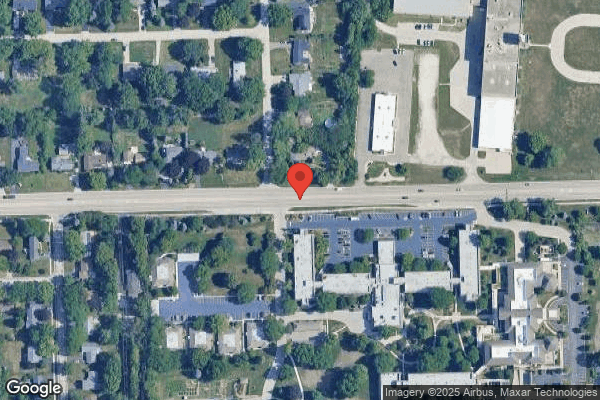
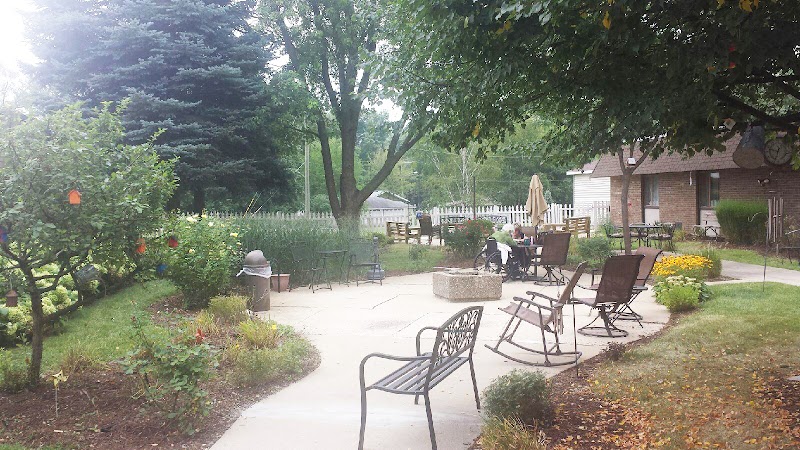
520 FABYAN PARKWAY, BATAVIA, IL 60510 (630) 879-5266
For profit - Corporation 63 Beds Independent Data: November 2025
Trust Grade
50/100
#334 of 665 in IL
Last Inspection: June 2025

Inspected within the last 6 months. Data reflects current conditions.

Overview

Batavia Rehabilitation & Health Care Center has a Trust Grade of C, which means it is average and falls in the middle of the pack among nursing homes. In Illinois, it ranks #334 out of 665 facilities, placing it in the bottom half, while it is #17 out of 25 in Kane County, indicating that only a few local options are better. The facility's condition is worsening, with issues increasing from 6 in 2024 to 10 in 2025. Staffing is a significant concern, with a poor rating of 1 out of 5 stars, although it has a low staff turnover rate of 0%. Notably, there have been findings such as the lack of RN coverage for 8 hours on multiple days, failure to develop a quality improvement plan, and deficiencies in managing water safety, which could put residents at risk. While there are no fines and some aspects of quality measures are good, families should weigh these strengths against the weaknesses before making a decision.

Trust Score
C
50/100
In Illinois
#334/665
Top 50%
Safety Record
Low Risk
No red flags
Inspections
Getting Worse
6 → 10 violations
Staff Stability
○ Average
Turnover data not reported for this facility.
Penalties
✓ Good
No fines on record. Clean compliance history, better than most Illinois facilities.
Skilled Nurses
○ Average
Each resident gets 33 minutes of Registered Nurse (RN) attention daily — about average for Illinois. RNs are the most trained staff who monitor for health changes.
Violations
⚠ Watch
22 deficiencies on record. Higher than average. Multiple issues found across inspections.
★★☆☆☆
2.0
Overall Rating
★☆☆☆☆
1.0
Staff Levels
★★★★☆
4.0
Care Quality
★★★☆☆
3.0
Inspection Score
Stable
2024: 6 issues
2025: 10 issues

The Good

  • 4-Star Quality Measures · Strong clinical quality outcomes
  • Full Sprinkler Coverage · Fire safety systems throughout facility
  • No fines on record

Facility shows strength in quality measures, fire safety.

The Bad

2-Star Overall Rating

Below Illinois average (2.5)

Below average - review inspection findings carefully

The Ugly 22 deficiencies on record

Jun 2025 10 deficiencies
CONCERN (D)

Potential for Harm - no one hurt, but risky conditions existed

Deficiency F0605 (Tag F0605)

Could have caused harm · This affected 1 resident

**NOTE- TERMS IN BRACKETS HAVE BEEN EDITED TO PROTECT CONFIDENTIALITY** Based on interview and record review, the facility failed to ensure residents were free from unnecessary psychotropic medication...

Read full inspector narrative →
**NOTE- TERMS IN BRACKETS HAVE BEEN EDITED TO PROTECT CONFIDENTIALITY** Based on interview and record review, the facility failed to ensure residents were free from unnecessary psychotropic medications. This applies to 3 of 5 residents (R13, R18, and R21) reviewed for unnecessary medications in the sample of 14. The findings include: 1. The EMR (Electronic Medical Record) showed R18 was admitted to the facility on [DATE], with multiple diagnoses including neurocognitive disorder with Lewy Bodies, unspecified psychosis not due to a substance or known physiological condition, major depressive disorder, anxiety disorder, paranoid personality disorder, Alzheimer's disease, and unspecified mood disorder. R18's MDS (Minimum Data Set) dated March 31, 2025, showed R18 had severely impaired cognitive skills for daily decision making. R18's Order Summary Report dated June 3, 2025, showed an active medication order dated April 18, 2025, for Haloperidol (antipsychotic medication) Lactate Oral Concentrate 2 mg (milligrams)/ mL (milliliters), give 0.75 mL by mouth every two hours as needed for agitation/restlessness. R18's May 2025 MAR (Medication Administration Record) showed R18 received as needed Haloperidol on May 20 and May 24, 2025. The EMR showed R18 had orders for as needed Haloperidol from November 25, 2025, to June 4, 2025. The facility does not have documentation to show R18 was directly examined by the prescribing practitioner to assess R18's continued need for an as needed antipsychotic medication every 14 days. On June 4, 2025, at 2:42 PM, V2 (DON/Director of Nursing) said as needed antipsychotic medications should only be prescribed for 14 days. V2 said after 14 days, the order should be discontinued, and a new order should be obtained from the physician. V2 said a resident receiving an as needed antipsychotic medication needed to be evaluated by the physician in order for the medication to be reordered. 2. The EMR showed R13 was admitted to the facility on [DATE], with multiple diagnoses including chronic obstructive pulmonary disease, major depressive disorder, dementia, unspecified psychosis, and bipolar disorder. R13's MDS dated [DATE], showed R13 had severe cognitive impairment. R13's Order Summary Report dated June 4, 2025, showed an active medication order dated March 31, 2025, for Lorazepam (antianxiety medication) oral tablet 0.5 mg, give one tablet by mouth every eight hours as needed for anxiousness. R13's April 2025 MAR showed R13 received 15 doses of as needed Lorazepam. R13's May 2025 MAR showed R13 received 13 doses of as needed Lorazepam. The facility does not have documentation to show the prescribing practitioner documented the rationale for the extended time and indicate a specific duration for R13's as needed psychotropic medication. On June 4, 2025, at 2:42 PM, V2 said as needed psychotropic medication should only be prescribed for 14 days. V2 said after 14 days, staff should obtain a new order for the as needed psychotropic medication. 3. R21's admission record showed R21 was admitted to the facility on [DATE], with multiple diagnoses including chronic obstructive pulmonary disease, unspecified dementia, hypertensive heart disease, alcohol abuse with unspecified alcohol induced disorder, major depressive disorder and anxiety disorder. R21's physician order summary showed R21 had an order for Aripiprazole 1 mg (milligram, antipsychotic medication,) daily. The date of the initial order was not available due to the recent change in the EMR (Electronic Medical Record) system. The Consultant Pharmacist Recommendation to Prescriber dated April 29, 2025, for R21 showed a recommendation for GDR (Gradual Dose Reduction) of Aripiprazole 1 mg to dose every other day for 1 week and then discontinue the medication, due to no behaviors documented in the month of April. On June 4, 2025, at 12:47 PM, V2 (DON) referred to the psychotropic medication log and stated it showed the initial order date for Aripiprazole 1 mg was August 5, 2022. V9 (Social Services Director) and V2 stated R21 was not currently receiving psychiatric services. V2 stated R21's attending physician was prescribing the medication currently. V2 stated she did not give the recommendation form from the pharmacist to the prescriber. R21's behavior monitoring record for the months of April 2025, May 2025 and June 1-4, 2025, showed there were no episodes of behavior documented. On June 4th, 2025, at 12:47, V2 and V9 stated R21's behavior had been stable for months. The GDR recommendation dated April 29, 2025, had not been presented to the prescriber for review as of June 4, 2025, despite stable behavior and R21 remains on psychoactive medication without documented indication for continued use. The facility's policy titled Psychotropic Medication Use dated February 2025, showed Policy: Residents will only receive psychotropic medications when necessary to treat specific symptoms for which they are indicated and effective.Procedure: .4. Based on assessing the resident's symptoms and overall situation, the medical practitioner will determine whether to continue, adjust, or stop existing psychotropic medication.6. The timeframe for PRN (as needed) psychotropic medications, which are antipsychotic medications is limited to 14 days without exception, unless the attending provider evaluates the resident and deems it necessary.
CONCERN (D)

Potential for Harm - no one hurt, but risky conditions existed

Comprehensive Care Plan (Tag F0656)

Could have caused harm · This affected 1 resident

**NOTE- TERMS IN BRACKETS HAVE BEEN EDITED TO PROTECT CONFIDENTIALITY** 2. R19's EMR (Electronic Medical Record) showed R19 was admitted to the facility on [DATE]. 2023, with diagnoses that included d...

Read full inspector narrative →
**NOTE- TERMS IN BRACKETS HAVE BEEN EDITED TO PROTECT CONFIDENTIALITY** 2. R19's EMR (Electronic Medical Record) showed R19 was admitted to the facility on [DATE]. 2023, with diagnoses that included dementia unspecified severity with psychotic disturbances, anxiety, depression, and PTSD. R19's MDS (Minimum Data Set) dated March 31, 2025, showed R19 had mild cognitive impairment, and her active diagnoses included anxiety, depression, psychotic disorder, and PTSD (Post-traumatic stress disorder). R19's care plan showed there was no assessment of R19's diagnosis of PTSD, identification of PTSD triggers, or interventions to assist with R19's PTSD. R19's Social Service Quarterly Assessments showed there was no documentation that R19 had PTSD. On June 2, 2025, at 2:27 PM, R19 said she has had a lot of trauma in her life and she didn't know if facility knew that or knew what her triggers were. On June 4, 2025, at 12:22 PM, V7 (LCSW/Licensed Clinical Social Worker) said R19 does have a diagnosis of PTSD (Post Traumatic Stress Disorder) but said R19's PTSD is not active, meaning she has no symptoms related to her PTSD. V7 went on to say that R19 had experienced some childhood trauma that included physical abuse, mental abuse, verbal abuse, and neglect by her parents. R19 also experienced sexual assault sometime between her teenage years and adulthood. R19 also had a history of domestic abuse by her significant others. V7 said R19 does not have any triggers that she is aware but then stated R19 has nightmares about the abuse by her parents and displays anger issues with other residents. R19 also demonstrates abandonment issues when her family member leaves town by claiming she has physical ailments. For example, a couple weeks ago when R19's family member went out of town, R19 complained of breast pain. The facility provided their December 2024 policy titled Trauma Informed Care. The policy showed, It is the policy of this facility to consider residents past traumatic experiences in developing person centered care plans designed to avoid re-traumatization through the application of the principles of trauma-informed care .Procedure: Identification of trauma survivors during the admission/intake process, residents and/or residents' representatives are given the voluntary opportunity to answer questions regarding trauma and to discuss their experiences to the extent they are comfortable. At least annually, residents and/or their representatives are again given the voluntary opportunity to answer questions regarding trauma and to discuss their experiences to the extent they are comfortable. Residents/representatives may disclose information regarding trauma at any time they feel comfortable in doing so. Care Planning for Trauma Survivors- Interdisciplinary staff work together with the resident/resident's representatives to assess the resident's needs and to identify triggers that may cause the survivor to remember the traumatic event and induce a reaction similar to when the resident was originally traumatized. Care plan should describe the resident's cultural preferences, values, and practices and include approaches to meet the resident's cultural needs. Care plan should describe interventions which consider the resident's experiences and preferences in order to eliminate or mitigate triggers that may cause re-traumatization and psychosocial harm. Care plans are reviewed and revised as needed on at least a quarterly basis . Facility provided their December 2024 policy, titled Care Planning. The policy showed, Purpose: 1. To assess each resident's strengths, weaknesses, and care needs 2. To use this assessment data to develop a comprehensive Plan of Care (POC) for each resident that will assist a resident in achieving and maintaining the highest practical level of mental functioning, physical functioning, and wellbeing as possible . Based on interview and record review, the facility failed to develop comprehensive care plans for residents' oxygen use and need for trauma-informed care. This applies to 2 of 14 residents (R19 and R25) reviewed for care plans in a sample of 14. The findings include: On June 5, 2025, at 10:38 AM, V2 (Director of Nursing) stated R19 and R25 should have had care plans developed for their oxygen use and their post-traumatic stress disorder. 1. R25's admission record showed R25 was admitted to the facility on [DATE], with multiple diagnoses including chronic obstructive pulmonary disease, type 2 diabetes, history of pneumonia and bipolar disorder. R25's physician order summary showed R25 had an order for oxygen 2-3L (liters) per NC (Nasal Cannula) as needed for shortness of breath, initiated on May 31, 2025. R25's progress note dated May 22, 2025, at 3:10 PM showed R25 experienced shortness of breath and used oxygen 3L (Liter) per NC (Nasal Cannula) for oxygen saturation 80-82 % on room air. R25 was transferred to the local emergency room on May 23, 2025, at 8:50 AM and diagnosed with pneumonia and returned to the facility at 6:05 PM. R25's care plan initiated on April 1, 2025, for asthma and shortness of breath while lying flat, did not address the use of oxygen, monitoring parameters for when to use oxygen or safety precautions for the use of oxygen.
CONCERN (D)

Potential for Harm - no one hurt, but risky conditions existed

Respiratory Care (Tag F0695)

Could have caused harm · This affected 1 resident

**NOTE- TERMS IN BRACKETS HAVE BEEN EDITED TO PROTECT CONFIDENTIALITY** Based on observation, interview, and record reviewed the facility failed to date and contain resident's oxygen equipment for a r...

Read full inspector narrative →
**NOTE- TERMS IN BRACKETS HAVE BEEN EDITED TO PROTECT CONFIDENTIALITY** Based on observation, interview, and record reviewed the facility failed to date and contain resident's oxygen equipment for a resident with oxygen concentrator in their room. This applies to 1 of 1 resident (R25) reviewed for oxygen use in the sample of 14. The findings include: R25's admission record showed R25 was admitted to the facility on [DATE], with multiple diagnoses including chronic obstructive pulmonary disease, type 2 diabetes, history of pneumonia and bipolar disorder. R25's physician order summary showed R25 had an order for oxygen 2-3L (liters) per NC (Nasal Cannula) as needed for shortness of breath, initiated on May 31, 2025. On June 2, 2025, at 12:51 PM, R25's room had an oxygen concentrator in the room with tubing and nasal cannula that was undated and stored draped over the concentrator and touching the floor. There was no oxygen in use sign on the door to the room. R25's progress note dated May 22, 2025, at 3:10 PM showed R25 experienced shortness of breath and used oxygen 3L per NC for oxygen saturation 80-82 % on room air. R25 was transferred to the local emergency room on May 23, 2025, at 8:50 AM and diagnosed with pneumonia and returned to the facility at 6:05 PM. On June 4, 2025, at 1:00 PM, R25's oxygen concentrator remained in the room with the tubing draped over the concentrator and touching the floor, there was no date on the tubing of the last tubing change. There was no oxygen in use sign on the door to the room. On June 4, 2025, at 1:10 PM, V2 (Director of Nursing) stated there should always be an oxygen in use sign on the door when there is oxygen in the room. V2 stated R25 still had an active order for oxygen use and the tubing should be labeled with the date of last change and the tubing should be changed weekly. The facility's policy titled Oxygen Administration, undated, showed Preparation 1. Verify that there is a physician order for oxygen administration and .Steps in the Procedure .3. Place an Oxygen in use sign on the outside of the room entrance door. Close the door.
CONCERN (D)

Potential for Harm - no one hurt, but risky conditions existed

Deficiency F0699 (Tag F0699)

Could have caused harm · This affected 1 resident

**NOTE- TERMS IN BRACKETS HAVE BEEN EDITED TO PROTECT CONFIDENTIALITY** Based on observation, interview, and record review, the facility failed to assess a resident with PTSD (Post-Traumatic Stress Di...

Read full inspector narrative →
**NOTE- TERMS IN BRACKETS HAVE BEEN EDITED TO PROTECT CONFIDENTIALITY** Based on observation, interview, and record review, the facility failed to assess a resident with PTSD (Post-Traumatic Stress Disorder) and identify triggers. This applies to 1 of 1 resident (R19) reviewed for trauma informed care in a sample of 14. The findings include: R19's EMR (Electronic Medical Record) showed R19 was admitted to the facility on [DATE]. 2023, with diagnoses that included dementia unspecified severity with psychotic disturbances, anxiety, depression, and PTSD. R19's MDS (Minimum Data Set) dated March 31, 2025, showed R19 had mild cognitive impairment, and her active diagnoses included anxiety, depression, psychotic disorder, and PTSD. R19's Social Service Quarterly Assessments showed there was no documentation that R19 had PTSD. R19's POS (Physician Order Set) showed there were no orders to monitor for triggers or behaviors related to R19's diagnosis of PTSD. On June 2, 2025, at 2:27 PM, R19 said she has had a lot of trauma in her life and she didn't know if facility knew that or knew what her triggers were. On June 4, 2025, at 12:22 PM, V7 (LCSW/Licensed Clinical Social Worker) said R19 does have a diagnosis of PTSD (Post Traumatic Stress Disorder) V7 said R19's PTSD is not active, meaning she has no symptoms related to her PTSD. V7 went on to say that R19 had experienced some childhood trauma that included physical abuse, mental abuse, verbal abuse, and neglect by her parents. R19 also experienced sexual assault sometime between her teenage years and adulthood. R19 also had a history of domestic abuse by her significant others. V7 said R19 does not have any triggers that she is aware of but then stated R19 has nightmares about the abuse by her parents and has anger issues with other residents. R19 demonstrates abandonment issues like claiming to have physical ailments when her family member leaves town. For example, a couple weeks ago when R19's family member went out of town, R19 complained of breast pain. On June 4, 2025, at 10:47 AM, V6 (MDS Nurse) provided copies of hospital records she reviewed and used to obtain R19's medical diagnoses. The hospital records showed R19 has PTSD. V6 said she talked to V9 (Social Services) and was told R19 had no issues. V6 said she does not know what R19's trauma is or what the triggers are. The facility provided their December 2024 policy titled Trauma Informed Care. The policy showed, It is the policy of this facility to consider residents past traumatic experiences in developing person-centered care plans designed to avoid re-traumatization through the application of the principals of trauma-informed care. Definitions: Trauma: Individual trauma results from an event, series of events, or set of circumstances that is experienced by an individual as physically or emotionally harmful or life threatening and that has lasting adverse effects on the individual's functioning and mental, physical, social, emotional, or spiritual well-being. The individual's experience of the event(s) determines whether it is a traumatic event. An event may be traumatic for one individual & not for another. The individual's interpretation will determine whether it is experienced as traumatic. Trauma: Informed Care: An approach to delivering care that involves understanding, recognizing and responding to the effects of all types of trauma; recognizing the widespread impact and signs and symptoms of trauma; and avoiding re-traumatization . Trigger: Something that causes the survivor to remember the traumatic event and induces a reaction like when they were originally traumatized. Triggers can re-traumatize survivors .Procedure: Identification of trauma survivors during the admission/intake process, residents and/or residents' representatives are given the voluntary opportunity to answer questions regarding trauma and to discuss their experiences to the extent they are comfortable. At least annually, residents and/or their representatives are again given the voluntary opportunity to answer questions regarding trauma and to discuss their experiences to the extent they are comfortable. Residents/representatives may disclose information regarding trauma at any time they feel comfortable in doing so.
CONCERN (D)

Potential for Harm - no one hurt, but risky conditions existed

Deficiency F0757 (Tag F0757)

Could have caused harm · This affected 1 resident

Based on interview and record review, the facility failed to ensure a resident did not receive an unnecessary medication. This applies to 1 of 5 residents (R4) reviewed for unnecessary medications in ...

Read full inspector narrative →
Based on interview and record review, the facility failed to ensure a resident did not receive an unnecessary medication. This applies to 1 of 5 residents (R4) reviewed for unnecessary medications in a sample of 14. The findings include: Face sheet, dated June 4, 2025, shows R4's diagnoses included urinary tract infection. Hospital records, printed December 14, 2024, show R4's diagnoses included complicated UTIs (Urinary Tract Infections). POS (Physician Order Sheets), printed June 4, 2025, shows the following physician orders: Bactrim 400-80 mg (milligrams) one tablet daily every Monday, Wednesday and Friday- start date April 1, 2025, and to be given indefinitely. Nursing progress note, dated April 13, 2025, shows R4 was sent to the hospital after experiencing weakness and lack of responsiveness. Review of R4's hospital discharge record, printed April 13, 2025, shows no orders for Keflex or Bactrim on the after visit summary medication list. The discharge record shows R4's diagnoses included UTIs (Urinary Tract Infection). Nursing progress notes, dated April 13, 2025, shows R4 returned to the facility from the hospital. The progress notes shows R4 had a new order for Keflex 500 mg twice daily for seven days. POS (Physician Order Sheets), printed June 4, 2025, R4 received a physician order on April 13, 2025, for Keflex 500 mg two capsules twice daily for UTI. The order shows no stop date was provided when the order was entered into the clinical record. The POS shows the antibiotic was discontinued on May 8, 2025. The POS shows R4 continued to receive the Bactrim as ordered on April 1, 2025, while receiving the Keflex. POS, printed June 4, 2025, shows R4 received another physician order on May 8, 2025, extending R4's order for Keflex 500 mg two capsules twice daily for UTI. The POS shows the Keflex was discontinued May 13, 2025. The POS shows R4 continued to receive the Bactrim as ordered on April 1, 2025. Review of the clinical record shows no documentation that supported the use of Keflex and Bactrim concurrently or that the Keflex to be continued for more than 7 days. On June 4, 2025, at 10:18 AM, V2 (Director of Nursing) reviewed the hospital records that were sent with R4 on readmission and no antibiotic order for Bactrim or Keflex were identified. V2 stated the nurse on duty placed an order in R4's clinical record for Keflex when R4 was readmitted to the facility. V2 stated she was unable to locate any clinical documentation by R4's nurse as to where the nurse received R4's order for Keflex. V2 stated she was not sure if the original order for Keflex was given for 7 days or more because the order was entered into the system differently than what was written on the progress note indicating the Keflex was to be given for 7 days. V2 stated it appeared the Keflex order was placed in the clinical record system to be given for 30 days however the nurse documented in the progress notes R4 was only supposed to only get the Keflex for a total of 7 days. V2 stated R4's order for prophylactic Bactrim should have been on hold while R4 was receiving Keflex so R4 did not receive Keflex and Bactrim at the same time. V2 stated she was behind on tracking the facility antibiotic use during April 2025 because she was working as a floor nurse often and was not keeping up with her work. Resident Infection Control and Antimicrobial Log, dated April 2025, shows R4 received Keflex 100 mg (milligrams) twice daily for 30 days from April 13, 2025, to May 13, 2025. The log indicated that there was clinical documentation to support the antibiotic use. The log also shows R4 was receiving Bactrim on Mondays, Wednesdays and Fridays, beginning on April 1, 2025, for UTI (Urinary Tract Infection) prophylaxis. The log indicated that clinical documentation was available to support the antibiotic use.
CONCERN (D)

Potential for Harm - no one hurt, but risky conditions existed

Deficiency F0805 (Tag F0805)

Could have caused harm · This affected 1 resident

Based on observation, interview, and record review, the facility failed to puree food items to a smooth consistency per their facility policy. This applies to 3 of 3 residents (R2, R18, R22) reviewed...

Read full inspector narrative →
Based on observation, interview, and record review, the facility failed to puree food items to a smooth consistency per their facility policy. This applies to 3 of 3 residents (R2, R18, R22) reviewed for pureed diets in the sample of 14. The findings include: On June 3, 2025, at 11:25 AM, V4 (Cook) was preparing pureed diets. He said there are three residents with pureed diet orders in the facility. V4 was preparing pureed spaghetti with meat sauce and pureed green beans. V4 used tongs and placed three servings of noodles into the food processor and then he used the four-ounce scoop per the recipe and placed three scoops of meat sauce into the food processor with the noodles. Per the recipe, he also added three ounces of water and blended it. Visually, there were small pieces of unblended noodles and meat. When tasted, there were small pieces of noodles and meat that needed to be chewed. V4 pureed fresh green beans by taking the four-ounce scoop and placing three servings into the food processor with 1/4 tsp chicken base, three ounces of water, 2 3/4 tsp of thickener. After he pureed the green beans, the consistency was not smooth and when tasted there were pieces of skin in the pureed green beans. V3 (FSM/Food Service Manager) tasted both the spaghetti with meat sauce and the green beans and said they both needed to be pureed more to a smooth, pudding like consistency. V4 was asked to puree the spaghetti and green beans again. V4 was not able to get the green beans to a smooth pudding like consistency and was told he could not serve the green beans. The facility provided a list of residents in the facility that required a pureed diet which included R2, R18 and R22. The facility provided their undated policy titled, Pureed Foods. The policy showed . measure and add commercial thickener, stabilizer or shaping/enhancing product as directed in the recipe and process until blended. Scrape down the sides and reprocess until very smooth like pudding .
CONCERN (F)

Potential for Harm - no one hurt, but risky conditions existed

Deficiency F0727 (Tag F0727)

Could have caused harm · This affected most or all residents

Based on interview and record review, the facility failed to provide 8 hours of RN (Registered Nurse) coverage on 20 days during the past 6 months. This applies to all 37 residents who reside in the f...

Read full inspector narrative →
Based on interview and record review, the facility failed to provide 8 hours of RN (Registered Nurse) coverage on 20 days during the past 6 months. This applies to all 37 residents who reside in the facility. The findings include: The PBJ (Payroll Based Journal) report for quarter 4 2024, showed dates in December when there was no RN on duty. V2 (Director of Nursing) provided documentation to show she was the RN on some of those December dates. Review of the staffing schedule with V2 showed that December 7, 8, 22, 25, and 29, 2024 did not have any hours of RN coverage working in the facility. V2 stated on June 3, 2025, at 11:12 AM, that the facility does use agency staff. V2 stated she had to work out a system with payroll to report V2 hours as RN coverage for PBJ. V2 stated she works Monday through Friday and provides the RN coverage on those days. Review of January, February, March, April, and May 2025, staffing schedules with V2, showed there was no RN coverage for 8 hours, and V2 did not work on the following days: January 1, 4, 5, 18 and 19, 2025, February 13, 2025, March 1, 16, 24, 25, 29, 30, 31, 2025, April 26, 2025, and May 26, 2025. V6 (LPN Licensed Practical Nurse/ MDS nurse) stated on June 2, 2025, at 2:28 PM there were only LPNs that worked on some days because we did not have RNs who could work. On June 2, 2025, at 2:10 PM, V1 (Administrator) stated the facility had five stars but last year the facility began reducing nurse staffing which caused occasional shortages in RNs. V1 stated if an RN had last minute call off and the facility was unable to find an RN to fill in and cover the call off that would also cause an RN shortage. DON is an RN and works full time.
CONCERN (F)

Potential for Harm - no one hurt, but risky conditions existed

Deficiency F0865 (Tag F0865)

Could have caused harm · This affected most or all residents

Based on interview and record review, the facility failed to develop and present a facility QAPI (Quality assurance Performance Improvement) plan. This applies to all 37 residents residing in the faci...

Read full inspector narrative →
Based on interview and record review, the facility failed to develop and present a facility QAPI (Quality assurance Performance Improvement) plan. This applies to all 37 residents residing in the facility. The findings include: Long Term Care Facility Application for Medicare and Medicaid, dated June 2, 2025, shows the facility census was 37. On June 3, 2025, V1 (Administrator) provided a document QAPI Policy, dated January 2024, and stated the document was the facility's QAPI plan. The document shows, The QAPI Program takes a systematic, comprehensive, and data-driven approach to maintaining and improving safety and quality while involving all caregivers in practical and creative problem solving. The community QAPI Program achieves the following: monitor quality/performance, find opportunities for improvement, improve performance, achieve resident/family desired outcomes, meet regulatory requirements, understand the CMS (Centers for Medicare & Medicaid Services) survey process and regulations, provide a QAPI path to correcting issues. The QAPI Program consists of monthly/quarterly meetings, daily quality assurance activities, 'QAPI tasks' and Performance Improvement Plans. The document fails to show how the committee will identify and correct quality deficiencies, failed to reflect specific aspects unique to the facility population and programs, track and measure performance, how goals and thresholds for performance would be established, systems of analyzing root causes of quality concerns, and monitoring/evaluating the effectiveness of corrective actions. On June 3, 2025, at 10:34 AM, V1 (Administrator) stated he confirmed with corporate that the QAPI Policy he provided was the facility QAPI plan.
CONCERN (F)

Potential for Harm - no one hurt, but risky conditions existed

Infection Control (Tag F0880)

Could have caused harm · This affected most or all residents

Based on interview and record review, the facility failed to have a water management plan for Legionella which included ways to intervene when control limits are not met and to document control measur...

Read full inspector narrative →
Based on interview and record review, the facility failed to have a water management plan for Legionella which included ways to intervene when control limits are not met and to document control measures for the prevention of Legionella growth. The facility also failed to follow their Infection Prevention and Control Program for surveillance of infections. This applies to all 37 residents residing in the facility. The findings include: The facility's Long-term Care Application for Medicare and Medicaid dated June 2, 2025, showed the facility's census was 37 residents. 1. On June 4, 2025, at 2:19 PM, V10 (Maintenance Director) said for the facility's water management plan for Legionella, V10 empties the hot water heaters about once a month but does not empty the kitchen's hot water heater because there is a water softener. V10 said the only thing he does with the shower heads is replace them when they break which is about three times a year. On June 4, 2025, at 2:26 PM, V1 (Administrator) said V10 should be following the facility's water management plan for Legionella. V1 said he completed a Legionella environmental assessment form for the facility last year but did not do anything with assessment when it was completed. The facility's water management plan for Legionella dated December 13, 2019, showed Control Measures: Water Heaters are maintained at appropriate temperatures 60 degrees Celsius and above; Annual cleaning of water heaters and thermostatic mixing valves; Quarterly dissemble shower heads to be cleaned and disinfected; Quarterly clean and/or replace faucet aerators; Weekly randomly check hot and cold water temperatures, (let run for one minute before); Weekly flush toilets, taps, and shower heads not in use; Continuous Positive Airway Pressure machines use distilled water and are changed daily; Humidifiers for oxygen concentrators use humidified water and are changed every three days . The facility does not have documentation to show the control measures were being monitored. The facility's water management plan for Legionella does not include interventions if control measures cannot be met. On June 3, 2025, at 3:40 PM, V1 said he provided the facility's new water management plan for Legionella. V1 provided a one-page facility document titled Water Management Program, Facility Legionella Base Line/Annual Testing dated May 23, 2019. The document showed Instruction: Each Senior Health Care Facility will purchase through [medical equipment company] the following kit: .Kit will be ordered, and four base line tests will be administered at each facility (one test for reserve). Listed below are the locations for testing to be recorded for base line . Once the test kits arrive, ensure all Water Management Program check list and logs have been active and proceed with the testing. Utilize the Legionella test log to record the initial base line results for validation. If failed test identify area test is pulled from and start with immediate actions to secure and flush system, inspect for any impedance to the system, check system integrity for leaks or deterioration, compare to other test locations and validate if any other tests have similar results . On June 4, 2025, at 2:26 PM, V1 confirmed the document was instructions for performing Legionella testing in the facility. 2. On June 3, 2025, at 1:54 PM, V2 (DON/Director of Nursing) said she has been the facility's Infection Preventionist since 2020. V2 said she used to perform McGeer's Criteria for infections but stopped some time last year. V2 said she does not use a standardized tool for data collection of resident infections to identify if a resident has an infection. V2 said the facility had a COVID-19 outbreak in April 2025, and 10 residents tested positive for COVID-19. The facility's April 2025 Resident Infection Control and Antimicrobial Log does not show the residents who were positive with COVID-19 infection. The facility's policy titled Infection Prevention and Control Program Manual- Surveillance dated 2019, showed Infection Surveillance- Overview: Purpose: Infection prevention begins with routine and ongoing surveillance to identify possible communicable diseases or infections before they can spread to other persons in the facility or have the potential to cause an outbreak. The facility closely monitors all residents who exhibit signs/symptoms of infection through ongoing surveillance and has a systemic method for collecting, consolidating, analyzing, and interpretation of data concerning the frequency and cause of a given disease or event, followed by dissemination of that information to those who can improve the outcomes. The intent of surveillance is to identify possible communicable diseases or infections before they can spread to other persons in the facility. In addition, surveillance is crucial in the identification of possible clusters, changes in prevalent organisms, or increases in the rate of infection promptly. The results should be used to plan infection control activities, direct in-service education, and identify individual resident problems in need of intervention.
CONCERN (F)

Potential for Harm - no one hurt, but risky conditions existed

Antibiotic Stewardship (Tag F0881)

Could have caused harm · This affected most or all residents

Based on interview and record review, the facility failed to develop an Antibiotic Stewardship Program with a standardized tool and criteria to assess residents for infections. This applies to all 37...

Read full inspector narrative →
Based on interview and record review, the facility failed to develop an Antibiotic Stewardship Program with a standardized tool and criteria to assess residents for infections. This applies to all 37 residents residing in the facility. The findings include: The facility's Long-term Care Application for Medicare and Medicaid dated June 2, 2025, showed the facility's census was 37 residents. On June 3, 2025, at 1:54 PM, V2 (DON/Director of Nursing) said she has been the facility's Infection Preventionist since 2020. V2 said she used to perform McGeer's Criteria for infections but stopped some time last year. V2 said she does not use a standardized tool for data collection of resident infections to identify if a resident has an infection. V2 said the facility does not have a current Antibiotic Stewardship Program policy. On June 4, 2025, at 10:18 AM, V2 said she had been behind on tracking resident antibiotic use in April 2025 because V2 had to work on the floor as a nurse. V2 said she was unable to keep up with her work. The facility's policy titled Infection Prevention and Control Program dated 2019, showed Mission of Program: The primary mission is to establish an infection prevention and control program designed to provide a safe, sanitary and comfortable environment and to help prevent the development and transmission of communicable diseases and infections. Policy: It is the policy that this facility's Infection Prevention and Control Program (IPCP), is based upon information from the Facility Assessment and follows national standards and guidelines to prevent, recognize and control the onset and spread of infection whenever possible. The Infection Prevention and Control Program includes: .3. An antibiotic stewardship program that includes antibiotic use protocols and a system to monitor antibiotic use . Elements of the Program Include: . Antibiotic Stewardship and review including
Aug 2024 6 deficiencies
CONCERN (D)

Potential for Harm - no one hurt, but risky conditions existed

Deficiency F0578 (Tag F0578)

Could have caused harm · This affected 1 resident

**NOTE- TERMS IN BRACKETS HAVE BEEN EDITED TO PROTECT CONFIDENTIALITY** 2. On [DATE], at 1:11 PM, R21's Advance Directives form, dated [DATE], showed she was Full Code but would only want comfort focu...

Read full inspector narrative →
**NOTE- TERMS IN BRACKETS HAVE BEEN EDITED TO PROTECT CONFIDENTIALITY** 2. On [DATE], at 1:11 PM, R21's Advance Directives form, dated [DATE], showed she was Full Code but would only want comfort focused treatment in the instance the resident was coding. On [DATE], at 1:47 PM, R21 said she would want everything done to bring her back if she stopped breathing or her heart stopped. On [DATE], at 12:45 PM, V17 (RN/Registered Nurse) said R21 was a full code and wanted everything done, but her POLST (Physician Orders for Life-Sustaining Treatment) form showed she was a full code with comfort focused treatment. V17 said the comfort focused treatment meant they would relieve pain, give oxygen to make sure the patient felt comfortable, and if they request to go to the hospital, to send them. On [DATE], at 3:27 PM, V14 (Social Services/Admissions) said she was the one who coordinated the POLST form with the residents and doctors. V14 said the residents can be full code and receive comfort focused treatment. V14 said if full code was checked, it meant she wanted CPR (Cardio-Pulmonary Resuscitation) and the comfort focused treatment meant they would not want to be in pain and would not want a tube, but that should be explicitly stated on the POLST form. At 3:32 PM, V14 said the form needed to be fixed to reflect full code and full treatment. On [DATE], at 3:30 PM, V3 (DON/Director of Nursing) said the residents could not be full code and have comfort focused treatment. V3 said comfort focused treatment would limit what kind of treatment the resident received. On [DATE], at 2:01 PM, V19 (Medical Director) said if a resident's Advance Directive form shows full code, they must have full treatment. V19 said a resident could not have full code with comfort focused treatment, which was clearly stated on the form. R21's face sheet showed she was admitted with diagnoses including generalized anxiety disorder, major depressive disorder, tremor, and hypothyroidism. R21's MDS (Minimum Data Set) [DATE], showed R21 was cognitively intact. The facility's Advanced Directives Policy revised [DATE], showed Advance directives will be respected in accordance with state law and facility policy. Information about whether or not the resident has executed an advance directive shall be displayed prominently in the medical record. The plan of care for each resident will be consistent with his or her documented treatment preferences and/or advance directive. Based on interview and record review the facility failed to enter a physician's order that reflects the resident chosen code status. This applies to 2 of 3 residents (R7 and R21) reviewed for advanced directives in a sample size of 18. Findings include: 1. R7 was admitted to the facility on [DATE]. R7 has medical diagnoses that includes cerebral infarction, aphasia, hypertension, lymphedema, morbid obesity, hemiplegia and hyperlipidemia. On [DATE] at 11:24 AM, V13 RN (Registered Nurse) stated residents are identified as a DNR (Do Not Resuscitate) by the red circular sticker on their chart and the advanced directives at the front of their chart. V13 stated R7 was a DNR although R7 had a red sticker on her chart. The chart had no advanced directives or POLST (Practitioner Order fir Life Sustaining Treatment) form or current DNR physician's order. On [DATE] at 12:20 PM, V8 LPN (Licensed Practical Nurse) assigned to R7 stated R7 is considered a full code because there is not a completed POLST or current physicians order for DNR (Do Not Resuscitate). On [DATE] at1:45 PM, V9 LPN / MDS (Minimum Data Set) Coordinator stated V14 Social Worker was responsible for assuring the POLST form is completed. On [DATE] at 1:52 PM, V14 Social Worker stated she obtains the POLST / advanced directives during the admission when the residents or their POA (Power of Attorney) signs the admission contract. The POLST is then placed in V19 Physician's folder at the nursing station. V14 stated it is up to the V19 Physician and nursing to assure there is a DNR order and the POLST form is signed by the physician. On [DATE] at 2:00 PM, V13 RN provided access to V19's folder. No POLST form for R7 was in the folder. V13 stated V19 Physician looks in the folder when she rounds in the facility. V13 RN stated she has never placed a POLST form in V19's Physicians folder. V8 LPN and V15 RN denied ever placing a POLST form in V19's Physician folder or obtaining V19's signature on a POLST form. The facility provided a copy of the POLST form that was not in R7's medical record that was signed by R7's health care power of attorney on [DATE] requesting DNR (Do Not Resuscitate) comfort focused treatment. V19 Physician signed the POLST on [DATE] approximately two months after it was initiated.
CONCERN (D)

Potential for Harm - no one hurt, but risky conditions existed

Deficiency F0583 (Tag F0583)

Could have caused harm · This affected 1 resident

**NOTE- TERMS IN BRACKETS HAVE BEEN EDITED TO PROTECT CONFIDENTIALITY** Based on observation and interview the facility failed to preserve a resident's privacy and dignity. This applies to one residen...

Read full inspector narrative →
**NOTE- TERMS IN BRACKETS HAVE BEEN EDITED TO PROTECT CONFIDENTIALITY** Based on observation and interview the facility failed to preserve a resident's privacy and dignity. This applies to one resident R8 reviewed for privacy in a sample size of 18. Finding include: R8 was admitted to the facility on [DATE] with diagnoses that includes transient ischemic attack, peripheral vascular disease, gastro-esophageal reflux disease, hypertension, hyperlipidemia, heart failure, leg weakness, hypothyroidism, osteopenia and macular degeneration. On 8/13/24 at 1:51 PM, V5 CNA (Certified Nursing Assistant) provide R8 incontinence care and left the bedroom window curtains open. R8's first floor room window is clearly visible to the parked cars near her window. As V5 stepped away from R8 to retrieve supplies from the bathroom leaving R8 exposed from the waist down; R8 exclaimed my butt, and everything is on display. V5 CNA informed R8 she only exposed her to get her cleaned up. On 8/14/24 at 3:44 PM, V3 DON (Director of Nursing) stated the standard practice is to close the curtains while providing residents' care. Window curtains near the parking lot should be closed to provide the resident privacy. The facility provided policy Incontinence Care dated 5/16/22 states drape residents for privacy.
CONCERN (D)

Potential for Harm - no one hurt, but risky conditions existed

Assessment Accuracy (Tag F0641)

Could have caused harm · This affected 1 resident

**NOTE- TERMS IN BRACKETS HAVE BEEN EDITED TO PROTECT CONFIDENTIALITY** Based on observation, interview, and record review, the facility failed to have an accurate fall risk assessment after a fall. T...

Read full inspector narrative →
**NOTE- TERMS IN BRACKETS HAVE BEEN EDITED TO PROTECT CONFIDENTIALITY** Based on observation, interview, and record review, the facility failed to have an accurate fall risk assessment after a fall. This applies to 1 of 1 resident (R16) reviewed for falls in a sample of 18. The findings include: R16 is an [AGE] year-old female admitted on [DATE] having severe cognitive impairment as per the MDS (Minimum Data Set) dated 5/3/24. Record review on fall risk assessment dated [DATE] documents that R16 is at high risk for falls. Record review of the facility presented fall policy revised on 11/10/18 document: 1. Conduct fall assessment on the day of admission, quarterly, and with a change in condition. 2. Identify the resident's risk for falls on admission. A visual prompt (red star) may be placed on the name plaque by the entrance to the residents' room This system provides staff with a visual alert to monitor those at risk for falls. On 8/14/24 at 1:00 PM, no red star was observed with R16's name plaque at the door side. On 8/14/24 at 2:10 PM, during the infection control task, V3 (Director of Nursing) stated that R16 is not on high risk for fall, that's why they didn't put the red star with name plaque at door side. Record review on nursing progress note dated 8/9/24 and fall log for 8/2024 documented that R16 had a fall on 8/9/24 and was sent out to the local hospital for further evaluation. Record review of the Physician Order Sheet (POS) for 08/24 and Medication Administration Record for 08/24 documented that R16 is getting antihypertensive medication (Coreg 6.25 milligrams twice daily). A record review of the fall risk assessment dated [DATE], after the fall, showed documentation of an inaccurate assessment by not counting the score for antihypertensive medication towards the total score for fall risk, yielding a low risk for falls. On 08/15/24 at 11:23 AM, V9 (MDS Coordinator) stated, An inaccurate fall risk assessment can cause the resident to fall. With an accurate fall risk assessment, R16 could have been at high risk for falling, and staff could have implemented the high-risk fall interventions. On 8/15/24 at 2:00 PM, V9 presented a corrected fall risk assessment showing that R16 is at high risk for falling.
CONCERN (D)

Potential for Harm - no one hurt, but risky conditions existed

ADL Care (Tag F0677)

Could have caused harm · This affected 1 resident

**NOTE- TERMS IN BRACKETS HAVE BEEN EDITED TO PROTECT CONFIDENTIALITY** Based on observation, interview, and record review, the facility failed to provide ADL (Activities of Daily Living) care for res...

Read full inspector narrative →
**NOTE- TERMS IN BRACKETS HAVE BEEN EDITED TO PROTECT CONFIDENTIALITY** Based on observation, interview, and record review, the facility failed to provide ADL (Activities of Daily Living) care for residents who required assistance from staff. This applies to 2 of 2 residents (R15, R8) reviewed for ADL care in a sample of 18. The findings include: 1. On August 13, 2024, at 11:25 AM, R15 appeared to have fingernails which were 1.5 inches long on both hands. R15 said the staff do not cut his nails and the staff do not do anything for him. On August 14, 2024, at 9:28 AM, R15 still had long fingernails and his toenails were between 0.5 inches to 1 inch long. On August 15, 2024, at 10:42 AM, R15's fingernails and toenails were still long. R15 said he did want his nails cut, but the staff won't cut them for him. R15 said they cut his fingernails a long time ago. On August 15, 2024, at 10:47 AM, V20 (CNA/Certified Nurse Assistant) said the CNAs were not allowed to cut the nails of residents who have diabetes but were allowed to clean his nails. On August 15, 2024, at 10:50 AM, V13 (RN/Registered Nurse) said the nurses cut the nails of the residents with diabetes. V13 said the residents should not have nails past their fingers because it increases their risk for injuries and ingrown nails. V13 also said it can break the skin and cause infections. V13 said R15 refused to have his nails cut and he was care planned accordingly, but she could not say for certain it was in the care plan. On August 15, 2024, at 11:27 AM, V9 (MDS/Minimum Data Set Coordinator) said nail care should be offered once a week and if a resident refused care, they should be care planned for refusal. R15 was admitted to the facility with diagnoses including type 2 diabetes mellitus, hyperlipidemia, hepatomegaly, and diseases of intestine. R15's MDS dated [DATE], showed R15 had severe cognitive impairment and required moderate assistance from staff for personal hygiene. R15's care plan dated April 16, 2024, showed R15 had diabetes mellitus, with interventions including to Refer to podiatrist/foot care nurse to monitor/document foot care needs and to cut long nails. R15 also had a care plan for potential for impairment to skin integrity [related to] fragile skin, use/side effects of medications and diabetes, with interventions including to Avoid scratching .keep fingernails short. R15's care plan did not address refusal of nail care as a problem area. The facility's undated Nail Care policy showed Resident's nails will be trimmed, clean and free of rough edges. If a resident is alert and oriented and refused nail care, it will be reflected on the care plan. The facility's undated AM care policy showed Provide nail care. 2. R8 was admitted to the facility on [DATE] with diagnoses that includes transient ischemic attack, peripheral vascular disease, gastro-esophageal reflux disease, hypertension, hyperlipidemia, heart failure, leg weakness, hypothyroidism, osteopenia and macular degeneration. R8's MDS (Minimum Data Set) dated 6/17/24 states R8 is completely dependent on staff for personal and toileting hygiene. R8's care plan dated 6/17/24 states R8 is dependent for ADLs (Activities of Daily Living) due to further decline in ability / participation. R8 has altered bladder incontinence related to dementia, limited mobility, medication use. Interventions include clean peri-area with each incontinence episode. Check every two hours or as needed and as required for incontinence. Wash, rinse and dry perineum. On 08/13/24 at 9:40AM, at entrance of the facility, in the conference room and throughout the facility a strong stench of urine was noted. The facility had an odor of urine during the entire day and on 8/14/24 and 8/15/24 as well. On 8/13/24 at 1:51 PM, V5 CNA (Certified Nursing Assistant) provided incontinence care to R8. R8's incontinence brief was overly saturated with urine. R8's buttocks and peri-area were reddened. During incontinence care R8 complained that her buttocks and peri area were sore. V5 stated R8 was gotten out of bed by the night shift staff and that was the first time she was receiving incontinence care since getting up that morning. V5 stated R8's usual routine is to be left up in her chair. During incontinence care V5 CNA wiped R8's stool covered buttocks with a moist washcloth folded it and proceeded to wipe urine and stool covered labia / perineum with the same washcloth five times. On 8/14/24 at 3:44 PM, V3 DON (Director of Nursing) stated residents are provided incontinence care at least every two hours and as needed or upon request. V3 stated R8 should have been provided incontinence care two hours after she was gotten out of bed. V3 stated waiting until after lunch to provide incontinence care to R8 was too long if she was gotten up in the early morning. V3 stated sitting in a urine-soaked incontinence brief will contribute to skin break down. The facility provided policy Incontinence Care dated 5/16/22 states all incontinent residents will receive incontinence care in order to keep skin clean, dry and free of irritation and or odor. Incontinence care will be provided as required. It is the responsibility of the CNA to provide incontinence care. It is the responsibility of the charge nurse to ensure all incontinent residents receive appropriate incontinence care. It is the responsibility of the Director of Nursing to ensure that all nursing staff have received adequate training on the provision of proper incontinence care.
CONCERN (D)

Potential for Harm - no one hurt, but risky conditions existed

Menu Adequacy (Tag F0803)

Could have caused harm · This affected 1 resident

**NOTE- TERMS IN BRACKETS HAVE BEEN EDITED TO PROTECT CONFIDENTIALITY** Based on observation, interview and record review the facility failed to provide meals that meet a resident's health care needs ...

Read full inspector narrative →
**NOTE- TERMS IN BRACKETS HAVE BEEN EDITED TO PROTECT CONFIDENTIALITY** Based on observation, interview and record review the facility failed to provide meals that meet a resident's health care needs as ordered by the physician. This applies to 1 of 1 resident (R5) reviewed for diet orders in a sample size of 18. Findings include: R5 was admitted to the facility on [DATE] with diagnoses that include type 2 diabetes, depression, recurrent falls, arthritis, essential tremors, high cholesterol, hypertension, tachycardia, vitamin D deficiency, and depression. R5's MDS (Minimum Data Set) dated 6/27/24 shows moderate cognitive impairment with a BIMS (Brief Interview for Mental Status) score of 12. On 8/13/24 at 10:12 AM, R5 stated she is served too much starchy / carbohydrates and needs to eat more vegetables. R5 stated she is diabetic and that was not noted on her meal card. R5 stated that all residents get the same food items. R5 stated she informed the facility she was a diabetic during her admission to the facility. On 08/13/24 at 12:11 PM, R5's meal card had a blue dot and read regular diet thin liquids dislikes beef. R5's lunch consisted of a large serving of potatoes, a pastry with egg, ham and cheese, a regular sized piece of chocolate cake with white icing the same size as other residents. On 8/13/24 at 12:20 PM, V7 [NAME] stated the meal served to all the residents was potatoes and a flour tortilla with egg, ham, cheese, onion, green pepper and cheddar cheese. V7 stated the blue dot on the meal card indicates a regular diet. On 8/14/24 at 12:31 PM, R5's meal card had a blue dot and read regular diet thin liquids dislikes beef. V5's lunch consisted of a large amount of rice with chicken bits, green beans, wheat bread, a glass of milk, coffee, and vanilla pudding with whipped cream the same serving size as other residents. On 8/14/24 at 12:36 PM, V7 [NAME] stated the dietary manager fills out the meal card and the cook will prepare the meal tray based on the meal card. On 8/14/24 at 12:39 PM, V11 Dietary Manager stated he fills out the resident meals cards with the meal ordered based on information provided by the resident's nurse. V11 Dietary Manager stated he interviews residents for their food preferences. V11 stated diabetics are ordered the low carbohydrate and sugar free meal choices, but the only difference between the regular diet and the diabetic diet is diabetics are not given a regular sugar packet. V11 stated the only specialized diets are renal, pureed, mechanical and vegetarian. The vanilla pudding served to the residents is regular pudding with whipped cream, not sugar free pudding. V11 stated the cook plates the food based on the meal card. V11 stated he did not know anything about a facility dietary manual. On 8/14/24 at 3:44 PM, V3 DON (Director of Nursing) stated diabetics are served low concentrated sweets and it is not the same as a regular diet. The nurse that receives the diet order is responsible to communicate the diet order to dietary. Dietary completes the meal card based on the current diet order they receive from the nurse. V3 DON stated she submits the current diet ordered for residents to the dietary manager monthly. R5's nutritional assessment completed by the dietician on 6/27/24 diagnosis of uncontrolled diabetes mellitus. R5's diet ordered LCS (Low Concentrated Sweets). R5 was identified as being obese / overweight. Likes 2% milk with all meals and dislikes beef. R5's physician orders include low concentrated sweets carbohydrate-controlled diet and sliding scale insulin coverage. R5's care plan dated 6/22/24 states R5 has an altered endocrine system related to diabetes mellitus II. Interventions include dietary consult for nutritional regimen and ongoing monitoring. Diabetes is a chronic disease and compliance is essential to prevent complications of the disease. Encourage R5 to practice good general health practices- compliance with dietary restrictions. The undated facility provided policy Diet Orders states the physician initially writes a diet order in the medical record indicating they type of diet to be served and / or any all-subsequent changes in the diet. A diet order form is completed and sent to the dietary department. The facility provided policy Dietary Services Communication dated 4/16 states the food service manager or designee is responsible for monitoring the proper completion of the dietary services communication. The facility provided policy Cycle Menu dated 4/14 states LCS (Limited Concentrated Sweets) - concentrated sugar items are replaced with reduced carbohydrate items. Regular desserts are allowed in controlled portions. The LCS diet includes artificially sweetened beverages and condiments. The policy does not specify a carbohydrate-controlled diet.
CONCERN (F)

Potential for Harm - no one hurt, but risky conditions existed

Food Safety (Tag F0812)

Could have caused harm · This affected most or all residents

Based on observation, interview, and record review, the facility failed to properly label/date/seal/store items, discard expired items, ensure the chloride dishwasher and quaternary sanitation bucket ...

Read full inspector narrative →
Based on observation, interview, and record review, the facility failed to properly label/date/seal/store items, discard expired items, ensure the chloride dishwasher and quaternary sanitation bucket strips are not expired, and wear hair restraints while in the facility kitchen. This applies to all residents that receive oral nutrition and foods prepared in the facility kitchen. Findings include: The facility's Long-Term Care Facility Application for Medicare and Medicaid (Form CMS-Centers for Medicare and Medicaid Services-671) dated 8/13/24 documents that the total census was 30 residents. On 8/13/24 at 10:38 AM, V11 (Dietary Manager) said all residents eat from the facility kitchen; there are no NPO (Nothing by Mouth) residents. On 8/13/24 starting at 10:10 AM, the facility kitchen was toured in the presence of V11 (Dietary Manager). For the entirety of the kitchen tour, V11 did not wear a hair restraint or beard restraint. During the kitchen tour, the following was found: In the kitchen refrigerator: 1. A package of opened turkey breast deli meat. Deli meat was in its original package but was not sealed and not labeled or dated. Surveyor showed the package to V11, and he said, it's not good and he removed the meat from the refrigerator. In the dry storage: 2. Three boxes of 11-ounce vanilla wafers dated with a best by date of 12/7/23. While testing the quaternary sanitizer bucket: 3. V11 tested sanitizer bucket with QT-40 strip and got a result of 400ppm first, then retested with a new strip and got a result of 300ppm. Surveyor asked V11 what the result should be, and he said he thought 300ppm. Surveyor asked V11 to look up what the result should be and get back to her. The QT-40 strips had an expiration date of 9/30/16. While testing the low temperature dishwasher: 4. The chloride strips were used to test the dishwasher and the strips had an expiration date of July 2019. V11 said he just opened those strips and did not notice the expiration date. V11 said he has been the Dietary Manager at the facility since January 2024, and he has never ordered new testing strips. On 8/13/24 at 10:38 AM, V11 (Dietary Manager) said the results from the sanitation bucket and the low temperature dishwasher were not accurate because the strips were expired. On 8/14/24 at 12:15 PM, V11 said he doesn't wear a hairnet because his hair is usually shaved, but he knows his hair was not currently shaved. V11 said the facility does not have any beard nets; he has to order some. On 8/15/24 at 1:11 PM, V11 said all expired food items should be removed from storage because once expired the food loses flavor and it could make the residents sick if it is fed to them. V11 said all foods including deli meats, should be labeled, dated, and sealed to avoid any contamination, cross-contamination, and/or feeding expired or contaminated foods to a resident with the potential to make them sick. V11 said kitchen staff need to check test strip expiration dates before using them for low temperature dishwasher and sanitation bucket to ensure they get an accurate result. V11 said the correct level for the sanitizer is 150-200ppm. V11 said he blames the high result obtained on 8/13/24 on the strips being expired. V11 said those results with the expired strips were inaccurate. V11 said all kitchen staff needs to wear hair and beard restraints as appropriate to make sure their hair does not fall out into the food, contaminating it, and making the residents sick. The facility's policy titled, Personal Hygiene and Dress Code last revised 10/16 states, .the food service employees adhere to the facility's dress code that will ensure safe, sanitary meal production and service and presents a professional appearance. Procedure: Food service staff involved in food production and clean-up will adhere to the department dress code that includes: .8. Hair net or appropriate hair coverings, including facial hair covering . The facility's policy titled, Storage revised 6/06 states, Storage .Procedure: .6. When using only part of a product, the remaining product should be in the original package or airtight container and labeled and dated . The facility's policy titled, In-place Equipment revised 04/13 states, Policy: .Procedure: .5. Before sanitizing in-place equipment or surface, use an appropriate test strip to check the sanitizer level in the sanitizing bucket .b. For Quat sanitizers, the level should be 200 ppm .
Jul 2023 6 deficiencies
CONCERN (D)

Potential for Harm - no one hurt, but risky conditions existed

Pressure Ulcer Prevention (Tag F0686)

Could have caused harm · This affected 1 resident

**NOTE- TERMS IN BRACKETS HAVE BEEN EDITED TO PROTECT CONFIDENTIALITY** Based on interview and record review the facility failed to ensure interventions were in place to prevent pressure ulcers for 1 ...

Read full inspector narrative →
**NOTE- TERMS IN BRACKETS HAVE BEEN EDITED TO PROTECT CONFIDENTIALITY** Based on interview and record review the facility failed to ensure interventions were in place to prevent pressure ulcers for 1 resident (R37) reviewed for pressure outside the sample. The findings include: R37's face sheet showed she was admitted to the facility on [DATE] with diagnoses to include dementia, protein calorie malnutrition, peripheral vascular disease, Urinary Tract Infection, hypertension, and anemia. R37's facility assessment dated [DATE] showed she was severely cognitively impaired and dependent on staff for all cares. R37's assessment for predicting pressure ulcer risk showed on 3/24/23 she was assessed to be high risk. This same document shows there was no pressure reducing mattress on R37's bed. This assessment showed the only pressure ulcer prevention intervention in place was a positioning device such as pillows or a cushion. R37's care plan initiated 4/5/23 showed, Pressure Ulcers . High risk for Pressure Ulcers . low body weight and protein deficiency . 4/23/23 Alternating air mattress, setting as low pressure . R37's April 2023 Treatment Administration Record showed, 4/14/23, no pressure sores noted or skin breakdown. Redness to bilateral hip areas R37's 4/23/23 nursing note showed, . Writer was notified by hospice CNA (Certified Nursing Assistant) that resident has multiple pressure sores. Site: Right hip (8 x 3.5), right bottom foot (3 x 2.5) site left inner lateral foot and great toe (1 x .5) site left heel (3.5 x 2.5, Site top left foot (2 x 1) . Resident had signs and symptoms of pain/discomfort during movement and positioning . waiting for hospice to deliver supplies booties/air mattress. On 7/20/23 at 10:41 AM, V2 DON (Director of Nursing) said the low air loss mattress was put into place for [R37] on 4/23/23 as the date appears on her care plan. On 7/20/23 at 12:39 PM, V2 DON said R37 was residing in another facility prior to being admitted to this facility. V2 said when R37 was admitted to this facility she was already contracted and did not walk. V2 said after admission here she wasn't eating, she wasn't drinking, and she started to decline. She was very little like 70 or 80 lbs. V2 said, We talked to hospice, and they wouldn't approve the air mattress unless there was already an actual breakdown. We should have been a little more proactive. When she got an air mattress on 4/23/23 it was supplied by hospice. We didn't have an air mattress here. The facility's policy reviewed 3/16/23 titled Pressure Sore Prevention Guidelines showed, Policy: It is the facility's policy to provide adequate interventions for the prevention of pressure ulcers for residents who are identified as HIGH or MODERATE risk for skin breakdown as determined by the Braden scale (pressure ulcer risk assessment) . Interventions for High Risk . turn and reposition every two hours . range of motion . special mattress . specify type of mattress on the Care Plan .
CONCERN (D)

Potential for Harm - no one hurt, but risky conditions existed

Accident Prevention (Tag F0689)

Could have caused harm · This affected 1 resident

**NOTE- TERMS IN BRACKETS HAVE BEEN EDITED TO PROTECT CONFIDENTIALITY** Based on observation, interview, and record review the facility failed to ensure a resident was transferred in a safe manner for...

Read full inspector narrative →
**NOTE- TERMS IN BRACKETS HAVE BEEN EDITED TO PROTECT CONFIDENTIALITY** Based on observation, interview, and record review the facility failed to ensure a resident was transferred in a safe manner for 1 of 3 residents (R7) reviewed for safety in the sample of 12. The findings include: R7's face sheet printed on 7/20/23 showed diagnosis including but not limited to dementia, weakness, unsteadiness on feet, and history of falls. R7's facility assessment dated [DATE] showed severe cognitive impairment and extensive staff assistance needed for transfers, dressing, eating, toilet use, and personal hygiene. The same assessment showed R7 is incontinent of urine and bowel. On 7/18/23 at 10:17 AM and 12:07 PM, R7 was in bed asleep and lying on her left side in a fetal position. At 12:20 PM, R7 was observed in the dining room with V2 (Director of Nurses) attempting to feed her. R7 was sleepy and did not respond well to verbal cues to eat. At 12:45 PM, V4 (Certified Nurse Aide) stated R7 is a total assist today. Her abilities vary day to day, and she is super sleepy today. She hardly ate today and has been declining. She is on hospice now and is my lightweight. V4 wrapped her arms under R7's armpits and clasped both hands behind R7's back in a bear hug type hold. V4 lifted R7 out of the high back wheelchair and sat her on the edge of the bed. R7's toe tips drug along the floor while being lifted. R7 did not bear any weight on her feet whatsoever and was completely unresponsive during the transfer. V4 grabbed R7's lower legs and laid her back in the bed. V4 stated R7 is normally a stand pivot, and she can bear weight. But not today, she is not helping at all. She is just little enough that I can just lift her and lay her down like this. On 7/20/23 at 9:18 AM, V4 (CNA) was at R7's bedside beginning to change R7's incontinence brief. R7 was lying on her back in a contracted position with both legs tightly crossed at the ankles. V4 provided peri care and changed the brief. R7 did not answer questions or respond to the care in any way. V4 said she is sleepy again today and has not been responding to me at all this morning. V4 was questioned regarding how she transferred R7 into the bed and stated she did it by herself. V4 was asked if R7 was able to stand and pivot today. V4 said, Oh no, no, no. I just lifted her into bed under her arms. Like you saw me do yesterday. V4 was questioned about the gait belt lying on R7's nightstand and stated she only uses the belt when transferring R7 on or off the toilet. On 7/20/23 at 11:06 AM, V2 (DON) said R7 has been declining and was a stand and pivot transfer. She needs to be reevaluated if she is not bearing weight. R7 does need more help on sleepy or weak days. The CNAs decide when more help is needed on those days. It is never appropriate to bear hug a resident and lift them into bed. Gait belts are needed for support and something to hold onto. Holding under the arm pits can cause injury, she could slip through the arms or be pulled the wrong way. Lifting and plopping a resident on the bed is never appropriate and is unsafe. R7's fall care plan showed a high fall score and risk factors including unsteady gait, poor balance, poor safety awareness, and history of falls. Interventions included: Use 1-person extensive assist and gait belt for all transfers. Use additional assist as needed when resident is not feeling well, feeling weak or dizzy. Observe and assess need for mechanical device to maintain safety. The facility Transfer Belts/Gait Belts policy dated 12/17/12 states under the policy section: GAIT BELTS ARE MANDATORY. Under the procedure section it states- 7. Monitor the resident during transfers for: B. Decline in the amount of effort given by the resident. C. Inability to participate in transfer 8. Report any changes in resident's performance during transfers to the charge nurse.
CONCERN (D)

Potential for Harm - no one hurt, but risky conditions existed

Infection Control (Tag F0880)

Could have caused harm · This affected 1 resident

**NOTE- TERMS IN BRACKETS HAVE BEEN EDITED TO PROTECT CONFIDENTIALITY** Based on observation, interview, and record review the facility failed to provide incontinence care in a manner to prevent cross...

Read full inspector narrative →
**NOTE- TERMS IN BRACKETS HAVE BEEN EDITED TO PROTECT CONFIDENTIALITY** Based on observation, interview, and record review the facility failed to provide incontinence care in a manner to prevent cross contamination for 1 of 1 resident (R7) reviewed for infection control in the sample of 12. The findings include: R7's face sheet printed on 7/20/23 showed diagnosis including but not limited to dementia, weakness, unsteadiness on feet, and history of falls. R7's facility assessment dated [DATE] showed severe cognitive impairment and extensive staff assistance needed for transfers, dressing, eating, toilet use, and personal hygiene. The same assessment showed R7 is incontinent of urine and bowel. On 7/20/23 at 9:18 AM, V4 (Certified Nurse Aide) gathered supplies and provided incontinence care to R7. V4 put on a pair of gloves and removed R7's wet incontinence brief. V4 used a soapy cloth to cleanse R7's groin area and buttock. V4 continued wearing the same gloves while drying R7. V4 wore the contaminated gloves to roll R7 from side to side and put on a fresh brief. V4 touched the bed linens, pillow, nightstand drawer, and call light. V4 put the wet brief into a plastic bag and finally removed her gloves. V4 was questioned why she just now changed her gloves. V4 said she did not know why she didn't do it earlier and never thought about it till just now. V4 tied the garbage bag closed and exited the room without any hand hygiene performed. On 7/20/23 at 11:06 AM, V2 (Director of Nurses) stated aides should be changing their gloves multiple times during peri care. Gloves should be changed after cleansing the resident and again after rinsing or drying them. Fresh gloves are needed to put on a clean brief. Gloves should always be changed between dirty to clean areas. Dirty gloves have the potential of causing infections and the spread of germs. Staff must do hand hygiene before and after the care of a resident. It stops the spread of germs. The facility Perineal Cleansing policy dated 12/17 states under the note section: The basic infection control concept for peri care is to wash from the cleanest to the dirtiest area and remember to change or remove gloves and wash hands when going from working with contaminated items to clean items. The facility Hand Hygiene policy dated 12/8/18 states: All staff will wash hands .after resident contact and after contact with blood, body fluids .as an important component of the infection control and isolation precautions.
CONCERN (F)

Potential for Harm - no one hurt, but risky conditions existed

Grievances (Tag F0585)

Could have caused harm · This affected most or all residents

**NOTE- TERMS IN BRACKETS HAVE BEEN EDITED TO PROTECT CONFIDENTIALITY** Based on observation, interview, and record review the facility failed to make efforts to resolve grievances. This applies to al...

Read full inspector narrative →
**NOTE- TERMS IN BRACKETS HAVE BEEN EDITED TO PROTECT CONFIDENTIALITY** Based on observation, interview, and record review the facility failed to make efforts to resolve grievances. This applies to all 37 residents residing in the facility. The findings include: The facility Census and Condition of residents form #672 dated 7/18/23 documents there are 37 residents residing in the facility. R24's face sheet showed she was admitted to the facility on [DATE] with diagnoses to include hypothyroidism, panic disorder, lack of coordination, major depressive disorder, and dissociative and conversion disorder. R24's facility assessment dated [DATE] showed she has no cognitive impairment. R29's face sheet showed she was admitted to the facility on [DATE] with diagnoses to include polyosteoarthritis, spinal stenosis, and depression. R29's facility assessment dated [DATE] showed she has no cognitive impairment and is dependent on staff for all cares. On 7/20/23 at 11:06 AM, R29 said she has mentioned concerns in resident council and has received no follow up. R29 said clothing gets lost when it is sent to laundry. R29 said she was told that sometimes the CNAs might put laundry in the garbage bin instead of the laundry bin. R29 said she is missing tops and slacks. R29 said the facility hasn't followed up with her on the missing items and hasn't replaced anything but maybe they have it in the back of their mind to do it later. On 7/20/23 at 11:06 AM, R24 (Resident Council President) said the facility used to post the menus each day so they would know what they were having. R24 said they have asked them to put the menus up again because that would give them time to choose something different if they did not like what was on the menu to be served. R24 said they thought maybe even if there was a chalkboard or something they could just quickly write the menu on that would work too. R24 said they would just like to know what they are having for the day. R24 said there is some sort of menu up on the wall behind the piano, but the piano is always there, so it is never visible. On 7/18/23 at 11:30 AM, there was an old menu on the wall behind an upright piano, but the menu was not accurate. The facility's resident council meeting minutes dated 5/24/23 showed, . Dietary, Residents would like the daily food menus to be posted. What are the food substitutes? . Housekeeping/Laundry, Laundry goes missing for a couple of months . The facility's resident council meeting minutes dated 6/21/23 showed, . Dietary . The daily menus are not posted. Get a black/white board and write the daily menus on it . Housekeeping/Laundry . [R20] is missing gray [NAME] shirt, Residents want to be able to search the laundry room for their belongings . On 7/18/23 at 11:16AM, V7 (Dietary Manager) said he hasn't put the menu out yet this month, but he will. On 7/20/23 at 12:37 PM, V2 DON (Director of Nursing) said she is not aware of any grievances. V2 said the grievances are usually given to V3 (Activity Director) or V6 (Social Services Director). V2 said if there are any nursing concerns brought up in resident council V3 would come tell her. The process does not include anything written. On 7/20/23 at 12:58 PM, V3 (Activity Director) said they hold a resident council meeting once a month. V3 said when the meeting is over, he types up the minutes. V3 said there is follow up to the resident's concerns through resident council. V3 said, After the resident council meeting, the President comes to me and we go through the concerns. After that I tell each department head what the concerns were that pertain to them. We don't fill out a grievance form or anything in writing. Sometimes it's verbal, sometimes I just hand them the meeting minutes. I think I told [V7 Dietary Manager] about the menus. If the concern was missing laundry, I would give that to [V9] (Laundry Supervisor) and she would take care of it. The follow up is all verbal as well. [Environmental Specialist] is not here right now she is on vacation this week. [V6 Social Services Director] would only get involved if the concern was a resident that was having behaviors, she does not follow up on resident council concerns. On 7/20/23 at 1:04 PM, V6 (Social Services Director) said, We have a grievance process, but we haven't had any grievances this year at all. Resident council has their meetings and the president and [V3 Activity Director] usually meet with whoever the administrator is at that time and would go over the minutes with them. Depending on what the concern is it. would get directed to that manager that handles that specific area. We have a log of grievances, but we haven't had any grievances this year. Resident council concerns are not necessarily grievances, its more residents expressing preferences. Usually, it's something so minor that it is a quick fix. It all works verbally. The menus were being posted then all of a sudden, they weren't being posted. A concern like that would be verbally given to [V7 Dietary Manager]. It has been posted but some people don't even come out of their rooms. It has not been posted at all this week I did notice that. In the case when they repeat concerns each month through resident council, the administrator would meet with that manager to ensure things gets fixed. I agree, how are they supposed to choose what they want if they don't even know what is on the menu as it is. In the case of missing laundry, the process would be a [V9] (Laundry Supervisor) thing but she is on vacation. [V9] will replace clothing that isn't found but most of the time she will find it. A lot of times, it's called the resident misplaced stuff and they don't remember. [R29] can't misplace anything because of her condition but she is a fabricator. I am not aware of any of clothing missing but [R29] knows to ask [V9] so she would have worked with [V9] on that. She fixes the situation. The facility's policy revised 11/1/17 titled Resident Grievances/Complaints showed, Policy: It is the policy of [the facility] to actively encourage residents and their representatives to voice grievances and complaints on behalf of themselves or others without discrimination or reprisal. Grievances and/or complaints may be reported to the Administrator, any staff member, Resident Council, and to State agencies . Procedure: 2. Resident Council meetings are to allow time for residents to address complaints, grievances and other concerns which shall be reflected in minutes of the meeting. The facility liaison to the Resident Council shall direct complaints and grievances to the grievance official who will take it to the following morning Quality Assurance meeting . 5. When a resident or resident's representative brings a concern or grievance to a staff member and they are unable to resolve the situation immediately, that staff member shall explain the issue to the Social Service Director or their immediate Supervisor. The Supervisor in turn will discuss the concern/grievance with the SSD (Social Service Director). Together they shall review the concern/grievance and initiate an investigation and work to resolve the concern/grievance. 6. Once a concern or grievance has been reported and is not easily resolved, a Grievance/Complaint Report form will be initiated . The facility's undated policy titled Resident Council showed, . It is the policy of [the facility] to establish a Resident Council for the purpose of residents sharing in the planning and controlling of their lives. The Resident Council shall provide a setting where personal choices, opinions, concerns, interests and complaints can be openly discussed. All decisions made by this council shall be made democratically and all residents shall be encouraged to participate in the council . The Resident Council shall communicate to the Administrator the opinions and concerns of the residents. The council shall review procedures for implementing resident rights and facility responsibilities and make recommendations for changes or additions . The council may present complaints or grievances on behalf of a resident to the governing agencies or to any other person the council considers appropriate.
CONCERN (F)

Potential for Harm - no one hurt, but risky conditions existed

Food Safety (Tag F0812)

Could have caused harm · This affected most or all residents

Based on observation, interview, and record review, the facility failed to ensure the food was being prepared and served in a sanitary environment. This applies to all 37 residents in the facility. Th...

Read full inspector narrative →
Based on observation, interview, and record review, the facility failed to ensure the food was being prepared and served in a sanitary environment. This applies to all 37 residents in the facility. The findings include: The Facility Census and Condition of Residents from the #672 dated 7/18/23 documents there are 37 residents residing in the facility. On 07/18/23 at 11:16 AM, a kitchen ceiling vent (2 x 3 feet) had a large amount of clumpy dust and debris adhered to it. The vent is centrally located in the kitchen. There was also dust and debris around the vent suspended from the ceiling. The hood in the kitchen had a layer of fuzzy dust on the panels at the top of the hood. On 7/19/23 at 12:05 PM the condition of the hood, vent, and ceiling remained the same. While serving the lunch meal, a tray of uncovered pieces of cake were directly under the dusty vent and ceiling. On 7/20/23 at 11:00 AM, the condition of the hood, vent, and ceiling remained the same. 07/20/23 12:16 PM, V7 (Dietary Manager) said, the vent and ceiling are too dirty, it's not sanitary. V7 said, he never noticed the dirty vent and ceiling before. The undated cleaning schedule was posted on the side of the refrigerator showed: Monday AM, sweep and clean steam table (no one was assigned to this task), Tuesday PM, coolers wiped inside and out (2 PM kitchen staff assigned), Wednesday PM, floors mopped (# staff assigned), Thursday PM, steam table cleaned and floor sweeped (1 staff assigned), Friday AM, floors mopped (1 staff assigned), Saturday AM, coolers wiped down (2 staff assigned), Sunday PM, floors swept (no one assigned). This schedule did not have a log that was initialed by the staff after the task was completed. The cleaning schedule did not include the vent, hood or ceiling. The Kitchen Sanitation Policy and Procedure (revised 10/2020) shows: 1 The Food Service Manager will monitor sanitation of the Dietary Department on a daily basis. 2 The Dietary Sanitation QA Review shall be used as a tool to monitor compliance with sanitation standards and identify which areas need corrective actions. 3. The Food Service Manager will develop a cleaning schedule for the department and ensure that dietary employees complete cleaning tasks as scheduled.
CONCERN (F)

Potential for Harm - no one hurt, but risky conditions existed

Safe Environment (Tag F0921)

Could have caused harm · This affected most or all residents

**NOTE- TERMS IN BRACKETS HAVE BEEN EDITED TO PROTECT CONFIDENTIALITY** Based on observation, interview, and record review, the facility failed to ensure the shower area was maintained in a safe and o...

Read full inspector narrative →
**NOTE- TERMS IN BRACKETS HAVE BEEN EDITED TO PROTECT CONFIDENTIALITY** Based on observation, interview, and record review, the facility failed to ensure the shower area was maintained in a safe and operational manner. This applies to all 37 residents in the facility. The findings include: The Facility Census and Condition of Residents from the #672 dated 7/18/23 documents there are 37 residents residing in the facility. On 7/20/23 at 11:06 AM, R29 said, she has mentioned concerns in resident council and has received no follow up. R29 said the shower rooms are badly in need repair. R29 said the floor in the small shower room on the 200 hallway [NAME] in and tiles are off the floor. The floor is uneven and when there is heavy equipment in there (shower chair) it is difficult to wheel around. R29 said for someone like me I might need a different style of shower chair than someone else. It is easy to tell that it is hard for the CNA's to move the shower chair around in there. 07/20/23 at 12:05 PM, the 200 hall shower room had a 1 x 1.5 foot area on the floor that was soft and spongy to step on. The tiles over the affected area were all loose. When weight was applied to this area it sunk 1/2 inch into the floor. The damaged floor was close to the actual shower, and staff would have to roll residents over the area with the shower chair to get the residents in the shower. The floor next to the softened area was firm and caused a lip of 1 inch that the wheels of the shower chair would have to roll over in order to get the resident in the shower. 07/20/23 at 12:37 PM, V5 (Maintenance Director) said, he has seen the sunken area in the 200 shower area and told the regional manager about the floor but then that regional manager left the company. V5 said he hasn't told the new regional manager about it yet. He said, having the floor being so uneven and spongy is dangerous because a resident could get dumped out of the shower chair or step in the sunken area and lose their balance. I'll have to cut the floor out and replace the floorboard, but I have to get permission from the regional manager first. 07/20/23 at 1:14 PM, V4 and V8, both CNA's (Certified Nursing Assistants) said, any resident can use each shower room. V4 and V8 said, when wheeling residents in the shower room the wheels of the shower chair will catch on the damaged part of the floor making it difficult to roll over. V4 and V8 said, some residents who use this shower can walk on their own and are at risk of losing their balance if they step in the spongy part. The Facility Maintenance and Preventative Service Policy (revised 10/2020) shows it is the policy of the facility that maintenance follow preventative maintenance procedures for routine service and ensure proper working conditions of mechanical equipment within the facility, ensure building is maintained for safety of staff and residents, routine upkeep . of shower rooms and ensure life safety checks are completed as required. Maintenance Supervisor should complete repairs in a timely manner and give routine updates on repairs in department head meetings of projects and repairs ongoing in the facility to ensure status of repairs are reported and completed.
Understanding Severity Codes (click to expand)
Life-Threatening (Immediate Jeopardy)
J - Isolated K - Pattern L - Widespread
Actual Harm
G - Isolated H - Pattern I - Widespread
Potential for Harm
D - Isolated E - Pattern F - Widespread
No Harm (Minor)
A - Isolated B - Pattern C - Widespread

Questions to Ask on Your Visit

  • "Can I speak with families of current residents?"
  • "What's your RN coverage like on weekends and overnight?"

Our Honest Assessment

Strengths
  • • No major safety red flags. No abuse findings, life-threatening violations, or SFF status.
  • • No fines on record. Clean compliance history, better than most Illinois facilities.
Concerns
  • • 22 deficiencies on record. Higher than average. Multiple issues found across inspections.
  • • Grade C (50/100). Below average facility with significant concerns.
Bottom line: Mixed indicators with Trust Score of 50/100. Visit in person and ask pointed questions.

About This Facility

What is Batavia Rehabilitation & Health's CMS Rating?

CMS assigns BATAVIA REHABILITATION & HEALTH CARE CENTER an overall rating of 2 out of 5 stars, which is considered below average nationally. Within Illinois, this rating places the facility higher than 0% of the state's 100 nursing homes. A rating at this level reflects concerns identified through health inspections, staffing assessments, or quality measures that families should carefully consider.

How is Batavia Rehabilitation & Health Staffed?

CMS rates BATAVIA REHABILITATION & HEALTH CARE CENTER's staffing level at 1 out of 5 stars, which is much below average compared to other nursing homes.

What Have Inspectors Found at Batavia Rehabilitation & Health?

State health inspectors documented 22 deficiencies at BATAVIA REHABILITATION & HEALTH CARE CENTER during 2023 to 2025. These included: 22 with potential for harm.

Who Owns and Operates Batavia Rehabilitation & Health?

BATAVIA REHABILITATION & HEALTH CARE CENTER is owned by a for-profit company. For-profit facilities operate as businesses with obligations to shareholders or private owners. The facility operates independently rather than as part of a larger chain. With 63 certified beds and approximately 39 residents (about 62% occupancy), it is a smaller facility located in BATAVIA, Illinois.

How Does Batavia Rehabilitation & Health Compare to Other Illinois Nursing Homes?

Compared to the 100 nursing homes in Illinois, BATAVIA REHABILITATION & HEALTH CARE CENTER's overall rating (2 stars) is below the state average of 2.5 and health inspection rating (3 stars) is at the national benchmark.

What Should Families Ask When Visiting Batavia Rehabilitation & Health?

Based on this facility's data, families visiting should ask: "Can you walk me through typical staffing levels on day, evening, and night shifts?" "Can I visit during a mealtime to observe dining assistance and food quality?" "How do you handle medical emergencies, and what is your hospital transfer rate?" "Can I speak with family members of current residents about their experience?" These questions are particularly relevant given the below-average staffing rating.

Is Batavia Rehabilitation & Health Safe?

Based on CMS inspection data, BATAVIA REHABILITATION & HEALTH CARE CENTER has a clean safety record: no substantiated abuse findings (meaning no confirmed cases of resident harm), no Immediate Jeopardy citations (the most serious violation level indicating risk of serious injury or death), and is not on the Special Focus Facility watch list (a federal program monitoring the lowest-performing 1% of nursing homes). The facility has a 2-star overall rating and ranks #100 of 100 nursing homes in Illinois. While no facility is perfect, families should still ask about staff-to-resident ratios and recent inspection results during their visit.

Do Nurses at Batavia Rehabilitation & Health Stick Around?

BATAVIA REHABILITATION & HEALTH CARE CENTER has not reported staff turnover data to CMS. Staff turnover matters because consistent caregivers learn residents' individual needs, medications, and preferences. When staff frequently change, this institutional knowledge is lost. Families should ask the facility directly about their staff retention rates and average employee tenure.

Was Batavia Rehabilitation & Health Ever Fined?

BATAVIA REHABILITATION & HEALTH CARE CENTER has no federal fines on record. CMS issues fines when nursing homes fail to meet care standards or don't correct problems found during inspections. The absence of fines suggests the facility has either maintained compliance or corrected any issues before penalties were assessed. This is a positive indicator, though families should still review recent inspection reports for the full picture.

Is Batavia Rehabilitation & Health on Any Federal Watch List?

BATAVIA REHABILITATION & HEALTH CARE CENTER is not on any federal watch list. The most significant is the Special Focus Facility (SFF) program, which identifies the bottom 1% of nursing homes nationally based on persistent, serious quality problems. Not being on this list means the facility has avoided the pattern of deficiencies that triggers enhanced federal oversight. This is a positive indicator, though families should still review the facility's inspection history directly.