MICHAELSEN HEALTH CENTER
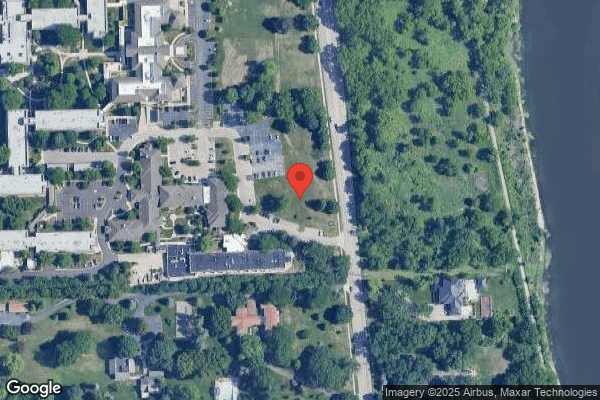
831 NORTH BATAVIA AVENUE, BATAVIA, IL 60510 (630) 879-4300
Non profit - Corporation 99 Beds COVENANT LIVING Data: November 2025
Trust Grade
78/100
#67 of 665 in IL
Last Inspection: December 2024

Within standard 12-15 month inspection cycle. Federal law requires annual inspections.

Overview

Michaelsen Health Center in Batavia, Illinois, has a Trust Grade of B, indicating it is a good choice for care but not without its flaws. It ranks #67 out of 665 facilities in Illinois, placing it in the top half, and #6 out of 25 in Kane County, meaning there are only five better local options. The facility is showing improvement, with the number of reported issues decreasing from 9 in 2024 to 2 in 2025. Staffing is a strong point, with a 5-star rating and a turnover rate of 41%, which is lower than the state average. However, there are concerns, including a serious incident where a resident experienced untreated pain for five hours after a fall, and another finding showed that residents requiring assistance with daily activities were not receiving proper care, leaving some without food within reach. Additionally, there were issues with medication safety, indicating room for improvement in overall quality of care.

Trust Score
B
78/100
In Illinois
#67/665
Top 10%
Safety Record
Moderate
Needs review
Inspections
Getting Better
9 → 2 violations
Staff Stability
○ Average
41% turnover. Near Illinois's 48% average. Typical for the industry.
Penalties
✓ Good
$17,265 in fines. Lower than most Illinois facilities. Relatively clean record.
Skilled Nurses
✓ Good
Each resident gets 83 minutes of Registered Nurse (RN) attention daily — more than 97% of Illinois nursing homes. RNs are the most trained staff who catch health problems before they become serious.
Violations
⚠ Watch
19 deficiencies on record. Higher than average. Multiple issues found across inspections.
★★★★★
5.0
Overall Rating
★★★★★
5.0
Staff Levels
★★★☆☆
3.0
Care Quality
★★★★☆
4.0
Inspection Score
Stable
2024: 9 issues
2025: 2 issues

The Good

  • 5-Star Staffing Rating · Excellent nurse staffing levels
  • Full Sprinkler Coverage · Fire safety systems throughout facility
  • No fines on record
  • Staff turnover below average (41%)

    7 points below Illinois average of 48%

Facility shows strength in staffing levels, fire safety.

The Bad

Staff Turnover: 41%

Near Illinois avg (46%)

Typical for the industry

Federal Fines: $17,265

Below median ($33,413)

Minor penalties assessed

Chain: COVENANT LIVING

Part of a multi-facility chain

Ask about local staffing decisions and management

The Ugly 19 deficiencies on record

1 actual harm
Apr 2025 2 deficiencies 1 Harm
SERIOUS (G) 📢 Someone Reported This

A family member, employee, or ombudsman was alarmed enough to file a formal complaint

Actual Harm - a resident was hurt due to facility failures

Quality of Care (Tag F0684)

A resident was harmed · This affected 1 resident

**NOTE- TERMS IN BRACKETS HAVE BEEN EDITED TO PROTECT CONFIDENTIALITY** Based on interview and record review, the facility failed to provide timely and comprehensive pain and physical assessment after...

Read full inspector narrative →
**NOTE- TERMS IN BRACKETS HAVE BEEN EDITED TO PROTECT CONFIDENTIALITY** Based on interview and record review, the facility failed to provide timely and comprehensive pain and physical assessment after a fall. This delay resulted in R1 experiencing untreated prolonged pain for five hours from a fracture after a fall and a delay in treatment. This applies to 1 of 3 residents (R1) reviewed for fall-related incidents. The findings include: The Electronic Medical Record (EMR) showed that R1, an [AGE] year-old resident, had an extensive medical history, including but not limited to: B-cell lymphoma with lymph node metastasis, lung cancer, intracerebral hemorrhage, atrial fibrillation, heart disease, hypertension, chronic obstructive pulmonary disease, peripheral vascular disease, venous insufficiency, left below-knee amputation, chronic kidney disease, anemia, frontal temporal neurocognitive disorder, urinary reflux, phantom limb pain, anxiety, hyperlipidemia, osteoarthritis, Barrette's esophagus, benign prostatic hypertrophy, carotid artery disease, hypomagnesemia, cholecystitis, acute kidney failure, mood disorder, malignant neoplasm of bone, non-Hodgkin's lymphoma, obesity, hyponatremia, psychophysical visual disturbances, fall history, impaired gait, generalized weakness, and right foot drop. R1 was admitted to the facility on [DATE], at 1:00 P.M., following a hospitalization from March 29 to April 4, 2025, for acute conditions including urinary tract infection (UTI), urinary retention, toxic metabolic encephalopathy (TME), and altered mental status. Hospital records dated March 29, 2025, documented hallucinations secondary to UTI and TME, which were managed with intravenous antibiotics. R1 was admitted to the facility on continued oral antibiotic treatment. Physician notes by V3 (Attending Physician), dated April 4, 2025, at 11:08 A.M., documented R1 as alert and oriented to person and place but unable to state the reason for his admission. Nurse Practitioner notes by V4 from April 4, 2025, at 5:16 P.M., document R1 as alert and oriented to 1-2, with identified risks of muscle weakness, gait disorder, dependency in ADLs (Activities of Daily Living). The medical plan physical/occupational therapy and fall precautions. Nursing documentation on April 6, 2025, at 2:33 A.M. by V5 (RN/Registered Nurse) showed that R1 was found by V6 (CNA/Certified Nurse Assistant) at approximately 9:45 P.M. on April 5, 2025, sitting on the floor next to his reclining chair. R1 reported striking his head, left side, and left hip during the fall and rated his left hip pain as 6/10 (moderate pain). The facility was unable to provide documentation of a comprehensive assessment, including evaluation for range of motion limitations, extremity alignment, or a detailed pain assessment to identify potential injury severity. During an interview on April 16, 2025, at 11:00 A.M., V5 said she did not assess R1 for signs of musculoskeletal injury such as range of motion restriction or limb deformity. V5 also confirmed that a complete pain assessment was not conducted. On April 6, 2025, at 9:30 A.M., V7 (RN) documented that R1's left hip pain had escalated to 10/10 and was unrelieved by Tylenol pain medication. V7 said that due to the absence of timely x-ray imaging, R1 was subsequently transferred to the hospital at 2:00 P.M. for further evaluation and treatment. This was a duration of approximately 5 hours for R1 experiencing pain. V7 stated on April 16, 2025 at 11:45AM, that after R1's pain intensified, she contacted V3 for an x-ray order. When the x-ray was delayed and R1's pain remained uncontrolled, V7 arranged for hospital transfer. In a separate interview on April 16, 2025, at 1:00 P.M., V3(Attending Physician) stated she had seen R1 on April 5, 2025, prior to the fall, and noted R1's confusion and poor safety awareness. V3 said that following R1's fall, V5 reported the incident to her, initially stating there were no injuries. V3 further explained that few minutes later after the first call, V5 had called again and informed her that based on standard facility policy for residents on anticoagulants, R1 should be send out to the hospital secondary to R1 being on anticoagulant and suffering an unwitnessed fall. V3 said she gave order to V5 for R1 to be sent to the hospital on the night of April 5, 2025. V3 expressed concern upon learning that R1 had remained at the facility overnight and only later was found to have sustained a left hip fracture requiring surgical repair. V3 stated: If I had been informed that R1 was still in the facility and experiencing increasing pain, I would have ordered immediate hospital transfer. This extent of injury could have been identified through a thorough post-fall assessment, including checking for extremity misalignment, rotation, swelling, discoloration, and a complete pain evaluation. Earlier identification would likely have reduced R1's prolonged and unnecessary pain. Hospital records dated April 6,2025 showed that R1 was admitted on [DATE], with an acute left hip fracture, which was surgically repaired on April 7, 2025.
CONCERN (D) 📢 Someone Reported This

A family member, employee, or ombudsman was alarmed enough to file a formal complaint

Potential for Harm - no one hurt, but risky conditions existed

Notification of Changes (Tag F0580)

Could have caused harm · This affected 1 resident

**NOTE- TERMS IN BRACKETS HAVE BEEN EDITED TO PROTECT CONFIDENTIALITY** Based on interview and record review, the facility failed to notify a resident's emergency contact representative regarding a fa...

Read full inspector narrative →
**NOTE- TERMS IN BRACKETS HAVE BEEN EDITED TO PROTECT CONFIDENTIALITY** Based on interview and record review, the facility failed to notify a resident's emergency contact representative regarding a fall incident. The failure to notify placed the resident at risk for compromised advocacy and potentially delayed medical decision making. This applies to 1 of 3 (R1) residents reviewed for notification of significant medical change. The findings include: The EMR (Electronic Medical Record) showed that R1, an [AGE] year-old with extensive diagnoses that included B cell lymphoma with metastasis to lymph nodes, lung cancer, intracerebral hemorrhage, atrial fibrillation, heart disease, hypertension, chronic obstructive pulmonary disease, peripheral vascular disease, venous insufficiency, left below knee amputee, chronic kidney disease, anemia, frontal temporal neuro cognitive disorder, urinary reflux, phantom limb syndrome with pain, anxiety, hyperlipidemia, osteoarthritis, Barrette's esophagus, benign prostate hypertrophy, carotid artery disease, hypomagnesemia, cholecystitis, acute kidney failure, mood disorder, malignant neoplasm of bone, non-Hodgkin's lymphoma, obesity, hyponatremia, psychophysical visual disturbances, falls, impaired gait, generalized weakness, and foot drop (right). R1 was admitted to the facility on [DATE] at 1:00 P.M. The EMR also revealed that R1 was hospitalized from [DATE] to April 4,2025 due to acute medical conditions that included UTI, urinary retention, toxic metabolic encephalopathy, and altered mental status. The hospital record dated March 29,2025 showed that R1 was hallucinating, secondary to UTI and TME (toxic metabolic encephalopathy, which was a condition with cerebral dysfunction manifested by altered consciousness, behavior changes and or seizures). R1 was treated with intravenous antibiotics and was admitted to the facility with continued oral antibiotics for UTI. The Physician notes entered by V3 (Physician) dated April 4,2025 at 11:08 A.M., showed that R1 was seen and examined by V3. The notes showed that R1 was alert and oriented x2. The notes also document that R1 could not answer what brought him to the facility. The Nurse Practitioner Notes (V4) dated April 4,2025 at 5:16 P.M., showed that R1 was alert and oriented x1-2. The notes showed that Assessment and Plan were muscle weakness, gait disorder, assist with ADL's (Activities of daily Living), PT/OT (Physical and Occupational therapy), and fall precautions. The nurse's notes dated April 6,2025 at 2:33 A.M. showed that V5 (Registered Nurse) had documented that R1 was found sitting on the floor next to the reclining chair in his room on April 5,2025 at 9:45 P.M. The notes also showed that R1 had hit his head, left side of the upper body and left hip. The notes further showed that R1 had complained of pain to the left hip area. R1 had voiced pain rating of 6/10. The facility's pain rating showed that 6 /10 was moderate pain with 0 as no pain and 10 as worst possible pain. The notes also showed that V5 notified V3. The notes had no documentation that R1's emergency contacts were notified of R1's fall incident. The facility's incident report dated April 5,2025 showed that R1 fell on April 5,2025 at 9:45 P.M. The facility's incident report validated no family notification was made regarding the fall. On April 16, 2025 at 11:00 A.M., V5 said she did not notify R1's emergency contact when R1 had a fall incident on April 5,2025. The nurse's notes dated April 6,2025 showed that V7 (Registered Nurse) had documented that R1's left hip pain had worsened to 10/10 in the morning at 9:30 A.M. The notes showed that R1's pain was not relieved with Tylenol medication and x-ray imaging was not available in a timely manner, and therefore a decision was made for R1 to be send out to the hospital. The nurse's notes also showed V8 (R1's wife) arrived at the facility around noon time, found out about R1's fall and was in pain. V8 then requested to V7 that V9 (R1's daughter) be notified. The notes showed also that V9 is R1's POA (Power of Attorney). The face sheet showed that R1's Emergency Contact #1 was V8 (R1's spouse) and V9 was Emergency Contact #2. On April 16,2025 at 11:45 A.M., V7 said she left a message on V8's phone number on April 6,2025. V7 also said that she did not call V9 when she was not able to reach V8. V7 also said that V8 found out R1's change of medical condition related to the fall when V8 came to the facility on April 6,2025 around noon time. On April 14,2025 at 3:10 P.M., V8 said she was not informed of R1's fall incident. V8 said she found out of R1's change in medical condition when she arrived at the facility on April 6,2025 around 12:30 P.M. V9 was listening to the interview with V8. V9 said that she was not notified of R1's fall incident and R1 was in pain. V9 said that she is R1's POA. V9 expressed concern during the interview that had she been notified sooner; she could have facilitated timely medical intervention. V9 said that R1 left facility to the hospital on April 6,2025 at around 2:00 P.M. The hospital record dated April 6,2025 showed that R1 was admitted with an acute fracture of the left hip. Surgical repair of the fracture was performed on April 7, 2025. On April 16,2025 at 1:15 P.M., V1 (Administrator) and V2 (Director of Nursing) both stated that R1's family were not notified of R1's fall incident on April 5,2025. The facility policy regarding Resident Rights dated October 2010 showed it is the resident's right that services and medical conditions be made aware to the resident and or legal representative.
Dec 2024 7 deficiencies
CONCERN (D)

Potential for Harm - no one hurt, but risky conditions existed

Resident Rights (Tag F0550)

Could have caused harm · This affected 1 resident

Based on observation, interview, and record review, the facility failed to provide care with dignity to 3 of 3 residents (R21, R56, and R50) reviewed for resident rights in a sample of 23. The findin...

Read full inspector narrative →
Based on observation, interview, and record review, the facility failed to provide care with dignity to 3 of 3 residents (R21, R56, and R50) reviewed for resident rights in a sample of 23. The findings include: On 12/17/24 at 12:33 PM, during a dining observation, V4 CNA (Certified Nurse's Assistant) was observed standing over R21 while feeding R21 her lunch. Then V4 moved to a nearby table and stood over R56 and began feeding R56. Then after giving R56 a few spoons of food, V4 returned to the first table and stood between R21 and R50, feeding both. This was done for the entire lunch for R21, R56, and R50. On 12/19/24 at 01:30 PM, V2 DON (Director of Nursing) said that the staff should be sitting next to the residents while feeding them for dignity and home life environment. R50's 11/10/24 MDS (Minimum Data Set) showed his mental cognition is severely impaired and he needs partial/moderate assistance from staff for eating. R56's 10/25/24 MDS showed that her cognition is severely impaired and she needs partial/moderate assistance from staff for eating. R21's 9/30/24 MDS showed that her cognition is severely impaired and she needs partial/moderate assistance from staff for eating. The facility's Assistance with Meals policy dated March 2022 shows that residents shall receive assistance with meals in a manner that meets the individual's needs of each resident. Who cannot feed themselves will be fed with attention to safety comfort and dignity for example not standing over residents while assisting them with meals. The facility's Dignity policy dated February 2021 showed that each resident shall be cared for in a manner that promotes and enhances his or her sense of well-being, level of satisfaction with life, and feelings of self-worth and self-esteem. Residents are treated with dignity and respect at all times. When assisting with care, residents are supported in exercising their rights for example, residents are provided with a dignified dining experience.
CONCERN (D)

Potential for Harm - no one hurt, but risky conditions existed

Accident Prevention (Tag F0689)

Could have caused harm · This affected 1 resident

Based on observation and interview the facility failed to ensure a resident's mattress fit the bedframe to prevent injury. This applies to 1 of 6 residents (R334) reviewed for accidents in a sample o...

Read full inspector narrative →
Based on observation and interview the facility failed to ensure a resident's mattress fit the bedframe to prevent injury. This applies to 1 of 6 residents (R334) reviewed for accidents in a sample of 23. Findings include: R334 has diagnoses that include streptococcal sepsis, urinary tract infection, atrial fibrillation, pulmonary embolism, heart failure, spinal stenosis, history of transient ischemic attack, history of cerebral infarction, abnormalities of gait and mobility and unsteadiness on feet. R334's current care plan includes at risk for falls related to history of falls, impaired mobility, impaired balance / gait, psychotropic and cardiac meds, sensory impairment and cognitive impairment. R334's care plan also includes problem related to skin integrity. On 12/17/24 at 11:56 AM, R334 was observed lying in bed. Approximately eight inches of the metal bed frame was exposed on the right side of the bed. On 12/17/24 at 01:23 PM, V13 CNA (Certified Nursing Assistant) stated informed the nurse on 12/16/24 of R334's exposed bed frame. On 12/17/24 at 01:30 PM, V14 RN (Registered Nurse) stated she observed R334 in bed in the morning with the larger bed frame. V14 stated the frame appeared as though it should have a larger mattress and she would notify maintenance. On 12/18/24 at 11:13 AM, R334 was observed lying in bed with metal bed frame still exposed and not covered by the mattress. On 12/19/24 at 11:56 AM, R344 was not in the room. The bed was stripped of linens and the same exposed metal bed frame with the smaller mattress remained in place. On 12/19/24 at 01:00 PM, V15 (Facilities Management Director) and V16 (Associate Director) came to observe the bed. V15 stated nursing decides what kind of bed / mattress residents require. Nursing sends maintenance a request and they bring the bed frame requested. V15 stated the mattress did not fit the frame. V16 stated the frame is extra wide for a bariatric mattress and the mattress that was in place is a regular sized mattress. V16 stated a larger mattress should be placed on the frame. On 12/19/24 at 03:24 PM, V2 DON (Director of Nursing) stated for the resident's safety the mattress should fit the bed frame. It is everyone's responsibility to make sure the resident has the appropriate equipment. The nurses should have sent a work order. The facility policy Hazardous Areas, Devices and Equipment dated July 2017 states all hazardous areas, devices and equipment in the facility will be identified and addresses appropriately to ensure resident safety and mitigate accident hazard to the extent possible. A hazard is defined as anything in the environment that has the potential to cause injury or illness and includes but not limited to devices and equipment that are improperly used or poorly maintained. The facility policy Bed Safety dated December 2007 states the facility will strive to provide a safe sleeping environment. To prevent deaths / injuries from beds and related equipment (including the frame and mattress) the facility shall promote the following approaches: Inspections by maintenance staff of all beds and related equipment as part of our regular bed safety program to identify risks and problems including potential entrapment risks; Identify additional safety measures for residents who have been identified as having a higher than usual risk for injury including entrapment.
CONCERN (D)

Potential for Harm - no one hurt, but risky conditions existed

Drug Regimen Review (Tag F0756)

Could have caused harm · This affected 1 resident

Based on interview and record review, the facility failed to ensure monthly pharmacy recommendations were addressed. This applies to 2 of 5 residents (R21 and R51) reviewed for medication review in a...

Read full inspector narrative →
Based on interview and record review, the facility failed to ensure monthly pharmacy recommendations were addressed. This applies to 2 of 5 residents (R21 and R51) reviewed for medication review in a sample of 23. The findings include: On 12/19/24 at 10:44 AM, surveyor requested V2 (DON--Director of Nursing) to provide all the pharmacy monthly medication reviews for R21 and R51 as well as physician responses to pharmacy recommendations from March 2024 to the current date. On 12/19/24 at 03:24 PM, V2 stated he did not have any monthly pharmacy regimen reviews to provide. V2 stated it is his responsibility to submit the pharmacy reviews to the physician for review but he has been behind. V2 stated the process is for pharmacy to email him the recommendations. He is supposed to place the recommendations in a binder for the physician to sign off on, and the physician leaves the addressed recommendations in the binder for him to follow up on. V2 stated documentation for R21 and R51 was not available. The facility policy Medication Utilization and Prescribing- Clinical Protocol dated April 2018 states the consultant pharmacist should use the monthly and interim drug regimen review to help identify potentially problematic medications, including medication regimens that are not supported based on clinical signs or symptoms. Based on input from the staff and resident, the physician will adjust mediations based on their efficacy, indications and the continued presences of clinically significant risks. The physician will provide and / or document a rationale when the indication dose, duration or frequency of a prescribed medication is greater than the commonly accepted practice or the manufacturer's recommendations or the medication is considered high risk compared to other available, relevant alternatives. The physician will document a clinically pertinent rationale for not modifying a medication in a situation where an adverse drug reaction is likely.
CONCERN (D) 📢 Someone Reported This

A family member, employee, or ombudsman was alarmed enough to file a formal complaint

Potential for Harm - no one hurt, but risky conditions existed

Deficiency F0760 (Tag F0760)

Could have caused harm · This affected 1 resident

**NOTE- TERMS IN BRACKETS HAVE BEEN EDITED TO PROTECT CONFIDENTIALITY** Based on interview and record review, the facility failed to transcribe physician medication orders upon admission, which caused...

Read full inspector narrative →
**NOTE- TERMS IN BRACKETS HAVE BEEN EDITED TO PROTECT CONFIDENTIALITY** Based on interview and record review, the facility failed to transcribe physician medication orders upon admission, which caused a resident to miss her significant medications for four days. This applies to 1 of 3 residents (R135) reviewed for significant medication errors in a sample of 23. Findings Include: On 12/17/2024 at 5:53 PM, V20 (R135's family member) said Eliquis (a blood thinner) and Atorvastatin medications were on R135's admission/transfer form and didn't know why it was not prescribed. V20 said R135 missed a total of eight doses, and the doctor should have been notified. V20 said R135 is [AGE] years old and has atrial fibrillation, mitral valve prolapse, and heart conditions with a pacemaker, and the missing Eliquis could have caused severe conditions. On 12/19/24 11:40 AM, R135 said the faicility failed to give her the Eliquis and cholesterol medication. R135 said something happened when they were transferring the information. She said because she didn't receive the Eliquis, she felt very tired. R135 was a [AGE] year-old female admitted to the facility on [DATE] during the evening shift with diagnoses including atrial fibrillation, hypertensive heart diseases with heart failure, presence of the cardiac heart monitor, mitral valve presence, deep vein thrombosis, diabetes mellites type 2, and hyperlipidemia. Based on multidisciplinary admission progress notes from 12/12/2024- 12/15/ 2024, R135 was cognitively moderately intact and required one person to assist with activities of daily living (ADL), transfers, and bed mobility. A review of the hospital discharge instructions dated 12/11/2024 showed R135 had multiple medications, including Eliquis 2.5 milligrams at 9:00 AM and 5:00 PM daily, and Atorvastatin 10 milligrams every Monday, Wednesday, and Friday at 9:00 PM. The V12's (Registered Nurse-RN) nursing admission progress notes showed that V12 reviewed the medication list with the physician and was okay with continuing all medications. A review of the admission physician orders entered by V18 showed Eliquis and Atorvastatin had been omitted during transcription. R135's December 2024 Medication Administration Record showed R135 received her first dose of Eliquis 2.5 milligrams on 12/15/2024 at 9:00 PM, and Atorvastatin 10 milligrams on 12/18/2024. R135 missed eight doses of Eliquis and three doses of Atorvastatin. On 12/20/2024 at 9:06 AM, V12 (RN) said she called R135's physician and received an order to continue all medications. V12 said since she was busy with nighttime medication administration, V18 (RN-unit Manager) entered the medication orders. On 12/12 /2024 at 10:15 AM, V18 said she helped to enter R135's medication order, and both V12 and V18 said they forgot to review the entered medication orders. On 12/20/2024 at 11:35 AM, V19 (R135's Physician) said that an oversight had occurred, which could have caused a stroke, and fortunately nothing happened. On 12/18/2024 at 3:37 PM, V2 (Director of Nursing) said on the evening of 12/15/2024, R135's family requested the nurse to go over R135's medications list with them and the facility found out R135 had missed her Eliquis and Atorvastatin. R135 received her first doses on 12/15/2024 at 9:00 PM (four days after admission). V2 said it was an oversight from the nursing staff to transcribe the prescribed order, and the staff should have reviewed the orders.
CONCERN (E)

Potential for Harm - no one hurt, but risky conditions existed

ADL Care (Tag F0677)

Could have caused harm · This affected multiple residents

Based on observation, interview, and record review, the facility failed to provide ADL (Activities of Daily Living) care for residents who require assistance from staff for ADLs. This applies to 4 of...

Read full inspector narrative →
Based on observation, interview, and record review, the facility failed to provide ADL (Activities of Daily Living) care for residents who require assistance from staff for ADLs. This applies to 4 of 4 residents (R11, R46, R52, R60) reviewed for ADLs in a sample of 23. The findings include: 1. On 12/17/24 at 12:02 PM, R52 was observed in her bed and a mat was on the floor next to her bed and her lunch plate and dessert cup was on her over the bedside table out of her reach. On the plate was mashed potatoes and a scoop of a brown substance. There was also a cup of a pureed brown substance in a dessert cup. None of the food had been touched. At 12:23 PM, R52 was observed in her bed, her food was still on her over the bedside table out of reach untouched, and R52 said she was hungry. At 01:03 PM, R52 was still in her bed, her lunch was still out of reach on her over the bedside table and R52 again said that she was hungry. The plate of food was still full and untouched. The surveyor then left R52's room and stood next to R52's door and at 01:04 PM V5 (Kitchen staff) went into R52's room and came back out of her room with R52's full plate and full dessert cup and disposed of the items on her cart. V5 said that she informs the nursing staff when the residents have not eaten their food. R52's 11/13/24 care plan shows that R52 is at risk of weight loss and requires extensive assistance for eating with interventions including requires adequate time to eat, provide cures and encouragement. R52's 11/13/24 MDS (Minimum Data Set) showed that her cognition is severely impaired and she needs substantial/maximal assistance for eating. On 12/19/24 at 02:04 PM, V2 (DON) said that R52 care has just changed from Palliative to Hospice and she has had a significant weight loss. V2 said that because of R52's current care needs, her expectations are for the staff to attempt to feed R52, give her time when she eats, re-approach and try to attempt to feed her again. 2. On 12/18/24 at 11:26 AM, R11 was observed with long jagged fingernails. R11 said that he had not received nail care in a couple of weeks. R11's 10/6/24 care plan showed that R11 requires supervision for personal hygiene with interventions including setting up items, assistance as needed, and supervision and cueing. R11's 10/6/24 MDS showed that R11's cognition is severely impaired. 12/19/24 01:57 PM, V2 DON (Director of Nursing) said that staff should provide nail care as needed. 3. On 12/17/24 at 12:14 PM, R46 was observed in his bed with long toenails, about 1 inch over the top of the toes. R46 said that he could not recall the last time he had toenail care. R46's 10/3/24 MDS showed that his cognition is moderately impaired and that he needs partial/moderate assistance from staff with personal hygiene. On 12/19/24 at 02:01 PM, V2 said that R46 is not a diabetic so the nurse or the CNAs (Certified Nurse's Assistants) should have cut R46's toenail for his comfort, dignity, and safety. 4. On 12/17/24 at 12:56 PM, R60 was observed with long jagged fingernails with nail polish on the upper half of some of the nails. R60 said that she wanted staff to provide nail care for her. R60's 11/20/24 MDS showed that she needs partial/moderate assistance from staff for personal hygiene. On 12/19/24 at 01:52 PM, V2 DON said that nails should be short and neat and not jagged, and staff should be providing nail care as needed for infection control, dignity, and safety.
CONCERN (E)

Potential for Harm - no one hurt, but risky conditions existed

Deficiency F0761 (Tag F0761)

Could have caused harm · This affected multiple residents

**NOTE- TERMS IN BRACKETS HAVE BEEN EDITED TO PROTECT CONFIDENTIALITY** 4. On 12/17/24 at 11:46 AM, R68 was in his room and there was 1 bottle of Systane (lubricant eye drop) 10ml 1/3 oz. (milliliters...

Read full inspector narrative →
**NOTE- TERMS IN BRACKETS HAVE BEEN EDITED TO PROTECT CONFIDENTIALITY** 4. On 12/17/24 at 11:46 AM, R68 was in his room and there was 1 bottle of Systane (lubricant eye drop) 10ml 1/3 oz. (milliliters/ounces) at the table next to the bed and 1 bottle of Systane on the over the bedside table. R68 said that the nurse puts the medication in his eyes for him. On 12/19/24 at 11:31 AM, a record review of R68's electronic health record did not show an order for Systane. On 12/19/24 at 01:59 PM, V2 (Director of Nursing) said that the 2 bottles of Systane should not have been in R68's room because they need to be secured safely. Based on observation, interview, and record review, the facility failed to ensure medications were safely and securely stored. This applies to 4 of 4 residents (R61, R68, R137, R139) reviewed for medications in a sample size of 23. The findings include: 1. On 12/17/24 at 12:05 PM, R61 was not in her room. On two of her end tables in her room, the following medications were noted: Baush and [NAME] soothe lubricant eye drops, Equate Ultra Strength pain relieving cream which contained (camphor, menthol, methyl salicylate), Refresh plus lubricant eye drops, Gas-x simethicone 125 MG (Milligrams) anti-gas soft gels, extra strength gas relief simethicone 125 MG chewable tablets, and Lidotral 3.88% cream (Lidocaine HCL). On 12/19/24 at 1:50 PM, surveyor went back to her room. The medications were still in her room. R61 stated the medications are always kept in her room. V3 (R61's sister) stated that she brought all those medications for R61 from home and the pharmacy. She stated that R61 has pain and spasms in her legs that wake her up at night. She said that was the reason for the pain creams. R61's face sheet shows diagnoses of other abnormalities of gait and mobility, unsteadiness on feet, restless legs syndrome, GERD (Gastro-esophageal reflux disease) without esophagitis, and multi-system degeneration of the autonomic nervous system. R61's MDS (Minimum Data Set) dated 10/20/24 showed she is cognitively intact. Review of R61's POS (Physician Order Sheet) shows no order for these medications and no order for it to be unlocked and at the bedside. 2. On 12/17/24 at 12:21 PM, R137 had a pill organizer which contained unknown pills in each compartment. R137 stated she brought the medications from home, and she didn't know the names of the medications. R137 stated she was under the impression that the nurses were taking the medications from the pill organizer and giving them to her. On 12/18/24 at 1:48 PM, surveyor went with V2 (DON-Director of Nursing) to R137's room. R137 was not in her room. The same pill organizer with medications was still on her table. R137's assigned nurse was V17 (RN-Registered Nurse). V17 stated, I didn't see this was here. I don't get any medications from here (pill organizer). I get all of (R137)'s medications from the medication cart. V2 stated the medications should be locked up and she was not aware of R137's pill organizer. R137's face sheet shows an admission date of 12/14/24. R137's face sheet shows diagnoses of unspecified systolic (congestive) heart failure, other pulmonary embolism without acute cor pulmonale, and hypertensive heart disease with heart failure. 3. On 12/17/24 at 12:28 PM, R139 had Fleet glycerin laxative suppository and Cortisone cream on her end table. R139 stated she brought them from home and the medications are always kept in her room. R139's face sheet shows diagnoses of anxiety disorder, unspecified, unsteadiness on feet, other abnormalities of gait and mobility, aftercare following explanation of shoulder joint prosthesis. R139's MDS showed she is cognitively intact. R139's POS does show orders for these medications. On 12/18/24 at 11:35 AM, V2 (DON) stated the facility collects residents' home medications at the time of admission. V2 stated if we were to use them, we must get an order from physician. V2 stated we lock unused meds from home in the medication cart until the family can pick them up. Facility's policy titled Medication Labeling and Storage (February 2023) shows: Policy statement: The facility stores all medication and biologicals in locked compartments under proper temperature, humidity and light controls. Only authorized personnel have access to keys. Medication storage: 2. The nursing staff is responsible for maintaining medication storage and preparation areas in a clean, safe, and sanitary manner. 5. Medications are stored in an orderly manner in cabinets, drawers, carts, or automatic dispensing systems. Each resident's medications are assigned to an individual cubicle, drawer, or other holding area to prevent the possibility of mixing medications of several residents.
CONCERN (E)

Potential for Harm - no one hurt, but risky conditions existed

Infection Control (Tag F0880)

Could have caused harm · This affected multiple residents

**NOTE- TERMS IN BRACKETS HAVE BEEN EDITED TO PROTECT CONFIDENTIALITY** 4. On 12/17/24 at 01:03 PM, R58's bed was stripped and soiled lines were balled up on the floor next to her bed. On 12/19/24 at ...

Read full inspector narrative →
**NOTE- TERMS IN BRACKETS HAVE BEEN EDITED TO PROTECT CONFIDENTIALITY** 4. On 12/17/24 at 01:03 PM, R58's bed was stripped and soiled lines were balled up on the floor next to her bed. On 12/19/24 at 03:24 PM, V2 (DON) stated soiled lines should not be left on the floor because of infection control issues. Based on observation, interview, and record review, the facility failed to ensure staff performed hand hygeine and handled and transported soiled linen in a sanitary manner, and ensure visitors were educated on isolation practices. This applies to 6 of 6 residents (R50, R21, R56, R52, R58, R188) reviewed for infection control in a sample of 23. Findings include: 1. On 12/17/24 at 12:33 PM, during a dining observation, V4 CNA (Certified Nurse's Assistant) was observed feeding R21, touching her peanut butter and jelly sandwich and giving R21 a spoonful of strawberry ice-cream. Then V4 went to R56's table and began feeding R56. V4 did not clean her hands after feeding R21 her food. Then V4 went back to R21's table and was feeding R21 and feeding R50. V4 was using her same hand she used to feed R56, and she never cleaned her hands after she finished feeding R56. V4 continued feeding R21, R56, and R50 their entire lunches and never stopped to clean her hands in between assisting each resident. On 12/19/24 at 01:30 PM, V2 DON (Director of Nursing) said that V4 should be cleaning her hands between each resident. The facility's Handwashing/Hand Hygiene policy dated August 2019 showed that all personnel shall follow the handwashing/hand hygiene procedures to help prevent the spread of infections to other personnel, residents, and visitors. The policy shows that hand hygiene should be done before and after direct contact with residents, before moving from a contaminated body site to a clean body site during resident care, after contact with the residents' intact skin, after contact with blood or bodily fluids, after contact with objects an immediate vicinity of the resident, before and after eating or handling food, before and after assisting a resident with meals. 2. On 12/17/24 at 01:23 PM, V8 (CNA) provided incontinence care for R52 when had urinated and had a bowel movement. V8 cleaned R52's perineal area and rectal area with gloved hands, and then removed the soiled brief and disposable linen protector from under R52. Without changing her gloves or performing hand hygeine, V8 placed a clean brief, readjusted R52 linen and blanket, handled the bed control, and closed R52's drawer. On 12/17/24 at 01:53 PM, V8 said that she did not change her gloves or cleaned her hands after going from a dirty area to a clean area. On 12/19/24 at 02:09 PM, V2 (DON) said that V8 should have cleaned her hands after she went from a dirty area before she went to a clean area for infection control. 3. On 12/17/24 at 01:16 PM, V7 (CNA) carried soiled linen in her arms with the linen touching her clothes. V7 carried the soiled linen from R58's room to the soiled linen container, which was 15 rooms away. V7 said that is how her and the staff do it because there is only one soiled linen container for the hall. On 12/19/24 at 01:39 PM, V2 (DON) said that all soiled linen should be bagged, and it should not touch the staff's clothing while it is being carried for infection control. The facility policy Laundry and bedding, Soiled, dated October 2018 states soiled laundry / bedding shall be handled, transported and processed according to best practices for infection prevention and control. All laundry is handled as potentially contaminated until it is properly bagged and labeled for appropriate processing. Soiled laundry and bedding contaminated with blood or other potentially infectious materials is handled as little as possible and with minimum agitation. Contaminated laundry is placed in a bag or container at the location where it is used. 5. R188 is an [AGE] year-old male with multiple comorbid diagnoses, including viral infection, urinary tract infection, acute respiratory failure, and unproductive cough and wheezing. On 12/18/2024 at 10:05 AM, V10 (Registered Nurse) said R188 had isolation precautions in place for rhinovirus. V22 (R188's family) and V23 (Care Giver) were in the room. V10 was asked whether V22 or V23 were using PPE (Personal Protective Equipment), and V10 said she told them to wear it. Observed R188 in the room and V22 and V23 were siting closely and not wearing any PPE. V22 and V23 said no one told them to wear the PPE. On 10/17/24 at 11:30 PM, V9 (ADON/Asssitant Director of Nursing and Infection Control Nurse) said Nurses should educate, encourage, and emphasize PPE to visitors, and if there is a refusal from the visitors, that needs to be documented. The facility's isolation-transmission-based precautions initiation policy dated 09/2022 showed that the facility should educate visitors about why PPE, ensure staff and visitors enter the room wearing PPE, and dispose before leaving the room.
Apr 2024 2 deficiencies
CONCERN (D) 📢 Someone Reported This

A family member, employee, or ombudsman was alarmed enough to file a formal complaint

Potential for Harm - no one hurt, but risky conditions existed

Quality of Care (Tag F0684)

Could have caused harm · This affected 1 resident

**NOTE- TERMS IN BRACKETS HAVE BEEN EDITED TO PROTECT CONFIDENTIALITY** Based on observation, interview and record review, the facility failed to obtain a resident's blood glucose level for sliding sc...

Read full inspector narrative →
**NOTE- TERMS IN BRACKETS HAVE BEEN EDITED TO PROTECT CONFIDENTIALITY** Based on observation, interview and record review, the facility failed to obtain a resident's blood glucose level for sliding scale insulin administration prior to that resident eating a meal. This applies to 1 of 2 residents (R20) reviewed for glucose monitoring. The findings include: R20's Electronic Medical Record (EMR) shows that R20 was admitted to the facility on [DATE] with diagnoses of sepsis due to methicillin susceptible staphylococcus aureus (MRSA), paroxysmal atrial fibrillation, type 2 diabetes mellitus without complication, non-pressure chronic ulcer right foot, and chronic kidney failure. R20's Physician Order Sheet (POS) shows an order to monitor blood sugar, insulin aspart subcutaneous per sliding scale at 8am and 5 pm. On 3/29/24 at 9:11 AM, V7 (RN/Registered Nurse) went in to R20's room to administer his morning medications. R20 had empty plates on his bedside table as he had finished his breakfast. V7 asked how his breakfast was, and R20 said he enjoyed his breakfast. After administering his medication at 9:20 AM, V7 proceeded to check R20's blood glucose levels. R20's blood glucose level was 222. V7 then administered 2 units of insulin aspart per sliding scale. On 4/2/28 at 3:28 PM V2 (DON/Director of Nursing) said resident blood glucose levels should be checked prior to eating and not after eating because it can give a false high glucose level. V2 said the facility does not have a policy regarding checking blood glucose levels.
CONCERN (D) 📢 Someone Reported This

A family member, employee, or ombudsman was alarmed enough to file a formal complaint

Potential for Harm - no one hurt, but risky conditions existed

Pharmacy Services (Tag F0755)

Could have caused harm · This affected 1 resident

**NOTE- TERMS IN BRACKETS HAVE BEEN EDITED TO PROTECT CONFIDENTIALITY** Based on interview and record review, the facility failed to administer intravenous (IV) antibiotics according to physician orde...

Read full inspector narrative →
**NOTE- TERMS IN BRACKETS HAVE BEEN EDITED TO PROTECT CONFIDENTIALITY** Based on interview and record review, the facility failed to administer intravenous (IV) antibiotics according to physician orders. This applies to 1 of 8 residents (R2) reviewed for medication administration. The findings include: R2's Electronic Medical Record (EMR) shows that R2 was admitted to the facility on [DATE] and was discharged on 3/18/24. R2's census sheet shows that he was at the facility from 2/28/24, was sent to the hospital on 3/1/24, returned to the facility on 3/14/24, and discharged to the hospital again on 3/18/24. R2 had the following diagnoses of hypertensive heart disease, rhabdomyolysis, localized swelling mass and lump in head, acute kidney failure and benign neoplasm of skin, scalp and neck. R2's Physician Order Sheet (POS) showed an order for IV Zosyn (antibiotic) 4.5 gram/100ml (milliliters) in dextrose piggyback solution every 8 hours for 17 days starting 3/14/24. On 4/2/24 at 1:47 PM, V2 (Director of Nursing/DON) said R2 was sent to the hospital on 3/1/24 because he was not eating, was only alert and oriented to self, was sweaty and clammy. V2 said the nurse assigned to R2 consulted with the NP (Nurse Practitioner) who also assessed R2, and he was sent to the hospital for further evaluation and was admitted to the hospital for pneumonia. V2 said that R2 returned to the facility on 3/14/24 and was sent back out to the hospital on 3/18/24. V2 said when R2 returned from the hospital on 3/14/24, he had an order for IV Zosyn antibiotic which was what he had been receiving, but on 3/15/24, he received one dose Ampicillin antibiotics instead of Zosyn. V2 said the doctor was informed, orders were given to continue with Zosyn. V2 said the nurse pulled the IV ampicillin from facility's convenience box because his medications had not arrived from the pharmacy. On 4/2/24 at 2:45 PM, V3 (Registered Nurse/RN) said she administered IV Ampicillin instead of Zosyn to R2 and the physician was made aware of the incident. On 4/2/24 at 3:52 PM, V12 (R2's Physician/Medical Director) said R2 did receive one dose of Ampicillin instead of Zosyn and they continued the IV Zosyn after. The facility's Administering Medications policy (revised April 2019) states that medications are administered in accordance with prescriber orders. The individual administering the medication checks the label three times to verify right resident, right medication, right dosage, right time and right method (route) of administration before giving the medication.
Sept 2023 6 deficiencies
CONCERN (D)

Potential for Harm - no one hurt, but risky conditions existed

Pressure Ulcer Prevention (Tag F0686)

Could have caused harm · This affected 1 resident

**NOTE- TERMS IN BRACKETS HAVE BEEN EDITED TO PROTECT CONFIDENTIALITY** Based on observation and interview the facility failed to ensure a wound remained covered by a dressing as ordered by the physic...

Read full inspector narrative →
**NOTE- TERMS IN BRACKETS HAVE BEEN EDITED TO PROTECT CONFIDENTIALITY** Based on observation and interview the facility failed to ensure a wound remained covered by a dressing as ordered by the physician. This applies to 1 of 3 (R1) residents reviewed for pressure ulcers in a sample of 22. The findings include: R1's EMR (Electronic Medical Record) showed R1 was readmitted to the facility on [DATE] with multiple diagnoses including acute on chronic congestive heart failure, pneumonia, acute respiratory failure with hypoxia, atrial fibrillation and chronic kidney disease stage 3B. R1's MDS (Minimum Data Set) dated 8/22/2023, showed R1 is cognitively intact and required extensive assistance for bed mobility, bathing, toileting, and dressing, is dependent on staff for transfer and required set up assistance for eating. R1's wound care notes dated 9/19/2023 showed R1 was admitted with an unstageable pressure ulcer to the right buttock being treated with medical honey, calcium alginate covered by border foam dressing. R1's TAR (Treatment Administration Record) showed an order for wound treatment to right buttock initiated 9/20/23 to cleanse wound with saline and apply medical honey and calcium alginate and cover with border foam dressing every evening shift and as needed. On 9/27/23 at 10:15 AM, R1 was lying in bed and was being given incontinence care by V5 (CNA- Certified Nursing Assistant). When V5 rolled R1 to her left side, there was no dressing covering the right buttock wound, the unstageable wound was exposed. There was no dressing lying in the brief or in the bed linens. V5 stated she gave R1 incontinence care at 06:00 AM that morning and noticed the dressing was not there at that time. V6 (RN- Registered Nurse) was informed of the missing dressing at 10:15 AM as she entered the room during the observation. On 9/27/23 at 1:45 PM, V6 (RN) stated she would expect to be told that a wound was not covered immediately. V6 provided documentation to show she replaced R1's wound dressing at 11:04 AM on 9/27/23. On 9/27/23 at 2:20 PM, V2 (DON- Director of Nursing) stated the expectation for staff, who notice a wound dressing missing, is to report it to the nurse immediately. The facility's policy for Wound Care, dated October 2010, showed .2. Report other information in accordance with facility policy and professional standards of practice.
CONCERN (D)

Potential for Harm - no one hurt, but risky conditions existed

Incontinence Care (Tag F0690)

Could have caused harm · This affected 1 resident

**NOTE- TERMS IN BRACKETS HAVE BEEN EDITED TO PROTECT CONFIDENTIALITY** Based on observation, interview, and record review, the facility failed to follow their policy to monitor and document urine out...

Read full inspector narrative →
**NOTE- TERMS IN BRACKETS HAVE BEEN EDITED TO PROTECT CONFIDENTIALITY** Based on observation, interview, and record review, the facility failed to follow their policy to monitor and document urine output for residents with an indwelling urinary catheter. This applies to 2 of 3 residents (R11 and R15) reviewed for indwelling urinary catheters in the sample of 22. The findings include: 1. The EMR (Electronic Medical Record) showed R15 was admitted to the facility on [DATE], with multiple diagnoses including heart failure, diabetes, and obstructive and reflux uropathy. R15's MDS (Minimum Data Set) dated August 14, 2023, showed R15 was cognitively intact and had an indwelling urinary catheter. R15's undated indwelling urinary catheter care plan showed, Indwelling catheter secondary to urinary retention/BPH (Benign Prostatic Hyperplasia). The care plan continued to show multiple interventions dated August 8, 2023, including, Record output per shift. R15's September 2023 Physician Order Sheet dated September 27, 2023, showed an order dated September 10, 2023, for, Catheter: Record Output in milliliters. Frequency: By shift. On September 25, 2023, at 10:58 AM, R15 was lying in bed with an indwelling urinary catheter draining yellow urine with sediment. R15 said he just came back from the emergency room because his indwelling urinary catheter became plugged up. R15 continued to say his indwelling urinary catheter was not draining for about a day before he went to the emergency room. On September 25, 2023, at 10:42 AM, V7 (RN/Registered Nurse) said R15 just returned from the emergency room because he had indwelling urinary catheter issues and his catheter needed to be replaced. R15's September 2023 Treatments Record dated September 26, 2023, did not show urine output documentation for September 23, September 24, and day shift September 25, 2023. R15's hospital documentation showed a progress note by V8 (NP/Nurse Practitioner) dated September 25, 2023, at 9:59 AM. V8's progress note showed, .Patient was sent from [facility] for evaluation of [indwelling urinary catheter]. Staff noted that his [indwelling urinary catheter] was not draining any urine and patient stated he had pressure in his bladder . [Indwelling urinary catheter] removed and a new [indwelling urinary catheter] inserted in which patient had at least 1000 mL (milliliters) of urine. Urine is positive for leukocytes and bacteria as well as white blood cells. Patient feels much better after new catheter inserted . On September 27, 2023, at 2:03 PM, V2 (DON/Director of Nursing) said R15 was residing in the facility on September 23 and September 24, 2023, with an indwelling urinary catheter. V2 continued to say it is the expectation of facility staff to document a resident's urinary output from the indwelling urinary catheter every shift on the Treatment Record every shift. 2. The EMR showed R11 was admitted to the facility on [DATE], with multiple diagnoses including heart failure, chronic kidney disease, spinal stenosis, and flaccid neuropathic bladder. R11's MDS dated [DATE], showed R11 was cognitively intact and had an indwelling urinary catheter. R11's undated indwelling urinary catheter care plan showed, 18 French indwelling catheter secondary to neurogenic bladder. The care plan continued to show multiple interventions dated May 11, 2023, including, Record output per shift. On September 26, 2023, at 2:09 PM, R11 was lying in bed and had an indwelling urinary catheter draining yellow urine. On September 27, 2023, at 1:54 PM, V2 said R11's indwelling urinary catheter was discontinued on September 21, 2023, but was reinserted. A progress note dated September 21, 2023, at 6:28 PM, by V7 (RN) showed R11 had an indwelling urinary catheter in place. R11's September 2023 Treatment Record dated September 28, 2023, did not show urine output documentation for September 21 to September 27, 2023. On September 27, 2023, at 12:18 PM, V2 said the facility's procedure for measuring and documenting input and out is facility staff should document intake and output every shift. The facility's policy titled, Catheter Care, Urinary dated August 2022, showed, Purpose: The purpose of this procedure is to prevent urinary catheter-associated complications, including urinary tract infections . Intake/Output: 1. Observe the resident's urine level for noticeable increases or decreases. If the level stays the same or increases rapidly, report it to the physician or supervisor. 2. Follow the facility procedure for measuring and documenting input and output .
CONCERN (D)

Potential for Harm - no one hurt, but risky conditions existed

Respiratory Care (Tag F0695)

Could have caused harm · This affected 1 resident

**NOTE- TERMS IN BRACKETS HAVE BEEN EDITED TO PROTECT CONFIDENTIALITY** Based on Observation, Interview, and Record Review the Facility failed to have a Physician's order for oxygen administration in ...

Read full inspector narrative →
**NOTE- TERMS IN BRACKETS HAVE BEEN EDITED TO PROTECT CONFIDENTIALITY** Based on Observation, Interview, and Record Review the Facility failed to have a Physician's order for oxygen administration in accordance with their policy. This applies to 1 of 1 (R1) resident reviewed for oxygen administration in a sample of 22. The findings include: R1's EMR (Electronic Medical Record) showed R1 was readmitted to the facility on [DATE] with multiple diagnoses including acute on chronic congestive heart failure, pneumonia, acute respiratory failure with hypoxia, atrial fibrillation and chronic kidney disease stage 3B. R1's MDS (Minimum Data Set) dated 8/22/2023, showed R1 is cognitively intact and required extensive assistance for bed mobility, bathing, toileting, and dressing, is dependent on staff for transfer and required set up assistance for eating. On 9/25/23 at 2:24 PM, R1 was sitting up in the wheelchair, receiving oxygen at three liters per nasal cannula, while talking the resident exhibited shortness of breath. The resident also had an implanted chest catheter drainage device to the right lower chest covered with a dry dressing. On 9/26/23 at 12:52 PM, R1 is seated in a wheelchair, eating lunch and receiving oxygen at three liters per nasal cannula. On 9/27/23 at 10:15 AM, R1 is lying in bed with nasal cannula and receiving 3.5 liters of oxygen via oxygen concentrator. V6 (RN, Registered Nurse) stated there was 350 milliliters output of drainage from the implanted chest catheter drain during the previous shift. On 9/27/23 at 1:45 PM, V6 validated there was no Physician's order in the EMR for oxygen administration since R1's readmission on [DATE], when R1 return from the hospital with the implanted chest catheter drain. V6 also verified that the last documentation of R1's oxygen saturation was on 9/15/23, and there was no documentation that R1 was receiving oxygen. On 9/27/23 at 2:15 PM, V2 (DON, Director of Nursing) stated the expectation for residents receiving oxygen would be to have a Physician's order for oxygen administration and oxygen saturation monitoring parameters in place. The facility policy for Oxygen Administration dated October 2010, showed 1. Verify there is a physician's order for this procedure.and document .3. The rate of oxygen flow, route, and rationale .6. All assessment data obtained before during and after the procedure.
CONCERN (D)

Potential for Harm - no one hurt, but risky conditions existed

Medication Errors (Tag F0758)

Could have caused harm · This affected 1 resident

Based on observation, interview, and record review, the facility failed to identify person-centered, non-pharmacological approaches for residents receiving psychotropic medications. The facility also ...

Read full inspector narrative →
Based on observation, interview, and record review, the facility failed to identify person-centered, non-pharmacological approaches for residents receiving psychotropic medications. The facility also failed to identify resident specific behaviors to monitor the response/effectiveness/side effects of psychotropic medications. This applies to 1 of 5 residents (R49) reviewed for psychotropic medications in the total sample of 22. The findings include: A Progress note written by the V14 (Psychiatric Nurse Practitioner), dated 9/18/23 at 6:41 PM, shows R49 has resided in the facility since 8/11/23, previously living in Assisted Living, now needing increased level of care with declining mobility and other concerns. The MAR (medication administration record), dated 9/26/23, shows R49 has a diagnosis of Parkinson disease, hallucinations unspecified, neurocognitive disorder with Lewy bodies, and dementia in other diseases classified elsewhere. The POS (Physician's Order Sheet) and the MAR (medication administration record) for R49 show R49 is receiving quetiapine (anti-psychotic) 100 milligrams every 2:00 PM and 200 milligrams every 8:00 PM. On 9/25/23 at 11:23 AM, R49 was in a wheelchair in her room. R49's speech was slow. R49 talked about students she is teaching here in this school. R49 stated she is aware she sometimes has hallucinations. R49 was able to respond appropriately to questions about care in the facility after moments of confused speech. R49 had a flat affect. The facility record includes Progress Notes including notes showing some presence of hallucinations and or delusions at times and at baseline. This is the only record of tracking medication effectiveness provided by the facility. On 9/27/23 at 11:08 AM, V2 (Director of Nursing) stated the facility has no psychotropic medication Nurse and has no Psychiatric Medical Director. V2 stated V14 talks with staff weekly and should document information from the discussions. The facility was not able to provide any record of monitored symptoms in any organized tracking for this resident other than discussion between V14 and the nurse on duty. The facility could provide no record of regular monitoring for side-effects from quetiapine for R49. There is no order in the POS for monitoring of effectiveness or of side-effects from quetiapine for R49. The facility could provide no record of targeted non-pharmacological interventions for R49 after repeated requests. The Care Plan for R49, in the facility record, shows interventions are to be done including, Assess behaviors and signs/symptoms of safety risk; and Assess and monitor confusion and signs/symptoms of safety risk. The same Care Plan shows, in the care plan for Falls, Assess for non-pharmacological interventions. The complete Care Plan provided by the facility contains no care plan regarding effectiveness or side-effects of any psychotropic medications. On 9/27/23 at 12:00 PM, V12 (Social Worker) stated she provides information to the MDS (Minimum Data Set) for R49, for the sections on Cognition, Mood, and Behavior from discussion with R49 and a review of the Progress Notes in the facility record. The MDS for R49 dated 8/17/23 shows R49 had no hallucinations or delusions in the period of the assessment. The facility provided the signed Informed Consent for Psychotropic Medications for R49 which shows general purposes for anti-psychotic medications including hallucinations and delusions and also lists possible side-effects including neurological side-effects. The Consent form contains a line stating, The following information has been explained/provided: and there is no information following. The same Consent shows the Black Box warning regarding the use of anti-psychotic medications in persons with dementia. (Copies of the Consents are attached as provided by the facility).
CONCERN (D)

Potential for Harm - no one hurt, but risky conditions existed

Deficiency F0808 (Tag F0808)

Could have caused harm · This affected 1 resident

Based on observation, interview and record review, the facility failed to provide a therapeutic diet as ordered by the physician. This applies to 3 of 3 (R5, R14, R45) residents reviewed for therapeut...

Read full inspector narrative →
Based on observation, interview and record review, the facility failed to provide a therapeutic diet as ordered by the physician. This applies to 3 of 3 (R5, R14, R45) residents reviewed for therapeutic diets in a sample of 22. The findings include: R5's EMR (Electronic Medical Record) showed R5 had multiple diagnoses including end stage renal disease requiring hemodialysis, paroxysmal atrial fibrillation, mixed hyperlipidemia, anemia, osteoporosis, and gastro-esophageal reflux disease. R5 had a physician order initiated 9/4/23 for a Renal diet with thin liquids. R14's EMR showed R14 had multiple diagnoses including fracture of the left femur shaft with orthopedic aftercare, mixed hyperlipidemia, atherosclerotic heart disease, paroxysmal atrial fibrillation, and anemia, unspecified. According to the resident listing diet report on 9/25/23, R14's diet order was listed as Heart Health. R45's EMR showed R45 had multiple diagnoses including urinary tract infection with acute kidney failure, chronic congestive heart failure, hypertensive heart disease, mixed hyperlipidemia, type 2 diabetes mellitus, pressure ulcer sacral area and right buttock, and morbid obesity due to excess calories. According to the resident listing diet report, on 9/25/23, R45's diet order was listed as CCD (Carbohydrate Controlled Diet), NAS (No Added Salt), Heart Health. The diet spreadsheet for Tuesday, 9/26/23 lunch meal showed the entrée for renal and heart health diets was 3 ounces herb crusted pork loin, and the renal diet lunch plan included 4 ounces of parsley rotini noodles. On 9/26/23 at 12:30 PM R5 was observed with her lunch tray and stated they was unable to eat most of her lunch as she was served ham, and garlic green beans and further stated the ham is too salty for me to eat and she never eats garlic, and garlic green beans were served. There were no rotini noodles served on R5's lunch tray. On 9/27/23 at 10:30 AM, V4 (Cook) stated he was the cook for the lunch meal on 9/26/23 and there was no herb crusted pork prepared for that meal. V4 further stated no one told me there was a renal diet to prepare for I and was unaware that the heart health diets were to be served herb crusted pork. On 9/27/23 at 11:43 AM, V3 (RD, Dietician) after reviewing the spreadsheet for the lunch meal on 9/26/23, stated staff should have prepared the herb crusted pork for the renal and heart health diet. V3 referred to the choice menu the residents use and clarified that the menu choices should include the menu items available for the prescribed diet for both the renal and heart health diets but was not aware if those choices were included as options for the residents. V3 also stated she did not know why R5's diet order remained as a renal diet since 9/4/23 and would seek clarification with R5's dialysis center. The facility's diet manual, dated 2015, shows renal diets were to have ham limited and heart healthy diets should be served fresh cuts of pork and limited smoked meat such as bacon, or corned beef.
CONCERN (E)

Potential for Harm - no one hurt, but risky conditions existed

Drug Regimen Review (Tag F0756)

Could have caused harm · This affected multiple residents

**NOTE- TERMS IN BRACKETS HAVE BEEN EDITED TO PROTECT CONFIDENTIALITY** Based on interview and record review, the facility failed to perform monthly Medication Regimen Reviews (MRR) for residents resi...

Read full inspector narrative →
**NOTE- TERMS IN BRACKETS HAVE BEEN EDITED TO PROTECT CONFIDENTIALITY** Based on interview and record review, the facility failed to perform monthly Medication Regimen Reviews (MRR) for residents residing in the facility. This applies to 4 of 7 (R2, R21, R34, and R42) reviewed for medication regimen review. The findings include: 1. Face sheet, dated 9/27/23, shows R2 was admitted to the facility on [DATE]. POS (Physician Order Sheet), dated 9/27/23, shows R2 had physician-ordered medications since 4/18/23. Review of Consultant Pharmacist's Medication Regimen Review reports, dated 5/1/23 to 9/13/23, show R2 was not reviewed by the pharmacist during the months of 5/2023, 7/2023, 8/2023 and 9/2023. 2. Face sheet, dated 9/27/23, shows R42 was admitted to the facility on [DATE]. POS, dated 9/27/23, shows R42 had physician-ordered medications since 8/17/22. Review of Consultant Pharmacist's Medication Regimen Review reports, dated 3/1/23 to 9/13/23, show R42 was not reviewed by the pharmacist during the months of 3/2023, 4/2023, 6/2023, 7/2023, 8/2023 and 9/2023. 3. Face sheet, dated 9/27/23, shows R21 was admitted to the facility on [DATE]. POS, dated 9/27/23, shows R21 had physician-ordered medications since 6/17/21. Review of Consultant Pharmacist's Medication Regimen Review reports, dated 3/1/23 to 9/13/23, show R42 was not reviewed by the pharmacist during the months of 6/2023 and 8/2023. 4. POS, dated 9/28/23, shows R34 was admitted to the facility on [DATE]. POS, dated 9/28/23, shows R34 had physician-ordered medications since 10/14/22. Review of Consultant Pharmacist's Medication Regimen Review reports, dated 3/1/23 to 9/13/23, show R34 was not reviewed by the pharmacist during the month 9/2023. On 9/27/23 at 3:00 PM, V2 (Director of Nursing) stated the consulting pharmacist is expected to review each resident's medications monthly. Facility policy/procedure Medication Regimen Review and Reporting, dated 1/23, shows, The consultant pharmacist reviews the medication regimen and medical chart of the resident at least monthly to appropriately monitor the medication regimen and ensure that the medications each resident receives are clinically indicated.
Dec 2022 2 deficiencies
CONCERN (D)

Potential for Harm - no one hurt, but risky conditions existed

ADL Care (Tag F0677)

Could have caused harm · This affected 1 resident

Based on observation, interview and record review, the facility failed to assist residents who require extensive assistance with grooming. This applies to 3 of 3 residents (R35, R36 and R49) reviewed ...

Read full inspector narrative →
Based on observation, interview and record review, the facility failed to assist residents who require extensive assistance with grooming. This applies to 3 of 3 residents (R35, R36 and R49) reviewed for activities of daily living in the sample of 22. The findings include: 1. On 12/06/2022 at 11:56 AM R35 in bed. R35 observed with long, jagged and dirty fingernails. R35 claimed that staff did not cut fingernails. R35 stated staff has not offered to cut her fingernails even during shower days. R35 stated that she receives showers two times a week. R35 could not remember the last time her fingernails were cut. On 12/07/2022 at 9:52 AM observed that R35 continues to have long jagged and dirty nails. The MDS (Minimum Data Sheet) dated 10/03/2022 showed R35 requires limited assist of one with dressing and extensive assist of one with personal hygiene. R35 is not Care Planned for Self-Care Deficit. Shower sheets reviewed from 11/1/2022 to 12/05/2022. Shower sheets do not show if nail care was done. 2. On 12/06/2022 at 12:05 PM, R36 was in the dining room being assisted in eating. R36 was observed with long facial hair. On 12/07/22 at 10:15 AM, R36 was sitting by the nurse's station, stated he was OK. R36 continued to have long facial hair. R36 rubbed his chin and stated he needs a shave. R36 does not remember when he was last shaved. The MDS (Minimum Data Sheet) dated 11/23/2022 showed R36 requires extensive assist of two with dressing and extensive assist of one with personal hygiene. A Care Plan showed R36 has self-care deficit and needs extensive assist with bathing, hygiene, dressing and grooming. Shower sheets reviewed from 11/1/2022 to 12/05/2022. Shower sheets do not show if shaving was done. 3. On 12/06/2022 at 12:17 PM, R49 observed with long and dirty fingernails. R49 stated staff cut his nails 2 weeks ago. R49 observed with long facial hair. R49 stated that staff do not shave him. R49 stated he has a bed bath twice a week. The MDS (Minimum Data Sheet) dated 10/2/2022 showed R49 requires extensive assist of two with dressing and personal hygiene. R49 is not Care Planned for Self-Care Deficit. Shower sheets reviewed from 11/1/2022 to 11/28/2022. Shower sheets do not show if shaving was done. On 12/07/2022 at 10:00 AM V2 (DON- Director of Nursing) stated, residents are shaved and fingernails are cut after shower and as needed. V2 stated there is only one resident who refuses to be shaved in the facility. On 12/07/2022 at 11:04 AM V4 (RN- Registered Nurse) stated, if a resident is observed with long facial hair and/or long dirty fingernails, V4 informs the CNA (Certified Nursing Assistant). On 12/07/2022 at 11:11 AM V5 (CNA) stated that facial hair is shaved, and nails are cut after a shower and as needed. V5 stated he has no resident that refuses grooming like shaving and cutting of fingernails. On 12/08/2022 at 11:36 AM, V9 (ADON-Assistant Director of Nursing) stated staff is expected to complete grooming like shaving and nail cutting after shower. V9 stated she is not aware of where the documentation for grooming was. On 12/8/2022 at 12:09 PM, V2 stated there is no specific documentation in the facility to show shaving and cutting fingernails are done. The Facility's Fingernails/Toenails, Care of Policy and Procedure dated February 2018 shows the date and time of nail care should be recorded in the resident's medical record The Facility's Policy and Procedure on Shaving the Resident dated February 2018 shows the date and time of the procedure should be documented in the resident's medical record.
CONCERN (D)

Potential for Harm - no one hurt, but risky conditions existed

Infection Control (Tag F0880)

Could have caused harm · This affected 1 resident

2. On 12/06/2022 at 11:56 AM, R35 said she soiled her incontinent pads and proceeded to use the call light to ask for help. V3 (CNA - Certified Nursing Assistant) answered call light. R35 said she nee...

Read full inspector narrative →
2. On 12/06/2022 at 11:56 AM, R35 said she soiled her incontinent pads and proceeded to use the call light to ask for help. V3 (CNA - Certified Nursing Assistant) answered call light. R35 said she needed incontinence care and V3 proceeded to provide care. V3 washed her hands and donned gloves. V3 unfastened soiled incontinent pads and wiped R35's perineal area from top to bottom. V3 proceeded to wipe R35's buttocks. V3 removed the soiled incontinent pads and threw it in the garbage can. Without changing gloves, V3 proceeded to apply new incontinent pads. Using same dirty gloves, V3 rearranged R35's clothing and pillows. After care, V3 proceeded to take her gloves off, gather all garbage and proceeded to go out of the room. V3 stated she should have changed her gloves after taking out soiled incontinent pads, disinfect hands and applied new gloves before applying new incontinent pads. V3 also stated that she should have disinfected her hand after taking off gloves. On 12/07/2022 at 11:11 AM, V5 (CNA) said during incontinence care, if gloves are not soiled, he does not change gloves all throughout incontinence care. He stated that he only changes gloves if gloves are soiled. On 12/08/2022 at 12:09 PM, V2 (DON-Director of Nursing) said that it is expected for staff to take gloves off and sanitize hands after taking out soiled incontinence pads. V2 stated before applying new incontinence pads, staff should apply fresh clean gloves as part of infection control. 3. On 12/6/2022 at 11:50 AM during initial tour, R219 was noted in bed and had an indwelling catheter. R219's catheter drainage bag was noted on the floor by the bedside; the catheter drainage bag was not in a privacy bag. V5 CNA (Certified Nurse Aide) and V8 CNA came in room to reposition R219. V5 said R219's catheter bag should not be on the floor because it will not drain properly. On 12/7/2022 at 11:17 AM, V2 DON (Director of Nursing) said that catheter bags should be in a privacy bag and the catheter bag should not be on the floor due to infection control reasons. The facility's policy titled Catheter Care, Urinary (September 2014) under Infection Control, b. Be sure the catheter tubing and drainage bag are kept off the floor. Based on observation, interview, and record review, the facility failed to collect stool specimens to rule out C-Diff (Clostridium difficile) per physician's order. The facility also failed to maintain an indwelling catheter bag off the floor and change gloves during incontinent care while moving from dirty to clean. This applies to 3 of 3 residents (R2, R219, and R35) reviewed for resident care and infection control practice in a sample of 22 Findings include: 1. Record review of R2's Physician Order Sheet (POS) documents a physician order placed on 12/5/22 to collect stool to rule out C-Diff. On 12/7/2022 at 11:22 AM, during wound care by V9 (infection control nurse/wound care nurse) and V6 (Certified Nursing Assistant - CNA), R2 was observed with significant diarrhea. During the wound care, V6 commented that R2 was having frequent diarrhea and she had changed R2 in the early morning after six. V10 (Registered Nurse) was interviewed on 12/8/2022, at 1:15 PM. V10 stated that R2's stool was not collected yet. V10 stated that she was endorsed to collect stool for C-Diff, and she doesn't know why they didn't collect stool as per the physician's order after multiple episodes of diarrhea with R2. V2 (Director of Nursing - DON) was interviewed on 12/8/2022, at 1:45 PM. V2 stated that her staff is still waiting to collect R2's stool specimen. V2 stated that it should have been collected earlier with previous episodes of diarrhea.
Understanding Severity Codes (click to expand)
Life-Threatening (Immediate Jeopardy)
J - Isolated K - Pattern L - Widespread
Actual Harm
G - Isolated H - Pattern I - Widespread
Potential for Harm
D - Isolated E - Pattern F - Widespread
No Harm (Minor)
A - Isolated B - Pattern C - Widespread

Questions to Ask on Your Visit

  • "Can I speak with families of current residents?"
  • "What's your RN coverage like on weekends and overnight?"

Our Honest Assessment

Strengths
  • • 41% turnover. Below Illinois's 48% average. Good staff retention means consistent care.
Concerns
  • • 19 deficiencies on record, including 1 serious (caused harm) violation. Ask about corrective actions taken.
  • • $17,265 in fines. Above average for Illinois. Some compliance problems on record.
Bottom line: Generally positive indicators. Standard due diligence and a personal visit recommended.

About This Facility

What is Michaelsen's CMS Rating?

CMS assigns MICHAELSEN HEALTH CENTER an overall rating of 5 out of 5 stars, which is considered much above average nationally. Within Illinois, this rating places the facility higher than 99% of the state's 100 nursing homes. This rating reflects solid performance across the metrics CMS uses to evaluate nursing home quality.

How is Michaelsen Staffed?

CMS rates MICHAELSEN HEALTH CENTER's staffing level at 5 out of 5 stars, which is much above average compared to other nursing homes. Staff turnover is 41%, compared to the Illinois average of 46%. This relatively stable workforce can support continuity of care.

What Have Inspectors Found at Michaelsen?

State health inspectors documented 19 deficiencies at MICHAELSEN HEALTH CENTER during 2022 to 2025. These included: 1 that caused actual resident harm and 18 with potential for harm. Deficiencies causing actual harm indicate documented cases where residents experienced negative health consequences.

Who Owns and Operates Michaelsen?

MICHAELSEN HEALTH CENTER is owned by a non-profit organization. Non-profit facilities reinvest revenue into operations rather than distributing to shareholders. The facility is operated by COVENANT LIVING, a chain that manages multiple nursing homes. With 99 certified beds and approximately 71 residents (about 72% occupancy), it is a smaller facility located in BATAVIA, Illinois.

How Does Michaelsen Compare to Other Illinois Nursing Homes?

Compared to the 100 nursing homes in Illinois, MICHAELSEN HEALTH CENTER's overall rating (5 stars) is above the state average of 2.5, staff turnover (41%) is near the state average of 46%, and health inspection rating (4 stars) is above the national benchmark.

What Should Families Ask When Visiting Michaelsen?

Based on this facility's data, families visiting should ask: "Can I visit during a mealtime to observe dining assistance and food quality?" "How do you handle medical emergencies, and what is your hospital transfer rate?" "Can I speak with family members of current residents about their experience?"

Is Michaelsen Safe?

Based on CMS inspection data, MICHAELSEN HEALTH CENTER has a clean safety record: no substantiated abuse findings (meaning no confirmed cases of resident harm), no Immediate Jeopardy citations (the most serious violation level indicating risk of serious injury or death), and is not on the Special Focus Facility watch list (a federal program monitoring the lowest-performing 1% of nursing homes). The facility has a 5-star overall rating and ranks #1 of 100 nursing homes in Illinois. While no facility is perfect, families should still ask about staff-to-resident ratios and recent inspection results during their visit.

Do Nurses at Michaelsen Stick Around?

MICHAELSEN HEALTH CENTER has a staff turnover rate of 41%, which is about average for Illinois nursing homes (state average: 46%). Moderate turnover is common in nursing homes, but families should still ask about staff tenure and how the facility maintains care continuity when employees leave.

Was Michaelsen Ever Fined?

MICHAELSEN HEALTH CENTER has been fined $17,265 across 2 penalty actions. This is below the Illinois average of $33,252. While any fine indicates a compliance issue, fines under $50,000 are relatively common and typically reflect isolated problems that were subsequently corrected. Families should ask what specific issues led to these fines and confirm they've been resolved.

Is Michaelsen on Any Federal Watch List?

MICHAELSEN HEALTH CENTER is not on any federal watch list. The most significant is the Special Focus Facility (SFF) program, which identifies the bottom 1% of nursing homes nationally based on persistent, serious quality problems. Not being on this list means the facility has avoided the pattern of deficiencies that triggers enhanced federal oversight. This is a positive indicator, though families should still review the facility's inspection history directly.