PARK PLACE OF BELVIDERE
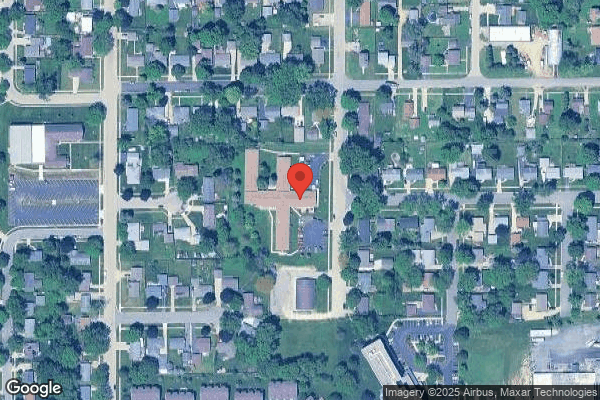

1701 5TH AVENUE, BELVIDERE, IL 61008 (815) 547-5451
For profit - Limited Liability company 80 Beds Independent Data: November 2025
Trust Grade
80/100
#174 of 665 in IL
Last Inspection: June 2025

Inspected within the last 6 months. Data reflects current conditions.

Overview

Park Place of Belvidere has a Trust Grade of B+, meaning it is recommended and considered above average in quality. It ranks #174 out of 665 facilities in Illinois, placing it in the top half, and is the best option among the three nursing homes in Boone County. The facility is improving, with issues decreasing from 7 in 2024 to 6 in 2025. Staffing is somewhat average, with a 3/5 star rating and a turnover rate of 20%, which is significantly lower than the state average of 46%, indicating that staff are likely to remain in their positions. There have been no fines reported, which is a positive sign, and the nursing home has more RN coverage than 91% of facilities in Illinois, ensuring that critical care is available. However, there are some concerns. Recent inspections noted issues such as inadequate staffing levels during evening shifts, failing to maintain proper cleanliness of an ice machine which was found to have black mold, and a resident not receiving necessary support for a contracted hand condition. These findings suggest that while the facility has strengths, there are areas that need improvement to ensure resident safety and care quality.

Trust Score
B+
80/100
In Illinois
#174/665
Top 26%
Safety Record
Low Risk
No red flags
Inspections
Getting Better
7 → 6 violations
Staff Stability
✓ Good
20% annual turnover. Excellent stability, 28 points below Illinois's 48% average. Staff who stay learn residents' needs.
Penalties
✓ Good
No fines on record. Clean compliance history, better than most Illinois facilities.
Skilled Nurses
✓ Good
Each resident gets 51 minutes of Registered Nurse (RN) attention daily — more than average for Illinois. RNs are trained to catch health problems early.
Violations
⚠ Watch
16 deficiencies on record. Higher than average. Multiple issues found across inspections.
★★★★☆
4.0
Overall Rating
★★★☆☆
3.0
Staff Levels
★★★☆☆
3.0
Care Quality
★★★★☆
4.0
Inspection Score
Stable
2024: 7 issues
2025: 6 issues

The Good

  • Low Staff Turnover (20%) · Staff stability means consistent care
  • Full Sprinkler Coverage · Fire safety systems throughout facility
  • No fines on record
  • Staff turnover is low (20%)

    28 points below Illinois average of 48%

Facility shows strength in staff retention, fire safety.

The Bad

No Significant Concerns Identified

This facility shows no red flags. Among Illinois's 100 nursing homes, only 1% achieve this.

The Ugly 16 deficiencies on record

Jun 2025 6 deficiencies
CONCERN (D)

Potential for Harm - no one hurt, but risky conditions existed

Deficiency F0561 (Tag F0561)

Could have caused harm · This affected 1 resident

Deficiency Text Not Available

Read full inspector narrative →
Deficiency Text Not Available
CONCERN (D)

Potential for Harm - no one hurt, but risky conditions existed

Quality of Care (Tag F0684)

Could have caused harm · This affected 1 resident

**NOTE- TERMS IN BRACKETS HAVE BEEN EDITED TO PROTECT CONFIDENTIALITY** Based on interview and record review the facility failed to identify a change in condition in a timely manner. This applies to 1...

Read full inspector narrative →
**NOTE- TERMS IN BRACKETS HAVE BEEN EDITED TO PROTECT CONFIDENTIALITY** Based on interview and record review the facility failed to identify a change in condition in a timely manner. This applies to 1 of 16 residents (R23) reviewed for quality of care in the sample of 16. The findings include: R23's face sheet shows she is a [AGE] year old female admitted on [DATE]. Her face sheet lists her diagnoses to include: peripheral vascular disease, chronic heart failure, non-ST elevation (NSTEMI) myocardial infarction (heart attack), atrial fibrillation, chronic kidney disease stage 3, hypertension, and muscle weakness. R23's progress notes dated 6/21/25 at 2:58 PM shows, pt (patient) c/o (complained of) not feeling well, refused breakfast, and lunch. Drank 240cc (cubic centimeter) of fluids at lunch, nothing for breakfast. T99.3 (temperature) Tylenol given at 1230 (12:30 PM) c/o shortness of breath, sats (oxygen saturation) 89% on ra (room air), applied oxygen at 2 liters per n/c (nasal cannula). 1430 (2:30 PM (2 hours later)) reassessed by 2 nurses, abdominal breathing noted and heart rate is irregular. Called V14 Nurse Practitioner (NP), sending to local ER (emergency room) for evaluation . R23's progress notes dated 6/21/25 at 8:04 PM shows, pt admitted to local hospital for non-stemi (heart attack) diagnosis. On 6/24/25 at 11:06 AM, V11 Registered Nurse (RN) stated she was the nurse that sent R23 out on 6/21/25. That morning she was sitting in her room not eating or drinking. R23 was saying she was short of breath and it was hard to breathe. V11 said R23's oxygen saturation was 89% in the morning. She said she notified V14 NP who told her to put oxygen on R23 and keep an eye on her. (There is no documentation in R23's medical record of that conversation/order). She also stated, R23 doesn't normally wear oxygen. When another nurse came in for PM shift, they assessed her together and that is when they decided to send her out. She stated the only documentation was the progress note at 2:58 PM. I should have documented more. The local hospital initial admission note dated 6/21/25 shows, History of Present Illness: Patient reports that she has been short of breath going on for the last few days, denies having any cough. Patient also with increased lower extremity swelling The facility's change of condition process policy dated 2/4/25 shows, Policy: The purpose of this policy is to ensure the facility promptly informs the resident, consults the resident's physician; and notify, consistent with his or her authority, resident's representative when there is a change requiring notification. Procedure: The facility must inform the resident, consult with the resident's physician and/or notify the resident's family member or legal representative when there is a change requiring such notification. Situations requiring notification include: 2. A significant change in the resident's physical, mental, or psychosocial status that is, a deterioration in health, mental, or psychosocial status in either life-threatening conditions or clinical complications. This may include: a. life threatening conditions, or b. Clinical complications. 3. A need to alter treatment significantly; that is, a need to discontinue an existing form of treatment due to adverse consequences, or to commence a new form of treatment. This may include: a. a new infection or wound. b. Discontinuing a treatment or changing medication due to i. adverse complications. ii. acute condition. iii. Exacerbation of a chronic condition
CONCERN (D)

Potential for Harm - no one hurt, but risky conditions existed

Deficiency F0697 (Tag F0697)

Could have caused harm · This affected 1 resident

Deficiency Text Not Available

Read full inspector narrative →
Deficiency Text Not Available
CONCERN (D)

Potential for Harm - no one hurt, but risky conditions existed

Deficiency F0757 (Tag F0757)

Could have caused harm · This affected 1 resident

Based on interview and record review the facility failed to ensure a resident wasn't prescribed an unnecessary antibiotic. This applies to 1 of 6 residents (R23) reviewed for unnecessary medications i...

Read full inspector narrative →
Based on interview and record review the facility failed to ensure a resident wasn't prescribed an unnecessary antibiotic. This applies to 1 of 6 residents (R23) reviewed for unnecessary medications in the sample of 16. The findings include: R23's progress notes show: -6/12/25- a UA (urine analysis) was ordered and going to be picked up from the laboratory on 6/13/25. -6/13/25- V14 Nurse Practitioner (NP) aware of failed attempt to collect urine on day shift. Lab not here to collect . -6/14/25- urine was collected and awaiting pick up by laboratory. -6/15/25- urine culture noted to be in fridge called laboratory and spoke [to someone who] stated she doesn't understand why specimen was not picked up and now it needed to be entered as STAT (right now) -6/16/25- V14 NP notified that lab did not pickup urine, DON (V2- Director of Nursing) also notified Urine to be sent to another lab in AM per NP. -6/16/25 continue to show: R23's urine specimen was collected and ready for pick up by laboratory. -6/17/25, R23's progress notes show, Nursing manager and writer contacted daughter to update on blood draw and urine collection. Resident will begin a ABT (antibiotic) today -6/18/25, R23's progress notes show, (V14) NP notified about wrong lab picking up residents urine, resident is currently on antibiotic without adverse reaction. R23's electronic medical record does not show, any urinanalysis results. R23's June MAR (medication administration record) shows, Cefuroxime Axetil Oral Tablet 250 MG (milligram), Give 1 tablet by mouth two times a day for presumed UTI (urinary tract infection) for 7 Days. Start Date 06/17/2025, D/C (discharge) Date 06/23/2025. (She received 8 doses). On 6/25/25 at 10:33 AM, V2 DON stated, the facility ordered a UA on R23 because she had decreased energy and not being herself. They had issues with the lab not picking up the urine. They never did get a urine specimen. R23 was started on an antibiotic while they were waiting for the results. On 6/25/25 at 11:40 AM, V14 NP stated, she was aware the facility had issues with the lab picking up R23's urine specimen. They still gave her an antibiotic with out knowing whether it was a UTI or not. They were going to re-check her urine after the course of antibiotic but she was admitted to the hospital. She never had her urine re-checked. The facility's unnecessary drugs dated 1/8/25 shows, Policy: It is the facility's policy that each resident's entire drug/medication regimen is managed and monitored to promote or maintain the resident's highest practicable mental, physical and psychosocial well-being free from unnecessary drugs. Definitions: Adequate indications for use refers to the identified, documented clinical rationale for administering a medication that is based upon an assessment of the resident's condition and therapeutic goals and after any safer treatments have been deemed clinically contraindicated. Also, inadequate indication for use means that the medication administered is consistent with manufacturer's recommendations and/or clinical practice guidelines, clinical standards of practice, medication references, clinical studies, or evidence-based review articles that are published in medical and/or pharmacy journals.
CONCERN (D)

Potential for Harm - no one hurt, but risky conditions existed

Antibiotic Stewardship (Tag F0881)

Could have caused harm · This affected 1 resident

Based on interview and record review the facility failed to follow their antibiotic stewardship program to ensure residents weren't prescribed unnecessary antibiotics. This applies to 1 of 6 residents...

Read full inspector narrative →
Based on interview and record review the facility failed to follow their antibiotic stewardship program to ensure residents weren't prescribed unnecessary antibiotics. This applies to 1 of 6 residents (R23) reviewed for unnecessary medications in the sample of 16. The findings include: R23's electronic medical record (EMR) shows, she was prescribed a antibiotic for a presumed UTI (urinary tract infection). The facility attempted to get a urinanalysis done but the urine specimen was never picked up by the laboratory. R23 remained on the antibiotic without knowing whether she had a indication for it. On 6/24/25 at 1:50 PM during the infection control interview V2 Director of Nursing (DON) stated, the nurses use the McGeer's (set of guidelines used to diagnose urinary tract infections (UTIs) in long-term care facilities) and a SBAR (Situation, Background, Assessment, and Recommendation) to help when determining whether a resident needs a antibiotic or not. She also monitors residents on antibiotics. This is part of the facility's antibiotic stewardship program. R23's EMR does not show a SBAR form for possible UTI or a urinanalysis. The facility's antibiotic prescribing practices dated 1/8/25 shows, Policy: Antibiotic use protocols, including prescribing practices, are implemented as part of the facility's antibiotic stewardship program for the purpose of optimizing the treatment of infections and reducing adverse events associated with antibiotic use. The facility's infection prevention and control program dated 2/25/25 shows, .6. Antibiotic Stewardship: a. An antibiotic stewardship program will be implemented as part of the overall infection prevention and control program. b. Antibiotic use protocols and a system to monitor antibiotic use will be implemented as part of the antibiotic stewardship program. c. The infection Preventionist, with oversight for the Director of Nursing, serves as the leader of the antibiotic stewardship program. d. The medical director, consultant pharmacist, and laboratory manager will serve as resources for the antibiotic stewardship program.
CONCERN (E)

Potential for Harm - no one hurt, but risky conditions existed

Deficiency F0688 (Tag F0688)

Could have caused harm · This affected multiple residents

2. R41's Physician Order Sheet dated 6/25 show R41 has diagnosis of cerebral infarction hemiplegia and hemiparesis following stroke affecting right side. On 6/24/25 at 8:45 AM, during the initial tou...

Read full inspector narrative →
2. R41's Physician Order Sheet dated 6/25 show R41 has diagnosis of cerebral infarction hemiplegia and hemiparesis following stroke affecting right side. On 6/24/25 at 8:45 AM, during the initial tour, R41 was in bed with his right contracted arm towards his chest, his right hand with closed tight fist. There was no device noted to R41's right hand. On 6/24/25 at 10:17 AM, R41 was in bed. There was no device noted to R41's right contracted hand. V3 (Registered Nurse) who was with this surveyor said R41 was admitted with contracted right hand and had not noticed the resident with a splint. On 6/25/25 at 8:53 AM, V7 (R41's Niece) during a family interview said her main concerns were R41 being in bed most of the time, his contracted right hand, and that she wants R41 to have exercises or therapy. On 6/25/25 at 1:25 PM, V5 Restorative Nurse said R41 does not have a splint for his contracted right hand. A splint helps to prevent further decline of the contracted hand. R41's last Restorative Assessment was 6/14/24. The facility has no formal restorative program, assessments were done through MDS. On 6/25/25 at 11:45 AM, V8 (Rehab Director) said R41 was just now put on OT (Occupational Therapy) with the recommendation to wear a carrot/splint 4 hours on, 4 hours off for comfort measures. Based on observation, interview, and record review the facility failed to complete quarterly restorative assessments and/or failed to provide restorative services for residents with physical limitations. This applies to 4 of 5 residents (R25, R19, R7, R41) reviewed for restorative services in the sample of 16. 1. On 6/23/2025 at 9:35AM, R25 was observed sitting up in his room in his wheelchair near the door with a right-hand contracture. R25 said they used to do range of motion with him more in the past. On 6/23/2025 at 1:48PM, R19 was observed sitting up in his wheelchair with a brace on his right wrist and a contracture to his right hand. On 6/24/2025 at 1:35PM and 6/25/2025 at 1:26PM, V5 Restorative Nurse said restorative assessment should be completed quarterly. V5 said restorative services are done three times per day (every shift) for residents in restorative. V5 said passive range of motion and range of motion should be addressed every shift. V5 said R25, R19, and R7 had hemiparesis affecting their right dominant side. V5 said R7 has hemiparesis affecting her left side. R25's Task: Restorative Program Passive Range of Motion (PROM) for the last 30 days shows resident received restorative minutes 1 - 2 per day for the last 30 days and no restorative minutes for 6/5/2025 (with no refusal documented on that day). R25's Minimum Data Set (MDS) section GG dated 5/16/2025 lists impairment to one side under functional limitations range of motion for both upper and lower extremities. R19's MDS section GG dated 1/27/2025 lists impartment to one side under functional limitations range of motion for both upper and lower extremities. R7's MDS section GG dated 5/14/2025 lists impairment to both sides under functional limitations range of motion for both upper and lower extremities. The facility failed to provide restorative assessments in 2025 for R25, R19, and R7. The facility provided Restorative Nursing Programs policy, copyright date 2024, states. all residents will receive maintenance nursing services.
Jun 2024 7 deficiencies
CONCERN (D)

Potential for Harm - no one hurt, but risky conditions existed

Deficiency F0578 (Tag F0578)

Could have caused harm · This affected 1 resident

**NOTE- TERMS IN BRACKETS HAVE BEEN EDITED TO PROTECT CONFIDENTIALITY** Based on observation, interview, and record review the facility failed to ensure a resident had an order or care plan for advanc...

Read full inspector narrative →
**NOTE- TERMS IN BRACKETS HAVE BEEN EDITED TO PROTECT CONFIDENTIALITY** Based on observation, interview, and record review the facility failed to ensure a resident had an order or care plan for advance directives for 1 of 1 residents (R156) reviewed for advance directives in the sample of 17. The findings include: R156's Facesheet printed 6/13/24 showed he was admitted on [DATE] with diagnoses to include, but no limited to: left arm fracture, atrial fibrillation, stage 4 CKD (chronic kidney disease), diabetes, dementia, CHF (congestive heart failure), dysphagia, and depression. This document showed R1 was admitted for m a local hospital. The Advance Directive portion of this document was blank (no information was entered). R156's Progress Note dated 6/1/24 showed he was R1 was a Full Code. R156's Physician Order Sheets did not contain an order for Advance Directives. R156's EMR (Electronic Medical Record) did not contain a scanned POLST (Practitioner Orders for Life-Sustaining Treatment). R156's Care Plan did not have address Advance Directives prior to 6/13/24 (after surveyor interviewed V4 (SSD - Social Services Director). ON 6/13/24 at 9:41 AM, V8 (RN - Registered Nurse) said she had worked at the facility almost 2 years. The surveyor asked V8 what the facility's Advance Directives process was. V8 replied, It's in their chart, on the Face Sheet. When a resident comes from the hospital, the nurse gets report and the resident records from the hospital. The nurse will enter the order for advance directives and it will show up here. V8 opened R156's EMR and stated, Oh, it's not here. Usually it will show up here (V8 pointed near the resident picture and profile information in the upper left area of the computer screen). It may also be on the Facesheet. (V8 opened R156's Facesheet). This is blank. There should be Advance Directives listed in both these places. He doesn't have either. The surveyor asked V8 to check the Physician Order Sheet and she replied, There should be an order, but I don't see one. V8 said V4 (Social Services) also reviews advanced directives with the residents and families and enters the a care plan. V8 said she doesn't know why R156's EMR doesn't have an order for advanced directives, advanced directives entered on the Facesheet, nor a care plan for advanced directives. V8 said it's important to ensure this information is in the EMR to ensure the resident's wishes are being followed in an emergency. On 6/13/24 at 10:08 AM, V4 (SSD) said R156 was admitted to the facility, from the hospital, after falling at home and breaking his left arm. V4 said R156 had dementia and had severe cognitive impairment. V4 said R156's wife visits him frequently, in the evenings. The surveyor asked V4 what the facility's Advanced Directives process was. V4 replied, The nurse gets report from the hospital. The hospital should state if resident is Full code or DNR. The nurses would enter the order (into the EMR). The survey asked V4 to reviewed R156's EMR. V4 said R156 did not have an order for Full code, didn't have a POLST form, and he did not have an Advanced Directive Care Plan. V4 said the nurse should have entered the order and she should have initated the care plan. V4 stated, I take responsibility for the care plan. I don't know why his chart doesn't have this information. I'm usually very on top of things. I'll do it right now. The facility's Advance Directives Policy effective 5/3/22 showed, To ensure that all residents and/or resident representatives are informed concerning the right to accept or refuse medical or surgical treatment and, at the resident's option, formulate an advance directive. Advanced Directives shall not be required as a provision of service or admission. Guidelines: For purposes of this policy and procedure Advanced Directives means instrument, such as a living will or life prolonging procedure declaration, appointment of health care representative and power of attorney for health care purposes. These directives are established under state law and relate to the provision of medical care when the individual is incapacitated. 1. At the time of admission each resident will be asked if they have made advanced directives and provided educational information regarding state and federal law .
CONCERN (D)

Potential for Harm - no one hurt, but risky conditions existed

Deficiency F0604 (Tag F0604)

Could have caused harm · This affected 1 resident

**NOTE- TERMS IN BRACKETS HAVE BEEN EDITED TO PROTECT CONFIDENTIALITY** Based on observation, interview, and record review the facility failed to ensure a resident was free of restraints for 1 of 1 re...

Read full inspector narrative →
**NOTE- TERMS IN BRACKETS HAVE BEEN EDITED TO PROTECT CONFIDENTIALITY** Based on observation, interview, and record review the facility failed to ensure a resident was free of restraints for 1 of 1 residents (R156) reviewed for restraints in the sample of 17. The findings include: On 6/11/24 at 9:40 AM, R156 was lying in bed on his right side, curled up. R156 had a blue cast extending from his upper arm down to his hand, in a flexed position. The right side of R156's bed was pushed against the wall and the left side of his bed had a side rail pulled up. The side rail extended from R156's shoulder area to his ankles. R156 was facing the wall. The side rail was only able to be placed in the up and down position from someone outside of the bed. R156 would not be able to remove it himself. On 6/12/24 at 10:42 AM, R156 was lying on his right side in bed with the side rail pulled up. On 6/13/24 8:55 AM, R156 was in bed, lying on back with bent knees, facing the left side rail. R156 was rocking his knees, as if trying to sit up. R156's left arm in a blue cast and he was unable to use it to grab the left side rail. R156 continued to rocked his knees and upper body, but was unable to sit up or move much in the bed. R156 made no attempts to use his right arm to grab the side rail on the left side of the bed. R156 just continued the rocking motion. At 9:34 AM, the surveyor was in the hallway outside R156's room, facing his room during an interview with V7 (CNA - Certified Nursing Assistant). R156 was in the same position and wiggling his legs, like he was trying to wiggle down in bed, to get around the side rail. V7 said R156 had dementia and yells out for his wife most of the day. V7 said he doesn't do a lot of activity. V7 said R156 was admitted with the cast because he fell and broke his arm at home. V7 said R156 can usally roll side to side during care, but can't use his hands to hold on to anything. V7 said R156 wouldn't be able to put the side rail down himself. V7 said R156's side rail was a fall precaution. V7 said R156 is a fall risk, that's why he's close to the nurses' station. V7 said R156 was admitted from the hospital with a Fall Risk band on his arm. During interview, resident continues to have restless legs and attempts to wiggle his body down the bed. R156 finally yelled out, [his wife's name]! V7 looked in the room and told R156 she'd be in a minute. R156 settled. At 9:40 AM, R156 started the rocking and wiggling motion with his legs again. R156 had gotten his feet closer to the edge of the bed, but his legs were resting up against the side rail. R156 yelled, [his wife's name]! V11 (CNA) went into R156's doorway and asked if he needed help. R156 replied, I have to go to the bathroom. V7 and V11 (CNA's) assisted R156 to the bathroom. R156's Facesheet printed 6/13/24 showed he was admitted on [DATE] with diagnoses to include, but no limited to: left arm fracture, atrial fibrillation, stage 4 CKD (chronic kidney disease), diabetes, dementia, CHF (congestive heart failure), dysphagia, and depression. This document showed R156 was admitted for m a local hospital. The Advance Directive portion of this document was blank (no information was entered). R156's Physician Order Sheets did not contain an order side rails for mobility, nor did it contain an order for restraints. R156's EMR (Electronic Medical Record) was reviewed. The Form tab did not include a Side Rail Assessment for Mobility, Restraint Assessment or a Consent form for Restraint Use. The Misc tab (where scanned documents can be viewed) did not contain either of these assessments. R156's Care Plan did not address side rails usage for mobility or restraint use. R156's Fall Risk completed 6/1/24 showed he was a High Fall Risk. On 6/13/24 at 9:41 AM, V8 (RN - Registered Nurse) said R156 was admitted to the facility after a fall. V8 said R156 broke his arm and came to the facility with the cast on his left arm. V8 said R156 is alert to person only most of the time, but occasionally he's more oriented and can answer appropriately. V8 said R156 is a fall risk. V8 said she thought the side rail on R156's bed was more for repositioning in bed. V8 acknowledged that the side rail was on the same side as R156's coasted arm and he would not be able to use his left arm to grab the side rail, but he might be able to reach over with his right arm. V8 said there should be an assessment for side rails. V8 reviewed R156's chart and said she didn't see a side rail assessment. The surveyor asked V8 if R156's side rail could be considered a restraint. V8 replied, Possibly, he wouldn't be able to get up on his own. The surveyor asked if R156 had a Restraint Assessment. V8 replied, I don't see that either. If the side rail was used as a restraint then there should be be a consent form also. On 6/13/24 at 9:55 AM, V3 (MDS Coordinator/Restorative Nurse) said she had several duties at the facility. V3 said R156 is fairly new at the facility. V3 said R156 was admitted to the facility after some falls at home and a broken arm. V3 said R156 is at the facility for rehab and needs extensive assistance from staff for ADLs (Activities of Daily Living). V3 said R156's abilities fluctuate from being described as dead weight to him trying to get himself up. V3 said she is responsible for completing Side Rail Assessments. V3 said a Side Rail Assessment is found in the Forms tab of the EMR. The surveyor asked V3 if R156 had an assessment. V3 replied, He doesn't have one in here. I have not done an assessment with him. I usually do those with the MDS schedule and I haven't done one on him yet. I'll be doing it this week. The surveyor asked if R156's side rail could be considered a restraint. V3 replied, If it's preventing him for getting out of bed, then it would be a restraint. We try not to use restraints here. If it was a restraint, then we would completed a Restraint Assessment and obtained consent from the family. V3 said R156 did not have a Restraint Assessment or a Restraint Consent in the EMR. V3 said if something restricts a resident's movements, then they would try other things. V3 said there should be a care plan in place for side rails and restraints. V3 said R156's care plan did not address the use of side rails. The facility's undated Side Rail Policy provide on 6/13/24 showed, Side rails may be used for mobility, and or positioning . All residents are assessed for side rail use upon admission. 2. Based on the assessment a determination of how many and which side rails are used is made . The facility's Restraint Policy revised 8/4/22 showed, To ensure residents are provided a safe environment and the use of restraints is carefully monitored to protect resident rights, personal comfort and safety, assuring the least restrictive means are used. Guidelines: Residents are admitted with a Physician's Order for restraint use shall have a restraint use assessment performed and a physician order obtained for the release of restraints with supervision during the assessment process, as appropriate, or an order to discontinue use. 2. Periodic assessments shall address the resident's status in an effort to reduce or eliminate restraints whenever possible and assure the restrictive method is used which allows the resident to function at their highest practicable level . 4. Restraint assessments are performed at a minimum with the initial application, change in type of restraint and change in the resident's condition which affects how the resident responds to current treatment. 5. Less restrictive measures such as pillows, pads, low beds, removable trays, or behavior plans together with appropriate exercise shall be considered prior to use of more restrictive restraints . 10 . The Care Plan should reflect specific circumstances and medical symptoms for restraint sue. In the event restraint use is altered, the Care Plan will be revised.
CONCERN (D)

Potential for Harm - no one hurt, but risky conditions existed

Respiratory Care (Tag F0695)

Could have caused harm · This affected 1 resident

**NOTE- TERMS IN BRACKETS HAVE BEEN EDITED TO PROTECT CONFIDENTIALITY** Based on observation, interview, and record review the facility failed to ensure physician orders and interventions were in plac...

Read full inspector narrative →
**NOTE- TERMS IN BRACKETS HAVE BEEN EDITED TO PROTECT CONFIDENTIALITY** Based on observation, interview, and record review the facility failed to ensure physician orders and interventions were in place for oxygen administration for 1 of 1 resident (R28) reviewed for oxygen in the sample of 17. The findings include: R28's face sheet printed on 6/12/24 showed diagnoses including but not limited to chronic obstructive pulmonary disease, atrial fibrillation, congestive heart failure, and presence of cardiac pacemaker. R28's facility assessment dated [DATE] showed moderate cognitive impairment. On 6/11/24 at 7:56 AM, R28 was asleep in bed. Oxygen was running via a nasal cannula at 1.5 liters per minute. At 10:57 AM, R28 was seated on the edge of his bed and the oxygen tubing was next to him. The oxygen was still running at 1.5 liters per minute. R28 stated he wears the oxygen at night while he is sleeping to help with his breathing. R28 said he occasionally puts it on himself during the day if he is napping. On 6/12/24 at 9:42 AM, R28 was out of his room. The oxygen condenser was still located next to his bed. At 12:50 PM, R28 was out of his room and the oxygen was running at 1.5 liters per minute. R28's order summary report and care plan printed on 6/12/24 did not include any physician orders or care interventions related to the oxygen use. On 6/12/24 at 1:08 PM, V5 (Registered Nurse) stated R28 uses the oxygen when he is sleeping. It is for his COPD (chronic obstructive pulmonary disease). I think it needs to be set at 2 liters per minute. V5 reviewed R28's electronic medical record and said she did not see any orders for it. V5 said he needs physician orders to indicate the rate of flow, when to change the tubing, if humidification is needed, and things like that. He should have a care plan for the use of the oxygen too. The interventions are important to ensure he is being monitored for hypoxia and when to check his oxygen saturation levels. On 6/12/24 at 1:14 PM, V2 (Director of Nurses) stated R28 definitely needs orders for the oxygen administration. Oxygen is a medication and requires a physician order. Incorrect use of oxygen can cause respiratory distress or dependency. V2 reviewed R28's medical record and confirmed there was no physician orders or care interventions for the use of the oxygen. The facility's undated Oxygen Administration policy states: 1. Obtain or review order from the physician for oxygen administration. The order should include flow rate and method of administration. 4. Monitor resident during oxygen administration. 5. Document use of oxygen and response to oxygen administration.
CONCERN (D)

Potential for Harm - no one hurt, but risky conditions existed

Deficiency F0698 (Tag F0698)

Could have caused harm · This affected 1 resident

**NOTE- TERMS IN BRACKETS HAVE BEEN EDITED TO PROTECT CONFIDENTIALITY** Based on observation, interview, and record review the facility failed to ensure monitoring a resident on dialysis treatment, fa...

Read full inspector narrative →
**NOTE- TERMS IN BRACKETS HAVE BEEN EDITED TO PROTECT CONFIDENTIALITY** Based on observation, interview, and record review the facility failed to ensure monitoring a resident on dialysis treatment, failed to ensure emergency equipment for dialysis was at bedside, and failed to care plan treatment for a dialysis patient for 1 of 1 resident (R3) reviewed for dialysis in the sample of 17. The findings include: On 6/11/24 at 7:01 AM, R3 was in her room lying in her bed. The local medical transportation company was in the hallway preparing to pick R3 up and transport her to dialysis treatment. R3's face sheet showed she was admitted to the facility on [DATE] with diagnoses to include anoxic brain damage, Chronic Kidney Disease (Stage 4), end stage renal disease, hyperkalemia, acute kidney failure and Type 2 Diabetes. R3's facility assessment dated [DATE] showed she has no cognitive impairment and requires dialysis treatments. R3's Physician Order Sheet showed an order started 1/19/2024, Dialysis at [local dialysis treatment center], Tuesday/Thursday/Saturday at 8:30 AM . R3's Current Complete Care Plan showed no care plan related to R3's dialysis treatment. R3's medical profile showed no name or contact information for R3's dialysis treatment center. R3's January 2024 eTAR (electronic Treatment Administration Record) showed no monitoring of R3's dialysis site. On 6/13/24 at 10:47 AM, V5 RN (Registered Nurse) said communication with the dialysis company is done by fax usually. V5 said recently she had to start a phosphorus binder, we can call or fax them. We don't have to weigh her before or after she comes back. I don't know what her port is called its something I haven't heard of before, its not one where you have to listen to a bruit or a thrill. We do have to monitor the site, we look for swelling or bleeding. We monitor that daily. We don't send any kind of communication with her. If they have new orders they will either send them back with her or fax us. At 11:19 AM, V5 said, I've never had to call the dialysis company but I know she goes to [a local dialysis treatment center] so it would be easy enough to look up their phone number, I would just Google the phone number if I needed to call them. On 6/13/24 at 11:48 AM, V2 DON (Director of Nursing) said, We send them and take care of them when they come back. If there are changes they will either fax them or send them back with the patient. We don't do pre and post treatment weights. They do that there. She had a j graft which clotted so she had a temporary in her chest for a while and then they put one in her left arm. I believe it was going to be a fistula at least that is what they said we were sending her for. I lose track of time as to when she had that done . 3/27/24 is when they did the new access. I don't know if its a fistula because it doesn't specifically say in here (V2 was reviewing R3's medical records.) V2 confirmed the discharge packet from March 2024 showed an AV fistula (arteriovenous fistulas) to the left upper arm. V2 said when R3 comes back from dialysis she should have a dressing in place. V2 said when R3 comes back from dialysis the nursing staff should check that to make sure her site isn't bleeding. V2 said, In general for monitoring the site, they should be checking for redness, warmth, or infection with cares just like everything else. The dialysis center looks at it a lot. It would have a palpable turbulence. In someone who is actively getting dialysis three days a week, its a thought that as an established fistula site, I wouldn't expect them to document monitoring for thrill and bruit every shift. If there was an issue to site, it would be included as a focused assessment. For example, is she was complaining of swelling or pain they would assess for the thrill and bruit as part of that focused assessment. If there were an emergency they would be expected to hold direct pressure over the sit and call for help. There are gloves in all the rooms but no special equipment in her room for an emergency. They would have gowns and gloves on to care for her because she is on enhanced barrier precautions. She should be care planned as being a dialysis patient. The facility's undated policy titled Hemodialysis showed, . To implement processes to promote the comfort, safety, and management of hemodialysis residents . Contractual agreement will include but may not be limited to the following a. Medical and non-medical emergencies. b. Development and implementation of a resident's plan of care. c. Interchange of information useful/necessary for the care of the resident. d. Identifying roles and responsibilities between the facility and the dialysis center Clinical responsibilities might include the following but are determined based on patient needs. a. Assessment and documentation of fistula or graft site. b. Obtaining post dialysis weights as determined by the interdisciplinary team in collaboration with the dialysis center g. Revise and update the resident's care plan as needed.
CONCERN (D)

Potential for Harm - no one hurt, but risky conditions existed

Pharmacy Services (Tag F0755)

Could have caused harm · This affected 1 resident

Based on observation, interview, and record review the facility failed to document the administration of a narcotic on the count sheet and failed to reconcile the count between shifts for 1 of 1 resid...

Read full inspector narrative →
Based on observation, interview, and record review the facility failed to document the administration of a narcotic on the count sheet and failed to reconcile the count between shifts for 1 of 1 resident (R158) reviewed for pharmacy services outside the sample. The findings include: R158's June 2024 order summary report showed an order start dated 6/7/24 for: Tramadol HCl 50 milligrams oral tablet give 1 tablet by mouth every 6 hours for pain. On 6/12/24 at 7:58 AM, the 300-hall medication cart narcotics box was reviewed with V6 (Registered Nurse-day shift) present. R158's Tramadol card had 19 tablets remaining. The corresponding count sheet showed 20 tablets remaining. V6 stated she caught the miscount this morning when she started her AM shift. V6 said she did the shift change narcotic count with V10 (Registered Nurse-night shift) and realized three doses of the Tramadol had not been signed out on the previous shifts. V6 said V10 corrected the count sheet for the doses she had given. V6 said V9 (Licensed Practical Nurse-PM shift) had given the third dose and that was the one missing tablet on the count sheet. V6 said she did not realize until now that V10 had not given all three doses. V6 said the missed documentation and incorrect count should have been caught between shift change but it was not. R158's electronic medical record did show documentation of the three doses given the day prior. One on the PM shift by V9 and two on the night shift by V10. R158's paper count sheet (already corrected) did show documentation of the two doses given by V10, but nothing documented by V9. R158's shift change sign-out report sheet dated June 2024 was blank for the 6/11 day shift to PM shift change. The report was blank for the 6/11 PM shift to night shift change. The report was blank for the 6/12 night shift to day shift change. On 6/13/24 at 10:49 AM, V2 (Director of Nurses) stated R158's Tramadol was missed on the reconciliation between shifts. Nurses should be signing it out as soon as it is given. That is when the resident received it and the count sheet should be accurately reflecting it. Shift change is a second chance to ensure counts are correct. Two nurses are required to count the remaining doses. Any mistakes should be caught and reported immediately. The facility's undated Narcotic Policy states: 5. Individual Narcotic Sign Out record should include date give(n), time given, dosage, signature of nurse administering medications and number remaining. 7. Two nurses must count narcotics at the beginning and end of each shift, initialing the narcotic count record. The two nurses should be the incoming and outgoing nurse. 8. If there is a discrepancy in the narcotic count, the DON should be notified immediately.
CONCERN (E)

Potential for Harm - no one hurt, but risky conditions existed

Deficiency F0761 (Tag F0761)

Could have caused harm · This affected multiple residents

Based on observation, interview, and record review the facility failed to ensure multi-dose insulin pens were dated when opened and failed to dispose of an expired medication for 3 of 5 residents (R9,...

Read full inspector narrative →
Based on observation, interview, and record review the facility failed to ensure multi-dose insulin pens were dated when opened and failed to dispose of an expired medication for 3 of 5 residents (R9, R22, R156) in the sample of 17 and 2 residents (R13, R33) out of the sample. The findings include: 1. R9's June 2024 order summary report showed an order start dated 4/16/24 for Basaglar Kwikpen (insulin) 30 units one time daily. R22's June 2024 order summary report showed an order start dated 3/25/24 for Fiasp Pen-Injector (insulin) four times a day per sliding scale. R156's June 2024 order summary report showed an order start dated 6/8/24 for Glargine Pen-Injector (insulin) 15 units in the morning. R13's June 2024 order summary report showed an order start dated 3/11/24 for Toujeo Pen-Injector (insulin) 15 units every 12 hours. R33's June 2024 order summary report showed an order start dated 3/2/23 for Lantus Pen-Injector (insulin) 40 units every 12 hours. On 6/12/24 at 7:53 AM, the 300-hall medication cart had five insulin pens in the top drawer. The pens were labeled with the names of R9, R22, R156, R13 and R33. All five pens had a white sticker on the side that stated to discard after 28 days. Every pen was missing the date to indicate when it had been opened. V6 (RN-Registered Nurse) was present and stated the pens should have been dated as soon as they were opened. They are only good for 28 days. Without the dates there is no way of knowing when to discard them. Outdated insulin has the potential to be less effective. The facility's Vials and Ampules of Injectable Medications policy dated 1/2018 states: 2 .The date opened and this triggered expiration date are both important to be recorded on multidose vials (on the vial label or an accessory label affixed for that purpose). At a minimum, the date opened must be recorded. 2. On 6/12/24 at 7:53 AM, the 300-hall medication cart had a multi-dose vial of Fiasp insulin labeled with R22's name. The vial was dated with an open date of 4/4/24. V6 (RN) said the medication was no longer any good. It is expired and should have been disposed after the 28 days. On 6/13/24 at 10:49 AM, V2 (Director of Nurses) stated expired medications need to be disposed to prevent accidental use. There is the potential of less effectiveness and a change in how it works. Staff can accidentally use it if it is still left in the medication cart. Insulin pens should be dated as soon as they are opened. If it is used beyond the expiration date it can lose its potency. That is the standard procedure. The facility's Storage of Medication policy dated 9/2003 states: 3. No discontinued, outdated, or deteriorated medications are available for use in the facility. All such medications are destroyed.
CONCERN (F)

Potential for Harm - no one hurt, but risky conditions existed

Deficiency F0725 (Tag F0725)

Could have caused harm · This affected most or all residents

**NOTE- TERMS IN BRACKETS HAVE BEEN EDITED TO PROTECT CONFIDENTIALITY** Based on interview and record review the facility failed to ensure sufficient Certified Nursing Staffing from October through De...

Read full inspector narrative →
**NOTE- TERMS IN BRACKETS HAVE BEEN EDITED TO PROTECT CONFIDENTIALITY** Based on interview and record review the facility failed to ensure sufficient Certified Nursing Staffing from October through December of 2023. This has the potential to affect all residents residing in the facility. The findings include: The facility's document CMS form 671 dated 6/11/24 showed 53 residents residing in the facility. The facility's Facility assessment dated [DATE] showed under nursing services that the number of CNAs (Certified Nursing Assistants) on the evening shift should be 4. The facility's October 2023 CNA schedule showed on 10/7/23, 10/14/23, 10/15/23 10/21/23, 10/22/23, 10/28/23 and 10/29/23 there were 2.5 CNAs scheduled on the evening shift. The facility's November 2023 CNA schedule showed on 11/4/23, 11/12/23, 11/18/23, and 11/19/23 there were 2.5 CNAs scheduled on the evening shift and on 11/25/23 and 11/26/23 there were only 2 CNAs scheduled for the evening shift. The facility's December 2023 CNA schedule showed on 12/3/23, 12/9/23, 12/16/23, 12/17/23, ad 12/24/23 there were 2.5 CNAs scheduled on the evening shift and on 12/10/23 and 12/23/23 there were only 2 CNAs scheduled for the second shift. On 6/13/24 at 12:03 PM, V2 DON (Director of Nursing) said, We had a plan of correction in place toward the end of last year for our staffing. We usually have 2 nurses on day shift, 2 on evening shift, and 1-2 on night shift but we only need one. Our CNA staffing goal is 4 aides up plus restorative on days, 3 and a half on evenings, and 3 on night shift as well. Call off's are handled by asking for staff already here to stay over and see if someone can come in early. If we can't find someone then it falls to us administrative staff to cover. If they are short, then we come in and work as CNAs if that is what is needed. Our Activity Director, Receptionist, and Dietary Manager are all CNAs as well so they can all help if needed. On 6/13/24 at 12:07 PM, V1 (Administrator) said at the end of the year last year it would have been some of their evening staffing that caused them to trigger for the pay-roll based journal staffing. V1 said she struggles with keeping people for evening shift. V1 said at the end of the year (2023) it was that they were short staffed and had a call off issue. V1 said she thinks she fixed that when she hired a couple people but only one stayed. V1 said if the administrative staff covered the floor it was reported in the system so if the facility triggered it would have been an actual shortage. V1 said minimum staffing for CNA's is 4 on day shift, 3 on evening shift, and 2 on night shift. The facility's policy reviewed 6/12/24 showed, Staffing Policy . To have appropriate number of staff available to meet the needs of residents . Staffing is based on a formula for determining numbers and levels of staff and on the needs of the residents . Staffing is supplemented as needed by outside agencies .
Aug 2023 3 deficiencies
CONCERN (D)

Potential for Harm - no one hurt, but risky conditions existed

Deficiency F0688 (Tag F0688)

Could have caused harm · This affected 1 resident

**NOTE- TERMS IN BRACKETS HAVE BEEN EDITED TO PROTECT CONFIDENTIALITY** Based on observation, interview, and record review the facility failed to follow physical therapy recommendations for a resident...

Read full inspector narrative →
**NOTE- TERMS IN BRACKETS HAVE BEEN EDITED TO PROTECT CONFIDENTIALITY** Based on observation, interview, and record review the facility failed to follow physical therapy recommendations for a resident with a contracture. This applies to 1 of 5 residents (R31) reviewed for restorative services in the sample of 15. The findings include: R31's electronic medical records show his diagnoses to include: hemiplegia and hemiparesis following unspecified cerebrovascular disease affecting right dominant side and cerebral infarction. R31's physical therapy Discharge summary dated [DATE] shows, Discharge recommendations: .Right AFO (ankle foot orthoses) to prevent worsening of plantarflexion (foot/ankle) contracture. On August 7, 8 & 9th, 2023, R31 was observed sitting up in his wheelchair at various times throughout the survey. He was wearing a sling on his right arm. He did not have any other braces/splints on. His right foot had a mild contracture. On August 9, 2023 at 9:30 AM, R31 stated, he did not have a brace (AFO). He was never assessed for one. He would wear it if he had one to help his right foot. On August 9, 2023 at 10:13 AM, V3 Restorative Nurse stated, the recommendation was missed. R31 was never assessed or received an AFO following his physical therapy recommendations. The facility's guidelines for use and care of orthotic devices (no date) shows, Guideline: Residents requiring orthotic devices for support, immobility or contracture prevention will have such devices applied and removed as ordered .
CONCERN (D)

Potential for Harm - no one hurt, but risky conditions existed

Deficiency F0697 (Tag F0697)

Could have caused harm · This affected 1 resident

**NOTE- TERMS IN BRACKETS HAVE BEEN EDITED TO PROTECT CONFIDENTIALITY** Based on observation, interview, and record review the facility failed to ensure a resident's pain was managed before providing ...

Read full inspector narrative →
**NOTE- TERMS IN BRACKETS HAVE BEEN EDITED TO PROTECT CONFIDENTIALITY** Based on observation, interview, and record review the facility failed to ensure a resident's pain was managed before providing care and changing the dressing on his wound. This applies to 1 of 15 residents (R24) reviewed for pain management in a sample of 15. The findings include: On 8/8/23 at 10:05 AM V6, V7, and V8 (CNAs) assisted R24 with his personal care by rolling him back and forth in the bed. With each roll R24 moaned with pain. V8 repeated over and over, I'm sorry, I'm sorry. R24 was asked if he was in pain and he stated, yeah. The CNAs continued by turning R24 and placed him onto his right side. V9(RN) entered the room to change the soiled dressing on R24's coccyx. V9 removed the old dressing and R24 yelled out with pain. V8 and V9 both told R24 that they were sorry. V9 cleaned the wound and R24 continued moaning with pain. When all care was completed R24 was positioned on his back and stated that his right leg was hurting. V6 looked at R24's leg, stated that is was positioned ok and covered R24 with the sheet. Surveyor spoke with R24 and he stated that he has pain all the time but more with movement. R24 was asked where his pain was and he stated he had pain in his back. R24 was asked if the staff offered him pain medication. R24 stated, Not today. R24 was asked if he wanted something for pain and R24 stated, yes. At 10:35 AM, V9(RN) stated that R24 has an order for Oxycodone 10 mg every 6 hours PRN (as needed) and the last time he had received it was on 8/6/23 (2 days prior). On 8/09/23 at 8:59 AM V2 (Director of Nursing) stated, (V9) said (R24) absolutely didn't need a pain pill yesterday. The humming and the moaning that he does is just a behavior. He gets a scheduled Tylenol and scheduled Alprazolam (Antianxiety), His moaning is a self comforting behavior and he also has Tourette's so you can't tell by his facial expressions if he is having pain. (V9) said she thought it would be easier if she could just give him something before his treatment. R24's Physician's Order Sheet dated 8/9/23 shows that R24 has diagnoses including Quadriplegia, Tourette's Syndrome, Pressure Ulcer of the Sacral Region and Generalized Anxiety Disorder. R24's Pain assessment dated [DATE] states, What makes pain worse? Movement/repositioning and Describe all methods of alleviating pain and their effectiveness: Immobility and pain meds are effective when left alone/not moving. R24's Minimum Data Set assessment dated [DATE] shows that R24 has no short term or long term memory problems and that R24 is totally dependent on two staff for bed mobility. The undated facility policy entitled, Management of Pain states, Our mission is to facilitate residents' independence, promote resident comfort and preserve resident dignity. The purpose of the policy is to accomplish that mission through an effective pain management program, providing our residents the means to receive necessary comfort, exercise greater independence and enhance dignity and life involvement.
CONCERN (F)

Potential for Harm - no one hurt, but risky conditions existed

Food Safety (Tag F0812)

Could have caused harm · This affected most or all residents

Based on observation, interview, and record review the facility failed to ensure the facility's ice machine was free of a black mold like substance. This has the potential to impact all 53 residents r...

Read full inspector narrative →
Based on observation, interview, and record review the facility failed to ensure the facility's ice machine was free of a black mold like substance. This has the potential to impact all 53 residents residing in the facility. The findings include: The CMS 672 Resident Census and Conditions of Residents form dated 8/7/23 shows the total number of residents within the facility is 53. On 8/9/2023 at 10:40AM, the facility's ice machine was observed to have black mold like spots on a plastic piece of the machine above the ice hopper full of ice. There was also a black mold like substance on a seal at the top of the ice hopper folding door. On 8/9/2023 at 10:50AM, V4 said the ice machine was the only ice machine in the building. V4 Dietary Manager said the ice machine was used for all the residents in the facility. V4 said maintenance staff are responsible for cleaning the ice machine. On 8/9/2023 at 11:02AM, V5 Maintenance used a paper towel to wipe the seal and plastic piece inside of the ice hopper with black mold like spots. A dark brown or black color appeared on the paper towel after V5 wiped the paper towel past those areas. V5 said I eat that ice all day and that's gross, that shouldn't be that way after wiping the ice machine with a paper towel. The facility provided Ice Machine Cleaning Log states, . clean and sanitize parts of the ice machine considered food contact surfaces .
Understanding Severity Codes (click to expand)
Life-Threatening (Immediate Jeopardy)
J - Isolated K - Pattern L - Widespread
Actual Harm
G - Isolated H - Pattern I - Widespread
Potential for Harm
D - Isolated E - Pattern F - Widespread
No Harm (Minor)
A - Isolated B - Pattern C - Widespread

Questions to Ask on Your Visit

  • "Can I speak with families of current residents?"
  • "What's your RN coverage like on weekends and overnight?"

Our Honest Assessment

Strengths
  • • Grade B+ (80/100). Above average facility, better than most options in Illinois.
  • • No major safety red flags. No abuse findings, life-threatening violations, or SFF status.
  • • No fines on record. Clean compliance history, better than most Illinois facilities.
  • • 20% annual turnover. Excellent stability, 28 points below Illinois's 48% average. Staff who stay learn residents' needs.
Concerns
  • • 16 deficiencies on record. Higher than average. Multiple issues found across inspections.
Bottom line: Generally positive indicators. Standard due diligence and a personal visit recommended.

About This Facility

What is Park Place Of Belvidere's CMS Rating?

CMS assigns PARK PLACE OF BELVIDERE an overall rating of 4 out of 5 stars, which is considered above average nationally. Within Illinois, this rating places the facility higher than 99% of the state's 100 nursing homes. This rating reflects solid performance across the metrics CMS uses to evaluate nursing home quality.

How is Park Place Of Belvidere Staffed?

CMS rates PARK PLACE OF BELVIDERE's staffing level at 3 out of 5 stars, which is average compared to other nursing homes. Staff turnover is 20%, compared to the Illinois average of 46%. This relatively stable workforce can support continuity of care.

What Have Inspectors Found at Park Place Of Belvidere?

State health inspectors documented 16 deficiencies at PARK PLACE OF BELVIDERE during 2023 to 2025. These included: 16 with potential for harm.

Who Owns and Operates Park Place Of Belvidere?

PARK PLACE OF BELVIDERE is owned by a for-profit company. For-profit facilities operate as businesses with obligations to shareholders or private owners. The facility operates independently rather than as part of a larger chain. With 80 certified beds and approximately 57 residents (about 71% occupancy), it is a smaller facility located in BELVIDERE, Illinois.

How Does Park Place Of Belvidere Compare to Other Illinois Nursing Homes?

Compared to the 100 nursing homes in Illinois, PARK PLACE OF BELVIDERE's overall rating (4 stars) is above the state average of 2.5, staff turnover (20%) is significantly lower than the state average of 46%, and health inspection rating (4 stars) is above the national benchmark.

What Should Families Ask When Visiting Park Place Of Belvidere?

Based on this facility's data, families visiting should ask: "Can I visit during a mealtime to observe dining assistance and food quality?" "How do you handle medical emergencies, and what is your hospital transfer rate?" "Can I speak with family members of current residents about their experience?"

Is Park Place Of Belvidere Safe?

Based on CMS inspection data, PARK PLACE OF BELVIDERE has a clean safety record: no substantiated abuse findings (meaning no confirmed cases of resident harm), no Immediate Jeopardy citations (the most serious violation level indicating risk of serious injury or death), and is not on the Special Focus Facility watch list (a federal program monitoring the lowest-performing 1% of nursing homes). The facility has a 4-star overall rating and ranks #1 of 100 nursing homes in Illinois. While no facility is perfect, families should still ask about staff-to-resident ratios and recent inspection results during their visit.

Do Nurses at Park Place Of Belvidere Stick Around?

Staff at PARK PLACE OF BELVIDERE tend to stick around. With a turnover rate of 20%, the facility is 26 percentage points below the Illinois average of 46%. Low turnover is a positive sign. It means caregivers have time to learn each resident's needs, medications, and personal preferences. Consistent staff also notice subtle changes in a resident's condition more quickly. Registered Nurse turnover is also low at 11%, meaning experienced RNs are available to handle complex medical needs.

Was Park Place Of Belvidere Ever Fined?

PARK PLACE OF BELVIDERE has no federal fines on record. CMS issues fines when nursing homes fail to meet care standards or don't correct problems found during inspections. The absence of fines suggests the facility has either maintained compliance or corrected any issues before penalties were assessed. This is a positive indicator, though families should still review recent inspection reports for the full picture.

Is Park Place Of Belvidere on Any Federal Watch List?

PARK PLACE OF BELVIDERE is not on any federal watch list. The most significant is the Special Focus Facility (SFF) program, which identifies the bottom 1% of nursing homes nationally based on persistent, serious quality problems. Not being on this list means the facility has avoided the pattern of deficiencies that triggers enhanced federal oversight. This is a positive indicator, though families should still review the facility's inspection history directly.