CITADEL OF BOURBONNAIS,THE
20 BRIARCLIFF LANE, BOURBONNAIS, IL 60914 (815) 937-2022
For profit - Corporation 107 Beds CITADEL HEALTHCARE Data: November 2025
Trust Grade
63/100
#129 of 665 in IL
Last Inspection: September 2024

Within standard 12-15 month inspection cycle. Federal law requires annual inspections.

Overview

Citadel of Bourbonnais has a Trust Grade of C+, which means it is considered decent and slightly above average among nursing homes. In Illinois, it ranks #129 out of 665 facilities, placing it in the top half, and it is the best option out of six facilities in Kankakee County. However, the facility is currently worsening, as issues increased from 5 in 2023 to 8 in 2024. Staffing is a weakness, with a rating of 2 out of 5 stars and a 50% turnover rate, which is average, indicating that many staff members leave. On the positive side, the facility has average RN coverage, which is essential for catching problems. There are some concerning incidents, including a serious case where a resident sustained a fracture after being transferred from a shower chair without proper assistance. Additionally, there were multiple concerns regarding food safety, such as the failure to maintain sanitization levels in the kitchen, which could lead to foodborne illnesses. Overall, while there are some strengths, families should weigh these alongside the weaknesses when considering this nursing home.

Trust Score
C+
63/100
In Illinois
#129/665
Top 19%
Safety Record
Moderate
Needs review
Inspections
Getting Worse
5 → 8 violations
Staff Stability
⚠ Watch
50% turnover. Above average. Higher turnover means staff may not know residents' routines.
Penalties
✓ Good
$5,292 in fines. Lower than most Illinois facilities. Relatively clean record.
Skilled Nurses
✓ Good
Each resident gets 43 minutes of Registered Nurse (RN) attention daily — more than average for Illinois. RNs are trained to catch health problems early.
Violations
⚠ Watch
21 deficiencies on record. Higher than average. Multiple issues found across inspections.
★★★★☆
4.0
Overall Rating
★★☆☆☆
2.0
Staff Levels
★★☆☆☆
2.0
Care Quality
★★★★☆
4.0
Inspection Score
Stable
2023: 5 issues
2024: 8 issues

The Good

  • Full Sprinkler Coverage · Fire safety systems throughout facility
  • No fines on record

Facility shows strength in fire safety.

The Bad

Staff Turnover: 50%

Near Illinois avg (46%)

Higher turnover may affect care consistency

Federal Fines: $5,292

Below median ($33,413)

Minor penalties assessed

Chain: CITADEL HEALTHCARE

Part of a multi-facility chain

Ask about local staffing decisions and management

The Ugly 21 deficiencies on record

1 actual harm
Sept 2024 8 deficiencies
CONCERN (D)

Potential for Harm - no one hurt, but risky conditions existed

Resident Rights (Tag F0550)

Could have caused harm · This affected 1 resident

Based on observation, interview, and record review, the facility failed to provide care with dignity to 2 residents (R38, R70) reviewed for dignity in a sample of 22. Findings include: 1. On 09/24/2...

Read full inspector narrative →
Based on observation, interview, and record review, the facility failed to provide care with dignity to 2 residents (R38, R70) reviewed for dignity in a sample of 22. Findings include: 1. On 09/24/24 at 11:58 am V5 (Certified Nursing Assistant/CNA) was observed in the dining room during lunch time standing over R70 at the foot of R70's wheelchair, while assisting R70 to eat. At 12:05 pm V5 was observed still standing over R70 assisting her with eating, holding R70's bowl while R70 would feed herself and V5 also feeding R70. At 12:06 pm V3 (Assistant Director of Nursing/ADON) was observed taking over for V5. V3 was observed at the foot of R70's wheelchair, holding R70's bowls of food while R70 spoon-fed herself with V3 also spoon feeding R70. R70's 1/19/24 MDS (Minimum Data Set) showed that R70's cognition is severely impaired, and she requires supervision or touch assistance for eating. R70's 8/1/22 care plan showed that she has an ADL (Activity in Dailly Living) self-care performance deficit related to diagnoses including functional impairment and dementia with interventions including, R70 is able to feed herself with supervision with set up help from staff. R70's care plan also showed, provide set-up help with meals and fluids only, or Provide cues and supervision with all meals and fluids, or provide assistance as needed for meals and fluids, or requires total care with food and fluid intake. 2. On 9/24/24 at 12:02 pm, R38 was observed during lunch setting, at the table with her plate in front of her but she had not received any assistance with set up. R38's meat patty was not cut up and her utensils were wrapped in a napkin above her plate on the table. R38 was observed eating her mashed potatoes with her right-hand fingers and holding the whole meat patty with her left hand eating it whole. At 12:08 pm R38 was observed still eating with her hands, her fingers were in the mashed potatoes and the utensils still wrapped. At 12:09 pm V4 (CNA) was observed while assisting another resident at R38's table, looking at R38 eating with her hands. V4 did not assist R38 at that time, she just left the table after she was done assisting the other resident at the table. On 09/25/24 at 8:34 am during breakfast, V6 (CNA) was observed standing over R38, feeding her. R38's diagnoses include gastro-esophageal reflux disease, dementia, dysphagia oral, & encephalopathy. R38's 7/3/24 MDS indicated R38's cognition is severely impaired. R38's 7/12/24 MDS under eating showed that R38's ability to use suitable utensils to bring food and/or liquid to the mouth and swallow food and/or liquid once the meal is placed before the resident should be done with supervision or touching assistance. R38's 7/19/24 Care Plan showed R38 has cognitive impairment and dementia, with poor short-term memory, poor reasoning and/or poor judgment. R38 may lose or misplace items, forget how to get places, and may be easily distracted. The interventions include to monitor R38 for snack and hydration needs. Provide cues and prompting and demonstration as needed. R38's care plan also showed that R38 is on a general mechanical soft, thin liquid diet, and she has dysphagia. The interventions include provide set-up help with meals and fluids or provide cues and supervision with all meals and fluids, or provide assistance as needed for meals and fluids, or requires total care with food and fluid intake. On 9/26/24 at 12:35 pm V2 (Director of Nursing) said that staff should not be standing over residents while feeding them, for communication, eye contact, and dignity. V2 said that staff should have provided meal setup for R38. V2 said that if staff sets up R38's meal including cutting her food and setting up her utensils, she will eat with her utensils and not her hands. V2 said, If my loved ones were observed eating with their hands, I would consider it a dignity issue. The facility's Quality of Life - Dignity policy, dated February 2020, showed each resident shall be cared for in a manner that promotes and enhances his or her sense of well-being, level of satisfaction with life, feeling of self-worth and self-esteem. Residents will be treated with dignity and respect at all times. The policy showed that staff are expected to treat cognitively impaired residents with dignity and sensitivity. The facility's Assistance with Meals policy, dated July 2017, showed that residents shall receive assistance with meals in a manner that meets the individuals needs. Residents who cannot feed themselves will be fed with attention for safety, comfort, and dignity. Assistance will be provided to ensure that residents can use and benefit from special eating equipment and utensils.
CONCERN (D)

Potential for Harm - no one hurt, but risky conditions existed

Quality of Care (Tag F0684)

Could have caused harm · This affected 1 resident

Based on observation, interview, and record review, the facility failed to properly position 1 resident to maximize her eating abilities. This applies to (R50) who was reviewed for quality of life in ...

Read full inspector narrative →
Based on observation, interview, and record review, the facility failed to properly position 1 resident to maximize her eating abilities. This applies to (R50) who was reviewed for quality of life in a sample of 22. Findings include: On 09/24/24 from 11:58 AM to 12:09 pm, R70 was observed in the dining room during lunch, laying on her back in her adaptive wheelchair. The chair was in an upright position but R70's back and buttocks were on the seat of the chair. At 11:58 AM V5 (Certified Nursing Assistant/CNA) was observed assisting and feeding R70 in this position, at 12:06 PM, V3 (Assistant Director of Nursing) was observed assisting and feeding R70 in this position. At 12:09 PM V6 (CNA) was observed assisting and feeding R70 in this position. R70's 1/19/24 MDS (Minimum Data Set) Section C showed that R70's cognition is severely impaired and Section GG eating, showed that R70 needs supervision or touch assistance while eating. R70's 8/1/22 care plan showed that R70 has an ADL (activities in daily living) self-care performance deficit related to functional impairment related to non-rheumatic aortic valve stenosis and dementia with interventions including Eating: R70 requires supervision help from staff. R70's 5/8/24 care plan showed R70 is on a general diet with puree consistency and thin liquids with interventions including provide set-up help with meals and fluids, provide cues and supervision with all meals and fluids, provide assistance as needed for meals and fluids, and or requires total care with food and fluid intake. On 09/26/24 at 12:35 PM, V2 (Director of Nursing) said that staff should have repositioned R70 for aspiration precaution. The facility's Assistance with Meals policy dated July 2017 showed that residents shall receive assistance with meals in a manner that meets the individual needs of each resident. Residents who cannot feed themselves will be fed with attention to safety, comfort, and dignity.
CONCERN (D)

Potential for Harm - no one hurt, but risky conditions existed

Deficiency F0688 (Tag F0688)

Could have caused harm · This affected 1 resident

**NOTE- TERMS IN BRACKETS HAVE BEEN EDITED TO PROTECT CONFIDENTIALITY** Based on observation, interview, and record review, the facility failed to offer restorative strengthening exercises as recommen...

Read full inspector narrative →
**NOTE- TERMS IN BRACKETS HAVE BEEN EDITED TO PROTECT CONFIDENTIALITY** Based on observation, interview, and record review, the facility failed to offer restorative strengthening exercises as recommended from physical therapy to a resident with weakness to both lower extremities who was discharged from skilled therapy. This applies to 1 of 1 resident (R88) reviewed for restorative nursing in a sample of 22. The findings include: On 09/24/24 at 12:18 PM, R88 was in bed. R88 stated he had been living in the facility for two months. R88 said he does not receive therapy, and no one comes in to help him exercise his legs. R88 stated I can't use my left leg. R88 stated he asked for help with exercises, and no one assisted him. R88 stated when he was admitted to the facility, her received therapy for his hands and arms, but not his lower extremities. On 09/26/24 at 4:00 PM, R88 stated he has never worked with restorative nursing for exercising. R88 stated no one has come in to work on arm exercises or riding a bike with me. I would not refuse restorative nursing. I want exercises for my leg. On 09/26/24 at 9:07 AM, V15 (Physical Therapy Aide/Director of Rehab) stated R88 received physical and occupational therapy from 06/17/24-07/09/24. V15 stated R88 told him he had deficits with his left leg. When R88 was discharged from skilled therapy on 07/09/24, V15 stated he gave a referral to V9 (Restorative Aide) for strengthening to both upper and lower extremities for range of motion as tolerated. V15 stated we give the restorative referrals to the restorative aide, and she communicates with the restorative nurse. This is the normal process where the restorative aide gives the referrals to the restorative nurse. On 09/26/24 at 9:24 AM, V17 (Licensed Practical Nurse/Restorative Nurse) stated R88 is receiving bed mobility and lower body dressing restorative programs that only the CNAs (CNA/Certified Nursing Assistant) provide. V17 stated she never received a referral from therapy. On 09/26/24 at 11:49 AM, V17 stated she does not remember receiving a therapy discharge notice restorative referral from the restorative aide. V17 stated prior to today, R88 was not receiving a strengthening program. V17 stated residents with weakness should be receiving restorative exercises. The referrals from therapy should be upheld and carried out. The resident could have a decline and get a contracture. It is my responsibility to make sure residents have the appropriate restorative programs and to follow up on therapy recommendations. I create the programs and do care plans for restorative programs. The resident does not have an active program for exercises. We did not follow through with the recommendations from therapy. On 09/26/24 at 11:41 AM V9 (Restorative Aide), stated when a resident is discharged from therapy and referred to restorative, we get a copy of the therapy discharge notice restorative referral. I keep a copy and I give one to V17. V9 stated she gave a copy of the referral to V17 in July. On 09/26/24 at 2:07 PM V2 (Director of Nursing) stated it is the responsibility of the restorative nurse to create the programs and care plans for all residents. It is the restorative nurse's responsibility to follow the recommendations received from the therapy department. On 09/26/24 at 4:20 PM, V2 verified R88 does not have a care plan for refusing care. R88's Face Sheet showed R88 had diagnoses of diabetes, acute respiratory failure with hypoxia, alcoholic cirrhosis of liver, peripheral vascular disease, acute kidney failure, and metabolic encephalopathy. R88's MDS (MDS/Minimum Data Set) dated 06/2024 showed R88 was cognitively intact. R88's Therapy Discharge Notice Restorative Referral dated 07/09/24 showed R88 was discharged from physical and occupational therapy on 07/09/24. The same form showed the equipment needed was two-pound dumbbells, and two-pound ankle weights. The form also showed: recommend strengthening to both upper and lower extremities in available pain free ROM (ROM/Range of Motion) as tolerated. R88's Physical Therapy Evaluation & Plan of Treatment assessment dated [DATE] showed R88's strength to his right and left lower extremities were impaired. R88's Physical Therapy Discharge Summary with discontinue date 07/09/24 showed R88 was referred to restorative for strengthening and mobility. R88's Restorative: Assessment/Side Rail/Restraint dated 06/18/24 was reviewed on 09/25/24, it showed R88 was high risk for developing contractures. The same assessment showed no active restorative program for ROM or exercises. 09/25/24 R88 had no active restorative nursing care plan for ROM or exercises. The facility's Restorative Nursing Services Policy revised 07/2021 showed: Policy Statement- Residents will receive restorative nursing care as needed to help promote optimal safety and independence. Policy Interpretation and Implementation 1. Restorative nursing care consists of nursing interventions that may or may not be accompanied by formalized rehabilitative services (e.g., physical, occupational or speech therapies. 2. Residents may be started on a restorative nursing program upon admission, during stay or when discharged from rehabilitative care. 3. Restorative goals and objectives are individualized and resident-centered and are outlined in the resident's plan of care. 4. The resident or representative will be included in determining goals and the plan of care. 5. Restorative goals may include but are not limited to supporting and assisting the resident in: b) developing, maintaining, or strengthening his/her physiological and psychological resources.
CONCERN (D)

Potential for Harm - no one hurt, but risky conditions existed

Deficiency F0692 (Tag F0692)

Could have caused harm · This affected 1 resident

**NOTE- TERMS IN BRACKETS HAVE BEEN EDITED TO PROTECT CONFIDENTIALITY** Based on observation, interview and record review, the facility failed to implement dietary supplements recommended by the dieti...

Read full inspector narrative →
**NOTE- TERMS IN BRACKETS HAVE BEEN EDITED TO PROTECT CONFIDENTIALITY** Based on observation, interview and record review, the facility failed to implement dietary supplements recommended by the dietician. This applies to 1 of 2 residents (R31) reviewed for nutrition in a sample of 22. Findings include: R31 was readmitted to the facility on [DATE] with diagnoses that includes cerebral infarction, type 2 diabetes, muscle wasting and atrophy, hematuria, wedge compression fracture of lumbar vertebra, anemia, acute kidney failure, congestive heart failure, hypothyroidism, hypertension, and hyperlipidemia. R31's MDS (Minimum Data Set) dated 8/14/24 shows he is cognitively intact. R31 was assessed to have a greater than 5% weight loss in six months. The dietary oral /dehydration/nutritional assessment completed by V25 (Clinical Nurse Manager) states R31 was not on a therapeutic nutrition supplement. R31's care plan dated 8/26/24 states on 8/15/24 R31 to receive (nutritional supplement) cc (Cubic Centimeters) noon and PM meals. Registered dietician to evaluate and make recommendations as indicated. On 09/26/24 a11:20 AM, V20 (Culinary Director) stated she generates meal tickets form the communication she receives from the nursing department. Supplements that come from the kitchen will be included on the communication. On 09/26/24 at 12:44 PM, R31 stated he never got nutrition supplements. On 09/26/24 at 12:04 PM, V24 (Dietician) stated she made recommendations on 8/15/24 for R31's significant weight changes. V24 stated she recommended a high calorie no sugar supplement at noon and PM meals for 30 days. V24 stated she provided her recommendation form to the facility before she left on 8/15/24. On 09/26/24 at 01:50 PM, V25 (Clinical Nurse Manager) stated the dietician discontinued the previous order but did not reenter the new order with her recommended changes. The dietician recommended no sugar added (nutritional supplement) 120 cc for 30 days. V25 stated R31 had a 7.7% weight loss over a two-month period. The weight loss was a concern which is why R31 should have had the nutrition supplement. V25 stated she receives V24's recommendations and updates the care plan and dietary to send the supplements on the meal tray. On 09/25/24 at 03:38 PM, R31 did not have any physician ordered diet in the EMR (Electronic Medical Record). R31's EMR showed his diet orders were discontinued on 8/15/24. No nutritional supplement order was in place for R31 as of 8/15/24. The facility policy Diet and Nutrition dated December 2021 states each resident is provided with a nourishing palatable well-balanced diet that meets his or her daily nutritional and special dietary needs.
CONCERN (D)

Potential for Harm - no one hurt, but risky conditions existed

Infection Control (Tag F0880)

Could have caused harm · This affected 1 resident

1. On 9/24/24 at 2:24 PM, an enhanced barrier precaution sign was seen on the door to R7's room. V7 (Certified Nursing Assistant/CNA) was then seen emptying R7's indwelling catheter drainage bag weari...

Read full inspector narrative →
1. On 9/24/24 at 2:24 PM, an enhanced barrier precaution sign was seen on the door to R7's room. V7 (Certified Nursing Assistant/CNA) was then seen emptying R7's indwelling catheter drainage bag wearing only gloves, no gown. R7's urine was noted to be dark brown with thick sediment seen in the tubing. After V7 finished emptying R7's indwelling urinary catheter drainage bag, V7 clipped the urinary drainage bag onto R7's bed with the bottom of the drainage bag resting on the floor. The floor in the room was noted to be sticky by R7's bed when walking on it. R7's POS (Physician Order Sheet) shows an order for enhanced barrier precautions related to urinary catheter. The POS shows an order dated 8/26/24 for referral to Infectious Disease doctor for salmonella in the urine. R7's MDS (Minimum Data Set) dated 8/14/24 shows R7 has an indwelling urinary catheter. On 9/25/24 at 11:35 AM, V3 (Infection Preventionist/Assistant Director of Nursing) said gown and gloves are required in enhanced barrier precaution rooms for direct contact care, including emptying an indwelling urinary catheter drainage bag. V3 said the staff should be wearing gown and gloves to prevent the transmission of bacteria between the staff and the resident. V3 said if the resident has a history of an MDRO (Multi-Drug Resistant Organism) there is greater risk of bacteria transmission. V3 said enhanced barrier precautions are put in place to help protect both the staff member and resident from the spread of infection. On 9/26/24 at 12:59 PM, V2 said a urinary catheter drainage bag should never be resting on the floor because of the risk of contamination of the floor in the room and/or the resident's urine. V2 said there is risk for bacteria from the urine to be carried around the building on staff shoes and/or the risk of urinary tract infection for the resident if bacteria get inside the drainage bag from the floor. V2 said gown and gloves are required for enhanced barrier precautions when emptying a urinary catheter drainage bag to protect both the staff member and resident from contaminants. V2 said we have residents with histories of MDROs in the urine and the risk for those residents is greater because they already have a history of those infections. R7's Care Plan dated 8/26/24 shows the resident has risk for infection and is on enhanced barrier precautions related to urinary catheter. Interventions include wear gowns and gloves during direct high contact resident care such as urinary catheter care. Care Plan initiated on 8/26/24 shows resident has a urinary tract infection related to salmonella in urine and is on contact precautions and antibiotic treatment until 9/9/24. The facility's displayed Enhanced Barrier Precaution sign states, providers and staff must also wear gloves and gown for the following high contact resident care activities: .device care or use: .urinary catheter . The facility's policy titled, Enhanced Barrier Protection last revised 3/24 states, Introduction: This precaution is for use in long term care facilities to prevent the spread of novel or MDRO infections. Multidrug resistant organism (MDRO) transmission is common in skilled nursing facilities, contributing to substantial resident morbidity and mortality and increased healthcare costs. Enhanced Barrier Precautions (EBP) are an infection control intervention designed to reduce transmission of resistant organisms that employs targeted gown and glove use during high contact resident care activities. Facility will consider EBP (when contact precautions do not otherwise apply) for residents with any of the following: .indwelling medical devices .history of MDRO .Procedure: .Healthcare providers must don a gown and gloves prior to providing direct care .High contact activities include: .Device care or use such as: .urinary catheter . The facility's policy titled Indwelling Catheter, Urinary last reviewed July 2020 states, Purpose: The purpose of this procedure is to prevent catheter-associated urinary tract infections . Infection Control .2.b. Be sure the catheter tubing and drainage bag are kept off the floor . 2. On 09/24/24 at 11:47 AM, in the dining room during lunch, V4 (CNA) was observed placing R12's plate on the table and then went to R48, who was sitting at R12's table, and adjusted R48's legs, feet, and R48's footrests on her wheelchair. V4 then went back to the kitchen window, without cleaning her hands, and picked up R65's lunch plates. V4 setup R65's meal including opening up R65's napkin for his utensils and cut up his meat. V4 did this with ungloved, unclean hands. After providing meal setup for R65, V4 did not clean her hands and went back to the kitchen window and got R22's lunch plates and brought them to her, still with ungloved, uncleaned hands. On 09/26/24 at 12:35 PM, V2 (Director of Nursing) said that staff should clean their hands after touching a resident, after going from an area of dirty to clean and always before touching food, for infection control. The facility's Handwashing/Hand Hygiene policy dated August 2022 showed that the facility considers hand hygiene the primary means to prevent the spread of infections. All personnel shall be trained and regularly in serviced on the importance of hand hygiene in preventing the transmission of healthcare associated infections. All personnel shall follow the hand hygiene procedures to help prevent the spread of infections to other personnel, residents, and visitors. Based on observation, interview, and record review, the facility failed to follow infection control practices for enhanced barrier precautions, hand hygiene, and urinary drainage bag management. This applies to 3 residents (R7, R22, R65) reviewed for infection control in a sample of 22. The findings include:
CONCERN (E)

Potential for Harm - no one hurt, but risky conditions existed

ADL Care (Tag F0677)

Could have caused harm · This affected multiple residents

**NOTE- TERMS IN BRACKETS HAVE BEEN EDITED TO PROTECT CONFIDENTIALITY** 4. On 09/24/24 at 2:25 PM, R47 was sitting in a wheelchair reading a newspaper. R47 had long chin hairs and hairs above her lip....

Read full inspector narrative →
**NOTE- TERMS IN BRACKETS HAVE BEEN EDITED TO PROTECT CONFIDENTIALITY** 4. On 09/24/24 at 2:25 PM, R47 was sitting in a wheelchair reading a newspaper. R47 had long chin hairs and hairs above her lip. R47 stated she wanted the facial hair removed. On 09/25/24 at 4:19 PM R47 was in the hallway going to church services. She continued to have facial hair above her lip and under her chin. On 09/26/24 at 12:00 PM, V2 (DON) stated female residents should not have facial hair above their lips or below their chin. Facial hair should be removed on shower days, when visible, or when the resident requests. The CNAs (Certified Nursing Assistants) are responsible for removing the residents' facial hair. R47 does not refuse care. My expectation is that the staff do ADL care in a timely manner. It is a dignity issue for female residents to have facial hair. R47's Face Sheet showed R47 had diagnoses of congestive heart failure, dementia, anxiety disorder, adjustment disorder with depressed mood, polyarthritis, right shoulder dislocation, and weakness. R47's MDS dated [DATE] showed R47 had cognitive impairment. The same MDS showed R47 required partial/moderate assistance with personal hygiene. R47's ADL Self-Care performance care plan showed R47 required extensive assistance by staff with personal hygiene. 5. R7's Face sheet shows an admission date of 8/9/24 and diagnoses of dementia and weakness. R7's MDS dated [DATE] shows severe cognitive impairment and she requires moderate assistance for personal hygiene. R7's Care Plan dated 8/26/24 shows resident has an ADL self-care performance deficit. Intervention shows the resident requires partial assistance by staff with personal hygiene. On 9/24/24 at 2:24 PM, R7's fingernails were noted to be long, about a quarter inch past the tip of her finger and there was a brown/gray substance under every nail. On 9/26/24 at 1:43 PM, V19 (R7's daughter) said she noticed on 9/24/24 that R7's fingernails looked dirty and long, and they still need to be cleaned and trimmed. On 9/26/24 at 12:59 PM, V2 (DON) said resident nail care should be done by CNAs as needed, upon request, and twice a week during bathing. V2 said long, dirty nails are an infection control issue and a harm risk if the resident were to scratch themselves. The facility's policy titled, Activities of Daily Living (ADLs), Supporting last revised March 2022 states, Policy Statement: .Residents who are unable to carry out activities of daily living independently will receive the services necessary to maintain good nutrition, grooming and personal and oral hygiene. Policy Interpretation and Implementation: .2. Appropriate care and services will be provided for residents who are unable to carry out ADLs independently, with the consent of the resident and in accordance with the plan of care, including appropriate support and assistance with: a. Hygiene (bathing, dressing, grooming, and oral care) . Based on observation, interview, and record review, the facility failed to provide ADL (Activities of Daily Living) care to residents. This applies to 5 residents (R7, R18, R47, R50, & R66) who were reviewed for activities of daily living in a sample of 22. Findings include: 1. On 09/24/24 at 12:27 PM, R18 had long jagged nails with brown substances under the nails and dry flaking skin on her legs. R18 said it had been over a month since she had been provided nail care. R18's 7/30/24 MDS (Minimum Data Set) showed that R18's cognition is intact, and personal hygiene showed that R18 needs partial/moderate assistance. R18's 7/16/24 care plan showed that R18 has an ADL self-care performance deficit related to diabetes, depression, and anti-depression medication, with interventions including staff assistance with personal hygiene. 2. On 09/24/24 at 12:15 PM, R50 was in her bed and her toenails were long and jagged, and her fingernails were long and jagged and with brown substances under the nails. R50's scalp had an excessive amount of dry flaking skin. R50 said that she would like more showers when she was asked about her personal hygiene. On 09/26/24 at 10:15 AM, R50's right hand fingernails were observed long and with brown substances under the nails. R50's 9/23/24 care plan showed that R50 has an ADL self-care performance deficit related to diagnoses including hemiparesis, anxiety, and weakness. The care plan showed interventions including R50 requires extensive assistance by staff with showering and extensive assistance from staff for personal hygiene. R50's 12/18/23 MDS showed that R50's cognition is moderately impaired, and section GG showed that R50 needs substantial/maximal assistance with personal hygiene. 3. On 09/24/24 at 12:40 PM, R66 was observed with long jagged fingernails and with brown substances under nails. R66's 8/15/24 MDS section GG showed that R66 needs substantial/maximal assistance with personal hygiene. R66's 6/14/23 care plan showed R66 has ADL self-care performance deficit related to impaired mobility due to quadriplegia with interventions including R66 requiring extensive assistance by staff with personal hygiene. On 09/26/24 at 12:35 PM V2 (Director of Nursing/DON) said that nailcare should be provided for safety, residents could scratch themselves and or others, and for infection control. V2 said that staff should provide skin care daily or as needed for dignity issues, cleanliness, skin integrity and skin balance.
CONCERN (F)

Potential for Harm - no one hurt, but risky conditions existed

Food Safety (Tag F0812)

Could have caused harm · This affected most or all residents

Based on observation, interview, and record review, the facility failed to maintain the facility's kitchen in a manner to prevent foodborne illness. This applies to all 90 residents in the facility re...

Read full inspector narrative →
Based on observation, interview, and record review, the facility failed to maintain the facility's kitchen in a manner to prevent foodborne illness. This applies to all 90 residents in the facility receiving dietary services. Findings include: On 09/24/24 at 03:14 PM, V20 (Culinary Director) confirmed all 90 residents residing in the facility receive meals form dietary services. 1. On 09/24/24 at 11:01 AM, one red sanitization bucket in use tested at 100 ppm (Parts Per Million). On 09/24/24 at 10:23 AM, V20 (Culinary Director) stated the quat sanitizer for the red sanitization bucket should test between 300 and 400 ppm. On 09/25/24 at 11:15 AM, V20 stated the red sanitization bucket use quat for sanitization concentration range should be between 150 to 400 ppm. V20 states they don't document the actual reading; they just place a check mark that the sanitizer concentration is in range. On 09/24/24 at 03:14 PM, V20 stated the pots and pans log is where they document the testing for the red sanitization buckets. The facility did not provide a policy specific to the red sanitization buckets. 2. On 09/24/24 at 11:01 AM, The dishwasher rinse water tested the sanitizer at 10 ppm. V20 stated the dishwasher disinfects by chemical. V20 stated the temperature booster broke down, so the chemical use has been a new process for approximately three weeks. V20 also stated the facility tests the dishwasher and logs for the temperature. There were no logs documenting the sanitizer ppm. On 09/25/24 at 11:15 AM, V20 stated the dishwasher uses chlorine to disinfect the dishes and the sanitization concentration should the between 50 to 100 ppm. V20 stated maintenance checks the dishwasher and discovered there was a leak in the supply tubing for the sanitizer. V20 stated it important to make sure the disinfectants are in range to make sure the dishes are sanitized. V20 stated if they aren't disinfected the residents can develop a food borne illness. V20 stated the Dishwasher is responsible for making sure it the sanitization is in range. The Dish machine low temperature log states record wash temperature and sanitizer ppm. The acceptable range of sanitizer is 50 to 100 ppm. 3. On 09/24/24 at 10:23 AM, the dry storage contained: Two cans of mandarin oranges 6lb (pound) 10oz (ounce) which were dented. One can of pork & beans 7lb, dented. One can of refried beans 7lb dented. Buttermilk biscuit mix 5lbs that expired on 8/14. Chicken flavor base 9lb with a written expiration date of 8/29. One box of Vanilla wafer cookies 11 oz, open to air. On 09/25/24 at 11:15 AM, V20 stated using dented cans can led to food borne illness or botulism. We want to make sure they are intact, so they are safe for consumption. The facility Food Safety and Sanitization policy date 2014 states dented cans should be stored away from other foods to prevent being served. Label foods with delivery date and discard date. Monitor logs that include dishwasher temperatures and monitor chemical sanitizers on a regular basis. The undated facility Food Storage: Dry Goods policy states all packaged food items will be kept properly sealed. 4. On 09/24/24 at 10:45 AM, the walk-in freezer contained: One 20 lb. box of French bread sticks, open to air. On 10 lb. box of turkey franks, open to air. A tray of apple slices with partially uncovered plastic wrap with freezer burn with a written expiration date of 8/4. On 09/24/24 at 10:54 AM, the reach-in cooler contained: A bag of shredded yellow cheese with no label or expiration date. Three 24 oz bottles of chocolate syrup with best by date of July 2024. On 09/24/24 at 11:14 AM, the central nourishment room contained: Thickened lemon-flavored drink 216 oz carton that expired on 7/24. Whole milk 236 ml (Milliliters) carton expired on 9/18/24. A crusty foil take-out pan with spaghetti and meatballs without a name or date. A small brown bag with two hard cornbread muffins without a name or date. Open Imitation crab 8oz in a zippered bag without a name or date. On 09/25/24 at 11:15 AM, V20 stated Food should be discarded after it is expired because eating outdated food can cause illness. Food that is open to air can get dust and is susceptible to pest if there is an issue or anything could get in it to contaminate the ingredients. The undated facility Food Storage: Cold Foods policy states a written record of daily temperatures will be recorded. All food will be stored wrapped or in covered containers, labeled and dated arranged in a manner to prevent cross contamination. 5. On 09/24/24 at 11:30AM, a unit refrigerator contained excessive ice build-up in the freezer. Ice was built up inside the refrigerator on the back. The inside of the refrigerator had brown spills and splatters coating the inside. Three drinking mugs had a thick orange gel like substance with no label, name, or date. The September refrigerator temperature log had temperature logged for four days 9/3, 9/4, 9/7 and 9/11. On 09/25/24 at 11:40 AM, the refrigerator in the main dining kitchenette had a bag with an expiration date of 9/21. The bag contained three 23.9 oz open bottles of pizza sauce and an opened 5lb bag of mozzarella. V23 (Short Order Cook's) bun and mustache were not covered by his hair nets. On 09/24/24 at 11:24 AM, V3 (Assistant Director of Nursing) stated housekeeping is responsible for the temperature logs and making sure outdated expired foods are tossed out. Whoever puts the food in the refrigerator is responsible for making sure it is labeled with the resident's name and the date. On 09/25/24 at 09:58 AM, V1 (Administrator) stated housekeeping is responsible for cleaning out the refrigerator. Staff should know if they put food in the refrigerator, it should be labeled with a name and date. The facility policy Foods Brought by Family/Visitors dated October 2017 states containers will be labeled with the resident's name, the item, and the use by date. The Nursing staff will discard perishable foods on or before the use by date. 6. On 09/25/24 at 11:34 AM, V21 (Licensed Practical Nurse) was in the main kitchen without hair covering. On 09/25/24 at 11:36 AM, V22 (Kitchen Staff) was in the kitchen with a hairnet on the top of her head and long lengths of hair to her shoulders, uncovered. The facility Food Safety and Sanitization policy date 2014 showed Hair restraints must be worn at all times while around food production areas.
MINOR (C)

Minor Issue - procedural, no safety impact

Staffing Information (Tag F0732)

Minor procedural issue · This affected most or all residents

Based on observation, interview, and record review, the facility failed to post the current date's staffing for the Daily Nursing Department Staffing Report. This applies to all 90 residents in the fa...

Read full inspector narrative →
Based on observation, interview, and record review, the facility failed to post the current date's staffing for the Daily Nursing Department Staffing Report. This applies to all 90 residents in the facility. The findings include: On 09/24/24 at 9:30 AM upon entrance for the annual licensure and certification survey, the Daily Nursing Department Staffing Report sheet was dated for 09/23/24. On 09/26/24 at 1:25 PM V1 (Administrator) stated the Scheduler is responsible for making sure the daily nursing staffing report is visible and up to date. The Scheduler changes the staffing sheet every day. V1 stated it needs to be visible to residents, visitors, and staff, so they will know the staffing for the day. On 09/26/24 at 1:29 PM, V18 (Scheduler) stated it is my responsibility to make sure the daily staffing is posted every day. It was not changed on Tuesday 09/24/24 because it was my first day back to work from vacation, and I got sidetracked. V18 stated it is important that the staffing is posted to make sure we are fully staffed, and if anything happens, we know how many staff is in the building. The facility's Posting Direct Care Daily Staffing Numbers Policy (revised 07/2022) showed: Policy Statement- Our facility will post on a daily basis for each shift, the number of nursing personnel responsible for providing direct care to residents. Policy Interpretation and Implementation: 1. The number of Licensed Nurses (RNs, LPNs, and LVNs) and the number of unlicensed nursing personnel (CNAs) directly responsible for resident care will be posted in a prominent location (accessible to resident and visitors) and in a clear and readable format daily. 3. Shift staffing information shall be recorded on the Nursing Staff Directly Responsible for Resident Care form for each shift. The information recorded on the form shall include: b. The date for which the information is posted.
Dec 2023 1 deficiency 1 Harm
SERIOUS (G) 📢 Someone Reported This

A family member, employee, or ombudsman was alarmed enough to file a formal complaint

Actual Harm - a resident was hurt due to facility failures

Accident Prevention (Tag F0689)

A resident was harmed · This affected 1 resident

Based on observation, interview, and record review, the facility failed to transfer a resident safely from a shower chair. This failure resulted in R1 sustaining a left tibial fracture after a fall in...

Read full inspector narrative →
Based on observation, interview, and record review, the facility failed to transfer a resident safely from a shower chair. This failure resulted in R1 sustaining a left tibial fracture after a fall in the shower room. This applies to 1 of 3 residents (R1) reviewed for falls in a sample of 3. The findings include: R1's Face sheet shows diagnoses of diabetes with diabetic neuropathy, cerebral infarction, repeated falls, muscle weakness, and lack of coordination. R1's MDS (Minimum Data Set) dated 7/20/23 shows her cognition is intact. On 12/28/23 at 9:52 AM an observation was made of the main shower room where R1's fall occurred. There are 3 shower stalls on the right-side wall, and 1 shower stall on the left wall. The last/furthest shower stall on the right side has an approximately 4-foot-long horizontal grab bar, which is about 6 inches to the left of the shower, above the tile floor. On 12/27/23 at 11:15 AM, R1 said at the time of her 9/14/23 fall, there was a towel on the floor, and she told V7 (CNA/Certified Nurse Assistant) that she thought she was going to fall if she tried to stand up. R1 said the next thing she knew, she had fallen and landed on her butt with her legs out in front of her. R1 said she thinks she fell because the towel under her feet slipped out and her feet slipped too. On 12/28/23 at 9:36 AM, R1 said the fall took place in the main shower room, outside of the last/furthest shower on the right-hand side while she attempted to stand up using the grab bar outside of the shower stall. On 12/28/23 at 1:57 PM, R1 said at the time of her fall she had bare feet and was not wearing any non-skid socks or slippers. R1 said she did not fall because of her knee buckling or her hand slipping off the grab bar, she fell immediately and was never able to stand upright. On 12/28/23 at 10:25 AM, V7 (CNA) said she put a towel down on the floor before attempting to help R1 stand up. V7 said she was watching R1's hands on the bar when she fell and did not notice what happened with her feet. On 12/28/23 at 11:28 AM, V7 said R1 was not wearing non-skid socks or slippers at the time of her fall. V7 said R1 had bare feet, and a gait belt was not used. R1's nurse's note dated 9/14/23 at 21:55 (9:55 PM) shows that at 2100 (9 PM), resident was observed in shower room laying on her right side and complaining of pain to her left leg. When the nurse asked the resident what happened, R1 said, as she was beginning to stand holding the bar in shower room, her foot slipped, and she fell down. The CNA was unable to prevent the fall and placed a dry towel on the floor, but R1 still slipped. R1's hospital record documents left lower leg x-ray completed on 9/15/23 at 8:25 AM had finding of comminuted oblique fracture mid tibial diaphysis. On 12/27/23 at 2:03 PM, V5 (CNA), said when she gives a resident a shower in the shower room, she will dry the floor with towels and then remove all towels before the resident stands up. V5 said, I always remove the towels because I don't want the resident to slip, especially because they don't have any shoes on and are barefoot. I was trained to wipe the floor up and remove the towels before having the resident stand up. On 12/27/23 at 2:24 PM, V6 (CNA) said before transferring a just-showered resident from the shower chair into their wheelchair, I secure the area. I make sure the floor is dry and transfer her with gait belt and lift from shower chair to her wheelchair. I dry the floor and remove all of the towels, I don't leave a dry towel down for the resident to stand on. That would be a safety issue, the resident could slip on the towel. R1's Care Plan dated 11/8/23 shows R1 has a risk for falls related to weakness. Interventions include ensure R1 is wearing appropriate footwear (slip resistant socks and/or shoes) when ambulating or mobilizing in wheelchair and R1 needs a safe environment free of clutter. This same Care Plan shows R1 has had previous falls on 12/31/22, 3/26/23, 8/11/23, and 9/14/23. The 9/14/23 fall states, Resident was standing up from the shower chair when her foot slipped, and she fell. She sustained a left tibia fracture. R1's final incident report dated 9/22/23 at 10:00 AM shows that on 9/14/23 resident was observed on the floor lying on her right side. When asked what happened, resident stated as she was beginning to stand holding onto the bar, her foot slipped, and she fell. NP notified and resident sent out to ER. Report of a closed fracture to left tibia received and resident returned to the facility after left tibial nailing surgery.
Nov 2023 3 deficiencies
CONCERN (D)

Potential for Harm - no one hurt, but risky conditions existed

Deficiency F0554 (Tag F0554)

Could have caused harm · This affected 1 resident

Based on observation, interview, and record review, the facility failed to complete assessments for medication self-administration and failed to obtain orders to keep medications at the bedside. This ...

Read full inspector narrative →
Based on observation, interview, and record review, the facility failed to complete assessments for medication self-administration and failed to obtain orders to keep medications at the bedside. This applies to 2 of 3 residents (R8, R57) reviewed for medications in sample of 18. The findings include: 1. On 10/31/23 at 10:58 AM, during initial tour, surveyor went to R57's room. R57 and R60 are husband and wife and share a room together. Neither R57 nor R60 were in their room; per staff, they were in the hospital. There was a container of Triamcinolone Acetonide 0.1% ointment on R57's bedside table. On the label of the container of the Triamcinolone Acetonide, it showed it belonged to another resident (R68), who was in a different room. On 11/1/23 at 1:20 PM, surveyor went with V2 (Director of Nursing/DON) to R57's room. R57 had still not come back from the hospital. The container of the Triamcinolone Acetonide that belonged to R68 was inside his drawer. R60, (R57's wife) stated I just came back from the hospital. (R57) is my husband and he's still in the hospital. This ointment has always been here. I didn't know it belonged to another resident. R57 was putting it on himself for itching because he has a rash on his chest. Surveyor then went with V2 to the wound cart and could not find R57's Triamcinolone Acetonide cream. On 11/1/23 at 1:27 PM, V2 stated R68's medicated cream should not be in R57's room. The nurse should not be using another resident's cream on R57. There should be orders for all medication and an order to be at the bedside. There should be a self-administration of medication assessment for the resident as well. On 11/2/23 at 9:43 AM, surveyor went with V3 (Licensed Practical Nurse/LPN) to the wound cart on the unit. V3 found R57's Triamcinolone Acetonide in the treatment cart. The medicated ointment was not in a container, but rather in a tube with barely anything in it. V3 stated, It's running out. The nurse shouldn't have used another resident's Triamcinolone for R57. The nurse also should not have left it in the resident's room. It should have been stored in the medication cart. The nurse should have also ordered a new medication It wasn't me who was giving it to him when he was here. I'm only working on this unit today. This is not my regular unit. R57's face sheet documents an admission date of 7/13/23. R57's POS (Physician Order Sheet) documents the following order that started on 10/2/23: Triamcinolone Acetonide External Lotion 0.1%--Apply to both arms, chest/abdomen, and upper/lower back topically two times a day for skin condition. R57's (Nurse Practitioner) dated 8/9/23 documents: (R57) seen today for evaluation of rash. Nurse reported patient states he has a rash that started today. (R57) states when he woke up this am, his arms and trunk were itching and about lunch time, he noted a red rash. Skin: Scattered papules to top of arms, and trunk/chest area, with excoriation due to scratching. Assessment/Plan: Rash-Benadryl for itching today. Triamcinolone cream ordered for affected areas. R57's MAR (Medication Administration Record) from August 2023 to present show that R57 was receiving the Triamcinolone Acetonide ointment. R57's medical record did not have an assessment for self-administration of medications. 2. On 10/31/23 at 11:15 AM, R8 was sitting in her wheelchair in her room. On top of her bedside table, there was one 24-hour Nasal Spray. R8 stated she bought this from the store and uses it occasionally. R8 stated no one told her how to use it, but she knows how to use it. R8 stated it is always in her room. R8's POS for October 2023 does not have an order for the nasal spray. R8's POS had an order for Flonase Allergy Relief suspension 50 MCG (Micrograms)/ACT (Fluticasone Propionate)-1 spray in both nostrils one time a day for allergies, which is a different medication for the nasal spray that was found in R8's room. R8's medical record also did not contain an assessment for self-administration of medication, nor did she have a care plan regarding this. Facility's policy titled Self-Administration of Medications (2016) documents: 1. As part of their overall evaluation, the staff and practitioner will assess each resident's mental and physical abilities to determine whether self-administering medications is clinically appropriate for the resident. 2. In addition to general evaluation of decision-making capacity, the staff and practitioner will perform a more specific skill assessment. 6. For self-administering residents, the nursing staff will determine who will be responsible (the resident or the nursing staff) for documenting that medications were taken. 8. Self-administered medications must be stored in a safe and secure place. Facility's policy titled Storage of Medications (2022) shows: 8. Drugs shall be stored in an orderly manner in cabinets, drawers, carts, or automatic dispensing systems. Each resident's medications shall be assigned to an individual cubicle, drawer, or other holding area to prevent the possibility of mixing medications of several residents. Facility's policy titled Administering Topical Medications (2010) documents: Step in the Procedure: 6. Check the label on the medication and confirm the medication name and dose with the MAR.
CONCERN (D)

Potential for Harm - no one hurt, but risky conditions existed

Deficiency F0688 (Tag F0688)

Could have caused harm · This affected 1 resident

Based on observation, interview, and record review, the facility failed to apply assistive devices to prevent contractures. This apples to 2 of 2 residents (R23, R34) reviewed for assistive devices in...

Read full inspector narrative →
Based on observation, interview, and record review, the facility failed to apply assistive devices to prevent contractures. This apples to 2 of 2 residents (R23, R34) reviewed for assistive devices in a sample of 18. The findings include: 1. R34's face sheet showed R34 had diagnoses including cerebral infarction, hemiplegia affecting left non-dominant side, abnormalities of gait and mobility, lack of coordination, congestive heart failure, and muscle weakness. R34's MDS (Minimum Data Set) dated 8/29/23 showed R34 was cognitively intact and required supervision for eating, substantial assistance for oral hygiene and upper body dressing, and was dependent on staff for toileting, showering/bathing, lower body dressing, and applying or removing footwear. R34's care plan showed left hemi arm sling to LUE (left upper extremity) for support when out of bed. R34's POS (Physician Order Sheet) showed an order for left hemi arm sling to LUE for support, when out of bed starting 5/24/23. The POS also showed an order for a left resting hand splint to prevent worsening contractures s/p (status post) CVA (Cerebral Vascular Accident) starting 9/21/23. On 11/1/23 at 01:59 PM, R34's left hand was closing into a fist. R34 did not have a brace on the left hand or a sling. R34 said the facility was supposed to get a brace for her left hand, but she hadn't received one yet. R34 stated the facility staff said they ordered the brace two weeks ago. R34 said she had pain in her left hand, and she would massage her hand. R34 said she had never had a brace applied to her left hand. At 10:36 AM, R34 was sleeping in her high back wheelchair and no sling or brace was observed on her left arm or hand. The next day on 11/2/23 at 12:11 PM, R34 was in the high back wheelchair in the dining room eating her lunch. R34 did not have a sling or brace on her left arm. On 11/2/23 at 12:13 PM, V7 (Licensed Practical Nurse/LPN) said she had been taking care of R34 since 6 AM. V7 said R34 had a stroke that affected her left side and caused weakness. V7 said R34 did not have a brace on her left hand when she started her shift. On 11/2/23 at 12:28 PM, V8 (Certified Nurse Assistant/CNA) said she had been taking care of R34 since 6 AM. V8 said R34 had a stroke which affected her left side and caused weakness. V8 said she had never seen a sling on R34 and had never seen a brace on R34. V8 said she was the aide who would wake R34 up in the morning and provide care and she had never seen R34 with a brace on in the morning. V8 said she was not aware R34 was supposed to have a brace or sling. On 11/2/23 at 12:15 PM, V6 (Restorative Aide) said she worked from 6 AM to 2 PM and tried to do range of motion with R34 when she could. V6 said R34 was not able to use her left hand but she was unaware if R34 was supposed to have anything on her left hand. V6 also said R34 should have a sling on her left arm every day. On 11/2/23 at 12:54 PM, V9 (Restorative Nurse) said she often works with the residents as the floor nurse and would work from 6 PM to 10 PM. V9 said R34 recently had a stroke and was on restorative for bed mobility. V9 said R34 usually goes to bed around 8 or 9 PM and she did not believe R34 needed a brace for her left hand and never applied one on her during bedtime. V9 said R34 should have a sling on her left arm when she is up in the chair. On 11/2/23 at 01:01 PM, V2 (Director of Nursing/DON) said if there was an order for a brace or sling, it should be on, unless they refuse. V2 said if they refuse, it should be documented in the care plan. The facility's Assistive Devices and Equipment policy revised on 12/2021 showed the facility provides, maintains, and trains and supervises the use of assistive devices and equipment for residents. Devices and equipment that assist with resident mobility, safety and independence are provided for residents. These include, but are not limited to splints, braces, immobilizers. 2. On 11/1/23 at 10:56 AM, R23 was lying in bed. R23's left hand was observed to be severely contracted. R23 did not have her carrot splint inside her left hand. Surveyor asked R23 where her splint was. R23 pointed to the dresser. The carrot splint was next to her television (TV). R23 stated, They (CNAs) changed me a few minutes ago. They put my carrot by the TV. I need it. I have to tell them to put it back in my hand. Sometimes, they forget to put it in my hand, and I have to remind them. On 11/1/23 at 2:49 PM (almost four hours later), R23 was lying in bed and on the phone. Surveyor asked R23 if she received her splint yet. R23 stated, No, I still don't have it in my hand. The splint was still on top of the dresser. The next day on 11/2/23 at 9:50 AM, R23 was in bed and watching TV. R23 did not have her carrot in her hand. Surveyor asked R23 where her splint was. R23 stated that it was in her purse. R23 took the splint out of her purse and tried to put it in her left hand. R23 was unable to put inside because her left hand was severely contracted. R23 stated, I need someone to help me put it in my hand. I can't do it by myself. They never came by to put it my hand today. R23 pushed her call light. V6 (Restorative Aide) came inside to R23's room. V6 attempted to open R23's hand and put the splint in. When she finally put the splint in, R23 stated it was hurting her. Then, V6 removed the splint. On 11/2/23 at 9:57 AM, V6 stated, Yes, R23's carrot should be inside her left hand because her hand is contracted. It's one of the restorative interventions. It should be in her hand except during meals or as tolerated. R23's face sheet documents an admission date of 2/20/2014. R23's face sheet shows the following diagnoses: morbid (severe) obesity due to excess calories, muscle weakness (generalized), lack of coordination, fatigue, contracture of left hand, functional quadriplegia, and personal history of transient ischemic attack (TIA), and cerebral infarction without residual deficits. R23's POS (Physician Order Sheet) shows an order that R23 is to wear a splint to her left upper extremity up to 4 hours as tolerated. Remove if there are signs of redness or break down. R23's care plan (12/31/20) shows the following: Focus-(R23) has an ADL (Activities of Daily Living) self-care, performance deficit related to quadriplegia. Restorative splinting program carrot to left hand on in am, off at bedtime, 6-7 times a week. Goal-(R2) will maintain or improve current level of function through the review date. Interventions-(R23) has contractures of the (left hand). Staff will provide skin and nail care to keep clean and prevent skin breakdown. (R23) uses a carrot.
CONCERN (D)

Potential for Harm - no one hurt, but risky conditions existed

Deficiency F0813 (Tag F0813)

Could have caused harm · This affected 1 resident

3. On 10/31/23 at 11:35 AM an expired mixed berry drinkable parfait dated 9/21/23 (41 days earlier) and an expired red gelatin dated 10/30/23 was found in R15's refrigerator. On 11/01/23 at 10:36 AM a...

Read full inspector narrative →
3. On 10/31/23 at 11:35 AM an expired mixed berry drinkable parfait dated 9/21/23 (41 days earlier) and an expired red gelatin dated 10/30/23 was found in R15's refrigerator. On 11/01/23 at 10:36 AM and 11/02/23 at 10:41 AM, the expired mixed berry drinkable parfait and expired red gelatin were still present in R15's refrigerator. On 10/31/23, 11/01/23, and 11/02/23 R15's refrigerator did not a have temperature log. Based on observation, interview, and record review, the facility failed to remove expired food items, clean residents' refrigerators, provide refrigerator thermometers, and monitor daily temperatures. This applies to 3 of 3 residents (R15, R50, R72) reviewed for refrigerators in a sample of 18. The findings include: 1. On 10/31/23, the following observations were made during the initial tour: At 10:53 AM, inside R50's refrigerator, there was no thermometer. The following items were noted: 1 unopened (1/2 pint) milk (2% reduced fat) that expired on 10/6/23 (25 days earlier). There was an opened carton of 1/2 pint milk (2% reduced fat) halfway full that expired on 9/29/23 (32 days earlier), 1 carton of whipped unsalted butter--best by 10/19/23, and 1 carton (8 oz--ounces) of cream cheese that expired on 10/18/23. The refrigerator was cluttered and dirty with stains. R50 was not in her room. R50's face sheet documents an admission date of 7/12/23 to the facility. 2. At 2:11 PM, R72's refrigerator was inspected. R50 and R72 are roommates. There was no thermometer inside R72's refrigerator. On 11/1/23 at 12:50 PM, V4 (Environmental Services Director) provided the binder for temperature logs of resident and unit refrigerators. R72 did not have a temperature log sheet for the month of June. There was only one refrigerator temperature log sheet for July 2023 for the room that R50 and R72 stayed in. V4 was unable to determine if it was for R50 or R72. There were no log sheets for both R50 and R72 for August 2023. R72 was sleeping and was unable to be interviewed. R72's face sheet documents an admission date of 3/14/22. On 10/31/23 at 10:55 AM, V5 (Licensed Practical Nurse/Clinical Nurse Manager) said that it's housekeeping's job to check the refrigerators every day and remove expired items. On 11/1/23 at 12:59 PM, V4 (Environmental Services Director) stated refrigerators in residents' rooms are brought in by the residents' families. V4 stated, The facility provides the thermometers for the refrigerators and keeps the temperature logs. Any staff member in the facility can remove expired items from the refrigerator. Every refrigerator should have a thermometer and the temperature needs to be checked and logged on a daily basis. Housekeeping should be checking the refrigerators and making sure they are clean. Facility's policy titled Food Brought in by a Family or Visitors Personal Refrigerators documents the following: Personal refrigerator temperatures are maintained at 41 degrees F (Fahrenheit) or below. Refrigerators are cleaned regularly to maintain a safe and sanitary environment for food storage. Refrigerated foods that have been opened or left-over foods stored in the refrigerator will be marked with use-by date. The use-by date is 6 days from the day the food was opened or the day the left-over food was put in the refrigerator. The nursing staff will discard perishable foods on or before the use by date. The nursing and/or food service staff will discard any foods prepared for the resident that show obvious signs of potential foodborne danger (for example, mold growth, foul odor, past due package expirations dates).
Apr 2023 1 deficiency
CONCERN (D) 📢 Someone Reported This

A family member, employee, or ombudsman was alarmed enough to file a formal complaint

Potential for Harm - no one hurt, but risky conditions existed

Notification of Changes (Tag F0580)

Could have caused harm · This affected 1 resident

**NOTE- TERMS IN BRACKETS HAVE BEEN EDITED TO PROTECT CONFIDENTIALITY** Based on observations, interviews, and record reviews, the facility failed to notify R1's physician and representative on 4/9/23...

Read full inspector narrative →
**NOTE- TERMS IN BRACKETS HAVE BEEN EDITED TO PROTECT CONFIDENTIALITY** Based on observations, interviews, and record reviews, the facility failed to notify R1's physician and representative on 4/9/23 when R1 was found on the floor. On 4/14/23 R1 was diagnosed with comminuted fractures to her right tibia and fibula. This applies to 1 of 3 residents (R1) reviewed for injury of unknown origin. Findings include: R1 is a non-verbal, non-ambulatory, [AGE] year-old female admitted to the facility on [DATE] with diagnoses including heart failure, hypertension, peripheral vascular disease, profound intellectual disability, and other specified disorders of bone density and structure. On 4/14/23 R1 was diagnosed with comminuted fractures to her right tibia and fibula. 1. 4/9/23 On 4/19/23 at 5:27pm V1 (Administrator), on 4/19/23 at 4:46pm V2 (Director of Nursing), on 4/18/23 at 2:26pm V9 (Nurse), on 4/19/23 at 3:25pm V17 (Nurse), on 4/19/23 at 1:35pm V14 (Receptionist), and on 4/19/23 at 4:27pm V22 (Certified Nurse Assistant/CNA) said that on 4/9/23, R1 was found on the dining room floor after the facility's Easter Egg hunt. On 4/18/23 at 2:26pm V9 (Nurse) said that she did not report R1 being found on the floor to R1's Doctor or Nurse Practitioner. 2. 4/12/23 On 4/19/23 at 4:03 PM, V21 (CNA) said that on 4/12/23, while changing R1's adult brief, R1's right leg buckled, but she did not report the incident to anyone. 3. 4/13/23 On 4/18/23 at 12:52pm, V8 (CNA) said that on 4/13/23 she observed swelling and a bruise to R1's right ankle and she reported it to V9 (Nurse). On 4/18/23 at 2:26pm, V9 said that on 4/13/23 she observed a bruise and swelling to R1's right ankle around 6am but did not notify R1's doctor or document it. 4. 4/14/23 On 4/18/23 at 12:32pm, V7 (Nurse) said that on 4/14/23 she was informed by V8 (CNA) that R1 had swelling and a bruise to her right ankle. V7 (Nurse), said that she observed the swelling and bruise to R1's right ankle and notified V6 (Wound Nurse). On 4/18/23 at 12:15pm, V6 said that on 4/14/23 she was notified of a bruise and swelling to R1's right ankle by V7 and she notified V18 NP (Nurse Practitioner). On 4/19/23 at 3:05pm, V18 said that on 4/14/23 she was informed of bruising and swelling to R1's right ankle and gave orders for x-rays and to be sent to the hospital for evaluation. V18 said that she was never notified on 4/9/23 when R1 was found on the floor, on 4/12/23 when R1's right knee buckled or on 4/13/23 when R1's right ankle was observed with a bruise and swollen. V18 said she would have given at minimum orders for observation. On 4/19/23 at 3:55pm V20 (R1's Primary Care Physician) said he was not notified on 4/9/23 when R1 was found on the floor, on 4/12/23 when R1's right knee buckled or on 4/13/23 when R1's right ankle was observed with a bruise and swollen. On 4/18/23 V12 (R1's Orthopedic Doctor) said that R1's fracture was the result of a onetime acute injury resulting in a fracture. V12 said the injury was the result of trauma to R1. A review of R1's electronic record did not show any documentation for 4/12/23 or 4/13/23 regarding any buckling, bruising, or swelling to R1's right leg or right knee. R1's nursing progress note showed that on 4/17/23 at 9:51am, V9 made a late entry, showing that on 4/9/23 R1 was found on the floor in the dining room at 3:15pm. No progress notes showed any notifications were made to R1's doctor or guardian regarding R1 being found on the floor on 4/9/23. R1's 4/14/23 at 1:45pm progress note showed that V6 (Wound Nurse) noted bruising to right ankle, assessment noted with swelling, no expression of pain with palpitation, spoke with NP (Nurse Practitioner), received stat X-ray orders. R1's 4/14/23 10:55am Lab/Radiology progress note showed, 4/14/23 R- ankle reviewed by V18 (NP). New orders to send to emergency department. R1's 4/14/23 hospital records showed that R1's x-rays showed comminuted fractures to R1's right tibia and fibula. R1's 4/18/23 orthopedic office visit documentation showed R1's date of injury 4/9/23. The documentation showed a diagnosis of comminuted distal fractures of the right tibia and fibula. V14's (CNA) 4/15/23 statement showed that on 4/9/23, V14 saw R1 on the dining room floor. V9's (Nurse) 4/15/23 statement showed that on 4/9/23 V9 saw R1 on the dining room floor. V22's (CNA) 4/15/23 statement showed that on 4/9/23 she saw R1 on the dining room floor. V21's (CNA) 4/14/23 statement showed that on 4/12/23 R1's knee buckled. V8's (CNA) 4/14/23 Witness Statement showed, V8 noticed on Thursday (4/13/23) swelling to R1's right leg and reported to the nurse. The facility's Assessing Falls and Their Cause policy dated March 2018 showed, steps after a fall notify residents attending physician and family in an appropriate time frame and complete an incident report for resident files no later than 24 hours after file occurs. The incident report form should be completed by the Nursing Supervisor on duty at the time and submitted to the Director of Nursing Services. The policy showed under Reporting, the facility is to report the incident to the Attending Physician, the family, the Director of Nursing and Nursing Supervisor on duty. The facility's Incident Reporting policy dated December 2017 showed, as required by federal or state regulations, our facility reports unusual occurrences or other reportable events which affect the health, safety, or welfare of our residents. Our facility will report the following events to appropriate agencies, serious injuries related to fall confirmed by a diagnosis e.g., fracture, hematoma Incidents shall be reported via fax or e-mail to appropriate agencies as required by current law within 24 hours of such incident, a written report detailing the incident in action taken by the facility after the event shall be sent and delivered to the state agency within 48 hours of reporting the event or as required by federal state law.
Dec 2022 8 deficiencies
CONCERN (D)

Potential for Harm - no one hurt, but risky conditions existed

Accident Prevention (Tag F0689)

Could have caused harm · This affected 1 resident

Based on interview and record review, the facility failed to fasten a seat belt of a resident while providing transportation in facility's bus and failed to provide supervision resulting in the reside...

Read full inspector narrative →
Based on interview and record review, the facility failed to fasten a seat belt of a resident while providing transportation in facility's bus and failed to provide supervision resulting in the residents fall. This applies to 1 of 2 residents (R77) reviewed for fall incidents in the sample of 22. The findings include: R77's face sheet included diagnoses including acute respiratory failure with hypoxia, dependence on renal dialysis, chronic kidney disease, stage 4 (severe), unspecified abnormalities of gait and mobility, unsteadiness on feet, other lack of coordination, unspecified intellectual disabilities. Quarterly MDS (minimum data set) dated 9/23/22 included that R77 was moderately intact in cognition and required extensive one person assistance with transfers, and locomotion off unit. Fall incident report dated 12/01/22 included that R77 slid out of his wheelchair while he was taken to a doctor appointment in the facility's bus and slid unto his knees when the bus brakes were used. IDT (Interdisciplinary Team) note included that R77 did not hit his head and that no injuries were reported. Intervention include that the bus driver was educated on properly securing residents on the bus with seat belt with return demonstration. R77's Fall Risk Assessment post fall 12/01/22 included that R77 is High Risk with fall score of 75. (Morse Fall scoring: High risk if 45 or higher). This assessment also included that R77 has had previous falls and has impaired gait and inability to walk unassisted. On 12/20/22 at 11:07 AM, R77 stated The driver did not put the seat belt on me. I need help with putting it on. The driver slammed the brakes on, and I fell out of my wheelchair and fell forward on my knee. My knees hurt but did not break anything. The CNA (Certified Nursing Assistant) was sitting in front of me, and she helped me get up. On 12/20/22 at 10:56 AM, V7 (Bus Driver) stated I had strapped R77 in with 4 latches that holds the wheelchair in place and makes sure it doesn't move. I thought I had fastened the seat belt across R77. There was a section on the road where 3 cars ahead of me slammed on the brakes. So, I had to correct the bus to prevent it from moving forward and moved it over to the side (shoulder) of the road. I heard a sound and when I looked back, R77 was holding on to the top of the head rest in front of him. He did not have his seatbelt on. The other lady I was also transporting was strapped in. Usually, we have a CNA accompany us, unless I am dropping the resident off with a family member meeting us there (for the appointment). R77 had a CNA with him, and she was one seat ahead of him. On 12/20/22 at 11:26 AM, V8 (Certified Nursing Assistant) stated I was accompanying two residents for a doctor appointment. We had gotten on to the bus and I saw the driver hooking the safety belts and at that point I thought that all the safety belts were on. The driver came to an abrupt stop down the street, and I noticed R77 come forward and he landed on the floor because the bus driver [V7] had not put a strap across him. The bus driver is responsible for checking if all straps are on when the residents are on the bus. On 12/20/22 at 11:31 AM, V2 (Director of Nursing) stated that during R77's fall incident of 12/01/22, R77's seat belt was not on. V2 stated that it is the bus driver's responsibility for strapping residents on when in the bus and it's the CNA's role to accompany the resident to the appointment. V2 stated that CNAs are there to ensure that the residents are safe on route to the appointment. On 12/20/22 at 11:41 AM, V1 (Administrator) stated that the bus driver is employed by the facility. Facility policy titled Transportation Bus Procedure revised 12/1/22 included as follows: 1) Make sure all residents are secure in a seat or wheelchair. 3) Make sure all safety belts are applied and locked. 4) Make sure all safety belts are in proper working order. 5) Make sure all residents are secure and comfortable before the bus is moving. 6) Make sure to frequently look to assure all passengers are secure.
CONCERN (D)

Potential for Harm - no one hurt, but risky conditions existed

Incontinence Care (Tag F0690)

Could have caused harm · This affected 1 resident

**NOTE- TERMS IN BRACKETS HAVE BEEN EDITED TO PROTECT CONFIDENTIALITY** 2. R74's medical diagnoses include muscle wasting and atrophy, weakness, and malaise. R74's minimum data set (MDS) dated [DATE] ...

Read full inspector narrative →
**NOTE- TERMS IN BRACKETS HAVE BEEN EDITED TO PROTECT CONFIDENTIALITY** 2. R74's medical diagnoses include muscle wasting and atrophy, weakness, and malaise. R74's minimum data set (MDS) dated [DATE] shows that she requires assistance with toileting. On 12/20/22 at 12:52 PM, R74 was resting in bed. R74 was observed with indwelling urinary catheter. V5 and V10 (Both CNA) rendered incontinence care to R74 who was wet with urine (urinary catheter leaked). V5 and V10 assisted R74 into a side-lying position, then V10 proceeded to clean R74's posterior perineum, applied clean incontinence brief and assisted R74 back on supine position. V10 did not clean the anterior portion of R74's peri-area (which is the vulva) and the urinary catheter. 3. R37's medical diagnoses include generalized muscle weakness and lack of coordination. R37's minimum data set (MDS) dated [DATE] shows that she requires extensive assistance for toileting. On 12/20/22 at 1:55 PM, V10 and V23 (Both CNA) provided incontinence care to R37. V23 cleaned R37's peri-area from front to back. However, during the process V23 did not separate the inner labia to clean the folds. On 12/21/22 at 2:08 PM, V19 (Clinical Nurse Manager) stated that when staff is providing incontinence care for a female resident the expectation is that they must follow the proper steps of cleaning the peri-area, such as cleaning from front to back, separate the labial folds and clean side to side. If the resident has a catheter treat it as part of the resident's body, which means include the catheter tube with the cleaning procedure. This is to prevent infection. Facility Policy and Procedure for Urinary Catheter Care shows: Purpose: The purpose of this procedure is to prevent catheter-associated urinary tract infections. Infection Control: 2. Maintain clean technique when handling or manipulating the catheter, tubing, or drainage bag. a. Do not clean the peri-urethral area with antiseptics to prevent catheter-associated urinary tract infections (UTI) while the catheter is in place. Routine hygiene (e.g., cleansing of the meatal surface during daily bathing or showering) is appropriate. Steps in the Procedure: 15. For female: Use a washcloth with warm water and soap to cleanse around the labia. Use one area of the washcloth for each downward cleansing stroke. 17. Use a clean washcloth with warm water and soap to cleanse and rinse the catheter from insertion site to approximately four inches outward. Based on observation, interview, and record review the facility failed to provide incontinence care and catheter care in a manner that would prevent infection and maintain hygiene. This applies to 3 of 3 residents (R37, R54 and R74) reviewed for incontinence care and urinary catheter care in the sample of 22. The findings include: 1. R54 diagnoses includes chronic diastolic (congestive) heart failure, generalized muscle weakness, presbyopia, and profound intellectual disabilities, based on the face sheet. R54's quarterly MDS (minimum data set) dated December 5, 2022 showed that the resident is severely impaired with cognitive skills for daily decision making. The MDS showed that R54 required extensive assistance from the staff with most of her ADLs (activities of daily living) including personal hygiene and toilet use. The same MDS showed that R54 is incontinent of both bowel and bladder functions. On December 20, 2022 at 1:20 PM, V5 (Certified Nursing Assistant/CNA) provided incontinence care to R54 with the assistance of V4 (Nurse). R54's disposable brief was wet with urine. V5 used three disposable cleansing wipes (at the same time) and wiped R54's right groin area, then from the pubic area down with one stroke and then the left groin area. V4 wiped R54 in this manner using the same cleansing wipes without changing side or folding the wipes. During the procedure, V5 did not separate the labial folds to clean the area. R54's active care plan last revised on November 6, 2022 showed that the resident has ADL self-care performance deficit related to intellectual disabilities. The same care plan showed that R54 requires extensive assistance from the staff for toileting. On December 21, 2022 at 9:28 AM, V3 (Assistant Director of Nursing) stated that when providing incontinence care, staff should use one disposable cleansing wipe every time they clean the different part of the perineum. The used cleansing wipe or part of the used cleansing wipe should not be re-used to clean the resident to prevent cross contamination and potential infection, as well as to maintain hygiene. The facility's policy and procedure regarding perineal care dated February 2018 showed, The purposes of this procedure are to provide cleanliness and comfort to the resident, to prevent infections and skin irritation, and to observe the resident's skin condition. The same policy and procedure showed in-part that for female resident, b. Wash perineal are, wiping from front to back. (1) Separate labia and wash area downward from front to back. (2) Continue to wash the perineum moving from inside outward to the thighs, Rinse perineum thoroughly in same direction, using fresh water and a clean washcloth.
CONCERN (D)

Potential for Harm - no one hurt, but risky conditions existed

Deficiency F0692 (Tag F0692)

Could have caused harm · This affected 1 resident

Based on observation, interview, and record review, the facility failed to follow the rate of infusion of the gastrostomy tube (g-tube) feeding as prescribed by a physician to meet a resident's nutrit...

Read full inspector narrative →
Based on observation, interview, and record review, the facility failed to follow the rate of infusion of the gastrostomy tube (g-tube) feeding as prescribed by a physician to meet a resident's nutrition needs. This applies to 1 of 1 resident (R74) reviewed for enteral feeding in the sample of 22 residents. The findings include: R74's medical diagnoses which include dysphagia, gastrostomy status, muscle wasting and atrophy, weakness, and malaise. On 12/19/22 at 1:25 PM, R74 was resting in bed. R74 was awake but non-verbally responsive. R74 was observed with g-tube feeding (brand name of feeding) 1.5 Cal which was infusing at 60 ml/hr. (milliliter per hour). On 12/21/22 at 9:59 AM, R74 was lying in bed with g-tube feeding running at 60 ml/hour. On 12/21/22 at 11:39 AM, R74's g-tube feeding remained at 60 ml/hr. V9 and V21 (Both Nurses) stated that R74's g-tube feeding is supposed to be running at 62 ml/hr. The surveyor, V9 and V21 went to R74's bedroom to check the g-tube pump, and it showed that the enteral feeding was running at 60 ml/hr. V21 stated that she did not notice it because the enteral feeding was hung and set-up by the night shift. On 12/21/22 at 1:27 PM, V20 (Registered Dietitian) stated she last saw R74 on 12/16/22 and the order was to infuse feeding at 62 ml/hr. R74 is NPO (nothing by mouth) and was receiving enteral feeding at 60 ml/hr, however, V20 recommended to increase the feeding to 62 ml/hr due to R74's weight loss and to meet R74's nutritional need and hydration. V20 stated she expects that facility to follow her recommendation and physician's order to infuse the right amount of g-tube feeding. R74's POS (Physician Order Sheet) shows an order for enteral feeding dated 11/28/2022 to administer (brand name of feeding) 1.5 at 62 ml/hr. for 16 hrs/day (for total infusion of 992 cc). On at 0500 AM, off at 9:00 PM as tolerated. Dietary Notes dated 12/16/22 documents: V20 observed R74 who was non-verbal. V20 observed (brand name of feeding\ 1.5 infusing per prescription. R74 appears to have lost weight as the region of the eye appears to be hollowing and meets the guidelines of malnutrition. Nutrition status is expected to decline due to intolerance of tube feeding. Interventions to slow expected decline: NPO (Nothing per oral). Tube feeding prescription: (brand name of feeding) 1.5 at 62 ml/hr. x 16 hrs. water flush of 50 cc x 16 hrs. RX (prescription) provides 992 cc, 1440 kcal, 86 gm protein, 754+800=1554 cc free water, 1 kcal: 1 cc ratio, 22.6 kcal/kg body weight (BW).
CONCERN (D)

Potential for Harm - no one hurt, but risky conditions existed

Unnecessary Medications (Tag F0759)

Could have caused harm · This affected 1 resident

Based on observation, interview, and record review, the facility failed to administer medications as ordered by a physician. There were 2 medication errors out of the 25 opportunities which resulted t...

Read full inspector narrative →
Based on observation, interview, and record review, the facility failed to administer medications as ordered by a physician. There were 2 medication errors out of the 25 opportunities which resulted to 8% medication error rate. This applies to 1 of 7 residents (R44) reviewed for medication pass. The findings include: On 12/19/22 at 3:55 PM, V18 (Nurse) checked R44's blood glucose level (BGL) and it showed 312 mg/dl (milligram/deciliter). V18 stated that she will be giving Humalog 10 units as a regular dose plus additional Humalog 12 per sliding scale which would total to 22 units. On 12/19/22 at 4:10 PM, V18 stated that she only had two medications to give R44 at that time, Rytary ER 48.75-195 mg cap and Humalog. V18 gave R44 the Rytary ER 2 capsules. Then V18 proceeded to draw the Humalog from the vial. State representative checked the syringe and observed that the plunger was in the line of 24 units, however, the syringe showed that there were air bubbles inside the syringe. The surveyor prompted V18 to recheck the syringe and she removed air and aspirated from the vial again. This was repeated two more time and, on the 3rd try the syringe showed that there were 7 units air and with 16 units of Humalog. Surveyor prompted V18 recheck it, but she gave the medication to R44 as is. On 12/19/22 at around 4:20 PM, when the surveyor inquired about the Novolog, V18 stated that she thought she removed all the air in the syringe, and that she didn't see it clearly because of the goggles that she was wearing. On 12/21/22 at around 12:45 PM, R44's medication administration record was reviewed. It showed in the administration history with time included that V18 signed that she had given Rytary ER 48.75-195 mg cap (2 caps) and Furosemide 20 mg tablet at 4:07 PM, and Novolog 10 units plus 12 units equivalent to 22 units at 3:58 PM. On 12/21/22 at 12:50 PM, V24 (Clinical Resource Nurse) confirmed that V18 signed Furosemide 20 mg at 4:07 PM, and for Novolog V18 documented that she gave a total of 22 units of this insulin. On 12/21/22 at 2:14 PM, V19 (Clinical Nurse Manager) stated that when administering medication, the staff must ensure that they follow physician's order, the staff must follow the right medication, right person, right route, right time, right dose to ensure that there's no medication error.
CONCERN (E)

Potential for Harm - no one hurt, but risky conditions existed

ADL Care (Tag F0677)

Could have caused harm · This affected multiple residents

**NOTE- TERMS IN BRACKETS HAVE BEEN EDITED TO PROTECT CONFIDENTIALITY** 5. R32's EMR (electronic medical record) included diagnoses of personal history of traumatic brain injury, other abnormalities o...

Read full inspector narrative →
**NOTE- TERMS IN BRACKETS HAVE BEEN EDITED TO PROTECT CONFIDENTIALITY** 5. R32's EMR (electronic medical record) included diagnoses of personal history of traumatic brain injury, other abnormalities of gait and mobility, other lack of coordination, difficulty in walking, dysphagia, oral phase. R32's Quarterly MDS dated [DATE] included that R32 was severely impaired in cognition and required extensive two-person physical assistance for personal hygiene. On 12/19/22 at 11:29 AM, R32 was lying in bed and appeared disheveled and noted to have facial hair and his arms had very dry and scaly skin. R32 was alert and able to communicate clearly and stated that he is mostly blind with some vision in his right eye. R32 remarked I need a shave and haircut. It's been more than a week since I was shaved. They haven't put any lotion on. R32's fingernails were noted to be about half inch long with blackish substance underneath. R32 stated They have to cut and clean it. On 12/19/22 at 12:50 PM, this information was relayed to V9 (Licensed Practical Nurse) who stated He gets shaved on shower days and will let the barber know about haircut. He needs to be oiled up. On 12/19/22 at 12:34 PM, R32 received a bedside tray and noted to take a few bites of his peanut butter jelly sandwich and his fingernails were still long with blackish substance underneath it. V10 (Certified Nursing Assistant) who came into the room was notified that R32 would like to have his fingernails cleaned and cut. On 12/20/22 at 09:49 AM, R32 was seen seated at the nurses station in a reclining chair. R32 noted to still have facial hair and his fingernails remained long with blackish substance underneath them. R32 stated They still haven't done anything. V9 (Licensed Practical Nurse) who was in the vicinity was again reminded of R32's requests. R32's nursing care with target date of 1/1/2023 included that R32 has potential impairment to skin integrity due to decreased mobility and ADL (activities of daily living) self-care performance deficit. Interventions included that R32 requires extensive assistance by staff with personal hygiene and oral care and for R32 to avoid scratching and to keep fingernails short. 3. R3 has multiple medical diagnoses which include generalized muscle weakness and lack of coordination. R3's minimum data set (MDS) dated [DATE] shows that she is alert and oriented and requires extensive assistance for grooming and hygiene. On 12/19/22 at 12:46 PM, R3 was in the sitting on her wheelchair by the nurses' station. R3 displays facial hairs to upper lip and chin. R3 has long nails with polish, however, underneath some of her nails were accumulation of unidentified substances. On 12/20/22 at 1:04 PM, V5 and V10 (Both CNAs) provided care to R3. R3 remains with facial hair and long fingernails with substances underneath. When R3 was asked if she wants to be shaven, R3 agreed. When asked about her nails she said that it was just done yesterday (nail polish). The nails polish looked new, however, there were still the accumulated substances and/or debris underneath some of her nails. R3's care plan active shows that she has an ADL self-care performance deficit related to weakness. R3 requires extensive assistance from staff with personal hygiene and oral care. 4. R31 has multiple diagnoses which include hemiplegia and hemiparesis following cerebral infarction affecting right dominant side, blindness on one eye, generalized muscle weakness, and abnormalities of gait and mobility. MDS shows dated 9/15/22 shows that R31 is cognitively impaired and requires extensive assistance for grooming and hygiene. On 12/20/22 at 2:05 PM, R31 was sitting on his bed, with facial hair growth but R31 refused to be shaven. His nails were somewhat long with black substance underneath, when asked if he wanted to clean and clipped his nails, R31 agreed. V23 (CNA) stated that R31 is diabetic so she can't do it, but someone usually comes to clean their nails. R31's care plan shows that R31 has an ADL self-care performance deficit and requires extensive assistance by staff with personal hygiene. On 12/21/22 at 3:05 PM, V24 (Clinical Resource Nurse Manager) stated that if a resident is diabetic the CNA and the nurses can clean their nails but it's only the nurses who can clip the nails. The CNA staff must notify the nurse if the nails need clipping. Based on observation, interview, and record review, the facility failed to assist residents identified as needing assistance with personal hygiene and toilet use. This applies to 5 of 6 residents (R3, R31, R32, R49 and R54) reviewed for ADL (activities of daily living) in the sample of 22. The findings include: 1. R54's face sheet diagnoses include chronic diastolic (congestive) heart failure, generalized muscle weakness, presbyopia, and profound intellectual disabilities. R54's quarterly MDS (minimum data set) dated December 5, 2022 showed that the resident has severely impaired cognitive skills for daily decision making. The MDS showed that R54 required extensive assistance from the staff with most of her ADLs including personal hygiene and toilet use. The same MDS showed that R54 is incontinent of both bowel and bladder functions. On December 19, 2022 at 1:20 PM, R54 was sitting in her wheelchair in front of the nursing station. R54 was eating her lunch meal. R54 was served pureed food and was observed leaking her fingers. R54's fingernails were long, jagged with brown/black substances underneath. V4 (Nurse) was informed of the observation. V4 went to R54 to check on the resident and acknowledged that R54's fingernails needs cleaning and trimming. On December 20, 2022 at 1:12 PM, R54 was eating in bed with the head of the bed elevated. R54's fingernails remained long, jagged with brown/black substances underneath. V4 was present during the observation. V4 stated, Yes, you are right, they did not provide nail care to her. On December 20, 2022 at 1:20 PM, V4 and V5 (Certified Nursing Assistant/CNA) came inside the room to reposition R54. V4 and V5 decided to assist R54 to sit in her wheelchair. According to V5 she is not the assigned staff for R54. V5 stated, She eats better when she is sitting in her wheelchair. Prior to transferring R54 to her wheelchair, V5 provided incontinence care to R54 because the resident's disposable brief was wet with urine. On December 20, 2022 at 1:23 PM, V6 (CNA) stated that she was the assigned staff for R54. According to V6 she last checked and changed R54's disposable brief when she started her shift at 9:00 AM. R54's active care plan last revised on November 6, 2022 showed that the resident has ADL self-care performance deficit related to intellectual disabilities. The care plan showed under intervention, Personal hygiene: The resident requires extensive assistance to perform personal hygiene. The same care plan showed under intervention, Toilet use: The resident requires extensive assistance by staff for toileting. R54's active care plan last revised on November 6, 2022 showed that the resident is incontinent of bladder function. The same care plan showed in-part under intervention, Incontinent: Check every room rounds, upon request, as needed for incontinence. On December 21, 2022 at 9:28 AM, V3 (Assistant Director of Nursing) stated that the residents should be checked and changed at least every 2 hours and as needed to ensure cleanliness and comfort especially for residents needing assistance from the staff. V3 also stated that it is part of the nursing care to ensure that resident's fingernails are clean and trimmed. V3 added that it is especially important for R54's fingernails to be trimmed and cleaned because the resident needs the assistance of the staff with regards to hygiene related to R54's mental disability. 2. R49's face sheet diagnoses include has multiple diagnoses which includes rhabdomyolysis, generalized muscle weakness, lack of coordination, abnormal posture, and macular degeneration. R49's quarterly MDS dated [DATE] showed that the resident is cognitively intact. The same MDS showed that the resident required limited assistance from the staff with regards to personal hygiene. On December 19, 2022 at 3:49 PM, R49 was sitting in her wheelchair in-front of the nursing station. R49 was alert, oriented and verbally responsive. R49 had accumulation of long facial hair on her chin and on her upper lip. R49 stated that she wanted the staff to shave her facial hair. V4 (Nurse) was present during the observation and was aware of R49's request to be shaven. R49's active care plan last revised on November 2, 2022 showed that the resident has ADL self-care performance deficit related to weakness. The same care plan showed under intervention, Personal hygiene: The resident requires extensive assistance by staff with personal hygiene and oral care. On December 20, 2022 at 1:04 PM, R49 was sitting in her wheelchair inside her room. R49 was alert, oriented and verbally responded. R49 stated, Thank you for telling the nurse about my facial hair. Now I look like a woman instead of a man. On December 21, 2022 at 9:28 AM, V3 (Assistant Director of Nursing) stated that it is part of the nursing care to ensure that unwanted facial hair of the residents especially the female resident be removed, to maintain personal hygiene and grooming. V3 stated that though R49 is able to do some ADLs on her own, shaving requires the assistance of the staff for safety.
CONCERN (E)

Potential for Harm - no one hurt, but risky conditions existed

Menu Adequacy (Tag F0803)

Could have caused harm · This affected multiple residents

Based on observation, interview and record review, the facility failed to serve portion sizes for the mechanical soft diets as shown in the menu spread sheet for the lunch meal service. This applies t...

Read full inspector narrative →
Based on observation, interview and record review, the facility failed to serve portion sizes for the mechanical soft diets as shown in the menu spread sheet for the lunch meal service. This applies to 4 of 5 residents (R10, R25, R39, R64) observed for dining in the sample of 22. The findings include: Facility daily menu spreadsheet (Week 1: Monday) showed that the main entree for the lunch meal was BBQ [Barbeque] meatloaf (2 oz/ounce protein=2-1/2 oz serving). The column for serving portion for mechanical soft diets included ground BBQ meat lf/sce (12 scoop + 1 oz sce). [lf/sce=loaf/sauce]. On 12/19/22 on 12:05 PM, V15 (Cook) was seen at the tray line platting the lunch meal which included meat loaf with gravy as the main entree. V15 used a #16 scoop to serve ground meat loaf to the residents on mechanical soft diet. R64's tray card showed mechanical soft, double portion protein and received two #16 scoops of ground meat loaf. R10's tray card included mechanical soft diet with double portions and received two #16 scoops of ground meat loaf. R25 and R39's tray cards showed mechanical soft, and each person received one #16 scoop of ground meat respectively. When V15 was asked why #16 scoop was used instead of the #12 scoop,V15 stated that they (facility) do not have a #12 scoop and therefore he is using a larger #16 scoop which is a 2 oz portion to serve the residents mechanical soft meat. V15 added that based on the spreadsheet the 12 scoop is only 1 oz. V15 was notified that the spreadsheet was showing to use #12 scoop for ground meat + 1 oz sauce. V15 stated that he was under the impression that the 1 oz that appeared near #12 scoop meant that #12 scoop = 1 oz. On 12/19/22 at 12:27 PM, V11 (Culinary Director) showed a scoop size chart posted on the wall and stated that according to this chart #16 scoop =2 oz, #12 scoop =2 and 2/3 oz. V11 stated that based on this chart, the #12 is a bigger portion. On 12/21/22 at 01:24 PM, V20 (Registered Dietitian) stated that the facility should follow the menu spreadsheets to serve portion sizes as indicated. Facility Diet Orders listed on Diet List Report printed on 12/19/22 included that R10, R25, R39, and R64's are on mechanical soft diets.
CONCERN (E)

Potential for Harm - no one hurt, but risky conditions existed

Infection Control (Tag F0880)

Could have caused harm · This affected multiple residents

5. R19's diagnoses on EMR (electronic medical records) included unspecified intellectual disabilities, acute kidney failure, obstructive and reflux uropathy, kidney transplant status. R19's POS (Physi...

Read full inspector narrative →
5. R19's diagnoses on EMR (electronic medical records) included unspecified intellectual disabilities, acute kidney failure, obstructive and reflux uropathy, kidney transplant status. R19's POS (Physician Order Sheet) included Suprapubic catheter #16FR [French] related to obstructive and reflux uropathy. On 12/19/22 at 11:36 AM, R19 was seen seated in a wheelchair in his room and noted to have catheter tubing on the floor under R19's wheelchair. One end of the tubing was tucked into the leg of R19's pants and the other end with the catheter bag in a privacy bag. R19 was not able to answer queries adequately and stated ya ya to all queries. R19 was seen wheeling himself back at forth in his room with the tubing dragging on the floor underneath the wheelchair. On 12/19/22 at 12:47 PM, V9 (Licensed Practical Nurse) was notified about R19's catheter tubing on the floor. V9 stated He [R19] has a suprapubic catheter. The catheter tubing should not be on the floor. On 12/21/22 at 03:30 PM, V3 (Assistant Director of Nursing) stated that the catheter tubing should not be on the floor because of cross contamination from things from the floor to patient. Facility policy and procedure titled Catheter Care, Urinary (revised September 2014) included as follows: Infection Control: b) Be sure the catheter tubing and drainage bag are kept off the floor. Based on observation, interview, and record review, the facility failed to follow standard infection control practices during provisions of care related to hand hygiene, gloving and proper use of mask. The facility also failed to ensure catheter tubing was not touching the floor. This applies to 4 of 5 residents (R19, R37, R44, R74) reviewed for infection control in the sample of 22. The findings include: 1. On 12/19/22 at 3:55 PM, V18 (Nurse) administered medication to R44 while her mask was covering only her mouth and her nose was totally exposed. V18 talked to R44 and was only an arm's length away from R44. 2. On 12/20/22 at 12:52 PM, V5 and V10 (Both Certified Nursing Assistants/CNAs) provided incontinence care to R74 who was wet with urine. V10 wiped R74's posterior perineum, applied clean incontinence brief, repositioned, and straightened R74's clothes and bedding while wearing same soiled gloves. 3. On 12/20/22 at 1:55 PM, V10 and V23 (Both CNAs) provided incontinence care to R37. V23 cleaned R37's peri-area from front to back, then she applied barrier cream and clean incontinence brief, and repositioned R37 while wearing same soiled gloves. On 12/21/22 02:11 PM, V19 (Clinical Nurse Manager) stated that the staff must wash hands before donning gloves, perform hand hygiene and change gloves between dirty to clean task, and perform hand hygiene after completing care to prevent spread of infection. 4. During this survey, the facility had residents with Covid-19. On 12/20/22 at 1:49 PM, V25 and V26 (Both Housekeepers) entered the facility without a mask. They walked through a unit corridor where resident bedrooms were, and they reached the nurses' station and asked a nurse for the mask. There were several residents sitting in wheelchairs parked around the nurses' station. These residents were not wearing mask. The nurse along with V25 and V26 went somewhere and came back to the nurses' station with a box of mask. V25 and V26 applied their mask at the nurses' station. The surveyor asked a staff the names of V25 and V26. A few minutes later V25 and V26 approached the surveyor. V26 was angry and in a loud (yelling) voice asked the surveyor why their name was asked. The surveyor informed them of the observation. V26 stated that it's not her fault that there was no mask available by the facility's door when they entered the facility. On 12/20/22 at 2:35 PM, V1 (Administrator) and V14 (Environmental Service Director) both stated that staff must put a mask on before they enter the facility and must always wear it inside the facility. They also added the staff must wear it appropriately as part of their infection prevention process. Facility's Policy and Procedure for Hand Hygiene shows: Policy Statement: This facility considers hand hygiene the primary means to prevent the spread of infection. Procedure: 7. Use alcohol-based hand rub containing at least 62% alcohol; or alternatively, soap and water for the following situations: h. Before moving from a contaminated body site to a clean body site during resident care. j. After contact with blood and body fluids. 9. The use of gloves does not replace hand washing/hand hygiene. Integration of gloves use along with routine hand hygiene is recognized as the best practice for preventing healthcare associated infections.
CONCERN (F)

Potential for Harm - no one hurt, but risky conditions existed

Food Safety (Tag F0812)

Could have caused harm · This affected most or all residents

Based on observation, interview, and record review, the facility failed to ensure that the dishes are washed in a clean and sanitary environment and failed to maintain sanitizing solutions in sanitati...

Read full inspector narrative →
Based on observation, interview, and record review, the facility failed to ensure that the dishes are washed in a clean and sanitary environment and failed to maintain sanitizing solutions in sanitation buckets within recommended sanitation concentrations. This applies to all 91 residents that receive oral diets from the facility kitchen. The findings include: Facility Resident Census and Conditions of Residents form (CMS Form 672) dated 12/19/22 showed that the census of the facility was 92. Facility provided documentation that there was only one resident on NPO (Nothing by mouth) status on 12/19/22. 1. On 12/19/22 at 09:44 AM, the initial tour of the facility kitchen was done in the presence of V11 (Culinary Director). At the dish machine, V12 (Dietary Server) was seen loading the used dishes on the left side of the dish machine and V13 (Dietary Server) was pulling the clean dishes off the racks from the right side. The clean side of the dish machine was noted to have marked food deposits and scum, and the back splash of this area had blackish/brownish spots/substance. When this backsplash was wiped with a paper towel, brownish black substance came off to the surface of the paper towel. V11 stated that this blackish brown substance is the dirt from the paint that is chipping off from the walls. When standing by the dish machine, water was noted to be dripping from the ceiling above the dish machine unto racks of newly washed dishes and the floor surrounding it. To catch these drips, there were two yellowish colored rags that were soaked with liquid placed on top of the dish machine. V11 stated that the leak in the ceiling started last Thursday when it was raining outside and that she notified V14 (Environmental Service Director) the same day. V11 continued, that the facility is only one storied and there is no bathroom above this ceiling. V11 was notified that the cleaned dishes that were pulled from the dish machine on to the soiled area and those dishes that were stored under the dripping from the ceiling cannot be used for the meal service. V11 was also notified that the use of this dish machine to wash dishes under the current conditions has to be with the direction of facility management. On 12/19/22 at 10:52 AM, the concern of leakage above the dish machine was reported to V1 (Administrator) who stated that she was not aware of the leak from the ceiling. V1 stated that V14 (Environmental Service Director) handles all work orders. On 12/19/22 at 10:59 AM, after the inspection of the dish machine area, V1 verified that there is no patient care area above the ceiling. V1 stated that the affected dishware will be rewashed, and the storage of dishes relocated, and the area will be cleaned and sanitized. V1 stated We have to investigate where the leak is. V11 was present during this interaction. On 12/19/22 at 11:42 AM, V14 stated that this has been a recurrent issue whenever there is heavy rain. V14 stated that the wind created by the rain tends to blow into the discharge vent of the dishwasher on the roof. V14 stated that the water drippings are from the condensation of the dish machine steam that is supposed to go out of the vent. V14 stated that he was notified on Thursday and put in a work order on Friday and the roofers said that they will come as soon as they can to replace the entire vent. On 12/20/22 at 09:42 AM, the facility kitchen was visited again and noted that the ceiling still had peeling paint with condensation and continued drips to the floor from the same. The yellow-colored water-soaked rags were still on top of the dish machine. V16 (Dietary Server) who was in the area stated, it's always been there. The clean side of the conveyor belt had food debris collecting at base of the rack that held clean dishes. The back splash was still covered in areas with blackish/brownish spots. This was again relayed to V11 who stated that she will ensure that this area is cleaned again prior to washing dishes. On 12/20/22 at 11:22 AM, V14 stated the roofing company came by and stated that there were no issues with the roof. V14 continued that he had the Plumbing and Piping company come in and they stated that the belt that makes the fan spin to remove the condensation was broken which is causing the steam to be trapped and causing the leak. V14 stated that once the belt is fixed, he will cut out the dry wall and put in a new one to fix all the leaks and also clean and repaint the blackened area of the backsplash on the conveyor belt of the dish machine. 2. On 12/19/22 at 9:51 AM, V15 (Cook) was seen wiping the counter tops of the steam table with a cloth from a sanitizing bucket. When the sanitizing strength of the sanitizer was checked with a test strip, it showed a light green color on the color chart registering at 50 ppm/parts per million. V11(Culinary Director) stated that the sanitizer used is a QUATS [Quaternary Ammonia Cation] should test between 150-200 ppm. Facility Sanitizer Test Strip labels/dish machine procedure dated 6/10/22 included as follows: Using sanitizer test strips are one way to confirm levels are achieved to protect against food borne illnesses. A quat disinfectant must be 150-300 PPM to be considered effective. It's no longer considered to be an effective disinfectant at levels below 100 ppm.
Understanding Severity Codes (click to expand)
Life-Threatening (Immediate Jeopardy)
J - Isolated K - Pattern L - Widespread
Actual Harm
G - Isolated H - Pattern I - Widespread
Potential for Harm
D - Isolated E - Pattern F - Widespread
No Harm (Minor)
A - Isolated B - Pattern C - Widespread

Questions to Ask on Your Visit

  • "Can I speak with families of current residents?"
  • "What's your RN coverage like on weekends and overnight?"

Our Honest Assessment

Strengths
  • • Licensed and certified facility. Meets minimum state requirements.
Concerns
  • • 21 deficiencies on record, including 1 serious (caused harm) violation. Ask about corrective actions taken.
Bottom line: Mixed indicators with Trust Score of 63/100. Visit in person and ask pointed questions.

About This Facility

What is Citadel Of Bourbonnais,The's CMS Rating?

CMS assigns CITADEL OF BOURBONNAIS,THE an overall rating of 4 out of 5 stars, which is considered above average nationally. Within Illinois, this rating places the facility higher than 99% of the state's 100 nursing homes. This rating reflects solid performance across the metrics CMS uses to evaluate nursing home quality.
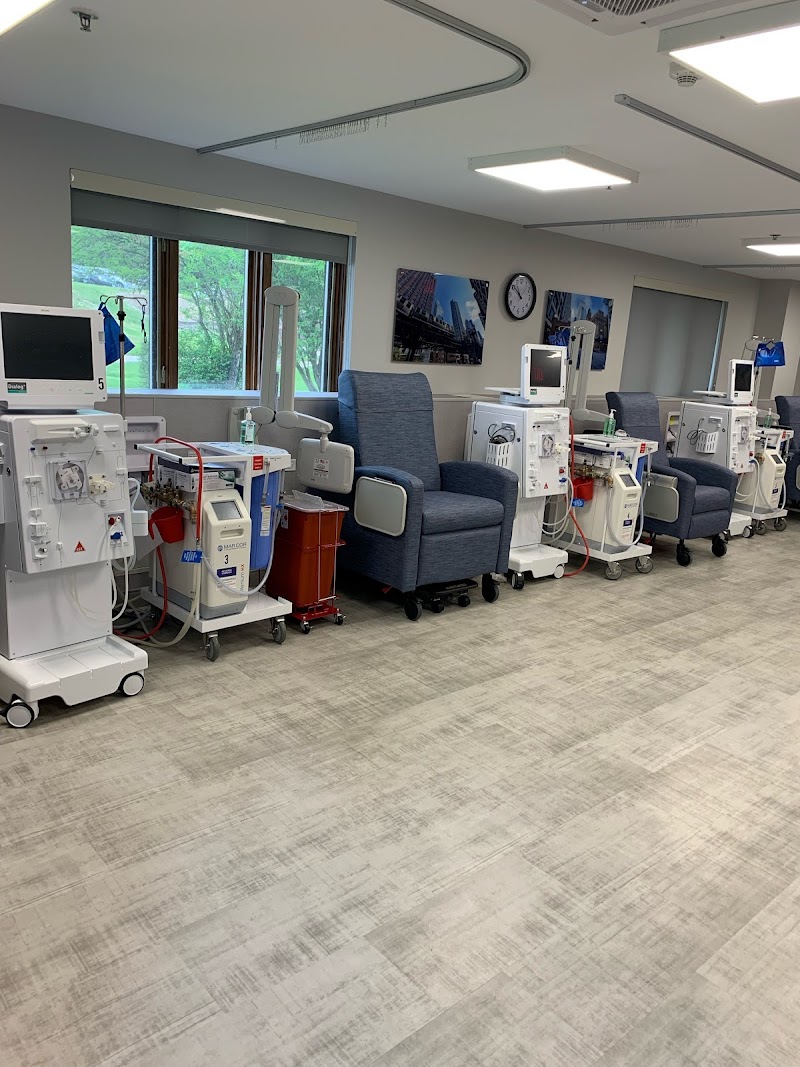
How is Citadel Of Bourbonnais,The Staffed?

CMS rates CITADEL OF BOURBONNAIS,THE's staffing level at 2 out of 5 stars, which is below average compared to other nursing homes. Staff turnover is 50%, compared to the Illinois average of 46%.

What Have Inspectors Found at Citadel Of Bourbonnais,The?

State health inspectors documented 21 deficiencies at CITADEL OF BOURBONNAIS,THE during 2022 to 2024. These included: 1 that caused actual resident harm, 19 with potential for harm, and 1 minor or isolated issues. Deficiencies causing actual harm indicate documented cases where residents experienced negative health consequences.
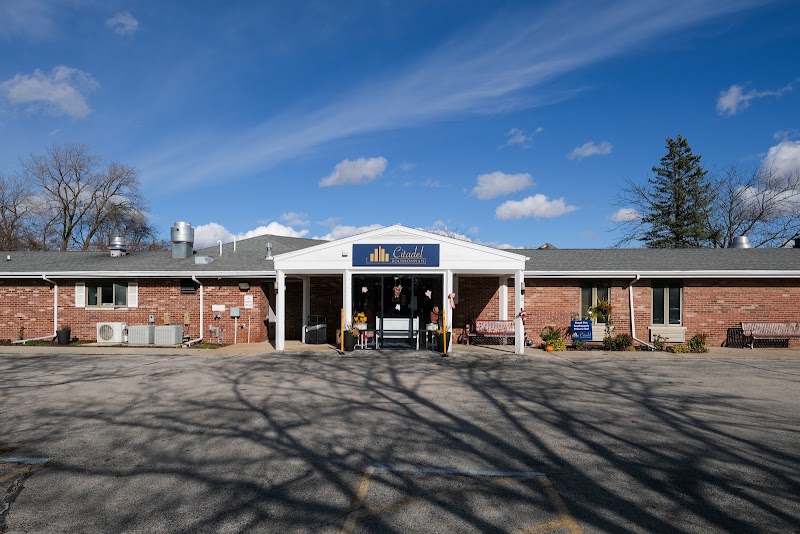
Who Owns and Operates Citadel Of Bourbonnais,The?

CITADEL OF BOURBONNAIS,THE is owned by a for-profit company. For-profit facilities operate as businesses with obligations to shareholders or private owners. The facility is operated by CITADEL HEALTHCARE, a chain that manages multiple nursing homes. With 107 certified beds and approximately 95 residents (about 89% occupancy), it is a mid-sized facility located in BOURBONNAIS, Illinois.
How Does Citadel Of Bourbonnais,The Compare to Other Illinois Nursing Homes?

Compared to the 100 nursing homes in Illinois, CITADEL OF BOURBONNAIS,THE's overall rating (4 stars) is above the state average of 2.5, staff turnover (50%) is near the state average of 46%, and health inspection rating (4 stars) is above the national benchmark.

What Should Families Ask When Visiting Citadel Of Bourbonnais,The?

Based on this facility's data, families visiting should ask: "Can you walk me through typical staffing levels on day, evening, and night shifts?" "Can I visit during a mealtime to observe dining assistance and food quality?" "How do you handle medical emergencies, and what is your hospital transfer rate?" "Can I speak with family members of current residents about their experience?" These questions are particularly relevant given the below-average staffing rating.

Is Citadel Of Bourbonnais,The Safe?

Based on CMS inspection data, CITADEL OF BOURBONNAIS,THE has a clean safety record: no substantiated abuse findings (meaning no confirmed cases of resident harm), no Immediate Jeopardy citations (the most serious violation level indicating risk of serious injury or death), and is not on the Special Focus Facility watch list (a federal program monitoring the lowest-performing 1% of nursing homes). The facility has a 4-star overall rating and ranks #1 of 100 nursing homes in Illinois. While no facility is perfect, families should still ask about staff-to-resident ratios and recent inspection results during their visit.

Do Nurses at Citadel Of Bourbonnais,The Stick Around?

CITADEL OF BOURBONNAIS,THE has a staff turnover rate of 50%, which is about average for Illinois nursing homes (state average: 46%). Moderate turnover is common in nursing homes, but families should still ask about staff tenure and how the facility maintains care continuity when employees leave.

Was Citadel Of Bourbonnais,The Ever Fined?

CITADEL OF BOURBONNAIS,THE has been fined $5,292 across 1 penalty action. This is below the Illinois average of $33,132. While any fine indicates a compliance issue, fines under $50,000 are relatively common and typically reflect isolated problems that were subsequently corrected. Families should ask what specific issues led to these fines and confirm they've been resolved.

Is Citadel Of Bourbonnais,The on Any Federal Watch List?

CITADEL OF BOURBONNAIS,THE is not on any federal watch list. The most significant is the Special Focus Facility (SFF) program, which identifies the bottom 1% of nursing homes nationally based on persistent, serious quality problems. Not being on this list means the facility has avoided the pattern of deficiencies that triggers enhanced federal oversight. This is a positive indicator, though families should still review the facility's inspection history directly.