SUNSET REHABILITATION & HLTH C
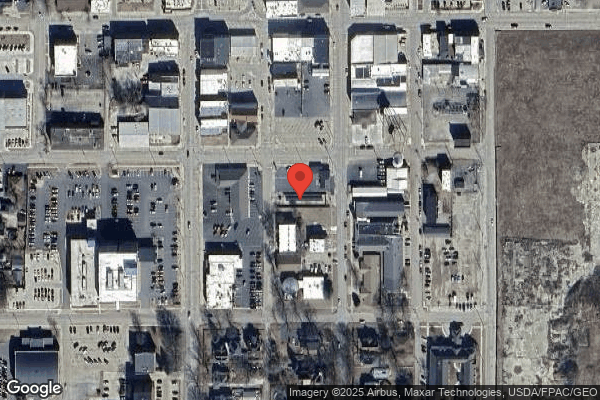
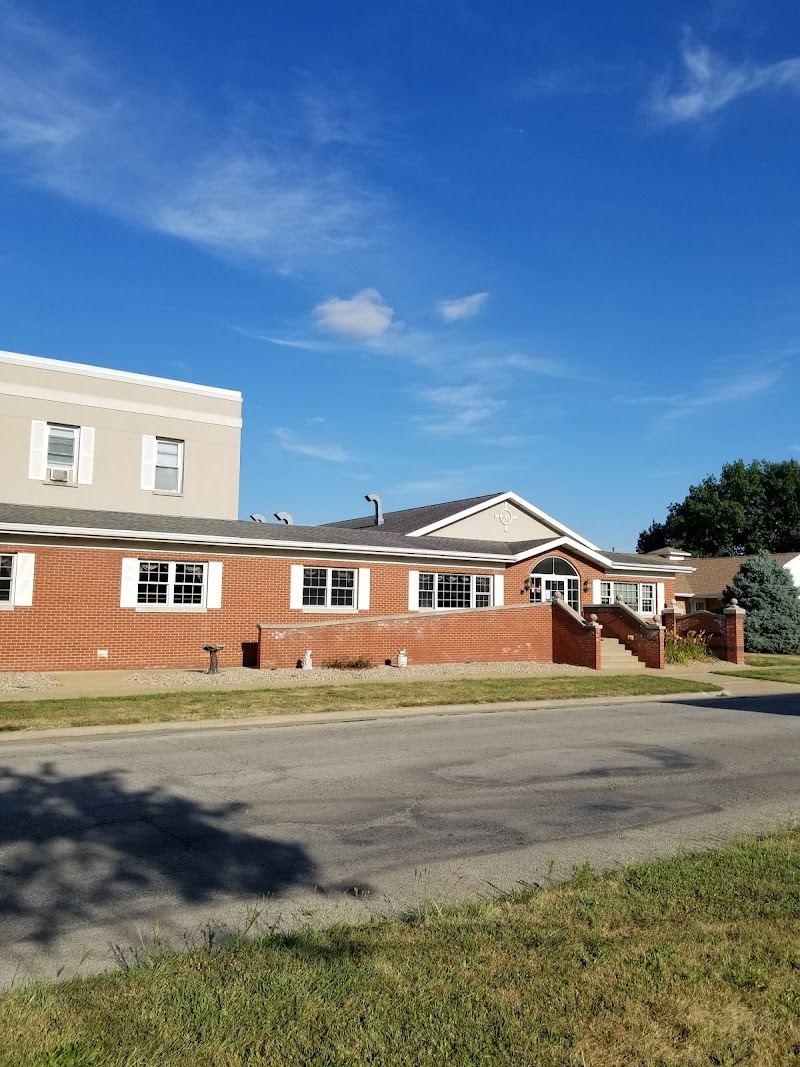
129 SOUTH 1ST AVENUE, CANTON, IL 61520 (309) 647-4327
For profit - Corporation 115 Beds PETERSEN HEALTH CARE Data: November 2025 5 Immediate Jeopardy citations
Trust Grade
0/100
#643 of 665 in IL
Last Inspection: November 2024

Within standard 12-15 month inspection cycle. Federal law requires annual inspections.

Overview

Sunset Rehabilitation & Health Center in Canton, Illinois has received a Trust Grade of F, indicating significant concerns about its care quality. It ranks #643 out of 665 facilities in Illinois, placing it in the bottom half, and #6 out of 6 in Fulton County, meaning there are no local options that rank lower. Although the facility is showing improvement in terms of issues reported-dropping from 16 in 2024 to 4 in 2025-there are still serious concerns, including $518,295 in fines, which is higher than 98% of Illinois facilities, reflecting ongoing compliance problems. Staffing ratings are poor with only 1 out of 5 stars, but with a surprising 0% turnover rate, indicating staff may stay long-term despite the overall issues. Notably, there have been critical incidents, including failures to document advanced directives leading to a resident not receiving CPR, and incidents of resident-to-resident abuse that went unreported, raising alarms about safety and supervision at this facility. Families should weigh these strengths and weaknesses carefully when considering care options.

Trust Score
F
0/100
In Illinois
#643/665
Bottom 4%
Safety Record
High Risk
Review needed
Inspections
Getting Better
16 → 4 violations
Staff Stability
○ Average
Turnover data not reported for this facility.
Penalties
○ Average
$518,295 in fines. Higher than 75% of Illinois facilities. Some compliance issues.
Skilled Nurses
○ Average
Each resident gets 33 minutes of Registered Nurse (RN) attention daily — about average for Illinois. RNs are the most trained staff who monitor for health changes.
Violations
⚠ Watch
48 deficiencies on record. Higher than average. Multiple issues found across inspections.
★☆☆☆☆
1.0
Overall Rating
★☆☆☆☆
1.0
Staff Levels
★★★★☆
4.0
Care Quality
★☆☆☆☆
1.0
Inspection Score
Stable
2024: 16 issues
2025: 4 issues

The Good

  • 4-Star Quality Measures · Strong clinical quality outcomes
  • Full Sprinkler Coverage · Fire safety systems throughout facility
  • No fines on record

Facility shows strength in quality measures, fire safety.

The Bad

1-Star Overall Rating

Below Illinois average (2.5)

Significant quality concerns identified by CMS

Federal Fines: $518,295

Well above median ($33,413)

Significant penalties indicating serious issues

Chain: PETERSEN HEALTH CARE

Part of a multi-facility chain

Ask about local staffing decisions and management

The Ugly 48 deficiencies on record

5 life-threatening 2 actual harm
Aug 2025 1 deficiency
CONCERN (D) 📢 Someone Reported This

A family member, employee, or ombudsman was alarmed enough to file a formal complaint

Potential for Harm - no one hurt, but risky conditions existed

Report Alleged Abuse (Tag F0609)

Could have caused harm · This affected 1 resident

Based on record review and interview, the facility failed to report an allegation of abuse to the Administrator for one resident (R2) of three residents reviewed for abuse in a total sample of three.F...

Read full inspector narrative →
Based on record review and interview, the facility failed to report an allegation of abuse to the Administrator for one resident (R2) of three residents reviewed for abuse in a total sample of three.FINDINGS INCLUDE:The facility policy, entitled ABUSE, PREVENTION AND PROHIBITION POLICY, not dated, documents: The facility employee or agent, who becomes aware of abuse or neglect, including injuries of unknown origin or alleged misappropriation of resident property, shall immediately report the matter to the facility Administrator or his/her designated representative in the Administrators absence; and the facility Administrator will ensure a thorough investigation of alleged violations of individual rights and document appropriate action.R2's Electronic Medical Record/EMR Progress Notes documents on 6/28/25 at 8:44 AM, R2 had someone call V5/Registered Nurse to report CNAs (Certified Nursing Assistants) hurt R2.On 8/8/25, at 12:00 p.m., V5/Registered Nurse confirmed her progress note dated 6/28/25 at 8:44 a.m.; R2 told V5 that V7 Certified Nursing Assistant/CNA and V8/CNA hurt her with washcloths; V5 reported the incident to V4/Director of Nursing.On 8/8/25, at 12:15 p.m., V4 (Director of Nursing) confirmed, I was told hours later of the alleged incident regarding the two CNAs who R2 alleged hurt R2, and V4 did not report the incident.On 8/8/25, at 11:30 a.m., V1/Administrator and V2/Interim Administrator confirmed the 6/28/25 allegation was not reported to V1 or V2.
May 2025 1 deficiency
CONCERN (D) 📢 Someone Reported This

A family member, employee, or ombudsman was alarmed enough to file a formal complaint

Potential for Harm - no one hurt, but risky conditions existed

Investigate Abuse (Tag F0610)

Could have caused harm · This affected 1 resident

**NOTE- TERMS IN BRACKETS HAVE BEEN EDITED TO PROTECT CONFIDENTIALITY** Based on interview and record review the facility failed to investigate allegations of abuse thoroughly for one (R1) of one resi...

Read full inspector narrative →
**NOTE- TERMS IN BRACKETS HAVE BEEN EDITED TO PROTECT CONFIDENTIALITY** Based on interview and record review the facility failed to investigate allegations of abuse thoroughly for one (R1) of one residents reviewed for physical abuse in a sample of seven. Findings include: The facility's policy titled Abuse, Prevention and Prohibition, dated 03/2025, documents, Each resident has the right to be free from abuse, corporal punishment, and involuntary seclusion. Residents must not be subjected to abuse by anyone, including, but not limited to, facility staff, other residents, consultants or volunteers, staff of other agencies serving the resident, family members or legal guardians, friends, or other individuals. This facility prohibits mistreatment, neglect, or abuse of residents. This also includes the deprivation by an individual, including a caretaker, of goods or services that are necessary to attain or maintain physical, mental, and psychosocial well-being. This presumes that all instances of abuse, even those residents in a coma, can cause physical harm, pain, or mental anguish. The facility also prohibits misappropriation of resident property. The residents must not be subjected to abuse by anyone. The facility will educate all employees upon hire and at least annually of the definitions of the Abuse Prevention and Prohibition Policy including definitions pertaining to abuse and neglect. Annually, the Administrator will contact local law enforcement to review the requirements for reporting to law enforcement. The facility's abuse prohibition program includes the following seven components: Screening, Training, Prevention, Identification, Investigation, Protection, and Reporting/Response. The facility Administrator will be designated as the facility Abuse Coordinator and will be responsible for overseeing the Abuse Prevention and Prohibition Program and directing any abuse investigation. If the Administrator is not available to address this role, the Administrator will designate a person in charge in their absence to fulfill the role. This person would normally be the Director of Nursing. Resident abuse must be reported immediately to the Administrator. The facility Administrator will ensure a thorough investigation of alleged violations of individual rights and document appropriate action. While a facility investigation is under way, steps will be taken to prevent further abuse. If a person is identified in the allegation of abuse, that person will not be allowed access to the facility while the investigation is in progress, except to meet with the administrator as part of the investigation. The person identified in the allegation of abuse will have no contact with residents or other employees during the investigation process. Initiate investigation including initial reporting to all required agencies. A licensed professional nurse will assess the resident for signs of injury and notify the resident's physician and responsible party of any injuries noted. Complete a thorough investigation. Two management level staff will conduct interviews with witnesses or other staff, residents or visitors who could have knowledge of the allegation. Witnesses will be asked to assist with completing statements if indicated. Every employee will be interviewed who was working on the specific hall/wing that the affected resident resides on. If the allegation occurred on a specific shift, all staff for the identified shift only will give a statement if indicated. Interview the resident if they are cognitively able to answer questions in a private setting free from any intimidating factors. Request that a staff member who has special rapport participate if possible. If the resident is not interviewable, question the roommate and any family or friends who visit frequently with completion of a questionnaire. Social Services (designee) will complete a Trauma Informed Care assessment and provide follow-up care regardless if allegation is substantiated. Complete and summarize the investigation within five business days. Review outcome of investigation report with the Regional Nurse. Notify the employee in question of their reinstatement or termination. Complete final report and submit to required agencies. Maintain the report in a locked file in the Administrator office. This must be kept private and confidential. R1's admission Record documents the R1's date of admission to the facility was 6/8/23 and her diagnoses on admission include Cerebral Palsy, Hypothyroidism and Cerebrovascular Disease. R1's Minimum Data Set assessment dated [DATE], documents R1 has a Brief Interview for Mental Status (BIMS) score of 14/15, indicating cognition intact. On 4/10/25 R1 reported to V6 (Case Manager for [NAME]) that a staff member placed a sock in her mouth. On 5/27/25 at 9:30am, R1 stated, about a month ago a female Certified Nursing Assistant/CNA (V4) was helping a male CNA (V3) put R1 on a bed pan. She (R1) did not recall what was being said but a nurse came to the door and V4 (CNA) placed a sock in R1's mouth to keep her (R1) from telling the nurse something about V3 (CNA), R1 stated, I think she thought I was going to tell on the black guy. R1 stated she (R1) pulled the sock from her mouth and V4 (CNA) placed it back in her mouth and held it there for a bit but unsure of how long. On 5/28/25 at 8:15am, V1/Administrator stated, I was notified of the allegation by V6's (Case Manager for [NAME]) that R1 reported that a Certified Nursing Assistant/CNA had placed a sock in R1's mouth. I immediately went down and spoke with R1 who told me that V4 (CNA) did not physically place a sock in her mouth. R1 stated to me that she (R1) had called V3 (CNA) a lazy N word when he had left the room and V4 (CNA) told her (R1) to put a sock in it, we do not use words like that here, that will hurt feelings. V1 (Administrator) also stated R1 stated she (R1) was not afraid of V3 or V4 (both CNA's) and she felt safe in the facility. V4 (CNA) was suspended pending investigation and was told she could return to work. On 5/28/25 at 9:50am, V1 (Administrator) spoke with R1. R1 told V1 at this time that V4 (Certified Nursing Assistant/CNA) had physically placed the sock in her mouth and would not verify what was stated in previous conversation with V1. On 5/28/25 at 12:45pm, V1 (Administrator) stated he only spoke with R1, V3 (Certified Nursing Assistant/CNA), and V4 (CNA) regarding the allegation but did not write down formal statements. V1 also verified that he did not obtain staff interviews, other resident interviews, or have R1 assessed for injury by nursing and Social Services did not do a subsequent Trauma assessment during the investigation but will re-start the investigation due to R1 changing her story back to the sock being physically placed in her mouth. V1 stated, Your right my investigation was lacking.
Mar 2025 2 deficiencies
CONCERN (D) 📢 Someone Reported This

A family member, employee, or ombudsman was alarmed enough to file a formal complaint

Potential for Harm - no one hurt, but risky conditions existed

Quality of Care (Tag F0684)

Could have caused harm · This affected 1 resident

**NOTE- TERMS IN BRACKETS HAVE BEEN EDITED TO PROTECT CONFIDENTIALITY** Based on interview and record review, the facility failed to perform ongoing clinical assessments for a resident experiencing an...

Read full inspector narrative →
**NOTE- TERMS IN BRACKETS HAVE BEEN EDITED TO PROTECT CONFIDENTIALITY** Based on interview and record review, the facility failed to perform ongoing clinical assessments for a resident experiencing an acute medical condition (R1); one of four residents reviewed for clinical assessment, in a sample of four. FINDINGS INCLUDE: The (undated) facility policy, Nursing Documentation Guidelines directs staff, Three-day documentation on every shift is required on all new admissions/readmissions. R1's hospital Discharge Summary form, dated 02/05/2025 documents, admit date : [DATE]. Past medical history of COPD (Chronic Obstructive Pulmonary Disease), Asthma, Diabetes Mellitus, Chronic Kidney Disease presents to the ED (Emergency Department) with 1 to 2 days of decreased appetite, shortness of breath and wheezing. (R1) did test positive for Influenza A. On admission (R1) continued to be mostly nonverbal however did attempt to speak with family and speech was very garbled. (R1) does have slight right sided upper extremity weakness and significant right lower extremity weakness. Head CT (Computerized Tomography) was obtained which does show acute to subacute left occipital lobe and left anterior cerebral artery distribution cerebrovascular infarction. (R1) was evaluated by (Speech Therapy) and placed on a pureed diet with nectar thick consistency. R1's facility admission Record documents R1 was admitted to the facility on [DATE], with the following diagnoses: Cerebral Infarction, Dysphasia, Aphasia, Diabetes Mellitus, Chronic Kidney Disease and Influenza A. R1's facility Nursing admission Assessment form, dated 02/05/2025 documents, (R1) alert, unable to determine orientation, difficulty being understood, unsteady gait, poor balance, short- and long-term memory problems, withdrawn, poor appetite, anxious, lung sounds with wheezes and crackles, incontinent of bowel and bladder. R1's Nursing Progress Notes, dated 2/5/2025 at 10:32 A.M. document, admitted to room, (R1) via hospital. Alert with confusion, incontinent of bowel and bladder, PT/OT/ST (Physical Therapy, Occupational Therapy and Speech Therapy) to eval (evaluate) and treat. Will remain in isolation precautions due to influenza. R1's Nursing Progress Notes, dated 2/7/2025 at 4:37 P.M. document, (R1) transferred to local hospital ER (Emergency Room) via ambulance d/t (due to) decreased SpO2% (oxygen level), AMS (Altered Mental Status)/slow to respond, elevated temp (temperature). All parties notified. No other nursing assessments or nursing progress notes are documented in R1's electronic medical record after of 2/5/25 at 10:32 A.M. until 2/7/25 at 4:37 P.M. On 3/18/2025 at 2:03 P.M., V2/Director of Nurses (DON) stated when a resident is admitted to the facility as a skilled level resident, facility staff are to document every shift, under the assessment tab in PCC (Point Click Care), a Skilled Documentation/Skilled Care Assessment form for each resident. At that time, V2/DON confirmed no skilled documentation form was present on R1's electronic medical record for 2/6/25 and 2/7/25. V2/DON stated, Just recently we realized the nurses weren't performing nursing assessments and documenting a resident's ongoing medical condition. We (V6/Assistant Director of Nurses and myself) have since educated all facility staff on this issue. At this time, V2 stated when a resident is transferred to the hospital, a complete nursing assessment is performed on a resident, and the results are documented in a resident's medical record via an E Interact Transfer Form.
CONCERN (D) 📢 Someone Reported This

A family member, employee, or ombudsman was alarmed enough to file a formal complaint

Potential for Harm - no one hurt, but risky conditions existed

Menu Adequacy (Tag F0803)

Could have caused harm · This affected 1 resident

**NOTE- TERMS IN BRACKETS HAVE BEEN EDITED TO PROTECT CONFIDENTIALITY** Based on observation, interview, and record review, the facility failed to provide the correct textured diet to one of four resi...

Read full inspector narrative →
**NOTE- TERMS IN BRACKETS HAVE BEEN EDITED TO PROTECT CONFIDENTIALITY** Based on observation, interview, and record review, the facility failed to provide the correct textured diet to one of four residents (R1), a resident with a documented diagnosis of dysphasia, in a sample of four. FINDINGS INCLUDE: The (undated) facility policy, Therapeutic and Mechanically Altered Diets, directs staff, It is the policy of (facility) that therapeutic and mechanically altered diets are ordered by the physician and planned by the dietician. A therapeutic diet is a diet ordered to manage problematic health conditions. A mechanically altered diet is a diet specifically prepared to alter the consistency of food in order to facilitate oral intake. Examples include soft diets, pureed foods and ground meat. Diets for residents that only take liquids that have been thickened are included in this definition. A physician's order is written for all diets including therapeutic and mechanically altered diets. R1's hospital Discharge Summary form, dated 02/05/2025, documents, admit date : [DATE]. Past medical history of COPD (Chronic Obstructive Pulmonary Disease), Asthma, Diabetes Mellitus, Chronic Kidney Disease presents to the ED (Emergency Department) with 1 to 2 days of decreased appetite, shortness of breath and wheezing. (R1) did test positive for Influenza A. On admission (R1) continued to be mostly nonverbal however did attempt to speak with family and speech was very garbled. (R1) does have slight right sided upper extremity weakness and significant right lower extremity weakness. Head CT (Computerized Tomography) was obtained which does show acute to subacute left occipital lobe and left anterior cerebral artery distribution cerebrovascular infarction. (R1) was evaluated by (Speech Therapy) and placed on a pureed diet with nectar thick consistency. R1's facility admission Record documents R1 was admitted to the facility on [DATE] with the following diagnoses: Cerebral Infarction, Dysphasia, Aphasia, Diabetes Mellitus, Chronic Kidney Disease and Influenza A. R1's Physician Order Sheet, dated 02/05/2025, includes the following physician order: Low Concentrated Sweets diet. Pureed texture, Nectar thick (Liquids) consistency, for Dysphasia. R1's facility Diet Order Form, dated 02/05/2025 and signed by V6/Assistant Director of Nurses, documents, Pureed diet, Nectar thick liquids. On 3/18/2025 at 12:29 P.M., V8/R1's POA (Power of Attorney) stated she is R1's granddaughter and his POA. V8 stated she lived with (R1) and provided care for him. She called the ambulance on 1/30/25 due to R1 not moving and being unable to speak. R1 was admitted to local hospital with a stroke and was unable to speak clearly or swallow correctly. V8 stated the family made the decision to admit R1 to the facility as they were no longer able to care for (R1) and he required PT (Physical Therapy), OT (Occupational Therapy), and Speech Therapy. R1 was transferred to the facility on 2/5/25 around 10:30 in the morning and she and her boyfriend arrived around 11:00 AM that morning. Within an hour of her arrival, staff brought in a meal tray that consisted of two pieces of whole white bread with some diced meat and shredded cheese on top, applesauce, regular consistency cranberry juice and regular consistency water. V8 stated at that time, they were face timing with V7/R1's daughter. V8 stated R1 acted very thirsty and picked up the cranberry juice and began drinking. R1 then picked up the sandwich and began eating and swallowing, and immediately began choking. V8 stated her boyfriend put his finger down R1's throat to dislodge the bolus of food. At that time, V7 noticed, via face time, R1's tray of food contained the wrong diet and wrong consistency of fluids. V8 grabbed R1's tray of food and went to the nurse's station and spoke with V9/Licensed Practical Nurse (LPN). V8 stated V9/LPN looked through R1's medical records and realized R1 had been provided the wrong diet and wrong consistency of fluids. On 3/18/20205 at 1:16 P.M., V9/Licensed Practical Nurse stated, When a resident is admitted , the transfer sheet contains a diet. I fill out a diet slip and hand it to someone in dietary. (R1) was on a pureed diet and thickened liquids. (R1) came to us very sick and had recently had a stroke. (R1) was admitted late morning (2/5/25). At lunchtime that day, his granddaughter (V8) brought his tray to me, and I knew right away (R1) had gotten the wrong diet. It wasn't pureed with thickened liquids, like it was supposed to be. (R1) had eaten some of the sandwich and had drunk quite a bit of the fluids.
Nov 2024 6 deficiencies
CONCERN (D)

Potential for Harm - no one hurt, but risky conditions existed

Deficiency F0578 (Tag F0578)

Could have caused harm · This affected 1 resident

**NOTE- TERMS IN BRACKETS HAVE BEEN EDITED TO PROTECT CONFIDENTIALITY** Based on record review and interview, the facility failed to ensure a residents Physician Orders matched their Practitioner Orde...

Read full inspector narrative →
**NOTE- TERMS IN BRACKETS HAVE BEEN EDITED TO PROTECT CONFIDENTIALITY** Based on record review and interview, the facility failed to ensure a residents Physician Orders matched their Practitioner Order for Life-Sustaining Treatment (POLST) for Cardio-Pulmonary Resuscitation (CPR) code status for one of 24 residents (R66) reviewed for Advanced Directives in the sample of 37. Findings include: The facility's DNR (Do Not Resuscitate) Policy, dated [DATE], documents, Purpose: To offer facility guidance on do not resuscitate orders. Policy: Our facility will not use cardiopulmonary resuscitation and related emergency measure to maintain life functions on a resident when there is DNR Order in effect. Interpretation and Implementation: 1. Do not resuscitate orders on the physician's order sheet maintained in the resident's medical record. 2. A DNR order form must be completed and signed by the Attending Physician and resident (or resident's legal surrogate, as permitted by State Law). R66's Physician Orders, dated 11/2024, documents Code Status: [DATE]- Full Code. R66's Illinois Department of Public Health Uniform (POLST), dated [DATE], and signed by V16/R66's Power of Attorney, V8/Medical Director, and V4/Care Plan Coordinator, documents R66 is a DNR, with selective treatment only. On [DATE] at 12:50 PM, V13/Assistant Director of Nursing verified R66's [DATE] Physician Order Sheet documents R66 is a full code, and R66's POLST form documents R66 is a DNR. V13 stated, I am responsible to ensure the Physician Orders match the POLST form. I must have missed it on (R66's) November Physician Orders. The POLST form and current Physician Orders should always match.
CONCERN (D)

Potential for Harm - no one hurt, but risky conditions existed

Deficiency F0692 (Tag F0692)

Could have caused harm · This affected 1 resident

**NOTE- TERMS IN BRACKETS HAVE BEEN EDITED TO PROTECT CONFIDENTIALITY** Based on observation, interview and record review, the facility failed to follow a dietician's recommendation for weight loss, p...

Read full inspector narrative →
**NOTE- TERMS IN BRACKETS HAVE BEEN EDITED TO PROTECT CONFIDENTIALITY** Based on observation, interview and record review, the facility failed to follow a dietician's recommendation for weight loss, provide a resident with a physician ordered calorie supplement, implement a care plan for weight loss and complete physician ordered weekly weights for two of four residents (R43, R66) reviewed for nutrition in the sample of 37. Findings include: The facility's Weight Assessment and Intervention Policy, dated 7/1/2023, documents Policy statement: The multidisciplinary team will strive to prevent, monitor, and intervene for undesirable weight loss for our residents. Policy Interpretation and Implementation: Weight Assessment- 1. The nursing staff will measure residents' weights on admission, and weekly for four weeks thereafter. If no weight concerns are noted at this point, weights will be measured monthly thereafter. 2. Weights will be recorded in the resident's medical record. 5. Any weight change of five percent or more since the last weight assessment will be retaken the next day for confirmation. If the weight is verified, nursing will immediately notify the Dietitian in writing. 6. The Dietitian will review the Weight Record at least monthly to follow individual weight trends over time. Negative trends will be evaluated by the treatment team whether or not he criteria for significant weight change has been met. 7. The threshold for significant unplanned and undesired weigh loss will be based on the following criteria (where percentage of body weight loss= (usual weight-actual weight)/ (usual weight) times 100): a. 1 month- five percent weight loss is significant; greater that 5 percent is severe. B. 3 months- 7.5% weight loss is significant; greater that 7.5 percent is severe. C. 6 months 10% weight loss is significant; greater that 10% is severe. 1. R66's 2024 Weight Record documents R66's weight in May 2024 was 153 pounds and R66's weight in November 2024 was 130 pounds, which is a 15.03 percent weight loss in a 6 month period. R66's Request for Diet Change, dated 9/26/24, and signed by V21/Dietitian, documents, Summary: Regular mechanical diet, on Magic Cup two times per day, weight decrease past 30 days, Recommend Med Pass (calorie supplement) for nutrition needs. Refer PRN (as needed.) Comments: Weight Progress Note- Please change diet to: Med Pass 60cc (cubic centimeters) two times per day. This same request was documented as received by V8/R66's Physician on 10/24/24, and signed as agreed by V8/R66's Physician on 10/28/24. R66's Request for Diet Change, dated 10/16/24, and signed by V21/Dietitian, documents, Summary: Weight at 136 pounds. Magic cup is given, diet okay for needs, (R66) paces and burns calories throughout the day. Recommend Med Pass 90cc three times per day. Comments: Weight Progress Note- Please change diet to Med Pass 90 cc three times per day. This same request was documented as received by V8/R66's Physician on 10/24/24, and signed as agreed by V8/R66's Physician on 10/28/24. R66's Physician Order Sheets, dated September, October, and November 2024, do not document an order for Med Pass 60cc to be given two times per day, or an order change for Med Pass 90cc to be given three times per day. On 11/20/24 at 11:45 AM, R66 was on the dementia unit sitting in the dining room. R66 was being assisted with eating by V20/CNA (Certified Nursing Assistant). V20/CNA verified R66 requires assistance with eating. On 11/20/24 at 1:00 PM, V13/ADON (Assistant Director of Nursing) stated, (V21/Dietitian) comes in around twice a month and writes dietary recommendations for the residents who need it. When (V21) fills out the dietary recommendation forms, (V9/Dietary Manager) will send the recommendations to the resident's appropriate Physician. When the Physician sends back the dietary recommendation stating if they agree with the recommendation or not, the nurses will then process the order. I am not sure how (R66's) dietary recommendation dated 9/26/24 and 10/16/24 never got processed by the nurses. On 11/20/24 at 12:30 PM, V9/Dietary Manager verified R66's dietary recommendations, dated 9/26/24 and 10/16/24, did not get sent to V8/R66's Physician until 10/24/24. V9 stated, I was on maternity leave in September 2024, so I didn't send any dietary recommendations until I was back to work in October 2024. I don't know who was filling in for me when I was gone, but I sent both of (R66's) dietary recommendations from September and October 2024 to (V8/R66's Physician) when I got back. V9 also verified at this time R66 does not have a care plan for unplanned weight loss and R66 should have. On 11/20/24 at 1:05 PM, V2/Director of Nursing verified R66's dietary recommendations, dated 9/26/24 and 10/16/24 and signed on 10/28/24 by V8/R66's Physician, never got processed by the nurses. V2 verified R66 has not been receiving Med Pass as recommended by the Dietician for the months of September, October, and November 2024. V2 stated, Any dietary recommendation should be sent to the doctors right away and then followed up on to ensure the facility has received the recommendation back from the doctor and that the order gets processed. We (the facility) will work on a better process. I am not sure how (R66's) signed dietary recommendations got missed but it should not have. 2. R43's Physician Order Sheet, dated 11/2024, documents R43 was admitted to the facility on [DATE], with a Gastric tube (supplemental internal feeding tube) and diagnoses of Dehydration, Severe Protein Calorie Malnutrition and Hypernatremia. This same Physician order sheet documents R43 is to have Weekly Weights. R43's Monthly Weight and Vitals record documents one recorded weight for October of 112.8 pounds. R43's Medication Administration Record (MAR), dated October 2024, documents weekly weight should be done between 6 AM and 2 PM one time per week. This same administration record does not document any weights recorded for R43 for the entire month of October. On 11/21/24 at 10:00 AM, V2 (Director of Nursing) and V13 (Assistant Director of Nursing) confirmed R43's weights were not recorded weekly during October, and stated they do not have documentation to reflect that any weekly weights were ever completed for R43.
CONCERN (D)

Potential for Harm - no one hurt, but risky conditions existed

Respiratory Care (Tag F0695)

Could have caused harm · This affected 1 resident

**NOTE- TERMS IN BRACKETS HAVE BEEN EDITED TO PROTECT CONFIDENTIALITY** 3. R34's Physician Order Sheet, dated 11/2024, documents an order for Albuterol 0.083% nebulizer solution to give three millilit...

Read full inspector narrative →
**NOTE- TERMS IN BRACKETS HAVE BEEN EDITED TO PROTECT CONFIDENTIALITY** 3. R34's Physician Order Sheet, dated 11/2024, documents an order for Albuterol 0.083% nebulizer solution to give three milliliters per nebulizer every four hours as needed for wheezing. On 11/18/24 at 11:40 AM, R34 was in his room sitting on the edge of his bed. At this time ,V12 (Licensed Practical Nurse) administered R34's Albuterol nebulizer breathing treatment, and placed the nebulizer face mask over R34's face. This mask documented a date of 10/4/24. V12 verified the date and stated the date on the mask would be when the tubing and mask was changed. On 11/21/24 at 10:15 AM, V2 (Director of Nursing) stated resident's Oxygen and Nebulizer equipment, such as tubing, face masks and cannulas, should be changed weekly and dated to reflect the change. V2 verified the 10/4/24 date on R34's mask was over a month ago and stated, They (staff) should be changing those weekly. Based on observation, interview, and record review, the facility failed to date oxygen tubing, place an oxygen sign on resident doors, and ensure a nebulizer facemask and tubing was changed weekly for three of three residents (R5, R34, R56) reviewed for oxygen therapy in the sample of 37. Findings include: The Oxygen Administration Policy revised 3/17/22, documents, To administer oxygen to the resident when insufficient oxygen is being carried by the blood to the tissues. Oxygen therapy will be administered to the resident upon the written order of a licensed physician or may be given in an emergent life-sustaining situation without an order, until an order may be obtained by a licensed physician. It will be administered by way of an oxygen mask, nasal cannula and/or a nasal catheter. Procedure: 5. Place the Oxygen in Use sign on the outside of the room entrance door. Tubing will be changed and dated weekly. 1. R5's admission Record documents R5 was admitted on [DATE] with diagnoses which included Morbid (Severe) Obesity, Paroxysmal Atrial Fibrillation, Type 2 Diabetes Mellitus, Fibromyalgia, and Heart Failure. R5's Minimum Data Set/MDS Assessment, dated 10/11/24, documents R5 has a BIMs/Brief Interview of Mental Status of 15 (cognition intact). R5's Physician Orders for November 2024 documents Oxygen at 4 liters/minute per nasal cannula (dated 6/4/24). Change Oxygen Tubing weekly (dated 7/28/24). R5's current Care Plan documents Cardiac - diagnosis of Congestive Heart Failure. Monitor oxygen saturation every shift if with dyspnea, administer oxygen therapy per Physician Orders. On 11/18/24 at 1:43 PM, R5 was lying bed with her oxygen tubing next to the side of R5's pillow. R5 stated she does not always wear the oxygen, but keeps it close in case she needs it. The tubing was not dated. R5 stated there is no certain day the oxygen tubing is changed. R5 did not remember when the oxygen tubing was last changed. On 11/18/24 at 11:48 AM, there was no oxygen sign on R5's door. R5's Treatment Administration Record for November 2024 documents oxygen at 4 liters/minute per nasal cannula and to change oxygen tubing weekly. The last time the tubing was documented as being changed was 11/10/24. 2. R56's admission Record documents R56 was admitted on [DATE], with diagnoses which included Type 2 Diabetes Mellitus, Fluid Overload, Morbid (Severe) Obesity, Hyperlipidemia, and Essential (Primary) Hypertension. R56's Minimum Data Set/MDS Assessment, dated 9/18/24, documents R56 has a BIMs/Brief Interview of Mental Status of 15 (cognition intact). R56's Physician Orders for November 2024 documents Oxygen at 5 liters/minute per nasal cannula (dated 4/30/24). R56's current Care Plan documents R56 has altered respiratory status/difficulty breathing related to Morbid Obesity and Chronic Obstructive Pulmonary Disease. On 11/18/24 at 11:26 AM, R56 was sitting in the dining room wearing oxygen. There was no date on the oxygen tubing. R56 stated she thinks the tubing was changed yesterday. They change the tubing at least every week or two. On 11/18/24 at 11:48 AM, there was no oxygen sign on R5's door. R56's Treatment Administration Record for November 2024 does not document the last time R56's oxygen tubing was changed. On 11/18/24 at 11:48 AM, V19/Licensed Practical Nurse/LPN verified that R5 and R56 are both on oxygen but neither have an oxygen sign on their door. On 11/20/24 at 12:50 PM, V13/Assistant Director of Nursing stated, The oxygen tubing should be labeled when it is changed. The tubing should be changed weekly and there should be a sign on the resident's door warning of oxygen use.
CONCERN (D)

Potential for Harm - no one hurt, but risky conditions existed

Medication Errors (Tag F0758)

Could have caused harm · This affected 1 resident

**NOTE- TERMS IN BRACKETS HAVE BEEN EDITED TO PROTECT CONFIDENTIALITY** Based on observation, interview and record review, the facility failed to attempt a Gradual Dose Reduction (GDR) of Olanzapine (...

Read full inspector narrative →
**NOTE- TERMS IN BRACKETS HAVE BEEN EDITED TO PROTECT CONFIDENTIALITY** Based on observation, interview and record review, the facility failed to attempt a Gradual Dose Reduction (GDR) of Olanzapine (Antipsychotic medication) for one of three residents (R34) reviewed for antipsychotic medications in the sample of 37. Findings include: The facility's Psychotropic Medication Policy, dated 11/28/17, documents, It is the policy of this facility that residents shall not be given unnecessary drugs. Unnecessary drug is any drug used: For excessive duration. Residents who use antipsychotic drugs shall receive gradual dose reductions and behavior interventions, unless clinically contraindicated, in an effort to discontinue the drugs. Any resident receiving psychotropic medications will be reviewed at a minimum of every quarter by the interdisciplinary team. Reductions shall be attempted at least twice in one year, unless the physician documents the need to maintain the resident regimen according to the regulatory guidelines for such. The facility's Reduction of Psychotropic Medications Protocol policy, dated 8/22/18, documents, Residents who must receive psychotropic medications are to be maintained at the safest, lowest dosage necessary to control the resident's condition. Theses medications (psychotropic) shall be used when deemed necessary by each resident attending physician and/or psychiatric consultant. Each resident will be maintained on as low dosage of these medications as possible. Dosage reductions may be attempted whenever the resident's behavior patterns indicate to the attending physician that a dosage reduction may be appropriate. R34's Physician Order Sheet, dated 11/2024, documents R34 is to receive Olanzapine five milligrams every morning and Olanzapine five milligrams every other bedtime alternating with Olanzapine ten milligrams every other bedtime. On 11/18/24 at 11:40 AM, R34 was sitting in his room on the edge of his bed, completing a respiratory breathing treatment. R34 was cooperative with facility staff and was not displaying any behaviors. On 11/19/24 at 10:15 AM, R34 was in his room siting in bed. R34 denied having any complaints, stated he attends activities when he chooses, and was pleasant with conversation. R34 was not displaying any behaviors. R34's Behavior Tracking Sheets, dated 1/1/24-10/31/24, documents R34 is being monitored for paranoid thoughts/behaviors for the use of Olanzapine. These behavior tracking sheets over nine consecutive months document R34 has had zero episodes of paranoid thoughts/behaviors in nine months. R34's (Behavioral Health service) Psychiatric Note, dated 10/25/24, documents R34 is currently [AGE] years old and was diagnosed with Bipolar Disorder in 1980. This note also documents R34's behaviors upon examination are as follows: Appearance is consistent with chronological age. Calm, cooperative, pleasant. Clear speech, adequate attention and good judgment. This Psychiatric note documents a GDR of R34's medications is Clinically contraindicated at this juncture. On 11/21/24 at 10:10 AM, V13 (Assistant Director of Nursing) confirmed R34 has not had a GDR of his Olanzapine in the past year. V13 stated, We just started with a new psychiatric service in September, 2024. I am not sure why they didn't reduce it in October. (R34) has not had an Olanzapine reduction in the last twelve months.
CONCERN (D)

Potential for Harm - no one hurt, but risky conditions existed

Infection Control (Tag F0880)

Could have caused harm · This affected 1 resident

**NOTE- TERMS IN BRACKETS HAVE BEEN EDITED TO PROTECT CONFIDENTIALITY** Based on observation, interview, and record review, the facility failed to change gloves and perform hand hygiene while providin...

Read full inspector narrative →
**NOTE- TERMS IN BRACKETS HAVE BEEN EDITED TO PROTECT CONFIDENTIALITY** Based on observation, interview, and record review, the facility failed to change gloves and perform hand hygiene while providing incontinent care and implement Enhanced Barrier Precautions (EBP) for a resident with an open wound, for two of 18 residents (R5, R56) reviewed for infection control in the sample of 37. Findings include: The Incontinence Care Policy, dated 7/1/23, documents, To provide guidelines to all nursing staff for providing proper incontinence care in order to clean skin clean, dry, free of irritation and odor. All incontinent residents will receive incontinence care in order to keep skin clean, dry and free of irritation and/or odor. Incontinence care will be provided as required. 8. Wash all soiled skin areas and dry very well, especially between skin folds; changing gloves and performing hand hygiene as required to prevent cross-contamination. The Enhanced Barrier Precautions, dated 7/13/23, documents, Purpose: To reduce transmission of multi-drug-resistant organisms/MDRO (Multi-Drug Resistant Organisms). Enhanced Barrier Precautions should be used when contact precautions do not apply, for residents with any of the following: Open wounds that require a dressing change, Indwelling Medical Devices, Infection or colonized with a MDRO. Enhance Barrier Precautions require use of a gown and gloves during high contact resident care activities that provide opportunities for the transfer of MDRO's to staff hands and clothing. EBP is primarily intended to use for care that occurs within a residence room when high contact resident care activities are bundled together. Outside of a resident's room, EBP should be followed when performing transfers in the shower/assisting with shower and when assisting a resident with toileting and common restrooms. High-contact care activities include Dressing, Bathing/Showering, Transfers (when bundled with other high- contact resident care activities), Hygiene, Changing linens, Changing briefs or Toileting, Caring for medical devices (central lines, urinary catheters, feeding tubes, tracheotomies, drainage tubes, end ports), Wound care (pressure ulcers, diabetic ulcers, unhealed surgical wounds, chronic venous stasis wounds), and Skilled Therapies. Procedure 1. Educate staff on EBP. 2. Identify residents with an infection or colonized with a MDRO, residents with medical devices or chronic wounds that do not require contact precautions. 3. Review Contact precautions to ensure that Enhanced Barrier Precautions are appropriate. Post approved EBP signage that indicates high-contact activities. 4. Ensure that disposable or washable isolation gowns and gloves are available to HCP (Health Care Providers), where high- contact resident care activities may be required. 5. Keep a container or hamper inside resident's room for HCP to dispose of PPE (Personal Protective Equipment). 1. R5's admission Record documents R5 was admitted on [DATE], with diagnoses which included Morbid (Severe) Obesity, Paroxysmal Atrial Fibrillation, Type 2 Diabetes Mellitus, Fibromyalgia, and Heart Failure. R5's Minimum Data Set/MDS Assessment, dated 10/11/24, documents R5 has a BIMs/Brief Interview of Mental Status of 15 (cognition intact). R5 is dependent on staff for toileting and occasionally incontinent of bowel and bladder. R5's current Care Plan documents Continence - Alteration in Bladder Elimination as related to incontinence. Give proper hygiene for incontinence. On 11/18/24 at 1:09 PM, V17/Certified Nursing Assistant/CNA and V18/CNA provided incontinent care for R5. R5 was incontinent of bowel and bladder. V17 removed the soiled disposable brief, then cleaned R5's vaginal area and buttocks. R5 had runny liquid stool. V17 then applied the clean disposable brief. V17 did not change her gloves or do any hand hygiene during the incontinent care. On 11/20/24 at 12:46 PM, V13/Assistant Director of Nursing stated during incontinent care, staff should be washing/sanitizing their hands and changing their gloves when going from the dirty disposable brief to the clean disposable brief. 2. R56's admission Record documents R56 was admitted on [DATE], with diagnoses which included Type 2 Diabetes Mellitus, Fluid Overload, Morbid (Severe) Obesity, Hyperlipidemia, and Essential (Primary) Hypertension. R56's Minimum Data Set/MDS Assessment, dated 9/18/24, documents R56 has a BIMs/Brief Interview of Mental Status of 15 (cognition intact). R56's Physician Orders for November 2024 documents Right Abdominal Area - Cleanse, pat dry and apply Hydrogel with Collagen and cover daily (dated 11/15/24). Left Lateral Outer Ankle - Cleanse, pat dry, apply collagen matrix dressing and cover with dry dressing on Tuesday, Thursday, and Saturday. Right Lateral Outer Ankle - Cleanse, pat dry, apply collagen matrix dressing, and cover with dry dressing on Tuesday, Thursday, and Saturday. R56's Wound Assessment and Plan written by V15/Wound Physician, dated 11/19/24, documents R56 has an abdominal wound which started on 11/13/24. Description of Wound- Full Thickness: with Fat Layer Exposed. Measuring 0.5 cm/centimeters by 0.8 cm by 0.1 cm. Left Ankle Lateral Malleolus which started on 8/13/24. Description of Wound Full Thickness: with Fat Layer Exposed. Measuring 0.7 cm by 0.7 cm by 0.1 cm. Right Ankle Lateral Malleolus which started on 8/13/24. Description of Wound 0.7 cm by 1 cm X 0.1 cm. On 11/19/24 at 12:51 AM, R56 was sitting on her bed waiting for V3/Wound Nurse and V15/Wound Physician to check her wounds. R56 stated she has a wound on her abdomen and a wound on the outside of each ankle. R56 also stated none of the staff wear gowns when providing care, or when doing a dressing change. There was not any Personal Protective Equipment outside of R56's door, and no sign on R56's room that R56 was in Enhanced Barrier Precautions. On 11/19/24 at 12:51 PM, V15/Wound Physician went into R56's room to assess R56's wounds. V15 did not wear a gown while assessing R56's wounds. V15 removed the dressing from R56's abdomen that had a small amount of drainage on the dressing. V15 measured the wound. V15 then removed the stocking from R56's left ankle. The wound did not have a dressing on it. V15 measured the wound to the left ankle. V15 then removed the dressing from R56's right ankle and measured it. On 11/19/24 at 12:56 PM, V3/Infection Preventionist/Wound Nurse came in to put dressings on R56's wounds. V3 was wearing gloves but no gown. V3 applied dressings to all three wounds. On 11/20/24 at 12:54 PM, V13/Assistant Director of Nursing verified R56 was not in Enhanced Barrier Precautions. V13 stated that R56's wounds were not pressure ulcers. V13 also stated she did not know all wounds required a resident to be in EBP. On 11/20/24 at 2:56 PM, V3/Wound Nurse stated V2/Director of Nursing explained to V3 that R56 should have been in EBP due to her wounds.
CONCERN (F)

Potential for Harm - no one hurt, but risky conditions existed

Food Safety (Tag F0812)

Could have caused harm · This affected most or all residents

**NOTE- TERMS IN BRACKETS HAVE BEEN EDITED TO PROTECT CONFIDENTIALITY** Based on observation, interview, and record review, the facility failed to keep a clean and sanitary kitchen; dispose of outdate...

Read full inspector narrative →
**NOTE- TERMS IN BRACKETS HAVE BEEN EDITED TO PROTECT CONFIDENTIALITY** Based on observation, interview, and record review, the facility failed to keep a clean and sanitary kitchen; dispose of outdated food; date and label opened food items; include thaw dates for supplements; correctly cool down potentially hazardous food and keep a log of the temperatures; and label and date food storage containers holding bulk food stuffs.This has the potential to affect all 75 residents living in the facility. Findings: 1. The document Kitchen Sanitation, dated 10/2020, states, It is the policy of this facility to comply with public health standards and local and state sanitation regulations. The Food Service Manager will monitor sanitation of the Dietary Department on a daily basis. The Dietary Sanitation Quality Assurance Review shall be used as a tool to monitor compliance with sanitation standards and identify which areas need corrective action. The Food Service Manager will develop a cleaning schedule for the department and ensure that dietary employees complete cleaning tasks as scheduled. The Food Service Manager shall provide cleaning instructions for each area and piece of equipment in the kitchen and specify which chemical and personal protective equipment should be used for each task. The document Dietary Sanitation, Quality Assurance Review, dated 10/2020, states, Hand washing sink clean. Disposable towels, hot water available. Cooling log is accurate. Ensure food and non-food contact surfaces are easily cleanable including shelves and drawers and carts. Equipment is clean and in safe working order: Oven/Stove; Microwave; Mixer; Ice Machine. Range hoods are free of dust/grease. Refrigerator - shelves/floor/ceiling clean; no indication of spills. All food is covered; containers are labeled with contents, date opened and date to discard. Supplements have thaw and expiration date; Foods are stored in airtight containers and labeled if not in original container. Vents and pipes are clean. Ceilings and walls are clean; floors and baseboards are clean. The document, In-place Equipment, dated 4/2013, states, It is the policy of this facility that in-place equipment and surfaces that cannot be cleaned and sanitized by a mechanical dishwasher or 3-compartment sink will be cleaned and sanitized by using an appropriate wiping cloth and solution. Remove visible debris off of in-place equipment or surface with use of soap and water solution. Rinse detergent from equipment. Wipe in-place equipment or surface with sanitizing solution. Allow in-place equipment or surface to air dry. On 11/18/24 at 9:45 AM, the area under the pass-through window over the steam table wells had a large buildup of black dust, grease/grime, crumbs/food debris, and splashes of unknown origin. The microwave, sitting on a food preparation table (next to the steam table), had dried food particles and splashes of unknown origin on its inside ceiling. Under this table were four large storage bins, with dried food debris and liquid splashes of unknown origin on the lids, front, and sides. These held flour, sugar, brown sugar, and oats. There were no labels identifying the contents of the bins. Food carts used to transport resident trays had splashes on the outside and inside of the carts. The burners and on the metal wall behind the stove burners had old food splatters; the pull-out grease tray under the burners had blackened substance, crumbs. The pull-out grease tray under the grill had two to three inches of old black grease and food particles. The baffles and pipes over the stove and range had a thick visible dust covering; the pipes behind this appliance also had thick visible dust build up. The ovens under the stove and grill had layers of grease on the outside and the handle to the oven was sticky with grease. The inside of the ovens had blackened food debris. The convection oven next to this area had windows opaque from layers of dried grease and food splashes on the inside and outside of the doors. Blackened food particles and splashes were on the inside of the oven and on the wire shelves. Several food racks around the kitchen held various items, food, dishes, utensils, etc. (etcetera) or all had food debris and liquids of unknown origin on the bottom from and the side rungs. Portable coolers, stored directly on the floor, had layers of dust and debris. The windowsill and frame, wall, and floors throughout the kitchen had splashes of food and liquid items of unknown origin. The inside of the reach-in refrigerator and walk-in refrigerator had splashes on the walls, wire racks, and bottom and floor. In the stockrooms, a non-institutional container, no label to identify its contents, with a lid that was dusty with splashes of food/liquids of unknown origin held a substance used to thicken beverages and food items. Three-tiered food transport carts had old splashes of food and liquids of unknown origin. V9, Dietary Manager, confirmed observations, stating, Looks like we have a lot of cleaning to do. The document Prevention of Food Contamination, states, It is the policy of this facility that all food shall be handled and prepared to prevent contamination against dirt, odor, bacteria, etc. Store all food according to package directions or standardized guidelines. The document Hazard Analysis Critical Control Point, dated 10/2020, states, It is the policy of this facility to use a procedure to prevent the outbreak of any food borne illness. Protect foods during storage to prevent contamination. Foods are not exposed to pipes. Foods will be tightly covered or in a sealed container. Container must be labeled and dated. Rapidly cool all cooked foods to an internal temperature of 70 degrees Fahrenheit (F) or below within two hours and 41 degrees F within four hours. Label all cooling foods with appropriate log record to track cooling procedure. 2. The document Storage, dated 10/2020, states, Food shall be stored at the proper temperature and for appropriate lengths of time to protect quality of food. All items will be dated upon receipt. Store leftovers in covered, labeled, and dated containers under refrigeration or frozen. Clean up all debris dropped on the floor immediately. The document Refrigerator and Freezer Storage, dated 10/2014, states, Any item placed in the refrigerator and freezer must be covered, labeled, and dated with a date-marking system that tracks when to discard perishable foods. [NAME] container with name of item. [NAME] the date that the original container is opened or date of preparation. Label refrigerated, potentially hazardous food prepared with the day/date by which the food shall be consumed or discarded (maximum of seven days from time of preparation). Clean up any spills immediately. Designated dietary employee is to check, pull and throw away any potentially hazardous foods that have been in the refrigerator for seven days. On 11/18/24 at 10:05 AM, the walk-in refrigerator held the following: a large deep pan of barbeque pork dated 11/17/24; a large deep pan of Swiss steak, dated 11/16/24; A large pan of lemon pudding dated 11/16/24; a larger pan of vanilla pudding dated 11/17/24; A pan of mixed fruit, dated 11/01/24, an opened container of a whipped topping, no open date. V9, Dietary Manager, was unable to clarify if the dates on the food items were the date to use or to discard. None of the items had a label identifying this information. This cooler also held an eight ounce container of black icing, partially used, no open date; two squeeze bottles of unknown substance, one pink, one aqua colored, covered with mold; an eight ounce package of block cheddar cheese, with the use by date of 12/07/23; a five ounce package of [NAME] Cheese with a sell by date of 9/02/23; 250 ml (milliliter) container of a supplement, expiration date of 8/01/24; two opened 36 ounce containers of thickened liquid, half used, no open date; Beverage container of apple juice, 1/4 full, dated 11/19/24; Beverage container of cranberry juice, 1/3 full, dated 11/11/24. The reach-in refrigerator held the following: 14 squeeze bottles, used, with splashes/sticky substance on the outside and dried substance on the top squirt spout did not have labels or dates; two small bowls containing unknown substance without labels; two Styrofoam glasses of unknown substance, no labels; 2 1/2 pounds of sliced American cheese, no open date or label; a five pound container of whipped margarine (1/8 full), a five pound package of shredded cheddar cheese (1/2 full), a five pound package of Parmesan cheese, a half-gallon container with a cup of applesauce; two gallon jars of coleslaw sauce (one 1/2 full) (one 3/4 full), a gallon of red dressing, a gallon of 1000 island dressing, a gallon of dill pickles, a gallon of mustard, none of these items had open dates or labels; a small storage bag containing 1/2 pound of lunchmeat dated 11/06/24. V9 stated, I will tell staff to put labels on the food. On the bottom shelf of a food preparation table next to the reach-in refrigerator a tray contained two bottles of red food coloring, one bottle of green food color, two bottles of vanilla extract and a five-pound container of baking powder. All had been opened, all had dust, food stains on them, none had open dates or labels. V9 stated, We don't use those very often. 3. The document Food Thawing, dated 10/2020, states, It is the policy of this facility that all food requiring thawing before serving must be thawed in a manner that avoids placing the food in the danger zone. All items placed in the refrigerator to thaw, including oral nutrition supplements, must be labeled with the thaw date. On 11/18/24 at 9:50 AM, a case (48 cartons) of a supplement thawing in the walk-in refrigerator. There was no thaw date on the case. V9, Dietary Manager, stated, I didn't know they needed to be dated. The document Food Cooling, dated 3/2018, states, It is the policy of this facility the Time Temperature Control for Safety (TCS) foods will be cooled properly to prevent the outbreak of food borne illness. Hot foods will be cooled to the proper temperature using a two-stage cooling process. Stage 1: Cool foods from 135 degrees Fahrenheit (F) to 70 degrees F within 2 hours. Stage 2: Cool foods from 70 degrees F to 41 degrees F or below within four hours (total of six hours). If food has not been cooled to 70 degrees F or below within the first two hours, the food needs to be thrown out or reheated one time only to 165 degrees F and held for 15 seconds. The cooling process will start overusing an alternate method to cool from what failed initially. If the food does not reach 70 degrees F or below the second time the food item must be discarded. Use the Food Cooling Log for Temperature monitoring and recording. The Dietary Manager will review and monitor the Food Cooling process and log for completion. The Dietary Manager will maintain records of the Food Cooling logs for one year. The document Food Cooling Log, dated 9/2024 through 11/2024, states, Record temperatures of potentially hazardous foods during cooling process. Food Item; start time; start temperature; time and temperature within two hours (below 70 degrees F); Time and Temperature within four more hours (below 41 degrees F); Corrective Action, if necessary. On 11/18/24 at 10:15 AM, the Food Cooling Log was reviewed. Twelve potentially hazardous foods were listed on the form: 9/05/24, Ham; 9/11/24, Chicken Dumpling; 9/24/24 Meatloaf; 9/26/24, Turkey; 9/28/24, Goulash; 9/30/24, Mixed Vegetables; 10/07/24, Hamburger; 10/22/24, Meatloaf; 11/07/24, Ham; 11/10/24, Turkey; 11/14/24, Roast Beef. Each item had the exact same start time of 12:00 PM; the exact same start temperature of 65 degrees Fahrenheit (F); the exact same temperature for the Time and Temperature within two hours (below 70 degrees F), of 65-degree F. Only one food item, ham from 9/05/24, had a temperature recorded for time and temperature within four more hours (below 41 degrees F), of 35 degrees F. Nothing else recorded on the form. V9, Dietary Manager, stated, No, the form isn't filled out as it should be. V9 agreed it was unusual that all the times, temperatures were exactly the same on the form. 4. The document Equipment, Temperatures, dated 9/2008, states, It is the policy of this facility that all refrigerator and freezers shall be monitored regularly to ensure that they are working properly and to correct any mechanical difficulties quickly. On 11/18/24 at 10:10 AM, the walk-in freezer was dripping a clear colorless substance from a hole 36 inches by 24 inches, no cover/grate over it. A large deep pan was catching the substance. An accumulation of ice was on the rack and floor under the area. The walk-in refrigerator also had a clear colorless substance dripping out of its ceiling grate onto the containers of food items below it, pooling on their tin foil coverings. A container of whipped topping had the liquid pooled on its lid and a paper case containing whipped topping was saturated with the liquid. The automatic paper towel machine by the hand washing sink did not work and no paper towels were by the sink. The water faucet was difficult to turn on and could not be totally turned off, water continuing to run out of the faucet. A floor drain, opposite of the hand washing sink, protruded to the edge of the above counter and did not have a grate over the 12 by 10-inch hole. V9, Dietary Manager, stated, We keep the large containers in both the walk-ins to catch the water. There's been some problems, but they fixed it. There's a grate for the floor drain. I'm not sure where it is now. 5. The document Ice Machine, dated 10/2017, states, It is the policy of this facility to assure that ice is handled in a clean, sanitary manner. The ice machine should be kept clean at all times. The ice machine is cleaned and sanitized on a regular basis. Refer to the manufacturer's cleaning procedure and recommendation. The document Ice Machine Operator Use and Care Manual, dated 6/1999, states, Clean and sanitize the ice machine. If required, an extremely dirty ice machine may be taken apart for cleaning and sanitizing. Refer to Sanitizing Procedure. Use sanitizer to remove algae or slime. Periodic cleaning must be performed on adjacent surface areas not contacted by the water distribution system. If the bin requires sanitizing, remove all the ice and sanitize it. On 11/18/24 at 9:35 AM the following observations were made: a three-drawer plastic storage unit, non-institutional, holding utensils and various kitchen items, sat by the kitchen door. The unit had splashes of unknown liquids and food debris on the top, sides and front. Wheels were attached to only one side of the unit, making it sit on a slant; the bottom right side bottom drawer was smashed/cracked, gapping open, sitting directly on the floor with items inside the drawer exposed to contamination. Water coming from the floor by the ice machine was seeping toward the storage unit. The ice machine had mineral deposits on the exterior and interior. The interior area where ice passes from where it is made into the well for ice storage has a lip across the width of the machine. This contained a black/brown/pink unknown slime appearing substance. V9, Dietary Manager, confirmed the observations. The facility's Long-Term Care Facility Application for Medicare and Medicaid Form CMS (Centers for Medicare and Medicaid Services) 671, dated 11/18/24, signed by V11, Business Office Manager, documents 75 residents currently reside within the facility.
Aug 2024 5 deficiencies 1 IJ (1 affecting multiple)
CRITICAL (K) 📢 Someone Reported This

A family member, employee, or ombudsman was alarmed enough to file a formal complaint

Immediate Jeopardy (IJ) - the most serious Medicare violation

Deficiency F0678 (Tag F0678)

Someone could have died · This affected multiple residents

**NOTE- TERMS IN BRACKETS HAVE BEEN EDITED TO PROTECT CONFIDENTIALITY** Based on record review and interview, the facility failed to formulate Advanced Directives on admission and document current Adv...

Read full inspector narrative →
**NOTE- TERMS IN BRACKETS HAVE BEEN EDITED TO PROTECT CONFIDENTIALITY** Based on record review and interview, the facility failed to formulate Advanced Directives on admission and document current Advanced Directives within the care plan and within the physician's order sheets for five of six residents (R1, R3, R5, R9, and R10) reviewed for advanced directives in the sample of 13. These failures resulted in facility staff failing to provide CPR (Cardiopulmonary Resuscitation) to a resident (R1) with no Advanced Directive, who was found unresponsive in his room. These failures resulted in an Immediate Jeopardy. While the immediacy was removed on 8-2-24, the facility remains out of compliance at a severity Level II as additional time is needed to evaluate the implementation and effectiveness of their removal plan and Quality Assurance monitoring. Findings include: The facility's Advance Directives Policy, dated 8-9-22, documents, Purpose: To provide guidance to staff on the expectation of respecting wishes with regards to Advance Directives and compliance with state and federal regulations. Responsibility: It is the responsibility of the Social Service Department/Administrator to know the regulations/policies and ensure all appropriate staff are aware. Procedure: 1. Upon admission, the resident will be provided with written information concerning the right to refuse or accept medical or surgical treatment and to formulate an advance directive if he or she chooses to do so. 2. Written information will include a description of the facility's policies to implement advance directives and applicable state law. 3 If the residents are incapacitated and unable to receive information about his or her right to formulate an advance directive, the information may be provided to the resident's legal representative. 6. Prior to or upon admission of a resident, the Social Services Director or designee will inquire of the resident, his/her family members and/or his or her legal representative, about the existence of any written advance directives.7. Information about whether or not the resident has executed an advance directive shall be displayed prominently in the medical record. 8. If the resident indicated that he or she has not established advance directives, the facility staff will offer assistance in establishing advance directives. a. The resident will be given the option to accept or decline the assistance, and care will not be contingent on either decision. b. Nursing staff will document in the medical record the offer to assist and the resident's decision to accept or decline assistance. 10. The plan of care for each resident will be consistent with his or her documented treatment preferences and/or advance directive. Advance Directive-a written instruction, such as a living will or durable power of attorney for health care, recognized by State law, relating to the provision of healthcare when the individual is incapacitated. Life-Sustaining Treatment-treatment that, based on reasonable medical judgment, sustains an individual's life and without it the individual will die. This includes medications and interventions that are considered life-sustaining, but on those that are considered palliative or comfort measures. 20. The Director of Nursing or designee will notify the attending physician of advance directives so that appropriate orders can be documented in the resident's medical record and plan of care. The facility's CPR (Cardiopulomary Resuscitation) policy, dated 5-18-21 documents, Policy: Personnel have completed training on the initiation of cardiopulmonary resuscitation (CPR) and basic life support including defibrillation, for victims of sudden cardiac arrest. If the resident's DNR status is unclear, CPR will be initiated until it is determined that there is a DNR or a physician's order not to administer CPR. Emergency Procedure: If an individual is found unresponsive, briefly assess for abnormal or absence of breathing. If sudden cardiac arrest is likely, begin CPR. Instruct a staff member to activate the emergency response system and call 911. Instruct a staff member to retrieve the automatic external defibrillator. Verify or instruct a staff member to verify the DNR or code status of the individual. Initiate the basic lift support sequence of events. Continue with CPR until emergency medical personnel arrive. 1. R1's Nurse's Notes, dated 7-24-24 at 4:40 PM, and signed by V23 (LPN/Licensed Practical Nurse) document R1 was admitted to the facility on a stretcher via emergency medical transfer on three liter of oxygen being delivered by nasal cannula. R1's Cumulative Diagnosis Log documents R1's diagnoses are Weakness, Hypertension, Atrial Fibrillation, Cerebrovascular Disease, Diabetes Mellitus Type II, Congestive Heart Failure, Acute Kidney Injury, Atrial Flutter, and Chronic Pain. R1's IDPH (Illinois Department of Public Health) Practitioner Order for Life-Sustaining Treatment (POLST) Form located within R1's medical record is incomplete and does not indicate R1's Advanced Directives. R1's Medical Record does not include a baseline plan of care or physician's order that indicates R1's Advanced Directives. R1's Nurse's Notes, dated 7-26-24 at 12:30 AM, and signed by V30 (Agency Registered Nurse/RN) documents R1's oxygen was not on and had to be re-applied. R1's Nurse's Notes, dated 7-26-24 at 3:15 AM, and signed by V30 documents R1 was found in his room with no heartbeat and was cold to touch. This same note documents a second nurse confirmed R1 was deceased . R1's Medical Record does not include any documentation of 911 being called or CPR being initiated once R1 was found with no heartbeat. On 7-28-24 at 9:00 AM, V16 (R1's Family Member) stated, (R1) always told us he wanted to be brought back (resuscitated) at least three times. It was a shock that (R1) passed away so quickly. (R1) was alert enough to tell the staff if he wanted CPR or not. On 7-28-24 at 9:20 AM, V24 (Registered Nurse/RN) stated, On 7-26-24 around 3:00 AM, (V21/Nursing Assistant) got me and said (R1) had passed away and (V30) needed me to verify with (V30) that (R1) had no pulse or respirations. I confirmed with (V30) that (R1) was deceased . No one had performed CPR. (V30) stated (R1) did not have Advanced Directives in his chart and (V30) did not know if (R1) was a full code or DNR. 911 was not called either. On 7-28-24 at 10:00 AM, V29, Care Plan Coordinator, stated, (R1's) care plan and medical record did not have Advanced Directives. Since there were no Advanced Directives, (V30) should have performed CPR and called 911 when (R1) was found without a pulse or respirations. The admitting nurse (V22, Licensed Practical Nurse/LPN) admitted (R1) and was responsible for formulating (R1's) Advanced Directives and care planning (R1's) Advanced Directives. (V22) did not get (R1's) Advanced Directives completed or care planned. On 7-28-24, V6 (Assistant Director of Nursing/ADON) stated, (V30) should have done CPR when she found (R1) had died. On 7-28-24 at 10:20 AM, V23 (LPN) stated, When (R1) was admitted on [DATE], the hospital nurse gave me report and told me (R1) was a full code. I did not know it was my responsibility as a floor nurse to do (R1's) Advanced Directives or care plan. I did not complete (R1's) advanced directives or care plan. (V30) should have done CPR when she found (R1) deceased since there were no Advanced Directives in the chart. If there is not an order for a resident to be a DNR, the nurse should always perform CPR no matter what. (R1) was alert and orientated enough to make his own decisions. On 7-30-24 at 4:55 PM, V21 (CNA/Certified Nursing Assistant) stated, On 7-26-24, (R2) came out of (R1's) room around 3:00 AM, and said the room and (R1) was really cold. I had saw (sic) (R1) around 12:30 AM and he had taken his oxygen off. When I went into (R1's) room he had no pulse or respirations. I immediately got (V30) and (V30) had confirmed that (R1) had passed away. No one performed CPR or called 911. I do not have access to (R1's) chart, so I did not know if (R1) was a full code or DNR. I figured that was up to the nurse to decide. On 8-2-24 at 11:20 AM, V30 (Agency RN) stated, (R2) had gotten (sic) (V20) and said her and (R1's) room was freezing because of the air being on high and (R1) was cold. (V20, Certified Nursing Assistant/CNA) came and got me around 3:00 AM (7-26-24) and said (R1) was cold and she thought (R1) had died. I went into (R1's) room and he had no pulse or respirations and was cold to touch. (R1) had been taking his oxygen off that night. I had put (R1's) oxygen back on around 12:30 AM. Every time (R1) took his oxygen off, his pulse ox (oximetry) would go down to 70 to 80 percent. I did not see (R1) again after 12:30 AM until (V20) found (R1) deceased . I looked in the chart and (R1) did not have Advanced Directives or a care plan to show whether or not (R1) was a DNR or full code. I did not do CPR as (R1) was gone and did not have Advanced Directives. I have no idea how long (R1) had been gone. I did not call 911. I had another nurse (V24) come down and verify with me that (R1) had passed away. I called the family and (R1) was transported to the funeral home later on. When I found (R1) he was cold, but I did not notice rigor mortis setting in yet. I could still move (R1's) extremities and (R1's) mouth was shut. (R1) was not stiff and I did not notice any blood pooling. It was very frustrating and a hot mess at the facility. When (V24) came down, (V24) told me that she though (R1) was ready to go (die) and that is why I did not do CPR. If I knew (R1) was a full code I would have performed CPR. 2. R3's admission Record documents R3 was admitted on [DATE]. R3's POLST Form, dated 7-29-24, documents, Do Not Attempt Resuscitation/DNR) if (R3) has no pulse. R3's Physician's Order Sheets and Baseline Care plan, dated 7-23-24 through 7-29-24, do not include R3's Advanced Directives choice of DNR. 3. R5's POLST Form, dated 3-24 -24, documents, Do Not Attempt Resuscitation/DNR) if (R5) has no pulse. R5's Physician's Order Sheets, dated 6-16-24 through 7-15-24, document, Code Status: Full Code. R5's Care Plan, dated 10-12-23 through 7-8-24 (date of R5's death), documents, Resident has chosen Advanced Directives. Resident chooses to be a full code in the event of cardiac arrest. 4. R9's admission Record documents R9 was admitted on [DATE]. R9's POLST Form, dated 7-2-24, documents, Full Code. Attempt CPR if no pulse. R9's current Care Plan does include R9's Advanced Directives of R9's wishes to be a full code. 5. R10's admission Record documents R10 was admitted on [DATE]. R10's IDPH POLST Form located within R10's medical record is incomplete and does not indicate R10's Advanced Directives. R10's Baseline Care plan, dated 7-24-24 through 7-29-24, does not include R10's Advanced Directives. On 7-30-24 at 1:00 PM, V13 (Social Service Director/SSD) stated, I have never had anything to do with the resident's Advanced Directives. I have never been responsible for making sure the residents have Advanced Directives. On 7-30-24 at 2:00 PM, V1 (Administrator) confirmed R3's care plan and physician's order sheets do not document R3's Advanced Directives, R9's care plan does not include R9's Advanced Directives, and R10 has not had Advanced Directives formulated or documented in R10's medical record. On 8-1-24 at 11:42 AM, V6 (Assistant Director of Nursing/ADON) verified R5's Care Plan was not updated with R5's DNR Advanced Directives. The Immediate Jeopardy started on 7-26-24 at 3:15 AM when V30 failed to provide CPR to R1, who had no formulated advance directive, when R1 was found unresponsive in his room. V1 (Administrator) and V6 (ADON) were notified of the Immediate Jeopardy on 8-2-24 at 1:55 PM. On 8-3-24, the surveyor confirmed through interview and record review that the facility took the following actions to remove the Immediate Jeopardy: 1. On 8-2-24, V6/ADON, V13/SSD, and V29/MDS Coordinator checked all of the resident's Advanced Directives, care plans, and physician order sheets to ensure the documents coincided, including R1, R3, R5, R9, and R10. 2. V1 and V6 in-serviced all clinical staff, including agency staff, on the facility's Advanced Directives Policy on 8-2-23 and continue to educate all staff prior to the start of their next shift. 3. V1 and V6 in serviced all clinical staff, including agency staff, on the facility's CPR Policy on 8-2-23 and continue to educate all staff prior to the start of their next shift. CPR Policy Education - Clinical Staff 4. V2 (Director of Nursing) and V13 audited all new resident admissions to ensure all residents were offered Advanced Directives upon admission, and all Advanced Directives were correct within all new residents' medical records. 5. On 8-2-24, the facility's Medical Director was notified of the non-compliance and a Quality Assurance meeting was held to ensure auditing of all residents 'medical records for advance directives were complete.
SERIOUS (G) 📢 Someone Reported This

A family member, employee, or ombudsman was alarmed enough to file a formal complaint

Actual Harm - a resident was hurt due to facility failures

Pressure Ulcer Prevention (Tag F0686)

A resident was harmed · This affected 1 resident

Based on record review, observation, and interview, the facility failed to perform pressure ulcer risk assessments as directed by the facility's policy, failed to perform daily skin checks, failed to ...

Read full inspector narrative →
Based on record review, observation, and interview, the facility failed to perform pressure ulcer risk assessments as directed by the facility's policy, failed to perform daily skin checks, failed to develop and implement pressure relieving interventions, failed to develop a pressure ulcer care plan, failed to assess a pressure ulcer weekly, and failed to perform pressure ulcer treatments as directed by the physician for one of two residents (R7) reviewed for pressure ulcer development in the sample of 13. These failures resulted in R7's right and left heel pressure ulcers deteriorating from stage one pressure ulcers to an unstageable pressure ulcer to the right heel and a stage three pressure ulcer to the left heel. Findings include: The facility's Preventative Skin Care policy, dated 01/2018, documents, It is the facility's policy to provide preventative skin care through repositioning and careful washing, rinsing, drying and observation of the resident's skin condition to keep them clean, comfortable, well groomed, and free from pressure ulcers. Procedures: 1. All residents will be assessed using the Braden Pressure Ulcer Scale at the time of admission and weekly times four then will be reassessed at least quarterly and/or as needed. 5. Any resident identified as being at high risk for potential skin breakdown shall be turned and repositioned at a minimum of every two hours. 6. Special mattresses and/or cushions will be used on any resident identified as being at high risk for potential skin breakdown. 7. Pillows and/or bath blankets may be used between two skin surfaces or to slightly elevate bony prominences/pressure areas off the mattress. Pressure relieving devices may be used to protected heels and elbows. The Pressure Sore Prevention Guidelines policy, dated 01/2018, documents, Policy: It is the facility's policy to provide adequate interventions for the prevention of pressure ulcers for residents who are identified as HIGH or MODERATE risk for skin breakdown as determined by the Braden Scale. Responsibility: all nursing staff and the dietary manager. Interventions/Comments for High-Risk residents. Special Mattress/Specify type of mattress on the Care Plan. Daily Skin Checks/follow protocol for coding skin conditions. Interventions/Comments for High or Moderate Risk residents: Turn and reposition every two hours. Turning and positioning may be more often than every two hours for high risk, if indicated. Care Plan Entry/Skin risk and appropriate interventions are to be placed on the Care Plan. If despite interventions a pressure ulcer develops, the care plan must reflect updated interventions for healing of ulcers and additional interventions for further prevention of Pressure Ulcers. Interventions/Comments as needed for High or Moderate Risk residents. Positioning Devices/Devices while in chair or in bed as needed to maintain turning. Specify on Care Plan. Any resident scoring a High or Moderate risk for skin breakdown will have scheduled skin checks on the Treatment Record. Skin checks will be completed and documented by the nurse. The facility's Skin Condition Monitoring Policy, dated 01/2018, documents, Policy: It is the policy of this facility to provide proper monitoring, treatment, and documentation of any resident with skin abnormalities. Procedure: 1. Upon notification of a skin lesion, wound, or other skin abnormality, the nurse will assess and document the finding in the nurses' notes and complete a QA (Quality Assurance) for newly acquired skin condition. 2. The nurse will then implement the following procedure: Type of treatment, location of area to be treated, frequency of how often treatment is to be performed, how area is to be cleansed, and stop date, if needed. 4. Documentation of the skin abnormality must occur upon identification and at least weekly thereafter until the area is healed. Documentation of the area must include the following: Characteristic, size, shape, depth, odor, color, and presence of granulation tissue or necrotic tissue. Treatment and response to treatment. Prevention techniques that are in use for the resident. The facility's Decubitus Care/Pressure Areas policy, dated 01/2018, documents, Policy: It is the policy of the facility to ensure a proper treatment program has been instituted and is closely monitored to promote the healing of any pressure ulcer. Documentation of the pressure area must occur upon identification and at least once each week on the TAR (Treatment Administration Record) or Wound Documentation Form. The assessment must include characteristics and treatment and response to treatment. The facility's Turning and Repositioning Program policy, dated 01/2018, documents, Purpose: To ensure residents at risk for pressure ulcers are turned and positioned per the plan of care in an organized system. Procedure:Turning schedule will occur as indicated by the resident's plan of care. R7's Braden Scales for Predicting Pressure Ulcer Risk, dated 3-14-24 and 3-27-24, document R7 was at high risk of developing pressure ulcers. These same Braden Scales for Predicting Pressure Ulcer Risks document R7 did not have a pressure relieving cushion to his chair, was not on a turning and repositioning program, was not having his heels floated, did not have elbow or heel protectors, and was not using positioning devices such as pillows, cushions, etc. R7's Medical Record does not include any further Braden Scales for Predicting Pressure Ulcer Risk Assessments since 3-27-24. R7's MDS (Minimum Data Set) Assessments, dated 3-27-24 and 5-9-24, document R7 had no pressure ulcers and was at risk for developing pressure ulcers. R7's Treatment Administration Records (TARs) and Physician's Order Sheets (POSs) dated 3-16-24 through 7-31-24 document, Daily skin check. Weekly skin documentation on back of TAR. R7's TARs, dated 3-16-24 through 7-31-24, document R7 did not receive daily skin checks on 24 days during this timeframe. R7's TARs, dated 3-16-24 through 7-31-24, do not include documentation of weekly skin checks being completed weekly except for one time on 4-10-24. R7's Recertification Hospice Plan of Care, dated 7-19-24, documents, Noted significant skin breakdown. Skin breakdown is significant and progressing rapidly. Communication with floor nurse was made related to assistance by facility staff in keeping (R7) clean, hydrated, and repositioned. May increase visits if (R7) continues to have skin breakdown. R7's Hospice Care Coordination Progress Note, dated 6-14-24, documents, Heels starting to look a little reddish. R7's Abnormal Skin Report, dated 6-24-24, documents R7's bilateral heels were red. R7's Physician's Orders and Treatment Administration Records, dated 6-24-24 through 7-31-24, document, Skin Prep (Preparation) to bilateral heels every shift. R7's TARs, dated 6-24-24 through 7-31-24, documents R7's physician ordered skin prep treatment every shift to both heels was not completed 82 times within this time frame. R7's Physician Order, dated 6-18-24, documents, (R7) to be turned and re-positioned every two hours due to skin breakdown. Please document and initial. R7's Medical Record, dated 6-18-24 through 8-1-24, does not include documentation of R7 being turned and reposition every two hours as ordered by R7's physician. R7's TARs, dated 7-16-24 through 7-31-24, document, Apply mepilex to left heel change every three days. R7's TARs, dated 7-16-24 through 7-31-24, document R7's mepilex treatment to the left heel was not completed two times during this timeframe. R7's Hospice Care Coordination Progress Note, dated 8-1-24, documents, Right foot heel (pressure wound) continues to decline. Current measurement six cm (centimeters) round and completely covered in eschar (dead tissue/If slough or eschar obscures the wound bed, it is an unstageable pressure ulcer/injury). New orders per doctor for right foot (heel) to change dressing daily and to cleanse area, pat dry and apply Santyl (debriding cream) and cover with a four-by-four gauze and wrap with rolled gauze and continue to wear protective boots. Left foot (heel) three cm round and wound bed is pink and beefy (stage three pressure ulcer/full thickness skin loss). Change dressing daily. The facility's Wound Tracking Reports (used to assess the characteristics and size of wounds weekly), dated 7-1-24 through 7-31-24, do not include R1's wound characteristics or size to the bilateral heels. R7's Medical Record does not include an assessment of R7's wound characteristics or measurements to R7's bilateral heel pressure ulcers since first identified on 6-14-24, except for one assessment of R7's bilateral heel wounds performed by hospice services on 8-1-24. R7's current Care Plan does not address R7's pressure ulcers to the left or right heels since development on 6-14-24 and does not include pressure relieving interventions. On 7-27-24 at 10:00 AM, R7 was lying in bed with bilateral heels laying directly on the bed. R7 did not have on heel protecting boots. R7's right heel and left heel did not have dressings, leaving R7's right and left heel pressure ulcers exposed. R7's right heel was golf-ball sized and was covered in eschar. R7's left heel was quarter-sized and beefy red. V22 (Agency LPN/Licensed Practical Nurse) verified R7 did not have a treatment to either heel, did not have on pressure relieving boots, and did not have his heels off-loaded. V22 stated, I am new here and am not sure what (R7's) treatments are. On 7-30-24 at 11:45 AM, V3 (R7's Family Member) stated, I got a call from hospice that (R7's) heels are bleeding and are getting really bad. (V5/Hospice Nurse) would go into assess (R7) and said the staff never had (R7's) heels elevated or heel boots on and a lot of times (R7's) heels were not getting treated. (R7) cannot turn and re-position himself and is always laying on his back. There is no reason (R7's) heels should not be getting treated. On 7-30-24 at 12:30 PM, V5 (Hospice Nurse) stated, I took care of (R7) quite a bit. The only time (R7) would get turned and repositioned was when hospice staff would do it. I would find (R7's) heels bleeding and laying directly on the bed without a treatment. On 8-2-24 at 2:30 PM, V6 (Assistant Director of Nursing) stated she was unaware of R7 having pressure ulcers to his bilateral heels. V6 verified R7 did not have Braden Scale Pressure Ulcer Assessments completed weekly times four weeks after admission or quarterly, does not have any wound measurements or assessments of R7's bilateral heel wounds within R7's medical record, and has not had treatments to the bilateral heels completed as ordered according to R7's TARs. On 8-2-24 at 3:00 PM, V29 (Care Plan Coordinator) stated, I was unaware that (R7) had pressure ulcers. (V11/Wound Nurse) never told me about (R7) having pressure ulcers so I never developed a pressure ulcer care plan. I get (V11's) wound report every week and not once was (R7's) heel wounds on the report. There are no weekly heel wound assessments or measurements in (R7's) chart. On 8-5-24 at 8:40 AM, V31 (Hospice Chief Executive Officer) stated, We (hospice) have weekly meetings about (R7's) cares. I know (R7's) wounds to the heels were caused from pressure or friction. (V5) did have concerns at times. (V5) would find (R7) without his heels off-loaded.
CONCERN (D) 📢 Someone Reported This

A family member, employee, or ombudsman was alarmed enough to file a formal complaint

Potential for Harm - no one hurt, but risky conditions existed

Incontinence Care (Tag F0690)

Could have caused harm · This affected 1 resident

Based on observation, record review, and interview, the facility failed to keep a urinary catheter insertion site clean every shift for one of one resident (R7) reviewed for urinary catheter care in t...

Read full inspector narrative →
Based on observation, record review, and interview, the facility failed to keep a urinary catheter insertion site clean every shift for one of one resident (R7) reviewed for urinary catheter care in the sample of 13. Findings include: The facility's Indwelling Catheter Care policy, dated 10-7-22, documents, Purpose: To provide guidance to facility staff on the care of residents with an indwelling foley catheter within the facility to prevent catheter-associated urinary tract infections. The facility shall maintain and care for foley catheters per the facility, following physician orders and adhering to facility infection control and best nursing practice standards. R7's Care Plan, dated 7-22-24, documents, Goal: The resident will show no signs and symptoms of urinary infection through the review dated 8-12-24. (Provide) catheter care every shift. R7's Treatment Administration Records (TARs), dated 5-16-24 through 7-31-24, document, Provide (indwelling urinary) catheter care every shift. These same TARs, dated 5-16-24 through 7-31-24, document R7 did not receive indwelling urinary catheter care on 80 shifts within this timeframe. On 7-27-24 at 10:15 AM, R7 was lying in bed and had an indwelling urinary catheter that was anchored to the top of his right leg. The insertion site of R7's urinary catheter had a crusty brown substance. On 7-30-24 at 11:50 AM, V5 (Hospice Nurse) stated, There were numerous times that I would assess (R7) at the facility and his catheter (urinary) was dirty and did not appear to be getting cleaned. On 8-2-24 at 9:40 AM, V27 (CNA/Certified Nursing Assistant) stated, There are a lot of times (R7's) catheter insertion site has dried yellowish drainage and looks nasty. On 8-2-24 at 10:30 AM, V1 (Administrator) confirmed R7 did not receive indwelling urinary catheter care on 80 shifts between 5-16-24 through 7-31-24.
CONCERN (D) 📢 Someone Reported This

A family member, employee, or ombudsman was alarmed enough to file a formal complaint

Potential for Harm - no one hurt, but risky conditions existed

Pharmacy Services (Tag F0755)

Could have caused harm · This affected 1 resident

Based on record review and interview, the facility failed to obtain scheduled IV (Intravenous) antibiotics from the pharmacy for one of three residents (R8) reviewed for pharmacy services in the sampl...

Read full inspector narrative →
Based on record review and interview, the facility failed to obtain scheduled IV (Intravenous) antibiotics from the pharmacy for one of three residents (R8) reviewed for pharmacy services in the sample of 13. Findings include: R8's Physician's Order, dated 7-15-24, documents, Start Primaxin 500 mg (milligrams) IV (Intravenous) every six hours for the diagnosis of UTI (Urinary Tract Infection). R8's Medication Administration Records, dated 7-18-24 through 7-26-24, document R8's scheduled Primaxin 500 mg IV was not administered on 7-23-24 at 2:00 AM, 7-23-24 at 8:00 AM, or 7-23-24 at 2:00 PM. On 7-27-24 at 10:00 AM, R8 stated, I missed several doses of my IV antibiotic. I am not sure why. All I was told from the staff is they (facility) staff did not get the antibiotic delivered from the pharmacy. On 7-30-24 at 11:15 AM, V1 (Administrator) stated, The pharmacy messed up and did not send (R8's) IV antibiotics. I called (V17, Pharmacy Customer Service Representative) and let him know we did not have enough IV antibiotics to give (R8). (V17) told me the pharmacy had an internal issue with cuing and that is why the pharmacy missed getting the IV antibiotic filled and sent to the facility. (R8) missed the doses of Primaxin on 7-23-24 due to pharmacy not sending the IV antibiotic.
CONCERN (D) 📢 Someone Reported This

A family member, employee, or ombudsman was alarmed enough to file a formal complaint

Potential for Harm - no one hurt, but risky conditions existed

Deficiency F0760 (Tag F0760)

Could have caused harm · This affected 1 resident

Based on record review and interview, the facility failed to administer a resident's physician ordered IV (Intravenous) antibiotic for one of three residents (R8) reviewed for medication errors in the...

Read full inspector narrative →
Based on record review and interview, the facility failed to administer a resident's physician ordered IV (Intravenous) antibiotic for one of three residents (R8) reviewed for medication errors in the sample of 13. Findings include: The facility's Medication Error Policy/Procedure, dated 7-16-23, documents, Purpose: To provide guidelines to staff regarding procedure for reporting and recording medication errors. Policy: A medication error shall be defined as any variation in administration of medication from the physicians' orders and/or facility policy. It is the responsibility of the nursing personnel to report and record any and all medication/treatment errors. It is the responsibility of nursing and/or designee to assure MD (Medical Doctor) and POA (Power of Attorney) are notified of all med (medication) errors. A details account of the incident must be recorded. Such documentation must include the time and date of the incident, the name, strength, and dosage of medication administered, the condition of the resident, any treatment administered, and the date and time that the attending physician/resident POA were notified. Final Urine Culture, dated 7-11-24, documents, Organism: Extended B-Lactamase E. Coli (Escherichia Coli) greater than 100,000 CFU (Colony-Forming Unit)/ML (Milliliter). R8's Physician's Order, dated 7-15-24, documents, Start Primaxin 500 mg (milligrams) IV (Intravenous) every six hours for the diagnosis of UTI (Urinary Tract Infection). R8's Medication Administration Records, dated 7-18-24 through 7-26-24, document R8's scheduled Primaxin 500 mg IV was not administered on 7-23-24 at 2:00 AM, 7-23-24 at 8:00 AM, or 7-23-24 at 2:00 PM. On 7-27-24 at 10:00 AM, R8 stated, I missed several doses of my IV antibiotic. On 7-30-24 at 11:15 AM, V1 (Administrator) verified R8 did not receive her physician scheduled Primaxin 500 mg IV on 7-23-24 at 2:00 AM, 7-23-24 at 8:00 AM, or 7-23-24 at 2:00 PM, and a medication error report was completed.
Jul 2024 5 deficiencies 3 IJ (3 affecting multiple)
CRITICAL (K) 📢 Someone Reported This

A family member, employee, or ombudsman was alarmed enough to file a formal complaint

Immediate Jeopardy (IJ) - the most serious Medicare violation

Free from Abuse/Neglect (Tag F0600)

Someone could have died · This affected multiple residents

**NOTE- TERMS IN BRACKETS HAVE BEEN EDITED TO PROTECT CONFIDENTIALITY** Based on observation, interview, and record review, the facility failed to adequately supervise a resident (R1); and failed to p...

Read full inspector narrative →
**NOTE- TERMS IN BRACKETS HAVE BEEN EDITED TO PROTECT CONFIDENTIALITY** Based on observation, interview, and record review, the facility failed to adequately supervise a resident (R1); and failed to prevent resident-to-resident sexual and physical abuse for six of six residents (R1, R2, R5, R6, R10, and R11) reviewed for abuse in the sample of 50. These failures resulted in R1, a resident with a history of sexual aggression, sexually assaulting (R2, R5, and R11) on multiple occasions, R1 sexually groping a resident (R10), and R1 physically assaulting a resident (R6). These failures resulted in an Immediate Jeopardy. While the immediacy was removed on 7-14-24, the facility remains out of compliance at a severity Level II as additional time is needed to evaluate the implementation and effectiveness of their Removal plan and Quality Assurance monitoring. Findings include: The facility's Abuse Prevention Program policy, dated 11-28-16, documents, This facility affirms the right of our residents to be free from abuse, neglect, misappropriation of property, and exploitation as defined below. This will be done by establishing an environment that promotes resident sensitivity, resident security, and prevention of mistreatment, identifying occurrences and patterns of potential mistreatment, exploitation, neglect, and abuse of resident, and dementia management and resident abuse prevention. This facility is committed to protecting our residents from abuse by anyone including, but no limited to, facility staff, other residents, consultants, volunteers, and other agencies providing services to the individuals. Sexual Abuse is non-consensual sexual contact of any type with a resident. Staff supervision: On a regular basis, supervisors will monitor the ability of the staff to meet the needs of the residents, staff understanding of individual resident care needs. Possible sexual abuse: Determine if the allegation involves either physical sexual contact involving penetration, verbal harassment, or physical contact that did not involve penetration. V1's (Administrator's) Employee Business File documents V1's hire date was 6-16-22. R1's Physician's Order Sheet (POS), dated 6-16-24 through 7-15-24, documents R1 has the diagnoses of Sexual Aggression, Dementia with behavioral disturbances, Anxiety, and Major Depression Disorder. These same POS's document R1 receives Depakote 125 mg (milligrams) three times daily for the diagnosis of Dementia with behavioral disturbance and Finasteride five mg one tablet daily for the diagnoses of Sexual Aggression and Benign Prostatic Hyperplasia. R1's Minimum Data Set (MDS) Assessment, dated 11-19-21, documents R1 is severely cognitively impaired. R1's Care Plan, dated 7-8-24, documents, (R1) has a history of sexual inappropriateness towards female peers. Resident, facility, and next of kin agree that (R1) is unable to consent to sexual relations at this time related to impaired cognition. Start: 3-2-22 (R1) to be one-on-one with staff at all times through duration of long-term care stay. Start: 7-8-24 (R1) placed in private room. (R1) has behaviors that other may find disruptive/socially inappropriate. (R1) likes to walk around the skilled nursing facility. (R1) will sometimes go into resident's rooms. Start: 5-6-20 15 minute close and constant supervision to monitor whereabouts and proximity to those easily upset by behaviors as needed. Start: 5-26-20 Move (R1) to secure unit. R1's Behavior Tracking Records, dated 1-1-24 through 7-10-24, do not include tracking or behavioral interventions to address R1's sexual inappropriateness with peers. R2's MDS (Minimum Data Set) Assessment, dated 5-1-24, documents R2 is severely cognitively impaired. R2's Quality Committee Behavior Referral and Quality Care Reporting Form, dated 7-8-24, documents, Date of occurrence: 7-5-24. Behavior: Another resident (R1) was masturbating (R2) in hallway. R2's IDT Progress Notes, dated 7-8-24 at 9:00 AM, document, (R2) touched inappropriately by peer (R1). R5's MDS Assessment, dated 4-14-24, documents R5 is severely cognitively impaired. R6's MDS Assessment, dated 4-21-24, documents R6 is cognitively intact. R10's MDS Assessment, dated 4-19-24, documents R10 is cognitively intact. R11's MDS Assessment, dated 3-26-24, documents R11 was cognitively impaired. R11's Progress Notes document R11 passed away on 6-8-24. R1 and R2's IDPH (Illinois Department of Public Health) Facility Reported Incident Report, dated 7-9-24 at 12:37 PM, documents, Incident Category: Resident Abuse. Incident Description, On [DATE]th (2024) at approximately 5:30 PM, a nurse aide (V3) was alerted to check on (R2) because she heard grunting sounds coming from his room. Upon entering the room, (V3/Certified Nursing Assistant/CNA) saw (R1's) hand down the front of (R2's) brief. (V3) promptly separated both parties and called for the nurse (V4/Licensed Practical Nurse/LPN). R1's Staff Interviews, dated 7-8-24 regarding R1 and R2's Incident on 7-5-24, document V3 heard grunting sounds coming from R2's room, and upon entering saw R1's hands down the front of R2's brief. R1's Social Service Progress Notes, dated 7-8-24 at 9:00 AM and signed by V13 (Social Service Director), document V13 did a follow-up visit with R1, and explained to R1 that we (residents) have to keep our hands to ourselves. R1's Inter-Disciplinary (IDT) Note, dated 7-8-24 at 9:00 AM, documents, Quality Assurance team review of occurrence 7-5-24 (R1) inappropriately touching peer resident (R2). On 7-10-24 at 8:35 AM, R2 was sitting in a wheelchair watching television. R2 was confused to time and place and was unable to answer questions regarding the allegation of sexual abuse between him and R1 that occurred on 7-5-24. On 7-10-24 at 9:10 AM, R7 was sitting in his room in a wheelchair. R7 stated, (R6) told me (R1) tried to rape him. On 7-10-24 at 9:15 AM, R6 stated, About one to two weeks ago, (R1) came knocking on my bedroom door and came into my room. (R1) told me it was one of his relatives' birthdays and he wanted to celebrate with me. (R1) said to me 'You have really nice feet.' (R1) tried to grab my feet. I could tell by the look in (R1's) eyes that he wanted to do something sexual with me. (R1) tried to force himself on top of me and I felt like (R1) was trying to rape me. I started kicking (R1) and yelling for help. I yelled at (R1) to 'Get out!' (R1) closed the curtain and I do not know where he went. I jumped out of bed and took off running to the nurses' desk. I told (V14/Agency CNA) what happened, and he just laughed. I have been raped before when I was younger, and do not want to be around (R1). (R1) was living on my hallway until this week. I still have to see him in the dining room. I try to ignore him. My right knee has hurt ever since I kicked (R1). On 7-10-24 at 9:20 AM through 9:40 AM, R1 was sitting in his room without staff supervision. During this time, R1 stated, I have given sexual pleasure to three guys (R2, R5 and R11). I got caught j***ing (R2) off and they sent me to this room. (R2) enjoys it and I do it whenever I get the urge. I have given (R2) sexual pleasure twice. I j****d (R11) off at least four to five times. (R11) has died now. I have j****d (R5) off twice. I do it in (R5's) room. I tried to give (R6) pleasure, but he wouldn't let me. They (R2, R5, and R11) could not do anything with my penis. They have tried but my penis is too small. I was told I broke a rule, and I cannot do it again. I have to try to keep myself busy with the radio and writing letters to keep my mind off of it. On 7-10-24 at 10:15 AM, R5 was sitting in a padded wheelchair in the dining room. R5 was confused to time and place and was unable to answer questions regarding any alleged sexual abuse that occurred between him and R1. On 7-10-24 at 10:20 AM, V4 (Licensed Practical Nurse/LPN) stated, I was working on 7-5-24. Around 5:45 PM that night, (V3) was yelling for me. (V3) was standing in front of (R2) in the hallway right outside of (R1's) room. (R2) was sitting in his wheelchair. (R1) was standing to the right side of (R2). (V3) told me she caught (R1) masturbating (R2). (R1) has never had one-on-one supervision of staff since I have been here. (R2) is confused and yells out. On 7-10-24 at 10:25 AM, V3 (CNA) stated, I have worked second shift at the facility for six years. On 7-5-24 after supper around 5:45 PM, I was coming up the hallway facing (R2). (R2) was in his wheelchair in the hallway outside of (R1's) room, and (R1) was bending over top of (R2). (R1) had his hand down the front of (R2's) pants and was stroking (R2's) penis up and down. I could see exactly what (R1) was doing to (R2). (R2) was sexually groaning. I screamed at (R1) No! Stop! (R1) is alert enough to know what he is doing, and acts like he does not hear you when he is doing wrong. (R2) is confused. I took (R1) and (R2) to their rooms. Eight months or so ago, I walked into (R1's) room and caught (R1) sitting on his roommate's (R11's) bed with his hand on (R11's) penis. I saw (R1's) hand on (R11's) penis, and (R11's) brief was off. (R11) did not say anything and cannot move out of bed without the staffs help. (R11) was very confused. I reported this incident to (V1/Administrator). One night about a week ago, (R6) came up to a few of us at the nurse's station and said (R1) tried to attack him. (R6) told me he had been sexually assaulted before and did not know whether to cry or scream. I told the nurse (R6) felt like he was going to be sexually assaulted by (R1). I do not remember what nurse I told. Another day around a couple months ago, I found (R1) sitting beside (R5) in (R5's) bed. I reported this to the Social Service Director (V13). I feel sorry for (R5) if (R1) was masturbating (R5), as (R5) would not like it and was molested as a child. A week or two ago, (R10) was crying and I asked her why. (R5) said (R1) was rubbing her shoulders and kept rubbing lower and lower until (R1) started to rub her boobs. (R5) said she reported this to (V1). I know (V15/CNA) was aware of this incident also. (R1) has not had one-on-one staff supervision for over a year. On 7-10-24 at 1:35 PM, R10 was lying in her bed. R10 stated, Last week, I was in the dining room downstairs sometime between lunch and supper. I was waiting on activities to start and was reading a book. (R1) came up behind me and started to rub my shoulders. I told (R1) to get off of me. (R1) started to rub harder and then started to rub my boobs on the outside of my shirt. I did not want him to do that. I feel like that is sexual abuse. I started yelling and staff came. The staff came and told me to report this to (V1). I reported this to (V1) immediately and (V1) said he would keep a close eye on (R1). On 7-10-24 at 2:00 PM, V13 (Social Service Director) stated, I have worked here for a year and four months. I know around a year and a half ago, the hallways were split up with men on one due to (R1) having a sexual encounter with a female resident. On Monday (7-8-24), (V2) told me about what had happened between (R1) and (R2) on Friday (7-5-24). I went down on Monday and spoke to (R1). (R1) would not say much and ignored me. I told him it was inappropriate to touch another resident inappropriately and he needs to keep his hands to himself. (R1) replied, Ok. God bless. I then went to talk to (R2) about the incident, and he just asked me if he was in trouble. (R2) did not talk about the incident. I make (R1's) behavior tracking logs and put them out on the halls for the CNAs to track (R1's) behavior and to document what interventions were used and if they are effective. I have not implemented a behavior tracking with interventions to address (R1's) sexual inappropriateness with other residents. I do not know of any interventions implemented after to increase supervision of (R1) after the incident between him and (R2) on Friday (7-5-24). I am responsible for (R1's) behavioral care plan. According to (R1's) care plan, (R1) should have had one-on-one staff supervision at all times. I was not aware of that. On 7-11-24 at 10:15 AM, V1 (Administrator) stated, I did not know (R1) had a history of sexual aggression or was care planned to have one-on-one supervision. I worked there for the past two years (since 6-16-22) and (R1) never had one-on-one supervision during that time. On 7-11-24 at 10:20 AM, V17 (R2's Family Member) stated, (R2) is very confused now. When (R2) was alert and in his right mind, (R2) would have been disgusted by another man touching him sexually. (R2) would not have wanted anyone to know about it. (R2) would have been so embarrassed and had never showed any interest in men. On 7-11-24 at 10:36 AM, V18 (R1's Family Member) stated, (R1) would always be sexually interested in women. I never knew of (R1) having sexual interests in men. (R1) would not have told me if he does. The facility called my a few days ago and said they were moving (R1) to another room due to (R1) inappropriately touching another resident. On 7-11-24 at 11:45 AM, V15 (CNA) stated, Last week I heard (R10) crying outside of (V1's) office and reporting something to (V1) about something (R1) had done to her. I did not hear the entire conversation. On 7-11-24 at 1:00 PM, V14 (Agency CNA) stated, Around a week ago or so, I do recall (R6) coming out of his room and telling me that (R1) said (R6) had pretty feet and tried to touch him sexually. I went down to (R6's) room and removed (R1) from the room. On 7-12-24 at 10:20 AM, V16 (R5's Representative) stated, (R5) never had interest in men and would have been embarrassed if a man did anything sexual with him. The Immediate Jeopardy started on 6-16-22 when (V1/Administrator) was hired by the facility and failed to ensure facility staff were providing one-on-one supervision to R1, as implemented by R1's care plan on 3-2-22, to prevent R1 from abusing other residents. V6 (Assistant Director of Nursing) was notified of the Immediate Jeopardy on 7-14-24 at 9:20 AM. On 7-15-24 and 7-16-24 the surveyor confirmed through observation, interview, and record review, the facility took the following actions to remove the Immediate Jeopardy: 1. V1 is no longer employed by the facility, and last day worked was 7-3-24. 2. On 7-11-24, R1 was placed on one-on-one staff supervision at all times to prevent recurrence. 3. An audit tool was developed and implemented to ensure all staff provide one-on-one staff supervision to R1 indefinitely and is being reviewed by V2 daily to ensure compliance. 4. R1's care plan was reviewed and updated with behavioral interventions to address R1's sexually aggressive behaviors towards other residents. 5. On 7-14-24, the IDT met to discuss discharge planning for R1 to a more appropriate setting. 6. All staff were in-serviced on the facility's Abuse Policy and providing adequate supervision of residents to prevent further abuse from 7-11-24 through 7-14-24 by V7 (Corporate Manager). 7. Department supervisors conducted an abuse assessment on all residents on 7-13-24 and 7-14-24 to screen all residents for potential abuse, concerns, or incidences. 8. V20 (Administrator-In-Training) submitted initial abuse reports for R1, R2, R5, R6, R10, and R11 to the state agency on 7-11-24. 9. V13 (Social Service Director completed assessments to address psychosocial needs of R1, R2, R5, R6, R10 and R11's on 7-12-24.
CRITICAL (K) 📢 Someone Reported This

A family member, employee, or ombudsman was alarmed enough to file a formal complaint

Immediate Jeopardy (IJ) - the most serious Medicare violation

Report Alleged Abuse (Tag F0609)

Someone could have died · This affected multiple residents

**NOTE- TERMS IN BRACKETS HAVE BEEN EDITED TO PROTECT CONFIDENTIALITY** Based on record review and interview, the facility failed to implement their Abuse policies and procedures to identify and repor...

Read full inspector narrative →
**NOTE- TERMS IN BRACKETS HAVE BEEN EDITED TO PROTECT CONFIDENTIALITY** Based on record review and interview, the facility failed to implement their Abuse policies and procedures to identify and report resident-to-resident suspected crimes and abuse immediately to the local law enforcement, the Administrator, the residents' representatives, and the State Agency for six of six residents (R1, R2, R5, R6, R10, and R11) reviewed for reporting of abuse in the sample of 50. These failures resulted in these residents being subjected to further criminal sexual and physical assault from the perpetrator (R1). These failures resulted in an Immediate Jeopardy. While the immediacy was removed on 7-14-24, the facility remains out of compliance at a severity Level II as additional time is needed to evaluate the implementation and effectiveness of their Removal plan and Quality Assurance monitoring. Findings include: The facility's Abuse Prevention Program policy, dated 11-28-16, documents, Sexual Abuse is the non-consensual sexual contact of any type with a resident. Sexual Abuse the non-consensual sexual contact of any type with a resident. Employees are required to immediately report any occurrences of potential/alleged mistreatment, exploitation, neglect, and abuse of residents to a supervisor and the Administrator (V1). If an allegation of physical sexual contact is involved: Contact the police. Staff obligations are to immediately report abuse, neglect, exploitation, and theft to supervisory personnel and administrator. Employees are required to immediately report an occurrence of potential/alleged mistreatment, exploitation, neglect, and abuse of residents they observe, hear about, or suspect to a supervisor and the administrator. The administrator or designee is also responsible for informing the resident or their representative of the results of the investigation and of any corrective action taken. If the events that cause the reasonable suspicion result in serious bodily injury or suspected criminal sexual abuse, the report shall be made to at least one law enforcement agency of jurisdiction and IDPH (Illinois Department of Public Health) immediately after forming the suspicion. The administrator or designee will also inform the resident or resident's representative of the report of an occurrence of potential abuse of resident and that an investigation is being conducted. The administrator, or designee will inform the resident or resident's representative of the conclusions of the investigation. V1's (Administrator's) Employee Business File documents V1's hire date was 6-16-22. R1's Minimum Data Set (MDS) Assessment, dated 11-19-21, documents R1 is severely cognitively impaired. R1 and R2's IDPH (Illinois Department of Public Health) Facility Reported Incident Report, dated 7-9-24 at 12:37 PM, documents, Incident Category: Resident Abuse. Incident Description, On [DATE]th (2024) at approximately 5:30 PM, a nurse aide (V3) was alerted to check on (R2) because she heard grunting sounds coming from his room. Upon entering the room, (V3/Certified Nursing Assistant/CNA) saw (R1's) hand down the front of (R2's) brief. (V3) promptly separated both parties and called for the nurse (V4/Licensed Practical Nurse/LPN). On 7-10-24 at 8:20 AM, V2 (Director of Nursing/DON) stated, On Friday (7-5-24), I was at church and (V4/LPN/Licensed Practical Nurse) called and reported to me that (V3/CNA/Certified Nursing Assistant) found (R1) masturbating (R2). Since (V1) had quit working here on Wednesday (7-3-24), I called (V7/Corporate Manager) and reported this to her. (V7) had me send an initial abuse report to IDPH on Friday, and then I sent the final report on Monday (7-8-24). I did not call the police or (R1 and R2's) family yet. On 7-10-24 at 8:30 AM, V8 (CNA) stated, (V1) used to be the Abuse Coordinator, but I was told he no longer works here. I do not know who the Abuse Coordinator is now. On 7-10-24 at 9:15 AM, R6 stated, About one to two weeks ago, (R1) came knocking on my bedroom door and came into my room. (R1) told me it was one of his relatives' birthdays and he wanted to celebrate with me. (R1) said to me 'You have really nice feet.' (R1) tried to grab my feet. I could tell by the look in (R1's) eyes that he wanted to do something sexual with me. (R1) tried to force himself on top of me and I felt like (R1) was trying to rape me. I started kicking (R1) and yelling for help. I yelled at (R1) to 'Get out!' (R1) closed the curtain and I do not know where he went. I jumped out of bed and took off running to the nurses' desk. I told (V14/Agency CNA) what happened, and he just laughed. I have been raped before when I was younger and do not want to be around (R1). (R1) was living on my hallway until this week. I still have to see him in the dining room. I try to ignore him. My right knee has hurt ever since I kicked (R1). I also told (V1) about this. On 7-10-24 at 9:20 AM, R1 stated, I have given sexual pleasure to three guys (R2, R5 and R11). I got caught j***ing (R2) off and they sent me to this room. (R2) enjoys it, and I do it whenever I get the urge. I have given (R2) sexual pleasure twice. I j****d (R11) off at least four to five times. (R11) has died now. I have j****d (R5) off twice. I do it in (R5's) room. I tried to give (R6) pleasure, but he wouldn't let me. They (R2, R5, and R11) could not do anything with my penis. They have tried, but my penis is too small. I was told I broke a rule and I cannot do it again. I have to try to keep myself busy with the radio and writing letters to keep my mind off of it. On 7-10-24 at 10:20 AM, V4 (Licensed Practical Nurse/LPN) stated, I was working on 7-5-24. Around 5:45 PM that night, (V3) was yelling for me. (V3) was standing in front of (R2) in the hallway right outside of (R1's) room. (R2) was sitting in his wheelchair. (R1) was standing to the right side of (R2). (V3) told me she caught (R1) masturbating (R2). I was not sure who to call and report this to since (V1/Administrator) was not available. I called (V2/Director of Nursing) to report the incident. I do not know who the Administrator is. I did not contact the police or (R1 and R2's) family. On 7-10-24 at 10:25 AM, V3 (CNA) stated, I have worked second shift at the facility for six years. On 7-5-24 after supper around 5:45 PM, I was coming up the hallway facing (R2). (R2) was in his wheelchair in the hallway outside of (R1's) room, and (R1) was bending over top of (R2). (R1) had his hand down the front of (R2's) pants and was stroking (R2's) penis up and down. I could see exactly what (R1) was doing to (R2). (R2) was sexually groaning. I screamed at (R1) 'No! Stop! (R1) is alert enough to know what he is doing, and acts like he does not hear you when he is doing wrong. (R2) is confused. Around eight months or so ago, I walked into (R1's) room and caught (R1) sitting on his roommate's (R11's) bed with his hand on (R11's) penis. I saw (R1's) hand on (R11's) penis and (R11's) brief was off. (R11) did not say anything and cannot move out of bed without the staffs help. (R11) was very confused. I reported this incident to (V1/Administrator). One night about a week ago, (R6) came up to a few of us at the nurse's station and said (R1) tried to attack him. (R6) told me he had been sexually assaulted before and did not know whether to cry or scream. I told the nurse (R6) felt like he was going to be sexually assaulted by (R1). I do not remember what nurse I told. I do not know who the Abuse Coordinator is. Another day around a couple months ago, I found (R1) sitting beside (R5) in (R5's) bed. I reported this to the Social Service Director (V13). I feel sorry for (R5) if (R1) was masturbating (R5), as (R5) would not like it and was molested as a child. A week or two ago, (R10) was crying and I asked her why. (R10) said (R1) was rubbing her shoulders and kept rubbing lower and lower until (R1) started to rub her boobs. (R10) said she reported this to (V1). I know (V15) was aware of this incident also. I did not report any of these occurrences to the police. I thought that was management's job. On 7-10-24 at 1:35 PM, R10 stated, Last week, I was in the dining room downstairs sometime between lunch and supper. I was waiting on activities to start and was reading a book. (R1) came up behind me and started to rub my shoulders. I told (R1) to get off of me. (R1) started to rub harder and then started to rub my boobs on the outside of my shirt. I did not want him to do that. I feel like that is sexual abuse. I started yelling and staff came. The staff came and told me to report this to (V1). I reported this to (V1) immediately and (V1) said he would keep a close eye on (R1). After that I have seen (R1) in the dining room and I do not want him around me. On 7-11-24 at 10:15 AM, V1 (Administrator) stated, I did not know (R1) had a history of sexual aggression or was care planned to have one-on-one supervision. I worked there for the past two years (hire date 6-16-22) and (R1) never had one-on-one supervision during that time. I do not recall any sexual allegations made regarding (R1) with any residents, therefore, there are no abuse investigations regarding (R5, R6, R10 and R11), and the families and police have not been notified. On 7-11-24 at 10:20 AM, V17 (R2's Family Member) stated, I have not talked to the facility in two weeks. No one from the facility has contacted me about another resident masturbating my husband. On 7-11-24 at 11:50 AM, V7 (Corporate Manager) stated, I have managed this home since February 8, 2024, and have not been aware of any abuse allegations regarding (R1), except for the allegation made on 7-5-24 regarding R1 and R2. I have searched (V1's) office and there are no abuse investigations regarding (R1, R5, R6, R10 or R11). On 7-11-24 at 1:00 PM, V14 (CNA) stated, Around a week ago or so, I do recall (R6) coming out of his room and telling me that (R1) said (R6) had pretty feet and tried to touch him sexually. I went down to (R6's) room and removed (R1) from the room. I told the nurse. I do not recall who the nurse was. I did not report this to the Administrator. I do not know who the Abuse Coordinator is. On 7-11-24 at 2:15 PM, V19 (CNA) stated she does not know who the Abuse Coordinator is to report abuse to. On 7-12-24 at 10:20 AM, V16 (R5's Representative) stated, No one from the facility has tried to call me or has left me a message regarding anything for over a month. I was not aware of any abuse allegations regarding (R5). R1, R2, R5, R6, R10 and R11's Medical Records do not include any documentation of investigations, police notification, resident representative notification, or IDPH notification of R1 sexually or physically assaulting R2, R5, R6, R10 or R11. The Immediate Jeopardy started on 6-16-22 when (V1/Administrator) was hired by the facility and failed to ensure facility staff were following the facility's Abuse Policy and reporting all allegations of abuse to the residents' representatives, the Administrator, the police, and the State Agency to prevent further criminal sexual and physical assault. V6 (Assistant Director of Nursing) was notified of the Immediate Jeopardy on 7-14-24 at 9:20 AM. On 7-15-24 and 7-16-24 the surveyor confirmed through observation, interview, and record review, the facility took the following actions to remove the Immediate Jeopardy: 1. V1 is no longer employed by the facility, and last day worked was 7-3-24. 2. A mandatory All-Staff meeting was held by V7 (Corporate Manager) on [DATE] to educate staff on the Abuse Program and to ensure all staff are informed of who the Abuse Coordinator is and the process for reporting allegations of abuse. Those staff, including agency staff, not in attendance at this training will be in- serviced by a department head prior to their next scheduled shift. 3. V20 (Administrator-In-Training) submitted initial abuse reports for R1, R2, R5, R6, R10, and R11 to the State Agency on 7-11-24. 4. V20 notified R1, R2, R5, R6, R10, and R11's family representatives of all allegations of abuse on 7-14-24. 5. V20 notified the police of all allegations of abuse of R1, R2, R5, R6, R10, and R11's on 7-14-24.
CRITICAL (K) 📢 Someone Reported This

A family member, employee, or ombudsman was alarmed enough to file a formal complaint

Immediate Jeopardy (IJ) - the most serious Medicare violation

Investigate Abuse (Tag F0610)

Someone could have died · This affected multiple residents

**NOTE- TERMS IN BRACKETS HAVE BEEN EDITED TO PROTECT CONFIDENTIALITY** Based on observation, record review, and interview, the facility failed to implement their Abuse policies and procedures to thor...

Read full inspector narrative →
**NOTE- TERMS IN BRACKETS HAVE BEEN EDITED TO PROTECT CONFIDENTIALITY** Based on observation, record review, and interview, the facility failed to implement their Abuse policies and procedures to thoroughly investigate all alleged violation of abuse, failed to prevent further abuse from occurring while the investigation was in progress, failed to implement measures to provide safety and supervision to prevent further abuse, and failed to submit a final report of the investigation report to the State Agency within five working days for six of six residents (R1, R2, R5, R6, R10, and R11) reviewed for protection from abuse in the sample of 50. These failures resulted in R1 having continual unsupervised access to the residents on two hallways and the dining rooms to where R1 has resided (R2-R10 and R12-R50) after R1 had sexually and physically assaulted R2, R5, R6, R10 and R11 on multiple occasions. These failures resulted in an Immediate Jeopardy. While the immediacy was removed on 7-14-24, the facility remains out of compliance at a severity Level II as additional time is needed to evaluate the implementation and effectiveness of their Removal plan and Quality Assurance monitoring. Findings include: The facility's Abuse Prevention Program policy, dated 11-28-16, documents, Sexual Abuse is the non-consensual sexual contact of any type with a resident. Sexual Abuse the non-consensual sexual contact of any type with a resident. Upon learning of the report, the administrator, or designee, shall initiate an investigation. Possible sexual abuse: Determine if the allegation involves either physical sexual contact involving penetration, verbal harassment, or physical contact that did not involve penetration. As part of the resident social history assessment, staff will identify residents with increased vulnerability for abuse or who have needs and behaviors that might lead to conflict. Dementia management and resident abuse preventions include how to assess, prevent, and manage aggression. Through the care planning process, staff will identify problems, goals, and approaches which would reduce the changes of mistreatment, neglect, and abuse of these residents. Staff will continue to monitor goals and approaches on a regular basis. Staff supervision: On a regular basis, supervisors will monitor the ability of the staff to meet the needs of residents, staff understanding of individual resident care needs, and situations such as inappropriate language, insensitive handling, or impersonal care will be corrected as they occur. Upon learning of the report, the administrator or designee shall initiate an investigation. Residents who allegedly mistreat or abuse another resident will be removed from contact with that resident during the course of the investigation. The accused resident's condition shall be immediately evaluated to determine the most suitable therapy, care approaches and placement considering his or her safety, as well as the safety of other residents and employees of the facility. The administrator or designee is responsible for forwarding the final written report of the results of the investigation and corrective action to the Department of Public Health within five working days of the reported incident. Within five working days after the report of the occurrence a complete written report of the conclusion of the investigation, including the steps the facility had taken in response to the allegation, will be sent to the (Illinois) Department of Public Health/IDPH. V1's (Administrator's) Employee Business File documents V1's hire date was 6-16-22. R1's Physician's Order Sheet (POS), dated 6-16-24 through 7-15-24, documents R1 has the diagnoses of Sexual Aggression, Dementia with behavioral disturbances, Anxiety, and Major Depression Disorder. These same POS's document R1 receives Depakote 125 mg (milligrams) three times daily for the diagnosis of Dementia with behavioral disturbance and Finasteride five mg one tablet daily for the diagnoses of Sexual Aggression and Benign Prostatic Hyperplasia. R1's Minimum Data Set (MDS) Assessment, dated 11-19-21, documents R1 is severely cognitively impaired. R1's Care Plan, dated 7-8-24, documents, (R1) has a history of sexual inappropriateness towards female peers. Resident, facility, and next of kin agree that (R1) is unable to consent to sexual relations at this time related to impaired cognition. Start: 3-2-22 (R1) to be one-on-one with staff at all times through duration of long-term care stay. Start: 7-8-24 (R1) placed in private room. (R1) has behaviors that other may find disruptive/socially inappropriate. (R1) likes to walk around the skilled nursing facility. (R1) will sometimes go into resident's rooms. Start: 5-6-20 15 minute close and constant supervision to monitor whereabouts and proximity to those easily upset by behaviors as needed. Start: 5-26-20 Move (R1) to secure unit. R1's Behavior Tracking Records, dated 1-1-24 through 7-10-24, do not include tracking or behavioral interventions to address R1's sexual inappropriateness with peers. R2's MDS Assessment, dated 5-1-24, documents R2 is severely cognitively impaired. R5's MDS Assessment, dated 4-14-24, documents R5 is severely cognitively impaired. R6's MDS Assessment, dated 4-21-24, documents R6 is cognitively intact. R10's MDS Assessment, dated 4-19-24, documents R10 is cognitively intact. R11's MDS Assessment, dated 3-26-24, documents R11 was cognitively impaired. R11's Progress Notes document R11 passed away on 6-8-24. R1's and R2's IDPH (Illinois Department of Public Health) Facility Reported Incident Report, dated 7-9-24 at 12:37 PM, documents, Incident Category: Resident Abuse. Incident Description, On [DATE]th (2024) at approximately 5:30 PM, a nurse aide (V3) was alerted to check on (R2) because she heard grunting sounds coming from his room. Upon entering the room, (V3/Certified Nursing Assistant/CNA) saw (R1's) hand down the front of (R2's) brief. (V3) promptly separated both parties and called for the nurse (V4/Licensed Practical Nurse/LPN). R1's Inter-Disciplinary Note, dated 7-8-24 at 9:00 AM, documents, Quality Assurance team review of occurrence 7-5-24 (R1) inappropriately touching peer resident (R2). Increased Prozac and room move to private room with private bathroom. Continue 15-minute checks. R2's Quality Committee Behavior Referral and Quality Care Reporting Form, dated 7-8-24, (three days after occurrence) documents, Date of occurrence: 7-5-24. Behavior: Another resident (R1) was masturbating (R2) in hallway. Describe interventions used to manage behavior: Separated residents to their own rooms. 7-8-24 Summary of event and actions taken: Separate perpetrator to another hallway. On 7-10-24 at 8:20 AM, V2 (Director of Nursing/DON) stated, On Friday (7-5-24) I was at church and (V4/LPN/Licensed Practical Nurse) called and reported to me that (V3/CNA/Certified Nursing Assistant) found (R1) masturbating (R2). I called (V4) back and told him to put (R1) on 15-minute checks. On Monday we (facility staff) met and decided to move (R1) to another hallway in a private room. (R1) used the dining room for that hallway. On 7-10-24 at 8:30 AM, V8 (CNA) stated, I have worked here for one month. (R1) likes to masturbate with himself and likes to go into other resident rooms. (R1) ambulates on his own and can go anywhere throughout the facility, except for on the secured unit. (R1) knows what is going on and if he does not want to answer questions, he will just stare. On 7-10-24 at 8:35 AM, R2 was sitting in a wheelchair watching television. R2 was confused to time and place and was unable to answer questions regarding the allegation of sexual abuse between him and R1 that occurred on 7-5-24. On 7-10-24 at 9:15 AM, R6 stated, About one to two weeks ago, (R1) came knocking on my bedroom door and came into my room. (R1) told me it was one of his relatives' birthdays and he wanted to celebrate with me. (R1) said to me 'You have really nice feet.' (R1) tried to grab my feet. I could tell by the look in (R1's) eyes that he wanted to do something sexual with me. (R1) tried to force himself on top of me and I felt like (R1) was trying to rape me. I started kicking (R1) and yelling for help. I yelled at (R1) to 'Get out!' (R1) closed the curtain and I do not know where he went. I jumped out of bed and took off running to the nurses' desk. I told (V14/Agency CNA) what happened, and he just laughed. I have been raped before when I was younger and do not want to be around (R1). (R1) was living on my hallway until this week. I still have to see him in the dining room. I try to ignore him. My right knee has hurt ever since I kicked (R1). On 7-10-24 at 9:20 AM through 9:40 AM, R1 was sitting in his room without staff supervision. During this time R1 stated, I have given sexual pleasure to three guys (R2, R5 and R11). I got caught j***ing (R2) off and they sent me to this room. (R2) enjoys it, and I do it whenever I get the urge. I have given (R2) sexual pleasure twice. I j****d (R11) off at least four to five times. (R11) has died now. I have j****d (R5) off twice. I do it in (R5's) room. I tried to give (R6) pleasure, but he wouldn't let me. They (R2, R5, and R11) could not do anything with my penis. They have tried but my penis is too small. I was told I broke a rule, and I cannot do it again. I have to try to keep myself busy with the radio and writing letters to keep my mind off of it. On 7-10-24 at 10:15 AM, R5 was sitting in a padded wheelchair in the dining room. R5 was confused to time and place and was unable to answer questions regarding any alleged sexual abuse that occurred between him and R1. On 7-10-24 at 10:20 AM, V4 (LPN) stated, I was working on 7-5-24. Around 5:45 PM that night, (V3) was yelling for me. (V3) was standing in front of (R2) in the hallway right outside of (R1's) room. (R2) was sitting in his wheelchair. (R1) was standing to the right side of (R2). (V3) told me she caught (R1) masturbating (R2). I called (V2/Director of Nursing) to report the incident. (V2) told me to put (R1) on 15-minute staff checks, but (R1) was already on 15-minute checks before. We just took (R1) and (R2) to their rooms for the night. (R1) walks independently throughout the facility. I was not told to do any further supervision of (R1). I did not work the weekend after that, so I do not know when (R1) got moved to another hallway. (R1) has never had one on one supervision of staff since I have been here. (R2) is confused and yells out. On 7-10-24 at 10:25 AM, V3 (CNA) stated, I have worked second shift at the facility for six years. On 7-5-24 after supper around 5:45 PM, I was coming up the hallway facing (R2). (R2) was in his wheelchair in the hallway outside of (R1's) room, and (R1) was bending over top of (R2). (R1) had his hand down the front of (R2's) pants and was stroking (R2's) penis up and down. I could see exactly what (R1) was doing to (R2). (R2) was sexually groaning. I screamed at (R1) 'No! Stop! (R1) is alert enough to know what he is doing, and acts like he does not hear you when he is doing wrong. (R2) is confused. I took (R1) and (R2) to their rooms. Nothing was done afterwards. (R1) did not have increased supervision afterwards. (R1) has not had one-on-one staff supervision that I am aware of. (R1) has always walked throughout the facility. I worked again on Sunday (7-7-24) and was told (R1) could not have a roommate, but then we had to move (R12) into (R1's) room that night. On Monday (7-8-24), (R1) was moved to another hallway. Around eight months or so ago, I walked into (R1's) room and caught (R1) sitting on his roommate's (R11's) bed with his hand on (R11's) penis. I saw (R1's) hand on (R11's) penis and (R11's) brief was off. (R11) did not say anything and cannot move out of bed without the staffs help. (R11) was very confused. I reported this incident to (V1/Administrator). One night about a week ago, (R6) came up to a few of us at the nurse's station and said (R1) tried to attack him. (R6) told me he had been sexually assaulted before and did not know whether to cry or scream. I told the nurse (R6) felt like he was going to be sexually assaulted by (R1). I do not remember what nurse I told. I do not know who the Abuse Coordinator is. Another day around a couple months ago, I found (R1) sitting beside (R5) in (R5's) bed. I reported this to the Social Service Director (V13). I feel sorry for (R5) if (R1) was masturbating (R5), as (R5) would not like it and was molested as a child. A week or two ago, (R10) was crying and I asked her why. (R10) said (R1) was rubbing her shoulders and kept rubbing lower and lower until (R1) started to rub her boobs. (R10) said she reported this to (V1). I know (V15) was aware of this incident also. On 7-10-24 at 1:35 PM, R10 was lying in her bed. R10 stated, Last week, I was in the dining room downstairs sometime between lunch and supper. I was waiting on activities to start and was reading a book. (R1) came up behind me and started to rub my shoulders. I told (R1) to get off of me. (R1) started to rub harder and then started to rub my boobs on the outside of my shirt. I did not want him to do that. I feel like that is sexual abuse. I started yelling and staff came. The staff came and told me to report this to (V1). I reported this to (V1) immediately and (V1) said he would keep a close eye on (R1). After that I have seen (R1) in the dining room and I do not want him around me. On 7-10-24 at 2:00 PM, V13 (Social Service Director) stated, I have worked here for a year and four months. I know around a year and a half ago, the hallways were split up with men on one due to (R1) having a sexual encounter with a female resident. On Monday (7-8-24), (V2) told me about what had happened between (R1) and (R2) on Friday (7-5-24). I went down on Monday and spoke to (R1). (R1) would not say much and ignored me. I told him it was inappropriate to touch another resident inappropriately and he needs to keep his hands to himself. (R1) replied, 'Ok. God bless.' I then went to talk to (R2) about the incident, and he just asked me if he was in trouble. (R2) did not talk about the incident. I know (R1) was not moved from his room to a room on a different hallway until Monday (7-8-24). I make (R1's) behavior tracking logs and put them out on the halls for the CNAs to track (R1's) behavior and to document what interventions were used and if they are effective. I have not implemented a behavior tracking with interventions to address (R1's) sexual inappropriateness with other residents. I do not know of any interventions implemented after to increase supervision of (R1) after the incident between him and (R2) on Friday (7-5-24). I am responsible for (R1's) behavioral care plan. According to (R1's) care plan, (R1) should have had one-on-one staff supervision at all times. I was not aware of that. On 7-10-24 at 5:50 PM, V19 (CNA) stated, I work third shift. (R1) was moved sometime this week to another hallway after masturbating (R2). (R1) never had one-on-one supervision and walks independently. (R8 and R38) always wander around and go into other residents' rooms. (R8 and R38) live on the same hallway as (R1). On 7-11-24 at 10:00 AM, V2 (Director of Nursing/DON) provided a list of all residents who reside on the same two hallways as R1 or use the same dining room as R1 (R2-R10 and R12-R50). On 7-11-24 at 10:15 AM, V1 (Administrator) stated, I did not know (R1) had a history of sexual aggression or was care planned to have one-on-one supervision. I worked there for the past two years (hire date 6-16-22) and (R1) never had one-on-one supervision during that time. I do not recall any sexual allegations made regarding (R1) with any residents, therefore there are no abuse investigations regarding (R5, R6, R10 and R11). On 7-11-24 at 10:36 AM, V18 (R1's Family Member) stated, (R1) should be supervised so he is not able to do sexual things with other residents. The facility called my a few days ago and said they were moving (R1) to another room due to (R1) inappropriately touching another resident. On 7-11-24 at 11:45 AM, V15 (CNA) stated, Last week I heard (R10) crying outside of (V1's) office and reporting something to (V1) about something (R1) had done to her. I did not hear the entire conversation. On 7-11-24 at 11:50 AM, V7 (Corporate Manager) stated, I have managed this home since February 8, 2024, and have not been aware of any abuse allegations regarding (R1 and R2), except for the allegation made on 7-5-24 regarding (R1 and R2). I have searched (V1's) office and there are no abuse investigations regarding (R1, R5, R6, R10 or R11). On 7-11-24 at 1:00 PM, V14 (CNA) stated, Around a week ago or so I do recall (R6) coming out of his room and telling me that (R1) said (R6) had pretty feet and tried to touch him sexually. I went down to (R6's) room and removed (R1) from the room. I told the nurse. I do not recall who the nurse was. On 7-11-24 at 2:30 PM, V2 (DON) provided the a list of residents (R2-R10 and R12-R50) residing on the two hallways and the dining rooms to where R1 has resided after R1 had sexually and physically assaulted R2, R5, R6, R10 and R11 on multiple occasions. R1, R5, R6, R10 and R11's Medical Records do not include any documentation of investigations or IDPH five-day final report submission R1 sexually or physically assaulting R5, R6, R10 or R11. The Immediate Jeopardy started on 6-16-22 when (V1/Administrator) was hired by the facility and failed to thoroughly investigate all alleged violation of abuse, prevent further abuse from occurring while the investigation was in progress, implement measures to provide safety and supervision to prevent further abuse, and failed to submit a final report of the investigation report to the state agency within five working days resulting in R1 having continual unsupervised access to the residents on two hallways and the dining rooms to where R1 has resided (R2-R10 and R12-R50) after R1 had sexually and physically assaulted R2, R5, R6, R10 and R11 on multiple occasions. V6 (Assistant Director of Nursing) was notified of the Immediate Jeopardy on 7-14-24 at 9:20 AM. On 7-15-24 and 7-16-24 the surveyor confirmed through observation, interview, and record review that the facility took the following actions to remove the Immediate Jeopardy: 1. V1 is no longer employed by the facility, and last day worked was 7-3-24. 2. On 7-11-24, R1 was placed on one-on-one staff supervision at all times to prevent recurrence. 3. An audit tool was developed and implemented to ensure all staff provide one-on-one staff supervision to R1 indefinitely and is being reviewed by V2 daily to ensure compliance. 4. R1's care plan was reviewed and updated with behavioral interventions to address R1's sexually aggressive behaviors towards other residents. 5. On 7-14-24, the IDT met to discuss discharge planning for R1 to a more appropriate setting. 6. A mandatory All-Staff meeting was held by V7 (Corporate Manager) on [DATE] to educate staff on the Abuse Program and to ensure all staff are informed of who the Abuse Coordinator is and the process for thoroughly investigating all allegations of abuse, protecting residents from abuse while the investigation is underway, and reporting to IDPH with a five-day final report. Those staff, including agency staff, not in attendance at this training will be in-serviced by a department head prior to their next scheduled shift. 7. V20 (Administrator-In-Training) submitted final abuse reports for R1, R2, R5, R6, R10, and R11 to the State Agency on 7-15-24. 8. Department supervisors conducted an abuse assessment on all residents on 7-13-24 and 7-14-24 to screen all residents for potential abuse, concerns, or incidences. 9. V13 (Social Service Director completed assessments to address psychosocial needs of R1, R2, R5, R6, R10 and R11 on 7-12-24
CONCERN (D) 📢 Someone Reported This

A family member, employee, or ombudsman was alarmed enough to file a formal complaint

Potential for Harm - no one hurt, but risky conditions existed

Safe Environment (Tag F0584)

Could have caused harm · This affected 1 resident

Based on observation, interview, and record review, the facility failed to ensure above the bed lighting was in working condition and room temperatures were kept at comfortable levels for two of three...

Read full inspector narrative →
Based on observation, interview, and record review, the facility failed to ensure above the bed lighting was in working condition and room temperatures were kept at comfortable levels for two of three residents (R3 and R9) reviewed for a comfortable and homelike environment in the sample of 50. Findings include: The facility's Residents' Rights policy, dated 11/2018, documents, Your facility must be safe, clean, comfortable, and homelike. On 7-10-24 at 9:40 AM, R3 was lying in bed with a cubicle curtain closed between him and his roommate (R9). R9 was confused. R9's above the bed light was on and the light was missing the pull string that was used to turn the light on and off. R3's above the bed light was also missing a pull string. R3's and R9's window was unlocked and slid down approximately one foot from the top allowing outside air into R3 and R9's room. R3 stated, I have been here in this room since the first (7-1-24). There is no way to turn the lights above my bed or my roommate's bed off or on because the strings are missing. I have not been able to sleep at night with these lights on and in my eyes all night. Also, when the temperature gets high outside the humidity in this room get so bad that I get so uncomfortable and sweaty. I have told the staff, and no one has done a thing. On 7-10-24 at 11:00 AM, V20 (Administrator-In-Training) stated, (V12/Maintenance Director) will have to get new switches for (R3 and R9's) lights as the switches are broke. Also, the window in their room (R3 and R9's) had dropped down from the top and that was why the room was humid. On 7-10-24 at 11:45 AM, V12 confirmed R3 and R9 did not have a switch to turn their above the lights off or on. V12 stated, The staff should have filled out a maintenance work order slip so I could have fixed (R3 and R9's) lights. On 7-11-24 at 11:45 AM, V15 (CNA/Certified Nursing Assistant) verified R3's and R9's above the bed lights do not have strings and cannot be turned off. V15 verified R9's above the bed light has been on at all times, even during the night.
CONCERN (E) 📢 Someone Reported This

A family member, employee, or ombudsman was alarmed enough to file a formal complaint

Potential for Harm - no one hurt, but risky conditions existed

Deficiency F0583 (Tag F0583)

Could have caused harm · This affected multiple residents

Based on observation, interview, and record review, the facility failed to prevent two residents with wandering behaviors (R8 and R38) from entering resident's room and infringing on resident's privac...

Read full inspector narrative →
Based on observation, interview, and record review, the facility failed to prevent two residents with wandering behaviors (R8 and R38) from entering resident's room and infringing on resident's privacy for five of five residents (R3, R4, R9, R46, R47) reviewed for resident rights in the sample of 50. Findings include: The facility's Residents' Rights policy, dated 11/2018, documents, Your facility must be safe, clean, comfortable, and homelike. You have the right to privacy. R8's current Care Plan does not include a plan of care to address R8's wandering behaviors. R38's current Care Plan documents R38 has impaired cognition resulting in wandering behaviors related to Lewy Body Dementia. This same Care Plan documents R38's goal is to provide supervision, assistance, and redirection to prevent R38 from distracting others. On 7-10-24 at 9:40 AM, R3 was lying in bed with a cubicle curtain closed between him and his roommate (R9). R8 entered. R8 was in a wheelchair and self-propelled himself into R3 and R9's room, and then entered R3 and R9's bathroom. R8 was confused. R3 yelled at R3 to Get out! R8 remained in R3's room until 9:48 AM, and then left R3 and R9's room and self-propelled self in his wheelchair to the hallway. On 7-10-24 at 10:10 AM, R4 was lying in his bed. R4 stated, (R8) comes into my room whenever he wants and starts messing with my stuff. I cannot get out of my bed to get him out. I would like to not have residents entering my room. On 7-14-24 at 10:10 AM, R46 was sitting on the edge of his bed drawing. R46 stated, (R8) comes into my room and mumbles. (R8) is in a wheelchair. I push him out every time. I do not want him in here getting into all of my stuff. I try not to leave my room. (R8) comes into my room about ten times a day. (R38) walks into my room too. (R38) is harder to get out. I do not want them in my room. They need to stay out. On 7-14-24 at 10:20 AM, R47 was lying in his bed. R47 stated, (R38) comes into my room and just stares at me. I do not like it. (R8) comes into my room in a wheelchair. (R46) is usually able to push (R8) back out. I do not want either of them in my room. They come in here every day. On 7-11-24 at 11:45 AM, V15 (CNA/Certified Nursing Assistant) stated, (R8) and (R38) always wander and go into resident rooms. We try to re-direct whenever we catch them.
Dec 2023 12 deficiencies
CONCERN (D)

Potential for Harm - no one hurt, but risky conditions existed

Resident Rights (Tag F0550)

Could have caused harm · This affected 1 resident

Based on observation, interview, and record review, the facility failed to provide meals to all the residents seated together at the same time, during meal time for one resident (R50), and failed to s...

Read full inspector narrative →
Based on observation, interview, and record review, the facility failed to provide meals to all the residents seated together at the same time, during meal time for one resident (R50), and failed to sit next to and allow a resident to eat independently for one resident (R48). This applies to 2 residents (R50 and R48) reviewed for meal service. Findings include: 1. The facility's Dining Room Procedures, revised 10/16, documents 6. Plates should be passed to all residents at one table at the same time. On 11/28/23 at 11:26 AM, R50 observed sitting at the dining room table when his tablemate received a meal tray. On 11/28/23 at 11:44 AM, V6, Certified Nursing Assistant (CNA), and V7, CNA, observed putting dirty trays back into the food warmers and closing the doors. R50 observed still sitting at the dining room table without a meal tray. This surveyor approached V7 and asked if they were done serving all the residents. V7 stated, Yes, all the trays have been passed. V7 was then asked why R50 did not receive a meal tray. V7 stated, Oh! (opened the food warmer) They didn't send one down for (R50). (V6) can you run to the kitchen and grab a tray for (R50)? V6 left and returned at 11:46 AM with a meal tray and gave it to R50. On 12/1/23 at 11:07 AM, V9, Dietary Manager (DM), stated, The reason (R50) didn't get his lunch tray was because his meal card didn't make it back to the kitchen. The kitchen staff serve the resident trays based of the meals cards. Because (R50)'s meal card didn't come back, he accidentally got skipped when we served lunch. 2. The facility's Dining Room Procedures, revised 10/16/23, documents 7. Dependent resident: Any resident who has any ability to help him or herself she be encouraged to do so. R48's care plan documents Encourage self feeding. Chewing and swallowing difficulty. R48's Minimum Data Set (MDS) documents R48 is able to feed himself with setup assistance only. On 11/28/23 from 11:49 AM to 11:55 AM, V6, CNA, observed standing next to R48 while assisting him with eating his food. On 11/28/23 at 11:56 AM, V6, CNA, stated, I always stand when feeding residents because I move around so much. (R48) can actually feed himself. I feed him because he won't eat all his food. On 11/30/23 at 10:45 AM, V1, Administrator, stated, We don't have a policy or training stating that the staff have to be sitting when they feed residents. That's a requirement? At that time V17, Corporate Nurse Consultant, stated, The staff and resident have to be eye to eye when assisting with feeding.
CONCERN (D)

Potential for Harm - no one hurt, but risky conditions existed

Deficiency F0582 (Tag F0582)

Could have caused harm · This affected 1 resident

Based on interview and record review, the facility failed to give the appropriate notices for Medicare Part A for three (R23, R54 and R231) of three residents reviewed for Medical Part A Services in a...

Read full inspector narrative →
Based on interview and record review, the facility failed to give the appropriate notices for Medicare Part A for three (R23, R54 and R231) of three residents reviewed for Medical Part A Services in a sample of 34. Findings include: R54's Medical Part A skilled services start date was 10/4/23 and last covered day was 10/23/23. R54 was not given the Advanced Beneficiary Notice/ABN or the Notice of Medicare Non-coverage/NOMNC. R23's Medical Part A skilled services start date was 7/14/23 and last covered day was 8/4/23. R54 was not given the ABN or the NOMNC. R231's Medical Part A skilled services start date was 11/17/23 and last covered day was 11/21/23. R54 was not given the ABN or the NOMNC. On 12/01/23 at 10:00 AM, V1, Administrator, stated, We don't have the ABN or NOMNC notices for (R54, R23, or R231). Social Services is responsible for them, but he just started, and these were prior to him starting in that position. On 12/01/23 at 10:42 AM, V1 stated, (R231) went back to the other facility; (R23) met max potential; and (R54) refused visits. We did not send any notices to these residents as they were missed to provide the documents.
CONCERN (D)

Potential for Harm - no one hurt, but risky conditions existed

PASARR Coordination (Tag F0644)

Could have caused harm · This affected 1 resident

**NOTE- TERMS IN BRACKETS HAVE BEEN EDITED TO PROTECT CONFIDENTIALITY** Based on interview and record review, the facility failed to obtain a new level II PASRR (Preadmision Screening and Resident Rev...

Read full inspector narrative →
**NOTE- TERMS IN BRACKETS HAVE BEEN EDITED TO PROTECT CONFIDENTIALITY** Based on interview and record review, the facility failed to obtain a new level II PASRR (Preadmision Screening and Resident Review) for a new diagnosis of serious mental illness for two residents (R27 and R50 ) out of four residents reviewed for PASRRs in a sample of 34. Findings include: 1. R50's medical record documents an admitting diagnosis of Dementia with behavioral disturbances, delusional disorder, and persistent mood affective disorder. R50s medical record, dated 11/13/23, documents a diagnosis of schizoaffective disorder. On 11/29/23 at 10:15 AM, V1, Administrator, verified R50 did not have a PASRR level II screening completed with the addition of his schizoaffective disorder, and stated, I don't know when the schizoaffective disorder was added. I know it was added after his admission because it's not on his admission paperwork. I didn't know they need to be re-screened for the the PASRR level II when they had a new diagnosis added. 2. The Face Sheet for R27 documents R27 was admitted to the facility on [DATE], with cumulative diagnoses logged as: Closed head injury, Facial laceration, Dilantin toxicity, Depression, Dementia, Vitamin B12 Deficiency, and Seizure Disorder. The facility initial OBRA (Omnibus Budget Reconciliation Act) Screen for R27, dated 11/4/2015, documents assessment completed and Screening indicated nursing facility services are appropriate. No PASRR (Preadmission Screening and Resident Review) was required at that time. The Physician/Prescriber Telephone Order, dated 11/10/2023, documents For Risperidone Add Dx (diagnosis) Schizoaffective Disorder. The Medical Record for R27 does not include a new screening or PASRR level II having been completed for R27 after the initiation of R27's antipsychotic medication or new diagnosis of Schizoaffective Disorder. On 11/28/23 at 10:00 AM, V15, SSD (Social Service Director), confirmed R27 was not re-screened after R27 received a new Mental Health diagnosis. On 11/29/23 at 10:15 AM, V1, Administrator, stated he didn't know residents needed to be re-screened for PASRR when an new Mental Health diagnosis was added.
CONCERN (D)

Potential for Harm - no one hurt, but risky conditions existed

Deficiency F0645 (Tag F0645)

Could have caused harm · This affected 1 resident

**NOTE- TERMS IN BRACKETS HAVE BEEN EDITED TO PROTECT CONFIDENTIALITY** Based on interview and record review, the facility failed to complete a Preadmission Screening and Resident Review (PASRR) Level...

Read full inspector narrative →
**NOTE- TERMS IN BRACKETS HAVE BEEN EDITED TO PROTECT CONFIDENTIALITY** Based on interview and record review, the facility failed to complete a Preadmission Screening and Resident Review (PASRR) Level II (R22) and failed to obtain a new Level I Screening after expiration (R70) for two of four residents (R22 and R70) reviewed for PASARRs in the sample of 34. Findings include: 1. R22's Face Sheet documents R22's facility admission date as [DATE]. R22's Cumulative Diagnosis Log documents R22 with diagnoses to include but not limited to: Bipolar Disorder; Unspecified Psychosis; Depression; Panic Disorder; and Anxiety. R22's Omnibus Budget Reconciliation Act (OBRA) I-Initial Screen, dated [DATE], documents the following: There is a reasonable basis for suspecting developmental disability or mental illness with (R22); (R22) has a history of severe recurrent major depression with psychotic features; and (R22) has a history of a psychotic hospitalization. This same OBRA screening documents a Level II screening was needed, and it was not completed at the time, due to R22 discharging from the hospital prior to the screening being completed. As of [DATE], R22's medical record did not contain documentation that a Level II screening was completed. On [DATE] at 8:35 AM, V1 (Administrator) stated no Level II Screen could be provided for R22, and verified it should have been done. We are going to have to get him re-screened. On [DATE] at 10:26 AM, V1 provided an updated Level I screen for R22, dated [DATE]. This Level I screening also documents a Level II screening must be conducted. V1 stated the Level II screening should have been done back in 2018. 2. The Face Sheet for R70 documents R70 was admitted to the facility on [DATE] with the following diagnoses: Severe Bipolar Disorder with psychotic features, Neuro-cognitive Disorder with Lewy Bodies, and MDD (Major Depressive Disorder). On [DATE], [DATE], and [DATE] between 9:00 AM and 3:00 PM, R70 was ambulating the facility unit independently with staggered gait and tremors at times, wandering in and out of other resident rooms, carrying stuffed animals, talking to himself, and sitting in the dining room. The PASRR Outcome Explanation Notice of Short Term Nursing Facility Approval for R70, documents, You are approved for short term nursing facility services. You do not require specialized services for your disability. Your Pre-admission Screening and Resident Review (PASRR) is complete. Short term nursing facility services are approved for the length of time listed on the Notice of PASRR Level II Outcome. The Notice of PASRR Level II Outcome for R70, dated [DATE], documents, Date of Determination: [DATE] and Date Short Term Approval Ends: [DATE]. R70's Medical Record does not include a new screening has been completed and the facility was unable to provide an further documentation. On [DATE] at 10:03 AM, V15, SSD (Social Service Director), confirmed R70's PASRR expired on [DATE], and R70 has not been re-screened.
CONCERN (D)

Potential for Harm - no one hurt, but risky conditions existed

Comprehensive Care Plan (Tag F0656)

Could have caused harm · This affected 1 resident

**NOTE- TERMS IN BRACKETS HAVE BEEN EDITED TO PROTECT CONFIDENTIALITY** Based on observation, interview, and record review, the facility failed to develop a Comprehensive Care Plan for one (R45) of 19...

Read full inspector narrative →
**NOTE- TERMS IN BRACKETS HAVE BEEN EDITED TO PROTECT CONFIDENTIALITY** Based on observation, interview, and record review, the facility failed to develop a Comprehensive Care Plan for one (R45) of 19 residents reviewed for Care planning in the sample of 34. Findings include: The facility's Comprehensive Care Planning policy and procedure, revised 7/20/22, documents, It is the policy of (The Facility) to comprehensively assess and periodically reassess each Resident admitted to this facility. The results of the Resident assessment shall serve as the basis for determining each Resident's strengths, needs, goals, life history and preferences to develop a person centered comprehensive plan of care for each Resident that will described the services that are to be furnished to attain or maintaining the Resident's highest practicable physical, mental, and psychosocial well-being. Care Plan - Plan of care describing a need/problem, and indicating the approaches/interventions to be instituted to assist the Resident in maintaining/receiving care in relation to the need/problem. Program Plan - A structured program designed to change a specific need/problem. The Program Plan consists of, at minimum: a. Statement of the targeted problem/need. b. Goal stating the expected outcome of the reduction of the targeted problem. c. Interventions/approaches aimed at reducing the causative factors of the targeted problem. The Trauma Informed Care policy and procedure, dated 8/23/23, documents: The IDT will develop a resident centered care plan that will identify the stressor, triggers, clinical manifestations and interventions to mitigate against re-traumatization. The Elopement Prevention Policy, revised 10/06, documents: It is the policy of (The Facility) to provide a safe and secure environment for all residents. To ensure this process, the staff will assess all residents for the potential for elopement. Determination of risk will be assigned for each individual resident and interventions for prevention be established in the plan of care to minimize the risk for elopement. The Interdisciplinary Team will initiate a plan of care for any resident determined high risk for elopement. Interventions of personal door alarm devices and monitoring will be initiated deemed necessary by the IDT and documented in the individual resident's plan of care. The Face Sheet for R45 documents R45 admitted to the facility on [DATE], with Cumulative Cumulative Diagnosis Log documenting R45 with the following diagnoses: PTSD (Post Traumatic Stress Disorder), Dementia with behavioral Disturbance, Depression, Anxiety, Sexual Reassignment, Mood Disorder, Psychotic Disorder, Neuro-Cognitive Disorder with Behavior Disturbance, Delusions, Hallucinations, Vascular Dementia, Psychosis, and Bipolar. On 11/28/23 through 11/30/23 between 9:00 AM and 3:00 PM, R45 was ambulating the unit with a wheeled walker, or sitting in the dinning room with furrowed brow and/or blank gaze. The Cognitive Assessment for R45, dated 11/14/23, documents R45 as severely impaired. The Elopement Evaluation for R45, dated 10/31/23, documents R45 is a High Risk for elopement. The current Care Plan for R45 does identify potential triggers or address R45's PTSD, and does not address R45's high risk for elopement. On 11/30/23 at 11:43 AM, V15, SSD, confirmed R45's Care Plan does not include PTSD or Elopement risk.
CONCERN (D) 📢 Someone Reported This

A family member, employee, or ombudsman was alarmed enough to file a formal complaint

Potential for Harm - no one hurt, but risky conditions existed

Deficiency F0657 (Tag F0657)

Could have caused harm · This affected 1 resident

**NOTE- TERMS IN BRACKETS HAVE BEEN EDITED TO PROTECT CONFIDENTIALITY** 3. The document, Non-Compliance with Diet, dated 10/11, states, When a resident requests or refuses food offered on (their) diet...

Read full inspector narrative →
**NOTE- TERMS IN BRACKETS HAVE BEEN EDITED TO PROTECT CONFIDENTIALITY** 3. The document, Non-Compliance with Diet, dated 10/11, states, When a resident requests or refuses food offered on (their) diet, the Dietary Manager or nursing staff must educate the resident and explain the risks associated with rejecting food items. The Dietary Manager and the nursing staff must document that the resident is refusing foods on the diet and is aware of the consequences of this action. Non-Compliance with a diet must be noted in the resident's care plan along with the potential consequences that can occur. Nursing will monitor for any negative outcomes which may be related to non-compliance with the diet and will report this to the physician. The resident should be asked to sign a Right to Refuse Treatment form outlining reasons for diet and risks associated with not following the diet. The Dietary Department will continue to serve the diet as ordered until it is changed or the Right to Refuse Treatment form is completed. On 11/29/23 at 10:00 AM, R9 stated, (Dietary) sends me food that isn't fit to eat or isn't fixed right. I don't think they even know what a Vegetarian Diet is. I've refused the food they bring me a lot and it upsets me that they can't send what I want. They'll say the food is what I have ordered, but I would order much better food. On 11/29/23 at 12:00 PM, V13, Licensed Practical Nurse, stated, (R9) is inconsistently choosy about (her) menu choices. (V9) has friends who bring in food for (her); R9 likes to snack on sweets. On 11/29/23 at 3:00 PM, V14, Certified Nursing Assistant, stated, (R9) will ask for different foods for a meal, but when (R9) gets that meal (R9) may refuse to eat it and ask for something else and when that comes (R9) doesn't eat that either. A lot of the time (R9) just refuses to eat our food. On 11/29/20 at 11:00 AM, V9, Dietary Manager, stated, We try to appease (R9) with (her) diet. Last night (R9) asked for six egg rolls and we gave them to (her). Sometimes (R9) wants a salad or pork and beans, we make them and (R9) then refuses those, too. On 9/29/23 at 11:45 AM, V11, Cook, and V12, Dietary Staff, stated, We make food for (R9) that she asks for or that she has eaten before. (R9) often refuses the food even if she did request it. V11 stated, (R9) asked for a toasted cheese sandwich one time. We fixed it for (her) and it looked really good. (R9) looked at it and said it was burned and wouldn't eat it. It wasn't burned, I saw it and it wasn't burned. Some days we fix several items for (R9). Sometimes (R9) accepts them, but often those foods are refused for some excuse or another. There is no documentation in the nursing notes or dietary notes since (R9's) admission stating (R9) has been educated on the Vegetarian Diet, or consequences of not eating the protein items on the diet. There is no documentation in R9's chart the physician has been made aware of the frequent refusal of food, or that R9 was educated on the consequences of not eating a balanced diet. Nutrition is Category 12 in (R9's) Care Plan, last revised 7/13/23. The Vegetarian Diet is not included or how the facility will provide Vegetarian Foods. Interventions to accommodate/encourage intake or consequences of not eating a balanced diet are not included in the care plan. Refusal to eat food offered to R9 is not addressed in any Category in R9's Care Plan. On 11/30/23 at 1:50 PM, V3, Minimum Data Set and Care Plan Coordinator, stated, Yes, we should address the fact when a resident isn't accepting the diet/foods are given in the Care Plan. I'm not sure why (R9's) Vegetarian Diet or issues were not in (R9's) Care Plan. Based on interview and record review, the facility failed to revise Care Plans for three residents (R9, R27, and R45) of 19 residents reviewed for Care Planning in the sample of 34. Findings include: The facility's Comprehensive Care Planning (CPC) policy and procedure, revised 7/20/22, documents, It is the policy of (The Facility) to comprehensively assess and periodically reassess each Resident admitted to this facility. The results of this Resident assessment shall serve as the basis for determining each Resident's strengths, needs, goals, life history and preferences to develop a person centered comprehensive plan of care for each Resident that will describe the services that are to be furnished to attain or maintaining the Residents highest practicable physical, mental, and psychosocial well-being. The CPC shall be reviewed after each Annual, Significant Change and Quarterly MDS (Minimum Data Set) and revised as necessary to reflect the resident's current medical, nursing, and mental and psychosocial needs as identified by the IDT (Interdisciplinary Team). The Care Plan shall be revised as necessary when the needs/problems and care and services specified in the plan of care no longer reflect those of the Resident. 1. The Face Sheet for R45 documents R45 was admitted to the facility on [DATE] with history of repeated falls. The facility's Fall Log, Fall Investigations and AIM (Assess, Intercommunicate, Manage) for Wellness forms document R45 with falls occurring on the following dates: 2/14/23, 3/5/23, 6/20/23, 6/21/23, 7/27/23, 9/3/23, 10/3/23, 10/28/23, 11/7/23, and 11/18/23 with documented interventions. On 11/28/23 at 9:30 AM, R45 was lying in bed, and was non verbal when interview attempted. On 11/28/23 at 2:04 PM, and on 11/29/23 and 11/30/23 at 12:00 PM, R45 was ambulating with a wheel walker with slow slightly staggered gait. The current Care Plan for R45 does not document any fall interventions were added to R45's plan of care. On 12/1/23 at 9:30 AM, V2, LPN (Licensed Practical Nurse), confirmed R45's current Care Plan was not updated after each of R45's falls. 2. The Face Sheet for R27 documents R27 was admitted to the facility on [DATE]. The Cumulative Diagnosis Log documents R27 with the following diagnoses: Closed head injury, facial laceration, Dilantin toxicity, Depression, Dementia, Vitamin B12 Deficiency, and Seizure Disorder. The Physician's Telephone Order, dated 11/10/23, for R27 documents, For Risperidone: Add Dx (diagnosis) Schizoaffective disorder. On 11/28/23 at 10:18 AM and 11:58 AM, on 11/29/23 at 9:10 AM and 12:00 PM, and on 11/30/23 at 12:00 PM, R27 was ambulating the hallway of the unit with blank gaze, carrying stuffed animals around, and continuing to get up from dining room chair and walk away from meals. The Report of Monthly Weight and Vitals for R27, documents a significant weight loss for R27 in May 2023, June 2023, August 2023, and September 2023. The current Care Plan for R27 does not address R27's Schizoaffective Disorder or R27's significant weight loss. On 11/30/23 at 11:43 AM, V15, SSD (Social Service Director), confirmed R27's Care Plan does not address R27's Schizoaffective Disorder. On 12/1/23 at 10:00 AM, V2, LPN (Licensed Practical Nurse), confirmed R27 had significant weight loss and R27's Care Plan does not address the weight loss. On 11/30/23 at 1:30 PM, V3, CPC (Care Plan Coordinator), stated the facility is behind on getting Care Plans updated.
CONCERN (D)

Potential for Harm - no one hurt, but risky conditions existed

Deficiency F0676 (Tag F0676)

Could have caused harm · This affected 1 resident

**NOTE- TERMS IN BRACKETS HAVE BEEN EDITED TO PROTECT CONFIDENTIALITY** Based on observation, interview, and record review, the facility failed to ensure a resident transferred out of bed for one (R9)...

Read full inspector narrative →
**NOTE- TERMS IN BRACKETS HAVE BEEN EDITED TO PROTECT CONFIDENTIALITY** Based on observation, interview, and record review, the facility failed to ensure a resident transferred out of bed for one (R9) of six residents reviewed for activities of daily living in a sample of 34. Findings include: The Facility Assessment, dated 4/18/23, states, The purpose of the assessment is to determine what resources are necessary to care for residents. Using a competency-based approach focuses on ensuring that each resident is provided care that allows the resident to maintain or attain their highest practicable physical, mental, and psychosocial well-being. The Reliant 600 RPL 600 User Manual, undated, documents, The weight limitation for the RPL600 is 600 pounds; troubleshooting- actuator fails to lift when button is pressed- boom actuator is in need of service, unit does not work properly and battery has been replaced and unit still does not work properly- check battery and replace if necessary, and contact mechanical lift facility for service. R9's MDS/Minimum Data Set, dated [DATE], documents transfer activity, chair/bed to chair transfer, toilet transfer, and sit to stand transfer did not occur for R9; dependant for dressing upper and lower, shower/bathing, toileting and footwear; dependant for chair/bed to chair transfer, and toilet; and chair/bed and toilet transfer not attempted due to medical condition or safety concerns; and no altered level of consciousness. R9's last documented weight was May 2023 at 352 pounds. R9's medical record documents R9 has morbid obesity. On 11/28, 11/29, 11/30, and 12/1/23, the mechanical lift on R9's hallway is a (brand name), which documents the max weight of 600 pounds on the lift. On 11/28/23 at 11:30 AM, 11/30/23 at 2:30 PM, and 12/1/23 at 1:30 PM, R9 was lying in bed, alert and oriented. On 11/28/23 at 11:30 AM, R9 stated V19, Certified Nurse Aid/CNA, asked Maintenance to look at the mechanical lift machine today. R9 also stated it takes two staff members to transfer her with (mechanical lift) and the mechanical lift does not always work to get her out of bed, so she has been staying in bed for the past three weeks, and she stated she would like to get out of bed and sit in her recliner (recliner in her room as she is in a room by herself). R9 stated the machine stalls when lifting her in the air, the emergency button has to be pushed, and she did not get up in her recliner a few times due this issue. On 11/28/23 at 11:35 AM, V19, Certified Nursing Assistant/CNA, verified the mechanical lift used on R9 is a (brand name mechanical lift), which documents the max weight of 600 pounds; the facility has two mechanical lifts on the main floor of the building, but a total of 3 mechanical lifts in the facility, and the last time V9 was weighed she was around 365 pounds. V19 also stated, The (mechanical) lift will not lift (R9) all the way out of bed even with the bed in the lowest position, (mechanical) lifts are located on hall P, A & C, and I tried to get the (mechanical) lift from another hall, but when I wanted it they were using it on A wing. At that same time, this surveyor observed the mechanical lift arm go up when the up button was pressed by V19, go down when the down button was pressed, and then V19 tried to have the mechanical lift arm go up again and it stalled out and would not go up (with or without weight on the mechanical lift arm) where the resident would be attached for transfer. V19 stated, This machine has a full battery charge so I don't know why it doesn't work right; Maintenance is supposed to look at this but it has been doing this for a while and they are aware, and I have two residents down here that use the mechanical lift.
CONCERN (D)

Potential for Harm - no one hurt, but risky conditions existed

Deficiency F0688 (Tag F0688)

Could have caused harm · This affected 1 resident

Based on observation, interview, and record review, the facility failed to ensure a resident had a device in place to prevent skin breakdown and prevent further contraction of a left hand contracture ...

Read full inspector narrative →
Based on observation, interview, and record review, the facility failed to ensure a resident had a device in place to prevent skin breakdown and prevent further contraction of a left hand contracture for one resident (R8) out of two resident reviewed for range of motion in a sample of 34. Findings include: The facility's Splint/Appliances policy revised 9/08 documents, A resident who has a contracture, or has a likelihood of developing a contracture, caused by a physical condition and requires further evaluation will be assessed by the Occupational Therapist for a splint/appliance as ordered by the resident's physician. 6. The Occupational Therapist will provide nursing with a schedule for the application and removal of the splint, subject to physician order. 7. The program will be identified on the resident's care plan including the problem, approaches and goals. R8's Occupational Therapy Plan of Care, dated 10/29/21, documents, Patient will utilize hand roll or palm protector for left upper extremity to prevent skin break down and for contracture prevention. R8's Occupational Therapy Plan of Care, dated 11/1/21, documents, Patient seated in wheelchair upon arrival to patient room. Patient did not have splint on and was unable to find splint in patient room. Rolled a towel up and had patient open left hand and grip the towel. Patient was educated on importance of maintaining splint positioning to reduce further contracture. R8's current care plan documents, Restorative Nursing Program- Splint or Brace. Problem/Need: Decreased mobility of left hand, increased potential of rigidity or joint. Resident will wear splint during specific time frames with no skin breakdown or discomfort thru the next review. Resident to wear resting hand splint 4 hours and as tolerated. To wear (soft splint) at night and when not wearing resting hand splint. On 11/28/23 at 10:32 AM, R8 was observed sitting in the dining room, with a contracture to his left hand. R8 was asked if he's able to open his left hand, and he stated, I can't open my hand, it's pretty much dead, but I can open it with my other hand. R8 opened his contracted left hand with his right hand. As R8 opened his contracted left hand, his fingernails on his contracted hand have grown past the tips of his finger, causing and indentation in his palm. At that time V2, Care Plan Coordinator (CPC) looked at R8's left hand and verified his fingernails were too long causing an indentation and stated, I'm not sure what's supposed to be in his hand, but I would imagine he should have a device for the contracture. On 11/28/23 at 10:47 AM, V2, CPC, and V8, Licensed Practical Nurse (LPN), reviewed R8's medical record and care plan. V2, CPC, verified R8's care plan documents the use of a splint for his left hand contracture and stated, I didn't know he had one. At that time V8, LPN, spoke up stating, I haven't seen him wear anything in a while. I thought they D/C'd (Discontinued) the hand splint. I don't think he has anything now. V8, CPC stated, We need to at least get his nails trimmed until we can get something for his hand. R8's Restorative Nursing Program Documentation, dated 11/16 through 12/15/23 documents R8 has refused to wear a splint every day on every shift including 11/28 and 1/29/23. On 11/28/23 and 11/29/23, multiple observations made throughout the day of R8 having a soft foam and rolled up washcloth in his contracted left palm. On 11/30/23, several observations throughout the morning were made of R8 with no device in his left hand. On 11/30/23 at 11:50 AM, R8 stated, They never put anything in my hand today. I don't know why. On 11/30/23 at 11:54 AM, V16,Certified Nursing Assistant (CNA), stated, I know (R8) used to have a (soft splint) we put is his hand, but I haven't seen it in a while. At best guess, it's probably been a couple of months. We haven't been able to find it. That's why he isn't wearing one. On 11/30/23 at 12:27 PM, V3 (CNA) reviewed the November/December 2023 restorative nursing program documentation and stated, Oh, we've been marking declined on his restorative nursing sheet because his (soft splint) is missing and we can't find it. I never asked him to wear it because it's been missing. V3, CNA, verified the CNAs have been documenting declined without asking R8 to wear his spilt, due to it missing.
CONCERN (D)

Potential for Harm - no one hurt, but risky conditions existed

Deficiency F0699 (Tag F0699)

Could have caused harm · This affected 1 resident

**NOTE- TERMS IN BRACKETS HAVE BEEN EDITED TO PROTECT CONFIDENTIALITY** 2. R62's Face Sheet documents R62 admitted to the facility on [DATE]. R62's Cumulative Diagnosis Log documents R62 with a diagno...

Read full inspector narrative →
**NOTE- TERMS IN BRACKETS HAVE BEEN EDITED TO PROTECT CONFIDENTIALITY** 2. R62's Face Sheet documents R62 admitted to the facility on [DATE]. R62's Cumulative Diagnosis Log documents R62 with a diagnosis of PTSD. R62's Cognitive Assessment, dated 10/5/23, documents R62 as cognitively intact. R62's current Care Plan states, (R62) may display ineffective coping or overt behaviors due to PTSD diagnosis. Known psychosocial issues/behaviors attributed to PTSD diagnosis: self-isolation. This same Care Plan does not identify any personal triggers for R62's PTSD. On 11/30/23 at 2:30 PM, R62 was sitting up in bed in R62's bedroom. R62 stated, I have PTSD; I was raped by my great-grandfather as a child. I have nightmares about what my grandfather did to me. I don't like guys coming in here at night. I try to manage it myself and remember that they have other clients they are taking care of and that they are good people. I am just coping on my own. No one has talked to me about it (R62's PTSD diagnosis) here or asked what my triggers are. On 11/30/23 at 2:38 PM, V2 (Licensed Practical Nurse) stated V2 was not aware R62 had a PTSD diagnosis. V2 stated V15 (Social Service Director) would be the one who would handle that. On 11/30/23 at 3:02 PM, V15 stated V15 was not aware R62 had a PTSD diagnosis; V15 did not do any assessments or screenings for PTSD with R62, and that V15 would be the one responsible for doing so. As of 12/1/23, R62's medical record did not contain any assessments or screenings for PTSD for R62, and did not identify any triggers for R62's PTSD diagnosis. Based on observation, interview, and record review, the facility failed to screen and identify triggers for two of two residents (R45 and R62) reviewed for Trauma Informed Care in the sample of 34. Findings include: The facility's undated Trauma Informed Care policy and procedure documents the purpose, To ensure that all residents who are trauma survivors receive culturally competent, trauma-informed care in accordance with professional standards of practice and accounting for residents' experiences and preferences in order to climate or mitigate triggers that may cause re-traumatization of the resident. Procedure: 1. Upon admission the Social Service Director (SSD) will review hospital discharge records and interview the resident or the resident's representative to determine any history of trauma. 2. The SSD will complete a Trauma Informed Care Screen to evaluate for any history of a traumatic experience that a resident may have had. The facility's undated Social Service Director Job Summary documents: The Social Service Director will assist in planning, developing, organizing, implementing and directing social service programs in accordance with current existing federal, state and local standards as well as our established policies and procedures in order to assure that the medically related emotional and social needs of the resident are met and maintained on an individual basis. 1. The Face Sheet for R45 documents R45 admitted to the facility on [DATE]. The Cumulative Diagnosis Log for R45 documents R45 with diagnoses of PTSD, Dementia with behavioral Disturbance, Depression, Sexual Reassignment, Mood Disorder, Psychotic Disorder, Neuro-Cognitive Disorder with Behavior Disturbance, Delusions, Hallucinations, Psychosis, and Bipolar. The Cognitive Assessment for R45, dated 11/4/23, documents R45 as severely impaired. The current Care Plan for R45 does not address R45's PTSD or list any potential triggers for PTSD. On 11/28/23, 11/29/23, and 11/30/23 between 9:00 AM and 3:00 PM, R45 was walking the unit hallway or sitting in the dining room with furrowed brow and/or blank gaze, or was lying in her bed with the lights out and her door closed. On 11/30/23 at 2:30 PM, V2 (Licensed Practical Nurse) stated V15, SSD (Social Service Director), would be the one who handles all the PTSD (Post Traumatic Stress Disorder) concerns. The Medical Record for R45 does not include a Trauma Informed Care Assessment having been completed for R45's PTSD. The current Care Plan for R45 does not address R45's PTSD or potential triggers. On 11/30/23 at 11:43 AM, V15, SSD, stated he does not know who the residents are with a diagnosis of PTSD, and does not do anything different for those residents than any other resident. V15, SSD, stated if a resident has PTSD it would be noted on their initial assessment. V15 confirmed R45 has not been assessed for Trauma Informed Care, and is unsure if there is something new he should be doing.
CONCERN (D)

Potential for Harm - no one hurt, but risky conditions existed

Drug Regimen Review (Tag F0756)

Could have caused harm · This affected 1 resident

Based on interview and record review, the facility failed to obtain a Physician/Prescriber response to the Pharmacist's Medication Regimen Review/MRR for one of six residents (R22) reviewed for unnece...

Read full inspector narrative →
Based on interview and record review, the facility failed to obtain a Physician/Prescriber response to the Pharmacist's Medication Regimen Review/MRR for one of six residents (R22) reviewed for unnecessary medications in the sample of 34. Findings include: The facility's Medication Regimen Review Policy, dated January 2022, states, 6. The pharmacist will address copies of residents' MRRs to the Director of Nursing/DON and/or the attending physician and to the Medical Director. Facility staff should ensure that the attending physician, Medical Director, and Director of Nursing are provided with copies of the MRRs. 7. Facility should encourage Physician/Prescriber or other Responsible Parties receiving the MRR and the DON to act upon the recommendations contained in the MRR. 7.1 For those issues that require Physician/Prescriber intervention, facility should encourage Physician/Prescriber to either accept and act upon the recommendations contained within the MRR or reject all or some of the recommendations contained in the MRR and provide an explanation as to why the recommendation was rejected. 7.2 The attending physician should document in the residents' health record that the identified irregularity has been reviewed and what, if any, action has to be taken to address it. 7.2.1 If the attending physician has decided to make no change in the medication, the attending physician should document the rationale in the residents' health record. 8. Facility should alert the Medical Record where MRRs are not addressed by the attending physician in a timely manner. 11. The attending physician should address the consultant pharmacist's recommendation no later than their next scheduled visit to the facility to assess the resident, either 30 days or 60 days per applicable regulation. R22's current Physician Order Sheet, dated 11/16/23-12/16/23, documents an order for Ziprasidone HCL (Hydrochloride) 40 mg/milligram Capsule. Take one capsule by mouth twice daily (BID) for Bipolar Disorder. This medication order has a start date of 7/8/22. R22's Medication Regimen Review Sheet documents, See report for any noted irregularities and/or recommendations for the following months: August; September; October; and November 2023. R22's Medication Regimen Review, dated 8/23/23; 9/25/23; 10/23/23; and 11/15/23 from V18 (Pharmacist) states, Comment: (R22) has received an antipsychotic, Ziprasidone 40 mg PO (by mouth) BID for Bipolar Disorder since July 2022 when it was reduced. Recommendation: Please attempt a gradual dose reduction (GDR) to Ziprasidone 20 mg po q (every) AM (morning) and 40 mg po q pm (evening). The section of the form titled Physician's Response is blank and does not contain documentation as to whether the recommendation was accepted or declined and does not contain a physician's signature. On 12/1/23 at 10:04 AM, V3 (Registered Nurse/Minimum Data Set Coordinator) stated no physician response to R22's August 2023-November 2023 MRRs could be provided, and stated there should be. On 12/1/23 at 1:15 PM, V2 (Licensed Practical Nurse) stated the facility is without a current Director of Nursing/DON, and the MRRs were being sent to the DON's electronic mail account. V2 stated V2 does not know why they were not previously acknowledged by a physician when the DON was in the building. V2 stated the MRRs should have been addressed by now.
CONCERN (D)

Potential for Harm - no one hurt, but risky conditions existed

Medication Errors (Tag F0758)

Could have caused harm · This affected 1 resident

Based on interview and record review, the facility failed to identify target behaviors and gain consent to warrant the use of antipsychotic medication for one resident (R50), and failed to attempt a g...

Read full inspector narrative →
Based on interview and record review, the facility failed to identify target behaviors and gain consent to warrant the use of antipsychotic medication for one resident (R50), and failed to attempt a gradual dose reduction for an antipsychotic medication for one resident (R22), out of five residents reviewed for unnecessary medications in a sample of 34. Findings include: 1. The facility's Psychotropic Medication policy, revised 11/28/17, documents, G. Use of Antipsychotic Drugs: 13. Antipsychotic's should not be used if one or more of the following is/are the only indication: a: Wandering. R50's medical record documents the following diagnosis: Dementia with agitation, delusional disorder, mood disorder and schizoaffective disorder. R50's Psychotropic Medication Consent -Antipsychotic, dated 8/13/20, documents, Medication: Seroquel. Medication dosage: 12.5 mg (milligrams) at bedtime. Medication used for these identified behaviors and diagnosis: Dementia and behavioral disturbances - exit seeking. R50's behavior tracking sheet, dated 11/2023, documents, Psychotropic Medication: Seroquel. Diagnosis: Schizoaffective Disorder. Target Behavior: Wandering/Exit seeking. R50's current care plan documents, Resident requires use of psychotropic medication to manage mood and/or behavior issues. Class of drug: Anti Depressant, Antipsychotic. Related diagnosis: Depression, dementia with behavioral disturbances. Behaviors exhibited: Exit seeking. R50's physician order, dated 3/1/23, documents, Seroquel 25 mg tablet. Take 1/2 tablet (12.5mg) by mouth every other evening. Diagnosis: schizoaffective disorder. On 11/29/23 at 2:54 PM, V1, Administrator, stated, The targeted behavior for (R50's) behavior tracking is wandering/exit seeking, which is not an approved behavior for Seroquel. On 11/30/23 at 3:40 PM, V17, Corporate Nurse Consultant, stated, You can't have wandering /exit seeking as a targeted behavior for Seroquel. The consent and behavior tracking was supposed to be for his delusional disorder. 2. The facility's Psychotropic Medication Policy, revised 11/28/17, states, 9. Residents who use antipsychotic drugs shall receive gradual dose reductions and behavior interventions, unless clinically contraindicated, in an effort to discontinue the drugs. 10. Reductions shall be attempted at least twice in one year. 11. Nursing Administration will meet with the consultant Pharmacist on a monthly basis to discuss any resident who may need or is due for a possible medication reduction. 12. The consultant Pharmacist will request medication reductions as decided on a monthly basis. Recommendations will be printed and sent to the physician in a timely manner. The facility's Reduction of Psychotropic Medications Protocol, revised 8/22/18, states, Policy: Residents who must receive psychotropic medications are to be maintained at the safest, lowest dosage necessary to control the resident's condition. R22's current Physician Order Sheet, dated 11/16/23-12/16/23, documents an order for Ziprasidone HCL (Hydrochloride) 40 mg/milligram Capsule. Take one capsule by mouth twice daily (BID) for Bipolar Disorder. This medication order has a start date of 7/8/22. R22's Minimum Data Set Assessment, dated 7/28/23, documents R22 is taking an antipsychotic medication with the last attempted GDR/Gradual Dose Reduction on 6/28/22. R22's Medication Regimen Review Sheet documents, See report for any noted irregularities and/or recommendations for the following months: August; September; October; and November 2023. R22's Medication Regimen Review, dated 8/23/23; 9/25/23; 10/23/23; and 11/15/23 from V18 (Pharmacist) states, Comment: (R22) has received an antipsychotic, Ziprasidone 40 mg PO (by mouth) BID for Bipolar Disorder since July 2022 when it was reduced. Recommendation: Please attempt a gradual dose reduction (GDR) to Ziprasidone 20 mg po q (every) AM (morning) and 40 mg po q pm (evening). The section of the form titled Physician's Response is blank and does not contain documentation as to whether the recommendation was accepted or declined and does not contain a physician's signature. On 12/1/23 at 10:04 AM, V3 (Registered Nurse/Minimum Data Set Coordinator) verified no documentation could be provided to document a GDR for R22's antipsychotic medication, Ziprasidone, had been attempted since July 2022.
CONCERN (D) 📢 Someone Reported This

A family member, employee, or ombudsman was alarmed enough to file a formal complaint

Potential for Harm - no one hurt, but risky conditions existed

Menu Adequacy (Tag F0803)

Could have caused harm · This affected 1 resident

Based on observation, interview and record review, the facility failed to meet the nutritional needs by offering a menu balanced in protein and calories for a resident on a Vegetarian Diet. This has a...

Read full inspector narrative →
Based on observation, interview and record review, the facility failed to meet the nutritional needs by offering a menu balanced in protein and calories for a resident on a Vegetarian Diet. This has affected one (R9) of three residents in a sample of 32. Findings include: The document, Vegetarian Diet, dated 4/17, states, It is the policy of this facility to meet the nutritional needs and preferences of residents who do not eat meat or other animal products and provide a variety to the resident. The Facility Assessment, dated 4/18/23, states, The purpose of the assessment is to determine what resources are necessary to care for residents. Using a competency-based approach focuses on ensuring that each resident is provided care that allows the resident to maintain or attain their highest practicable physical, mental, and psychosocial well-being. Services offered by this facility (include) Individualized Dietary requirements, specialized diets, cultural or ethnic dietary needs. The Facility's Website states, Food and Nutrition Services - Our Facilities feature a Food and Nutrition team that is trained to meet the needs of specific preferences. (R9's) admission Nutrition Assessment, dated 4/26/23, states, Estimated Nutritional Needs (Mifflin-St Jeor Equation) 2794.52 Calories; 96 grams (0.55 gm/Kg) to 139.64 grams (0.8 gm/Kg) Protein in a 24 hour period. (R10), Registered Dietitian, charted in (R9's) Dietary Progress Notes on 5/25/23, Significant weight loss noted, 8.33% in 30 days. (R9) weighed 352# in May of 2023. (R9) has refused to be weighed since that date. The four week cycle of Vegetarian Menus, approved by (V10), Registered Dietitian, do not list any entrees. The menu is like those on a general diet, without the entree. No vegetarian entrees are offered on the menu. On 11/29/23 at 11:45 AM, V11, Cook, and V12, Dietary Staff, were observed serving the noon meal. V12 stated, We try to give (V9) what she likes, but we are limited in what we have to offer. (V9) wants a salad today for lunch. V11 put lettuce on a plate and a couple of boiled eggs. (V9) likes shredded cheese, but we don't have any. I'll put a slice of cheese on it, but she probably won't like it. It's hard to feed (V9). On 11/29/23 at 10:00 AM, R9 stated, The facility doesn't provide me with the vegetarian foods that I would like to eat. I don't think (the) kitchen knows what a vegetarian diet is. For awhile all I got was cottage cheese and crackers. I want hamburgers, meatballs, hot dogs, etc . that are meat free. And they don't know how to cook here. I asked for a toasted cheese sandwich and it was burned. They don't always have shredded cheese, either. And the only fresh fruit is bananas. I just want to have good food all of the time. Before I moved into this facility, I looked at their website, and it said that they accommodate people's diets. I called the facility and was assured that I could get a vegetarian diet here, and staff would work with me so I would get what I want to eat. Staff come and talk to me, but I still don't get what I'm asking for. They smile and tell me that they will work on it. On 11/29/20 at 11:00 AM, V9, Dietary Manager, stated, We try to appease (R9) with her diet. Last night (R9) asked for six egg rolls, and we gave them to her. Sometimes she wants a salad or pork and beans. We don't follow the Vegetarian Menu, we just ask (V9) what she wants to eat. We have a menu substitution list that everyone chooses off of if they don't like the meal, but there's not a lot of foods on it that are for someone on a Vegetarian Diet. (V10, Registered Dietitian), sent me a new list of Vegetarian Options today. The serving sizes are more than I thought they were. The list does have some Vegetarian specific foods that we do not have. V9 was unable to estimate the number of calories or amount of protein that (V9) should or is offered daily.
Oct 2023 4 deficiencies 1 Harm
SERIOUS (G) 📢 Someone Reported This

A family member, employee, or ombudsman was alarmed enough to file a formal complaint

Actual Harm - a resident was hurt due to facility failures

Pressure Ulcer Prevention (Tag F0686)

A resident was harmed · This affected 1 resident

**NOTE- TERMS IN BRACKETS HAVE BEEN EDITED TO PROTECT CONFIDENTIALITY** Based on observation, interview, and record review, the facility failed to develop and implement pressure relieving intervention...

Read full inspector narrative →
**NOTE- TERMS IN BRACKETS HAVE BEEN EDITED TO PROTECT CONFIDENTIALITY** Based on observation, interview, and record review, the facility failed to develop and implement pressure relieving interventions, failed to develop a pressure relieving care plan after being assessed as high risk for pressure ulcer development, and failed to immediately develop a pressure ulcer care plan once a pressure ulcer developed for one of three residents (R1) reviewed for facility acquired pressure ulcers in the sample of three. These failures resulted in R1 developing an unstageable, painful, deep tissue pressure ulcer to the left heel, after R1 had a decline in ADLs (Activities of Daily Living) following a left hip fracture. Findings include: The facility's Pressure Sore Prevention Guidelines policy, dated 01/2018, documents, Policy: It is the facility's policy to provide adequate interventions for the prevention of pressure ulcers for residents who are identified as high or moderate risk for skin breakdown as determined by the Braden Scale (assessment for predicting pressure ulcer risk). The following guidelines will be implemented for any resident assessed at a moderate or high skin risk. High risk interventions: Care plan entry of skin risk and appropriate interventions are to be placed on the care plan. If despite interventions a pressure ulcer develops, the care plan must reflect updated interventions for healing of ulcers and additional interventions for further prevention of pressure ulcers. The facility's Decubitus Care/Pressure Areas policy, dated 05/2007, documents, Policy: To ensure a proper treatment program has been instituted and is being closely monitored to promote the healing of any pressure ulcer, once identified. Initiate problem on care plan. The facility's Preventative Skin Care policy, dated 01/2018, documents, Policy: It is the facility's policy to provide preventative skin care through repositioning and careful washing, rinsing, drying, and observation of the resident's skin condition to keep them clean, comfortable, well groomed, and free from pressure ulcers. 7. Pillows and/or bath blankets may be used between two skin surfaces or to slightly elevate bony prominence's/pressure areas off the mattress. Pressure relieving devices may be used to protect heels and elbows. R1's MDS (Minimum Data Set) Assessment, dated 9-5-23, documents R1 is moderately cognitively impaired, requires supervision of one staff for personal hygiene, walks independently with supervision, and had no pressure ulcers or skin conditions as of the date of this assessment. R1's Braden Scale for Predicting Pressure Ulcer Risk Assessment, dated 9-5-23, documents R1's risk of developing a pressure ulcer as low. R1's Operative Note, dated 10-2-23, documents, Preoperative Diagnosis: Left hip femoral neck fracture, displaced. Left hip hemiarthroplasty performed. R1's Nursing admission Assessment, dated 10-6-23 and signed by V19 (Licensed Practical Nurse), documents R1 did not have any wounds except for a hip repair incision, upon re-admission from the hospital. R1's Braden Scale for Predicting Pressure Ulcer Risk Assessments, dated 10-6-23 (re-admission to the facility after fracturing R1's left hip) and 10-13-23, document R1 has a high risk of developing pressure ulcers. These same assessments, dated 10-6-23 and 10-13-23, document R1's heels were not floated and positioning devices such as pillows or cushions were not used within seven days prior to these assessments, even though R1 was assessed as high risk for development of pressure ulcers. R1's Care Plan was not updated to indicate R1 was at a high risk of pressure ulcer development with pressure relieving interventions, after R1's Braden Scale Assessment, dated 10-6-23, indicated R1 was at high risk for pressure ulcer development. R1's A.I.M. (Acute Illness Management) for Wellness, dated 10-16-23, documents, Assess: This change in condition, symptoms, or signs observed and evaluated are: pressure area. Functional Status Evaluation: Decreased mobility, total left hip replacement, needs more assistance with ADLs, and Weakness. Left heel. Intensity of pain (rate on scale of 1-10, with 10 being the worst): 8. Interventions: Apply skin prep every shift to left heel. R1's Weekly Wound Tracking Assessment, dated 10-16-23, documents, Area Location: Left Plantar Heel. Date of Onset: 10-16-23. Facility Acquired. Type: Deep Tissue Injury (DTI)/Pressure. 5.0 cm (centimeters) by 6.0 cm by undeterminable depth. Wound color dark. R1's Physician's Order, dated 10-16-23, documents, Left heel: Apply skin prep every shift. Heel protector to left foot at all times. R1's Weekly Wound Tracking, dated 10-25-23, documents, Unstageable DTI 5.0 cm by 6.0 cm unstageable. Wound dark. R1's Pressure Ulcer Care Plan with pressure relieving interventions was not developed until 10-27-23 (11 days after development of the pressure ulcer). R1's Pressure Ulcer Care Plan, dated 10-27-23, documents, Pressure reduction boots when up in wheelchair. Float heels when in bed. R1's emergency room Note Report, dated 10-20-23 and signed by V18 (emergency room Physician), documents, (R1) was admitted on [DATE] with a left hip fracture. (R1) was discharged on 10-6-23. (R1) has not followed up with orthopedics. Today the nursing home sent (R1) for a wound check saying they were concerned about a dark spot on the bottom of his left foot, and they were worried about his circulation. (R1) is much more alert and can carry on a conversation, (R1) came with a very thick foam Decubitus boot on his left foot and ankle. (R1) has a large intact blister with ecchymosis (bleeding underneath the skin) inside covering the entire plantar left heel. No erythema. Continue Decubitus blister protections and follow-up with orthopedic. R1's Initial Wound Evaluation and Management Summary dated, 10-25-23 and signed by V13 (Wound Physician), documents, Wound Exam: Unstageable DTI of the Left Planter Heel. Etiology: Pressure. MDS 3.0 Stage: Unstageable DTI. Duration: Over 10 days. Wound Size: 5.0 cm by 6.0 cm x not measurable depth. Involves mostly plantar aspect of heel. Either (R1) had slid down against footboard or had foot on the metal footrest on his wheelchair without protection to lead to pressure injury to this heel. He has prevalon (padded heel protector) boot now. Recommendations: Off-load wound; Pressure Off-Loading Boot. On 10-27-23 from 8:25 AM through 9:00 AM, R1 was sitting in a wheelchair in the hallway. R1 had a padded boot to the left foot/ankle and R1's right foot/heel was resting directly on the foot pedal of the wheelchair. R1 stated, I could not move my left leg after breaking my hip. That is why I got a sore on my left heel. The sore hurts pretty bad. On 10-27-23 from 9:30 AM through 10:00 AM, R1 was lying in bed with his right heel lying directly on the bed without a pressure relieving device to off-load pressure from his right heel. R1's left heel had a padded boot. On 10-27-23 at 10:15 AM, V3 (LPN/Licensed Practical Nurse) lifted R1's left foot and assessed R1's left heel. R1's left heel had a golf-ball sized soft, mushy; fluid filled brownish-blackish wound. V3 stated, For now we (the facility) are just applying skin prep to the area. (R1) did not have heel protectors on or off-loading to his heels prior to developing the wound to his left heel. (R1) broke his left hip and returned to the facility on [DATE]. (R1) needed full assistance with re-positioning and transfers when (R1) returned on 10-6-23. Prior to breaking (R1's) hip, (R1) was ambulating, transferring, and re-positioning independently. The Physical Therapist (V16) found the wound to (R1's) left heel when doing range of motion with (R1). On 10-27-23 at 10:40 AM, V11 (Registered Occupational Therapist) stated, Everytime I worked with (R1) after his hip fracture he did not have on heel protectors or his heels offloaded that I can remember. When me and (V16/Physical Therapy Assistant) found the pressure ulcer to (R1's) left heel we immediately got (V3) to assess it and (R1) was provided a cushioned boot. On 10-27-23 at 11:00 AM, V2 (Director of Nursing) stated, We (the facility) did not implement any pressure relieving interventions or update (R1's) plan of care with pressure relieving interventions after (R1's) Braden scale indicated (R1) was at high risk for pressure ulcer development. (R1's) wound to the left heel was caused by pressure. (R1) should always have his heels offloaded. On 10-27-23 at 11:05 AM, V14 (CNA/Certified Nursing Assistant) stated, After (R1) returned from the hospital (10-6-23) I took care of (R1). I do not recall (R1) having heel protectors on or (R1's) heels being lifted off the bed. After (R1) got a wound to the left foot, (R1) had a boot put on. On 10-27-23 at 12:40 PM, V16 stated, I was doing range of motion exercises when I saw (R1) had a dark spot to his left heel. I went and got and had her look at the area as well. I then reported the area to V3 (LPN). After (R1) broke his hip and returned to the facility we (therapy staff) would work with (R1). I never saw (R1's) heels off-loaded and (R1) never had on pressure-relieving boots. The day I found the wound on (R1's) heel his heels were lying directly on the bed and (R1) did not have heel protectors on. On 10-27-23 at 12:25 PM, V13 (Wound Physician) stated, The wound to (R1's) left heel was caused by pressure after (R1) sustained a hip fracture. His heels were obviously not offloaded.
CONCERN (D) 📢 Someone Reported This

A family member, employee, or ombudsman was alarmed enough to file a formal complaint

Potential for Harm - no one hurt, but risky conditions existed

Deficiency F0637 (Tag F0637)

Could have caused harm · This affected 1 resident

**NOTE- TERMS IN BRACKETS HAVE BEEN EDITED TO PROTECT CONFIDENTIALITY** Based on record review and interview, the facility failed to complete a significant change in condition MDS (Minimum Data Set) A...

Read full inspector narrative →
**NOTE- TERMS IN BRACKETS HAVE BEEN EDITED TO PROTECT CONFIDENTIALITY** Based on record review and interview, the facility failed to complete a significant change in condition MDS (Minimum Data Set) Assessment within 14 days of a change in condition for one of three residents (R1) reviewed for a change in condition in the sample of three. Findings include: The facility's Comprehensive Assessment MDS policy, dated 11-1-2017, documents, The MDS shall be re-evaluated according to the following schedule. c. Significant Change in Status-The Interdisciplinary Team shall determine the presence or absence of significant change based on the resident's status during the previous assessment reference period compared with the current assessment reference period. Within 14 days of determination that a significant change in a resident's status: Is not self-limiting, impacts more than one area of the resident's health status and requires interdisciplinary review and/or care plan revision. R1's MDS Assessment, dated 9-5-23, documents R1 ambulated and transferred independently and had no pressure ulcers. R1's Operative Note, dated 10-2-23, documents, Preoperative Diagnosis: Left hip femoral neck fracture, displaced. Left hip hemiarthroplasty performed. R1's Hospital discharge instructions, dated [DATE], document, Weight bearing as tolerated. Two assist for ambulation. Refer to therapy. R1's Braden Scale for Predicting Pressure Ulcer Risk Assessment, dated 10-6-23 (re-admission to the facility after fracturing R1's left hip), documents R1's risk of developing a pressure ulcer increased from a low risk to a high risk on 10-6-23. R1's A.I.M. (Acute Illness Management) for Wellness, dated 10-16-23, documents, Assess: This change in condition, symptoms, or signs observed and evaluated are pressure area. Functional Status Evaluation: Decreased mobility, total left hip replacement, needs more assistance with ADLs (Activities of Daily Living), and Weakness. R1's Medical Record does not include a significant change in condition MDS assessment since returning to the facility on [DATE] with a broken hip and a decline in R1's ADLs. On 10-27-23 at 10:40 AM, V11 (Registered Occupational Therapist) stated after R1 broke his hip on 10-1-23, he had a decline in all his ADLs requiring two assist of staff, and developed a pressure ulcer to his left heel after breaking his hip. V11 stated R1 was independent with ADLs prior to breaking his hip. On 10-27-23 at 11:00 AM, V2 (Director of Nursing) stated, (R1) had a decline with all of his ADLs, had an increase to high risk for developing pressure ulcers, and developed a pressure ulcer after breaking his hip on 10-1-23. On 10-27-23 at 2:30 PM, V15 (CNA/Certified Nursing Assistant) stated, I have always taken care of (R1). After (R1) broke his hip, he had a major decline. He used to walk independently with a walker and do most everything for himself before breaking his hip. When (R1) got back from the hospital (10-6-23) he needed full cares and two of us (staff) to transfer him and turn him. On 10-27-23 at 11:30 AM, V5 (MDS Coordinator) and V17 (MDS Coordinator) stated R1's significant change MDS assessment has not been completed within 14 days since R1's decline in ADL's and pressure ulcer risk. V5 stated R1 should have had a significant change in status MDS completed within 14 days of R1 being re-admitted to the facility on [DATE].
CONCERN (D) 📢 Someone Reported This

A family member, employee, or ombudsman was alarmed enough to file a formal complaint

Potential for Harm - no one hurt, but risky conditions existed

ADL Care (Tag F0677)

Could have caused harm · This affected 1 resident

Based on observation, interview, and record review, the facility failed to provide fingernail care and facial hair grooming for one of three residents (R1) reviewed for ADL (Activities of Daily Living...

Read full inspector narrative →
Based on observation, interview, and record review, the facility failed to provide fingernail care and facial hair grooming for one of three residents (R1) reviewed for ADL (Activities of Daily Living) dependence in the sample of three. Findings include: The facility's Preventative Skin Care policy, dated 01/2018, documents, Keep the resident's fingernails and toenails short and smooth to prevent them from accidentally scratching themselves. R1's Care Plan dated 6-8-23 documents, Provide bathing, hygiene, dressing, and grooming per resident's preference as able. Keep facial hair trimmed-shaved per resident's usual style. Fingernail care on shower day and as needed. On 10-27-23 at 8:25 AM, R1 was sitting in a wheelchair in the hallway. All ten of R1's fingernails were long, jagged, and had brown debris under them. R1's mustache and beard were approximately a half an inch long. R1 stated, I want my fingernails to be trimmed and clean. They need it. They are dirty. I am not sure when they were cut last. I also do not like having hair on my face. I need to be shaved. On 10-27-23 at 8:30 AM, V4 (CNA/Certified Nursing Assistant) stated, (R1's) fingernails are long and dirty and (R1) needs shaved. Usually the nurse is supposed to clip (R1's) nails. On 10-27-23 at 2:00 PM, V1 (Administrator) stated all residents' nails should be kept trimmed short and clean at all times and facial hair should be trimmed to the residents' preferences.
CONCERN (D) 📢 Someone Reported This

A family member, employee, or ombudsman was alarmed enough to file a formal complaint

Potential for Harm - no one hurt, but risky conditions existed

Accident Prevention (Tag F0689)

Could have caused harm · This affected 1 resident

Based on observation, interview, and record review, the facility failed to follow their Fall Prevention policy to immediately assess a resident after a fall, document a fall in the resident record, an...

Read full inspector narrative →
Based on observation, interview, and record review, the facility failed to follow their Fall Prevention policy to immediately assess a resident after a fall, document a fall in the resident record, and develop fall interventions immediately after a fall for one of three residents (R1) reviewed for falls with injury in the sample of three. Findings include: The facility's Fall Prevention policy, dated 11-10-18, documents, Policy: To provide for resident safety and to minimize injuries related to falls; decrease falls and still honor each resident's wishes/desires for maximum independence and mobility. 5. Immediately after any resident fall the unit nurse will assess the resident and provide any care or treatment needed for the resident. A fall huddle will be conducted with staff on duty to help identify circumstances of the event and appropriate interventions. The unit nurse will place documentation of the circumstances of a fall in the nurses notes and, on an AIM, (Acute Illness Management) for Wellness form along with any new intervention deemed to be appropriate at the time. R1's Final IDPH (Illinois Department of Public Health) Notification Form, dated 10-6-23 and signed by V1 (Administrator), documents, (R1) was noted on the floor on 10-1-23. R1's Medical Record does not include an assessment from the nurse (V12/LPN/Licensed Practical Nurse), or a post fall huddle to develop fall interventions after R1's fall on 10-1-23. V12's (LPN/Licensed Practical Nurse) Supervisor Report of Counsel, dated 10-13-23 and signed by V2 (Director of Nursing), documents, Date of Occurrence: 10-1-23. Description of Occurrence: fall without reporting. Potential or actual consequences: Harm to resident. Counseling: Fall policy/resident rights. Disciplinary Action: Job in jeopardy. On 10-27-23 at 8:25 AM, R1 was sitting in a wheelchair in the hallway with his left foot in a padded boot. R1 stated, I got up out of bed in the middle of the night (10-1-23) and got tripped up on my walker. I know (V15/CNA/Certified Nursing Assistant) got me up off of the floor. On 10-27-23 at 11:05 AM, V14 (CNA/Certified Nursing Assistant) stated, (R1) fell around 2:30 AM on 10-1-23. I found (R1) sitting on his butt by his closet and his walker was beside him. (R1) kept insisting that I get him up off floor. I tried to call (V12) to get help. I could not find (V12). I got (V15/CNA) to help me. Me and (V15) lifted (R1) up off the floor and assisted (R1) to bed. (R1) had no complaints of pain at that time. I do not know if (V12) ever assessed (R1) after his fall. On 10-27-23, V15 stated, I helped (V14) get (R1) off the floor on 10-1-23 around 2:30 PM. (R1) did not appear to be hurt. I never did see (V12). On 10-27-23 at 11:00 AM, V2 (Director of Nursing) stated, (R1) had a fall in the middle of the night (10-1-23). The nurse (V12/LPN/Licensed Practical Nurse) did not assess (R1) after the fall or document about (R1's) fall in the nurse's notes. No one knew (R1) had fallen until (R1) was sent to the emergency room later that day (10-1-23). (V12) was given a job in jeopardy write up. According to the policy, the staff should have assessed (R1) after his fall and developed a fall intervention to prevent further falls.
Sept 2023 2 deficiencies 1 IJ
CRITICAL (J) 📢 Someone Reported This

A family member, employee, or ombudsman was alarmed enough to file a formal complaint

Immediate Jeopardy (IJ) - the most serious Medicare violation

Free from Abuse/Neglect (Tag F0600)

Someone could have died · This affected 1 resident

**NOTE- TERMS IN BRACKETS HAVE BEEN EDITED TO PROTECT CONFIDENTIALITY** Based on interview and record review, the Facility failed to protect one resident (R6) from ongoing sexual abuse by two staff me...

Read full inspector narrative →
**NOTE- TERMS IN BRACKETS HAVE BEEN EDITED TO PROTECT CONFIDENTIALITY** Based on interview and record review, the Facility failed to protect one resident (R6) from ongoing sexual abuse by two staff members, for one of three residents reviewed for sexual abuse. This failure resulted in R6 discharging from the Facility, relapsing on drugs, and requiring admission to an in-patient treatment center. These failures resulted in an Immediate Jeopardy. While the Immediate Jeopardy was removed on 9/5/23, the facility remains out of compliance at a severity level two. Additional time is needed to monitor the effectiveness of the implementation of protocols and oversight visits. Findings include: Facility Abuse Prevention Program Policy, revised 11/28/16, documents: the Facility affirms the right of our Residents to be free from abuse as defined below; this Facility therefore prohibits mistreatment or abuse of its Residents, and has attempted to establish a Resident sensitive and resident secure environment; the purpose of this policy is assure that the Facility is doing all within its control to prevent occurrences of abuse of our Residents; this will be done by conducting required pre-employment screenings, orienting and training employees on how to deal with difficult situations and how to recognize and report occurrences of mistreatment and abuse; training on activities that constitute abuse; establish an environment that promotes Resident sensitivity, Resident security, mistreatment and abuse; identifying occurrences and patterns of mistreatment and abuse; immediately protecting residents involved in identified reports of possible abuse; implementing systems to investigate all reports and allegations of mistreatment and abuse, promptly and aggressively making the necessary changes to prevent future occurrences; reporting of potential incidents of abuse; this Facility if committed to protecting our Residents from abuse by anyone including; but not limited to Facility Staff; Sexual Abuse is defined as non-consensual sexual contact of any type with a Resident; staff obligations to prevent and to immediately report abuse; staff will identify Residents with increased vulnerability for abuse or have needs and behaviors that might lead to conflict; employees are required to immediately report any occurrences of potential/alleged mistreatment or abuse of Residents; the Final Investigation Report will be forwarded to the Department of Public Health within five working days of the reported incident; the written report shall be sent to the Department of Public Health and include the name, age, diagnosis and mental status of the resident allegedly abused, type of abuse, date/time/location and circumstances of the alleged incident and steps the Facility has taken to protect the Resident; inform the Law Enforcement Authorities of sexual abuse of a Resident by a staff member; Sexual Abuse is non-consensual sexual contact of any type with a Resident; and determination if the allegation involved either physical sexual contact involving penetration, verbal harassment or physical contact that did not involve penetration. The Facility Assessment Tool, updated 9/19/23, documents: the Facility will manage Mental Health and Behaviors including medical conditions causing psychiatric symptoms and behavior, identify and implement interventions to help support individuals with issues such a dealing with Anxiety, care of individuals with Depression and other psychiatric diagnoses; provide person centered/directed care for psycho/social support by building a relationship, find out Resident preferences and routines, what upsets him/her and incorporate information into the care planning process; make sure staff caring for Resident have this information, support emotional and mental health well-being, support helpful coping mechanisms; and prevent Abuse and identify hazards and risks for Residents. Facility Safe Working and Training (SWAT) Packet and Employee Handbook, for new Employees, effective 5/2021, documents: the Employee should receive training on Resident Rights and the Abuse/Neglect Policy; establish certain standards of personal conduct and work performance and insure that they are understood and followed by all employees; the intent of the Employee Handbook is a general guide for personnel policies, procedures and standards of personal conduct; our purpose is to provide specialized cafe and assistance enabling our Residents to attain their highest practical, physical, mental and psychosocial well being; our Facility is licensed by the State and Certified by the State/Federal authorities and therefore, employee's activities must be conducted in accordance with strict rules and regulations; employees are expected to be aware of, and follow all applicable State, Federal and local rules and regulations governing the operations of Licensed and Certified Facilities; each of us must observe basic rules of good conduct and treat our fellow Residents with respect and courtesy; and the Facility strongly supports Resident's rights and protections and therefore will not tolerate the physical, emotional/psychological abuse of a resident; and if you ever witness a situation you believe the Resident's physical, mental or general well-being has been or may be, abused or neglected, you must protect the Resident and immediately report the incident to your supervisor, department head and the Facility Administrator. R6's Physician Order Sheet/POS, dated 6/16/23 to 8/21/23, documents an admission date of 6/16/23 to the Facility with diagnoses including Anxiety, Depression, Insomnia, Heroin Addiction, Opioid Use Disorder, Methamphetamine Abuse and Seizures. The POS also documents R6's medication orders for (Seroquel 25 milligrams/mg twice daily, Hydroxyzine Hydrochloride 25 mg three times a day, Melatonin 3 mg at bedtime, Divaloprex 125 mg sprinkle cap three times a day, Venlafaxine 37.5 mg daily and Naloxine 4 mg Nasal Spray as needed for Opioid Overdose). R6's Preadmission Screening and Resident Review (PASRR) Level One Screen, dated 6/14/23, documents R6's suspected/confirmed Mental Health Disability. R6's Power of Attorney for Health Care, dated 5/24/2023, documents V20 (R6's Mother) and V21 (R6's Sibling). R6's current Psychosocial Discipline Care Plan documents: a history of substance abuse/chemical dependency related to Methamphetamine, heroin and occasionally cocaine use; R6 is still engaged in counseling to prevent breakthrough addiction; work with R6 to establish a verbal or written behavioral contract specifying what is or not allowed; meet with Interdisciplinary Team to discuss the extent of R6's illness; present R6 with a list of substance abuse treatment programs and confront concerning the illness and self destructive path; implement increasingly restrictive interventions in an effort to help break the addictive cycle; interventions may include supervision while in the community, restricted independent pass privileges and implementation of money guidance; and provide leisure counseling to help use free time in productive manner. R6's Psychosocial History, dated 6/30/23, documents R6's instability and homeless while in active addiction, at hospital before admission. The Psychosocial History documents R6's Depression, Anxiety, Heroin Addiction and Methamphetamine Abuse. R6's Minimum Data Set/MDS, dated [DATE], documents R6's birth year as 1987, and a Brief Interview for Mental Status/BIMS score of 13/15 (slight cognitive impairment). The MDS documents: R6 has little interest or pleasure in doing things; feeling down/depressed/hopeless, feels bad about self or feels like a failure; and trouble concentrating. R6's Cognitive Assessment, dated 6/30/23, documents R6's short term memory loss, difficulty focusing attention and easily distracted. R6's Social Service Assessment, dated 6/20/23, documents R6 as forgetful, withdrawn, anxious, sad and sad about being in a nursing home. The Social Service Assessment also documents a history of Drug Abuse, Depression and Anxiety. R6's Psychosocial Assessment, dated 6/20/23, documents R6 as easily distracted, forgetful short term memory loss, stress management, judgement, substance abuse, worried/fearful, withdrawn, depressed and anxious. R6's Mood Assessment, dated 6/20/23, documents R6 has little interest in doing things, feels down/depressed/hopeless, feels bad about self/failure to self or family and trouble concentrating. R6's Mood Assessment shows a score of Mild Depression. R6's Social Service Progress Notes, dated 7/12/23, documents R6 was interested and willing to receive therapy, and thinks it will be beneficial for R6's mental health. R6's Social Service Progress Notes, dated 7/13/23, documents an appointment for therapy at a behavioral health office was scheduled for 8/18/23. R6's Nursing Note, dated 6/24/23, documents R6 was concerned over smoking, loss of control of life, and upset that at the age of [AGE] years old, was in a nursing home. R6's Nursing Notes, dated 6/27/23, 7/5/23 and 7/6/23, documents R6 was transported by the Facility van to doctor appointments. R6's Release of Responsibility for Discharge Against Medical Advice, dated 8/21/23, documents R6 signed the request for discharge from the Facility. R6's Sign Out/Acceptance of Responsibility for Leave of Absence, documents R6 signing self in and out on 8/12/23, 8/13/23, 8/14/23 and 8/15/23. R6's sign out on 8/12/23 documents that R6 left the Facility at 2:10 pm and returned to the facility on 8/13/23 at 5:20 am. Facility R6's Timeline Statement, dated 8/15/23 at 8:30 am, documents V17 (Registered Nurse) dropped R6 off at a friend's house, and R6 stayed until around 4:30 am. R6 stated R6 goes to the library with V16 (Transportation Driver). Facility R6's Timeline Statement, dated 8/15/23 at 8:45 am, V21 (R6's Sibling/Power of Attorney/CNA) stated, That the Facility had been allowing (R6) to sign out and on Saturday (8/12/23), (V21) worked a twelve hour shift, and (R6) was already at (V21's) house when (V21) returned home from work. V21 states V16 (Transportation Driver) messaged V21 and then at 8:15 pm, V17 (Registered Nurse/V16's Husband) picked up R6 from V21's house, and took R6 to V16's and V17's house. V21 states, I missed a lot of calls from here (Facility) throughout the night and at 4:45 am (on 8/13/23), V21 responded to the Facility requests that R6 was not at the Facility, and the Facility asking V21 if R6 was with V21. V21 contacted V16 and V16 confirmed R6 was with them (V16 and V17). R6 did not receive R6's 8/12/23 nighttime medication, and V16 dropped off R6 around the corner from the Facility on the morning of 8/13/23. The Statement documents V16 was telling her (R6), that they are 'soul mates.' R6's Facility Sexual Abuse Investigation, dated 8/15/23, documents at 7:26 am, V18 (Regional Representative) was notified by V19 (Regional Representative) that V16 (Transportation Driver) and V17 (Registered Nurse) were having a sexual relationship with R6. At 9:30 am, V16 (Transportation Driver) was interviewed by V1 (Administrator) and V18. V16 stated V16 had been transporting R6 to appointments, as well as to the library. R6's Facility Sexual Abuse Investigation, dated 8/15/23, documents at 10:10 am, V18 (Regional Representative) spoke with R6. The Investigation documents R6 stated R6 had sexual relations with V16 (Transportation Drive/V17's Husband), while V17 (Registered Nurse/V16's Wife) watched on two different occasions. R6 also stated a sexual encounter was on Saturday (8/12/23), when R6 spent the night with V16 and V17. R6 stated V16's condom broke, and R6 would like to take a pregnancy test as soon as possible. R6 stated R6 received several messages to keep her mouth shut and not tell anyone what they had done. V18 (Regional Representative) did take photos of the messages. V18's (Regional Representative) typewritten statement with V23 (Licensed Practical Nurse/LPN), dated 8/15/23 at 3:15 pm, documents V23 stated V16 brought R6 back to the Facility before 10:00 pm on Friday, 8/11/23. V16 stated to V18 that V21 (R6's Sibling/Certified Nursing Assistant/CNA) asked V16 to bring R6 back to the Facility because V21 could not leave (V21's) daughter had a seizure and (V21) could not leave her. V18 states on 8/12/23, R6 did not come back to the Facility. On 8/31/23 at 6:43 am, R6 stated, I just got to inpatient drug rehab (rehabilitation) and have only been here about two days. I was getting kicked out of the Facility, and I had no where to go. I ended up relapsing, and that is how I got back to drug rehab. I have to call you back because I have to be to breakfast and I will have another break around 9:00 am. On 8/31/23 at 9:32 am, R6 stated, We started out what I thought was a real friendship and they took advantage of me, and it was unfair how I was treated. We (V16 and V17) started out as friends and after about three weeks, we started a sexual relationship. The first time it happened, V16 (Transportation Driver/V17's Husband) was picking me up from the Library, in the Facility van, and (V16) asked me if I wanted to stop by (V16's) house to smoke a cigarette before we went back (to the Facility), so I agreed. Hey, I was the youngest person in there and I would do anything to get out of there. While (V17/Registered Nurse) was in the house, we were in (V16's) garage smoking, and (V16) said 'there is just something you do to me, you make me so horny.' I am not claiming to be innocent, but honestly I am a mess myself anyway, but it made me feel uncomfortable. (V16) and (V17) knew my past, and knew that I had used drugs for years, and (V16) even knew that I had sold my body before so that I could get drugs. Then the next time, we stopped by (V16's) house to smoke, we ended up in the basement, and (V16) asked if I cared that (V16) 'pull his dick out', and I started giving (V16) a 'blow job' right there in his basement with (V17) home. Then after I was done, V16 said 'thanks, you just saved me a lot of money at the massage parlor.' (V16) told me that (V16) likes to go a lot the parlor in town for sex. That made me feel bad, I was like, you just took advantage of me and I thought we were friends. I ended up giving him blow jobs and having sex with him many more times. (V17) would sometimes sit on the bed and watch us, and (V17) also even wanted threesome, but I told them that I already have had threesome's and I was not interested, plus I was not even attracted to (V17). Another time, I was in (V16's) and (V17's) bedroom having sex, (V16) took his shirt off and threw it in the bedroom. Immediately after we started having sex, (V17) called (V16) and said, 'your shirt is on the camera and I cannot see anything.' I was like, what! That is when I found out (V16) and (V17) had a camera in the room. They both admitted to me that (V17) would watch me having sex with (V16). That camera made me very uncomfortable. (V17) knew the whole time what was going on, (V17) either watched or was in the room with us. There were many times that I would go to their house and I felt like they were fighting over me, even fighting who would be the one to sit next to me, now that made me uncomfortable. Looking back it was crazy. (R6) begins crying and states, I thought we were all friends and I even formed a relationship with their kids. They messed with my head and I even went back to using (drugs)again, and now I am in rehab, it is just not fair. They ended up getting fired over the whole situation. Then (V1) came to talk to me after I stayed out all night at (V16's) and (V17's) house on that last Saturday (8/12/23 to 8/13/23). (V1) said to me 'I had to fire two good employees over you, please just try and not sleep with anymore of my employees.' I was told by (V23/Licensed Practical Nurse) that I was going to have to be discharged , over the firing of (V16 and V17), so I ended up leaving the Facility on my own (AMA/Against Medical Advice), with no where to go, I ended up back where I started, and relapsed on drugs. On 8/30/23 at 10:18 am, V21 (R6's Sibling/Power of Attorney/CNA) stated, I am a CNA (Certified Nursing Assistant) at the Facility and (R6) is my sister. On 8/12/23, (R6) was at my house and I could not let (R6) stay all night because I am working on adopting a baby, and (R6) is a felon, and I do not want that screwing up my adoption. (R6) came to my house on Saturday (8/12/23), and got picked around 8:00 pm from my house by (V17). (V17) was working second shift that night, but was on break, so (V17) volunteered to come pick up (R6) from my house and was supposed to take (R6) back to the Facility, but I later found out that (R6) was taken back to (V16's and V17's) house. Then, the next day, on 8/13/23 at about 5:00 am, I woke up with about twenty missed phone calls from the Facility, they were trying to find my sister (R6). I called (V16) and asked if (V16) had heard from my sister (R6). (V16) stated, 'Yes, she is right next to me' and (V16) handed the phone to my sister. I knew she was close, because (R6) got on the phone immediately, I could not believe it. (R6) told me that (V16) told (R6) that they were soul mates, (V16) just told my sister (R6) what (R6) wanted to hear. (R6) is already broken down and has a bad past, and they used her. (V16) and (V17) and I were all friends outside of work before all of this happened, now it is a big mess. (R6) started doing meth (Methanphentamine) again after this, and just admitted to rehabilitation yesterday. I believe that my sister (R6) left the Facility because of all of this mess between (V16 and V17). I do not want my sister (R6) looking like a monster, she already has enough problems. (R6) was starting to do so good and had been clean for months. (R6) told me that they (V16 and V17) both were involved in all this sexual interaction and that (R6) did not want (V17/Registered Nurse) to join in on a threesome, so (V17) would just watch them have sex most of the time. This happened a lot according to (R6). I knew that (R6) was really upset about all of this because I could tell that is why my sister (R6) finally confided in me. On that Monday (8/14/23), I immediately went to tell V18 (Corporate Regional) and told them what I knew, no one had brought it to their attention. (R6) is now in drug rehab (rehabilitation) in (city) because she relapsed after leaving here. We did not want her to leave, we wanted her to stay here and get better. On 8/30/23 at 1:42 pm, V16 (Transportation Driver/V17's Husband) stated, (R6) and I just got to know each other because I would drive (R6) to doctor appointments, the library, and stuff like that. (R6) and I had each other's cell phone numbers because we needed it for dropping off and picking up from the appointments. (R6) had to go to a lot of heart doctor appointments in (city). (R6) had a long history of using drugs and was trying to get clean, and I just wanted to try and help (R6) with all of the stuff that (R6) was going through and (R6) was helping me also, because I was going through a lot of stuff of my own. We were just friends in the beginning because we would just talk on the long drives to (city) and after a course of a about a month, is when we started having sexual feelings and stuff like that. It went on until the Saturday night (8/12/23) that we got caught. (V17/V16's Wife) was working second shift that night and (V17) dropped (R6) off to our house so we could talk about our problems. My wife (V17) got home from work after second shift, and walked in on (R6) and me (V16) when we were in our bed. (R6) stayed until about 5:00 am the next morning (Sunday, 8/13/23), and had to leave because the Facility could not find her, and they kept calling (V21/R6's Sibling) looking for (R6), and finally found her at our house. So I drove (R6) back, in our personal car, and dropped (R6) off about a block from the Facility, so (R6) would not get in trouble. We had a friendship in the beginning and feelings just got in the way, and we ended up having a sexual relationship that has lasted at least the last month, until they fired my wife (V17) and myself over this. (R6) did give me 'blow jobs', and we did have sexual intercourse on different occasions. One time, the 'rubber' (condom) did break during us having sex, and we were scared that (R6) would get pregnant. I have went to the hospital for help over this whole situation because it has put me in a severe depression. My wife (V17) and I have young kids that we need to support and bills to pay, and now my wife has lost a job that she has been at for many, many, years. I really did care for (R6). I have tried to contact (R6) after we got fired, but now the whole thing is just a mess. I never did tell anyone else at the Facility, other than my wife, about the sexual relationship. On 8/31/23 at 12:35 pm, V17 (Registered Nurse/V16's Wife) stated, We began a friendship not long after (R6) admitted . We (V16 and V17) just felt sorry for her, she was young and we wanted to help her change her life. I did on occasion drive (R6) to my house so that my husband (V17) could help counsel (R6), and they would talk about problems. I also was (R6's), nurse and sometimes I would try and talk to (R6) about (R6's) problems. On Saturday (8/12/23) around 8:00 pm, I picked up (R6) from (V21's) house, and dropped (R6) off at my house to talk to my husband (V16), and went back to work, and later this night, after I got off of second shift, I walked in on them in my bedroom and they were laying on the bed. I did not stop any of it, and (R6) did not leave our house until the next morning around 5:00 am. We did have a camera in our room. I did not report any of this to the Facility that any of this was going on; it hit too close to home. I am not sure how the Facility found out, but we both got fired, and I do not remember what day it was that I got fired. (V1/Administrator) called and fired me over the phone because of all of this. The Facility Abuse In-service Attendance Record, dated 7/10/23, documents V16 (Transportation Driver) and V17 (Registered Nurse) were in attendance. V16's Employee File documents V16, was hired by the Facility on 10/26/20. V16's Employee File does not document a signature of completion for education on Policies Summary for Safe Working and Training (SWAT). V16's Employee File does document V16 completed Abuse and Neglect Policy Training on 11/2/20. V16's Receipt of Employee Handbook, signed 11/2/20, documents V16 received a copy of the Facility Employee Handbook and understands the responsibility for reading and abiding by the policies and V16 acknowledges receipt and understanding of the reporting of suspected Abuse of a Resident. On 8/30/23, 8/31/23 and 9/1/23, the Facility could not locate V17's (Registered Nurse) employee file. The Facility documented V17's Background Check. The Facility could not provide V17's Policies Summary for Safe Working and Training (SWAT). The Facility did provide the Department of Professional Regulation Lookup Detail View Electronic Computer print out, that documents V17's active Registered Nursing License, but could not provide a copy of V17's Registered Nurse License. On 8/30/23 at 10:46 am, V22 (Minimum Data Set/MDS/Care Plan Nurse) stated, (R6) left on the night of 8/12/23, with (V16 and V17) and did not return until the early morning of 8/13/23. Then I heard that (R6) signed herself out of the Facility, left with (R6's) ex-boyfriend and ended up relapsing and went back to Rehab. On 8/30/23, at 10:19 am, V5 (Housekeeping Supervisor) stated, (R6) was in a room by herself on (hallway). (V16) would drive (R6) to Doctor appointments (in city). After (V16 and V17) got fired, I did hear rumors that (V16 and V17) were having an affair with (R6). On 8/30/32 at 10:31 am, V2 (Resident Care Coordinator/RCC) stated, (V16) would take (R6) 'apparently' to the library all the time, but I never saw (R6) check out any books, I thought that was kind of weird. I have heard that (R6, V16 and V17) had a 'threesome.' I also heard that (R6) relapsed and ended up back in Rehab (in city). (V17) was also (R6's) Nurse, that took care of her. On 8/30/23 at 10:53 am, V14 (Social Service Director/SSD) stated, I did not know that anything was wrong until 'Corporate' showed up here, and then I heard about the sexual relationship between (R6, V16 and V17). (R6) did have a community pass, but I do not always know how to approach those forms, because (R6's) cognition was pretty good, so we granted (R6) a community pass. (R6) I did set up (R6) with a Behavioral Health Appointment, that I physically took her to myself and I was pushing for her to go get rehabilitation for drugs. (R6) expressed that (R6) did want to get out of here as much as (R6) could and (R6) would go to the library with (V16) a lot. On 8/30/23 at 10:02 am, V19 (Regional Representative) stated, I was notified by (V21) of (V16's and V17's) ill behavior with (R6) and I had to get with (V18/Regional Representative). When I spoke to (R6), (R6) told me that (V17/Registered Nurse) had picked up (R6) from (V21's) house, on (V17's) break and taken (R6) to (V16's and V17's) house around 8:15 pm on 8/12/23. The Facility kept calling (V21/R6's Sibling/Power of Attorney) because (R6) had not returned from the previous night, and finally got a hold of (V21) around 5:00 am on Sunday morning (8/13/23). Then, I think (V21) called (V16) around that time, because (V21) knew that (V17) picked up (R6) from (V21's) house and thought maybe (R6) was at (V16's and V17's) house. (V21) did make contact that morning with (V16) and (V16) admitted that (R6) had stayed all night. (V21) said that (V16) wanted (V21) to lie and say that (R6) had stayed all night at (V21's) house. On 8/30/23 at 9:48 am, V18 (Regional Representative) stated, I immediately went to the facility on 8/15/23 to interview (R6) and (V21/R6's Sibling/CNA) because (V19/Regional Representative) called me to tell me that she heard a rumor that (R6, V16 and V17) were having sexual encounters. (V21), (V16) and V17) were apparently friends and I knew that (R6) had been over to their house because (R6) told (V21). I am unsure how (R6) became friends with (V16 and V17) because they were not forthcoming. (R6) would not talk to (V19) during an interview. I heard that they had been together twice, but could not say when it happened. Both (V16) and (V17) were suspended and fired. I know that V20 (R6's Mother) did not want R6 leaving the Facility because of her past experience with drugs. We felt that (R6) was in her right mind, and (R6) became angry at me when I told (R6) that (V16 and V17) had been terminated. I was thinking that this was a ethical issues in my mind on their part. (V1) also talked to (R6), and (R6) admitted to sexual interactions with (V16 and V17). On 8/30/23 at 10:29 am, V1 (Administrator/ADM) stated, (V17/Registered Nurse) has worked here for about fifteen years, I cannot find an employee file on (V17). The only thing in (V17's) employee file is the Background Check. I will contact corporate and ask if they have anything. On 9/1/23, at 9:05 am, V1 (ADM) stated, I still do not have (V17's) employee file, we cannot find one. V1 verified V17's SWAT and Abuse training could not be located. On 8/29/23 at 1:00 pm, V1 (Administrator) stated, We took in (R6) kind of as a favor, even though (R6) was younger than most of our Residents. (R6) had issues and behaviors with drugs, because (V21/CNA/R6's Sibling) works here and the family wanted (R6) as far from (city) and (city) as they could get (R6), to keep (R6) safe and away from (R6's) lifestyle of doing drugs. We do not normally take Residents that are drug addicts, and looking back we probably should not have taken (R6), but (R6) got pre-screened for admission and had just heart surgery, so we admitted (R6) to help with the surgical incision. On 8/13/23, (V21/R6's Sibling/CNA) confronted our Regional (V19) and told (V19) that (R6) had confided in (V21), that (R6) was having sexual relations with (V16 and V17). I did not really think that anything was wrong, because (R6) was pretty cognitively intact, but did have short term memory loss. (R6) was signing self in and out of the Facility a lot, and we felt she was okay to leave all the time. On 8/12/23, the last time that (R6) did not come back that night until the next morning (8/13/23), I did find out that (R6) and (V16 and V17) were engaging in sexual relations. When I confronted (R6), (R6) denied this to me, and was angry that we fired (V16 and V17). I did not report this as abuse, because we felt that R6 was consensual to this. About a week after we fired (V16 and V17), on 8/21/23 (R6) left against medical advice. On 9/1/23 at 9:45 am, V1 (Administrator) stated, It was unethical and inappropriate for (V16/Transportation Driver) and (V17/Registered Nurse to have interactions with (R6) like this. The Immediate Jeopardy was to have started on or about 7/7/23, when R6 began sexual relations with V16 and V17. V1 (Administrator) was notified of the Immediate Jeopardy on 9/1/23 at 8:45 am. The surveyor confirmed through observation, interview, and record review that the facility took the following actions to remove the Immediate Jeopardy: 1. Facility interventions put in place prior: Facility suspended and then terminated V16 (Transportation Driver) and V17 (Registered Nurse) on 8/13/23; In-service was conducted on 7/10/23 for all staff on Abuse. 2. New Transportation Driver hired 3. Local Police Department notified. 4. All Facility staff in-serviced, 9/1/23 through 9/5/23, on Abuse and Ethics as well as a comprehensive Education. 5. In-service conducted by Regional Team to V1 (Facility Administrator) on proper Abuse reporting. 6. In-service conducted by V1 (Administrator) on ethical decisions and Fraternization 7. Residents able to sign self out will be determined based on Community Skills Assessments and Brief Interview for Mental Status/BIMS score. This process will be completed by V14 (Social Services Director). 8. Quality Assurance/QAA process going forward will be overseen by V1 (Administrator) starting 9/1/23.
CONCERN (F) 📢 Someone Reported This

A family member, employee, or ombudsman was alarmed enough to file a formal complaint

Potential for Harm - no one hurt, but risky conditions existed

Report Alleged Abuse (Tag F0609)

Could have caused harm · This affected most or all residents

Based on interview and record review, the Facility failed to report a sexual allegation of abuse for one (R6) of three Residents reviewed for abuse in the sample of three. This failure has the potenti...

Read full inspector narrative →
Based on interview and record review, the Facility failed to report a sexual allegation of abuse for one (R6) of three Residents reviewed for abuse in the sample of three. This failure has the potential to affect all Residents 67 residing in the facility. Findings include: Facility Resident Census Roster, dated 8/28/23, documents 67 Residents residing in the Facility. Facility Abuse Prevention Program Policy, revised 11/28/16, documents: the Facility affirms the right of our Residents to be free from abuse as defined below; this Facility therefore prohibits mistreatment or abuse of its Residents, and has attempted to establish a Resident sensitive and resident secure environment; the purpose of this policy is assure that the Facility is doing all within its control to prevent occurrences of abuse of our Residents; implementing systems to investigate all reports and allegations of mistreatment and abuse, promptly and aggressively making the necessary changes to prevent future occurrences; reporting of potential incidents of abuse; this Facility if committed to protecting our Residents from abuse by anyone including; staff obligations to prevent and to immediately report abuse; staff will identify Residents with increased vulnerability for abuse or have needs and behaviors that might lead to conflict; employees are required to immediately report any occurrences of potential/alleged mistreatment or abuse of Residents; the Final Investigation Report will be forwarded to the Department of Public Health within five working days of the reported incident; the written report shall be sent to the Department of Public Health and include the name, age, diagnosis and mental status of the resident allegedly abused, type of abuse, date/time/location and circumstances of the alleged incident and steps the Facility has taken to protect the Resident; inform the Law Enforcement Authorities of sexual abuse of a Resident by a staff member. R6's Facility Sexual Abuse Investigation, dated 8/15/23, documents that at 7:26 am, V18 (Regional Representative) was notified by V19 (Regional Representative) that V16 (Transportation Driver) and V17 (Registered Nurse) were having a sexual relationship with R6. At 9:30 am, V16 (Transportation Driver) was interviewed by V1 (Administrator) and V18. V16 stated V16 had been transporting R6 to appointments as well as the library. R6's Facility Sexual Abuse Investigation, dated 8/15/23, documents at 10:10 am, V18 spoke with R6. The Investigation documents R6 is cognitive and can make own choices but also understands the ethical issues considering that these are Facility employees. R6 stated R6 had sexual relations with V16 (Transportation Drive/V17's Husband), while V17 (Registered Nurse/V16's Wife) watched on two different occasions. R6 also stated a sexual encounter was on Saturday (8/12/23), when R6 spent the night with V16. R6 stated V16's condom broke, and R6 would like to take a pregnancy test as soon as possible. R6 stated R6 received several messages to keep her mouth shut and not tell anyone what they had done. On 8/30/23 at 10:02 am, V19 (Regional Representative) stated, We did not report this Public Health because we were thinking that it was consensual. On 8/30/23 at 9:48 am, V18 (Regional Representative) stated, After we did our investigation, we decided to not report any of this to 'IDPH' (Illinois Department of Public Health) because we felt that they all consented. On 8/29/23 at 1:00 pm, V1 (Administrator) stated, I did not notify this allegation to the Police or report this to Public Health (local State Agency Health Department) at the time it happened on 8/13/23.
Jul 2023 1 deficiency
CONCERN (D) 📢 Someone Reported This

A family member, employee, or ombudsman was alarmed enough to file a formal complaint

Potential for Harm - no one hurt, but risky conditions existed

Deficiency F0620 (Tag F0620)

Could have caused harm · This affected 1 resident

**NOTE- TERMS IN BRACKETS HAVE BEEN EDITED TO PROTECT CONFIDENTIALITY** Based on interview and record review, the facility failed to perform a through pre-screening of one (R1) of three residents revi...

Read full inspector narrative →
**NOTE- TERMS IN BRACKETS HAVE BEEN EDITED TO PROTECT CONFIDENTIALITY** Based on interview and record review, the facility failed to perform a through pre-screening of one (R1) of three residents reviewed for admissions and discharges in a sample of three. Findings include: Facility Admissions Policy, undated, documents Prior to admission, a thorough pre-screening of potential residents shall be done with the resident or guardian or responsible party determining appropriate placement. A fax to Sunset Nursing Home; dated 5/31/23 at 12:08pm, documents admit date [DATE] at 10:23am ED/Emergency Department ER/Emergency Room. 5/31/23 at 11:05am, V6, Case Management/Discharge Coordinator of local hospital, documented the following: Family has already contacted (local nursing home) and they have already started the process of placing the patient at (nursing home); and they stated they will take him. 5/31/23 at 1:37pm, V8, ED/Emergency Department Nurse from the local hospital, documented the following: (local) nursing home called and stated they would be here in 15 minutes to pick up patient for discharge. R1's History and Physical from the local hospital by V7, MD/Medical Doctor, dated 6/6/23, documents (R1) came to the ED from home, family has been trying to have the patient placed in a nursing facility, most recent one was (local nursing home) who accepted the patient, when they did a background check on the patient they determined he had a criminal record and could not accept him as a result of that. On 6/29/23, V1, Administrator, stated the following: When we said yes we would take (R1) it was because he was not on the NSO/National Sex Offender website. We went and picked up (R1) from the hospital ER/emergency room and then we brought him back before he even got in the building because he is a sex offender, and we don't take sex offenders here. We did not do the admission paperwork. He was accepted clinically. When we did the background check, he wasn't on the online registry. We should have waited until the background checks were all complete, which can take one hour to one to three days to get back. I don't have any admission paperwork on (R1) because he was not admitted here. I am not sure where is background checks are, I don't have it in his chart.
Jan 2023 1 deficiency
CONCERN (E) 📢 Someone Reported This

A family member, employee, or ombudsman was alarmed enough to file a formal complaint

Potential for Harm - no one hurt, but risky conditions existed

Safe Environment (Tag F0584)

Could have caused harm · This affected multiple residents

**NOTE- TERMS IN BRACKETS HAVE BEEN EDITED TO PROTECT CONFIDENTIALITY** Based on observation, interview, and record review, the facility failed to maintain a comfortable air temperature in the Dementi...

Read full inspector narrative →
**NOTE- TERMS IN BRACKETS HAVE BEEN EDITED TO PROTECT CONFIDENTIALITY** Based on observation, interview, and record review, the facility failed to maintain a comfortable air temperature in the Dementia Unit Sunroom, for five of eight residents (R3, R4, R5, R6 and R7) reviewed for comfortable air temperature, in a sample of eight. FINDINGS INCLUDE: The (undated) facility policy, Cold Weather Policy and Procedure directs staff, It is the policy of (Company) to provide continuing, safe and comfortable care to it's residents in the event the facility power source becomes non-operational or the facility heating and furnace systems fail during periods when unseasonably cold outside temperatures are present and such systems are required for resident safety and comfort. On 1/9/23 at 9:24 A.M. on the facility Dementia unit (B wing), a noticeable change in air temperature was detected while walking east on the hallway, from room on the left and room on the right, into the Unit sunroom. A check of the air temperature, with an infrared thermometer, showed a temperature drop from 73 degrees to 62 degrees. V3, Maintenance Director, was present and verified the recorded temperatures. R3, R5 and R7 were in the Dementia Unit Sunroom, watching television. R3 was dressed in a sweatshirt, pants, socks, shoes and a knitted hat. At that time, R3 stated, I'm cold. It's cold in here. R7 then stated, It's cold in here, but this is the only place we have to watch television. The air temperature near the windows was 42 degrees. At that time, V3, Maintenance Director, stated, Oh yeah, the heater for this room is broken. V3 opened a locked Exit door off of the Sunroom and pointed to a disconnected, non-working heater. V3 then stated, This has been broken since last week. The (local HVAC company) have been out to look at it. They are trying to get quotes for the repair. (V5/Corporate Maintenance Director) has all the information. On 1/9/23 at 10:10 A.M., V1/Administrator stated, I just became aware we had a problem up in the (Dementia Unit) sunroom, with the (heater) unit not working. I found out last Friday (1/6/23). A typed document provided by V1, Administrator, documents,Statement from (local HVAC company), 1/5/23, RE: Install PTAC (Packaged Terminal Air Conditioner/Heater) Unit. We are proposing to install a new ECO, Series V [NAME] single package vertical PTAC Unit to heat and cool the sitting room. This includes the removal of the old unit, installing new unit, all high and low voltage wiring with start up and testing. Total Material and Labor $6,450.00. On 1/9/23 at 10:15 A.M., V11, Helping Hand, stated, I usually work in this Unit. It gets very cold back in the sunroom. R3, R4, R5, R6 and R7 like to sit back here and watch TV. We usually give them a jacket or a blanket or something when they sit in here cause it's so cold. The problem is, it's where the TV is, and they like to watch TV. On 1/9/23 at 10:18 A.M., V12,Certified Nursing Assistant (CNA), stated, That heater has been broke for this room since last fall. I reported it to Maintenance last month. I wrote out a Maintenance Report and gave it to (V3, Maintenance Director). It gets really cold back here, but some of the residents like to watch TV and this is the only TV in this Unit. We give them jackets or blankets to help them stay warm. We haven't been told not to let them come in here, until just a little bit ago, today. On 1/9/23 at 10:30 A.M. in the facility Dementia Unit, in the hallway, R8 was yelling, I'm cold, I'd like another blanket. On 1/9/23 at 12:36 P.M., V14, Local HVAC employee stated, We (local HVAC company) received a call from the facility on 12/27/22 concerning a broken unit in the sitting room, on B wing. At that time V14 also stated, We are just waiting for the okay from (the facility) to get started on the project.
Oct 2022 8 deficiencies
CONCERN (D)

Potential for Harm - no one hurt, but risky conditions existed

Deficiency F0583 (Tag F0583)

Could have caused harm · This affected 1 resident

Based on observation, record review, and interview, the facility failed to ensure privacy during toileting for one of 15 residents reviewed (R57) for privacy in a sample of 44. Findings include: The ...

Read full inspector narrative →
Based on observation, record review, and interview, the facility failed to ensure privacy during toileting for one of 15 residents reviewed (R57) for privacy in a sample of 44. Findings include: The facility policy titled, Alzheimer's Specific Unit Training Requirements (no date), documents, The facility will provide appropriate training to individuals working with residents diagnosed with Alzheimer's and/or Dementia to help meet the residents needs, taking into consideration the severity of the Alzheimer's/Dementia, the resident's physical abilities, behavior patterns and social and medical needs. The policy indicates training topics are to include, Promoting resident dignity, independence, individuality, privacy and choice. On 10/18/22 at 10:46 AM, upon entering the locked unit (B Wing), which is designated for cognitively impaired residents with Dementia/Alzheimer's Disease, R57 was observed in the unit's common bathroom located in the main hallway. R57 was sitting on the toilet urinating, with the door and privacy curtain open to the hallway. At that time, two male residents (R48 and R18) were lingering in the hallway immediately outside of the bathroom doorway looking in R57's direction. After approximately three minutes, V16 (Sitter) walked by and pulled the privacy curtain 1/3 of the way closed, leaving R57 still exposed to those in the hallway, and not redirecting R48 and R18 away from the bathroom door. On 10/19/22 at 2:37 PM, V7 (Care Plan Coordinator) stated if any resident is using the toilet in a common bathroom open to resident hallway, the curtain should be pulled all the way, or the door shut to maintain resident privacy.
CONCERN (D)

Potential for Harm - no one hurt, but risky conditions existed

Free from Abuse/Neglect (Tag F0600)

Could have caused harm · This affected 1 resident

**NOTE- TERMS IN BRACKETS HAVE BEEN EDITED TO PROTECT CONFIDENTIALITY** Based on observation, record review, and interview, the facility failed to ensure a resident with a known diagnosis of Dementia ...

Read full inspector narrative →
**NOTE- TERMS IN BRACKETS HAVE BEEN EDITED TO PROTECT CONFIDENTIALITY** Based on observation, record review, and interview, the facility failed to ensure a resident with a known diagnosis of Dementia with Aggression and Behavioral Disturbances was supervised by staff and prevent resident to resident physical abuse, for one of one residents (R18) reviewed for abuse in a sample of 44. Findings include: An Abuse Prevention Program policy, dated 11/26/2016, states, This facility affirms the right of our residents to be free from abuse, neglect, misappropriation of resident property, and exploitation as defined below. This policy also states, This facility therefore prohibits mistreatment, exploitation, neglect or abuse of its resident, and has attempted to establish a resident sensitive and resident secure environment. The purpose of this policy is to assure that the facility is doing all that is within its control to prevent occurrences of mistreatment, exploitation, neglect or abuse of our residents. A Physician's Order Sheet, dated 9/16/22, documents R18 was admitted on [DATE], with the diagnoses of Dementia with Behavioral Disturbances, Psychotic Disorder, Attention and Concentration Deficit, Narcissistic Personality Disorder, and Sexually Inappropriate Behavior. A Plan of Care (no date) documents R18 is alert with much confusion. He is unaware of limitations, time and place and (R18) seeks contact with female (residents); holding hands, hugging, kissing and laying (with) female (residents), reciprocates affection, needs to be 1:1 (one on one supervised) when going in (and) out of peers bedrooms. A IDPH (Illinois Department of Public Health) Notification Form, dated 4/10/22, documents (R13) was bent over and (R18) was (patting) head. Resident's immediately separated. No injuries. A 1:1 will be placed with (R18) 24/7 moving forward until at which time it is determined. A letter to IDPH, dated 4/14/22, documents (R13) was bent over when (R18) came up to her and made contact with her on top of the head with open hand. (R13) is a [AGE] year old woman with severe Dementia, Schizophrenia, Psychosis and has Bipolar with Mood Disorder. (R18) is a [AGE] year old male with Dementia, Manic Episodes, and with Narcissistic Personality Disorder. On 4/10/2022 at approximately 4:10 (R13) was bent over in her wheelchair in her room when (R18) entered her room and began to pat (R13) on top of her head open handed. Employee immediately intervened and removed (R18) from (R13's) room. There were no injuries. An Incident Investigation Form, dated 4/11/22 at 2:20 PM, documents V9 (Certified Nursing Assistant) stated in interview she Saw (R18) go into (R13's) room and went to (R13's) room, witnessed (R18) open handed slapping (R13) on the back of the head three times. (V9) grabbed (R13) and took her out of the room. Called the nurse. On 10/16/22 at 2:16 PM, V9 (Certified Nursing Assistant) stated R18 has always needed to be monitored closely, and he doesn't understand boundaries. V9 stated she recalled the incident on 4/10/22, between R18 and R13, as R18 had been reported wandering into other's rooms as usual. V9 stated she was alone on the Unit (Memory Care) with all of the residents, because the other CNA (Certified Nursing Assistant) was on break and there was no one else to cover for her. V9 stated she heard R13 yelling and entered R13's room. V9 stated she saw (R18) slapping (R13) in the back of the head, really hard, she (R13) was yelling. V9 stated she took R13 to another area away from R18 and immediately reported the incident to the nurse on duty.
CONCERN (D)

Potential for Harm - no one hurt, but risky conditions existed

Deficiency F0657 (Tag F0657)

Could have caused harm · This affected 1 resident

Based on record review and interview, the facility failed to revise a plan of care and develop recommendations for interventions related to weight loss and falls for one of 15 residents (R21) reviewed...

Read full inspector narrative →
Based on record review and interview, the facility failed to revise a plan of care and develop recommendations for interventions related to weight loss and falls for one of 15 residents (R21) reviewed for Care Plan Revision, in a sample of 44. Findings include: The Facility Policy, titled Resident Weight Monitoring (revised 3/19), documents 7. If there is an actual significant weight change (i.e. +/-5% x 1 month, +/- 7.5% x 3 months, +/- 10% x 6 months), the resident, family/guardian, physician and dietitian are notified. The physician shall be notified using the (physician) notification of weight change form. 8. The Food Service Manager and interdisciplinary team review the resident' weights and nutritional status and make recommendations for intervention. The policy further documents, 11. Significant weight changes are reviewed in the weekly Weight Committee Meeting. The Weight Committee will also identify any trends of gradual weight loss or gain. Significant changes in weights are documented in the care plan with goals and approaches/interventions listed. Monthly Weight Monitoring for R21 documents the following weights by month only (no specific date of the month): June 2022 - 122 pounds, July 2022 - 102 pounds; August 2022 - 103 pounds. A Dietary Note, dated 8/23/22, documents, (R21's current body weight 103 pounds). Significant (weight) loss noted. 14.17% (in) 30 days, 16.94% (loss in 180 days). The Dietary Note later documents, Per staff, (R21) loves magic cup and eats 100%. Staff reports resident drinks most mighty shakes, but will get distracted and not finish at times. Per staff (R21) will cough at times (with) fluid intake. Recommend (Speech Therapy evaluation due to) coughing (with) fluids reporter per staff. Recommend Magic Cup (twice per day) at supper and lunch (due to) weight loss. R21's current Plan of Care, dated 7/21/21, documents R21 is a potential risk for altered nutritional status and/or weight loss, related to Diagnoses of Delusions, Dementia with Behavioral Disturbances, Mood Disorder, Alzheimer's, Dementia with Aggression, and Depression. R21's current Plan of Care fails to document her actual significant weight loss or interventions identified by the Registered Dietitian to prevent further weight loss. On 10/19/22 at 10:20 AM, V7 (Care Plan Coordinator) stated resident Care Plans have not been updated or changed as they should be because she has been doing other things, such as completing Minimum Data Sets, and Care Plans have taken a back seat.
CONCERN (D)

Potential for Harm - no one hurt, but risky conditions existed

Deficiency F0688 (Tag F0688)

Could have caused harm · This affected 1 resident

Based on observation, interview, and record review, the facility failed to develop and implement services to maintain and/or improve range of motion limitations for two of three residents (R43, R44) r...

Read full inspector narrative →
Based on observation, interview, and record review, the facility failed to develop and implement services to maintain and/or improve range of motion limitations for two of three residents (R43, R44) reviewed for limitations in range of motion in the sample of 44. Findings include: The facility's Range of Motion Protocol, dated 09/2008, documents, Policy: It is the policy of (the facility) to provide range of motion exercises for residents who through assessment demonstrate the need for exercise to prevent functional decline in range of motion. Procedure: The interdisciplinary team will identify those residents in need and consider the resident's age, diagnosis, prognosis, current joint condition, functional ability, and any mobility restrictions. Parts of the body on which range of motion exercises can be performed include all body joints or only those affected by disease process and may include the fingers, wrist, forearm, elbow, shoulder, toes, foot, ankle, knee, hip, and trunk. Range of motion exercises will be conducted as scheduled by nursing staff based on need determined by assessment of risks. Explain the procedure to the resident, including the areas to be exercised and the role of the resident, if appropriate. Ask the resident if it is alright to perform the exercises. Perform the exercises or assist the resident to perform the exercises as identified on the care plan. Documentation of response to the range of motion exercises and resident abilities will be documented at least quarterly by licensed personnel. 1. On 10/17/22 at 10:43 AM, R43 was sitting in her wheelchair. R43's left hand was in a fist position with her fingers drawn in towards the palm of her hand. R43 stated, The staff does not do any exercises with me. R43's Range of Motion Assessments, dated 8-26-22 and 7-12-22, document R43's Contracture Risk Score as 12. This same Assessment documents, Risk Score and Treatment Options five to 14-Moderate Risk-Treatment may include, but is not limited to basic range of motion, positioning, turning, ambulating, as indicated by individual resident needs. R43's Range of Motion Assessment, dated 7-12-22, documents R43 has less than 25 percent functional range of motion to the joints of the left shoulder, left elbow, left wrist, left fingers, left thumb, left hip, left knee, left ankle, and left toe. R43's MDS (Minimum Data Set) Assessments, dated 7-13-22 and 8-27-22, document R43 has diagnoses of left side Hemiplegia and Cardiovascular Accident and R43 has impairments and limitations in range of motion to one side of the upper and lower extremities. These same MDS's documents R43 does not receive therapy or restorative programs to treat and maintain R43's range of motion limitations. R43's Care Plan, dated 2-25-21, does not address R43's limitations in range of motion with interventions to maintain/treat those limitations. On 10/17/22 at 10:55 AM, V9 (CNA/Certified Nursing Assistant) stated, (R43) does not get range of motion exercises or therapy that I am aware of. 2. On 10/17/22 from 10:28 AM through 1:45 PM, and 10-19-22 from 8:30 AM through 10:45 AM, R44's left hand was in a fist position with her fingers drawn in towards the palm of her hand. R44 did not have a splinting device to her left hand at these times. On 10-17-22 at 11:35 AM, R44 stated, I have not had any exercises since therapy quit working with me. I would love to get exercises. I used to wear a splint on my left hand but have not had one for a while. R44's Therapy, dated 9-1-22, documents, D/C (Discontinue) PT (Physical Therapy) and OT (Occupational Therapy). R44's MDS (Minimum Data Set) Assessment, dated 8-31-22, documents R44 is cognitively intact and has impairments and limitations in range of motion to both sides of the upper and lower extremities. This same MDS documents R44 should receive splint or brace assistance and passive range of motion exercises daily. R44's Range of Motion Assessments, dated 8-31-22, documents R44's Contracture Risk Score as 8. This same Assessment documents, Risk Score and Treatment Options five to 14-Moderate Risk-Treatment may include, but is not limited to basic range of motion, positioning, turning, ambulating, as indicated by individual resident needs. R44's Care Plan, dated 3-8-22, documents, Restorative Nursing Program-Splint or brace. (R44) was involved in a severe motor vehicle accident resulting in multiple fractures to the spine, ankle, wrists, and loss of independence of ADL's (Activities of Daily Living)/life skills. Resident will wear splints during specified time frames with no skin breakdown or discomfort through next review. Place assistive devices of bilateral wrist splints as ordered, and release PRN (as needed) and at least every two hours. Range of Motion-Will allow CNA (Certified Nursing Assistant) to perform passive range of motion with no resistance or evidence of pain through next review. On 10-19-22 at 10:20 AM, V7 (MDS/Minimum Data Set Coordinator) stated, I have been covering several positions and have not been able to focus on restoratives. (R43) has not had a restorative range of motion program implemented and should have had one. I have not had time to make sure the staff are performing range of motion exercises with (R44) and (R44) should have a splint to her left hand placed every two hours on, and two hours off. On 10/17/22 at 10:30 AM, V8 (CNA/Certified Nursing Assistant) stated, I did not realize (R44) was supposed to wear a splint through the day. I do not apply (R44's) splint through the day.
CONCERN (D)

Potential for Harm - no one hurt, but risky conditions existed

Medication Errors (Tag F0758)

Could have caused harm · This affected 1 resident

Based on interview, observation, and record review, the facility failed to document a rationale for a decline of a gradual dose reduction suggestion, monitor for behaviors that warrant the use of an a...

Read full inspector narrative →
Based on interview, observation, and record review, the facility failed to document a rationale for a decline of a gradual dose reduction suggestion, monitor for behaviors that warrant the use of an antipsychotic medication, document consistent adverse behaviors to justify the continued use of an antipsychotic medication, and conduct a psychotropic medication evaluation as directed by the facility's policy, for two of three residents (R2 and R45) reviewed for antipsychotic medications in the sample of 44. Findings include: The facility's Psychotropic Medication Policy (revised 06/17/22) documents the following: It is the policy that residents shall not be given unnecessary drugs. Unnecessary drug is any drug used: In an excessive dose, including in duplicative therapy; For excessive duration; Without adequate monitoring; Without adequate indications for its use; In the presence of adverse consequences that indicate the drugs should be reduced or discontinued. This same policy documents, Any resident receiving such medications shall have a psychiatric diagnosis or documented evidence of maladaptive behavior, which can be considered harmful to themselves or others, destructive to property, or if emotional problems exist which cause the resident frightful distress. The behavioral tracking sheet of the facility will be implemented to ensure behaviors are being monitored. Residents who use antipsychotic drugs shall receive gradual dose reductions and behavior interventions, unless clinically contraindicated, in an effort to discontinue the drugs. Any resident receiving psychotropic medications will be reviewed at a minimum of every quarter by the interdisciplinary team. This policy also documents, Any resident receiving psychotropic medications will have the Psychotropic Medication Evaluation done at a minimum of every quarter. 1. R2's Current Physician's Orders document the following medication order: Seroquel (antipsychotic medication) 50 milligrams by mouth twice daily for Dementia with Behavioral Disturbances (date of order 01/21/21). R2's Monthly Behavior Tracking Record (dated August 2022 - October 2022) documents R2 is monitored for the following target behaviors: Sadness voiced, Going into others rooms uninvited, Inappropriate sexual remarks towards staff. All of these forms document none of these target behaviors were displayed by R2 during this time frame. R2's Consultation Report (dated 06/24/22) documents a gradual dose reduction for Seroquel was suggested. This same form documents the suggestion was declined, and the section titled, Please provide CMS (Centers for Medicare and Medicaid Services) REQUIRED patient-specific rationale describing why a GDR (gradual dose reduction) attempt is likely to impair function or increase behavior in the individual is blank with no rationale documented. R2's Psychotropic Medication Quarterly Evaluation documents an evaluation was last completed on 11/02/21. On 10/17/22 from 12:50 PM - 1:17 PM, R2 was sitting at the table in the dining room. R2 was cooperative during this time and displayed no adverse behaviors. On 10/19/22 at 12:30 PM, V2 (Director of Nursing) stated R2 is not a harm to himself or others. V2 confirmed R2's Behavior Monitoring Records document R2 has not displayed any consistent adverse behaviors in the past 3 months. V2 stated none of the behaviors R2 is currently being monitored for justify the use of an antipsychotic. V2 verified R2's Psychotropic Medication Quarterly Evaluation was last completed 11/02/21, and stated, This should be completed quarterly. This is how the effectiveness of the medication dose is monitored. V2 then confirmed no patient-specific rationale was documented on R2's Consultation Report when the gradual dose reduction for R2's Seroquel was declined on 06/24/22. 2. R45's Current Physician's Orders, dated 10/16/22, document the following medication orders: Quetiapine 25 milligrams (Atypical Antipsychotic) at bedtime for Dementia with Behaviors and Divalproex 250 milligrams in the morning for Dementia with Behaviors. R45's Monthly Behavior Tracking Record (Dated August 2022 - October 2022) documents R45 is being monitored for the following target behaviors: Sadness, Verbal Aggression as evidenced by raising voice and cussing at staff and Urinating in inappropriate locations. There is no documented evidence R21 is being monitored for any behaviors that could be harmful to other residents or himself. Minimum Data Set assessments, dated 8/30/22, 6/01/22, 3/01/22 and 11/29/22 all document R45 as having no behaviors or behavioral symptoms that would impact himself or social interaction with others. R45's Psychotropic Medication Quarterly Evaluation documents an evaluation was last completed on 1/19/22. On 10/17/22 from 12:50 PM - 1:17 PM, R45 was observed on the Memory Unit, to be wandering the hall or sleeping in his room. R45 displayed no adverse behaviors. On 10/19/22 at 12:00 PM, V5 (Licensed Practical Nurse) stated R45 does not have any symptoms that would indicate Psychosis and has no behaviors that are potentially harmful to himself or others. Quetiapine's Manufacturing Package Insert includes a Black Box Warning that reads: INCREASED MORTALITY IN ELDERLY PATIENTS WITH DEMENTIA-RELATED PSYCHOSIS; and SUICIDAL THOUGHTS AND BEHAVIORS. There is an increased Mortality in Elderly Patients with Dementia-Related Psychosis. Elderly patients with dementia-related psychosis treated with antipsychotic drugs are at an increased risk of death. Quetiapine is not approved for the treatment of patients with Dementia.
CONCERN (E)

Potential for Harm - no one hurt, but risky conditions existed

Deficiency F0744 (Tag F0744)

Could have caused harm · This affected multiple residents

Based on observation, record review, and interview, the facility failed to ensure residents with Dementia were engaged in therapeutic activities to meet their individual cognitive abilities and provid...

Read full inspector narrative →
Based on observation, record review, and interview, the facility failed to ensure residents with Dementia were engaged in therapeutic activities to meet their individual cognitive abilities and provide staff with the appropriate training to meet the needs of residents with Dementia. These failures have the potential to affect all 14 residents (R48, R111, R12, R28, R24, R34, R18, R17, R13, R45, R36, R21 and R57) residing on the facility's Special Care Unit. Findings include: The facility policy titled, Special Care Unit Cognitive/Functional Evaluation (no date), documents, It is the policy of the Special Care Unit to evaluate all residents' cognitive and functional abilities in order to most effectively design and implement therapeutic activities to meet each resident's individual needs. The facility policy titled, Alzheimer's Specific Unit Training Requirements (no date), documents The facility will provide appropriate training to individuals working with residents diagnosed with Alzheimer's and/or Dementia to help meet the residents needs, taking into consideration the severity of the Alzheimer's/Dementia, the resident's physical abilities, behavior patterns and social and medical needs. The policy documents that all staff who work on the unit will receive four hours of dementia-specific training that will include: A. Basic information about the nature, progression and management of Alzheimer's disease and other dementia. B. Techniques for creating and environment that minimizes challenging behavior from residents with Alzheimer's disease and other dementia. C. Methods of identifying and minimizing safety risks to residents with Alzheimer's disease and other dementia. D. Techniques for successful communication with individuals with Alzheimer's disease or other dementia. Additionally, the policy indicates, 2. Nurses, CNA's (Certified Nursing Assistants), Social Services, Activity Staff and Therapy Staff who work on the unit at lease 50% of the time shall participate in at lease 12 hours of orientation within 45 days after employment and 12 hours of continuing education annually. Training topics shall include, but not limited to: A. Promoting philosophy of an ability-centered care framework. B. Promoting resident dignity, independence, individuality, privacy and choice. C. Resident's rights and principles of self-determination. D. Medical and Social needs of residents with Alzheimer's disease and other dementia. E. Assessing resident capabilities and developing and implementing services plans. F. Planning and facilitating activities appropriate for a resident with Alzheimer's disease and other dementia. On 10/17/22, observations were made throughout the Special Care Unit (B Wing) from 10:30 AM to 1:20 PM. The Unit consists of one long hallway with a passcode secured exit door. The far end of the Unit has a small room with five chairs and a television, and the area near the entrance to the Unit has two small dining rooms. Upon entering the Unit, residents were observed either wandering the hallway, sleeping in bed, or sitting in the dining areas or television area, with no activities to engage in; except for R36 and R45, who were out of the Unit and in the facility's main dining room watching television. At approximately 10:55 AM, residents were offered coffee and a snack. At 12:05 PM, lunch was served while a radio played current pop music. After lunch, residents either remained seated in the dining area or were encouraged by staff to lay down in bed. The Activity Board near the entrance did not have any structured group activities listed for the day. On 10/18/22 at 10:40 AM, upon entering the Unit, R24 was observed sitting in the dining room and leaning forward with her head near the table and a large puddle of drool had formed on the tabletop. R18 was observed wandering in and out of other resident rooms, and staff would repeatedly redirect him out of the rooms without offering any type of meaningful activity that he might engage in. Again, all residents were either sleeping, wandering the hall aimlessly, or sitting in silence in the dining rooms. At 10:46 AM, R57 was unsupervised in the unit's common bathroom located in the main hallway, with the door wide open and privacy curtain not pulled, sitting on the toilet with her pants down as residents were wandering outside the bathroom entrance in the hallway. At 11:15 AM, R24 was observed playing in her drool with her index finger, swirling it in circles. Prior to lunch being served at 12:15 PM, the only activity offered to the residents was juice and a snack while the local obituaries were read over a radio station. Again, the Activity Board near the entrance did not have any structured group activities listed for the day. On 10/19/22, at 10:30 AM, the Activity Board near the entrance did not have any structured group activities listed for the day. There were no residents engaged in any type of activity. R24, R41, R45, R28, R21 and R13 were sitting in silence in the two small dining rooms near the entrance of the Unit. R57, R18 and R17 were wandering the single hallway and stopping to try to engage in conversation with staff, but staff would speak to them briefly and continue with other tasks. At 11:14 AM, three of the CNAs (Certified Nursing Assistants) working on the B Wing were interviewed regarding the daily activities of the residents that live there. V13, V14 and V15 (CNAs) all stated there is not a daily structured or resident specific activity program that focuses on residents with Alzheimer's/Dementia. V13, V14 and V15 all indicated a typical day for the residents on the Unit consists of them gathering in the dining area for a snack and coffee mid-morning and then naps after lunch. V15 stated there are occasional activities when V10 (Activities Aide) is in the facility, but that is not often. V13, V14 and V15 all stated, at that time, they have not received any training specific to Dementia care, even though all of the residents on that Unit have that diagnosis. On 10/19/22 at 11:48 AM, V10 (Activities Aide) stated she is responsible for activities throughout the entire facility. V10 stated only 2-3 days per week, is there an activities person assigned to the memory care unit. According to V10, on those days there will be someone to do activities with those residents for a full 8 hours, but could not describe exactly what those activities were; otherwise, the other 4-5 days per week she only spends about 30-60 minutes doing activities with residents on that unit. V10 stated she spends a lot of time supervising the smokers on the days when she is the only person in the facility doing activities, which is why she doesn't have much time to devote to the residents with Dementia on the Unit on those day. V10 stated there is no specific activity schedule for the residents on the memory unit, and only 3-4 residents on that unit can leave to attend other activities in other parts of the facility. V10 stated she has worked at the facility since February 2022, and she has not had any Dementia Care training or education related to what activities would be appropriate for residents with Dementia. On 10/19/22 at 12:00 PM, V5 (Licensed Practical Nurse) stated all of the residents on the Unit have Alzheimer's/Dementia. V5 stated she nor the CNAs that work on the Unit have had any education on caring for residents with Dementia. V5 stated the staff would benefit from education on Dementia Care, as she has to direct some of them on their approach with the residents and they don't understand how to manage some resident behaviors effectively. V5 stated there are no resident specific activities or structured group activities on a routine basis. V5 stated, on occasion, a Activities Aide will try to engage residents in games or balloon toss. On 10/19/22 at 9:30 AM, V1 (Administrator) confirmed none of the facility staff had received any education regarding care for residents with Dementia. A Room Roster, dated 10/17/22, documents R48, R111, R12, R28, R24, R34, R18, R17, R13, R45, R36, R21 and R57 reside on the B-Wing (Memory Unit).
CONCERN (F)

Potential for Harm - no one hurt, but risky conditions existed

Deficiency F0730 (Tag F0730)

Could have caused harm · This affected most or all residents

Based on interview and record review, the facility failed to ensure Certified Nursing Assistants received a minimum of 12 hours of in-service training over the past year, and dementia-specific trainin...

Read full inspector narrative →
Based on interview and record review, the facility failed to ensure Certified Nursing Assistants received a minimum of 12 hours of in-service training over the past year, and dementia-specific training was administered. These failures have the potential to affect all 60 residents residing in the facility. Findings include: The Facility Assessment (dated 09/21/21) documents the following: Staff training and competencies are required for all departments upon hire and annually. At the time of orientation the Swat program covers many of the required and necessary education needed to begin employment. General training Topics: Care/Management for persons with dementia, Dementia and behavioral de-escalations/redirecting techniques. On 10/19/22 at 09:30 AM, V1 (Administrator) provided In-service Attendance Sheets, which document all training administered to Certified Nursing Assistants (CNAs) that has been conducted since the facility's last annual survey (09/2021). These forms document the following training was administered: Elopement/Wandering; Quality Assurance Reports/Survey Prep; Wound Treatments; Call Offs on Friday, Saturday, Sunday and Monday; Pharmacy Psychotropics; Abuse; Care Plans; Admission; and Perineal Care/Grooming. V1 stated each of these trainings lasted one hour. V1 then stated, We are a little behind on training. We only have nine hours, so my CNAs are all short the required 12 hours. V1 also confirmed dementia-specific training has not been conducted over the past year. The facility's CMS (Centers for Medicare and Medicaid Services) Form 672 Resident Census and Conditions of Residents, dated 10/17/22, and signed by V4 (Minimum Data Set Coordinator), documents 60 residents currently reside in the facility.
CONCERN (F)

Potential for Harm - no one hurt, but risky conditions existed

Deficiency F0868 (Tag F0868)

Could have caused harm · This affected most or all residents

Based on record review and interview, the facility failed to conduct quarterly Quality Assurance meetings. This failure has the potential to affect all 60 residents within the facility. Findings inclu...

Read full inspector narrative →
Based on record review and interview, the facility failed to conduct quarterly Quality Assurance meetings. This failure has the potential to affect all 60 residents within the facility. Findings include: The facility's CMS (Centers for Medicare and Medicaid Services) Form 672 Resident Census and Conditions of Residents dated 10/17/22 and signed by V4 (Minimum Data Set Coordinator), documents 60 residents reside within the facility. The Facility's Quality Assurance (QA) Plan policy (undated), states, The purpose of the Quality Assurance Plan is: to help identify problems and potential problems; To provide information upon which corrective action can be planned; to help analyze the need for policy or procedural changes or in-service training; to act as a record that, when analyzed, will prevent similar mishaps or injuries; and to improve quality of resident care and overall safety in the facility. The Quality Assurance Committee will conduct Quarterly meeting (at a minimum). Quarterly Assurance Committee reviews all the activities of the daily Quality Assurance Team. The Quarterly Assurance Committee will review any patterns or trends, areas identified for improvement and make recommendations as needed. The Facility's Quality Assurance Committee Agenda and Attendance forms, document the facility held quarterly Quality Assurance meetings on the following dates: 1/10/22 (4th quarter 2021), 4/29/22 (1st quarter 2022), and 10/10/22 (2nd and 3rd quarters 2022). On 10/19/22 at 9:21 AMV1 (Administrator) stated, October 10th, 2022, was the most recent Quarterly QA (Quality Assurance) meeting which covered the second and third quarters for 2022. The second quarter QA meeting was not held on time in July (2022), so it was combined with the 3rd quarter QA meeting. The QA meetings are to be held quarterly at a minimum.
Understanding Severity Codes (click to expand)
Life-Threatening (Immediate Jeopardy)
J - Isolated K - Pattern L - Widespread
Actual Harm
G - Isolated H - Pattern I - Widespread
Potential for Harm
D - Isolated E - Pattern F - Widespread
No Harm (Minor)
A - Isolated B - Pattern C - Widespread

Questions to Ask on Your Visit

  • "What changes have you made since the serious inspection findings?"
  • "Can I speak with families of current residents?"
  • "What's your RN coverage like on weekends and overnight?"

Our Honest Assessment

Strengths
  • • Licensed and certified facility. Meets minimum state requirements.
Concerns
  • • Multiple safety concerns identified: 5 life-threatening violation(s), 2 harm violation(s), $518,295 in fines, Payment denial on record. Review inspection reports carefully.
  • • 48 deficiencies on record, including 5 critical (life-threatening) violations. These warrant careful review before choosing this facility.
  • • $518,295 in fines. Extremely high, among the most fined facilities in Illinois. Major compliance failures.
  • • Grade F (0/100). Below average facility with significant concerns.
Bottom line: This facility has 5 Immediate Jeopardy findings. Serious concerns require careful evaluation.

About This Facility

What is Sunset Rehabilitation & Hlth C's CMS Rating?

CMS assigns SUNSET REHABILITATION & HLTH C an overall rating of 1 out of 5 stars, which is considered much below average nationally. Within Illinois, this rating places the facility higher than 0% of the state's 100 nursing homes. A rating at this level reflects concerns identified through health inspections, staffing assessments, or quality measures that families should carefully consider.

How is Sunset Rehabilitation & Hlth C Staffed?

CMS rates SUNSET REHABILITATION & HLTH C's staffing level at 1 out of 5 stars, which is much below average compared to other nursing homes.

What Have Inspectors Found at Sunset Rehabilitation & Hlth C?

State health inspectors documented 48 deficiencies at SUNSET REHABILITATION & HLTH C during 2022 to 2025. These included: 5 Immediate Jeopardy (the most serious level, indicating potential for serious harm or death), 2 that caused actual resident harm, and 41 with potential for harm. Immediate Jeopardy findings are rare and represent the most serious regulatory concerns. They require immediate corrective action.

Who Owns and Operates Sunset Rehabilitation & Hlth C?

SUNSET REHABILITATION & HLTH C is owned by a for-profit company. For-profit facilities operate as businesses with obligations to shareholders or private owners. The facility is operated by PETERSEN HEALTH CARE, a chain that manages multiple nursing homes. With 115 certified beds and approximately 80 residents (about 70% occupancy), it is a mid-sized facility located in CANTON, Illinois.

How Does Sunset Rehabilitation & Hlth C Compare to Other Illinois Nursing Homes?

Compared to the 100 nursing homes in Illinois, SUNSET REHABILITATION & HLTH C's overall rating (1 stars) is below the state average of 2.5 and health inspection rating (1 stars) is much below the national benchmark.

What Should Families Ask When Visiting Sunset Rehabilitation & Hlth C?

Based on this facility's data, families visiting should ask: "What changes have been made since the serious inspection findings, and how are you preventing similar issues?" "Can you walk me through typical staffing levels on day, evening, and night shifts?" "Can I visit during a mealtime to observe dining assistance and food quality?" "How do you handle medical emergencies, and what is your hospital transfer rate?" These questions are particularly relevant given the facility's Immediate Jeopardy citations and the below-average staffing rating.

Is Sunset Rehabilitation & Hlth C Safe?

Based on CMS inspection data, SUNSET REHABILITATION & HLTH C has documented safety concerns. Inspectors have issued 5 Immediate Jeopardy citations (the most serious violation level indicating risk of serious injury or death). The facility has a 1-star overall rating and ranks #100 of 100 nursing homes in Illinois. Families considering this facility should ask detailed questions about what corrective actions have been taken since these incidents.

Do Nurses at Sunset Rehabilitation & Hlth C Stick Around?

SUNSET REHABILITATION & HLTH C has not reported staff turnover data to CMS. Staff turnover matters because consistent caregivers learn residents' individual needs, medications, and preferences. When staff frequently change, this institutional knowledge is lost. Families should ask the facility directly about their staff retention rates and average employee tenure.

Was Sunset Rehabilitation & Hlth C Ever Fined?

SUNSET REHABILITATION & HLTH C has been fined $518,295 across 3 penalty actions. This is 13.5x the Illinois average of $38,262. Fines at this level are uncommon and typically indicate a pattern of serious deficiencies, repeated violations, or failure to correct problems promptly. CMS reserves penalties of this magnitude for facilities that pose significant, documented risk to resident health or safety. Families should request specific documentation of what issues led to these fines and what systemic changes have been implemented.

Is Sunset Rehabilitation & Hlth C on Any Federal Watch List?

SUNSET REHABILITATION & HLTH C is not on any federal watch list. The most significant is the Special Focus Facility (SFF) program, which identifies the bottom 1% of nursing homes nationally based on persistent, serious quality problems. Not being on this list means the facility has avoided the pattern of deficiencies that triggers enhanced federal oversight. This is a positive indicator, though families should still review the facility's inspection history directly.