FARMINGTON VILLAGE NRSG
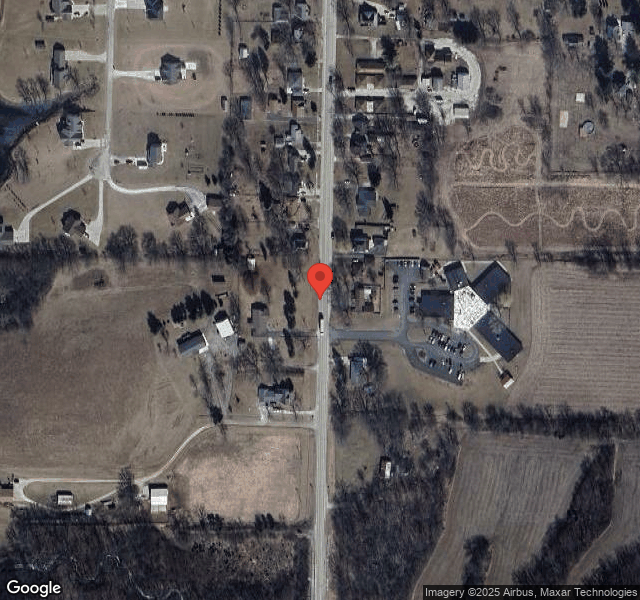
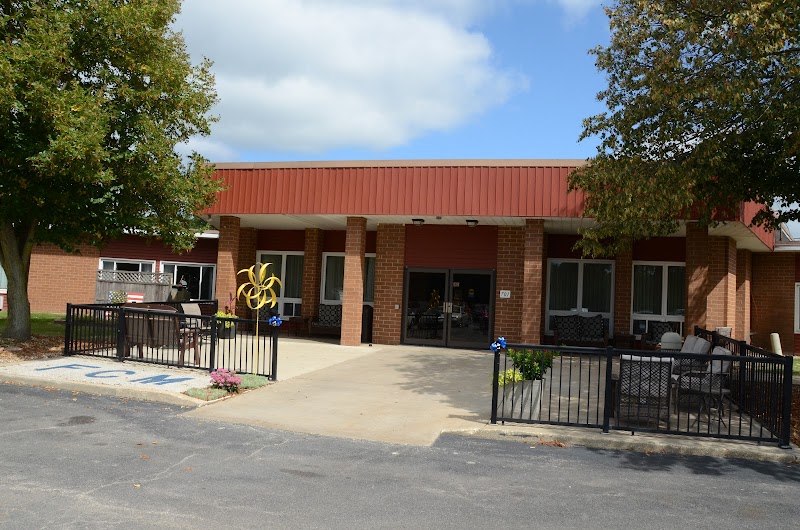
701 SOUTH MAIN STREET, FARMINGTON, IL 61531 (309) 245-2408
For profit - Corporation 92 Beds ATIED ASSOCIATES Data: November 2025
Trust Grade
85/100
#36 of 665 in IL
Last Inspection: May 2025

Inspected within the last 6 months. Data reflects current conditions.

Overview

Farmington Village Nursing Home has a Trust Grade of B+, indicating that it is recommended and above average in quality. It ranks #36 out of 665 facilities in Illinois, placing it in the top half, and is the best option among 6 facilities in Fulton County. The facility is showing improvement, with issues decreasing from 6 in 2024 to 5 in 2025. However, staffing is a notable weakness, rated at 2 out of 5 stars, with a turnover rate of 42%, which is better than the state average but still suggests some instability. Importantly, there have been concerns about residents not having enough seating in the dining room, forcing some to wait long periods to eat, and issues with food storage in the kitchen, where opened items weren't properly labeled or stored, raising potential safety risks. On a positive note, the facility has not incurred any fines, and it maintains a strong quality rating for overall care.

Trust Score
B+
85/100
In Illinois
#36/665
Top 5%
Safety Record
Low Risk
No red flags
Inspections
Getting Better
6 → 5 violations
Staff Stability
○ Average
42% turnover. Near Illinois's 48% average. Typical for the industry.
Penalties
✓ Good
No fines on record. Clean compliance history, better than most Illinois facilities.
Skilled Nurses
○ Average
Each resident gets 37 minutes of Registered Nurse (RN) attention daily — about average for Illinois. RNs are the most trained staff who monitor for health changes.
Violations
⚠ Watch
16 deficiencies on record. Higher than average. Multiple issues found across inspections.
★★★★★
5.0
Overall Rating
★★☆☆☆
2.0
Staff Levels
★★★★★
5.0
Care Quality
★★★★☆
4.0
Inspection Score
Stable
2024: 6 issues
2025: 5 issues

The Good

  • 5-Star Quality Measures · Strong clinical quality outcomes
  • Full Sprinkler Coverage · Fire safety systems throughout facility
  • No fines on record
  • Staff turnover below average (42%)

    6 points below Illinois average of 48%

Facility shows strength in quality measures, fire safety.

The Bad

Staff Turnover: 42%

Near Illinois avg (46%)

Typical for the industry

Chain: ATIED ASSOCIATES

Part of a multi-facility chain

Ask about local staffing decisions and management

The Ugly 16 deficiencies on record

May 2025 5 deficiencies
CONCERN (D)

Potential for Harm - no one hurt, but risky conditions existed

Pressure Ulcer Prevention (Tag F0686)

Could have caused harm · This affected 1 resident

Based on Observation, Interview and Record review, the facility failed to thoroughly cleanse around a wound leaving fecal matter at the exterior boarder of a wound for one of one resident (R72) review...

Read full inspector narrative →
Based on Observation, Interview and Record review, the facility failed to thoroughly cleanse around a wound leaving fecal matter at the exterior boarder of a wound for one of one resident (R72) reviewed for pressure ulcers in the sample of 37. Finding Include: The facility's Dressing Non-Sterile (Aseptic) policy, dated January 2017, documents, The purpose of this procedure is to provide guidelines for the application of non-sterile dressings. Clean or irrigate area/wound with solution specified in treatment order (normal saline, wound cleanser, etc.) Pat peri wound and wound dry using dry gauze. R72's Wound Order documents, Cleanse area to sacrum with (wound cleanser), pack wound with wound cleanser soaked in gauze, cover with ABD (abdominal pad) and secure with tape once daily and as needed for soiling. On 5/28/2025 at 9:25 AM, V6 (Wound Nurse) and V8 (CNA/Certified Nursing Assistant) prepared to perform wound care for R72's sacral pressure ulcer. A pressure wound was present measuring 6.2 cm (centimeters) wide, 4.5 cm long and 1.5 cm deep. The sacral wound contained grey/black necrotic (dead) tissue all around the inside of the wound. Yellow slough was noted in areas around the wound and minor bleeding was noted at the 6-7 o'clock position. At the exterior border of the wound, a round ball of light brown fecal matter in upper gluteal cleft was present. Without cleansing the fecal matter from the wound area, V6 and V8 rolled R72 back to her back, replaced the adult brief, and covered R72. On 5/29/2025 at 9:20 AM, V6 (Wound Nurse) confirmed that she should have cleansed the fecal matter from the exterior border of the wound.
CONCERN (D)

Potential for Harm - no one hurt, but risky conditions existed

Infection Control (Tag F0880)

Could have caused harm · This affected 1 resident

Based on observation, interview, and record review the facility failed to implement Enhanced Barrier Precautions while providing cares to a resident with a central line for one of one resident (R6) re...

Read full inspector narrative →
Based on observation, interview, and record review the facility failed to implement Enhanced Barrier Precautions while providing cares to a resident with a central line for one of one resident (R6) reviewed for Enhanced Barrier Precautions in the sample of 37. Findings include: The facility's Enhanced Barrier Precautions Policy dated 01/2025 documents, Enhanced Barrier Precautions (EBP) is designed to reduce transmission of Multi-Drug Resistant Organisms (MDROs) and Extensively Drug-Resistant Organisms (XDROs) in nursing homes. It is the policy of this facility that Enhanced Barrier Precautions, in addition to Standard and Contact Precautions will be implemented during high-contact resident care activities when caring for residents that have an increased risk for acquiring a MDRO multi-drug resistant organism such as a resident with wounds, indwelling medical devices, or residents with infection or colonization with a an MDRO or XDRO. Procedure: 1. Standard precautions should always be applied to all residents at all times. 2. In addition to Standard Precautions residents will be assessed to determine whether Contact Precautions or Enhanced Barrier Precautions will be implemented. 6. When a resident is actively being treated for an infection if a resident has an XDRO or an MDRO and is on antibiotics, the resident could be left on Contact Precautions until they are done with the antibiotics and transition to EBP. 9. Post clear signage on the door/wall outside resident room. a. Type of precautions (Contact, Droplet, Airborne, or Enhanced Barrier Precautions). 10. Personal protective equipment is required for all staff providing high-contact resident care activities to include: Dressing, bathing/showering, transferring, providing hygiene, changing linen, changing briefs, or assisting with toileting, device care or use: central line, urinary catheter, feeding tube, tracheostomy, or ventilator. 20. Enhanced Barrier Precautions are intended to be in place for the duration of a resident's stay in the facility or until resolution of the wound or discontinuation of the indwelling medical device. 21. Person centered care plan will be developed and placed in resident's EMR (Electronic Medical Record). R6's Physician's Order dated 5-14-25 documents, Vanco (Vancomycin) one GM (Gram) daily via central line every 24 hours. Stop date 6-16-25. R6's current Care Plan documents, I (R6) am receiving (IV/Intravenous) Vancomycin through my central line due to infection and inflammatory reaction due to my internal joint prosthesis in my left knee. This same Care Plan does not include an EBP plan of care. On 5-26-25 at 11:05 AM V5 (Registered Nurse) entered R6's room. V5 applied gloves to both hands. V5 did not don a gown. V5 proceeded to flush R6's central line to the right chest with normal saline and then administered Vancomycin one gram at 200 ml (milliliters)/hour. V5 stated during this time, R6 is not in Enhanced Barrier Precautions. On 5-28-25 at 3:47 PM V2 (Director of Nursing/DON) stated all residents with central lines should be placed in Enhanced Barrier Precautions. Staff should apply a gown and gloves when caring for (R6's) central line. On 5-29-25 at 9:45 AM V2 (DON) stated, (R6) was never put into Enhanced Barrier Precautions. (R6) does not have a care plan to include Enhanced Barrier Precautions.
CONCERN (E)

Potential for Harm - no one hurt, but risky conditions existed

Deficiency F0558 (Tag F0558)

Could have caused harm · This affected multiple residents

Based on observation, interview and record review the facility failed to ensure sufficient seating was available to accommodate residents who chose to eat in the dining room. This failure affected R1,...

Read full inspector narrative →
Based on observation, interview and record review the facility failed to ensure sufficient seating was available to accommodate residents who chose to eat in the dining room. This failure affected R1, R4, R6, R9, R10, R15, R19, R24, R30, R62, R68, R74, R230 and R305 reviewed for resident rights. Findings include:On 05/27/25 at 12:10 PM, Seven residents, R1, R6, R9, R19, R74, R230 and R305, were sitting in their wheelchairs at the entrance to the dining room watching other residents seated at dining tables eat lunch. R230 stated, We (residents) are waiting for a spot to open up so we can eat lunch. It'll be an hour before we can eat.On 05/27/25 at 12:15 PM, V4 (Certified Nursing Assistant) stated, The residents (R1, R6, R9, R19, R74, R230 and R305) who are waiting in the front of the dining room must wait to eat. They must wait until a seat at a table opens up once a resident finishes eating. There are a few that have to wait to eat because there are not enough seats available for everyone at once.On 05/27/25 at 12:20 PM, V9 (Licensed Practical Nurse/Staff Educator) stated there are currently not enough seats in the dining room for all the residents who choose to come to the dining room to eat lunch.On 05/28/25 at 11:45 AM, V10 (Ombudsman) stated, The biggest concern at the facility is the seating in the dining room because there is not enough space. I often see several residents sitting and waiting around for a seat at a table to open because all spots at the tables are occupied by other residents.On 05/28/25 at 12:15 PM, R4, R6, R10, R13, R15, R24, R30, R62 and R68 were sitting in their wheelchairs close to the Nurse's Station near the entrance to the dining room. V11 (Certified Nursing Assistant) stated, They (R4, R6, R10, R13, R15, R24, R30, R62 and R68) have to wait for a spot to open up at a table. All the seats in the dining room are full right now. There are usually a few residents that have to wait because there are just not enough seats.On 05/29/25 at 09:15 AM, R24 was sitting in her wheelchair in her room with her eyes closed. R24 stated, All of us cannot eat in the dining room at once. There aren't enough seats for everyone, so some of us must sit and wait if we don't get to the dining room soon enough to secure a seat. The ones who don't get a seat have to wait an hour before eating, and that sucks.On 05/27/25 at 02:45 PM, V2 (Director of Nursing) stated that any resident in the facility can come to the dining room to eat, We have some that choose to eat in their rooms occasionally, but most residents usually come to the dining room to eat.
CONCERN (F)

Potential for Harm - no one hurt, but risky conditions existed

Resident Rights (Tag F0550)

Could have caused harm · This affected most or all residents

Based on observation, interview, and record review, the facility failed to ensure sufficient seating was available to accommodate residents who chose to eat in the dining room. This failure has the po...

Read full inspector narrative →
Based on observation, interview, and record review, the facility failed to ensure sufficient seating was available to accommodate residents who chose to eat in the dining room. This failure has the potential to affect all 83 currently residing in the facility. Findings include: On 05/27/25 at 12:10 PM, Seven residents, R1, R6, R9, R19, R74, R230 and R305, were sitting in their wheelchairs at the entrance to the dining room watching other residents seated at dining tables eat lunch. R230 stated, We (residents) are waiting for a spot to open up so we can eat lunch. It'll be an hour before we can eat. On 05/27/25 at 12:15 PM, V4 (Certified Nursing Assistant) stated, The residents (R1, R6, R9, R19, R74, R230 and R305) who are waiting in the front of the dining room must wait to eat. They must wait until a seat at a table opens up once a resident finishes eating. There are a few that have to wait to eat because there are not enough seats available for everyone at once. On 05/27/25 at 12:20 PM, V9 (Licensed Practical Nurse/Staff Educator) stated there are currently not enough seats in the dining room for all the residents who choose to come to the dining room to eat lunch. On 05/28/25 at 11:45 AM, V10 (Ombudsman) stated, The biggest concern at the facility is the seating in the dining room because there is not enough space. I often see several residents sitting and waiting around for a seat at a table to open because all spots at the tables are occupied by other residents. On 05/28/25 at 12:15 PM, R4, R6, R10, R13, R15, R24, R30, R62 and R68 were sitting in their wheelchairs close to the Nurse's Station near the entrance to the dining room. V11 (Certified Nursing Assistant) stated, They (R4, R6, R10, R13, R15, R24, R30, R62 and R68) have to wait for a spot to open up at a table. All the seats in the dining room are full right now. There are usually a few residents that have to wait because there are just not enough seats. On 05/29/25 at 09:15 AM, R24 was sitting in her wheelchair in her room with her eyes closed. R24 stated, All of us cannot eat in the dining room at once. There aren't enough seats for everyone, so some of us must sit and wait if we don't get to the dining room soon enough to secure a seat. The ones who don't get a seat have to wait an hour before eating, and that sucks. On 05/27/25 at 02:45 PM, V2 (Director of Nursing) stated that any resident in the facility can come to the dining room to eat, We have some that choose to eat in their rooms occasionally, but most residents usually come to the dining room to eat. The facility's Long-Term Care Facility Application for Medicare and Medicaid dated 05/27/25 and signed by V1 (Administrator), documents 83 residents are currently residing in the facility.
CONCERN (F)

Potential for Harm - no one hurt, but risky conditions existed

Food Safety (Tag F0812)

Could have caused harm · This affected most or all residents

Based on interview, observation and record review, the facility failed to ensure opened items in the kitchen were dated when opened and dry food items were stored in an airtight container. These failu...

Read full inspector narrative →
Based on interview, observation and record review, the facility failed to ensure opened items in the kitchen were dated when opened and dry food items were stored in an airtight container. These failures have the potential to affect all 83 residents residing in the facility. Findings include: The facility's Storage of Dry Goods/Foods policy (undated) documents, Opened products are labeled, dated with the use by date and tightly covered to protect against contamination including insects and rodents. This policy also documents, Plastic containers with tight-fitting lids will be used for storing flour, sugar, bulk cereal, dried vegetables, etc. On 05/27/25 at 10:30 AM, a tour of the kitchen was completed with V12 (Dietary Manager). At 10:35 AM in the dry storage area, the following items were found to be open and were not labeled with the date when opened: a large bag of yellow cake mix; a large bag of cornbread mix; a large bag of waffle mix; a large bag of buttermilk biscuits, a large bag of pudding and pie filling; a large bag of graham cracker crumbs; two bags of strawberry gelatin mix; a bag of lime gelatin mix; and a large bag of batter mix. V12 confirmed none of these items were dated when opened and stated, We date things the day we receive them, but we've never dated anything when it gets opened. V12 also confirmed that none of the bags of dry food items were stored in airtight containers, We just leave everything in the bag that it came in and put a clip on it to keep it closed. The facility's Long-Term Care Facility Application for Medicare and Medicaid, dated 05/27/25 and signed by V1 (Administrator), documents 83 residents are currently residing in the facility.
Apr 2024 6 deficiencies
CONCERN (D)

Potential for Harm - no one hurt, but risky conditions existed

PASARR Coordination (Tag F0644)

Could have caused harm · This affected 1 resident

**NOTE- TERMS IN BRACKETS HAVE BEEN EDITED TO PROTECT CONFIDENTIALITY** Based on interview and review the facility failed have a valid PASRR (Pre-admission Screening and Resident Review) for one resi...

Read full inspector narrative →
**NOTE- TERMS IN BRACKETS HAVE BEEN EDITED TO PROTECT CONFIDENTIALITY** Based on interview and review the facility failed have a valid PASRR (Pre-admission Screening and Resident Review) for one resident (R49) of three reviewed for PASSR in a total sample of twenty-three. Findings Include: The Facility's undated PASRR (Pre-admission Screening and Resident Review) Guideline documents the objective of the PASSR guideline is to ensure that individuals with mental illness and intellectual disabilities receive the care and services that they need in the most appropriate setting. The PASRR will be evaluated annually and upon any significant change for those individuals identified, R49's Pre-admission Screening and Resident Review/ Level 1 Screen dated [DATE] documents Convalescence Category with no required services. R49's PASSR dated [DATE] also documented Approval Period: 60 days. On [DATE] at 9:00 AM V1 (Administrator) confirmed that R49's Pre-admission Screening and Resident Review validity expired on [DATE] and should have been redone.
CONCERN (D)

Potential for Harm - no one hurt, but risky conditions existed

Comprehensive Care Plan (Tag F0656)

Could have caused harm · This affected 1 resident

Based on observation, interview, and record review, the facility failed to develop a care plan to include a biliary drain and a skin condition for two (R33, R42) of 18 residents reviewed for care plan...

Read full inspector narrative →
Based on observation, interview, and record review, the facility failed to develop a care plan to include a biliary drain and a skin condition for two (R33, R42) of 18 residents reviewed for care plans in a sample of 23. Findings include: Facility Care Plans policy, updated October 2022, documents An individualized Care Plan that includes measurable objectives and timetables to meet the resident's medical, nursing, mental and/or psychological needs is developed for each resident. Facility Skin and Wound Management policy, revised 10/2019, documents The presence of skin impairment should be denoted on the person-centered plan of care. 1. R33's physician orders, dated 2/02/2024, documents Cleanse biliary drain site with wound cleanser, cover with split sponge. Change daily and as needed for soiling. Monitor Biliary Drain Site every shift for signs and symptoms of infection. R33's nurses notes, dated 2/2/24, documents (R33) returned on 2/02/2024 at 4:02 PM. Resident has right biliary drain site. On 4/02/24 at 11:00 AM and 4/3/24 at 9:33 AM, R33 was and alert sitting in a manual wheelchair with a biliary drain bag for her gall bladder located under her right leg pant leg. On 4/03/24 at 9:44 AM, V5 LPN/Licensed Practical Nurse stated (R33's) drain is emptied daily and it is a drain for her infected gall bladder. R33's current care plan has no documentation of R33 biliary drain. On 4/05/24 at 9:50 AM, V4 LPN CPC/Care plan Coordinator stated I just put (R33's) drain on her care plan on 4/3/24 after you asked for her care plan. I normally put it on right away after they come back with new orders from the hospital, but I didn't on her. 2. R42's physician orders, dated 3/15/24, documents Appointment with (local) Clinic Dermatology. Possible skin cancer under left eye. On 4/02/24 at 10:46 AM, R42 was sitting in his electric recliner and under his left eye the skin was red and appeared irritated. At that same time R42 stated the area gets better and then worse, and he is putting lotion on it. On 4/03/24 at 9:58 AM, R42 was sitting in his electric recliner and under his left eye the skin was red. At that same time R42 stated the area was getting better. R42's current care plan has no documentation of R42's left under eye skin redness. On 4/05/24 at 9:50 AM, V5 LPN CPC stated (R42's) skin concerns under his left eye should be on the care plan, but I see it isn't. On 4/05/24 at 10:11 AM, V5 LPN stated, I am the nurse taking care of (R42) and we are monitoring the area under his eye.
CONCERN (D)

Potential for Harm - no one hurt, but risky conditions existed

Deficiency F0657 (Tag F0657)

Could have caused harm · This affected 1 resident

Based on observation, record review and interview, the facility failed to revise a plan of care for 1 of 4 (R26) residents reviewed for indwelling catheters in a total sample of 23. Findings Include:...

Read full inspector narrative →
Based on observation, record review and interview, the facility failed to revise a plan of care for 1 of 4 (R26) residents reviewed for indwelling catheters in a total sample of 23. Findings Include: Facility Care Plans policy, updated October 2022, documents An individualized Care Plan that includes measurable objectives and timetables to meet the resident's medical, nursing, mental and/or psychological needs is developed for each resident. On 4/2/2/24 at 9:38 AM R26 was in his room and did not have an indwelling catheter. R26's Physician Orders dated March 2024 did not have an order for an indwelling catheter. R26's current Care Plan dated 03/05/24 lists an indwelling catheter as an area of care. On 04/03/24 at 2:34 PM, V4, Care Plan Coordinator, confirmed R26 does not have an indwelling catheter but his Care Plan states he does.
CONCERN (D)

Potential for Harm - no one hurt, but risky conditions existed

Quality of Care (Tag F0684)

Could have caused harm · This affected 1 resident

Based on observation, interview, and record review, the facility failed to have orders and follow up on a dermatology order for one (R42) of one resident reviewed for skin conditions in a sample of 23...

Read full inspector narrative →
Based on observation, interview, and record review, the facility failed to have orders and follow up on a dermatology order for one (R42) of one resident reviewed for skin conditions in a sample of 23. Findings include: Facility Skin and Wound Management policy, revised 10/2019, documents To ensure appropriate assessment, treatment, monitoring and documentation of skin and skin alteration. The presence of skin impairment should be denoted on the person-centered plan of care. R42's Wound Evaluation and Management Summary, dated 3/5/24, documents Recommend referral to Dermatology. R42's physician orders, dated 3/15/24, documents Appointment with (local) Clinic Dermatology. Possible skin cancer under left eye. R42's physician orders for March and April 2024 have no orders regarding R42's left under eye skin concern. R42's TAR/Treatment administration record or MAR/Medication administration record for March and April 2024 do not have any orders/documentation for R42's left under eye skin concern. On 4/02/24 at 10:46 AM, R42 was sitting in his electric recliner and under his left eye the skin was red and appeared irritated. At that same time, R42 stated the area gets better and then worse, he is putting lotion on it, no one else has done anything with the area, and there is no treatment done by the facility. On 4/03/24 at 9:58 AM, R42 was sitting in his electric recliner and under his left eye the skin was red. At that same time, R42 stated the area was getting better. R42's nurses notes, dated 4/5/24 at 7:37 AM by V2 DON/Director of Nursing, documents I talked with transportation, and she talked with R42's POA/Power of Attorney, and does not want him to go to any appointments. On 4/05/24 at 9:59 AM, V2 DON verified there was no follow up to R42's 3/15/24 appointment with (local) Dermatology clinic until 4/5/24. On 4/05/24 at 10:11 AM, V5 LPN stated I am the nurse taking care of (R42) and we are just monitoring the area under (R42's) eye but not charting this anywhere. He has an order in his chart for an appointment entered on 3/15/24 to see dermatology but it doesn't say he has an appointment scheduled. He hasn't gone to any appointment at dermatology I can find. There is an order to monitor the lesion under his left eye put in on 4/5/24.
CONCERN (F)

Potential for Harm - no one hurt, but risky conditions existed

Transfer Notice (Tag F0623)

Could have caused harm · This affected most or all residents

Based on record review and interview the facility failed to notify, in writing, and maintain a copy in the Medical Record for notification of Resident/Resident Representatives upon Transfer/Discharge ...

Read full inspector narrative →
Based on record review and interview the facility failed to notify, in writing, and maintain a copy in the Medical Record for notification of Resident/Resident Representatives upon Transfer/Discharge that were reviewed for Bed Hold Transfers. This failure has the potential to affect all 75 Residents residing in the Facility. Findings include: Facility Census and Condition Report, dated 4/2/24, documents 75 Residents residing in the Facility. Facility Bed Hold readmission Policy, dated 11/2016, documents: it is the policy of this Facility to readmit Residents after hospitalization or temporary therapeutic leave when the Resident requires services which can be provided by the Facility; this may be accomplished by holding a specific bed or by making available the next semi-private accommodations in the event a Resident does not desire to hold the specific bed; Residents, or their Designated Representative, shall be informed of this policy at the time of admission and at the time of transfer to a hospital, or for therapeutic leave which extends beyond 24 hours; the Facility provides written notification at the time of transfer as included in the designated state form; the notice to the Resident or their representative will specify the Facility's Policy, the duration of the state bed hold policy and the reserve bed payment policy; in the event of an emergency hospitalization the Resident or their Representative shall be notified by telephone or in person of this policy, within 24 hours, and asked to provide the Facility with their decision; the staff member making the call or explaining the policy may accept verbal determination as to whether the Resident desires bed hold or having their name placed on the reservations/waiting list, and shall document same in the medical record and in the progress notes; and follow up written confirmation may be required; in the event a private pay Resident, or Representative, do not advise Facility upon receipt of bed hold notice as to whether or not the bed is to be held, authorization must be given within 24 hours or the bed will be released. On 4/3/24 at 10:49 am, V2 (Director of Nursing/DON) stated, I cannot find any copies of any notification to the Resident Representatives for any Bed Hold's for any of our Residents that discharged to the hospital. On 4/3/24 at 12:00 pm, V3 (Social Service Director) stated, I have not completed or sent any Bed Hold forms to any Family or Family Representative, for any Resident that has discharged or been sent to the hospital. On 4/4/24 at 11:53 am, V2 (DON) stated, We have not been sending any Bed Hold forms to the Resident's Representatives when the Resident's discharge to the hospital, and I do not have any copies.
CONCERN (F)

Potential for Harm - no one hurt, but risky conditions existed

Deficiency F0625 (Tag F0625)

Could have caused harm · This affected most or all residents

Based on record review and interview the facility failed to notify, in writing, and maintain a copy in the Medical Record for notification of Resident/Resident Representatives upon Transfer/Discharge ...

Read full inspector narrative →
Based on record review and interview the facility failed to notify, in writing, and maintain a copy in the Medical Record for notification of Resident/Resident Representatives upon Transfer/Discharge that were reviewed for Bed Hold Transfers. This failure has the potential to affect all 75 Residents residing in the Facility. Findings include: Facility Census and Condition Report, dated 4/2/24, documents 75 Residents residing in the Facility. Facility Bed Hold readmission Policy, dated 11/2016, documents: it is the policy of this Facility to readmit Residents after hospitalization or temporary therapeutic leave when the Resident requires services which can be provided by the Facility; this may be accomplished by holding a specific bed or by making available the next semi-private accommodations in the event a Resident does not desire to hold the specific bed; Residents, or their Designated Representative, shall be informed of this policy at the time of admission and at the time of transfer to a hospital, or for therapeutic leave which extends beyond 24 hours; the Facility provides written notification at the time of transfer as included in the designated state form; the notice to the Resident or their representative will specify the Facility's Policy, the duration of the state bed hold policy and the reserve bed payment policy; in the event of an emergency hospitalization the Resident or their Representative shall be notified by telephone or in person of this policy, within 24 hours, and asked to provide the Facility with their decision; the staff member making the call or explaining the policy may accept verbal determination as to whether the Resident desires bed hold or having their name placed on the reservations/waiting list, and shall document same in the medical record and in the progress notes; and follow up written confirmation may be required; in the event a private pay Resident, or Representative, do not advise Facility upon receipt of bed hold notice as to whether or not the bed is to be held, authorization must be given within 24 hours or the bed will be released. On 4/3/24 at 10:49 am, V2 (Director of Nursing/DON) stated, I cannot find any copies of any notification to the Resident Representatives for any Bed Hold's for any of our Residents that discharged to the hospital. On 4/3/24 at 12:00 pm, V3 (Social Service Director) stated, I have not completed or sent any Bed Hold forms to any Family or Representative, for any Resident that has discharged or been sent to the hospital. On 4/4/24 at 11:53 am, V2 (DON) stated, We have not been sending any Bed Hold forms to the Resident's Representatives when the Resident's discharge to the hospital, and I do not have any copies.
Mar 2023 5 deficiencies
CONCERN (D)

Potential for Harm - no one hurt, but risky conditions existed

Comprehensive Care Plan (Tag F0656)

Could have caused harm · This affected 1 resident

Based on record review and interview, the facility failed to develop a comprehensive care plan for the use of an anticoagulant for one of four residents (R9) reviewed for anticoagulants in the sample ...

Read full inspector narrative →
Based on record review and interview, the facility failed to develop a comprehensive care plan for the use of an anticoagulant for one of four residents (R9) reviewed for anticoagulants in the sample of 27. Findings include: R9's Physician Order Report, dated 2/13-3/13/23, documents that R9 has orders to receive Plavix (anticoagulant) 75 mg (milligrams) by mouth daily and Xarelto (anticoagulant) 15 mg by mouth daily for the diagnosis of Atrial Fibrillation. R9's Current Care plan, dated 1/31/23, has no documentation of a comprehensive care plan addressing R9's use of an anticoagulant. On 03/14/23 at 10:55 AM, V6 (Care Plan Coordinator) confirmed that R9 did not have a comprehensive care plan to address R9's use of an anticoagulant.
CONCERN (D)

Potential for Harm - no one hurt, but risky conditions existed

Deficiency F0657 (Tag F0657)

Could have caused harm · This affected 1 resident

Based on interview and record review, the facility failed to revise a care plan to include target behaviors for the use of an antipsychotic medication for one of three residents (R1) reviewed for anti...

Read full inspector narrative →
Based on interview and record review, the facility failed to revise a care plan to include target behaviors for the use of an antipsychotic medication for one of three residents (R1) reviewed for antipsychotics in the sample of 27. Findings include: The facility's Psychotropic Medication policy, dated 2/14, documents, Psychopharmacologic drug usage must be addressed in the Care Plan and reassessed at least every 90 days. Documentation of behaviors and conditions requiring the use of these medications must be done on a routine basis including resident response to the medication. R1's Physician's orders, dated 2/14-3/14/23, document that R1 has orders to receive Seroquel (antipsychotic) 12.5 mg (milligrams) by mouth twice a day on Monday, Tuesday, Friday and Saturday and Seroquel 12.5 mg by mouth daily at bedtime on Sunday, Wednesday, and Thursday for the diagnosis of Persistent Mood Disorder. R1's Psychotropic care plan, dated 12/28/22, documents, I receive Sertraline and Seroquel daily for my diagnosis of MDD (Major Depressive Disorder) and psychosis and alprazolam daily for anxiety. The care plan has no documentation of R1's target behaviors to warrant the use of R1's Seroquel. R1's Psychoactive Medication Evaluation, dated 3/14/23, documents, Diagnosis: Major Neurocognitive disorder, mixed etiology with behavior disturbance. Behavior warranting use of medication: Hallucinations, delusions, extensive confabulation of words, paranoia. On 03/14/23 at 10:54 AM, V6 (Care Plan Coordinator) confirmed that R1's care plan does not include R1's target behaviors for the use of R1's Seroquel.
CONCERN (D)

Potential for Harm - no one hurt, but risky conditions existed

Incontinence Care (Tag F0690)

Could have caused harm · This affected 1 resident

2. R45's Physician's Order Sheets, dated 3/10/2023, documents, Indwelling catheter 16 French with a 30 cc (Centimeter) for a diagnosis of neurogenic bladder. R45's Care Plan, dated 1/10/2023, document...

Read full inspector narrative →
2. R45's Physician's Order Sheets, dated 3/10/2023, documents, Indwelling catheter 16 French with a 30 cc (Centimeter) for a diagnosis of neurogenic bladder. R45's Care Plan, dated 1/10/2023, documents, Indwelling Catheter 16 French with 30 CC for a neuromuscular disease of the bladder and urinary retention. On 3/12/23 at 08:52 AM R45 was lying in bed waiting to get up for breakfast. R45 had an indwelling catheter that was hanging from the side rail on the right side of bed. R45's catheter bag was laying on the ground and was not covered with a privacy bag. R45 states, The catheter lays on the floor quite often. On 3/12/2023 at 9:10 AM, V7/CNA (Certified Nursing Assistant) stated, I was trying to get R45 up for breakfast. I didn't think it would be a problem to leave the catheter bag on the floor. 3. On 3/12/23 at 10:19 AM R63 was sitting in his room in his wheelchair. R63 had an indwelling catheter that was hanging from the side of the wheelchair with the urinary bag laying on the ground. R63's Physician Order Sheets, dated 1/24/2023, documents, Specialized catheter 20 French with a 30 cc (centimeter) bulb. R63's Problem List, dated 7/22/22, documents, R63 has the following diagnosis of Urinary Retention, Calculus on Ureter, Neurogenic Bladder, and a Neuromuscular Dysfunction of the Bladder. On 3/15/2023 at 8:15 AM V2/Director of Nurses, stated, The catheter bag does not belong on the floor. They should all be kept off the floor and in a privacy bag. Based on observation, interview, and record review the facility failed to keep a urinary catheter bag off the floor for three of three residents (R5, R45, R63) reviewed for urinary catheters in the sample of 27. Findings include: The facility's Urinary Catheter Care policy dated 09/2005 documents, The purpose of this procedure is to prevent infection of the resident's urinary tract. General Guidelines: 11. Be sure the catheter tubing and drainage bag are kept off the floor. 1. R5's admission Electronic Diagnoses dated 2-15-23 documents R5 has the diagnosis of Quadriplegia. R5's Care Plan dated 2-20-23 documents, Problem: I have a foley (indwelling urinary catheter) and a history of urinary tract infections. On 03/12/23 from 07:04 AM through 9:30 AM R5 was lying in bed. R5's indwelling urinary catheter bag was lying flat on the floor beside the right side of the bed and was not inside a privacy bag. R5 stated, I do not know why the staff put the bag on the floor.
CONCERN (F)

Potential for Harm - no one hurt, but risky conditions existed

Deficiency F0804 (Tag F0804)

Could have caused harm · This affected most or all residents

Based on observation, interview, and record review, the facility failed to prepare and hold food at a safe temperature. This has the potential to affect all 75 residents residing in the facility. Find...

Read full inspector narrative →
Based on observation, interview, and record review, the facility failed to prepare and hold food at a safe temperature. This has the potential to affect all 75 residents residing in the facility. Findings include: The facility's Hot Food Service Temperature policy, dated 5/8/18, documents, Food will be held in the steam table at 135 degrees F (Fahrenheit) or above during tray assembly. Food temperatures of food being held in the steam table will be recorded. On 03/12/23 at 07:05 AM, V9 (Cook) had the breakfast food prepared and stored in the steam table. Holding temperatures were checked by V9. The scrambled eggs were at 120 degrees F (Fahrenheit), sausage 130 degrees F, bacon 110 degrees F, mechanical sausage 115 degrees F, pureed sausage 130 degrees F, and sausage gravy 130 degrees F. V9 stated the temperatures should be at least 135 degrees F. The facility's CMS (Centers for Medicare and Medicaid Services) Resident Census and Conditions of Residents Form 672, dated 3/12/23 and signed by V2 (Director of Nursing), documents that 75 residents reside in the facility.
CONCERN (F)

Potential for Harm - no one hurt, but risky conditions existed

Food Safety (Tag F0812)

Could have caused harm · This affected most or all residents

**NOTE- TERMS IN BRACKETS HAVE BEEN EDITED TO PROTECT CONFIDENTIALITY** Based on observation, interview, and record review, the facility failed to monitor and record the levels of sanitizing solution ...

Read full inspector narrative →
**NOTE- TERMS IN BRACKETS HAVE BEEN EDITED TO PROTECT CONFIDENTIALITY** Based on observation, interview, and record review, the facility failed to monitor and record the levels of sanitizing solution of the facility dishwasher and three compartment sinks, the temperatures of food while in the steam table, the temperatures of the refrigerators and freezers, and failed to document the food cooling process and perform safe thawing of potentially hazardous food. These failures had the potential to affect all 75 residents residing in the facility. Findings include: The facility's CMS (Centers for Medicare and Medicaid Services) Resident Census and Conditions of Residents Form 672, dated 3/12/23 and signed by V2 (Director of Nursing), documents that 75 residents reside in the facility. The facility's Storage Temperatures policy, no date, documents, Temperatures of food storage areas are monitored, and action is taken to maintain temperatures within ranges recommended by licensing and surveying agencies. Frozen storage: Must keep frozen foods frozen solid. Refrigerate Storage: 41 degrees F (Fahrenheit) or below. Each mechanically refrigerated unit storing potentially hazardous food shall be provided with a numerically scale indicating thermometer, accurate to +/-3 degrees F, located to measure the air temperature in the warmest part of the facility and located to be easily readable. The facility's Storage of Frozen Foods policy, no date, documents, Freezers will be equipped with an internal thermometer and monitored. Temperatures will be documented. The facility's Storage of Refrigerated Foods policy, no date, documents, Refrigerated foods are stored at 41 degrees or below. Refrigerators will be equipped with an internal thermometer and monitored. Temperature will be checked and documented. The facility's Cold Food Storage, Preparation, and Meal Service policy, dated 5/18/18, documents, Food will be prepared by methods that conserve nutritive value, flavor, and appearance. Food will be prepared and served in a safe manner to prevent food borne illness. A food temperature log will be kept for each and each food item. The facility's Two Stage Cool Down Process policy, no date, documents, Potentially hazardous foods will be cooled properly to prevent food borne illness. Foods will be cooled to proper temperatures. A two-stage cooling process will be followed: Stage I: Cool foods from 135 degrees F (Fahrenheit) to 70 degrees F within two hours. Stage II: Cool foods from 70 degrees F to 41 degrees F within four hours (total of six hours). Foods will be cooled in pans less than 4 (inches) deep (preferably 2 deep). Cut large items such as roasts into quarters. Food will be covered loosely to allow heat to escape. Foods will be labeled, dated, and show time prepared. The time and temperature of food cooling will be documented at two- and four-hour intervals. Food that has not been cooled to 70 degrees F, or below, within the first two hours, will be reheated one time only and the cooling process using a different process will be utilized or the product will be discarded. The facility's Thawing Hazardous Food policy, no date, documents, Potentially hazardous food will be thawed in a safe and sanitary manner. Potentially hazardous foods will be thawed: 1. In refrigerated units in a way that the temperature of the food does not exceed 41 degrees F (Fahrenheit) (Recommended Method) or 2. Under potable running water at a temperature of 70 degrees F or below with sufficient water velocity (pressure) to agitate and float off loose food particles into overflow or 3. As part of conventional cooking process or 4. In a microwave oven only when the food will be immediately transferred to conventional cooking facilities as part of a continuous cooking process or when the entire cooking process take place in the microwave. The facility's Dishwashing Procedure, no date, documents, Fill the dish machine with water. Turn on the heater. Check chemicals to determine an adequate supply. If not, replace. Check wash and rinse temperature on the dish machine. Check the temperature gauge. Record temperatures. If temperatures are too low, report this to the food service supervisor. Test strips are available through the food service supervisor. Before dishes are washed, the sanitation temperature or level of chemical sanitizer in the dish machine should be tested with the correct test strip. The procedure also documents, For chemical sanitizing machines: Dip the appropriate chemical sanitizer test strip in the water on the drain board nearest to the opening at the clean end of the dish machine. Dip for one second only. The test strip should return the appropriate color to indicate 50 ppm (parts per million) for chlorine. The facility's Pots & Pans Sanitization (three compartment sink) Log, dated 3/23 and provided by V9 (Cook) on 03/12/23 at 06:45 a.m., has no documentation of the sanitizer levels being checked 3/4 & 3/5 for breakfast and lunch and 3/6-3/11/23 for all three meals. The facility's Dish Machine Log-Low Temperature dated 3/23 and provided by V8 (Dietary Manager) on 3/14/23 at 1:40 p.m., documents, Instructions: Record wash temperature and sanitizer PPM (Parts Per Million), and provide initials, three times per day. Notify supervisor immediately if sanitizer PPM is not within acceptable range of 50-100 (PPM). The log also has no documentation of this being completed on 3/2 breakfast & lunch, 3/3 on all three meals, 3/6 on breakfast & lunch, 3/9 at supper, and 3/10 at supper. On 03/12/23 at 06:32 AM, a cooler (milk cooler) that contained milk and egg mixture had no thermometer located inside of it. On 03/12/23 at 06:36 AM, a cooler (tray [NAME] cooler) that contained an assortment of drinks and condiments had a broken thermometer inside of it. On 03/12/23 at 06:39 AM, a walk-in freezer that contained meat and vegetables had a broken thermometer inside of it. On 03/12/23 at 06:45 a.m. V9 (cook) provided two binders and stated that the binders were where the staff documented food temperatures, three compartment sink sanitizer, and cooler temperatures. V9 confirmed the missing documentation in the binders and stated, The cooks are responsible for checking refrigerator and freezer temperatures and food temperatures, but we get busy and forget. The facility's Temperature Log-Milk Cooler dated 3/23 dated 3/23 and provided by V9 (Cook) on 03/12/23 at 06:45 a.m., documents, Instructions: Record temperatures for each cooler in the department (walk-ins and reach-in units). Record time and temperature, and provide initials, twice per day (AM & PM). The log has no documentation of temperature checks being completed on the following dates: 3/4 AM & PM; 3/5 AM, 3/6-3/11 AM & PM. The facility's Temperature Log-Cook Cooler, dated 3/23 and provided by V9 (Cook) on 03/12/23 at 06:45 a.m., has no documentation of temperature checks being completed on the following dates: 3/4 AM & PM; 3/5 AM, 3/6-3/11 AM & PM. The facility's Temperature Log-Tray [NAME] Cooler, dated 3/23 and provided by V9 (Cook) on 03/12/23 at 06:45 a.m., has no documentation of temperature checks being completed on the following dates: 3/4 AM & PM; 3/5 AM, 3/6-3/11 AM & PM. The facility's Temperature Log-Little Freezer, dated 3/23 and provided by V9 (Cook) on 03/12/23 at 06:45 a.m., has no documentation of temperature checks being completed on the following dates: 3/4 AM & PM; 3/5 AM, 3/6-3/11 AM & PM. The facility's Temperature Log-Ice Cream Freezer, dated 3/23 and provided by V9 (Cook) on 03/12/23 at 06:45 a.m., has no documentation of temperature checks being completed on the following dates: 3/4 AM & PM; 3/5 AM, 3/6-3/11 AM & PM. The facility's Temperature Log-Walk-In Freezer, dated 3/23 and provided by V9 (Cook) on 03/12/23 at 06:45 a.m., has no documentation of temperature checks being completed on the following dates: 3/4 AM & PM; 3/5 AM, 3/6-3/11 AM & PM. The facility's daily spreadsheet week four, dated 1/29-2/4/23, has no documentation of food temperatures for the following meals: 1/29 breakfast & lunch, 1/30 breakfast & lunch, 1/31 breakfast & lunch, 2/1 breakfast, 2/2 breakfast, 2/3 breakfast & lunch, 2/4 breakfast and supper. The facility diet spreadsheet week one, dated 2/5-2/11/23, has no documentation of food temperatures for the following meals: 2/5 breakfast & lunch, 2/6 breakfast & lunch, 2/7 breakfast & lunch, 2/8 breakfast & lunch, 2/9 breakfast & lunch, 2/10 breakfast & lunch, 2/11 breakfast & lunch. The facility diet spreadsheet week two, dated 2/12-2/18/23, has no documentation of food temperatures for the following meals: 2/12 breakfast & lunch, 2/13 breakfast & lunch, 2/14 breakfast & lunch, 2/15 supper, 2/16 all three meals, 2/17 all three meals, 2/18 all three meals. The facility diet spreadsheet week three dated 2/19-2/25/23, has no documentation of food temperatures for any of the meals served during this week. The facility diet spreadsheet week four, dated 2/26-3/4/23, has no documentation of food temperatures for the following meals: 2/26 breakfast & lunch, 2/27 breakfast & lunch, 2/28 breakfast & lunch, 3/1 breakfast, 3/2 breakfast, 3/3 breakfast & lunch, 3/4 breakfast & supper. The facility diet spreadsheet week one, dated 3/5-3/11/23, has no documentation of food temperatures for the following meals: 3/5 breakfast, 3/6 breakfast, 3/7 supper, 3/8 breakfast, 3/9 breakfast & supper, 3/10 breakfast & lunch, 3/11 breakfast. On 03/12/23 at 06:34 AM, a cooler (cooks cooler) contained a large metal pain containing two large roasts. The pan was covered with foil and undated. V9 (cook) stated, I started cooking that yesterday, but I left at 1:30 p.m., so I'm not sure if they did a cool down on it or not. On 03/12/23 at 06:39 AM, a walk-in freezer that contained meat and vegetables had a foil wrapped round object with a sticker stating that it was a grilled turkey, and it was dated 3/11/23. On 03/12/23 at 06:42 AM, a compartment in the three-compartment sink had two packages of pork pieces sitting in a metal pan of water. V9 stated, I placed them in the water at about 6:15 a.m. I'm defrosting the meat for lunch today. I will keep in in the water until I'm ready to cook it in about an hour. On 03/12/23 at 07:21 AM, V8 (Dietary Manager) stated that the facility does not have a cool down log because they do not keep leftovers. V8 also stated, We shouldn't have a roast or a turkey in the cooler. I wasn't aware that the roast was cooked the day prior. The cool downs should be on a sheet on the cooler door if there was one, but that is not how we prepare our food. We do not have cool down logs for the turkey or the roast. V8 also stated, Our defrosting process is to place frozen meat into the refrigerator to defrost. V8 confirmed that pork was sitting in water in sink. Stated, If it's in the sink it should have cold water running on it. On 03/14/23 at 03:04 PM, V8 (Dietary Manager) confirmed the lack of documentation for the food temperatures, refrigerator/freezer temperatures, and level of sanitizer solution.
Understanding Severity Codes (click to expand)
Life-Threatening (Immediate Jeopardy)
J - Isolated K - Pattern L - Widespread
Actual Harm
G - Isolated H - Pattern I - Widespread
Potential for Harm
D - Isolated E - Pattern F - Widespread
No Harm (Minor)
A - Isolated B - Pattern C - Widespread

Questions to Ask on Your Visit

  • "Can I speak with families of current residents?"
  • "What's your RN coverage like on weekends and overnight?"

Our Honest Assessment

Strengths
  • • Grade B+ (85/100). Above average facility, better than most options in Illinois.
  • • No major safety red flags. No abuse findings, life-threatening violations, or SFF status.
  • • No fines on record. Clean compliance history, better than most Illinois facilities.
  • • 42% turnover. Below Illinois's 48% average. Good staff retention means consistent care.
Concerns
  • • 16 deficiencies on record. Higher than average. Multiple issues found across inspections.
Bottom line: Generally positive indicators. Standard due diligence and a personal visit recommended.

About This Facility

What is Farmington Village Nrsg's CMS Rating?

CMS assigns FARMINGTON VILLAGE NRSG an overall rating of 5 out of 5 stars, which is considered much above average nationally. Within Illinois, this rating places the facility higher than 99% of the state's 100 nursing homes. This rating reflects solid performance across the metrics CMS uses to evaluate nursing home quality.

How is Farmington Village Nrsg Staffed?

CMS rates FARMINGTON VILLAGE NRSG's staffing level at 2 out of 5 stars, which is below average compared to other nursing homes. Staff turnover is 42%, compared to the Illinois average of 46%. This relatively stable workforce can support continuity of care.

What Have Inspectors Found at Farmington Village Nrsg?

State health inspectors documented 16 deficiencies at FARMINGTON VILLAGE NRSG during 2023 to 2025. These included: 16 with potential for harm.
Who Owns and Operates Farmington Village Nrsg?

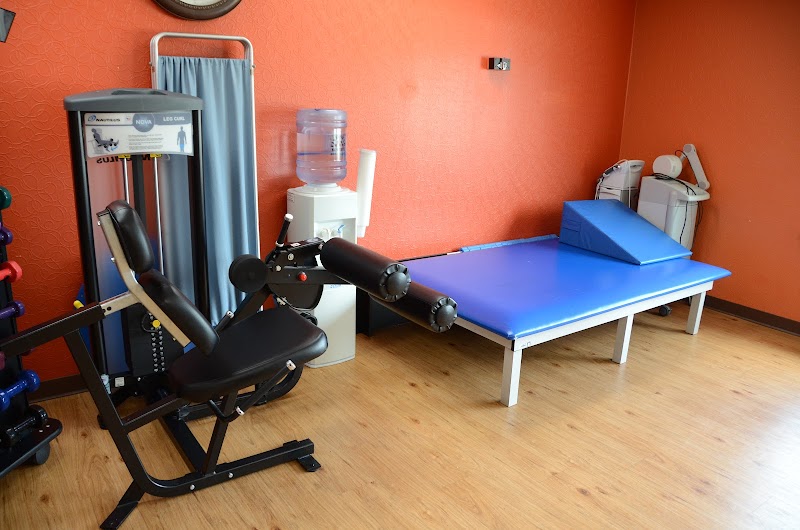
FARMINGTON VILLAGE NRSG is owned by a for-profit company. For-profit facilities operate as businesses with obligations to shareholders or private owners. The facility is operated by ATIED ASSOCIATES, a chain that manages multiple nursing homes. With 92 certified beds and approximately 80 residents (about 87% occupancy), it is a smaller facility located in FARMINGTON, Illinois.
How Does Farmington Village Nrsg Compare to Other Illinois Nursing Homes?

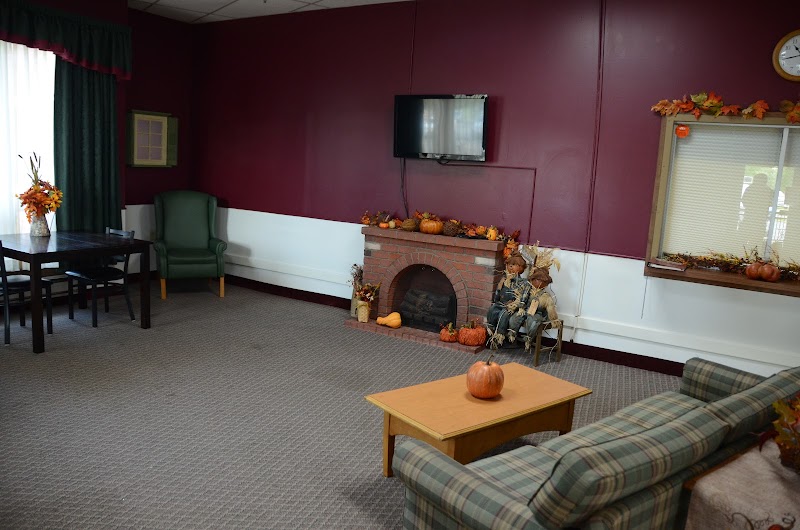
Compared to the 100 nursing homes in Illinois, FARMINGTON VILLAGE NRSG's overall rating (5 stars) is above the state average of 2.5, staff turnover (42%) is near the state average of 46%, and health inspection rating (4 stars) is above the national benchmark.

What Should Families Ask When Visiting Farmington Village Nrsg?

Based on this facility's data, families visiting should ask: "Can you walk me through typical staffing levels on day, evening, and night shifts?" "Can I visit during a mealtime to observe dining assistance and food quality?" "How do you handle medical emergencies, and what is your hospital transfer rate?" "Can I speak with family members of current residents about their experience?" These questions are particularly relevant given the below-average staffing rating.

Is Farmington Village Nrsg Safe?

Based on CMS inspection data, FARMINGTON VILLAGE NRSG has a clean safety record: no substantiated abuse findings (meaning no confirmed cases of resident harm), no Immediate Jeopardy citations (the most serious violation level indicating risk of serious injury or death), and is not on the Special Focus Facility watch list (a federal program monitoring the lowest-performing 1% of nursing homes). The facility has a 5-star overall rating and ranks #1 of 100 nursing homes in Illinois. While no facility is perfect, families should still ask about staff-to-resident ratios and recent inspection results during their visit.

Do Nurses at Farmington Village Nrsg Stick Around?

FARMINGTON VILLAGE NRSG has a staff turnover rate of 42%, which is about average for Illinois nursing homes (state average: 46%). Moderate turnover is common in nursing homes, but families should still ask about staff tenure and how the facility maintains care continuity when employees leave.

Was Farmington Village Nrsg Ever Fined?

FARMINGTON VILLAGE NRSG has no federal fines on record. CMS issues fines when nursing homes fail to meet care standards or don't correct problems found during inspections. The absence of fines suggests the facility has either maintained compliance or corrected any issues before penalties were assessed. This is a positive indicator, though families should still review recent inspection reports for the full picture.

Is Farmington Village Nrsg on Any Federal Watch List?

FARMINGTON VILLAGE NRSG is not on any federal watch list. The most significant is the Special Focus Facility (SFF) program, which identifies the bottom 1% of nursing homes nationally based on persistent, serious quality problems. Not being on this list means the facility has avoided the pattern of deficiencies that triggers enhanced federal oversight. This is a positive indicator, though families should still review the facility's inspection history directly.