CHARLESTON REHAB & HEALTH CC
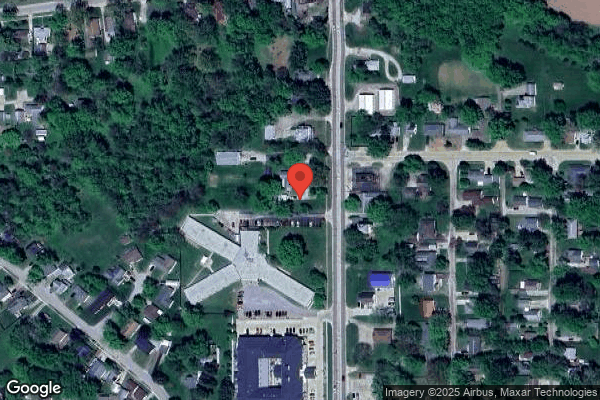
716 EIGHTEENTH STREET, CHARLESTON, IL 61920 (217) 345-7054
For profit - Corporation 139 Beds TUTERA SENIOR LIVING & HEALTH CARE Data: November 2025
Trust Grade
0/100
#490 of 665 in IL
Last Inspection: September 2024

Within standard 12-15 month inspection cycle. Federal law requires annual inspections.

Overview

Charleston Rehab & Health CC has a Trust Grade of F, which indicates poor performance with significant concerns about care quality. Ranking #490 out of 665 facilities in Illinois places it in the bottom half, although it is the top-rated option among five facilities in Coles County. The facility has shown some improvement, reducing issues from 24 in 2024 to 11 in 2025, but still faces challenges. Staffing is a concern, with a 2/5 star rating and a high turnover rate of 62%, which is above the state average. Recent inspections revealed serious issues, such as failing to provide timely treatment for pressure ulcers, resulting in untreated injuries for residents, highlighting both strengths in recent progress and serious weaknesses in care practices.

Trust Score
F
0/100
In Illinois
#490/665
Bottom 27%
Safety Record
High Risk
Review needed
Inspections
Getting Better
24 → 11 violations
Staff Stability
⚠ Watch
62% turnover. Above average. Higher turnover means staff may not know residents' routines.
Penalties
✓ Good
$26,388 in fines. Lower than most Illinois facilities. Relatively clean record.
Skilled Nurses
✓ Good
Each resident gets 45 minutes of Registered Nurse (RN) attention daily — more than average for Illinois. RNs are trained to catch health problems early.
Violations
⚠ Watch
67 deficiencies on record. Higher than average. Multiple issues found across inspections.
★☆☆☆☆
1.0
Overall Rating
★★☆☆☆
2.0
Staff Levels
★★☆☆☆
2.0
Care Quality
★☆☆☆☆
1.0
Inspection Score
Stable
2024: 24 issues
2025: 11 issues

The Good

  • Full Sprinkler Coverage · Fire safety systems throughout facility
  • No fines on record

Facility shows strength in fire safety.

The Bad

1-Star Overall Rating

Below Illinois average (2.5)

Significant quality concerns identified by CMS

Staff Turnover: 62%

16pts above Illinois avg (46%)

Frequent staff changes - ask about care continuity

Federal Fines: $26,388

Below median ($33,413)

Moderate penalties - review what triggered them

Chain: TUTERA SENIOR LIVING & HEALTH CARE

Part of a multi-facility chain

Ask about local staffing decisions and management

Staff turnover is elevated (62%)

14 points above Illinois average of 48%

The Ugly 67 deficiencies on record

4 actual harm
Sept 2025 8 deficiencies 1 Harm
SERIOUS (G) 📢 Someone Reported This

A family member, employee, or ombudsman was alarmed enough to file a formal complaint

Actual Harm - a resident was hurt due to facility failures

Quality of Care (Tag F0684)

A resident was harmed · This affected 1 resident

**NOTE- TERMS IN BRACKETS HAVE BEEN EDITED TO PROTECT CONFIDENTIALITY** Based on observation, interview and record review the facility failed to assess, provide timely treatment, provide complete urin...

Read full inspector narrative →
**NOTE- TERMS IN BRACKETS HAVE BEEN EDITED TO PROTECT CONFIDENTIALITY** Based on observation, interview and record review the facility failed to assess, provide timely treatment, provide complete urinary catheter care, prevent cross contamination during wound care for one (R10) resident out of four residents reviewed for Urinary Tract Infections (UTI) in a sample list of 17 residents. These failures resulted in R10 obtained a Penile wound at facility which caused pain, additional medicated treatment and additional specialty physician appointments. Findings include:R10's undated Face Sheet documents R10 admitted to the facility on [DATE] with medical diagnoses documented as Metabolic Encephalopathy, Chronic Heart Failure, Muscle Wasting and Atrophy, Need for Assistance for Personal Care, Chronic Kidney Disease, Morbid Obesity, Infection and Inflammatory Reaction due to Indwelling Urethral Catheter, Alzheimer's Disease, Obstructive and Reflux Uropathy, Retention of Urine and Urinary Tract Infection (UTI). R10's Minimum Data Set (MDS) dated [DATE] documents R10 as moderately cognitively impaired. This same MDS documents R10 requires moderate assistance with bathing, personal hygiene, transfer, maximum assistance with dressing and is dependent on staff for toileting. R10's Care Plan revised 1/6/2025 instructs staff to anchor indwelling catheter tubing high on R10's thigh to reduce pulling/tethering on the penis. R10's catheter should not be pulled tight. This same care plan documents R10 has redness on the tip of penis. Staff will monitor and inform wound care of skin.R10's Physician Order Sheet (POS) dated July 2025, and August 2025 documents a physician order starting 7/25/25 to apply Zinc cream to R10's penis twice a day. R10's Skin Sweep assessment dated [DATE] documents No Findings. R10's Nurse Progress Note dated 6/30/25 at 6:47 AM documents R10's head of Penis was red and excoriated with no drainage. This note documents wound nurse was notified of reddened area. R10's Nurse Progress Note dated 7/15/25 at 1:49 PM documents R10 complained of pain to his Penis. This note documents R10's head of Penis was excoriated. This note documents wound nurse was notified of reddened area. R10's Urology Progress Note dated 7/16/25 documents (R10's) Catheter NOT anchored!! Catheter changed and anchored to (R10) thigh. Make sure (catheter) is anchored properly to (R10) thigh. R10's Shower Sheet dated 7/22/25 documents R10's perineal area is red. This same sheet documents R10 complained of his perineal area as 'itchy'. R10's Shower Sheet dated 7/24/25 documents R10 was Bleeding from Penis at catheter site. This same shower sheet documents R10 was complaining of bleeding in his urinary incontinence brief and in 'lots of' pain. R10's Nurse Progress Note dated 7/24/25 at 4:27 PM documents R10's tip of Penis was reddened. This same note documents an order for Zinc was requested. R10's Weekly Skin Check dated 7/26/25 documents R10 has excoriation to his Penis. This same skin check does not include measurement, drainage, nor assessment of wound.R10's Shower Sheet dated 7/29/25 documents R10 was complaining of irritation at the head of his Penis. R10's Nurse Progress Notes dated 8/16/25 at 4:33 PM, 8/17/25 at 1:02 AM, 8/17/25 at 5:22 PM and 8/18/25 at 5:24 AM documents R10's physician ordered Zinc cream was not available to apply to R10's Penile wound. On 8/27/25 at 11:35 AM, V16 Certified Nurse Assistant (CNA) completed indwelling urinary catheter care and perineal care for R10. V16 CNA did not fully retract R10's Penile Foreskin when cleaning R10's Perineal area. R10's proximal head of his Penis was red, open with a small amount of bleeding. R10's indwelling urinary catheter was not secured to prevent tethering. On 8/27/25 at 11:50 AM V17 Registered Nurse (RN) completed R10's Penile wound treatment. V17 RN did not change gloves nor perform hand hygiene between cleansing R10's Penile wound and applying R10's prescribed Zinc cream. V17 RN did not fully retract R10's Penile Foreskin to fully expose R10's filleted Penile wound. V17 RN applied R10's Zinc cream with contaminated glove used to cleanse blood from R10's filleted Penile wound. On 8/27/25 at 12:10 PM, V16 Certified Nurse Assistant (CNA) stated she did not fully retract R10's Penile Foreskin for cleansing due to R10's filleted Penile wound was bleeding. V16 CNA stated R10's entire area should have been cleansed including underneath R10's Penile Foreskin.On 8/27/25 at 12:15 PM, V17 Registered Nurse (RN) stated she forgot to wash her hands after cleansing R10's fillet Penile wound and prior to applying R10's Zinc treatment. V17 RN stated she should have not used her gloves to apply R10's cream. V17 RN stated she was unable to see R10's entire filleting of R10's Penis due to she did not fully retract R10's Penile Foreskin. On 8/29/25 at 1:40 PM, V2 Director of Nursing (DON) stated R10 did not admit to the facility with any Penile wounds. V2 DON stated R10 should have his catheter secured at all times to prevent tethering. V2 DON stated R10's Penile wound is directly caused by the constant pulling of his urinary catheter. V2 DON stated there is no reason the facility should be out of a commonly product such as Zinc Oxide. V2 DON stated R10's Zinc is a physician order and should be followed. V2 DON stated R10's Penile wound has worsened while R10 as stayed at this facility. V2 DON stated the facility is not able to provide any documentation of R10's Penile wound assessment and/or monitoring. R10's Physician Order Sheet (POS) dated July 2025, and August 2025 documents a physician order starting 7/25/25 to apply Zinc cream to R10's penis twice a day. The facility policy titled Urinary Catheter Care approved December 2024 documents staff are to secure the catheter after providing catheter care. This same policy instructs staff to ensure the catheter remains secured with a leg strap to reduce friction and movement at the insertion site. Catheter tubing should be strapped to the resident's inner thigh. The undated facility Skills Checklist for Changing Dressing/Treatment instructs staff to wash and dry hands thoroughly after cleansing wound and prior to applying new gloves to apply treatment.
CONCERN (D) 📢 Someone Reported This

A family member, employee, or ombudsman was alarmed enough to file a formal complaint

Potential for Harm - no one hurt, but risky conditions existed

Resident Rights (Tag F0550)

Could have caused harm · This affected 1 resident

**NOTE- TERMS IN BRACKETS HAVE BEEN EDITED TO PROTECT CONFIDENTIALITY** Based on interview and record review the facility failed to ensure the dignity of one (R8) resident out of three residents revie...

Read full inspector narrative →
**NOTE- TERMS IN BRACKETS HAVE BEEN EDITED TO PROTECT CONFIDENTIALITY** Based on interview and record review the facility failed to ensure the dignity of one (R8) resident out of three residents reviewed for resident rights in a sample list of 17 residents. Findings include: R8's Minimum Data Set (MDS) dated [DATE] documents R8 as cognitively intact. R8's Nurse Progress Note dated 8/17/2025 at 12:24 PM documents R8 was crying, stating staff was not listening, laughing at her (R8) and stated she (R8) wanted to leave Against Medical Advice (AMA). On 8/27/25 at 10:00 AM, R8 stated on 8/13/25 she was worried about R9 since R8 heard R9 screaming so loud. R8 stated she got herself up into her motorized wheelchair and went out to the hall. R8 stated V2 Director of Nursing (DON) was yelling and laughing at her (R8) because she was concerned about R9. R8 stated R8 had an abscessed tooth on the upper Left back side in her mouth. R8 stated she woke up one day (8/17/25) and 'the whole Left side of my face was swollen out to here' (pointing to Left cheek area). R8 stated R8 was telling the staff (V2 DON, V14 LPN and V20 LPN) about this and the staff yelled and laughed at her. R8 stated 'They (staff) were all laughing at me. It made me feel so sad.' On 8/27/25 at 1:50 PM, V1 Administrator stated staff should always treat residents with dignity and respect. V1 stated the staff should be more aware of residents. V1 stated R8 was not abused but the staff should be more aware of their conversations when residents are within earshot. The facility policy approved December 2024 documents each resident in this community has the right and will be afforded the right to a dignified existence, self-determination, and communications with and access to persons and services inside and outside the community without interference, coercion, discrimination or reprisal. No staff member or contracted provider of care will hamper, compel, treat differently or retaliate against a resident for exercising Resident Rights.
CONCERN (D) 📢 Someone Reported This

A family member, employee, or ombudsman was alarmed enough to file a formal complaint

Potential for Harm - no one hurt, but risky conditions existed

Free from Abuse/Neglect (Tag F0600)

Could have caused harm · This affected 1 resident

**NOTE- TERMS IN BRACKETS HAVE BEEN EDITED TO PROTECT CONFIDENTIALITY** Based on interview and record review the facility failed to protect the rights of the residents to be free from verbal/emotional...

Read full inspector narrative →
**NOTE- TERMS IN BRACKETS HAVE BEEN EDITED TO PROTECT CONFIDENTIALITY** Based on interview and record review the facility failed to protect the rights of the residents to be free from verbal/emotional abuse from staff and other residents. This failure affected seven of eight residents (R2, R4, R5, R6, R7, R9, R13) reviewed for abuse on the sample list of 17. Findings Include: 1. R2's Medical Diagnosis List dated August 2025 documents R2 is diagnosed with Epilepsy. R2's Care Plan dated 7/26/25 documents R2 has a diagnosis of Seizure Disorder. Staff are to administer medications, protect from onlookers, provide post seizure treatment, and take vital signs and do neuro checks post seizure. R2's Minimum Data Set, dated [DATE] documents R2 is cognitively intact. On 8/29/25 at 12:15 PM, R2 stated V13 Licensed Practical Nurse (LPN) often tells others that he is faking his seizures. R2 stated this makes him feel upset and mad. R2 stated he (R2) does not fake his seizures, and it is embarrassing that the nurse doesn't believe that he (R2) is dealing with seizures. R2 stated he believes V13 hates his guts. R2 stated he is not stupid, and he knows V13 doesn't really care about him. The Incident Report Investigation dated 8/4/25 documents on 8/4/25 R2 alleged abuse by V13 Licensed Practical Nurse (LPN). On 8/29/25 at 10:34 AM, V9 Certified Nurse Assistant (CNA) stated on 8/4/25, she walked up to the nurse's station, R2 was sitting in a chair behind where V13 was standing. V13 Licensed Practical Nurse (LPN) asked V9 to get R2's vital signs because R2 was having a seizure, and his arms were shaking and moving. R2's head was down, and he was not responding. V9 stated V13 LPN turned around and bent down in front of R2. V13 picked up R2's head and opened his eyelid. V9 stated at that point V13 said R2 was fine, and he was faking it and if you look at his pupils you can tell. V13 claimed R2 was faking his seizures and repeated these many times in front of R2. On 8/29/25 at 12:40 PM, V1 Administrator confirmed staff should never be accuse a resident of faking a seizure. V1 confirmed this could be very upsetting for R2 and could be considered emotional abuse. 2. R4's Medical Diagnosis List dated August 2025 documents R4 is diagnosed with Neurocognitive Disorder with Lewy Bodies and Dementia with Psychotic Disturbance. R4's Care Plan dated 8/29/25 documents R4 has behavior concerns related to aggression towards staff and other residents. R4 is at risk for wandering. R4's Minimum Data Set, dated [DATE] documents R4 is severely cognitively impaired. 3. R5's Medical Diagnosis List dated August 2025 documents R5 is diagnosed with Surgical Aftercare for Left Femur Fracture. R5's Minimum Data Set, dated [DATE] documents R2 is cognitively intact. On 8/27/25 at 2:31, PM V11 Certified Nurse's Assistant (CNA) stated on 7/22/25 she was standing at the nurse's station when she heard R5 yell for someone to get out of her room. V11 stated she began to walk towards R5 and entered R5's room. R4 was in R5's room and R5 was telling R4 to get out. R4 responded by telling R5 she would whoop her a** (expletive). R5 responded by calling R4 a wench. On 8/29/25 at 12:40 PM, V1 Administrator confirmed R4 and R5 had a verbal altercation and required separation from staff. V1 confirmed the altercation could be considered verbal abuse. 4. R6's Medical Diagnosis List dated August 2025 documents R6 is diagnosed with Panic Disorder, Mild Cognitive Impairment, Psychotic Disturbance, Mood Disorder, and Anxiety. R6's Care Plan dated 7/3/25 documents R6 has a diagnoses of impaired cognitive function/dementia or impaired thought processes. R6's Minimum Data Set, dated [DATE] documents R6 is moderately cognitively impaired. The Incident Report Investigation dated 7/6/25 documents alleged abuse occurred involving V3 CNA and R6. On 8/27/25 at 2:31 PM, V11 Certified Nurse Assistant (CNA) stated R6 does not enjoy eating in the dining room and if she does agree to eat in the dining room, she likes to leave right after she is done eating. V11 stated on 7/6/25 V3 Certified Nurse's Assistant entered the dining room directly after R6 had finished eating and was about to leave the dining room. V3 proceeded to stop R6 from exiting and attempted to feed R6 more food. R6 refused and began to get agitated however V3 continued to agitate R6 and would not allow R6 to leave the dining room. V11 stated it seemed as though V3 wanted to agitate R6 and was trying to get a reaction from her. V11 stated she got up and attempted to help R6 move away from V3 however V3 told V11 that R6 could not leave and needed to stay in the dining room until everyone else was done eating. V11 stated at that moment V10 CNA approached R6 and told her she was needed in her room for an intravenous treatment. V3 then began to laugh and got up in R6's face and said, “Haha, you have to go get poked”. V11 stated R6 appeared visibly upset and irritated. V11 confirmed she believes V3 was mentally abusive to R6 by being intimidating and controlling. On 8/29/25 at 10:14 AM, V10 CNA stated on 7/6/25 she went to retrieve R6 from the dining room for an intravenous treatment. When V10 approached R6, V3 stated R6 needed to stay in the dining room until everyone else was done eating. V10 stated V3 had her feet up on R6's wheelchair as if she was keeping her there. V10 stated V3 was being very rude and when V10 told them why she was taking R6 to her room, V3 replied by getting inches away from R6's face and saying, “Haha, you have to go get poked”. V10 confirmed she believes this could be considered mental or emotionally abusive behavior by V3. On 8/29/25 at 12:40 PM, V1 Administrator confirmed V3 was suspended pending an investigation related to her mistreatment of R6. After the investigation it was determined V3 would be terminated. V1 confirmed the facility does not tolerate resident mistreatment. 5. R7's Medical Diagnosis List dated August 2025 documents R7 is diagnosed with Dementia with Behavioral Disturbances, Repeated Falls, Parkinson's Disease, Unsteadiness on Feet, and Need for Assistance with Personal Care. R7's Care Plan dated 7/3/25 documents R7 requires assistance with Activities of Daily Living and Self Care related to a self-care deficit. R7's Minimum Data Set, dated [DATE] documents R7 is severely cognitively impaired. The Incident Report Investigation dated 7/6/25 documents alleged abuse occurred involving V3 CNA and R7. On 8/29/25 at 10:34 AM, V9 Certified Nurse Assistant (CNA) stated on 7/6/25 she assisted R7 to the bathroom. V9 stated R7 seemed a bit more tired than usual so she asked for help from another CNA V3. V3 laughed in V9's face and asked why V9 toileted R7. V9 stated she always toilets R7 before bed. V3 came over to provide physical assistance and V9 and V3 assisted R7 in standing up. V9 stated R7 is slow moving, and V3 did not want to wait for him to move so she shoved him over to turn his hips so he could sit down. V9 stated she told V3 that she didn't want R7 to fall, and V3 replied she didn't give a f*** (expletive) if he falls because she won't get in trouble anyway. V9 stated V3 said this in front of R7. V9 confirmed this could be considered abuse. On 8/29/25 at 12:40 PM, V1 Administrator confirmed V3 was suspended pending an investigation related to her mistreatment of R7. After the investigation it was determined V3 would be terminated. V1 confirmed the facility does not tolerate resident mistreatment. The Employee Corrective Action Form dated 7/6/25 documents V3 was terminated for cursing near residents and providing discourteous care of residents. 6. R13's undated Face Sheet documents medical diagnoses as Hemiplegia and Hemiparesis following Cerebral Infarction affecting Left Non-Dominant side, Anxiety Disorder, Paroxysmal Tachycardia, Atrial Fibrillation, History of Falling and Dependence on Wheelchair. R13's Minimum Data Set (MDS) dated [DATE] documents R13 as cognitively intact. This same MDS documents R13 as requiring supervision with eating, maximum assistance with bathing, dressing, personal hygiene, bed mobility and is dependent on staff for toileting. R9's Minimum Data Set (MDS) dated [DATE] documents R9 as severely cognitively impaired. This same MDS documents R9 requires supervision with eating and moderate assistance with transfers. R13's Initial Report to the State Agency dated 8/14/25 documents R9 cursed at R13 on 8/14/25. On 8/29/25 at 1:25 PM, R13 stated he resides on the same hall as R9. R13 stated the morning of 8/14/25 R9 was in the dining room ‘yelling and cussing at everyone'. R13 stated R9 then passed R13 in the hallway and R9 yelled ‘Stupid B****' (expletive) at R13. R13 stated R9 called him other curse words that morning and at other times also. R13 stated R13 is not afraid of R9 but does not like to be called bad names. R13 stated R9 also called R13 a ‘stupid b******' (expletive) that same morning. On 8/29/25 at 1:36 PM, V16 Certified Nurse Assistant (CNA) stated R9 cursed at R13 the morning of 8/14/25. V16 CNA stated R9 was having behaviors that morning when R9 was in the hallway as R13 yelled curse words at R9. On 8/29/25 at 11:00 AM, V1 Administrator stated R9 is known to have violent outbursts with yelling, cursing and throwing items. V1 Administrator stated on 8/14/25, R9 was upset because his pencil sharpener was missing. V1 Administrator stated R9 yells out regardless of who is around. V1 Administrator stated that morning (8/14/25) R9 intentionally yelled curse words at R13. The facility policy titled Abuse, Prevention & Prohibition Policy approved December 2024 documents each resident has the right to be free from abuse, corporal punishment, and involuntary seclusion. Residents must not be subjected to abuse by anyone, including but not limited to, facility staff, other residents, consultants or volunteers, staff of other agencies serving the resident, family members or legal guardians, friends or other individuals. The facility Administrator will be designated as the facility Abuse Coordinator and will be responsible for overseeing the Abuse Prevention and Prohibition Program and directing any abuse investigation. If the Administrator is not available to address this role, the Administrator will designate a person “in charge” in their absence to fulfill the role. This person would normally be the Director of Nursing. Resident to resident abuse includes the term “willful”. The work “willful” means that the individual's action was deliberate (not inadvertent or accidental), regardless of whether the individual intended to inflict injury or harm. Verbal Abuse is defined as the use of oral, written, or gestured language that willfully includes disparaging and derogatory terms to residents or their families, or within the hearing distance regardless of their age, ability to comprehend, or disability. Mental abuse includes but is not limited to, humiliation, harassment, and threats of punishment or deprivation. Mental abuse includes but is not limited to, abuse that is facilitated or caused by nursing home staff taking or using photographs or recordings in any manner that would demean or humiliate a resident.
CONCERN (D) 📢 Someone Reported This

A family member, employee, or ombudsman was alarmed enough to file a formal complaint

Potential for Harm - no one hurt, but risky conditions existed

Report Alleged Abuse (Tag F0609)

Could have caused harm · This affected 1 resident

**NOTE- TERMS IN BRACKETS HAVE BEEN EDITED TO PROTECT CONFIDENTIALITY** Based on interview and record review the facility failed to report allegations of mental abuse on two separate occasions affecti...

Read full inspector narrative →
**NOTE- TERMS IN BRACKETS HAVE BEEN EDITED TO PROTECT CONFIDENTIALITY** Based on interview and record review the facility failed to report allegations of mental abuse on two separate occasions affecting one (R8) resident from staff interactions to the State Agency timely out of three residents reviewed for Abuse in a sample list of 17 residents. Findings include:R8's Minimum Data Set (MDS) dated [DATE] documents R8 as cognitively intact. R8's Nurse Progress Note dated 8/17/2025 at 12:24 PM documents R8 was crying, stating staff was not listening, laughing at her and states she wanted to leave Against Medical Advice (AMA). On 8/26/25 at 12:10 PM, V1 Administrator was informed of an allegation of mental abuse of R8 from staff V2 Director of Nursing (DON), V14 Licensed Practical Nurse (LPN) and V20 LPN on 8/13/25. V1 stated this allegation was never reported to the State Agency. On 8/27/25 at 1:40 PM, V1 Administrator stated she was not made aware of R8's allegation of mental abuse from staff on 8/13/25 nor 8/17/25. V1 stated she was made aware through her own record review of R8 on 8/27/25. V1 Administrator stated staff should always report any allegation of abuse directly to the Administrator. The facility policy titled Abuse, Prevention & Prohibition Policy approved December 2024 documents each resident has the right to be free from abuse, corporal punishment, and involuntary seclusion. Residents must not be subjected to abuse by anyone, including but not limited to, facility staff, other residents, consultants or volunteers, staff of other agencies serving the resident, family members or legal guardians, friends or other individuals. The facility Administrator will be designated as the facility Abuse Coordinator and will be responsible for overseeing the Abuse Prevention and Prohibition Program and directing any abuse investigation. If the Administrator is not available to address this role, the Administrator will designate a person in charge in their absence to fulfill the role. This person would normally be the Director of Nursing. Resident abuse must be reported immediately to the Administrator. The Administrator will ensure a thorough investigation of alleged violations of individual rights and document appropriate action.
CONCERN (D) 📢 Someone Reported This

A family member, employee, or ombudsman was alarmed enough to file a formal complaint

Potential for Harm - no one hurt, but risky conditions existed

Accident Prevention (Tag F0689)

Could have caused harm · This affected 1 resident

**NOTE- TERMS IN BRACKETS HAVE BEEN EDITED TO PROTECT CONFIDENTIALITY** Based on observation, interview, and record review, the facility failed to effectively supervise an unalarmed and unlocked facil...

Read full inspector narrative →
**NOTE- TERMS IN BRACKETS HAVE BEEN EDITED TO PROTECT CONFIDENTIALITY** Based on observation, interview, and record review, the facility failed to effectively supervise an unalarmed and unlocked facility exit door. This failure resulted in R3, a resident with a diagnosis of Dementia, eloping unnoticed from the facility and exiting through the facility courtyard towards the facility parking lot area. The facility also failed to identify and document any root-cause for R3's elopement in their elopement investigation. R3 is one of three residents reviewed for supervision in the sample of 17. Findings include: R3's Medical Diagnosis sheet (8/27/2025) documents R3's diagnoses including Dementia, Weakness, Muscle Wasting and Atrophy, and Unsteadiness on Feet. R3's Orders sheet (8/27/2025) documents the order May be up ad-lib (at liberty) per plan of care. R3's Elopement Assessment (6/4/2025) documents R3 is cognitively impaired, independently mobile, and has the elopement risk factor of a recent mental status change. R3's Resident Assessment (6/10/2025) documents R3 has severe cognitive impairment.R3's Care Plan (8/27/2025) documents R3 only requires a minimal level of staff assistance as needed for ambulation.The facility incident report (8/8/2025) documents V5 (Certified Nursing Assistant) noticed R3 walking on a sidewalk outside of the facility on 8/2/2025 and retrieved R3 back into the facility and to R3's bedroom. On 8/27/2025 at 1:45PM, V5 reported being in R15's room on 8/2/2025 providing care to R15 and when V5 looked through R15's window, R3 was visible outside of the facility walking down a sidewalk along the side of the building with R3's walker. V5 reported immediately going outside to retrieve R3 back inside of the facility with R3 stating to V5 at the time it's a beautiful day outside and I just got turned around and need to go home. V5 reported turning R3 around to go back into the facility and R3 then stated Oh, there's my home. V5 denied any door alarms were sounding when R3 eloped from the facility. V5 reported R3 must have exited the building through an exit door located in the hallway near R3's room leading to a courtyard and then out of the courtyard to the sidewalk where V5 found R3. V5 reported the courtyard has a swinging gate that leads to a sidewalk located along the exterior building perimeter and the gate was unlocked and open the day R3 eloped due to the facility mowing contractor being in and out of the courtyard area to [NAME] grass. V3 reported R3 ambulates independently and R3's cognition is so-so and hit or miss. V5 reported the hallway exit door to the courtyard was always kept unlocked and unalarmed so residents who smoke independently could access the facility smoking area located inside of the courtyard without staff supervision. On 8/29/2025 at 10:48AM, the swinging gate leading from the above courtyard to the sidewalk and building exterior was closed but unlocked and easily opened by the surveyor. The facility Elopement policy (June 2025) documents It is the policy of this facility that all residents are afforded adequate supervision to provide the safest environment possible and Should an elopement occur, the facility's QAPI Committee shall determine the root cause of the elopement and review the facility's systems, policies and procedures, and responses to elopements to identify areas of opportunity for improvement.The facility's Elopement investigation related to R3's 8/2/2025 elopement does not identify or document any root cause for R3's elopement occurring on 8/2/2025 and does not document the hallway exit door above was unsupervised, unlocked, and unalarmed when R3 eloped from the facility. The same investigation fails to document the courtyard exit gate was unlocked at the time of R3's elopement.
CONCERN (D) 📢 Someone Reported This

A family member, employee, or ombudsman was alarmed enough to file a formal complaint

Potential for Harm - no one hurt, but risky conditions existed

Medical Records (Tag F0842)

Could have caused harm · This affected 1 resident

**NOTE- TERMS IN BRACKETS HAVE BEEN EDITED TO PROTECT CONFIDENTIALITY** Based on interview and record review, the facility failed to document a resident (R3) elopement and subsequent investigation in ...

Read full inspector narrative →
**NOTE- TERMS IN BRACKETS HAVE BEEN EDITED TO PROTECT CONFIDENTIALITY** Based on interview and record review, the facility failed to document a resident (R3) elopement and subsequent investigation in the resident's medical record. This failure affects one resident (R3) of three reviewed for elopement in the sample of 17.Findings include:R3's Medical Diagnosis sheet (8/27/2025) documents R3's diagnoses including Dementia, Weakness, Muscle Wasting and Atrophy, and Unsteadiness on Feet. R3's Orders sheet (8/27/2025) documents the order May be up ad-lib (at liberty) per plan of care. R3's Elopement Assessment (6/4/2025) documents R3 is cognitively impaired, independently mobile, and has the elopement risk factor of a recent mental status change.R3's Resident Assessment (6/10/2025) documents R3 has severe cognitive impairment.R3's Care Plan (8/27/2025) documents R3 only requires a minimal level of staff assistance as needed for ambulation.The facility incident report (8/8/2025) documents V5 (Certified Nursing Assistant) noticed R3 walking on a sidewalk outside of the facility on 8/2/2025 and retrieved R3 back into the facility and to R3's bedroom. On 8/27/2025 at 1:45PM, V5 reported being in R15's room on 8/2/2025 providing care to R15 and when V5 looked through R15's window, R3 was visible outside of the facility walking down a sidewalk along the side of the building with R3's walker. V5 reported immediately going outside to retrieve R3 back inside of the facility with R3 stating to V5 at the time it's a beautiful day outside and I just got turned around and need to go home. V5 reported turning R3 around to go back into the facility and R3 then stated Oh, there's my home. V5 denied any door alarms were sounding when R3 eloped from the facility. V5 reported R3 must have exited the building through an exit door located in the hallway near R3's room leading to a courtyard and then out of the courtyard to the sidewalk where V5 found R3. V5 reported the courtyard has a swinging gate that leads to a sidewalk located along the exterior building perimeter and the gate was unlocked and open the day R3 eloped due to the facility mowing contractor being in and out of the courtyard area to [NAME] grass. V3 reported R3 ambulates independently and R3's cognition is so-so and hit or miss. V5 reported the hallway exit door to the courtyard was always kept unlocked and unalarmed so residents who smoke independently could access the facility smoking area located inside of the courtyard without staff supervision. On 8/29/2025 at 10:48AM, the swinging gate leading from the above courtyard to the sidewalk and building exterior was closed but unlocked and easily opened by the surveyor. The facility Elopement policy (June 2025) documents It is the policy of this facility that all residents are afforded adequate supervision to provide the safest environment possible and Should an elopement occur, the facility's QAPI Committee shall determine the root cause of the elopement and review the facility's systems, policies and procedures, and responses to elopements to identify areas of opportunity for improvement.The facility's Elopement investigation related to R3's 8/2/2025 elopement does not identify or document any root cause for R3's elopement occurring on 8/2/2025 and does not document the hallway exit door above was unsupervised, unlocked, and unalarmed when R3 eloped from the facility. The same investigation fails to document the unlocked courtyard exit gate was unlocked at the time of R3's elopement.On 8/29/2025 at 1:23PM, V2 (Director of Nursing) reported being unsure if R3's medical record in the facility documented R3's elopement occurring on 8/2/2025.R3's nursing progress notes (August 2025) do not document R3's elopement.R3's electronic medical record (undated/accessed 9/2/2025) does not document R3's elopement incident on 8/2/2025.On 9/2/2025 at 1:32PM, V2 reported V2 would look again in R3's medical record for documentation of the elopement and V2 reported being unsure if the elopement was documented anywhere except in the Risk section of R3's electronic medical record (a portion of R3's EMR not normally accessible to medical staff or nursing staff).
CONCERN (D) 📢 Someone Reported This

A family member, employee, or ombudsman was alarmed enough to file a formal complaint

Potential for Harm - no one hurt, but risky conditions existed

Infection Control (Tag F0880)

Could have caused harm · This affected 1 resident

**NOTE- TERMS IN BRACKETS HAVE BEEN EDITED TO PROTECT CONFIDENTIALITY** Based on observation, interview and record review the facility failed to wear the proper Personal Protective Equipment (PPE) for...

Read full inspector narrative →
**NOTE- TERMS IN BRACKETS HAVE BEEN EDITED TO PROTECT CONFIDENTIALITY** Based on observation, interview and record review the facility failed to wear the proper Personal Protective Equipment (PPE) for one (R8) resident on Enhanced Barrier Precautions (EBP) out of three residents reviewed for Urinary Tract Infections (UTI) in a sample list of 17 residents. Findings include:R8's Minimum Data Set (MDS) dated [DATE] documents R8 as cognitively intact. This same MDS documents R8 as requiring maximum assistance for toileting and moderate assistance for dressing, personal hygiene and bathing.R8's Electronic Medical Record (EMR) documents R8 is on Enhanced Barrier Precautions (EBP) due to R8 having a history of a Multi Drug Resistant Organism (MDRO) and currently has an indwelling urinary catheter. On 8/27/25 at 2:00 PM, V15 and V16 Certified Nurse Assistants (CNA) provided indwelling urinary catheter care and perineal care for R8. R8 had a sign on the wall outside her door next to the floor that read 'Enhanced Barrier Precautions' (EBP). V15 and V16 did not wear gowns when providing direct catheter care and perineal care for R8. V16 CNA emptied R8's urinary drainage bag which contained 450 milliliters (ml) of dark orange, hazy urine without wearing a gown. R8's room did not contain any disposal bins for contaminated Personal Protective Equipment (PPE). R8's garbage cans inside her room did not contain any PPE that had been disposed of. On 8/27/25 at 2:20 PM, V15 and V16 Certified Nurse Assistants (CNA) both stated they should have worn gowns when providing direct cares for R8. V16 CNA stated not wearing the proper PPE could result in cross contamination to other residents. On 8/29/25 at 10:45 AM, V21 Assistant Director of Nursing (ADON)/Infection Preventionist (IP)/Registered Nurse (RN) stated staff should wear the appropriate Personal Protective Equipment (PPE) when providing direct cares such as indwelling urinary catheter care, perineal care and emptying of a resident's urinary drainage bag. V21 stated the purpose behind a resident being placed on EBP is due to that resident has had a history of a Multi Drug Resistant Organism (MDRO) and/or has an indwelling device. V21 stated R8 has both a history of MDRO and has an indwelling urinary catheter. V21 stated R8 is high risk for obtaining another infection which could be spread if the staff do not wear the proper PPE. The undated facility policy titled Infection Prevention and Control Manual-Enhanced Barrier Precautions (EBP) documents EBP involve gown and glove use during high-contact resident care activities for residents known to be colonized or infected with a Multi Drug Resistant Organism (MDRO) as well as those at increased risk for MDRO acquisition (such as residents that have wounds or indwelling medical devices). High-contact resident care activities where a gown and gloves should be used include providing hygiene, caring for or using an indwelling medical device and performing wound care.
CONCERN (D) 📢 Someone Reported This

A family member, employee, or ombudsman was alarmed enough to file a formal complaint

Potential for Harm - no one hurt, but risky conditions existed

Room Equipment (Tag F0908)

Could have caused harm · This affected 1 resident

**NOTE- TERMS IN BRACKETS HAVE BEEN EDITED TO PROTECT CONFIDENTIALITY** Based on interview and record review the facility failed to check their medical equipment on a timely basis to ensure the medica...

Read full inspector narrative →
**NOTE- TERMS IN BRACKETS HAVE BEEN EDITED TO PROTECT CONFIDENTIALITY** Based on interview and record review the facility failed to check their medical equipment on a timely basis to ensure the medical equipment is in good working condition. The failure of maintaining the Automated External Defibrillator (AED) prevented the use of the AED during an episode of Cardiac Failure for one resident (R1) reviewed for Cardiac Failure in a sample of one. Findings include:Progress notes for R1 dated [DATE] at 7:01 PM document R1's return from the hospital to the facility with the diagnosis of Acute Respiratory Failure with Hypoxia. On [DATE] staff was sent to get V25 Registered Nurse (RN) due to R1 having an episode of not breathing and unresponsive. V25 asked staff to take R1 to his room and place him on the bed with the cardiac board behind R1's back and to obtain the cardiac cart due to R1's medical status. On [DATE] at 9:56 AM, return call from V25 RN (Registered Nurse) was received and V25 stated R1 's head was bent over and R1 still had a weak pulse and was breathing slowly. V25 asked the following CNAs to take R1 to his room and put him to bed. V26 and V27 took R1 to his room and put him in bed with the code board behind his bag. I (V25) had called EMS while they (CNAs) were putting R1 into the bed. After R1 was in bed V26 went to get the code cart and equipment. Upon returning with the code cart compressions were being done by V27 and I (V25) hooked up the AED to R1's chest. The AED would not work I don't know if the battery was dead or what the problem was. We started doing chest compressions and V26 was using the Ambu bag. EMS arrived and they took over the situation with R1. R1 was pronounced dead by EMS after performing compression with R1 for 20 minutes. EMS called the coroner and R1's body was taken to the local hospital morgue due to not listing a funeral home on his admission papers.On [DATE] at 2:04 PM, V2 Director of Nursing stated No I do not believe the AED would have changed the outcome for R1. The girls started doing the CPR procedure immediately. We do not have the AED here anymore and the last time it was checked was last of June. The AED was not checked on [DATE]st to [DATE]th and on [DATE] we found out it was not working. The AED should be checked daily. We have a form we use to check off the equipment was checked.Facility policy titled Automated External Defibrillator, Use and Care Of. This policy is undated. The section titled Maintaining the AED: states 1. Check the device and perform maintenance tasks, as directed in the AED Manual.
Apr 2025 3 deficiencies
CONCERN (D) 📢 Someone Reported This

A family member, employee, or ombudsman was alarmed enough to file a formal complaint

Potential for Harm - no one hurt, but risky conditions existed

Deficiency F0583 (Tag F0583)

Could have caused harm · This affected 1 resident

**NOTE- TERMS IN BRACKETS HAVE BEEN EDITED TO PROTECT CONFIDENTIALITY** Based on observation, interview, and record review the facility failed to protect a resident's right to privacy by posting a vid...

Read full inspector narrative →
**NOTE- TERMS IN BRACKETS HAVE BEEN EDITED TO PROTECT CONFIDENTIALITY** Based on observation, interview, and record review the facility failed to protect a resident's right to privacy by posting a video of R1 in the facility, on social media. The facility also failed to protect a resident's right to privacy during wound care for R10. This failure affects two of five residents (R1 and R10) reviewed for privacy on the sample list on 17. Findings include: 1.) R1's most recent Diagnoses Sheet documents the following: Other, Alzheimer's Disease, Cognitive Communication Deficit, Parkinson's Disease Without Dyskinesia, and Generalized Anxiety Disorder. R1's Minimum Data Set (MDS) dated [DATE] documents the following: R1 had severe cognitive impairment, uses a wheelchair, and is dependent on staff for mobility. On 4/3/25 at 4:55 pm V3, Assistant Director of Nursing (ADON) stated (V12, Licensed Practical Nurse/LPN) alerted me that there was a video on social media of (R1). (V12, LPN had it on her phone. It was of two Agency CNA's (Certified Nursing Assistants), (V6, CNA) and (V7, CNA) who were with (R1). (V6, CNA) had sent it (the video) to (V12, LPN), I guess. The video was old, and we didn't have anything on the facility cameras. I reported this to (V1, Interim Administrator/ Regional Director of Operations/Abuse Prevention Coordinator), immediately. We filed a police report. I knew right off it was at least a privacy issue, and maybe abuse. (V6) and (V7) were both DNR's (Do not return) and the (Private Nurse Staffing) agency was contacted and given the information. On 4/4/25 at 2:55 pm V12, LPN stated I am the one that reported (R1's) situation. So, I was just on (social meeting site) and clicked on an Agency CNA's (V7's) story. There was a video of (R1) and (V7). I was standing next to a different CNA, (V17). We were at work and were on break. I showed the video to her (V17, CNA). We both agreed it needed to be reported. I reported it as soon as we saw it. It was on a Saturday or Sunday. I reported to (V3, ADON) because she was the on-call nurse at the time. The facility's undated Health Insurance Portability and Accountability Act (HIPPA) protocol documents the following: We try to give our residents the best healthcare. Part of our job of caring for them is to keep their health information private. Of course, we all have been told this before. Our employee handbooks talks about privacy and our Corporate Compliance Plans talks about it in the Code of Ethics. And we are reminded by supervisors now and then about how important each resident's privacy is and how we shouldn't discuss their personal health information with others who don't need to know. But now, there is a new law that makes it a crime if we break that new law. And the punishment is big. Up to $250,000 or jail for ten (10) years. The same protocol documents: Social Media, Investigations. The table below provides examples of prohibited activity that would necessitate an investigation by the Community (Nursing Home). Prohibited Activity Unauthorized disclosure of resident information on Internet sites that violate the Health Insurance Portability and Accountability Act (HIPAA), resident rights, and Community policies. Release of non-public financial, operational, and legal information. Information, in the context of their work environment, regarding clients, residents, or other team members, including names, photos, or related information of any kind that violates privacy standards. Engaging in any conduct, activities, communication or posting, that violates Company policies regarding discrimination and other unlawful harassment. 2.) R10's MDS dated [DATE] documents R10's Brief Interview of Mental Status score as 13/15, indicating no cognitive impairment. R10's current Diagnoses sheet documents the following: Cellulitis of Right Lower Limb, Cellulitis of Left Lower Limb, Lymphedema Not Elsewhere Classified, and Need With Personal Care. R10's current Physician Order Sheet documents the following: Gently clean to remove any loose areas; Apply a generous amount of lotion to the area for hydration; elevate lower extremities as tolerated, every shift for bilateral Lymphedema. R10's Care Plan dated 3/14/25 documents the following: The resident has actual impairment to skin integrity r/t (related to) bilateral lower leg Cellulitis and Lymphedema. Interventions (include): (R10) has severe dryness and scaling of both lower extremities. Monitor and report to the Provider (unidentified) condition updates. On 4/09/25 at 11:45 am R10 was seated in a wheelchair at the center of her room, with her pants rolled up to mid-thigh. R10's bedroom door was wide open. R10's bare legs and feet were in clear view, of multiple unidentified residents and multiple unidentified staff members who were going to the dining room for lunch. R10 had plus-three pitting edema, with large, crusted, yellow scab-like skin scales, from the middle of her lower legs down to the edges of the plantar aspect of her feet, including her toes. The dried yellow crusted scab-like scales of skin flaked off in chunks onto the floor, under her feet, as well as under the wheelchair and surrounding areas. The floor was soiled with the skin debris that extended a two feet wide floor space, around her wheelchair. V49, LPN cleansed each leg with four-by-four gauze and wound cleanser. V49, LPN did one swipe for each section used one four by four gauze pad and wound cleaner, for each section front, back and sides. Skin debris flew in different directions with each swipe of R10's legs. V49, LPN then used dry gauze pads in the same fashion. Each swipe with the gauze pads knocked off a large amount of yellow crusted skin, that flew off her legs and onto to the floor. There was nothing under resident feet to catch any of the scab-like skin debris. V49, LPN completed R10's wound treatment with the door wide open, and R10's bare legs and debris on the floor, in clear view of residents, visitors and staff walking past R10's room. On 4/9/25 at 12:05 pm R10 stated I wear long pants to cover my legs and feet when I leave my room. I don't like to look at the scales on my legs and feet, and I am embarrassed to have others see my gross legs. It is not contagious but other residents don't know that. It also is not very appetizing when I go out to the dining room. Of course, I prefer privacy when the nurses do (complete) my legs (treatment). At least they do the treatments each day. I will take what I can get. My legs itch something terrible. I don't want to scratch them in the dining room and have all that stuff fall off. That would be embarrassing too. They itch until the nurses can get to the treatment. I don't scratch my legs so much then. On 4/9/25 at 12:10 pm V49, LPN stated I was just nervous. I know the residents are supposed to have privacy during all care. The Resident's Right for People in Long-Term Care pamphlet dated November 2018 documents the following: You have a right to privacy and confidentiality of your personal and medical records. Your medical and personal care are private. Facility staff must respect your privacy when you are being examined or given care.
CONCERN (D) 📢 Someone Reported This

A family member, employee, or ombudsman was alarmed enough to file a formal complaint

Potential for Harm - no one hurt, but risky conditions existed

Free from Abuse/Neglect (Tag F0600)

Could have caused harm · This affected 1 resident

**NOTE- TERMS IN BRACKETS HAVE BEEN EDITED TO PROTECT CONFIDENTIALITY** Based on observations, interviews and record review, the facility failed to protect the resident's right to be free from mental ...

Read full inspector narrative →
**NOTE- TERMS IN BRACKETS HAVE BEEN EDITED TO PROTECT CONFIDENTIALITY** Based on observations, interviews and record review, the facility failed to protect the resident's right to be free from mental abuse of (R1) by V6 and V7, Agency Certified Nursing Assistants (CNA's). This failure affected one of four residents (R1) reviewed for abuse on the sample list of 17. Findings include: R1's most recent Diagnoses Sheet documents the following: Other, Alzheimer's Disease, Cognitive Communication Deficit, Parkinson's Disease Without Dyskinesia, and Generalized Anxiety Disorder. R1's Minimum Data Set (MDS) dated [DATE] documents the following: R1 had severe cognitive impairment, uses a wheelchair, and is dependent on staff for mobility. The facility email to Illinois Department of Public Health Final Report dated [DATE] documents: It was reported to leadership on [DATE] at 1:35 pm, a video was on social media showing inappropriate engagement with a resident, with 2 (two) agency CNA's (V7 and V8, Certified Nursing Assistants) from (Nurse Staffing Agency). The CNA's involved from (Nurse Staffing Agency), (V6) and (V7), were not on duty at the time of the allegation (was reported). Both CNAs were DNR (Do Not Return) from (Nurse Staffing Agency). Following review of the video and statements provided by both suspended CNAs, and other (facility name) staff, the exact date of the video could not be determined. It was stated by (V7, CNA) the video was several months old. The alleged behaviors depicted in the video were confirmed to have occurred. The video depicted a CNA, (V7), locking a wheelchair (R1) was sitting in, and telling him 'you gotta move quicker than that'. As (R1) attempted to unlock the chair, the aide (V7, CNA) relocked the wheelchair. On [DATE] at 2:55 pm V12, Licensed Practical Nurse stated I am the one that reported (R1's) situation. So, I was just on (specified social meeting site) and clicked on an Agency CNA (V7's) story. There was a video of (R1) and (V7). I was standing next to a different CNA, (V17). We were at work and were on break. I showed the video to her (V17, CNA). We both agreed it needed to be reported. I reported it as soon as we saw it. It was a Saturday or Sunday. I reported to (V3, Assistant Director of Nursing) because she was the on-call nurse at the time. V12 also stated The video looked to me like the CNA's (V6 and V7) were antagonizing him. They were going up to wheelchair, and it looked like the person recording, I assume was (V6, CNA), and (V7, CNA) were tapping on each side of his wheelchair and locking it, repeatedly. It appeared their intention was to cause mental harm towards him. He looked very upset, and very anxious. (R1) had (deceased on hospice) dementia and probably did not understand what was going on. I do believe he looked very anxious, very confused. He did have a diagnosis of Anxiety, but this was much different. I believe it was the circumstances that lead to him being more anxious. There we no other staff or residents in the video. It looked like it was taken near scale on [NAME] Hall. The video was maybe fifteen seconds or I should say less than a minute. It was hard to watch. He was in distress for the entire length of the video. They were absolutely abusive toward him. When I worked after reporting the video, (R1) was always at his baseline. His normal anxiety. (V7) was in the video. (V6,) was the one that posted it the first time. (V7) re-posted it. It posts her (V7) name on the post, when something is being re-posted. That specific story was up for 24 hours, then it disappears (on specific social media site). I could not see (V6's) post, because we aren't friends on (social media site) and (V7) and I are. It could have been on their phone, months before it was posted. There is really no way to know when the video was recorded. On [DATE] at 3:15 pm, during observation of the corner that R1's wheelchair was parked at the time of the mental abuse, V17, Certified Nursing Assistant (CNA) stated I was here when (V12, Licensed Practical Nurse/LPN), the nurse on the hall I was working saw the video on (social media site) with (R1) in it. She (V12, LPN) showed it to me. I saw (R1) seated in his wheelchair, one person was videotaping, I believe it was (V6, CNA) taping. While (V6) videotaped, (V7, CNA) was aggravating (R1). She (V7, CNA) was obviously taunting him (R1). All you could hear of the video was (V7, CNA) saying 'You have to be quicker than that.' (V7, CNA) reached down to lock his wheelchair. (R1) went to grab her arm. He didn't grab it though. He looked aggravated and mad. He couldn't do anything. (V7, CNA) was standing in front of his (R1's) wheelchair. He could not go anywhere, once she locked his wheelchair brakes. Over and over as he (R1) tried to release them. (V7, CNA) would re-lock them. He was in this corner (V17, points to a corner, on [NAME] hall, across from the scale, where R1 would have faced a blank wall with coat hooks on it). (R1's) facial expression showed he was mad. He was fidgeting and trying to stand. He was a fall risk and can't really stand on his own. It was a short video, maybe 30 seconds. It was mentally abusive. (V2, Director of Nursing) was the on-call nurse supervisor. We reported to her. (V12, LPN) and we both agreed to report it as abuse for taunting him (R1) and posting the picture on (social media). On [DATE] at 2:40 pm V1, Interim Administrator/Abuse Prevention Coordinator/Regional Director of Operations stated he viewed the video of R1, which had been posted on social media. It was terrible. Clearly mental abuse. V1 also stated V1 hopes the perpetrators, V6 and V7, will have their certification revoked. V1 also stated the CNA's have no business working with this vulnerable population. The facility ABUSE, PREVENTION AND PROHIBITION POLICY dated 03/2025 documents the following: STATEMENT OF INTENT Each resident has the right to be free from abuse, corporal punishment, and involuntary seclusion. Residents must not be subjected to abuse by anyone, including, but not limited to, facility staff, other residents, consultants or volunteers, staff of other agencies serving the resident, family members or legal guardians, friends, or other individuals. POLICY This facility prohibits mistreatment, neglect, or abuse of residents. This also includes the deprivation by an individual, including a caretaker, of goods or services that are necessary to attain or maintain physical, mental, and psychosocial well-being. This presumes that all instances of abuse, even those residents in a coma, can cause physical harm, pain, or mental anguish. The facility also prohibits misappropriation of resident property. The residents must not be subjected to abuse by anyone. The facility will educate all employees upon hire and at least annually of the definitions of the Abuse Prevention and Prohibition Policy including definitions pertaining to abuse and neglect. Annually, the Administrator will contact local law enforcement to review the requirements for reporting to law enforcement. Definitions: Abuse - means the willful infliction of injury, unreasonable confinement, intimidation, or punishment with resulting physical harm, pain, or mental anguish. Abuse also includes the deprivation by an individual, including a caretaker, of goods or services that are necessary to attain or maintain physical, mental, and psychosocial well-being. Instances of abuse of all residents, irrespective of any mental or physical condition, cause harm, pain, or mental anguish. It includes verbal abuse, sexual abuse, physical abuse, and mental abuse including abuse facilitated or enabled using technology. Technology includes any type of video or voice recording of residents, taking pictures of residents, or social media posts, unless by an authorized individual. Mental Abuse includes but is not limited to, humiliation, harassment, and threats of punishment or deprivation. Mental abuse includes but is not limited to, abuse that is facilitated or caused by nursing home staff taking or using photographs or recordings in any manner that would demean or humiliate a resident.
CONCERN (F) 📢 Someone Reported This

A family member, employee, or ombudsman was alarmed enough to file a formal complaint

Potential for Harm - no one hurt, but risky conditions existed

Administration (Tag F0835)

Could have caused harm · This affected most or all residents

Based on record review and interview the facility failed to maintain a professional standard of conduct, by working under the influence of alcohol. This failure had the potential to affect all 54 resi...

Read full inspector narrative →
Based on record review and interview the facility failed to maintain a professional standard of conduct, by working under the influence of alcohol. This failure had the potential to affect all 54 residents that reside in the facility. Findings include: V5, Previous Administrator EMPLOYEE CORRECTIVE ACTION FORM documents the date of offense occurred 02/18/25. The same form documents: Offense: Category I (Gross Misconduct - Immediate Discharge) Failure to follow appropriate policies or procedures that results in harm/potential harm to a team member, resident, or visitor. The same form documents: On 2/20/25, admitted to consuming alcoholic beverages on 2/18/2025, a few hours before entering the community (facility), conducting a brief round. allowing 2 (two) clinical team members, who also consumed alcohol, to conduct skills checks with staff and assist with opening a Stat Safe for a medication. V3, Assistant Director of Nursing (ADON) EMPLOYEE CORRECTIVE ACTION FORM documents the date of offense occurred 02/18/25. The same form documents: Offense: Category II (Misconduct) Third Offense (Final Warning). The same form documents: Identify work rule/policy # and description from the Employee Handbook #25 - Other instances of improper conduct not specifically listed. On 2/20/25, admitted to consuming alcoholic beverages on 2/18/2025, a few hours before entering the community and performing clinical duties. Action: Progressive Corrective Action: Subsequent violation(s) in a specific category will result in further corrective action - up to and including discharge. Three write-ups in a specific category over a 12-month period will result in discharge. V3, ADON signed the EMPLOYEE CORRECTIVE ACTION FORM I agree with the facility's determination. V4, Restorative Certified Nursing Assistants (CNA) EMPLOYEE CORRECTIVE ACTION FORM documents the date of offense occurred 02/18/25. Offense: Category II (Misconduct) Third Offense (Final Warning). The same form documents: Identify work rule/policy # and description from the Employee Handbook #25 - Other instances of improper conduct not specifically listed. On 2/20/25, admitted to consuming alcoholic beverages on 2/18/2025, a few hours before entering the community and performing clinical duties.V4, Restorative CNA signed the EMPLOYEE CORRECTIVE ACTION FORM, I agree with the facility's determination. The facility investigation related to the above 2/18/25, employee corrective action documents the following witness statement, written by V1, Interim Administrator/Regional Director of Operations of V1's interview with V2, Director of Nursing (DON). (V3, ADON), (V4, Restorative CNA), (V5, Previous Administrator) and (V29, Administrator sister facility) met me (V2, DON) at a local establishment for pizza around 5:30 pm. No alcohol was consumed at the dinner. We (V2, V3, V4, V5 and V29) then went to a local bar/restaurant around 6:30 pm to play trivia which started around 7:00 pm. I would say more than one drink was consumed by (V3, V4, and V5). I left the establishment with my fiancé to go home around 9:15p-9:30p. Neither (V5, V4, of V3) mentioned anything about planning to come to the building. I did not hear anything more from them the rest of the night. The facility investigation related to the above 2/18/25, employee corrective action documents the following witness statement, written by V1, Interim Administrator/Regional Director of Operations of V1's interview with V22, CNA, I came into work around 9:45 pm. Around 10 pm (V3, ADON), (V5, Previous Administrator) and (V4, Restorative CNA) came into the building. (V4) watched me do catheter care on (R12). No other team members were in the room. I also took some PTO (Paid Time Off) request forms to (V3, ADON). (V3, V5 and V4) were here for around 30 minutes. (V4's) eyes were glassy, and face was rosy, and she was acting a bit hyper. I witnessed (V4) run to a staff member and give them a big hug. It was (V25, Licensed Practical Nurse). I did not smell any alcohol on (V4). I overheard (V3, ADON) talking about (V4, Restorative CNA) taking tequila shots at the bar that night. (V3, ADON) appeared to be rosy in the face. I did not smell alcohol on anyone. (V4) was with (V20, CNA) before I did my skills check with her. (V5, Previous Administrator), called me on Wednesday morning at approximately 7:25 am asking why I told another staff member that (V3), (V5) and (V4) were in the building after drinking. I heard from other staff members there were pictures on (social media) of them at the bar but I have not seen them. On 4/3/25 at 4:55 pm V3, Assisted Director of Nursing confirmed she had come into the building 2/18/25 about 10:00 pm, with V4, Restorative CNA, and V5 Previous Administrator, after having a couple drinks V3, also stated We should not have come in after drinking. What happened, happened. No one got hurt. On 4/4/25 at 2:20 pm V4, Restorative Certified Nursing Assistant confirmed she had consumed alcohol on 2/18/25, before coming into the facility. V4 acknowledged she observe CNA's completing resident care as part of their skills check, that night shift. On 4/8/25 at 2:13 pm V22, CNA stated (V4, Restorative CNA) was being loud the night her (V4), (V3, Assistant Director of Nursing) and (V5, Previous Administrator) came in after drinking. She was not loud in the residents' rooms, it was close to the end of the resident hall. It was close to the circle, where all the offices are, and the halls meet. (V4) was being loud and ran through the circle to hug (V25, LPN). I did catheter care on (R12). (V4) was there to observe and check off my skills. I don't know who else she (V4) watched. I know she was not disruptive in (R12's). Her face was real red, and her eyes were glassy. She was not hyped up in his room, like she was in the center (hallway corridor), by the offices. (V3, ADON)'s face was really red too. I did not smell alcohol on them, or (V5) the Administrator at the time. I was surprised they came in her after drinking. I heard (V3) and (V4) talking about doing tequila shots. That is about it. I don't know who else had skill checks that night. (V20) is a CNA that was here. (V4) may have watched her do care. I don't know. The facility Matrix 802 dated 4/03/25 documents 54 residents reside in the facility. The Facility Assessment dated 08/01/24 documents, in part, the following: Part 3: Facility Resources Needed to Provide Competent Support and Care for our Resident Population Every Day and During Emergencies. Staff Type: Administration (Administrator, Business Office Manager) Nursing Services (DON, RCC, Infectious Preventionist, RNs, LPNs, Care Plan Coordinator, CNAs, Unity Aides)
Nov 2024 1 deficiency
CONCERN (D) 📢 Someone Reported This

A family member, employee, or ombudsman was alarmed enough to file a formal complaint

Potential for Harm - no one hurt, but risky conditions existed

Deficiency F0760 (Tag F0760)

Could have caused harm · This affected 1 resident

Based on interview and record review the facility failed to correctly identify a resident prior to administering medications resulting in a resident receiving another resident's medications. This fail...

Read full inspector narrative →
Based on interview and record review the facility failed to correctly identify a resident prior to administering medications resulting in a resident receiving another resident's medications. This failure affects one of 12 residents reviewed for medication administration in the sample list of 14. Findings include: The Physician Order Sheet dated October 2024 documents R1's primary diagnoses as Chronic Combined Systolic (Congestive) and Diastolic (Congestive) Heart Failure, Acute Respiratory Failure with Hypoxia, and Sepsis and R1's Hospice diagnoses as Chronic Ischemic Heart Disease, Heart Failure, and Unspecified Atrial Fibrillation. R1's BIMS (Brief Interview for Mental Status) for R1's annual assessment in October 2024 documents R1 as severely impaired with decision making skills. R1's MDS (Minimum Data Set) dated October 2024 documents R1 requires a mechanical lift for transfers to his special design wheelchair and R1 requires all activities of daily living to be completed by staff to including feeding. On 10/29/24 at 8:15 AM, the facility report titled MED ERROR was completed by V5 Registered Nurse (RN) documenting Agency nurse (V5) mistakenly gave resident (R1) medication meant for another resident (R2). The report continues to state Immediate Action taken: Vital signs were checked routinely, blood pressure dropped. Called hospice and did not hear back. Called Medical Director (V8) to explain incident and Medical Director (V8) gave order for normal saline given at 100 ml (millimeters)/hour until BP (Blood Pressure) normalized. Daughter/POA (Power of Attorney) notified as well. The report continues to state under other information: Agency Nurse (V5), second day in the facility. Two male residents with the same last name. Incident occurred in the dining room. The Section titled Statements includes a statement from V9 CNA (Certified Nursing Assistant) on 10/30/24 no time given, that documents I was in the dining room assisting with feeding residents and the Agency RN (V5) was noted to be giving (R1) thin liquids when (R1) is to receive thickened liquids. I said something to (V5) who continued to give thin liquids with medication and then (V5) stated he thought he was the other resident (R2). The Physician Order Sheet dated October 2024 documents R2's morning medications (which were administered to R1 on 10/29/24) as Amiodarone HCL 200 mg (milligram) (Antiarrhythmic), Clopidogrel Bisulfate 75 mg (Anticoagulant), Ferrous sulfate 324mg (Iron Supplement), Hydralazine HCL 50 mg (Antihypertensive), Isosorbide Mononitrate ER 60 mg (Diuretic), Lorazepam 1 mg (Antianxiety), Pantoprazole Sodium 40 mg (Anti-reflux), Potassium Chloride ER 20 meq (milliequivalent)(Supplement), Terazosin HCL 5 mg (Antihypertensive), Valsartan 160 mg (Antihypertensive), Vancomycin 125 mg (Antibiotic) and Vitamin B12 1000 mcg (microgram). V4, RN stated in interview on 11/13/24 at 10:48 AM (R1) did not receive his own medication for 8AM (on 10/29/24). (V9, CNA) reported to me that she saw the nurse (V5) give (R1) his medications with thin liquids and (R1) is on thickened liquids. The event took place in the dining room around 8:30 AM the residents were eating their breakfast. This was (V5's) second day working at the facility. The facility has a binder that explains everything to new employees and to Agency personnel working here. This binder is located at the nurse's stations, we ask the agency staff nurses to come in early about 15 minutes to 1/2 hour before their shift starts so we can orientate them to the facility and the binder. The binder contains the policies and procedures the nurses need to follow to pass medication to the residents. All of the resident's pictures are on the Medication Administration Record so they can see who they are giving medication to. (V5) did not follow the rules for medication rights, according to our policy. R1's Electronic Blood Pressure and Pulse Summary documents on 9/15/24 R1's Blood Pressure was 110/62 millimeters of mercury (mmHg) with a Heart Rate was 52 beats per minute (BPM). The Electronic Blood Pressure and Pulse Summary documents on 10/29/24 (the day of the medication error) R1's blood pressure was 110/62 mmHg with a heart rate of 42 BPM at 8:29 AM and at 10:16 am (after the medication error) R1's blood pressure was 82/64 mmHg with a heart rate of 90 BPM. V4, RN stated in her interview on 11/13/24 at 10:48 AM, Yes R1's BP (Blood Pressure) did go down and he was also taking BP medication but it was different than what R2 was receiving. V7, Registered Pharmacist stated on 11/7/24 at 2:17 PM the medications R1 received can lower blood pressure and R1 was receiving other medications that can also lower blood pressure. V8, Medical Director confirmed on 11/7/24 at 3:40 PM the medications R1 received can lower blood pressure. V2, Director of Nurses (DON) stated on 11/6/24 at 2:30 PM Yes we realize we have a significant medication error. V1, Administrator confirmed V2's statement on 11/6/24 at 2:40 PM and said they are doing random checks to ensure the problem will not happen again. The facility Medical Errors & Adverse Events policy reviewed date 09/2022 states When medical errors or adverse resident events are identified, the facility will: Analyze the cause, implement corrective actions to prevent future events and Conduct monitoring to ensure desired outcomes are achieved and sustained. The facility's undated medication policy titled Medication Administration Policy for Senior Living states: Adherence to this Medication Administration policy is essential to ensure the well-being and safety of our residents. All staff members are expected to follow these guidelines strictly and to report any issues or deviations from the policy. Continuous improvement and open communication are encouraged to uphold best practices in medication administration. The Section of the policy titled Medication Administration documents 3. Medications should be administered according to the five rights of medication use: right resident, right drug, right time, right dose and the right route.
Sept 2024 17 deficiencies
CONCERN (D)

Potential for Harm - no one hurt, but risky conditions existed

Free from Abuse/Neglect (Tag F0600)

Could have caused harm · This affected 1 resident

**NOTE- TERMS IN BRACKETS HAVE BEEN EDITED TO PROTECT CONFIDENTIALITY** Based on observation, interview, and record review the facility failed to protect residents' right to be free from physical abus...

Read full inspector narrative →
**NOTE- TERMS IN BRACKETS HAVE BEEN EDITED TO PROTECT CONFIDENTIALITY** Based on observation, interview, and record review the facility failed to protect residents' right to be free from physical abuse by another resident. This failure affected two of two residents (R44, R58) reviewed for abuse on the sample list of 39. Findings include: R58's Resident to Resident Physical Aggression Initiated form dated 8/28/24 at 03:36 am documents the following: (R58) grabbed the other resident's (R44) arm. The other resident (R44) swung empty coffee cup at other resident (R58) without making contact. Second resident (R44) received a small laceration on his rt. (right) forearm. The same form documents: Predisposing Situation Factors (box checked) Wanderer. The same form documents: Resident (R58) has Schizophrenia, Dementia with Psychosis. R58's Minimum Data Set (MDS) dated [DATE] documents R58's Brief Interview of Mental Status score of 11 of a possible 15, indicating moderate cognitive impairment. R58's same MDS documents: Indicators of Psychosis: Yes (box checked) Delusions. The same MDS documents R58 has a behavior of wandering daily, during the seven day look back period of this assessment. On 9/4/24 at 1:25 pm R58 pleasantly confused seated at a table in resident common corridor alcove, alone. R58 is seated in a stationary chair across from V2, Director of Nursing Office. R58 stated he doesn't remember having an altercation with anyone recently. R58 talked about fighting in a war in [NAME] where he had to defend himself in combat. On 9/4/24 at 1:35 pm V1, Administrator/Abuse Prevention Coordinator stated, without a doubt, the allegation of physical abuse of (R44) by (R58) is substantiated. R44's Behavior Note dated 8/28/24 at 2:45 am documents the following: Note Text: Res (resident) was in confrontation between 2 res (resident) (R58 and R44). Res (resident) received abrasion (later identified as laceration) to right forearm, cleansed, approximated wound, steri-stripped (adhesive wound closure to hold both sides of a laceration together), no bleeding noted. Police (local), Adm (V1, Administrator), DON (V2, Director of Nursing), on call nurse (unidentified) notified. R44's MDS (minimum data set) dated 8/21/24 documents R44 has a BIMS (brief interview for mental status) score of 12 out of a possible 15, indicating moderate cognitive impairment. The same MDS documents R44 has had behaviors of verbal aggression towards others, one to three days during the seven day look back period of this assessment. On 9/5/24 at 8:50 am V10, Certified Nursing Assistant (CNA) stated I worked the night shift (8/28/24) when (R44 and R58) got into it. I did not actually see anything. I heard (R58 and R44) yelling and walked from the hall I was working, to their hall. I did not report to the (V1, Administrator) someone else did. I think it was the nurse. I can't remember who it was. (V3, Assistant Director of Nursing /ADON) came in and dealt with it. (R44's) arm was bleeding when I got over here. The residents were already separated. No one asked me anything about the situation, I guess because I did not see it happen. (R58) has hallucinations and wanders all over the place. He may have thought (R44) was someone else. He probably can't tell you anything. He has Dementia. He was put on one on one (observations) then, and a couple of times before. I have never seen him aggressive with any other resident. He is sometimes with staff. (R44) is reliable in what he says, and likely remembers everything. On 9/5/24 at 11:20 am R44 was seated in his room, in a wheelchair. R44's right forearm had a two inch by two-inch bandage that covered a wound. R44 stated Last week, I had a situation with another resident (R58). That was the only problem I have had with another resident. There is a very confused guy (R58) who wanders the halls, constantly. I was coming down the hall in my wheelchair, he was behind me. He first threw a plastic coffee cup at me and hit me in the head. I turned and he was close enough to stab at me with a butter knife, he had in his hand. He cut my arm and it bled for a minute. It was not very bad, but it p*****(expletive) me off. I (R44) had a cup of coffee in my hand and threw it in his (R58) face. It was a natural reflex. The coffee was not hot, just warm. The cops came out and took a report. They (local police department) wanted to know if I wanted to press charges. There was no sense in that, the guy is totally confused and would never remember what happened anyway. The facility, Alleged Physical Abuse Final report of the incident occurring between R44 by R58 on 8/28/2024 documents the physical altercation occurred. Also documented staff assessed R44 and cleansed and steri-stripped his laceration. The facility policy ABUSE, PREVENTION AND PROHIBITION POLICY dated as revised January 2024, documents the following: STATEMENT OF INTENT Each resident has the right to be free from abuse, corporal punishment, and involuntary seclusion. Residents must not be subjected to abuse by anyone, including, but not limited to, facility staff, other residents, consultants or volunteers, staff of other agencies serving the resident, family members or legal guardians, friends, or other individuals. The same policy documents the following: Definitions: Abuse -means the willful infliction of injury, unreasonable confinement, intimidation, or punishment with resulting physical harm, pain, or mental anguish. Abuse also includes the deprivation by an individual, including a caretaker, of goods or services that are necessary to attain or maintain physical, mental, and psychosocial well-being. Instances of abuse of all residents, irrespective of any mental or physical condition, cause harm, pain, or mental anguish. It includes verbal abuse, sexual abuse, physical abuse, and mental abuse including abuse facilitated or enabled using technology. Physical abuse includes, but is not limited to, hitting, slapping, punching, biting, and kicking. Willful as defined in the definition of abuse, and means the individual must have acted deliberately, not that the individual must have intended to inflict injury or harm.
CONCERN (D)

Potential for Harm - no one hurt, but risky conditions existed

Investigate Abuse (Tag F0610)

Could have caused harm · This affected 1 resident

Based on interview and record review the facility failed to complete a thorough physical abuse investigation related to a resident-to-resident altercation. This failure affects two of two residents (R...

Read full inspector narrative →
Based on interview and record review the facility failed to complete a thorough physical abuse investigation related to a resident-to-resident altercation. This failure affects two of two residents (R44, R58) reviewed for abuse on the sample list of 39. Findings include: The facility Alleged Physical Abuse Final report of R44 by R58 documents on 8/28/24 around 0200 the resident (R58) had an altercation with resident (R44). Per witness statements from staff and report from (R44), (R58) was unprovoked and went to (R44) who was in his wheelchair by the nurse's station heading to get coffee and (R58) grabbed (R44) (R44) right arm causing a laceration. R2 (R44) yelled and the CNA (unidentified) that was behind the nurse's station immediately got up and went to address the situation and yelled for another CNA (unidentified) to help separate the residents quickly. As CNA was approaching (R58) and (R44), (R44) began to swing his cup at (R58) in defense. There is no conclusion documented in the investigation that the facility acknowledged alleged abuse was or was not substantiated. On 9/4/24 at 1:20 pm V1, Administrator/Abuse Prevention Coordinator and V2, Director of Nursing provided a one page initial and one-page final report regarding R44's alleged physical abuse by R58. There were two witness statements signed by V12, and V13 Certified Nursing Assistants provided as the full investigation. There were no resident interviews and no other staff interviews. V1 confirmed there were no other staff or resident interviews conducted. On 9/5/24 at 8:50 am V10, Certified Nursing Assistant (CNA) stated V10 worked the night shift when R44 and R58 altercation occurred. V10 stated she heard R44 and R58 yelling. V10 stated V10 came over to R44 and R58's unit after they had been separated. V10 saw R44's arm was bleeding. V10 stated No one asked me anything about the situation, I guess because I did not see it happen. On 9/5/24 at 12:00 pm V20, Regional/Administrator stated the facility is expected to complete a full abuse investigation that includes interviews of all staff working during the event, as well a resident interviews to determine if there had been any other incidents of abuse. The facility policy ABUSE, PREVENTION AND PROHIBITION POLICY dated as revised January 2024, documents Investigation: Resident abuse must be reported immediately to the Administrator. The facility Administrator will ensure a thorough investigation of alleged violations of individual rights and document appropriate action. While a facility investigation is under way, steps will be taken to prevent further abuse. If a person is identified in the allegation of abuse, that person will not be allowed access to the facility while the investigation is in progress, except to meet with the administrator as part of the investigation. The person identified in the allegation of abuse will have no contact with residents or other employees during the investigation process. Implement steps to prevent further potential abuse. (See section on Protection: Resident to Resident Altercation, Employee Allegations or Other Potential Perpetrators). The same policy includes the following staff directive: * Complete a thorough investigation. Two management level staff will conduct interviews with witnesses or other staff, residents or visitors who could have knowledge of the allegation. Witnesses will be asked to assist with completing statements if indicated. * Every employee will be interviewed who was working on the specific hall/wing that the affected resident resides on. If the allegation occurred on a specific shift, all staff for the identified shift only will give a statement if indicated. * Interview the resident if they are cognitively able to answer questions in a private setting free from any intimidating factors. Request that a staff member who has a special rapport participate if possible. If the resident is not interviewable, question the roommate and any family or friends who visit frequently with completion of a questionnaire. On 9/06/24 at 11:20 am, V20, Regional/Administrator submitted the abuse investigation guidelines, then stated the facility is expected to ensure alleged abuse allegations are thoroughly investigated by following the ABUSE INVESTIGATIVE GUIDELINES which include: * Initiate Timeline and document all steps of investigation as they occur. * Team member and resident statements: > State exactly whom you spoke with and the date and time. > Any interviews conducted should be completed by 2 management level staff. > Statements should be typed, dated and signed. > Other residents should be interviewed to ensure they feel safe and don't have concerns with abuse/neglect.
CONCERN (D)

Potential for Harm - no one hurt, but risky conditions existed

Deficiency F0645 (Tag F0645)

Could have caused harm · This affected 1 resident

**NOTE- TERMS IN BRACKETS HAVE BEEN EDITED TO PROTECT CONFIDENTIALITY** Based on interview and record review the facility failed to request a new Level 1 PASARR within 30 days of admission for one (R3...

Read full inspector narrative →
**NOTE- TERMS IN BRACKETS HAVE BEEN EDITED TO PROTECT CONFIDENTIALITY** Based on interview and record review the facility failed to request a new Level 1 PASARR within 30 days of admission for one (R32) of one resident reviewed for PASARR in a sample list of 39. Findings include: R32's Level 1 PASARR (Preadmission Screening and Resident Review) dated [DATE] documents, Your Level 1 screen shows you have evidence of serious or intellectual disability (IDD). Further PASARR is not required because you meet the criteria for an exempted hospital discharge. This means you may stay up to thirty (30) days in a Medicaid certified nursing facility without further PASARR evaluation. If you or your care provider thinks you need to stay longer than thirty (30) days, a nursing facility staff member must submit a new level 1 screen to Maximus. This must be completed by or before the 30th day after your admission to the nursing facility. There were no other PASARR screenings in R32's medical record. On [DATE] at 12:20 PM, V1 Administrator states they had not requested a new PASARR (for R32)and the current PASARR is expired.
CONCERN (D)

Potential for Harm - no one hurt, but risky conditions existed

Comprehensive Care Plan (Tag F0656)

Could have caused harm · This affected 1 resident

Based on interview and record review, the facility failed to identify a residents' specific behaviors necessitating anti-psychotic medication use. The facility also failed to develop, implement, and c...

Read full inspector narrative →
Based on interview and record review, the facility failed to identify a residents' specific behaviors necessitating anti-psychotic medication use. The facility also failed to develop, implement, and care plan non-pharmacological interventions prior to use of anti-psychotic medication. These failures affect one resident (R20) of five reviewed for unnecessary medications in the sample list of 39. Findings include: R20's Physician Orders (printed 9/5/2024) document the following anti-psychotic medication order: Risperidone (anti-psychotic medication), give a 0.25 milligram tablet orally once daily for Major Depressive Disorder with a prescription start date of 3/4/2024. R20's Care Plan (printed 9/5/2024) does not document any specific targeted behaviors, expressions of psychic distress, or non-pharmacological interventions in lieu of anti-psychotic medication use for R20. R20's quarterly assessment (1/6/2024) documents R20 does not have indicators of psychosis and does not have behaviors. On 9/5/2024 at 10:55AM, V8 denied R20 has indicators of persistent psychic distress or persistent behaviors endangering R20 or other people. On 9/6/2024 at 10:33AM, V3 (Assistant Director of Nursing) reported the facility has not done behavior tracking for R20 and stated (R20) seldom comes out of (R20's) room.
CONCERN (D)

Potential for Harm - no one hurt, but risky conditions existed

Quality of Care (Tag F0684)

Could have caused harm · This affected 1 resident

Based on observation, interview, and record review the facility failed to apply treatments as ordered by the physician and care plan interventions for two (R34 and R12) of two residents reviewed for s...

Read full inspector narrative →
Based on observation, interview, and record review the facility failed to apply treatments as ordered by the physician and care plan interventions for two (R34 and R12) of two residents reviewed for skin condition in a sample list of 39. Findings include: 1.) On 09/03/2024 at 10:53 AM, R34 was sitting in a geriatric chair in the day room. There was a six inch long scabbed area to R34's face on the right cheek. R34 had multiple small scabbed areas to R34's arms, chest, and face. There was scattered red flaky patches on R34's skin. There was blood present under R34's fingernails. On 09/03/2024 at 12:16 PM, V21 (R34's family member) stated R34 has a history of Eczema and frequently itches and picks at R34's skin. R34's physician order dated 7/09/2024 document an order for Tacrolimus cream (topical ointment used for Eczema) twice a day for 14 days and then as needed after the 14 days. R34's medical record also includes a physician order dated 2/16/2024 to apply Calamine External lotion twice a day as needed for itching. R34's Medication and Treatment Administration Records dated July, August, September 2024 does not document an order for Tacrolimus after 7/23/2024. These records do not document that the Calamine lotion was applied for itching. R34's Weekly Skin Checks dated 7/13/2024, 7/21/2024, 7/28/2024, 8/04/2024, 8/24/2024, and 9/01/2024 documents self inflicted scratches to the right and left inner elbow, right and left lower legs, right and left upper arms, and back of head. R34's Care Plan updated on 1/29/2024 documents R34 had increased itching of body and scalp. This Care Plan was not revised with the new intervention of using creams for Eczema and itching. On 09/05/2024 at 10:37 AM, V8 (Wound Nurse) states R34 scratches are self inflicted due to excessive itching. V8 states the Tacrolimus cream was effective and should be a current order. V8 states that R34 also has an order for Calamine lotion to be used as ordered. On 9/06/2024 at 10:30 AM, V3 (Assistant Director of Nursing) states that V3 would expect that if the cream was given it would be documented on the Medication Administration Record and would assume the cream was not used if it was not signed off. 2.) On 9/04/24 at 1:10 PM, V22 (Registered Nurse) removed dressing from R12's left foot. The dressing was saturated with yellow and red drainage. Two quarter sized open wounds were present to the left foot. Slough and Eschar was present to the wound beds. V22 applied betadine to the wounds and covered with an adhesive border dressing. R12's Care Plan updated 8/06/2024 documents an intervention to administer treatments as ordered and monitor for effectiveness. On 9/05/2024 at 10:37 AM, V8 (Wound Nurse) stated R12's wound to left foot is a diabetic ulcer. V8 stated the treatment order changed on 9/03/2024 due to the wound opening and draining. The new order was for Medihoney and Calcium Alginate daily. V8 stated R12 should have used Medihoney and Calcium Alginate as ordered by the physician. V8 stated the order was not put into the medical record, but should have been on 9/03/2024 when the order was received.
CONCERN (D)

Potential for Harm - no one hurt, but risky conditions existed

Incontinence Care (Tag F0690)

Could have caused harm · This affected 1 resident

Based on observation, interview, and record review the facility failed to provide catheter care in a manner that prevented cross contamination, ensure urinary collection bags were placed up off the fl...

Read full inspector narrative →
Based on observation, interview, and record review the facility failed to provide catheter care in a manner that prevented cross contamination, ensure urinary collection bags were placed up off the floor, secure a residents catheter tubing, and failed to develop a catheter care plan for residents. This failure affects three (R28, R6, R29) of three residents reviewed for catheters on the sample list of 39. Findings include: 1.) On 9/4/24 at 11:22 am Certified Nurse Assistants (CNA) V10 and V11 performed catheter care on R29. R29's Physician's Order Sheet (POS) dated September 2024 documents the following for R29: Obstructive and Reflux Uropathy, Unspecified and Retention of Urine, Unspecified. The same POS has an order for R29 to have an 18 French foley catheter with a 30cc balloon which is ordered to be changed every 30 days. R29 also has a meatal tear at the tip of his penis. V10, was the CNA performing catheter care and V10 used no rinse wipes on R29. V10 cleaned around the end of the penis with a wipe and did not change the area of the wipe and proceeded to wipe down R29's shaft of the penis. V10 then continue to provide care for R29 by having V11 assist her in turning R29 on his right side toward the window so V10 could clean the buttock's area. V10 took a clean wipe to R29's buttocks and went up the buttocks and then came down the buttocks with the same area of the washcloth. After completing the buttocks area and putting a new depends on R29 V10 and V11 rolled R29 back onto his back. V10 then started to clean the catheter and took a new wipe and wiped down the catheter tubing and did not anchor the tubing at the meatus, when V10 was cleaning the tubing, she was pulling on the catheter. V10 stated she was completed with R29's catheter care. On 9/4/24 at 11:30 AM V10 stated the catheter tubing was attached to the left thigh area by tape. V10 also stated I did not realize V10 was going in the wrong direction when cleaning R29's back side. The facility's policy titled Catheter Care, Urinary revised date 01/2017 documents under section titled Procedure Number 11 and 12 states For a resident male: Use a washcloth with warm water and soap to cleanse around the meatus. The policy also documents, Change the position of the cloth with each cleansing stroke. The policy also documents, use a clean washcloth with warm water and soap to cleanse and rinse the catheter from the insertion site outward. Secure the catheter. V2, Director of Nurses (DON) stated on 9/4/24 at 3:15 pm, Yes, I was told by V10 you said she did not do the catheter care correctly. Yes, V10 should of anchored the catheter at the opening of the penis when she was cleaning the catheter tubing. 2.) On 9/03/2024 at 10:21 AM, R6 sitting up in a recliner and was undressed from the waist down. R6's urinary catheter drainage bag was laying flat on the floor uncovered. The catheter tubing was not secured to R6's leg, and R6's hands were over R6's genitals touching and moving the catheter tubing. On 9/04/2024 at 1:28 PM, V11 (Certified Nursing Assistant) provided catheter care to R6. When starting and finishing the catheter care the catheter tubing was not secured to the leg. V11 left the room without securing the catheter tubing to R6's leg. R6's care plan dated 3/13/2023 does not include interventions or goals for R6's catheter care and maintenance. On 9/05/24 at 10:51 AM, V3 (Assistant Director of Nursing) states catheter bag should never be laying on the floor. The facility's Catheter Care Policy dated 01/2017 documents the purpose of this policy is to prevent catheter associated Urinary Tract infections. This policy documents to be sure the catheter tubing and drainage bag are kept off the floor and to secure the catheter. 3.) On 09/03/24 at 9:52 AM, R28's urinary catheter drainage bag was laying flat on the floor. laying in bed uncovered catheter bag laying in the floor with clear yellow urine present. R28's Care Plan dated 11/08/2023 documents R28 has an indwelling catheter. This care plan includes a goal to have no signs and symptoms of a Urinary Tract Infection. On 9/05/24 at 10:51 AM, V3 (Assistant Director of Nursing) states catheter bag should never be laying on the floor. The facility's Catheter Care Policy dated 01/2017 documents the purpose of this policy is to prevent catheter associated Urinary Tract infections. This policy documents to be sure the catheter tubing and drainage bag are kept off the floor and to secure the catheter.
CONCERN (D)

Potential for Harm - no one hurt, but risky conditions existed

Medication Errors (Tag F0758)

Could have caused harm · This affected 1 resident

Based on interview and record review, the facility failed to prevent unnecessary use of anti-psychotic medication (Risperidone) by failing to identify and document an approved diagnosis for anti-psych...

Read full inspector narrative →
Based on interview and record review, the facility failed to prevent unnecessary use of anti-psychotic medication (Risperidone) by failing to identify and document an approved diagnosis for anti-psychotic use and failing to identify and track targeted behaviors or persistent psychiatric distress necessitating the use of anti-psychotic medication. These failures affect one resident (R20) of five reviewed for unnecessary medications in the sample list of 39. Findings include: R20's Order Summary Report (printed 9/5/2024) documents R20's diagnosis list including diagnoses of Major Depressive Disorder and Anxiety Disorder. No other psychiatric diagnoses are present on the Report. The same record does not document any diagnosis approved for use of anti-psychotic medication. R20's Physician Orders (printed 9/5/2024) document the following anti-psychotic medication order: Risperidone (anti-psychotic medication), give a 0.25 milligram tablet orally once daily for Major Depressive Disorder with a prescription start date of 3/4/2024. On 9/5/2024 at 10:55AM, V3 (Assistant Director of Nursing) and V8 (Registered Nurses) could not locate any psychotropic medication assessment in R20's electronic medical record (undated) for R20's anti-psychotic medication use. On 9/5/2024 at 10:55AM, V8 denied R20 has indicators of persistent psychiatric distress or persistent behaviors endangering R20 or other people. On 9/5/2024, R20's electronic medical record (undated) does not document any specific targeted behaviors or indicators of persistent psychiatric distress necessitating R20's use of anti-psychotic medication. R20's quarterly assessment (1/6/2024) documents R20 does not have indicators of psychosis and does not have behaviors. On 9/6/2024 at 10:33AM, V3 (Assistant Director of Nursing) reported the facility has not done behavior tracking for R20 and stated (R20) seldom comes out of (R20's) room. The facility Psychotropic Medication Use policy (9/2022) documents residents will only receive psychotropic medications when necessary to treat specific conditions for which they are indicated and effective, staff will complete a Psychoactive Medication Review assessment upon admission and quarterly when any psychotropic medication is ordered, and antipsychotic medications will generally only be used for the diagnoses of Schizophrenia, Tourette's Disorder, and Huntington Disease.
CONCERN (D)

Potential for Harm - no one hurt, but risky conditions existed

Deficiency F0806 (Tag F0806)

Could have caused harm · This affected 1 resident

**NOTE- TERMS IN BRACKETS HAVE BEEN EDITED TO PROTECT CONFIDENTIALITY** Based on observation, interview, and record review the facility failed to honor food preferences for one of seven residents (R34...

Read full inspector narrative →
**NOTE- TERMS IN BRACKETS HAVE BEEN EDITED TO PROTECT CONFIDENTIALITY** Based on observation, interview, and record review the facility failed to honor food preferences for one of seven residents (R34) reviewed for food preferences on the sample list of 39. Findings include: R34's Minimum Data Set, dated [DATE] documents R34's Brief Interview of Mental Status score as three out of a possible 15, indicating severe cognitive impairment. R34's current Physician Order Summary Sheet documents R34's diet order as Regular diet, Mechanical Soft texture, Honey/Moderately Thick consistency (liquids). R34's undated Lunch Meal Ticket undated, documents R34 dislikes all vegetables. On 9/5/24 at 12:20 pm, V7, Certified Nursing Assistant (CNA) was feeding several residents (unidentified) at the resident assisted dining room table. R34's plate of mechanical soft meat, mashed potatoes and whole cooked cauliflower was untouched. V7 stated R34 did not like what was served, and V7, CNA had ordered R34 a grilled cheese. V7, CNA confirmed R34's diet card documents R34 does not like any vegetables. V7, CNA confirmed R34's plate of food included cauliflower. The facility protocol Serving Meals dated 2021 directs staff to honor Make sure resident's food preferences are honored before the plate is served.
CONCERN (D)

Potential for Harm - no one hurt, but risky conditions existed

Deficiency F0883 (Tag F0883)

Could have caused harm · This affected 1 resident

Based on interview and record review the facility failed to offer influenza vaccinations for one (R6) of five residents reviewed for immunizations on a sample list of 39. Findings include: The facil...

Read full inspector narrative →
Based on interview and record review the facility failed to offer influenza vaccinations for one (R6) of five residents reviewed for immunizations on a sample list of 39. Findings include: The facility's Infection Prevention and Control Manual dated 09/2022 documents it is the policy of this facility that all residents will be offered influenza vaccinations. R6's immunization report documents R6 routinely received the influenza vaccination. This report documents that R6 received the influenza vaccine in 2010, 2012, 2013, 2014, 2015, 2016, 2017, 2018, 2019, 2020, and 2021. This report does not document that R6 received the influenza in 2022 or 2023. R6's medical record does not document that R6 was offered the influenza vaccination in 2022 or 2023. On 9/06/24 at 8:26 AM, V8 (Registered Nurse) states that they have no records for R6's influenza vaccine.
CONCERN (D)

Potential for Harm - no one hurt, but risky conditions existed

Deficiency F0887 (Tag F0887)

Could have caused harm · This affected 1 resident

Based on interview and record review the facility failed to offer a vaccination booster for Covid-19 for one (R36) of five residents reviewed for immunizations in a sample list of 39. Findings Includ...

Read full inspector narrative →
Based on interview and record review the facility failed to offer a vaccination booster for Covid-19 for one (R36) of five residents reviewed for immunizations in a sample list of 39. Findings Include: On 9/03/24 at 10:40 AM R36 states he has not been offered any vaccinations since admitted to the facility. R36 states he would like to receive the Covid-19 booster immunization. R36's immunization record documents R36 has not received a Covid-19 vaccination since 4/01/21. On 9/06/24 at 8:26 AM, V8 (Registered Nurse) stated the facility had a Covid-19 vaccination clinic from an outside organization in June of 2024. V8 stated R36 should have been offered a Covid-19 vaccine during the vaccination clinic, but his name was not placed on the list for the clinic. V8 stated R36 should have been on this list to receive the Covid-19 vaccination.
CONCERN (E)

Potential for Harm - no one hurt, but risky conditions existed

Deficiency F0558 (Tag F0558)

Could have caused harm · This affected multiple residents

Based on observation, interview, and record review the facility failed to ensure that call lights were in reach for four (R28, R32, R6, and R29) of 24 residents reviewed in a sample list of 39. Findin...

Read full inspector narrative →
Based on observation, interview, and record review the facility failed to ensure that call lights were in reach for four (R28, R32, R6, and R29) of 24 residents reviewed in a sample list of 39. Findings Include: The facility's Certified Nursing Assistant's Guidebook dated 2021 documents to ensure the call light is in reach before leaving the room. 1.) On 9/03/2024 at 9:52 AM, R28 was laying in the bed. R28's call light was not in R28's reach. The call light cord was laying on the floor at the foot of R28's bed. R28's care plan dated 3/13/2023, documents R28 is a high risk for falls. This care plan includes an intervention to ensure that the call light is within reach and to encourage R28 to use it as needed for assistance. 2.) On 9/03/2024 at 10:03 AM, R32 was laying in bed. R32's call light was not in R32's reach. A bedside table was positioned up against R32's head of the bed. R32's call light was laying on the floor on the side of the bedside table furthest from the bed. On 9/06/2024 at 8:55 AM, R32 was sitting up in a wheelchair in R32's room. R32's call light was not in R32's reach. The call light was tied to a stuffed animal sitting on the bedside table behind R32 and out of his reach. R32's care plan dated 6/12/2024 documents R32 is at high risk for falls. This care plan includes an intervention to ensure that R32's call light is within reach. 3.) On 9/03/24 at 10:21 AM, R6 was sitting up in a recliner in R6's room. The call light was not in R6's reach. The call light was laying on the floor. R6's care plan dated 3/16/2023 documents an intervention to ensure R6's call light is within reach and encourage R6 to use it for assistance as needed. 4.) On 9/03/24 at 10:08 AM, R29 was sitting up in R29's room in an adaptive wheelchair in the middle of the room. The call light was not in R29's reach. The call light string had a ping pong ball attached to it and was laying on the floor. R29's care plan dated 5/31/2024 documents R29 is at risk for falls due to confusion, gait, and balance problems. This care plan includes an intervention to ensure R29's call light is within reach. On 9/05/24 at 10:51 AM, V3 Assistant Director of Nursing states all residents call lights should be in reach at all times.
CONCERN (E)

Potential for Harm - no one hurt, but risky conditions existed

ADL Care (Tag F0677)

Could have caused harm · This affected multiple residents

Based on observation, interview and record review, the facility failed to provide dependent residents timely assistance to eat. This failure affected seven out of seven residents (R1, R3, R29, R34, R3...

Read full inspector narrative →
Based on observation, interview and record review, the facility failed to provide dependent residents timely assistance to eat. This failure affected seven out of seven residents (R1, R3, R29, R34, R37, R40, and R51) reviewed for dining assistance on the sample list of 39. Findings include: The facility Resident Council Meeting Minutes dated 5/03/24 documents: No CNA (Certified Nursing Assistance) at the (resident assistance) table at night (evening meal). Playing on their phones. R1, R3, R29, R34, R37, R40, and R51's current care plan document they each require physical staff assistance with dining. On 9/3/24 at 12:04 pm - 12:45 pm during dining observation, there was an approximately nine-foot, designated dining room table for resident's dependent on physical staff assistance to consume their meal. The designated table had seven residents (R1, R3, R29, R34, R37, R40, and R51) present and waiting to be assisted with dining. All seven resident meals had already been served by 12:04 pm. Each of the seven residents' food plate had the plate cover removed, and the food left open to air. There was one staff member (V6, CNA) present, who sat down to feed R29, while the remaining six residents sat waiting for assistance. At 12:25 am a second staff member (V7, CNA) sat down at the feeding assistance table and started to feed R37 to eat. (21 minutes after dining observation began). R1, R3, R34, R40 and R51 continued to wait for feeding assistance. On 9/03/24 at 12:35 pm V6, CNA stated Usually we have more people to help feed. Today, I could not make it down here soon enough to start helping. The resident food was already on the table. I was taking care of a resident (unidentified) on the hall. I did not get started until later then I usually do. On 9/03/24 at 12:38 pm V7, CNA stated Usually we do have more help. Several CNA's (unidentified) are down the hall helping other residents (unidentified). On 9/03/24 at 12:43 V2, Director of Nursing (DON) sat down to assist residents at the feeding assistance table. V2 confirmed there was only two staff present to provide feeding assistance to the seven residents. V2, DON stated the facility usually has more staff feeding residents. V2, DON also stated The resident should never have to wait 40 minutes for assistance. On 9/5/24, 1:30 pm- 2:00 pm the resident group meeting included the following five residents: R14, R35, R42, R47, and R57. All five residents stated the facility continues to feed residents at the feeding assistance table late, and without enough staff. The undated facility protocol Staff Interaction - Communal Dining documents: Guidelines: Staff members will strive to enhance the resident's quality of life while serving meals that meet nutritional needs, offers choice, is served with dignity and considers the person-centered care plan. Staff will offer personal attention to each resident and monitor the resident's satisfaction and food intake. The same protocol documents: Procedure: number 16. Staff will be available to assist residents in a timely manner with cueing, assisting, feeding, buttering bread, cutting, opening condiments, etc. The facility protocol Serving Meals dated 2021 documents: Assisting Residents with Eating directs staff as follows: No more than two residents at a time will be assisted by one CNA with eating.
CONCERN (E)

Potential for Harm - no one hurt, but risky conditions existed

Pharmacy Services (Tag F0755)

Could have caused harm · This affected multiple residents

Based on interview and record review, the facility failed to hold administration of a resident's blood pressure medication per medical provider's orders. This failure resulted in R14 receiving unorder...

Read full inspector narrative →
Based on interview and record review, the facility failed to hold administration of a resident's blood pressure medication per medical provider's orders. This failure resulted in R14 receiving unordered medication for an additional 23 days. This failure affects one resident (R14) of five reviewed for unnecessary medications in the sample list of 39. Findings include: R14's diagnosis list (9/4/2024) documents the diagnosis of hypertension (high blood pressure). R14's Physician Orders (printed 9/4/2024) documents R14 was ordered the medication spironolactone, 50 milligrams by mouth, once daily, beginning on 6/10/2024. On 9/3/2024 at 12:00 PM, R14 reported taking the medication spironolactone (a diuretic primarily used to treat high blood pressure) and then having low blood pressure and feeling dizzy from the medication. R14 reported also taking other blood pressure medications and recently refusing additional doses of the spironolactone after experiencing the symptoms of low blood pressure and dizziness. V5 (R14's medical provider) documented (progress notes 8/6/2024) R14 complained of symptoms including nosebleed, dizziness, and weakness. V5 documented R14's nurse (unidentified) reported R14 had a low blood pressure measurement. The same notes document R14 was also taking additional blood pressure medications including losartan, furosemide, and clonidine for management of R14's hypertension and facility staff were ordered to hold R14's administration of spironolactone medication. R14's Physician Orders (printed 9/4/2024) document R14's spironolactone medication was on hold beginning on 8/6/2024 with an end date of indefinite. R14's August and September (2024) Medication Administration Records document facility staff held R14's spironolactone medication on August 7-9, 2024, and then resumed administration of the medication from August 10-September 1, 2024, inclusive. The same record documents R14 began refusing any further doses starting on September 2, 2024. On 9/5/2024 at 9:35AM, V5 reported holding R14's spironolactone on 8/6/2024 due to R14 having symptoms of a nosebleed, low blood pressure, and dizziness. V5 reviewed R14's electronic medical record and could not locate any order releasing V5's medication hold for facility staff to resume administering spironolactone to R14. R14's Physician Orders (printed 9/4/2024) documents V5 entered an order at 12:29PM on 9/5/2024 to discontinue R14's spironolactone.
CONCERN (F)

Potential for Harm - no one hurt, but risky conditions existed

Deficiency F0868 (Tag F0868)

Could have caused harm · This affected most or all residents

Based on interview and record review the facility failed to ensure required personnel attended the quarterly Quality Assessment and Assurance (QAA) committee meetings and failed to hold (QAA) committe...

Read full inspector narrative →
Based on interview and record review the facility failed to ensure required personnel attended the quarterly Quality Assessment and Assurance (QAA) committee meetings and failed to hold (QAA) committee meetings quarterly. This failure has the potential to affect all 60 residents residing in the facility. Findings Include: The facility QA (Quality Assessment & Assurance) Meeting Members list documents the required facility leadership and staff except there is no required Infection Preventionist on the QA member list. The facility QAPI (Quality Assurance Performance Improvement) Policy plan updated January 2024 documents the following: The QAPI Program takes a systematic, comprehensive, and data-driven approach to maintaining and improving safety and quality while involving all caregivers in practical and creative problem solving. The community QAPI Program achieves the following: monitor quality/performance, find opportunities for improvement, improve performance, achieve resident/family desired outcomes, meet regulatory requirements, understand the CMS survey process and regulations, provide a QAPI path to correcting issues. The QAPI Program consists of monthly/quarterly meetings, daily quality assurance activities, 'QAPI tasks' and Performance Improvement Plan. On 9/4/24 at 9:33 am V2, Director of Nursing provided QAPI Plan, QA Meeting Members list, and QA attendance sign- in sheets. V2 confirmed the documents V2 provided. V2 stated Yes, that is all. Short and sweet. The QA Members list does not include an Infection Control Preventionist. The QA quarterly attendance sheets dated January 15, 2024, document the fourth quarter of 2023 meeting and do not have an Infection Control Preventionist signature. There is no documentation that a first quarterly QA Meeting 2024 took place. The QA quarterly attendance sheets dated June 19, 2024, document the second quarter of 2024 meeting and do not have an Infection Control Preventionist signature. On 9/6/24 at 11:20 am V1, Administrator confirmed the facility did not have an Infection Control Preventionist at the QA meetings. V1 stated those meetings were prior to V14, Infection Control Preventionist hire date of August 1, 2024. The facility's Long Term Care Facility Application for Medicare and Medicaid dated 09/03/24 documents 60 residents currently reside in the facility.
CONCERN (F)

Potential for Harm - no one hurt, but risky conditions existed

Infection Control (Tag F0880)

Could have caused harm · This affected most or all residents

Based on interview and record review the facility failed to have an operational Legionella water management plan. This failure has the potential to affect all 60 residents residing in the facility. F...

Read full inspector narrative →
Based on interview and record review the facility failed to have an operational Legionella water management plan. This failure has the potential to affect all 60 residents residing in the facility. Findings include: The facility's Legionella Management Procedure documents that this procedure policy was last reviewed on 8/10/2018. This policy did not contain an assessment to identify areas where Legionella and other pathogens could grow and spread, or measures to prevent and monitor the growth of water borne pathogens. On 9/05/24 at 12:05 PM, V24 (Maintenance Director) stated he has been the facility's Maintenance Director for about four years. V24 stated V24 has not done anything with the Legionella water management plan since he started. V24 stated, Corporate has never talked to me about that. V24 stated he has never assessed the building for areas where Legionella or other pathogens could grow. V24 stated he does not have a routine to flush water lines that are not in use. On 9/05/24 at 12:08 PM, V14 (Regional Infection Preventionist) states V24 is responsible for implementing and following the facility's Legionella water management plan. The facility's Long Term Care Facility Application for Medicare and Medicaid dated 9/3/24 documents there is 60 residents residing in the facility.
CONCERN (F)

Potential for Harm - no one hurt, but risky conditions existed

Deficiency F0882 (Tag F0882)

Could have caused harm · This affected most or all residents

Based on interview and record review the facility failed to ensure the Infection Preventionist completed specialized training in infection prevention. This failure has the potential to affect all 60 r...

Read full inspector narrative →
Based on interview and record review the facility failed to ensure the Infection Preventionist completed specialized training in infection prevention. This failure has the potential to affect all 60 residents in the facility. Findings Include: The facility's Infection Control Manual dated 2019 documents, the facility will designate an Infection Preventionist, the Infection Preventionist will have completed specialized training in infection prevention and control. On 9/04/24 at 11:06 AM, V2 (Director of Nursing) states V14 (Regional Infection Preventionist) is acting as the facility Infection Preventionist until a facility nurse is trained to take over the role and is educated. On 9/04/24 at 2:16 PM, V14 stated she is the facility's Infection Preventionist, and she does not currently have a copy of her training certificate and she will try and bring it tomorrow. On 9/06/24 at 8:30 AM, V8 (Wound Nurse) stated V14 couldn't find her certificate but would be in the facility later today. On 9/06/24 at 11:00 AM, V3 (Assistant Director of Nursing) states that V14 would not be in the facility today. V3 stated V14 could not find her training certificate. The facility's Long Term Care Facility Application for Medicare and Medicaid dated 9/3/24 documents there is 60 residents residing in the facility.
CONCERN (F)

Potential for Harm - no one hurt, but risky conditions existed

Deficiency F0943 (Tag F0943)

Could have caused harm · This affected most or all residents

Based on record review and interview, the facility failed to ensure staff were provided the required abuse prevention education. This has the potential to affect all 60 residents in the facility. Fin...

Read full inspector narrative →
Based on record review and interview, the facility failed to ensure staff were provided the required abuse prevention education. This has the potential to affect all 60 residents in the facility. Findings include: On 9/6/24 at 11:24 V1, Administrator /Abuse Prevention Coordinator confirmed the facility has no facility-wide documentation of staff education on abuse training to provide this surveyor. V1 stated the current new company providing management of the facility does not have access to the previous owner of the facilities education documents. The facility policy ABUSE, PREVENTION AND PROHIBITION POLICY dated as revised January 2024, documents the following: The facility's abuse prohibition program includes the following seven components: Screening, Training, Prevention, Identification, Investigation, Protection, and Reporting/Response: The facility Administrator will be designated as the facility Abuse Coordinator and will be responsible for overseeing the Abuse Prevention and Prohibition Program and directing any abuse investigation. If the Administrator is not available to address this role, the Administrator will designate a person in charge in their absence to fulfill the role. This person would normally be the Director of Nursing. The same policy documents: Training: Facility staff shall be trained on the Abuse Prohibition Program during orientation, annually and ongoing during educational sessions, and per state regulations. The facility may utilize speakers, training videos or other mechanisms to help staff understand the importance of Abuse Prohibition and Prevention. The facility's Long Term Care Facility Application for Medicare and Medicaid dated 09/03/24 documents 60 residents reside in the facility.
Jun 2024 2 deficiencies
CONCERN (D) 📢 Someone Reported This

A family member, employee, or ombudsman was alarmed enough to file a formal complaint

Potential for Harm - no one hurt, but risky conditions existed

Notification of Changes (Tag F0580)

Could have caused harm · This affected 1 resident

**NOTE- TERMS IN BRACKETS HAVE BEEN EDITED TO PROTECT CONFIDENTIALITY** Based on interview and record review the facility failed to notify the Physician and the Power of Attorney when changes were ide...

Read full inspector narrative →
**NOTE- TERMS IN BRACKETS HAVE BEEN EDITED TO PROTECT CONFIDENTIALITY** Based on interview and record review the facility failed to notify the Physician and the Power of Attorney when changes were identified for R1 relating to diabetic ulcers of R1's right great toe. R1 is one of three residents reviewed for diabetic ulcers in a sample list of six residents. Findings include: The Physician's Order Sheet (POS) dated June 2024 lists the following diagnoses for R1: Type 2 Diabetes Mellitus with Diabetic Chronic Kidney Disease and Chronic Diastolic (Congestive) Heart Failure. The Minimum Data Set (MDS) assessment dated [DATE] documents R1's mental status is moderate cognitively impaired. The same MDS documents R1 needs staff assistance for all activities of daily living and R1's showers are given to him twice a week by staff. On 5/21/24 R1's shower sheet stated R1's right great toe has a black sore. V5 CNA (Certified Nurse Assistant) reported this information to the Charge Nurse V6, RN (Registered Nurse). R1's progress note dated 5/21/24 at 10:16 AM states Skin/Wound Note: R1 has open area to Right toe and area blackened to Right toe. Bandage applied. Redness to (buttocks) noted. No progress notes document R1's physician or POA (Power of Attorney) were notified of the change in R1's skin condition on 5/21/24. V2, Director of Nurses and V4, Wound Nurse stated on 6/26/24 at 2:30 pm they were not aware of R1's shower sheet or progress note about R1's right great toe having an open area. Interview with V5, CNA on 6/27/24 at 10:46 am stated Yes, I remember doing (R1's) shower and finding the blacken area on his right big toe. I marked it down on my shower sheet and reported to the Charge Nurse V6. V6 brought in some ointment and put it on his toe with a bandage. Interview with V6, RN on 6/27/24 at 10:50 AM stated I am sorry I don't recall the incident; I could not say what happened don't recall. The facility's form titled Wound Weekly Evaluation-Non-Pressure dated 6/18/24 at 2:09 PM documents a wound to R1's right great toe identified on 6/10/24. The evaluation states under Section A Communication Notification of Clinician was 6/10/24 at 9:00 PM and date of family notification was 6/12/24. V4, RN/Wound Nurse stated on 6/26/24 at 1:30 PM V4, RN is the one who completed the form and did not contact the family until 6/12/24. V4 did not have a reason for the late notification. Facility policy titled Monthly Skin Checks revision date 6/2020 states It is the policy of the facility to complete monthly skin checks by the licensed nurses for all residents. The medical practitioner and resident representative will be notified of any newly identified issues. Treatment orders will be obtained, and new treatments started as ordered.
CONCERN (E) 📢 Someone Reported This

A family member, employee, or ombudsman was alarmed enough to file a formal complaint

Potential for Harm - no one hurt, but risky conditions existed

Quality of Care (Tag F0684)

Could have caused harm · This affected multiple residents

**NOTE- TERMS IN BRACKETS HAVE BEEN EDITED TO PROTECT CONFIDENTIALITY** Based on interview and record review the facility failed to notify the physician of a new diabetic foot ulcer, obtain a treatmen...

Read full inspector narrative →
**NOTE- TERMS IN BRACKETS HAVE BEEN EDITED TO PROTECT CONFIDENTIALITY** Based on interview and record review the facility failed to notify the physician of a new diabetic foot ulcer, obtain a treatment order, and complete wound assessments for multiple days after the wound was found for one of three residents (R1) reviewed for diabetic ulcers in a sample list of six. Findings include: The Physician's Order Sheet (POS) dated June 2024 lists the following diagnoses for R1: Type 2 Diabetes Mellitus with Diabetic Chronic Kidney Disease and Chronic Diastolic (Congestive) Heart Failure. The Minimum Data Set (MDS) assessment dated [DATE] documents R1's mental status is moderately cognitively impaired. The same MDS documents R1 needs staff assistance for all activities of daily living to include showers. R1's 5/21/24 shower sheet states R1's right great toe has a black sore. V5 CNA (Certified Nurse Assistant) reported this information to the Charge Nurse V6, RN (Registered Nurse). R1's progress note dated 5/21/24 at 10:16 AM states Skin/Wound Note: R1 has open area to right toe and area blackened to right toe. Bandage applied. Redness to (buttocks) noted. No further progress notes document R1's physician was notified of the change in R1's skin condition on 5/21/24. There is no additional documentation about R1's diabetic ulcer on his right great toe until 6/11/24 whenV4, Wound Nurse completed a Weekly Skin Check for R1 and the form states R1 has a new area located on his right great toe. R1's Medical Record documents R1 was seen by V11 Physician on 6/12/24 and an x-ray was obtained of R1's right great toe and R1 was diagnosed with Osteomylitis. R1's Medical Record documents R1 was started on Augmentin 875-125 milligrams(mg) on 6/12/24. Progress notes for R1 dated 6/17/24 document R1 has increased edema and redness and the physician was notified. R1's medical record documents R1 was hospitalized on [DATE] for IV (intravenous) antibiotics. V7, Physician stated in interview on 6/28/24 at 10:47 AM that R1 was noncompliant with R1's diet and had a history of eating high sugar food continuously. V7 also stated R1 wanted to keep his shoes on all the time. V7 stated R1 was scheduled for right great toe amputation on 6/27/24. The Facility's policy titled Skin Checks revision date 3/2022 documents It is the policy of the facility to complete weekly checks by the licensed nurses for all residents. At the time the wound or skin condition is identified, the provider and the resident representative will be notified of the newly identified issues. Treatment orders will be obtained, and new treatment started as ordered. V2, Director of Nurses and V4, RN Wound Nurse stated on 6/26/24 at 2:30 pm they were not aware of R1's shower sheet or progress note about R1's right great toe having an open area on 5/21/24. V2 confirmed during the interview R1 did not receive any treatments due to not knowing the diabetic ulcer was present and the doctor not being notified. V2 stated we dropped the ball with the issues of (R1.)
Feb 2024 4 deficiencies
CONCERN (D) 📢 Someone Reported This

A family member, employee, or ombudsman was alarmed enough to file a formal complaint

Potential for Harm - no one hurt, but risky conditions existed

Free from Abuse/Neglect (Tag F0600)

Could have caused harm · This affected 1 resident

**NOTE- TERMS IN BRACKETS HAVE BEEN EDITED TO PROTECT CONFIDENTIALITY** Based on observation, interview, and record review, the facility failed to protect the resident's (R2) right to be free from phy...

Read full inspector narrative →
**NOTE- TERMS IN BRACKETS HAVE BEEN EDITED TO PROTECT CONFIDENTIALITY** Based on observation, interview, and record review, the facility failed to protect the resident's (R2) right to be free from physical abuse by another resident (R1). R1 and R2 are two of three residents reviewed for abuse in the sample of three. Findings include: R2's Diagnosis Sheet (current) includes the following diagnoses: Unspecified Fall, Fracture of the Mandible, Non-Displaced Fracture of Cervical Vertebrae two, Dementia and Anxiety. A facility report titled Final Report dated 2/23/24 documents the following summary: On 2/18/2024, while residents were awaiting breakfast in the facility dining room, resident (R1) grabbed another resident's (R2) shirt sleeve and pulled (R2) to the ground during a behavioral episode. Staff present in and near the dining room immediately intervened and separated (R1 and R2). (R1 and R2) were immediately assessed by unit Nurse (V4 Registered Nurse) and all necessary parties notified. (R2) was sent to (Hospital Emergency Department) for evaluation related to prescribed. (R2) returned to the facility on 2/18/24 following ED (emergency Department) evaluation with no changes noted. (R1) was placed on 1:1 (one on one) staff supervision. R1's Diagnosis Sheet (current) includes the following diagnoses: Violent Behavior, Bipolar Disorder, Depression, Autistic Disorder and Cerebral Vascular Accident. R1's Admitting Diagnosis from the Hospital dated 12/22/23 also includes the diagnosis of Violent Behavior. R1's Minimum Data Set, dated [DATE] documents as follows: Verbal behavioral symptoms directed towards others (e.g., threatening others, screaming at others, cursing at others) with these occurring 1 - 3 days during this assessment period. On 2/28/24 at 12:00 pm, R2 was sitting in R2's wheelchair. R2 has dark bruising on chin and mandible area from a previous personal fall at home. R2 is unable to speak due to R2's jaw being wired shut. R2 was able to nod R2's head in a yes motion when asked if R2 had been pulled to the floor by another resident (there was no Minimum Data Set available for review of R2's mental status). On 2/29/24 at 11:05 am, V4 confirmed that V4 was passing medications and was outside the dining room. V4 stated V4 heard the commotion and went into the dining room. V4 stated R2 and R2's wheelchair were lying on their side on the floor. V4 stated it appeared that R1 had grabbed the arm of R2's wheelchair and pulled R2 and the chair onto the floor. V4 stated R2 was pretty shaken up. V4 stated (R1) is very strong and has very aggressive behaviors toward others. I asked (R1) if (R1) had pulled (R2) to the floor and (R1) replied 'yes' each time (R1) was asked. V4 stated R2 did not appear to be physically hurt, but (R2) was sent to the hospital to make sure because (R2) is on aspirin. V4 stated R2 is confused at times but can answer questions. V4 confirmed the occurrence was reported as an abuse allegation to the Administration. On 2/29/24 at 11:50 am, V5 Certified Nursing Assistant stated on 2/16/24, R1 had hit V5 in the face and had a hold of V5's arm trying to bite V5. V5 confirmed that R1 is strong and is aggressive towards other. V5 also confirmed that V1 Administrator and V2 Director of Nursing was made aware of R1 hitting and trying to bite V5 the same day it occurred. R2's Hospital Records dated 2/18/24 document R2's arrival at 8:30 am with chief complaint of fall and hit head. These same records document that a Computed Tomography (CT) of brain and spine was completed. There was no change on the CT of the spine and Ct of the brain was normal. The facility policy titled Abuse Prevention Program dated 11/28/2016 documents the following: This facility affirms the right of our residents to be free from abuse, neglect, misappropriation of resident property, and exploitation as defined. This includes, but is not limited to, freedom from corporal punishment, involuntary seclusion and any physical or chemical restraint not required to treat the resident's medical symptoms. This facility therefore prohibits mistreatment, exploitation, neglect or abuse of its residents, and has attempted to establish a resident sensitive and resident secure environment. The purpose of this policy is to assure that the facility is doing all that is within its control to prevent occurrences of mistreatment, exploitation, neglect or abuse of our residents.
CONCERN (D) 📢 Someone Reported This

A family member, employee, or ombudsman was alarmed enough to file a formal complaint

Potential for Harm - no one hurt, but risky conditions existed

Report Alleged Abuse (Tag F0609)

Could have caused harm · This affected 1 resident

Based on interview and record review, the facility failed to report an injury of unknown origin/source for one (R1) of three residents reviewed for abuse in the sample of three. Findings include: R1's...

Read full inspector narrative →
Based on interview and record review, the facility failed to report an injury of unknown origin/source for one (R1) of three residents reviewed for abuse in the sample of three. Findings include: R1's Diagnosis Sheet (current) includes the following diagnoses: Violent Behavior, Bipolar Disorder, Depression, Autistic Disorder and Cerebral Vascular Accident. R1's Admitting Diagnosis from the Hospital dated 12/22/23 also includes the diagnosis of Violent Behavior. R1's Progress Notes dated 1/24/24 document that Therapy reported R1's right hand as swollen and bruised. Administrator and IDT (interdisciplinary team) informed, investigation initiated. On 2/29/24 at 10:15 am, V2 Director of Nursing and V1 Administrator, confirmed that R1's injury had not been reported to the State Agency. V2 stated when I went to look at (R1's) hand I thought the injury was caused by (R1) dangling the hand between the wall and the wheelchair and hitting it on the wall. The bruise appeared to match the shape of the brake. V2 confirmed V2 did not know for sure that is what happened. No incident report for the above injury of unknown origin to R1's right hand was available for review. The facility policy titled Abuse Prevention Program dated 11/28/2016 documents the following directives to facility staff: Employees are required to immediately report any occurrences of potential/alleged mistreatment, exploitation, neglect and abuse of residents and misappropriation of resident property they observe, hear about, or suspect to a supervisor and the administration. The nursing staff is additionally responsible for reporting on a facility incident report the appearance of bruises, lacerations, other abnormalities, or injuries of unknown origin as they occur. Upon report of such occurrences, the nursing supervisor is responsible for assessing the resident, reviewing documentation and reporting to the administrator or designee. The facility must ensure that all alleged violations involving mistreatment, exploitation, neglect or abuse, including injuries of unknown source, misappropriation of resident property, and reasonable suspicion of a crime are reported immediately to the administrator of the facility and to other officials in accordance with State law through established procedures.
CONCERN (D) 📢 Someone Reported This

A family member, employee, or ombudsman was alarmed enough to file a formal complaint

Potential for Harm - no one hurt, but risky conditions existed

Investigate Abuse (Tag F0610)

Could have caused harm · This affected 1 resident

Based on interview and record review, the facility failed to complete and document a thorough investigation into a resident's (R1) hand injury of unknown source. R1 is one of three residents reviewed ...

Read full inspector narrative →
Based on interview and record review, the facility failed to complete and document a thorough investigation into a resident's (R1) hand injury of unknown source. R1 is one of three residents reviewed for abuse in the sample of three. Findings include: A Progress Note dated 1/24/24 documents Physical Therapy Services reporting that R1's hand is swollen and bruised. This same note documents that Administration was notified of R1's hand injury. R1's Physician Order Sheet, Care Plan and Diagnosis Sheet (current) all document R1 with Violent Behavior and Aggression. On 2/29/24 at 10:15 am, V1 Administrator stated the facility did not have a documented investigation concerning R1's hand injury. On 2/29/24 at 10:15 am, V2 Director of Nursing stated V2 looked at R1's hand and because R1 is often seen dangling the hand while using R1's wheelchair and the hand being between the wall and wheelchair she thought the bruise and swelling came from this. V2 stated the bruise appeared to be matching up to the wheelchair brake. V2 also confirmed that V2 did not know for sure this is how the injury occurred. V1 and V2 present at this time, confirmed again that an investigation had not been done according to the facility Abuse Policy. On 2/29/24 at 11:05 am, V4 Registered Nurse stated V4 is a care provider for R1, but had not been asked how R1's hand could have been injured. On 2/29/24 at 11:45 V6 Certified Nursing Assistant (CNA) stated V6 had not been interviewed about R1's injury to R1's hand. On 2/29/24 at 11:50 am V5 Certified Nursing Assistant also confirmed V5 had not been asked about R1's swollen hand but was aware of it. The facility policy titled Abuse Prevention Program dated 11/28/24 gives the following directives to facility staff: Once the administrator or designee receives an allegation of mistreatment, exploitation, neglect or abuse, including injuries of unknown source and misappropriation of resident property; the administrator will appoint a person to take charge of the investigation. The person in charge of the investigation will obtain a copy of any documentation relative to the incident and follow the Resident Protection Investigation Procedures. Resident Protection Investigation Procedure(s) Step 1. Preparation Review any written supporting documents relative to the occurrence. Step 2. Confidentiality The investigator shall do as much as possible to protect the identities of any employees and residents involved in the investigation, until the investigation is concluded. After a conclusion based on facts of the investigation is determined, internal reports, interviews, witness statements and identities of individuals involved shall be released only with permission of the administrator or the facility attorney. The administrator shall cooperate with any Department of Public Health Investigation in the matter. Step 5. Investigation Procedures Regardless of the specific nature of the allegation (physical, sexual, verbal/exploitation/mental, theft or neglect), the investigation shall consist of : A review of the initial written reports; Completion of a written report on the status of the investigation of the occurrence; An interview with the person(s) reporting the incident; An interview with the resident; Where appropriate, an interview with the resident's attending physician or psychiatrist; A review of the medical records of any residents involved in the occurrence; An interview with staff members having contact with the resident and accused individual during the period of the alleged incident; Where appropriate, interviews with the resident's roommate, family members, visitors, or others who were in the vicinity of the incident; Interviews with other residents to which an accused individual has regular contact; Interview other employees to determine if they have ever witnessed other incidents of mistreatment involving the accused individual;
CONCERN (D) 📢 Someone Reported This

A family member, employee, or ombudsman was alarmed enough to file a formal complaint

Potential for Harm - no one hurt, but risky conditions existed

Accident Prevention (Tag F0689)

Could have caused harm · This affected 1 resident

Based on interview and record review, the facility failed to supervise a resident (R1) with known aggression and other inappropriate behaviors towards others while in the facility dining room. This fa...

Read full inspector narrative →
Based on interview and record review, the facility failed to supervise a resident (R1) with known aggression and other inappropriate behaviors towards others while in the facility dining room. This failure resulted in R1 pulling another resident (R2) and the resident's (R2) wheelchair onto the floor. Findings include: R1's Diagnosis Sheet (current) includes the following diagnoses: Violent Behavior, Bipolar Disorder, Depression, Autistic Disorder and Cerebral Vascular Accident. R1's Admitting Diagnosis from the Hospital dated 12/22/23 also includes the diagnosis of Violent Behavior. R1's Progress Notes dated 2/18/24 document an occurrence in the dining room at breakfast with R1 pulling another resident (R2) and R2's wheelchair to the ground. On 2/29/24 at 11:05 am, V4 Registered Nurse confirmed that R1 was in the dining room at breakfast. V4 stated V4 had V4's medication cart outside the dining room behind the wall that divides the lounge from the dining area. V4 stated V4 could not see the residents in the dining room at the time the above occurrence happened with R1 and R2. On 2/29/24 at 11:45 am V6 Certified Nursing Assistant (CNA) confirmed that V6 and V5 CNA were transferring residents from their rooms to the dining area and V6 did not see R1 pull R2 and R2's wheelchair to the ground. On 2/29/24 at 11:50 am, V5 stated that R1 and R2 sit at the same table during meals and V5 was taking a tray off the hall cart because the resident it was intended for had come to the dining room for breakfast. V5 stated V6 was talking with V4 on the other side of the wall when R1 pulled R2 to the floor. V5 confirmed that V5 did not see the incident as V5 was busy across the room. V5 stated V5 heard R2's wheelchair turn over and V4 and V5 must have too, as they both entered the dining room then. V5 stated R1 was not sitting at the table when V5 came to the dining room but saw R1 propelling into the dining room headed to R1's table. V5 also confirmed the facility knew that R1 had behaviors and that R1 could be violent. V5 stated two days before R1 pulled R2 to the ground, R1 had hit V5 in the face and tried to repeatedly bite V5's arm. V5 stated R1 is very strong. V5 added that R1 has disrobed in the dining room several times and in other places. R1's Progress Notes document the following: On 12/25/2023 at 9:51 am - Behavior Note - Resident is A/O x1 removes clothing frequently throughout the day regardless of where she is located. yells out consistently. - attempted redirects. On 12/26/2023 at 3:47 am - Behavior Note - Resident frequently removes clothing, constantly yelling out, unable to be redirected. On 1/17/24 at 12:14 pm - Weekly meeting with IDT (Interdisciplinary Team) to discuss improvements, needs or concerns. Behaviors have been an issue at mealtime with (R1) attempting to remove (R1's) clothing at times out in the dining room. On 1/19/24 at 5:36 pm - (R1) took clothing off in the middle of the hallway, then again in the dining room. On 2/29/24 V1 Administrator confirmed that R1 had a diagnosis of Violent Behavior when R1 was admitted . V1 also confirmed knowledge of R1 (previous to the 2/18/24 incident in the dining room) hitting V5 in the face and trying to bite V5. V1 stated I don't know what I should have done.
Nov 2023 18 deficiencies
CONCERN (D)

Potential for Harm - no one hurt, but risky conditions existed

Resident Rights (Tag F0550)

Could have caused harm · This affected 1 resident

**NOTE- TERMS IN BRACKETS HAVE BEEN EDITED TO PROTECT CONFIDENTIALITY** Based on observation, interview and record review the facility failed to ensure the dignity of one (R25) resident out of one res...

Read full inspector narrative →
**NOTE- TERMS IN BRACKETS HAVE BEEN EDITED TO PROTECT CONFIDENTIALITY** Based on observation, interview and record review the facility failed to ensure the dignity of one (R25) resident out of one resident reviewed for Dignity in a sample list of 39 residents. Findings include: R25's undated Face Sheet documents medical diagnoses of Dementia, Age Related Physical Ability, Muscle Weakness, Chronic Congestive Heart Failure and Atrial Fibrillation. R25's Minimum Data Set (MDS) dated [DATE] documents R25 as severely cognitively impaired. This same MDS documents R25 requires assistance with personal hygiene and bathing. R25's Care Plan intervention dated 2/21/23 documents R25 is dependent on staff for personal hygiene and oral care. On 11/19/23 09:45 AM R25 was sitting in the wheelchair in his room. R25's chin had a half dollar sized dark brown area. R25's facial hair was brown in the same area with the rest of R25's facial hair being white. R25 rubbed at chin area and was not able to rub off the brown spot. On 11/19/23 at 12:30 PM R25 was sitting at the dining room table surrounded by other residents and staff. R25 still had the same brown area on R25's chin observed earlier. V12 Certified Nurse Aide (CNA) used a wet paper towel to wipe R25's chin clean. On 11/19/23 at 12:35 PM V12 Certified Nurse Aide (CNA) stated That is just dirt. They (staff) should have cleaned (R25) up better than that. On 11/19/23 at 3:30 PM V2 Director of Nurses (DON) stated None of our residents should be running around here (facility) with dirt on their face. I don't even know if it was dirt. It might have been food, but they didn't have any food for breakfast that would be dark brown. It was probably left over from last night's supper meal. They (staff) should have cleaned (R25) up. The facility handout titled 'Illinois Long-Term Care Ombudsman Program Resident's Rights for People in Long-Term Care Facilities' revised 11/18 documents the facility must treat residents with dignity and respect and must care for you in a manner that promotes your quality of life.
CONCERN (D)

Potential for Harm - no one hurt, but risky conditions existed

Deficiency F0554 (Tag F0554)

Could have caused harm · This affected 1 resident

**NOTE- TERMS IN BRACKETS HAVE BEEN EDITED TO PROTECT CONFIDENTIALITY** Based on observation, interview, and record review the facility failed to have a physician order to keep medications at bedside,...

Read full inspector narrative →
**NOTE- TERMS IN BRACKETS HAVE BEEN EDITED TO PROTECT CONFIDENTIALITY** Based on observation, interview, and record review the facility failed to have a physician order to keep medications at bedside, identify which medications were safe to keep at bedside, and develop a plan of care for self-administration of medications for one of one residents (R57) reviewed for self-administration on the sample list of 39. Findings include: 1. On 11/19/23 at 8:27 AM, three inhalers (Ventolin, Combivent, and Symbicort), two nasal sprays (Azelastine and Fluticasone), and one unlabeled syringe of medication was sitting on top of R57's bedside table. R57 was sitting in a chair next to the table and stated those are for my breathing and my mouth sores. R57's Medication Administration Record (MAR) documents physician orders dated 6/27/23 for Azelastine HCl Nasal Solution 0.1 %, 2 sprays in both nostrils two times a day for allergies, Fluticasone Propionate Nasal Suspension 50 MCG/ACT (microgram/actuation) 2 spray in both nostrils two times a day for allergies, Ventolin HFA Inhalation Aerosol Solution 108 (90 Base) MCG/ACT (Albuterol Sulfate), 2 puff inhale orally every 4 hours as needed for wheezing/ Shortness of breath. This MAR includes a physician order dated 6/29/23 for Combivent Respimat Inhalation Aerosol Solution 20-100 MCG/ACT (Ipratropium-Albuterol)1 puff inhale orally three times a day related to Chronic Obstructive Pulmonary Disease (COPD)with Acute Exacerbation. An order dated 7/31/23 for Symbicort Inhalation Aerosol 160-4.5 MCG/ACT 2 puff inhale orally two times a day for COPD. This MAR also documents a physician order dated 6/30/23 for Nystatin Mouth/Throat Suspension 100000 UNIT/Milliliter, give 5 ml by mouth three times a day related to Malignant Neoplasm of Laryngeal Cartilage. These physician orders do not document that R57 may keep these medications at bedside. R57's Self Administration assessment dated [DATE] documents R57 is eligible for the self-administration of medication but does not specify which medications R57 can self-administer. R57's Care Plan with a revision date of 10/13/23 does not include a plan of care for self-administration of medications. On 11/20/23 at 11:00 AM, V2 Director of Nursing stated R57's medication assessment does not document which medications were able to be kept in the room, there is not a physician order to keep medications at bedside or an order to self-administer medications or a care plan for the self-administration of medications. V2 stated the syringe on R57's table contained Nystatin.
CONCERN (D)

Potential for Harm - no one hurt, but risky conditions existed

Deficiency F0582 (Tag F0582)

Could have caused harm · This affected 1 resident

Based on interview and record review the facility failed to provide Advance Beneficiary Notices to two of three residents (R54, R57) reviewed for reviewed for Beneficiary Protection Notifications on t...

Read full inspector narrative →
Based on interview and record review the facility failed to provide Advance Beneficiary Notices to two of three residents (R54, R57) reviewed for reviewed for Beneficiary Protection Notifications on the sample list of 39. Findings include: 1.) R54's Beneficiary Protection Notification Review documents R54's last covered Medicare day is 8/9/23, the facility/provider initiated the discharge, and R54's Medicare Part A days were not exhausted. This form documents R54 was not given an Advanced Beneficiary Notice of Non-Coverage (ABN). The explanation documented is R54 met R54's maximum potential and a recommendation that R54 continues to reside in the facility for 24-hour supervision. 2.) R57's Beneficiary Protection Notification Review documents R57's last covered Medicare day is 8/31/23, and R57 was not given an ABN. This form documents the reason as R57 met maximum potential and chose to remain in the facility. On 11/20/23 at 10:35 AM V10 Social Services Director stated V10 provides residents the NOMNC (Notice of Medicare Non-Coverage) form when residents have met their maximum potential, and discharge from Medicare services with benefit days remaining. V10 was unsure if residents are given an ABN. At 10:46 AM V10 confirmed there is only documentation that R54 was given a NOMNC, and not an ABN. V10 stated V10 is new to the position as of October 2023, and V10 has only been providing NOMNC forms. On 11/20/23 at 10:58 AM V1 Administrator stated V10 was giving out the Beneficiary Protection Notification forms, but V1 is going to have V21 Business Office Manager take over since V21 is more familiar with the forms and process. V1 confirmed ABN forms should be given when benefit days remain. On 11/20/23 at 11:30 AM V1 confirmed an ABN form should have been given to R57 and R54. The Skilled Nursing Facility Beneficiary Notice - Quick Reference dated 5/7/2018, provided by V1, documents an ABN is required when a resident discharges from Medicare Part A services due to no longer requiring daily skilled services and remains in the facility.
CONCERN (D)

Potential for Harm - no one hurt, but risky conditions existed

Safe Environment (Tag F0584)

Could have caused harm · This affected 1 resident

**NOTE- TERMS IN BRACKETS HAVE BEEN EDITED TO PROTECT CONFIDENTIALITY** Based on observation, interview and record review the facility failed to provide a clean, orderly, homelike environment for two ...

Read full inspector narrative →
**NOTE- TERMS IN BRACKETS HAVE BEEN EDITED TO PROTECT CONFIDENTIALITY** Based on observation, interview and record review the facility failed to provide a clean, orderly, homelike environment for two of three residents (R8, R19) reviewed for Environment on the sample list of 39. Findings include: 1. R8's undated Medical Diagnoses List documents R8 is diagnosed with Schizoaffective Disorder, Dementia, Alzheimer's Disease, Epilepsy, Severe Intellectual Disability, Violent Behavior, and Anxiety Disorder. R8's Minimum Data Set, dated [DATE] documents R8 is severely cognitively impaired. On 11/19/23 at 10:07 AM R8 was seated in a reclining chair in his room. R8's room appeared very dirty with dirt and spots of blood on the floor, no bed linens on his bed, a dirty and stained mattress, dirty fall mat in the corner of the room, food debris and crust dried all over his recliner, a broken chair sitting next to his recliner, and a dirty and stained wheelchair seat cushion. 2. R19's undated Medical Diagnoses List documents R19 is diagnosed with Intellectual Disabilities, Schizophrenia, Anxiety, Epilepsy, and Cerebral Palsy. R19's Minimum Data Set, dated [DATE] documents R19 is severely cognitively impaired. On 11/19/23 at 9:25 AM R19 was sitting in a reclining chair in his room. R19's room appeared very dirty and unkept. R19's left side arm padding on his wheelchair was almost all the way off of the bar. R19's wheelchair seat cushion cover was peeling and cracked open exposing the foam. There were multiple items all over the floor of R19's room. Clutter covered R19's dresser and items appeared to be thrown into the closet and were spilling out onto the floor. The floor was dirty and had debris around the bed and in the corners on of the room. On 11/19/23 at 2:37 PM V2 Director of Nurses confirmed staff should be keeping resident's living environment clean and orderly. V2 confirmed items should not be stored on the floor. V2 confirmed items in resident's rooms should be wiped off and cleaned on a regular basis and when soiled. V2 confirmed staff should have alerted maintenance department about R19's wheelchair arm falling off. On 11/20/23 at 1:37 PM V14 Maintenance Supervisor stated staff never reported to him R19's broken wheelchair arm. V14 stated staff need to report things that need repaired to him right away so he can take care of it otherwise he doesn't have anyway of knowing unless he just happens to see it. On 11/21/23 at 2:00 PM V15 Environmental Services Director stated he is embarrassed about the condition of R8 and R19's rooms on 11/19/23. V15 stated there is no excuse for resident rooms to be dirty and unkempt. V15 confirmed resident rooms need to be kept clean, items off the floor, and equipment in safe working condition.
CONCERN (D)

Potential for Harm - no one hurt, but risky conditions existed

Deficiency F0604 (Tag F0604)

Could have caused harm · This affected 1 resident

**NOTE- TERMS IN BRACKETS HAVE BEEN EDITED TO PROTECT CONFIDENTIALITY** Based on observation, interview and record review the facility failed to attempt to reduce the use/form of a physical restraint ...

Read full inspector narrative →
**NOTE- TERMS IN BRACKETS HAVE BEEN EDITED TO PROTECT CONFIDENTIALITY** Based on observation, interview and record review the facility failed to attempt to reduce the use/form of a physical restraint for one (R6) out of one resident reviewed for restraints in a sample list of 39 residents. Findings include: R6's Medical Record documents medical diagnoses of Cerebral Palsy, Scoliosis, Personal History of Non-Suicidal Self Harm, Epilepsy, Hemiplegia Affecting Right Dominant Side, Dysphagia, Profound Intellectual Disabilities and Dependence on Wheelchair. R6's Physician Order Sheet (POS) dated November 2023 documents a physician order starting 1/24/23 to attach seat belt to special wheelchair when up in wheelchair due to spastic movement secondary to Cerebral Palsy (CP). Release every two hours and as needed. R6's Care Plan documents R6 utilizes a specialized wheelchair with a halter belt attached to wheelchair. R6's Minimum Data Set (MDS) dated [DATE] documents R6 is severely cognitively impaired. This same MDS documents R6 requires total dependence on two people with total body mechanical lift for transfers, toileting, and total dependence of two people for bed mobility, dressing and personal hygiene. R6's Medical Record does not document a attempt to reduce R6's Physical Restraint to a less restrictive form. This same medical record does not document physician documentation why R6's physical restraint could not be reduced to a less restrictive option. On 11/20/23 at 11:00 AM R6 was sitting upright in an adapted wheelchair with a halter vest style physical restraint covering the front of R6 with straps that were attached to the back of R6's wheelchair out of R6's reach. R6 was also restrained by a seatbelt that was a separate part of R6's halter vest restraint that clasped in the front of R6. V12 Certified Nurse Aide (CNA) asked R6 to release the seatbelt and halter vest style physical restraint. R6 looked at V12 but made no attempts at releasing physical restraint. On 11/20/23 at 11:05 AM V12 Certified Nurse Aide (CNA) stated R6 is not able to remove the physical restraint without help from the staff. V12 stated I have never seen anything else on (R6) to try to keep her safe. That is the only restraint (R6) has ever used. On 11/21/23 at 1:00 PM V2 Director of Nurses (DON) stated There haven't been any attempts to reduce (R6's) physical restraints. I know we (facility) are going to get cited for this, but I just can't do anything about it. (R6) needs the restraint to help her from falling out of the wheelchair. (R6) has been in that restraint for as long as I have been here for the last three years, and no one has ever tried to reduce it to a less restrictive version. The facility policy titled 'Physical Restraint/Enabler Policy' revised 7/24/18 documents staff will initiate restraint elimination/reductions program ninety days from application.
CONCERN (D)

Potential for Harm - no one hurt, but risky conditions existed

Report Alleged Abuse (Tag F0609)

Could have caused harm · This affected 1 resident

Based on interview and record review the facility failed to timely report an allegation of staff to resident abuse to the administrator and to the state survey agency for one of one residents (R21) re...

Read full inspector narrative →
Based on interview and record review the facility failed to timely report an allegation of staff to resident abuse to the administrator and to the state survey agency for one of one residents (R21) reviewed for abuse in the sample list of 39. Findings include: The facility's Abuse Prevention Program dated February 2019 documents employees are to immediately report allegations of abuse/mistreatment to a supervisor and to the administrator. This policy documents a written report of the allegation will be submitted to the Illinois Department of Public Health (IDPH). This policy documents to report reasonable suspicions of crime that result in serious bodily injury or sexual abuse within two hours after forming the suspicion, otherwise the report must be made within 24 hours. This policy does not include reporting to IDPH within two hours of the allegation. R21's Social Service Note dated 8/2/2023 at 9:00 AM documents the following: A dayshift Certified Nursing Assistant (V17 CNA) reported that R21 told V17 that a 3rd shift staff member took R21's call light away, turned off R21's lights, and shut R21's door because R21 was being a bother. R21 confirmed R21's statement and also stated the 3rd shift CNA told R21 We see why your son dropped you off here, so he doesn't have to put up with your (expletive). R21 has a Brief Interview for Mental Status score of 15 (cognitively intact) and R21 is aware of R21's surroundings. This situation was reported to the (former) Social Services Director (SSD). R21's Social Services Note dated 8/2/23 at 7:05 PM documents R21's complaint reported to former Social Service Assistant (V10 SSD) was reported to V1 Administrator and Director of Nursing, and an investigation was initiated. The facility's Investigation of R21's abuse allegation was provided by V1. The Final Report dated 8/10/23 documents on 8/3/23 it was reported to V1 and V2 Director of Nursing (DON) that R21 had complaints of facility staff. There is no documentation as to who reported the allegation to V1 or the time that the allegation was reported. The Incident Report Form - IDPH Notification documents R21's alleged incident occurred on 8/3/23 (no time identified). The electronic facsimile dated 8/3/23 at 4:48 PM documents R21's abuse allegation was submitted to IDPH (over 24 hours later). On 11/21/23 at 1:55 PM V10 SSD stated (in reference to R21's note dated 8/2/23) V17 CNA reported R21 told V17 that an unidentified 3rd shift CNA made the comments documented in V10's note and that the CNA took away R21's call light. V10 stated V10 immediately interviewed R21 and R21 told V10 the same story that was told to V17. V10 stated V10 reported the incident to the former SSD who informed V1. On 11/21/23 at 2:10 PM V17 CNA stated at approximately 6:00 AM (on 8/2/23) R21 told V17 that an unidentified CNA on the prior shift (3rd shift 8/1/23) took away R21's call light, turned off R21's lights which R21 prefers to have on, and shut R21's door. V17 stated R21 was unable to give the CNAs name, but V17 believed the CNA was V20. V17 stated R21 was very upset about the incident and V17 described R21 as being very alert and cognizant that day. V17 stated V17 reported R21's allegation to an unidentified nurse and social services. On 11/21/23 at 2:00 PM V1 stated V1 conducted the investigation of R21's abuse allegation and the allegation was reported to V1 by V2 on 8/3/23. V1 confirmed all of the documentation of the investigation was provided. At 2:50 PM V1 stated the allegation was reported to V1 sometime in the morning on 8/3/23. V1 stated V1 was not aware that R21 initially reported the allegation to V17, and V17 should have reported R21's abuse allegation immediately to V1 since V1 is the abuse coordinator for the facility. V1 stated V1 has 24 hours to report abuse allegations to IDPH, and V1 was unaware of the two hour reporting requirement.
CONCERN (D)

Potential for Harm - no one hurt, but risky conditions existed

Investigate Abuse (Tag F0610)

Could have caused harm · This affected 1 resident

Based on interview and record review the facility failed to thoroughly investigate and thoroughly document an abuse allegation for one (R21) of one resident reviewed for abuse in the sample list of 39...

Read full inspector narrative →
Based on interview and record review the facility failed to thoroughly investigate and thoroughly document an abuse allegation for one (R21) of one resident reviewed for abuse in the sample list of 39. Findings include: The facility's Abuse Prevention Program dated February 2019 documents the investigator will obtain a copy of any documentation relative to the incident and follow the Resident Protective Investigative Procedures. This policy documents the final report will include the original allegation including the date, time, location, the specific allegation, by whom, and witnesses; facts determined during the investigation including a review of the resident's medical record and interviews with witnesses. A summary of all interviews conducted, including names, should be attached to the final investigation report. This policy documents the investigative procedures include reviewing written reports, interviewing the person who reported the incident, interviewing staff who had contact with the resident during the time of the alleged incident, and interviewing other residents who have regular contact with the alleged perpetrator. R21's Social Service Note dated 8/2/2023 at 9:00 AM documents the following: A dayshift Certified Nursing Assistant (V17 CNA) reported that R21 told V17 that a 3rd shift staff member took R21's call light away, turned off R21's lights, and shut R21's door because R21 was being a bother. R21 confirmed R21's statement and also stated the 3rd shift CNA told R21 We see why your son dropped you off here, so he doesn't have to put up with your (expletive). R21 has a Brief Interview for Mental Status score of 15 (cognitively intact) and R21 is aware of R21's surroundings. This situation was reported to the (former) Social Services Director (SSD). R21's Social Services Note dated 8/2/23 at 7:05 PM documents R21's complaint reported to former Social Service Assistant (V10 SSD) was reported to V1 Administrator and Director of Nursing, and an investigation was initiated. The facility's hall assignment sheet dated 8/1/23 documents V19 and V20 CNAs worked 3rd shift on R21's unit. The facility's Investigation of R21's abuse allegation was provided by V1. The Final Report dated 8/10/23 documents on 8/3/23 it was reported to V1 and V2 Director of Nursing (DON) that R21 had complaints of facility staff. There is no documentation as to who reported the allegation to V1 or the time that the allegation was reported. R21 complained that facility CNAs stated during care that they understand why R21's son left R21 in a nursing home, the CNAs turned off R21's light and shut R21's door. R21 was interviewed and was unable to state when the incident occurred and was unable to name or describe the CNAs. This investigation does not document that other residents on R21's unit were interviewed about the CNAs assigned to that unit. This investigation documents V1 and V2 interviewed Unit CNAs, none of which reported any incidents involving R21 or conversation referencing R21's son. This investigation does not identify the names of the CNAs that were interviewed and does not document that V10 was interviewed. There is no documentation that the facility identified the alleged incident occurred on 3rd shift or identified an alleged perpetrator. The investigative file did not include copies of the hall assignment sheet for 8/1/23. On 11/21/23 at 1:55 PM V10 SSD stated (in reference to R21's note dated 8/2/23) V17 CNA reported R21 told V17 that an unidentified 3rd shift CNA made the comments documented in V10's note and that the CNA took away R21's call light. V10 stated V10 immediately interviewed R21 and R21 told V10 the same story that was told to V17. V10 stated V10 reported the incident to the former SSD who informed V1. At 3:03 PM V10 stated R21 specifically told V10 that the alleged incident occurred on the night of 8/1/23. On 11/21/23 at 2:10 PM V17 CNA stated at approximately 6:00 AM (on 8/2/23) R21 told V17 that an unidentified CNA on the prior shift (3rd shift 8/1/23) took away R21's call light, turned off R21's lights which R21 prefers to have on, and shut R21's door. V17 stated R21 was unable to give the CNA's name, but V17 believed the CNA was V20. V17 stated R21 was very upset about the incident and V17 described R21 as being very alert and cognizant that day. V17 stated V17 reported R21's allegation to an unidentified nurse and social services. On 11/21/23 at 2:00 PM V1 stated V1 conducted the investigation of R21's abuse allegation and the allegation was reported to V1 by V2 on 8/3/23. V1 confirmed all of the documentation of the investigation was provided and the investigation does not identify the staff that were interviewed. V1 stated the facility was unable to identify an alleged perpetrator. At 2:50 PM V1 stated V20 was interviewed as part of the investigation and V20 stated V20 did not say any of the alleged comments and denied the incident happened. V1 stated the allegation was reported to V1 sometime in the morning on 8/3/23. V1 and V2 confirmed V17 was not interviewed as part of the investigation. V1 stated V1 was not aware that R21 initially reported the allegation to V17. V1 stated V1 would have interviewed V17 if V17 had reported R21's abuse allegation to V1.
CONCERN (D)

Potential for Harm - no one hurt, but risky conditions existed

Comprehensive Care Plan (Tag F0656)

Could have caused harm · This affected 1 resident

**NOTE- TERMS IN BRACKETS HAVE BEEN EDITED TO PROTECT CONFIDENTIALITY** 2.) R9's November 2023 Medication Administration Record (MAR) documents R9 receives Xarelto (anticoagulant) 20 milligrams (mg) b...

Read full inspector narrative →
**NOTE- TERMS IN BRACKETS HAVE BEEN EDITED TO PROTECT CONFIDENTIALITY** 2.) R9's November 2023 Medication Administration Record (MAR) documents R9 receives Xarelto (anticoagulant) 20 milligrams (mg) by mouth daily. R9's Minimum Data Set (MDS) dated [DATE] documents R9 receives an anticoagulant daily. R9's Care Plan revised on 7/18/23 does not document R9's anticoagulant use or monitoring for potential side effects or complications. On 11/20/23 at 3:45 PM V2 Director of Nursing provided R9's care plan which only included two problem areas. V2 confirmed R9's care plan does not address anticoagulant use and monitoring. 3.) R9's November 2023 MAR documents R9 receives Lexapro (antidepressant) 20 mg daily and Aripiprazole (antipsychotic) 2 mg daily. R9's Care Plan revised 7/18/23 does not document R9's psychotropic medication use, targeted behaviors, and nonpharmacological interventions. On 11/20/23 at 3:45 PM V2 confirmed R9's care plan does not address psychotropic medication use, behaviors, and nonpharmacological interventions. On 11/20/23 at 11:11 AM V25 Care Plan Coordinator stated V25 is behind in care plans and V25 started in the position approximately a month ago. 4.) R21's Active November 2023 Physician's Orders include an orders for Quetiapine (antipsychotic) 25 mg daily for agitation and aggression related to Major Depressive Disorder, Sertraline (antidepressant) 75 mg daily (8/4/23), Mirtazapine (antidepressant) 15 mg daily (11/16/23), and Lorazepam (antianxiety) 2 mg/ml (milliliter) give 0.5 ml every 4 hours as needed (10/24/23). R21's Care Plan dated as revised 8/10/23 documents R21 has fluctuations in mood related to dementia and major depressive disorder, demonstrated by resisting cares, being verbally inappropriate, calling out and making false accusations towards staff. This care plan does not document R21 receives psychotropic medications or monitoring for side effects. On 11/21/23 at 10:59 AM V2 stated V25 should be updating the care plans to include psychotropic mediation use. Based on observation, interview, and record review the facility failed to develop a care plan for smoking, anticoagulants and the use of psychotropic medications for three (R57, R21, and R9) of 24 residents reviewed for care plans on the sample list of 39. Findings include: The facility's Comprehensive Care Plan policy with a revision date of 11/1/17 documents the components of the Comprehensive care plan will include, e. Care Plan - plan of care describing a need/problem, and indicating approaches/interventions to be instituted to assist the Resident in maintaining/receiving care in relation to the need/problem. This policy also documents that the Comprehensive Care Plan shall strive to describe the resident's medical, nursing, physical, mental, and psychosocial needs and preferences. 1. On 11/19/23 at 8:25 AM, R57 had a pack of cigarettes and a lighter on a bedside table. R57 stated R57 smokes cigarettes and is allowed to keep them in the room. R57's care plan with a revision date of 10/13/23 did not contain a care plan for smoking or that R57 is an independent when smoking and can keep smoking materials at bedside. On 11/20/23 at 11:56 AM, V2 Director of Nursing stated R57 is an independent smoker. V2 confirmed that there was not a care plan for R57 for smoking.
CONCERN (D)

Potential for Harm - no one hurt, but risky conditions existed

Quality of Care (Tag F0684)

Could have caused harm · This affected 1 resident

Based on interview and record review the facility failed to ensure a resident's record identified the hospice company, included active hospice orders, and included hospice in the care plan for one (R1...

Read full inspector narrative →
Based on interview and record review the facility failed to ensure a resident's record identified the hospice company, included active hospice orders, and included hospice in the care plan for one (R1) of one residents reviewed for hospice in the sample list of 39. Findings include: R1's Active November 2023 Physician Orders do not include orders for hospice or identify the hospice company. R1's electronic medical record did not contain a care plan. R1's care plan dated as reviewed 5/17/23, provided by V2 Director of Nursing, documents R1 has a signed Do Not Resuscitate Order and as of February 2023 R1 receives hospice/end of life care. This care plan does not identify which hospice company and contact information, hospice admitting diagnoses, or coordination of hospice services for symptom management. On 11/19/23 at 9:43 AM V5 Registered Nurse stated R1 is on hospice care and receives hospice visits two to three times per week. V5 stated V5 thinks R1 is on hospice for cardiac diagnoses. On 11/20/23 at 11:35 AM V9 Licensed Practical Nurse stated V9 usually puts the hospice form (includes hospice company and contact information) in the front of the resident's paper chart to identify what hospice company the resident has. V9 confirmed R1's paper chart does not include the hospice company and contact information in the front of R1's chart. On 11/20/23 at 12:30 PM V3 Assistant Director of Nursing stated there should be hospice orders listed under R1's current orders. V3 stated R1 has been on hospice for awhile now, and R1's hospice orders must not have carried over when the facility implemented electronic medical records. V3 stated hospice should be included in the resident's care plan located in the resident's electronic medical record. On 11/20/23 at 11:11 AM V25 Care Plan Coordinator confirmed R1's electronic medical record does not contain a current comprehensive care plan. V25 stated V25 is behind in care plans and started in the position approximately a month ago. The Protocol and Agreement of Hospice Services dated 8/11/22 documents Hospice will develop the comprehensive Hospice plan by the interdisciplinary team and the written plan will include hospice physician orders, hospice services, goals, medications, and supplies that will be needed to meet end of life needs. This plan will identify which of these things will be furnished by hospice. This agreement documents the hospice nurse will coordinate the hospice plan with facility staff and includes hospice contact information and that staff are available 24 hours per day.
CONCERN (D)

Potential for Harm - no one hurt, but risky conditions existed

Deficiency F0687 (Tag F0687)

Could have caused harm · This affected 1 resident

**NOTE- TERMS IN BRACKETS HAVE BEEN EDITED TO PROTECT CONFIDENTIALITY** Based on observation, interview, and record review the facility failed to ensure residents received foot care including toenail ...

Read full inspector narrative →
**NOTE- TERMS IN BRACKETS HAVE BEEN EDITED TO PROTECT CONFIDENTIALITY** Based on observation, interview, and record review the facility failed to ensure residents received foot care including toenail care for one of one resident (R8) reviewed for Foot Care on the sample list of 39. Findings include: The facility's undated Nail Care policy documents staff will keep residents' nails clean and trimmed. R8's undated Medical Diagnoses List documents R8 is diagnosed with Schizoaffective Disorder, Dementia, Alzheimer's Disease, Epilepsy, Severe Intellectual Disability, Violent Behavior, and Anxiety Disorder. R8's Minimum Data Set, dated [DATE] documents R8 is severely cognitively impaired. On 11/19/23 at 10:07 AM R8 was sitting in his recliner with bare feet. R8's feet were dry and scaly and his toenails were extremely long and dirty. On 11/19/23 at 2:37 PM V2 Director of Nurses stated although R8 has behaviors and can become combative with care, staff should still care for R8's feet and nails. R8 should not have toenails that long. On 11/20/23 at 11:50 AM V2 Director of Nurses confirmed the facility could have done more to ensure R8's feet and toenails were cared for.
CONCERN (D)

Potential for Harm - no one hurt, but risky conditions existed

Accident Prevention (Tag F0689)

Could have caused harm · This affected 1 resident

**NOTE- TERMS IN BRACKETS HAVE BEEN EDITED TO PROTECT CONFIDENTIALITY** Based on observation, interview, and record review the facility failed to report a fall to the resident representative, implemen...

Read full inspector narrative →
**NOTE- TERMS IN BRACKETS HAVE BEEN EDITED TO PROTECT CONFIDENTIALITY** Based on observation, interview, and record review the facility failed to report a fall to the resident representative, implement post fall interventions, document post fall interventions on the care plan, complete fall risk assessments, and investigate a bruise to identify root cause and interventions. These failures affect two (R28, R49) of seven residents reviewed for accidents in the sample list of 39. Findings include: 1.) On 11/19/23 at 8:42 AM R28 stated R28 does not like R28's wheelchair, it's uncomfortable, and R28 has a bruise on R28's shoulder from the wheelchair. R28 stated R28 has told staff that R28 does not like R28's wheelchair, but nothing has been done. R28 was slouched down in R28's wheelchair. On 11/20/23 at 11:16 AM R28 was slouched down in R28's wheelchair with R28's head resting on the top of the cloth backing of the wheelchair. V18 Certified Nursing Assistant (CNA) stated R28's bruise has been there for 5 days and R28 requires one person assistance for transfers. V18 pulled up R28's shirt and R28 had a red bruise to R28's right upper arm. R28 stated R28 got the bruise from hitting R28's arm on the wheelchair, and R28 pointed to the wheelchair handlebar. R28's Minimum Data Set (MDS) dated [DATE] documents R28 as cognitively intact. There is no documentation in R28's medical record that R28's bruise was identified, reported, measured, or investigated; or any follow up to R28's wheelchair concern. R28's Shower/Abnormal Skin Report dated 11/20/23, provided by V2 Director of Nursing, documents R28 has discoloration to R28's right upper/inner arm. On 11/2023 at 12:30 PM V3 Assistant Director of Nursing confirmed the facility investigates bruises and V3 stated V3 was unaware that R28 had a bruise. V3 stated V3 was not aware that R28 does not like R28's wheelchair. On 11/20/23 at 2:13 PM V2 stated bruises should be identified, measured, reported, and investigated, and should be documented in a nursing note. V2 stated bruises are reported to V2 and V2 was not aware of R28's bruise. V2 confirmed V2 had no documentation to provide regarding R28's bruise. V2 stated V2 was not aware of R28's wheelchair concerns and V2 will have therapy evaluate R28 and R28's wheelchair. The facility's Skin Condition Monitoring policy dated as revised 3/16/23 documents nurses will assess and document skin abnormalities and notify the physician to obtain treatment orders. This policy documents documentation of the abnormality must occur weekly until healed, include measurements/assessments, and prevention techniques used. 2.) On 11/19/23 at 8:55 AM R49 was sitting in a wheelchair near the [NAME] Hall nurse's station. There was no foam cushion attached to the wheelchair or positioned across R49's lap. R49 had a fading bruise to R49's right cheek. R49 stated R49's bruise was due to a fall when R49 attempted to self-transfer out of R49's wheelchair. R49's MDS dated [DATE] documents R49 has moderate cognitive impairment. R49's Active Diagnoses List documents cognitive communication deficit, repeated falls, muscle weakness, and reduced mobility. R49's medical record does not document a fall risk assessment was completed after 5/4/23 until 11/8/23. R49's Fall Risk assessment dated [DATE] is not completed/filled out. R49's Nursing Note dated 11/4/2023 at 5:31 PM documents R49 had an unwitnessed fall at approximately 3:55 PM and R49's responsible party/family was not notified of the fall. This note documents R49 was sent to the emergency room for treatment and a (lap cushion) was initiated and care planned. R49's Nursing Note dated 11/5/23 at 12:35 PM documents R49 was treated in the emergency room yesterday following unwitnessed fall and received three sutures to over the right eye. This note documents R49 continues to be impulsive but does not document the use of a (lap cushion). R49's Fall Investigation dated 11/10/23 documents it is believed that R49's fall was caused when R49 leaned too far forward out of R49's wheelchair, as R49 often sits in the wheelchair with R49's elbows on R49's knees. This investigation documents R49's care plan was updated to include a new intervention for a (lap cushion) for proper positioning, R49 was assessed and demonstrated the ability to place and remove the device. R49's Active November 2023 Physician Orders do not include an order to use a (lap cushion). There is no documentation in R49's nursing notes after 11/4/23 of the use of a (lap cushion) or R49's refusal or removal of the (lap cushion). R49's Care Plan dated 11/7/23 documents R49's fall on 11/4/23 but does not document an intervention for the use of a (lap cushion) prior to 11/20/23. On 11/19/23 at 9:50 AM V5 Registered Nurse stated about two weeks ago, R49 had leaned forward out of R49's chair, resulting in a fall and a bruise to R49's cheek and an eyebrow laceration. V5 stated V5 sent R49 to the hospital and R49 received stitches to close the eyebrow laceration. At 11:57 AM V5 stated V5 attempted to notify R49's Family of R49's fall, but there was no answer and V5 was unable to leave a message. V5 stated a (lap cushion attached to the wheelchair) was placed on R49 when R49 returned from the hospital, but R49 won't keep it in place. V5 stated R49 still has the order for the (lap cushion) so it can be used if needed. On 11/20/23 at 1:49 PM V18 CNA stated R49 still uses a (lap cushion), but R49 removes it and refuses to wear it. V18 stated we are supposed to try and put it on R49 every day, but R49 removed the (lap cushion) and removes it in the dining room. On 11/20/23 at 3:13 PM V2 Director of Nursing stated an order for a (lap cushion) was implemented after R49's fall on 11/4/23 and it is still a current intervention. V2 stated R49 removes the (lap cushion) and it is not considered to be a restraint. V2 confirmed there is no order for the use of a (lap cushion) in R49's medical record. V2 stated the staff should be applying the (lap cushion) when R49 is sitting in the wheelchair, and staff should reapply the (lap cushion) when R49 removes it and after it has been removed during mealtime. V2 stated the (lap cushion) should be on R49's care plan. V2 stated fall risk assessments are to be completed quarterly and after each fall. V2 confirmed R49's 8/2/23 Fall Risk Assessment is incomplete, and a fall risk assessment was not completed on 11/4/23 following R49's fall. On 11/21/23 at 10:59 AM V2 stated notifications for falls should be documented in nursing note, and V2 confirmed there is no documentation that R49's Family was notified of the fall on 11/4/23. V2 stated V2 updated R49's care plan on 11/20/23 to include the (lap cushion.) The facility's Fall Prevention policy dated as revised 11/10/18 documents fall assessments should be completed on admission, quarterly, and with changes in condition. This policy documents the nurse will document circumstances of the fall in the nurses notes or on an AIM (Assess, Intervene, Monitor) for Wellness form, including new interventions. This policy documents falls will be reviewed during the Morning Quality Assurance meetings and new post fall interventions will be updated on the resident's care plan.
CONCERN (D)

Potential for Harm - no one hurt, but risky conditions existed

Incontinence Care (Tag F0690)

Could have caused harm · This affected 1 resident

**NOTE- TERMS IN BRACKETS HAVE BEEN EDITED TO PROTECT CONFIDENTIALITY** 2.) On 11/19/23 at 8:23 AM R21 was lying in bed and R21's urinary catheter drainage bag was hanging on the bed frame. On 11/20/2...

Read full inspector narrative →
**NOTE- TERMS IN BRACKETS HAVE BEEN EDITED TO PROTECT CONFIDENTIALITY** 2.) On 11/19/23 at 8:23 AM R21 was lying in bed and R21's urinary catheter drainage bag was hanging on the bed frame. On 11/20/23 at 1:37 PM R21 was lying in bed. R21's urinary catheter tubing contained cloudy sediment. V4 and V19 Certified Nursing Assistants (CNAs) performed R21's catheter care and R21's urinary catheter was secured with a device attached to R21's right thigh. R21's Active November 2023 Physician Orders do not include orders for the size of urinary catheter or the frequency of changing the catheter. R21's Physician Order dated 11/2/23 documents to perform catheter care and record urine output every shift. R21's September 2023-November 2023 Treatment Administration Records (TARs) do not document routine cleaning/care of R21's urinary catheter prior to 11/2/23. R21's Care Plan dated 7/14/23 and revised 9/14/23 documents R21 uses an indwelling urinary catheter and includes an intervention to perform catheter care every shift. This care plan does not include the size of catheter used, the frequency for changing the catheter, or to use a securement device. R21's Physician's Orders dated 7/17/23 document to keep tension off of R21's catheter to prevent urethral pressure necrosis and to follow up in three months for catheter exchange. R21's Hospice Note dated 10/18/23 documents hospice was consulted regarding R21's upcoming urology appointment, and per R21's hospice care plan R21's catheter is to be changed only as needed if malfunction. R21's catheter was flushed and patent at this time. On 11/20/23 at 11:40 AM V4 CNA stated catheter care is done every shift, sometimes every couple of hours, and is documented as part of the electronic CNA charting. On 11/21/23 at 9:35 AM V5 Registered Nurse stated catheter care is documented on the TAR and the nurses are responsible for ensuring the CNAs complete catheter care. On 11/21/23 at 9:25 AM V2 Director of Nursing confirmed R21's physician's orders do not include orders for catheter size or the frequency of changing the catheter. On 11/21/23 at 2:27 PM V2 confirmed there is no documented routine catheter care/cleaning for R21 prior to 11/2/23. Based on observation, interview, and record review the facility failed to ensure a resident's urinary catheter bag was stored off the floor, failed to obtain orders for a resident's urinary catheter and failed to document urinary catheter care for two of three residents (R8, R21) reviewed for urinary catheters on the sample list of 39. Findings include: The facility's Catheter Care policy dated February 2018 documents catheter care is to be provided on a daily basis and as needed to all residents who have an indwelling catheter to reduce the risk of infection. 1. R8's undated Medical Diagnoses List documents R8 is diagnosed with Schizoaffective Disorder, Dementia, Alzheimer's Disease, Epilepsy, Severe Intellectual Disability, Violent Behavior, and Anxiety Disorder. R8's Physician Order Sheet (POS) documents an order for a urinary catheter to bedside drainage. R8's Minimum Data Set, dated [DATE] documents R8 is severely cognitively impaired. On 11/19/23 at 10:07 AM R8 was sitting in his recliner chair, R8's urinary catheter was hanging down with the collection bag sitting on the floor and no privacy bag in place. On 11/20/23 at 2:37 PM V2 Director of Nurses confirmed urinary catheter bags should not be stored on the floor for infection control purposes and catheter bags should be placed in a privacy bag up off the floor to promote resident's dignity.
CONCERN (D)

Potential for Harm - no one hurt, but risky conditions existed

Deficiency F0761 (Tag F0761)

Could have caused harm · This affected 1 resident

Based on observation, interview, and record review the facility failed to date an insulin pen and bottle when opened for two (R26, R15) of 12 residents reviewed for insulin on the sample list of 39. ...

Read full inspector narrative →
Based on observation, interview, and record review the facility failed to date an insulin pen and bottle when opened for two (R26, R15) of 12 residents reviewed for insulin on the sample list of 39. Findings include: The facility's Procurement and storage of medications policy with a revision date of 3/16/23 documents, 7. All medications containers shall be labeled with the date opened by the person breaking the container seal. 1. On 11/21/23 at 8:53 AM, the east hall medication cart contained one Lantus insulin pen for R26. The insulin pen was not dated with an open date. At that time, V9 Registered Nurse confirmed that the insulin pen had been used but not dated when opened. 2. On 11/21/23 at 8:54 AM, the east hall medication cart contained one bottle of Lantus insulin for R15. This insulin bottle was not dated when the bottle was opened. At that time, V9 Registered Nurse confirmed that the bottle was not dated and stated the bottle was delivered on 10/19/23 so it would be over 30 days since delivered.
CONCERN (D)

Potential for Harm - no one hurt, but risky conditions existed

Dental Services (Tag F0791)

Could have caused harm · This affected 1 resident

**NOTE- TERMS IN BRACKETS HAVE BEEN EDITED TO PROTECT CONFIDENTIALITY** Based on observation, interview, and record review the facility failed to provide routine dental care for one of one resident (R...

Read full inspector narrative →
**NOTE- TERMS IN BRACKETS HAVE BEEN EDITED TO PROTECT CONFIDENTIALITY** Based on observation, interview, and record review the facility failed to provide routine dental care for one of one resident (R13) reviewed for dental services on the sample list of 39. Findings include: The facility's undated Dental Services policy documents the facility must offer access to necessary routine and emergency dental services to maintain resident dental health. R13's undated Medical Diagnoses list documents R13 is diagnosed with Morbid Obesity, Congestive Heart Failure, Obstructive Sleep Apnea, Emphysema, Paraplegia, and Diabetes. R13's Minimum Data Set, dated [DATE] documents R13 is cognitively intact, has cavities and broken natural teeth, has mouth/facial pain and difficulty chewing, and requires extensive assistance of one person for personal hygiene including brushing his teeth. On 11/19/23 at 10:13 AM R13's teeth were rotting, broken off, or missing entirely. On 11/19/23 at 10:15 AM R13 stated he needs dentures however has only seen a dentist at the facility once since admission. R13 stated most of his teeth are rotted or have fallen out and he is have trouble eating anything that isn't soft in texture. R13 stated sometimes the teeth can cause him pain and discomfort. On 11/20/23 at 12:04 PM V2 Director of Nurses (DON) stated R13's teeth are broken, missing and rotting this is an issue that needs to be addressed. V2 confirmed R13 should have seen the dentist more frequently with all of his ongoing dental issues. V2 stated if R13 wants dentures the facility needs to make that happen for him.
CONCERN (D)

Potential for Harm - no one hurt, but risky conditions existed

Deficiency F0804 (Tag F0804)

Could have caused harm · This affected 1 resident

Based on observation, interview and record review the facility failed to serve palatable food for three of three residents (R59, R50, R12) reviewed for palatability of food on the sample list of 39 re...

Read full inspector narrative →
Based on observation, interview and record review the facility failed to serve palatable food for three of three residents (R59, R50, R12) reviewed for palatability of food on the sample list of 39 residents. Findings include: The facility Resident Council Minutes dated 9/1/23 documents new business Meal of the Month: Did not like the hamburgers. They were overcooked. The facility Grievance/Complaint Report dated 10/2/23 documents (V22) (R59's) family member reported (R59) was served burnt grilled cheese at lunch time meal. (V22) stated this is unacceptable and it should have not made it out of the window for anyone. On 11/19/23 12:25 PM R50 stated The food here is awful. It is either raw or burnt or cold. Even when I ask them to heat something it still comes back cold and awful. It is like they don't even have a cook here or anything. The facility Week Two Menu documents 11/20/23 lunch meal as Salisbury steak with gravy, baked potato with margarine, peas and frosted pumpkin bar. On 11/20/23 at 12:45 PM Dietary Staff were serving pumpkin bars with butter cream icing to residents during the lunch meal. The pumpkin bars were not uniform sizes with the majority of servings being broken pieces of cake on plates. The icing on the pumpkin bars was splattered over the cake and cake plate. The icing had multiple cream-colored clumps with clear liquid pooled on plate. On 11/20/23 at 1:00 PM R12 stated This food is terrible. The least they (staff) could do is give us a good dessert, but they can't even do that right. That cake (iced pumpkin bar) looks like it has been chewed up and spit out by someone else already. On 11/20/23 at 1:10 PM V8 Certified Dietary Manager (CDM) stated V8 made the pumpkin bars and then V16 [NAME] came in and iced them. V8 stated V16 didn't realize the pumpkin bars had just come out of the oven and iced them when they were still too warm. V8 stated the icing started as butter cream and ended as a sloppy mess. V8 stated they didn't have time to make any other dessert. On 11/20/23 at 1:15 PM V16 [NAME] stated I should have checked if the pumpkin bars were warm or not. The icing wouldn't have melted all over and splattered like that if the bars were cooled. Those desserts were really a mess. We (facility) don't normally serve food that looks that way.
CONCERN (E)

Potential for Harm - no one hurt, but risky conditions existed

Respiratory Care (Tag F0695)

Could have caused harm · This affected multiple residents

6.) On 11/19/23 at 9:46 AM R1 was in R1's room wearing oxygen at 1 liter per minute (l/min) per nasal cannula. R1's oxygen tubing was not labeled with a date and the humidification bottle was dated 11...

Read full inspector narrative →
6.) On 11/19/23 at 9:46 AM R1 was in R1's room wearing oxygen at 1 liter per minute (l/min) per nasal cannula. R1's oxygen tubing was not labeled with a date and the humidification bottle was dated 11/11/23. R1's Active November 2023 Physician Orders includes an order dated 11/2/23 to change the oxygen tubing and humidifier weekly. On 11/20/23 at 11:58 AM V2 Director of Nursing stated oxygen tubing should be changed weekly. V2 confirmed the tubing should be labeled with the date. 7.) On 11/19/23 at 8:42 AM R28 was in R28's room wearing oxygen at 3 l/min per nasal cannula. The oxygen tubing was dated 10/8/23 and was connected to a portable oxygen tank. On 11/20/23 at 11:16 AM R28 was wearing oxygen at 3 l/min per nasal cannula. R28's Active November 2023 Physician Orders includes an order dated 2/1/23 for oxygen at 2 l/min per nasal cannula and an order dated 11/4/23 to change and date/label oxygen tubing and canister weekly. On 11/20/23 at 11:58 AM V2 Director of Nursing stated oxygen tubing should be changed weekly. V2 confirmed the tubing should be labeled with the date. 5. On 11/19/23 at 8:25 AM, R57's oxygen tubing was lying on the floor. The tubing and humidification bottle were not dated with the date they were changed. On 11/20/23 at 11:57 AM, V2 Director of Nursing stated oxygen tubing and humidification bottles should be dated and changed weekly. Based on observation, interview, and record review the facility failed to ensure oxygen tubing was kept off of the floor, failed to clean and store bilevel positive airway pressure (BIPAP) and continuous positive airway pressure (CPAP) machines/tubing/masks in a sanitary manner, failed to change and label oxygen tubing weekly and failed to administer the accurate amount of oxygen for seven of seven residents (R5, R13, R19, R31, R1, R28, R57) reviewed for respiratory care on the sample list of 39. Findings include: The facility's Oxygen Therapy policy dated March 2019 documents oxygen should be administered with a written physician order. Oxygen tubing/mask/cannula should be changed on a weekly basis, dated, and documented as changed on the treatment administration sheet (TAR). The facility's CPAP/BIPAP policy dated March 2013 documents CPAP and BIPAP machine circuits and filters will be cleaned weekly. 1. R5's undated Medical Diagnoses list documents R5 is diagnosed with Dementia, Congestive Heart Failure, and Diabetes. R5's Physician Order Set (POS) documents an order for oxygen at one liter per nasal cannula to keep oxygen saturation above 92 percent. On 11/19/23 at 9:44 AM R5's oxygen tubing was hung over the top of the oxygen concentrator and laying partially on the floor. 2. R13's undated Medical Diagnoses list documents R13 is diagnosed with Morbid Obesity, Congestive Heart Failure, Obstructive Sleep Apnea, Emphysema, and Diabetes. R13's Physician Order Set (POS) dated November 2023 documents an order for CPAP to wear at night while asleep as resident tolerates/allows. On 11/19/23 at 10:13 AM R13's CPAP machine/tubing/mask were laying on his bedside dresser. They had not been cleaned and were not stored in a sanitary way. R13 stated he does not believe staff ever clean his machine. 3. R19's undated Medical Diagnoses List documents R19 is diagnosed with Intellectual Disabilities, Chronic Respiratory Failure, Asthma, Epilepsy, and Cerebral Palsy. R19's Physician Order Set (POS) dated November 2023 documents an order for CPAP to wear at night for Obstructive Sleep Apnea and to clean circuits, filters, tubing and mask every Saturday night shift and as needed. On 11/19/23 at 9:35 AM R19's BIPAP machine/tubing/mask were laying on his bedside dresser. They had not been cleaned and were not stored in a sanitary way. R19 confirmed he uses the BIPAP at night. 4. R31's undated Medical Diagnoses List documents R31 is diagnosed with Congestive Heart Failure, Obstructive Sleep Apnea, and Acute Respiratory Failure. R31's Physician Order Set (POS) dated November 2023 documents an order for CPAP to wear at night while asleep as resident tolerates/allows and to clean circuits, filters, tubing and mask every Sunday night shift and as needed. On 11/19/23 at 9:59 AM R31's CPAP machine/tubing/mask were laying on his bedside dresser. They had not been cleaned and were not stored in a sanitary way. On 11/19/23 at 2:37 PM V2 Director of Nurses (DON) confirmed oxygen tubing needs to be stored in a plastic bag when not in use for infection control purposes. V2 also confirmed oxygen tubing should not touch the floor. V2 confirmed CPAP and BIPAP masks should be wiped clean daily and stored in a plastic bag and the tubing, circuits, filters should be cleaned weekly or as needed.
CONCERN (E)

Potential for Harm - no one hurt, but risky conditions existed

Medication Errors (Tag F0758)

Could have caused harm · This affected multiple residents

**NOTE- TERMS IN BRACKETS HAVE BEEN EDITED TO PROTECT CONFIDENTIALITY** Based on interview and record review the facility failed to complete psychotropic medication assessments, identify and monitor/t...

Read full inspector narrative →
**NOTE- TERMS IN BRACKETS HAVE BEEN EDITED TO PROTECT CONFIDENTIALITY** Based on interview and record review the facility failed to complete psychotropic medication assessments, identify and monitor/track targeted behavioral interventions and nonpharmacological interventions, document clinical rational and orders to continue PRN (as needed) antianxiety medication, complete AIMS (Abnormal Involuntary Movement Scale) assessments, and follow up on pharmacy recommendations to attempt gradual dose reductions of psychotropic medications for five (R9, R21, R4, R54, R31) of five residents reviewed for unnecessary medications in the sample list of 39. Findings include: The Psychotropic Medication Policy revised 11/28/17 documents: It is the policy of this facility that residents shall not be given unnecessary drugs. Unnecessary drug is any drug used: 1. In an excessive dose, including duplicative therapy 2. For excessive duration 3. Without adequate monitoring 4. Without adequate indications for use. 5. In the presence of adverse consequences that indicate the drugs should be reduced or discontinued. Procedure: 1. Attempt to rule out social and environmental factors as causative agents of the maladapted behavior. 2. Psychotropic medications shall not be prescribed prior to attempted non-pharmacological interventions to decrease behavior. 3. Initiate a Pre-Psychotropic Medication Assessment prior to administration of a newly prescribed psychotropic medication. 7. Any resident receiving such medications shall have a psychiatric diagnosis or documented evidence of maladaptive behavior, which can be considered harmful to themselves or others, destructive to property, or if emotional problems exist which cause the resident frightful distress. 8. the Behavioral Tracking sheet of the facility will be implemented to ensure behaviors are being monitored. 9. Residents who use antipsychotic drugs shall receive gradual dose reductions and behavior interventions, unless clinically contraindicated, in an effort to discontinue the drugs. Any resident receiving psychotropic medications will be reviewed at a minimum of every quarter by the interdisciplinary team. 10. Reductions shall be attempted at least twice in one year unless the physician documents the need to maintain the resident regimen according to the Regulatory Guidelines for such. 11. Nursing Administration will meet with the consultant Pharmacist on a monthly basis to discuss any resident who may need or is due for a possible medication reduction. 12. The consultant Pharmacist will request medication reductions as decided on a monthly basis. Recommendations will be printed and sent to the physician in a timely manner. 15. Psychotropic medications may be prescribed on a PRN basis in certain situations. These situations may be while the dose is adjusted, to address acute or intermittent symptoms, or in an emergency. Residents must not have PRN orders for psychotropic medications unless the medication is necessary to treat a diagnosed specific condition. The attending physician or prescribing practitioner must document the diagnosed specific condition and indication for the PRN medication in the medical record. Refer to the additional limitations for PRN psychotropic (and) PRN antipsychotic medication. 17. Any resident receiving psychotropic medications will have an AIMS assessment done at a minimum of every six (6) months. 18. Any resident receiving psychotropic medication will have the Psychotropic Medication Assessment done at a minimum of every quarter. The table included in the policy documents a 14-day time limitation for PRN psychotropic medications that are not antipsychotics, and the order may be extended past the 14 days if the physician extends the order and documents the rational to extend the order for a specified duration. 1.) R9's Active November 2023 Physician's Orders includes an order dated 6/22/23 for Aripiprazole (antipsychotic) 2 milligrams (mg) by mouth once daily for depression. R9's November 2023 Medication Administration Record documents R9 receives Lexapro (antidepressant) 20 mg daily. R9's Minimum Data Set, dated [DATE] documents R9 has severe cognitive impairment, R9 had no behaviors during the 7-day review period, R9 receives an antidepressant and antipsychotic routinely, and has not had a Gradual Dose Reduction (GDR). R9's medical record does not contain routine assessments for the use of Aripiprazole, including behavior tracking/monitoring, specific targeted behaviors, and nonpharmacological interventions/responses to R9's behaviors. R9's Care Plan updated 7/18/23 does not document the use of psychotropic medications, targeted behaviors, or nonpharmacological interventions. The only AIMS assessment in R9's medical record is dated 3/23/23, three months prior to R9's Aripiprazole was initiated. The Pharmacy Consultation Reports dated 9/21/23 and 10/16/23 document that R9 receives Lexapro 20 mg daily and Abilify (Aripiprazole) and includes a recommendation to attempt a GDR of Lexapro to 15 mg daily. These forms are not completed and are not signed by a physician/nurse practitioner. There is no documentation that a GDR has been attempted for Lexapro or Aripiprazole. On 11/21/23 at 10:55 AM V4 Certified Nursing Assistant and V5 Registered Nurse stated R9 does not have any behaviors. On 11/20/23 at 12:55 PM V2 Director of Nursing stated V2 has been trying to catch up on the recommendation. V2 stated GDRs have not been attempted for R9. V2 stated AIMS should be completed quarterly with the MDS assessments and documented as part of the resident's electronic medical record when a resident is on an antipsychotic medication. V2 stated pharmacy has been giving notifications that AIMS need to be done. On 11/21/23 at 10:59 AM V2 stated V2 thought R9 has a diagnosis of dementia with behavioral disturbances and R9 takes Lexapro for depression. V3 Assistant Director of Nursing stated R9's Aripiprazole was started in June 2023, and R9 has behaviors of yelling out after all cares have been provided. V2 stated R9 gets upset because R9 wants R9's family to take R9 home and care for her at home. V2 stated V2 was unable to locate documentation of R9's behaviors to warrant the use of psychotropic medications. V2 confirmed R9 does not have documented behavior tracking/monitoring with nonpharmacological response/interventions. At 2:08 PM V2 confirmed R9's pharmacy recommendations are incomplete and were not followed up on. At 2:27 PM V2 stated V2 was unable to locate psychotropic medication assessments and additional AIMS for R9. 2.) R21's MDS dated [DATE] documents R21 as cognitively intact, R21 receives routine antipsychotic medication and has not had a GDR attempted. R21's Active November 2023 Physician's Orders include an orders for Quetiapine (antipsychotic) 25 mg daily for agitation and aggression related to Major Depressive Disorder, Sertraline (antidepressant) 75 mg daily (8/4/23), Mirtazapine (antidepressant) 15 mg daily (11/16/23), and Lorazepam (antianxiety) 2 mg/ml (milliliter) give 0.5 ml every 4 hours as needed (10/24/23) with no stop date. R21's March 2023 MAR documents R21 receives Quetiapine 25 mg daily as of 2/1/23 and Zoloft 50 mg daily was ordered from 2/1/23 through 8/3/23. R21's October 2023 MAR documents Lorazepam 2 mg/ml give 0.25 ml every 4 hours as needed ordered on 8/29/23, was given on 10/1/23 at 10:28 AM, 10/2/23 at 4:18 PM, 10/3/23 at 8:00 AM, and 10/24/23 at 1:00 PM. R21's November 2023 MAR documents Lorazepam was given on 11/11/23 at 3:56 PM. There is no documentation of what behaviors R21 had, and the nonpharmacological interventions attempted prior to administering Lorazepam on the dates listed. R21's Care Plan dated as revised 9/14/23 documents R21's diagnoses include dementia with behavioral disturbances. R21's Care Plan dated as revised 8/10/23 documents R21 has fluctuations in mood related to dementia and major depressive disorder, demonstrated by resisting cares, being verbally inappropriate, calling out and making false accusations towards staff. The only nonpharmacological interventions listed are R21 prefers room well-lit to reduce delusions and hallucinations at night, enjoys watching movies, and ensure DVD (digital versatile disc) player is functioning to provide redirection when behaviors occur. This care plan does not identify R21 receives psychotropic medications. R21's Behavior Monitoring and Interventions Report dated 7/1/23-11/21/23 document R21's last recorded behaviors of frustration/anger towards others, screaming, and disruptive sounds occurred on 9/22/23. The interventions listed do not include the use of movies/DVD player as stated on R21's care plan. R21's medical record does not contain documented assessments for the use of Sertraline after March 2023. There are no documented assessments for the use of Quetiapine, Mirtazapine, or Lorazepam. There are no documented AIMS assessments after 3/23/23. There is no documentation that R21's PRN Lorazepam was limited to a duration of 14 days or that R21 was evaluated by a practitioner to document clinical rational and to continue/extend the order past a 14-day duration. The Pharmacy Consultation Report dated 8/16/23 documents to complete an AIMS if not done within the last six months. This form is incomplete and does not document follow up was completed. The Pharmacy Consultation Reports dated 8/16/23 and 10/16/23 document a recommendation for a GDR of Seroquel (Quetiapine) to 12.5 mg daily. These forms are incomplete and do not document the review and signature of a physician/nurse practitioner. There is no documentation a GDR has been attempted for Quetiapine. On 11/20/23 at 11:23 AM V4 CNA stated R21 does not have many behaviors anymore, other than R21 will yell out help. V4 stated we ask R21 simple questions to see if R21 wants a snack, drink, or care needs such as needing incontinence care. On 11/20/23 at 12:55 PM V2 Director of Nursing stated V2 has been trying to catch up on the recommendation. V2 stated GDRs have not been attempted for R21. V2 stated AIMS should be completed quarterly with the MDS assessments and documented as part of the resident's electronic medical record when a resident is on an antipsychotic medication. V2 stated pharmacy has been giving notifications that AIMS need to be done. On 11/21/23 at 10:59 AM V2 stated R21 has dementia with behavioral disturbances, major depressive disorder, insomnia. V2 stated R21 has delusions/hallucinations, yells out, exhibits physical aggression, and makes false accusations. V2 stated R21 is on hospice and hospice should be documenting the clinical rational and evaluation to continue the PRN Lorazepam past a 14-day duration. V2 was unable to provide documentation of this. At 2:08 PM V2 confirmed R21's pharmacy recommendations for GDR were not followed up on. At 2:27 PM V2 provided R21's psychotropic medication assessments and AIMS and confirmed that was all the documentation V2 was able to locate. 3. R4's Physician order dated 6/6/23 documents an order for Clozapine (antipsychotic) 50 milligrams, one tablet by mouth every morning. R4's physician order dated 11/6/23 documents an order for Duloxetine (antidepressant) 20 milligrams one capsule by mouth once a day. R4's medical record did not contain an assessment for R4's use of Clozapine or Duloxetine. On 11/21/23 at 9:00 AM, V2 Director of Nursing stated a psychotropic medication assessment was not completed for R4's use of Clozapine or Duloxetine. 4. R54's Physician orders dated 6/17/23 document orders for Quetiapine Fumarate (antipsychotic) Oral Tablet 25 milligrams one tablet two times a day for Dementia with Behavior Disturbances and an order for Sertraline 50 milligrams one tablet once a day for Depression. R54's Psychotropic medication assessment dated [DATE] does not document that R54 has the presence of mood or behaviors, does not documents that alternative treatments were attempted prior to the use of psychotropic medications, does not document the targeted behaviors/symptoms for which R54 is being treated. On 11/21/23 at 9:00 AM, V2 Director of Nursing confirmed that R54's assessment does not document that R54 has the presence of mood or behaviors, does not documents that alternative treatments were attempted prior to the use of psychotropic medications, and does not document the targeted behaviors/symptoms for which R54 is being treated. 5. R31's undated Medical Diagnoses List documents R31 is diagnosed with Dementia with Agitation and Depression. R31's Physician Order Set (POS) dated November 2023 documents an order for Seroquel (Antipsychotic) 25 milligrams 1/2 of a tablet by mouth one time a day for Dementia. The same POS documents an order for Depakote Sprinkles (anticonvulsant) Delayed Release Sprinkles 125 milligrams by mouth one time a day related to Dementia with Agitation. On 11/21/23 at 2:47 PM V2 Director of Nurses (DON) confirmed the facility has no record of quarterly psychotropic medication assessments or Abnormal Involuntary Movement Scale (AIMS) for R31's psychotropic medications.
CONCERN (F)

Potential for Harm - no one hurt, but risky conditions existed

Food Safety (Tag F0812)

Could have caused harm · This affected most or all residents

**NOTE- TERMS IN BRACKETS HAVE BEEN EDITED TO PROTECT CONFIDENTIALITY** Based on observation, interview and record review the facility failed to document three compartment sink temperatures and saniti...

Read full inspector narrative →
**NOTE- TERMS IN BRACKETS HAVE BEEN EDITED TO PROTECT CONFIDENTIALITY** Based on observation, interview and record review the facility failed to document three compartment sink temperatures and sanitizer levels, failed to properly store and label perishable foods, and failed to maintain a sanitary kitchen environment. These failures have the potential to affect all 64 residents residing in facility. Findings include: The daily midnight census report dated 11/19/23 documents 64 residents residing in facility. 1.) The facility policy titled 'Refrigerator and Freezer Storage' revised 10/14 documents any item to be placed in the refrigerators and freezers must be covered, labeled and dated with a date-marking system that tracks when to discard perishable foods. On 11/19/23 at 8:35 AM the facility kitchen was toured with the following observations: --The reach in cooler contained a clear bag of unlabeled, sliced white deli meat (turkey) with handwritten dates '11/12/23-11/18/23' written in black marker on the bag. --The upright freezer contained a large clear bag of unlabeled, undated, dozens of boneless, skinless chicken breasts with edges slightly thawed. --The freezer contained a large clear bag of unlabeled, undated, dozens of round breaded chicken cutlets with edges slightly darker brown and felt softer than centers. --The freezer contained a medium sized clear bag of 15-20 cooked breaded pork fritters with no date or label. --The reach in refrigerator contained dozens of unlabeled undated peanut butter and jelly sandwiches and salami and yellow sliced cheese sandwiches. --The large chest cooler contained a empty full sized pan sitting sideways over cartons of eggs. Spilled red liquid gelatin dessert was all over the egg cartons, and on sealed boxes of protein shakes, two full gallons of milk, two packaged whole turkeys and a box of whole [NAME] melons. --The bottom of the milk cooler was littered with multiple pieces of food debris, pieces of paper, other unidentifiable debris, and pooled red gelatin. --The floor in the dry storage area was littered with multiple pieces of food debris, used open sugar packets, paper towel pieces, cloth towels, and a variety of other pieces of debris and spilled liquids. --The metal roller window just above the food service area was splattered with food and unidentifiable debris over the bottom half of the window. On 11/19/23 at 9:05 AM V8 Certified Dietary Manager (CDM) stated I know this kitchen needs a good cleaning. I was embarrassed to see it in the condition it is in. I have a lot of high school staff working on the weekends and they just don't understand how to pick up after themselves. V8 CDM stated all of the sandwiches were discarded. V8 stated Someone put the gelatin dessert in the milk cooler right over the milk and eggs. That should not have happened but then it looks like the cooler got bumped or someone spilled the gelatin dessert all over the milk, eggs, melons, and turkeys. All of the foods were in their containers but whoever spilled the gelatin should have cleaned it up. That cooler really just needs a thorough cleaning anyway. 2.) The facility 'Three Compartment Sink Temperature/Sanitizer Log' dated November 2023 documents on 11/1/23 breakfast meal dishwashing water in three bay sink was 120 degrees Fahrenheit (F), the rinse sink temperature was 110 F and the Sanitizer sink contained 150 parts per million (PPM) of sanitizing liquid. There are no other entries for the month of November 2023. On 11/21/23 at 11:45 AM a sign hanging on the wall just above the three-compartment sink instructs staff (Sanitizer) testing solution should be at room temperature 65-75 degrees Fahrenheit (F). Dip paper for ten seconds. On 11/21/23 at 11:50 AM V23 Dietary Aide obtained the sanitizer solution level of the three-compartment sink filled with sanitized water. V23 obtained the temperature of the sanitized water as 120 degrees Fahrenheit. V23 attempted several times to determine the parts per million (PPM) level of the sanitized water at 120 degrees F. V8 Certified Dietary Manager (CDM) then instructed V23 Dietary Aide to check the PPM using room temperature sanitized water. V23 Dietary Aide then checked the PPM level of the room temperature sanitized water with a result of 150 PPM. On 11/21/23 at 11:55 AM V8 Certified Dietary Manager (CDM) stated the facility temperature log for the three compartment sinks should have been filled out. V8 stated the resident dishes are ran through the dishwasher and the pots, pans and whatever the cook uses are washed by hand in the three compartment sinks. V8 stated I see the staff checking the temperatures and using the litmus strips when they wash the dishes, but they just aren't writing them down. I will have to Inservice all the staff on how to do this so everyone knows.
Sept 2023 1 deficiency
CONCERN (F) 📢 Someone Reported This

A family member, employee, or ombudsman was alarmed enough to file a formal complaint

Potential for Harm - no one hurt, but risky conditions existed

Deficiency F0583 (Tag F0583)

Could have caused harm · This affected most or all residents

Based on observation, interview, and record review, the facility failed to maintain residents' rights to receive unopened packages delivered to residents in the facility. This failure has the potentia...

Read full inspector narrative →
Based on observation, interview, and record review, the facility failed to maintain residents' rights to receive unopened packages delivered to residents in the facility. This failure has the potential to affect all 63 residents residing in the facility. Findings include: The facility Grievance/Complaint log (2023) documents R1 made a complaint related to packages on 9/20/2023. The facility Grievance/Complaint Report form (9/20/2023) documents R1 made a complaint to the facility about resident packages being opened with staff presence. The same record documents re-education was provided to R1 about mail release and appropriate items coming in/out of facility to be monitored by staff. R1's comprehensive assessment (7/13/2023) documents R1 is cognitively intact and capable of making decisions about all areas of R1's life. On 9/26/2023 at 1:36PM, R1 reported facility staff had been opening R1's packages delivered to the facility without R1's permission to check for contraband. R1 reported the facility practice has evolved and R1 is now only allowed to receive unopened packages if R1 agrees to open the packages directly in the presence of a staff member. R1 reported this facility practice makes her feel like a child. On 9/26/2023 at 1:36PM, R2 reported facility staff have been opening all residents' packages without permission. On 9/26/2023 at 1:36PM, V3 (Social Services Director) entered R1's room with a package delivered to the facility for R1. V3 asked R1 if R1 would like to open the package now or have V3 return at a later time to observe R1 open R1's package. V3 would not hand the package over to R1 until R1 made a choice of when R1 wanted V3 to observe R1 open R1's package. On 9/28/2023 at 10:26AM, V1 (Administrator) denied R1 had ever received any contraband in any packages delivered to the facility for R1. V1 stated: it's (requiring residents to open all packages in the presence of facility staff) just our policy so we know what's coming into the facility and It's not select residents, it's all residents (the facility requiring staff to observe the opening of all packages delivered to residents in the facility). On 9/28/2023 at 11:28AM, R1 stated: they (facility staff) don't have to be a guard dog hanging on my shoulder (while R1 opens R1's packages). The facility Residents' Rights policy (November 2018), documents facility residents have a right to receive mail unopened. On 9/28/2023 at 10:26AM, V1 reported 63 residents reside in the facility.
Mar 2023 3 deficiencies 2 Harm
SERIOUS (G) 📢 Someone Reported This

A family member, employee, or ombudsman was alarmed enough to file a formal complaint

Actual Harm - a resident was hurt due to facility failures

Notification of Changes (Tag F0580)

A resident was harmed · This affected 1 resident

**NOTE- TERMS IN BRACKETS HAVE BEEN EDITED TO PROTECT CONFIDENTIALITY** Based on interview and record review the facility failed to notify the physician of pressure ulcers present on admission for one...

Read full inspector narrative →
**NOTE- TERMS IN BRACKETS HAVE BEEN EDITED TO PROTECT CONFIDENTIALITY** Based on interview and record review the facility failed to notify the physician of pressure ulcers present on admission for one resident (R1) of three residents reviewed for pressure ulcers in a sample list of three residents. This failure caused one resident (R1) to suffer due to untreated deep tissue injury and Stage three pressure ulcer for 19 days. Findings include: The facility's policy Notification for change in resident's condition or status revised [DATE] states The facility and/or facility staff shall promptly notify appropriate individuals (i.e., Administrator, Director of Nursing, Physician, Guardian, Health Care Power of Attorney, etc) of changes in the resident's medical/mental condition and/or status. 1 The nurse supervisor/charge nurse will notify the resident's attending physician or on-call physician when there has been: o. Onset of pressure ulcers or stasis ulcers. R1's Order Summary Report dated [DATE] includes the following diagnoses: Anxiety Disorder, Chronic Obstructive Pulmonary Disease, Major Depression, Type II Diabetes, Heart Disease, Melanoma, Lung Cancer, and Peripheral Vascular Disease. R1's Braden Scale dated [DATE] documents R1 was at high risk for skin breakdown and was admitted to facility with deep tissue injury of Right buttock. R1's Dietary Note dated [DATE] documents R1 was admitted with a Stage III (pressure ulcer) left heel. There is no documentation to support R1's skin issues were ever reported to the doctor or treatment was initiated. R1's Treatment Administration Record (TAR) for January or February 2023 does not document any treatment was administered for R1's two pressure ulcers - left heel and right buttock. R1's consultation report dated [DATE] by V9, Infectious Disease Physician upon admission to the hospital documents (R1) was admitted with Decubitus Ulcers to Sacrococcygeal area and Left heel Stage III or stage IV and a Deep Tissue injury to right foot On [DATE] at 2:00PM V4, R1's family member stated (R1) had pressure sores since before (R1) went to the hospital. (R1) was at another nursing home owned by the same company. After (R1) went to the hospital that facility couldn't do the intravenous (IV) fluids so (R1) came here temporarily to get the IV. (R1) was supposed to go back to the other facility once he got the IVs. (R1) got the pressure sores at the other nursing home. (R1) went to the hospital from this facility on [DATE]. (R1) died on [DATE] at the hospital. I think he died of a respiratory infection. On [DATE] at 10:00AM V2, Director of Nursing (DON) stated When (R1) came back to us (R1) was positive for COVID-19 and he was on contact precautions. Also (R1) had systemic Inflammatory Response Syndrome (SIRS). (R1) needed IV antibiotics. (R1) came to us from our sister facility. (R1) was to go back there after his IV antibiotic was complete. It wasn't on the hospital transfer that (R1) had any skin issues or pressure ulcer treatments. I see where it is documented in the dietary notes [DATE] (R1) had a Stage III pressure ulcer to (R1's) heel and I see (R1's) Braden [DATE] documents a Deep Tissue Injury to (R1's) Buttocks. V2 stated (R1) was never seen by the wound doctor. The wound doctor was not notified of (R1's) wounds. On [DATE] at 3:25PM V7, Corporate Nurse verified the Stage III pressure area on R1's left heel and the Deep tissue injury on R1's right buttocks were documented upon admission. However, there is no documentation that the wound were ever assessed or measured or a treatment was ever initiated or that a physician was notified. On [DATE] at 3:30 V8, Attending Physician stated As far as I know the Nurse Practitioner or me were not notified of the pressure ulcers (R1) was admitted with. I would expect to be notified or the Nurse Practitioner so we could order appropriate treatment. I would say if the wounds were not treated from [DATE] until [DATE] they would have deteriorated. It is the standard of practice wounds are assessed and treated and reassessed.
SERIOUS (G) 📢 Someone Reported This

A family member, employee, or ombudsman was alarmed enough to file a formal complaint

Actual Harm - a resident was hurt due to facility failures

Pressure Ulcer Prevention (Tag F0686)

A resident was harmed · This affected 1 resident

**NOTE- TERMS IN BRACKETS HAVE BEEN EDITED TO PROTECT CONFIDENTIALITY** Based on observation, interview, and record review the facility failed to assess, treat, and initiate interventions for a reside...

Read full inspector narrative →
**NOTE- TERMS IN BRACKETS HAVE BEEN EDITED TO PROTECT CONFIDENTIALITY** Based on observation, interview, and record review the facility failed to assess, treat, and initiate interventions for a resident having pressure ulcers. This failure affects one (R1) of three residents reviewed for pressure ulcers in a sample list of three residents. This failure caused R1 to suffer from an untreated Deep Tissue Injury and Stage Three Pressure Ulcer for 19 days. Findings include: The facility's policy Decubitus Care/Pressure Areas revised [DATE] states Policy: It is the policy of this facility to ensure a proper treatment program has been instituted and is being closely monitored to promote the healing of any pressure ulcer. Responsibility: Licensed Nursing Personnel. Procedure: 1) Upon notification of skin breakdown, the QA form for Newly Acquired Skin Condition will be completed and forwarded to the Director of Nurses. 2) The pressure area will be assessed and documented on the Treatment Administration Record or the Wound Documentation Record. 3) Complete all areas of the Treatment Administration Record or Wound Documentation Record. I) Document size, stage, site, depth, drainage, color, odor, and treatment (upon obtaining from the physician) ii) Document the stages of the pressure ulcer as follows: (a) Suspected deep tissue injury: purple or maroon localized area of discolored intact skin or blood-filled blister due to damage of underlying soft tissue from pressure and/or shear. (B) Stage I: redness, which does not resolve 30 minutes after pressure is relieved, no broken skin (c) Stage II: broken skin, an abrasion, blister or shallow crater (d) Stage III: broken skin, affects full thickness and presents as a deep crater (e) Stage IV: broken skin, muscle and/or bone exposed iii) Document the color according to the following: (a) Red: pale pink to beefy red with or without healthy granulation tissue (b) Yellow: whitish yellow, creamy-yellow, yellow-green, or beige (c) Black: black, stringy gray or gray scab 4) Notify the physician for treatment orders. The physician ' s orders should include: i) Type of treatment ii) Frequency treatment is to be performed iii) How to cleanse, if needed iv) Site of application v) No PRN order is acceptable for a pressure ulcer. The order must have specific frequencies. vi) Initiate physician order on treatment sheet 5) Documentation of the pressure area must occur upon identification and at least once each week on the TAR or Wound Documentation Form. The assessment must include: i) Characteristic (i.e., size, shape, depth, color, presence of granulation tissue, necrotic tissue, etc.) ii) Treatment and response to treatment 6) Reevaluate the treatment for response at least every two (2) to four (4) weeks. Most pressure areas will respond to treatment in this amount of time. If no improvement is seen in this time frame, contact the physician for a new treatment order. 7) Nursing personnel are to notify dietary personnel of any pressure areas to seek nutritional support and monthly reviews by the Registered Dietician. 8) When a pressure ulcer is identified additional interventions must be established and noted on the care plan in an effort to prevent worsening or re-occurring pressure ulcers. R1's Order Summary Report dated [DATE] includes the following diagnoses: Anxiety Disorder, Chronic Obstructive Pulmonary Disease, Major Depression, Type II Diabetes, Heart Disease, Melanoma, Lung Cancer, and Peripheral Vascular Disease. R1's Braden Scale dated [DATE] documents R1 was at high risk for skin breakdown was admitted to facility with deep tissue injury of Right buttock. R1's Dietary Note dated [DATE] documents R1 was admitted with Stage III (pressure ulcer) left heel. Surveyor notes no skin/wound assessments or measurements are documented for R1 during his stay at the facility. The facility's Admission/discharge summary for the past three months document R1 was admitted to the facility [DATE] and discharged [DATE]. He was then taken to the emergency room at the local hospital. There is no documentation to support R's skin issues were ever reported to the doctor or treatment was initiated. R1's Treatment Administration Record (TAR) for January or February document any treatment was administered for the two pressure ulcers-left heel and right buttock. R1's consultation report dated [DATE] by V9, Infectious Disease Physician upon admission to the hospital documents (R1) was admitted with Decubitus Ulcers to Sacrococcygeal area and Left heel Stage III or stage IV and a Deep Tissue injury to right foot On [DATE] at 2:00PM V4, R1's family member stated (R1) had pressure sore since before (R1) went to the hospital. (R1) was at another nursing home owned by the same company. After (R1) went to the hospital that facility couldn't do the intravenous (IV) fluids so (R1) came here temporarily to get the IV. R1) was supposed to go back to the other facility once he got the IVs. (R1) got the pressure sores at the other nursing home. (R1) went to the hospital from this facility on [DATE]. (R1) died on [DATE] at the hospital. I think he died of a respiratory infection. On [DATE] at 10:00AM V2, Director of Nursing (DON) stated When (R1) came back to us (R1) was positive for COVID-19 and he was on contact precautions. (R1) had systemic Inflammatory Response Syndrome (SIRS). (R1) needed IV antibiotics. (R1) came to us from our sister facility. (R1) was to go back there after his antibiotic IV was complete. It wasn't on the hospital transfer that (R1) had any skin issues or pressure ulcer treatments. I see where it is documented in the dietary notes [DATE] (R1) had a Stage III pressure ulcer to (R1's) heel and I see (R1's) Braden [DATE] documents a Deep Tissue Injury to (R1's) Buttocks. V2 stated (R1) was never seen by the wound doctor. On [DATE] at 3:20PM V3 Registered Nurse (RN) Care Plan Coordinator stated I did the Braden Scale (Skin assessment) on [DATE]. I documented (R1) had a deep tissue injury to (R1's) right buttocks. I wasn't aware of the heel area. When I did the skin assessment, I talked to the charge nurse, but I don't remember who was working that day. On [DATE] at 3:25PM V7, Corporate Nurse verified the Stage III pressure area on R1's left heel and the Deep Tissue Injury on R1's right buttocks were documented upon admission. However, there is no documentation that the wound was ever assessed or measured, or a treatment was ever initiated. On [DATE] at 3:30 V8, Attending Physician stated As far as I know the Nurse Practitioner or me were not notified of the pressure ulcers (R1) was admitted with. I would expect to be notified or the Nurse Practitioner so we could order appropriate treatment. I would say if the wounds were not treated from [DATE] until [DATE] they would have deteriorated. It is the standard of practice wounds are assessed and treated and reassessed.
CONCERN (D) 📢 Someone Reported This

A family member, employee, or ombudsman was alarmed enough to file a formal complaint

Potential for Harm - no one hurt, but risky conditions existed

Assessment Accuracy (Tag F0641)

Could have caused harm · This affected 1 resident

**NOTE- TERMS IN BRACKETS HAVE BEEN EDITED TO PROTECT CONFIDENTIALITY** Based on interview and record review the facility failed to accurately code wounds on the Minimum Data Set (MDS) for one residen...

Read full inspector narrative →
**NOTE- TERMS IN BRACKETS HAVE BEEN EDITED TO PROTECT CONFIDENTIALITY** Based on interview and record review the facility failed to accurately code wounds on the Minimum Data Set (MDS) for one resident (R1) of three residents reviewed for accuracy of MDS in a sample list of three residents. Findings include: R1's Order Summary Report dated 2/2/23 includes the following diagnoses: Anxiety Disorder, Chronic Obstructive Pulmonary Disease, Major Depression, Type II Diabetes, Heart Disease, Melanoma, Lung Cancer, and Peripheral Vascular Disease. R1's Braden Scale dated 2/2/23 documents R1 was at high risk for skin breakdown was admitted to facility with deep tissue injury of Right buttock. R1's Dietary Note dated 1/31/23 documents R1 was admitted with Stage III (pressure ulcer) left heel. R1's Minimum Data Set (MDS) dated [DATE] documents R1 was admitted with one Stage I pressure Area and one Deep Tissue Injury Pressure area but zero Stage III pressure areas. On 3/16/23 at 2:00PM V3, Registered Nurse (RN), Care Plan Coordinator stated, I see the 2/8/23 MDS was not coded correctly for pressure ulcers.
Feb 2023 5 deficiencies 1 Harm
SERIOUS (G) 📢 Someone Reported This

A family member, employee, or ombudsman was alarmed enough to file a formal complaint

Actual Harm - a resident was hurt due to facility failures

Deficiency F0697 (Tag F0697)

A resident was harmed · This affected 1 resident

Based on interview and record review, the facility failed to provide post-operative pain medication as ordered to a newly admitted resident (R1). This failure resulted in R1 sustaining prolonged sever...

Read full inspector narrative →
Based on interview and record review, the facility failed to provide post-operative pain medication as ordered to a newly admitted resident (R1). This failure resulted in R1 sustaining prolonged severe pain with nausea, vomiting and verbalizing a desire to die. Findings include: R1's Diagnosis Sheet (current) includes the following diagnoses: Post Left Shoulder Replacement, Left Shoulder Pain, Chronic Obstructive Pulmonary Disease (COPD), Respiratory Failure and Congestive Heart Failure. R1's Hospital Discharge Orders dated 2/12/23 at 11:27 am documents the following order for pain medication: Percocet 10 milligrams (mg) with 325 mg of acetaminophen (Percocet 10/325 mg) every 4 (four) hours as needed for pain. R1's Medication Administration Record (MAR) dated 2/12 and 2/13/23 does not document R1 receiving any Percocet 10/325 mg pain medication. On 2/17/23 at 10:50 am, V2 Director of Nursing confirmed that R1 was admitted to the facility a little before noon on 2/12/23 and R1 was alert and oriented to person, place, and time. V2 stated that R1 came with orders for Percocet (oxycodone 10 mg with 325 mg of acetaminophen). V2 stated none of R1's medications came from the facility's pharmacy, and the facility did not have the correct dosage of Percocet in the facility. V2 confirmed that V2 did not call V3 Medical Director to get a new prescription for pain medication. On 2/21/23 at 10:50 am, V3 confirmed that V3 did not receive a call from the facility to let V3 know that R1's medications had not been delivered. V3 stated absolutely (R1) would have severe pain that would require a Schedule II pain narcotic. The facility needed to have (R1's) pain medication on hand when (R1) arrived at the facility so that (R1's) pain did not get out of control. V3 confirmed had the facility notified V3, the pain medication could have been ordered and delivered from a local pharmacy. On 2/21/23 at 11:10 am V7 Licensed Practical Nurse (admitting nurse) confirmed that R1 did not receive any pain medication from the pharmacy and the facility did not have the Percocet dosage ordered for R1 in house. V7 stated R1 was assessed during the day on 2/12/23 for pain and R1 rated R1's pain at an 8 (eight) (on a pain scale of 1 to 10, 10 being the worst pain experienced). V7 confirmed R1 was in a lot of pain and V7 should have called V3 about R1's pain and the lack of R1's medications. V2 also present at this time, confirmed that R1's pain level was high. V2 documented an assessment at 3:00 am on 2/13/23 with R1 rating R1's pain at a 7 (seven). On 2/21/23 at 12:10 pm, R1 (residing in a different facility) was sitting upright in a recliner with oxygen at 2 liters per nasal cannula. R1 confirmed R1 was in so much pain by the late afternoon of 2/12/23 and the facility never gave R1 any pain medication. R1 stated the pain was so severe and debilitating that R1 became nauseated and was vomiting and became short of breath and did not have any inhaler medication. R1 stated this went on through the evening and the night and R1 did not sleep. R1 stated I called my daughter and told her to come and get me and take me somewhere else because I could not stand the pain in my shoulder any longer. The pain radiated across my neck and back, and down my arm. It was so bad it just made me want to die. R1 stated R1's pain was between an 8 and 10 on the pain scale and R1 had told both nurses (V7 and V2) at the facility of R1's severe pain level. The facility policy titled Pain Prevention & Management dated 12/7/17 documents the following: It is the facility policy to assess for, reduce the incidence of and the severity of pain in an effort to minimize further health problems, maximize ADL (Activities of Daily Living) functioning and enhance quality of life. Pain - an unpleasant sensory and emotional experience associated with actual or potential tissue damage or described in such terms of such damage. Pain is subjective and should be documented as perceived by the resident. Pain Management - the assessment of pain and if appropriate, treatment in order to assure the needs of residents who experience problem with pain are met.
CONCERN (D) 📢 Someone Reported This

A family member, employee, or ombudsman was alarmed enough to file a formal complaint

Potential for Harm - no one hurt, but risky conditions existed

Notification of Changes (Tag F0580)

Could have caused harm · This affected 1 resident

Based on interview and record review, the facility failed to notify a resident's (R1) physician when medications were not available to administer. R1 is one of three residents reviewed for medication ...

Read full inspector narrative →
Based on interview and record review, the facility failed to notify a resident's (R1) physician when medications were not available to administer. R1 is one of three residents reviewed for medication in the sample of six. Findings include: R1's Hospital Discharge Orders and facility Physician Order Sheet dated 2/12/23 document admission orders including the following medications: 1. Umeclidinium (Incruse Ellipta 62.5 mcg/inh (micrograms inhalation) powder, one each inhalation every 24 hours. Doses should be taken 24 hours apart. Last dose: None, Next dose: Today (2/12/23). 2. Albuterol (albuterol 1.25 mg/3 ml (milligrams/milliliter) (0.042%) inhalation solution) three (3) Milliners Nebulized inhalation (inhale using nebulizer) every 4 hours as needed for SOB (shortness of breath), wheezing, coughing. Last dose: None, Next dose: as needed per above symptoms. 3. Ipratropium-Albuterol (ipratropium-albuterol 0.5 mg-2.5 mg/3 ml inhalation solution) three (3) Milliners Nebulized inhalation (inhale using nebulizer) three times a day. NEBULIZE CONTENTS OF 1 VIAL EVERY 4 HOURS AS NEEDED FOR SHORTNESS OF BREATH/WHEEZING. Last Dose: None, Next Dose: As needed per above symptoms. 4. Fluticasone-Vilanterol (Breo Ellipta 200 mcg-25 mcg/inh inhalation powder) 1 puff inhalation every day. Last Dose: None, Next Dose: 2/12/23 (Today). 5. Ascorbic Acid (Vitamin C 250 mg (milligrams) 1 tab oral very day. Take with iron. Last Dose: None, Next Dose: 2/12/23 (Today). 6. Lactulose (lactulose 10 g/15 ml (grams/milliliter) oral and rectal liquid) 30 ml oral two times a day. Last Dose: 2/12/23, Next Dose: Tonight (2/12/23). 7. Percocet 10/325 mg (10 mg oxycodone/325 mg acetaminophen) 1 tab oral every 4 hours as needed for pain, severe. Last Dose: 9:50 am, Next Dose: As needed. 8. Polyethylene Glycol 3350 (Miralax oral powder reconstitution) 17 gr (grams) oral every day. Dissolve in water before taking. Last Dose; 2/11/23, Next Dose: 2/12/23 (Today). 9. Sennosides-Docusate (Senna S 50 mg-8.6 mg oral tablet) 2 tabs oral 2 times a day. Last Dose: 2/12/23, Next Dose: Tonight (2/12/23). 10. Gabapentin 300 mg oral capsule 2 capsules oral 3 times a day. Last Dose: 2/12/23, Next Dose: 2:30 pm (Today 2/12/23). 11. Lansoprazole 15 mg delayed release capsule 2 capsules oral every day. Take 2 capsules every day before breakfast. Last Dose: 2/12/23, Next Dose: 2/13/23. 12. Aspirin (Aspirin 81 mg delayed release tablet), 1 tablet oral every day. Last Dose: 2/11/23, Next Dose: 2/12/23 (Today). 13. Atorvastatin 40 mg tablet, 1 tablet oral every evening. Last Dose: 2/11/21, Next Dose: 2/13/23 (Tonight). 14. Biotin 600 mcg (micrograms) oral every day. Last Dose: None, Next Dose: 2/12/23 (Today). 15. Cephalexin 500 mg capsule oral 4 times a day for 7 days. Last Dose: None, Next Dose: 2/12/23 (Today). 16. Cetirizine 10 mg oral every day. Last Dose: None, Next Dose: 2/12/23 (Today). 17. Cholecalciferol 50,000 units (1250 mcg) oral capsule oral every week (Sunday). Next Dose: 2/12/23 (Today). 18. Diclofenac topical 1% gel 2 grams topical 2 times a day, as needed, apply to shoulders and knees. Last Dose: None, Next Dose: As Needed 19. Enalapril 5 mg tablet oral every evening. Last Dose: 2/10/23, Next Dose: 2/12/23 (Tonight). 20. Ferrous Sulfate 324 mg (65 mg elemental iron) oral delayed release tablet 1 tab every day. Last Dose: 2/12/23, Next Dose: 2/13/23. 21. Folic Acid 1 mg tablet, 2 tablets (2 mg) oral 2 times a day with meals. Last Dose: 2/12/23, Next Dose: 2/12/23 (Tonight). 22. Lasix 20 mg tablet oral every day. Last Dose: 2/11/23, Next Dose: 2/13/23 23. Levothyroxine 200 mcg (0.2 mg) oral tablet every day with 25 mcg (0.25 mg) every day for a total of 225 mcg (0.225 mg). Last Dose: 2/12/23, Next Dose: 2/13/23. 24. Methotrexate 25 mg/ml injectable solution, give 0.8 ml subcutaneous every Friday. Last Dose: None, Next Dose: As Scheduled 25. Metoprolol Tartrate 25 mg tablet oral, 1/2 tablet (12.5 mg) 2 times a day. Last Dose: 2/12/23, Next Dose: 2/12/23 (Tonight). 26. Quetiapine Fumarate 300 mg oral every day at bedtime. Last Dose: 2/11/23, Next Dose: 2/12/23 (Tonight). 27. Sulfasalazine 500 mg tablet oral 2 times a day. Last Dose: 2/12/23, Next Dose: 2/12/23 (Tonight). 28. Rinvoq 15 mg extended-release tablet oral every day. Last Dose: 2/12/23, Next Dose: 2/13/23. 29. Effexor XR (extended release) 150 mg capsule every day. Last Dose: 2/12/23, Next Dose: 2/13/23. 30. Montelukast10 mg tablet oral every day. Last Dose: None, Next Dose: 2/12/23 (Today) On 12/17/23 at 10:50 am, V2 Director of Nursing confirmed the above medications were not sent to the facility until the afternoon of 2/13/23. V2 confirmed R1 came to the facility on 2/12/23 at approximately 11:45 am and left the facility around 1:30 pm on 2/13/23. V2 confirmed R1 and R1's daughter were very upset that R1 had not been given R1's medications. V2 also confirmed at this time that the facility had not notified any physicians of the unavailability of R1's medications. On 2/21/23 at 10:50 am V3, Medical Director stated the facility had not notified V3 of any problems with R1's medication and they should have called him when the medications did not come from the pharmacy. A facility policy titled Notification for Change in Resident Condition or Status dated 12/7/17 includes the following staff directives: The facility and/or facility staff shall promptly notify appropriate individuals (i.e., Administrator, DON (Director of Nursing), Physician, Guardian, HCPOA (Health Care Power of Attorney, etc.) of changes in the resident's medical/mental condition and/and/or. The Nurse supervisor/charge nurse will notify the resident's attending physician or on-call physician when there has been: e. A significant change in the resident's physical/emotional/mental condition. f. A need to alter the resident's medical treatment significantly. p. Abnormal complaints of pain. A facility policy titled Medication Administration dated 11/18/17 includes the following directive to staff: If the medication is not available for a resident, call the pharmacy and notify the physician when the drug is expected to be available.
CONCERN (D) 📢 Someone Reported This

A family member, employee, or ombudsman was alarmed enough to file a formal complaint

Potential for Harm - no one hurt, but risky conditions existed

Quality of Care (Tag F0684)

Could have caused harm · This affected 1 resident

Based on interview and record review, the facility failed to ensure that residents (R1, R2) medications were administered as ordered by the physician upon admission to the facility. R1 and R2 are two ...

Read full inspector narrative →
Based on interview and record review, the facility failed to ensure that residents (R1, R2) medications were administered as ordered by the physician upon admission to the facility. R1 and R2 are two of three residents reviewed for medications in the sample of six. Findings include: 1. R1's Diagnoses Sheet (current) includes the following diagnoses: Chronic Obstructive Pulmonary Disease (COPD), Respiratory Failure and Congestive Heart Failure. R1's Hospital Discharge Orders and facility Physician Order Sheet dated 2/12/23 document the following medication orders: #1 Umeclidinium (Incruse Ellipta 62.5 mcg/inh (micrograms inhalation) powder, one each inhalation every 24 hours. Doses should be taken 24 hours apart. Last dose: None, Next dose: Today (2/12/23). #2 Albuterol (albuterol 1.25 mg/3 ml (milligrams/milliliter) (0.042%) inhalation solution) three (3) Milliners Nebulized inhalation (inhale using nebulizer) every 4 hours as needed for SOB (shortness of breath), wheezing, coughing. Last dose: None, Next dose: as needed per above symptoms. #3 Ipratropium-Albuterol (ipratropium-albuterol 0.5 mg-2.5 mg/3 ml inhalation solution) three (3) Milliners Nebulized inhalation (inhale using nebulizer) three times a day. NEBULIZE CONTENTS OF 1 VIAL EVERY 4 HOURS AS NEEDED FOR SHORTNESS OF BREATH/WHEEZING. Last Dose: None, Next Dose: As needed per above symptoms. #4 Fluticasone-vilanterol (Breo Ellipta 200 mcg-25 mcg/inh inhalation powder) 1 puff inhalation every day. Last Dose: None, Next Dose: 2/12/23 (Today). #5 Ascorbic Acid (Vitamin C 250 mg (milligrams) 1 tab oral very day. Take with iron. Last Dose: None, Next Dose: 2/12/23 (Today). #6 Lactulose (lactulose 10 g/15 ml (grams/milliliter) oral and rectal liquid) 30 ml oral two times a day. Last Dose: 2/12/23, Next Dose: Tonight (2/12/23). #7 Percocet 10/325 mg (10 mg oxycodone/325 mg acetaminophen) 1 tab oral every 4 hours as needed for pain, severe. Last Dose: 9:50 am, Next Dose: As needed. #8 Polyethylene Glycol 3350 (Miralax oral powder reconstitution) 17 gr (grams) oral every day. Dissolve in water before taking. Last Dose; 2/11/23, Next Dose: 2/12/23 (Today). #9 Sennosides-Docusate (Senna S 50 mg-8.6 mg oral tablet) 2 tabs oral 2 times a day. Last Dose: 2/12/23, Next Dose: Tonight (2/12/23). #10 Gabapentin 300 mg oral capsule 2 capsules oral 3 times a day. Last Dose: 2/12/23, Next Dose: 2:30 pm (Today 2/12/23). #11 Lansoprazole 15 mg delayed release capsule 2 capsules oral every day. Take 2 capsules every day before breakfast. Last Dose: 2/12/23, Next Dose: 2/13/23. #12 Aspirin (Aspirin 81 mg delayed release tablet), 1 tablet oral every day. Last Dose: 2/11/23, Next Dose: 2/12/23 (Today). #13 Atorvastatin 40 mg tablet, 1 tablet oral every evening. Last Dose: 2/11/21, Next Dose: 2/13/23 (Tonight). #14 Biotin 600 mcg (micrograms) oral every day. Last Dose: None, Next Dose: 2/12/23 (Today). #15 Cephalexin 500 mg capsule oral 4 times a day for 7 days. Last Dose: None, Next Dose: 2/12/23 (Today). #16 Cetirizine 10 mg oral every day. Last Dose: None, Next Dose: 2/12/23 (Today). #17 Cholecalciferol 50,000 units (1250 mcg) oral capsule oral every week (Sunday). Next Dose: 2/12/23 (Today). #18 Diclofenac topical 1% gel 2 grams topical 2 times a day, as needed, apply to shoulders and knees. Last Dose: None, Next Dose: As Needed #19 Enalapril 5 mg tablet oral every evening. Last Dose: 2/10/23, Next Dose: 2/12/23 (Tonight). #20 Ferrous Sulfate 324 mg (65 mg elemental iron) oral delayed release tablet 1 tab every day. Last Dose: 2/12/23, Next Dose: 2/13/23. #21 Folic Acid 1 mg tablet, 2 tablets (2 mg) oral 2 times a day with meals. Last Dose: 2/12/23, Next Dose: 2/12/23 (Tonight). #22 Lasix 20 mg tablet oral every day. Last Dose: 2/11/23, Next Dose: 2/13/23. #23 Levothyroxine 200 mcg (0.2 mg) oral tablet every day with 25 mcg (0.25 mg) every day for a total of 225 mcg (0.225 mg). Last Dose: 2/12/23, Next Dose: 2/13/23. #24 Methotrexate 25 mg/ml injectable solution, give 0.8 ml subcutaneous every Friday. Last Dose: None, Next Dose: As Scheduled. #25 Metoprolol Tartrate 25 mg tablet oral, 1/2 tablet (12.5 mg) 2 times a day. Last Dose: 2/12/23, Next Dose: 2/12/23 (Tonight). #26 Quetiapine Fumarate 300 mg oral every day at bedtime. Last Dose: 2/11/23, Next Dose: 2/12/23 (Tonight). #27 Sulfasalazine 500 mg tablet oral 2 times a day. Last Dose: 2/12/23, Next Dose: 2/12/23 (Tonight). #28 Rinvoq 15 mg extended-release tablet oral every day. Last Dose: 2/12/23, Next Dose: 2/13/23. #29 Effexor XR (extended release) 150 mg capsule every day. Last Dose: 2/12/23, Next Dose: 2/13/23. #30 Montelukast 10 mg tablet oral every day. Last Dose: None, Next Dose: 2/12/23 (Today). The above physician ordered medications (30 total) are documented on R1's Medication Administration Record dated February 2013. However, they are not documented as being given with the exception of Gabapentin, Quetiapine, Aspirin and Atorvastatin. On 2/17/23 at 10:50 am, V2 Director of Nursing confirmed that 26 of R1's medications were not given per physician orders due to these medications not being available. V2 stated R1's daughter did bring in three medications (Gabapentin 300 mg, Quetiapine Furamate 300 mg and Atorvastatin 40 mg) that were given at bedtime on 2/12/23 and Aspirin 81 mg was given on the morning of 2/13/23 (from house stock). 2. R2's Diagnoses Sheet (current) includes the following diagnoses: Infection Due to Internal Right Hip Prosthesis, Chronic Obstructive Pulmonary Disease (COPD), Low Back Pain and Anxiety. R2's Hospital Discharge Orders and facility Physician Order Sheet dated 2/11/23 include the following medication orders: #1 Incruse Ellipta Inhalation Aerosol Powder Breath Activated 62.5 mcg (micrograms)/ACT (activated) 1 dose inhale one time a day for COPD. Last Dose: 2/11/23, Next Dose 2/12/23. #2 Losartan Potassium 100 mg (milligrams) every evening, Last Dose: 2/10/23 Next Dose: 2/11/23. #3 Magnesium tablet 250 mg 1 tab nightly, Last Dose: 2/10/23, Next Dose 2/11/23. #4 Gabapentin 300 mg capsule 1 capsule two times a day, Last Dose 2/11/23 a.m. Next Dose 2/11/23 pm. #5 Glucosamine-MSM (Glucosamine Sulfate-Methysulfonylmethane) 1 capsule two times a day, Last Dose: 2/11/23 a.m. Next Dose: 2/11/23 pm. #6 Symbicort Inhalation Aerosol 80-4.5 mcg/act (micrograms/activated) 1 puff inhale orally two times a day, Last Dose: 2/11/23 a.m. Next Dose: 2/11/23 pm. #7 Tylenol Extra Strength tablet 500 mg, take two tablets two times a day, Last Dose: 2/11/23 a.m. Next Dose: 2/11/23 pm. R2's Medication Administration Record dated February 2023 documents R2 as not receiving medication #1 on the morning of 2/12/23, medication #2 not being given in the evening of 2/11/23, medication #3 not being given on the night of 2/11/23, medication #4 not being given in the pm of 2/11/23, medication #5 not being given in the pm of 2/11/23, medication #6 not being given in the pm of 2/11/23 and medication #7 not being given in the pm of 2/11/23. On 2/21/23 at 3:45 pm V2 Director of Nursing confirmed that the above identified medications for R2 had not been given per physician orders and appeared to be entered incorrectly in the facility's electronic medical record system, causing them to be started a day later. V2 stated that's the best I can tell what happened, but they were not given as ordered.
CONCERN (D) 📢 Someone Reported This

A family member, employee, or ombudsman was alarmed enough to file a formal complaint

Potential for Harm - no one hurt, but risky conditions existed

Pharmacy Services (Tag F0755)

Could have caused harm · This affected 1 resident

Based on interview and record review, the facility failed to ensure there was a working pharmacy system in place to deliver a resident's (R1) medications during non-regular business hours. R1 is one o...

Read full inspector narrative →
Based on interview and record review, the facility failed to ensure there was a working pharmacy system in place to deliver a resident's (R1) medications during non-regular business hours. R1 is one of three residents reviewed for medications in the sample of six. Findings include: R1's Diagnosis Sheet (current) includes the following diagnoses: Chronic Obstructive Pulmonary Disease (COPD), Respiratory Failure and Congestive Heart Failure. R1's Hospital Discharge Orders dated 2/12/23 at 11:27 am documents the following medication orders: 1. Umeclidinium (Incruse Ellipta 62.5 mcg/inh (micrograms inhalation) powder, one each inhalation every 24 hours. Doses should be taken 24 hours apart. Last dose: None, Next dose: Today (2/12/23). 2. Albuterol (albuterol 1.25 mg/3 ml (milligrams/milliliter) (0.042%) inhalation solution) three (3) Milliners Nebulized inhalation (inhale using nebulizer) every 4 hours as needed for SOB (shortness of breath), wheezing, coughing. Last dose: None, Next dose: as needed per above symptoms. 3. Ipratropium-Albuterol (ipratropium-albuterol 0.5 mg-2.5 mg/3 ml inhalation solution) three (3) Milliners Nebulized inhalation (inhale using nebulizer) three times a day. NEBULIZE CONTENTS OF 1 VIAL EVERY 4 HOURS AS NEEDED FOR SHORTNESS OF BREATH/WHEEZING. Last Dose: None, Next Dose: As needed per above symptoms. 4. Fluticasone-Vilanterol (Breo Ellipta 200 mcg-25 mcg/inh inhalation powder) 1 puff inhalation every day. Last Dose: None, Next Dose: 2/12/23 (Today). 5. Ascorbic Acid (Vitamin C 250 mg (milligrams) 1 tab oral very day. Take with iron. Last Dose: None, Next Dose: 2/12/23 (Today). 6. Lactulose (lactulose 10 g/15 ml (grams/milliliter) oral and rectal liquid) 30 ml oral two times a day. Last Dose: 2/12/23, Next Dose: Tonight (2/12/23). 7. Percocet 10/325 mg (10 mg oxycodone/325 mg acetaminophen) 1 tab oral every 4 hours as needed for pain, severe. Last Dose: 9:50 am, Next Dose: As needed. 8. Polyethylene Glycol 3350 (Miralax oral powder reconstitution) 17 gr (grams) oral every day. Dissolve in water before taking. Last Dose; 2/11/23, Next Dose: 2/12/23 (Today). 9. Sennosides-Docusate (Senna S 50 mg-8.6 mg oral tablet) 2 tabs oral 2 times a day. Last Dose: 2/12/23, Next Dose: Tonight (2/12/23). 10. Gabapentin 300 mg oral capsule 2 capsules oral 3 times a day. Last Dose: 2/12/23, Next Dose: 2:30 pm (Today 2/12/23). 11. Lansoprazole 15 mg delayed release capsule 2 capsules oral every day. Take 2 capsules every day before breakfast. Last Dose: 2/12/23, Next Dose: 2/13/23. 12. Aspirin (Aspirin 81 mg delayed release tablet), 1 tablet oral every day. Last Dose: 2/11/23, Next Dose: 2/12/23 (Today). 13. Atorvastatin 40 mg tablet, 1 tablet oral every evening. Last Dose: 2/11/21, Next Dose: 2/13/23 (Tonight). 14. Biotin 600 mcg (micrograms) oral every day. Last Dose: None, Next Dose: 2/12/23 (Today). 15. Cephalexin 500 mg capsule oral 4 times a day for 7 days. Last Dose: None, Next Dose: 2/12/23 (Today). 16. Cetirizine 10 mg oral every day. Last Dose: None, Next Dose: 2/12/23 (Today). 17. Cholecalciferol 50,000 units (1250 mcg) oral capsule oral every week (Sunday). Next Dose: 2/12/23 (Today). 18. Diclofenac topical 1% gel 2 grams topical 2 times a day, as needed, apply to shoulders and knees. Last Dose: None, Next Dose: As Needed 19. Enalapril 5 mg tablet oral every evening. Last Dose: 2/10/23, Next Dose: 2/12/23 (Tonight). 20. Ferrous Sulfate 324 mg (65 mg elemental iron) oral delayed release tablet 1 tab every day. Last Dose: 2/12/23, Next Dose: 2/13/23. 21. Folic Acid 1 mg tablet, 2 tablets (2 mg) oral 2 times a day with meals. Last Dose: 2/12/23, Next Dose: 2/12/23 (Tonight). 22. Lasix 20 mg tablet oral every day. Last Dose: 2/11/23, Next Dose: 2/13/23 23. Levothyroxine 200 mcg (0.2 mg) oral tablet every day with 25 mcg (0.25 mg) every day for a total of 225 mcg (0.225 mg). Last Dose: 2/12/23, Next Dose: 2/13/23. 24. Methotrexate 25 mg/ml injectable solution, give 0.8 ml subcutaneous every Friday. Last Dose: None, Next Dose: As Scheduled 25. Metoprolol Tartrate 25 mg tablet oral, 1/2 tablet (12.5 mg) 2 times a day. Last Dose: 2/12/23, Next Dose: 2/12/23 (Tonight). 26. Quetiapine Fumarate 300 mg oral every day at bedtime. Last Dose: 2/11/23, Next Dose: 2/12/23 (Tonight). 27. Sulfasalazine 500 mg tablet oral 2 times a day. Last Dose: 2/12/23, Next Dose: 2/12/23 (Tonight). 28. Rinvoq 15 mg extended-release tablet oral every day. Last Dose: 2/12/23, Next Dose: 2/13/23. 29. Effexor XR (extended release) 150 mg capsule every day. Last Dose: 2/12/23, Next Dose: 2/13/23. 30. Montelukast10 mg tablet oral every day. Last Dose: None, Next Dose: 2/12/23 (Today). R1's Physician Order Sheet dated 2/13/23 includes the following order: One time dose of Hydrocodone 10 mg with acetaminophen 325 mg one tablet by mouth one time for pain. R1's Medication Administration Record (MAR) documents the only medications R1 received in the facility: Quetiapine 300 mg at bedtime on 2/12/23 (V8, Family Member provided), Atorvastatin 40 mg on the evening of 2/12/23 (V8 provided) and Gabapentin 600 mg at bedtime on 2/12/23 (V8 provided). R1 also received Aspirin 81 mg at 8:00 am and hydrocodone 10 mg with acetaminophen 325 mg (one time dose) at 12:00 noon on 2/13/23 (facility stock medication). On 2/21/23 at 10:05 am, V8 Family Member confirmed that on the night of 2/12/23 V8 left the facility and retrieved three medications from home for R1. V8 stated the facility had none of R1's medication after arriving at the facility a little before noon on 2/12/23. V8 confirmed R1 left the faciity on 2/13/23 at approximately 1:30 pm. V8 stated R1's aspirin (given at 8:00 am, 2/13/23) and a onetime dose of hydrocodone 10 mg with acetaminophen 325 mg was given at around noon on 2/13/23 by a facility nurse. On 2/21/23 at 12:45 pm, V10 Regional Nurse Consultant confirmed there had been a problem with their pharmacy not delivering the above medications on Sunday 2/12/23. V10 stated there was some miscommunication with back-up pharmacy and none of R1's medication came until Monday afternoon 2/13/23. V8 stated We need a better system in place for off hour pharmacy services and education of facility staff on the protocol to get these medications in the facility.
CONCERN (D) 📢 Someone Reported This

A family member, employee, or ombudsman was alarmed enough to file a formal complaint

Potential for Harm - no one hurt, but risky conditions existed

Deficiency F0760 (Tag F0760)

Could have caused harm · This affected 1 resident

**NOTE- TERMS IN BRACKETS HAVE BEEN EDITED TO PROTECT CONFIDENTIALITY** Based on record review and interview, the facility failed to administer respiratory medications to a resident (R1) with a known ...

Read full inspector narrative →
**NOTE- TERMS IN BRACKETS HAVE BEEN EDITED TO PROTECT CONFIDENTIALITY** Based on record review and interview, the facility failed to administer respiratory medications to a resident (R1) with a known chronic lung condition and a history of respiratory failure. R1 is one of three residents reviewed for medication in the sample of six. Findings include: R1's Diagnosis Sheet (current) includes the following diagnoses: Chronic Obstructive Pulmonary Disease (COPD), Respiratory Failure and Congestive Heart Failure. R1's Hospital Discharge Orders dated 2/12/23 at 11:27 am include the following medication orders: 1. Umeclidinium (Incruse Ellipta 62.5 mcg/inh micrograms inhalation powder, one each inhalation every 24 hours. Doses should be taken 24 hours apart. Last dose: None, Next dose: Today (2/12/23). 2. Albuterol (albuterol 1.25 mg/3ml (milligrams/milliliter) (0.042%) inhalation solution) three (3) Milliners Nebulized inhalation (inhale using nebulizer) every 4 hours as needed for SOB (shortness of breath), wheezing, coughing. Last dose: None, Next dose: as needed per above symptoms. 3. Ipratropium-Albuterol (ipratropium-albuterol 0.5 mg-2.5 mg/3ml inhalation solution) three (3) Milliners Nebulized inhalation (inhale using nebulizer) three times a day. NEBULIZE CONTENTS OF 1 VIAL EVERY 4 HOURS AS NEEDED FOR SHORTNESS OF BREATH/WHEEZING. Last Dose: None, Next Dose: As needed per above symptoms. 4. Fluticasone-Vilanterol (Breo Ellipta 200mcg-25 mcg/inh inhalation powder) 1 puff inhalation every day. Last Dose: None, Next [NAME]: 2/12/23 (today) R1's Medication Administration Record dated February 2023 documents the above four medications as not being given at any time on 2/12/23 or 2/13/23. On 2/17/23 at 11:30 am, V2 Director of Nursing confirmed that R1 came to the facility at approximately 11:45 am on 2/12/23 and the facility did not have any of R1's medications for that day, evening, night or the next morning of 2/13/23. On 2/17/23 at 2:30 pm, V5 Regional Nurse Consultant stated V7 Licensed Practical Nurse (admitting nurse) should have called the Medical Director (V3) of the facility for orders and sent them to the local pharmacy. On 2/21/23 at 10:50 am, V3 confirmed V3 did not receive a call about R1's medications not being in the facility. V3 stated the above medications were needed due to R1's COPD and history of Respiratory Failure. On 2/21/23 at 12:10 pm R1 (now in a different facility) was sitting upright in a recliner with oxygen at 2 liters per nasal canula. R1 confirmed that R1 arrived at the facility a little before noon on 2/12/23 and experienced SOB and vomiting in the evening and during the night after enduring post-surgical shoulder pain. R1 stated the facility did not have any of the inhalers or nebulizing treatments to alleviate R1's SOB. R1 stated R1 left the faciity on 2/13/23 at around 1:00 pm and still had not had any of the inhalers and nebulizing treatments.
Dec 2022 1 deficiency
CONCERN (D) 📢 Someone Reported This

A family member, employee, or ombudsman was alarmed enough to file a formal complaint

Potential for Harm - no one hurt, but risky conditions existed

Resident Rights (Tag F0550)

Could have caused harm · This affected 1 resident

**NOTE- TERMS IN BRACKETS HAVE BEEN EDITED TO PROTECT CONFIDENTIALITY** Based on interview and record review, the facility failed to maintain dignity for three (R1, R2 and R3) of three residents revie...

Read full inspector narrative →
**NOTE- TERMS IN BRACKETS HAVE BEEN EDITED TO PROTECT CONFIDENTIALITY** Based on interview and record review, the facility failed to maintain dignity for three (R1, R2 and R3) of three residents reviewed for dignity from a total sample list of three. Findings include: On 12/19/22 at 8:19AM, V7 hospital employee stated that R1 asked her if she could help R1 find an alternative nursing home placement because an employee (unnamed) at the facility where R1 was staying was rough with R1. V7 hospital employee stated that R1 was alert and oriented and that she made social services aware of R1's request. V7 hospital employee stated that R1 was then transferred to a different facility post hospitalization. R1's Minimum Data Set, dated [DATE] documents R1 as moderately, cognitively intact. R2's care plan dated 10/3/22 documents no behaviors or history of false accusations. On 12/19/22 at 10:00AM, R2 stated, There is one aid I can't stand. R2 then stated V5 Certified Nursing Assistant/CNA's name and V5 is very impatient. He said expletive to me. He won't wait for you in the bathroom like they are supposed to and when I get ready to leave this place, I'm going to tell them what (V5 CNA) was like. At 10:20AM R2 stated, R2 stated, When (V5) swore at me, I felt it was disrespectful, especially in a place like this. This has been going on ever since (V5) came. R2's Minimum Data Set, dated [DATE] documents R2 as cognitively intact. R2's care plan quarterly review dated 7/13/22 documents R2 has no history of false accusations. On 12/19/22 at 10:13AM R3 stated, I avoid (V5 CNA) at all costs. He is the worst. He throws you around. He wouldn't put my cream on the other night, and he likes to be the big shot. V6 family member stated, My Dad knows exactly what he is talking about. On 12/19/22 at 10:45AM R3 stated, When (V5 CNA) talks to me like that, it makes me want to get even with him. It makes me feel disrespected and it has been going on for as long as I can remember. I've been here since July. R3's care plan documents no behaviors or false accusations. R3's Minimum Data Set, dated [DATE] document R3 as cognitively intact. R3's social service notes dated 11/8/22 document R3 cognitively intact. On 12/19/22 at 9:59AM, V4 Certified Nursing Assistant (CNA) stated, (V5) CNA is inpatient with the residents. On 12/19/22 at 1:57PM V5 CNA stated, Most of the residents are fine but (R1) was demanding. He wouldn't contribute to his personal care. I understand that to an extent, but I told him that he shouldn't be smoking, and he called some of the CNAs maids. He wasn't the worst I've ever come up against. At 2:00PM , V1 Administrator stated, I talked with V5 CNA and the things that he said about R1 about smoking and not being helpful with his care, I've heard those things (about R1)from the nurses, too. The facility provided December 2022 schedule documents V5 CNA was scheduled for 22 shifts on the evening shift (2PM-10PM). The Facility Abuse Prevention Program dated 11/28/16 documents on page 1, Establishing an environment that promotes resident sensitivity, resident security and prevention of mistreatment, exploitation, neglect and abuse of resident and misappropriation of resident property; including prohibiting staff from using any type of equipment (e.g.cameras, smart phones, and other electronic devices) to keep or distribute photographs and recording of residents that are demeaning or humiliating.
Nov 2022 4 deficiencies
CONCERN (D)

Potential for Harm - no one hurt, but risky conditions existed

Transfer Notice (Tag F0623)

Could have caused harm · This affected 1 resident

**NOTE- TERMS IN BRACKETS HAVE BEEN EDITED TO PROTECT CONFIDENTIALITY** Based on record review and interview, the facility failed to provide Transfer and Discharge Notices to residents (R316, R26, R23...

Read full inspector narrative →
**NOTE- TERMS IN BRACKETS HAVE BEEN EDITED TO PROTECT CONFIDENTIALITY** Based on record review and interview, the facility failed to provide Transfer and Discharge Notices to residents (R316, R26, R23) and their representatives when being discharged to the hospital. R316, R26 and R23 are three of three residents reviewed for hospitalizations in the sample list of 23. Findings include: 1.) R316's Facility Census Sheet's dated July 2022, September 2022 and October 2022 document R316 being in the hospital on the following three occasions: 7/27/22 through 7/29/22 and returning to the facility on 7/30/22, 9/23/22 through 10/2/22 and returning to the facility on [DATE] and again hospitalized [DATE] through 10/6/22, returning to the facility on [DATE]. R316's Nursing Notes dated 7/27, 9/23 and 10/5/22 do not document R316 and R316's representative being given a Transfer/Discharge Notice. There are no documented Transfer/Discharge Notice forms in R316's medical record. 2.) R26's Facility Census Sheet dated August 2022 documents R26's status as being in the hospital 8/18/22 and returning to the facility on 8/19/22. R26's Nursing Note dated 8/18/22 does not document R26 and R26's representative receiving a Transfer/Discharge Notice. There is no documented Transfer/Discharge Notice Form in R26's medical record. 3.) R23's Facility Census Sheet dated July 2022 documents R23's facility status as being in the facility on 7/22/22. R23's Hospital records dated 7/22/22 document R23 with thoracic fractures and admission to the hospital overnight and returning to the facility on 7/23/22. R23's medical record does not have a Nursing Note on 7/22/22 for R23's transfer or discharge to the hospital, nor is there a Transfer/Discharge Notice Form in R23's medical record On 11/17/22 at 1:19 pm, V4 Business Office Manager confirmed there was no documentation that R316, R26, R23 and their Family/Representatives received Transfer/Discharge Notices for the above dates when R316, R26 and R23 were sent to the Hospital. On 11/18/22 at 11:10 am, V2 Director of Nursing confirmed that R23 had been sent to the hospital on 7/22/22 and stayed overnight. V2 also confirmed V2 was aware that Transfers and Discharges had not been getting done. The facility police titled Transfer and Discharge Policy and Procedure undated, documents the following directives to staff: It is the policy of (this facility) not to transfer or discharge a resident unless: 1. The transfer discharge is necessary to meet residents' welfare, and the resident's welfare cannot be met in the facility; or 2. The transfer is appropriate because the resident's health has improved sufficiently so that the resident no longer needs the services provided by the facility; or 3. The safety of individuals in the facility is endangered; or 4. The health of individuals in the facility would be endangered; or 5. The resident has failed, after reasonable and appropriate notice, to pay for a stay in the facility; or 6. The facility ceases to operate. In all cases except the last, documentation in the resident's clinical record shall be required. The residents attending physician must document in the resident's clinical record that the facility cannot provide for the resident's welfare, or the resident no longer requires the facility's services. Documentation in the resident's clinical record by any physician that the health of other individuals would be endangered is cause for transfer or discharge.
CONCERN (D)

Potential for Harm - no one hurt, but risky conditions existed

Deficiency F0625 (Tag F0625)

Could have caused harm · This affected 1 resident

**NOTE- TERMS IN BRACKETS HAVE BEEN EDITED TO PROTECT CONFIDENTIALITY** Based on record review and interview, the facility failed to provide written Bed Hold Notices to residents (R316, R26, R23) and ...

Read full inspector narrative →
**NOTE- TERMS IN BRACKETS HAVE BEEN EDITED TO PROTECT CONFIDENTIALITY** Based on record review and interview, the facility failed to provide written Bed Hold Notices to residents (R316, R26, R23) and their representatives when being transferred to the hospital. R316, R26 and R23 are three of three residents reviewed for Hospitalizations in the sample list of 23. Findings Include: 1.) R316's Facility Census Sheet's dated July 2022, September 2022 and October 2022 document R316 being in the hospital on the following three occasions: 7/27/22 through 7/29/22 and returning to the facility on 7/30/22, 9/23/22 through 10/2/22 and returning to the facility on [DATE] and again hospitalized [DATE] through 10/6/22, returning to the facility on [DATE]. R316's Medical Record does not contain Bed Hold Notices for R316's admittance to the hospital on 7/27/22, 9/23/22 and 10/5/22, nor is there documentation a Bed Hold Notice was given. 2.) R26's Facility Census Sheet dated August 2022 documents R26's status as being in the hospital 8/18/22 and returning to the facility on 8/19/22. R26's Medical Record does not contain a Bed Hold Notice for R26's hospital admittance on 8/18/22, nor is there documentation a Bed Hold Notice was given. 3.) R23's Facility Census Sheet dated July 2022 documents R23's facility status as being in the facility on 7/22/22. R23's Hospital Notes dated 7/22/22 document R23 in the emergency room and being admitted for thoracic vertebral fractures and returning to the facility on 7/23/22. R23's Medical Record does not contain a Bed Hold Notice for R23's hospital admittance on 7/22/22, nor is there documentation a Bed Hold Notice was given. On 11/17/22 at 1:19 pm, V4 Business Office Manager confirmed there was no documentation that R316, R26, R23 and their family/representatives received Bed Hold Notices for the above dates they were hospitalized . On 11/18/22 at 11:10 am, V2 Director of Nursing confirmed that R23 had been sent to the hospital on 7/22/22 and stayed overnight. V2 also confirmed V2 was aware that Bed Hold Notices had not been getting done. The facility policy titled Bed Hold Guarantee Policy, dated August 1, 2017, documents the following directives to facility staff: The resident, resident family or legal representative will be given the appropriate 'Notice of Bed Hold Policy at the time of discharge or therapeutic leave, if possible, but notice will be given no longer than 24 hours after discharge or initiation of leave.
CONCERN (D)

Potential for Harm - no one hurt, but risky conditions existed

Incontinence Care (Tag F0690)

Could have caused harm · This affected 1 resident

**NOTE- TERMS IN BRACKETS HAVE BEEN EDITED TO PROTECT CONFIDENTIALITY** Based on record review, observation and interview the facility failed to obtain Physician orders for diagnosis, care and changes...

Read full inspector narrative →
**NOTE- TERMS IN BRACKETS HAVE BEEN EDITED TO PROTECT CONFIDENTIALITY** Based on record review, observation and interview the facility failed to obtain Physician orders for diagnosis, care and changes for R53's Urinary Catheter for one (R53) resident out of two residents reviewed for Urinary Catheters in a sample list of 23 residents. Findings include: R53's Physician Order Sheet (POS) dated November 1-30, 2022, does not document a medical diagnosis for R53's Urinary Catheter. R53's Care Plan dated 7/15/22 documents a focus area of Alteration in Bladder Elimination with Indwelling Catheter. R53's Minimum Data Set (MDS) dated [DATE] documents R53 as being cognitively intact. This same minimum data set (MDS) documents R53 as having an indwelling urinary catheter. R53's Treatment Administration Record (TAR) dated November 1-30, 2022, does not document a physician order for R53's Urinary Catheter size nor date to change. On 11/15/22 at 12:30 PM R53 was wheeling self in the wheelchair down the hallway with a Urinary Catheter drainage bag hanging from bottom of the wheelchair. On 11/18/22 at 12:30 PM R53 was sitting in the wheelchair in R53's room with a Urinary Catheter drainage bag hanging from underneath R53's wheelchair. On 11/18/22 at 12:35 PM R53 stated I (R53) have had this Urinary Catheter since I admitted to this facility on 7/16/22. On 11/17/22 at 2:00 PM V3 Regional Clinical Nurse Consultant confirmed that R53 does not have a medical diagnosis nor Physician orders for changing or care of R53's indwelling Urinary Catheter. On 11/18/22 at 9:30 AM V5 Registered Nurse (RN) stated (R53) is out at a Urology appointment. This is the first Urology appointment for (R53). On 11/18/22 at 11:00 AM V2 Director of Nurses (DON) stated R53 admitted to facility in July 2022 with a Urinary Catheter. V2 stated (R53) should have physician orders including a diagnosis to have the Urinary Catheter and further Physician orders on how often to change and care for (R53's) Urinary Catheter. We (facility) should have gotten physician orders for (R53's) Urinary Catheter but obviously did not.
MINOR (C)

Minor Issue - procedural, no safety impact

Deficiency F0577 (Tag F0577)

Minor procedural issue · This affected most or all residents

Based on observation, interview and record review, the facility failed to honor residents' right to examine survey results by failing to place the survey book in a location readily accessible to resid...

Read full inspector narrative →
Based on observation, interview and record review, the facility failed to honor residents' right to examine survey results by failing to place the survey book in a location readily accessible to residents. This failure affects all 56 residents residing in the facility. Findings include: On 11/17/22 at 10:15 am, residents residing in the facility (R21, R38, R4 and R44) participating in the group interview, all stated they did not know where the survey results book could be found. The facility's survey results book was located on top of a cabinet between the business office and the Administrator's office. There was no copy of the survey book located in the nursing units nor any signage to indicate where the survey results book could be found. On 11/17/22 at 10:35 am, V1, Administrator, stated, The survey book is usually on the green table next to the wall, it shouldn't be on top of the cabinet. I don't know how the book got there. The facility's Resident Census and Conditions of Residents dated 11/15/22 documents 56 residents reside in the facility.
Understanding Severity Codes (click to expand)
Life-Threatening (Immediate Jeopardy)
J - Isolated K - Pattern L - Widespread
Actual Harm
G - Isolated H - Pattern I - Widespread
Potential for Harm
D - Isolated E - Pattern F - Widespread
No Harm (Minor)
A - Isolated B - Pattern C - Widespread

Questions to Ask on Your Visit

  • "What safeguards are in place to prevent abuse and neglect?"
  • "Why is there high staff turnover? How do you retain staff?"
  • "Can I speak with families of current residents?"
  • "What's your RN coverage like on weekends and overnight?"

Our Honest Assessment

Strengths
  • • Licensed and certified facility. Meets minimum state requirements.
Concerns
  • • Multiple safety concerns identified: Federal abuse finding, 4 harm violation(s), $26,388 in fines, Payment denial on record. Review inspection reports carefully.
  • • 67 deficiencies on record, including 4 serious (caused harm) violations. Ask about corrective actions taken.
  • • $26,388 in fines. Higher than 94% of Illinois facilities, suggesting repeated compliance issues.
  • • Grade F (0/100). Below average facility with significant concerns.
Bottom line: This facility has a substantiated abuse finding. Extreme caution advised. Explore alternatives.

About This Facility

What is Charleston Rehab & Health Cc's CMS Rating?

CMS assigns CHARLESTON REHAB & HEALTH CC an overall rating of 1 out of 5 stars, which is considered much below average nationally. Within Illinois, this rating places the facility higher than 0% of the state's 100 nursing homes. A rating at this level reflects concerns identified through health inspections, staffing assessments, or quality measures that families should carefully consider.

How is Charleston Rehab & Health Cc Staffed?

CMS rates CHARLESTON REHAB & HEALTH CC's staffing level at 2 out of 5 stars, which is below average compared to other nursing homes. Staff turnover is 62%, which is 16 percentage points above the Illinois average of 46%. High turnover can affect care consistency as new staff learn residents' individual needs. RN turnover specifically is 75%, which is notably high. RNs provide skilled clinical oversight, so turnover in this role can affect medical care quality.

What Have Inspectors Found at Charleston Rehab & Health Cc?

State health inspectors documented 67 deficiencies at CHARLESTON REHAB & HEALTH CC during 2022 to 2025. These included: 4 that caused actual resident harm, 62 with potential for harm, and 1 minor or isolated issues. Deficiencies causing actual harm indicate documented cases where residents experienced negative health consequences.

Who Owns and Operates Charleston Rehab & Health Cc?

CHARLESTON REHAB & HEALTH CC is owned by a for-profit company. For-profit facilities operate as businesses with obligations to shareholders or private owners. The facility is operated by TUTERA SENIOR LIVING & HEALTH CARE, a chain that manages multiple nursing homes. With 139 certified beds and approximately 53 residents (about 38% occupancy), it is a mid-sized facility located in CHARLESTON, Illinois.

How Does Charleston Rehab & Health Cc Compare to Other Illinois Nursing Homes?

Compared to the 100 nursing homes in Illinois, CHARLESTON REHAB & HEALTH CC's overall rating (1 stars) is below the state average of 2.5, staff turnover (62%) is significantly higher than the state average of 46%, and health inspection rating (1 stars) is much below the national benchmark.

What Should Families Ask When Visiting Charleston Rehab & Health Cc?

Based on this facility's data, families visiting should ask: "What safeguards and monitoring systems are in place to protect residents from abuse or neglect?" "How do you ensure continuity of care given staff turnover, and what is your staff retention strategy?" "Can you walk me through typical staffing levels on day, evening, and night shifts?" "Can I visit during a mealtime to observe dining assistance and food quality?" These questions are particularly relevant given the substantiated abuse finding on record, the facility's high staff turnover rate, and the below-average staffing rating.

Is Charleston Rehab & Health Cc Safe?

Based on CMS inspection data, CHARLESTON REHAB & HEALTH CC has documented safety concerns. The facility has 1 substantiated abuse finding (meaning confirmed case of resident harm by staff or other residents). The facility has a 1-star overall rating and ranks #100 of 100 nursing homes in Illinois. Families considering this facility should ask detailed questions about what corrective actions have been taken since these incidents.

Do Nurses at Charleston Rehab & Health Cc Stick Around?

Staff turnover at CHARLESTON REHAB & HEALTH CC is high. At 62%, the facility is 16 percentage points above the Illinois average of 46%. Registered Nurse turnover is particularly concerning at 75%. RNs handle complex medical decisions and coordinate care — frequent RN changes can directly impact care quality. High turnover means new staff may not know residents' individual needs, medications, or preferences. It can also be disorienting for residents, especially those with dementia who rely on familiar faces. Families should ask: What is causing the turnover? What retention programs are in place? How do you ensure care continuity during staff transitions?

Was Charleston Rehab & Health Cc Ever Fined?

CHARLESTON REHAB & HEALTH CC has been fined $26,388 across 1 penalty action. This is below the Illinois average of $33,343. While any fine indicates a compliance issue, fines under $50,000 are relatively common and typically reflect isolated problems that were subsequently corrected. Families should ask what specific issues led to these fines and confirm they've been resolved.

Is Charleston Rehab & Health Cc on Any Federal Watch List?

CHARLESTON REHAB & HEALTH CC is not on any federal watch list. The most significant is the Special Focus Facility (SFF) program, which identifies the bottom 1% of nursing homes nationally based on persistent, serious quality problems. Not being on this list means the facility has avoided the pattern of deficiencies that triggers enhanced federal oversight. This is a positive indicator, though families should still review the facility's inspection history directly.