HAWTHORNE INN OF DANVILLE
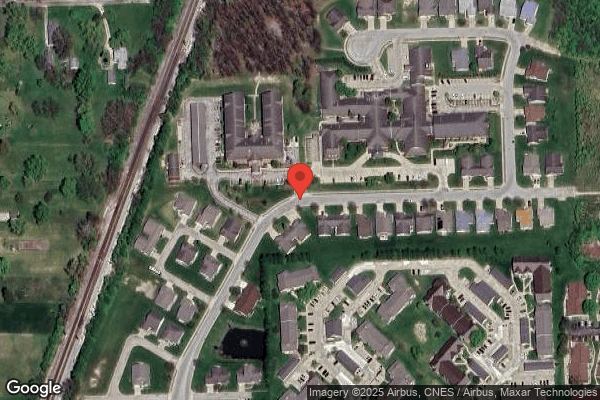
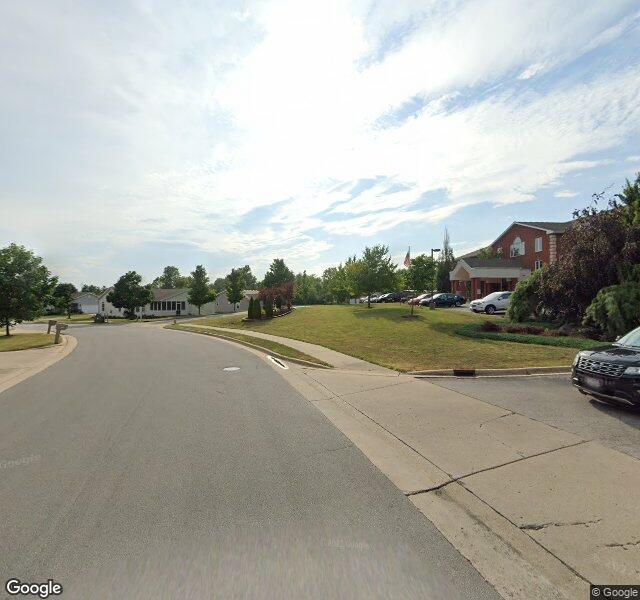
3222 INDEPENDENCE DRIVE, DANVILLE, IL 61832 (217) 431-1600
For profit - Corporation 80 Beds RESIDENTIAL ALTERNATIVES OF ILLINOIS Data: November 2025
Trust Grade
48/100
#247 of 665 in IL
Last Inspection: May 2025

Inspected within the last 6 months. Data reflects current conditions.

Overview

Hawthorne Inn of Danville has received a Trust Grade of D, indicating below-average quality and some concerns within the facility. Ranked #247 out of 665 nursing homes in Illinois, they are in the top half of facilities in the state, and they are ranked #1 out of 5 in Vermilion County, meaning they are the best option in the local area. The facility's trend is stable, with 10 issues reported in both 2024 and 2025, and while staffing is a strength with a 4 out of 5-star rating and 40% turnover (better than the state average), there are still significant weaknesses. Specific incidents include failures in pain management that left residents experiencing severe discomfort, a lack of a qualified food service manager potentially affecting dietary care, and a resident exhibiting aggressive behavior towards others. Overall, families should weigh these strengths and weaknesses carefully in their decision-making process.

Trust Score
D
48/100
In Illinois
#247/665
Top 37%
Safety Record
Moderate
Needs review
Inspections
Holding Steady
10 → 10 violations
Staff Stability
○ Average
40% turnover. Near Illinois's 48% average. Typical for the industry.
Penalties
⚠ Watch
$17,696 in fines. Higher than 83% of Illinois facilities, suggesting repeated compliance issues.
Skilled Nurses
✓ Good
Each resident gets 63 minutes of Registered Nurse (RN) attention daily — more than 97% of Illinois nursing homes. RNs are the most trained staff who catch health problems before they become serious.
Violations
⚠ Watch
29 deficiencies on record. Higher than average. Multiple issues found across inspections.
★★★☆☆
3.0
Overall Rating
★★★★☆
4.0
Staff Levels
★★★☆☆
3.0
Care Quality
★★★☆☆
3.0
Inspection Score
Stable
2024: 10 issues
2025: 10 issues

The Good

  • 4-Star Staffing Rating · Above-average nurse staffing levels
  • Full Sprinkler Coverage · Fire safety systems throughout facility
  • No fines on record
  • Staff turnover below average (40%)

    8 points below Illinois average of 48%

Facility shows strength in staffing levels, fire safety.

The Bad

3-Star Overall Rating

Near Illinois average (2.5)

Meets federal standards, typical of most facilities

Staff Turnover: 40%

Near Illinois avg (46%)

Typical for the industry

Federal Fines: $17,696

Below median ($33,413)

Minor penalties assessed

Chain: RESIDENTIAL ALTERNATIVES OF ILLINOI

Part of a multi-facility chain

Ask about local staffing decisions and management

The Ugly 29 deficiencies on record

2 actual harm
Aug 2025 2 deficiencies
CONCERN (D) 📢 Someone Reported This

A family member, employee, or ombudsman was alarmed enough to file a formal complaint

Potential for Harm - no one hurt, but risky conditions existed

Pressure Ulcer Prevention (Tag F0686)

Could have caused harm · This affected 1 resident

**NOTE- TERMS IN BRACKETS HAVE BEEN EDITED TO PROTECT CONFIDENTIALITY** Based on observation, interview, and record review, the facility failed to prevent cross contamination during wound care and imp...

Read full inspector narrative →
**NOTE- TERMS IN BRACKETS HAVE BEEN EDITED TO PROTECT CONFIDENTIALITY** Based on observation, interview, and record review, the facility failed to prevent cross contamination during wound care and implement pressure ulcer treatments for one of four residents (R4) reviewed for wounds in the sample list of eight. Findings Include: The facility's Wound Care policy, dated 10/16/24, documents wounds are subject to infection, and to wash your hands and wear gloves as part of wound care. This policy documents follow physician's orders for wound care and enter physician's orders into the resident's electronic medical record (EMR). R4's Hospital Discharge Transfer Orders, dated 7/31/25, document R4 has an unstageable pressure ulcer of the coccyx and a deep tissue injury to the right heel. R4's active care plan documents R4 admitted to the facility on [DATE], and includes an intervention for wound treatments and dressing changes per physician's order. R4's Initial Wound Evaluation & Management Summary, dated 8/5/25, recorded by V30, Wound Physician, documents R4's stage two pressure ulcer of right heel measured 2 centimeters (cm) long by 0.8 cm wide, and depth is unmeasurable due to presence of tissue overgrowth. The treatment ordered for this wound is skin protectant daily and as needed. This summary documents R4's stage four sacral pressure ulcer measured 6.5 cm by 5.5 cm, and depth is unmeasurable due to the presence of nonviable tissue and necrosis (dead tissue). This wound was initially unstageable and debrided by V30 to remove the dead tissue, which revealed the wound to be a stage four pressure ulcer, and not a deterioration of the wound. R4's physician's order history, dated 7/13/25-8/13/25, includes an order, dated 8/6/25, for stage four sacral pressure ulcer treatment, cleanse with wound cleanser/normal saline, apply Dakin's (bleach solution) soaked gauze to wound bed, cover with abdominal pad, and secure with tape twice daily and as needed. This order history includes an order, dated 8/1/25-8/13/25, to apply bordered antimicrobial foam dressing to bilateral heels, change every five days. This order history does not document V30's order for skin protectant to R4's heels prior to 8/13/25. On 8/11/25 at 11:21 AM, R4 stated R4 admitted to the facility with a sore on R4's bottom, and V30 removed dead tissue from the wound. R4 stated R4 also had a sore on his heel that he admitted with, but believes it is healed now. On 8/11/25 at 11:26 AM, V17, Certified Nursing Assistant, stated R4 used to have a sore on his heel, but it is now healed. V17 removed R4's socks and there were no dressings covering R4's heels. R4's skin to the left heel was intact, and the right heel had a red,, intact wound. On 8/13/25 at 10:23 AM V10 Registered Nurse (RN), with V17 present, provided R4's sacral wound treatment. V10 removed R4's soiled sacral dressing, washed hands, and changed gloves. R4 was lying in bed and had a golf ball sized open, deep wound to the left buttock/sacral area. The wound bed was pink with a minimal amount of yellow tissue. V10 cleansed the wound with wound cleanser and gauze, and did not perform hand hygiene or change gloves, prior to applying the Dakin's soaked gauze and bordered foam dressing. V10 removed R4's shoes and socks and there were no dressings on R4's heels. There was a small red, intact wound to the right heel. V10 stated the right heel wound was present on admission and was never open. On 8/13/25 at 10:35 AM, V10 confirmed V10 did not perform hand hygiene or glove changes after cleansing R4's wound, prior to applying the clean dressing. V10 stated V10 thought this was only needed after removing the soiled dressing. On 8/13/25 at 11:00 AM, V8, RN, stated V8 has been filling in as the wound nurse. V8 confirmed V30 ordered skin protectant treatment for R4's heels on 8/5/25, and confirmed this order was not entered into R4's EMR. V8 confirmed bordered foam dressings changed every five days is R4's current/active treatment order. V8 stated the treatment is for protection of R4's heels. V8 stated V30's orders and notes are given to V8 or V2, Director of Nursing, to enter into the resident's EMR. V8 stated the nurses should perform hand hygiene and glove changes after each step of the wound treatment, including after cleaning the wound.
CONCERN (D) 📢 Someone Reported This

A family member, employee, or ombudsman was alarmed enough to file a formal complaint

Potential for Harm - no one hurt, but risky conditions existed

Medical Records (Tag F0842)

Could have caused harm · This affected 1 resident

**NOTE- TERMS IN BRACKETS HAVE BEEN EDITED TO PROTECT CONFIDENTIALITY** Based on interview and record review, the facility failed to ensure medical records are complete and accurate for one of four re...

Read full inspector narrative →
**NOTE- TERMS IN BRACKETS HAVE BEEN EDITED TO PROTECT CONFIDENTIALITY** Based on interview and record review, the facility failed to ensure medical records are complete and accurate for one of four residents (R1) reviewed for injuries in the sample list of eight. Findings Include:R1's Nursing Notes document R1 admitted to the facility from the hospital on 7/10/25. R1's Nursing Notes, dated 7/10/25, do not document an assessment of R1's skin or if R1 had any skin issues or bruising. R1's Nursing Note, dated 7/13/25 at 3:39 PM, documents R1's incisions to left thigh, right groin, and chest are closed. There is no documentation in R1's nursing notes between 7/10/25 and 7/16/25 that R1 had any bruising. R1's admission Observation, dated 7/10/25, documents there were no alterations in R1's skin. R1's Skin Assessment, dated 7/16/25, documents, Incisions & bruising. No new areas of concern. This assessment does not document the location of R1's bruising. On 8/13/25 at 8:31 AM, V10, Registered Nurse, stated R1 admitted to the facility five weeks post Coronary Artery Bypass Grafting (CABG). V10 stated R1 had closed incisions to the groin, leg, and chest that were left open to air and no treatment needed. V10 stated R1 also had bruising to her hip or rib area. V10 stated nurses document weekly skin assessments and admission skin assessments under the observations section of the resident's electronic medical record, and this may also be noted in a nursing note. At 9:26 AM, V10 stated the bruising V10 documented in R1's skin assessment note 7/16/25 was the bruising V10 previously mentioned. V10 stated V10 did not consider the bruising to be a new issue since it was previously reported on R1's admission. V10 stated V10 had received report from the hospital the day R1 admitted and was told R1 had hip bruising. On 8/13/25 at 9:11 AM, V2, Director of Nursing, stated R1 admitted with bruising following CABG. V2 confirmed R1's admission assessments, skin assessments, and notes do not document R1 admitted with incisions or bruising. V2 stated V2 has requested R1's provider progress notes and is waiting on V29, Nurse Practitioner, to send R1's notes to the facility and obtain documentation that R1 had hip bruising on admission. R1's Progress Note, dated 7/11/25, recorded by V29 documents R1 was hospitalized on [DATE] and underwent left heart catheterization; R1 underwent two vessel CABG on 6/5/25 and developed a right femoral arterial sheath hematoma. This note documents R1 had a midsternal incision that was dry and open to air, with no drainage or inflammation noted. This note documents R1's left medial thigh incision from vein graft site was open to air, healed, and dry. This note was included in R1's provider progress notes, provided by V2, with a facsimile cover sheet documents R1's notes were sent to the facility from V29 on 8/13/25 at 8:56 AM. The facility's Job Description Medical Records, dated May 2013, documents responsibilities includes tracking and monitoring physician visits/notes, uploading documentation into the resident's electronic medical record, conducting audits of resident medical records and reporting discrepancies to the Director of Nursing.
Jun 2025 4 deficiencies
CONCERN (D) 📢 Someone Reported This

A family member, employee, or ombudsman was alarmed enough to file a formal complaint

Potential for Harm - no one hurt, but risky conditions existed

Deficiency F0635 (Tag F0635)

Could have caused harm · This affected 1 resident

**NOTE- TERMS IN BRACKETS HAVE BEEN EDITED TO PROTECT CONFIDENTIALITY** Based on record review and interview, the facility failed on admission to obtain complete physician orders for medication to mee...

Read full inspector narrative →
**NOTE- TERMS IN BRACKETS HAVE BEEN EDITED TO PROTECT CONFIDENTIALITY** Based on record review and interview, the facility failed on admission to obtain complete physician orders for medication to meet the immediate needs of a resident. This failure affected one (R1) of eight resident reviewed for medications on the sample list of 12. Findings include: R1's current Continuity of Care sheet documents R1 diagnoses Problem list as follows: Paroxysmal Atrial Fibrillation, Unspecified Atrial Flutter, Cardiac Murmur, Unspecified, Essential (primary) Hypertension, Alzheimer's Disease, Unspecified, Vitamin D deficiency, Unspecified, Ascorbic Acid Deficiency, and Vitamin Deficiency, Unspecified. R1's Local Hospital Discharge - Cardioversion Procedure Note, dated 5/12/25, documents R1 had Atrial Flutter (fast heart rate) with rapid ventricular rate of the heart while in the hospital. The rapid heart rate required Electro-Cardioversion (electric shock treatment to the heart) with sedation to convert R1's heart rate to normal sinus rhythm. R1's Local Hospital Discharge Medication List, dated 5/13/25, documents the following incomplete physician orders, when admitted to the facility on [DATE].: *Metoprolol Succinate (Beta-blocker medication that blocks hormones that target the heart) 100 milligram (MG) tablet (tab) SR (sustained release) - 24 hour. Commonly known as: Toprol XL (extended release). The Metoprolol order documents See instructions. There are no instructions documented in the discharge orders that include dosage, route, or time medication is to be administered. *Mirtazapine (Antidepressant medication also used for appetite stimulant.) 30 MG Tabs. Commonly known as: Remeron. The Mirtazapine order documents See instructions. There are no instructions documented in the discharge orders that include dosage, route, or time medication is to be administered. *Fosinopril (Medication treatment for high blood pressure and heart failure) 10 MG Tabs. Commonly known as: Monopril. The Fosinopril order documents See instructions. There are no instructions documented in the discharge orders that include dosage, route, or time medication was to be administered. On 6/12/25 at 10:00 am, V2, Director of Nursing (DON), stated R1's Fosinopril, Metoprolol, and Mirtazapine medication orders were not clarified when R1 was admitted on the 5/13/25 . V2, DON, also stated, This should have been caught immediately when the nurse confirmed the orders on admission. The facility policy Pharmaceutical Procedures, dated 2010, documents the following: It is the policy of the facility to review residents' medication on a regular basis in order to provide residents with only the necessary medication for their health needs. Purpose: To provide the appropriate control procurement, distribution, administration, and utilization of drugs to the facility. The same policy documents: Physicians' Medication Orders All medications, including non-legend drugs (cathartics, headache remedies, vitamins, etc.) shall be given only upon the written order of a physician. All such orders shall have the signature of the physician and shall be given as prescribed by the physician and at the designated time. When necessary, telephone orders may be taken by a registered nurse or licensed practical nurse. All such orders shall be immediately written and/or entered on the resident's clinical record. Electronic orders shall be authenticated by the physician within ten (10) days via handwritten signature or unique identifier. The same policy documents: The Physician's Order shall be recorded legibly and include the following: date, name of medication, dosage, route, time of administration and, if appropriate, the length of time the resident is to receive the medication. All NEW physicians' orders shall be communicated electronically via (Proper name of electronic system) or by telephone and/or FAX (facsimile) to the pharmacy by the nurse.
CONCERN (D) 📢 Someone Reported This

A family member, employee, or ombudsman was alarmed enough to file a formal complaint

Potential for Harm - no one hurt, but risky conditions existed

Pharmacy Services (Tag F0755)

Could have caused harm · This affected 1 resident

**NOTE- TERMS IN BRACKETS HAVE BEEN EDITED TO PROTECT CONFIDENTIALITY** Based on record review and interview the facility pharmacy repeatedly failed to provide medications in a timely manner. This fai...

Read full inspector narrative →
**NOTE- TERMS IN BRACKETS HAVE BEEN EDITED TO PROTECT CONFIDENTIALITY** Based on record review and interview the facility pharmacy repeatedly failed to provide medications in a timely manner. This failure affects one (R1) of eight residents reviewed for medications on the sample list of 12. Findings include: R1's Local Hospital Discharge Medication List, dated 5/13/25, documents the following incomplete physician orders for Fosinopril, Metoprolol Succinate, and Mirtazapine as follows: 1. Fosinopril (Medication for the treatment for high blood pressure and heart failure) for 10 MG Tabs. Commonly known as: Monopril. The Fosinopril order documents See instructions. There are no instructions documented in the discharge orders that include dosage, route, or time medication was to be administered. R1's current Physician Order Report Sheet (POS) documents R1 was admitted to the facility on [DATE] at 12:40 pm. R1's Physician Order for Fosinopril , was clarified and ordered by V8, Nurse Practitioner, as follows: Fosinopril tablet; 10 mg; amt: 10; oral [DX: Essential (primary) hypertension], Once A Morning; 07:00 AM - 10:00 AM The same Physician Order documents the medication start date as 5/17/25. R1's Medication Administration Record documents R1's Fosinopril medication was not available for administration from the pharmacy until 5/20/25. The facility (Proper Name) Pharmacy Consolidated Delivery Sheet documents the facility staff (unidentified) signed off the delivery of Fosinopril medication on 5/20/25. 2. Metoprolol Succinate (Beta-blocker medication that blocks hormones that target the heart) 100 milligram (MG) tablet (tab) SR (sustained release) - 24 hour. Commonly known as: Toprol XL (extended release). The Metoprolol order documents See instructions. There are no instructions documented in the discharge orders that include dosage, route, or time medication is to be administered. R1's Physician Order noted above, was clarified and ordered by V7, Physician, as follows: Metoprolol Succinate tablet extended release 24 hr; 100 mg; Amount to Administer: 150 mg oral, once a day; 07:00 AM - 10:00 AM. The same Physician Order documents the medication start date as 5/14/25. The facility (Proper Name) Pharmacy Consolidated Delivery Sheet documents the facility signed off the delivery of Metoprolol medication on 5/15/25. 3. Mirtazapine (Antidepressant medication also used for appetite stimulant.) 30 MG Tabs. Commonly known as: Remeron. The Mirtazapine order documents See instructions. There are no instructions documented in the discharge orders that include dosage, route, or time medication is to be administered. R1's Physician Order for the Mirtazapine was clarified and ordered by V8, Nurse Practitioner, as follows: Remeron (Mirtazapine) tablet; 15 mg; amt: 7.5 mg; oral,[DX: Vitamin deficiency, unspecified] At Bedtime; 07:00 PM - 10:00 PM. The same Physician Order documents the medication start date as 05/16/25. The facility (Proper Name) Pharmacy Consolidated Delivery Sheet documents the facility signed off the delivery of Mirtazapine medication on 5/18/25. On 6/12/25 at 11:50 am, V18, Corporate Nurse Consultant, provided a Pharmacy Hours of Operations sheet that directs staff to call the off hours phone number to obtain medications when the pharmacy is closed. V18 stated, There are several issues with obtaining the medications. We dropped the ball. The nurses should have clarified (R1's) medication orders on admission [DATE]). The orders must have the doses and times the meds are to be given. 'See instructions' is not appropriate when sending orders from the hospital. (Name of an electronic provider messaging system) documentation 5/13/25 notified, 5/13/25 the provider responded without providing clarification orders, then 5/15/25 an additional delay in response. Our nurses should have been all over this. I get the pharmacy received the orders on Friday night, and out of stock on Saturday. Pharmacy needed to call the after hours number to get (R1s) medication. Our nurses identified it was not delivered, they dropped the ball here too. The facility Pharmacy HOURS OF OPERATION & CUTOFF TIMES HOURS sheet documents the following: REQUESTING MEDICATIONS OUTSIDE OF REGULAR DELIVERIES STAT ORDERS If medication is needed STAT, home staff must call the pharmacy and speak with the technician to request the specific item(s). The pharmacy staff will then arrange to have the item either filled in house or at a local backup pharmacy, and then delivered directly to the home.
CONCERN (D) 📢 Someone Reported This

A family member, employee, or ombudsman was alarmed enough to file a formal complaint

Potential for Harm - no one hurt, but risky conditions existed

Deficiency F0760 (Tag F0760)

Could have caused harm · This affected 1 resident

**NOTE- TERMS IN BRACKETS HAVE BEEN EDITED TO PROTECT CONFIDENTIALITY** Based on record review and interview, the facility failed to prevent significant medication errors by failing to clarify incompl...

Read full inspector narrative →
**NOTE- TERMS IN BRACKETS HAVE BEEN EDITED TO PROTECT CONFIDENTIALITY** Based on record review and interview, the facility failed to prevent significant medication errors by failing to clarify incomplete hospital physician ordered medications on admission in a timely manner, and failed to obtain medication from the pharmacy in a timely manner. These failures resulted in multiple missed doses of heart and blood pressure medication administration after electro-cardioversion, and missed doses of antidepressant/appetite stimulant medications. This failure affects one (R1) of eight residents reviewed for medications on the sample list of 12. Findings include: R1's Hospital Record CARDIOVERSION PROCEDURE NOTE (NON-OR) documents: Procedure Date: 5/12/2025, Pre-Procedure Diagnosis/Indication for Procedure: Atrial flutter with rapid ventricular rate. Post-Procedure Diagnosis: Sinus rhythm. Procedure: Electro-cardioversion with sedation. R1's current Continuity of Care sheet documents R1 diagnoses Problem list as follows: Paroxysmal Atrial Fibrillation, Unspecified Atrial Flutter, Cardiac Murmur, Unspecified, Essential (primary) Hypertension, Alzheimer's Disease, Unspecified, Vitamin D deficiency, Unspecified, Ascorbic Acid Deficiency and Vitamin Deficiency, Unspecified. R1's Local Hospital Discharge Medication List, dated 5/13/25, was provided to the facility at the time of R1's admission. The local Hospital Discharge Medication List documents the following incomplete physician orders: 1. Fosinopril (medication for the treatment for high blood pressure and heart failure) 10 MG (Milligram)Tabs (tablets). Commonly known as: Monopril. R1's Fosinopril medication order documents See instructions. There are no instructions documented in the discharge orders for the medication dosage, route, or time the medication was to be administered. R1's May 2025 Physician Order Report Sheet (POS) documents R1 was admitted to the facility on [DATE] at 12:40 pm. R1's same POS documents R1's Fosinopril medication order was not clarified until 5/17/25 (four days post admission), by V8, Nurse Practitioner (NP). V8, NP, clarified R1's medication order as follows: Fosinopril tablet; 10 mg; amt (amount): oral [Diagnosis : Essential (primary) hypertension], Once A Morning; 07:00 AM - 10:00 AM. The same POS documents the medication was to be started on 5/17/25 (four days after the above admission, hospital physician ordered medication list was sent to the facility). The facility (Proper name) Pharmacy Consolidated Delivery Sheet documents the facility signed off the delivery of Fosinopril medication on 5/20/25. R1's Medication Administration Record (MAR), dated 5/13/25 - 5/20/25, documents administration or omissions by nurses initials, as follows: On 5/17/25, V32, Registered Nurse (RN), initialed V32, RN, administered R1's Fosinopril medication. The medication had not been delivered to the facility, as documented above on the (Proper name) Pharmacy Consolidated Delivery Sheet, and therefore was not administered. R1's same MAR documents V32, RN's, bracketed initials on 5/18/25, which indicates the medication was not administered. V32, RN, further documents the reason the medication was not administered was the medication was not available from the pharmacy. R1's same MAR documents V6, RN, bracketed initials on 5/19/25, which indicates the medication was not administered. V6, RN, further documents the medication was not available from pharmacy. From admission 5/13/25 - 5/20/25, six doses of Fosinopril medication were not administered from the initial medication order list sent from the hospital on admission. 2. Metoprolol Succinate (Beta-blocker medication that blocks hormones that target the heart) 100 milligram (MG) tablet (tab) SR (sustained release) - 24 hour. Commonly known as: Toprol XL (extended release). The Metoprolol order documents See instructions. R1's Physician Order noted above, was not clarified until 5/14/25 and ordered by V7, Physician, as follows: Metoprolol Succinate tablet extended release 24 hr; 100 mg; Amount to Administer: 150 mg oral, once a day; 07:00 AM - 10:00 AM. The same Physician Order documents the medication start date as 5/14/25. The facility (Proper name) Pharmacy Consolidated Delivery Sheet documents the facility signed off the delivery of Metoprolol medication on 5/15/25. R1's MAR, dated 5/13/25 - 5/20/25, documents Metoprolol Succinate was not initialed as administered until 5/15/25, indicating one missed dose. 3. Mirtazapine (Antidepressant medication also used for appetite stimulant.) 30 MG Tabs. Commonly known as: Remeron. The Mirtazapine order documents See instructions. There are no instructions documented in the discharge orders that include dosage, route, or time medication is to be administered. R1's Physician Order for the Mirtazapine medication order was not clarified until 5/16/25, (three nights after hospital orders were sent to the facility on admission) and ordered by V8, Nurse Practitioner, as follows: Remeron (Mirtazapine) tablet; 15 mg; amt: 7.5 mg; oral,[Diagnosis: Vitamin deficiency, unspecified] At Bedtime; 07:00 PM - 10:00 PM. The same Physician Order documents the medication start date as 05/16/25. R1's MAR, dated 5/13/25 - 5/20/25, documents Mirtazapine was not initialed as administered until 5/16/25. Three doses at bedtime were not administered, since the hospital physician order was sent and not clarified on 5/13/25. The facility (Brand Name) electronic communication messenger, to the providers documents the following: On 5/13/25 at 6:06 PM, the facility nurse (unidentified) communication message to consult with V7, Physician, and V8, Nurse Practitioner, documents the first entry as follows: (R1) admitted from (private hospital) after a fall at home, here for PT/OT (Physical Therapy/Occupational Therapy). Has orders for Fosinopril 10 mg tabs, Metoprolol Succinate 100 mg, Mirtazapine 30 mg tabs last given 7.5 mg on 5/12; orders say please see instructions, no instructions given, please advise. V8, NP, responded on the the same electronic provider communication messenger that same evening 5/13/25, at 6:16 pm: The message documents: Why was it ordered. The facility nurse (unidentified) communication message responded to V8, NP, message above did not occur until 5/14/25 at 11:13 pm (28 hours and 57 minutes later) The message documents: No diagnoses given. V8, NP, responded to the unidentified nurse message above did not occur until 5/15/25 at 6:19 am (7 hours and 6 minutes later). The message documents a question: She (R1) does not take at home? The facility nurse (unidentified) communication message responded to V8, NP, message above did not occur until 5/15/25 at 9:48 pm (28 hours and 29 minutes later). The message documents: Yes, she (R1) takes at home. There were no other messages documented on R1. The facility Medication Error Report, dated 6/11/25, signed by V2, Director of Nursing, documents R1's medication errors occurred 5/13/25 through 5/20/25, and was reported to V7, Physician. No negative outcome per (V7, Physician), at this time. The same Medication Error Report documents the medications ordered include: Fosinopril 10 mg daily, Metoprolol 150 mg daily, Remeron 7.5 mg daily. The same report documents A delay in starting medications listed above. and Other (explain): Incomplete discharge orders from (local hospital), delay in (V7, MD) and (V8, NP), response in (Brand Name, electronic communication messenger) to clarify orders. On 6/12/25 at 10:00 am, V2, Director of Nursing (DON), reviewed R1's medical records and provider electronic communication messages. V2, DON, confirmed R1 did not receive her Fosinopril, Metoprolol, or Mirtazapine as ordered. V2, DON, said medications missed were significant errors due to multiple issues as follows: The hospital incomplete discharge orders, a delay in nursing clarifying R1's medication orders on admission, delay in the provider electronic communication responses, delay in pharmacy providing the medication and not utilizing back- up pharmacy services. On 6/11/25 at 12:00 pm, V33, R1's Family Member, stated V33 felt the facility was not taking V33 seriously. V33 said the facility was not addressing R1's medications that were not being administered. On 6/12/25 at 11:50 am, V18, Corporate Nurse Consultant (CNC), reiterated V2, DON, statement noted above. V18, CNC, stated We dropped the ball. On 6/17/25 at 9:00 am, V8, Nurse Practitioner (NP), stated, There were no adverse effects to her (R1's) missed (omission of medication administration) doses of Fosinopril, nor (R1's) missed doses of Metoprolol and Remeron that I found on her chart review. The hospital (medication orders) should have been clear on the medication, dose, and frequency for starters. Overall, I do feel these missed medications were a significant medication errors. They should not have been missed. V8, NP, acknowledged V8, NP, and the facility nurses delay in message response time in the electronic system for R1's medication order clarification was part of the delay in starting those medication administration. On 6/17/25 at 10:25 am, V27, Physician, stated, The new admission orders from the hospital must be reviewed with a provider. That is the acceptable standard of practice. Medications that are not available from the Pharmacy should be reported to the providers. We would generally consider other medications that are readily available. V27, Physician, also stated, If (R1) was receiving a blood thinner (Eliquis was administered) in the facility after (R1's) cardioversion, I don't believe there would be harm or a threat of harm. Though, a delay in administering her other medication would be a concern that should have been reported, and addressed by (R1's) Primary Care Physician (V7, MD) or (V8) Nurse Practitioner, who know (R1) and could review the total picture.
CONCERN (D) 📢 Someone Reported This

A family member, employee, or ombudsman was alarmed enough to file a formal complaint

Potential for Harm - no one hurt, but risky conditions existed

Medical Records (Tag F0842)

Could have caused harm · This affected 1 resident

**NOTE- TERMS IN BRACKETS HAVE BEEN EDITED TO PROTECT CONFIDENTIALITY** Based on interview and record review, the facility failed to maintain complete and accurate medical records for one (R1) of twel...

Read full inspector narrative →
**NOTE- TERMS IN BRACKETS HAVE BEEN EDITED TO PROTECT CONFIDENTIALITY** Based on interview and record review, the facility failed to maintain complete and accurate medical records for one (R1) of twelve resident reviewed medical record accuracy on the sample list of 12. Findings include: 1.) R1's admission Observations, dated [DATE], documents R1's code status was Full Code (attempt resuscitation). R1's Face Sheet, dated [DATE] - [DATE], documents R1's code status was Full Code. R1's IDPH (Illinois Department of Public Health) Practitioner Order For Life-Sustaining Treatment (POLST) Form, also dated [DATE], signed by R1, documents R1's code status was No CPR (Cardio Pulmonary Resuscitation), Do Not Attempt Resuscitation (DNAR). R1's Physician Order Sheet (POS), dated [DATE] - [DATE], documents R1's code status was a Full Code, and incongruent with the above POLST signed by R1 on [DATE]. R1's Progress Notes, dated [DATE] at 11:04 am, documents the following; Patient (R1) did c/o (complain/of) not feeling well, c/o SOB (complained of shortness of breath), weakness, cough. Heard crackling in bilateral upper lobes. (V8, Nurse Practitioner ) was here and seen patient, gave order to send out to hospital. (V33, Family Member) in room and heard what was going on. Ambulance called at 9:35 am. Patient left facility via ambulance service around 9:55 am. Report called to ER (Emergency Room) at 10:10 am. On [DATE] at 9:20 am, V4, Resident Service Director (RSD), provided R1's POLST signed by R1 [DATE], on admission. V4, RSD, confirmed R1's POLST form was incomplete. V4, RSD, confirmed R1's POLST form did not document a provider signature until V34, Nurse Practitioner, signed the POLST form on [DATE] ( 13 days after R1 admitted to the facility). R1's POLST form documents R1 was DNAR status. V4, RSD, reviewed R1's electronic medical records. V4 confirmed R1 was transferred to the hospital on [DATE]. V4, RSD, stated, Usually, the POLST form is sent to the hospital with the residents POS, and bed hold documents. (R1's) POS says she was a full code when she went to the hospital on [DATE]. I think (R1) expired in the hospital [DATE] (hospital records document R1's deceased date as [DATE]). V4, RSD, stated, Obviously, if the POLST was sent to the hospital, it would have been very confusing, since the other resident records don't match the POLST. On [DATE] at 10:00 am, V2, Director of Nursing, stated, The facility considers all residents a full code until the POLST is signed by the provider, usually that is within a week. (R1's POLST form was not signed by V34 NP, until [DATE], 13 days after R1 signed it, and six days after R1 was admitted to the hospital therefor incomplete medical record. The POLST is sent to the hospital, with the bed hold form and the POS (Physician Order Sheet). (V3, Registered Nurse) should have documented these were sent with (R1). V2, acknowledged the POLST form and POS are incongruent and incomplete. 2.) R1's Progress Note, dated [DATE] at 5:28 pm, documents R1 was admitted to the local hospital with bilateral pneumonia. R1's Progress Note, dated [DATE] at 12:49 pm, signed by V25, Social Service Director (SSD) documents the following: (R1) discharged to home yesterday from a hospital stay, [DATE]. R1's Hospital Death Summary documents R1 was admitted to the hospital on [DATE] after transfer to the hospital emergency room from the facility. R1 remained in the hospital seven days. The same Death Summary documents R1 expired in the hospital [DATE] at 3:44 am. On [DATE] at 10:40 am, V25, Social Service Director (SSD), confirmed she wrote a note in R1's medical record on [DATE] that was not accurate. V25, SSD, stated, I wrote (R1) was discharged from the hospital to home. I thought I heard in morning meeting that (V33, R1's Family Member) said (R1) went home from hospital. I did not talk to the family myself. I shouldn't have documented that in (R1's) medical record. 3.) R1's Physician Order Sheet (POS) documents R1's Fosinopril medication order was not clarified until [DATE]. R1's physician ordered medication documents: Fosinopril tablet; 10 milligrams tablet, by mouth, once each morning between 07:00 AM - 10:00 AM. The facility (Proper name) Pharmacy Consolidated Delivery Sheet documents the facility staff (unidentified) signed off the pharmacy delivery sheet for R1's Fosinopril medication on [DATE]. R1's Medication Administration Record (MAR), dated [DATE] - [DATE], documents V32, Registered Nurse (RN), signed off that V32, RN, administered R1's physician ordered Fosinopril medication on [DATE]. The medication had not been delivered to the facility, as documented above on the (Proper name) Pharmacy Consolidated Delivery Sheet. On [DATE] at 10:00 am, V2, Director of Nursing (DON), reviewed R1's medical records. V2 DON confirmed R1 did not receive R1's Fosinopril medication, as it was not delivered until [DATE]. On [DATE] at 1:10 pm, V32, Registered Nurse (RN), stated V32 knew R1's medication was ordered from the pharmacy, but the pharmacy was out of stock. V32's acknowledged she could not have administered R1's Fosinopril on [DATE]. V32 stated, I had just come back after vacation, and I had a lot of new residents that I did not know. I can't recall without looking at my charting. If I charted I gave a medication when I didn't, I don't usually do that.
May 2025 4 deficiencies 1 Harm
SERIOUS (G)

Actual Harm - a resident was hurt due to facility failures

Deficiency F0697 (Tag F0697)

A resident was harmed · This affected 1 resident

Based on observation, interview, and record review, the facility failed to effectively manage pain, assess for pain, and report pain to the provider for two of three residents (R167, R169) reviewed fo...

Read full inspector narrative →
Based on observation, interview, and record review, the facility failed to effectively manage pain, assess for pain, and report pain to the provider for two of three residents (R167, R169) reviewed for pain in the sample list of 28. This failure resulted in R167 experiencing severe pain as evidenced by facial grimacing, missed therapy sessions, and affecting activities of daily living. Findings include: The facility's Pain Management policy, dated 3/3/22, documents the following: Residents will be assessed for pain on admission, quarterly and with any significant change in condition. Residents will be assessed for pain every shift and notify the physician, if needed, regarding pain or pain indicators. Residents will be monitored until pain is resolved/controlled and periodically thereafter. Document pain and the resident's response to medication or treatment. 1.) R167's Hospital Note, dated 4/15/25, documents R167 has right side spasticity, especially to right leg, that is bothersome to R167. Baclofen (muscle relaxant) 5 milligram (mg) daily was started on 4/14/25, and R167 seemed to sleep better through the night. R167's hospital discharge orders, dated 4/23/25, includes Acetaminophen 500 mg by mouth every four hours as needed (PRN) for pain/fever, Baclofen 5 mg by mouth twice daily PRN, Baclofen 15 mg by mouth at bedtime, and Baclofen 5 mg by mouth twice daily. R167's Care Plan, dated 4/24/25, documents R167 was admitted to the facility following hospitalization for stroke, and includes an intervention for pain management as needed. R167's Pain Management Observation, dated 4/23/25, documents R167 was interviewed regarding pain and R167 denied having pain in the last five days. This assessment incorrectly documents R167 did not receive any scheduled or PRN pain medications in the last five days. This assessment documents R167's acceptable level of pain is a 1 on a 1-10 pain scale and rest/relaxation as an alleviating intervention. This assessment does not identify R167's history of pain R167's April 2025 Medication Administration Record documents the following: Acetaminophen PRN dose was given on 4/24/25 at 1:53 AM for generalized pain rated 4, on 4/25/25 at 7:49 AM for hip pain rated 10, on 4/25/25 at 11:32 PM for right leg pain rated 8, on 4/27/25 at 4:29 PM for right leg pain rated 9, and 4/28/25 at 7:29 AM for mild pain, and on 4/28/25 at 12:27 PM for moderate pain. Baclofen PRN dose was given on 4/25/25 at 11:32 PM for right leg spasm pain rated 8, on 4/25/25 at 4:24 PM for leg spasm pain rated 8, and on 4/28/25 at 12:28 PM for moderate leg pain rated 10. There is no follow up pain scale recorded after these medications were administered, and only records if the medication was effective. There were no changes in R167's pain medications until 4/28/25, after R167 was evaluated by V17, Nurse Practitioner (NP). R167's Occupational Therapy Evaluation & Plan of Treatment, dated 4/24/25, documents R167 has right sided hemiparesis and R167 reported right leg pain at rest constantly, rated 7 out of 10. R167 reported right leg pain intermittently with movement rated 8 out of 10. Pain was described as sharp/sudden. R167's Physical Therapy Encounter Note, dated 4/25/25, documents R167 called out in pain due to right leg pain, R167 was found in 90 degree hip and knee flexion. Recommended and instructed nursing staff for R167 to wear right knee immobilizer and lateral positioning wedge for right hip to decrease R167's right hip from rolling outward. R167's Speech Therapy Missed Visit Detail, dated 4/25/25, documents therapy session was withheld. R167 was in a lot of pain rated 10 out of 10, and nursing was notified. R167's Nursing Notes document the following: On 4/25/2025 at 6:10 PM, V3, Registered Nurse/RN, noted R167 uses splint/brace for right arm and leg, R167 receives Baclofen and PRN Tylenol for pain. R167 yells out during care. On 4/27/2025 at 11:08 AM, R167 stayed in room for breakfast and had poor appetite. On 4/28/25, R167 did not eat breakfast or lunch. R167 had agitation. R167 reported pain and location, but was unable to rate his pain. R167 was transferred to the hospital following failed attempt of straight catheterization. There is no documentation in R167's medical record that a provider was notified of R167's increased pain that began on 4/25/25, prior to 4/28/25. R167's Encounter Note, dated 4/28/25, recorded by V17, documents verbal orders given to straight catheterize for urinalysis and culture with sensitivity, push oral fluids, and give an additional dose of Baclofen 5 mg with scheduled dose for total of 10 mg due to spastic pain of right lower extremity. On 4/28/25 at 10:58 AM, V19, Certified Nursing Assistant (CNA), upon leaving R167's room, stated R167 is having leg pain, which V19 reported to the nurse. R167 was lying in bed and answered yes to being in pain, but was unable to give any details regarding his pain. At 12:44 PM, R167 was lying in bed with facial grimacing and moaning. R167's lunch tray was at his bedside untouched. V20, R167's Family, stated R169's pain started on 4/25/25, and R167 receives Baclofen and Tylenol. V20 stated Baclofen puts R167 to sleep and R167 has no pain when he is sleeping. V20 stated R167 had been eating prior, so this is new for R167 not to want to eat. On 4/28/25 at 12:38 PM, V19, CNA, and V26, CNA, stated R167 has been in pain since he admitted . V26 stated R167 refused to eat lunch today due to being in pain. V19 and V26 stated R167's appetite varies if he is in pain. On 4/28/25 at 3:29 PM, R167 was in bed and more alert. R167 stated his right leg still hurts like hell, despite receiving pain medications, and his pain has been a 10 off and on. R167 stated his leg pain started yesterday. On 4/28/25 at 3:30 PM, V25, RN, stated R167 was evaluated today by V17, NP, and R167 is being sent to the hospital due to altered mental status and pain. On 4/29/25 at 8:48 AM, V19, CNA, stated R167 mostly complains of pain to his right leg and R167 has been in pain, like he was yesterday, since he admitted . V19 stated R167's medications seem to help him fall asleep, but when they wake him for cares a couple hours later R167 would still be in pain. On 4/29/25 at 11:27 AM, V3, RN, stated R167 had episodes of confusion, but is usually alert and oriented. R167 had a hard time focusing due to right leg spasms, and received Baclofen and Tylenol routinely and as needed, the medications seemed to help and R167 seemed comfortable when sitting. V3 stated R167 would have pain during cares and refused to get out of bed due to pain. On 4/29/25 between 11:45 AM and 11:56 AM, V22, Physical Therapist, stated V22 evaluated R167 on 4/24/25. R167 complained of right leg pain during the evaluation and spasms due to muscle weakness related to his stroke. V22 stated the nurses were aware of R167's pain. V22 stated R167's therapy session on 4/27/25 was cut short due to agitation and being combative. V23, Occupational Therapist, stated on 4/24/25 during R167's therapy evaluation, R167 reported right leg spasms with constant pain and with movement rated a 7 out of 10, and V23 reported this to the nurse. On 4/29/25 at 12:22 PM, V2, Director of Nursing/DON, stated all residents should have an order to assess for pain every shift, and staff should also assess for pain post therapy sessions. V2 stated when PRN pain medications are given, it prompts to enter a pain rating at the time of administration, record follow up if the pain is effective or not effective, but does not prompt for a follow up pain rating. V2 stated if the resident is having excruciating pain that is unrelieved, then the nurses should notify the provider. V2 stated provider notification is recorded in a progress note. V2 stated therapy should be communicating with nursing when residents express pain during therapy, so that it can be discussed during the interdisciplinary team morning meeting. V2 stated V2 did not recall any conversations with therapy regarding R167's pain, other than when the leg immobilizer was initiated. On 4/30/25 at 8:43 AM, V18, Speech Therapist, stated V18 evaluated R167 on 4/24/25. R167 had mild confusion and did not have any complaints of pain. V18 stated V18 attempted to work with R167 on 4/25/25. R167 was lying in bed in pain, R167 would not open his eyes and R167 was grimacing. V18 stated V18 believed it was hip pain and reported R167's pain to the nurse at that time. V18 stated V18 did not provide R167's therapy session due to the amount of pain he was in. On 4/30/25 at 10:07 AM, V17, Nurse Practitioner/NP, stated V17 evaluated R167 on 4/24/25, R167 had spasticity due to a stroke, Baclofen was in use, PRN medications were given, and he was wearing a leg splint. V17 stated, (R167) had pain, it wasn't perfect, but it was controlled, and (R167) appeared comfortable at that time. V17 stated V17 would want to be notified if a resident was experiencing uncontrolled pain, and V17 wasn't notified of R167's pain until Monday morning, 4/28/25. V17 stated a pain rating of 8-10 is quite high, and V17 would have expected the nurses to notify V17. V17 was asked if V17 would have given any new orders if V17 had been notified. V17 stated since it is spasticity driven, V17 might have tried something topical, increased Tylenol to scheduled, and questioned whether his pain was manageable. 2.) R169's admission assessment, dated 4/21/25, documents R169 did not express pain or hurting. This assessment does not include any other questions pertaining to R169's pain history related to left hip fracture. R169's Nursing Note, dated 4/21/2025 at 9:00 PM, documents R169 admitted at 7:15 PM, to receive therapy to build up strength for left hip fracture. R169 was alert and oriented to person, place and time. R169's Care Plan, dated 4/25/25, documents an intervention for pain management as needed. R169's medical record does not document a comprehensive pain assessment was completed until 4/28/25, seven days after R169 admitted to the facility. R169's April 2025 MAR documents on 4/21/25 R169 had left hip rated an 8 on 2nd and 3rd shifts. R169 did not have any pain medication ordered until Acetaminophen was added for 650 mg every six hours was initiated on 4/22/25. R169 has received eight doses of PRN Acetaminophen for left hip pain rated between 4 and 8. This MAR documents the medication was effective, but does not record a follow up pain rating. R169's Acetaminophen order documents the order was entered on 4/22/25 at 8:53 PM. On 4/28/25 at 10:53 AM, R169 was in a wheelchair in R169's room. R169 had left leg above knee amputation. R169 stated R169 admitted last week after being hospitalized following a left hip fracture from a fall at home. R169 stated R169 receives Tylenol for pain, which hasn't always been effective, but it does help. R169 reported R169's pain has been lessening over time. At 1:41 PM, R169 stated she didn't have any pain medication the first night she admitted to the facility. R169 stated her pain relieved some after she laid down that night. On 4/29/25 at 1:47 PM, V10, Infection Preventionist, stated she assists in completing pain assessments, which are done on admission, quarterly, and with significant changes. V10 stated the floor nurses complete the admission pain assessment, which can be part of the admission assessment. V10 stated if answered yes to pain in the admission assessment pain section, then the assessment prompts further questioning. V10 confirmed the admission assessment pain section is not comprehensive and only asks if the resident is experiencing pain at that moment, and does not assess for history or potential for pain. V10 confirmed R169's admission assessment documents R169 answered no to pain and no further questions were prompted, and R169 did not have a comprehensive pain assessment until 4/28/25. On 4/29/25 at 1:53 PM, V28, NP, stated he was notified on 4/22/25 at 6:30 AM, that R169 was complaining of pain and had no pain medications ordered. V28 stated V28 gave orders for PRN Tylenol and evaluated R169 that day. V28 stated the nurses should have reported R169's pain on 4/21/25, and the need for pain medication orders. On 4/29/25 at 4:07 PM, V21, Licensed Practical Nurse, stated R169 had left hip pain on admission, and the facility did not have any of her medications or prescriptions yet. V21 stated V21 checked with R169 later that evening, and R169 was more comfortable since she was in bed. V21 stated V21 did not report R169's pain to a provider to obtain pain medication orders.
CONCERN (D)

Potential for Harm - no one hurt, but risky conditions existed

Accident Prevention (Tag F0689)

Could have caused harm · This affected 1 resident

**NOTE- TERMS IN BRACKETS HAVE BEEN EDITED TO PROTECT CONFIDENTIALITY** Based on observation, interview, and record review, the facility failed to prevent a fall by failing to utilize a blind spot mir...

Read full inspector narrative →
**NOTE- TERMS IN BRACKETS HAVE BEEN EDITED TO PROTECT CONFIDENTIALITY** Based on observation, interview, and record review, the facility failed to prevent a fall by failing to utilize a blind spot mirror before opening a door for one (R58) of three residents reviewed for falls on the sample list of 28. Findings Include: R58's electronic health record documents R58 was admitted to the facility on [DATE] for skilled nursing and rehab. On 4/28/2025 at 10:05 AM, R58 was observed walking back and forth down the halls and around the memory care unit with R58's four wheeled walker. R58's fall investigation report, dated 4/11/2025, documents R58 had a fall at 4:59 PM. This report documents R58 was ambulating in the hallway on the memory lane unit close to the front door, when V12 (Dietary Aide) opened the door, bumping R58. R58 lost her balance and fell. This report also documents V13 (Certified Nursing Assistant) witnessed the fall. On 4/29/25 at 10:47 AM, V5 (Registered Nurse) stated R58 fell on 4/11/2025 when V12 went through the double doors hitting R58, who was standing on the other side of the door. On 4/29/25 at 10:49 AM, V13 stated R58 was walking by the double doors and was bumped by the door when V12 opened the door causing R58 to fall on her buttocks. V13 stated V12 did not see R58 on the other side of the door due to a blind spot. On 4/30/25 at 11:05 AM, V12 walked to the double doors to reenact what happened when R58 fell on 4/11/2025. V12 stated on that day, she was going to the memory lane unit to pass meal trays. V12 stated as she was approaching the double doors to look through the window she stopped because the door was hard to open. At that time, V12 opened the door and pointed to where R58 had been standing on the other side of the door. V12 stated when she opened the door it hit R58 causing R58 to fall onto her buttocks. When looking through the window on the door, a blind spot mirror could be seen hanging on the wall. When looking into the mirror, the other side of the door could be seen. V12 stated she should have looked at the mirror before opening the door. On 4/30/25 at 11:14 AM, V1 (Administrator) stated the mirror on the inside of the memory care unit facing the double doors should be used prior to opening the doors due to blind spots. V1 stated V12 should have looked at the mirror before opening the door.
CONCERN (E)

Potential for Harm - no one hurt, but risky conditions existed

Pharmacy Services (Tag F0755)

Could have caused harm · This affected multiple residents

**NOTE- TERMS IN BRACKETS HAVE BEEN EDITED TO PROTECT CONFIDENTIALITY** Based on interview and record review, the facility failed to ensure medications were available to be given as ordered for four o...

Read full inspector narrative →
**NOTE- TERMS IN BRACKETS HAVE BEEN EDITED TO PROTECT CONFIDENTIALITY** Based on interview and record review, the facility failed to ensure medications were available to be given as ordered for four of five residents (R167, R168, R169, R171) reviewed for new admissions in the sample list of 28. Findings include: The facility's Medication Administration policy, dated February 2004, documents the objective of the policy is to provide the residents with medications as deemed necessary by the physician. This policy documents to accurately transcribe physician orders to the Medication Administration Record (MAR) and administer medications as ordered. The facility's Pharmaceutical Procedure, dated 1/5/23, documents convenience drug boxes may be kept by the facility and used to obtain starter or first doses of medications, and normal ordering procedures should be followed to ensure the resident receives a full supply of the ordered medication. This procedure documents to notify the pharmacy of new orders and when medications are removed from the convenience box, so that a replacement can be delivered. 1.) R167's April 2025 MAR documents to give Latanoprost 0.005% one drop right eye daily at bedtime, Rosuvastatin 20 milligrams (mg) daily between 7:00 PM and 10:00 PM, Trazodone 100 mg daily between 7:00 PM and 10:00 PM, and Triamcinolone 0.1% twice daily for 14 days. V16, Registered Nurse (RN), documents these medications were not administered as ordered on the evening of 4/23/25, due to the medications not being available. R167's nursing notes document R167 admitted to the facility on [DATE] at 5:30 PM. There is no documentation the pharmacy or provider were notified of R167's medications being unavailable and missed doses. On 4/30/25 at 10:36 AM, V16, RN, stated medications should be pulled from the backup medication safe, and if unavailable notify the pharmacy, physician, and family. V16 stated this would be documented in a nursing note. V16 thought she notified R167's physician regarding the Latanoprost and received an order to administer to initiate upon the delivery of this medication. V16 stated V16 was unsure if she did any follow up regarding R167's other medications that were not given that evening. 2.) R168's April 2025 MAR documents to give Clarithromycin (antibiotic) 500 mg twice daily for Helicobacter Pylori infection. This medication was documented as not given due to drug being unavailable on the evening of 4/23/25 and both doses on 4/24/25. R168's Nursing Notes document R168 admitted to the facility on [DATE] at 11:30 AM. There is no documentation of communication with pharmacy or the physician regarding Clarithromycin being unavailable and missed doses. On 4/30/25 at 9:56 AM, V24, RN, stated he typically checks the backup medication safe, and pulls medications from there that aren't available. V24 stated if the medication is not in the backup supply, then he notifies the pharmacy and reports missed doses to the physician. V24 stated R168's antibiotic was not a medication that is in the backup supply, and he meant to contact the pharmacy and physician that day. V24 confirmed he did not contact the pharmacy or notify the physician of R167's missed doses of antibiotic and should have. 3.) R169's April 2025 MAR documents to administer Amitriptyline 25 mg every evening, Aspirin 81 mg twice daily, and Metoprolol Succinate Extended Release 75 mg every evening. These medications were not given as ordered on the evening of 4/21/25 due to condition or due to the medication being unavailable. R169's Nursing Notes documents R169 admitted to the facility on [DATE] at 7:15 PM. There is no documentation as to why the medications weren't given or if the pharmacy or physician were notified. On 4/30/25 at 10:36 AM, V24, RN, stated she is not sure why she documented R169's medications weren't given on the evening of 4/21/25, and V24 thought she obtained R169's medications from the facility's backup supply safe. On 4/30/25 at 11:53 AM, V2, Director of Nursing (DON), provided a report of medications pulled from the facility's backup medication safe. V2 confirmed there was no documentation that 169's medications were obtained from the backup safe. 4.) R171's Hospital Discharge Orders, dated 4/26/25, documents to administer Levofloxacin (antibiotic) 750 mg every 48 hours for three doses for Urinary Tract Infection, to start on 4/27/25. This order was incorrectly transcribed to R171's MAR. R171's April 2025 MAR documents R171 to give Levofloxacin on 4/27/25 and 4/30/25, which is 72 hours apart. This MAR documents to give Atorvastatin 40 mg by mouth every evening. This medication was not administered on the evening of 4/21/25 due to the medication being unavailable. R171's Nursing Notes do not document communication with the pharmacy or provider regarding Atorvastatin being unavailable to administer. On 4/30/25 at 10:36 AM, V24, RN, stated V24 was unsure if V24 did any follow up regarding R171's Atorvastatin being unavailable or reported the missed dose. On 4/30/25 at 10:45 AM, V2, DON, stated the nurses should check the backup medication safe for medications and if the medication is not included, then the nurse needs to notify the backup pharmacy to obtain the medication. V2 stated the backup pharmacy can take awhile to deliver, so the nurse should notify the physician of a possible delay in the delivery of the medication. V2 stated the nurse should also notify the resident and representative. V2 stated this communication should be documented in a nursing note. V2 confirmed R171's Levofloxacin order was incorrectly transcribed to administer 72 hours apart, rather than 48 hours as ordered. At 11:53 AM, V2 provided the reports for medications pulled from the backup medication safe. V2 confirmed the medications listed as being unavailable for R167, R168, and R171 were not obtained from the facility's backup medication safe on the dates listed as being omitted.
CONCERN (E)

Potential for Harm - no one hurt, but risky conditions existed

Antibiotic Stewardship (Tag F0881)

Could have caused harm · This affected multiple residents

Based on interview and record review, the facility failed to implement antibiotic stewardship by failing to ensure symptoms meet urinary tract infection (UTI) criteria and obtain/review urine cultures...

Read full inspector narrative →
Based on interview and record review, the facility failed to implement antibiotic stewardship by failing to ensure symptoms meet urinary tract infection (UTI) criteria and obtain/review urine cultures for four of six residents (R18, R19, R48 R52) reviewed for antibiotic stewardship in the sample list of 28. Findings include: The facility's Antibiotic Stewardship policy, dated 12/18/19, documents the purpose of the policy is to reduce the inappropriate use of antibiotics, improve resident outcomes, and reduce adverse events. This policy documents the facility uses McGreer Criteria as part of its Infection Control Program and the facility will track antibiotic use daily. The Revised McGreer Criteria for Infection Surveillance Checklist, dated 11/5/24, documents for UTIs without indwelling urinary catheters surveillance definition: Must fulfill both 1 AND 2. 1. At least one of the following sign or symptom Acute dysuria or pain, swelling, or tenderness of testes, epididymis, or prostate Fever or leukocytosis, and one or more of the following: Acute costovertebral angle pain or tenderness Suprapubic pain Gross hematuria New or marked increase in incontinence New or marked increase in urgency New or marked increase in frequency If no fever or leukocytosis, then at least two of the following: Suprapubic pain Gross hematuria New or marked increase in incontinence New or marked increase in urgency New or marked increase in frequency 2. At least one of the following microbiologic criteria: at least 100,000 cfu/mL (colony forming units per milliliter) of no more than 2 species of organisms in a voided urine sample at least 10,000 cfu/mL of any organism(s) in a specimen collected by an in-and-out catheter The facility's January 2025-March 2025 Resident Infection Control logs document the following: R52 had burning with urination, was treated with Ciprofloxacin (Cipro) 500 milligrams (mg) twice daily 1/7/25-1/11/25, and no culture was completed. R19 was treated for UTI with Cipro 500 mg twice daily 2/14/25-2/20/25, no recorded symptoms, and culture showed mixed flora R18 was treated for UTI with Nitrofurantoin 100 mg twice daily from 2/28/25-3/1/25, no recorded symptoms, and no culture was obtained. R48 was treated for UTI with Keflex 500 mg twice daily from 3/7/25-3/11/25, culture was done at the hospital, and not applicable for the organism. 1.) R52's January 2025 Cipro Medication Administration Record (MAR) documents 500 mg administered twice daily as ordered from 1/7/25-1/11/25. R52's Nursing Note, dated 01/06/2025 at 5:54 PM, documents R52 complained of hurting and burning with urination, urine was dipped with positive results for leukocytes, nitrites, protein, blood, and ketones. V28, Nurse Practitioner/NP, notified and awaiting new orders. There is no documentation in R52's medical record the facility consulted with the provider on whether a urine culture was needed. There is no documentation in R52's medical record that a McGreer form was completed for R52's UTI treatment. 2.) R19's February 2025 MAR documents R19 received Nitrofurantoin 100 mg twice daily from 1/31/25-2/5/25 for UTI and Cipro 500 mg twice daily from 2/14/25-2/20/25 for acute cystitis. R19's Nursing Note, dated 02/09/2025 at 2:09 PM, documents R19 had green colored vaginal discharge, provider notified and ordered urinalysis. R19's Nursing Note, dated 2/13/2025 at 10:40PM, documents new order received for Cipro, R19 voiced no complaints of pain, burning, or itching upon urination. There is no documentation in R19's medical record that a McGreer form was completed for R19's UTI treatment. 3.) R18's March 2025 Nitrofurantoin MAR documents 100 mg was given twice daily as ordered from 3/1/25-3/5/25. R18's Nursing Notes document R18 started Azithromycin on 2/22/25 for bronchitis, R18 was sent to the emergency room on 2/28/25, returned on 3/1/25, and started antibiotics for UTI. R18's urine culture, dated 2/28/25, documents greater than 100,000 cfu/ml of Escherichia Coli and resistance to Nitrofurantoin. This culture has a print date of 4/30/25, and there is no documentation this culture was reviewed during R18's UTI treatment or follow up with a physician that the organism was not sensitive to the antibiotic prescribed. 4.) R48's March 2025 Keflex MAR documents 500 mg was given twice daily from 3/7/25-3/11/25. R48's medical record did not contain a urine culture for this UTI treatment. R48's Urine Culture, dated 3/3/25, documents greater than 100,000 cfu/ml of Escherichia Coli. This culture has a print date of 4/30/25. On 4/30/25 at 2:02 PM, V10, Infection Preventionist, stated, We try not to test urine for just confusion and try to push fluids instead. If no improvement, then we dip the urine here at the facility, report the results to the provider, and send a sample for a culture and sensitivity (C&S). C&S is used to determine appropriate prescribing of antibiotics. The cultures completed at the hospital are reviewed. V10 confirmed the facility's infection control logs do not document symptoms and/or urine cultures for R18, R19, R48, and R52. V10 stated R19 had burning and frequency that was reported to the physician who ordered the antibiotic. V10 was asked to provide documentation of symptoms and cultures for the UTI treatment for these residents. On 4/30/25 at 3:25 PM, V2, Director of Nursing, stated, (R52's) family had requested her urine be tested, the nurse dipped her urine, and notified (V28) who gave orders to start an antibiotic but did not order a urine culture. V10 provided R18's urine culture, and confirmed the bacterial organism was resistant to the ordered antibiotic, and there was no follow up regarding this. V10 confirmed the culture results were obtained today. At 3:51 PM, V10 provided R48's urine culture and confirmed the results were obtained today. V10 stated at least two symptoms are needed, per McGreer criteria to be met. V10 stated McGreer form should be completed for UTIs and this would be uploaded in the observation section of the resident's electronic medical record. V10 confirmed there was no McGreer form completed for R19's UTI, and the only documented symptom was green vaginal discharge. V10 stated R19 had been on antibiotic prior for UTI, R19 was off antibiotics for seven days. R19's urine culture showed mixed flora, and no repeat culture was obtained.
Apr 2024 10 deficiencies
CONCERN (D)

Potential for Harm - no one hurt, but risky conditions existed

MDS Data Transmission (Tag F0640)

Could have caused harm · This affected 1 resident

**NOTE- TERMS IN BRACKETS HAVE BEEN EDITED TO PROTECT CONFIDENTIALITY** Based on interview and record review the facility failed to timely transmit a Minimum Data Set (MDS) assessment for one (R35) of...

Read full inspector narrative →
**NOTE- TERMS IN BRACKETS HAVE BEEN EDITED TO PROTECT CONFIDENTIALITY** Based on interview and record review the facility failed to timely transmit a Minimum Data Set (MDS) assessment for one (R35) of 18 residents reviewed for MDS assessments in the sample list of 36. Findings include: The facility's MDS Completion policy dated 6/1/22 documents the MDS Coordinator will ensure completion of the MDS assessments and will transmit MDS assessments at least weekly. This policy documents comprehensive assessments will be transmitted within 14 days of the Care Plan completion date; and Prospective Payment System and Quarterly assessments will be transmitted within 14 days of the completion date. R35's electronic medical record MDS listing documents R35's Annual MDS dated [DATE] was completed, but not submitted. On 4/16/24 at 11:26 AM V10 MDS/Care Plan Coordinator stated R35's January 2024 MDS has not been submitted yet since V10 was not familiar with how to complete the CAA (Care Area Assessment) section of the MDS. V10 stated there is a 14 day window to complete annual MDS assessments. V10 confirmed V10's MDS will be submitted late.
CONCERN (D)

Potential for Harm - no one hurt, but risky conditions existed

Tube Feeding (Tag F0693)

Could have caused harm · This affected 1 resident

**NOTE- TERMS IN BRACKETS HAVE BEEN EDITED TO PROTECT CONFIDENTIALITY** Based on observation, interview and record review the facility failed to ensure residents received the recommended/ordered amoun...

Read full inspector narrative →
**NOTE- TERMS IN BRACKETS HAVE BEEN EDITED TO PROTECT CONFIDENTIALITY** Based on observation, interview and record review the facility failed to ensure residents received the recommended/ordered amount of Enteral feeding for two of two residents (R53, R11) reviewed for Enteral feedings in the sample list of 36. Findings include: The facility's Tube Feeding (G and N/G) (Gastrostomy and Nasogastric) policy with a revised date of 3/3/22 documents, Objectives: 1. To maintain the desired nutritional and fluid status of a resident. Procedure: 1. M.D. (Medical Doctor) will order type of feeding supplement, duration/rate of feeding, frequency, and amounts of flushing. Order must include caloric content, as well as volume. Documentation: 1. Date/time of feeding. 2. What was administered, flow rate, and duration of feeding. 3. Any complications or new occurrences before, during, or after procedure. 4. Licensed staff completing the procedure. 5. Maintain accurate documentation of Intake and Output for every shift and for every 24 hours. 1.) R53's Care Plan dated 2/23/24 documents diagnoses including Personal History of Traumatic Brain Injury at age [AGE], Aphasia, Spastic Hemiplegia Affecting Right Dominant Side, Encephalopathy, Gastro-Esophageal Reflux Disease and Dysphagia. R53's Physician Order Report dated 3/16/24 through 4/16/24 documents orders with a start date of 2/5/24 to hang a new tube feeding bag of Fibersource HN (high nitrogen) every 24 hours, and to write residents name, room number, rate, date, and solution on feeding bag once a day 3:00 PM. This Order Sheet documents an order for Fibersource HN 1.2 kcals/ml (kilocalorie/milliliter) at 105 ml/hour for 18 hours and flush with 250 ml water three times a day. This Order Sheet documents This new schedule will provide 1890 ml volume of formula. Special Instructions: Disconnect feeding at 7am (and) connect the feeding at 1pm for diagnosis of Dysphagia. On 4/15/24 at 9:45 AM, R53 was not in R53's room, but the tube feeding pump was in the room with a partially full bag of Fibersource HN hanging dated 4/15/24 at 3:00 AM and 105 ml/hr written on the bag. On 4/15/24 at 1:35 PM, R53 was lying in bed and the G-tube (Gastrostomy tube) was not hooked up and the pump was not turned on. On 4/15/24 at 2:02 PM, R53 was lying in bed and the G-tube was not hooked up and the pump was not turned on. On 4/15/24 at 2:24 PM, R53 was lying in bed and the G-tube was not hooked up and the pump was not turned on. On 4/15/24 at 2:59 PM, R53 was lying in bed and the G-tube was just hooked up and started, it had administered 2 mls (milliliters) of feeding. On 4/15/24 at 2:56 PM, V7 Registered Nurse stated V7 forgot to start it and just realized it was supposed to have been started. V7 stated that V7 will notify the Physician. On 4/17/24 at 9:00 AM, V2 Director of Nursing provided a 14 day administration history for R53's Fibersource HN. R53's ordered amount of feeding per day is supposed to be 1890 ml of Fibersource HN. R53's 14 day administration history documents from 4/1/24 through 4/16/24, R53 did not receive the ordered amount on 12 of those 16 days. The totals for the days that R53 was not administered enough feeding are as follows: 4/2/24 total 1544 mls and 346 mls short 4/3/24 total 1529 mls and 361 mls short 4/4/24 total 1782 mls and 108 mls short 4/5/24 total 1627 mls and 263 mls short 4/6/24 total 1594 mls and 296 mls short 4/9/24 total 1617 mls and 273 mls short 4/10/24 total 1787 mls and 103 mls short 4/11/24 total 1617 mls and 273 mls short 4/12/24 total 1804 mls and 86 mls short 4/13/24 total 1884 mls and 6 mls short 4/14/24 total 1753 mls and 137 mls short 4/15/24 total 1568 mls and 322 mls short R53's weights for the last six months fluctuated down and then back up approximately three pounds. R53's medical record documents R53's weight on 11/2/23 was 160.9 pounds, on 12/5/23 it was 161 pounds, on 1/3/24 it was 161.4 pounds, on 2/6/24 it was 159.6 pounds, on 3/13/24 it was 153 pounds, on 4/3/24 it was 158.8 pounds and R53's weight on 4/16/24 was 161.6 pounds. There was no documented significant weight loss. On 4/15/24, R53 did not appear dehydrated or malnourished. 2.) R11's Physician Order Report dated 4/1/24 through 4/17/24 documents diagnoses including Multiple Sclerosis and Dysphagia. This Order Report documents an order to connect the G-tube at 4:00 PM and turn off the G-tube at 12:00 PM every day with a start date of 11/3/23. This Order Report documents an order to hang a new tube feeding bag of Fibersource every 24 hours and write the residents name, room number, rate, date and solution on the feeding bag once a day at 4:00 PM with a start date of 2/5/24. This Order Report documents an order for Fibersource at 95 ml/hr for 20 hours which will provide 1900 ml volume of formula for diagnosis of Dysphagia. On 4/15/24 at 10:02 AM, R11 was in bed with the Fibersource running at 95 ml/hr with 460 mls in since the pump was reset. R11 does not speak but shakes his head in response to questions and will slowly type on the computer to communicate. R11 typed that he had a feeding pump for a while and shook his head no, when asked if there were any concerns regarding the feedings. R11 did not appear dehydrated or malnourished. On 4/17/24 at 8:36 AM, V5 Registered Nurse stated that they document intake every shift and clear the pump at that time. R11's ordered feeding amount is 1900 mls of Fibersource. R11's 14 day administration history documents from 4/1/24 to 4/16/24 R11 did not receive the recommended/ordered amount of feeding on 13 of the 16 days reviewed. The totals for the days that R11 was not administered enough feeding are as follows: 4/1/24 total 1528 mls and 372 mls short 4/2/24 total 1630 mls and 270 mls short 4/3/24 total 1883 mls and 17 mls short 4/4/24 total 1651 mls and 249 mls short 4/5/24 total 1605 mls and 295 mls short 4/6/24 total 1296 mls and 604 mls short 4/7/24 total 1788 mls and 112 mls short 4/8/24 total 1547 mls and 353 mls short 4/9/24 total 1812 mls and 88 mls short 4/10/24 total 1781 mls and 119 mls short 4/11/24 total 1806 mls and 94 mls short 4/15/24 total 1490 mls and 410 mls short 4/16/24 total 1757 mls and 143 mls short R11's weights for the last six months fluctuated down then up again. R11's weight on 11/1/23 was 185 pounds, on 12/6/23 it was 188.8 pounds, on 1/3/24 it was 188 pounds, on 2/6/24 it was 184.1 pounds, on 3/5/24 it was 190.1 pounds and then on 4/3/24 R11's weight was 190.4 pounds. R11 did not have any significant weight loss or gain in the last six months. On 4/17/24 at 11:03 AM, V2 Director of Nursing confirmed that R53 and R11 were not getting the ordered amount of feeding via their G-tubes.
CONCERN (D)

Potential for Harm - no one hurt, but risky conditions existed

Respiratory Care (Tag F0695)

Could have caused harm · This affected 1 resident

Based on observation, interview and record review the facility failed to obtain Physician's Orders for oxygen administration and failed to care plan for the use of oxygen for one of two residents (R32...

Read full inspector narrative →
Based on observation, interview and record review the facility failed to obtain Physician's Orders for oxygen administration and failed to care plan for the use of oxygen for one of two residents (R32) reviewed for oxygen use in the sample list of 36. Findings include: The facility's Oxygen Therapy & (and) Safety policy with a revised date of 4/9/20 documents, Purpose: To provide a source of oxygen to persons experiencing an insufficient supply of same and to address the use and storage of oxygen and oxygen equipment. Oxygen Therapy a. M.D. (Medical Doctor) order will provide: when to use, how often, liter flow, and whether to use cannula or mask. Address use of oxygen in Care Plan. R32's Physician Order Report dated 3/16/24 through 4/16/24 documents diagnoses including Alzheimer's Disease with Late Onset, Anxiety Disorder, Acute Upper Respiratory Infection, Cough and Wheezing. This Order Report documents an order to change oxygen tubing and humidification bottle every week but there is no order for the oxygen administration, and no order to designate the amount of liter flow or the type of administration, whether it was by a nasal cannula or by a mask. On 4/15/24 at 9:33 AM, R32 was in bed with the oxygen on via nasal cannula with visitors in the room and the setting was not in view. The oxygen concentrator was plugged in and heard running. R32's Care Plan dated 4/4/24 does not document the use of oxygen or interventions for the oxygen use. On 4/17/24 at 11:03 AM, V2, Director of Nursing stated that nurses can start oxygen on a resident as a nursing measure then they would obtain an order from the doctor. V2 confirmed there was no order for oxygen administration for R32 in R32's electronic medical record.
CONCERN (D)

Potential for Harm - no one hurt, but risky conditions existed

Deficiency F0700 (Tag F0700)

Could have caused harm · This affected 1 resident

**NOTE- TERMS IN BRACKETS HAVE BEEN EDITED TO PROTECT CONFIDENTIALITY** Based on observation, interview, and record review the facility failed to accurately and routinely assess side rail use per the ...

Read full inspector narrative →
**NOTE- TERMS IN BRACKETS HAVE BEEN EDITED TO PROTECT CONFIDENTIALITY** Based on observation, interview, and record review the facility failed to accurately and routinely assess side rail use per the facility's policy, obtain consent for side rail use, document alternative interventions attempted prior to use, and care plan for side rails for two (R9, R59) of two residents reviewed for siderails in the sample list of 36. Findings include: The facility's Side Rails policy dated 11/28/17 documents: It is the policy of the facility to ensure that side rails are not used unless an assessment to determine risk has been completed and it is determined that the side rails do not pose a danger to the resident. The facility will use appropriate alternatives prior to installing a side or bed rail. An assessment will be completed by licensed staff prior to the use of side rails. If the resident is assessed and it is determined that the resident would benefit from the use of side rails to promote independence, reassessment will occur at least every 90 days. Risk of benefits of side rail use will be reviewed and a signed consent will be obtained from either the resident, resident representative or guardian for the use of side rails if side rails are determined to be appropriate and necessary for the resident. 1.) On 4/15/24 at 9:30 AM there was a half length siderail in the upright position on one side of R9's bed, and R9 was sitting on this side of the bed. On 4/16/24 at 9:27 AM the half siderail remained in the upright position on R9's bed. R9 was sitting in the recliner in R9's room. R9 stated R9 does not really use the railing. R9 stated I suppose it is there if I need something to hold onto to get in/out of bed. R9's Minimum Data Set (MDS) dated [DATE] documents R9 has moderate cognitive impairment and is independent with rolling side to side and when moving to sitting/lying/standing positions. R9's Care Plan dated 4/12/24 documents R9 has Dementia and does not document side rail use. R9's May 2024 Medication Administration Record (MAR) documents R9 received Gabapentin (anticonvulsant) 300 milligrams (mg) daily, Isosorbide Dinitrate (antihypertensive) 10 mg twice daily, Lisinopril (antihypertensive) 10 mg twice daily, Lorazepam (antianxiety) 0.5 mg once daily as needed, Melatonin (sleep supplement) 3 mg daily, and Plavix (antiplatelet) 75 mg daily. R9's Side Rail/Device Assessment/Consent dated 5/11/23 (R9's admission date) is incomplete and inaccurate, and there are no other documented side rail assessments in R9's medical record. The sections to determine if R9 is immobile and if R9 has postural hypotension is blank/incomplete. This assessment documents that R9 does not have poor safety awareness, R9 does not have difficulty with bed mobility or when moving to sit on the side of the bed, R9 has not expressed a desire to use side rails, and no suitable alternative interventions have been attempted. This assessment inaccurately documents R9 does not use any medications that require increased safety precautions which includes antihypertensives, anticonvulsants, benzodiazepines, non-benzodiazepine sedatives, and antithrombotics. This form does not document if side rails were used during the assessment or consent was obtained for side rail use as indicated on the form. On 4/16/24 at 12:30 PM V13 Certified Nursing Assistant (CNA) stated V13 was unsure how long the siderail had been on R9's bed, and the siderail is used when R9 is in bed. On 4/16/24 at 12:39 PM V12 CNA stated R9 probably uses the siderail to transfer into bed, and R9 does a lot for herself including making her bed and transferring independently. 2.) On 4/15/24 at 9:15 AM and 4/16/25 at 9:25 AM R59 was lying in bed asleep and there were half side rails in the upright position on both sides of the bed. On 4/16/24 at 12:15 PM R59 stated R59 uses the siderails to assist with turning in bed and they prevent R59 from falling out of bed. R59's MDS dated [DATE] documents R59 has moderate cognitive impairment, requires substantial/maximal assistance for rolling and when moving from lying to sitting on the side of the bed. This MDS documents R59 is dependent on staff when moving from sitting to lying and sitting to standing. R59's Care Plan dated 4/12/24 documents R59 has Dementia, and transfers with a full mechanical lift. This care plan does not document side rail use. R59's MAR dated 4/1/24-4/16/24 documents the following medications since R59 admitted in April 2023: Amlodipine (antihypertensive) 10 mg daily, Jardiance (hypoglycemic) 10 mg daily, Lexapro (antidepressant) 5 mg daily, Metformin (hypoglycemic) 500 mg twice daily, and Metoprolol Succinate (antihypertensive) Extended Release 50 mg daily. R59's Side Rail/Device Assessment/Consent dated 4/3/23 is incomplete and inaccurate, and there are no other documented assessments in R59's medical record. This assessment documents R59 does not have altered safety awareness, R59 does not have difficulty with bed mobility or moving to sit on the side of the bed, R59 requested side rail use and to be released when R59 is asleep. On 4/16/24 at 12:41 PM V2 Director of Nursing stated side rail assessments are done for all residents upon admission regardless if side rails are used, and the assessment is completed by the floor nurse. V2 stated if the resident has a change in condition or request side rail use after admission then a new assessment should be completed, otherwise side rail assessments are completed annually by the MDS Coordinator. V2 stated when completing the side rail assessment the floor nurse should observe the resident's use of the side rail, review history reports including medication use, and document prior alternative interventions used. V2 stated residents with dementia have altered safety awareness. V2 stated the consent for use is documented on the assessment and signed by the resident's Power of Attorney if the resident has cognitive impairment; and side rail use is documented on the resident's care plan. V2 confirmed R9's and R59's side rail assessments are incomplete/inaccurate, and R9 does not have a documented signed consent for side rail use. V2 stated V2 did not realize that R9 used a side rail and based on that assessment (R9's) I'm not sure why it (side rail) is up (in use). On 4/16/24 at 1:10 PM V10 MDS/Care Plan Coordinator stated side rail assessments are completed upon admission and then annually with the MDS schedule. V10 stated R59 has not had a side rail assessment after the initial admission assessment on 4/3/23. V10 stated typically side rail use is listed on the resident's care plan under the resident care section. V10 confirmed R9's and R59's care plans do not include side rail use. On 4/16/24 at 2:00 PM V2 stated V2 did not realize that the facility's side rail policy documents to re-evaluate for use every 90 days.
CONCERN (D)

Potential for Harm - no one hurt, but risky conditions existed

Medication Errors (Tag F0758)

Could have caused harm · This affected 1 resident

**NOTE- TERMS IN BRACKETS HAVE BEEN EDITED TO PROTECT CONFIDENTIALITY** 3.) R36's electronic medical record documenrts R36 was admitted to the facility on [DATE] for therapy following a surgical hip f...

Read full inspector narrative →
**NOTE- TERMS IN BRACKETS HAVE BEEN EDITED TO PROTECT CONFIDENTIALITY** 3.) R36's electronic medical record documenrts R36 was admitted to the facility on [DATE] for therapy following a surgical hip fracture repair. R36's Hospital discharge date d 7/10/23 documents R36 diagnoses of Alzheimer's late onset, acute post procedural pain, and cognitive communication deficit, as well as lists the following medications prescribed included two antidepressants (Celexa 20 mg (milligrams) daily and Trazadone 75 mg daily at night). There were no other psychotropic medications or psychiatric diagnosis listed. R36's admission mood and behavioral assessment dated [DATE] documents dementia/Alzheimer's disease with no behaviors and indicates there are no other behavioral or psychiatric issues. R36's Nursing Notes document the following: On 7/13/23 R36 was started on Macrobid (antibiotic) for a urinary tract infection. On 7/17/23, the notes document R36 was aggressive with staff during perineal care, and later that shift refused perineal care. On 7/22/23 R36 fell, was transferred to the hospital, and did not sustain any injuries. On 8/2/23 R36 was very resistant to perineal/incontinence care. On 8/4/23 R36 was combative during perineal care. On 8/8/23 the nurse received a call from R36's family member, whom is not the POA (Power of Attorney), requesting that R36 be started on Risperidone (antipsychotic) for behaviors. On 8/9/23 R36 was seen by the nurse practitioner and new orders were received for Risperidone 0.5 mg by mouth twice daily and a new diagnosis of delusional disorder. There is no documentation in R36's medical record that behavioral tracking was completed in July and August 2023, prior to 8/23/23. R36's Behavior Tracking started on 8/23/23 documents behaviors of aggression both physical and verbal. There is no tracking for delusional thoughts/behaviors or nonpharmacological interventions that were used to respond to these behaviors. R36's Psychopharmacologic assessment dated [DATE] documents does not identify delusional behaviors or statements. There is no documented episodes of delusional behavior in R36's observations/assessments or nursing notes prior to the Risperidone order and delusional disorder diagnosis dated 8/9/2023. R36's Medication Administration Records (MAR) dated 7/10/23-8/09/23 show R36 was given narcotic pain medication ordered PRN (as needed) only once on 7/24/23. These MARs also document R36 received Tylenol 650 mg on seven separate occasions without follow up for pain relief effectiveness. R36 did not receive pain medication on the dates the nursing notes document behaviors during cares. On 4/17/24 at 9:45AM, V2 stated that V2 believed R36 had a previous history of delusions prior to admission to the facility. V2 acknowledged that behavior tracking as well as nonpharmacological interventions are to be initiated prior to starting any psychotropic medication. V2 also acknowledged that root cause of behaviors should be investigated. V2 was asked about R36's pain control, V2 stated V2 believed R36 was on scheduled pain medication. V2 requested time to investigate and follow up. On 4/17/24 at 11:00AM, V2 stated R36 was not on routine pain medication but the documentation showed R36 reported no pain. V2 acknowledged that documentation showed R36 only had behaviors during perineal care when R36's surgical side was involved. V2 acknowledged that R36 came into facility with a diagnosis of acute post procedural pain and a cognitive communication diagnosis and that R36 could have been unable to express R36's pain verbally. V2 stated V2 spoke with R36's family member and that R36 had been seen by a neuroscience physician prior to admission, at which time they discussed starting Risperidone but never did. When V2 was asked if R36 displayed any behaviors during stay prior to Risperidone ordered on 8/9/23, V2 denied any knowledge. Based on interview and record review the facility failed to complete quarterly psychotropic mediation assessments, failed to identify/document/care plan specific targeted behaviors and nonpharmacological interventions, failed to include a duration for a PRN (as needed) psychotropic medication order, failed to failed to obtain/document consent for psychotropic medication use, and failed to rule out underlying causes of behaviors prior to initiating psychotropic medications for three (R58, R78, R36) of five residents reviewed for unnecessary medications in the sample list of 36. Findings include: The facility's Psychopharmacologic Drug Usage Procedure dated 10/18/17 documents psychotropic medication use will be evaluated initially and at least every 90 days and include the rationale for continuing the medication. This policy documents PRN psychotropic medications will be limited to 14 days unless otherwise ordered by the physician with a documented rationale to extend beyond the 14 day timeframe, and the duration of the order will be indicated. This policy documents psychotropic medication consent forms will be given to the resident and/or resident representative and will include medication name, reason for use, possible risks/side effects, and benefits of use. This policy documents behaviors that warrant the use of psychotropic medications will be documented routinely and the care plan will include nonpharmacological interventions/alternatives of behavior management. 1.) R58's Minimum Data Set (MDS) dated [DATE] documents R58 has moderate cognitive impairment and had delusions and verbal behaviors towards others during the seven day look back period. R58's physician order dated 3/21/24 documents to administer Seroquel (antipsychotic) 100 milligrams (mg) by mouth daily. R58's August 2023 Medication Administration Record documents Seroquel was increased from 100 mg daily to 150 mg daily on 8/8/23. R58's Nursing Notes document: On 7/26/2023 at 4:05 PM R58 had increased behaviors/agitation claiming that items were stolen from R58's room, and R58's family was called. On 8/7/23 R58 had delusions that R58's spouse was having an affair, R58 was angry with R58's family, and the physician was notified. There is no documentation what nonpharmacological interventions were used and unsuccessful in managing R58's behaviors prior to contacting the physician. On 8/16/2023 at 12:48 PM R58 alleged that R58's belongings were stolen, staff told R58 they would watch R58's belongings and report R58's concerns. R58 said R58 will call the police if something isn't done. On 8/20/2023 at 3:45 PM R58 alleged that R58's hearing batteries were stolen and refused to allow staff to lock the batteries in the medication room. R58 also reported missing two sweaters. On 3/03/2024 at 5:39 PM R58 was upset that another unidentified resident had company sitting in R58's seat at the table, R58 wanted R58's family called to pick R58 up, and it was R58's spouse's fault that R58 wants a divorce. R58 was redirected with some effectiveness. On 3/11/2024 at 9:54 AM R58's behaviors are usually easily redirected if R58 is allowed to say what R58 wants and then allowed to return to R58's room to calm down. On 3/12/2024 at 9:27 PM R58 demanded R58's family be contacted to pick R58 up or R58 would call the police. R58 was redirected with no further signs of distress. On 3/19/2024 at 1:29 PM R58 came to the nurse's station upset that R58's family never visits. Staff offered to take R58 to see R58's spouse and R58 declined stating R58 had enough of R58's spouse who wants nothing to do with R58, and R58 then paced the hallway and ignored anyone who attempted to speak to R58. On 3/25/2024 at 10:34 AM R58 was upset with R58's family and stated R58's family has taken everything from R58. R58 stated R58 was going to get out of the facility and go home and R58 brought an empty lotion bottle to the nurse's station and insisted that someone had been in R58's room and used R58's lotion. Staff gave R58 more lotion and R58 returned to R58's room. On 3/26/2024 at 1:05 PM R58 wanted to call R58's family to come and get R58 and R58 stated R58 was tired of people going into R58's room and going through R58's clothing; and it was explained that R58's family was at work and a message was left. R58's Psychopharmacological assessment dated [DATE] documents an increase in R58's Seroquel to 150 mg daily due to negative and loud verbalizations towards staff and R58's family and R58 has Alzheimer's Disease and Delusional Disorder. This assessment does not document nonpharmacological interventions that were used and ineffective prior to the increase in Seroquel. There are no documented psychotropic medication assessments in R58's medical record after 8/7/23 until 2/9/24. R58's Psychopharmacological assessment dated [DATE] documents R58 has delusional disorder, paranoia, and agitation; R58 receives Seroquel 125 mg daily; R58 refuses care, has delusions and has anxiousness/agitation; and nonpharmacological interventions include assisting with activities of interest, position change, environmental adjustment, offer food/drink, return to room, offer toileting or other care needs. These assessments do not identify R58's specific behaviors of delusions/behaviors that are associated with R58's spouse/family or that items are being taken from R58's room. R58's Care Plan dated 4/1/24 documents R58 has delusional disorder, receives psychotropic medication, has verbal behaviors, believes people take R58's belongings and when items are found in R58's room, and R58 tells others to stay out of R58's room. This care plan documents interventions to allow R58 to discuss delusions and plans, invite R58 to attend activities of interest and share stories about R58's life and family, allow R58 to process care before starting, when R58 is agitated ask R58 to move to a quiet area and engage in reminiscing, assist R58 to watch television, assist with making telephone calls to family and assist R58 in visiting R58's spouse. This care plan does not identify R58's behaviors of wanting to go home or behaviors/delusions related to R58's spouse. R58's March/April 2024 and June 2023-August 2023 Behavior Intervention Tracking Form documents verbal behaviors towards others/staff as R58's targeted behavior and includes interventions to provide reassurance before starting care so R58 knows staff are there to help R58, remind R58 staff will take R58 to see R58's spouse on Thursdays, leave R58's room to allow R58 to calm down, and invite to activities and discussions of R58's interests. These forms document R58's verbal behaviors occurred only once during these time frames and the forms do not document R58's other behaviors related to items being stolen, wanting to go home, or R58's spouse. On 4/16/24 at 12:34 PM V13 Certified Nursing Assistant (CNA) stated R58 does not have any behaviors. On 4/17/24 at 9:12 AM V2 Director of Nursing stated R58 was sent to a psychiatric hospital in March 2023 after getting in disagreements with R58's spouse and threatening to beat R58's spouse due to delusions that R58's spouse was cheating on R58. V2 stated R58's spouse was moved from R58's unit and was supervised visits were scheduled. V2 stated the nurses document behaviors in the nursing notes, the CNAs document behaviors and interventions on the behavior tracking reports, and the resident's care plan should include specific behaviors and interventions which staff should be following. V2 confirmed verbal behaviors towards staff/others is the only identified behavior on R58's behavior tracking forms. V2 stated we were told by corporate staff to complete a psychotropic medication observation/assessment annually and then document psychotropic medication reviews in the progress notes. V2 stated V2 discovered last night that psychotropic observation/assessments should be done on a quarterly basis after V2 reviewed the facility's policy. V2 confirmed R58 did not have a psychotropic medication assessment after 8/7/23 until 2/9/24. 2.) R178's Face Sheet dated 4/17/2024 documents R178 admitted to the facility on [DATE]. R178's medication order sheet (4/17/2024) documents R178 began receiving the psychotropic anxiety medication alprazolam (0.5 milligrams by mouth, twice daily as-needed) on 4/16/2024. The same record documents R178 began receiving the psychotropic depression medication venlafaxine (37.5 milligrams by mouth, twice daily) on 4/11/2024. R178's electronic medical record (undated) does not document R178's alprazolam mediation order is limited, as required, to a 14 day time period before requiring medical review for renewal. The same record does not document any consent for treatment for R178's psychotropic medications. On 4/17/2024 at 2:12PM, V2 (Director of Nursing) reported I do not see where they (facility staff) did consents (for R178's psychotropic medications) and V2 also reported R178's as-needed alprazolam medication order should have been limited to a 14 day period.
CONCERN (D)

Potential for Harm - no one hurt, but risky conditions existed

Antibiotic Stewardship (Tag F0881)

Could have caused harm · This affected 1 resident

Based on interview and record review the facility failed to obtain a culture to ensure that the appropriate antibiotic was being used for one (R8) of two residents reviewed for antibiotic stewardship ...

Read full inspector narrative →
Based on interview and record review the facility failed to obtain a culture to ensure that the appropriate antibiotic was being used for one (R8) of two residents reviewed for antibiotic stewardship from a total sample list of 36 residents. Findings include: The facility Antibiotic Stewardship Policy dated 12/18/19 documents that it is the policy of the facility to follow an antibiotic stewardship program and to reduce the inappropriate use of antibiotics. R8's progress notes dated 2/28/24 at 10:03AM, document that R8 has a history of urinary tract infections and that she is sleeping more than usual. R8's progress notes dated 2/28/24 at 12:27PM, document that a urine dip test was performed. On 2/29/24 at 4:40AM, labs were drawn, and fluids were encouraged, but neither a urinalysis nor a culture and sensitivity of the urine was ordered or sent for testing. On 2/29/24 at 12:02PM, Cipro (antibiotic) 500 milligrams was ordered to be administered twice daily for ten days. On 3/16/24 at 2:56PM, V2 Director of Nursing stated that a culture should have been done to ensure that the correct antibiotic was given to treat the infection. R8's progress notes document that on 4/3/24, less than 30 days from the final dose of Cipro given on 3/9/24, R8 had another urinary tract infection that required antibiotics.
CONCERN (D)

Potential for Harm - no one hurt, but risky conditions existed

Deficiency F0883 (Tag F0883)

Could have caused harm · This affected 1 resident

**NOTE- TERMS IN BRACKETS HAVE BEEN EDITED TO PROTECT CONFIDENTIALITY** Based on interview and record review the facility failed to offer and administer pneumonia vaccine as recommended for residents....

Read full inspector narrative →
**NOTE- TERMS IN BRACKETS HAVE BEEN EDITED TO PROTECT CONFIDENTIALITY** Based on interview and record review the facility failed to offer and administer pneumonia vaccine as recommended for residents. These failures affect two of five residents (R21, R48) reviewed for vaccinations in the sample list of 36. Findings include: The facility's Pneumococcal Vaccination policy with a revised date of 8/11/22, Policy: It is the policy of the facility to provide immunizations in accordance with CDC (Centers for Disease Control) recommendations. Procedure: All residents aged 65 years or more and those residents that are determined to be at high risk (those with chronic illness such as lung, heart, or kidney disease, sickle cell anemia, diabetes, recovering from acute illness, those in congregate living environments, with a weakened immune system, etc.{etcetera}) will be offered the Pneumococcal vaccine as recommended by the CDC. 1. All residents will have their immunization status assessed at the time of admission and annually thereafter. Any vaccination that have been received prior to admission will be recorded in the electronic health record. R21's Physician Order Report dated 3/16/24 through 4/16/24 documents R21 was admitted on [DATE] with a diagnosis of Cerebral Palsy and R21 is [AGE] years old. R21's immunization record documents R21 received a PPSV23 (Pneumococcal Polysaccharide Vaccine) on 3/9/20 and according to the CDC vaccine recommendations R21 requires a PCV15 (Pneumococcal conjugate vaccine) or a PCV20 to be up to date on Pneumococcal vaccinations. R48's Physician Order Report dated 3/16/24 through 4/16/24 documents R48 was admitted [DATE] and is [AGE] years old. R48's immunization record documents R48 received a PPSV23 on 12/9/15. R48 requires a PCV15 or PCV20 to be up to date on Pneumococcal vaccinations. On 4/16/24 at 2:05 PM, V9 Registered Nurse/Infection Preventionist stated she has attempted to get R48 to sign a consent for the pneumonia vaccine, but R48 keeps telling her to come back another time. V9 stated that she did not document that anywhere. V9 stated that she didn't think R21 was due for anything, but confirmed after reviewing the guidelines that R21 is due for a PCV15 or PCV20.
CONCERN (E)

Potential for Harm - no one hurt, but risky conditions existed

Deficiency F0638 (Tag F0638)

Could have caused harm · This affected multiple residents

**NOTE- TERMS IN BRACKETS HAVE BEEN EDITED TO PROTECT CONFIDENTIALITY** Based on interview and record review the facility failed to timely complete Minimum Data Set (MDS) assessments for four (R4, R44...

Read full inspector narrative →
**NOTE- TERMS IN BRACKETS HAVE BEEN EDITED TO PROTECT CONFIDENTIALITY** Based on interview and record review the facility failed to timely complete Minimum Data Set (MDS) assessments for four (R4, R44, R49, R58) of 18 residents reviewed for MDS assessments in the sample list of 36. Findings include: The facility's MDS Completion policy dated 6/1/22 documents quarterly MDS assessments will be completed at least every three months and the MDS Coordinator is responsible for ensuring completion of the required MDS assessments and will transmit MDS assessments at least weekly. R49's MDS dated [DATE], R4's MDS dated [DATE], R44's MDS dated [DATE] and R58's MDS dated [DATE] document these Quarterly MDS assessments are in process and have not been completed. R49's MDS dated [DATE] was the last completed MDS documented in R49's electronic medical record (EMR). R4's MDS dated [DATE] was the last completed MDS documented in R4's EMR. R44's MDS dated [DATE] was the last completed MDS documented in R44's EMR. R58's MDS dated [DATE] was the last completed MDS documented in R58's EMR. On 4/16/24 at 11:26 AM V10 MDS/Care Plan Coordinator stated V10 is trying to get caught up on the March MDS assessments. V10 confirmed R49's, R44's and R4's March 2023 MDS assessments have not been completed timely. On 4/16/24 at 3:00 PM V2 Director of Nursing reviewed R58's MDS assessments and confirmed R58's 3/13/24 MDS is incomplete.
CONCERN (F)

Potential for Harm - no one hurt, but risky conditions existed

Deficiency F0801 (Tag F0801)

Could have caused harm · This affected most or all residents

Based on observation, interview, and record review, the facility failed to employ a clinically qualified Director of Food and Nutrition Services. This failure has the potential to affect all 74 reside...

Read full inspector narrative →
Based on observation, interview, and record review, the facility failed to employ a clinically qualified Director of Food and Nutrition Services. This failure has the potential to affect all 74 residents in the facility. Findings include: On 4/15/2024 at 10:28AM, V16 (Dietary Manager) was actively supervising dietary operations in the facility kitchen. V16 reported being the full-time manager of the facility food service and reported not being a clinically qualified Certified Dietary Manager or having equivalent training. V16 denied meeting the State of Illinois standards to be a food service manager or dietary manager. V16 reported the facility dietician only provides services for the facility one day per month. At this time, V16 denied: -being a dietician; -being a certified dietary manager; -having an associate's or higher degree in food service management or in hospitality; -having 2 or more years of experience in the position of director of food and nutrition services in a nursing facility setting; -being a graduate of a dietetic and nutrition school or program authorized by the Accreditation Council for Education in Nutrition and Dietetics, the Academy of Nutrition and Dietetics, or the American Board of Nutrition; -being a graduate, prior to July 1, 1990, of a Department (Illinois Department of Public Health) approved course that provided 90 or more hours of classroom instruction in food service supervision and having experience as a supervisor in a health care institution which included consultation from a dietician; -or having completed an Association of Nutrition & Foodservice Professionals approved Certified Dietary Manager or Certified Food Protection Professional course. Throughout the duration of the survey from 4/15/2024-4/17/2024, the facility failed to prevent direct cross-contamination of stored food and ice, failed to date and label TCS (time/temperature control for safety) food, failed to prevent the potential for physical cross-contamination of food, and failed to maintain sanitary food storage equipment. The facility Long-Term Care Facility Application for Medicare and Medicaid (4/15/2024) documents 74 residents reside in the facility.
CONCERN (F)

Potential for Harm - no one hurt, but risky conditions existed

Food Safety (Tag F0812)

Could have caused harm · This affected most or all residents

Based on observation, interview, and record review, the facility failed to prevent direct cross-contamination of stored food and ice, failed to date and label TCS (time/temperature control for safety)...

Read full inspector narrative →
Based on observation, interview, and record review, the facility failed to prevent direct cross-contamination of stored food and ice, failed to date and label TCS (time/temperature control for safety) food, failed to prevent the potential for physical cross-contamination of food, and failed to maintain sanitary food storage equipment. These failures have the potential to affect all 74 residents residing in the facility. Findings include: 1. On 4/15/2024 at 10:43AM, the kitchen walk-in freezer evaporator cooling unit was leaking condensate into a plastic bin located below the cooling unit on a wire storage shelf. The leak resulted in large accumulations of ice forming inside of the bin and overflowing onto shelving beneath the bin. Numerous boxes of food items were stored directly beneath the leaking cooling unit. A fully-opened cardboard box of cookies was stored immediately below the overflowing bin, directly exposing the cookies to the leaked condensate. Frozen condensate drips were present on the box interior. On 4/17/2024 at 11:14AM, V16 (Dietary Manager) observed the above leak and reported the leak had been present for three years. 2. On 4/15/2024 at 10:44AM, an ice scoop was stored in a plastic caddy adjacent to the facility's main icemaker near the kitchen. The tip of the scoop was resting in stagnant water containing gray and green colored debris resembling biological growth. The caddy did not have any drain holes to prevent the accumulation of water after scoop use and did not have any riser present to prevent the tip of the scoop from resting into any accumulated water. On 4/17/2024 at 11:07AM, the ice scoop remained as above. V16 was present and stated the tip of the scoop being immersed into the contaminated water was not acceptable. 3. On 4/15/2024 at 10:36AM, an opened and partially used three-pound package of cream cheese was located in the kitchen reach-in cooler. The package was not labeled to indicate the date or time opened or a use-by date for dietary staff to know when the cream cheese must be used or discarded for safety. On 4/17/2024 at 11:14AM, the unlabeled package of cream cheese remained as above in the kitchen cooler. V16 was present and discarded the package. 4. On 4/15/2024 at 10:34AM, the kitchen can opener mounted on a food preparation table was soiled with accumulations of metal shavings and food debris. On 4/17/2024 at 11:13AM, the can opener remained as above. V16 was present, observed the opener, and requested nearby dietary staff to clean and sanitize the can opener. 5. On 4/15/2024 at 10:41AM, the kitchen walk-in cooler evaporator cooling unit was excessively soiled with accumulations of dust. Dust covered the entire front surface of the cooling unit and completely covered both fan guards, with some dust dangling in the air flow produced by the fans. On 4/17/2024 11:16AM, the cooler condenser/evaporator surfaces remained as above. V16 was present and reported the facility maintenance department is responsible for cleaning the cooling unit and fan guards. On 4/17/2024 at 11:07AM, V16 reported the food prepared in the facility kitchen is available for all residents to eat. The facility Long-Term Care Facility Application for Medicare and Medicaid (4/15/2024) documents 74 residents reside in the facility.
Jul 2023 2 deficiencies
CONCERN (D) 📢 Someone Reported This

A family member, employee, or ombudsman was alarmed enough to file a formal complaint

Potential for Harm - no one hurt, but risky conditions existed

Abuse Prevention Policies (Tag F0607)

Could have caused harm · This affected 1 resident

Based on interview and record review the facility failed to follow their policy to report an allegation of abuse to the resident's representative for one (R1) of five residents reviewed for abuse in t...

Read full inspector narrative →
Based on interview and record review the facility failed to follow their policy to report an allegation of abuse to the resident's representative for one (R1) of five residents reviewed for abuse in the sample list of six residents. Findings include: The facility's Abuse Prohibition and Reporting policy dated as revised 11/28/19 documents The Administrator or designee shall notify the resident's representative of the alleged abuse. The facility's Final Report for an allegation of abuse dated 7/5/23 at 3:00 PM documents: On 07/05/2023 IDPH (Illinois Department of Public Health) surveyor entered the facility on an alleged complaint of mental abuse. Facility administrator immediately began an investigation into the allegation. Interview able residents were asked if they had ever heard or witnessed a staff member threaten themselves or another resident. Staff members were asked if they had ever witnessed or heard about any physical or verbal abuse towards residents from another staff member or if they had witnessed a staff member threaten a resident. Based upon investigation findings, the facility has determined the alleged complaint of mental abuse is unfounded. Facility will continue with ongoing staff education on abuse and resident rights. This serves as final report. This report does not document that R1 was involved in the alleged abuse or that R1's Family (V23) was notified of the alleged abuse. There is no documentation in R1's medical record that this allegation was reported to V23. On 7/5/23 at 12:51 PM V1 Administrator stated V1 has not received any abuse allegations involving staff threatening residents. At this time V1 was informed of an allegation that staff threatened a resident with the same first name as R1, to sit at the nurses station or the resident would be spanked. V1 stated V1 would consider that to be an allegation of abuse that would be reported and investigated. V1 confirmed the facility has no other residents besides R1 with the first name identified in the allegation. On 7/10/23 at 9:00 AM V2 Director of Nursing stated the final report of the 7/5/23 abuse allegation investigation was submitted on 7/7/23 to IDPH. At 9:17 AM V2 stated when we have an allegation of abuse involving a resident, we notify the resident's representative. V2 stated V2 thought this notification was documented on the final report form. V2 confirmed the facility's Final Report for the 7/5/23 abuse allegation does not document R1 as part of the allegation or that V23 was notified of the allegation. V2 stated V13 Social Services Director usually notifies the resident's representative of abuse allegations. On 7/10/23 at 9:23 AM V13 stated V13 notifies the resident's representative of abuse allegations. V13 stated V13 was not aware that R1 was involved in an abuse allegation and V13 did not notify V23 of the allegation.
CONCERN (E) 📢 Someone Reported This

A family member, employee, or ombudsman was alarmed enough to file a formal complaint

Potential for Harm - no one hurt, but risky conditions existed

Pharmacy Services (Tag F0755)

Could have caused harm · This affected multiple residents

**NOTE- TERMS IN BRACKETS HAVE BEEN EDITED TO PROTECT CONFIDENTIALITY** Based on interview and record review the facility failed to ensure medications were available to be administered as ordered for ...

Read full inspector narrative →
**NOTE- TERMS IN BRACKETS HAVE BEEN EDITED TO PROTECT CONFIDENTIALITY** Based on interview and record review the facility failed to ensure medications were available to be administered as ordered for four (R6, R2, R3, R4) reviewed for medications in the sample list of six. Findings include: 1.) R6's Face Sheet dated 7/10/23 documents R6 has diagnoses of Pneumonia, Atrial Fibrillation, Muscle Spasms, and history of Transient Ischemic Attack and Cerebral Infarction without residual deficits. R6's Physician's Order with a start date of 7/4/23 and stop date of 7/6/23 documents to administer Augmentin (antibiotic) 875 milligrams (mg) - 125 mg one tablet by mouth twice daily. R6's Physician's Order with a start date of 7/4/23 and stop date of 7/7/23 documents to administer Azithromycin (antibiotic) 500 mg one tablet by mouth once daily. R6's Physician's Orders dated 7/3/23 documents to administer Baclofen (muscle relaxant) 10 mg by mouth three times daily and administer Warfarin (anticoagulant) 2.5 mg one tablet by mouth once daily. R6's Medication Administration Record (MAR) dated 7/1/23-7/10/23 documents the following: Augmentin and Azithromycin were not administered as ordered on the morning of 7/4/23. Baclofen was not administered as ordered on 7/4/23 and 7/5/23. Warfarin was not administered as ordered on 7/4/23. The reason for why these medications were not administered is documented as the medications were not available. R6's Nursing Notes document R6 admitted to the facility on [DATE] at 4:45 PM. R6's Nursing Note dated 7/05/2023 3:26 PM documents attempts were made to contact R6's physician to report that Baclofen has not come in yet. There is no documentation that the pharmacy was contacted to obtain R6's Augmentin, Azithromycin, Baclofen, or Warfarin, or that the physician was notified of the missed doses of medications. On 7/5/23 at 3:05 PM V19 Licensed Practical Nurse stated R6 admitted to the facility on [DATE] and there were issues with getting R6's medications from pharmacy due to the holiday (7/4/23.) V19 stated R6 does not have a supply of Baclofen to administer. V19 stated normally we contact the pharmacy to order medications, but yesterday was a holiday. V19 stated R6's medications should be arriving today from the pharmacy. 2.) R2's Physician's Order dated 8/28/22 documents to administer Combigan 0.2-0.5 % eye drops, one drop into each eye twice daily. R2's MAR dated 6/7/23-7/5/23 documents Combigan was not administered as ordered 6/19/23-6/22/23 due to the medication being unavailable. There is no documentation in R6's Nursing Notes that the pharmacy was notified to obtain Combigan or that the physician was notified of the missed doses of medication. 3.) R3's Physician's Order dated 1/30/23 documents to administer Lutein 20 mg one capsule once daily. R3's MAR dated 6/7/23-7/5/23 documents Lutein was not administered on 06/10/2023 and on 6/14/23 due to the medication being unavailable. There is no documentation in R3's nursing notes that the pharmacy was contacted to obtain R3's Lutein. 4.) R4's Physician's Order dated 2/28/23 documents to administer Otezla (treats psoriasis) 30 mg one tablet twice daily. R4's MAR dated 6/7/23-7/5/23 documents Otezla was not available and not administered on 06/09/2023 evening dose, 6/13/23 morning dose, and 6/25/23 evening dose. There is no documentation in R4's Nursing Notes that R4's family was contacted to obtain Otezla or that R4's physician was notified of the missed doses of medications. On 7/10/23 at 10:08 AM V2 Director of Nursing stated the facility has an after-hours pharmacy that is responsible for delivering medications after normal business hours and on holidays. V2 stated the nurses have been instructed to foresee upcoming holidays and to get medication orders into the pharmacy. If medications are unavailable the nurses should check the (convenience medication box), and if it is out of the medication needed then the nurses should contact the pharmacy to refill the box. V2 stated if the resident is out of a medication the nurses should contact the pharmacy to reorder and notify the physician of the missed doses of medications. V2 stated notification is documented in the nursing notes. V2 stated if the facility has a new admission and it's a holiday, then V2 expects the nurses to follow the same process. V2 stated R4's family provides R4's Otezla and the nurses should have notified R4's family to bring in a supply. At 10:30 AM V2 provided a copy of the facility's Medication Administration policy. V2 stated the policy documents to record when a medication is not given. V2 confirmed the policy does not document the steps to take when medications are not available. V2 stated the facility does not have a policy for reordering/obtaining medications from the pharmacy. V2 provided a copy of the list of medications located in the facility's (convenience medication box), and confirmed Azithromycin, Augmentin, and Warfarin are included in the list. The facility's (convenience medication box) Inventory List documents the box contains Azithromycin 250 mg two tablets, Augmentin 875-125 mg eight tablets, and Warfarin 2.5 mg eight tablets. The facility's Medication Administration using eMAR (Electronic Medication Administration Record) dated as November 2011 documents to record the reason for not administering a medication. This policy does not document the steps to take when medications are not available.
May 2023 3 deficiencies
CONCERN (D) 📢 Someone Reported This

A family member, employee, or ombudsman was alarmed enough to file a formal complaint

Potential for Harm - no one hurt, but risky conditions existed

Deficiency F0573 (Tag F0573)

Could have caused harm · This affected 1 resident

Based on interview and record review the facility failed to timely respond to a written request for medical records for two (R1, R8) of three residents reviewed for medical records requests in the sam...

Read full inspector narrative →
Based on interview and record review the facility failed to timely respond to a written request for medical records for two (R1, R8) of three residents reviewed for medical records requests in the sample list of eight. Findings include: The facility's medical records request log documents R8 requested medical records on 12/20/22 and R8's records were mailed on 1/20/23. R1's family requested R1's medical records on 4/25/23 and does not document that R1's records have been released. 1.) The Authorization for the Release of Health Information signed by R8 and dated 12/20/22, documents R8 requested copies of R8's medical records and requested the records be mailed to R8. On 5/15/23 at 10:32 AM V1 Administrator stated medical records requests go to V1 and the requests are logged. V1 stated we have 30 days to release medical records, and all medical records requests are submitted to corporate level for approval prior to release of the records. V1 confirmed R8's medical records request was made on 12/20/22, and R8's medical records were mailed to R8 on 1/20/23. 2.) The Authorization for the Release of Health Information signed by R1's Power of Attorney (V14 POA) and dated 4/25/23, documents V14 requested copies of R1's entire medical record, and V14 will pick up R1's medical records. On 5/15/23 at 10:32 AM V1 stated V14 requested R1's medical record on 4/25/23, and V1 submitted the request to corporate level on 5/9/23. V1 confirmed R1's medical records have not yet been released to V14. At 2:32 PM V1 stated V1 is going to follow up with V14 today to request that V14 complete the proper form to request R1's medical records since POA expires upon death. Once the form is completed, we can release R1's records today.
CONCERN (D) 📢 Someone Reported This

A family member, employee, or ombudsman was alarmed enough to file a formal complaint

Potential for Harm - no one hurt, but risky conditions existed

Deficiency F0657 (Tag F0657)

Could have caused harm · This affected 1 resident

**NOTE- TERMS IN BRACKETS HAVE BEEN EDITED TO PROTECT CONFIDENTIALITY** Based on interview and record review the facility failed to have quarterly care plan meetings involving the resident/resident re...

Read full inspector narrative →
**NOTE- TERMS IN BRACKETS HAVE BEEN EDITED TO PROTECT CONFIDENTIALITY** Based on interview and record review the facility failed to have quarterly care plan meetings involving the resident/resident representative for three residents (R1, R2, R3) of six reviewed for care plan meetings in the sample list of eight. Findings include: 1.) R1's Minimum Data Set (MDS) log documents R1 admitted on [DATE]. Comprehensive MDSs were completed on 8/24/22, 11/16/22, and a significant change MDS was completed on 2/26/23. R1's Care Conference Report lists 6/1/22 as the only documented R1's Nursing Note dated 1/18/23, recorded by V2 Director of Nursing (DON), documents V14 (R1's Power of Attorney) was present for care meeting to discuss R1's overall status - wounds, pain, appetite, assistance with activities of daily living, wheelchair positioning, supplements/medications, code status, and the consideration of hospice services. This note does not document who participated in this meeting. There are no other documented care plan meetings in R1's medical record. 2.) R2's MDS log documents R2 admitted on [DATE]. Comprehensive MDSs were completed on 8/13/22, 10/24/22, 11/8/22 (significant change), and 2/8/23. There is no documentation that care plan meetings were held/offered with R2 or R2's family between 8/13/22 and 5/15/23. R2's Nursing Notes provided by V15 MDS/Care Plan Coordinator documents R2's family was notified on 10/31/22 of R2's overall status including wounds, appetite, activities of daily living, overall decline, and consideration of hospice services. This note does not document a care plan meeting was held or that members of the interdisciplinary team (besides V2 DON) were present during this review. 3.) R3's MDS log documents comprehensive MDSs were completed on 12/21/22, 3/7/23 (significant change), 3/17/23, and 4/7/23 (significant change). There is no documentation that care plan meetings were held/offered with R3 or R3's family following the completion of R3's MDS assessments. On 5/15/23 at 12:07 PM V15 stated care plan meetings are documented in a progress note or under the care plan conference section of the electronic medical record. At 3:18 PM V15 MDS/Care Plan Coordinator stated care plans are held yearly, unless otherwise requested by the resident/resident's family. At 3:44 PM V15 confirmed there was no documentation of care plan meetings in R3's medical record after October 2020. V15 stated V2 DON documented a weight note identifying weight loss and notification to R3's family, but the note does not document that a care plan meeting was held or who was present. V15 provided R2's care plan meeting documentation and confirmed care plan meetings were not completed quarterly. On 5/15/23 at 3:57 PM V1 Administrator stated the facility has not been conducting quarterly care plan meetings since that regulation was waived during the COVID-19 (Human Coronavirus) Pandemic. The facility's Care Plan Policy revised 6/1/22 documents the comprehensive care plan will be developed by the interdisciplinary team which includes the resident and the resident's representative. The resident and resident's representative will be invited to participate in the development and revision of the resident's care plan. The interdisciplinary team will review and revise the care plan after each comprehensive and quarterly Minimum Data Set.
CONCERN (D) 📢 Someone Reported This

A family member, employee, or ombudsman was alarmed enough to file a formal complaint

Potential for Harm - no one hurt, but risky conditions existed

Pharmacy Services (Tag F0755)

Could have caused harm · This affected 1 resident

Based on interview and record review the facility failed to accurately account for controlled medications for two (R1, R3) of three residents reviewed for medications in the sample list of eight. Fin...

Read full inspector narrative →
Based on interview and record review the facility failed to accurately account for controlled medications for two (R1, R3) of three residents reviewed for medications in the sample list of eight. Findings include: 1.) R1's Physician's Order Summary dated 4/1/23 - 5/1/23 documents an order dated 2/23/23-4/9/23 for morphine concentrate (Schedule II Controlled Drug) 100 milligrams (mg)/5 milliliters (ml) give 0.25 ml as needed (with no specified time frames), an order dated 4/9/23-4/18/23 to give morphine 0.5 ml orally every 4 hours at 9:00 PM, 1:00 AM, 5:00 AM, 9:00 AM, 1:00 PM, and 5:00 PM, and an order dated 4/16/23 to give 0.5 ml Morphine every hour as needed for breakthrough pain. R1's Individual Resident Narcotics Record with a start date of 3/25/23 documents the following: 0.25 ml of Morphine 100 mg/ml was dispensed on 4/7/23 at 9:00 AM and 4:00 PM. Morphine 0.5 ml was dispensed on 4/10/23 at 12:35 AM, 3:30 AM, 6:15 AM, 8:21 AM, 12:00 PM, 5:16 PM. This record does not document a dose was dispensed for the 4/11/23 5:00 PM dose or 4/13/23 5:00 AM dose. Morphine 0.5 ml was dispensed on 4/16/23 at 4:00 AM, 6:30 AM, 2:40 PM, and 4:20 PM. This log does not document that R1's 5:00 PM dose on 4/11/23 and 5:00 AM dose on 4/13/23 were dispensed, and these doses are signed out as administered on R1's Medication History Report. R1's Medication Administration History dated 4/1/23-4/24/23 does not match the entries listed above on R1's Narcotics Record. This Medication Administration History does not document Morphine was administered on 4/7/23, or on 4/16/23 at 4:00 AM, 6:30 AM, 2:40 PM, and 4:20 PM. R1's Morphine was administered on 4/10/23 at 1:00 AM, 5:00 AM, 9:00 AM, 1:00 PM, 5:00 PM, and 9:00 PM. R1's Morphine is signed out as administered on 4/11/23 at 5:00 PM and 4/13/23 at 5:00 AM. There are no documented morphine administrations for 4/16/23 at 6:30 AM, 2:40 PM, and 7:00 PM. On 5/15/23 at 3:07 PM V5 Assistant Director of Nursing stated medications should be administered during the designated time frame ordered or within an hour before/after a specific ordered time. V5 stated the nurses should be charting/signing out the medication on the Medication Administration Record (MAR) and the Narcotic Record at the time the medication is given. V5 confirmed the MAR and Narcotic Record entries should match. V5 reviewed R1's MAR and Morphine Narcotic Record and confirmed R1's MAR does not document Morphine was administered on 4/7/23 in accordance with the Narcotic Record, and the Narcotic Record does not document doses were dispensed on 4/11/23 at 5:00 PM and 4/13/23 at 5:00 AM as ordered. V5 confirmed R1's MAR and Narcotic Records do not match for entries noted on 4/10/23 and 4/16/23. 2.) R3's Medication Administration History dated 4/15/23-5/15/23 documents an order for morphine 100 mg/5 ml give 0.25 ml every 3 hours as needed. There are no recorded administrations between after 5/1/23 until 5/9/23. R3's Morphine 100 mg/5 ml Narcotic Record documents 0.25 ml was dispensed on 5/5/23 at 2:00 PM. On 5/15/23 at 3:07 PM V5 confirmed R3's Morphine dispensed on 5/5/23 at 2:00 PM is not recorded on R3's MAR. V5 stated the nurses get in a hurry and forget to sign out the medications. The facility's Medication Administration policy revised February 2004 documents medications are to be administered per the physician's order, and document on the MAR if a medication is not given and the reason. This policy documents as needed medication administration and the response to the medication should be recorded on the MAR. Nurses initial the MAR to indicate the medication is administered. The facility's Controlled Drug Policy and Procedure revised May 2017 documents: The inventory of the controlled drugs must be recorded on the narcotic records and signed for correctness of count. If a discrepancy is found, check the resident's order sheets and chart to see if a narcotic has been administered and not recorded. Check previous recording on the control sheets for mistakes in arithmetic. If the discrepancy cannot be located an/or the count does not balance, report the matter to the Director of Nursing.
Mar 2023 2 deficiencies
CONCERN (D)

Potential for Harm - no one hurt, but risky conditions existed

Deficiency F0583 (Tag F0583)

Could have caused harm · This affected 1 resident

Based on record review, observation and interview, the facility failed to ensure that a resident was afforded privacy during G-Tube (Gastrostomy Tube) medication administration. This failure affected ...

Read full inspector narrative →
Based on record review, observation and interview, the facility failed to ensure that a resident was afforded privacy during G-Tube (Gastrostomy Tube) medication administration. This failure affected one (R50) of 26 residents reviewed for privacy of the sample list of 26. Findings include: R50's Physician Order Summary (POS) dated 2/22/23- 3/22/23, documents the following diagnoses: Personal history of traumatic brain injury, Gastrostomy status, Aphasia, Spastic hemiplegia affecting right dominant side, Encephalopathy, unspecified-static, and Dysphagia, unspecified. On 3/21/23 at 3:10 pm R50 was lying in bed. R50 did not respond verbally. V11, Licensed Practical Nurse (LPN) and V3, Assistant Director of Nursing (ADON) entered R50's room, leaving R50's privacy curtain and window curtain fully open. R50's roommate, R31 was seated in R31's wheelchair, two feet away from the left side of R50's bed. V11, LPN pulled back R50's blanket. R50's bare abdomen and Gastrostomy feeding tube were in full view of R50's roommate, R31. V11, administered R50's Baclofen and Senna 8.6 mg crushed and dissolved in 30 cubic centimeters (cc) of water and 220 cc water flush via Gastrostomy tube over a fifteen minute period. R50's bare abdomen was in full view of R31 and anyone potentially walking on the sidewalk outside of R50's window. On 3/21/23 at 3:25 pm V11, LPN acknowledged V11 did not close R50's privacy curtain or window drapes during Gastrostomy tube medication administration. V11, LPN also stated V11 did not think about closing the privacy curtains until V11 was already administering the Gastrostomy tube medication. On 3/21/23 at 3:35 pm V3, Assistant Director of Nursing (ADON) stated V3, ADON realized V11, LPN forgot to close the curtains. V3 also stated, That is pretty basic with all care. I think she (V11, LPN) was just nervous. On 3/23/23 at 1:00 pm V1, Administrator provided a copy of the resident rights booklet given to residents on admission. The resident rights pamphlet documents the following: Residents of long-term care facilities have numerous rights under federal and state law. Some f theses rights, in abbreviated form, are listed below: (seventh bullet) Right to privacy.
CONCERN (D)

Potential for Harm - no one hurt, but risky conditions existed

Tube Feeding (Tag F0693)

Could have caused harm · This affected 1 resident

**NOTE- TERMS IN BRACKETS HAVE BEEN EDITED TO PROTECT CONFIDENTIALITY** Based on record review, observation and interview the facility failed to provide safe Gastrostomy tube (tube surgically inserted...

Read full inspector narrative →
**NOTE- TERMS IN BRACKETS HAVE BEEN EDITED TO PROTECT CONFIDENTIALITY** Based on record review, observation and interview the facility failed to provide safe Gastrostomy tube (tube surgically inserted into the stomach through the abdomen) administration of medication according to standard of practice and physician order. This failure affected one of one resident (R50) reviewed for Gastrostomy tube medication administration on sample of 26. Findings include: R50's Physician Order Summary (POS) dated 2/22/23- 3/22/23, documents the following diagnoses: Personal history of traumatic brain injury, Gastrostomy status, Aphasia, Iron deficiency anemia, unspecified, Vitamin deficiency, unspecified, Epilepsy, unspecified, not intractable, without status epilepticus, Spastic hemiplegia affecting right dominant side, Encephalopathy, unspecified-static, Gastro-esophageal reflux disease without esophagitis, unspecified, Other muscle spasm, Nausea with vomiting, unspecified, and Dysphagia, unspecified. The same POS documents: Diet: NPO (nothing by mouth) with g-tube (Gastrostomy tube) feedings. Check g-tube placement via air bolus q shift. G-tube size 20FR (French). Check g-tube q shift if g-tube is dislodged or tube comes out, or tube is worn/cracked or clogged. Contact MD for further directions. Check g-tube residual every shift. If greater than 50 milliliters, hold feeding and notify physician. On 3/21/23 at 3:10 pm R50 was lying in bed. R50 did not respond verbally. Licensed Practical Nurse (LPN) and V3, Assistant Director of Nursing (ADON) entered R50's room. V11, LPN verified R50's G-tube placement by auscultation then residual. No residual noted at that time. V11 LPN removed the plunger of the syringe to administer the dissolved Baclofen and Senna medication and water flush. Before V11, LPN could administer the water flush or medication, approximately 20 cubic centimeters (cc) of feeding formula backed up, bubbling into the syringe. V11 inserted the syringe plunger. V11 used one hand and thumb, V11 held the syringe and pushed the syringe plunger as V11 applied mild to moderate pressure to advance the feeding formula that had backed up into the syringe. Once most of the feeding formula re-entered the G-tube, V11, LPN removed the plunger and added 30 cc water flush into the syringe with approximately five cc feeding formula still visible in the syringe. The g-tube was blocked and not accepting the 30 cc H20 flush. The flush sat inside the syringe. V11 re- inserted the syringe plunger. V11 used one hand and thumb and applied moderate pressure to the syringe plunger to advance the flush into R50's G-tube. The flush then moved slowly to gravity, into the g-tube. V11, LPN then removed the syringe plunger and added the medication dissolved in the 30 cc of water into the the syringe. The dissolved medication sat in the syringe and did not advance. V11, LPN again used one hand and thumb to apply moderate pressure to the syringe plunger to advance the 30 cc dissolved medication. The medication still did not advance into the g-tube. The g-tube remained clogged. V11 then used two hands, right hand holding the syringe and left palm of the hand to force the syringe plunger of the syringe. V11 removed the syringe plunger and approximately half of the dissolved medication moved slowly to gravity. V11 again re-inserted the syringe plunger and used two hands, the right hand holding the syringe and the left-hand palm to apply force to advance the plunger of the syringe. V11, LPN then attempted to administer the 20 cc water flush repeatedly pouring the water into the syringe, holding the syringe approximately 8 inches above the abdomen. The first two portions of the water flush advance slowly over approximately two minutes. The third and fourth met with resistance, and V11 repeatedly used two hands with more force to advance the plunger of the syringe. During the fourth portion of the water flush, V11's hands shook as she applied extreme force. V11's hands were visibly shaking as she held the syringe and applied extreme force to advance the water flush in the syringe. V11 removed the plunger and poured the remaining water into the syringe which advanced slowly into the g-tube. V11, LPN stated R50 has had a G-tube since a car accident when R50 was [AGE] years old. V11, LPN also stated I always try to do (R50's) g-tube (medications) by gravity, but if it's not going down, you gotta do what ya gotta do. On 3/21/23 at 3:35 pm V3, ADON It is standard of practice to stop administration of G-tube meds (medication) or feedings if there are problems with the flow. I saw the force she (V11, LPN) used. The forcing of the flush (water) and meds were not appropriate. If it was a nudge with the plunger, that is different than repeatedly applying a lot of pressure like (V11, LPN) did. On 3/22/23 at 8:15 am V2, Director of Nursing stated the following: (V11, LPN) should have never forced the plunger of the syringe, to advance the medication administration or flush (R50's) g-tube yesterday. I will be doing in-services, so this never happens again. The facility policy Tube Feeding G (Gastrostomy) and N/G Naso-Gastric) dated revised 3/3/22. documents the following: Purpose: 1. To provide a source of nourishment when oral feedings are neither possible nor desired due to resident condition. Objective: 1. To maintain the desired nutritional and fluid status of a resident. 2. To administer medications.
Jan 2023 2 deficiencies 1 Harm
SERIOUS (G) 📢 Someone Reported This

A family member, employee, or ombudsman was alarmed enough to file a formal complaint

Actual Harm - a resident was hurt due to facility failures

Free from Abuse/Neglect (Tag F0600)

A resident was harmed · This affected 1 resident

**NOTE- TERMS IN BRACKETS HAVE BEEN EDITED TO PROTECT CONFIDENTIALITY** Based on interview and record review the facility failed to protect the resident's right to be free from physical abuse by anoth...

Read full inspector narrative →
**NOTE- TERMS IN BRACKETS HAVE BEEN EDITED TO PROTECT CONFIDENTIALITY** Based on interview and record review the facility failed to protect the resident's right to be free from physical abuse by another resident for one of three residents (R2) reviewed for physical abuse in a sample list of three residents. This failure resulted in R1 intentionally striking R2 on the head with an object and R2 subsequently suffering a laceration requiring six sutures in the hospital emergency department. Findings include: R2's Minimum Data Set, dated [DATE] documents R2's diagnoses including: Alzheimer's Disease, Cerebral Vascular Accident, Hypertension, Hyperlipidemia, Hip Fracture, and Anxiety. R2's minimum data set documents R2 as severely cognitively impaired and requiring extensive assistance with mobility and no history of behaviors. R1's Minimum Data Set, dated [DATE] documents R1's diagnoses including: Non-Alzheimer's Dementia, Anemia, Hypertension, History of Urinary Tract Infections, Diabetes Mellitus, and Depression. R1's minimum data set documents R1 as severely cognitively impaired and ambulatory. R1's progress notes dated 9/16/22 document R1 removed the fire extinguisher from a glass cabinet, pulled the nozzle and threatened to spray staff. R1's progress notes dated 10/6/22 document R1 threatened to knock out windows. R1's progress notes dated 10/13/22 document R1 cut the tops off of another resident's shoes. R1's progress notes dated 11/22/22 document R1 grabbing at other residents as they went through the hallways. R1's progress notes dated 12/1/22 document R1 threw a wheelchair leg rest at a nurse. R1's progress notes dated 12/7/22 document R1 tearing up nurse's paperwork at the nurse's station. R1's progress notes dated 12/22/22 document R1 beating on doors with fists. R1's progress notes dated 12/26/22 document R1 pushing a table toward a housekeeper and dumping all of the items on the floor. On 1/10/23 at 2:30PM, V6 Certified Nursing Assistant (CNA) stated, I checked on both R1 and R2 when I came in and R1 was arranging his clothes as he frequently did and R2 was asleep. My CNA partner and I were rounding, and I heard R2 yell, Ow! I saw R1 holding the hearing aid battery charger and he was really upset thinking that his roommate had killed someone. R2 was holding his head and I saw the blood. I ran and got the nurse while the other CNA kept R1 out of the room. The facility provided incident report dated 12/29/22 documents that at approximately 2:47AM R1 struck his roommate, R2, with a hearing aid charger on the head causing a laceration sized six centimeters in total, horseshoe shaped, with 3 centimeters to left occipital area and 1.2 centimeters to left brow area. R2 was sent to the emergency department where he was given six stitches and returned to the facility. R1 was also sent to the hospital and was discharged from the facility. On 1/11/23 at 1:35PM V12 Family Member stated, If Dad (R2) had been like he was at home, it would have upset him to be hit like he was. The facility abuse policy revised date 1/17 documents, Physical abuse means the infliction of injury on a resident that occurs other than by accidental mean whether or not the injury required medical attention.
CONCERN (E) 📢 Someone Reported This

A family member, employee, or ombudsman was alarmed enough to file a formal complaint

Potential for Harm - no one hurt, but risky conditions existed

Deficiency F0744 (Tag F0744)

Could have caused harm · This affected multiple residents

**NOTE- TERMS IN BRACKETS HAVE BEEN EDITED TO PROTECT CONFIDENTIALITY** Based on interview and record review the facility failed to assess treatment and service needs for dementia care, failed to crea...

Read full inspector narrative →
**NOTE- TERMS IN BRACKETS HAVE BEEN EDITED TO PROTECT CONFIDENTIALITY** Based on interview and record review the facility failed to assess treatment and service needs for dementia care, failed to create a comprehensive care plan with targeted interventions, and failed to evaluate the efficacy of psychotropic medications to ensure appropriate dementia care was provided for one (R1) of three residents reviewed for physical abuse in a sample list of three residents. Findings include: R1's Minimum Data Set, dated [DATE] documents R1's diagnoses including: Non-Alzheimer's Dementia, Anemia, Hypertension, History of Urinary Tract Infections, Diabetes Mellitus, and Depression. R1's minimum data set documents R1 as severely cognitively impaired and ambulatory. R1's progress notes dated 8/23/22 document R1's admission to the facility. R1's care plan dated 9/12/22 documents exit seeking and agitation with interventions of activities. R1's progress notes dated 9/16/22 document R1 removed the fire extinguisher from a glass cabinet, pulled the nozzle and threatened to spray staff. R1's progress notes dated 10/6/22 document R1 threatened to knock out windows. R1's progress notes dated 10/13/22 document R1 cut the tops off of another resident's shoes. R1's progress notes dated 11/22/22 document R1 grabbing at other residents as they went through the hallways. R1's progress notes dated 12/1/22 document R1 threw a wheelchair leg rest at a nurse. R1's progress notes dated 12/7/22 document R1 tearing up nurse's paperwork at the nurse's station. R1's progress notes dated 12/26/22 document R1 pushing a table toward a housekeeper and dumping all of the items on the floor. R1's progress notes dated 12/29/22 document R1 struck R2 with a hearing aid charger causing a six centimeter laceration, requiring six stitches. R1 was then involuntarily discharged from the facility to the hospital. On 1/10/23 at 1:50PM, V7 Licensed Practical Nurse stated, (R1) was usually up at night. On 1/10/23 at 10:45AM, V4 Memory Care Director stated, (R1) was exit seeking at night and he was best when kept busy. I didn't realize he was having all of these behaviors. He didn't have a dementia behavior plan or tracking except for what the certified nursing assistants documented. I didn't read the nurse's notes, so I didn't know about all of his behaviors. On 1/10/23 at 11:00AM, V8 C.N.A. stated, I heard that he would get grouchy on evenings and nights, but I work on days, and he was always fine then. On 1/10/23 at 11:05AM, V9 Memory Care Activity Director stated, (R1) could get irritated and agitated, but could be redirected on days. He liked some activities. I only work during the day, so I don't know what he did at night. We don't have night activities on the Memory Care Unit. On 1/10/23 at 3:20PM, V4 Memory Care Director stated, I hadn't updated the care plans and they should have been done. We didn't put interventions into place after many of his (R1) behaviors and we should have. We are going to start meeting as a team to discuss the behaviors of residents on the Memory Care Unit. On 1/11/23 at 10:55AM, V1 Administrator stated, I did not know about all of R1's behaviors. R1's Care Plan dated 12/13/22 documents on 10/27/22 Lexipro (Antidepressant/Anti Anxiety) 10 milligrams daily was prescribed. No initial assessment for this medication, nor evaluation of its efficacy related to behavior and the plan for future use was located in the electronic medical record. R1's Care Plan dated 12/13/22 documents on 12/5/22 Risperidone (Antipsychotic) .25 milligrams daily was prescribed. No initial assessment for this medication, nor evaluation of its efficacy related to behavior and the plan for future use was located in the electronic medical record. On 1/11/23 at 11:26AM, V2 Director of Nursing stated, We didn't do psychotropic assessments for R1's Lexipro or Risperidone. We should have and I'm working on a new process, so this doesn't happen again. On 1/11/23 at 2:00PM, V1 Administrator stated that in future, memory care resident behaviors will be discussed in the standup meetings to make sure that nothing gets lost and that a new Memory Care Director will be placed to ensure that the care plans, dementia behavior assessments, tracking and communication improve. On 1/11/23 at 2:05AM, V1 Administrator stated, I provided R1 and R1's wife with a copy of the involuntary discharge at the hospital. R1's notice of involuntary transfer or discharge date d 12/29/22 documents, (R1) is being discharged to a local hospital because the safety of individual in this facility is endangered. On 1/11/23 at 1:45PM, V13 Nurse Practitioner stated, I was not aware of all of these behaviors. We could have intervened. We should have adjusted his medications and increased his supervision.
Understanding Severity Codes (click to expand)
Life-Threatening (Immediate Jeopardy)
J - Isolated K - Pattern L - Widespread
Actual Harm
G - Isolated H - Pattern I - Widespread
Potential for Harm
D - Isolated E - Pattern F - Widespread
No Harm (Minor)
A - Isolated B - Pattern C - Widespread

Questions to Ask on Your Visit

  • "Can I speak with families of current residents?"
  • "What's your RN coverage like on weekends and overnight?"

Our Honest Assessment

Strengths
  • • 40% turnover. Below Illinois's 48% average. Good staff retention means consistent care.
Concerns
  • • 29 deficiencies on record, including 2 serious (caused harm) violations. Ask about corrective actions taken.
  • • $17,696 in fines. Above average for Illinois. Some compliance problems on record.
  • • Grade D (48/100). Below average facility with significant concerns.
Bottom line: Trust Score of 48/100 indicates significant concerns. Thoroughly evaluate alternatives.

About This Facility

What is Hawthorne Inn Of Danville's CMS Rating?

CMS assigns HAWTHORNE INN OF DANVILLE an overall rating of 3 out of 5 stars, which is considered average nationally. Within Illinois, this rating places the facility higher than 99% of the state's 100 nursing homes. This mid-range rating indicates the facility meets federal standards but may have areas for improvement.

How is Hawthorne Inn Of Danville Staffed?

CMS rates HAWTHORNE INN OF DANVILLE's staffing level at 4 out of 5 stars, which is above average compared to other nursing homes. Staff turnover is 40%, compared to the Illinois average of 46%. This relatively stable workforce can support continuity of care.

What Have Inspectors Found at Hawthorne Inn Of Danville?

State health inspectors documented 29 deficiencies at HAWTHORNE INN OF DANVILLE during 2023 to 2025. These included: 2 that caused actual resident harm and 27 with potential for harm. Deficiencies causing actual harm indicate documented cases where residents experienced negative health consequences.

Who Owns and Operates Hawthorne Inn Of Danville?

HAWTHORNE INN OF DANVILLE is owned by a for-profit company. For-profit facilities operate as businesses with obligations to shareholders or private owners. The facility is operated by RESIDENTIAL ALTERNATIVES OF ILLINOIS, a chain that manages multiple nursing homes. With 80 certified beds and approximately 68 residents (about 85% occupancy), it is a smaller facility located in DANVILLE, Illinois.

How Does Hawthorne Inn Of Danville Compare to Other Illinois Nursing Homes?

Compared to the 100 nursing homes in Illinois, HAWTHORNE INN OF DANVILLE's overall rating (3 stars) is above the state average of 2.5, staff turnover (40%) is near the state average of 46%, and health inspection rating (3 stars) is at the national benchmark.

What Should Families Ask When Visiting Hawthorne Inn Of Danville?

Based on this facility's data, families visiting should ask: "Can I visit during a mealtime to observe dining assistance and food quality?" "How do you handle medical emergencies, and what is your hospital transfer rate?" "Can I speak with family members of current residents about their experience?"

Is Hawthorne Inn Of Danville Safe?

Based on CMS inspection data, HAWTHORNE INN OF DANVILLE has a clean safety record: no substantiated abuse findings (meaning no confirmed cases of resident harm), no Immediate Jeopardy citations (the most serious violation level indicating risk of serious injury or death), and is not on the Special Focus Facility watch list (a federal program monitoring the lowest-performing 1% of nursing homes). The facility has a 3-star overall rating and ranks #1 of 100 nursing homes in Illinois. While no facility is perfect, families should still ask about staff-to-resident ratios and recent inspection results during their visit.

Do Nurses at Hawthorne Inn Of Danville Stick Around?

HAWTHORNE INN OF DANVILLE has a staff turnover rate of 40%, which is about average for Illinois nursing homes (state average: 46%). Moderate turnover is common in nursing homes, but families should still ask about staff tenure and how the facility maintains care continuity when employees leave.

Was Hawthorne Inn Of Danville Ever Fined?

HAWTHORNE INN OF DANVILLE has been fined $17,696 across 1 penalty action. This is below the Illinois average of $33,256. While any fine indicates a compliance issue, fines under $50,000 are relatively common and typically reflect isolated problems that were subsequently corrected. Families should ask what specific issues led to these fines and confirm they've been resolved.

Is Hawthorne Inn Of Danville on Any Federal Watch List?

HAWTHORNE INN OF DANVILLE is not on any federal watch list. The most significant is the Special Focus Facility (SFF) program, which identifies the bottom 1% of nursing homes nationally based on persistent, serious quality problems. Not being on this list means the facility has avoided the pattern of deficiencies that triggers enhanced federal oversight. This is a positive indicator, though families should still review the facility's inspection history directly.