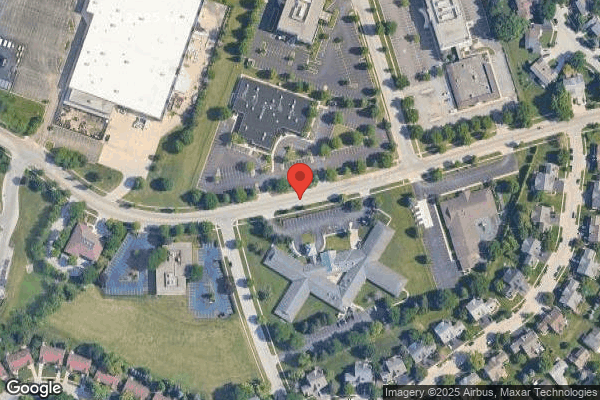
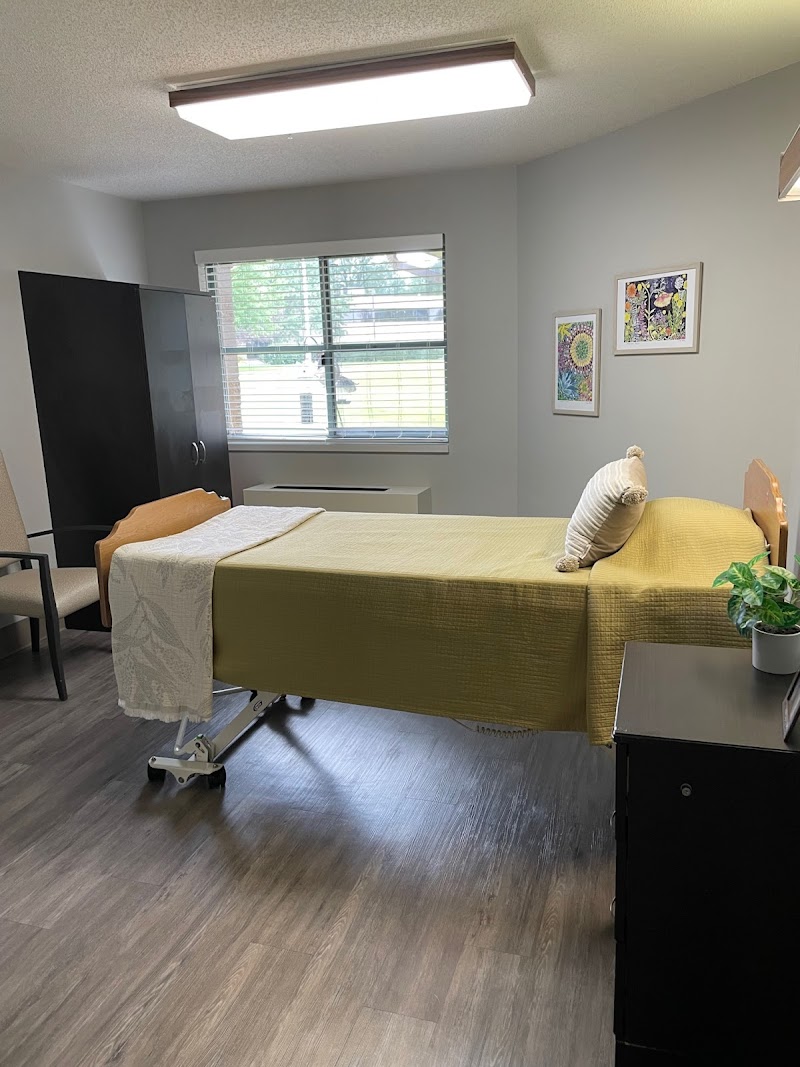
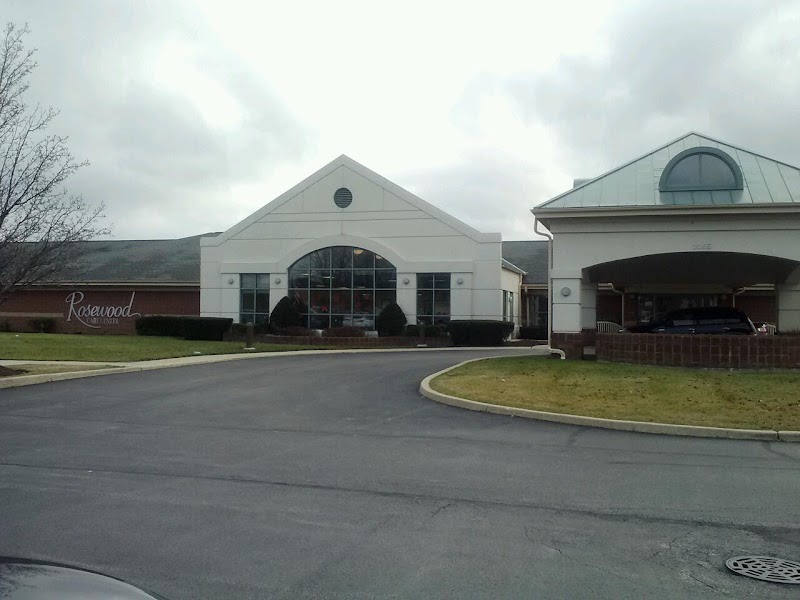
PEARL OF ELGIN, THE

2355 ROYAL BOULEVARD, ELGIN, IL 60123 (847) 888-9585
For profit - Limited Liability company 139 Beds PEARL HEALTHCARE Data: November 2025
Trust Grade
65/100
#177 of 665 in IL
Last Inspection: August 2024

Within standard 12-15 month inspection cycle. Federal law requires annual inspections.

Overview

The Pearl of Elgin has a Trust Grade of C+, indicating it is decent and slightly above average compared to other facilities. It ranks #177 out of 665 nursing homes in Illinois, placing it in the top half, and #12 out of 25 in Kane County, meaning only eleven local options are better. The facility is improving, with issues decreasing from nine in 2024 to just one in 2025. Staffing is rated average with a turnover rate of 36%, which is better than the Illinois average and suggests that staff tend to stay longer and build good relationships with residents. While the facility has not incurred any fines, which is a positive sign, there are some concerning incidents, such as a resident being rolled out of bed due to inadequate assistance when the care plan required two staff members. Additionally, there have been issues with food service staffing levels, leading to potential risks in meal preparation and service for residents. Overall, while there are strengths in staffing stability and no fines, the facility does have notable areas for improvement in care practices and staffing adequacy.

Trust Score
C+
65/100
In Illinois
#177/665
Top 26%
Safety Record
Moderate
Needs review
Inspections
Getting Better
9 → 1 violations
Staff Stability
○ Average
36% turnover. Near Illinois's 48% average. Typical for the industry.
Penalties
✓ Good
No fines on record. Clean compliance history, better than most Illinois facilities.
Skilled Nurses
○ Average
Each resident gets 41 minutes of Registered Nurse (RN) attention daily — about average for Illinois. RNs are the most trained staff who monitor for health changes.
Violations
⚠ Watch
37 deficiencies on record. Higher than average. Multiple issues found across inspections.
★★★★☆
4.0
Overall Rating
★★★☆☆
3.0
Staff Levels
★★★★★
5.0
Care Quality
★★★☆☆
3.0
Inspection Score
Stable
2024: 9 issues
2025: 1 issues

The Good

  • 5-Star Quality Measures · Strong clinical quality outcomes
  • Full Sprinkler Coverage · Fire safety systems throughout facility
  • No fines on record
  • Staff turnover below average (36%)

    12 points below Illinois average of 48%

Facility shows strength in quality measures, fire safety.

The Bad

Staff Turnover: 36%

Near Illinois avg (46%)

Typical for the industry

Chain: PEARL HEALTHCARE

Part of a multi-facility chain

Ask about local staffing decisions and management

The Ugly 37 deficiencies on record

1 actual harm
Aug 2025 1 deficiency
CONCERN (D) 📢 Someone Reported This

A family member, employee, or ombudsman was alarmed enough to file a formal complaint

Potential for Harm - no one hurt, but risky conditions existed

Deficiency F0551 (Tag F0551)

Could have caused harm · This affected 1 resident

**NOTE- TERMS IN BRACKETS HAVE BEEN EDITED TO PROTECT CONFIDENTIALITY** Based on the interview and record review, the facility failed to inform a resident's Power of Attorney (POA) before facilitating...

Read full inspector narrative →
**NOTE- TERMS IN BRACKETS HAVE BEEN EDITED TO PROTECT CONFIDENTIALITY** Based on the interview and record review, the facility failed to inform a resident's Power of Attorney (POA) before facilitating the completion of guardianship paperwork by another family member.This applies to 1 of 6 residents (R1) reviewed for the right exercised by the representative.Findings include:On 08/28/2025, approximately at 11:45 AM, V10 (R1's POA) said the facility facilitated the completion of R1's guardianship for another family member without her knowledge or consent. The Power of Attorney for Healthcare Statutory Form dated 02/19/2025, signed by R1, listed V10 as his healthcare agent (Power of Attorney-POA). Under the facility contact information in R1's profile, V10 is entered as the POA, responsible party for Healthcare Care, Surrogate Decision Maker, and Emergency Contact # 1.The facility provided a completed and signed evaluation report form for R1's guardianship, dated 8/12/2025, that was requested by a non-POA family member without the consent of V10, and the report was given to the non-POA family member.R1's EMR (Electronic Medical Record) showed that R1 is an [AGE] year-old male who was admitted to the facility on [DATE] for therapies, medical oversight, and assistance with activities of daily living. The SLUMS (St. Louis University Mental Status Examination), a comprehensive cognitive assessment dated [DATE], showed that R1 was cognitively impaired. R1's care plan, dated 06/27/2025, showed that R1's judgment was impaired. On 08/28/2025 at 11:30 AM, V2 (Social Services Director) stated that R1's non-POA family member provided her with a legal letterhead guardianship form on 08/05/2025 for the physician to complete the health information portion. V2 said she thought the Attorney would have been dealing with it and did not realize she needed to go through V10's (POA) authorization. V2 said she had given the form to V1(Administrator) to facilitate further. V2 said R1 never expressed to her about a change of guardianship, and she should have honored the wishes of R1 and notified V10 for the consent.On 08/28/2025 at 3:00 PM, V1 (Administrator) stated that V2 provided the form to him, and he facilitated its completion by V3 (R1's Physician). V1 stated the completed form was provided to the non-POA family member on 08/13/2025. V1 also said R1 did not express any desire to him for a change of guardianship, and he should have honored the wishes of V10 (POA), R1's previously designated POA.The facility's policy, titled Notification of Change of Condition, Discharge, and Transfer, dated 06/06/2025, states in part that The resident representative shall be notified of a change in resident rights under federal or state law or regulations .
Oct 2024 1 deficiency
CONCERN (D) 📢 Someone Reported This

A family member, employee, or ombudsman was alarmed enough to file a formal complaint

Potential for Harm - no one hurt, but risky conditions existed

Grievances (Tag F0585)

Could have caused harm · This affected 1 resident

Based on interview and record review, the facility failed to timely respond to a resident's Power of Attorney after being notified of a concern with a resident's damaged hearing aids. The facility fai...

Read full inspector narrative →
Based on interview and record review, the facility failed to timely respond to a resident's Power of Attorney after being notified of a concern with a resident's damaged hearing aids. The facility failed to follow their grievance policy. This applies to 1 of 6 residents (R1) reviewed for grievances. The findings include: R1's EMR (Electronic Medical Record) showed R1 had hearing impairment and required the use of bilateral hearing aids. R1's MDS (Minimum Data Set) dated 8/17/2024 showed R1 had moderate cognitive impairment. On 10/15/2024 at 11:55 AM, V6 (Admissions Director) said she received an email on 7/30/2024 from an outside provider regarding V13's (R1's Power of Attorney/POA) concern of R1's missing hearing aids that were found damaged. V6 continued to say she then received another email on 8/03/2024 from V13 regarding her concern with R1's damaged hearing aids and a request to have the facility contact her. V6 said she informed the facility's management team, including V1 (Administrator), on 8/03/2024. On 10/16/2024 at 12:30 PM, V1 (Administrator) said during R1's last care plan meeting on 9/19/2024, V13 again expressed her concern regarding R1's damaged hearing aids. V1 said V13's concern had not been addressed prior because they were informed by an outside provider that R1 possibly damaged her hearing aids herself and then V13 had provided R1 with new hearing aids on 7/25/2024. V1 said the facility did not investigate or interview staff regarding R1's alleged hearing aid incident. The facility's email correspondence from V13 to the facility dated 8/03/2024, showed V13 notified V6 of her concern regarding R1's damaged hearing aids and requested for the facility to contact her. R1's Grievance Concern/Lost Item Form regarding R1's damaged hearing aids was filed on 9/19/2024, which showed a total of 51 days had passed from when the facility was initially notified of R1's concern. The facility's policy titled Grievance Program dated 5/15/2024, said Policy Statement To promote an environment and culture open to feedback positive and or negative from residents, family members, employees, physicians, and any other visitors. Definition: A grievance is a concern that cannot be resolved to the satisfaction of the person making the objection at the bedside and or immediately. Immediately: For the sake of this document, immediately is defined as within four or less hours. 2. Process .When there is a grievance it will be: i. Document on the facility Grievance Report. ii. Routed to the Grievance Officer. iii. Listed on the facility Grievance Tracking Log. iv. Discussed with appropriate individuals .as warranted. v. Investigated accordingly .
Aug 2024 8 deficiencies
CONCERN (D)

Potential for Harm - no one hurt, but risky conditions existed

Grievances (Tag F0585)

Could have caused harm · This affected 1 resident

**NOTE- TERMS IN BRACKETS HAVE BEEN EDITED TO PROTECT CONFIDENTIALITY** 2. August 21, 2024, at 9:50 AM, R26 stated she would like resolution to her concern of having missing dentures. R26 stated she h...

Read full inspector narrative →
**NOTE- TERMS IN BRACKETS HAVE BEEN EDITED TO PROTECT CONFIDENTIALITY** 2. August 21, 2024, at 9:50 AM, R26 stated she would like resolution to her concern of having missing dentures. R26 stated she had dentures when she was admitted and around the beginning of the year, 2024, R26 stated the dentures were missing. R26 stated one morning she left her dentures cleaning in a cup on the sink in her bathroom and went to eat breakfast. R26 stated when she returned to her room after breakfast, her denture cup was gone, and she was unable to find her denture cup, but her room had been cleaned. R26 stated she reported the missing dentures to nursing staff but is unable to remember the names of the staff she told. R26's MDS dated [DATE] showed R26 was cognitively intact. R26's progress note dated April 27, 2024, showed V30 (Registered Nurse) documented R26's upper denture was missing. Review of the facility's grievance log from April 2024 through August 19, 2024, showed there was no grievance form on R26's behalf for missing dentures. On August 21, 2024, at 1:30 PM, V1 (Administrator) stated the Grievances are handled through social services first and the Social Services Director is the grievance coordinator. V1 stated grievance forms are completed for lost items if it can't be addressed immediately, staff will document on the grievance form. V1 stated when R26 raised the concern of the missing denture, staff working with R26 should have known to complete a grievance form as the staff on that unit are staff that have worked in the facility for a long time. On August 21, 2024, at 1:55 PM, V25 (Social Services Director/Grievance Coordinator) stated she is the Grievance Coordinator and if any staff become aware of a resident's missing item, the staff should complete a grievance form. V25 stated she was unaware of R26's missing dentures until the surveyor brought the concern to V1 (Administrators) attention on August 20, 2024. The Facility's grievance policy titled Grievance Program dated May 15, 2024, showed Policy .2. Process: a. grievances are formal written or verbal complaints made to the facility when prompt or bedside resolution to the satisfaction of the person making the objection was not possible. Grievances can also be made anonymously. When there is a grievance, it will be: .i. Documented on the facility Grievance Report. ii. Routed to the Grievance Officer. iii. Listed on the facility Grievance Log .v. Investigated accordingly .viii. Discussed through meetings which may be in person and/or telephone conferences .5. When a grievance is received by a staff member, they will notify their supervisor and forward the completed report to the Grievance Official.6. When a grievance is received orally, and the resident does not choose to complete a written report; then the staff member receiving the grievance will complete the report and forward it to the Grievance Official. Based on interview and record review, the facility failed to ensure that residents were able to exercise their right to make a complaint without interference. The facility also failed to document resident's concerns and follow their grievance policy. This applies to 3 of 3 residents (R13, R26, and R76) reviewed for grievances in the sample of 24. The findings include: 1. R76 is a [AGE] year-old female admitted to the facility on [DATE], with diagnoses that include Pulmonary Embolism, Chest Pain, and Sleep Apnea. R13 is a [AGE] year-old female admitted to the facility on [DATE], with diagnoses that include Asthma, Diabetes insipidus, and Major Depressive Disorder. R26 is [AGE] year-old female admitted to the facility on [DATE], with diagnoses that include Osteoarthritis of knee, Type 2 Diabetes Mellitus, Major depressive disorder, and Dementia. All three women are cognitively intact as evidenced by their most recent Brief Interview for Mental Status (BIMS) score of 15/15. During the resident council meeting on August 20, 2024, at 1:32 PM, R76 stated she was afraid of retaliation by the staff for voicing complaints because a female staff member asked her not to complain to the surveyor the day before so the facility can pass the survey. R13 and R26 also confirmed that a female staff member also told them the same. On August 21, 2024 at 10:01 AM, R76 stated she was conflicted and concerned about retaliation when V2 (Director of Nursing) approached her and R24 and asked them not to complain about the facility to the state surveyor. R76 stated I felt intimidated. I thought that by me complaining and them not passing, whatever passing meant, then there would be changes and I would be out of a place to live. On August 21, 2024, at 10:18 AM, R26 stated that when she was told not to complain about the bad stuff at the facility by V2, she felt like they were watching her more closely and it made her feel uncomfortable. On August 21, 2024, at 11:22 AM, R13 stated when V2 told her not to complain to the state surveyors, it felt shady like they wanted her to lie to make them look good. R13 stated she fears retaliation and she doesn't want any trouble. On August 21, 2024, at 2:37 PM, V25 (Social Service Director/Grievance Coordinator) stated that residents have a right to make a grievance, and they should be able to make a grievance without fear of retaliation. V25 stated residents should be able to voice concerns and grievances. This is their home. V25 stated staff should not ask residents not to complain. The facility's Resident Rights policy dated January 17, 2024 showed the following: 7. The facility will ensure that the resident can exercise his or her rights without interference, coercion, discrimination, or reprisal from the facility.
CONCERN (D)

Potential for Harm - no one hurt, but risky conditions existed

Deficiency F0645 (Tag F0645)

Could have caused harm · This affected 1 resident

Based on interview and record review, the facility failed to conduct a screening for Preadmission Screening and Resident Review (PASRR) on admission to facility for a resident with mental disorder. Th...

Read full inspector narrative →
Based on interview and record review, the facility failed to conduct a screening for Preadmission Screening and Resident Review (PASRR) on admission to facility for a resident with mental disorder. This applies to 1 of 4 residents (R21) reviewed for PASRR in the sample of 24. The findings include: R21's face sheet included diagnoses of schizophrenia, unspecified, anxiety disorder, unspecified major depressive disorder, recurrent, moderate Parkinson's disease without dyskinesia, without mention of fluctuations. R21's quarterly MDS (Minimum Data Set) dated July 5, 2024 showed that R21 is moderately impaired in cognition. Notice of PASRR Level I Screen Outcome dated July 25, 2022 included as follows: You are receiving this notification because you received a Preadmission Screening and Resident Review (PASRR) screening. To learn more, read the additional PASRR information that came with this letter. PASRR OUTCOME Explanation: PASRR request has been canceled. On behalf of the (state agency and state agency's contracted provider) has reviewed the Preadmission Screening and Resident Review (PASRR) Level 1 screen that was completed for you by your health care professional. You received this screen because you are seeking to enter or continue to stay in a nursing facility that receives Medicaid funding. PASRR Level I screen are required by Federal law, 42 U.S.C & 1396r(e)(7). Your Level I screen has been canceled by (state agency's contracted provider) . The screen was canceled because your health care professional did not complete either the Level 1 screening form and/or submit requested documentation within the required timeframe. If you want to go to a nursing facility, the nursing facility must submit a completed Level I screening to (state agency's contracted provider). On August 20, 2024 at 9:10 AM, V3 (Admissions Director) stated that R21 has been at the facility since 2021. V3 stated that on admission, all residents get a screening for PASRR and DON (Determination of need) and 90% of the time it is done at the hospital. V3 stated that the facility does check to ensure that everyone has been screened for PASRR, but she does not know the frequency of when it is done. V3 stated that she reached out to (state agency's contracted provider) on August 19, 2024 when PASRR level I for R21 was requested for during survey and they stated that a screening for the same have to be requested for again. Facility Policy titled admission Criteria (dated November 18, 2021) included as follows: Policy Statement: Our facility admits only residents whose medical and nursing care can be met. Procedure: 9. All new admissions and readmissions are screened for mental disorders (MD), intellectual disabilities (ID) or related disorders (RD) per Medicaid Preadmission Screening and Resident Review (PASARR) process. a. The facility conducts a Level I PASARR screen for all potential admissions, regardless of payer source, to determine if the individual meets the criteria for a MD, ID or RD. b. If the level I screen indicates that the individual may meet the criteria for a MD, ID or RD, he or she is referred to the state PASARR representative for Level II (evaluation and determination) screening process. 1) The admitting nurse notifies the social services department when a resident is identified as having a possible (or evident) MD, ID or RD. 2) The social worker is responsible for making referrals to the appropriate state-designated authority.
CONCERN (D)

Potential for Harm - no one hurt, but risky conditions existed

Quality of Care (Tag F0684)

Could have caused harm · This affected 1 resident

**NOTE- TERMS IN BRACKETS HAVE BEEN EDITED TO PROTECT CONFIDENTIALITY** Based on observation, interview, and record review, the facility failed to ensure that a resident's gauze central line dressing ...

Read full inspector narrative →
**NOTE- TERMS IN BRACKETS HAVE BEEN EDITED TO PROTECT CONFIDENTIALITY** Based on observation, interview, and record review, the facility failed to ensure that a resident's gauze central line dressing was changed every 48 hours for prevention of infection. This applies to 1 of 1 resident (R113) reviewed for intravenous therapy in the sample of 24. The findings include: R113 is a [AGE] year-old male admitted to the facility on [DATE], with diagnoses that include local infection of the skin and subcutaneous tissue, Sepsis, and Peritoneal Abscess. R113 had an order dated August 1, 2024, to change transparent dressing using central line kit every week. Apply (brand name specialty dressing) on site, secure with (brand name stabilization device), and change cap. On August 19, 2024, at 10:52 AM, R113's right arm central line dressing was dated August 11, 2024, in red marker. The dressing was dirty and covered with a dirty sleeve. There is a piece of gauze about two inches squared around the insertion site of the central line. On top of the gauze was a transparent semipermeable membrane. R113 stated his central line dressing had not been changed recently. On August 19, 2024, at 1:28 PM, R113 stated that the nurse just changed his central line dressing. R113 central line dressing is now dated August 19, 2024 and gauze is mostly covering the insertion site with a transparent semipermeable dressing over it. On August 21, 2024, at 1:52 PM, V2 (Director of Nursing) stated their practice is to use the central line kit to change central line dressing and they place the gauze that comes in the kit underneath the transparent dressing. V2 stated that there is no (brand name specialty dressing) in the kit. V2 stated their practice is to change the central line dressing every seven days and as needed. V2 stated they change the dressing to prevent infection. V2 stated she was not aware of the facility's policy to change dressing every 48 hours when gauze is used underneath a transparent membrane. R113's electronic medication administration record document central line dressing was not being changed every 48 hours. The facility's PICC line or Midline Catheter Dressing Change procedure policy shows the following: Procedure: 14. Note: When a transparent semipermeable membrane is applied over gauze, it is considered a gauze dressing in accordance with the intravenous Nursing Society Standards and must be changed every 48 hours.
CONCERN (D)

Potential for Harm - no one hurt, but risky conditions existed

Deficiency F0761 (Tag F0761)

Could have caused harm · This affected 1 resident

Based on observation, interview, and record review the facility failed to store insulin and house stock medication in accordance with their policy. This applies to 1 of 24 residents (R10) reviewed for...

Read full inspector narrative →
Based on observation, interview, and record review the facility failed to store insulin and house stock medication in accordance with their policy. This applies to 1 of 24 residents (R10) reviewed for medication storage in a sample of 24. The findings include: On August 20, 2024, at 10:05 AM, the XXX Hall East medication cart was reviewed with V31 (LPN/Licensed Practical Nurse). R10's Basaglar insulin pen was unopened, stored in the drawer of the medication cart and the sticker on the package showed refrigerate until opened. The pharmacy filled date on the label was August 10, 2024. V31 stated that the insulin pen should be in the refrigerator because it was not opened. R10's physician order summary showed R10 had an active order for Basaglar insulin 60 units at bedtime daily. On August 20, 2024, at 10:30 AM, the East Medication Storage room was checked with V30 (Nurse Supervisor). In the cabinet where the house stock medications are stored, there were zinc sulfate capsules 220 mg, with expiration date of October 2023, and 3 bottles of multivitamins, 100 tablets each with an expiration date of July 2024. There was no other stock of zinc sulfate capsules or multi vitamin tablets in the medication cabinet. The facility policy titled Storage of Medications dated, September of 2018, showed II. Temperature .4. Medications requiring refrigeration are kept in a refrigerator at temperature between 36F (Fahrenheit) and 46F and III. Expiration Dating .8. All expired medications will be removed from the active supply and destroyed in accordance with facility policy, regardless of amount remaining.
CONCERN (D)

Potential for Harm - no one hurt, but risky conditions existed

Dental Services (Tag F0791)

Could have caused harm · This affected 1 resident

**NOTE- TERMS IN BRACKETS HAVE BEEN EDITED TO PROTECT CONFIDENTIALITY** Based on observation, interview, and record review the facility failed to have the required policy regarding missing or lost den...

Read full inspector narrative →
**NOTE- TERMS IN BRACKETS HAVE BEEN EDITED TO PROTECT CONFIDENTIALITY** Based on observation, interview, and record review the facility failed to have the required policy regarding missing or lost dentures and financial responsibility, in accordance with 483.55(b)(4) and failed to assist a resident in need of dentures, to obtain them. This applies to 1 of 1 resident (R26) reviewed for dental services in the sample of 24. The Findings include: R26's EMR (Electronic Medical Record) showed R26 was admitted to the facility on [DATE], with multiple diagnoses including, Diabetes type 2, bilateral primary osteoarthritis of both knees, unspecified protein-calorie malnutrition, chronic obstructive pulmonary disease, and chronic diastolic congestive heart failure. R26's payor status showed Medicaid pending. R26's MDS (Minimum Data Set) dated July 27, 2024, showed R26 to be cognitively intact, and required staff assistance with ADLs (Activities of Daily Living) including Supervision or touching assistance with eating, oral hygiene and upper body dressing, partial/moderate assistance with bed mobility and toilet transfer, and substantial assistance with lower body dressing and sit to stand, and dependent on staff with toilet hygiene, bathing and putting on footwear. R26's care plan initiated on August 8, 2024, showed personal hygiene/oral care the resident is able to cleanse her dentures with set up assistance from staff. R26's profile picture image showed she had teeth. On August 19, 2024, at 2:02 PM, R26 was sitting in her room in her wheelchair, she had one bottom tooth in her mouth, when asked if she received dental services, R26 responded she had been missing her dentures since the beginning of 2024. R26 stated she doesn't remember the exact date, but she remembered leaving her dentures in the soaking solution in a cup on the bathroom sink and when she returned after eating breakfast, the cup and the dentures were missing. R26 stated since breakfast food is usually soft, she didn't need the dentures in to eat breakfast and her room had been cleaned while she was at breakfast but could no longer find her denture cup in her room and thought the cup was knocked off the sink and into the garbage during room cleaning. R26 stated she told her assigned nursing staff at the time but does not remember which staff she told and stated she had been to the dentist twice since that time but has no idea where the replacement dentures are now. A review of the facility's grievance/concern forms from April 2024 through August 19, 2024, showed there was no grievance made on behalf of R26 concern regarding missing dentures. R26's progress note dated April 27, 2024; quarterly review written by V30 (Registered Nurse) showed R26's dentures were missing. R26's dental visit notes dated April 30, 2024, showed the treatment plan to be upper denture/lower peep denture. R26's dental visit notes dated June 8, 2024, showed the treatment plan to be upper denture, extract root tip #29, lower peep hole denture, will check coverage. No symptomatic teeth. On August 21, 2024, at 2:11 PM, V24 (Customer service for the dental office) stated when looking through R26's notes found that in response to R26's dental visit on April 30, 2024, the office sent an email to the facility's business office manager on May 1, 2024. V24 stated the email showed that the dental office described the costs for replacing R26's dentures as being $300 each for the upper and lower denture or a total cost of $600. V24 stated R26's notes showed there was no response from the facility to the May 1, 2024, email. V24 stated the notes showed the next contact from the facility regarding R26 was on August 20, 2024, requesting information regarding R26's denture replacement status. V24 stated since the financial arrangement for the cost of R26's dentures had not been completed, R26's denture replacements had not been started by the dental office. On August 21, 2024, at 1:30 PM, V1 (Administrator) stated when R26 raised the concern of the missing denture, staff working with R26 should have known to complete a grievance form as the staff on that unit are staff that have worked in the facility for a long time. V1 also stated that the dental visits are arranged by V25 (Social Services Director). On August 21, 2024, at 1:55 PM, V25 stated she does arrange for dental appointments and receives the dental visit notes from the dental office. V25 stated when she receives the dental visit notes she forwards the email to the health information staff who uploads the visit notes into the EMR of each resident. V25 was asked who in the facility reads and follows through with the treatment plans identified on the dental visit notes and V25 stated maybe nursing staff, if a preparation for a tooth extraction was ordered, but otherwise was unsure who read the notes and who arranged for follow up. The facility did not provide a policy regarding lost/missing dentures and determining financial responsibility for replacement. The facility policy titled Dental Services dated June 3, 2024, showed 2 c. Will promptly, at least within 3 days, refer residents with lost or damaged dentures for dental services .3. The facility will assist residents who are eligible and wish to participate to apply for reimbursement of dental services as an incurred medical expense under the State plans.
CONCERN (E)

Potential for Harm - no one hurt, but risky conditions existed

Deficiency F0805 (Tag F0805)

Could have caused harm · This affected multiple residents

Based on observation, interview and record review, the facility failed to serve mechanically ground coleslaw and pureed consistency pork riblet and bun to residents on diet order consistencies for the...

Read full inspector narrative →
Based on observation, interview and record review, the facility failed to serve mechanically ground coleslaw and pureed consistency pork riblet and bun to residents on diet order consistencies for the same. This applies to 11 of 11 residents (R5, R8, R12, R34, R41, R46, R62, R65,R71, R168, R270) reviewed for dining in the sample of 24. The findings include: 1. On August 19, 2024 at 12:11 PM, during tray line service, the pureed barbeque pork riblet was noted to be grainy with black substance in it. The pureed bread appeared granular. When taste tested, the pureed meat had hard pieces that were unable to be swallowed without being chewed. The black substance appeared to be burnt pieces from the pork riblet, as some of the riblets served for the regular consistency diet looked well done with charred ends. V17 (Food Service Manager) was notified that these items were not safe to serve. V19 (Cook) acknowledged that the black substances were from the charred pork riblets. Facility diet order sheet printed August 19, 2024 showed that R5, R46, R71, R168 and R270 were on Pureed diets. 2. On August 19, 2024 at 01:17 PM, during meal rounds, R12 was fed by V21 (Certified Nursing Assistant) in her room. R12's head of the bed was elevated between 45-75-degree angle. R12 received mechanical soft riblet on bun, French fries and a side of coleslaw which was shredded into varying lengths. R12's meal ticket showed ground creamy coleslaw. V21 was feeding R12 the ground riblet and the bun that was cut up into pieces and shredded coleslaw that were mixed together on the plate. R12 noted to start coughing profusely and V21 was prompted to call the nurse on duty. V20 (Licensed Practical Nurse) came to the room and R12 continued to cough and stated that she needs to go to the hospital. On prompting again, V20 and V21 raised the head of bed to 90-degree angle. State Personnel stepped out of the room and returned to find R12 not coughing anymore. V20 stated that R12 coughed out a piece of food which looked like the coleslaw. When asked, R12 stated that most of her teeth are missing. Other residents observed for dining that showed mechanical soft diets on tray cards and who received the shredded coleslaw were R8, R34, R41, R62 and R65. R8 was noted not to touch her coleslaw and stated, It's hard to chew and I am afraid of choking if I eat it. V17 and V19 verified that the coleslaw was shredded and not ground. Facility diet order sheet printed August 19, 2024 showed that R8, R12, R34, R41, R62 and R65 were on mechanical soft diets. On August 20, 2024 at 11:40 AM, V18 (Regional Director of Operations, Dietary) stated that the consistency for pureed foods should be like mashed potato. V18 stated that the facility should follow the spreadsheets and/or recipe for mechanical soft coleslaw. Facility Recipe for 'Creamy Coleslaw' included as follows: Shred or chop cabbage and measure and add coleslaw dressing appropriate for number of servings. For all textures modifications follow sheet for substitute. Facility Menu extension for August 19, 2024 showed that mechanical soft diet to receive ground creamy coleslaw. Facility undated policy titled Characteristics and Procedures for Consistency Modified Foods included as follows: Policy: Mechanical Soft, Dysphagia and Puree Diets will be prepared to the food characteristics listed below: Puree #440: Properly prepared pureed food has the following characteristics: 1. It is smooth without lumps, skin pieces, etc. 2. It holds its shape on a plate. 3. It is soft (pudding like consistency) 5. It does not need to be chewed. Ground: Mechanical Soft #435 (May also be called Soft, Bite Size). Properly prepared foods for residents requiring mechanical soft consistency have the following characteristics: 3. chewing is required before swallowing 4. Bite sized pieces no larger than 1/2 inch. Procedure: 2. Process in food processor until even course ground texture is achieved.
CONCERN (E)

Potential for Harm - no one hurt, but risky conditions existed

Deficiency F0883 (Tag F0883)

Could have caused harm · This affected multiple residents

**NOTE- TERMS IN BRACKETS HAVE BEEN EDITED TO PROTECT CONFIDENTIALITY** Based on interview and record review, the facility failed to follow their policy to offer pneumococcal vaccines in accordance wi...

Read full inspector narrative →
**NOTE- TERMS IN BRACKETS HAVE BEEN EDITED TO PROTECT CONFIDENTIALITY** Based on interview and record review, the facility failed to follow their policy to offer pneumococcal vaccines in accordance with CDC (Centers for Disease Control and Prevention) guidelines. This applies to 5 of 5 residents (R1, R15, R21, R63, and R69) reviewed for immunizations in the sample of 24. The findings include: 1. R1's EMR (Electronic Medical Record) showed R1 was a [AGE] year-old resident admitted to the facility on [DATE]. The EMR continued to show multiple interventions including congestive heart failure, respiratory disorders, asthma, pulmonary hypertension, and hypertension. R1's Immunization Report dated August 21, 2024, at 2:36 PM, showed R1 received the PPSV23 (23-valent pneumococcal polysaccharide vaccine) on July 13, 2022. The facility does not have documentation to show R1 was offered another pneumococcal vaccine. 2. R15's EMR showed R15 was an [AGE] year-old resident admitted to the facility on [DATE]. The EMR continued to show R15 had multiple diagnoses including chronic kidney disease, acquired absence of kidney, hypertension, and hyperlipidemia. R15's Immunization Report dated August 21, 2024, at 2:34 PM, showed R15 received the PPSV23 on September 23, 2022. The facility does not have documentation to show R15 was offered another pneumococcal vaccine. 3. R21's EMR showed R21 was an [AGE] year-old resident admitted to the facility on [DATE]. The EMR continued to show R22 had multiple diagnoses including Parkinson's disease, chronic kidney disease, hypertension, heart failure, and atrial fibrillation. R21's Immunization Report dated August 21, 2024, at 2:31 PM, showed R21 received the PPSV23 on July 13, 2022. The facility does not have documentation to show R21 was offered another pneumococcal vaccine. 4. R63's EMR showed R63 was a [AGE] year-old resident admitted to the facility on [DATE]. The EMR continued to show R63 had multiple diagnoses including diastolic heart failure, atrial fibrillation, Parkinson's disease, and hypertension. R63's Immunization Report dated August 21, 2024, at 12:57 PM showed R63 had not received a pneumococcal vaccine. The report continued to show R63 required a pneumococcal vaccine. R63's Consent/Education Pneumonia Assessment dated July 26, 2024, at 2:40 PM, showed R63 consented to receive the pneumococcal vaccine. The facility does not have documentation to show R63 received a pneumococcal vaccine. On August 21, 2024, at 2:04 PM V22 said R63's EMR did not show any other consents for pneumococcal vaccine. 5. R69's EMR showed R69 was an [AGE] year-old resident admitted to the facility on [DATE]. The EMR continued to show R69 had multiple diagnoses including type 2 diabetes mellitus, chronic kidney disease, hyperlipidemia, and hypertension. R69's Immunization Report dated August 21, 2024, at 2:33 PM, showed R69 received the PPSV23 on July 13, 2022. The facility does not have documentation to show R69 was offered another pneumococcal vaccine. On August 21, 2024, at 2:04 PM, V22 (Infection Preventionist Nurse) said the facility follows the CDC's Pneumococcal Vaccine Timing for Adults. V22 continued to say R1, R15, R21, and R69 should have been offered another pneumococcal vaccine one year after the PPSV23, but none of them were offered another vaccine. On August 21, 2024, at 2:59 PM, V2 (Director of Nursing) said the facility follows CDC guidelines for pneumococcal vaccine timing. V2 continued to say R1, R15, R21, and R69 should have been offered another pneumococcal vaccine one year after receiving the PPSV23. The CDC's Pneumococcal Vaccine Timing for Adults showed adults 65 years and older with a prior vaccination of PPSV23 only should receive PCV20 (20-valent pneumococcal conjugate vaccine) or PCV15 (15-valent pneumococcal conjugate vaccine) after one year. The facility's policy titled Policy: Infection Control- Influenza and Pneumococcal Immunizations for Residents dated June 3, 2024, showed, Intent It is the policy of the facility to ensure that the resident receives Influenza and Pneumococcal immunizations, in accordance with State and Federal Regulations, and national guidelines. Procedure: .Pneumococcal Immunization . 5. Pneumococcal immunization will be offered in accordance with CDC immunization algorithm for PCV13 (13-valent pneumococcal conjugate vaccine) and PPSV23.
CONCERN (F)

Potential for Harm - no one hurt, but risky conditions existed

Infection Control (Tag F0880)

Could have caused harm · This affected most or all residents

**NOTE- TERMS IN BRACKETS HAVE BEEN EDITED TO PROTECT CONFIDENTIALITY** 2. The facility's Long-Term Care Facility Application for Medicare and Medicaid dated August 19, 2024, at 11:00 AM, showed the f...

Read full inspector narrative →
**NOTE- TERMS IN BRACKETS HAVE BEEN EDITED TO PROTECT CONFIDENTIALITY** 2. The facility's Long-Term Care Facility Application for Medicare and Medicaid dated August 19, 2024, at 11:00 AM, showed the facility's census was 121 residents. On August 21, 2024, at 12:53 PM, V23 (Maintenance Director) said for the water management plan, he does not keep logs of the temperature gauge check of the Hot Water Tank, mixing valve, or kitchen/laundry water temperatures. V23 continued to say he does not check the facility's water for chlorine levels. The facility does not have documentation to show the temperate gauges are checked daily or the facility's water is tested for chlorine levels. On August 20, 2024, V1 (Administrator) provided the facility's Water Management Plan dated February 21, 2024. The Plan continued to show the facility's Hazard Analysis of the facility's Cold-Water Distribution was Risk Basis: Medium Risk: Based on the potential variable chlorine present in the cold-water supply, the potential for microbiological growth in conjunction with the potential for water to be aerosolized present a medium risk at this processing step. In addition, distribution piping materials vary based on the various building ages and construction practices. Controls: 1. Systematic water flushing to move disinfectant through the piping system. 2. Emergency disinfection when indicated by added secondary disinfection to the cold-water system. 3. Temporary utilization of Point of Use Filters when indicated. 4. Identify, remove and/or mitigate potential dead-legs and/or cross connections that may exist within the distribution system. 5. Identify, remove and/or mitigate aerators/faucet flow restrictors that may exist within the distribution system. The Plan continued to show the Cold-Water Distribution's Critical Control Limit was Potable Water Oxidant: 'Free' Chlorine 0.2 to 4.0 ppm (Parts per Million); monitoring: Free Residual Oxidant Check (Chlorine; Frequency: weekly; Limit Deviation Corrective Action: Vacant resident care areas or any other area/room with plumbing fixtures are to be manually flushed for two minutes every day. The Plan continued to show the facility's Hazard Analysis of the facility's Hot Water Distribution was High Risk: The hot water system is extensive and complex. In addition, may tenants mange individual hot water heaters. There is a potential for 15-to-20-degree Fahrenheit temperature drops after the hot water supply leaved the Hot Water Heaters which can bring the water into prime temperature ranges for microbiological growth (105 degrees to 112 degrees Fahrenheit). Along with these favorable temperatures for microbiological growth, there is potential for free chlorine residuals to dissipate and leave the hot water system with low level of control. The factors for growth in conjunction with the potential for water to be aerosolized presents a high risk at this processing step. There is also potential for scalding should the Water Temperature not drop to 122 degrees Fahrenheit. In addition, distribution piping materials vary based on the various building ages and construction practices. Controls: 1. Temporary utilization of Point of Use filters when indicated. 2. Increase recirculation rate of hot water loops. 3. Identify, remove and/or mitigate potential dead-legs and/or cross connections that may exist within the distribution system. 4. Identify, remove and/or mitigate aerators/faucet flow restrictors that may exist within the distribution system. The Plan continued to show the Hot Water Distribution's Critical Control Limit was Potable Water Oxidant: 'Free' Chlorine 0.2 to 4.0 ppm (Parts per Million); monitoring: Free Residual Oxidant Check (Chlorine; Frequency: weekly; Limit Deviation Corrective Action: Vacant resident care areas or any other area/room with plumbing fixtures are to be manually flushed for two minutes every day. On August 21, 2024, at 2:33 PM, V1 (Administrator) said the facility has an updated water management plan. V1 continued to say the updated water management plan does not require chlorine testing. V1 said without chlorine testing, the facility does not know if the control limit of potable water oxidant chlorine in being met. V1 said in the new water management plan, the only monitoring for the Cold-Water Distribution and Hot Water Distribution is a yearly testing for Legionella in the facility's water. V1 continued to say there is no monitoring to mitigate the growth of Legionella in the Cold-Water Distribution or the Hot Water Distribution. V1 said the facility should have logs of daily temperature gauge checks. V1 said V23 checks the temperature gauges and V23 works Monday through Friday, so V1 is unsure who checks the temperature gauges on the weekends. The facility's policy titled Policy: Legionella Water Management Plan dated May 15, 2024, showed, Policy Statement: Our facility is committed to the prevention, detection and control of water-borne contaminants including Legionella. Procedure: 1. As part of the infection prevention and control program, our facility has a water management team . 3. The purposes of the water management program are to identify areas in the water system where Legionella bacteria can grow and spread, and to reduce the risk of Legionnaire's disease. 4. The water management program used by our facility is based on the Centers for Disease Control and Prevention and ASHRAE (American Society of Heating, Refrigerating and Air-Conditioning Engineers) recommendations for developing a Legionella water management program. 5. The water management program includes the following elements: a. An interdisciplinary water management team; b. A detailed description and diagram of the water system in the facility, including the following: 1) Receiving; 2) Cold water distribution; 3) Heating; 4) Hot water distribution; and 5) waste. c. The identification of areas in the areas in the water system that could encourage the growth and spread of Legionella or other water borne bacteria, including: 1) Storage tanks; 2) Water heaters; 3) Filters; 4) Aerators; 5) Showerheads and hoses; 6) Misters, atomizers, air washers and humidifiers; 7) Hot tubs; 8) Fountains; and 9) Medical devices such as CPAP (Continuous Positive Airway Pressure) machines, hydrotherapy equipment; etc. d. The identification of situations that can lead to Legionella growth, such as: 1) Construction; 2) Water Main breaks; 3) Changes in municipal water quality; 4) The presence of biofilm, scale or sediment; 5) Water temperature fluctuations; 6) Water pressure changes; 7) Water stagnation and; 8) inadequate disinfection. e. Specific measures used to control the introduction and/or spread of legionella (e.g., temperature, disinfectants); f. The control limits or parameters that are acceptable and that are monitored; g. A diagram of where control measures are applied; h. A system to monitor control limits and the effectiveness of control measures; i. A plan for when control limits are not met and/or control measures are not effective; and j. documentation of program . Based on observation, interview, and record review, the facility failed to follow their policy for hand hygiene during provisions of care with R59. The facility also failed to follow their water management plan for Legionella. This has the potential to affect all 121 residents residing in the facility. The findings include: 1. R59's EMR (Electronic Medical Record) showed R59 was admitted to the facility on [DATE], with diagnoses that included wedge compression fracture of thoracic vertebra (T7-T8), wedge compression of first lumbar vertebrae, dementia, and cerebrovascular disease. R59's MDS (Minimum Data Set) dated July 8, 2024, showed R59 had cognitive impairment and was dependent on staff for toileting hygiene. R59's care plan showed R59 had an indwelling urinary catheter for urinary retention and catheter care was to be provided during routine perineal care. On August 21, 2024, at 1:13 PM, V15 and V14 (Certified Nursing Assistants) used hand sanitizer, put on gown and gloves to entered R59's room. V16 explained to R59 what they were there to do. V15 went into the bathroom and grabbed an empty container used to empty R59's urinary drainage bag. V15 emptied the drainage bag and then with the same gloves started providing care to R59. V15 used a packet of disposable wipes. V15 wiped the right groin with a wipe from front to back, she disposed of that wipe and used a new wipe to clean the left groin from front to back and threw that wipe away. V15 used a new wipe and cleaned down the outer labia from front to back and a small amount bowel movement was noted on the wipe. V15 did not spread the labia and clean in between the area. R59's indwelling catheter tubing was secured to the leg and V15 wiped down the top part of the tubing that was visible and did not clean the tubing from insertion site moving down the tubing towards her knee cleaning all sides of the tube. While wearing the same gloves, V15 with the help of V14, turned R59 onto her right side facing away from V15 so she could clean the resident's backside. Once on her right side, it was noted that R59 had a small amount of stool in her incontinence brief. V15 used a new wipe and cleaned her buttock several times (with a new wipe each time) from front to back. Once R59 was clean, V15, still wearing the same gloves grabbed the protective ointment they were using on her skin and applied it to R59's buttocks. V14 had laid a new incontinence on the bed behind R59 and used the same gloves to position the incontinence brief under R59 so she could be turned onto her left side. V14 stopped V15 and told her You need to change your gloves. V15 removed her gloves and without using hand sanitizer or soap and water put on a new pair of gloves. R59's incontinence brief was secured, she was repositioned and covered back up. The facility provided their policy titled Hand Hygiene, with a revision date of June 3, 2024. The policy showed: Procedure: 1. Soap and water is required for hand hygiene when a. hands are visible soiled c. after potential exposure to body fluid h. after handling soiled or used linen, dressings, bedpans, catheters, and urinals. 2. Alcohol-based hand rub may be used for all other hand hygiene opportunities b. prior to performing a procedure such as blood glucose monitoring, invasive procedures or catheter care, c. when moving from a contaminated body site to a clean body site such as when changing a brief or wound dressing. On August 21, 2024, at 1:35 PM, V22 (Infection Preventionist Nurse) said that R59 was admitted to the facility with an indwelling urinary catheter in place. V22 said catheter care is to be done every shift. The staff need to gather their supplies and explain to resident what they will be doing. V22 said if the resident has had a bowel movement, the bowel movement should be cleaned up before doing the catheter care. After the bowel movement has been cleaned up, the staff need to remove gloves, perform hand hygiene, and put on new gloves. Staff then need to clean from the outer area moving inward and from front to back. In a female resident, the labia need to be spread and cleaned from front to back making sure to clean the tubing at the site of insertion moving away from resident and cleaning all sides of the tubing. V22 said anytime you touch something dirty when providing incontinence care, you need to remove gloves, do hand hygiene, and put on new gloves before touching anything clean. After cleaning up bowel movement, and before grabbing a container of ointment to be used on the bottom, dirty or used gloves need to be removed, hand hygiene done, and new gloves put on. This is to prevent cross contamination.
Sept 2023 16 deficiencies
CONCERN (D)

Potential for Harm - no one hurt, but risky conditions existed

Deficiency F0583 (Tag F0583)

Could have caused harm · This affected 1 resident

Based on observation and interview, the facility failed to ensure that privacy was provided to residents during administration of insulin and eye drops medications. This applies to 2 of 7 residents (R...

Read full inspector narrative →
Based on observation and interview, the facility failed to ensure that privacy was provided to residents during administration of insulin and eye drops medications. This applies to 2 of 7 residents (R33 and R80) observed during medication pass administration in the sample of 24. The findings include: 1. During medication pass observation on 9/6/23 at 4:46 PM, V24 (Licensed Practical Nurse) administered the insulin injection to R33, inside the resident's room. During the insulin administration, R102 (roommate) was present and saw V24 injecting the insulin to R33's lower abdomen. V24 did not draw the privacy curtain that was hanging in between the two resident beds to provide privacy to R33. 2. During medication pass observation on 9/6/23 at 4:49 PM, V24 administered eye drops to R80 inside the resident's room. During the eye drops administration, R76 (roommate) was present and saw the procedure. V24 did not draw the privacy curtain that was hanging in between the two resident beds to provide privacy to R80. On 9/07/23 at 12:38 PM, V2 (Director of Nursing) stated that privacy should be provided to all residents during administration of insulin and eye drops. According to V2, the privacy curtain should be drawn especially when a roommate is present in the room. V2 further stated that it is the resident's rights to have privacy during care and treatment including during administration of injectable medications and eye medication administrations.
CONCERN (D)

Potential for Harm - no one hurt, but risky conditions existed

Deficiency F0688 (Tag F0688)

Could have caused harm · This affected 1 resident

Based on observation, interview, and record review the facility failed to ensure a resident with limited mobility receives appropriate services, equipment, and assistance to maintain or improve mobili...

Read full inspector narrative →
Based on observation, interview, and record review the facility failed to ensure a resident with limited mobility receives appropriate services, equipment, and assistance to maintain or improve mobility. This applies to 1 of 6 residents (R55) reviewed for limited range of motion (ROM) in the sample of 24. The finding include: R55's EMR (Electronic Medical Record) showed R55 has been in the facility since 8/26/22. R55's diagnoses included unspecified injury at C7 level of cervical spinal cord resulting in paraplegia, major depression, muscle generalized weakness, contracture of right knee, contracture of left knee, and polyneuropathy. R55's MDS (Minimum Data Set) dated 8/8/2023 showed R55 was cognitively intact and required two staff extensive assistance for bed mobility, transfers, and toilet use. R55 required one staff extensive assistance for dressing and personal hygiene. R55's MDS indicated he was receiving restorative services but did not indicate splint or brace assistance. R55's care plan initiated on 1/6/23 showed [R55] had an ADL (Activities of Daily Living) performance deficit related to paraplegia and neuropathy. The interventions included bilateral contracture braces- on for 4 hours. On 5/3/23 a new focus was added. [R55] participates in restorative nursing programs. Interventions included provide restorative programs/interventions as ordered/indicated and report and document any declines in ability. R55's POS (Physician Order Set) showed an order on 6/8/23 for assistance brace left resting hand splint on for up to eight hours at a time. Monitor skin. Left elbow contracture brace on for eight hours at a time. Monitor skin integrity every day and evening shift R55's restorative recommendations made by Physical Therapy dated 5/3/23 showed PROM (Passive Range of Motion) was recommended. Description of plan showed gentle passive range of motion to bilateral hip and knee joints 15 repetitions times two sets. Restorative nursing program three to six times a week as tolerated. R55's restorative recommendations made by Occupational Therapy dated 5/12/23 recommended AAROM (Active Assisted Range of Motion), PROM, and splint/brace. Description of plan showed left elbow AAROM and left-hand PROM, two sets of 10 repetitions three to six times a week as tolerated for contracture management. Left resting hand splint and left elbow extension splint on up to eight hours at a time, monitor skin, done three to six times a week as tolerated. On 9/5/23 at 12:40 PM, R55 was in bed. R55's left was contracted into a closed fist. R55 said he cannot open his left hand. R55's right hand was visibly contracted and R55 said he could not straighten out his fingers. R55 said his right hand is worsening and facility is not doing anything about it. R55 said he should be getting ROM exercises. R55 also reported his left leg is starting to contract more. On 9/6/23 at 2:00 PM, R55 said he has not had his splint on his hand/arm for several days. On 9/7/23 at 10:28 AM, V11 (Restorative Nurse/Nurse Manager) said that R55 has an order for ROM (Range of Motion) to his left elbow, has a left resting hand splint which he is to wear for 8 hours a day. R55 was on the other end of the building and so V11 said she did not know what was being done for him when he was on the other side of the building because we really don't have a restorative program. V11 said [R55's] orders in the computer showed restorative started on 9/14/22. V11 said no one has mentioned to her that R55's right hand is contracted. When there is a concern, the CNA (Certified Nurse Aide) or RA (Restorative Aide) needs to make the nurse aware and then PT (Physical Therapy) will be consulted. On 9/7/23 at 10:43 AM, V22 (Restorative Aide) said R55 wears a left brace to hand and elbow three to six times a week. He last wore it two weeks ago. When asked why 2 weeks ago, V22 said she has been really busy. R55 will usually wear his brace after lunch. V22 said [R55] has not said anything to her about his right hand being contracted and continued to say that R55 has not been getting any restorative to his right hand because he can move his right arm himself. V22 said R55 exercises his right arm, and we do ROM to his left arm.
CONCERN (D)

Potential for Harm - no one hurt, but risky conditions existed

Incontinence Care (Tag F0690)

Could have caused harm · This affected 1 resident

Based on observation, interview and record review, the facility failed to clean a resident during incontinence care in a manner that would prevent potential infection. This applies to 1 of 1 resident ...

Read full inspector narrative →
Based on observation, interview and record review, the facility failed to clean a resident during incontinence care in a manner that would prevent potential infection. This applies to 1 of 1 resident (R34) reviewed for incontinence care in the sample of 24. The findings include: R34's EMR (Electronic Medical Record) showed R34's most recent admission date was 7/4/22 with diagnoses that included Parkinson's disease, dementia without behavioral disturbances, and peripheral autonomic neuropathy. R34's MDS (Minimum Data Set) dated 7/20/23 showed R34 had severe cognitive impairment and required two staff extensive assistance for all ADLs (Activities of Daily Living). R34's care plan showed [R34] had an ADL self-care performance deficit and was dependent on two staff for toilet use. On 9/6/23 at 1:23 PM, V15 (Certified Nurse Assistant/CNA) came to assist V14 (CNA) with changing R34's incontinence brief. V14 left the room to get some supplies. V16 (Registered Nurse/RN) came to help V15. R34's pants were removed and V15 unfastened and opened up R34's incontinence brief. V15 used a wipe to clean left groin area and then right groin area. With a new wipe, V15 wiped down the middle from front to back without separating the labia. V15 removed her gloves and put on new gloves to turn R34 onto her left side. R34 had small bowel movement. V14 had returned to the room and V16 left the room. V15 cleaned the bowel movement from front to back. V15 asked V14 to lift R34's top leg. After V14 lifted R34's left leg, V15 used a wipe to clean from the front vaginal area back to the rectal area. V15 repeated this motion for a total of three times with same wipe folded over. On 9/7/2023 at 10:31 AM, V2 (Director of Nursing) said when providing incontinence care, the staff should clean from clean to dirty. When providing incontinence care to a female, the staff must separate the labia and clean from front to back, after done cleaning the front, the resident needs to be positioned onto their side so the buttock area can be cleaned. When asked if it is appropriate for a staff member to lift the resident's top leg when in the side lying position so another staff can use a wipe and clean from the front vaginal area back to the rectal area, V2 said no they cannot do that. Facility provided policy titled Perineal/Incontinence Care dated 10/24/22 showed, It will be the standard of this facility to provide cleanliness . to prevent infection .
CONCERN (D)

Potential for Harm - no one hurt, but risky conditions existed

Deficiency F0692 (Tag F0692)

Could have caused harm · This affected 1 resident

**NOTE- TERMS IN BRACKETS HAVE BEEN EDITED TO PROTECT CONFIDENTIALITY** Based on interview and record review, the facility failed to evaluate and put interventions in place to prevent weight loss. Thi...

Read full inspector narrative →
**NOTE- TERMS IN BRACKETS HAVE BEEN EDITED TO PROTECT CONFIDENTIALITY** Based on interview and record review, the facility failed to evaluate and put interventions in place to prevent weight loss. This affects 1 resident of 3 residents (R71) reviewed for significant weight loss in the sample of 24 residents. The findings include: According to the facility Face Sheet, R71 had diagnoses that included respiratory failure, congestive heart failure, type 2 diabetes, severe chronic kidney disease, and other diagnoses. R71 was recently discharged from kidney dialysis. R71 is [AGE] years old. On 9/6/23 at 3:13 PM, R71 stated he has not seen the Dietician from the facility. The facility medical record for R71 shows a weight loss of 28 pounds between 6/27/23 and 9/2/23 as shown: 6/27/23 2:44 AM 219.0 pounds 7/5/23 12:27 PM 213.0 pounds 8/2/23 1:47 PM 206.2 pounds 8/2/23 1:53 PM 209.4 pounds 8/14/23 1:35 PM 198.2 pounds 8/28/23 2:43 PM 195.5 pounds 9/2/23 4:34 PM 191.0 pounds This represents an average of 3.1 pounds per week loss. This is a loss of 12.78% of total body weight in 9 weeks. On 9/7/23 at 12:44 PM, V20 (RD - Registered Dietician) stated R71's weight loss was significant, it was above 5% at one month and above 10% at three months. V20 stated a nutritional supplement was ordered prior to the R71's significant weight loss. V20 typified R71's weight as fluctuating but acknowledged there was mainly just a weight decrease. V20 stated R71 is obese and weight loss is desirable but R71's weight loss was not planned. On 9/7/23 at 11:51 AM, V25 (NP - Nurse Practitioner) stated she works with the primary physician for R71 and stated 3 pounds per week loss is concerning, given that R71 is eating 75-100% of meals. V25 stated she will order blood and other tests to assess for any medical reason that could contributing to this weight loss. V25 stated without further assessment we cannot say if the weight loss was unavoidable. There were three progress notes in the medical record from V20 (RD) during the period of R71's weight loss, however there were no interventions in place to prevent significant weight loss.
CONCERN (D)

Potential for Harm - no one hurt, but risky conditions existed

Respiratory Care (Tag F0695)

Could have caused harm · This affected 1 resident

2. R50's EMR (Electric Medical record) showed R50's initial admission to the facility was 6/25/20 with diagnoses that included unspecified sequelae of cerebral infarction, monoplegia of lower limb fol...

Read full inspector narrative →
2. R50's EMR (Electric Medical record) showed R50's initial admission to the facility was 6/25/20 with diagnoses that included unspecified sequelae of cerebral infarction, monoplegia of lower limb following cerebral infarction affecting left non-dominant side, pneumonia, acute and chronic respiratory failure with hypoxia and hypercapnia, tracheostomy, obstructive sleep apnea, chronic kidney disease, and congestive heart failure. R50's MDS (Minimum Data Set) dated 7/8/23 showed R50 was cognitively intact and required two staff extensive assistance for all ADLs (Activities of Daily Living). MDS also showed R50 is receiving oxygen therapy, tracheostomy care, and non-invasive mechanical ventilator (BiPAP/bilevel positive airway pressure) R50's care plan showed R50 had a tracheostomy related to chronic respiratory failure and altered respiratory status. R50's POS (Physician Order Set) dated 7/3/23 showed administer 10 liters oxygen via trach continuously and aerosol trach collar. On 9/7/23 new order showed to deliver oxygen 6 liters via nasal cannula continuously. On 9/5/23 at 12:19 PM, R50's oxygen concentrator showed R50 was receiving 8 liters of oxygen via trach. On 9/6/23 at 2:45 PM, R50's oxygen concentrator showed R50 was receiving oxygen at 8 liters via trach. On 9/7/23 at 10:40 AM, R50 was receiving oxygen at 4 liters via nasal cannula. V16 (Registered Nurse) said his oxygen has been 10 liters via trach and today the Nurse Practitioner changed it to 6 liters via nasal cannula. V16 entered room with the surveyor and said it is supposed to be at 6 liters, but when she looked at concentrator, she confirmed that R50 was receiving only 4 liters of oxygen. Based on observation, interview and record review the facility failed to follow physician's order with regards to administration of continuous oxygen. This applies to 2 of 2 residents (R50 and R61) reviewed for oxygen therapy in the sample of 24. The findings include: 1. R61 had multiple diagnoses which included COPD (chronic obstructive pulmonary disease), asthma, and hemiplegia and hemiparesis following cerebral infarction affecting left non-dominant side, based on the face sheet. R61's quarterly MDS (minimum data set) dated 7/6/23 showed that the resident was moderately impaired with cognition and required extensive assistance from the staff with most of her ADLs (activities of daily living). On 9/5/23 at 11:21 AM, R61 was in bed, awake but confused. R61 was receiving five liters of continuous oxygen via nasal cannula as shown in the oxygen concentrator gauge. On 9/6/23 at 1:15 PM, R61 was in bed with the head of the bed elevated. R61 was receiving five liters of continuous oxygen via nasal cannula as shown in the oxygen concentrator gauge. V10 (Licensed Practical Nurse) was called to check the oxygen of R61. V10 confirmed that the resident was receiving oxygen at five liters per minute and commented, I have checked the order and she should be on three liters per minute continuously. V9 (Assistant Director of Nursing) who was in the room assisting R61 with the lunch meal stated that R61 should receive the three liters per minute oxygen, because the resident's oxygen therapy is like medications and should be given as ordered by the Physician. R61's active order summary report showed an order dated 9/5/23 to administer oxygen at 3 (three) liters via nasal cannula continuously. R61's active care plan last revised on 7/18/23 showed that resident had altered respiratory status. The same care plan showed multiple interventions which included administration of oxygen via nasal cannula at 3 (three) liters per minute as ordered by the physician. On 9/7/23 at 12:43 PM, V2 (Director of Nursing) stated that for any residents receiving oxygen therapy, the physician's order should be followed. The facility's standards and guidelines regarding oxygen administration last revised on 3/27/21 showed, It is the standard of this facility to provide guidelines for safe oxygen administration. Under the guidelines it showed in-part, 1. Verify that there is a physician's order for this procedure. Review the physician's orders or facility protocol for oxygen administration and 4. Oxygen therapy is administered by way of an oxygen mask, nasal cannula, and/or nasal catheter as ordered by the physician or required to provide for the needs of the resident.
CONCERN (D)

Potential for Harm - no one hurt, but risky conditions existed

Deficiency F0810 (Tag F0810)

Could have caused harm · This affected 1 resident

Based on observation, interview and record review, the facility failed to provide adaptive equipment to residents as per physician orders. This applies to 2 residents (R10 and R11) reviewed for adapti...

Read full inspector narrative →
Based on observation, interview and record review, the facility failed to provide adaptive equipment to residents as per physician orders. This applies to 2 residents (R10 and R11) reviewed for adaptive equipment. The findings include: Order Summary Report, dated 9/6/23, shows R11 had a physician order (dated 4/17/23) for Plate guard with all meals. Order Summary Report, dated 9/6/23, shows R10 had a physician order (dated 2/6/23) for use plate guard. On 9/5/23 at 12:00 PM with V6 (Corporate Food Service Manager), the food service staff were preparing lunch trays for facility residents. At 12:24 PM, R11's lunch plate was prepared and served. At 12:45 PM during lunch service, R10's lunch tray was prepared and served. Neither resident's plate/tray had a plate guard as per her lunch tray ticket instructions. On 9/06/23 at 2:31 PM, V6 (Corporate Food Service Manager) stated resident assistive devices (such as plate guards) used during meals should be placed on their trays/plates during meal service in the kitchen. Standards and Guidelines Assistive Devices, revised 3/4/21, shows The facility will provide residents requiring special eating equipment and utensils as well as appropriate assistance and needed to ensure the resident can use the assistive device when consuming meals and snacks 3. Upon receiving an order or recommendation for an assistive device for the resident, the dietary manager or designee verifies to ensure the proper device is in place.
CONCERN (D)

Potential for Harm - no one hurt, but risky conditions existed

Infection Control (Tag F0880)

Could have caused harm · This affected 1 resident

Based on observation and interview the facility failed to change gloves and perform hand hygiene during provisions of care. This applies to 1 of 2 residents (R34) reviewed for incontinence care in the...

Read full inspector narrative →
Based on observation and interview the facility failed to change gloves and perform hand hygiene during provisions of care. This applies to 1 of 2 residents (R34) reviewed for incontinence care in the sample of 24. The findings include: R34's EMR (Electronic Medical Record) showed R34's most recent admission date was 7/4/22 with diagnoses that included Parkinson's disease, dementia without behavioral disturbances, and peripheral autonomic neuropathy. R34's MDS (Minimum Data Set) dated 7/20/23 showed R34 had severe cognitive impairment and required two staff extensive assistance for all ADLs (Activities of Daily Living). R34's care plan showed [R34] had an ADL self-care performance deficit and was dependent on two staff for toilet use. On 9/6/23 at 1:23 PM, V15 (Certified Nurse Assistant/CNA) came to help V14 (CNA) provide incontinence care to R34. V15 washed her hands with soap and water and put on gloves when V14 said he needed to go get some wipes and more gloves since the box in the room was now empty. V14 returned to the room and put on gloves without washing his hands or using hand sanitizer. V14 started going through R34's drawer to find barrier cream but could not find any. V14 removed his gloves, did not do hand hygiene, and left the room again. R34's pants were removed and V15 opened R34's incontinence brief which was saturated with urine. V15 cleaned the front perineal area, removed her gloves, did not do any hand hygiene, and put on new gloves. V14 (CNA) returned to the room. V14 put on gloves without hand hygiene. V14 assisted V15 to turn R34 onto her left side. R34 had a small bowel movement. V15 cleaned R34's bottom, removed her gloves, did not perform hand hygiene, and put on new gloves. V15 applied barrier cream to resident's back side, V15 removed her gloves, washed her hands, put on new gloves to turn resident back towards her. V15 put barrier cream in groin area, removed gloves, no hand hygiene was performed, and put on new gloves. R34's incontinence brief was fastened closed, and she was repositioned. On 9/7/23 at 10:31 AM, V2 (Director of Nursing) said before starting care, the staff need to wash their hands with soap and water or use hand sanitizer before putting on gloves. After the front area is cleaned, the staff need to remove their gloves and perform hand hygiene and put on new gloves before turning the resident. After the resident is turned onto their side the staff can clean the back side. After they are done cleaning that area, they need to wash their hands and put on new gloves before applying barrier cream. After they have finished applying the barrier cream V2 said the staff member needs to remove their gloves and put on new ones. V2 said at this time the staff member does not need to wash hands with soap and water, they just need to put on new gloves to reposition the resident. Facility was asked to provide a policy on hand hygiene but was policy was never provided to the surveyor.
CONCERN (E)

Potential for Harm - no one hurt, but risky conditions existed

ADL Care (Tag F0677)

Could have caused harm · This affected multiple residents

**NOTE- TERMS IN BRACKETS HAVE BEEN EDITED TO PROTECT CONFIDENTIALITY** 6. On 9/5/23 at 1:31 PM during Resident Council group meeting, the following residents expressed concerns regarding not receivin...

Read full inspector narrative →
**NOTE- TERMS IN BRACKETS HAVE BEEN EDITED TO PROTECT CONFIDENTIALITY** 6. On 9/5/23 at 1:31 PM during Resident Council group meeting, the following residents expressed concerns regarding not receiving ADL (Activities of Daily Living) assistance in a timely manner: - R33 stated getting timely care was a problem at the facility and she has waited hours for ADL care. R33 stated days prior she sat an hour in bowel movement and waited for staff to answer her call light to assist her in toileting. - R31 stated the CNAs (Certified Nursing Assistants) will pass her room while her call light was on because they were not specifically assigned to her. - R84 stated when she needs help with ADLs, staff sometimes come in her room, turn off her call light, and but do not provide assistance. R84 stated she has waited 30-45 minutes for ADL care and sometimes 50 minutes in the middle of the night. - R88 stated she has waited an hour or more on the toilet waiting for staff to assist her. R88 stated she recently felt trapped in the bathroom for over and hour waiting for staff to answer her call light to assist her with toileting. R88 stated she was banging on the door to try to get staff attention. - R51 stated she has waited almost an hour for ADL assistance MDS (Minimum Data Sheet), dated 7/19/23, shows R31 was cognitively intact, was frequently incontinent of bowel, required total assistance of staff for transfers and toileting, and required the extensive assistance of staff for bed mobility, dressing and hygiene. MDS, dated [DATE], shows R33 was cognitively intact, was always incontinent of bowel and bladder, and required extensive assistance for bed mobility, transfers, dressing and personal hygiene. The MDS shows R33 was totally dependent on staff for toilet use. MDS, dated [DATE], shows R84 was cognitively intact, was occasionally incontinent of bowel/bladder, and required extensive assistance for bed mobility, transfers, dressing, toilet use and personal hygiene. MDS, dated [DATE], shows R88 was cognitively intact, was occasionally incontinent of bowel/bladder, and required extensive assistance for bed mobility, transfers, dressing, toileting, and personal hygiene. MDS, dated [DATE], shows R51 was cognitively intact, was occasionally incontinent of bowel/bladder, and required extensive assistance for bed mobility, transfers, dressing, toileting use, and personal hygiene. Review of facility Resident Council Meeting minutes showed the following: 5/25/23 - CNA's take a long time to answer their call lights. 3/23/23 - Other CNAs are answering other CNAs lights, but they do not help. 2/23/23 - CNAs don't answer call lights overnight in a timely manner. 12/29/23 - CNAs take a long time to answer lights, when they do they turn the light off and say they will be back and never do. 10/27/22 Overnight CNAs don't do their rounds. When they do, they only ask one roommate by the door and not the roommate by the window. Based on observation, interview and record review, the facility failed to assist residents identified as needing assistance with personal hygiene and incontinence care. This applies to 9 of 9 residents (R31, R33, R39, R48, R49, R51, R84, R88 and R90) reviewed for ADLs (activities of daily living) in the sample of 24. The findings include: 1. R39 had multiple diagnoses which included hemiplegia and hemiparesis following cerebral infarction affecting left non-dominant side, based on the face sheet. R39's quarterly MDS (minimum data set) dated 8/22/23 showed that the resident was severely impaired with cognition and required extensive assistance from the staff with personal hygiene. On 9/5/23 at 11:26 AM, R39 was sitting in her wheelchair alert and verbally responsive. R39 had accumulation of facial hair above her lips. R39 wanted the staff to shave her. R39 stated, I do not want any of these, referring to the facial hair above her lips. V10 (Licensed Practical Nurse/LPN) was made aware and confirmed the facial hair above R39's lips. R39's active care plan last revised on 9/1/23 showed that the resident had an ADL self-care performance deficit. The same care plan showed multiple interventions including extensive assistance during personal hygiene. 2. R48 had multiple diagnoses which included Parkinson's disease, Alzheimer's disease, dementia without behavioral disturbance and generalized muscle weakness, based on the face sheet. R48's quarterly MDS dated [DATE] showed that the resident was severely impaired with cognition and required extensive assistance from the staff with personal hygiene. On 9/5/23 at 10:31 AM, R48 was sitting in his wheelchair inside his room. R48 was alert and verbally responsive. R48 had accumulation of long facial hair and his pants had dried food debris on the front area. R48 stated that he wanted the staff to shave him and help change his pants because he needed assistance. V19 (LPN) was present during the observation. R48's active care plan last revised on 9/1/23 showed that the resident had an ADL self-care performance deficit. 3. R49 had multiple diagnoses which included generalized osteoarthritis and dementia without behavioral disturbance, based on the face sheet. R49's quarterly MDS dated [DATE] showed that the resident was moderately impaired with cognition and required extensive assistance from the staff with personal hygiene. On 9/5/23 at 1:54 PM, R49 was sitting in her wheelchair by the hallway in front of the main dining room. R49 had scattered long and curling chin hair. R49 stated that she wanted the staff to shave her. R49 commented, They should shave me, I do not know why they don't. V10 (LPN) was made aware of R49's request to be shaven. R49's active care plan last revised on 7/3/23 showed that the resident had an ADL self-care performance deficit. The same care plan showed multiple interventions including extensive assistance during personal hygiene. 4. R90 had multiple diagnoses which included rheumatoid arthritis and dementia without behavioral disturbance, based on the face sheet. R90's quarterly MDS dated [DATE] showed that the resident was severely impaired with cognition and required extensive assistance from the staff with personal hygiene. On 9/5/23 at 10:52 AM, R90 was inside the main dining room, watching television. R90 was alert, verbally responsive but confused. R90 had accumulation of facial hair on the chin. During the observation, R90's daughters came to visit the resident. R90's daughters stated that they wanted the staff to shave/remove R90's chin hair. V19 made aware of the chin hair. R90's active care plan last revised on 8/30/23 showed that the resident had an ADL self-care performance deficit. The same care plan showed multiple interventions including extensive assistance during her personal hygiene. On 9/7/23 at 12:40 PM, V2 (Director of Nursing) stated that it is part of the nursing care and services to provide personal hygiene to the residents. V2 stated that the resident's unwanted facial hair should be removed or shaven especially for those residents needing assistance with ADL. 5. The Electronic Medical Record (EMR) shows that R33, an [AGE] year-old female, with diagnoses of bilateral osteoarthritis, peripheral neuropathy, chronic obstructive pulmonary disease exacerbation, diabetes mellitus type 2, major depressive disorder, obesity, and cerebral infarction. R33 was admitted to the facility on [DATE]. The MDS (Minimum Data Set) assessment dated [DATE] showed that R33 was cognitively intact with a BIMS (Brief Interview Mental Status) score of 14/15. The MDS also showed that R33 required extensive assistance from 1-2 staff for bed mobility, transfer, dressing and hygiene. On 9/05/23 at 10:43 AM, R33 was observed in her room. R33 was sitting in her wheelchair. R33 was observed with a long facial hair surrounding her chin and upper lip and looked like a moustache. When asked how R33 feels about her facial hair, R33 responded I do not like it, I like to have it shaved and I have been asking for it for a while, I even asked for a razor, they (staff) never did anything about it. V11 (Unit Charge Nurse) was present during this observation and said, I will ask a CNA (Certified Nurse Assistant) to shave her. R33 was also observed with long, and jagged fingernails. The fingernails were noted with black substance under the nails. V11 said she will have a CNA to cut R33's nails. The care plan dated 3/19/2022 showed that R33 has an ADL (Activities of Daily Living) self-care performance deficit related to activity intolerance, impaired balance, and weakness. The care plan showed that R33 currently requires assistance with ADLs.
CONCERN (E)

Potential for Harm - no one hurt, but risky conditions existed

Quality of Care (Tag F0684)

Could have caused harm · This affected multiple residents

**NOTE- TERMS IN BRACKETS HAVE BEEN EDITED TO PROTECT CONFIDENTIALITY** Based on observation, interview and record review, the facility failed to implement physician order regarding the use of compres...

Read full inspector narrative →
**NOTE- TERMS IN BRACKETS HAVE BEEN EDITED TO PROTECT CONFIDENTIALITY** Based on observation, interview and record review, the facility failed to implement physician order regarding the use of compression stockings and compression wrap to treat and manage edema. This applies to four of four residents (R1, R70, R80 and R102) reviewed for edema in the sample of 24. The findings include: 1. On 9/05/23 at 10:53 AM, R1 was observed in the dining room. R1 was sitting in her wheelchair. R1 was wearing a pair of pants and lower legs were visible. R1 was wearing a pair of socks and shoes. R1 was noted with edema to the lower legs/ankles. R1 was not wearing compression stocking. V11 (Unit Charge Nurse) was present during this observation. The Nurses Shift Report dated 9/5/203 shows that R1 was supposed to wear a pair of compression stocking during the day. The compression stockings were to be applied in the morning and removed at night. Review of the POS (Physician Order Sheet) for the month of 9/2023 shows a physician order for R1 to apply the compression stocking in the morning and to take it off at night. The current care plan initiated on 9/23/2021 showed that R1 has impaired circulation related to edema. The goal was for R1 to be free from signs and symptoms of complications of poor circulation. The interventions included but not limited to administer physician orders, elevate legs as needed, and apply elastic stockings (compression stockings) to BLE (bilateral lower extremities) one time a day for BLE edema. Apply in the AM and remove at bedtime. The EMR (Electronic Medical record) shows that R1, a [AGE] year-old with diagnoses of disorder of muscle. congestive heart failure, asthma, respiratory diseases. morbid obesity, depressive disorder, and localized edema. The MDS (Minimum Data Set) dated 8/4/2023 showed that R1 was cognitively intact with BIMS score of 13/15 (Brief Interview Mental Status). R1 required assistance from staff for mobility, transfer, hygiene, and dressing. 2. On 9/05/23 at 10:01 AM, R70 was observed lying in bed. R70 was observed with swollen right hand, forearm, upper arm all the way towards the under arm. There was no compression wrap to R70's right arm. V11 was present during this observation. The Nurses Shift Report dated 9/5/203 shows that R70 was supposed to have ace wrap (compression elastic wrap) to the right hand, starting from the palm to the elbow. The care plan 7/1/2023 showed that R70 has an ADL self-care performance deficit related to ADL needs, due to cerebral infarction with right hemiplegia, impaired mobility and balance and morbid obesity. The care plan intervention included but not limited to Ace wrap on the right hand, starting from the palm to the elbow in the morning and remove in the evening. Refer to POS/MAR (Physician Order Sheet/Medication Administration Record) for current orders. Please leave her fingers out and elevate afterwards. Apply per MD orders and monitor skin condition for changes, elevate right arm when in bed. The EMR showed that R70, a [AGE] year-old with diagnoses that included but not limited to cerebral infarction, peripheral neuropathy, congestive heart failure, and morbid obesity, The MDS dated [DATE] showed that R70's cognition was severely impaired. R70 also required extensive to total assistance for mobility, transfer, dressing and hygiene. On 9/6/2023 at 4:03 PM, V11 said that R70 has chronic swelling on the right arm and must have the ace wrap/compression wrap as ordered by the physician. 3. On 9/05/2023 at 10:30 AM, R80 was observed in the dining room. R80 was sitting in her wheelchair. R80 was noted wearing a pair of socks and shoes. R80 was observed with swollen lower legs and ankles. R80 was not wearing compression stockings. R80 said I guess they (staff) forgot to put it (compression stockings) on. V11 was present during this observation. The Nurses Shift Report dated 9/5/203 shows that R80 was supposed to wear the compression stockings on during the day, apply in the morning and remove at night. The EMR showed R80's diagnoses that included but not limited to osteoarthritis, peripheral vascular disease, morbid obesity, diabetes mellitus, atherosclerosis of arteries of extremities, and localized edema. The current care plan that was initiated on 8/9/2021 showed that R80 has impaired circulation related to edema to the lower extremities. The goal for plan of care was for R80 to be free from signs and symptoms of complications of poor circulation. The care plan included interventions such as to elevate legs when resting and to apply compression stockings/TED Hose per orders. The POS for the month of 9/2023 shows a physician order for the compression stocking on during the day, apply in AM and remove at night. On 9/07/23 at 11:00 AM, V11 (Charge Nurse) said R80 must use the compression stockings for the edema to the lower extremities. V11 said the edema was related to R80's medical condition. 4. On 9/05/2023 at 11:11 AM, R102 was in the dining room R102 was sitting in her wheelchair. R102 was noted wearing a pair of socks and shoes. R102 was observed with swollen lower legs and ankles. R102 was not wearing compression stockings. V11 was present during this observation. The Nurses Shift Report dated 9/5/203 shows that R102 was supposed to wear the compression stockings on during the day, apply in the morning and remove at night. The POS for the month of 9/2023 shows a physician order 5/9/2023 for compression stockings to be applied to the BLE. It also showed to apply the compression stockings in the morning and remove at night. The EMR shows R102's diagnoses that included but limited to osteoarthritis, peripheral neuropathy, osteoporosis, and cerebral infarction. The physician progress notes dated 6/5/2023 showed that R102 was admitted to the facility on [DATE] after recent hospitalization for left hip ORIF (open reduction internal fixation). The notes also showed that the A/P (Assessment and Plan) included to continue compression stockings as ordered to treat and manage edema to the BLE. On 9/07/23 at 11:00 AM, V11 said R102 must use the compression stockings for BLE edema due to medical condition.
CONCERN (E)

Potential for Harm - no one hurt, but risky conditions existed

Deficiency F0805 (Tag F0805)

Could have caused harm · This affected multiple residents

Based on observation, interview and record review, the facility failed to puree resident food to a smooth consistency per facility policy. This applies to 6 of 6 residents (R5, R10, R15, R34, R82, and...

Read full inspector narrative →
Based on observation, interview and record review, the facility failed to puree resident food to a smooth consistency per facility policy. This applies to 6 of 6 residents (R5, R10, R15, R34, R82, and R104) reviewed for pureed diets. The findings include: Tray tickets, dated Week 3 Tuesday Lunch, show R5, R10, R15, R34, R82 and R104 all received pureed diets. On 9/5/23 at 11:00 AM during observation of pureed pork preparation for lunch, V5 (Cook) placed portions of ground pork roast into the blender. V5 added broth and pureed the mixture in the blender. V5 turned off the blender and began transferring the pork product from the blender into a steam table pan without tasting the product. V5 stated he was finished with pureeing the product. A sample of the product was tasted, and the sample tasted dry and had lumps of unpureed pork in the mixture. On 9/7/23 at 2:15 PM, V1 (Administrator) stated it was his expectation that purees were to be pureed until smooth (with no lumps) and served at an applesauce to mashed potato consistency. Standards and Guidelines Liberalized Diets, revised 2/19/21, shows, 5. e. Pureed - Regular diet that is processed to a smooth, mashed potato or pudding consistency. Diet and Nutrition Care Manual Dysphagia Puree, dated 2019, shows All foods must be the consistency of moist mashed potatoes or pudding. Standards and Guidelines Dry Food Storage, revised 3/2/21, shows, .All foods are pureed to simulate a soft food bolus, eliminating the whole chewing phase All dry foods will be covered and labeled with dates and when to be discarded by FNS staff
CONCERN (E)

Potential for Harm - no one hurt, but risky conditions existed

Deficiency F0808 (Tag F0808)

Could have caused harm · This affected multiple residents

Based on observation, interview and record review, the facility failed to serve residents double protein servings and supplements per physician orders. This applies to 4 residents (R5, R31, R68 and R8...

Read full inspector narrative →
Based on observation, interview and record review, the facility failed to serve residents double protein servings and supplements per physician orders. This applies to 4 residents (R5, R31, R68 and R83) reviewed for therapeutic diets. The findings include: 1. Care plan, revised 9/5/23, shows R5 had a pressure injury on her sacrum, right and left ischium, and right lateral ankle. The care plan intervention, initiated 6/2/23, shows R5 was to be provided supplemental protein, amino acids, vitamins, and minerals as ordered by the physician to promote wound healing (see physician orders). Order Summary Report, dated 9/6/23, shows R5 has a physician order (dated 5/31/23) for Double the protein portions in lunch and dinner. On 9/5/23 at 12:38 PM during lunch service, the food service staff served R5 only one portion of pureed pork and two portions of pureed pasta. On 9/5/23 between 12:45 PM and 1:20 PM, R5 was served a single portion of pureed pork at her lunch table. R5's meal ticket showed R5 was to be a double portion of protein at the meal. 2. Care plan, revised 7/31/23, shows R83 had specific nutritional needs and needed an additional nutritional support to promote wound healing. The care plan shows R83 also experienced weight loss. The care plan interventions included, Provide diet and serve as ordered Provide supplements as ordered. Order Summary Report, dated 9/6/23, shows R83 had a physician order (dated 5/4/23) for Double the protein portion in his meals for wound healing. On 9/5/23 at 12:43 PM during lunch, R83 was served only one scoop of ground meat on her plate. 3. Face sheet, dated 9/7/23, shows R31's diagnoses included protein-calorie malnutrition. Order Summary Report, dated 9/7/23, shows R31 had a physician order (6/12/23) for double protein at dinner. On 9/5/23 at 1:31 PM during Resident Council group meeting, R31 stated she was supposed to receive double protein servings at every dinner meal. R31 stated she often did not receive the double portions and had to remind staff to serve them to her at dinner. 4. Face sheet, dated 9/6/23, shows R68's diagnoses included severe protein-calorie malnutrition. Order Summary Report, dated 9/6/23, shows R68 had a physician order (dated 5/19/23) for Frozen Nutritional Treat three times a day for nutritional need - weight loss (Brand name of shake). On 9/5/23 between 12:45 PM and 1:20 PM, R68 was served her lunch tray and no supplement was provided to R68. R68's meal ticket showed R68 was to receive a supplement during her meal. On 9/6/23 at 2:31 PM, V6 (Corporate Food Service Director) stated it was her expectation that double servings of protein and supplements were to be served per the instructions on the resident tray tickets. On 9/7/23 at 10:02 AM, V20 (Dietitian) stated some residents needed more protein for wound healing or malnutrition. V20 stated she tries to supply the additional protein from food and supplements. V20 stated she expected the food service staff to serve the double protein or supplements as ordered by the physician. Standards and Guidelines Diet Meets Needs of Each Resident, issued 8/24/17, shows, Therapeutic diets will be served as prescribed by the attending physicians or their designee. 3. To promote optimal nutritional status of each resident through medical nutrition therapy in accordance with written orders for nutrition care and consistent with each individual's physical, cultural, and religious needs and personal preferences Standards and Guidelines Menus and Nutritional Adequacy, dated 8/24/17, shows, 2. Menus are followed daily . Extensions are written for all diets, specifying the serving size and consistency of the item for each diet.
CONCERN (F)

Potential for Harm - no one hurt, but risky conditions existed

Deficiency F0802 (Tag F0802)

Could have caused harm · This affected most or all residents

Based on observation, interview and record review, the facility failed to employ and schedule a sufficient number of competent food service staff to safely and adequately serve resident meals. This ha...

Read full inspector narrative →
Based on observation, interview and record review, the facility failed to employ and schedule a sufficient number of competent food service staff to safely and adequately serve resident meals. This has the potential to affect all 119 residents receiving oral diets in the facility. The findings include: Facility Census and Condition of Residents, dated 9/5/23, show the facility census was 122. Diet Type Report, dated 9/7/23, shows three residents had physician orders for NPO (nothing by mouth). 1. On 9/5/23 at 10:00 AM, the only food service staff working in the kitchen were V3 (Dietary Aide), V4 (Dietary Aide/Cook), and V5 (Cook). V3 stated the day prior the food service had only two employees in the morning working to prepare and serve breakfast to the facility residents. V3 stated the food service often only has a total of three people working in the morning in the food service however the operation requires a total of four staff to be able to effectively prepare and serve food to the residents. 2. On 9/5/23 during observations in the kitchen, several sanitation concerns were identified including: - There were 4 slabs of cooked ribs uncovered sitting on a sheet pan. The sheet pan of ribs was placed in a rolling rack and above the cooked ribs was a sheet pan of raw ground beef thawing. - A green cutting board was soaking in the third compartment of the three-compartment sink. V5 (Cook) stated the third compartment contained chemical sanitizing solution. V5 tested the chemical sanitizing solution concentration which measured 100 ppm (parts per million). V5 stated the concentration should measure 200 ppm. - At 10:20 AM, six frozen packages of diced beef were sitting on a sheet pan thawing on counter. V5 stated the packages of meat arrived in a delivery earlier that morning and the product needed to be thawed for 9/7/23 dinner service. V5 stated the packages of diced beef had been sitting on the counter less than one hour and stated he did not have time to put them in the cooler when he unpacked them. V5 then took the tray of diced beef to the walk-in cooler. At 10:33 AM on the wheeled rack in the walk-in cooler, the tray of diced beef was stored under a tray of uncooked chicken. The tray of uncooked chicken had uncooked juice in the sheet pan. Eight packages of thawing ground beef were also stored on the wheeled rack above the packages of diced beef. - V5 filled a bucket with chemical sanitizing solution from the three-compartment sink. V5 placed the sanitizing bucket at the cook station. V5 measured the concentration of the chemical sanitizer which measured only 100 ppm. - During lunch service, V5 twice removed his gloves, touched garbage lid that was on the garbage to dispose of the gloves, and then performed other food service duties without washing his hands. - There was no hot water available at the hand washing sinks located in dish room and next to cook's preparation area. - The ice scoop was stored in a clear ice scoop holder mounted to wall. There was dried, brown debris inside bottom of ice holder and the bottom of the ice scoop edge was touching bottom of scoop holder and brown debris. - There were two green buckets on the floor on the dirty side of three compartment sink which were filled with damp, soiled rags. There were also several damp towels and rags were stored behind the handwashing sink handles in dish room. - There was an open package of cookies in storage room sitting on top of food boxes with unwrapped cookies sitting on the boxes and cookies on the floor - A mop with a wet mop head was stored on the floor to left of the cook area handwashing sink. There was also a wet mop head with no handle attached on floor under stove in cook's area. There were no mop buckets located in the area. - There was food debris build up below counter mixer and a smear of red/brown dried food on the clean plate warmer near the tray line. 3. On 9/07/23 at 10:02 AM, V20 (Dietitian) stated her duties at the facility included performing monthly sanitation audits of the facility food service. V20 stated she was unable to perform sanitation audits at times because of a lack of staff in the kitchen causing the Dietary Manager to be unavailable to assist with the audit. V20 stated she was aware that the staffing in the food service department was inconsistent. V20 stated she was able to perform a sanitation audit on 8/22/23 and identified several sanitation concerns in the kitchen. 4. On 9/5/23 during lunch service, the food service staff failed to serve warm food at a palatable temperature to residents. On 9/5/23 during initial tour, several facility residents expressed concerns regarding being served facility food which was cold and unpalatable. Residents also expressed concerns regarding not receiving menu items as planned on the facility menu. 5. On 9/5/23 at 11:00 AM during observation of pureed pork preparation for lunch, V5 (Cook) prepared pureed pork roast for six pureed residents with pureed diet orders. The pureed pork roast tasted dry and had lumps of unpureed pork in the mixture. 6. On 9/5/23 during lunch service, the food service staff failed to serve four residents double protein servings and supplements per physician orders. 7. On 9/5/23 during lunch service, six residents receiving pureed diets were served an inadequate amount of pureed pork as their lunch entrees. 8. On 9/5/23 during lunch service, the food service staff failed to provide two residents adaptive equipment per physician orders during lunch service. 9. On 9/5/23 during Resident Council meeting, the facility residents expressed concerns that the facility failed to serve palatable meals at acceptable temperatures. The residents also stated the facility failed to serve food items at meals as per the planned facility menu. 10. Review of facility Resident Council Meetings and Grievances showed residents expressed concerns regarding unpalatable food temperatures and residents not receiving food items as planned on the facility menus. Facility Worked Schedule, dated 8/20/23 to 9/2/23, shows the facility had only three or less dietary staff working on the AM shift (at least until 8 AM) on seven of the fourteen days reviewed. On four of those seven days there were only two dietary staff working in the kitchen from 6:00 AM to 8:00 AM. On 9/07/23 at 10:41 AM, V1 (Administrator) stated only three total kitchen staff working from 6:00 AM to 8:00 AM were insufficient to meet the dietary needs of the residents in the facility. V1 stated the kitchen should have no less than four staff (three dietary aides and one cook) working during the entire AM shift from 6:00 AM to 2:30 PM for safe and effective food service to residents.
CONCERN (F)

Potential for Harm - no one hurt, but risky conditions existed

Menu Adequacy (Tag F0803)

Could have caused harm · This affected most or all residents

Based on observation, interview and record review, the facility failed to serve the facility menus as planned. This has the potential to affect all 119 residents receiving oral diets in the facility. ...

Read full inspector narrative →
Based on observation, interview and record review, the facility failed to serve the facility menus as planned. This has the potential to affect all 119 residents receiving oral diets in the facility. The findings include: Facility Census and Condition of Residents, dated 9/5/23, show the facility census was 122. Diet Type Report, dated 9/7/23, shows three residents had physician orders for NPO (nothing by mouth). 1. Tray tickets, dated Week 3 Tuesday Lunch, show R10, R104, R5, R82, R15, R34 all received pureed diets. Facility Therapeutic Spread Report 2023 Winter Menu, dated 1/20/23, shows one serving of pureed pork roast was to be served with a #10 scoop (2.75 ounces volume) to equal one regular 3-ounce weight portion of pork roast. On 9/5/23 at 1:00 PM at the conclusion of lunch service, V6 (Corporate Food Service Manager) weighed one serving of pureed of pork as served to pureed diets during the lunch service. The serving of pureed pork weighed a total of only 1.75 ounces. V6 stated the pureed serving should contain no less than three ounces weight of pureed pork not including any liquid that was added during the pureed process. V6 stated the food service staff mistakenly utilized a #16 scoop (2 ounces volume) instead of the #12 scoop (2.75 ounces volume) as planned on the facility menu. 2. On 9/05/23 at 1:31 PM during Resident Council meeting, R84 stated some residents get the menu items and some do not during a given meal. R88 and R31 both stated the planned general menu items are often not served at the facility at meals and R88 stated the foods listed on her meal ticket are often not served on her plate during meals. R84 stated the facility often did not serve the planned menu items because the items are missing, they do not have enough of the product, or they did not make enough for all the residents. R7 stated she was usually served dinner around 6:30 PM and they are often missing out on the planned menu items because the food service runs out of the food products. 3. On 9/5/23 at 10:37 AM, R274 stated he was not receiving food items at meals that were to be served per the facility menu. On 9/5/23 at 11:19 AM, R107 stated he was not getting served items that were on the menu. 4. Resident Council Meeting Minutes- Dietary Concerns, dated 7/27/23, shows, Portions are irregular: some get too little, and others get too much When residents make changes to their tickets, kitchen staff however still give the resident what is being served. Resident Council Meeting Minutes - Dietary Concerns, dated 5/4/23, shows Kitchen staff have been missing things on the tray that is on the ticket. Standards and Guidelines Menus and Nutritional Adequacy, dated 8/24/17, shows, 2. Menus are followed daily . Extensions are written for all diets, specifying the serving size and consistency of the item for each diet. Standards and Guidelines Diet Meets Needs of Each Resident, issued 8/24/17, shows the purpose of food and nutrition services (FNS) department is to provide high quality, nutritious, palatable, and attractive meals in a safe, sanitary manner. Food will be prepared in a form to accommodate resident allergies, intolerances, religious and cultural preferences, based on reasonable efforts. Therapeutic diets will be served as prescribed by the attending physicians or their designee . 1. To provide food that is prepared by methods that conserve nutritive value, flavor, and appearance. 2. To provide food and drink that is nutritious, palatable, attractive and at a safe and appetizing temperature to meet individual needs. 3. To promote optimal nutritional status of each resident through medial nutrition therapy in accordance with written orders for nutrition care and consistent with each individual's physical, cultural, and religious needs and personal preferences .
CONCERN (F)

Potential for Harm - no one hurt, but risky conditions existed

Deficiency F0804 (Tag F0804)

Could have caused harm · This affected most or all residents

Based on observations, interviews, and record reviews, the facility failed to serve palatable meals to facility residents. This has the potential to affect all 119 residents receiving oral diets in th...

Read full inspector narrative →
Based on observations, interviews, and record reviews, the facility failed to serve palatable meals to facility residents. This has the potential to affect all 119 residents receiving oral diets in the facility. The findings include: Facility Census and Condition of Residents, dated 9/5/23, show the facility census was 122. Diet Type Report, dated 9/7/23, shows three residents had physician orders for NPO (nothing by mouth). 1. On 9/5/23 at 12:02 PM with V6 (Corporate Food Service Manager) in the kitchen during lunch service, the food service staff prepared eight full plates of lunch and left them uncovered sitting on the shelf waiting for lunch servers to arrive to serve the plates to residents. At 12:04 PM, V7 (Food Service Aid) prepared three more plates and placed them on the shelf without lids next to the first eight pre-made plates. At 12:05 PM, V7 requested more tickets and began plating more plates of food and placed them on the shelf with no lids. On 9/5/23 at 12:10 PM, one of the plates sitting on the shelf was removed as a test tray. The foods were tasted, and the vegetables and noodles tasted room temperature. V6 checked the temperature of the plates in the clean plate warmer and stated the plates in the left side of the unit were not hot enough. V7 stated the plates that were in the warmer were just finished being washed in the dish room and did not have time to heat up yet. Facility staff then began passing the plates which had been sitting uncovered to the residents in the dining room without lids on the plates. 2. On 9/5/23 between 10:02 AM and 10:27 AM, the following residents stated they received cold food served at the facility: R15, R58, R71, R98, R106, R274 and R275. On 9/5/23 between 12:03 PM-12:27 PM, R49 stated the food served at the facility was served cold, R67 stated the food was no good and tasted terrible and R45 stated the food tasted terrible most of the time. 3. On 9/05/23 at 1:31 PM during the Resident Council meeting, R88 stated the facility food is sometimes very unappetizing and her eggs were usually served cold and watery. R33 stated the recently served macaroni was unpalatable and her oatmeal and eggs were served cold every day. R31 stated her eggs were cold at breakfast that morning. R84 stated her ice cream was melted and like soup when she received it on her trays. R84, R88, R31, R33, and R51 all stated the residents who were served first during meal services received hot foods, but the 500 hall residents were served last, and the trays often sat waiting to be passed which causes food to become cold. 4. On 9/07/23 at 10:02 AM, V20 (Dietitian) stated she was aware of reports of cold food temperatures at the facility and discussed the concerns with V1 (Administrator). V20 stated the food service staff were not using the plate warmer during meal service and that was the cause of the cold temperatures. V20 stated temperatures of the food on the steam table were meeting requirements, but the food service it took time and the foods lost temperature in the process. 5. Grievance, dated 3/14/23 by R320, shows a concern regarding the food being consistently served cold. 6. Resident Council Meeting Minutes- Dietary Concerns, dated 7/27/23, shows, Kitchen staff should work on their presentation. Resident Council Meeting minutes, dated 5/25/23, show, Toast is soggy when put on top of eggs, can there be an alternative? Standards and Guidelines Diet Meets Needs of Each Resident, issued 8/24/17, shows, The purpose of food and nutrition services (FNS) department is to provide high quality, nutritious, palatable and attractive meals in a safe, sanitary manner. Food will be prepared in a form to accommodate resident allergies, intolerance's, religious and cultural preferences, based on reasonable efforts. Therapeutic diets will be served as prescribed by the attending physicians or their designee . 1. To provide food that is prepared by methods that conserve nutritive value, flavor, and appearance. 2. To provide food and drink that is nutritious, palatable, attractive and at a safe and appetizing temperature to meet individual needs. 3. To promote optimal nutritional status of each resident through medial nutrition therapy in accordance with written orders for nutrition care and consistent with each individual's physical, cultural, and religious needs and personal preferences
CONCERN (F)

Potential for Harm - no one hurt, but risky conditions existed

Food Safety (Tag F0812)

Could have caused harm · This affected most or all residents

Based on observation, interview and record review, the facility failed to ensure the facility food preparation and storage was performed in a sanitary manner and under sanitary conditions. This has th...

Read full inspector narrative →
Based on observation, interview and record review, the facility failed to ensure the facility food preparation and storage was performed in a sanitary manner and under sanitary conditions. This has the potential to affect all 119 residents receiving oral diets in the facility. The findings include: Facility Census and Condition of Residents, dated 9/5/23, show the facility census was 122. Diet Type Report, dated 9/7/23, shows three residents had physician orders for NPO (nothing by mouth). 1. On 9/05/23 at 10:00 AM the following observations were made during tour of the kitchen: - There were 4 slabs of cooked ribs uncovered sitting on a sheet pan. The sheet pan of ribs was placed in a rolling rack and above the cooked ribs was a sheet pan of raw ground beef thawing. - A green cutting board was soaking in the third compartment of the three-compartment sink. V5 (Cook) stated the third compartment contained chemical sanitizing solution. V5 tested the chemical sanitizing solution concentration which measured 100 ppm (parts per million). V5 stated the concentration should measure 200 ppm. - There was no hot water available at the hand washing sinks located in dish room and next to cook's preparation area. - The ice scoop was stored in a clear ice scoop holder mounted to wall. There was dried, brown debris inside bottom of ice holder and the bottom of the ice scoop edge was touching bottom of scoop holder and brown debris. - There were two green buckets on the floor on the dirty side of three compartment sink which were filled with damp, soiled rags. There were also several damp towels and rags were stored behind the handwashing sink handles in dish room. - There was an open package of cookies in storage room sitting on top of food boxes with unwrapped cookies sitting on the boxes and cookies on the floor. - A mop with a wet mop head was stored on the floor to left of the cook area handwashing sink. There was also a wet mop head with no handle attached on floor under stove in cook's area. There were no mop buckets located in the area. - There was food debris build up below counter mixer and a smear of red/brown dried food on the clean plate warmer near the tray line. 2. On 9/5/23 at 10:20 AM, there were six frozen packages of diced beef sitting on a sheet pan thawing on counter. V5 stated the packages of meat arrived in a delivery earlier that morning and the product needed to be thawed for 9/7/23 dinner service. V5 stated the packages of diced beef had been sitting on the counter less than one hour and stated he did not have time to put them in the cooler when he unpacked them. V5 then took the tray of diced beef to the walk-in cooler. On 9/5/23 at 10:33 AM on the wheeled rack in the walk-in cooler, the tray of diced beef were stored under a tray of uncooked chicken. The tray of uncooked chicken had uncooked juice in the sheet pan. Eight packages of thawing ground beef were also stored on the wheeled rack above the packages of diced beef. 3. On 9/5/23 at 10:24 AM, V5 filled a bucket with chemical sanitizing solution from the three-compartment sink. V5 placed the sanitizing bucket at the cook station. V5 measured the concentration of the chemical sanitizer which measured only 100 ppm. 4. On 9/5/23 at 12:20 PM, V5 removed his gloves, touched garbage lid that was on the garbage to dispose of the gloves, and then walked to dry storage without washing his hands. V5 then returned to the lunch tray line and grabbed a soup bowel without washing hands. At 12:27 PM, V5 again removed his gloves, touched a garbage lid when disposing the gloves, walked to dry storage to get tomato juice, and returned to tray line with tomato juice without washing hands. 5. On 9/07/23 at 10:02 AM, V20 (Dietitian) stated she performed a sanitation once a month. V20 stated she was unable to perform some sanitation audits due to lack of staff in the kitchen. V20 stated on 8/22/23 she did have sanitation concerns during her sanitation audits and forwarded a copy of the sanitation audits to the dietary manger. On 9/06/23 at 9:53 AM, V1 stated the facility purchased a new chemical sanitizer and the sanitizing pump had not been correctly calibrated to the new chemical which caused the chemical sanitizing concentration to be too low. Chemical Sanitizing Solution product information showed the quaternary ammonium solution concentration was to measure 200 ppm. Facility Standards and Guidelines, revised 3/23/11, shows, FNS (Food and Nutrition Services) staff will demonstrate no cross contamination at mealtimes 1. Gloves should never be used in place of hand washing. Hands must be washed before putting on gloves and when changing to a new pair 5. Hands must be washed between any contaminations. Gloves must be changed as often as soon as they become soiled or torn, and before beginning a different task. Facility Standards and Guidelines, revised 3/23/11, shows, 3. Fill third sink with hot water . or a chemical sanitizing solution used according to manufacturer's instructions. Dispense quaternary sanitizer according to manufacturer directions. Vendor will provide a dispenser that automatically measures the correct amount of sanitizer. Test the sanitizer strength using the quaternary test strips Hold the strip under the water for at least 10 seconds. Sanitizer strength should be approximately 200 ppm, adjust the amount of water or sanitizer accordingly until the correct strength is obtained Facility Standards and Guidelines Cleaning and Sanitizing of Food and Non-Food Contact Surfaces, revised 4/17/09, shows, Food contact surfaces are properly cleaned and sanitized before and after use, in order to help prevent foodborne illness and minimize bacterial growth 3. Fill second bucket with cool to lukewarm water Add chlorine bleach sanitizer to achieve a concentration of 100 parts per million. Use chlorine sanitizer test strips to verify the correct concentration. Submerge clean cloth in sanitizer solution and wipe down the freshly cleaned surface. 4. Cloths used for cleaning and sanitizing food contact surfaces are laundered daily. Buckets of soap and sanitizer solutions are changed/refreshed at least 4 times a day 5. Non-food contact surfaces are washed with soapy water per frequency identified on the facility cleaning schedule - or as visually necessary. These are then wiped down with sanitizer solution (bleach at 100 parts per million). Standards and Guidelines Thawing Foods, revised 3/2/21, shows, 1. Food and Nutrition staff will thaw frozen food items using one of the following recommended methods to avoid rapid bacterial proliferation: a. In the refrigerator, in a drip-proof container and in a manner that prevents cross contamination b. Completely submerge the item under cold water . that is running fast enough to agitate and float off loose ice particles, c. In a microwave . d. As part of a continuous cooking process. Standards and Guidelines Refrigerated Storage, dated 3/2/21, shows, FNS staff will store raw food (e.g., beef, fish, lamb, pork, and poultry) separate from each and on shelves below fruits, vegetables, or other ready-to-eat foods to prevent meat juices from dripping onto these foods. Standards and Guidelines Ice Chests, revised 3/27/21, shows The tray and the scoop should be run through a dishwasher or sterilized daily. Standards and Guidelines Environmental Services Cleaning Guidelines, revised 5/16/21, shows Mop head Mop head should be laundered after each use and allowed to dry before re-use.
CONCERN (F)

Potential for Harm - no one hurt, but risky conditions existed

QAPI Program (Tag F0867)

Could have caused harm · This affected most or all residents

Based on interview and record review the facility failed to identify and implement interventions for performance improvement regarding kitchen sanitation and ADLs (Activities of Daily Living) care. Th...

Read full inspector narrative →
Based on interview and record review the facility failed to identify and implement interventions for performance improvement regarding kitchen sanitation and ADLs (Activities of Daily Living) care. This applies to all 122 residents who reside in the facility. The findings include: On 9/7/23 at 11:35 AM, V1 (Administrator) identified rehospitalization as the only PIP (Performance Improvement Plan) that the facility is currently working on. V1 further stated that during the facility's mock survey in June 2023, by the corporate staff, concerns with sanitation, staffing and following the menus were identified in the kitchen. V1 stated there was no PIP developed nor a plan developed to improve conditions in the kitchen. V1 further stated the Quality Assurance program is not effective and could be improved. On 9/7/23 at 12:00 PM, V21 (Nurse Consultant) stated the facility has one PIP currently for rehospitalization. V21 stated when making rounds in the facility, V21 has identified ADL concerns, specifically grooming, and stated there is no PIP or working plan to address this concern. V21 stated the facility did have a mock survey completed by the corporate staff and concerns in the kitchen were identified. V21 further stated she has attended the facility's QA (Quality Assurance) committee meeting since March of 2023. V21 also stated that during the QA meeting following the mock survey on 7/24/23, neither the concerns in the kitchen nor the concerns with ADLs were discussed. On 9/7/23 at 10:02 AM, V20 (Registered Dietician) stated she performed the most recent sanitation audit in the kitchen was on 8/22/23, and identified problems with food labeling, cleaning, and sanitary storage of silverware. V20 stated she had missed the opportunity to do more sanitation audits in the kitchen previously due to lack of staff in the kitchen. V20 also stated she had relayed concerns from the residents regarding cold food to V1. Throughout this survey from 9/5/23, through 9/7/23, concerns with sanitation, staffing, and following the menus were identified in the kitchen as well as concerns with ADLs (Activities of Daily Living). The facility's policy Standards and Guidelines: Quality Assurance and Performance Improvement (QAPI) program. dated 11/28/19, showed 4. The facility shall design its QAPI program to be ongoing, comprehensive, and to address the range of care and services provided by the facility; address all systems of care and management practices.
Mar 2023 1 deficiency
CONCERN (D) 📢 Someone Reported This

A family member, employee, or ombudsman was alarmed enough to file a formal complaint

Potential for Harm - no one hurt, but risky conditions existed

Deficiency F0583 (Tag F0583)

Could have caused harm · This affected 1 resident

**NOTE- TERMS IN BRACKETS HAVE BEEN EDITED TO PROTECT CONFIDENTIALITY** Based on interview and record review, the facility failed to ensure residents' personal medical information remained confidentia...

Read full inspector narrative →
**NOTE- TERMS IN BRACKETS HAVE BEEN EDITED TO PROTECT CONFIDENTIALITY** Based on interview and record review, the facility failed to ensure residents' personal medical information remained confidential. This applies to 2 of 3 residents (R2, R3) reviewed for privacy in a sample of 3. The findings include: Per R1's medical record R1 is admitted to the facility on [DATE] and discharged home on 2/27/23. On 2/28/23 at 5:14 PM, V3 (R1's Family Member) stated when R1 was discharged , she received paperwork not only for R1, but also the medication list information for R2 and R3. On 3/1/23 at 9:41AM, V1 (Administrator) stated V4 (Registered Nurse/RN) printed documents for a Physician along with other discharge paperwork. V1 stated V4 grabbed the wrong stack of papers and handed it to R1's family. V1 stated R1's family signed the transfer paper and put it with all other paperwork into an envelope. V1 stated R1's family called the same day and were upset that they found wrong paperwork and later returned with R2 and R3's information. On 3/1/23 at 10:13 AM, V4 (RN) stated she remembered printing R1's paperwork around lunch time. V4 stated she gave R1's discharge papers to V3, and later found out she also gave V3 the names and medication lists for R2 and R3. V4 stated V3 called back and said she had some paperwork that did not belong to R1. V4 stated V3 came back to the facility the same day with the other paperwork. V4 stated R1 was discharged around noon, and V3 came back around 4:00PM. V4 stated she thought other nurses might have printed off R2 and R3's papers which came to the same printer, and they got mixed. On 3/1/23 at 12:37 PM, V2 (Director of Nursing/DON) stated she received a phone call from V3 around 2:00PM and V3 said, when she opened the envelope, there were other residents' medication lists inside the envelope. Per V2, R1's family received the correct paperwork for R1. The facility Standards and Guideline: Breach Notification Standard policy (revised 4/1/21) showed The organization hereby acknowledges our duty and responsibility to protect the privacy and security of Individually Identifiable Health Information (IIHI) generally, and Protected Health Information (PHI) as defined in the [Health Insurance Portability and Accountability Act] Regulations .
Oct 2022 10 deficiencies 1 Harm
SERIOUS (G)

Actual Harm - a resident was hurt due to facility failures

Accident Prevention (Tag F0689)

A resident was harmed · This affected 1 resident

**NOTE- TERMS IN BRACKETS HAVE BEEN EDITED TO PROTECT CONFIDENTIALITY** R9's face sheet shows she has diagnoses including hemiplegia and hemiparesis following a cerebral infarction. R9's 7/22/22 facil...

Read full inspector narrative →
**NOTE- TERMS IN BRACKETS HAVE BEEN EDITED TO PROTECT CONFIDENTIALITY** R9's face sheet shows she has diagnoses including hemiplegia and hemiparesis following a cerebral infarction. R9's 7/22/22 facility assessment shows her cognition is mildly impaired, and she requires extensive 2-person staff assistance with bed mobility and turning from side to side. R9's Activity of Daily Living (ADL) care plan, revised on 8/11/21, shows R9 has limited mobility due to left sided hemiparesis and hemiplegia, and requires extensive 2 staff assist with her bed mobility. R9's fall risk care plan revised on 10/18/22 shows she is at risk for falls and has a history of falls. On 10/17/22 at 9:56 AM, R9 said she was rolled out of bed by a Certified Nursing Assistant (CNA) who had come in the room alone to turn and change her. R9 said the CNA was turning her alone and she rolled right out of bed hit her face on the floor and had to go to the emergency room. On 10/17/22 at 9:59 AM, V9 (Certified Nursing Assistant/CNA) said R9 does require 2 CNAs to turn and re-position her. A fall incident report dated 9/4/22 at 5:20 AM, shows that a CNA identified as (V13) was turning R9 and she suddenly moved and fell out of bed landing on the floor on her right side. The fall incident report shows that R9 was taken to the hospital and had no apparent injury A nursing progress note dated 9/4/22 at 11:39 AM, shows R9 returned from the hospital with no apparent injury and states, educated CNAs to have 2 persons assist when providing care. On 10/18/22 at 1:36 PM, V8 (Unit Manager) said there is (Trade name) storage/file system in the computer that staff can look at to see how resident transfers or how many staff are needed to turn or lift a resident. On 10/18/22 at 2:09 PM, V13 said he was the CNA in the room changing R9 alone when she suddenly rolled out of bed. V13 said he had not worked with R9 that much and he did not realize she needed 2 staff to turn and re-position her. V13 said he was not familiar with a (Trade name) storage/file system in the computer to look for how many staff are needed to turn or transfer a resident. 3.) R46's face sheet shows he has diagnoses including hemiplegia and hemiparesis following cerebral infarction affecting his left side. R46's 8/10/22 facility assessment shows his cognition is intact and he requires extensive 2-person staff assistance for transfers and toileting. R46's active fall prevention care plan, revised on 2/17/21, shows R46 is a fall risk. R46's active ADL care plan, revised on 5/14/21, shows he requires extensive 2 person staff assistance with transfers and toileting. On 10/17/22 at 9:16 AM, V7 (Certified Nursing Assistant/CNA) took R46 into the bathroom to toilet him. She was the only CNA present, and she had R46 grab the bar and stand up and transferred R46 onto the toilet alone. V7 said that R46 is a 1-person transfer and she gets the information communicated to her from the nurse how each resident transfers. On 10/18/22 at 1:36 PM, V8 (Unit Manager) initially said that R46 was a 1 person staff transfer and went to check the (Trade name) storage/file system in the computer. V8 returned and said it was her mistake but R46 does require 2 staff to transfer him. V8 showed this surveyor R46's (Trade name) storage/file system that indicates he requires 2 staff for transfers and toileting. Based on interview and record review, the facility failed to ensure 2 staff were present during resident care to prevent resident injury for 2 residents (R9 and R77), and failed to ensure 2 staff were present for a resident transfer for 1 resident (R46). This failure resulted in R77 rolling out of bed, sustaining subdural hematomas requiring emergency care and hospitalization. This applies to 3 of 25 residents (R9, R77, R46) reviewed for safety/supervision in the sample of 25. The findings include: R77's Facility assessment dated [DATE], 5/23/22, and 8/22/22 showed R77 being [AGE] years old, being cognitively intact, and needing two-person assistance with bed mobility, transfers, dressing, toileting, and bathing. The facility's Final Incident Report dated 5/10/22 showed On 5/3/22 .resident was turned on her side by CNA staff during incontinence care, Resident rolled over and fell on the floor .paramedics arrived and transported resident to ER for evaluation. On 10/18/22 at 8:35 AM, R77 was noted to have multiple contractures of both arms and hands. R77 was unable to self-turn in bed. R77 stated, A few months ago I had to go to the hospital. One of the CNAs was cleaning me up by herself. She turned me on my side to clean my backside, and I rolled off the bed away from her. I hit my wheelchair on the way down, and basically landed on my face. On 10/18/22 at 2:35 PM, V21 (R77 Daughter) stated the facility contacted me when mom fell. They told me [R77] was receiving peri-care by one staff member, and she rolled off the bed. At the hospital they said [R77] had some blood between her skull and brain from the fall. R77's Hospital Records dated 5/3/22 showed R77 admitted to the hospital. R77's head CT scan results showed two acute subdural hematomas. On 10/18/22 at 2:00 PM, V18 (Therapy Director) stated, she has assisted with turning R77 in the past. Due to her contractures, and inability to move herself, she needs to have two people turn her with care. On 10/18/22 at 11:35 AM, V2 (Director of Nursing/DON) stated if a resident is designated as a two-person assist, there should be two staff members providing the care. R77 should not be turned with only one person for care. The facility's Activities of Daily Living (ADL) Policy revised 3/27/21 showed .Each ADL should be provided at the level of assistance that promotes the highest practicable level of function for the resident, while ensuring the needs and desired goals of the resident are met safely.
CONCERN (D)

Potential for Harm - no one hurt, but risky conditions existed

Free from Abuse/Neglect (Tag F0600)

Could have caused harm · This affected 1 resident

**NOTE- TERMS IN BRACKETS HAVE BEEN EDITED TO PROTECT CONFIDENTIALITY** Based on interview and record review, the facility failed to ensure a resident (R331) was free from physical abuse for 1 of 25 r...

Read full inspector narrative →
**NOTE- TERMS IN BRACKETS HAVE BEEN EDITED TO PROTECT CONFIDENTIALITY** Based on interview and record review, the facility failed to ensure a resident (R331) was free from physical abuse for 1 of 25 residents reviewed for abuse in the sample of 25. The findings include: R331's face sheet shows he was admitted to the facility on [DATE] with diagnoses including primary osteoarthritis in left knee, infection to left knee, chronic obstructive pulmonary disease, and need for assistance with care. R331's 9/10/22 facility assessment shows his cognition is intact. A nursing progress note completed on 9/3/22 at 7:00 PM, shows R331 is alert was able to answer questions appropriately and his memory is intact. R102's face sheet shows he was admitted to the facility on [DATE] with diagnoses including cerebral infarction, hemiplegia and hemiparesis, dysphagia and aphasia R102's 7/22/22 facility assessment shows he has moderate cognitive impairment. R102's electronic medical record (EMR) shows he communicates by writing on a white board and prefers to speak in Spanish. R102's nursing progress notes dated 9/3/22 at 8:54 PM, states, Resident started altercation with roommate. The facility provided Final Facility Reported Incident report was completed on 9/9/22 by V1 (Administrator) and sent to IDPH (Illinois Department of Public Health). An addendum was completed and sent to IDPH on 10/19/22. The findings are as follows: On 9/3/22, R102 and R331 were both in the room they share. At approximately 9:00 PM, R331 alleged that R102 had shaken up, opened, and thrown several pop cans at him and one of those cans knocked his phone off the table onto the floor cracking the back of the phone. Another soda can was reported to have hit R331 in the side of his head. V1 came to the facility to investigate the incident and contacted the police. The police department arrived and conducted an investigation in which was cited as a simple battery. R102 admitted that he intentionally threw the cans of soda at R331 because his TV was too loud. The initial report provided by the facility that was sent to IDPH did not have the outcome if abuse was substantiated or not. The addendum sent to IDPH on 10/19/22 states, Final report was not marked substantiated/unsubstantiated. Battery is abuse. Battery was evidenced in this incident and addendum filed to indicate substantiated. The abuse investigation was substantiated and resident to resident abuse did occur. The local police department report was reviewed and shows that they arrived to the facility at approximately 9:00 PM on 9/3/22. That report shows both R102 and R331 were interviewed by the police. R102 communicated with the police by showing them previously typed messages on his cell phone about the incident. R102 admitted to throwing the cans at R331 because the TV was too loud. R331 told police he had recently been moved into the room with R102 (10 hours earlier) and was watching a football game on TV when R102 began throwing cans at him. One can hit him in the back of the head, and one knocked his phone to the floor cracking the phone screen. The investigation shows R102 was issued a citation for criminal damage and battery. On 10/18/22 at 2:38 PM, V11 (Licensed Practical Nurse/LPN) said the night the altercation happened between R102 and R331 she was alerted by a CNA who came frantic saying that R102 was throwing cans at R331. V11 said when she arrived, there were several soda cans on the floor and in the hallway, and R331 was covered in soda. V11 said she immediately separated the 2 residents (both were still on their side of the room) and called V1 to alert him of the incident. She said when she asked R331 what happened, he told her he was watching TV and R102 just started opening and throwing cans at him. R102 told her that he had been hit with a can and his phone was also broken. V11 said R102 can become childish if he does not get his way, but to her knowledge, he has never started a physical altercation with any other roommates. On 10/19/22 at 8:04 AM, V8 (Unit Manager) said she was notified of the altercation between R102 and R331. She said R331 was not injured but he was very upset the incident happened, and he was moved to another room and discharged a few days later. V8 said that R102 is very particular about people and also doesn't like certain staff at the facility and refuses care from them. She said that there has been issues between R102 and roommates in the past, but to her knowledge, he has never become physical with anyone else. V8 said she went to try and talk with R102 after the incident, and he responded by giving her the middle finger. She said to communicate with R102 they use a writing board, an interpreter, or he types the words into his phone, and they read it. On 10/19/22 at 8:22 AM, V12 (Medical Records/Interpreted for R102) R102 communicated with the surveyor via writing on an erase board and via V12 interpreting. R102 said he deliberately was trying to hit R 331 with the cans he threw at him because his TV was too loud. R102 said he did not try to alert staff about the TV issue and asked this surveyor, Am I going to jail. On 10/19/22 at 9:01 AM, V1 said he was contacted by staff at the facility about the incident between R102 and R331, and he came into the facility and began the investigation. He said he was upset that the police did not take R102 with them after this incident occurred because it was considered a battery to another resident. V1 said he has not had any other physical abuse allegations involving R102, but he has had other roommate issues, which are typically the other residents requesting to move away from R102 because his TV is too loud. V1 said that R102 does not have any dementia and his acts were deliberate. He said when he sent the final report to IDPH he forgot to check the box that abuse was substantiated, but battery is abuse and the allegation of abuse was substantiated against R102. V1 also said R1 has not had a private room because of space at the facility. On 10/19/22 at 9:59 AM, R331 was interviewed via phone. He said he was only in the room a short time with R102, but on the night of the incident (9/3/22) he was watching the bears game on TV, and his roommate (R102) had turned his TV off and went to bed. Shortly after, he hears a pop can open up and it comes flying by him hitting the side of his head. He said he was covered in soda, and R102 threw 4 cans at him in total. He said one of the cans knocked his phone off the bedside table and cracked the back of it. R331 said he was moved out of the room to another room but did in fact see R102 in the hallway and in the dining area of the facility. He said even though he was not injured he was Not thrilled that this happened to him. The facility provided policy titled SG ANE and Investigations (abuse policy) revised on 9/8/22 states, Abuse is the willful infliction of injury, unreasonable confinement, intimidation, or punishment with resulting physical harm, pain or mental anguish.
CONCERN (D)

Potential for Harm - no one hurt, but risky conditions existed

Deficiency F0604 (Tag F0604)

Could have caused harm · This affected 1 resident

**NOTE- TERMS IN BRACKETS HAVE BEEN EDITED TO PROTECT CONFIDENTIALITY** Based on observation, interview, and record review, the facility failed to identify restraining a resident by restricting their ...

Read full inspector narrative →
**NOTE- TERMS IN BRACKETS HAVE BEEN EDITED TO PROTECT CONFIDENTIALITY** Based on observation, interview, and record review, the facility failed to identify restraining a resident by restricting their movement which applies to 1 of 24 residents (R44) reviewed for restraints in the sample of 25. The findings include: R44's Facility assessment dated [DATE] showed R44 being an [AGE] year old cognitively impairment resident admitted to the facility with diagnoses which include: dementia, history of falls, sequela for pelvis/pubis fracture. On 10/17/22 at 9:05 AM, R44 was sitting inside the nurses' station with no staff present at the desk. R44 was pushed all the way up to the desk counter with both brakes on the wheelchair locked. R44 attempted to get up and push away from the desk but could not move with the wheels locked. On 10/17/22 at 9:10 AM, V22 (Certified Nursing Assistant/CNA) stated R44 is kept at the nurses' station because she is a fall risk. R44 will attempt to get up from her chair by herself. We (staff) keep her at the nurses' station to keep an eye on her, but she cannot be left by herself. On 10/18/22 at 12:30 PM, V22 stated putting her up against the nurses' station with the wheelchair locked does restrict her from getting up. On 10/17/22 at 10:30 AM, V19 (Certified Nursing Assistant/CNA) stated R44 will try to get up from her chair if she is not occupied with an activity or being redirected. R44 is a fall risk. On 10/18/22 at 11:35 AM, V2 (Director of Nursing/DON) stated R44 should not have been placed where she could not move. The facility's Restraint Policy revised 3/27/22 showed .Restraints shall only be used to treat the resident's medical symptom(s), and never for discipline or staff convenience .Definition of Restraint: Physical Restraints are defined as any manual method or physical or mechanical device, material or equipment attached or adjacent to the resident's body that the individual cannot remove easily, which restricts freedom of movement or restricts normal access to one's body.
CONCERN (D)

Potential for Harm - no one hurt, but risky conditions existed

Pressure Ulcer Prevention (Tag F0686)

Could have caused harm · This affected 1 resident

**NOTE- TERMS IN BRACKETS HAVE BEEN EDITED TO PROTECT CONFIDENTIALITY** 2.) R103's face sheet shows she has diagnoses including unspecified dementia, cerebral infarction, muscle weakness and need for ...

Read full inspector narrative →
**NOTE- TERMS IN BRACKETS HAVE BEEN EDITED TO PROTECT CONFIDENTIALITY** 2.) R103's face sheet shows she has diagnoses including unspecified dementia, cerebral infarction, muscle weakness and need for assistance with personal care. R103's 9/18/22 facility assessment shows her cognition is impaired and she requires extensive assistance from staff for bed mobility. R103's care plan initiated on 3/12/2020 shows she is at risk of developing pressure ulcers. The same care plans show she should use heel float devices or pillows to prevent her heels from rubbing on the mattress and to help reduce pressure. R103's active order summary shows she should have her heels floated and pressure prevention boots on when she is in bed. On 10/17/22 at 10:32 AM, R103 was lying in bed her heels were resting flat against the mattress. She did not have any pillows underneath her feet and did not have pressure prevention boots on. On 10/18/22 at 8:44 AM, R103 was lying in bed and a Certified Nursing Assistant (CNA) was in the room feeding her breakfast. R103 had her heels flat against the mattress with no pillows underneath her feet and no pressure prevention boots on. On 10/19/22 at 8:20 AM, R103 was again lying in bed and had her heels flat against the mattress with no pillows underneath them and no pressure prevention boots on. On 10/19/22 at 9:51 AM, V4 (Wound Care Nurse) said R103 is at high risk for pressure ulcers to develop and she should have her heels off-loaded and pressure prevention boots on when she is in bed. 3.) R106's face sheet shows he has diagnoses including hemiplegia and hemiparesis following cerebral infarct, muscle weakness, and need for assistance with personal care. R106's care plan revised on 8/15/22 shows he requires extensive assistance from staff for bed mobility and turning and repositioning. The same care plan shows R106 is at risk to develop pressure ulcers and should have his heels off loaded and heel protectors on when in bed. R106's active order summary shows he should have heel protectors on when in bed. On 10/17/22 at 2:10 PM, R106 was lying in bed. His heels were resting against the mattress with no pillows underneath and no heel protectors on. 2 green heel protector boots were seen in his room, one boot was on the floor in front of his bed side stand and the second was on his bed side stand. V15 (R106's fiancee) was present in room and said she was not even sure if he was supposed to have heel protectors on in bed or not. On 10/18/22 at 10:47 AM, V4 said that R106 is at a extremely high risk for developing a pressure ulcer due to multiple medical conditions. V4 said R106 should have his heels off-loaded or heel protectors on at all times when he is in bed. The facility's Skin and Wound policy revised on 3/27/21 states, It will be the standard of this facility to provide assessment and identification of residents at risk of developing pressure injuries, other wounds and the treatment of skin impairment . Preventative measures, such as barrier creams, can be employed to help maintain skin integrity as well as utilization of pressure relieving surfaces, floating heels, protective boots and use of positioning devices . Based on observation, interview, and record review, the facility failed to identify, assess, and apply pressure relieving interventions for residents who are high risk for pressure injuries. This applies to 3 of 11 residents (R76, R103 & R106) reviewed for pressure injuries in the sample of 25. 1. R76's electronic medical records (EMRs) list her diagnoses to include: cognitive communication deficit, urine retention, chronic kidney disease, disorientation and dementia. R76's EMR shows she was admitted to the facility on [DATE]. The facility's pressure ulcers as of October 17, 2022 provided on October 17, 2022 shows, R76 has two pressure injuries. Her left heel- DTI (deep tissue injury) and sacrum- DTI. Both were acquired at the facility. R76's initial admission/re-admission nursing note dated August 30, 2022 shows, she was admitted with redness on her sacrum. There was nothing listed about her heels. Additional comments/observations: heels intact, groins intact, Foley catheter 16 fr(french-size)/10ml (milliliter), perineum intact, scabs to left lower buttock, skin is warm to touch, turgor tenting, pink in color. R76's weekly skin integrity review dated September 6, 2022 shows, Site: Sacrum, Description: excoriation. R76's weekly skin integrity review dated September 13, 2022 shows, Site: sacrum, Description: Shear wound. R76's newly identified skin condition dated September 17, 2022 shows, Site: sacrum, Type: other MASD (moisture associated skin damage), 1.0 X 1.0 X 0.1 cm (centimeters) (length X width X depth). 1a. If Other selected for site and/or type, describe: 100% superficial skin, no drainage, discomfort during cleansing of the wound. 2. Additional narrative of findings: incontinence of stool (has a catheter). R76's weekly skin integrity review dated September 20, 2022 shows, Site: sacrum, Description: shear wound related to incontinence. There are no measurements or assessment of the wound. R76's progress note dated September 24, 2022 shows, Late entry (entered on October 18, 2022 during the survey process): Weekly wound assessment: sacrum shear (MASD) wound, 1.5 X 0.6 X 0.0 cm, 100 % superficial skin, scant drainage, no pain, peri-wound intact, current treatment continues. R76's weekly skin integrity review dated September 27, 2022 shows, Site: sacrum, Description: shear wound- MASD related. There are no measurements or assessment of the wound. R76's progress note dated October 1, 2022 shows, Late entry (entered on October 18, 2022 during the survey process): weekly wound assessment: sacrum shear (MASD), 0.5 X 0.5 X 0.1 cm, no drainage, no pain, peri-wound intact. R76's weekly skin integrity review dated October 4, 2022 shows, Site: sacrum, Description: shear/MASD wound. There are no measurements or assessment of the wound. R76's newly identified skin condition dated October 6, 2022 shows, Site: left heel, Type: pressure, 2.5 X 2.6 X 0.0 cm (length X width X depth), Stage: suspected deep tissue injury. R76's wound evaluation and management summary from the wound physician dated October 6, 2022 shows, History: Chief Complaint: This patient has multiple wounds. History of present illness: At the request of the referring provider, a thorough wound care assessment and evaluation was performed today. She has an unstageable DTI of the left heel for at least 1 day duration . Focused wound exam: unstageable DTI of the left heel partial thickness, etiology: pressure, wound size (L X W X D): 2.3 X 2.5 X not measurable cm . Focused wound exam: unstageable DTI sacrum partial thickness, etiology: pressure, Wound Size (L X W X D): 1.5 X 0.3 X not measurable cm . R76's progress note dated October 6, 2022 shows, Late entry (entered on October 18, 2022 during the survey process): Weekly wound progress: left heel: unstageable DTI (deep tissue injury), 2.3 X 2.5 X 0.0 cm, no exudate, denied pain, peri-wound intact . Sacrum: unstageable DTI with intact skin: 1.5 X 0.3 X 0.0 cm, linear in shape, no exudate, peri-wound normal, denied pain. On October 18, 2022 at 11:25 AM, V4 (Wound Care Nurse) was doing R76's dressing to her right heel. R76 had a half dollar size closed dark purple pressure injury to her left heel. On October 18, 2022 at 1:21 PM, V4 (Wound Care Nurse) stated, a wound care physician did not see R76 until October 6, 2022. When the wound care physician saw R76,she said V4's identification of R76's wound was not correct and was being treated incorrectly. She labeled it a DTI and changed the treatment. V4 also stated that she was the one who found R76's left heel wound. Every time I do my rounds, I do skin checks. The wound was not identified on October 4, 2022, when V4 did a weekly skin review. She stated, I can't tell you why it wasn't found until me. She also added that she totally forgot to enter her assessments of the sacral wound every week. On October 19, 2022 at 1:00 PM, V2 (Director of Nursing/DON) stated, R76 was high risk for pressure injuries at the time of admission. R76's current order summary report provided on October 19, 2022 shows, (Brand) low air loss mattress, order date: October 7, 2022. Approximately one month after admission. R76's Minimum Data Set, dated [DATE] shows, she is not cognitively intact. She requires extensive assist of 1-2 people for ADL's (activities of daily living). R76's care plan date initiated October 1, 2022 (approximately 1 month after admit) shows, Focus: Resident is at RISK for skin impairment/pressure injury. Altered nutritional status, incontinence. Interventions: Notify nurse immediately of any new areas of skin breakdown, redness, blisters, bruises, discoloration, edema noted during bathing or daily care. Offload pressure to heels as needed. Provide pressure relieving mattress. R76's care plan date initiated October 17, 2022 (11 days after identifying wound) shows, Focus: The resident HAS PRESSURE INJURY to left heel- incontinence, limited/impaired mobility. The facility's wound care last revised on March 27, 2021 shows, Standard: It will be the standard of this facility to provide assessment and identification of residents at risk of developing pressure injuries, other wounds and the treatment of skin impairment. The facility's repositioning and support structures last revised on March 27, 2021 shows, Standards: It will be the standard of this facility to provide evaluation of the resident's repositioning needs, to aid in the development of a care plan for repositioning as needed, to promote comfort for all bed-bound or chair-bound residents, to attempt to prevent skin breakdown, promote circulation and provide pressure relief for residents.
CONCERN (D)

Potential for Harm - no one hurt, but risky conditions existed

Deficiency F0688 (Tag F0688)

Could have caused harm · This affected 1 resident

**NOTE- TERMS IN BRACKETS HAVE BEEN EDITED TO PROTECT CONFIDENTIALITY** 2.) R9's face sheet shows she has diagnoses including hemiplegia and hemiparesis following a cerebral infarction. R9's 7/22/22 f...

Read full inspector narrative →
**NOTE- TERMS IN BRACKETS HAVE BEEN EDITED TO PROTECT CONFIDENTIALITY** 2.) R9's face sheet shows she has diagnoses including hemiplegia and hemiparesis following a cerebral infarction. R9's 7/22/22 facility assessment shows her cognition is mildly impaired, and she requires extensive staff assistance with her activities of daily living (ADL's) R9's mobility care plan revised on 8/11/2021 shows that R9 has limited mobility to her left hand and a hand towel roll should be put in her hand each shift. R9's restorative range of motion task charting shows R9 should receive a hand rolled towel in her left hand to prevent further contractures. The chart for R9 is checked off on 10/17/22 at 10:36 AM, and again on 10/18/22 at 11:05 AM, indicating that R9 did have a hand roll towel put into her left hand. On 10/17/22 at 9:56 AM, R9 was in bed her left arm was positioned in front of her and her left hand was in a clenched position with no hand roll in it. On 10/18/22 at 9:24 AM, and again at 1:24 PM, R9 was in bed with her left hand clenched and no hand roll in her hand. On 10/18/22 at 1:24 PM, when R9 was asked if the staff put a hand roll towel in her hand, she replied that they do not to that for her. On 10/18/22 at 1:17 PM, V8 (Unit Manager) said R9 is being seen by restorative therapy and part of the therapy for her is to have a rolled wash cloth put in her left hand to prevent it from developing any further contractures. The facility's Contracture Management policy revised on 3/1/21 states, It will be the standard of this facility that the facility must ensure that a resident with a limited range of motion (ROM) receives appropriate treatment to increase range of motion and/or to prevent further decrease in ROM .Treatment may include positioning or splinting to prevent further loss of ROM . Based on observation, interview, and record review, the facility failed to ensure restorative devices were being implemented as prescribed. This applies to 2 of 5 residents (R19 & R9) reviewed for restorative in the sample of 25. The findings include: 1. On October 17, 2022 at 10:43 AM, R19 was in her room in her wheelchair. Her arms were bent with her hands up on her chest. Her hands were severely contracted. She did not have on any splints. At 11:10 AM, she was still in her room in the same position with no splints on. At 2:04 PM, she was in bed taking a nap. She did not have any splints on. On October 18, 2022 at 8:48 AM, R19 was in the main dining room being fed by staff. She did not have any splints on her hands. At 11:38 AM, she was back in her room, in her wheelchair. She did not have on any hand splints. On October 18, 2022 at 2:06 PM, V6 (Unit Manager) stated, R19 does have hand splints. They are applying her splints up to 8 hours a day. They put her splints on in the AM and remove them after lunch before they go home. R19's current order summary report provided on October 19, 2022 shows, Arm/Hand splint brace contractures,12 hours on in AM and off at night. Right blue hand splint on at night, remove in the morning. Red/White palmar protector on when in bed during the day. May remove for ADL's and skin check. Monitor for signs and symptoms of redness. R19's care plan last revision on March 7, 2022 shows, Focus: Resident participates in restorative nursing programs: splinting- palm protector right hand. Interventions: Provide restorative programs/interventions as ordered/indicated (see POS (physician order sheet)/physician orders/restorative program). R19's Minimum Data Set, dated [DATE] shows, she requires extensive to total dependence of two people for transfers, bed mobility, dressing, eating, toilet use, and personal hygiene. The facility's contracture management last revised on March 1, 2021 shows, Standard: It will be the standard of this facility that the facility must ensure that a resident with a limited range of motion (ROM) receives appropriate treatment to increase range of motion and/or prevent further decrease in ROM. A resident with limited mobility receives appropriate services, equipment, and assistance to maintain or improve mobility with the maximum practicable independence unless a reduction in mobility is demonstrably unavoidable . Guidelines: 3. Treatment may include positioning or splinting to prevent further loss of ROM. 4. If splinting is used a schedule for wearing the splint must be developed. The time frame for wearing the device should allow for freedom of choice by the resident and application by the staff, such as applying after morning care, remove before HS (hours of sleep) care.
CONCERN (D)

Potential for Harm - no one hurt, but risky conditions existed

Infection Control (Tag F0880)

Could have caused harm · This affected 1 resident

Based on observation, interview, and record review, the facility failed to ensure a resident with COVID symptoms was placed on isolation precautions. This applies to 1 of 25 residents (R93) reviewed f...

Read full inspector narrative →
Based on observation, interview, and record review, the facility failed to ensure a resident with COVID symptoms was placed on isolation precautions. This applies to 1 of 25 residents (R93) reviewed for infection control in the sample of 25. The findings include: On October 17, 2022 at 9:41 AM, R93 was in his room. He was not on any isolation precautions. A CNA (Certified Nursing Assistant) was in the room helping him get up. At 10:45 AM, R93 was still in his room. Therapy was working with him. He practiced walking in the hallway. He was not on isolation precautions. On October 17, 2022 at 2:29 PM, R93 had an isolation bin outside his room and a sign on his door that said contact/droplet precautions. V20 (Registered Nurse/RN) stated, R93 was now positive for COVID-19. He had a cough and loose bowel movements that started last night. Around lunch time they rapid tested him for COVID-19, and he was positive. R93's progress notes dated October 17, 2022 at 7:00 AM show, Resident with LBM x2 (loose bowel movements) and occasional cough . rapid test administered and received negative results . R93's progress notes dated October 17, 2022 at 11:50 AM show, Resident noted coughing in the morning. Refused to eat breakfast this morning. Resident noted not his usual this morning. COVID-19 test done and positive. Floor nurse aware . isolation precaution set up. On October 18, 2022 at 11:03 AM, V2 (Director of Nursing/DON) and V3 (Infection Control Nurse) stated, if a resident develops COVID-19 symptoms they do a rapid COVID test. If the test is negative, they do a PCR to follow up. The facility's transmission-based precautions last revised on September 1, 2022 shows, Transmission- Based Precautions: COVID-19 Specific: Per the direction of CDC (Centers for Disease Control), special contact/droplet precautions are to be carried out for residents identified as having SARS-CoV-2 virus (COVID-19), COVID-19 PUI (persons under investigation), or new admission preventative precautions . Transmission-based precautions are used for residents who are known to be or suspected of being infected or colonized with infectious agents, including pathogens that require additional control measures to prevent transmission.
CONCERN (E)

Potential for Harm - no one hurt, but risky conditions existed

Menu Adequacy (Tag F0803)

Could have caused harm · This affected multiple residents

Based on observation, interview, and record review, the facility failed to ensure residents on mechanical soft and pureed diets received the same menu as the regular diet. This applies to 24 of 24 res...

Read full inspector narrative →
Based on observation, interview, and record review, the facility failed to ensure residents on mechanical soft and pureed diets received the same menu as the regular diet. This applies to 24 of 24 residents (R6, R27, R127, R19, R64, R22, R82, R80, R43, R75, R44, R60, R38, R24, R182, R93, R3, R15, R88, R115, R51, R90, R36, & R103) reviewed for mechanical soft and pureed diets in the sample of 25. The findings include: The facility's menu with the noon meal for October 17, 2022 shows, Orange glazed chicken, fried rice, oriental vegetable blend, and bread pudding. On October 17, 2022 at 11:22 AM, V17 (Cook) was preparing the pureed diets for the noon meal. He stated, he did not have a pureed recipe for the orange chicken, so he was going to follow the recipe for chicken ala king. He put baked chicken bites in the blender and added some chicken broth. The chicken bites did not have any orange sauce on them. On October 17, 2022 at 12:01 PM, V16 (Food Service Director) was serving the noon meal. Residents' with a mechanical diet (R64, R22, R82, R80, R43, R75, R44, R60, R38, R24, R182, R93, R3, R15, R88, R115, R51, R90, R36, & R103) were served the ground chicken bites and a California blend vegetable (carrots, cauliflower & broccoli). There was no orange sauce on the chicken. They did not receive the oriental vegetables (green beans, broccoli, onion, red peppers & mushrooms). At 12:23 PM, V17 (Cook) stated, the mechanical soft chicken was just chicken with no orange sauce. The vegetables were different because he didn't have enough of the oriental vegetables to serve everyone. The facility's chicken orange glazed recipe dated January 5, 2021 shows, Ingredients: chicken breast boneless skinless 4 ounce, orange juice, granulated sugar, corn starch, sunglow butter blend, and mandarin oranges in juice. The facility's chicken a l'orange pureed thick dated July 28, 2021 shows, Ingredients: Chicken a l'orange, beef base, water, & food thickener. The facility's therapeutic spread report for the noon meal on October 17, 2022 shows, Mechanical Soft: Asian orange chicken- ground 4 ounce, rice, oriental vegetable, & bread pudding. Puree: Asian orange chicken, rice, oriental vegetable, bread pudding- no raisins. On October 18, 2022 at 10:20 AM, V1 (Administrator) and V16 (Food Service Manager) stated, the mechanical soft and pureed diets should have received the same as the regular diets. The facility diet type report provided on October 17, 2022 lists R6, R27, R127, & R19 as having a pureed diet. The same report lists R64, R22, R80, R82, R43, R75, R44, R60, R38, R24, R182, R93, R3, R15, R88, R115, R51, R90, R36, & R103 as having a mechanical soft diet. The facility's menus planning last revised February 19, 2021 shows, Guidelines: .2. Menus are followed daily .
CONCERN (E)

Potential for Harm - no one hurt, but risky conditions existed

Deficiency F0805 (Tag F0805)

Could have caused harm · This affected multiple residents

Based on observation, interview, and record review, the facility failed to ensure pureed diets were served in a smooth, soft texture. This applies to 4 of 4 residents (R6, R27, R127 and R19) reviewed ...

Read full inspector narrative →
Based on observation, interview, and record review, the facility failed to ensure pureed diets were served in a smooth, soft texture. This applies to 4 of 4 residents (R6, R27, R127 and R19) reviewed for pureed diets in the sample of 25. The findings include: The facility's menu for the noon meal on October 17, 2022 shows, Orange glazed chicken, fried rice, oriental vegetable blend and bread pudding. On October 17, 2022 at 12:01 PM, the noon meal was served to all of the residents. At 12:46 PM, all residents were served the noon meal. R6, R27, R127, & R19 were served pureed diets. On October 17, 2022 at 1:01 PM, the pureed oriental vegetables were not smooth. There were pieces of the vegetables in it. The pureed rice was not smooth and there were also pieces of rice in it. On October 18, 2022 at 10:20 AM, V16 (Food Service Manager) stated, the pureed diets should be smooth and no chunks of food in it. The facility diet type report provided on October 17, 2022 lists R6, R27, R127, and R19 as having a pureed diet. The facility's liberalized diets last revised on February 19, 2021 shows, Guidelines: .5. The following diets may be served: e. Pureed- regular diet that is processed to a smooth, mashed potato or pudding consistency.
CONCERN (F)

Potential for Harm - no one hurt, but risky conditions existed

Food Safety (Tag F0812)

Could have caused harm · This affected most or all residents

Based on observation, interview, and record review, the facility failed to ensure food prep areas were free of food debris. The facility also failed to ensure plates were clean and dry before using th...

Read full inspector narrative →
Based on observation, interview, and record review, the facility failed to ensure food prep areas were free of food debris. The facility also failed to ensure plates were clean and dry before using them for the noon meal. This applies to all 124 residents residing in the facility. The findings include: The CMS 672 census and conditions report dated October 17, 2022 shows, there are 124 residents residing in the facility. On October 17, 2022 at 8:47 AM, during the initial kitchen tour, the stand mixer sitting next to the food prep area by the oven and steamer was dirty with some white powder like substance. The attachments were sitting in the bowl and were dirty with this white powder like substance. There was an opened boxed of barley that appeared to be dusty sitting next to the stand mixer. The table was dirty with a white powder like substance and dried food debris. Underneath the prep tables held the clean pots, pans, and cutting boards. The cutting boards were sitting on top of a baking sheet that was full of food crumbs, debris and old French-fries. The shelf with the pots and pans were also dirty with dried food debris and crumbs. The rolling cart that held the cereal was dirty with spilled cereal and food crumbs/debris. The other food carts that held condiment packets were thrown all over, and there were food crumbs all over. The food prep area table next to the rolling carts held the bread. There were papers, bread crumbs, dried food debris spread all over the counter. The steam table had noodles and carrots floating in the water. There was a salt-like substance spilled on top of the steamer. There was also a pair of tongs and a used glove behind the steamer. On October 17, 2022 during the noon meal, there were multiple plates that were still dirty with food debris stuck on them. Some of the dirty plates were used to serve the noon meal. Some of the plates and lids were wet with water from being washed and not allowed to air dry. On October 17, 2022 at 2:50 PM, V16 (Food Service Manager) stated, they didn't have a cleaning schedule or cleaning logs. She agreed that the kitchen was very dirty and had not been cleaned over the weekend. The facility's cleaning and sanitizing of food and non-food contact surfaces policy last revised March 4, 2021 shows, Standard: Food contact surfaces are properly cleaned and sanitized before and after use, in order to help prevent foodborne illness and minimize bacterial growth . Guidelines: 1. Food contact surfaces (i.e. countertops and other food preparation areas) are washed and sanitized before and after use .
CONCERN (F)

Potential for Harm - no one hurt, but risky conditions existed

Safe Environment (Tag F0921)

Could have caused harm · This affected most or all residents

Based on observation, interview and record review, the facility failed to ensure that the kitchen, cooler and freezers were clean and sanitary. This applies to all 124 residents residing in the facili...

Read full inspector narrative →
Based on observation, interview and record review, the facility failed to ensure that the kitchen, cooler and freezers were clean and sanitary. This applies to all 124 residents residing in the facility. The findings include: The CMS 672 census and conditions reports dated October 17, 2022 shows, there are 124 residents residing in the facility. On October 17, 2022 at 8:43 AM, both stand-up freezer door handles and doors had dried food debris on them. Inside both freezers, on the floor, were frozen food and food debris (peas and green beans). The cooler had onion peels and other food debris on the floor. A red substance was dried on the wall. The floors were sticky and had a black film on them. There were packets of salt, mayonnaise, coffee creamer on the floor in random places. There were french fries on the floor. The floors appeared to not have been swept and mopped in sometime. On October 17, 2022 at 2:50 PM, V16 (Food Service Manager) stated, they didn't have a cleaning schedules or cleaning logs. She agreed that the kitchen was very dirty and had not been cleaned over the weekend. The facility's cleaning and sanitizing of food and non-food contact surfaces last revised on March 4, 2021 shows, Standard: .Non-food contact surfaces are cleaned per individual facility cleaning schedule to maintain optimal cleanliness of kitchen equipment. Guidelines: 3. Non-food contact surfaces are washed with soapy water per frequency identified on the facility cleaning schedule- or as visually necessary. These are then wipes down with sanitizer solution (bleach at 100 parts per million). The facility's kitchen floors policy (no date) shows, It is the dietary managers responsibility to assure that after every meal pass the floor is swept and damp mopped. The floor will be wet mopped with a degreaser daily after the last meal pass.
Understanding Severity Codes (click to expand)
Life-Threatening (Immediate Jeopardy)
J - Isolated K - Pattern L - Widespread
Actual Harm
G - Isolated H - Pattern I - Widespread
Potential for Harm
D - Isolated E - Pattern F - Widespread
No Harm (Minor)
A - Isolated B - Pattern C - Widespread

Questions to Ask on Your Visit

  • "Can I speak with families of current residents?"
  • "What's your RN coverage like on weekends and overnight?"

Our Honest Assessment

Strengths
  • • No fines on record. Clean compliance history, better than most Illinois facilities.
  • • 36% turnover. Below Illinois's 48% average. Good staff retention means consistent care.
Concerns
  • • 37 deficiencies on record, including 1 serious (caused harm) violation. Ask about corrective actions taken.
Bottom line: Mixed indicators with Trust Score of 65/100. Visit in person and ask pointed questions.

About This Facility

What is Pearl Of Elgin, The's CMS Rating?

CMS assigns PEARL OF ELGIN, THE an overall rating of 4 out of 5 stars, which is considered above average nationally. Within Illinois, this rating places the facility higher than 99% of the state's 100 nursing homes. This rating reflects solid performance across the metrics CMS uses to evaluate nursing home quality.

How is Pearl Of Elgin, The Staffed?

CMS rates PEARL OF ELGIN, THE's staffing level at 3 out of 5 stars, which is average compared to other nursing homes. Staff turnover is 36%, compared to the Illinois average of 46%. This relatively stable workforce can support continuity of care.

What Have Inspectors Found at Pearl Of Elgin, The?

State health inspectors documented 37 deficiencies at PEARL OF ELGIN, THE during 2022 to 2025. These included: 1 that caused actual resident harm and 36 with potential for harm. Deficiencies causing actual harm indicate documented cases where residents experienced negative health consequences.

Who Owns and Operates Pearl Of Elgin, The?

PEARL OF ELGIN, THE is owned by a for-profit company. For-profit facilities operate as businesses with obligations to shareholders or private owners. The facility is operated by PEARL HEALTHCARE, a chain that manages multiple nursing homes. With 139 certified beds and approximately 124 residents (about 89% occupancy), it is a mid-sized facility located in ELGIN, Illinois.

How Does Pearl Of Elgin, The Compare to Other Illinois Nursing Homes?

Compared to the 100 nursing homes in Illinois, PEARL OF ELGIN, THE's overall rating (4 stars) is above the state average of 2.5, staff turnover (36%) is near the state average of 46%, and health inspection rating (3 stars) is at the national benchmark.

What Should Families Ask When Visiting Pearl Of Elgin, The?

Based on this facility's data, families visiting should ask: "Can I visit during a mealtime to observe dining assistance and food quality?" "How do you handle medical emergencies, and what is your hospital transfer rate?" "Can I speak with family members of current residents about their experience?"

Is Pearl Of Elgin, The Safe?

Based on CMS inspection data, PEARL OF ELGIN, THE has a clean safety record: no substantiated abuse findings (meaning no confirmed cases of resident harm), no Immediate Jeopardy citations (the most serious violation level indicating risk of serious injury or death), and is not on the Special Focus Facility watch list (a federal program monitoring the lowest-performing 1% of nursing homes). The facility has a 4-star overall rating and ranks #1 of 100 nursing homes in Illinois. While no facility is perfect, families should still ask about staff-to-resident ratios and recent inspection results during their visit.

Do Nurses at Pearl Of Elgin, The Stick Around?

PEARL OF ELGIN, THE has a staff turnover rate of 36%, which is about average for Illinois nursing homes (state average: 46%). Moderate turnover is common in nursing homes, but families should still ask about staff tenure and how the facility maintains care continuity when employees leave.

Was Pearl Of Elgin, The Ever Fined?

PEARL OF ELGIN, THE has no federal fines on record. CMS issues fines when nursing homes fail to meet care standards or don't correct problems found during inspections. The absence of fines suggests the facility has either maintained compliance or corrected any issues before penalties were assessed. This is a positive indicator, though families should still review recent inspection reports for the full picture.

Is Pearl Of Elgin, The on Any Federal Watch List?

PEARL OF ELGIN, THE is not on any federal watch list. The most significant is the Special Focus Facility (SFF) program, which identifies the bottom 1% of nursing homes nationally based on persistent, serious quality problems. Not being on this list means the facility has avoided the pattern of deficiencies that triggers enhanced federal oversight. This is a positive indicator, though families should still review the facility's inspection history directly.