FLANAGAN REHABILITATION & HCC
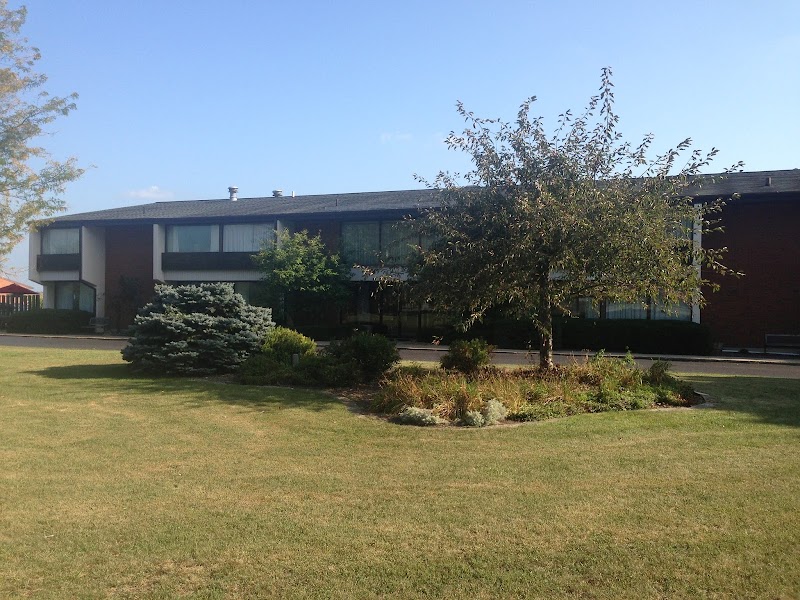
201 EAST FALCON HIGHWAY, FLANAGAN, IL 61740 (815) 796-2267
For profit - Corporation 43 Beds PETERSEN HEALTH CARE Data: November 2025
Trust Grade
10/100
#234 of 665 in IL
Last Inspection: May 2024

Within standard 12-15 month inspection cycle. Federal law requires annual inspections.

Overview

Flanagan Rehabilitation & HCC has a Trust Grade of F, indicating poor performance with significant concerns about care quality. It ranks #234 out of 665 facilities in Illinois, placing it in the top half, but #5 out of 6 in Livingston County suggests there are better options nearby. The facility is improving, reducing issues from 18 in 2024 to 6 in 2025, but still has a concerning history with $80,703 in fines, which is higher than 85% of facilities in the state. While staffing is average with a 50% turnover rate, there is good RN coverage, exceeding 95% of other facilities, which helps in catching potential issues. However, serious incidents have occurred, such as delays in medical appointments that led to hospital transfers for infections and a failure to respect a resident's input on their treatment, resulting in anxiety attacks, reflecting a need for improvement in resident care and respect.

Trust Score
F
10/100
In Illinois
#234/665
Top 35%
Safety Record
High Risk
Review needed
Inspections
Getting Better
18 → 6 violations
Staff Stability
⚠ Watch
50% turnover. Above average. Higher turnover means staff may not know residents' routines.
Penalties
○ Average
$80,703 in fines. Higher than 57% of Illinois facilities. Some compliance issues.
Skilled Nurses
✓ Good
Each resident gets 79 minutes of Registered Nurse (RN) attention daily — more than 97% of Illinois nursing homes. RNs are the most trained staff who catch health problems before they become serious.
Violations
⚠ Watch
52 deficiencies on record. Higher than average. Multiple issues found across inspections.
★★★☆☆
3.0
Overall Rating
★★★☆☆
3.0
Staff Levels
★★★★★
5.0
Care Quality
★★☆☆☆
2.0
Inspection Score
Stable
2024: 18 issues
2025: 6 issues

The Good

  • 5-Star Quality Measures · Strong clinical quality outcomes
  • Full Sprinkler Coverage · Fire safety systems throughout facility
  • No fines on record

Facility shows strength in quality measures, fire safety.

The Bad

3-Star Overall Rating

Near Illinois average (2.5)

Meets federal standards, typical of most facilities

Staff Turnover: 50%

Near Illinois avg (46%)

Higher turnover may affect care consistency

Federal Fines: $80,703

Well above median ($33,413)

Moderate penalties - review what triggered them

Chain: PETERSEN HEALTH CARE

Part of a multi-facility chain

Ask about local staffing decisions and management

The Ugly 52 deficiencies on record

8 actual harm
Sept 2025 3 deficiencies 1 Harm
SERIOUS (G) 📢 Someone Reported This

A family member, employee, or ombudsman was alarmed enough to file a formal complaint

Actual Harm - a resident was hurt due to facility failures

Deficiency F0760 (Tag F0760)

A resident was harmed · This affected 1 resident

**NOTE- TERMS IN BRACKETS HAVE BEEN EDITED TO PROTECT CONFIDENTIALITY** Based on interview and record review the facility failed ensure a controlled medication was not stopped abruptly without notifyi...

Read full inspector narrative →
**NOTE- TERMS IN BRACKETS HAVE BEEN EDITED TO PROTECT CONFIDENTIALITY** Based on interview and record review the facility failed ensure a controlled medication was not stopped abruptly without notifying the physician for one of two residents (R1) reviewed for medication errors in the sample list of three. This failure resulted in R1 becoming unresponsive, falling, and being transferred to the hospital with benzodiazepine withdrawal, delirium, and syncope after R1's Ativan (benzodiazepine) was stopped abruptly.Findings include:R1's Minimum Data Set, dated [DATE] documents R1 has moderate cognitive impairment. R1's active Care Plan dated 7/18/25 documents the following: R1 has anxiety and intellectual developments. Interventions include give medication as ordered and monitor/document side effects and effectiveness, and to monitor for signs/symptoms of behaviors. The Care Plan documents R1 has diagnoses of Developmental Intellectual Disability, Depression and Anxiety Disorder. R1's July, August and September Medication Administration Record (MAR) documents a physician order from the Hospital dated 7/18/25 for Ativan (Benzodiazepine) 1mg (milligram) three times a day. Pharmacy Records document the pharmacy filled the medication script of 1mg of Ativan on 7/18/25, 8/2/25, 8/14/25, and 8/28/25 for 15 days each refill day with 45 capsules. R1's MAR documents Ativan 1mg three times a day was stopped on 9/6/2025. The Nursing Control Medications sheet dated 9/6/25 documents that 32 Ativan pills were wasted with two nurse witnesses. Nursing Notes dated 9/9/2025 at 9:24AM document facility staff requested a signed prescription for R1's Ativan. The Pharmacy Receipt dated 9/11/25 documents the pharmacy received the signed prescription for 1mg Ativan three times a day. R1's Nursing notes dated 9/11/25 at 2:46pm document Nurse was in next room and heard a thud. Went into residents' room and observed resident on the floor laying supine with her head in the corner of her closet and the wall. Resident unresponsive. Pulse and respirations present. 911 called. MD (Medical Doctor), POA (Power of Attorney), DON (Director of Nurses), and transport notified. Resident put on backboard and neck stabilized. No physical injury observed. VS (vital signs) taken; blood sugar taken. EMS (Emergency Medical Services) arrived 1455 (2:55 PM). Resident slowly began to become more responsive. R1's Medical Record documents R1 was admitted to the hospital on [DATE] with a diagnosis of Benzodiazepine Withdrawal with Delirium and Syncope and Collapse.Nursing Progress Notes dated 9/16/25 at 12:23PM document, The interdisciplinary team met and resident's family and hospital were concerned that resident had a seizure related to Ativan discontinuation, spoke with Medical Director and resident will resume Ativan at current dose and will remain on it indefinitely.On 9/18/25 at 8:17AM, V4 (Registered Nurse), stated V4 was the nurse on duty that day and heard a thud and responded. V4 stated R1 was lying in the corner by the closet, lying flat on her back, her skin was cool and clammy and R1's blood pressure was high. V4 stated she called for the emergency crash cart as R1 was unresponsive and called 911 to send R1 to the Emergency Room. On 9/18/25 at 11:13AM, V5 (Pharmacist) stated a 3mg daily dose of any Benzodiazepine would be considered a high risk medication and should have been decreased gradually continuously for two months. V5 also stated that risk factors include, seizures, cognitive decline, nausea, vomiting, unresponsiveness and harm to a resident if stopped abruptly. On 09/18/25 at 12:05PM, V6 (Registered Nurse) stated V6 noticed the order for R1's Ativan 1mg tablet three times a day had fallen off the MAR and the remainder of the medication was wasted in the sink with another nurse. V6 stated she should have called the Doctor to ask to continue the medication, but did not call and verify with the Doctor or the Power of Attorney or Guardian. On 9/18/25 at 12:43PM, V7 (Medical Director) stated that he was unaware that R1's Ativan 1mg three times a day was stopped, and the nurse should have contacted V7, as any controlled medication needs to be decreased gradually. V7 stated he talked with the hospital and stated R1 was without the 1mg Ativan three times a day from 9/6/2025 to 9/11/25 which caused her to have withdrawal symptoms. V7 states that any decrease of a controlled substance could cause harm if stopped abruptly without tapering and could lead to seizures, altered mental status, dizziness, syncope, and unresponsiveness. V7 stated from his clinical standpoint that stopping R1's Ativan abruptly caused R1 to become unresponsive and fall, resulting in admission into the hospital. The Facilities Medication Administration Policy Documents that Any changes in medication orders must be documented in the resident's medical record and Medication administration records should be maintained for each resident and must be up to date and easily accessible.
CONCERN (D) 📢 Someone Reported This

A family member, employee, or ombudsman was alarmed enough to file a formal complaint

Potential for Harm - no one hurt, but risky conditions existed

Comprehensive Care Plan (Tag F0656)

Could have caused harm · This affected 1 resident

Based on interview and record review the facility failed to ensure care plans included problems, goals, and interventions to address diagnoses and medication use for two of three residents (R2, R3) re...

Read full inspector narrative →
Based on interview and record review the facility failed to ensure care plans included problems, goals, and interventions to address diagnoses and medication use for two of three residents (R2, R3) reviewed for medications in the sample list of three. Findings include:1.) R2's active diagnoses list includes epileptic seizures related to external causes, not intractable, without status epilepticus. R2's September 2025 Medication Administration Record (MAR) documents R2 receives Lamotrigine 200 milligrams (mg) by mouth twice daily for seizures since 2/3/24 and Phenytoin Sodium100 mg give two capsules by mouth twice daily for seizures since 5/24/25.R2's active care plan does not include a problem, goal, and interventions for R2's seizure disorder and seizure medications. On 9/18/25 at 12:55 PM V2 Director of Nursing confirmed R2's seizure disorder and seizure medications were not on R2's care plan. V2 stated V2 is responsible for updating the care plans and V2 will update R2's care plan. 2.) R3's September 2025 MAR documents R3 receives Tramadol (opioid) 50 mg one tablet by mouth daily since 4/18/23. R3's active care plan does not have a problem, goal, and interventions for opioid use and monitoring, including risk for constipation. On 9/18/25 at 12:55 PM V2 confirmed R3's care plan does not address Tramadol use, interventions, and risk for constipation. V2 stated V2 will need to update R3's care plan.
CONCERN (D) 📢 Someone Reported This

A family member, employee, or ombudsman was alarmed enough to file a formal complaint

Potential for Harm - no one hurt, but risky conditions existed

Quality of Care (Tag F0684)

Could have caused harm · This affected 1 resident

**NOTE- TERMS IN BRACKETS HAVE BEEN EDITED TO PROTECT CONFIDENTIALITY** Based on interview and record review the facility failed to implement a bowel program for one of three residents (R3) reviewed f...

Read full inspector narrative →
**NOTE- TERMS IN BRACKETS HAVE BEEN EDITED TO PROTECT CONFIDENTIALITY** Based on interview and record review the facility failed to implement a bowel program for one of three residents (R3) reviewed for medications in the sample list of three. Findings include:R3's August and September 2025 Medication Administration Records document R3 receives Tramadol (opioid) 50 milligrams by mouth daily since 4/18/23 and Milk of Magnesia 30 milliliters daily as needed for constipation. These records document R3 does not receive any scheduled bowel medications and did not receive any doses of Milk of Magnesia. R3's Minimum Data Set, dated [DATE] documents R3 has severe cognitive impairment and requires dependence on staff for toileting hygiene. R3's active care plan does not address R3's Tramadol use and monitoring, including risk for constipation. R3's Bowel Tracking Report with date range 8/20/25-9/18/25 documents the following: Large on 8/20/25. None 8/21/25-8/23/25. Large on 8/24/25. None 8/25/25-8/27/25. Large on 8/28/25. None 8/29/25-9/1/25. Large on 9/2/25. None on 9/3/25 and 9/4/25. Large on 9/5/25. Two to three daily 9/6/25-9/8/25. Once on 9/9/25 and 9/10/25. None 9/11/25-9/13/25. Large on 9/16/25. None 9/17/25 and 9/18/25. R3's Nursing Notes with range 8/15/25-9/18/25 do not document R3 was assessed for constipation, offered Milk of Magnesia, or offered any other bowel interventions. On 9/18/25 at 11:29 AM V4 Registered Nurse stated the (electronic medical software) triggers an alert if a resident doesn't have a bowel movement (BM) for three or more days. V4 stated the Certified Nursing Assistants (CNAs) document the residents' BMs. V4 stated R3 has Milk of Magnesia to administer daily as needed. V4 stated R3 has occasional constipation, but nothing frequent. V4 confirmed R3 does not have orders for any other bowel medications. On 9/18/25 at 11:55 AM V3 CNA stated V3 is assigned to R3's care today and R3 has not had a BM today. V3 stated BMs are documented by the CNAs in (electronic medical software) and complaints of constipation are reported to the nurses. V3 stated R3's BMs are generally soft, but R3 has constipation about once per week. On 9/18/25 at 12:55 PM V2 Director of Nursing confirmed R3's care plan does not address opioid use and monitoring, including risk for constipation. V2 stated the facility has a bowel protocol to follow, which V2 will provide. V2 stated the (electronic medical software) sends an alert after three full days have passed with no BM, and continues to alert until addressed/resolved with BM documented. V2 reviewed R3's bowel tracking 30 day report, and confirmed duration of days with no BMs recorded. V2 stated R3 had BMs on day four, so the system would not have prompted an alert. V2 stated V2 will have to see if the system can be changed to alert on day two. V2 stated V2 would expect Milk of Magnesia to be given on day four of no BM. V2 stated V2 might look into getting R3 something scheduled routinely for R3's bowels. V2 confirmed risk of constipation with opioid use. At 2:45 PM V2 stated V2 followed up with corporate staff, and the facility does not have a bowel protocol; it is individually based on each resident's needs and bowel patterns. V2 stated it would also be based on if the resident was experiencing any symptoms such as nausea, vomiting, decreased appetite; which R3 has not had.
Jul 2025 2 deficiencies 1 Harm
SERIOUS (G) 📢 Someone Reported This

A family member, employee, or ombudsman was alarmed enough to file a formal complaint

Actual Harm - a resident was hurt due to facility failures

Quality of Care (Tag F0684)

A resident was harmed · This affected 1 resident

**NOTE- TERMS IN BRACKETS HAVE BEEN EDITED TO PROTECT CONFIDENTIALITY** Based on observation, interviews and record review the facility failed to address resident's care needs to obtain appointments i...

Read full inspector narrative →
**NOTE- TERMS IN BRACKETS HAVE BEEN EDITED TO PROTECT CONFIDENTIALITY** Based on observation, interviews and record review the facility failed to address resident's care needs to obtain appointments in a timely manner, resulting in a delay in the removal of a gastrostomy feeding tube and a delay in podiatry services for an infection for (R15). R15 is one of three residents reviewed for infections/ medical devices in the sample list of 27.These delays resulted in R15's transfer to the local hospital, for antibiotic treatment of G-tube infection, and ingrown toenail infection.Findings include:1. R15's current diagnoses list documents the following: Gastrostomy Status (abdominal, surgical G-Tube feeding catheter), Unspecified Severe Protein Calorie Malnutrition.R15's Physician Order Note dated 5/16/25 documents V19, Medical Director/Physician gave the facility a verbal order as follows: Ok for resident to have her enteral (abdominal surgically inserted, Gastrostomy feeding tube) tube removed.R15's Minimum Data Set, dated [DATE] documents R15's Brief Interview of Mental Status score as 13 out of a possible 15, indicating no cognitive impairment.R15's Health Status Note dated 5/28/25 (12 days after the order above to remove the G-tube) documents the following Resident GI (Gastrointestinal) appt (appointment) made for peg tube (type of gastrostomy feeding tube) removal for 8/5/25 (two months and 11 days after V19 MD ordered). Resident aware and appt placed in transportation calendar.R15's Physician Progress note dated 6/14/25, signed by V19, Medical Director/Physician (MD) documents R15 complained of ache and burning at the G-tube site. V19 diagnosed R15 with Cellulitis (bacterial infection of the skin) of the Abdomen. The same Physician Progress note documents an antibiotic medication order to treat the Cellulitis as follows: Ceftin 250 milligrams, Oral, twice daily, for five days.R15's Progress Note date 7/18/25 at 1:22 pm documents R15 was discharged from the facility, to a group home with a group home staff member.R15's Hospital emergency room Note dated 7/18/25 at 4:19 pm (two hours and 57 minutes after discharge from the facility) documents the following: C/O (complaint of) feeding tube infection, infected big toe on right foot, and sore on buttocks. Patient (R15) left (discharged from) (proper name of the facility) Rehab today to go to (Proper name of a group home). Staff there (group home) noted redness around feeding tube. Patient does not use feeding tube anymore and has appointment 8/5 to have it removed. She has had redness 4-5 months. States the sore on her toe and bottom have also been present for months but while she was there, she wanted to have them looked at. Alert to her norm. Patient is a (full mechanical lift) at baseline. Denies any fever, chills, SOB (shortness of breath), or other new illness symptoms. Feeding tube looks like it has mold or other dark substance inside of it. She reports it is supposed to be flushed 2 times daily but that does not always happen. She recently went to the dentist in Chicago to have her teeth pulled and they pushed (administered via G-tube) whatever was in her tube, up inside her. She told them it hurt but they continued.R15's follow -up facility discharge notes dated 7/18/25 at 7:04 pm (five hours and 18 minutes after discharge from the facility), signed by V2, Director of Nursing (DON) confirms R15's left the facility with her G-tube in place, had minimal irritation around g-tube site due to gastric fluids and an ingrown right great toenail. The same note documents The facility had attempted to reach out and schedule an appointment but have not been able to coordinate that, we were awaiting the rounding date for our in house podiatrist to address toe.On 7/23/25 at 8:45 am V5, Group Home Registered Nurse (RN) stated that they completed R15's admission assessment, at the Group home on 7/18/25 after R15 discharged from the long-term care facility. V5 stated V5 found concerns with R15's infected looking great toe, which was red with dried yellow drainage. V5, RN also stated she found R15's g-tube site was red and irritated, and there was what looked like mold inside g-tube. V5, RN said V5 sent R15 to the local Hospital emergency room and the hospital prescribed antibiotics, to treat infected g-tube site and ingrown great toenail. V5 also stated V5, RN was able to get an appointment for R15 to have her G-tube removed today (7/23/25). V5, RN stated We have her scheduled, to see the podiatrist for further treatment of ingrown toenail. On 7/23/25 at 4:43 pm R15 stated I was supposed to get my g-tube out in May. The Speech therapist said I did not need it any longer because I could eat just fine and could swallow. For four weeks they were to leave it in and just do flushes. They did that back in April. Then, I was told by the DON that they couldn't find a doctor that would take the g-tube out because it was stitched into me. I even reminded them I needed an appointment to take it out. They said they found a doctor, who can't take it out until August 5. I just got it out yesterday because the (Group Home) people got me an appointment to take it out right away. I just came back to this group home last week on the 18th. I kept telling the facility nurses my belly hurt around the tube. I even told them when I came back from oral surgery that my stomach hurt when they gave me medicine in my tube (unable to confirm). They did it anyway, that day. The skin around my tube was real red. Some of the nurses would put gauze around it, others would not. I was supposed to have flushes while I had it (G-tube) in my belly. They were supposed to do flushes (insert water to ensure patency and clean) twice a day. I did not get flushes but once a day. Sometimes I did not get flushed once. I never looked to see if there was moldy stuff in my g-tube. I just know the tube area of my belly hurt, and I couldn't get them to do anything, most of the time. (The nursing home) just kept saying I had to wait until August to get the g-tube out. May to August to find somebody to remove it. (The group home) got someone to do it today. It is out and I am thankful to (Group Home) nurses. R15 also stated My big toes were both terribly painful and red when I went to the emergency room the day I discharged . I asked the nurses to look at my toes over and over again. I saw the podiatrist for my ingrown toenails in late May or early June. He clipped them back and said he would see me again if I had any more problems with my ingrown toenails. I am diabetic and have to have the podiatrist do them (clip toenails). The CNA's can't. I talked to the DON(V2), and she said I was on the list to be seen. He (V21, Podiatrist) comes to (long term care facility name). I was in so much pain. The DON said she would put me on the list every time I talked to her. I could not have been on the list; I had to suffer and wait. I would get Tylenol and my tramadol at night, or I would not be able to sleep with my toes hurting. When I went to the emergency room after discharging from the facility, they gave me antibiotics for my toes and my G-tube infections. My toes are feeling better but still hurt. (The Group Home Staff) got me a podiatrist appointment after I finish my antibiotic the end of the week.On 7/24/25 at 7:30 am V2, Director of Nursing stated I had done a full skin assessment on (R15) the day before (7/17/25) she discharged (7/18/25) to the group home. At that time, her (R15's) g-tube site and R15's toes were not infected. They were just a little red and she complained of pain, per her usual. (R15) had no skin breakdown on her buttocks. V2, DON also stated (R15) was scheduled to have her G-tube removed August 5, 2025. That seems like a long time, now that you mention it. It was the first available appointment I could get. I did not tell the doctor (V19, MD) the appointment was that far out. I did not even think to do that. (R15) was on the list to be seen by the podiatrist and had been seen previously by the podiatrist. I will find documentation and provide it.On 7/25/25 at 1:40 pm V10, Certified Nursing Assistant (CNA) stated she provided care for (R15) often. About four or five days prior to (R15's) discharge to the Group home, R15's big toe had green drainage. I notified the nurse (unidentified) at the time. I do not remember if the toe was swollen or red. (R15) did complain it was hurting her. I reported that too. V10, CNA then stated (R15)'s buttocks were always somewhat irritated, especially when she was on her period. She was on her period the week before her discharge. CNAs can't put the zinc paste on residents. We would have to tell the nurse. We often told them (unidentified nurses) (R15's) butt (buttocks) was red and irritated so they would take care of it. (R15) always wanted us (CNAs) to do it when we provided her incontinence care. I know she would complain it was painful for her. I never saw any open areas down there. Her G-tube area was always red and irritated. The nurses would put gauze on that. They would slit two pieces of gauze and put one up and one down, so it made like a hole where the skin got really irritated. The gauze would sometimes come off. You could see some bloody looking drainage on the gauze. Not all the time though. I was scheduled to provide care for R15 the day she discharged . (R15) was complaining her toe hurt, her buttocks hurt, and the g-tube skin was irritated. I didn't really look at the tubing, so I am not sure if there was anything abnormal about the actual tube. I reported to the nurse (unidentified) she was complaining of pain (On the day of discharge 7/18/25).On 7/29/25 at 12:58 pm V19, Medical Director/Physician stated he expects the facility to notify him of a resident change in condition to prevent a delay in treatment. V19 confirmed he had treated R15 for cellulitis of the abdomen 6/14/25. V19 stated the facility should have informed him that there was an issue getting an appointment to remove R15's g-tube. V19 also stated An infection in R15's great toe, he was not made aware of either. We have an in-house podiatrist. The DON should have put (R15) on the list. If he (V21, Podiatrist) was not available, I am in the facility Friday or Saturday. Had I been updated with these issues; I can assure you they would have been taken care of.
CONCERN (E) 📢 Someone Reported This

A family member, employee, or ombudsman was alarmed enough to file a formal complaint

Potential for Harm - no one hurt, but risky conditions existed

Notification of Changes (Tag F0580)

Could have caused harm · This affected multiple residents

**NOTE- TERMS IN BRACKETS HAVE BEEN EDITED TO PROTECT CONFIDENTIALITY** Based on observation, interview and record review the facility failed to notify the physician in a timely manner of a delay in t...

Read full inspector narrative →
**NOTE- TERMS IN BRACKETS HAVE BEEN EDITED TO PROTECT CONFIDENTIALITY** Based on observation, interview and record review the facility failed to notify the physician in a timely manner of a delay in the removal of a gastrostomy feeding tube for (R15), a delay in podiatry services for infection for (R15) and a delay in the removal of an Internal Jugular (IJ), Peripherally Inserted Central Catheter (PICC) post the administration of antibiotics for (R30). R15 and R30 are two of three residents reviewed for infection/antibiotics/ surgically implanted devices in the sample list of 27. Findings include:1. 1. R15's current diagnoses list documents the following: Gastrostomy Status (abdominal, surgical G-Tube feeding catheter), Unspecified Severe Protein Calorie Malnutrition .R15's Physician Order Note dated 5/16/25 documents V19, Medical Director/Physician gave the facility a verbal order as follows: Ok for resident to have her enteral tube removed.R15's Minimum Data Set, dated [DATE] documents R15's Brief Interview of Mental Status score as 13 out of a possible 15, indicating no cognitive impairment.R15's Health Status Note dated 5/28/25 documents the following: Resident GI (Gastrointestinal) appt (appointment) made for peg tube (type of gastrostomy feeding tube) removal for 8/5/25 (scheduled two months and 11 days after V19 MD ordered). Resident aware and appt (appointment) placed in transportation calendar. There is no documentation that the physician was notified of the delayed scheduled appointment.R15's Progress Note date 7/18/25 at 1:22 pm documents R15 was discharged from the facility, to a group home with a group home staff member.On 7/23/25 at 8:45 am V5, Group Home Registered Nurse (RN) stated that they completed R15's admission assessment at the Group home on 7/18/25 after R15 had discharged from the long-term care facility. V5 stated she found concerns with R15's infected looking great toe, which was red with dried yellow drainage. V5, RN also stated she found R15's g-tube site was red and irritated, and there was what looked like mold inside the g-tube. V5, RN said V5 sent R15 to the local Hospital emergency room and the hospital prescribed antibiotics, to treat infected g-tube site and ingrown great toenail. V5 also stated V5, RN was able to get an appointment for R15 to have her G-tube removed today. V5, RN stated We have her scheduled, to see the podiatrist for further treatment of ingrown toenail. On 7/23/25 at 4:43 pm R15 stated I was supposed to get my g-tube out in May. The Speech therapist said I did not need it any longer because I could eat just fine and could swallow. For four weeks they were to leave it in and just do flushes. They did that back in April. Then, I was told by the DON that they couldn't find a doctor that would take the g-tube out because it was stitched into me. I even reminded them I needed an appointment to take it out. They said they found a doctor, who can't take it out until August 5. I just got it out yesterday because the (Group Home) people got me an appointment to take it out right away. I just came back (had preciously lived in this group home prior to the long term care facility) to this group home last week on the 18th. I kept telling the facility nurses my belly hurt around the tube. I even told them when I came back from oral surgery that my stomach hurt when they gave me medicine in my tube. They did it anyway that day. The skin around my tube was real red. Some of the nurses would put gauze around it, others would not. I was supposed to have flushes while I had it in my belly. They were supposed to do flushes twice a day. I did not get flushes but once a day. Sometimes I did not get flushed once. I never looked to see if there was moldy stuff in my g-tube. I just know the tube area of my belly hurt and I couldn't get them to do anything, most of the time. (The nursing home staff) just kept saying I had to wait until August to get the g-tube out. May to August to find somebody to remove it. (The group home) got someone to do it today. It is out and I am thankful to (Group Home) nurses.On 7/24/25 at 7:30 am V2, Director of Nursing confirmed she had not notified the physician of these changes in R15's condition.On 7/29/25 at 12:58 pm V19, Medical Director/Physician stated the facility should have informed V19, MD that there was an issue getting an appointment to remove R15's g-tube. V19, MD also stated An infection in R15's great toe, he was not made aware of either. We have an in house podiatrist. The (V2), DON should have put (R15) on the list. If he (V21, Podiatrist) was not available, I am in the facility Friday or Saturday. Had I been updated with these issues, I can assure you they would have been taken care of.2. R30's current Diagnoses sheet documents the following: Other Acute Osteomyelitis (infection in the bone), Right Hand, Acquired Absence of Right Finger (s).R30's current Physician Order Sheet (POS) documents the following orders dated 6/12/25 (on admission): Cefepime (antibiotic) HCI Intravenous Solution 1 GM/50ML (gram per milliliter) , Use 1 gram intravenously in the morning for cellulitis for 10 Administrations (6/23/25 last dose per scheduled). R30's Same POS order dated 6/27/25 documents Resident to be referred for surgical removal of IJ (Internal Jugular) central line (Peripherally Inserted Intravenous Central Catheter). R30's Same POS documents to monitor the central line insertion site for signs of infection, and update md (physician) if needed. R30's Minimum Data Set, dated [DATE] documents R30's Brief Interview of Mental Status score as 14 out of a possible 15, indicating no cognitive impairment.The facility facsimile dated 6/30/25, (three days after the physician order above), documents a referral was sent to a distant hospital for R30's removal of the IJ, Central Intravenous line.The facility facsimile dated 7/11/25, (eleven days after the physician order above), documents a referral was sent to another distant hospital for R30's removal of the IJ, Central Intravenous line. The facility facsimile dated 7/16/25, documents a referral was sent to a local hospital for R30's removal of the IJ, Central Intravenous line.On 7/22/25 at 3:00 pm R30 was awake in bed with a latex glove over her right hand dressings. Fourth digit cotton dressing visible through the gloves. R30's right index finger is not present, recent amputation. A cotton gauze is visible through the latex glove. R30 then pulled the right upper seam of her blouse over and showed the surveyor R30's right subclavian intravenous PICC line dressing. R30 stated The DON (V2, Director of Nursing) said I can not have the PICC line removed until September because it was inserted in (Out of State) Rehab Center. R30 stated I don't see why it takes so long to get an appointment. On 7/24/25 at 7:30 am V2, Director of Nursing (DON) confirmed R30's IJ, PICC line has not been removed after her IV antibiotic was completed. V2, DON stated An appointment is scheduled in September. A hospital in (State) originally placed this and other Illinois providers and hospital declined to remove it. I called (Named three hospitals). None of the hospitals would see her, to remove the PICC line. I probably should have notified the doctor of the delay in getting her an appointment for removing it (R30's PICC). On 7/29/25 at 12:58 pm V19, Medical Director/Physician stated he should have been notified of the delay in R30's PICC line removal. When I was informed last week that State was in the building and asking about the delay in (R30's) PICC line removal, I came in to see her immediately on Friday. I understand the PICC line was put in at a hospital in (Out of State). I looked at it, to see if I could remove this. I could not. I ordered a chest x-ray and have consulted with hospital here in (City Name) to see if they will remove (R30's) PICC line. I should have been notified sooner. She was only on antibiotics a short time after admission to (This LTC facility). The PICC line should have been removed when the antibiotics were complete. I am not sure why the hospital put a PICC line in for such a short duration of antibiotics. I don't usually see this situation. I should have been notified. I could have intervened sooner. I am working at resolving this locally so she does not have to wait until the September appointment that was set up by the DON.The facility undated policy Significant Condition Change and Notification directs staff to notify the medical practitioner for incidents that require the potential for needed medical practitioner interventions.
Jul 2025 1 deficiency
CONCERN (D) 📢 Someone Reported This

A family member, employee, or ombudsman was alarmed enough to file a formal complaint

Potential for Harm - no one hurt, but risky conditions existed

Deficiency F0745 (Tag F0745)

Could have caused harm · This affected 1 resident

**NOTE- TERMS IN BRACKETS HAVE BEEN EDITED TO PROTECT CONFIDENTIALITY** Based on interview and record review the facility Social Services Director failed to conduct follow up visits following an abuse...

Read full inspector narrative →
**NOTE- TERMS IN BRACKETS HAVE BEEN EDITED TO PROTECT CONFIDENTIALITY** Based on interview and record review the facility Social Services Director failed to conduct follow up visits following an abuse allegation for one resident (R3) of five residents reviewed for abuse from a sample list of five residents.Findings include:The facility's Abuse policy dated 3/25 documents that Social Service will follow up with any residents after an allegation is made and document the visit in the chart of the resident.R3''s Nursing Note dated 6/4/2025 at 4:45PM documents the Interdisciplinary Team (IDT) met to follow up on R3's recent allegation against a staff member. The investigation was completed, and the allegation was unfounded. R3's reportable dated 5/22/25 stated social service will meet with R3 twice a week for the next four weeks.R3's Quarterly Minimum Data Set, dated [DATE] documents R3 is cognitively intact and R3 reported V7 and V11 Certified Nursing Assistants (CNA's) to the facility. It was noted R3 has a history of Post Traumatic Syndrome Disorder (PTSD) and V4 did not speak with R3 following the incident.On 6/30/2025 at 3:45PM, V4 (Social Service Director) stated she didn't talk to resident after the allegation and she didn't document it as it slipped V4's mind.On 7/1/2025 at 10:15AM, V1 (Administrator) stated V4 did not follow up with R3 and should have along with documenting the interaction in R3's chart as noted in the facilities Abuse policy and the report related to the allegation.
May 2024 8 deficiencies
CONCERN (D)

Potential for Harm - no one hurt, but risky conditions existed

Deficiency F0558 (Tag F0558)

Could have caused harm · This affected 1 resident

Based on observation, interview, and record review the facility failed to ensure the call light was within reach for one of 12 residents (R13) reviewed for call lights on the sample list of 23. Findi...

Read full inspector narrative →
Based on observation, interview, and record review the facility failed to ensure the call light was within reach for one of 12 residents (R13) reviewed for call lights on the sample list of 23. Findings Include: On 5/06/24 at 1:20 PM, R13 was sitting up in the reclining chair in R13's room in front of the television. R13's call light was stretched all the way to the middle of the room and tied to a water jug on the over bed table, which is next to the back of R13's chair. The water jug was on the far end of the table, out of R13's reach. R13 attempted to reach the call light and was not able to. On 5/06/24 at 1:26 PM, V10 CNA (Certified Nursing Assistant) entered R13's room and confirmed that R13 was not able to reach the call light and stated, I wonder why (R13) is like that. R13 care plan dated 3/18/24 documents R13 has impaired physical mobility. This care plan includes an intervention to keep the call light within reach.
CONCERN (D)

Potential for Harm - no one hurt, but risky conditions existed

Deficiency F0568 (Tag F0568)

Could have caused harm · This affected 1 resident

**NOTE- TERMS IN BRACKETS HAVE BEEN EDITED TO PROTECT CONFIDENTIALITY** Based on interview and record review the facility failed to provide quarterly statements for one (R9) of sixteen residents revie...

Read full inspector narrative →
**NOTE- TERMS IN BRACKETS HAVE BEEN EDITED TO PROTECT CONFIDENTIALITY** Based on interview and record review the facility failed to provide quarterly statements for one (R9) of sixteen residents reviewed for resident funds on the sample list of 23. Finding include: R9's Quarterly Minimum Data Set assessment dated [DATE] documents R9 is cognitively intact. On 5/06/24 at 9:36 AM, R9 stated the facility manages her money. R9 stated R9 does not get quarterly statements. R9 stated she would be interested in seeing them. On 5/6/24 at 1:15 PM, V4 Business Office Manager stated V4 has not provided quarterly statements to the residents since the company had a data breach in October of 2023. V4 stated this has been since the third quarter of last year and the first and second quarter of this year.
CONCERN (D)

Potential for Harm - no one hurt, but risky conditions existed

Comprehensive Care Plan (Tag F0656)

Could have caused harm · This affected 1 resident

Based on observation and record review, the facility failed to document care plans including resident centered interventions for respiratory care for one of 24 (R29) residents reviewed for care plans ...

Read full inspector narrative →
Based on observation and record review, the facility failed to document care plans including resident centered interventions for respiratory care for one of 24 (R29) residents reviewed for care plans in a sample list of 24 residents. R29's MDS (Minimum Data Set) dated 4/2/24 documents R29 is alert and oriented. R29's ongoing Diagnosis Listing documents a diagnosis of Chronic Respiratory Failure with Hypoxia. R29's May 2024 Physician Orders document to use oxygen at 2-4 L (liters) per nasal cannula to keep oxygen saturation levels above 92 % and Albuterol {Bronchodilator} nebulizer every four hours as needed for shortness of breath and wheezing. R29's Care Plan dated 4/9/24 does not document any respiratory problems or needs. On 5/06/24 at 9:19 AM, R29 was sitting up in the wheelchair and was not wearing oxygen. At this time, R29 stated R29 wears oxygen all the time when in bed and uses the nebulizer on average once a day for shortness of breath.
CONCERN (D)

Potential for Harm - no one hurt, but risky conditions existed

Deficiency F0692 (Tag F0692)

Could have caused harm · This affected 1 resident

**NOTE- TERMS IN BRACKETS HAVE BEEN EDITED TO PROTECT CONFIDENTIALITY** Based on record review and interview the facility failed to update the physician on significant weight changes for one of one re...

Read full inspector narrative →
**NOTE- TERMS IN BRACKETS HAVE BEEN EDITED TO PROTECT CONFIDENTIALITY** Based on record review and interview the facility failed to update the physician on significant weight changes for one of one resident (R29) reviewed for weight changes on the sample list of 23. Findings Include: R29's MDS (Minimum Data Set) assessment dated [DATE] documents R29 is alert and oriented. On 5/06/24 at 9:37 AM, R29 stated R29 has not had any weight changes that R29 is aware of. R29's ongoing weight log documents the following weights: 1/3/24 - 126.6 pounds 2/6/24 - 129.6 pounds 3/3/24 - 141.6 pounds (a weight gain of 9.26% in one month) 4/4/24 - 136.4 pounds(a weight loss of 3.67% in one month) 5/7/24 - 156.8 pounds (a weight gain of 14.96% in one month) On 5/8/24 at 9:57 AM, V2 Director of Nursing stated the facility would re-weigh residents to make sure there was no issues and ensure that they had calculated the weight correctly, along with notifying the physician and assessing the resident to see if there is a reason for the weight gain such as edema. R29's Progress Notes do not document any physician notification for weight changes or re-weights.
CONCERN (D)

Potential for Harm - no one hurt, but risky conditions existed

Unnecessary Medications (Tag F0759)

Could have caused harm · This affected 1 resident

Based on observation, interview, and record review the facility failed to administer medications in accordance with physician orders and manufacturer's instructions for three (R8, R2, and R11) residen...

Read full inspector narrative →
Based on observation, interview, and record review the facility failed to administer medications in accordance with physician orders and manufacturer's instructions for three (R8, R2, and R11) residents reviewed for medication administration in the sample list of 23. The facility had four medication errors out of 28 opportunities resulting in a 14.28% medication error rate. Findings include: 1.) On 5/7/24 at 11:00 AM, R8 was noted to be sitting in his room after breakfast. At 11:33 AM, V6 Registered Nurse administered two units of fast acting insulin (Lispro) to R8. At that time, R8 stated he had already eaten breakfast. The Lispro Package insert documents to, Administer the dose of Insulin Lispro within fifteen minutes before a meal or immediately after a meal by injection into the subcutaneous tissue of the abdominal wall, thigh, upper arm, or buttocks. 2.) On 5/7/24 at 11:50 AM, V19 Registered Nurse administered one tablet of Lactaid to R2 without food. The 12/21/23 package insert for Lactaid documents to take the tablet with the first bite of dairy food. 3.) On 5/7/24 at 3:07 PM, V6 Registered Nurse administered R11 a one-gram gel capsule of Vascepa and one 500 milligram tablet of Metformin. V6 was given this medication before the dinner meal. At 3:35 PM, R11 still had not received dinner. The Vascepa package insert dated 12/2019 documents to take Vascepa with food. The Metformin package insert dated 4/2017 documents to take Metformin with food.
CONCERN (E)

Potential for Harm - no one hurt, but risky conditions existed

Medication Errors (Tag F0758)

Could have caused harm · This affected multiple residents

2. R19's undated Facesheet documents R19 has a diagnosis of unspecified dementia with behavioral disturbance. R19's Physician's order sheet dated May 2024 documents that on 3/26/24, R19 had an increa...

Read full inspector narrative →
2. R19's undated Facesheet documents R19 has a diagnosis of unspecified dementia with behavioral disturbance. R19's Physician's order sheet dated May 2024 documents that on 3/26/24, R19 had an increase in Risperdal 0.5 milligrams (mg) from once daily to twice daily. R19's progress note dated 2/29/24 documents that R19 was having behaviors. R19's medical record does not document any behaviors after 2/29/24. R19's medical record do not document that nonpharmacological interventions were attempted prior to the increase of psychotropic medication. On 5/7/24 at 10:50 AM, V6 Registered Nurse states that she is very familiar R19 as she cares for her often. V6 states her behaviors aren't consistent and it's normally because a specific resident (unknown) who lives here triggers her. V6 states, Risperdal was increased because of her triggered behavior towards this other resident. On 5/7/24 at 11:15 AM, V2 Director of Nursing confirmed there was no documentation of increased behaviors prior to the medication increase. V2 stated, Psychotropic meds were not being monitored appropriately before the new company took over. Based on interview and record review the facility failed to identify resident specific targeted behaviors and implement nonpharmacological interventions prior to the use and increase of psychotropic medications for two (R1, R19) of five residents reviewed for psychotropic medications on the sample list of 23 residents. Findings Include: 1. R1's electronic health record documents current orders for Geodon (Antipsychotic) Hydrochloride 60 milligrams (mg)by mouth twice a day and Sertraline (antidepressant) Hydrochloride 100 MG (Sertraline HCl) by mouth one time a day. R1's medical record does not contain resident specific targeted behavior or resident specific interventions or response to interventions. Though the facility did utilize a preprinted behavior tracking. the behaviors/interventions listed were not specific to R1. On 4/8/24 at 12:00 PM, V2 Director of Nursing verified the facility uses the same computer-generated list of behaviors and interventions for all residents who require behavior tracking.
CONCERN (E)

Potential for Harm - no one hurt, but risky conditions existed

Infection Control (Tag F0880)

Could have caused harm · This affected multiple residents

3. R1's physicians orders documents a current physician's order for (petroleum jelly) infused lotion/cream to left buttock every shift for moisture associated skin damage. On 05/08/24 at 10:25 AM V6,...

Read full inspector narrative →
3. R1's physicians orders documents a current physician's order for (petroleum jelly) infused lotion/cream to left buttock every shift for moisture associated skin damage. On 05/08/24 at 10:25 AM V6, Registered Nurse (RN) and V15, Wound Physician applied petroleum jelly to wound on ischial tuberosity Stage II chronic wound. V15 stated (R1) has had a moisture associated wound at this site several times. We have healed it and it opens back up. Neither V6 nor V15 donned gown while completing wound care. A beefy red open wound approximately one half inch by two inches with some serosanguinous drainage was observed. Both V6 and V15 donned gloves and used appropriate hand washing during wound care. On 5/8/24 at 12:00 PM, V2 Director of Nursing stated, We did not put (R1) on enhanced barrier precautions because we thought it was an acute wound. V2 verified the wound had been open several times. Based on observation, interview, and record review the facility failed to implement Enhanced Barrier Precautions and failed to perform hand hygiene during incontinence care for four (R8, R9, R1 and R24) of 16 residents reviewed for infection control on the sample list of 23. Findings include: The facility's Infection Prevention and Control Manual-Enhanced Barrier Precaution policy dated 12/30/22 documents Enhanced Barrier Precautions are recommended for residents with wounds or an indwelling medical device including urinary catheters. This policy documents a gown and gloves should be worn when providing wound care and caring for or using an indwelling medical device. 1. On 5/06/24 at 10:11 AM, R8 was sitting up in a chair. An indwelling catheter was present. R8 stated he is provided with catheter care every day. R8 stated they wear gloves, but they do not wear a gown. On 5/7/24 at 11:00 AM, V9 Certified Nurse's Assistant (CNA) and V10 CNA entered R8's room to perform catheter care. There was not a sign outside of the door to indicate that R8 required enhanced barrier precautions. V9 and V10 provided catheter care to R8. V9 and V10 were wearing gloves but were not wearing a gown. On 5/8/24 at 1:00 PM, V2 Director of Nursing stated R8 should have an enhanced barrier precautions sign on the door. V2 stated this would include wearing a gown when giving cares to R8. 2. On 5/06/24 at 9:48 AM, R9 was sitting in a chair in her room. R9's left foot was wrapped in gauze wrap. R9 stated R9 has wounds to the left foot. R9 stated she was in the hospital in January 2024 for a wound infection. R9 stated when they do her treatment, they wear gloves but no gown. There was no sign on the door that indicated R9 was in enhanced barrier precautions. R9's Treatment Administration Record dated 4/1/24 through 4/30/24 and R9's Treatment Administration Record dated 5/1/24 through 5/31/24 documents R9 has a venous ulcer to the left foot. R9's electronic health record does not document orders for enhanced barrier precautions until 5/8/24. On 5/8/24 at 1:00 PM, V2 Director of Nursing stated R9 was not in enhanced barrier precautions until 5/8/24. V2 stated R9 should have been in enhanced barrier precautions due to having a chronic wound with a history of a wound infection. 4. On 5/06/24 at 11:08 AM, V10 and V16 CNA's (Certified Nursing Assistant's) transferred R24 from the reclining wheeled chair to the bed and removed R24's incontinence brief. R24 had been incontinent of a bowel movement. R10 performed incontinence care for R24 using disposable wipes. After cares were completed, V10 changed gloves but did not perform hand hygiene. V10 along with V16 then placed a clean brief on R24, and positioned R24 in bed and adjusted the covers. After completion of care, V10 confirmed V10 did not perform hand hygiene after performing incontinence care, and only changed gloves. The facility's Infection Prevention and Control Manual for Hand Hygiene dated 2019 documents hand hygiene continues to be the primary means of preventing the transmission of infection. Hand hygiene consistent with accepted standards of practice such as the use of ABHR (Alcohol Based Hand Rub) instead of soap and water in all clinical situations except when hands are visibly soiled with blood and body fluids or after using the restroom. Staff must perform hand hygiene even if gloves are utilized.
CONCERN (F)

Potential for Harm - no one hurt, but risky conditions existed

Deficiency F0868 (Tag F0868)

Could have caused harm · This affected most or all residents

Based on record review and interview the facility failed to ensure the facility's Medical Director and Director of Nursing attended Quality Assurance meetings. This failure has the potential to affect...

Read full inspector narrative →
Based on record review and interview the facility failed to ensure the facility's Medical Director and Director of Nursing attended Quality Assurance meetings. This failure has the potential to affect all 27 residents residing in the facility. FINDINGS INCLUDE: The faciliy's Application for Medicaid and Medicare dated 5/6/24 documents there are 27 residents residing in the facility. The facility's Quality Assurance policy dated 2022, documents, The QAPI (Quality Assurance Preformance Improvment) consists of monthly and quarterly meetings, daily quality assurance activities, QAPI Tasks and Performance Improvement Plans. QAPI sign-in sheets dated 10/26/23 did not include signatures from the Director of Nursing (DON) or Medical Director/ Physician. On 05/06/24 at 01:08 PM, V1 Administrator in Training states that on 10/26/23, the facility did not have a DON at that time and the Medical Director was not in attendance for the QA meeting. V1 stated she was unable to show that facility reviewed the QA meeting with the Medical Director.
Mar 2024 1 deficiency
CONCERN (D) 📢 Someone Reported This

A family member, employee, or ombudsman was alarmed enough to file a formal complaint

Potential for Harm - no one hurt, but risky conditions existed

Safe Transfer (Tag F0626)

Could have caused harm · This affected 1 resident

**NOTE- TERMS IN BRACKETS HAVE BEEN EDITED TO PROTECT CONFIDENTIALITY** Based on observation, interview, and record review, the facility failed to allow a hospitalized resident to return to the facili...

Read full inspector narrative →
**NOTE- TERMS IN BRACKETS HAVE BEEN EDITED TO PROTECT CONFIDENTIALITY** Based on observation, interview, and record review, the facility failed to allow a hospitalized resident to return to the facility. This failure affects one resident (R1) out of 5 reviewed for transfers and discharges in the sample of 5. Findings include: On 3/16/24 and 3/18/24, R1 was not residing in the facility and R1's designated room was not occupied by R1 nor any other resident. R1's Facility Census documents R1 was admitted to the facility on [DATE] and has the following medical diagnoses; Diffuse Traumatic Brain Injury with Loss of Consciousness of Unspecified Duration, Functional Quadriplegia, Acute and Chronic Respiratory Failure with Hypoxia, Type 2 Diabetes with Hyperglycemia, Morbid (Severe) Obesity Due to Excess Calories, Epilepsy, Body mass Index [BMI] 45.0 - 49.0 Adult, Cerebral Infarction due to Thrombosis of Cerebral Artery, Depression, Nonpsychotic Mental Disorder, Pseudobulbar Affect, Dysphagia Oropharyngeal Phase, Hyperlipidemia, GERD, Hemiplegia and Hemiparesis, HTN, Dependence on Supplemental Oxygen, Dependence on Other Enabling Machines and Devices, Wheezing, Sleep Apnea, Muscle Weakness and Need For Assistance with Personal Care. R1's Plan of Care Note dated 2/21/24 at 2:45pm documents Quality Assurance team met to discuss R1's behaviors. Staff reports R1 was screaming. This behavior occurs daily throughout the day and night. R1's call light is in reach and R1 knows how to use the call light. R1 chooses to scream for R1's needs at times. Staff respond to remind R1 to use the call light. R1's Behavior Note dated 2/21/24 at 4:02pm documents: Certified Nursing Assistants have reported to V6 Social Service Director twice today that while providing perineal care R1 was grabbing R1's penis. R1 reminded that this behavior is inappropriate. R1 just laughed. R1's Health Status Note dated 2/22/24 at 8:48pm documents: at 8:30pm R1 screaming that R1 didn't have snack. Gave R1 one of R1's snacks and told R1 he had 7 snacks already. R1's Behavior Note dated 2/23/24 at 10:05am documents: Certified Nursing Assistant reported to V6 Social Service Director that while providing care R1 had grabbed CNA's breast. CNA remined R1 that this behavior is inappropriate. R1 just laughed but did let go. R1's Health Status Note dated 2/23/24 at 12:02pm documents: R1 is refusing to go to R1's appointment this afternoon. V3 Power of Attorney was called to inform V3 of R1's refusal. V3 stated V3 would call R1 and then call us back. R1's Behavior Note dated 2/23/24 at 12:39pm documents: at 10:05 am while giving R1 care R1 was inappropriate and grabbed aide's chest. R1's Behavior Note dated 2/24/23 at 6:00pm documents: R1 was on the call light 27 times within 42 minutes this morning requesting R1's breakfast. Explained to R1 each time that breakfast was being prepared and that we would bring it to R1 when its available. R1's Health Status Note dated 2/25/24 at 9:30pm documents: R1 yelling/screaming shortly after putting on call light. Care provided. R1's Health Behavior Note dated 2/26/24 at 9:42am documents Certified Nursing Assistant's reported the following behaviors from this past weekend (2/23/24, 2/24/24 and 2/25/24), ringing call light and when CNA's responded R1 would say nothing or just laugh, not cooperating when CNA's were providing care (holding side rail and not rolling so care could be given), grabbing at CNAs breast, putting R1's light on then screaming instead of waiting for light to be answered, upsetting other residents, refusing care, and asked to be changed when R1 did not need to be changed. Staff reminded R1 of appropriate behavior and R1 would just laugh. R1's Behavior Note dated 3/10/24 at 12:29pm documents R1 continues to require cares in pairs during the shift due to noncompliance, requiring 3 or more staff for cares, R1 continues to have attention seeking behaviors, sexually inappropriate comments, R1 also has continued to have yelling/screaming and disruptive behaviors when R1's call light is not on and when it is on and not answered immediately. V3, R1's Power of Attorney has been called and several times during shift to attempt to keep V3 updated, and messages left. The note documents R1 has been awake most of shift and for the short time R1 did appear to be asleep BI-PAP was placed but removed shortly after by R1 and oxygen per nasal cannula (NC) placed at 6 liters put back on after BI-PAP removal. Attempts to redirect and educate R1 have been unsuccessful and R1's behaviors continue. R1's Health Status Note dated 3/10/24 at 4:00pm documents R1 remained on frequent checks and last checked on at 3:45pm. V3, (R1's Mother and Power of Attorney (POA)) here at the bedside and concerned that R1 appeared to have an increase in twitching to R1's left shoulder and seemed tired. Offered R1, R1's BI-PAP and R1 stated NO! NO! NO! Attempted to explain to R1 the importance of using BI-PAP and R1 continued to refuse. R1 refused after numerous attempts to allow staff to assess R1. R1 refused to allow V2 Director of Nursing (DON) to take R1's oxygen saturation and refused to allow us to obtain any vital signs. V3 requested R1 be sent out to emergency room for evaluation and treatment. V7 Physician updated and ok with sending R1 out and updated on R1's noncompliance with allowing an assessment to be performed. R1's Health Status Note dated 3/10/24 at 4:10pm documents call placed to emergency medical service (EMS) for transport. R1's Health Status Note dated 3/10/24 at 4:30pm documents EMS here for transport to emergency room. R1's Health Status Note dated 3/10/24 at 5:40pm documents V1 Administrator in Training and V2 Director of Nursing (DON) at Hospital emergency room (ER) and spoke with charge nurse and given copy of Involuntary Discharge (IVD) paperwork as well as list of facilities that we have attempted referrals and attempted to place R1, and most had denied. Explained to ER Nurse that we would not be accepting R1 back to the facility after discharge from hospital due to unable to meet R1's needs. ER Nurse verbalized understanding. Explained that V3, R1's Mom and Power of Attorney (POA), was also aware that facility was intending to Involuntarily Discharge resident. R1's Health Status Note dated 3/10/24 at 6:34pm documents call placed to V7 Physician and updated that facility was not intending to take R1 back upon discharge from hospital and V7 agreed with decision based on R1's care needs and agreed facility is no longer able to meet R1's needs. On 3/18/24 at 10:45am V2 Director of Nursing (DON) said, on 3/10/24 V3 R1's Mother and Power of Attorney (POA) was in the facility and requested that R1 be sent to the emergency room due to R1's shoulder twitching. V2 said, R1 was sent out per V3's request. V2 said, V3 was given a copy of the facilities bed hold policy and a copy put in R1's transfer packet. V2 said, V2 and V1 Administrator in Training (AIT) went to the emergency room and gave the emergency room charge nurse a copy of the involuntary discharge packet, and informed the nurse that the facility would not be taking R1 back. V2 said, V2 also call V7 Physician and informed V7 that V3 requested R1 be sent to the ER and that V3 and R1 were informed that they would not be re-admitting R1 to the facility.
Jan 2024 9 deficiencies 3 Harm
SERIOUS (G) 📢 Someone Reported This

A family member, employee, or ombudsman was alarmed enough to file a formal complaint

Actual Harm - a resident was hurt due to facility failures

Resident Rights (Tag F0550)

A resident was harmed · This affected 1 resident

Based on interview and record review, the facility failed to treat residents with respect, dignity and provide care in a manner that promotes quality of life by not allowing a resident to have a say i...

Read full inspector narrative →
Based on interview and record review, the facility failed to treat residents with respect, dignity and provide care in a manner that promotes quality of life by not allowing a resident to have a say in medical treatment for one of four residents (R3) reviewed for respiratory care in the sample of six. This failure resulted in R3 being fearful of staff and experiencing ongoing psychosocial harm of R3; which resulted in R3 being sent to the emergency room for an anxiety attack. Findings Include: R3's MDS (Minimum Data Set) dated 12/24/24 documents R3 is alert and oriented. R3's January 2023 Physician Orders document the following orders: oxygen at 2-5 L (liters) per NC (Nasal Cannula) or vented mask, and BiPAP (BiLevel Positive Airway Pressure) with 6 LPM (liters per minute) oxygen bled into it. R3's ongoing diagnoses list includes the following diagnoses: COPD (Chronic Obstructive Pulmonary Disease), Chronic Respiratory Failure with Hypoxia, Dependence on Respirator or Ventilator, Dyspnea, On 1/22/24 at 7:30 pm, R3 was lying awake in bed with oxygen running at 4.5 L/NC. R3 stated since getting the new BiPAP machine on 1/19/24, R3 has only had it on once because you can't find anyone to put it on you correctly. R3 explained, something is not right with it, and it makes my oxygen levels drop. R3 also stated over the weekend, R3 was short of breath and had called for the nurse, V6 Agency RN (Registered Nurse) to give R3 a breathing treatment. R3 stated when V6 entered R3's room, V6 cranked R3's oxygen level up to 10 L/NC, then started to check my oxygen level., and was hitting R3 on the back. R3 reports telling V6 to turn the oxygen down but V6 did not do it. R3 stated R3 ended up having to call V5 CNA (Certified Nursing Assistant) into the room and V5 positioned R3 so that R3 could turn the oxygen down by R3's self. R3 stated R3 ended up in the ER (Emergency Room) that day, which R3 believes was 1/20/24. R3 stated this has actually happened twice now. Because of V6's actions, I (R3) don't want him (V6) in my room or taking care of me without someone else in here to be a witness, he (V6) scares me (R3). While R3 was talking about this incident, R3 started getting real anxious, shaking and R3's breathing increased, including use of accessory muscles. On 1/22/24 at 8:05 pm, V5 CNA stated V5 has a big concern with V6 and explained V6 has turned R3's, along with other resident's, oxygen up to 10 L several times over the past week. Whenever a resident calls and says they can't breathe, that is what (V6) does. V5 stated, it really stressed R3 out and last week on Thursday, 1/18/24, V17 CNA and V5 were doing our last rounds around 9:15 pm when R3 said R3 couldn't breathe. V5 checked R3's oxygen level and it was in the 50%. V5 reports yelling for V6 Agency RN to come check R3 and V6 immediately turned R3's oxygen up to 10 L/NC. R3 told V6 to stop at least 10-15 times and said, I've told you before that I (R3) don't like that but V6 wouldn't turn it down. V6 started yelling at R3, telling R3 I'm the nurse and you (R3) are going to die. V5 reports that V14 CNA was approximately 100 feet away, and overheard V6 yelling at R3 so V14 came down the hall to see what was going on. V5 stated at that point V5 left the room to report an abuse allegation. After the phone call and on the way back to R3's room, V6 was outside of R3's room throwing things and kicking the medication cart. V6 then came back into R3's room and shoved an inhaler in R3's mouth. R3 told V6 I don't want that; I need a nebulizer but V6 instructed R3 to open R3's mouth. R3 was sitting up on the side of the bed at this point and V6 started hitting R3 on the back 4-5 times, like you would a baby. R3 instructed V6 to stop because V6 was hurting R3 but he continued to do it a couple more times. V5 stated, I'm not sure if that is abuse or not but to me(V5), when you ask to stop being touched and someone continues to do it, that is a problem in my eyes! V5 stated another incident happened on 1/20/24. V5 explained R3 was in respiratory distress with an oxygen level in the 70's and V6 did the same thing and turned the oxygen up to 10 L. R3 was fearful, V6 was not listening to R3. At that point on 1/20/23, R3 was sent to the hospital. V5 reports that R3 asked V5 not to let V6 touch R3 because R3 was not comfortable with how V6 treated R3. V6 made R3 do the inhaler, and nebulizer before V6 would even call to send R3 to the hospital, even though R3 kept requesting to be sent. V5 exclaimed, all I know is I'm very concerned about resident safety due to having a nurse that is doing questionable things. On 1/22/24 at 8:56 pm, V13 CNA stated R3 told V13 that R3 felt unsafe with V6 due to V6 turning R3's oxygen up to 10 L and then walking away, on 1/20/24. V13 explained, it's been over 24 hours now and R3 still feels unsafe and is requesting a CNA in the room with R3 whenever V6 is in there. V13 stated R3 told V13 that V6 was shoving pills down (R3's) throat, inhaler in (R3's) mouth when (R3) wasn't wanting the stuff. On 1/22/24 at 9:34 pm, V14 CNA confirmed V5's above statement of events. V14 also stated R3 reported to V14, that on a different night, R3 was having breathing trouble and had requested a nebulizer but instead V6 turned up R3's oxygen, then told R3, I (V6) told you (R3); you were going to be okay. V14 stated R3 has told V14 that R3 don't like or trust (V6) and has requested a CNA be with R3 anytime V6 has to go into R3's room. On 1/23/24 at 1:24 pm, V6 stated V6 has had a couple incidents with R3 where R3 was having breathing issues and refusing care/treatment. V6 explained, when an oxygen level is in the 50's, without treatment (R3) will die and (R3) wasn't wanting anything other than a nebulizer but I (V6) did both the nebulizer and inhaler, turned up (R3's) oxygen and then (R3) was fine. V6 explained V6 was frustrated. V6 stated after the first incident on 1/18/24, V6 was told the customer is always right and to basically do what they ask so a couple of days later, (R3) was short of breath again and (R3's) {oxygen} levels were again in the 50's and she was wanting to go to the hospital so V6 sent R3 to the hospital after giving R3 an inhaler, nebulizer and increasing R3's oxygen to 10 L. R3's Hospital History and Physical dated 1/20/24 by V27 Hospital Physician documents R3 has a history of COPD is on 3-4 L oxygen at baseline, presents with a chief complaint of feeling short of breath. R3 reports a new male nurse was putting R3's CPAP on and cranked it up to 10L which was very uncomfortable for R3, causing R3 to feel more short of breath however this has since improved. R3 received two breathing treatments per EMS (Emergency Medical Services) in route to the hospital as well as Solu-Medrol {Steroid} 125 mg (milligrams). R3 reports R3 is now breathing at R3's baseline. R3 was not having any of this breathing distress prior to improper management of the CPAP. R3 is upset at this male nurse for cranking up the CPAP to a very high setting, which caused R3 to feel like R3 could not breathe. Symptoms have resolved and the episode was likely related to anxiety after inappropriate CPAP use. The facility's Residents' Rights for People In Long Term Care Facilities dated November 2018 documents; you have a right to make your own decisions, your facility must treat you with dignity and respect and must care for you in a manner that promotes quality of life, you have the right to request, refuse, and/or discontinue any treatment.
SERIOUS (G) 📢 Someone Reported This

A family member, employee, or ombudsman was alarmed enough to file a formal complaint

Actual Harm - a resident was hurt due to facility failures

Pressure Ulcer Prevention (Tag F0686)

A resident was harmed · This affected 1 resident

Based on observation, interview and record review, the facility failed to notify the physician of a pressure ulcer to obtain an appropriate wound treatment, assess and document the pressure ulcer, not...

Read full inspector narrative →
Based on observation, interview and record review, the facility failed to notify the physician of a pressure ulcer to obtain an appropriate wound treatment, assess and document the pressure ulcer, notify the resident representative of a pressure ulcer and prevent cross contamination of the wound during a treatment for one of three residents (R2) reviewed for wounds in the sample list of six. This failure resulted in R2's MASD (Moisture Associated Skin Damage) progressing to an unstageable pressure ulcer. Findings Include: R2's ongoing diagnoses listing documents R2 has TBI (Traumatic Brain Injury), Morbid Obesity, and Hemiplegia and Hemiparesis following unspecified Cerebrovascular Disease affecting Right Dominant Side. On 1/22/23 at 11:22 am, V10 (R2's POA (Power of Attorney) stated R2 was at the hospital on 1/21/23 and the nurse there said R2 has an open area on R2's buttocks. V10 also stated the nurse reported R2 also has another big area that is ready to break open. V10 stated V10 had never been notified by the facility that R2 had any wounds. R2's Hospital Notes dated 1/22/24 at 1:01 am document R2 has a 1 cm (centimeter) open sore to the coccyx, and a reddened area below the coccyx that is not yet open. The facility's ongoing Weekly Wound Tracking Form documents on 1/3/24 and 1/10/24, R2 had MASD to the buttocks but does not document any characteristics of the area. Wound Assessment and Plan Notes by V11 Wound NP (Nurse Practitioner) for R2 document the following: 1/3/24 -Initial visit for MASD to buttocks with onset date of 1/3/24. Peri wound Macerated with Minimal exudate. Treatment Order: cleanse area, pat dry well. Apply an Antifungal powder and a zinc barrier Cream 20% or greater apply every shift and PRN (as needed). This area has a fungal appearance to it with redness, scalloped edges and satellite lesions noted. 1/10/24 - discontinuing the Antifungal powder, new treatment is for zinc barrier cream 20% or greater every shift and PRN. Neither of the Wound Assessment and Plan Notes include measurements of the MASD area. On 1/22/24 at 2:55 pm, V4 and V7 BOM (Business Office Manager)/CNA (Certified Nursing Assistant) entered R2's room to complete the ordered treatment. R2 was rolled to the side and upon removing R2's brief, R2's entire buttocks was caked in a thick white substance with a flaky appearance. V4 attempted to cleanse the area with Normal Saline but the substance would not come off. V4 then had to use a washcloth with soap and warm water to remove the substance and stated, it looks like someone put zinc and Nystatin {Antifungal} on (R2). V4 explained, R2 use to have an order for that but now we are just to use zinc. After the substance was cleansed off, R2 had three different open areas to the buttocks area that V4 measured. The left buttocks had a 0.5 cm by 0.7 and approximately. 0.1 cm deep open area. The wound bed was not visible as it was covered in yellow slough (unstageable). V4 stated that was not there last week so it must have just developed over the last couple of days. R2 also had an area to the left inner buttocks measuring 6.5 cm by 0.6 cm that V4 stated is a self inflicted scratch, that was scabbed over. On the right buttocks, R2 had a 7.2 cm by 4.4 cm superficial open area, in the middle of larger reddened/discolored area, with a beefy red wound base. V4 applied the zinc ointment, which was pink in color, with V4's gloved finger to all three open areas, without changing gloves or performing hand hygiene between wounds. V4 stated V11 will be at the facility on 1/24/24, and that R2's treatment will need changed as zinc is not an appropriate treatment for an unstageable pressure ulcer. At this time, V4 stated the facility don't measure wounds generally, we just go by what the wound provider documents. V4 stated V4 does not know if we are supposed to or not explaining, I'm the only facility nurse and we have no DON, so there is no guidance. As of 1/24/24, R2's Progress Notes do not document V10 was notified of the MASD on 1/3/24 or any changes to R2's skin condition since then. These notes also do not document that V11 Wound NP (Nurse Practitioner) was notified of the MASD progressing to an unstageable pressure ulcer or to get a new treatment order. On 1/24/24 at 1:00 pm, V25 MDS (Minimum Data Set)/Care Plan Coordinator stated when a resident develops a wound or the condition of the wound deteriorates, the staff should be calling the physician to obtain a new treatment order, not wait until they are in the facility. V25 also stated wounds should be monitored and documented on at least once a week and families should be notified of a new and/or worsening wound. The facility's Decubitus Care/Pressure Areas Policy dated May 2007 documents this policy is to ensure a proper treatment program has been instituted and is being closely monitored to promote the healing of any pressure ulcer, once identified. Upon notification of skin breakdown, a newly acquired skin condition report will be completed and forwarded to the Director of Nursing. The pressure area will be assessed and documented on the Treatment Administration Record. Documentation should include size, stage, site, depth, drainage, color, odor, and treatment (upon obtaining from the physician). Notify the physician for treatment orders. Documentation of the pressure area must occur upon identification and at least once each week on the TAR (Treatment Administration Record). Re-evaluate the treatment for response at least every two to four weeks. Most pressure areas will respond to treatment in this amount of time. If no improvement is seen, contact the physician for a new treatment order. The facility's Dressing Change Policy dated July 2007 documents to apply topical medication per physician's order using an applicator, tongue blade, cotton ball or gauze square. The facility's Notification for Change in Resident Condition or Status documents to promptly notify the appropriate individuals including but not limited to the physician and resident guardian if there is a significant change in the resident's physical/emotional/mental condition and the need to alter the resident's medical treatment.
SERIOUS (G) 📢 Someone Reported This

A family member, employee, or ombudsman was alarmed enough to file a formal complaint

Actual Harm - a resident was hurt due to facility failures

Respiratory Care (Tag F0695)

A resident was harmed · This affected 1 resident

Based on observation, interview and record review, the facility failed to follow physician orders for respiratory care including oxygen, BiPAP and C-PAP usage, change oxygen tubing and humidifier bott...

Read full inspector narrative →
Based on observation, interview and record review, the facility failed to follow physician orders for respiratory care including oxygen, BiPAP and C-PAP usage, change oxygen tubing and humidifier bottles as ordered and document resident complaisance/non-compliance of respiratory care for four of four residents (R1, R2, R3, R4) reviewed for respiratory care in the sample list of six. This failure resulted in psychosocial harm of R3. R3 was sent to the hospital after having a panic attack and remains fearful of facility staff's action related to R3's respiratory care. Findings Include: 1. R3's January 2023 Physician Orders document the following orders: oxygen at 2-5 L (liters) per NC (Nasal Cannula) or vented mask, change oxygen tubing and humidifier once a week (scheduled for Sundays), and BiPAP (BiLevel Positive Airway Pressure) with 6 LPM (liters per minute) oxygen bled into it. R3's ongoing diagnoses list includes the following diagnoses: COPD (Chronic Obstructive Pulmonary Disease), Chronic Respiratory Failure with Hypoxia, Dependence on Respirator or Ventilator, and Dyspnea. R3's MDS (Minimum Data Set) dated 12/24/24 documents R3 is alert and oriented. On 1/22/24 at 8:50 am, R3 is asleep in bed wearing oxygen but not the BiPAP. Oxygen is running at 3.5 L/NC and the BiPAP machine is sitting on the overbed table. The oxygen tubing and humidifier bottle are not dated. On 1/22/24 at 7:30 pm, R3 was lying awake in bed with oxygen running at 4.5 L/NC. R3 stated since getting the new BiPAP machine on 1/19/24, R3 has only had it on once because you can't find anyone to put it on you correctly. R3 explained, something is not right with it, and it makes my oxygen levels drop. R3 also stated over the weekend, V6 Agency RN (Registered Nurse) cranked R3's oxygen level up to 10 L/NC because R3 was short of breath. R3 reports R3 told V6 to turn the amount of oxygen down but V6 wouldn't. R3 stated, R3 ended up going to the emergency room because of this. R3 started getting real anxious; shaking and increased respirations with the use of accessory muscles when talking about the incident. R3 stated this has happened twice now and because of V6's actions, R3 does not want V6 in R3's room or taking care of R3 without someone else in here to be a witness, he (V6) scares me (R3). R3's January 2023 MAR/TAR (Medication Administration Record/Treatment Administration Record) does not document that R3's oxygen tubing or humidifier were changed as ordered on 1/7/24 and 1/14/24. This MAR/TAR also documents R3 has used the BiPAP daily other than 1/14/24 and 1/19/24, it is signed out as refused. On 1/23/24 at 1:24 pm, V6 confirmed R3 had breathing problems on 1/20/24 and V6 turned R3's oxygen up to 10L/NC and sent R3 to the hospital per R3's request. R3's Hospital History and Physical dated 1/20/24 by V27 Hospital Physician documents R3 has a history of COPD is on 3-4 L oxygen at baseline, presents with a chief complaint of feeling short of breath. R3 reports a new male nurse was putting R3's CPAP on and cranked it up to 10L which was very uncomfortable for R3, causing R3 to feel more short of breath however this has since improved. R3 received two breathing treatments per EMS (Emergency Medical Services) in route to the hospital as well as Solu-Medrol {Steroid} 125 mg (milligrams). R3 reports R3 is now breathing at R3's baseline. R3 was not having any of this breathing distress prior to improper management of the CPAP. R3 is upset at this male nurse for cranking up the CPAP to a very high setting, which caused R3 to feel like R3 could not breathe. Symptoms have resolved and the episode was likely related to anxiety after inappropriate CPAP use. 2. R2's ongoing diagnoses listing documents R2 has TBI (Traumatic Brain Injury), Morbid Obesity, Hemiplegia and Hemiparesis following unspecified Cerebrovascular Disease affecting Right Dominant Side, Acute and Chronic Respiratory Failure with Hypoxia, and Sleep Apnea. R2's January 2023 Physician Orders document the following orders: BI-PAP wear while sleeping as resident tolerates/allows. Maintain BI-PAP pressures at 20/10 cm (centimeters) H2O (water) and maintain E-PAP (Expiratory Positive Airway Pressure) Rate at 14. Bleed oxygen in at 3L oxygen per minute, oxygen at 2-6 L/minute, document when resident refuses the BiPAP and change oxygen tubing and humidifier weekly (scheduled for Sundays). On 1/22/24 at 8:30 am, R2 was sitting up in bed wearing oxygen running at 3 L/NC. The tubing and humidifier were not dated. The facility's ongoing Grievance Log documents grievances by V10 (R2's POA (Power of Attorney)) on 1/4/24 and 1/10/24 for the facility not applying R2's BiPAP when R2 is sleeping. R2's January 2024 MAR/TAR does not document that the oxygen tubing or humidifier were changed on 1/7/24 or 1/14/24. This MAR/TAR does not document if R2 wore or refused R2's BiPAP on 1/2/24, 1/3/24, 1/14/24 and documents it was refused only on 1/15/24, 1/16/24 and 1/17/24. On 1/22/24 at 11:22 am, V10 stated the facility is not putting R2's machine on R2 at night and when R2 is sleeping. V10 explained, the facility will ask R2 to put it on when R2 is awake, which R2 will not do but that V10 has instructed the facility staff on several occasions to put it on R2 after R2 falls asleep. V10 stated the facility is telling V10 they put it on R2 but V10 has never seen it on R2, even though V10 comes to the facility, at all hours of the day/night. I (V10) fear for (R2's) life because it is nothing but lies. They aren't caring for (R2) as they should. V10 also stated on 1/21/24 around 12:00 am, V10 came to the facility to check on R2 because V10 and R2 had been talking on the phone and R2 was very short of breath. Upon arriving, V10 observed R2's oxygen being unplugged, therefore R2 was not getting any oxygen. R2 was very short of breath and R2's oxygen level was in the 70's. V10 stated that once V6 Agency RN (Registered Nurse) plugged the oxygen in again, R2's oxygen levels began to raise back into the 90's%. V10 explained that during the time without oxygen, R2 was so out of it, (R2) couldn't even tell me (V10) that (R2) wasn't getting oxygen. On 1/22/24 at 4:22 pm, V6 stated R2 is supposed to wear oxygen all the time. V6 confirmed on 1/21/24, R2's oxygen tubing had come disconnect from concentrator so R2 was not getting oxygen. V6 does not know how long R2 had been without the oxygen. On 1/22/24 at 9:15 pm and 10:40 pm, R2 was asleep in bed with oxygen running at 4L/NC but was not wearing the ordered BiPAP. On 1/23/24 at 12:20 pm, 12:45 pm, 1:18 pm, 1:51 pm and 2:08 pm, R2 was asleep in bed without the ordered BiPAP in place. On 1/23/24 at 1:24 pm, V6 confirmed V6 works the night shift on Sunday's when the oxygen tubing and humidifiers are to be changed. V6 stated V6 has never done that but should have, V6 was just too busy. On 1/24/24 at 8:51 am, V10 stated V10 arrived at the facility at 2:15 pm on 1/23/24. V10 explained R2 was asleep in bed at that time without the BiPAP in place. 3. R4's MDS (Minimum Data Set) dated 1/10/24 documents R4 is alert and oriented. R4's ongoing diagnoses listing contains the following diagnoses: Unspecified Asthma with Exacerbation, Acute Respiratory Failure with Hypoxia, Cerebral Palsy, and COPD (Chronic Obstructive Pulmonary Disease). R4's January 2024 Physician Orders document an order for oxygen at 2-5 L/NC as needed to keep SPO2 levels above 90% and to change the oxygen tubing and humidifier bottles weekly (scheduled for Sundays). R4's January 2024 MAR/TAR does not document that the oxygen tubing or humidifier bottle was changed on 1/7/24 and 1/14/24. On 1/22/24 at 8:50 am, R4 was lying in bed with oxygen running at 5L/NC. The tubing and humidifier bottle were not dated. On 1/22/24 at 9:45 am, R4 was sitting up in the wheelchair by the Nurses Station wearing oxygen at 3L/NC. At this time, R4 stated R4 uses oxygen at 3L/NC. When questioned about the oxygen being at 5L/NC earlier this morning, R4 stated that is what happens when V6 Agency RN (Registered Nurse) works. (V6) always turns it way up, saying it will help me (R4). (V6) had it turned up to 10 at one point and I (R4) told him he had to turn it down. R4 explained, R4 has COPD so having oxygen that high doesn't help, it hurts me. R4 said V6 did that a could of days ago too. On 1/22/24 at 4:35 pm, V6 stated when someone has COPD, they aren't supposed to have high oxygen levels but over V6's 30 years of being a nurse and practicing, V6 has found that if you bump up the oxygen when someone is having difficulty breathing and give them some breathing treatments then bring the oxygen back down it helps them. V6 stated R4 was having difficulty breathing so V6 bumped R4's oxygen level up. V6 does not recall how high V6 turned it up to, but it could have been up to 10 L. On 1/23/24 at 1:24 pm, V6 confirmed V6 works the night shift on Sunday's when the oxygen tubing and humidifiers are to be changed. V6 stated V6 has never done that but should have. 4. R1's January 2024 Physician Orders document an order for Oxygen at 2 L per nasal cannula to maintain oxygen level above 90%, change oxygen tubing and humidifier bottle weekly (scheduled on Sundays), and CPAP nightly as resident tolerates/allows. Bleed oxygen in at 2 LPM. On 1/22/24 at 8:30 am, R1 was lying in bed with an oxygen concentrator next to the bed. The concentrator was hooked up to the CPAP machine. There was no water in the undated humidifier bottle and the oxygen tubing was not dated. R1 stated R1 uses the CPAP machine every night but doesn't need to use oxygen during the day anymore. R1's January 2024 MAR/TAR does not document the ordered CPAP was worn on 1/2/24 and 1/14/24 or a reason why it wasn't. This MAR/TAR also does not document that the oxygen tubing and humidifier changed were changed on 1/7/24 and 1/14/24. On 1/23/24 at 1:24 pm, V6 confirmed V6 works the night shift on Sunday's when the oxygen tubing and humidifiers are to be changed. V6 stated V6 has never done that but should have. The facility's Oxygen Therapy Policy dated March 2019 documents oxygen is administered to promote adequate oxygenation and provide relief of symptoms of respiratory distress. Oxygen may be used provided there is a written order by the physician. The order must state liter flow per minute, mask or cannula, and the time frame to be used. Oxygen tubing/mask/cannula are to be changed weekly. If humidification is indicated, document changes and cleaning of them on the treatment sheet at the time of the occurrence. The facility's undated Nursing Documentation Guidelines documents when a treatment is refused, the staff needs to document: the date and time the treatment was attempted, the residents response and reason for refusal, name of the person attempting to administer the treatment, document that the resident was informed of the purpose of the treatment and the consequences of not receiving the treatment, all pertinent observations, and the date and time the physician was notified, as well as the physicians response.
CONCERN (D) 📢 Someone Reported This

A family member, employee, or ombudsman was alarmed enough to file a formal complaint

Potential for Harm - no one hurt, but risky conditions existed

Investigate Abuse (Tag F0610)

Could have caused harm · This affected 1 resident

**NOTE- TERMS IN BRACKETS HAVE BEEN EDITED TO PROTECT CONFIDENTIALITY** Based on interview and record review, the facility failed to protect a resident from potential further abuse during an abuse inv...

Read full inspector narrative →
**NOTE- TERMS IN BRACKETS HAVE BEEN EDITED TO PROTECT CONFIDENTIALITY** Based on interview and record review, the facility failed to protect a resident from potential further abuse during an abuse investigation for one of four residents (R3) reviewed for respiratory care in the sample list of six. Findings Include: R3's MDS dated [DATE] documents R3 is alert and oriented. On 1/22/24 at 7:30 pm, R3 stated V6 had turned R3's oxygen up too high last week and would not listen to R3 about turning it down so V5 CNA (Certified Nursing Assistant) ended up reporting it to V1 AIT (Administrator in Training). R3 stated R3 is still waiting to talk to V1 about it. On 1/22/24 at 8:05 pm, V5 CNA (Certified Nursing Assistant) stated on 1/18/24 around 9:15 pm there was a situation between V6 Agency RN (Registered Nurse) and R3 that occurred with V5 and V17 CNA present which resulted in V5 and V17 both reporting an allegation of verbal/mental abuse to V1 AIT (Administrator in Training). V5 stated actually the allegation was reported to V1 by four different staff members, all whom had witnessed a part of it. V5 stated V6 was roughly providing cares to R3, not listening to R3's wishes, then started yelling at R3. V5 stated V6 then forcefully lifted R3 from a lying position to a sitting position and started hitting R3 on the back. V5 explained that V6 was the only nurse in the facility at the time but V1 instructed V6 to clock out and leave the unit pending the investigation. V5 stated V1 talked to all staff that were present, over the phone, but did not come into the facility and talk to any residents about the allegation, then allowed V6 back onto the floor to continue R6's job duties. On 1/23/24 at 9:34 am, V1 stated the abuse investigation was still ongoing and had not been completed yet. At this time, V1 provided the in progress abuse investigation folder that contained witness statements from staff but nothing from residents, along with the initial report to IDPH (Illinois Department of Public Health). On 1/23/24 at 12:23 pm, V1 stated the abuse allegation was made on Thursday, 1/18/24 and the initial sent in. At that time, V6 was asked to clock out pending an investigation and was off the floor for 30-40 minutes. V1 stated V1 had talked to all staff witnesses over the phone and found that abuse did not happen so V6 was allowed back to work. V1 stated V1 did not talk to R3 or any other potential resident witness until today, 5 days after the incident. On 1/23/24 at 1:24 pm, V6 confirmed the incident/alleged abuse between R3 and V6 and that V1 instructed V6 to leave the unit. V6 stated V6 was only suspended/off the unit for 30-45 minutes before V6 was informed by V1 that V6 could return to work. V6 stated V6 also worked every day following, getting off work the morning of 1/22/24. The facility January 2024 Nursing Schedule documents V6 was scheduled and worked as the only nurse in the facility 1/18/24 - 1/21/24, from 6:00 pm - 6:00 am. The facility's Abuse Prevention Program dated 11/28/2016 documents the facility will take steps to prevent mistreatment, exploitation, neglect and abuse of residents and misappropriation of resident property while the investigation is underway. Employees of this facility who have been accused of mistreatment, exploitation, neglect, abuse or misappropriation of resident property will be immediately removed from resident contact until the results of the investigation have been reviewed by the administrator or designee. Employees accused of alleged mistreatment, exploitation, neglect, abuse or misappropriation of resident property shall not complete their shift as a direct care provider to residents.
CONCERN (D) 📢 Someone Reported This

A family member, employee, or ombudsman was alarmed enough to file a formal complaint

Potential for Harm - no one hurt, but risky conditions existed

Quality of Care (Tag F0684)

Could have caused harm · This affected 1 resident

**NOTE- TERMS IN BRACKETS HAVE BEEN EDITED TO PROTECT CONFIDENTIALITY** Based on observation, interview and record review, the facility failed to complete wound assessments, complete wound treatments ...

Read full inspector narrative →
**NOTE- TERMS IN BRACKETS HAVE BEEN EDITED TO PROTECT CONFIDENTIALITY** Based on observation, interview and record review, the facility failed to complete wound assessments, complete wound treatments as ordered, perform hand hygiene to prevent cross contamination of the wound, and notify the physician of not having treatment supplies for two of three residents (R5, R6) reviewed for wounds in the sample list of six. Findings Include: The facility's Skin Condition Monitoring Policy dated January 2002 documents upon notification of a skin lesion, wound, stasis ulcer, or other skin abnormality, the charge nurse will assess and document the findings. Any skin abnormality will have a specific treatment order for frequency. Documentation of the skin abnormality must occur upon identification and at least weekly thereafter until the area is healed. Documentation of the area must include the following: characteristic: size, shape, depth, color and presence of granulation tissue or necrotic tissue, the treatment and response to treatment, and prevention techniques. The facility's Hand Hygiene Policy dated 12/7/18 documents all staff will wash hands, as washing hands as promptly and thoroughly as possible after resident contact and after contact with blood, body fluids, secretions, excretions and equipment or articles contaminated by them is an important component of the infection control and isolation precautions. The facility's Notification for Change in Resident Condition or Status Policy dated 12/7/17 documents the nurse supervisor/charge nurse will notify the resident's attending physician or on-call physician when there has been a need to alter the resident's medical treatment. The facility's Dressing Change Policy dated July 2007 documents to set up a clean area for supplies, wash hands, apply gloves, remove soiled dressing, remove and discard soiled gloves, wash hands, open dressing packages, put on gloves, cleanse the wound per physician orders, apply the ordered treatment using an applicator, tongue blade, cotton ball or gauze square, apply the dressing without touching the wound or side of dressing, secure the dressing, remove your gloves and discard in a plastic bag, wash hand. If there are multiple wounds, change each dressing separately to avoid contamination from one site to the other. 1. R5's admission assessment dated [DATE] documents Vascular wounds to the right and left lower leg but there is no assessment of the wound(s); size, shape, drainage, peri wound condition, wound bed condition, etc. R5's Progress Notes from 1/10/24 - 1/22/24 do not document the characteristics of the wound(s). The facility's ongoing Weekly Wound Tracking sheets do not document any wound measurements since R5 was readmitted to the facility from the hospital on 1/10/24. R5's January 2023 Physician Orders document an order for contact isolation due to LLE (Left Lower Extremity) MDRO (Multidrug Resistant Organisms) with a treatment order of Cleanse LLE wound with normal saline or sterile water, pat dry and apply petroleum gauze then alginate ag {with silver}, cut to size of the wound bed and cover with a thick absorbent pad and wrap with rolled gauze every Monday, Wednesday, Friday and PRN (as needed). R5's Wound Culture Result dated 12/28/23 documents Pseudomonas Aeruginosa, Methicillin Resistant Staph Aureus (MRSA) and Enterococcus Faecalis in exudate of a non-documented site. Attached to the Culture Results is a Hospitalist History and Physical Report dated 1/5/24 that documents R5 has lymphedema with left lower extremity leg ulcer with MRSA infection, Blood cultures were negative however wound culture grew heavy Pseudomonas, Scant MRSA, and Scant Enterococcus. On 1/22/24 at 12:40 pm, V4 LPN (Licensed Practical Nurse) and V28 CNA (Certified Nursing Assistant) gathered needed supplies to complete R5's wound treatment. At this time, V4 stated R5's right leg is healed so the facility is only applying lotion to the area but the left leg remains open. V4 also stated R1 has MRSA in the left leg wound, and that last week, the facility ran out of the alginate ag and was having to use regular alginate. V4 stated V11 Wound NP (Nurse Practitioner) was not notified of R5's right leg being healed, and that they were no longer doing the ordered dressing, or that the facility ran out of the alginate with silver and was using regular alginate. After donning PPE (Personal Protective Equipment), V4 and V28 entered room entered R5's room. V4 sat gathered supplies on top of a over bed table without cleaning or disinfecting/sanitizing it. R5 was lying in bed with R5's LLE wrapped in gauze from R5's toes to R5's mid-shin. The gauze was saturated with yellow colored drainage that had soaked through to the bedding. V4 donned gloves and used one pair of scissors to cut off the soiled dressing. R5's entire lower left leg, from mid-shin/calf to the toes was a reddish purple color with a large open area to the shin, inner ankle and top of the foot. The ankle and top of the foot wounds were both superficial with a red wound base. V4 stated those were blisters that had popped. The large area to the front of the shin was approximately 0.1 cm deep with multiple deeper areas that were covered in white/tan colored slough. V4 explained the facility doesn't normally measure R5's wounds, that V11 does that but since V11 hasn't been to the facility since R5 returned from the hospital, V4 would measure them. R5's shin wound measured 15 cm (centimeters) by 12 cm. The ankle measured 5.5 cm by 8 cm. The foot measured 4.5 cm by 8 cm. All wounds were measured without changing gloves or performing Hand hygiene between going from wound to wound. After all wounds were measured, V4 changed gloves and performed hand hygiene, then redonned gloves and proceeded to cleanse all wounds while wearing the same gloves and without hand hygiene. After the wounds were cleansed, V4 washed V4's hands and donned a clean pair of gloves. V4 dried each wound, again without changing gloves or performing hand hygiene between wounds. V4 changed gloves and washed hands then used a new pair of scissors to cut the alginate and placed it over each open wound then cut the petroleum gauze and placed it over the alginate. A piece of petroleum gauze fell to the floor and there was not more in the room so V4 opened the room door, dug around in V4's uniform pocket for keys to the treatment cart, which was in the hall outside of resident's room, opened the treatment cart to obtain more petroleum gauze then re-entered R5's room and proceeded to open the package, cut the gauze and apply it to the wound without changing gloves or performing hand hygiene. V4 then applied the thick absorbent pad over the primary dressings then wrapped the leg/foot with rolled gauze. V4 ran out of gauze. V4 removed gloves, washed hands, reapplied gloves and then opened the room door, dug around in V4's uniform pocket for the keys to the treatment cart, obtained another roll of gauze, re-entered R5's room and completed the dressing without changing gloves or performing hand hygiene. Once V4 finished with the treatment to R5's left leg, V4 instructed V28 to apply lotion to R5's right leg. which V28 did. R5's right leg was discolored a dark brown/purplish color from the mid-shin down to the toes, but the skin was intact. On 1/22/23 at 2:45 pm, V4 stated V4 spoke to V11 to get the treatment order clarified and the petroleum gauze was to have been applied first, just the way the treatment was written, then the alginate on top of that so I guess I did it wrong. V4 stated V4 forgot to update V11 about the facility running out of the alginate ag last week. 2. R6's January 2024 Physician Orders document an order to cleanse the skin tear to the left anterior leg with normal saline or sterile water, apply petroleum gauze to the wound bed, and cover with dry clean dressing daily. R6's Medical record did not contain any wound assessments or documentation regarding R6's left shin wound. The facility's ongoing Weekly Wound Tracking Report last dated 1/10/24 documents R6 has a skin tear to the left shin measuring 6.5 cm (centimeters) by 1.5 cm by 0.1 cm. On 1/22/24 at 2:25 pm, V4 LPN and V12 CNA entered R6's room to complete the ordered dressing change. R6 was lying in bed with an island dressing to the left shin. V4 washed hands, donned gloves and removed the dressing. V4 removed gloves, washed hands and reapplied gloves, then cleansed the wound with normal saline. After cleaning the wound, V4 measured R6's wound per request. The wound measured 6.5 cm by 1.0 cm. V4 changed gloves, but did not wash V4's hands, then pulled a pair of scissors out of V4's uniform pocket and proceeded to cut the petroleum gauze with them and apply the gauze to the wound. V4 then Changed gloves but did not wash V4's hands then retrieved a pen from V4's uniform pocket to date the island dressing then applied it to the wound.
CONCERN (D) 📢 Someone Reported This

A family member, employee, or ombudsman was alarmed enough to file a formal complaint

Potential for Harm - no one hurt, but risky conditions existed

Medical Records (Tag F0842)

Could have caused harm · This affected 1 resident

Based on interview and record review, the facility failed to maintain a complete and accurate medical record for one of four residents (R3) reviewed for respiratory care in the sample list of six. Fi...

Read full inspector narrative →
Based on interview and record review, the facility failed to maintain a complete and accurate medical record for one of four residents (R3) reviewed for respiratory care in the sample list of six. Findings Include: On 1/22/24 at 7:30 pm, R3 stated over the weekend, R3 was short of breath and had called for the nurse, V6 Agency RN (Registered Nurse) to give R3 a breathing treatment. R3 stated when V6 entered R3's room, V6 cranked R3's oxygen level up to 10 L/NC. R3 stated this has actually happened twice now. On 1/22/24 at 8:05 pm, V5 CNA confirmed R3 had an episode on 1/18/24 and again on 1/20/24 where R3 was in respiratory distress; very short of breath and requesting a PRN (as needed) nebulizer treatment. V5 stated that V6 Agency RN (Registered Nurse) ended up turning R3's oxygen up to 10 L (liters) per nasal cannula, and giving R3 an inhaler along with the nebulizer. V5 stated R3 was sent out to the hospital on 1/20/24 because of this but returned later in the night. R3's Progress Notes from 1/17/24 - 1/23/24 does not document any episodes of respiratory distress or actions taken. There is a Progress Note dated 1/21/24 that documents the hospital called and R3 has been discharged but there is no documentation of the events that lead to R3's hospitalization or when that occurred. On 1/23/24 at 1:24 pm, V6 confirmed R3 has had a couple incidents of respiratory distress which lead V6 to having to give extra oxygen and PRN treatments. Those incidents were on 1/18/24 and 1/20/24. V6 stated V6 should have documented that in the Progress Notes but isn't sure if V6 did or not. R3's January 2024 MAR (Medication Administration Record) does not document any PRN medications being given on 1/18/24. The facility's undated Medical Records Policy documents the facility shall have a medical record system that facilitates the retrieval of information regarding individual residents. The resident record shall be kept current, complete, legible and available at all times. Record entries shall be made by the person providing or supervising the service or observing the occurrence that is being recorded. The MAR shall be maintained to contain the date and time each medication is given, name of the drug, dosage and by whom administered it.
CONCERN (F) 📢 Someone Reported This

A family member, employee, or ombudsman was alarmed enough to file a formal complaint

Potential for Harm - no one hurt, but risky conditions existed

Deficiency F0725 (Tag F0725)

Could have caused harm · This affected most or all residents

**NOTE- TERMS IN BRACKETS HAVE BEEN EDITED TO PROTECT CONFIDENTIALITY** Based on interview and record review, the facility failed to have 24 hour a day nurse coverage and failed to have enough nurse s...

Read full inspector narrative →
**NOTE- TERMS IN BRACKETS HAVE BEEN EDITED TO PROTECT CONFIDENTIALITY** Based on interview and record review, the facility failed to have 24 hour a day nurse coverage and failed to have enough nurse staffing to ensure medications were administered as ordered. This failure has the potential to affect all 30 residents who reside at the facility. Findings Include: R5's MDS (Minimum Data Set) dated 1/12/24 documents R5 is alert and oriented. On 1/22/24 at 9:36 am, R5 stated sometimes our night medications are late. Last Thursday night (1/18/24), I (R5) don't know what happened but they {staff} said the nurse wasn't available and then last night, the same nurse had to send someone to the hospital so my 8:00 pm medications weren't given to me until about 12:00 am. R3's MDS dated [DATE] documents R3 is alert and oriented. On 1/22/24 at 7:30 pm, R3 stated on 1/21/24, V6 did not give R3, R3's 8:00 pm medications until around 11:00 pm. R3 also stated V6 had turned R3's oxygen up too high last week and would not listen to R3 about turning it down so V5 CNA (Certified Nursing Assistant) ended up reporting it to V1 AIT (Administrator in Training). On 1/22/24 at 8:05 pm, V5 CNA (Certified Nursing Assistant) stated on 1/18/24 around 9:15 pm there was a situation between V6 Agency RN (Registered Nurse) and R3 that occurred with V5 and V17 CNA present which resulted in V5 reporting an allegation of verbal/mental abuse to V1 AIT (Administrator in Training). V5 explained that V6 was the only nurse in the facility but V1 instructed V6 to clock out and leave the unit pending the investigation. V5 stated the facility was without a nurse for over an hour before V6 was allowed to return to the facility and continue V6's job duties. V5 stated residents were calling and asking for their medications because V6 was still passing resident's 8:00 pm scheduled medications at that time. V5 stated V5 and V17 had to tell the residents that they were going to have to wait for their medications, because there wasn't a nurse available. On 1/23/24 at 1:24 pm, V6 confirmed medications were given much later than scheduled Thursday (1/18/24) - Sunday (1/21/24) due to residents having different problems that were time consuming. V6 stated V6 couldn't remember which residents were late with medications but stated there was a lot of residents as V6 was still passing medications at 11-12 pm, that were scheduled at 8:00 pm. V6 also confirmed the incident between R3 and V6 and that V1 instructed V6 to leave the unit, which I (V6) never do and should not have done because I (V6) was the only nurse in the building. V6 stated the facility was without a nurse for 30-45 minutes before V6 was informed V6 could return to work. On 1/24/24 at 8:26 am, V1 confirmed V6 was off the floor pending an abuse investigation on 1/18/24 from 9:55 pm until V6 was allowed to return to work at 10:36 pm, resulting in the facility not having a nurse for 41 minutes during V6's suspension. The facility's assessment dated [DATE] documents the facility will be staffed according to resident's needs and required staffing guidelines and with consideration of continuity of care. The facility's Resident Room and Bed Roster dated 1/22/24 documents 30 residents reside at the facility.
CONCERN (F) 📢 Someone Reported This

A family member, employee, or ombudsman was alarmed enough to file a formal complaint

Potential for Harm - no one hurt, but risky conditions existed

Deficiency F0727 (Tag F0727)

Could have caused harm · This affected most or all residents

**NOTE- TERMS IN BRACKETS HAVE BEEN EDITED TO PROTECT CONFIDENTIALITY** Based on observation, interview and record review, the facility failed to have a nurse serving as Director of Nursing (DON.) Thi...

Read full inspector narrative →
**NOTE- TERMS IN BRACKETS HAVE BEEN EDITED TO PROTECT CONFIDENTIALITY** Based on observation, interview and record review, the facility failed to have a nurse serving as Director of Nursing (DON.) This failure has the potential to affect all 30 residents residing at the facility. Findings Include: On 1/22/24 from 8:00 am - 4:30 pm and 7:00 pm - 11:00 pm, there was no nurse working as the DON (Director of Nursing). At 2:55 pm, V4 LPN (Licensed Practical Nurse) stated the facility does not have a DON and that V4 is the only facility nurse therefore there is no guidance being provided for nursing staff. On 1/23/24 from 9:00 am - 4:30 pm there was no nurse working as the DON. On 1/23/24 at 3:30 pm, V1 AIT (Administrator in Training) stated the facility has not had a DON since February 15, 2022. The Facility assessment dated [DATE] documents the facility will employee other nursing personnel; those with administrative duties for 8-16 hours a day. The facility Resident Room and Bed Roster Form dated 1/22/24 documents 30 residents reside at the facility.
CONCERN (F) 📢 Someone Reported This

A family member, employee, or ombudsman was alarmed enough to file a formal complaint

Potential for Harm - no one hurt, but risky conditions existed

Safe Environment (Tag F0921)

Could have caused harm · This affected most or all residents

Based on observation, interview and record review, the facility failed to maintain the facility in a safe, structurally intact, environment. This failure has the potential to affect all 30 residents r...

Read full inspector narrative →
Based on observation, interview and record review, the facility failed to maintain the facility in a safe, structurally intact, environment. This failure has the potential to affect all 30 residents residing at the facility. Findings Include: On 1/22/24 at 8:40 am, the bottom of the hallway wall outside of the shower room was crumbled, approximately 6 inches up off the floor and 4 feet long. There were large chunks of a concrete looking substance lying on the floor, in the hallway, under a shower bed that was pushed up against the wall. At this time, V4 LPN (Licensed Practical Nurse) stated V4 started working at the facility in November 2023 and noticed the wall crumbling in December 2023. At this time, V26 CNA (Certified Nursing Assistant) stated V26 has worked at the facility for 3.5-4 years and that the wall has been like that a long time, 6-12 months. On 1/22/24 at 9:12 am, V1 AIT (Administrator in Training) stated the wall outside of the shower room has been an ongoing issue. It crumbles, (V8 Maintenance Director) fixes it, then it crumbles again. It probably needs fixed again. On 1/22/24 at 2:20 pm, V2 Housekeeping Supervisor/Unit Aide stated the wall by the shower was damaged when a pipe broke. V2 explained the broken pipe was fixed and the shower was retiled but then the wall started crumbling. V2 explained it has been crumbled like it is for a couple of months now. V2 stated V2 isn't sure if the wall itself has ever been fixed. On 1/23/24 at 9:28 am, V8 provided Maintenance Work Order Logs that document on 8/9/23, the shower wall and baseboard behind the door needs redone. At this time, V8 stated in August 2023, the grout in the shower was cracked and allowing water to leak into the wall so that bad part had to be cut out and then the shower was retiled. V8 explained that water would literally leak out into the hallway. V8 stated the outside/hallway wall did not look like it does now, and was not crumbling, at that time. V8 stated V8 does not know how long the wall has been like it is because V8 was moved to the dietary department in November 2023 and just returned to the Maintenance Department a couple of weeks ago, and that is when V8 noticed the wall crumbling. V8 explained that there is normally a shower bed that is placed up against the wall that would obstruct the view of the crumbling wall, even though it isn't there today. V8 stated the wall needs to be fixed, but trying to get dry wall ordered can be difficult, because orders have to go through the Regional Director. V8 stated V8 doesn't think the wall is concrete, even though the crumbles appear to be concrete. V8 thinks the crumbling wall is made of a thick firewall dry wall.
Oct 2023 1 deficiency
CONCERN (F) 📢 Someone Reported This

A family member, employee, or ombudsman was alarmed enough to file a formal complaint

Potential for Harm - no one hurt, but risky conditions existed

Deficiency F0727 (Tag F0727)

Could have caused harm · This affected most or all residents

Based on interview and record review, the facility failed to employ a Director of Nursing. This failure has the potential to affect all 32 residents in the facility. Findings Include: On 10/24/23 at 1...

Read full inspector narrative →
Based on interview and record review, the facility failed to employ a Director of Nursing. This failure has the potential to affect all 32 residents in the facility. Findings Include: On 10/24/23 at 10:45am, V1 Administrator in Training (AIT) confirmed the facility does not have a DON. V1 stated V1 has scheduled multiple DON interviews but the person cancels or does not show up. V1 stated the facility has not had a DON for almost two years. On 10/24/23 at 10:49am, V4 Certified Nursing Assistant stated the facility does not have a DON. The facility Resident Room and Bed Roster dated 10/24/23 documents 32 residents reside at the facility.
Sept 2023 3 deficiencies 1 Harm
SERIOUS (G) 📢 Someone Reported This

A family member, employee, or ombudsman was alarmed enough to file a formal complaint

Actual Harm - a resident was hurt due to facility failures

Free from Abuse/Neglect (Tag F0600)

A resident was harmed · This affected 1 resident

Based on observation, interview and record review, the facility failed to protect the residents right to be free from mental and verbal abuse by a staff member for one of five residents (R10) reviewed...

Read full inspector narrative →
Based on observation, interview and record review, the facility failed to protect the residents right to be free from mental and verbal abuse by a staff member for one of five residents (R10) reviewed for abuse in the sample list of 11. This failure resulted in psychosocial harm for R10 as evidenced by R10 being tearful and shaking while talking about the abuse three days later and R10 being fearful of retaliation from the staff member for reporting the abuse. Findings Include: The facility's Abuse Prevention Program dated 11/28/16 documents this facility affirms the right of our residents to be free from abuse, neglect, misappropriation of resident property, and exploitation as defined below. This facility is committed to protecting our residents from abuse by anyone including; but not limited to, facility staff, other residents, consultants, volunteers, and staff from other agencies providing services to the individual, family members or legal guardians, friends, or any other individuals. Abuse is defined as the willful injection of injury, unreasonable confinement, intimidation, or punishment with resulting physical harm, pain or mental anguish. Abuse also includes the deprivation by an individual, including a caretaker, of goods or services that are necessary to attain or maintain physical, mental, and psychosocial well-being. Instances of abuse of all residents, irrespective of any mental or physical condition, cause physical harm, pain or mental anguish. It includes verbal abuse, sexual abuse, physical abuse, and mental abuse including abuse facilitated or enabled through the use of technology. Willful, as used in this definition of abuse, means the individual must have acted deliberately, not that the individual must have intended to inflict injury or harm. Verbal Abuse is the use of oral, written, or gestured language that willfully includes disparaging and derogatory terms to residents or families, or within their hearing distance regardless of their age, ability to comprehend, or disability. Mental Abuse includes, but is not limited to, abuse that is facilitated or caused by nursing home staff taking or using photographs or recordings in any manner that would demean or humiliate a resident(s), harassment, humiliation and threats of punishment or deprivation. On 9/3/23 at 6:17 am, V17 CNA stated on 8/31/23 at around 5:15 am, V17 was in the room next to R10's room and providing cares when V17 heard V19 knocking loud and obnoxiously on R10's door. V17 stated it was loud and obnoxious to V17 because R10 has asked staff not to knock on R10's door because it scares R10 when R10 is sleeping. V17 explained after knocking, V19 could be heard asking if R10 needed changed and R10 said yes, I'm wet in the back. V17 stated V17 was not in the room but V17 assumes V19 then pulled the covers back because V19 said, you're not wet, you don't need changed, and R10 continued to say, I'm wet in the back, and do need changed. V17 stated it was at that time, V19 said I (V19) don't need you (R10) to tell me (V19) how to do my job, you (R10) don't need changed. V17 explained V17 then heard V19 tell R10 to roll, then R10 said why would you (V19) put a wet brief in my (R10's) face and V19 replied because you (R10) didn't need changed and I (V19) don't need you to tell me how to do my job. V17 stated R10 could be heard telling V19 that R10 was tired of V19's attitude and being disrespectful and stated, just leave me alone. V17 then stated V19 could be heard saying I'm (expletive) done with you and left the room. V17 stated V17 finished up with the resident V17 was working with and then went to check on R10. V17 explained R10 was visibly upset and crying. The brief was under (R10) but not secured, so I (V17) finished changing (R10) and reported the situation to V18 Agency LPN (Licensed Practical Nurse) on duty, who reported it to V1 AIT (Administrator in Training). V19 was sent home and hasn't been back. R10's ongoing Abuse Investigation dated 8/31/23 documents an Initial report of staff/resident alleged verbal altercation. All parties notified. This investigation contained the following witness statements: V2 BOM (Business Office Manager) documents - V2 doesn't usually work with V19 other than doing rounds with V19 at 6:00 am. V2 documents V19 is short sometimes but V2 doesn't feel like V2 has ever seen V19 be rude or say anything that was abusive to a resident. R11 documents - R11 has wet R11's self in the past waiting on V19 to answer R11's call light and when V19 did answer the light, V19 stated can't you go to the bathroom? and then when R11 said no, V19 acted like V19 was mad but did help R11 get cleaned up. R10 documents - on previous rounds, V19 was banging on the door and R10 has asked V19 so many times not to do that and to be respectful of my roommate. On last rounds, R10 thought R10 was a little bit wet and told V19. V19 started yelling that R10 wasn't wet. R10 told V19 R10 feels like R10's wet and asked to just change me please. V19 then yelled at R10 not to talk to V19 like that. R10 documents that R10 was not being rude but felt like R10 was wet and R10 wanted changed. R10 documents V19 is very disrespectful. V19 took R10's brief off and started shaking it at R10 saying, see it was dry. R10 documents, it's already embarrassing enough without that. R10 documents R10 was laying on R10's side and asked V19 to please stop yelling at R10 and that's when V19 just stomped off, leaving R10 lying naked. R10 documents R10 tried to put the brief on R10's self but then V17 came in and got R10 taken care of. R10 documents when V19 left, V19 said I'm (expletive) done with this. V19 CNA documents - while doing rounds, R10 said R10 needed changed. After turning on the overhead light, V19 told R10 that R10 wasn't wet. R10 started screaming at V19. V19 put the brief under R10 and walked out of R10's room and yelled, I'm (expletive) done. . V18 Agency LPN documents - R10 was upset and crying saying that V19 had yelled at R10 and V18 immediately called V1. R10's MDS (Minimum Data Set) dated 6/4/23 documents R10 is alert and oriented. On 9/3/23 at 9:09 am, V1 AIT stated V1 is still in the process of investigating the allegation but figured it would be considered abuse. On 9/3/23 at 9:30 am, R10 was lying in bed with oxygen on. R10 stated V19 is loud, obnoxious, disrespectful and just plain rude. R10 explained, every time you attempt to talk to V19, V19 says, don't talk to me like that. R10 stated, R10 is not rude to V19 but that R10 had stopped talking to V19 when V19 provided cares because V19 thinks R10 is rude but will then say, what, you aren't going to talk to me, stop being rude. It's like you can't win with (V19). R10 stated last week V19 left me (R10) lying here in bed, naked. How humiliating is that. I (R10) don't care how mad you are, you just don't do that. R10 explained there are men that walk around out in the hallway that could see R10 lying in bed naked and uncovered. R10 stated V19 walked out of here throwing a temper tantrum and left the door wide open. R10 again exclaimed, that's just rude, you don't treat people like that. R10 explained at 5:00 am last week, V19 had banged on the door like the Gestapo while (R10) was sleeping and it scared (R10) to death. R10 stated, R10 wakes up easily and has asked V19 not to knock like that but R10 swears V19 does it louder and longer every time, just to watch (R10) jump. R10 stated after that, V19 asked R10 if R10 needed changed and R10 told V19 yes, that R10 was wet in the back. V19 checked R10 and began yelling at R10 saying that R10 was not wet and did not need changed. R10 stated, R10 explained to V19 that R10 felt like R10 was wet and asked V19 to just please change me (R10) and (V19) continued to yell and scream that I (R10) didn't need changed. R10 began to cry when telling the story. R10 stated V19 then pulled the brief from under of R10 and was waving it around saying see, I (V19) told you that you weren't wet. R10 explained R10 took it until I (R10) just couldn't take it anymore and asked several times for (V19) to please stop yelling at (R10), that I (R10) didn't have to put up with this but (V19) continued. R10 stated V19 finally stormed out, leaving R10 naked, the door open and yelled something like I'm (expletive) done with you. R10 stated this isn't the first time V19 has treated R10 like this but that R10 has never reported it before stating R10 just tried to be nice to V19 but R10 couldn't take it anymore. R10 again started crying, more forcefully this time and stated, V1 told R10 that R10 didn't have to worry about V19 right now until this situation was all figured out but R10 is scared and can only imagine how mad (V19) will be and what (V19) will do when (V19) finds out I (R10) told on (V19). R10, who was still crying at this point started shaking R10's hands back and forth and said, I (R10) don't want to talk about it anymore, it's too upsetting. On 9/3/23 at 11:00 am, V19 confirmed V19 is suspended pending an abuse allegation against V19 in regards to the situation on 8/31/23 with R10. V19 explained the allegation and confessed to saying I'm (expletive) done, while walking out of R10's room, leaving the resident naked, uncovered and with the door open. V19 stated V19 said that because V19 was irritated. V19 stated V19 might have also raised V19's voice and yelled at R10 I'm a loud person in general. (R10) is always telling me to be quiet because (R10) thinks (V19) is talking too loud. V19 also confirmed that R10 has told V19 in the past not to knock on R10's door because R10 feels V19 knocks too loud and it scares R10 and makes R10 jump, but V19 always knocks on the doors because I (V19) don't want to get into trouble for not knocking. On 9/3/23 at 11:45 am, V1 stated V1 feels like staff should still knock but could knock lighter and call out the resident name, if a resident has asked for staff not to knock, that is there right.
CONCERN (D) 📢 Someone Reported This

A family member, employee, or ombudsman was alarmed enough to file a formal complaint

Potential for Harm - no one hurt, but risky conditions existed

Safe Environment (Tag F0584)

Could have caused harm · This affected 1 resident

Based on observation, interview and record review, the facility failed to maintain a comfortable sound level for three of four residents (R6, R7, and R9) reviewed for homelike environment in the sampl...

Read full inspector narrative →
Based on observation, interview and record review, the facility failed to maintain a comfortable sound level for three of four residents (R6, R7, and R9) reviewed for homelike environment in the sample list of 11. Findings Include: On 9/2/23 at 9:25 am, V12 (R7's family) stated that R6, R7's roommate plays the music too loud giving R6 a headache. V12 explained R7 likes music but when R7 is trying to rest and the music is loud, R7 can't. The facility staff have told R6 to turn it down which R6 will do but as soon as the staff leave the room, R6 turns it back up. V12 stated, V12 knows it's R6's right to listen to the music but what about R7's rights? Nothing is being done about it. R6's Progress Notes dated 7/18/23 document V4 SSD (Social Service Director) discussed R6's stereo with V11 (R6's family). The stereo volume control does not work, and it only plays loud. V11 will look into a different system and the facility staff will also see if there is anything available here, at the facility. R7's Progress Notes document the following: 7/27/23 - CNA (Certified Nursing Assistant) staff have reported R7 repeatedly calling them to the room with the call light and yelling out. R7 then motions for staff to remove R7's roommate, R6. R7 redirected and reminded that it is R6's room too, and that they share a space. R6 was assisted to lower R6's music to an appropriate volume. 8/15/23 -V6 RN (Registered Nurse) - V12 called the facility stating that the music in R7's room is too loud and R7 is requesting it be turned down. This nurse saw the roommate (R6) who was playing the music in that room, sitting in the sitting room by the birds at this time. This nurse went to the room and turned off the stereo at this time. 8/17/23 - received a call from V12 stating R6 was playing the music too loud in R6 and R7's room. On 9/2/23 at 11:18 am, music could be heard at the Nurses Station. Upon following the music, it was noted to be coming from R6 and R7's room, approximately 80 feet from the Nurses Station. The music was very loud and R6 was sitting in front of the stereo and R7 was lying in bed. R7 stated, too loud. On 9/2/23 at 11:22 am, V21 CNA stated, R6's stereo is so touchy, and went to turn down the stereo. On 9/2/23 at 11:50 am, R9 was lying in bed and complained about the loud boom, boom, boom music that plays all day and night and keeps R9 from being able to sleep, even when the door is closed. On 9/2/23 at 3:04 pm, V1 AIT (Administrator in Training) confirmed V1 is aware of the complaints/concerns of R6 playing R6's stereo too loud. V1 stated the facility got R6 a new stereo but R6 refuses to use it explaining R6 wants one exactly like R6 currently has, with the large center portion and the two removable speakers on both sides. V1 also stated V11 (R6's family) bought R6 a pair of headphones to use but they won't work with R6's stereo system. V1 stated the facility is making frequent rounds to check sound level so it isn't disruptive to R7 because recently V12 had complained that it was too loud. V1 explained V1 went down that day to adjust the sound level and there is something wrong with the dial because when V1 turned it down, the volume actually went up. The facility's undated Resident Rights for People in Long Term Care Facilities documents the facility must make reasonable arrangements to meet your needs and choices and provide services to keep your physical and mental health, and sense of satisfaction.
CONCERN (F) 📢 Someone Reported This

A family member, employee, or ombudsman was alarmed enough to file a formal complaint

Potential for Harm - no one hurt, but risky conditions existed

Deficiency F0727 (Tag F0727)

Could have caused harm · This affected most or all residents

**NOTE- TERMS IN BRACKETS HAVE BEEN EDITED TO PROTECT CONFIDENTIALITY** Based on observation, interview and record review, the facility failed to ensure services of a Registered Nurse for at least eig...

Read full inspector narrative →
**NOTE- TERMS IN BRACKETS HAVE BEEN EDITED TO PROTECT CONFIDENTIALITY** Based on observation, interview and record review, the facility failed to ensure services of a Registered Nurse for at least eight consecutive hours a day, seven days a week and failed to have a Director of Nursing. This failure has the potential to affect all 36 residents who reside at the facility. Findings Include: On 9/2/23 at 8:20 am, R1 stated the facility has not had a DON (Director of Nursing) since R1 was admitted to the facility, therefore if R1 has a problem with cares, there isn't anyone to take R1's concerns to and nobody to hold the staff accountable, it's a free for all. On 9/2/23 from 8:20 am - 1:00 pm, there was no DON in the facility or an RN (Registered Nurse) working the floor. On 9/2/23 at 1:10 pm, V1 AIT (Administrator in Training) stated the facility does not have a DON and hasn't since February 2022, 19 months ago. V2 also stated, the facility use to have an RN that would be at the facility on the weekend however V6 RN, quit without notice on 8/31/23. The August and September 2023 Nurses Schedule does not document that there was an RN working on August 4th, 7th, 8th, 14th, 18th, 24th, 28th or September 1st, or 2nd. On 9/2/23 at 3:21 pm, V1 confirmed the Nurses Schedules were accurate, the facility did not have an RN working on the above dates. The Facility assessment dated [DATE] documents the facility will be staffed according to required staffing guidelines. The facility Residents Room and Bed Roster Sheet dated 9/2/23 documents 36 residents reside at the facility.
Jul 2023 18 deficiencies 2 Harm
SERIOUS (G)

Actual Harm - a resident was hurt due to facility failures

Quality of Care (Tag F0684)

A resident was harmed · This affected 1 resident

**NOTE- TERMS IN BRACKETS HAVE BEEN EDITED TO PROTECT CONFIDENTIALITY** A. Based on observation, interview and record review, the facility failed to assess a surgical wound weekly, complete dressing c...

Read full inspector narrative →
**NOTE- TERMS IN BRACKETS HAVE BEEN EDITED TO PROTECT CONFIDENTIALITY** A. Based on observation, interview and record review, the facility failed to assess a surgical wound weekly, complete dressing changes as ordered to prevent a surgical wound from deteriorating, failed to notify the physician/wound practitioner of the wound decline and failed to implement nutritional interventions for wound healing for one of one residents (R32) reviewed for surgical wounds on the sample list of 17. This failure resulted in delayed wound healing and R32's surgical wound increasing in size. B. Based on observation, interview and record review, the facility failed to apply a splint/brace as ordered for one of two residents (R19) reviewed for splints/braces on the sample list of 17. Findings Include: A.) On 7/16/23 at 8:45 AM, R32 stated R32 has a foot wound on R32's right foot caused by a screw that R32 stepped on at R32's house. R32 explained R32 had surgery for it, but the doctor went too deep and caused more issues. R32 stated it was making great progress healing then stopped. R32's Dietitian Review dated 6/26/23 documents this is an admission assessment for R32, who was admitted to the facility on [DATE]. This Review documents a nutritional recommendation for 30 ml (milliliters) of liquid protein daily for 21 days for wound healing. R32's Dietary Note dated 7/14/23 by V11 RD (Registered Dietician) documents R32's surgical wounds are deteriorating and again recommended 30 ml of liquid protein daily for 21 days for wound healing. R32's Progress Notes document the following: 5/31/23 - Surgical wound. Skin issue location: Right plantar foot - 1 cm (centimeter) by 1.8 cm by 1.5 cm. Wound bed with Granulation tissue. Wound exudate: Serosanguineous. Peri wound condition: WNL (within normal limits). 6/7/23 - Skin Issue: Surgical wound. Skin issue location: Right plantar foot - 1 cm by 1.8 cm by 1.2 cm. Wound bed with Granulation tissue. Wound exudate: None. Peri wound condition: WNL. 6/14/23 - Skin Issue: Surgical wound. Skin issue location: Right plantar foot - 1 cm by 1.5 cm by 0.8 cm. Wound bed with Granulation tissue. Wound exudate: None. Peri wound condition: Maceration. 6/21/23 - Skin Issue: Surgical wound. Skin issue location: Right plantar foot - 0.9 cm by 0.8 cm by 0.4 cm. Wound bed with Slough. Wound exudate: None. Peri wound condition: Maceration. 6/28/23 - Skin Issue: Surgical wound. Skin issue location: Right plantar foot - 1.2 cm by 0.8 Depth by 0.4 cm Wound bed with Slough. Wound exudate: None. Peri wound condition: Maceration. 7/12/23 - Skin Issue: Surgical wound. Skin issue location: Right plantar foot - 1.8 cm by 2 cm by 0.4 cm. Wound bed with Granulation tissue. Wound exudate: None. Peri wound condition: Maceration. There is no wound measurements for 7/5/23 in R32's medical record. R32's June 2023 Physician Orders do not document an order for liquid protein as recommended by V11. R32's July 2023 Physician Orders document an order for the Right plantar foot wound: cleanse with NS (Normal Saline), pat dry, apply skin prep to periwound, lightly pack with Calcium Alginate AG (cut to fit to wound bed), cover with island dressing, change daily until resolved but there is no order for nutritional interventions for wound healing as recommended by V11. R32's June 2023 TAR (Treatment Administration Record) does not document that R32's surgical wound treatment was completed as ordered on the 23rd, 27th, 28th, and the 30th. R32's July 2023 TAR does not document that R32's surgical wound treatment was completed as ordered on the 1st, 3rd, 4th, 5th and 10th. On 7/17/23 at 1:23 PM, V22 Agency LPN (Licensed Practical Nurse) entered R32's room to provide wound care. R32 was lying in bed with the right foot resting up against the foot board of the bed with a dark brown liquid on the bed sheets under the right foot. Nurse removed the island dressing, which had a moderate amount of brownish drainage, to reveal a large wound with a gray wound bed, macerated white tissue surrounding the open area and dark purple tissue extending past the maceration. V22 removed a thin covering of saturated calcium alginate from the large wound. It was not packed with calcium alginate. V22 measured the surgical wound to the right plantar foot and reported measurements of 1.5 cm by 3.5 cm. V22 did not have supplies at the bedside to measure the depth but stated, it appears to be about 3/4 of an inch deep. The open area including the maceration measured 3.2 cm by 5 cm and the area including the open, macerated, and DTI (deep tissue injury) appearing area measured 5 cm by 5.7 cm. V22 cleansed the wound with NS, cut calcium alginate to the size of the wound and applied one layer to the wound bed, applied skin protectant to the periwound and covered the wound with a bordered anti-stick dressing. V22 stated V22 last observed R32's wound five days ago and that it has deteriorated since, she then explained the open area is about the same size however five days ago the wound base was pink, instead of the gray in color as it is now and the macerated area was about half the size it is now and the DTI appearing area was not there at that time. On 7/18/23 at 12:08 PM, V7 MDS (Minimum Data Set)/Care Plan Coordinator stated nurses change the dressings and if the wound had deteriorated, they should notify V18 Wound NP (Nurse Practitioner). V7 stated all wounds are to be measured weekly, and pressure should be removed from R32's foot. V7 checked the Progress Notes, Wound Assessments, and Wound Measurement Reports and stated there is no documentation of the changes in R32's wound or that V18 was notified. On 7/18/23 at 3:35 PM, V18 stated with the decline in R32's wound condition, V18 would have expected a phone call and would have probably changed the treatment order for R32 explaining, calcium alginate is the best thing for the wound, but the dressing might need to be more frequent with the amount of drainage R32 now has. V18 also stated R32 pushing R32's foot up against the foot board could most definitely be the cause of the deterioration of the wound. On 7/19/23 at 10:15 AM, V4 Regional Clinical Nurse stated when a resident comes in with wounds, nursing should notify V5 DM (Dietary Manager) who would then notify V11 Registered Dietician (RD) for recommendations for wound healing. On 7/19/23 at 10:21 AM, V5 DM stated V5 was made aware of R32's surgical wound at the time of R32's admission and V11 RD was notified also at that time, so V5 isn't sure why it took over a month for R32 to be assessed. On 7/19/23 at 10:25 AM, V1 AIT (Administrator in Training) stated after V11 assesses a resident, those recommendations are sent out to the physician and when they are returned, they are given to the nurses. Not sure why R32's nutritional recommendations were not implemented. On 7/19/23 at 10:32 AM, V11 RD stated V11 assessed R32 on 6/26/23 because V11 has 30 days before V11 needs to see new admissions. V11 stated V11 recommended the liquid protein on that day and on again on 7/14/23 due to R32's surgical wound deterioration. V11 stated when a recommendation is made, V11 gives it to V1 AIT (Administrator in Training) and is unsure what V1 does with them. V11 stated protein is needed to build new tissue so not getting the liquid protein could have contributed to the wound not healing. On 7/19/23 at 11:45 AM, V21 RN (Registered Nurse) stated V21 was not aware that the RD had ordered R32 nutritional supplements on two separate occasions and stated that R32 has not received the recommended Protein supplement. V21 explained that V24 Regional Nurse had been handling stuff like that due to the facility not having a DON (Director of Nursing) but that (V24) hasn't been at the facility for sometime due to working at other facility's and now being off work due to an injury. V21 and V18 Wound NP entered R32's room and R32 was lying in bed with bilateral feet pressing up against the foot board. At this time, V18 measured R32's surgical wound at 3.2 cm by 3.3 cm by 0.6 cm and stated the wound continues to deteriorate and get bigger; part of that is due to the macerated skin coming off but explained the pressure from the foot board is also contributing to the wound's deterioration and preventing healing of the wound. V18 also stated the recommended liquid protein from V11 would have helped the surgical wound heal but also thinks R32 needs to have laboratory tests done to see if R32 should be being given any additional wound healing supplements like Vitamin D, iron, zinc, etc. B) R19's July 2023 Physician Orders document an order to wear a splint as tolerated including while sleeping on the left hand. R19's MDS (Minimum Data Set) dated 7/3/23 documents R19 is alert and oriented, has limited range of motion to bilateral lower extremities and one upper extremely, and is on a restorative program for splint/brace seven days a week. R19's Care Plan dated 4/20/23 documents R19 is in a Restorative Nursing Splint/Brace program As evidenced by: impaired mobility of the left hand. R19 can have the splint off during the day and on at night. On 7/16/23 at 9:00 AM, R19 stated the R19's left arm and leg are paralyzed from a stroke. R19's left hand was contracted with fingers curling into the palm of the left hand. R19 did not have a splint on. Also at 10:43 AM, R19 did not have a splint on the left hand. On 7/17/23 at 4:33 PM, R19 was sitting up in a reclining wheeled chair in the Dining Room and did not have a splint to the left hand. At this time, R19 stated, I (R19) haven't worn the splint for over two years, I (R19) don't know where it is. On 7/18/23 at 12:07 PM, V7 MDS/Care Plan Coordinator confirmed R19 should be wearing a splint on the left hand and is unaware that R19 doesn't have one anymore. On 7/18/23 at 12:40 PM, V17 CNA (Certified Nursing Assistant) stated R19 use to have a hard splint for the left hand that curved with R19's hand. V17 also stated V17 hasn't seen it in a really long time. At this time, V17 checked R19's drawers in R19's room and couldn't find the splint. R19 again stated, I (R19) haven't seen it or worn it in years. It's really contracted.
SERIOUS (G)

Actual Harm - a resident was hurt due to facility failures

Pressure Ulcer Prevention (Tag F0686)

A resident was harmed · This affected 1 resident

**NOTE- TERMS IN BRACKETS HAVE BEEN EDITED TO PROTECT CONFIDENTIALITY** Based on observation, interview and record review, the facility failed to prevent the development of a deep tissue injury pressu...

Read full inspector narrative →
**NOTE- TERMS IN BRACKETS HAVE BEEN EDITED TO PROTECT CONFIDENTIALITY** Based on observation, interview and record review, the facility failed to prevent the development of a deep tissue injury pressure wound, failed to notify the physician and/or wound practitioner of a newly developed deep tissue injury and obtain treatment orders and document the deep tissue injury for one of two residents (R32) reviewed for pressure injuries on the sample list of 17. This failure resulted in R32 developing a new deep tissue injury to the plantar surface of the right foot. Findings Include: The facility Decubitus Care/Pressure Areas Policy dated January 2018 documents it is the policy of this facility to ensure a proper treatment program has been instituted and is being closely monitored to promote the healing of any pressure ulcers. Upon notification of skin breakdown, the QA (Quality Assurance) form for Newly Acquired Skin Conditions will be completed and forwarded to the Director of Nursing. The pressure areas will be assessed and documented on the Treatment Administration Record or the Wound Documentation Record. The physician will be notified for treatment orders. Nursing Personnel are to also notify dietary personnel of any pressure areas to seek nutritional support. When a pressure ulcer is identified, additional interventions must be established and noted on the care plan in an effort to prevent worsening or re-occurring pressure ulcers. R32's Skin Risk assessment dated [DATE] and 6/15/23 both document R32 is at risk for skin breakdown. On 7/16/23 at 8:45 AM, R32 stated R32 has a foot wound on my right foot caused by a screw that R32 stepped on in a walk in shower at R32's house. R32 also stated it was making great progress healing then stopped. On 7/17/23 at 1:23 PM, V22 Agency LPN (Licensed Practical Nurse) entered R32's room to provide the ordered wound treatment. R32 was lying in bed with R32's right foot resting up against the foot board of the bed. V22 removed the intact dressing to reveal a healing surgical wound to the lateral foot, a large surgical wound to the bottom of the foot, with macerated peri wound and a dark purple area to the side/below of the surgical wound. At this time, V22 stated The dark purple area appears to be DTI (Deep Tissue Injury). V22 measured the area of the surgical wound including the dark purple suspected DTI to be a total measurement of 5 cm (centimeters) by 5.7 cm. V22 stated, V22 last saw R32's wound five days prior and the DTI appearing area was not there at that time. As of 7/18/23, R32's Progress Notes do not document the new DTI area or that the physician was notified. R32's July 2023 Physician Orders do not document a treatment for the new DTI area. On 7/18/23 at 12:08 PM, V7 MDS (Minimum Data Set)/Care Plan Coordinator stated nurses change the wound dressings and if the wound has deteriorated, they should notify V18 Wound NP (Nurse Practitioner) that follows R32. V7 also stated that pressure should be off of that area. V7 checked the Progress Notes, Wound Assessments, and Wound Measurement Reports that confirmed that R32's new DTI has not been documented. On 7/18/23 at 3:35 PM, V18 Wound NP stated when V18 first started seeing R32, R32 had a darkened area around to the side of the wound but it was soft at that time and the discoloration had since resolved. When V18 was told that V22 described the area as a DTI, V18 stated R32 pushing R32's foot up against the foot board could most definitely be the cause of the DTI. On 7/19/23 at 10:15 AM, V4 Regional Clinical Nurse stated when a resident comes in with wounds or they develop a wound, nursing should notify V5 DM (Dietary Manager) who would then notify V11 RD (Registered Dietitian) for recommendations for wound healing. On 7/19/23 at 10:32 AM V11 stated, V11 is to be notified of Pressure Ulcers at the time of discovery so nutritional recommendations for wound healing can be given. V11 stated, V11 was notified of R32's surgical wound but not the pressure wound. On 7/19/23 at 11:45 AM, Both V18 and V21 RN (Registered Nurse) entered R32's room to evaluate R32's wound. R32 was lying in bed with bilateral feet pressing up against the foot board. V18 removed the dressing to the right foot and stated, I (V18) see exactly what you {surveyor} were talking about yesterday with the dark spot (pointing to the area next to the surgical wound). V18 stated, V18 think's that is definitely a DTI caused from the pressure from the foot board. V18 measured the DTI area only at 2.6 cm by 2.5 cm and stated V18 should have been notified of the new DTI on Monday (2 days prior when it was first observed).
CONCERN (D)

Potential for Harm - no one hurt, but risky conditions existed

Safe Environment (Tag F0584)

Could have caused harm · This affected 1 resident

Based on observation, interview and record review, the facility failed to maintain a homelike environment for one of two residents (R17) reviewed for homelike environment on the sample list of 17. Fi...

Read full inspector narrative →
Based on observation, interview and record review, the facility failed to maintain a homelike environment for one of two residents (R17) reviewed for homelike environment on the sample list of 17. Findings Include: On 7/17/23 at 4:02 PM, R17 was lying in bed and a large hole was noted in the wall behind R17's bed, approximately 2 feet by 5 inches. V20 (R17's Family), who was at the bedside, stated the hole in the wall has been there for months. V20 reported that staff told V20 that the hole was caused from the bed hitting the wall when they reposition R17 in bed. On 7/18/23 at 9:16 AM, V6 Maintenance Supervisor stated V6 was aware of the hole in the wall but was not aware that it had gotten as big as it is and that you can literally knock on the wall of the other room through it. V6 stated things like this should be reported to V6 and placed in the Work Order Book. V6 checked the book and stated there is nothing documented, and the work orders go all the way back to August 2022. On 7/18/23 at 9:24 AM, V1 AIT (Administrator in Training) stated V1 was aware of the hole in the wall and stated it was caused by resident readjusting self in bed. V1 visualized the hall and then stated, oh, (V1) wasn't aware it was that big. On 7/18/23 at 9:30 AM, V19 CNA (Certified Nursing Assistant) stated that the hole in the wall of R17's room has been there for over a year because when staff move R17 up in bed, even though the bed is locked, because of R17's weight, the bed moves with, and it goes into the wall. On 7/18/23 at 10:09 AM, V6 measured the hole in the wall as 2 feet by 4 inches. On 7/18/23 at 11:00 AM, V19 clarified that the hole in R17's wall that has been there was much smaller, maybe half the size it is now and explained that it has been this big for a couple of months. On 7/19/23 at 10:02 AM, V4 Regional Clinical Nurse stated it's hard to say how long it should take to complete the wall repair but shouldn't have taken as long as it has. The undated facility Maintenance and Preventative Service Policy documents the Maintenance Supervisor should complete repairs and projects in a timely manner and give routine updates on repairs in department head morning meetings of projects and repairs ongoing in the facility to ensure status of repairs are reported and completed. Work Orders are to be completed by staff for reporting required repairs to maintenance staff in a timely manner, with completion dates of work documented on the report. Routine care and repairs to interior finishing's include repairing ceiling/wall damage, painting and floors.
CONCERN (D)

Potential for Harm - no one hurt, but risky conditions existed

Deficiency F0625 (Tag F0625)

Could have caused harm · This affected 1 resident

Based on observations, interviews, and record review, the facility failed to provide a bed hold notice to two of two residents (R6, R16) reviewed for hospitalization on the sample list of 17. Finding...

Read full inspector narrative →
Based on observations, interviews, and record review, the facility failed to provide a bed hold notice to two of two residents (R6, R16) reviewed for hospitalization on the sample list of 17. Findings Include: 1) R6's MDS (Minimum Data Set) dated 6/13/23 documents that R6 is alert and oriented. On 7/16/23 at 9:39 AM, R6 stated R6 was sent to the hospital last night (7/15/23) for chest pain and returned to the facility. R6 stated R6 was not given a bed hold notice at that time. R6's Progress Notes dated 7/15/23 does not document that a bed hold notice was provided to R6. On 7/16/23 at 3:27 PM, R6 was not in R6's room. At this time, V2 RN (Registered Nurse) stated that R6 was sent back to the hospital this afternoon for breathing issues. On 7/16/23 at 3:37 PM, V2 RN stated V2 did not give a bed hold notice to R6 today when V2 sent R6 out to the hospital. V2 explained V2 only works at the facility PRN (as needed) and was not aware of what the process is or if V2 was supposed to give one or not. 2) R16's Progress Notes dated 5/25/23 by V12 Agency LPN (Licensed Practical Nurse) documents R16 was sent to the hospital following a fall. These notes do not document that a bed hold notice was given to R16. On 7/17/23 at 12:26 PM, V12 Agency LPN stated V12 does not remember giving R16 a bed hold notice upon hospital transfer on 5/25/23. On 7/17/23 at 12:43 PM, V10 SSD (Social Service Director) stated a bed hold is to be given to the resident at the time of discharge and it should be documented in the medical record.
CONCERN (D)

Potential for Harm - no one hurt, but risky conditions existed

Assessment Accuracy (Tag F0641)

Could have caused harm · This affected 1 resident

Based on observations, interviews, and record review, the facility failed to complete the Minimum Data Set to accurately reflect the needs of two of two residents (R16, R19) reviewed for accurate MDS'...

Read full inspector narrative →
Based on observations, interviews, and record review, the facility failed to complete the Minimum Data Set to accurately reflect the needs of two of two residents (R16, R19) reviewed for accurate MDS's on the sample list of 17. Findings Include: 1) On 7/17/23 at 8:35 AM, R16's bed had bilateral half siderails in the elevated position at the head of the bed. R16's Restraint-Enabler Evaluation dated 6/29/23 documents two upper half siderails are used for bed mobility and are not a restraint. R16's MDS (Minimum Data Set) dated 7/2/23 documents R16 uses siderail restraints daily. On 7/17/23 at 12:34 PM, V7 MDS/Care Plan Coordinator stated R16 does not use a restraint but does use half upper side rails to help R16 turn and reposition and steady R16's self when getting up out of bed and getting into bed. V7 explained V7 coded use of the siderails on the MDS under restraints even though they are not a restraint just because of R16 using them. 2) R19's July 2023 Physician Order Sheets document an order for a splint to the left hand with instructions for it to be worn as tolerated, including while asleep. R19's MDS (Minimum Data Set) dated 7/3/23 documents R19 is alert and oriented, has limited ROM (Range of Motion) to bilateral lower extremities and on one upper extremity, and is in a splint/brace restorative seven days a week. R19's Care Plan dated 4/20/23 documents R19 is in a Splint Restorative Program due to impaired mobility of the left hand, and that R19 is to wear the splint at night and remove it during the day. On 7/16/23 at 9:00 AM and 10:43 AM, R19 was lying in bed without a splint in place. R19's left hand was contracted with R19's fingers curling in toward R19's palm. On 7/17/23 at 4:33 PM, R19 was sitting up in a reclining wheeled chair in the Dining Room and did not have a splint on the left hand. At this time, R19 stated R19 has not worn the splint in over two years and doesn't know where it is. On 7/18/23 at 12:07 PM, V7 MDS/Care Plan Coordinator confirmed R19 should be wearing a splint on the left hand and was unaware that R19 does not have a splint anymore. On 7/18/23 at 12:40 PM, V17 CNA (Certified Nursing Assistant) searched R19's dresser drawers and was not able to locate R19's splint. V17 confirmed R19 use to have a curved splint for R19's left hand but that R17 has not seen R19 wear it in a really long time.
CONCERN (D)

Potential for Harm - no one hurt, but risky conditions existed

Comprehensive Care Plan (Tag F0656)

Could have caused harm · This affected 1 resident

Based on observation, interview and record review, the facility failed to develop a comprehensive care plan to accurately reflect resident needs for two of 17 residents (R15, R16) reviewed for care pl...

Read full inspector narrative →
Based on observation, interview and record review, the facility failed to develop a comprehensive care plan to accurately reflect resident needs for two of 17 residents (R15, R16) reviewed for care plans on the sample list of 17. Findings Include: The facility Comprehensive Care Planning Policy revised 7/20/22 documents it is the policy of this facility to comprehensively assess and periodically reassess each resident admitted to this facility. It is to be noted that the care plan is for planning care and services. A comprehensive care plan shall be developed within seven days of the completion of the RAI (Resident Assessment Instrument). The care plan contains pertinent information about the resident including a summary listing of healthcare information such as physician orders, dietary orders, therapy services, and social services. The care plan is a plan of care describing a need/problem and indicating approaches/interventions to be instituted to assist the resident in maintaining/receiving care in relation to the need/problem. The comprehensive care plan shall strive to describe the resident's preferences, choices, and goals to the extent possible to assist in attaining or maintaining the resident's highest practicable quality of life. 1) R15's July 2023 Physician Orders documents an order for Cephalexin {Antibiotic} 500 mg (milligram) BID (twice a day) related to Pneumonitis due to Inhalation of Food and Vomit, (which has been an ongoing order since March 2022). R15's Care Plan dated 5/24/23 does not document continuous Antibiotic use or the reason for it. On 7/18/23 at 2:23 PM, V7 MDS (Minimum Data Set)/Care Plan Coordinator stated Antibiotic use and the reason for it should be care planned. 2) On 7/16/23 at 9:11 AM, R16 was propelling R16's self down the hallway in a wheelchair wearing a brace to the right lower extremity, which kept R16's leg fully extended. At this time, V2 RN (Registered Nurse) stated R16 has had the brace for as long as V2 can remember. On 7/17/23 at 8:31 AM, R16 was propelling R16's self down the hall in a wheelchair wearing a brace to the right lower extremity, which kept R16's leg fully extended. On 7/17/23 at 1:09 PM, V14 PTA (Physical Therapy Assistant) stated R16 wears the leg brace because R16 says that R16's knee buckles. V14 confirmed R16 has worn the leg brace for years. R16's Care Plan dated 7/6/23 does not document R16's use of the leg brace, rational for use, or interventions related to the brace. On 7/18/23 at 2:23 PM, V7 MDS (Minimum Data Set)/Care Plan Coordinator stated splints/braces should be care planned.
CONCERN (D)

Potential for Harm - no one hurt, but risky conditions existed

Accident Prevention (Tag F0689)

Could have caused harm · This affected 1 resident

Based on observation, interview and record review, the facility failed to properly secure an oxygen cylinder and investigate a fall for two of two residents (R17, R4) reviewed for accident hazards on ...

Read full inspector narrative →
Based on observation, interview and record review, the facility failed to properly secure an oxygen cylinder and investigate a fall for two of two residents (R17, R4) reviewed for accident hazards on the sample list of 17. Findings Include: 1) On 7/16/23 at 9:47 AM, R17 was lying in bed with oxygen running at 2.5 liters per nasal cannula from an oxygen concentrator. There was a small portable oxygen cylinder sitting on the floor, without a stand or secured, behind the privacy curtain. On 7/18/23 at 12:03 PM, V7 MDS (Minimum Data Set)/Care Plan Coordinator stated portable oxygen cylinders should be stored in the oxygen room, and in racks. The oxygen cylinder in R17's room should have been secured in the back of R17's wheelchair, in the oxygen holder. The facility Oxygen Storage and Assembly Policy dated January 2002 documents oxygen tanks must be secured with a chain, on a cart or on a stand. 2) On 7/16/23 at 12:55 PM, V15 (R4's Family) stated V15 was notified a couple of weeks ago that R4 had a fall and R4 did have a sore on R4's leg last weekend when V15 was at the facility visiting. V15 believes the sore was from the fall. There is no documentation in R4's Progress Notes from May - July 2023 that R4 had a fall. However on 6/17/23, V16 Agency LPN (Licensed Practical Nurse) documented that R4 has no injuries noted from previous fall. R4's computerized medical record also contained Neurological Assessments completed from 6/13/23 - 6/16/23. On 7/18/23 at 10:50 AM, V1 AIT (Administrator in Training) stated V1 is usually the staff member responsible for completing fall investigations but V1 was never given a fall/incident report. V1 stated the fall was not investigated, and no new interventions were put into place because (V1) was not aware (R4) fell. The facility Fall Prevention Policy dated 11/10/18 documents immediately after any resident fall, the unit nurse will assess the resident and provide any care or treatment needed for the resident. A fall huddle will be conducted with staff on duty to help identify circumstances of the event and appropriate interventions. The unit nurse will place documentation of the circumstances of a fall in the nurses notes or on an AIM for Wellness form along with any new intervention deemed to be appropriate at the time.
CONCERN (D)

Potential for Harm - no one hurt, but risky conditions existed

Medication Errors (Tag F0758)

Could have caused harm · This affected 1 resident

**NOTE- TERMS IN BRACKETS HAVE BEEN EDITED TO PROTECT CONFIDENTIALITY** Based on interview and record review, the facility failed to complete psychotropic medication assessments, identify residents ta...

Read full inspector narrative →
**NOTE- TERMS IN BRACKETS HAVE BEEN EDITED TO PROTECT CONFIDENTIALITY** Based on interview and record review, the facility failed to complete psychotropic medication assessments, identify residents targeted behaviors or implement non-pharmacological interventions for behavior management for two of five residents (R15, R4) reviewed for psychotropic medications on the sample list of 17. Findings Include: 1) R15's July 2023 Physician Orders document the following orders: Seroquel {Antipsychotic} 300 mg (milligrams) -one tablet every evening and Seroquel 200 mg - one tablet every day for Schizoaffective Disorder, Sertraline {Antidepressant} 25 mg - one tablet every evening for Major Depressive Disorder, and Lorazepam {Antianxiety} 1 mg - one tablet every evening for Anxiety Disorder. R15's Psychotropic Medication Review/assessment dated [DATE] documents R15 receives Seroquel for Schizoaffective Disorder and Intellectual Disabilities with indications for use of sadness and impulsive outbursts. There are no resident specific targeted behaviors identified and no assessment for the use of Sertraline or Lorazepam. On 7/18/23 at 11:52 AM, V7 MDS (Minimum Data Set)/Care Plan Coordinator stated V7 is the one that completed the Psychotropic Medication Assessment and confirmed V7 didn't complete the assessment thoroughly. 2) R4's July 2023 Physician Orders document the following orders: Escitalopram {Antidepressant} 20 mg - one tablet daily for Major Depressive Disorder, Risperidone {Antipsychotic} 0.5 mg - one tablet daily for Bipolar, and Remeron {Antidepressant} 30 mg - one tablet at bedtime for Depression. R4's computerized medical record and paper chart did not contain any psychotropic medication assessments. R4's Care Plan Dated 5/5/23 documents R4 has Bipolar Depression, Depression, and Dementia and receives medications for these diagnoses. This Care Plan does not document any specific behaviors or non-pharmacological interventions to manage behaviors. On 7/18/23 at 11:56 AM, V7 MDS (Minimum Data Set)/Care Plan Coordinator confirmed R4 does not have any psychotropic medication assessments completed, indicators for use, or targeted behaviors. V7 also confirmed R4's care plan does not document targeted behaviors or any non-pharmacological interventions to assist with R4's behaviors and stated, it's vague. V7 explained V7 started in April 2023 and at that time, nobody was completing resident assessments but shortly after that, V7 was told that V7 needed to start doing them. The facility Psychotropic Medication Policy dated 6/17/22 documents a Psychotropic medication shall not be prescribed prior to attempted non-pharmacological interventions to decrease behavior. Initiate a Pre-Psychotropic Medication Evaluation prior to administration of a newly prescribed psychotropic medication. Quarterly Evaluations are to be completed within 14 days of admission for those residents currently receiving psychotropic medications. Any resident receiving such medications shall have a psychiatric diagnosis or documented evidence of maladaptive behavior, which can be considered harmful to themselves or others, destructive to property, or if emotional problems exist which cause the resident frightful distress. Any residents receiving any psychotropic medication will have certain aspects of their use and potential side effects addressed in the resident care plan at least quarterly. The care plan will identify targeted behaviors causing the use of psychotropic medications. The care plan will address the problem, approaches and goals to address these behaviors.
CONCERN (D)

Potential for Harm - no one hurt, but risky conditions existed

Unnecessary Medications (Tag F0759)

Could have caused harm · This affected 1 resident

Based on observation, interview and record review, the facility failed to administer medications according to Physician Orders and follow Manufacturer's Recommendations for medication administration f...

Read full inspector narrative →
Based on observation, interview and record review, the facility failed to administer medications according to Physician Orders and follow Manufacturer's Recommendations for medication administration for two of four residents (R4, R11) reviewed for medication administration on the sample list of 17. The facility had four errors out of 26 opportunities for a medication error rate of 15.38%. Findings Include: 1) R11's July 2023 Physician Orders document orders that include the following: Metformin {Anti-diabetic} 1,000 mg (milligrams) one tablet BID (twice a day) and NovoLog Flex Pen with instructions to inject 15 units subcutaneously BID for type II Diabetes Mellitus in addition to sliding scale dose and inject as per sliding scale: if blood glucose level is 180 - 200 give 4 units, if 201 - 250 give 5 units, 251 - 300 give 6 units, 301 - 350 give 7 units, 351 - 500 give 10 units. On 7/17/23 at 9:22 am, V12 Agency LPN (Licensed Practical Nurse) prepared and administered R11's medications which included Metformin {Anti-diabetic}1,000 mg (milligrams) one tablet, which contained a warning label on the medication card to give with meals. After administration of the oral medication, V12 checked R11's blood glucose level, which was 246. At 9:35 am, V12 explained that R11 gets 15 units of Novolog routinely plus a sliding scale amount of insulin and with a blood glucose level of 246, R11 will be getting an additional 5 units of Novolog. V12 prepared R11's insulin by priming the Novo Flex Pen with one unit of insulin, then applied the needle to the pen, and adjusted the dosage to 20 units. At 9:41 am, V12 administered the insulin to R11 and stated R11 had a snack around 7:30 am and then breakfast will be served around 10:30 am. The undated How to use Flex Pen documents to attach the needle, prime the pen with two units of insulin, select your dose and inject. The undated Novolog Indications and Use documents Novolog is a fast acting insulin and that a meal needs eaten within 5-10 minutes after taking it. On 7/17/23 at 10:35 am, R11 was in the dining room awaiting breakfast and was served at 10:52 am, 71 minutes after receiving the insulin. 2) R4's July 2023 Physician Orders document an order for Fluticasone {Steroid} 50 mcg (micrograms) with instructions for two sprays to each nostril. On 7/17/23 at 4:20 PM, V12 Agency LPN prepared and administered R4's medications which included the ordered Fluticasone Spray but only administered one spray in each nostril. After leaving R4's room, the surveyor questioned how many spray's R4 was to have received, V12 checked the orders and stated two sprays in each nostril. The facility Medication Administration Policy dated 11/18/17 documents medications must be verified by checking the physician orders and medications must be prepared and administered within one hour of the designated times or as ordered.
CONCERN (D)

Potential for Harm - no one hurt, but risky conditions existed

Medical Records (Tag F0842)

Could have caused harm · This affected 1 resident

Based on observation, interview and record review, the facility failed to maintain accurate and complete medical records for two (R16, R4) of two residents reviewed for complete medical records on the...

Read full inspector narrative →
Based on observation, interview and record review, the facility failed to maintain accurate and complete medical records for two (R16, R4) of two residents reviewed for complete medical records on the sample list of 17. Findings Include: 1) On 7/16/23 at 9:11 AM, R16 was propelling R16's self down the hallway in a wheelchair wearing a brace to the right lower extremity, which kept R16's leg fully extended. At this time, V2 RN (Registered Nurse) stated R16 has worn the brace for as long as V2 can remember. On 7/17/23 at 8:31 AM, R16 was propelling R16's self down hall in a wheelchair wearing a brace to the right lower extremity. R16's July 2023 Physician Order Sheets do not document an order for a brace. On 7/17/23 at 1:09 PM, V14 PTA (Physical Therapy Assistant) stated R16 is not currently on Physical Therapy's case load however, R16 wears a brace to the right lower extremity because R16 says R16's knee buckles. V14 stated when R16 was on their caseload, years ago, V14 sent R16 to see an Orthotist and R16 was placed in the brace. V14 stated R16 use to have an order for it at one point; that order was for R16 to have it on in the am and off in the evening. V14 stated R16 has worn it for years, and the order must have just fallen off of R16's chart at some point. 2) On 7/16/23 at 12:55 PM, V15 (R4's Family) stated V15 was notified a couple of weeks ago that R4 had a fall. R4's Progress Notes do not document a fall. However, Progress Notes dated 6/17/23 documents R4 has no injuries noted from previous fall. R4's medical record also contained Neurological Assessments, which are generally completed after a fall in which the head is involved, were completed 6/13/-6/16/23. On 7/18/23 at 10:50 AM, V1 AIT (Administrator in Training) stated R4's fall should have been documented in the nursing notes.
CONCERN (E)

Potential for Harm - no one hurt, but risky conditions existed

Respiratory Care (Tag F0695)

Could have caused harm · This affected multiple residents

Based on observation, interview, and record review the facility failed to initial and date oxygen and nebulizer tubing, and humidity bottles; and failed to keep respiratory items covered when not in u...

Read full inspector narrative →
Based on observation, interview, and record review the facility failed to initial and date oxygen and nebulizer tubing, and humidity bottles; and failed to keep respiratory items covered when not in use for five of five residents (R6, R8, R17, R22, R29) reviewed for respiratory care on the sample list of 17. Findings Include: 1. R8's undated Face Sheet documents R8's diagnoses as Chronic Obstructive Pulmonary Disease (COPD), Obstructive Sleep Apnea, COPD with acute exacerbation, Chronic Respiratory Failure with Hypoxia, Anxiety Disorder. R8's Physicians Order Sheet (POS) dated 7/18/23 documents an order for Oxygen at 3L (liters)/minute via nasal cannula every shift related to Chronic Respiratory Failure, keep sats (saturation) 88% - 92%; Oxygen tubing and humidifier change every Saturday night shift; Albuterol Sulfate 2.5 milligrams (mg)/3 milliliters (ml) solution give 3 ml by mouth every four hours as needed for cough/wheezing per nebulizer; Sodium Chloride 3% inhale vial give 4 ml by mouth every six hours as needed for wheezing/cough per nebulizer. R8's Care Plan dated 5/26/23 documents alteration in respiratory/pulmonary chronic, oxygen dependent related to diagnosis of COPD. On 07/16/23 at 8:48 AM and 7/17/23 at 9:53 AM, R8's oxygen and nebulizer tubing, nebulizer mask, and humidifier bottle were not signed and dated. 2. R22's undated Face Sheet documents R22's diagnoses as COPD with Acute Exacerbation and with Acute Lower Respiratory Infection, Anxiety Disorder, Shortness of Breath, Pneumonia, Chronic Respiratory Failure with Hypoxia, Dependence on Supplemental Oxygen. R22's POS dated active orders as of 7/18/23, documents Oxygen - obtain Saturation of Peripheral Oxygen (SPO2) every shift related to Chronic Obstructive Pulmonary Disease, Oxygen at 2-5 L per nasal cannula or vented mask every shift, change Oxygen tubing and humidifier bottle every night shift every Sunday; IPRAT-ALBUT (Ipratropium Albuterol) 1 vial inhale orally every 6 hours as needed for wheezing related to shortness of breath, Ipratropium Albuterol inhalation solution 0.5-2.5 3mg/ml 1 vial inhale orally every 6 hours for pulmonary emphysema. R22's Care Plan dated 7/17/23 documents alteration in respiratory status diagnosis: COPD related to smoking. On 7/16/23 at 9:10 AM and 7/17/23 at 9:55 AM, there was no signature or date on R22's oxygen tubing or humidifier bottle. 3. R29's Undated Face Sheet documents R29's diagnoses as Acute Respiratory Failure with Hypoxia, COPD, Pneumonitis due to inhalation of other solids and liquids. R29's POS dated as active orders as of 7/18/23, documents oxygen at 2L/minute via nasal cannula every shift, oxygen tubing and humidifier change every night shift every Saturday; Albuterol Sulfate 2.5mg/3 ml solution 1 vial inhale orally via nebulizer every 6 hours as needed for wheezing. R29's Care Plan dated 5/16/23 documents potential for impaired oral hygiene related to on oxygen per nasal cannula. On 7/16/23 at 8:41 AM and 7/17/23 at 9:50 AM, there was no signature or date on R29's oxygen tubing, mask, or humidifier bottle. On 7/18/23 at 11:00 AM, V21 Registered Nurse (RN) stated the oxygen and nebulizer tubing, and humidifier bottle are supposed to changed on nights and should be dated and initialed when changed. On 7/18/23 at 11:08 AM, V7 RN/Care Plan Coordinator stated all oxygen and nebulizer tubing, and humidifier bottles should be dated and initialed when changed and should be covered when not in use. The facility's Oxygen Therapy Policy dated Revised August 2003 documents the facility should change oxygen tubing/mask/cannula on a weekly basis and date tubing changes. The facility's Nebulizer Therapy Policy dated Revised October 2007 documents after use wash all parts, let air dry, store in a plastic bag. 4. On 7/16/23 at 9:37 AM, R6 was lying in bed with an oxygen cannula on and receiving oxygen at 4 Liters per nasal cannula. The cannula, tubing and humidifier bottle were not dated, and the tubing was lying on the floor. At this time, V2 RN (Registered Nurse) entered R6's room and administered a nebulizer treatment. The nebulizer mask and tubing was not dated either. On 7/16/23 at 10:12 AM, R6 was not in R6's room. R6's oxygen concentrator was running and R6's oxygen tubing was lying on the floor and the cannula was resting on overbed table, uncovered. The Nebulizer mask was uncovered with liquid in reservoir. On 7/16/23 at 1:26 PM, R6 was in R6's room and receiving oxygen from the concentrator. V12 Agency LPN (Licensed Practical Nurse) stated V12 did not change out the oxygen tubing/cannula prior to hooking R6 up to the oxygen concentrator. On 7/18/23 at 12:03 PM, V7 MDS (Minimum Data Set)/Care Plan Coordinator stated oxygen tubing, humidifier, etc. should be dated when changed. V7 also stated when not in use, the oxygen tubing and cannula should be covered in a bag. 5. R17's July 2023 Physician Orders documents an order for oxygen at 2 - 6 liters per nasal cannula and to change the tubing and humidifier weekly. On 7/16/23 at 9:47 AM, and 7/17/23 at 8:25 AM, R17 was lying in bed with an oxygen cannula on and receiving oxygen at 2.5 liters per nasal cannula. The concentrator humidifier bottle, oxygen tubing and cannula were not dated. On 7/18/23 at 12:03 PM, V7 MDS (Minimum Data Set)/Care Plan Coordinator stated oxygen tubing, humidifier, etc. should be dated when changed.
CONCERN (F)

Potential for Harm - no one hurt, but risky conditions existed

Deficiency F0727 (Tag F0727)

Could have caused harm · This affected most or all residents

**NOTE- TERMS IN BRACKETS HAVE BEEN EDITED TO PROTECT CONFIDENTIALITY** Based on observation, interview, and record review the facility failed to employ a Registered Nurse to serve as Director of Nurs...

Read full inspector narrative →
**NOTE- TERMS IN BRACKETS HAVE BEEN EDITED TO PROTECT CONFIDENTIALITY** Based on observation, interview, and record review the facility failed to employ a Registered Nurse to serve as Director of Nurses and failed to use the services of a Registered Nurse (RN) for at least eight consecutive hours per day, seven days a week. This failure has the potential to affect all 36 residents in the facility. Findings Include: On 7/16/23, 7/17/23, 7/18/23, and 7/19/23 there was no Director of Nurses present in the facility. On 7/18/23 at 3:50 PM V1 Administrator confirmed the facility did not have eight hours of Registered Nurse coverage every day, 7 days a week during the time frame reviewed. V1 also confirmed the facility's average daily census was around its current census of 36 residents. V1 also confirmed the facility has not employed a Registered Nurse to serve as Director of Nurses since February of 2022. Facility Nursing Staff Monthly Assignment Calendar reviewed from 2/1/23 through 7/19/23 documents 44 days that the facility failed to use the services of a Registered Nurse for at least eight consecutive hours. The facility's Facility assessment dated [DATE] documents the facility will be staffed according to resident's needs and required staffing guidelines and with considerations of continuity of care. The Resident Census and Conditions of Residents report dated 7/17/23 documents a facility census of 36 residents.
CONCERN (F)

Potential for Harm - no one hurt, but risky conditions existed

Deficiency F0837 (Tag F0837)

Could have caused harm · This affected most or all residents

**NOTE- TERMS IN BRACKETS HAVE BEEN EDITED TO PROTECT CONFIDENTIALITY** Based on observation, interview, and record review the facility failed to have a governing body in which the facility failed to ...

Read full inspector narrative →
**NOTE- TERMS IN BRACKETS HAVE BEEN EDITED TO PROTECT CONFIDENTIALITY** Based on observation, interview, and record review the facility failed to have a governing body in which the facility failed to have a licensed Administrator managing the facility. This failure has the potential to affect all 36 residents residing in the facility. Findings Include: Upon survey entrance and throughout the survey (7/16/23-7/19/23) there was no licensed administrator managing the facility. On 7/17/23 at 2:10 PM V1 AIT (Administrator in Training) stated V1 applied for her temporary Administrator's license two weeks ago but has not received it yet. V1 stated that the previous administrator left the building in January of 2023, and it was at that time that V1 took over the role of AIT. V1 stated she is able to reach out to corporate if she needs help, but a licensed administrator is not regularly in the building to train or provide guidance concerning ongoing issues within the facility. The facility's Facility assessment dated [DATE] documents the facility will be staffed according to resident's needs and required staffing guidelines and with considerations of continuity of care. The Resident Census and Conditions of Residents report dated 7/17/23 documents a facility census of 36 residents.
CONCERN (F)

Potential for Harm - no one hurt, but risky conditions existed

Deficiency F0865 (Tag F0865)

Could have caused harm · This affected most or all residents

Based on interview and record review, the facility failed to develop a thorough and complete Quality Assurance and Performance Improvement (QAPI) Program, failed to sustain the QAPI program during tra...

Read full inspector narrative →
Based on interview and record review, the facility failed to develop a thorough and complete Quality Assurance and Performance Improvement (QAPI) Program, failed to sustain the QAPI program during transitions in leadership, and failed to implement the QAPI Program by failing to identify and prioritize problems and make good faith attempts to address those problems. This failure has the potential to affect all 36 residents in the facility. Findings Include: On 7/17/23 at 2:10 PM V1 Administrator in Training (AIT) confirmed the facility has not been implementing a complete QAPI program and V1 stated she is not sure exactly sure what all the QAPI program entails. V1 stated she took over the building as AIT in January 2023 and the facility has not held a Quality Assurance and Performance Improvement meeting since she took over. V1 also confirmed the facility does not have a QAPI program that she could find, the only QAPI information she could provide was a QAPI committee agenda form. The undated Quality Assurance Plan documents the facility's Quality Assurance Committee will conduct daily meetings and quarterly meetings. Quality Assurance activities are to be completed continuously and objectively to provide a comprehensive review of the facility's activities. The purpose of the Quality Assurance Plan is to identify problems, provide information on which corrective action can be planned, help analyze the need for policy or procedural changes or in-service training, and improve the quality of resident care and overall safety in the facility. The Resident Census and Conditions of Residents report dated 7/17/23 documents a facility census of 36 residents.
CONCERN (F)

Potential for Harm - no one hurt, but risky conditions existed

QAPI Program (Tag F0867)

Could have caused harm · This affected most or all residents

Based on interview and record review, the facility failed to develop a thorough and complete Quality Assessment and Assurance (QAA) of Policies and Procedures and a Quality Assurance and Performance I...

Read full inspector narrative →
Based on interview and record review, the facility failed to develop a thorough and complete Quality Assessment and Assurance (QAA) of Policies and Procedures and a Quality Assurance and Performance Improvement (QAPI) Program and failed to implement the QAA and QAPI Programs by failing to identifying quality deficiencies, develop and implement appropriate plans of action to correct such deficiencies, regularly review and analyze data, act on available data to make improvements, conduct distinct Performance Improvement Projects (PIPs), and implement corrective actions and mechanisms that include feedback and learning throughout the facility. This failure has the potential to affect all 36 residents in the facility. Findings Include: On 7/17/23 at 2:10 PM V1 Administrator in Training confirmed the facility only held two QAA meetings over the last year and had not held a QAA meeting at all in the year 2023. V1 stated they have not had a QAA meeting since November 2022. V1 also confirmed that since they have not had a Director of Nurses or an Infection Preventionist those positions have not been involved in the QAA process or attended any meetings. V1 stated she is not sure what the QAA and QAPI programs entail and is not familiar with what the requirements are for either QAA or QAPI. V1 confirmed the policies and procedures available to them do not provide detailed instructions on how to conduct PIPs, collect and analyze data, and so on. V1 confirmed the QAA Committee has not been implementing the QAA Policies and Procedures and has not been implementing a complete QAPI program. The undated Quality Assurance Plan documents the facility's Quality Assurance Committee will conduct daily meetings and quarterly meetings. Quality Assurance activities are to be completed continuously and objectively to provide a comprehensive review of the facility's activities. The purpose of the Quality Assurance Plan is to identify problems, provide information on which corrective action can be planned, help analyze the need for policy or procedural changes or in-service training, and improve the quality of resident care and overall safety in the facility. The Resident Census and Conditions of Residents report dated 7/17/23 documents a facility census of 36 residents.
CONCERN (F)

Potential for Harm - no one hurt, but risky conditions existed

Deficiency F0868 (Tag F0868)

Could have caused harm · This affected most or all residents

Based on interview and record review, the facility failed to ensure the required quarterly Quality Assessment and Assurance (QAA) committee meetings were completed and failed to ensure the Director of...

Read full inspector narrative →
Based on interview and record review, the facility failed to ensure the required quarterly Quality Assessment and Assurance (QAA) committee meetings were completed and failed to ensure the Director of Nurses and Infection Preventionist were members of the QAA Team and attended QAA meetings. This failure has the potential to affect all 36 residents in the facility. Findings Include: On 7/17/23 at 11:00 AM V1 Administrator in Training provided two QAA Meeting Sign-in Sheets for the previous year's QAA meetings. One was dated 9/21/22 and the other was dated 11/30/22. On 7/17/23 at 2:10 PM V1 Administrator in Training confirmed the facility only held two QAA meetings over the last year and had not held a QAA meeting at all in the year 2023. V1 stated they have not had a QAA meeting since November 2022. V1 also confirmed that since they have not had a Director of Nurses or an Infection Preventionist those positions have not been involved in the QAA process or attended any meetings. The undated Quality Assurance Plan documents the facility's Quality Assurance Committee will conduct meetings quarterly at a minimum. The undated Members of QAA list documents the names of the facility's QAA Committee. The list does not include a Director of Nurses or an Infection Preventionist. The Resident Census and Conditions of Residents report dated 7/17/23 documents a facility census of 36 residents.
CONCERN (F)

Potential for Harm - no one hurt, but risky conditions existed

Infection Control (Tag F0880)

Could have caused harm · This affected most or all residents

**NOTE- TERMS IN BRACKETS HAVE BEEN EDITED TO PROTECT CONFIDENTIALITY** Based on interview and record review the facility failed to conduct infection control surveillance. This failure has the potenti...

Read full inspector narrative →
**NOTE- TERMS IN BRACKETS HAVE BEEN EDITED TO PROTECT CONFIDENTIALITY** Based on interview and record review the facility failed to conduct infection control surveillance. This failure has the potential to affect all 36 residents in the facility. Findings Include: On 7/17/23 at 2:10 PM V1 Administrator in Training confirmed the facility has not kept an updated infection control surveillance log since March of 2023. The Infection Control Policy dated 3/8/23 documents the facility will keep an updated infection control log on a daily basis in order to analyze data and identify trends that would indicate need for additional controls to prevent any further spread of infection. The responsibility to maintain these records of surveillance and monitoring will be the Director of Nurses, Infection Preventionist, or Administrators. The Facility assessment dated [DATE] documents the facility shall track, trend, and monitor infections through the internal Quality Assurance Process, which is done daily, weekly, monthly, and quarterly. The Resident Census and Conditions of Residents report dated 7/17/23 documents a facility census of 36 residents.
CONCERN (F)

Potential for Harm - no one hurt, but risky conditions existed

Deficiency F0882 (Tag F0882)

Could have caused harm · This affected most or all residents

Based on observation, interview, and record review the facility failed to designate an onsite qualified Infection Preventionist who works at least part time in the facility. This failure has the poten...

Read full inspector narrative →
Based on observation, interview, and record review the facility failed to designate an onsite qualified Infection Preventionist who works at least part time in the facility. This failure has the potential to effect all 36 residents in the facility. Findings Include: Upon survey entrance and throughout the survey (7/16/23-7/19/23) there was no Infection Preventionist in the facility. On 7/17/23 at 2:10 PM V1 Administrator in Training confirmed the facility has not had an onsite Infection Preventionist in the building since October 2022. V1 stated V24 Regional Nurse has been filling in but has not been in the building for a couple weeks and is now off with an injury. V1 confirmed V24 has not been in the building enough to have the necessary time to properly manage the Infection Control Program, conduct training, and has not completed infection control requirements for or participated in the facility's Quality Assessment and Assurance (QAA) Committee meetings. The Infection Control Policy dated 3/8/23 documents the facility will employ, at a minimum, a part time Infection Control Preventionist. The Infection Preventionist will be responsible for monitoring and conducting the day to day operation of the Infection Control Program. The Resident Census and Conditions of Residents report dated 7/17/23 documents a facility census of 36 residents.
Mar 2023 2 deficiencies
CONCERN (E) 📢 Someone Reported This

A family member, employee, or ombudsman was alarmed enough to file a formal complaint

Potential for Harm - no one hurt, but risky conditions existed

Pressure Ulcer Prevention (Tag F0686)

Could have caused harm · This affected multiple residents

Based on interview and record review, the facility failed to administer pressure ulcer treatments, implement pressure ulcer interventions, and complete daily skin assessments for three of three reside...

Read full inspector narrative →
Based on interview and record review, the facility failed to administer pressure ulcer treatments, implement pressure ulcer interventions, and complete daily skin assessments for three of three residents (R3, R4, and R5) reviewed for pressure ulcers in the sample of six. Findings include. 1. R3's Face Sheet (undated) documents the following diagnoses including: Type 2 Diabetes Mellitus, Paraplegia, and Osteomyelitis of vertebra, sacral and sacrococcygeal. R3's current Physician Orders (POS) document the following orders: Wound Vac (vacuum assisted closure) to gluteal cleft, negative pressure 125 millimeters of mercury (mm/Hg), change twice a week. If suction is lost for more than two hours apply a wet to dry dressing and notify provider; Daily skin check; Float heels while in bed; and Apply Betadine to right great toe twice daily. R3's Treatment Administration Record (TAR) dated 2/1/23 through 2/28/23, does not document R3's wound vac being changed twice a week as ordered during the week of 2/5/23. R3's TAR dated 2/1/23 through 2/28/23 does not document any daily skin checks for the entire month of February. R3's TAR dated 2/1/23 through 2/28/23 does not document R3 having R3's heels floated while in bed five times. R3's TAR dated 2/1/23 through 2/28/23 documents R3's right great toe treatments were not done as ordered 10 times. R3's TAR dated 3/1/23 through 3/8/23 does not document daily skin checks as ordered eight times. R3's TAR dated 3/1/23 through 3/8/23 does not document R3 having R3's heels floated while in bed three times. R3's TAR dated 3/1/23 through 3/8/23 documents R3's right great toe treatments were not done as ordered seven times. 2. R4's Face Sheet (undated) documents diagnoses including: Morbid Obesity and Type 2 Diabetes Mellitus. R4's current POS documents the following orders: Daily skin check; Sacral Wound- cleanse with normal saline, apply santyl ointment and dakins, apply gauze to wound bed and apply abdominal dressing pad twice a day and PRN (as needed). Do not use tape; Buttocks- cleanse with normal saline and apply venelex twice a day and PRN; and left shin- cleanse with normal saline, apply venelex, cover with abdominal dressing pad and wrap with gauze daily. R4's TAR dated 2/1/23 through 2/28/23 documents R4's daily skin checks were not done as ordered 20 times. R4's TAR dated 2/1/23 through 2/28/23 documents R4's sacral wound treatments were not done as ordered 23 times. R4's TAR dated 2/1/23 through 2/28/23 documents R4's buttock wound treatments were not done as ordered 27 times. R4's TAR dated 3/1/23 through 3/8/23 documents R4's daily skin assessments were not done as ordered eight times. R4's TAR dated 3/1/23 through 3/8/23 documents R4's sacral wound treatments were not done as ordered eight times. R4's TAR dated 3/1/23 through 3/8/23 documents R4's buttock wound treatments were not done as ordered eight times. 3. R5's Face Sheet (undated) documents diagnoses including: Cerebral Palsy and Morbid Obesity. R5's current POS documents the following orders: Daily skin check; and Buttocks-apply barrier cream twice daily and PRN. R5's TAR dated 2/1/23 through 2/28/23 documents R5's daily skin checks were not done as ordered seven times. R5's TAR dated 2/1/23 through 2/28/23 documents R5's barrier cream was not applied to R5's buttocks as ordered 21 times. R5's TAR dated 3/1/23 to 3/8/23 documents R5's daily skin checks were not done as ordered one time. R5's TAR dated 3/1/23 to 3/8/23 documents R5's barrier cream was not applied to R5's buttocks as ordered one time. On 3/3/23 at 12:06pm, V1 Administrator in Training stated the facility did not currently have a wound provider and one would be starting end of March. V1 stated, I know wounds are a problem. On 3/7/23 at 9:55am, V7 PRN Wound Nurse stated, I only come in a couple times a month because they had another nurse doing the treatments at night. I was asked to come in to do treatments today and did not realize that the treatments weren't being done. On 3/8/23 at 10:50am, V11 Regional LPN stated any resident with a pressure ulcer should be getting daily skin assessments. V11 stated when staff are marking off wound treatments, they should be marking off the skin assessments.
CONCERN (F) 📢 Someone Reported This

A family member, employee, or ombudsman was alarmed enough to file a formal complaint

Potential for Harm - no one hurt, but risky conditions existed

Deficiency F0727 (Tag F0727)

Could have caused harm · This affected most or all residents

Based on interview and record review, the facility failed to provide sufficient Registered Nursing (RN) hours on 13 of 36 days reviewed for RN staffing. This failure has the potential to affect all 39...

Read full inspector narrative →
Based on interview and record review, the facility failed to provide sufficient Registered Nursing (RN) hours on 13 of 36 days reviewed for RN staffing. This failure has the potential to affect all 39 residents in the facility. Findings include: Facility staffing sheets (February 2023 through March 8, 2023) document on 2/2/23, 2/3/23, 2/7/23, 2/11/23, 2/12/23, 2/16/23, 2/17/23, 2/21/23, 2/22/23, 2/25/23, 2/26/23, 3/3/23, and 3/7/23, the facility scheduled no (0) hours of RN coverage for a 24 hour period. On 3/8/23 at 3:45pm, V1 Administrator in Training confirmed the hours listed on the staffing sheets for 2/2/23, 2/3/23, 2/7/23, 2/11/23, 2/12/23, 2/16/23, 2/17/23, 2/21/23, 2/22/23, 2/25/23, 2/26/23, 3/3/23, and 3/7/23, were correct and the facility failed to have RN coverage on those days. V1 stated there is only one full-time staff RN and one PRN (as needed) RN who is the facility Wound Nurse (V7). The facility resident roster (3/3/23) documents 39 residents reside in the facility.
Nov 2022 1 deficiency
CONCERN (E) 📢 Someone Reported This

A family member, employee, or ombudsman was alarmed enough to file a formal complaint

Potential for Harm - no one hurt, but risky conditions existed

Pharmacy Services (Tag F0755)

Could have caused harm · This affected multiple residents

**NOTE- TERMS IN BRACKETS HAVE BEEN EDITED TO PROTECT CONFIDENTIALITY** Based on interview and record review the facility failed to provide prescribed medication for one resident (R1) reviewed for med...

Read full inspector narrative →
**NOTE- TERMS IN BRACKETS HAVE BEEN EDITED TO PROTECT CONFIDENTIALITY** Based on interview and record review the facility failed to provide prescribed medication for one resident (R1) reviewed for medication administration in a sample of 3. Findings include: R1's Facility Census documents R1 was admitted to the facility on [DATE]. R1's Physician Order Sheet (POS) dated 11/17/22 through 11/26/22 documents R1's Medical Diagnoses including Type II Diabetes, Hypertension, Hyperlipidemia, Iron Deficiency Anemia, Bilateral Lower Extremity Weakness, Atrial Fibrillation, Morbid Obesity and Diverticulitis. This same POS documents the following orders: Apixaban 5 milligrams daily at 8:00am for Atrial Fibrillation. Atorvastatin 20 milligrams daily at 8:00am for Hyperlipidemia. Diltiazem 180 milligrams daily at 8:00am for Hypertension. Ferrous sulfate 325 milligrams daily at 8:00am for Iron Deficiency Anemia. Furosemide 40 milligrams daily at 8:00am for Hypertension. Lisinopril 40 milligrams daily at 4:00pm for Hypertension. Metoprolol succinate 25 milligrams daily at 4:00pm for Hypertension. Pantoprazole 40 milligrams daily at 4:00pm for Diverticulitis. Spironolactone 25 milligrams daily at 8:00am for Hypertension. Accu-Checks 4 times a day at 5:00am, 10:00am, 3:00pm and 8:00pm for Type II Diabetes. Glipizide 10 milligrams 2 times a day, at 8:00am and 4:00pm for Type II Diabetes. Magnesium 400 milligrams daily at 8:00am for Supplement. Metformin 1000 milligrams 2 times a day, at 8:00am and 4:00pm for Type II Diabetes. R1's Medication Administration Record (MAR) dated November 2022 documents the following: On 11/17/22 there is no documented nurse initials to indicate R1 was administered Lisinopril 40 milligrams at 4:00pm, Metformin 1000 milligrams at 4:00pm, Glipizide 10 milligrams at 4:00pm, Metoprolol succinate 25 milligrams at 4:00pm, Pantoprazole 40 milligrams at 4:00pm and Accu-Check at 8:00pm. On 11/18/22 there is no documented nurse initials to indicate R1 was administered Apixaban 5 milligrams at 8:00am, Atorvastatin 20 milligrams at 8:00am, Diltiazem 180 milligrams at 8:00am, Ferrous sulfate 325 milligrams at 8:00am, Furosemide 40 milligrams daily at 8:00am, Lisinopril 40 milligrams at 4:00pm, Metoprolol succinate 25 milligrams at 4:00pm, Pantoprazole 40 milligrams at 4:00pm, Spironolactone 25 milligrams at 8:00am, Glipizide 10 milligrams at 8:00am and 4:00pm, Magnesium 400 milligrams at 8:00am, Metformin 1000 milligrams at 8:00am and 4:00pm and Accu-Checks at 5:00am, 10:00am, 3:00pm and 8:00pm. On 11/29/22 at 9:30am V3 R1's Family Member said, on 11/17/22 at 3:00pm V3 assisted R1 with moving into the facility. V3 said, on 11/19/22 in the morning V3 was visiting R1 and was informed by V4 Registered Nurse (RN) and V5 R1's Physician that on 11/18/22 R1 didn't receive R1's prescribed medication. On 11/30/22 at 10:40am V1 Administrator said, R1 was admitted to the facility on [DATE] from the hospital to receive rehab services. V1 said, V2 Agency Licensed Practice Nurse (LPN) admitted R1 and transcribed and faxed R1's physician orders to the pharmacy. V1 said, R1 did not receive R1's prescribed 11/17/22 afternoon medications or any of R1's 11/18/22 prescribed medications. V1 said, on 11/19/22 V4 Registered Nurse (RN) came to work at 6:00am and discovered that R1's medication never came from pharmacy. V1 said, V2 worked on 11/18/22 and 11/19/22 from 6:00am to 6:00pm and V6 Agency Registered Nurse (RN) worked on 11/18/22 and 11/19/22 from 6:00pm to 6:00am. V1 said, V1 is not sure why either nurse didn't discover that R1 didn't receive R1's medications from pharmacy. The Facility Pharmacy Products and Services Agreement dated 10/1/20 documents the following: 1. (a) provide Pharmacy Products to the Facility and its residents in a prompt and timely manner in accordance with Applicable law.
Jun 2022 3 deficiencies
CONCERN (D)

Potential for Harm - no one hurt, but risky conditions existed

Deficiency F0694 (Tag F0694)

Could have caused harm · This affected 1 resident

**NOTE- TERMS IN BRACKETS HAVE BEEN EDITED TO PROTECT CONFIDENTIALITY** Based on interview and record review, the facility failed to flush a Peripherally Inserted Central Catheter (PICC) according to ...

Read full inspector narrative →
**NOTE- TERMS IN BRACKETS HAVE BEEN EDITED TO PROTECT CONFIDENTIALITY** Based on interview and record review, the facility failed to flush a Peripherally Inserted Central Catheter (PICC) according to the doctor's orders, for one resident (R14) of one resident reviewed for PICC line flushes on the sample list of 18. Findings include: R14's Minimum Data Set (MDS) dated [DATE], documents R14 is cognitively intact. R14's Physician Order Sheet (POS) dated 6/1/22 to 6/30/22, documents an order to flush PICC with 10 milliliters (ml) of 0.9% sodium chloride weekly (10 ml each lumen). R14's Medication Administration Record (MAR) dated 5/31/22, documents PICC flush to be completed on 5/30/22 and was not signed off as being completed. R14's MAR dated 6/1/22 to 6/30/22, documents flush PICC weekly, due on 6/6/22 and was not signed off as being completed. On 6/9/22 at 10:30 AM, R14 stated the facility has not been flushing R14's PICC line. On 6/9/22 at 11:53 AM, V3 Registered Nurse (RN) (regional nurse), stated if that (flush) was not documented as being done (flushed) then it was not done.
CONCERN (D)

Potential for Harm - no one hurt, but risky conditions existed

Respiratory Care (Tag F0695)

Could have caused harm · This affected 1 resident

Based on observation, interview, and record review, the facility failed to maintain oxygen administration equipment in a sanitary manner, failed to date oxygen tubing according to facility policy, and...

Read full inspector narrative →
Based on observation, interview, and record review, the facility failed to maintain oxygen administration equipment in a sanitary manner, failed to date oxygen tubing according to facility policy, and failed to develop their policy to address sanitary storage of oxygen tubing when not in use. This failure effects one resident (R7) out of one reviewed for oxygen and respiratory care on the sample list of 18. Findings include: R7's Cumulative Diagnoses List documents R7 has medical diagnoses including Mental Retardation, Flaccid Right Side Extremities, and Non-Psychotic Mental Disorder Following Organic Brain Damage and Traumatic Brain Injury. R7's current Care Plan dated 4/13/22 documents R7 experiences altered thought processes, memory problems, and is dependent upon staff to accomplish all activities of daily living including bed mobility, hygiene, dressing, and grooming. On 6/7/22 at 11:53 am, R7's nasal cannula oxygen tubing was wrapped onto R7's bed rail. The nasal prongs of the cannula were in direct contact with the bed rail. The nasal cannula oxygen tubing was not dated as to when it was last changed. On 6/8/22 at 2:30 pm, R7 was wearing the nasal cannula tubing and receiving oxygen through this tubing from a room air concentrator, with the nasal prongs of the cannula inserted directly into R7's nostrils. At 3:33 pm, R7 was out of bed and the nasal cannula tubing was again wrapped around R7's bed rail with the nasal prongs in direct contact with the rail. The end of the tubing which should be connected to the oxygen humidifier bottle on the oxygen concentrator was disconnected from the humidifier bottle and was laying directly on the floor of R7's bedroom. On 6/9/22 at 9:46 am, R7 was out of bed, the nasal cannula tubing was now connected to the humidifier bottle on the oxygen concentrator. The nasal cannula tubing was draped over the top of the oxygen concentrator and the nasal cannula prongs were in direct contact with the floor in R7's bedroom. V3, Regional Corporate Nursing Consultant, stated, (R7) was using the oxygen this morning. If that cannula was on the floor, then it should have been discarded and replaced with a new one. V3 further confirmed, Our policy does instruct staff to date the tubing and bottles with the date when they were changed. V3 then stated, I will have to do some Inservice re-training for the staff to make sure things are kept sanitary. R7's Treatment Administration Record for June 2022 documents 6/4/22 as the last date R7's oxygen tubing was changed. The facility policy Oxygen Therapy dated 3/19 (March 2019) documents to Date tubing changes and document on the treatment sheet. This policy does not address how staff are to maintain or store oxygen administration tubing when not in use by the resident.
CONCERN (F)

Potential for Harm - no one hurt, but risky conditions existed

Deficiency F0727 (Tag F0727)

Could have caused harm · This affected most or all residents

**NOTE- TERMS IN BRACKETS HAVE BEEN EDITED TO PROTECT CONFIDENTIALITY** Based on record review and interview, the facility failed to designate a Registered Nurse to serve as a full time Director of Nu...

Read full inspector narrative →
**NOTE- TERMS IN BRACKETS HAVE BEEN EDITED TO PROTECT CONFIDENTIALITY** Based on record review and interview, the facility failed to designate a Registered Nurse to serve as a full time Director of Nursing. This failure effects all 25 residents residing in the facility. Findings include: On 6/7/22 at 11:40 am, V1, Administrator, stated, We don't have a DON (Director of Nursing) right now. On 6/7/22 at 1:02 pm, V2, Registered Nurse, stated, I am an agency employee but it is my understanding there isn't a DON right now. On 6/7/22 at 2:33 pm, V4, Licensed Practical Nurse, stated, That is a true story, we do not have a DON right now. It can be difficult when we need a reference for guidance. On 6/7/22 at 2:34 pm, V3, Regional Corporate Nurse Consultant, stated, I am an RN (Registered Nurse). I am the Corporate RN and QA (Quality Assurance) Nurse. I am serving as Interim DON. I do not work here full time because I have to spread myself between 3 facilities so I am here maybe 2 days per week. Then we have (V12, Registered Nurse) who is here maybe 1 day per week. The facility's (undated) employee list does not document any Director of Nursing. The facility's Facility assessment dated [DATE] does not identify a Director of Nursing as it identifies other management employees by name. This same Facility Assessment documents the Director of Nursing will participate in assessing and screening potential resident admissions. This same Facility Assessment documents the facility routinely provides skilled care and services to up to 30 residents who are Medicare and Medicaid recipients receiving rehabilitation therapy, up to 5 residents with special high care needs, up to 6 residents with complex clinical conditions, up to 7 residents receiving oxygen, up to 5 residents receiving intravenous medications, and up to 25 residents with infectious diseases requiring isolation or quarantine. The facility's Resident Census and Conditions of Residents report dated 6/8/22 documents 25 residents reside in the facility.
Understanding Severity Codes (click to expand)
Life-Threatening (Immediate Jeopardy)
J - Isolated K - Pattern L - Widespread
Actual Harm
G - Isolated H - Pattern I - Widespread
Potential for Harm
D - Isolated E - Pattern F - Widespread
No Harm (Minor)
A - Isolated B - Pattern C - Widespread

Questions to Ask on Your Visit

  • "Can I speak with families of current residents?"
  • "What's your RN coverage like on weekends and overnight?"

Our Honest Assessment

Strengths
  • • Licensed and certified facility. Meets minimum state requirements.
Concerns
  • • Multiple safety concerns identified: 8 harm violation(s), $80,703 in fines, Payment denial on record. Review inspection reports carefully.
  • • 52 deficiencies on record, including 8 serious (caused harm) violations. Ask about corrective actions taken.
  • • $80,703 in fines. Extremely high, among the most fined facilities in Illinois. Major compliance failures.
  • • Grade F (10/100). Below average facility with significant concerns.
Bottom line: Trust Score of 10/100 indicates significant concerns. Thoroughly evaluate alternatives.

About This Facility

What is Flanagan Rehabilitation & Hcc's CMS Rating?

CMS assigns FLANAGAN REHABILITATION & HCC an overall rating of 3 out of 5 stars, which is considered average nationally. Within Illinois, this rating places the facility higher than 99% of the state's 100 nursing homes. This mid-range rating indicates the facility meets federal standards but may have areas for improvement.
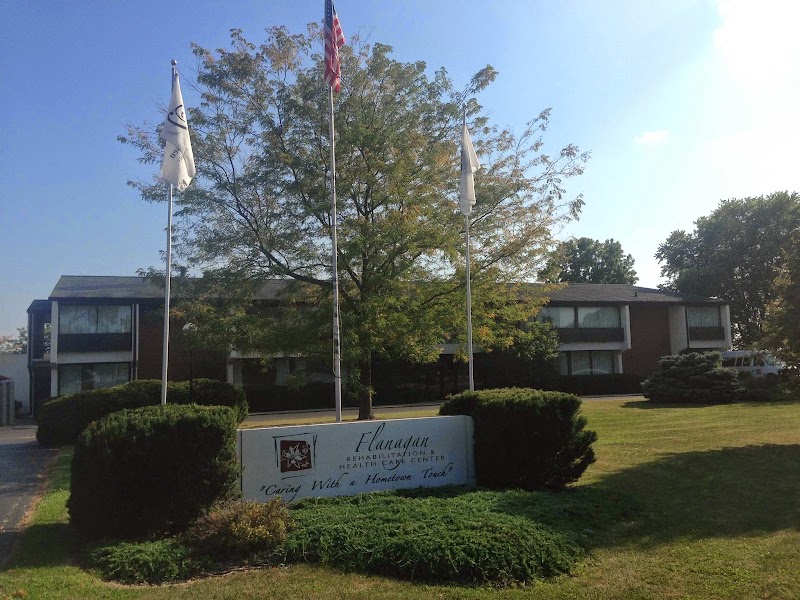
How is Flanagan Rehabilitation & Hcc Staffed?

CMS rates FLANAGAN REHABILITATION & HCC's staffing level at 3 out of 5 stars, which is average compared to other nursing homes. Staff turnover is 50%, compared to the Illinois average of 46%.

What Have Inspectors Found at Flanagan Rehabilitation & Hcc?

State health inspectors documented 52 deficiencies at FLANAGAN REHABILITATION & HCC during 2022 to 2025. These included: 8 that caused actual resident harm and 44 with potential for harm. Deficiencies causing actual harm indicate documented cases where residents experienced negative health consequences.

Who Owns and Operates Flanagan Rehabilitation & Hcc?

FLANAGAN REHABILITATION & HCC is owned by a for-profit company. For-profit facilities operate as businesses with obligations to shareholders or private owners. The facility is operated by PETERSEN HEALTH CARE, a chain that manages multiple nursing homes. With 43 certified beds and approximately 29 residents (about 67% occupancy), it is a smaller facility located in FLANAGAN, Illinois.
How Does Flanagan Rehabilitation & Hcc Compare to Other Illinois Nursing Homes?

Compared to the 100 nursing homes in Illinois, FLANAGAN REHABILITATION & HCC's overall rating (3 stars) is above the state average of 2.5, staff turnover (50%) is near the state average of 46%, and health inspection rating (2 stars) is below the national benchmark.

What Should Families Ask When Visiting Flanagan Rehabilitation & Hcc?

Based on this facility's data, families visiting should ask: "Can I visit during a mealtime to observe dining assistance and food quality?" "How do you handle medical emergencies, and what is your hospital transfer rate?" "Can I speak with family members of current residents about their experience?"

Is Flanagan Rehabilitation & Hcc Safe?

Based on CMS inspection data, FLANAGAN REHABILITATION & HCC has a clean safety record: no substantiated abuse findings (meaning no confirmed cases of resident harm), no Immediate Jeopardy citations (the most serious violation level indicating risk of serious injury or death), and is not on the Special Focus Facility watch list (a federal program monitoring the lowest-performing 1% of nursing homes). The facility has a 3-star overall rating and ranks #1 of 100 nursing homes in Illinois. While no facility is perfect, families should still ask about staff-to-resident ratios and recent inspection results during their visit.

Do Nurses at Flanagan Rehabilitation & Hcc Stick Around?

FLANAGAN REHABILITATION & HCC has a staff turnover rate of 50%, which is about average for Illinois nursing homes (state average: 46%). Moderate turnover is common in nursing homes, but families should still ask about staff tenure and how the facility maintains care continuity when employees leave.

Was Flanagan Rehabilitation & Hcc Ever Fined?

FLANAGAN REHABILITATION & HCC has been fined $80,703 across 2 penalty actions. This is above the Illinois average of $33,886. Fines in this range indicate compliance issues significant enough for CMS to impose meaningful financial consequences. Common causes include delayed correction of deficiencies, repeat violations, or care failures affecting resident safety. Families should ask facility leadership what changes have been made since these penalties.

Is Flanagan Rehabilitation & Hcc on Any Federal Watch List?

FLANAGAN REHABILITATION & HCC is not on any federal watch list. The most significant is the Special Focus Facility (SFF) program, which identifies the bottom 1% of nursing homes nationally based on persistent, serious quality problems. Not being on this list means the facility has avoided the pattern of deficiencies that triggers enhanced federal oversight. This is a positive indicator, though families should still review the facility's inspection history directly.