Marigold Rehabilitation Hcc
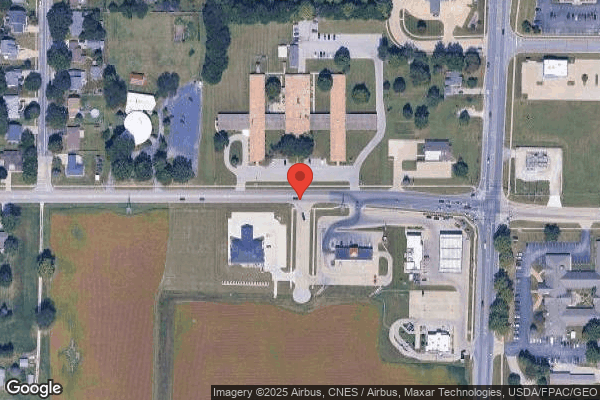
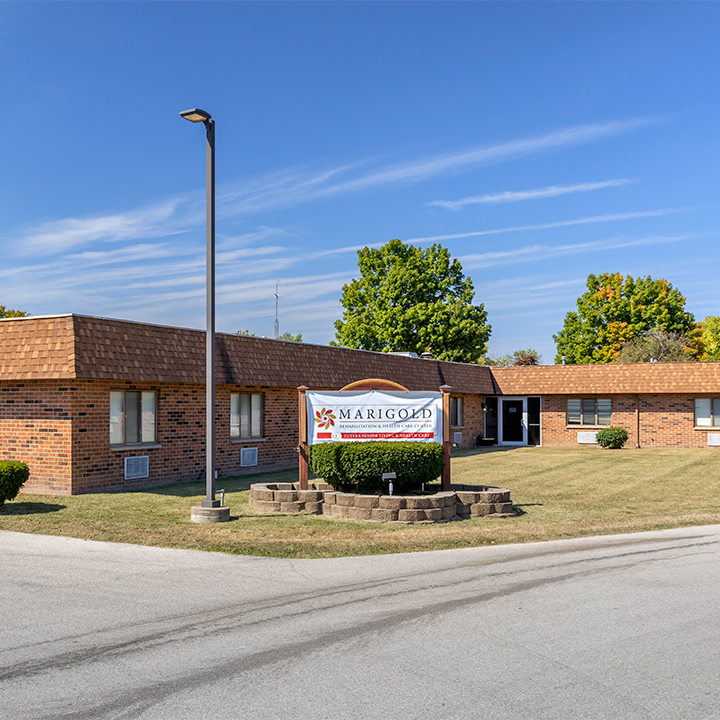
275 EAST CARL SANDBURG DRIVE, GALESBURG, IL 61401 (309) 344-1151
For profit - Corporation 172 Beds PETERSEN HEALTH CARE Data: November 2025 1 Immediate Jeopardy citation
Trust Grade
3/100
#584 of 665 in IL
Last Inspection: August 2024

Within standard 12-15 month inspection cycle. Federal law requires annual inspections.

Overview

Marigold Rehabilitation HCC has received a Trust Grade of F, indicating significant concerns about the quality of care. It ranks #584 out of 665 facilities in Illinois, placing it in the bottom half of all nursing homes in the state, and #6 out of 6 in Knox County, meaning there is only one local option that is better. While the facility is showing improvement, with the number of issues decreasing from 13 in 2024 to 6 in 2025, the staffing situation is troubling, as it has a low rating of 1 out of 5 stars and a high turnover rate of 69%, which is significantly above the state average. There have been serious incidents, including a failure to prevent physical and sexual abuse between residents, and a resident with morbid obesity not receiving proper bathing for over two years, leading to mental health concerns. While there are some improvements in recent compliance, the overall environment and care quality present notable risks that families should carefully consider.

Trust Score
F
3/100
In Illinois
#584/665
Bottom 13%
Safety Record
High Risk
Review needed
Inspections
Getting Better
13 → 6 violations
Staff Stability
⚠ Watch
69% turnover. Above average. Higher turnover means staff may not know residents' routines.
Penalties
✓ Good
$80,470 in fines. Lower than most Illinois facilities. Relatively clean record.
Skilled Nurses
⚠ Watch
Each resident gets only 19 minutes of Registered Nurse (RN) attention daily — below average for Illinois. Fewer RN minutes means fewer trained eyes watching for problems.
Violations
⚠ Watch
30 deficiencies on record. Higher than average. Multiple issues found across inspections.
★☆☆☆☆
1.0
Overall Rating
★☆☆☆☆
1.0
Staff Levels
★☆☆☆☆
1.0
Care Quality
★★☆☆☆
2.0
Inspection Score
Stable
2024: 13 issues
2025: 6 issues

The Good

  • Full Sprinkler Coverage · Fire safety systems throughout facility
  • No fines on record

Facility shows strength in fire safety.

The Bad

1-Star Overall Rating

Below Illinois average (2.5)

Significant quality concerns identified by CMS

Staff Turnover: 69%

23pts above Illinois avg (46%)

Frequent staff changes - ask about care continuity

Federal Fines: $80,470

Well above median ($33,413)

Moderate penalties - review what triggered them

Chain: PETERSEN HEALTH CARE

Part of a multi-facility chain

Ask about local staffing decisions and management

Staff turnover is elevated (69%)

21 points above Illinois average of 48%

The Ugly 30 deficiencies on record

1 life-threatening 2 actual harm
Aug 2025 2 deficiencies 1 Harm
SERIOUS (G) 📢 Someone Reported This

A family member, employee, or ombudsman was alarmed enough to file a formal complaint

Actual Harm - a resident was hurt due to facility failures

Deficiency F0558 (Tag F0558)

A resident was harmed · This affected 1 resident

**NOTE- TERMS IN BRACKETS HAVE BEEN EDITED TO PROTECT CONFIDENTIALITY** Based on observation, interview, and record review the facility failed to obtain the proper equipment to ensure a resident recei...

Read full inspector narrative →
**NOTE- TERMS IN BRACKETS HAVE BEEN EDITED TO PROTECT CONFIDENTIALITY** Based on observation, interview, and record review the facility failed to obtain the proper equipment to ensure a resident received showers at least once weekly and was weighed at least once monthly for one of three residents (R2) reviewed for accommodation of needs in the sample of three. These failures resulted in a resident with the diagnoses of Morbid Obesity not receiving a shower for over two years, resulting in R2 having increasing depression and feeling disgusting, smelly, and dirty.Findings include:The Facility Assessment Tool dated 3/19/25 documents, Diseases/Conditions: Morbid Obesity. Services and care we offer based on our resident's needs. The facility provides services for the residents we care for. The residents' care is based on their individual needs and preferences and is reflected in the individual's care plan. The cares and services are distributed by category. Activities of daily living bathing: Bathing and Showers. Physical Environment and building plant needs: Ensure adequate supplies and to ensure equipment is maintained to protect and promote the health and safety of residents. Physical Equipment: Bath benches, shower chairs, bathroom safety bars, bathing tubs, scales, bed scales.The facility's Weight Assessment and Intervention policy dated 12/2024, The nursing staff will measure resident weights on admission and weekly for four weeks thereafter. If no weight concerns are noted at this point, weights will be measured monthly. Weights will be recorded in the individual's medical record.The facility's Activities of Daily Living Policy, undated, documents, This facility provides each resident with care, treatment, and services according to the resident's individualized care plan. Based on the resident's comprehensive assessment, facility staff will ensure that each resident's abilities in activities of daily living do not diminish unless circumstances of the resident's clinical condition demonstrates that the decline was unavoidable, including Bathing, dressing, grooming, transferring, locomotion, ambulation, toileting, eating, and communication.R2's admission Record documents R2 is a [AGE] year-old admitted to the facility 10/20/22 with the diagnoses of Depression, Morbid Obesity, Adult Failure to Thrive, Hoarding Disorder, and Attention-Deficit Hyperactivity Disorder.R2's Current Care Plan documents, Behavior Problem: Has signs/symptoms of depression. Withdrawn. BATHING/SHOWERING: Provide sponge bath when a full bath or shower cannot be tolerated. Date Initiated: 04/13/2023 BATHING/SHOWERING: (R2) requires extensive assistance by one staff with bathing/showering (bathing/showering on scheduled days and as necessary. (Mechanical Lift) and two assist for transfers to shower chair. Encourage (R2) to wash upper body. Date Initiated: 04/13/2023.R2's MDS (Minimum Data Set) dated 6/19/25 documents R2 is dependent on staff for showers/bathing and needs partial/moderate assistance of staff for personal hygiene. This same Assessment documents R2's Mood Score at a 10 indicating R2 suffers moderate depression.R2's BIMS (Brief Interview for Mental Status) dated 8/18/25 documents R2 is cognitively intact.R2's Weights and Vitals Summary dated 1/2025 documents R2's most recent weight obtained was 293 pounds.R2's Grievance dated 5/8/25 documents, I (R2) have had difficulty with my bath/hair and getting (a) head to toe bath plus my hair shampooed since the CNAs (Certified Nursing Assistants) have been switched halls. I am not consistently getting a full bath and my hair shampooed. I would like to discuss a shower plan at a care plan meeting with (V14/Ombudsman) to support me (R2). Please let me (R2) know a date and time that we (the facility) can meet, and I will coordinate with the ombudsman.On 8/18/25 at 10:30 AM R2 was lying in a bariatric bed. R2 was morbidly obese and had stringy, oily hair. R2 stated, I feel very disgusting, smelly, and dirty. I have lived here over two years and have never been able to take a shower. The staff tried once, and I could not fit through the shower room door while on the shower chair, and my wheelchair will not fit through the shower room doorway. I am getting further and further depressed from being in this room every day and never getting a shower. I get bed baths, and my hair only gets washed maybe six out of the 12 times I get a bed bath. How would you (this surveyor) feel if you never could get a shower? I have asked over and over and filled out a grievance about at least getting my hair washed and nobody ever gets back to me. I do not get weighed monthly because the scale on the (mechanical lift) broke.On 8/18/25 at 10:10 AM V3 (LPN/Licensed Practical Nurse) stated, We (the facility) do not have a shower room that can accommodate (R2). (R2) requires a large shower bench and cannot fit through the shower doorways. Anytime the staff try, (R2's) legs scrape on the doorway of the shower room. The doorway to the shower rooms needs to be wider in order to fit (R2), or (R2) needs a different shower chair.On 8/18/25 at 10:20 AM V4 (CNA/Certified Nursing Assistant) stated, I have worked here four years and have always taken care of (R2). (R2) cannot fit through the shower room doors, so we have to give (R2's) bed baths. We used to not have a (mechanical lift) that would work for (R2's) weight. We have a lift that works for (R2) now. (R2) has never been able to get a shower. The last time we tried to wheel (R2) into the shower room, (R2's) legs scraped on the doorway. The shower chair with (R2) sitting on it does not fit through the shower doorway. Over two years ago there was a shower chair that worked for (R2), but it broke, and we (the facility) have never gotten a new shower chair that would work for (R2). I have never tried to use a (mechanical lift) to get (R2) into the shower room. I did not think about using a (mechanical lift).On 8/18/25 at 10:30 AM V5 (CNA) was providing personal cares to (R2). V5 stated, I always give (R2) bed baths because (R2) cannot fit through the shower room doorways. I have never tried to give (R2) a shower and have never tried a (mechanical lift) to get (R2) into the shower rooms. I just always assumed I was supposed to give (R2) bed baths since (R2) cannot fit into the shower rooms.On 8/18/25 at 2:10 PM V11 (CNA) and V12 (CNA) verified R2 does not get showers due to having no way to get R2 into the shower room.On 8/19/25 at 9:30 AM V14 (Ombudsman) stated, After (R2) wrote the grievance on 5/8/25, I immediately handed it to (V15/Prior Administrator) who was in (V16's/Director of Nurse's) office at the time. I discussed with (V15) and (V16) the need to have a care plan meeting with (R2) to discuss (R2's) concerns. At that time (V15) told me that the care plan coordinator was out of the building, and he would get back to (R2) and myself with a day and time for a care plan meeting. I have never heard anything back. I have been dealing with all different managers for the last two years about (R2) not being able to get a shower. (R2) is very upset that she cannot even get a shower and not get her hair washed. The staff cannot get (R2) into the shower room as the doorway is not big enough and the facility does not have a shower chair that will fit threw the shower room doorway. On 8/19/25 at 11:15 AM V1 (Administrator) stated, I was not made aware about (R2's) grievance from 5/8/25. (R2) should be offered a shower at least once a week and the facility should have the proper equipment and shower rooms to accommodate (R2) being able to get a shower at least once a week or whenever she wants. (R2) not receiving a shower for over two years is ridiculous and unacceptable. The staff have not been weighing (R2) monthly. I guess because the (mechanical lift) scale is broke.On 8/19/25 at 12:15 PM V2 (Director of Nursing) stated, The facility does not have a scale that can weigh (R2). I just found this out yesterday. All residents should be weighed at least once monthly unless a physician's order indicates a resident should be weighed more than monthly. (R2) has not had a monthly weight since January 2025.
CONCERN (D) 📢 Someone Reported This

A family member, employee, or ombudsman was alarmed enough to file a formal complaint

Potential for Harm - no one hurt, but risky conditions existed

Deficiency F0553 (Tag F0553)

Could have caused harm · This affected 1 resident

Based on observation, record review, and interview the facility failed to honor a resident's request to conduct a care plan meeting with the ombudsman present for one of three residents (R2) reviewed ...

Read full inspector narrative →
Based on observation, record review, and interview the facility failed to honor a resident's request to conduct a care plan meeting with the ombudsman present for one of three residents (R2) reviewed for resident rights in the sample of three.Findings include:The Facility Assessment Tool dated 3/19/25 documents, The residents' care is based on their individual needs and preferences and is reflected in the individual's care plan. Provide person-centered/directed care: Psycho/social/spiritual support: Build relationship with resident/get to know him/her/engage resident in conversation, offer and assist resident and family caregivers (or other proxy as appropriate) to be involved in person-centered care planning and advance care planning.R2's BIMS (Brief Interview for Mental Status) dated 8/18/25 documents R2 is cognitively intact.R2's Grievance dated 5/8/25 documents, I (R2) have had difficulty with (my) bath/hair and getting (a) head to toe bath plus my hair shampooed since the CNAs (Certified Nursing Assistant) have been switched halls. I am not consistently getting a full bath and my hair shampooed. I would like to discuss a shower plan at a care plan meeting with (V14/Ombudsman) to support me (R2). Please let me (R2) know a date and time that we (the facility) can meet, and I will coordinate with the ombudsman.R2's Electronic Health Record dated 5/8/25 (date of grievance) through 8/19/25 does not include documentation of a care plan meeting being conducted with R2, the facility staff, and the ombudsman.On 8/18/25 at 10:30 AM R2 was lying in a bariatric bed. R2's hair appeared oily and stringy. R2 stated, Nobody listens to me around here. I am trying to find somewhere else to accept me. I asked (V15/Prior Administrator) over and over to have a care plan meeting with the ombudsman present and no one has ever set up a meeting for me. I have told almost all the staff here that I want a meeting with the ombudsman so I can have a witness and be heard.On 8/19/25 at 9:30 AM V14 (Ombudsman) stated, After (R2) wrote the grievance on 5/8/25, I immediately handed it to (V15/Prior Administrator) who was in (V16's/Director of Nurse's) office at the time. I discussed with (V15) and (V16) the need to have a care plan meeting with (R2) to discuss (R2's) concerns. At that time (V15) told me that the care plan coordinator was out of the building, and he would get back to (R2) and myself with a day and time for a care plan meeting. I have never heard anything back.On 8/19/25 at 11:00 AM V1 (Administrator) verified R2 has not had a care plan meeting with the ombudsman present.On 8/18/25 at 11:38 AM V9 (Social Service Director) stated, I have worked here for two years and have never been told that (R2) would like a care plan meeting with the Ombudsman present. I am responsible for scheduling care plan meetings.
Apr 2025 4 deficiencies
CONCERN (D) 📢 Someone Reported This

A family member, employee, or ombudsman was alarmed enough to file a formal complaint

Potential for Harm - no one hurt, but risky conditions existed

Deficiency F0571 (Tag F0571)

Could have caused harm · This affected 1 resident

**NOTE- TERMS IN BRACKETS HAVE BEEN EDITED TO PROTECT CONFIDENTIALITY** Based on interview and record review the facility failed to ensure a resident's personal funds were not charged for covered serv...

Read full inspector narrative →
**NOTE- TERMS IN BRACKETS HAVE BEEN EDITED TO PROTECT CONFIDENTIALITY** Based on interview and record review the facility failed to ensure a resident's personal funds were not charged for covered services while receiving Medicaid benefits for one of seven residents (R2) reviewed for billing in the sample of seven. Findings include: The facility's Financial Responsibility Agreement, dated 10/2023, documents Residents who are eligible for Medicaid will not be charged for any medical or personal supplies that are routinely supplied to all residents in accordance to state guidelines. The Medicaid's Personal Needs Allowance (PNA) for Nursing Home Residents article, dated 1/13/25 and located at www.medicaidplanningassistance.org/personal-needs-allowance, documents Medicaid's Personal Needs Allowance (PNA) is the amount of monthly income a Medicaid-funded nursing home resident can keep of their personal income. Since room, board, and medical care are covered by Medicaid, the majority of one's income must go towards the cost of nursing homecare as a Share of Cost/Patient Liability. The PNA is intended to cover the nursing home resident's personal expenses, which are not covered by Medicaid. This may include, but is not limited to haircuts, vitamins, clothing, magazines, and vending machine snacks. Under certain circumstances, if a nursing home resident does not have their own monthly income, the Personal Needs Allowance is provided by the state in which one resides. This same article documents A resident's Personal Needs Allowance cannot be used towards items and/or services paid for by Medicaid. For instance, federal regulations require the nursing home to provide the resident (at no charge) with basic personal hygiene items, such as a toothbrush, toothpaste, dental floss, denture adhesive and cleaner, shampoo, bath soap, deodorant, moisturizing lotion, comb, razors, incontinence supplies, and tissues. If a resident chooses to purchase a specific brand that is not provided by the nursing home, their Personal Needs Allowance can be used. R2's current electronic medical record documents R2 was admitted to the facility on [DATE] and R2's stay is being paid for by Medicaid, since admission. On 4/21/25 at 10:15 AM, R2 stated she moved to the facility close to a year ago. R2 stated On April 28th I will be a year without getting my social security. I am on Medicaid, and I think I have some insurance and I have no money to my name. If I want a haircut or shoes, or just to go shopping, I can't because I have no money. The only time I have cash is if I win bingo and I might get a dollar or a dollar and a half, and then I have a friend from church who has given me some money for things like shoes. R2's Monthly recorded trust registry dated 11/1/24, documents on 11/1/24 R2's personal trust balance was $1,159.50. This registry documents on 11/12/24, $1086.20 was deducted for R and B (Room and Board) payment. This registry documents three deductions for shopping and one credit of $13.77 for a final balance on 12/1/24 of $32.07. R2's Monthly recorded trust registry, dated 1/1/25, documents R2's account balance was $16.01 and recorded a withdrawal of $16.00 for shopping on 1/7/25. R2's Monthly recorded trust registries, dated 2/1/25, 3/1/25 and 4/1/25 all document R2's trust account balance is $0.01. R2's [NAME] statement, dated 3/31/25, documents R2's account was credited $217.24 on 3/5/25 and R2's total amount due to the facility is $15,413.76. On 4/21/25 at 2:40 PM, V4 (Business Office Manager) confirmed R2's stay is being paid for by Medicaid and R2 has a current trust balance of one cent. V4 stated (R2) has Medicaid for insurance and room and board is also paid from her social security. (R2) has not been getting social security checks or her 60 dollar personal needs allowance each month due to the checks not being delivered here and the facility not being set as her payee. Those checks are just piling up at the social security office. (R2) does have an additional income that is coming to us that is a little over 200 dollars each month. I think that is from an old pension or retirement income. That amount is credited to her bill and does not withhold her 60 dollar monthly allowance. Nothing has been added to (R2's) trust for personal spending from that retirement income. (R2) came here with a check from her past facility and that was all of the money she had in her trust account. (R2) is owed the 60 dollar monthly amount of money for the past year and the over 1000 dollars that we took from her trust in November 2024. That was onetime payment. (R2) has family members (V12 and V12's spouse, V13) who get (R2's) billing accounts and I am sure that viewing large, owed balances is overwhelming. (V13) is (R2's) financial POA (Power of Attorney) and told me to deduct (R2's) room and board from November, out of (R2's) personal trust money. But that money is now all gone because it has not had any deposits since (R2) has lived here.
CONCERN (D) 📢 Someone Reported This

A family member, employee, or ombudsman was alarmed enough to file a formal complaint

Potential for Harm - no one hurt, but risky conditions existed

Deficiency F0576 (Tag F0576)

Could have caused harm · This affected 1 resident

**NOTE- TERMS IN BRACKETS HAVE BEEN EDITED TO PROTECT CONFIDENTIALITY** Based on observation, interview and record review, the facility failed to deliver resident mail, unopened and without being read...

Read full inspector narrative →
**NOTE- TERMS IN BRACKETS HAVE BEEN EDITED TO PROTECT CONFIDENTIALITY** Based on observation, interview and record review, the facility failed to deliver resident mail, unopened and without being read, to one of four residents (R1) reviewed for mail delivery in the sample of seven. Findings include: The facility's Resident Rights policy, dated 12/2024, documents Each resident residing in this community has the right and will be afforded the right to dignified existence, self-determination, and communication with and access to persons and services inside and outside the community without interference, coercion, discrimination or reprisal. It is the responsibility of all who work in this community, including employees of the community and any others who provide services to the residents of the community, to advocate and protect the rights of each resident. This same policy documents Resident rights include but are not limited to: Privacy and confidentiality. Privacy in sending and receiving mail. R1's current Care Plan, dated 4/8/24, documents R1 was admitted to the facility on [DATE]. This Care Plan also documents (R1) has suffered a traumatic life event of husband's death, requiring support and intervention. Triggers include: date of husband's death, approaching holiday's, people talking about his death, church services because husband was a reverend. Date initiated, 12/11/2024. On 4/21/25 at 10:30 AM, R1 was sitting in wheelchair in her room. At this time R1 stated A few weeks ago I was delivered two envelopes that were addressed to me and they were both opened before I got them. The Business Office Manager (V4) brought me the two envelopes and they were both life insurance checks from (V14, R1's late spouse) passing away in November. (V4) said that she opened my letters by accident but if she did that, then why did she open both of them? I have not had any other mail delivered opened, but both of these envelopes were. On 4/21/25 at 11:20 AM, V11 (R1's Family Member) stated We (family members) do all the banking for (R1) and none of it is managed by the facility or (V4). When I called (V4) after the mail was delivered to (R1) already opened, I asked her why she opened it and she said it doesn't matter. The envelope said (company) Life Insurance and only was addressed to (R1), not the facility so (V4) knew these envelopes contained checks. On 4/21/25 at 2:40 PM, V4 (Business Office Manager) confirmed in March 2024, she opened two pieces of mail that were addressed to R1. V4 stated (R1) received life insurance checks and I opened those. I had the envelope upside down, and I opened both envelopes. They were addressed to (R1) and it was just her name, not the facility. I am the one who receives all of the resident mail and see that it gets delivered. (V7, Activity Director) gives the mail to residents once it is sorted by me. On 4/22/25 at 9:35 AM, V7 stated I deliver mail for all of the residents. I get the mail from (V4). If something is addressed to the facility sometimes, I have had to open it only due the fact that there is no resident name on the outside. In which case I then take it to the resident and will show them that the outside of the envelope does not have a name on it. When I get the mail from (V4) it is sealed. V7 confirmed resident mail should be delivered to the residents still sealed and only opened if requested by the resident.
CONCERN (E) 📢 Someone Reported This

A family member, employee, or ombudsman was alarmed enough to file a formal complaint

Potential for Harm - no one hurt, but risky conditions existed

Deficiency F0745 (Tag F0745)

Could have caused harm · This affected multiple residents

**NOTE- TERMS IN BRACKETS HAVE BEEN EDITED TO PROTECT CONFIDENTIALITY** Based on Interview and Record Review, the facility failed to provide a resident with state funded payment transfer assistance an...

Read full inspector narrative →
**NOTE- TERMS IN BRACKETS HAVE BEEN EDITED TO PROTECT CONFIDENTIALITY** Based on Interview and Record Review, the facility failed to provide a resident with state funded payment transfer assistance and social services to ensure medical and personal state aid payments were accurately delivered for over eleven months and ensure residents currently receiving Medicaid are applying for financial services to allow an opportunity for a monthly personal needs allowance to be provided for four of seven residents (R2, R5, R6, R7) reviewed for Personal Funds and [NAME] in the sample of seven. Findings include: The facility's Social Services Assistant job description (undated), documents Responsible to assist Social Service Coordinator and Social Workers in providing medically related social services so that each resident may attain or maintain the highest practicable level of physical, mental, and psychosocial well-being. Promotes a climate, policies and routines that enable residents to maximize their individuality, independence and dignity. Services will be provided in accordance with Federal, State and Local regulations and governing agencies. Responsibilities: Makes appropriate referrals to other consultants, community agencies, or center departments in order to facilitate the resident/resident's optimal use of resources, and to promote increased level of psycho-social functioning as planned by the Social Service Coordinator or Social Worker. Aids with the resident/resident's admission to assure a smooth transition; meets with resident/resident's and families as needed to provide information and facilitate adjustment. The facility's Admissions Coordinator job description (undated), documents Responsibilities: Ensure financial verification is accurate and complete before the resident is admitted to the facility thus assisting in reducing accounts receivable. Conducts admission process of signing in and explaining admission policies to residents and their families. Ensures a smooth transition is achieved and that all paperwork is complete upon admission. Emphasizes financial arrangements and responsibilities. The facility's Business Office Coordinator job description (undated), documents Responsible for the overall management of business office activities in accordance with current applicable federal, state, and local standard guidelines and regulations, and as directed by the administrator. Responsible for coordinating with the Central [NAME] Office on managing insurance payments, including private, Medicare, Medicaid and other managed care; managing refunds for accounts receivable, and maintaining appropriate logs and reports, not limited to, resident funds, census records, and case accounts. Responsibilities: Manages all business functions including but not limited to accounts receivable, accounts payable, resident trust finds and other assigned duties. Ensures the financial systems are accurate, efficient, and in accordance with professional accounting practices and governmental regulations. Manages insurance payments of Medicare, Medicaid, private insurance, HMOs (Health Maintenance Organizations) and hospice billing; verifies payor source; posting payments to various systems; ensures critical deadlines are met. Ensures timely receipts of all payments. Makes monthly phone calls to responsible parties regarding missing payments; submits Medicaid applications and completes timely follow up on pending cases; enters admission packets into the electronic system within seven days of admission. Maintain monthly logs for outstanding admission packets, new admissions, verifications and pending cases; maintains Medicaid pending and pending admission log. Implements and monitors the facility's established system for receiving, depositing, withdrawing and accounting for resident funds and ensures that resident funds are available for the resident or their authorized representative in accordance with established procedures; conducts monthly audit to ensure process is followed. Obtains information from admissions and assures accuracy and completeness. The Medicaid's Personal Needs Allowance (PNA) for Nursing Home Residents article, dated 1/13/25 and located at www.medicaidplanningassistance.org/personal-needs-allowance, documents Medicaid's Personal Needs Allowance (PNA) is the amount of monthly income a Medicaid-funded nursing home resident can keep of their personal income. Since room, board, and medical care are covered by Medicaid, the majority of one's income must go towards the cost of nursing home-care as a Share of Cost/Patient Liability. The PNA is intended to cover the nursing home resident's personal expenses, which are not covered by Medicaid. This may include, but is not limited to haircuts, vitamins, clothing, magazines, and vending machine snacks. Under certain circumstances, if a nursing home resident does not have their own monthly income, the Personal Needs Allowance is provided by the state in which one resides. 1. R2's current electronic medical record documents R2's stay is being paid for by Medicaid, since admission. R2's current Care Plan, dated 3/11/25, documents R2 was admitted to the facility on [DATE] with Diagnoses of Bipolar Disorder without Psychotic features and Borderline Intellectual Functioning. This same care plan documents (R2) is alert and oriented. She is able to state wants and needs. (R2) requires training for community living skills. She has impairments with self-maintenance, social functioning, work related skills, and community living skills. Diagnosis: Bipolar. On 4/21/25 at 10:15 AM, R2 stated she moved to the facility close to a year ago. R2 stated On April 28th I will be a year without getting my social security. I am on Medicaid and I think I have some insurance and I have no money to my name. If I want a haircut or shoes, or just to go shopping, I can't because I have no money. The only time I have cash is if I win bingo and I might get a dollar or a dollar and a half, and then I have a friend from church who has given me some money for things like shoes. R2's Monthly recorded trust registries, dated 2/1/25, 3/1/25 and 4/1/25 all document R2's trust account balance is $0.01 with zero transactions or deposits throughout the three month period. R2's [NAME] statement, dated 3/31/25, documents R2's total amount due to the facility is $15,413.76. On 4/21/25 at 2:40 PM, V4 (Business Office Manager) stated (R2) has Medicaid for insurance and room and board is paid from her social security and a small retirement income. When (R2) came here the prior nursing home was her payee for social security. (R2's) not been getting her personal needs allowance of 60 each month. (R2) has a family member (V12) who gets her billing accounts but not the checks because those are piling up at the social security office. They (social security) needs to switch over and list (the facility) as her payee so her checks can be sent here. On 4/22/25 at 10:35, V8 (Corporate Educator) stated We (the facility) can apply for rep (representative) payee and then we are the one receiving the payments from social security. This would be the BOM (Business Office Manager's) job to apply for rep payee. (R2) does have a resident liability. I think this error may have been discovered after the fact, after (new facility ownership) took over from (prior ownership). (R2) should be getting her $60 each month added to her personal funds. 2. The facility's Medicaid list (undated), provided by V3 (Licensed Practical Nurse/Assistant Director of Nursing) on 4/22/25, documents R5 was admitted to the facility on [DATE], R6 was admitted to the facility on [DATE] and R7 was admitted to the facility on [DATE]. This list documents all three residents have a payer source of Medicaid. R5, R6 and R7's current electronic medical records document all three residents are under the age of 65. On 4/22/25 at 10:15 AM, V1 (Administrator) provided blank trust balance forms, dated 2/1/25-4/1/25, for R5, R6, and R7 and V1 stated They (R5, R6, R7) do not have any monthly balance due to having no income, so these residents do not receive a monthly Personal Needs Allowance (PNA). On 4/22/25 at 10:35 AM, V8 (Corporate Educator) stated When residents come to the facility they have to have some kind of income. There are very few cases where they don't have any income at all. It would be the Business Office Manager and Social Services who would be responsible for assisting the residents to get the SSI (Supplemental Security Income) after being admitted . On 4/22/25 at 11:00 AM, V9 (Corporate Medicaid Compliance Manager) stated SSI has to be applied for separately. For Illinois, when a resident applies and under age [AGE], if they are not receiving disability and they have no source of income we (the facility) would pursue disability, and they would make a decision. The resident would be entitled to SSI and then they would get a PNA (Personal Needs Allowance). It's not an automatic when they are admitted on Medicaid. What should be done is that we (the facility) pursue the SSI application. The facility should want to make sure they start the disability process and that is usually started through Social Services. If we have a resident living (in the facility) long term and they are not getting SSI, they (social services) can start paperwork for disability. On 4/22/25 at 11:11 AM, V5 (Social Services) stated she has been in the job position for about one year. V5 stated I have not done any SSI or Disability assistance applications. I know the Business Office Manager gets asked about those things. I assist on admissions as well and act as the Admissions Coordinator. I make sure residents have a payer source that we can accept. Going over the Medicaid list is also part of my admissions duty. On 4/22/25 at 11:38 AM, V4 (Business Office Manager, BOM) confirmed she has been working in the job position for approximately two years. V4 stated I haven't ever helped a resident apply for SSI or Disability. I do the financial agreement on admission and the contract is done by Social Services. (R5, R6 and R7) have been here a while and all have a zero liability. So, they receive no additional funds or personal allowance monthly. I am not sure how to see if they have ever applied for SSI or Disability. I guess we would need to talk to the Medicaid office case managers, but I haven't done that for anyone. On 4/22/25 at 3:25 PM V1 (Administrator) stated On admission the BOM does the financial checks to ensure payer source, and those things are accurate. The combination of BOM and Social Services would do the assisting residents with SSI and Disability. I have not had to encounter it, so we have done any of that. Residents can come and ask and they would be assisted. If they don't have any liability, then we would need to reach out to them and see if they need signed up for SSI or Disability. I don't have the documentation to show when residents were talked to or that this concern has been addressed.
CONCERN (F) 📢 Someone Reported This

A family member, employee, or ombudsman was alarmed enough to file a formal complaint

Potential for Harm - no one hurt, but risky conditions existed

Administration (Tag F0835)

Could have caused harm · This affected most or all residents

**NOTE- TERMS IN BRACKETS HAVE BEEN EDITED TO PROTECT CONFIDENTIALITY** Based on Interview and Record Review the facility failed to provide effective administrative oversight to ensure residents on Me...

Read full inspector narrative →
**NOTE- TERMS IN BRACKETS HAVE BEEN EDITED TO PROTECT CONFIDENTIALITY** Based on Interview and Record Review the facility failed to provide effective administrative oversight to ensure residents on Medicaid receive a Personal Needs Allowances, assistance with supplemental income financial applications, transfer payment assistance and ensure a resident's personal funds were not charged for Medicaid covered services. This failure has the potential to affect all 68 residents residing in the facility. Findings include: The facility's Administrator/ Executive Director job description (undated), documents The Administrator oversees the day to day operations of the facility to meet state and federal regulations and supervises all department managers to ensure the facility is in compliance. The Administrator is responsible for the delivery of clinical services integrated with business plans while meeting or exceeding quality, clinical and utilization standards, performance measures, and financial productivity objectives. Ensures premier customer service while facilitates resolutions of resident care issues. Responsibilities: Acts as the compliance office for the facility. Ensures center compliance with all federal, state and company regulations and policies. Ensures that all practices and policies are carried out in the highest ethical manner. Ensures the highest quality in standard of care and services provided. Oversees completion of forms, reports, etcetera, including state licensure reports, monthly financial reports, (state agency) or department of labor surveys, plans of correction, responses to corporate requests, replies to residents' council, and others as needed. Reviews and signs accounting records, incident/ accident reports, resident fund reconciliation, and resident funds approval; provides facility related data/ information responsive to the company needs. The facility's Business Office Coordinator job description (undated), documents Responsible for the overall management of business office activities in accordance with current applicable federal, state, and local standard guidelines and regulations, and as directed by the administrator. Responsible for coordinating with the Central [NAME] Office on managing insurance payments, including private, Medicare, Medicaid and other managed care; managing refunds for accounts receivable, and maintaining appropriate logs and reports, not limited to, resident funds, census records, and case accounts. Responsibilities: Manages all business functions including but not limited to accounts receivable, accounts payable, resident trust finds and other assigned duties. Ensures the financial systems are accurate, efficient, and in accordance with professional accounting practices and governmental regulations. Manages insurance payments of Medicare, Medicaid, private insurance, HMOs (Health Maintenance Organizations) and hospice billing; verifies payor source; posting payments to various systems; ensures critical deadlines are met. Ensures timely receipts of all payments. Makes monthly phone calls to responsible parties regarding missing payments; submits Medicaid applications and completes timely follow up on pending cases; enters admission packets into the electronic system within seven days of admission. Maintain monthly logs for outstanding admission packets, new admissions, verifications and pending cases; maintains Medicaid pending and pending admission log. Implements and monitors the facility's established system for receiving, depositing, withdrawing and accounting for resident funds and ensures that resident funds are available for the resident or their authorized representative in accordance with established procedures; conducts monthly audit to ensure process is followed. Obtains information from admissions and assures accuracy and completeness. The facility's Admissions Coordinator job description (undated), documents Responsibilities: Ensure financial verification is accurate and complete before the resident is admitted to the facility thus assisting in reducing accounts receivable. Conducts admission process of signing in and explaining admission policies to residents and their families. Ensures a smooth transition is achieved and that all paperwork is complete upon admission. Emphasizes financial arrangements and responsibilities. The Medicaid's Personal Needs Allowance (PNA) for Nursing Home Residents article, dated 1/13/25 and located at www.medicaidplanningassistance.org/personal-needs-allowance, documents Medicaid's Personal Needs Allowance (PNA) is the amount of monthly income a Medicaid-funded nursing home resident can keep of their personal income. Since room, board, and medical care are covered by Medicaid, the majority of one's income must go towards the cost of nursing home-care as a Share of Cost/Patient Liability. The PNA is intended to cover the nursing home resident's personal expenses, which are not covered by Medicaid. This may include, but is not limited to haircuts, vitamins, clothing, magazines, and vending machine snacks. Under certain circumstances, if a nursing home resident does not have their own monthly income, the Personal Needs Allowance is provided by the state in which one resides. The facility's Financial Responsibility Agreement, dated 10/2023, documents Residents who are eligible for Medicaid will not be charged for any medical or personal supplies that are routinely supplied to all residents in accordance to state guidelines. R2's current electronic medical record documents R2 was admitted to the facility on [DATE] and R2's stay is being paid for by Medicaid, since admission. On 4/21/25 at 10:15 AM, R2 stated she moved to the facility close to a year ago. R2 stated On April 28th I will be a year without getting my social security. I am on Medicaid, and I think I have some insurance and I have no money to my name. If I want a haircut or shoes, or just to go shopping, I can't because I have no money. The only time I have cash is if I win bingo and I might get a dollar or a dollar and a half, and then I have a friend from church who has given me some money for things like shoes. R2's Monthly recorded trust registry dated 11/1/24, documents on 11/1/24 R2's personal trust balance was $1,159.50. This registry documents on 11/12/24, $1086.20 was deducted for R and B (Room and Board) payment. This registry documents three deductions for shopping and one credit of $13.77 for a final balance on 12/1/24 of $32.07. R2's Monthly recorded trust registry, dated 1/1/25, documents R2's account balance was $16.01 and recorded a withdrawal of $16.00 for shopping on 1/7/25. R2's Monthly recorded trust registries, dated 2/1/25, 3/1/25 and 4/1/25 all document R2's trust account balance is $0.01. R2's [NAME] statement, dated 3/31/25, documents R2's account was credited $217.24 on 3/5/25 and R2's total amount due to the facility is $15,413.76. On 4/21/25 at 2:40 PM, V4 (Business Office Manager) confirmed R2's stay is being paid for by Medicaid and R2 has a current trust balance of one cent. V4 stated (R2) has Medicaid for insurance and room and board is also paid from her social security. (R2) has not been getting social security checks or her 60 dollar personal needs allowance each month due to the checks not being delivered here and the facility not being set as her payee. Those checks are just piling up at the social security office. (R2) does have an additional income that is coming to us that is a little over 200 dollars each month. I think that is from an old pension or retirement income. That amount is credited to her bill and does not withhold her 60 dollar monthly allowance. Nothing has been added to (R2's) trust for personal spending from that retirement income. (R2) came here with a check from her past facility and it was the money she had in her trust account. (R2) is owed the 60 dollar monthly amount of money for the past year and the over 1000 dollars that we took from her trust in November 2024. That was onetime payment. (R2) has a family members (V12 and V12's spouse, V13) who get (R2's) billing accounts and I am sure that viewing large, owed balances is overwhelming. (V13) is (R2's) financial POA (Power of Attorney) and told me to deduct (R2's) room and board from November, out of (R2's) personal trust money. But that money is all gone because it has not had any deposits since (R2) has lived here. The facility's Medicaid list (undated), provided by V3 (Licensed Practical Nurse/Assistant Director of Nursing) on 4/22/25, documents R5 was admitted to the facility on [DATE], R6 was admitted to the facility on [DATE] and R7 was admitted to the facility on [DATE]. This list documents all three residents have a payer source of Medicaid. R5, R6 and R7's current electronic medical records document all three residents are under the age of 65. On 4/22/25 at 10:15 AM, V1 (Administrator) provided blank trust balance forms, dated 2/1/25-4/1/25, for R5, R6, and R7 and V1 stated They (R5, R6, R7) do not have any monthly balance due to having no income, so these residents do not receive a monthly Personal Needs Allowance (PNA). On 4/22/25 at 10:35 AM, V8 (Corporate Educator) stated When residents come to the facility they have to have some kind of income. There are very few cases where they don't have any income at all. It would be the Business Office Manager and Social Services who would be responsible for assisting the residents to get the SSI (Supplemental Security Income) after being admitted . On 4/22/25 at 11:00 AM, V9 (Corporate Medicaid Compliance Manager) stated SSI has to be applied for separately. For Illinois, when a resident applies and under age [AGE], if they are not receiving disability and they have no source of income we (the facility) would pursue disability, and they would make a decision. The resident would be entitled to SSI and then they would get a PNA (Personal Needs Allowance). It's not an automatic when they are admitted on Medicaid. What should be done is that we (the facility) pursue the SSI application. The facility should want to make sure they start the disability process and that is usually started through Social Services. If we have a resident living (in the facility) long term and they are not getting SSI, they (social services) can start paperwork for disability. On 4/22/25 at 11:11 AM, V5 (Social Services) stated she has been in the job position for about one year. V5 stated I have not done any SSI or Disability assistance applications. On 4/22/25 at 11:38 AM, V4 (Business Office Manager, BOM) confirmed she has been working in the job position for approximately two years. V4 stated I haven't ever helped a resident apply for SSI or Disability. I do the financial agreement on admission and the contract is done by Social Services. (R5, R6 and R7) have been here a while and all have a zero liability. So, they receive no additional funds or personal allowance monthly. I am not sure how to see if they have ever applied for SSI or Disability. I guess we would need to talk to the Medicaid office case managers, but I haven't done that for anyone. On 4/22/25 at 3:25 PM V1 (Administrator) stated On admission the BOM does the financial checks to ensure payer source, and those things are accurate. There isn't generally anyone else overseeing the payments through corporate. We just do the financial check and see that they have a payer source. We (the facility) do have a monthly AR (Accounts Receivable) call with myself, the BOM (V4) and a corporate representative, related to private pay, liability and making sure all of those things are coming through correctly. I can't speak to any time prior to October 2024 when I started. I was not aware that (R2) was receiving income aside from the social security checks (that haven't been delivered). I didn't know (R2) had any trust money transferred here from her (previous nursing home) account or that we deducted room and board from those personal funds account. (R2) came here before I did, and I was not aware that happened. (R2) came to me once, early on (unknown date). She told me she was concerned about her social security not coming here and that's when I was made aware of a possible issue, but only recently realized it is still an issue. The combination of BOM and Social Services would be the people assisting residents with SSI and Disability. I have not had to encounter anyone needing it, so we have not done any of that. I am not aware of anything related to residents needing additional funding or lacking personal needs allowances. If they don't have any liability, then we would need to reach out to them and see if they need signed up for SSI or Disability. I don't have the documentation to show when residents were talked to or that this concern has been addressed. V1 confirmed that the facility has a large population of Medicaid funded residents and that at any time a residents could face a need to be placed on Medicaid services for facility payment. The facility's (undated) Resident Roster provided on 4/21/25 and verified by V1 (Administrator), documents 68 residents reside in the facility.
Aug 2024 9 deficiencies
CONCERN (D)

Potential for Harm - no one hurt, but risky conditions existed

Transfer Notice (Tag F0623)

Could have caused harm · This affected 1 resident

Based on interview and record review the facility failed to provide the Resident and/or Resident Representative with a written notice of hospital transfer for one of one resident (R83) in the sample o...

Read full inspector narrative →
Based on interview and record review the facility failed to provide the Resident and/or Resident Representative with a written notice of hospital transfer for one of one resident (R83) in the sample of 33. Findings Include: R83's Census Profile, dated 6/3/2024, documents that R83 had a hospital unpaid leave from 6/3/24 through 6/5/2024 and 6/22/2024. Evidence of a facility notification to R83 of a written notice of transfer or discharge was not present in R83's chart. On 8/22/2024 at 11:35 am, V20/SSA (Social Service Assistant) stated, I do not see where there is any documentation or evidence that R83 or R83's Representative was given a written notice of the transfer or discharge.
CONCERN (D)

Potential for Harm - no one hurt, but risky conditions existed

Deficiency F0625 (Tag F0625)

Could have caused harm · This affected 1 resident

Based on interview and record review, the facility failed to provide a copy of the Bed Hold Policy for Residents who are discharging to the hospital for one of one resident (R83) reviewed for bed hold...

Read full inspector narrative →
Based on interview and record review, the facility failed to provide a copy of the Bed Hold Policy for Residents who are discharging to the hospital for one of one resident (R83) reviewed for bed holds in a sample of 33. Findings Include: The facility policy, named Bed Hold Policy and Agreement Form, revised 2/2024, documents the following: It is the policy of the Management Company that the facility will establish a system to notify the Resident/Responsible party/Resident Representative of the facility bed hold policy; Procedure: The Bed Hold Agreement is to be obtained for each/occurrence, hospital, or therapeutic leave. R83's Progress Notes, dated 6/22/2024 at 11:40 am, documents the following: Staff entered R83's room and R83 had a clock in her hands with the glass all broken up. R83 kept saying she needed it to cut herself. Staff attempted to get it away from R83 when she threw it at staff. R83 then threw her hamper. Antipsychotic medication (Haldol) given in the right arm. R83 stated, she will break the glass in the window if she needs to. R83's Progress Notes, dated 6/22/2024 at 10:34 pm, documents, R83 has been admitted to the local hospital with a diagnosis of Dementia with Agitation. Pending placement in a geriatric psychiatric facility. On 8/22/2024 at 11:32 am, V20/SSA/Social Service Assistant stated, I was told that the nurse is to give the Resident and/or Resident representative a copy of the Bed Hold Policy. And that the nurse that is doing the transfer is to document that the bed hold was given. I do not see where the Bed Hold was given to (R83/or representative). Nothing is documented.
CONCERN (D)

Potential for Harm - no one hurt, but risky conditions existed

PASARR Coordination (Tag F0644)

Could have caused harm · This affected 1 resident

**NOTE- TERMS IN BRACKETS HAVE BEEN EDITED TO PROTECT CONFIDENTIALITY** Based on record review and interview the facility failed to obtain a level II PASRR (Pre-admission Screening and Resident Review...

Read full inspector narrative →
**NOTE- TERMS IN BRACKETS HAVE BEEN EDITED TO PROTECT CONFIDENTIALITY** Based on record review and interview the facility failed to obtain a level II PASRR (Pre-admission Screening and Resident Review) screening for one of three residents (R67) reviewed for a new diagnosis of mental illness in the sample of 33. Findings include: R67's Face Sheet documents R67 was admitted to the facility on [DATE]. R67's PASRR Level I Screen Outcome dated 6-21-22 documents, PASRR Level I Determination: No Level II Required. No SMI (Severe Mental Illness)/ID (Intellectual Disability)/RC (Related Condition). R67's Progress Notes dated 7-6-23 and signed by V6 (Nurse Practitioner) document, New evaluation: Schizophrenia. [AGE] year-old with Disorganized Schizophrenia who is delusional and can get upset and have outburst or attempt to elope form the facility when he is upset. R67's Medical Record does not include evidence of a level II PASRR screening being obtained after R67 was diagnosed with Disorganized Schizophrenia. On 08/21/24 at 02:00 PM V5 (Regional Director of Operations) stated, The facility did not request a PASRR Level II once (R67) was diagnosed with Disorganized Schizophrenia.
CONCERN (D)

Potential for Harm - no one hurt, but risky conditions existed

Deficiency F0699 (Tag F0699)

Could have caused harm · This affected 1 resident

Based on record review and interview the facility failed to assess and identify potential triggers and failed to provide specific personalized interventions for one (R44) of three residents reviewed f...

Read full inspector narrative →
Based on record review and interview the facility failed to assess and identify potential triggers and failed to provide specific personalized interventions for one (R44) of three residents reviewed for mood and behavior in a sample of 33. Findings include: Facility Trauma Informed Care Policy, dated 10/2022, documents: the policy of the Facility is to consider Residents past traumatic experiences in developing person-centered care plans designated to avoid re-traumatization through the application of the principles of trauma-informed care; individual trauma results from an event, series of events or set of circumstances that is experienced by an individual as physically or emotionally harmful or life threatening and has lasting adverse effects on the individual's functioning and mental, physical, social, emotional or spiritual well-being; an approach to delivering care that involves understanding, recognizing and responding to the effects of all types of trauma and avoiding re-traumatization; trigger is something that causes the survivor to remember the traumatic event and induces a reaction like when they were originally traumatized and triggers can re-traumatize survivors; safety to create an environment that protects from physical harm and promotes a sense of emotional security; during the admission process, Resident's/Resident Representatives are given the opportunity to answer questions regarding trauma and to discuss their experiences to the extent they are comfortable; and Care Plan with the Interdisciplinary Team to assess the Resident's needs to identify triggers and interventions to eliminate/mitigate triggers that may cause re-traumatization. R44's Physician Order Sheet, dated 8/21/24, documents an admission to the facility on 4/17/2019 and a diagnosis of Post Traumatic Stress Disorder/PTSD. R44's Preadmission Screening and Resident Review/PASRR, dated 1/16/24 documents R44's diagnosis of PTSD. R44's Psychotropic Medication Consent, dated 4/10/22, documents a Physician Order for the medication (Depakote) for a diagnosis of PTSD. R44's Trauma Informed Care form effective 8/10/24, does not document R44's PTSD triggers or interventions. R44's current Care Plan documents, an initiation date (8/31/23) and a revision date (6/3/24), that R44 takes psychotropic medications due to impulse disorder, PTSD and unknown psychosis, depression, and Bipolar Disorder. R44's Care Plan does not document identified triggers or interventions for R44's PTSD. On 8/22/24 at 9:30 am, V5 (Regional Director of Operations) stated, When we took over this Facility in receivership, we updated some of the computer forms and I am not sure why the triggers are not documented on (R44's) Trauma Informed Care form. I do not see that we have any documented anywhere. We did just update (R44's) Care Plan today to identify the triggers.
CONCERN (D)

Potential for Harm - no one hurt, but risky conditions existed

Medication Errors (Tag F0758)

Could have caused harm · This affected 1 resident

**NOTE- TERMS IN BRACKETS HAVE BEEN EDITED TO PROTECT CONFIDENTIALITY** Based on observation, interview, and record review the facility failed to document behaviors to justify the use of antipsychotic...

Read full inspector narrative →
**NOTE- TERMS IN BRACKETS HAVE BEEN EDITED TO PROTECT CONFIDENTIALITY** Based on observation, interview, and record review the facility failed to document behaviors to justify the use of antipsychotic medications, obtain a consent prior to the use of an antipsychotic medication, and perform an annual gradual dose reduction of scheduled antipsychotic medications for two of four residents (R10 and R67) reviewed for antipsychotic medication use in the sample of 33. Findings include: The facility's Psychotropic Medication Use policy dated 09/2022 documents, Residents will only receive psychotropic medications when necessary to treat specific conditions for which they are indicated and effective. Prior to starting psychotropic medications, informed consent will be obtained from resident/representative per state guidelines. Antipsychotics medications shall generally be used only for the following conditions/diagnoses as documented in the record, consistent with the definitions in the Diagnostic and Statistical Manual of Mental Disorders a. Schizophrenia b. Tourette's Disorder c. Huntington Disease. Diagnoses alone do not warrant the use of psychotropic medications. The facility's Pharmacy policy of Gradual Dose Reduction (GDR) for Psychotropics dated 2023 documents, The State Operations Manual states after initiating or increasing the dose of a psychotropic medication, the behavioral symptoms must be reevaluated periodically to determine he potential for reducing or discontinuing the dose based on therapeutics goals and any adverse effects or functional impairment. CMS (Centers for Medicare and Medicaid Services) does not provide any exception for GDR for residents under hospice care. 1. R10's MDS (Minimum Data Set) assessment dated [DATE] documents R10 is severely cognitively impaired and R10's behaviors do not put R10 or others at risk for physical illness or injury, do not interfere with R10's care, do not interfere with R10's participation in activities or social interactions, do not intrude on the privacy or activity of others, and does not disrupt care or the living environment of others. R10's PASRR (Pre-admission Screening and Resident Review) Level I Screen Outcome dated 10-11-23 documents, No Level II Required. No SMI (Severe Mental Illness)/ID (Intellectual Disability)/RC (Related Condition). R10's Medication Review Report dated 8-20-24 documents, Order date: 9-25-23 ABH (Ativan/Benadryl/Haldol) gel 1/25/1 (milligrams) one time a day every other day at 5:00 AM for the diagnosis of Unspecified Dementia with unspecified severity with other behavioral disturbance. Order date: 9-25-23 ABH gel 1/25/1 (milligrams) one time day every day at 4:00 PM for the diagnosis of Anxiety Disorder. R10's Medical Record does not include a consent for the use of R10's ABH cream or a Care Plan for the use of R10's ABH cream. On 08/20/24 9:23 AM and 08/22/24 at 10:26 AM, R10 was lying in a low bed. No behaviors noted. R10's bed was against the right side of the wall and mats to floor on left side. On 08/20/24 at 9:34 AM V4 (CNA/Certified Nursing Assistant) stated, (R10) does not have behaviors that cause herself or others harm. (R10) only grabs at staff during cares and talks to God. (R10) can be easily re-directed. On 08/20/24 at 10:25 AM V10 (LPN/Licensed Practical Nurse) stated, (R10) refuses cares. Really that is her only behavior. On 08/22/24 at10:15 AM V15 (Care Plan Coordinator) stated according to R10's MDS R10's gel contains R10's behaviors do not put R10 or others at risk for physical illness or injury, do not interfere with R10's care, do not interfere with R10's participation in activities or social interactions, do not intrude on the privacy or activity of others, and does not disrupt care or the living environment of others. V15 also stated R10 does not have a care plan addressing R10's use of an anti-psychotic (Haldol) gel. The facility did not obtain a consent for the use of (R10's) ABH cream. Consents for the use of anti-psychotic medications should be obtained by the resident's representative before administration. 2. R67's PASRR Level I Screen Outcome dated 6-21-22 document, PASRR Level I Determination: No Level II Required. No SMI (Severe Mental Illness)/ID (Intellectual Disability)/RC (Related Condition). R67's Progress Notes dated 7-6-23 and signed by V6 (Nurse Practitioner) documents, New evaluation: Schizophrenia. [AGE] year-old with Disorganized Schizophrenia who is delusional and can get upset and have outburst or attempt to elope form the facility when he is upset. Increase Haldol from 25 mg to 50 mg. R67's Order Summary Report dated 8-21-24 documents, Order date: Haldol Decanoate IM (Intramuscular) 100 mg (milligrams)/ml (milliliter) 75 mg one time monthly for the diagnosis of Disorganized Schizophrenia. R67's Medical Record does not include a consent for the use of R67's Haldol Decanoate IM, a Care Plan for the use of R67's Haldol Decanoate, or a gradual dose reduction attempt of R67's Haldol Decanoate since 7-6-23. On 08/20/24 at 9:34 AM V4 (CNA/Certified Nursing Assistant) stated, (R67) does not have any behaviors. On 08/22/24 at10:15 AM V15 (Care Plan Coordinator) stated, (R67) does not have behaviors to justify the use of Haldol. (R67) receives hospice services and only really wants to go to bed. (R67) has not had a gradual dose reduction attempt in the last year. (R67) does not have a care plan to address the use of Haldol. The facility did not obtain a consent for the use of Haldol IM every month.
CONCERN (E)

Potential for Harm - no one hurt, but risky conditions existed

Resident Rights (Tag F0550)

Could have caused harm · This affected multiple residents

Based on record review and interview the facility failed to answer call lights timely for 11 of 11 residents (R8, R20, R26, R38, R40, R54, R59, R60, R63, R64, and R66) reviewed for call light response...

Read full inspector narrative →
Based on record review and interview the facility failed to answer call lights timely for 11 of 11 residents (R8, R20, R26, R38, R40, R54, R59, R60, R63, R64, and R66) reviewed for call light response time in the sample of 33. Findings include: The Residents' Rights for People in Long-Term Care Facilities policy (undated) documents, Your facility must provide services to keep your physical and mental health and sense of satisfaction. On 08/21/24 at 10:04 AM, during a resident council meeting R8, R20, R26, R38, R40, R54, R59, R60, R63, R64, and R66 all stated they do not get their call lights answered timely. On 08/21/24 at 10:05 AM, R59 stated, I turn on call light and no one comes at all, and I have to hunt them down. I needed oxygen one day and I got it fixed myself and had to get out of my bed and do it myself. On 08/21/24 at 10:08 AM, R54 stated, On all shifts it will sometimes take over two hours for staff to come to answer my call light. Sometimes staff do not come and help at all. Three times a week I wait on my call light to be answered over two hours or it does not get answered at all. I have reported this in resident council, and I am told (V1/Administrator) will talk to the staff about it. On 08/21/24 at 10:11 AM, R60 stated, The staff come in and turn the call light off and do not come back in. This happens three to four times a week. I need the restroom and they do not get to me. On 08/21/24 at 10:13 AM, R64 stated, I do not get help getting dressed. I only have one leg. Two or three times a week it takes staff over a half an hour to answer my call light and get me dressed. On 08/21/24 at 10:15 AM, R38 stated, It takes staff over two hours about twice a week to answer my call light. I usually need to be taken to the bathroom to get changed. On 08/22/24 at 9:42 AM, V5 (Regional Director of Operations) stated, We (the facility) do not have a policy on answering call lights. Residents' needs should be met whenever a resident turns on their call light. 08/22/24 11:42 AM V1 (Administrator) stated, All call lights should be answered within 30 minutes. All staff should answer call lights.
CONCERN (E)

Potential for Harm - no one hurt, but risky conditions existed

Deficiency F0809 (Tag F0809)

Could have caused harm · This affected multiple residents

Based on record review and interview the facility failed to provide bedtime snacks for 11 of 11 residents (R8, R20, R26, R38, R40, R54, R59, R60, R63, R64, and R66) reviewed for bedtime snacks in the ...

Read full inspector narrative →
Based on record review and interview the facility failed to provide bedtime snacks for 11 of 11 residents (R8, R20, R26, R38, R40, R54, R59, R60, R63, R64, and R66) reviewed for bedtime snacks in the sample of 33. Findings include: The facility's Dining Service Mealtimes policy (undated) documents, Procedure: Meals and snacks will be served at the following times: HS (Hour of Sleep) Snack 8:00 PM. An HS snack must be offered to all residents. The facility's Diagnosis Report dated 8-21-24 documents R20, R38, R40, R59, R60, R63, R64, and R66 all have the diagnoses of Type II Diabetes Mellitus. On 08/21/24 at 10:04 AM during a resident council meeting R8, R20, R26, R38, R40, R54, R59, R60, R63, R64, and R66 all stated they do not get provided with bedtime snacks. On 08/21/24 at 02:12 PM V13 (Agency CNA/Certified Nursing Assistant) stated, I have worked here since February. Only part of the residents on the hallways are offered bedtime snacks. On 08/21/24 at 02:22 PM V13 (Agency CNA) stated she works second shift at the facility. V13 also stated not all the residents are offered a bedtime snack. On 08/22/24 at 09:42 AM V5 (Regional Director of Operations) stated, All residents should be offered bedtime snacks.
CONCERN (E)

Potential for Harm - no one hurt, but risky conditions existed

Infection Control (Tag F0880)

Could have caused harm · This affected multiple residents

Based on observation, interview, and record review the facility failed to implement Enhanced Barrier Precautions (EBP) for residents with open wounds and indwelling medical devices for four of 12 resi...

Read full inspector narrative →
Based on observation, interview, and record review the facility failed to implement Enhanced Barrier Precautions (EBP) for residents with open wounds and indwelling medical devices for four of 12 residents (R2, R19, R54 and R65) reviewed for EBP in a sample of 33. Findings include: Policy titled Infection Prevention and Control Manual-Enhanced Barrier Precautions, undated, documents: Enhanced Barrier Precautions are an infection control intervention designed to reduce transmission of multidrug-resistant organisms (MDRO's) in nursing homes. Enhanced Barrier Precautions involve gown and gloves during high-contact resident care activities for residents known to be colonized or infected with a MDRO as well as those at increased risk for MDRO acquisition (such as residents that have wounds or indwelling medical devices). This Infection Prevention and Control Manual-Enhanced Barrier Precautions Policy, undated, also documents Enhanced Barrier Precautions are recommended for residents with any of the following: 1) Infection or colonization with a MDRO or 2) A wound or indwelling medical device, even if the resident is not known to be infected or colonized with a MDRO. Indwelling medical devices include central venous catheters, urinary catheters, feeding tubes, tracheostomies/ventilators. High contact resident care activities where a gown and gloves should be used include: bathing/showering, transferring residents from one position to another (for example, bed to wheelchair), providing hygiene, changing bed linens, changing briefs or assisting with toileting, caring for or using an indwelling medical device, performing wound care. 1. R19's Medication Review Report, dated 08/21/24, documents R19 has an Arteriovenous Fistula and receives Dialysis. On 08/20/24 at 9:46 am, R19 was in R19's room There were no gowns inside or outside of R19's room. There were no gowns discarded in the trash can. There was no Enhanced Barrier Precaution sign posted on R19's door. 2. R54's Medication Review Report, dated 08/21/24, documents R54 has wounds to the Left Lateral Thigh and Left Lower Leg. On 08/20/24 at 9:35 am, R54 was observed lying in bed asleep with a dressing to R54's left lower extremity. There was no personal protective equipment inside or outside of R54's room. There were no gowns discarded in R54's trash. There was no Enhanced Barrier Precaution sign posted on R54's door. 3. R65's Medication Review Report, dated 08/21/24, documents R65 has an Indwelling Urinary Catheter. On 08/20/24 at 9:51 am, R65 was observed lying in bed asleep with a indwelling urinary catheter bag hanging on the left side of R65's bedframe. There were no gowns inside or outside of R65's room. There were no gowns discarded in R65's trash can. There was no Enhanced Barrier Precaution sign posted on R19's door. 4. R2's Diagnosis List, dated 6/13/2022, documents, a diagnosis of Flaccid Neuropathic Bladder. R2's Physician's Order Sheet, dated 8/20/2024, documents, Urinary Catheter Sixteen (16) French Ten Cubic Centimeter (10 cc) bulb to hang to gravity. Change monthly and as needed. R2's Care Plan, dated 1/22/2024, documents the following, (R2) has an Indwelling Urinary Catheter related to Flaccid Neuropathic Bladder. On 8/20/2024 at 8:45 am, R2 is lying in bed and R2's Indwelling Urinary Catheter in place, draining amber colored urine with sedimentation in tubing. On 8/20/2024 at 8:45 am, R2 was not in Enhanced Barrier Precautions for the Indwelling Urinary Catheter. No signage was present on the door, no receptacle was in the room, and there was no Personal Protective Equipment (PPE) inside or outside of the room for staff to use. On 08/20/24 at 2:32 pm, there were no containers with infection control personal protective equipment in any of the hallways which house residents in the facility. On 08/21/24 at 7:53 am, V11/Licensed Practical Nurse confirmed that V11 was not familiar with and has never received training or in-service on Enhanced Barrier Precautions. On 08/21/24, at 9:27 am, V7/Registered Nurse confirmed that V7 has not received training on Enhanced Barrier Precautions. On 08/21/24 at 9:32 am, V8 and V9/Certified Nursing Assistants both confirmed they are not familiar with and have not received training or in-service by the facility regarding Enhanced Barrier Precautions. On 8/21/2024 at 2:39 pm, V14/Infection Preventionist stated, The residents that have catheters, medical devices, and/or wounds must be placed in Enhanced Barrier Precautions. I do not know why these residents were not placed in Enhanced Barrier Precautions they certainly should have been. I called (V1/Administrator) and told her that these Residents needed to be placed in Enhanced Barrier Precautions.
CONCERN (F)

Potential for Harm - no one hurt, but risky conditions existed

Food Safety (Tag F0812)

Could have caused harm · This affected most or all residents

Based on observation, record review and interview, the facility failed to follow its policy and ensure sanitary handling of food items during mealtimes. This failure has the potential to affect all 75...

Read full inspector narrative →
Based on observation, record review and interview, the facility failed to follow its policy and ensure sanitary handling of food items during mealtimes. This failure has the potential to affect all 75 residents who reside in the facility. Findings include: The Facility's Hand Washing and Glove Usage Policy, undated, documents: All employees will use proper hand washing procedures and glove usage in accordance with State and Federal Sanitation Guidelines. 5. Gloves are to be used whenever direct food contact is required. The facility's Infection Prevention and Control Manual Standard Precautions Gloves Policy, dated 2019, documents: Purposes: 3. To reduce the likelihood that healthcare workers will transmit their endogenous microbial flora to residents. On 8/20/24 at 11:40 am, V16 (Certified Nursing Assistant/CNA) prepared food trays for all residents residing in the facility. V16 (CNA) removed bread from a plastic bag on a meal tray with V16's bare hands, placed the bread in V16's left hand and used a knife to butter the bread, cut the bread in half, and then placed the bread back on the meal tray with the rest of the food items. No gloving or handwashing was performed. On 8/20/24 at 11:40 am, V16 CNA stated, No, we are not supposed to touch bread or the food with our bare hands. On 8/20/24 at 11:45 am, V17 (Activities) stated, I do not touch the food; we are not supposed to touch the food with our bare hands. On 8/20/24 at 11:55 am, V18 (Licensed Practical Nurse/LPN) stated, Staff should have gloves on if touching residents' food. The facility's Long-Term Care Facility Application for Medicare and Medicaid (Centers for Medicare and Medicaid Services/CMS 671) form, dated 8/20/24, documents 75 residents reside in the facility.
Jul 2024 4 deficiencies 1 IJ (1 affecting multiple)
CRITICAL (K) 📢 Someone Reported This

A family member, employee, or ombudsman was alarmed enough to file a formal complaint

Immediate Jeopardy (IJ) - the most serious Medicare violation

Free from Abuse/Neglect (Tag F0600)

Someone could have died · This affected multiple residents

**NOTE- TERMS IN BRACKETS HAVE BEEN EDITED TO PROTECT CONFIDENTIALITY** Based on observation, interview, and record review the facility failed to prevent abuse for four of seven residents (R9, R10, R1...

Read full inspector narrative →
**NOTE- TERMS IN BRACKETS HAVE BEEN EDITED TO PROTECT CONFIDENTIALITY** Based on observation, interview, and record review the facility failed to prevent abuse for four of seven residents (R9, R10, R11, and R12) from resident-to-resident physical abuse and failed to prevent resident-to-resident sexual abuse for one resident (R3) reviewed for abuse in the sample of 26. These failures resulted in R3 physically assaulting R11 by hitting R11 in the left arm, R3 physically assaulting R10 by shoving R10 down to the ground resulting in R10 having a contusion of the scalp and severe pain requiring an emergency room visit, R3 punching R9 in the face, and R3 throwing water on R12. These failures also resulted in R4 sexually assaulting R3 by putting his left hand down R3's pants and briefs when R3 went into R4's room. These failures resulted in an Immediate Jeopardy. While the immediacy was removed on 7/6/24 the facility remains out of compliance at a severity Level II as additional time is needed to evaluate the implementation and effectiveness of their Removal plan and Quality Assurance monitoring. Findings include: The Abuse, Prevention and Prohibition Policy dated 1/24 documents Statement of Intent Each resident has the right to be free from abuse, corporal punishment, and involuntary seclusion. Residents must not be subjected to abuse by anyone, including, but not limited to, facility staff, other residents, consultants or volunteers, staff of other agencies serving the resident, family members or legal guardians, friends, or other individuals. Policy This facility prohibits mistreatment, neglect, or abuse of residents. This also includes the deprivation by an individual, including a caretaker, of goods or services that are necessary to attain or maintain physical, mental, and psychosocial well-being. This presumes that all instances of abuse, even those residents in a coma, can cause physical harm, pain, or mental anguish. The facility also prohibits misappropriation of resident property. The resident must not be subjected to abuse by anyone. The facility will educate all employees upon hire and at least annually of the definitions of the Abuse Prevention and Prohibition Policy including definitions pertaining to abuse and neglect. Annually, the Administrator will contact local law enforcement to review the requirements for reporting to law enforcement. Prevention: The resident has the right to be free from verbal, mental, sexual, exploitation, or physical abuse; corporal punishment and involuntary seclusion. The owner, licensee, Administrator, employee, or agent of the facility shall not abuse or neglect a resident and must prohibit the misappropriation of resident property. Resident behaviors will be monitored for changes, which trigger abusive behaviors. The facility will reassess care plan interventions on a regular basis. Intervention strategies based on resident screenings will be implemented to prevent occurrences of abuse. 1. R3's Face Sheet documents R3 was admitted to the facility on [DATE]. This same form documents the following, but not limited to, diagnoses: Unspecified Dementia and Major Depressive Disorder. R3's MDS (Minimum Data Set) assessment dated [DATE], documents, R3 is severely cognitively impaired, has delusions and behaviors of physical and verbal aggression that impacts others, wanders and significantly intrudes on the privacy or activities of others, wanders and is at significant risk of getting to a potentially dangerous place, is at significant risk for physical illness or injury, puts others at significant risk of physical injury, and significantly intrudes on the privacy or activity of others. R3's Care Plan dated 6/25/24, documents R3 has behaviors of being verbally aggressive towards staff, being physically aggressive with others, and is known to wander into other residents' rooms. This same care plan does not include interventions addressing R3 shoving down R11. R3's Behavior Note written by V4/Licensed Practical Nurse/LPN dated 3/30/24 at 1:26 PM, documents (R3) was in the room when CNA (Certified Nursing Assistant) attempted to redirect (R3) out of the room. (R3) became agitated/verbally aggressive and started swinging at CNA. (R3) told CNA to get out. (R3) then came out of the room and went down the hall and asked another resident (R11) to help (R3) and (R3) then punched and shook another resident (R11) on left arm. R3's AIMs (Assessment Intercommunicate Management) dated 3/30/24 documents that R3 appears to have been involved in an altercation with a peer (R11). Just prior to the time of the event R3 appears to have been in another resident's room. V32/CNA stated R3 was in another room and V32 attempted to redirect R3 and R3 became aggressive. The incident happened in the hallway. R3 has a history of physical aggression towards staff and other residents at other nursing (facilities). R11's current computerized medical record, documents R11 is an [AGE] year old female that admitted to the facility on [DATE] with diagnoses which included Dementia, with Psychotic Disturbance, Depressive Disorder, and Chronic Obstructive Pulmonary Disease. R11's MDS (Minimum Data Set) assessment dated [DATE] documents a BIMS (Brief Interview for Mental Status) Score of 4/15, indicating (severe cognitive impairment). R11's Nursing Note written by V4/LPN dated 3/30/24 at 1:41 PM, documents, CNA reported that another resident (R3) came up to (R11) and asked (R11) to help (R3) then proceeded to hit (R11) in the left arm and shake (R11's) arm. CNA was able to intervene. Voice mail left for administrator at 1:11 PM d/t (due to) no answer. On 7/2/2024 at 9:04 AM, V32/Agency CNA stated, I haven't worked at (the facility) for a few months. When I was working at (the facility) there was a resident (R3) who was swinging on everyone that day. (R3) punched and shook (R11's) left arm. (R3) was swinging her arms so hard, she even swung herself to the floor. (R3) was being very aggressive and trying to punch everyone. On 6/30/24 at 3:15 PM, V25/R11's Power of Attorney/POA stated that earlier this year she was notified that R11 was hit in the back of the head and shook by another resident (unidentified). V25 asked if R11 had done anything to the resident to provoke the incident. V25 was told No, (R11) did not do anything to the other resident. 2. The Final Report sent to the (State agency) dated 5/21/24 at 8:06 AM, documents that on 5/16/24 R10 BIMs/Brief Interview of Mental Status of 15 (indicating cognition intact) and R3 BIMs of 0 (indicating severe cognitive impairment) had a verbal altercation. Witness statements stated that they heard R10 yelling at R3 What are you doing. Get out of here. Before staff could intervene, R3 pushed R10 and R10 fell hitting her head. This event happened as R10 was leaving the bathroom. R10 was assessed with no injuries but was sent to the Emergency Department for an evaluation due to hitting her head. R3's Behavior Note written by V18/LPN dated 5/16/24, at 4:27 PM, documents (R3) is agitated. (R3) was yelling and pushing (V18). (R3) tried shutting the door on (V18). (R3) is refusing to allow roommate (identified as R10) into (R3's) room. (V18) talked calmly to (R3) and (R3) calmed down. (R10) asked CNA to get something out of room. (R3) placed hands on the CNA and was pushing and yelling at the CNA and trying to shut the door on the CNA. (R3) reached out to scratch CNA on the face. (V18) stepped in and asked (R3) to stop and remove her hands from the CNA. (R3) did. Then (R3) became angry and yelling at (V18). (R3) was raising her hand to scratch or hit (V18). (V18) and CNA left the room. R3's Behavior Note written by V18/LPN dated 5/16/24 at 5:05 PM, documents (R3's) roommate (identified as R10) was in the bathroom. There was an altercation between (R3) and (R10). (R10) ended up on the floor in the adjoining room. (R10) stated she bumped her head on floor. R3's current Care Plan does not include interventions addressing R3 shoving R10 down. R10's current computerized medical record, documents R10 is an [AGE] year-old female that admitted to the facility on [DATE] with diagnosis which Dementia, Depression, Essential (Primary) Hypertension, and End Stage Renal Disease. R10's MDS (Minimum Data Set) assessment dated [DATE], documents a BIMS (Brief Interview for Mental Status) Score of 9/15, indicating moderate cognitive impairment. R10's AIMS dated 5/16/24 and signed by V18/LPN documents that R10 had an unwitnessed change in plane at approximately 5:05 PM on 5/16/24. Just prior to the time of the event R10 appears to have been using the bathroom in her room. R10's account of the event is R10 stated her roommate (identified as R3) was standing in the doorway. The next thing R10 remembered was them arguing and R10 ending up on the floor. Staff responded when R10 was yelling for help. R10 stated her only pain was the bump on the back of her head. V18/LPN sent R10 to the local ED (Emergency Department) because of a golf ball size bump on the back of R10's head. R10's Nursing Note dated 5/16/24 at 5:1 PM written by V18/LPN documents, (R10) sent to the hospital because of golf ball sized bump on back of head from incident and right pupil not responding to light. R10's ED (Emergency Department) discharge note dated 5/16/24 documents, Primary Diagnosis: Contusion of scalp. Reason for Visit: Assault Victim and Neck Pain. (R10) here from (the facility). (R10) was hit by her roommate (R3) causing (R10) to fall to the ground. (R10) hit the back of her head. Originally not complaining of any pain but EMS (Emergency Medical Services) reports that in route (R10) started to complain of head and neck pain. C-collar applied. Trauma: Reports headache and neck pain. Neck Pain: associated symptoms- headache. R10's Statement dated 5/17/24 documents another resident (identified as R3) pushed R10 down. R10 was standing in the bathroom doorway talking to someone in the next room. R10's roommate (R3) came up and pushed R10 down. V4/LPN Written Statement dated 5/20/24 about the incident between R3 and R10 documents that R3 gets upset/agitated upon redirection and/or others raising their voice at R3. R3 is difficult to redirect. R10 raises her voice loudly and will yell out to others Why are you in there? What are you doing? Get out of there. On 6/30/24 at 10:19 AM, R10 stated, I don't remember what exactly happened. I just know someone pushed me down and my neck and head were hurting. I went to the hospital. On 7/1/24 at 10:27 AM, V20/R10's POA stated that she was told R10's roommate (R3) pushed R10 and R10 fell hitting her head and was sent to the hospital. (R3) would take R10's clothes. After R10 was pushed and hit her head R10 was moved to another room. R10 is not able to express herself now. V20 was asked how R10 would have felt about being pushed by someone when R10's cognition was intact. V20 stated that R10 had a rough childhood and R10 would have been aggravated and upset. On 7/1/2024 at 4:08 PM V18/LPN stated, I did not witness the altercation between (R3) and (R10), but (R10) was cognitively intact then. (R10) told me (R3) was trying go in the bathroom where (R10) was, (R10) was telling (R3) to get out and (R3) went up to (R10) and shoved her down. 3. The Final Report sent to the (State agency) dated 6/18/24 at 2:53 PM, documents that V12/Certified Nursing Assistant/CNA alerted nursing staff that R9 reported that R3 Punched (R9) in the face and told R9 to get out of bed. R9 was assessed and there were no apparent injuries. Conclusion: R3 got in roommate R9's bed. R3 wanted R9 to get out of the bed due to R3 thinking it was her bed. Neither resident remembers the event after it occurred. R3's Nursing Note written by V26/LPN dated 6/14/24 at 5:38 AM, documents CNA alerted (V26) that (R3) had punched (R3's) roommate (R9) in the face and told her to get out of bed. CNA separated the residents from each other and (R3) laid down in (R9's) bed. (V26) with another nurse was able to get (R3) to her own bed with no altercation. R3's current Care Plan dated 6/25/24 does not include interventions addressing R3 punching R9. R9's current computerized medical record, documents R9 is a [AGE] year-old female that admitted to the facility on [DATE] with diagnosis which included Osteoarthritis, Depressive Disorder, Recurrent, Severe with Psychotic Symptoms, Dementia, Delusional Disorder, and Alzheimer's Disease. R9's MDS (Minimum Data Set) assessment dated [DATE] documents a BIMS (Brief Interview for Mental Status) Score of 4/15, indicating severe cognitive impairment. R9's Progress Note dated 6/14/24 at 5:42 AM written by V26/LPN documents that a CNA alerted V26/LPN that R9 had been punched in the right side of her face. R9 stated that R3 punched R9 in the face and told R9 to get out of bed. The CNA separated the R3 and R9 and R3 then laid down in R9's bed. V12/CNA Written Statement dated 6/14/24 documents that R3 was in her roommate (R9's) bed. R9 wanted R3 to get out of R9's bed. R3 hit R9 in the face. On 6/30/24 at 7:34 PM, V19/R9's POA stated that she was told R9 was hit in the jaw by R9's roommate (identified as R3). The facility moved the roommate (R3) to another room. There were several times before the incident happened when V19 went to visit R9, and the roommate (R3) would be in R9's bed or messing with R9's clothes. V19 also stated I would start to say something to the roommate (R3) and (R9) would say Oh, no, leave (R3) alone its ok. V19 was asked if she thought R9 was afraid of R3. V19 stated That's very possible. I know (R9) never wanted me to say anything to her roommate (R3) and (R9) was not that way with anyone else. On 7/2/24 at 9:06 AM an attempt was made to contact V12/CNA with no answer or return call back. 4. R3's Nursing Note written by V4/LPN dated 6/19/24 at 5:22 PM, documents (R3) threw a partial glass of water on another resident (R12). (R3) keeps trying to get more water to throw on staff and other residents. R3's current Care Plan dated 6/25/24 does not include interventions addressing R3 throwing water on R12. R12's current computerized medical record, documents R12 is an [AGE] year old male that admitted to the facility on [DATE] with diagnosis which included Alzheimer's, Dementia, and Essential (Primary) Hypertension. R12's MDS (Minimum Data Set) assessment dated [DATE] documents a BIMS (Brief Interview for Mental Status) Score of 9/15, indicating moderate cognitive impairment. R12's current computerized medical record, documents no evidence of the incident between R3 and R12 on 6/19/24. On 6/29/24 at 2:00 PM V4 stated, I was here on 6/19/24 when (V13/CNA) came and told me (R3) threw a half glass of water on (R12). I reported it to the (V1/Administrator) immediately. (V1) told me it was not abuse and it was just a behavior and to document on it. I received an order for Haldol (antipsychotic) because (R3) was throwing on staff as well and trying to take the water pitcher off my nursing cart. (R3) kept getting water other places as well and was trying to throw it on everyone. We (the staff) were having a hard time re-directing and getting (R3's) behavior to stop. 5. The Final Report sent to the (State agency) dated 6/10/24 at 3:16 PM, documents Incident Description CNA walking by (R4's) room and saw (R4) sitting in recliner leaning over toward (R3), (R3) was laying in (R4's) bed) CNA went into (R4's) room to remove (R4's) hand from inside (R3's) pants. (R3) and (R4) were immediately separated. Resident and staff interviews completed. (R3) wanders and had gone into (R4's) room to lay in (R4's) bed. (R3) was laying on her side with her back to the door talking to (R4) when the staff went into separate them. (R3) was upset and didn't want to leave the room. (R3's) Care Plan updated to reflect aggression when trying to re-direct and wanders in rooms. (R3) to be monitored closely while wandering. (R4) to be monitored for inappropriate sexual behaviors. Medication for (R3) was adjusted to assist with agitation. R4's current computerized medical record, documents R4 is a [AGE] year-old male that admitted to the facility on [DATE] with diagnosis which included Unspecified Dementia, Unspecified Severity, without Behavioral Disturbance, Psychotic Disturbance, Mood Disturbance, Anxiety, and Major Depressive Disorder. R4's MDS (Minimum Data Set) dated 4/22/24 documents a BIMS (Brief Interview for Mental Status) Score of 00/15, indicating (severe cognitive impairment). This same MDS documents R4 has no upper or lower extremity impairment, uses a wheelchair or walker for mobility, and requires supervision for ADL's (Activities of Daily Living). R4's Progress Note written V18/Agency LPN dated 6/4/24 at 3:00 PM, documents, CNA's stated (R4) was in the chair next to the bed. A female resident (R3) was lying in the bed next to the chair. (R4) leaned over and had his hand down the front of the female resident (R3) pants. R3's Behavior Note dated written by V4/ LPN dated 6/4/24 at 6:33 AM, documents (R3) is wandering and rummaging in others (other residents) rooms. R3's Nursing Note written by V18/LPN dated 6/4/24 at 3:00 PM, documents CNAs stated (R3) was lying in another resident's bed. A male resident (R4) was sitting in the chair next to the bed. (R4) leaned over and had his hand down the front of (R3's) pants. V18 notified V1/Administrator and V29/Unit Manager. Written Witness Statement by V16/Agency CNA dated 6/4/24, documents At 2:40 PM while doing rounds, we enter (R4's) room to find (R4) leaning over (R3) while (R3) was laying on bed. (R4) drew his hand back and sat up and closed his eyes. We instructed (R3) to get up and come out for snack. (R3) resisted. We stepped outside door. We peeked back in room to find (R4) leaned over again with his hands down (R3's) pants. At that point we helped (R3) put her shoes on and guided (R3) to the TV (television) room. Written Witness Statement by V13/CNA dated 6/4/24, documents that at 2:40 PM while doing afternoon rounds V13 entered R4's room to find R4 leaning over R3 while R3 was lying in a bed. As R4 set up R4 drew his hand back and closed his eyes. R3 was asked to please get up and R3 resisted. V13 stepped outside R4's room to figure a plan to get R3 out of R4's room. V13 looked back in the room to find R4 leaned over again with his hand down R3's pants. R3's shoes were put on her and R3 was taken out of R4's room. The incident was reported to the unit nurse immediately. Written Witness Statement by V4/LPN dated 6/10/24 documents that R3 wanders and roams in and out of multiple rooms. R3 is difficult to redirect and come can become verbally and physically aggressive. On 6/28/24 at 3:00 PM V13/CNA stated, (R3) wandered into (R4's) room and laid down in (R4's) roommate's bed. I had noticed (R3) in (R4's) room so (V16/Agency CNA) and I entered (R4's) room. When (V16) and I entered the room was in the recliner leaning over to the bed (R3) was lying in. I immediately noticed (R4) jerk his hand away from (R3) and sat up in the recliner. (V16) and I attempted to re-direct (R3) out of the room. (R3) started kicking and slapping us, so I just said let's leave (R3) alone because we are not going to be able to get (R3) out when she is agitated. When (V16) and I got past the doorway to (R4's) room we turned around in the doorway and noticed (R4) was leaning over the bed (from the recliner) where (R3) was laying and had his left hand underneath her pants touching (R3's) private area. (V16) and I then immediately entered the room and was able to immediately separate them and get (R3) out of the room. On 6/30/24 at 10:00, V16/Agency CNA stated, (V13/CNA) was training me the night the incident occurred between (R3) and (R4). That was my first night working at the facility and it was just us two for CNA's back on the unit. We walked into the room because we saw (R3) laying in (R4's) roommates' bed, and it was not her room. When I walked in the room (R4) was in the recliner leaning over by (R3). (R4) immediately pulled his hand back from (R3) when we walked into the room. I did not see where (R4's) hand was at that time. (V13) and I tried to remove (R3), but she was being aggressive. (V13) and I decided to leave the room to figure out a plan because (R3) was being aggressive. When (V13) and I got past the doorway we turned around and (V13) and I saw (R4's) left hand down (R3's) pants and underpants. (V13) and I went back in the room and (R4) removed his hand from her underpants again. We then removed (R3) from the room. On 6/29/24 at 4:06 PM, V14/R4's POA stated she was told something about R3 pants but did not remember exactly what it was about. V14 also stated We (R4's Family) have had to run (R3) out of (R4's) room several times. On 6/29/24 at 1:57 PM, V13/R3's POA was asked if he had been notified about R3 being in R4's room and R4 had his hands in R3's pants. V13 stated I was not. V13 was asked if he had any idea how R3 would feel about the incident happening and V13 stated I have no idea. V13 also stated I feel bad that it happened, but I don't know what can be done to prevent it. On 6/28/2024 at 3:35 PM, R3 was ambulating independently down the hallway on the locked unit towards the double doors that go out to the other hallways. R3 was exit seeking and observed to be agitated. R3 was kicking and punching at the doors. R3 then turned around and was ambulating down the hallways past other residents. No CNA or Nurses were observed in the hallway during that time. On 6/29/2024 at 1:00 PM, R3 was in her room asleep in her roommate's bed. On 6/30/24 at 11:00 AM V2/Director of Nursing/DON verified no new interventions were put in place to prevent R3 from abusing residents. V2/DON stated, I do not see where (R3's) care plan addresses her resident-to-resident altercations with (R9, R10, R11, or R12) or interventions. On 6/30/24 at 12:00 PM, V1/Administrator stated, The facility staff should not leave someone alone if they are experiencing aggression but should remove other resident's away from that person during that time to prevent abuse from happening. The Immediate Jeopardy started on 3-30-24 at 1:26 PM when R3 physically assaulted R11 by punching and shaking R11's left arm. V1/Administrator, V2/Director of Nursing, and V34/Regional Director of Operations were notified of the Immediate Jeopardy on 7-2-24 at 12:43 PM. This surveyor confirmed through observation, interview, and record review that the facility took the following actions to remove the Immediate Jeopardy: 1. On 7/2/24 V34/Regional Director of Operations in-serviced V1/Administrator on the facility's Abuse Policy on what constitutes abuse, how to prevent it and providing adequate supervision to prevent abuse 2. On 7/2/24 V34/Regional Director of Operations in-serviced V1/Administrator was in-serviced on Dementia care. 3. On 7/2/24 all residents were reviewed by the Interdisciplinary Team to assess their potential to be abusive towards other residents. 4. On 7/2/24 All residents' care plans were reviewed by the Interdisciplinary Team to ensure that all abusive behaviors are addressed, and interventions are reflected to prevent further abusive behaviors. 5. R3's electronic medical record documents R3 has been on 1:1 supervision 24 hours per day from 7/2/24 to 7/6/24. 6. On 7/2/24 R3's care plan was updated with new intervention to address pain, overstimulation aggression towards peers. 7. On 7-2-24 R4's care plan was reviewed by the Interdisciplinary Team and interventions were updated to address inappropriate sexual behavior. 8. Agency staff verified they have been given access to the electric health care record since 7/2/24. 9. On 7/5/24 V1/Administrator interviewed five staff members to audit their understanding on the abuse policy of what constitutes abuse, preventing abuse, providing adequate supervision to prevent abuse and Dementia Care. 10. On 7/5/24 V1/Administrator audited three resident care plans for interventions in place to prevent abuse. 11. On 7/3/24 the Interdisciplinary Team documented on a QA (Quality Assurance) form their review of residents with new abusive behaviors and interventions to prevent abuse. No residents were identified as having new abusive behaviors. On 7/5/24 at 10:00 AM V35/Agency Registered Nurse (RN) stated she has not been in-serviced regarding abuse or dementia from (the facility). V35/RN sated, I would report abuse to the state or Director of Nursing. On 7/5/24 at 10:07 AM V1/Administrator verified that V35/Agency RN had not been in-serviced on the Abuse and Dementia policies. Due to all staff not being in-serviced on Abuse and Dementia policies prior to their shift the facility's abatement plan was not completely executed on 7/2/24 as documented by the facility. Therefor the immediacy could not be removed on 7/2/24. On 7/6/24 the facility completed all measures on the abatement plan, including providing in-servicing all of the staff on abuse and dementia policies. Therefor the abatement plan could be approved on 7/6/24.
CONCERN (D) 📢 Someone Reported This

A family member, employee, or ombudsman was alarmed enough to file a formal complaint

Potential for Harm - no one hurt, but risky conditions existed

Deficiency F0558 (Tag F0558)

Could have caused harm · This affected 1 resident

**NOTE- TERMS IN BRACKETS HAVE BEEN EDITED TO PROTECT CONFIDENTIALITY** Based on interview, observation, and record review the facility failed to ensure a mechanical lift was available and in working ...

Read full inspector narrative →
**NOTE- TERMS IN BRACKETS HAVE BEEN EDITED TO PROTECT CONFIDENTIALITY** Based on interview, observation, and record review the facility failed to ensure a mechanical lift was available and in working order for a bariatric resident dependent on transfers for one of three residents (R1) reviewed for transfers in the sample of 26. Findings include: The facility's Safe Lifting and Movement of Residents Policy dated 1/2017 documents, Policy: 1. Resident safety, dignity, comfort, and medical condition will be incorporated into goals and decisions regarding the safe lifting and moving of residents. 3. Staff responsible for direct resident care will be trained in the use of a manual (gait/transfer belts, slide boards) and mechanical lifting device, 4. Staff will be observed for competency in using mechanical lifting devices. 5. Mechanical lifts shall be made readily available and accessible to staff 24 hours a day. Back-up battery packs on remote chargers shall be provided as needed so that lifts can be used 24 hours a day while batteries are being recharged. 7. Staff shall perform routine checks and maintenance of equipment used for lifting to ensure that it remains in good working order. R1's current computerized medical record, documents R1 is a [AGE] year-old female that admitted to the facility on [DATE] with diagnosis which included Chronic Atrial Fibrillation, Depression, Morbid (Severe) Obesity due to Excess Calories, Essential (Primary) Hypertension, Type 2 Diabetes Mellitus without Complications, and Chronic Sinusitis. R1's MDS (Minimum Data Set) dated 5/4/24 documents a BIMS (Brief Interview for Mental Status) Score of 15/15, indicating (cognition intact). R1 is dependent on staff for activities of daily living and transfers. R1's Care Plan documents (R1) is at risk for falls related to poor motivation, obesity, and limited mobility. Date Initiated 4/13/23. Revision on 5/6/24. Interventions (R1) transfers with the (mechanical lift) and two staff members. Follow manufacturers recommendations when using (mechanical lift). Date Initiated 5/4/24. R1's Weight Log documents R1's weight was 469.8 pounds on 10/5/23. Physician Orders dated 6/29/24 documents to encourage R1 to be out of bed every shift and document whether R1 is compliant or not. R1's Nursing Note written by V18/Licensed Practical Nurse/LPN dated 4/30/24 at 4:49 PM, documents Encourage (R1) to be out of bed daily if refuses write progress note every day and evening shift. A larger (mechanical lift) was delivered today around 2:15 PM for staff to help (R1) get out of bed. R1's Behavior Note written by V24/Assistant Director of Nursing/ADON dated 5/9/24 at 2:43 PM, documents Nurses discussed (R1's) refusal to get out of bed and process for getting weighed. (R1) states she was told that the equipment we have is not safe to lift her. Nurse reassured her that the equipment is safe and that (R1) needs to try and get out of bed due to (R1's) health issues and weight gain. R1's Nursing Note written by V2/Director of Nursing/DON dated 6/29/24 at 9:23 AM, documents writer phoned (mechanical lift company) on 6/28/24. New total (mechanical lift) will be delivered this date as well as an in-service presented by (mechanical lift company) at time of delivery pertaining to safety precautions, function buttons, and general use of lift. CP (Care Plan) updated for (R1) to be encouraged to get out of bed every shift as well as orders per (R1's Primary Care Physician). On 6/28/24 at 10:45 AM, V6/CNA and V7/CNA were preparing to transfer R1 out of bed. V1/Administrator was in the room during this time. V6/CNA grabbed the new (mechanical lift) that had a maximum weight transfer of 750 pounds. V6 and V7 placed a (mechanical lift) sling under R1 and hooked the straps to the (mechanical lift) appropriately. V7/CNA started to lift R1 with the electric remote while V6 was helping guide R1. As R1 was being lifted off the bed, the (mechanical lift) stopped raising up any further. R1's bottom was still touching the bed. V6 then attempted to lower R1's bed to the lowest position in an attempt to be able to transfer R1 with the (mechanical lift). With the bed being in the lowest position, R1 was still unable to be lifted high enough to transfer from the bed to the wheelchair. V7 then lowered R1 back down on the bed. V6 went and got the blue (mechanical lift) that was for a maximum weight of 500 pounds. V6 stated, We (the staff) don't like to use this one because it gets stuck and won't lift (R1) up once we have her transferred. Then we are unable to get (R1) back in bed. V6 and V7 proceeded to hook R1's sling to the blue (mechanical lift). V6 and V7 were able to lift R1 off the bed and transfer R1 to her wheelchair. On 6/28/24 at 1:30 PM, R1 was sitting in her wheelchair. V6/CNA and V7/CNA were preparing to transfer R1 back to bed using the blue (mechanical lift). V6 and V7 hooked the sling to the blue (mechanical) lift and V6 started to raise R1 up using the electric remote. R1 was lifted up slightly off her wheelchair when the blue (mechanical lift) stopped working. V6 and V7 both tried three different batteries on the (mechanical lift) with no success. V7 stated, This is why we don't use this one. (R1) has got stuck before and we had to call an ambulance to come transfer her back to bed. None of these (mechanical lifts) have worked for her since April 2024. V1/Administrator came to R1's room and verified the blue (mechanical lift) stopped working even with three different battery changes. On 6/28/24 at 8:55 AM V5/LPN stated, We (the facility) have not been able to get (R1) out of bed for a while due to the (mechanical lift). (R1) is around 500 pounds and our (mechanical lift) is for 750 pounds but it will not lift (R1), we have tried. We let (V2/DON) know, and (V2) stated it was the sling. (V2) ordered a new sling but it still doesn't work. (R1) does refuse to get out of bed at times, but she is not happy about not being able to get up when she wants to. On 6/28/24 at 9:50 AM, R1 stated, (V1/Administrator) and (V2/DON) won't do anything about the (mechanical lift) not being able to transfer me out of bed. I don't want to get up every day or all of the time, but when I want to get up, I should be able to. They just say I refuse anyway so they won't do anything about it. (V2) ordered a new (mechanical lift) a couple of months ago and I have told (V1) and (V2) it does not lift me out of the bed. (V2) said it was the sling and finally ordered a new sling a couple of weeks ago. The new (mechanical lift) still won't lift me off the bed. (V1) has been aware of it, but (V1) wants me to go somewhere else that deals with bariatric patients, and I don't want to go anywhere else. I feel like they should be able to take care of me here. I don't feel safe when transferring when the (mechanical lifts) have has almost tipped in the past or it won't lift me up all the way. (V1) or (V2) have never come to my room to observe what the (mechanical lifts) is doing. On 6/28/24 a 12:00 PM, V9/CNA stated, (R1) does refuse to get up at times, but we also do have a problem with the (mechanical lift). The new (mechanical lift) the facility told us to use won't lift (R1) up off the bed, and the blue (mechanical lift) goes dead too quickly. (V2/DON) and (V1/Administrator) are aware. On 6/28/24 at 12:05 PM, V8/CNA stated, (R1) has begged me to get her up multiple times while I was working with her. I have tried to use the new (mechanical) lift and the sling would not lift (R1) all the way up off the bed. We tried it on another resident, and it did the same thing. Then the blue (mechanical lift) tipped forward with (R1) in it one time when we were transferring (R1). It didn't tip all of the way over, but it scared us, and we put her right back down. I don't think the blue (mechanical lift) is safe for (R1) and we have let (V2/DON) know several times. On 6/29/24 at 11:57 AM, V2/DON stated, Around April of this year we (the facility) started having trouble with the (mechanical lift) that lifted (R1). They (facility staff) told me that it would lift (R1) up then would stop, but if they took the battery out and put it back in, it would work. I wasn't here when the staff attempted to transfer (R1) to bed with the blue (mechanical lift) and it stopped. I know they (facility staff) had to call an ambulance to get (R1) back in bed. I contacted our medical supply company and ordered the new (mechanical lift) to rent. The (mechanical lift) I ordered was for residents that weighed up to 750 pounds. When the (mechanical lift) was delivered the staff came and told me the sling wasn't working with that (mechanical lift). The staff stated the straps from the mechanical lift sling were too long, so it wouldn't lift (R1) up high enough to transfer (R1) out of bed. I then ordered a new sling for that (mechanical lift), but I ordered the wrong one. I ordered one with the same problem. I reached back out to our supply company and asked them to send the same sling that goes with that particular (mechanical lift). The new sling came in and has been here for a couple of weeks. No one let me know the new sling still wasn't working and the (mechanical lift) was still not lifting (R1) up high enough until yesterday. Staff were instructed to use the new (mechanical lift), but I did not know at the time the new (mechanical lift) wasn't working. I did not want them to use the blue (mechanical lift) if it wasn't working properly. I am going to send that (mechanical lift) back and order a new one to see if it will work.
CONCERN (D) 📢 Someone Reported This

A family member, employee, or ombudsman was alarmed enough to file a formal complaint

Potential for Harm - no one hurt, but risky conditions existed

Investigate Abuse (Tag F0610)

Could have caused harm · This affected 1 resident

**NOTE- TERMS IN BRACKETS HAVE BEEN EDITED TO PROTECT CONFIDENTIALITY** Based on interview and record review the facility failed to complete a thorough investigation of two resident-to-resident alterc...

Read full inspector narrative →
**NOTE- TERMS IN BRACKETS HAVE BEEN EDITED TO PROTECT CONFIDENTIALITY** Based on interview and record review the facility failed to complete a thorough investigation of two resident-to-resident altercations of physical abuse for three of seven residents (R3, R11, and R12) reviewed for abuse in the sample of 26. Findings include: The Abuse, Prevention and Prohibition Policy dated 1/24 documents Statement of Intent Each resident has the right to be free from abuse, corporal punishment, and involuntary seclusion. Residents must not be subjected to abuse by anyone, including, but not limited to, facility staff, other residents, consultants or volunteers, staff of other agencies serving the resident, family members or legal guardians, friends, or other individuals. Policy This facility prohibits mistreatment, neglect, or abuse of residents. This also includes the deprivation by an individual, including a caretaker, of goods or services that are necessary to attain or maintain physical, mental, and psychosocial well-being. This presumes that all instances of abuse, even those residents in a coma, can cause physical harm, pain, or mental anguish. The facility also prohibits misappropriation of resident property. The resident must not be subjected to abuse by anyone. The facility will educate all employees upon hire and at least annually of the definitions of the Abuse Prevention and Prohibition Policy including definitions pertaining to abuse and neglect. Annually, the Administrator will contact local law enforcement to review the requirements for reporting to law enforcement. This same policy states, Investigation: Resident abuse must be reported immediately to the Administrator. The facility Administrator will ensure a thorough investigation of alleged violations of individual rights and document appropriate action. Implement steps to prevent further potential abuse. (See section on Protection: Resident to Resident Altercations, Employee Allegations or Other Potential Perpetrators) If sexual assault has been alleged, the physician will be contacted for an order to transfer to the emergency room for examination. Social Services (designee) will complete a Trauma Informed Care assessment and provide follow-up care regardless if allegation is substantiated. 1. R3's Face Sheet documents R3 was admitted to the facility on [DATE]. This same form documents the following, but not limited to, diagnoses: Unspecified Dementia and Major Depressive Disorder. R3's MDS (Minimum Data Set) assessment dated [DATE] documents R3 is severely cognitively impaired, has delusions and behaviors of physical and verbal aggression that impacts others, wanders and significantly intrudes on the privacy or activities of others, wanders and is at significant risk of getting to a potentially dangerous place, is at significant risk for physical illness or injury, puts others at significant risk of physical injury, and significantly intrudes on the privacy or activity of others. R3's Care Plan dated 6/25/24 documents R3 has behaviors of being verbally aggressive towards staff, being physically aggressive with others, and is known to wander into other residents' rooms. R3's Behavior Note written by V4/Licensed Practical Nurse/LPN dated 3/30/24 at 1:26 PM, documents (R3) was in room [ROOM NUMBER] when CNA (Certified Nursing Assistant) attempted to redirect (R3) out of the room. (R3) became agitated/verbally aggressive and started swinging at CNA. (R3) told CNA to get out. (R3) then came out of the room and went down the hall and asked another resident (R11) to help her and (R3) then punched and shook (R11) on left arm. R3's AIM (Assessment Intercommunicate Management) for Wellness form dated 3/30/24 documents that R3 appears to have been involved in an altercation with a peer (R11). Just prior to the time of the event R3 appears to have been in another resident's room. V32/CNA stated R3 was in another room and V32 attempted to redirect R3 and R3 became aggressive. The incident happened in the hallway. R3 has a history of physical aggression towards staff and other residents at other nursing (facilities). R11's current computerized medical record, documents R11 is an [AGE] year old female that admitted to the facility on [DATE] with diagnosis which included Dementia, with Psychotic Disturbance, Depressive Disorder, and Chronic Obstructive Pulmonary Disease. R11's MDS (Minimum Data Set) assessment dated [DATE] documents a BIMS (Brief Interview for Mental Status) Score of 4/15, indicating severe cognitive impairment. R11's Nursing Note written by V4/LPN dated 3/30/24 at 1:41 PM documents, CNA reported that another resident (R3) came up to (R11) and asked (R11) to help (R3) then proceeded to hit (R11) in the left arm and shake (R11's) arm. On 7/2/2024 at 9:04 AM, V32/Agency CNA stated, I haven't worked at (the facility) for a few months. When I was working at (the facility) there was a resident (R3) who was swinging on everyone that day. (R3) punched and shook (R11's) left arm. (R3) was swinging her arms so hard, she even swung herself to the floor. (R3) was being very aggressive and trying to punch everyone. 2. R3's Nursing Note written by V4/LPN dated 6/19/24 at 5:22 PM, documents (R3) threw a partial glass of water on another resident (R12). (R3) keeps trying to get more water to throw on staff and other residents. R12's current computerized medical record, documents R12 is an [AGE] year-old male that admitted to the facility on [DATE] with diagnosis which included Alzheimer's, Dementia, and Essential (Primary) Hypertension. R12's MDS (Minimum Data Set) assessment dated [DATE] documents a BIMS (Brief Interview for Mental Status) Score of 9/15, indicating moderate cognitive impairment. R12's current computerized medical record, documents no evidence of the incident between R3 and R12 on 6/19/24. On 6/29/24 at 2:00 PM, V4 stated, I was here on 6/19/24 when (V13/CNA) came and told me (R3) threw a half glass of water on (R12). I reported it to (V1/Administrator) immediately. (V1) told me it was not abuse and it was just a behavior and to monitor (R3's) behaviors. I received an order for Haldol (antipsychotic) because (R3) was throwing water on staff as well and trying to take the water pitcher off my nursing cart. (R3) kept getting water other places as well and was trying to throw it on everyone. We (the staff) were having a hard time re-directing and getting (R3's) behavior to stop. On 7/1/2024 at 10:15 AM, V1/Administrator verified she did not investigate the alleged incident between R3 and R12 on 3/30/24 or the incident between R3 and R11 on 6/19/24. V1 stated, I don't remember if I was aware of the two alleged incidents or not, but I will start an investigation now. (There was not a facility reported incident sent to the (State agency) when R3 abused R11 or R12).
CONCERN (D) 📢 Someone Reported This

A family member, employee, or ombudsman was alarmed enough to file a formal complaint

Potential for Harm - no one hurt, but risky conditions existed

Pharmacy Services (Tag F0755)

Could have caused harm · This affected 1 resident

**NOTE- TERMS IN BRACKETS HAVE BEEN EDITED TO PROTECT CONFIDENTIALITY** Based on interview and record review, the facility failed to ensure a resident's antidepressant and diabetic medications were av...

Read full inspector narrative →
**NOTE- TERMS IN BRACKETS HAVE BEEN EDITED TO PROTECT CONFIDENTIALITY** Based on interview and record review, the facility failed to ensure a resident's antidepressant and diabetic medications were available for 1 (R1) of 3 residents reviewed for medication in the sample of 26. Findings include: The Nursing Job Description (not dated) documents Registered Nurse: Position Description Responsible for ensuring the delivery of efficient and effective nursing care while achieving positive clinical outcomes and resident/family satisfaction in accordance with accepted standards of practice, state and federal regulations and licensing requirements. Operates within the scope of practice defined by the state Nurse Practice Act. Responsible for resident care and direction of nursing care during assigned shift; includes staff assignments, mentoring and educating nursing personnel, working with physicians and other medical professionals. Principal Responsibilities Conduct the daily nursing functions in accordance with Company, State, Federal and local rules, regulations, and guidelines. Ability to administer medications and treatment timely and according to facility policy; Demonstrates ability to receive, transcribe, and carry out physician orders, if allowed by Nurse Practice Act. Ensures that physician orders are followed as prescribed. Effectively carries out medication management to ensure adequate supplies and that all medications are handled in accordance with company policy. Direct Care Responsibilities Follows Pharmacy policy and procedures for ordering and delivering medications. Licensed Vocational Nurse License Qualification: Position Description Responsible for ensuring the delivery of efficient and effective nursing care while achieving positive clinical outcomes and resident/family satisfaction in accordance with accepted standards of practice, state and federal regulations and licensing requirements. Operates within the scope of practice defined by the state Nurse Practice Act. Responsible for resident care and direction of nursing care during assigned shift; includes staff assignments, mentoring and educating nursing personnel, working with physicians and other medical professionals. Principal Responsibilities Conduct the daily nursing functions in accordance with Company, State, Federal and local rules, regulations, and guidelines. Ability to administer medications and treatment timely and according to facility policy; Demonstrates ability to receive, transcribe, and carry out physician orders, if allowed by Nurse Practice Act. Ensures that physician orders are followed as prescribed. Effectively carries out medication management to ensure adequate supplies and that all medications are handled in accordance with company policy. Direct Care Responsibilities Follows Pharmacy policy and procedures for ordering and delivering medications. The Ombudsman Residents' Rights Booklet dated 11/18, documents Your facility must provide services to keep your physical and mental health, at their highest practical levels. R1's admission Record documents R1 was admitted to the facility on [DATE] with the following diagnosis Depression, Morbid (Severe Obesity Due to Excess Calories), Type 2 Diabetes Mellitus Without Complications and Adult Failure to Thrive. R2's MDS (Minimum Data Set) assessment dated documents R2 is cognitively intact. R1's Care Plan documents (R1) has Diabetes Mellitus and is at risk for Hyperglycemia and Hypoglycemia. Date Initiated 9/20/23. Interventions Increased heart rate (Tachycardia), Pallor, Nervousness, Confusion, slurred speech, lack of coordination, Staggering gait. (R1) takes antidepressant medications r/t (related to) Depression. Date Initiated 4/17/23. Interventions: Administer antidepressant medications as ordered by physician. Monitor/document side effects and effectiveness every shift. R1's Order Summary Report dated 6/28/24 documents, Effexor XR (Extended Release) Oral Capsule Extended Release 24 Hour 150 MG (milligrams) (Venlafaxine HCI/Hydrochloride) Give 1 (one) capsule by mouth in the morning related to Depression. Order Date 9/22/23. Venlafaxine HCI ER (Extended Release) Oral Capsule Extended Release 24 Hour 75 MG (Venlafaxine HCI) Give 1 capsule by mouth in the morning for depression to be given with Venlafaxine ER 150 mg capsule to equal 225 mg. Order date 1/17/24. Victoza Subcutaneous Solution Pen-injector 18 MG/3ML (milliliter) (Liraglutide) Inject 1.2 mg subcutaneously one time a day for DM2 related to type 2 Diabetes Mellitus Without Complications. Administer 1.2 mg (0.2 ml) subcutaneously once daily for type 2 DM. (May increase dose to 1.8 mg (0.3 ml) as tolerated). Order date 5/22/24. R1's Medication Administration Record dated 6/1/24-6/30/24 documents Victoza Subcutaneous Solution Pen-Injector 18 MG/3ML(Liraglutide) inject 1.2 mg subcutaneously one time a day for DM2 related to Type 2 Diabetes Mellitus Without Complications. Administer 1.2 mg (0.2 ml) subcutaneously once daily for type 2 DM. (May increase dose to 1.8 mg (0.3 ml) as tolerated. Start Date 5/23/24 at 8:00 AM. (R1 did not receive this medication on (6/23-6/27/24) Venlafaxine HCI ER Oral Capsule Extended Release 24-hour 75 MG (Venlafaxine HCI) Give 1 capsule by mouth in the morning for depression to be given with Venlafaxine ER 150 mg capsule to equal 225 mg. Start date 1/18/24 (R1 did not receive this medication on 6/15 -6/17/24). R1's EMAR (Electronic Medication Administration Record) notes dated 6/14, 6/15, and 6/16/24 all document, Venlafaxine HCl ER Oral Capsule Extended Release 24 Hour 75 MG (milligram), give one capsule by mouth in the morning for depression to be given with Venlafaxine ER 150 mg capsule to equal 225 mg. On order. R1's Orders Note written by V5/LPN dated 6/15/24 at 8:13 AM, documents Venlafaxine HCl ER Oral Capsule Extended Release 24 Hour 75 MG. Give 1 capsule by mouth in the morning for depression to be given with Venlafaxine ER 150 mg capsule to equal 225 mg. On order. R1's Orders Note written by V23/Registered Nurse/RN dated 6/16/24 at 7:33 AM, documents Venlafaxine HCl ER Oral Capsule Extended Release 24 Hour 75 MG. Give 1 capsule by mouth in the morning for depression to be given with Venlafaxine ER 150 mg capsule to equal 225 mg. On order. R1's Orders Note written by V5/LPN dated 6/17/24 at 8:57 AM, documents Venlafaxine HCl ER Oral Capsule Extended Release 24 Hour 75 MG. Give 1 capsule by mouth in the morning for depression to be given with Venlafaxine ER 150 mg capsule to equal 225 mg. On order. R1's Orders Note written by V10/LPN dated 6/23/24 at 7:38 AM, documents Victoza Subcutaneous Solution Pen-injector 18 MG/3ML Inject 1.2 mg subcutaneously one time a day for DM 2 related to Type 2 Diabetes Mellitus Without Complications. Administer 1.2 mg (0.2 ml) subcutaneously once daily for type 2 DM. (May increase dose to 1.8 mg (0.3 ml) as tolerated) On order. R1's Orders Note written by V5/LPN dated 6/24/24 at 8:43 AM, documents Victoza Subcutaneous Solution Pen-injector 18 MG/3ML Inject 1.2 mg subcutaneously one time a day for DM 2 related to Type 2 Diabetes Mellitus Without Complications. Administer 1.2 mg (0.2 ml) subcutaneously once daily for type 2 DM. (May increase dose to 1.8 mg (0.3 ml) as tolerated) On order. R1's Orders Note written by V5/LPN dated 6/25/24 at 8:49 AM, documents Victoza Subcutaneous Solution Pen-injector 18 MG/3ML Inject 1.2 mg subcutaneously one time a day for DM 2 related to Type 2 Diabetes Mellitus Without Complications. Administer 1.2 mg (0.2 ml) subcutaneously once daily for type 2 DM. (May increase dose to 1.8 mg (0.3 ml) as tolerated) On order. R1's Orders Note written by V5/LPN dated 6/26/24 at 8:44 AM, documents Victoza Subcutaneous Solution Pen-injector 18 MG/3ML Inject 1.2 mg subcutaneously one time a day for DM 2 related to Type 2 Diabetes Mellitus Without Complications. Administer 1.2 mg (0.2 ml) subcutaneously once daily for type 2 DM. (May increase dose to 1.8 mg (0.3 ml) as tolerated) On order. R1's Orders Note written by V22/LPN dated 6/27/24 at 8:47 AM, documents Victoza Subcutaneous Solution Pen-injector 18 MG/3ML Inject 1.2 mg subcutaneously one time a day for DM 2 related to Type 2 Diabetes Mellitus Without Complications. Administer 1.2 mg (0.2 ml) subcutaneously once daily for type 2 DM. (May increase dose to 1.8 mg (0.3 ml) as tolerated) On order. R1's clinic record lacked any implemented interventions related to the unavailable medications. On 6/28/24 at 8:55 AM V5/LPN (Licensed Practical Nurse/LPN) stated R1 has been out of Victoza (Diabetes Medication) for approximately a week because it's on back order. V5/LPN stated, I don't see where (R1's) doctor has been notified of (R1) being out of Victoza. I don't see a doctor's order to hold the Victoza or change the medication to something different. We (the facility) should have called (R3's) Doctor to see if they wanted to order something else for (R3) in place of Victoza. On 6/28/24 at 9:50 AM (R1) was lying in her bed with the head of the bed up. R1 stated, The facility ran out of my Effexor 75 mg for three days (6/15, 6/16, and 6/17/24). It made me have a severe headache, depressed, and I didn't feel good. I have also not received my Victoza for the past week. I have been so tired and weak feeling since I have been out of my Victoza. On 6/28/24 at 1:35 PM V10/Agency LPN Agency stated, I was taking care of (R3) on one of the day's her Effexor 75 mg (Depression Medication) was out. I tried to re-order the Effexor 75 mg from pharmacy, but it stated through online ordering it had already been re-ordered. I did not call the doctor when the medication was out or the pharmacy to see what was going on. When we don't have a medication, we don't have it. Usually if we are out of a medication, it will come in from pharmacy within a day or two. On 6-29-24 at 11:57 AM V2/Director of Nursing/DON stated, If we (the facility) run out of a medication then the nurse should check the emergency medication box for non-controlled medications. If the medication is not in there, then the nurse should reach out to pharmacy to see why the medication has not been sent and to get it sent right away. The resident's doctor should also be notified if a resident is out of a medication to get further orders. They (the nursing staff) should be putting progress notes in regarding being out of medications and calling the doctor. V2/DON verified there was no evidence in R1's medical record of the nurses notifying R1's doctor regarding (R1) being out of Effexor 75 mg on 6/15, 6/16, and 6/17/24 as well as Victoza on 6/23, 6/24, 6/25, 6/26, and 6/27/24.
Dec 2023 2 deficiencies
CONCERN (D) 📢 Someone Reported This

A family member, employee, or ombudsman was alarmed enough to file a formal complaint

Potential for Harm - no one hurt, but risky conditions existed

Deficiency F0602 (Tag F0602)

Could have caused harm · This affected 1 resident

Based on record review and interview, the facility failed to prevent a misappropriation of medications for one of three residents (R1) reviewed for missing narcotics on the sample list of three. Findi...

Read full inspector narrative →
Based on record review and interview, the facility failed to prevent a misappropriation of medications for one of three residents (R1) reviewed for missing narcotics on the sample list of three. Findings Include: The facility policy named, Missing Controlled Substance, dated 11/6/2018, documents the following: It is the policy of this facility to prevent the loss of controlled substances and vigorously investigate incorrect inventory of controlled drugs, medications or pharmaceuticals reported by Pharmacists, Physicians or Licensed Nurses. R1's Delivery Receipt, dated 11/3/2023, documents the following: R1's Tramadol 50MG (pain reliever) (milligrams) were delivered on 11/4/2023. Amount # 30 tablets. R1's Reorder Form from the Pharmacy, dated 11/11/2023, documents the following: Tramadol 50MG dispensed on 11/3/2023. Date received/delivered to facility on 11/3/2023. On 12/5/2023 at 8;11AM V2/Director of Nurses stated, It was Saturday morning and one of the nurses V4/LPN (Licensed Practical Nurse) phoned me at home. V4/LPN said, she went to pull out R1's Tramadol (pain reliever) 50MG (milligram) to give R1 the scheduled dose and the dose that was to be given looked funny, it did not look right. V4 said, the pill that was to be given was thicker and slightly different in color. V4/LPN said, she turned the card around and the spot where the different pill was, it was taped. I came to the facility to start the investigation on the missing Tramadol. I noticed it was a slightly different color and bigger in size. And the back of the card where the Tramadol was, it was taped, so that it would not fall out. I took the pill out of the spot and checked to see what it was. The pill was identified as a Tylenol 325MG (milligrams). Then I proceeded with my investigation. We (facility) counted the narcotics on all 3 halls. The counts were accurate. I called the police to give them a report regarding the missing Tramadol. I interviewed every nurse that had worked the 500/600 hall prior to the incident. None of the nurses knew anything at all about the missing Tramadol or the spot being taped. My conclusion to the missing Tramadol is that I believe one of the nurses accidently punched out 2 tramadol's instead of just one, as ordered. I do not know why someone felt the need to replace it with a plain Tylenol and taped the back. I do not know why just one Tramadol was taken. This does not make any sense to me. I called V12/LPN that worked the night before and she said, everything looked fine. V12/LPN said, she did not know the card was tampered with. On 12/4/2023 at 10:14AM V4/LPN stated, I was in the dining room passing my medications, standing next to V11/RN (Registered Nurse). I went and took R1's Tramadol (pain reliever) out of the lock box to give it to R1. It is scheduled three times a day. I noticed just that one of the Tramadol pills looked different. It looked bigger and thicker than the other pills. I immediately showed V11/RN the card. V11 told me to call V2/DON and let her know what I had found. V1/DON came in to start an investigation of the missing pill. We did another narcotic count, and all narcotics were accounted for. V1/DON checked the pill that was put in the spot where the tramadol was taken, it was a plain Tylenol 325MG. I worked the day before and I am pretty sure I would have noticed this that day. The back of the card was also taped, so the pill would not fall out. On 12/4/2023 at 2:32PM V11/RN (Registered Nurse) stated, I worked the weekend with V4/LPN. We had our medication carts next to each other passing medications. V4/LPN had taken R1's Tramadol out of the locked box to give R1 his Tramadol. V4 immediately noticed that the next pill to be given looked different. V4 said there was something wrong with it. V4/LPN showed the card to me, and it did not look like a Tramadol to me either. We also noticed that the back of the card was taped. I told V4 to call V2/DON immediately. On 12/5/2023 at 9:51AM V12/LPN (Licensed Practical Nurse) stated, I worked the night before 6PM to 6AM the next morning. That was the morning V4/LPN had found that R1's Tramadol had been missing and replaced for a Tylenol. I did a narcotic count with V4 by just looking at the card carefully, but I did not see that R1's card was tampered with. It was not me that took the Tramadol.
CONCERN (D) 📢 Someone Reported This

A family member, employee, or ombudsman was alarmed enough to file a formal complaint

Potential for Harm - no one hurt, but risky conditions existed

Pharmacy Services (Tag F0755)

Could have caused harm · This affected 1 resident

Based on interview and record review the facility failed to establish a system for the reconciliation of controlled drugs for one of three residents (R1) reviewed for controlled drugs on the sample li...

Read full inspector narrative →
Based on interview and record review the facility failed to establish a system for the reconciliation of controlled drugs for one of three residents (R1) reviewed for controlled drugs on the sample list of 3. Findings Include: R1's Delivery Receipt, dated 11/3/2023, documents the following: R1's Tramadol 50MG (pain reliever) (milligrams) were delivered on 11/4/2023. Amount # 30 tablets. R1's Reorder Form from the Pharmacy, dated 11/03/2023, documents the following: Tramadol 50MG dispensed on 11/3/2023. Date received/delivered to facility on 11/3/2023. On 12/5/2023 at 8:11AM V1/DON (Director of Nurses) stated, I interviewed all the nurses that worked the 500/600 cart V3/LPN, V4/LPN (Licensed Practical Nurse), V11/RN (Registered Nurse) and V12/LPN. On 11/11/2023. All four nurses said, they counted the narcotic, but did take the card out of the locked box to count them. They lift the narcotic card just slightly in the draw. This is how the missing Tramadol was not identified as a different pill. If the card was pulled out of the box, the issue of tampering with the card and a missing narcotic would have been found sooner. On 12/4/2023 at 2;30PM V3/LPN (Licensed Practical Nurse) stated, I did the narcotic count with the off going nurse V12/LPN. I did not take the card out of the locked box to count it. You can see how many pills are in the card, but you cannot tell if the back of the card had been tampered with or a narcotic is taken and replaced for something different, such as what happened with R1's Tramadol. On 12/4/2023 at 10:14AM V4/LPN stated, I count the narcotics every day, the cards in the lock box stay in the lock box. I do not take the card out to inspect the card or the pills. The card comes out when I am giving a resident a pain pill. Then you can see if the card had been tampered with. I will start taking the card out to count it from now on. On 12/5/2023 at 2:12PM V12/LPN (Licensed Practical Nurse) stated, I usually leave the cards in the lock box when I am doing a count. You can see the pills from the locked box without removing the card. It would be hard to tell if there are any missing narcotics if they are replaced with a similar color or size.
Sept 2023 7 deficiencies
CONCERN (D)

Potential for Harm - no one hurt, but risky conditions existed

Deficiency F0561 (Tag F0561)

Could have caused harm · This affected 1 resident

Based on interview and record review, the facility failed to allow a resident to chose when to transfer to his recliner for one resident (R1) out of 18 residents reviewed for choices on the sample lis...

Read full inspector narrative →
Based on interview and record review, the facility failed to allow a resident to chose when to transfer to his recliner for one resident (R1) out of 18 residents reviewed for choices on the sample list of 45. Findings include: On 9/8/23 at 9:57 AM, V1, Administrator, verified the resident rights policy the facility uses is the state agency Department of Aging brochure Residents' Rights for People in Long-term Care Facilities which documents Your facility must make reasonable arrangements to meet your needs and choices. R1's medical record dated 7/3/2023 at 9:34 AM, documents Resident constantly on call light right after he gets back to his room from breakfast wanting to be put in recliner. Resident educated that all residents have to be fed and back to rooms before we start putting residents to bed/or into recliner. R1's care plan and minimum data set (MDS) documents R1 is a one assist with transfers. On 09/05/23 10:45 AM, R1 stated I want to sit in my recliner after I eat, but they make me wait. On 09/07/23 at 9:36 AM, V13, Certified Nursing Assistant (CNA) stated (R1) wants to transfer to his recliner immediately (snapping fingers) right after he gets done eating. He needs assistance with transfer especially in the morning because he's a little weak in the knees and then he's able to propel himself to and from his room once he's in the wheelchair. He usually comes to the dining room around 7:20 AM, eats and then heads back to his room. He's always the first one done and back to his room every morning no later than 8:00 AM, maybe 10 after 8:00 AM at the latest. When he gets back to his room, he immediately wants to get in his recliner. He's been like that since I've worked with him and I started back in February. If a nurse or CNA answers his call light, I don't see why they couldn't just transfer him. He's a one assist with a stand and pivot with a gait belt. On 9/7/23 at 3:15 PM, V6, Care Plan Coordinator (CPC) stated I spoke to (V2, Director of Nursing) about the situation with (R1) and she agreed with me that the nurse should have just transferred him to the recliner when she answered the call light. He's a stand and pivot with a one assist so there's really no reason she couldn't have. (R1) shouldn't have had to wait on the other residents before he get transferred to his recliner.
CONCERN (D)

Potential for Harm - no one hurt, but risky conditions existed

Deficiency F0604 (Tag F0604)

Could have caused harm · This affected 1 resident

**NOTE- TERMS IN BRACKETS HAVE BEEN EDITED TO PROTECT CONFIDENTIALITY** Based on observation, interview, and record review, the facility failed to implement interventions for reducing or discontinuing...

Read full inspector narrative →
**NOTE- TERMS IN BRACKETS HAVE BEEN EDITED TO PROTECT CONFIDENTIALITY** Based on observation, interview, and record review, the facility failed to implement interventions for reducing or discontinuing restraints. The facility also failed to provide ongoing monitoring and evaluation for one (R38) of one residents reviewed for restraints on the sample list of 45. Findings include: Facility Physical Restraint/Enabler Policy, revised 7/24/18, documents Physical restraints is any manual method or physical or mechanical device, equipment, or material attached or adjacent to the resident's body, which the individual cannot remove easily and which restricts freedom of movement or normal access to his or her body. Document in nurses notes type of restraint being used, and the resident's response to the physical restraint. R38's nurses notes/medical record has no documentation regarding interventions for reducing or discontinuing R38's restraint, R38's response to the physical restraint, or any documentation R38's restraint/enabler is released every two hours and PRN/as needed. R38's Minimum Data Set, dated [DATE], documents R38 is rarely/never understood, and decisions regarding tasks of daily life are severely impaired. R38's health status note, dated 8/22/23, documents quality assurance team met regarding (R38's) restraint of a lap tray while in the (reclining) chair. This restraint is for safety purposes regarding limitations associated with balance. These limitations are associated with but are not limited to a diagnosis of Dementia. Lap tray is to be released every two hours for 15 minute intervals, as well as needed during cares and at meal times. Restraint is monitored closely for needs and safety. R38's active orders for August of 2023 documents an order date of 9/8/22 for Appliances: (Reclining) CHAIR WITH TRAY BRODA CHAIR TO MAINTAIN ELEVATED RIGHT POSTURE POSITIONING, RELEASE 15 MINS EVERY 2 HOURS & PRN W/CARES, DURING MEAL TIMES, WHEN ATTENDS 1:1 ACTIVITIES & PRN. R38's current careplan, revised on 5/27/23, documents (R38) has an ADL/activities of daily living self-care performance deficit related to dementia. (R38) uses a (reclining) chair with lap tray to maintain proper body alignment. Promoting upright position, safety and independence with an intervention of monitor/document/report PRN any changes regarding effectiveness of restraint, less restrictive device, if appropriate; any negative or adverse effects noted, including: decline in mood, change in behavior, decrease in ADL self performance, decline in cognitive ability or communication, contracture formation, skin breakdown, s/sx of delirium, falls/accidents/injuries, agitation, weakness. On 9/05/23 at 12:10pm, 9/6/23 at 9:30am, and 9/07/23 at 2:15pm, R38 was in her room on the COVID unit, lap tray in front of her, alert, unable to answer questions, and restraint/enabler buckled behind the residents back in a (specialty) chair. On 9/06/23 at 10:08am, V17 Licensed Practical Nurse/LPN stated (R38) has a history of falls. On 9/07/23 at 10:15am, V11 Corporate Nurse stated I have given you all the documentation on (R38's) device, and I don't have any charting documenting her restraint release times, response, or any less restrictive devices tried. On 9/07/23 at 12:43pm, V2 Director of Nursing/DON stated We don't have any documentation on her broda tray being released or the response. The nurses and CNA's/certified nurse aides chart in our online charting now. We do not chart on paper anymore.
CONCERN (D) 📢 Someone Reported This

A family member, employee, or ombudsman was alarmed enough to file a formal complaint

Potential for Harm - no one hurt, but risky conditions existed

Comprehensive Care Plan (Tag F0656)

Could have caused harm · This affected 1 resident

Based on interview and record review the facility failed to develop a substance abuse care plan for one resident (R89), who was found to have an illegal drug in his room in the facility of 18 resident...

Read full inspector narrative →
Based on interview and record review the facility failed to develop a substance abuse care plan for one resident (R89), who was found to have an illegal drug in his room in the facility of 18 residents reviewed for care plans on the sample list of 45. Findings include: Physician's Order Summary Report indicates R89 was admitted to the facility 4/3/23. Progress Note dated 8/22/23 at 8:43pm indicates R89 excessively talkative, energetic throughout evening; unable to stop talking; interrupts other residents; laughs out of nowhere. Progress Note dated 8/22/23 at 9:45pm indicates staff have a suspicion of family or friends bringing R89 illegal drugs, possibly cocaine. Staff report they observed white powder separated into lines on a table in R89's room. Note indicates staff took entire table up to nurses station pending arrival of police. Police arrived and substance tested positive for cocaine. Administrator notified. Progress Note dated 8/22/23 at 11:40pm indicates police searched R89's room and found no other drugs, but did find rolled up dollar bill in R89 wallet. Note indicates police did state that R89 did admit to using cocaine. Prohibited Drug/Alcohol Policy signed by R89 on 8/23/22. There is no documentation of a care plan initiated or developed for substance abuse after discovery of cocaine in R89's room on 8/22/23. On 9/8/23 at 11:30am V1, Administrator stated an investigation was completed and a care plan should have been initiated.
CONCERN (D) 📢 Someone Reported This

A family member, employee, or ombudsman was alarmed enough to file a formal complaint

Potential for Harm - no one hurt, but risky conditions existed

Deficiency F0675 (Tag F0675)

Could have caused harm · This affected 1 resident

A. Based on interview and record review, the facility failed to provide incontinence briefs for one resident (R44) out of four resident reviewed for incontinence in a sample of 45. Findings include: ...

Read full inspector narrative →
A. Based on interview and record review, the facility failed to provide incontinence briefs for one resident (R44) out of four resident reviewed for incontinence in a sample of 45. Findings include: The facility's Perineal Cleaning policy dated 12/17 documents Purpose: To eliminate odor; to prevent irritation or infection and to enhance resident's self-esteem. Responsibility: All nursing staff. Procedure: Female without catheter .16. Apply new incontinent product, clothes or reposition comfortably. R44's minimum data set (MDS) documents Urinary Continence and Bowel Continence. 3. Always incontinent (no episodes of continent episodes). R44's care plan documents (R44) is incontinent of bladder and bowel. Clean peri-area with each incontinence episode. Wears incontinent pads provided by facility, staff provides peri care. R44's medical record dated 8/29/2023 at 5:20 AM documents Resident was upset with CNA because normally resident wears a white depend but because staff did not have another white depend, they put a blue depend on resident. R44's bowel and bladder tracking log documents R44 as having episodes of diarrhea on 9/3/23. On 09/05/23 at 10:35 AM, R44 stated I had diarrhea yesterday and the facility ran out of depends. I couldn't get out of bed all day because of it. It's not the first time they ran out. On 09/06/23 at 11:18 AM, V12, Certified Nursing Assistant (CNA) stated (R44) actually did run out of depends over the weekend. We couldn't get her up out of bed because we didn't have any depends for her. We only had the blue depends. V12, CNA, was asked what the blue depends are. V12, CNA, stated Oh, the blue depends are the small depends. It's too small for (R44) and can't be fastened, so we just set it under her. I'll let you know it's not the first time the facility has run out of depends. On 09/06/23 at 2:32 PM V3, Infection Preventionist (IP) stated I know we ran out of the bariatric depends over the weekend and (R44) requires a bariatric depends. The CNAs were putting the smaller depends under the residents for incontinence episodes. I can see (R44) not wanting to get out of bed Monday because she's the type that wouldn't want to get in her wheelchair without having a depends on. I know the shipment of the depends came in on Tuesday because I came in right after the truck delivered them. B. Based on observation, interview and record review, the facility failed to have a working bariatric mechanical lift to allow a resident the choice to get out of bed in order to maintain their physical and mental well-being for one resident (R82) out of 18 residents reviewed for quality of life in a sample of 45. Findings include: On 9/8/23 at 9:57 AM, V1, Administrator, verified the resident rights policy the facility uses is the state agency Department of Aging brochure Residents' Rights for People in Long-term Care Facilities which documents Your facility must make reasonable arrangements to meet your needs and choices. Your facility must provide services to keep your physical and mental health, and sense of satisfaction. R82's medical record dated 5/11/23 documents a weight of 427.4 pounds. R82's medical record documents a diagnosis of depression and morbid (severe) obesity. R82's minimum data set (MDS) documents a brief interview of mental status score of 15. A score of 15 indicates an individual is cognitively intact. R82's care plan documents (R82) requires mechanical lift with times two staff assistance for transfers. On 09/05/23 at 10:00 AM, R82 observed lying in a bariatric bed with no bariatric mechanical lift noted in the hallways or the resident room. R82 stated The facility has not had a working bariatric (mechanical) lift to get me out of bed for a couple of months now. Do you know what it's like wanting to get out of this bed and room and you can't? I feel hopeless. When I first got here, I was depressed and didn't want to get out of bed. I refused a lot. I have a new doctor now and I've been feeling much better than when I first got here. Now that I'm feeling better, I want to get out of my bed and out of this room, but I can't. Being stuck in this bed every day is starting to get real boring. I think it's starting to bring my depression back. I want to get out of this bed and start doing my exercises. I'm really trying to improve myself so that I can go home at some point. On 09/05/23 at 10:58 AM, V2, Director of Nursing (DON) stated Unfortunately (R82) hasn't been out of bed since I think it was around the beginning of July because our bariatric mechanical lift broke down. She weighs 427 pounds and we don't have a lift that can handle that much weight. We're still waiting on a bariatric lift so we can get her out of bed. On 9/6/23 at 10:50 AM, V15, Certified Nursing Assistant (CNA) stated (R82) requires a bariatric lift to get out of bed, but it's not working. The lifts we have aren't rated for her weight. On 9/6/23 at 11:18 AM, V12, CNA, stated We can't get (R82) out of her room because the bariatric lift is not working. In an emergency situation, we have to slide her to another bed because her bed doesn't fit through the door. 09/07/23 09:18 AM, V1, Administrator, stated The bariatric lift we had went down on 6/15 and we've been trying to get a new one since. The company said they couldn't get one to use until 9/8 which is this Friday. We tried moving her with the other lift and it bent the arm. Right now we don't have a way to get her out of bed.
CONCERN (D)

Potential for Harm - no one hurt, but risky conditions existed

Infection Control (Tag F0880)

Could have caused harm · This affected 1 resident

Based on observation, interview, and record review, the facility failed to prevent cross contamination during cares for one (R73) of 18 residents reviewed for infection control on the sample list of 4...

Read full inspector narrative →
Based on observation, interview, and record review, the facility failed to prevent cross contamination during cares for one (R73) of 18 residents reviewed for infection control on the sample list of 45. Findings include: Facility Standard Precautions policy, revised 12/7/18, documents Standard Precautions will be instituted to prevent the spread and contamination of pathogenic microorganisms in a manner that voids transfer to residents, personnel, and environment. wash hands after touching contaminated items, whether or not gloves are worn. It may be necessary to wash hands between tasks and procedures on the same resident to prevent cross-contamination. Wear gloves when touching contaminated items. Change gloves between tasks and procedures on the same resident after contact with material that may contain a high concentration of microorganisms. Remove gloves promptly after use, before touching noncontaminated items and environmental surfaces, and before going to another resident and wash hands immediately to avoid transfer of microorganisms to other residents or environments. R73's current orders for September 2023 documents Every two days cleanse wound to dorsal surface of foot, apply calcium alginate and island dressing every evening shift every two day(s) for wound to top of right foot. On 9/06/23 at 2:29 PM, V5 Registered Nurse/RN did the following: washed his hands and put on gloves; removed R73's old dressing and with the same soiled gloves cleansed R73's wound with a 2x2 gauze and wound cleanser; with the same soiled gloves put on the calcium alginate and island dressing; with the same soiled gloves grabbed a marker and noted the date and initials on the dressing; with the same soiled gloves removed two pillows from behind R73's back, adjusted R73's covers over his feet and up by this shoulders, used R73's bed controls to adjust R73's head upright, grabbed R73's diet dew and assisted R73 with the straw, and used R73's bed controls to adjust R73's head back down; and with the same soiled gloves pulled R73's light string, and then V5 removed his soiled gloves and washed his hands. On 9/06/23 2:40pm, V5 RN stated I should have changed my gloves and washed my hands before touching anything.
CONCERN (E)

Potential for Harm - no one hurt, but risky conditions existed

Accident Prevention (Tag F0689)

Could have caused harm · This affected multiple residents

Based on observation, record review and interview the facility failed to ensure smoking safety equipment was utilized for four residents (R33, R58, R63, R89) of 8 residents reviewed for smoking on the...

Read full inspector narrative →
Based on observation, record review and interview the facility failed to ensure smoking safety equipment was utilized for four residents (R33, R58, R63, R89) of 8 residents reviewed for smoking on the sample list of 45. Findings include: R33's Smoking/Vaping Safety Screen dated 07/07/23 under the section titled Adaptive Equipment documents R33 requires a smoking apron. R58's Smoking/Vaping Safety Screen dated 09/05/23 under the section titled Adaptive Equipment documents R58 requires a smoking apron. R63's Smoking/Vaping Safety Screen dated 07/03/23 under the section titled Adaptive Equipment documents R63 requires a smoking apron. R89's Smoking/Vaping Safety Screen dated 05/10/23 under the section titled Adaptive Equipment documents R89 requires a smoking apron. On 09/06/23 at 1:19pm R33, R58, R63 and R89 were outside smoking with V6, Housekeeper who was supervising from inside the door. At that time R33, R58, R63, and R89 were not wearing smoking aprons. On 09/06/23 at 1:20pm, V6 stated the residents should be wearing smoke aprons but the aprons were located on the current COVID wing and were not available.
CONCERN (E)

Potential for Harm - no one hurt, but risky conditions existed

Medication Errors (Tag F0758)

Could have caused harm · This affected multiple residents

**NOTE- TERMS IN BRACKETS HAVE BEEN EDITED TO PROTECT CONFIDENTIALITY** Based on observation, interview and record review the facility failed to provide the appropriate indication for use of antipsych...

Read full inspector narrative →
**NOTE- TERMS IN BRACKETS HAVE BEEN EDITED TO PROTECT CONFIDENTIALITY** Based on observation, interview and record review the facility failed to provide the appropriate indication for use of antipsychotic medications and document resident specific behaviors staff are to monitor for. This failure affects six residents (R42, R43, R60, R79, R80, R83) with diagnosis of dementia reviewed for unnecessary psychotropic medications in the sample of 45. Findings include: The Facility Policy/Psychotropic Medication Policy dated [DATE] documents, It is the policy of this facility that residents shall not be given unnecessary drugs. An unnecessary drug is any drug used: In an excessive dose including in duplicative therapy, without adequate indication for its use. Duplicative Drug Therapy: Any drug therapy that duplicates a particular drug effect on the resident without any demonstrative therapeutic benefit. For example, any two or more drugs, whether from the same class or not, that have a sedative effect. The care plan will identify target behaviors causing the use of psychotropic medications. On [DATE], [DATE] and [DATE] R42, R43, R60, R79, R80 and R83 were in various areas of the Memory Care Unit at various times during the day. During all observations R42, R43, R60, R79, R80 and R83 were calm and were not displaying any inappropriate behaviors. A Psychotropic Medication Consent-Antipsychotic indicates Haldol (antipsychotic) 0.5mg (milligrams) to be administered twice daily for delusional disorder was signed on [DATE] for R42. R42's Current Physician Order Summary Report and MAR (Medication Administration Record) indicates R42 has diagnoses that include Unspecified Dementia, Unspecified Severity with Agitation and Severe Vascular Dementia with Psychotic Disturbance. R42's MAR indicates R42 continues to receive Haldol 0.5mg twice daily related to Delusional Disorder. R42's Current Care Plan (date initiated [DATE]) indicates R42 takes antipsychotic medication and is monitored for hallucinations/delusional thinking/psychotic features. Care Plan indicates R42 has potential to be physically aggressive towards others related to anger/dementia and wandering behaviors. Behavior Monitoring dated [DATE] to [DATE] indicates the following behaviors were documented: Expressions of anger/frustration at others - 9 incidences Grabbing at others - 2 Physically Aggressive toward others - 1 Disruptive sounds - 1 Cursing at others - 2 Social Service Psychosocial Evaluation dated [DATE] at 6:19pm indicates R42 does not experience hallucinations; has a moderate problem with delusions however evaluation does not specify what delusions are exhibited or voiced by R42. R42's care plan, psychotropic medication consent and physician orders do not specify delusional behaviors, hallucinations or other specific target behaviors (not associated with Dementia) displayed by R42 requiring the use of an antipsychotic medication. On [DATE] at 10:15am V11, Nurse stated that R42's behaviors are mostly related to being agitated with others. 2) Psychotropic Medication Consent-Antipsychotic indicates Haldol (antipsychotic) 0.5mg (milligrams) to be administered and 1mg to be administered twice daily was signed on [DATE] for R43. Consent does not indicate identified behaviors or diagnosis. Current Physician Order Summary Report and MAR (Medication Administration Record) indicates R43 has diagnoses that include Unspecified Dementia Alzheimer's Disease. MAR indicates R43 continues to receive Haldol 0.5mg daily and 1mg twice daily for Agitated Behavior from Alzheimer's Dementia related to Mood (Affective Disorder and Psychotic Disorder with Delusions. Current Care Plan (date initiated [DATE]) indicates R43 takes antipsychotic medication and is monitored for hallucinations/delusional thinking/psychotic features. Behavior Progress Note dated [DATE] at 9:24pm indicates R43 is verbally aggressive toward CNA (Certified Nurse Assistant); extremely demanding. Note indicates R43 told CNA If your fat a** can't take care of me, you need to get out of my room. Behavior Progress Note dated [DATE] at 12:43pm indicates R43 has delusional thinking, is constantly on call light, then states she didn't put the call light on. Behavior Progress Note dated [DATE] at 9:37am indicates R43 repeatedly puts on call light wanting something done that was just done. (R43) had her call light on 8 times in 30 minutes, has delusional thinking and was easily agitated. Behavior Monitoring dated [DATE] to [DATE] indicates no behaviors were observed during that time period. R43's care plan, psychotropic medication consent and physician orders do not specify delusional behaviors, hallucinations or other specific target behaviors (not associated with Dementia) displayed by R43 requiring the use of an antipsychotic medication. On [DATE] at 10:15am V11, Nurse stated that R43's behaviors are both psych related and dementia related and was unable to identify specific psychotic behavior related to hallucinations or delusions. 3) R60's Psychotropic Medication Consent-Antipsychotic indicates: Haldol (antipsychotic) Decanoate 100mg (milligrams) intramuscularly to be administered every month and 50mg to be administered one time on [DATE] was signed on [DATE] for R60 for Mood Disorder; verbal aggression and resistive to cares. R60's consent for Haldol 1mg (oral) every 6 hours as needed for agitation dated/signed on [DATE] for R60 but does not indicate specific target behaviors or diagnosis. R60's consent for Haldol 1mg (oral) three times per day for agitation dated/signed on [DATE] for R60. Consent does not indicate specific target behaviors. Seroquel (antipsychotic) 100mg twice daily for Delusional Disorder, Mood Disorder with verbal/physical aggression, hallucinations, delusions dated/signed [DATE] for R60. Current Physician Order Summary Report and MAR (Medication Administration Record) indicates R60 has diagnoses that include Unspecified Dementia, Unspecified Severity with Anxiety; Early Onset Alzheimer's Disease; Dementia with Behavioral Disturbances, Severe Vascular Dementia with Psychotic Disturbance. MAR indicates R60 continues to receive Haldol 100mg monthly and Seroquel 100mg twice daily related to Paranoid Personality Disorder/Dysthymic Disorder. Current Care Plan (date initiated [DATE]) indicates R60 uses antipsychotic, antianxiety, antidepressant (mood stabilizer) medication related to behavior management, mood disorder, dementia with psychotic features, paranoid personality disorder, delusional disorder with potential for injury to self or others. This care plan does not identify specific target behaviors related to antipsychotic medication administration for R60. Behavior Monitoring dated [DATE] to [DATE] indicates the following instances of behaviors displayed by R60: Pushing others - 1 Physically aggressive toward others - 2 Cursing at others - 4 Expressing anger/frustration at others - 2 Screaming at others - 1 Threatening others - 1 Disrobing in public - 1 Repetitive motions - 3 Social Service Psychosocial Evaluation dated [DATE] at 8:29am indicates R60 has been having more delusions and hallucinations. Evaluation does not indicate what hallucinations or delusions R60 exhibits. On [DATE] at 10:15am V11, Nurse stated that R60's behaviors are related to dementia, has been aggressive with both staff and residents and has been a one-to-one with staff since January (2023). R60's care plan, psychotropic medication consent and physician orders do not specify delusional behaviors, hallucinations or other specific target behaviors (not associated with Dementia) displayed by R60 requiring the use of an antipsychotic medication. 4) A Psychotropic Medication Consent-Antipsychotic indicates Seroquel (antipsychotic) 125mg (milligrams) to be administered three times per day was signed on [DATE] for R79 for Dementia with Behavioral Disturbance; delusional thinking, psychotic features, hallucinations, cursing at others, physical aggression. A current Physician Order Summary Report and MAR (Medication Administration Record) indicates R79 has diagnoses that include Unspecified Dementia, Unspecified Severity with other Behavioral Disturbance. MAR indicates R79 continues to receive Seroquel 100mg three times per day for Delusional Disorders. A current Care Plan (date initiated [DATE]) indicates R79 takes antipsychotic medication and is monitored for hallucinations/delusional thinking/psychotic features. Behavior Monitoring dated [DATE] to [DATE] indicates the following instances of behaviors displayed by R79: Hitting, kicking others - 1 Physically aggressive toward others - 2 Accusing others - 1 Cursing at others - 1 Expressing anger/frustration at others - 12 Screaming at others - 1 Threatening others - 2 Disruptive Sounds - 2 Entering other residents rooms/personal space - 20 Repetitive motions - 1 Social Service Psychosocial Evaluation dated [DATE] at 1:28pm indicates R79 will talk to himself in 3rd person and talk to people who are not around. On [DATE] at 10:15am V11, Nurse stated that R79 was admitted from a behavioral unit and talks to himself and talks to his deceased wife. V11 stated that R79 does not seem to be distressed when talking to himself or to his wife. R79's care plan, psychotropic medication consent and physician orders do not specify delusional behaviors, hallucinations or other specific target behaviors (not associated with Dementia) displayed by R79 requiring the use of an antipsychotic medication. 5) Psychotropic Medication Consent-Antipsychotic indicates Seroquel (antipsychotic) 50mg (milligrams) to be administered every other day alternating every other day with 37.5mg was signed on [DATE] for R80 for Major Depressive Disorder. Current Physician Order Summary Report and MAR (Medication Administration Record) indicates R80 has diagnoses that include Unspecified Dementia, Unspecified Severity without Behavioral Disturbance. MAR indicates R80 continues to receive Seroquel at the dosage identified on the consent. R80's current Care Plan (date initiated [DATE]) indicates R80 takes antipsychotic medication and is monitored for hallucinations/delusional thinking/psychotic features. Behavior Monitoring dated [DATE] to [DATE] indicates the following instances of behaviors displayed by R80: Physically aggressive toward others - 1 Expressing anger/frustration at others - 6 Screaming at others - 1 Social Service Psychosocial Evaluation dated [DATE] at 10:50am indicates R80 does not exhibit delusions or hallucinations. On [DATE] at 10:15am V11, Nurse stated that R80 has psychotic behaviors however doesn't know what specific delusions or hallucinations are exhibited by R80. R80's care plan, psychotropic medication consent and physician orders do not specify delusional behaviors, hallucinations or other specific target behaviors (not associated with Dementia) displayed by R80 requiring the use of an antipsychotic medication. 6) Psychotropic Medication Consent-Antipsychotic indicates Seroquel (antipsychotic) 50mg (milligrams) to be administered every evening at bedtime was signed on [DATE] for R83. This consent does not indicate specific target behaviors or diagnosis. Current Physician Order Summary Report and MAR (Medication Administration Record) indicates R83 has diagnoses that include Unspecified Dementia, Unspecified Severity without Behavioral Disturbance. MAR indicates R83 continues to receive Seroquel at the dosage indicated on the consent for Unspecified Dementia without Behavioral Disturbance. Current Care Plan (date initiated [DATE]) indicates R83 uses psychotropic medications (antipsychotic and mood stabilizer) related to depression and dementia. Behavior Monitoring dated [DATE] to [DATE] indicates the following instances of behaviors displayed by R83: Expressing anger/frustration at others - 19 Screaming at others - 4 Grabbing others - 1 Hitting others - 2 Physically aggressive toward others - 2 Cursing at others - 6 Threatening others - 3 Disruptive sounds - 2 Entering other resident rooms/personal space - 1 Social Service Psychosocial Evaluation dated [DATE] at 8:11pm indicates R83 does not experience hallucinations; has a moderate problem with delusions however evaluation does not specify what delusions are exhibited or voiced by R83. R83's care plan, psychotropic medication consent and physician orders do not specify delusional behaviors, hallucinations or other specific target behaviors (not associated with Dementia) displayed by R83 requiring the use of an antipsychotic medication. On [DATE] at 10:25am V11, Nurse acknowledged there should be more specific individual behaviors documented for residents receiving antipsychotic medications.
Nov 2022 1 deficiency 1 Harm
SERIOUS (G) 📢 Someone Reported This

A family member, employee, or ombudsman was alarmed enough to file a formal complaint

Actual Harm - a resident was hurt due to facility failures

Free from Abuse/Neglect (Tag F0600)

A resident was harmed · This affected 1 resident

**NOTE- TERMS IN BRACKETS HAVE BEEN EDITED TO PROTECT CONFIDENTIALITY** Based on interview and record review the facility failed to prevent physical abuse due to the lack of supervision of a known wan...

Read full inspector narrative →
**NOTE- TERMS IN BRACKETS HAVE BEEN EDITED TO PROTECT CONFIDENTIALITY** Based on interview and record review the facility failed to prevent physical abuse due to the lack of supervision of a known wanderer for one of three residents (R2) reviewed for abuse in a sample of three. This resulted in R2 receiving a scratch to his forehead and a black eye. Findings include: The facility's Abuse Prevention Program Policy dated 1/2019, documents, This facility affirms the right of our residents to be free from abuse, neglect, misappropriation of resident property, and exploitation as defined below. This includes, but is not limited to, freedom from corporal punishment, involuntary seclusion and any physical or chemical restraint not required to treat the resident's medical symptoms. This facility therefore prohibits mistreatment, exploitation, neglect or abuse of its residents, and has attempted to establish a resident sensitive and resident secure environment. The purpose of the policy is to assure that the facility is doing all that is within its control to prevent occurrences of mistreatment, exploitation, neglect or abuse of our residents. This will be done by: Identifying occurrences and patterns of potential mistreatment, exploitation, neglect, and abuse of residents and misappropriations of resident property. Dementia management and resident abuse prevention. This facility is committed to protecting our residents from abuse by anyone including: but not limited to, facility staff, other residents, consultants, volunteers, and staff from other agencies providing services to the individual, family members of legal guardians, friends, or any other individuals. R1's POS/Physician Order Sheets dated 10/31/22 documents R1 was admitted to the facility on [DATE] with the diagnoses of Adjustment Disorder with Depressed Mood, Unspecified Psychosis, and Unspecified Dementia, unspecified severity, with agitation and now receives Haloperidol 0.5 mg (milligrams) three times daily for behaviors started on 10/18/22. R1's MDS/Minimum Data Set assessment dated [DATE], documents R1 has a BIMS/Brief Interview of Mental Status of 04 (cognitively impaired). This same MDS documents R1 transfers and ambulates independently with supervision. R1's progress notes dated 9/19/22 and signed by V11 (LPN/Licensed Practical Nurse) documents, Another resident (R2) wandered into this resident room and this resident (R1) hit the resident (R2) in the face with his fist. Resident educated that this type of behavior is not acceptable. Residents were separated at this time. POA/Power of Attorney was notified of incident. Nurse manager notified of incident. Administrator notified of incident. MD (Medical Director) was notified and gave orders for Haldol 10 mg IM (intramuscular) one time only. R1's progress notes from 9/19/22 to 10/31/22 document R1 is on 15 minute checks since the altercation. R2's POS dated 10/31/22 documents R2 has diagnoses of Dementia with behavioral Disturbance and Anxiety Disorder. This same POS documents R2 is receiving Olanzapine daily for Dementia with Behavior Disturbances. R2's MDS dated [DATE], documents R2 is severely cognitively impaired and ambulates independently with supervision and wanders daily. R2's current plan of care dated 3/22/22, documents, Impaired Cognition related to Dementia, he has dementia with behavior disturbance. He wanders, has verbal aggression, inattention and disorganized thinking. This same plan of care documents, Resident requires use of Psychotic Medicine to manage mood and/or behavior issues, tracking in place for delusional thinking, hallucinations, psychotic features, wanders, verbally aggressive towards others, and puts self on floor/lays on floor. R2's progress notes dated 9/19/2022 and signed by V13/LPN, documents, (R2) was struck by another resident in the face. Resident received a scratch to the middle of his forehead and area under his right eye is purple in color. (R2) had wandered into the other resident's room and that resident stated he punched him because he was defending himself. Both residents were separated. Neuro (Neurological) checks initiated and WNL/Within Normal Limits. MD (Medical Director) notified of incident and was okay with us continuing neuro checks and monitoring for changes. Administrator notified. nurse manager notified. POA (Power of Attorney) notified. R2's progress notes dated 9/10/2022, documents, In and out of everyone's room in everyone's bed won't stay in his own room. The facility's IDPH (Illinois Department of Public Health) Notification Form dated 9/23/22 and signed by V2 (Director of Nursing) documents on 9/19/22, R1, [AGE] year old male resident, BIMS of 4 noted to strike R2, [AGE] year old male resident BIMS of 99 (cognitive impaired). Residents were immediately separated and redirected. R2 entered room unannounced. R2 received a skin tear to middle of forehead and discoloration under right eye. New intervention for R2 redirected him to common areas as needed, provide activities of choice as needed, monitor skin tear and discoloration for s/s (sign and symptoms) pain, swelling, infection and discoloration until healed. New intervention for R1 Haldol immediately for agitation, medication review, due to recent medication changes. Plan of care updated accordingly, staff aware, no further incidents noted. On 10/31/22 at 10:55 am, R1 stated he had an altercation with another resident. R1 stated, he broke in my room and I beat the hell out of him. He is old enough to know better and I got on top of it real quick. I got several good licks on him and would take him on right now to be honest with ya. See my class ring. I caught him on his right eye, I think he still has a scar. On 10/31/22 at 11:53 am, V6/LPN stated, (R2) wanders up and down the halls and goes in to other residents rooms. I think (R1) thought (R2) walked in to try and hurt him. We keep everyone out of (R1's) room. On 11/1/22, at 4:32 pm., V11 stated, I was one of the nurses called to the incident. When I walked in the room (R2) was sitting in (R1's) recliner crying and had an immediate black eye and an area on his forehead. (R2) wanders around the unit and into other residents rooms and sometimes lays on their beds. On 11/1/22, at 4:49 pm., V12 (CNA/Certified Nursing Assistant) stated, I was walking down the hall and (R1) came out of his room and asked him what was the matter. (R1) said I hit him. (R2) was sitting in the recliner crying with a purple eye. (R2) does wander into other residents rooms and will get in their beds.
Aug 2022 1 deficiency
CONCERN (E)

Potential for Harm - no one hurt, but risky conditions existed

Deficiency F0885 (Tag F0885)

Could have caused harm · This affected multiple residents

Based on interview and record review, the facility failed to inform resident representatives within 24 hours of being notified of a new positive COVID-19 case in the facility for four residents (R12, ...

Read full inspector narrative →
Based on interview and record review, the facility failed to inform resident representatives within 24 hours of being notified of a new positive COVID-19 case in the facility for four residents (R12, R17, R41 and R79) out of 10 residents reviewed for infection control out a sample of 31. Findings Include: Facility COVID-19 Control Measures, revised 3/25/22, documents Notifications: 1. Verbal communication will be given immediately to the resident and the resident's family/representative whenever confirmation is received of a resident having COVID-19. The facility's Resident COVID Testing tracking sheet documents: (R65) test date 6/27/22, resulted 67/29/22. COVID Positive. (R38) test date 7/4/22, resulted 7/6/22. COVID positive. The facility's Employee COVID Testing tracking sheet documents 14 staff members testing positive from 6/16/22 through 8/4/22. R12's medical record documents R12 has a healthcare power of attorney. R17's medical record documents R17 has a healthcare power of attorney. R41's medical record documents R41 has a healthcare power of attorney. R79's medical record documents R79 has a healthcare power of attorney On 8/4/22 at 9:35 AM, V2, Director Of Nursing (DON), stated I don't contact the famlies when we have a COVID-19 outbreak, (V5, Social Services Director (SSD)) does that. They don't chart the notifications in the medical record. I'm not sure if (V5, SSD) documents the notifications somewhere or not. You'll have to ask her. On 8/04/22 at 9:39 AM, V5, SSD, stated I track the resident vaccination statuses and notify the families when we have a COVID-19 outbreak. I have to physically call each individual responsible party within 24 hours of a positive case. I don't call the residents who are their own power of attorney, I only call the ones who have a power of attorney. I don't document the calls because that would require me pulling a 100 plus charts just to document the notifications. I don't have that kind of time. On 8/4/22 at 9:41 AM, R17's Power of Attorney (POA) stated, It's been a couple of months at least since anyone from the facility has notified me of a COVID-19 outbreak. On 8/4/22 at 9:56 AM, R79's POA stated, I think it's probably been three months ago since anyone has called to let me know there was a COVID-19 positive resident or staff member. On 8/4/22 at 9:58 AM, R12's POA stated, (R12) has been there a few months and I've never been notified of a COVID-19 outbreak. On 8/4/22 at 10:07 AM, R41's POA stated, The last time I was informed that there was a COVID-19 positive person in the facility was a couple of months ago.
Understanding Severity Codes (click to expand)
Life-Threatening (Immediate Jeopardy)
J - Isolated K - Pattern L - Widespread
Actual Harm
G - Isolated H - Pattern I - Widespread
Potential for Harm
D - Isolated E - Pattern F - Widespread
No Harm (Minor)
A - Isolated B - Pattern C - Widespread

Questions to Ask on Your Visit

  • "What changes have you made since the serious inspection findings?"
  • "Why is there high staff turnover? How do you retain staff?"
  • "Can I speak with families of current residents?"
  • "What's your RN coverage like on weekends and overnight?"

Our Honest Assessment

Strengths
  • • Licensed and certified facility. Meets minimum state requirements.
Concerns
  • • Multiple safety concerns identified: 1 life-threatening violation(s), 2 harm violation(s), $80,470 in fines, Payment denial on record. Review inspection reports carefully.
  • • 30 deficiencies on record, including 1 critical (life-threatening) violation. These warrant careful review before choosing this facility.
  • • $80,470 in fines. Extremely high, among the most fined facilities in Illinois. Major compliance failures.
  • • Grade F (3/100). Below average facility with significant concerns.
Bottom line: Trust Score of 3/100 indicates significant concerns. Thoroughly evaluate alternatives.

About This Facility

What is Marigold Rehabilitation Hcc's CMS Rating?

CMS assigns Marigold Rehabilitation Hcc an overall rating of 1 out of 5 stars, which is considered much below average nationally. Within Illinois, this rating places the facility higher than 0% of the state's 100 nursing homes. A rating at this level reflects concerns identified through health inspections, staffing assessments, or quality measures that families should carefully consider.
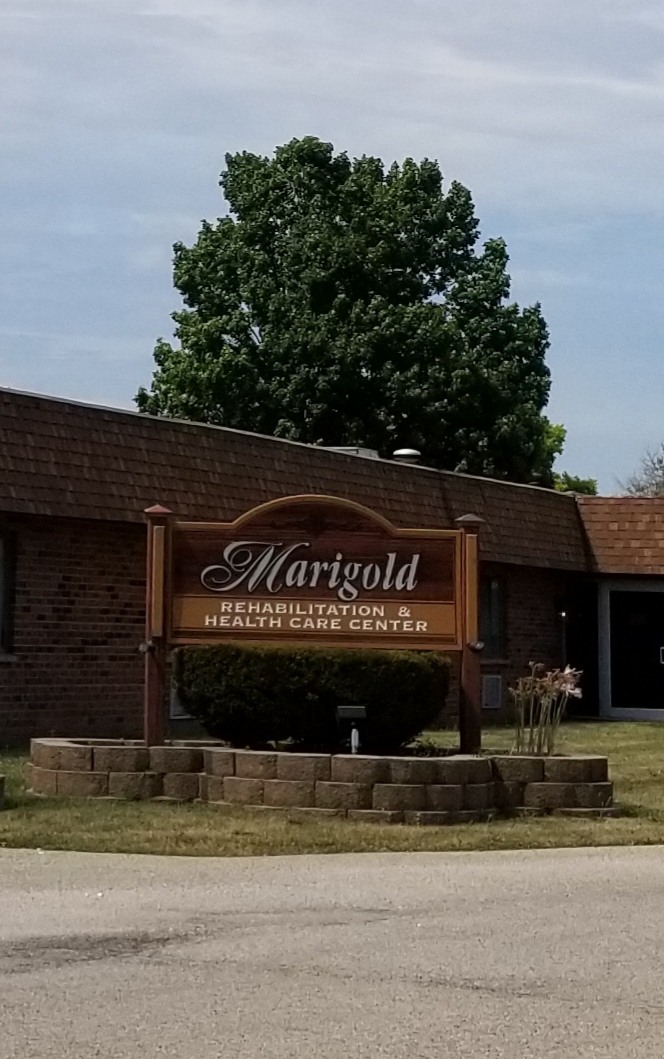
How is Marigold Rehabilitation Hcc Staffed?
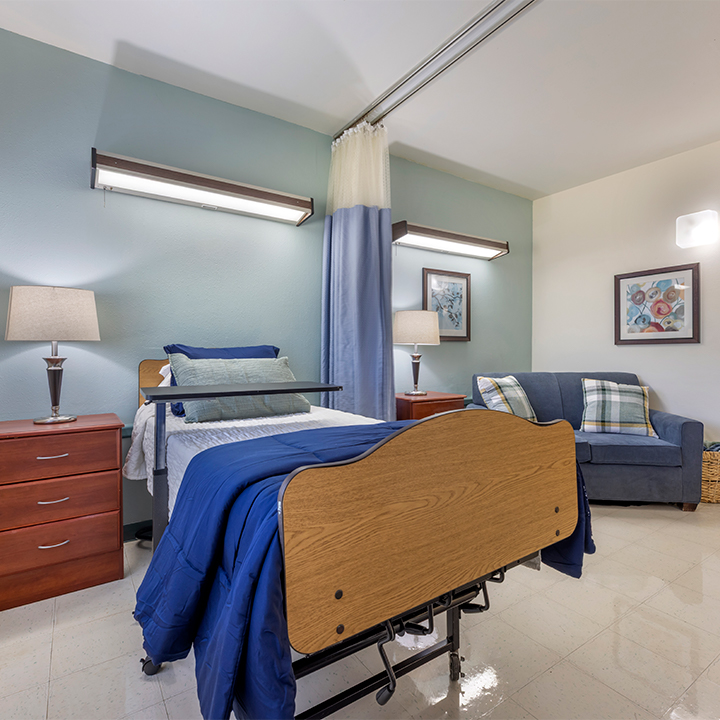
CMS rates Marigold Rehabilitation Hcc's staffing level at 1 out of 5 stars, which is much below average compared to other nursing homes. Staff turnover is 69%, which is 23 percentage points above the Illinois average of 46%. High turnover can affect care consistency as new staff learn residents' individual needs. RN turnover specifically is 75%, which is notably high. RNs provide skilled clinical oversight, so turnover in this role can affect medical care quality.

What Have Inspectors Found at Marigold Rehabilitation Hcc?

State health inspectors documented 30 deficiencies at Marigold Rehabilitation Hcc during 2022 to 2025. These included: 1 Immediate Jeopardy (the most serious level, indicating potential for serious harm or death), 2 that caused actual resident harm, and 27 with potential for harm. Immediate Jeopardy findings are rare and represent the most serious regulatory concerns. They require immediate corrective action.
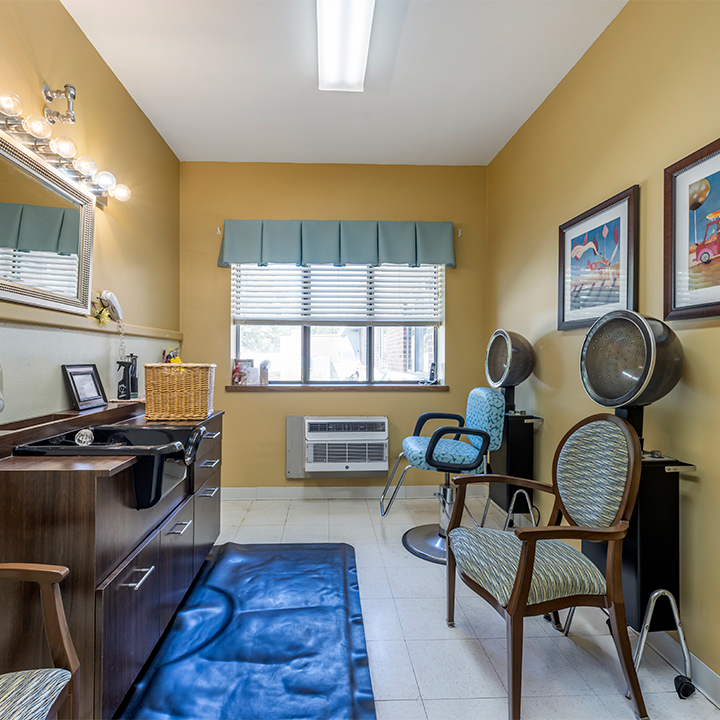
Who Owns and Operates Marigold Rehabilitation Hcc?

Marigold Rehabilitation Hcc is owned by a for-profit company. For-profit facilities operate as businesses with obligations to shareholders or private owners. The facility is operated by PETERSEN HEALTH CARE, a chain that manages multiple nursing homes. With 172 certified beds and approximately 67 residents (about 39% occupancy), it is a mid-sized facility located in GALESBURG, Illinois.

How Does Marigold Rehabilitation Hcc Compare to Other Illinois Nursing Homes?

Compared to the 100 nursing homes in Illinois, Marigold Rehabilitation Hcc's overall rating (1 stars) is below the state average of 2.5, staff turnover (69%) is significantly higher than the state average of 46%, and health inspection rating (2 stars) is below the national benchmark.

What Should Families Ask When Visiting Marigold Rehabilitation Hcc?

Based on this facility's data, families visiting should ask: "What changes have been made since the serious inspection findings, and how are you preventing similar issues?" "How do you ensure continuity of care given staff turnover, and what is your staff retention strategy?" "Can you walk me through typical staffing levels on day, evening, and night shifts?" "Can I visit during a mealtime to observe dining assistance and food quality?" These questions are particularly relevant given the facility's Immediate Jeopardy citations, the facility's high staff turnover rate, and the below-average staffing rating.

Is Marigold Rehabilitation Hcc Safe?

Based on CMS inspection data, Marigold Rehabilitation Hcc has documented safety concerns. Inspectors have issued 1 Immediate Jeopardy citation (the most serious violation level indicating risk of serious injury or death). The facility has a 1-star overall rating and ranks #100 of 100 nursing homes in Illinois. Families considering this facility should ask detailed questions about what corrective actions have been taken since these incidents.

Do Nurses at Marigold Rehabilitation Hcc Stick Around?

Staff turnover at Marigold Rehabilitation Hcc is high. At 69%, the facility is 23 percentage points above the Illinois average of 46%. Registered Nurse turnover is particularly concerning at 75%. RNs handle complex medical decisions and coordinate care — frequent RN changes can directly impact care quality. High turnover means new staff may not know residents' individual needs, medications, or preferences. It can also be disorienting for residents, especially those with dementia who rely on familiar faces. Families should ask: What is causing the turnover? What retention programs are in place? How do you ensure care continuity during staff transitions?

Was Marigold Rehabilitation Hcc Ever Fined?

Marigold Rehabilitation Hcc has been fined $80,470 across 1 penalty action. This is above the Illinois average of $33,884. Fines in this range indicate compliance issues significant enough for CMS to impose meaningful financial consequences. Common causes include delayed correction of deficiencies, repeat violations, or care failures affecting resident safety. Families should ask facility leadership what changes have been made since these penalties.

Is Marigold Rehabilitation Hcc on Any Federal Watch List?

Marigold Rehabilitation Hcc is not on any federal watch list. The most significant is the Special Focus Facility (SFF) program, which identifies the bottom 1% of nursing homes nationally based on persistent, serious quality problems. Not being on this list means the facility has avoided the pattern of deficiencies that triggers enhanced federal oversight. This is a positive indicator, though families should still review the facility's inspection history directly.