MERIDIAN VILLAGE CARE CENTER
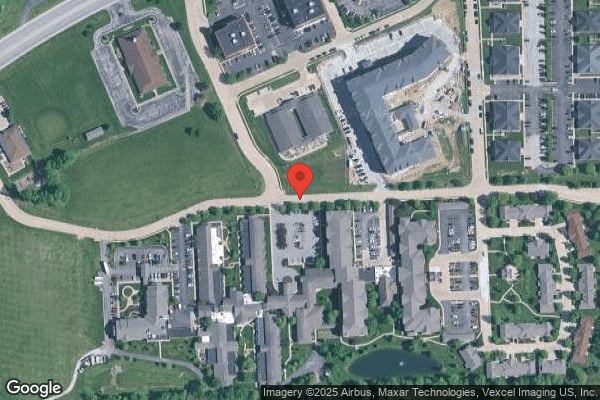

27 AUERBACH PLACE, GLEN CARBON, IL 62034 (618) 288-3700
Non profit - Church related 70 Beds Independent Data: November 2025
Trust Grade
95/100
#66 of 665 in IL
Last Inspection: November 2024

Within standard 12-15 month inspection cycle. Federal law requires annual inspections.

Overview

Meridian Village Care Center in Glen Carbon, Illinois has received a Trust Grade of A+, indicating it is an elite facility with high standards of care. It ranks #66 out of 665 nursing homes in Illinois, placing it well within the top half of all facilities, and #3 out of 17 in Madison County, meaning only two local options are better. However, the facility's trend is worsening, with the number of reported issues increasing from 1 in 2023 to 5 in 2024. Staffing is a strength here, with a 5/5 star rating and a turnover rate of just 21%, significantly lower than the state average of 46%. Notably, there were no fines reported, which is a positive sign. However, there were several concerning incidents, including improper food storage that could lead to foodborne illness and failure to prepare meals according to residents' dietary needs. For example, some residents received ground chicken that was not moistened, which is crucial for those on specific diets. Families should weigh these strengths against the identified weaknesses when considering this facility.

Trust Score
A+
95/100
In Illinois
#66/665
Top 9%
Safety Record
Low Risk
No red flags
Inspections
Getting Worse
1 → 5 violations
Staff Stability
✓ Good
21% annual turnover. Excellent stability, 27 points below Illinois's 48% average. Staff who stay learn residents' needs.
Penalties
✓ Good
No fines on record. Clean compliance history, better than most Illinois facilities.
Skilled Nurses
✓ Good
Each resident gets 58 minutes of Registered Nurse (RN) attention daily — more than average for Illinois. RNs are trained to catch health problems early.
Violations
○ Average
7 deficiencies on record. Average for a facility this size. Mostly minor or procedural issues.
★★★★★
5.0
Overall Rating
★★★★★
5.0
Staff Levels
★★★☆☆
3.0
Care Quality
★★★★★
5.0
Inspection Score
Stable
2023: 1 issues
2024: 5 issues

The Good

  • 5-Star Staffing Rating · Excellent nurse staffing levels
  • Low Staff Turnover (21%) · Staff stability means consistent care
  • Full Sprinkler Coverage · Fire safety systems throughout facility
  • No fines on record
  • Staff turnover is low (21%)

    27 points below Illinois average of 48%

Facility shows strength in staffing levels, staff retention, fire safety.

The Bad

No Significant Concerns Identified

This facility shows no red flags. Among Illinois's 100 nursing homes, only 1% achieve this.

The Ugly 7 deficiencies on record

Nov 2024 4 deficiencies
CONCERN (D)

Potential for Harm - no one hurt, but risky conditions existed

Accident Prevention (Tag F0689)

Could have caused harm · This affected 1 resident

**NOTE- TERMS IN BRACKETS HAVE BEEN EDITED TO PROTECT CONFIDENTIALITY** 2. R39's Face Sheet documents R39 was admitted to the facility on [DATE] with diagnoses including hemiplegia and hemiparesis fol...

Read full inspector narrative →
**NOTE- TERMS IN BRACKETS HAVE BEEN EDITED TO PROTECT CONFIDENTIALITY** 2. R39's Face Sheet documents R39 was admitted to the facility on [DATE] with diagnoses including hemiplegia and hemiparesis following cerebral infarction, polyneuropathy, heart failure, and fatigue. R39's Minimum Data Set (MDS) dated [DATE] documented R39 was cognitively intact, required substantial assistance with rolling from side to side, and was dependent with transfer. R39's Morse Fall Scale dated 6/4/24 documents R39 was at risk for falls. The Facility's Fall Log documents R39 had falls on 6/20/24 and 6/28/24. R39's Adverse Event Documentation dated 6/20/24 documents R39 fell out of bed, hit his head and nose, and sustained a bruise and hematoma to his forehead. R39 was admitted to the hospital with skull and facial fractures, trace subarachnoid hemorrhage, and small parafalcine subdural hematoma. R39's Adverse Event Documentation dated 6/28/24 documents staff were getting ready to mechanically lift R39 from his wheelchair to bed, and when they removed his footrest, he slid to the floor with his back against the wheelchair. On 11/21/24 at 10:05 AM, V26 (Registered Nurse) stated she did not witness R39's 6/28/24 fall but was notified by V30 and V31 (CNAs) that he had fallen when they were preparing to transfer him via mechanical lift. She stated R39 was supporting himself with the footrest because of the way he was positioned, and when they moved the foot pedals out, he slid down from the chair. On 11/21/24 at 2:00 PM, V30 (CNA) stated she was assisting with (R39's) transfer from wheelchair to bed and did not realize he was supporting himself with the foot pedals on his wheelchair. R39's sling was underneath him but was not yet hooked up to the lift. They moved the foot pedals out, and he slid from the chair to a seated position on the floor. She stated they probably could have prevented this if they had repositioned him or hooked the sling to the lift before removing the foot pedals. On 11/21/24 at 2:17 PM, V31 (CNA) stated she was removing R39's foot pedals from his wheelchair before hooking his sling to the mechanical lift when he started to slide. She was standing behind him and helped lower him to the ground to a seated position. She stated he was slouched to one side in his chair and the foot pedals were keeping him in place, and the moment she took the pedals away he started to slide down. She stated better positioning in his chair may have prevented this from happening. On 11/22/24 at 9:20 AM, V1 (Administrator) stated she expects staff to ensure residents are positioned properly prior to transfer. The facility policy Management of Fall Risk with a review date 1/30/24 documents the definition of a fall is an incident in which the resident unintentionally comes to rest on the ground, floor, or other lower level. Based on previous evaluations and current data, the staff will identify interventions related to the resident's specific risks and causes to try prevent the resident from falling from falling and to try to minimize complications from falling. Based on interview and record review the facility failed to provide preventative measures for a safe transfer, free of hazards from one level to the next for 2 out of 8 residents (R39, R59) for falls in a sample of 43. 1. R59's Face Sheet undated documents her pertinent diagnosis as age related physical debility and repeated falls. R59's Minimum Data Set (MDS) dated [DATE] documents R59 has moderate cognitive impairment and is dependent in transferring from sit to stand, chair to bed, toilet, and tub transfer. R59's Fall Risk admission dated 7/26/24 documents High Risk for Falls. Nurse Progress notes dated 11/6/24 documents R59 lost her balance during a transfer from wheelchair to recliner and fell to her right side, staff was present with her. Medical records from an area hospital dated 11/6/24 documents R59 presenting with a ground level fall during transferring a patient, head injury, bruising to forehead, forehead hematoma. 11/6/24 CT with spine obtained documents no acute abnormality, no acute intracranial finding. On 11/21/24 at 12:23 PM, V27 (Certified Nursing Assistant/CNA) stated she was the CNA involved in the transfer of R59 on 11/6/24. V27 stated it was after lunch and she was in the process of transferring R59 to her recliner, she stood R59 up using a gait belt and R59 fell forward. R59 is top heavy. V27 stated she did use a gait belt and was positioned behind R59, tried to hold onto her but could not prevent her fall. She had transferred R59 before and had not had any problems with transferring her. V1 (Administrator) had provided in-service training on the correct way to transfer residents. On 11/21/24 at 12:47 PM, V28 (Certified Occupational Therapy Assistant) stated when using a gait belt with a resident you position yourself in front of the resident to help guide them and prevent resident from falling over. On 11/22/24 at 1:31 PM, V1 (Administrator) stated R59 was new to the facility and had not been assessed by physical therapy for an assistive device for mobility. V1 stated she was unaware of the positioning of the CNA with the gait belt that contributed to R59's falling over during transfer. V1 stated V1 had provided in-service training on transfers to the CNA.
CONCERN (D)

Potential for Harm - no one hurt, but risky conditions existed

Deficiency F0808 (Tag F0808)

Could have caused harm · This affected 1 resident

Based on observation, interview, and record review, the Facility failed to ensure food was prepared according to physician prescribed diet orders for 3 of 3 residents (R6, R38, R47) reviewed for thera...

Read full inspector narrative →
Based on observation, interview, and record review, the Facility failed to ensure food was prepared according to physician prescribed diet orders for 3 of 3 residents (R6, R38, R47) reviewed for therapeutic diets in the sample of 43. Findings include: 1. R6's Physician Order dated 9/21/24 documents, Diet: IDDSI (International Dysphagia Diet Standardization Initiative) Level 5 Minced & Moist. On 11/19/24 at 12:20 PM, R6 was eating lunch in the dining room. R6's ground chicken did not have a sauce or liquid on top to moisten it. 2. R38's Physician Order dated 1/24/24 documents, Diet IDDSI Level 5 Minced & Moist. On 11/19/24 at 12:14 PM V15 (Licensed Practical Nurse) was assisting R38 with her lunch in the dining room. R38's ground chicken did not have a sauce or liquid on top to moisten it. 3. R47's Physician Order dated 5/5/24 documents, Diet IDDSI Level 5 Minced & Moist. On 11/19/24 at 12:20 PM R47 was eating lunch in the dining room. R47's ground chicken did not have a sauce or liquid on top to moisten it. On 11/19/24 at 12:25 PM V7 (Dietary Aid) stated the cooks have not been preparing sauces or gravies for the mechanically altered diets lately. On 11/19/24 at 3:00 PM, V4 (Dietary Manager) stated all mechanical soft diets should come with some sort of liquid or gravy. On 11/20/24 at 3:30 PM, V17 (Speech Language Pathologist) stated minced and moist meats should be covered with a sauce or gravy or some kind of liquid to ensure the food stays moist. On 11/22/24 at 9:20 AM, V1 (Administrator) stated she expects staff to follow food service policies and physician prescribed diets. The Facility's Therapeutic and Mechanically Altered Diets - Long Term Care Policy reviewed 2/16/24 documents, The CDM (Certified Dietary Manager) and Dining Services supervisor will establish and use and identification system to ensure that each resident receives their diet as ordered. Staff should be trained on the system to ensure that correct procedures are followed.
CONCERN (D)

Potential for Harm - no one hurt, but risky conditions existed

Antibiotic Stewardship (Tag F0881)

Could have caused harm · This affected 1 resident

Based on interview and record review the facility failed to provide antibiotic stewardship for 1 of 2 residents (R116) reviewed for antibiotic stewardship in the sample of 43. Findings Include: The fa...

Read full inspector narrative →
Based on interview and record review the facility failed to provide antibiotic stewardship for 1 of 2 residents (R116) reviewed for antibiotic stewardship in the sample of 43. Findings Include: The facility's Infection Control Log dated 7/2/24 documents R116 prophylactic use admitted with a UTI (Urinary Tract Infection). The Infection Control Log also documented that R116 received Methenamine Hippurate 1 gram. R116's Nurses Note dated 7/9/24 documents V33 (Attending Physician) gave okay to check a UA (Urinalysis) and C&S (Culture and Sensitivity) to R/O (Rule Out) UTI. PT (Patient) cont. (continues) to c/o (complain of) UTI symptoms. She (R116) is on prophylaxis ABX (antibiotic) daily now and UA on 7/3 was neg (negative). Son cont. to request UA. R116's Medication Administration Record for the month of July documents Methenamine Hippurate 1 gram one tablet per day starting 7/1/24 through 7/26/24 UTI Prophylactic. R116 Physician Order Sheet dated 7/1/24 documents Methenamine Hippurate 1 gram tablet oral Indication: UTI Prophylactic. Discontinued on 7/26/24. R116's Infection Care Plan dated 7/9/24 to present documents (R116) is presenting with infection (R116) will be assessed for signs and symptoms of infection. Intervention: chronic use of antibiotic related to methenamine prior to admitting to the facility current active. On 11/22/24 at 1:25 PM V1 (Administrator) stated, she (R116) was admitted on that chronic antibiotic. We did not discontinue it because she was admitted on it. The facility policy Antibiotic Program dated 1/30/24 documents the antibiotic program promotes the appropriate use of antibiotics and a system of monitoring to improve resident outcomes and reduce antibiotic resistance
CONCERN (F)

Potential for Harm - no one hurt, but risky conditions existed

Food Safety (Tag F0812)

Could have caused harm · This affected most or all residents

**NOTE- TERMS IN BRACKETS HAVE BEEN EDITED TO PROTECT CONFIDENTIALITY** Based on observation, interview, and record review, the Facility failed to ensure food was stored and prepared in a manner that ...

Read full inspector narrative →
**NOTE- TERMS IN BRACKETS HAVE BEEN EDITED TO PROTECT CONFIDENTIALITY** Based on observation, interview, and record review, the Facility failed to ensure food was stored and prepared in a manner that prevents foodborne illness. This has the potential to affect all 62 residents living in the Facility. Findings include: On 11/19/24 at 8:27 AM in the standing freezer there were open bags of hash browns, chicken strips, onion rings, egg rolls, French fries, and chicken drumsticks. These bags were not labeled, dated, or resealed upon opening, leaving the contents open to air. There was an opened package of pepperoni that was not dated or resealed upon opening, leaving the contents open to air. There was a bag of fish and a bag of raw chicken breasts that were labeled and dated upon opening, but were not resealed, leaving the contents open to air. The bag of raw chicken breasts was stored directly above a box of shrimp which had also been opened but was not dated. On 11/19/24 at 8:30 AM in the standing refrigerator to the right of the standing freezer, there were two gallons of skim milk labeled Best by [DATE]. There was a box of brown, unpasteurized shell eggs stored directly above cartons of liquid pasteurized eggs. There was a container with a red liquid substance that was not labeled or dated. V5 (Dietary Supervisor) stated it was tomato soup, and she thinks it was made yesterday. There was a half full container of commercially made tuna salad that was not dated upon opening. There was a container with an unknown substance that V5 stated was creamed corn that was not labeled or dated. There was a package labeled corned beef dated 11/6. V5 stated food should not be kept for that long. On 11/19/24 at 8:32 AM, V8 (Dishwasher) stated she does not test the sanitizer in the dish machine and has only seen test strips when the maintenance company comes in to check the machines periodically. On 11/19/24 at 8:35 AM in the walk-in refrigerator there was commercially prepared container of tuna salad that had been previously opened. The lid was not sealed, and the container was not dated upon opening. There were containers of onions, tomatoes, and black olives that were not labeled or dated. On 11/19/24 at 8:38 AM in the walk-in freezer there was a plastic bag of corn dogs and a plastic bag of breaded meat that had been removed from the original packaging and were not labeled or dated. On 11/19/24 at 8:41 AM in the dry storage room there was a package of coconut flakes that was not dated upon opening. There was plastic bag of raisins inside a large box that had been opened, but was not resealed upon opening, leaving the raisins open to air. On 11/19/24 at 8:44 AM, V6 (Executive Chef) stated the Facility does make eggs over easy and does not believe the shell eggs they use are pasteurized. On 11/19/24 at 8:43 AM, holding temperatures were obtained from the steam table on Willow Way during breakfast service with a metal calibrated thermometer. The oatmeal measured 125º Fahrenheit (F). V7 (Dietary Aid) was stated he was not sure of the goal temperature but tries to keep the food warm. On 11/19/24 at 9:40 AM, V4 (Dietary Manager) stated they do keep test strips for the dish machine, but V8 just started working that shift as the dishwasher. On 11/22/24 at 9:20 AM, V1 (Administrator) stated she expects staff to follow food service policies. The Facility's Food Storage Policy revised 10/1/20 documents, It is the policy of the Dining Services Department to develop a mechanism to ensure the safe and accurate storage of food and nonfood products. Items that arrive in their original packaging with a manufacturer's expiration date will utilize that date for discard. Should an item be opened and stored in a different container, it will be labeled with an open date and a discard date. Food Safety practices based on Serv Safe Standards will be followed at all times. The Facility's Long-Term Care Facility Application for Medicare and Medicaid (CMS 671) dated 11/19/24 documents there are 62 residents living in the Facility.
Mar 2024 1 deficiency
CONCERN (D) 📢 Someone Reported This

A family member, employee, or ombudsman was alarmed enough to file a formal complaint

Potential for Harm - no one hurt, but risky conditions existed

Free from Abuse/Neglect (Tag F0600)

Could have caused harm · This affected 1 resident

**NOTE- TERMS IN BRACKETS HAVE BEEN EDITED TO PROTECT CONFIDENTIALITY** Based on interview and record review the facility failed to ensure residents were free from abuse, for 2 of 2 residents (R2 and ...

Read full inspector narrative →
**NOTE- TERMS IN BRACKETS HAVE BEEN EDITED TO PROTECT CONFIDENTIALITY** Based on interview and record review the facility failed to ensure residents were free from abuse, for 2 of 2 residents (R2 and R13) reviewed for abuse, in the sample of 18. Findings include: On 3/26/2024 at 10:30AM, V15 (Licensed Practical Nurse/LPN) stated that R2 was aggressive and combative often. She also stated that his roommate, R13, may have been sitting in wheelchair going through doorway, but it wasn't intentional, trying to keep R2 out and that the television was outside the room and R13 was probably just watching it. On 3/27/2024 at 1:25PM, V17 (LPN) stated, I was working the night of the altercation between (R2 and R13). I heard (R13) say He hit me. I did not see (R2) hit (R13). The employees were in the common area with the residents. There were no injuries, and the Administrator came in and moved (R2) to a different floor. On 3/22/2024 at 4:00PM, V1 (Administrator) stated that R2 was the aggressor in the altercation with R13 and that it wasn't even an altercation they just bumped into each other. V1 continued to state that R2 was always accommodated and after the incident with R2 and R13, she had to separate them and R2 was moved to give him space and his own room. She continued to state that she personally came in after the altercation with R2 and R13 and moved R2 herself and his daughter and Grandson came in and that she set the room up so they could spend the night. V1 continued to state that R2 did much better after the move. He had less behaviors but R2 eventually moved back to the original floor because the family could not afford a private room. The facility's investigation, dated 4/29/2023, documented, On 04/29/23 at approximately 7:00PM (R2 and R13) started to get into a verbal argument while sitting in the common space. The nurse alerted the CNA's who immediately went to separate the two residents from each other. During separating the (R2) swatted (R13) in (R13's) face. The nurse assessed (R13) for injury, no visible injuries noted. Skin assessment complete. MD and family made aware. (Local Police department) notified around 7:30PM. Police report #23-11967. Notified (R2's) family that he will need to have a private room, and or a sitter due to behaviors. Arranging private room for (R2). Family present with (R2) for the night. R2's nurse's notes, dated 4/30/2023 at 12:56AM, documented, (R2) was seen bypassing (R13) in common area by the bird cage. (R2 and R13) began to argue with one another. Nurse heard the commotion yelled for staff to separate residents. At this time nurse did observe residents start a scuffle while being separated. Then (R13) yelled that (R2) hit him in the face. CNA (Certified Nursing Assistant), who was the one who, separated both residents, stated she observed (R2) hit (R13) in face during separation. (R2) has no physical injuries. (R2) denies pain. (R2) is confused and combative at this time, verbally abusive towards staff also. Once separated (R2) resumed wandering in wheelchair. (V3 R2's Daughter/POA) made aware and is on her way in to sit with (R2). Nurse Manager made aware. Physician notified. Protocol followed. Since residents are roommates (R2) will move to another unit in private room until further investigation. Family is here and will stay with (R2) until he winds down. Bedtime medications taken without difficulty. Staff will assist with moving (R2) over and getting comfortable and accommodated to new space. R2's Face sheet documents an admission date of 5/16/2019. R2's diagnoses include Alzheimer's disease with late onset, Dementia, Hypertensive Chronic Kidney Disease, Chronic Kidney Disease, stage 3, Gastroesophageal Reflux Disease, other symptoms, and weight loss. R2's Minimum Data Set (MDS), dated [DATE], documents that R2 was severely cognitively impaired and requires maximum assistance with Activities of Daily Living. R2's Care Plan, dated 10/31/2023, documented, At times (R2) has physical and verbal behavioral symptoms directed at others especially personal during care. Interventions include comfort R2 during more agitated times with 1:1, walks in wheelchair, activities, family support, hydration / snacks. Consult with Psychiatric Doctor for increased behaviors related to incident 04/29/23. If verbal or physical behavior occur, call family for 1:1, remove from situation; allow time to calm down. approach in calm manner. Provide medication as ordered. During steroid utilization, increase behavioral monitoring due to increased agitation, provide Record behaviors on Behavior Assessments. Monitor pattern of behavior and report to Medical Doctor and family timely. (R2) to have increased behavioral charting during increased agitation times and or steroid use 04/29/23. (R2) transferred to private room on 04/29/23 related to increased behaviors and incident reported. Staff in-serviced on separation of residents during mealtimes and while in common area related to incident on 4/29/2023. R13's Face sheet, documented an admission date of 6/7/2022. R13's diagnoses included Hemiplegia, Focal Traumatic Brain Injury, Muscle Contractures, Foot Drop Left Foot, Chronic Kidney Disease. R13's MDS, dated [DATE], documented that R13 was moderately cognitively impaired. R13 requires substantial assist with lying to sitting and was dependent for transfers. R13's care plan, dated 3/13/2024, documented, (R13) has verbal behavioral symptoms directed at others. Interventions include encourage caregivers to participate in activities with (R13) to promote positive interactions. Record behaviors on Behavior Tracking Form. Monitor pattern of behavior (time of day, precipitating factors, specific staff, or situations). Respond in a calm voice; maintain eye contact. Remove from area if (R13) is verbally abusive to others. Staff in-serviced on separation of residents during mealtimes and while in common area related to incident on 4/29/2023. The facility's policy dated 7/29/2021, documented, Residents and clients of (the corporation) campuses and programs will live and be served in an environment that promotes dignity, respect and strives to be free from abuse, neglect and exploitation. Allegation of potential or actual abuse, neglect or exploitation will be immediately reported to the appropriate leadership and government agency(ies), the resident protected, and the allegation investigated.
Dec 2023 1 deficiency
CONCERN (D)

Potential for Harm - no one hurt, but risky conditions existed

Accident Prevention (Tag F0689)

Could have caused harm · This affected 1 resident

**NOTE- TERMS IN BRACKETS HAVE BEEN EDITED TO PROTECT CONFIDENTIALITY** 2. R21's Physician Order Sheet (POS) dated December 2023 documents a diagnosis of Neurocognitive disorder with Lewy bodies, Deme...

Read full inspector narrative →
**NOTE- TERMS IN BRACKETS HAVE BEEN EDITED TO PROTECT CONFIDENTIALITY** 2. R21's Physician Order Sheet (POS) dated December 2023 documents a diagnosis of Neurocognitive disorder with Lewy bodies, Dementia in other disease classified elsewhere, anxiety, unspecific severity with psych disturbances, GERD (Gastroesophageal Reflux Disease) , paroxysmal A-fib (Atrial Fibrillation), spinal stenosis collapsed vertebra, hypothyroidism, overactive bladder, vitamin D deficiency, major depression disorder, hypertension, personal history of COVID, hypothyroidism, low back pain, and solitary pulmonary nodule. R21's Minimum Data Set (MDS) dated [DATE] document R21 was severely impaired for decision making of activities of daily living (ADL). R21's Care Plan document R21 has ADL selfcare deficit related to decreased mobility and muscle weakness (one assist-two assist). The Care Plan Goal documents that (R21) will not sustain a fall related injury by utilizing fall precautions through next review. The Fall Log provided by the facility on 12/7/2023 document R21 had 5 falls that were documented as occurring on 3/20/2023, 6/13/2023, 6/29/2023, 9/9/2023, and 9/17/2023. R21's Fall Report dated 3/20/2023 at 11:30 PM, documents, Resident observed on roommate's fall mat sitting on buttocks. ROM (range of motion) in normal limits for resident. No injuries noted. Describe immediate intervention listed: VS (vital signs), neuro checks and skin assessment. No other intervention was documented for R21. R21's Care Plan does not document any interventions for the fall on 3/20/2023. R21's Clinical Notes dated 3/20/2023 at 11:39 PM documents Observed on fall mat. R21's Fall Report dated 6/13/2023 at 1:40 AM, documents, Resident caught walking out of bedroom independently. Staff tried to redirect, and he became aggressive with staff and lost his balance and fell. Describe immediate intervention, Body assessment completed, and vital signs taken and helped back to bed. No other intervention was documented for this fall on 6/13/2023. R21's Clinical Notes dated 6/13/2023 at 1:44 AM documents, Resident caught walking out of bedroom independently. Staff tried to redirect, and he became aggressive with staff resident tried to yank back and fell to floor. R21's Care Plan does not document any fall intervention for R21 for the fall on 6/13/2023. On 12/13/2023 at 10:45 AM, V2 (Administrator) stated she would expect a new intervention to be initiated after every fall. The facility's policy, Falls and Fall Risk, revised 9/14/22 documents, Based on previous evaluations and current data, the staff will identify interventions related to the resident's specific risks and causes to try to prevent the resident from falling and to try to minimize complications from falling. Fall Prevention-Potential Interventions: Staff Education: Gait belt for transfers and ambulation, as appropriate. The facility's policy, Safe Lifting and Movement of Residents, revised 10/14/19, documents, In order to protect the residents, and to promote quality care, this community uses appropriate techniques and devices to lift and move residents. 4. Staff responsible for direct resident care will be trained in the use of manual (gait/transfer belts, slide boards) and mechanical lifting devices. Based on observation, interview and record review, the facility failed to utilize a gait belt while transferring a resident and failed to ensure that fall interventions were put into place for 2 of 15 residents (R116 and R21) reviewed for falls in the sample of 41. Findings include: 1. On 12/07/23 12:15 PM R116 was sitting in her wheelchair (w/c) in her bathroom after being assisted with toileting by V5 (Certified Nursing Assistant/CNA). V5 then pushed R116 in her w/c to her bedside and assisted her to stand and pivot and lay down in bed. V5 did not put a gait belt around R116 to transfer her. R116 stated she had two falls before coming to the facility and broke her back. She stated she hit her head both times. R116 stated they have told her not to transfer by herself without assist. R116's Resident Care Summary dated 12/1/23 documents R116 requires assist of 1-2 for toileting, assist of 1-2 for positioning, assist of 1-2 for transferring and assist of 1-2 for mobility with wheelchair assisted. It documents R116 is receiving Physical Therapy and Occupational Therapy. On 12/08/23 at 3:14 PM V2 (Director of Nursing/DON) stated if staff must lay hands on a resident to assist them to transfer from the toilet to the w/c or w/c to bed, they should use a gait belt during the transfer for resident safety. On 12/12/23 at 10:45 AM V5 (CNA) stated she should have used a gait belt when she transferred R116 from the toilet to her w/c and from her w/c to her bed because R116 can do really good when transferring on some days but can be weaker and more unsteady on other days. V5 stated that was a crazy day when she was observed not using the gait belt when she transferred R116 from the toilet to her w/c and then from the wheelchair to her bed, but she should have still used the gait belt during the transfer.
Oct 2022 1 deficiency
CONCERN (D)

Potential for Harm - no one hurt, but risky conditions existed

Accident Prevention (Tag F0689)

Could have caused harm · This affected 1 resident

**NOTE- TERMS IN BRACKETS HAVE BEEN EDITED TO PROTECT CONFIDENTIALITY** Based on record review and interview the facility failed to provide a safe transfer and failed to avoid storing medical equipmen...

Read full inspector narrative →
**NOTE- TERMS IN BRACKETS HAVE BEEN EDITED TO PROTECT CONFIDENTIALITY** Based on record review and interview the facility failed to provide a safe transfer and failed to avoid storing medical equipment in resident areas to prevent falls for 2 of 16 residents (R2, R20) reviewed for falls in the sample of 34. Findings include: 1. R2's Face Sheet, run date 10/14/2022, documents R2' diagnoses as Alzheimer's disease, unspecified, Age-related osteoporosis without current pathological fracture, age-related physical debility, history of falling, Other secondary osteonecrosis, right femur, Unspecified osteoarthritis, Parkinson's disease and syncope and collapse. R2's Minimum Data Set (MDS) undated documents R2 has severely impaired cognition, requires Extensive Assistance of 2 for transfers and toileting, is not steady and is only able to stabilize with staff assistance when moving on and off the toilet and surface to surface, and is occasionally incontinent with both bowel and bladder. R2's MDS has no documentation of admission history of falls and documents R2 has had one fall since admission. R2's Care Plan dated 6/30/2020 documents R2 is at risk for falls/injury as evidenced by history of falls, cognitive status/behavior, vision status, continence, mobility, and balance. Interventions include toileting before and after meals related to fall 2/9/22; assess wheelchair safety due to fall on 3/10/22 and staff education related to fall on 9/14/22. R2's Fall Investigation dated 9/14/22 documents CNA (Certified Nursing Assistant) transferring R2 using sit to stand, mechanical lift. Staff stated one side of the harness clip popped off of hook, one side remained hooked, and the resident remained harnessed in. Lift arm lowered , R2 lowered to the floor. R2 assessed for injury and then transferred to sitting chair via staff assist. R2 then transferred to toilet with sit to stand after this nurse inspected harness and clips for defectiveness or breakage. This nurse remained present for the completion of transfer. Transfer completed without further incident. Describe Immediate Interventions Taken after Event Occurred: Staff educated on ensuring harness clips are securely in place. Post Fall Huddle-Mini Root Cause Analysis: Improper use of Assistive Device. Possible Interventions to Minimize Future Falls and Injuries: staff education. On 10/13/22 at 2:25 PM, V8 (CNA) states she was the one transferring R2. V8 states, I was certain that I had attached the sling properly, but it just popped off. Anytime you operate a mechanical lift, it's a 2 person assist. At no time did R2 fall, the other person and I guided R2 and prevented her from hitting the floor. This has been traumatic for me, as well because I would never intentionally do anything to place my residents in harm's way. I did receive in-service training on all mechanical lifts. On 10/13/22 at 1:30 PM, V9 (Licensed Practical Nurse/LPN), states she (V9) did not recall the fall involving R2. V9 could not remember any details but if a fall occurs because of staff error facility does require in-service training in-service is similar to new hire training and do require return demonstrations. No major problems have been reported with the mechanical lifts that required contacting the company. Both types of mechanical lifts are checked before each resident use by staff and monthly by maintenance. R2's Physical Therapy assessment dated [DATE] documents Recommend patient to use sit/stand lift with staff for safety. The Facility Policy Using a Mechanical Lift origination date 4/1/2008; review date 5/6/19 documents Policy statement : The purpose of this procedure is to establish the general principles of safe lifting using a mechanical lift device. It is not a substitute for manufacturing training or instructions. - Before resident is lifted, double check the security of the sling attachment. 2. R20's Face Sheet, run date 10/14/2022, documents pertinent diagnoses as Dementia in other diseases classified elsewhere with behavioral disturbances and Parkinson's disease. R20's MDS dated documents R20 is moderately impaired-cognitive for daily decision-making , making poor decision, cries and supervision required. R20 is Independent in bed mobility, transfer, walk in room, eating, toilet and personal hygiene; help only in walking in room, locomotion on unit and dressing. Moving from seated to standing position- steady at all times, in walking, turning around and surface to surface transfer- not steady but able to stabilize without staff assistance. R20 does not use a mobility assistive device. Toileting and putting on and taking off footwear, R20 completes the activity (helper only) assists prior to or following the activity. R20 is frequently incontinent of urine and occasionally incontinent of bowel. R20 has adequate hearing and vision. R20's Fall Investigation dated 2/9/22 documents R20 had a witnessed fall in the bathroom, took self to bathroom, no socks or shoes on feet, upon exiting bathroom, R20 bumped into roommate's (geriatric reclining) chair and fell to her (R20) knees. CNA walking past room at time of incident and witnessed incident. CNA states she (R20) did not hit her head and got herself up off the floor before she could be assessed. R20 suffered a small skin tear to right dorsal-lateral, no other injuries noted. Range of Motion (ROM) within normal limits (WNL). Possible Interventions to Minimize Future Falls and Injuries: environmental safety review, appropriate footwear, assess for pain, non-skid socks, (geriatric reclining) chair to be moved in hall at nighttime. R20's Fall Investigation dated 7/17/22 documents R20 was walking in hallway and tripped over mechanical lift in hallway. R20 denied pain, Range of Motion (ROM) within normal limits (WNL). Neuro started per policy. Possible Intervention to Minimize Future Falls and Injuries: Environmental safety review, appropriate footwear, new shoes, educated staff on putting mechanical lift away. R20's Care Plan dated 3/3/21 documents Care area of Falls. R20 is at risk for falls/injury as evidenced by history of falls, cognitive status/behavior, vision status, continence mobility and balance. Progressive interventions include roommate's (geriatric reclining) chair to be removed into hallway at night due to R20's fidgetiness, related to fall dated 2/9/22; remind R20 and reinforce safety awareness, lock brakes on bed, chair, etc. before transferring, educate/remind R20 and/or family to request assistance for all ambulation and transfers; non-skid socks and appropriate footwear for the fall dated 7/17/22. Labs requested, apply shoe to other foot as related to fall on 7/30/22; R20 to wear grip socks at all times, related to shuffling gait in shoes, related to fall on 8/22/22. On 10/14/22 at 11:00 AM, V1 (Administrator) states residents are assessed by therapy for decline or improvement before using any mechanical lifts. If there is an adverse event, like a fall the nurse on duty will begin the process, will involve staff to determine cause of adverse event and then the management team will evaluate and educate to prevent future adverse events. Our lifts are relatively new, and all maintenance is completed by that company. There have not been any major problems with the lifts. The lifts are not left in the room we have restructured the rooms and included a storage space to accommodate the lifts to prevent blocking of the entrance. R20 has shuffling gait problem and we try to keep things out of the way to prevent her falling. The (geriatric reclining) chair was her (R20's) roommate's chair. It was agreed upon by all parties involved that the chair would be placed outside of the room at the end of evening and all residents were in bed. The Facility policy Management of Fall Risk origination date 1/22/17, revision and review date 9/14/22, documents Policy Statement: Based on previous evaluation and current data, the staff will identify interventions related to the resident's specific risks and causes to try to prevent the resident from falling and to try to minimize complications from falling.
Understanding Severity Codes (click to expand)
Life-Threatening (Immediate Jeopardy)
J - Isolated K - Pattern L - Widespread
Actual Harm
G - Isolated H - Pattern I - Widespread
Potential for Harm
D - Isolated E - Pattern F - Widespread
No Harm (Minor)
A - Isolated B - Pattern C - Widespread

Questions to Ask on Your Visit

  • "Can I speak with families of current residents?"
  • "What's your RN coverage like on weekends and overnight?"

Our Honest Assessment

Strengths
  • • Grade A+ (95/100). Above average facility, better than most options in Illinois.
  • • No major safety red flags. No abuse findings, life-threatening violations, or SFF status.
  • • No fines on record. Clean compliance history, better than most Illinois facilities.
  • • 21% annual turnover. Excellent stability, 27 points below Illinois's 48% average. Staff who stay learn residents' needs.
Concerns
  • • No significant concerns identified. This facility shows no red flags across CMS ratings, staff turnover, or federal penalties.
Bottom line: Generally positive indicators. Standard due diligence and a personal visit recommended.

About This Facility

What is Meridian Village's CMS Rating?

CMS assigns MERIDIAN VILLAGE CARE CENTER an overall rating of 5 out of 5 stars, which is considered much above average nationally. Within Illinois, this rating places the facility higher than 99% of the state's 100 nursing homes. This rating reflects solid performance across the metrics CMS uses to evaluate nursing home quality.
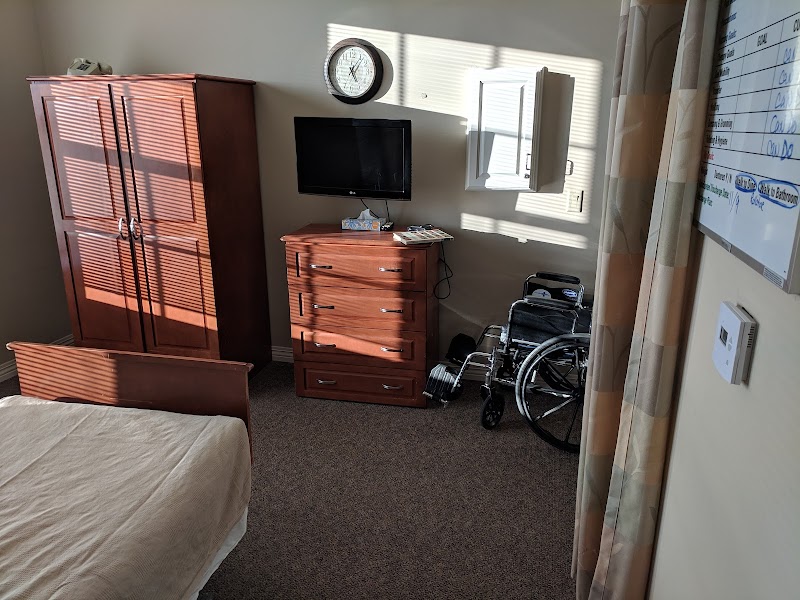
How is Meridian Village Staffed?

CMS rates MERIDIAN VILLAGE CARE CENTER's staffing level at 5 out of 5 stars, which is much above average compared to other nursing homes. Staff turnover is 21%, compared to the Illinois average of 46%. This relatively stable workforce can support continuity of care.

What Have Inspectors Found at Meridian Village?

State health inspectors documented 7 deficiencies at MERIDIAN VILLAGE CARE CENTER during 2022 to 2024. These included: 7 with potential for harm.
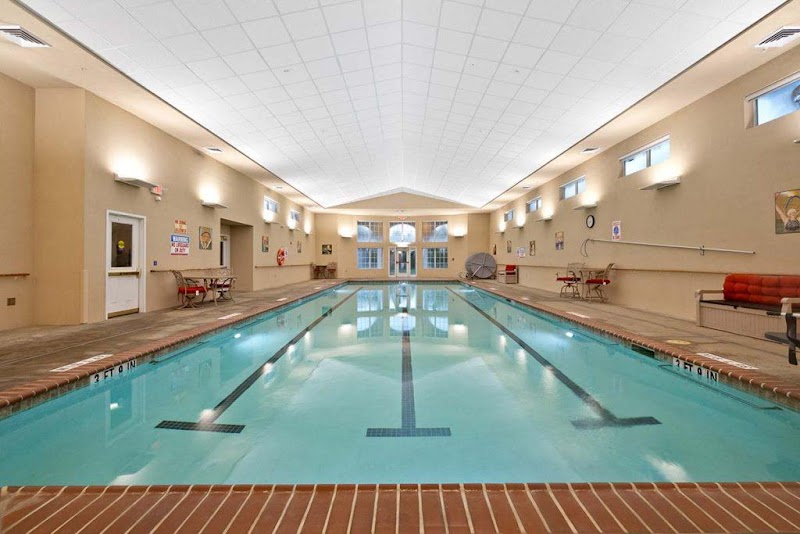
Who Owns and Operates Meridian Village?

MERIDIAN VILLAGE CARE CENTER is owned by a non-profit organization. Non-profit facilities reinvest revenue into operations rather than distributing to shareholders. The facility operates independently rather than as part of a larger chain. With 70 certified beds and approximately 61 residents (about 87% occupancy), it is a smaller facility located in GLEN CARBON, Illinois.
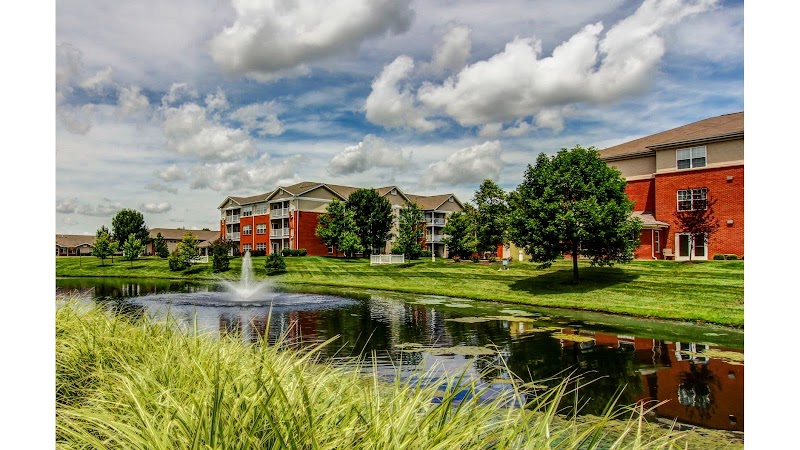
How Does Meridian Village Compare to Other Illinois Nursing Homes?

Compared to the 100 nursing homes in Illinois, MERIDIAN VILLAGE CARE CENTER's overall rating (5 stars) is above the state average of 2.5, staff turnover (21%) is significantly lower than the state average of 46%, and health inspection rating (5 stars) is much above the national benchmark.

What Should Families Ask When Visiting Meridian Village?

Based on this facility's data, families visiting should ask: "Can I visit during a mealtime to observe dining assistance and food quality?" "How do you handle medical emergencies, and what is your hospital transfer rate?" "Can I speak with family members of current residents about their experience?"

Is Meridian Village Safe?

Based on CMS inspection data, MERIDIAN VILLAGE CARE CENTER has a clean safety record: no substantiated abuse findings (meaning no confirmed cases of resident harm), no Immediate Jeopardy citations (the most serious violation level indicating risk of serious injury or death), and is not on the Special Focus Facility watch list (a federal program monitoring the lowest-performing 1% of nursing homes). The facility has a 5-star overall rating and ranks #1 of 100 nursing homes in Illinois. While no facility is perfect, families should still ask about staff-to-resident ratios and recent inspection results during their visit.

Do Nurses at Meridian Village Stick Around?

Staff at MERIDIAN VILLAGE CARE CENTER tend to stick around. With a turnover rate of 21%, the facility is 24 percentage points below the Illinois average of 46%. Low turnover is a positive sign. It means caregivers have time to learn each resident's needs, medications, and personal preferences. Consistent staff also notice subtle changes in a resident's condition more quickly. Registered Nurse turnover is also low at 8%, meaning experienced RNs are available to handle complex medical needs.

Was Meridian Village Ever Fined?

MERIDIAN VILLAGE CARE CENTER has no federal fines on record. CMS issues fines when nursing homes fail to meet care standards or don't correct problems found during inspections. The absence of fines suggests the facility has either maintained compliance or corrected any issues before penalties were assessed. This is a positive indicator, though families should still review recent inspection reports for the full picture.

Is Meridian Village on Any Federal Watch List?

MERIDIAN VILLAGE CARE CENTER is not on any federal watch list. The most significant is the Special Focus Facility (SFF) program, which identifies the bottom 1% of nursing homes nationally based on persistent, serious quality problems. Not being on this list means the facility has avoided the pattern of deficiencies that triggers enhanced federal oversight. This is a positive indicator, though families should still review the facility's inspection history directly.