HERITAGE HEALTH-HOOPESTON
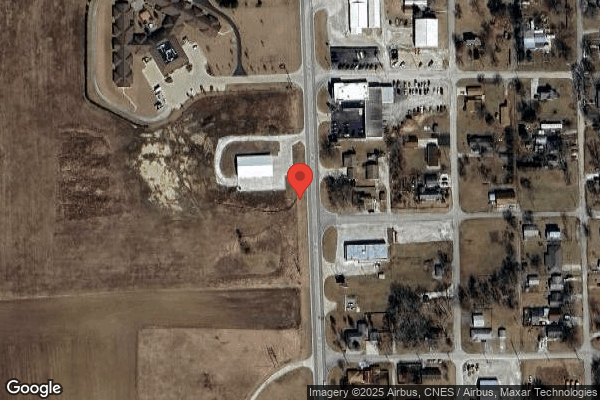
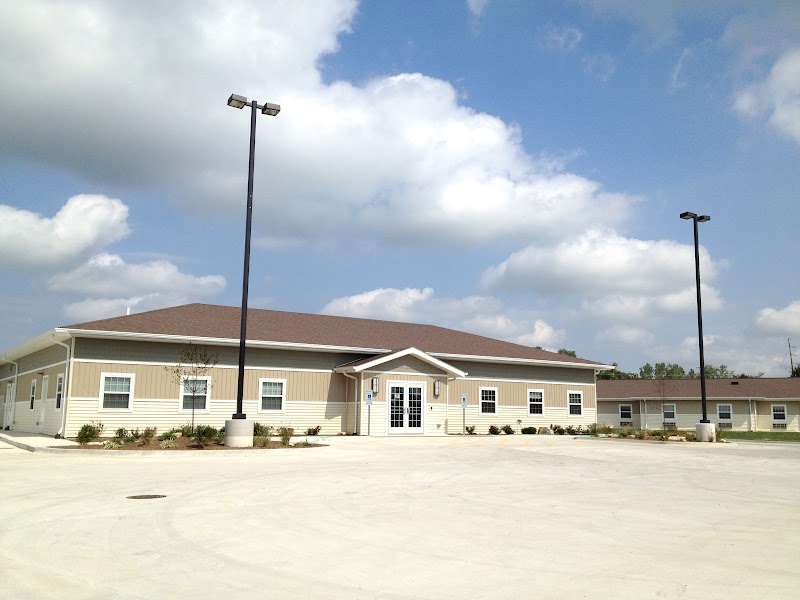
423 NORTH DIXIE HIGHWAY, HOOPESTON, IL 60942 (217) 283-8247
Non profit - Corporation 75 Beds HERITAGE OPERATIONS GROUP Data: November 2025
Trust Grade
50/100
#249 of 665 in IL
Last Inspection: June 2024

Within standard 12-15 month inspection cycle. Federal law requires annual inspections.

Overview

Heritage Health-Hoopeston has a Trust Grade of C, which means it is average and ranks in the middle of nursing homes in Illinois. It holds the #249 position out of 665 facilities statewide, placing it in the top half, and is #2 out of 5 in Vermilion County, indicating only one local option is better. The facility is improving, as issues decreased from 9 in 2024 to 5 in 2025. Staffing is a positive aspect, with a 3/5 star rating and a turnover rate of 34%, which is lower than the state average, suggesting that staff are experienced and familiar with the residents. However, there have been serious incidents, such as a resident suffering a laceration due to a fall that was linked to a seizure, and a failure to administer medication, which raises concerns about safety and care protocols. Additionally, food safety practices were lacking, as some food items were not properly labeled, which could affect resident health. Overall, while there are strengths in staffing and a positive trend in improving issues, families should be aware of the serious incidents and food safety concerns when considering this facility.

Trust Score
C
50/100
In Illinois
#249/665
Top 37%
Safety Record
Moderate
Needs review
Inspections
Getting Better
9 → 5 violations
Staff Stability
○ Average
34% turnover. Near Illinois's 48% average. Typical for the industry.
Penalties
✓ Good
No fines on record. Clean compliance history, better than most Illinois facilities.
Skilled Nurses
✓ Good
Each resident gets 47 minutes of Registered Nurse (RN) attention daily — more than average for Illinois. RNs are trained to catch health problems early.
Violations
⚠ Watch
32 deficiencies on record. Higher than average. Multiple issues found across inspections.
★★★☆☆
3.0
Overall Rating
★★★☆☆
3.0
Staff Levels
★★☆☆☆
2.0
Care Quality
★★★☆☆
3.0
Inspection Score
Stable
2024: 9 issues
2025: 5 issues

The Good

  • Full Sprinkler Coverage · Fire safety systems throughout facility
  • No fines on record
  • Staff turnover below average (34%)

    14 points below Illinois average of 48%

Facility shows strength in fire safety.

The Bad

3-Star Overall Rating

Near Illinois average (2.5)

Meets federal standards, typical of most facilities

Staff Turnover: 34%

12pts below Illinois avg (46%)

Typical for the industry

Chain: HERITAGE OPERATIONS GROUP

Part of a multi-facility chain

Ask about local staffing decisions and management

The Ugly 32 deficiencies on record

2 actual harm
Jul 2025 1 deficiency
CONCERN (D) 📢 Someone Reported This

A family member, employee, or ombudsman was alarmed enough to file a formal complaint

Potential for Harm - no one hurt, but risky conditions existed

Safe Environment (Tag F0584)

Could have caused harm · This affected 1 resident

**NOTE- TERMS IN BRACKETS HAVE BEEN EDITED TO PROTECT CONFIDENTIALITY** Based on observation and interview the facility failed to maintain a homelike environment by failing to maintain linen in good c...

Read full inspector narrative →
**NOTE- TERMS IN BRACKETS HAVE BEEN EDITED TO PROTECT CONFIDENTIALITY** Based on observation and interview the facility failed to maintain a homelike environment by failing to maintain linen in good condition. This failure affected two of twelve residents (R25, R33 ) reviewed for homelike environment on the sample list of 36. 1. On 7/27/2025 at 10:39 AM R25 stated the towels are worn and have frayed edges and holes. R25 held up a towel with worn, frayed edges and two washcloths with frayed edges on every side. R25 stated she doesn't understand why the staff don't get rid of the worn linen and instead provide linen that is in good shape for residents to wash up with. R25's Minimum Data Set (MDS) dated [DATE] documents R25 is cognitively intact. 2. On 7/28/25 at 8:06 AM R33 stated the edges of towels get frayed. There was a wet washcloth on bathroom sink with frayed, stringy edges. R33 held up another washcloth that had frayed edges with golf ball sized hole along edge. R33 stated he has seen worse than those and with such a nice place you would think they would provide nicer towels and washcloths. R33's Minimum Data Set (MDS) dated [DATE] documents R33 is cognitively intact. On 7/29/2025 at 1:20 PM there was three washcloths with frayed edges in the clean linen cart on north hall. On 7/29/2025 at 1:41 PM V4 Housekeeping Supervisor stated the facility outsources laundry services and when it returns clean the housekeeping staff put the clean linen in the storage room. When staff need more on the floor, they come to the storage room and get what they need. V4 confirmed staff should be throwing away linen that has frayed edges and holes. V4 stated he will educate staff to toss the worn linen and let him know it needs to be replaced.
Mar 2025 4 deficiencies
CONCERN (D) 📢 Someone Reported This

A family member, employee, or ombudsman was alarmed enough to file a formal complaint

Potential for Harm - no one hurt, but risky conditions existed

Notification of Changes (Tag F0580)

Could have caused harm · This affected 1 resident

**NOTE- TERMS IN BRACKETS HAVE BEEN EDITED TO PROTECT CONFIDENTIALITY** Based on interview and record review the facility failed to timely report an injury of unknown origin to the physician and resid...

Read full inspector narrative →
**NOTE- TERMS IN BRACKETS HAVE BEEN EDITED TO PROTECT CONFIDENTIALITY** Based on interview and record review the facility failed to timely report an injury of unknown origin to the physician and resident representative. The facility also failed to report changes in medication orders to the resident representative for two (R1, R2) of six residents reviewed for changes in condition in the sample list of 12. Findings include: 1.) R1's Minimum Data Set (MDS) dated [DATE] documents R1 has moderate cognitive impairment. R1's Nursing Note dated 8/12/2024 at 9:58 AM documents new orders were received to stop Plavix. There is no documentation in R1's medical record that this new order was reported to V27 (R1's Family). On 3/19/25 at 10:42 AM V3 (Assistant Director of Nursing/ADON) stated V3 attempted to contact V27 the day R1's Plavix was discontinued, but V3 forgot to document that V3 left a message for V27. V3 reviewed R1's nursing notes and confirmed there was no documentation that V27 was notified of Plavix being discontinued. The facility's Guidelines for Physician Notification of Change in Resident Condition policy dated April 2019 documents resident's representatives, as appropriate, should be notified when there is a change in treatment such as discontinuing a form of treatment. 2.) On 3/17/25 at 11:29 AM V25 (R2's Family) stated the facility contacted V25 on the morning of 3/10/25 to report that R2 had a small bruise. V25 stated R2 was taken to the hospital by family on 3/10/25 and the emergency room physician thought the bruise looked to be five to seven days old. R2's MDS dated [DATE] documents R2 has severe cognitive impairment. R2's Nursing Note dated 3/7/2025 at 10:12 PM documents R2 had bruising on right side near breast that wrapped around R2's side. There is no documentation that this was reported to R2's family or physician until 3/10/25. R2's Nursing Note dated 3/10/2025 at 10:36 AM documents R2's bruise measured 9.5 centimeters (cm) by 26 cm. On 3/17/25 at 3:35 PM V2 (Director of Nursing/DON) stated R2's bruise was reported to nurse management on 3/10/25 and the bruise was purple, blue, and yellow in color. V2 confirmed yellow bruising would indicate the bruise was aging and not fresh. On 3/17/25 at 4:07 PM V3 (ADON) stated V3 found out about R2's bruise on 3/10/25. This bruise was found on the evening of 3/7/25 and reported to V9 (Licensed Practical Nurse/LPN). V3 stated V3 did not report R2's bruise to nurse management and V3 should have notified R2's family and physician the day the bruise was found. V3 confirmed R2's bruise was considered an injury of unknown origin. On 318/25 at 4:45 PM V9 (LPN) stated on the evening of 3/7/25 V16 and V19 (Certified Nursing Assistants/CNAs) reported R2's bruise. V9 stated the bruise was purple and near R2's ribs and breast, R2 and the CNAs were not sure what caused the bruise. V9 stated V9 thought it might be caused from the stand lift. V9 stated V9 charted about the bruise but did not report R2's bruising to anyone. V9 stated V9 had not had any training on identifying and reporting injuries of unknown origin. The facility's Abuse Prohibition policy dated 3/15/18 documents the charge nurse will report injuries of unknown origin to the resident's physician and family.
CONCERN (D) 📢 Someone Reported This

A family member, employee, or ombudsman was alarmed enough to file a formal complaint

Potential for Harm - no one hurt, but risky conditions existed

Report Alleged Abuse (Tag F0609)

Could have caused harm · This affected 1 resident

**NOTE- TERMS IN BRACKETS HAVE BEEN EDITED TO PROTECT CONFIDENTIALITY** Based on interview and record review the facility failed to report allegations of abuse and timely report an injury of unknown o...

Read full inspector narrative →
**NOTE- TERMS IN BRACKETS HAVE BEEN EDITED TO PROTECT CONFIDENTIALITY** Based on interview and record review the facility failed to report allegations of abuse and timely report an injury of unknown origin to the facility's administrator and the state surveying agency for three (R1, R2, R6) of eight residents reviewed for abuse in the sample list of 12. Findings include: The facility's Abuse Prohibition policy dated 3/15/18 documents allegations of abuse must be immediately reported to the facility's administrator and the administrator will provide an initial notice of the allegation to the (state surveying agency) immediately after the allegation is known. This policy documents injuries of unknown origin, including significant bruises must be immediately reported to the charge nurse, Director of Nursing (DON) and Administrator. The charge nurse will document the nature of the injury in the resident's medical record, complete an incident report describing the injury and the circumstances of the injury, and notify the physician and resident's representative. Injuries of unknown origin will be reported to (state surveying agency) within 24 hours. The facility's Abuse Tracking Log with last recorded entry as 5/5/24 does not document any allegations of abuse involving R1, R2, or R6. 1.) On 3/17/25 at 11:29 AM V25 (R2's Family) stated the facility contacted V25 on the morning of 3/10/25 to report that R2 had a small bruise. V25 stated R2 was taken to the hospital by family on 3/10/25 and the emergency room physician thought the bruise looked to be five to seven days old. V25 stated V25 was given conflicting stories from the facility as to how the bruise occurred and V25 was told it was caused by a gait belt or a full mechanical lift. V26 (R2's Family) stated R2 often complained of unidentified staff squeezing R2 during cares, which has been reported to management and administration. R2's Minimum Data Set (MDS) dated [DATE] documents R2 has severe cognitive impairment, requires substantial/maximal assistance of staff for toileting and bed mobility, and is dependent on s staff for transfers. R2's active Care Plan documents R2 admitted to the facility on [DATE]. This Care Plan documents R2 has delirium or acute delusional episodes, makes untrue statements, and believes things have actually occurred despite reassurance from staff. This Care Plan does not identify what specific accusations or false statements R2 makes. R2's March 2025 Medication Administration Record documents R2 receives Eliquis (blood thinner) 5 milligrams by mouth twice daily. R2's Nursing Note dated 3/7/2025 at 10:12 PM documents R2 had bruising on right side near breast that wrapped around R2's side. This note documents it appeared to be from the mechanical sit to stand lift sling. There is no documentation that this was reported to V2 (DON) and V1 (Administrator). R2's Nursing Note dated 3/10/2025 at 10:36 AM documents bruise under right arm measured 9.5 centimeters (cm) by 26 cm appears to be from sit to stand lift sling as bruise is same length as sling. The facility's Serious Injury Incident and Communicable Disease Report dated 3/11/25 documents the initial report of R2's bruise of unknown origin was submitted to (state surveying agency) on 3/11/25 at 1:42 PM, four days after the injury was initially found. On 3/17/25 at 1:17 PM V13 (Registered Nurse) stated within the last year R2 voiced complaints during night shift that a pregnant woman would come into R2's room at night and abuse R2. V8 (Certified Nursing Assistant/CNA) was pregnant at that time but did not work on R2's hallway. V8 was no longer allowed to take care of R2 after that. V13 stated V2 (DON) was aware of R2's accusations, interviewed staff and implemented using two staff for R2's cares. On 3/17/25 at 3:35 PM V2 (DON) stated staff have been using two people when providing R2's cares due to R2's history of making false statements. V2 stated R2 would say men were going in R2's room, but we had no men on staff. V2 stated R2 would speak in Spanish to R2's family saying unidentified staff were rough with R2, and both things were reported to V1 (Administrator). V2 stated R2's bruise was reported to nurse management on 3/10/25 and the bruise was purple, blue, and yellow in color. V2 confirmed yellow bruising would indicate the bruise was aging and not fresh. V2 stated V9 (Licensed Practical Nurse/LPN) documented in R2's nursing notes that the bruise was found on 3/7/25 and V9 did not report this to anyone. On 3/17/25 at 4:07 PM V3 (Assistant DON) stated V3 did not realize R2's bruise was considered an injury of unknown origin until after V18 (Corporate Senior [NAME] President of Clinical Operations) was notified, and then the injury was reported to (state surveying agency) on 3/11/25. On 3/18/25 at 8:54 AM V22 (CNA) stated R2 has made allegations since June 2024 that men would come into R2's room and rape R2. V22 stated the nurses were aware, but V22 never reported this to V1 or V2. V22 stated the facility had one male CNA at that time who never took care of R2. On 3/18/25 at 9:13 AM V8 (CNA) stated V8 was not allowed to take care of R2 after R2 accused V8 of pinching R2 sometime in August 2024. V8 stated R2 also made allegations of rape during the night shift and in the hallways, and men weren't allowed to care for R2. V8 stated V1 and V2 were aware because they asked me questions about R2's rape statements. On 318/25 at 4:45 PM V9 (LPN) stated on the evening of 3/7/25 V16 and V19 (CNAs) reported R2's bruise. V9 stated the bruise was purple and near R2's ribs and breast, R2 and the CNAs were not sure what caused the bruise. V9 stated V9 thought it might be caused from the stand lift. V9 stated V9 charted about the bruise but did not notify management. V9 stated V9 had not had any training on identifying and reporting injuries of unknown origin. On 3/18/25 at 1:50 PM V1 (Administrator) confirmed the facility's abuse log did not include any abuse allegations involving R2 between January 2024 and March 2025. V1 stated V1 was not aware of R2's allegations of men going into R2's room, rape, or that staff are rough and pinching R2. 2.) On 3/17/25 at 12:40 PM V28 (R1's Family) stated on 2/22/25 V28 called the facility and asked for R1's television (TV) channel to be changed. V28 stated V28 was on the phone and overhead a nurse come into R1's room, was snarky and yelled Ok (R1), I gotta change this TV because (V28) wants me to. V28 stated V28 called the facility and spoke to V13 (Registered Nurse) who confirmed V13 was the person in R1's room who changed R1's TV channel while V28 was on the phone with R1. V28 stated V28 reported this to V1 (Administrator) and V18 (Corporate Senior [NAME] President of Clinical Operations). R1's MDS dated [DATE] documents R1 has moderate cognitive impairment. On 3/17/25 at 1:17 PM V13 stated V28 called the facility and asked for R1's television channel to be changed. V13 stated V13 went to R1's room and changed the TV channel and R1 was on the phone at that time. V13 stated V13 might have been loud when talking to R1 but denied yelling at R1. V28 called back and insinuated V13 was being rude to R1 and V13 reported this to V2 (DON). On 3/17/25 at 2:43 PM V18 stated on 3/10/25 V28 contacted V18 and said that V28 had asked V13 to change R1's television channel and V28 asked V13 why V13 was rude and yelled at R1. V18 stated V18 spoke with V1 and V2, who had already addressed V28's concerns. On 3/17/25 at 3:35 PM V2 (DON) stated on the weekend of 2/22/25, V13 called V2 at home and said that V28 had called and asked V13 to change R1's television channel. R1 was on the phone with V28 when V13 went into R1's room to change the channel. V2 stated V13 said V28 called back and accused V13 of being rude, hateful, and yelling at R1. V2 stated V13 denied being rude/hateful or yelling at R1 and V13 stated that V28 later came in and apologized saying V28 has a hard time hearing on the phone. V2 stated V2 reported this to V1 on 2/24/25 and did not consider this an abuse allegation since R1's family never reported this and V28 apologized to V13. On 3/17/25 at 3:20 PM V1 stated V1 was not aware that V28 alleged that V13 yelled at R1. V1 confirmed this was not reported to (state surveying agency). 3.) R6's MDS dated [DATE] documents R6 has severe cognitive impairment. On 3/19/25 at 9:04 AM V19 (CNA) stated on 1/18/25 R6 told V19 that another unidentified resident had hit R6. V19 stated this was reported to V1, it was investigated, and it was unfounded. On 3/19/25 at 11:48 AM V1 stated nothing had been reported that R6 alleged another resident hit R6. V1 confirmed this was not included on the facility's abuse log as being reported to (state surveying agency) and confirmed it should have been reported.
CONCERN (D) 📢 Someone Reported This

A family member, employee, or ombudsman was alarmed enough to file a formal complaint

Potential for Harm - no one hurt, but risky conditions existed

Investigate Abuse (Tag F0610)

Could have caused harm · This affected 1 resident

**NOTE- TERMS IN BRACKETS HAVE BEEN EDITED TO PROTECT CONFIDENTIALITY** Based on interview and record review the facility failed to investigate allegations of abuse and to implement protective measure...

Read full inspector narrative →
**NOTE- TERMS IN BRACKETS HAVE BEEN EDITED TO PROTECT CONFIDENTIALITY** Based on interview and record review the facility failed to investigate allegations of abuse and to implement protective measures following reported allegations of abuse for three (R1, R2, R6) of eight residents reviewed for abuse in the sample list of 12. Findings include: The facility's Abuse Prohibition policy dated 3/15/18 documents after allegations of abuse are reported to the (state surveying agency), the alleged incident will be investigated by the Administrator or designee and the results of the investigation will be reported to (state surveying agency). The Administrator is responsible for protecting the resident from retaliation during and after the investigation. When an employee is the alleged perpetrator of the abuse, the employee shall be immediately barred from any further contact with residents in the facility until the outcome of the investigation is determined. The facility's Abuse Tracking Log with last recorded entry as 5/5/24 does not document any allegations of abuse involving R1, R2, or R6. 1.) On 3/17/25 at 11:29 AM V26 (R2's Family) stated R2 often complained of unidentified staff squeezing R2 during cares, which has been reported to management and administration. R2's Minimum Data Set (MDS) dated [DATE] documents R2 has severe cognitive impairment, requires substantial/maximal assistance of staff for toileting and bed mobility, and is dependent on s staff for transfers. R2's active Care Plan documents R2 admitted to the facility on [DATE]. This Care Plan documents R2 has delirium or acute delusional episodes, makes untrue statements, and believes things have actually occurred despite reassurance from staff. This Care Plan does not identify what specific accusations or false statements R2 makes. On 3/17/25 at 1:17 PM V13 (Registered Nurse) stated within the last year R2 voiced complaints during night shift that a pregnant woman would come into R2's room at night and abuse R2. V13 stated V8 (Certified Nursing Assistant/CNA) was pregnant at that time but did not work on R2's hallway, and V8 was no longer allowed to take care of R2 after that. V13 stated V2 (Director of Nursing/DON) was aware of R2's accusations, interviewed staff and implemented using two staff for R2's cares. On 3/17/25 at 3:35 PM V2 stated staff have been using two people when providing R2's cares due to R2's history of making false statements. V2 stated R2 would say men were going into R2's room, but we had no men on staff. V2 stated R2 would speak in Spanish to R2's family saying unidentified staff were rough with R2, and both things were reported to V1 (Administrator). On 3/18/25 at 8:54 AM V22 (CNA) stated R2 has made allegations since June 2024 that men would come into R2's room and rape R2. V22 stated the nurses were aware, but V22 never reported this to V1 or V2. V22 stated the facility had one male CNA at that time who never took care of R2. On 3/18/25 at 9:13 AM V8 (CNA) stated V8 was not allowed to take care of R2 after R2 accused V8 of pinching R2 sometime in August 2024. V8 stated R2 also made allegations of rape during the night shift and in the hallways, and men weren't allowed to care of R2. V8 stated V1 and V2 were aware because they asked V8 questions about R2's rape statements. On 3/18/25 at 1:50 PM V1 confirmed the facility's abuse log did not include any abuse allegations involving R2 between January 2024 and March 2025 V1 stated V1 was not aware of R2's allegations of men going into R2's room, rape, or that staff are rough and pinching R2. V1 confirmed these allegations were not investigated and V8 was not placed on leave since an investigation was never completed. 2.) On 3/17/25 at 12:40 PM V28 (R1's Family) stated on 2/22/25 V28 called the facility and asked for R1's television (TV) channel to be changed. V28 stated V28 was on the phone and overhead a nurse come into R1's room, the nurse was snarky and yelled Ok (R1), I gotta change this TV because (V28) wants me to. V28 stated V28 called the facility and spoke to V13 (Registered Nurse), who confirmed V13 was the person in R1's room who changed R1's TV channel while V28 was on the phone with R1. V28 stated V28 reported this to V1 (Administrator) and V18 (Corporate Senior [NAME] President of Clinical Operations). R1's MDS dated [DATE] documents R1 has moderate cognitive impairment. On 3/17/25 at 1:17 PM V13 stated V28 called the facility and asked for R1's television channel to be changed. V13 stated V13 went to R1's room and changed the TV channel and R1 was on the phone at that time. V13 stated V13 might have been loud when talking to R1 but denied yelling at R1. V28 called back and insinuated V13 was being rude to R1 and V13 reported this to V2 (DON). On 3/17/25 at 2:43 PM V18 stated on 3/10/25 V28 contacted V18 and said that V28 had asked V13 to change R1's television channel and V28 asked V13 why V13 was rude and yelled at R1. V18 stated V18 spoke with V1 and V2, who had already addressed V28's concerns. On 3/17/25 at 3:35 PM V2 (DON) stated on the weekend of 2/22/25, V13 called V2 at home and said that V28 had called and asked V13 to change R1's television channel. R1 was on the phone with V28 when V13 went into R1's room to change the channel. V2 stated V13 said V28 called back and accused V13 of being rude, hateful, and yelling at R1. V2 stated V13 denied being rude/hateful or yelling at R1 and V13 stated that V28 later came in and apologized saying V28 has a hard time hearing on the phone. V2 stated V2 reported this to V1 on 2/24/25 and did not consider this an abuse allegation since R1's family never reported this and V28 apologized. On 3/17/25 at 3:20 PM V1 stated V1 was not aware that V28 alleged that V13 yelled at R1. V1 confirmed this was not investigated. On 3/18/25 at 1:50 PM V1 confirmed V13 was not placed on leave since this allegation was not investigated. 3.) R6's MDS dated [DATE] documents R6 has severe cognitive impairment. On 3/19/25 at 9:04 AM V19 (CNA) stated on 1/18/25 R6 told V19 that another unidentified resident had hit R6. V19 stated this was reported to V1, it was looked into, and it was unfounded. On 3/19/25 at 11:48 AM V1 stated nothing had been reported that R6 alleged another resident hit R6. V1 confirmed this was not included on the facility's abuse log as being investigated.
CONCERN (D) 📢 Someone Reported This

A family member, employee, or ombudsman was alarmed enough to file a formal complaint

Potential for Harm - no one hurt, but risky conditions existed

Accident Prevention (Tag F0689)

Could have caused harm · This affected 1 resident

**NOTE- TERMS IN BRACKETS HAVE BEEN EDITED TO PROTECT CONFIDENTIALITY** Based on observation, interview and record review, the facility failed to implement fall interventions, document a fall in the m...

Read full inspector narrative →
**NOTE- TERMS IN BRACKETS HAVE BEEN EDITED TO PROTECT CONFIDENTIALITY** Based on observation, interview and record review, the facility failed to implement fall interventions, document a fall in the medical record, perform safe and proper transfers, and thoroughly investigate falls for three (R1, R2, R6) of three residents reviewed for accidents in the sample list of 12. Findings include: The facility's Fall Assessment and Management Policy dated June 2024 documents the following: The resident's care plan will reflect specific needs and risk for falls and all staff who provide resident care will have access to the care plan and/or (electronic care report). Interventions will be based on the fall risk assessment and circumstances of each fall. The nurse will assess the resident following a fall and document on the resident's condition for 72 hours after the incident. The facility's Safe Resident Handling Program dated 3/18/18 documents the resident transfer status will be documented on the resident's plan of care and reviewed via the care plan time frames and as needed. This policy documents gait belts are required for transfers except when using a mechanical lift. 1.) R1's Minimum Data Set (MDS) dated [DATE] documents R1 has moderate cognitive impairment, has impaired range of motion affection one side upper and lower extremity, and is dependent on staff for transfers. R1's Care Plan dated 3/4/25 documents R1 had a stroke that affects R1's left side. R1's Fall Report dated 7/28/24 at 5:51 PM documents V13 (Registered Nurse/RN) was alerted that R1 was on the floor. V29 (Certified Nursing Assistant/CNA) was assisting R1 into the recliner with the sit to stand lift at the time of R1's fall. R1 was seated in the recliner and started to fall as V29 removed the stand lift. V29 lowered R1 to the ground. This fall is not documented in R1's medical record. On 3/19/25 at 10:34 AM V3 (Assistant Director of Nursing/ADON) stated falls should be documented in a nursing note and the fall report is part of risk management, which is not part of the resident's medical record. V3 stated the fall reports used to have a check box that needed to be marked in order for a nursing note to populate a note in the resident's medical record. 2.) R2's MDS dated [DATE] documents R2 has severe cognitive impairment, is frequently incontinent of bowel and bladder, and requires substantial/maximal assistance for toileting and is dependent on staff for transfers. R2's Care Plan dated 1/14/25 documents R2 makes accusatory statements and has behaviors of being aggressive and resistive with cares. R2's Fall Report dated 6/4/24 documents at 3:30 AM R2 was heard yelling that R2 needed to get up. R2 was found on the floor with her back against the recliner. There are no staff statements or interviews to determine when R2 was last observed or toileted prior to the fall. R2's Fall Report dated 2/8/25 at 6:23 PM documents staff alerted V30 (RN) that R2 was on the floor. R2 was found lying on the floor in front of R2's recliner. V20 (CNA) told V30 that V20 was assisting R2 into the chair, R2 lost balance, and V20 lowered R2 to the floor. V20 was reminded that R2 requires assistance of two for transfers due to behaviors and history of R2 sliding. On 3/18/25 at 4:31 PM V20 (CNA) stated R2 fell a few weeks ago when V20 was assisting R2 onto the toilet. V20 stated V20 transferred R2 by herself and did not use any assistive devices including a gait belt. V20 stated after the fall V20 was told that R2 was to have two staff for transfers and V20 was not aware of this prior to R2's fall. On 3/19/25 at 10:34 AM V3 confirmed R2 should have had two staff assisting for R2's sit to stand lift transfer/fall on 2/8/25. At 11:55 AM V3 reviewed R2's 6/4/24 fall investigation. V3 confirmed the 6/4/24 was unwitnessed and the fall investigation is not thorough and does not include staff statements or interviews to determine when R2 was last observed or provided incontinence cares prior to the fall. 3.) R6's MDS dated [DATE] documents R6 has severe cognitive impairment, is frequently incontinent of bowel and bladder, requires substantial/maximal assistance of staff with transfers, and is dependent on staff for toileting. R6's Care Plan dated 5/16/24 documents R6 is at risk for falls and includes an intervention dated 2/11/25 for a nonskid mat in the wheelchair and recliner. R6's Care Plan dated 11/4/24 documents R6 has fractures of C7-T1, and C3-C5 related to a fall. R6's Fall Report dated 12/15/24 at 5:30 PM documents an unidentified (CNA) alerted V13 (RN) that R6 was found on the floor next to the bed in R6's room. R6 reported to the staff that R6 went to go to bed and R6's shoes started to slide. There are no staff statements or interviews documented to include R6's footwear at the time of the fall or when staff last observed R6 and provided toileting assistance prior to R6's fall. R6's Fall Report dated 2/6/25 at 5:00 PM documents R6 was found lying on the floor partially on R6's right side. R6 reported that R6 was trying to stand up to go to the bathroom, the floor was slick and R6 slipped. A nonskid mat was placed in R6's wheelchair seat as the post fall intervention. R6's Nursing Note dated 2/6/2025 at 5:20 PM documents R6's fall occurred in the dining room. There are no documented statements or interviews with staff to determine when R6 was last observed or provided toileting assistance prior to the fall. R6's Fall Report dated 2/24/25 at 2:10 PM documents R6 was heard yelling help from R6's room and was found lying on his right side in the doorway of his room. R6 was bleeding from cuts to the right eyebrow and right hand. There are no documented staff interviews or witness statements to identify when R6 was last observed by staff or provided toileting prior to R6's fall. On 3/18/25 between 11:39 AM and 12:15 PM R6 was sitting in a wheelchair in the dining room eating lunch. At 1:26 PM R6 was lying in bed asleep. R6's wheelchair did not contain a nonskid mat. V8 (CNA) stated R6 uses a bed alarm and V20 thought that was the only fall intervention that R6 uses. V6 stated V6 was not aware of R6 using a nonskid mat in the wheelchair and confirmed R6's wheelchair did not contain a nonskid mat. V20 stated fall information is kept in a binder at the nurse's station. This binder was reviewed with V20 and did not list a nonskid mat for R6. At 1:35 PM V13 (RN) stated V13 looks at the resident's care plan to determine fall interventions. V13 stated V13 did not realize that R6 was supposed to have a nonskid mat. On 3/18/25 at 2:21 PM V3 (Assistant Director of Nursing) stated the antiskid device was a post fall intervention and should still be in the seat of R6's wheelchair. On 3/19/25 at 11:55 AM V3 stated after R6's fall on 11/3/24 R6 has declined and requires staff assistance for all Activities of Daily Living. V3 confirmed R6's falls on 12/15/24, 2/6/25 and 2/24/25 were all unwitnessed and there is no documentation of when staff last observed R6 or provided toileting prior to each of these falls.
Jun 2024 9 deficiencies
CONCERN (D)

Potential for Harm - no one hurt, but risky conditions existed

PASARR Coordination (Tag F0644)

Could have caused harm · This affected 1 resident

**NOTE- TERMS IN BRACKETS HAVE BEEN EDITED TO PROTECT CONFIDENTIALITY** Based on interview and record review the facility failed to obtain a level II PASRR (Preadmission Screening and Review) for one ...

Read full inspector narrative →
**NOTE- TERMS IN BRACKETS HAVE BEEN EDITED TO PROTECT CONFIDENTIALITY** Based on interview and record review the facility failed to obtain a level II PASRR (Preadmission Screening and Review) for one resident (R57) with Post-traumatic Stress Disorder (PTSD) of one resident reviewed for PASRR in a sample list of 42 residents. Findings Include: R57's Minimum Data Set (MDS) dated [DATE] documents R57 has an active diagnoses of PTSD and is cognitively intact. R57's Diagnoses list includes a diagnosis dated 6/30/23 of PTSD. There is no evidence in the medical record the facility obtained a Level II PASSR screening when they became aware of R57's diagnosis of PTSD. On 6/5/24 at 1:00PM V1, Administrator stated I was not aware that if the Level I PASRR did not indicate a Level II we had to get a level II in the event we became aware of a diagnosis of a serious mental Illness. V1 also verified that while the facility's policy for Care Plan Procedure does state the PASRR recommendations will be included in the initial Care Plan the facility does not have a policy specific to when to obtain a level II PASRR.
CONCERN (D)

Potential for Harm - no one hurt, but risky conditions existed

ADL Care (Tag F0677)

Could have caused harm · This affected 1 resident

**NOTE- TERMS IN BRACKETS HAVE BEEN EDITED TO PROTECT CONFIDENTIALITY** Based on observation, interview and record review the facility failed to shave two (R12 and R17) of two dependent residents revi...

Read full inspector narrative →
**NOTE- TERMS IN BRACKETS HAVE BEEN EDITED TO PROTECT CONFIDENTIALITY** Based on observation, interview and record review the facility failed to shave two (R12 and R17) of two dependent residents reviewed for dependent activities of daily living on a sample list of 42 residents. Findings include: The facility provided A.M. (morning) Care procedure dated April 2009 documents that staff are to provide personal hygiene to residents in the morning. This includes providing assistance with shaving including a razor, shaving cream and a basin of warm water. 1.) R17's Functional assessment dated [DATE] documents that R17 is dependent for all activities of daily living. On 6/3/24 at 9:47AM, R17 had whiskers all over his face and neck, approximately 1/2 inch long. On 6/3/24 at 9:50AM, R17 said that he liked to be clean shaven and that he really misses that here. On 6/3/24 at 9:55AM, V17 Certified Nursing Assistant asked R17 if he would like to be shaved and he responded in the affirmative. On 6/5/24 at 9:35AM, R17 had beard growth of 1/4 inch. On 6/5/24 at 9:30AM, R17 said that he is unable to use his hands, and that he has to have assistance for anything that requires his hands to do. On 6/5/24 at 9:40AM, R17 said that he would like to be shaved, but that he hadn't been shaved for a couple of days. 2.) R12's Minimum Data Set, dated [DATE] documents R12 as cognitively intact. R12's care plan dated 12/2019 documents that R12 requires assistance with shaving. On 6/3/24 at 11:30AM, R12 was unshaven with hair approximately 1/4 inch long on his face and neck. On 6/5/24 at 9:38AM, R12 face remained unshaved and was approximately 1/2 inch long. On 6/5/24 at 9:39AM, R12 said that he likes to be shaved daily and that he doesn't get shaved daily. On 6/5/24 at 10:00AM, V4 Registered Nurse said that she would expect all residents to be shaved with morning cares.
CONCERN (D)

Potential for Harm - no one hurt, but risky conditions existed

Accident Prevention (Tag F0689)

Could have caused harm · This affected 1 resident

Based on observation, interview and record review the facility failed to complete a safe sit to stand mechanical lift transfer for one (R55) of four residents reviewed for falls in the sample list of ...

Read full inspector narrative →
Based on observation, interview and record review the facility failed to complete a safe sit to stand mechanical lift transfer for one (R55) of four residents reviewed for falls in the sample list of 42. Findings include: R55's diagnosis list documents diagnoses including Dementia, Contracture of the Right Knee, Contracture of the Left Knee, Muscle Weakness, Muscle Wasting, Abnormal Posture and Obesity, Anxiety and Depression. R55's Physical Therapy Evaluation and Plan of Treatment signed on 12/18/23 documents R55's goals of therapy were to increase knee range of motion and strength to be able to continue to use the stand lift. On 6/3/24 at 12:10 PM, V5 Certified Nursing Assistant (CNA), V6 and V7 CNA students wheeled R55 into the central bathroom to assist R55 to the toilet. They removed the soft lap cushion and wheeled her close to the mechanical sit to stand lift. They placed her feet on the foot plate and placed the sling under her arms and around her back, and placed the loops of the sling in the hooks on the lift. They raised R55 with the mechanical sit to stand lift. They did not use the leg strap around her legs and R55's knees were not against the knee pad of the lift. R55's knees were at least six inches away from the knee pad. As they lifted R55, her elbows raised towards the ceiling and made a chicken wing look. R55's elbows were at more than a 45 degree angle up towards the ceiling and R55's legs were bent. R55 never came to a standing position in the lift. R55's knees were bent and she started sliding down in the sling as her elbows raised towards the ceiling. They moved her to the toilet and lowered her onto the toilet. V5 stated that R55 has been started on therapy again to assist with the mechanical sit to stand transfers. On 6/4/24 at 1:21 PM, V14 Certified Occupational Therapy Assistant/Therapy Program Manager stated that R55 was recently evaluated to restart Physical and Occupational Therapy. V14 stated that when using the mechanical sit to stand lift that staff should place the resident's feet on the foot platform, attach the sling around the resident, direct their hand placement on the handle bars and lift the resident. V14 stated that she assumed R55 could straighten her legs enough to be safe on the mechanical sit to stand lift since that is what they are using to transfer her. V14 stated that some residents have to use the leg strap and some do not. V14 stated that the resident's knees should be against the knee pad and their arms should not be chicken winging (elbows raising up) and that the elbows should be at the residents side, definitely not up like chicken wings. On 6/5/24 at 10:45 AM, V2 Director of Nursing stated that they do competency training with staff on all the mechanical lifts. V2 confirmed that the resident's knees are supposed to be against the knee pad, the resident's elbows should not be raised up and if there is a leg strap on the mechanical sit to stand lift they should use it on the resident's legs. The mechanical sit to stand lift instruction manual provided by V2 Director of Nursing on 6/5/24 documents when lifting the resident that the resident's knees should rest against the knee pad.
CONCERN (D)

Potential for Harm - no one hurt, but risky conditions existed

Deficiency F0699 (Tag F0699)

Could have caused harm · This affected 1 resident

**NOTE- TERMS IN BRACKETS HAVE BEEN EDITED TO PROTECT CONFIDENTIALITY** Based on observation, interview, and record review the facility failed to identify potential triggers and implement resident cen...

Read full inspector narrative →
**NOTE- TERMS IN BRACKETS HAVE BEEN EDITED TO PROTECT CONFIDENTIALITY** Based on observation, interview, and record review the facility failed to identify potential triggers and implement resident centered trauma based interventions for one resident (R57) with Post-traumatic Stress Disorder (PTSD) of one resident reviewed for PTSD in a sample list of 42 residents. Findings Include: The facility's policy Trauma Informed Care dated 1October 2022 states It is the policy of this facility to ensure that residents who are trauma survivors receive culturally competent, trauma informed care. Resident experiences and preferences will be taken into account in an effort to eliminate or mitigate triggers that could cause retraumatization. This policy also states The Interdisciplinary team will work with the resident as well as family if indicated and other healthcare providers to develop and implement resident specific investigations in an effort to avoid re-traumatization. The team will also identify ways to mitigate or decrease the effect of the trigger in the resident. Trauma specific interventions shall recognize any relationship between the trauma and symptoms of trauma such as: substance abuse, eating disorders, depression, and anxiety. The need to access support groups shall also be considered. R57's Minimum Data Set (MDS) dated [DATE] documents R57 has an active diagnoses of PTSD and is cognitively intact. R57's Diagnoses list includes a diagnosis dated 6/30/23 of PTSD. R57's Care Plan revised 4/19/24 does not document the events which lead to R57's PTSD or potential triggers for R57's PTSD. The Care Plan does not include any resident centered interventions for R57's PTSD. On 6/3/24 at 10:30AM R57 was observed lying in the bed in her room with the blinds closed and the room nearly dark. R57's eyes were open and she was awake. When asked if (R57) preferred the room dark R57 answered Yes I like it that way. I get really nervous and the dark helps me stay calm. On 6/4/24 at 11:00AM V3, Assistant Director of Nursing stated I'm not sure what the cause of (R57's) PTSD is or what triggers it. (R57) is stable and doesn't talk about it so I don't bring it up. We Haven't had a Social Service Director since January. We all just kind of share the duties and we have a consultant. I don't think (R57's) PTSD has been addressed with the consultant. I do see the PTSD is not addressed on (R57's) Care Plan.
CONCERN (D)

Potential for Harm - no one hurt, but risky conditions existed

Infection Control (Tag F0880)

Could have caused harm · This affected 1 resident

Based on observation, interview, and record review the facility failed to perform hand hygiene before and after eye drop and insulin administration for two (R59, R62) of 11 residents reviewed for medi...

Read full inspector narrative →
Based on observation, interview, and record review the facility failed to perform hand hygiene before and after eye drop and insulin administration for two (R59, R62) of 11 residents reviewed for medication administration in the sample list of 42. Findings include: The facility's Medication Administration policy dated 1/11/2010 documents Wash hands according to facility protocol. Wash prior to med (medication) pass, after administering eye preparations, after removing gloves and when hands become soiled. On 06/03/24 at 4:43 PM V13 Registered Nurse applied gloves and injected Admelog insulin 2 units into R59's abdomen. V13 removed and discarded the gloves. At 4:47 PM V13 applied gloves and administered Timolol Maleate 0.5 % one drop to R62's left eye. V13 removed and discarded the gloves, and left R62's room. V13 did not perform hand hygiene prior to or after administering R59's insulin and R62's eye drops. On 6/03/24 at 4:52 PM V13 stated hand hygiene during medication pass should be done when leaving the resident's room. V13 confirmed V13 did not perform hand hygiene before or after R59's and R62's medication administration. On 6/04/24 at 1:37 PM V2 Director of Nursing stated nurses should perform hand hygiene/use hand sanitizer between each resident during medication pass.
CONCERN (E)

Potential for Harm - no one hurt, but risky conditions existed

Deficiency F0604 (Tag F0604)

Could have caused harm · This affected multiple residents

**NOTE- TERMS IN BRACKETS HAVE BEEN EDITED TO PROTECT CONFIDENTIALITY** Based on observation, interview and record review the facility failed to have orders, consents or assessments for R52 and R219, ...

Read full inspector narrative →
**NOTE- TERMS IN BRACKETS HAVE BEEN EDITED TO PROTECT CONFIDENTIALITY** Based on observation, interview and record review the facility failed to have orders, consents or assessments for R52 and R219, failed to complete an initial assessment for a soft waist restraint for R47 and failed to obtain a consent for a soft waist restraint for R55 for four of four residents (R47, R52, R55, R219) reviewed for restraints on a sample list of 42 residents. Findings include: The facility Restraint Program Policy and Procedure dated 11/10/15 documents that prior to the use of any restraint, each resident is assessed for potential alternative by using the restraint Pre-Restraining and Quarterly Evaluation. If a restraint is deemed appropriate, a consent will be obtained, a quarterly review of the restraint will be completed, the care plan will be updated and reduction attempts will be documented. 1.) R52's Minimum Data Set, dated [DATE] documents that R52 is severely cognitively impaired. R52's progress notes document that on 5/17/24, the body pillow was in use on R52's bed. R52's medical record does not document an order, a consent, or an assessment for a restraint or body pillow. On 6/3/24 at 12:18PM, R52 was laying in bed with a large body pillow tucked under the sheets from his waist to his toes, separating R52 from the edge of the bed with the body pillow. On 6/3/24 at 10:30AM, V10 Certified Nursing Assistant said that they use a body pillow to keep R52 from getting up and out of the bed. On 6/4/24 at 9:53AM, V3 Assistant Director of Nursing said that R52 didn't have an order for a body pillow, R52 shouldn't have a body pillow, that R52 can get up and out of the bed if he wants to and that the use of a body pillow could be considered a restraint. 2.) On 2/3/24 at 9:14 AM and 9:51 AM R219 was lying in bed and one side of the bed was against the wall. The opposite side of the bed had a large body pillow positioned between the mattress and bed frame, which caused the foot of the mattress to be raised. R19 was confused and not interviewable. On 6/04/24 at 8:35 AM R219 was lying crossways in the bed, with feet hanging over the edge of the bed. There was no body pillow underneath of the mattress. On 6/03/24 at 9:51 AM V12 Certified Nursing Assistant (CNA) stated the body pillow is used because R219 tries to wiggle out of bed a lot, and a lot of times we find R219's feet hanging out of bed onto the floor. V12 confirmed the pillow is used to keep R219 in bed. V12 stated R219 is not able to remove the pillow. On 6/04/24 at 10:00 AM V11 CNA stated other staff were using the body pillow because R219 has a tendency to shift around in bed. V11 confirmed R219 is able to independently place R219's legs over the side of the bed. R219's Care Plan revised 5/30/24 documents R219's diagnoses include malignant neoplasm of stomach and liver, anxiety disorder, and restless leg syndrome. There is no consent, assessment, or order for the use of the body pillow restraint in R219's medical record. On 6/04/24 at 10:22 AM V3 Assistant Director of Nursing confirmed the use of the body pillow for R219 could be considered a restraint and V3 stated staff should not be using it. V3 stated there should be a physician's order, consent, and an assessment for restraint use. 3. R47's Minimum Data Set (MDS) dated [DATE] documents R47 as severely cognitively impaired and uses a restraint while up in chair daily which prevents R47 from rising. R47's consent for restraint dated 7/20/24 documents a breakaway lap cushion was initiated for R47 related to poor safety awareness. There is no documentation of an initial assessment for this restraint. On 6/3/24 at 11:30AM R47 was observed in the front hall with the breakaway lap cushion in place to her wheelchair. 6/03/24 12:10 PM V22, R47's family member, stated (R47) can't remove the lap cushion herself. V22 stated (R47) was getting up on her own and face planted several times and I think (R47) needs the (Lap cushion). On 6/4/24 at 2:00PM V2, Director of Nursing stated We don't have an initial assessment for (R47) when we started using the (breakaway lap cushion). I think we must have just missed that. 4.) R55's diagnosis list documents diagnoses including Dementia, Muscle Weakness, Muscle Wasting, Obesity, Anxiety and Depression. R55's Care Plan dated 7/10/24 documents R55 is at risk for falls due to weakness with an intervention of a soft lap cushion while in the wheelchair to remind her not to stand on her own. R55's Physician's Orders document an order for a soft lap cushion when in the wheelchair, remove during ADLs (Activities of Daily Living) and meals for diagnoses of Dementia, Lack of Safety Awareness and Frequent Falls. On 6/03/24 at 11:00 AM, R55 was in another resident's room sitting by their bed. R55 was in the wheelchair and had the soft lap cushion on her lap with both sides of the cushion threaded through the arms of the wheelchair (as designed). On 6/3/24 at 11:27 AM, R55 was in her wheelchair with the soft lap cushion across her lap with the sides of the cushion threaded through the arms of the wheelchair. On 6/3/24 at 12:09 PM, R55 was in her wheelchair in the dining room with the soft lap cushion on her lap with the sides of the cushion threaded through the arms of the wheelchair. On 6/4/24 at 8:38 AM, R55 was in her wheelchair sitting at the front desk with the soft lap cushion on her lap with the sides of the cushion threaded through the arms of the wheelchair. On 6/4/24 at 9:56 AM, R55 was in activities sleeping in her wheelchair with the soft lap cushion on her lap with the sides of the cushion threaded through the arms of the wheelchair. R55's medical record does not contain a consent for the soft lap cushion. On 6/04/24 at 12:26 PM, V2 Director of Nursing confirmed there was no consent for the soft lap cushion and V2 stated it was changed from a hook and loop closure belt to a soft lap cushion back in July 2023, because R55 kept taking off the hook and loop closure belt and kept trying to stand up from the wheelchair so they placed the soft lap cushion on her in the wheelchair.
CONCERN (E)

Potential for Harm - no one hurt, but risky conditions existed

Unnecessary Medications (Tag F0759)

Could have caused harm · This affected multiple residents

Based on observation, interview, and record review the facility failed to administer medications as ordered and in accordance with manufacturer's instructions for three (R7, R270, R59) of 11 residents...

Read full inspector narrative →
Based on observation, interview, and record review the facility failed to administer medications as ordered and in accordance with manufacturer's instructions for three (R7, R270, R59) of 11 residents reviewed for medication administration in the sample list of 42. This failure resulted in four medication errors out of 25 opportunities, a medication error rate of 16%. Findings include: 1.) R7's June 2024 Medication Administration Record (MAR) documents Metamucil Powder 28.3 % (Psyllium) Give 12 gram by mouth in the evening for constipation Drink at least 8 oz (ounces) of cool liquid per dose scheduled daily at 4:00 PM. On 6/03/24 at 4:38 PM V13 Registered Nurse (RN) administered R7's medications including 1/2 teaspoon of Metamucil dissolved in water. The Metamucil label documented one tablespoon equals 12 grams. V13 confirmed 1/2 teaspoon of Metamucil was administered. On 6/04/24 at 11:48 AM V16 RN stated R7 receives Metamucil and the dose is 12 grams. V16 read the Metamucil label and confirmed one tablespoon is 12 grams. 2.) R270's June 2024 MAR documents to administer Humalog (insulin) Kwikpen 200 units per milliliter (u/ml) give 5 u subcutaneously before meals at 5:30 AM, 11:00 AM, and 4:00 PM, and three times daily per sliding scale 0-149=0, 15-200=2 u, 201-250=4u, 251-300=6u, 301-350=8u, and 351-600= 10 u. On 6/4/24 at 10:55 AM V15 RN stated R270's blood glucose was 317 and R270 will get 5 units of scheduled insulin and 8 units per sliding scale. At 11:01 AM V15 administered Humalog 13 units into R270's left upper arm and did not prime the pen prior to administration. There was no food at R270's bedside. R270 was served the noon meal in the dining room at 11:38 AM (over 30 minutes after receiving insulin.) On 6/04/24 at 12:12 PM V15 RN confirmed V15 did not prime R270's insulin pen prior to administration. V15 stated V15 was not aware that insulin pens should be primed. 3.) R59's June 2024 MAR documents Admelog (insulin) 100 u/ml give before meals at 6:00 AM, 11:30 AM, and 4:30 PM per sliding scale 151 - 200 = 2u, 201 - 250 = 4u, 251 - 300 = 6u, 301 - 350 = 8u, and 351 - 400 =10 u. On 6/04/24 at 11:09 AM V16 RN stated R59's blood sugar was 241. At 11:13 AM V16 administered Admelog 4 u into R59's abdomen. There was no food at R59's bedside. At 11:53 AM R59's noon meal was served (over 40 minutes after receiving insulin). On 6/04/24 at 1:37 PM V2 Director of Nursing stated short acting insulin should be given within 30 minutes before a meal. The facility's Medication Administration policy dated 1/11/2010 documents to follow physician's orders when administering medications and to compare the medication label with the MAR. The Humalog Highlights of Prescribing Information dated August 2023 and Admelog Highlights of Prescribing Information dated August 2023 document these medications are fast acting and should be administered within 15 minutes before a meal or immediately after a meal, and hypoglycemia (low blood sugar) is a possible side effect. The Humalog Kwikpen Instructions for Use dated July 2023 documents to prime (remove air) the insulin pen with 2 units prior to administration and repeat as needed until insulin is seen at the tip of the needle. These instructions document if the pen is not primed, too little or too much insulin may be administered.
CONCERN (E)

Potential for Harm - no one hurt, but risky conditions existed

Deficiency F0761 (Tag F0761)

Could have caused harm · This affected multiple residents

Based on observation, interview, and record review the facility failed to ensure medications were labeled with the resident's full name and opened dates, ensure medications were not used past the beyo...

Read full inspector narrative →
Based on observation, interview, and record review the facility failed to ensure medications were labeled with the resident's full name and opened dates, ensure medications were not used past the beyond use date, and discard medications for eight (R1, R6, R269, R62, R53, R59, R44, R9) of 18 residents reviewed for medication storage on the sample list of 42. Findings include: On 6/04/24 at 12:12 PM the C side medication cart was viewed with V15 Registered Nurse (RN). R1's Lispro insulin pen was labeled with an opened date 4/12/24 (past the beyond use date). R6's Basaglar insulin pen was not labeled with an opened date. There was a Novolog (Aspart) insulin pen that did not contain a resident's name, only R269's nickname, or an opened date. V15 verified the labeling of these medications. V15 stated the pen belonged to R269, and confirmed it was not labeled with R269's full name. V15 stated V15 thinks insulin is good for 30 days once opened. On 6/04/24 at 12:38 PM the A Wing medication cart was viewed with V16 RN. R62's Latanoprost (Xalatan) eye drop bottle was labeled with an opened date 4/16/24 (past the beyond use date.) The pharmacy label documented to discard six weeks after opening. V16 stated eye drops should be labeled with opened dates and discarded as labeled. The cart contained R53's Azelastine 0.05% eye drops. V16 stated R53 no longer resides in the facility. R59's Lispro (Humalog) insulin pen with opened date of 5/3/24 (past the beyond use date) was only labeled with R59's first name and last initial. R44's Aspart insulin pen was only labeled with R44's first name. V16 stated these insulin pens belonged to R59 and R44. R9's Basaglar insulin pen with dispensed date 5/16/24 was not labeled with an opened date. V16 stated R9 does not use insulin anymore, and discontinued medications should be returned to the pharmacy. V16 verified the labeling of these medications. On 6/04/24 at 1:02 PM V2 Director of Nursing (DON) confirmed medications should be labeled with resident's first and last names, and insulin and eye drops should be labeled with opened dates. V2 stated the facility follows the pharmacy's chart for when eye drops and insulin should be discarded once opened. At 1:20 PM V2 stated medications should be destroyed or returned to the pharmacy when a resident expires and R53's eye drops should have been destroyed since R53 expired. On 6/04/24 at 1:05 PM V3 Assistant DON viewed R6's and R269's insulin pen pharmacy labels, and stated R6's Basaglar pen was dispensed from pharmacy on 5/17/24 and R269's Novolog pen was dispensed on 6/6/23. R1's June 2024 Medication Administration Record (MAR) documents R1 receives Lispro per sliding scale three times daily. R6's June 2024 MAR documents R6 receives Basaglar 23 units every morning and 28 units every evening. R269's June 2024 MAR documents R269 receives Novolog per sliding scale three times daily. R62's June 2024 MAR documents R62 receives Latanoprost daily. R59's June 2024 MAR documents R59 receives Lispro per sliding scale three times daily. R44's June 2024 MAR documents R44 receives Aspart per sliding scale three times daily. R9's June 2024 MAR does not document an active order for Basaglar. R53's Census documents R53 expired on 5/29/24. The facility's pharmacy guide titled Medication with Beyond Use Dates dated September 2023 documents Once these products are opened or prepared, they must be used within a specific timeframe to avoid reduced stability, sterility, and reduced efficacy. All of these medications should be labeled in such a way that the Beyond Use Date is securely attached to part of the package and will not be discarded. Beyond use dating can be found in the products' package inserts, typically under the How Supplied/Storage and Handling section. This guide documents the stability for Admelog, Humalog, Novolog, and Basaglar pens as 28 days; and to discard Xalatan eye drops 6 weeks after opening. The undated (facility's pharmacy) Pharmaceutical Services Policy and Procedure Manual documents all resident medication labels should include the resident's name and discontinued/expired medications (that are not controlled substances) should be removed from active medication storage area and returned to the pharmacy. This manual documents when a resident expires, immediately return the resident's medications to the pharmacy for destruction.
CONCERN (F)

Potential for Harm - no one hurt, but risky conditions existed

Food Safety (Tag F0812)

Could have caused harm · This affected most or all residents

Based on observation, interview and record review the facility failed to label a refrigerated, plastic container of chopped onions and a refrigerated, plastic container of chopped tomatoes with any da...

Read full inspector narrative →
Based on observation, interview and record review the facility failed to label a refrigerated, plastic container of chopped onions and a refrigerated, plastic container of chopped tomatoes with any dates and failed to monitor temperature cooking times to ensure that food is being served safely. These failures have the potential to affect all 72 residents who reside in the facility. Findings include: The facility's Long-Term Care Facility Application for Medicare and Medicaid dated 6/3/24 documents 72 residents reside in the facility. The facility provided Food Storage Chart dated 2/2022 documents that after a food item is opened, it will be covered, labeled, use by date will be put on, initialed and stored. On 6/3/24 at 9:10AM during the initial tour, chopped onions and tomatoes were stored in the refrigerator without any time or date label. On 6/3/24 at 9:11AM, V9 Dietary Manager said that the onions and tomatoes should have been dated when they were chopped and put into the refrigerator and now needed to be thrown away. Additionally, V9 Dietary Manager said that the onions and tomatoes would have been served today had the lack of dating not been brought to her attention. V9 stated All food has to be date labeled so that it isn't kept so long that bacteria grows and makes people sick. The facility provided Food Temperature Log for Meal Service sheet dated the week of 5/5/24 documents no temperatures taken for the week. The Food Temperature Log for Meal Service sheet dated the week of 5/19/24 documents no temperatures were taken for the supper meal service on 5/19/24 and 5/20/24. The Food Temperature Log for Meal Service dated the week of 5/26/24 documents no temperatures were taken for breakfast or lunch on 5/26/24 and no dinner temperatures were taken for the week. The Food Temperature Log for Meal Service Sheet dated 6/2/24 documents no temperatures were taken for supper on 6/2/24, no temperatures were taken for lunch or supper on 6/3/24 and no temperatures were taken for breakfast or lunch on 6/4/24. On 6/4/24 at 10:45AM, food was observed on the steam table. When asked for the cook temperatures from the oven, V21 [NAME] said that she didn't have them. V21 said We should, but we don't. They are supposed to be documented for every meal. On 6/4/24 at 2:00PM, V8 Dietary Manager said that cook times are to be monitored to ensure that food is cooked thoroughly, so that no one gets sick.
May 2023 2 deficiencies
CONCERN (D)

Potential for Harm - no one hurt, but risky conditions existed

Notification of Changes (Tag F0580)

Could have caused harm · This affected 1 resident

**NOTE- TERMS IN BRACKETS HAVE BEEN EDITED TO PROTECT CONFIDENTIALITY** Based on interview and record review, the facility failed to notify a resident's (R38) primary care physician of repeated refusa...

Read full inspector narrative →
**NOTE- TERMS IN BRACKETS HAVE BEEN EDITED TO PROTECT CONFIDENTIALITY** Based on interview and record review, the facility failed to notify a resident's (R38) primary care physician of repeated refusal to take prescribed medications. This failure affects one resident (R38) of 12 residents reviewed for medication in the sample list of 30. Findings include: R38's Physician Order Sheet (POS) dated 5/11/23, documents Aspirin Tablet Delayed Release 81 milligram give one tablet by mouth in the morning, Calcium 600+D Tablet 600-400 milligram-unit (Calcium Carbonate -Vitamin D) give one tablet by mouth in the morning, Cholecalciferol Tablet 50 micrograms (2000 UT) give one tablet by mouth in the morning, Cranberry Tablet 450 milligrams give one tablet by mouth in the morning for prevention of urinary tract infection, Docusate Sodium Oral Tablet 100 milligrams give one tablet by mouth two times a day, Gemfibrozil Tablet 600 milligrams give one tablet by mouth two times a day, Losartan Potassium Tablet 100 milligrams give one tablet by mouth in the morning, Memantine HCI five milligrams one tablet by mouth two times a day related to Unspecified Dementia, Multivitamin Tablet give one tablet by mouth in the morning, Seroquel Oral Tablet 50 milligrams give 50 milligrams by mouth in the [NAME] related to Unspecified Dementia, Unspecified Severity, with Agitation, and Sertraline HCI Oral Tablet 100 milligrams give 150 milligrams by mouth in the morning related to Major Depressive Disorder, Recurrent. R38's Physician Order Sheet (POS) dated May 2023, documents R38's diagnoses as Major Depressive Disorder, Recurrent, Unspecified, Mood Disorder Due to Known Physiological Condition, Unspecified, Anxiety Disorder, Unspecified, and Unspecified Dementia, Unspecified Severity, with Agitation. R38's Care Plan dated 5/4/23, documents R38 uses antipsychotic medications related to behavior management- administer medications as ordered. This Care Plan also documents R38 uses an antidepressant related to Depression. R38's Medication Administration Record (MAR) dated May 2023, documents R38 refused morning medications on 5/7/23, 5/9/23, and 5/10/23. R38's Nursing Progress Notes dated 5/7/23 at 9:42 AM, documents resident (R38) refusing all medications this morning. There is no documentation of R38's physician being notified of R38 refusing R38's medication. R38's Nursing Progress Notes dated 5/9/23 at 9:49 AM, documents several attempts to see if resident (R38) would take her (R38) medications resident (R38) ended up not taking her (R38) meds (medications). There is no documentation at this same time of R38's physician being notified of R38 refusing R38's medications. On 5/11/23 at 9:31 AM, V2 stated R38 has refused R38's medications three times in the last four days. On 5/11/23 at 3:11 PM, V2 stated R38 sometimes takes R38's medications and sometimes refuses and the nurse's should be calling R38's physician when R38 refuses R38's medications. The facility's Medication Policy dated 1/11/10, documents make sure the resident takes the medication and notify the physician of known medication error and follow orders received.
CONCERN (D)

Potential for Harm - no one hurt, but risky conditions existed

Deficiency F0760 (Tag F0760)

Could have caused harm · This affected 1 resident

**NOTE- TERMS IN BRACKETS HAVE BEEN EDITED TO PROTECT CONFIDENTIALITY** Based on observation, interview, and record review, the facility failed to prevent a significant medication error by leaving ele...

Read full inspector narrative →
**NOTE- TERMS IN BRACKETS HAVE BEEN EDITED TO PROTECT CONFIDENTIALITY** Based on observation, interview, and record review, the facility failed to prevent a significant medication error by leaving eleven ordered morning medications at a resident's bedside. This failure affects one resident (R38) of 12 residents reviewed for medication administration observation in the sample list of 30. Findings include: R38's Physician Order Sheet (POS) dated 5/11/23, documents Aspirin Tablet Delayed Release 81 milligram give one tablet by mouth in the morning, Calcium 600+D Tablet 600-400 milligram-unit (Calcium Carbonate -Vitamin D) give one tablet by mouth in the morning, Cholecalciferol Tablet 50 micrograms (2000 UT) give one tablet by mouth in the morning, Cranberry Tablet 450 milligrams give one tablet by mouth in the morning for prevention of urinary tract infection, Docusate Sodium Oral Tablet 100 milligrams give one tablet by mouth two times a day, Gemfibrozil Tablet 600 milligrams give one tablet by mouth two times a day, Losartan Potassium Tablet 100 milligrams give one tablet by mouth in the morning, Memantine HCI five milligrams one tablet by mouth two times a day related to Unspecified Dementia, Multivitamin Tablet give one tablet by mouth in the morning, Seroquel Oral Tablet 50 milligrams give 50 milligrams by mouth in the [NAME] related to Unspecified Dementia, Unspecified Severity, with Agitation, and Sertraline HCI Oral Tablet 100 milligrams give 150 milligrams by mouth in the morning related to Major Depressive Disorder, Recurrent. On 5/11/23 at 9:05 AM, V11 Licensed Practical Nurse (LPN) was taking R38's medication into R38's room and R38 held up a cup full of medications. At this same time R38 stated I did not take these medications. After looking at the medications, V11 stated to R38, these are all of your (R38's) morning medications. At this same time, R38 respond yes, they are but I (R38) did not take them. R38's Medication Administration Record (MAR) dated May 2023, documents R38 refused morning medications on 5/7/23, 5/9/23, and 5/10/23. On 5/11/23 at 9:31 AM, V2 Director of Nursing (DON) stated R38 has refused R38's medications three times in the past four days. V2 also stated medications should not be left in any resident's room and the nurses should be watching the residents take their medications. The facility's Medication Administration Policy dated 1/11/10, documents make sure the resident takes the medication.
Mar 2023 3 deficiencies
CONCERN (D)

Potential for Harm - no one hurt, but risky conditions existed

Deficiency F0887 (Tag F0887)

Could have caused harm · This affected 1 resident

**NOTE- TERMS IN BRACKETS HAVE BEEN EDITED TO PROTECT CONFIDENTIALITY** Based on interview and record review the facility failed to offer COVID-19 (human Coronavirus) vaccines to three (R2, R4, R5) of...

Read full inspector narrative →
**NOTE- TERMS IN BRACKETS HAVE BEEN EDITED TO PROTECT CONFIDENTIALITY** Based on interview and record review the facility failed to offer COVID-19 (human Coronavirus) vaccines to three (R2, R4, R5) of five residents reviewed for immunizations in the sample list of 33. Findings include: The facility's undated COVID-19 Vaccination Policy documents: Each resident will be offered the vaccine as recommended by the Food and Drug Administration and Centers for Disease Control and Prevention. The benefits and risks of the vaccine will be reviewed with the resident/resident representative. The residents/power of attorney may refuse the vaccination and the refusal will be documented on the resident's vaccination consent form. The Resident COVID-19 Monitoring log documents the facility has had 27 residents test positive for COVID-19 since 2/15/23, including R4 on 2/18/23. The COVID-19 Vaccination Tracking- Residents log documents R2, R4, and R5 are not vaccinated for COVID-19, and does not document that education on the vaccine was provided. 1.) R2's Census documents R2 admitted to the facility on [DATE]. R2's Diagnoses list dated 3/7/23 documents R2's diagnoses include Chronic Obstructive Pulmonary Disease, History of COVID-19 (10/19/22), Hypertensive Heart Disease, Pulmonary Hypertension, and allergic rhinitis. R2's medical record does not contain a consent form for the COVID-19 vaccine or document when R4 was offered/declined the vaccine. 2.) R4's Census dated 3/7/23 documents R4 admitted to the facility on [DATE]. R4's Diagnoses List dated 3/7/23 documents R4's diagnoses include Acute on Chronic Diastolic Congestive Heart Failure, Acute and Chronic Respiratory Failure, Ischemic Heart Disease, Chronic Obstructive Pulmonary Disease, Peripheral Vascular Disease and COVID-19 (2/18/23). R4's medical record does not contain a consent form for the COVID-19 vaccine, or document when R4 was offered/declined the vaccine. 3.) R5's Census dated 3/7/23 documents R5 admitted to the facility on [DATE]. R5's Diagnoses List dated 3/7/23 documents R5's diagnoses include Atherosclerotic Heart Disease, Hypertensive Heart Disease and history of COVID-19 (4/12/22). R5's medical record does not contain a consent form for the COVID-19 vaccine, or document when R5 was offered/declined the vaccine. On 3/7/23 at 10:30 AM V3 stated the facility previously used a COVID-19 vaccine consent form when the vaccine first came out in 2020. V3 reviews the vaccine information verbally with the resident/representative and offers the vaccine upon admission. This information is not documented. At 12:28 PM V3 Infection Preventionist stated V3 has no documentation to provide that R2, R4, and R5 were offered the COVID-19 vaccine.
CONCERN (F)

Potential for Harm - no one hurt, but risky conditions existed

Infection Control (Tag F0880)

Could have caused harm · This affected most or all residents

**NOTE- TERMS IN BRACKETS HAVE BEEN EDITED TO PROTECT CONFIDENTIALITY** Based on observation, interview, and record review the facility failed to ensure staff wore Personal Protective Equipment (PPE) ...

Read full inspector narrative →
**NOTE- TERMS IN BRACKETS HAVE BEEN EDITED TO PROTECT CONFIDENTIALITY** Based on observation, interview, and record review the facility failed to ensure staff wore Personal Protective Equipment (PPE) appropriately and disinfected/changed eye protection after caring for COVID-19 (Human Coronavirus) positive resident (R1), ensure COVID-19 positive room doors are closed, monitor symptoms and vital signs for positive residents (R1, R7), ensure staff and visitors wore appropriate PPE (R6, R9, R11, R12), and offer/encourage the use of a face covering (R8). R1, R6, R7, R8, R9, R11, R12 are seven of 29 residents reviewed for infection control in the sample list of 33 residents. The facility also failed to ensure employees timely reported symptoms of COVID-19 and restrict symptomatic employees from working. This failure affects six residents (R7, R13, R14, R15, R16, R17) and all 70 residents residing at the facility. An additional 21 residents (R1, R4, R6, R9, R11, R18, R19, R20, R21, R22, R23, R24, R25, R26, R27, R28, R29, R30, R31, R32, R33) and 22 staff subsequently tested positive for COVID-19 after being exposed to COVID-19 at the facility. Findings include: The facility's COVID-19 Testing and Response Plan dated as revised 11/21/22 documents: Symptoms of COVID-19 include runny nose, sore throat, cough, fever, shortness of breath, chills, muscle pain, headache, loss of smell/taste, fatigue, nausea, vomiting, and diarrhea. Health Care Personnel (HCP) should report any COVID-19 symptoms and should be restricted from work until they have been evaluated. COVID-19 testing is required for symptomatic HCP, even with mild symptoms, and should be completed as soon as possible. A facility may choose to restrict a positive HCP from work for 10 days, or for 7 days after symptom onset, with a negative test within 48 hours prior to returning to work, fever free for at least 24 hours and with symptom improvement. When COVID-19 Community Transmission Levels are high, the use of a well fitted face mask/source control is recommended to be worn in the facility in areas where you may encounter residents, and is recommended to be worn by residents when in large group activities or going to/from the dining room. HCP are required to wear eye protection when the COVID-19 Community Transmission Levels are high. COVID-19 positive residents should have temperature, respirations, and pulse oximetry completed every 4 hours. It is recommended to keep COVID-19 positive room doors closed. Staff should wear an N95 mask, gown, gloves and eye protection when entering a COVID-19 positive room. 1.) On 3/7/23 at 8:10 AM there was a sign posted at the facility's front entrance that indicated the facility had COVID-19 positive staff and/or residents. The facility's Employee & Other Staff Infection Record Log documents on 2/15/23 V11 and V12 Certified Nursing Assistants (CNAs) were COVID-19 positive and were off work for 7 days. The undated COVID-19 positive employee line list documents 20 additional staff developed symptoms and tested positive between 2/14/23 and 3/6/23. This line list documents a date of 2/12/23 next to V11's and V12's names. The facility's Hall Assignments dated 2/12/23-2/14/23 document: V11 worked on 2/12/23 on the A and C wings (all halls of the facility), and on 2/14/23 and 2/15/23 on the C wing. V12 worked on the C wing on 2/13/23 2/15/23. V11's time card documents V11 worked on 2/12/23 from 12:49 PM until 10:05 PM, on 2/14/23 from 2:06 PM until 9:29 PM, and on 2/15/23 from 9:01 AM until 1:28 PM. V12's time card documents V12 worked from 5:59 AM until 2:03 PM on 2/13/23 and from 6:01 AM until 1:50 PM. The facility's Resident COVID-19 Monitoring log documents: R7 developed COVID-19 symptoms on 2/8/23 and tested positive on 2/15/23. Five additional residents (R13-R17) tested positive on 2/15/23. An additional 21 residents (R1, R4, R6, R9, R11, R18-R33) tested positive after 2/15/23. On 3/7/23 at 1:42 PM V3 Infection Preventionist stated the COVID-19 outbreak began on 2/15/23. On 2/15/23 at approximately 1:00 PM, V11 CNA came to the front desk and reported V11 had been experiencing COVID-19 symptoms of sore throat, cough, and nasal congestion since 2/12/23, and the symptoms weren't improving. V11 was tested at that time and tested positive. V3 stated V11 had worked on A and C wings, all wings, of the facility after symptoms began and prior to testing positive. All staff and residents were tested on [DATE]. Six residents (R7, R13-R17) and V12 CNA tested positive. V3 stated V12 also had symptoms that began on 2/12/23 that were not reported prior to 2/15/23. V3 stated staff are to report COVID-19 symptoms and get tested, and if positive then they are restricted from work for at least 7 days. V3 stated V3 notified V13 (R7's Power of Attorney) of R7 testing positive on 2/15/23. V13 told V3 that R7 had some nasal congestion on 2/8/23, but V13 did not report this to facility staff prior to 2/15/23. V13 told V3 that V13 developed COVID-19 symptoms on 2/15/23 and tested positive. V3 confirmed R7 was the first to develop COVID-19 symptoms. V3 confirmed the facility is still in outbreak status and testing continues. On 3/7/23 at 2:22 PM V11 CNA stated: V11 worked on 2/15/23 with cold symptoms including a sore throat. The symptoms started on 2/12/23 and weren't improving. V11 stated V11 did a home test for COVID-19 on 2/14/23 that was negative. V11 did not report V11's symptoms to a nurse or management staff prior to 2/15/23, because V11 thought V11 had a cold. V11 stated V11 wore a surgical mask when around residents, but V11 did not always wear a mask around coworkers. V11 stated V11 had worked with V12 on the weekend (2/11-2/22/23) and V12 also tested positive for COVID-19 on 2/15/23. V11 stated V11 had worked on all halls of the facility between 2/12/23 and 2/15/23. The facility's Daily Census dated 3/6/23 documents 70 residents reside in the facility. 2.) The facility's Resident COVID-19 Monitoring log documents R1 had nasal congestion on 3/1/23 and tested positive for COVID-19 on 3/1/23. R1's Care Plan dated 3/2/23 documents R1 has COVID-19 and requires contact and droplet isolation precautions. R1's medical record does not document R1's temperature, respirations, and pulse oximetry were monitored/recorded every 4 hours after testing positive on 3/1/23. On 3/7/23 at 8:16 AM R1's room door was closed and there was isolation signage posted indicating R1 was on contact/droplet precautions. At 11:28 AM R1's room door was wide open and R1 was lying in bed. At 11:31 AM V6 CNA applied an N95 mask overtop of V6's surgical mask and entered R1's room wearing eye protection, gown, and gloves. R1's room door remained open. At 11:34 AM V6 left R1's room and did not change or disinfect V6's eye protection. V6 left R1's room door open. At 11:36 AM V6 applied an N95 mask overtop of a surgical mask, gown, and gloves to deliver R1's meal tray into R1's room. V6 was wearing the same eye protection into R1's room and did not change/disinfect R1's eye protection when V6 left R1's room. R1's room door remained open. Between 11:38 AM and 11:50 AM V6 served silverware and meal trays to residents in the A wing dining room while wearing the same eye protection worn in R1's room. At 12:04 PM R1's room door remained open. On 3/7/23 at 11:36 AM V6 stated V6 is assigned to work on the A wing and assists on all 3 halls of the A wing. At 12:06 PM V6 stated: V6 prefers to wear an N95 mask overtop of a surgical mask when entering COVID-19 positive rooms. All PPE is discarded when leaving a positive room, except eye protection. The eye protection is worn throughout the building and is not disinfected or changed upon leaving a positive room. On 3/7/23 at 12:04 PM V19 Licensed Practical Nurse stated V19 was not sure why R1's door was open, and R1's door should be closed. On 3/7/23 at 1:37 PM V20 Housekeeper was cleaning resident rooms on R1's hallway. V20 stated V20 wipes V20's eye protection with an alcohol based eyeglass cleaner when visibly soiled. V20 confirmed V20 does not change or disinfect eye protection upon leaving COVID-19 positive rooms. On 3/7/23 at 12:28 PM V3 stated symptom monitoring, temperature and pulse oximetry should be documented in a progress note or vital signs section of the electronic medical record every shift/three times daily for COVID-19 positive residents. COVID-19 positive room doors should be closed unless it is a safety hazard for the resident, and this would be documented. V3 stated R1's room door should be closed. At 12:50 PM V3 confirmed the facility's policy documents to assess vitals and symptoms every 4 hours for COVID-19 positive residents. At 2:32 PM V3 stated staff have been fit tested for N95 use and staff should not wear a surgical mask underneath of an N95 mask. V3 confirmed wearing a surgical mask underneath would alter the N95's seal. V3 stated staff should disinfect eye protection with a bleach wipe each time they leave a positive room. 3.) The facility's COVID-19 Monitoring log documents R7 tested positive for COVID-19 on 2/15/23. R7's medical record does not document that R7's symptoms, temperature, respirations, and pulse oximetry were monitored/recorded every 4 hours. 4.) On 3/7/23 at 8:21 AM V14 (R12's Family Member) was in R12's room, sitting within approximately 3 feet of R12. Neither V14 or R12 were wearing a face covering. V14 stated the facility has not informed V14 of any COVID-19 infection control practices to follow when visiting. On 3/7/23 at 8:26 AM V16 Activity Aide was in the activity room with R11. V16 was not wearing eye protection. V16's mask was below V16's nose, exposing V16's nose. On 3/7/23 at 9:06 AM V16 confirmed V16 was not wearing eye protection and V16's mask was below V16's nose. V16 stated V16 wears V16's mask below V16's nose due to V16's eye protection becoming fogged. On 3/7/23 at 10:19 AM V15 (R9's Family Member) walked down the middle hallway of the A unit, and was not wearing a mask. V15 stated V15 was visiting R9, and the facility does not inform V15 of any COVID-19 infection control practices to follow when visiting. On 3/7/23 at 1:23 PM V17 and V18 Hospice CNAs pushed R6 in a wheelchair down the hallway and into R6's room. V17 and V18 were not wearing eye protection. At 1:31 PM V17 and V18 left R6's room and were not wearing eye protection. V17 and V18 confirmed they should be wearing eye protection and were not. On 3/7/23 at 10:30 AM V3 Infection Preventionist stated the COVID-19 community transmission level is currently high, and visitors are expected to wear a mask when in the facility. Visitors are encouraged to wear a mask when in the resident's room, but it is not required. Visitors are greeted at the front entrance by the receptionist and instructed to wear a mask. On 3/7/23 at 1:42 PM V3 stated staff wear eye protection and surgical masks when the community transmission level is high, and Hospice staff are expected to wear the same PPE as the facility staff. 5.) R8's Nursing Notes document on 2/22/23 R8 was started on Intravenous antibiotics for a foot wound infection. There is no documentation in R8's Care Plan or Physician's Orders that R8 is on enhanced barrier precautions. On 3/7/23 at 11:19 AM R8's room door contained signage that stated enhanced barrier precautions; wear gown and gloves for high contact resident care including dressing, showering, transfers, changing linens, incontinence care/toileting, and wound care. R8 stated R8 is on enhanced barrier precautions due to R8's foot wound, and staff only apply gown and gloves for R8's wound care. On 3/7/23 11:27 AM V5 CNA entered R8's room and did not apply a gown and gloves. V5 applied a gait belt around R8's waist and walked R8 to the bathroom. V5 then walked with R8 out of the room and to the dining room. V5 did not offer or encourage R8 to apply a mask upon leaving R8's room. On 3/17/23 at 1:18 PM V6 CNA assisted R8 in walking from the bathroom to the recliner R8's room. V6 was not wearing a gown and gloves. There was no PPE container with gowns/gloves located outside of R8's room. On 3/7/23 at 2:53 PM R8 stated I didn't think we had to wear masks anymore when we are out of our rooms. The staff no longer offer or provide us with one. I would wear a mask if I'm suppose to. On 3/7/23 at 11:41 AM V5 stated R8 is on enhanced barrier precautions for R8's wound, and staff only have to wear a gown and gloves for R8's wound treatments. On 3/7/23 at 12:00 PM V19 Licensed Practical Nurse stated R8 is on enhanced barrier precautions and staff should wear gown/gloves when providing high contact care listed on the sign on R8's room, including assistance with transfers. On 3/7/23 at 12:06 PM V6 CNA stated the facility no longer requires residents to wear masks when out of their rooms. At 12:12 PM V8 CNA stated residents only have to wear masks when out of their rooms if they are symptomatic or on isolation. On 3/7/23 at 12:28 PM V3 Infection Preventionist stated residents should be wearing masks when out of their rooms, and staff should be offering/encouraging residents to wear masks. At 1:42 PM V3 stated R8 is on enhanced barrier precautions due to R8's foot wound. Since the wound is covered, staff only need to wear gown/gloves when coming into close contact with the wound. At 2:32 PM V3 confirmed the facility's policy for enhanced barrier precautions documents gowns/gloves will be used for all high contact care including toileting and transfers. V3 stated enhanced barrier precautions should be in an order and on the care plan. The facility's General Approaches to Infection Prevention And Control Standard and Transmission-Based Precautions for Communicable Disease dated as revised 10/17/22 documents for enhanced barrier precautions applies to residents with wounds, indwelling medical devices, and infections/colonization with a MDRO (multidrug resistant organism) when contact precautions do not apply. Gloves and gown is required for high contact care activities including dressing, bathing/showering, transferring, hygiene assistance, changing linens, incontinence/toileting assistance, medical device care, and wound care.
CONCERN (F)

Potential for Harm - no one hurt, but risky conditions existed

Deficiency F0885 (Tag F0885)

Could have caused harm · This affected most or all residents

**NOTE- TERMS IN BRACKETS HAVE BEEN EDITED TO PROTECT CONFIDENTIALITY** Based on observation, interview, and record review the facility failed to provide cumulative updates of COVID-19 positive cases ...

Read full inspector narrative →
**NOTE- TERMS IN BRACKETS HAVE BEEN EDITED TO PROTECT CONFIDENTIALITY** Based on observation, interview, and record review the facility failed to provide cumulative updates of COVID-19 positive cases to residents and resident representatives during an outbreak. This failure affects all 70 residents residing in the facility. Findings Include: On 3/7/23 at 8:10 AM there was a sign posted at the facility's front entrance the indicated the facility had COVID-19 positive staff and/or residents. This sign did not indicate the number of positive cases. On 3/7/23 at 10:12 AM R10 stated the facility has not been notifying R10 of the total number of COVID-19 positive cases during the outbreak. I don't know if there are still cases in the building. R10's Power of Attorney (V10) stated: The facility has not reported the total number of COVID-19 positive cases. V10 was only told the facility is in outbreak status and has not been told if there have been any additional positive staff or residents after the outbreak began. V10 has not received a call with updates within the last two weeks. On 3/7/23 at 11:19 AM R8 stated the facility informs the residents of the COVID-19 status in the building, but does not provide the number of positive cases unless requested. R8 stated R8 does not receive written notification regarding the number of COVID-19 positives in the building. R10's Minimum Data Set (MDS) dated [DATE] documents R10 as cognitively intact. R8's MDS dated [DATE] documents R8 as cognitively intact. The facility's Resident COVID-19 Monitoring log documents six residents tested positive on 2/15/23, one on 2/17/23, six on 2/18/23, four on 2/20/23, eight on 2/23/23, one on 2/25/23 and one on 3/1/23, for a total of 27 residents. The facility's Employee & Other Staff Infection Record Log documents two Certified Nursing Assistants (V11 and V12) tested positive on 2/15/23. 22 additional staff tested positive between 2/16/23 and 3/6/23. The typed letters from V1 Administrator dated 2/15/23, 2/20/23, 2/21/23, 2/22/23, 2/23/23, 2/24/23, 2/25/23, 3/1/23, 3/2/23, and 3/5/23 document additional residents/staff tested positive for COVID-19, but does not document a total number of positive cases or the number of additional positive cases since the outbreak began on 2/15/23. On 3/7/23 at 10:30 AM V3 Infection Preventionist stated V3 is responsible for notifying the residents' families of COVID-19 cases. Families are notified by phone to report additional positives after each COVID-19 testing round. V3 confirmed a cumulative update or number of positive cases is not provided unless requested. V3 stated residents are given a letter that is typed by V1 and passed out by activity staff to the residents. The letter is also mailed to families. V3 confirmed the letters provided to residents and families do not document the number of positive staff/residents. The facility's COVID-19 Testing and Response Plan dated as revised 11/21/22 documents The facility informs residents/legally authorized representatives, staff, and families of the number of cases in the facility by 5 p.m the next calendar day following the occurrence of either a single confirmed infection of COVID-19 using social media, written letters, telephone communications. Communications are recorded.
Apr 2022 13 deficiencies 2 Harm
SERIOUS (G)

Actual Harm - a resident was hurt due to facility failures

Accident Prevention (Tag F0689)

A resident was harmed · This affected 1 resident

**NOTE- TERMS IN BRACKETS HAVE BEEN EDITED TO PROTECT CONFIDENTIALITY** Based on observation, interview, and record review the facility failed to thoroughly investigate falls to identify the root caus...

Read full inspector narrative →
**NOTE- TERMS IN BRACKETS HAVE BEEN EDITED TO PROTECT CONFIDENTIALITY** Based on observation, interview, and record review the facility failed to thoroughly investigate falls to identify the root cause and develop appropriate interventions, and failed to implement post fall interventions for six (R2, R9, R29, R41, R52, R56) of seven residents reviewed for accidents in the sample list of 35. The facility failed to implement safety interventions following seizures resulting in falls, this failure resulted in R56 falling and sustaining a left elbow laceration that required sutures. Findings include: 1.) On 4/25/22 at 12:00PM R56 was sitting in a wheelchair in the hallway, dropped R56's drink on the floor, and fell forward. Staff was called for assistance. R56 was unresponsive and having a seizure: R56's arms and legs were spastic and shaking, R56 was drooling and made a gurgling sounds, and R56's eyes were rolled back. Staff transported R56 into R56's room. On 4/25/22 at 2:50 PM R56 stated R56 has a history of falling out of R56's wheelchair due to seizures, resulting in R56 being treated at the hospital. R56 was asked what the facility has done to keep R56 safe from injury during the seizures. R56 stated I'm just on heavy medications. R56's Minimum Data Set (MDS) dated [DATE] documents R56 is cognitively intact. R56's Care Plan dated 9/1/20 documents R56 has a seizure disorder and includes an intervention dated 2/15/22 to continue to try and provide a safe environment and prevent injuries during seizure activity. R56's Care Plan dated 4/5/22 documents R56 is at risk for falls due to R56's seizure disorder, and includes an intervention dated 3/7/21 to encourage R56 to notify staff when R56 feels a seizure coming on so that staff can potentially be with R56 and provide a safe area. R56's Nursing Notes document the following: On 4/26/2021 at 8:00 AM R56 had a seizure, fell forward out of R56's wheelchair, and hit R56's face on the floor. R56 had a 1 cm (centimeter) laceration to the left eyebrow, and a 3 cm soft tissue injury to the right forearm. R56's nose was swollen, bleeding, and bruising. R56 was sent to the emergency room for evaluation. On 4/28/2021 at 1:03 PM the IDT (Interdisciplinary Team) discussed R56's fall. R56's fall was discussed with R56. R56 said R56 felt the seizure coming on, but couldn't reach the call light in time to call for staff assistance. R56 was told it is ok to yell for help in an emergency situation. The root cause of R56's fall was the seizure, interventions continue per R56's plan of care, and provide safety during seizures. On 8/10/21 at 6:20 AM R56 was in R56's wheelchair, fell to the floor, and began to seize. R56 seized for 45 seconds to 1 minute. R56 had blood noted to both nostrils, an abrasion to the knee, and a 1 inch skin tear to the left elbow. R56 was sent to the emergency room and received two sutures to the left elbow. On 8/12/21 the IDT reviewed R56's fall and post fall interventions were to try and keep R56 safe and prevent injuries during seizures. On 2/14/22 at 7:05 AM R56 was found on the floor of R56's room, hallway under R56's bed. R56 had a seizure and fell out of R56's wheelchair. On 2/15/22 the IDT reviewed R56's fall. The root cause of the fall was that R56 had a seizure while in the wheelchair. The interventions were to obtain Keppra level and Basic Metabolic Profile, and continue to try and provide a safe environment and prevent injury during seizures. There is no documentation that safety interventions were developed and implemented following R56's falls on 4/28/21, 8/10/21, and 2/14/22. R56's Hospital Summary dated 8/10/21 documents R56's Encounter Diagnoses were seizure and left elbow laceration, and to remove R56's left elbow sutures in 10 days. On 4/25/22 at 1:26 PM V4 Registered Nurse (RN) stated: R56 has a history of seizures. We monitor R56's Keppra levels and adjust R56's seizure medications. We count on the medication to keep R56 safe. V4 confirmed no other safety interventions or seizure precautions are used. On 4/27/22 at 11:50 AM V4 stated: V4 was working when R56 fell in August 2021. R56 had a seizure and fell forward out of R56's wheelchair onto the floor. R56 was bleeding from the nose and had skinned up R56's elbow. R56 was sent to the hospital and received two stitches to the left elbow. On 4/27/22 at 10:31 AM V2 Director of Nursing (DON) stated R56's seizure and fall interventions are that R56 takes Keppra for seizures, and R56's Keppra level is monitored. V2 stated R56 has been instructed to alert staff if R56 feels a seizure coming on, and we try to have a safe area when R56 is seizing. V2 confirmed no safety interventions were developed/implemented after R56's seizures and falls. 2.) R9's MDS dated [DATE] documents: R9 has a Brief Interview for Mental Status score of 12, indicating R9 is at the higher range for moderate cognitive impairment. R9 requires extensive assistance of one staff person for transfers and toileting, and R9 is frequently incontinent of bowel and bladder. R9's Fall Investigation dated 3/21/22 documents: R9 was found on the bathroom floor at 2:50 PM. R9 was last observed at 2:20 PM sleeping, and N/A (Not Applicable) is listed as the last time R9 was toileted. Residents (R9) is alert with confusion. (R9) does not recognize (R9's) limitations. (R9) needs one assist for transfers and ambulation. Root Cause: Resident (R9) took self to the bathroom and lost balance and fell. Intervention: Alarm placed on bathroom door to alert staff to attempts at self transferring/toileting. R9's Care Plan dated 1/19/22 documents R9 is at risk for falls, and includes an intervention dated 3/22/22 for an alarm on the bathroom door to alert staff that R9 is attempting to self toilet. R9's Care Plan dated 1/26/22 documents R9 is incontinent of bowel and bladder, R9 wears incontinence briefs, and includes an intervention dated 1/26/22 to change R9's brief every shift and as needed. There is no documentation to assist R9 with toileting regularly. On 4/25/22 at 3:01 PM R9 stated staff had disconnected R9's bathroom alarm this morning when R9 was given a shower, and the staff must have forgot to turn the alarm back on. At this time R9's bathroom door was opened. There was an alarming device at the top of the door with a switch in the off position, and the alarm did not sound. R9's bathroom contained a shower. On 4/25/22 at 4:49 PM R9's bathroom door alarm was not turned on, and the alarm did not sound when the door was opened. On 4/26/22 at 8:10 AM R9 stated the staff never turned the bathroom alarm back on last night. R9's bathroom alarm switch was in the off position, and the alarm did not sound when the door was opened. On 4/26/22 at 10:50 AM V7 MDS Coordinator was in R9's room. V7 confirmed R9's bathroom door alarm was not turned on. On 4/27/22 at 1:15 PM V2 DON confirmed R9's fall investigation for the 3/21/22 fall does not document the last time R9 was toileted prior to the fall. V2 stated: R9 does require assistance with transfers and toileting, but R9 tries to self toilet and transfer at times. R9's post fall intervention was to use the bathroom door alarm. 3.) R41's MDS dated [DATE] documents R41 is cognitively intact, and requires extensive assistance of two staff for transfers and walking in R41's room. R41's Care Plan documents R41 is at risk for falls and has impaired balance. R41's Care Plan includes interventions to encourage R41 to have R41's feet elevated in the recliner, staff to check on R41 hourly and offer toileting, and to place the wheelchair in front of R41 when sitting in the recliner. R41's Fall Investigations document the following: On 3/2/22 at 9:30 PM R41 was found on the floor near R41's recliner. R41 said R41 was sleeping prior to the fall and did not know how R41 ended up on the floor. R41 had a bump to the ride side of the head with a gash 1.5 cm in length. R41 had a 5.5 cm by 2.5 cm skin tear. The intervention was to place the wheelchair directly in front of R41 when sitting in the recliner. On 3/4/22 at 8:15 AM R41 was found on the floor in between two recliners in R41's room. R41's right forearm skin tear reopened. R42 told staff that R41 was sleeping in the recliner and fell onto the floor. The intervention was to encourage R41 to elevate R41's feet when sitting in the recliner. There is no documentation that R41's wheelchair was in front of R41's recliner prior to the fall. On 3/4/22 at 2:15 PM R4 fell and had a laceration to the right ear. R41 was sleeping in the recliner and fell. There is no documentation that R41's wheelchair was positioned in front of R41 at the time of the fall. On 4/12/22 at 1:00 AM staff responded to R41's call light and found R41 sitting on the floor in front of R41's recliner. R41 often refuses to elevate R41's legs in the recliner. The fall intervention was staff were educated if R41 refuses to have R41's feet elevated when in the recliner, place the wheelchair directly in front of R41. The root cause of R41's falls is that R41 was sleeping and fell from the recliner. On 4/25/22 at 10:12 AM R41 was asleep in the recliner and R41's feet were not elevated. R41's wheeled walker was positioned in front of the recliner. On 4/26/22 at 1:42 PM R41 was asleep in the recliner and leaning to the left. R41's left arm was draped over the arm rest, and R41's feet were not elevated. R41's wheelchair was in the hall way, and R41's wheeled walker was not positioned in front of the recliner. On 4/27/22 at 8:21 AM R41 was asleep in recliner, and R41's feet were not elevated. R41's wheelchair was in the hallway, and R41's wheeled walker was near the bathroom door. R42 (R41's Spouse) stated: R41 prefers to sleep in the recliner. R41 has slid to the floor and fell forward out of the recliner. 4/26/22 at 1:44 PM V13 Certified Nursing Assistant (CNA) stated R41 refuses to elevate R41's legs while sitting in the recliner. V13 was asked what is done if R41 refuses to elevate R41's legs, and V13 replied nothing. On 4/27/22 at 1:15 PM V2 DON reviewed R41's fall investigations and confirmed R41's fall intervention for fall on 3/2/22 was to place the wheelchair in front of R41's recliner. V2 confirmed the wheelchair was not positioned in front of R41's recliner during R41's falls on 3/4/22 and 4/12/22. V2 stated: Staff were educated to position the wheelchair in front of R41's recliner after the fall on 4/12/22. R41's falls usually occur while R41 is sleeping in the recliner, and R41 refuses to elevate R41's legs. 6. R29's Progress Notes dated 4/27/22 includes the following diagnoses: Dementia, Muscle Wasting and Atrophy, Difficulty Walking, Right Wrist Fracture, and Osteoporosis. R29's Minimum Data Set (MDS) dated [DATE] document R29 is independent with Activities of Daily Living. R29's Care Plan includes the following: (R29) is at risk for falls related to weakness and confusion. (R29) had a recent fall that resulted in a bruise on right side of forehead, scalp laceration, right wrist Skin Tear, and Right wrist fracture. Date Initiated: 08/06/2021 Revision on: 03/31/2022. (R29) will resume usual activities without incident through the next review date Date Initiated: 08/06/2021 Revision on: 02/23/2022 Target Date: 05/30/2022 Assist (R29) to keep non-skid footwear on at all times while up Date Initiated: 08/06/2021 Education provided to allow staff to care for other Residents instead of attempting to provide assistance/care for her friends. Date Initiated: 03/18/2022 (R29) was educated that if she drops something to ask staff to pick it up Date Initiated: 02/21/2022 Make sure call light is always within reach Date Initiated: 08/06/2021. Please do not place bed all the way to the floor, as resident is independent it needs to be at proper height so that she can get to a standing position easily. Date Initiated: 02/15/2022 educate to use call light and ask for assistance. Staff is able to assist with adjusting bed to residents liking and safety. Date Initiated: 02/22/2022. R29's Progress Note dated 2/15/22 at 1:05AM documents (R29) found on the floor in the middle of the hallway in front of her room. Resident stated she was doing her hair and fell out of bed onto her head. During neurological assessment resident stated she was seeing double and was lightheaded. 911 was called. They departed facility at 12:43AM. Resident is documented as returning to facility without injury later 2/15/22. Facility's Full Occurrence Report dated 2/15/22 does not identify a root cause for R29's fall. R29's Progress Note dated 2/16/22 at 3:10PM documents (R29) in dining room for activities with Power of Attorney (POA). Reported that resident dropped tissue box under the table and bent over to pick it back up. Upon rising, resident lost balance and landed on buttocks. Resident's POA helped resident backup and into dining chair. Facility's Full Occurrence Report dated 2/16/22 at 3:10PM documents root cause as Bending over caused (R29's) balance to be off. Underlying causes for loss of balance were not assessed. R29's Progress Note dated 3/16/22 at 5:35PM documents (R29) observed on floor of (other resident's room). States she tripped on wheelchair leg and lost balance and fell. States she landed on her right buttocks. Denies injury or pain. Laying on back with head on pillow. Full Range of Motion to all extremities without difficulty. No redness or bruising to right buttock. Stood up with assist x 2 (staff members). Able to bear weight without difficulty. Taken back to room and resting in chair. Alert,oriented as before with occasional confusion. POA and physician notified. No new orders received. VS:98.1 91 16 144/72 with O2 sat 98%. Facility's Full Occurrence Report dated 2/16/22 does not identify a root cause for R29's fall. R29's Progress Note dated 3/30/22 at 1:35PM documents resident heard yelling for help in hallway. Resident found in hallway lying on right side on floor. Upon observation, laceration noted on right side of forehead, skin tear noted on right wrist. R29's Progress Note dated 3/30/22 at 4:40PM documents (R29) returned to the facility from emergency room at 4:20PM. Right wrist is fractured. Facility's Full Occurrence Report dated 3/30/22 at 1:40PM documents root cause as (R29) did not pick her foot up causing a stumble. Underlying causes for loss of balance or unsteady gait were not assessed. On 3/27/22 at 3:00PM V2, Director of Nursing stated that the root cause analysis needs to include underlying causes of falls not just circumstances surrounding falls and that a complete fall investigation requires a complete root cause analysis. The facility's policy Fall Assessment and Management revised April 2019 states Interventions will be based on the fall risk assessment,and the circumstances surrounding the risk for injury or actual injury or fall. Some examples may be: Fall related to gait or balance deficit, Falls related to confusion, Falls related to positioning problems, Falls related to toileting needs, Falls related to syncopal episodes, Falls related to environmental hazards, Falls related to sensory/perceptual problems, Falls related to poor judgement or knowledge deficit. 4.) R52's Physician Orders dated 4/27/22 documents diagnoses including Dementia without Behavioral Disturbance, Urinary Incontinence, Chronic Obstructive Pulmonary Disease, Osteoporosis and Malnutrition. R52's Minimum Data Set (MDS) dated [DATE] documents R52 has moderately impaired cognition and requires extensive assistance of two staff for transfers and toileting and R52 does not walk. This MDS documents R52's balance during transitions is not steady and only able to stabilize with staff assistance with moving from a seated to a standing position, getting on and off the toilet and surface to surface transfers. R52's Care Plan dated 8/18/21 documents, Place alarm on bathroom door and make sure it is on when door is closed so that if I (R52) attempt to take myself (R52) to the bathroom the alarm will sound. R52's Fall Investigation dated 2/23/22 documents R52 was observed on R52's bottom in the bathroom next to the locked wheelchair. R52 received scratches on R52's back. No bleeding, bruising or swelling. The root cause documented for this fall is documented as, (R52) transferred self to toilet and lost balance while wiping. The intervention documented for this fall is, alarm on bathroom door changed out for louder alarm, education provided to staff to ensure it is activated at all times. On 4/27/22 at 11:40 AM, V2 Director of Nursing confirmed R52's bathroom alarm is suppose to be on, and confirmed that for R52's fall on 2/23/22 the bathroom alarm was not on and did not sound. V2 stated that staff should have been checking to make sure the bathroom alarm was on during rounds. 5.) R2's Physician Orders dated 4/27/22 documents diagnoses including Anemia, Hypertension, Rheumatoid Arthritis, Unspecified Dizziness and Giddiness, Atrial Fibrillation and Dementia with Behavioral Disturbance. R2's MDS dated [DATE] documents R2 has moderately impaired cognition and requires one person assistance to transfer and use the toilet. R2's balance during transitions documents R2 is unsteady and only able to stabilize with staff assistance with walking and turning around. R2's Care Plan dated 6/7/21 documents R2 is at risk for falls due to weakness and lack of safety awareness due to Dementia. This Care Plan documents an intervention dated 6/7/21 and revised on 12/2/21 for an alarm placed on the bathroom door to alert staff of resident trying to take self to the bathroom. On 4/26/22 at 11:10 AM, R2 was lying in bed and the bathroom alarm is turned off and the bathroom door is closed. On 4/27/22 at 7:49 AM, R2 was lying in R2's bed and the bathroom alarm is missing the cover to it exposing the batteries and the alarm is turned off. On 4/27/22 at 10:53 AM, V12 Certified Nursing Assistant confirmed R2's bathroom alarm was off and stated that V12 must have forgotten to turn it back on after R2's shower. On 4/27/22 at 11:40 AM, V2 confirmed R2's bathroom alarm is suppose to be turned on.
SERIOUS (G)

Actual Harm - a resident was hurt due to facility failures

Deficiency F0760 (Tag F0760)

A resident was harmed · This affected 1 resident

Based on observation, interview, and record review the facility failed to administer seizure medications as ordered for one (R56) of seven residents reviewed for accidents in the sample list of 35. Th...

Read full inspector narrative →
Based on observation, interview, and record review the facility failed to administer seizure medications as ordered for one (R56) of seven residents reviewed for accidents in the sample list of 35. This failure resulted in R56 having a seizure that resulted in a fall with an elbow laceration that required sutures. Findings include: 1.) On 4/25/22 at 12:00 PM R56 was sitting in a wheelchair in the hallway, dropped R56's drink on the floor, and fell forward. Staff was called for assistance. R56 was unresponsive and was having a seizure: R56's arms and legs were spastic and shaking, R56 was drooling and made a gurgling sounds, R56's eyes were rolled back. Staff transported R56 into R56's room. On 4/25/22 at 2:50 PM R56 stated R56 has a history of falling out of R56's wheelchair due to seizures, resulting in R56 being treated at the hospital. R56 was asked what the facility has done to keep R56 safe from injury during the seizures. R56 stated I'm just on heavy medications. R56's Care Plan dated 9/1/20 documents R56 has a seizure disorder and includes an intervention to administer seizure medications as ordered. R56's August 2021 Order Summary Report documents an order initiated on 1/20/21 to administer Keppra (seizure medication) 750 mg (milligrams) one tablet twice daily for a diagnosis of epileptic seizures. R56's August 2021 Medication Administration Record (MAR) does not document that R56's Keppra was administered on 8/8 and 8/9/22, and documents to refer to the progress notes. R56's Progress Notes document the following: On 8/8/21 at 8:17 AM R56's Keppra was on order. On 8/8/21 at 7:09 PM R56's Keppra entry documents Medication ordered; awaiting pharmacy. On 8/9/21 at 8:33 AM R56's Keppra was unavailable. On 8/9/21 at 9:20 PM R56's Keppra entry documents awaiting pharmacy. There is no documentation of any follow up with the pharmacy or that V15 Physician was notified of R56's missed doses of Keppra. R56's nurses notes document: On 8/10/21 at 6:20 AM R56 was in R56's wheelchair, fell to the floor, and had a seizure. R56 seized for 45 seconds to 1 minute. R56 had blood noted to both nostrils, an abrasion to the knee, and a 1 inch skin tear to the left elbow. R56 was sent to the emergency room and received two sutures to the left elbow. On 8/12/21 the IDT reviewed R56's fall and post fall interventions were to try and keep R56 safe and prevent injuries during seizures. R56's Hospital Summary dated 8/10/21 documents R56's Encounter Diagnoses were seizure and left elbow laceration, and to remove R56's left elbow sutures in 10 days. On 4/25/22 at 1:26 PM V4 Registered Nurse (RN) stated: R56 has a history of seizures. We monitor R56's Keppra levels and adjust R56's seizure medications. We count on the medication to keep R56 safe. On 4/27/22 at 11:50 AM V4 stated: V4 was working when R56 fell in August 2021. R56 had a seizure and fell forward out of R56's wheelchair onto the floor. R56 was bleeding from the nose and had skinned up R56's elbow. R56 was sent to the hospital and received two stitches to the left elbow. We were out of R56's Keppra. 8/9/22 was a Sunday, and we don't receive pharmacy deliveries on Sunday. We were waiting for pharmacy to deliver the medication. If a medication is unavailable we should notify the physician and document in the progress notes. On 4/27/22 at 12:00 PM V2 Director of Nursing stated V2 was not aware that R56 missed doses of Keppra in August 2021, and there was no medication error report completed. V2 stated we are to notify pharmacy and have the backup pharmacy deliver medications when they are unavailable. V2 stated the physician should be notified if the medication is not obtained and doses are missed. V2 stated Keppra is not in our convenience box of medications. V2 confirmed R56's nursing notes document Keppra was not available and was awaiting pharmacy deliver on 8/8 and 8/9/21, and there is no documentation that V15 Physician was notified of the missed doses. On 4/27/22 at 12:23 PM V16 Pharmacist stated: The half life of Keppra is 6-8 hours for instant release. R56 is on instant release Keppra. If Keppra doses are missed for 48 hours, V16 would be concerned about the patient having seizures and putting the patient at risk. The facility notified the pharmacy on 8/5/21 to request a refill of the Keppra. We told the facility that we still had R56 discharged to the hospital in our system and would need updated orders in order to refill the medication. We did not receive R56's orders until 8/9/21. The last fill of the Keppra was on 6/30/22, so that would have put R56 out of the medication roughly around 7/30/21. Usually the facility would let us know when they are out of a medication so that we can notify the backup pharmacy to have the medication delivered. V16 did not see any other documentation of communication from the facility regarding R56's Keppra during 8/5-8/9/21. On 4/27/22 at 1:51 PM V15 Physician stated: V15 was unsure if the facility had notified V15 of R56's missed doses of Keppra in August 2021. The facility should have had the backup pharmacy send the medication. The missed doses would be contributory to R56's seizure. Seizures can result in a fall, and depending on the type of seizure and if it affects the brain stem could result in death. V15 was unsure of the type of seizures that R56 has. The facility's Medication Administration policy dated 1/11/2010 documents: It is the policy of this facility to accurately administer medication following physician's orders. Missed doses of medications may occur, and the facility will contact the back up pharmacy or resident family for provision to the facility. Medication errors should be reported to the physician.
CONCERN (D)

Potential for Harm - no one hurt, but risky conditions existed

Deficiency F0554 (Tag F0554)

Could have caused harm · This affected 1 resident

Based on observation, interview, and record review the facility failed to assess for the ability to safely self administer medications for one (R51) of six residents reviewed for medication administra...

Read full inspector narrative →
Based on observation, interview, and record review the facility failed to assess for the ability to safely self administer medications for one (R51) of six residents reviewed for medication administration in the sample list of 35. Findings include: On 4/25/22 at 3:24 PM V3 Licensed Practical Nurse administered R51's medications, including Tylenol 500 mg (milligrams) one tablet. R51 stated that R51 has pain to the left arm and leg. R51 removed a tube of Aspercream (topical pain reliever) from a tissue box on R51's overbed table. R51 stated R51 needs a new tube of Aspercream. R51 stated the other day R51 dropped R51's Tylenol tablet on the floor, and V3 wouldn't give R51 more Tylenol. V3 stated V3 thought R51 had taken R51's Tylenol, later R51 told V3 that R51 dropped the Tylenol tablet on the floor and wanted more. On 04/25/22 at 3:28 PM V3 stated: V3 usually stands in the hallway after giving the medication cup to R51. It was either this past Saturday or Sunday (4/23 or 4/24/22) that R51 reported dropping the Tylenol. V3 couldn't give R51 anymore Tylenol at the time, because V3 did not witness R51 take R51's Tylenol and did not find the tablet on the floor. The Tylenol is ordered every 4 hours as needed. R51 had to wait four hours before V3 could administer R51's Tylenol. R51's April 2022 Physician's Orders does not document an order for Aspercream, or that R51 may self administer medications. R51's April 2022 Medication Administration Record documents an order to administer Tylenol 500 mg by mouth every 4 hours. There is no documentation that V3 LPN administered Tylenol on 4/23/22 or 4/24/22, or that Aspercream is administered. R51's Care Plan revised 4/26/22 documents R51 has a diagnosis of Dementia. There is no documentation that R51 is able to self administer medications or keep medications at the bedside. There is no documentation in R51's medical record that R51 was assessed for the ability to self administer mediations. On 4/26/22 at 12:36 PM V2 Director of Nursing stated the facility does not currently have any residents who self administer medications. On 4/26/22 at 2:31 PM V2 stated: Resident should have an assessment to determine the ability to self administer medications, and an order to self administer medications. There should be an order for medications to be kept at bedside. V2 expects the nurse to observe residents take medications. R51 shouldn't have Aspercream at the bedside without an order. We do not use Aspercream here, so R51's family must have brought it in. The facility's Self Administration of Medication Protocol dated 10/2005 documents the following: If the resident wishes to self medicate, the Interdisciplinary Team (IDT) must assess the residents' cognitive, physical, an visual abilities. If the Interdisciplinary Team determines that the resident is capable, a comprehensive assessment will be conducted to determine the level of the resident's knowledge and ability. The completed assessment will be utilized to establish a baseline for a training program established through the resident care plan to enable the resident to learn and increase his/her independence in self administration of medications. The facility nursing staff is responsible for drug storage and for recording self administration in the residents Medication Administration Record (MAR). Medication Administration policy 1/11/10 documents: Make sure the resident takes the medication. Generally - Do not leave meds (medications) at bedside (may be exceptions through assessment and care planning.)
CONCERN (D)

Potential for Harm - no one hurt, but risky conditions existed

Deficiency F0604 (Tag F0604)

Could have caused harm · This affected 1 resident

**NOTE- TERMS IN BRACKETS HAVE BEEN EDITED TO PROTECT CONFIDENTIALITY** Based on observation, interview, and record review the facility failed to complete an assessment and document alternative interv...

Read full inspector narrative →
**NOTE- TERMS IN BRACKETS HAVE BEEN EDITED TO PROTECT CONFIDENTIALITY** Based on observation, interview, and record review the facility failed to complete an assessment and document alternative interventions attempted prior to implementing a physical restraint for one (R35) of two residents reviewed for restraints in the sample list of 35. Findings include: On 4/25/22 at 9:51 AM, 11:03 AM, 11:28 AM, and 4/26/22 at 8:13 AM R35 was sitting in a wheelchair with a lap cushion across R35's lap. On 4/27/22 at 11:06 AM V4 Registered Nurse stated R35 has difficulty following commands, and if R35 is in the right mindset R35 tries to remove R35's lap cushion. V4 approached R35 who was sitting in the hallway in a wheelchair with a lap cushion. V4 asked R35 to remove the lap cushion, and R35 did not attempt to remove the lap cushion. V4 stated V4 has not witnessed R35 self remove the lap cushion. R35's Minimum Data Set, dated [DATE] documents R25 has short and long term memory impairment, and R35 is severely impaired with daily decision making. R35's Care Plan dated 3/15/22 documents R35 uses a lap cushion in the wheelchair due to poor safety awareness and a history of falls. R35's Physician's Orders documents an order dated 3/14/22 for a lap cushion when in the wheelchair, and release during meals. There is no documentation in R35's medical record that an assessment was completed for R35's use of the lap cushion in the wheelchair. R35's Restraint Consent dated 3/14/22 documents a verbal consent to use a lap cushion physical restraint for a medical diagnoses of dementia and poor safety awareness. This consent documents a list of alternative interventions, but does not identify which interventions were used for R35 previously. On 4/27/22 at 10:49 AM V26 Assistant Director of Nursing(ADON) stated V26 completes restraint assessments. V26 stated V21 (R9's Power of Attorney) requested the use of the lap cushion since R9 recently started to self propel R9's self in the wheelchair more and had falls. V26 stated the facility had offered a soft lap belt, but V21 requested the lap cushion. V26 was unsure if the soft lap belt was trialed before implementing the lap cushion. V26 provided a copy of R35's Restraint Elimination Review dated 3/14/22 and 4/18/22. This review documents an assessment that determines if the resident is a candidate for restraint reduction. V26 confirmed the review provided was not an assessment and did not include alternate interventions used prior to the lap cushion. V26 stated physical device assessments are completed upon implementation and quarterly under the assessments tab in the resident's electronic medical record. V26 confirmed there was no assessment for the lap cushion in R35's medical record. The facility's Restraint Program Policy and Procedure dated 11/10/15 documents: 1. Prior to the use of any restraint, (unless the restraint is used in an emergency situation) each resident is assessed for potential alternatives by using the restrain Pre-Restraining and Quarterly Evaluation UDA (User Defined Assessment). 2. Documentation of alternatives are then listed in the resident's plan of care. 6. Reduction attempts are documented. Some examples of interventions may include, but are not limited to: a. Therapy consultation b. Environmental modifications c. Positioning d. Activity programming e. Toileting programming.
CONCERN (D)

Potential for Harm - no one hurt, but risky conditions existed

Comprehensive Care Plan (Tag F0656)

Could have caused harm · This affected 1 resident

**NOTE- TERMS IN BRACKETS HAVE BEEN EDITED TO PROTECT CONFIDENTIALITY** Based on observation, interview, and record review the facility failed to initiate a resident centered care plan to address wand...

Read full inspector narrative →
**NOTE- TERMS IN BRACKETS HAVE BEEN EDITED TO PROTECT CONFIDENTIALITY** Based on observation, interview, and record review the facility failed to initiate a resident centered care plan to address wandering for one resident (R16) of 17 residents reviewed for care plans in a sample list of 35. Findings include: R16's Progress Notes dated 7/27/22 includes the following diagnoses: Alzheimer's Disease, Adult Failure to Thrive, and Deafness. R16's Minimum Data Set (MDS) dated [DATE] includes wandering behavior. R16's Exit Seeking./Wandering assessment dated [DATE] documents 1. Is the resident physically able to leave the building on their own? 1. Yes 2. Is the resident disoriented to place? 1. Yes 3. Does the resident have impaired decision making? 1. Yes 6. Is there a history of wandering? 1. Yes 7. Is there a current behavior of wandering? 1. Yes. R16's progress note dated 3/22/22 at 9:35PM documents (R16) was found exiting the room of another resident, covered in essential oil at 6:50PM. Due to the possibility that resident may have ingested it, poison control was called at 7:00PM. Poison control wanted resident to be observed for upset stomach and/or vomiting. Provider called at 7:08PM and informed of incident and about poison control already being aware. Power of Attorney called at 7:27PM and informed. On 04/26/22 at 4:06 PM V8 , Licensed Practical Nurse (LPN) stated (R16) went into another resident's room. We didn't witness her going in just coming out. (R16) had essential oils on her clothes, I could smell it on her hands. I put my face near her mouth to see if I could smell it. I notified poison control, Power of Attorney, physician, and hospice. I'm not sure if (R16) ingested any. The smell was overpowering and I wasn't able to tell. It was not toxic per poison control, to monitor for nausea. (R16) never had any symptoms that night. I'm not sure what was decided as far as the (essential) oils, I know she still has the wax melts. We just have to monitor to make sure (R16) doesn't go into other resident's rooms. She wanders, but has never exhibited any exit seeking or sounded door alarms. (R16) usually goes down the hall and into resident's rooms. We check the functioning of the wander guard every shift, the nurse does it. We use the remote to test. (R16) wears a wander guard. At this time, R16 was standing in the hall wearing wander guard to her ankle. R16's Care Plan reviewed 3/22/22 does not address wandering. 1/28/22 intervention documents (R16) walks independently without a device but needs supervision as (R16) is unaware of personal space in others rooms. The facility's policy Care Plan revised November 2017 states A comprehensive Person-centered Care Plan will be developed and implemented to meet the resident's preferences and goals, and address the resident's medical, physical, mental, and psychosocial needs, while honoring the resident's right to choice. This Care Plan shall include goals, measurable objectives, and interventions to meet identified resident needs.
CONCERN (D)

Potential for Harm - no one hurt, but risky conditions existed

Deficiency F0688 (Tag F0688)

Could have caused harm · This affected 1 resident

**NOTE- TERMS IN BRACKETS HAVE BEEN EDITED TO PROTECT CONFIDENTIALITY** Based on observation, interview, and record review the facility failed to implement a restorative walking program for one (R9) o...

Read full inspector narrative →
**NOTE- TERMS IN BRACKETS HAVE BEEN EDITED TO PROTECT CONFIDENTIALITY** Based on observation, interview, and record review the facility failed to implement a restorative walking program for one (R9) of two residents reviewed for limited range of motion in the sample list of 35. Findings include: R9's Minimum Data Set, dated [DATE] documents R9 has a Brief Interview for Mental Status Score of 12 (the high end of moderate cognitive impairment), R9 requires limited assistance of one staff person for walking in the room and the corridor, and requires extensive assistance of one staff person for transfers. R9's Care Plan dated 1/19/22 documents R9 has an activity of daily living performance deficit. This Care Plan includes an intervention for a restorative ambulation program to walk with one staff assist and use of wheeled walker 50 feet three times daily. R9's Physical Therapy Discharge summary dated [DATE] documents upon discharge R9 was able to walk 150 feet with a wheeled walker and contact guard assist. This summary documents To facilitate patient maintaining current level of performance in order to prevent decline, development and instruction in the following RNPs (Restorative Nursing Programs) has been completed with the IDT (Interdisciplinary Team): ambulation and transfers. R9's Restorative Documentation Report for March and April 2022 documents an entry of Not Applicable 25 times in March and 24 times in April for walking 50 feet three times daily. There is no documentation on three entries on dayshift in April. These reports document R9 refused ambulation four times in March and five times in April. R9's Restorative Program and Evaluation Note dated 4/25/2022 at 12:28 PM documents R9 often refuses to walk, staff will continue to encourage R9 to walk, but maintain R9's choice to refuse. On 4/25/22 at 3:01 PM R9 was sitting in a wheelchair in R9's room. R9 stated R9 admitted to the facility due to a fractured hip. R9 used to receive therapy and was walking with therapy staff. After therapy discharged R9, no one walks with R9 anymore. R9 primarily uses a wheelchair, and R9 would like to be walked. On 4/26/22 at 12:06 PM V13 Certified Nursing Assistant (CNA) stated: V13 was assigned to R9's hallway on 4/25/22, and V13 does not usually work on R9's hall. R9 has a walking program, but R9 only takes a few steps during transfers. R9 usually refuses to walk. V13 did not attempt to walk R9 on 4/25/22 since R9 usually refuses. On 4/26/22 at 4:50 PM V24 and V25 CNAs entered R9's room and transferred R9 from the bed to a standing positioning with a gaitbelt. R9 initially refused to walk. V24 and V25 encouraged R9 to walk. R9 walked from the bed, down the hallway, and back to R9's room with a wheeled walker, gait belt, assistance from V24/V25, and a wheelchair followed behind R9. V24 stated We try to walk (R9) every day, it just depends on how much staff we have. On 4/26/22 at 3:25 PM V26 Assistant Director of Nursing reviewed R9's restorative program documentation and confirmed staff documented not applicable. V26 stated: V26 oversees the restorative programs. R9 has a restorative program to walk 50 feet three times daily with a wheeled walker and one assist. R9 often refuses to walk. The CNAs should document resident refusals on the electronic restorative charting. V26 will need to educate the CNAs to mark resident refusal instead of not applicable.
CONCERN (D)

Potential for Harm - no one hurt, but risky conditions existed

Deficiency F0692 (Tag F0692)

Could have caused harm · This affected 1 resident

**NOTE- TERMS IN BRACKETS HAVE BEEN EDITED TO PROTECT CONFIDENTIALITY** Based on observation, interview, and record review the facility failed to consider dietician recommendations for nutritional sup...

Read full inspector narrative →
**NOTE- TERMS IN BRACKETS HAVE BEEN EDITED TO PROTECT CONFIDENTIALITY** Based on observation, interview, and record review the facility failed to consider dietician recommendations for nutritional supplements, and failed to identify and report significant weight loss to the family and physician for two (R9, R35) of four residents reviewed for nutrition in the sample list of 35. Findings include: 1.) R9's Minimum Data Set (MDS) dated [DATE] documents R9's Brief Interview for Mental Status score is 12 (the high range for moderate cognitive impairment), and R9 weighed 114 pounds. This MDS does not document R9 has had a significant weight loss. R9's Care Plan dated 1/19/22 documents the following: R9 is at risk for nutritional problems and receives a mechanically altered diet. Interventions include to notify the physician for significant weight loss of 3 lbs (pounds) in one week, and greater than 5% in one month, 7.5% in 3 months, and 10% in six months; serve 60 cm (cubic millileters) of nutritional supplement three times daily; and have the Registered Dietitian evaluate and make dietary recommendations as needed. R9's Care Plan has not been updated to reflect R9's weight loss. R9's Weight Log ranging from 12/7/21- 4/26/22 documents the following weights: 124.6 lbs (pounds) on 12/7, 121.6 on 12/9 (3 lb loss in 3 days), 113.8 lbs on 1/18 (8.67% loss since 12/7), and 113.1 on 4/6/22 (9.23% loss since 12/7). There is no documentation in R9's medical record that R9's Physician (V15) or R9's Power of Attorney (V18) was notified of R9's significant weight loss. R9's Nursing Notes document the following: On 12/13/21 orders were received to discharge R9 home. R9 readmitted to the facility on [DATE]. On 4/13/2022 at 2:02PM V19 Registered Dietitian (RD) Note documents R9 has a BMI (Body Mass Index) of 16.2 indicating R9 is underweight, and R9 triggered a weight loss of 10.5 %, 13.3 lbs, since December 2021. R9's weight continues to trend down at one and three months. V19 recommended increasing R9's nutritional supplement to 90 cc three times daily. R9's April 2022 Medication Administration Record (MAR) documents R9 receives a nutritional supplement 60 cc three times daily. There is no documentation that V19's recommendation to increase the supplement to 90 cc three times daily was followed up with V15 Physician or implemented. On 4/25/22 at 2:53 PM R9 stated R9 has lost weight terrible, and R9 takes a nutritional supplement two or three times a day. R9 stated R9 likes the supplement and it tastes good. On 4/25/22 at 3:30 PM V3 Licensed Practical nurse administered 60 cc of nutritional supplement to R9. V3 stated R9 gets 60 cc of the nutritional supplement. On 4/26/22 at 11:48 AM R9 was feeding R9's self in the dining room. R9 was served a mechanical soft diet as ordered and ate about half of the meal. 2.) R35's MDS dated [DATE] documents R35 has short term and long term memory loss, and R35's weight was 133. This MDS does not document R35 has had a significant weight loss. R35's Care Plan dated 6/28/21 documents R35 has had an unplanned weight loss and includes an intervention to give supplements as ordered. R35's Physician's Orders documents an order dated 3/12/21 for a frozen nutritional supplement twice daily. R35's April 2022 MAR does not document R35 receives the frozen nutritional supplement twice daily as ordered. R35's Weight Log documents R35's weights as follows: 144.5 on 7/2/21, 146.2 on 8/2, 147.4 on 8/31/21, 148 on 9/2/21, 150.7 on 9/7/21, 137.1 on 9/21/21 (9.02% loss since 9/7), 138.2 on 10/7/21 (8.29% loss in one month), 141.2 on 11/4/21, 142 on 12/2/21 , 134.8 on 1/13/22 (5.07% loss in one month), 133.3 on 2/2/22, 135.2 on 3/2/22, and 135 on 4/2/22. There are no other documented weights between 9/7/21 and 9/21/21, and between 9/21/21 and 10/7/21. There is no documentation that R35's POA (V21) and V22 Physician were notified of R35's weight loss noted in January. R35's Nutrition Notes record by V19 RD documents the following: On 10/8/21 R35 triggered a significant loss of 8.3 % in one month. The exact origin of weight loss was unsure, and was possibly due to a scale error. On 1/18/22 R35 triggered for a significant weight loss of 10.6 % loss from 9/7/21 to 1/13/22 due to a possible scale error. R9's weight has fluctuated from 134-144 at 1, 3,and 6 months. On 2/16/22 R35 triggered for a significant weight loss of 11.5% from 9/7/21-2/2/22. On 3/17/22 R35 triggered a significant weight loss of 10.4% in 6 months. R35's weight has been stable at one and 3 months. All of these notes document R35's diet (which included a frozen nutritional supplement twice daily) remained appropriate for R35. There were no new nutritional recommendations. On 4/25/22 at 11:20 AM R35 was served the noon meal in individual dishes given one dish at a time. On 4/26/22 at 11:33 AM until 12:04 PM R35 was served the noon meal in individual dishes. R35 fed R35's self. R35 was not served a frozen nutritional supplement at the noon meal on 4/25/22 and 4/26/22. On 4/25/22 at 12:08 PM V23 Certified Nursing Assistant (CNA) stated R35 had been served all of the noon meal, and R35 ate all of the food served. V23 stated the nurses tell the CNAs which residents are to be given a frozen nutritional supplement, or dietary staff will put the supplements on the resident's meal trays. V23 was asked which resident receive a frozen nutritional supplement at lunch, and did not mention R35. On 4/26/22 at 12:10 PM V13 CNA pushed R35 in a wheelchair out of the dining room. V13 stated R35 is offered ice cream only when R35 does not eat R35's meal. On 4/26/22 at 4:43 PM V8 Licensed Practical Nurse(LPN) stated the nurses are responsible for ensuring the frozen nutritional supplements are administered. V8 stated R35 does not have a frozen nutritional supplement ordered to be given on second shift, and nutritional supplement intakes are recorded on the resident's MAR. R35's orders were reviewed with V8 and verified R35 has an order for a frozen nutritional supplement twice daily. V8 confirmed R35's MAR does not document R35's frozen nutritional supplement is administered twice daily as ordered. On 4/27/22 at 11:10 AM V7 MDS Coordinator reviewed R9's and R35's weights, confirmed documented significant weight loss, and confirmed R9's and R35's MDS do not code significant weight loss. V7 stated R9 had discharged from the facility in December 2021, readmitted in January 2022, and V7 was not aware that weight loss prior to admission should be coded on the MDS. V7 stated we thought there was a scale issue with R35's weight on 9/7/21. V7 confirmed R35's weight on 8/2/21, 8/31/21, and 9/2/21 were similar to the 9/7/21 weight. On 4/27/22 at 10:42 AM V2 Director of Nursing stated: The Registered Dietitian prints and gives nutritional recommendations to V20 Dietary Manager and V2. follows up with the physician. V20 is responsible for notifying the resident's family and physician of weight loss, and this would be documented in a progress note. R35 is scheduled to get a frozen nutritional supplement with lunch and supper. V2 confirmed R9's weight loss and nutritional recommendations noted on 4/13/22. On 4/27/22 at 1:15 PM V2 stated V2 had no documentation to provide that R9's nutritional recommendation from 4/13/22 was followed up on, or that R9's and R35's families and physicians were notified of weight loss. The facility's Weight Management policy dated February 2016 documents the following: A resident with a weight loss or gain of five pounds will be re-weighed for accuracy. Residents weights will be reviewed at least monthly to identify weight changes. A weight loss of 5 % or more in one month or 10 % or more in six months is considered significant. Residents with significant wight changes are referred to the dietitian who makes recommendations regarding diet and supplements to the resident's physician. The resident's family and physician will be notified of significant weight changes. The Dietitian Recommendation Process dated January 2022 documents: The Director of Nursing or designee will seek the physician's order changes in a timely manner. Responses should be obtained in 2-3 business days.
CONCERN (D)

Potential for Harm - no one hurt, but risky conditions existed

Respiratory Care (Tag F0695)

Could have caused harm · This affected 1 resident

Based on observation, interview and record review the facility failed to provide oxygen services by failing to change oxygen tubing and nasal cannula regularly to prevent possible contamination for on...

Read full inspector narrative →
Based on observation, interview and record review the facility failed to provide oxygen services by failing to change oxygen tubing and nasal cannula regularly to prevent possible contamination for one of one resident (R53) reviewed for oxygen services in the sample list of 35. Findings include: The facility's Oxygen Concentrator Use policy with a revised date of 3/2008 documents, 8. Nasal cannula is to be changed at least weekly by licensed personnel, dated and initialed. 10. Water or pre-filled humidifier bottles are to be changed weekly, and when empty, dated and initialed. R53's Medication Administration Record (MAR) dated 4/1/22 through 4/30/22 documents diagnoses including Chronic Obstructive Pulmonary Disease, Hypertensive Heart Disease with Heart Failure, Personal History of COVID-19 (Human Coronavirus) and Paroxysmal Atrial Fibrillation. R53's Treatment Administration Record (TAR) dated 4/1/22 through 4/30/22 documents an order dated 11/24/21 for oxygen via nasal cannula at 2L (liters) continuously for CHF (Congestive Heart Failure), except for short periods of time, every shift for Chronic Systolic CHF and Pulmonary Hypertension. This TAR also documents an order dated 4/8/20 to change O2 (oxygen) tubing/bottle/bag monthly, every night shift, starting on the 8th and ending on the 9th every month for protocols. This TAR documents the only time the oxygen tubing has been signed off as changed was on 4/8/22 and 4/9/22. R53's TAR dated 3/1/22 through 3/31/22 documents R53's oxygen tubing was changed on 3/8/22 and 3/9/22. On 4/26/22 at 3:19 PM, R53's oxygen tubing was dated 4/2/22 and there was no date on the humidification bottle. On 4/27/22 at 11:40 AM, V2 Director of Nursing stated V2 was not aware of why R53's oxygen tubing is only being changed once a month. V2 stated that it should be changed once a week.
CONCERN (D)

Potential for Harm - no one hurt, but risky conditions existed

Deficiency F0700 (Tag F0700)

Could have caused harm · This affected 1 resident

**NOTE- TERMS IN BRACKETS HAVE BEEN EDITED TO PROTECT CONFIDENTIALITY** Based on observation, interview, and record review the facility failed to use alternative interventions prior to implementing bi...

Read full inspector narrative →
**NOTE- TERMS IN BRACKETS HAVE BEEN EDITED TO PROTECT CONFIDENTIALITY** Based on observation, interview, and record review the facility failed to use alternative interventions prior to implementing bilateral siderails, and obtain a consent and physician order for the use of bilateral siderails for one (R56) of seven residents reviewed for accidents in the sample list of 35. Findings include: On 4/25/22 at 12:00 PM R56 was sitting in a wheelchair, had a seizure in the hallway, and staff assisted R56 into R56's room. On 4/25/22 at 2:50 PM R56 was lying in bed with bilateral siderails in the upright position on R56's bed. R56's Care Plan dated 9/1/20 documents R56 uses 1/4 side rail on the right side of the bed for positioning, R56 has seizures and Cerebral Palsy, and includes an intervention to obtain consent prior to initiating. R56's Physician's Order dated 9/17/19 documents to use 1/4 siderail on the right side of the bed for positioning. The Bed Rail Consent dated 9/17/19 signed by R56 documents 1/4 right siderail, and the alternative interventions attempted were no siderails. There is no documented consent for the use of bilateral siderails. R56's Bed Rail assessment dated [DATE] documents R56 uses 1/4 siderails on the left and right side of the bed. R56's Bed Rail assessment dated [DATE] documents R56 uses 1/4 right siderail, and does not assess for the use of 1/4 left siderail. These assessments documents the following as the alternative interventions attempted without positional enabler rail resident (R56) is unable to assist with bed mobility making (R56) reliant on staff for all repositioning needs. On 4/27/22 at 11:10 AM V7 Minimum Data Set Coordinator stated V7 completes the assessments for siderails, and the assessment should document interventions that were attempted prior to implementing the siderails. V7 confirmed R56's siderail assessments do not document what alternative interventions were attempted, and R56's consent is for the use of 1/4 right siderail. V7 stated R56 has Cerebral Palsy and uses the 1/4 right siderail for bed mobility, and the order is for 1/4 siderail. V7 stated R56 should not have both siderails up. The facility's Bed Rails policy dated 1/10/2018 documents Prior to the use of bed rails for a resident, the facility will document assessment of use, obtain physician order for use, and obtain consent from the responsible party or POAHC (Power of Attorney for Health Care.) This assessment and consent will be completed initially and reviewed quarterly, annually and with significant change.
CONCERN (D)

Potential for Harm - no one hurt, but risky conditions existed

Deficiency F0757 (Tag F0757)

Could have caused harm · This affected 1 resident

Based on interview and record review the facility failed to review a resident's medication orders to prevent duplicate therapy and the potential for excess dosage for one (R2) of 17 residents reviewed...

Read full inspector narrative →
Based on interview and record review the facility failed to review a resident's medication orders to prevent duplicate therapy and the potential for excess dosage for one (R2) of 17 residents reviewed for medications in the sample list of 35. Findings include: The facility's undated Pharmaceutical Services Policy and Procedure Manual documents, Pharmacist Initial Review Procedure (Pharmacy) employs pharmacists that are responsible for the initial review of ALL orders that are dispensed by said pharmacy. When (Pharmacy) receives an order, an order-entry technician inputs the order into the pharmacy's operating software. The order is then reviewed for accuracy by a pharmacist. If the pharmacist identifies any issue with the order (including those of clinical significance), the facility for which the order is for, is contacted prior to the dispensing of the order by (Pharmacy). Any communication between facility and pharmacy is documented on the original order within (Pharmacy's) imaging software. This policy also documents, Consultant Pharmacist's Responsibilities. The following is a list of minimum expectations for (Pharmacy's) Consultant Pharmacists. Additional services may also be required, depending upon the facility or situation. 1. Perform reviews of each resident's drug therapy at least monthly, or more frequently where required, ensuring adequate monitoring and examining items including, but not limited to; Potentially clinically significant medication-related concerns, Drug interactions, Allergies, Side effects and adverse reactions, Labs associated with drug therapy, Appropriateness of dosages, Administration times, Consideration of more optimal alternatives, especially where drugs on Dr. Beer's list(Beers criteria medication list-reference) are involved and where specific drug therapy issues are outlined in the State Operations Manual, Documented diagnosis for each medication, Prn use, Duplicate therapy and number of medications being used, Duration of therapy, Psychotropic drug use, associated monitoring, and necessary documentation. R2's Medication Administration Record (MAR) dated 4/1/22 through 4/30/22 documents orders for Acetaminophen Extra Strength tablet 500 mg (milligrams), give two tablets (1,000 mg) by mouth twice a day for hip pain, maximum dose 4 grams in 24 hours with a start date of 3/3/21. This MAR documents an order for Acetaminophen tablet 325 mg, give 650 mg as needed every four hours for pain, not to exceed 4 grams in 24 hours including scheduled doses with a start date of 6/25/21. This MAR also documents an order for Acetaminophen 500 mg, give 1,000 mg every 12 hours as needed for pain due to tooth extraction, maximum dose 4 grams in 24 hours with a start date of 3/15/22. This MAR also documents an order for Tylenol 8 hours arthritis pain tablet Extended Release 650 mg, give 650 mg by mouth every 8 hours for back pain. Do not exceed 4 grams of Tylenol in 24 hours with a start date of 1/3/22. This is the only as needed Tylenol/Acetaminophen that was given in April, on 4/24/22 at 3:42 AM for a pain rating of 5/10. The above prescribed Tylenol/Acetaminophen has the potential to exceed the maximum daily dose of 4 grams. The potential total dosage in 24 hours adds up to 9,850 mg. On 4/27/22 at 11:40 AM, V2 Director of Nursing stated that the pharmacy completes monthly reviews and is usually good about making recommendations to reduce medications. V2 confirmed there is no pharmacy recommendation to reduce or stop any of the Acetaminophen/Tylenol prescribed to R2. V2 stated that since these Acetaminophen/Tylenol orders are separate the computer system would not recognize when multiple PRN (as needed) doses would be given. V2 confirmed with the multiple order of Acetaminophen/Tylenol there is a potential to exceed 4 grams per day.
CONCERN (D)

Potential for Harm - no one hurt, but risky conditions existed

Medication Errors (Tag F0758)

Could have caused harm · This affected 1 resident

**NOTE- TERMS IN BRACKETS HAVE BEEN EDITED TO PROTECT CONFIDENTIALITY** Based on interview and record review the facility failed to document nonpharmacological interventions or identify and track resi...

Read full inspector narrative →
**NOTE- TERMS IN BRACKETS HAVE BEEN EDITED TO PROTECT CONFIDENTIALITY** Based on interview and record review the facility failed to document nonpharmacological interventions or identify and track resident specific behaviors for two residents (R11, R35) on psychotropic medications of five residents reviewed for psychotropic medications in a sample list of 35. Findings Include: 1. R11's progress notes dated 4/27/22 includes the following diagnoses: Alzheimer's Disease with Behavioral Disturbance, Major Depression, and Generalized Anxiety Disorder. R11's Physician's Orders dated 4/27/22 documents the following active Physician's Orders: Sertraline Tablet (anti depressant) 125 milligrams Give 1 tablet by mouth daily. Seroquel Tablet 25 milligrams (antipsychotic) Give 1 tablet by mouth at bed time. R11's Psychoactive Medication assessment dated [DATE] does not indicate nonpharmacological interventions attempted and does not identify specific targeted behaviors to support the need for psychotropic medication. There is no documentation to support any specific behaviors are being tracked by the facility. 2. R35's progress notes dated 4/27/22 includes the following diagnoses: Dementia with behavioral disturbance, Delirium, Other Signs and Symptoms Involving Emotional State. R35's Physician's Orders dated 4/27/22 documents the following active Physician's Orders: Seroquel Tablet (antipsychotic) 25 milligrams (mg.) Give 12.5 mg by mouth daily Zoloft Tablet (Antidperessant)25 milligrams Give 25 mg by mouth daily R35's Psychoactive Medication assessments dated 11/29/21, 1/3/22, 2/28/22, and 3/7/22 do not indicate nonpharmacological interventions attempted and do not identify specific targeted behaviors to support the need for psychotropic medication. There is no documentation to support any specific behaviors are being tracked by the facility. On 2/27/22 at 3:00PM V2, Director of Nursing stated We have no more documentation to support we attempted nonpharmacological interventions or are tracking specific behaviors for psychotropic medication for (R11 and R35). The facility's policy Psychotropic Medication dated 11/28/17 states These Medications (Psychotropics) are to be given to treat a specific condition medical symptom that is diagnosed and documented in the clinical record. Specific condition/medical symptoms alone are not enough to justify pharmacological use. An evaluation must be done to determine other possible physical, mental, behavioral, psychosocial needs.
CONCERN (D)

Potential for Harm - no one hurt, but risky conditions existed

Unnecessary Medications (Tag F0759)

Could have caused harm · This affected 1 resident

Based on observation, interview, and record review the facility failed to administer medications according to manufacturer's recommendations for two (R39, R53) of six residents reviewed for medication...

Read full inspector narrative →
Based on observation, interview, and record review the facility failed to administer medications according to manufacturer's recommendations for two (R39, R53) of six residents reviewed for medication administration in the sample list of 35. There were 3 medication errors out of 26 opportunities, resulting in a medication error rate of 11.54%. Findings include: 1.) R39's April 2022 Medication Administration Record (MAR) documents Carvedilol 6.25 mg (milligrams) take one tablet twice daily by mouth scheduled at 8:00 AM and 4:00 PM. On 4/25/22 at 3:36 PM V3 Licensed Practical Nurse (LPN) prepared, crushed, and administered R39's medications that included Carvedilol 6.25 mg one tablet. The Carvedilol medication card contained a label to take with food. R39's medications were given in a spoonful of applesause. 2.) R53's April 2022 MAR documents Carvedilol 25 mg take one tablet twice daily by mouth at 8:00 AM and 4:00 PM, and Symbicort aerosol 160-4.5 mcg (micrograms)/actuation give two puffs twice daily at 5:30 AM and 4:00 PM. On 4/25/22 at 3:55 PM V3 prepared and administered R53's medications which included Carvedilol 25 mg one tablet and Symbicort. The Carvedilol medication card contained a label that said take with food. R53 was not eating at the time the medication was given. The Symbicort inhaler contained a label that said shake well and rinse mouth after use. V3 did not instruct R53 to rinse R53's mouth with water after administering the Symbicort inhaler. On 4/25/22 at 3:28 PM V3 stated the facility starts serving supper at 5:00 PM. On 4/26/22 at 1:20 PM V16 Pharmacist stated: Carvedilol is absorbed better if taken with food. You should rinse the mouth after administering Symbicort inhaler It is a steroid and can cause thrush if the mouth is not rinsed after use. The Carvedilol manufacturer's instructions dated December 2008 documents Carvedilol is indicated for chronic heart failure, left ventricular dysfunction after a myocardial infarction, and hypertension. These instructions include Coreg (Carvedilol) should be taken with food to slow the rate of absorption and reduce the incidence of orthostatic effects. The Symbicort manufacturer's instructions dated January 2017 documents you should rinse the mouth with water without swallowing after administration.
CONCERN (E)

Potential for Harm - no one hurt, but risky conditions existed

Quality of Care (Tag F0684)

Could have caused harm · This affected multiple residents

Based on observation, interview, and record review the facility failed to disinfect a blood glucose meter after use. This failure has the potential to affect six (R212, R213, R27, R40, R1, R14) of six...

Read full inspector narrative →
Based on observation, interview, and record review the facility failed to disinfect a blood glucose meter after use. This failure has the potential to affect six (R212, R213, R27, R40, R1, R14) of six residents reviewed for infection control in the sample list of 35. Findings include: On 4/25/22 at 4:10 PM V17 Licensed Practical Nurse obtained R27's blood glucose of 138. V17 used an alcohol pad to wipe down the machine after use and placed it into the top drawer of the medication cart. On 4/25/22 at 4:17 PM V17 stated the blood glucose machine is shared between residents on the medication cart. V17 confirmed V17 used an alcohol pad to wipe down the machine. On 4/26/22 at 2:31 PM V2 Director of Nursing stated blood glucose machines should be disinfected with a bleach disinfectant wipe after use, and not an alcohol wipe. On 4/27/22 at 8:43 AM V2 provided a list of residents (R212, R27, R40, R213, R1, and R14 ) who share the blood glucose monitor used for R27. The April 2022 Medication Administration Records for R212, R27, R40, R213, R1, and R14 document these residents receive routine blood glucose monitoring and all reside on the same unit. The facility's Blood Glucose Testing and Monitoring policy dated 2/2016 documents to clean the glucometer with a dispatch wipe after use when sharing glucometers between residents.
Understanding Severity Codes (click to expand)
Life-Threatening (Immediate Jeopardy)
J - Isolated K - Pattern L - Widespread
Actual Harm
G - Isolated H - Pattern I - Widespread
Potential for Harm
D - Isolated E - Pattern F - Widespread
No Harm (Minor)
A - Isolated B - Pattern C - Widespread

Questions to Ask on Your Visit

  • "Can I speak with families of current residents?"
  • "What's your RN coverage like on weekends and overnight?"

Our Honest Assessment

Strengths
  • • No fines on record. Clean compliance history, better than most Illinois facilities.
  • • 34% turnover. Below Illinois's 48% average. Good staff retention means consistent care.
Concerns
  • • 32 deficiencies on record, including 2 serious (caused harm) violations. Ask about corrective actions taken.
  • • Grade C (50/100). Below average facility with significant concerns.
Bottom line: Mixed indicators with Trust Score of 50/100. Visit in person and ask pointed questions.

About This Facility

What is Heritage Health-Hoopeston's CMS Rating?

CMS assigns HERITAGE HEALTH-HOOPESTON an overall rating of 3 out of 5 stars, which is considered average nationally. Within Illinois, this rating places the facility higher than 99% of the state's 100 nursing homes. This mid-range rating indicates the facility meets federal standards but may have areas for improvement.
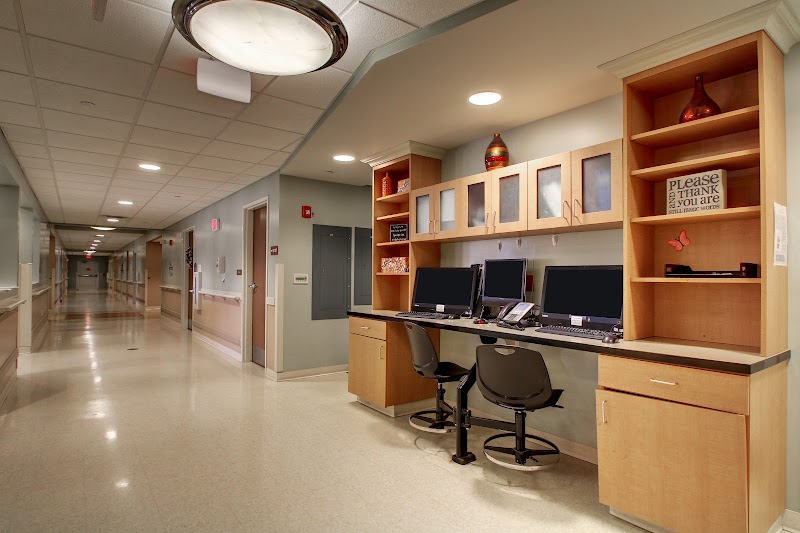
How is Heritage Health-Hoopeston Staffed?

CMS rates HERITAGE HEALTH-HOOPESTON's staffing level at 3 out of 5 stars, which is average compared to other nursing homes. Staff turnover is 34%, compared to the Illinois average of 46%. This relatively stable workforce can support continuity of care.

What Have Inspectors Found at Heritage Health-Hoopeston?

State health inspectors documented 32 deficiencies at HERITAGE HEALTH-HOOPESTON during 2022 to 2025. These included: 2 that caused actual resident harm and 30 with potential for harm. Deficiencies causing actual harm indicate documented cases where residents experienced negative health consequences.
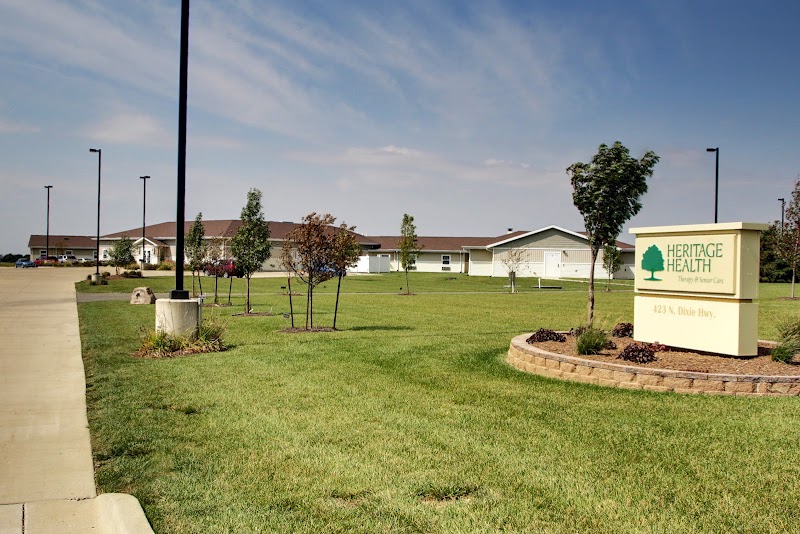
Who Owns and Operates Heritage Health-Hoopeston?

HERITAGE HEALTH-HOOPESTON is owned by a non-profit organization. Non-profit facilities reinvest revenue into operations rather than distributing to shareholders. The facility is operated by HERITAGE OPERATIONS GROUP, a chain that manages multiple nursing homes. With 75 certified beds and approximately 70 residents (about 93% occupancy), it is a smaller facility located in HOOPESTON, Illinois.
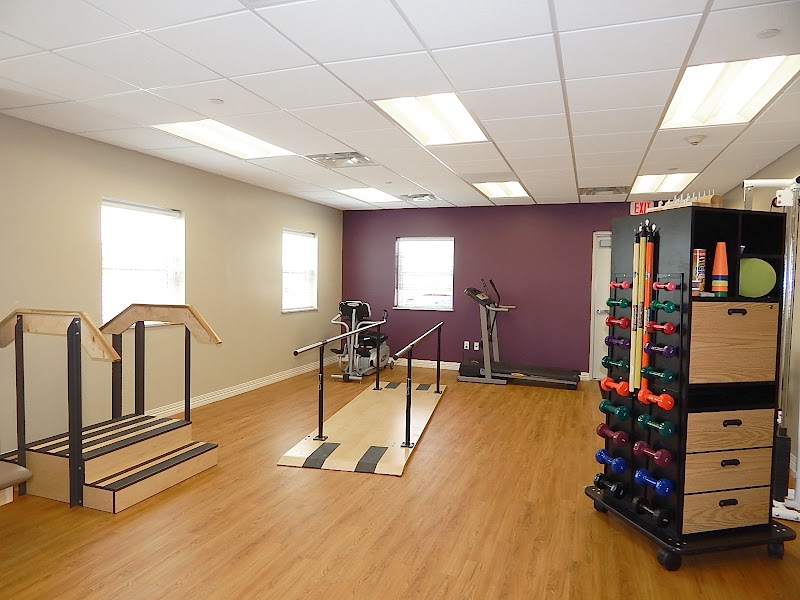
How Does Heritage Health-Hoopeston Compare to Other Illinois Nursing Homes?

Compared to the 100 nursing homes in Illinois, HERITAGE HEALTH-HOOPESTON's overall rating (3 stars) is above the state average of 2.5, staff turnover (34%) is significantly lower than the state average of 46%, and health inspection rating (3 stars) is at the national benchmark.

What Should Families Ask When Visiting Heritage Health-Hoopeston?

Based on this facility's data, families visiting should ask: "Can I visit during a mealtime to observe dining assistance and food quality?" "How do you handle medical emergencies, and what is your hospital transfer rate?" "Can I speak with family members of current residents about their experience?"

Is Heritage Health-Hoopeston Safe?

Based on CMS inspection data, HERITAGE HEALTH-HOOPESTON has a clean safety record: no substantiated abuse findings (meaning no confirmed cases of resident harm), no Immediate Jeopardy citations (the most serious violation level indicating risk of serious injury or death), and is not on the Special Focus Facility watch list (a federal program monitoring the lowest-performing 1% of nursing homes). The facility has a 3-star overall rating and ranks #1 of 100 nursing homes in Illinois. While no facility is perfect, families should still ask about staff-to-resident ratios and recent inspection results during their visit.

Do Nurses at Heritage Health-Hoopeston Stick Around?

HERITAGE HEALTH-HOOPESTON has a staff turnover rate of 34%, which is about average for Illinois nursing homes (state average: 46%). Moderate turnover is common in nursing homes, but families should still ask about staff tenure and how the facility maintains care continuity when employees leave.

Was Heritage Health-Hoopeston Ever Fined?

HERITAGE HEALTH-HOOPESTON has no federal fines on record. CMS issues fines when nursing homes fail to meet care standards or don't correct problems found during inspections. The absence of fines suggests the facility has either maintained compliance or corrected any issues before penalties were assessed. This is a positive indicator, though families should still review recent inspection reports for the full picture.

Is Heritage Health-Hoopeston on Any Federal Watch List?

HERITAGE HEALTH-HOOPESTON is not on any federal watch list. The most significant is the Special Focus Facility (SFF) program, which identifies the bottom 1% of nursing homes nationally based on persistent, serious quality problems. Not being on this list means the facility has avoided the pattern of deficiencies that triggers enhanced federal oversight. This is a positive indicator, though families should still review the facility's inspection history directly.