ARCADIA CARE KEWANEE
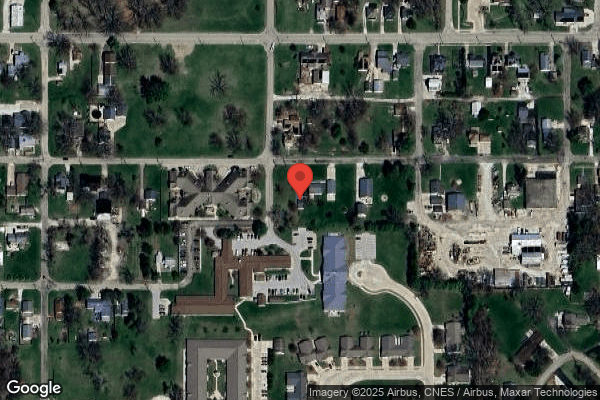
144 JUNIOR AVENUE, KEWANEE, IL 61443 (309) 853-4429
For profit - Corporation 84 Beds ARCADIA CARE Data: November 2025 2 Immediate Jeopardy citations
Trust Grade
0/100
#445 of 665 in IL
Last Inspection: March 2025

Within standard 12-15 month inspection cycle. Federal law requires annual inspections.

Overview

Arcadia Care Kewanee has a Trust Grade of F, indicating poor performance and significant concerns about care quality. Ranked #445 out of 665 facilities in Illinois, they are in the bottom half, and #4 out of 5 in Henry County, meaning only one local option is better. The facility's issues appear to be improving, as the number of problems decreased from 30 in 2024 to 6 in 2025. Staffing is a strength, with a turnover rate of 26%, well below the state average, but they have concerning RN coverage, falling below 92% of Illinois facilities. However, they have incurred $238,787 in fines, which is higher than 94% of similar facilities, indicating ongoing compliance issues. Specific incidents include a failure to ensure adequate heating during extreme cold, putting residents at risk of hypothermia, and inadequate management of anticoagulant medication for a resident, leading to a critical health emergency. While there are strengths in staffing stability, these serious deficiencies raise significant concerns for families considering this nursing home.

Trust Score
F
0/100
In Illinois
#445/665
Bottom 34%
Safety Record
High Risk
Review needed
Inspections
Getting Better
30 → 6 violations
Staff Stability
✓ Good
26% annual turnover. Excellent stability, 22 points below Illinois's 48% average. Staff who stay learn residents' needs.
Penalties
○ Average
$238,787 in fines. Higher than 70% of Illinois facilities. Some compliance issues.
Skilled Nurses
⚠ Watch
Each resident gets only 17 minutes of Registered Nurse (RN) attention daily — below average for Illinois. Fewer RN minutes means fewer trained eyes watching for problems.
Violations
⚠ Watch
51 deficiencies on record. Higher than average. Multiple issues found across inspections.
★☆☆☆☆
1.0
Overall Rating
★☆☆☆☆
1.0
Staff Levels
★★★★☆
4.0
Care Quality
★☆☆☆☆
1.0
Inspection Score
Stable
2024: 30 issues
2025: 6 issues

The Good

  • 4-Star Quality Measures · Strong clinical quality outcomes
  • Low Staff Turnover (26%) · Staff stability means consistent care
  • Full Sprinkler Coverage · Fire safety systems throughout facility
  • No fines on record
  • Staff turnover is low (26%)

    22 points below Illinois average of 48%

Facility shows strength in quality measures, staff retention, fire safety.

The Bad

1-Star Overall Rating

Below Illinois average (2.5)

Significant quality concerns identified by CMS

Federal Fines: $238,787

Well above median ($33,413)

Significant penalties indicating serious issues

Chain: ARCADIA CARE

Part of a multi-facility chain

Ask about local staffing decisions and management

The Ugly 51 deficiencies on record

2 life-threatening 2 actual harm
Jul 2025 1 deficiency
CONCERN (D) 📢 Someone Reported This

A family member, employee, or ombudsman was alarmed enough to file a formal complaint

Potential for Harm - no one hurt, but risky conditions existed

Deficiency F0800 (Tag F0800)

Could have caused harm · This affected 1 resident

Based on observation, interview, and record review the facility failed to follow a resident's prescribed diet for 1 of 3 residents (R3) reviewed for prescribed diets in the sample of 6.Findings includ...

Read full inspector narrative →
Based on observation, interview, and record review the facility failed to follow a resident's prescribed diet for 1 of 3 residents (R3) reviewed for prescribed diets in the sample of 6.Findings include:On 7/26/25 at 11:55 AM, R2 was sitting in his wheelchair at the dining room table with his lunch tray in front of him. R2 had ham, mixed vegetables, creamed corn, dinner roll, butter, chocolate cream pie, water, and apple juice. R2 stated he just eats and drinks whatever they put in front of him. R2 confirmed that he was drinking apple juice that was given to him. The meal ticket next to R2 showed he was to have a carbohydrate controlled low concentrated sweet diet (LCS), regular texture, thin liquids and sugar free hot chocolate. V5 (Certified Nursing Assistant/CNA) came over to tie R2's clothing protector and his meal ticket was shown to her. V5 stated she just looks at the name on the meal ticket and gives the resident what is ordered. V5 stated the cook is the one that looks at the ticket and puts the food and beverages on the tray. On 7/26/25 at 12:10 PM, V4 (Dietary Manager) stated residents are served food based on what is on their meal tickets. V4 stated R2's wife and physician prefer he have sugar free drinks. V4 stated on today's dietary flowsheet residents on LCS diets can have the pie and dinner roll but at dinner when the sherbet is served, they would get mandarin oranges. V4 stated the dietary flowsheet shows how many and the types of carbohydrates they can have per day.The Dietary Flowsheet for the day of 7/26/25 showed for residents on Carbohydrate Controlled/LCS diets for lunch they can have brown sugar glazed ham, creamed corn, vegetable medley, dinner roll with margarine, chocolate cream pie and a diet beverage. The only difference between the regular diet and LCS is the beverage for lunch. LCS say diet beverage and the regular diet just said beverage.On 7/26/25 at 1:15 PM, V4 stated she asked the cook why she gave R2 apple juice, and the cook stated because it was high in fiber. V4 stated she did not know where the cook pulled that from. V4 stated R2 should not have been given the apple juice. V4 stated it was not an appropriate choice for R2 especially since his wife and doctor want him to have sugar free options.On 7/26/25 at 5:20 PM, V1 (Administrator) stated R2 is on the LCS diet related to his neurological disorder. R2's wife likes his weight to be maintained, and this diet helps with his weight and disorder because when he gains weight his disorder is worse. The Face Sheet dated 7/26/25 for R2 showed diagnoses including cerebral infarction, sleep apnea, multifocal motor neuropathy, polyneuropathies, obstructive sleep apnea, allergic purpura, and osteoarthritis. The Physician Order Summary dated 7/26/25 for R2 showed a no added salt/low concentrated sweet diet.The Care Plan for R2 dated 3/26/25 showed he has a potential risk for altered nutritional status related to diagnoses of cerebral vascular accident, multifocal motor neuropathy, and neuropathies. R2 is on a no added salt/carb-controlled diet and no additional sweets. Follow the recommendations of the dietician. The Dietary Note dated 3/26/25 for R2 showed no added salt/carb-controlled diet, 2000 calories, and no additional sweets.The facility's Diet Orders policy (8/2023) showed, all diet orders are documented in the health record by the physician, or Registered Dietitian (where allowed). In some cases, the electronic medical record generates a diet order listing, and this is used in the communication and maintenance of diet orders for each resident.
Mar 2025 5 deficiencies
CONCERN (D)

Potential for Harm - no one hurt, but risky conditions existed

PASARR Coordination (Tag F0644)

Could have caused harm · This affected 1 resident

**NOTE- TERMS IN BRACKETS HAVE BEEN EDITED TO PROTECT CONFIDENTIALITY** Based on interview and record review, the facility failed to ensure a resident with new diagnoses of mental illness after admiss...

Read full inspector narrative →
**NOTE- TERMS IN BRACKETS HAVE BEEN EDITED TO PROTECT CONFIDENTIALITY** Based on interview and record review, the facility failed to ensure a resident with new diagnoses of mental illness after admission was referred to the state agency for a level II PASARR (Preadmission Screening and Resident Review) evaluation for one of one resident (R25) reviewed for PASARR screening in the sample of 35. Findings include: The facility's Preadmission Screening and Annual Resident Review (PASARR), dated 11/2018, documents It is the policy to screen all potential admissions on an individualized basis. As part of the preadmission process, the facility participates in PASARR level I for all new and readmissions per requirements to determine if the individual meets the criterion for mental disorder (Severe Mental Illness/Severe Mental Disability), intellectual disability or related condition. Annually and with any significant change of status, the facility will complete the PASARR level one screen for those individuals identified per the Level II screen requiring specialized services. R25's current electronic medical record profile and Face Sheet, documents R25 was admitted to the facility on [DATE]. R25's most recent Level I PASARR (PASRR) evaluation, dated 6/23/22, documents at the time of evaluation R25 had mental health diagnoses of: Depression/Depressive Disorder. This same evaluation documents Review Date: 6/23/2022, Level I Outcome: No Level II Required. Resolved symptoms rationale: The Level I screen indicates that a PASRR disability is not present because of the following reason: Low level symptoms are present. However, submitted information supports that they are well controlled and there is no history of serious mental illness. If the individual's symptoms increase or other information suggests a potential serious mental illness, then the nursing facility must submit an updated screen to reevaluate the need for a PASRR Level II behavioral health evaluation. R25's Current Medical Diagnosis list, dated 3/20/25, documents R25 has been diagnosed with following diagnoses at or after admission, Bipolar on 6/25/22, Psychophysiologic Insomnia on 6/25/22, Vascular Dementia with Severe Psychotic Disturbance on 10/1/22, Unspecified Affective Mood Disorder on 1/31/24, Delirium due to known Physiological Condition on 6/25/22, and Unspecified Psychosis not due to Substance or Known Physiological Condition on 9/5/23. R25's medical record does not document that R25 has had any further PASARR screening or evaluation since admission to the facility or after R25's new diagnosis of new Severe Mental Illness. On 3/20/25 at 11:35 AM, V8 (Licensed Practical Nurse/Minimum Data Set) confirmed that R25 has not had a PASARR re-screen since admission or a level II screening at all. V8 stated, (R25) was admitted in June 2022 and from the hospital record she only had the diagnosis of Dementia. The PASARR screen was done at the hospital prior to admission and only listed depression for a diagnosis. V8 confirmed R25 has new diagnoses since admission and stated, I don't ever redo the PASARR after they have been admitted and did not realize that it needed to be redone with new diagnoses.
CONCERN (D)

Potential for Harm - no one hurt, but risky conditions existed

Incontinence Care (Tag F0690)

Could have caused harm · This affected 1 resident

**NOTE- TERMS IN BRACKETS HAVE BEEN EDITED TO PROTECT CONFIDENTIALITY** Based on observation, interview and record review, the facility failed to complete hand hygiene prior to and during urinary cath...

Read full inspector narrative →
**NOTE- TERMS IN BRACKETS HAVE BEEN EDITED TO PROTECT CONFIDENTIALITY** Based on observation, interview and record review, the facility failed to complete hand hygiene prior to and during urinary catheter care for one of two residents (R38) reviewed for indwelling urinary catheters in the sample of 35. Findings include: The facility's Urinary Catheter Care policy, dated 10/2024, documents Purpose: To establish guidelines to reduce the risk of or prevent infections in resident with an indwelling catheter. Guidelines: 2. Hand hygiene shall be performed before and after touching any part of the urinary catheter drainage system. The facility's Infection Precaution Guidelines, dated 10/2024, documents Standard Precautions combine the major features of Universal Precautions and Body Substance Isolation and are based on the principle that all blood, body fluids, secretions, excretions (except sweat), mucous membranes may contain transmissible infectious agents. Standard Precautions consist of a group of infection prevention practices that apply to all residents, regardless of suspected or confirmed infection status, in any stetting in which healthcare is delivered. These include hand hygiene. Standard precautions will be employed by all personnel for all residents at all times. R38's current computerized medical record documents R38 was admitted to the facility on [DATE] with the following, but not limited to, diagnoses: Retention of Urine, Benign Prostatic Hyperplasia, and Obstructive and Reflux Uropathy. R38's Physician Order Sheet, dated 3/20/25, documents R38 has an indwelling urinary catheter. On 3/19/25 at 2:02 PM V6 (Certified Nursing Assistant/CNA) and V7 (CNA) were preparing to perform R38's urinary indwelling catheter care. V6 and V7 assisted R38 to his bed with gloved hands. V7 pulled R38's privacy curtain with her right hand once R38 was in bed. V6 and V7 both assisted in removing R38's pants and brief with their gloved hands. V7 removed her gloves and reapplied new gloves without washing or sanitizing her hands. V7 then performed urinary catheter care. After V7 performed R38's urinary catheter care, V7 readjusted R38's catheter, removed her gloves and applied new gloves without washing or sanitizing her hands. V7 then applied a new brief on R38. V7 never washed or sanitized her hands throughout R38's entire indwelling urinary catheter care procedure. On 3/19/25 at 2:25 PM V6 and V7 verified they should have washed their hands prior to performing catheter care and in between glove changes when going from dirty to clean areas. V7 stated, I knew I was supposed to use an alcohol-based sanitizer or wash my hands, but I didn't want to bring the huge bottle of alcohol-based sanitizer we (the facility) have into (R38's) room. On 3/20/25 at 9:43 AM V3 (Assistant Director of Nursing/Infection Preventionist) verified that V7 (CNA) should have washed her hands before providing urinary catheter care and during R38's indwelling urinary catheter care procedure.
CONCERN (D)

Potential for Harm - no one hurt, but risky conditions existed

Respiratory Care (Tag F0695)

Could have caused harm · This affected 1 resident

Based on observation, interview, and record review the facility failed to obtain an order and follow a physician order for oxygen use and ensure an oxygen care plan was developed for two of three resi...

Read full inspector narrative →
Based on observation, interview, and record review the facility failed to obtain an order and follow a physician order for oxygen use and ensure an oxygen care plan was developed for two of three residents (R16 and R21) reviewed for oxygen in the sample of 35. Findings include: The Facility's Oxygen Concentration, dated 10/2024, documents Procedure: 1. Verify and understand the physician's order. 2. Know the flow rate and duration of use. The Facility's Medication Administration Policy, dated/revised 01/2015, states Medications must be administered in accordance with a physician's order, e.g. (for example), the right resident, right medication, right dosage, right route, and right time. The Facility's Comprehensive Care Plan Policy, dated/revised 11/2017, states The purpose of this policy is to develop a comprehensive care plan that directs the care team and incorporates the resident's goals, preferences, and services that are to be furnished to attain or maintain the resident's highest practicable physical, mental, and psychosocial well-being. The facility will develop and implement a comprehensive person-centered care plan for each resident, consistent with the resident rights, that includes measurable objectives and timeframes to meet a resident's medical, nursing, and mental and psychosocial needs that are identified in the comprehensive assessment. 1. On 3/17/2025 at 10 AM, R21 was lying in bed with oxygen flowing at 4.5L (liters) per nasal cannula. R21's current Physician Order Sheet, dated 3/17/25, does not contain a physician order for the use of oxygen. On 3/17/2025, at 9 AM R21's current care plan did not address R21's oxygen use. On 3/17/2025 at 10:15 AM, V9 (Licensed Practical Nurse/LPN) confirmed R21's oxygen per nasal cannula was set at 4.5 liters. V9 also confirmed R21 had no order for oxygen via nasal cannula. On 3/17/2025 at 10:35 AM V2 (Director of Nursing) verified R21 did not have a current physician order for oxygen or a care plan that address R21's oxygen use. V2 stated, I do not see an order for (R21) to have oxygen. (R21) should have an order for oxygen in order for (R21) to receive oxygen via nasal cannula. V2 added an order for R21 to receive oxygen and updated R21's care plan to reflect R21 receiving oxygen after being made aware. 2. On 3/17/2025 at 10 AM, R16 was lying in bed with oxygen flowing at 4L per nasal cannula. On 3/18/2025 at 1:35 PM, R16 was lying in bed with oxygen flowing at 4L per nasal cannula. R16's current Physician Order Sheet, dated 3/20/2025, states Oxygen at 2L via nasal cannula (wean as tolerated) as needed for prophylactic. On 3/18/2025 at 1:40 PM, V10 (LPN) confirmed R16's oxygen per nasal cannula was set at 4L. V10 also confirmed R16's order states Oxygen at 2L via nasal cannula (wean as tolerated) as needed for prophylactic.
CONCERN (F)

Potential for Harm - no one hurt, but risky conditions existed

Deficiency F0761 (Tag F0761)

Could have caused harm · This affected most or all residents

Based on observation, interview and record review, the facility failed to ensure a multidose insulin pen injector and a multidose tuberculin vial were labeled and dated when opened. These failures hav...

Read full inspector narrative →
Based on observation, interview and record review, the facility failed to ensure a multidose insulin pen injector and a multidose tuberculin vial were labeled and dated when opened. These failures have the potential to affect all 56 residents residing in the facility. Findings include: The facility's Medication Storage Policy, dated 10/2024, documents Purpose: To ensure proper storage, labeling, and expiration dates of medications, biologicals, syringes, and needles. Guidelines: 5. Once any medication or biological package is opened, Facility should follow manufacturer supplier guidelines with respect to expiration dates for opened medications. Facility should record the date opened on the medication container when the medication has a shortened expiration date once opened. The Manufacturer Guidelines for Aplisol (Tuberculin), undated, documents Aplisol vials should be inspected visually for both particulate matter and discoloration prior to administration and discarded if either is seen. Vials in use for more than 30 days should be discarded. The facility's Pharmacy Audit Assistance Service, dated 1/22/2019, documents Tresiba FlexTouch (insulin) 100 units/ml (milliliter) expiration date 56 days after opening. R18's current Physician Order Sheet, dated 3/20/25, documents the following Physician Order: Tresiba FlexTouch Subcutaneous Solution Pen-injector 100 units/ml (insulin)- Inject 40 units subcutaneously one time a day. On 03/17/25 at 11:40 AM V11 (Licensed Practical Nurse) opened the top right drawer to B and C Wing medication cart where residents' insulin pens and vials were stored. In this drawer R18's Tresiba FlexTouch 100units/ml insulin pen injector, 1/3 full was not labeled with an open date. V11 then opened the refrigerator located in the B and C Wing medication storage room. Located in the refrigerator was Aplisol (Tuberculin) 5TU (Tuberculin) units/0.1ml,1/2 full and not labeled with an open date. On 3/17/25 at 11:44 AM V11 verified R18's multidose insulin pen and the multidose vial of (Tuberculin) were both open and not labeled with an open date and should have been. V11 stated, The vial of (Tuberculin) is used for any resident in the facility. On 3/17/25 at 1:30 PM V2 (Director of Nursing) verified multidose insulin pens or vials and (Tuberculin) vials should be labeled and dated with an open date.
MINOR (B)

Minor Issue - procedural, no safety impact

Deficiency F0912 (Tag F0912)

Minor procedural issue · This affected multiple residents

Based on observation, interview, and record review the facility failed to ensure greater than 80 square feet per resident in multiple resident rooms. This failure has the potential to effect 31 reside...

Read full inspector narrative →
Based on observation, interview, and record review the facility failed to ensure greater than 80 square feet per resident in multiple resident rooms. This failure has the potential to effect 31 residents that could reside in these 31 rooms. Findings include: The facility's CMS (Centers for Medicare and Medicaid Services) Long Term Care Facility Application for Medicare and Medicaid Form 671 dated 3/18/25 and signed by V1 (Administrator) documents 56 residents currently reside within the facility. An Illinois Department of Public Health Letter, addressed to (the facility) and dated 7/17/2024, documents The waiver is granted for rooms 107-112, 115-119, 201-209, 301-306, 307-311 and is subject to annual review or review at any time the facility does not meet the conditions under the waiver which the waiver was granted. On 3/17/25 at 1:00PM V1 (Administrator) stated the facility does have rooms that do not meet the 80 square foot per resident requirement and gave a floor plan with highlighted rooms that were less than 80 square feet. Those rooms were 107, 108, 109, 110, 111, 112, 115, 116, 117, 118, 119, 201, 202, 203, 204, 205, 206, 207, 208, 209, 301, 302, 303, 304, 305, 306, 307, 308, 309, 310, and 311. On 3/20/25 at 11 AM V1 (Administrator) stated the waiver gets sent every year to the State Agency. V1 stated the facility does put two residents in the rooms with the waivers and any resident could be moved to those rooms with a roommate.
Dec 2024 2 deficiencies
CONCERN (D) 📢 Someone Reported This

A family member, employee, or ombudsman was alarmed enough to file a formal complaint

Potential for Harm - no one hurt, but risky conditions existed

Notification of Changes (Tag F0580)

Could have caused harm · This affected 1 resident

**NOTE- TERMS IN BRACKETS HAVE BEEN EDITED TO PROTECT CONFIDENTIALITY** Based on record review and interview the facility failed to notify the health care power of attorney of a change in condition fo...

Read full inspector narrative →
**NOTE- TERMS IN BRACKETS HAVE BEEN EDITED TO PROTECT CONFIDENTIALITY** Based on record review and interview the facility failed to notify the health care power of attorney of a change in condition for 2 residents (R5 and R19) of three reviewed for discharge in the sample of three. Findings Include: The Facility's Physician-Family Notification-Change in Condition policy dated 11/2018 documents the purpose of the policy to ensure that medical care problems are communicated to the attending physician or authorized designee and family/responsible party in a timely, efficient, and effective manner. The facility will inform the resident; consult with the resident's physician or authorized designee such as Nurse Practitioner, and if known, notify the resident's legal representative or an interested family member when there is B. A significant change in the resident's physical, mental, or psychosocial status (i.e., a deterioration in health, mental, or psychosocial status in either life-threatening conditions or clinical complications). D. A decision to transfer or discharge the resident from the facility. 1.R5's Medical Records document that she was admitted on [DATE] with diagnosis of CHF (Congestive Heart Failure). R5's Nurse's notes indicate that on 12/02/24 at 9:01 AM R5 had shortness of breath, altered mental status and tachycardia with a history of uncontrolled atrial fibrillation. R5 was sent to the emergency room for evaluation and returned with orders for a hospice evaluation related to CHF. R5's Health Care Power of Attorney dated 11/15/23 and signed by R5 lists V12 as her Health Care Power of Attorney. R5's Medical Record did not contain any documentation of notification of change of condition/transfer to emergency room and hospice evaluation to V12. On 12/12/24 at 10:00 AM V7 (Social Service Director) stated that she has worked at the facility since 09/02/2024 and has never been able to get ahold of V12 (R5's Health Care Power of Attorney) for any reasons. V7 stated to her knowledge no one has been able to get ahold of him. V7 confirmed that there is no documentation of any attempts to reach V12 and states that the phone number listed for him is not in use. V7 stated that she did not know what the next step would be to attempt to reach a health care power of attorney or what she should do in the instance of a health care power of attorney being habitually unreachable. On 12/12/24 at 9:30 AM V2 (Director of Nursing) confirmed there was no documentation of notification of V12 (R5's Health Care Power of Attorney) of her change in condition. 2. R19's medical record documents that she was admitted on [DATE] after a fall at home with a hip fracture and surgery. R19 also had pneumonia and exacerbation of CHF (Congestive Heart Failure). R19's Health Care Power of Attorney dated 11/12/24 and signed by R19 lists V11 as her Health Care Power of Attorney. R19's Health Care Power of Attorney form also listed V11's phone number. R19's Nurse's notes document that on 11/26/24 at 2:20 PM R19 was found unresponsive and sent to the emergency room. R19's note documents that R19 was readmitted to the hospital for pneumonia and exacerbation of CHF (Congestive Heart Failure). R19's Transfer/Discharge form dated 11/26/24 documented that V11 (R19's Health Care Power of Attorney) could not be called because the facility did not have a phone number for her. On 12/12/24 at 9:30 AM V2 (Director of Nursing) confirmed that V11 (R19's Health Care Power of Attorney) was not notified of R19's transfer to the hospital due to the facility not having her phone number. V2 reviewed and confirmed that V11's phone number was in R19's Medical Record on her Health Care Power of Attorney form dated 11/12/24. We didn't think we had (V11)'s phone number. I don't know why the number was not listed on the face sheet like it normally should have been.
CONCERN (E) 📢 Someone Reported This

A family member, employee, or ombudsman was alarmed enough to file a formal complaint

Potential for Harm - no one hurt, but risky conditions existed

Deficiency F0567 (Tag F0567)

Could have caused harm · This affected multiple residents

Based on interview and record review the facility failed to have funds available for 18 of 18 residents (R1-R18) reviewed for personal funds in the sample of 18. Findings Include: The Facility's Res...

Read full inspector narrative →
Based on interview and record review the facility failed to have funds available for 18 of 18 residents (R1-R18) reviewed for personal funds in the sample of 18. Findings Include: The Facility's Resident Funds policy dated 04/2019 documents This facility manages the personal funds of residents when such a request is made by the resident. Resident requests for access to their funds should be honored by facility staff as soon as possible but no later than: The same day for amounts less than $100 ($50 for Medicaid residents); Three banking days for amounts of $100 ($50 for Medicaid residents) or more. On 12/11/24 V3 (Licensed Practical Nurse/MDS Coordinator) provided a list of residents whose money is managed by the facility. This list included R1-R18. On 12/11/24 at 9:00 AM R15 stated I have been asking for $150 out of my trust because I would like to buy some Christmas cards and other things for Christmas, and I've been told they are waiting on a check from corporate. They said that they do not have the money to give to me. On 12/11/24 at 9:30 AM R18 stated They told me that all of our money is on hold until a check gets here from corporate. I would like to buy a Christmas gift. I hope they can get the cash before then. On 12/11/24 at 10:50 AM V1 (Administrator) stated The resident trust is not on hold and has never been. I am sure we would be able to give money to residents that ask. V1 denied knowledge of any residents requesting money and not receiving it. The Facility's Resident Council meeting minutes dated 10/3/24 document Need a new business office manager. (V3 LPN) is standing in. Trust is on hold. The Facility's Resident Council meeting minutes dated 11/11/24 documents (V3 LPN) helping while we look to hire a Business Office Manager. Trust is open but limited to what cash we have on hand. The Cash Disbursements Form dated 12/3/24 documents that the starting balance was $204. On 12/3/24 R2, R15, and R18 withdrew cash leaving the balance $0. On 12/11/24 at 11:00 AM V3 confirmed that there had not been any cash available to residents since 12/3/24. V3 stated I submitted a request to corporate and we are waiting on a check to be able to have funds to give residents that have asked. V3 confirmed knowledge of R15 requesting cash and not having access to it.
Sept 2024 1 deficiency
CONCERN (D) 📢 Someone Reported This

A family member, employee, or ombudsman was alarmed enough to file a formal complaint

Potential for Harm - no one hurt, but risky conditions existed

Notification of Changes (Tag F0580)

Could have caused harm · This affected 1 resident

Based on record review and interview the facility failed to notify the physician and resident's representative promptly after a fall with an injury for one of three residents (R1) reviewed for notific...

Read full inspector narrative →
Based on record review and interview the facility failed to notify the physician and resident's representative promptly after a fall with an injury for one of three residents (R1) reviewed for notification of changes in condition in the sample of four. Findings include: The facility's Notification for Change in Resident Condition or Status, undated, documents Policy: The facility and/or facility staff shall promptly notify appropriate individuals (Administrator, DON (Director of Nursing), Physician, Guardian, and HCPOA (Health Care Power of Attorney) of changes in the resident's medical/mental condition and/or status. Responsibility: Administrator, Director of Nursing, Charge Nurse. Procedure: 1. The nurse supervisor/charge nurse will notify the resident's attending physician or on-call physician when there has been: b. An accident or incident involving the resident. 2. The nurse supervisor/charge nurse will notify the DON, physician, and unless otherwise instructed by the resident the resident's next of kin or representative when the resident has any of the above-mentioned situations or: a. The resident is involved in any accident or incident that results in an injury including injuries of an unknown source. R1's Wellness Event Record Late Entry dated 9/2/2024 at 10:46 AM and signed by V4 (Licensed Practical Nurse/LPN) documents, (R1) appears to have sustained an injury that was unwitnessed- or is of unknown origin. Event was first noted on 9/2/2024 at 12:00 AM. (R1). Vocal complaints of pain at the time of the event. Facial expressions (e.g., grimaces, winces, wrinkled forehead, furrowed brow, clenched teeth, or jaw) at the time of the event. Practitioner was not notified of the event at this time. Resident Responsible Party was not notified of the event at this time. Resident Interested Party was not notified of the event at this time. On 9/11/24 at 11:59 AM V11 (R1's Representative) stated, I came into the facility on 9-2-24 to pick (R1) up to take him on a home visit. I noticed (R1's) left wrist was swollen. I asked staff why (R1's) left wrist was swollen and no one knew. I then spoke to (V4), and she told me (R1) had a fall the day before (9/1/24) and hurt his wrist. I was not notified about (R1's) fall or (R1's) swollen wrist. I should have been notified. On 9/11/24 at 12:55 PM V4 (LPN) stated, I was told from (V10 Registered Nurse) during morning report on 9-2-24 that (R1) was complaining of pain to the left wrist and that (R1) fell on 9/1/24. V8 (Certified Nursing Assistant) had not reported the fall to anyone. I went out to the dining room table to assess (R1) and noticed his left wrist was swollen. I put in an order to obtain and x-ray to (R1's) left wrist. I did not notify V12 (R1's Primary Physician) or V11 (R1's Representative) about the fall or (R1's) having a swollen wrist. On 9/11/24 at 1:00 PM V8 (Certified Nursing Assistant) stated, I found (R1) sitting in front of his recliner on the floor on 9/1/24 (unknown time). At the time (R1) stated he was leaning forward trying to pull his wheelchair closer and slid to the floor. I assisted (R1) back to the recliner. I did not report it to the nurse because I didn't realize they considered it a fall. I just thought since (R1) slid to the floor and could tell me what happened it wasn't a fall. On 9/11/24 at 2:00 PM V2 (Director of Nursing) stated, V11 (R1's Representative) and V12 (R1's Primary Physician) were not notified immediately after (R1's) fall and were not notified about (R1's) left wrist swelling. (V11) and (V12) should have been notified immediately after the fall.
Jul 2024 1 deficiency
CONCERN (D) 📢 Someone Reported This

A family member, employee, or ombudsman was alarmed enough to file a formal complaint

Potential for Harm - no one hurt, but risky conditions existed

Quality of Care (Tag F0684)

Could have caused harm · This affected 1 resident

**NOTE- TERMS IN BRACKETS HAVE BEEN EDITED TO PROTECT CONFIDENTIALITY** Based on interview, observation, and record review the facility failed to ensure physician ordered treatments, skin checks, and ...

Read full inspector narrative →
**NOTE- TERMS IN BRACKETS HAVE BEEN EDITED TO PROTECT CONFIDENTIALITY** Based on interview, observation, and record review the facility failed to ensure physician ordered treatments, skin checks, and infection monitoring were completed for three of three residents (R1, R2, R3) reviewed for wounds in the sample of three. Findings include: The facility's Medication Administration policy dated 11/18/17 documents, Policy: Drugs and biologicals are administered only by physicians and licensed personnel. Definition: The complete act of administration entails removing and individual dose from a previously dispensed, properly labeled container (including a unity dose container), verifying it with the physician's orders, giving the individual dose to the proper resident, and promptly recording the time and dose given. Procedure: 19. Document any medication not administered for any reason by circling initials and documenting on the back of the MAR (Medication Administration Record) the date, the time, the medication and dosage, reason for omission and initials. The facility's Preventative Skin Care policy (undated) documents, Policy: It is the facility's policy to provide preventative skin care through repositioning and careful washing, rinsing, drying, and observation of the resident's skin conditions to keep them clean, comfortable, well groomed, and free from pressure ulcers. Procedures: 2. Staff on every shift and as necessary will provide skin care. 1. On 7/26/24 at 12:00 PM R1's door had a droplet/contact precaution sign on her door. At this time R1 was lying in bed and was observed to have two dressings covering her left amputated knee stump. R1 stated she has been in and out of the hospital for the last few months for her left stump wound infection, urinary tract infections, and other issues with being confused. R1's Face Sheet documents R1 was admitted to the facility on [DATE]. This same form documents R1 has the following but not limited to diagnoses: Acquired absence of right foot, Morbid Obesity, Type Two Diabetes Mellitus with Diabetic Polyneuropathy, Gastroenteritis, Colitis, Cardiac Septal Defect, Anxiety disorder, type two Diabetes Mellitus with Diabetic Peripheral Angiopathy without Gangrene, Peripheral Vascular Disease. R1's Hospital Record dated 5/29/24 documents R1 is a status post above the knee left amputation. R1's TAR (Treatment Administration Record) dated June 2024, documents Physician ordered treatments Start date 5/14/24: Cleanse open are to LT (left) inner buttock with wound cleanser, pat dry, apply to area and over with dry dressing one time a day for wound care. Start date 5/14/24: Cleanse open area to RT (right) inner buttock with wound cleanser, pat dry, apply and cover with dry dressing one time a day for wound care. This same record documents from 06/01/24 to 06/30/24, seven treatments to the right and left inner buttock were not completed on 6/3/24, 6/4/24, 6/6/24, 6/7/24, 6/17/24, 6/21/24, and 6/24/24. R1's TAR dated June 2024, documents a Physician ordered treatment, Start Date 6/6/24: Cover stump with dressing daily and prn (as needed) d/t (due to) drainage in the evening for dressing to left stump. This same record documents from 6/6/24 to 6/24/24, five treatments were not completed to left stump on 6/7/24, 6/10/24, 6/19/24, 6/20/24, and 6/23/24. R1's TAR dated June 2024, documents a Physician ordered treatment, Start date 6/6/24: Monitor left stump for s/s of infection every shift for staples/sutures. This same record documents from 6/6/24 to 6/27/24, ten treatments to monitor for s/s of infection to the left stump were not completed on 6/7/24, 6/10/24, 6/11/24, 6/17/24, 6/19/20 (evening and nights), 6/20/24 (evening and nights), 6/23/24, and 6/24/24. R1's TAR dated June 2024, documents a Physician ordered treatment, Start date 6/10/24: Place an unfolded 4 x 4 under each retention suture. Cover with fluffs, kerlix wraps gauze, tape and ace wrap daily every evening shift for seven days. This same record documents from 6/10/24 to 6/16/24, one treatment to the left stump was not completed on 6/10/24. R1's TAR dated June 2024, documents a Physician ordered treatment, Start date 6/21/24: Left stump incisor cleaned with wound cleaner, apply wet to dry dressing using 4 x 4 wet with normal saline, and covered with abd (Abdominal) pads until wound vac arrives two times a day for Wound Treatment. This same record documents from 6/21/24 to 6/24/24, one treatment to the left stump was not completed on 6/23/24. R1's TAR dated July 2024 document a Physician ordered treatment, Start date 7/13/24: Cleanse left stump with wound cleanser, pat dry. Apply 4 x 4 (gauze) with (wound neutralizing solution) and cover BID (Twice a Day). Every day shift and evening shift for wound care. This same record documents from 7/13/24 to 7/23/24, one treatment to left stump was not completed on 7/18/24. On 7/26/24 at 1:57 PM V2 (Director of Nursing) verified the treatments not completed on the June 2024 and July 2023 TARs. V2 stated, If a treatment is refused or the resident is out of the building, etcetera, the nurses should be documenting that on the TAR. The TARs should have no blanks in them. We (the facility) have had a lot of Agency Nurses, so I think that is why some of the treatments are getting missed. 2. R2's current care plan, dated 7/23/24, documents (R2) has Peripheral Vascular Disease (PVD) related to Diabetes and Heart Disease. Interventions: Monitor the extremities for signs and symptoms of injury, infection and ulcers. This same care plan documents (R2) has potential for skin tear and/or discoloration related to geriatric skin deconditioning and use of anticoagulants and PVD. Interventions: Monitor/document location, size, and treatment of skin tear. Report abnormalities, failure to heal, signs and symptoms of infection, maceration, pain, etcetera to Medical Doctor. On 7/26/24 at 12:50 PM, R2 was sitting in her motorized wheelchair in her room. R2's right outer ankle contained a bandage dressing. R2 stated she has a wound to the outside of her right ankle from hitting it by accident and she must have the dressing changed by nurses every day. R2's Treatment Administration Record (TAR) dated, 6/1/24-6/30/24, documents R2 had Physician ordered treatments for Daily Skin Check, document using CROPS (Clear, Rash, Other, Pressure, Skin Tear) every night shift for preventive document weekly on Saturday. This TAR documents two scheduled daily skin checks were not completed in June on 6/11/24 and 6/21/24. This same TAR documents a treatment order Cleanse RT (right) outer ankle with wound cleanser, pat dry, apply mupirocin (topical antibiotic) ointment and cover with dry dressing every morning and at bedtime for wound care. This record documents the evening treatments were not administered on 6/5/24, 6/10/24, 6/12/24 and 6/24/24 for a total of four missed wound treatments. This same TAR documents the following Physician ordered treatments: Monitor RT outer ankle every shift for signs and symptoms infection/integrity every shift for scab area/ skin integrity. Skin prep to bilateral heels every shift for preventive. Site: Buttocks: Apply barrier cream as preventative every shift. This TAR documents for the month of June R2's right ankle monitoring, skin prep to bilateral heels and protective barrier cream to the buttocks were not administered/completed on three scheduled occasions on 6/10/24, 6/11/24, and 6/21/24. 3. R3's current care plan dated, 5/6/24, documents R3 has diagnoses of Moderate Protein-Calorie Malnutrition, Type two Diabetes Mellitus, and Thrombocytopenia. This care plan also documents (R3) has the potential for pressure ulcer development related to decreased mobility, weakness, history of stage three (pressure ulcer) to sacral region, incontinence. (R3) also has diagnosis of Elastosis perforans serpiginosa. Interventions: Monitor/ document/ report as needed any changes in skin status: appearance, color, wound healing, signs and symptoms of infection, wound size (length by width by depth), stage. On 7/26/24 at 1:00 PM, R3 was in her room lying in bed. R3 confirmed she has had wounds and has needed dressings and treatments off and on. R3's Treatment Administration Record (TAR) dated, 7/1/24-7/31/24, documents R3 has a treatment order for Daily Skin Check every day shift Document: C=Clear; R=Rash, O=Other, P=Pressure, S= Skin Tear. This TAR documents that R3 did not have scheduled skin checks on 7/15/24 and 7/19/24. On 7/26/24 at 1:45 PM, V2 (Director of Nursing) confirmed R2 and R3 have missing treatments in their medical records for the months of June and July 2024. V2 stated If they are not signed off as being done, we have no way to prove they were done and there shouldn't have been holes in administration of those treatments.
Jun 2024 18 deficiencies
CONCERN (D)

Potential for Harm - no one hurt, but risky conditions existed

Safe Environment (Tag F0584)

Could have caused harm · This affected 1 resident

**NOTE- TERMS IN BRACKETS HAVE BEEN EDITED TO PROTECT CONFIDENTIALITY** Based on observation, interview, and record review, the facility failed to maintain a working overhead light in the bathroom for...

Read full inspector narrative →
**NOTE- TERMS IN BRACKETS HAVE BEEN EDITED TO PROTECT CONFIDENTIALITY** Based on observation, interview, and record review, the facility failed to maintain a working overhead light in the bathroom for one (R20) of sixteen residents reviewed for environment in a sample of 43 residing in the facility. Findings include: Facility Maintenance Person, undated, documents The Maintenance Person maintains all building, equipment, systems and grounds in good, safe, and presentable condition. Regularly inspects and maintains electrical, signaling, and cooling and protection systems. Maintains furniture, fixtures, and furnishings in a clean, safe, attractive, and repaired manner. On 6/02/24 at 8:46 AM, R20's bathroom light switch was flipped on, and the light did not work. After flipping the light switch a few times the light came on but was dim and flickering. At that same time, R20 stated My bathroom light doesn't work, it has been a couple months, the maintenance guy knows and was gonna fix it, and I was told the ballast is bad. You have to flip the light switch about five times, and it usually works. I wish my light was fixed it is kind of a pain. On 6/04/24 at 9:00 AM, V16 (Maintenance) stated I have been here since March 2024, I will replace it. V16 verified R20's light did not come on right away when the light switch was flipped on, and the light flickers when on. At that same time, it took three times switching the light switch on and off before it came on and continued to [NAME] when on. On 6/4/24 at 9:02 AM, R20 stated I brush my teeth in the bathroom, and I have to switch the light about five times before it will work.
CONCERN (D)

Potential for Harm - no one hurt, but risky conditions existed

Report Alleged Abuse (Tag F0609)

Could have caused harm · This affected 1 resident

Based on record review and interview the facility failed to report an injury of unknown injury to the local state agency for one resident (R11) of four reviewed for accidents in a total sample of 44. ...

Read full inspector narrative →
Based on record review and interview the facility failed to report an injury of unknown injury to the local state agency for one resident (R11) of four reviewed for accidents in a total sample of 44. Findings Include: The Facility's Abuse Prevention Program dated 11/28/2016 documents This facility affirms the right of our residents to be free from abuse, neglect, misappropriation of resident property, and exploitation as defined below. This includes, but is not limited to, freedom from corporal punishment, involuntary seclusion and any physical or chemical restraint not required to treat the resident's medical symptoms. This facility therefore prohibits mistreatment, exploitation, neglect, or abuse of its residents, and has attempted to establish a resident sensitive and resident secure environment. The purpose of this policy to assure that the facility is doing all that is within its control to prevent occurrences of mistreatment, exploitation, neglect or abuse of our resident. The Facility's Abuse Prevention Program dated 11/28/2016 documents Regardless of the specific nature of the allegation (physical, sexual, verbal/exploitation/mental, theft or neglect), the investigation shall consist of: A review of the initial written reports, Completion of a written report on the status of the investigation of the occurrence, an interview with person(s) reporting the incident, interview with any witnesses to the incident, An interview with the resident, where appropriate, an interview with the resident's attending physician or psychiatrist, a review of the medical records of any residents involved in the occurrence, if the accused individual is an employee, review the personnel file to check for references, background check, and documentation of orientation and training, An interview with the staff members having contact with the resident and accused individual during the period of the alleged incident, where appropriate, interviews with resident's roommate, family members, visitors or others who were in the vicinity of the incident, Interviews with other residents to which the accused individual has regular contact, interview with other employees to determine if they have ever witnessed other incidents of mistreatment involving the accused individual and a review of all circumstances surrounding the incident. The Facility's Abuse Prevention Program dated 11/28/2016 documents the summary, conclusions, and results of the investigation will be recorded on a final written incident report and submitted to the administrator or designee within five days of the occurrence. After reviewing the final report, the administrator or designee is responsible for forwarding an approved copy of the final report to (State Reporting Agency) within five working days of the occurrence. The administrator or designee will also notify the resident's representative of the results of the investigation. On 6/5/24 at 1:30 PM V1 (Administrator in Training) stated Injuries of unknown origin should be investigated as possible physical abuse. R11's Event Record dated 3/19/24 documents that R11 had e.) unwitnessed injury-unknown origin. The Event Record documents Resident noted to have 4 scattered areas of open purpura (purple, red or brown spots and patches on the skin) and one area of superficial scratch to left upper arm. The Event record documents that V1 (Administrator in Training) was notified of the injury of unknown origin on 3/19/24 at midnight. On 6/2/24 at 11:00 AM V13 (R11's Spouse/Legal Guardian) stated I have a lot of concerns regarding (R11)'s bruises. I have told V1 (Administrator in Training) that I think the aids are grabbing him by the arms instead of using the gait belt. (V1) does not answer emails and when I am in the facility, she makes sure she is busy, so she does not have to deal with me. (R11) does bruise easily, which is why they should not be grabbing him by the arms, they should be transferring him correctly. At this point I don't think they (facility) are investigating anything that I request. On 6/5/24 at 9:00 AM V1 (Administrator in Training) stated I did not do an investigation into (R11)'s areas on left upper arm because he always gets marks on his arm, I don't think it is anything to worry about. V1 confirmed that she had done two previous investigations (one on 2/19/24 and one on 4/30/24) for bruising to R11's arms. V1 was unable to voice what the difference between the two previous investigations that she did believe need investigated and the occurrence on 3/19/24. V1 confirmed that she did not notify (State Reporting Agency) of R11's injury of unknown origin.
CONCERN (D)

Potential for Harm - no one hurt, but risky conditions existed

Investigate Abuse (Tag F0610)

Could have caused harm · This affected 1 resident

Based on interview and record review the facility failed to investigate an injury of unknown origin for one resident (R11) of four residents reviewed for accidents/injuries in a total sample of 44. F...

Read full inspector narrative →
Based on interview and record review the facility failed to investigate an injury of unknown origin for one resident (R11) of four residents reviewed for accidents/injuries in a total sample of 44. Findings Include: The Facility's Abuse Prevention Program dated 11/28/2016 documents This facility affirms the right of our residents to be free from abuse, neglect, misappropriation of resident property, and exploitation as defined below. This includes, but is not limited to, freedom from corporal punishment, involuntary seclusion and any physical or chemical restraint not required to treat the resident's medical symptoms. This facility therefore prohibits mistreatment, exploitation, neglect or abuse of its residents, and has attempted to establish a resident sensitive and resident secure environment. The purpose of this policy to assure that the facility is doing all that is within its control to prevent occurrences of mistreatment, exploitation, neglect or abuse of our resident. The Facility's Abuse Prevention Program dated 11/28/2016 documents Regardless of the specific nature of the allegation (physical, sexual, verbal/exploitation/mental, theft or neglect), the investigation shall consist of: A review of the initial written reports, Completion of a written report on the status of the investigation of the occurrence, an interview with person(s) reporting the incident, interview with any witnesses to the incident, An interview with the resident, where appropriate, an interview with the resident's attending physician or psychiatrist, a review of the medical records of any residents involved in the occurrence, if the accused individual is an employee, review the personnel file to check for references, background check, and documentation of orientation and training, An interview with the staff members having contact with the resident and accused individual during the period of the alleged incident, where appropriate, interviews with resident's roommate, family members, visitors or others who were in the vicinity of the incident, Interviews with other residents to which the accused individual has regular contact, interview with other employees to determine if they have ever witnessed other incidents of mistreatment involving the accused individual and a review of all circumstances surrounding the incident. On 6/5/24 at 1:30 PM V1 (Administrator in Training) stated Injuries of unknown origin should be investigated as possible physical abuse. On 6/2/24 at 11:00 AM V13 (R11's Spouse/Legal Guardian) stated I have a lot of concerns regarding (R11)'s bruises. I have told V1 (Administrator in Training) that I think the aids are grabbing him by the arms instead of using the gait belt. (V1) does not answer emails and when I am in the facility, she makes sure she is busy, so she does not have to deal with me. (R11) does bruise easily, which is why they should not be grabbing him by the arms, they should be transferring him correctly. At this point I don't think they (facility) are investigating anything that I request. R11's Event Record dated 3/19/24 documents that R11 had e.) unwitnessed injury-unknown origin. The Event Record documents Resident noted to have 4 scattered areas of open purpura (purple, red or brown spots and patches on the skin) and one area of superficial scratch to left upper arm. The Event record documents that V1 (Administrator in Training) was notified of the injury of unknown origin on 3/19/24 at midnight. On 6/5/24 at 9:00 AM V1 (Administrator in Training) stated I did not do an investigation into (R11)'s areas on left upper arm because he always gets marks on his arm, I don't think it is anything to worry about. V1 confirmed that she had done two previous investigations (one on 2/19/24 and one on 4/30/24) for bruising to R11's arms. V1 was unable to voice what the difference between the two previous investigations that she did believe need investigated and the occurrence on 3/19/24.
CONCERN (D)

Potential for Harm - no one hurt, but risky conditions existed

Deficiency F0688 (Tag F0688)

Could have caused harm · This affected 1 resident

Based on observation, interview, and record review the facility failed to implement a restorative walking program for one resident (R43) of three residents reviewed for mobility in a total sample of 4...

Read full inspector narrative →
Based on observation, interview, and record review the facility failed to implement a restorative walking program for one resident (R43) of three residents reviewed for mobility in a total sample of 44. Findings Include: R43's Physical Therapy discharge date d 5/30/2024 Summary documents Functional Maintenance: Ambulation Program Established/Trained: Recommend for patient to participate in walk to dine program to prevent decline in function and mobility. Throughout the survey R43 was never observed walking with his walker at any time. On 6/2/24 R43 stated I never walk anymore. They don't have enough help to do it (assist resident to walk). On 6/4/24 at 10:25 AM V2 (Director of Nursing) stated I didn't even know (R43) was on a walking program. To my knowledge he does not walk to or from meals. On 6/5/24 at 9:30 AM V11 (Certified Nurse Assistant) stated (R43) usually propels himself in his wheelchair to wherever he wants to go. He can walk with his walker in his room to toilet.
CONCERN (D)

Potential for Harm - no one hurt, but risky conditions existed

Incontinence Care (Tag F0690)

Could have caused harm · This affected 1 resident

Based on observation, interview, and record review the facility failed to ensure an indwelling urinary catheter tubing and collection bag were not placed on the floor to prevent infection for one (R40...

Read full inspector narrative →
Based on observation, interview, and record review the facility failed to ensure an indwelling urinary catheter tubing and collection bag were not placed on the floor to prevent infection for one (R40) of four residents reviewed for indwelling urinary catheter care in the sample of 44. Findings include: The facility's Catheter Care policy and procedure, dated 2/2018, documents Catheter care is provided daily and as needed to all residents who have an indwelling (urinary) catheter to reduce the incidence of infection. The Centers for Disease Control and Preventions documents Appropriate Urinary Catheter Use documents: Keep the collecting bag below the level of the bladder at all times. Do not rest the bag on the floor. The Face Sheet for R40 includes the following diagnoses: Retention of Urine, Urinary Device and history of Sepsis (life threatening complication of an infection). The Order Summary Report for R40, dated 6/524, documents Urinary Catheter Care - Drainage Bag - Change every night shift every Saturday for catheter care related to Obstructive and Reflux Uropathy and Benign Prostate Hyperplasia; Urinary Catheter Care 16 fr (French) 10 cc (cubic centimeter) change tubing monthly every night shift once a month on the 21st every night shift starting on the 21st and ending on the 21st every month. The current Care Plan for R40 documents R40 has an (indwelling urinary catheter) for Obstructive Uropathy and BPH (benign prostatic hyperplasia) with goal to be/remain free from catheter-related trauma. The interventions include Catheter care every shift, position catheter bag and tubing below the level of the bladder, check tubing for kinks each shift, and to monitor/record/report to physician any signs or symptoms of urinary tract infection. On 6/2/24 at 9:46 am and on 6/4/24 at 7:30 am, R40 was lying in a low bed, lowered to the floor and R40's uncovered indwelling urinary catheter collection bag and tubing was resting on the floor. On 6/4/24 at 9:36 am V10 (Certified Nursing Assistant) stated catheter bags and catheter tubing should not touch the floor. R40 is pretty independent when he is up, transfers himself usually, and will move his catheter himself if we aren't there. On 6/5/24 at 9:31 am, V8 (Minimum Data Set) Assessment and (Care Plan Coordinator) stated she was unaware of R40 putting his catheter bag on the floor and it shouldn't be. On 6/5/24 at 9:40 AM, V2 (Director of Nursing) and V3 (Resident Care Coordinator) confirmed indwelling urinary catheter collection bags and catheter tubing should not touch the floor and the collection bag should be in dignity bag. V2 stated R40 insists that his bed be lowered all the way to the floor and his indwelling urinary catheter tubing and bag should not be on the floor and R40 has been educated.
CONCERN (D)

Potential for Harm - no one hurt, but risky conditions existed

Respiratory Care (Tag F0695)

Could have caused harm · This affected 1 resident

Based on observation, interview, and record review the facility failed to ensure oxygen was being infused correctly, ensure oxygen tubing was dated, and ensure oxygen tubing was not resting on the flo...

Read full inspector narrative →
Based on observation, interview, and record review the facility failed to ensure oxygen was being infused correctly, ensure oxygen tubing was dated, and ensure oxygen tubing was not resting on the floor for one (R40) of two residents reviewed for respiratory care in a sample of 44. Findings include: The facility's Oxygen Therapy policy and procedures, dated 8/2003, documents Oxygen therapy may be used provided there is a written order by the physician. The order must state liter flow per minute, mask or cannula, time frame. Change oxygen tubing/mask/cannula and/or tracheostomy mask on a weekly basis. Date tubing changes and document on the treatment sheet. The Face Sheet for R40, includes the following diagnoses: Acute Respiratory Failure with Hypoxia, COPD (Chronic Obstructive Pulmonary Disease) with acute exacerbation, Centrilobular Emphysema, and Oxygen Dependent. The Order Summary Report for R40, dated 6/5/24, documents the following physician orders as: Oxygen at 2L (liters) per NC (nasal cannula) as needed; Oxygen - tubing and humidifier change every night shift every Saturday. The current Care Plan for R40 documents R40 has shortness of breath and has oxygen therapy related to COPD and Respiratory Failure. Interventions include to Use Universal Precautions as appropriate and Oxygen settings: O2 (oxygen) via nasal cannula at 2L PRN (as needed)/Pulse ox (oxygen level) below 90. On 6/2/24 at 9:46 am, R40 was lying in bed with oxygen concentrator infusing at 3L per minute via nasal cannula. There was no date on R40's oxygen tubing. R40 stated he has COPD and has to have the oxygen to be able to breathe ok. On 6/2/24 at 11:31 am, 6/3/24 at 7:30 am, 6/3/24 at 10:33 am, 6/4/24 at 8:15 am, R40 was sitting in a wheelchair with an oxygen cylinder tank hanging from the back of the wheelchair and was infusing at 2L per nasal cannula and tubing was undated. On 6/4/24 at 9:36 am V10 (Certified Nursing Assistant) stated R40 will transfer to his wheelchair by himself, shut off his concentrator and turn on his oxygen tank by himself at times. On 6/5/24 at 9:31 am, V3 (Resident Care Coordinator), stated (R40) does mess with his oxygen flow at times. He changes it himself from the concentrator to the tank when he gets up and when he goes to bed. R40 has been educated and his oxygen tubing and nasal cannula should not be on the floor. On 6/5/24 at 9:38 am, V2 (Director of Nursing) stated Oxygen tubing is to be changed weekly by the third shift nurse, the tubing should be dated, and should not be on the floor.
CONCERN (D)

Potential for Harm - no one hurt, but risky conditions existed

Medication Errors (Tag F0758)

Could have caused harm · This affected 1 resident

Based on observation, interview and record review the facility failed to attempt non-pharmacological interventions prior to implementing psychotropic medications, failed to identify target behaviors f...

Read full inspector narrative →
Based on observation, interview and record review the facility failed to attempt non-pharmacological interventions prior to implementing psychotropic medications, failed to identify target behaviors for the use of antipsychotic medications, and failed to assess use psychotropic medications for two residents (R19, R39) of five residents reviewed for unnecessary medications in a sample list of 44. Findings include: The Facility Policy titled Psychotropic Medication Policy last revised on 11/28/2017 documents, It is the policy of this facility that residents shall not be given unnecessary drugs. Unnecessary drug is any drug used without adequate indication for its use. Policy further documents the definition of an antipsychotic drug is A neuroleptic drug that is helpful in the treatment of Psychosis and has the capacity to ameliorate disorders. Any resident receiving such medications shall have a psychiatrics diagnosis or documented evidence of maladaptive behavior, which can be considered harmful to themselves or others, destructive to property, or if emotional problems exist which cause the resident frightful distress. 1. R19's Medication Administration record (MAR) shows an order for Seroquel (antipsychotic)12.5 mg (milligrams) twice a day for a diagnosis of Psychosis on 10/24/23. On 6/4/24 at 10:00 AM R19's Electronic Record documents behavior occurred on 10/9/23 and 10/10/23 prior to starting medication. On 6/4/24 at 10:13 AM V2 (Director of Nursing) confirmed there is no behavior charting for September 2023. V2 also confirmed no other behavior tracking was documented prior to start of Seroquel. On 6/3/24 at 11:30 AM R19 was observed self-propelling in her wheelchair. R19 was talking as she was going through the hallway and appropriately interacting with other residents. R19's Electronic Medical record did not contain any documentation that non-pharmacological interventions were attempted prior to the start of an antipsychotic medication and also no documentation of targeted behaviors for Seroquel. 2) Physician Order Summary Report (POS) indicates R39 has orders for Quetiapine (antipsychotic) 25mg (milligrams) every evening (start date 4/30/24) and 12.5mg every morning (start date 11/18/23) for stimulant induced psychotic disorder with hallucinations. The POS also indicates R39 was admitted to the facility with diagnosis of Dementia Other Behavioral Disturbance. R39's Current Care Plan indicates R39 uses psychotropic medication: Quetiapine related to behavior management for behaviors of resisting care, self isolation, negative talk and aggression towards staff (revised 5/10/24). Care Plan indicates to monitor R39 for target behaviors of repetitive questions,anxiousness and worrisome. R39's Behavior Monitoring March, April, May, June 2024 indicates No behaviors observed for all days reviewed. On 6/2/24, 6/3/24 and 6/4/24 R39 was seen at various times of the day, smiling easily engaged and appropriate in responses and behavior. Psychotropic Medication Consent Misc. Used for Behaviors dated 6/7/23 indicates a consent was signed by R39 for Quetiapine 25mg twice daily. R39's Consent form: Medication Used for These Identified Behaviors and Diagnosis was left blank. No diagnosis or target behaviors were documented on the consent. On 6/05/24 at 9:31am V2 (Director of Nursing) stated R39 came in on the medication, (Quetiapine) and stated, I don't know what her psychosis or behaviors are. V2 stated they had to have a new consent filled out because the first one (dated 6/7/23) didn't include a diagnosis. V2 stated they completed a new consent on 6/3/24. The Pharmacy Consultation Report dated 6/8/23 indicates If the antipsychotic order (for R39) is to continue, please update the medical record to include: - the specific diagnosis/indication requiring treatment that is based upon an assessment of the resident's condition and therapeutic goals. - a list of target behaviors (e.g. hallucinations) including their impact on the resident (e.g. increased distress, presents a danger to the resident or others, interferes with his/her ability to eat) AND - documentation that other causes (e.g. environmental) and medications have been considered, that individualized non-pharmacological interventions are in place, and ongoing monitoring has been ordered. Report indicates physician response (7/11/23) as: (R39) also has psychosis NOS (Not Otherwise Specified) with Hallucinations; (R39) also has Dementia with behavioral issues which are managed by Seroquel (Quetiapine). On 6/05/24 at 10:10am V7 (Licensed Practical Nurse) stated I've never seen (R39) exhibiting any behaviors other than not wanting to take showers. She's a model resident.
CONCERN (D)

Potential for Harm - no one hurt, but risky conditions existed

Unnecessary Medications (Tag F0759)

Could have caused harm · This affected 1 resident

Based on observation, interview, and record review the facility failed to ensure a medication error rate of less than 5%. This failure affects two residents (R29, R35) of 10 residents reviewed for med...

Read full inspector narrative →
Based on observation, interview, and record review the facility failed to ensure a medication error rate of less than 5%. This failure affects two residents (R29, R35) of 10 residents reviewed for medication pass. This failure was the result of two medication errors out of 25 opportunities for a total medication error rate of 8%. Findings include: Facility Policy/Medication Administration dated 7/3/2013 documents: Medications must be identified using the six rights of administration: Right resident, Right drug, Right dose, Right time, Right route, Right documentation. Facility Policy/Oral Medication Administration dated 10/07 documents: To ensure the administration of oral medications is performed according to procedure. Procedure: Remove the correct amount of medication for the individual dose to be given at this time. 1.) On 6/3/24 at 11:20am V22 (Licensed Practical Nurse/LPN) administered Carbidopa-Levodopa (anti-Parkinson's) 25-100mg (milligram) one and one-half tablets for a total dosage of 37.5-150mg to R35. Medication card indicated to give 2.5 tablets for total dosage of 62.5-250mg. At that time, V22 stated We just give 1.5 tablets. That's what everybody gives. R35's Current Physician Order Summary Report indicates order for: Carbidopa-Levodopa 25-100mg tablet, give 2.5 tablets by mouth three times per day for Parkinson's Disease. On 6/3/24 at 3:20pm V2 (Director of Nursing) stated Yes, the correct dosage for (R35's) Carbidopa-Levodopa is 2.5 tablets. I passed her meds before and that's what she's supposed to get. 2.) R29's Current Physician Order Summary Report indicates order for: Gabapentin 100mg capsule, give 2 capsules orally three times per day related to polyneuropathy. On 6/3/24 at 11:30am V22 administered Gabapentin (anticonvulsant) one 100mg capsule to R29 along with two Tylenol (analgesic) 325mg tablets. R29 swallowed the three medications and V22 went on to pass medications to the next resident. On 6/3/24 at 3:15pm V22 stated she didn't calculate the total dosage and thought one and on-half tablets of the Carbidopa-Levodopa was the correct dosage for R35. V22 also stated that she thought she gave R29 two tablets of Gabapentin.
CONCERN (F)

Potential for Harm - no one hurt, but risky conditions existed

Deficiency F0679 (Tag F0679)

Could have caused harm · This affected most or all residents

Based on observation, interview, and record review the facility failed to provide an ongoing program of a variety of activities for all residents. This failure has the potential to affect all 43 resid...

Read full inspector narrative →
Based on observation, interview, and record review the facility failed to provide an ongoing program of a variety of activities for all residents. This failure has the potential to affect all 43 residents in the facility. Findings include: Facility Activity Policy dated 9/17 documents: It is the policy of the facility to provide an ongoing program of activities to meet the interests and the physical, mental, and psychosocial wellbeing of each resident. The program is under the Direction of an Activity Director, who shall have a specific planned program of group and individual activities based upon the resident's needs and interests. The facility will provide a program of activities which includes a combination of large and small group, one-to-one and self-directed activities; and a system that supports the development, implementation, and evaluation of the activities provided to the residents in the facility. All residents shall be offered the opportunity, and encouraged to participate in activities, but shall not be required to participate. For residents with no discernable responses, the facility shall provide one-to one activities. The activity program shall include, but not limited to the following: Recreational, Crafts and Gardening, Religion, Intellectual, Service Activities and Community Involvement. In addition, the facility will provide the following activities to be provided under certain circumstances that are identified through resident assessment: One-to one activities, End of Life Activities, Room Activities, Young Age Group Activities and Diverse Ethnic or Cultural Background Activities and Activities for residents with Behavioral or Cognitive Deficits. On 6/4/24 at 1:55pm V1 (Administrator in Training/AIT) stated we do not currently have a licensed or certified Activity Director We are looking to hire. On 6/5/24 at 9:10am V1 (AIT) stated we haven't had an Activity Director since 10/27/23. April, May, and June 2024 Activity Calendars reviewed and found very little variety from month to month. The majority of activities were card or board games and Bingo. Televised church service was scheduled every Sunday at 9:30am followed by Resident Pick at 2pm. Room visits were scheduled three times in May and June and four times in April. Saturdays had the same card game scheduled at 10am on every Saturday for all three months, followed by Resident Pick. There were no scheduled activities for residents that were unable to participate in card games, board games or word games. Sit & Fit (an exercise activity) was scheduled twice in April, once in May and June. On 6/4/24 at 12:45pm V19 (Certified Nurse Assistant/Activity Aide) stated I was the interim Activity Director for four months, but I had no formal training. I wasn't certified and I have no degree. V19 stated she had one day of formal training at one of their other facilities. V19 stated she only helps with activities now three days per month. V19 stated V20 (Activity Aide) works Tuesday and Thursdays from 7:30am to 3pm and V32 (Community Relations Coordinator/CRC) comes in on Mondays and Wednesdays. V19 stated there are no activity staff in the facility on weekends. V19 stated she never had any input into care planning. V19 stated the lack of variety in activities is due to no Activity Director and stated, The whole activities program has fallen down since there has been no Director. V19 stated that the televised religious program on Sundays is mostly watched by residents in their rooms. V19 confirmed there are not specific activities for cogently impaired residents and the morning card games are mostly resident directed, not organized by activities. On 6/4/24 at 9:15am V1 (AIT) stated that she was disappointed when she saw the lack of variety of activities on the activity calendars when comparing month-to month. On 6/4/24 at 9:04am V2 (Director of Nursing) stated there is no activity staff on weekends and the residents have maybe one activity per day - including weekdays. 1. On 6/2/24 (Sunday) at 9:30am R4 was in bed under the covers. R4 stated there are no activities on weekends and no activity staff. R4 stated she would like more to do on the weekends. 2. On 6/4/24 at 9:00 am, R12 stated she does not get up from bed except when the CNA (Certified Nursing Assistant) from hospice comes to give her a shower. R12 stated she watches television and has puzzle books she likes to do and occasionally has visitors. R12 stated there are no activity staff that come to her room. On 6/2/24 through 6/4/24 there were no visible Activity staff seen providing activity services to R12. 3. On 6/2/24 at 9:46 am and 6/4/24 at 9:00 am, R40 was sitting in the dining room with other residents playing cards. R40 stated they don't have activities here and some of the residents meet in the dining room and play cards but not because it is an activity.
CONCERN (F)

Potential for Harm - no one hurt, but risky conditions existed

Deficiency F0680 (Tag F0680)

Could have caused harm · This affected most or all residents

Based on interview and record review the facility failed to have a qualified Activities professional to direct the provision of activities to all residents. This failure has the potential to affect al...

Read full inspector narrative →
Based on interview and record review the facility failed to have a qualified Activities professional to direct the provision of activities to all residents. This failure has the potential to affect all 43 residents in the facility. Findings include: Federal Form 671 dated 6/3/24 indicates there are 43 residents in the facility. Facility Job Summary/Activity Director (undated) documents: The Activity Director plans, schedules, and implements an ongoing program of activities designed to meet the physical, mental, and psychosocial needs of each resident. Residents are engaged in a meaningful, varied program of activities that meets the individual residents. The activities are conducted with individuals or in groups, according to the residents Plan of Care. The Activity Director completes the activity assessment for each resident and participates in developing the Interdisciplinary Care Plan. Qualifications: Completion of a State approved Basic Orientation Course will be required. Facility Activity Policy dated 9/17 documents: It is the policy of the facility to provide an ongoing program of activities to meet the interests and the physical, mental, and psychosocial wellbeing of each resident. The program is under the Direction of an Activity Director, who shall have a specific planned program of group and individual activities based upon the resident's needs and interests. On 6/4/24 at 12:45pm V19 (Certified Nurse Assistant/Activity Aide) stated I was the interim Activity Director for four months, but I had no formal training. I wasn't certified and I have no degree. V19 stated she had one day of formal training at one of their other facilities. V19 stated she only helps with activities now three days per month. On 6/4/24 at 1:55pm V1 (Administrator in Training) stated we do not currently have a licensed or certified Activity Director We are looking to hire. On 6/5/24 at 9:10am V1 stated we haven't had an Activity Director since 10/27/23.
CONCERN (F)

Potential for Harm - no one hurt, but risky conditions existed

Deficiency F0729 (Tag F0729)

Could have caused harm · This affected most or all residents

Based on interview and record review the facility failed to perform registry verification for five Certified Nursing Assistants prior to hiring. These failures have the potential to affect all 43 resi...

Read full inspector narrative →
Based on interview and record review the facility failed to perform registry verification for five Certified Nursing Assistants prior to hiring. These failures have the potential to affect all 43 residents residing in the facility. Findings include: On 6/5/24 at 2:00 pm, V1 (Administrator in Training) stated she does not have any documentation that the Nurse Aide Registry was checked for V10 CNA (Certified Nursing Assistant), V24 CNA, V25 CNA, V27 CNA, and V28 CNA prior to hiring for employment. V1 stated due to staffing problems she has not had anyone to do the verifications, does not have any documentation prior to January 2024, and is having to go back and do the checks herself. 1. V10 CNA was hired on 3/22/24 and Nurse Aide Registry was not checked until 6/4/24. 2. V24 CNA was hired on 5/15/24 and Nurse Aide Registry was not checked until 5/16/24. 3. V25 CNA was hired on 1/5/24 and Nurse Aide Registry was not checked until 6/4/24. 4. V27 CNA was hired on 10/25/23 and Nurse Aide Registry was not checked until 11/10/23. 5. V28 CNA was hired on 12/15/23 and Nurse Aide Registry was not checked until 6/4/24. The Long Term Care Facility Application for Medicare and Medicaid, CMS (Central Management Services) Form 671, signed and dated on 6/2/24 by V2 (Director of Nursing), documents there are 44 residents currently residing in the facility.
CONCERN (F)

Potential for Harm - no one hurt, but risky conditions existed

Deficiency F0801 (Tag F0801)

Could have caused harm · This affected most or all residents

Based on interview and record review, the facility failed to have qualified dietary staff. This has the potential to affect all 43 residents in the facility. Findings include: Facility Food Service Ma...

Read full inspector narrative →
Based on interview and record review, the facility failed to have qualified dietary staff. This has the potential to affect all 43 residents in the facility. Findings include: Facility Food Service Manager, revised 10/2020, documents Manages all aspects of the Food Service Department. Manages nutritional care of all residents in the facility. Must have or be willing to take the Dietary Managers Course. Must have passed the sanitation test or willing to take the course approved they the state for the facility within 60 days of hire. Certified Dietary Manager preferred. On 6/2/24 at 8:58 AM, V12 (Dietary Manager) verified the facility does not have a dietician employed full time. V12 also verified she is not certified as a dietary or food service manager, does not have a certification nationally recognized in food service management, is not currently enrolled in a course, does not have a degree in food service management, and started the position as the dietary manager in 2024, but was a dietary aid before. On 6/04/24 at 8:36 AM, V12 stated, We have a qualified dietician that comes in twice a month. Facility Long Term Care Facility Application for Medicare and Medicaid, dated 6/3/24, documents 43 residents currently live in the facility.
CONCERN (F)

Potential for Harm - no one hurt, but risky conditions existed

Menu Adequacy (Tag F0803)

Could have caused harm · This affected most or all residents

Based on observation, interview, and record review, the facility failed to have an alternatives or always available menu posted for residents during mealtimes. This has the potential to affect all 43 ...

Read full inspector narrative →
Based on observation, interview, and record review, the facility failed to have an alternatives or always available menu posted for residents during mealtimes. This has the potential to affect all 43 residents in the facility. Findings include: On 6/2, 6/3, 6/4, and 6/5/24, the dining room had the meal posted with one alternative food choice posted on the meal board. No other food choices were posted for residents to choose from if they did not like the main meal, or the alternative meal choice option. The facility was unable to provide an alternative, or always available food menu. Facility Diet Type Report, dated 6/4/24, documents all 43 residents have diet orders. V12 confirmed all 43 residents have a diet ordered and eat from the kitchen. On 6/02/24 at 8:58 AM, V12 (Dietary Manager) verified they did not have other food options posted other than one alternative food choice which is always leftovers, and they did not have a menu or list of foods always available for the residents to choose from for meals posted. At that same time, V12 stated she did not know how residents would know what their food choices could be if they were not posted. V12 stated they have cottage cheese, cold sandwiches, peanut butter and jelly, soups, and cereal on hand that residents can have but is not posted anywhere in the facility, or on the residents' food menu which is distributed to each resident. Facility Long Term Care Facility Application for Medicare and Medicaid, dated 6/3/24, documents 43 residents currently live in the facility.
CONCERN (F)

Potential for Harm - no one hurt, but risky conditions existed

Deficiency F0804 (Tag F0804)

Could have caused harm · This affected most or all residents

Based on observation, interview, and record review the facility failed to serve palatable food at lunch time on 6/3/24. This failure has the potential to affect all 43 residents who currently reside i...

Read full inspector narrative →
Based on observation, interview, and record review the facility failed to serve palatable food at lunch time on 6/3/24. This failure has the potential to affect all 43 residents who currently reside in the facility. Findings Include: The Facility's Menu documents that on 6/3/24 for lunch a pork fritter with gravy, scalloped potatoes, green beans, and peaches was served. On 6/3/24 at 12:00 PM R18 stated This food is disgusting. I am just going to eat my snacks I have in here (in resident's room). The food here is usually awful. Sometimes if we get (a cook) who knows how to cook it can be ok. But this (pork fritter) is over cooked and tasteless. On 6/3/24 at 12:05 PM R3 stated The meat is rubbery and difficult to cut. I have drowned it in gravy, and it is barely edible. The food here is a constant problem. I think they (facility) buy the cheapest food available whether it has taste or not. On 6/3/24 at 12:08 PM R6 stated Thank God I have snacks in my room. This (lunch) is disgusting. I am not eating that. R6 stated the food at the facility is hit and miss. R6 stated I don't think anyone really even tries to dress up the food that we get. It is slop. On 6/3/24 at 12:12 PM R36 stated I can't eat the lunch. The meat is hard, and I can't chew it. On 6/3/24 at 12:20 PM The pork fritter was hard on the edges, could not be bitten into pieces, required sawing back and forth with knife to cut off pieces. The meat was not easily chewable and had no taste. On 6/3/24 at 1:00 PM V12 (Dietary Manager) stated We have been getting complaints about the food. They (residents) state that it depends on who is cooking. V12 stated that she thought that the cook may have over cooked the meat today in the convection oven. V12 confirmed that multiple residents had complained about the meat on 6/3/24 lunch time. The Facility's room roster dated 6/2/24 documents that 43 residents currently reside in the facility.
CONCERN (F)

Potential for Harm - no one hurt, but risky conditions existed

Food Safety (Tag F0812)

Could have caused harm · This affected most or all residents

Based on observation, interview, and record review, the facility failed to have a clean sanitary oven, failed to develop a cleaning schedule for the dietary department, and failed to have dishwasher d...

Read full inspector narrative →
Based on observation, interview, and record review, the facility failed to have a clean sanitary oven, failed to develop a cleaning schedule for the dietary department, and failed to have dishwasher detergent in the dish machine. This has the potential to affect all 43 residents in the facility. Findings include: Facility Ware-Washing- Dish machine, revised 10/2009, documents It is the policy that utensils and dishes washed by the mechanical dishwasher will be clean and sanitized. Facility Kitchen Sanitation, revised 10/2020, documents The Food Service Manager will monitor sanitation of the Dietary Department on a daily basis. The Food Service Manager will develop a cleaning schedule for the department and ensure that dietary employees complete cleaning tasks as scheduled. The Food Service Manager shall provide cleaning instructions for each area and piece of equipment in the kitchen and specify which chemical and personal protective equipment should be used for each task. Facility Cleaning Schedule, dated 10/2014, documents It is the policy to provide a system for determining the frequency of cleaning and to document the completion of a particular cleaning task. The Food Service Manager shall develop a cleaning rotation form that lists all cleaning tasks required for proper sanitation of the food preparation and serving areas. Tasks must be completed daily, weekly, and monthly. Each position in the dietary department is assigned certain cleaning tasks to be completed. Facility Diet Type Report, dated 6/4/24, documents all 43 residents have diet orders. V12 confirmed all 43 residents have a diet ordered and eat from the kitchen. Facility was unable to provide any cleaning schedule/completed tasks for the dietary department. On 6/02/24 at 8:58 AM, a tour was conducted of the kitchen with V12 (Dietary Manager/DM). During the kitchen tour, there was no dish detergent in the container under the dishwasher that automatically feeds into the dishwashing machine. At that same time, both V12 and V15 (Dietary Aide) confirmed there was no dishwashing detergent in the container for the dishwashing machine, and they were responsible for monitoring and changing/filling the detergent. The kitchen has two ovens with stove burners over top. Upon opening the oven doors there was a buildup of a black sticky substance up and down the sides and from the front to the back with tin foil stuck in the sticky/greasy substance. V12 confirmed the ovens needed cleaned and are supposed to be cleaned every day at the end of the day. V12 also stated the facility does not have a cleaning schedule/task for the dietary employees to complete, and stated she has to write the task assignments every day on what is expected from staff on each shift. Facility Long Term Care Facility Application for Medicare and Medicaid, dated 6/3/24, documents 43 residents currently live in the facility.
CONCERN (F)

Potential for Harm - no one hurt, but risky conditions existed

Infection Control (Tag F0880)

Could have caused harm · This affected most or all residents

**NOTE- TERMS IN BRACKETS HAVE BEEN EDITED TO PROTECT CONFIDENTIALITY** Based on observation, interview, and record review the facility failed to monitor active infections, failed to identify transmis...

Read full inspector narrative →
**NOTE- TERMS IN BRACKETS HAVE BEEN EDITED TO PROTECT CONFIDENTIALITY** Based on observation, interview, and record review the facility failed to monitor active infections, failed to identify transmission-based precaution needs and failed to have Personal Protective Equipment (PPE) available to all staff. These failures have the potential to affect all 43 residents who reside in the facility. Findings include: The Facilities Infection Control Policy Surveillance and Monitoring last revised 5/2007 documents It is the policy of the facility to do routine surveillance and monitoring of the facility to determine compliance with work practices. The policy further documents Monitoring of the day-to-day operation of the infection control program will be conducted by the Director of Nursing (DON), Director of Nursing will determine and direct correct procedures necessary for the prevention of infections. The policy also states the DON will prepare the Infection Tracking Log on a monthly basis for quarterly presentation to the Quality assurance committee. The DON will ensure Isolation techniques are instituted and followed by evaluation of parameters involved in assessment of physical condition are evaluated and reported as appropriate. The Facilities Policy Enhanced Barrier Precautions last revised 7/13/23 documents Enhanced Barrier Precautions (EBP) should be used when contact precautions do not apply, for residents with any of the following: indwelling medical devices. Enhanced Barrier Precautions require use of a gown and gloves during high contact resident care activities that provide opportunities for the transfer of MDRO's to staff hands and clothing. EBP is primarily intended to use for care that occurs within a resident's room, when high contact resident care activities are bundled together. The policy also documents that a sign for (EBP) is posted near resident room door and gown and gloves will be readily available to the staff entering the resident's room. Signs are intended to signal to individuals entering the room the specific actions they should take to protect themselves and the resident. To do this effectively, the sign must contain information about the type of precautions and the recommended PPE to be worn when caring for the resident. The EBP sign should also include a list of the high contact resident care activities for which PPE (gown and gloves) should be worn. Generic signs that instruct individuals to speak to the nurse are not adequate to ensure EBP are followed. Signs should not include information about a resident's diagnosis or the reason for the use of EBP (e.g., presence of a resistant germ, wound). PPE supplies should be well stocked and easy to access prior to room entry: Ensure that healthcare personnel have immediate access to and are trained and able to select, put on, remove, and dispose of PPE in a manner that protects themselves, the patient, and others. The Facility's Policy Contact Precautions last revised 12/2009 documents In addition to Standard precautions, or the equivalent for specified residents known or suspected to be infected or colonized with epidemiologically important microorganisms that can be transmitted by direct contact with the resident (hand or skin to skin contact that occurs when performing resident care activities that require touching the residents dry skin) or indirect contact (touching with environmental surfaces or resident are items in the residents environment). The policy further documents In addition to wearing gloves as outlined under standard precautions, wear gloves (clean nonsterile gloves are adequate) when entering the room. During the course of providing care for a resident, change gloves after having contact with infective material that may contain high concentrations of Microorganisms (fecal material or wound drainage). Remove gloves before leaving the residents environment and wash hands immediately with antimicrobial agent or waterless antiseptic agent. In addition to wearing a gown when entering the room if you anticipate that your clothing will have substantial contact with the resident, environmental surfaces, or items in the resident's room, or if the resident is incontinent or has diarrhea, an ileostomy, a colostomy, or wound drainage not contained by a dressing. Remove gown before leaving environment. The facility's Long Term Care Facility Application for Medicare and Medicaid, Form 671, dated 6/3/24 and signed by V1 (Administrator in Training), documents 43 residents currently reside in the facility. On 6/2/24 at 11:00 AM the Resident Infection Control and Antimicrobial logs for January 2024 through May 2024 do not document signs and symptoms of infection, if infections were facility acquired or if infections were cultured. On 6/2/24 at 1:30 PM V2 (Director of Nursing) confirmed that neither she nor V3 (Infection Preventionist) had been tracking resident infections. 1.On 6/4/24 at 2:00 PM R40's door sign documented Enhanced Barrier precautions. There was no PPE available outside of R40's room. There were no disposal bins inside R40's room to dispose of PPE. R40's Physician Order Sheet dated June 2024 documents that R40 has an indwelling catheter in place. 2. On 6/4/24 at 2:00 PM R12's door sign documented Contact Precautions. V2 and V3 stated R12 was placed on Contact Precautions for a wound infection on admission [DATE]). R12's Physician Order Sheet dated March 2024 documents that R12 received Gentamycin (antibiotic) 40 mg (milligram) daily for ESBL (Extended Spectrum Beta-Lactamases) in her urine on 3/14/2024 and Amoxicillin (antibiotic) 875-125 mg (milligram) twice daily for ESBL in her urine until 3/15/24. On 6/4/24 at 1:30pm V3 (Licensed Practical Nurse/Infection Preventionist) confirmed that no follow up culture was done on R12's urine after completing both antibiotics. V3 stated I guess we aren't sure if R12 should be in Contact Precautions or just Enhanced Barrier Precautions. It will depend on what her urine culture results will be. On 6/4/24 at 2:00 PM there was no PPE available outside of R12's room and there were no disposal bins inside of R12's room to dispose of used PPE. 3. On 6/4/24 at 2:10 PM R15's door sign documented Enhanced Barrier Precautions. V2 (Director of Nursing) and V3 (Licensed Practical Nurse/Infection Preventionist) both stated they are unsure of why R15 would need to be in Enhanced Barrier Precautions. There was no PPE available out of R15's room and there were no disposal bins inside of R15's room for the removal of PPE. R15's Physician Order Sheet dated June 2024 documents that R15 has an indwelling catheter. 4. On 6/4/24 at 2:12 PM R17's door sign documented Enhanced Barrier Precautions. There was no PPE (Personal Protective Equipment) available outside of R17's room. There were no disposal bins inside of R17's room for the removal of PPE. On 6/4/24 at 1:30 V3 (Licensed Practical Nurse/Infection Preventionist) stated that R17 is on (EBP) for colonized ESBL (Extended Spectrum Beta-Lactamases) in her urine. 5. On 6/4/24 at 2:13 PM R36 door sign documented Enhanced Barrier Precautions. There was no PPE available outside of R36's room. There were no disposal bins inside of R36's room for the disposal of PPE. R36's Physician Order Sheet documents that R36 has a wound on her coccyx. 6. On 6/4/24 at 2:14 PM R37 door sign documented Contact Precautions. On 6/4/24 at 1:30 PM V3 stated that R37 should not be on Contact Precautions but should be on Enhanced Barrier precautions instead for an indwelling catheter. There was no PPE available outside of R37's room. There were no disposal bins in room to dispose of PPE. 7. On 6/4/24 at 2:15 PM R1's door sign documented Enhanced Barrier Precautions. There was no PPE available out of R1's room. There were no disposal bins inside of R1's room for disposal of PPE. R1's Physician Order Sheet dated June 2024 documents that R1 has an indwelling urinary catheter in place. 8. On 6/4/24 at 2:16 PM R6's door sign documented Enhanced Barrier Precautions. There was no PPE available outside of R6's room. There were no disposal bins inside of R6's room for disposal of PPE. R6's Physician Order Sheet dated June 2024 documents that R6 has a colostomy and a urostomy. On 6/4/24 at 8:45 AM the clean supply room had no gloves available and one half of a box of gowns. V3 stated the rest of supplies are kept in a locked storage room and are only accessible by managers with keys. V3 confirmed that on duty staff would need to call an on-call manager to access those supplies.
CONCERN (F)

Potential for Harm - no one hurt, but risky conditions existed

Antibiotic Stewardship (Tag F0881)

Could have caused harm · This affected most or all residents

Based on interview and record review, the facility failed to ensure their Antibiotic Stewardship program was implemented. This failure has the potential to affect all 43 residents residing at the faci...

Read full inspector narrative →
Based on interview and record review, the facility failed to ensure their Antibiotic Stewardship program was implemented. This failure has the potential to affect all 43 residents residing at the facility. Findings include: The facility's Antibiotic Stewardship Program policy dated 11/1/2017 documents the following: Assessing antimicrobial use is essential for determining antimicrobial use trends. Antimicrobial use assessment should be conducted regularly to measure progress of antimicrobial stewardship activities. After completing the assessment, the facility should be able to describe who is getting antibiotics and why. Additionally, the results are useful to identify gaps in communication, inconsistencies in documentation, and compliance with facility policies and evidence-based recommendations for antimicrobial prescribing. The policy further documents to address these issues Kewanee care home has developed an antibiotic stewardship program. Antibiotic stewardship is the act of using antibiotics appropriately that is, using them only when truly needed and using the right antibiotic for each infection. This program includes tools policies and procedures that aim to guide our staff toward more responsible and effective use of antibiotics. Our leadership team is committed to improving the use of antibiotics in order to protect our residents reduce the threat of antibiotic resistance and adverse events associated with antibiotic use. The facility's Long Term Care Facility Application for Medicare and Medicaid, Form 671, dated 06/03/24 and signed by V1 (Administrator in Training), documents 43 residents currently reside in the facility. On 6/2/24 at 1:30 PM V2 (Director of Nursing) confirmed that neither she nor V3 (Infection Preventionist) had been tracking resident infections. On 6/2/24 at 1:30 PM both V2 and V3 confirmed that the facility staff had not been using a set of standards to define infections or encouraging physicians to wait for culture results prior to starting any antibiotics. On 6/2/2024 at 11:00 AM The Resident Infection Control and Antimicrobial logs for January 2024 through May 2024 do not document signs and symptoms of infection, whether infections were house acquired or if infections were cultured.
MINOR (B)

Minor Issue - procedural, no safety impact

Deficiency F0912 (Tag F0912)

Minor procedural issue · This affected multiple residents

Based on observation, interview, and record review the facility failed to ensure greater than 80 square feet per resident in multiple resident rooms. This failure affects 16 residents (R3, R4, R6, R8,...

Read full inspector narrative →
Based on observation, interview, and record review the facility failed to ensure greater than 80 square feet per resident in multiple resident rooms. This failure affects 16 residents (R3, R4, R6, R8, R15, R18, R21, R22, R25, R26, R27, R31, R32, R37, R39, R41) of 34 residents reviewed for resident rooms in the sample of 44. Findings include: On 6/3/24 at 8:30am V8 (Minimum Data Set Coordinator) stated the facility does have rooms that do not meet the 80 square foot per resident requirement. On 6/4/24 (R3, R4, R6, R8, R15, R18, R21, R22, R25, R26, R27, R31, R32, R37, R39, R41) were noted to all occupy rooms with a roommate in rooms identified as less than 80 square feet per resident according to facility floor plan. Undated Letter signed by V1 (Administrator in Training) indicates the facility has submitted a waiver to the State Agency regarding the square footage of their resident rooms as they are slightly under the 80 square foot per resident requirement. On 6/4/23 at 11am V1 stated the waiver gets sent every year to the State Agency. V1 was unable to provide information regarding when the waiver was last sent.
Mar 2024 8 deficiencies 1 IJ
CRITICAL (J) 📢 Someone Reported This

A family member, employee, or ombudsman was alarmed enough to file a formal complaint

Immediate Jeopardy (IJ) - the most serious Medicare violation

Deficiency F0757 (Tag F0757)

Someone could have died · This affected 1 resident

**NOTE- TERMS IN BRACKETS HAVE BEEN EDITED TO PROTECT CONFIDENTIALITY** Based on interview and record review, the facility failed to adequately manage a resident's Coumadin (anticoagulant medication) ...

Read full inspector narrative →
**NOTE- TERMS IN BRACKETS HAVE BEEN EDITED TO PROTECT CONFIDENTIALITY** Based on interview and record review, the facility failed to adequately manage a resident's Coumadin (anticoagulant medication) dosage to ensure the medication was reaching therapeutic levels, develop a policy on anticoagulant medication management, and obtain treatment adjustment from the physician for a non-therapeutic INR (International Standardized Ratio for clotting in the blood) lab result for a resident with a history of a high risk blood clotting disorder for one of three residents (R3) reviewed for High Risk Medications. This failure resulted in R3 requiring emergency medical services followed by a medical transfer and admission to a tertiary critical care (higher level/specialized) hospital for treatment of Acute Ischemic Stroke Left MCA (Middle Cerebral Artery) territory with right facial droop and weakness, Lactic Acidosis (lactic acid in the bloodstream) and Subtherapeutic INR, resulting in R3 experiencing aphasia, dysphagia, right sided weakness, mental anguish, and hospitalization for 17 days. These failures resulted in an Immediate Jeopardy. Findings include: The Immediate Jeopardy started on 1/26/24 when the facility received R3's Laboratory result of a subtherapeutic INR and failed to inform the resident's primary Physician of the result and need to alter the current anticoagulant medication dosage, and did not record the INR result on the Protime flowsheet, resulting in R3 suffering a change in cognition and being transferred to the emergency room then subsequently transferred the a tertiary critical care hospital for treatment of Acute Ischemic Stroke Left MCA territory with right facial droop and weakness, Lactic Acidosis and Subtherapeutic INR. V1 (Administrator in Training) was notified of the Immediate Jeopardy on 2/27/24 at 1:07 PM. While the immediacy was removed on 2/27/24, the facility remains out of compliance at a severity Level II as the facility continues to have members of the IDT (Inter-Disciplinary Team) including a nurse review all admissions for anticoagulant medication and ensure proper lab orders during Quality Assurance meetings, review all current admitted residents with anticoagulant medication for lab orders during Quality Assurance meeting weekly, and audit all other residents with high-risk medications for adequate lab monitoring. R3's Physician Order Sheet, dated 11/1/23-2/29/24, documents R3 has diagnoses including but not limited to Hypertension, History of Pulmonary Embolism, History of other Venous Thrombosis and Embolism, Antiphospholipid Syndrome and Heart Failure. This order sheet documents R3 has a laboratory order for PT (Prothrombin)/INR one time only related to Personal History of Pulmonary Embolism, Personal History of other Venous Thrombosis and Embolism, until 1/25/24. This order has a start date of 1/25/24. This order sheet also documents a medication order for Warfarin Sodium (Coumadin) two and a half milligrams to give 1 tablet by mouth one time a day every Monday, Wednesday, and Friday for blood thinner, start date 1/12/24. This order sheet also documents a medication order for Warfarin Sodium five milligrams to give 1 tablet by mouth one time a day every Tuesday, Thursday, Saturday, and Sunday for blood thinner, start date 1/11/24. No other Warfarin orders were started after 1/12/24 for R3. R3's Laboratory report, dated 1/26/24, documents R3's INR result was 1.3. This report also documents an INR range for Standard Anticoagulant is 2.0-3.0 and Aggressive Anticoagulant is 2.5-3.5. On 2/21/24 at 12:10 PM, V13 (R3's Family Member) stated I am going off what the neurologist doctor said to me. When we were in the emergency room, I don't know his name but after she was taken there, I asked specifically what caused her stroke and he said likely medication management. Her level was too low for the Coumadin to be considered therapeutic. (R3) is still having left side weakness, aphasia (difficulty formulating thoughts into words and speaking) and dysphagia (difficulty swallowing). She has to eat soft foods only which she cries about. She was able to eat regular food before this. (R3) also has suffered memory loss with her stroke. On 2/21/24 at 1:40 PM, V1 (Administrator in Training) stated I don't know if (V8 R3's Primary Physician) was notified of the 1/26/24 laboratory result for (R3's) PT/INR. If he was notified it should be in the progress note or a new updated order would be in place. On 2/21/24 at 2:00 PM V9 (V8's Medical Office Licensed Practical Nurse) stated I do not see where we (doctor office) were ever notified of the PT/INR results for (R3) on or after 1/26/24. R3's Physician visit history, provided by V1 on 2/21/24, documents that the last visit from V8 was on 12/12/23. R3's Nursing Progress notes, dated 1/11/24-2/9/24 do not document that V8 was ever notified of R3's PT and INR results that were completed on 1/26/24. R3's Nursing Progress note, dated 2/10/24 at 8:15 AM, documents R3 was transferred to a local hospital after appearing to have experienced a change in Cognitive Ability. R3's Nursing Progress note, dated 2/10/24 at 1:27 PM, documents Informed by emergency room nurse That (R3) had Stroke with Left sided weakness and sepsis. Resident will be re-transferred to (tertiary critical care hospital). R3's emergency room provider notes, dated 2/10/24 at 9:22 AM, documents This [AGE] year-old woman sent from (the facility) because mental status change concerning for possible stroke. The (facility) said that the right sided face is drooping compared to normal, and (R3) is not speaking as she normally does. R3's emergency room hospital record, dated 2/10/24 at 12:15 PM, documents R3 is being transferred to a tertiary hospital for Acute ischemic stroke left MCA (Middle Cerebral Artery) territory with right facial droop and weakness, Lactic acidosis rule out sepsis and Subtherapeutic INR. This record also documents Brief Summary: Work up in emergency room shows INR subtherapeutic at 1.3. Patient had a CTA (Computed Tomography Angiography) of the head which showed acute ischemic infarct in the left MCA territory in the left temporal lobe region, no hemorrhage. On 2/26/24 at 11:20 AM V19 (Pharmacist) stated, (R3's) INR of 1.3 is not within therapeutic range. A physician should have been notified to possibly adjust (R3's) Warfarin dose. On 2/26/24 at 12:45 PM V15 (R3's Primary Hospital Physician) stated, (R3) is currently in the hospital being treated for the effects of her stroke. (R3's) sub-therapeutic INR levels contributed to (R3's) stroke. (R3) had a history of developing blood clots. On 2/26/24 at 12:55 PM V16 (R3's Neurologist) stated, (R3) had a history of a disorder called Anti-Phospholipid Syndrome which is a disorder that puts (R3) at a high risk for developing blood clots. (R3) also has a history of a Pulmonary Embolism and Venous Thrombosis. (R3's) INR levels should have been watched closely and as soon as the facility knew (R3's) INR levels were 1.3 (sub-therapeutic) on 1/26/24 the facility should have notified the physician to get (R3's) Warfarin (anti-coagulant) dose adjusted to ensure (R3's) INR levels were therapeutic to prevent blood clots. Sub-therapeutic INR levels would have caused a clot to throw and caused (R3's) stroke. On 2/27/24 at 10:15 AM, V1 (Administrator in Training) stated We do not have a Coumadin specific policy or one for anticoagulant monitoring. We use the Protime (PT) Flowsheet for residents on Coumadin and that is where nurses will document INR results and then dose changes and when the Physician was notified of them. V1 confirmed R3's Protime flowsheet has not been documented on since December of 2023. The facility's Notification of Change in Resident Condition or Status policy, dated 10/12/05, documents The facility and/or facility staff shall promptly notify appropriate individuals (i.e., Administrator, Director of Nursing, Physician, Guardian, Health Care Power of Attorney, etcetera) of changes in the resident's medical/mental condition and or status. The nurse supervisor/charge nurse will notify the resident's attending physician or on call physician when there has been; A need to alter the resident's medical treatment significantly, Abnormal lab findings. The facility's Laboratory Tests policy, dated 9/27/17, documents Appropriate laboratory monitoring of disease processes and medication requires consideration of many factors including concomitant disease(s) and medication(s), wishes of the resident and family and current standards of practice. On 2/29/24 the surveyor confirmed through interview, and record review that the facility took the following actions to remove the immediacy: 1. All nursing staff including agency nurses in-serviced on proper monitoring of anticoagulant use and ensuring high risk medication labs are reported and adjusted to ensure the resident reaches therapeutic levels by V1 on 2/27/24. 2. Staff In-service on the policy to monitor and complete the PT/INR flow sheet by V1 on 2/27/24. 3. All nursing staff including agency educated on notification to physician immediately with lab results by V1 on 2/27/24. 4. R3 no longer lives at facility, all other charts reviewed for any residents receiving anticoagulant therapy by V3 (Care Plan/MDS Coordinator) on 2/27/24. 5. MD reviewed policy for lab monitoring and signed off on policy on 2/27/24.
SERIOUS (G) 📢 Someone Reported This

A family member, employee, or ombudsman was alarmed enough to file a formal complaint

Actual Harm - a resident was hurt due to facility failures

ADL Care (Tag F0677)

A resident was harmed · This affected 1 resident

**NOTE- TERMS IN BRACKETS HAVE BEEN EDITED TO PROTECT CONFIDENTIALITY** Based on observation, interview, and record review the facility failed to provide an adequate amount of sit-to-stand mechanical ...

Read full inspector narrative →
**NOTE- TERMS IN BRACKETS HAVE BEEN EDITED TO PROTECT CONFIDENTIALITY** Based on observation, interview, and record review the facility failed to provide an adequate amount of sit-to-stand mechanical lifts to transfer and toilet residents timely for nine of nine residents (R3-R11) reviewed for accommodation of needs in the sample of 12. These failures resulted in R3 soiling her brief and sitting in urine and feces for over an hour at a time on multiple occasions, causing R3 visible emotional distress, embarrassment, and anxiety, and resulted in R4 experiencing unwanted urinary incontinence and embarrassment. Findings include: The facility's Limited Resident Lift Program (undated) documents 1. Equipment: Must have enough lift, slings, etc. to effectively transfer all heavy residents in a timely manner. Goals: 4. Maximize safe, functional independence without compromising the resident's dignity and rights. Compliance: D. Mechanical lifting devices and other equipment /aids: b. Mechanical lifting devices and other equipment/aids will be maintained regularly and kept in proper working order. The Facility Assessment Tool dated 2-21-24 documents, Part 2: Services and Care We Offer Based on our Residents' Needs. Resident support/care needs- Bowel/bladder: Bowel/bladder toileting programs, incontinence prevention and care, intermittent or indwelling or other urinary catheter, ostomy, responding to requests for assistance to the bathroom/toilet promptly in order to maintain continence and promote resident dignity. On 2-21-24 at 11:00 AM V1 (Administrator-In-Training) provided a list of current residents (R4-R11) requiring the use of a sit-to-stand mechanical lift machine for transfers and toileting. On 2-27-24 from 10:00 AM through 10:15 AM a tour of the building was done. During this tour the facility had one sit-to-stand mechanical lift machine within the building, to use for four hallways that occupied residents. 1. R3's BIMS (Brief Interview of Mental Status) dated 12-13-23 documents R3 is cognitively intact. R3's Care Plan dated 2-8-24 documents R3 requires staff assistance for transfers and toileting. R3's Progress Notes document R3 was hospitalized on [DATE] and still remains hospitalized . R3's Grievance/Complaint Report Form dated 2-8-24 and signed by V1 (Administrator-In-Training) documents, (R3) complaints of not being able to go to the bathroom as quick as she need to due to second stand-up lift broke down. (R3) states she has urgency when she needs to go. Method of correction or disposition of complaint: Staff in-serviced to take resident to the bathroom first or as quick as they can does have past history of chronic urinary symptoms and urgency. (R3) also educated that we could use bed pain if she desires as another means to toilet. On 2-21-23 at 12:10 PM, V13 (R3's Family Member) stated (R3) reported to me that they (the facility) only have one sit to stand so they have to wait a long time to go to the bathroom. She is not getting the help she needs. (R3) will not be going back there (the facility) because she is embarrassed. (R3) was visibly crying to me and my mother that the facility did not have a machine to get her up and toilet her. (R3) told us she had to sit in poop and pee for hours a lot of different days. (R3) voiced the concerns to (V1 Administrator-In-Training) and (V1) told (R3) she would have to use the bed pan. (R3) does not like having to use a bed pan and should not have to. 2. R4's current Care Plan dated 2-21-24 documents R4 requires full assistance of staff and a sit-to-stand as needed for transfers and toileting. On 2-27-24 at 10:40 AM R4 was sitting in her recliner. R4 stated she sometimes wets her pants waiting on someone to transfer her. R4 stated she tries to hold it but it just comes out after waiting so long for the machine (sit-to-stand). I do not like sitting in wet pants. It is embarrassing. 3. R5's current Care Plan dated 2-21-24 documents R5 requires full assistance of staff and a sit-to-stand for transfers and toileting. On 2/28/24 at 1:15 PM R5 was lying in bed in her room. R5 confirmed she needs assistance to get out of bed with a lift device. R5 stated I have to wait a long time. Sometimes an hour and it's usually when I hit my call light because they only have so many machines and other people use them too. It is a long time to wait when I have to go to the bathroom. 4. R6's current Care Plan dated 2-21-24 documents R6 requires full assistance of staff and a sit-to-stand for transfers and toileting. 5. R7's current Care Plan dated 2-21-24 documents R7 requires full assistance of staff and a sit-to-stand for transfers and toileting. 6. R8's current Care Plan dated 2-21-24 documents R8 requires full assistance of staff and a sit-to-stand lift as needed for transfers and toileting. 7. R9's current Care Plan dated 2-21-24 documents R9 requires full assistance of staff with a sit-to-stand lift for transfers and toileting. 8. R10's BIMS Evaluation dated 11-27-24 documents R10 is cognitively intact. R10's current Care Plan dated 2-21-24 documents R10 is unable to transfer independently due to the diagnoses of weakness and uses a sit-to-stand lift with staff assistance. On 2-28-24 at 1:25 PM R10 was sitting in his wheelchair in his room. R10 stated, There is only one lift (sit-to-stand) here and it is usually on the other side of the building. I try to put my call light on earlier than I think I will need it, so I don't pee myself. Sometimes it takes half an hour to over an hour for the staff to get me to the toilet once I use my call light. I wear an (adult brief) so I wet myself in it when I need to. I don't like wetting myself. What am I supposed to do? 9. R11's current Care Plan dated 2-21-24 documents R11 requires full assistance of staff and a sit-to-stand as needed for transfers and toileting. On 2-26-24 at 12:35 PM R11 stated, I just get myself up to the bathroom if staff do not help me in time. I do not wait for the lift. On 2-27-24 at 10:20 AM V20 (CNA/Certified Nursing Assistant) stated, There is not enough sit-to-stand lift to toilet the residents timely. We only have one lift for all four hallways. (R11) gets upset, yells, and screams and sometimes soils herself. Residents are also late getting up for meals at times. On 2-27-24 at 10:50 AM V21 (CNA) stated, The residents have to wait a long time sometimes to get up to the toilet because we only have one sit-to-stand lift. Residents will soil themselves at times before we can get to them. On 2-27-24 at 1:00 PM V1 (Administrator-In-Training) stated, The second sit-to-stand lift has been broken for about a month now and we are awaiting parts. There is one machine in the building. On 2-27-24 at 2:13 PM V25 (CNA) stated, Residents were having to wait longer periods of time due to only having one sit to stand lift. R3 would always get upset having to wait longer periods of time because she would have to use the restroom. R5 also got upset multiple times when it was time for her to lay down and she had to wait because we only had the one sit to stand. On 2-27-24 at 2:19 PM V24 (CNA) stated, I work second shift mostly. It is very difficult to get people up timely when we only have one sit-to-stand in the building. (R3) has requested to go to the bathroom before and had to wait for an hour and a half, because the sit-to-stand was being used on other residents. (R3) was very upset and very anxious about this and I don't blame her. Sometimes residents because they need a sit-to-stand lift must wait until its done being used on other residents. (R11) is a high fall risk and will get up on her own if we cannot get to her call light timely. There have been multiple times (R11) has transferred herself to the toilet and should not have had to.
SERIOUS (G) 📢 Someone Reported This

A family member, employee, or ombudsman was alarmed enough to file a formal complaint

Actual Harm - a resident was hurt due to facility failures

Accident Prevention (Tag F0689)

A resident was harmed · This affected 1 resident

**NOTE- TERMS IN BRACKETS HAVE BEEN EDITED TO PROTECT CONFIDENTIALITY** Based on observation, interview, and record review, the facility failed to assess resident surroundings for a safe environment a...

Read full inspector narrative →
**NOTE- TERMS IN BRACKETS HAVE BEEN EDITED TO PROTECT CONFIDENTIALITY** Based on observation, interview, and record review, the facility failed to assess resident surroundings for a safe environment and failed to develop and implement interventions to promote a safe environment for one of three residents (R2) reviewed for accidents in a sample of 12. These failures resulted in R2 sustaining a right shin wound from hitting her right shin on an exposed sharp bolt located on R2's bedframe on two separate occasions 27 days apart. The first occurrence resulted in R2's right shin wound becoming infected, and the second occurrence resulted in R2 requiring an emergency room visit to obtain three staples to close a right shin laceration. Findings include: The facility's Quality Care Reporting policy dated 12-12-23 documents, Policy: (The Facility) works to continuously improve residents care, safety and operations within the facility. A Quality Care Reporting Form will be completed to assist in the Quality Assurance process. Purposes: To help identify problems or potential problems. To act as a record, when analyzed, will prevent similar mishaps or injuries. To improve quality of resident care and overall safety in the facility. Procedure: Charge Nurse will: 1. Complete a Quality Care Reporting Form for happenings out of the ordinary which results in a potential for injury, or actual injury or damage to: resident, visitor, employee or property. Administrator and/or DON (Director of Nursing) will: 1. Review the Quality Care Reporting form for completeness. 2. Investigate all reports upon receipt. 3. Obtain additional information from resident, staff, family, etc. (et cetera) as needed. The following list contains examples of action to be taken: h. Repair or replace equipment. R2's BIMS (Brief Interview Mental Status) dated 12-05-2023 documents R2 is Cognitively Intact. R2's A.I.M (Acute Illness Management) For Wellness Change in Status Record dated 6-22-23 documents R2 had a change in skin integrity/wound appearance. Right lower leg 7.5 cm (centimeter) by 3.5cm unstageable wound. This same form documents R2's comments/response to event was, I ran into my bed with the w/c (wheelchair) a week ago. I thought you knew. The third shift nurse knew. R2's A.I.M (Acute Illness Management) For Wellness Change in Status Record dated 6-22-23 documents R2 had a change in skin integrity/wound appearance. New or worsening pus at wound, skin, or soft tissue noted. R2 may need a prescription for an antibiotic. Event first noted on 6-12-23. Right lower leg 7.5 cm (centimeter) by 3.5cm unstageable wound. This same form documents R2's comments/response to event was, I ran into my bed with the w/c (wheelchair) a week ago. I thought you knew. The third shift nurse knew. R2's Electronic Medical Record did not include any documentation on R2's right shin area from 6-12-23 to 6-22-23. R2's MAR (Medication Administration Record) documents an order dated 6-23-23 for Keflex (antibiotic) 500mg three times a day until 7-7-23 for right leg. R2's Progress Note dated 6-24-23 and signed by V17 (Licensed Practical Nurse/LPN) documents Keflex continues for area on right leg with NAR (No Adverse Reactions) noted. Area remains red and swollen. R2's Progress Note dated 6-24-23 documents Antibiotic continues for cellulitis (infection) to right leg. Area remains red and warm to touch. R2's Physical Therapy and Rehab Specialist Initial Evaluation dated 6-27-23 documents, R2 states she recently ran her wheelchair into the bed and her big toe into the doorframe which has left a hematoma on her right shin and cut on her right big toe. R2's Care Plan 6-22-23 (date of injury) through 7-19-23 does not include an intervention to protect R2 from sustaining further injury from R2's exposed bed frame bolts. R2's Progress Note dated 7-19-23 and signed by V17 (LPN) documents, (R2) was going into her room and hit the edge of her bed causing a 1.5 cm (centimeter) laceration to her RLE (Right Lower Extremity). Resident sent out to local ED (Emergency Department). R2's Local ED Noted dated 7-19-23 documents (R2) to the ED today via EMS (Emergency Medical System) from (the facility) with c/o (complaints of) laceration to right lower leg on shin. Three staples applied by V18 (Local ED Physician). R2's Progress Note dated 7-19-23 and signed by V17 documents, (R2) returned to facility per facility van. Three sutures noted to RLE. Keep wound clean and dry. Put a thin layer of antibiotic ointment. Put ice pack on site if swelling occurs for 20 minutes. (R2) denies any pain or discomfort at this time. On 2-21-24 at 12:27 PM R2 was sitting in her room in her manual wheelchair beside her bed. R2's bed frame had a pool noodles (foam noodles) taped to her bedframe. Foam noodles were loose and sagging leaving R2's bed frame bolts exposed. On 2-26-24 at 10:00 AM R2 was sitting in her room in her manual wheelchair. R2 sitting in between her bed and an empty bed. The empty bed was noted to have two sharp bolts sticking out approximately two inches from the bed frame in close proximity to R2's right leg. On 2-26-24 at 10:05 AM R2 stated, The facility tries to blame everything on my electric wheelchair. I had two injuries because of the bolts located on my bed frame. I told (V1) (AIT/Administrator in Training) the first time about the bolts and they did nothing to fix the issue, just that I need to learn how to drive my electric wheelchair better. The second injury I had to my right shin was because of the same bolts sticking out. (The facility) had maintenance come to my room and pad my bed frame to cover the bolts, but they still won't pad this other bed frame. My room is tiny and it's hard to maneuver between two beds with my wheelchair and bolts sticking out of the frame. R2's right shin had two quarter size deep indentations where her previous injuries had occurred from the R2's bed frame. On 2-26-24 at 12:00 PM V14 (Former Maintenance Director) stated, A few months ago (V1) came and got me and asked me if we had pool noodles to cover up the bolts that were sticking out on (R2's) bed frame. (V1) said (R2) had hit her leg on the bolts before and had just hit her leg [NAME] on the bolts that were sticking out of (R2's) bedframe. (R2) busted her leg open and had to get stitches the second time. The beds at the facility are so old and there are four bolts that stick out approximately two inches from the bed frames. Those bolts were used to attach full side rails back in the day. Full side rails are not used anymore so the bolts just stick out. The facility did not provide me with any tools to cut the bolts off to make the bolts smooth. There are still beds there with exposed bolts. On 2-27-24 at 11:08 AM V17 stated, On 7-19-23 (R2) reported to me that she had hit her right shin on her bedframe. I was in the room but didn't inspect (R2's) bed frame fully. (R2) is alert and is able to tell you exactly what she hit her right shin on. On 2-27-24 at 11:15 AM V1 (AIT) stated there were no interventions developed or implemented to address R2's bed frame after R2 hit her shin on her bed and becoming infected on 6-22-23. R2 hit her shin again on the bed frame on 7-19-23 sustaining a laceration that required sutures.
CONCERN (D) 📢 Someone Reported This

A family member, employee, or ombudsman was alarmed enough to file a formal complaint

Potential for Harm - no one hurt, but risky conditions existed

Resident Rights (Tag F0550)

Could have caused harm · This affected 1 resident

Based on observation, interview, and record review, the facility failed to allow a resident to use her personal motorized wheelchair for one of three residents (R2) reviewed for resident rights in a s...

Read full inspector narrative →
Based on observation, interview, and record review, the facility failed to allow a resident to use her personal motorized wheelchair for one of three residents (R2) reviewed for resident rights in a sample of 12. Findings include: The Illinois Long-Term Care Ombudsman Program Resident's Rights for People in Long-term Care Facilities dated 11/2018 documents, Your personal property rights: You may keep and use your own property. The facility's Motorized Wheelchairs policy dated 1/09 documents, Policy: The facility will work to provide increased mobility and independence for all residents. Each resident will be evaluated for the need and safe use of motorized wheelchairs. Procedure: 1. Conduct an Illinois Department of Healthcare and Family Services (HFS) evaluation for each new admission within 30 days of admission and then quarterly. Initial evaluations will be completed by the facility staff familiar with the resident. 2. Obtain consent from the resident and/or POA (Power of Attorney) for a full motorized wheelchair assessment. 3. Arrange a full motorized wheelchair assessment, as defined by HFS, for resident identified as potentially eligible for a motorized wheelchair. The qualified professional will complete the appropriate discipline established assessment tool. R2's MDS (Minimum Data Set) dated 12/6/23 documents R2 utilized a motorized wheelchair for mobility. R2's SS (Social Service) Motorized W/C (wheelchair) Screens dated 03/03/23, 06/05/23, 7/20/23, 8/13/23, and 12/5/23 document R2 has the mental capacity sufficient for safe performance of mobility-related functions with the use of a motorized wheelchair, can be trained for safe operation of a motorized wheelchair, has the physical capabilities for safe performance of a motorized wheelchair, and would consent to a full evaluation for a motorized wheelchair. On 2/21/24 at 11:30 AM R2 was in the hallway going to lunch. R2 asked staff for assistance to be taken down to the dining room due to having a hard time propelling herself. On 2/21/24 at 12:27 PM R2 was sitting in her room in her manual wheelchair beside her bed. R2's Motorized Wheelchair was sitting in front of R2's empty bed. On 2/21/24 at 12:33 PM R2 stated, I have had my motorized wheelchair before I got admitted to this facility. I am more independent using my motorized wheelchair and I get around good in it. A couple of months ago (V1 Administrator in Training) told me I could no longer use my motorized wheelchair at the facility. I have been in therapy a couple times since I have been at the facility and therapy never did an assessment with me for my motorized wheelchair. I am very upset that I am unable to get around on my own now and have to rely on staff. On 2/27/24 at 10:42 AM V1 (Administrator in Training) stated, We (The Facility) took away (R2's) motorized wheelchair because (R2) has been outside multiple times and bumped her arms and ankles due to motorized wheelchair. V1 verified that the SS Motorized W/C Screens were conducted and R2 could be trained for safe operation of a motorized wheelchair. V1 also verified that no training was offered to R2 by a professional or therapy prior to taking away R2's motorized wheelchair.
CONCERN (D) 📢 Someone Reported This

A family member, employee, or ombudsman was alarmed enough to file a formal complaint

Potential for Harm - no one hurt, but risky conditions existed

Deficiency F0573 (Tag F0573)

Could have caused harm · This affected 1 resident

**NOTE- TERMS IN BRACKETS HAVE BEEN EDITED TO PROTECT CONFIDENTIALITY** Based on record review and interview the facility failed to provide a resident's power of attorney health and medical records up...

Read full inspector narrative →
**NOTE- TERMS IN BRACKETS HAVE BEEN EDITED TO PROTECT CONFIDENTIALITY** Based on record review and interview the facility failed to provide a resident's power of attorney health and medical records upon request for one of three residents (R3) reviewed for resident rights in the sample of 12. Findings Include: The Illinois Long-Term Care Ombudsman Program Resident's Rights for People in Long-term Care Facilities Resident Rights Handbook dated 11/2018 documents Your facility must allow you to see your records within 24 hours of your request (excluding weekends and holidays). You may purchase a copy of part or all of your records at a reasonable copy fee within two working days of your request. On 2/21/22 at 12:10 PM, V13 (R3's Power of Attorney) stated that R3 was hospitalized on [DATE] after suffering a stroke. V13 stated I have been talking to the facility about getting (R3's) records. They have not been helpful at getting me this information. We have asked for referrals to be sent so she can be transferred to another facility and (the facility) hasn't sent them the needed paperwork. They are not being helpful at getting me this information. (R3) has suffered a stroke and is having difficulty speaking. I am her Power of Attorney, her family member and her voice right now. R3's current electronic medical record Face Sheet documents, V13 is listed as R3's Power of Attorney for health. On 2/29/24 at 10:45 AM, V3 (Care Plan Coordinator) confirmed she also does some business office work if needed. V3 stated I have received requests from (V13) about (R3's) records. He emailed me. I have not provided any records to (V13) at this time because he has not signed a release of information. I do have emails from (V13) that documents the requests for (R3's) records to be sent. I have not sent him any records. The first request was on 2/19/24. He also emailed to request the records on 2/23/24 and 2/26/24. On 2/29/24 at 11:15 AM, V1 (Administrator in Training) stated We require family to sign a release for records. I don't have the policy on hand. I can't find it.
CONCERN (D) 📢 Someone Reported This

A family member, employee, or ombudsman was alarmed enough to file a formal complaint

Potential for Harm - no one hurt, but risky conditions existed

Notification of Changes (Tag F0580)

Could have caused harm · This affected 1 resident

Based on Interview and Record Review, the facility failed to notify a resident's physician of a new laboratory result for one of three residents (R3) reviewed for Physician Notification in the sampled...

Read full inspector narrative →
Based on Interview and Record Review, the facility failed to notify a resident's physician of a new laboratory result for one of three residents (R3) reviewed for Physician Notification in the sampled of 12. Findings include: The facility's Notification of Change in Resident Condition or Status policy, dated 10/12/05, documents The facility and/or facility staff shall promptly notify appropriate individuals (i.e., Administrator, Director of Nursing, Physician, Guardian, Health Care Power of Attorney, etcetera) of changes in the resident's medical/mental condition and or status. The nurse supervisor/charge nurse will notify the resident's attending physician or on call physician when there has been; A need to alter the resident's medical treatment significantly, Abnormal lab findings. R3's Physician Order Sheet, dated 11/1/23-2/29/24, documents R3 has a laboratory order for PT (Prothrombin)/INR (International Standardized Ratio for clotting in the blood) one time only related to Personal History of Pulmonary Embolism, Personal History of other Venous Thrombosis and Embolism, until 1/25/24. This order has a start date of 1/25/24. R3's Laboratory report, dated 1/26/24, documents R3's INR result was 1.3. This report also documents an INR range for Standard Anticoagulant is 2.0-3.0 and Aggressive Anticoagulant is 2.5-3.5. R3's Nursing Progress notes, dated 1/11/24-2/9/24 do not document that V8 (R3's Primary Physician) was ever notified of R3's PT and INR results that were completed on 1/26/24. On 2/21/24 at 1:40 PM, V1 (Administrator in Training) stated I don't know if (V8, R3's Primary Physician) was notified of the 1/26/24 laboratory result for (R3's) PT/INR. If he was notified it should be in the progress note or a new updated order would be in place. On 2/21/24 at 2:00 PM V9 (V8's Medical Office Licensed Practical Nurse) stated I do not see where we (doctor office) were ever notified of the PT/INR results for (R3) on or after 1/26/24.
CONCERN (D) 📢 Someone Reported This

A family member, employee, or ombudsman was alarmed enough to file a formal complaint

Potential for Harm - no one hurt, but risky conditions existed

Deficiency F0657 (Tag F0657)

Could have caused harm · This affected 1 resident

2. R2's BIMS (Brief Interview Mental Status) dated 12/05/2023 documents R2 is Cognitively Intact. R2's Care Plan Summary and Attendance Record dated 12/08/2023 documents a nursing representative and R...

Read full inspector narrative →
2. R2's BIMS (Brief Interview Mental Status) dated 12/05/2023 documents R2 is Cognitively Intact. R2's Care Plan Summary and Attendance Record dated 12/08/2023 documents a nursing representative and R2 were the only two people that were in attendance for the care plan meeting. On 2/21/24 at 10:37 AM V12 (R2's Health Care Power of Attorney) stated, I have not been invited to a care plan meeting for (R2) since last September 2023. I am involved with (R2's) care plan meetings and I would like to be invited to them and (R2) would like me to attend as well. On 2/21/24 at 12:27 PM R2 stated, I would like (V12) my Health Care Power of Attorney to attend my care plan meetings. The last care plan meeting (the facility) had for me was in December 2023 and it was only me and a nurse. They did not include or invite (V12), and I would like (V12) to be involved with my care plan meetings. Based on interview and record review, the facility failed to ensure the interdisciplinary team and the residents' representatives were invited and attended care plan conferences for two of three residents (R1 and R2) reviewed for care planning in the sample of 12. Findings include: The facility's Comprehensive Care Planning policy dated 11-1-17 documents, The Care Plan Conference (meeting) shall be held as necessary to communicate major revisions to the Comprehensive Care plan and minimally with every Comprehensive MDS (Minimum Data Set) completed. The facility shall make effort that the conference: a. Be attended by a representative from each discipline involved in the resident's care as possible. b. Be attended by the resident. c. Be attended by a representative of the resident's choice if that person so chooses to attend. 1. R1's BIMS (Brief Interview Mental Status) dated 11/23/2023 documents R1 is Cognitively Intact. R1's Medical Record dated 2-23-23 through 2-23-24 does not include documentation of R1's Power of Attorney/POA (V6) being invited to R1's care plan meetings. On 2-21-24 at 10:00 AM R1 stated she does not remember every attending a care plan meeting or her family ever attending a care plan meeting. R1 stated she would like for her family to attend her care plan meetings. On 2-21-24 at 10:20 AM V4 (Prior Care Plan Coordinator) stated she had never invited R1's Power of Attorney (V6) to R1's care plan meetings. V4 stated, I just thought that since (V6) visits daily that would be good enough. There was never an interdisciplinary team available to be able to hold the meetings anyway. On 2-23-24 at 5:00 PM V6 stated, I have not been invited to (R1's) care plan meetings in over two years. I would like to attend the care plan meetings to address concerns with all departments, so we are all on the same page with mom's cares. On 2-27-24 at 1:00 PM V3 (Care Plan Coordinator) stated she has not invited V6 to R1's care plan meetings.
CONCERN (F) 📢 Someone Reported This

A family member, employee, or ombudsman was alarmed enough to file a formal complaint

Potential for Harm - no one hurt, but risky conditions existed

Deficiency F0725 (Tag F0725)

Could have caused harm · This affected most or all residents

Based on interview and record review, the facility failed to provide a sufficient amount of direct care staff to provide timely care to dependent residents. This failure has the potential to affect al...

Read full inspector narrative →
Based on interview and record review, the facility failed to provide a sufficient amount of direct care staff to provide timely care to dependent residents. This failure has the potential to affect all 54 residents currently residing at the facility. Findings include: The Resident Room Roster dated 2-21-24 indicates that 54 residents are currently residing in the facility. The facility's Nurse Staffing policy (undated) documents the following: It is the policy of (facility) to provide sufficient licensed and unlicensed nursing staff on each shift of the day to attain or maintain the highest practical physical, mental and psychosocial wellbeing of each resident. Nursing staff shall be based upon resident evaluation by the Administrator and Director of Nursing as specified by the (State Agency). Each skilled care resident shall receive at least 3.8 hours of nursing and personal care each day, and 2.5 hours of nursing and personal care each day for a resident needing intermediate care. A minimum of 25% of nursing and personal care time shall be provided by licensed nurses, with at least 10% of nursing and personal care time by Registered Nurses. Registered Nurses and Licensed Practical Nurses employed by a facility in excess of these requirements may be used to satisfy the remaining 75% of the nursing and personal care time requirements. The division of nursing needs by shift will be calculated based on resident census and needs. The Facility Assessment Tool dated 2-21-24 documents, Part 2: Services and Care We Offer Based on our Residents' Needs. Resident support/care needs- Bowel/bladder: Bowel/bladder toileting programs, incontinence prevention and care, intermittent or indwelling or other urinary catheter, ostomy, responding to requests for assistance to the bathroom/toilet promptly in order to maintain continence and promote resident dignity. Staffing Plan: Evaluation of overall number of facility staff needed to ensure a sufficient number of qualified staff are available to meet each residents' needs. Individual staff assignment: Staff assignments and continuity of care is determined on current census and resident acuity of care needed. On 2-21-24, V1 (Administrator in Training) provided copies of the facility's Daily Staffing Assignment sheets (dated 1-1-24 through 2-21-24) which indicate the length of time and location of the staff members working for each day. V1 (Administrator in Training) stated the facility determines their minimum requirements based on facility's assessment and the minimum daily staffing calculator. The Daily Staffing Assignment Sheets and Minimum Daily Staffing Calculations dated 1-7-24 and 1-12-24 both document staffing was below (the facility) minimum requirements based off the staffing calculator utilized to determine staff needs. The facility's Resident Council Meeting Minutes for November (2023) document, The residents are having issues with their beds sometimes not being made. The facility's Resident Council Meeting Minutes for December (2023) document, The residents are having issues with their beds sometimes not being made. R12's Grievance Complaint Report dated 1-22-24 documents, (R12) complained of CNA (Certified Nursing Assistant) coming in to answer her call light, turning it off, but then forgetting to come back. The facility's Resident Council Meeting Minutes for January (2024) document, The residents voiced that there are times the CNAs shut their call lights off without meeting their needs. A CNA will shut the call light off and tell the resident that they will be right back, but then the CNA forgets to come back. The residents are reporting that there are times when their beds are not being made in a timely manner, or sometimes not being made at all. R1's BIMS (Brief Interview of Mental Status) dated 11-23-23 documents R1 is cognitively intact. R1's current Plan of Care documents R1 is incontinent of bowel and bladder and is dependent on staff for toileting and hygiene. On 2-21-24 at 11:40 AM R1 stated, There are not enough staff here throughout the night. I have laid in poop for hours before. R2's BIMS dated 12-05-2023 documents R2 is Cognitively Intact. R2's current Plan of Care dated 2-12-24 documents R2 requires two staff assist with a mechanical lift to transfer and toileting. On 2-21-24 at 12:30 PM R2 stated, I have had to wait multiple times on evening and night shift to use the bathroom because the staff state they are short. They have also made me use the bed pan so they don't have to get me up with the (mechanical lift) since they are short staffed. I do not like that. With staff being short on evening and night shift this has caused me to have to sit in my urine for over an hour. It's embarrassing having to ask for help and to sit in urine for that long when I am able to let them know when I need to use the bathroom. On nights one CNA (V23) comes in and shuts off my call light when I need changed and never returns. It's just really upsetting. On 2-26-24 at 10:15 AM V1 AIT (Administrator in Training) confirmed the daily staffing sheets were accurate for 1-7-24 and 1-12-24 and staffing was below their minimum requirements based off the staffing calculator utilized to determine staff needs. On 2-27-24 at 10:20 AM V20 (CNA) stated, There is not enough staff a lot of times on third shift which delays the residents from getting up for breakfast in time or toileted timely. On 2-27-24 at 10:50 AM V21 (CNA) stated, The residents have to wait a long time sometimes to get up in the morning and are late for breakfast at times. There needs to be more CNAs to assist the residents. On 2-27-24 at 2:19 PM V24 (CNA) stated, I work second shift mostly. It is very difficult to get people up timely when we only have one sit-to-stand in the building. (R3) has requested to go to the bathroom before and had to wait for an hour and a half, because the sit-to-stand was being used on other residents. (R3) was very upset about this and I don't blame her. Sometimes residents do soil themselves because we are either short staffed and have a hard to get to everyone timely, or because they need a sit-to-stand lift and must wait until its done being used on other residents. (R11) is a high fall risk and will get up on her own if we cannot get to her call light timely. There have been multiple times (R11) has transferred herself to the toilet and should not have had to. R10's BIMS Evaluation dated 11-27-24 documents R10 is cognitively intact. R10's current Care Plan dated 2-21-24 documents R10 is unable to transfer independently due to the diagnoses of weakness and uses a sit-to-stand lift with staff assistance. On 2-28-24 at 1:25 PM R10 was sitting in his wheelchair in his room. R10 stated, It seems like there is not enough staff on the night shift. The staff try hard, there just is not enough. I have to wait to go to bed and get out of the dining room. At night is takes longer to answer my call light to use the restroom.
Dec 2023 1 deficiency
CONCERN (E) 📢 Someone Reported This

A family member, employee, or ombudsman was alarmed enough to file a formal complaint

Potential for Harm - no one hurt, but risky conditions existed

Infection Control (Tag F0880)

Could have caused harm · This affected multiple residents

Based on observation, interview and record review, the facility failed to maintain transmission-based precautions for two residents (R4 and R5) out of five residents reviewed for infection control dur...

Read full inspector narrative →
Based on observation, interview and record review, the facility failed to maintain transmission-based precautions for two residents (R4 and R5) out of five residents reviewed for infection control during an outbreak of COVID-19. This failure has the potential affect four COVID-19 negative residents (R6, R7, R8 and R9) residing on the same hall. Findings include: The facility's COVID-19 Control Measures policy revised 5/19/32 documents 2. All HCP (Health Care Providers) are to perform hand hygiene upon entrance to the facility, prior to entering a resident room, when exiting a resident's room, and after direct contact with residents or potentially contaminated surfaces. The facility's resident COVID-19 testing tracking sheet documents R4 and R5 tested positive for COVID-19 on 11/28/23 and are currently on transmission-based precautions (TBP) for COVID-19. R6, R7, R8 and R9 all tested negative for COIVD-19 and are currently not on TBP. R4 and R5's medical record dated 11/28/23, both document they are on transmission-based precautions for 10 days due to positive COVID-19 test. The facility's resident room assignment documents R6, R7, R8 and R9 all reside on same unit with R4 and R5. On 12/3/23 at 8:30 AM, V7 (Certified Nursing Assistant/CNA), observed on unit in front of R5's room donning an isolation gown and entering R5's room. R5's room has signage posted documenting R5 is on TBP with the requirement to wear personal protective equipment of a gown, mask, eye protection and gloves. V7 was observed in R5's room with only a mask and gown on. V7 then exited R5's room without doffing the gown and walked down the hall entering R4's room. V7 observed in R4's room moving his breakfast tray and bedside table with his bare hands and repositioning R4's feet. R4's room has signage posted on the door documents R4 is in TBP. V7 then exited R4's room with isolation gown on, walked down the hall toward the unit entrance where the clean linen cart is, opened the linen cart, obtained a blanket form the clean linen cart, walked back down the hall and re-entered R4's room. V7 then exited R4's room again with the isolation gown on, walked back down the hall toward the entrance of the unit, entered a washroom, doffed the gown, and exited the washroom. V7 did not wear gloves, eye protection, or perform hand hygiene during the entire observation from entering R5's room to exiting the washroom. Once V7 exited the washroom, he started heading off the wing when he was stopped by this surveyor and asked questions about transmission-based precautions, the required PPE for isolation rooms and hand hygiene. V7 stated We have to wear the N95, eye protection, gown and gloves when we go into the isolation rooms. V7 was asked why he did not don gloves or eye protection and he stated, I didn't provide resident care. This surveyor asked if touching R4's bedside table and repositioning his feet was considered resident care. V7 looked at this surveyor and said Sorry. V7 was then asked about performing hand hygiene. V7 stated We have to perform hand hygiene when entering and exiting the resident rooms. V7 was asked why he did not perform hand hygiene at any point walking between rooms and doffing the gown. V7 looked at this surveyor and shrugged his shoulders without saying anything. On 12/3/23 at 8:45 AM, V1 (Administrator), and V2 (Infection Preventionist), in a joint interview, were asked what the required PPE is when entering a resident room that's on COVID-19 TBP and the hand hygiene guidelines. V1 stated Anytime they enter an isolation room they have to have the full PPE. The N95, eye protection, gown and gloves. V2 stated They have to perform hand hygiene before and after entering and exiting a room. V1 and V2 were asked if it's acceptable to leave the same isolation gown on when exiting one room and entering another and accessing a clean linen cart with the same PPE on. V1 stated The only time they can do that is if the wing itself is isolated for just COVID residents. Like if the back of the hall is just COVID residents, then they can go from room to room with the same PPE, but we don't have that set up because they can isolate in place. The COVID rooms are intermixed with the other rooms. Therefore, they would be required to get a new gown and gloves between each room. They should never access a clean cart with contaminated PPE. On 12/3/23 at 8:50 AM, V2 (Infection Preventionist) verified R6, R7, R8 and R9 all reside on the same unit with R4 and R5 and have tested negative for COVID-19.
Oct 2023 2 deficiencies
CONCERN (E) 📢 Someone Reported This

A family member, employee, or ombudsman was alarmed enough to file a formal complaint

Potential for Harm - no one hurt, but risky conditions existed

Resident Rights (Tag F0550)

Could have caused harm · This affected multiple residents

Based on observation and interview the facility failed to answer call lights in a timely manner for 5 of 11 residents (R3-R7) reviewed for call lights in the sample of 11. Findings include: On 10/3/23...

Read full inspector narrative →
Based on observation and interview the facility failed to answer call lights in a timely manner for 5 of 11 residents (R3-R7) reviewed for call lights in the sample of 11. Findings include: On 10/3/23 at 8:35 a.m. R3, R4, R5, and R6's call lights were on. On 10/3/23 at 8:38 a.m., R7's call light turned on, and R3-R6's call lights remained on. On 10/3/23 at 8:51 a.m., R5's call light was turned off. However, R3, R4, R6, and R7's call lights remained on. R5's call light was on for a total of 16 minutes. On 10/3/23 at 8:54 a.m., R3 and R6's call lights were turned off. R5's call light was back on, and R4 and R7's call lights remained on. R3 and R6's call lights were on for a total of 19 minutes. On 10/3/23 at 9:00 a.m., R5 and R7's call lights were turned off. R4's call light remained on. R5's call light was on for an additional six minutes, and R7's call light was on for a total of 22 minutes. On 10/3/23 at 9:02 a.m., R4's call light was turned off. R4's call light was on for a total of 27 minutes. On 10/3/23 at 9:12 a.m., R3 was alert sitting up in his recliner with a blanket over him. R3 stated, My call light was on for a long time. All I wanted was a blanket. I was cold and wanted to take a nap. I wait a long time a lot. On 10/3/23 at 9:15 a.m., R6 stated, I had my light on for them to come pick up my dirty breakfast tray. I turned the call light on at ten after eight. This is normal though. They work short and they can never get to our call lights. On 10/3/23 at 9:22 a.m., R5 stated, I turned my call light on the first time to ask for (adult incontinent briefs) so that I could go to the bathroom and have mine changed. I fell asleep waiting for them. I woke up to someone walking out of my room because they turned my call light off. They didn't even ask me what I wanted. So, I had to turn my call light back on again and wait again. This happens all the time that we wait to have our call lights answered. On 10/3/23 at 9:30 a.m., R7 stated, I needed my (adult incontinent brief) changed. This place is sh****. This is all the time. They don't have enough staff. I call them to go to the bathroom, and I can wait an hour. Then, I've already gone in my (adult incontinent brief). It makes me so angry. On 10/3/23 at 10:15 a.m., V10 (Certified Nursing Assistant/CNA) stated, Yeah it did take a long time to answer the call lights this morning. That's how it is when there are just two of us working on this side. We can't get people from breakfast, toilet them, lay them down, and answer call lights quickly. It's not possible. On 10/3/23 at 10:20 a.m., V9 (CNA) stated, We couldn't get to all the call lights this morning quickly when there's just two of us. I'm sure the wait times were longer. On 10/3/23 at 11:15 a.m. V1 (Administrator) stated, We don't have a call light policy. I can't say a specific amount of time that I feel like is a reasonable amount of time to wait for a call light to be answered. I can't put a number on it. 16-22 minutes could be considered reasonable. It just depends on who the resident was that had their call light on and why they had it on.
CONCERN (F) 📢 Someone Reported This

A family member, employee, or ombudsman was alarmed enough to file a formal complaint

Potential for Harm - no one hurt, but risky conditions existed

Deficiency F0725 (Tag F0725)

Could have caused harm · This affected most or all residents

Based on observation, interview, and record review, the facility failed to provide sufficient staff to care for dependent residents. This failure has the potential to affect all 60 residents residing ...

Read full inspector narrative →
Based on observation, interview, and record review, the facility failed to provide sufficient staff to care for dependent residents. This failure has the potential to affect all 60 residents residing in the facility. Findings include: The Facility Assessment Tool, dated 10/2/23, documents, Evaluation of overall number of facility staff needed to ensure a sufficient number of qualified staff are available to meet each resident's needs. Staff assignments and continuity of care is determined on current census and resident acuity of care needed. The facility's Daily Placement Sheet, dated 9/16/23, documents that for 1st shift the facility staffed two nurses and four CNAs. The sheet documents that for 2nd shift the facility staffed two nurses and four CNAs. The facility's Daily Placement Sheet, dated 9/25/23, documents that for 1st shift the facility staffed two nurses and three CNAs (Certified Nursing Assistant). An additional CNA worked 2.5 hours during 1st shift as well. The sheet documents that for 2nd shift the facility staffed two nurses and four CNAs. The facility's Daily Placement Sheet, dated 9/30/23, documents that for 1st shift the facility staffed two nurses and 3.5 CNAs. On 10/2/23 at 12:20 p.m., V4 (CNA) stated, They are always short staffed. The weekends are terrible. On 10/2/23 at 1:00 p.m., R5 stated, The call lights depend on how many people are here. Sometimes you feel forgotten and can't get all the help you need. On 10/2/23 at 2:16 p.m., V7 (Licensed Practical Nurse/LPN) stated, Fully staffed is five CNAs on day shift. Sometimes we work with four and sometimes we've even worked with three. It gets really hectic when we work short staffed. Things don't get done as quickly as they should, but we try our best. On 10/2/23 at 2:20 p.m., V8 (Registered Nurse/RN) stated, Second shift we work with four CNAs. That is fully staffed for this shift. It's tough. It's hard to get things done. I have to help the CNAs a lot with their work on top of doing my own work. It puts me behind with my work. On 10/3/23 at 9:15 a.m., R6 stated, I had my light on for them to come pick up my dirty breakfast tray. I turned the call light on at ten after eight. This is normal though. They work short and they can never get to our call lights. On 10/3/23 at 9:30 a.m., R7 stated, I needed my (adult incontinent brief) changed. This place is sh****. This is all the time. They don't have enough staff. I call them to go to the bathroom, and I can wait an hour. Then, I've already gone in my (adult incontinent brief). It makes me so angry. On 10/3/23 at 9:30 a.m., V11 (CNA) stated, Staffing is worse on the weekends. My weekend we have 3 (V11, V14-CNA, V15-CNA) from 5 AM to 1:00 PM and sometimes (V10) from 10 AM to 7 PM. The other weekend they only have 2 (V4 and V9). They try to get agency sometimes, but they don't know what they are doing or know the residents. The staffing sheets: they fill the staffing sheets with names of people who aren't even here. On 10/3/23 at 10:15 a.m., V10 (CNA) stated, Yeah it did take a long time to answer the call lights this morning. That's how it is when there are just two of us working on this side. We can't get people from breakfast, toilet them, lay them down, and answer call lights quickly. It's not possible. We are told we are working fully staffed if we have four to five CNAs for first shift, but that isn't enough. We have five today and you see how the call lights were. Try working when there is just three or four. This is why we get burnt out. We have to rush through our cares to try and get everyone done. The residents deserve more than that. On 10/3/23 at 10:20 a.m., V9 (CNA) stated, We couldn't get to all the call lights this morning quickly when there's just two of us. I'm sure the wait times were longer. Our weekend is bad. There is two people scheduled, and then they just try to get people to pick up. We can't get things done like we should. We are rushing through cares. We don't get to the call lights like we should, and the residents are waiting longer to be toileted. On 10/3/23 at 11:15 a.m. V1 (Administrator) stated, We don't have a staffing policy. I do the schedules, and I try to staff two nurses and five CNAs on both 1st and 2nd shift and one nurse and three CNAs on 3rd shift. According to our facility assessment and the staffing calculator, our minimum would be two nurses and four CNAs on 1st and 2nd shift and one nurse and two CNAs on 3rd shift. Even with the lower numbers it should be plenty to meet the needs of the residents. Staff have complained about being short of staff, but we are meeting the minimum. The Centers for Medicare and Medicaid (CMS) Resident's Census and Condition of Residents form 672, dated 10/3/23 and signed by V13 (Care plan coordinator), documents that 60 residents reside in the facility. The 672 also documents the following assistance is required for the facility's residents: Bathing: 32 require one to two staff assist, 28 are dependent; Dressing: 50 require one to two staff assist, 9 are dependent; Transferring: 46 require one to two staff assist, 13 are dependent; Toilet use: 44 require one to two staff assist, 15 are dependent.
Sept 2023 1 deficiency
CONCERN (F) 📢 Someone Reported This

A family member, employee, or ombudsman was alarmed enough to file a formal complaint

Potential for Harm - no one hurt, but risky conditions existed

Deficiency F0727 (Tag F0727)

Could have caused harm · This affected most or all residents

Based on observation, interview and record review the facility failed to staff a full-time Director of Nursing/DON. This failure has the potential to affect all 60 Residents residing in the Facility. ...

Read full inspector narrative →
Based on observation, interview and record review the facility failed to staff a full-time Director of Nursing/DON. This failure has the potential to affect all 60 Residents residing in the Facility. Findings include: Facility Census Roster, dated 9/7/23, documents 60 Residents residing in the Facility. V2's (Registered Nurse/Interim Director of Nursing) Job Description, dated 8/2/23, documents: Job Summary is to plan, organize, develop and direct the overall operation of our Nursing Service Department in accordance with current Federal, State and Local Standards, guidelines and regulations that govern our Facility and as may be directed by the Administrator and the Medical Director to ensure that the highest degree of quality of care is maintained at all times; participate in surveys made by authorized government agencies; assist to plan, develop, organize, implement, evaluate and direct the nursing service department, as well as its programs and activities, in accordance with current rules, regulations and guidelines that govern the long-term care facility; and determine the Staffing needs of the Nursing service Department necessary to meet the nursing needs of the Residents. The Facility Assessment, dated 9/7/23, documents: the purpose of the assessment is to determine what resources are necessary to care for residents competently during both day-to-day operations and emergencies; use this assessment to make decisions about your direct care staff needs, as well as your capabilities to provide services to the residents in your facility; using a competency-based approach focuses on ensuring that each resident is provided care that allows the resident to maintain or attain their highest practicable physical, mental, and psychosocial well-being; the intent of the facility assessment is for the facility to evaluate its resident population and identify the resources needed to provide the necessary person-centered care and services the residents require; to ensure the required thoroughness, individuals involved in the facility assessment should, at a minimum, include the Administrator, a representative of the Governing Body, the Medical Director, and the Director of Nursing; Nursing Services include a full-time Director of Nursing; that three other nursing personnel with administrative duties are required within a 24 hour/per day. The Facility Placement Sheets dated 8/21/23 through 9/7/23, document: V2 (Registered Nurse/Interim Director of Nursing) worked Second and Third Shift on 8/28/23 on the Pathways Hall; Third Shift on 8/31/23 on the Pathways Hall; Second Shift on 9/1/23 on the A/B/C Hall; Third Shift on 9/2/23 on the Pathways Hall; Third Shift on 9/3/23 on the Pathways Hall; and Third Shift on 9/7/23 on the Pathways Hall. The Placement Sheets, dated 8/21/23, 8/22/23, 8/23/23, 8/24/23, 8/25/23, 8/26/23, and 8/27/23, 8/29/23 8/30/23, 9/4/23, 9/5/23 and 9/6/23, do not document a scheduled work assignment for V2. V2's Employee Payroll Timecard punches document that V2 worked: 8/28/23 at 4:13 pm through 6:37 am; 8/31/23 at 9:53 pm to 6:45 am; 9/1/23 at 2:04 pm to 11:06 pm; 9/2/23 at 6:05 pm to 6:44 am; and 9/3/23 at 6:05 pm to 6:34 am. On 9/7/23 and 9/12/23, V2 (Registered Nurse/Interim Director of Nursing) was not available or present during the survey. On 9/7/23, at 11:10 am and 2:12 pm, attempts to contact V2 via telephone were unsuccessful. On 9/7/23 at 9:26 am, R1 stated, I do not know who our Director of Nursing is. I just know about the 'main one in charge.' Her name is (V1). On 9/7/23 at 9:22 am, R6 stated, I do not know who the head nurse is. On 9/7/23 at 8:50 am, V6 (Activities Aide) stated We do not have a Director of Nursing right now. (V2) is helping, but (V2) works night shift on the floor. On 9/7/23 at 11:45 am, V1 (Administrator) stated, You may not be able to get a hold of (Registered Nurse/Interim Director of Nursing) because (V2) works night shift, and (V2) worked last night. On 9/7/23 at 9:30 am, V11 (Licensed Practical Nurse/LPN) stated, (V2) comes in and works the floor, either from 6:00 pm to 6:00 am or 11:00 pm to 6:00 am. I see (V2) once in a while. He comes in during the day but (V2) does not do that regularly. On 9/7/23, at 10:06 am, V1 stated, (V2) has been assigned to be our Interim DON, but (V2) mostly works third shift and sometimes second shift on the floor as a nurse. (V2) will help me do some audits during (V2's) night shift, but I oversee the nursing department and I do all of the schedules, and most of the Director of Nursing job duties. (V2) does not want the Director of Nursing Job because (V2's) spouse has cancer. Over the last five or six months, I have had a really hard time finding a full time Director of Nursing and still cannot find one.
Jul 2023 3 deficiencies
CONCERN (D) 📢 Someone Reported This

A family member, employee, or ombudsman was alarmed enough to file a formal complaint

Potential for Harm - no one hurt, but risky conditions existed

Deficiency F0657 (Tag F0657)

Could have caused harm · This affected 1 resident

2. R4's Witnessed Fall Report, dated 6/25/2023 at 2:31 PM, documents the following, V10 (CNA) notified V5 (Licensed Practical Nurse/LPN) that R4 was observed on the floor. As V5 entered R4's room, V5 ...

Read full inspector narrative →
2. R4's Witnessed Fall Report, dated 6/25/2023 at 2:31 PM, documents the following, V10 (CNA) notified V5 (Licensed Practical Nurse/LPN) that R4 was observed on the floor. As V5 entered R4's room, V5 observed R4 leaning to his right side in a lying position facing the television. R4's head was lying on the footrest of the other resident's recliner. R4 states, R4 was trying to get into his recliner. R4's Care Plan, dated 6/1/2023, documents, Focus: Risk for falls. Interventions: If fall occurs initiate frequent neuro (neurological checks) and bleeding evaluation. Dated 6/1/2023. R4's Care Plan does not document the 6/25/2023 incident, nor does it update the new interventions for the fall. 3. R2's Unwitnessed Fall Report, dated 6/24/2023 at 11:25 AM, documents, V5 (LPN) heard R2 crying and when V5 entered R2's room, V5 observed R2 on the floor laying partially on her right side, with R2's body facing her recliner. R2 states, I got up and fell right on my face. R2's Care plan, not dated, documents Focus: R2 has had an actual fall, with serious injury-fracture/subdural hematoma/brain bleed. There are no interventions put in place after the 6/24/2023 fall. On 7/1/2023 at 2:00 PM V3 (Care Plan Coordinator/LPN) stated, That is correct, today was the day I updated R2's and R4's care plan for their falls on 6/24/23 and 6/25/23 falls. Based on interview and record review, the facility failed to revise a resident's Care Plan after a fall for three of four residents (R1, R2 and R4) reviewed for falls in the sample of six. Findings include: The facility's Comprehensive Care Planning Policy, revised 7/20/22, documents the Comprehensive Care Plan shall be revised as necessary to reflect the resident's current medical, nursing, mental and psychosocial needs. The facility's Fall Prevention Policy, revised 11/10/18, documents that new fall interventions will be written on the resident's care plan. 1. The facility's Fall Analysis Log documents on 6/25/23 at 7:45 PM, R1 had a fall in R1's room due to R1 self-transferring. R1's Un-witnessed Incident Report, dated 6/25/23, documents R1 had a fall in R1's room. R1's Progress Note on 6/25/23 at 7:45 PM states, CNA (Certified Nursing Assistant) upon entering resident's room observed resident (R1) sitting on bottom in front of w/c (wheelchair) in BR (bathroom) doorway with right arm on toilet. R1's A.I.M. (Assessment/Appearance Intercommunicate Manage) for Wellness-Event Record, dated 6/25/23 at 7:45 PM documents R1 self-transferred to bathroom without using the call light for assistance. This same record states, Summarize changes to plan of care/interventions: Resident (R1) reminded to please use call light when in need of assistance. As of 7/1/23 at 9:30 AM, R1's current Care Plan did not document R1's 6/25/23 incident or a new fall prevention intervention after R1's 6/25/23 fall. On 7/1/23 at 12:00 PM, V1 (Administrator in Training) and V4 (Licensed Practical Nurse/Resident Care Coordinator) verified that R1's new fall prevention intervention after R1's 6/25/23 fall was added on 7/1/23 by V3 (Licensed Practical Nurse). V1 verified the new fall prevention intervention should have been added to R1's Care Plan before 7/1/23.
CONCERN (E) 📢 Someone Reported This

A family member, employee, or ombudsman was alarmed enough to file a formal complaint

Potential for Harm - no one hurt, but risky conditions existed

Accident Prevention (Tag F0689)

Could have caused harm · This affected multiple residents

**NOTE- TERMS IN BRACKETS HAVE BEEN EDITED TO PROTECT CONFIDENTIALITY** 3. R2's Unwitnessed Fall Report, dated 6/24/2023 at 11:26 AM, documents, I heard (R2) crying, when I entered (R2's) room, I obse...

Read full inspector narrative →
**NOTE- TERMS IN BRACKETS HAVE BEEN EDITED TO PROTECT CONFIDENTIALITY** 3. R2's Unwitnessed Fall Report, dated 6/24/2023 at 11:26 AM, documents, I heard (R2) crying, when I entered (R2's) room, I observed (R2) on the floor laying partly on her right side with her body facing her recliner. R2's Fall Risk Assessment was last completed on 12/26/2022. R2's medical record does not document a quarterly or a Fall Risk Assessment for R2's 6/24/2023 fall. On 7/1/2023 at 1:45 PM V4 (Licensed Practical Nurse, Resident Care Coordinator) verified no Fall Risk Assessment for R2 has been completed since 12/26/22. 4. R4's Witnessed Fall Report, dated 6/25/2023 at 2:31 PM, documents,V10 (Certified Nursing Assistant) notified V5 (Licensed Practical Nurse) that R4 was observed on the floor. As V5 entered the room, V5 observed R4 leaning to his right side in a laying position facing the television. R4's head was laying on the footrest of the other resident's recliner. A review of R4's assessments on 7/1/2023, does not show that R4 had a Fall Risk Assessment done on admission or after the fall on 6/25/2023. On 7/1/2023 at 1:45 PM V4 verified R4's Fall Risk Assessment was not done on admission or after R4 fell on 6/24/2023. Based on interview and record review, the facility failed to follow its policy and assess residents' risk for falls for four of four residents (R1, R2, R3 and R4) reviewed for falls in the sample of six. Findings include: The facility's Fall Prevention Policy, revised 11/10/18, states, Policy: To provide for resident safety and to minimize injuries related to falls; decrease falls and still honor each resident's wishes/desires for maximum independence and mobility. Responsibility: All staff. Procedure: 1. Conduct fall assessments on the day of admission, quarterly and with a change in condition. 2. Identify, on admission, the resident's risk for falls. All staff must observe residents for safety. If residents with a high-risk code are observed up or getting up, help must be summoned, or assistance must be provided to the resident. 3. Assessments of fall risk will be completed by the admission nurse at the time of admission. Appropriate interventions will be implemented for residents determined to be at high risk at the time of admission for up to 72 hours. On 7/1/23 at 11:55 AM, V1 (Administrator) and V4 (Licensed Practical Nurse/Resident Care Coordinator) stated that fall assessments should be completed for all residents at the time of their admission, quarterly and after each resident's fall. 1. R1's Face sheet documents R1 admitted to the facility on [DATE]. R1's Un-witnessed Incident Report, dated 6/25/23, documents R1 had a fall in R1's room. The facility's Fall Analysis Log documents on 6/25/23 at 7:45 PM, R1 had a fall in R1's room due to R1 self-transferring. R1's Progress Note on 6/25/23 at 7:45 PM states, CNA (Certified Nursing Assistant) upon entering resident's room observed resident (R1) sitting on bottom in front of w/c (wheelchair) in BR (bathroom) doorway with right arm on toilet. As of 7/1/23, R1's medical record did not contain documentation that a Fall Risk Assessment was completed upon R1's admission to the facility or after R1's 6/25/23 fall. On 7/1/23 at 12:00 PM, V1 and V4 verified R1's medical record did not contain a Fall Risk Assessment and stated that it should. 2. The facility's Fall Analysis Log documents on 6/22/23 at 9:23 PM, R3 fell near the nurses' station. R3's Un-witnessed Incident Report, dated 6/22/23 at 9:23 PM documents R3 had a fall and sustained a skin tear. R3's A.I.M. (Assessment/Appearance Intercommunicate Manage) for Wellness-Event Record documents on 6/27/23 at 8:15 AM, R3 had a change in plane (sic) while at a table for breakfast. As of 7/1/23, R3's medical record did not contain documentation that a Fall Risk Assessment was completed after R3's 6/22/23 or 6/27/23 fall. On 7/1/23 at 12:00 PM, V1 and V4 verified R1's medical record did not contain a new Fall Risk Assessment after R3's 6/22/23 fall or 6/27/23 fall and stated that it should.
CONCERN (F) 📢 Someone Reported This

A family member, employee, or ombudsman was alarmed enough to file a formal complaint

Potential for Harm - no one hurt, but risky conditions existed

Deficiency F0727 (Tag F0727)

Could have caused harm · This affected most or all residents

Based on observation, interview, and record review the facility failed to employ a Director of Nursing on a full-time basis. This failure has the potential to affect all 60 residents residing in the f...

Read full inspector narrative →
Based on observation, interview, and record review the facility failed to employ a Director of Nursing on a full-time basis. This failure has the potential to affect all 60 residents residing in the facility. Findings Include: The Facility's Director of Nursing job description (no date) documents, Job Summary: To plan, organize, develop and direct the overall operation of our Nursing Service Department in accordance with current federal, state and local standards, guidelines, and regulations that govern our facility and as may be directed by the Administrator and the Medical Director to ensure that he highest degree of quality care is maintained at all times. 5. Participate in surveys made by authorized government agencies. The Director of Nursing job description outlines, under Nursing Care, 1. Participate in the screening of residents for admission to the facility. 2. Provide the Administrator with information relative to the nursing needs of the resident and the nursing service department's ability to meet those needs. 3. Inform nursing service personnel of new admissions, their expected time of arrival, room assignment, etc. 4. Ensure that rooms are ready for admissions. 5. Make rounds with physicians as necessary. Schedule physician visits as necessary. 6. Encourage attending physicians to record and sign progress notes, physicians' orders, etc., on a timely basis and in accordance with current regulations. 7. Ensure that direct nursing care be provided by a licensed nurse, a CNA qualified to perform the procedure. 8. Review nurses' notes to ensure that they are informative and descriptive of the nursing care being provided, that they reflect the resident's response to the care, and that such care is provided in accordance with the resident's wishes. 9. Schedule daily rounds to observe residents and to determine if nursing needs are being met in accordance with the resident's needs. 10. Monitor medication passes and treatment schedules to ensure that medications are being administered as ordered and that treatments are provided as scheduled. 11. Provide direct nursing care as necessary. 12. Authorize the use of restraints when necessary and in accordance with our established policies and procedures. 13. Implement and monitor programs (falls, skins, weights, etc.,) in accordance with our established policies and procedures. On 7/1/23 at 9:30 AM, V1 (Administrator in Training) provided paper documentation stating that V9's (Former Director of Nursing) last day was 5/17/23. On 7/1/2023 at 1:15 PM V1 (Administrator) stated, (V9) is no longer working here. She left on 5/17/2023. (V2 Registered Nurse/RN) is our Interim Director of Nurses. V2 works 3-12 shifts at night as a Registered Nurse on the floor. V2 does not want the responsibility of working as a full time Director of Nursing. His wife has been sick, and it would be too much for him. The facility Nursing Schedule dated 5/1/23-5/31/23, documents V2 worked as a nurse on the floor from 6:00 PM-6:00 AM on the following dates: May 18, 19, 23, 27, 28. This same schedule does not support V2 working as a Director of Nursing in May 2023. The facility Nursing Schedule dated, 6/1/23-6/30/23, documents V2 worked as a nurse on the floor from 6:00 PM-6:00 AM the following dates: June 1,5,6, 10, 11, 15,19, 23, 24, 25, 29. June 16, 2023, documents V2 worked from 2:00 PM-10:00 PM. The same schedule does not support V2 working as the Director of Nursing in June 2023. On 7/1/2023 at 6:45 AM V7 (Licensed Practical Nurses), stated, I cannot answer that question right now. I need to wait for (V1 Administrator in Training) to get here, because I am not sure who the DON (Director of Nursing) is. There are several people helping out with those duties
Apr 2023 1 deficiency
CONCERN (D) 📢 Someone Reported This

A family member, employee, or ombudsman was alarmed enough to file a formal complaint

Potential for Harm - no one hurt, but risky conditions existed

Accident Prevention (Tag F0689)

Could have caused harm · This affected 1 resident

**NOTE- TERMS IN BRACKETS HAVE BEEN EDITED TO PROTECT CONFIDENTIALITY** Based on interview and record review the facility failed to ensure a resident was supervised and fall interventions were followe...

Read full inspector narrative →
**NOTE- TERMS IN BRACKETS HAVE BEEN EDITED TO PROTECT CONFIDENTIALITY** Based on interview and record review the facility failed to ensure a resident was supervised and fall interventions were followed for a resident at high risk for falls for one of three residents (R1) reviewed for falls in the sample of three. Finding include The facility's Fall Prevention Policy revised 11/10/18, documents, To provide for resident safety and to minimize injuries related to falls; decrease falls and still honor each resident's wishes/desires for maximum independence and mobility. All staff must observe residents for safety. R1's current POS (Physician Order Sheet) documents R1 has diagnoses of Altered Mental Status and Repeated Falls. This same POS has orders May use Pressure Alarm device on chair while up in chair and while in bed to enhance positioning-ensure position and operation of alarm device. R1's MDS (Minimum Data Set) assessment dated [DATE] documents, Extensive Assist of two for transfers and uses a wheelchair. R1's Physical Restraint/Enabler Consent dated 3/12/21 and signed by V16 (R1's Spouse) documents Reason for Restraint/Enabler: Reduce Risk of Falls. Type of Restraint/Enabler: Pressure Alarm. R1's current Plan of Care documents, Resident has risk factors that require monitoring and intervention to reduce potential for self-injury. Risk factors include poor safety awareness as evidenced by Resident tries to transfer self. Interventions include: Attempt to anticipate needs-toileting, hydration, hunger and provide cares before resident attempts to fulfill on own; Remind family to notify nursing staff when returning resident to unit/facility; Pressure alarm on at all times; Remind (R1) to not lean forward when sitting on toilet as (R1) allows; Staff to remain in bathroom with (R1) at all times; Personal alarm on at all times. Check position with cares and function each shift. R1's current same Plan of Care documents, Utilizes a pressure alarm at all times. Intervention: Check for proper functioning of pressure alarm every time it is in use. Also (R1) has had a change in plan with no major injury. (R1) has poor balance, unsteady gait, and long history of attempting self-transfers without notifying staff of his needs dated 4/11/22. Intervention: When (R1) is leaving the dining table, staff to take a break from dining and assist (R1) to the restroom. (R1) may not want to ask staff as he 'feels' that he is interrupting. R1's Incident Report dated 4/11/23 and signed by V12 (LPN/Licensed Practical Nurse) documents, (R1) noted to be lying on floor of bathroom, face down with legs outstretched in front of toilet. No injuries noted. Stated his knees were 'a little sore' from initially landing on them. Moves all extremities. (R1) stated that he decided to take himself to the restroom since the aides were still busy feeding people in the dining room. (R1) stated that he transferred himself to the toilet and then lost balance when trying to stand up. Immediate Action taken: CNA/Certified Nursing Assistant responded to the bathroom light quickly and noted (R1) on the floor and immediately notified nurse. On 4/20/22 at 9:45 AM, V7 (LPN) stated, We (staff) have to check on (R1) regularly, he has had falls without his alarm, (R1) tries to transfer himself frequently. On 4/20/23 at 11:15 AM, V4 (CNA) stated, Staff have to make sure (R1's) pressure alarm is under him at all times (in the recliner, bed, or wheelchair). (R1) will try to transfer himself. On 4/20/23 at 3:02 PM, V13 (CNA) stated, Residents were still eating when the bathroom call light was going off. I found (R1) on the floor face down and immediately got the nurse. (R1's) pressure alarm was not in his wheelchair; the alarm was still in his recliner.
Mar 2023 2 deficiencies
CONCERN (F)

Potential for Harm - no one hurt, but risky conditions existed

Deficiency F0801 (Tag F0801)

Could have caused harm · This affected most or all residents

Based on observation, interview, and record review the facility failed to employ a certified Food Service Manager. This failure has the potential to affect all 55 residents residing in the facility. F...

Read full inspector narrative →
Based on observation, interview, and record review the facility failed to employ a certified Food Service Manager. This failure has the potential to affect all 55 residents residing in the facility. Findings include: Facility Food Service Manager Policy, revised 10/2016, documents: Must have taken or be willing to take the Dietary Managers Course; passed a Sanitation course; and a Certified Dietary Manager is preferred. Facility's Resident Census and Condition Report, dated 3/27/23, documents 55 Residents are residing in the Facility. On 3/27/23, 3/28/23, 3/29/23 and 3/30/23, the V4 (Dietary Service Supervisor) was identified as the Facility's Dietary Service Supervisor. V4's (Dietary Service Supervisor) Department, Status or Rate Change Form, dated 3/28/23, documents an effective start date of 9/9/22. On 3/27/23, at 9:40 am, V4 (Dietary Manager) stated, I started here last Fall and I have not taken the Dietary Manager's Food Handler's Course yet. On 3/28/23, at 12:30 pm, V4 (Dietary Manager) stated, I just now got signed up for the class. On 3/28/23, at 11:04 am, V1 (Administrator) stated, (V4) started about six months ago as the Dietary Manager and I did not realize she started this long ago. We just signed her up today for the course.
CONCERN (F)

Potential for Harm - no one hurt, but risky conditions existed

Deficiency F0868 (Tag F0868)

Could have caused harm · This affected most or all residents

Based on interview and record review, the facility failed to ensure that the Director of Nursing was present at the Facility's Quality Assurance Meeting. This failure has the potential to affect all 5...

Read full inspector narrative →
Based on interview and record review, the facility failed to ensure that the Director of Nursing was present at the Facility's Quality Assurance Meeting. This failure has the potential to affect all 55 Residents residing in the Facility. Findings include: Facility Quality Assurance/QA Plan, undated, documents to continually improve the way Residents are cared for, safety and operations within the facility through the Quality Assurance process, Quality Assurance activities are to be completed continuously and objectively to provide a comprehensive review of the facility's activities; that the Facility will conduct a quarterly meeting (at the minimum); to assure good communication and allow the Administrator, Director of Nursing and all other QA members. Facility's Resident Census and Condition Report, dated 3/27/23, documents 55 Residents are currently residing in the Facility. The Facility Quarterly Quality Assurance Sign-In Sheets, dated 5/25/22, 9/12/22, 11/14/22 and 2/27/23, do not document a Director of Nursing in attendance. On 3/28/23, at 1:48 pm, V1 (Administrator) stated, We have made multiple attempts to hire a full-time Director of Nursing. We currently have an active job positing. I do have a floor nurse (V2) that has agreed to help me do some of the tasks as the interim Director of Nursing now.
Mar 2023 2 deficiencies
CONCERN (D) 📢 Someone Reported This

A family member, employee, or ombudsman was alarmed enough to file a formal complaint

Potential for Harm - no one hurt, but risky conditions existed

Quality of Care (Tag F0684)

Could have caused harm · This affected 1 resident

**NOTE- TERMS IN BRACKETS HAVE BEEN EDITED TO PROTECT CONFIDENTIALITY** Based on observation, interview, and record review the facility failed to obtain physician orders for treatment and monitoring o...

Read full inspector narrative →
**NOTE- TERMS IN BRACKETS HAVE BEEN EDITED TO PROTECT CONFIDENTIALITY** Based on observation, interview, and record review the facility failed to obtain physician orders for treatment and monitoring of a right knee non-pressure related skin wound for one resident (R2) of three reviewed for skin issues in a sample of three. Findings include: Facility Preventative Skin Care Policy, revised 1/2018, documents: it is the Facility's policy to provide preventative skin care through careful washing, rinsing, drying and observation of the Resident's skin condition; all Resident's will be assessed using the Braden Pressure Ulcer Scale at the time of admission and weekly for four weeks; and staff on every shift, and as necessary will provide skin care. Facility Decubitus Care/Pressure Areas Policy, revised 1/2018, documents: the policy is to ensure a proper treatment program is instituted and being closely monitored to promote healing; upon notification of skin breakdown, the Quality Assurance form for Newly Acquired Skin Conditions will be completed and forwarded to the Director of Nurses; document the size, stage, site, depth, drainage, color, odor and treatment (upon obtaining from the Physician); and notify the Physician for treatment orders (including type of treatment, frequency, how to cleanse and site of application). The Facility Monthly Wound Tracking Report, dated 3/2023, documents that R2 admitted to the Facility with two Venous Ulcers to the Right Knee, both measuring 1.0 centimeter/cm by 1.0 cm. R2's Admission/readmission Nursing Evaluation, dated 3/2/23, documents: an admitting diagnosis of Prosthetic Joint Infection; and a Right Thigh Surgical Incision, Right Knee, and Left Knee Surgical Incision. The Evaluation does not document wound care or treatment orders to R2's Right Knee. R2's Physician Order Summary Report, dated 3/14/22, documents that R2 admitted to the facility on [DATE], and had diagnoses including Type Two Diabetes, Chronic Osteomyelitis to the Right Tibia and Fibula, Osteoporosis and Morbid Obesity. The Physician Order Summary Report does not document a Physician's Order for treatment or monitoring of the drainage (colostomy) bags attached to R2's right knee. R2's Hospital History and Physical, dated 2/8/23, documents R2's Active Hospital Problems including Abscess of Right Thigh, Acute Osteomyelitis of Femur, Chronic Osteomyelitis of Right Tibia, Infection of Prosthetic Right Knee Joint and Infected Prosthetic Knee Joint. R2's Nursing Notes, dated 3/2/23 through 3/15/23, documents one entry dated 3/6/23, that R2 is alert, pleasant, makes needs known, wound drainage bags intact to right thigh and moderate drainage noted. R2's Nursing Notes did not document any additional monitoring or treatment of R2's right knee. R2's Medication Administration Report and Treatment Administration Report, dated 3/1/23 through 3/31/23 (for time period dated 3/2/23 through 3/15/23) does not document a treatment order or monitoring of R2's Right Knee. R2's Facility Medical Doctor/Nursing Communications Report, dated 3/6/23, does not document an order for monitoring or treatment to R2's Right Knee. On 3/14/23 at 10:12 am, V4 (Licensed Practical Nurse) entered R2's room, R2 was lying in bed and R2 had two, undated, drainage bags (colostomy), each one attached to two separate open areas on R2's right knee. R2 stated, I have not done any treatment to (R2's) knee but I know that he has 'colostomy bags' as drainage bags to the two open areas on his Right Knee. On 3/15/23 at 9:47 am, R2 had two, undated, drainage bags (colostomy), each one attached to two separate open areas on R2's right knee. On 3/15/23, at 9:47 am, R2 stated, I came in with these. I have an infection and my new Doctor placed these drainage bags on my knee. They are supposed to be changed on Monday and Thursday. On 3/15/23 at 11:30 am, V1 (Administrator) stated, This Wound Report is the only measurement that we have on (R2's) right knee and to clarify, the initials on the report are referring to (R2). We do not see that (R2) had a Braden Scale done upon admission and I cannot find any other documentation or Physician Orders for treatment or monitoring of (R2's) knee.
CONCERN (F) 📢 Someone Reported This

A family member, employee, or ombudsman was alarmed enough to file a formal complaint

Potential for Harm - no one hurt, but risky conditions existed

Deficiency F0727 (Tag F0727)

Could have caused harm · This affected most or all residents

Based on observation, interview, and record review the facility failed to staff a full time Director of Nursing. This failure has the potential to affect all 57 Residents residing in the Facility. Fin...

Read full inspector narrative →
Based on observation, interview, and record review the facility failed to staff a full time Director of Nursing. This failure has the potential to affect all 57 Residents residing in the Facility. Findings include: Facility Resident Roster, dated 3/14/23, documents a facility census of 57 residents. On 3/14/23 and 3/15/23, during the hours of 9:00 am to 2:00 pm, the facility did not have a Director of Nursing staffed. Facility Director of Nursing/DON Job Description, undated, documents the DON's job summary is to plan, organize, develop, and direct the overall operation of our Nursing Service Department in accordance with current Federal, State and Local standards, Guidelines and Regulations that govern the facility as may be directed by the Administrator and the Medical Director to ensure the highest degree of quality care is maintained at all times. The Job Description defines DON Responsibilities of Administrative Functions, Personnel Functions, Nursing Care, Staff Development, Care Plan and Assessment Functions, Resident Rights, Budget, Safety and Equipment. The Facility Assessment Tool, updated on 3/14/23, documents that V2 (Second Shift Registered Nurse) is the Interim Director of Nursing and that the Facility average Daily Census is 52 to 62 Residents. The Facility Assessment Tool documents that the Facility Staffing Data requirements include a Director of Nursing. Facility Staffing Daily Placement Sheets, dated 3/1/23 through 3/14/23, were reviewed. The Placement Sheets do not document a Manager Registered Nurse on duty and V2 (Registered Nurse) is documented as a Second Shift Nurse assigned to Pathways Hall on 3/1/23, 3/2/23, 3/3/23, 3/8/23, 3/9/23, 3/11/23 and 3/12/23. Facility Nursing Department Names, Position and Phone Number List, undated, was provided upon entrance into the Facility and documents V2 (Registered Nurse) as the Interim Director of Nursing. The Facility could not provide a Waiver for not employing a full-time Director of Nursing. On 3/14/23, at 10:40 am, V9 (Corporate Marketing) stated, We do not currently have a Director of Nursing. On 3/14/23, at 2:20 pm, V8 (Licensed Practical Nurse) stated, We do not have a DON (Director of Nursing) right now. I do not think we have had one since last summer. On 3/14/23, at 9:46 am, V4 (Licensed Practical Nurse/LPN) stated, We do not have a full time DON (Director of Nursing). We rely on (V1 Administrator) for a lot of the scheduling and nursing issues. On 3/14/23, at 9:46 am, V7 (Certified Nursing Assistant) stated, There is no DON (Director of Nursing) right now. I just go to my nurses and the Administrator (V1) for help. On 3/14/23, at 1:43 pm, V2 (Second Shift Registered Nurse) stated, I am not the Interim Director of Nursing. I am not going to lie, that is a responsibility that I do not want on my Nursing License. I have not done any of the Director of Nursing job duties, I only work second shift on the floor, and I am not even in the building today. I will obviously help with any nursing questions that they need help with, but I am not the Interim Director of Nursing. They have been without a Director of Nursing for almost a year-and-a-half to two years, with a few short terms in between. On 3/15/23, at 11:30 am, V1 (Administrator) stated, I listed V2 (Registered Nurse) as the Interim Director of Nursing because I ask (V2) nursing questions but (V2) works second shift on the floor. For some reason, (V2) does not want the job title of DON (Director of Nursing). (V2) does not attend morning meetings or Quality Assurance meetings. (V2) does help me screen new admissions and help with a few things when she can, but she is scared of the DON title on her nursing license.
Jan 2023 1 deficiency
CONCERN (D) 📢 Someone Reported This

A family member, employee, or ombudsman was alarmed enough to file a formal complaint

Potential for Harm - no one hurt, but risky conditions existed

Pharmacy Services (Tag F0755)

Could have caused harm · This affected 1 resident

Based on interview and record review, the facility failed to administer physician ordered medications for one (R2) of three residents reviewed for medication administration in a sample of three. Find...

Read full inspector narrative →
Based on interview and record review, the facility failed to administer physician ordered medications for one (R2) of three residents reviewed for medication administration in a sample of three. Findings include: The facility's Conformance with Physician Medication Orders policy reviewed 9/27/17 documents All medications, including cathartics, headache remedies, or vitamins, etc., shall be given only upon the written order of a physician. All such orders shall have the handwritten signature of the physician. (Rubber stamp signatures are not acceptable). These medications shall be given as prescribed by the physician and at the designated time. R2's medical record document R1 has a diagnosis of COPD (Chronic Obstructive Pulmonary Disease) diseases that cause airflow blockage and breathing-related problems, and Asthma. R2's physician order sheet (POS) dated 12/16/22 through 1/5/23 documents 12/10/22: Spiriva 18 micrograms (mcg) handihaler-5CA. Inhale one capsule (two inhalations per capsules) by mouth once daily for COPD. Dulera 200 mcg/5.0 mcg 60 inhaler. Inhale two puffs by mouth twice daily for Asthma. Albuterol HFA (hydrofluoroalkane) 90 mcg inhaler. Inhale two puffs by mouth at bedtime for COPD. R2's medication administration record (MAR) does not document R2 received his Albuterol HFA 90 mcg inhaler on 12/25/22 and 12/26/22 at 8:00 PM or his Spiriva 18 mcg handihaler-5CA and Dulera 200 mcg/5.0 mcg 60 inhaler on 12/27/22 and 12/28/22 at 6:00 AM. On 1/5/23 at 12:50 PM, R2 stated When I was on the COVID unit, I didn't get all my medication. There were a few days I didn't get my inhaler. R2's medical record documents R2 tested positive for COVID-19 and was placed on the COVID-19 unit on 12/25/22. On 1/5/23 at 1:04 PM, V2 (Resident Care Coordinator/RCC), verified R2's inhalers are not documented as given on 12/25 and 12/26 at 8:00 PM and on 12/27 and 12/28/22 at 6:00 AM. V2, RCC, stated I have no idea why (R2)'s inhalers aren't documented as given. I'll try and find out. On 1/6/23 at 9:31 AM, V1 (Administrator) stated We verified that (R2)'s inhalers were here and available while he was on the COVID-19 unit, we just don't know why they weren't documented as given. On 1/6/23 at 10:43 AM, V2 (RCC) stated The nurses document in the MAR when they administer medication. They don't document it anywhere else.
Dec 2022 1 deficiency 1 IJ (1 affecting multiple)
CRITICAL (K) 📢 Someone Reported This

A family member, employee, or ombudsman was alarmed enough to file a formal complaint

Immediate Jeopardy (IJ) - the most serious Medicare violation

Administration (Tag F0835)

Someone could have died · This affected multiple residents

Based on observation, interview and record review, the facility Administration and Governing Body failed to ensure the facility heating system was in working order after being made aware of significan...

Read full inspector narrative →
Based on observation, interview and record review, the facility Administration and Governing Body failed to ensure the facility heating system was in working order after being made aware of significant issues with the heating system in residential areas for (R1, R2, R4, R5, R6, R7, R8 and R9), since November 2022. The facility failed to develop a plan for a cold weather emergency during a weather event where temperatures were negative 7 to 8 degrees and with windchill factor was negative 40 degrees with sustained winds at 31 miles/hour and temperatures in facility resident rooms were 55 to 64 degrees. These failures resulted in residents (R1, R2, R4, R5, R6, R7, R8 and R9) to experience uncomfortable and unsafe ambient air temperatures, which placed them at risk for loss of body heat and risk of hypothermia. R1, R2, R4, R5, R6, R7, R8 and R9 are one of 10 residents reviewed for safe, comfortable heating conditions, in a sample of 10. These failures resulted in an Immediate Jeopardy. The Immediate Jeopardy began on 12/23/22 when residents were found to be residing in rooms where ambient temperatures were 63 degrees. On 12/25/22 at 10:45 A.M. V1 (Administrator in Training) was notified of the Immediate Jeopardy. While the immediacy was removed on 12/27/2022, the facility remains out of compliance at a Severity Level Two, as the facility implements the following: continued education of all facility staff on the facility Cold Weather Policy and Evacuation Plan. Every 15-minute ambient room air temperature checks and documentation. Continued monitoring of all residents for safety and comfort level. A review of the facility Heating System and implementation of necessary recommendations by a licensed Heating/Plumbing Company. The development of a facility QAPI plan to address Cold Weather Advisory and facility continued compliance. FINDINGS INCLUDE: The (undated) facility policy, Cold Weather Policy and Procedure directs staff, It is the policy of (Company) to provide continuing, safe and comfortable care to its residents in the event the facility power source becomes non-operational or the facility heating, and furnace systems fail during periods when unseasonably cold outside temperatures are present and such systems are required for resident safety and comfort. If the heating systems fail, facility personnel shall take the following action: Either the Administrator, DON (Director of Nurses) or nurse in charge will coordinate the response. A staff member will be designated to call the local Electric Department to determine the cause of the problem and the duration of the outage. If the problem is determined to be in the facilities own heating systems, the Maintenance Man or the Administrator will determine the appropriate course of action. Staff will be assigned to bring all residents to the central core of the building. Staff will collect all blankets in the facility and distribute extra blankets to all residents as needed. Staff will keep all doors and windows closed to retain as much heat as possible. Staff will be assigned to do 10-minute checks on all residents to determine their safety and comfort level. Staff will be assigned to do 15-minute temperature checks throughout all areas of the building. If the core temperatures of the area occupied by the residents and staff drops below 65 degrees, the facility will immediately implement the evacuation procedures outlined in the Facility disaster Plan. The (State Agency), Physicians, Families and Responsible parties will be notified as required by statue. On 12/23/22 at 3:10 P.M., R3 was seated in wheelchair in the facility B/C Hall Dining Room/Family Room with a coat on, watching the facility television. At that time, the air temperature was recorded as 59 degrees. R3 stated, It's cold in here (facility). It has been since earlier this week, but it's really bad now. Even though it's cold, I watch television out here, so I don't disturb my roommate. On 12/23/22 at 3:20 P.M., R3 was seated in a wheelchair in (Room AAA) resident room, on the facility C-Wing and stated, I know it's cold out there. The bathroom that we have to use, is freezing. It gets cold in this room, too. Only half of my register gets warm. Current air temperature recorded as 68 degrees. R3's roommate (R10) was seated on his bed wearing a hooded sweatshirt, pants, and socks. R10's hooded sweatshirt had the hood pulled up, covering R10's head. R10 had his hands in the pockets of his sweatshirt. At that time R10 stated, I'm freezing. It is so cold in here. On 12/23/22 at 3:21 P.M., the air temperature in the shared C-Hall Bathroom/Shower room was recorded as 67 degrees. On 12/23/22 at 3:25 P.M., the air temperature in facility Main Dining Room was recorded as 68 degrees. At that time, R2 was seated at table in MDR with two shirts on, pants, socks, shoes, and a winter coat. R2's hands were cold to the touch. R2 kept repeating, It's cold. I'm cold. On 12/23/22 at 3:26 P.M., V3 (Maintenance Director) stated, I have been the (facility) Maintenance Director for the past four months. We have been having some problems with cold (resident) rooms and even hallways, since about Monday or Tuesday (December 20, 2022/December 21, 2022). I have spent the night, the past two nights to make sure we don't lose heat altogether. Some of the windows are old and the cold air comes in. I have been putting up plastic on windows to try and cut down on some of that. Some of the PTAC Units (Packaged Terminal Air Conditioners- a type of single unit in a resident room that provides air conditioning or heat) on the Pathways Unit, have blown motors. The Heating and Cooling Company was out here in November and diagnosed the problem. The estimate to replace the units has been sent to the Corporate Maintenance Director (V5). I haven't heard anything more on it. I have been checking the generator periodically, but I haven't kept any records of those checks. I didn't know I needed to. I don't know anything about a Facility Cold Weather policy or what that involves. On 12/23/22 at 3:32 P.M., the air temperature at facility Pathways Hall Nurse's Station was recorded as 68 degrees. On 12/23/22 at 3:35 P.M., the air temperature in (facility) room AAB was currently 71 degrees. R5 was dressed in pants, shirt, coat, socks, and shoes. At that time, R5 stated, It has been so cold in here (facility) for the past three days. My room (Room AAC) was freezing. I just got moved. I was in one of the rooms where the register (heat) didn't work. I finally got moved, but the hallways are still cold. And nobody has had a shower because it's too cold. They need to get this fixed. On 12/23/22 at 3:46 P.M., the Pathways Hall Therapy Room air temperature was recorded as 65 degrees. And at 3:47 P.M., the Pathways Hall Dining Room air temperature was recorded as 64 degrees. On 12/23/22 at 3:48 P.M., the Pathways Hall, Room (AAD) air temperature was recorded as 67 degrees. R4 was seated in wheelchair at the side of the bed with a long-sleeved top, long pants, slippers and a thick coat that was zipped up with the hood pulled up. At that time, R4 stated, It's cold in here. It's been cold for the past few days. The register in my room doesn't work. On 12/23/22 at 3:49 P.M., the Pathways Hall, Room (AAE) air temperature was recorded as 67 degrees. R9 was seated in a wheelchair in the room with a tablet in her hand. R9 was wearing a shirt, pants, winter coat with hood up, shoes and socks . At that time, R9 stated, It's too cold. On 12/23/22 at 3:55 P.M., V1 (Administrator in Training) stated, We knew we were having some heating problems, back in November. We called (heating company) and they came out but said because we have boiler heat that we needed to call (another heating company). The tech (technician) came out some time in November and said the reason those first few rooms (room AAD- room AAF) were so cold is that the heater motors were bad. I don't have a copy of the visit. I forwarded it on to (V5 Corporate Maintenance Director). Evidently, they have been having trouble getting the motors for those units. I have never heard back from them. I think (V5 Corporate Maintenance Director) is taking care of it. It was cold in some of those rooms, and we started moving residents today, to other rooms. (V3 Maintenance Director) has been putting plastic on some of the resident room windows. I don't know if we have a cold weather policy. I will check and see. On 12/23/22 at 4:38 P.M., V4 (Heating Company Technician) stated, I am aware of the situation at (facility) with the PTAC (Packaged Terminal Air and Heating Units) in the resident rooms, back on the south hall (Pathways Hall). They are older and most of them have the motors blown. They won't produce any warm air for those rooms. The boss of the company has been working on trying to locate some used units. We gave the facility an estimate for new units for three rooms. They run around thirty-five hundred dollars each. No one has given us the go ahead to order new ones yet. We were out to the facility in November, I can't remember the exact date. I can get you a copy of the invoice from that visit, but it won't be until Tuesday (December 27, 2022). On 12/23/22 at 4:55 P.M., V1 (Administrator in Training) stated, I guess we do have a cold weather policy. Evidently (V8) sent it out to all of us, earlier this week. I haven't been having my staff do 10-minute checks on residents for safety and comfort, but I can start that. I also haven't been doing 15-minute temperature checks throughout the building. I can start that, too. On 12/23/22 at 5:20 P.M., V8 (Registered Nurse/Regional Corporate Staff) stated, This (facility) does have a Cold Weather policy. I sent them out to all the facilities earlier this week. When the heating system in the facility isn't working properly, staff are to do 10-minute checks on all residents for safety and comfort level and 15-minute temperature checks throughout all areas of the facility. I don't know why this policy wasn't began when we noticed how cold some of the resident rooms were. On 12/23/22 at 5:28 P.M., the Pathways Hall, Room AAF air temperature was recorded as 63 degrees. R6 was seated in an electric wheelchair, in the hallway, outside of room AAF. At that time R6 stated, It's been cold in this building all week. It's miserable. The unit in my room doesn't work. I only go in there to sleep. On 12/24/22 at 7:20 A.M. the air temperature in the B/C Hall Dining Room was recorded as 66 degrees. The air temperature in the facility C Hallway as recorded as 66 degrees. At that time, V9 (Certified Nursing Assistant/CNA) was seated in the B/C Hall Dining Room. V9 (CNA) was dressed in clothing, with a winter coat with the pulled hood up and boots. V9 stated, I worked 12 hours last night, starting at 6:00 P.M. I am waiting for my ride to pick me up. It is cold in here. It has been cold for a few days now. We try and keep the residents as bundled up as we can. We only have so many blankets to give them. We encourage them to stay in bed and eat. On 12/24/22 at 7:25 A.M., the facility thermostat in the Main Dining Room, was set at 73 degrees, and currently registered 68 degrees. The thermostat in the Pathways Hallway, across from the Nurse's Station was set on 79 degrees, and currently registered 68 degrees. On 12/24/22 at 7:28 A.M., the Pathways Hall, Room AAD air temperature was recorded as 67 degrees. R4 was in bed sleeping with multiple blankets on the bed. A portable, electric space heater was running in the room, with the temperature set at 81 degrees. On 12/24/22 at 7:30 A.M., the Pathways Hall, Room AAF air temperature was recorded as 64 degrees. The room PTAC Unit was cold to the touch. R1 was up in a wheelchair in the room. At that time, R1 stated, I am cold. This room is too cold. I would move to a different room, if someone asked me. On 12/24/22 at 7:32 A.M., V6 (Licensed Practical Nurse/LPN) was taking air temperatures with a gray/orange inferred thermometer on the Pathways Hall. At that time, V6 stated, I have been told to use this thermometer to check random room temperatures every 15 minutes and write them on this log. This is the first time I have done this. I don't know if I'm supposed to call (V1 AIT) with the results or not. I was just told to log them. At that time a review of the facility Room Temp (temperature) Log, dated 12/23/22 beginning at 6:00 P.M. documents that at 10:00 P.M. on 12/23/22 the air temperature in the Pathways Hall, Room AAD as 60.8 degrees. At 10:15 on the same date, the air temperature of the Pathways Hall, Room AAF was recorded as 55.4 degrees. Both of these temperatures were obtained by a staff member. This same staff member recorded the air temperature on 12/24/22 at 3:15 A.M. on the Pathways Hall, Room AAG as 61.4 degrees; at 4:00 A.M. on the Pathways Hall, Room AAF as 63.7 degrees and on 12/24/22 at 4:30 A.M. on the Pathways, room AAF as 63.8 degrees. These recorded temperatures were verified with V6. On 12/24/22 at 7:33 A.M., the Pathways Hall, Room AAH air temperature was recorded as 64 degrees. On 12/24/22 at 7:55 A.M., V1 (Administrator in Training) was reviewing the Pathways Hall Room Temperature Log and was observed with an ink pen, writing on the document. AT 7:58 A.M., V1 left the Pathways Hall. A review of the Pathways Room Temperature Log, at that time with V6 (LPN) present, documents the recorded temperatures on 12/23/22 at 10:00 P.M. and 10:15 A.M. were changed to 68.8 degrees and 65.4 degrees, respectively. The recorded air temperatures for 12/24/22 at 3:15 A.M. had been changed to 68.4 degrees, the 4:00 A.M. air temperature was changed to 68.7 degrees and the 4:30 A.M. recorded air temperature had been changed to 68.8 degrees. At that time V6 stated the Pathways Room Temperature Log had been in her possession from 6:00 A.M., until V1 (AIT) took possession of the document at 7:55 A.M., while V6 was present. V6 denied changing the recorded temperatures on the Pathways Hall Room Temperature Log. On 12/24/22 at 8:30 A.M., V7 (CNA) verified she had taken air temperatures for the facility Pathways Hall rooms on 12/23/22 at 10:00 A.M. and 10:15 A.M. and on 12/24/22 at 3:15 A.M., 4:00 A.M. and 4:30 A.M. and the current air temperature recordings had been changed to reflect warmer temperatures. V7 states, It was 55 degrees at 10:15 (P.M.) in room AAF. I reported it to the nurse. You can see where someone changed the temperatures on the log. On 12/24/22 at 8:45 A.M., V1 (Administrator In Training) stated, I was called three times in the night, last night, for different things. I don't remember if I was notified of fifty-five-degree air temperatures in a resident's room. I looked at the Pathways Room Temperature Log this morning. We are planning to move (R1 and R4) today. Their rooms are too cold. We moved (R9) yesterday. On 12/28/22 a letter to the facility from the (local HVAC) company documents, In reference to the service call we were called out on to (facility), on 11/18/2022, we have not invoiced the job yet but offer the following information. #1. The original call was for a boiler problem. I don't know if this was just a miscommunication, or what, but it wasn't the boiler. What we found was some PTAC units were not heating properly. #2. We pulled the blower motor from the unit in the dining room, with the intentions of either getting replacement motors. The local repair shop told us that they could not find a replacement motor, and the one we had could not be repaired. We suggested to the maintenance man at the time that we could take some of the motors out of PTACS that were working in some of the nonresident areas and put them in rooms that were occupied by residents. We were told that this work was going to be put out to bid, which suggested to us that this wasn't an emergency in their minds. #3. In the meantime, we have been trying to find a replacement unit that would fit the openings of the existing PTAC units. We did find a vendor in Tennessee that quoted us a unit that appeared as though it would fit the wall sleeve of the existing PTACS. Our superintended went to the job site on 12/27/2022 to discuss the matter further with the maintenance man and found another contractor on site working on the units, so we are no longer involved with the situation. The surveyor confirmed through observation, interview, and record review that the facility took the following actions to remove the Immediate Jeopardy: * All facility staff in-serviced on the facility Cold Weather Policy on 12/23/22, 12/24/22 and on 12/25/22. by Administrator. * All facility staff in-serviced on the Facility Evacuation Plan on 12/23/22, 12/24/22 and on 12/25/22 by Administrator. * Ambient room temperature checks will be initiated on 12/23/22 every 15 minutes throughout the facility and recorded by assigned facility staff. * The facility B/C Hall Dining Room will be temporarily closed due to ambient room temperatures and all residents seating arrangements for dining and Activities will be moved to the facility Main Dining Room. * Rooms AAD-AAF, on the facility Pathways Hall were taken out of operation on 12/24/22 until a review of the facility heating system by a licensed Heating/Plumbing Company and implementation of necessary recommendations. * Residents who were residing in rooms AAD-AAF were relocated to appropriate rooms on 12/23/22 and 12/24/22. * A review of the facility Emergency Preparedness Plan and Tabletop Discussion on Cold Weather Policy and Evacuation Plan was performed on 12/23/22 with the Regional Clinical Director and facility IDT. * Residents are continually being monitored by IDT and Staff throughout 12/23/22 and 12/24/22. * The facility Governing Body was notified of the facility concerns on 12/23/22 by Administrator. * On 12/27/22 Licensed Heating/Plumbing Company did a review of the facility heating system. * On 12/27/22 Necessary parts needed for Rooms AAI, AAJ, and AAF are being ordered. AAI, AAJ, and AAF will remain out of operation until said parts are delivered, installed, and in working order. * Residents returned to rooms AAD, AAE, and AAC on 12/28/2022. * Ambient room temperatures on affected rooms to continue x 3 days to assure adjustments made maintain, and then IDT to monitor during facility daily rounds for a week to be completed by assigned staff member. *In servicing of nursing staff to notify Administrator immediately if room temperatures thought to be at a less than desired temperature on 12/28/2022 by Administrator.
Dec 2022 1 deficiency
CONCERN (D) 📢 Someone Reported This

A family member, employee, or ombudsman was alarmed enough to file a formal complaint

Potential for Harm - no one hurt, but risky conditions existed

Accident Prevention (Tag F0689)

Could have caused harm · This affected 1 resident

Based on interview and record review, the facility failed to ensure a resident was transferred with the required two staff members and fall interventions were followed for a resident at high risk for ...

Read full inspector narrative →
Based on interview and record review, the facility failed to ensure a resident was transferred with the required two staff members and fall interventions were followed for a resident at high risk for falls for one of three residents (R1) reviewed for falls in the sample of three. Findings Include: The facility's Fall Prevention policy, dated 11/10/18, documents To provide for resident safety and to minimize injuries related to falls; decrease falls and still honor each resident's wishes/desires for maximum independence and mobility. R1's Fall Risk assessment, dated 10/15/22, documents R1 is at a high risk for falls. R1's current care plan, dated 11/3/22, documents Falls: (R1) has risk factors that require monitoring and intervention to reduce potential for self-injury. Risk factors include poor cognitive status, unsteady gait, assistive devices, cognition, mood/behavior, safety awareness. This fall care plan lists interventions including: Encourage and assist with placement of tennis shoes for all transfers (dated 1/24/15). (R1) to wear shoes while transferring in shower room (dated 6/3/19). Two (staff) assist in the shower room as resident allows (dated 7/14/20). R1's Minimum Data Set assessment, dated 10/7/22, documents R1 requires two-person physical assistance for transferring, showers, and bathing. R1's Fall Documentation worksheet, dated 11/3/22 and signed by V8 (Licensed Practical Nurse), documents R1 suffered a fall at 4:15 AM, in the shower room while transferring from his wheelchair to a shower chair with assistance from V9 (Certified Nursing Assistant/CNA). This worksheet documents V9 was the only witness to R1's fall. R1's Quality Care Reporting form, dated 11/4/22 and signed by V1 (Administrator), documents R1's fall on 11/3/22 at 4:15 AM resulted in slight discoloration of the right and left hands and R1's left foot. On 12/1/22 at 12:20 PM, V8 confirmed working the day R1 fell in the shower room. V8 stated He fell and (V9) came and got me and told me that she had to lower him to the floor. (V9) had a towel on the floor when transferring (R1), because (R1) doesn't like his bare feet to touch the floor so she had a towel down below his bare feet and he got tangled up on the towel. (V9) was the only one who was in there when he fell while transferring. Usually, I think just one CNA is in the room when (R1) is showering. On 12/5/22 at 1:50 PM, V1 (Administrator) confirmed that V9 was transferring R1 in the shower room by herself on 11/3/22 when R1 fell. V1 stated R1 is over six foot tall and just under 300 pounds but transfers often with assistance of one staff.
Understanding Severity Codes (click to expand)
Life-Threatening (Immediate Jeopardy)
J - Isolated K - Pattern L - Widespread
Actual Harm
G - Isolated H - Pattern I - Widespread
Potential for Harm
D - Isolated E - Pattern F - Widespread
No Harm (Minor)
A - Isolated B - Pattern C - Widespread

Questions to Ask on Your Visit

  • "What changes have you made since the serious inspection findings?"
  • "Can I speak with families of current residents?"
  • "What's your RN coverage like on weekends and overnight?"

Our Honest Assessment

Strengths
  • • 26% annual turnover. Excellent stability, 22 points below Illinois's 48% average. Staff who stay learn residents' needs.
Concerns
  • • Multiple safety concerns identified: 2 life-threatening violation(s), 2 harm violation(s), $238,787 in fines, Payment denial on record. Review inspection reports carefully.
  • • 51 deficiencies on record, including 2 critical (life-threatening) violations. These warrant careful review before choosing this facility.
  • • $238,787 in fines. Extremely high, among the most fined facilities in Illinois. Major compliance failures.
  • • Grade F (0/100). Below average facility with significant concerns.
Bottom line: Trust Score of 0/100 indicates significant concerns. Thoroughly evaluate alternatives.

About This Facility

What is Arcadia Care Kewanee's CMS Rating?

CMS assigns ARCADIA CARE KEWANEE an overall rating of 1 out of 5 stars, which is considered much below average nationally. Within Illinois, this rating places the facility higher than 0% of the state's 100 nursing homes. A rating at this level reflects concerns identified through health inspections, staffing assessments, or quality measures that families should carefully consider.

How is Arcadia Care Kewanee Staffed?

CMS rates ARCADIA CARE KEWANEE's staffing level at 1 out of 5 stars, which is much below average compared to other nursing homes. Staff turnover is 26%, compared to the Illinois average of 46%. This relatively stable workforce can support continuity of care.

What Have Inspectors Found at Arcadia Care Kewanee?

State health inspectors documented 51 deficiencies at ARCADIA CARE KEWANEE during 2022 to 2025. These included: 2 Immediate Jeopardy (the most serious level, indicating potential for serious harm or death), 2 that caused actual resident harm, 45 with potential for harm, and 2 minor or isolated issues. Immediate Jeopardy findings are rare and represent the most serious regulatory concerns. They require immediate corrective action.

Who Owns and Operates Arcadia Care Kewanee?

ARCADIA CARE KEWANEE is owned by a for-profit company. For-profit facilities operate as businesses with obligations to shareholders or private owners. The facility is operated by ARCADIA CARE, a chain that manages multiple nursing homes. With 84 certified beds and approximately 57 residents (about 68% occupancy), it is a smaller facility located in KEWANEE, Illinois.

How Does Arcadia Care Kewanee Compare to Other Illinois Nursing Homes?

Compared to the 100 nursing homes in Illinois, ARCADIA CARE KEWANEE's overall rating (1 stars) is below the state average of 2.5, staff turnover (26%) is significantly lower than the state average of 46%, and health inspection rating (1 stars) is much below the national benchmark.

What Should Families Ask When Visiting Arcadia Care Kewanee?

Based on this facility's data, families visiting should ask: "What changes have been made since the serious inspection findings, and how are you preventing similar issues?" "Can you walk me through typical staffing levels on day, evening, and night shifts?" "Can I visit during a mealtime to observe dining assistance and food quality?" "How do you handle medical emergencies, and what is your hospital transfer rate?" These questions are particularly relevant given the facility's Immediate Jeopardy citations and the below-average staffing rating.

Is Arcadia Care Kewanee Safe?

Based on CMS inspection data, ARCADIA CARE KEWANEE has documented safety concerns. Inspectors have issued 2 Immediate Jeopardy citations (the most serious violation level indicating risk of serious injury or death). The facility has a 1-star overall rating and ranks #100 of 100 nursing homes in Illinois. Families considering this facility should ask detailed questions about what corrective actions have been taken since these incidents.

Do Nurses at Arcadia Care Kewanee Stick Around?

Staff at ARCADIA CARE KEWANEE tend to stick around. With a turnover rate of 26%, the facility is 20 percentage points below the Illinois average of 46%. Low turnover is a positive sign. It means caregivers have time to learn each resident's needs, medications, and personal preferences. Consistent staff also notice subtle changes in a resident's condition more quickly.

Was Arcadia Care Kewanee Ever Fined?

ARCADIA CARE KEWANEE has been fined $238,787 across 2 penalty actions. This is 6.7x the Illinois average of $35,467. Fines at this level are uncommon and typically indicate a pattern of serious deficiencies, repeated violations, or failure to correct problems promptly. CMS reserves penalties of this magnitude for facilities that pose significant, documented risk to resident health or safety. Families should request specific documentation of what issues led to these fines and what systemic changes have been implemented.

Is Arcadia Care Kewanee on Any Federal Watch List?

ARCADIA CARE KEWANEE is not on any federal watch list. The most significant is the Special Focus Facility (SFF) program, which identifies the bottom 1% of nursing homes nationally based on persistent, serious quality problems. Not being on this list means the facility has avoided the pattern of deficiencies that triggers enhanced federal oversight. This is a positive indicator, though families should still review the facility's inspection history directly.