LITCHFIELD HEALTH & REHAB CENTER
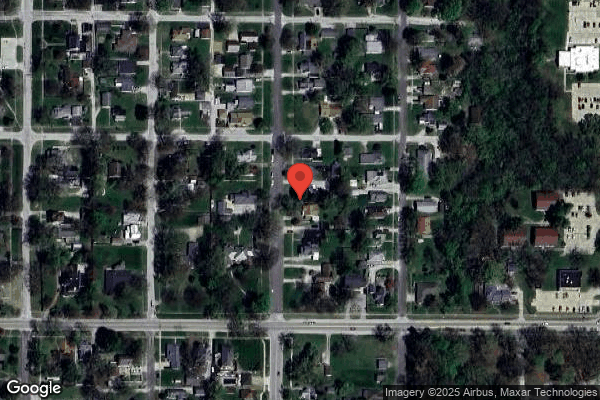
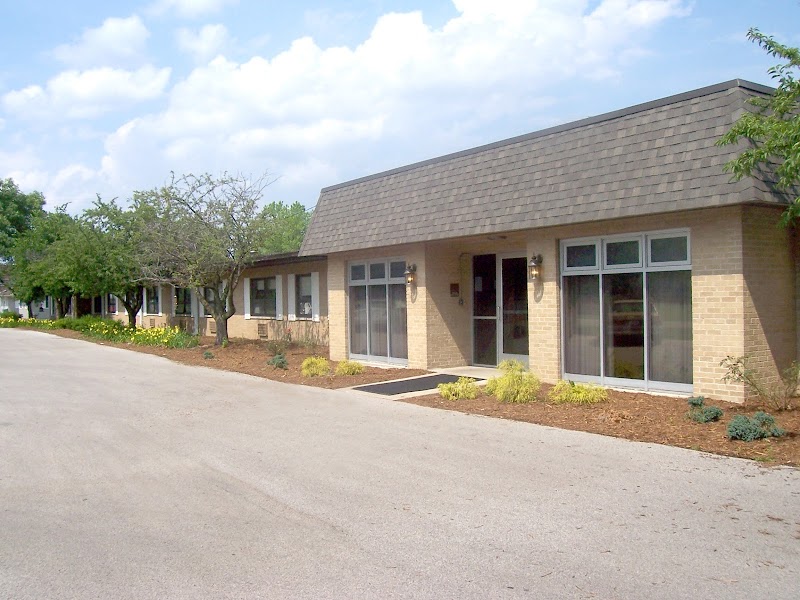
628 S ILLINOIS AVE, LITCHFIELD, IL 62056 (217) 324-2153
For profit - Limited Liability company 92 Beds SUMMIT HEALTHCARE CONSULTING Data: November 2025
Trust Grade
80/100
#162 of 665 in IL
Last Inspection: March 2025

Within standard 12-15 month inspection cycle. Federal law requires annual inspections.

Overview

Litchfield Health & Rehab Center has a Trust Grade of B+, which means it is above average and recommended for families considering care options. It ranks #162 out of 665 facilities in Illinois, placing it in the top half, and #2 out of 5 in Montgomery County, indicating only one better local option. However, the facility is experiencing a worsening trend, with issues increasing from 1 in 2024 to 6 in 2025. Staffing is a concern, receiving a low rating of 2 out of 5 stars, although the turnover rate of 22% is much better than the state average of 46%. Fortunately, there have been no fines, which is a positive sign, but there have been incidents, including a resident who fell and fractured a hip due to a lack of supervision during toileting, and concerns about insufficient RN coverage, which could affect all residents' care. Overall, while the facility has strengths, such as good quality measures and no fines, families should be aware of the staffing challenges and recent incidents that may impact resident safety.

Trust Score
B+
80/100
In Illinois
#162/665
Top 24%
Safety Record
Moderate
Needs review
Inspections
Getting Worse
1 → 6 violations
Staff Stability
✓ Good
22% annual turnover. Excellent stability, 26 points below Illinois's 48% average. Staff who stay learn residents' needs.
Penalties
✓ Good
No fines on record. Clean compliance history, better than most Illinois facilities.
Skilled Nurses
⚠ Watch
Each resident gets only 29 minutes of Registered Nurse (RN) attention daily — below average for Illinois. Fewer RN minutes means fewer trained eyes watching for problems.
Violations
○ Average
9 deficiencies on record. Average for a facility this size. Mostly minor or procedural issues.
★★★★☆
4.0
Overall Rating
★★☆☆☆
2.0
Staff Levels
★★★★☆
4.0
Care Quality
★★★★☆
4.0
Inspection Score
Stable
2024: 1 issues
2025: 6 issues

The Good

  • 4-Star Quality Measures · Strong clinical quality outcomes
  • Low Staff Turnover (22%) · Staff stability means consistent care
  • Full Sprinkler Coverage · Fire safety systems throughout facility
  • No fines on record
  • Staff turnover is low (22%)

    26 points below Illinois average of 48%

Facility shows strength in quality measures, staff retention, fire safety.

The Bad

Chain: SUMMIT HEALTHCARE CONSULTING

Part of a multi-facility chain

Ask about local staffing decisions and management

The Ugly 9 deficiencies on record

1 actual harm
Mar 2025 6 deficiencies
CONCERN (D)

Potential for Harm - no one hurt, but risky conditions existed

Deficiency F0583 (Tag F0583)

Could have caused harm · This affected 1 resident

**NOTE- TERMS IN BRACKETS HAVE BEEN EDITED TO PROTECT CONFIDENTIALITY** Based on observation, interview, and record review, the facility failed to provide privacy during wound care for 1 of 15 residen...

Read full inspector narrative →
**NOTE- TERMS IN BRACKETS HAVE BEEN EDITED TO PROTECT CONFIDENTIALITY** Based on observation, interview, and record review, the facility failed to provide privacy during wound care for 1 of 15 residents (R12) reviewed for privacy in a sample of 46. Findings include: R12's Face Sheet documented he was admitted to the facility on [DATE] with diagnoses including hemiplegia and hemiparesis following cerebral infarction, polyneuropathy and hypertensive heart and chronic kidney disease with heart failure. R12's Minimum Data Set (MDS) dated [DATE], documents R12 as moderately cognitively impaired. R12's Care Plan dated 3/4/25, documents R12 has a pressure ulcer to rear right flank and requires assist with turning and repositioning. On 3/19/25 at 10:20 AM, R12 was provided wound care by V21, Assistant Director of Nursing/Infection Preventionist, with V22, Registered Nurse (RN), V19 RN, and V31 Minimum Data Set (MDS) Coordinator all present. R12's pants and brief were pulled down while he was rolled on his right side to expose his wound while V21 provided wound care while his curtain and window shade were wide open. At 10:35 AM, V21 stated, I can't believe I forgot to close the curtain. On 3/20/25 at 12:05 PM, V17, Certified Nurse's Aide (CNA) stated during resident care she closes the curtains and window shades to provide the resident privacy. On 3/20/25 at 12:06 PM, V32 Licensed Practical Nurse (LPN) stated she absolutely closes the curtains and window shades during resident care to provide privacy. On 3/20/25 at 12:07 PM, V33, CNA stated she closes the closes the curtains and window shades during resident care to provide privacy. On 3/19/25 at 4:05 PM, V1, Administrator, stated she expects staff to close room curtains and window shades while the resident's body is exposed during care. The facility's Contract Between Resident and Facility; Attachment E: Statement of Resident Rights, undated, documented the resident has, the right to respect for bodily privacy and dignity at all times, especially during care and treatment.
CONCERN (D)

Potential for Harm - no one hurt, but risky conditions existed

Tube Feeding (Tag F0693)

Could have caused harm · This affected 1 resident

**NOTE- TERMS IN BRACKETS HAVE BEEN EDITED TO PROTECT CONFIDENTIALITY** Based on observation, interview and record review, the facility failed to check placement of a gastrostomy tube prior to adminis...

Read full inspector narrative →
**NOTE- TERMS IN BRACKETS HAVE BEEN EDITED TO PROTECT CONFIDENTIALITY** Based on observation, interview and record review, the facility failed to check placement of a gastrostomy tube prior to administering water flushes for 1 of 2 (R42) residents reviewed for enteral feeding tubes in a sample of 46. Findings include: R42's Physicians Orders, dated3/20/2025, documented diagnosis of Hemiplegia and Hemiparesis following unspecified Cerebrovascular disease affecting left dominant side and Dysphagia, Unspecified. On 03/17/2025 at 10:37 AM, A tube feeding was hanging, dated 3/17/25 but not infusing. It was not opened or spiked. R42's Physicians Order Sheet, dated 3/20/2025, documented, Enteral Feed every 6 hours Flush with 125 (milliliters). It continues, Enteral Feed every shift Enteral - Check Residuals before beginning OF feeding and before medication administration. If Greater than 100 cc, HOLD Feedings and Recheck in 1 HR. If not resolved, call (Medical Doctor). R42's Care Plan, dated 7/3/2024, documented, Check for tube placement and gastric contents/residual volume per facility protocol and record. The resident is dependent with tube feeding and water flushes. See MD orders for current feeding orders. On 03/18/2025 at 10:45 AM, V8, Licensed Practical Nurse, performed hand hygiene and donned gloves, obtained tap water in a graduated cylinder, opened a new syringe, filled it with 60ml of tap water, opened R42's gastrostomy feeding tube and pushed flushed R42 enteral feeding tube. She then filled the syringe with another 60ml and pushed flushed into R42's gastrostomy tube and then filled it with another 5 ml of tap water and pushed it into R42 gastrostomy tube. V8 did not check residual or placement of the gastrostomy tube prior to water flushes. R42's Minimum Data Set, dated [DATE], documented that her cognition was moderately impaired and that she had a feeding tube. On 03/19/2025 at 02:05 PM, V19, Registered Nurse, stated that she wouldn't check placement every time, but she would auscultate for placement of the feeding tube. V19 also stated that she was a new employee so it would depend upon the facilities policy. On 03/19/2025 at 02:09 PM, V8, Licensed Practical Nurse, stated that yes, she should have checked for placement before flushing R42. Facility's Policy, Enteral Tube Flushing, undated, documented, 5. Pause active feeding if applicable, clamp enteral tube. Remove the plug and cover end of tubing. 6. Verify placement of tube. 7. If anything suggests improper tube positioning, do not administer water flush, feeding or medication. Notify the physician. 8. When correct tube placement has been verified, flush tubing with at least 30ml water (or prescribed amount).
CONCERN (E)

Potential for Harm - no one hurt, but risky conditions existed

Accident Prevention (Tag F0689)

Could have caused harm · This affected multiple residents

**NOTE- TERMS IN BRACKETS HAVE BEEN EDITED TO PROTECT CONFIDENTIALITY** 3. R36's Physicians orders, dated 3/20/2025, documented diagnoses of Rheumatoid Arthritis with Rheumatoid factor of right hand w...

Read full inspector narrative →
**NOTE- TERMS IN BRACKETS HAVE BEEN EDITED TO PROTECT CONFIDENTIALITY** 3. R36's Physicians orders, dated 3/20/2025, documented diagnoses of Rheumatoid Arthritis with Rheumatoid factor of right hand without organ or systems involvement, Alzheimer's disease, unspecified, and age-related osteoporosis without current pathological fracture. R36's Care Plan, dated 12/2/2024, documented, Transfer: Full mechanical lift for all transfers. R36's MDS, dated [DATE], documented, that her cognition was severely impaired and that she was dependent upon staff for chair/bed to chair transfers. On 3/17/2025 at 12:15 PM, R36 was lying in bed and there was a full mechanical lift pad underneath R36 prior to being transferred. V6, CNA, hooked up the pad to the lift. V5, CNA, operated the mechanical lift, V5 lifted R36 up, over her bed, but V6 did not check the lift pad straps prior to V5 moving R36 from bed to wheelchair. 4. On 03/18/25 at 04:00 PM, R31 was lying in bed. The full mechanical lift pad was underneath R31, and it was hooked up to the full mechanical lift, V7, Licensed Practical Nurse and V11, CNA entered the room. No staff member checked to see if the full mechanical lift pad straps were secured to the full mechanical lift prior to moving resident away from the bed, V11 operated the full mechanical lift, and V7 held the wheelchair. No one was supporting and guiding the resident during the transfer, and R31 was swaying back and forth during the full mechanical lift transfer. Care Plan dated 3/10/2025 documented, Transfer: Full mechanical lift with assist x 2 for transfers. MDS dated [DATE] documented, that his cognition was moderately impaired, frequently incontinent of bowel and bladder. and required substantial to maximum assist for chair/bed to chair transfers. It also documented that he uses a wheelchair. R31's Physicians order sheet, dated 3/20/2025, documented diagnoses of Unspecified Sequelae of Cerebral Infarction and Dementia in other disease classified elsewhere unspecified severity, without behavioral disturbance, psychotic disturbance, mood disturbance and anxiety. On 03/19/2025 at 01:05 PM, V6, Certified Nurse Assistant (CNA), stated that she checks the straps of the full mechanical lift pad before moving the resident away from the bed or the chair. She also stated that 1 person drives the full mechanical lift and the other person guides and supports the resident. On 03/19/2025 at 01:10 PM, V13, CNA, stated that she checks the straps of the full mechanical lift pad before moving the resident away from the bed or the chair. She also stated that 1 person drives the full mechanical lift and the other person guides and supports the resident. On 03/19/2025 at 01:10 PM, V14, CNA, stated that she checks the straps of the full mechanical lift pad before moving the resident away from the bed or the chair. She also stated that 1 person drives the full mechanical lift and the other person guides and supports the resident. On 03/19/2025 at 01:15 PM, V9, CNA, stated that she checks the straps of the full mechanical lift pad before moving the resident away from the bed or the chair. She also stated that 1 person drives the full mechanical lift and the other person guides and supports the resident. On 03/19/2025 at 02:05 PM, V19, Registered Nurse, stated that 1 person operates the full mechanical lift and the other person guides and supports the resident. On 03/19/2025 at 02:09 PM, V8, Licensed Practical Nurse, stated that 1 person operates the full mechanical lift and the other person guides and supports the resident. The facility's policy, Using a Mechanical Level II, dated 11/01/2023, documented, 1. At least two (2) nursing assistants are needed to safely move a resident with a full mechanical lift. It continues, E. Check the stability of the straps. It continues, 13. Lift the resident 2 inches from the surface to check the stability of the attachments, the fit of the sling and the weight distribution. It continues, 16. Gently support the resident as he or she is moved, but do not support any weight. The facility's policy, Transfer Policy, dated 7/01/2023, documented, 5. When using a gait belt, apply the belt around the resident's waist over clothing. Never apply gait belt over bare skin. Based on observation, interview, and record review the facility failed to perform proper and safe transfers for 4 of 5 residents (R1, R31, R36, R46) reviewed for supervision to prevent accidents in the sample of 46. Findings include: 1. R46's Care Plan, dated 4/30/2024, documents that (R46) has a self-Care Deficit As Evidenced by: Needs assistance with ADLs (activity of daily living) and Transfer: One-person physical assistance required with wheeled walker. R46's Minimum Data Set (MDS), dated [DATE], documents that R46 is moderately cognitively impaired and requires supervision/touching assistance with transfers. On 3/17/2024 at 10:24 AM, V18, Certified Nurse's Aide, CNA, transfer R46. R46 was sitting on toilet andV18 was standing bathroom door. R46 then stood up from toilet. V18 grabbed a hold of R46's arm and guided R46 to the wheelchair. V18 encouraged R46 to wash her hands. R46 agreed and rolled towards the sink. V18 grabbed R46 under her left arm assisted R46 into a standing position from the unlocked wheelchair. V18 holding onto R46s arm assisted R46 into her unlocked wheelchair allowing the wheelchair to roll back away from the sink. On 3/20/2025 at 11:29 AM V18 stated R46 had taken herself to the restroom. V18 stated that she responded to R46 transferring and did not have the gait belt. V18 stated that she should have applied the gait belt when transferring R46. V18 stated that she left the gait belt on a different resident. On 3/20/2025 at 11:17 AM V5, CNA, stated that if she responds to a resident that requires assist with transfers, she uses a gait belt. When asked if she does not have one, V5 stated V5 pulls call light in bathroom and she calls for one On 3/20/2025 at 11:21 AM V34, CNA, stated when transferring a resident that requires assist a gait belt is used. V34 stated that if they enter a room and the resident has transferred themselves and she doesn't have one (gait belt) she calls to get one. 2. R1's undated face sheet documented that she was admitted to the facility on [DATE] with diagnoses of dementia, chronic obstructive pulmonary disease, chronic kidney disease, and hypertension. R1's MDS dated [DATE] documented she has severe cognitive impairment. She has no upper or lower extremity impairment but requires the use of a wheelchair for mobility. She is always incontinent of stool and frequently incontinent of bladder. R1's Care Plan dated 2/12/25 documented she has a low air mattress on bed with ¼ rails for safety with mattress and is at risk for falls and injuries with a goal to decrease fall risk. The interventions include assessing toileting needs, bed in lowest position always, full mechanical lift for all transfers, mat at bedside when in bed and pressure alarm under the mattress. On 03/18/25 at 2:09 PM R1 transferred to R1's bed from the reclining high back wheelchair via mechanical lift by V23, certified nursing assistant (CNA) and V9 CNA. V23 and V9 did not check the straps of the mechanical lift sling when attached to the sling to check the stability of attachments. No gentle support was provided during transfer.
CONCERN (E)

Potential for Harm - no one hurt, but risky conditions existed

Incontinence Care (Tag F0690)

Could have caused harm · This affected multiple residents

**NOTE- TERMS IN BRACKETS HAVE BEEN EDITED TO PROTECT CONFIDENTIALITY** 3. R27's Care Plan, dated 3/25/2024, documents that R27 has a self-Care Deficit As Evidenced by: Needs assistance with ADLs (Act...

Read full inspector narrative →
**NOTE- TERMS IN BRACKETS HAVE BEEN EDITED TO PROTECT CONFIDENTIALITY** 3. R27's Care Plan, dated 3/25/2024, documents that R27 has a self-Care Deficit As Evidenced by: Needs assistance with ADLs (Activity of Daily Living). It also documents Toileting needs - One-to-two-person physical assist required. R27's MDS, dated [DATE], documents that R27 is cognitively impaired and dependent on staff for toileting. On 3/18/2025 at 9:40 AM R27 was sitting in shower chair with gown on. There was wheelchair with a clean incontinent brief observed open on wheelchair. R27 was transferred into wheelchair on, top of the incontinent brief, using mechanical lift. R27 was then transported to her room and transferred into bed using mechanical lift. Upon lifting R27 into bed observed a moderate amount of black stool was observed on the incontinent brief. R27 was then laid on her right side revealing a moderate amount of black stool to buttocks. V12, CNA, using the wet wipes cleansed, V12 wiped R27's left buttock and partial right buttock. V12 then applied the incontinent brief. V12 did not cleanse the peri area, groin, labia, and entire right buttock. 4. R49's Care Plan, dated 12/20/2024, documents that (R49) has a self-care deficit as evidenced by need for assistance with ADL's. It continues Toilet Use - One-person physical assist required. R49's MDS, dated [DATE], documents that R49 is cognitively intact and dependent on staff for toileting. On 3/18/2025 at 10:10 AM V12, CNA, provide incontinent care to R49. R49 was incontinent of urine. R49 stated that she was wet and had urinated on the sheet in the wheelchair. V12 removed the urine-soaked sheet and placed in container. V12 was transferred to the bed using a mechanical lift. Upon rising from wheelchair resident stated that she was urinating at that time. Once in bed V12, using a wet washcloth cleansed both side of the groin. V12 then applied the clean incontinent brief. V12 did not cleanse the inner thighs or buttocks. On 3/20/205 at 11:13 AM V20, CNA, stated that when cleansing an incontinent resident, they clean the resident's peri area and buttocks. V20 stated that when incontinent both areas area cleansed. On 3/20/2025 at 11:29 AM V18, CNA, stated that she when cleansing a resident that is incontinent of urine, she cleanses both the front and back of the resident because of gravity and the urine goes backwards. V18 stated that she cleanses both the buttocks and the front when the resident is incontinent of stool. Cleanses the legs as well. On 3/20/2025 at 11:17 AM V5, CNA, stated that she cleanses the peri area, inner thighs and buttocks when performing peri care for a resident incontinent of bowel and bladder. On 3/20/2025 at 11:21 AM V34, CNA, stated that when performing incontinent care for a resident incontinent of bowel or bladder the front peri area and back buttocks are cleansed. The facility's Peri Care policy, not dated, documents that Purpose The purposes of this procedure are to provide cleanliness and comfort to the resident, to prevent infections and skin irritation, and to observe the resident's skin condition. Equipment and Supplies: 4. Cleanser (or other authorized cleansing agent) Steps in the Procedure Place the equipment on the bedside stand. Arrange the supplies so they can be easily reached. Perform hand hygiene. Fill the wash basin one-half (1/2) full of warm water. Place the wash basin on the bedside stand within easy reach. Fold the bedspread or blanket toward the foot the bed. Fold the sheet down to the lower part of the body. Cover the upper torso with a sheet. Raise the gown or lower the pajamas. Avoid unnecessary exposure of the resident's body. Put on gloves. Ask the resident to bend his or her knees and put his or her feet flat on the mattress. Assist as necessary. For a female resident: Wet washcloth and apply soap or skin cleansing agent. Wash perineal area, wiping from front to back. Separate labia and wash area downward from front to back. (Note: if the resident has an indwelling catheter, gently wash the juncture of the tubing from the urethra down the catheter about 3 inches. Gently rinse and dry the area.) Continue to wash the perineum moving from inside outward to the thighs. Rinse perineum thoroughly in same direction, using fresh water and a clean washcloth. If the resident has an indwelling catheter, hold the tubing to one side and support the tubing against the leg to avoid traction or unnecessary movement of the catheter. Gently dry perineum. Ask the resident to turn on her side with her top leg slightly bent, if able. Rinse wash cloth and apply soap or skin cleansing agent. Wash the rectal area thoroughly, wiping from the base of the labia towards and extending over the buttocks. Rinse and dry thoroughly. Based on observation, interview, and record review the facility failed to perform complete incontinence care with an authorized cleansing agent for 4 of 6 residents, (R58, R27, R49, R12) reviewed for Bowel/Bladder Incontinence/ Catheter Care in a sample of 46. Findings include: 1.R58's face sheet documented she was admitted to the facility on [DATE] with diagnosis of, in part, facture of the sacrum, acute respiratory failure with hypoxia and moderate protein-calorie malnutrition. R58's Minimum Data Set (MDS) dated [DATE], documented she was severely cognitively impaired and dependent on the assistance for toileting hygiene. R58's Care Plan dated 2/17/25, documented she required assistance with ADLs (activities of daily living) with interventions of, in part, for staff to provide personal hygiene (one-person physical assist required). On 3/18/25 at 12:35 PM, R58 stated she needed to be cleaned up as she pointed to her groin region. At 12:44 PM V9, certified nursing assistant (CNA) and V10 CNA provided incontinent care to R58. V10 took a wet washcloth with a cleansing agent on it then wiped R58's left groin, took the same section with the same cloth and wiped her right groin, then proceeded to use the same washcloth and section to wipe her midline vaginal area. V9 then handed V10 a new wet washcloth with just water and V10 used it to rinse R58's groin regions and midline vaginal crease and did not dry off the area. V10 then washed R58's buttock region while she was rolled onto her left side and rinsed it without drying it off. 2.R12's face sheet documented he was admitted to the facility on [DATE] with diagnosis of, in part, hemiplegia and hemiparesis following cerebral infarction, polyneuropathy and hypertensive heart and chronic kidney disease with heart failure. R12's MDS dated [DATE], documented he was moderately cognitively impaired and is dependent on assistance with toileting hygiene. R12's Care Plan dated 3/4/25, documented he has a self-care deficit as evidenced by needing assistance with ADLs such as personal hygiene (one-person physical assist required) and he is at high risk for urinary tract infection due to indwelling catheter care and on enhanced barrier precautions as long as catheter is in place. On 3/19/25 at 10:35 AM, V21, Assistant Director/infection preventionist (ADON/IP), provided peri and indwelling catheter care to R12 with the assistance of V10 CNA, while V22, Registered Nurse (RN), V19 RN, and V31 MDS coordinator provided help as needed. V21 used washcloths in warm water with antibacterial hand soap pumped directly from the bottle onto the cloth by V10 for R12's peri and indwelling catheter care. V21 stated we typically use this hand soap for peri-care. The bottle of hand soap used for R12's incontinence care had warnings on the label stating, for external use only: hands only with directions stating, wet hands, apply palmful to hands, scrub thoroughly, rinse thoroughly. On 3/20/25 at 11:24 AM, V17, CNA stated she uses the total body skin and hair cleanser with vitamin E moisturizing lotion while performing incontinence care and has never used anything else. On 3/20/25 at 11:32 AM, V18, CNA stated she uses the total body skin and hair cleanser with vitamin E moisturizing lotion while performing incontinence care. On 3/20/25 at 11:50 AM, V5, CNA stated she uses the total body skin and hair cleanser with vitamin E moisturizing lotion while performing incontinence care. On 3/19/25 at 4:05 PM, V1, Administrator, stated she approved the hand soap to be used for incontinence care despite the bottle warning stating for hands only. V1 stated she expects staff to be folding the washcloths using a different section of it for each wipe and to be drying of the skin after rinsing during incontinence care.
CONCERN (E)

Potential for Harm - no one hurt, but risky conditions existed

Infection Control (Tag F0880)

Could have caused harm · This affected multiple residents

**NOTE- TERMS IN BRACKETS HAVE BEEN EDITED TO PROTECT CONFIDENTIALITY** 4. On 3/18/2025 at 12:58 PM, V5, CNA, pushed the hall meal cart down to R17's room. V5 took R17's lunch tray into him, she donne...

Read full inspector narrative →
**NOTE- TERMS IN BRACKETS HAVE BEEN EDITED TO PROTECT CONFIDENTIALITY** 4. On 3/18/2025 at 12:58 PM, V5, CNA, pushed the hall meal cart down to R17's room. V5 took R17's lunch tray into him, she donned gloves without performing hand hygiene, rolled R17's head up and set R17's meal tray up, buttered R17's bread and removed the foil off his baked potato. She then doffed her gloves and performed hand hygiene. V5 the pushed the hall cart across from R15's room. V5 then took R2's, tray to her room and handed it to the staff member in there. V5 then returned to the food cart, and at 1:02 pm took R15's lunch tray into her. V5, donned gloves without performing hand hygiene, rolled R15's head of her bed up, and raised R15's bed to place overbed table in place. She then removed R15's baked potato out of the foil and cut it up and added butter. She then removed R15's bread out of the bag, opened the small container of butter and buttered her bread. She then exited R15's room and used ABHR (alcohol based hand rub) for hand hygiene. On 03/19/2025 at 01:05 PM, V6, Certified Nurse Assistant (CNA), stated that she will wash her hands prior to putting on gloves and after she takes them off. On 03/19/2025 at 01:10 PM, V13, CNA, stated that she washes her hands or uses alcohol-based hand rub, before putting on gloves and after taking them off. On 03/19/2025 at 01:10 PM, V14, CNA stated that she washes her hands or uses alcohol-based hand rub, before putting on gloves and after taking them off. On 03/19/2025 at 01:15 PM, V9, CNA stated that she does wash her hands before putting gloves on and after she takes it off. The Facility's policy, Quick Resource Tool: Serving Specific Glove Usage, dated 09/01/2024, documented, 3. If resident needs assistance with food that would require staff to directly touch food items, gloves need to be worn. It continues, 5. Staff must wash their hands prior to putting gloves on and sanitize hands after removing gloves. The Facility's policy and procedure, Handwashing/Hand Hygiene, undated, documented, This facility considers hand hygiene the primary means to prevent the spread of infections. It continues, 2. All personnel shall follow the handwashing/hand hygiene procedures to help prevent the spread of infections to other personnel, residents, and visitors. It continues, 7. Use an alcohol-based hand rub containing at least 62% alcohol; or, alternatively, soap (antimicrobial or non- antimicrobial) and water for the following situations. It continues, B. Before and after direct contact with residents. It continues, D. Before performing any non-surgical invasive procedures. It continues, H. Before moving from a contaminated body site to a clean body site during resident care. It continues, J. After handling used dressings, contaminated equipment. It continues, L. After removing gloves. M. Before and after entering isolation precaution settings; N. Before and after eating or handling food. It continues, P. After personal use of the toilet or conducting your personal hygiene. 8. Hand hygiene is the final step after removing and disposing of personal protective equipment. The use of gloves does not replace hand washing/hand hygiene. Integration of glove use along with routine hand hygiene is recognized as the best practice for preventing healthcare-associated infections. It continues, Applying and Removing Gloves. 1. Perform hand hygiene before applying non-sterile gloves. 2. When applying, remove one glove from the dispensing box at a time, touching on the top of the cuff. Based on observation, interview, and record review, the facility failed perform proper hand hygiene and glove changes when performing incontinence care and providing meal service. The facility also failed to don personal protective equipment appropriately when providing care for a resident on enhanced barrier precautions for 5 of 7 residents ( R12, R15, R17, R27, R49) reviewed for infection control in a sample of 46. Findings include: 1. R27's admission Record, not dated, documents that following diagnoses: Frontal Lobe and Executive Function Deficit Following Cerebral Infarction, Heart Failure, Unspecified, Cardiovascular and Coagulations, Unspecified Dementia, Unspecified Severity, Without Behavioral Disturbance, Psychotic Disturbance, Mood Disturbance, and Anxiety, Overactive Bladder. R27's Care Plan, dated 3/25/2024, documents that (R27) has a self-Care Deficit As Evidenced by: Needs assistance with ADLs (Activity of Daily Living). It also documents Toileting needs - One-to-two-person physical assist required. R27's Minimum Data Set (MDS), dated [DATE], documents that R27 is cognitively impaired and dependent on staff for toileting. On 3/18/2025 at 9:40 AM V12, Certified Nursing Aide, CNA, perform incontinence care for R27. R27 was incontinent of stool. V12 performed hand hygiene and applied gloves. R27 was transferred to the bed. When lifting R27 from the wheelchair revealed a stool soiled incontinent brief. V12 then removed the incontinent brief, rolled it, and discarded it. V12 then assisted R27 with rolling on side revealing a moderate amount of dark stool on R27's rectum. V12 then cleaned R27's buttocks. With the same soiled gloves V12 then open closet door and obtained incontinent brief. With the same soiled gloves V12 then applied incontinent brief and manipulated R27's covers. 2. R49's Care Plan, dated 12/20/2024, documents that (R49) has a self-care deficit as evidenced by need for assistance with ADL's. It continues Toilet Use - One-person physical assist required. R49's MDS, dated [DATE], documents that R49 is cognitively intact and dependent on staff for toileting. On 3/18/2025 at 10:10 AM observed V12, CNA, perform incontinent care. R49 was incontinent of urine. V12 performed hand hygiene and applied gloves. R49 stated that she was wet and had urinated on the sheet in the wheelchair. V12 removed the urine-soaked sheet and placed in container. V12 then using the same soiled gloves assisted R49 into the bed, touching the lift, sling, and bed. Upon rising from the wheelchair resident stated that she was urinating at that time and V12 removed the urine soiled incontinent brief and placed in the trash. V12 then obtained a new brief from the closet. V12, using a wet washcloth cleansed both side of the groin. Using the same urine soiled gloves, V12 then applied the clean incontinent brief and touching the clean linen and R49 clothing. On 3/20/2025 at 11:13 AM V20, CNA, stated when entering a room with a resident on enhanced barrier the Personal Protective Equipment (PPE) is applied. The gown is applied, and the straps are secured. When asked how she makes sure the gown does not fall during care. V20 stated that she ties the straps. V20 stated that hand hygiene and glove change are performed during care. V20 stated that the gloves are removed, hand hygiene performed and then items in room can be touched. On 3/20/2025 at 11:29 AM V18, CNA, stated that when entering a room with enhanced barrier she applies PPE. The gown is applied and secured. V18 stated that she ties the strap in the back of the gown to assure that the gown stays secure. On 3/20/2025 at 11:17 AM V5, CNA, stated that hand hygiene is performed and residents clothing, briefs are not to be touched by the soiled gloves. V5 stated that the gloves would be removed, wash hands then touch other items. V5 stated that she applied PPE when entering rooms of enhanced barriers posted. V5 stated that she applies the PPE and ties the ties on the back to assure that the gown remains secure during care. On 3/20/2025 at 11:21 AM V34, CNA, stated that hand hygiene is performed during this process (incontinence care) with glove changes. V34 stated that hands are cleaned before touching items in room. V34 stated that she applies PPE when entering enhanced barrier. V34 stated that the Gown is applied, and the straps are secured. When asked how are they secured? V34 stated that they are tied to make sure the gown doesn't fall. 3.R12's face sheet documented he was admitted to the facility on [DATE] with diagnoses including hemiplegia and hemiparesis following cerebral infarction, polyneuropathy and hypertensive heart and chronic kidney disease with heart failure. R12's MDS dated [DATE], documented he was moderately cognitively impaired and is dependent on assistance with toileting hygiene. R12's Care Plan dated 3/4/25, documented he has a self-care deficit as evidenced by needing assistance with ADLs such as personal hygiene (one-person physical assist required) and he is at high risk for urinary tract infection due to indwelling catheter care and on enhanced barrier precautions as long as catheter is in place. On 3/19/25 at 10:35 AM, V21, Infection Preventionist, closed the window curtain then provided peri and indwelling catheter care to R12 with the assistance of V10, Certified Nursing Assistance (CNA), while V22, Registered Nurse (RN), V19, RN and V31 MDS Coordinator, provided as needed help. R12 is on Enhanced Barrier Precautions requiring staff to don gowns and gloves while providing resident care. V10 did not tie her gown completely and had to readjust her gown after it kept sliding off during care.
CONCERN (F)

Potential for Harm - no one hurt, but risky conditions existed

Deficiency F0727 (Tag F0727)

Could have caused harm · This affected most or all residents

Based on record review and interview, the facility failed to ensure a Registered Nurse (RN) was scheduled in the facility for at least 8 consecutive hours a day, 7 days a week. This has the potential ...

Read full inspector narrative →
Based on record review and interview, the facility failed to ensure a Registered Nurse (RN) was scheduled in the facility for at least 8 consecutive hours a day, 7 days a week. This has the potential to affect all 61 residents who reside in the facility. Findings include: On 3/20/25 at 10:40 AM, V21, Assistant Director/Infection Preventionist (ADON/IP) stated she was not aware of any registered nurse (RN) staffing issues. She stated that we have RNs who works days and RNs who work nights, so she is not aware that has ever happened. On 3/20/25 at 10:45 AM, V5, Certified Nursing Assistant (CNA) stated that she is not aware that an RN has ever not been present for an eight-hour period out of twenty-four hours. On 3/20/25 at 10:50 AM, V2, Director of Nursing (DON) stated that if she was aware that an RN was not available for an eight-hour period she would call an RN in. V2 added that she is on call 24/7 and would come in or V21 would come in. If a resident needed care that only an RN could provide and one was not available, she herself would come in. On 3/17/25 at 9:04 AM, V1, Administrator, provided copies of nursing staff schedules for dates January 1 to March 19, 2025. On 1/12/25, 1/25/25, 1/26/25, 2/8/25, 2/9/25, 2/17/25, 2/18/25, 2/21/25, 2/26/25, 3/4/25, 3/7/25, 3/8/25, 3/11/25, 3/17/25 and 3/18/25 there was no RN coverage for 8 consecutive hours in a 24-hour period. On 3/20/25 at 10:55 AM, V1 stated they have no specific RN policy. V1 stated they follow the guidelines and refer to the staffing policy. The facility's Long-term Care facility Application for Medicare and Medicaid, dated 3/17/25, documents there are 61 residents residing in the facility.
Apr 2024 1 deficiency
CONCERN (D) 📢 Someone Reported This

A family member, employee, or ombudsman was alarmed enough to file a formal complaint

Potential for Harm - no one hurt, but risky conditions existed

Deficiency F0776 (Tag F0776)

Could have caused harm · This affected 1 resident

**NOTE- TERMS IN BRACKETS HAVE BEEN EDITED TO PROTECT CONFIDENTIALITY** Based on interview and record review, the facility failed to obtain a timely x-ray for 1 of 4 residents (R3) reviewed for diagno...

Read full inspector narrative →
**NOTE- TERMS IN BRACKETS HAVE BEEN EDITED TO PROTECT CONFIDENTIALITY** Based on interview and record review, the facility failed to obtain a timely x-ray for 1 of 4 residents (R3) reviewed for diagnostic services in the sample of 4. Findings include: R3's Minimum Data Set, MDS, dated [DATE] documents R3 has a BIMS (Brief Interview for Mental Status) of 10, which is moderate cognitive impairment. R3's Progress Note, dated 4/8/24 at 7:30 AM, documents the following: Writer called to resident room, noted right knee deformity and resident complained of inability to move leg. No redness or swelling noted. Resident denies bumping or twisting leg at any time. CNA (Certified Nursing Assistant) reports resident ambulated to bathroom approximately 5 AM with gait belt and 1 assist with walker. No difficulty noted by caregiver or complaints of pain voiced by resident. Spoke with son who stated resident has had both knees replaced in the past. Further stated, 'she doesn't even move around that much.' Informed son we would be requesting X-ray and would update when results received. R3's Progress Note, dated 4/8/24 at 8:30 AM, documents MD (medical doctor) notified of resident c/o (complaining of) right knee pain with deformity noted. New order received for x-ray of right knee stat. POA (Power of Attorney) aware. R3's Progress Note, dated 4/8/24 at 8:44 AM, documents Upon current assessment, resident resting in bed with eyes closed. Noted discoloration evolving to right lower thigh above knee. Awaiting x-ray at this time. Resident in no apparent distress. R3's Progress Note, dated 4/8/24 at 7:45 PM, documents the following: x-Ray company in facility at this time to complete x-ray to right knee. R3's Progress Note, dated 4/8/24 at 8:08 PM, documents the following: On call physician returned call to facility at this time. He was updated on resident increased pain. New order received to send resident to emergency room for evaluation. R3's Progress Note, dated 4/9/224 01:08 AM, documents the following: Resident admitted to hospital. R3's x-ray Report with a date of service 4/8/24, no time, documents the following: right knee x-ray, impression - knee arthroplasty, proximal to which is an acute fracture. R3's Hospital Records, SNF (Skilled Nursing Report) dated, 4/9/24 documents R3 was admitted with a right femur fracture. R3's POS (Physician Order Sheet, documents an order dated 4/8/24 at 8:30 AM, for a portable x-ray of the right knee due to pain and deformity. Portable due to resident limited mobility. On 4/11/24 at 9:08 AM, V3, LPN (Licensed Practical Nurse), stated when she came into work on 4/8/24, R3 was waiting for an x-ray. V3 stated she received the results, which showed a fracture, she notified the on-call physician and V14, R3's Son and then sent R3 to the local hospital for further evaluation. On 4/11/24 at 12:51 PM, V14, R3's Son, stated he was notified by the facility sometime early in the day that R3 was complaining of pain in her knee, and they were ordering an x-ray. V14 stated he came to the facility around 5:00 PM and stayed until around 7:30 PM and no one came to do the x-ray. V14 stated he asked the staff what was going on and he was told they (x-ray company) would be at the facility in about an hour. V14 stated he stayed until 7:30 PM and they hadn't shown up. V14 stated around 45 minutes after he left the facility, he received a call stating that R3 had a fracture, and they were sending her to the local emergency. On 4/11/24 at 1:35 PM, V15, Registered Nurse (RN)/ Assistant Director of Nurses (ADON), stated she had requested an x-ray for R3, and it was ordered just as a regular x-ray, the doctor didn't say stat or routine. V15 stated it was quite a while, close to 12 hours before the x-ray was completed. On 4/11/24 at 1:35 PM, V2, Director of Nurses, DON, stated V15 had come and gotten her, and they went and assessed R3's leg. V2 stated there was a deformity and the physician was notified for an x-ray. V2 stated the order was placed at 8:30 AM and wasn't obtained until around 7:30 PM that night, around 11 hours later. The Mobile Imaging Services Agreement, dated 11/8/19, documents the following: provider shall provide the following services to facility's patients: Provider, an independent contractor using their equipment and qualified staff, will provide portable diagnostic x-ray and doppler, ultrasound and EKG (electrocardiogram) services where available that have been ordered by a qualified MD (Medical Doctor), DO (Doctor of Osteopathy) or NPP Non-Physician Provider). Provider will respond within a reasonable time frame to requests for services, usually within a few hours. A duly licensed radiologist radiologic exams and cardiologist will interpret cardiology exams. Provider will notify facility by phone of positive exam findings as soon as possible and will provide a full written report to facility within twenty-four hours of the exam. Images and reports are also available on-line for review 24/7.
Jul 2023 1 deficiency 1 Harm
SERIOUS (G) 📢 Someone Reported This

A family member, employee, or ombudsman was alarmed enough to file a formal complaint

Actual Harm - a resident was hurt due to facility failures

Accident Prevention (Tag F0689)

A resident was harmed · This affected 1 resident

**NOTE- TERMS IN BRACKETS HAVE BEEN EDITED TO PROTECT CONFIDENTIALITY** Based on interview, and record review, the facility failed to provide supervision during toileting to prevent falls for 1 of 4 r...

Read full inspector narrative →
**NOTE- TERMS IN BRACKETS HAVE BEEN EDITED TO PROTECT CONFIDENTIALITY** Based on interview, and record review, the facility failed to provide supervision during toileting to prevent falls for 1 of 4 residents (R2) reviewed for supervision. This failure resulted in R2 falling and sustaining a hip fracture. Findings include: R2's admission Record, print date of 7/12/23 documented R2 has diagnoses of weakness, muscle weakness, and unspecified dementia. R2's Care Plan, dated 2/3/23 initiated, documented R2 had a self-care performance deficit due to weakness, history of falls and dementia and needs mostly limited assistance with all care needs. The Care Plan documented *Restorative* will continue safe transfers with assist will minimize risk factors for falls thru next review. Care Plan Interventions documented Assist of one with wheeled walker, ambulate to/from all destination and wheelchair to follow outside of room distance as tolerated. R2's Fall Risk Assessment, dated 2/8/23, 4/19/23 and 6/26/23 documented R2 as a moderate risk for falls. R2's, Physical Therapy discharge summary for date of service: 2/3/23-4/21/23, documents, Patient will increase static standing balance was Fair+ spontaneously righting self when needed in order to decrease LOB (level of balance) during functional mobility. The Summary documented Standing prior to onset was Fair+. A baseline dated 2/3/23, documented fair (requires minimum assistance or upper extremity support to stand without loss of balance. R2's Final Discharge Therapy Note, dated 4/21/23, documented Fair (stands unsupported without upper extremity support or loss of balance for 1-2 minutes, referred recommendation to RNP, (Restorative Nursing Program). R2's Restorative Program Evaluation, dated 6/27/23, documents, is safe with assistance and walker, sometimes unable to ambulate due to knee pain. R2's Minimum Data Set, MDS, dated [DATE], documented R2 had Brief Interview of Mental Status (BIMS) score of 12, indicating R2 had moderately impaired cognition. R2's MDS documents R2 required limited (resident highly involved in activity; staff provided guided maneuvering of limbs or other non-weight-bearing assistance) of one staff person physical assistance for transfers and toileting. R2's MDS documents R2 is not steady, only able to stabilize with staff assistance when moving on and off the toilet and walking. R2's MDS documents R2 was frequently incontinent of bowel and bladder. R2's Nurse's Note, dated 7/8/23 at 7:18AM, documented, Writer called residents room and observed (R2) lying on the bathroom floor on his left side with his head resting against door frame. The commode riser twisted on toilet, water on floor around toilet when asked (R2), what happened, (R2) states, 'I was trying to get up off the toilet so I could get ready for the day and fell.' R2's, Facility Reported Occurrence Report, documented on 7/8/23 at 7:18 AM, R2 was found on floor in bathroom. The Report documented R2 had attempted to transfer self from toilet, did not use call light for assistance. The Report documented areas of injury, scalp, hematoma to head and left hip pain during range of motion assessment. The Report documented there was a wet floor, and alarm not activated at time off fall along with Care Plan interventions to be completed upon resident return to facility after assessment of current status completed. R2's entitled, Fall Details Report, dated 7/8/23 at 7:18 AM, documented visually observed on floor by V6, Certified Nurse's Aide (CNA), call light off, care prior to fall was 7/8/23 at 6:15AM, last documentation. Residents state of motion at time of fall was transferring with no staff assistance. R2's Hospital Imaging Services report, dated 7/8/23 at 8:36 AM, documented R2's final result report study of anterior (front) and posterior (back) of left hip with two radiology views taken, Exam is positive for mildly displaced left intertrochanteric fracture. On 7/12/23 at 2:30 PM, V2, Director of Nursing, DON, stated it was reported that a fluid substance was found on the floor around the toilet base at the time of R2's fall; however, when V2 went to address R2's incident, there were towels wrapped around the toilet basin. V2 stated that R2 is a one nursing assist with walker to the bathroom. V2 stated V5, CNA from night shift, had gotten R2 up and transferred him to the toilet at 5:45 AM and at 6:00 AM, V5 went to re-check on R2, where he continued to remain on the toilet and that R2 had stated he was not ready to get off the toilet. V2 stated that V5 left her work shift at 6:00 AM and gave report to the on-coming CNA, V6, that R2 remained on the toilet. V2 stated that at 6:15 AM, V6 went to check on R2 and R2 stated I still need more time. V2 stated V6 continued to care for her residents as she was assigned too. V2 stated I returned to check on R2 at 7:15AM and found him on the bathroom floor lying on his left side. V2 stated prior to this incident, R2 had complained of left knee pain and was recently ordered for a cortisone (steroid) injection) to his left knee. V2 stated R2 has always used his call light, but R2's call light was not activated on 7/8/23 when R2 fell. On 7/17/23 at 9:02 AM, V2 stated that V3, Licensed Practical Nurse (LPN) went to R2's room around 6:27 AM on 7/8/23 to get R2's oxygen saturation and R2 was still on the toilet. V2 stated V3 had observed towels around the toilet basin and based on V6 fall incident interview that a liquid was observed around the toilet basin V2 stated she notified maintenance. V2 stated maintenance observed no water coming out around the toilet basin, but V2 stated the maintenance man stated, if a person is to sit too far back on the toilet seat it can cause the toilet base to separate from the toilet tank and could cause water to come out around either the tank, the maintenance man found no evidence the toilet seals were broken to cause a leak but ordered for a new toilet parts replacement anyway. V2 continues to state, she feels the facility did no wrong for R2's fall incident, he is known to use his call light. On 7/17/23 at 9:30 AM, V3 stated on 7/8/23 at 6:29 AM she went into R2's room to get his oxygen saturation monitored while R2 was on the toilet and observed no liquid substance on the floor around the toilet. V3 stated she remained on the same hall across from R2's room attending to resident medication needs and heard no call light activated from R2's room at 7:18A M, V6 found R2 lying on the bathroom floor, performed an assessment on R2 and found towels wrapped around the toilet basin. V3 states, I feel he (R2) should not have been left alone, his legs are weak and especially, after receiving a cortisone injection in his left knee, due to his complaint of pain. On 7/17/23 at 3:40 PM, V7, CNA stated R2 was a tall guy at least 6 feet and then some and V7 took care of him a lot. V7 states, (R2) was quick to get up on his own but knew he needed assistance, and when he was taken to the toilet, he was told to use the call light and he would, when he wanted, but would be quick to the draw to get up on his own, so since (R2) got up off the toilet without listening, I (V7) started staying right at his bathroom door, until he was finished, because no one is going to fall on my shift. The Facility's CNA Report for Falls, dated 7/8/23 and written by V6, documents, the last time V6 repositioned R2 was 6:15 AM, and the last time fluids were offered was 6:00 AM. The report documented there was water on the floor. R2's CNA Statement of Care Provided During Shift, written by V6, dated 7/8/23, documents Offered fluids at 6:00 AM. Came on shift and at 6:15 AM and at 6:15 AM checked on resident. He stated he was not ready, and he needed more time, so when I came back, and he was on the floor 7:18 AM. Resident did not use his call light R2 usually rings light when done, he has gotten up by (V5). Facility's, untitled sheet, dated 7/14/23, documents, Per interview with (V3) regarding (R2) 7/8/23, documented, during this interview form, V3 was asked was R2 prior to the fall did you remind him to use the call light when he was finished, answer from V3, Yes, I always tell the residents to use their call light if they need anything before, I leave the room. Interviewer asked, what was his response.? V3 documented I don't remember. On 7/18/23 at 9:30 AM, V1, Administrator with V2 present, states, Yes, I see that (R2's) fall resulted in a fracture would be considered harm. But I can't see in the future if the fracture was due to his fall or a weakness in his hip already. V1 stated she reached out to a physician, unknown name, that informed V1 of the possible causes of R2's fracture. The Facility's policy and procedure, entitled, Accidents & Incidents, date initiated: 7/1/23, documents, An accident/incident is any occurrence which is not consistent with the routine operation of the facility or the routine care of a particular resident.
Jan 2023 1 deficiency
CONCERN (D)

Potential for Harm - no one hurt, but risky conditions existed

Deficiency F0688 (Tag F0688)

Could have caused harm · This affected 1 resident

**NOTE- TERMS IN BRACKETS HAVE BEEN EDITED TO PROTECT CONFIDENTIALITY** Based on observation, interview and record review, the facility failed to provide services to prevent the worsening of contractu...

Read full inspector narrative →
**NOTE- TERMS IN BRACKETS HAVE BEEN EDITED TO PROTECT CONFIDENTIALITY** Based on observation, interview and record review, the facility failed to provide services to prevent the worsening of contractures for 1 of 3 residents (R15) reviewed for contractures in a sample of 26. Findings include: On 01/23/23 at 9:35 AM, R15 was observed in her wheelchair with a carrot (an aid to prevent fingers from going into the palm) in left hand. On 1/23/23 at 9:37 AM, V5, Certified Nurse's Aide (CNA), was questioned if R15 receives any range of motion exercises (ROM) on her hand. V5 stated that they do ROM exercises with R15's left hand. V5 was asked to perform the exercises on R15. V5 then performed finger stretches in and out of the left hand and bending of the first knuckle of the fingers on the left hand. V5 failed to do repeated flexion and extension of the finger at all joints. On 1/23/23 at 9:40 AM, V13, Registered Nurse/ Restorative Nurse, was questioned about where the resident's restorative plan of care could be located and who was in charge of making up the restorative plans. V13 stated that she oversees the restorative nursing program, and she makes up the resident's programs if they need one and the program can be found in the residents Care Plan. On 01/24/23 at 8:45 AM, V13 was questioned as to why R15 did not have a Range of Motion plan of care in place for her left hand due to contractures. V13 stated that the staff do work with R15's hand but there is not a plan made up for it and she is going to get an order from the doctor for range of motion today. V13 further stated that she was not aware that R15 did not have an order or a plan of care for range of motion. On 1/24/23 at 2:30 PM, V1, Administrator, stated, I do expect everyone with a contracture to have a program put in place, so they do not get further contracted and then the staff know what exactly the resident's program is. (V13) and I talked of this last night, and she knows everyone with a contracture needs to have a plan that address it in their care plan. On 1/25/23 at 10:30 AM, V2, Director of Nurses, stated, Range of Motion should be done on all planes. R15's admission Record, print date of 1/24/23, documents that R15 was admitted on [DATE] and has diagnoses of Dementia and personal history of a stroke. R15's Minimum Data Set, dated [DATE], documents R15 is moderately cognitively impaired and has limited range of motion impairment on one side. R15's January Physician Orders fail to document an order for range of motion. R15's Care Plan, dated 6/24/20, documents, I have an ADL (Activities of Daily Living) Self Care Performance deficit r/t (related to) HTN (hypertension), GERD (gastric reflux disease), hx (history of) CVA (stroke) and weakness. I need extensive to total assist with ADLs. Interventions: Date Initiated: 7/17/2020 I am to have therapy carrot in left hand at all times, except when giving skin checks and washing of hand. I will take it out / put independently. R15's Care Plan fails to document any other intervention for R15's left hand. The facility Range of Motion Competency Checklist undated, documents, Fingers: Flexion - make a fist. Extension - straighten fingers out. Abduction - spread fingers apart. Adduction - bring fingers together. Thumb: Rotation - move thumb in a circular motion. Opposition - touch thumb to each finger of the same hand.
Understanding Severity Codes (click to expand)
Life-Threatening (Immediate Jeopardy)
J - Isolated K - Pattern L - Widespread
Actual Harm
G - Isolated H - Pattern I - Widespread
Potential for Harm
D - Isolated E - Pattern F - Widespread
No Harm (Minor)
A - Isolated B - Pattern C - Widespread

Questions to Ask on Your Visit

  • "Can I speak with families of current residents?"
  • "What's your RN coverage like on weekends and overnight?"

Our Honest Assessment

Strengths
  • • Grade B+ (80/100). Above average facility, better than most options in Illinois.
  • • No fines on record. Clean compliance history, better than most Illinois facilities.
  • • 22% annual turnover. Excellent stability, 26 points below Illinois's 48% average. Staff who stay learn residents' needs.
Concerns
  • • 9 deficiencies on record, including 1 serious (caused harm) violation. Ask about corrective actions taken.
Bottom line: Generally positive indicators. Standard due diligence and a personal visit recommended.

About This Facility

What is Litchfield Health & Rehab Center's CMS Rating?

CMS assigns LITCHFIELD HEALTH & REHAB CENTER an overall rating of 4 out of 5 stars, which is considered above average nationally. Within Illinois, this rating places the facility higher than 99% of the state's 100 nursing homes. This rating reflects solid performance across the metrics CMS uses to evaluate nursing home quality.

How is Litchfield Health & Rehab Center Staffed?

CMS rates LITCHFIELD HEALTH & REHAB CENTER's staffing level at 2 out of 5 stars, which is below average compared to other nursing homes. Staff turnover is 22%, compared to the Illinois average of 46%. This relatively stable workforce can support continuity of care.

What Have Inspectors Found at Litchfield Health & Rehab Center?

State health inspectors documented 9 deficiencies at LITCHFIELD HEALTH & REHAB CENTER during 2023 to 2025. These included: 1 that caused actual resident harm and 8 with potential for harm. Deficiencies causing actual harm indicate documented cases where residents experienced negative health consequences.
Who Owns and Operates Litchfield Health & Rehab Center?

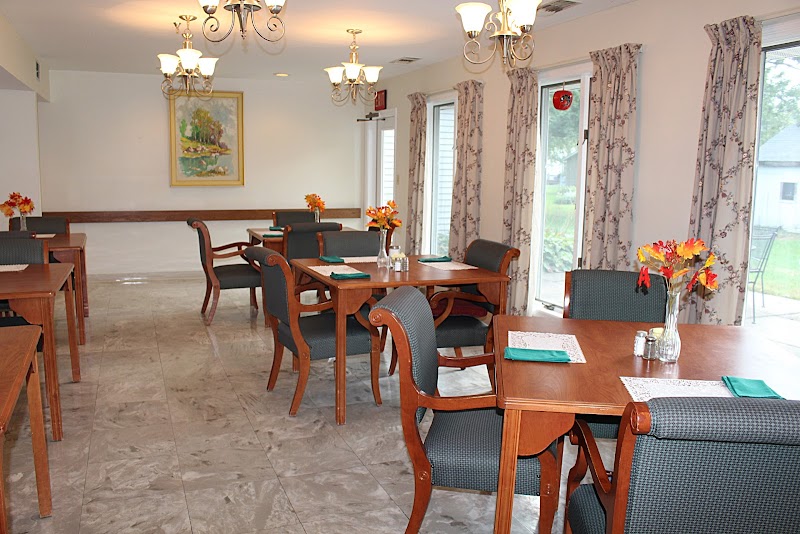
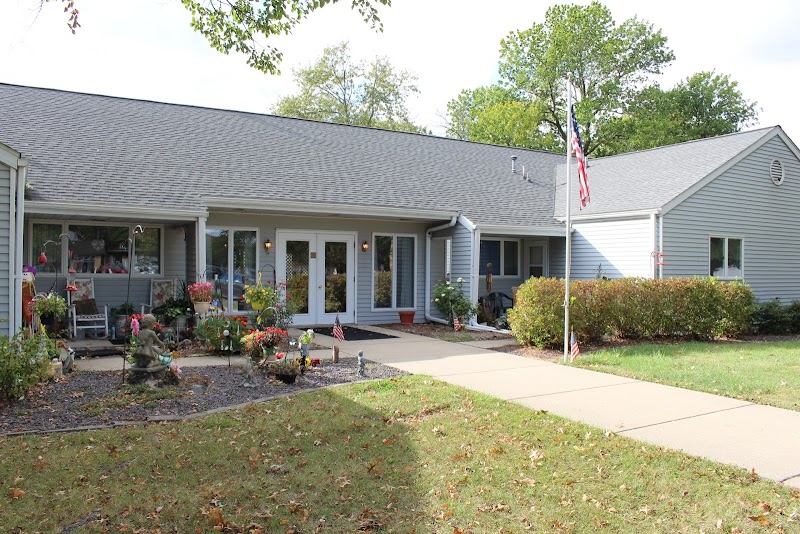
LITCHFIELD HEALTH & REHAB CENTER is owned by a for-profit company. For-profit facilities operate as businesses with obligations to shareholders or private owners. The facility is operated by SUMMIT HEALTHCARE CONSULTING, a chain that manages multiple nursing homes. With 92 certified beds and approximately 61 residents (about 66% occupancy), it is a smaller facility located in LITCHFIELD, Illinois.
How Does Litchfield Health & Rehab Center Compare to Other Illinois Nursing Homes?

Compared to the 100 nursing homes in Illinois, LITCHFIELD HEALTH & REHAB CENTER's overall rating (4 stars) is above the state average of 2.5, staff turnover (22%) is significantly lower than the state average of 46%, and health inspection rating (4 stars) is above the national benchmark.

What Should Families Ask When Visiting Litchfield Health & Rehab Center?

Based on this facility's data, families visiting should ask: "Can you walk me through typical staffing levels on day, evening, and night shifts?" "Can I visit during a mealtime to observe dining assistance and food quality?" "How do you handle medical emergencies, and what is your hospital transfer rate?" "Can I speak with family members of current residents about their experience?" These questions are particularly relevant given the below-average staffing rating.

Is Litchfield Health & Rehab Center Safe?

Based on CMS inspection data, LITCHFIELD HEALTH & REHAB CENTER has a clean safety record: no substantiated abuse findings (meaning no confirmed cases of resident harm), no Immediate Jeopardy citations (the most serious violation level indicating risk of serious injury or death), and is not on the Special Focus Facility watch list (a federal program monitoring the lowest-performing 1% of nursing homes). The facility has a 4-star overall rating and ranks #1 of 100 nursing homes in Illinois. While no facility is perfect, families should still ask about staff-to-resident ratios and recent inspection results during their visit.

Do Nurses at Litchfield Health & Rehab Center Stick Around?

Staff at LITCHFIELD HEALTH & REHAB CENTER tend to stick around. With a turnover rate of 22%, the facility is 24 percentage points below the Illinois average of 46%. Low turnover is a positive sign. It means caregivers have time to learn each resident's needs, medications, and personal preferences. Consistent staff also notice subtle changes in a resident's condition more quickly. Registered Nurse turnover is also low at 29%, meaning experienced RNs are available to handle complex medical needs.

Was Litchfield Health & Rehab Center Ever Fined?

LITCHFIELD HEALTH & REHAB CENTER has no federal fines on record. CMS issues fines when nursing homes fail to meet care standards or don't correct problems found during inspections. The absence of fines suggests the facility has either maintained compliance or corrected any issues before penalties were assessed. This is a positive indicator, though families should still review recent inspection reports for the full picture.

Is Litchfield Health & Rehab Center on Any Federal Watch List?

LITCHFIELD HEALTH & REHAB CENTER is not on any federal watch list. The most significant is the Special Focus Facility (SFF) program, which identifies the bottom 1% of nursing homes nationally based on persistent, serious quality problems. Not being on this list means the facility has avoided the pattern of deficiencies that triggers enhanced federal oversight. This is a positive indicator, though families should still review the facility's inspection history directly.