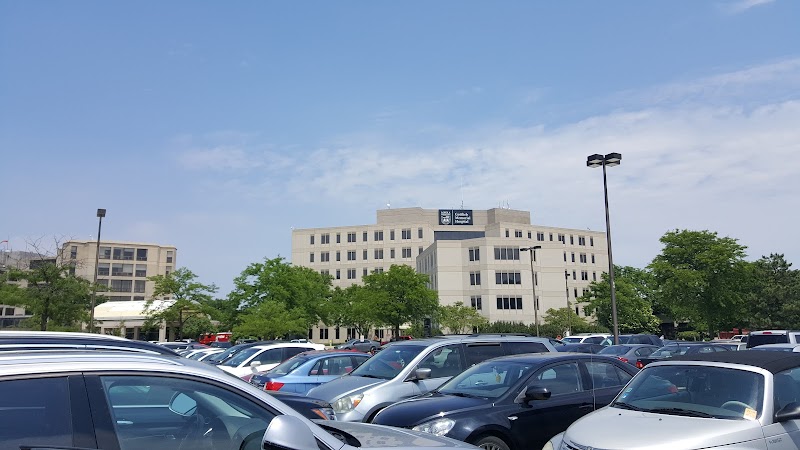
GOTTLIEB MEMORIAL HOSPITAL
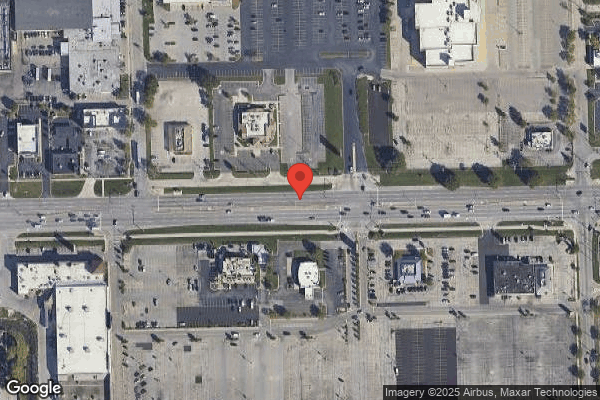
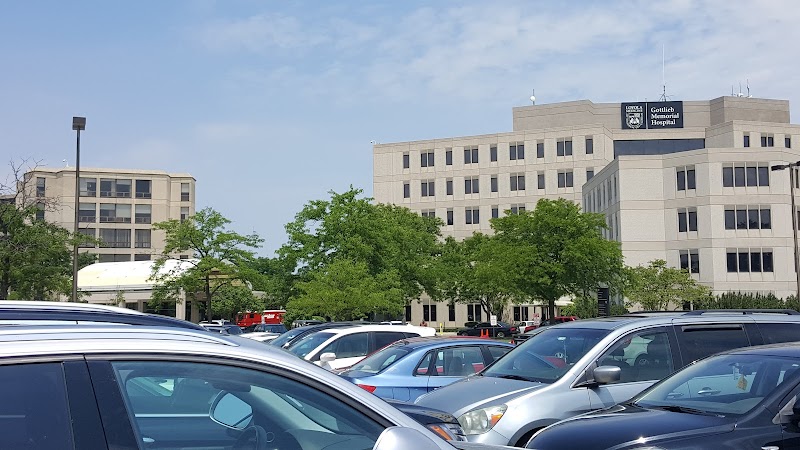
701 WEST NORTH AVENUE, MELROSE PARK, IL 60160 (708) 450-4908
Non profit - Corporation 32 Beds TRINITY HEALTH Data: November 2025
Trust Grade
90/100
#38 of 665 in IL
Last Inspection: March 2024

Within standard 12-15 month inspection cycle. Federal law requires annual inspections.

Overview

Gottlieb Memorial Hospital has received an excellent Trust Grade of A, indicating a high level of care and service. It ranks #38 out of 665 nursing facilities in Illinois, placing it in the top half overall, and #11 out of 201 in Cook County, meaning there are only ten local options that are better. However, the facility's trend is worsening, with issues increasing from one in 2023 to four in 2024. Staffing is a strong point, with a 5-star rating and a turnover rate of 40%, which is below the state average, showing that staff are experienced and familiar with the residents. Notably, there have been recent concerns regarding cleanliness, including failure to deep clean food service areas, which led to pest issues, and reports from residents about the blandness of the food. While the facility excels in RN coverage and has no fines on record, these specific issues highlight areas that need attention.

Trust Score
A
90/100
In Illinois
#38/665
Top 5%
Safety Record
Low Risk
No red flags
Inspections
Getting Worse
1 → 4 violations
Staff Stability
○ Average
40% turnover. Near Illinois's 48% average. Typical for the industry.
Penalties
✓ Good
No fines on record. Clean compliance history, better than most Illinois facilities.
Skilled Nurses
✓ Good
Each resident gets 214 minutes of Registered Nurse (RN) attention daily — more than 97% of Illinois nursing homes. RNs are the most trained staff who catch health problems before they become serious.
Violations
○ Average
8 deficiencies on record. Average for a facility this size. Mostly minor or procedural issues.
★★★★★
5.0
Overall Rating
★★★★★
5.0
Staff Levels
★★★★☆
4.0
Care Quality
★★★★★
5.0
Inspection Score
Stable
2023: 1 issues
2024: 4 issues

The Good

  • 5-Star Staffing Rating · Excellent nurse staffing levels
  • 4-Star Quality Measures · Strong clinical quality outcomes
  • Full Sprinkler Coverage · Fire safety systems throughout facility
  • No fines on record
  • Staff turnover below average (40%)

    8 points below Illinois average of 48%

Facility shows strength in staffing levels, quality measures, fire safety.

The Bad

Staff Turnover: 40%

Near Illinois avg (46%)

Typical for the industry

Chain: TRINITY HEALTH

Part of a multi-facility chain

Ask about local staffing decisions and management

The Ugly 8 deficiencies on record

Mar 2024 4 deficiencies
CONCERN (D)

Potential for Harm - no one hurt, but risky conditions existed

Report Alleged Abuse (Tag F0609)

Could have caused harm · This affected 1 resident

**NOTE- TERMS IN BRACKETS HAVE BEEN EDITED TO PROTECT CONFIDENTIALITY** Based on interview and record review, the facility staff failed to immediately report an allegation of abuse to the abuse task c...

Read full inspector narrative →
**NOTE- TERMS IN BRACKETS HAVE BEEN EDITED TO PROTECT CONFIDENTIALITY** Based on interview and record review, the facility staff failed to immediately report an allegation of abuse to the abuse task coordinator. This applies to 1 of 12 residents (R62) reviewed for abuse in the sample of 12. The findings include: The EMR (Electronic Medical Record) showed that R62, a [AGE] year-old was admitted to the facility on [DATE] from the acute setting of the hospital. R62 had a recent abdominal surgery to repair hernia on 2/17/2024. R62 has other diagnoses that included gout, hypertension, chronic kidney disease, gastric bypass, and morbid obesity. The MDS (Minimum Data Set) dated 3/3/2024 showed R62 was cognitively intact with BIMS (Brief Interview Mental Status) score of 15/15. On 3/04/2024 at 10:18 A.M., R62 was sitting in a lounge chair in her room. R62 said, I was abused, hurt emotionally, felt disrespected and helpless. This PCT (Patient Care Technician) that had worked the night shift on 2/28/24 - 2/29/2024 came into my room early morning of 2/29/2024 when I was sitting in my lounge chair. I always feel cold, so I asked this PCT for a blanket. I don't know the name of this PCT, but I can describe her to you, she was light skinned African American, height of around 5'2, somewhat obese but not much. This PCT did not write her name on the board, I guess she did not want me to know her name. When I asked this PCT for a blanket, she was so nasty, with angry face, did not help placing the blanket on me and I can't move due to my recent surgery, I needed help. The PCT with her arms stretched out towards me with blankets in her hand said in a nasty angry voice here are your blankets! The PCT then asked me what kind of surgery I had, since I cannot help myself. Oh, I felt so helpless. I then asked her to hand me the phone so I could order my breakfast. She then handed my cell phone. She knows that I must use the land line to order breakfast, but I do not know why she handed my cell phone. I told her that I needed the land line phone which I could not reach since the land line phone was behind my bedside table. The PCT took the land line phone and slammed it down on the overbed table that was in front of me. I reported what this PCT did to me to (V5, Registered Nurse) and (V6, Physical Therapist) the morning of 2/29/2024. The surveyor asked V6 to come to R62's room. R62 said to V6 I reported to you what that PCT did to me that day it happened. V6 confirmed and said she did not report the allegation to V1 (Administrator) and V2 (Director of Nursing) because she was busy, and she thought V5 had reported this allegation already. On 3/4/2024 at 3:30 P.M., V5 said, I felt that what (V4/PCT) did to (R62) was inappropriate and an investigation was needed to determine abuse. I called (V2) on 3/1/2024 not on 2/29/2023 when (R62) informed me about how rude and nasty (V4) was to her and how (R62) felt she was treated. This might constitute an emotional abuse. I don't know, maybe I need more abuse training. On 3/4/2024 at approximately 12:30 P.M., V1 and V2 were asked if the facility had any allegation of abuse/or any concern /voiced by their patients regarding care that might be suspicious of potential abuse. V1 and V2 said there was no allegation of abuse reported to them and no investigation was held. Surveyor prompted V1 and V2 regarding R62's allegation of emotional abuse that occurred on 2/29/2024 early morning. V1 and V2 identified that the PCT that R62 was referring to was V4. The facility's abuse policy dated 7/10/2023 showed (This facility) is fully committed to the safety and well-being of its patients and strives to continually ensure the protection of patient's rights while maintaining their safety. The purpose of this policy is to describe the process used to investigate and remediate patients' or visitors' allegations of abuse or neglect by staff or employee . Procedure: 1. Reporting: Employees are required to immediately report any occurrences of potential abuse or injury they observe, hear about or suspect towards a patient to their department manager or Administration The employee who witnessed or was made aware of the allegation is additionally responsible for completing and incident report .2. Notification: Notify risk management of any occurrences of potential abuse . Risk management will initiate a quality investigation and follow up process .Risk Management reports to IDPH (Illinois Department of Public Health) within 24 hours of allegation .
CONCERN (D)

Potential for Harm - no one hurt, but risky conditions existed

Investigate Abuse (Tag F0610)

Could have caused harm · This affected 1 resident

**NOTE- TERMS IN BRACKETS HAVE BEEN EDITED TO PROTECT CONFIDENTIALITY** Based on interview and record review, the facility failed follow their abuse policy to suspend the alleged perpetrator and initi...

Read full inspector narrative →
**NOTE- TERMS IN BRACKETS HAVE BEEN EDITED TO PROTECT CONFIDENTIALITY** Based on interview and record review, the facility failed follow their abuse policy to suspend the alleged perpetrator and initiate an investigation for an allegation of abuse in a timely manner. This applies to 1 of 12 residents (R62) reviewed for abuse in the sample of 12. The findings include: The facility's abuse policy dated 7/10/2023 showed, (This facility) is fully committed to the safety and well-being of its patients and strives to continually ensure the protection of patient's rights while maintaining their safety. The purpose of this policy is to describe the process used to investigate and remediate patients' or visitors' allegations of abuse or neglect by staff or employee . Procedure: 1. Reporting: Employees are required to immediately report any occurrences of potential abuse or injury they observe, hear about or suspect towards a patient to their department manager or Administration The employee who witnessed or was made aware of the allegation is additionally responsible for completing and incident report .2. Notification: Notify risk management of any occurrences of potential abuse . Risk management will initiate a quality investigation and follow up process. 5. The safety of the victim will be secured by a) Immediately removing the involved staff from further contact . b.) the staff will be removed from further patient contact .9.) External Reporting . Risk Management reports to IDPH (Illinois Department of Public Health) within 24 hours of allegation . The EMR (Electronic Medical Record) showed R62, a [AGE] year-old was admitted to the facility on [DATE] from the acute setting of the hospital. R62 had a recent abdominal surgery to repair hernia on 2/17/2024. R62 has other diagnoses that included gout, hypertension, chronic kidney disease, gastric bypass, and morbid obesity. The MDS (Minimum Data Set) dated 3/3/2024 showed R62 was cognitively intact with BIMS (Brief Interview Mental Status) score of 15/15. On 3/04/2024 at 10:18 A.M., R62 was sitting in a lounge chair in her room. R62 said, I was abused, hurt emotionally, felt disrespected and helpless. This PCT (Patient Care Technician) that had worked the night shift on 2/28/24 - 2/29/2024 came into my room early morning of 2/29/2024 when I was sitting in my lounge chair. I always feel cold, so I asked this PCT for a blanket. I don't know the name of this PCT, but I can describe her to you, she is light skinned African American, height of around 5'2, somewhat obese but not much. This PCT did not write her name on the board, I guess she did not want me to know her name. When I asked this PCT for a blanket, she was so nasty, with angry face, did not help placing the blanket on me and I can't move due to my recent surgery, I needed help. The PCT with her arms stretched out towards me with blankets in her hand said in a nasty angry voice here are your blankets! The PCT then asked me what kind of surgery I had, since I cannot help myself. Oh, I felt so helpless. I then asked her to hand me the phone so I could order my breakfast. She then handed my cell phone. She knows that I must use the land line to order breakfast, but I do not know why she handed my cell phone. I told her that I needed the land line phone which I could not reach since the land line phone was behind my bedside table. The PCT took the land line phone and slammed it down on the overbed table that was in front of me. I reported what this PCT did to me to (V5, Registered Nurse) and (V6, Physical Therapist) the morning of 2/29/2024. The surveyor asked V6 to come to R62's room. R62 said to V6, I reported to you what that PCT did to me that day it happened. V6 confirmed and said she did not report the allegation to V1 (Administrator) and V2 (Director of Nursing) because she was busy, and she thought V5 had reported this allegation already. On 3/4/2024 at approximately 12:30 P.M., V1 and V2 were asked if the facility had any allegation of abuse/or any concern /voiced by their patients regarding care that might be suspicious of potential abuse. V1 and V2 said there was no allegation of abuse reported to them and no investigation was held. Surveyor prompted V1 and V2 regarding R62's allegation of emotional abuse that occurred on 2/29/2024 early morning. V1 and V2 identified that the PCT that R62 was referring to was V4. V2 said that on 3/1/2024 around 7:45 A.M., V5 reported to her that V4 was nasty/rude to R62 and that R62 wanted to talk to her. V2 said that she tried to call R62 the same day (3/1/2024) but R62 did answer her phone. V2 added that she did not come to see R62 for a follow up and did not initiate an investigation till 3/4/24 at 12:30 PM. On 3/4/2024 at 5:30 P.M., together with V2, R62 was interviewed. R62 said, I was hurt and emotionally abused, disrespected and felt so helpless because of (V4's) treatment of me. R62 said V4 slammed the phone in front of her, was not gentle when she handed me the blankets and said here! V2 apologized for not following up with R62 on 3/1/24, 3/2/24, and 3/3/2024 nor had asked any managers on duty when she was not able to contact R62 on 3/1/2024. On 3/4/2024 at 3:30 P.M., V5 said, I felt that what (V4/PCT) did to (R62) was inappropriate and an investigation was needed to determine abuse. I called (V2) on 3/1/2024 not on 2/29/2023 when (R62) informed me about how rude and nasty (V4) was to her and how (R62) felt she was treated. This might constitute an emotional abuse . On 3/6/2024 at 3:00 P.M., V1 said, If (R62) said she was abused, then we considered it as an abuse and an immediate implementation of abuse policy should have been done that included investigation, suspension/protection and reporting. The facility's schedule showed V4 worked the night shift on 3/3/24 and this was also confirmed by V2.
CONCERN (D)

Potential for Harm - no one hurt, but risky conditions existed

Infection Control (Tag F0880)

Could have caused harm · This affected 1 resident

Based on observation, interview, and record review, the facility failed to follow standard infection control practices related to hand hygiene and gloving during medication administration. This applie...

Read full inspector narrative →
Based on observation, interview, and record review, the facility failed to follow standard infection control practices related to hand hygiene and gloving during medication administration. This applies to 2 of 3 residents ( R64 and R220) observed during medication pass administration in the sample of 12. The findings include: 1. On 3/4/2024 at 1:09 PM, V15 (Registered Nurse) went inside R64's room to administer the resident's IV (intravenous) medication. While inside R64's room, V15 put on a new pair of gloves, then used the computer mouse, computer bar code scanner to scan the IV medication (inside the syringe), placed the IV medication (Cefazolin 2 grams injection) on top of the medication cart and held/close the medication cart drawer. While wearing the same gloves, V15 cleaned R64's PICC (Peripherally Inserted Central Catheter) line lumen (single). After cleaning the PICC line lumen, V15 got the IV medication (from the top of the medication cart) and was about to administer the said medication via the PICC line. V15 was asked if she was ready to give the IV medication and she responded, yes. V15 was asked to step out of R64's room. While outside of R64's room, V15 was prompted to remove her used gloves, perform hand hygiene and apply a new pair of gloves then reclean the PICC line lumen, before continuing to administer the IV medication. 2. On 3/6/2024 at 9:50 AM, V10 (Registered Nurse) and V16 (Registered Nurse orientee) put on their gown and gloves to enter R220's room to administer the resident's medication. V10 and V16 were already wearing their mask. V10 stated R220 was on contact precaution due to history of ESBL (Extended Spectrum Beta-Lactamase). V10 with her gloved hands, prepared (removed from packaging) R220's oral medications consisting of eight (8) different tablets and/or capsules and placed then all together inside the medication cup. The prepared oral medications included Metoprolol 50 mg (milligram), 1 tablet and Entresto 24 mg/26 mg, 1 tablet. After preparing the said oral medications, V10 was handing the said medication cup to R220. R220 requested to have his blood pressure be taken again because he does not want to take his blood pressure medications if his blood pressure was low. V10 got the blood pressure cuff that was hanging on the foot part of R220's bed, attached it on the blood pressure machine, applied the blood pressure cuff on the resident's arm, placed the pulse oximeter on the resident's finger and pressed the machine to start. R220's blood pressure registered at 102/62. V10 handled the computer mouse to check the computer for pictures and markings of the medications to hold (not to give) as ordered due to low blood pressure result. With the same gloves that she (V10) used during the entire medication administration procedure (described above), including blood pressure monitoring, V10 took out the Entresto and Metoprolol tablets from inside the medication cup, then administered the rest of the medications to R220. Again, with the same gloves, V10 proceeded to open R220's Spiriva 18 mcg (microgram) capsule packet, held the capsule with the same gloves and placed the capsule inside the inhaler chamber and handed the inhaler to the resident to administer the Spiriva inhaler. On 3/6/2024 at 10:05 AM, V10 and V16 were inside the nursing station and were informed of the infection control concerns. V10 acknowledged that she used the same gloves all throughout the medication observation from preparing R220's medications, taking R220's blood pressure, taking out the two (2) medications from the medication cup and handling/placing the inhaler capsule to the inhaler chamber. V10 stated she should have removed her gloves, washed her hands and applied a new gloves before picking out the two medications and handling the inhaler capsule, to prevent cross contamination and to maintain infection control. On 3/6/2024 at 10:12 AM, V2 (Director of Nursing) stated that after V15 handled the computer mouse, bar code scanner and drawers, V15 should have removed her gloves, washed her hands or sanitized then re-gloved before handling R64's PICC line for IV medication administration. V2 stated V10 should have removed her gloves, washed her hands or sanitized and then re-gloved after handling the blood pressure machine and computer mouse before taking out the medications from the medication cup and before handling the inhaler capsule. V2 stated for any procedure from dirty to clean, the nursing staff should remove their gloves, perform hand hygiene either washing hands or sanitizing and then put on a new gloves to maintain infection control and prevent cross contamination. The facility's policy regarding infection control-hand hygiene last reviewed on 7/31/2023 showed under purpose, Hand hygiene is the single most important measure used in health care worker practice to reduce the risk of transmitting pathogenic organisms. Incorporating an antiseptic agent into the hand hygiene process reduces bacterial counts on hands thus reducing potential morbidity and mortality from healthcare-associated infections. The same policy showed in-part, C. Hands may be decontaminated by washing with antiseptic soap and water or using a hospital approved, alcohol-based waterless antiseptic handrub/hand gel: .4. Before donning non-sterile gloves, 5. After contact with a patient's intact skin ([for example], taking a pulse or blood pressure, or lifting a patient), 6. After contact with inanimate objects (including medical equipment) in the immediate vicinity of the patient, 7. After removing gloves, .10. After contact with blood, body fluids or other contaminated surfaces. E. The use of gloves does not replace the need of hand hygiene. Hands often become contaminated despite glove use; therefore, hand hygiene must be performed before and after removal of gloves.
MINOR (C)

Minor Issue - procedural, no safety impact

Staffing Information (Tag F0732)

Minor procedural issue · This affected most or all residents

Based on observation, interviews, and record review, the facility failed to post the daily staffing information so it can be read by residents and family. This affects all 22 residents residing at the...

Read full inspector narrative →
Based on observation, interviews, and record review, the facility failed to post the daily staffing information so it can be read by residents and family. This affects all 22 residents residing at the facility at the time of the survey. On 3/4/2024 at 12:35pm, the Nurse staffing was posted on the wall behind the Nurses station above eye level while standing. The staffing information was on a sheet of paper inside a plastic page protector that reflected the overhead lights to obscure the writing on the page. Additionally, the paper was purple with black print and handwriting, creating a dim contrast. The information on the staffing sheet was not readable. On 3/5/2024 at 10:50am, the daily staff posting had been updated and was on purple paper posted behind the Nurse's station and above eye level. On 3/5/2024 at 10:52am, R66, wearing eyeglasses, was in a wheelchair working with Physical Therapist. At that time, R66 was wheeled as close to the Nurses Station as possible and tried to read the daily staffing sheet but was unable to do so. R66 cited the reflection of the lights and the distance. According to the most recent MDS (minimum data set) dated 3/5/2024 for R66, R66 is cognitively intact and requires moderate assist from one person for transfers. On 3/5/2024 at 1:45pm, V1 (Administrator) stated she agreed the daily staffing posting was difficult to read.
Apr 2023 1 deficiency
CONCERN (D)

Potential for Harm - no one hurt, but risky conditions existed

Deficiency F0694 (Tag F0694)

Could have caused harm · This affected 1 resident

Based on observation, interview, and record review, the facility failed to provide intravenous site care by not cleaning the dirty insertion site or removing unused IV (intravenous) catheters. This a...

Read full inspector narrative →
Based on observation, interview, and record review, the facility failed to provide intravenous site care by not cleaning the dirty insertion site or removing unused IV (intravenous) catheters. This applies to 1 of 1 resident (R64) reviewed for IV treatment and care in a sample of 10. Findings include: On 4/11/23 at 10:23 AM, R64 was observed with a right forearm peripheral IV heparin lock. The insertion site was dirty with black-colored dry blood around the insertion site. Record review on Physician Order Sheet (POS) indicates that R64 is not getting any intravenous treatment. On 4/11/23 at 12:28 PM, V3 (Registered Nurse) stated, R64 is not on any IV medication. He was admitted with an IV on 3/31/23 (11 days earlier). It should have been removed if he doesn't need anything through the IV. The dirty IV insertion site with dry black blood should have been cleaned to prevent infection. On 4/12/23 at 10:00 AM, V2 (Director of Nursing) stated, Our new protocol is to remove IV in 96 hours (four days). It should have been removed if the resident doesn't need intravenous access. The facility IV Catheter Removal policy (dated August 19, 2022) documents: Removal of a short peripheral IV catheter should occur as soon as the catheter is no longer indicated for the patient's plan of care or when the catheter hasn't been used for at least 24 hours.
Nov 2021 3 deficiencies
CONCERN (E)

Potential for Harm - no one hurt, but risky conditions existed

Quality of Care (Tag F0684)

Could have caused harm · This affected multiple residents

**NOTE- TERMS IN BRACKETS HAVE BEEN EDITED TO PROTECT CONFIDENTIALITY** 4. According to the Physician History and Physical dated 09/21/2021, R6 had diagnoses including hypertension, chronic obstructiv...

Read full inspector narrative →
**NOTE- TERMS IN BRACKETS HAVE BEEN EDITED TO PROTECT CONFIDENTIALITY** 4. According to the Physician History and Physical dated 09/21/2021, R6 had diagnoses including hypertension, chronic obstructive pulmonary disease, status post right hip replacement with recent fall with a femur fracture, alcoholism, anemia, and heart disease. The Minimum Data Set (MDS) dated [DATE] showed R6 needed extensive assistance of two people for bed mobility, transfers, and toilet use. R6's cognition was intact. R6 had unhealed pressure ulcers and was at risk for developing pressure ulcers. The Physician Order Sheet (POS) showed R6 had an order for a coccyx dressing to clean with sterile saline, dry, apply medihoney, and cover with a sacral foam dressing change daily and as needed if soiled. On 11/08/21 at 1:44 PM, V14 (Registered Nurse/RN Wound Care) assisted V2 (RN) during wound care. V2 donned gloves and cleansed R6's wound using wound cleanser and gauze. Without changing gloves, V2 applied medihoney ointment to the wound using a wooden depressor, then placed a new foam dressing cover to the wound. V2 took a marker from her pocket to write the date on the dressing. On 11/09/21 at 12:55 PM, V5 (Director of Nursing/DON) said the nurse should change gloves and perform hand hygiene after the wound was cleaned and before applying the medication and dressing. V4 (Administrator) was present. The facility's Hand Hygiene policy dated 07/2019 includes to perform hand hygiene if moving from a contaminated body site to a clean body site during patient care. Review of the facility's policy for Handwashing with revision date of 7/2019 showed: II. a). Handwashing; c. Wet hands with running water. Apply soap thoroughly . Rinse hands thoroughly under running water. d) Paper towels should be use to dry hands. Paper towels should be used to turn off the water faucet. The policy for hand hygiene also showed Perform hand hygiene before donning gloves and after removing gloves. Based on observation, interview and record review, the facility failed to follow standard professional practices by not implementing its policy and practices for hand hygiene and gloves usage during medication administration and wound care. This applies to 4 of 7 residents (R6, R67, R68 and R166) reviewed for quality of care during wound care and medication administration in a total sample of 8. The findings include 1. On 11/07/21 at 12:14 P.M., V17 (RN/Registered Nurse) administered 2 units of Insulin subcutaneously via injection into R68's right side of the abdominal area. Prior to administering the insulin injection, V17 did not perform hand hygiene, and proceeded to touch computer keys, then lifted R68's shirt and injected the Insulin. V17 also did not don gloves prior to injecting the insulin. On 11/07/2021 at 3:33 P.M., V5 (Director of Nursing) stated that they do not have policy for donning on gloves when injection was provided. However, the expectation and standard of practice to ensure infection control was for the nurse/staff to perform hand hygiene and don on gloves prior to injection due to a risk for contact exposure of bodily fluids. The H&P (History and Physical) dated 11/4/2021 shows that R68, an [AGE] year old with diagnoses of diabetes mellitus, melanoma, fall on 10/29/2021 and sustained fractures to the lumbar 1 and 4 area. 2. On 11/08/21 from 8:45 A.M. to 9:43 A.M., medications were administered to R166 by V16 (RN/ Registered Nurse). The following were the medications that were administered: Baclofen 10 mg. 1 tab., Vasotec 10 mg. 1/2 tab., Vitamin D 50, 000 units, Vitamin E 400 mg. 1 tab., and Magnesium oxide 400 mg. 1 tab. In between medication administration, V16 informed R166 that she will apply the Bactroban ointment to R166's buttocks area. R166 pulled down his pants with V16's assistance. Then V16's stated I have to get gauze to clean the buttocks area before applying the Bactroban. V16 left the room and took the gauze from the nursing station, then R166 said I am going to therapy in few minutes, I just want my Tylenol and the medication for blood clot (Eloquis), will take shower after therapy then you can apply the cream (Bactroban). V16 washed hands at R166's bathroom hand sink and then turned off the water from faucet with bare hands and did not use a paper towel for creating a barrier to prevent cross contamination, and proceeded to administer R166's Tylenol 2 tablets. The H&P (History and Physical) dated 11/3/2021 shows that R166, a [AGE] year old with PMH (Past Medical History) of HIV (Human Immunodeficiency Virus), OSA (Obstructive Sleep Apnea), hyperlipidemia, hypertension, severe lumbar stenosis of lumbar 3 and 4, and had undergone discectomy on 10/16/2021. Discussed infection control concerns with V4 (Administrator) and V5 on 11/08/21 at 10:45 A.M. 3. The facility Weekly Pressure Ulcer log dated November 2021 showed that R67 was admitted with a stage 2 pressure ulcers to the left and right gluteal fold and the sacrum. The EHR (Electronic Health Record) showed a physician order to treat the pressure ulcers with Zinc oxide and cover the pressure ulcer with a foam dressing. On 11/09/21 at 12:20 P.M., R67's pressure ulcer wound dressing was changed by V11 (Registered Nurse). V15 (CNA/ Certified Nurse Assistant) assisted V11. V11 donned a pair of gloves, proceeded to remove the soiled dressing from R67's sacrum/gluteal folds. The soiled dressing had a black substance on it. V11 continued to wipe R67's sacrum and the left and right gluteal folds using a moistened towelette. There were stage 2 pressure ulcers of R67's right and left gluteal fold and sacrum. After V11 wiped the sacrum and gluteal folds, V11 removed her soiled gloves, and donned a new pair of gloves. V11 failed to perform hand hygiene prior to donning a new pair of gloves. The H&P (History and Physical) dated 10/29/2021 shows that R67, [AGE] year old with diagnoses of weakness, leg edema and left leg DVT (deep vein thrombosis). On 11/09/21 at 12:25 PM, V5 (Director of Nursing) stated that it is the facility's practice to implement hand hygiene after removing soiled gloves and before donning a new pair of gloves during wound dressing changes when the soiled dressing was removed.
CONCERN (E)

Potential for Harm - no one hurt, but risky conditions existed

Deficiency F0804 (Tag F0804)

Could have caused harm · This affected multiple residents

**NOTE- TERMS IN BRACKETS HAVE BEEN EDITED TO PROTECT CONFIDENTIALITY** Based on observation and interview the facility failed to provide food palatable for the resident. This applies to 5 of 7 resid...

Read full inspector narrative →
**NOTE- TERMS IN BRACKETS HAVE BEEN EDITED TO PROTECT CONFIDENTIALITY** Based on observation and interview the facility failed to provide food palatable for the resident. This applies to 5 of 7 residents (R116, R6, R117, R118, R119) reviewed for food palatability in a total sample of 8 residents. The findings include: 1. On 1/07/21 at 10:06 AM, R116 said the Food tastes terrible. R116 said there weren't a lot of choices of food that taste good. 2. On 11/07/21 at 10:16 AM, R6 said the food did not taste very good and was very bland. On 11/08/21 at 02:21 PM, R6 said for lunch he had tomato soup and the macaroni and cheese. R6 said the macaroni and cheese didn't taste like anything, I'm not sure what kind of cheese it was supposed to be. R6 said he placed the macaroni and cheese into his tomato soup and was able to eat it that way. 3. On 11/07/21 at 11:32 AM, V12 (R117's family member-son) said he had asked for R117's food to be cut up before bringing it in to R117. V12 said the facility went to the extreme of putting R117's food through a blender and the taste of the food was very bland. V12 said even though the food was bland, R117 liked pasta and had enjoyed [NAME] the penne noodles onto the fork to eat. On 11/08/21 at 12:10 PM, V13 (R117's family member-wife) said R117 liked and ate all of the potato soup independently. R117 tried the pasta and said he didn't like it, No. This is no good. V13 tasted the pasta and said it was Ehh, it doesn't taste like much. On 11/09/21 at 12:09 PM, V13 (R117's family member) said he has the famous pasta for lunch today. The diet sheet showed R117 had a mechanical soft diet of penne pasta with marinara sauce and chopped green beans. 4. On 11/02/21 at 11:53 AM, R118 said the food was not good. R118 said the food was bland tasting and she was tired of seeing same bland food choices. 5. On 11/07/21 at 12:09 PM, R119 said she doesn't like the food here. R119 said she was a very finicky eater but she did not like the taste of the food at the facility. On 11/08/21 at 11:38 AM, a test tray was requested and the food was sampled. The macaroni pasta and cheese was a pale yellow with pale yellow liquid underneath. Both the macaroni and cheese and the corn were flavorless. The baked cod visibly looked moist and seasoned but when tasted, was dry and chewy.
CONCERN (F)

Potential for Harm - no one hurt, but risky conditions existed

Food Safety (Tag F0812)

Could have caused harm · This affected most or all residents

Based on observation, interview, and record review, the facility failed to perform deep cleaning to prevent pest infestation, maintain clean and sanitized foodservice equipment, store food in a manner...

Read full inspector narrative →
Based on observation, interview, and record review, the facility failed to perform deep cleaning to prevent pest infestation, maintain clean and sanitized foodservice equipment, store food in a manner that prevented contamination, utilize chemical sanitizing solution per manufacturer's instructions, and perform proper hand hygiene before/after touching food. This applies to all 15 residents receiving oral diets at the facility. The findings include: Facility document Alphabetical List of All Residents, dated 11/7/21, shows there were 15 residents in the facility. Facility document NPO (Not By Mouth) Patients, dated 11/7/21, shows there were no residents in the facility that had physician diet orders of NPO. 1. On 11/7/21 at 11:02 AM with V6 (Food Service Manager), a cockroach scurried out from behind the small steam-jacketed kettle equipment, turned around, and returned back underneath the equipment. There was a large amount of food debris located on the floor behind the small steam-jacketed kettle. The equipment did not have casters, was not movable, and the floor behind the equipment was not easily cleanable. V6 (Food Service Manager) stated she was aware that the pest control service was working to eradicate cockroaches recently in the kitchen. Pest control reports, dated 10/26/21, 10/27/21, 10/28/21, 10/29/21 and 11/5/21, show there was an accumulation of food crumb debris found under coolers of the cook production line creating a German roach harborage. The 1/26/21 report shows German cockroach activity was found in several areas of the kitchen. On 11/09/21 at 1:15 PM V20 (Regional Food Service Manager) stated there needed to be a greater effort to perform more deep cleaning in the kitchen. V20 stated the foodservice operation has experienced a chronic lack of staff and the operation has had to prioritize meal service. On 11/9/21 at 12:20 PM with V6, V19 (Director of Environmental, Transportation, and Linen) stated the roach problem has been a longstanding problem, especially in the facility kitchen. V19 stated the kitchen has been chemically treated three times a week by pest control for approximately a year. V19 stated there has consistently been a cleaning concern identified in the pest control reports regarding the facility kitchen. V19 stated the food service staff were responsible for the cleanliness of the kitchen. On 11/09/21 at 12:49 PM, V4 (Administrator) stated she was not aware of the ongoing concerns about roaches in the food service. 2. On 11/7/21 at 11:10 AM with V6, V7 (Cook) was setting up food on the tray line for lunch service. A red sanitation bucket with a white rag was sitting below the steam table on the shelf. V7 stated she was utilizing the sanitation bucket at her station while working on the tray line. V7 stated she changed the sanitizing solution in the sanitizing bucket approximately one hour prior and that the staff were expected to change the sanitizing solution in the sanitizer buckets every two hours. V6 stated the kitchen utilized quaternary ammonium in the sanitizing buckets to sanitize food service work areas. V6 checked the concentration of the sanitizing solution in the cook's sanitizing bucket which measured 0-100 ppm (parts per million) of quaternary ammonium. On 11/7/21 at 11:12 AM with V6, V7 emptied the sanitizing solution from the bucket in the mop room and refilled the sanitizing bucket with sanitizing solution which was premixed and dispensed from a wall dispenser. As the bucket was filled, none of the pink sanitizing solution was siphoned up through the tubing and into the dispenser from the sanitizing chemical bucket. When the bucket was filled, V6 checked the concentration of the liquid in the sanitizing bucket and the solution measured 0-100 PPM. Sanitizer Solution Log, undated, stated the required quaternary ammonium sanitizer solution concentration was 150-400 ppm. Facility Procedure Infection Prevention and Control Guidelines for Food and Nutrition Services, dated 9/2018, shows, D. Sanitizing Food Contact Equipment . 3. All food preparation areas and equipment that come into contact with foods will be washed, rinsed, and sanitized after each use, or after any interruption during which contamination could occur. 3. On 11/7/21 at 11:20 AM in the walk in cooler with V6, there were four cases of raw chicken breasts stored directly over a tray holding large tubes raw ground beef. V6 stated the raw chicken should be stored under the raw ground beef. Facility Procedure Receiving and Storage, October 2020, shows, Fresh meat must be stored in the following order from top to bottom: Ready-to-eat (top), Seafood, Whole cuts beef or pork, Ground meat and ground fish, Whole and ground poultry (bottom). 4. On 11/7/21 at 11:35 AM with V6, V8 (Cold Prep Cook) was using gloved hand to touch quesadillas while cutting and folding them after touching handles on food preparation drawers, utensils, countertops, plates, plate warmers, and without washing her hands or changing her gloves. V6 sated V8 should have changed her gloves and washed her hands before and after touching the quesadilla. Facility Procedure Infection Prevention and Control Guidelines for Food and Nutrition Services, dated 9/2018, shows, B Hand Hygiene 1. Hand hygiene shall be conducted in a timely manner before resuming food handling or duties in the kitchen . 2. Food shall be prepared with minimal manual contact. Colleague should use utensils, such as tongs, spatulas, and single use gloves. Colleague will not touch any foods with their bare hands 5. On 11/7/21 at 11:02 AM with V6, the can opener near the cold preparation area had a dark red substance dried around the blade of the can opener. In addition, a scoop was stored in the rice bin with the handle of the scoop embedded into the rice. V6 stated the scoop should not have been stored in the rice to prevent contamination.
Understanding Severity Codes (click to expand)
Life-Threatening (Immediate Jeopardy)
J - Isolated K - Pattern L - Widespread
Actual Harm
G - Isolated H - Pattern I - Widespread
Potential for Harm
D - Isolated E - Pattern F - Widespread
No Harm (Minor)
A - Isolated B - Pattern C - Widespread

Questions to Ask on Your Visit

  • "Can I speak with families of current residents?"
  • "What's your RN coverage like on weekends and overnight?"

Our Honest Assessment

Strengths
  • • Grade A (90/100). Above average facility, better than most options in Illinois.
  • • No major safety red flags. No abuse findings, life-threatening violations, or SFF status.
  • • No fines on record. Clean compliance history, better than most Illinois facilities.
  • • 40% turnover. Below Illinois's 48% average. Good staff retention means consistent care.
Concerns
  • • No significant concerns identified. This facility shows no red flags across CMS ratings, staff turnover, or federal penalties.
Bottom line: Generally positive indicators. Standard due diligence and a personal visit recommended.

About This Facility

What is Gottlieb Memorial Hospital's CMS Rating?

CMS assigns GOTTLIEB MEMORIAL HOSPITAL an overall rating of 5 out of 5 stars, which is considered much above average nationally. Within Illinois, this rating places the facility higher than 99% of the state's 100 nursing homes. This rating reflects solid performance across the metrics CMS uses to evaluate nursing home quality.
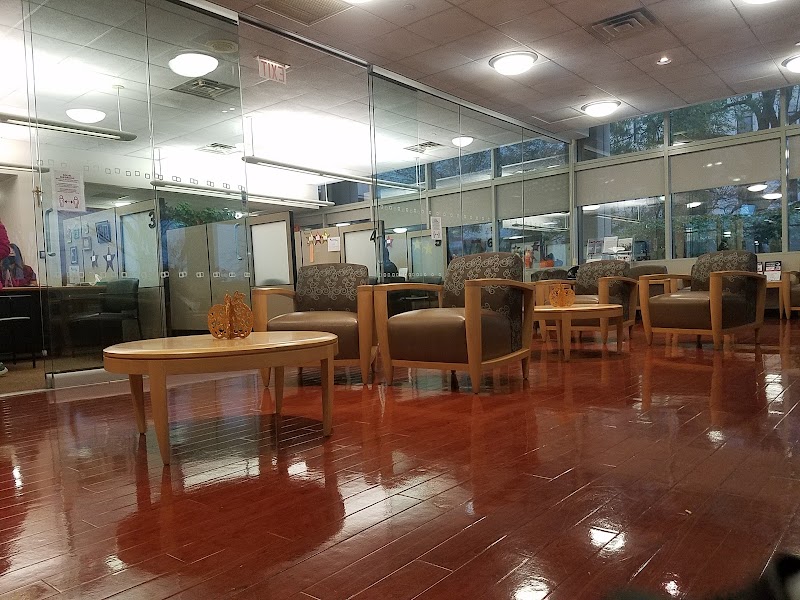
How is Gottlieb Memorial Hospital Staffed?

CMS rates GOTTLIEB MEMORIAL HOSPITAL's staffing level at 5 out of 5 stars, which is much above average compared to other nursing homes. Staff turnover is 40%, compared to the Illinois average of 46%. This relatively stable workforce can support continuity of care.

What Have Inspectors Found at Gottlieb Memorial Hospital?

State health inspectors documented 8 deficiencies at GOTTLIEB MEMORIAL HOSPITAL during 2021 to 2024. These included: 7 with potential for harm and 1 minor or isolated issues.
Who Owns and Operates Gottlieb Memorial Hospital?

GOTTLIEB MEMORIAL HOSPITAL is owned by a non-profit organization. Non-profit facilities reinvest revenue into operations rather than distributing to shareholders. The facility is operated by TRINITY HEALTH, a chain that manages multiple nursing homes. With 32 certified beds and approximately 20 residents (about 62% occupancy), it is a smaller facility located in MELROSE PARK, Illinois.
How Does Gottlieb Memorial Hospital Compare to Other Illinois Nursing Homes?

Compared to the 100 nursing homes in Illinois, GOTTLIEB MEMORIAL HOSPITAL's overall rating (5 stars) is above the state average of 2.5, staff turnover (40%) is near the state average of 46%, and health inspection rating (5 stars) is much above the national benchmark.

What Should Families Ask When Visiting Gottlieb Memorial Hospital?

Based on this facility's data, families visiting should ask: "Can I visit during a mealtime to observe dining assistance and food quality?" "How do you handle medical emergencies, and what is your hospital transfer rate?" "Can I speak with family members of current residents about their experience?"

Is Gottlieb Memorial Hospital Safe?

Based on CMS inspection data, GOTTLIEB MEMORIAL HOSPITAL has a clean safety record: no substantiated abuse findings (meaning no confirmed cases of resident harm), no Immediate Jeopardy citations (the most serious violation level indicating risk of serious injury or death), and is not on the Special Focus Facility watch list (a federal program monitoring the lowest-performing 1% of nursing homes). The facility has a 5-star overall rating and ranks #1 of 100 nursing homes in Illinois. While no facility is perfect, families should still ask about staff-to-resident ratios and recent inspection results during their visit.

Do Nurses at Gottlieb Memorial Hospital Stick Around?

GOTTLIEB MEMORIAL HOSPITAL has a staff turnover rate of 40%, which is about average for Illinois nursing homes (state average: 46%). Moderate turnover is common in nursing homes, but families should still ask about staff tenure and how the facility maintains care continuity when employees leave.

Was Gottlieb Memorial Hospital Ever Fined?

GOTTLIEB MEMORIAL HOSPITAL has no federal fines on record. CMS issues fines when nursing homes fail to meet care standards or don't correct problems found during inspections. The absence of fines suggests the facility has either maintained compliance or corrected any issues before penalties were assessed. This is a positive indicator, though families should still review recent inspection reports for the full picture.

Is Gottlieb Memorial Hospital on Any Federal Watch List?

GOTTLIEB MEMORIAL HOSPITAL is not on any federal watch list. The most significant is the Special Focus Facility (SFF) program, which identifies the bottom 1% of nursing homes nationally based on persistent, serious quality problems. Not being on this list means the facility has avoided the pattern of deficiencies that triggers enhanced federal oversight. This is a positive indicator, though families should still review the facility's inspection history directly.