MOMENCE MEADOWS NURSING & REHAB
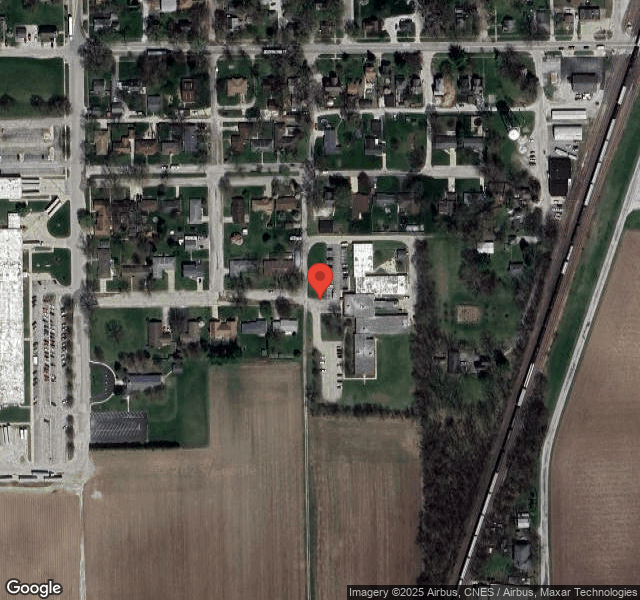
500 SOUTH WALNUT, MOMENCE, IL 60954 (815) 472-2423
For profit - Individual 140 Beds INFINITY HEALTHCARE CONSULTING Data: November 2025
Trust Grade
15/100
#581 of 665 in IL
Last Inspection: November 2024

Within standard 12-15 month inspection cycle. Federal law requires annual inspections.

Overview

Momence Meadows Nursing & Rehab has received a Trust Grade of F, indicating significant concerns about the facility's care and management. This places them at #581 out of 665 in Illinois, meaning they are in the bottom half of all nursing homes in the state and ranked last in Kankakee County. The facility's trend is improving, as they have reduced their issues from 9 in 2024 to just 1 in 2025, but they still have a poor overall rating of 1 out of 5 stars. Staffing is a concern with a 1 out of 5 rating and a turnover of 47%, which is around the state average, suggesting that the staff may not be very stable. While there have been no fines recorded, which is a positive sign, recent inspections revealed serious issues, including a failure to provide necessary medication to a resident, leading to painful flare-ups, and neglecting to monitor skin conditions correctly. Additionally, the kitchen was cited for not being maintained properly, which may risk food safety for residents. Families should weigh these strengths and weaknesses carefully when considering this facility for their loved ones.

Trust Score
F
15/100
In Illinois
#581/665
Bottom 13%
Safety Record
High Risk
Review needed
Inspections
Getting Better
9 → 1 violations
Staff Stability
⚠ Watch
47% turnover. Above average. Higher turnover means staff may not know residents' routines.
Penalties
✓ Good
No fines on record. Clean compliance history, better than most Illinois facilities.
Skilled Nurses
⚠ Watch
Each resident gets only 28 minutes of Registered Nurse (RN) attention daily — below average for Illinois. Fewer RN minutes means fewer trained eyes watching for problems.
Violations
⚠ Watch
41 deficiencies on record. Higher than average. Multiple issues found across inspections.
★☆☆☆☆
1.0
Overall Rating
★☆☆☆☆
1.0
Staff Levels
★★☆☆☆
2.0
Care Quality
★★☆☆☆
2.0
Inspection Score
Stable
2024: 9 issues
2025: 1 issues

The Good

  • Full Sprinkler Coverage · Fire safety systems throughout facility
  • No fines on record

Facility shows strength in fire safety.

The Bad

1-Star Overall Rating

Below Illinois average (2.5)

Significant quality concerns identified by CMS

Staff Turnover: 47%

Near Illinois avg (46%)

Higher turnover may affect care consistency

Chain: INFINITY HEALTHCARE CONSULTING

Part of a multi-facility chain

Ask about local staffing decisions and management

The Ugly 41 deficiencies on record

2 actual harm
Aug 2025 1 deficiency
CONCERN (D) 📢 Someone Reported This

A family member, employee, or ombudsman was alarmed enough to file a formal complaint

Potential for Harm - no one hurt, but risky conditions existed

ADL Care (Tag F0677)

Could have caused harm · This affected 1 resident

**NOTE- TERMS IN BRACKETS HAVE BEEN EDITED TO PROTECT CONFIDENTIALITY** Based on observation, interview and record review the facility failed to provide care to a resident dependent on staff for ADL (...

Read full inspector narrative →
**NOTE- TERMS IN BRACKETS HAVE BEEN EDITED TO PROTECT CONFIDENTIALITY** Based on observation, interview and record review the facility failed to provide care to a resident dependent on staff for ADL (activities of daily living). This applies to 1 of 3 (R5) residents reviewed for ADL care.The findings include:According to the Electronic Medical Record (EMR), R5 was admitted to the facility on [DATE], with multiple diagnoses including acquired absence of left leg above knee, cellulitis of groin, hidradenitis suppurativa, and pressure ulcer of sacral region, stage 3. R5's MDS (Minimum Data Set) dated June 5, 2025, showed R5 had mild cognitive impairment and required maximum assist with toileting hygiene, shower, and bathing. R5's Care Plan dated April 13, 2025, showed R5 has an ADL (Activity of Daily Living) self-care deficit and required staff assistance and showed that R5 is incontinent of bladder and bowel. Interventions include the CNA (Certified Nurse Aide) should check and change R5 every 2 hours and as needed.On August 25, 2025, at 12:40 PM, R5 was in bed with an empty urinal on his bedside dresser table. R5 stated that he uses the urinals and was incontinent of bowel. R5 also stated that he calls the CNA (Certified Nursing Assistant) when he needs to be cleaned up after a bowel movement and has had to wait up to 30 minutes sometimes. R5 also added that he has had chronic ulcers for about 20 years and developed a sore on his buttock at the facility about 3 months ago.On August 26, 2025, R5 was awake in bed with his urinal almost about half full of urine. R5's room was noted with a strong urine odor, and the bed linens and padding were stained and heavily soiled with urine. On August 26, 2025, at 9:33 AM V6 (Certified Nursing Assistant) and V7 (Certified Nursing Assistant) stated they are scheduled from 6 AM to 2 :00 PM and are both assigned to R5's room. V6 and V7 stated they were working in other rooms and giving bed baths. V6 and V7 stated they were getting ready to check in on R5. When V6 and V7 attempted to provide care to R5, a large area of R5's beddings, disposable pad and blanket were soiled with urine. On August 26, 2025, at 9:49 AM, V6 (Certified Nursing Assistant) and V7 (Certified Nursing Assistant) stated they typically complete their morning rounds during their shift around 10:30 AM. On August 26/2025 at 12:09 PM, V2 (Director of Nursing / DON) stated that CNAs (Certified Nursing Assistant) work from 6:00 AM to 2:00 PM and should complete their morning rounds which includes, checking on their residents, attending to their needs, and checking with the nurses to determine any specific needs for the resident such as an appointment or anything else. V2 also stated that the CNAs should prioritize attending to the residents who needs incontinence care right away unless another resident was experiencing an emergency. V2 added that CNAs are expected to complete incontinence care for all residents within the first 2 hours of their shift.R5's nurse practitioner progress note created by V4 dated August 22, 2025 documents R5 has a sacral wound, and a history of (IAD) incontinence associated dermatitis. On August 25, 2025, at 3:52 PM, V4 (Nurse Practitioner) stated she determined R5's skin irritation to be incontinence associated because R5 wears incontinence briefs, and it gets really moist from his incontinence episodes and also has leakage from having HS.The facility's Guidelines for A.M. Care policy dated March 21, 2023, stated, Policy: It is the policy of the facility to see that residents receive A.M. care in preparation for the activities of the day.The facility's Guidelines for Incontinence Care dated September 21, 2025, stated, Policy: It is the policy of the facility to ensure that residents receive as much assistance as needed for cleansing the perineum and buttocks after an incontinent episode or with daily care. Frequency depends on bladder diary results and/or routine minimal q [every] 2 hour checks as well as care planning.
Dec 2024 1 deficiency
CONCERN (D) 📢 Someone Reported This

A family member, employee, or ombudsman was alarmed enough to file a formal complaint

Potential for Harm - no one hurt, but risky conditions existed

Free from Abuse/Neglect (Tag F0600)

Could have caused harm · This affected 1 resident

Based on observation, interview and record review the facility failed to keep a resident free from sexual abuse. This applies to 1 of 6 residents (R1) reviewed for abuse. The findings include: On Dece...

Read full inspector narrative →
Based on observation, interview and record review the facility failed to keep a resident free from sexual abuse. This applies to 1 of 6 residents (R1) reviewed for abuse. The findings include: On December 3, 2024 at 11:15 AM, V10 (Cook) stated she had been coming out of the hallway bathroom on 11/15/2024, when she witnessed R2 patting R1 above her right breast on the outside of her clothing. V10 stated R2 then slipped his hand down the neckline of and underneath R1's shirt to her left breast. V10 stated she knew R2 could feel her presence because he stopped and left. V10 stated at first she thought R2 was just checking on her, then she saw him slip his hand down her shirt. V10 stated R1 is nonverbal and blind and regardless of if she reacted or not, R1 cannot defend herself. V10's written statement from the facility's 11/15/2024 investigation showed she .saw [R2] sitting in the hallway near the small dining room. I saw [R2] touch [R1] by her right side of her chest. I saw him put his hand under her shirt close to her left breast. Then when [R2] saw me he hurried up and moved his hand and moved out of the hallway . R1's Face Sheet showed her diagnoses include profound intellectual disabilities, aphasia, cerebral infarction, congenital malformations of lower limbs, and unspecified sequelae of nontraumatic intracerebral hemorrhage. R1's 11/26/2024 MDS (Minimum Data Set) showed staff determined her cognition was severely impaired. On 11/29/2024 at 1:20 PM, R1 was in her wheelchair in the hallway, sitting cross-legged. R1 continuously shook her head back and forth rhythmically from side to side. On 11/29/2025 at 1:25 PM, V5 LPN (Licensed Practical Nurse) stated R1 is vision-impaired and believes R1 has some vision, but only peripherally. On 12/5/2024, V9 (Nurse Practitioner) stated any groping that is not consensual would elicit a negative reaction. V9 stated if it were you or I, we would be upset, but humiliation would not come into play. R1's Abuse care plan (revised 4/18/2023) showed her comprehensive assessment reveals a possible [history] of suspected abuse, neglect, exploitation, possible past trauma and/or other factors that may increase my susceptibility to abuse/neglect (weakness, intellectual disability). [R1] demonstrates: Hearing/Vision Loss, Impaired Cognition/Communication, Difficulty in adjustment & generalized mood distress. Given her poor and compromised health status, cognitive issues, physical assistance needs and need for 24-hour care, the [Inter-Disciplinary Team] recognizes that [R1] is considered a vulnerable adult. R2's Face Sheet showed diagnoses of unspecified alcohol abuse with intoxication, moderate dementia with other behavioral disturbance, anxiety, and tobacco use. R2's Boundaries care plan (revised 10/08/2024) showed R2 demonstrates behavior symptoms concerning inappropriate personal boundaries due to: Cognitive impairment secondary to Alzheimer's disease or a related dementia. These symptoms are manifested by: Making sexually explicit and/or insensitive remarks to another person. R2's written interview (written by staff) from the facility's 11/15/2024 investigation showed Nothing happened. I did not touch anyone inappropriately. I was not near her. The 11/15/2024 Police Field Report for the abuse incident showed the interview with V10 (Cook) which included .[V10] saw [R2] rubbing [R1's] chest and it appeared as if he was checking on her when she then noticed his hand was inside of her shirt and he was fondling her breast. [V10] further related she believes [R2] heard her and he stopped . The facility's Final investigation reported to the Illinois Department of Public Health showed Facility is unable to substantiate the allegation of abuse. The facility's Abuse Prevention Program-Abuse and Crime Reporting policy (revised 01/2019) showed For the purposes of this policy, and to assist staff members in recognizing abuse, the following definitions shall pertain .Abuse: the willful infliction .means the individual must have acted deliberately . Sexual Abuse: Including, but not limited to, sexual harassment, sexual coercion, or sexual assault .
Nov 2024 5 deficiencies
CONCERN (D)

Potential for Harm - no one hurt, but risky conditions existed

Deficiency F0554 (Tag F0554)

Could have caused harm · This affected 1 resident

**NOTE- TERMS IN BRACKETS HAVE BEEN EDITED TO PROTECT CONFIDENTIALITY** 2. On 11/12/24 at 11:59 AM, R38 was not in his room. R38 had two white pills on the bedside table next to a medication cup. On 1...

Read full inspector narrative →
**NOTE- TERMS IN BRACKETS HAVE BEEN EDITED TO PROTECT CONFIDENTIALITY** 2. On 11/12/24 at 11:59 AM, R38 was not in his room. R38 had two white pills on the bedside table next to a medication cup. On 11/12/24 at 12:14 PM V2 (Director of Nursing) went to R38's room with the surveyor. The two white pills remained on the bedside table. R38's face sheet showed multiple diagnoses which included cerebral infarction, metabolic encephalopathy, malignant neoplasm of the colon, need for assistance with personal care, cocaine abuse, weakness. R38's MDS dated [DATE] showed R38 was cognitively intact. R38 had no self-administration of medication assessment in the electronic medical record. R38's POS for November 2024 showed no orders for medications to be left at the bedside. R38 did not have a care plan for self-administering medications. Based on observation, interview, and record review the facility failed to obtain physician orders for residents to have medications at the bedside and failed to complete self-administration of medication assessments. This applies to 3 of 3 residents (R18, R38, R58) reviewed for medications in a sample of 18. The findings include: 1. On 11/13/24 at 11:34 AM, R58 was observed sleeping in her bed. Her Fluticasone Propionate nasal spray 50 MG (Milligrams) was inside a box labeled with her name on the dresser that belonged to her roommate (R18) behind her curtain. Surveyor asked (R18) if it was hers and if she ever used it. R18 just stared at Surveyor and smiled. V6 (RN-Registered Nurse/Wound Nurse) who was in the room stated that R18 was nonverbal. On 11/13/24 at 2:18 PM, V2 (DON-Director of Nursing) said, I currently don't have any residents that can self-administer any medications. Any meds (medications) at the bedside need an order from the doctor. The nurse also must do a self-administration of medication assessment. It's important because we need the resident to be competent and that they understand the dosage. On 11/14/24 at 10:42 AM, R58's Fluticasone Propionate nasal spray was still on top of R18's (roommate) dresser. Surveyor asked R58 if this was hers. She said, Yes and I've been looking for it. She said it's always kept in her room. R58 said, No one taught me how to use it. I know how to do it. I use it at bedtime. R58 then put the box of Fluticasone Propionate in her basin which was on her bedside table. R58's face sheet shows diagnoses of need for assistance with personal care and hemiplegia and hemiparesis following cerebral infarction affecting left non-dominant side. R58's MDS (Minimum Data Set) dated 10/18/24 shows she is cognitively intact. R58's POS (Physician Order Sheet) shows an order for Fluticasone Propionate Nasal Suspension 50 MCG (Micrograms)/ACT-1 spray in both nostrils two times a day for antihistamine. There was no order for the nasal spray to be at the bed side upon review of her POS. There was no self-administration of medication assessment uploaded into her electronic medical record. There was no care plan stating she can self-administer. R18's face sheet shows diagnoses of hemiplegia and hemiparesis following cerebral infarction affecting left non-dominant side, aphasia following cerebral infarction, unspecified dementia, unspecified severity, without behavioral disturbance, psychotic disturbance, mood disturbance, and anxiety, major depressive disorder recurrent, severe with psychotic symptoms, bipolar disorder, and anxiety disorder. Review of her POS shows no order for Fluticasone Propionate nasal spray. R18's MDS dated [DATE] shows a blank score for her mental status. R18's care plans do not state she can self-administer any medications. Facility's policy titled Self-Administration of Medications by Residents (Undated) shows: 2. If the resident desires to self-administer medications, an assessment is conducted by an interdisciplinary team. This assessment includes the resident's cognitive, physical, and visual ability to carry out this responsibility. 3. An interdisciplinary team determines the resident's ability to self-administer medications by means of a skill assessment as follows: b. The resident is instructed in the use of the package, purpose of the medication, reading of the label, scheduling of medication doses and side effects. D. The resident is asked to demonstrate the removal of the medication from the package and, in the case of nonsolid dosage forms, e.g. inhaler, to verbalize the steps above involved in administration. e. If bedside storage is to be used, the resident is asked to complete a bedside record indicating the administration of the medication. 4. If the resident demonstrates the ability to safely self-administer medications, a further assessment of the safety of bedside medication storage is conducted. A. The storage does not present a risk to confused residents who wander into the rooms of, or room with, residents who self-administer. B. The storage method prevents access by other residents. 6. Once the order has been obtained, the procedure is explained to the resident.
CONCERN (D)

Potential for Harm - no one hurt, but risky conditions existed

Deficiency F0694 (Tag F0694)

Could have caused harm · This affected 1 resident

**NOTE- TERMS IN BRACKETS HAVE BEEN EDITED TO PROTECT CONFIDENTIALITY** Based on observation, interview and record review, the facility failed to change PICC (Peripherally Inserted Central Catheter) d...

Read full inspector narrative →
**NOTE- TERMS IN BRACKETS HAVE BEEN EDITED TO PROTECT CONFIDENTIALITY** Based on observation, interview and record review, the facility failed to change PICC (Peripherally Inserted Central Catheter) dressings.This applies to 1 of 7 residents (R75) reviewed for infection control in a sample of 18. Findings include: R75's face sheet showed R75 admitted to the facility on [DATE] with diagnoses that includes cellulitis of the right lower limb, diabetes mellitus, and cutaneous abscess of the foot. R75's MDS (Minimum Data Set) dated 10/29/24 shows she is cognitively intact. On 11/12/24 at 1:01 PM, R75 showed the surveyor the single lumen PICC line in her right upper arm. The PICC had a border gauze dressing in place that had drainage in the center of it. R75 stated the dressing had been in place 4 to 5 days and she had changed it herself. R75 stated the staff did not do the dressing changes on her PICC line. On 11/14/24 at 1:20 PM, R75 stated the dressing on her PICC line had not been changed. R75 showed the surveyor her PICC line had the same stained border gauze dressing, with more soiling and rolled on the sides, exposing the PICC insertion site. On 11/14/24 at 1:41 PM, V3 ADON (Assistant Director of Nursing) stated PICC line dressings are changed every seven days and as needed when a transparent dressing is in place. V3 was unsure the frequency of PICC line dressing changes if a border gauze was in place. On 11/14/24 at 1:51 PM, V2 DON (Director of Nursing) PICC lines and Central line dressings are done every seven days and as needed if a transparent dressing is in place. A gauze type dressing should be changed daily. The gauze has an increased risk of infection. On 11/14/24 at 5:51 PM, V3 ADON stated there was no documentation for R75's PICC dressing changes in her electronic medical record. R75's physician orders document change transparent dressing on admission, then weekly and as needed thereafter. Monitor site every shift for signs / symptoms of infection and or infiltration. R75's current care plan for the PICC line includes monitoring for signs and symptoms of infection. The facility policy Dressing Change, Midline Catheter dated April 2011 states gauze dressings are changed: 24 hours post insertion or upon admission, every 48 hours or if the integrity of the dressing has been compromised (wet loose or soiled). Assessment of venous access site is performed: during dressing changes and at least once every shift when not in use.
CONCERN (E)

Potential for Harm - no one hurt, but risky conditions existed

Transfer Notice (Tag F0623)

Could have caused harm · This affected multiple residents

**NOTE- TERMS IN BRACKETS HAVE BEEN EDITED TO PROTECT CONFIDENTIALITY** 2. R7's face sheet showed R7 was admitted to the facility on [DATE]. R7 had multiple diagnoses which included acute respiratory ...

Read full inspector narrative →
**NOTE- TERMS IN BRACKETS HAVE BEEN EDITED TO PROTECT CONFIDENTIALITY** 2. R7's face sheet showed R7 was admitted to the facility on [DATE]. R7 had multiple diagnoses which included acute respiratory failure with hypoxia, weakness, atrial fibrillation, diabetes, dementia, muscle wasting, and anxiety disorder. R7's MDS (MDS/Minimum Data Set) dated 09/20/24 showed R7 had moderate cognitive impairment. R7's progress notes showed the following: On 08/27/24 at 8:06 PM while doing rounds, (R7) observed lying on floor in front of his toilet. Skin alteration to rt eye. Ice placed on rt eye. Tylenol given for pain. Resident transferred into bed. First aid rendered. BP 74/62, O2 79%, resp 20, pulse, 90 BS 134. MD notified with new orders to send to (Hospital), DON notified. Family attempted to be reached x3. Unable to leave message. Will continue to try to reach family. On 08/28/24 at 6:31 AM called into (Hospital) for update. (R7) being admitted d/t low hemoglobin. On 09/24/24 at 11:00 AM writer observed (R7) face to be drooping to left side, puffy face, swelling to right hand/arm. Vitals 143/68, 97.6, 92, 18, 81% r/a, applied O2 n/c @ 2L, SPO2 now at 99%. MD notified received order to transfer out to hospital, order carried out. 911 called to transport (R7) to hospital. Family, DON and ADON made aware. On 09/24/24 at 11:25 AM Paramedics have arrived to transport (R7) to (Hospital) via stretcher. On 09/25/24 (R7) admitted to (Hospital). Admitting dx DVT to rt arm. On 09/29/24 at 8:30 AM While doing rounds (R7) observed with SOB, low O2, and diaphoretic. Vitals taken. Increased O2. MD notified. Per MD ok to send to (Hospital) for eval and treat. On 09/29/24 at 3:24 PM Called ER for update. (R7) being admitted for SOB and hypoxia. R7's electronic medical record showed no uploaded information regarding the discharge letter to R7 or R7's representative. The facility was unable to provide information regarding the discharge or notification of the ombudsman of the discharge. 3. R26's face sheet showed R26 was admitted to the facility on [DATE]. R26 had multiple diagnoses which included multiple fractures of ribs, muscle wasting and atrophy, schizoaffective disorder, major depressive disorder, epilepsy, post-traumatic stress disorder, and suicidal ideations. R26's MDS dated [DATE] showed R26 was cognitively intact. R26's progress notes showed the following: On 05/08/24 at 9:00 PM 911 arrived to the facility stating that R26 had just placed a call to the suicide hotline. Prior to R26 placing a call she was observed resting in her bed. When R26 was asked by the writer and the police officers what was wrong, R26 stated that she was depressed and did not want to talk about it. Ambulance arrived to facility and transported to (Hospital). MD made aware. On 05/09/24 at 3:11 AM Writer placed a call to the hospital for an update on R26 status. R26 got admitted to (Hospital). Dx depression. On 07/22/24 at 6:15 PM R26 expressing suicidal ideations d/t not wanting to be at the facility anymore. R26 stated she wants to die and that she has a plan. She stated she could take a lot of pills to die. Contacted NP and orders are to send out to be further evaluated. R26 placed on 1:1 until ambulance arrived. R26 is her own responsible party. On 07/22/24 at 7:11 PM ambulance arrived to transport R26 to (Hospital) x 3 EMT via stretcher. R26 is her own responsible party. Report from off going nurse states all parties were informed. On 07/23/24 at 5:12 AM Call placed to (Hospital) to get update on R26. Shift change is taking place. Advised to call back. Will endorse to oncoming nurse. R26's electronic medical record showed no uploaded information regarding the discharge letter to R26 or R26's representative. The facility was unable to provide information regarding the discharge or notification of the ombudsman of the discharge. 4. R38's face sheet showed R38 was admitted to the facility on [DATE]. R38 had multiple diagnoses which included cerebral infarction due to embolism of right cerebellar artery, metabolic encephalopathy, asthma, acute respiratory failure with hypoxia, malignant neoplasm of the colon, need for assistance with personal care, and cocaine abuse. R38's MDS dated [DATE] showed R38 was cognitively intact. R38's progress notes showed the following: On 08/24/24 at 6:35 PM Altered mental status noted during rounding. V/S 98/64, 86, 16, 99.9, 83% on room air (O2 applied), blood glucose 257, not responding to painful stimuli. MD was notified and said to send R38 to the ER. 911 called and arrived shortly. R38's emergency contacts were called. Both of their phone numbers were disconnected. The DON was contacted. On 08/24/24 at 10:54 PM per (Nurse) from (Hospital) R38 was admitted for Pneumonia, Hypoxia, UTI, and Acute Kidney Injury. On 09/16/24 at 6:28 PM R38 observed in bed not easily aroused. Sternum rub applied no response. Vitals taken B/P 119/69, P 89, T98, R16, O2 90% room air. Blood sugar 161. Elevated head of bed applied 3L O2 NC O2 stats increased to 95%. Attempted to arouse, unable. Placed call to 911. MD, ADON notified. Attempt to reach family no answer. On 09/16/24 at 6:35 PM EMT arrived to facility. Transferred resident onto gurney. Exiting building to (Hospital) ER. Report called in to charge nurse. MD/DON aware. On 09/17/24 at 6:48 AM Called (Hospital) to get report. Shift change happening. (Hospital) will call back later. On 09/19/24 at 12:14 AM Spoke with RN at (Hospital). R38 admitted to IMCU with a dx of Acute Renal Failure. R38 is expected to be discharged back to the facility within the next 48 hours. On 09/25/24 at 12:15 PM R38 noted with change in condition. R38 unable to arouse. Checked vitals, B/P 83/53, P 74, R16, T97.9, O2 90% room air. Call placed to MD orders to send out to (Hospital) for further evaluation and treatment. Call placed to 911 for transport. POA notified. On 09/25/24 at 12:28 PM EMT arrived to facility, transferred onto gurney by EMT. Exiting the building. On 09/26/24 at 6:58 AM (Hospital) called. R38 admitted for observation with dx of generalized weakness & altered mental status. Med list faxed. R38's electronic medical record showed no uploaded information regarding the discharge letter to R38 or R38's representative. The facility was unable to provide information regarding the discharge or notification of the ombudsman of the discharge. On 11/14/24 at 3:22 PM, V1 (Administrator) stated the ombudsman should be notified each time a resident is admitted to the hospital. I was not aware that we were supposed to send a written copy as to why a discharge or transfer to the hospital was occurring to the residents/representative. The residents did not receive written documentation notifying of the reason why they were transferring to the hospital. Based on interview and record review the facility failed to provide a resident and/or his family/POA (Power of Attorney) the reason of transfer to the hospital in writing. The facility also failed to notify the ombudsman of the transfer.This applies to 4 of 4 residents (R7, R26, R38, R74) reviewed for discharge in a sample of 18. The findings include: 1. On 11/13/24 at 2:27 PM, V2 (DON-Director of Nursing) stated, We don't notify the ombudsman about the transfer to the hospital. We don't get the ombudsman involved in the discharge or transfer of a resident. We only notify the ombudsman if the resident is non-compliant with something, or we can't reach an agreement with the resident. We didn't give a written notice to (R74) and his POA at the time of discharge to the hospital or afterwards. We notified the POA by phone. If we can't reach the POA, then social services emails or gives them a written notice. There's nothing uploaded in the resident's chart regarding the written notice of discharge to the hospital or notification that the ombudsman was notified. R74's face sheet shows an admission date of 9/9/24 to the facility. R74's progress notes document the following: On 9/19/24 at 10:30 AM, (R74) observed on floor positioned on buttock with against door in bedroom. No injuries, no skin alterations. Resident noted being verbally aggressive towards staff. MD (Medical Doctor) notified. Received order to transfer to (Hospital) for CT (Computerized Tomography) scan and psych evaluation. Order carried out. DON (Director of Nursing) and family POA made aware. On 9/19/24 at 10:45 AM, Paramedics have arrived to transport resident to (Hospital) ER (Emergency Room) via stretcher. Bed hold policy in place. On 9/20/24 at 9:54 AM, (R74) admitted to hospital with a diagnosis of aggressive behavior. On 10/11/24 at 12:10 PM, (R74) readmitted to facility A+O x 1-2 with confusion in stable condition. All safety precautions in place. MD made aware of all orders verified. Review of R74's electronic medical record shows nothing was uploaded regarding the discharge notice to the resident/POA. Facility's policy titled Discharge/Transfer of the Resident (1/1/2020) shows: Transfer: 3. Explain transfer and reason to the resident and/or representative and give copy of signed transfer or discharge notice to the resident and/or representative or persons (s) responsible for care. Note: If emergency transfer, Transfer or Discharge Notice form may be completed later, but as soon as possible.
CONCERN (E)

Potential for Harm - no one hurt, but risky conditions existed

Deficiency F0625 (Tag F0625)

Could have caused harm · This affected multiple residents

**NOTE- TERMS IN BRACKETS HAVE BEEN EDITED TO PROTECT CONFIDENTIALITY** 2. R7's face sheet showed R7 was admitted to the facility on [DATE]. R7 had multiple diagnoses which included acute respiratory ...

Read full inspector narrative →
**NOTE- TERMS IN BRACKETS HAVE BEEN EDITED TO PROTECT CONFIDENTIALITY** 2. R7's face sheet showed R7 was admitted to the facility on [DATE]. R7 had multiple diagnoses which included acute respiratory failure with hypoxia, weakness, atrial fibrillation, diabetes, dementia, muscle wasting, and anxiety disorder. R7's MDS (Minimum Data Set) dated 09/20/24 showed R7 had moderate cognitive impairment. R7's progress notes showed the following: On 08/27/24 at 8:06 PM while doing rounds, (R7) observed lying on floor in front of his toilet. Skin alteration to rt eye. Ice placed on rt eye. Tylenol given for pain. Resident transferred into bed. First aid rendered. BP 74/62, O2 79%, resp 20, pulse, 90 BS 134. MD notified with new orders to send to (Hospital), DON notified. Family attempted to be reached x3. Unable to leave message. Will continue to try to reach family. On 08/28/24 at 6:31 AM called into (Hospital) for update. (R7) being admitted d/t low hemoglobin. On 09/24/24 at 11:00 AM writer observed (R7) face to be drooping to left side, puffy face, swelling to right hand/arm. Vitals 143/68, 97.6, 92, 18, 81% r/a, applied O2 n/c @ 2L, SPO2 now at 99%. MD notified received order to transfer out to hospital, order carried out. 911 called to transport (R7) to hospital. Family, DON and ADON made aware. On 09/24/24 at 11:25 AM Paramedics have arrived to transport (R7) to (Hospital) via stretcher. On 09/25/24 (R7) admitted to (Hospital). Admitting dx DVT to rt arm. On 09/29/24 at 8:30 AM While doing rounds (R7) observed with SOB, low O2, and diaphoretic. Vitals taken. Increased O2. MD notified. Per MD ok to send to (Hospital) for eval and treat. On 09/29/24 at 3:24 PM Called ER for update. (R7) being admitted for SOB and hypoxia. R7's electronic medical record showed no uploaded information regarding provision of a bed hold policy for each discharge to the hospital. The facility was unable to provide information regarding the bed hold policy given R7 or his POA. 3. R26's face sheet showed R26 was admitted to the facility on [DATE]. R26 had multiple diagnoses which included multiple fractures of ribs, muscle wasting and atrophy, schizoaffective disorder, major depressive disorder, epilepsy, post-traumatic stress disorder, and suicidal ideations. R26's MDS dated [DATE] showed R26 was cognitively intact. R26's progress notes showed the following: On 05/08/24 at 9:00 PM 911 arrived to the facility stating that R26 had just placed a call to the suicide hotline. Prior to R26 placing a call she was observed resting in her bed. When R26 was asked by the writer and the police officers what was wrong, R26 stated that she was depressed and did not want to talk about it. Ambulance arrived to facility and transported to (Hospital). MD made aware. On 05/09/24 at 3:11 AM Writer placed a call to the hospital for an update on R26 status. R26 got admitted to (Hospital). Dx depression. On 07/22/24 at 6:15 PM R26 expressing suicidal ideations d/t not wanting to be at the facility anymore. R26 stated she wants to die and that she has a plan. She stated she could take a lot of pills to die. Contacted NP and orders are to send out to be further evaluated. R26 placed on 1:1 until ambulance arrived. R26 is her own responsible party. On 07/22/24 at 7:11 PM ambulance arrived to transport R26 to (Hospital) x 3 EMT via stretcher. R26 is her own responsible party. Report from off going nurse states all parties were informed. On 07/23/24 at 5:12 AM Call placed to (Hospital) to get update on R26. Shift change is taking place. Advised to call back. Will endorse to oncoming nurse. R26's electronic medical record showed no uploaded information regarding provision of a bed hold policy for each discharge to the hospital. The facility was unable to provide information regarding the bed hold policy given R26 or her POA. 4. R38's face sheet showed R38 was admitted to the facility on [DATE]. R38 had multiple diagnoses which included cerebral infarction due to embolism of right cerebellar artery, metabolic encephalopathy, asthma, acute respiratory failure with hypoxia, malignant neoplasm of the colon, need for assistance with personal care, and cocaine abuse. R38's MDS dated [DATE] showed R38 was cognitively intact. R38's progress notes showed the following: On 08/24/24 at 6:35 PM Altered mental status noted during rounding. V/S 98/64, 86, 16, 99.9, 83% on room air (O2 applied), blood glucose 257, not responding to painful stimuli. MD was notified and said to send R38 to the ER. 911 called and arrived shortly. R38's emergency contacts were called. Both of their phone numbers were disconnected. Bed hold policy in placement. The DON was contacted. On 08/24/24 at 10:54 PM per (Nurse) from (Hospital) R38 was admitted for Pneumonia, Hypoxia, UTI, and Acute Kidney Injury. On 09/16/24 at 6:28 PM R38 observed in bed not easily aroused. Sternum rub applied no response. Vitals taken B/P 119/69, P 89, T98, R16, O2 90% room air. Blood sugar 161. Elevated head of bed applied 3L O2 NC O2 stats increased to 95%. Attempted to arouse, unable. Placed call to 911. MD, ADON notified. Attempt to reach family no answer. On 09/16/24 at 6:35 PM EMT arrived to facility. Transferred resident onto gurney. Exiting building to (Hospital) ER. Report called in to charge nurse. MD/DON aware. On 09/17/24 at 6:48 AM Called (Hospital) to get report. Shift change happening. (Hospital) will call back later. On 09/19/24 at 12:14 AM Spoke with RN at (Hospital). R38 admitted to IMCU with a dx of Acute Renal Failure. R38 is expected to be discharged back to the facility within the next 48 hours. On 09/25/24 at 12:15 PM R38 noted with change in condition. R38 unable to arouse. Checked vitals, B/P 83/53, P 74, R16, T97.9, O2 90% room air. Call placed to MD orders to send out to (Hospital) for further evaluation and treatment. Call placed to 911 for transport. POA notified. On 09/25/24 at 12:28 PM EMT arrived to facility, transferred onto gurney by EMT. Exiting the building. On 09/26/24 at 6:58 AM (Hospital) called. R38 admitted for observation with dx of generalized weakness & altered mental status. Med list faxed. R38's electronic medical record showed no uploaded information regarding provision of a bed hold policy for each discharge to the hospital. The facility was unable to provide information regarding the bed hold policy given R38 or his POA. On 11/14/24 at 3:22 PM, V1 (Administrator) stated residents and or family representatives should receive a bed hold policy each time a resident is discharged from the facility or admitted to the hospital. The residents did not receive a bed hold policy for the admissions to the hospital. Based on interview and record review the facility failed to provide in writing to residents and their families/POA (Power of Attorney) regarding bed hold and return at the time of discharge to the hospital. This applies to 4 of 4 residents (R7, R26, R38, R74)) reviewed for discharge in a sample of 18. The findings include: 1. On 11/13/24 at 2:27 PM, V2 (DON-Director of Nursing) stated, We hold the bed for 10 days. That's guaranteed to the patient. We don't typically keep a copy of the bed hold notice. R74's face sheet shows an admission date of 9/9/24 to the facility. R74's progress notes document the following: On 9/19/24 at 10:30 AM, (R74) observed on floor positioned on buttock with against door in bedroom. No injuries no skin alterations. Resident noted being verbally aggressive towards staff. MD (Medical Doctor) notified. Received order to transfer to (Hospital) for CT (Computerized Tomography) scan and psych evaluation. Order carried out. DON (Director of Nursing) and family POA made aware. On 9/20/24 at 9:54 AM, (R74) admitted to hospital with a diagnosis of aggressive behavior. Review of R74's electronic medical record shows nothing was uploaded regarding the bed hold provided to the resident/POA. The facility was unable to show proof the bed-hold policy was provided to R74.
CONCERN (F)

Potential for Harm - no one hurt, but risky conditions existed

Food Safety (Tag F0812)

Could have caused harm · This affected most or all residents

Based on observation, interview and record review the facility failed to maintain the kitchen facility in a manner to prevent foodborne illness.This applies to 74 residents in the facility receiving d...

Read full inspector narrative →
Based on observation, interview and record review the facility failed to maintain the kitchen facility in a manner to prevent foodborne illness.This applies to 74 residents in the facility receiving dietary services. Findings include: On 11/14/24 4:36 PM, V2 DON (Director of Nursing) stated 74 residents were served from dietary services on 11/12/24. On 11/12/24 at 10:45 AM, the dry storage contained: A large bin of breadcrumbs with use by date of 7/28/24. A large bin of oatmeal with use by date of 11/9/24. A large bin of rice with use by date of 10/30/24. A large bin of flour with use by date of 9/18/24. A large bin of thickener with use by date of 7/9/24. A clear plastic bag with dry penne pasta open to air. Two clear plastic bags containing dry fettuccini pasta open to air. Dented cans in rotation for use: Diced beats 6lb (pounds) 8 oz (ounces). Diced carrots 6lb 9 oz. Three cans of diced potatoes 6lb 6oz. Two cans of chunk tuna 4.16lb. The facility policy Storge of Dry Foods / Supplies dated 9/18/23 states dry goods will be handled and stored to maintain the integrity of the packaging until the item is ready to use. Dented cans will be stored separately with a dented cans sign and marked for return or disposal. On 11/12/24 at 10:58 AM, the milk cooler had a sour/spoiled odor. The facility policy Storage of Refrigerated / Frozen foods dated 4/26/2024 states refrigeration units are routinely cleaned and free from garbage and other waste. On 11/12/24 at 11:00 AM, the walk-in cooler contained: Corn in a clear plastic bag open to air. Pancakes in a clear plastic bag open to air. Breakfast sausage patties in a clear plastic bag open to air. On 11/12/24 at 11:03 AM, the walk-in cooler contained: Yellow cheese slices partially wrapped in plastic with the exposed cheese hardened and open to air. Bologna open to air without an open on or use by date. A large bag of shredded yellow cheese open to air and falling out of the bag. Large unsliced turkey meat wrapped in plastic stored above diced potatoes. Plastic storage container of peeled boiled eggs with use by date of 11/9/24. A 10lb box of hot dogs open to air dated 11/6/24. Six bags of raw liquid eggs in a plastic container with use by date of 11/9/24. The facility policy Receiving and Handling dated 4/2017 states All foods are wrapped in moisture proof wrapping or placed in suitable containers to prevent freezer burn. Items are labeled and dated. Meats, fish, and poultry will be stored on lower shelves below, fruits, vegetables or other ready to eat food to prevent contamination. Food items will be arranged so that older items will be used first. Expiration dates will be monitored. On 11/12/24 at 11:14 AM, an oscillating fan located in the dish area was covered with dust and grease. On 11/12/24 at 11:20 AM, the kitchen contained: A storage bin containing flakes of corn cereal with a use by date of 9/25/24. A storage bin containing crisped rice cereal with a use by date of 9/25/24. A storage bin containing frosted flakes of corn cereal with a use by date of 9/25/24. On 11/13/24 at 03:59 PM, V5 Dietary Manager stated we do not have a separate log for documenting the sanitizer concentration for the red sanitizing buckets. V5 stated dented cans can spoil or become contaminated and should be sent back to the distributor. V5 stated it's important to have the correct date of when the food came in, when it was opened and use by, so we aren't serving outdated or spoiled food items, and the food items should be properly wrapped / stored to prevent contamination and to make sure the food quality remains fresh. V5 stated the turkey should not have been stored over the potatoes, you don't want juice from the turkey getting in the potatoes and contaminating them. V5 stated the cereal wouldn't spoil it would just be stale. I don't have a reference for how long dry goods are good for. It should have been dated with the original expiration from the packaging or the delivery date. The pasta should be labeled dated and sealed. The policy Sanitizing Buckets dated 9/22/23 states sanitizer concentration will be checked using a test kit. Concentration will be documented on the sanitizer solution log.
May 2024 1 deficiency
CONCERN (D) 📢 Someone Reported This

A family member, employee, or ombudsman was alarmed enough to file a formal complaint

Potential for Harm - no one hurt, but risky conditions existed

Deficiency F0567 (Tag F0567)

Could have caused harm · This affected 1 resident

Based on interview and record review, the facility failed to refund resident funds after residents discharged from the facility. This applies to 3 of 3 residents (R1-R3) reviewed for resident funds. ...

Read full inspector narrative →
Based on interview and record review, the facility failed to refund resident funds after residents discharged from the facility. This applies to 3 of 3 residents (R1-R3) reviewed for resident funds. The findings include: The facility's Admission/Discharge To/From Report shows that R1 was discharged on 2/13/24, R2 was discharged on 2/26/24, and R3 was discharged on 1/29/24 (all over three months earlier). R1's Resident Fund Statement from 12/30/23-3/29/24 shows a balance of $2,097.70 in her account. R2's Resident Fund Statement from 12/30/23-3/29/24 shows a balance of $120.08 in her account. R3's Resident Fund Statement from 12/30/23-3/29/24 shows a balance of $30.09 in his account. On 5/31/24 at 10:41 AM, V3 (BOM/Business Office Manager) said when R1 was discharged from the facility she went to the hospital and then from the hospital he believes that she was sent to another facility, but that facility never contacted V3 to transfer R1's funds over. V3 said he will try to find out where R1-R3 are currently residing and get their funds sent over. At 1:09 PM, V3 said he found out where R1 and R2 were transferred to and contacted those facility's BOMs and let them know that R1 and R2 have trust fund money that he will be forwarding over. V3 said he told the other facility's BOMs that the checks will be in the mail on Monday or Tuesday next week. V3 said he was unable to get ahold of R3, he will keep trying and if unsuccessful, he will send his check to social security. At 2:03 PM, V3 said he usually tries to get the resident funds sent over to the resident's new residence as soon as possible and this was an oversight. V3 said he knew that R1 went to the hospital and didn't return to the facility and it was like out of sight, out of mind. On 5/31/24 at 3:02 PM, V4 (Corporate BOM) said the facility has 30 days to return resident funds to them after discharge. The facility's policy titled, Resident Trust Fund Policy dated February 2020 states, Policy: Resident funds are maintained in accordance with the State guidelines. The management of the funds of the residents is the responsibility of the Administrator and the Business Office Manager .It is mandatory that a reconciliation between the resident trust fund and the bank statement be completed monthly .Procedure: .8 When a resident is discharged , provide a report to the resident/responsible party, and refund the personal funds to the proper person .
May 2024 2 deficiencies
CONCERN (D) 📢 Someone Reported This

A family member, employee, or ombudsman was alarmed enough to file a formal complaint

Potential for Harm - no one hurt, but risky conditions existed

Deficiency F0806 (Tag F0806)

Could have caused harm · This affected 1 resident

Based on observation, interview and record review, the facility failed to provide alternate food to meet residents need. This applies to 3 of 3 residents (R1, R6, and R15) reviewed for alternate food ...

Read full inspector narrative →
Based on observation, interview and record review, the facility failed to provide alternate food to meet residents need. This applies to 3 of 3 residents (R1, R6, and R15) reviewed for alternate food and nutritional adequacy in the sample of 15. R1's MDS (minimum data set) dated April 25, 2024, indicated R1 has a BIMS (brief interview of mental status) score of 15 and she is cognitively intact. On 5/21/24 at 9:30 AM, R1 stated during interviews that she is not getting the food alternatives because she did not order the item the previous day. R1 stated that during the lunch meal she did not get the item that was listed on the planned menu and she requested a vegetable salad. According to R1, the dietary staff refused to give R1 the vegetable salad that she wanted since the menu as planned was not served. R1 added that staff refused to give her the salad since she did not order the salad the previous day. R1 continued and stated that residents do not get a breakfast menu but whatever the kitchen wants to serve. On 5/21/2024, R6 stated during interview that dietary staff refused to give R6 the peanut butter and jelly sandwich as a substitute. R6 is documented as being cognitively intact per the latest MDS assessment. R4 was also not given a peanut butter and jelly sandwich as requested during the meal. R15 is also assessed to be cognitively intact and interview per the MDS assessment of 4/25/24. R15 stated during interview of 5/21/24 at 9:47AM that the kitchen did not serve the lactose free milk to R15. According to V3 (Dietary Manager) the facility cannot obtain this item. V3 (Dietary Manager) was interviewed on 5/16/24 at 12:20PM and stated that meal substitutes need to be ordered the day before. V1 (Facility Administrator) stated during interview of 5/21/24 that substitutes do not need to be ordered the previous day. The resident grievances and concerns document complaints of the kitchen running out of food items such as hotdog and hamburger buns and the kitchen not serving the alternative food items. Facility's policy stated substitution was reviewed and under Guideline: 2. Indicted his substitution will be selected from the same food group as the item being replaced. his salad consisting of mostly fruit shall be replaced with a fruit whereas a salad consisting of cottage cheese and fruit is considered a protein item and will need to be substituted accordingly.
CONCERN (E) 📢 Someone Reported This

A family member, employee, or ombudsman was alarmed enough to file a formal complaint

Potential for Harm - no one hurt, but risky conditions existed

Menu Adequacy (Tag F0803)

Could have caused harm · This affected multiple residents

Based on observation, interview and record review, the facility failed to follow the menu plan and serve residents with alternatives for food items refused. This applies to 11 of 11 (R1, R4, R5, R6, R...

Read full inspector narrative →
Based on observation, interview and record review, the facility failed to follow the menu plan and serve residents with alternatives for food items refused. This applies to 11 of 11 (R1, R4, R5, R6, R7, R8, R9, R10, R11, R12, R14) residents reviwed for meal service. The findings include: The facility's lunch meal for 5/15/24 listed Cuban style pork chop, red beans and rice, chocolate mousse, corn bread, margarine, and beverage. Their menu for lunch, or the substitute menu was not posted for the residents on the notice board in the hallway. After checking the temperature V4 (Cook) began to plate the food for the residents. During Lunch instead of chocolate mousse they served Banana Cream Pie. Corn bread was not available during lunch. By the end of serving R4 and R15 did not get, red beans and rice, R4, R5, R6, R7, R8, R9, R10, R11, R12, and R14 did not receive Banana Cream Pie instead they were given [NAME] Crackers for dessert. On 5/21/24 dietary staff did not post the breakfast or lunch menu until 10:00AM and the menu in the kitchen and the menu posted in the hallway for the residents were not the same. Residents were noted to get glazed ham, broccoli, herb stuffing, dinner roll with margarine and pears with whipped topping. R1 was interviewed on 5/21/24 and stated that the menu served on 5/21/24 for lunch was not the planned menu and so R1 requested a vegetable salad in place. According to R1, dietary staff refused to provide the salad since she did not order it the previous day. R1 added that most days the menu is not posted for residents. R2 and R4 were also interviewed and stated that the menu is not posted and that food service often changes the menu and so residents cannot order the substitute the day before. Both residents claimed that the facility runs out of food items and they just, give us what they have. V3 (Dietary Manager) was interviewed on 5/15/24 at 12:20PM and stated that the food order is not always correct. V3 added that there was a mix up with the new system. V1 (Administrator) confirmed on 5/21/24 at 10:09AM that the facility should not run out of food. Facility 's grievances and concern forms were reviewed from February until May of 2024 and the resident council minutes were also reviewed. On 4/5/24 the Resident council minutes indicated that the kitchen keeps running out of hot dog and hamburger buns and alternative selections continue to not be followed. The residents also complained that food portions have gotten smaller. On 4/24/24 Resident council Meeting minutes indicated Kitchen keeps running out of hot dog buns and hamburger buns. Facility provided undated unsigned policy and procedure for meal service; it indicated under Procedure 2. In part . Each resident will be served a diet that is appropriate for the physical cognitive and the psychosocial need of the resident. The menu Filing and substitution policy indicated under guideline, all menus served shall be kept on file for 30 days. All menus for the current week shall be clearly posted and dated to adequately document foods that have been served, and guides staff in proper meal service. 3. The menu for the current week is posted somewhere accessible to residents and families. 4. change made for any menu follow the substitution procedure see menu substitution guideline.
Dec 2023 1 deficiency
CONCERN (D) 📢 Someone Reported This

A family member, employee, or ombudsman was alarmed enough to file a formal complaint

Potential for Harm - no one hurt, but risky conditions existed

Notification of Changes (Tag F0580)

Could have caused harm · This affected 1 resident

**NOTE- TERMS IN BRACKETS HAVE BEEN EDITED TO PROTECT CONFIDENTIALITY** Based on interview and record review, the facility failed to notify a resident's POA (Power of Attorney) of the resident's chang...

Read full inspector narrative →
**NOTE- TERMS IN BRACKETS HAVE BEEN EDITED TO PROTECT CONFIDENTIALITY** Based on interview and record review, the facility failed to notify a resident's POA (Power of Attorney) of the resident's change in condition. This applies to 1 of 3 residents (R1) reviewed for notification of changes. The findings include: R1's 12/04/23 progress notes from 3:14 PM showed R1 was difficult to arouse, had not eaten breakfast or lunch, had increased fatigue, and his pulse was elevated (116). The note showed R1's physician was notified and new orders were given for metoprolol tartrate and lab work. No documentation of POA being notified of change in condition. On 12/27/23 at 10:39 AM, V3 (LPN/Licensed Practical Nurse) said on 12/4/23 from 6:30 AM until 7:00 PM, she was the nurse for R1 for part of the shift. V3 said R1 was in his room with breakfast tray. V3 said R1 was not eating his breakfast. V3 said she spoke with R1 and R1 said he was not hungry. V3 said she offered R1 an alternative meal, but he refused. V3 said R1 seemed tired like he wanted to sleep in. V3 said at lunch time she noticed R1 was more fatigued, and more difficult to wake up. V3 said she checked R1's vitals and R1's pulse was elevated. V3 said she called R1's doctor and gave an update on R1's condition. V3 said new orders were received for a blood pressure medication and labs. V3 said she did not notify R1's daughter or POA of change in condition. V3 said when residents have a change in condition, it is the nurse's responsibility to do an assessment, report the findings to the provider, follow doctor's orders and document. If residents have a POA, the POA is notified of new medications and change of condition. On 12/27/23 at 1:36 PM, V9 (Director of Nursing) said that on 12/4/23, she was informed by the floor nurse that R1 was having a change of condition. V9 said she assessed R1. V9 said R1's blood pressure was normal, but R1's heart rate was elevated. V9 said she endorsed to the floor nurse to notify the doctor to see if orders could be obtained for an elevated pulse. V9 said R1's daughter (POA) was not notified of the change of condition. V9 said when residents have a change in condition, the family and physician are notified. V9 said if resident's situation is emergent, 911 will be called. R1's Face Sheet showed R1 was admitted on [DATE] with diagnoses of cerebral infarction, unspecified dementia, fall, Covid 19, weakness, and moderate protein calorie malnutrition. R1's MDS (MDS/Minimum Data Set) dated 12/06/23 showed R1 had moderate cognitive impairment. The facility's Change in Resident's Condition or Status Policy showed 2. Unless otherwise instructed by the resident (if resident is alert and oriented and their own representative) the nurse will notify the resident's representative when: there is a significant change in the resident's physical, mental or psychosocial status.
Dec 2023 12 deficiencies
CONCERN (D)

Potential for Harm - no one hurt, but risky conditions existed

Deficiency F0554 (Tag F0554)

Could have caused harm · This affected 1 resident

2. On 12/19/23 at 11:43 AM, a medication cup labeled with R68's room and bed number was on his nightstand. The medication cup had one white pill and one tan colored pill. On 12/19/23 at 12:22 PM, V19 ...

Read full inspector narrative →
2. On 12/19/23 at 11:43 AM, a medication cup labeled with R68's room and bed number was on his nightstand. The medication cup had one white pill and one tan colored pill. On 12/19/23 at 12:22 PM, V19 LPN (Licensed Practical Nurse) stated the last time she gave pills to R68 was 12/18/23 before he went out on pass. On 12/20/23 at 12:05 PM, R68 stated he took the pills on his nightstand when he returned to the facility. R68 stated the pills were his seizure medications. R68 stated sometimes the nurses write his name on the medication cup and leave it for him because they are passing medications to other residents. On 12/21/23 at 3:50 PM, V2 DON (Director of Nursing) stated R68 was not assessed to self-administer medications. Nursing staff should not leave medications at resident's bedside because they need to monitor and make sure the medications were taken. R68's medical record show he has diagnoses of Epilepsy, Bipolar disorder, schizoaffective disorder, and noncompliance with medical treatment. R68's MDS (Minimum Data Set) dated 11/14/23 shows he is cognitively intact. Based on observations, interviews, and record reviews, the facility failed to assess residents for self-administration of medications and obtain physician orders for residents' medication to be at the bedside. This applies to 2 residents (R31 & R68) reviewed for bedside medication in a sample of 31. Findings include: 1. On 12/19/23 at 10:20 AM, a cup containing 2 pills, 1 white and round, and 1 white and oval was observed on R31's bedside table next to a cup of water. R31 was in her bed asleep. At 11:39 AM the medications were observed gone and R31 said she thought she had taken the medications herself. On 12/21/23 at 9:21 AM, V2 DON (Director of Nursing) said that medication should not be left at the resident bedside and that no residents in the facility can administer medications by themselves. V2 said that residents should be assessed to see if they are competent before administering medication to themselves. V2 said that if medications are left at the bedside someone else can take the medications. R31's electronic record did not show an order for self-administration of medication and did not show an assessment of self-administration of medication. The facility's 5.3 Self-Administration of Medications by Residents policy showed that an assessment needs to be made to determine if the resident can self-administer medications. A physician order is obtained to self-administer medication if the assessment has been approved for the resident to self-administer medications.
CONCERN (D)

Potential for Harm - no one hurt, but risky conditions existed

Deficiency F0558 (Tag F0558)

Could have caused harm · This affected 1 resident

**NOTE- TERMS IN BRACKETS HAVE BEEN EDITED TO PROTECT CONFIDENTIALITY** Based on observation, interview, and record review, the facility failed to have the call lights accessible to dependent resident...

Read full inspector narrative →
**NOTE- TERMS IN BRACKETS HAVE BEEN EDITED TO PROTECT CONFIDENTIALITY** Based on observation, interview, and record review, the facility failed to have the call lights accessible to dependent residents. This applies to 2 of 2 residents (R9 and R36) reviewed for accommodation of needs in a sample of 31. The findings include: 1. On 12/19/23 at 10:41 AM, R9 was in bed asleep. R9 did not have a call light cord attached to the wall. R9 did not have any other methods of notifying staff of needing assistance. On 12/20/23 at 09:08 AM, R9 was in bed sleeping. R9 again did not have a call light cord attached to the wall, or any other methods of notifying staff of needing assistance. On 12/20/23 at 2:20 PM, R9 was in bed sleeping. R9 still did not have a call light cord or any other methods of notifying staff. R9's face sheet showed her dianoses include dementia, blindness, diabetes, weakness, congestive heart failure, hypertension, gait and mobility abnormalities, mixed conductive and sensorineural hearing loss. R9's MDS (MDS/Minimum Data Set) dated 12/05/23 showed R9 required partial/moderate assistance for bed mobility, transferring, and ambulation. R9's communication care plan revised 03/07/23 showed interventions to ensure/provide a safe environment, and to have the call light in reach. R9's risk for falls care plan initiated 02/08/23 showed a working and reachable call light as an intervention. On 12/20/23 at 2:20 PM, V3 (Maintenance Director) said R9 does not have a call light in her room because she is blind and deaf and pulls the call cord out of the wall. V3 said that R9 should have some form of communication in the room to notify staff that she needs assistance. V3 said he does not know when was the last time R9 had a call light in the room. V3 said all residents should have some form of communication in their rooms. On 12/21/23 at 11:21 AM, V2 (Director of Nursing) stated she did not know why R9 did not have a call light. V2 said staff checks on R9 throughout the day. V2 said there was no documentation to show that staff checks on R9 throughout the day. V2 said if R9 needed staff for an emergent situation, there is nothing in place right now that would allow R9 to alert staff. The facility's Call Lights policy stated it is the policy of the facility to have a system in place to allow the staff to respond promptly to a resident's call for assistance and to ensure that the call system is in proper working order. Procedure 9 from the policy stated always be sure that the resident has a functioning call light that is the easiest type for them to use. 2. On 12/19/23 at 11:02 AM, R36 was observed with bilateral hand contraction with a splint with his right hand (more severe). R36 was observed with a call light push button attached to linen under his left elbow. Upon the surveyor's request to use the call light, R36 attempted to put the call light and stated, I can't use it. R36 is a [AGE] year-old male admitted on [DATE] having moderate cognitive impairment as per the Minimum Data Set (MDS) dated [DATE]. On 12/19/23/ at 11:10 AM, V7 (Licensed Practical Nurse / LPN) stated, I will call maintenance to change his push button call light to a press button, which will be easier for him to use with his left hand. On 12/20/23 at 10:45 AM, V2 (Director of Nursing) stated, R36 should have been given that press call light before for his easier use.
CONCERN (D)

Potential for Harm - no one hurt, but risky conditions existed

Safe Environment (Tag F0584)

Could have caused harm · This affected 1 resident

**NOTE- TERMS IN BRACKETS HAVE BEEN EDITED TO PROTECT CONFIDENTIALITY** Based on observation, interview and record review, the facility failed to maintain a home-like environment for residents. This a...

Read full inspector narrative →
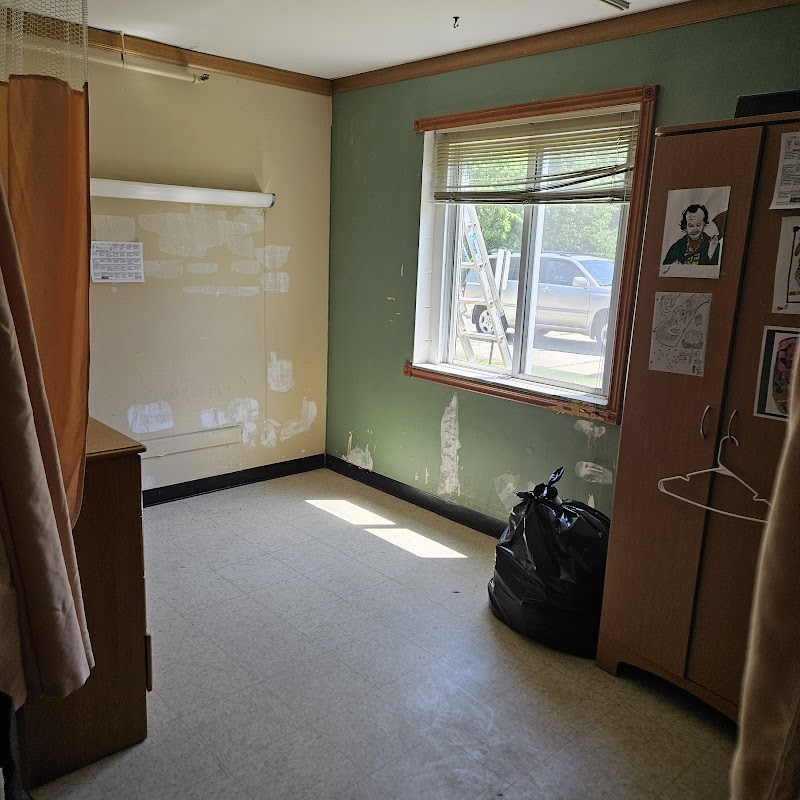
**NOTE- TERMS IN BRACKETS HAVE BEEN EDITED TO PROTECT CONFIDENTIALITY** Based on observation, interview and record review, the facility failed to maintain a home-like environment for residents. This applies to one resident (R56) reviewed for homelike environment in a sample of 31. The findings include: On 12/19/23 at 10:53 AM, during the initial tour rounds, R56's floor was dirty, had food, candy on the floor by the bedside and the trash can was overflowing with garbage in the trash can and on the floor, there were several empty bottles of water. On 12/20/23 at 10:17 AM, R56's floor was still dirty with food and candy, and the trash can was still overflowing with garbage. R56 said she told housekeeping staff yesterday that her floors were dirty and that the trash can needed to be emptied, but the housekeeping staff did not show up yesterday nor this morning. R56 said that housekeeping staff does not come to their rooms everyday to clean or sweep the floors, and she does not have access to a broom so she can sweep. R56 said it does not feel like home to her and does not like it that there is garbage on the floor in her room. R56's Minimum Data Set (MDS) dated [DATE], shows that R56's cognition was intact. On 12/21/23 at 12:23 PM, V2 (DON/Director of Nursing) said that housekeeping staff are to clean the residents' rooms and bathrooms daily. On 12/21/23 at 12:34 PM, V11 (Housekeeping Manager) said that resident's rooms and bathrooms are cleaned every day, and they remove garbage from resident's rooms daily and more frequently if needed. The facility's Environment of Care Manual- General Cleaning Policies and Procedures Resident Room Clean (undated) states to provide a clean, attractive, and safe environment for residents, visitors and staff, pick up loose trash, and remove general waste from the resident's room.
CONCERN (D)

Potential for Harm - no one hurt, but risky conditions existed

Free from Abuse/Neglect (Tag F0600)

Could have caused harm · This affected 1 resident

Based on observation, interview, and record review, the facility failed to prevent a resident-to-resident assault. This applies to two residents (R32 and R49) reviewed for abuse in a sample of 31. T...

Read full inspector narrative →
Based on observation, interview, and record review, the facility failed to prevent a resident-to-resident assault. This applies to two residents (R32 and R49) reviewed for abuse in a sample of 31. The findings include: On 12/19/23 at 2:06 PM, a scab was observed under R49's left eye near the bridge of his nose. R49 stated his previous roommate had punched him in the face. On 12/21/23 at 3:50 PM, V2 DON (Director of Nursing) stated R32 hit R49 in the face and the two residents were separated. R32 was moved to another room. R32 MDS (Minimum Data Set) dated 12/19/23 documents R32 has physical and verbal behavioral symptoms of aggression directed towards others. R32's behavior occurs one to three days per week. Nursing progress note for R49 dated 12/18/23 at 4:49 AM documents R49 being hit by R32. On 12/21/23 at 4:01 PM, V1 stated R32 and R49 were immediately separated and R32 was sent to the hospital for evaluation after the altercation. V1 stated the final report of resident-to-resident abuse will be completed on 12/22/23. The facility's initial report and submission of the incident documents R49 being hit by R32. The facility's Abuse Prevention policy revised date 01/2019 states, it is the policy of the facility to prohibit and prevent resident abuse.
CONCERN (D)

Potential for Harm - no one hurt, but risky conditions existed

Quality of Care (Tag F0684)

Could have caused harm · This affected 1 resident

**NOTE- TERMS IN BRACKETS HAVE BEEN EDITED TO PROTECT CONFIDENTIALITY** Based on observations, interviews, and record reviews, the facility failed to ensure medications were completely flushed through...

Read full inspector narrative →
**NOTE- TERMS IN BRACKETS HAVE BEEN EDITED TO PROTECT CONFIDENTIALITY** Based on observations, interviews, and record reviews, the facility failed to ensure medications were completely flushed through a gastrostomy tube, and failed to ensure alcohol was dry before obtaining a blood glucose value. This applies to 2 residents (R3, R72) reviewed for quality of care in a sample of 31. Findings include: 1. On 12/20/23 at 10:51 AM, V12 (Nurse) was observed preparing R3's medications for administration via R3's gastric tube (G-tube). V12 crushed up 6 medications and put them in individual cups: 81mg Aspirin, 10mg Lisinopril, 1mg Benztropine, 600mg Guaifenesin , 5000 IU Vitamin D 125mg, 20mg Baclofen V12 checked for placement in R3's G-tube and then began administering his medications. V12 was observed placing the crushed medications in the syringe, in its powdered form, then would add 20 to 25cc of water in the syringe. V12 did not dilute the medications with water prior to placing them in the syringe. V12 did this with all 6 of the medications. After V12 gave the last crushed medication, V12 removed the syringe. Residual medication remained in the bottom of the syringe. Then V12 took the syringe to the bathroom and rinsed the remainder of the medications down the drain. On 12/20/23 at 11:40 AM, V12 said she saw that there was medication left in the syringe, but she didn't think she should give it to R3. V12 said R3 had already been given his allotted amount of water for his 200cc flush. On 12/21/23, V2 DON (Director of Nursing) said that G-tube medications should be mixed with water before putting them in the syringe, all the medication including any residual should be given before the next medication given, and a 30cc flush of water should be given after each medication. V2 said this should be done to keep the free flowing of liquids in the G-tube. V2 said that if there was medication left in the syringe and then washed/rinsed away, the resident did not get all his medications. The Facility's Enteral Tube Medication Administration policy and procedure dated 11/1/11 showed when preparing the medications the medication is to be crushed and diluted with 10-30cc of water and keep medications separate. Instill medications in syringe and flush with 5cc-10cc of water and ensure that all medications have been administered and there is no residual left. Then the nurse is to flush again with 30cc of water after the last medication is given. 2. On 12/20/23 at 11:52 AM, V7 (Nurse) obtainied a blood glucose sample for R72. R72 is a [AGE] year old female with diagnoses including type one diabetes, insulin dependent. V7 wiped R7's left 1st finger with an alcohol wipe and then collected a drop of blood. V7 did not wait for the alcohol on R72's finger to dry before collecting the sample of blood. R72's blood glucose was 315. V7 has an order dated 8/3/23 Novolin R insulin for sliding scale. The order showed R72 was to receive 8 units. V7 then gave R72 8units of Novolin R. On 12/21/23 at 9:21 AM, V2 DON said that the nurse should let the alcohol dry before collecting a blood sample. V2 said if not, it can give a false reading and if the resident is on a sliding scale, the wrong amount of insulin can be given. The facility was unable to provide a requested policy or procedure on how to obtain a blood sample for a blood sugar level.
CONCERN (D)

Potential for Harm - no one hurt, but risky conditions existed

Deficiency F0687 (Tag F0687)

Could have caused harm · This affected 1 resident

**NOTE- TERMS IN BRACKETS HAVE BEEN EDITED TO PROTECT CONFIDENTIALITY** Based on observation, interviews, and record review, the facility failed to ensure residents' toenails were cut, and failed to p...

Read full inspector narrative →
**NOTE- TERMS IN BRACKETS HAVE BEEN EDITED TO PROTECT CONFIDENTIALITY** Based on observation, interviews, and record review, the facility failed to ensure residents' toenails were cut, and failed to protect the feet of a resident with circulatory problems. This applies to 2 of 10 residents (R36, R49) reviewed for foot care in a sample of 31. The Findings include: 1. On 12/19/23 at 9:40 AM, R49 was observed ambulating with a walker and wearing non-skid socks. R49 was being escorted outside by V4 PTA (Physical Therapy Assistant) On 12/19/23 at 2:06 PM, R49 stated because of the bandages on his feet, his shoes did not fit. R49 stated the staff offered him double-socks to wear. R49 stated he was never offered any other footwear to accommodate his bandages. On 12/20/23 at 11:07 AM, V5 (Wound Nurse) stated R49 did not have any special equipment for his feet. At 11:36 AM, long and overgrown toenails and crusty white substance were noted on R49's feet and legs. On 12/20/23 at 11:45 AM, V6 (Wound Physician) stated he had not been informed that R49 was unable to wear his shoes with the dressings in place. V6 stated R49 should have shoes on while walking outside to protect his feet from injury. On 12/21/23 at 9:54 AM, V4 stated she was aware R49 did not have shoes on when she took him outside. V4 stated R49 did not have shoes that fit with his dressings in place. V4 stated she did not inform the nurse that R49 did not have shoes to wear. Review of the MDS (Minimum Data Set) dated 9/20/2023 shows R49 is cognitively intact. R49 did not have any physician order for special footwear. R49's medical record shows a history of peripheral vascular disease and chronic peripheral venous insufficiency. Review of Weather.com local temperature on 12/19/23 high was 32 degrees. The facility was unable to provide a requested policy regarding resident foot care. 2. On 12/19/23 at 11:05 AM, R36 was observed with long, curly, and dirty toenails on both feet. R36 is a [AGE] year-old male admitted on [DATE] having moderate cognitive impairment as per the Minimum Data Set (MDS) dated [DATE]. MDS also indicates that R36 is dependent on personal hygiene. On 12/19/23 at 2:50 PM, V2 (Director of Nursing) stated, R36 is not seen by a podiatrist yet.
CONCERN (D)

Potential for Harm - no one hurt, but risky conditions existed

Deficiency F0688 (Tag F0688)

Could have caused harm · This affected 1 resident

Based on observation, interview and record review, the facility failed to ensure anti-contracture devices were applied as ordered. This applies to 1 resident (R72) reviewed for anti-contracture device...

Read full inspector narrative →
Based on observation, interview and record review, the facility failed to ensure anti-contracture devices were applied as ordered. This applies to 1 resident (R72) reviewed for anti-contracture devices in a sample of 31. The findings include: On 12/19/23 at 10:18 AM, R72 was in bed. R72's left hand was closed and in a fist position. R72 was not wearing a hand splint. R72 said she wears a splint to her left hand when the staff applies it. On 12/20/23 at 08:53 AM, V14 (CNA/Certified Nursing Assistant/Restorative) said she did not apply left hand splint to R72 yesterday because she was busy doing weights. V14 said the floor CNAs can apply splints as well, but they did not apply it yesterday. V14 said R72 should have the splint applied every day due to the left-hand contracture. On 12/21/23 at 09:45 AM, V15 (Restorative LPN/Licensed Practical Nurse) said R72's PROM (Passive Range of Motion) and splint application is scheduled every day during morning care, between 6:30 AM -7:30 AM, prior to breakfast. V15 said R72's splint is removed before lunch, at 12 PM. V15 said she did not know why R72 did not have the splint on. V15 said it is expected that restorative aides or unit CNAs perform PROM and apply splints 6-7 days per week. R72's face sheet showed R72 had the following diagnoses- hemiplegia and hemiparesis following cerebral infarction affecting left dominant side, weakness, and contracture of left-hand muscle. R72's MDS (MDS/Minimum Data Set) dated 12/11/23 showed that R72's cognition was moderately impaired. R72's POS (POS/Physician Order Sheet) showed R72 had an order to wear left (grip wrist/hand splint) daily, on before breakfast and off before lunch, for left hand/wrist contracture. R72's splint/brace care plan dated 5/17/23 showed to apply left hand splint per splint schedule to help maintain and or improve the current status and prevent any further deterioration. The facility's policy dated 09/01/11, 02/20/15 showed 6. Splints will be applied according to the facility splint schedule and will be designated for application on an AM or PM shift schedule .
CONCERN (D)

Potential for Harm - no one hurt, but risky conditions existed

Accident Prevention (Tag F0689)

Could have caused harm · This affected 1 resident

Based on observation, interview, and record review, the facility failed to ensure a resident's room was free of trip hazards. This aplies to 1 of 31 residents (R69) reviewed for environmental risk in ...

Read full inspector narrative →
Based on observation, interview, and record review, the facility failed to ensure a resident's room was free of trip hazards. This aplies to 1 of 31 residents (R69) reviewed for environmental risk in a sample of 31. The findings include: On 12/19/23 at 11:28 AM, surveyor tripped on broken floor tile in R69's room. The broken tile located in the pathway between R69's bed and bathroom door. R69 was observed standing from his wheelchair and unsteadily walking into the bathroom. R69's medical record shows he diagnoses of dementia, seizures, and weakness. R69's MDS (Minimum Data Set) dated 9/18/23 shows he has moderate cognitive impairment. R69 requires staff supervision / touch assistance with walking and transfers. On 12/20/23 at 1:51 PM, V3 Maintenance Director stated he was not aware of the broken tile. V3 stated he and V12 (Psychiatric Services Director / Social Services) are assigned to do guardian angel rounds on that unit. V3 stated he did not do his assigned rounding on the unit. V3 stated nursing staff are able to submit repair request through the computerized system or the work order book. V3 stated the broken tile poses a fall hazard. On 12/21/23 at 3:50 PM, V2 stated R69 was unsteady and should not be walking unassisted, but sometimes does.
CONCERN (D)

Potential for Harm - no one hurt, but risky conditions existed

Respiratory Care (Tag F0695)

Could have caused harm · This affected 1 resident

Based on observation, interview, and record review, the facility failed to ensure sanitary storage/containment of respiratory equipment when not in use, and failed to ensure that a resident could use ...

Read full inspector narrative →
Based on observation, interview, and record review, the facility failed to ensure sanitary storage/containment of respiratory equipment when not in use, and failed to ensure that a resident could use their BiPAP (Bilevel Positive Airway Pressure) as ordered by the physician. This applies to 2 of 2 residents (R42 and R56) reviewed for use of respiratory equipment in a sample of 31. The findings include: 1. On 12/19/23 at 10:45 AM, R42's BiPAP (Bilevel Positive Airway Pressure) machine was on the nightstand. The BiPAP mask was on top of the machine and not contained. On 12/20/23 at 09:09 AM R42's BiPAP mask was still on top of the BiPAP machine and not contained. R42 stated she is supposed to use the BiPAP machine every night but is currently not using it because the mask does not fit. R42 said she informed the nurses that the mask does not fit. On 12/21/23 at 01:15 PM R42's BiPAP mask continued to be on top of the machine and not contained. On 12/21/23 at 11:21 AM, V2 (DON) said all BiPAP masks while not in use should be in a plastic bag or some covering to prevent contamination. V2 said she was unaware of R42's BiPAP mask not fitting her face. V2 said it is expected that staff nurses report and have the medical supply company come out a do a fitting for a new mask. V2 said doctors' orders for BiPAP should be followed. The resident could go into respiratory distress of severe sleep apnea from not wearing her BiPAP. R42's face sheet showed diagnoses of chronic obstructive pulmonary disease, acute respiratory failure with hypercapnia, acute on chronic congestive heart failure, and obstructive sleep apnea. R42's physician order sheet showed R42 had orders to wear BiPAP everyday during naps and every night for obstructive sleep apnea. R42's care plan dated 09/12/22 showed R42 to wear BiPAP during sleep including naps. The care plan's interventions showed to monitor for BiPAP usage and mask positioning. 2. On 12/19/23 at 10:53 AM, R56's CPAP machine was on the bedside table, and the tubing and mask were in the drawer, not contained. R56's CPAP machine was dusty, and the mask was dirty with a dry, whitish substance on it. On 12/20/23 at 10:17 AM, R56's CPAP machine was still noted on the bedside table, the mask and the tubing were in the drawer, still not contained. R56 said she uses the CPAP machine every night and staff does not clean it, but she changes the tubing and mask once a month. On 12/21/23 at 9:52 AM, R56's CPAP machine was still noted on her bedside table, with the mask and tubing in the drawer, not contained. R56's EMR (Electronic Medical Record) shows a diagnosis of mild intermittent asthma. R56's POS (Physician Order Sheet) shows an order of Auto CPAP at bedtime for obstructive sleep apnea, wear at all times when sleeping/napping. R56's care plan (initiated 10/12/23) shows that R56 presents with altered sleeping and breathing secondary to CPAP, related to obstructive sleep apnea. On 12/21/23 at 9:34 AM, V10 (ADON/Assistant Director of Nursing) said respiratory equipment should be stored in clear plastic bags when not in use to prevent growth of microorganisms on the machine. On 12/21/23 at 12:22 PM, V2 (DON/Director of Nursing) said the facility does not have a policy that addresses how to store or contain respiratory equipment when not in use. V2 said that it should be contained when not in use.
CONCERN (D)

Potential for Harm - no one hurt, but risky conditions existed

Deficiency F0813 (Tag F0813)

Could have caused harm · This affected 1 resident

**NOTE- TERMS IN BRACKETS HAVE BEEN EDITED TO PROTECT CONFIDENTIALITY** Based on observation and record review, the facility failed to maintain temperature logs, label food items, and discard outdated...

Read full inspector narrative →
**NOTE- TERMS IN BRACKETS HAVE BEEN EDITED TO PROTECT CONFIDENTIALITY** Based on observation and record review, the facility failed to maintain temperature logs, label food items, and discard outdated food items. This applies to 2 residents (R10 & R6) reviewed for personal food storage in a sample of 31 residents. The findings include: 1. On 12/19/23 at 10:53 AM, R60 did not have a thermometer, or a temperature log for the personal refrigerator in the room. R60's refrigerator contained a pack of lunch meat that was opened and did not have a date on it. On 12/21/23 at 12:58 PM, R60's refrigerator still did not have a thermometer or a temperature log. The opened lunch meat continued to be not dated. R60's face sheet showed R60 was admitted to the facility on [DATE]. 2. On 12/19/23 at 12:15 PM, R10 did not have a thermometer, or temperature log for the personal refrigerator in the room. On 12/20/23 at 11:55 PM, R10's refrigerator still did not have a thermometer or a temperature log. R10's face sheet showed R10 was admitted to the facility on [DATE]. The facility's Refrigerator policy (Facility/Resident Rooms) page 14 stated ensure a working thermometer is present inside the unit.
CONCERN (E)

Potential for Harm - no one hurt, but risky conditions existed

ADL Care (Tag F0677)

Could have caused harm · This affected multiple residents

**NOTE- TERMS IN BRACKETS HAVE BEEN EDITED TO PROTECT CONFIDENTIALITY** Based on observation, interview, and record review, the facility failed to ensure residents who require ADL (Activities of Daily...

Read full inspector narrative →
**NOTE- TERMS IN BRACKETS HAVE BEEN EDITED TO PROTECT CONFIDENTIALITY** Based on observation, interview, and record review, the facility failed to ensure residents who require ADL (Activities of Daily Living) assistance received grooming cares. This applies to 5 residents (R31, R33, R61, R36 & R230) reviewed for ADLs in the sample of 31. 1. On 12/19/23 at 1:57 PM, R61 was observed in the hallway in her wheelchair with the hair on the back of her head matted. R61's electronic health records showed that she is an [AGE] year old female with diagnoses including chronic obstructive pulmonary disease, diabetes mellitus, age-related osteoporosis, Alzheimer's disease, non-suicidal self-harm, and major depressive disorder. R61's care plan 1/9/23 showed, Self-Care Deficit with impaired Dressing and Grooming abilities . keeping nails short with no more than Extensive Assist time 1 Staff 6-7 days weekly . Special Note for ADL Care: may have fluctuations in . normal day to day ADL Assistance and Staff Support Needs due to . Chronic Disease Process and/or any Acute exacerbations. The Restorative Aides and/or Certified Nursing Assistant will provide Dressing and Grooming assistance 6-7 days weekly. On 12/21/23 a review of R61's progress note did not show resident refused to have hair brushed. The facility was unable to provide a behavior sheet or any documentation showing R61 refused to have her hair combed. 2. On 12/19/23 at 10:13 AM, R33 was observed with oily hair. R33 said that she would like to take a shower and she has been waiting for the staff to tell her she could take one. R33 said the last time she took a shower was last week. R33 said, Look at my hair, it is depressing, very depressing. R33 is a [AGE] year old female with diagnoses including major depressive disorder reoccurrence severe without psychotic features, suicidal ideations, anxiety, difficulty walking and weakness. R33's 8/24/22 care plan showed a Self-Care Deficit with impaired Dressing and Grooming abilities as evidence by risk factors and potential contributing Diagnosis: Diabetes Mellitus, General Weakness and/or fatigue. ADL Care: may have fluctuations in normal day to day ADL Assistance and Staff Support Needs due to Chronic Disease Process and/or any Acute exacerbations. On 12/21/23 a review of R33's progress notes from 12/11/23 through 12/21/23 did not show R33 refusing of any ADL care. 3. On 12/19/23 at 12:23 PM, R230 was observed with nails long, curling, and with brown substances under nails. R230's electronic health record showed that he is a [AGE] year old male with diagnoses including acute chronic systolic heart failure, diabetes mellitus, weakness, blindness in right and left eye, and generalized anxiety disorder. R230's 12/13/23 MDS (Minimum Data Set) showed that his mental status is severely impaired. R230's 12/10/23 care plan showed; Self-Care Deficit with impaired Dressing and Grooming abilities and . would benefit from participation in a Dressing/Grooming Restorative Nursing Program as evidenced by the following risk factors and potential contributing Diagnosis: Diabetes Mellitus, General Weakness and/or fatigue. Special Note for ADL Care: may have fluctuations day to day ADL Assistance and Staff Support Needs due to my Chronic Disease Process and/or any Acute exacerbations. The Restorative Aides and/or Certified Nursing Assistant will provide Dressing and Grooming assistance 6-7 days weekly. On 12/21/23 a review of R230's progress notes from 12/5/23 - 12/21/23 at 4:44 pm did not show any refusing ADL care. On 12/21/23 at 9:21 AM, V2 DON said ADLs should be provided daily and as needed, for personal hygiene and nails should be clean and cut. 4. On 12/19/23 at 10:20 AM, R31 was observed with long jagged nails with brown substances under the nails. V31 said she could not recall the last time they were cut. R31's 10/2/23 care plan Self-Care Deficits showed R31 is impaired with Grooming abilities as evidenced by the following risk factors and diagnoses: Psychosis, Osteoarthritis, and Impaired cognition. The Restorative Aides and/or Certified Nursing Assistant will provide her established Dressing and Grooming assistance. On 12/21/23 a record review of R31's of progress notes from 12/21/23 through 11/16/23, did not show R31 refusing ADL care. A review of R31's 12/4/23 - 12/18/23 shower sheet did not show any documentation of fingernail grooming. R31's behavior tracking sheets for 12/1/23 - 12/31/23 did not show any behaviors. 5. On 12/19/23 at 11:02 AM, R36 was observed with bilateral hand contractions and wore a splint on his right hand. R36 had dirty, long nails with a blackish substance under nails on both hands. R36 is a [AGE] year-old male admitted on [DATE] having moderate cognitive impairment as per the Minimum Data Set (MDS) dated [DATE]. MDS also indicates that R36 is dependent on personal hygiene. On 12/19/23 at 10:45 AM, V2 (Director of Nursing) stated, Our certified nursing assistants (CNAs) are supposed to provide nail care. The facility presented an undated policy on Activities of Daily Living (ADL) document: Assist the resident in personal care such as bathing, showering, dressing, eating, hair care, oral care, nail care, and appropriate skin care (as indicated and as per the care plan).
CONCERN (E)

Potential for Harm - no one hurt, but risky conditions existed

Infection Control (Tag F0880)

Could have caused harm · This affected multiple residents

1. On 12/19/23 at 1:32 PM, R3 was observed in his room with a personal protective equipment (PPE) box at the door side and no isolation posting/signage or stop sign at the door side to indicate the ty...

Read full inspector narrative →
1. On 12/19/23 at 1:32 PM, R3 was observed in his room with a personal protective equipment (PPE) box at the door side and no isolation posting/signage or stop sign at the door side to indicate the type of isolation and the PPEs visitors should wear to enter the room. R3's 11/21/23 Minimum Data Set showed he has severely impaired cognition. On 12/20/23 at 10:51 AM, there were still no signs showing staff and visitor to put on proper PPE (personal protective equipment) before entering the room. At 11:22 V8 (R3's sister-in-law) was observed going into R3's room without any PPE. At 11:50 AM, V8 stated, I visit R3 every day, and I took him to Bingo last Thursday, and nobody ever mentioned to me to wear a gown. I was told R3 had Escherichia coli (E. coli) infection, and it was cleared, and that's why I wasn't wearing any gown. Nobody told me R3 had a history of Carbapenem-resistant Enterobacteriaceae (CRE) and Klebsiella pneumoniae carbapenemase (KPC) with sputum requiring me to wear a gown. V10 (Assistant Director of Nursing/Infection Preventionist) then told V8 that R3 has been on contact isolation for the last 2 months. V8 then put on PPE after she had already been in R3's room. The garbage can by R3's door for containment and disposal of the PPE was observed without a lid. On 12/20/23 at 11am, V10 said that R3's room should have a sign on the door for contact isolation and the garbage can for the disposed PPE should have a lid on it to prevent the spread of organisms. On 12/21/23 at 9:21 AM, V2 DON (Director of Nursing) said that lids should be on cans for PPE in isolation rooms to reduce the risk of cross contaminations. On 12/20/23 at 1:15 PM, V3 stated, V8 thought that as R3 was cleared with E-Coli, she doesn't need to wear a gown. There should be a stop sign posted on the door or isolation signage posted at the door to indicate the type of isolation to determine the PPEs that need to be worn prior to entering the room. The facility presented infection control /isolation guidelines revised on February 2023 document under the Initiation of Isolation Precaution (Page 5) documents: F. The nurse who is the admitting nurse for the resident will place appropriate signage (CDC) on the door (Indication not to enter without checking at the nurse's station for instruction/education.) The policy is also documented under the Visitors subtitle (Page 6/6) A. The clinical personnel (Licensed Nurses) on the unit are responsible for assuring that visitors are properly educated as to what their actions/requirements need to be before, during, and after a visit to any residents in isolation precautions. 2/3. On 12/19/23 at 11:40 am, V17 and V18 CNAs (Certified Nurses' Assistants) were observe providing incontinence care for R7. V17 was observed with gloved hands wiping stool from R7's perineal area, using a disposable wipe, wiping areas two and three times without folding the wipe or disposing of the wipe. After providing incontinence care, V17 then put a new brief on R7, and pulled up her pants, but never removed her gloves and cleaned her hands. V17 then removed her gloves, did not clean her hands and assisted R7 out of the room. V17 put on new gloves and began providing incontinence care for R31. V18 was also providing incontinence care for R31. V18 was observed wiping stool from R31's perineal area with disposable wipes wiping 2 and 3 times with the same wipe without folding the wipe or disposing the wipe between each wipe. After done with incontinence care V18 attached R31's new brief and adjusted her linen and bed with dirty gloved hands. V17 then removed her gloves, did not clean her hands, put on new gloves and removes the garbage from the room. On 12/19/23 at 12:10 PM, V17 said that she did not think she had to clean her hands if she was still working on the same resident while providing care. On 12/19/23 at 12:15 PM V18 said she did not wash her hands after and before gloving because she did not have any hand sanitizer, but she knew she was supposed to do it. V18 said she was aware that she wiped the resident two and three times with the same wipe without folding it. V18 said she did it because she could not see where she was wiping. V18 said she knows doing this can cause cross contamination and infections. V18 said that she does not recall receiving any hand hygiene in-services or training. On 12/12/23 at 9:21 AM, V2 DON (Director of Nursing) said that staff should only wipe once with a disposable wipe while performing incontinent care especially if the resident has had a bowel movement. V2 said that staff cannot fold the wipe and use it again. V2 said that whenever a staff is going from a dirty area to a clean area while performing incontinent care, they should clean their hands before putting on new gloves, this should be done because of cross contamination. 4. On 12/21/23 at 12:15 pm, V5 was observed providing wound care for R59. R59 is on contact precautions for MRSA (Methicillin Resistant Staphylococcus Aures) infection. V5 provided wound care to R59's left great toe, 5th toe and plantar, she removed some supplies, removed gloves and then put on new gloves without cleaning her hands. Then V5 cleaned R59's wounds to his groin area then she applied betadine to the wounds and then applied a dressing to the groin area. V5 did not clean her hands and apply clean gloves after cleaning the wound and before applying the betadine. V5 then continued to R50's buttocks where she cleaned the wounds on his buttocks, applied the betadine and a dressing to the wounds with the same dirty gloved hands she cleaned the wounds in the groin area. V5 Then with her dirty gloved hands removed the soiled brief attached the new brief pulled up R59's pants then she removed her gloves. V5 then collected and disposed of her supplies in the garbage. V5 then removed her gown and put it in the garbage can next to the door. The garbage can was without a lid and it was the can used for disposing of PPE. On 12/21/23 at 12:28 pm, V5 said that she should have cleaned her hands before and after cleaning the wounds, and before going to a new wound site. V5 said she should have cleaned her hands before putting on new gloves after removing dirty gloves. V5 said she should do this for the prevention of cross contamination and the spread of bacteria and infections. The facility did not provide a wound care policy. 5. On 12/19/23 at 12:23 PM R230 was observed in his room asleep and a urinal with 300 cc of a yellow liquid was observed on his over the bed table. At 12:34 pm, V17 CNA was observed going into R230's room with his lunch tray, picking up the urinal stilled filled with 300cc of yellow liquids in one hand and placing his lunch tray down on his over the bed table right where the urinal was. Then V17 removed the urinal cleaned her hands and prepared R230's lunch but did not clean his table at any time. On 12/19/23 at 12:43 PM, V17 said the R230's over the bed table probably needed some cleaning because it was unsanitary and could cause cross contamination. On 12/20/23 at 9:21am, V2 DON said that residents' urinal should be stored in the bathrooms, and staff should have cleaned the over the bed table before putting the lunch tray down for infection control and prevention of cross contamination of bacteria. The facility's bedpan and urinal policy date 12/21/23 shows that urinal should be away from any clean area such as overbed tables. Based on observation, interview, and record review, the facility failed to post isolation signs for Personal Protective Equipment (PPE), and failed to follow infection control guidelines for pericare, hand hygiene, and wound care. This applies to 5 residents (R3, R7, R31, R59, R230) reviewed for infection control practices in a sample of 31. The findings include:
Dec 2023 2 deficiencies 2 Harm
SERIOUS (G) 📢 Someone Reported This

A family member, employee, or ombudsman was alarmed enough to file a formal complaint

Actual Harm - a resident was hurt due to facility failures

Free from Abuse/Neglect (Tag F0600)

A resident was harmed · This affected 1 resident

**NOTE- TERMS IN BRACKETS HAVE BEEN EDITED TO PROTECT CONFIDENTIALITY** Based on observation, interview, and record review, the facility failed to protect a resident's right to be free from neglect wh...

Read full inspector narrative →
**NOTE- TERMS IN BRACKETS HAVE BEEN EDITED TO PROTECT CONFIDENTIALITY** Based on observation, interview, and record review, the facility failed to protect a resident's right to be free from neglect when a resident did not receive his psoriasis medication to prevent a psoriasis flare-up, and when the resident did not have weekly skin assessments to monitor his flare-up. These failures resulted in R1 experiencing a psoriasis flare-up, and then subsequently his skin lesions were not monitored. This applies to 1 of 7 residents reviewed for neglect in the the sample of 7. The findings include: 1. R1's Face Sheet showed his diagnoses include generalized pustular psoriasis, psoriatic arthritis mutilans, and unspecified psoriasis. On December 14, 2023 at 11:50 AM, R1 stated he had psoriasis and starting having skin issues when he was around [AGE] years old. R1 said he has been waiting on the pharmacy to receive his Cosentyx injections, stating he has not gotten it. R1 stated it works great. R1 stated if he does not get it, he turns out like I am now .with scales, itchy, and painful. R1 rated his pain at a 7 and stated he takes oxycodone for his pain. R1 denied he had any open skin areas and described his skin as scaly, itchy, and painful. The skin on R1's face and hands was clear. R1's September 28, 2023 Minimum Data Set showed he is cognitively intact. On December 14, 2023 at 1:45 PM, V8 LPN (Licensed Practical Nurse- Wound Nurse) went with Surveyors to R1's room to visualize the skin on more areas of R1's body. R1 was in bed lying on his left side and he was under the covers. R1 wore a long-sleeved shirt and sweatpants. R1 pulled up his right sleeve, and the skin to R1's forearm was dry, thicker, cracked, scaly, and dusty white, and it was dotted with tiny scabs. While still on his left side, R1 raised up his shirt; the skin on his back, sides, abdomen, and chest were 100% covered with either scaly skin, scabs, cracked skin, or superficial/raw open areas. The largest of the open areas was to R1's mid-back, which appeared to be approximately five inches long and around an inch wide. Two other open areas were present on his ride side, one approximately two inches long and the other around three inches long. R1 rolled over in the bed and an open area around three inches long was noted on his left side. R1's Active Physician Orders as of June 1, 2023 showed a Cosentyx injection was to be administered on the 13th of every month after the starter doses. R1's Medication Administration Records for June through December 2023 show that no Cosentyx was administered because it was not available. On December 19, 2023 at 10:25 AM, V9 (R1's Primary Physician) stated psoriasis must be controlled with medication, otherwise, it will flare up. V9 stated he has no control over insurance, but he expects the facility to follow up and try to get the medication. The facility's undated 5.2 Medication Administration policy showed Purpose: To administer all medications safely and appropriately to aid residents to overcome illness, relieve and prevent symptoms, and help in diagnosis. The facility's undated 2.6 Ordering Medications policy showed Policy: Medications and related products are ordered from (pharmacy name) on a timely basis . 2. On December 14, 2023 at 1:05 PM, the last weekly skin check noted in R1's Electronic Medical Record (EMR) was dated and signed September 14, 2023, which showed R1 had loss of skin integrity that was not new. Under Ulcers, Wounds, and Skin Problems on R1's September 28, 2023 Minimum Data Set (two weeks later), it showed None of the above were present. R1's November 2, 2023 Physician Progress Note showed R1 had a rash under his Review of Systems and Physical Exam. The Assessment area in the Note showed extensive psoriasis improving psoriatic erythroderma . The same language was used in R1's December 7, 2023 Physician Progress note. R1's October 19, 2023 Weekly Wound Evaluation showed R1 has chronic psoriasis, and showed an unhealed wound was identified on August 22, 2022. Regarding the peri-wound, the Evaluation showed wound margins are defined, the surrounding tissue texture is dry and scaly, with dry, cracked, and fissured skin. The October 19, 2023 note was signed on December 15, 2023 (during the survey). On December 19, 2023 at 2:15 PM, V2 DON (Director of Nursing) stated floor nurses or the wound nurse complete the skin assessments. V2 stated the assessment pops in the computer for the nurse to complete and then they can fill the form. On December 14, 2023 at 12:50 PM, V8 LPN (Licensed Practical Nurse- Wound Nurse) stated she only treats actual wounds and the floor nurses are supposed to do the ointments and powders. At 1:55 PM, V8 LPN stated she has not done any skin assessments and does wounds. V8 was asked for a copy of R1's last skin assessment, which was completed on September 14, 2023. On December 19, 2023 at 10:30 AM, R1's EMR was reviewed again for assessments. Weekly Skin Assessments were present for September 21st and 28th, 2023; October 5th, 12th, 19th, and 26th, 2023; November 9th, 16th, 23rd, 30th, 2023; and December 7th, and 14th, 2023. All said R1 did not have a loss of skin integrity-including the one dated as completed on December 14, 2023- and all assessments were signed between 1:50 PM and 2:20 PM on December 15, 2023. The Purpose of the facility's undated Skin Integrity Guideline showed To provide a comprehensive approach for monitoring skin conditions, and To promote healing of wounds of any etiology . Objectives include Provide a guideline for optimal care to promote healing to patients/residents with all identified alterations in skin integrity (i.e. surgical incisions, skin tears, bruising, etc.) . The General Guidelines section showed .develops a routine schedule to review patients/residents with wounds or at risk on a weekly basis and will document findings .Wound status is monitored on a weekly basis . Under Documentation and Care Interventions for Skin Integrity it showed Patients/Residents will be observed by CNA daily for reddened/open areas .Changes will be reported to the licensed nurse and documented . The Documentation of Weekly Skin Evaluation/Observations section showed Licensed nurse will be responsible for performing a skin evaluation/observation weekly, utilizing the Weekly Skin Review ., and Licensed nurse to document weekly on identified wounds using the 'Wound Evaluation Flow Sheet' . The facility's Abuse Prevention Program (revised 01/2019) showed Policy- It is the policy of this facility to prohibit and prevent resident neglect . The Program continued to show definitions, as 8. Neglect/Mistreatment: means the failure to provide .adequate medical care .that is necessary to avoid physical harm, mental anguish .
SERIOUS (G) 📢 Someone Reported This

A family member, employee, or ombudsman was alarmed enough to file a formal complaint

Actual Harm - a resident was hurt due to facility failures

Deficiency F0760 (Tag F0760)

A resident was harmed · This affected 1 resident

**NOTE- TERMS IN BRACKETS HAVE BEEN EDITED TO PROTECT CONFIDENTIALITY** Based on observation, interview, and record review, the facility failed to ensure a resident's Cosentyx was available for admini...

Read full inspector narrative →
**NOTE- TERMS IN BRACKETS HAVE BEEN EDITED TO PROTECT CONFIDENTIALITY** Based on observation, interview, and record review, the facility failed to ensure a resident's Cosentyx was available for administration. This failure resulted in a resident experiencing a psoriasis flare-up. This applies to 1 of 4 residents (R1) reviewed for medications in a sample of 7. The findings include: R1's Face Sheet showed his diagnoses include psoriatic arthritis mutilans, generalized pustular psoriasis, and other psoriasis. On December 14, 2023 at 11:50 AM, R1 stated he had psoriasis and starting having skin issues when he was around [AGE] years old. R1 said he has been waiting on the pharmacy to receive his Cosentyx injections, stating he has not gotten it. R1 stated it works great when he received the starter doses. R1 stated if he does not get it, he turns out like I am now .with scales, itchy, and painful. R1 rated his pain at a 7 and stated he takes oxycodone for his pain. R1 denied he had any open skin areas and again described his skin as scaly, itchy, and painful. The skin on R1's face and hands was clear. R1's September 28, 2023 Minimum Data Set showed he is cognitively intact. On December 14, 2023 at 1:45 PM, V8 LPN (Licensed Practical Nurse- Wound Nurse) went with Surveyors to R1's room to visualize the skin on more areas of R1's body. R1 was in bed lying on his left side and he was under the covers. R1 wore a long-sleeved shirt and sweat pants. R1 lifted up his right sleeve, and the skin to R1's forearm was dry, thicker, cracked, scaly, and dusty white and it was dotted with tiny scabs. While still on his left side, R1 raised up his shirt; the skin on his back, sides, abdomen, and chest were 100% covered with either scaly skin, scabs, cracked skin, or superficial/raw open areas. The largest of the open areas was to R1's mid-back, which appeared to be approximately five inches long and around an inch wide. Two other open areas were present on his ride side, one approximately two inches long and the other around three inches long. R1 rolled over in the bed and an open area around three inches long was noted on his left side. R1's Active Physician Orders as of June 1, 2023 showed a Cosentyx loading dose order of 300 mg (milligrams) to be injected subcutaneously every Tuesday until June 13, 2023, and then a monthly dose of 300 mg injected monthly on the 13th every month thereafter. R1's Medication Administration Records (MAR) from June, July, August, September, October, November and December of 2023 showed to inject 300mg of Cosentyx on the 13th of each month. Instead of a check mark on the 13th for all seven months (indicating the medication was administered), 9 was written. The legend for Chart Codes on the MAR showed 9 means Other/See Nurse Notes. Nursing notes from June 13, 2023 showed a note written by V13 (LPN) at 5:51 PM given this AM [first name] LPN; from July 13, V12 RN (Registered Nurse) wrote medication on order; from August 13, V11 (LPN) wrote N/A, reordered. Notes were not present in R1's medical record regarding the lack of R1's Cosentyx administration for September 13 or October 13, 2023. For November 13, V10 (RN) wrote Med not available. Needs prior [authorization]. The December 13, 2023 nursing note regarding R1's Cosentyx medication on that day showed not available. On December 14, 2023 at 3:15 PM, V2 (Director of Nursing) stated R1's Primary Care Physician was not who prescribed R1's Cosentyx and it has to come from a specialty pharmacy. V2 stated it is R1's Dermatologist that prescribed Cosentyx and there needs to be a verification in place so R1's insurance would cover the medication so the specialty pharmacy will send it. On December 19, 2023 at 10:00 AM, V2 stated when she called the specialty pharmacy on December 18, 2023 (during the survey), she was told the pharmacy had been emailing with R1's Mother, so she called her. V2 stated she was hoping the facility could take over handling the Cosentyx verifications, and added if there was no break in medication administration, another verification would not be needed for a year. On December 14, 2023 at V16 (Pharmacy Technician at specialty pharmacy that dispenses Cosentyx) stated their records showed that four of the five weekly loading doses of R1's Cosentyx were dispensed on March 22, 2023. V16 stated their system can tell that additional Cosentyx doses were not ordered from anywhere else. R1's MDS history showed he was out of the facility two different times when his monthly April and May doses were due. On December 14, 2023 at 3:05 PM, V17 (Pharmacist at specialty pharmacy) stated generally it is best that a patient is adherent [to the dosing schedule] so there is no relapse. V17 added she could not say how soon symptoms would return if a dose was missed, and usually the prescribing physician will assess for the medication efficacy at three months. On December 19, 2023 at 12:20 PM, V20 (Assistant Director of Nursing) stated if a medication is not available, pharmacy and the physician should be notified. V20 stated nurses can find out of there is an alternative medication if a medication is not available. V20 stated if there is an issue with insurance, call the pharmacy and call the insurance and see what needs to be sent over. V20 stated this process should happen immediately and a progress note should be made. On December 19, 2023 at 10:25 AM, V9 (R1's Primary Physician) stated psoriasis must be controlled with medication, otherwise, it will flare up. V9 stated he has no control over insurance, but he expects the facility to follow up and try to get the medication. R1's psoriasis exacerbation care plan (revised 8/25/22) showed R1 has lesions to his entire body related to psoriasis exacerbation with a goal for psoriasis lesions to be healed by review date (target date of) 12/27/23. Interventions include Administer medication as ordered The facility's undated 5.2 Medication Administration policy showed Purpose: To administer all medications safely and appropriately to aid residents to overcome illness, relieve and prevent symptoms, and help in diagnosis. The facility's undated 2.6 Ordering Medications policy showed Policy: Medications and related products are ordered from (pharmacy name) on a timely basis .
Nov 2023 1 deficiency
CONCERN (D) 📢 Someone Reported This

A family member, employee, or ombudsman was alarmed enough to file a formal complaint

Potential for Harm - no one hurt, but risky conditions existed

Tube Feeding (Tag F0693)

Could have caused harm · This affected 1 resident

Based on observation, interview and record review the facility failed to provide daily feeding tube site care. This applies to 2 of 3 residents (R2, R4) reviewed for feeding tubes in a sample of 17. F...

Read full inspector narrative →
Based on observation, interview and record review the facility failed to provide daily feeding tube site care. This applies to 2 of 3 residents (R2, R4) reviewed for feeding tubes in a sample of 17. Findings include: On 11/7/2023 at 12:10 PM, V2 (Director of Nursing) confirmed care and cleansing of the feeding tube site is completed daily and documented on the Treatment Administration Record (TAR). V2 stated if the care is not documented and signed off as completed on the TAR it is considered not done. 1. On 10/30/2023 at 1:30 PM, V5 (Nurse), provided R2's bolus feeding. R2's feeding tube did not have a dressing present and the skin surrounding the the feeding tube had moderate amount of dried drainage present. R2's Physician Order Summary Report dated 11/8/2023 documents R2 with an order dated 11/26/2022 to cleanse the feeding tube site and cover with a dressing every day. R2's September and October Treatment Administration Record does not document R2's feeding tube site care being provided every day as ordered. 2. On 10/30/2023 at 11:50 AM, R4's continuous tube feeding was infusing into her feeding tube site which was covered with a dressing. R4's Physician Order Summary Report dated 11/8/2023 documents R4 with an order dated 4/12/2023 to cleanse the feeding tube site and cover with a dressing every day as needed. R2's September and October Treatment Administration Record does not document R2's feeding tube site care being provided every day.
Nov 2023 2 deficiencies
CONCERN (D) 📢 Someone Reported This

A family member, employee, or ombudsman was alarmed enough to file a formal complaint

Potential for Harm - no one hurt, but risky conditions existed

Free from Abuse/Neglect (Tag F0600)

Could have caused harm · This affected 1 resident

**NOTE- TERMS IN BRACKETS HAVE BEEN EDITED TO PROTECT CONFIDENTIALITY** Based on observation, interview and record review the facility failed to prevent employee to resident mental abuse. This applies...

Read full inspector narrative →
**NOTE- TERMS IN BRACKETS HAVE BEEN EDITED TO PROTECT CONFIDENTIALITY** Based on observation, interview and record review the facility failed to prevent employee to resident mental abuse. This applies to 1 of 16 residents (R1) reviewed for abuse in a sample of 16. The findings include: R1's admission Record dated 11/3/2023 documents R1 was admitted on [DATE] with diagnoses to include major depression, cocaine dependence, opioid dependence, suicide attempt, self harm sharp glass, restless, agitation, violent behavior and anxiety. An Initial facility Incident Report, dated 10/26/2023, documents on 10/25/2023 V5 (Nurse) used inappropriate language in the presence of R1. On 11/1/2023 at 11:28 AM V2 (Director of Nursing/DON) stated, R1 had alleged she was raped early morning 10/25/2023, was transported to hospital, and returned a few hours later. After she returned, R1 was hallucinating and packing her bags saying she was leaving. Orders were received from a nurse practitioner for R1 to be directly admitted for a psychiatric evaluation. On 10/26/23 at 1:15 PM, R1 sat on her bed in her room. When asked about her hospital trips on 10/25/23, R1 stated, They said I was stealing. I was not. They would not give me my medication. I have one pill that makes me feel better and an antibiotic. I did not feel safe while they were taking care of me. I just don't know if I feel safe though, they just started hollering at me. R1 said that the staff that cared for her the previous night just started hollering at her and saying things that weren't true. On 11/2/2023 at 10:29 AM, V4 CNA (Certified Nursing Assistant) stated she worked 6 AM to 10 PM on 10/25/2023 and around 2 PM, V4 was asked to help calm down R1, who was ordered to be sent back to the hospital for a psychiatric evaluation; R1 was packing up her things saying she wanted to leave. V4 stated she spoke with R1 who believed she was being sent out for again because she lied. V4 was able to calm her and R1 was placed 1:1 until the ambulance arrived for transport to the hospital. V4 saw the ambulance arrive, and R1 who was calm, along with V4 and V6 (CNAs) stopped at the nurses station to ask if there were any papers required for R1's transfer. With V5, V7 and V15 (all Nurses) present at the nurses station, V7 said, You came from (prior facility)? and R1 responded, Yes, are you trying to get rid of me? V4 stated V7 then came from behind the nurses station and said, Yeah, you are making all these accusations so you do not want to be here. R1 responded with Accusations, is that what you call them? and R1 then started making racial slurs, using inappropriate language directed towards V7, and she moved closer to V7. V4 stated she stepped between R1 and V7 and brought R1 to the main entrance. V4 stated V7 did not cuss or yell, but his body language and tone set R1 off. V4 explained every time anyone said anything to R1 about accusations on that day it was upsetting her because she thought they were saying she was lying. V4 stated she called V2 (Director of Nursing) and was outside the main entrance doors when V6 CNA (Certifed Nursing Assistant) texted her to return into the building because V5 was yelling. V4 stated, when she returned, V5 was saying in the presence of R1, She needs to get her f****** s*** and get out- she does not need to come back. On 11/1/2023 at 11:45 AM V6 (CNA) stated on 10/25/2023 when this incident occurred, she was sitting 1:1 with R1 until R1 was picked up for psychiatric evaluation. V6 stated she saw the ambulance arrive, and R1, V4 and V6 walked to the nurses station. V6 stated the the nurses present (V5, V7 and V15) were notified the ambulance arrived, and V4 and V6 asked if there was any paperwork R1 would need for the transfer. V7 stated to R1 What facility were you at? and R1 answered V7's question. V7 then asked, Do you want to go back? Because of the accusations you made, you cannot come back here. R1 then got upset and started getting closer to V7 and became verbally aggressive towards V7. V6 stated V4 stepped between them and R1 was taken to the front entrance arriving at the time the Emergency Medical Technicians (EMTs) were arriving. V6 stated one EMT stayed in the hall by the main entrance door and the other went to the nurses station. V4 left to call V2 (Director of Nursing) and shortly after V4 left, V5 came to the front entrance and yelled at V6, instructing her to Go pack up her stuff, then V5 said s***, R1 is not coming back. V6 texted V4 asking her to return to the main entrance as this was occurring. V6 stated V7 kept a calm voice and did not cuss during his interactions with R1. V6 stated V5 was yelling to the EMT, cussing, and talking over R1 as R1 was yelling at V5. On 11/3/2023 at 10:02 AM V27 (Nurse Practitioner) confirmed R1 has a history of psychiatric illness. V27 stated she expects residents to be free from abuse, for staff behavior to be appropriate, and staff to correctly handle resident behaviors. V27 stated inappropriate and abusive staff-to-resident interactions can cause the resident to become emotionally distraught, agitated and aggressive. V27 denied any residents reporting any other abuse or inappropriate staff behavior, further stating, And they tell me everything. On 11/1/2023 at 2:20 PM, a video clip from 10/25/2023 from between 9:18-9:31 PM was viewed in the presence of V1 (Administrator) and V2. At 9:18 PM, V7 and V5 (Nurses), and V4 and V6 (Nursing Assistants) can be seen with R1 at the nursing station: R1 is barely visible and appears as a shadow while present at the nurses station. V7 is then seen pointing a finger and talking to V4 with body language indicating V7 as upset. V4 then steps between R1 and V7, leaving the immediate area with R1. V4, V6 and R1 are then next seen at the front entrance. At 9:22 PM, V12 and V13 (Emergency Medical Technicians/EMT's) enter the facility and are seen talking to R1, V4 and V6 who are still at the front entrance. V12 then goes to the nurses station and is seen interacting with V5. At 9:24 PM, V5 leaves the nursing station and walks toward the main entrance and is next seen talking to V4, V6 and R1, with body language consisting of waving his arms and pointing his finger and it appears V5 is yelling (no audio). At 9:26 PM, V6 is seen leaving this area with V5 and V4 is on the phone remaining at the front entrance. V5 is next observed back at the nurses station and his body language continues to appear as if he is upset. At 9:29, V12 returns to the front entrance and V12 and V13 leave with R1 at 9:30 PM. A resident, R11, was seen intermittently in this video, wandering in the hallways and in the vicinity of both the nurses station and main entrance. A 10/25/2023 Progress Note documents R11 as alert and oriented. On 11/1/2023 at 2:50 PM, R11 stated he did observe portions of the incident that occurred on 10/25/2023. R11 stated he heard one of the male nurses tell R1 she can't come back a couple times and R1 responded with you can't make that decision. R11 also stated he heard one of the male nurses tell one of the female nursing assistants to go get R1's stuff and the other nursing assistant say he can't do that. The ambulance Patient Care Report dated 10/25/23 showed that at 9:42 PM, the ambulance attendants V12 and V13 encountered two CNAs with R1 and noted that R1 was calm. The reports showed V12 went to get report from staff at the nurses station and that a nurse was yelling at V12 and stormed off towards the front hall. This report documents this nurse came to the location where R1 was with V13 and stated the nurse yelled at R1 and V13 and said they need to get her stuff because she is not returning. The nurse accused R1 of stealing things and R1 denied this. During transport, R1 stated she admitted to cutting three weeks prior to current complaint and she has a history of substance abuse, suicide attempts, anxiety, and major depressive disorder. R1 was noted to speak in organized sentences and organized thoughts. R1 reported to during transport of the RN Yelling at me to crew. It is documented R1 remained talkative, calm and cooperative during transfer. The facility Abuse Prevention Program policy dated 1/2019 documents it is the policy of the facility to prohibit and prevent resident abuse, neglect, exploitation, mistreatment, and misappropriation of resident property. This policy documents employees are required to immediately report any incident, allegation or suspicion of potential abuse or mistreatment they observe, hear about, or suspect to the Administrator. In the absence of the Administrator, reporting can be made to the DON. The facility Abuse Prevention Program: Abuse and Crime Reporting dated 1/2019 documents mental abuse as humiliation, harassment, threats of punishment, or withholding of treatment or services.
CONCERN (D) 📢 Someone Reported This

A family member, employee, or ombudsman was alarmed enough to file a formal complaint

Potential for Harm - no one hurt, but risky conditions existed

Investigate Abuse (Tag F0610)

Could have caused harm · This affected 1 resident

Based on interview and record review, the facility failed to immediately report an allegation of abuse to the Administrator or designee. This applies to 1 of 16 residents (R1) reviewed for abuse repor...

Read full inspector narrative →
Based on interview and record review, the facility failed to immediately report an allegation of abuse to the Administrator or designee. This applies to 1 of 16 residents (R1) reviewed for abuse reporting in a sample of 16. Findings include: The facility Abuse Prevention Program policy dated 1/2019 documents it is the policy of the facility to prohibit and prevent resident abuse, neglect, exploitation, mistreatment, and misappropriation of resident property. This policy documents employees are required to immediately report any incident, allegation or suspicion of potential abuse or mistreatment they observe, hear about, or suspect to the Administrator. In the absence of the Administrator, reporting can be made to the DON (Director of Nursing). An Initial facility Incident Report, dated 10/26/2023, documents on 10/25/2023 V5 (Nurse) used inappropriate language in the presence of R1. On 10/26/23 at 1:15 R1 stated, .I just don't know if I feel safe though, they just started hollering at me. R1 said that the staff that cared for her the previous night just started hollering at her and saying things that weren't true. On 11/2/2023 at 10:29 AM, V4 (Nursing Assistant) stated the evening of 10/25/2023, while conversing with nurses regarding R1's pending transfer to the hospital for a psychiatric evaluation, V7 (Nurse) said to R1, You came from (prior facility)? and R1 responded, Yes, are you trying to get rid of me? V4 stated V7 then came from behind the nurses station and said, Yeah, you are making all these accusations so you do not want to be here. R1 responded with Accusations, is that what you call them? and then R1 started making racial slurs and using inappropriate language directed towards V7 as she moved close to V7. V4 stated she stepped between R1 and V7 and removed R1 from the area. V4 stated she left the area leaving R1 at the main entrance with V6 (Nursing Assistant) and when she returned, V5 was saying, She needs to get her f****** s*** and get out, she does not need to come back. On 11/3/2023 at 1:35 PM V2 (Director of Nursing) stated, the allegation and incident of 10/25/2023 was not reported as abuse to herself or V1 (Administrator) until approximately 6 AM on 10/26/2023. V2 confirmed staff are to immediately report all incidents of suspected abuse.
Sept 2023 2 deficiencies
CONCERN (F) 📢 Someone Reported This

A family member, employee, or ombudsman was alarmed enough to file a formal complaint

Potential for Harm - no one hurt, but risky conditions existed

Deficiency F0802 (Tag F0802)

Could have caused harm · This affected most or all residents

Based on observation, interview, and record review, the facility failed to employ sufficient staff to carry out the functions of food service. This has the potential to affect all the residents who ea...

Read full inspector narrative →
Based on observation, interview, and record review, the facility failed to employ sufficient staff to carry out the functions of food service. This has the potential to affect all the residents who eat by mouth from the facility. The findings include: On 9/20/23 Facility data sheet indicated facility has 79 residents. Two of their residents are NPO (Nothing By Mouth) and do not consume food from the kitchen. On 9/20/23 surveyor entered the facility Kitchen at 10:56 AM. V5 (Cook), and V6 (Dietary Aide) were the only staff members working in the kitchen. The kitchen floor was not clean and a box of buttermilk biscuits was sitting directly on the floor. The freezer floor was noted with a box of scrambled egg mix sitting directly on the freezer floor. On top of the scrambled eggs, eleven boxes of food items were found stacked on top of each other. One box of ready-to-serve fresh-cut produce, fresh shelled eggs, another box of broccoli cuts were also sitting directly on the freezer floor. Three boxes of opened and unlabeled items were also directly on the floor. On 9/20/23 at 10:56 AM, V6 stated someone had gone home at 10:00 AM [V3] (Dietary Manager) hasn't been here for awhile. At 11:10 AM, V5 added we don't have a lot of help, which is slowing me down. On 9/20/23 at 11:20 AM V5 said, He (Food Truck Driver) just dropped it and I'm trying to cook. I don't have enough staff to put away the items. On 9/21/23 at 9:05 AM, V5 stated V3 (Dietary Manager) has been off for two months. Facility's Kitchen Schedule dated September 17th- September 30, 2023, was reviewed and it reflected they have only one [NAME] (V5) from 5:30 AM-2:00 PM and have no Manager. No one was listed as working the [NAME] position (C2) for 12:00 PM-7:30 PM.
CONCERN (F) 📢 Someone Reported This

A family member, employee, or ombudsman was alarmed enough to file a formal complaint

Potential for Harm - no one hurt, but risky conditions existed

Menu Adequacy (Tag F0803)

Could have caused harm · This affected most or all residents

Based on observation, interview, and record review the facility failed to ensure food on the menu was served as posted. This has the potential to affect all the residents who consume food from the fac...

Read full inspector narrative →
Based on observation, interview, and record review the facility failed to ensure food on the menu was served as posted. This has the potential to affect all the residents who consume food from the facility kitchen. The findings include: The 9/20/23 Facility Data Sheet showed the facility census was 79 residents. Two residents are on NPO (Nothing by Mouth) status. On 9/20/23 surveyor entered the Facility Kitchen at 10:56 AM. On 9/20/23 at 10:56 AM, V5 (Cook) stated V11 (Kitchen Manager) is the supervisor he hasn't been here for a while. The facility's lunch menu for 9/20/23 showed Meatballs with Tomato Sauce, Spaghetti Noodles, Italian Blend Vegetables, Garlic Texas Toast, with Strawberry Blondies for dessert. Instead on 9/20/23 during lunch, the Kitchen served mashed potatoes, turkey stew, a bun, and apple sauce. On 9/20/23 at 11:00 AM, V5 (Cook) stated I don't have Meatballs and I don't have Strawberry Blondies .I have substituted turkey stew with mashed potatoes and applesauce. At 11:15 AM, V5 stated the food that is needed is not being ordered. V5 stated there was a food delivery today and it did not bring enough food. On 9/21/23 the lunch menu showed BBQ Meat loaf, Scalloped Potatoes, [NAME] Peas, Bread, and Sugar Cookies for dessert. For lunch served on 9/21/23, there was only one box of Sugar Cookies, which was not enough for all their residents. No green peas were available, so mixed vegetables were substituted also. On 9/21/23 at 9:05 AM, V5 (Cook) stated, food that is needed has not been being ordered. V5 stated there were not enough Sugar Cookies and the only thing he would have would be graham crackers. V5 stated this is every day. The facility's 2017 Menu Planning policy showed 11. Substitutes are made only when necessary in a disaster situation, due to a supply problem, observed quality problem, and/or a special event 12. Copies of menus will be clearly posted and visible to staff and residents . The facility's 2017 Menu Substitutions policy showed Guideline: Menu substitutions shall be made only for reasons of food shortage or delivery problems, equipment malfunction, or disaster
Aug 2023 1 deficiency
CONCERN (D) 📢 Someone Reported This

A family member, employee, or ombudsman was alarmed enough to file a formal complaint

Potential for Harm - no one hurt, but risky conditions existed

Quality of Care (Tag F0684)

Could have caused harm · This affected 1 resident

Based on interview and record review, the facility failed to follow a physician's medication order. This applies to 1 of 3 residents (R1) reviewed for medication administration. The findings include:...

Read full inspector narrative →
Based on interview and record review, the facility failed to follow a physician's medication order. This applies to 1 of 3 residents (R1) reviewed for medication administration. The findings include: R1's Face Sheet showed his diagnoses included anxiety disorder and violent behavior. R1's June 21, 2023 MDS (Minimum Data Set) showed R1 was moderately cognitively impaired. On August 11, 2023 at 9:38 AM, R1 stated that recently an agency nurse (V5) prepared some medication in a syringe and gave it to R1 under R1's tongue. R1 stated the resident in the same room with him (R2) received morphine for his pain. R1 stated the nurses had never given him any medication under his tongue before, so R1 asked the nurse what the name of the medication was. R1 stated the nurse told him it was morphine. R1 stated the morphine made him throw up twice and his bed was wet from the vomit. R1 stated he also felt some constipation for three or four days. R1 stated V5 does not work at the facility every day and he does not know her name. On 8/11/23 at 2:19 PM, V3 (Registered Nurse/Infection Preventionist) verified that V5 (Agency Nurse) gave R1 an incorrect medication at 6:27 AM and shortly after that, R1 had a small emesis. V3 stated the medication was given to R1 in a syringe under the tongue. R1's Physician's order dated 06/15/23 showed R1 takes scheduled valproic acid solution 250mg (milligrams)/5ml (milliliter) and to give 5 ml (250mg) via jejunostomy tube (feeding tube) two times a day for behaviors. On 8/11/23 at 3:00 PM, R1's bottle of R1's valproic acid solution reflected the same order. The facility's Medication Discrepancy Report dated 8/2/23 indicated alleged wrong medication and medication administered and consumer not harmed. The Report described the incident as the assigned nurse reported that patient was given his liquid valproic acid medication in a syringe under his tongue and the resident had a small emesis episode about 20 minutes after administration of the medication. The Report also showed Describe Increased Monitoring if Applicable: Monitoring conducted for the possibility of increased lethargy and monitoring for decreased respirations and adverse effects. R2's Physician's Orders showed an order for morphine (20mg/ml), 0.25ml (5mg) to be administered three times daily sublingually (under the tongue).
Mar 2023 7 deficiencies
CONCERN (D)

Potential for Harm - no one hurt, but risky conditions existed

Resident Rights (Tag F0550)

Could have caused harm · This affected 1 resident

**NOTE- TERMS IN BRACKETS HAVE BEEN EDITED TO PROTECT CONFIDENTIALITY** Based on observation and interview, the facility failed to ensure privacy for residents by leaving residents' urinary catheter d...

Read full inspector narrative →
**NOTE- TERMS IN BRACKETS HAVE BEEN EDITED TO PROTECT CONFIDENTIALITY** Based on observation and interview, the facility failed to ensure privacy for residents by leaving residents' urinary catheter drainage bags in view of passersby. This applies to 2 of 2 residents (R13 and R23) reviewed for catheter care in a sample of 25. Findings include: 1. R13 is a [AGE] year-old female with mild cognitive impairment as per Minimum Data Set (MDS) dated [DATE]. On 3/15/23 at 2:07 PM, R13 was observed in her bed sitting at the bedside with an indwelling catheter drainage bag which was visible to roommates and visitors. 2. R23 is a [AGE] year-old male with moderate cognitive impairment as per MDS dated [DATE]. On 3/15/23 at 11:42 AM, R23 was observed in his bed with a urinary catheter drainage bag visible to his roommate and visitors. On 3/15/23 at 10:16 PM, V2 (Director of Nursing - DON) stated, We don't have any specific policy on privacy bag with urinary catheter bag. A privacy bag should be around the urinary catheter bag, especially with roommates.
CONCERN (D)

Potential for Harm - no one hurt, but risky conditions existed

Pressure Ulcer Prevention (Tag F0686)

Could have caused harm · This affected 1 resident

**NOTE- TERMS IN BRACKETS HAVE BEEN EDITED TO PROTECT CONFIDENTIALITY** Based on observation, interview, and record review, the facility failed to follow Physician Orders for a pressure ulcer treatmen...

Read full inspector narrative →
**NOTE- TERMS IN BRACKETS HAVE BEEN EDITED TO PROTECT CONFIDENTIALITY** Based on observation, interview, and record review, the facility failed to follow Physician Orders for a pressure ulcer treatment and failed to follow clean technique during pressure ulcer dressing changes. This applies to 1 of 2 residents (R9) reviewed for pressure ulcers in a sample of 25. Findings include: 1. R9 is a [AGE] year-old male with intact cognition as per Minimum Data Set (MDS) dated [DATE]. R9's March 15 2023 Order Summary Report showed his diagnoses included pressure-induced deep tissue damage of his left and right heels and showed to perform treatments to both wounds daily. On 3/14/23 at 1:40 PM, during wound care, R9 stated, The facility is not following the physician's order to change my left leg dressing daily. I am not getting a wound dressing change every day. I refused wound dressing change only one day, and that was because of the way the wound care nurse was interacting (rude) with me. R9's February and March Treatment Administration Record (TAR) showed R9's wound dressing changes were not signed off as completed on 2/01, 2/02, 2/04, 2/05, 2/06, 2/07, 2/10, 2/11, 2/16, 2/24, 2/26, 3/8, 3/9, and 3/11. 03/16/23 11:20 AM, V2 (Director of Nursing - DON) stated, The staff should follow the dressing change order in changing wound dressing. If the resident refuses a dressing change, it should be documented in the TAR. They should also follow the clean technique to provide wound care. 2. On 3/14/23 at 1:23 PM, V3 (Wound Care Nurse) and V4 (Certified Nursing Assistant - CNA) perfomed R9's left heel wound dressing change. V4 lifted R9's left leg and held it six inches above the mattress. V3 removed R9's drainage-soiled dressing and placed it underneath R9's left heel. V3 cleansed the wound with wet gauze and piled the used gauze underneath R9's left heel. At 1:30 PM, V4 still held R9's leg and allowed R9's left heel to drift onto the dirty wet gauze and old dressing with drainage. The surveyor notified V3, and V3 continued to apply ointment and calcium alginate without cleaning the wound again, then covered it with a bordered foam dressing and wrapped it. On 3/14/23 at 2:03 PM, V3 (Wound Care Nurse) and V4 (Certified Nursing Assistant - CNA) performed R9's right heel wound dressing change. V4 lifted R9's right leg and held it six inches above the mattress. V3 removed R9's old dressing and cleansed the wound with wet gauze. On 3/14/23 at 2:08 PM, V3 put ointment on a tongue blade, opened calcium alginate, and requested V4 to place R9's right leg on the clean blue pad underneath the right heel. V3 then handed the ointment and opened calcium alginate to V4 (right hand) to get bordered foam from the treatment cart. At 2:10 PM, V4 picked up multiple pieces of garbage (from left heel/leg dressing change) from the floor using his left hand and switching the opened calcium alginate from right hand to left hand, contaminating the calcium alginate. At 2:15 PM, V3 stated, V4 is not a nurse, and he was not aware of cross-contamination. On 3/16/23 at 12:20 PM, V5 (Wound Care Physician) stated, The facility should follow my wound dressing change order. If the wound comes in contact with a dirty dressing after cleansing it, they should cleanse it again before applying a new dressing. The facility's 2006 Clean Dressing Change policy showed Procedure: 1. Place a plastic bag near the foot of the bed to receive a soiled dressing 7. Remove the soiled dressing and discard it in a plastic bag .
CONCERN (D)

Potential for Harm - no one hurt, but risky conditions existed

Deficiency F0694 (Tag F0694)

Could have caused harm · This affected 1 resident

Based on observation, interview, and record review, the facility failed to obtain orders for providing PICC (Peripherally Inserted Central Catheter) line care, and failed to change a PICC line dressin...

Read full inspector narrative →
Based on observation, interview, and record review, the facility failed to obtain orders for providing PICC (Peripherally Inserted Central Catheter) line care, and failed to change a PICC line dressing. This applies to 1 of 1 residents (R66) reviewed for intravenous access care in a sample of 25. Findings include: On March 14, 2023, at 11:00 am, R66's left upper arm PICC line was dressed in gauze and clear transparent dressing. The dressing was dated 3/1/23 (13 days earlier). R66 stated his PICC line dressing should have been changed. R66's March 2023 Physician Orders showed a March 1, 2023 order for a PICC line insertion. On March 14, 2023, at 5:53 pm, Physician Orders were entered for PICC line dressing change to left upper extremity every day shift Tuesday and as needed (13 days after R66's PICC line was placed). On March 16, 2023, at 9:23 am, V2 DON (Director of Nursing) stated the RNs (Registered Nurse) do the central line dressing changes. V2 stated central line dressings should be changed every seven days and as needed, and stated R66's PICC line dressing should have been changed on March 8, 2023. On March 14, 2023, at 8:50 pm, a physician order was entered to flush line with 5 to 10 milliliters saline before and after use and as needed every shift. On March 14, 2023, at 8:51 pm, a physician order was entered to measure the arm circumference daily and as needed one time a day. On March 14, 2023, at 8:53 pm a physician order was entered to measure the PICC line catheter length every day and as needed one time a day. Review of Nursing documentation lists the PICC line dressing was first changed on March 14, 2023, at 12 pm. The PICC line catheter length and arm circumference measurements were first documented on March 15, 2023, at 9 am, 14 days after placement. The facility's undated PICC line dressing policy states PICC line catheter insertion site is a potential entry for bacteria that could produce catheter related infection . Initial PICC dressings are changed 24 hours after placement of the line Transparent dressings are changed every 7 days and sooner if the integrity of the dressing is compromised Dressings with gauze shall be changed every 48 hours Assessment of the catheter site should be performed during dressing change, before and after administration of intermittent intravenous medications, at least every 24 hours when maintained for access only and every 2 hours during continuous therapy .
CONCERN (D)

Potential for Harm - no one hurt, but risky conditions existed

Deficiency F0697 (Tag F0697)

Could have caused harm · This affected 1 resident

**NOTE- TERMS IN BRACKETS HAVE BEEN EDITED TO PROTECT CONFIDENTIALITY** Based on observation, interview, and record review, the facility failed to manage a resident's pain for a wound dressing change....

Read full inspector narrative →
**NOTE- TERMS IN BRACKETS HAVE BEEN EDITED TO PROTECT CONFIDENTIALITY** Based on observation, interview, and record review, the facility failed to manage a resident's pain for a wound dressing change. This applies to 1 of 2 residents (R9) reviewed for pain management in a sample of 25. Findings include: R9 is a [AGE] year-old male with intact cognition as per Minimum Data Set (MDS) dated [DATE]. R9's March 15 2023 Order Summary Report showed his diagnoses included pressure-induced deep tissue damage of his left and right heels and showed to perform treatments to both wounds daily. On 3/14/23 at 1:23 PM, V3 (Wound Care Nurse) and V4 CNA (Certified Nursing Assistant) provided a left heel wound dressing change. R9 was not assessed for pain. V4 raised R9's left leg up and held it six inches above the mattress. V3 then removed the old dressing with drainage and cleansed the wound with wet gauze. R9 vocalized, it hurts .it hurts. V3 continued with the dressing change and did not ask R9 about his pain. On 3/14/23 at 2:15 PM, V3 stated, I didn't assess R9 for pain because I know he was given pain medication. R9's March 2023 Physician Order Sheet (POS) documents that R9 can have Norco 10/325 mg every four hours as needed. On 3/14/23 at 2:16 PM, R9 was asked by the Surveyor if his wound care was painful. R9 replied it was really painful . my pain was 6/10. At 2:20 PM, V14 (R9's Nurse) stated, R9 was given Norco 10/325 milligram (mg) at 9:00 AM. He could have got another dose at 1:00 PM before wound care. Record review on the facility-provided pain management policy (undated) document: This policy aims to accomplish that mission through an effective pain management program .through using pain medications judiciously to balance the residents' desired level of pain relief On 3/15/23 at 10:16 AM, V2 (Director of Nursing) stated that the wound care nurse (V3) should have assessed resident (R9) for pain before she started with wound care.
CONCERN (D)

Potential for Harm - no one hurt, but risky conditions existed

Deficiency F0761 (Tag F0761)

Could have caused harm · This affected 1 resident

**NOTE- TERMS IN BRACKETS HAVE BEEN EDITED TO PROTECT CONFIDENTIALITY** Based on interview and record review, the facility failed to document when a resident's narcotic pain medication was administere...

Read full inspector narrative →
**NOTE- TERMS IN BRACKETS HAVE BEEN EDITED TO PROTECT CONFIDENTIALITY** Based on interview and record review, the facility failed to document when a resident's narcotic pain medication was administered. This applies to 1 of 2 residents (R9) reviewed for pain medication administration in a sample of 25. Findings include: R9 is a [AGE] year-old male with intact cognition per Minimum Data Set (MDS) dated [DATE]. Record review on the narcotics log sheet indicates that 23 doses of Norco 10/325 milligrams were pulled from R9's locked narcotics box from 3/9/23 to 3/15/23. R9's March 2023 Medication Administration Record (MAR) showed that only three doses were documented as administered. On 3/16/23 at 11:20 AM, V2 (Director of Nursing - DON) stated controlled medications, including Norco, should be documented on the Narcotics log when they pull that medication from the Narcotics box, and then must be documented on the eMAR after administering it. The facility provided policy and procedure on Controlled Substance (undated) documents: Records shall be maintained by authorized nursing personnel of all schedule II drugs administered.
CONCERN (E)

Potential for Harm - no one hurt, but risky conditions existed

Safe Environment (Tag F0584)

Could have caused harm · This affected multiple residents

6. On March 14, 2023, at 10:45 am, R51's room had dirt and trash on the floor. In R51's bathroom, dried feces were on the toilet bowl and chipped and peeling paint was on the walls. On March 15, 2023...

Read full inspector narrative →
6. On March 14, 2023, at 10:45 am, R51's room had dirt and trash on the floor. In R51's bathroom, dried feces were on the toilet bowl and chipped and peeling paint was on the walls. On March 15, 2023, at 11:13 am, R51's bed was soaked with urine and smeared with feces. At 11:28 am V10 Registered Nurse (RN) stated the CNA's are responsible for cleaning the residents and changing the bed sheets. CNAs should be rounding every two hours. If there is a resident that needs to be cleaned or sheets need to be changed the CNA should do it at that time. On March 16, 2023, at 9:43 am, R51 had the same soiled sheets in place from the previous day. 7. On March 14, 2023, at 10:45 am, stains and crusty debris were present on R32's bed sheet and pillowcases. R32 stated the CNA (Certified Nursing Assistants) were supposed to change his linen today for his shower day, but they did not. On March 15, 2023, at 11:13 am, R32 had the same stained sheet and pillowcase with crusty debris from the previous day. R32 stated he's had the same dirty sheets on his bed for over a week. R32 stated he requested staff to change his sheets the previous day, but they did not change them. On March 16, 2023, at 9:43 am, R32 was noted to have the same dirty sheets and pillowcases on his bed from March 14, 2023. 8. On March 14, 2023, at 11:00 am, R66's room floor was dirty and had debris scattered. [NAME] stains and crusty debris were present on R66's bed sheets and pillowcases. Two days later on March 16, 2023 at 9:45 am, the stains and debris remained on R66's bed linen. On March 16, 2023, at 9:23 am V2 DON (Director of Nursing) stated CNAs are responsible for changing the resident's sheets and linen changes are not documented. Guardian Angel rounds are done, and concerns brought up in the morning meeting are addressed that morning. (On March 16, 2023, at 11:57 am, V6 Maintenance Supervisor stated he did not conduct his assigned Guardian angel rounds for the last two days.) On March 16, 2023, at 9:47 am, V12 CNA stated she was assigned to R51, R32, and R66 for that day and the previous day. V12 stated she did not change the sheets because she did not have clean linen available. V12 stated she requested clean linen from the laundry staff both days. On March 16, 2023, at 9:53 am, V13 Housekeeping Aid in Laundry stated no one asked her for any extra linen and she did not have any clean linen ready for use. The facility's undated Activities of Daily Living (ADL) policy showed residents are given routine daily care by the CNA or a Nurse to promote hygiene, provide comfort and provide a homelike environment. ADL care of the resident includes but is not limited to assisting in maintenance of belongings and immediate environment of the resident . Based on observation, interview, and record review, the facility failed to provide a warm and clean environment. This applies to 8 residents (R241, R53, R46, R21, R240, R51, R32, and R66) reviewed for homelike environment in a sample of 25. The findings include: 1. On 3/14/23 at 11:37 AM, R241 was observed in her room wearing a t-shirt, sweater, winter coat and winter hat. R241 said she was cold and there is no heat in here. R241 had winter gloves laying on her bed and said she wears those when she gets really cold. On 3/14/23 at 3:00 PM, R241 was observed in the hallway wearing winter coat, hat, and gloves and said she was colder now than she was earlier. On 3/15/23 at 9:43 AM, R241 was observed in her room wearing a winter hat, gloves and a fleece coat. 2. On 3/14/23 at 11:07 AM, R53 was observed in her room wearing two nightgowns and said she was cold and that facility staff told her they were going to caulk around her window two weeks ago, but had not done that yet. On 3/15/23 at 9:36 AM, R53 was lying in bed with two nightgowns on and four blankets on top of her. R53 said facility staff told her to keep the door open to help some of the heat from the hallway come into the room. 3. On 3/14/23 at 11:02 AM, R46 was in wheelchair with thick fleece blanket pulled up over her shoulders and said she was cold. On 3/15/23 at 9:31 AM, R46 said she was just as cold as the day before. 4. On 3/14/23 at 11:16 AM, R21 was asleep in bed wearing a hooded sweatshirt with the hood pulled up, and a fleece blanket pulled up over her shoulders. On 3/15/23 at 9:37 AM, R21 was in her room wearing sweatshirt and jacket, fleece pants, and fuzzy slippers. R21 said she was cold. 5. On 3/14/23 at 10:33 AM, R240 said he was cold, it gets really cold at night, and there is a draft coming off his window. On 3/15/23 at 4:10 PM, R53, R46, R21, and R240 were asked what they thought were comfortable room temperatures. R53 and R21 both said 72 degrees Fahrenheit (F). R46 said 70 degrees F. R240 said he is comfortable at 68 degrees F, but his room gets much colder than 68 degrees here at night. On 3/15/23 at 12:10 PM, ambient room temperatures were checked with V6 (Maintenance Director). All bedroom doors were open during room temperature checks and temperatures taken in degrees F. R46's room was 68 degrees, and R53, R21, and R240's room temperatures were 69 degrees. On 3/16/23 at 9:30 AM, ambient room temperatures were again checked with V6. R241's room was 68 degrees, R46's room and R240's rooms were 69 degrees, and R53 and R21's room was 70 degrees. On 3/16/23 V6 said he thought the temperature in the building should be between 70-75 degrees. On 3/15/23 at 11:02 AM, V8 LPN (Licensed Practical Nurse) said residents have complained to her about being cold and she has seen residents wearing multiple layers. V8 said some resident rooms in the building have thermostats and other rooms are controlled by the thermostats in the hallway. On 3/15/23 at 12:10 PM, V6 (Maintenance Director) said the heat for R241, R53, R46, R21, and R240's rooms is controlled by the thermostat in their hallway, so if they have their doors closed, the heat will not circulate into their rooms and the thermostat will only adjust the temperature in the hallway. V6 said the windows were caulked outside in the Fall of 2022 and he was not aware of R53's recent request to caulk inside around her window. On 3/15/23 at 10:30 AM, V2 DON (Director of Nursing) said R240 complained of being cold, and she was not aware of any other residents wearing multiple layers or complaining of being cold. On 3/15/23 at 12:14 PM, V1 (Administrator) said he was not aware residents were cold or wearing multiple layers to stay warm. The facility's Grievance Log showed two concerns filed in November 2022 regarding cold temperatures in the building in November of 2022, both of which having been signed off as resolved by V1. The January 2023 Resident Council Meeting minutes listed a concern for resident rooms not being warm enough. The facilitys' Heating and/or Cooling policy showed 4. If temperatures are not maintained between 71-81 degrees F, Maintenance Director will obtain alternate source of heating or cooling until repairs are complete .
CONCERN (F)

Potential for Harm - no one hurt, but risky conditions existed

Deficiency F0804 (Tag F0804)

Could have caused harm · This affected most or all residents

Based on observation, interview, and record review, the facility failed to check for safe food temperatures and failed to provide palatable foods. This applies to 83 residents who receive meals from t...

Read full inspector narrative →
Based on observation, interview, and record review, the facility failed to check for safe food temperatures and failed to provide palatable foods. This applies to 83 residents who receive meals from the kitchen. Three residents do not eat food from the kitchen due to receiving nutrition via a gastrostomy tube. Findings include: 1. On March 14, 2023, the food temperatures for lunch were not checked. On March 15, 2023, at 10:47 AM, the food temperature log was reviewed. During review, several dates were not filled out for breakfast and lunch, including February 27, 2023, February 28, 2023, March 1, 2023, March 2, 2023, March 4, 2023, March 5, 2023, March 7, 2023, March 8, 2023, March 9, 2023, and March 10, 2023. On March 15, 2023, at 10:55 AM, V7 (Cook) said he did not put the temperatures in the log and forgot to do it. On March 17, 2023, at 1:16 PM, V17 (Cook/Dietary Aide) said the cook was supposed to fill out the log and temperatures should be done because there is a risk for residents to get a foodborne illness. On March 17, 2023, at 9:27 AM, V16 (Dietician) said the food temperatures should be taken for each item when they are placed onto the steam table. V16 said if the food is not at adequate temperatures, it is not safe to serve to the residents as it could cause foodborne illnesses. V16 said the temperatures should also be checked every 20 to 30 minutes during meal service to ensure they are holding at the appropriate temperatures. V16 said the staff working in the serving area should be checking the food temperatures. On March 17, 2023, at 9:40 AM, V15 (Former Dietary Manager and current Activity Director) said the food temperatures should be checked three times during the meal prepping and serving process. V15 said the temperature that needed to be logged in the book was for when the food was on the steam table, right before meal service began. V15 said the final check should be done after the meal service to ensure the food temperatures stayed within the range of acceptable temperatures and to ensure there were no issues with the steam table. V15 said if the food did not remain in the acceptable temperature ranges, it could cause bacteria to multiply. V15 said the [NAME] should be checking and recording the temperatures in the log. The facility's 2017 Serving Food and Beverages policy shows The [NAME] shall take temperatures of hot and cold food items using approved food thermometers prior to each meal service. Food temperatures shall be recorded. 2. The facility's F/W Menu 22/23 Week at a glance for General Week 2 for Thursday March 16, 2023 shows lunch: Beef Stroganoff, mashed potatoes, broccoli and cauliflower, and pear crisp with topping. A lunch test tray received at 12:43 PM, and it consisted of ground beef in a thin brown gravy, spooned over mashed potatoes, mushy broccoli and cauliflower, and diced peaches on the side. There was no pear crisp. On 3/15/23 at 10:45 AM, R12 said the food is not cooked all the way, the vegetables are watery, and she can't eat the food. On 3/16/23 at 12:56 PM after lunch was finished, R12 said it was supposed to be beef stroganoff for lunch, but it was mashed potatoes with hamburger on top and that is not beef stroganoff. R12 said the broccoli was mushy and she asked for something else and they gave her a hot dog instead. On 3/14/23 at 11:37 AM, R241 said the food is terrible and most of the time she eats bologna sandwiches because she doesn't like the food they give her. R241 said sometimes she will order take-out chicken and the CNA (Certified Nurse Assistant) will go pick it up for her on break. On 3/15/23 at 9:29 AM, V8 LPN (Licensed Practical Nurse) said R241's insulin was held this morning because she only ate half of her oatmeal. On 3/15/23 at 9:43 AM, R241 said she only ate half her oatmeal for breakfast because it was too watery. On 3/14/23 at 10:33 AM, R240 said he cannot eat the food at the facility because it gave him diarrhea. On 3/16/23 at 10:27 AM R240 said the food is not any better. R240 said he only ate half a ham sandwich for dinner the day prior because he needs to watch his salt intake due to his cardiac history. R240 said he was still hungry. On 3/16/23 at 12:56 after lunch, R240 was asked if he ate the beef stroganoff and he said, I tried, but it was too greasy. On 3/15/23 at 11:02 AM, V8 (LPN) said residents have complained to her about the food. On 3/16/23 at 9:49 AM, V9 (LPN) said, Nobody likes the food here. The residents say there is no taste or flavor and that there are not enough choices. On 3/16/23 at 9:14 AM, V2 (Director of Nursing) said she had heard nitpicky complaints about the food, but nothing more than being fussy over food like a toddler. The facility's The Dining Experience policy showed Guideline: Residents will have an exceptional dining experience that provides attention to each resident's individual plan of care and dining wishes . Procedure: .6. Meals will be nourishing, attractive, palatable, .
Feb 2023 1 deficiency
CONCERN (D) 📢 Someone Reported This

A family member, employee, or ombudsman was alarmed enough to file a formal complaint

Potential for Harm - no one hurt, but risky conditions existed

ADL Care (Tag F0677)

Could have caused harm · This affected 1 resident

**NOTE- TERMS IN BRACKETS HAVE BEEN EDITED TO PROTECT CONFIDENTIALITY** Based on interview and record review, the facility failed to ensure that timely incontinence care was provided to a resident who...

Read full inspector narrative →
**NOTE- TERMS IN BRACKETS HAVE BEEN EDITED TO PROTECT CONFIDENTIALITY** Based on interview and record review, the facility failed to ensure that timely incontinence care was provided to a resident who required assistance with toileting. This applies to 1 of 3 residents (R1) reviewed for Activities of Daily Living. The findings include: On February 23, 2023 at 11:40 AM, V7 (Licensed Practical Nurse/LPN) reported he was familiar with R1 and had taken care of him several times. V7 stated R1 was alert, coherent, usually seated in his wheelchair, fully dressed, and propels himself in the chair throughout the building. V7 reported that R1 makes his needs known. V7 stated R1 always notifies the CNAs and requests assistance if he has been incontinent. On February 23, 2023 at 1:20PM, V5 (Registered Nurse/RN) stated she worked the 7PM to 7:30 AM shift on February 18, 2023 and was assigned to the group of residents that included R1. V5 stated she was familiar with R1 and had taken care of him before. V5 stated she did not know that R1 had called 911 until the paramedics came to the nurse's station. V5 stated she was passing meds at the time and was alerted to the paramedics arrival by the other nurse on duty. V5 stated she was informed that the paramedics had arrived to transport R1 to the emergency room. V5 stated R1 calls 911 when he gets upset. V5 stated the paramedics told her that R1 needed to be cleaned up before he went to the hospital. V5 stated that because the CNAs were busy, she told (the paramedics) they would have to wait, and they did wait for a while, but they took (R1) because they could not continue to wait. V5 stated that later in the shift someone from the hospital called saying R1 was laying in feces for hours and he reported being wet and laying that way. V5 stated, I believe he had been waiting. It takes two to (provide incontinence care for) him. On February 23, 2023 at 4:00PM, R1 stated he called 911 on February 18. 2023 in order to go to the hospital due to being upset. R1 stated he initially called for assistance using his call light at 4:30 PM because he needed incontinence care. R1 stated, I was left in my feces and I called 911 at 8:00 o'clock. It was still in my briefs; my pants were wet. The hospital staff called the facility. R1 was admitted to the facility on [DATE] according to his face sheet. His diagnoses included cerebral palsy, paraplegia, epilepsy, schizoaffective disorder, major depressive disorder, hypertension, and morbid obesity according to his face sheet. R1's most recent comprehensive assessment (December 5, 2022) documented R1 showed moderately impaired cognition, and required extensive assistance of two staff for toileting, bed mobility and transfer and was always incontinent of bowel and bladder. R1's care plan showed a focus problem regarding self-care deficits, and documented R1 requires assistance with ADLs (activities of daily living) to maintain the highest possible level of functioning. The intervention documented, Provide assistance with all ADLs as required per his dependence needs. On February 27, 2023 at 11:15 AM, V2 (Director of Nursing/DON) stated it was her expectation that a resident will be attended to right away or within 15 minutes for incontinence care. The facility's policy, Activities of Daily Living (Routine Care) (no date) stated, Residents are given routine daily care and HS (bedtime) care by a C.N.A. or a Nurse to promote hygiene, provide comfort and provide a homelike environment. ADL care is provided throughout the day, evening and night as care planned and/or as needed.
Dec 2022 2 deficiencies
CONCERN (D) 📢 Someone Reported This

A family member, employee, or ombudsman was alarmed enough to file a formal complaint

Potential for Harm - no one hurt, but risky conditions existed

Notification of Changes (Tag F0580)

Could have caused harm · This affected 1 resident

**NOTE- TERMS IN BRACKETS HAVE BEEN EDITED TO PROTECT CONFIDENTIALITY** Based on interview and record review, the facility failed to notify a resident's Power of Attorney (POA) when resident was being...

Read full inspector narrative →
**NOTE- TERMS IN BRACKETS HAVE BEEN EDITED TO PROTECT CONFIDENTIALITY** Based on interview and record review, the facility failed to notify a resident's Power of Attorney (POA) when resident was being transferred to a local hospital. This applies to 1 of 3 residents (R1) reviewed for transfers to hospital. The findings include: R1's EMR (Electronic Medical Record) showed R1 was admitted to the facility on [DATE], discharged home on October 3, 2022, and was readmitted to the facility on [DATE]. R1's diagnoses included hypertension, dehydration, unspecified severe protein-malnutrition, muscle weakness, chronic peripheral venous insufficiency, and generalized edema. On October 28, 2022, R1 was sent to the local hospital with confusion. R1 was admitted to the hospital and diagnosed with hemiplegia and hemiparesis following cerebral infarction affecting left non-dominant side. R1 returned to the facility on October 29, 2022. R1's MDS (Minimum Data Set) dated September 16, 2022, showed R1 had moderately impaired cognition, and required one staff limited assistance for bed mobility, transfers, dressing, and personal hygiene. On December 19, 2022, at 12:54 PM, R1 was sitting on the side of her bed and reported about a week ago she had to go to the hospital because she was dizzy. On December 19, 2022, at 10:04 AM, V5 (RN/Registered Nurse) reported she was the nurse for R1 on December 11, 2022. V5 reported R1 had complained of feeling dizzy. R1's vitals were obtained and were stable. V5 reported she called V11 (Physician) to make him aware of R1's symptoms. V11's order was to monitor R1 and notify him if R1 had any changes in her condition. V5 further stated about two hours later, V5 was notified by another resident that R1 had called 911. When paramedics arrived, V5 reported she spoke to the paramedics and notified them that R1 had called 911, not her. V5 told the paramedics R1 had been complaining of dizziness, her vital signs were stable, R1's physician had been notified, and he gave an order to monitor R1 and call him with any changes in R1's condition. V5 then stated she had to print R1's paperwork (face sheet and medication list) because the paramedics would not take R1 without the paperwork. On December 19, 2022, at 2:21 PM, V2 (DON/Director of Nursing) reported V5 (RN/Registered Nurse) called her around 6:00 PM to let her know that R1 had been complaining of dizziness and wanted to go to the hospital. V5 had checked vital signs and called V11 (Physician) who gave an order to monitor R1 and notify if R1 had any change of condition. V2 reported she was made aware that R1 called 911 herself and was being sent to the hospital. V2 further stated there should be a progress note with a description of the incident, assessments, notification of physician, any orders received, and notification of POA (Power of Attorney)/Family. R1's progress notes showed on December 11, 2022, at 4:20 PM (R1) complained of dizziness and requested to be sent to the hospital vital signs: blood pressure 126/102, pulse 89, temperature 97.6, oxygen 90% on room air, and respiratory rate 18. Notified V11 (Physician), an order to monitor {R1} for rest of shift was given. At 5:47 PM, another progress note showed R1 called 911 from personal cell phone. Paramedics stated R1 reported she has had dizziness for 3 weeks. R1 was taken to the hospital. There was no documentation to show that V6 (POA) was notified about R1 being transferred to the local hospital. The progress note documented by V3 (RN) on December 11, 2022, at 10:20 PM showed R1 returned to the facility from the local hospital. On December 19, 2022, at 2:16 PM, V4 (Social Service) reported he had not had any conversation with V6 about R1 going to the hospital on December 11, 2022. R1's Hospital records for December 11, 2022, were reviewed. R1 arrived at the local emergency room at 6:34 PM, R1 reported she has had dizziness for the last month but over the last few days has worsened. No complaints of chest pain, shortness of breath, fever, abdominal pain, nausea, or vomiting, no focal weakness or numbness. Lab tests CBC (Complete Blood Count), CMP (Comprehensive Metabolic Panel), troponin, chest X-ray, EKG (Electrocardiogram) were all unremarkable. R1 was given Meclizine in the emergency room and when reassessed, reported the medication was effective and her symptoms had improved. R1 was given a prescription for Meclizine 25 mg (Milligrams) three times a day as needed for dizziness. Hospital records showed they had called V6 (R1's POA) and notified her R1 was in the emergency room and discussed R1's plan of care. R1 was discharged back to the facility on the same day. Facility's undated policy titled, Change in Resident's Condition or Status showed, Policy: It is the policy of the facility to ensure that the resident's attending physician and representative are notified of changes in the resident's condition or status. Facility's undated policy titled, Transfer and Discharge Policy and Procedure showed, Procedure 7. Before a facility transfers a resident to a hospital the nursing facility will provide information to the resident/responsible .
CONCERN (D) 📢 Someone Reported This

A family member, employee, or ombudsman was alarmed enough to file a formal complaint

Potential for Harm - no one hurt, but risky conditions existed

Quality of Care (Tag F0684)

Could have caused harm · This affected 1 resident

**NOTE- TERMS IN BRACKETS HAVE BEEN EDITED TO PROTECT CONFIDENTIALITY** Based on interview and record review, the facility failed to provide treatment as ordered by the physician to manage a resident'...

Read full inspector narrative →
**NOTE- TERMS IN BRACKETS HAVE BEEN EDITED TO PROTECT CONFIDENTIALITY** Based on interview and record review, the facility failed to provide treatment as ordered by the physician to manage a resident's symptom of dizziness/vertigo. This applies to 1 of 3 residents (R1) reviewed for improper nursing. The findings include: R1's EMR (Electronic Medical Record) showed R1 was admitted to the facility on [DATE], discharged home on October 3, 2022, and was readmitted to the facility on [DATE]. R1's diagnoses included hypertension, dehydration, unspecified severe protein-malnutrition, muscle weakness, chronic peripheral venous insufficiency, and generalized edema. On October 28, 2022, R1 was sent to the local hospital with confusion. R1 was admitted to the hospital and diagnosed with hemiplegia and hemiparesis following cerebral infarction affecting left non-dominant side. R1 returned to the facility on October 29, 2022. R1's MDS (Minimum Data Set) dated September 16, 2022, showed R1 had moderately impaired cognition, and required one staff limited assistance for bed mobility, transfers, dressing, and personal hygiene. On December 19, 2022, at 12:54 PM, R1 was sitting on the side of her bed and reported about a week ago she had to go to the hospital. R1 stated, I am not sure, I think I called 911 but it could have been the facility. I was dizzy, and I had a stroke not too long ago, so I was worried I was having a relapse. I felt better after going to the hospital, but I still feel dizzy. I try not to turn around or move to fast and if I feel dizzy, I know I need to sit down and take a few deep breaths. On December 19, 2022, at 10:04 AM, V5 (RN/Registered Nurse) reported she was the nurse for R1 on December 11, 2022. V5 reported R1 had complained of feeling dizzy. R1's vitals were obtained and were stable. V5 reported she called V11 (Physician) to make him aware of R1's symptoms. V11's order was to monitor R1 and notify him if R1 had any changes in her condition. V5 further stated about two hours later, V5 was notified by another resident that R1 had called 911. When paramedics arrived, V5 reported she spoke to the paramedics and notified them that R1 had called 911, not her. V5 told the paramedics R1 had been complaining of dizziness, her vital signs were stable, R1's physician had been notified, and he gave an order to monitor R1 and call him with any changes in R1's condition. V5 then stated she had to print R1's paperwork (face sheet and medication list) because the paramedics would not take R1 without the paperwork. Paramedics reported to V5 that R1 had told them she had been feeling dizzy for the last three weeks. V5 reported she was not aware of that. On December 20, 2022, at 9:01 AM, V11 (Physician) stated, the nurse called me and told me that (R1) wanted to go to the hospital because of dizziness. I asked her how did (R1) look and the nurse told me she looked fine, and the nurse said her vital signs were stable. I do not know if the nurse gave (R1) Meclizine, I wasn't there. I just told the nurse to monitor (R1) for the rest of her shift and let me know if there is any change of condition. On December 19, 2022, at 2:21 PM, V2 (DON/Director of Nursing) reported V5 (RN/Registered Nurse) called her around 6:00 PM to let her know that R1 had been complaining of dizziness and wanted to go to the hospital. V5 had checked vital signs and called V11 (Physician) who gave an order to monitor R1 and notify if R1 had any change of condition. V2 reported she was made aware that R1 called 911 herself and was being sent to the hospital. V2 further stated there should be a progress note with a description of the incident, assessments, notification of physician, any orders received, and notification of POA (Power of Attorney)/Family. R1's progress notes showed on December 11, 2022, at 4:20 PM, (R1) complained of dizziness and requested to be sent to the hospital vital signs: blood pressure 126/102, pulse 89, temperature 97.6, oxygen 90% on room air, and respiratory rate 18. Notified V11 (Physician), an order to monitor (R1) for rest of shift was given. At 5:47 PM, another progress note showed R1 called 911 from personal cell phone. Paramedics stated R1 reported she has had dizziness for 3 weeks. R1 was taken to the hospital. R1's POS (Physician Order Set) showed a physician's order dated October 31, 2022, to administer Meclizine 12.5 mg (milligram) daily as needed for vertigo. A review of R1's MARs (Medication Administration Records) showed on October 31, 2022, at 10:48 AM, Meclizine 12.5 mg was administered for dizziness and at 1:29 PM, documentation showed the Meclizine administration was effective. R1's November MAR showed on November 14, 2022, at 11:41 AM, Meclizine 12.5 mg was given and at 12:29 PM, documentation showed the administration was effective. Patient reported feeling better. R1's December MAR showed Meclizine had not been administered to R1 on December 11, 2022, when R1 reported to the nurse, she was feeling dizzy. R1's Hospital records for December 11, 2022, were reviewed. R1 arrived at the local emergency room at 6:34 PM, R1 reported she has had dizziness for the last month but over the last few days has worsened. No complaints of chest pain, shortness of breath, fever, abdominal pain, nausea, or vomiting, no focal weakness or numbness. Lab tests CBC (Complete Blood Count), CMP (Comprehensive Metabolic Panel), troponin, chest X-ray, EKG (Electrocardiogram) were all unremarkable. R1 was given Meclizine in the emergency room and when reassessed, reported the medication was effective and her symptoms had improved. R1 was given a prescription for Meclizine 25 mg (Milligrams) three times a day as needed for dizziness. Hospital records showed they had called V6 (R1's POA) and notified her R1 was in the emergency room and discussed R1's plan of care. R1 was discharged back to the facility on the same day. ,
Understanding Severity Codes (click to expand)
Life-Threatening (Immediate Jeopardy)
J - Isolated K - Pattern L - Widespread
Actual Harm
G - Isolated H - Pattern I - Widespread
Potential for Harm
D - Isolated E - Pattern F - Widespread
No Harm (Minor)
A - Isolated B - Pattern C - Widespread

Questions to Ask on Your Visit

  • "What safeguards are in place to prevent abuse and neglect?"
  • "Can I speak with families of current residents?"
  • "What's your RN coverage like on weekends and overnight?"

Our Honest Assessment

Strengths
  • • No fines on record. Clean compliance history, better than most Illinois facilities.
Concerns
  • • Multiple safety concerns identified: Federal abuse finding, 2 harm violation(s). Review inspection reports carefully.
  • • 41 deficiencies on record, including 2 serious (caused harm) violations. Ask about corrective actions taken.
  • • Grade F (15/100). Below average facility with significant concerns.
Bottom line: This facility has a substantiated abuse finding. Extreme caution advised. Explore alternatives.

About This Facility

What is Momence Meadows Nursing & Rehab's CMS Rating?

CMS assigns MOMENCE MEADOWS NURSING & REHAB an overall rating of 1 out of 5 stars, which is considered much below average nationally. Within Illinois, this rating places the facility higher than 0% of the state's 100 nursing homes. A rating at this level reflects concerns identified through health inspections, staffing assessments, or quality measures that families should carefully consider.
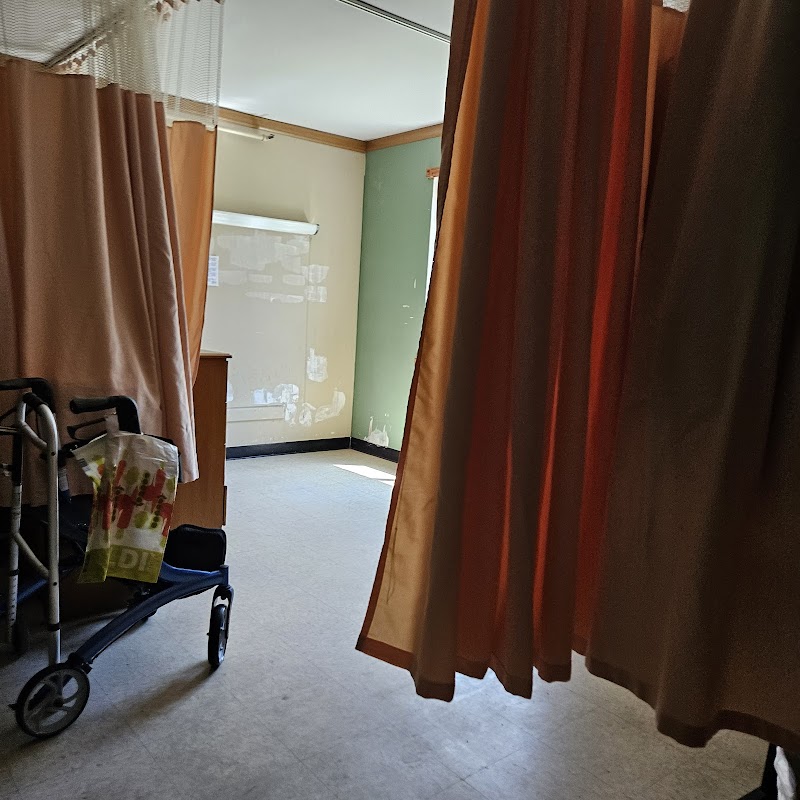
How is Momence Meadows Nursing & Rehab Staffed?

CMS rates MOMENCE MEADOWS NURSING & REHAB's staffing level at 1 out of 5 stars, which is much below average compared to other nursing homes. Staff turnover is 47%, compared to the Illinois average of 46%. RN turnover specifically is 60%, which is notably high. RNs provide skilled clinical oversight, so turnover in this role can affect medical care quality.

What Have Inspectors Found at Momence Meadows Nursing & Rehab?

State health inspectors documented 41 deficiencies at MOMENCE MEADOWS NURSING & REHAB during 2022 to 2025. These included: 2 that caused actual resident harm and 39 with potential for harm. Deficiencies causing actual harm indicate documented cases where residents experienced negative health consequences.
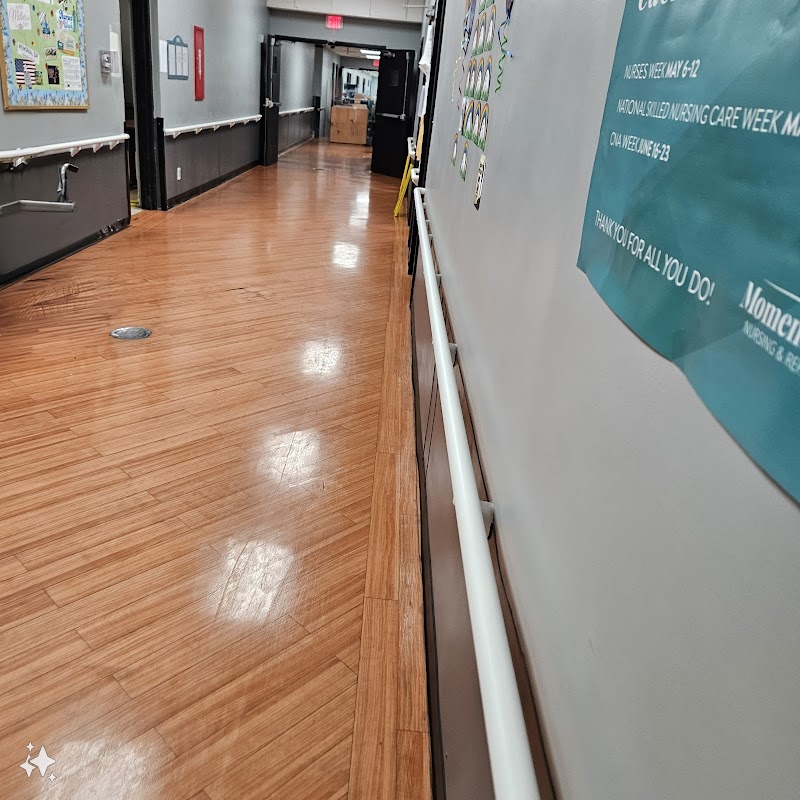
Who Owns and Operates Momence Meadows Nursing & Rehab?

MOMENCE MEADOWS NURSING & REHAB is owned by a for-profit company. For-profit facilities operate as businesses with obligations to shareholders or private owners. The facility is operated by INFINITY HEALTHCARE CONSULTING, a chain that manages multiple nursing homes. With 140 certified beds and approximately 65 residents (about 46% occupancy), it is a mid-sized facility located in MOMENCE, Illinois.
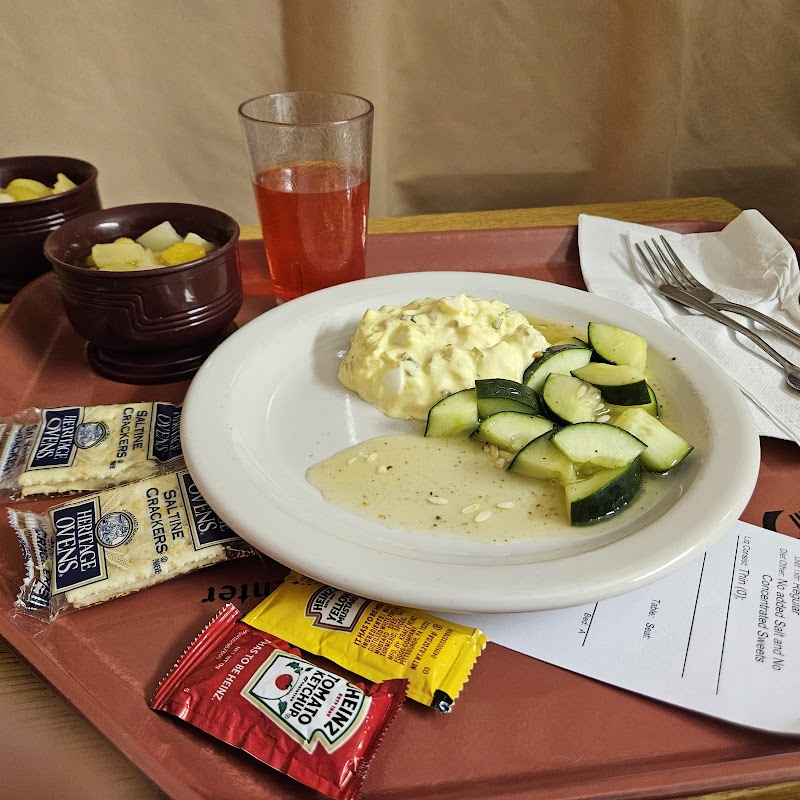
How Does Momence Meadows Nursing & Rehab Compare to Other Illinois Nursing Homes?

Compared to the 100 nursing homes in Illinois, MOMENCE MEADOWS NURSING & REHAB's overall rating (1 stars) is below the state average of 2.5, staff turnover (47%) is near the state average of 46%, and health inspection rating (2 stars) is below the national benchmark.

What Should Families Ask When Visiting Momence Meadows Nursing & Rehab?

Based on this facility's data, families visiting should ask: "What safeguards and monitoring systems are in place to protect residents from abuse or neglect?" "Can you walk me through typical staffing levels on day, evening, and night shifts?" "Can I visit during a mealtime to observe dining assistance and food quality?" "How do you handle medical emergencies, and what is your hospital transfer rate?" These questions are particularly relevant given the substantiated abuse finding on record and the below-average staffing rating.

Is Momence Meadows Nursing & Rehab Safe?

Based on CMS inspection data, MOMENCE MEADOWS NURSING & REHAB has documented safety concerns. The facility has 1 substantiated abuse finding (meaning confirmed case of resident harm by staff or other residents). The facility has a 1-star overall rating and ranks #100 of 100 nursing homes in Illinois. Families considering this facility should ask detailed questions about what corrective actions have been taken since these incidents.

Do Nurses at Momence Meadows Nursing & Rehab Stick Around?

MOMENCE MEADOWS NURSING & REHAB has a staff turnover rate of 47%, which is about average for Illinois nursing homes (state average: 46%). Moderate turnover is common in nursing homes, but families should still ask about staff tenure and how the facility maintains care continuity when employees leave.

Was Momence Meadows Nursing & Rehab Ever Fined?

MOMENCE MEADOWS NURSING & REHAB has no federal fines on record. CMS issues fines when nursing homes fail to meet care standards or don't correct problems found during inspections. The absence of fines suggests the facility has either maintained compliance or corrected any issues before penalties were assessed. This is a positive indicator, though families should still review recent inspection reports for the full picture.

Is Momence Meadows Nursing & Rehab on Any Federal Watch List?

MOMENCE MEADOWS NURSING & REHAB is not on any federal watch list. The most significant is the Special Focus Facility (SFF) program, which identifies the bottom 1% of nursing homes nationally based on persistent, serious quality problems. Not being on this list means the facility has avoided the pattern of deficiencies that triggers enhanced federal oversight. This is a positive indicator, though families should still review the facility's inspection history directly.