La Bella of Morrison
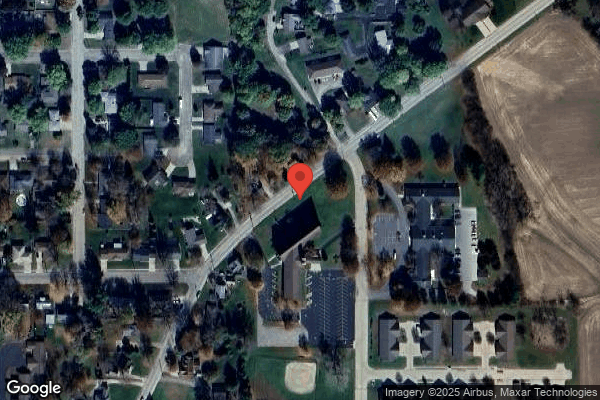

500 NORTH JACKSON STREET, MORRISON, IL 61270 (815) 772-7288
For profit - Limited Liability company 74 Beds Independent Data: November 2025
Trust Grade
30/100
#379 of 665 in IL
Last Inspection: March 2025

Within standard 12-15 month inspection cycle. Federal law requires annual inspections.

Overview

La Bella of Morrison has received a Trust Grade of F, indicating significant concerns about the facility's overall care and management. Ranked #379 out of 665 nursing homes in Illinois, they fall in the bottom half, and are #4 out of 7 in Whiteside County, meaning there are only three local options that are better. The facility is worsening, having increased from 6 issues in 2024 to 12 in 2025. Staffing is a concern with a low rating of 1 out of 5, despite a turnover rate of 0%, which might suggest staff are not being replaced despite the low rating. In terms of compliance, La Bella has faced $57,504 in fines, which is average but still concerning. The facility does have more RN coverage than many others, which is a positive aspect as RNs can catch issues that CNAs might miss. However, serious incidents have been reported, such as a resident developing a severe pressure injury due to improper care and another being hospitalized after not being adequately monitored for pneumonia. Furthermore, cleanliness standards are lacking, with the resident shower room reported as uncomfortable and unsafe. Overall, while there are some strengths, significant weaknesses raise concerns for families considering this facility for their loved ones.

Trust Score
F
30/100
In Illinois
#379/665
Bottom 44%
Safety Record
High Risk
Review needed
Inspections
Getting Worse
6 → 12 violations
Staff Stability
○ Average
Turnover data not reported for this facility.
Penalties
⚠ Watch
$57,504 in fines. Higher than 83% of Illinois facilities, suggesting repeated compliance issues.
Skilled Nurses
⚠ Watch
Each resident gets only 27 minutes of Registered Nurse (RN) attention daily — below average for Illinois. Fewer RN minutes means fewer trained eyes watching for problems.
Violations
⚠ Watch
22 deficiencies on record. Higher than average. Multiple issues found across inspections.
★★☆☆☆
2.0
Overall Rating
★☆☆☆☆
1.0
Staff Levels
★★★☆☆
3.0
Care Quality
★★★☆☆
3.0
Inspection Score
Stable
2024: 6 issues
2025: 12 issues

The Good

  • Full Sprinkler Coverage · Fire safety systems throughout facility
  • No fines on record

Facility shows strength in fire safety.

The Bad

2-Star Overall Rating

Below Illinois average (2.5)

Below average - review inspection findings carefully

Federal Fines: $57,504

Above median ($33,413)

Moderate penalties - review what triggered them

The Ugly 22 deficiencies on record

2 actual harm
Sept 2025 1 deficiency
CONCERN (D) 📢 Someone Reported This

A family member, employee, or ombudsman was alarmed enough to file a formal complaint

Potential for Harm - no one hurt, but risky conditions existed

Deficiency F0627 (Tag F0627)

Could have caused harm · This affected 1 resident

**NOTE- TERMS IN BRACKETS HAVE BEEN EDITED TO PROTECT CONFIDENTIALITY** Based on interview and record review the facility failed to develop and implement a discharge planning process and include this ...

Read full inspector narrative →
**NOTE- TERMS IN BRACKETS HAVE BEEN EDITED TO PROTECT CONFIDENTIALITY** Based on interview and record review the facility failed to develop and implement a discharge planning process and include this process in the resident's electronic medical record including the comprehensive plan of care for 2 of 3 residents (R2, R3) reviewed for discharge planning in the sample of 5.The findings include:1. On 9/16/25 R2 stated he was ready to go home and has been for a while. R2 stated he was supposed to be discharged on Monday, that did not happen. R2 stated now someone stated it would probably be on Thursday. R2 stated he was told that they were waiting for the doctor's signature before he can leave. R2 stated he did not know anything about his discharge plans other than he is going to be discharged . On 9/16/25 at 12:11 PM, V9 Social Services stated R2 was finished with therapy and waiting for the doctor's order for discharge. V9 stated the facility just had a new medical director start and they are waiting on the order from him. V9 stated the current plan is for R2 to discharge home on Thursday (9/18/25) with his wife. On 9/16/25 at 1:30 PM, V3 Licensed Practical Nurse (LPN) stated in the Minimum Data Set (MDS) for a resident it will show if the resident plans to discharge from the facility. V3 reviewed R2's current care plan and stated she did not see a plan for R2's discharge. V3 stated the way the nurse will know about a resident's discharge is through communication on the electronic medical records home page. V3 stated she does not become involved in the resident's discharge until the day of discharge. V3 stated she doesn't see a lot of discharge information for residents. V3 stated it is important to know what the resident will need and that safety measures are in place.On 9/16/25 at 1:40 PM, V4 LPN stated discharges are communicated by dashboard alerts in the electronic medical record. V4 stated a resident should have a care plan in place regarding discharge; it is a regulatory requirement. V4 reviewed R2's medical record and stated she did not see any discharge plans in place and R2 is being discharged . V4 stated social services should initiate the process and the MDS/Care Plan Coordinator should do the care plan.On 9/16/25 at 1:51 PM V5 MDS/Care Plan Coordinator stated they start talking about a resident's discharge when they first come into the building. V5 stated it is discussed at the first care plan meeting. V5 stated if the resident is a rehab to home resident, then she has a form that she fills out. The information from the form is used to fill out an assessment in the electronic medical record. V5 stated she writes it on paper and then fills it in later. V5 stated R2 did not have an assessment or discharge plan in the electronic medical record. The Interim Care Plan assessment dated [DATE] for R2 showed a discharge plan was initiated and R2 would need assistance with some activities of daily living. The Minimum Data Set, dated [DATE] for R2 showed under section Q the resident's overall goal was to return to the community. Under the section for discharge plan it was marked that an active discharge plan was occurring for the resident to return to the community. R2's Comprehensive Care Plan dated 8/4/25 showed under the Social Service section the name that he prefers to be called and his code status; there was no discharge plan in place. The rest of R2's care plan did not show any current and/or future plan for discharge.On 9/16/25 at 2:35 PM, V1 Administrator and V2 Director of Nursing stated residents should have a discharge plan in place. They stated the facility did not have a medical record for three weeks. R2 is waiting for an order so he can go home. The Physician Orders for September 2025 for R2 did not show any orders for discharge.The Face Sheet dated 9/16/25 for R2 showed diagnoses including chronic obstructive pulmonary disease, heart failure, type 2 diabetes mellitus, hypothyroidism, hypertension, hyperlipidemia, aortic stenosis, benign prostatic hypertrophy, and atherosclerotic heart disease. The facility's Transfer and Discharge policy (11/2024) showed the comprehensive, person-centered care plan shall contain the resident's goals for admission and desired outcomes shall be in alignment with discharge. Supporting documentation shall include evidence of the residents or residents representative's verbal or written notice of intent to leave the facility, a discharge plan, and documented discussions with the resident and/or resident representative. 2. On 9/16/25 R3 stated she did not know how long she would be at the facility. R3 stated she has an injured right shoulder and has cancer that she is going to be receiving treatments. R3 stated she didn't know what her plan was; just that she was going to be treated for cancer.The MDS dated [DATE] for R3 showed under section Q that her overall goal was to be discharged to the community.The Care Plan dated 8/29/25 for R3 did not show any information and or plan related to discharge.The Face Sheet dated 9/16/25 for R3 showed diagnoses including emphysema, tobacco use, lung cancer, chronic gastric cancer, personal history of pulmonary embolism, anxiety disorder, ocular myiasis, and aural myiasis.On 9/16/25 at 2:35 PM, V1 Administrator and V2 Director of Nursing stated residents should have a discharge plan in place.The facility's Transfer and Discharge policy (11/2024) showed the comprehensive, person-centered care plan shall contain the resident's goals for admission and desired outcomes shall be in alignment with discharge. Supporting documentation shall include evidence of the residents or residents representative's verbal or written notice of intent to leave the facility, a discharge plan, and documented discussions with the resident and/or resident representative.
Mar 2025 11 deficiencies 1 Harm
SERIOUS (G)

Actual Harm - a resident was hurt due to facility failures

Pressure Ulcer Prevention (Tag F0686)

A resident was harmed · This affected 1 resident

Based on observation, interview, and record review the facility failed to ensure interventions were placed when a pressure injury was identified and failed to ensure treatments and pressure reducing i...

Read full inspector narrative →
Based on observation, interview, and record review the facility failed to ensure interventions were placed when a pressure injury was identified and failed to ensure treatments and pressure reducing interventions were in place for 2 of 3 residents (R33, R21) reviewed for pressure in the sample of 12. This failure resulted in R33 sustaining a stage 3 pressure injury to her coccyx. The findings include: 1. On 3/3/25 at 10:15 AM, R33 was in bed sleeping. R33's air mattress was deflated, and R33 was laying on the bed frame. The air mattress controller said standby. Heel protection boots were observed in R33's wheelchair in the room. At 10:19 AM, V3 Certified Nursing Assistant came into the room and said the air mattress controller was not supposed to say standby. V3 tried to un-plug and re-plug the unit and the mattress did not inflate. V3 looked at the control unit again and discovered the unit was turned off. V3 turned on the unit, and the mattress inflated. V3 said the mattress needs to be turned on in order to relieve pressure and R33 is supposed to have the heel protection boots on when in bed. On 3/4/25 at 9:46 AM, V2 Director of Nursing said the floor nurses do weekly skin assessments and complete a progress note if there is a skin issue. V2 said the nurses are supposed to do an assessment with measurements, get treatment orders, and alert her if there is a wound. V2 said she checks the documented measurements and makes sure the doctor is contacted for treatment orders. V2 said, if necessary, the wound doctor can see them. R33's Skin/Wound Note dated 2/17/25 at 10:45 PM shows, Resident had shower this evening. Bilateral lower and upper (BL/UL) discolorations. Open sore on coccyx. R33's Skin/Wound Note dated 2/27/25 at 1:49 PM shows Pressure wound to sacrum measuring 2.1 x 1.5 x 0.3 cm [centimeters] found during cares. [V6 Wound Physician] in building and saw resident today. Will admit to wound care services. Area cleaned with wound cleanser. New treatment order from [V6] to cleanse wound with wound cleanser. Apply hydrocolloid sheet BID [twice per day] and PRN [as needed] for 30 days. On 3/4/25 at 1:52 PM, V2 said R33 has a facility acquired pressure injury. V2 said last Thursday (2/27/25) the Certified Nursing Assistants reported it to her after the wound was found while R33 was being changed. V2 said she looked at the wound and V6 was in the building, so she had him see R33. V2 said she was not aware that it was found on 2/17/25 according to the nurse progress note. V2 said the nurses should have notified her and got treatment orders. V2 said R33 has pressure reducing interventions including an air mattress and cushioned heel boots. V2 said the air mattress should be plugged in and the resident should not be laying on a deflated mattress. V2 said R33 should have her heel boots on when in bed. On 3/5/25 at 10:44 AM, V7 Licensed Practical Nurse said she was in training on 2/17/25 and recalled R33's open area but could not recall details of the wound. V7 said she did not take measurements, get treatment orders, or notify V2. On 3/5/25 at 2:25 PM, V6 Wound Physician said he saw R33 for the first time on 2/27/25 and was told they had found the wound that day. V6 said he classified the wound as a stage 3 pressure injury. V6 said his report shows duration of > (greater than) 3 days, which was based on his clinical judgement of how the wound looked to him. V6 said he saw granulation tissue in the wound and it takes more than 48 hours for granulation tissue to evolve, it doesn't show up right away. V6 said he would expect without treatment, a wound would decline further. V6 said a wound would not improve on its own. V6 said lack of treatment and pressure reducing interventions would contribute to the wound worsening. R33's Most recent Braden Scale for Predicting Pressure Ulcer Risk (provided by the facility) dated 7/27/24 shows R33 is at high risk for pressure injury. R33's Initial Wound Evaluation and Management Summary by V6 is dated 2/27/25 and shows, Stage 3 Pressure Wound Sacrum Full Thickness, duration: >3 days, measuring 2.1 x 1.5 x 0.3 cm. Recommendations off-load wound, reposition per facility protocol, group 2 mattress. R33's Physician Orders for February 2025 do not contain wound treatment orders or pressure relieving interventions for R33's coccyx wound until 2/27/25. R33's treatment order were started on 2/27/25 and show, air mattress to bed for proper weight distribution, check every shift and PRN for proper inflation. 2. R21's Wound Evaluation & Management Summary dated 1/23/25 shows R21 has a stage 2 pressure wound of her left, medial buttock (Site 10) with a duration greater than three days measuring 3.6 centimeters (cm) by 1.9 cm by 0.1 cm and is to receive wound treatment three times a week for 30 days. R21's Wound Evaluation & Management Summary dated 1/30/25 shows R21's Stage 2 pressure wound (Site 10) had increased in severity to a stage 3 pressure wound measuring 11.2 cm by 6.7 cm by 0.2 cm. R21's Treatment Administration Record (TAR) for 1/1/25 through 1/31/25 does not show any treatment scheduled for R21's pressure ulcer of her left, medial buttock. R21's current Order Summary Report for 1/20/25 through 3/31/25 and Order Summary Report for 1/20/25 through 3/31/25 for discontinued orders both show there are no orders for wound treatment of R21's pressure ulcer of her left, medial buttock from 1/23/25 through 2/5/25. On 3/4/25 at 1:52 PM, V2, Director of Nursing and Wound Care Nurse, said R21's pressure ulcer of her left medial buttock was identified when she was doing wound rounds with the Wound Care Physician, V6. On 3/5/25 at 10:19 AM, V2 said V6 does his progress notes of each resident wound right away after his wound rounds on Thursdays. V2 said she accesses V6's progress notes (Wound Evaluation & Manage Summary) and enters his treatment orders into their computer system and treatment orders are started the next day. On 3/5/25 at 2:22 PM, V6 said he would expect a wound to worsen/decline if wound treatment is not being provided. The facility's Assessment of Skin Alteration Policy dated 11/2017 shows residents with skin alteration will be assessed and treatment will be provided as ordered by the physician.
CONCERN (D)

Potential for Harm - no one hurt, but risky conditions existed

Deficiency F0554 (Tag F0554)

Could have caused harm · This affected 1 resident

**NOTE- TERMS IN BRACKETS HAVE BEEN EDITED TO PROTECT CONFIDENTIALITY** Based on observation, interview, and record review, the facility failed to assess, care plan and obtain physician orders for 2 o...

Read full inspector narrative →
**NOTE- TERMS IN BRACKETS HAVE BEEN EDITED TO PROTECT CONFIDENTIALITY** Based on observation, interview, and record review, the facility failed to assess, care plan and obtain physician orders for 2 of 12 residents (R27 and R22) to self-administer medications in the sample of 12 residents reviewed for medication safety. The findings include: 1. On 3/3/25 at 10:22 AM, R27 showed surveyor a box of lidocaine patches (medicated pain patches) in her bedside stand. R27 said she uses them on her right hip for pain. R27 also showed surveyor her inhaler and said the facility gave her both medications to use. R27's admission Record dated 3/5/25 shows she is a [AGE] year old resident admitted to the facility on [DATE]. R27's Order Summary Report dated 3/3/25 shows an order for Aspercreme Lidocaine External Patch 4% (Lidocaine) apply to lower back topically one time a day for pain, on in AM and off at bedtime. May keep in room and remove per schedule, but it does not show an order for R27 to self-administer any of her medications. On 3/3/25 at 10:19 AM, V2, Director of Nursing (DON), said there are no residents in the facility with orders or an assessment to self-administer their medications. V2 said if a resident wants to self-administer medications, the facility needs to complete an assessment to make sure they can safely perform self-administering of medications, they need an order from the resident's physician, and the care plan needs to reflect the medication self-administration plan. The facility was unable to provide a medication self-administration assessment for R27. 2. R22's admission Record showed R22 is a [AGE] year old, cognitively intact resident admitted to the facility on [DATE] with diagnoses which include: chronic obstructive pulmonary disease and congestive heart failure. On 3/3/25 at 10:40 AM, R22 was sitting up in bed with the bedside table across R22 and the bed. R22 had an inhaler sitting on the bedside table. R22 stated she needed the inhaler to take a couple of puffs when she gets short of breath and would not have to wait for the nurse to bring it. On 3/4/25 at 10:35 AM, V2 Director of Nursing stated there were no residents at the facility who self-administer any medications. A resident needs an assessment and a physician's orders to be able to self-administer medications. R22's Physician Order Sheet printed on 3/3/25 showed R22 having an order for an Albuterol Sulfate inhaler every 6 hours as needed for shortness of breath. This order sheet showed no orders for R22 to be able to self-administer any medications. R22's electronic medical record showed no assessments being completed for R22 to be able to self-administer medications. R22's current Care Plan showed no focus areas pertaining to R22 being able to self-administer medications. The facility's Resident Self-Administration of Medication Policy dated 11/2024 showed a residents interdisciplinary team needs to be assessed, educated, and care planned when a resident is deemed safe to self-administer mediations.
CONCERN (D)

Potential for Harm - no one hurt, but risky conditions existed

Deficiency F0604 (Tag F0604)

Could have caused harm · This affected 1 resident

**NOTE- TERMS IN BRACKETS HAVE BEEN EDITED TO PROTECT CONFIDENTIALITY** Based on observation, interview, and record review the facility failed to ensure a resident was assessed for the use of a restra...

Read full inspector narrative →
**NOTE- TERMS IN BRACKETS HAVE BEEN EDITED TO PROTECT CONFIDENTIALITY** Based on observation, interview, and record review the facility failed to ensure a resident was assessed for the use of a restraint which applies to 1 of 1 resident (R20) reviewed for restraints in a sample of 12. The findings include: R20's admission Record printed on 3/5/25 showed R20 as a [AGE] year old cognitively impaired female resident with diagnoses which includes autistic disorder and Downs syndrome. On 3/3/25 at 8:45 AM, R20 was sitting in a wheelchair with a restraint vest on near the nurse's station. The vest had a strap with a clip on each corner of the vest. One strap went on either side of R20's head and the other 2 straps went under R20's armpits to fasten to the back of the chair. On 3/4/25 at 12:35 PM, R20 was sitting in a recliner in a common area near the nurse's station. R20 started having behaviors, which included pushing over a bedside table, and lashing out towards staff. Staff escorted R20 to her room. At 1:40 PM, V3 Certified Nursing Assistant (CNA) brought R20 out of her room in her wheelchair with the harness in place. R20's physician orders showed no order for a wheelchair harness. R20's medical record showed no restraint assessment completed since admission on [DATE]. On 3/4/25 at 1:55 PM, V3 stated R20 can move the top 2 straps over their head so the harness is only around her waist. V3 stated they thought R20 was able to unbuckle the clips at her sides. V3 stated when R20 is having behaviors she is an increased fall risk. On 3/5/25 at 10:35 AM, V2 Director of Nursing stated V3 had not had a restraint assessment since her admission. On 3/5/25 at 10:55 AM, V10 CNA stated they had not seen R20 ever undo the harness herself. V10 stated we (care staff) are the ones who undo the harness when R20 needs to get in and out of the chair. The facility did not provide a restraint policy prior to exiting the survey.
CONCERN (D)

Potential for Harm - no one hurt, but risky conditions existed

Comprehensive Care Plan (Tag F0656)

Could have caused harm · This affected 1 resident

**NOTE- TERMS IN BRACKETS HAVE BEEN EDITED TO PROTECT CONFIDENTIALITY** Based on observation, interview, and record review the facility failed to ensure a resident's comprehensive careplan included in...

Read full inspector narrative →
**NOTE- TERMS IN BRACKETS HAVE BEEN EDITED TO PROTECT CONFIDENTIALITY** Based on observation, interview, and record review the facility failed to ensure a resident's comprehensive careplan included interventions for a chest harness which applies to 1 of 12 residents (R20) reviewed for careplans in a sample of 12. The findings include: During the survey, R20 was observed wearing a restraint harness while in her wheelchair. R20 was utilizing the harness on 3/3/25 at 8:45 AM, 3/4/25 at 1:40 PM and 2:55 PM. R20's Medical record showed no assessment was completed since R20's admission on [DATE]. On 3/4/25 at 10:35 AM, V2 Director of Nursing stated a restraint should be in a resident's care plan. R20's current care plan showed no focus area or interventions in place for a restraint.
CONCERN (D)

Potential for Harm - no one hurt, but risky conditions existed

ADL Care (Tag F0677)

Could have caused harm · This affected 1 resident

**NOTE- TERMS IN BRACKETS HAVE BEEN EDITED TO PROTECT CONFIDENTIALITY** Based on observation, interview, and record review the facility failed to ensure a resident's nails were trimmed for a resident ...

Read full inspector narrative →
**NOTE- TERMS IN BRACKETS HAVE BEEN EDITED TO PROTECT CONFIDENTIALITY** Based on observation, interview, and record review the facility failed to ensure a resident's nails were trimmed for a resident with a hand contracture which applies to 1 of 12 residents (R15) reviewed for activities of daily living in a sample of 12. The findings include: R15's admission Record printed on 3/5/25 showed R15 to be a [AGE] year old male resident, originally admitted to the facility on [DATE] with diagnoses which include a contracture to the left hand and muscle weakness. On 3/3/25 at 10:10 AM, R15 was in his room watching television. R15's nails were noted to be approximately 1/4 inch long. R15 opened his hand with other hand. R15's left palm had indentations from his fingernails pressing into his palm. On 3/4/25 at 9:20 AM, R15 still had long nails with left hand closed. On 3/4/25 at 1:30 PM, V11 Certified Nursing Assistant assisted R15 with opening his hand. R15 had indentation marks from his fingernails in his palm. V11 stated R15's nails were too long (approximately 1/4 inch) and needed to be trimmed. V11 stated when they have taken care of R15 they have not had R15 refuse hygiene assistance. On 3/4/25 at 1:45 PM, V8 Certified Nursing Supervisor stated nails are usually trimmed during a resident's shower. R15's nails were too long. R15's undated (current) Care Plan showed R15 needing activities of daily living (ADL) assistance due to R15 having a stroke which caused R15's left side to be affected. The facility's Activities of Daily Living Policy, dated 5/2024, showed resident care needs will be provided by staff which includes bathing, dressing, grooming and oral care.
CONCERN (D)

Potential for Harm - no one hurt, but risky conditions existed

Quality of Care (Tag F0684)

Could have caused harm · This affected 1 resident

Based on observation, interview, and record review the facility failed to ensure elastic bandages (tubi grips) were applied for a resident with a history of lower extremity edema for 1 of 12 residents...

Read full inspector narrative →
Based on observation, interview, and record review the facility failed to ensure elastic bandages (tubi grips) were applied for a resident with a history of lower extremity edema for 1 of 12 residents (R5) reviewed for quality of care in the sample of 12. The findings include: On 3/3/25 at 10:35 AM, R5 was up in her wheelchair propelling herself in the activity room. R5 had socks on to her ankles and her skin was visible above the sock (no elastic wraps were in place). On 3/3/25 at 1:49 PM, R5 was up in her wheelchair in the activity room with no visible elastic wraps on her legs. On 3/4/25 at 1:22 PM, R5 was sitting up in her wheelchair in the activity room with her feet on the floor. V3 Certified Nursing Assistant (CNA) lifted R5's pant leg and R5 only had on socks that came up to her ankles. There were no elastic bandages observed. V3 said she is supposed to have wraps on her legs. On 3/4/25 at 1:24 PM, V4 Licensed Practical Nurse said R5 is supposed to wear elastic bandages during the day for circulation and to prevent edema. V4 said R5 has had the order for some time and R5 doesn't refuse for the staff to put them on. V4 said the elastic bandages are supposed to be on from her toes to her knees. On 3/4/25 at 1:26 PM, V5 CNA said she was assigned R5 today and she didn't put R5's elastic bandages on. V5 said she didn't know R5 was supposed to have them on. On 3/4/25 at 2:01 PM, V2 Director of Nursing (DON) said R5 has had a lot of edema in the past and a history of cellulitis. V2 said R5 sometimes refuses to lay down or elevate her legs in the recliner, she likes to be up and doing things, so the elastic bandages help keep the swelling in her legs down. R5's Physician Orders dated 11/18/24 shows Apply Tubi Grips to BLE [bilateral lower extremities]. Start at toes and go up to knees. Every day and night shift for lower leg swelling on in the AM and off at Bedtime. R5's Care Plan dated 4/9/24 shows, The resident has Congestive Heart Failure: -The resident will be free of peripheral edema through the review date. -Apply Tubi Grips to BLE. Start at toes and go up to knees. Every day and night shift for lower leg swelling ON in the AM and off at Bedtime. -Monitor/document/report PRN [as needed] any s/sx [signs/symptoms] of Congestive Heart Failure: dependent edema of legs and feet, periorbital edema, SOB [shortness of breath] upon exertion, cool skin, dry cough, distended neck veins, weakness, weight gain unrelated to intake, crackles and wheezes upon auscultation of the lungs, Orthopnea, weakness and/or fatigue, increased heart rate (Tachycardia) lethargy and disorientation.
CONCERN (D)

Potential for Harm - no one hurt, but risky conditions existed

Medication Errors (Tag F0758)

Could have caused harm · This affected 1 resident

Based on observation, interview, and record review the facility failed to ensure psychotropic medication orders contained a duration for 1 of 6 residents (R33) reviewed for psychotropic medications in...

Read full inspector narrative →
Based on observation, interview, and record review the facility failed to ensure psychotropic medication orders contained a duration for 1 of 6 residents (R33) reviewed for psychotropic medications in the sample of 12. The findings include: On 3/5/25 at 10:30 AM, V1 Administrator said all psychotropic as needed medications need to have a stop date. R33's Physician Orders contained an order dated 1/13/25 for Lorazepam Oral Concentrate 2 MG (milligrams)/ML (milliliter) Give 0.25 ml by mouth every 2 hours as needed for anxiety related to generalized anxiety disorder. The order did not contain a stop date (duration). The facility's Use of Psychotropic Medications Policy dated 3/2025 shows PRN [as needed] orders for psychotropic medication, excluding antipsychotics, shall be limited to no more than 14 days.
CONCERN (D)

Potential for Harm - no one hurt, but risky conditions existed

Deficiency F0883 (Tag F0883)

Could have caused harm · This affected 1 resident

**NOTE- TERMS IN BRACKETS HAVE BEEN EDITED TO PROTECT CONFIDENTIALITY** Based on interview and record review, the facility failed to ensure residents were assessed and offered pneumococcal immunizatio...

Read full inspector narrative →
**NOTE- TERMS IN BRACKETS HAVE BEEN EDITED TO PROTECT CONFIDENTIALITY** Based on interview and record review, the facility failed to ensure residents were assessed and offered pneumococcal immunizations upon admission for 2 of 5 residents reviewed for vaccinations in the sample of 12. The findings include: R15's admission Record dated 3/5/25 shows he was admitted to the facility on [DATE]. R15's Immunizations list provided on 3/5/25 shows no historical or current record of R15 having had or being offered a pneumococcal immunization. R21's admission Record dated 3/5/25 shows she was admitted to the facility on [DATE]. R21's Immunizations list provided on 3/5/25 shows no historical or current record of R21 having had or being offered a pneumococcal immunization. On 3/5/25 at 10:26 AM, V2, Director of Nursing/Infection Prevention Nurse, said when a resident is admitted , the admitting nurse is supposed to screen the residents for their vaccination status and administer them. V2 said the previous DON, dropped the ball on vaccines. The facility's Pneumococcal Vaccine Policy (reviewed 1/2025) shows, .each resident will be assessed for pneumococcal immunization upon admission . and each resident will be offered a pneumococcal immunization .
CONCERN (F)

Potential for Harm - no one hurt, but risky conditions existed

Safe Environment (Tag F0584)

Could have caused harm · This affected most or all residents

Based on observation, interview, and record review the facility failed to ensure the resident shower room was clean, comfortable, and homelike and failed to ensure hot water was available in resident ...

Read full inspector narrative →
Based on observation, interview, and record review the facility failed to ensure the resident shower room was clean, comfortable, and homelike and failed to ensure hot water was available in resident bathrooms. This applies to all 35 residents residing at the facility. The findings include: The facility's Long Term Care Facility Application for Medicare and Medicaid (CMS 671) dated 3/3/25 shows there is a resident census of 35. 1. On 3/4/25 at 9:31 AM, in the resident shower room V3 Certified Nursing Assistant pointed out the drain in the floor. The drain was uncovered with a hole exposed (the size of a softball) in the center of the shower room floor, under the shower head. V3 stated this morning I gave a shower and the wheel of the wheelchair got stuck in the drain. Look at this room! The tiles are missing and some tiles tape to hold them up. On 3/4/25 at 1:19 PM, R8 stated I've been here for 9 years and every year I complain about shower room. It was really pretty bad. This is a little better than before. It is still bad though, the walls have holes, tiles are missing, but it is the only place for showers, so I have had to live with it. On 3/5/25 at 9:00 AM, V4 Licensed Practical Nurse said there is only one shower room for all the residents. On 3/5/25 at 9:02 AM, the resident shower room had tiles missing along 3 walls by the floor. One wall on the left side of the room (when standing in the doorway), had exposed wood framing in several areas. One exposed was half covered with a plastic piece of material. Multiple areas on all walls had tiles pushed in. A large area of tiles around the faucet were pushed in and heavily caulked. There were rolled towels on floor to keep water from going out the door and along the left wall. The wall the door was on had tiles held in place with black duct tape. On 3/5/25 at 3:00 PM, V1 Administrator said they are aware of the shower room. The facility's Resident Council Minutes dated 6/18/2024 shows showers need updated. The Facility's Resident Rights for People in Long-Term Care Facilities Policy (from the Illinois Long-Term Care Ombudsman Program shows Your facility must be safe, clean, comfortable and homelike. 2. On 3/3/25 at 10:08 AM, R29 said there is no hot water in his bathroom. R29 said it freezes in the winter even if they let the water run all night, it never gets warm. After running the hot water continually for two minutes in R29's bathroom sink, the water never got any warmer and still felt cold to the touch. On 3/3/25 at 1:55 PM, R29 and R10's bathroom sink water ran for two minutes. All temperatures taken during this investigation were obtained using a calibrated, digital thermometer. The cold tap water was 65 degrees Fahrenheit (F), and the hot tap water was 55 degrees F. On 3/3/25 at 2:15 PM, V9 said the north wing has issues with the hot water; he does not believe there is a return circuit for the hot water. On 3/4/25 between 9:35 AM to 9:40 AM the hot water temperature in R10 and R29's bathroom sink was 58.9 degrees F. On 3/4/25 between 9:42 AM and 9:46 AM the hot water temperature in R11, R13, and R18's bathroom was 59.2 degrees F. On 3/4/25 between 9:47 AM and 9:52 AM the hot water temperature in R21, R23, and R28's bathroom sink was 60.7 degrees F. The Residents' Rights for People in Long-Term Care Facilities handbook (revised 11/2018) shows, Your facility must be safe, clean, comfortable, and homelike.
CONCERN (F)

Potential for Harm - no one hurt, but risky conditions existed

Accident Prevention (Tag F0689)

Could have caused harm · This affected most or all residents

**NOTE- TERMS IN BRACKETS HAVE BEEN EDITED TO PROTECT CONFIDENTIALITY** Based on observation, interview, and record review the facility failed ensure water temperatures were monitored and maintained i...

Read full inspector narrative →
**NOTE- TERMS IN BRACKETS HAVE BEEN EDITED TO PROTECT CONFIDENTIALITY** Based on observation, interview, and record review the facility failed ensure water temperatures were monitored and maintained in resident care areas, and failed to ensure a resident's call light was within reach which applies to all 35 residents in the facility. The findings include: 1. The CMS-671 document dated 3/3/25 showed the facility census was 35 residents. On 3/3/25 at 1:55 PM, the resident bathroom for rooms [ROOM NUMBERS] (shared bathroom) hot water temperature was 121.5 degrees Fahrenheit (F). An electronic calibrated thermometer was used for this reading. On 3/3/25 at 2:05 PM, the facility's hot water heater thermometer read 125 degrees Fahrenheit. The mixing valve thermometer read 120 degrees Fahrenheit. On 3/3/25 at 2:15 PM, V9 took rooms [ROOM NUMBERS]'s hot water temperature. The reading was 119.4 degrees (F). V9 stated the water temperature is high. V9 stated he was getting higher temperatures than that and turned down the hot water heater to 125 degrees about a week ago. V9 stated he called a local plumber to come out and look at the system. V9 stated they would get back to him after they returned from vacation. V9 stated he did not call any other plumbers after that. V9 stated the temperature for hot water should be around 110 degrees Fahrenheit. V9 Maintenance Director stated he believed the mixing valve was the problem. The mixing valve should be adding cold water to the hot water to bring it down to around 110 degrees to the resident rooms and facility. On 3/4/25 between 9:25 AM and 9:35 AM hot water temperatures were taken of the central hallway resident bathrooms. room [ROOM NUMBER]/103 was 117.9 (F), 102/104 116.7 (F), 105/107 115.4 (F), and 106/108 118.1 (F). The facilities working shower room shower hot water temperature was 115 degrees (F) by the shower head temperature gauge, and 115.8 degrees (F) by laconic handheld thermometer. This shower is the only shower room used by residents in the facility. The facility water temperature logs for January 2025 and February 2025 showed no water temperature over 111 degrees (F). On 3/4/25 at 10:00 AM, V9 stated he did not do other water temperature checks in resident rooms other than on Fridays for regular rounds. V9 stated they did not do any more frequent checks after they had found the temperatures out of normal ranges. V9 stated the temperatures were hotter prior to turning down the hot water heater but did not give a specific temperature. The facility's Safe Water Temperatures Policy dated 12/1/24 (per V1 Administrator) showed the facility should maintain appropriate water temperatures in resident rooms. The water temperature should not exceed 110 degrees Fahrenheit. 2. R4's admission Record printed on 3/5/25 showed R4 to be a [AGE] year old female admitted to the facility on [DATE] with diagnoses which include dementia and the need for assistance with personal care. On 3/3/25 at 10:55 AM, R4 was lying in bed with R4's head to the left end of the bed. R4's call light was coiled, out of reach, on the floor under the foot board which was the right end of the bed. R4's Fall assessment dated [DATE] showed R4 to be at high risk for falls. On 3/4/25 at 10:30 AM V2 Director of Nursing stated a residents call light should be placed within reach. On 3/5/25 at 11:00 AM, V10 Certified Nursing Assistant stated a residents call light needs to be within reach and/or secured so they can reach it. The facility's Call Light Policy dated 6/2024 showed staff will ensure call lights will be within reach of resident and secured as needed.
MINOR (C)

Minor Issue - procedural, no safety impact

Staffing Information (Tag F0732)

Minor procedural issue · This affected most or all residents

Based on observation and interview, the facility failed to post the daily staffing for all 35 residents reviewed for staffing. The findings include: The facility's Long Term Care Facility Application...

Read full inspector narrative →
Based on observation and interview, the facility failed to post the daily staffing for all 35 residents reviewed for staffing. The findings include: The facility's Long Term Care Facility Application for Medicare and Medicaid (CMS 671) dated 3/3/25 shows there is a resident census of 35. On 3/3/25-3/5/25 upon entering the facility, there were no staffing postings observed near the front door on the entry table or the bulletin boards. On 3/5/25 at 1:25 PM, V8 Certified Nursing (CNA) Supervisor stated staffing is posted in the staffing binder at the nurse's station. V8 said the binder has the monthly and daily schedules for nursing and CNA. V8 said staffing is not posted near the front door for visitors to see. V8 said she was not aware staffing needed to be visibly posted.
Apr 2024 6 deficiencies
CONCERN (D)

Potential for Harm - no one hurt, but risky conditions existed

Deficiency F0578 (Tag F0578)

Could have caused harm · This affected 1 resident

**NOTE- TERMS IN BRACKETS HAVE BEEN EDITED TO PROTECT CONFIDENTIALITY** Based on interview and record review the facility failed to ensure a resident's advanced directives were updated as requested fo...

Read full inspector narrative →
**NOTE- TERMS IN BRACKETS HAVE BEEN EDITED TO PROTECT CONFIDENTIALITY** Based on interview and record review the facility failed to ensure a resident's advanced directives were updated as requested for 1 of 1 resident (R18) reviewed for advanced directives in the sample of 13. The findings include: R18's profile face sheet documents he was admitted to the facility on [DATE]. The Practitioner Order for Life-Sustaining Treatment (POLST) form dated 12/16/21 shows R18 opted to be a full code. The April 2024 POS (Physician order sheet) notes R18 to be a full code. A new POLST form, undated, on the front of R18's chart shows he opted to become a DNAR (Do not attempt resuscitation). The form is signed by R18 and has no witness signature and no signature by the health care practitioner. The facility's 3/21/24 assessment for a significant change documents R18 to be cognitively intact. On 4/11/24 at 9:39 AM, R18 said they did go over all of the options with me, and I signed the paper to not do anything for me. On 4/11/24 at 8:15 AM, V3 RN (Registered Nurse) said R18 was placed on hospice, and it appears he has a DNR signed, but it is not dated and not signed by the physician so he would still be considered a full code. The form needs to be sent to the physician to be signed. On 4/11/24 at 11:31 AM, V2 DON (Director of Nursing) said on admission the nurse will have the residents fill out and sign the POLST form and will send it out for the physician to sign. The form should be signed and dated on the chart. The facility's 9/27/17 policy for advance directives documents the patient self determination act states that individuals have the right to make their own decisions and to formulate advance directives to serve as decisions when the individual is incapacitated. 3. After confirming the accuracy of provided documents with the resident/responsible party, document will be sent for appropriate signatures. No order for No Code or DNR shall be effective until the POLST form is signed by resident/responsible party and physician order is received and documented.
CONCERN (D)

Potential for Harm - no one hurt, but risky conditions existed

Quality of Care (Tag F0684)

Could have caused harm · This affected 1 resident

Based on observation, interview, and record review the facility failed to ensure a resident received necessary treatment and services for her amputated leg including following up with her surgeon, obt...

Read full inspector narrative →
Based on observation, interview, and record review the facility failed to ensure a resident received necessary treatment and services for her amputated leg including following up with her surgeon, obtaining a sleeve for her stump and assisting in the process to prepare and obtain a prosthetic leg for 1 of 1 resident (R26) reviewed for quality of care in the sample of 13. The findings include: On 4/9/24 at 10:45 AM, R26 was sitting in her wheelchair in her room and had a left above the knee leg amputation. R26 stated she has been at the facility for 9 months. R26 stated she came to the facility after a house fire in which she jumped out of a second story window and sustained numerous injuries' including the amputation of her leg. R26 stated she was supposed to have a sleeve for her left leg stump after surgery. R26 stated the facility said they would get her one. It took 4.5 months to get a shrinker and no one measured her for it. R26 stated she has swelling to her left leg/stump. R26 pulled her leggings down to show an elastic type covering to her leg stump that had a lot of extra material and appeared too large for her. R26 stated the shrinker was too big. R26 stated she was never measured for the shrinker and thinks the facility ordered it online. R26 stated she had numerous doctors in the hospital after the incident and doesn't know who did the amputation of her leg. R26 stated she never followed up with the surgeon after being transferred to the facility. R26 stated the staples to her stump were removed at the facility. R26 stated R26 has not been fitted for a shrinker or leg prosthesis. The hospital After Visit Summary dated 8/8/23 for R26 showed, follow up with outpatient burn & trauma clinic in 2 weeks; follow up trauma/burn for wound evaluation and staples removal. The hospital Post Acute Care Transition Document dated 8/8/23 for R26 showed her level of functioning, case management assessment, burns, wounds, external fixator, medications, all physicians to follow up with including their names and contact numbers. The document showed R26 was to follow up with the surgeon at the burn & trauma clinic in 2 weeks. The Nurses Notes for R26 showed the following: 8/8/23 - R26 was admitted to the facility with burn sites, left above the knee amputation with closure measures in place, and external fixator to bilateral hips. R26's Nurse's Notes from 8/8/23 through 4/11/24 did not show any follow up appointments with the surgeon or any fitting of a sleeve for R26's left above knee amputation. The Physician Order Sheet dated 1/1/24 for R26 showed an order on 1/24/24 for a referral to the orthopedic doctor for re-evaluation, shrinker for left residual limb and include measurements. An order dated 1/29/24 for R16 showed, referral back to surgeon for stump shrinker/prosthesis ordering and follow up post surgery. The Face Sheet dated (no date) for R26 showed medical diagnoses including stable burst fracture of T11-T12 (back) vertebra, ileus, minimally displaced fracture of the sacrum, muscle weakness, unspecified fracture of T9-T10 (back), burns of 10-19% of body surface, and acquired absence of left leg above the knee. On 4/10/24 at 11:55 PM, V2 DON (Director of Nursing) stated follow up appointments for residents are made by her or social services. V2 looked at the desk calendar at the nurse's desk, flipped through several months and stated she did not see any appointments related to R26's left leg stump. V2 was shown the order in R26's chart dated 1/29/24 and she stated she was not aware of the order. V2 stated she did not know anything about the sleeve/shrinker for R16's stump. V2 stated it would be important to have measurements for the shrinker and have the rights size so R26 can get a prosthesis. V2 stated R26 is waiting for a leg prosthesis and wants one. On 4/10/24 at 3:05 PM, V6 (Social Services) stated she was not aware of the order on 1/24/24 for R24. V6 stated V2 should be going through the orders to make sure they are done. V6 stated she wasn't here at the facility when this order was received and did not start until 2/5/24. V6 stated she doesn't know anything about the shrinker or where it came from. V6 stated she talked to R26 who said she thought someone ordered it off the internet and no one measured her for it. V6 stated she was by an outside clinic that R26 needs to be measured for a sock to shrink the stump and it is important so she can get a prosthesis. On 4/11/24 at 8:35 AM, V3 RN (Registered Nurse) stated, the end goal is to shrink that (stump) and reduce the swelling so R26 can have a prosthetic. I don't know about any follow ups for R26's stump. I don't know what doctor was managing the stump. The NP (Nurse Practitioner) wrote an order and wanted her to go somewhere. The previous process (for appointments) was if we get an order for a referral, we give it to soc services, and they make the appointment. If the doctor writes an order it is supposed to be followed. The standard of care would be to follow up with the surgeon after a leg amputation. On 4/11/23 at 2:00 PM, V1 (Administrator) stated the facility did not have a policy for quality of care, post surgical care, or current standards of practice related to the care of a resident after an amputation. The only policy the facility had for following physician orders was a policy of Conformance with Physician Medication Orders (9/27/17).
CONCERN (D)

Potential for Harm - no one hurt, but risky conditions existed

Pressure Ulcer Prevention (Tag F0686)

Could have caused harm · This affected 1 resident

**NOTE- TERMS IN BRACKETS HAVE BEEN EDITED TO PROTECT CONFIDENTIALITY** Based on observation, interview, and record review the facility failed to ensure pressure injury interventions were in place as ...

Read full inspector narrative →
**NOTE- TERMS IN BRACKETS HAVE BEEN EDITED TO PROTECT CONFIDENTIALITY** Based on observation, interview, and record review the facility failed to ensure pressure injury interventions were in place as ordered and failed to identify a pressure injury prior to the injury becoming a stage 2 pressure injury for 2 of 5 residents (R5, R4) reviewed for pressure injuries in the sample of 13. The findings include: 1. R5's profile face sheet documents she was admitted to the facility on [DATE]. The facility's annual assessment of 1/10/24 documents R5 to be cognitively intact. The same document shows she is at risk for pressure injuries and had one or more unhealed pressure injuries. The 12/14/23 wound evaluation and management summary report shows an initial evaluation of a stage 2 pressure wound to the sacrum of greater than 4 days in duration. The wound measured 2.9 cm (centimeters) in length, 0.3 cm (width) and 0.2 cm (depth). The nursing progress notes were reviewed and no not show a report or initial identification of any open pressure areas. R5's December 2023 treatment record does not show any skin checks ordered or completed. She had a new order for ointment to the sacrum dated 12/14/23, the same day she was seen by the wound physician. R5's care plan of 8/15/2019 documents she was a moderate risk for skin breakdown and needs a weekly skin check with documentation. On 4/11/24 at 10:32 AM, V3 RN (Registered Nurse) said skin checks depend on the resident, (R5) should have a skin check weekly. V3 said R5 is incontinent so her skin would be checked when performing incontinence care, and her pressure injury should have been identified earlier. Wounds should not be found at a stage two, ideally, they are found at a stage one and get a treatment in place to prevent it from progressing. All of the wound details should be in the nursing progress notes when the injury is found, and the assessment. On 4/11/24 at 11:25 AM, V2 DON (Director of Nursing) said pressure injuries should be found prior to becoming a stage 2. Some residents have skin checks daily and some are scheduled weekly. R5's bottom would have been looked at during care and should have been identified sooner. Nurses should fill out the skin assessment and notify the physician to get treatment orders. All of that information would be in the nursing progress notes. A copy of the assessment and wound treatment is then forwarded to me for evaluation. 2. On 4/9/24 at 10:06 AM, R4 was in his room in a wheelchair that did not have any pressure relieving device in the chair. On 4/9/24 at 2:13 PM, R4 was up in his wheelchair propelling himself down the hall. R4 went to the nurse's station to tell V3 RN (Registered Nurse) that he needed medicine for his cold. R4 did not have any pressure relieving device in his chair. On 4/9/24 at 2:18 PM, V3 RN stated, R4 is supposed to have a pressure relief cushion in his chair and confirmed there wasn't one in his chair. V3 stated that V3 asked hospice for a cushion and thought they brought one. R4 stated he did not have a cushion for his wheelchair. There wasn't a cushion for R4's chair in his room. On 4/11/24 at 10:23 AM, V2 DON (Director of Nursing) stated for a resident with pressure ulcer(s) they should have offloading of the wound, treatment orders, wound treatments done, and the wound doctor following the resident. V2 stated having a pressure relief cushion to the chair is important to relieve pressure so the wound doesn't get any worse. The Wound Care Provider's Note dated 4/8/24 for R4 showed, stage 2 pressure wound to the left medial buttock partial thickness - hydrocolloid sheet (thin) apply three times per week for 23 days; skin prep apply three times per week for 23 days; limit sitting to 60 minutes, off load wound, turn side to side in bed every 1-2 hours if able, reposition per facility protocol. The Physician Order Sheet dated 4/1/24 for R4 showed medical diagnoses including falls, hypertension, chronic obstructive pulmonary disease, restless leg syndrome, dementia, coronary artery disease with coronary artery bypass graft, chronic kidney disease, atrial fibrillation, iron deficiency, celiac disease, chronic back pain, and compression fracture. The Care Plan Dated 2/19/24 for R4 showed, Risk for impaired skin integrity. Educate resident/representative about proper skin care to prevent skin breakdown. The care plan did not show R4 has a stage 2 pressure ulcer or interventions in place for offloading and repositioning every 1-2 hours if able. The facility's Decubitus Care/Pressure Areas policy (1/2018) showed, when a pressure ulcer is identified additional interventions must be established and noted on the care plan in an effort to prevent worsening or re-occurring pressure ulcers.
CONCERN (D)

Potential for Harm - no one hurt, but risky conditions existed

Incontinence Care (Tag F0690)

Could have caused harm · This affected 1 resident

Based on observation, interview, and record review the facility failed to ensure a catheter had a secure device in place, the drainage bag was kept off the bed, and the catheter tubing was cleaned in ...

Read full inspector narrative →
Based on observation, interview, and record review the facility failed to ensure a catheter had a secure device in place, the drainage bag was kept off the bed, and the catheter tubing was cleaned in a manner to prevent contamination for 1 of 1 resident (R17) reviewed for catheters in the sample of 13. The findings include: On 4/10/24 at 2:23 PM, R17 was laying on her back in bed with her catheter drainage bag attached to the lower bed frame of her bed. R17 did not have a device in place to secure the catheter tubing. V9 CNA (Certified Nursing Assistant) and V10 CNA put on gowns and gloves and went into R17's room to provide catheter care. V9 took a wet washcloth, cleaned R17's groin, and discarded the washcloth. V9 took another wet washcloth, wiped R17's vaginal area and then wiped straight down the catheter tubing. V9 placed the drainage bag on R17's bed when V9 and V10 were repositioning R17 in bed. V9 and V10 stated they were not aware that the catheter drainage bag could not lay on the resident's bed. V9 stated she should have gotten a clean washcloth to wipe down R17's catheter tubing. V9 stated she washed R17's vaginal area and then went straight down the catheter tubing. On 4/11/24 at 10:23 AM, V2 DON (Director of Nursing) stated, the catheter drainage bag should never be on the bed for infection control. Staff are supposed to fold the washcloth a different direction before moving to a new area or cleaning the catheter tubing to avoid contamination. I put one (catheter tubing secure device) on R17 not to long ago because I noticed her tubing was pulling. I put it on to prevent the catheter from coming out. A day or two later I noticed the secure device was not on and I asked who took it off, but no one could tell me who did it. I noticed her tubing tugs so R17 should have one on. The Physician Orders dated 4/1/24 for R17 showed medical diagnoses including neurogenic bladder, mass of adrenal gland, expressive aphasia, history of cerebral vascular accident with right sided weakness, sleep apnea, pulmonary hypertension, peripheral neuropathy, hypertension, deep venous thrombosis, diabetes mellitus, diverticulosis, coronary artery disease, atrial fibrillation, and arthritis. The Care Plan dated 4/3/24 for R17 showed she is on an antibiotic related to a wound infection to her coccyx (pressure ulcer). She has a catheter. Catheter care every shift and change every week; 18 French 30 ml (catheter/balloon size) were the only catheter interventions listed. The facility's Catheter Care policy (12/8/10) showed, 7. Wash the catheter tubing from the opening of the urethra outward 4 inches or farther if needed. Do not pull on catheter. The policy did not state to use a clean washcloth or to turn an existing washcloth prior to cleaning the tubing. The facility's Catheterizations, Catheter Insertion policy (2/2018) showed, 7. Secure the catheter to the thigh and attach drainage collection unit.
CONCERN (F)

Potential for Harm - no one hurt, but risky conditions existed

Infection Control (Tag F0880)

Could have caused harm · This affected most or all residents

Based on observation, interview, and record review, the facility failed to ensure the facility water system was tested for Legionella and failed to ensure water was not sedentary in an unoccupied area...

Read full inspector narrative →
Based on observation, interview, and record review, the facility failed to ensure the facility water system was tested for Legionella and failed to ensure water was not sedentary in an unoccupied area of the facility. This failure had the potential to affect all 28 facility residents. The findings include: The facility's 4/9/24 application for Medicare and Medicaid form showed there were 28 residents in the facility. On 04/10/24 at 11:02 AM, V4 Maintenance said weekly he flushes toilets and runs water for 2-3 minutes on anything that has a faucet on the south hall. V4 said he was unsure if a water system assessment had been done to identify potential problem areas that may be conducive to water borne pathogen growth. V4 said he did not know the last time water testing for Legionella was done if ever. Testing results and a policy were requested. V4 said V5 Business Office Manager (BOM) was his supervisor. At 11:21 AM, V5 said she thought the facility was last tested for Legionella in 2019. V5 said she would check with the city since they do some testing. This surveyor requested a copy of the facility's Legionella test results. At 11:37 AM, V5 said she was told by the city that they only test for chlorine and fluoride. They do not do Legionella testing. V5 said she had no evidence Legionella testing was ever done at the facility. V5 said there's only one shower room being used. The whirlpool down the north hall was not used because it needs repairs. It hasn't been used in the six years she had been there. V5 said they use the room to toilet residents but don't use the tub. At 11:57 AM, V5 said there were no logs to show any flushing or water temperature checks were done on the south hall. V5 said V4 wrote in a notebook that he ran water in all sinks and toilets on 3/22/24 and 3/28/24. On 04/10/24 at 12:34 PM, there was a large therapeutic bathtub with a lift system in a common bathroom near the north nurse's station. There was a continual slow dripping of water from an opening on the right side (facing the faucet) of the tub. There was a long brown stained area which followed the dripping water down the side of the tub. Staff were observed toileting residents in the room. The room door was wide open when not in use. The entire south end of the facility was unoccupied, and a second large therapeutic soaking tub was located near the south nurse's station. On 04/11/24 at 08:34 AM, V1 Administrator said ASHRAE (the American Society of Heating, Refrigerating and Air Conditioning Engineers) has the standard to ensure the water systems are clear and safe. I know that Legionella testing must be done from ASHRAE. I am unsure what the facility policy is regarding Legionella testing or the industry standard. On 04/11/24 at 11:06 AM, V4 said he was aware the north tub had a stained area due to consistent dripping of water from the faucet of the unused whirlpool tub. V4 said the south hall had been unoccupied since 2018-2019. V4 said the whirlpool soaker tub on the south hall was inoperable so he doesn't run the water in it when he comes to flush toilets down there. This surveyor accompanied V4 to the south hall tub room. V4 turned on the faucet in the tub and water did come from it. The facility's 5/24/23 Legionella Environmental Assessment Form completed by a Corporate Administrator showed there were no hot tubs, whirlpool or hydrotherapy spas on the premises. This assessment showed it was very important to measure and document the current physical and chemical characteristics of the potable water, as this can help determine whether conditions are likely to support Legionella growth. A sampling strategy and procedure are suggested along with a flow sheet to record results to track the results. The flowsheet was marked N/A (not applicable). (There was no evidence the facility utilized this sampling procedure). This assessment, Appendix C applied to hot tubs, whirlpool and hydrotherapy spas and was marked N/A although there were two such tubs in the facility. No maintenance disinfecting or monitoring of the tubs was evident. There was no evidence the facility followed the recommendations to prevent Legionella in the tubs as evidenced by the lack of monitoring. This assessment showed it should be performed by an epidemiologist or environmental health specialist. The facility's 8/10/18 Legionella Management Procedure showed the Corporate Maintenance Director will ensure all staff are kept fully informed of developments in Legislation and good practices relating to the management of Legionella, ensure approved contractors are available to undertake surveys/risk assessments upon (?), to ensure surveys are undertaken as and when this procedure dictates (?). Total Viable Cell Counts (Dip Slides) shall be taken during each risk assessment. If and when Legionella water samples are required, the samples should be sent away to an independent accredited laboratory for analysis within 48 hours. The facility's undated Legionella Policy and Procedure showed to ensure water cannot stagnate anywhere in the system. The facility's water temperature logs did not include any rooms on the unoccupied south hall or either facility tub directly. The Illinois Compiled Statutes (210 ILCS 45/3-206.06) Sec. 3-206.06 showed Testing for Legionella bacteria. A facility shall develop a policy for testing its water supply for Legionella bacteria. The policy shall include the frequency with which testing is conducted. The policy and the results of any tests shall be made available to the Department upon request. a) A facility shall develop a policy for testing its water supply for Legionella bacteria. The policy shall include the frequency with which testing is conducted. The policy and the results of any tests and corrective actions taken shall be made available to the Department upon request. (Section 3-206.06 of the Act) b) The policy shall be based on the ASHRAE Guideline Managing the Risk of Legionellosis Associated with Building Water Systems and the Centers for Disease Control and Prevention's Toolkit for Controlling Legionella in Common Sources of Exposure. The policy shall include, at a minimum:1) A procedure to conduct a facility risk assessment to identify potential Legionella and other waterborne pathogens in the facility water system; 2) A water management program that identifies specific testing protocols and acceptable ranges for control measures; and 3) A system to document the results of testing and corrective actions taken. Any and all facility testing results for Legionella was requested numerous times and none was received.
CONCERN (F)

Potential for Harm - no one hurt, but risky conditions existed

Deficiency F0882 (Tag F0882)

Could have caused harm · This affected most or all residents

Based on interview and record review, the facility failed to have a certified Infection Preventionist. This failure could affect all 28 facility residents. The findings include: The facility's 4/9/24...

Read full inspector narrative →
Based on interview and record review, the facility failed to have a certified Infection Preventionist. This failure could affect all 28 facility residents. The findings include: The facility's 4/9/24 application for Medicare and Medicaid form showed there were 28 residents in the facility. On 04/10/24 at 10:05 AM, V2 Director of Nursing (DON) said she has been at the facility since January 29, 2024. V2 said she is the facility's Infection Preventionist (IP). V2 said she did not have IP certification. On 04/11/24 at 08:34 AM, V1 Administrator said I am aware it is required to have a certified infection preventionist in the facility. V1 said V2 is trying to get through the course but is not currently certified. It's important to have a certified IP. We need to make sure the residents are safe and protected from infection. The facility's 3/3/23 Infection Preventionist Job Description showed qualifications: must have completed specialty training in infection prevention and control through accredited continuing education such as Centers for Disease Control and Prevention (CDC) or APIC (consulting firm) Infection Preventionist. The facility's QAPI (quality assurance performance improvement) team roster identified V2 as the facility Infection Preventionist.
May 2023 4 deficiencies 1 Harm
SERIOUS (G)

Actual Harm - a resident was hurt due to facility failures

Quality of Care (Tag F0684)

A resident was harmed · This affected 1 resident

**NOTE- TERMS IN BRACKETS HAVE BEEN EDITED TO PROTECT CONFIDENTIALITY** Based on observation, interview and record review the facility failed to assess and monitor a resident (R7) with a history of pn...

Read full inspector narrative →
**NOTE- TERMS IN BRACKETS HAVE BEEN EDITED TO PROTECT CONFIDENTIALITY** Based on observation, interview and record review the facility failed to assess and monitor a resident (R7) with a history of pneumonia showing a change in condition. This failure resulted in R7 being admitted to the hospital in poor condition. The facility also failed to correctly apply elastic bandages to a resident (R29) with lower extremity edema. This applies to two of two residents (R7 and R29) in the sample of 12 reviewed for quality of care. The findings include: 1. The Physician Order Sheet (POS) for R7 shows diagnosis to include anemia, coronary artery disease and chronic obstructive pulmonary disease. The POS shows orders for oxygen at 2-4 liters via a nasal cannula as needed to keep the oxygen saturations above 90%. The facility assessment dated [DATE] shows R7 to be cognitively intact. On 5/23/23 at 9:21 AM, R7 was observed being taken from the bathroom by staff and placed in her wheelchair. R7 immediately fell asleep, and her breathing sounded congested. R7 would wake up when her name was said but would immediately fall back to sleep. R7 had an oxygen concentrator in her room but it was not being used. At 9:30AM, V3 Licensed Practical Nurse (LPN) was asked about R7's current condition and V3 said R7 has been like this lately due to her medications being changed. On 5/23/23 at 10:16 AM, R7 continued to sit in her wheelchair in her room asleep, leaning over to the right, with her right hand hanging down. R7's breathing sounds congested, and she was coughing. On 5/23/23 at 10:44 AM, R7 was still in her room asleep in her wheelchair, both hands are hanging down by her side. On 5/23/23 at 11:48 AM, R7 was moved to the dining room leaning over to the right, still sleeping, hands hanging down. The staff and other residents were saying her name and she would wake up for a very short period and immediately fall back to sleep. R7 was spilling her lunch on the floor. R7 could be heard coughing at times. At 12:48PM, R7 had been pushed into the activity room and was still asleep in her wheelchair with her hands hanging down by her side and leaning to the right side. At 1:16 PM, R7 was still in the activity room, asleep in her wheelchair. On 5/23/23 at 1:20PM, R7 was pushed down the hall by 2 Certified Nursing Assistants (CNA). One CNA was pushing the wheelchair and the other was holding her legs up. V3 came into R7's room and checked her blood pressure and oxygen saturations. V3 applied the oxygen nasal cannula to R7 and was observed adjusting the oxygen and rechecking her oxygen saturations. V3 left the room and returned with a oxygen mask which she then applied to R7 and continued to check R7's oxygen saturation. V3 left the room again and returned with a nebulizer treatment for R7. V3 said she had notified the Nurse Practitioner for a chest x-ray order. R7 continued to have a difficult time staying awake and following commands. On 5/23/23 at 1:55 PM, R7 was in bed asleep, and her oxygen is set at 8 liters using the mask. R7 was observed using her abdominal muscles to breath. On 5/23/23at 2:59 PM, R7 was asleep in bed with her oxygen at 8 liters per mask, using accessory muscles to breath. On 5/24/23 at 8:00AM, R7 was not in her room. R7's medical record shows a note dated 5/23/23 at 3PM by V3 that R7 was having a hard time staying awake, was lethargic and slept through lunch. V3 documented that R7's oxygen saturation was 81% and she had started oxygen at 6 liters via a mask. V3 wrote she had contacted the NP and an order was received for a chest Xray and cough syrup. The note also shows a nebulizer treatment was completed and R7's saturations went up to 91% on 6 liters of oxygen. No further nursing notes were made by V3 that day for R7 regarding her change in condition. On 5/24/23 at 9:15 AM, V5 NP said she would have expected the nurse on duty to intervene and assess her earlier in the day since you informed her of the lethargy, cough and congestion. V5 said earlier intervention does have better outcomes. On 5/24/23 at 1:53 PM, V7 CNA said R7 does act more tired in the morning and will fall asleep quickly but yesterday was different, she spilled food on her for breakfast and for lunch. She usually [NAME] up after breakfast but yesterday she did not. That was different I told the nurse she was acting differently that day. On 5/25/23 at 8:17 AM, V6 LPN said she was the nurse who sent R7 out to the hospital. V6 said she was told in report at 6 PM that R7 was very sleepy, her oxygen saturations were in the 70's and was having a hard time breathing, hard to arouse. When I went in around 8PM to give meds, her skin was gray, she was having a hard time breathing and was hard to arouse, she would not take her meds, she was short of breath and had crackles in her lungs and was spitting up green sputum. V6 said she called the NP and was told to send her to the emergency room. V6 said she later called the hospital to check on R7 and was told she had to be transferred to another hospital for high flow oxygen. On 5/25/23 at 9:54 AM, V3 said when this surveyor approached her about R7, she felt it was just the usual behavior for R7. She did not feel the need to go check her. V3 said when she saw the CNA's bring her down the hall holding up her feet, she decided to go check her. Her oxygen saturations were 71 % at that time. V3 said she started the oxygen and gave R7 a breathing treatment and notified the NP that R7 was unresponsive, had low oxygen saturations and was coughing. I received an order for a chest x-ray and cough syrup. V3 said R7 had just had pneumonia last month and getting a chest X-ray was standard protocol for shortness of breath. The nursing progress notes for R7 shows V6 documented at 8PM that R7's color was gray, she was very lethargic, short of breath and R7 could not tell V6 where she was. R7 was coughing up green phlegm. The chest X-ray report came back showing R7 had pneumonia. The NP was notified and R7 was to be sent to the emergency room. There were no nursing notes showing R7 was monitored or assessed between 3 PM and 8PM on 5/23/23. The emergency room note from the local hospital R7 was first sent to shows R7 was brought to the hospital by ambulance for shortness of breath and pneumonia. The note shows the report they received from the nursing home was R7 had been short of breath that day and her oxygen saturations were in the 70's and that no call had been made earlier for a patient evaluation. R7's temperature was recorded as 100.7 and oxygen saturations were 86%. The note also shows R7 was transferred to another hospital in poor condition. The records for R7 shows a COBRA transfer record to send R7 to another hospital for a higher level of care due to her unstable condition. The hospital notes from the second hospital R7 was sent to shows a plan to treat her bilateral pneumonia, respiratory failure and sepsis. The X-ray obtained at the facility dated 5/23/23 showed a right basilar pneumonia. R7's facility care plan shows for chronic obstructive pulmonary disease (COPD) with interventions to include: instruct and monitor for early signs of COPD exacerbation such as confusion or excessive sleepiness, shortness of breath and coughing. The facility policy with a revision date of 12/7/17 for notification for change in resident condition or status shows the facility shall promptly notify appropriate individuals such as NP or the residents attending physician when there has been a marked change in relation to usual signs or symptoms. 2. On 5/23/23 at 9:35 AM, V3 was observed doing wound care on R29. R29's both lower leg were edematous and discolored. V3 wrapped R29's legs with ace wrap for his edema. V3 started at the knee and wrapped the ace wrap down to the toes. On 5/25/23 9:00AM, V2 LPN said when wrapping a residents lower legs, always start at the bottom and work your way up. On 5/25/23 at 9:11 AM, V4 Registered Nurse (RN) said when wrapping ace wraps to a residents legs for edema, always start at the bottom and work your way to the top to promote venous return. On 5/25/23 at 2:00PM, V11 Wound Physician said to promote venous return to lower legs for edema, always wrap from the toes to about 2 inches below the knees. The Physician Order Sheet (POS) for R29 shows diagnosis to include hypertension and type 2 diabetes. The POS shows an order for ace elastic bandages to affected areas daily. The care plan for R29 shows alteration in circulation to both lower legs and causing stasis ulcer/wounds. The facility stated they had no policy for application of elastic bandages.
CONCERN (D)

Potential for Harm - no one hurt, but risky conditions existed

Resident Rights (Tag F0550)

Could have caused harm · This affected 1 resident

**NOTE- TERMS IN BRACKETS HAVE BEEN EDITED TO PROTECT CONFIDENTIALITY** Based on observation, interview and record review the facility failed to provide dignity for 1 of 1 resident (R34) reviewed for ...

Read full inspector narrative →
**NOTE- TERMS IN BRACKETS HAVE BEEN EDITED TO PROTECT CONFIDENTIALITY** Based on observation, interview and record review the facility failed to provide dignity for 1 of 1 resident (R34) reviewed for dignity in the sample of 12. The findings include: R34's face sheet documents she was admitted to the facility on [DATE]. The May 2023 POS (Physician Order Sheet) documents multiple diagnoses including dementia. The treatment orders include catheter care twice daily. The quarterly resident assessment of 4/14/23, shows R34 to have moderate cognitive impairment. The same assessment shows R34 requires limited assist of one person for ADL's (Activities of Daily Living). On 5/23/23 at 9:12 AM, R34 was observed sitting in a high back wheelchair at the nurses station. She had a urinary drainage bag hanging on the side of her wheelchair. The bag was not placed in a dignity bag and had yellow urine visible in the bag. On 5/24/23 at 12:00 PM, V7 and V8 CNAs (Certified Nursing Assistants) said the facility does have dignity bags for the urinary drainage bags, but they tear easily. Each said the urinary drainage bags should not be on the floor and should be in a dignity bag under their chair. On 5/25/23 at 10:49 AM, V4 RN (Registered Nurse) said all urine bags should be in a dignity bag under their wheelchair, and not on the floor. That could cause contamination and infection. She said it can also be embarrassing for a resident to have a bag of urine showing. The State of Illinois Department on Aging Residents Rights for People in Long-Term Care facilities list privacy as a resident right. Medical and personal care are private.
CONCERN (D)

Potential for Harm - no one hurt, but risky conditions existed

Tube Feeding (Tag F0693)

Could have caused harm · This affected 1 resident

**NOTE- TERMS IN BRACKETS HAVE BEEN EDITED TO PROTECT CONFIDENTIALITY** Based on observation, interview, and record review the facility failed to ensure a resident tube feeding bag was changed for one...

Read full inspector narrative →
**NOTE- TERMS IN BRACKETS HAVE BEEN EDITED TO PROTECT CONFIDENTIALITY** Based on observation, interview, and record review the facility failed to ensure a resident tube feeding bag was changed for one of one resident (R5) reviewed for tube feeding in the sample of 12. The findings include: R5's face sheet printed on 5/25/23 showed diagnoses including but not limited to dementia, cognitive communication deficit, and dysphagia (difficulty swallowing). R5's facility assessment dated [DATE] showed moderate cognitive impairment and requires staff assistance with bed mobility, transfers, dressing, toilet use, and hygiene. R5's May physician orders showed an order start dated 5/12/23 for Jevity 1.5 (liquid nutritional formula) 30 milliliters per hour continuous feeding. May hold 3 to 6 hours for discomfort. On 5/23/23 at 10:47 AM, R5 was lying in bed and her feeding tube was running at 30 milliliters per hour. The liquid nutrition was in a bag dated 5/20/23 and the tubing had a tag on it. The tag did not have any documentation on it. At 1:42 PM, R5 was not in her room and the feeding tube pump was not running. The same bag dated three days ago was still hanging from the pole. At 1:48 PM, V3(Licensed Practical Nurse) observed the feeding tube bag and said this bag is no good. They should only be used for 24 hours. The night nurses must be pouring the nutritional formula into the bag without changing it. This bag is three days old and needs to be changed now. V3 said the tag on the tubing should also be labeled and is only good for 24 hours. V3 said it is important the bags and tubing get changed daily. They can clog or cause a stomach infection if they are not changed. V3 said this should have been changed days ago. I should have noticed it this morning too and I missed it. On 5/25/23 at 9:58 AM, V4 (Licensed Practical Nurse) said feeding tube formula is only good for 24 hours once it is opened. The bag and tubing should be changed then too. Bacteria can build up and cause resident illness, GI issues, or stomach upset. The facility Enteral Feeding Drip Infusion policy date 4/07 states: 23. Unused product may be stored covered in a refrigerator. Opened, unused product must be used or disposed of within 24 hours of opening unless otherwise noted by the manufacturer. The policy did not address when feeding tube bags and tubing should be changed for continuous use feedings.
CONCERN (F)

Potential for Harm - no one hurt, but risky conditions existed

Deficiency F0727 (Tag F0727)

Could have caused harm · This affected most or all residents

Based on interview and record review the facility failed to provide 8 hours of Registered Nurse (RN) coverage daily. This applies to all 35 residents residing in the facility. The findings include: Th...

Read full inspector narrative →
Based on interview and record review the facility failed to provide 8 hours of Registered Nurse (RN) coverage daily. This applies to all 35 residents residing in the facility. The findings include: The facility Resident Census and Conditions report dated 5/23/23, shows the facility census to be 35 residents. On 5/23/23, V3 LPN (Licensed Practical Nurse) said the nurses work 12 hour shifts, and she is the only nurse on duty for the facility, the DON (Director of Nursing) was on vacation. She said there was no RN in the facility at this time. A review of the nursing schedule for May 16- May 31,2023 shows on May 18th, 19th, 22nd, and 23rd, no RN coverage was scheduled. On 5/25/23 at 09:20 AM, V2 LPN/MDS coordinator (Licensed Practical Nurse/Minimum Data Set) said the DON had been on vacation since 5/18/23. V2 said the DON worked the night shift on 5/17/23. V2 said she was aware of the required 8 hours of RN coverage and said the facility does not meet the requirement. On 5/25/23 at 9:30 AM, V1 (Administrator) said the facility had no written policy for staffing, they follow the state requirements in the regulations.
Understanding Severity Codes (click to expand)
Life-Threatening (Immediate Jeopardy)
J - Isolated K - Pattern L - Widespread
Actual Harm
G - Isolated H - Pattern I - Widespread
Potential for Harm
D - Isolated E - Pattern F - Widespread
No Harm (Minor)
A - Isolated B - Pattern C - Widespread

Questions to Ask on Your Visit

  • "Can I speak with families of current residents?"
  • "What's your RN coverage like on weekends and overnight?"

Our Honest Assessment

Strengths
  • • Licensed and certified facility. Meets minimum state requirements.
Concerns
  • • Multiple safety concerns identified: 2 harm violation(s), $57,504 in fines, Payment denial on record. Review inspection reports carefully.
  • • 22 deficiencies on record, including 2 serious (caused harm) violations. Ask about corrective actions taken.
  • • $57,504 in fines. Extremely high, among the most fined facilities in Illinois. Major compliance failures.
  • • Grade F (30/100). Below average facility with significant concerns.
Bottom line: Trust Score of 30/100 indicates significant concerns. Thoroughly evaluate alternatives.

About This Facility

What is La Bella Of Morrison's CMS Rating?

CMS assigns La Bella of Morrison an overall rating of 2 out of 5 stars, which is considered below average nationally. Within Illinois, this rating places the facility higher than 0% of the state's 100 nursing homes. A rating at this level reflects concerns identified through health inspections, staffing assessments, or quality measures that families should carefully consider.

How is La Bella Of Morrison Staffed?

CMS rates La Bella of Morrison's staffing level at 1 out of 5 stars, which is much below average compared to other nursing homes.

What Have Inspectors Found at La Bella Of Morrison?

State health inspectors documented 22 deficiencies at La Bella of Morrison during 2023 to 2025. These included: 2 that caused actual resident harm, 19 with potential for harm, and 1 minor or isolated issues. Deficiencies causing actual harm indicate documented cases where residents experienced negative health consequences.

Who Owns and Operates La Bella Of Morrison?

La Bella of Morrison is owned by a for-profit company. For-profit facilities operate as businesses with obligations to shareholders or private owners. The facility operates independently rather than as part of a larger chain. With 74 certified beds and approximately 39 residents (about 53% occupancy), it is a smaller facility located in MORRISON, Illinois.

How Does La Bella Of Morrison Compare to Other Illinois Nursing Homes?

Compared to the 100 nursing homes in Illinois, La Bella of Morrison's overall rating (2 stars) is below the state average of 2.5 and health inspection rating (3 stars) is at the national benchmark.

What Should Families Ask When Visiting La Bella Of Morrison?

Based on this facility's data, families visiting should ask: "Can you walk me through typical staffing levels on day, evening, and night shifts?" "Can I visit during a mealtime to observe dining assistance and food quality?" "How do you handle medical emergencies, and what is your hospital transfer rate?" "Can I speak with family members of current residents about their experience?" These questions are particularly relevant given the below-average staffing rating.

Is La Bella Of Morrison Safe?

Based on CMS inspection data, La Bella of Morrison has a clean safety record: no substantiated abuse findings (meaning no confirmed cases of resident harm), no Immediate Jeopardy citations (the most serious violation level indicating risk of serious injury or death), and is not on the Special Focus Facility watch list (a federal program monitoring the lowest-performing 1% of nursing homes). The facility has a 2-star overall rating and ranks #100 of 100 nursing homes in Illinois. While no facility is perfect, families should still ask about staff-to-resident ratios and recent inspection results during their visit.

Do Nurses at La Bella Of Morrison Stick Around?

La Bella of Morrison has not reported staff turnover data to CMS. Staff turnover matters because consistent caregivers learn residents' individual needs, medications, and preferences. When staff frequently change, this institutional knowledge is lost. Families should ask the facility directly about their staff retention rates and average employee tenure.

Was La Bella Of Morrison Ever Fined?

La Bella of Morrison has been fined $57,504 across 2 penalty actions. This is above the Illinois average of $33,654. Fines in this range indicate compliance issues significant enough for CMS to impose meaningful financial consequences. Common causes include delayed correction of deficiencies, repeat violations, or care failures affecting resident safety. Families should ask facility leadership what changes have been made since these penalties.

Is La Bella Of Morrison on Any Federal Watch List?

La Bella of Morrison is not on any federal watch list. The most significant is the Special Focus Facility (SFF) program, which identifies the bottom 1% of nursing homes nationally based on persistent, serious quality problems. Not being on this list means the facility has avoided the pattern of deficiencies that triggers enhanced federal oversight. This is a positive indicator, though families should still review the facility's inspection history directly.