CITADEL OF STERLING,THE

105 EAST 23RD STREET, STERLING, IL 61081 (815) 626-4264
For profit - Corporation 121 Beds CITADEL HEALTHCARE Data: November 2025
Trust Grade
41/100
#345 of 665 in IL
Last Inspection: May 2025

Inspected within the last 6 months. Data reflects current conditions.

Overview

Citadel of Sterling has a Trust Grade of D, indicating below-average performance with some concerns about care quality. It ranks #345 out of 665 nursing homes in Illinois, placing it in the bottom half, and #3 out of 7 in Whiteside County, suggesting that only two local options are better. The facility's situation is worsening, with the number of issues increasing from 6 in 2024 to 12 in 2025. While staffing turnover is relatively good at 28%, which is below the state average, the overall staffing rating is only 2 out of 5 stars. Families should be aware of serious concerns, such as one resident developing stage 3 pressure injuries due to a lack of proper monitoring and intervention, and another resident experiencing significant weight loss without timely action from staff. There were also complaints about cold food being served to residents, indicating potential issues with meal delivery. Overall, while there are some strengths, significant weaknesses in care quality and responsiveness remain a concern.

Trust Score
D
41/100
In Illinois
#345/665
Bottom 49%
Safety Record
Moderate
Needs review
Inspections
Getting Worse
6 → 12 violations
Staff Stability
✓ Good
28% annual turnover. Excellent stability, 20 points below Illinois's 48% average. Staff who stay learn residents' needs.
Penalties
✓ Good
$20,679 in fines. Lower than most Illinois facilities. Relatively clean record.
Skilled Nurses
⚠ Watch
Each resident gets only 28 minutes of Registered Nurse (RN) attention daily — below average for Illinois. Fewer RN minutes means fewer trained eyes watching for problems.
Violations
⚠ Watch
25 deficiencies on record. Higher than average. Multiple issues found across inspections.
★★☆☆☆
2.0
Overall Rating
★★☆☆☆
2.0
Staff Levels
★☆☆☆☆
1.0
Care Quality
★★★☆☆
3.0
Inspection Score
Stable
2024: 6 issues
2025: 12 issues

The Good

  • Low Staff Turnover (28%) · Staff stability means consistent care
  • Full Sprinkler Coverage · Fire safety systems throughout facility
  • No fines on record
  • Staff turnover is low (28%)

    20 points below Illinois average of 48%

Facility shows strength in staff retention, fire safety.

The Bad

2-Star Overall Rating

Below Illinois average (2.5)

Below average - review inspection findings carefully

Federal Fines: $20,679

Below median ($33,413)

Minor penalties assessed

Chain: CITADEL HEALTHCARE

Part of a multi-facility chain

Ask about local staffing decisions and management

The Ugly 25 deficiencies on record

2 actual harm
May 2025 12 deficiencies
CONCERN (D)

Potential for Harm - no one hurt, but risky conditions existed

Resident Rights (Tag F0550)

Could have caused harm · This affected 1 resident

**NOTE- TERMS IN BRACKETS HAVE BEEN EDITED TO PROTECT CONFIDENTIALITY** Based on interview and record review, the facility failed to provide 2 residents (R6, R39) with dignity. This applies to 2 of 2 ...

Read full inspector narrative →
**NOTE- TERMS IN BRACKETS HAVE BEEN EDITED TO PROTECT CONFIDENTIALITY** Based on interview and record review, the facility failed to provide 2 residents (R6, R39) with dignity. This applies to 2 of 2 residents reviewed for dignity in the sample of 23. The findings include: 1) R6's electronic face sheet printed on 5/22/24 showed R6 has diagnoses including but not limited to major depressive disorder, anxiety disorder, and acquired absence of left leg above knee. R6's facility assessment dated [DATE] showed R6 has no cognitive impairment and reports feeling down, depressed, or hopeless nearly every day. R6's care plan dated 3/9/25 showed, I have expressed a problem with mood and depression and scored a 13 out of 27 on the PHQ9(Personal Health Questionnaire). As per section D of the MDS (Minimum Data Set), the areas of impact include feeling down, depressed, trouble staying asleep, feeling tired or having little energy, poor appetite and feeling anxious and restless. On 5/21/25 at 9:12AM, R6 stated, One night, (V13-Certified Nursing Assistant) told me that my thighs are too big. I didn't have any pants on at the moment because he was helping me get cleaned up. It made me feel awful and like he was looking at my naked body. On 5/22/25 at 10:52AM, V1(Administrator) stated there are no disciplinary actions in V13's employee file. As of 5/23/25, no social service documentation related to (R6's) alleged statements were present in R6's electronic medical record. The facility's document titled, Resident Concern Form dated 5/1/25 showed, Resident was upset by male staff. She said her told her that she had wide hips which made her feel bad about weight (fat). (V1) spoke with resident and daughter on 5/2/24. He spoke with (V13) regarding concern and asked him to apologize .Resident was pleased with administrator handling situation. She was asking for an apology, nothing more. On 5/22/25 at 1:35PM, R6 stated, (V13) never came and apologized to me for saying what he said. As far as I'm concerned, this hasn't been resolved because he should be held accountable for his statement and could at the very least apologize to me. On 5/21/25 at 2:40PM, V14 (Social Services) stated, (R6) brought up a concern to me regarding (V13) stating he said something to her about her thighs and it made her feel fat. I spoke with (R6) regarding the concerns right away then I handed it off to (V1) to take care of. (V13) was supposed to apologize for making any comment that (R6) may have taken negatively. I'm not sure if he did apologize or not but that was supposed to happen. The facility's policy titled, Quality of Life-Dignity with a review date of February 2020 showed, Each resident shall be cared for in a manner that promotes and enhances his or her sense of well-being, level of satisfaction with life, feeling of self-worth and self-esteem .1. Residents are treated with dignity and respect at all times .7. Staff speak respectfully to residents at all times .11. Demeaning practices and standards of care that compromise dignity are prohibited . 2) R39's electronic face sheet printed on 5/22/25 showed R39 has diagnoses including but not limited to type 2 diabetes, adjustment disorder, wedge compression fracture of unspecified lumbar vertebra, major depressive disorder, and anxiety disorder. R39's facility assessment dated [DATE] showed R39 has no cognitive impairment and reports feeling down, depressed, or hopeless nearly every day. R39's care plan dated 4/18/25 showed, I have depression related to my admission to facility and current health condition that has caused me great pain and mobility limitation. I have diagnosis of Major Depressive Disorder and General Anxiety. I am having difficulty with my roommate and another female peer. I am a very private person and have asked for my roommate to not talk about me or discuss with others about my medications. I have declined to move to another room because I like my room and feels that moving is not the right solution for me. It is very stressful and tearful. On 5/21/25 at 9:23AM, R39 stated, One day I was in the break room with (V13) because he was helping me get snacks out of the vending machine. I couldn't find my magnifying glass, but I saw reflection over on the wall and when I reached next to me, I found my magnifying glass and (V13) said, You couldn't find it because your thighs are too big. Two weeks ago, he told my roommate (R6) that her hips were too big then he said, oh I won't tell (R39) she has big thighs again. (V14) was informed about it and said she would take care of it, but we never heard anything further. (R39 was tearful throughout entire conversation regarding incident with V13). On 5/21/25 at 2:40PM, V14 (Social Services) stated, (R39) will say she has concerns, you address it, she'll say she doesn't want them in her room, then she will come back and say she never said that. She didn't bring up (V13) to me until her roommate (R6) brought up a comment that she thought (V13) made a comment about her thighs. (R39) was looking for her magnifying glass and he said that's why you couldn't find it because you were sitting on it, he never referenced her weight. I usually don't fill out grievance forms for her because she never wants anything done. R39's social service progress notes were reviewed and showed no documentation related to any conversation regarding V13 or any concerns that R39 has had. The facility's grievances were reviewed for the past 6 months with grievances filed by R39. On 5/22/25 at 10:09AM, R39 stated, I was never told about any resolution with (V13), and he hasn't even come and apologized to me. They never follow-up with us on our concerns. I was told by (V14) that she handed off my concerns to (V1) and then never heard anything else. A phone call was made to V13 during the survey with no return call received.
CONCERN (D)

Potential for Harm - no one hurt, but risky conditions existed

Deficiency F0583 (Tag F0583)

Could have caused harm · This affected 1 resident

**NOTE- TERMS IN BRACKETS HAVE BEEN EDITED TO PROTECT CONFIDENTIALITY** Based on interview and record review, the facility failed to provide privacy for a resident (R39) during dressing. This applies ...

Read full inspector narrative →
**NOTE- TERMS IN BRACKETS HAVE BEEN EDITED TO PROTECT CONFIDENTIALITY** Based on interview and record review, the facility failed to provide privacy for a resident (R39) during dressing. This applies to 1 of 1 residents reviewed for privacy in the sample of 23. The findings include: R39's electronic face sheet printed on 5/22/25 showed R39 has diagnoses including but not limited to type 2 diabetes, adjustment disorder, wedge compression fracture of unspecified lumbar vertebra, major depressive disorder, and anxiety disorder. R39's facility assessment dated [DATE] showed R39 has no cognitive impairment. R39's care plan dated 4/18/25 showed, I have depression related to my admission to the facility and current health condition that has caused me great pain and mobility limitation. I have diagnosis of Major Depressive Disorder and General Anxiety. I am having difficulty with my roommate and another female peer. I am a very private person and have asked for my roommate to not talk about me or discuss with others about my medications. I have declined to move to another room because I like my room and feel that moving is not the right solution for me. It is very stressful and tearful. On 5/21/25 at 9:23AM, R39 stated, I was getting ready for the day and had no clothes on. I had both of my privacy curtains pulled and one of the aides asked if she could come through and get to the sink. I asked her to give me a minute. She then asked again if she could come through and I told her to please wait until I was dressed but she came through anyway. This happened right after one of the male aides made a negative comment about my thighs being big, so I was already feeling down about my body. This has happened twice now, and I don't feel like my privacy is respected. We are trying to work out a solution for this, but it should've never happened in the first place. I did talk to (V14-Social Services) about it so we are working on it. I don't want any of the staff seeing me naked unless absolutely necessary. I can get myself dressed and do most things on my own so there is no reason why they should be coming in my space when I specifically ask them to please wait. I realize they need to get to parts of the room to help my roommate but hopefully we can work something out. (R39 was tearful throughout entire conversation and verbalized she was afraid to tell surveyor because she didn't want to get in trouble). On 5/21/25 at 2:40PM, V14 (Social Services) stated, (R39) will say she has concerns, you address it, she'll say she doesn't want staff in her room, then she will come back and say she never said that. Most recently, her concern was when her curtain was pulled and one of the aides came through the curtain. I was told that the staff member didn't go through the curtain but opened the bathroom door which was nothing to do with (R39) and did not expose her or invade her privacy. Staff will tell (R39) they need to come through to get water for her roommate. They aren't looking at her they are trying to take care of her roommate who needs care, and they need to get to the sink for the washcloths. They can still go through the curtain and just not look at (R39), that wouldn't be a big deal. I think we have found a solution, but I really don't think her privacy was invaded at all, I think she just thought it was. (R39's care plan was reviewed and showed no documentation of R39 making false allegations). The facility's policy titled, Confidentiality of Information and Personal Privacy with a review date of October 2017 showed, Our facility will protect and safeguard resident confidentiality and personal privacy .2. The facility will strive to protect the resident's privacy regarding his or her .d. personal care The facility's policy titled, Quality of Life-Dignity with a review date of February 2020 showed, Each resident shall be cared for in a manner that promotes and enhances his or her sense of well-being, level of satisfaction with life, feeling of self-worth and self-esteem .1. Residents are treated with dignity and respect at all times .4. Residents' private space and property are respected at all times. 5. Staff are expected to knock and request permission before entering residents' rooms .10. Staff promote, maintain and protect resident privacy, including bodily privacy during assistance with personal care and during treatment procedures.
CONCERN (D)

Potential for Harm - no one hurt, but risky conditions existed

Free from Abuse/Neglect (Tag F0600)

Could have caused harm · This affected 1 resident

**NOTE- TERMS IN BRACKETS HAVE BEEN EDITED TO PROTECT CONFIDENTIALITY** Based on interview and record review, the facility failed to protect 2 residents (R28, R49) from physical abuse, and failed to p...

Read full inspector narrative →
**NOTE- TERMS IN BRACKETS HAVE BEEN EDITED TO PROTECT CONFIDENTIALITY** Based on interview and record review, the facility failed to protect 2 residents (R28, R49) from physical abuse, and failed to provide sufficient protection to prevent resident to resident abuse. These failures apply to 2 of 3 residents reviewed for resident-to-resident abuse in the sample of 23. The findings include: R53's electronic face sheet printed on 5/22/25 showed R53 has diagnoses including but not limited to dementia without behaviors, psychosis, and anxiety disorder. R53's facility assessment dated [DATE] showed R53 has severe cognitive impairment. R53's care plan revised 4/9/25 showed, I have behaviors that could increase the potential for abuse or neglect. These identified behaviors are verbal/physical aggressive behavior, dementia/impaired cognition, poor judgement . R49's facility assessment dated [DATE] showed R49 has no cognitive impairment. R28's facility assessment dated [DATE] showed R28 has mild cognitive impairment with no disorganized thought processes. On 5/21/25 at 11:44AM, R49 stated, I was out front and (R28) started coming up from the dining room and suddenly (R53) started slapping on us. She has dementia and doesn't realize what she's doing so I just backed up and said no, no, no but she caught up to me and hit me on the back. I don't know what precipitated it she just does that sometimes. She was slapping on my arm. They asked me if I was ok and I was, but it just shocked me because nothing really happened except, I told (R53) not to take the blanket off another lady's lap because the lady was cold, and it wasn't (R53's) blanket. On 5/21/25 at 11:52AM, V16 (Licensed Practical Nurse) stated, I was working on the opposite unit, and I heard (R53) yell out and when I looked down the hall, (R53) and (R28) were in the hallway and she yelled, You better not even think about it! I saw her slapping his arm and yelled out for her to stop. (V17-Registered Nurse) was at the nurse's station but she did not intervene. I'm not sure if she would have heard it or not but I heard it all the way down the hall, and they were doing this pretty much right next to the nurse's station. On 5/22/25 at 9:08AM, V17 RN (Registered Nurse) stated, I was sitting at the nurse's station and (R53) was in the front lobby. Something caused her to become agitated. she grabbed the blanket off another resident's lap and (R49) was up there and I heard him say No (R53), you can't hit and I went up there and she was going after him and he was wheeling himself backwards. When she caught up to him, she smacked him on the back. I took (R53) by me at the nurse's station and gave her the stuffed cats she always holds. She left the nurse's station then and went towards the dining room area. That's when (V16) brought (R53) back to the nurse's station and said she hit (R28) twice on the arm. On 5/22/25 at 9:25AM, R28 stated, (R53) and I were going down the main hallway and she always tries to go ahead of me, so I tried to go around her. She yelled 'You better not even think about it!' and she slapped me on my right arm. It hurt the rest of the day, so she had some force behind it. I didn't say anything to her or do anything to her, she just hit me for no reason. On 5/22/25 at 05/22/25 11:51AM, V1 (Administrator) stated, (V17) called me and said (R53) tried to take a blanket from another resident. (R49) tried to get between them because he is close with (R53) and then (R53) came into contact with his arm and (R28) was going by and she shouted something and as (R28) was going by she swatted towards him in the back. When a resident makes contact with a resident, I would expect staff to assess all residents for any injury. I came to the facility right away to make sure everyone was ok. These assessments would be documented in the resident's chart so I'm not sure why nothing was documented. We checked on everyone and they were all ok and (R53) was sent out for a psychiatric evaluation and her psychotropic medication was increased. It's impossible for us to predict when something like this will occur. I did not substantiate abuse because (R53) has Dementia and she didn't know what she was doing. Neither (R28) or (R49) told me that they had been hit by (R53) when I interviewed them. I asked them both if they had any concerns and they told me No. I'm not sure what else I could've done to get the full story from them. (R28 and R49's medical records showed no documentation of assessments following the incident nor were there any nurse's notes regarding the incident with R53) The facility's policy titled, Abuse and Neglect-Clinical Protocol with a review date of June 2023 showed, 1. Abuse is defined as the willful infliction of injury, unreasonable confinement, intimidation, or punishment with resulting physical harm, pain, or mental anguish .4. Willful means the individual must have acted deliberately, not that the individual must have intended to inflict injury or harm . The facility's policy titled, Abuse Prevention Program dated 10-2022 showed, This (facility) affirms the right of our residents to be free from abuse, neglect, exploitation, misappropriation of property, deprivation of goods and services by staff or mistreatment. This facility therefore prohibits abuse, neglect, exploitation, misappropriation of property, and mistreatment of residents. In order to do so, the facility has attempted to establish a resident sensitive and resident secure environment .Physical Abuse is the infliction of injury on a resident that occurs other than by accidental means and that requires medical attention. Physical abuse includes hitting, slapping, pinching, kicking .
CONCERN (D)

Potential for Harm - no one hurt, but risky conditions existed

Deficiency F0604 (Tag F0604)

Could have caused harm · This affected 1 resident

**NOTE- TERMS IN BRACKETS HAVE BEEN EDITED TO PROTECT CONFIDENTIALITY** Based on observation, interview, and record review the facility failed to do quarterly assessments for a resident with a lap bud...

Read full inspector narrative →
**NOTE- TERMS IN BRACKETS HAVE BEEN EDITED TO PROTECT CONFIDENTIALITY** Based on observation, interview, and record review the facility failed to do quarterly assessments for a resident with a lap buddy restraint in place for 1 of 1 resident (R60) reviewed for restraints in the sample of 23. The findings include: R60's face sheet showed she was admitted to the facility 9/30/22 with diagnoses to include Alzheimer's Disease with late onset, Type 2 Diabetes, repeated falls, obstructive and reflux uropathy, major depressive disorder, anxiety disorder, and history of falling. R60's facility assessment dated [DATE] showed she is severely cognitively impaired, is dependent upon staff for all cares, and has a history of falls. R60's Physical Device/Physical Reminder Informed Consent showed, [R60] . Method of Physical Restraint/Physical Device is needed: to help prevent falls from wheelchair as a reminder . Verbal consent obtained 6/17/24 R60's care plan initiated 10/11/22 showed, I had an actual fall and continue to be at risk due to left femur fracture, Alzheimer's Disease, hypertension, history of falls, incontinence . I will attempt to self-transfer and self-ambulate. I prefer to use the lap buddy when I explore the unit . Interventions: 6/14/24: Will trial lap buddy while up. Please remove it during meals, activities, and upon my request. I like to keep my lap buddy when I explore the unit . 6/17/24: Place lap buddy on my wheelchair when up out of bed to enhance safe wheelchair mobility and release every 2 hours and PRN (as needed) with supervision . R60's June 2024 Physician Order Sheet showed, 6/17/24 - May use lap buddy on wheelchair when out of bed to enhance safe wheelchair . R60's record showed no evidence of an initial restraint assessment or quarterly restraint assessments from June 2024 through May 2025. On 5/20/25 at 10:27 AM, R60 was in the dining room listening to an activity with a lap buddy in place. On 5/21/25 at 9:55 AM, V20 CNA (Certified Nursing Assistant) and V24 CNA were toileting R60 using the stand lift. R60 required multiple reminders in addition to staff having eventually to physically place her hands on the stand lift bar due to her cognitive deficits. On 5/22/25 at 11:18 AM, V23 said R60 has only had the lap buddy since her last fall or at least within 2025. On 5/22/25 at 11:37 AM, V23 (Restorative Nurse) said there are no restraint assessments for R60. The facility's policy reviewed April 2017 showed, Use of Restraints . Restraints shall only be used to treat the resident's medical symptoms and never for discipline or staff convenience, or for the prevention of falls when the use of restraints is indicated, the least restrictive alternative will be used for the least amount of time necessary, and the ongoing re-evaluation for the need for restraints will be documented .
CONCERN (D)

Potential for Harm - no one hurt, but risky conditions existed

Deficiency F0605 (Tag F0605)

Could have caused harm · This affected 1 resident

**NOTE- TERMS IN BRACKETS HAVE BEEN EDITED TO PROTECT CONFIDENTIALITY** Based on observation, interview and record review the facility failed to provide appropriate indications for use of antipsychoti...

Read full inspector narrative →
**NOTE- TERMS IN BRACKETS HAVE BEEN EDITED TO PROTECT CONFIDENTIALITY** Based on observation, interview and record review the facility failed to provide appropriate indications for use of antipsychotic medications for three residents with diagnosis of Dementia (R3, R17, R78) of six residents reviewed for unnecessary medications in the sample of 23. Findings include: 1) Current Physician Orders indicate R3 is [AGE] years old with diagnoses that include Anxiety Disorder, Recurrent Major Depressive Disorder, Unspecified Dementia with Agitation and Delusional Disorder. Summary Report indicates R3 has orders for Seroquel (antipsychotic) 200mg (milligrams) twice daily related to Delusional Disorder dated 2/24/25. R3's Psychotropic Medication Consents are as follows: 2/1/25 - Seroquel 100mg twice daily for Depression - signed by R3. 2/7/25 - Seroquel 200mg at bedtime for anxiety/restlessness - verbal consent from R3. 2/24/25 - Seroquel 200mg twice daily for Depression - verbal consent from R3. On 5/21/25 at 10:15 am R3 was in her sitting on her bed. R3 stated she knows that she is on Seroquel thinks for depression. R3 denies hallucinations/hearing voices or seeing things that aren't there, does have interrupted sleep at night. R3 was able to answer questions appropriately. R3 did not appear to be responding to any internal stimuli or seem to be experiencing hallucinations or delusions. On 5/21/25 at 10:25am V29, CNA (Certified Nurse Assistant) stated she is very familiar with R3 and stated that R3 has had no behaviors lately; has had bad days before mostly upset with family - threatening to throw things in her room. V29 stated she has never seen R3 hallucinate or have delusional behaviors. Pharmacy Consultation report dated 1/6/25 recommends to decrease R3's Seroquel to 50mg every morning and 100mg at bedtime. Recommendation was declined by physician due to Likely decompensation. Current Care Plan indicates R3 has Mood/Depression and receives Seroquel 200mg twice daily, Cymbalta (antidepressant) 60mg at bedtime, Celexa (antidepressant) 20mg every morning and Ativan (antianxiety) 1mg three times daily. Areas of impact include feeling down, depressed, trouble falling or staying asleep, feeling tired or having little energy, poor appetite at times, feeling bad about myself, trouble concentrating on things and increased anxiety. Initiated 12/20/23; revised 3/20/25. Care Plan does not designate which target behaviors/interventions are for which medications. On 5/22/25 at 2:10pm V14, SSD (Social Service Director) stated they recognize R3 is on a very high dose of Seroquel for her age but seems to be tolerating it well. V14 stated they are unsure if R3 has a history of bipolar disorder and stated R3 has had episodes of being religiously preoccupied, however it has not been persistent. 2) Current Physician order Report Summary indicates R17 is [AGE] years old, was admitted to the facility 10/21/22 and has diagnoses that include Anxiety Disorder, Unspecified Hallucinations, Recurrent Major Depressive Disorder and Vascular Dementia with Behavioral Disturbance. Report Summary indicates R17 has orders for Seroquel (antipsychotic) 25mg (milligrams) every evening related to Hallucinations (Order date 6/26/24). Psychotropic Medication Consent dated 3/23/24 indicates, There should be a diagnosis to support each medication listed, if no medical diagnosis supports it, give reason for use. Consent indicates Seroquel 25mg every evening for Insomnia was consented to by V27, Family for R17 on 3/23/24. Psychotropic Medication Consent dated 6/13/24 indicates, There should be a diagnosis to support each medication listed, if no medical diagnosis supports it, give reason for use. Consent indicates R17 receives the following medications: Clonazepam (antianxiety), Zoloft (antidepressant), Seroquel 12.5mg every evening(antipsychotic) and Venlafaxine (antidepressant). None of the listed medications have a diagnosis or reason for use on the consent. Consent Summary of Behavior indicates, Depression. Consent is signed by V27, R17's POA (Power of Attorney). Pharmacy Consultation Reports dated 1/6/25 and 4/2/25 recommendations were to decrease R17's Seroquel to 12.5mg every evening. Physician's response on both pharmacy report recommendations were declined and R17's Seroquel remained at 25mg every evening. On 5/22/25 at 9:30am V27 stated R17's Seroquel was first ordered when R17 was initially admitted because She didn't want to be here and kept trying to get out of bed. V27 acknowledged R17 was having trouble adjusting and had a couple of falls. V27 stated, The hope was that the medication (Seroquel) would help settle (R17) down and keep her from getting out of bed and falling. V27 stated they did increase the dose when R17 was having difficulty sleeping. V27 stated a nurse told me About a month ago they wanted to decrease the dose and he agreed it would be ok. V27 stated, I thought it had been decreased and she was getting half a pill now. During the conversation with R17 and V27, R17 was appropriate in her responses with moderate memory impairments. There was no evidence of R17 responding to internal stimuli or experiencing hallucinations or delusions. Behavior Monitoring and Interventions for March, April, May 2025 indicate R17 had No Behaviors. Current Care Plan (date initiated 10/26/22; revised 3/9/25) indicates R17 is a potential elopement risk related to disorientation to place and impaired safety awareness. Care Plan indicates R17 has a history of active hallucinations and delusional thoughts believing that she is leaving the facility. Care Plan also indicates R17 has limitations with her mobility and is a fall risk. Care Plan indicates R17 receives Seroquel 25mg in the evening for hallucinations No behaviors noted. On 5/22/25 at 2Pm V14, SSD (Social Service Director) stated she is responsible for Psychotropic Medication Management. V14 stated that R17 is not followed by psychiatry services. V14 stated that R17's Seroquel was discontinued 12/1/22 by Psychiatric Services at that time because they did not find justification for its use. V14 stated that R27 called R17's primary physician and had the Seroquel re-ordered and that's when psychiatric services stated they would no longer follow R17. 3) Current Physician Order Summary Report indicates R78 is [AGE] years old and has diagnoses that include Mood Disorder, Vascular Dementia with Behavioral Disturbance. Report indicates R78 receives Seroquel 25mg three times daily related to Unspecified Mood Disorder (date initiated 4/19/25). Psychotropic Medication Consent dated 7/17/24 indicates consent for Seroquel 25mg three times daily was signed on that date for resists care, wanders, exit seeks, restlessness, agitation, anger, looking for wife and insomnia. Pharmacy Consultation Report dated 11/6/24, 12/4/25, 1/6/25 and 3/5/25 recommends attempting a Gradual Dose Reduction due to numerous falls to 25mg daily of R78's Seroquel. Physician declined the recommendations due to Doing well on regimen. Current Care Plan indicates R78 has potential for behavioral disturbances of verbal/physical aggression, agitation and anxiety related to Vascular Dementia. Care Plan indicates R78 receives Seroquel (antipsychotic), Trazodone (antidepressant), Zoloft (antidepressant) and Ativan (antianxiety). Care Plan does not designate which target behaviors/interventions are for which medications. On 5/22/25 at 2:15pm V14 SSD stated R78 is seen by the VA (Veterans Administration) and acknowledged Seroquel has not changed or decreased R78's behaviors. The Facility Policy/Antipsychotic Medication Use dated 2016 documents: Antipsychotic medications may be considered for residents with Dementia but only after medical, physical, functional, psychological, emotional, psychiatric, social and environmental causes of behavioral symptoms have been identified and addressed. Antipsychotic medications will be prescribed at the lowest possible dosage for the shortest period of time and are subject to gradual dose reduction and review. Residents will only receive antipsychotic medications when necessary to treat specific conditions for which they are indicated and effective. Diagnoses alone do not warrant the use of antipsychotic medication. In addition to the above criteria, antipsychotic medications will generally only be considered if the following conditions are also met: The behavioral symptoms present a danger to the resident or others; AND: The symptoms are identified as being due to mania or psychosis (such as auditory, visual, or other hallucinations; delusions, paranoia or grandiosity; or Behavioral interventions have been attempted and included in the plan of care, except in an emergency. Antipsychotic medications will not be used if the only symptoms are one or more of the following: wandering, poor self-care, restlessness, impaired memory, mild anxiety, insomnia, inattention or indifference to surroundings, sadness or crying alone that is not related to depression or other psychiatric disorders, fidgeting, nervousness, uncooperativeness. Facility Policy/Behavioral Assessment, Intervention and Monitoring dated 2016 documents: When medications are prescribed for behavioral symptoms, documentation will include: Specific target behaviors and expected outcomes.
CONCERN (D)

Potential for Harm - no one hurt, but risky conditions existed

Quality of Care (Tag F0684)

Could have caused harm · This affected 1 resident

**NOTE- TERMS IN BRACKETS HAVE BEEN EDITED TO PROTECT CONFIDENTIALITY** 2. On 5/20/25 at 12:45 PM, R48 was sitting in a wheelchair in the doorway of her room. R48 had a dressing and tubular bandage to...

Read full inspector narrative →
**NOTE- TERMS IN BRACKETS HAVE BEEN EDITED TO PROTECT CONFIDENTIALITY** 2. On 5/20/25 at 12:45 PM, R48 was sitting in a wheelchair in the doorway of her room. R48 had a dressing and tubular bandage to her left leg. R48's right leg did not have a tubular bandage in place. R48 had a low cut sock and shoes on her right lower extremity. On 5/21/25 at 9:01 AM, R48 was sitting in a wheelchair out in the hall. R48 had a blue dress on. R48 had a dressing and tubular dressing in place to her left lower extremity. R48 had a tubular dressing in place to her right lower extremity. R48 stated she has lymphedema. R48 stated her left leg has the dressing in place and a tubular dressing because that leg is weeping. R48 stated she didn't have the tubular dressing to her right leg yesterday because it was wet and hanging up to dry. R48 stated the tubular dressing was hanging up because two nights ago (Monday night) the Certified Nursing Assistant (CNA) left them in a bucket of water. The CNA forgot to wash it and hang it up to dry overnight. R48 stated she is supposed to have the tubular dressing in place every day. R48 stated she can't wear the other wraps to her legs because they cut into her legs. On 5/21/25 at 9:11 AM, V7 Licensed Practical Nurse (LPN) stated R48 should have tubular dressings and they should be on. V7 stated they might have been wet. They should be washed at night and hung up to dry. V7 stated the third shift nurse puts them on the resident. On 5/21/25 at 9:15 AM, V3 Assistant Director of Nursing (ADON)/Wound Nurse stated the tubular dressings are supposed to be put on in the morning and removed at night for both legs. The Certified Nursing Assistant (CNA) is supposed to rinse the tubular dressing when they are removed at night and hang them up at night, so they dry. V3 stated the tubular dressings are to help with R48's lymphedema. The Face Sheet dated 5/21/25 for R48 showed diagnoses including chronic kidney disease, morbid obesity, shortness of breath, cardiac murmur, iron deficiency anemia, hypoglycemia, generalized anxiety disorder, hemorrhoids, lymphedema, major depressive disorder, vitamin D deficiency, venous insufficiency, chronic venous hypertension with ulcer of bilateral lower extremity, acute kidney failure, other specified dermatitis, and varicose veins of lower extremity. The Physician Orders for R48 showed an order dated 5/6/25 for tubular dressings to the right and left leg; on in the morning and off at bedtime.; one time a day related to lymphedema (on) and in the evening related to lymphedema (off). The Electronic Medication Administration Note for R48 dated 5/20/25 at 5:28 AM showed the tubular dressing was not applied because they were hanging to dry due to being just washed. The Minimum Data Set (MDS) dated [DATE] for R48 showed no cognitive impairment. The facility Physician Orders policy (July 2016) showed, physician orders will be carried out in a timely manner. Based on observation, interview, and record review the facility failed to apply tube dressings as ordered by a physician for 2 of 5 residents (R94 and R48) reviewed for physician orders in the sample of 23. The findings include: 1. R94's face sheet showed he was admitted to the facility 4/3/25 with diagnoses to include chronic obstructive pulmonary disease, arthritis due to other bacteria, hypertension, cardiomegaly, gout due to renal impairment, and congestive heart failure. R94's facility assessment showed he has severe cognitive impairment and requires substantial to maximum assist for all cares. R94's care plan initiated 4/5/25 showed, I am at risk for impaired skin integrity related to advanced age, Chronic obstructive pulmonary disease (COPD), Decreased mobility, Dementia, Incontinence, aortic stenosis, aortic valve insufficiency, congestive heart failure with the use of tubular support bandages for edema to legs . Interventions: EDEMA: Assist me with applying Tubigrips (compression tubular support bandages) to my legs every morning and removing at bedtime. Use caution when applying/removing; do not tug or pull. Make sure there are no wrinkles/rolled. Inspect my skin with each application/removal . R94's May 2025 Physician Order Sheet showed an order dated 4/24/25 for Compression: (tubular support bandages) to ble (bilateral lower extremities) on in the am (morning) off at hs (bedtime) one time a day for swelling. R94's eTAR showed on 5/1/25, 5/2/25, 5/4/25, 5/6/25, 5/8/25, 5/15/25, 5/16/25, and 5/20/25 showed the evening nurse scheduled to remove the tubular support bandages documented None on when this nurse went to remove. The same eTAR documented the (tubular support bandages) applied everyday with the exception of 5/11/25. On 5/20/25 at 12:09 PM, R94 was in his room lying in bed. R94 did not have his compression support dressings on. On 5/21/25 at 9:38 AM, R94 was lying in bed. R94 did not have his compression support dressings on. On 5/22/25 at 10:24 AM, R94 was lying in bed. R94 did not have his compression support dressings on. On 5/22/25 at 10:15 AM, V22 LPN (Licensed Practical Nurse) said R94 should currently have his support dressings on. V22 said R94 wears the support dressings for bilateral lower extremity edema. On 5/22/25 at 10:24 AM, V21 (Memory Care Director) said R94 is not wearing his support dressings at this time. V21 said R94 did have the dressings before but she does not know where they are now. V21 checked R94's room and did not find the support dressings. On 5/22/25 at 10:35 AM, V20 CNA (Certified Nursing Assistant) said, I have never known him to have (tubular support bandages). I've never seen any in his room and I've never put any on him. This is the first time I have heard anything about him having any. On 5/22/25 at 1:23 PM, V3 ADON (Assistant Director of Nursing) said, I just went down there (to memory care unit) and printed out a list for them of the people who have orders for (tubular support bandages). I have a supply here and down in the therapy room. We have all the equipment. I put them down where they are accessible. The nurse should tell the CNAs who has (tubular support bandages) and they should be reading the care plans. I expect the nurse to confirm the (tubular support bandages) are on before they document that they are on. If a nurse goes in to remove the (tubular support bandages) and they are not on I would expect them should find out why they aren't there. I checked his room, and he didn't have any. The facility's policy revised July 2016 showed, Physician Orders.; Policy Statement: Physician orders will be consistent with principles of safe and effective order writing Physician orders will be carried out in a timely manner .
CONCERN (D)

Potential for Harm - no one hurt, but risky conditions existed

Pressure Ulcer Prevention (Tag F0686)

Could have caused harm · This affected 1 resident

**NOTE- TERMS IN BRACKETS HAVE BEEN EDITED TO PROTECT CONFIDENTIALITY** Based on observation, interview, and record review the facility failed to ensure a preventative device was inflated to provide o...

Read full inspector narrative →
**NOTE- TERMS IN BRACKETS HAVE BEEN EDITED TO PROTECT CONFIDENTIALITY** Based on observation, interview, and record review the facility failed to ensure a preventative device was inflated to provide offloading for 1 of 5 residents (R29) reviewed for pressure injuries in the sample of 23. The findings include: On 5/20/25 at 9:21 AM, R29 was laying on her right side in bed while V5 Wound Care Physician was evaluating a pressure injury to her left thigh and coccyx. V3 Assistant Director of Nursing (ADON)/ Wound Nurse was at bedside and stated R29 leans to her side in her wheelchair and that caused her thigh wound. V3 stated the air inflated cushion was put in her chair because of this. V5 stated the left thigh wound was healed and reopened two weeks ago. V5 stated R29 had a couple wounds to her buttocks that have healed, and now she has the new area to her coccyx. The air inflated cushion in R29's wheelchair was deflated on the left side, and in the middle near the back of the cushion. The right side was fully inflated. V3 pushed on the cushion, and it easily flattened out on the left side and in the back. It remained partially sunken when pressure was not applied. V3 stated the cushion needed more air. R29 stated the cushion has been flat for two weeks. R29 told V3 that the cushion gets so flat that she tries to sit further back in her chair. On 5/20/25 at 9:37 AM, V7 Licensed Practical Nurse (LPN) looked in the computer and stated R29 had an order placed 3/25/25 for the inflated cushion to her wheelchair and the cushion was put in place that day. V7 stated the third shift nurse is supposed to check for proper inflation of the cushion and signed out in the computer that it was being checked. On 5/21/25 at 1:40 PM, V3 stated on 5/20/25 after R29's wound care was provided and there was a concern with the offloading cushion she had the resident sit in her chair and checked the cushion. V3 stated the resident complained that the cushion was flat. Air was put into the cushion and then R29 was checked again according to manufacturer's recommendations for proper inflation. R29 stated it did not feel right so the cushion was switched to another inflated cushion. The Face Sheet dated 5/21/25 for R29 showed diagnoses including chronic obstructive pulmonary disease, abnormal posture, hypokalemia, chronic kidney disease, unspecified abdominal pain, edema, anemia, erythema intertrigo, osteoarthritis, hypothyroidism, hypertension, and hyperlipidemia. The Wound Evaluation & Management Summary dated 5/20/25 for R29 showed a stage III pressure injury to her coccyx and a non-pressure wound of the left posterior thigh with an etiology of trauma/injury. The physicians recommendations included off-loading wounds. The Skin/Wound Note dated 5/6/25 at 12:16 PM for R29 showed, continues to be followed by the Wound Care Physician at the facility regarding the right buttock wound. Inflated cushion to wheelchair. Left posterior thigh, new orders for skin treatment paste. The Care Plan dated 4/2/25 for R29 was revised on 5/20/25 and showed she is at risk for impaired skin integrity and prefers to spend her leisure time in her wheelchair. Inflated cushion to wheelchair while in use. Check function/proper inflation. Nurse to check inflated cushion for proper inflation using the hand check method. The Physician Orders for R29 showed an order dated 3/25/25 that said the nurse is to check inflated cushion for proper inflation. The Minimum Data Set (MDS) dated [DATE] for R29 showed no cognitive impairment. The facility Pressure ulcers/Skin Breakdown - Clinical Protocol (4/2018) showed the nursing staff and practitioner will assess and document an individual's significant risk factors for developing pressure ulcers; for example, immobility, recent weight loss, and a history of pressure ulcer(s). In addition, the nurse shall describe and document/report the following: current treatments including support surfaces. The physician will order pertinent wound treatments, including pressure reduction surfaces, wound cleansing and debridement approaches, dressings (occlusive, absorptive, etc.), and application of topical agents.
CONCERN (D)

Potential for Harm - no one hurt, but risky conditions existed

Accident Prevention (Tag F0689)

Could have caused harm · This affected 1 resident

**NOTE- TERMS IN BRACKETS HAVE BEEN EDITED TO PROTECT CONFIDENTIALITY** Based on observation, interview, and record review the facility failed to ensure the safety of a resident dependent on staff for...

Read full inspector narrative →
**NOTE- TERMS IN BRACKETS HAVE BEEN EDITED TO PROTECT CONFIDENTIALITY** Based on observation, interview, and record review the facility failed to ensure the safety of a resident dependent on staff for cares for 1 of 7 residents (R60) reviewed for safety in the sample of 23. The findings include: R60's face sheet showed she was admitted to the facility 9/30/22 with diagnoses to include Alzheimer's Disease with late onset, Type 2 Diabetes, repeated falls, obstructive and reflux uropathy, major depressive disorder, anxiety disorder, and history of falling. R60's facility assessment dated [DATE] showed she is severely cognitively impaired, is dependent upon staff for all cares, and has a history of falls. R60's care plan initiated 10/11/2022 showed, I had an actual fall and continue to be at risk due to left femur fracture, Alzheimer's Disease, hypertension, history of falls, and incontinence. I will self-transfer and self-ambulate . 4/3/25: observed on floor near doorway . Interventions: . 4/3/25 Staff to remain in bathroom with resident . R60's care plan initiated 10/1/2024 showed, I have decreased mobility skills. I will transfer with stand lift and assist of 2 . R60's Incident Report dated 4/3/25 showed, This nurse is sitting at nurses station and heard a thud and heard a resident yell help, help, help. This nurse ran quickly to the situation and noted the resident laying on the floor on her back in front of her bedroom door (door is wide open) with her pants around her ankles. CNA is with resident when this nurse arrived to room . On 5/23/25 at 9:05 AM, V26 CNA (Certified Nursing Assistant) said, . Depending on how [R60] is for the day she will try to stand up out of her chair, so we do have to sometimes do one on one with her, so she doesn't stand up and fall obviously. I was a new hire at the time she fell for me, I had only been down on [R60's] wing 2 or 3 times, I was working with 2 other aides that didn't know that wing very well either, I had never transferred [R60] before and it was either during dinner or around dinner. She tried to stand up and I could see she was soiled so I needed to take her to the bathroom. I took her to her room. I think I accidentally looked at the resident's care information who was a 1 assist. I got [R60] onto the toilet and reached out for some wash clothes and a new depends. It felt like I looked away for 7 seconds and she had gone off the toilet. I told her to sit here because I have to get wash clothes . She did fall into the doorway, she didn't hit her head, and she did not get hurt. A day or 2 days later, whenever I came back to work my next shift, [V23] (Restorative Nurse) had pulled me aside and told me [R60] is a stand lift for transfers. The linens I went to get were on the linen cart right outside of the room . On 5/22/25 at 10:29 AM, V23 (Restorative Nurse) said, If I remember right the CNA said that she was getting anxious in the wheelchair, trying to get up, and needed the toilet. She went to put her on the toilet. She went to grab some linens to get ready to get her off the toilet . I believe the linens were on the bed. As soon as [R60] stood up she lost of balance and that's when she took that fall. Her gait is not the best and that is why she is non-ambulatory. The intervention started in response to that fall was to have the aide remain with her in the bathroom. The CNA should use the call light to have another staff member come assist her if the resident is noted to be anxious . On 5/22/25 at 1:32 PM, V3 ADON (Assistant Director of Nursing) said, . [R60] does get up on her own, actually just Monday I was walking down the hallway, and she was already standing up out of her wheelchair. She is not safe to leave alone in the bathroom. If they need something they should pull the call light and wait for someone to answer, or they could even holler out the door if need be. The facility's policy revised March 2018 showed, Falls - Clinical Protocol . Treatment/Management; 1. Based on the preceding assessment, the staff and physician will identify pertinent interventions to try to prevent subsequent falls and to address the risks of clinically significant consequences of falling . The facility's policy revised July 2018 showed, Dementia - Clinical Protocol For the individual with confirmed dementia, the IDT (Interdisciplinary Team) will identify a resident centered care plan to maximize remaining function and quality of life .
CONCERN (D)

Potential for Harm - no one hurt, but risky conditions existed

Incontinence Care (Tag F0690)

Could have caused harm · This affected 1 resident

Based on observation, interview, and record review the facility failed to ensure a residents catheter tubing was secure, free of entrapment, and drainage bag was off the floor for 1 of 4 residents (R2...

Read full inspector narrative →
Based on observation, interview, and record review the facility failed to ensure a residents catheter tubing was secure, free of entrapment, and drainage bag was off the floor for 1 of 4 residents (R28) reviewed for catheters in the sample of 23. The findings include: On 5/20/25 at 9:15 AM, R28 was sitting in a wheelchair with his indwelling urinary catheter tubing wrapped around and between his leg. When R28 moved in his wheelchair the tubing would get caught behind his left heel. On 5/21/25 at 3:50 PM, V1 (Administrator) stated R28 was very particular about his catheter. V2 Director of Nursing (DON) stated R28 has a clip on the catheter tubing; but it does come undone at times because he is active. V2 stated they could use a strap at the top and bottom of the tubing to keep it in place. On 5/22/25 at 9:25 AM, R28 was sitting on the toilet with his drainage bag on the floor. R28 had a secure lock device on his thigh that was peeling of and was in place to secure the catheter tubing. R28 stated the secure lock device comes off when he takes a shower. R28 stated his catheter was pulled out and hurt bad. On 5/22/25 at 9:27 AM, V3 Assistant Director of Nursing (ADON)/ Wound Nurse stated R28 has a history of erosion to his penis. V3 stated it is a good idea to have the secure lock device in place for the catheter, so they don't pull. On 5/22/25 at 11:08 AM, V3 stated the catheter drainage bag should not be on the floor for infection control. The Face Sheet dated 5/22/25 for R28 showed diagnoses including retention of urine, personal history of malignant neoplasm of prostate, hypertension, gout, hyperlipidemia, benign prostatic hyperplasia, obstructive and reflux neuropathy, polyneuropathy, sleep apnea, chronic kidney disease, generalized edema, obesity, chronic obstructive pulmonary disease, and osteoarthritis. The Physician Orders dated 5/22/25 for R28 showed, catheter care every shift for catheter use. Catheter drainage bag: change as needed for catheter; label and date. Change every night shift every 2 weeks on Sunday. Check to ensure catheter is secure at all times with secure device due to penile erosion every shift. The Care Plan dated 4/12/25 for R28 showed he is at risk for impaired skin integrity due to having a catheter in place, a history of redness, soreness, and swelling in the penis and groin area. Provide catheter care per orders. Provide peri care every shift and as needed/requested. The Care Plan dated 4/12/25 for R28 stated he is at risk for infections related to hi catheter and due to a diagnoses of retention, benign prostatic hypertrophy, obstructive and reflux uropathy. R28 have a history of prostate cancer. R28 has a history of urinary tract infections. Position the catheter bag and tubing below the level of the bladder. Keep tubing and bag off the floor. The Physician's Note dated 4/16/25 at 6:41 PM showed he is alert and oriented x 4 (person, time, place, and situation). The Skin/Wound Note dated 12/26/24 at 11:12 AM showed, seen by wound doctor for wound care related to open area to the right side of penis, catheter induced. R28 has a history of penile erosion. Secure lock device in place and switched to the left side. The facility's Catheter Care Policy (July 2020) showed, Infection Control - Be sure the catheter tubing and drainage bag are kept off the floor. Changing Catheters - Ensure that catheter remains secured with a leg strap to reduce friction and movement at the insertion site.
CONCERN (D)

Potential for Harm - no one hurt, but risky conditions existed

Respiratory Care (Tag F0695)

Could have caused harm · This affected 1 resident

Based on observation, interview, and record review, the facility failed to obtain orders for a residents (R9) CPAP (Continuous Positive Airway Pressure) machine, failed to document respiratory assessm...

Read full inspector narrative →
Based on observation, interview, and record review, the facility failed to obtain orders for a residents (R9) CPAP (Continuous Positive Airway Pressure) machine, failed to document respiratory assessments for a resident utilizing a CPAP machine. These failures apply to 1 of 2 residents reviewed for respiratory care in the sample of 23. The findings include: R9's electronic face sheet printed on 5/22/25 showed R9 has diagnoses including but not limited to multiple sclerosis, muscle weakness, dysphagia, and obstructive sleep apnea. R9's May 2025 physician's orders showed no orders for R9's CPAP machine settings or cleaning. A review of R9's care plan showed no care plan related to R9's obstructive sleep apnea or interventions to manage R9's respiratory status. On 5/21/25 at 9:41AM, R9 stated, The staff take care of my CPAP for me. They have to help put it on me at night when I want it. They got me a new mask, but it doesn't fit right in my face. The one I got now works well. It's just one setting right now but I don't know what it is. I leave that to them to figure out what the doctor has ordered. On 5/22/25 at 10:23AM, V15 (Licensed Practical Nurse) stated, There is no order for (R9's) CPAP settings or cleaning schedule. There should be an order for settings and cleaning to ensure that we have her on the correct setting and the unit is being cleaned once a week. If we do not clean it, then bacteria could develop in the machines tubing and mask. Failure to have the correct settings could result in inadequate oxygenation for her. She used to have orders so I'm not sure why she doesn't now. The facility's policy titled, CPAP/BiPAP Support with a revision date of March 2015 showed, Purpose: 1. To provide the spontaneously breathing resident with continuous positive airway pressure with or without supplemental oxygen. 2. To improve arterial oxygenation in residents with respiratory insufficiency, obstructive sleep apnea, or restrictive/obstructive disease Preparation .3. Review the physician's order to determine the oxygen concentration and flow, and the PEEP (Positive End Expiratory Pressure) for the machine .Document the following in the resident's medical record: 1. General assessment (including vital signs, oxygen saturation, respiratory, circulatory, and gastrointestinal status) prior to procedure. 2. Time CPAP was started and duration of therapy. 3. Mode and settings for the CPAP .4. Oxygen concentration and flow, if used. 5. How the resident tolerated the procedure. 6. Oxygen saturation during therapy .
CONCERN (F)

Potential for Harm - no one hurt, but risky conditions existed

Deficiency F0804 (Tag F0804)

Could have caused harm · This affected most or all residents

Based on observation, interview and record review the facility failed to provide proper fitting plate lids to keep foods hot during transport and failed to ensure palatable food temperatures. These f...

Read full inspector narrative →
Based on observation, interview and record review the facility failed to provide proper fitting plate lids to keep foods hot during transport and failed to ensure palatable food temperatures. These failures have the potential to affect all 96 residents who receive meals in the facility. Findings include: Facility Room Roster (provided on 5/20/25) indicates 96 residents/occupied beds. On 5/20/25 at 9:50 AM, R17 stated she always eats in her room and often her food is cold when they deliver her tray. V27, Family stated R17's food often is cold and does not like to eat it that way. V27 stated he was thinking of getting a microwave for R17's room. On 5/20/25 at 10:15 AM, R12 stated her breakfast is often cold. On 5/21/25 at 10:00 AM (during the group meeting) R9 stated her vegetables are often cold. On 5/21/25 from approximately 11:50 AM to 11:55 AM the C-Hall meal tray cart was filled with lunch meal trays for distribution to C-Hall residents eating in their rooms. A test tray was also placed into the C-Hall cart prior to leaving the kitchen. The plated foods placed on the C-Hall cart were covered with lids - some were clear lids that completely fit over the entire plate and foods, and some were smaller black lids that did not entirely cover the plated foods. For the C-Hall cart only, V8, Dietary Manager covered the plated foods with a layer of plastic wrap prior to the small black lids being placed. Neither V8 nor any of the other dietary staff placed plastic wrap on the other room tray carts that had already left the kitchen for distribution. At that time, V8 acknowledged the black lids did not fit properly over the plated foods and plastic wrap would help keep the food protected and warm. The test tray was one of the plates of food that was covered in plastic wrap and a black lid. V8 did not give an explanation for the other carts leaving the kitchen without being plastic wrapped. On 5/21/25 at 11:55 AM the C-Hall meal cart left the kitchen for distribution to residents eating in their rooms. At that time, V8 stated that the C-Hall meal cart is the last cart that has room tray distribution. Upon arrival to C-Hall the resident meal trays were distributed to the appropriate residents. At 12:10 PM, after the last resident tray was passed, the test tray was unwrapped and V8 took temperatures of the following food items and liquids: Breaded Pork Cutlet - 124 degrees (F) Mixed vegetables - 153 degrees (F) Herbed [NAME] - 117 degrees (F) Applesauce 55 degrees (F) Fruit punch - 54 degrees (F) At that time, V8 acknowledged that the temperatures would be even lower if the tray had not been wrapped in plastic prior to being loaded onto the tray cart. Facility Policy/Food and Sanitation: Tray Service dated 10/25/23 documents: Employees will use measures to ensure the sanitation and safety of food provision on the tray line, transportation of meals, and tray delivery. Cold foods are maintained at 41 degrees (F/Fahrenheit). All food that is transported from the kitchen to other areas for service will be handled in a safe manner, covered to prevent contamination, and in closed food carts. Hot foods will be at least 120-135 degrees (F) and cold foods at 40-45 degrees (F) at the time of service for palatability.
CONCERN (F)

Potential for Harm - no one hurt, but risky conditions existed

Food Safety (Tag F0812)

Could have caused harm · This affected most or all residents

Based on observation, interview and record review the facility failed to ensure a clean/sanitary dishwashing area, failed to ensure safe refrigerator temperatures for cold foods, failed to provide ser...

Read full inspector narrative →
Based on observation, interview and record review the facility failed to ensure a clean/sanitary dishwashing area, failed to ensure safe refrigerator temperatures for cold foods, failed to provide serving trays in a presentable and safe manner and failed to ensure dietary staff wore hair coverings properly. These failures have the potential to affect all 95 residents who receive meals in the facility. Findings include: Facility Policy/Food Safety and Sanitation: Storage of Refrigerated/Frozen Foods dated 4/26/24 documents: Refrigerator and freezer food items will be properly stored to keep foods safe and preserve flavor, nutritive value, and appearance. Refrigerated foods are maintained at or below 41 degrees (F/Fahrenheit). Refrigerator doors will be opened as little as possible to prevent fluctuation of storage temperature. Facility Policy/Food Safety and Sanitation: General Preparation and Cooking Practices dated 9/18/23 documents: Hairnets or caps and beard guards are used in the preparation of food. The food service employee will ensure workstations, cutting boards and utensils are clean and sanitized. Dishes and silverware are free from chips, cracks, or stains and have glaze intact. Facility Policy/Food Safety and Sanitation: Tray Service dated 10/25/23 documents: Foods will be tasted and presented on trays that are inviting to ensure quality of the food. Facility Room Roster (provided on 5/20/25) indicates 96 residents/occupied beds. On 5/20/25 at 9:15 AM noted a black, thick substance along the lower wall where the kitchen dish machine counter met the wall in a partially enclosed small area with poor ventilation and which is frequently wet due to the garbage disposal scraping sink and steam from the dish washer machine. The black substance was thickest at the juncture of the wall and counter and appeared to be growing up the wall on three sides. At that time V8, Dietary Manager stated that he had cleaned and painted where the black areas are when he first took over as Dietary Manager (in October 2024), but the black substance came back. V8 stated the black areas are unsightly and should not be there. 2) On 5/20/25 at 9:20 AM Two door reach in refrigerator had cheese, butter and eggs stored on the left side. The eggs, located underneath the blocks of butter had a yellowish, thick substance adhered to the top of the eggs. At that time, V8, Dietary Manger confirmed with V10, [NAME] that the substance on top of the eggs was butter. V8 perforated three of the blocks of butter with the hand-held thermometer which read as 45 degrees (F/Fahrenheit), 46 degrees (F) and 48 degrees (F). V8 stated the Reach in cooler refrigerator temps are supposed to be 41 or less. On 5/20/25 at 11:50 AM V8, Dietary Manager stated he threw away all the food in the two-door refrigerator and contacted a repair service to look at the refrigerator. Job Invoice dated 5/20/25 indicates Reach in cooler running warm. Cooler has Evap that is froze up so will return 5/21/25 to repair to allow for defrost time. Job Invoice dated 5/21/25 indicates Added refrigerant to low system on two-door reach in cooler. Unit now running as it should. 3) On 5/21/25 at 10 AM during a group meeting, R9 and R38 stated that some of the meal trays are old and worn and stated they do have some new trays, but they don't use them all the time. R9 stated she received a tray the other day that was like a teeter totter. R38 stated he had a wobbly tray. On 5/20/25 and 5/21/25 during lunch meal preparation and meal service, meal trays were noted to be excessively worn, with cracked, chipped and jagged areas along the edges and corners of the trays. On 5/21/25 V8 acknowledged the trays were old, unsightly should be replaced and were potentially hazardous. 4) V9, V11, V12 and V28, Dietary Aides and V10, [NAME] working in kitchen on 5/20/25 and 5/21/25 did not have hairnets that completely contained or covered all of their hair. All had at least 50% of their hair uncovered or hanging from the front, sides and/or back. On 5/21/25 at 1:15 PM V8 stated that he has and will continue to instruct dietary staff on keeping all hair covered while in the kitchen and has considered providing a different type of covering to staff that may assist in compliance.
Nov 2024 1 deficiency
CONCERN (D) 📢 Someone Reported This

A family member, employee, or ombudsman was alarmed enough to file a formal complaint

Potential for Harm - no one hurt, but risky conditions existed

Deficiency F0825 (Tag F0825)

Could have caused harm · This affected 1 resident

**NOTE- TERMS IN BRACKETS HAVE BEEN EDITED TO PROTECT CONFIDENTIALITY** Based on observation, interview and record review the facility failed to provide physical therapy services to a resident as orde...

Read full inspector narrative →
**NOTE- TERMS IN BRACKETS HAVE BEEN EDITED TO PROTECT CONFIDENTIALITY** Based on observation, interview and record review the facility failed to provide physical therapy services to a resident as ordered for 1 of 3 residents reviewed for specialized rehabilitation services in the sample of 5. The findings include: R1's admission Record dated 11/6/24 showed R1 was a [AGE] year old female admitted to the facility with diagnoses of lung cancer and pneumonia. R1's hospital discharge instructions dated 11/6/24 showed R1 was to receive physical therapy services, 1-2 times per day, Monday-Friday, while in the facility. A physician order for R1, dated 11/6/24, showed, Eval and treat-PT (physical therapy). On 11/13/24 at 8:23 AM, R1 was in bed. R1 stated, I came here to get stronger so I could go home to my kids. I am not getting any physical therapy. I have gotten OT (occupational therapy) but I need to get stronger so I can get out of bed . R1's therapy records dated 11/6/24-11/13/24 were reviewed. The records showed she was evaluated by occupational therapy on 11/7/24. R1 received occupational therapy services on 11/8/24 and 11/11/24. The records showed no physical therapy evaluation was completed on R1. R1 had not received any physical therapy services in the facility. On 11/13/24 at 10:26 AM, V7 Director of Rehab stated, Our goal is to have any newly admitted resident assessed by therapy within 24 hours of admission. V7 stated R1 had been assessed by the occupational therapist upon admission but had yet to be assessed by a physical therapist. When V7 was asked why R1 had not been assessed by a physical therapist, V7 stated, It was a scheduling thing. Our therapists come PRN (as needed) and our therapy assistants do the daily treatments. Our occupational therapist was here last week and could see (R1) right away. Our occupational therapist thought (R1) would be tired from the OT so we didn't have our physical therapist see (R1) . V7 stated she was unaware of R1's hospital discharge (therapy) instructions. On 11/13/24 at 12:50 PM, V2 Director of Nursing stated, We dropped the ball. We should have had the physical therapist evaluate (R1). The facility's Functional Impairment-Clinical Protocol policy dated March 2019 showed, The physician will identify and document the impact of medical conditions on function and identify a resident's/patient's potential to benefit from rehabilitation services such as physical and occupational therapy . The physician will order any therapy services based on above considerations . The facility's Scheduling Therapy Services policy dated July 2019 showed, Therapy Services shall be scheduled in accordance with the resident's treatment plan . The therapist shall interview the resident and consult with the Attending Physician as to the type of treatment to be administered .
Jun 2024 4 deficiencies 1 Harm
SERIOUS (G)

Actual Harm - a resident was hurt due to facility failures

Deficiency F0692 (Tag F0692)

A resident was harmed · This affected 1 resident

3. R61's Weights and Vitals Summary report showed on 5/6/24 R61 weighed 168.5 pounds and on 6/2/24 weighed 159.4 pounds. A severe weight loss of 5.4% in one month. On 6/11/2024 at 11:10 AM, V6 (dietit...

Read full inspector narrative →
3. R61's Weights and Vitals Summary report showed on 5/6/24 R61 weighed 168.5 pounds and on 6/2/24 weighed 159.4 pounds. A severe weight loss of 5.4% in one month. On 6/11/2024 at 11:10 AM, V6 (dietitian) said she recommended weekly weighs for [R61] because he was being monitored for weight loss following a hospitalization. R61's Progress Notes entered on 5/21/2024 by V6 states, continue on weekly weights and monitor via NAR. R61's Weights and Vitals Summary dated 6/11/2024 shows a weight of 159.4 lbs. on 6/2/2024 with no additional weight listed to current (6/11/2024). R61's Care Plan dated 5/16/2024 states, Weigh me as ordered and notify my nurse, my physician, the dietary manager, and the dietitian of any significant weight loss. On 6/11/2024 at 2:04 PM, V2 Director of Nursing (DON) said the dietitian's frequency of weight recommendations should be followed for residents. The facility's weight change assessment and intervention dated September 2018 shows, Policy Statement: The multidisciplinary team will strive to prevent, monitor, and intervene for undesirable weight loss for our residents. Policy interpretation and implementation: Weight assessment: 2. Weights will be recorded in the individual's medical record. 3. Any weight change of 5% or more since the last weight assessment, If the weight is verified, nursing will notify the Dietitian and MD/NP (medical doctor/nurse practitioner). Based on observation, interview, and record review the facility failed to ensure there was no delay in notifying a dietitian of severe weight loss in residents and failed to ensure there was no delay in implementing the dietitian's recommendations for residents with severe weight loss. This failure resulted in the delayed treatment and monitoring of residents with severe weight loss. This applies to 3 of 3 residents (R27, R339, R61) reviewed for severe weight loss in the sample of 18. The findings include: 1. R27's Weights and Vitals Summary report showed on 9/5/23 R27 weighed 127.5 pounds and on 10/4/23 weighed 112.4 pounds. A severe weight loss of 13.4% in one month. R27's Progress Note dated 10/12/23 showed the dietitian recommended R27 to receive a dietary supplement twice a day. R27's Progress Notes dated 10/16/23 showed the doctor was notified of the dietitian's recommendations. A fax to R27's physician dated 10/18/23 showed the physician was notified for a second time of the dietitian's recommendation made on 10/12/23 for R27 to receive a dietary supplement twice a day. R27's Progress Notes dated 10/18/23 showed the doctor agreed with the dietitian's recommendation. R27's Physician Order Summary showed the dietitian's recommendation for the supplement was started on 10/19/23 (15 days after R27's weight lost was identified). On 6/11/24 at 11:00 AM, V6 (Dietitian) said she would expect to be notified of a resident's significant/severe weight loss as soon as possible so the resident can be evaluated, and interventions started if needed. V6 said the process can take up to one week. V6 said in October 2023, she was transitioning into the role as the facility's dietitian and was not sure why there was a delay in addressing R27's weight loss. V6 add that a significant/severe weight loss is considered a change in the resident's condition. On 06/11/24 at 1:25 PM, V5 (Dietary Manager) said the normal time frame for notifying the dietitian of a significant weight loss and the implementation of the dietitian's recommendation is no longer than a week. V5 said she was not sure why there was a delay in addressing R27's weight loss as she was new to the role of dietary manager in October 2023. R27's Care Plan showed R27 was at risk for unplanned weight loss. 2. R339's face sheet lists his diagnoses to include: chronic obstructive pulmonary disease, chronic respiratory failure, dysphagia, unilateral inguinal hernia, congestive heart failure, alcohol dependence disorder, dementia, and alcohol abuse. On June 11, 2024 at 9:45 AM, R339 was awake lying in bed. R339 was very thin and stated, he has lost weight. R339 was not sure why and that he just wasn't hungry. R339's weights and vitals summary shows, his weight on May 6, 2024 was 113.6 lbs. (pounds) and was 99.4 lbs. on May 20, 2024 (14 lbs. weight loss, 12.50%, 14 days later). R339's electronic medical records shows, the last time he was seen by the dietitian was on April 28, 2024. The progress note shows, RD [registered dietitian] WT [weight] REVIEW/WEIGHT WARNING: Value: 110.4#, BMI [body mass index] 20 low for age. sig [significant] wt. loss x 1 month noted. Overall weight is now slightly more stable x 2 weeks . REVIEW: res [resident] recently downgraded diet to mech soft [mechanical soft] for pocketing/chewing difficulty. He does have CHF [congestive heart failure] and some fluid shifts likely causing weight loss/gain. REC: add house supplement/ensure BID [twice daily] for supplement and weekly weights- monitor on NAR [nutrition risk assessment]. R339's electronic medical record shows, he has not been weighed weekly. The last weight record was May 20, 2024. R339's electronic medical record does not show, an order for weekly weights. R339's progress notes dated May 20, 2024 shows, Call placed to son/POA [power of attorney] to inform of weight loss and poor appetite. Message left to call facility. Referral to dietician. MD [medical doctor] updated. R339's electronic medical record does not show any new orders or interventions in place following his 14 lbs. 12.50% weight loss in 14 days. On June 11, 2024 at 11:22 AM, V6 Dietitian stated, she was aware of R339's weight loss. V6 said she asked the facility for a re-weigh to ensure the May 20, 2024 weight was correct. V6 said she has not put any interventions in place because he hasn't been re-weighed. V6 said the facility should be following her recommendations of weekly weights.
CONCERN (D)

Potential for Harm - no one hurt, but risky conditions existed

ADL Care (Tag F0677)

Could have caused harm · This affected 1 resident

**NOTE- TERMS IN BRACKETS HAVE BEEN EDITED TO PROTECT CONFIDENTIALITY** Based on observation, interview and record review the facility failed to ensure a resident who requires extensive assistance was...

Read full inspector narrative →
**NOTE- TERMS IN BRACKETS HAVE BEEN EDITED TO PROTECT CONFIDENTIALITY** Based on observation, interview and record review the facility failed to ensure a resident who requires extensive assistance was assisted with washing her hands after having a bowel movement. This applies to 1 of 18 residents (R64) reviewed for Activities of Daily Living (ADLs) in the sample of 18. The findings include: On June 10, 2024 at 11:28 AM, V7 and V8, both Certified Nursing Assistants (CNAs) were getting R64 out of bed for lunch. R64 had her right hand reaching towards her buttock. R64 had a bowel movement. R64 had stool on her right hand and leg like she had placed her hand in the stool. V7 and V8 CNAs cleaned R64's hands with a washcloth but did not get all of the stool out from under her fingernails or use soap. They put R64 in her wheelchair and took her to lunch without washing her hands. R64 had a brown/black like substance under her fingernails and around her nail bed. On June 11, 2024 at 9:18 AM, R64 was sitting up in her wheelchair in the dining room. R64's right hand still had a brown/black substance under her fingernails. R64 was scratching her face and head with her right hand. R64's Minimum Data Set, dated [DATE] shows, she is not cognitively intact and is dependent on staff for personal hygiene and toileting hygiene. R64's care plan dated June 3, 2024 shows, I have decreased eating skills, will eat some food with my fingers . R64's care plan does not address her dependence on staff for ADL's. The facility's activities of daily living (ADLs), supporting dated March 2018 shows, Policy Statement: Residents will be provided with care, treatment and services as appropriate to maintain or improve their ability to carry out activities of daily living (ADLs). Residents who are unable to carry out activities of daily living independently will receive the services necessary to maintain good nutrition, grooming and personal and oral hygiene.
CONCERN (D)

Potential for Harm - no one hurt, but risky conditions existed

Pressure Ulcer Prevention (Tag F0686)

Could have caused harm · This affected 1 resident

**NOTE- TERMS IN BRACKETS HAVE BEEN EDITED TO PROTECT CONFIDENTIALITY** Based on observation, interview and record review the facility failed to ensure treatments were in place for residents with pres...

Read full inspector narrative →
**NOTE- TERMS IN BRACKETS HAVE BEEN EDITED TO PROTECT CONFIDENTIALITY** Based on observation, interview and record review the facility failed to ensure treatments were in place for residents with pressure injuries. This applies to 2 of 4 residents (R68 and R64) reviewed for pressure injuries in the sample of 18. The findings include: 1. R68's wound assessment dated [DATE] shows, she has a facility acquired stage 4 sacral wound measuring 0.8 cm (centimeters) X 0.3 cm X 0.2 cm (length X width X depth). On June 10, 2024 at 11:19 AM, R68 was lying in bed. V7 and V8 both Certified Nursing Assistants (CNAs) were getting R68 out of bed for lunch. R68 had a loose dressing on her coccyx dated June 8, 2024. Two of the four sides were not sticking to her coccyx. V7 CNA pulled back the dressing and showed this surveyor R68's wound. There was an approximately nickel size open wound. The center of the wound appeared black. There was some drainage on the dressing. V7 CNA tried to stick the dressing back on and continued getting her up. On June 11, 2024 at 11:46 AM, V9 Licensed Practical Nurse (LPN) stated, V9 was the nurse taking care of R68 on June 10, 2024. V9 said V9 checks all the dressings and makes sure they are intact, but she did not change R68's dressing on June 10, 2024 and no one reported anything to her about R68's dressing. On June 12, 2024 at 9:29 AM, V3 Wound Care Nurse stated, the nurses should be checking all the wounds and changing the dressings as the physician order says or when it is needed. R68's treatment administration record (TAR) for June 2024 shows, Sacrum: cleanse wound with Dakin's solution (house stock) pack wound bed with xeroform gauze. Skin prep to peri-wound and cover with foam with border as needed for loose or soiled dressing. The TAR shows, the dressing was changed at 9:48 PM on June 10, 2024 (10 hours later). R68's care plan dated January 18, 2024 shows, Focus: I have pressure injury to my sacrum related to decreased mobility, incontinence, poor appetite, end of life receiving hospice. Wound MD (medical doctor) will be managing wounds . Interventions: Treatments per wound care MD . Administer treatments as ordered and monitor for effectiveness. 2. R64's wound assessment details dated June 4, 2024 shows, she had a stage 3 wound to her coccyx. On June 10, 2024 at 11:28 AM, R64 had red open areas on her coccyx (like a rash). There was no dressing on her coccyx. On June 11, 2024 at 9:29 AM, R64 had red open areas on her coccyx (like a rash) and an open area in the slit of her buttock approximately the size of a dime. There was no dressing on her coccyx. R64's current medication review report shows, cleanse coccyx with wound cleanser and pat dry. Apply skin prep to peri wound and allow to dry. Apply hydrocolloid (wound dressing) . On June 12, 2024 at 9:29 AM, V3 Wound Care Nurse stated, she did R64 admitting assessment. R64 had a stage 2 or 3 on her coccyx. There should be an order to monitor every shift and make sure the dressing is intact. They are supposed to change it [the dressing]. If there isn't a dressing in place, then the nurses should be putting one on. R64's care plan dated May 29, 2024 shows, Focus: I am at risk for impaired skin integrity related to advanced age, decreased mobility, dementia. I have a stage 3 pressure ulcer on coccyx on admission to facility, chronic scratching, unable to make needs known . Interventions: monitor dressing during peri care as patient often removes or becomes dislodged with inc (incontinence) stool. The facility's pressure ulcer treatment policy dated November 2013 shows, Purpose: The purpose of this procedure is to provide guidelines for the care of existing pressure ulcers and the prevention of additional pressure ulcers. General Guidelines: 1. The pressure ulcer treatment program should focus on the following strategies: .c. pressure ulcer care.
CONCERN (E)

Potential for Harm - no one hurt, but risky conditions existed

Resident Rights (Tag F0550)

Could have caused harm · This affected multiple residents

3. On 6/10/2024 at 12:00 PM, V4 Certified Nursing Assistant (CNA) said we normally get feeders first when asked about resident room trays being delivered while she was standing right outside of R66's ...

Read full inspector narrative →
3. On 6/10/2024 at 12:00 PM, V4 Certified Nursing Assistant (CNA) said we normally get feeders first when asked about resident room trays being delivered while she was standing right outside of R66's room doorway. V4 was observed bringing a tray into R66's room who required feeding assistance. On 6/11/2024 at 2:04 PM, V2 Director of Nursing (DON) said staff should not refer to residents as feeders because it's a dignity issue. The facility's Quality of Life - Dignity policy reviewed 2/2020 states . Residents are treated with dignity and respect at all times. staff speak respectfully to residents at all times, including addressing the resident by his or her name of choice and not labeling or referring to the resident by his or her room number, diagnosis, or care needs . Based on observation, interview and record review the facility failed to ensure residents were treated in a dignified manner. This applies to 4 of 18 residents (R68, R64, R51, R66) reviewed for dignity in the sample of 18. The findings include: 1. On June 11, 2024 at the noon meal, all the residents in the dining room were served their meals. R68 was sitting in her reclining wheelchair. R68's meal was sitting in front of her. No one was helping R68 to eat. The other residents at R68's table were being fed as well as the rest of the dining room could feed themselves. R68 was the only one not eating. 2. On June 11, 2024 at the noon meal, V10 Memory Care Director was standing up while feeding R64 and R51. The facility's quality of life - dignity policy dated February 2020 shows, Policy Statement: Each resident shall be cared for in a manner that promotes and enhances his or her sense of well-being, level of satisfaction with life, feeling or self-worth and self-esteem. Policy Interpretation and Implementation: 1. Residents are treated with dignity and respect at all times.
Jan 2024 1 deficiency 1 Harm
SERIOUS (G) 📢 Someone Reported This

A family member, employee, or ombudsman was alarmed enough to file a formal complaint

Actual Harm - a resident was hurt due to facility failures

Pressure Ulcer Prevention (Tag F0686)

A resident was harmed · This affected 1 resident

**NOTE- TERMS IN BRACKETS HAVE BEEN EDITED TO PROTECT CONFIDENTIALITY** Based on observation, interview and record review the failed to prevent a resident from developing pressure injuries and failed ...

Read full inspector narrative →
**NOTE- TERMS IN BRACKETS HAVE BEEN EDITED TO PROTECT CONFIDENTIALITY** Based on observation, interview and record review the failed to prevent a resident from developing pressure injuries and failed to identify pressure injuries prior to becoming stage 3, and unstageable for 1 of 3 residents (R1) reviewed for pressure injuries in the sample of 3. The findings include: R1's census report shows she was admitted to the facility on [DATE] and re-admitted on [DATE]. Her diagnoses include obesity, hemiplegia and hemiparesis following a cerebral infarction affecting left non dominant side. The facility assessment of 11/30/23 documents R1 is a moderate risk for developing pressure sores due to being chairfast and very limited mobility. The 10/27/23 care plan documents R1 is at risk for impaired skin integrity related to advanced age, decreased mobility, diabetes, and a history of pressure injuries. R1's December 2023 TAR (Treatment Administration Record) shows an order upon admission to notify the MD with any change in skin/document every night shift for admission. The wound rounds report shows an unstageable wound to the right heel identified on 11/28/23. R1's care plan documents a blister to the right heel, and on 12/5/23 the blister increased in size and measured 5 cm (length) by 5.2 cm (width) and was full of fluid and dark dry surrounding edges. The notes show podiatry was managing the heel wound. R1's 11/13/23 podiatry progress notes show she had no pressure wounds or concerns with her heels. The 12/8/23 progress note shows she had developed wounds to her bottom and now to her right heel. The exam shows a 4 cm by 3 cm fluid filled pressure blister located to the posterior right heel. The 12/27/23 progress notes show the wound to be 4.5 cm x 3.5 cm and 0.1 cm (depth). The plan of care shows R1 was recommended for the initiation of local wound care and follow-up with the wound center. R1's 12/4/23 progress notes for skin/wound note shows V6 LPN/ wounds (Licensed Practical Nurse) documented a stage 3 pressure wound identified on the left buttock. The wound measured 2.2 cm wide by 1.2 cm in depth and 0.1 cm. V6 noted R1 had a decline in mobility and spending more time in bed related to a recent diagnosis of Covid 19. R1's initial physician wound evaluation and management summary of 12/7/23 shows V7 (Wound physician) assessed the left medial buttock to have a stage 3 pressure wound measuring 1.0 cm (length) by 0.7 cm (width) and 0.3 cm (depth). On 1/24/24 at 2:15 PM, V6 stated she initially identified the buttock wound at a stage 3. It had not been reported to her by staff. V6 was in R1's room and did a skin check on her buttocks. V6 said pressure wounds should be identified prior to a stage 3 and should be found at a stage 1. V6 said R1 had covid and was wanting to stay in bed longer, and her mobility had declined, which puts her at a higher risk for skin breakdown. V6 said R1 should have had a skin check daily, and the wound should have been identified earlier. V6 said the blister on R1's heel was caused by friction/pressure. On 1/24/24 at 10:47 AM, V5 CNA (Certified Nursing Assistant) said R1 is alert and knows what is going on. R1 can be non-compliant with some care, she likes to be sitting in her chair. V5 said R1 can move herself but must have help to get R1 onto her side. R1 cannot move her legs and get them up on the bed. Once on her side, R1will stay in that position. On 1/24/24 at 10:40 AM, R1 said she has pain on her bottom because she was sitting in the chair too long and staff did not turn her. R1 was observed using the upper side rail to sit up to the edge of the bed and said oh my butt when she sat up straight. On 1/24/24 at 11:45 AM, R1's wound to the buttocks was observed to be clean, no redness noted on the edges, and no drainage. On 1/24/24 at 10:23 AM, V4 LPN said when R1 is in bed she can move her upper body, maybe shift herself, but cannot reposition herself. Staff has to make sure to move her side to side. V4 said skin checks are done with showers and the CNAs report any redness, open areas, or bruising to the nurse and mark the shower sheets. On 1/25/24 at 11:20 AM, V11 FNP (Family Nurse Practitioner) of podiatry said R1's heel ulcer could have been prevented. She has been seeing R1 as a patient for a very long time, and she had no problems with pressure injuries until she went to the nursing home. V11 said if (R1) was on daily skin checks, the nurse would have noted the heels to be reddened or maybe a little purple before having a pressure blister. V11 said if a wound is not identified, and no treatment or prevention is put in place the wound will become advanced (worsen). V11 said R1's heel had worsened and was referred to the wound clinic for further care and treatment. On 1/24/24 at 2:40 PM, V9 LPN said residents get repositioned every 1.5 to 2 hours. When performing a skin check, areas checked would include the buttocks, any bony prominence and the heels to see if any wounds or breakdown are present. V9 said any open areas are documented in the progress notes and reported to V6, and the physician. Residents are on daily skin checks, and it is noted on the TAR. On 1/25/24 at 11:20 AM, V12 FNP usually said skin issues can be found during showers, toileting, and giving care. V12 said, I would expect wounds/skin issues to be identified a stage 1 when the skin is becoming reddened and even at a stage 2 when the skin is starting to open up. Something should have been noticed sooner. It is not typical for a non-terminal resident to develop pressure wounds in just a few hours. If she (R1) had been turned or taken to the bathroom, they should have noticed. The facility's July 2017 policy for prevention of pressure ulcers/injuries document the purpose is to provide information regarding identification of pressure ulcer/injury risk factors and interventions for specific risk factors. Risk Assessment 4. Inspect the skin on a daily basis when performing or assisting with personal care or ADL's (activities of daily living). a. Identify any signs of developing pressure injuries b. inspect pressure points (sacrum, heels, buttocks, coccyx, elbows, ischium, trochanter, etc.).
Nov 2023 1 deficiency
CONCERN (D) 📢 Someone Reported This

A family member, employee, or ombudsman was alarmed enough to file a formal complaint

Potential for Harm - no one hurt, but risky conditions existed

Deficiency F0760 (Tag F0760)

Could have caused harm · This affected 1 resident

**NOTE- TERMS IN BRACKETS HAVE BEEN EDITED TO PROTECT CONFIDENTIALITY** Based on interview and record review the facility failed to monitor the removal and placement of a pain patch. This applies to o...

Read full inspector narrative →
**NOTE- TERMS IN BRACKETS HAVE BEEN EDITED TO PROTECT CONFIDENTIALITY** Based on interview and record review the facility failed to monitor the removal and placement of a pain patch. This applies to one of three residents (R1) reviewed for medications in the sample of 10. The finding include: The facility face sheet for R1 shows diagnoses to include type 2 Diabetes, chronic kidney disease, and wedge compression fracture of her lumbar vertebra. The facility assessment for R1 dated 9/11/23 shows her to be cognitively intact and requires supervision and set up help for her activities of daily living. The Physician orders for October 2023 shows an order for one narcotic pain patch to be applied every three days. A nursing note dated 10/16/23 shows R1 was complaining of dizziness, nausea and vomiting, and her blood pressure was high. R1 was sent to the local emergency room. A hospital history and physical dated 10/17/23 completed by R1's primary Physician shows R1 was found to be wearing two narcotic pain patches rather than one while in the emergency room on [DATE]. The report assessment shows elevated cardiac enzymes and possible drug overdose. On 11/2/23 at 10:40 AM, R1 said she had to go to the emergency room last week due to not feeling well. R1 said her doctor told her she had two pain patches on, and she had overdosed on the medication. R1 said she is not aware of how this could have happened. On 11/2/23 at 11:46 AM, V5 R1's Physician said R1 was transferred to the hospital for altered mental status and was found to be wearing two narcotic pain patches rather than one. V5 said he was told by facility staff that sometimes R1 will remove her patch and then reapply it herself. V5 said when a nurse is scheduled to change the patch, the old patch must be found and removed before another one can be applied. On 11/2/23 at 11:52 AM, V6 Licensed Practical Nurse (LPN) said she was the nurse that sent R1 to the hospital on [DATE]. V6 said R1 was complaining of being dizzy and her blood pressure was very high. V6 said she was not aware R1 was wearing two narcotic pain patches. V6 said it is not routine to check the placement of a residents pain patch once it has been applied. On 11/2/23 at 1:10PM, V7 Registered Nurse (RN) said when a narcotic pain patch is scheduled to be changed, the old one should be removed before putting on the new one. V7 said it is not routine for them to check the placement of the narcotic pain patch after it has been applied. On 11/2/23 at 1:15 PM, V4 LPN said she works night shift and is responsible for applying the narcotic pain patches. V4 said she does not know how R1 ended up with two pain patches on at the same time. On 11/2/23 at 1:45PM, V2 Director of Nursing said the old pain patch should be removed before a new pain patch is applied to a resident. V2 said she is not aware how R1 was found to have two pain patches on. V2 said she expects the nursing staff to check the placement of the pain patch every shift and this should be on the residents medication administration record to remind the nurses. V2 said it was not on R1's and she was not sure why it was not on R1's. R1's October 2023 MAR shows an order for Fentanyl 75mcg transdermal patch every 72 hours. The facility Medication Administration Record (MAR) for October 2023 shows R1 had the narcotic pain patch placed on 10/3/23, 10/6/23, 10/9/23, 10/12/23 and 10/15/23. The MAR does not show to check the placement of the patch every shift. The hospital Discharge summary dated [DATE] for R1 shows a final diagnosis of altered mental status, nausea and vomiting, possible drug overdose, elevated troponin (protein released into the blood stream during a heart attack), type 2 diabetes and obesity. No treatment for drug overdose was completed and further testing for cardiac problems and abdominal issues were done. The facility policy dated 1/1/22 for prescribing, administration and disposal of Fentanyl transdermal systems shows 7. date and initial patch before application to the skin. 8. Remove old patch. Used patches will still contain active medication and can be absorbed by personnel who touch patch during disposal. Wear gloves. The nurse should document the removal on the MAR. A second nurse should witness and document the removal and destruction of the old patch and initial the MAR, when possible.
May 2023 6 deficiencies
CONCERN (D)

Potential for Harm - no one hurt, but risky conditions existed

Resident Rights (Tag F0550)

Could have caused harm · This affected 1 resident

**NOTE- TERMS IN BRACKETS HAVE BEEN EDITED TO PROTECT CONFIDENTIALITY** Based on observation and record review the facility failed to ensure residents were dressed in a dignified manner. This applies...

Read full inspector narrative →
**NOTE- TERMS IN BRACKETS HAVE BEEN EDITED TO PROTECT CONFIDENTIALITY** Based on observation and record review the facility failed to ensure residents were dressed in a dignified manner. This applies to 2 of 18 residents (R84 and R43) reviewed for dignity in a sample of 18. The findings include: On 5/1/23 at 10:25 AM R84 was ambulating independently through the memory care unit. R84 was dressed in a long sleeved white knit top with a small floral print. R84's breasts were unsupported under her shirt and her nipples and areolas were visible through the shirt. R84 was looking for her shoes and when staff provided her shoes to her she was able to put them on with minimal assist. R84 then stood up, straightened her top, and stated to Surveyor, Do I look ok? R84's Minimum Data Set assessment dated [DATE] shows that R84 has severe cognitive impairment and requires extensive assist of 1 staff for dressing. On 5/1/23 at 10:45 AM R43 was sitting in a stationary chair across from the dining room in the memory care unit. R43 was dressed in black pants with multiple old stains on the thighs and knees of the pants and a slim fitting red ribbed knit top. The form of R43's breasts and nipples were clearly visible through her shirt. R43's Minimum Data Set assessment dated [DATE] shows that R43 has moderate-severe cognitive impairment and requires extensive assist of 1 staff for dressing. The facility policy entitled, Quality of Life- Dignity dated December 2018 states, 1. Resident shall be treated with dignity and respect at all times. 2. Treated with dignity means the resident will be assisted in maintaining and enhancing his or her self-esteem and self-worth.
CONCERN (D)

Potential for Harm - no one hurt, but risky conditions existed

Quality of Care (Tag F0684)

Could have caused harm · This affected 1 resident

Based on observation, interview, and record review the facility failed to ensure a skin tear was reported and treatment initiated for 1 of 18 residents (R34) reviewed for necessary care and services i...

Read full inspector narrative →
Based on observation, interview, and record review the facility failed to ensure a skin tear was reported and treatment initiated for 1 of 18 residents (R34) reviewed for necessary care and services in the sample of 18. The findings include: On 5/1/23 at 1:10 PM, R34 had a skin tear on her left forearm. The area had a small amount of blood present. There was a small amount of blood on R34's incontinence pad. V12, Certified Nursing Assistant (CNA) said, Hmm, I wonder where that is from? On 5/2/23 at 2:39 PM, V14 (CNA) said that if a skin tear is seen, it should be reported to the nurse right away. At 2:44 PM, V13, Licensed Practical Nurse (LPN) said that if a CNA notices a skin tear, it should be reported to the wound nurse or the nurse so the nurse can follow up on it and get orders from the doctor. V13 said that the findings would be documented in the resident's medical record and orders placed. On 5/2/23 at 10:29 AM, V3 (Wound LPN) said that she is not aware of any new skin tears for R34. V3 said that the typical treatment for a skin tear is a dressing until it is healed. At 11:41 AM, V3 said that the nurse or herself should have been notified right away about the skin tear so it could be assessed and treatment started. On 5/3/23 at 10:00 AM, V3 said that she had looked through R34's medical record and could not find any documentation regarding R34's skin tear to her forearm besides the information that she had documented on 5/2/23. R34's Electronic Medical Record does not document anything about her current left forearm skin tear until 5/2/23. R34's Nursing Notes dated 5/2/23 at 11:19 AM shows, 'Partial flap skin loss skin tear R34's Physician's Order Sheet shows an order dated 5/2/23 for, Cleanse skin tear to left arm (wrist area) with soap and H2O or wound cleanser. Apply Xeroform and cover with foam dressing every night shift every Monday, Wednesday, Friday for skin tear. R34's Skin Tear Care Plan shows, If skin tear occurs, treat per facility protocol and notify MD, family. The facility's Skin Tears-Abrasions and Minor Breaks, Care of Policy revised September, 2018 shows, Obtain a physician's order as needed. Document physician notification in the medical record Generate Non-Pressure form and complete. If he wound is bleeding, gently apply a compress with pressure over the wound and reinforce with compress as needed to control any bleeding. Assess the wound and surrounding skin for edema, redness, drainage, tissue healing progress and wound stage. Cleanse the wound with ordered cleanser. Apply ordered dressing. Complete in-house investigation of causation. Generate. Document physician and family notification, and resident education in medical record. When an abrasion/skin tear/bruise is discovered, complete a report of Incident/Accident.
CONCERN (D)

Potential for Harm - no one hurt, but risky conditions existed

Pressure Ulcer Prevention (Tag F0686)

Could have caused harm · This affected 1 resident

**NOTE- TERMS IN BRACKETS HAVE BEEN EDITED TO PROTECT CONFIDENTIALITY** Based on observation, interview, and record review the facility failed to identify a pressure ulcer before becoming a stage 3 pr...

Read full inspector narrative →
**NOTE- TERMS IN BRACKETS HAVE BEEN EDITED TO PROTECT CONFIDENTIALITY** Based on observation, interview, and record review the facility failed to identify a pressure ulcer before becoming a stage 3 pressure ulcer and failed to implement interventions to prevent pressure ulcers for 2 of 6 residents (R34 and R83) reviewed for pressure ulcers in the sample of 18. The findings include: 1. R34's Minimum Data Set assessment dated [DATE] shows that she requires extensive assistance with bed mobility, is at risk for developing a pressure ulcer and currently does not have a pressure ulcer. R34's Weights and Vitals Summary shows that on 5/1/23 her weight was 111 pounds. On 5/1/23 at 9:33 AM, R34 was sitting up in a chair. At 1:10 PM, Incontinence care was provided to R34. R34's buttocks was reddened and R34 had a four inch reddened area along her spine. R34's low air loss mattress was set to a patient weight of 360 pounds. On 5/2/23 at 10:29 AM, R34 was laying in bed. R34's low air loss mattress was still set to 360 pounds. On 5/1/23 at 1:35 PM, V12, Certified Nursing Assistant (CNA) said that she had gotten R34 up around 6:30 AM and put her back to bed to change her around 8:10 AM and then got her back up in the chair and she has been up in the chair since then. On 5/2/23 at 10:29 AM, V3 (Wound Nurse) said that R34 has an air mattress to prevent pressure ulcers from developing. V3 said that R34 has a history of pressure ulcers on her spine but does not currently have any pressure ulcers. V3 then looked at R34's spine and said that she now has a stage 2 pressure ulcer on her spine. V3 said that R34 was tried on a regular bed after her ulcers healed but she broke down again right away so she was switched back to an air mattress. V3 said that an air mattress should be adjusted based on the resident's weight. V3 said that if it is set to a higher weight, it is not giving the resident to appropriate pressure relief. V3 said that any new reddened areas should be reported to herself or the nurse so the area can be assessed and treatment started. On 5/2/23 at 2:39 PM, V14 (CNA) said that resident who are at risk for pressure ulcers or who have a pressure ulcer should be repositioned every hour or so. V14 said that she does not know how to adjust an air mattress. V14 said that whoever sets up the mattress, puts the settings to what they need to be at. V14 said that if a new reddened area is seen during a shower or cares, it should be reported to the nurse right away. On 5/2/23 at 11:41 AM, V3 said that she looked through R34's medical records and could not find any documentation that anyone was notified recently of R34's reddened spine. V3 said that it should have been reported to the nurse or herself right away so it could be assessed and treatment started. R34's Wound Care: Pressure Ulcer Form shows that she has a stage 2 pressure ulcer on her mid back with a date that it was noted as 5/2/23. R34's Physician's Orders for treatment of her spine pressure ulcer was dated 5/2/23. R34's Skin Integrity Care Plan shows that she has a history of pressure ulcers and interventions of: Mattress: Pressure reducing mattress in bed. Inspect my skin for any skin breakdown. Notify nurse, my POA (Power of Attorney) and my Dr. (Doctor) of any changes to my skin. Assist me with positioning while I am in my wheelchair and bed at regular intervals and as needed. The facility's Prevention of Pressure Ulcers/Injuries Policy revised 7/17 shows, Prevention: At least every hour, reposition residents who are chair-bound or bed bound with the head of the bed elevated 30 degrees or more. Select appropriate support surfaces based on the resident's mobility, continence, skin moisture and perfusion, body size, weight, and overall risk factors. Evaluate, report and document potential changes in in the skin. 2. On 5/1/23 at 9:15AM R83 was lying in her bed on a low air loss mattress. The bed was in the lowest position and there was a mat on the floor next to the bed. R83 was sleeping soundly. On 5/3/23 at 10:35 AM R83 was lying in her bed, awake with the television on. R83 was able to say hello to Surveyor but not able to answer most simple questions. R83's Order Summary Report for May 2023 shows that R83 has diagnoses including Alzheimer's Disease, H/O Breast Cancer and Psychotic Disorder with Delusions. R83's Treatment Administration Record for December 2022 shows that R83 had an order to: Cleanse coccyx with wound cleanser and apply Zinc Oxide every shift for skin. This order is dated 11/7/22- 12/20/22 (when the Stage 3 wound was first documented ). R83's Nurse Progress Notes dated 12/20/22 state, Noted to have stage 3 to coccyx: approximately 2.5 cm by 1 cm pale pink non granulating. (R83) has had a recent DX of COVID, poor appetite and fluid intake. Spending more time in bed. (Physician) updated, message left for guardian. Referral to dietician, currently working with therapy. R83's Wound Report dated 12/20/22 (First Assessment) states, Risk Factors: Unable to comprehend related to dementia. Adding Hydrocolloid (dressing) every 3 days and as needed. Adding of prostat (supplement) 30ml twice a day for 14 days. CBC/CMS (lab work) scheduled. Referral to wound care MD, Incontinence care, offloading. Pressure redistribution mattress, cushion to wheelchair. Contributing factors:Recent diagnosis of COVID with decline in mobility, poor appetite/fluid intake. R83's Specialty Physician Wound Evaluation and Management Summary dated 12/22/22 shows that R83 has a Stage 3 Pressure Wound to her coccyx- full thickness. The wound measure 3.2 x 2.0 x 0.2 cm and has light serous exudate. On 5/2/23 at 11:40 AM V3 (Assistant Director of Nursing) stated, As soon as they (CNAs) find something (on a resident's skin) they are supposed to let the nurse know. On 5/3/23 at 10:20 AM, V3 was asked why R83's wound was not assessed until it was a Stage 3. V3 stated, We had an inservice about that. I know (R83) doesn't eat and she is resistive to care. They are not reporting things. Skin can break down really fast and I think she is on an every shift skin check. I think it was a Tuesday and the wound MD saw her on Thursday. The facility policy entitled Prevention of Pressure Ulcers/Injuries dated July 2017 states, Evaluate , Report and Document potential changes in the skin.
CONCERN (D)

Potential for Harm - no one hurt, but risky conditions existed

Deficiency F0697 (Tag F0697)

Could have caused harm · This affected 1 resident

**NOTE- TERMS IN BRACKETS HAVE BEEN EDITED TO PROTECT CONFIDENTIALITY** Based on observation, interview, and record review the facility failed to manage resident's pain for 1 of 18 residents (R8) revi...

Read full inspector narrative →
**NOTE- TERMS IN BRACKETS HAVE BEEN EDITED TO PROTECT CONFIDENTIALITY** Based on observation, interview, and record review the facility failed to manage resident's pain for 1 of 18 residents (R8) reviewed for pain in the sample of 18. The findings include: R8's facility assessment dated [DATE] show R8 has no cognitive impairment. R8's diagnoses include malignant neoplasm of uterus (cancer) fibromyalgia, osteoporosis, and respiratory failure. R8's physician order sheet (POS) dated 5/23 with and order date of 3/30/23 show R8 has an order of Acetaminophen-Codeine Oral Tablet 300-30 MG (Acetaminophen/ Codeine) : Give 1 tablet by mouth every 8 hours as needed for pain 1-4 (mild pain) AND Give 2 tablet by mouth every 8 hours as needed for for pain level 5-10 (moderate to severe pain) On 5/1/23 at 9:15 am, R8 was in bed alert. R8 said the first weekend of April (April 8 Saturday, April 9 Sunday) her pain medication Tylenol with Codeine was not available. R8 said she went for 2-3 days without her pain medication. R8 said she has cancer and was in so much pain-my back was killing me R8 said she was repeatedly asking for pain medication, she was not able to sleep. R8 stated I was told my pain med's was not available. The next day it was the same. I did not get my pain medication until that Monday or Tuesday. On 5/2/23 at 10:51 am, V9 (License Practical Nurse-LP) said she is R8's regular nurse. V9 (LPN) said she was working that Saturday 4/8/23. V9 said R8 was complaining of pain and she was wanting her pain medication. R8's Tylenol with codeine was not available. V9 said she reordered to the pharmacy and waited. It did not come that day. The next day Sunday 4/9/23, V9 said she was again working and followed up from the pharmacy. R8 was in pain. V9 said she was told the pain medication needed a script. V9 said R8 was in severe pain and was really needing her Tylenol with codeine. R8's electronic medication administration on 4/8, 4/9 and 4/10/23 show R8 had a pain level of 5 and was supposed to get 2 tablets of Tylenol with codeine. The MAR was blank. V9 (LPN) confirmed that R8's pain medication was not given (unavailable) on 4/8, 4/9 and 4/10. (Saturday, Sunday, Monday) On 5/3/23 at 9 AM, V2 Director of Nursing (DON) said residents pain should be manage for their comfort. V2 (DON) said she had given inservices to the nurses that when a pain medication is not available, nurses should call the physician to get alternative pain medication. R8's careplan dated 3/30/23 show I am at risk for an alteration in comfort secondary to pain related to cancer, depression, fibromyalgia, osteoporosis with intervention to include, monitor pain each shift. Administer my medication as ordered by my MD. The facility policy entitled Pain Assessment and Management dated 3/2018 show, The purpose of this procedure are to help the staff identify pain in the resident, and to develop intervention consistent with the resident's goals and needs and that address the underlying causes of pain. 1. The pain management program is based on a facility-wide commitment to resident comfort. 2. Pain management is defined as the process of alleviating the resident's pain to a level that is acceptable to the resident and is based on his or her clinical condition and established treatment goals.
CONCERN (F)

Potential for Harm - no one hurt, but risky conditions existed

Menu Adequacy (Tag F0803)

Could have caused harm · This affected most or all residents

Based on observation, interview, and record review the facility failed to follow the menu during the noon meals. This failure has the potential to affect all 89 residents residing in the facility. Th...

Read full inspector narrative →
Based on observation, interview, and record review the facility failed to follow the menu during the noon meals. This failure has the potential to affect all 89 residents residing in the facility. The findings include: The CMS-672 filled out and dated by the facility and dated 5/1/23 shows the total residents residing in the facility is 89. On 5/1/23 at 11:15 AM V7, Cook, was plating the lunch meal. A piece of plain white bread was included. On 5/1/23 at 11:42 AM, V7 said she follows the recipes to make the meals. On 5/1/23 at 11:32 AM V4, Dietary Manager, said they just switched to the summer/spring menu today. The facility's S/S (Spring/Summer) 2023 Menu Week 1 shows the Lunch meal on Monday, May 1 includes Parmesan Bread and shows the Lunch meal on Tuesday, May 2 includes Stuffing Crusted Pork Cutlet with Gravy. The facility's S/S 2023 Menu Week 1 Monday Lunch recipe for Parmesan Bread (undated) shows white bread slices are to be oiled with vegetable salad oil, sprinkles with parmesan cheese and broiled on one side and repeated on the other side. The facility's S/S 2023 Menu Week 1 recipe for Stuffing Crusted Pork Cutlet with Gravy (undated) shows prepared stuffing is supposed to be placed on top of each pork cutlet after the pork cutlet is seasoned and baked. The stuffing is to be spread evenly on the pork cutlet and baked until reaching 155 degrees F. A test meal tray for the lunch meal provided for sampling on 5/1/23 did not include Parmesan Bread. On 5/2/23 at 12:13 PM, a test meal tray for the lunch meal was received with a piece of pork with gravy over the top and stuffing on the side. On 5/1/23 at 11:05 AM, R38 said she wants to see the recipe book. R38 said she did not receive parmesan bread, it was white bread. R38 said we always just get white bread no matter what the menu says; it would have been a lot better if it had been parmesan bread. On 5/2/23 at 2:20 PM, V4, said it is important to follow the recipe to ensure that the residents receive the appropriate amount of nutrition and to make sure the correct seasonings are put in for the flavor. On 5/3/23 at 10:37 AM, V4 said Parmesan bread usually has the parmesan cheese on the bread and is toasted in the oven. V4 said baking the stuffing on the pork cutlet would change the texture of the stuffing by making it a little crispy. V4 said she has a meeting with the residents regarding their food preferences, but there are no meeting minutes taken. The facility's Resident Council meeting minutes for February 24th, 2023 shows the following: One resident wanted to donate parmesan cheese for the pasta dishes. Several residents agreed they would like to get parmesan more often. The facility's Menu & Nutritional Adequacy/Cycle Menu Policy (developed 4/2017) shows the facility will follow a weekly cycle menu planned at least one week in advance.
CONCERN (F)

Potential for Harm - no one hurt, but risky conditions existed

Deficiency F0804 (Tag F0804)

Could have caused harm · This affected most or all residents

Based on observation, interview, and record review, the facility failed to ensure meals were prepared in a manner which is palatable for 5 of 18 residents (R49, R14, R38, R32, and R7) reviewed for foo...

Read full inspector narrative →
Based on observation, interview, and record review, the facility failed to ensure meals were prepared in a manner which is palatable for 5 of 18 residents (R49, R14, R38, R32, and R7) reviewed for food preferences in the sample of 18. The findings include: On 5/1/23 at 10:05 AM, R7 said the food is like eating cardboard. It has no flavor and is either overcooked or undercooked. On 5/1/23 at 9:54 AM, R14 said the food has no flavor and they serve too much pasta. On 5/1/23 at 2:11 PM, R32 said she cannot eat the slop they call food here. R32 said it's either undercooked or overcooked and her daughter has to bring food for her to eat daily since the food tastes so badly. On 5/1/23 at 11:05 AM, R38 said the food tastes horrible and the pasta is mush. R38 said she did not receive parmesan bread, it was white bread and would have been a lot better if it had been parmesan bread. On 5/1/23 at 1:45 PM, R49 said the food has no taste and is burnt or overdone most of the time. During the kitchen inspection on 5/1/23 at 9:24 AM, the pasta for the lunch meal was already cooked and sitting in water on the steam table. On 5/1/23 at 11:15 AM, plating of the lunch meal was in progress and the pasta looked mushy. A plain piece of white bread was included. A test meal tray for the lunch meal was provided for sampling on 5/1/23 and again on 5/2/23. The pasta on 5/1/23 was mushy and the chicken cacciatore was bland tasting. No green peppers or onions were discernible in the chicken cacciatore. The noon meal on 5/1/23 did not include Parmesan Bread, but only a plain piece of white bread. The stuffing on 5/2/23 was mushy and served as a side dish to the gravy covered pork. The cooked cabbage on 5/2/23 was overly soft and bland. On 05/01/23 at 1:40 PM, V4, Dietary Manager, said plain tomato sauce, diced chicken, Italian seasoning, salt, pepper, garlic seasoning (not fresh garlic), fresh onion and canned red peppers were used to make the Chicken Cacciatore. On 5/1/23 at 2:20 PM, V4, Dietary Manager, said we put the food on the steam table around 9:45 AM since V6, Cook, goes to lunch around 10:00 AM. V4 said we keep other foods in the oven so they do not become mushy or have a change in the flavor before putting them on the steam table. V4, said it is important to follow the recipe to ensure that the residents receive the appropriate amount of nutrition and to make sure the correct seasonings are put in for the flavor. On 5/3/23 at 10:37 AM, V4 said Parmesan bread usually has the parmesan cheese on the bread and is toasted in the oven. V4 said baking the stuffing on the pork cutlet, as per the recipe, would change the texture of the stuffing by making it a little crispy. The facility's S/S (Spring/Summer) 2023 Menu Week 1 shows the Lunch meal on Monday, May 1 includes Chicken Cacciatore, Rotini Pasta, Italian Blend Vegetables, Mandarin and Parmesan Bread and shows the Lunch meal on Tuesday, May 2 includes Stuffing Crusted Pork Cutlet with Gravy, Buttered Cabbage, Cinnamon Applesauce, and Bread. The facility's S/S 2023 Menu Week 1 Monday Lunch recipe for Parmesan Bread (undated) shows white bread slices are to be oiled with vegetable salad oil, sprinkled with parmesan cheese and broiled on one side and repeated on the other side. The facility's S/S 2023 Menu Week 1 Monday Lunch recipe for Chicken Cacciatore shows the ingredients include vegetable salad oil, chopped onion, diced green pepper, chopped garlic, Italian seasoning, basil, oregano leaf, black pepper, salt, granulated sugar, diced tomatoes, tomato sauce, and pulled/diced chicken (thawed). The facility's S/S 2023 Menu Week 1 recipe for Stuffing Crusted Pork Cutlet with Gravy (undated) shows prepared stuffing is supposed to be placed on top of each pork cutlet after the pork cutlet is seasoned and baked. The stuffing is to be spread evenly on the pork cutlet and baked until reaching 155 degrees F. The facility's Menu & Nutritional Adequacy/Resident Satisfaction Policy (developed 4/2017) shows the facility will serve foods that are palatable, attractive and at proper temperature to ensure resident satisfaction.
Understanding Severity Codes (click to expand)
Life-Threatening (Immediate Jeopardy)
J - Isolated K - Pattern L - Widespread
Actual Harm
G - Isolated H - Pattern I - Widespread
Potential for Harm
D - Isolated E - Pattern F - Widespread
No Harm (Minor)
A - Isolated B - Pattern C - Widespread

Questions to Ask on Your Visit

  • "Can I speak with families of current residents?"
  • "What's your RN coverage like on weekends and overnight?"

Our Honest Assessment

Strengths
  • • 28% annual turnover. Excellent stability, 20 points below Illinois's 48% average. Staff who stay learn residents' needs.
Concerns
  • • 25 deficiencies on record, including 2 serious (caused harm) violations. Ask about corrective actions taken.
  • • $20,679 in fines. Higher than 94% of Illinois facilities, suggesting repeated compliance issues.
  • • Grade D (41/100). Below average facility with significant concerns.
Bottom line: Trust Score of 41/100 indicates significant concerns. Thoroughly evaluate alternatives.

About This Facility

What is Citadel Of Sterling,The's CMS Rating?

CMS assigns CITADEL OF STERLING,THE an overall rating of 2 out of 5 stars, which is considered below average nationally. Within Illinois, this rating places the facility higher than 0% of the state's 100 nursing homes. A rating at this level reflects concerns identified through health inspections, staffing assessments, or quality measures that families should carefully consider.
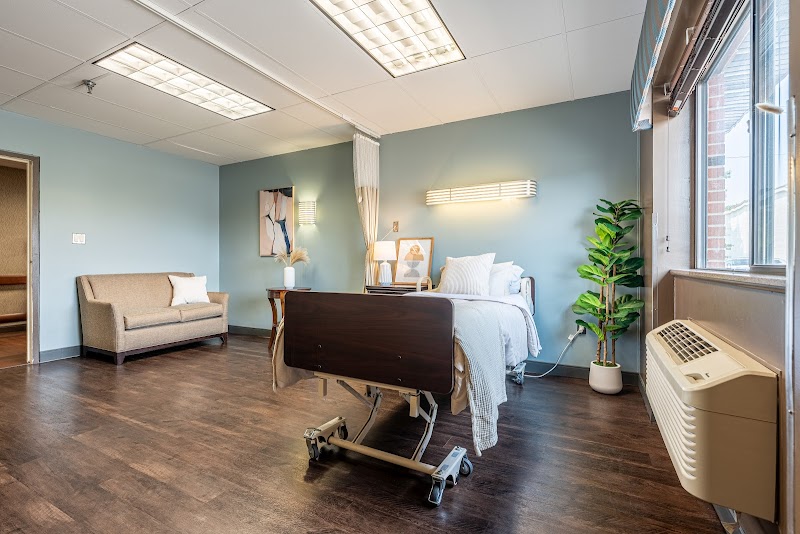
How is Citadel Of Sterling,The Staffed?

CMS rates CITADEL OF STERLING,THE's staffing level at 2 out of 5 stars, which is below average compared to other nursing homes. Staff turnover is 28%, compared to the Illinois average of 46%. This relatively stable workforce can support continuity of care.

What Have Inspectors Found at Citadel Of Sterling,The?

State health inspectors documented 25 deficiencies at CITADEL OF STERLING,THE during 2023 to 2025. These included: 2 that caused actual resident harm and 23 with potential for harm. Deficiencies causing actual harm indicate documented cases where residents experienced negative health consequences.
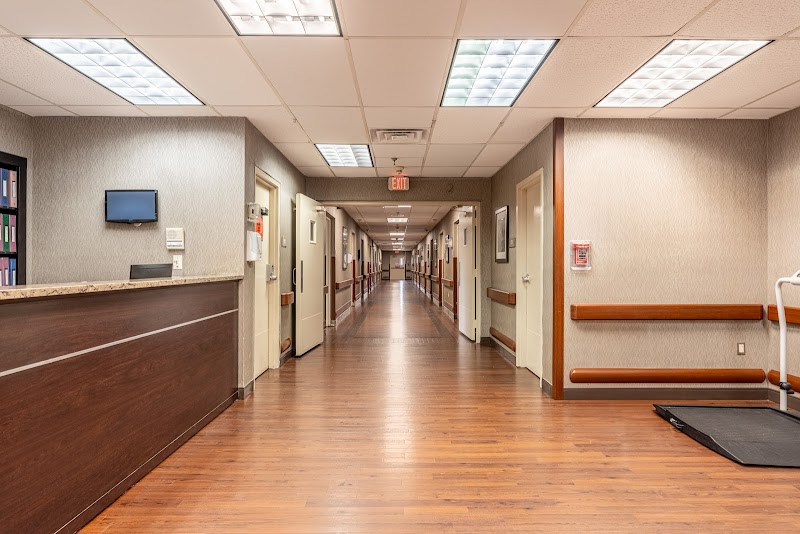
Who Owns and Operates Citadel Of Sterling,The?

CITADEL OF STERLING,THE is owned by a for-profit company. For-profit facilities operate as businesses with obligations to shareholders or private owners. The facility is operated by CITADEL HEALTHCARE, a chain that manages multiple nursing homes. With 121 certified beds and approximately 97 residents (about 80% occupancy), it is a mid-sized facility located in STERLING, Illinois.
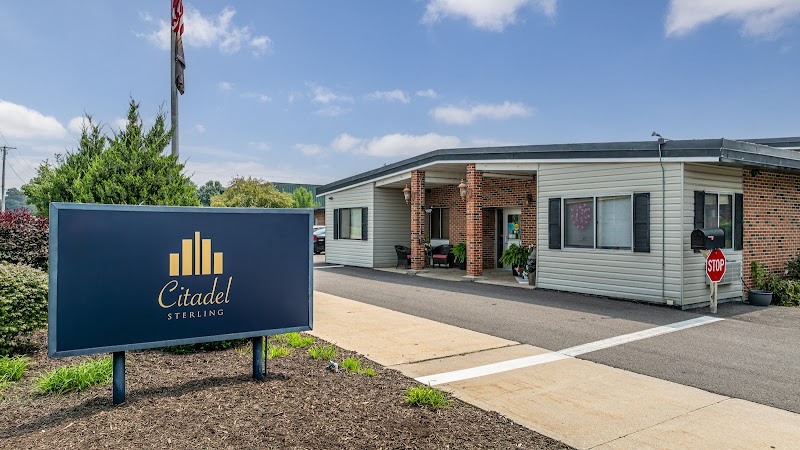
How Does Citadel Of Sterling,The Compare to Other Illinois Nursing Homes?

Compared to the 100 nursing homes in Illinois, CITADEL OF STERLING,THE's overall rating (2 stars) is below the state average of 2.5, staff turnover (28%) is significantly lower than the state average of 46%, and health inspection rating (3 stars) is at the national benchmark.

What Should Families Ask When Visiting Citadel Of Sterling,The?

Based on this facility's data, families visiting should ask: "Can you walk me through typical staffing levels on day, evening, and night shifts?" "Can I visit during a mealtime to observe dining assistance and food quality?" "How do you handle medical emergencies, and what is your hospital transfer rate?" "Can I speak with family members of current residents about their experience?" These questions are particularly relevant given the below-average staffing rating.

Is Citadel Of Sterling,The Safe?

Based on CMS inspection data, CITADEL OF STERLING,THE has a clean safety record: no substantiated abuse findings (meaning no confirmed cases of resident harm), no Immediate Jeopardy citations (the most serious violation level indicating risk of serious injury or death), and is not on the Special Focus Facility watch list (a federal program monitoring the lowest-performing 1% of nursing homes). The facility has a 2-star overall rating and ranks #100 of 100 nursing homes in Illinois. While no facility is perfect, families should still ask about staff-to-resident ratios and recent inspection results during their visit.

Do Nurses at Citadel Of Sterling,The Stick Around?

Staff at CITADEL OF STERLING,THE tend to stick around. With a turnover rate of 28%, the facility is 18 percentage points below the Illinois average of 46%. Low turnover is a positive sign. It means caregivers have time to learn each resident's needs, medications, and personal preferences. Consistent staff also notice subtle changes in a resident's condition more quickly. Registered Nurse turnover is also low at 17%, meaning experienced RNs are available to handle complex medical needs.

Was Citadel Of Sterling,The Ever Fined?

CITADEL OF STERLING,THE has been fined $20,679 across 5 penalty actions. This is below the Illinois average of $33,286. While any fine indicates a compliance issue, fines under $50,000 are relatively common and typically reflect isolated problems that were subsequently corrected. Families should ask what specific issues led to these fines and confirm they've been resolved.

Is Citadel Of Sterling,The on Any Federal Watch List?

CITADEL OF STERLING,THE is not on any federal watch list. The most significant is the Special Focus Facility (SFF) program, which identifies the bottom 1% of nursing homes nationally based on persistent, serious quality problems. Not being on this list means the facility has avoided the pattern of deficiencies that triggers enhanced federal oversight. This is a positive indicator, though families should still review the facility's inspection history directly.