ALLURE OF PROPHETSTOWN
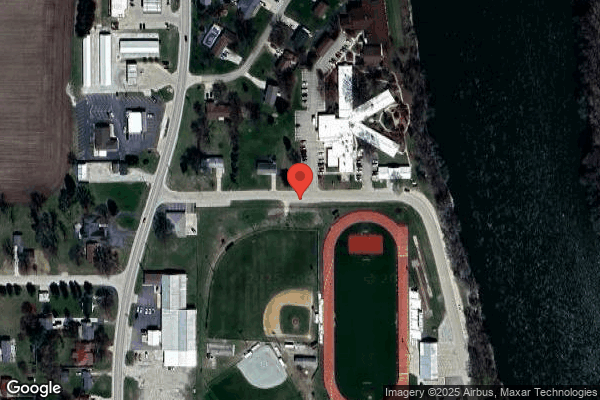
310 MOSHER DRIVE, PROPHETSTOWN, IL 61277 (815) 537-5175
For profit - Limited Liability company 70 Beds ALLURE HEALTHCARE SERVICES Data: November 2025 1 Immediate Jeopardy citation
Trust Grade
8/100
#316 of 665 in IL
Last Inspection: August 2024

Within standard 12-15 month inspection cycle. Federal law requires annual inspections.

Overview

Allure of Prophetstown has received a Trust Grade of F, indicating significant concerns about the quality of care provided. Ranked #316 out of 665 facilities in Illinois, they are in the top half but still have many areas needing improvement. The facility is showing signs of improvement, with issues decreasing from 16 in 2023 to 10 in 2024. Staffing is a weakness, as they earned only 2 out of 5 stars and have a 44% turnover rate, which is slightly below the state average. On the downside, there were serious incidents reported, including a failure to safely transfer a resident, leading to potential injury, and a lack of proper infection control measures that resulted in multiple residents contracting respiratory illnesses and COVID-19.

Trust Score
F
8/100
In Illinois
#316/665
Top 47%
Safety Record
High Risk
Review needed
Inspections
Getting Better
16 → 10 violations
Staff Stability
○ Average
44% turnover. Near Illinois's 48% average. Typical for the industry.
Penalties
○ Average
$45,133 in fines. Higher than 65% of Illinois facilities. Some compliance issues.
Skilled Nurses
○ Average
Each resident gets 33 minutes of Registered Nurse (RN) attention daily — about average for Illinois. RNs are the most trained staff who monitor for health changes.
Violations
⚠ Watch
29 deficiencies on record. Higher than average. Multiple issues found across inspections.
★★☆☆☆
2.0
Overall Rating
★★☆☆☆
2.0
Staff Levels
★☆☆☆☆
1.0
Care Quality
★★★☆☆
3.0
Inspection Score
Stable
2023: 16 issues
2024: 10 issues

The Good

  • Full Sprinkler Coverage · Fire safety systems throughout facility
  • No fines on record
  • Staff turnover below average (44%)

    4 points below Illinois average of 48%

Facility shows strength in fire safety.

The Bad

2-Star Overall Rating

Below Illinois average (2.5)

Below average - review inspection findings carefully

Staff Turnover: 44%

Near Illinois avg (46%)

Typical for the industry

Federal Fines: $45,133

Above median ($33,413)

Moderate penalties - review what triggered them

Chain: ALLURE HEALTHCARE SERVICES

Part of a multi-facility chain

Ask about local staffing decisions and management

The Ugly 29 deficiencies on record

1 life-threatening 5 actual harm
Aug 2024 8 deficiencies
CONCERN (D)

Potential for Harm - no one hurt, but risky conditions existed

Pressure Ulcer Prevention (Tag F0686)

Could have caused harm · This affected 1 resident

**NOTE- TERMS IN BRACKETS HAVE BEEN EDITED TO PROTECT CONFIDENTIALITY** Based on observation, interview, and record review the facility failed to identify, assess, and implement treatment for a pressu...

Read full inspector narrative →
**NOTE- TERMS IN BRACKETS HAVE BEEN EDITED TO PROTECT CONFIDENTIALITY** Based on observation, interview, and record review the facility failed to identify, assess, and implement treatment for a pressure ulcer before developing into a stage three pressure ulcer for 1 of 6 residents (R6) reviewed for pressure ulcers in the sample of 17. The findings include: On 8/5/24 at 10:25 AM, V12 (Wound Licensed Practical Nurse) performed a dressing change to R6's pressure wound to her left buttock. V12 removed the dressing and R6 had a pressure ulcer present measuring 2.6 centimeters (cm) x 1.8 cm x 0.1 cm. R6's Weekly Skin assessment dated [DATE] shows that she has discolored excoriation to her left buttock area. R6's Shower Assessment Sheet dated 7/17/24 shows a circle around her buttock area and it documents, ointment on. On 8/7/24 at 9:07 AM, V15 (Certified Nursing Assistant/CNA) said that she was the CNA that filled out the shower sheet on 7/17/24. V15 said that she circled the buttocks area because there was a dressing on her buttock and wrote ointment on because there was redness around the dressing that she put ointment on. R6's Wound Observation Tool dated 7/19/24 shows that a stage 3 pressure ulcer on her left buttock was identified that measured 1.5 cm x 2 cm x 0.2 cm. No other assessment of the pressure wound were provided prior to 7/19/24. On 8/7/24 at 9:05 AM, V12 said that she saw the open pressure ulcer when she toileted R6 on 7/19/24. V12 said that when she saw it, it was a stage three open pressure ulcer. V12 said that the staff should have told her about the open wound once it happened but no one notified her. V12 said that when the wound was found, she asked the staff why no one reported it to her and she said that every one said that they thought that she already knew about it. The facility's undated Pressure Injury Prevention and Management Policy shows, Licensed nurses will conduct a full body skin assessment on all residents upon admission/re-admission, weekly, and after any newly identified pressure injury. Findings will be documented in the medical record .Nursing assistants will inspect skin during bath and will report any concern to the resident's nurse immediately after the task.
CONCERN (D)

Potential for Harm - no one hurt, but risky conditions existed

Deficiency F0688 (Tag F0688)

Could have caused harm · This affected 1 resident

**NOTE- TERMS IN BRACKETS HAVE BEEN EDITED TO PROTECT CONFIDENTIALITY** Based on observation, interview, and record review the facility failed to ensure a resident's splints were applied to bilateral ...

Read full inspector narrative →
**NOTE- TERMS IN BRACKETS HAVE BEEN EDITED TO PROTECT CONFIDENTIALITY** Based on observation, interview, and record review the facility failed to ensure a resident's splints were applied to bilateral upper extremity contractures for 1 of 1 resident (R28) reviewed for splints in the sample of 17. The findings include: R28's Physician's Order Sheet printed on 8/6/24 shows an order dated 9/20/23 for: Resident to wear bilateral WHO's (Wrist Hand Orthotics) daily, on at AM and off at HS (bedtime). R28's Care Plan shows diagnoses of: spastic quadriplegic cerebral palsy, osteoarthritis and mild intellectual disability. R28's Minimum Data Set assessment dated [DATE] shows that she is dependent on staff for activities of daily living, has impairment to both sides of her upper and lower extremities and received no days of splint or brace assistance in the last 7 days. On 8/5/24 at 10:58 AM, R28 was sitting in the common area of the facility in a high back wheelchair. R28 had bilateral contractures to her hand, wrist and arm. At 11:05 AM, there was a blue hand splint laying on the floor near her garbage can in her room. At 1:16 PM, R28 did not have any splints on her upper extremities. On 8/6/24 at 9:20 AM and 1:26 PM, R28 was laying in bed. R28 did not have splints on her bilateral upper extremities. R28's blue splint was still laying on the floor next to her garbage can. On 8/6/24 at 1:26 PM, V17 (Restorative Certified Nursing Assistant) said that R28 does have bilateral hand splints that she uses. V17 said that she applies them daily if the resident wants them on but does not document their application, removal or refusal anywhere. R28's Care Plan does not address when splints should be applied. The facility's Prevention of Decline in Range of Motion Policy dated 7/1/23 shows, The facility will provide treatment and care in accordance with professional standards of practice. This includes .appropriate equipment (braces or splints) .Care Plan interventions will be developed and delivered through the facility's restorative program .Interventions will be documented on the resident's person centered care plan. Documentation should include, but not limited to: type of treatments, frequency and duration of treatments, measurable objectives, resident goals. A nurse with responsibility for the resident will monitor for consistent implementation of the care plan interventions. Refusals of care or problems associated with range of motion exercises will be documented in the medical record.
CONCERN (D)

Potential for Harm - no one hurt, but risky conditions existed

Deficiency F0692 (Tag F0692)

Could have caused harm · This affected 1 resident

**NOTE- TERMS IN BRACKETS HAVE BEEN EDITED TO PROTECT CONFIDENTIALITY** Based on observation, interview, and record review the facility failed to ensure a resident received ice cream as ordered for 1 ...

Read full inspector narrative →
**NOTE- TERMS IN BRACKETS HAVE BEEN EDITED TO PROTECT CONFIDENTIALITY** Based on observation, interview, and record review the facility failed to ensure a resident received ice cream as ordered for 1 of 3 residents (R6) reviewed nutrition in the sample of 17. The findings include: R6's Face Sheet shows that she admitted to the facility on [DATE]. R6's Physician's Order Sheet printed on 8/7/24 shows an order dated 7/31/24 for ice cream at lunch and dinner for additional nutrition. R6's Vitals Summary shows that on 7/9/24 she was 116.8 pounds and on 7/30/24 she was 109.8 pounds. R6's Nutrition Note dated 7/31/24 shows, staff report poor appetite .try ice cream with lunch and dinner On 8/5/24 at 11:35 AM, R6's noon meal was delivered to the table. R6 had pureed enchiladas, potatoes, pureed carrots and pureed strawberry dessert. R6 was not provided ice cream. R6 did not consume any of her meal. R6 left the dining room at 11:52 AM. On 8/6/24 at 11:46 AM, R6 was seen leaving the dining room. V7 (Cook) said that R6 barely ate any of her meal and was not served ice cream. On 8/6/24 at 11:50 AM, V6 (Dietary Manager) said that R6 should be served ice cream with lunch and dinner and it is on her meal ticket. V13 (Cook) said that she just missed it today. On 8/6/24 at 12:18 PM, V14 (Dietitian) said that she likes to order ice cream or pudding for residents who are eating 50% or less and not maintaining weight to help reduce weight loss. V14 said that if ice cream is ordered to help with nutrition, it should be give with the meal and should be given at the ordered meal. R6's Care Plan shows that she has a nutritional problem or potential nutritional problem r/t (related to) anorexia with interventions to: Provide and serve supplements as ordered .Ice cream lunch and dinner . The facility's undated Weight Monitoring Policy shows, Interventions will be identified, implemented, monitored and modified (as appropriate), consistent with the resident's assessed needs, choices, preferences, goals and current professional standards to maintain acceptable parameters of nutritional status.
CONCERN (D)

Potential for Harm - no one hurt, but risky conditions existed

Tube Feeding (Tag F0693)

Could have caused harm · This affected 1 resident

**NOTE- TERMS IN BRACKETS HAVE BEEN EDITED TO PROTECT CONFIDENTIALITY** Based on observation, interview, and record review the facility failed to ensure the placement of a feeding tube was checked pri...

Read full inspector narrative →
**NOTE- TERMS IN BRACKETS HAVE BEEN EDITED TO PROTECT CONFIDENTIALITY** Based on observation, interview, and record review the facility failed to ensure the placement of a feeding tube was checked prior to administering medications and enteral feeding for 1 of 1 resident (R35) reviewed for tube feeding in the sample of 17. The findings include: R35's Hospital Notes dated 8/1/24 shows, [AGE] year old male with a history of dementia was recently hospitalized .had undergone G-tube placement on 7/26/24 .patient was seen in the emergency room on 7/30/24 after patient pulled out tube leading to the dislodged G-tube which was replaced in ED He was sent back to [emergency room] again last night after he pulled the G-tube leading to dislodgment where the balloon was outside the gastric lumen based on the CT imaging On 8/6/24 at 9:00 AM, V18 (Registered Nurse) prepared R35's morning medications to administer via his Percutaneous Endoscopic Gastrostomy (PEG) tube. V18 entered R35's room, opened the feeding tube port, attached a syringe without a plunger into the tube feeding port and administered water, medications, and 8 ounces of enteral feeding. V18 did not check placement of the feeding tube prior to administering. On 8/6/24 at 2:21 PM, V2 (Director of Nursing) said that placement of a PEG tube should always be checked before administering any tube feeding or medications to ensure that the tube is in the correct place. V2 said that placement should be check by aspirating gastric content using a syringe. The facility's Enteral Tube Feeding via Gravity Bag Policy revised on 11/23 shows, Verify placement of feeding tube. If anything suggests improper tube positioning, do not administer feeding or medication .
CONCERN (D)

Potential for Harm - no one hurt, but risky conditions existed

Deficiency F0697 (Tag F0697)

Could have caused harm · This affected 1 resident

Based on observation, interview, and record review the facility failed to ensure a resident's bilateral under arm pain was assessed, the physician notified, and treatment interventions implemented for...

Read full inspector narrative →
Based on observation, interview, and record review the facility failed to ensure a resident's bilateral under arm pain was assessed, the physician notified, and treatment interventions implemented for 1 of 4 residents (R2) reviewed for pain in the sample of 17. The findings include: On 8/5/24 at 2:10 PM, R2 said that he has been having pain under both of his arms in his armpit area for about a week. At that time, V12 (Wound Licensed Practical Nurse) entered the room. R2 explained the pain to V12. V12 said that he probably had skin tags and she will have the nurse practitioner see him. On 8/6/24 at 1:49 PM, R2 said that he is still having the armpit pain and no one has done anything about it or even looked at them. R2's armpits were observed. There were no skin tags present or any redness observed. On 8/6/24 at 1:53 PM, V18 (Registered Nurse) was asked if she had heard anything about R2 having bilateral armpit pain. V18 said that R2 is always complaining about some type of pain but she had not heard that he was having armpit pain. R2's Progress Notes from 8/1/24-8/7/24 do not document any assessments of his bilateral armpit pain. R2's Medication Administration notes show that he received pain medication on 8/2/24 at 3:18 PM and 8/3/24 at 7:56 AM but did not document the location of the pain. On 8/6/24 at 2:21 PM, V2 (Director of Nursing) said that if a resident is complaining of pain, the nurse should go and assess the resident to identify where the pain is at, what makes it better, what makes it worse and do a visual assessment to see if there is any observable signs of an issues. V2 said that if it is a new pain for the resident, the physician should be notified and orders carried out if provided with new orders. V2 said that the nurse should document their assessment of the pain in the resident's medical record. The facility's undated Pain Management Policy shows, Based on professional standards of practice an assessment or evaluation of pain by the appropriate members of the interdisciplinary team may necessitate gathering the following information, as applicable to the resident: history of pain and its treatment .Identifying key characteristics of the pain: duration of pain, frequency, location, timing, pattern, radiation of pain . Based upon the evaluation, the facility in collaboration with the attending physician/prescriber, other health care professionals and the resident and/or resident's representative will develop, implement, monitor and revise as necessary interventions to prevent or manager each individual resident's pain beginning at admission
CONCERN (E)

Potential for Harm - no one hurt, but risky conditions existed

Accident Prevention (Tag F0689)

Could have caused harm · This affected multiple residents

**NOTE- TERMS IN BRACKETS HAVE BEEN EDITED TO PROTECT CONFIDENTIALITY** Based on observation, interview, and record review the facility failed to ensure water temperatures in resident bathrooms were m...

Read full inspector narrative →
**NOTE- TERMS IN BRACKETS HAVE BEEN EDITED TO PROTECT CONFIDENTIALITY** Based on observation, interview, and record review the facility failed to ensure water temperatures in resident bathrooms were maintained at a safe level and failed to ensure fall precautions were implemented for residents with a history of falling. These failures apply to 4 of 17 residents (R36, R31, R9, and R53) reviewed for safety and supervision in the sample of 17. The findings include: 1. On 8/5/24 at 10:57 AM, surveyor, using a calibrated thermometer, checked the water temperatures in R53's bathroom sink which was 123.8 degrees Fahrenheit (F). On 8/5/24 at 11:02 AM, R31's bathroom sink water temperature was 134.4 degrees F and on 8/5/24 at 2:05 PM, R9's bathroom water temperature was 125.1 degrees F. On 8/5/24 at 10:59 AM, V3 (Certified Nursing Assistant/CNA) said some resident bathroom water temperatures get so hot you can't even touch them. V3 said R31's bathroom was such a room. V3 said he has informed maintenance about the concern with no response. On 8/5/24 at 12:19 PM, V4 (Maintenance Director) said the water should be between 100 and 110 degrees F, no more and no less; anything greater than 110 degrees can be scalding. On 8/5/24 at 12:38 PM, V5 (Maintenance Assistant) was checking the water temperature in R31's room. As the water was running steam was visible. V5 said, I can see it's hot, I can't even hold my hand under it. V5 said the temperature is 136 (degrees F) and going up. The facility's Safe Water Temperatures Policy (undated) shows the following: It is the policy of this facility to maintain appropriate water temperatures in resident care areas. Water temperatures will be set to a temperature of no more than 100-110 degrees F. 2. On 8/5/24 at 10:37 AM, R53 propelled herself from the dining room to the bathroom in her room and transferred herself onto the commode. R53 had bare feet. On 8/5/24 at 10:43 AM, V11 (CNA) entered R53's bathroom, stood by R53 as R53 transferred back to her wheelchair. V11 did not use a gait belt to assist R53. R53's admission Record dated 8/6/24 shows her diagnoses include, but are not limited to, lack of coordination, unsteadiness on feet, abnormalities of gait and mobility, need for assistance with personal care, and history of falling. R53's MDS (Minimum Data Set) dated 6/12/24 shows R53 has severe cognitive impairment and requires substantial/maximal assistance with sit to stand, chair/bed to chair transfer, and toilet transfer. R53's current care plan provided by the facility shows R53 has fallen six times in the last year. R53 needs staff assistance prior to transfers and staff are to ensure R53 wears non-skid footwear. 3. On 8/5/24 at 10:25 AM, R36 was in the dining room doing activities. R36 kept standing up on her own. V11 (CNA) walked with R36 out of the dining room. V11 did not use a gait belt when ambulating with R36. R36 had a shuffling, unsteady gait and her head was always looking down. At 10:29 AM, V11 walked back into the dining room with R36 and still no gait belt was being used. On 8/5/24 at 11:31 AM, R36 was walking around unassisted in the dining room. Activities staff, V12 (Wound Care Nurse), and V8 (Licensed Practical Nurse) all walked by R36 and no one intervened or assisted R36. R36's admission Record dated 8/7/24 shows R36's diagnoses include, but are not limited to, dementia, unsteadiness on feet, lack of coordination, and weakness. R36's MDS dated [DATE] shows R36 requires partial/moderate assistance with sit to stand, chair/bed to chair transfer, walk 10 feet, walk 50 feet with two turns, and walk 150 feet. R36's current care plan provided by the facility shows R36 is a fall risk and has fallen nine times in the past year. On 8/7/24 at 10:07 AM, V3 (CNA) said R36 ambulates by herself and does not need a gait belt. V3 said they sometimes use a gait belt when R53 transfers from her chair to the commode so they can hold onto it while they clean/wipe her, but R53 is independent with transfers. The facility's Use of Gait Belt Policy (undated) shows the following: It is the policy of this facility to use gait belts wit residents that cannot independently ambulate or transfer for the purpose of safety.
CONCERN (E)

Potential for Harm - no one hurt, but risky conditions existed

Menu Adequacy (Tag F0803)

Could have caused harm · This affected multiple residents

Based on observation, interview, and record review the facility failed to follow the pureed menu for 6 of 6 residents (R4, R6, R11, R23, R43 and R51) reviewed for dietary services in the sample of 17....

Read full inspector narrative →
Based on observation, interview, and record review the facility failed to follow the pureed menu for 6 of 6 residents (R4, R6, R11, R23, R43 and R51) reviewed for dietary services in the sample of 17. The findings include: A facility provided list indicated R4, R6, R11, R23, R43, and R51 were on a pureed diet on 8/5/24. The menu for 8/5/24 showed pureed enchiladas were to be served and a number 6 scoop providing a 5.33 ounce (oz.) serving size was to be used to plate the enchiladas. On 8/5/24 11:26 AM, V7 (Cook) said there were 6 residents on a pureed diet. V7 started plating the pureed food. V7 used a spoodle with a green handle to plate the pureed enchilada. Written on the handle of the spoodle was 4 oz. V7 placed one 4 oz. scoop of the pureed enchiladas on the plates (1.33 oz. less than what the menue called for). On 8/5/24 at 12:08 PM, V7 said she was done plating the pureed food and used the 4 oz. spoodle to plate the pureed enchiladas. On 8/5/24 at 12:08 PM, after serving the pureed meals, there was pureed enchiladas in the serving container covering the bottom of the container. On 8/5/24 at 12:12 PM, V6 (Dietary Manager) said a number 6 scoop would provid 5.33 oz. and the menus should be followed.
CONCERN (F)

Potential for Harm - no one hurt, but risky conditions existed

Deficiency F0761 (Tag F0761)

Could have caused harm · This affected most or all residents

Based on observation, interview, and record review the facility failed to ensure multidose medication vials were marked with expiration dates after opening which applies to 58 residents in the facilit...

Read full inspector narrative →
Based on observation, interview, and record review the facility failed to ensure multidose medication vials were marked with expiration dates after opening which applies to 58 residents in the facility. The findings include: The CMS-671 form dated 8/5/24 showed the facility's census to be 58 residents. On 8/7/24 at 10:35 AM, V9 (Licensed Practical Nurse) opened the medication room and medication storage refrigerator. The 2 opened vials of Tuberculin testing solution were stored in the refrigerator. The first vial was almost empty, and the second vial was approximately half empty. Both vials had no written opened date or expiration date on them. On 8/7/24 at 10:40 AM, V9 stated when the vials are opened the nurse should write the date on them. The opened date will determine the expiration date. V9 stated Tuberculin is good for about a month after opened. On 8/7/24 at 12:00 PM, V2 (Director of Nursing) stated multidose vials need to have the date it was opened written on them. The facilities Medication Expired Dates and Storage Sheet (initialed 8/7/24) showed Aplisol/Tubersol-Tuberculin PPD/Mantoux Injection- Should be maintained according to manufacture recommendations in refrigerator. Expires 30 days after opening. Nurses write on the product the open and expire dates.
Jun 2024 2 deficiencies 1 Harm
SERIOUS (G) 📢 Someone Reported This

A family member, employee, or ombudsman was alarmed enough to file a formal complaint

Actual Harm - a resident was hurt due to facility failures

Accident Prevention (Tag F0689)

A resident was harmed · This affected 1 resident

**NOTE- TERMS IN BRACKETS HAVE BEEN EDITED TO PROTECT CONFIDENTIALITY** Based on observation, interview and record review the facility failed to transfer a resident in a safe manner, failed to follow ...

Read full inspector narrative →
**NOTE- TERMS IN BRACKETS HAVE BEEN EDITED TO PROTECT CONFIDENTIALITY** Based on observation, interview and record review the facility failed to transfer a resident in a safe manner, failed to follow facilty's policy and procedures for 1 of 3 residents (R1) in the sample of 3. The findings include: R1's admission record documents she was admitted to the facility on [DATE] with multiple diagnoses including Alzheimer's disease and cognitive communication deficit. The 5/23/24 quarterly assessment of R1 shows she has severe cognitive impairment and is dependant on staff for chair/bed to chair transfers. The 6/19/24 300 hall resident information lists R1 as a transfer with a mechanical lift with 2 assist. On 6/20/24 at 9:50 AM, R1 was observed sitting up in her chair. She was alert, but non verbal. She had a mechanical lift sling underneath her. V5 and V6 CNA's (Certified Nursing Assistants) said a beige sling is used for R1, and the sling is crossed under her legs. V5 and V6 attached the sling hooks to the mechanical lift, and began to transfer R1. V6 was guiding R1 out of her chair and said there should always be 2 staff present for R1 as she tends to lean forward during transfers. In a written statement on 6/11/24, V3 CNA stated she hooked R1 up to the mechanical lift, her chair was between her bed and her room mates bed so when R1 was lifted her head would be right where it should lay in the bed. V3 lifted her up and everything was fine until she moved the lift over top of R1's chair, and R1 started to lean forward and V3 tried to grab her, and R1 went back into the sling but did not go back into position. She went to the left and head first out of the sling. V3 stated she tried to catch her but it all happened too fast, and R1 hit her head on the floor. On 6/20/24 at 10:00 AM, V8 CNA said she was working on the hallway with V3, and was not aware V3 was laying people down and did not ask her for assistance. She said R1 is a mechanical lift and requires 2 staff for a transfer. She said R1 is dangerous to transfer with 1 staff because she tends to lean forward in the sling. On 6/20/24 at 8:30 AM, V4 CNA said R1 is a mechanical lift, and will attempt to sit up during transfers with the mechanical lift, and there should always be 2 staff present during the transfer. On 6/20/24 at 9:30 AM, V7 RN (Registered Nurse) said V3 was yelling for assistance with R1. She found V3 holding a bloody rag to the back of R1's head. V7 said she immediately called 911. She said R1 says very little and is not able to follow commands. She said V3 was the only staff in the room at the time of her initial assessment, and V8 came in afterwards. The 6/11/24 emergency room nursing note document R1 arrived with reports of being dropped from a mechanical lift injuring back of head. R1 noted to have a small abrasion to the back of her head. On 6/20/24 at 8:50 AM, V2 DON (Director of Nursing) stated V3 was assigned to R1 on 6/11/24, and was putting her to bed. V3 was transferring R1 by herself when R1 fell. The facility's undated policy for safe resident handling/transfers documents it is the policy of this facility to ensure that residents are handled and transferred safely to prevent or minimize risks for injury and provide and promote a safe, secure and comfortable experience for the resident while keeping the employees safe in accordance with current standards and guideline. All residents require safe handling when transferred to prevent or minimize the risk for injury to themselves and the employees that assist them. Compliance Guidelines: 10. Two staff member must be utilized when transferring residents with a mechanical lift.
CONCERN (D) 📢 Someone Reported This

A family member, employee, or ombudsman was alarmed enough to file a formal complaint

Potential for Harm - no one hurt, but risky conditions existed

Quality of Care (Tag F0684)

Could have caused harm · This affected 1 resident

**NOTE- TERMS IN BRACKETS HAVE BEEN EDITED TO PROTECT CONFIDENTIALITY** Based on observation, interview, and record review the facility failed to document a resident fall and assessment for 1 of 3 res...

Read full inspector narrative →
**NOTE- TERMS IN BRACKETS HAVE BEEN EDITED TO PROTECT CONFIDENTIALITY** Based on observation, interview, and record review the facility failed to document a resident fall and assessment for 1 of 3 residents (R2) reviewed for falls in the sample of 3. The findings include: R2's admission record shows she was admitted to the facility on [DATE] with multiple diagnoses including unspecified dementia, unspecified severity with psychotic disturbance, and expressive language disorder. The facility's 5/22/24 quarterly assessment shows R2 to have severe cognitive impairment and is rarely/never understood. The same assessment shows she is dependant upon staff for all of her ADL' (activities of daily living). The facility accident and incident log for June 2024 documents on 6/15/24, R2 had a fall and sustained a laceration to her head, was sent to the emergency room and admitted for observation. The progress notes for R2 were reviewed for 6/15/24 and show a note at 2:46 PM of behaviors such as yelling out and shouting from her room. The next progress note at 5:42 PM, the local hospital was called for an update on R2's condition. The notes do not show any incident, assessment, or when R2 was sent out to the hospital. A 6/15/24 neurological flow sheet shows vital signs and neuro checks were initiated at 2:45 PM. The history and physical reports from the emergency room documents R2 was seen on 6/15/24 at 3:41 PM following a fall out of her wheelchair. She was dizzy and fell striking her left forehead. She was assessed for head trauma. On 6/20/24 at 10:40 AM, V9 RN (Registered Nurse) said when a resident falls it should be documented in the progress notes what happened, and if/when an ambulance is called. An incident report is completed. She said when R2 fell, she had a skin tear to her right eye. She was working when the fall occurred and recalls someone yelling out for help. She found R2 lying on the floor with blood around her face. She had fallen out of the geriatric chair. V9 said she recalls initiating neuro checks because R2 had hit her head, and everything happened so fast, she did not document in the progress notes. V9 reviewed the progress notes and stated she should have made a note about the fall and her assessment. On 6/20/24 at 930 AM, V7 RN said when a resident falls, it is documented in the progress notes of what happened, and any notifications such as the DON (Director of Nursing), NP (Nurse Practitioner), and POA (Power of Attorney). In addition if the resident is sent out, it should be noted when 911 was called and when they were transported to the emergency room. On 6/20/24 at 11:00 AM, V2 DON said if a fall occurs it is documented in the progress notes how they found the resident, if any injuries noted, what they think may have happened, and if the fall is witnessed or un-witnessed. They should be notifying the physician or NP and the POA. If a resident is sent out it should be in the progress notes. This is necessary because then the rest of the staff know what happened. V2 reviewed R2's progress notes and said the fall information should be in the notes. On 6/20/24, R2 was observed in the common area by the nurses station in a geriatric chair. She was laid back, and appears to be sleeping. She was observed to have a skin tear to her forehead and another to her left eyebrow. The facility's undated policy for incident and accidents documents an accident refers to any unexpected or unintentional incident, which results or may result in injury or illness to a resident. Compliance Guidelines: 5. The following incident/accidents require an incident/accident report but are not limited to: Falls 13. Documentation should include the date, time, nature of the incident, location, initial findings, immediate interventions notifications and orders obtained or follow-up interventions.
Sept 2023 1 deficiency
CONCERN (D) 📢 Someone Reported This

A family member, employee, or ombudsman was alarmed enough to file a formal complaint

Potential for Harm - no one hurt, but risky conditions existed

Report Alleged Abuse (Tag F0609)

Could have caused harm · This affected 1 resident

Based on interview and record review the facility failed to report an allegation of Abuse within 24 hours to the state agency. This applies to 1 of 5 residents (R9) reviewed for abuse in the sample of...

Read full inspector narrative →
Based on interview and record review the facility failed to report an allegation of Abuse within 24 hours to the state agency. This applies to 1 of 5 residents (R9) reviewed for abuse in the sample of 10. The findings include: On 9/13/23 V11 LPNs said, She went into R9's room about 10:00 AM on 9/10/23 and R9 complained about a African American, night CNA was being too rough while giving him care. V11 said, R9 said, the CNA was in too much of a rush and caused a skin tear on the top of his left hand. V11 said she reported it to V2 DON (Director of Nursing) right away. On 9/14/23 at 9:15 AM, V2 DON said, She had not received any recent complaints of improper nursing care or abuse from residents until she got a report from V11 LPN on 9/10/23. V2 said, she found out about R9's allegation on 9/10/23 at about 10:00 AM. V2 said she reported it to V1 (Administrator) right away and V1 asked her to start the abuse investigation by doing the interviews. On 9/14/23 at 11:01 AM, V1 said, Once V11 reported abuse claims to V2 and V2 reported it to her (V1), I asked V2 to do some interviews. V1 said the investigation started, but she didn't report it to [the state agency] as she should have, because she was dealing with other things related to their recent annual survey. V1 said, she haven't done the initial report yet (as of 9/14/23). V1 said no allegation besides R9's have been reported since the annual survey. R9's 9/10/23 at 10:22 AM, Progress Notes show R9 complained to V11 LPN that the CNA taking care of him at bedtime was physically aggressive with him and that when resident asked the CNA to please stop and slow down. That the CNA threw him in bed causing an injury to the top of his left hand (1.5cm x 1.7cm x 0.1cm skin tear). The undated Abuse, Neglect, and Exploitation Policy and Procedure shows under the Reporting/Response section the facility will report all alleged violations to the .State Agency .within specific timeframes .not later than 24 hours if .if there is no serious bodily injury.
Sept 2023 10 deficiencies 1 IJ (1 affecting multiple)
CRITICAL (K)

Immediate Jeopardy (IJ) - the most serious Medicare violation

Infection Control (Tag F0880)

Someone could have died · This affected multiple residents

Based on observation, interview, and record review, the facility failed to have a system in place to track or trend illnesses, failed to have a process in place to identify contagious residents, and f...

Read full inspector narrative →
Based on observation, interview, and record review, the facility failed to have a system in place to track or trend illnesses, failed to have a process in place to identify contagious residents, and failed to implement transmission-based precautions for resident exhibiting infectious illness. These failures resulted in 9 residents (R1,R8,R16,R22,R35,R45,R47,R54,R61) experiencing respiratory illness, 17 residents (R4,R10,R11,R13,R17,R18,R19,R21,R29,R33,R46,R50,R51,R53,R58,R59,R62) testing positive for COVID-19, and 3 residents (R4,R50,R58) being hospitalized for COVID-19. The Immediate Jeopardy began on 8/26/23 when R22 and R45 began having symptoms of body pains, increased cough, and elevated temperatures. V1 (Administrator) and V3 (Regional Nurse) were notified of the Immediate Jeopardy on 8/31/23 at 1:47PM. The surveyor confirmed through observation, interview, and record review that the Immediate Jeopardy was removed on 9/1/23, but noncompliance remains at a Level Two because additional time is needed to evaluate the implementation and effectiveness of the in-service training. The findings include: Upon entrance to the facility on 8/29/23, no signage was posted indicating a respiratory outbreak in the facility. Staff and residents were not wearing masks. V1 (Administrator) stated no residents in the facility were currently on isolation. Residents were observed congregating in activity areas as well as participating in communal dining without face coverings. No personal protective equipment or isolation signs were observed at any resident rooms or doorways. A review of electronic medical records showed: On 8/26/23, R22 and R45 reported body pains and increased cough. R22 had a temperature of 99.7 degrees and R45's temperature was 102.3 degrees. On 8/27/23, R16 and R61 experienced body aches, malaise, and congestion. R47 experienced chest congestion and cough. R13 experienced body aches, malaise, and throat discomfort. R58 experienced a sore throat and cough. On 8/29/23, R35 experienced watery eyes and congestion. R1 experienced increased temperature and cough. R46 experienced a non-productive cough, increased drowsiness, congestion, and shortness of breath with exertion. R54 experienced a sore throat, productive cough with green phlegm, watery eyes, and a headache. R58 was sent to the local emergency room due to difficulty breathing and low oxygen saturations. R58 was diagnosed with COVID-19 in the emergency room. On 8/30/23, R62 experienced a cough with a sore throat. R50 experienced a loose, productive cough, increased shortness of breath, temperature 99.2 degrees, oxygen saturations 91% on 4 liters of oxygen, shaking, flush, and complaints of not feeling well. R50 was sent to the local emergency room and hospitalized with a diagnosis of COVID-19. On 8/31/23, R4 experienced increased lethargy, expiratory wheezing and crackles to all lung fields. R4 tested positive for COVID-19 and had a decline in respiratory status and was sent to the local emergency room and hospitalized . On 8/29/23 at 9:21AM, R61 stated she has had watery eyes, sore throat, plugged ears, chills, and a headache since 8/25/23. No isolation signs or personal protective equipment (PPE) was located outside of R61's door. Staff are observed not wearing face masks throughout the facility. On 8/29/23 at 11:23AM, R51 was in the dining room waiting for her meal to be served. R51 had a congested cough. R51 coughed up a moderate amount of phlegm in her hand and wiped it on her sweater. R51 was not wearing a mask and was participating in communal dining. (R51 tested positive for COVID-19 on 8/31/23) On 8/30/23 at 8:33AM, V6 (Licensed Practical Nurse) was administering medications to R54. V6 stated, Today is her first day of her antibiotic for her upper respiratory infection. We have not been COVID testing any residents with respiratory symptoms since I started working here in March. (V6 then entered R54's room with no mask on. R54 was not on any type of isolation and no PPE was located outside of her room). On 8/30/23, a list of all residents with current respiratory infections was provided to the survey team and showed 13 residents (R1,R8,R13,R16,R22,R35,R45,R46,R47,R50,R54,R61,R62) with current infections. The facility had not identified they were in outbreak status until the survey team requested this list. On 8/30/23 at 11:02AM, V3 (Regional Director of Operations) stated, I just called the local health department to report the outbreak. We put isolation bins outside all of the infected resident's rooms, and have started COVID testing all of the infected residents and so far they are negative. On 8/30/23 at 1:11PM, V2 (Director of Nursing/Infection Preventionist) stated, We just tested all of the residents who have respiratory symptoms for COVID-19 and they are all negative. The first resident who was sick was R45 I think and we COVID tested him right away because the doctor told us to. He was negative. We noticed different people (residents) coming up with respiratory symptoms and (V8-Nurse Practitioner) gave us standing orders for Robitussin, Azithromycin (antibiotic), and albuterol nebulizer treatments. Today is when I would have identified an outbreak, not before. (V1-Administrator) is the one who reports outbreaks to the health department when we have them. I would not have considered us to be in an outbreak until you pointed it out today. I didn't realize how many residents were ill. I have been keeping track of the illnesses but only jotting down notes. I don't have any official tracking form that I use. I can't use the facility floor plan either to identify trends because I can't read it. Up until today we were just encouraging any resident with respiratory symptoms to stay in their room and keep drinking fluids. If residents do come out of their room, they should be encouraged to wear a mask. If we have a resident test positive for COVID then they need isolate immediately and if they had a roommate that roommate should be tested on days 1, 3, and 5 and isolate until all tests come back negative. We definitely encourage good hand hygiene for residents and staff. Prior to today, nobody except (R45) had been tested. I should have started testing when residents were showing symptoms. I know that now and our corporate office informed me that I did not take the correct action nor did I track the illnesses in order to identify any trends in certain areas of the building. As soon as we had residents coming up with respiratory symptoms, I should have had the residents isolate to prevent the spread of the illnesses. On 8/30/23 at 2:45PM, R8,R13,R16,R19,R35,R45,R46,R47,R50,R54, and R61 had a sign posted on their door showing, Droplet Precautions: Everyone must clean their hands before entering and when leaving the room. No personal protective equipment was located outside any of the above resident's doors and staff were not wearing masks in the facility. Staff observed entering rooms showing Droplet Precautions were wearing surgical masks only. (Isolation was initiated 4 days after the first case of respiratory illness). On 8/30/23 at 3:30PM, a sign was posted on the entrance to the facility showing a respiratory outbreak within the facility. (4 days after the first resident experienced respiratory illness) On 8/30/23 at 3:09PM, V7 (Public Health Nurse) stated, I got an e-mail from (V1-Administrator) about 2 hours ago regarding the respiratory outbreak. In the past when we have had different respiratory outbreaks we have considered 2 or more an outbreak. The last time the facility reported any type of illness was in December 2022. What they are supposed to do is e-mail the infectious disease e-mail so that anyone in our department can respond to them. They should have COVID tested immediately and isolated residents. They should definitely be masking for everyone. This is very basic at this point and all facilities should know this. COVID-19 is making a comeback and is very much still prevalent and should have been on their radar. On 8/31/23 at 8:10AM, R50's door was closed and staff stated resident was sent to the hospital on 8/30 due to COVID+ status. Staff not wearing masks throughout facility, no PPE located outside infected resident rooms. On 8/31/23 at 8:16AM, V1 stated, (R50) was sent to the hospital last night and is now our second COVID positive case. (R58) was our first one on 8/29. We did not test anyone after the first positive and we didn't isolate or test (R58's) roommate. I guess I just didn't think about it because we haven't had to do this for so long. We haven't had a COVID positive in months. The health department did e-mail me back last night and told me to just keep doing what we are doing because they had already talked to (V3). We are going to test every resident on (R50's) hall this morning. On 8/31/23 at 9:04AM, V7 (Public Health Nurse) stated, I spoke with (V3) yesterday and the facility informed me they were doing increased monitoring for respiratory signs/symptoms, placed isolation buckets outside of the infected resident's rooms, and that staff were wearing gowns, masks, gloves in the isolation rooms. I recommended they keep doing that and I also spoke to her about RSV (Respiratory Syncytial Virus) and Influenza and she said that wouldn't really matter because they already started antibiotics. I informed her that these are viral so it would be beneficial to test. I recommended they do respiratory panels on all residents. They said they can't do that without a physician's order and I said okay. I did not tell them if they wanted to do it they could. It is highly recommended to do further testing if the COVID tests come back negative so we can identify exactly what illness we are dealing with. I would have expected to have been notified of their first positive COVID case so I could track it and keep in contact with the facility and help identify and trends or give recommendations to help slow the spread. I highly doubt the first COVID+ resident's symptoms started on 8/29/23 so the roommate should've been tested earlier than 8/30/23. (V3) reported to me that no residents have experienced a fever thus far. (At this time, 3 residents had reported increased temperature) On 8/31/23 at 12:05PM, V8 (Nurse Practitioner) stated, If residents are displaying respiratory symptoms, you definitely should isolate them until you know that symptoms are resolving to prevent spreading the illness. I would have thought with their nursing judgement that they would have done the antigen testing in house. As a matter of fact, when I was notified of the first COVID positive case I told the staff, I sure hope you're going to be testing the rest of the residents. I assumed they would have done that per their policy but apparently not. This definitely could have been less severe of an outbreak if they had isolated the residents and used personal protective equipment like they were supposed to. If you have a sign on the door that says droplet precautions then you have to have gowns, masks, and gloves outside the door, available for staff to put on PRIOR to entering the room or they are not protected against any illness that resident has. On 8/31/23 at 12:42PM, The facility completed their outbreak testing for COVID-19 on the entire facility and provided a list of 17 total residents (R4,R10,R11,R13,R17,R18,R19,R21,R29,R33,R46,R50,R51,R53, R58,R59,R62) who tested positive for COVID-19 in the facility. Two resident's (R50,R58) are currently hospitalized with COVID-19. On 9/1/23 at 9:42AM, V3 (Regional Director of Operations) stated, (R4) was sent to the hospital last night due to declining condition and was one of our COVID positive residents. The facility's policy titled, Infection Control Policy and Procedure for COVID-19 Facility Response Strategy dated 5/25/23 showed, COVID-19 testing is required for any of the following: Symptomatic residents or healthcare providers (HCP), even those with mild symptoms of COVID-19, regardless of vaccination status, should receive a viral test for COVID-19 as soon as possible. Implement recommended infection prevention and control practices when caring for a resident with suspected or confirmed COVID-19 infection. Asymptomatic residents and HCP with a close contact or higher-risk exposure are recommended to have a series of three viral tests for COVID-19 infection .Outbreak testing: A broad-based approach includes the unit, floor, or other specific area of the facility where the positive COVID-19 case was identified. The facility's policy titled, Infection Prevention and Control Program dated 5/1/23 showed, This facility has established and maintains an infection prevention and control program designed to provide a safe, sanitary, and comfortable environment and to help prevent the development and transmission of communicable diseases and infection as per accepted national standards and guidelines .1. The designated infection preventionist is responsible for oversight of the program and serves as a consultant to our staff on infectious diseases, resident room placement, implementing isolation precautions, staff and resident exposures, surveillance, and epidemiological investigations of exposures of infectious diseases .9. COVID-19 testing: a. anyone with symptoms of COVID-19, regardless of vaccination status, should receive a viral test for SARS-CoV-2 as soon as possible. The facility's policy titled, Transmission-Based (Isolation) precautions dated 2023 showed, It is our policy to take appropriate precautions to prevent transmission of pathogens, based on the pathogens' modes of transmission .10. Droplet Precautions- e. healthcare personnel will wear a facemask for close contact with an infectious resident. F. based upon the pathogen or clinical syndrome, if there is risk of exposure of mucous membranes or substantial spraying of respiratory secretions is anticipated, gloves and gown as well as goggles (or face shield) should be worn. The Immediate Jeopardy that began on 8/26/23 was removed on 9/1/23 when the facility took the following actions to remove the Immediacy and correct the noncompliance. The facility implemented the following abatement plan after a meeting was conducted by the appropriate members of the Quality Assurance Performance Improvement (QAPI) Committee held on 8/31/23 at 3:30PM. 1) Corrective actions which will be accomplished for those residents found to be affected by the deficient practice. a. All residents has been tested for COVID. All residents who are listed as positive for covid are either in the hospital or have been placed on droplet isolation. The isolation rooms have the appropriate signs and PPE. b. All residents who have respiratory signs and symptoms have been placed on droplet precautions. The resident rooms have the appropriate signs and PPE. c. Health department notified of respiratory illness on 8/30/23 @ 3:38PM by (V3-Regional Director of Operations) d. Health department notified of COVID outbreak on 8/31/23 @ 9:48AM by (V1-Administrator). Ongoing communication has been conducted with the health department by (V1). e. All staff and residents will wear proper PPE and source control f. All current staff in the facility have been tested for covid. All staff that have not been tested for covid will be tested prior to their next shift. g. All communal dining and activities have been put on hold to prevent the spread of covid. h. All staff including agency staff will be in-serviced by (V3), (V1), (V2) on: covid policy, hand washing, PPE, testing residents for covid that have respiratory signs and symptoms, implementing transmission-based precautions. In-servicing will be conducted either via phone or in person prior to their shift. 2) How the facility will identify other residents having the potential to be affected by the safe deficient practice. a. All residents have the potential to be affected. All residents in the facility have been tested for covid. This was completed on 8/31/23. The QAPI meeting was conducted on 8/31/23 and reviewed: 1) Notifying the local health department to obtain guidance on illness outbreak 2) The facility discussed the local health department guidance on the illness outbreak 3) The facility discussed the plan for training all staff, including administration regarding response to illness outbreak 4) Review of IJ for F880 5) Review of facility abatement plan 6) Review of infection prevention control program policies 7) Review of covid policies 8) Review or PPE policies 9) Review of handwashing policies 10) All residents with respiratory signs and symptoms need to be tested for covid 11) The facility's policies on infection control 12) Transmission based precautions policy 13) When to implement isolation and transmission-based precautions. 3) The measures the facility will take or systems the facility will alter to ensure that the problem will be corrected and will not recur. a. In-service training done by (V21-Chief Nursing Officer) with (V3) on 8/31/23 on covid policy, handwashing, ppe, testing residents for covid that have respiratory signs and symptoms, response to illness outbreak, policies and procedures regarding implementing transmission based precautions for residents actively displaying symptoms of respiratory illness, and the procedure on when to notify the local health department to obtain guidance on illness outbreak. b. In-service training done by (V3) with (V1) and (V2) on 8/31/23 on covid policy, handwashing, ppe, testing residents for covid that have respiratory signs and symptoms, response to illness outbreak, policies and procedures regarding implementing transmission based precautions for residents actively displaying symptoms of respiratory illness, and the procedure on when to notify the local health department to obtain guidance on illness outbreak. c. The facility completed in-service training for all staff by (V3), (V1), and (V2) on covid policy, handwashing, ppe, testing residents for covid that have respiratory signs and symptoms, response to illness outbreak, policies and procedures regarding implementing transmission based precautions for residents actively displaying symptoms of respiratory illness, and the procedure on when to notify the local health department to obtain guidance on illness outbreak. All staff will be educated in person or via telephone on 8/31/23 or prior to their next scheduled shift. All staff are expected to be in-service by 9/8/23. 4) Quality Assurance plans to monitor facility performance to make sure that corrective actions are achieved and are permanent DON/ADON or designee will continue to conduct a QA study to determine: a) Does the resident exhibit respiratory symptoms, were they tested for COVID-19? b) Were proper precautions implemented for COVID positive residents and for residents actively displaying symptoms of respiratory illness? c) Was resident isolated per facility policies and procedures? d) Was local health department notified of covid positive residents and for residents actively displaying symptoms of respiratory illness for guidance, per facility policy? e) Was proper signage and equipment in isolation rooms? f) Did staff use proper PPE and hand hygiene? g) Did staff follow facility's policies pertaining to infection control and response to illness outbreak? The DON/ADON or designee will conduct the QA study at least 3 times per week for a period of 3 months with the facility created QA tool to maintain compliance with this regulation. The results of this tool will be reviewed during the facility's quarterly QA meetings. Any issues identified will be immediately corrected. Administrator or designee will monitor for overall compliance. On 9/1/23 at 11:00AM, a review of the facility's in-service record showed all staff working the remainder of the day on 8/31/23 and staff working on 9/1/23 were in-serviced on infection control procedures consisting of identifying and monitoring residents for symptoms, notification to the nurse for residents identified as having new symptoms, isolation of potentially contagious residents, hand hygiene, COVID-19 policy regarding symptoms and testing, and personal protective equipment. As of this time, 83% of the entire staff had received the in-service training with the remainder of the staff receiving the education prior to the start of their next shift.
SERIOUS (G)

Actual Harm - a resident was hurt due to facility failures

Deficiency F0692 (Tag F0692)

A resident was harmed · This affected 1 resident

**NOTE- TERMS IN BRACKETS HAVE BEEN EDITED TO PROTECT CONFIDENTIALITY** 2. R1's face sheet showed an [AGE] year-old female with diagnosis of mild protein calorie malnutrition. asthma, chronic obstruct...

Read full inspector narrative →
**NOTE- TERMS IN BRACKETS HAVE BEEN EDITED TO PROTECT CONFIDENTIALITY** 2. R1's face sheet showed an [AGE] year-old female with diagnosis of mild protein calorie malnutrition. asthma, chronic obstructive pulmonary disease, obstructive sleep apnea, dyspnea, dementia, kidney failure, type 2 diabetes, heart failure, and rheumatoid arthritis. R1's physician order sheet showed a 6/23/23 order for a health shake three times daily. On 08/29/23 at 12:05 PM, R1 was in the dining room in a wheelchair. R1 was feeding herself a grilled cheese sandwich and complained it was salty. On 08/30/23 at 07:42 AM, R1 was in the dining room feeding herself a toast and egg sandwich. On 08/31/23 at 09:13 AM, V2 Director of Nursing said (while reviewing R1's medical record) she doesn't find any evidence that a health shake was given as ordered until the end of June. V2 confirms R1's 5/14/23 physician order for a health shake to be given daily. V2 also confirmed a significant weight loss noted from May to June 2023. V2 said a health shake three times a day was ordered on 6/23/23. V2 said it is her expectation that residents receive dietary supplements as ordered. V2 said the May health shake order did not show up on her medication administration record (MAR). If they don't receive the supplements they may experience continued weight loss, wounds, an overall decline, and weakness. R1's weight record showed the following: 5/3/23 weight-192 pounds, 6/3/23 weight-174.4 pounds. A 9.17 % weight loss in one month. R1's 5/14/23 dietary note authored by V4 Dietician showed a significant weight loss of 6.1% in the last month. V4 recommended to add a health shake daily to aid in weight stability. R1's 6/17/23 dietary note authored by V4 showed another significant weight loss of 8.3% in the last month. V4 recommended to increase health shakes to three times daily. R1's May 2023 medication administration record (MAR) did not show the health shake order. R1's June 2023 MAR showed a health shake was given once a day on 6/21 and 6/22/23. R1's nutrition care plan has no intervention for a dietary supplement or mention of her significant weight loss. R1's 7/25/23 facility assessment showed moderate cognitive impairment and requiring extensive assistance for bed mobility, transfer, dressing, personal hygiene and bathing. This assessment showed weight loss while not on a physician prescribed weight-loss program. Based on observation, interview, and record review the facility failed to prevent severe, unplanned weight loss (R59) and failed to implement a nutritional supplement (R1) for 2 of 2 residents reviewed for nutrition in the sample of 17. These failures resulted in R59 sustaining a 21.36 % weight loss over 5 months. The findings include: 1. R59's face sheet printed on 8/30/23 showed diagnoses including right sided hemiplegia (paralysis), expressive language disorder, metabolic encephalopathy, anxiety, dysphagia (difficulty swallowing), and unsteadiness on feet. R59's facility assessment dated [DATE] showed severe cognitive impairment and extensive to total staff assistance needed for bed mobility, transfers, locomotion, dressing, eating, toilet use, and hygiene. The same assessment showed no or unknown regarding any loss of weight over 5% or more the last month or loss of 10% or more in the last 6 months. R59's August 2023 physician order report showed an order dated 6/22/23 for a low concentrated sweets diet, pureed texture, thin consistency. The report did not have any orders for any weight supplement or how often weights should be done. On 8/29/23 at 11:35 AM, R59 was seated in a high back wheelchair in the main dining room. R59's eyes were closed, and her mouth was a gap while V13 (Certified Nurse Aide) fed her a pureed textured meal. V13 was able to drink and swallow after cueing from V13. On 8/30/23 this surveyor reviewed R59's weights from 4/3/23 (date of admission) to 8/24/23 (last recorded weight). Results indicated at 21.36% weight loss in five months, a 9.16% weight loss in three months, and a 6.3% weight loss over the last one month. R59's progress notes were also reviewed. There were only two nutrition progress notes which were dated 4/29 and 6/25. Neither note had any indication of significant weight loss concerns. Both notes showed a plan to continue monitoring, follow with registered dietician for consult as needed, and continue to monitor weights as needed. On 8/31/23 at 12:06 PM, V1 (Administrator) stated she is the current acting dietary manager. V1 said resident weights are reviewed by V4 (Registered Dietician) and V2 (Director of Nurses). V1 said all residents are weighed on their once or twice a week shower day. V2 reviews the weights weekly and V4 reviews them monthly. Weights are reviewed and discussed weekly on Thursdays at the risk management meeting. Any resident with a big weight gain or decrease is discussed. V4 does the nutritional recommendation for residents with big weight decreases. The recommendation is approved by the physician and put on the order report. V1 said it is important for the recommendations to be on order as soon as possible to stop the weight loss. V1 said large weight losses can lead into other medical issues. V1 stated residents on a puree diet have an even greater risk of weight loss. V1 reviewed R59's weights in the electronic medical record and said there has been a gradual significant weight loss during R59's time here. V1 said she had no idea why it had not been noted earlier or why interventions had not been put in place sooner. On 8/31/23 at 12:50 PM, V4 (Registered Dietician) stated she reviews residents' weights monthly. V4 said the dietary manager left the facility around July 7 and she has been the one watching weights on a weekly basis since then. V4 said she charts weight changes if there is any change of 5 pounds or more. V4 said if there is nothing charted, then she did not have any problem with a resident's weight. V4 said she documents in the resident's nutritional notes any concerns and recommendations she has. The note is sent to the director of nurses to be approved by the physician or nurse practitioner. V4 said it is important to identify weight loss soon to avoid the potential for weakness, reduction in normal activities of daily living, or overall health. V4 said unchecked weight loss could exacerbate current medical conditions. V4 said nutritional recommendations need to be implemented sooner versus later to see if they are working or not. V4 defined a significant weight loss of 5% in one month, 7.5% in three months, and 10% in 6 months. V4 said yesterday (8/30) was the first time she had time to document R59's nutritional notes and did not have any dietary recommendations before then. V4 said yesterday was the first time she had recommended any dietary interventions in regard to R59's significant weight loss. R59's progress notes showed a nutritional note dated 8/30/23 at 3:11 PM (during the survey) for a recommendation to notify MD of 10.1-pound weight decrease in the last month, which indicates a significant weight loss. Add a health shake daily to aid in weight stability. R59's care plan also showed a newly added focus for an unplanned/unexpected weight loss start dated 8/31/23. All interventions were also start dated 8/31/23. The facility's undated Weight Monitoring policy states under the policy section: Based on the resident's comprehensive assessment, the facility will ensure that all residents maintain acceptable parameters of nutritional status, such as usual body weight or desirable body weight range and electrolyte balance, unless the resident's clinical condition demonstrates that this is not possible or resident preferences indicate otherwise. The policy further states: 4. Interventions will be identified, implemented, monitored, and modified (as appropriate), consistent with the resident's assessed needs, choices, preferences, goals, and current professional standards to maintain acceptable parameters of nutritional status.
CONCERN (D)

Potential for Harm - no one hurt, but risky conditions existed

Quality of Care (Tag F0684)

Could have caused harm · This affected 1 resident

**NOTE- TERMS IN BRACKETS HAVE BEEN EDITED TO PROTECT CONFIDENTIALITY** Based on observation, interview, and record review, the facility failed to have a dressing in place over a recent surgical wound...

Read full inspector narrative →
**NOTE- TERMS IN BRACKETS HAVE BEEN EDITED TO PROTECT CONFIDENTIALITY** Based on observation, interview, and record review, the facility failed to have a dressing in place over a recent surgical wound as ordered (R166) and failed to do daily weights as ordered (R16) for 2 of 2 residents reviewed for quality of care in the sample of 17. The findings include: 1. R166's face sheet showed a [AGE] year-old female admitted to the facility 8/24/23 with diagnosis of fracture of the right femur, presence of a right artificial hip joint. dementia, and a history of falling, On 8/30/23 at 08:11 AM, V10 Certified Nursing Assistant (CNA) and V14 CNA provided incontinence care for R166. V14 said yes R166 had been incontinent of urine. After R166's wet (with urine) incontinent brief was removed, her uncovered surgical incision with staples was revealed. The surgical wound was approximated without gaps with scattered areas of light redness. V10 and V14 confirmed there was no dressing present. On 08/31/23 at 09:19 AM, V2 Director of Nursing (DON) said it's important to ensure dressings are in place as ordered to prevent infection especially since R166 in incontinent with a new (surgical) incision. V2 confirmed R166's order for the wound to be covered. R166's physician order sheet (POS) showed surgical incision site- cover with Abd (gauze pad) pad until sutures removed every day. May remove staples and apply benzoin and steri strips on 9/6/23. Monitor right lower extremity surgical site, daily dressing changes. Keep site clean and dry every shift for the surgical incision. R166's care plan had no focus area, goals or intervention identifying the surgical wound to the right hip or a risk for infection. R166's 8/24/23 facility assessment showed she was not cognitively intact. This assessment showed she required extensive assistance of two plus persons for bed mobility, transfer, dressing, toilet use, and personal hygiene. The facility's undated Wound Treatment Management Policy showed to promote wound healing of various types of wounds, it is the policy of this facility to provide evidence-based treatments in accordance with current standards of practice and physicians orders. Wound treatments will be provided in accordance with physician orders, including the cleansing method, type of dressing, and frequency of dressing change. Dressings will be applied according to manufacturer's recommendations. 2. R16's face sheet showed a [AGE] year-old female with diagnosis of heart failure, cardiomyopathy, respiratory failure, pneumonia, multisystem inflammatory syndrome, intracranial hemorrhage, myoclonus, chronic pain syndrome, Raynaud's syndrome, and chronic kidney disease Stage 3. On 08/31/23 at 09:16 AM, V2 Director of Nursing (DON) said R16 had an order for daily weights and were not being done. V2 said it was her expectation daily weights were being done if they are ordered. It's important for R16 because of her cardiac issues and edema (fluid retention). If daily weights are not done, she could have cardiac issues, shortness of breath, and her medications may need to be adjusted. R16's POS showed a 3/22/23 order for daily weights, and an order for diuretic (medication to treat fluid retention). R16's 6/21/23 facility assessment showed she was cognitively intact, required extensive assistance for bed mobility, transfer, dressing, toilet use, personal hygiene, and bathing. The facility's undated weight monitoring Policy showed weight can be a useful indicator of nutritional status. The physician should be informed of a significant change in weight and may order nutritional interventions. The Registered Dietician or Dietary Manager should be consulted to assist with interventions; actions are recorded in the nutrition progress notes. Interventions will be identified, implemented, monitored and modified (as appropriate), consistent with the resident's assessed needs, choices, preferences, goals and current professional standards to maintain acceptable parameters of nutritional status. The National Institutes of Health website showed diuretics are used in cardiomyopathy to remove extra sodium and fluid from the body. The American Heart Association website showed daily weights should be tracked. Many people are first alerted to worsening heart failure when they notice a weight gain of more than two to three pounds within a 24-hour period or more than five pounds in a week. R16's weights as documented showed: 8/28/2023 15:30 126.4 Lbs Chair, W/C Scale 8/25/2023 11:20 131.6 Lbs Chair, W/C Scale 8/19/2023 13:17 131.4 Lbs Wheelchair 8/18/2023 15:25 131.0 Lbs Chair, W/C Scale 8/15/2023 12:55 126.8 Lbs Chair, W/C Scale 8/15/2023 10:21 126.8 Lbs Wheelchair 8/8/2023 17:59 127.5 Lbs Chair W/C Scale 8/1/2023 14:17 128.3 Lbs Chair, W/C Scale 7/28/2023 16:14 128.0 Lbs Chair, W/C Scale 7/25/2023 14:29 125.8 Lbs Chair, W/C Scale 7/23/2023 13:17 129.0 Lbs Wheelchair 7/21/2023 15:27 123.9 Lbs Chair, W/C Scale 7/20/2023 13:39 123.5 Lbs Chair, W/C Scale 7/18/2023 13:34 123.0 Lbs Chair, W/C Scale 7/16/2023 13:21 119.6 Lbs Chair, W/C Scale 7/12/2023 10:51 121.8 Lbs Wheelchair 7/11/2023 11:37 121.4 Lbs Wheelchair 7/10/2023 13:12 120.4 Lbs Sitting 7/8/2023 10:01 119.4 Lbs Chair, W/C Scale 7/5/2023 17:31 123.4 Lbs Chair, W/C Scale 7/4/2023 13:24 121.6 Lbs Chair, W/C Scale 7/3/2023 12:47 121.6 Lbs Chair, W/C Scale
CONCERN (D)

Potential for Harm - no one hurt, but risky conditions existed

Pressure Ulcer Prevention (Tag F0686)

Could have caused harm · This affected 1 resident

**NOTE- TERMS IN BRACKETS HAVE BEEN EDITED TO PROTECT CONFIDENTIALITY** 2. R166's face sheet showed an [AGE] year-old female admitted to the facility 8/24/23 with diagnosis of dementia, history of fal...

Read full inspector narrative →
**NOTE- TERMS IN BRACKETS HAVE BEEN EDITED TO PROTECT CONFIDENTIALITY** 2. R166's face sheet showed an [AGE] year-old female admitted to the facility 8/24/23 with diagnosis of dementia, history of falling, fracture of right femur, and presence of a right artificial hip joint. On 08/30/23 at 07:43 AM, R166 was in bed on her back. There were socks on both feet and her heels were resting on the mattress. There was an air mattress on the bed, and it was in the off position. At 8:11 AM, during morning care, R166's coccyx was very reddened. Her right heel very reddened with a circular area of purple hue approximately 0.2 centimeters in circumference. R166's left heel was reddened. V10 Certified Nursing Assistant (CNA) and V14 CNA observed the skin concerns with this surveyor. R166's air mattress was off. On 08/31/23 at 09:23 AM, V2 Director of Nursing (DON) said there were no notes in R166's record about the skin concerns. V2 said she would have expected the CNAs to notify the nurse of any new skin concerns so the nurse could assess the area, add a treatment, see if nutritional interventions were needed, and to notify the family. There was no progress note the nurse was notified or any nursing skin assessment done. It's important that interventions are working and followed through to prevent wounds and pressure areas. She (R166) is not as mobile, is at risk for pressure due to the recent hip fracture and should have pressure care plan. R166's physician orders showed no offloading interventions for pressure injury prevention. R166's care plan had no focus area, goals or intervention identifying the potential risk for skin breakdown. There was no care plan regarding nutrition. R166's 8/24/23 facility assessment showed she was not cognitively intact. This assessment showed she required extensive assistance of two plus persons for bed mobility, transfer, dressing, toilet use, and personal hygiene. R166's 8/24/23 pressure risk assessment showed she was at a moderate risk for developing pressure. The facility's 4/2020 Prevention of Pressure Injuries Policy showed to establish and implement a nutrition care plan for any resident with or at risk of a pressure injury who is malnourished or at risk for malnutrition. Review the resident's care plan and identify the risk factors as well as the interventions designed to reduce or eliminate those considered modifiable. Select appropriate support surfaces based on the resident's risk factors in accordance with current clinical practice. Evaluate, report and document potential changes in the skin. Based on observation, interview, and record review the facility failed to ensure physician prescribed treatments were in place for a resident with an unstageable wound (R62) and failed to ensure pressure ulcer interventions were in place for a resident at risk for wound development (R166) for 2 of 4 residents reviewed for pressure ulcers in the sample of 17. The findings include: 1. R62's face sheet printed on 8/31/23 showed diagnoses including but not limited to fractured left femur, artificial left hip joint, protein-calorie malnutrition, and arthritis. R62's facility assessment date 7/29/23 showed no severe cognitive impairment and an unstageable pressure ulcer present on admission. The same assessment showed extensive staff assistance required for bed mobility, transfers, dressing, toilet use, and personal hygiene. The assessment showed R62 is incontinent of urine and bowel. R62's Wound Evaluation Summary dated 8/22/23 showed an unstageable pressure ulcer to sacrum (area at the base of the lower back) measuring 2.5 x 2.3 x 0.9 centimeters. R62's August 2023 physician order report showed an order dated 8/8/23 for: Cleanse the wound with normal saline, apply santyl ointment, cover with calcium alginate, apply bordered gauze daily in the evening. The report showed a second order to provide the same wound care as needed for soiling, saturation, and displacement. On 8/29/23 at 9:32 AM, R62 was lying on her side in bed. R62 said she had a sore on her back that has been there since she arrived. R62 said staff put cream and a bandage on it every few days. On 8/30/23 at 1:45 PM, V11 and V12 (CNAs-Certified Nurse Aides) rolled R62 to her left side and removed an incontinence brief. R62's sacrum had a golf ball size open wound with gray discharge oozing into the brief. The wound did not have any dressing and was completely open to the incontinence brief. V12 stated R62 should always have a dressing on the wound and was not sure why it was missing. V12 said the nurse should have been notified right away when the dressing comes off, is dirty, or loose. V12 stated the wound will not heal right if it is not covered. On 8/30/23 at 1:54 PM, V6 (Licensed Practical Nurse) said R62 has orders for wound care to be done on each night shift and as needed if the dressing comes off. V6 said the treatment and dressing are important to stop infection and keep incontinence out of the wound. Keeping it as clean as possible is important to promote healing. V6 said she had not received any report of a missing dressing to R62's sacrum. On 8/31/23 at 10:01 AM, V2 (Director of Nurses) stated wound treatments are important to stop the wound from getting worse and to get it to heal. Open wounds have the potential for infection and general health decline. V2 said all dressings that are missing, soiled, or loose should be replaced as soon as it is found. V2 said wound treatments are documented on the TAR (Treatment Administration Record). If the TAR is blank, that is an indication the treatment was not preformed. R62's August 2023 TAR was reviewed from 8/9 to 8/30 (22 days). The TAR showed 16 missing wound treatments not documented as having been done. R62's care plan showed a focus area 7/22/23 related to the unstageable sacrum pressure ulcer. Interventions included: Provide skin care per facility guidelines and as needed.
CONCERN (D)

Potential for Harm - no one hurt, but risky conditions existed

Accident Prevention (Tag F0689)

Could have caused harm · This affected 1 resident

**NOTE- TERMS IN BRACKETS HAVE BEEN EDITED TO PROTECT CONFIDENTIALITY** Based on observation, interview, and record review the facility failed to implement interventions to prevent a resident from fal...

Read full inspector narrative →
**NOTE- TERMS IN BRACKETS HAVE BEEN EDITED TO PROTECT CONFIDENTIALITY** Based on observation, interview, and record review the facility failed to implement interventions to prevent a resident from falling for 1 of 7 residents (R59) reviewed for falls in the sample of 17. The findings include: R59's face sheet printed on 8/30/23 showed diagnoses including right sided hemiplegia (paralysis), expressive language disorder, metabolic encephalopathy, anxiety, dysphagia (difficulty swallowing), and unsteadiness on feet. R59's facility assessment dated [DATE] showed severe cognitive impairment and extensive to total staff assistance needed for bed mobility, transfers, locomotion, dressing, eating, toilet use, and hygiene. On 8/29/23 at 12:47 PM, R59 was lying asleep in a low bed and two fall mats were next to the bed. The call light was out of reach. There was not any type of bed alarm on the bed. R59's room was at the far end of the hall, one room away from the emergency exit door. There were not staff present in the hallway. On 8/30/23 at 9:57 AM, V9 and V10 (CNAs-Certified Nurse Aides) transferred R59 from a high back wheelchair to the bed using a mechanical lift. V9 and V10 checked R59 for incontinence and lowered the bed. R59 was confused and slightly resistive during the care. A pillow was placed behind R59's back and the fall mats were placed on the floor. V10 said R59 has rolled out of bed several times in the past, but she did not think there had been recent falls. At 1:21 PM, V9 (CNA) and V1 (Administrator/CNA) were providing incontinence care to R59. R59 was rolling side to side in bed and very resistive to care. R59 was confused and yelling out in nonsense words. At 2:06 PM, R59 was lying in a low bed, fully naked with the room door closed. V14 (CNA) entered and said R59 refused to be dressed right now. V14 began to change R59's bed linens. R59 was able to roll side to side independently after cueing from V14. R59's care plan showed a focus area start dated 4/7/23 (3 days after admission) related to falls as evidenced by actual falls. The care plan listed 12 falls since admission and the most recent fall on 8/27/23. Interventions included frequent visual checks (R59 resides at the end of the 200 hall) and utilize devices as appropriate to ensure safety (i.e., bed mats, sensor alarms, etc.). R59's progress notes were reviewed and showed the falls were caused by R59 rolling out of bed. On 8/31/23 at 10:05 AM, V2 (Director of Nurses) stated there have been several fall interventions attempted to stop R59 from falling out of bed, but none have worked. R59 has behaviors and can turn or roll 360 degrees in bed. Medication has not been helpful because she spits pills out many times. R59's family has refused topical type medications. All we can do is educate staff to check on her frequently. V2 said R59 would benefit being placed in a room closer to the nurse station but her yelling out upsets the other residents. R59 needs to be in a room by herself and the one she is currently in is the only one available. V2 said they have not attempted placing the mattress directly on the floor. V2 said she did not know why, they just haven't yet. V2 said the plan going forward to prevent R59 from falling is to continue the frequent checks, find alternative placement for her, and educate the family on the need for medication. V2 said she was not sure any of that would work to stop R59's falls. The facility Fall Reduction Program policy dated 12/2021 states: It is the policy of this facility to have a Fall Reduction Program to assure the safety (of) all residents in the facility when possible. The program will include measures which determine the individual needs of each resident by assessing the risk of falls, and implementation of appropriate interventions to provide necessary supervision and assistive devices are utilized as necessary. Quality Assurance Program will monitor the program to assure ongoing effectiveness.
CONCERN (D)

Potential for Harm - no one hurt, but risky conditions existed

Respiratory Care (Tag F0695)

Could have caused harm · This affected 1 resident

**NOTE- TERMS IN BRACKETS HAVE BEEN EDITED TO PROTECT CONFIDENTIALITY** Based on observation, interview, and record review, the facility failed to ensure a resident's oxygen tubing was changed weekly ...

Read full inspector narrative →
**NOTE- TERMS IN BRACKETS HAVE BEEN EDITED TO PROTECT CONFIDENTIALITY** Based on observation, interview, and record review, the facility failed to ensure a resident's oxygen tubing was changed weekly and failed to ensure a resident's oxygen was on during administration for 3 of 4 resident's reviewed for oxygen in the sample of 17. The findings include: 1. R34's face sheet showed a [AGE] year-old male with diagnosis of dementia, chronic obstructive pulmonary disease, pneumonia, respiratory failure, hypertension, heart failure, chronic kidney disease Stage 3, and cognitive communication deficit. On 08/29/23 at 12:36 PM, R34 was in the dining room seated at a table with two other male residents in the facility's locked dementia unit. R34 had oxygen tubing in his nose but the flowmeter on the portable concentrator was set at zero (no oxygen being administered). The oxygen tubing was dated 8/21/23. R34 ambulated with the assistance of V15 Certified Nursing Assistant (CNA) to his room. When this surveyor entered the room, R34 was on the toilet without oxygen on. The portable concentrator was on a dresser. V15 was asked what it meant if the red flowmeter showed a zero and she referred the question to the nurse. There was a continuous positive airway pressure (CPAP) machine and tubing at R34's bedside dated 8/21/23. At 12:50 PM, R34's portable tank was shown to V6 Licensed Practical Nurse (LPN) who verified if the tank flowmeter was set at zero, no oxygen was being administered. On 08/30/23 at 11:34 AM, R3's oxygen, nebulizer, CPAP tubing and humidifier were all dated 8/21/23. On 08/31/23 at 09:04 AM, V2 Director of Nursing (DON) said if a resident's sats (oxygen saturations) are 90 or below, we put them on oxygen. It's important for oxygen administration for the oxygen flowmeter to be turned on so they're getting the oxygen. If they're not receiving the oxygen, they could become hypoxic (low oxygen level). Oxygen, nebulizer and cpap (continuous positive airway pressure) tubing should be changed weekly to prevent bacteria and to keep it clean. If this isn't done, it could lead to having respiratory issues. Oxygen, nebulizer and CPAP tubing should be in a zip lock bag for storage to keep it from falling on the floor, and to prevent contamination. The nurses date a piece a tape and attach to the tubing to keep track of when it needs to be changed. R34's physician order sheet (POS) showed oxygen (O2) per nasal cannula. Titrate O2 to keep saturation above 90 %. Change oxygen and nebulizer tubing every Sunday night on night shift. Continuous positive airway pressure (CPAP) at bedtime for sleep apnea. R34's care plan showed to evaluate pulse oximetry and provide oxygen as indicated by resident condition and/ or provider order. R34's CPAP care plan showed to provide CPAP and care as ordered. R34's 7/8/23 facility assessment showed he was not cognitively intact. This assessment showed R34 required extensive assistance of one person to physically assist for dressing, toilet use, and dressing. The facility's undated Oxygen Administration Policy showed oxygen is administered to residents who need it, consistent with professional standards of practice, the comprehensive person-centered care plans, and the resident's goals and preferences. Oxygen therapy is the administration of oxygen at concentrations greater than that in ambient air with the intent of treating or preventing the symptoms and manifestations of hypoxia. Oxygen is administered under orders of a physician, except in the case of emergency. Staff shall document the initial and ongoing assessment of the resident's condition warranting oxygen and the response to oxygen therapy. Change oxygen tubing and mask/cannula weekly and as needed if it becomes soiled or contaminated. Change humidifier bottle when empty, every 72 hours or per facility policy, or as recommended by the manufacturer. If applicable, change nebulizer tubing and delivery devices every 72 hours or per facility policy and as needed if they become soiled or contaminated. Keep delivery devices covered in plastic bag when not in use. 2. R1's face sheet showed a [AGE] year-old female with diagnosis of asthma, chronic obstructive pulmonary disease, obstructive sleep apnea, dyspnea, dementia, kidney failure, type 2 diabetes, heart failure, rheumatoid arthritis, and mild protein calorie malnutrition. On 08/29/23 at 09:41 AM, R1was seated on a recliner in her room. She had oxygen on via a humidified concentrator set at 2 liters per minute. R1's oxygen humidifier container was dated 8/21/23. There was an open gallon jug of distilled water on the floor between the recliner and a bedside table. The water gallon was dated 6/22. R1 was sniffling and picking her nose. There was no date on the oxygen tubing. At 12:05 PM, R1 was in the dining room. She had her oxygen on and there was no date on the tubing. R1 asked a staff member to wipe her nose as she is eating her grilled cheese sandwich. On 08/30/23 at 07:42 AM, R1 was in the dining room. There was no date on her oxygen tubing. On 8/31/23 at 7:55 AM, R1 was in her room. Her nebulizer mask was on top of (not inside of) a plastic baggie on the bedside table. The nebulizer mask was dated 8/21/23. R1 had oxygen at 2 liters per nasal cannula and the tubing remained undated. R1's POS showed to administer oxygen at 2-4 liters per nasal cannula continuous to keep saturation greater than 90%. Change oxygen and nebulizer every Sunday night and change oxygen water bottle monthly. R1's care plan showed she had a history of chronic obstructive pulmonary disease (COPD) and scheduled nebulizer treatments. R1's care plan showed to administer oxygen as prescribed or per standing order, evaluate pulse oximetry, and notes a resident history dated 8/30/23 of a respiratory infection. R1's 7/25/23 facility assessment showed moderate cognitive impairment and requiring extensive assistance for bed mobility, transfer, dressing, personal hygiene and bathing. 3. R3's face sheet showed a [AGE] year-old male with diagnosis of dementia, hypertension, and polyosteoarthritis. On 08/30/23 at 11:39 AM, R3's oxygen concentrator was in his room. R3 was not in his room. R3's oxygen humidifier was dated 7/7/23. R3 is in a private room in the locked dementia unit. On 08/30/23 at 07:59 AM, R3 was in the dining room for breakfast. R3 had oxygen per nasal cannula being administered at 2 liters. On 08/31/23 at 08:02 AM, R3 was in the dining room without oxygen on. There was an oxygen concentrator in his room running at 2 liters and a nasal cannula was connected and the tubing was draped over a bedside table. On 8/31/23 at 9:04 AM, V2 DON said (while reviewing R3's medical record) his oxygen saturation had not been checked since 8/30/23. V2 said she would expect it to be checked if he was on oxygen during the night and was not on oxygen in the dining room at breakfast. R3's POS showed to administer oxygen at 1-4 liters per nasal cannula as needed to keep sats above 90%. Pulse oximetry two times a day (bid) and as needed (PRN) for shortness of breath (SOB). Change oxygen tubing/cannula/ mask every week at bedtime on Sunday. R3's care plan showed no focus areas, goals or interventions for oxygen use. R3's 8/30/23 facility assessment showed severely impaired cognitive status,
CONCERN (D)

Potential for Harm - no one hurt, but risky conditions existed

Deficiency F0883 (Tag F0883)

Could have caused harm · This affected 1 resident

**NOTE- TERMS IN BRACKETS HAVE BEEN EDITED TO PROTECT CONFIDENTIALITY** Based on interview and record review, the facility failed to administer immunizations for residents who requested them for 2 of ...

Read full inspector narrative →
**NOTE- TERMS IN BRACKETS HAVE BEEN EDITED TO PROTECT CONFIDENTIALITY** Based on interview and record review, the facility failed to administer immunizations for residents who requested them for 2 of 5 residents (R54,R61) reviewed for immunizations in the sample of 17. The findings include: 1) R54's electronic face sheet printed on 8/31/23 showed R54 was admitted to the facility on [DATE]. R54's document titled, Authorization and Release for Influenza Vaccine dated 10/17/22 showed R54 consented to receive the influenza vaccine. R54's physician's orders for October 2022 showed no order for R54 to receive the influenza vaccine. R54's medication administration record for October 2022 showed no documentation that R54 received the influenza vaccine. On 8/30/23 at 1:11PM, V2 (Director of Nursing) stated, Residents are offered the influenza, pneumococcal, and COVID-19 vaccinations upon admission to the facility if they have not already received them. Once the resident consents, we can administer the vaccination to them or arrange for them to get them through their physician. It is important to ensure our residents have access to the vaccinations they choose to receive to help prevent any illnesses. The facility's policy titled, Influenza Vaccine dated 2020 showed, All residents and employees who have no medical contraindications to the vaccine will be offered the influenza vaccine annually to encourage and promote the benefits associated with vaccinations against influenza 1. Between October 1st and March 31st each year, the influenza vaccine shall be offered to residents and employees, unless the vaccine is medically contraindicated or the resident or employee has already been immunized. 2) R61's electronic face sheet printed on 8/31/23 showed R61 was admitted to the facility on [DATE]. R61's document titled, Authorization and Release for Pneumococcal Vaccine dated 5/19/23 showed R61 consented to receive the PPSV23 vaccine. R61's physician's orders for May 2023 showed no order for R61 to receive the pneumonia vaccine. R61's medication administration record for May 2023 showed no documentation that R61 received the pneumonia vaccine. The facility's policy titled, Pneumococcal Vaccine dated August 2022 showed, All residents will be offered the pneumococcal vaccine to aide in preventing pneumonia/pneumococcal infections. 1. Prior to or upon admission, residents will be assessed for eligibility to receive the pneumococcal vaccine series, and when indicated, will be offered the vaccine series within 30 days of admission to the facility .
CONCERN (E)

Potential for Harm - no one hurt, but risky conditions existed

Deficiency F0804 (Tag F0804)

Could have caused harm · This affected multiple residents

Based on observation, interview, and record review, the facility failed to prepare and serve pureed foods per the recipe guidelines for 5 of 5 residents reviewed for pureed foods. This applies to 2 re...

Read full inspector narrative →
Based on observation, interview, and record review, the facility failed to prepare and serve pureed foods per the recipe guidelines for 5 of 5 residents reviewed for pureed foods. This applies to 2 residents (R3,R59) in the sample of 17 and 3 residents (R14,R25,R26) outside of the sample. The findings include: The facility's list of residents receiving a pureed diet included R3,R14,R25,R26, and R59. The facility's menu for 8/29/23 showed, Pork and mushroom stir fry (6oz) and saffron rice (4oz). On 8/29/23 at 10:32AM, V5 (Cook) prepared the pureed meat and rice for the lunch meal. V5 stated, For residents receiving the pureed meal today I am combining the rice and the meat together so it's more like a stir fry for them. V5 scooped five 4oz scoops of rice and five 6oz scoops of pork and mushrooms and placed them altogether in the blender. V5 stated, I will give them each a 6oz serving of the rice and meat because I figure I would do the larger portion due to the meat size being that amount for the recipe. During meal service, V5 gave each of the 5 residents receiving pureed food a 6oz scoop of the rice and meat mixture. On 8/31/23 at 12:52PM, V4 (Dietician) stated, (V5) should have followed the portion size on the extension sheet to ensure that residents are getting the proper nutrition. If she continues to give the amount she thinks is correct we could start seeing weight loss in these residents. The recipes are very specific to each diet type for this reason. The facility was unable to provide a policy regarding food preparation in relation to altered diets.
CONCERN (F)

Potential for Harm - no one hurt, but risky conditions existed

Deficiency F0801 (Tag F0801)

Could have caused harm · This affected most or all residents

Based on observation, interview, and record review, the facility failed to provide the services of a dietary manager. This has the potential to affect all residents in the building. The findings inclu...

Read full inspector narrative →
Based on observation, interview, and record review, the facility failed to provide the services of a dietary manager. This has the potential to affect all residents in the building. The findings include: The facility's Resident Census and Condition Report dated 8/29/23 showed 61 residents residing in the building. On 8/29/23 at 9:03AM, V1 (Administrator) stated, We don't have a Dietary Manager right now. Our previous manager left on July 7, 2023. I have been filling the role the best that I can and our dietician is here once a month to help with ordering and monitoring weights. I don't have any type of certification, I'm just trying to help where I can. On 8/29/23 at 9:45AM, V5 (Cook) stated, The Dietary Manager left on July 7th. We don't really have anyone managing us so I have been doing a lot of the tasks that the manager would normally do. I created a new cleaning schedule because we didn't have one and I do the ordering sometimes. We run out of food so I have to substitute often. I can't keep track of the food supply and do my job with the hours that I work here. The dietician does come in once a month but I don't see her any more than that. She's been trying to help out with management type stuff I guess. On 8/30/23 during the resident council meeting, R9,R12,R19, and R53 all stated they have seen a decline in the dietary department since the dietary manager left. R53 stated the dietary manager used to come around during meals to ensure residents had everything they needed and got their feedback on the meals so she could make adjustments if needed. R12 stated the residents used to have a salad bar every day at lunch but that has stopped since the dietary manager left. R12 stated this affects a lot of the residents as some of them just wanted a small amount of food from the salad bar for lunch but now they only get to have a bowl of tomato soup. All residents agreed there are a lack of choices now that the dietary manager is gone and there is not a consistent person ordering food. On 8/31/23 at 12:50PM, V4 (Dietician) stated, I have been monitoring the weekly weights since the Dietary Manager left on July 7th. Typically, that's not a task of mine but I took it over when she left. I try to help the staff as much as I can but I haven't really been doing anything more than I normally do. (V1 and V5) have been picking up all the work of the dietary manager. (The survey team identified a resident (R59) with significant weight loss that had not been identified nor had nutrition recommendations been put into place). The facility was unable to provide a policy related to the role of the Dietary Manager.
CONCERN (F)

Potential for Harm - no one hurt, but risky conditions existed

Food Safety (Tag F0812)

Could have caused harm · This affected most or all residents

Based on observation, interview, and record review, the facility failed to ensure food storage and preparation areas were clean and free of insects. This applies to all residents in the facility. The ...

Read full inspector narrative →
Based on observation, interview, and record review, the facility failed to ensure food storage and preparation areas were clean and free of insects. This applies to all residents in the facility. The findings include: The facility's Resident Census and Condition Report dated 8/29/23 showed 61 residents residing in the building. On 8/29/23 at 9:52AM, the dry food storage had dead flies in all corners of the room and several dead wasps in the center of the room. V5 (Cook) stated there are a lot of insects that get into the dry storage room because it is right by the back door where the staff go in and out to take the trash out. V5 stated that staff are to sweep the storage room every Wednesday after the food shipment gets put away and as needed if they see it needs done. On 8/29/23 at 10:00AM, a tour of the kitchen revealed several bins with scoops and utensils in them with crumbs and debris sitting in the bottom of the containers. All of the containers were open and had no lids on them to prevent debris from falling into them. The containers for bulk rice, flour, and sugar were sticky and greasy to the touch. The top of the oven had a layer of a sticky, grease-like substance on it with clean pans placed upside down on top of it. The cupboard with the bread stored in it had large amounts of crumbs and various debris inside of it. V5 stated the staff used to have a cleaning scheduled but it didn't all apply to them so she created a new one to be implemented 9/1/23. On 8/29/23 at 3:05PM, V1 (Administrator) stated, We just deep cleaned the kitchen not long ago. I can't believe that it's already that dirty again. The staff should be cleaning when they see it needs to be done. I know we've had a cleaning schedule but I'm not sure who all of the responsibilities go to as far as each task. On 8/31/23 at 12:52PM, V4 (Dietician) stated, (V1-Administrator) has been taking care of making sure cleaning schedules are being followed. I don't do anything with that when I am at the facility. The facility's policy titled, Food Receiving and Storage dated 2001 showed, Foods shall be received and stored in a manner that complies with safe food handling practices .1. Food Services, or other designated staff, will maintain clean food storage areas at all times. The facility's cleaning logs for the past month were requested and not received.
Jul 2023 3 deficiencies 3 Harm
SERIOUS (G) 📢 Someone Reported This

A family member, employee, or ombudsman was alarmed enough to file a formal complaint

Actual Harm - a resident was hurt due to facility failures

Notification of Changes (Tag F0580)

A resident was harmed · This affected 1 resident

Deficiency Text Not Available

Read full inspector narrative →
Deficiency Text Not Available
SERIOUS (G) 📢 Someone Reported This

A family member, employee, or ombudsman was alarmed enough to file a formal complaint

Actual Harm - a resident was hurt due to facility failures

Quality of Care (Tag F0684)

A resident was harmed · This affected 1 resident

**NOTE- TERMS IN BRACKETS HAVE BEEN EDITED TO PROTECT CONFIDENTIALITY** Based on observation, interview and record review, the facility failed to assess, monitor, and document the assessments on 1 of ...

Read full inspector narrative →
**NOTE- TERMS IN BRACKETS HAVE BEEN EDITED TO PROTECT CONFIDENTIALITY** Based on observation, interview and record review, the facility failed to assess, monitor, and document the assessments on 1 of 3 residents (R1) reviewed for improper nursing care in the sample of 9. This failure resulted in R1 being sent out to a local emergency room the next morning, and being admitted to the hospital with diagnoses of urinary tract infection (UTI), pneumonia, and weakness. The findings include: R1's admission Record. printed by the facility on 7/11/23, showed she had diagnoses including anemia in chronic kidney disease, hypertension, edema, major depressive disorder, weakness, and chronic, peripheral venous insufficiency. R1's facility assessment dated [DATE] showed she is cognitively intact and requires extensive assist of staff for activities of daily living. On 7/11/23 at 9:28 AM, R1 was in the dining room, finishing her breakfast meal. A staff member backed R1's wheelchair up and started propelling her back to her room. On the way to R1's room, two staff members told R1 that they were glad to see her back in the facility. R1 thanked them and said she was glad to be back. At 9:33 AM, R1 said she had been at the hospital. R1 said she was told that she had been having high blood pressure. R1 said she was also told that she was coming down with pneumonia. R1 said she does not remember the high blood pressures or if the nurses assessed her the night before she was sent out to the hospital. On 7/10/23 at 3:44 PM, V4 (CNA-former employee of the facility) said she worked the overnight shift on 7/4/23, from 6:00 PM-6:00 AM, the morning of 7/5/23. V4 said at the start of her shift, during the shift report, she was told that R1's blood pressure had been high. V4 said that night she was concerned about R1 because she had checked R1's blood pressure and it was high. V4 said she asked V17 (Licensed Practical Nurse-LPN) to check R1's blood pressure and V17 came in and tried to check R1's blood pressure, but was not able to get it. V4 said V17 threw the blood pressure cuff (wrist type) at her and said none of the blood pressure devices in the facility are working correctly. V4 said she checked R1's blood pressure after V17 threw the monitor at her and was able to obtain a reading. V4 said the first blood pressure reading obtained from R1 was 211/91 and R1's pulse was 41. V4 said that was using the wrist cuff. V4 said the second reading was 230/94, and was obtained manually using a blood pressure cuff and a sphygmomometer. V4 said she asked V17 if they should still give R1 her shower, because it was her scheduled shower night. V4 said V17 told her to give R1 her scheduled shower. V4 said R1's third blood pressure reading was 258/94 using the wrist blood pressure monitor, after R1's shower. V4 said she checked R1's blood pressure again right after getting that reading to compare it using the manual method, with a blood pressure cuff and sphygmomometer and it was 252/77. V4 said R1's pulse was 45 at that time. V4 said she checked R1's blood pressure again around midnight and it was 239/101 using the manual method. V4 said she could not get V17 to do an assessment on R1 and she was really concerned about her. V4 said she tried calling and texting V2 (Director of Nursing-DON), however, V2 did not answer. V4 said she was so upset and worried about R1 because she was not well. V4 said R1 was kind of delusional on her shift on 7/4/23, adding that she was talking to someone in her room and there was no one there. V4 said R1's speech was slowed. V4 said during the shift report at the beginning of her shift, she was informed that R1 had not been acting like herself recently and she may have had a mini stroke. V4 said when V17 was in R1's room attempting to get a blood pressure on her, she did not do any other assessment on R1, she just tried to get the blood pressure reading, and was not able to get it. V4 said neither one of the nurses were in R1's room after 10:00 PM on 7/4/23. V4 said she could not get either nurse to do an assessment on R1. On 7/11/23 at 10:16 AM, V5 (CNA) said she worked on 7/4/23 from 6:00 PM-6:00 AM shift. V5 said she was working a different hall, but all of the CNAs were kind of working together that night. V5 said V4 (CNA) was asking the other CNAs what to do. V5 said R1's blood pressure readings had been high all night. V5 said she was not in the room when V17 was trying to check R1's blood pressure. V5 identified V18 as the other CNA assigned to the hall R1 was on. V5 said after R1 had her shower, V16 (Licensed Practical Nurse-LPN, Agency Nurse) went into R1's room to check on R1, however she does not know if she assessed R1 or not. V5 said she did hear V16 tell V4 that she did not go to school for nursing and she did not know what she was talking about. V5 said both of the nurses that night were in and out of the building quite a bit that night. V5 said the nurses on duty were either outside or in the nurses station with the lights off a lot of the night. On 7/11/23 at 2:03 PM, V8 (LPN) said she worked the morning of 7/5/23. V4 said the Nurse giving shift report did not voice any concerns regarding R1 to her. V8 said the nurse did say that she was not able to obtain a blood pressure reading on R1. V8 said she went in to see R1 and she did not seem like herself. V8 said R1 was still alert, but slower to think. V8 said she had the CNAs get R1 up and bring her to the dining room. V8 said in the dining room, when R1 was brought down for breakfast, she noticed that something was not right with R1. V8 said R1 was definitely different and had a change in condition from 7/4/23-7/5/23. V8 said when monitoring a resident closely, she would expect to see some assessment documented in the resident's progress notes. V8 said by documenting an assessment, the Nurses working after that can get an idea of what the resident was like on the previous shifts versus what they are seeing at that time. On 7/11/23 at 1:19 PM, V2 (Director of Nursing-DON) said V4 (CNA) had sent her a text message around midnight on 7/4/23-7/5/23 saying she was concerned about R1's increased blood pressure. V2 said V4 also called her around 12:30-1:00 AM. V2 said she did not hear the call or the text. V2 said V16 and V17 called her later and they were both upset with V4, saying V4 was yelling at them and slamming the nurse's door. V2 said V16 and V17 told her that they checked on R1 and were assessing R1. On 7/11/23 at 4:48 PM, V9 (CNA) said she worked on 7/4/23 during the 6:00 PM-6:00 AM shift. V9 said she had checked R1's blood pressure before her shower and it was 211/91. V9 said V4 and V18 (CNA) asked V17 to assess R1 due to the high blood pressure. V9 said she was sitting out by R1's room when V17 went in to R1's room. V9 said V17 was not in R1's room very long at all. V9 said V17 came out of R1's room and said none of the blood pressure monitors in the facility were working. V9 said she asked V16 later to assess R1 and V16 did go down to R1's room, however, she did not assess R1. V9 said V16 just looked at R1 and said something to her, then left the room. V9 said V16 did not assess R1's blood pressure, hand grips, pupils, or any of the other assessments to assess for stroke. V9 said V16 just said something to R1 and then left the room. V9 said neither V16 or V17 went back in to check on R1 after that. V9 said V4 could have handled it better, but she thinks V4 was upset because she was concerned about R1 and her high blood pressure and she did not feel like the nurses were assessing R1. V9 said V4 wrote down all of the blood pressure readings she obtained during her shift that night and showed the readings to V13, one of the nurses that came in on the morning of 7/5/23. On 7/12/23 at 1:08 PM, V13 (LPN) said she arrived to work about 6:00 AM on the morning of 7/5/23. V13 said V4 told her about the concerns she had regarding R1's high blood pressures. V13 said she saw the paper that V4 had written R1's blood pressure readings on and R1's blood pressures were abnormally high and low. V13 said when she came in to work that day, V17 (LPN) was upset and said the CNA was trying to be a nurse and said the CNA was talking about increased blood pressures for R1. V13 said she asked V17 if she took R1's blood pressure reading and V17 told her that she was not able to obtain a blood pressure reading on R1. V13 said V17 did not mention any other assessment, she just said R1 was alright. V13 said she asked V17 if she went in and assessed R1 and V17 just ignored her question. V13 said if she were the nurse on duty the previous night, she would have done a full assessment on R1 and rechecked her blood pressure. V13 said she would have documented the assessment. V13 said it is important to do an assessment and document the assessment, so the facility nurses have a history of what is going on and to get a current picture of what is going on with the resident and see if further medical treatment is needed. V13 said with increased blood pressures like those that V4 (CNA) showed her, she (V13) would have assessed the resident and then notified the Nurse Practitioner or R1's Doctor. On 7/13/23 at 7:40 AM, V18 (CNA) returned this surveyor's call from 7/11/23 and 7/12/23. V18 said she worked on 7/4/23 during the 6:00 PM-6:00 AM shift. V18 said she was working the same hall as V4 that night. V18 said R1 was slow to respond and not her normal self that night. V18 said V17 came in and put the wrist type blood pressure monitor on R1's upper arm, instead of her wrist area, the first time she went to check it. V18 said then she put it down by R1's wrist but had the monitor turned around and it was not in the correct position, where you would check the pulse. V18 said she wanted to say something to V17, but V17 had already snapped at V4 and she was afraid to say anything to her. V18 said V17 was not able to obtain a blood pressure reading on R1 and did not do any further assessment on her. V18 said R1's blood pressure kept going up and she and V4 were concerned. V18 said V17 did not do any other checks/assessments on R1 that shift. V18 said V4 did get aggressive with V16 and V17 that night, but it was because she was concerned about R1. V18 said V16 had gone in one time to R1's room to check on her, after the CNAs asked her to. V18 said V16 went in and asked R1 how she was feeling. V18 said V16 did not do an assessment on R1, and did not check her blood pressure. V18 said V16 told her and V4 that if R1's blood pressure was that high, then she would be complaining about a headache. V18 said her and V4 were checking R1's blood pressure using both the wrist monitor and doing it manually. V18 said she worked on a cardiology unit for two years previously and she knows how to obtain a blood pressure. V18 said at one point, it looked like R1's mouth was sagging to the right. V18 said V16 told them R1 was okay. On 7/12/23 at 2:03 PM, V16 (LPN-Agency) said she worked on 7/4/23 on the night shift. V16 said one of the CNAs had concerns with a resident's blood pressures. V16 said she does not know the name of the CNA, or the name of the other nurse that was on duty on 7/4/23, or the resident's name that the CNA was concerned about. V16 said R1 was not her patient. V16 said the CNA complained that the resident's blood pressure was high. V16 said the other nurse was on break so she went and checked the resident's blood pressure. When asked what R1's blood pressure was, V16 said she was not sure what her blood pressure was, but she was not in distress. V16 said she is not sure if V17 assessed R1 or not because she had her own patients. On 7/12/23 at 3:06 PM, V17 (LPN-Agency) said the CNA (did not know her name) told her that R1's blood pressure was 300 over something. V17 said she manually checked R1's blood pressure and it was fine. When asked what R1's blood pressure was when she checked it, V17 said she did not recall what R1's blood pressure was, but it was within normal range. V17 said she even had V17 check R1's blood pressure too. V17 said R1 was fine and there was nothing out of the normal for R1. V17 said 7/4/23 was the first or second time she had worked at the facility. V17 said she assessed R1 on 7/4/23. When asked where she documented the assessment, V17 said she did not document an assessment because there was nothing wrong with R1. V17 said it was the CNA that was causing the problem. R1's electronic medical record was reviewed. No progress note or assessment of R1 was found in her electronic medical record for 7/4/23, except for a wound assessment on the day shift. R1's electronic vitals tab had no entry of blood pressure monitoring on 7/4/23. On 7/11/23 at 1:19 PM, V2 said she spoke with V16 and V17 on the phone during their shift on 7/4/23. V2 said V16 and V17 said they were assessing R1. V2 said there should have been documentation in R1's medical record showing that an assessment was done for R1. On 7/12/23 at 4:18 PM, V2 (Director of Nursing) said she did not see any assessment documented in R1's electronic medical record for 7/4/23, other than her wound assessment. V2 said she did not see any blood pressure readings documented in R1's medical record for 7/4/23. On 7/12/23 at 1:26 PM, V3 (FNP-Family Nurse Practitioner) said she saw R1 on 7/3/23. V3 said staff had reported that R1 was lethargic and leaning to the side. V3 said when she saw R1, her symptoms had pretty much resolved. V3 said she wrote in her notes that nursing staff would monitor closely. V3 said that means that they would monitor R1 for any change in condition, any symptoms, monitor her vital signs and blood pressure, and speak with her to see if her speech is clear. V3 said if blood pressure readings were high, like 200/100, she would expect the Nurse to increase the monitoring of R1's vitals and watch for any symptoms. V3 said the assessments should be documented in the resident's medical record. V3 said even if the assessment is normal, the nurse should be documenting the assessment in the resident's medical record. R1's Shower Assessment Sheet dated 7/4/23 showed a blood pressure reading of 211/91 and a pulse of 41. the shower sheet showed Couldn't log. No way to log on to point care. was written under R1's vitals on the shower sheet. R1's Health Status Note dated 7/5/23 at 10:45 AM showed Resident confused and unable to swallow medications due to confusion. Pocketing food in mouth at breakfast. Redirected to swallow and resident began to cry, upset with self related to the increased confusion. Complained of pain level of 4 out of 10 to left lower extremity, does have scheduled Tramadol however is unable to swallow medications this morning. Vital signs: Blood pressure 194/96, pulse 80, respirations 16, and temperature 97.6 tympanic. Equal grip with hands. At 9:10 AM, POA (power of attorney) updated on current status and is requesting resident be sent to ER for further evaluation and treatment. DON notified. Nurse Practitioner notified. The note showed 911 was called at 9:13 AM and left via stretcher with emergency medical services at 9:34 AM on 7/5/23. The Health Status Note dated 7/6/23 at 12:21 AM, the nurse on duty called the local hospital and was informed that R1 had been admitted to the hospital for pneumonia, UTI, and weakness. R1's 7/10/23 Medication Discharge Report from a local hospital showed Visit Reason: UTI, pneumonia, weakness. The report showed R1 was admitted to the local hospital on 7/5/23.
SERIOUS (G) 📢 Someone Reported This

A family member, employee, or ombudsman was alarmed enough to file a formal complaint

Actual Harm - a resident was hurt due to facility failures

Deficiency F0744 (Tag F0744)

A resident was harmed · This affected 1 resident

**NOTE- TERMS IN BRACKETS HAVE BEEN EDITED TO PROTECT CONFIDENTIALITY** Based on observation, interview and record review, the facility failed to ensure a resident with dementia, wandering and aggress...

Read full inspector narrative →
**NOTE- TERMS IN BRACKETS HAVE BEEN EDITED TO PROTECT CONFIDENTIALITY** Based on observation, interview and record review, the facility failed to ensure a resident with dementia, wandering and aggressive behaviors, did not exit the building and obtain a metal rod, which he used as a weapon. The facility failed to develop a care plan addressing the resident's aggressive and wandering behaviors and put interventions in place to de-escalate a situation of aggression, and the facility failed to ensure a resident with dementia exhibiting wandering behaviors was supervised for 1 of 2 residents (R3) reviewed for abuse in the sample of 9. This failure resulted in R3 exiting the building into the back courtyard where he grabbed a metal rod, brandishing it as a weapon, chasing staff around the back courtyard. The police were notified, R3 was tazed, sustaining wounds to his bilateral hands and sent to a local hospital. R3's admission Record, printed by the facility on 7/12/23, showed he had a diagnosis of unspecified moderate dementia, with other behavioral disturbance. R3's facility assessment dated [DATE] showed he had severe cognitive impairment. R3's care plan, initiated on 4/24/23, showed R3 had a history of criminal behavior, including battery in 1982 and domestic violence in 1984. The care plan showed Visually monitored for any agitation or behavior. Monitor and assess for signs of agitation. Reassure and redirect to quiet place in (R3's) room if agitated. R3's Cognitive deficit care plan, initiated on 4/24/23, showed R3 had impaired decision making. The care plan showed Offer verbal cues and reminders. Redirect as needed. R3's 4/20/23 Health Status Note showed R3 was admitted to the facility. Upon assessment R3 was moderately hard of hearing and had poor vision in both eyes. R3's Health Status Notes dated 5/5/23 at 5:23 AM, showed R3 was observed in the hallway urinating on the floor. The note showed R3 told staff Get him out of the bathroom or else I am going to kill him. Directed towards R3's roommate who was using the bathroom at the time. R3's Health Status Note dated 5/5/23 at 5:29 AM, showed R3 was observed in another resident's room, sitting on the bed, taking his shoes off. The note showed R3 was hard to redirect out of the other resident's room. The note showed the other resident was already in the bed. R3's electronic vitals tab showed his was 67 inches tall (5 foot 6 inches) on 4/19/23. The vitals tab showed R3 weighed 126.1 pounds on 5/5/23 and 120.2 pounds on 5/11/23. R3's Health Status Note dated 5/9/23, showed R3 was in the back courtyard stating, He is trying to kill us. The note showed V12 (Licensed Practical Nurse-LPN) was trying to redirect R3 to no avail. R3 grabbed a steel rod from the ground and began chasing V12 and two other CNAs (Certified Nursing Assistants) that were also out in the courtyard, trying to talk R3 into going back inside. R3 was charging at staff with the rod. The note showed V26 (Maintenance Supervisor) was called because V12 thought having a male present would help calm the situation, which it did not. R3 continued running after staff threatening them with the steel rod. The note showed V12 had also told V15 (LPN) on her walkie talkie to call 911 and V3 (Family Nurse Practitioner-FNP) for an order to send out to a local emergency room for evaluation and treatment. The note showed the police showed up and R3 ran at the police officers with the steel rod. The police officers asked R3 to stop and drop the weapon, R3 continued at them and the police tazed R3. R3 fell forward onto his stomach and immediately jumped up and continued fighting the police. The police told R3 to stop or they would taze him again. The note showed R3 received injuries to both hands. R3 was handcuffed and walked to the front of the building by the two police officers, where an ambulance was waiting. The police Incident Report #2300015, dated 5/9/23, showed V29 (Prophetstown Police Officer) was starting his shift when he heard dispatch notify V30 (Chief of Police, Prophetstown) that a patient at (the facility) was combative and attacking the staff. V29's report showed he notified dispatch that he was enroute as well. The report showed upon arrival V29 heard commotion coming from the courtyard as he was walking down the hall. I (V29) heard V30 yell repeatedly to drop the stick etc. The report showed V29 then pie'd the corner of the courtyard and V30 told him that R3 had a metal rod that he was swinging at people. The report showed V29 found R3 chasing after a nurse with the rod and told R3 to drop the rod. R3 refused. V29's report showed, At this time, I (V29) could see the rod was about 3-4 feet in length and was stout. (R3) was swinging it around his head like a [NAME]. He (R3) then took about five steps and began to charge at me (V29). I then drew my taser and pointed it at (R3). I warned him that he was going to be tased. He (R3) still lunged at me. I then deployed my taser center mass at (R3's) chest. The taser locked up all major muscle groups causing him to fall thankfully into a flower bed/landscaping area. The report showed After taking the rod away, and securing (R3) into handcuffs, he was treated by (the facility's) nursing staff for skin tears incurred during the fall. During this time, (R3) was in an altered state of mind and kept seeing people that weren't there. We kept asking who was there, and he (R3) said the man who was trying to get everyone. We had to reassure him that no one was there. Once his initial injuries were taken care of, we walked (R3) to the ambulance where he was restrained with soft restraints. He was then transported to (a local hospital) without incident. R3's 5/9/23 Discharge Instructions and Summary of Visit documents showed a CT without contrast was performed on R3 due to decreased level of consciousness and bilateral hand x-rays were performed due to the fall. The Discharge summary showed a 12 lead EKG was also performed due to an altered level of consciousness. The discharge summary showed a urinalysis was collected as well as blood draws for lab work. The emergency department notes dated 5/9/23 showed R3 was noted to have some injury to his bilateral hands that was wrapped with rolled gauze in the field. The notes showed R3 arrived to the emergency department in two-point restraints and was noted to be calm and cooperative, but unable to provide a direct history. On 7/20/23 at 11:37 AM, V12 (LPN) said one of the CNAs came up to the nurse's room while she was receiving report at 6:15 in the morning on 5/9/23. V12 said she grabbed a shake and R3's medications and as soon as she opened the door to the memory care unit, she saw R3 going out the back door to the courtyard. V12 said herself and V23 (CNA) went out to the courtyard. R3 was heading left towards the 200-300-unit courtyard area. V12 said she told [NAME] to come talk to her that she had a shake for him. V12 said R3 was frantic to get out and was grabbing the fence and shaking it. V12 said she had not seen R3 like that before. V12 said this was R3's first major behavior outburst. V12 said she does not remember exactly when R3 got the rod, but the rod was sticking in the ground. V12 said once R3 grabbed the rod, the situation turned. He was holding it like like he was going to stick it into us. V12 said R3's vision is not the best. V12 said she called V2 (Director of Nursing) from the cell phone she had on her, and she had her walkie talkie radio in her other hand letting V15 (LPN) to notify V3 (FNP-Family Nurse Practitioner) to get an order to send R3 to the ER for eval and treatment and then to call 911. V12 said she was doing all of this while running from R3 and trying to protect the CNAs that were out there. V12 said she thought if there was a male involved, it would change the situation, so she used the radio to ask V26 (Maintenance Supervisor) to come out. V12 said V26 came out and tried to calm R3 down to no avail. V12 said R3 started chasing V26, and them (herself and the CNAs), if they were around him. V12 said R3 was chasing them for about 12-15 minutes and it was about 45 minutes from the time R3 went out the back door until he left in the ambulance. V12 said the police came and R3 was still chasing them around the courtyard. V12 said R3 came at the police and they told him to drop the weapon or he would get tased. V12 said R3 continued to charge at the police and they tased him. V12 said when R3 hit the ground, he popped back up, he did not have the rod at that time. V12 said the police told him to stop being combative or they would tase him again. V12 said the officers handcuffed R3 and she attempted to clean the wounds on his hands. V12 said there was quite a bit of blood, mostly on his right hand. At 4:24 PM, V12 said she works for the corporation's float pool. V12 said she had not received any training through the facility and had not received any dementia training through the corporation. V12 said she had worked dementia units prior to working at the facility. V12 said with increased aggression and agitation, 95% of it is approach. Most of the time you can turn a situation around with how you approach the resident. V12 said you do not want to crowd a resident with agitation. You do not want too many people or get too close to the resident or stand over them. V12 said sometimes two to three people may be too much. On 7/20/23 at 12:15 PM, V1 (Administrator) said she did not report the incident to the Illinois Department of Public Health because R3 was sent to the local hospital due to increased agitation and aggression. V1 said R3 did not receive any stitches or anything for the wounds on his hands. On 7/20/23 at 12:38 PM, V25 (CNA) said she worked on 5/9/23. V25 said R3 was already outside when she went out. V25 said R3 was holding the steel rod like a rifle. Anytime we got close or tried to calm him down, he would swing at us. V25 said V26 (Maintenance Supervisor) tried to calm R3 down. V25 said R3 would not put the rod down and nothing they tried was working. V25 said that when the police were called. V25 said V30 (Chief of Police) tried to talk with R3 calmly and calm him down. V25 said then V29 (police officer) came out and tried to do the same. V25 said R3 did not calm down. V25 said the police officers warned R3 to put the rod down quite a few times. V25 said she looked away for a second and was not sure if R3 had lunged at the officers. V25 said she turned back around and saw V29 tase R3. V25 said R3 got right back up an kept going. V25 said she thinks it was V29 that told R3 if he does not calm down he will tase him again. V25 said R3 said okay and the behaviors stopped. V25 said she does not know if R3 could have been subdued without being tased, adding, I know we could not get (R3) to calm down and drop the rod. V25 said R3 was not scared of anyone at that time and he was unpredictable. On 7/20/23 at 11:03 AM, V26 (Maintenance Supervisor) said he was in his shop at the facility when he was asked over the radio to go outside. V26 said he went outside and saw R3 chasing V12 and two other staff. V26 said R3 had a little 3/8-inch rod that was used to hold up tomato plants last summer. V26 said he asked (R3) what he was doing and then R3 turned and started chasing him for about five minutes before the police came. V26 said he ran because he could see himself getting stabbed with the rod if he tried taking it away from R3. V26 said R3 was holding the rod like a spear with a hand near both ends of the rod. V26 said V30 and V29 came out and saw R3 chasing him. They told R3 to put the rod down. They tried quite a few times to get R3 to put the rod down and then R3 lunged at the officer on his (V26's) right side so the officer tased him. V26 said R3 fell face down in the dirt and his hands must have slid across the concrete sidewalk. V26 said the officers got R3 up off the ground and he (V26) grabbed the steel rod off the ground. V26 said V29 and V30 handcuffed R3. At 11:14 AM, V26 showed this surveyor where the incident took place in the back courtyard. At 11:16 AM, V26 showed this surveyor the metal rod that R3 had brandished during the incident. The rod was approximately four feet long and 3/8-inch around. The ends of the rod were smooth. V26 said the rod was located in one of the flower boxes by the 200-300 halls courtyard. On 7/20/23 at 1:20 PM, V23 (CNA) said a little after 6:00 AM on 5/9/23, R3 exited the memory care unit into the courtyard. V23 said She tried to get him to come back in but he would not stop. V23 said R3 kept going towards the unlocked gate. V23 said R3 grabbed a rod out of the ground by the flower beds and started chasing them. V23 said R3 was holding the rod like it was a gun at times. V23 said V12 told V26 (Maintenance Supervisor) to come out. V26 came out and was not able to calm R3 down. V23 said R3 chased V12, her and V26 around for about 20 minutes. V23 said when the police arrived, R3 was still swinging the rod around and the police told him to drop it or he was going to get tased. V23 said R3 was still going towards the officers and they tased him. On 7/20/23 at 2:28 PM, V28 (CNA) said she has worked at the facility for one year. V28 said she worked on the memory care unit for the first-time last week. V28 said she has not had any in-person training for dementia; however, she has done some computer training for dementia care. V28 said she has not had any specific training on how to deal with a dementia resident exhibiting aggressive behaviors. On 7/20/243 at 2:03 PM, V21 (CNA) said she has worked at the facility for about two years. V21 said she has not had any training from the facility for dementia care. No in-service training, and no computer training for dementia. V21 said if a resident displays aggressive behaviors, they are supposed to report it to the nurse. V21 said It is hard because they just walk out the door and don't want to come in. I have never worked at a place with a door that goes outside on the dementia unit. V21 said she thinks it is very important to have dementia training especially for aggressive behaviors because the resident with dementia is confused and does not know wat is going on. On 7/20 23 at 2:13 PM, V10 (CNA) said she has worked at the facility since October 2022. V10 said she has not had any in-service training on dementia. V10 said she has done some computer training on dementia. V10 said the training covered different types of abuse and there was one on redirection. V10 said she thinks it is important to keep on dementia training, especially training for what to do when residents have behaviors, aggression, and agitation.V10 said she thinks there could be better, clear-cut procedures on how to handle residents with aggression. On 7/21/23 at 2:23 PM, V22 (LPN) said she is in the float pool and not an employee of the facility. V22 said she receives training through the corporation. It does include dementia training. V22 said you cannot de-escalate if a patient is that aggressive. V22 said she would report it to V2 (Director of Nursing) and stay with the resident, never leave them alone. V22 said she would have another staff member with her. V22 said she would have another nurse on duty call the doctor and see if the resident could be sent out for an evaluation. V22 said she would protect other residents during that time. On 7/20/23 at 1:57 PM, V8 (LPN) said she has done the dementia training online for CEU (continued education). V8 said she has not attended any in-service training for dementia that she can recall. V8 said when a resident with dementia has aggression, staff should diffuse the situation, lower their tone, make eye contact. If aggression increases, tap out and get someone else to help. On 7/20/23 at 3:13 PM, V2 (Director of Nursing) said on 5/9/23 staff tried to redirect , re-approach and use different staff. V2 said they had to have the police come. V2 said staff tried to get R3 to come back into the building and he would not do it. V2 said the facility staff cannot let a resident from the dementia unit be out back by themselves, adding, there is a river out back. V2 said if staff cannot get the resident to calm down, they call the police and send the resident out for a psychiatric evaluation. V2 said maybe there was too much stimulation, adding that it was the perfect storm; R3's brothers had recently visited, he had a roommate and the roommate's wife would come in with their dog. V2 said they let R3 go out back door now and watch him from afar. If he does not want to come back in, staff watch him from afar and let him cool down, and then he will usually come in. On 7/21/23 at 2:15 PM, V3 (FNP-Family Nurse Practitioner) said R3 needs a locked unit and he is on a locked unit. V3 said a code had to be entered into the back door to the courtyard, or it would not open because it was locked. This surveyor informed V3 that the door would still open, however, the alarm would sound. V3 said she was not aware of that. V3 said there should not be a steel rod, or anything that could endanger R3 or any other resident in the courtyard. V3 said it is important to ensure staff are knowledgeable on how to diffuse instances of aggression for residents with dementia. V3 said it is a good idea to develop a care plan that addresses a resident's aggressive and exit-seeking behaviors and list the interventions put in place to address those behaviors. On 7/11/23 at 9:06 AM, R3 was observed in the hallway, outside of his room. R3 was confused and did not know the door he was standing near was his room, even though R3's name was on the door. On 7/20/23 at 2:07 PM, R3 approached this surveyor and V21 (Certified Nursing Assistant-CNA). R3 asked How do you get out of this place? Someone needs to show me the way out. R3 was able to be redirected to the dining area for a snack without difficulty. R3 still had a wound on his right hand from the incident on 5/9/23. R3's [NAME] Initial Wound Evaluation and Management Summary dated 5/16/23 showed a non-pressure wound of the right hand, full-thickness, due to trauma/injury, measuring 12 cm (centimeters) x 8 cm x 0.3 cm with 40% thick adherent devitalized necrotic tissue (non-viable tissue), 25% slough (white or yellow, non-viable tissue), and 35% granulation tissue (red, beefy, viable tissue). The Wound Evaluation showed excisional debridement was performed to remove the non-viable tissue. R3's most recent Wound Evaluation and Management Summary dated 7/18/23 showed a non-pressure wound of the right hand, partial thickness measuring 3.3 cm x 2.2 cm x not measurable due to dried fibrinous exudate (scab). On 7/20/23 at 3:40 PM, V1 (Administrator) was asked about an assessment for R3's left hand. V1 said maybe an assessment for R3's left hand was not documented because the right hand was so bad and they were focusing on it. V1 said the wound on R3's left hand was just a small abrasion. V1 said maybe because R3 would not let the nurses remove the bandage and do the dressing change, that by the time they did take the bandage off, the left hand was healed. R3's care plans were reviewed. As of 7/20/23, the facility had not developed a care plan to address R3's wandering, exit-seeking, or aggressive behaviors. 2. On 7/10/23 at 3:44 PM, V4 (CNA) said she was working on 7/4/23 and was talking with other CNAs when one of them (she did not recall who said it) said R2 and R3 were found laying in bed together and R3's hand was under R2's clothes, in her private area. On 7/11/23 at 8:43 AM, V1 (Administrator) said she had not received any reports of sexual abuse. V1 said she had not received any report of R3 touching R2 inappropriately. On 7/11/23 at 8:55 AM, R2 was in her room, laying in bed. R2 said there had been a male in her room. R2 said the male did not do anything inappropriate to her, and has not touched her inappropriately. R2 said when the male came into her room, he just stood there for a minute and then walked back out. R2 said this has happened two times. R2 said if a male did come in and touch her inappropriately, she would tell staff right away. R2 said she has never been in any of the males rooms in the facility. On 7/11/23 at 8:48 AM, R3 was observed in the dining room, sitting at a table with 2 other males. At 9:06 AM, R3 was observed standing in the hall outside the dining room. R3 was asked by this surveyor if that was his room, and pointed to the room across the hall from the dining room, displaying R3's name on the door. R3 said no, it was not his room and asked this surveyor where his room was. This surveyor asked R3 if his name was (R3's name) and he said yes. This surveyor informed R3 that his name was on the door along with a picture of animals. R3 said well maybe that is my room. Upon entering R3's room, R3 recognized some of his belongings and said yes this is my room, I can tell now that I am in here. When asked if any of the female residents had ever been in his room. He said yes, my daughters come to see me and they have been in here. When asked if any of the women that live in the building have been in his room, R3 again said yes, my daughters have been in here. R3 appeared confused and was not able to comprehend what this surveyor was asking him. When asked if he had gone into any of the females rooms in the building, R3 said he has not been in any other resident's rooms. On 7/11/23 at 8:50 AM, V19 (Certified Nursing Assistant-CNA) said she has seen R2 and R3 in eachother's rooms and has redirected them. V19 said R2 and R3 hang out, walking down the hall. V19 said she has not seen, or heard about any inappropriate touching involving R3 and any other residents. On 7/11/23 at 9:00 AM, V7 (Licensed Practical Nurse-LPN) said she was not aware of any incident regarding R3 inappropriately touching any of the female residents. V7 said usually R3's behaviors are aggressive such as verbal aggression and raising his hand at staff. V7 said R3 has sundowners and tries to get out of the building sometimes. V7 said R2 also wanders and tries to get out of the building. V7 said she has not seen any inappropriate sexual behaviors and no one has reported any regarding R3. On 7/11/23 10:16 AM, V5 (CNA) said she is not aware of R3 being in R2's room. V5 said she knows that R2 and R3 thought they were husband and wife one day. V5 said V10 (CNA) told her during shift report one day that R2 and R3 were laying in bed together in R3's room, but to her knowledge, they were both fully clothed. V5 said V10 said they were being touchy-feely and they were split up. V5 said it only happened one time. On 7/11/23 at 10:43 AM, V10 (CNA) said she has seen R2 and R3 in R3's room, laying on the bed together a couple of times. V10 said it happened about a month prior. V10 was not able to identify the day it happened. V10 said the first time she saw them, they were both fully-dressed, laying in bed together. V10 said she redirected R2 out of R3's room. V10 said the next time (within two days of the first incident) she saw R2 and R3 laying in bed in R3's room, R3 had his hands down R2's pants. V10 said she redirected R2 out of R3's room and informed V12 (LPN). V10 said she informed V12 what she had seen and asked if residents on the dementia unit were able to give consent for sexual activity. V10 said V12 told her she was going to talk to V2 (Director of Nursing) about it. V10 said she was told to redirect R2 and R3 and to pass the information on to other staff. V10 said she has seen R2 and R3 go into eachother's room after that and staff would redirect them. V10 said R2 and R3 are both confused and seek out eachother. V10 said they thought they were married. On 7/12/23 at 9:50 AM, V10 said she has seen R3 go into other female resident's rooms. He will go in and talk to R7 sometimes. V10 said R3 wanders. He has dementia. V10 said R3 is easily redirected. V10 said she did not report the first time she saw R2 and R3 laying in bed together because she did not see anything inappropriate going on. On 7/11/23 at 1:31 PM, V12 (LPN) said she does not recall if one of the CNAs ever told her that R2 and R3 were laying in bed together in R3's room and R3 had his hands under R2's clothes. V12 said she cannot say one way or the other without looking at her nursing notes. V12 said she was in another state, on vacation at the time and did not have access to her nursing notes. When asked if that was something that you would probably recall being told, V12 said yes, you would think so, but I cannot say without looking at my notes. On 7/11/23 at 2:03 PM, V8 (LPN) said she has not been on the dementia unit since December of 2022. V8 said she had not heard anything about R2 and R3 laying in bed together and there being any inappropriate touching. On 7/12/23 at 9:37 AM, V14 (CNA) said R3 roams around a lot. V14 said R3 is easily redirected. V14 said she has not seen R3 exhibit any sexually inappropriate behaviors towards any residents or staff. V14 said she just heard about the incident involving R2 and R3 yesterday (7/11/23). On 7/12/23 at 11:55 AM, V11 (LPN) said R3 has general wandering behaviors. He will go in and come right back out. V11 said this past weekend is the first time she has seen a female in R3's room. V11 said her and V13 (LPN) were doing report and one of the CNAs came and said there was a female resident in R3's room. V11 said the female resident was laying on R3's bed and R3 was on the bed next to her, leaning back, propped up on his elbows. V11 said she did not see any inappropriate touching, or clothing messed up, or anything that would lead me to believe anything happened. V11 said staff intervened and they got R2 out of the bed. V11 said R3 was upset and combative and asked where are you taking her. V11 said they informed R3 that they were taking R2 back to her house. V11 said R3 did not say anything about R2 being his wife during that incident, but he was speaking very lovingly about her, saying don't you hurt her, and that's a good woman there. On 7/12/23 at 1:08 PM, V13 (LPN) said on 7/9/23 V20 (CNA) came up to the nurse's desk and asked if it is okay for R2 to be in R3's room. V13 said she and V11 went to R3's room to see what was happening. R2 was laying on her back in R3's bed and R3 was on his side next to her in the bed. V13 said she did not see any inappropriate touching during the encounter. V13 said she talked to R2 and redirected her out of R3's room. V13 said it took a minute to redirect her out of his room. V13 said R2 sat on R3's bed for a while before they were able to redirect her out of his room. V13 said R2 did not want to leave R3's room at first. V13 said R2 and R3 are both confused and she does not know if R3 realizes who R2 is. He was walking down the hall behind them yelling at staff. V13 said prior to the incident on 7/9/23, she was not aware of any incident involving R3 touching any female residents inappropriately. V13 said R2 has a tendency of migrating towards the new male residents, not sexually, just befriending them. On 7/12/23 at 1:34 PM, V15 (LPN) said she has had to redirect R2 out of R3's room before. V15 said she had not seen any inappropriate sexual behavior from R3 before. V15 said R3 has not acted sexually inappropriate with herself or any other staff, that she is aware of. V15 said R3 has not acted sexually inappropriate with any other female residents. R2's admission Record, printed by the facility on 7/12/23, showed she had diagnoses including unspecified dementia with agitation, anxiety disorder, and visual hallucinations. R2's facility assessment dated 6/30, 2023 showed she had severe cognitive impairment, disorganized thinking and inattention. R2's care plans were reviewed. R2's Cognitive deficit care plan, with a revision date of 5/10/23, showed she has impaired decision making and a self-care deficit. The interventions in place were to encourage activity participation, remind and direct her to activity, and offer verbal cues, reminders and redirection as needed. Redirect when wandering or rummaging. R2's cognitive function/dementia care plan, with a revision date of 5/10/23, showed she has impaired cognitive function/dementia or impaired thought processes. The interventions include cue, reorient and supervise as needed. R2's care plan, with a revision date of 6/28/23 showed R2 uses anti-anxiety medications related to adjustment issues, anxiety disorder. Interventions include Monitor/record occurrence of for target behavior symptoms of pacing, wandering, disrobing, inappropriate response to verbal communication, violence/aggression towards staff/others, etc., and document per facility protocol. The care plans do not address wandering into male resident's rooms, being found in a male resident's bed, inappropriate touching, or redirecting out of male resident's rooms. R2's progress notes from 4/8/23 - present do not document R2 being found laying in bed with a male resident or inappropriate touching. R3's admission Record, printed by the facility on 7/12/23, showed he had diagnoses including unspecified dementia, moderate with other behavioral disturbance, and adjustment insomnia. R3's facility assessment dated [DATE] showed he had severe cognitive impairment. R3's cognitive deficit care plan, with a revision date of 5/15/23, showed he had impaired decision making, and a self-care deficit. The interventions in place included encourage activity participation, invite to group activities, Offer verbal cues and reminders, redirect as needed. R3's care plan, with a revision date of 6/20/23 showed R3 had a history of criminal behavior including batter in 1982 and domestic violence in 1984. The care plan showed R3 was evaluated by the State Police and considered high risk. The care plan showed R3 was placed in a private room, in high visually monitored area, to permit visual monitoring prior to analysis. The care plan interventions showed R3 had been referred to facility psychiatrist for evaluation monthly. R3's care plans do not address being found laying in bed with a female resident or inappropriate touching. R3's progress note dated 5/4/23 showed a CNA reported to the nurse that R3 had been passing another resident's room and the CNA heard the resident say to R3, come here and give me a kiss R3 went into that resident's room, leaned over, embraced the resident and gave her a kiss. The note showed the residents were redirected and V1 had been notified. R3's progress note dated 5/5/23 showed R3 was observed by a CNA in another resident's room, sitting on the bed, taking his shoes off, getting ready to lay down. The other resident was already in the bed. R3 was hard to redirect to get him out of the other resident's room. R3's progress note dated 5/9/23 showed R3 was in the back court yard stating he is trying to kill us. staff were trying to redirect R3 and he grabbed a steel rod from the ground and began chasing the nurse and two CNAs. The notes showed 911 was called and R3 was tazed by police when he started running towards the police with the steel rod in his hand. R3's progress note dated 5/11/23 showed he got into another resident's room across the hall from his and tried keeping the door shut, to keep staff from entering. One of the resident's in the room yelled at R3 to get out. Staff were able to get R3 out and back to his room. Progress note dated 5/17/23 showed res was observed going in and out of other resident rooms. R3 said I'm getting out of here and you can't stop me. R3's progress note dated 6/28/23 showed R3 was wandering hallway, searching for exit. R3's progress note dated 6/30/23 showed he was anxious and seeing images and people that were not there. Pacing up and down the hallway, going in and out of other rooms. Progress note dated 7/3/23 showed R3 was very agitated and hallucinating. R3's progress note dated 7/9/23 showed resident noted to be wandering in hall and entering other resident rooms at this time. The notes showed the nurse was able to get resident into bed to lay down. Resident then patted the bed and said Come on right here honey, followed by Man I sure hope your old man doesn't come home to this. On 7/12/23 at 11:55 AM, V11, the nurse who wrote the note on 7/9/23, said she thinks it may have been the [TRUNCATED]
Jan 2023 2 deficiencies
CONCERN (D) 📢 Someone Reported This

A family member, employee, or ombudsman was alarmed enough to file a formal complaint

Potential for Harm - no one hurt, but risky conditions existed

Transfer Requirements (Tag F0622)

Could have caused harm · This affected 1 resident

**NOTE- TERMS IN BRACKETS HAVE BEEN EDITED TO PROTECT CONFIDENTIALITY** Based on observation, interview and record review the facility failed to have physician documentation with the reasons for a res...

Read full inspector narrative →
**NOTE- TERMS IN BRACKETS HAVE BEEN EDITED TO PROTECT CONFIDENTIALITY** Based on observation, interview and record review the facility failed to have physician documentation with the reasons for a residents discharge for 1 of 1 residents reviewed for discharge in the sample of 3. The findings include: R1's face sheet documents she was admitted to the facility on [DATE] with diagnoses of unspecified dementia, severe with agitation and unspecified dementia severe, with psychotic disturbance. The same document shows she was discharged to the local hospital on 1/2/23. V2 DON (Director of Nursing) documents on 12/31/22 at 12:24 PM she called the local hospital to give report to the charge nurse. The progress notes show R1's behavior had been increasing and she was not taking her medication. R1 had tried to exit the dementia unit and facility several times, she was yelling at staff and throwing drinks at the aides. Family was in the facility and tried to assist with behaviors and resident was yelling at them as well. R1 was sent to the emergency room via ambulance with family alongside. On 1/11/23 at 11:00 AM, V8 Social service at the local hospital said R1 remains at the hospital, she spent 2 days in the emergency room, and when the facility refused to accept her back, she was sent to the medical floor under observation status. V8 said she spoke with V1 Administrator and told her R1 was to be discharged and V1 told her she was not comfortable taking R1 back, and to send R1 to a psychiatric hospital in Iowa. V8 said she advised V1 she was not able to direct admit her to a psychiatric hospital, and could not go across state lines. V8 said the facility had not discharged R1 or provided any paperwork for involuntary discharge, they were just refusing to re-admit her back to the dementia unit. The hospital physician progress note of 1/5/23 notes R1 is in the hospital with advanced dementia and is awaiting placement in a nursing home. Under Assessment and Plan: 1. Advanced dementia with increasing levels of agitation, which has resolved. The notes show changes to R1's medications. V8's progress notes of 1/3/23 show R1 had only been at the facility for 8 days prior to hospitalization, and did not receive any emergency discharge paperwork and neither did the POA (Power of Attorney). The note of 1/4/23 notes V1 was asked about taking the resident back with the medication changes and V1 said she was not comfortable taking her back. On 1/11/23, R1's record was reviewed and shows no physician or medical documentation regarding a resident assessment or documentation as to why R1 would not be allowed as a re-admission. R1 was seen by V12 (Nurse Practitioner) twice in the 8 days she was in the facility. The 12/26/22 notes show R1 to have dementia with agitation and to continue medications and monitor. The 12/31/22 note shows changes to the anti-anxiety medication, and no documentation in regards to discharging the resident. On 1/12/23 at 9:00 AM, R1 was observed in her hospital room ambulating without assist, very confused and talking about her jeep. She is alert, dressed and appears calm, and tearful at times. R1 said she wanted to go back to her home and her condo. R1 said she did not care if she went back to the nursing home, she just wanted out of the hospital. The facility's December 2022 policy for Transfer or discharge documentation states When a resident is transferred or discharged , details of the transfer or discharge will be documented in the medial record 5. Should the resident be transferred or discharged for any of the following reasons, the basis for the transfer or discharge will be documented in the resident's clinical record by the resident's Attending Physician; a. The transfer or discharge is necessary for the resident's welfare, and the resident's needs cannot be met in the facility.
CONCERN (D) 📢 Someone Reported This

A family member, employee, or ombudsman was alarmed enough to file a formal complaint

Potential for Harm - no one hurt, but risky conditions existed

Safe Transfer (Tag F0626)

Could have caused harm · This affected 1 resident

**NOTE- TERMS IN BRACKETS HAVE BEEN EDITED TO PROTECT CONFIDENTIALITY** Based on observation, interview and record review the facility failed to allow a resident to return to the facility following ho...

Read full inspector narrative →
**NOTE- TERMS IN BRACKETS HAVE BEEN EDITED TO PROTECT CONFIDENTIALITY** Based on observation, interview and record review the facility failed to allow a resident to return to the facility following hospitalization for 1 of 1 residents reviewed for re-admission in the sample of 3. The findings include: R1's face sheet documents she was admitted to the facility on [DATE] with diagnoses of unspecified dementia, severe with agitation and unspecified dementia severe, with psychotic disturbance. The same document shows she was discharged to the local hospital on 1/2/23. V2 DON (Director of Nursing) documents on 12/31/22 at 12:24 PM she called the local hospital to give report to the charge nurse. R1's behavior had been increasing and not taking medication. R1 had tried to exit the dementia unit and facility several times, she was yelling at staff and throwing drinks at the aides. Family was in the facility and tried to assist with behaviors and resident was yelling at them as well. R1 was sent to the emergency room via ambulance with family alongside. On 1/11/23 at 9:40 AM, V1 Administrator said prior to R1's admission R1's son, V11, reported R1 was having an increase of agitation and not being able to redirect her at home. V1 said As a community member we tried to help and give R1 the benefit of the doubt and admitted her knowing she had behaviors. Upon admission R1 began trying to assist other residents, yelled at staff, pointing racial slurs, swinging at staff and just overall anxious. V1 said R1 was causing behaviors with other residents on the dementia unit. V1 said on 12/31/21, R1 was uncontrollable, disruptive, yelling and the staff were unable to redirect her, so she was sent out to the hospital for evaluation. V1 said the hospital had not called to notify her of wanting to discharge R1 back to the facility. On 1/11/23 at 10:45 AM,V2 said V1 has been the point of contact regarding R1 and the hospital staff. She said R1 was sent out to see if she could be stabilized. She said if the hospital would have called to discharge R1, then the facility would take her back. On 1/11/23 at 11:00 AM, V8 Social service at the local hospital said R1 remains at the hospital, she spent 2 days in the emergency room, and when the facility refused to accept her back, she was sent to the medical floor under observation status. V8 said she spoke with V1 and told her R1 was to be discharged and V1 told her she was not comfortable taking her back, and to send R1 to a psychiatric hospital in Iowa. V8 said she advised V1 she was not able to direct admit her to a psychiatric hospital, and could not go across state lines. V8 said the facility had not discharged R1 or provided any paperwork for involuntary discharge, they were just refusing to re-admit her back to the dementia unit. The hospital physician progress note of 1/5/23 notes R1 is in the hospital with advanced dementia and is awaiting placement in a nursing home. Under Assessment and Plan: 1. Advanced dementia with increasing levels of agitation, which has resolved. V8's progress note of 1/3/23 shows R1 had only been at the facility for 8 days prior to hospitalization, and did not receive any emergency discharge paperwork and neither did the POA (Power of Attorney). The note of 1/4/23 notes V1 was asked about taking the resident back with the medication changes and V1 said she was not comfortable taking her back. On 1/11/23, R1's record was reviewed and shows no physician or medical documentation regarding a resident assessment or documentation as to why R1 would not be allowed as a re-admission. R1 was seen by V12 (Nurse Practitioner) twice in the 8 days she was in the facility. The 12/26/22 notes show R1 to have dementia with agitation and to continue medications and monitor. The 12/31/22 note shows changes to the anti-anxiety medication, and no documentation in regards to discharging the resident. On 1/12/23 at 9:00 AM, R1 was observed in her hospital room ambulating without assist, very confused and talking about her jeep. She is alert, dressed and appears calm, and tearful at times. R1 said she wanted to go back to her home and her condo. R1 said she did not care if she went back to the nursing home, she just wanted out of the hospital.
Jun 2022 3 deficiencies
CONCERN (D)

Potential for Harm - no one hurt, but risky conditions existed

Deficiency F0554 (Tag F0554)

Could have caused harm · This affected 1 resident

**NOTE- TERMS IN BRACKETS HAVE BEEN EDITED TO PROTECT CONFIDENTIALITY** Based on observation, interview and record review the facility failed to assess a resident for self-administering medication pri...

Read full inspector narrative →
**NOTE- TERMS IN BRACKETS HAVE BEEN EDITED TO PROTECT CONFIDENTIALITY** Based on observation, interview and record review the facility failed to assess a resident for self-administering medication prior to allowing them to keep medications at the bedside for 1 of 1 residents (R101) reviewed for self-administering medications. The findings include: On 6/14/22 at 9:50 AM, R101 was observed instilling her own eye drops. She pointed to one bottle and said she puts the blue lid in twice a day. She said she was not sure what the name of the medication was, but she gave them to herself at home. R101 said she has a second eye drop in a green lid, and did not know the name of the medication and not sure when she was supposed to instill those drops. R101 said she had all different kinds of drops at home. She said the nurse left the bottles in the room for her to instill her own eye drops. R1's admission record shows she was admitted to the facility on [DATE]. The admission assessments were reviewed and no not show an assessment for R101 to self administer medications. The care plan was reviewed and does not indicate R101 was self-administering medications. On 6/15/22 at 12:44 PM, V2 DON (Director of Nursing) said the physician will make a note if a resident is able to make their own decisions and able to take their own medications. There is no nursing assessment, the physician will make that decision and give a verbal order to the nurse. R101 had her own eye drops at the bedside because a nurse had left them with her, she would not be one I would leave to take her own medications and expect her to take them correctly. If a resident wishes to take their own medications they should know what the medication is, and how often to take them. V2 said R101 is not cognitively aware enough to keep her own medications. The facility's December 2021 policy for Self- Administration of Medications documents residents have the right to self-administer medications if the interdisciplinary team has determined that it is clinically appropriate and safe for the resident to do so.
CONCERN (D)

Potential for Harm - no one hurt, but risky conditions existed

Pressure Ulcer Prevention (Tag F0686)

Could have caused harm · This affected 1 resident

**NOTE- TERMS IN BRACKETS HAVE BEEN EDITED TO PROTECT CONFIDENTIALITY** Based on observation, interview, and record review, the facility failed to identify pressure injuries prior to becoming a Stage ...

Read full inspector narrative →
**NOTE- TERMS IN BRACKETS HAVE BEEN EDITED TO PROTECT CONFIDENTIALITY** Based on observation, interview, and record review, the facility failed to identify pressure injuries prior to becoming a Stage 2, failed to obtain treatment orders for pressure injuries in a timely manner, failed to notify the nurse of a new open wound, and failed to implement interventions to promote healing and prevent new injuries from developing for two of four residents (R32, R4) reviewed for pressure in the sample of 16. The findings include: 1. R32's face sheet showed a [AGE] year old male with diagnosis of anemia, abdominal aortic aneurysm, and hypertension. On 06/15/22 at 08:07 AM, V6 Certified Nursing Assistant (CNA) was in R32's room preparing to get him up. There was no heel lift boot on R32's left leg. V6 held up R4's leg to show an open area to the heel. The wound was less than dime sized, open, and dry. There was no odor, redness, or drainage. There was a note at the head of R32's bed that read- boot to left foot at all times. if refused report to nurse for proper documentation. R32's heel boot was in his wheelchair across the room. V6 assisted R32 to a standing position and partially pulled back the dressing to R32's gluteal cleft. There were two separate open pale wounds approximately the same size. This surveyor commented that there were two wounds not just one. On 06/16/22 at 08:15 AM, V5 CNA was assisting R32 with dressing and morning care in the bathroom. Observations of R32 on 6/14-6/16/22 showed R32 sat in his recliner during the day shift. R32 occasionally went to the bathroom. Otherwise, he was reclined in his recliner in a slid down fashion placing pressure directly on his open gluteal wounds. On 6/16/22 at 8:15 AM, V5 said R32 did not have his heel lift boot on when she assisted R32 out of bed for the day. V5 said she was not sure when R32 is supposed to wear the heel boot. On 06/16/22 at 08:17 AM, V6 CNA said V6 said R32 is supposed to wear his left heel boot at all times. R32 did not have a heel boot on in bed when I got him up yesterday morning. V6 said I think he's supposed to have it on all the time. V6 said she did not notify the nurse yesterday that there were 2 open areas to R32's bottom. I guess I thought they knew what wounds he had. On 6/16/22 at 8:51 AM, V7 wound nurse said pressure wounds should be found at a stage 1, prior to becoming a Stage 2. Treatment orders should be received the day a wound is identified. The nurse should also implement additional care plan interventions. It's important to implement care plan interventions to prevent a wound from declining, to promote healing, and prevent additional wounds. If interventions are not implemented the wound may decline, increase in size, or become necrotic. There's also an increased risk of infection and it may cause pain/discomfort to the resident. R32 is supposed to wear the boots all the time. He has to wear them in bed but it's okay if he doesn't wear them when he is in the chair. V7 said, if a new wound is identified the nurse should be notified. CNA's document on a shower sheet and the nurse should assess the wound and notify me. R32's gluteal wound was caused by shearing. Shearing wounds can convert to pressure injuries. I know R32 sits in his recliner most of the day slid down onto the open area. V7 said she was not notified of an additional open are to R32's glutel cleft. V7 said the nylon cover for R32's chair cushion ordered 6/13/22 reduces resistance for shearing but doesn't necessarily off load pressure. I should have been notified of the new open area and the CNA should have said something to the nurse. The facility's 6/13/22 weekly wound report showed an unstageable pressure injury to R32's left heel acquired 5/10/22. This report showed a shearing wound acquired 6/11/22 to R32's left gluteal cleft measuring 3.2 centimeters (cm) X 0.5 cm X 0.1 cm. There was no documentation of a second wound to R32's gluteal fold in R32's record. R32's 5/10/22 shower sheet showed soft heels and a left heel pressure wound measuring 2.25 cm X 3 cm. R32's physician order sheet (POS) showed no treatment orders for the unstageable wound until 5/12/22. This POS showed an order dated 5/12/22 for a heel lift boot at bedtime to left foot every day and evening shift for pressure injury to left heel. There was also an order dated 5/12/22 for skin prep to the left heel twice daily until healed. R32's 5/22 treatment administration record showed treatments to the unstageable pressure injury were not implemented until the evening of 5/12/22. R32's 6/14 and 6/15/22 nursing progress notes do not show any refusal to wear the heel boot or refusals to repositioning. R32's skin integrity care plan showed a heel lift boot implemented as an intervention on 6/13/22. Otherwise, there were no other interventions to offload pressure to either heel or repositioning of the resident since the unstageable wound presented on 5/10/22. There were no interventions to off load pressure to R32's gluteal cleft. R32's 4/29/22 facility assessment showed R32 had clear speech, was able to make himself understood and was able to understand others. This assessment showed R32 required extensive assistance for bed mobility and personal hygiene. R32's most recent pressure risk assessment was requested. R32's 5/22/22 pressure risk assessment showed R32 was at risk for developing pressure injuries. The facility's April 2020 Prevention of Pressure Injuries Policy showed to review the resident's care plan and identify the risk factors as well as the interventions designed to reduce or eliminate those considered modifiable. Repeat risk assessments weekly and upon any changes in condition. Reposition all residents with or at risk of pressure injuries on an individualized schedule. Evaluate, report and document potential changes in the skin. Review the interventions and strategies for effectiveness on an ongoing basis. The facility's April 2021 Pressure Ulcers/Skin Breakdown Protocol showed the nurse/wound nurse shall describe and document/report the following: fill assessment of pressure sore including location, stage, length, width, and depth, presence of exudates or necrotic tissue. Current approaches should be reviewed for whether they remain pertinent. 2. R4's face sheet showed a [AGE] year old male resident with diagnosis of dementia, polyosteoarthritis, and muscle weakness. R4 resided in the facility's locked dementia care unit. On 06/15/22 at 07:43 AM, R4 had a bandaid to the top of his right foot. The bandaid was dated 6/15. At 07:54 AM, V11 Licensed Practical Nurse, lifted the bandaid to reveal a very small open area to the top of the right foot. There was no redness or drainage. R4 had no socks on and the wound rested directly under the seam of his slipper. On 6/15/22 at 7:45 AM, V11 said his wound is in a weird spot and she did not know the cause. On 6/16/22 at 8:51 AM, V7 Wound Nurse was asked what the root cause of R4's wound was. V7 said R4's wound presented as a pressure injury. V7 said she checked R4's shoes and noted that R4 sleeps with his legs crossed. V7 was unable to answer what the root cause of the pressure injury was. The facility's 6/13/22 wound report showed R4's wound was acquired in the facility on 6/6/22. R4's 6/8/22 weekly skin assessment authored by V11, showed no new skin issues. However, R4's treatment administration record showed on 6/8/22 (two days after wound acquired), V11 cleansed an open area to the top of the right foot with saline, applied bacitracin with zinc, and applied a bandaid. R4's first wound assessment was dated 6/13/22. This assessment showed R4's physician and family were notified of the wound on 6/13/22 and the wound was acquired 6/6/22. This assessment showed the wound was a Stage 2 pressure injury. R4's initial wound assessment was requested and the 6/13/22 was the only documentation received. R4's care plan showed no goals for wound healing and no interventions for the Stage 2 pressure injury. R4's 2/26/22 facility assessment showed a mental status interview was not performed as R4 is rarely/never understood. This assessment showed R4 required extensive assistance of two plus persons physical assistance for bed mobility, dressing, toilet use, and personal hygiene. This assessment showed R4 was totally dependent for transfers and bathing. R4's 3/23/22 pressure injury risk score showed he was at moderate risk for developing pressure injuries. R4's physician order sheet showed treatment for the open wound was ordered on 6/7/22 and not started until 6/8/22.
CONCERN (F)

Potential for Harm - no one hurt, but risky conditions existed

Food Safety (Tag F0812)

Could have caused harm · This affected most or all residents

Based on observation, interview and record review the facility failed to prepare and deliver food in a sanitary manner. This applies to all residents in the facility. The findings include: The Center...

Read full inspector narrative →
Based on observation, interview and record review the facility failed to prepare and deliver food in a sanitary manner. This applies to all residents in the facility. The findings include: The Center for Medicaid and Medicare Services (CMS) 672 shows on 6/14/2022, 53 were residents were in the facility. On 6/14/2022 at 9:15 AM, the floors of the dry storage room were observed to have food debris and leaves on the floor. The outside of the bulk storage containers, the handles to the refrigerator in the dining room and kitchen felt sticky and grimy, food debris was observed under the steam table and under the counters in the kitchen. On 6/14/2022 beginning at 11:15 AM, V8 and V9 Dietary Aides were observed delivering food to the residents in the dining room. V8 and V9 were wearing gloves as they scooped up the food onto the plates, they would then deliver the food to the residents. They would then get drinks, ketchup and dressing for the residents from the refrigerator in the dining. They were observed touching cupboard handles and juice dispenser nozzle. With the same gloves on, V8 and V9 were observed pulling a hamburger bun from the package and placing it on the plate. V10 cook was observed plating food from the steam table while wearing gloves, and then going into the walk-in refrigerator to get something and returning to the steamtable to continue plating food without changing her gloves. V10 was using the same gloves to obtain hamburger buns from the package. On 6/15/22 at 9:30 AM, V4 Dietary Manager said she expects the staff to complete the cleaning of the kitchen on a daily basis as assigned on the cleaning work sheet. V4 also said it's important to change gloves between residents when delivering food and to use a utensil when removing food from a bulk container. V4 said all of this is done to prevent cross contamination. The facilities kitchen cleaning schedule for April and May 2022 shows cleaning not completed on a regular basis. The undated facility policy for dry storage areas shows floors will be swept daily and mopped at least weekly. The undated facility policy for the use of disposable gloves shows single use disposable gloves will be worn whenever handling the food directly with hands when: 1.whenever food is touched directly and without a utensil. 2. Note: gloves are just like hands. They get soiled. Anytime a contaminated surface is touched, the gloves must be changed. Change gloves anytime you touch any contaminated surface. The undated cleaning schedule shows there will be a written, comprehensive cleaning schedule posted and monitored to maintain the cleanliness and sanitation of the food service department.
Understanding Severity Codes (click to expand)
Life-Threatening (Immediate Jeopardy)
J - Isolated K - Pattern L - Widespread
Actual Harm
G - Isolated H - Pattern I - Widespread
Potential for Harm
D - Isolated E - Pattern F - Widespread
No Harm (Minor)
A - Isolated B - Pattern C - Widespread

Questions to Ask on Your Visit

  • "What changes have you made since the serious inspection findings?"
  • "Can I speak with families of current residents?"
  • "What's your RN coverage like on weekends and overnight?"

Our Honest Assessment

Strengths
  • • 44% turnover. Below Illinois's 48% average. Good staff retention means consistent care.
Concerns
  • • Multiple safety concerns identified: 1 life-threatening violation(s), 5 harm violation(s), $45,133 in fines. Review inspection reports carefully.
  • • 29 deficiencies on record, including 1 critical (life-threatening) violation. These warrant careful review before choosing this facility.
  • • $45,133 in fines. Higher than 94% of Illinois facilities, suggesting repeated compliance issues.
  • • Grade F (8/100). Below average facility with significant concerns.
Bottom line: Trust Score of 8/100 indicates significant concerns. Thoroughly evaluate alternatives.

About This Facility

What is Allure Of Prophetstown's CMS Rating?

CMS assigns ALLURE OF PROPHETSTOWN an overall rating of 2 out of 5 stars, which is considered below average nationally. Within Illinois, this rating places the facility higher than 0% of the state's 100 nursing homes. A rating at this level reflects concerns identified through health inspections, staffing assessments, or quality measures that families should carefully consider.
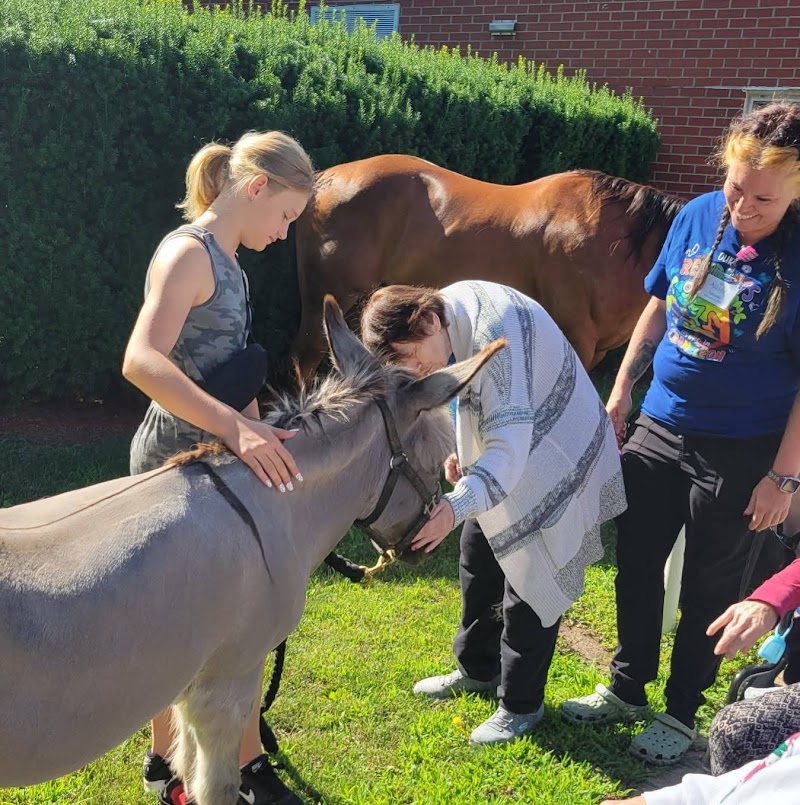
How is Allure Of Prophetstown Staffed?

CMS rates ALLURE OF PROPHETSTOWN's staffing level at 2 out of 5 stars, which is below average compared to other nursing homes. Staff turnover is 44%, compared to the Illinois average of 46%. This relatively stable workforce can support continuity of care.

What Have Inspectors Found at Allure Of Prophetstown?

State health inspectors documented 29 deficiencies at ALLURE OF PROPHETSTOWN during 2022 to 2024. These included: 1 Immediate Jeopardy (the most serious level, indicating potential for serious harm or death), 5 that caused actual resident harm, and 23 with potential for harm. Immediate Jeopardy findings are rare and represent the most serious regulatory concerns. They require immediate corrective action.
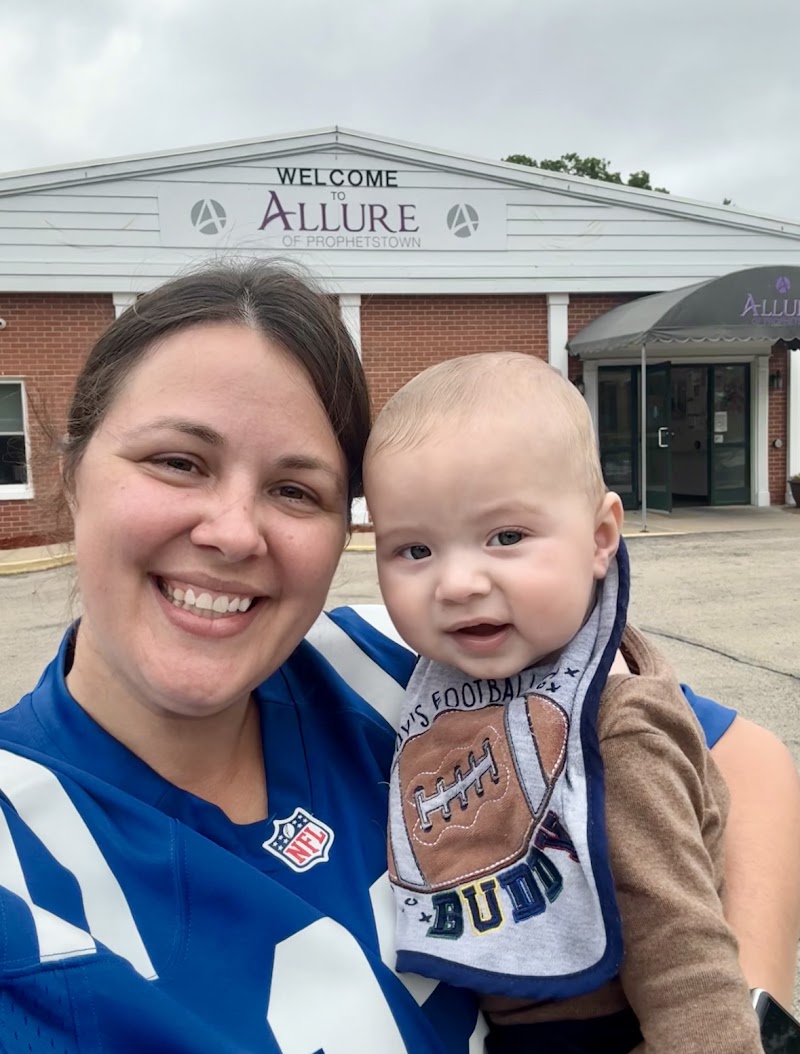
Who Owns and Operates Allure Of Prophetstown?

ALLURE OF PROPHETSTOWN is owned by a for-profit company. For-profit facilities operate as businesses with obligations to shareholders or private owners. The facility is operated by ALLURE HEALTHCARE SERVICES, a chain that manages multiple nursing homes. With 70 certified beds and approximately 55 residents (about 79% occupancy), it is a smaller facility located in PROPHETSTOWN, Illinois.
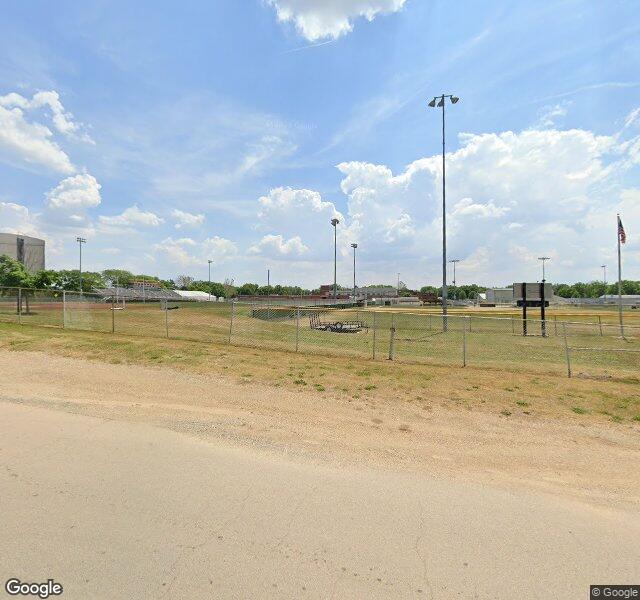
How Does Allure Of Prophetstown Compare to Other Illinois Nursing Homes?

Compared to the 100 nursing homes in Illinois, ALLURE OF PROPHETSTOWN's overall rating (2 stars) is below the state average of 2.5, staff turnover (44%) is near the state average of 46%, and health inspection rating (3 stars) is at the national benchmark.

What Should Families Ask When Visiting Allure Of Prophetstown?

Based on this facility's data, families visiting should ask: "What changes have been made since the serious inspection findings, and how are you preventing similar issues?" "Can you walk me through typical staffing levels on day, evening, and night shifts?" "Can I visit during a mealtime to observe dining assistance and food quality?" "How do you handle medical emergencies, and what is your hospital transfer rate?" These questions are particularly relevant given the facility's Immediate Jeopardy citations and the below-average staffing rating.

Is Allure Of Prophetstown Safe?

Based on CMS inspection data, ALLURE OF PROPHETSTOWN has documented safety concerns. Inspectors have issued 1 Immediate Jeopardy citation (the most serious violation level indicating risk of serious injury or death). The facility has a 2-star overall rating and ranks #100 of 100 nursing homes in Illinois. Families considering this facility should ask detailed questions about what corrective actions have been taken since these incidents.

Do Nurses at Allure Of Prophetstown Stick Around?

ALLURE OF PROPHETSTOWN has a staff turnover rate of 44%, which is about average for Illinois nursing homes (state average: 46%). Moderate turnover is common in nursing homes, but families should still ask about staff tenure and how the facility maintains care continuity when employees leave.

Was Allure Of Prophetstown Ever Fined?

ALLURE OF PROPHETSTOWN has been fined $45,133 across 1 penalty action. The Illinois average is $33,530. While any fine indicates a compliance issue, fines under $50,000 are relatively common and typically reflect isolated problems that were subsequently corrected. Families should ask what specific issues led to these fines and confirm they've been resolved.

Is Allure Of Prophetstown on Any Federal Watch List?

ALLURE OF PROPHETSTOWN is not on any federal watch list. The most significant is the Special Focus Facility (SFF) program, which identifies the bottom 1% of nursing homes nationally based on persistent, serious quality problems. Not being on this list means the facility has avoided the pattern of deficiencies that triggers enhanced federal oversight. This is a positive indicator, though families should still review the facility's inspection history directly.