ASBURY GARDENS NSG & REHAB
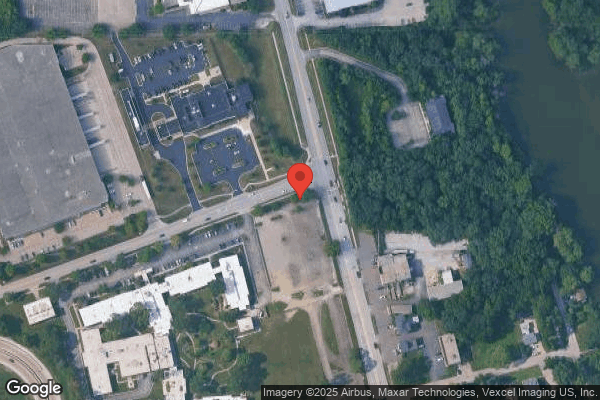
212 AIRPORT ROAD, NORTH AURORA, IL 60542 (630) 896-7778
For profit - Limited Liability company 75 Beds Independent Data: November 2025
Trust Grade
63/100
#110 of 665 in IL
Last Inspection: November 2024

Within standard 12-15 month inspection cycle. Federal law requires annual inspections.

Overview

Asbury Gardens Nursing & Rehab has a Trust Grade of C+, indicating that it is decent and slightly above average compared to other facilities. It ranks #110 out of 665 in Illinois, placing it in the top half of state facilities, and #8 out of 25 in Kane County, meaning there are only seven local options that are better. Unfortunately, the facility is experiencing a worsening trend, with issues increasing from 7 in 2023 to 14 in 2024. Staffing is rated as good with a score of 4 out of 5, but the 56% turnover rate is average and may affect continuity of care. While the facility has $6,350 in fines, which is average, there are concerning incidents such as improper food storage leading to potential contamination and a lack of a designated Infection Preventionist, which could jeopardize resident health. Additionally, kitchen equipment was found in unsafe condition, with frayed electrical cords posing a risk. Overall, while there are strengths in staffing and inspection ratings, the increasing number of concerns and specific incidents should be carefully considered by families researching care options.

Trust Score
C+
63/100
In Illinois
#110/665
Top 16%
Safety Record
Low Risk
No red flags
Inspections
Getting Worse
7 → 14 violations
Staff Stability
⚠ Watch
56% turnover. Above average. Higher turnover means staff may not know residents' routines.
Penalties
⚠ Watch
$6,350 in fines. Higher than 93% of Illinois facilities. Major compliance failures.
Skilled Nurses
✓ Good
Each resident gets 65 minutes of Registered Nurse (RN) attention daily — more than 97% of Illinois nursing homes. RNs are the most trained staff who catch health problems before they become serious.
Violations
⚠ Watch
21 deficiencies on record. Higher than average. Multiple issues found across inspections.
★★★★☆
4.0
Overall Rating
★★★★☆
4.0
Staff Levels
★★☆☆☆
2.0
Care Quality
★★★★☆
4.0
Inspection Score
Stable
2023: 7 issues
2024: 14 issues

The Good

  • 4-Star Staffing Rating · Above-average nurse staffing levels
  • Full Sprinkler Coverage · Fire safety systems throughout facility
  • No fines on record

Facility shows strength in staffing levels, fire safety.

The Bad

Staff Turnover: 56%

Near Illinois avg (46%)

Frequent staff changes - ask about care continuity

Federal Fines: $6,350

Below median ($33,413)

Minor penalties assessed

Staff turnover is elevated (56%)

8 points above Illinois average of 48%

The Ugly 21 deficiencies on record

Nov 2024 4 deficiencies
CONCERN (D)

Potential for Harm - no one hurt, but risky conditions existed

Deficiency F0676 (Tag F0676)

Could have caused harm · This affected 1 resident

**NOTE- TERMS IN BRACKETS HAVE BEEN EDITED TO PROTECT CONFIDENTIALITY** Based on observation, interview, and record review, the facility failed to provide assistance with hearing aid placement for a r...

Read full inspector narrative →
**NOTE- TERMS IN BRACKETS HAVE BEEN EDITED TO PROTECT CONFIDENTIALITY** Based on observation, interview, and record review, the facility failed to provide assistance with hearing aid placement for a resident who required assistance. This applies to 1 of 1 resident (R31) reviewed for assistance with hearing aids in the sample of 15. The findings include: R31's electronic medical record showed her to be a [AGE] year old female admitted to the facility on [DATE] with medical diagnoses that include Carpal Tunnel Syndrome of the right upper limb, Torticollis, Neuropathy, Poly-osteoarthritis, Pain in the right wrist, Weakness, and Need for assistance with personal care. R31's Activities of daily living (ADL) care plan dated December 9, 2023 showed the following [R31] has a deficit in ADL self-care performance related to Chronic Pain, Osteoarthritis, Bilateral artificial knee joints, difficulty in walking, need for assistance with personal care, weakness, poly-osteoarthritis, and Torticollis. [R31] requires the following assistance with ADLs: Upper body dressing: Partial/moderate Assistance. R31's Minimum Data Set (MDS) section GG showed R31 requires partial to moderate assistance with upper body dressing. R31's Hearing Aid Care Plan dated January 25, 2024 showed the following intervention: Assist the resident to put the hearing aid in place. On November 13, 2024 at 9:59 AM, during the resident council interview R31 was alert and oriented and stated she can't use her hearing aids unless someone puts them in. R31 stated she would ask, and no one would put her hearing aids in. R31 stated she got tired of asking, and she stopped asking because they would not do it. R31 stated the staff do not ask her if she wants help putting her hearing aids in. R31 did not have any hearing aids in her ears during the resident council interview and was having some difficulty hearing in the dining room where the resident council interview was being held. On November 13, 2024 at 12:08 PM, R31 was in her room and still did not have any hearing aids in her ear. R31 stated that the last time she had her hearing aids is when the ear doctor put them in, it was a while ago, and she wasn't sure of the date. R31 stated she is right handed and has carpal tunnel in the right arm and that is why she can't put the hearing aids in herself. R31 showed surveyor that she had her hearing aids. On November 13, 2024, at 12:11 PM V15 (Registered Nurse) stated she has taken care of R31 in the past and was taking care of her today, and she was not aware R31 was hard of hearing. Surveyor asked if she has seen resident with hearing aids in her ears. V15 said she has occasionally seen R31 with hearing aids in her ears. V15 stated the Certified Nursing Assistants (CNA) puts them in for the residents. V15 stated R31 has never asked V15 to put her hearing aids in. On November 13, 2024 at 12:13 PM, V16 (CNA) stated she is caring for R31 today and has been assigned to her a lot in the past. V16 stated she has never helped R31 put her hearing aids in. V16 stated it has been a while since she has seen R31 with her hearing aids in. On November 13, 2024, at 4:02 PM, R31 still had no hearing aids in her ears. R31 stated after surveyor left earlier in the day, the nurse came in and said she would put her hearing aids in, but she had to go pass a medication first. R31 stated she thinks it was around 2:00 PM. R31 stated V15 did not put her hearing aids in. R31 stated that the nurse also said she would let the morning shift know to put R31's hearing aids in for her. R31's Progress note written by V15 on November 13, 2024 at 5:37 PM showed the following: Nurse asked resident if she had her hearing aids in, resident stated no. Nurse asked why she did not have her hearing aids and resident replied because no one ever mentions it, or ask me if I want them put in. Explained to the resident that she needs to ask the staff and hit her call light any time help is needed with inserting hearing aids. On November 13, 2024 at 4:06 PM, V3 (Assistant Director of Nursing) residents who need assistance with putting on their hearing aids have orders to that effect and/or it is in their care plan. V3 stated she expects her staff to follow the care plan and assist residents who require assistance with putting on their hearing aids. V3 stated the nurse, or the CNA can assist the resident in putting their hearing aids in.
CONCERN (D)

Potential for Harm - no one hurt, but risky conditions existed

Deficiency F0688 (Tag F0688)

Could have caused harm · This affected 1 resident

**NOTE- TERMS IN BRACKETS HAVE BEEN EDITED TO PROTECT CONFIDENTIALITY** Based on observation, interview and record review the facility failed to assess and provide splint to a resident, to prevent fur...

Read full inspector narrative →
**NOTE- TERMS IN BRACKETS HAVE BEEN EDITED TO PROTECT CONFIDENTIALITY** Based on observation, interview and record review the facility failed to assess and provide splint to a resident, to prevent further reduction in ROM (range of motion). This applies to 1 of 1 resident (R38) reviewed for range of motion in the sample of 15. The findings include: R38 was admitted to the facility on [DATE]. R38 had multiple diagnoses including spastic hemiplegia affecting left dominant side, mild dementia with other behavioral disturbance and contracture of left hand muscle, based on the face sheet. R38's significant change in status MDS (minimum data set) dated November 1, 2024 showed the resident was moderately impaired with cognition. The MDS showed R38 had functional limitation in ROM on one side of both upper and lower extremities. The same MDS showed R38 required maximum to total assistance from the staff with most of her ADLs. On November 12, 2024 at 10:11 AM, R38 was sitting in her wheelchair outside of her room. R38 had left arm and hand weakness. R38 was not able to move her left hand and/or open her left fingers. R38 had no splint or positioning device in place. According to R38 she does not use any splint or positioning device on her left hand. On November 13, 2024 at 8:58 AM, R38 was sitting in her wheelchair inside her room. R38 had left hand weakness and was not able to move her left hand and/or open her left fingers. R38 had no splint or positioning device in place. V3 (Assistant Director of Nursing) was present during the observation and stated R38 had left hand contracture. V3 was prompted to have the therapy department screen R38 to determine the need for a splint or positioning device on the resident's left hand. On November 13, 2024 at 11:56 AM, V11 (Occupational Therapist) stated she screened R38 morning per request of the facility. V11 stated based on the screening, R38 had left hand contracture which included all her left finger joints and the resident also had left elbow contracture. V11 stated the contracture were partially stretchable and because of this she had recommended for R38 to use a left hand roll at all times as tolerated and should be removed during ADL (activities of daily living) care to prevent further contracture/stiffness and or deformity and to prevent skin breakdown. According to V11, she also recommended for R38 to use a left elbow orthosis at least six hours during the day also to prevent further contracture/stiffness and or deformity and to prevent skin breakdown. R38's Occupational Therapy problem identification checklist created by V11 on November 13, 2024 showed the resident was, Developing loss in range of motion due to contracture. The checklist showed, Recommended left hand roll and left elbow orthosis.
CONCERN (E)

Potential for Harm - no one hurt, but risky conditions existed

ADL Care (Tag F0677)

Could have caused harm · This affected multiple residents

**NOTE- TERMS IN BRACKETS HAVE BEEN EDITED TO PROTECT CONFIDENTIALITY** 4. R42's EMR (Electronic Medical Record) showed R42 was admitted to the facility on [DATE], with diagnoses that included Alzheim...

Read full inspector narrative →
**NOTE- TERMS IN BRACKETS HAVE BEEN EDITED TO PROTECT CONFIDENTIALITY** 4. R42's EMR (Electronic Medical Record) showed R42 was admitted to the facility on [DATE], with diagnoses that included Alzheimer's disease, major depression, periprosthetic fracture around internal prosthetic hip joint, subsequent encounter, hypertensive heart and chronic kidney disease with heart failure, generalized anxiety, muscle wasting and atrophy not elsewhere classified, and obstructive sleep apnea. R42 was admitted to hospice on October 5, 2024. R42's change of condition MDS (Minimum Data Set) dated October 15, 2024, showed R42 was cognitively impaired. R42 required substantial/maximal assistance for showering and personal hygiene. R42's care plan showed R42 was admitted to hospice care for diagnosis of Alzheimer's and is expected to have an overall unavoidable decline in function, nutrition, skin integrity, mood, and communication. Interventions included staff to adjust provisions of ADLs (Activities of Daily Living) to compensate for resident's changing abilities. R42's care plan showed R42 has a deficit in ADL self-care performance related to history of falling, osteoarthritis, pain, muscle wasting, and atrophy. Interventions showed R42 was dependent on staff for transfer to shower with mechanical lift and required substantial/maximal assistance for showering and personal hygiene. R42's shower sheets for the last two weeks provided by the facility on November 13 at 2: 30 PM, showed on October 30, 2024 there was no mention of nail care being provided. On November 4, 2024, there was no mention of nail care being provided. On November 6, 2024, there was no mention of nail care being provided. On November 11, 2024, showed R42 has scratches to the back of his left hand, on his left upper thigh, and a scab on his scalp. There was no mention of nail care being provided. On November 11, 2024, at 9:59 AM, R42 had whiskers on his cheeks and chin. R42 said he would like to be shaved. His nails were long and there was brown substance noted under them. On November 13, 2024, at 9:47 AM, R42 was in the small activity room asleep in his high backed chair with his head forward. There were whiskers still noted on his cheeks and chin and his nails were still long with brown substance under them. R42's hair has not been combed as evidenced by hair sticking up on top and sides and in the back the hair was parted and matted to his head with some hair going to the right and some hair going to the left. On November 13, 2024, at 12:20 PM, V2 (DON/Director of Nursing) said residents are offered two showers per week, per their schedule. R42's shower day is scheduled for Tuesday; day shift, and Friday; evening shift. The CNAs (Certified Nurse Assistant) will fill out the shower sheet and then the nurses must sign off on the sheets. On shower days the staff are to wash hair, do oral care, a skin assessment and notify the nurse if there are any issues, cut fingernails, if toenails are long, let nurse know so resident can get on podiatry list, and comb hair. Any refusal should be documented on the shower sheet. On a non-shower day, the CNAs should still be washing face and hands, grooming (oral care, shaving, and nail care) and any refusals should be documented. Facility provided their policy titled, [Name of the facility] Activities of Daily Living (ADLs) with a revision date of February 2024. The policy showed Care and services will be provided for the following activities of daily living: 1. Bathing and dressing, grooming and oral care 4. Eating to include meals and snacks Policy Explanation and Compliance Guidelines 3. A resident who is unable to carry out activities of daily living will receive the necessary services to maintain good nutrition, grooming, personal and oral hygiene. Facility provided their policy titled, [Name of the facility] Nail Care with a renewal/revision date of November 2023 showed, Policy: The purpose of this procedure is to provide guidelines for the provision of care to a resident's nail for grooming and health 3. Routine nail care and inspection of nails will be provided during ADL (Activity of Daily Living) care and on an ongoing basis. 4. Routine nail care, to include trimming and filing, will be provided on a regular schedule (such as weekly on Wednesday 3-11 shift). Nail care will be provided between scheduled occasions as the need arises. 3. R16's diagnoses on face sheet included unspecified dementia, unspecified severity, without behavioral disturbance, psychotic disturbance, mood disturbance, and anxiety, contracture, left hand. R16's quarterly MDS dated [DATE] showed that R16 was severely impaired in cognition and dependent on staff for personal hygiene. On November 12, 2024 at 11:13 AM, R16 was seated in a reclining chair in dining room and was feeding self with her right hand. Some of R16's nails on right hand appeared very long (about 1/2 inch) and/or jagged and most nails had blackish substance underneath the nails. R16's left arm was tucked under blanket and not visible. R16 was unable to respond adequately to queries. On November 12, 2024 at 8:41 AM, R16 was seated in the dining room after breakfast. R16's nails on right hand remained long with blackish substance underneath the nails. R16's left arm remained tucked under the blanket. V5 CNA (Certified Nursing Assistant) who was in the dining room was asked to remove the blanket from the left arm and R16's thumb finger was noted to have a very long nail. The other four fingers were curled into the fist and the nails were not visible and R16 would not open her fingers. V5 was notified about R16's long fingernails and V5 stated that she will take care of it. R16's POS (Physician Order Sheet) initiated June 25, 2024 included: Trim nails and keep it short. R16's care plan-initiated May 17, 2023 included that R16 has a deficit in ADL self-care performance related to diagnosis of Dementia, Anemia, Anxiety Disorder, Major Depressive Disorder, Glaucoma, and left hand contracture. Intervention for the same included that R16 is dependent on staff for personal hygiene. Based on observation, interview, and record review, the facility failed to assist residents identified as needing assistance with eating, personal hygiene and grooming. This applies to 4 of 5 residents (R16, R42, R50 and R51) reviewed for ADL (activities of daily living) in the sample of 15. The findings include: 1. R50 had multiple diagnoses including malignant neoplasm of the stomach, severe protein-calorie malnutrition, cerebral infarction and Barret's esophagus with low grade dysplasia, based on the face sheet. R50's significant change in status MDS (minimum data set) dated September 3, 2024 showed the resident was cognitively intact. The same MDS showed R50 required assistance from the staff with eating and personal hygiene. R50's active order summary report showed on August 27, 2024, the resident was admitted to hospice care due to malignant carcinoid tumor of the stomach. On November 12, 2024 at 10:40 AM, R50 was sitting in his wheelchair inside the main dining room. R50 had accumulation of long facial hair and his fingernails were long, jagged with black substances under some of the nails. R50 stated he needs the staff's assistance with shaving, and fingernails trimming and cleaning. On November 12, 2024 at 12:42 PM, R50 was sitting in his wheelchair, inside the main dining room. R50 was served regular textured meal consisting of lasagna, green beans and a garlic bread. R50 was also served a cup of coffee, a scoop of ice cream and a nutritional supplement in an open carton. R50's meal and drinks were untouched. At 1:00 PM, V12 (Licensed Practical Nurse) moved R50's wheelchair to allow another resident to pass behind him (R50), then placed R50 back to face his dining table. During time, R50's lunch meal and drinks remained untouched, but V12 did not encourage or cued resident to eat and/or drink. At 1:13 PM, V13 (CNA/Certified Nursing Assistant) asked R50 if he was done eating but did not attempt to encourage or cue the resident to eat, since R50's lunch meal and drinks remained untouched. During the same time, V14 (CNA) came and asked R50 if he was done eating. R50 responded yes then V14 started wheeling the resident away from his dining table towards the dining room door. At this time V14 was stopped and V2 (DON/Director of Nursing) was called by the surveyor. V2 was led to R50's dining table and shown the untouched meal and drinks of the resident. V2 poured the nutritional supplement from the carton into a cup and gave it to R50 and the resident drank 100% of the nutritional supplement. V2 placed R50 in-front of his table and started to cue and assisted the resident with feeding. With the assistance of V2, R50 took at least three bites of lasagna, two bites of green beans, one bite of the garlic bread, a few sips of the coffee, a few small bites of ice cream (vanilla and the blue ice cream) and consumed 100% of the 2% milk in a cup which was additionally given to the resident by V2. On November 13, 2024 at 9:08 AM, R50 was sitting in his wheelchair by the front lobby. R50 had accumulation of long facial hair and his fingernails were long, jagged with black substances under some of the nails. V3 (ADON/ Assistant Director of Nursing) was present during the observation and acknowledged R50's facial hair needs shaving and the resident needs nail care from the staff. R50's active care plan initiated on August 27, 2024 showed the resident has an ADL self-care performance deficit. 2. R51 had multiple diagnoses including dementia without behavioral disturbance, Parkinson's disease and need for assistance with personal care, based on the face sheet. R51's admission MDS dated [DATE] showed the resident was moderately impaired with cognition and required maximum assistance from the staff with personal hygiene. On November 12, 2024 at 10:21 AM, R51 was in bed, alert and verbally responsive. R51 had accumulation of long facial hair and his fingernails were long and jagged. R51 stated R51 wanted to have his fingernails trimmed and his facial hair shaved. V4 (CNA) was present and heard the request of R51. On November 13, 2024 at 9:10 AM, R51 was in bed, alert and verbally responsive. R51 had accumulation of long facial hair and his fingernails were long and jagged. V3 (ADON) was present during this observation and acknowledged R51's fingernails needed trimming and his facial hair needed shaving. According to V3, R51 needs the staff assistance with fingernails care and shaving to ensure grooming and hygiene. R51's active care plan initiated on October 16, 2024 showed the resident has an ADL self-care performance deficit and needs the staff assistance with ADLs. The same care plan showed multiple interventions including provision of assistance with personal hygiene. On November 13, 2024 at 2:50 PM, V2 (DON) stated it is part of the facility's nursing care and services to assist all residents needing assistance with ADLs including shaving/removal of unwanted facial hair and nail care. According to V2, all residents needing assistance with ADLs should be assisted by the staff to ensure and maintain the residents good hygiene and grooming. During the same interview, V2 stated based on her observation of R50 during the lunch meal on November 12, 2024, the resident needed a lot of cuing and assistance from the staff to eat and drink. According to V2, the staff should have provided cuing and assistance to R50 since his lunch meal and drinks were untouched to encourage and ensure the resident eat and drink to maintain and ensure nutrition and hydration.
CONCERN (E)

Potential for Harm - no one hurt, but risky conditions existed

Deficiency F0805 (Tag F0805)

Could have caused harm · This affected multiple residents

**NOTE- TERMS IN BRACKETS HAVE BEEN EDITED TO PROTECT CONFIDENTIALITY** Based on observation, interview and record review, the facility failed to puree the maple glazed ham to pureed consistency for r...

Read full inspector narrative →
**NOTE- TERMS IN BRACKETS HAVE BEEN EDITED TO PROTECT CONFIDENTIALITY** Based on observation, interview and record review, the facility failed to puree the maple glazed ham to pureed consistency for residents on pureed diets. This applies to 8 of 8 residents (R2, R3, R9, R23, R26, R45, R47, R159) reviewed for mechanically altered diets in the sample of 15. The findings include: On November 13, 2024 at around 10:50 AM, the pureed meal preparation of maple glazed baked ham done by V9 (Cook) was observed in the facility kitchen. V9 stated that she is preparing for 8 residents who are on pureed diets. The maple glazed baked ham was pre-sliced and still had the rind intact. V9 placed the sliced ham into the blender and added about a cup of [NAME] to the blender and pureed the mixture for about two minutes. V9 stated that she is adding the glaze for the flavor. V9 was seen opening the blender and testing the product during the process and then continued to puree the mixture. V9 then opened the lid and after tasting it. V9 stated that it was ready for service. The pureed product had small pieces of rind still visible in the mixture. On taste testing the product, the rinds were still intact and unable to be chewed and got stuck in the throat when swallowed. On November 13, 2024 at 10:55 AM, V10 (Dining Director) was notified that the pureed maple glazed baked ham was not safe to serve due to the presence of pieces of rind in it. V10 stated the pureed product should be like pudding consistency that can be swallowed without chewing. Facility 'Diet Type Report' printed on November 12, 2024 showed that R2, R3, R9, R23, R26, R45, R47 and R159 were on pureed consistency diets. Week at a glance menu (Week 1) included maple glazed baked ham for the lunch meal on November 13, 2024. Recipe for Pureed Maple Glazed Baked Ham included 'Place potion of prepared ham in food processor with hot broth and blend to a smooth consistency. Facility policy for Therapeutic Diets (issued September 1, 2021) included as follows: Guidelines: Mechanically altered diet means one in which the texture of the diet is altered. When the texture is modified, the type of texture must be specific and part of the physician' or delegated registered or licensed dietitian's order. Facility policy for Liberalized Diets (issued September 1, 2021) included as follows: Guidelines: 5. e. Pureed -Regular diet that is processed to a smooth, mashed potato or pudding consistency
Jan 2024 10 deficiencies
CONCERN (D)

Potential for Harm - no one hurt, but risky conditions existed

Deficiency F0578 (Tag F0578)

Could have caused harm · This affected 1 resident

**NOTE- TERMS IN BRACKETS HAVE BEEN EDITED TO PROTECT CONFIDENTIALITY** Based on interviews and record review, the facility failed to ensure a resident's code status was consistent throughout the medi...

Read full inspector narrative →
**NOTE- TERMS IN BRACKETS HAVE BEEN EDITED TO PROTECT CONFIDENTIALITY** Based on interviews and record review, the facility failed to ensure a resident's code status was consistent throughout the medical record to accurately reflect a resident's end of life choice. This applies to 1 of 25 residents (R9) reviewed for advanced directives in a sample of 25. Findings include: R9's Face Sheet showed diagnoses of chronic atrial fibrillation, diabetes, hypertension, and history of venous thrombosis and embolism (blood clot). R9's MDS (Minimum Data Set) dated [DATE] shows R9 is cognitively intact. R9's advance directive care plan (initiated [DATE]) showed Pursuant to resident rights and the individual's desire to retain control and autonomy over their health care decisions, [R9] has executed/completed . POLST: Practitioner Order for Life-Sustaining Treatment. The Goal in the care plan (initiated [DATE]) showed [R9's] wishes for DNR status, as specified in their advance directive documents, will be honored and clearly delineated in the medical record, in compliance with state law. Interventions (initiated [DATE]) showed Inform caregivers of code status. R9 signed a POLST (Practitioner Order for Life-Sustaining Treatment) form on [DATE], selecting NO CPR- Do Not Attempt Resuscitation (DNR). R9's Active (Physician) Orders as of [DATE] showed a [DATE] order of Attempt Resuscitation/CPR . Farther down on the orders, it showed a [DATE] order that read DNR. Immediately below that order, another order showed a [DATE] order for Full treatment: Primary goal of sustaining life by medically indicated means. In addition to treatment described in Selective Treatment and Comfort-Focused Treatment, use intubation, mechanical ventilation and cardioversion as indicated. Transfer to hospital and/or intensive care unit if indicated. Further down is a [DATE] order that read POLST-Do Not Attempt Resuscitation/DNR. The banner at the top of R9's EMR (Electronic Medical Record) showed all the orders combined, showing Code Status: Attempt Resuscitation/CPR (selecting CPR means Full Treatment in Section B is selected). DNR. Full Treatment: Primary goal of sustaining life by medically indicated means. In addition to treatment described in Selective Treatment and Comfort-Focused Treatment, use intubation, mechanical ventilation and cardioversion as indicated. Transfer to hospital and/or intensive care unit if indicated. POLST- Do Not Attempt Resuscitation/DNR. On [DATE] at 9:42 AM, V15 RN (Registered Nurse) caring for R9 stated a resident's code status can be located on the Medication Administration Record, doctors' orders, admission records or the banner at the top of the EMR. V15 stated R9's banner was confusing because the verbiage says two different things, stating R15 had two different orders and they needed to be clarified. On [DATE] at 10:03 AM, V10 CNA (Certified Nursing Assistant) the code status for residents is found in the EMR or by asking the nurse. On [DATE] at 10:08 AM, V17 CNA stated resident code status is in the EMR. V17 stated if she were confused by the code status, she would ask the nurse. On [DATE] at 10:13 AM, V2 D.O.N (Director of Nursing) stated staff look for resident's code status in the banner at the top of the EMR or the physician orders. V2 stated the previous order to attempt resuscitation should have been removed by the person updating the order. V2 verified R9's POLST says DNR, adding the two orders are confusing, and the resident's wishes should be honored. The facility policy Communication of Code Status dated 2/2023 states It is the facility's policy to adhere to residents' rights to formulate advanced directives. In accordance with these rights, the facility will implement procedures to communicate a residents' code status to those individuals who need to know this information.
CONCERN (D)

Potential for Harm - no one hurt, but risky conditions existed

Pressure Ulcer Prevention (Tag F0686)

Could have caused harm · This affected 1 resident

Based on observation, interview, and record review, the facility failed to implement a resident's pressure ulcer intervention in a timely manner. This applies to 1 of 7 residents (R53) reviewed for pr...

Read full inspector narrative →
Based on observation, interview, and record review, the facility failed to implement a resident's pressure ulcer intervention in a timely manner. This applies to 1 of 7 residents (R53) reviewed for pressure ulcer in a sample of 25. The findings include: On 1/23/24 at 11:20 AM, R53 was in bed resting. No low air-loss mattress was present. On 1/24/24 at 11:45 AM, V3 (ADON/Assistant Director of Nursing) performed wound care treatments to R53's bilateral buttocks. V3 said that R53 had bilateral DTI (deep tissue injuries) to her buttocks. V3 stated wound rounds are done weekly with the nurse practitioner and R53's wounds were measured on Monday, 1/22/24. V3 stated R53's DTI had purplish discoloration, there was no drainage, and she had a skin tear to her left buttock. On 1/24/24 at 11:45 AM, no low-air loss mattress was present on R53's bed. On 1/25/24 at 12:42 PM, R53 was in her room eating her lunch. No low air-loss mattress was present. R53's EMR (Electronic Medical Records) showed diagnoses of cerebral infarction, hemiplegia and hemiparesis following cerebral infarction affecting right dominant side, and type 2 diabetes mellitus with unspecified complication. R53's MDS (Minimum Data Set) of 11/6/23 shows R53 is at risk for developing pressure ulcers/injuries and she had MASD (Moisture Associated Skin Damage). R53's Weekly Skin Check of 12/21/23 shows that there was redness to R53's left gluteal fold. R53's Weekly Skin Check of 1/4/24 shows that there was redness to R53's coccyx area and excoriation to the left lower leg. R53's Weekly Skin Check of 1/18/24 shows that R53 had rashes, erythema to sacrum. R53's Weekly Wound Documentation (1/22/24) shows that R53 had DTI, the date acquired was 1/21/24, wound measurements to left buttocks showed length 2 cm, width 2 cm, depth 0 cm; wound measurement to right buttocks length 3cm, width 1cm, depth 0 cm; Peri- wound tissue with mild MASD. The special equipment/preventive measures for the DTI were Calazime Skin Protectant External paste, low air-loss mattress ordered 1/21/24 by hospice, arrived 1/24/24. On 1/25/24 at 2:06 PM, V21 (Hospice Clinical Director) said they were not notified until 1/23/24 (two days later) that R53 needed a low air-loss mattress, and they delivered the mattress on 1/24/24. On 1/25/24 at 1:35 PM, V3 (ADON) said R53's air loss mattress was ordered on 1/21/24 when the DTI was discovered, and air loss mattress came in yesterday (1/24/24). R53 was currently on the air loss mattress. On 1/25/24 at 1:44 PM, V2 (Director of Nursing) said R53 was just placed on the low air loss mattress about five minutes ago. Progress notes from wound care provider of 1/22/24 documents R53 has history of pressure wounds, and active problems of pressure-induced deep tissue damage of the right and left buttock. On 1/25/24 at 1:03 PM, V2 (DON/Director of Nursing), said they do weekly skin checks on R53 and that R53 has had the MASD on and off and has been treated with zinc oxide and A & D ointment since 9/27/23. V2 said that on 1/18/24, there was redness noted to R53's sacrum and on 1/21/24, DTI was discovered and R53 was seen by the nurse practitioner on 1/22/24. V2 said R53 was on hospice and on 1/25/24, there was an order for R53 to have an air loss mattress. V2 said the hospice provides the air loss mattress, and it usually gets to the facility within 24 hours once the order is placed. On 1/25/24 at 1:40 PM, V19 (Clinical Director/Consultant) said R53 was currently on the air loss mattress, hospice usually brings the mattress within 24 hours from when it is ordered. V19 said they could always order the low air loss mattress from another company, and it would arrive at the facility the same day or next day if the order came was placed at night. The facility's Pressure Injury Prevention and Management policy (revised 10/2022) states that the facility shall establish and utilize a systematic approach for pressure injury prevention and management, including prompt assessment and treatment; intervening to stabilize, reduce or remove underlying risk factors; monitoring the impact of the interventions; and modifying the interventions as appropriate.
CONCERN (D)

Potential for Harm - no one hurt, but risky conditions existed

Drug Regimen Review (Tag F0756)

Could have caused harm · This affected 1 resident

Based on interview and record review, the facility failed follow up and document pharmacist recommendations made during the monthly medication review. This applies to 3 of 5 residents (R4, R12 and R26...

Read full inspector narrative →
Based on interview and record review, the facility failed follow up and document pharmacist recommendations made during the monthly medication review. This applies to 3 of 5 residents (R4, R12 and R26) reviewed for unnecessary medications in a sample of 25 residents. Findings include: 1. R4's medical history includes Chronic Pulmonary Obstructive Disease, Dementia, Peripheral Vascular Disease, Major Depressive disorder, and Hypertension. R4's progress notes from the pharmacist were reviewed for the prior twelve months. On 2/27/23, 3/20/23, 8/30/23 and 11/30/23 the pharmacist documented in the EMR (Electronic Medical Record). MMR (Monthly Mediation Review) completed: irregularity noted. See Consultant's report. No details regarding the irregularity were found in the R4's EMR. The facility did not provide any copies of the consultant reports or physician response to recommendations. 2. R12's medical history includes Chronic Respiratory failure, Dementia, Bipolar Disorder, Recurrent Depressive Disorder, Generalized Anxiety Disorder, Chronic Pain and History of falling. R12's progress notes from the pharmacist were reviewed for the prior twelve months. On 1/30/23, 2/6/23, and 5/22/23 the pharmacist documented progress note in the EMR stated MMR (Monthly Mediation Review) completed: irregularity noted. See Consultant's report. No details regarding the irregularity were found in the R12's EMR. The facility did not provide any copies of the consultant reports or physician response to recommendations. 3. R26's medical history includes Parkinson's Disease, Dementia, Major Depressive Disorder, Anxiety Disorder and History of Falling. R26's MMR (Monthly Medication Review) consultant report dated 10/13/23 post fall review recommendations - if antipsychotic therapy is necessary consider a non-dopamine antagonist. The facility did not provide the physician response to the recommendation made by the pharmacist. 1/25/24 at 4:25 PM, V2 DON (Director of Nursing) stated the pharmacist documents the MMR (Monthly Medication Review) was completed in each resident EMR (Electronic Medical Record). The pharmacist document is no irregularities were found or irregularities, see report. V2 stated the pharmacist recommendation reports come to her. V2 stated there is a form with all recommendations provided to the medical director and the medical director addresses concerns for him. V2 stated there are nursing recommendations and physician recommendations that they review themselves. If recommendations are related to psychotropic medications, they are sent to the psych services. V2 stated she sometimes get verbal orders from the physician or nurse practitioner. V2 stated the pharmacy recommendations are not scanned into the EMR. V2 stated she scans the recommendations back to the pharmacist, so he is aware of what has been addressed. The facility undated policy Medication Regime Review states the facility is responsible for ensuring that all clinical records are available for review. For facilities that utilize an eMAR (Electronic Medication Record) system, the consultant pharmacist's review will be in the eMAR system. The consultant pharmacist will document in the progress notes section if any recommendations are made, and the note will be electronically signed. The facility undated policy Distribution of Medication Regimen Review Report states the attending physician and /or medical director will document their review and response to the recommendations made by the consultant pharmacist directly on the medication regimen review report form or in the medical record. If the physician disagrees with the recommendations or no change is to be made, the physician must document the rational in the resident's medical record.
CONCERN (D)

Potential for Harm - no one hurt, but risky conditions existed

Deficiency F0808 (Tag F0808)

Could have caused harm · This affected 1 resident

**NOTE- TERMS IN BRACKETS HAVE BEEN EDITED TO PROTECT CONFIDENTIALITY** Based on observation, interview, and record review, the facility failed to provide thickened liquids as ordered by the Physician...

Read full inspector narrative →
**NOTE- TERMS IN BRACKETS HAVE BEEN EDITED TO PROTECT CONFIDENTIALITY** Based on observation, interview, and record review, the facility failed to provide thickened liquids as ordered by the Physician for a resident with aspiration precautions. This applies to 1 of 6 residents (R267) reviewed for diet texture in a sample of 25. The findings include: The EMR (Electronic Medical Record) showed R267 was admitted to the facility on [DATE], with multiple diagnoses which included cerebrovascular disease affecting the right dominant side and with right oropharyngeal dysphagia, pneumonia, chronic obstructive pulmonary disease, and asthma. R267's 1/22/2024 Minimum Data Set showed he was cognitively intact. R267's risk for altered nutritional status care plan dated 1/17/2024 showed multiple interventions including, Observed for document report PRN any s/sx of dysphagia: Pocketing, Choking, Coughing, Drooling, holding food in mouth, several attempts at swallowing, Refusing to eat, Appears concentered during meals .Provide, serve diet as ordered. R267's Order Summary Report showed a 1/18/2024 diet order for a general diet with pureed texture and nectar consistency liquids. On 1/23/2024 at 12:08 PM, R267 was in the dining room for lunch and started to cough while drinking a cup of coffee. V9 (Certified Nurse Assistant/CNA) said R267 had difficulty swallowing and he was supposed to receive thickened liquids and a pureed diet. V9 stirred and inspected R267's cup of coffee, which showed it was a thin consistency. V9 said she thought the thickener had not settled and moved the cup to the side. V9 then returned and removed the cup of coffee away from R267. V6 (CNA) provided R267 with a new cup of thickened coffee. V6 said she thickened R267's coffee to a honey-thick consistency. On 1/24/2024 at 3:56 PM, V8 (Speech Language Pathologist/SLP) said she was treating R267 for dysphagia and he had swallowing precautions. V8 said R267 had a history of lots of respiratory problems, including a previous tracheotomy. V8 said R267's diet was pureed with nectar thick liquids and if not received as ordered, he could aspirate. V8 said staff should have followed R267's diet on his meal ticket, which shows he should receive thickened liquids. On 1/25/2024 at 9:35 AM, V2 (Director of Nursing/DON) said she expects CNAs to read the resident's meal ticket and follow the ordered diet. V2 continued to say R267 should have been served the correct consistency of thickened liquids as ordered, and if not provided, he could aspirate, get pneumonia or sepsis, or die. The facility's policy, titled Swallowing Evaluation Protocol not dated, showed Policy Specifications: 1. The speech language pathologist will assess the resident for dysphagia and make recommendations to the physician for proper food consistency and fluid thickness. A physician's order is needed for food consistency changes .4. Appropriate information on safe swallow strategies for the resident is readily available to nursing and dining room staff. This information, provided to staff by the speech pathologist, will be included on the tray card or ticket or in an appropriate form available to staff.
CONCERN (E)

Potential for Harm - no one hurt, but risky conditions existed

Resident Rights (Tag F0550)

Could have caused harm · This affected multiple residents

3. On 1/23/24 at 12:15 PM, V17 (CNA) was observed feeding R33 and R56 at the same time. R33's Face Sheet showed diagnoses of Alzheimer's disease, chronic pain, dementia with behavioral disturbances, ...

Read full inspector narrative →
3. On 1/23/24 at 12:15 PM, V17 (CNA) was observed feeding R33 and R56 at the same time. R33's Face Sheet showed diagnoses of Alzheimer's disease, chronic pain, dementia with behavioral disturbances, generalized anxiety disorder and a history of falling. R33's January 2024 physician orders for a general pureed textured diet with regular thin liquids and nutritional supplements three times per day. The care plan dated 1/4/24 stated R33 has a self-care performance deficit and requires substantial / maximal staff assistance with eating and is at risk for altered nutritional status. Interventions showed R33 should be observed for signs of pocketing, choking, coughing, drooling or holding food in her mouth. R56's Face Sheet showed diagnoses of senile degeneration of the brain, adult failure to thrive, and dysphagia (difficulty swallowing). R56's physician's orders include general pureed diet with nectar thick liquids. R56's care plan dated 12/9/23 states she has self-care performance deficit and is dependent on staff for eating. R56 is at risk for altered nutritional status and should be observed for pocketing, choking, coughing, drooling or holding food in her mouth. On 1/25/24 at 10:13 AM, V2 DON (Director of Nursing) stated CNAs should be feeding one person at a time so they can pay attention to each resident individually in a normal manner. V2 added that CNAs should notice how each resident is chewing, swallowing, and eating their food and should not be distracted from the resident they are assisting. Based on observation, interview and record review, the facility failed to maintain residents' dignity while transporting a resident to the shower room and while feeding residents. This applies to 5 of 5 residents (R33, R43, R54, R56 and R115) reviewed for resident rights in a sample of 25. The findings include: 1. On 1/23/24 at 9:16 AM, while signing in at the facility in the open reception area, V5 (CNA/Certified Nurse Aide) was heard yelling down the hallway saying, coming through, coming through. At the same time, V5 CNA and V6 CNA were observed pushing R115 in the shower chair from one hallway to the shower room in another hallway. R115's buttocks were exposed in the shower chair. The nursing station is opposite the shower room and there were about 10 residents in the hallway along with two staff at the nurse's station and the receptionist by the entrance. On 1/23/24 at 11:41 AM, V5 CNA said R115 had a large bowel movement in his room, and they had to give him a shower. V5 said they should not have transported R115 in the shower chair and they should have used a blanket to cover his back because his buttocks were exposed. V5 said they should have used a wheelchair instead of the shower chair. On 1/24/24 at 11:36 AM, V6 (CNA) said R115 had a bad bowel movement, and he needed to be cleaned up, so they used the shower chair to transport him to the shower to clean him up. V6 said they should have a sheet to cover his back so his buttocks would not be exposed. On 1/25/24 at 10:51 AM, V2 (DON/Director of Nursing) said it was not appropriate for staff to transfer R115 using the shower chair because his buttocks were exposed. 2. On 1/23/24 at 12:30 PM during dining observation, V7 CNA was observed feeding R43 and R54 at the same time in the dining room. V7 said both residents needed assistance with their meals. Observations were made from 12:30 PM to 12:50 PM. R43's MDS (Minimum Data Set) of 11/2/23 shows that R43's cognition is severely impaired and needs substantial/maximal assistance with eating. R54's MDS of 11/30/23 shows that R54's cognition is severely impaired. The facility's Promoting/Maintaining Resident Dignity policy (revised 2/2023) states that the facility is to protect and promote resident rights and treat each resident with respect and dignity. The facility's Promoting/Maintaining Resident Dignity during Mealtimes policy (revised 2/2023) states to feed only one resident at a time.
CONCERN (E)

Potential for Harm - no one hurt, but risky conditions existed

Deficiency F0761 (Tag F0761)

Could have caused harm · This affected multiple residents

**NOTE- TERMS IN BRACKETS HAVE BEEN EDITED TO PROTECT CONFIDENTIALITY** 3. On 1/23/24 at 11:13 AM, R61 was resting in bed in her room. R61 had tube of Triamcinolone Acetonide 0.1% cream on her bedside...

Read full inspector narrative →
**NOTE- TERMS IN BRACKETS HAVE BEEN EDITED TO PROTECT CONFIDENTIALITY** 3. On 1/23/24 at 11:13 AM, R61 was resting in bed in her room. R61 had tube of Triamcinolone Acetonide 0.1% cream on her bedside table. On 1/24/24, at 11:34 AM, the Triamcinolone cream was still on R61's bedside table. On 1/25/24 at 10:05 AM, the Triamcinolone cream was still present on R61's bedside table. R61's POS (Physician Order Sheet) shows order for Triamcinolone Acetonide External Cream 0.1% apply to affected area topically every 12 hours as needed for rash with redness and itching. R61 did not have an order for medication to be stored in the resident room. 4. On 1/23/24 at 11:21 AM, R13 had a tube of Trolamine Salicylate 10% Arthritis pain relieving cream and a tube of Iodosorb Cadexomer Iodine gel tube on the cabinet in her room. At 11:32 AM, R13 said she uses the arthritis cream because she has arthritis but does not use the Iodosorb cream. On 1/24/24 at 11:35 AM, arthritis cream and the Iodosorb cream were on R13's cabinet. On 1/25/24 at 10:07 AM, both creams were still on R13's cabinet. Review of R13's current POS shows that there were no orders for Iodosorb or the Arthritis pain relieving cream and or to have medications stored in resident's room. On 1/25/24 at 10:49 AM, V2 (DON/Director of Nursing) said R13 and R61 do not have orders for medications to be stored in their rooms. The facility's Medication Storage policy (revised 2/2023) states to ensure all medications are stored in pharmacy and/or medication rooms, stored in locked compartments. Based on observations, interviews, and record reviews, the facility failed to appropriately store and secure medications safely for 4 residents (R13, R19, R61, & R315) in a sample of 25. Findings include: 1. On 01/24/24 at 1:30 PM, R315's oxycodone 5mg medication punch card was observed with the #7 pill slot punched open and a pill inside. V15 (Nurse), who was said she did not know the facility's policy for when a control medication is punched open, but she would not discard the medication because it didn't hit the floor and if she were to discard the medication, she would have to get a second nurse and they may not be available. R315's EHR (Electronic Health Record) showed that she is a [AGE] year-old female admitted to the facility on [DATE] with diagnoses including unilateral primary osteoarthritis of right knee. R315's physician's order dated 1/12/24 showed oxycodone HCl Oral Tablet 5 MG Give 1 tablet by mouth every 6 hours as needed for moderate-severe pain rated 4-6 2. On 01/24/24 at 1:30 PM, R19's Lorazepam 0.5mg medication punch card was observed with the #12 pill slot punched open, with tape over it and a pill inside. On 1/25/24 at 11:37 AM, R19's Lorazepam 0.5mg medication punch card was observed with the #3 pill slot punched opened with a pill inside. V2 DON (Director of Nurses) who was present at the time, said the medication needs to be disposed of. R19's EHR showed that she is an [AGE] year-old female admitted to the facility on [DATE] with diagnoses including bilateral primary osteoarthritis of hip, and generalized anxiety disorder. R19 did not have an active order for the Lorazepam 0.5mg. R19's last order for Lorazepam 0.5mg was on 10/22/23 for lorazepam 0.5mg every 8 hrs. as needed for anxiety with and end date of 11/5/23. On 01/25/24 11:27 AM, V2 DON (Director of Nurses) said her expectations are that there is to be no taping closed of controlled medications. V2 said she told the nurses they need to get a second nurse to dispose of the medication. V2 said this is done to prevent drug diversion. On 1/24/23 at 1:42 PM, V11 (Nurse) said if a narcotic punch card is open, the pill should be discarded/wasted with another nurse. V11 said she would not tape it back up. V11 said she did not know the facility's policy. The facility's 3.3 Controlled Substances policy (date 12/2018) showed medications classified by the FDA as controlled substances have high abuse potential and may be subject to special handling storage and record keeping. All controlled substances will be dispensed in a tamper resistant container designed for easy counting of content.
CONCERN (F)

Potential for Harm - no one hurt, but risky conditions existed

Food Safety (Tag F0812)

Could have caused harm · This affected most or all residents

Based on observation, interview, and record review, the facility failed to properly label, date, seal, and store food items in the kitchen. This applies to all residents that receive oral nutrition an...

Read full inspector narrative →
Based on observation, interview, and record review, the facility failed to properly label, date, seal, and store food items in the kitchen. This applies to all residents that receive oral nutrition and foods prepared in the facility kitchen. Findings include: The facility's Long-Term Care Facility Application for Medicare and Medicaid (Form CMS-Centers for Medicare and Medicaid Services-671) dated 1/23/24 documents the total census was 64 residents. On 1/23/24 at 11:06 AM, V12 (Dietary Manager) 63 residents eat from the facility kitchen. On 1/23/24 starting at 10:13 AM, the facility kitchen was toured in the presence of V12 (Dietary Manager) and V13 (Dietary Manager-in-Training). The following was found: Walk-in refrigerator: 1. Two large bins of pre-cooked roast beef in silver bins, one tray stacked on top of the other, dated 1/22/24. Both trays had tin foil on the top and was not sealed. The foil was broken with meat exposed in both containers. Drips of brown liquid were present on the tinfoil of the bottom tray. 2. Ten trays of fruits in small pre-portioned bowls. V13 said they were pears and strawberries and cream. None of the ten trays were labeled or dated. Dry Storage: 3. A 22-quart bin of brown sugar without a label or date. 4. A 27-pound box of maraschino cherries with five 4 pound 8 ounce containers inside. Three of the containers were sticky with red substance leaked on the outside and the bottom and top of the box. 5. A 6-pound 12 ounce can of pineapple tidbits with a large dent on the circulation rack for resident consumption. On 1/24/24 at 12:36 PM, V12 (Dietary Manager) said all foods need to be labeled and dated so residents do not get served expired foods. V12 said all foods need to be sealed to prevent contamination and/or cross-contamination. V12 said it is not okay to stack the silver food bins, one on top of the other, because of the risk of cross contamination from the contents of one pan spilling into the other. V12 said all dented food cans should be removed from circulation because of the risk of botulism. V12 said if food from a dented can is served to the residents, residents can get sick and/or the quality of the food can be affected. The facility's policy titled, Quick Resource Tool: Receiving issued 9/1/21 states, Standard: Safe food handling procedures for the time and temperature control will be practiced in the transportation, delivery, and subsequent storage of all food items. Guidelines: .4. All canned goods will be appropriately inspected for dents, rust or bulges. Damaged cans will be segregated and clearly identified for return to vendor or disposal, as appropriate. 5. All food items will be appropriately labeled and dated either through manufacturer packaging or staff notation . The facility's policy titled, Quick Resource Tool: QRT Food Storage issued 9/1/21 states, Standard: . All time/temperature control for safety (TCS) foods, frozen and refrigerated, will be appropriately stored in accordance with guidelines of the FDA Food Code. Guidelines: .5. All foods will be stored wrapped or in covered containers, labeled and dated, and arranged in a manner to prevent cross contamination .
CONCERN (F)

Potential for Harm - no one hurt, but risky conditions existed

Deficiency F0882 (Tag F0882)

Could have caused harm · This affected most or all residents

Based on interview and record review, the facility failed to have a designated certified Infection Preventionist (IP) who was responsible for the facility's Infection Prevention and Control Program (I...

Read full inspector narrative →
Based on interview and record review, the facility failed to have a designated certified Infection Preventionist (IP) who was responsible for the facility's Infection Prevention and Control Program (IPCP). This affects all 64 residents in the facility. Findings include: The facility's Long-Term Care Facility Application for Medicare and Medicaid (Form CMS-Centers for Medicare and Medicaid Services-671) dated 1/23/24 documents the total census was 64 residents. On 01/24/24 at 12:10 PM, V2 DON (Director of Nurses) said the facility no longer has an IP. V2 said she believed that the IP quit around the end of September 2023 and the facility has not hired anyone to fill the position since. V2 said she does some of the ICPC along with the facility's nurse consultant. V2 said she is not certified as an IP. On 01/25/24 at 09:42 AM, V19 (Nurse Consultant) said she did the screening, education, and offering of the flu and /covid-19 for the staff at the facility but she was not certified as an IP. The facility's Infection Preventionist policy (date 11/14/22) showed the facility will employ one or more qualified individuals with responsibility for implementing the facility's infection prevention and control program. The facility will ensure the IP (Infection Preventionist) is qualified by education, training, experience or certification. The facility's Payroll Action form for V22 (Facility's former IP) showed her resignation date of 11/13/23.
CONCERN (F)

Potential for Harm - no one hurt, but risky conditions existed

Room Equipment (Tag F0908)

Could have caused harm · This affected most or all residents

Based on observation, interview, and record review, the facility failed to maintain kitchen equipment in safe operating condition. This applies to all residents residing in the facility, and all staff...

Read full inspector narrative →
Based on observation, interview, and record review, the facility failed to maintain kitchen equipment in safe operating condition. This applies to all residents residing in the facility, and all staff and visitors that come to the facility. The findings include: The facility's Long-Term Care Facility Application for Medicare and Medicaid (Form CMS-Centers for Medicare and Medicaid Services-671) dated 1/23/24 documents that the total census was 64 residents. On 1/23/24 at 10:59 AM, the hotbox electrical cord in the kitchen was observed frayed/damaged at both ends with wires exposed. The end of the cord that attached to the electrical plug was frayed, and the end of the cord that attached to the hot box was also frayed, exposing wires underneath at both ends. V12 (Dietary Manager) said she put in a work order about a month ago to V14 (Maintenance Director) to replace the hot box cord. On 1/24/24 at 10:36 AM, V14 (Maintenance Director) said the work order to replace the hotbox cord was never put in writing so he did not know when he was first told by V12 (Dietary Manager) that it needed to be replaced. V14 said he thought it was a few weeks ago when he was notified by V12 that the hotbox cord needed to be replaced. On 1/24/24 at 12:36 PM, V12 said she remembered telling V14 about the hot box cord issue around the beginning of December and the fraying had progressively gotten worse since then. V12 said the frayed cord is an electrical fire risk and potential harm of electrical shock if someone touched the exposed wires or tried to move the equipment without realizing it was damaged. The facility's policy titled, Electrical Safety Precautions Policy dated February 2023 states, Policy: To assure that all personnel are aware of electrical safety precautions to be followed when performing tasks associated with position responsibilities. Policy specifications: .7. Worn, cut, frayed, spliced, exposed, or burned power cords should be reported .18. All defective equipment, outlets, electrical cords, etc., should be tagged to prevent use by others .
CONCERN (F)

Potential for Harm - no one hurt, but risky conditions existed

Safe Environment (Tag F0921)

Could have caused harm · This affected most or all residents

Based on observation, interview and record review, the facility failed to ensure lint was removed from the facility's dryers, posing a fire hazard. This applies to all residents residing in the facili...

Read full inspector narrative →
Based on observation, interview and record review, the facility failed to ensure lint was removed from the facility's dryers, posing a fire hazard. This applies to all residents residing in the facility, all staff, and visitors that come to the facility. The findings include: On 01/24/24 at 10:26 AM, all four clothes dryers were observed with clothes in them and with lint on the screens, from about an eighth to a half inch thick. Each dryer had a front panel at the bottom of the dryer, and when removed, two piles of lint were noted inside each dryer. The sizes of the piles all ranged from six to eighteen inches across, four to six inches high, and three to six inches deep. V20 (Director of Housekeeping) said all the dryers were fire hazards because of the lint in them. V20 said the dryers are to be cleaned every two hours and he believed they had not been cleaned that day at all. The facility lint trap log showed that the lint traps had not been cleaned for the last two days, 1/23/24 and 1/24/24. The lint trap log starts at 6 AM and runs through 6 AM. As of 1/24/24 at 10:26 AM, the log showed last time the lint had been cleaned from the dryers was on 1/22/24 at 10 AM, two days earlier. The log also showed that no lint had been cleaned from the dryers on 1/12/24 & 1/15/24. The log showed that on the days that lint was cleaned from the dryers, it was only cleaned twice in the 24-hour day, on dates of 1/1/24 - 1/11/24, 1/13/24 - 1/14/24, 1/16/24 -1/22/24. On 01/24/24 at 01:43 PM, V14 (Maintenance Director) said lint should be clean after three loads and an accumulation of lint in a dryer is a fire hazard. V14 said the facility's policy is to clean after every three loads, then nightly and monthly with shop vac. The facility's dryer manual, Tumble Dryers 50-pound capacity 75 pound capacity (date April 2019) page 14 showed, to avoid fire and explosion, keep surrounding areas free of flammable and combustible products. Regularly clean the cylinder and exhaust tube should be cleaned periodically by competent maintenance personnel. Daily remove debris from lint screen filter and inside of filter compartment. The facility's Dryer Safety policy (no date) showed that the lint screen must be brushed and cleaned every 2 hours if not, the screen will become packed with lint. When this occurs, the warm air moving through the system is blocked, raising the temperature in the basket and causing a potentially dangerous situation (i.e., where one spark on lint can cause a fire).
Nov 2023 1 deficiency
CONCERN (D) 📢 Someone Reported This

A family member, employee, or ombudsman was alarmed enough to file a formal complaint

Potential for Harm - no one hurt, but risky conditions existed

Accident Prevention (Tag F0689)

Could have caused harm · This affected 1 resident

**NOTE- TERMS IN BRACKETS HAVE BEEN EDITED TO PROTECT CONFIDENTIALITY** Based on interview and record review, the facility failed to follow their policy to transfer a resident according to the residen...

Read full inspector narrative →
**NOTE- TERMS IN BRACKETS HAVE BEEN EDITED TO PROTECT CONFIDENTIALITY** Based on interview and record review, the facility failed to follow their policy to transfer a resident according to the resident's care plan. This applies to 1 of 3 residents reviewed for improper nursing care in the sample of 5. The findings include: R1's EMR (Electronic Medical Record) showed R1 was admitted to the facility on [DATE], with multiple diagnoses including Parkinson's disease, heart failure, dementia, anxiety, and falls. R1 was discharged from the facility on November 11, 2023. R1's MDS (Minimum Data Set) dated August 10, 2023, showed R1 had severe cognitive impairment. R1 required extensive assistance from two facility staff for transfers between surfaces. R1's ADL (Activity of Daily Living) care plan dated September 28, 2019, showed, [R1] requires extensive to total assist with ADL, non-ambulatory requiring total staff assist with transfers with [mechanical lift]. Has diagnosis of Parkinson's and dementia receiving hospice care. Potential for ROM (Range of Motion) decline due to immobility and use of [high back wheelchair]. Multiple interventions dated November 19, 2020, including, Transfer: [mechanical lift], extensive assistance, two plus persons physical assist. The care plan continued to show an intervention dated August 11, 2022, [Mechanical lift] for transfers. On November 20, 2023, at 1:03 PM, V3 (CNA/Certified Nursing Assistant) said V3 cared for R1 on November 4 and November 5, 2023. V3 said he transferred R1 multiple times during those shifts and each time he transferred R1 by himself and did not use the mechanical lift. V3 said V3 put his arms under R1's armpits and picked R1 up and pivoted R1 to the bed or the wheelchair. V3 said V3 knew R1 required a mechanical lift for transfer, but since R1 was so small V3 did a manual transfer by himself without the mechanical lift. On November 20, 2023, at 1:45 PM, V5 (CNA) said V5 cared for R1 on November 3, 2023. V5 said when V5 transferred R1 he used the mechanical lift by himself. V5 said V5 transferred R1 by himself because R1 was having a good day and V5 thought it would be safe to transfer R1 by himself. V5 said facility staff are always supposed to transfer residents with a mechanical lift with two staff members. On November 20, 2023, at 4:21 PM, V2 (DON/Director of Nursing) said V3 and V5 should have transferred R1 using the mechanical lift with two facility staff members present. Facility documentation showed an interview with V3 on November 10, 2023. The documentation showed V3 said, Got her up Saturday, she sat at the edge of bed. I put my arms crossed under the back of her. Lifter her up under her arms and turned her and placed her in the chair. He placed her in bed before he left for the day. Got her up and back to bed by himself. The documentation showed an interview with V5 on November 10, 2023. The documentation showed V5 cared for R1 on November 3, 2023, and V5 said, I use the [mechanical lift]. She wasn't fighting any that day. Did [mechanical lift] by myself. Put her to bed by myself. There was no redness or swelling.
May 2023 1 deficiency
CONCERN (E) 📢 Someone Reported This

A family member, employee, or ombudsman was alarmed enough to file a formal complaint

Potential for Harm - no one hurt, but risky conditions existed

Accident Prevention (Tag F0689)

Could have caused harm · This affected multiple residents

Based on observations, interviews, and record reviews, the facility failed to put fall risk interventions in place for 5 residents, (R1 - R5) who are at high risk for falls in a sample of 5. Findings...

Read full inspector narrative →
Based on observations, interviews, and record reviews, the facility failed to put fall risk interventions in place for 5 residents, (R1 - R5) who are at high risk for falls in a sample of 5. Findings include: On 5/24/23 between 11:35am and 3:33pm, and 5/25/23 between 11:49am and 2:37pm, tours of the facility were conducted and R1 - R5's name plates and wheelchairs did not have indicators on them, identifying them as being fall risks. On 5/26/23 at 8:37am, R1 was observed in his bed with his call light on the floor out of his reach. On 5/24/23 at 3:30pm and on 5/26/23 at 8:49pm R2 was observed in his bed with his bed in a high position. On 5/24/23 between 11:45am and 11:50am, R2 and R3 were observed in the dining room in their wheelchairs with only socks on their feet that were not non-slip/non-skid socks. On 5/25/23 at 11:49am, R3 was in her wheelchair, and she did not have a non-slip pad under the cushion of her wheelchair. On 5/26/23 at 8:44am, R3 was in her room sitting in her wheelchair and her non-slip device was not under the cushion of her wheelchair. R1's 5/18/23 Care Plan showed that R1 is at risk for falls with falls on 5/18/2023 and 5/23/2023. R1's interventions included keep at nurse's station for close supervision. R1's 5/22/23 Fall Risk Evaluation showed R1's score of 17. The fall risk evaluation showed scores above 10 are high risks for falls. R2's 5/27/21 Care Plan showed R2 was a risk for fall with injuries and the care plan showed that on 4/16/22 R2 slipped out of the bed and on 9/25/22 R2 slipped out of the shower chair. R2 care plan showed interventions including anticipate needs, use of appropriate well-fitting footwear, call light within reach, and provide heavier shower chair. R2's 3/9/23, admission Fall Risk Assessment showed a score of 11. The assessment showed that any score above 10 is at high risk for falls. R2's 5/25/23 Physicians Order Sheets showed that R2 is on the blood thinner Clopidogrel 75mg daily. R3's 7/28/19 Care Plan showed that R3 is at risk for falls related to impaired cognition impaired mobility and possible side effects of medication. R3's care plan showed falls on 1/12/22, 3/3/22, 6/5/22, 7/30/22, 3/15/23, and 4/29/23. R3's interventions included non-skid device under wheelchair cushion and use appropriate well-fitting footwear. R3's 3/16/23 Quarterly Fall Risk Assessment showed a score of 13. The assessment showed any score 10 or above is a high risk for falls. R3's 5/25/23, Physician Order Sheets showed that R3 is on the blood thinner Eliquis 5mg daily. R4's 3/10/20 Care Plan showed R4 is at risk for falls related to a history of falls. R4's care plan showed falls that included injuries on 5/18/23, 7/23/22, 9/23/22, 10/29/22, 4/11/23, and 4/24/23. R4's fall interventions included resident to wear appropriately well fitted shoes, and follow facility fall protocol. R4's 2/11/23 Quarterly Fall Risk Assessment showed a fall risk score of 11. The assessment showed that scores of 10 and above are at high risk for falls. R4's 5/25/23 Physician Order Sheet showed R4 takes aspirin 81 milligrams a day which thins the blood. R5's 5/19/23 Care Plan showed a risk for falls with interventions including anticipate resident's needs, resident to use appropriate well-fitting footwear, call light within reach, evaluate fall risk on admission, and if resident is a fall risk initiate fall risk precautions. R5's 5/18/23 Fall Risk Assessment showed that R5 is a risk for falls. The facility's Fall Prevention Program dated 10/22/22, showed that residents beds are to be lowered to floor allowing residents feet to be flat to the floor, call lights are to be within resident's reach, residents are to be encouraged to wear shoes or slippers with non-slip soles, and place fall prevention indicators (such as stars, color coded stickers) on the name plate to resident's rooms and wheelchairs. The facility's 5/25/23 Form Scoring Report showed R1-R5 at high risk for falls with fall scores between 12-17. The facility's Fall Risk Assessments show that scores 10 and above are at high risk for falls. On 5/24/23 between 11:45am and 11:50am V3 (Nurse) examined R2 and R3's feet and said they are wearing regular socks, they should be wearing non-skid socks or shoes, so they cannot slip or fall. On 5/24/23 between 3:34pm and 3:36pm, V4 (Certified Nurse's Assistant) said that R2-R5 were not fall risks. On 5/26/23 at 8:37am V9 (Certified Nurse's Assistant) said that R1's call light should be within reach, and it should be pinned to his bed. On 5/26/23 at 8:44am, V10 (Certified Nurses' Assistant) said that when she got R3 up she saw the non-slip mat on top of the cushion on R3's wheelchair and she left it that way. On 5/25/23 at 8:52am, V9 (Certified Nurse's Assistant) said, I don't know if R2 is a high risk for falls. If a resident is a fall risk their beds should be lowered so they don't have far to fall. On 5/25/23, at 9:42am, V2 (DON) Director of Nursing said that staff are to look at the Fall Binder that is kept at the nurse's station to know who is at risk for falls. V2 said she saw on 5/24/23 that the facility's Fall Binder, that is kept at the nurse's station did not have a list of the residents who are at risk for falls. On 5/26/23 at 12:24pm, V1 (Administrator) said that the facility fall program shows that residents who are at high risk for falls are to have indicators on their name plates outside of their bedroom and on their wheelchairs, and that residents that are high risks for falls should have their beds to the lowest position, and they should have properly well fitted shoes on, or non-slip/non-skid socks on. On 5/26/23 at 1:02pm, V2 (DON) said that the facility fall program shows that residents who are at high risk for falls are to have indicators on their name plates outside of their bedroom and on their wheelchairs, and that residents that are high risks for falls should have their beds to the lowest position, and they should have properly well fitted shoes on, or non-slip/non-skid socks on.
Mar 2023 1 deficiency
CONCERN (D) 📢 Someone Reported This

A family member, employee, or ombudsman was alarmed enough to file a formal complaint

Potential for Harm - no one hurt, but risky conditions existed

Report Alleged Abuse (Tag F0609)

Could have caused harm · This affected 1 resident

**NOTE- TERMS IN BRACKETS HAVE BEEN EDITED TO PROTECT CONFIDENTIALITY** Based on interview and record review, the facility failed to follow their policy when they did not report an allegation of abuse...

Read full inspector narrative →
**NOTE- TERMS IN BRACKETS HAVE BEEN EDITED TO PROTECT CONFIDENTIALITY** Based on interview and record review, the facility failed to follow their policy when they did not report an allegation of abuse to the state survey agency. This applies to 1 of 3 residents (R1) reviewed for physical abuse. The findings include: R1's Electronic Health Record (EHR) showed R1 was admitted on [DATE] and has diagnoses including malignant neoplasm of left kidney except renal pelvis, secondary malignant neoplasm of bone marrow. Spinal stenosis of lumbar region, right hip osteoarthritis, hypertension, disorder of thyroid, depressive episodes, anxiety disorders, insomnia, acquired absence of kidney, weakness, need for assistance with personal care, difficulty in walking, and cognitive communication deficit. R1's Minimum Data Set (MDS) dated [DATE] showed R1 is cognitively intact. The MDS showed R1 required extensive assistance with bed mobility and toileting and limited assistance with transfers. The MDS showed no wounds present. A Grievance/Complaint Report, dated March 16, 2023, written by V17 (Admissions Director) showed V18 (R1's Hospital Case Manager) reported R1 alleged abuse while she resided at the facility. On March 20, 2023, V17 stated she had a phone conversation with V18, who provided an update after R1 was admitted to the hospital. V17 stated, V18 said R1 did not plan to return to the facility and mentioned the word abuse when she alleged staff was rough with her and she had sores on her body. V17 stated, she reported the allegation to V1 (Administrator) right after the conversation. V1's (Administrator) written statement (not dated), provided on March 21, 2023, showed V1 was notified of R1's allegation on March 16, 2023 at 11:30 AM via a phone call from V17 as V1 did not work that day. The statement showed V1 immediately contacted V2 (Director of Nursing - DON) and V19 (Director of Operations - DO) to make them aware. The statement showed, V1 discussed all steps to be taken with V19. V17 wrote a grievance/concern form to document it. The statement showed the facility conducted an investigation. The statement showed, After all the information was shared with V19 we determined that no abuse could be substantiated, therefore there was nothing to report. On March 20, 2023, V2 stated V1 followed the allegations of abuse and would be the one to report to the state. V2 stated, in this instance, V19 is the one who said to complete the allegation as a grievance/concern. On March 20, 2023, V1 stated, she was not at work when V17 (Admissions Director) called to make her aware of R1's allegation on March 16, 2023. V1 informed V2 (DON) and V19 (DO) of the allegation and an investigation was started right away. V1 stated after interviews with staff and V20 (R1's Power of Attorney - POA) were conducted and R1's current medical condition and possible change of cognition due to recent medical interventions for cancer was considered, they determined the allegation did not rise to the level of abuse. V19 was advised to write the allegation as a grievance complaint/concern because it was reported by someone other than the resident. When asked when to report an allegation to the state, V1 stated, they followed facility policy and looked at which type of abuse or neglect was reported. V1 stated, when they spoke to V20 they determined it did not rise to the level of abuse. Facility policy provided and reviewed on March 20, 2023, titled Abuse, Neglect and Exploitation (Date implemented: October 1, 2017, Date reviewed: October 22, 2022), reflected state regulation and showed: Policy: It is the policy of the facility to provide protections for health, welfare and rights of each resident by developing and implementing written policies and procedures that prohibit and prevent abuse, neglect, exploitation and misappropriation of resident property. Definitions: .Alleged Violation is a situation or occurrence that is observed or reported by staff, resident, relative, visitor or others, but has not yet been investigated and, if verified, could be indication of noncompliance with the federal requirements related to mistreatment, exploitation, neglect, or abuse, including injuries of unknown source, and misappropriation of resident property The components of the facility abuse prohibition plan are discussed herein: .VII. Reporting/Response A) The facility will have written procedures that include: 1) Reporting of all alleged violations to the Administrator, state agency, adult protective services and to all other required agencies (e.g., law enforcement when applicable) within specified time frames: a) Immediately, but not later than two hours after the allegation is made, if the events that cause the allegation involve abuse or result in serious bodily injury, .B) The Administrator will follow up with government agencies, during business hours, to confirm the initial report was received, and to report the results of the investigation when final within five working days of the incident, as required by state agencies.
Feb 2023 4 deficiencies
CONCERN (D)

Potential for Harm - no one hurt, but risky conditions existed

Pressure Ulcer Prevention (Tag F0686)

Could have caused harm · This affected 1 resident

**NOTE- TERMS IN BRACKETS HAVE BEEN EDITED TO PROTECT CONFIDENTIALITY** Based on observation, interview, and record review, the facility failed to implement pressure relieving interventions for a resi...

Read full inspector narrative →
**NOTE- TERMS IN BRACKETS HAVE BEEN EDITED TO PROTECT CONFIDENTIALITY** Based on observation, interview, and record review, the facility failed to implement pressure relieving interventions for a resident at risk for pressure and failed to identify pressure injuries prior to becoming unstageable for 2 of 5 residents (R15, R26) reviewed for pressure in the sample of 15. The findings include: 1. R15's face sheet showed a [AGE] year-old female with diagnosis of dementia, chronic kidney disease, hypertension, and (12/10/22) palliative care. On 1/31/23 at 12:07 PM, R15 was in the dining room in a high back reclining chair. R15's feet were dangling unsupported, and her heels were resting against the chair's footrest. R15 had lilac-colored socks on and no heel/foot protectors. At 02:31 PM, R15 was lying supine in bed. R15 had white booty socks on, and her heels and feet were in contact with the mattress. There was a foot cradle at the foot of R15's bed. R15's sheet and blanket were under the cradle allowing the linens to rest directly on the resident. R15 was not wearing any pressure relieving devices to her feet. On 02/02/23 at 12:48 PM, V2 Director of Nursing (DON) said the foot cradle should have the blankets and covers over the top and not on the feet. She (R15) should have boots on and not have heels on the bed. In the high back reclining chair, she should still have her boots on to protect her feet. The bottom of the chair is only a leather strap and bars. I cannot really say how she acquired the 5 wounds at the same time. I do not know why they were identified like that; she did have weekly skin checks. R15's 1/31/23 skin check note showed right heel had a new opening sore and the left big toe had darkened marks on the tip of the toes. R15's 12/21/22 3:08 AM note showed her skin was intact with darkness marks on tip of the toes noted. R15's 12/21/22 9:30 PM nurse note showed five areas of unblanchable erythema noted. The left heel area measured 1.7 centimeters (cm) X 1.5 cm. The first toe on left foot wound measured 0.7 cm X 0.8 cm. The second toe on the left foot wound measured 0.4 cm X 0.4 cm. The right medial foot wound measured 1.5 cm X 1.7 cm. The right heel wound measured 2.5 cm X 1 cm. The facility's current wound document received 1/31/23 showed R15's wounds as: Stage 2 Right toe healed 1/5/23. Acquired 12/21/22. Unstageable left great toe 08. X 0.8 X UTD (unable to determine). Acquired 12/21/22 .Cleanse with NS (normal saline). Apply betadine and leave OTA (open to air) 3 times weekly. DTI (deep tissue injury)- Right medial lateral foot 1.3 X 1 X 0 acquired 12/21/22. Apply skin prep everyday shift 3 times a week. DTI Right heel 2 X 2 X 0 acquired 12/21/22. Apply skin prep everyday shift 3 X weekly. DTI left heel 2.0 X 1.5 X 0 Acquired 12/21/22. Apply skin prep everyday shift 3 X weekly R15's skin integrity care plan showed she needs staff assistance for activities of daily living, heel lift suspension boots at all times when in bed, heel lift boots at all times when in bed, and foot cradle to protect feet from pressure from blankets. This care plan showed the following wounds: 2/26/22 unstageable on sacrum-resolved, 12/21/22 right third toe stage 2 (healed), 12/21/22 right medial foot DTI, 12/21/22 right calcaneus heel DTI, 12/21/22 left calcaneus heel DTI, 12/21/22 left great toe unstageable. R15's physician order sheet showed a 10/4/22 order for a foot cradle and a 12/22/22 order for heel lift boots on at all times when in bed for skin protection. R15's 11/7/22 pressure risk assessment showed a high risk for developing a pressure injury. R15's 12/19/22 facility assessment showed R15 had severe cognitive impairment, required extensive assistance of two plus persons physical assist for bed mobility, transfer, dressing, and toilet use. The facility's 10/22/22 Pressure Injury Prevention and Management Policy showed the facility is committed to the prevention of avoidable pressure injuries, provide treatment and services to heal the pressure ulcer/injury, and prevent the development of additional pressure ulcer/injuries. The facility shall establish and utilize a systematic approach for pressure injury prevention and management, including prompt assessment and treatment; intervening to stabilize, reduce or remove underlying risk factors; monitoring the impact of the interventions; and modifying the interventions as appropriate. After completing a thorough assessment/evaluation, the interdisciplinary team shall develop a relevant care plan that includes measurable goals for prevention for prevention and management of pressure injuries with appropriate interventions. Evidence based interventions for prevention will be implemented for all residents who are assessed at risk or who have pressure injury present. The RN unit manager, or designee will review compliance ate least weekly. Interventions on a resident's plan of care will be modified as needed. Considerations for needed modifications include new onset or recurrent pressure injury development and lack of progress towards healing. 2. On 2/1/23 at 9:18 AM, R26 was sitting in his wheelchair propelling himself in the hall. At 9:33 AM, R26 was assisted to bed by V5 CNA (Certified Nursing Assistant) to provide catheter care. R26 had a dressing in place to his coccyx. The Nurse's Note dated 1/4/23 for R26 showed, Resident has a new skin open on coccyx or sacrum, dressing applied The Weekly Wound Documentation dated 1/5/23 for showed R26 had a facility acquired pressure ulcer that was identified on 1/4/23 and was a stage III when it was identified. The sacral pressure ulcer had a large amount of pink granulation tissue present and was 1.5 cm x 1.5 cm x 1 cm in size. The peri wound had maceration. This was documented as the initial assessment and was completed by the wound nurse practitioner. On 2/2/23 at 11:16 AM, V6 RN (Registered Nurse) stated, The nurses and aides monitor residents skin. The nurses are supposed to do skin assessments every week. Aides monitor the resident's skin with every shower and monitor the perineal area every time they change the resident. They are to notify us immediately if there is any skin problem. On 2/2/23 at 11:25 AM, V2 DON (Director of Nursing) stated that R26 is a resident that is usually up in his wheelchair and doesn't have any behaviors. V2 reviewed R26's electronic medical record and stated, On 1/4/23 he had a new open area to coccyx. On 1/5/23 the wound nurse practitioner staged it as a stage 3. V2 stated R26's wound should not have become a stage III before it was found. V2 stated pressure injuries are to be identified at a stage 1. V2 stated she did not know why R26 developed the pressure injury and the only thing she could think of is that R26 had COVID and was in bed more. R26's admission Record printed on 2/2/23 showed diagnoses including dementia, COVID-19, metabolic encephalopathy, type 2 diabetes mellitus, hypertension, hyperlipidemia, long term use of anticoagulants, and gastrointestinal hemorrhage. R26's MDS (Minimum Data Set) dated 1/18/23 showed severe cognitive impairment; extensive assistance needed for bed mobility, transfers, dressing, toilet use, and personal hygiene. The facility's Pressure Injury Prevention and Management policy (10/2022) showed, The facility shall establish and utilize a systematic approach for pressure injury prevention and management, including prompt assessment and treatment; intervening to stabilize, reduce or remove underlying risk factors; monitoring the impact of the interventions; and modifying interventions as appropriate. Evidence-based interventions for prevention will be implemented for all residents who are assessed at risk or who have pressure injury present. Basic or routine care interventions could include but are not limited to: redistribute pressure (such as repositioning, protecting and/or offloading heels, etc.).
CONCERN (D)

Potential for Harm - no one hurt, but risky conditions existed

Accident Prevention (Tag F0689)

Could have caused harm · This affected 1 resident

**NOTE- TERMS IN BRACKETS HAVE BEEN EDITED TO PROTECT CONFIDENTIALITY** Based on observation, interview, and record review the facility failed to ensure preventative measures for falls were in place f...

Read full inspector narrative →
**NOTE- TERMS IN BRACKETS HAVE BEEN EDITED TO PROTECT CONFIDENTIALITY** Based on observation, interview, and record review the facility failed to ensure preventative measures for falls were in place for a resident with a history of falls for 1 of 3 residents (R44) reviewed for falls in the sample of 15. The findings include: The Nurse's Notes dated 1/18/23 for R44 did not show any documentation of a fall. On 1/20/23 the Nurse's Notes for R44 showed, Resident remains on fall follow up, no new injuries noted, neuro-checks in progress. Left stump dressing clean and intact, no signs/symptoms of infection noted at this time. R44's Care Plan with an initiation date of 12/15/22 showed she is at risk for falls related to her confusion, deconditioning, gait/balance problems, dementia, and a new right below knee amputation. The care plan showed on 1/18/23, R44 had a fall out of her wheelchair in her room. The interventions put in place after the fall were to apply a foot rest to her wheelchair for her left leg use and non-slide material to her wheelchair. The Nurse's Notes dated 1/28/23 for R44 showed, Resident leaned forward in her wheelchair and fell head first onto the floor and rolled onto left side. Laceration above left eye with moderate bleeding. Held pressure until bleeding was staunched to evaluate. Cleansed with normal saline and 3 steri strips were applied to wound with a pressure bandage. Pupils are sluggish and right pupil is elongated. Resident is responsive but has a flat affect and slow to react. 911 was called. R44's Care Plan with an initiation date of 12/15/22 showed she is at risk for falls related to her confusion, deconditioning, gait/balance problems, dementia, and a new right below knee amputation. The care plan showed on 1/28/23 R44 leaned forward in her wheelchair, fell out of the wheelchair onto her right side and sustained a laceration above her left eye. The intervention that was put in place after the fall was to have therapy evaluate her sitting balance. On 1/31/23 at 11:39 AM, R44 was leaning to the left while sitting in a regular wheelchair at the dining room table. R44 did not have a foot rest in place for her left foot and had a right below knee amputation. R44 did not have a grip sock on her left foot. On 2/1/23 at 12:49 PM, V5 CNA (Certified Nursing Assistant) stated she is sure fall interventions for resident's are written somewhere. V5 stated the resident has a [NAME] in the electronic medical record and the fall interventions should be on the [NAME]. V5 stated staff have access to the [NAME]. On 2/1/23 at 12:59 PM, V2 DON (Director of Nursing) stated on 1/18/23, R44 had a fall so a nonskid mat was added to her chair and a foot rest for her left leg. V2 stated on 1/28/23, R44 fell out of her wheelchair because R44's sitting balance was off due to her recent right below knee amputation. V2 stated she asked therapy to evaluate R44 and they recommended changing her wheelchair to a high-backed wheelchair. V2 stated the interventions should be in place for R44 including the foot rest and high-backed wheelchair. V2 stated interventions are documented in a book and on the resident's [NAME]. V2 stated the [NAME] is in the resident's electronic medical record. The facility's Fall Prevention Program policy (10/22/22) showed, When any resident experiences a fall, the facility will: Review the resident's care plan and update as indicated. Document all assessments and actions. Each residents risk factors and environmental hazards will be evaluated when developing the resident's comprehensive plan of care. Interventions will be monitored for effectiveness. The plan of care will be revised as needed.
CONCERN (D)

Potential for Harm - no one hurt, but risky conditions existed

Incontinence Care (Tag F0690)

Could have caused harm · This affected 1 resident

Based on observation, interview and record review the facility failed to ensure the residents catheter tubing was anchored and kept off the floor for 2 of 2 residents (R26, R44) reviewed for catheters...

Read full inspector narrative →
Based on observation, interview and record review the facility failed to ensure the residents catheter tubing was anchored and kept off the floor for 2 of 2 residents (R26, R44) reviewed for catheters in the sample of 15. The findings include: 1. On 1/31/23 at 11:39 AM, R44 was leaning to the left while sitting in a regular wheelchair at the dining room table. R44 had an indwelling urinary catheter with a drainage bag with a dignity cover around it. The drainage bag was partially on the floor. R44's catheter tubing was on the floor and her left foot was touching the top of the tubing. On 2/1/23 at 12:59 PM, V2 DON (Director of Nursing) stated catheter tubing should not be on the floor because it is an infection control issue. The Physician Orders for R44 showed an order dated 1/23/23 to do a bladder scan every 6 hours and if the post void residual is > 250 ml then straight catheter x 1. If the second post void residual is > 250 ml, the catheter is to be re-inserted. On 2/2/23 at 9:56 AM, V2 DON stated, R44 came to us with a catheter from the hospital after a right below knee amputation. V2 stated there was an order placed on 1/23/23 for R44 to have her indwelling urinary catheter discontinued and for post void residuals to be done. V2 stated the nurse practitioner noticed the order but did not schedule the order so it was not completed until the order was changed. V2 stated R44's catheter should have been discontinued on 1/23/23. V2 stated she had to change the order and enter an order for the catheter to be discontinued on 1/30/23. V2 stated R44's care plan was never updated to show she had an indwelling urinary catheter and it should have been updated. The facility's Catheter Care policy (10/20/22) showed leg drainage bags are to be placed on a resident during the day and straps are to be snug but not tight. There were no procedures in the policy for keeping catheter tubing off the floor or ensuring the tubing was free of any obstruction. R44's admission Record printed on 2/1/23 showed diagnoses including dementia, cognitive communication deficit, retention of urine, and need for assistance with personal care. R44's MDS (Minimum Data Set) dated 1/22/23 showed severe cognitive impairment; extensive assistance needed for bed mobility, transfer, dressing, eating, toilet use, and personal hygiene. 2. On 2/1/23 at 9:18 AM, R26 was propelling his wheelchair in the hall. R26 had an indwelling urinary catheter and some of the tubing was dragging on the floor under his wheelchair. The observation was pointed out to V5 CNA (Certified Nursing Assistant) who agreed R26's catheter tubing should not be on the floor. On 2/1/23 at 9:33 AM, R26 was taken to his room by V5 CNA for catheter care. R26 transferred to bed and V5 took the drainage bag from the dignity bag and laid it on the resident's bed. V5 pulled R26's pants down and R26 had a hook and loop strap to his right leg with the catheter tubing attached to it. The hook and loop strap was extremely loose and not anchoring the catheter tubing. V5 stated R26's dressing to the suprapubic catheter site is changed by the nurse. V5 stated the hook and loop strap around R26's right leg was too loose and the catheter tubing was pulling. V5 stated R26 walks sometimes and it is important that the catheter tubing is secured because if it is not done right the tubing will tug. On 2/1/23 at 12:59 PM, V2 DON (Director of Nursing) stated catheter tubing should not be on the floor because it is an infection control issue. V2 stated there are a lot of germs on the floor. V2 stated catheter tubing should be secured so the tubing doesn't have any pulling that can cause damage to the urethra. The Physician Narrative Progress Note dated 12/27/22 for R26 showed he had been sick with MRSA (methicillin resistant staphylococcus aureus) urinary tract infection in October 2022. R26's MDS (Minimum Data Set) dated 1/18/23 showed severe cognitive impairment; extensive assistance needed for bed mobility, transfers, dressing, toilet use, and personal hygiene. The Physician Narrative Progress Note dated 1/23/23 for R26 showed diagnoses including dementia, chronic kidney disease stage II, type 2 diabetes, metabolic encephalopathy, obstructive and reflux uropathy. R26's Care Plan dated 1/26/23 showed, R26 has a supra-pubic catheter with a diagnosis of obstructive uropathy. The care plan did not have any interventions in place for keeping the catheter tubing off of the floor and keeping the catheter tubing secured. The facility's Catheter Care policy (10/20/22) showed leg drainage bags are to be placed on a resident during the day and straps are to be snug but not tight. There were no procedures in the policy for keeping catheter tubing off the floor, keeping the drainage bag off the bed/contact surfaces, and anchoring of the catheter tubing.
CONCERN (D)

Potential for Harm - no one hurt, but risky conditions existed

Respiratory Care (Tag F0695)

Could have caused harm · This affected 1 resident

**NOTE- TERMS IN BRACKETS HAVE BEEN EDITED TO PROTECT CONFIDENTIALITY** Based on observation, interview, and record review the facility failed to administer oxygen to a resident as ordered for 1 of 1 ...

Read full inspector narrative →
**NOTE- TERMS IN BRACKETS HAVE BEEN EDITED TO PROTECT CONFIDENTIALITY** Based on observation, interview, and record review the facility failed to administer oxygen to a resident as ordered for 1 of 1 resident (R48) reviewed for oxygen in the sample of 15. The findings include: R48's face sheet showed an [AGE] year-old female admitted to the facility on [DATE]. R48's diagnosis included chronic obstructive pulmonary disease, need for assistance with personal care, fractured right femur, and polyarthritis. On 01/31/23 at 11:34 AM, V3 Registered Nurse (RN) and V4 wound nurse practitioner provided wound care for R48. V3 and V4 were in the room for at least 15 minutes and did not notice R48's oxygen was not on. R48's unlabeled oxygen tubing was on the floor. After wound care was provided, R48 asked V3 to get her another nasal cannula (nc) as hers was on the floor. At 12:00 PM, this surveyor went to check on R48. R48 had a nc in her nostrils but the end of the tubing was not connected to the oxygen concentrator. On 2/1/23, R48 was in her room in a wheelchair. R48 was sitting on her unlabeled oxygen tubing and the portable oxygen tank attached to the chair was empty. R48 said she was exhausted and didn't want to go to therapy today. V8, therapy entered the room and confirmed the oxygen tank was empty. On 02/02/23 at 12:48 PM, V2 Director of Nursing (DON) said I would expect someone with a continuous order for oxygen to have it on all the time. If the nasal cannula (nc) is on the floor it should be changed out and dated. All tubing should be dated and changed every Sunday on the night shift. As far as tanks and portable oxygen, it is the nurse's responsibility to change them when empty. The tanks should be checked by the aides as well to ensure they are not in the red and close to empty. R48's physician order sheet showed a 1/20/23 order for oxygen 2-4 liters per nc continuously. R48's care plan had no mention of oxygen administration. R48's 1/11/23 facility assessment showed she was cognitively intact and required extensive assistance of one-person physical assistance for bed mobility, transfers, dressing, toilet use, and personal hygiene. This surveyor requested a copy of the assessment regarding oxygen and that page was not received. The facility's 12/2022 Oxygen Administration Policy showed oxygen is administered to residents who need it, consistent with professional standards of practice. Oxygen is administered under orders of a physician. The resident's care plan shall identify the interventions for oxygen therapy, based upon the resident's assessment and orders.
Understanding Severity Codes (click to expand)
Life-Threatening (Immediate Jeopardy)
J - Isolated K - Pattern L - Widespread
Actual Harm
G - Isolated H - Pattern I - Widespread
Potential for Harm
D - Isolated E - Pattern F - Widespread
No Harm (Minor)
A - Isolated B - Pattern C - Widespread

Questions to Ask on Your Visit

  • "Why is there high staff turnover? How do you retain staff?"
  • "Can I speak with families of current residents?"
  • "What's your RN coverage like on weekends and overnight?"

Our Honest Assessment

Strengths
  • • No major safety red flags. No abuse findings, life-threatening violations, or SFF status.
Concerns
  • • 21 deficiencies on record. Higher than average. Multiple issues found across inspections.
  • • 56% turnover. Above average. Higher turnover means staff may not know residents' routines.
Bottom line: Mixed indicators with Trust Score of 63/100. Visit in person and ask pointed questions.

About This Facility

What is Asbury Gardens Nsg & Rehab's CMS Rating?

CMS assigns ASBURY GARDENS NSG & REHAB an overall rating of 4 out of 5 stars, which is considered above average nationally. Within Illinois, this rating places the facility higher than 99% of the state's 100 nursing homes. This rating reflects solid performance across the metrics CMS uses to evaluate nursing home quality.

How is Asbury Gardens Nsg & Rehab Staffed?

CMS rates ASBURY GARDENS NSG & REHAB's staffing level at 4 out of 5 stars, which is above average compared to other nursing homes. Staff turnover is 56%, which is 10 percentage points above the Illinois average of 46%. High turnover can affect care consistency as new staff learn residents' individual needs.

What Have Inspectors Found at Asbury Gardens Nsg & Rehab?

State health inspectors documented 21 deficiencies at ASBURY GARDENS NSG & REHAB during 2023 to 2024. These included: 21 with potential for harm.

Who Owns and Operates Asbury Gardens Nsg & Rehab?

ASBURY GARDENS NSG & REHAB is owned by a for-profit company. For-profit facilities operate as businesses with obligations to shareholders or private owners. The facility operates independently rather than as part of a larger chain. With 75 certified beds and approximately 58 residents (about 77% occupancy), it is a smaller facility located in NORTH AURORA, Illinois.

How Does Asbury Gardens Nsg & Rehab Compare to Other Illinois Nursing Homes?

Compared to the 100 nursing homes in Illinois, ASBURY GARDENS NSG & REHAB's overall rating (4 stars) is above the state average of 2.5, staff turnover (56%) is near the state average of 46%, and health inspection rating (4 stars) is above the national benchmark.

What Should Families Ask When Visiting Asbury Gardens Nsg & Rehab?

Based on this facility's data, families visiting should ask: "How do you ensure continuity of care given staff turnover, and what is your staff retention strategy?" "Can I visit during a mealtime to observe dining assistance and food quality?" "How do you handle medical emergencies, and what is your hospital transfer rate?" "Can I speak with family members of current residents about their experience?" These questions are particularly relevant given the facility's high staff turnover rate.

Is Asbury Gardens Nsg & Rehab Safe?

Based on CMS inspection data, ASBURY GARDENS NSG & REHAB has a clean safety record: no substantiated abuse findings (meaning no confirmed cases of resident harm), no Immediate Jeopardy citations (the most serious violation level indicating risk of serious injury or death), and is not on the Special Focus Facility watch list (a federal program monitoring the lowest-performing 1% of nursing homes). The facility has a 4-star overall rating and ranks #1 of 100 nursing homes in Illinois. While no facility is perfect, families should still ask about staff-to-resident ratios and recent inspection results during their visit.

Do Nurses at Asbury Gardens Nsg & Rehab Stick Around?

Staff turnover at ASBURY GARDENS NSG & REHAB is high. At 56%, the facility is 10 percentage points above the Illinois average of 46%. High turnover means new staff may not know residents' individual needs, medications, or preferences. It can also be disorienting for residents, especially those with dementia who rely on familiar faces. Families should ask: What is causing the turnover? What retention programs are in place? How do you ensure care continuity during staff transitions?

Was Asbury Gardens Nsg & Rehab Ever Fined?

ASBURY GARDENS NSG & REHAB has been fined $6,350 across 2 penalty actions. This is below the Illinois average of $33,142. While any fine indicates a compliance issue, fines under $50,000 are relatively common and typically reflect isolated problems that were subsequently corrected. Families should ask what specific issues led to these fines and confirm they've been resolved.

Is Asbury Gardens Nsg & Rehab on Any Federal Watch List?

ASBURY GARDENS NSG & REHAB is not on any federal watch list. The most significant is the Special Focus Facility (SFF) program, which identifies the bottom 1% of nursing homes nationally based on persistent, serious quality problems. Not being on this list means the facility has avoided the pattern of deficiencies that triggers enhanced federal oversight. This is a positive indicator, though families should still review the facility's inspection history directly.