NORTH AURORA LIVING & REHAB CTR
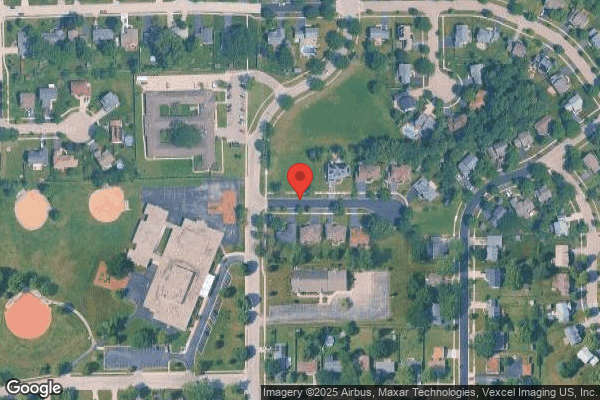
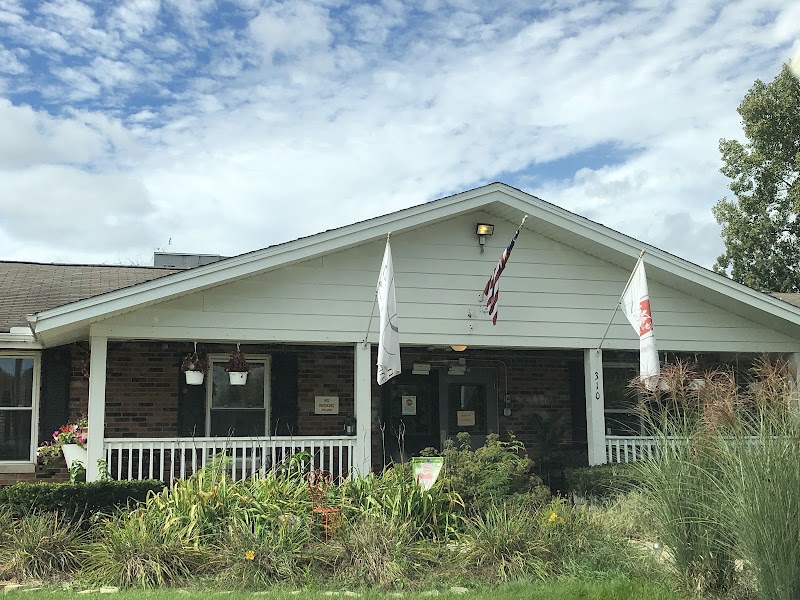
310 BANBURY ROAD, NORTH AURORA, IL 60542 (630) 892-7627
For profit - Partnership 129 Beds Independent Data: November 2025 4 Immediate Jeopardy citations
Trust Grade
0/100
#587 of 665 in IL
Last Inspection: November 2024

Within standard 12-15 month inspection cycle. Federal law requires annual inspections.

Overview

North Aurora Living & Rehab Center has received a Trust Grade of F, indicating significant concerns about the facility's care quality. It ranks #587 out of 665 nursing homes in Illinois, placing it in the bottom half of the state, and #21 out of 25 in Kane County, meaning there are only a few local options that perform better. While the facility is showing a trend of improvement, with issues decreasing from 15 in 2024 to 10 in 2025, the overall situation remains troubling, evidenced by 47 deficiencies found during inspections, including critical failures to provide CPR and protect residents from sexual abuse. Staffing is a relative strength, with a turnover rate of 43%, which is below the state average, and the facility has better RN coverage than 89% of similar facilities, suggesting staff stability and oversight. However, the facility has incurred $96,800 in fines, which raises concerns about repeated compliance issues. Families should weigh these serious shortcomings against the relatively stronger staffing situation when considering this facility for their loved ones.

Trust Score
F
0/100
In Illinois
#587/665
Bottom 12%
Safety Record
High Risk
Review needed
Inspections
Getting Better
15 → 10 violations
Staff Stability
○ Average
43% turnover. Near Illinois's 48% average. Typical for the industry.
Penalties
⚠ Watch
$96,800 in fines. Higher than 99% of Illinois facilities. Major compliance failures.
Skilled Nurses
✓ Good
Each resident gets 42 minutes of Registered Nurse (RN) attention daily — more than average for Illinois. RNs are trained to catch health problems early.
Violations
⚠ Watch
47 deficiencies on record. Higher than average. Multiple issues found across inspections.
★☆☆☆☆
1.0
Overall Rating
★☆☆☆☆
1.0
Staff Levels
★★★☆☆
3.0
Care Quality
★☆☆☆☆
1.0
Inspection Score
Stable
2024: 15 issues
2025: 10 issues

The Good

  • Full Sprinkler Coverage · Fire safety systems throughout facility
  • No fines on record
  • Staff turnover below average (43%)

    5 points below Illinois average of 48%

Facility shows strength in fire safety.

The Bad

1-Star Overall Rating

Below Illinois average (2.5)

Significant quality concerns identified by CMS

Staff Turnover: 43%

Near Illinois avg (46%)

Typical for the industry

Federal Fines: $96,800

Well above median ($33,413)

Moderate penalties - review what triggered them

The Ugly 47 deficiencies on record

4 life-threatening 4 actual harm
Jul 2025 1 deficiency
CONCERN (D) 📢 Someone Reported This

A family member, employee, or ombudsman was alarmed enough to file a formal complaint

Potential for Harm - no one hurt, but risky conditions existed

Deficiency F0627 (Tag F0627)

Could have caused harm · This affected 1 resident

**NOTE- TERMS IN BRACKETS HAVE BEEN EDITED TO PROTECT CONFIDENTIALITY** Based on interview and record review, the facility failed to meet the requirements for an emergency involuntary transfer and did...

Read full inspector narrative →
**NOTE- TERMS IN BRACKETS HAVE BEEN EDITED TO PROTECT CONFIDENTIALITY** Based on interview and record review, the facility failed to meet the requirements for an emergency involuntary transfer and did not allow the resident to return to the facility.This applies to 1 of 3 residents (R1) reviewed for involuntary discharge in the sample of 3.The findings include:R1's EMR (Electronic Medical Record) showed R1 was admitted to the facility on [DATE], with multiple diagnoses including schizoaffective disorder, bipolar disorder, chronic obstructive pulmonary disease, and type 2 diabetes mellitus. The EMR continued to show R1 was transferred to the local hospital on July 7, 2025, and did not return to the facility.R1's MDS (Minimum Data Set) dated June 17, 2025, showed R1 was cognitively intact, and R1 required partial assistance from facility staff for eating, oral hygiene, toileting hygiene, and personal hygiene. On July 15, 2025, at 2:54 PM, V2 (DON/Director of Nursing) said on July 7, 2025, R1 asked V2 for more food and V2 instructed R1 he already a double portion meal. V2 said she told R1 the doctor allowed double portions but R1 could not have extra snacks. V2 said R1 started cursing and then started trying to exit the facility. V2 said staff followed R1 out of the facility and R1 hopped a fence and went into the street. V2 said R1 grabbed a piece of wood about 12 inches long and threatened to kill staff or himself. V2 said she called emergency services, and the police showed up in two to three minutes. V2 said this started at about 1:15 PM, and R1 left for the hospital in the ambulance around 3:00 PM. V2 said when R1 was about to leave in the ambulance, she handed paramedics multiple copies of R1's Petition for Involuntary/Judicial admission and the Notice of Involuntary Transfer or Discharge and Opportunity for Hearing for Nursing Home Residents. V2 said on the same day around 7:00 PM, an ambulance company showed up to the facility with R1. V2 said the nurse on duty called V2 and V2 spoke with the ambulance drivers and told them R1 had been involuntarily discharged from the facility. V2 said she told the ambulance company to send R1 back to the hospital because R1 had been involuntarily discharged from the facility. V2 said she spoke with the emergency room charge nurse and was told R1 was cleared by their psychiatrist to be discharged from the hospital. V2 said she told the emergency room charge nurse R1 had been involuntarily discharged from the facility and needed to go back to the hospital. V2 said after some time, the ambulance company took R1 back to the local hospital.On July 15, 2025, at 4:09 PM, V1 (Administrator) said he spoke with R1's case worker at the hospital on July 11, 2025, and informed her R1 had been involuntarily discharged from the facility and could not return. V1 said the facility does not have a policy for involuntary discharge, the facility follows the regulations for involuntary discharge.R1's Notice of Involuntary Transfer or Discharge and Opportunity for Hearing for Nursing Home Residents dated July 7, 2025, showed Emergency Transfer or discharge: Yes. Federal Proceeding. The facility admits private-pay and Medicare or Medicaid residents and is federally-certified and state licensed, or this facility admits only Medicare or Medicaid residents and is federally funded. This facility seeks to transfer or discharge you pursuant to the regulations of the Health Care Financing Administration for states and long-term care facilities, 42 CFR 483.15 ('federal regulations'). As recorded in your clinical record in accordance with Section 483.15 (c) of the federal regulations, the reason for this proposed transfer or discharge is: the safety of individuals in this facility in endangered, 483.15 (c)(1)(i)(C).A progress note dated July 14, 2025, at 10:55 AM, by V1 showed On Friday, July 11, 2025, [V10 (Hospital Social Worker)] from [local hospital] contacted [the facility] that [R1] will be returning to [the facility]. This writer informed [V10] that [the facility] served involuntary discharge to [R1] on July 7, 2025, and we can't take [R1] back due to the threat and risk he posed on himself and the other residents here at [the facility]. Writer informed [V10] that proper involuntary discharge documents were sent with ambulance with two copies. Resident 'own guardian,' physician and ombudsman have been notified. [V10] said that she needs a copy of the emergency eviction order notice. Writer explained that nursing home regulations doesn't have emergency eviction notice order and that regulation doesn't apply in nursing home. Writer informed [V10] that [R1]'s psychiatrist at [a different hospital] are willing to accept [R1]. Writer also informed [V10] that [a different nursing home] is willing to accept [R1]. Writer informed [V10] that [the facility] can and will send [R1]'s belongings either to [local hospital or to any place [R1] will go to. [V10] said that my information are incorrect. I explained that I am following the nursing home regulations and the conversation ended.A progress note dated July 14, 2025, at 2:37 PM, by V1 showed [V4 (Ombudsman)] called writer today regarding [R1]. [V4] said that she spoke to [V10] today, July 14, 2025. [V4] said that [V10] informed her that [R1] is coming back to [the facility]. I informed [V4] that is incorrect and [the facility] is not accepting [R1] back. I informed [V4] that [the facility] informed [V10] that we are not taking [R1] back since July 7, 2025. I explained to [V4] that involuntary discharge papers have been sent to paramedics, hospital, [V10], and [V4] on July 7, 2025. [V4] said that resident have a right for appeal and hearing and I confirmed that it is the resident's right to appeal within 10 days. [V4] mentioned that she have never been in process of involuntary discharge before. I guided [V4] that [V5 (Facility Lawyer)]'s contact information is listed in the involuntary discharge documents. [V4] said she will call [V5]. A progress note dated July 16, 2025, at 11:07 AM, by V7 (Psychiatric Nurse Practitioner) showed Staff observed patient to be increasingly agitated throughout that day (July 7, 2025), noted verbal outbursts and pacing behavior. The patient expressed paranoid thoughts and demonstrated poor impulse control, asking for food from other residents. Later the patient became physically agitated and exited the facility without authorization. During the episode, he posed a significant risk to himself, to other residents with the nursing home, and to individuals in the surrounding community including the nearby school. Local authorities were contacted to assist in ensuring the safety of the patient and others. No injuries were reported. In my professional opinion, this patient continued to demonstrate severe psychiatric instability with escalating agitation and poor judgement. His behavior presented an ongoing safety risk that exceeded the capacity of the facility to manage safely. His uncontrolled psychiatric symptoms needed an immediate psychiatric transfer. This writer recommended sending the patient to a locked inpatient behavioral health facility for further evaluations and stabilization. Nursing and interdisciplinary team coordinated with appropriate facilities to ensure a safe and timely transfer. On July 16, 2025, at 12:08 PM, V7 said in her progress note dated July 16, 2025, she is referring to the incident with R1 that occurred on July 7, 2025. V7 said R1 needed to be stabilized in the hospital before returning to the facility. V7 said she did not receive communication from the hospital and does not know if R1 has stabilized while at the hospital. V7 said she is unable to say if R1 was appropriate for an involuntary discharge from the facility. As on July 16, 2025, at 4:00 PM, R1's medical record did not have documentation to support the facility's continued refusal to allow R1 to return to the facility following multiple days of inpatient hospitalization. The facility did not have documentation to show R1 continued to be a danger to the safety of individuals in the facility at the time of the hospital's multiple attempts to have R1 readmitted to the facility.On July 17, 2025, at 10:53 AM, V4 said R1 would have liked to have returned to the facility.
Apr 2025 1 deficiency
CONCERN (D) 📢 Someone Reported This

A family member, employee, or ombudsman was alarmed enough to file a formal complaint

Potential for Harm - no one hurt, but risky conditions existed

Free from Abuse/Neglect (Tag F0600)

Could have caused harm · This affected 1 resident

**NOTE- TERMS IN BRACKETS HAVE BEEN EDITED TO PROTECT CONFIDENTIALITY** Based on interview and record review, the facility failed to prevent the physical abuse of residents per facility policy. This a...

Read full inspector narrative →
**NOTE- TERMS IN BRACKETS HAVE BEEN EDITED TO PROTECT CONFIDENTIALITY** Based on interview and record review, the facility failed to prevent the physical abuse of residents per facility policy. This applies to 2 of 3 residents (R1 and R2) reviewed for abuse in a sample of 3. The findings include: Face sheet, dated 4/17/25, shows R1's diagnoses included Schizoaffective disorder, bipolar type, anxiety disorder, attention-deficit hyperactivity disorder, Major depression disorder, insomnia, obesity, and chronic obstructive pulmonary disease. MDS (Minimum Data Set), dated 3/17/25, shows R1 was cognitively intact. Face sheet, dated 4/17/25, shows R2's diagnoses included dementia with other behavioral disturbance, schizophrenia, difficulty walking, unsteadiness on feet, weakness, foot drop, abnormality of gait and mobility, disorganized schizophrenia, major depressive disorder, and insomnia. MDS, dated [DATE], shows R2 was cognitively intact. Facility Final Incident Investigation Report, dated 4/15/25, shows on 4/12 25 at 10:10 PM, R2 entered the community bathroom where R1 was taking a shower. R1 told R2 to get out of the bathroom and R2 ignored R1's request. R1 did not pull a call light for staff to assist and R2 bumped R1's shower chair in which R1 was sitting. R1 began yelling at R2 to leave but R2 would not leave. R1 dried himself off and attempted to leave the bathroom when R2 began harassing R1 and R2 threw his urinal full of urine at R1. R1 became upset and struck R2 on the back of the head and left the bathroom. R1 slipped on the urine while leaving the bathroom and landed on his buttocks. When interviewed, R2 stated he did not remember why he did not leave the bathroom when R1 asked him to do so. The residents were separated and both were placed on 1:1 monitoring by staff. V1 (Administrator) and 911 was called. The residents were assessed and no physical concerns were identified. R1 was sent to the hospital for a psych evaluation and returned to the facility. The allegation of abuse was substantiated. On 4/17/25 at 11:30 AM, R1 stated he was taking a shower in the shower room and R2 came into the room while R1 was naked. R1 stated he yelled at R2 to leave the shower room but R2 would not leave. R1 stated eventually R2 left and R1 dried off, dressed, and walked out into the hall and saw R2. R1 stated he hit R2 and R2 threw urine at R1 which caused R1 to slip and fall to the floor. R1 stated he was not injured in the incident. On 4/17/25 at 11:45 AM, when asked about R2's altercation with R1, R2 stated, It's over and done with. R2 stated he was not hurt during the incident with R1. On 4/17/25 at 10:40 AM, V3 (Registered Nurse) stated she heard yelling while at the nursing station and saw R2 sitting by his room door in his wheelchair holding his urinal which contained urine. V3 asked if R2 needed to use the bathroom and he would not reply. V3 stated V4 (CNA - Certified Nursing Assistant) also asked R2 if he could assist and R2 wound not reply to V4. V3 stated she and V4 were not yet aware R1 and R2 were arguing prior. V3 stated R1 came out of the bathroom, looked left and right, and began punching R2. V3 stated she tried to intervene but R1 was too large to remove from the area. V3 stated she called for staff to assist and the staff attempted to break up R1 and R2 but R1 was very strong and was resisting. V3 while she called 911, R2 dumped his urinal on R1, R1 slipped on the urine on the floor and fell. V3 stated while staff were attempting to separate the residents, R1 flipped R2's wheelchair while R2 was in the wheelchair. V3 stated the two residents were eventually separated and no injuries were identified. Both residents were placed with 1:1 supervision and R1 was involuntarily petitioned to the hospital for aggressive behavior. V3 stated neither of the residents were injured. On 4/17/25 at 6:43 PM, V4 stated he heard yelling and realized it was coming from a shower room with two residents in the room. V4 stated the residents exited the shower room and V4 thought the residents were fine until R2 threw urine from his urinal on R1 and R1 began hitting R2. V4 stated he was able to separate the residents and there were no injuries. Progress notes, dated 4/12/25, shows R2 went to the bathroom to dump his urinal and R1 was already using the bathroom. R1 told R2 to get out of the bathroom but R2 refused. The note shows that R1 hit R2 because R2 would not leave the bathroom. The note shows R2 was assessed for injury and no concerns were identified. The note shows 911 was called and R2 refused to go to the hospital. Progress note, dated 4/13/25, shows close monitoring and assessment of R2 continued until he was involuntarily sent to the hospital related to his aggressive behavior. Progress notes, dated 4/13/25, show R1 was using the bathroom to shower and R2 walked into the bathroom. The progress note shows R1 told R2 to leave the bathroom but R2 refused. R1 stated he hit R2 because R2 refused to leave the bathroom. The note shows R2 dumped urine from his urinal on to R1 which made R1 fall on the floor. The note shows the residents were separated and R1 was placed on 1:1 supervision until he left the hospital. Facility Abuse Prevention Policy, dated 10/24/22, shows, This facility affirms the right of our residents to be free from abuse, neglect, exploitation, misappropriation of property, deprivation of goods and services by staff or mistreatment. This facility therefore prohibits abuse, neglect exploitation, misappropriation of property and mistreatment of residents . Abuse means any physical or mental injury or sexual assault inflicted upon a resident other than by accidental means. Abuse is the willful infliction of injury, unreasonable confinement, intimidation, or punishment with resulting physical harm, pain, or mental anguish to a resident
Apr 2025 2 deficiencies 1 Harm
SERIOUS (G) 📢 Someone Reported This

A family member, employee, or ombudsman was alarmed enough to file a formal complaint

Actual Harm - a resident was hurt due to facility failures

Accident Prevention (Tag F0689)

A resident was harmed · This affected 1 resident

**NOTE- TERMS IN BRACKETS HAVE BEEN EDITED TO PROTECT CONFIDENTIALITY** Based on interview and record review the facility failed to safely transfer a resident (R1) with the use of a mechanical lift. ...

Read full inspector narrative →
**NOTE- TERMS IN BRACKETS HAVE BEEN EDITED TO PROTECT CONFIDENTIALITY** Based on interview and record review the facility failed to safely transfer a resident (R1) with the use of a mechanical lift. This failure resulted in the resident falling and sustaining fractures to the right hip, left pelvis, pubic bone, and lumbar vertebra. This applies to 1 of 3 residents (R1) reviewed for accidents. The findings include: R1's EMR (Electronic Medical Record) showed R1 was admitted to the facility on [DATE] with multiple diagnoses including generalized edema, chronic pain, impaired mobility, and generalized weakness. R1's MDS (Minimum Data Sheets) dated 3/19/2025 shows R1 was dependent on staff for transfers and required the use of a mechanical lift. On 4/07/2025 at 11:25 AM, V6 (Certified Nurse Assistant/CNA) was interviewed regarding R1's fall incident on 3/31/2025. V6 said she secured R1's sling to the mechanical lift to transfer him from the bed to his wheelchair. V6 said V4 (CNA) then came to the room and stood behind R1's wheelchair as she started to operate the lift. V6 said she started to maneuver the machine as V4 remained behind the wheelchair (not within close reach of R1). V6 said she then started to turn the machine when the sling's lower left strap suddenly ripped and R1 fell to the floor. V6 said R1's sling was worn out from overuse because it had not been replaced since R1's admission. On 4/07/2025 at 9:45 AM, V4 (CNA) said she was asked to assist V6 with R1's transfer on 3/31/2025. V4 said that when she arrived at R1's room V6 had already connected R1's sling to the lift. V4 said she positioned herself behind R1's wheelchair (not within close reach of R1) to receive him while V6 started to maneuver the machine. V4 said R1 fell as V6 started to turn the machine because the sling's lower left strap ripped. V4 said they were unable to respond quickly to reduce R1's fall impact from the mechanical lift. On 4/07/2025 at 2:00 PM, V2 (Director of Nursing/DON) said she responded to R1's fall incident. V2 said R1 had to be transferred to the hospital because he was complaining of pain to his back, legs, and elbows. V2 said she interviewed V6 and V4 after the incident and assessed R1's sling. V2 said the sling's lower left and right straps were ripped completely in half. V2 said she had concluded that R1's fall was because the sling's straps were frayed causing them to rip during R1's transfer. V2 continued to say R1's sling appeared worn out from overuse. V2 said R1's sling should have been inspected before being used and tossed because it was unsafe for use. V2 also said she expects both staff members to be actively assisting with mechanical lift transfers to ensure safe transferring and be able aid in an emergency. On 4/07/2025 at 3:00 PM, V12 (Nurse Practitioner/NP) said R1 required total assistance with mobility and transfers. V12 said R1 required the use of the mechanical lift for transfers and expected the staff to be trained on how to safely use the lifting equipment to ensure safe transfers. V12 also said the facility was expected to maintain operable lifting equipment based on policy or manufacturing guidelines to ensure residents were provided with safe equipment. R1's Care Plan Activity Report with a review date of 1/03/2025, showed R1 was at risk for falls and required staff assistance with transfers. R1's transfer focus problem had multiple interventions, including Assist with safe transfers as recommended: [Mechanical] lift and 2-person assist, Provide equipment for transfers: [Mechanical] lift, and Utilize mechanical lifts as appropriate. R1's progress note dated 3/31/2025 shows At about 1140, the writer was notified that the resident had a witnessed fall during transfer with a [Mechanical] life from bed to wheelchair .Resident complained of pain 7/10 on his legs, back, and elbows .911 was called and they arrived and took him out to [Hospital] ER. R1's Accident Investigation Form dated 3/31/2025, shows R1's fall occurred because the sling broke. The form said the sling should have been inspected before being used to transfer R1 on 3/31/2025. R1's Fall Incident Final Report dated 4/04/2025 shows During the [Mechanical] lift transfer, resident suddenly fell to the ground on his buttocks .The CNA who navigated the resident stated that the fall happened so quickly that she didn't have time to reach to reduce the impact .Upon further investigations, both bottom loops of the sling were fray apart. R1's hospital notes dated 3/31/2025 shows R1 was brought from nursing facility for evaluation of a fall. Reportedly the [Mechanical] lift broke and he was dropped on the ground. Patient reports pain in his neck, back, hip, and legs. Pain is constant, worse with movement. Images showed closed right acetabular fracture; Fracture of left ischium, Pubic bone fracture, Fracture of the transverse process of lumbar vertebra. The facility's policy titled Hydraulic Lift dated 08/2024, shows Purpose To enable two staff to lift and move a resident safely, with little effort as possible. The policy does not provide instructions on equipment checks before use, including slings. The facility's policy titled Resident Supervision Policy dated 07/2024, shows To ensure the facility provides an environment that is free from accident and hazards over which the facility has control and provide supervision and assistive devices to each resident to prevent avoidable accident. The facility's provided [Mechanical] lift manufacture's document titled Manual/Electric Portable Patient Lift undated, said Transferring to a Wheelchair . [Company] recommends that two assistants be used for all lifting preparations, transferring from and transferring to procedures .Maintenance .SLINGS AND HARDWARE CHECK ALL SLING ATTACHMENTS each time it is used to ensure proper connection and patient safety. Inspect sling material for wear. Inspect strap for wear.
CONCERN (D) 📢 Someone Reported This

A family member, employee, or ombudsman was alarmed enough to file a formal complaint

Potential for Harm - no one hurt, but risky conditions existed

Room Equipment (Tag F0908)

Could have caused harm · This affected 1 resident

**NOTE- TERMS IN BRACKETS HAVE BEEN EDITED TO PROTECT CONFIDENTIALITY** Based on interview and record review, the facility failed to follow manufacturer's maintenance recommendations for the safe use ...

Read full inspector narrative →
**NOTE- TERMS IN BRACKETS HAVE BEEN EDITED TO PROTECT CONFIDENTIALITY** Based on interview and record review, the facility failed to follow manufacturer's maintenance recommendations for the safe use of a mechanical lift-sling transferring device. This applies to 1 of 3 (R1) residents reviewed for transfer equipment. Findings include: R1's EMR (Electronic Medical Record) showed R1 was admitted to the facility on [DATE] with multiple diagnoses including generalized edema, chronic pain, impaired mobility, and generalized weakness. R1's MDS (Minimum Data Sheets) dated 3/19/2025 shows R1 was dependent on staff for transfers and required the use of a mechanical lift. On 4/07/2025 at 11:25 AM, V6 (Certified Nurse Assistant/CNA) said on 3/31/2025 she and V4 (CNA) transferred R1 from the bed to his wheelchair. V6 said she secured R1's sling to the mechanical lift. V6 said she then started to maneuver and turn the machine when the sling's lower left strap suddenly ripped and R1 fell on the floor. V6 said R1's sling was worn out from overuse because it had not been replaced since R1's admission. On 4/07/2025 at 9:45 AM, V4 (CNA) said she was asked to assist V6 with R1's mechanical lift transfer on 3/31/2025. V4 said R1 fell as V6 started to turn the machine because the sling's lower left strap ripped. V4 said they were unable to respond quickly to reduce R1's fall impact from the mechanical lift. V4 said R1's sling was old and worn out from overuse. V4 said R1's sling had not been replaced for years. On 4/07/2025 at 2:00 PM, V2 (Director of Nursing/DON) said she responded to R1's fall incident. V2 said she interviewed V6 and V4 after the incident and assessed R1's sling. V2 said the sling's lower left and right straps were ripped completely in half. V2 said she had concluded that R1's fall was because the sling's straps were frayed causing them to rip during R1's transfer. V2 continued to say R1's sling appeared worn out from overuse. V2 said R1's sling should have been inspected before being used and tossed because it was unsafe for use. V2 said the facility did not have a policy for maintaining lift sling equipment. V2 said she was not aware of the sling's manufacturing service life recommendations. On 4/07/2025 at 3:00 PM, V12 (Nurse Practitioner/NP) said R1 required the use of the mechanical lift for transfers. V12 said the facility was expected to maintain operable lifting equipment based on policy or manufacturing guidelines to ensure residents were provided with safe equipment. R1's Care Plan Activity Report with a review date of 1/03/2025, showed R1 was at risk for falls and required staff assistance with transfers. R1's transfer focus problem had multiple interventions, including Assist with safe transfers as recommended: [Mechanical] lift and 2-person assist, Provide equipment for transfers: [Mechanical] lift, and Utilize mechanical lifts as appropriate. R1's Accident Investigation Form dated 3/31/2025, shows R1's fall occurred because the sling broke. The form said the sling should have been inspected before being used to transfer R1 on 3/31/2025. R1's Fall Incident Final Report dated 4/04/2025 shows During the [Mechanical] lift transfer, resident suddenly fell to the ground on his buttocks .The CNA who navigated the resident stated that the fall happened so quickly that she didn't have time to reach to reduce the impact .Upon further investigations, both bottom loops of the sling were fray apart. The facility's policy titled Resident Supervision Policy dated 07/2024, shows To ensure the facility provides an environment that is free from accident and hazards over which the facility has control and provide supervision and assistive devices to each resident to prevent avoidable accident. The [Mechanical] lift's manufacturer's document titled Patient Slings undated, said SPECIAL NOTES .Service Life The expected service life is thirteen (13) months for this product, provided the product is used in accordance with the intended use as set out in this document .General Guidelines After each laundering (in accordance with instructions on the sling), inspect sling(s) for wear, tears, and loose stitching. Bleached, torn, cut, frayed, or broken slings are unsafe and could result in injury. Discard immediately.
Mar 2025 2 deficiencies
CONCERN (D) 📢 Someone Reported This

A family member, employee, or ombudsman was alarmed enough to file a formal complaint

Potential for Harm - no one hurt, but risky conditions existed

Quality of Care (Tag F0684)

Could have caused harm · This affected 1 resident

Based on interview and record review the facility failed to schedule a follow up doctor appointment for 1 of 3 residents (R1) reviewed for quality of care in the sample of 10. The findings include: R...

Read full inspector narrative →
Based on interview and record review the facility failed to schedule a follow up doctor appointment for 1 of 3 residents (R1) reviewed for quality of care in the sample of 10. The findings include: R1's Face Sheet showed a diagnosis of stress fracture of the left radius. On 3/27/25 at 9:50 AM, V6 (R1's Mother) said R1 broke her arm, and the facility did not schedule R1's follow up appointment. On 3/27/25 at 9:30 AM, V4 (Transportation Scheduler) said she schedules residents follow up appointments. V4 said R1's last orthopedic appointment was on 2/25/25 and R1 was taken by the facility's ADAPT (Psychosocial Rehabilitation) staff. V4 said R1 did not have a follow up orthopedic appointment scheduled. On 3/27/25 at 10:50 AM, V8 (Program Director for ADAPT) said an ADAPT staff took R1 to the orthopedic appointment on 2/25/25. V8 said the after visit summary paperwork indicated R1 was to have a follow up appointment scheduled on the week of March 17th. V8 said the after visit summary was given to V3 (Registered Nurse). On 3/27/25 at 10:55 AM, V3 said R1 was to have a follow up orthopedic appointment around March 17th. V3 said he was not sure if the appointment was scheduled and the after visit summary was given to V4. On 3/27/25 at 11:05 AM, V4 said she just received R1's after visit summary paper work from the 2/25/25 office visit and is now aware R1 needed a follow up appointment scheduled. V4 said she was unsure why R1's appointment was not scheduled. R1's orthopedic After Visit Summary dated 2/25/25 showed, Please make an appointment in 3 weeks for a follow up. The week of March 17th. R1's Progress Note dated 2/25/25 entered by V3 showed R1 returned from an orthopedic appointment, and R1 was to return to the orthopedic office around March 17th.
CONCERN (D) 📢 Someone Reported This

A family member, employee, or ombudsman was alarmed enough to file a formal complaint

Potential for Harm - no one hurt, but risky conditions existed

Medical Records (Tag F0842)

Could have caused harm · This affected 1 resident

**NOTE- TERMS IN BRACKETS HAVE BEEN EDITED TO PROTECT CONFIDENTIALITY** Based on interview and record review the facility failed to maintain an accurate and complete medical record after discharge for...

Read full inspector narrative →
**NOTE- TERMS IN BRACKETS HAVE BEEN EDITED TO PROTECT CONFIDENTIALITY** Based on interview and record review the facility failed to maintain an accurate and complete medical record after discharge for 1 of 3 residents (R2) reviewed for medical records in the sample of 10. The findings include: R2's face sheet printed on 3/27/25 show R2 was admitted to the facility last 5/2/24 with diagnoses of depression and cellulitis. (discharged [DATE]) A document of Authorization for Disclosure of Protected Health Information (PHI) dated 2/27/25 requesting R2's entire medical record dated May 2, 2024 (date of admit) to [DATE] (date of discharge) On 3/27/25 at 1:44 PM, R2 said she discharged last December. She had requested her medical records from the facility last month (February). R2 said she got some records but it was not complete. R2 said she was told they have no more access to her records due to a new system R2 said she was wanting a copy of her complete medical records including her doctor's notes and list of medications to review. One of the things she was wanting to review was her antibiotics prescribed to her to treat her cellulitis. R2 said she was at the facility again this week still following up her records that she had requested last February. On 3/27/25 at 10:30 AM, V12 (Medical record staff) said R2 had requested a copy of her medical records. But we cannot provide her complete records since I do not have any access to PCC. (previous electronic health record system-EHR). V12 said she gave R2 a copy of what was in R2's paper chart that included old records. Another request from R2 of Authorization for Disclosure of PHI dated 3/26/25 requesting NP notes and Psychiatric Notes. On 3/27/25 at 9:15 AM V5 (Social Worker) said R2 was at the facility this week still looking and requesting for more medical records. She was specific with psych notes and NP notes. V5 said there were some psych notes that were emailed to her from the Doctor's office so she gave R2 copies of those records. On On 3/27/25 at 10:30 AM, V2 (Director of Nursing) said the facility used to have PCC. Then when we have new owners and they have changed the (EHR) system to Sigma Care. If we have to refer to old records for information we cannot do that since we have no access like physician order sheets, progress notes, MAR, MDS and careplans of discharged residents. On 3/27/25 at 1PM, V1 (Administrator) said he knew that residents records should be kept years after they are discharged . V1 said the new owner is coordinating with the old owners to gain access to PCC.
Jan 2025 4 deficiencies 1 Harm
SERIOUS (G) 📢 Someone Reported This

A family member, employee, or ombudsman was alarmed enough to file a formal complaint

Actual Harm - a resident was hurt due to facility failures

Free from Abuse/Neglect (Tag F0600)

A resident was harmed · This affected 1 resident

**NOTE- TERMS IN BRACKETS HAVE BEEN EDITED TO PROTECT CONFIDENTIALITY** Based on interview and record review the facility failed to protect a resident's rights to be free from sexual and physical abus...

Read full inspector narrative →
**NOTE- TERMS IN BRACKETS HAVE BEEN EDITED TO PROTECT CONFIDENTIALITY** Based on interview and record review the facility failed to protect a resident's rights to be free from sexual and physical abuse by another resident in accordance with facility policy. This applies to 2 of 5 residents (R2 and R5) reviewed for abuse in the sample of 8. This failure resulted in psychological harm to R2 and R5. Both R2 and R5 expressed being scared of their peer who was the perpetrator of the abuse. The findings include: 1). R2's EMR (Electronic Medical Record) showed R2 was [AGE] years old, admitted to the facility on [DATE], with diagnoses of schizoaffective disorder, bipolar type, and tachycardia. On January 3, 2024, at 4:06 PM, R2 stated on December 9, 2024, a female peer R1, came to his room uninvited and would not leave when asked. R1 was a [AGE] year-old female. R2 stated while he was escorting R1 out of his room, while they were both walking toward the door, R1 turned and grabbed R2's genitals through his clothing. R2 stated he pushed R1's hand away. R2 stated he felt scared because after R1 left his room, R1 remained in the hallway outside R2's room and kept staring at him. R2 stated he did not know what R1 would try to do next. R2 stated on previous days, R1 had been following him in the facility and came to his room uninvited at different times, while he was brushing his teeth or laying in his bed at different days and times. R2 stated he felt uncomfortable and felt weirded out because R1 was an old lady and R2 was trying to nicely ask R1 to leave him alone. R2 stated he went to report to V8 (Activity Director) after R1 had touched him inappropriately on December 9, 2024. R2 stated when he saw R1 in the common day room on December 12, 2024, R2 wanted the police to be called to ensure R1 would not follow him and try to grab him again. R2 stated he was scared R1 would try and grab him again. On January 2, 2025, at 4:06 PM, V4 (Police Detective) stated the police officer came to the facility on December 12, 2024, at the request of R2. V4 stated R1 admitted to grabbing R2. V4 stated R2 declined to press criminal charges against R1. 2). R5 EMR showed R5 was admitted to the facility on [DATE], with multiple diagnoses including schizoaffective disorder, psychotic disorder with delusions, type 2 diabetes, chronic obstructive pulmonary disease, foot drop, right foot, essential hypertension, hyperlipidemia, and dry eye syndrome of unspecified lacrimal gland. R5's MDS (Minimum Data Set) dated October 21,2024 showed R5 was cognitively intact. On December 31, 2024, at 4:35 PM, R5 stated she was scared of a male peer, R3. R5 stated about a week ago, while R5 was sitting in the day room, she was startled awake by R3 who had slapped her in the face for no reason. R5 stated she told staff the next day she wanted to be discharged from the facility to get away from R3. R5 stated she told staff she was scared to live in a place that had residents hit people for no reason. R3's medical record showed a progress note written by V2 (Director of Nursing) dated December 17, 2024, that showed R3 had raised a hand towards a female peer, and the female peer had a red mark on her cheek. V2 identified the female peer as R5. R5 stated R3 had slapped her while she was resting on the couch in the day room. R5's medical record showed a progress note written by V6 (Social Services Director) on December 18, 2024, that showed R5 was requesting discharge from the facility. There was no assessment in R5's medical record of R5's reddened cheek or any injury after December 17, 2024, and no assessment of reason R5 was requesting a discharge from the facility. The facility's policy titled Illinois Abuse Prevention Policy showed .The facility is committed to protecting our residents from abuse .by anyone including but not limited to facility staff, other residents .Abuse means any physical or mental injury or sexual assault inflicted upon a resident other than by accidental means .the term willful in the definition of abuse means the individual must have acted deliberately, not that the individual must have intended to inflict injury or harm.
CONCERN (D) 📢 Someone Reported This

A family member, employee, or ombudsman was alarmed enough to file a formal complaint

Potential for Harm - no one hurt, but risky conditions existed

Abuse Prevention Policies (Tag F0607)

Could have caused harm · This affected 1 resident

**NOTE- TERMS IN BRACKETS HAVE BEEN EDITED TO PROTECT CONFIDENTIALITY** Based on interview and record review the facility failed to report one incident of resident-to-resident physical abuse to local ...

Read full inspector narrative →
**NOTE- TERMS IN BRACKETS HAVE BEEN EDITED TO PROTECT CONFIDENTIALITY** Based on interview and record review the facility failed to report one incident of resident-to-resident physical abuse to local law enforcement in accordance with facility policy. This applies to 1 of 5 residents (R4) reviewed for abuse in the sample of 8. The findings include: R4's EMR showed R4 was admitted to the facility on [DATE], with multiple diagnoses including schizoaffective disorder, bipolar disorder, chronic obstructive pulmonary disease, generalized anxiety disorder, impulsiveness, Tourette's disorder, type 2 diabetes, and neuralgia and neuritis. R4's MDS dated [DATE], showed R4 was cognitively intact. On December 31, 2024, during the entrance conference all resident-to-resident incident investigations for the past three months was requested. V1 (Administrator) provided one incident investigation dated December 13, 2024. involving R1 and R2. V1 stated there was an incident involving R3 and R4 being in a physical altercation last week but he did not have an investigation report and did not report the incident to local law enforcement. On January 2, 2025, at 2:25 PM, V7 (Restorative Aide) stated on December 24, 2024, around 6:30 AM, V7 heard loud noises coming from the TV lounge and went to the area and found R3 and R4 in a physical altercation. On January 2, 2025, at 11:25 AM, R4 stated when he was in the TV lounge playing his hand-held video game, R3 approached him and hit R4 in the face and walked away. R4 stated that R3 did not say anything prior to or at the time R3 hit R4. R4 stated he got up and followed R3 and asked R3 why did you just hit me? R4 stated R3 turned around and lunged at R4 and R4 stated they then hit each other. R3's EMR (Electronic Medical Record) showed R3 was admitted to the facility on [DATE], with multiple diagnoses including schizoaffective disorder, chronic obstructive pulmonary disease, bipolar disorder, gastro esophageal reflux disease, unspecified osteoarthritis, diabetes mellitus with unspecified complications, and hypertension. R3's MDS (Minimum Data Set) dated December 9, 2024, showed R3 was cognitively intact. R3's and R4's medical records did not contain any documentation of resident assessment of physical or mental condition in response to the incident on December 24, 2024. V1 did not provide an investigation report or copy of the police report when requested regarding the incident on December 24, 2024, involving R3 and R4. The facility's policy titled Illinois Abuse Prevention Policy dated October 24, 2022, showed VIII External Reporting .Informing local law enforcement the facility shall also contact local law enforcement authorities in the following situations: physical abuse involving physical injury inflicted on a resident by another resident .when there is reasonable suspicion of a crime .if there is reasonable suspicion that a crime has been committed that is not listed above and does not involve serious bodily injury then a report to local law enforcement as soon as possible but within 24 hours of when the suspicion was formed.
CONCERN (D) 📢 Someone Reported This

A family member, employee, or ombudsman was alarmed enough to file a formal complaint

Potential for Harm - no one hurt, but risky conditions existed

Report Alleged Abuse (Tag F0609)

Could have caused harm · This affected 1 resident

**NOTE- TERMS IN BRACKETS HAVE BEEN EDITED TO PROTECT CONFIDENTIALITY** Based on interview and record review the facility failed to report two incidents of resident-to-resident physical abuse to the S...

Read full inspector narrative →
**NOTE- TERMS IN BRACKETS HAVE BEEN EDITED TO PROTECT CONFIDENTIALITY** Based on interview and record review the facility failed to report two incidents of resident-to-resident physical abuse to the State Agency in accordance with facility policy. This applies to 2 of 5 (R4, and R5) residents reviewed for abuse in the sample of 8. The findings include: R3's EMR (Electronic Medical Record) showed R3 was admitted to the facility on [DATE], with multiple diagnoses including schizoaffective disorder, chronic obstructive pulmonary disease, bipolar disorder, gastro esophageal reflux disease, unspecified osteoarthritis, diabetes mellitus with unspecified complications, and hypertension. R3's MDS (Minimum Data Set) dated December 9, 2024, showed R3 was cognitively intact. R5's EMR showed R5 was admitted to the facility on [DATE], with multiple diagnoses including schizoaffective disorder, psychotic disorder with delusions, type 2 diabetes, chronic obstructive pulmonary disease, foot drop, right foot, essential hypertension, hyperlipidemia, and dry eye syndrome of unspecified lacrimal gland. R5's MDS dated [DATE] showed R5 was cognitively intact. R3's progress note written by V2 (Director of Nursing) showed R3 had a raised hand over R5 and R5 had a reddened cheek, while they were both in the dayroom on December 17, 2024. The incident was witnessed by V11 (CNA). On December 31, 2024, at 2:50 PM a request for the incident report and the assessment following the incident between R3 and R5 was requested from V2. V2 stated there was no incident report and no assessment of R5 following the incident. On December 31, 2024, at 4:45 PM, R5 stated she was resting on the couch in the lounge with her eyes closed when R3 slapped her in the face for an unknown reason. R5 stated she was scared of R3 and wanted to discharge from the facility as a result. On December 31, 2024, at 3:34 PM, V1 (Administrator) stated he does not have an incident report of the altercation between R3 and R5 on December 17, 2024, and stated he did not report the incident to the State Agency. R4's EMR showed R4 was admitted to the facility on [DATE], with multiple diagnoses including schizoaffective disorder, bipolar disorder, chronic obstructive pulmonary disease, generalized anxiety disorder, impulsiveness, Tourette's disorder, type 2 diabetes, and neuralgia and neuritis. R4's MDS dated [DATE], showed R4 was cognitively intact. On January 2, 2025, at 11:25 AM, R4 stated when he was in the TV lounge playing his hand-held video game, R3 approached him and hit R4 in the face and walked away. R4 stated that R3 did not say anything prior to or at the time R3 hit R4. R4 stated he got up and followed R3 and asked R3 why did you just hit me? R4 stated R3 turned around and lunged at R4 and R4 stated they then hit each other. On January 2, 2025, at 2:25 PM, V7 (Restorative Aide) stated on December 24, 2024, around 6:30 AM, V7 heard loud noises coming from the TV lounge and went to the area and found R3 and R4 in a physical altercation. V7 stated they separated in response to V7's verbal redirection. V7 stated she instructed R3 to go to his room and R3 did. V10 (LPN) documented on December 24, 2024, at 7:10 AM that R3 was transferred to the hospital. There was no assessment in the progress notes of either R3's or R4's physical condition or mood in response to the incident on December 24, 2024. On December 31, 2024, at the entrance conference all resident-to-resident altercations incident reports were requested from V1 (Administrator) for the past three months. V1 provided one incident involving R1 and R2 dated December 13, 2024. V1 stated there had been an incident of a physical fight last week between R3 and R4, but he did not report the incident to the state agency or the local police. V1 stated he probably should have reported the incident between R3 and R4 because it was abuse. The facility's policy titled Illinois Abuse Prevention Policy, dated October 24, 2022 showed V . report to the state survey agency any allegation of abuse, neglect .and to local law enforcement or other state agency if they have a suspicion that a crime has been committed .reports will be documented and a record kept of the documentation .any allegation of abuse or any incident that results in serious bodily injury will be reported immediately .or within 24 hours .VIII External Reporting 1. Initial reporting of Allegations. When an allegation of abuse exploitation, neglect, mistreatment .has been made the administrator or designee shall notify the department of Public Health's Regional Office immediately by telephone or fax.
CONCERN (D) 📢 Someone Reported This

A family member, employee, or ombudsman was alarmed enough to file a formal complaint

Potential for Harm - no one hurt, but risky conditions existed

Investigate Abuse (Tag F0610)

Could have caused harm · This affected 1 resident

**NOTE- TERMS IN BRACKETS HAVE BEEN EDITED TO PROTECT CONFIDENTIALITY** Based on interview and record review the facility failed to investigate two incidents of resident-to-resident physical abuse in ...

Read full inspector narrative →
**NOTE- TERMS IN BRACKETS HAVE BEEN EDITED TO PROTECT CONFIDENTIALITY** Based on interview and record review the facility failed to investigate two incidents of resident-to-resident physical abuse in accordance with facility policy. This applies to 3 of 5 residents (R3, R4, and R5) reviewed for abuse in the sample of 8. The findings include: On December 31, 2024, during the entrance conference all resident-to-resident incident investigations for the past three months was requested. V1 (Administrator) provided one incident investigation dated December 13, 2024. involving R1 and R2. V1 stated there was an incident involving R3 and R4 being in a physical altercation last week but did not have an investigation report. On December 31, 2024, at 2:50 PM, V2 (Director of Nursing) identified a physical altercation between R3 and R5 that occurred on December 17, 2024, but stated there was no incident report. V1 stated there were no incident investigation reports for December 24, 2024, involving R3 and R4 and no incident investigation report for the incident on December 17, 2024, involving R3 and R5. R3's EMR (Electronic Medical Record) showed R3 was admitted to the facility on [DATE], with multiple diagnoses including schizoaffective disorder, chronic obstructive pulmonary disease, bipolar disorder, gastro esophageal reflux disease, unspecified osteoarthritis, diabetes mellitus with unspecified complications, and hypertension. R3's MDS (Minimum Data Set) dated December 9, 2024, showed R3 was cognitively intact. R5's EMR showed R5 was admitted to the facility on [DATE], with multiple diagnoses including schizoaffective disorder, psychotic disorder with delusions, type 2 diabetes, chronic obstructive pulmonary disease, foot drop, right foot, essential hypertension, hyperlipidemia, and dry eye syndrome of unspecified lacrimal gland. R5's MDS dated [DATE] showed R5 was cognitively intact. On December 31, 2024, at 4:45 PM, R5 stated she was resting on the couch in the lounge with her eyes closed when R3 slapped her in the face for an unknown reason. R3's progress note written by V2 (Director of Nursing) showed R3 had a raised hand over R5 and R5 had a reddened cheek, while they were both in the dayroom on December 17, 2024. R4's EMR showed R4 was admitted to the facility on [DATE], with multiple diagnoses including schizoaffective disorder, bipolar disorder, chronic obstructive pulmonary disease, generalized anxiety disorder, impulsiveness, Tourette's disorder, type 2 diabetes, and neuralgia and neuritis. R4's MDS dated [DATE], showed R4 was cognitively intact. On January 2, 2025, at 11:25 AM, R4 stated when he was in the TV lounge playing his hand-held video game, R3 approached him and hit R4 in the face and walked away. R4 stated that R3 did not say anything prior to or at the time R3 hit R4. R4 stated he got up and followed R3 and asked R3 why did you just hit me? R4 stated R3 turned around and lunged at R4 and R4 stated they then hit each other. On January 2, 2025, at 2:25 PM, V7 (Restorative Aide) stated on December 24, 2024, around 6:30 AM, V7 heard loud noises coming from the TV lounge and went to the area and found R3 and R4 in a physical altercation. V7 stated they separated in response to V7's verbal redirection. V7 stated she instructed R3 to go to his room and R3 did. R3's progress note dated December 24, 2024, at 7:10 AM showed R3 was transferred to the hospital after the altercation with R4. The facility's policy titled Illinois Abuse Prevention Policy dated October 24, 2022, showed .VII .2. Any incident or allegation involving abuse, neglect, exploitation, mistreatment or misappropriation of resident property will result in an investigation .VIII 2. Five-day final investigation report within 5 working days the report of the occurrence, a complete written report of the conclusion of the investigation including steps the facility has taken in response to the allegation will be sent to the Department of Public Health. The final investigation report shall contain the following: Name age, diagnosis .original allegation .summary of the facts .conclusion of the facts .police report .
Nov 2024 3 deficiencies
CONCERN (D)

Potential for Harm - no one hurt, but risky conditions existed

Quality of Care (Tag F0684)

Could have caused harm · This affected 1 resident

**NOTE- TERMS IN BRACKETS HAVE BEEN EDITED TO PROTECT CONFIDENTIALITY** Based on observation, interview, and record review, the facility failed to follow the administration guidelines while administer...

Read full inspector narrative →
**NOTE- TERMS IN BRACKETS HAVE BEEN EDITED TO PROTECT CONFIDENTIALITY** Based on observation, interview, and record review, the facility failed to follow the administration guidelines while administering eye drops. The facility also failed to obtain an uncontaminated blood sample for blood glucose monitoring. This applies to 2 of 9 residents (R24 and R46) reviewed for medication pass observation. The Findings Include: 1 R46 is a [AGE] year-old female admitted on [DATE]. A record review on R46's physician order sheet (POS) document Refresh eye drops, one drops each eye three times a day. On 11/13/24 at 01:22 PM, R46 was observed in her room sitting on her chair, and V4 (Licensed Practical Nurse/LPN) administered eye drops to R46's right eye while sitting on the chair. V4 pulled R46's right corner of the right upper eyelid and administered eye drops (Refresh) to the right eyeball. The eye drops fell on the eyeball and dripped onto her cheeks. On 11/14/24 at 9:23 AM, V2 (DON-Director of Nursing) stated the eye drop should have been instilled into the lower eyelid by pulling it down. The facility presented the Eye Drop Administration procedure dated 11/2020, documented: With a gloved finger, gently pull-down lower eyelids to form a pouch while instructing the resident to look up. Place the other hand against the resident's forehead to steady. Hold the inverted medication bottle between the thumb and index finger and press gently to instill the prescribed number of drops into the pouch near the outer corner of the eye. If the resident blinks or drops lands on the cheek, repeat administration. 2. R24 is a [AGE] year-old female admitted with an admitting diagnosis, including type 2 diabetes. On 11/13/24 at 10:44 AM, observed V5(LPN) checking R24's blood glucose level after cleansing the right middle finger. V5 discarded the first drop using an alcohol wipe and didn't wait for air to dry the wetness from the alcohol wipe to collect the blood specimen. The blood glucose check resulted in a reading of 160. On 11/13/24 at 11:10 AM, V5 stated that she should have used gauze to wipe off the first drop of blood. She continued that using an alcohol wipe to discard the first drop can alter the blood glucose reading. On 11/13/24 at 11:00 AM, V2 added that the nurse shouldn't use an alcohol wipe to discard the first drop of blood, as it can alter the blood glucose reading.
CONCERN (D)

Potential for Harm - no one hurt, but risky conditions existed

Deficiency F0761 (Tag F0761)

Could have caused harm · This affected 1 resident

**NOTE- TERMS IN BRACKETS HAVE BEEN EDITED TO PROTECT CONFIDENTIALITY** 3. On November 12, 2024 at 10:43 AM, there was a yellow, ovular pill in a medication cup sitting on R13's (R50's roommates') boo...

Read full inspector narrative →
**NOTE- TERMS IN BRACKETS HAVE BEEN EDITED TO PROTECT CONFIDENTIALITY** 3. On November 12, 2024 at 10:43 AM, there was a yellow, ovular pill in a medication cup sitting on R13's (R50's roommates') bookshelf. R50 was not in his room and R13 was sleeping in his bed. On November 12, 2024 at 12:48 PM, the yellow, ovular pill was sitting on the bookshelf. On November 13, 2024 at 11:52 AM, the yellow, ovular pill was sitting on the bookshelf. R50 was sleeping in his room, and R13 said it was his bookshelf but not his medicine. R13 said the medicine belonged to his roommate and had been there since yesterday. R50's face sheet showed he was admitted to the facility with diagnoses including hypothyroidism, bipolar disorder, depressive disorder, and anxiety disorder. R50's MDS (Minimum Data Set) dated September 9, 2024, showed R50 was cognitively intact. R50's EMR (Electronic Medical Record) did not show an assessment to store medications at the bedside, and his POS (Physician Order Sheet) also did not show an order for resident to keep medications at the bedside. On November 14, 2024 at 9:25 AM, V7 (RN/Registered Nurse) said none of the residents were allowed to keep medications at the bedside. V7 said if she went to pass medications and the resident was not in his room, she would take it back to the cart. V7 said she needed to be present when the resident took the medications. V7 said if a resident asked to keep medications at the bedside, she would tell them they have to take the medications with a nurse present and would not be allowed to keep it at bedside. On November 14, 2024 at 9:28 AM, V5 (LPN/Licensed Practical Nurse) said she only had one resident who was allowed to keep medicine at the bedside. V5 said if she went to pass medications and the resident was not in his room, she would take the medicine back as they were not allowed to leave it in their room. V5 said the nurses have to watch the residents take their medications. On November 13, 2024 at 1:13 PM, V2 (DON/Director of Nursing) said the nurses have to observe the residents to make sure they are taking their medications. V2 said if the resident was sleeping, if the resident had orders to leave medications at bedside, then only would the nurse be allowed to keep it at the bedside. V2 said if there weren't any orders, they would not be allowed to keep it at bedside. V2 also said the nurses should not leave medications at bedside if the resident was not in his room. V2 said if the medications were left at bedside, other residents can come and take the medications as the facility was a psychiatric facility. V2 said none of the residents were allowed to store medications at the bedside. The facility's Storage of Medications Policy dated November 2020 shows Medications and biologicals are stored safely, securely, and properly, following manufacturer's recommendations or those of the supplier. The medication supply is accessible only to licensed nursing personnel, pharmacy personnel, or staff members lawfully authorized to administer medications. Based on observation, interview, and record review, the facility failed to securely store medications by having them at the bedside and failed to discard expired medications from the medication cart. The facility also failed to label and date insulin vials after initial use. This applied to 3 of 3 residents (R1, R16, and R50) reviewed for medication storage and label/date in a sample of 19. The Findings Include: 1 R1 is a [AGE] year-old male admitted with an admitting diagnosis, including type 2 diabetes. On 11/13/24 at 11:04 AM, V6 (Licensed Practical Nurse/LPN) was unable to locate the insulin (Novolin R) vial to administer the scheduled 10 units of insulin to R1. V6 opened a new insulin vial to administer 10 units of insulin to R1's left shoulder and put the vial back into the medication cart without labeling the vial with an open date. On 11/13/24 at 1:20 PM, observed V6's medication cart with V2 (Director of Nursing) and the Novolin R insulin vial was observed without having an open date. On 11/13/24 at 1:25 PM, V6 stated that she should label the insulin vial with an open date. On 11/14/24 at 09:23 AM, V2 (Director of Nurse/DON) stated that the insulin vial should have an open date. A review of the facility-presented policy on vials and ampules of injectable medications revised on the November 2020 document: Expiration Date: Unopened vials expire on the manufacture's expiration date. Opening a vial triggers a shortened expiration date that is unique for that product. The date opened and this triggered expiration date are both important to be recorded on multidose vials on the vial label or an accessory label affixed for that purpose. At a minimum the date opened must be recorded. 2 On 11/14/24 at 11:23 AM, during medication cart (middle cart) check with V8 (Registered Nurse), observed Brimonidine and Timolol eye drops for R16 with an open date 10/13/24. On 11/14/24 at 11:25 AM, V8 stated that those eye drops were expired and that she would remove them from the medication cart. According to our policy, ophthalmic products are good for only 28 days once they are opened. A review of the facility presented Medication Storage Guidance document: Date when opened and discard unused portion after 28 days or in accordance with the manufacturer's recommendations or facility policy. On 11/14/24 at 11:45 AM, V2 stated that nurses are supposed to check expired medications in the medication cart and should have discarded the expired medications.
CONCERN (D)

Potential for Harm - no one hurt, but risky conditions existed

Deficiency F0883 (Tag F0883)

Could have caused harm · This affected 1 resident

**NOTE- TERMS IN BRACKETS HAVE BEEN EDITED TO PROTECT CONFIDENTIALITY** Based on interview and record review, the facility failed to provide influenza and pneumonia vaccines to residents residing in t...

Read full inspector narrative →
**NOTE- TERMS IN BRACKETS HAVE BEEN EDITED TO PROTECT CONFIDENTIALITY** Based on interview and record review, the facility failed to provide influenza and pneumonia vaccines to residents residing in the facility. This applies to 3 of 5 residents (R1, R59, R70) reviewed for immunizations in a sample of 19. The findings include: On November 14, 2024 at 9:34 AM, V2 (DON/Director of Nursing/Infection Preventionist) said they had a vaccine day prior to her starting as the DON of the facility and was unable to speak to why all the residents did not have their vaccines. V2 said she was not sure if the residents came to the previous DON and requested vaccines instead of the facility offering the vaccines to all the residents. 1. R1's immunization record was reviewed. On November 14, 2024 at 11:09 AM, V2 presented a consent form for the influenza vaccine, which showed R1 consented to receiving the influenza vaccine on November 13, 2024 (during the survey). V2 also presented a consent form to receive the pneumococcal vaccine, dated November 13, 2024 (during the survey). R1's face sheet showed he was admitted to the facility on [DATE] with diagnoses including chronic obstructive pulmonary disease, pneumonia, chronic respiratory failure, type 2 diabetes mellitus, pneumonia, hypertension, and asthma. 2. R59's immunization records were reviewed. On November 14, 2024 at 11:07 AM, V2 presented consent forms for the influenza vaccine and pneumococcal vaccine. R59's consent forms dated November 13, 2024 (during the survey) showed she agreed to receiving both vaccines. R59's face sheet showed she was admitted to the facility on [DATE] with diagnoses including hydrocephalus, type 2 diabetes mellitus, weakness, mood disorder, blastomycosis, hypertension, and osteoarthritis. 3. R70's immunization records were reviewed. On November 14, 2024 at 11:10 AM, V2 presented consent forms for the influenza vaccine and the pneumococcal vaccine. R70's consent forms dated November 13, 2024 (during the survey) showed she agreed to receiving the vaccines. R70's face sheet showed she was admitted to the facility on [DATE] with diagnoses including bipolar disorder, type 2 diabetes mellitus, hypertension, hypothyroidism, and major depressive disorder. The facility's undated Immunization policy showed In order to minimize the risk of residents acquiring, transmitting, or experiencing complications from influenza and pneumococcal pneumonia, it is the policy of this facility to offer influenza and pneumococcal vaccinations to all residents.
Jul 2024 5 deficiencies 1 IJ (1 facility-wide)
CRITICAL (L) 📢 Someone Reported This

A family member, employee, or ombudsman was alarmed enough to file a formal complaint

Immediate Jeopardy (IJ) - the most serious Medicare violation

Deficiency F0678 (Tag F0678)

Someone could have died · This affected most or all residents

⚠️ Facility-wide issue

**NOTE- TERMS IN BRACKETS HAVE BEEN EDITED TO PROTECT CONFIDENTIALITY** Based on observation, interview and record review, the facility failed to initiate CPR (Cardiopulmonary Resuscitation) for a res...

Read full inspector narrative →
**NOTE- TERMS IN BRACKETS HAVE BEEN EDITED TO PROTECT CONFIDENTIALITY** Based on observation, interview and record review, the facility failed to initiate CPR (Cardiopulmonary Resuscitation) for a resident (R1) with full code status (attempt CPR). The facility also failed to have a system in place to ensure that Advance Directives are completed timely and available to direct care staff. These failures resulted in R1 not receiving CPR and expiring at the facility. These failures have the potential to affect all residents residing in the facility. The [DATE], Facility Data Sheet showed 96 residents reside at the facility. These failures resulted in Immediate Jeopardy. The Immediate Jeopardy was noted to begin on [DATE], when R1 was found not breathing and no CPR was initiated. V1 (Administrator) was notified of the Immediate Jeopardy on [DATE], at 9:50 AM. Findings include: 1. R1's admission Record dated [DATE] documents R1 as an [AGE] year-old with diagnoses that include bipolar disorder, dementia, and schizoaffective disorder. On [DATE], R1's paper chart included a green Practitioner Order for Life-Sustaining Treatment (POLST) form dated [DATE], and signed by V14 (R1's Physician and facility Medical Director). The POLST included R1's signature and in Box A, the option for Attempt Resuscitation/CPR (Selecting CPR means Full Treatment .) was checked. R1's Clinical Physician Order Report dated [DATE] shows an order dated [DATE] for R1 to be a full code (attempt CPR) but this order was discontinued on [DATE]. R1's Order Recap Report 5/01-[DATE] does not show a current order for R1's code status. R1's Electronic Medical Record (EMR) shows a Progress Note dated [DATE] documenting V14 (Medical Director) provided an order for a hospice evaluation due to R1's refusal to eat and failure to thrive. R1's Hospice Telephone Verbal Order form dated [DATE] shows R1 was admitted to hospice with a primary diagnosis of dementia on this date. There is no indication of a code status on this document. R1's EMR Progress Note completed by V5 (Nurse) on [DATE] from 8:21 PM showed CNA (Certified Nursing Assistant) has reported to the writer about or around maybe later 5:20 PM that the resident has passed away .No vital and no pulse. On [DATE] at 12:10 PM V5 (Nurse) stated she was assigned as R1's nurse on [DATE] between 7 AM- 7 PM. V5 stated she was instructed at the beginning of her shift that R1 was on hospice and had a Do Not Resuscitate (DNR [do not attempt CPR]) order. V5 stated on [DATE], R1 was acting as usual, stayed in bed and ate minimally. V5 stated she works many places as an agency nurse and is not sure what the process is at the facility to verify advanced directives. V5 stated around 4 PM, a nurse from hospice (V9) came into the facility and she and V9 went into R1's room together. V5 stated V9 informed her that R1 was beginning to transition. V5 stated around 5 PM, R1 was unchanged, and then sometime between 5:30-6pm, a Nursing Assistant (V6) reported to her R1 was no longer breathing. V5 stated she assessed R1 and after taking vitals and confirming R1 was not breathing, she went to find R1's chart and notified V2 (Director of Nursing) that R1 had passed. V5 confirmed she did not notify V2 that she was unable to verify R1's code status and she did not initiate CPR. V5 stated when she entered the room, V1 (Administrator) was present and instructed her to call hospice to clarify her advanced directives, which she did. V5 stated after speaking with V8 (Hospice Nurse), he told V5 he would call her back. V5 stated, I left [R1] with the workers in the back. I was in charge of the patient but [V1] was in charge of me. I waited in the nurse's station as I was instructed to do. I was in the nurse's station until I got a call back. I then had another resident with an issue, so I handled that .I thought [V2 (Director of Nursing)] was with [R1] .Nobody is administering CPR and we are calling hospice, so I assumed she was a DNR. Later, I was told there was a DNR in process but it was not complete. Then I called the paramedics, 911, and assumed the people in the back initiated CPR. I did notify the people in the back that she was a full code. We all came back to the room; paramedics were back there then and were working on her when I got back to the room. V5 confirmed that at the time she discovered R1 had no vital signs, she was still unsure of R1's advanced directives because she was unable to find the chart where the POLST form is supposed to be located. On [DATE] at 7:47 AM, V4 (Nurse) stated he overheard a Nursing Assistant report to V5 that R1 doesn't look good. V5 requested V4's assistance with obtaining a blood pressure cuff and pulse oximeter which V4 stated he provided to V5, then went to attend to another resident. V4 stated at some point after this interaction he took a call from an unknown hospice nurse who reported to V4 that he was in the process of changing R1's full code status to a DNR. V4 stated this unknown hospice nurse was frustrated as to why the POLST form had not been completed. V4 could not indicate when he became aware that R1 had passed and was a full code. V4 stated he did not perform CPR at any time during this incident. On [DATE] at 12:47 PM, V3 (Nurse) stated that around 7 PM on [DATE], she saw V5 in the hallway and she asked for help, stating it is an emergency. V3 stated she ran down the hallway and asked what was going on, and V5 responded, Apparently we were supposed to start CPR two hours ago, and that V5 was instructed to call 911. V3 stated CPR was not started until the paramedics arrived. On [DATE] at 2:36 PM, V6 (Nursing Assistant) stated he found R1 non-responsive between 5:15-5:20 PM and notified V5. V6 confirmed he did not perform CPR, stating V5 did not give him instructions to perform CPR. V5 stated he was instructed to perform postmortem care for R1, which he did, and completed care with the assistance of V7 (Nursing Assistant). V6 stated about an hour later, the paramedics arrived. The Reporting Officer statement from the [DATE], local Police Department's preliminary Case Report Summary showed .On [DATE] at 18:57 [6:57 PM] .responded .for deceased patient at [facility address]. Due to some uncertainty, dispatch clarified that this was not an in-progress emergency, rather the patient, [R1] .had been deceased for some time. This document shows the timeline obtained by the officers during interviews conducted with the witnesses on [DATE] as follows: R1 was discovered deceased between 5:15-5:20 PM by V6 (Nursing Assistant), who then alerted V5 (Nurse). V5 stated to the officer she then spent the time between discovering R1 was deceased up to the time 911 was contacted at 6:57 PM attempting to locate R1's DNR paperwork, contacting hospice, and the state guardian. V2's (Director of Nursing) interview identified her at the facility at approximately 6 PM to pay her respects then she left. V4 (Nurse) stated he became aware of the situation between 6-6:30 PM after notification by V5, who had indicated she was in the process of contacting hospice. V8 (Hospice Nurse) reported to the officer that he spoke with V5 at approximately 6:25 PM and advised V5 to call 911 because no DNR was in place. V3's (Nurse) statement to the officer identified she was notified of R1's status at approximately 7 PM. This report shows a hospital physician provided a time of death to the paramedics as 7:20 PM. On [DATE], at 12:05 PM, V2 (Director of Nursing) stated V5 (Nurse) is an Agency nurse, and she works at the facility a lot. V2 stated V5 notified her that R1 had expired. V2 stated she asked her if hospice had been notified and she said yes. V2 stated CPR was not done. V2 stated that once a resident is admitted to hospice services, hospice takes over. V2 stated the facility still provides standard care. V2 stated if hospice says a resident is a full code, the resident is a full code, adding R1 was a full code in our chart. V2 stated R1 expired, and CPR was not performed, adding If a full code, CPR should have been done. V2 re-iterated if there is no DNR, you initiate CPR. On [DATE] at 9:45 AM, V10 (R1's State Guardian) confirmed she was aware of R1's decline and as of [DATE] had been communicating with hospice regarding advanced directives. V10 stated that on [DATE] at 2:05 AM, she received an email from V8 (Hospice Nurse) regarding R1's change in status and concerns that R1's advanced directives at that time showed R1 as a full code. V10 stated she then spoke with the hospice company again on [DATE] at 9:17 AM and reviewed the required process as a State Guardian to consider changing R1's code status. V10 stated the process includes an initial form with supporting documentation signed by two doctors. V10 stated once this information is received, a POLST form can be signed by her as a resident's guardian. V10 stated, I cannot change a resident's status without knowing their wishes. On [DATE] 6:57 PM, V22 (Deputy Coroner) stated an autopsy was planned but it was later decided not to after reviewing R1's comorbidities and speaking with V10 (R1's Guardian) and finding out a DNR was in process but apparently not valid yet because the physician information and signature were not completed. V22 stated, My concern is nobody started CPR. That is basic nursing. Without a valid DNR order she should have been provided emergency interventions and CPR. I am not sure what they were thinking. I understand there was some confusion but without a valid DNR, she is a full code. In section 2.1 admission to Hospice Program under Article II: Services to be Provided by Hospice in the facility's Nursing Facility Hospice Services Agreement, it showed (c) Hospice shall notify Nursing Facility whether a resident is authorized for admission as a Patient and shall be responsible for obtaining all necessary admission forms, consents, and election statements from the Resident or, where applicable, the Resident's representative. The Article does not refer to hospice being responsible for obtaining a POLST form. R1's hospice Informed Consents/Election of Benefits Form was stamped and signed by R1's State Guardian and hospice company on [DATE], and it does not mention the completion of a POLST form. R1's Circuit Court Letters of Office Guardianship of a Disabled Person dated [DATE] documents R1 as a disabled person totally without capacity per physician and therefore ordered a plenary guardian of person. 2. On [DATE] at 2:13 PM V1 (Administrator) stated advanced directives are initiated at admission. If a resident does not have a POLST in place upon admission, we implement the process and obtain one. POLST forms are obtained by a joint effort between nursing and social services. All residents should have a POLST form in their paper chart and a physician order indicating their code status in the Electronic Medical Record (EMR). A review of R5-R17, and R19's paper charts on [DATE], did not find a completed POLST form in their chart. The admission Record shows R17 admitted to the facility on [DATE]. R17's Order Summary Report dated [DATE] did not include an order indicating code status. The admission Record shows R10 admitted to the facility on [DATE]. R10's Order Summary Report dated [DATE] found an order dated [DATE] for a full code. The admission Record shows R16 admitted to the facility on [DATE]. R16's Order Summary Report dated [DATE] found an order dated [DATE] for a full code. The admission Record shows R5 admitted to the facility on [DATE]. R5's Order Summary Report dated [DATE] found an order dated [DATE] for a full code. The admission Record shows R9 admitted to the facility on [DATE]. R9's Order Summary Report dated [DATE] found an order dated [DATE] for a full code. The admission Record shows R11 admitted to the facility on [DATE]. R11's Order Summary Report dated [DATE] found an order dated [DATE] for a full code. On [DATE] at 12:15 PM, V20 (Social Services) stated the last Social Service Director that was here would review the POLST forms. V20 stated, We have had a lot of 'hiccups' since transferring to PCC (Electronic Medical Records System) and I do not have access to fix it .We are running into hiccups when we compare the (paper) charts with PCC. It has been an ongoing issue, including the face sheet (admission Record) not always being accurate . V20 stated V1 has requested access for Social Services approximately 1-1.5 months prior in order to correct issues identified with inconsistent information in PCC, and access has not been granted as of this date. On [DATE] at 1:20 PM, V21 (Social Service Director) stated she began employment at the facility [DATE]. When asked what her role is in the initiation of advanced directives, V21 responded with, I would think that I should be involved in advanced directives and code status initiation and changes. On [DATE] at 11:35 AM, V2 (Director of Nursing) stated the facility process for the completion of POLST forms is that V14 (Medical Director) comes in every Thursday, so if a POLST form needs to be signed, we let him know when he comes in. V2 stated Social Services will try to get POLST forms done as soon as possible and in an acceptable amount of time. V2 further stated that if it is an emergency, the facility will fax the POLST form to V14, but if not an emergency, it can be held until Thursdays. V2 stated that in early May, an audit of POLST forms was done and updated. On [DATE] at 1:05 PM, V1 (Administrator) stated that she was aware a recent audit was done by V2 and V25 (Assistant Director of Nursing) in May. V1 stated that physician orders are entered into the EMR by Nursing and Social Service does not have access to make changes. V2 confirmed inconsistent information related to advanced directives has been an ongoing issue at the facility since PCC was initiated last June. V1 stated she has asked the facility corporate office to give additional access to some staff and she has also requested the ability to scan documents into PCC. The Advanced Directive Policy dated [DATE] documents the following: The Patient Self Determination Act states that individuals have the right to make their own decisions, and to formulate advance directives to serve as decisions when the individual is incapacitated. It is the policy of this facility to honor resident's wishes as expressed in advanced directives regarding medically indicated treatments whenever possible. This facility shall take all steps necessary to comply with state and federal legislation relating to advance directives. Procedure: 1. At the time of admission each resident, POA (Power of Attorney), guardian or responsible party shall be given written information regarding resident rights and advance directive. At this time, each resident /responsible party will be requested to furnish this facility with copies of all existing advance directives. 2. The day of admission to this facility, the Social Service Designee, Administrator or designee at admission shall meet with the resident/responsible party to review existing advance directives. 3. After confirming the accuracy of provided documents with the resident/responsible party, the document will be sent for appropriate signatures. No order for No Code or DNR shall be effective until the Uniform Practitioner Order for Life-Sustaining Treatment (POLST) Form is signed by resident/responsible party and physician order is received and documented. 4. Any decision made by the resident shall be indicated in the chart in the manner easily understood by all staff. Advance directives specifying full code/Attempt Resuscitation/CPR, or the absence of determination shall be recorded as a Full Code. Those residents indicating Do Not Attempt Resuscitation/DNR shall be recorded as a DNR. Code status shall also be recorded on the resident's Physician Order Sheet. 6. In cases where a legal guardian has been appointed by the court, and the resident is without decisional making capabilities or a qualifying condition, the guardian must seek court authorization for consent for a DNR. Until this consent is obtained, the resident shall be considered without advance directives. 8. Any advance directive will be reviewed quarterly with the interdisciplinary team and the resident/responsible party. Advance directives may be reviewed more frequently as condition warrants. 9. Implementation of a code is as follows: i) Direct and Non-Direct care staff upon finding a resident non-responsive shall remain with that resident as is possible while signaling for assistance. ii) The nurse shall be summoned to respond, and upon review of chart documents determine code status. iii) The nurse shall evaluate the code status and notify appropriate staff for task assignment. If CPR is indicated only certified personnel shall administer CPR. iv) Activation of the Emergency Medical System shall be initiated, or the ambulance service notified. The physician shall also be notified to inform him/her of the resident condition. v) Upon completion of notifications and necessary paperwork, the nurse shall relieve those performing CPR. The appropriate certified staff will continue until the emergency medical team arrives and takes over. vi) The emergency medical team trained in advanced life support shall then assume charge of the situation. The nurse shall follow the direction on the emergency medical team, until transport of the resident out of the facility. 10. Once CPR is initiated in this facility, the staff trained in CPR shall continue until: i) The resident is revived. ii) The emergency medical team has arrived and assumed care iii) The physician gives an order to stop CPR The Immediate Jeopardy that began on [DATE] was removed on [DATE] when the facility took the following actions to remove the immediacy: A. All staff were in-serviced on Advance Directive policy, Emergency Management policy, Change in Condition policy, and the location of binders made available at the nurses' station to direct care staff with all POLST/codes status for each resident. B. All agency were in-serviced on the Advance directive policy, Changes in Condition policy and the location of code status in binder. C. All staff were in-serviced on the process of how to get information of residents advance directives and code status. D. An audit of all residents POLST forms was conducted. For the residents with no current POLST the Social Service Director initiated the process for up to date POLST. E. Binders made available at the nurses' station to all staff with all POLST/codes status for each resident. Social Service will monitor and maintain the binders. F. A QA meeting was conducted [DATE] and the medical director was in agreeance with plan of correction. G. All agency staff will be in-serviced by the DON/Designee on code status/POLST/Change on condition upon hire. H. All facility staff will be in-serviced on code status/POLST/Change in condition by the DON/Designee upon hire, quarterly, and annually. I. Social Service Director/DON/Designee will review new resident's code status once weekly for 4 weeks to ensure POLST form is completed. J. Social Service Director/DON/Designee will review all code status/POLST forms once monthly for 3 months to ensure compliance. K. Social Service Director/Designee will review PCC code status and POLST binder once daily for 3 months, once weekly for 3 months and then quarterly thereafter. Results will be submitted and reviewed during QAPI meetings. L. Social Service Director/DON/Designee will review all residents changing to hospice to ensure code status/POLST in place once weekly for 3 months and then quarterly thereafter. M. Social service/Designee to audit both binders once weekly for 3 months and then quarterly thereafter.
CONCERN (D) 📢 Someone Reported This

A family member, employee, or ombudsman was alarmed enough to file a formal complaint

Potential for Harm - no one hurt, but risky conditions existed

Free from Abuse/Neglect (Tag F0600)

Could have caused harm · This affected 1 resident

**NOTE- TERMS IN BRACKETS HAVE BEEN EDITED TO PROTECT CONFIDENTIALITY** Based on interview and record review the facility failed to keep a resident free from neglect when they failed to initiate cardi...

Read full inspector narrative →
**NOTE- TERMS IN BRACKETS HAVE BEEN EDITED TO PROTECT CONFIDENTIALITY** Based on interview and record review the facility failed to keep a resident free from neglect when they failed to initiate cardiopulmonary resuscitation CPR). This applies to 1 of 3 residents (R1) reviewed for interventions at time of death in a sample of 100. Findings include: R1's admission Record dated [DATE] documents R1 as an [AGE] year old with diagnoses to include Bipolar Disorder, Dementia, and Schizoaffective Disorder. On [DATE], R1's paper chart included a green Practitioner Order for Life-Sustaining Treatment (POLST) form dated [DATE], and signed by V14 (R1's Physician and facility Medical Director). The POLST included R1's signature and in Box A, the option for Attempt Resuscitation/CPR (Selecting CPR means Full Treatment .) was checked. The Reporting Officer statement from the [DATE], local Police Department's preliminary Case Report Summary showed .On [DATE] at 18:57 [6:57 PM] .responded .for deceased patient at [facility address]. Due to some uncertainty, dispatch clarified that this was not an in-progress emergency, rather the patient, [R1] .had been deceased for some time. This document shows the timeline obtained by the officers during interviews conducted with the witnesses on [DATE] as follows: R1 was discovered deceased between 5:15-5:20 PM by V6 (Nursing Assistant) who then alerted V5 (Nurse). V5 stated to the officer she then spent the time between discovering R1 was deceased up to the time 911 was contacted at 6:57 PM attempting to locate R1's DNR paperwork, contacting hospice, and the state guardian. This report shows a hospital physician provided a time of death to the paramedics as 7:20 PM. On [DATE] at 12:10 PM V5 stated she was assigned as R1's nurse on [DATE] between 7 AM-7 PM. V5 stated she was instructed at the beginning of her shift that R1 was on hospice and had a Do Not Resuscitate (DNR [do not attempt CPR]) order. V5 stated between 5:30-6pm a Nursing Assistant (V6) reported to her R1 was not breathing. V5 assessed R1 and after taking vitals and confirming R1 was not breathing she went to find R1's chart and did not start CPR because she was unsure of her advanced directives. V5 stated, while contacting hospice to clarify R1's advanced directives, I left (R1) with the workers in the back .I was in the nurse's station until I got a call back (from hospice). I then had another resident with an issue, so I handled that .I thought V2 (Director of Nursing) was with (R1) .Nobody is administering CPR and we are calling hospice, so I assumed she was a DNR. Later, I was told there was a DNR in process but not complete. Then I called the paramedics, 911, and assumed the people in the back initiated CPR . On [DATE] at 12:47 PM V3 (Nurse) stated at around 7 PM she saw V5 in the hallway. and she asked for help stating, it is an emergency. V3 stated she ran down the hallway and asked what is going on, and V5 responded, Apparently we were supposed to start CPR two hours ago, and that V5 was instructed to call 911. V3 stated CPR was not started until the paramedics arrived. On [DATE] at 2:36 PM V6 (Nursing Assistant) stated he found R1 non-responsive between 5:15-5:20 PM and notified V5. V6 confirmed he did not perform CPR, stating V5 did not give him instructions to perform CPR. V5 stated he was instructed to perform postmortem care for R1 which he did and then about an hour later the paramedics arrived. On [DATE], at 12:05 PM, V2 (Director of Nursing) stated R1 was a full code in our chart. V2 stated R1 expired, and CPR was not performed. V2 stated If a full code, CPR should have been done. V2 re-iterated if there is no DNR, you initiate CPR. On [DATE] 6:57 PM V22 (Deputy Coroner) stated we were going to do an autopsy but decided not to after reviewing her comorbidities and speaking with V10 (R1's Guardian) and found out a DNR was in process but apparently not valid yet because the physician information and signature were not completed. V22 stated, My concern is nobody started CPR. That is basic nursing. Without a valid DNR order she should have been provided emergency interventions and CPR. I am not sure what they were thinking. I understand there was some confusion but without a valid DNR she is a full code. The facility Abuse Prevention Program policy dated [DATE] documents the facility affirms the right of our residents to be free from abuse, neglect, misappropriation of property and exploitation. Neglect is defined as the failure of the facility, its employees or service providers to provide goods and services to a resident that are necessary to avoid physical harm, pain, mental anguish, or emotional distress.
CONCERN (D) 📢 Someone Reported This

A family member, employee, or ombudsman was alarmed enough to file a formal complaint

Potential for Harm - no one hurt, but risky conditions existed

Abuse Prevention Policies (Tag F0607)

Could have caused harm · This affected 1 resident

**NOTE- TERMS IN BRACKETS HAVE BEEN EDITED TO PROTECT CONFIDENTIALITY** Based on observation, interview and record review the facility failed to implement their abuse policy when they failed to remove...

Read full inspector narrative →
**NOTE- TERMS IN BRACKETS HAVE BEEN EDITED TO PROTECT CONFIDENTIALITY** Based on observation, interview and record review the facility failed to implement their abuse policy when they failed to remove a staff from resident contact during an active neglect investigation, submit a timely final investigative report to the state agency, and formulate a conclusion after completion of the investigation. This applies to 1 of 3 residents (R1) reviewed for neglectful care in a sample of 100. Findings include: The facility Abuse Prevention Program policy dated [DATE] documents the facility affirms the right of our residents to be free from abuse, neglect, misappropriation of property and exploitation. This policy documents the facility will take steps to prevent mistreatment, exploitation, neglect and abuse of residents and misappropriation of property while the investigation is underway, including any employ who has been accused of abuse or neglect will be immediately removed from resident contact until the results of the investigation have been reviewed by the administrator. The policy shows the summary, conclusions and results of the investigation will be recorded on a final written incident report which is to be submitted to the state agency within five working days of the occurrence. The Reporting Officer statement from the [DATE], local Police Department's preliminary Case Report Summary showed .On [DATE] at 18:57 [6:57 PM] .responded .for deceased patient at [facility address]. Due to some uncertainty, dispatch clarified that this was not an in-progress emergency, rather the patient, [R1] .had been deceased for some time. This document shows the timeline obtained by the officers during interviews conducted with the witnesses on [DATE] as follows: R1 was discovered deceased between 5:15-5:20 PM by V6 (Nursing Assistant) who then alerted V5 (Nurse). V5 stated to the officer she then spent the time between discovering R1 was deceased up to the time 911 was contacted at 6:57 PM attempting to locate R1's DNR paperwork, contacting hospice, and the state guardian. This report shows a hospital physician provided a time of death to the paramedics as 7:20 PM. On [DATE] between 10 AM- 3 PM, V5 was observed working as a floor nurse, administering medications and caring for residents. On [DATE] at 2:13 PM V1 (Administrator) stated she is still investigating the circumstances surrounding the incident of [DATE] when V5 did not implement CPR when she found R1 expired. This final document was requested of V26 (Regional Director of Operations) at 11:20 AM on [DATE] and not received. The undated facility final investigative report of R1's death investigation was provided on [DATE] at 3:10 PM. This report was not submitted to the state agency as of [DATE] at 3:41 PM and does not document a final investigative summary. On [DATE] at 1:32 PM when asked about V5's presence at the facility, V2 (Director of Nursing) stated I called the agency to get her educated and they did do that. On [DATE] at 11:20 AM V26 (Regional Director of Operations) stated, The nurse should have been off during an active investigation.
CONCERN (D) 📢 Someone Reported This

A family member, employee, or ombudsman was alarmed enough to file a formal complaint

Potential for Harm - no one hurt, but risky conditions existed

Deficiency F0849 (Tag F0849)

Could have caused harm · This affected 1 resident

**NOTE- TERMS IN BRACKETS HAVE BEEN EDITED TO PROTECT CONFIDENTIALITY** Based on interview and record review the facility failed to coordinate advanced directives with hospice and a guardian in a time...

Read full inspector narrative →
**NOTE- TERMS IN BRACKETS HAVE BEEN EDITED TO PROTECT CONFIDENTIALITY** Based on interview and record review the facility failed to coordinate advanced directives with hospice and a guardian in a timely manner. This applies to 1 of 2 residents (R1) reviewed for hospice care in a sample of 100. Findings include: R1's admission Record dated [DATE] documents R1 as an [AGE] year-old with diagnoses to include Bipolar Disorder, Dementia, and Schizoaffective Disorder. R1's Circuit Court Letters of Office Guardianship of a Disabled Person dated [DATE] documents R1 as a disabled person totally without capacity per physician and therefore ordered a plenary guardian of person. On [DATE], R1's paper chart included a green Practitioner Order for Life-Sustaining Treatment (POLST) form dated [DATE], and signed by V14 (R1's Physician and facility Medical Director). The POLST included R1's signature and in Box A, the option for Attempt Resuscitation/CPR (Selecting CPR means Full Treatment .) was checked. R1's [DATE] Brief Interview of Mental Status documents R1 as cognitively intact. On [DATE] at 11:53 AM V14 (Medical Director) confirmed R1 has expressed to him she does not want to live anymore. V14 stated this conversation occurred during his routine visit [DATE]. R1's Electronic Medical Record (EMR) shows a Progress Note dated [DATE] documenting V14 (Medical Director) provided an order for a hospice evaluation due to R1's refusal to eat and failure to thrive. This note further documents V10 (R1's State Guardian) was informed of R1's clinical situation and new orders for hospice. A note dated [DATE] documents R1's guardian was educated on the advantages of hospice and as providing consent for hospice services. A note dated [DATE] at 8:21 PM documents R1 had expired at approximately 5:20 PM. There is no documentation in the EMR between [DATE]-[DATE], indicating V10 was notified of R1's expressed wishes made to V14 or any other discussions were had with V10 to implement changes to R1's POLST form or advanced directives. R1's Physician Visit Notes, completed by V14 dated 5/9 and [DATE], document R1 as a full code. R1's Physician Visit Note, also completed by V14 dated [DATE], does not document her code status- this section was left blank. The Care Plan Summary and Attendance Record dated [DATE] documents R1 with cognitive impairments but able to understand others and make needs known. The Physician Summary section documents V14 was consulted for input into this care plan meeting; there is no documentation regarding R1's expressed advanced directives. The Care Level Review section for this meeting shows R1 as a full code. R1's Hospice Telephone Verbal Order form dated [DATE] shows R1 was admitted to hospice with a primary diagnosis of Dementia on this date. On [DATE] at 1:32 PM V2 (Director of Nursing) stated R1 was admitted to hospice on [DATE] because she was having gradual losses. V2 stated R1 was able to express herself and communicate her wishes and she was aware and okay with hospice care. V2 stated after hospice becomes involved, they take over and have the discussions with the resident and the guardian regarding advanced directives. V2 stated at the time of her death ([DATE]) hospice was in the process of implementing a Do Not Resuscitate Order (DNR) but hospice had not notified her they were communicating with V10 for consent. V2 stated, My assumption is she is on hospice, so she is a DNR. On [DATE] at 1:20 PM V21 (Social Service Director) confirmed she was notified of R1's admission to hospice. V21 stated she had not pursued any discussions with R1 or V10 regarding R1's advanced directives. [DATE] 2:47 PM V8 (Hospice Nurse) stated R1 began declining the evening of [DATE] so he initiated a conversation with V10 regarding R1's advanced directives because R1 remained a full code. V9 stated he could not specify why R1's advanced directives were not address prior to [DATE] and would have expected those conversations to have already occurred. On [DATE] at 1:34 PM V9 (Hospice Nurse) stated code status is usually addressed upon admit to hospice; she is not aware of anyone addressing R1's code status prior to [DATE]. V9 stated the process for changing advanced directives at each facility is individualized and coordinated with the facility in each situation. On [DATE] at 9:45 AM V10 (R1's State Guardian) confirmed she was aware of R1's recent decline and consented to hospice. V10 stated as of [DATE] initial communications with hospice began regarding R1's advanced directives, specifically related to R1's full code status. V10 stated on [DATE] at 2:05 AM she received an email from V8 (Hospice Nurse) regarding R1's change in status and concerns that R1's advanced directives currently show R1 as a full code. V10 stated she then spoke with the hospice company again on [DATE] at 9:17 AM and reviewed the required process as a State Guardian to consider changing R1's code status. V10 confirmed no conversations regarding R1's advanced directives or code status occurred with her prior to [DATE]. V10 stated, I cannot change a resident's status without knowing their wishes. On [DATE] at 11:53 AM V14, Medical Director was asked if he thought a conversation with V10 and R1 regarding advanced directives should have occurred at the time she expressed her wishes, and then again at the time hospice was initiated on [DATE], he was not able to answer. R1's hospice Informed Consents/Election of Benefits Form was stamped and signed by R1's State Guardian and hospice company on [DATE], and it does not mention the completion of a POLST form or discussion of advanced directives. In section 2.1 admission to Hospice Program under Article II: Services to be Provided by Hospice in the facility's Nursing Facility Hospice Services Agreement, it showed (c) Hospice shall notify Nursing Facility whether a resident is authorized for admission as a Patient and shall be responsible for obtaining all necessary admission forms, consents, and election statements from the Resident or, where applicable, the Resident's representative. The Article does not refer to hospice being responsible for obtaining a POLST form. The Advanced Directive Policy dated [DATE] documents the Patient Self Determination Act states that individuals have the right to make their own decisions, and to formulate advance directives to serve as decisions when the individual is incapacitated. Any decision regarding advanced directives made by the resident shall be indicated in the chart. Any advance directive will be reviewed quarterly with the interdisciplinary team and the resident/responsible party. Advance directives may be reviewed more frequently as condition warrants.
CONCERN (F) 📢 Someone Reported This

A family member, employee, or ombudsman was alarmed enough to file a formal complaint

Potential for Harm - no one hurt, but risky conditions existed

Administration (Tag F0835)

Could have caused harm · This affected most or all residents

**NOTE- TERMS IN BRACKETS HAVE BEEN EDITED TO PROTECT CONFIDENTIALITY** Based on observation, interview and record review the administrator failed to have a system in place to ensure that Advance Dire...

Read full inspector narrative →
**NOTE- TERMS IN BRACKETS HAVE BEEN EDITED TO PROTECT CONFIDENTIALITY** Based on observation, interview and record review the administrator failed to have a system in place to ensure that Advance Directives are completed timely and available to direct care staff. The facility also failed to coordinate advanced directives with hospice and guardian. The administrator failed to remove an employee being investigated for neglect during an active investigation and to summarize the findings of an investigative report. These failures have the potential to affect all residents residing in the facility. The [DATE], Facility Data Sheet showed 96 residents reside at the facility. Findings include: 1. On [DATE] at 2:13 PM V1 (Administrator) stated advanced directives are initiated at admission. If a resident does not have a POLST in place upon admission, we implement the process and obtain one. POLST forms are obtained by a joint effort between nursing and social services. All residents should have a POLST form in their paper chart and a physician order indicating their code status in the Electronic Medical Record (EMR). A review of R5-R17, and R19's paper charts on [DATE], did not find a completed POLST form in their chart. The admission Record shows R17 admitted to the facility on [DATE]. R17's Order Summary Report dated [DATE] did not include an order indicating code status. The admission Record shows R10 admitted to the facility on [DATE]. R10's Order Summary Report dated [DATE] found an order dated [DATE] for a full code. The admission Record shows R16 admitted to the facility on [DATE]. R16's Order Summary Report dated [DATE] found an order dated [DATE] for a full code. The admission Record shows R5 admitted to the facility on [DATE]. R5's Order Summary Report dated [DATE] found an order dated [DATE] for a full code. The admission Record shows R9 admitted to the facility on [DATE]. R9's Order Summary Report dated [DATE] found an order dated [DATE] for a full code. The admission Record shows R11 admitted to the facility on [DATE]. R11's Order Summary Report dated [DATE] found an order dated [DATE] for a full code. On [DATE] at 12:15 PM V20 (Social Services) stated the last Social Service Director that was here would review the POLST forms. V20 stated, We have had a lot of hiccups since transferring to PCC (Electronic Medical Records System) and I do not have access to fix it .We are running into hiccups when we compare the (paper) charts with PCC. It has been an ongoing issue, including the face sheet (admission Record) not always being accurate . V20 stated V1 has requested access for Social Services approximately 1-1.5 months prior in order to correct issues identified with inconsistent information in PCC which has not been granted as of this date. On [DATE] at 1:20 PM V21 (Social Service Director) stated she began employment at the facility [DATE]. When asked what her role is in the initiation of advanced directives, V21 responded with, I would think that I should be involved in advanced directives and code status initiation and changes. On [DATE] at 11:35 AM V2 (Director of Nursing) stated the facility process for the completion of POLST forms is V14 (Medical Director) comes in every Thursday so if a POLST form needs to be signed we let him know when he comes in. V2 stated Social Services will try to get POLST forms done as soon as possible and in an acceptable amount of time. V2 further stated, if it is an emergency the facility will fax the POLST form to V14, but if not, an emergency it can be held until Thursday. V2 stated in early May an audit of POLST forms were done and updated. On [DATE] at 1:05 PM V1 (Administrator) stated, she was aware a recent audit was done by V2 and V25 (Assistant Director of Nursing) in May. V1 stated, physician orders are entered into the EMR by Nursing; Social Service does not have access to make changes. V2 confirmed inconsistent information related to advanced directives has been an ongoing issue at the facility since PCC was initiated last June. V1 stated she has asked the facility corporate office to give additional access to some staff and she has also requested the ability to scan documents into PCC. The Advanced Directive Policy dated [DATE] documents the following: The Patient Self Determination Act states that individuals have the right to make their own decisions, and to formulate advance directives to serve as decisions when the individual is incapacitated. It is the policy of this facility to honor resident's wishes as expressed in advanced directives regarding medically indicated treatments whenever possible. This facility shall take all steps necessary to comply with state and federal legislation relating to advance directives. Procedure: A. At the time of admission each resident, POA (Power of Attorney), guardian or responsible party shall be given written information regarding resident rights and advance directive. At this time, each resident /responsible party will be requested to furnish this facility with copies of all existing advance directives. B. The day of admission to this facility, the Social Service Designee, Administrator or designee at admission shall meet with the resident/responsible party to review existing advance directives. C. After confirming the accuracy of provided documents with the resident/responsible party, the document will be sent for appropriate signatures. D. Any advance directive will be reviewed quarterly with the interdisciplinary team and the resident/responsible party. Advance directives may be reviewed more frequently as condition warrants. 2. R1's admission Record dated [DATE] documents R1 as an [AGE] year-old with diagnoses to include Bipolar Disorder, Dementia, and Schizoaffective Disorder. R1's Circuit Court Letters of Office Guardianship of a Disabled Person dated [DATE] documents R1 as a disabled person totally without capacity per physician and therefore ordered a plenary guardian of person. On [DATE], R1's paper chart included a green Practitioner Order for Life-Sustaining Treatment (POLST) form dated [DATE], and signed by V14 (R1's Physician and facility Medical Director). The POLST included R1's signature and in Box A, the option for Attempt Resuscitation/CPR (Selecting CPR means Full Treatment .) was checked. R1's [DATE] Brief Interview of Mental Status documents R1 as cognitively intact. On [DATE] at 11:53 AM V14 (Medical Director) confirmed R1 has expressed to him she does not want to live anymore. V14 stated this conversation occurred during his routine visit [DATE]. R1's Electronic Medical Record (EMR) shows a Progress Note dated [DATE] documenting V14 (Medical Director) provided an order for a hospice evaluation due to R1's refusal to eat and failure to thrive. This note further documents V10 (R1's State Guardian) was informed of R1's clinical situation and new orders for hospice. A note dated [DATE] documents R1's guardian was educated on the advantages of hospice and as providing consent for hospice services. A note dated [DATE] at 8:21 PM documents R1 had expired at approximately 5:20 PM. There is no documentation in the EMR between [DATE]-[DATE], indicating V10 was notified of R1's expressed wishes made to V14 or any other discussions were had with V10 to implement changes to R1's POLST form or advanced directives. R1's Physician Visit Notes, completed by V14 dated 5/9 and [DATE], document R1 as a full code. R1's Physician Visit Note, also completed by V14 dated [DATE], does not document her code status- this section was left blank. The Care Plan Summary and Attendance Record dated [DATE] documents R1 with cognitive impairments but able to understand others and make needs known. The Physician Summary section documents V14 was consulted for input into this care plan meeting; there is no documentation regarding R1's expressed advanced directives. The Care Level Review section for this meeting shows R1 as a full code. R1's Hospice Telephone Verbal Order form dated [DATE] shows R1 was admitted to hospice with a primary diagnosis of Dementia on this date. On [DATE] at 1:32 PM V2 (Director of Nursing) stated R1 was admitted to hospice on [DATE] because she was having gradual losses. V2 stated R1 was able to express herself and communicate her wishes and she was aware and okay with hospice care. V2 stated after hospice becomes involved, they take over and have the discussions with the resident and the guardian regarding advanced directives. V2 stated at the time of her death ([DATE]) hospice was in the process of implementing a Do Not Resuscitate Order (DNR) but hospice had not notified her they were communicating with V10 for consent. V2 stated, My assumption is she is on hospice, so she is a DNR. On [DATE] at 1:20 PM V21 (Social Service Director) confirmed she was notified of R1's admission to hospice. V21 stated she had not pursued any discussions with R1 or V10 regarding R1's advanced directives. [DATE] 2:47 PM V8 (Hospice Nurse) stated R1 began declining the evening of [DATE] so he initiated a conversation with V10 regarding R1's advanced directives because R1 remained a full code. V9 stated he could not specify why R1's advanced directives were not address prior to [DATE] and would have expected those conversations to have already occurred. On [DATE] at 1:34 PM V9 (Hospice Nurse) stated code status is usually addressed upon admit to hospice; she is not aware of anyone addressing R1's code status prior to [DATE]. V9 stated the process for changing advanced directives at each facility is individualized and coordinated with the facility in each situation. On [DATE] at 9:45 AM V10 (R1's State Guardian) confirmed she was aware of R1's recent decline and consented to hospice. V10 stated as of [DATE] initial communications with hospice began regarding R1's advanced directives, specifically related to R1's full code status. V10 stated on [DATE] at 2:05 AM she received an email from V8 (Hospice Nurse) regarding R1's change in status and concerns that R1's advanced directives currently show R1 as a full code. V10 stated she then spoke with the hospice company again on [DATE] at 9:17 AM and reviewed the required process as a State Guardian to consider changing R1's code status. V10 confirmed no conversations regarding R1's advanced directives or code status occurred with her prior to [DATE]. V10 stated, I cannot change a resident's status without knowing their wishes. On [DATE] at 11:53 AM V14, Medical Director was asked if he thought a conversation with V10 and R1 regarding advanced directives should have occurred at the time she expressed her wishes, and then again at the time hospice was initiated on [DATE], he was not able to answer. R1's hospice Informed Consents/Election of Benefits Form was stamped and signed by R1's State Guardian and hospice company on [DATE], and it does not mention the completion of a POLST form or discussion of advanced directives. In section 2.1 admission to Hospice Program under Article II: Services to be Provided by Hospice in the facility's Nursing Facility Hospice Services Agreement, it showed (c) Hospice shall notify Nursing Facility whether a resident is authorized for admission as a Patient and shall be responsible for obtaining all necessary admission forms, consents, and election statements from the Resident or, where applicable, the Resident's representative. The Article does not refer to hospice being responsible for obtaining a POLST form. 3. The facility Abuse Prevention Program policy dated [DATE] documents the facility affirms the right of our residents to be free from abuse, neglect, misappropriation of property and exploitation. This policy documents the facility will take steps to prevent mistreatment, exploitation, neglect and abuse of residents and misappropriation of property while the investigation is underway, including any employ who has been accused of abuse or neglect will be immediately removed from resident contact until the results of the investigation have been reviewed by the administrator. The policy shows the summary, conclusions and results of the investigation will be recorded on a final written incident report which is to be submitted to the state agency within five working days of the occurrence. The Reporting Officer statement from the [DATE], local Police Department's preliminary Case Report Summary showed .On [DATE] at 18:57 [6:57 PM] .responded .for deceased patient at [facility address]. Due to some uncertainty, dispatch clarified that this was not an in-progress emergency, rather the patient, [R1] .had been deceased for some time. This document shows the timeline obtained by the officers during interviews conducted with the witnesses on [DATE] as follows: R1 was discovered deceased between 5:15-5:20 PM by V6 (Nursing Assistant) who then alerted V5 (Nurse). V5 stated to the officer she then spent the time between discovering R1 was deceased up to the time 911 was contacted at 6:57 PM attempting to locate R1's DNR paperwork, contacting hospice, and the state guardian. This report shows a hospital physician provided a time of death to the paramedics as 7:20 PM. On [DATE] between 10 AM- 3 PM, V5 was observed working as a floor nurse, administering medications and caring for residents. On [DATE] at 2:13 PM V1 (Administrator) stated she is still investigating the circumstances surrounding the incident of [DATE] when V5 did not implement CPR when she found R1 expired. The undated facility final investigative report of R1's death investigation does not document a final investigative summary and outcome. On [DATE] at 1:32 PM when asked about V5's presence at the facility, V2 (Director of Nursing) stated I called the agency to get her educated and they did do that. On [DATE] at 11:20 AM V26 (Regional Director of Operations) stated, The nurse should have been off during an active investigation.
Jun 2024 1 deficiency 1 Harm
SERIOUS (G) 📢 Someone Reported This

A family member, employee, or ombudsman was alarmed enough to file a formal complaint

Actual Harm - a resident was hurt due to facility failures

Accident Prevention (Tag F0689)

A resident was harmed · This affected 1 resident

**NOTE- TERMS IN BRACKETS HAVE BEEN EDITED TO PROTECT CONFIDENTIALITY** Based on record review and interview, the facility failed to ensure staff used the wheelchair's footrests during transportation....

Read full inspector narrative →
**NOTE- TERMS IN BRACKETS HAVE BEEN EDITED TO PROTECT CONFIDENTIALITY** Based on record review and interview, the facility failed to ensure staff used the wheelchair's footrests during transportation. This failure resulted in R4 falling from the wheelchair to the floor sustaining a forehead laceration and transfer to the emergency department. This Applies to 1 of 3 residents (R4) reviewed for falls and accidents in a sample of 10. A care plan revised on 04/24/2024 showed that R4 has risk factors that require monitoring and intervention to reduce the potential for self-injury. The updated care plan on 06/19/2024 instructed staff to instruct and help R4 use footrests when he is in his wheelchair. The MDS (Minimum Data Set), dated 05/27/2024, showed that R4 was cognitively severely impaired and dependent and required substantial assistance for ADLs, requiring two or more staff members to complete activities such as transfers, dressing, personal hygiene, bathing and ambulation or walking required moderate to partial assistance, and activity was not attempted. A review of R4's face sheet showed R4 was an [AGE] year-old admitted to the facility initially on 11/25/2023 with diagnoses including cerebral infarction, vascular dementia with behavioral problem psychosis, depression, and cardiac diseases. On 06/25/2024 at 11:30 AM, R4 was in a specialized chair and awake and minimally interviewable. R4 said while V11(Certified Nursing Assistant) was wheeling him in a wheelchair, he stepped his feet on the floor. Nursing progress notes and post-fall assessment dated [DATE] at different times showed R1 was confused due to dementia, R4 had forehead laceration, new onset of pain observed, complained of headache with a pain level of 6/10, and was sent to the hospital, and returned to the facility same day with two inches of stitches on the left side of the forehead and black and bluish discolorations under residents' eyes. On 06/26/2024 at 11:49 AM, V11 (Certified Nursing Assistant) said he was wheeling R4 in his wheelchair to his room from the dining hall after breakfast, and R4 braked his wheelchair by putting his feet on the floor and fell out of the wheelchair and onto the floor. V11 said all residents should have footrest while wheeling, and he did not attach the footrest to the wheelchair at the time of R4's transfer to his room. V11 said from now on, he will ensure residents will have footrests while transferring and further said, That is a big lesson for me. On 06/25/2024 at 12:00 PM, V2 (Director of Nursing) said staff should ensure residents' feet are rested on the footrest during any transport in a wheelchair.
May 2024 1 deficiency
CONCERN (E) 📢 Someone Reported This

A family member, employee, or ombudsman was alarmed enough to file a formal complaint

Potential for Harm - no one hurt, but risky conditions existed

Deficiency F0806 (Tag F0806)

Could have caused harm · This affected multiple residents

Based on observation, interview and record review, the facility failed to serve substitute menu items with similar nutritional content as the main entree. This applies to 5 of 5 residents (R1, R7, R8,...

Read full inspector narrative →
Based on observation, interview and record review, the facility failed to serve substitute menu items with similar nutritional content as the main entree. This applies to 5 of 5 residents (R1, R7, R8, R9, R10) reviewed for dining in the sample of 10. The findings include: On 5/6/24 at 8:48 AM, R1 stated that on Thursday (5/2/24) at dinner she received a sandwich consisting of Two pieces of bread, one slice of bologna and one slice of cheese and a cup of broth. R1 added that on Saturday (5/4/24) at lunch she received two pieces of bologna on two pieces of white bread and one cup of mandarin oranges. On 5/6/24 at 11:05 AM, R7 received a deli sandwich for lunch made with two slices of bologna and one slice of cheese placed in between two slices of bread. On 5/6/24 at 11:19 AM, R8 received a grilled cheese sandwich for the lunch meal. R8 stated that she is allergic to a lot of foods and often orders a grilled cheese sandwich or peanut butter with jelly sandwich. V12 (Cook) was seen preparing grilled cheese sandwich for the lunch meal with two slices of cheese placed in between two slices of bread. On 5/6/24 at 5:18 PM, R8 received a deli sandwich for dinner made with three slices of bologna placed in between two slices of bread. On 5/6/24 at 5:19 PM, R9 received a sandwich made with two slices of cheese placed in between two slices of bread. V5 (Food Service Supervisor) provided a list of substitute items to the meal offered daily which included deli sandwiches, grilled cheese sandwiches. Facility menu spreadsheet for 5/2/24 (week 1, Thursday) showed that dinner menu included 6 oz/ounce ladle of cheese soup providing 12 grams protein and deli sandwich to provide 15 grams protein. Facility menu spreadsheet for 5/4/24 (week 1, Saturday) showed that the lunch meal included 2 oz of braised pork on bun providing 14 grams of protein. Facility menu spreadsheet for 5/6/24 (week 2, Monday) showed that the lunch meal included Salisbury steak providing 18 grams of protein. Facility menu spreadsheet for 5/6/24 (week 2, Monday) showed that the dinner meal included 6 oz Chicken Tetrazinni providing 15 grams of protein Deli sandwich recipe showed to use 3 oz of cold cuts with 2 slices of cheese. Nutrition facts for pre sliced Bologna (Item #916600) showed that 2 slices of Bologna provides 3 gram of protein. Nutrition facts for American Cheese (Item # 939561) showed that 2 slices of cheese provides 5 grams of protein. Recipe for grilled cheese (2 oz portion) showed to use 4 slices of cheese for 160 count American Cheese slices and 3 slices of cheese for 120 count slices to equal 2 oz of protein [14 grams]. On 5/7/24 at 3:33 PM, V6 (Registered Dietitian) stated that the substitute item should be equivalent to the main menu entree served.
Apr 2024 1 deficiency
CONCERN (D) 📢 Someone Reported This

A family member, employee, or ombudsman was alarmed enough to file a formal complaint

Potential for Harm - no one hurt, but risky conditions existed

Deficiency F0559 (Tag F0559)

Could have caused harm · This affected 1 resident

**NOTE- TERMS IN BRACKETS HAVE BEEN EDITED TO PROTECT CONFIDENTIALITY** Based on observation, interview, and record review, the facility failed to notify residents in advance and the reason for room c...

Read full inspector narrative →
**NOTE- TERMS IN BRACKETS HAVE BEEN EDITED TO PROTECT CONFIDENTIALITY** Based on observation, interview, and record review, the facility failed to notify residents in advance and the reason for room changes or room transfer. This applies to 2 of the 3 residents (R1, R2) reviewed for room transfer in the sample of 4. The findings include: 1. R1 is 24 years-old, who has multiple medical diagnoses which include Bipolar Disorder, Rheumatoid Arthritis and Sjogren syndrome. Minimum Data Set (MDS) dated [DATE] shows that R1 is alert and oriented. On April 8, 2024, at 10:06 AM, V6 (family member) stated that R1 was transferred to another bedroom without prior notice. R1 tried to ask V2 (Director of Nursing/DON) why R1 was being transferred to another bedroom, however, V2 refused to tell anything and continue with the process of transferring R1 to another bedroom. R1 stated that this was upsetting since R1 had been in the same room for more than two years. On April 9, 2024, at 9:08 AM, R1 stated that V2 (DON) told her to move out of her bedroom for deep cleaning, however, R3 (roommate) did not move out and remained in their bedroom. They were roommates for about two and a half years. On April 8, 2024, at 2:00 PM, V2 (DON) stated that she asked R1 to transfer to another bedroom, but V2 could not explain the truth due to confidential reasons. On April 8, 2024, environmental observation was conducted which started at 11:40 AM. It was observed that R1's present bedroom was in Hall 1, while former bedroom was in Hall 5. R3 is still occupying this bedroom, and now has a new roommate. R1's progress notes from March to April 2024 does not show documentation of of prior notification for room transfer and reason for the room change. 2. R2 is 68 years-old who has multiple medical diagnoses which include Major Disorder and Panic Disorder. MDS dated [DATE] shows that R2 is alert and oriented. On April 8, 2024, at 4:40 PM, R2 stated that prior to her transfer to her new room, she was in another bedroom where she stayed for many years. At that time, it upset her that they transferred her without prior notification. They told her right there and then that she had to move to another room without telling her the reason. R2's Progress Notes dated 3/27/24 shows that R2 had a room change and they attempted to call her brother, but they were unable to reach him. There was no further documentation that they notified R1 prior to room transfer. A Social Service progress note dated 4/10/24 shows why R2 was transferred to another room. On April 8, 2024, at 12:08 PM, V4 (Social Services Staff) stated that they must notify a resident in advance as well as the power of attorney (POA) if they have one or family members who visits frequently. They also write it down on a form and post the room changes at the nurses' station. V4 also said that she was not aware of the reason why R1 had to move and why he was not notified in advance of the room change. Facility's Policy and Procedure with regards to Room and Roommate Assignments shows: The facility reserves the right to assign and transfer the resident within the facility to an available room or roommate as needed. However, the resident shall be given notice before the room or the roommate is changed. The facility will provide reasonable accommodation of individual needs and preferences regarding room and roommate, except where the help and safety of the individual or other residents would be endangered.
Mar 2024 3 deficiencies 1 Harm
SERIOUS (G) 📢 Someone Reported This

A family member, employee, or ombudsman was alarmed enough to file a formal complaint

Actual Harm - a resident was hurt due to facility failures

Accident Prevention (Tag F0689)

A resident was harmed · This affected 1 resident

**NOTE- TERMS IN BRACKETS HAVE BEEN EDITED TO PROTECT CONFIDENTIALITY** Based on observation, interview, and record review, the facility failed to ensure a resident with a history of falls was provide...

Read full inspector narrative →
**NOTE- TERMS IN BRACKETS HAVE BEEN EDITED TO PROTECT CONFIDENTIALITY** Based on observation, interview, and record review, the facility failed to ensure a resident with a history of falls was provided hourly rounding as ordered by the physician and failed to implement new, individualized fall risk interventions for residents who experienced falls, to prevent further falls. This failure resulted in R1 experiencing an unwitnessed fall at the facility and sustaining a subdural hematoma and R2 falling and sustaining a laceration requiring closure with sutures. This applies to 3 of 3 residents (R1, R2, and R3) reviewed for resident injury in the sample of 4. The findings include: 1. The EMR (Electronic Medical Record) shows R1 was admitted to the facility on [DATE]. The EMR continues to show R1 was sent to the local hospital on March 6, 2024 at 6:50 AM due to abdominal distention and did not return to the facility. R1 had multiple diagnoses including, bipolar type schizoaffective disorder, COPD (Chronic Obstructive Pulmonary Disease), insomnia, dementia, mixed anxiety disorders, asthma, overactive bladder, and other disorders of the brain. R1's MDS (Minimum Data Set) dated February 8, 2024 shows R1 was rarely/never understood and had moderate cognitive impairment for daily decision making. R1 required supervision with eating and locomotion of 50 feet with a manual wheelchair. R1 required partial/moderate assistance with oral hygiene and locomotion of 150 feet with a manual wheelchair. R1 was dependent on facility staff for toilet and personal hygiene, bathing, bed mobility, dressing, and transfers between surfaces. R1 was frequently incontinent of bowel and bladder. On March 8, 2024 at 1:00 PM, V4 (LPN-Licensed Practical Nurse) documented R1 had an unwitnessed fall on March 6, 2024 at 00:00 (12:00 AM). The facility's initial report to IDPH (Illinois Department of Public Health) dated March 12, 2024 shows R1 sustained a fall on approximately March 6, 2024 at approximately 12:00 AM. The initial report continues to show: Facility was notified that [R1] was admitted for abdominal distension and acute cystitis. The hospital notified the facility days later that test results showed [R1] had a subdural hematoma. Investigation initiated, final report to follow in five days. On March 6, 2024 at 7:37 AM, V10 (Hospital Physician) documented: [R1] is cooperative, she has bruising to her right eye, bruising to her face, bruising to the anterior chest . On March 6, 2024 at 3:10 PM, V9 (Hospital Physician) documented: [R1] has unintelligible speech. Was noted to have multiple bruises on the right side of her body which includes forehead, eyes, shoulder, forearm, axillary region . R1's CT scan of the head, performed on March 7, 2024 at 10:55 AM shows: Findings indicating holohemispheric acute subdural hematoma formation along the right cerebral hemisphere measuring up to 10 mm (millimeters) in diameter. There is localized mass effect with 3 mm of leftward midline shift. There are also subdural blood products layering along the right temporalis as well as with the right parafalcine regions posteriorly On March 12, 2024 at 11:56 AM, V2 (DON-Director of Nursing) said, R1 had a caregiver/sitter in her room from 11:00 AM to 7:00 PM. She was constantly trying to get up and was not able to walk. Her lower extremities were weak, and she still believed that she could walk. She tried to get up multiple times from the bed and the chair. She needs someone with her one on one. She needs someone with her most of the time. If she is sleeping, she is fine. We got word from the hospital that [R1] had a subdural hematoma. I set up the investigation right away. My conclusion was that she had an unwitnessed fall here that resulted in a subdural hematoma. On March 13, 2024 at 11:16 AM, V8 (NP-Nurse Practitioner) said, [R1] had two falls in February. She has fallen in the past and has had multiple falls and has been sent to the emergency room for falling. She is very impulsive. She has no safety awareness. I was told she had bruising on her eye, and I ordered an X-ray and neuro checks around the clock. They never told me she had a fall. She is always found on the floor crawling. [V2] (DON) did notify me that [R1] had a subdural hematoma after she got to the hospital. A subdural hematoma is caused by hitting your head. Obviously this was something unwitnessed. She just came to us from a skilled nursing facility and already had two falls. R1's fall care plan initiated on February 3, 2024 shows R1 had an actual fall related to medication side effects, weakness, debility, poor safety awareness and impulsivity. Interventions dated February 3, 2024 include, CNA to provide frequent rounding (checks) on resident throughout the AM, PM, and night shift for safety. An intervention initiated February 13, 2024 shows: Resident receives oral anticoagulant or NSAID (Non-Steroidal Anti-Inflammatory Drug), evaluate for bleeding/bruising post-fall. The facility does not have documentation to show frequent rounding or checks were being done for R1. The EMR shows the following physician order for R1 dated February 2, 2024 and discontinued on March 7, 2024 due to R1's hospitalization: Start date: 2/2/2024 0400 (4:00 AM) Resident on frequent rounding. Every hour for safety precaution r/l (related) to fall risk. Frequency: Every hour. Schedule type: Every day. The facility does not have documentation to show hourly rounding was being done as ordered by the physician. On March 13, 2024 at 2:55 AM, the EMR was reviewed with V3 (ADON-Assistant Director of Nursing). V3 acknowledged there is an order in R1's medical record to do hourly rounding due to frequent falls that was initiated on February 2, 2024. V3 (ADON) said, the order was entered incorrectly and was not visible to the nursing staff. The nurse who received the order entered it incorrectly. Because of the way she entered the order, the nursing staff would not have been able to see the order and were not aware they should have been rounding on [R1] and documenting they did so. 2. The EMR shows R2 was admitted to the facility on [DATE] with multiple diagnoses including pressure ulcer of the left heel, Wernicke's encephalopathy, seizures, weakness, psychotic disorder, other disorders of the brain, alcohol dependence with alcohol-induced anxiety, muscle weakness, and nicotine dependence. R2's MDS dated [DATE] shows R2 has significant cognitive impairment, uses a wheelchair for locomotion, is able to eat with setup help, requires substantial/maximal assistance with oral hygiene, bed mobility, and transfers between surfaces, and is dependent on facility staff for toilet hygiene, showering/bathing, dressing, and personal hygiene. R2 is frequently incontinent of urine, and occasionally incontinent of stool. On March 13, 2024 at 10:44 AM, R2 was sitting up in his wheelchair in the hallway of the facility. R2 was wearing shoes on both feet that were untied and loose on his feet, with his heels out of both shoes and resting on the top of the back of his shoes. R2 had a visible scar on the right side of this upper forehead. R2 touched the scar when asked about it and said he fell and hit his head. The facility's initial report to IDPH dated March 4, 2024 shows R2 was observed on the floor in his room, lying on his right side. Licensed nurse assessed for injuries and a laceration was noted to the head. R2 was sent to the hospital for evaluation and treatment. Hospital records dated March 4, 2024 at 4:04 PM show R2 was seen in the emergency room of the local hospital for a laceration to the forehead. R2 received sutures and hospital discharge instructions show the sutures were to be removed after seven days. On March 13, 2024 at 11:16 AM, V8 (NP) said R2 received sutures on his forehead after he fell at the facility. [R2] is impulsive and has to be redirected due to his behavior and for poor safety awareness. The fall caused the laceration, and he needed stitches. Facility documentation also shows R2 sustained a fall on February 13, 2024 at 7:20 PM after R2 was found on the floor next to his bed, and on March 4, 2024 at 12:20 PM when R2 had an unwitnessed fall and was found next to his bed. R2's care plans show a fall care plan initiated August 9, 2023. No new fall interventions have been added to R2's care plan since December 26, 2023. On March 13, 2024 at 1:17 PM, V2 (DON) acknowledged R2's care plan does not show any new interventions to prevent falls and said, Our interventions include sending out a package for skilled nursing facility placement and requesting he be put on hospice, but his brother is not ready for that. V2 was unable to answer how those interventions would protect R2 from falling or sustaining injury related to falling if R2's family was unwilling to place him on hospice or if skilled nursing facility placement was not imminent. 3. The EMR shows R3 was admitted to the facility on [DATE]. R3 has multiple diagnoses including Huntington's disease, difficulty walking, weakness, mild cognitive impairment, dementia, and bipolar disorder with psychotic features. R3's MDS dated [DATE] shows R3 has severe cognitive impairment, is able to eat independently, is able to roll left to right in bed independently but is dependent on facility staff for all other bed mobility and toilet hygiene, showering/bathing, dressing, personal hygiene, and transfers between surfaces. R3 is always incontinent of bowel and bladder. On March 13, 2024 at 10:46 AM, R3 was sitting in a wheelchair in a TV room outside of V2's (DON) and V3's (ADON) office. V2 and V3 were not present in their office. Seven other residents were present in the TV room with R3. No facility staff were present. R3's locked wheelchair was pushed up against a table. The table was pushed up against a wall. R3 had continuous jerky, involuntary movements. R3 was continuously observed fidgeting in her wheelchair. No facility staff came to the room to observe R3. At 11:04 AM, R3 was forcefully pushing her locked wheelchair away from the table with her hands. R3 was placing her feet on the floor and attempting to stand using her hands and arms and the support of the wheelchair to stand. R3 used a motion of throwing her body weight backwards into her wheelchair. The action of doing this made it possible for R3 to move her wheelchair approximately four feet away from the table. R3 was able to lean forward without any staff present and without staff intervention. R4 was sitting in the same room as R3. R4 started yelling at R3 to sit down! No staff were present to discourage R3's behavior of attempting to stand and pushing her wheelchair away from the table. On February 17, 2024 at 6:40 PM, V12 (RN) documented a fall incident for R3: Just prior to/at the time of the event [R3] appears to have been up on her wheelchair, watching TV in the TV room. Witness to the event includes: another resident. [R3] was trying to pick her shoes on the floor when resident suddenly slid out of the wheelchair. R3 did not sustain an injury. On January 20, 2024 at 8:25 AM, V12 (RN) documented a fall incident for R3: Just prior to/at the time of the event, [R3] appears to have just finished eating her breakfast. Witness to the event includes CNAs. At around 8:25 AM [R3] stood up and tripped over the footrest. The EMR does not show R3 has a care plan specific to falls. R3's care plan entitled Resident has risk factors that require monitoring and intervention to reduce potential for self-injury was initiated on July 31, 2023. As of March 12, 2024, R3's care plan interventions had not been updated following her two most recent falls with new interventions to prevent falls. The facility's policy entitled Fall Prevention, revised 11/10/18 shows: Policy: To provide for resident safety and to minimize injuries related to falls; decreases falls and still honor each resident's wishes/desires for maximum independence and mobility.5. Immediately after any resident fall the unit nurse will assess the resident and provide any care or treatment needed for the resident. A fall huddle will be conducted with staff on duty to help identify circumstances of the event and appropriate interventions. 6. The unit nurse will place documentation of the circumstances of a fall in the nurse's notes or on an AIM for Wellness form along with any new intervention deemed to be appropriate at the time. The unit nurse will also place any new intervention on the CNA assignment worksheet. 7. Report all falls during the morning Quality Assurance meetings Monday through Friday. All falls will be discussed in the morning Quality Assurance meeting and any new interventions will be written on the care plan.
CONCERN (D) 📢 Someone Reported This

A family member, employee, or ombudsman was alarmed enough to file a formal complaint

Potential for Harm - no one hurt, but risky conditions existed

Report Alleged Abuse (Tag F0609)

Could have caused harm · This affected 1 resident

**NOTE- TERMS IN BRACKETS HAVE BEEN EDITED TO PROTECT CONFIDENTIALITY** Based on interview and record review, the facility failed to ensure an injury of unknown origin was reported to the administrato...

Read full inspector narrative →
**NOTE- TERMS IN BRACKETS HAVE BEEN EDITED TO PROTECT CONFIDENTIALITY** Based on interview and record review, the facility failed to ensure an injury of unknown origin was reported to the administrator and the state agency as shown on the facility's policy. This applies to 1 of 3 residents (R1) reviewed for injury of unknown origin in the sample of 4. The findings include: The EMR (Electronic Medical Record) shows R1 was admitted to the facility on [DATE]. The EMR continues to show R1 was sent to the local hospital on March 6, 2024 at 6:50 AM due to abdominal distention and did not return to the facility. R1 had multiple diagnoses including, bipolar type schizoaffective disorder, COPD (Chronic Obstructive Pulmonary Disease), insomnia, dementia, mixed anxiety disorders, asthma, overactive bladder, and other disorders of the brain. R1's MDS (Minimum Data Set) dated February 8, 2024 shows R1 was rarely/never understood and had moderate cognitive impairment for daily decision making. R1 required supervision with eating and locomotion of 50 feet with a manual wheelchair. R1 required partial/moderate assistance with oral hygiene and locomotion of 150 feet with a manual wheelchair. R1 was dependent on facility staff for toilet and personal hygiene, bathing, bed mobility, dressing, and transfers between surfaces. R1 was frequently incontinent of bowel and bladder. On March 4, 2024 at 8:03 AM, V4 (LPN-Licensed Practical Nurse) created a progress note with the effective date of March 3, 2024 at 7:00 PM. V4 (LPN) documented: [R1] sleeping in low bed covered with blanket. O2 (Oxygen) continuously on. 2300 (11:00 PM) Awake crawling out of low bed. Noted to have discoloration on around right eye. No swelling noted. Can't remember what happened due to forgetful and confused. No complaints . On March 12, 2024 at 7:04 PM, V4 (LPN) said, I found the bruising on [R1] on Sunday, March 3, 2024 around 11:00 PM. [R1's] entire right eye was bruised. I did not know where it came from, and no one told me in report she had been injured. When I checked on her earlier she was in bed covered with a blanket and I didn't want to wake her up because she tries to crawl out of bed. She cannot remember anything. I did not notify [V1] Administrator or [V2] (DON-Director of Nursing) immediately. I did not know if she fell. I do not know what the procedure is when we find a resident with a bruise on their eye, and we do not know where the bruise came from. The facility does not have documentation to show V4 (LPN) reported R1's injury of unknown origin to V1 (Administrator) or a supervisor, as shown in the facility's policy. The facility does not have documentation to show V1 (Administrator) reported R1's injury of unknown origin to IDPH (Illinois Department of Public Health) as shown in the facility's policy. On March 12, 2024 at 10:04 AM, V1 (Administrator) said she is the abuse coordinator for the facility and all allegations of abuse, including injuries of unknown origin should be reported to IDPH (Illinois Department of Public Health). On March 12, 2024 at 11:56 AM, V2 (DON-Director of Nursing) said all injuries of unknown origin should be reported to V1 (Administrator) and should be investigated. The facility's Abuse Prevention Program policy, revised November 28, 2016 shows: IV. Internal Reporting Requirements and Identification of Allegations: Employees are required to immediately report any occurrences of potential/alleged mistreatment, exploitation, neglect, and abuse of residents and misappropriation of resident property they observe, hear about, or suspect to a supervisor and the administrator. Supervisors shall immediately inform the administrator or his/her designated representative (specified by the administrator in the case of a planned absence) or all reports of potential/alleged mistreatment, exploitation, neglect, and abuse of residents and misappropriation of resident property. Upon learning of the report, the administrator or designee shall initiate an investigation. The nursing staff is additionally responsible for reporting on a facility incident report the appearance of bruises, lacerations, other abnormalities, or injuries of unknown origin as they occur. Upon report of such occurrences, the nursing supervisor is responsible for assessing the resident, reviewing the documentation, and reporting to the administrator or designee. VII. External Reporting of Potential Abuse: 1. Initial Reporting of Allegations. The facility must ensure that all alleged violations involving mistreatment, exploitation, neglect or abuse, including injuries of unknown source, misappropriation of resident property, and reasonable suspicion of a crime, are reported immediately to the administrator of the facility and to other officials in accordance with State law through established procedures. If the events that cause the reasonable suspicion resulted in serious bodily injury or suspected criminal sexual abuse, the report shall be made to at least one law enforcement agency of jurisdiction and IDPH immediately after forming the suspicion (but not later than two hours after forming the suspicion), otherwise, the report must be made not later than 24 hours after forming the suspicion. 2. Five-day Final Investigation Report. Within five working days after the report of the occurrence a complete written report of the conclusion of the investigation, including steps the facility has taken in response to the allegation, will be sent to the Department of Public Health .
CONCERN (D) 📢 Someone Reported This

A family member, employee, or ombudsman was alarmed enough to file a formal complaint

Potential for Harm - no one hurt, but risky conditions existed

Investigate Abuse (Tag F0610)

Could have caused harm · This affected 1 resident

**NOTE- TERMS IN BRACKETS HAVE BEEN EDITED TO PROTECT CONFIDENTIALITY** Based on interview and record review, the facility failed to thoroughly investigate a resident's injury of unknown origin. This...

Read full inspector narrative →
**NOTE- TERMS IN BRACKETS HAVE BEEN EDITED TO PROTECT CONFIDENTIALITY** Based on interview and record review, the facility failed to thoroughly investigate a resident's injury of unknown origin. This applies to 1 of 3 residents (R1) reviewed for injury of unknown origin in the sample of 4. The findings include: The EMR (Electronic Medical Record) shows R1 was admitted to the facility on [DATE]. The EMR continues to show R1 was sent to the local hospital on March 6, 2024 at 6:50 AM due to abdominal distention and did not return to the facility. R1 had multiple diagnoses including, bipolar type schizoaffective disorder, COPD (Chronic Obstructive Pulmonary Disease), insomnia, dementia, mixed anxiety disorders, asthma, overactive bladder, and other disorders of the brain. R1's MDS (Minimum Data Set) dated February 8, 2024 shows R1 was rarely/never understood and had moderate cognitive impairment for daily decision making. R1 required supervision with eating and locomotion of 50 feet with a manual wheelchair. R1 required partial/moderate assistance with oral hygiene and locomotion of 150 feet with a manual wheelchair. R1 was dependent on facility staff for toilet and personal hygiene, bathing, bed mobility, dressing, and transfers between surfaces. R1 was frequently incontinent of bowel and bladder. On March 4, 2024 at 8:03 AM, V4 (LPN-Licensed Practical Nurse) created a progress note with the effective date of March 3, 2024 at 7:00 PM. V4 (LPN) documented: [R1] sleeping in low bed covered with blanket. O2 (Oxygen) continuously on. 2300 (11:00 PM) Awake crawling out of low bed. Noted to have discoloration on around right eye. No swelling noted. Can't remember what happened due to forgetful and confused. No complaints . On March 12, 2024 at 7:04 PM, V4 (LPN) said, I found the bruising on [R1] on Sunday, March 3, 2024 around 11:00 PM. [R1's] entire right eye was bruised. I did not know where it came from, and no one told me in report she had been injured. When I checked on her earlier she was in bed covered with a blanket and I didn't want to wake her up because she tries to crawl out of bed. She cannot remember anything. I did not notify [V1] Administrator or [V2] (DON-Director of Nursing) immediately. I did not know if she fell. I do not know what the procedure is when we find a resident with a bruise on their eye, and we do not know where the bruise came from. The facility does not have documentation to show V4 (LPN) reported R1's injury of unknown origin to V1 (Administrator) or a supervisor, as shown in the facility's policy. As of March 12, 2024 at 10:04 AM, the facility did not have documentation to show R1's facial bruising around her right eye was investigated, including interviewing residents or staff who might have witnessed R1's injury. The facility does not have documentation to show the following facility staff who worked on March 3, 2024, as show on the facility's actual worked staffing schedule, were interviewed regarding R1's facial eye bruise: V11 (Nurse), V12 (RN-Registered Nurse), V21 (LPN), V18 (CNA-Certified Nursing Assistant), V22 (CNA), V23 (CNA), and V24 (CNA). On March 12, 2024 at 10:04 AM, V1 (Administrator) said she is the abuse coordinator for the facility and all allegations of abuse, including injuries of unknown origin should be reported to IDPH (Illinois Department of Public Health). On March 12, 2024 at 11:56 AM, V2 (DON-Director of Nursing) said all injuries of unknown origin should be reported to V1 (Administrator) and should be investigated. The facility's Abuse Prevention Program policy, revised November 28, 2016 shows: IV. Internal Reporting Requirements and Identification of Allegations: Employees are required to immediately report any occurrences of potential/alleged mistreatment, exploitation, neglect, and abuse of residents and misappropriation of resident property they observe, hear about, or suspect to a supervisor and the administrator. Supervisors shall immediately inform the administrator or his/her designated representative (specified by the administrator in the case of a planned absence) or all reports of potential/alleged mistreatment, exploitation, neglect, and abuse of residents and misappropriation of resident property. Upon learning of the report, the administrator or designee shall initiate an investigation. The nursing staff is additionally responsible for reporting on a facility incident report the appearance of bruises, lacerations, other abnormalities, or injuries of unknown origin as they occur. Upon report of such occurrences, the nursing supervisor is responsible for assessing the resident, reviewing the documentation, and reporting to the administrator or designee. VI. Internal Investigation of Allegations and Response: 1. Appointing an Investigator. Once the administrator or designee receives an allegation of mistreatment, exploitation, neglect or abuse, including injuries of unknown source and misappropriation of resident property; the administrator will appoint a person to take charge of the investigation. The person in charge of the investigation will obtain a copy of any documentation relative to the incident and follow the Resident Protection Investigation Procedures. Regardless of the specific nature of the allegation (physical, sexual, verbal/exploitation/mental, theft or neglect), the investigation shall consist of: A review of the initial written reports, completion of a written report on the status of the investigation of the occurrence, an interview with the person(s) reporting the incident, interviews with any witnesses to the incident, where appropriate, interviews with the resident's roommate, family members, visitors or others who were in the vicinity of the incident, interview of other employees to determine if they have ever witnessed other incidents of mistreatment involving the accused individual .
Feb 2024 1 deficiency
CONCERN (D) 📢 Someone Reported This

A family member, employee, or ombudsman was alarmed enough to file a formal complaint

Potential for Harm - no one hurt, but risky conditions existed

ADL Care (Tag F0677)

Could have caused harm · This affected 1 resident

**NOTE- TERMS IN BRACKETS HAVE BEEN EDITED TO PROTECT CONFIDENTIALITY** . Based on observation, interview, and record review, the facility failed to provide the necessary services to maintain good per...

Read full inspector narrative →
**NOTE- TERMS IN BRACKETS HAVE BEEN EDITED TO PROTECT CONFIDENTIALITY** . Based on observation, interview, and record review, the facility failed to provide the necessary services to maintain good personal hygiene for residents who need assistance. This applies to 3 of 3 residents (R1, R2 and R3) reviewed for activities of daily living in the sample of 3. The findings include: 1.On 2/27/24 at 9:30 AM, R1 was sitting on a reclining wheelchair in his room. R1 was alert and oriented. R1's room had strong urine odor. R1 had disheveled facial hair. R1's nails were overgrown and had brownish debris under the nails. R1 stated, nobody shaves him or does his nails at the facility. R1's face-sheet, viewed on 2/27/24 at 2:00 PM, showed R1 was admitted on [DATE] with diagnoses to include Schizoaffective disorder, Type 2 Diabetes Mellitus, Anxiety Disorder, and Psychophysiological Insomnia. R1's Care-Plan dated 7/4/23 does not address R1 refusing ADL care. Progress Notes for the last three months (12/2023, 01/2024 and 02/2024) does not show that R1 refused care at any time. 2. On 2/27/24 at 10:30 AM, R2 was lying in bed. R2 was alert and oriented x 3. R2 had thick disheveled beard. Nails on both hands were overgrown and had brownish debris under it. R2 stated, nobody shaves him nor trims his nails. R2 stated, he wants to be shaved and his nails to be trimmed. R2's face-sheet, viewed on 2/27/24 at 2:30 PM, showed R2 was admitted on [DATE] with diagnoses to include Cerebral Infarction, Vascular Dementia, Mood Disorder, Other Psychotic Disorder and Hypertension. R2's Care-Plan dated 8/2/23 does not address R2 refusing ADL care. Progress Notes for the last three months (12/2023, 01/2024 and 02/2024) does not show that R1 refused care at any time. 3. On 2/27/24 at 11:00 AM, R3 was sitting on her wheelchair in her room. R3's room had strong odor of urine. V5 (Housekeeping Manager) and V6 (CNA) verified that the room had a strong stench of urine. Asked R3 if she needs to use the toilet. R3 stated that she is not wet and that she doesn't need to use the bathroom at this time. V6 (CNA) stated, R3 is able to verbalize her needs and can go to the bathroom herself and clean herself. R3's hair was unkempt. R3's nails had brownish debris beneath it. R3's face-sheet, viewed on 2/27/24 at 3:00 PM, showed R3 was admitted on [DATE] with diagnoses to include Paranoid Schizophrenia, Dementia and Major Depressive Disorder. R3's Care-Plan dated 7/4/23 does not address R2 refusing ADL care. Progress Notes for the last three months (12/2023, 01/2024 and 02/2024) does not show that R3 refused care at any time. On 2/27/24 at 10:37 AM, V6 (CNA) stated, he had been working at this facility since last 5-6 months and he had never trimmed anyone's nails. On 2/27/24 at 10:00 AM, V7 (LPN-Licensed Practical Nurse) stated that CNAs does nail care during showers and as needed. V7 stated, if a resident requests to be shaved, the CNAs does shave them. On 2/27/24 at 12:10 PM, V1 stated, CNAs are expected to shave facial hair and trim nails with consent from the residents and if the resident refuses, it needs to be documented. V1 stated, if there is no documentation, the task is not done. On 2/27/24 at 1:03 PM, V2 (DON-Director of Nursing) stated, trimming nails and keeping nails clean is part of the ADL care that CNAs are expected to do. V2 stated, grooming is part of nursing activity and staff must keep resident's facial hair either shaved or trimmed and tidy. If residents refuse any care, it must be reported and documented under progress notes. Facility policy titled, 'A.M. Care' dated 3/20/23, showed,' .12. Provide nail care. 13. Provide/assist with shaving (male and female) as needed .'.
Nov 2023 2 deficiencies 2 IJ (1 affecting multiple)
CRITICAL (J) 📢 Someone Reported This

A family member, employee, or ombudsman was alarmed enough to file a formal complaint

Immediate Jeopardy (IJ) - the most serious Medicare violation

Free from Abuse/Neglect (Tag F0600)

Someone could have died · This affected 1 resident

**NOTE- TERMS IN BRACKETS HAVE BEEN EDITED TO PROTECT CONFIDENTIALITY** Based on interview and record review, the facility failed to ensure a female resident was protected from a male resident with a ...

Read full inspector narrative →
**NOTE- TERMS IN BRACKETS HAVE BEEN EDITED TO PROTECT CONFIDENTIALITY** Based on interview and record review, the facility failed to ensure a female resident was protected from a male resident with a known history of hyper-sexual behaviors resulting in the sexual abuse of 1 female resident (R1). This applies to 1 of 5 residents (R1) reviewed for sexual abuse in the sample of 6. The Immediate Jeopardy began on October 12, 2023 when R4 was admitted to the facility and direct care staff were not made aware of R4's history of hyper-sexual behaviors, and no interventions were put in place to protect other residents, resulting in a resident being sexually abused. V1 (Administrator) and V2 (DON-Director of Nursing) were notified of the Immediate Jeopardy on October 31, 2023 at 11:45 AM. The surveyor confirmed by observation, interview, and record review that the Immediate Jeopardy was removed on November 1, 2023, but non- compliance remains at Level Two because additional time is needed to evaluate the implementation and effectiveness of the in-service training. The findings include: The EMR (Electronic Medical Record) shows R1 was admitted to the facility on [DATE]. R1 has multiple diagnoses including, cerebral palsy and mild cognitive impairment of uncertain or unknown etiology. R1's MDS (Minimum Data Set) dated August 8, 2023 shows R1 is cognitively intact, requires supervision with dressing, locomotion off the unit, and eating, limited assistance with bathing and personal hygiene, and is independent with all other ADLs (Activities of Daily Living). R1 is always continent of bowel and bladder. On October 26, 2023 at 9:34 AM, R1 was sitting in her room. R1 said, We got a new resident (R4) and he tried to kiss me the other night (October 13, 2023). He tried to kiss me, and I said I don't know you! I cannot kiss someone I don't know! I was so scared. I am so afraid he is going to come back in my room. He tried to touch me all over. He put his hand up my shirt and touched my breasts. I hollered for help, and he ran out of the room. It was on Friday (October 13, 2023) around 2:00 AM. I couldn't sleep for a while because I was scared. No one came in my room to help me. The next morning, I told [V5] (Activity Director) around 10:00 AM. She asked me what was wrong with me because I wasn't smiling. I told her I almost got raped last night. During the interview with R1, R1 kept interrupting the conversation, standing up, and walking down the hallway, saying she needed to walk to the front of the building and ask the V1 (Administrator) if there was any chance R4 would return to the facility. The local police department's Case Summary Report printed October 26, 2023 at 2:41 PM shows the following documentation by V16 (Police Officer): On Friday, October 13, 2023, at approximately 1158 (11:58 AM) hours, I, [V16] (Police Officer) responded to [the facility] for a reported criminal sexual abuse incident that occurred earlier in the day - approximately 0200 hours (2:00 AM).I began interviewing [R1] who was observed to be in distress and crying. [R1] stated that a male entered her room around 0200 hrs (hours) and woke her up by sitting on her bed. She was sleeping while laying on her right side. The male said, hey, and showed her something on his phone. [R1] said she was like, what the F are you doing in my room, and the male proceeded to start touch her. [R1] indicated physically that her breasts were being touched and later described the act as rubbing. Per [R1], the male then asks for a kiss, and would she be his girlfriend, and she tells him to leave. [R1] stated that her roommate [R5] was awake as she began to call for help and instructed her to get help. As [R5] began to respond, the male ran out of the room [R1] reported being very shaken up after the incident and could not stop crying. She reported she had not eaten because she was afraid to see the male. I asked if any force was used or if she was threatened when this happened. [R1] stated that she forced his face away when the male attempted to kiss her. When asked if the two have interacted previously, [R1] stated the male followed her around 10:00 PM to the shower-room and said she looked sexy in her robe The local police department's Case Summary report continues to show V16 (Police Officer) interviewed R4. The report shows: I asked [R4] if he was doing anything this morning, early this morning, and he replied he was felt on a girl's nipples . I asked [R4] what happened after he entered [R1's] room. [R4] stated he was trying to have sex with her and was in the mood to have sex. He followed that statement by saying he does not think that is normal and that he knows better.When asked what he showed [R1] on his phone, [R4] replied that he showed her the time. [R4] stated [R1] asked for the time and he told her it was 1:53 (AM). I asked what interrupted him in the room, and he said that her roommate [R5] kept saying that [R1] was asleep, and he was trying to get to it and have sex. [R4] said he could see that she was not asleep and did not want to argue about it.I asked again if he was in any other rooms, and he stated he was. [R4] said he was, and he saw a teenage black girl, but did not want to have sex anymore and was going to be good. [V1] (Administrator) asked [R4] if he made it a habit to have sex with people he does not know. [R4] replied, that was his M.O. (Modus Operandi). On October 26, 2023 at 9:29 AM, R5 was lying in her bed, in the room she shares with R1. R5 said, [R4] came into our room two times during that night (October 13, 2023). Around 2:00 AM, he got near to [R1's] bed and was asking her for a kiss. I heard everything. The second time he came in I told him she's asleep get out of our room, and he left the room. The EMR shows R5 was admitted to the facility on [DATE] with multiple diagnoses including major depressive disorder, anxiety disorder, mild cognitive impairment, autistic disorder, and diabetes. R5's MDS dated [DATE] shows R5 is cognitively intact. On October 26, 2023 at 10:35 AM, R3 was sitting in her bed in the room she shares with R6. R3 said, [R4] came in our room twice that night. I asked what he was doing. He left and someone came and said he shouldn't be in our room. He tried to go over and see my roommate (R6), but she was sleeping. On October 26, 2023 at 10:43 AM, R2 said, There was a tall black man in my room. He was new to our building and just came that day. I was sound asleep and woke up to [R4] fondling my shoulder. I swatted at him, and I told him to leave, and he left. I did not tell anyone until the next day. The facility's final report to the state agency dated October 19, 2023 shows: Summary: On October 13, 2023 approximately around 2:30 AM, [R4] went into [R2's] room and got into her bed and startled her. [R4] later went into [R1's] room and sat on her bed waking her up as well. The nurse on duty was informed about [R4] going into their rooms and he told him to go back to his room when he was observed by the doorway. [R1] reported to staff on the next shift that when [R4] was in her room he woke her up and touched her. [R1] was assessed for injuries none were noted. Investigation: When interview by the police and Administrator; [R2] stated she was more startled when she realized someone was in her bed. She stated that [R4] did not say anything to her and he just left her room. She told her nurse that [R4] was in her room and she was fine. The nurse on duty (V9) (RN-Registered Nurse) stated that when [R2] told him what occurred he went to look for the resident that [R2] described to him. Later on, [V9] (RN) saw [R4] in the doorway of another resident he told [R4] to return to his room. [R1] stated that when [R4] came into her room and woke her up he asked her if he could kiss her, and she said no. [R4] then asked her to look at his phone and then reached over and touched her. [R1] asked him to stop and leave the room. [R1's] roommate, [R5] was also interviewed and said she heard what [R4] said to [R1] and when [R1] asked [R4] to leave the room; [R5] also asked [R4] to leave the room. [R5] said she went back to sleep after this occurred and forgot to tell anyone about what she witnessed. [R4] did admit that he got into [R2's] bed because he thought she was someone else. [R4] also stated that he did go to [R1's] room after leaving [R2's] room. [R4] admitted waking [R1] up asking her for a kiss and touching her. [R4] stated that [R1] said it was okay for him to touch her. [V9] (RN) was also interviewed and stated that [R1] did not inform him of the event with [R4]. Conclusion: It was determined that [R4] did go into [R2's] bedroom and got into bed with her. And it was also determined that [R4] also went to [R1's] room and got into bed with her and touched her. [R1] was assessed and there were no injuries she also confirmed that she was not in any pain or hurt. [R4] was monitored one on one after the investigation was initiated until he left the facility. The police returned to the facility after the event was filed and removed [R4] from the facility and took him to the local police department. [R2] and [R1's] care plans have been reviewed. Staff will continue to monitor both [R1] and [R2] for any concerns they may have. [R1] and [R2] both reported that they feel comfortable in the facility. On October 26, 2023 at 11:04 AM, V1 (Administrator) said, I found out about the incidents with [R4] around 10:30 AM on October 13, 2023. Around 10:30 AM, we put [R4] on one-to-one monitoring, and the police were notified around 11:15 AM, and took the resident into custody around 4:00 PM. [R1] said he sat on her bed and touched her. [R2] said he got into bed with her. [R3] said she talked to [R4] the night before, that he went in her room, but nothing sexual happened. We were told he could walk around, and he would ask girls if he could kiss them. Not all of the staff were made aware of his kissing tendencies. The EMR shows R4 was admitted to the facility on [DATE]. The EMR continues to show R4 was discharged on October 13, 2023 with local police department. V8's (NP-Nurse Practitioner) documentation created October 14, 2023 shows R4 had multiple diagnoses including schizophrenia and asthma. R4's MDS was not completed at the time of this investigation. [Psychiatric Hospital) documentation dated September 23, 2023 at 2:24 PM shows: [R4] is a [AGE] year-old male admitted to [Psychiatric Hospital] voluntarily. Chief complaint from intake: I was high on weed oil and I was trying to talk to a girl in the room. I was trying to kiss her and touch her butt. I tried to kiss her. Patient is a [AGE] year-old male admitted to [Psychiatric Hospital] voluntarily for acute psychosis. Patient reportedly had walked into another resident's room in his nursing home with intent to physically assault them. Patient has been hypersexual, inappropriately touching nursing home staff, and sexually aggressive towards emergency medical services staff. UDS (Urine Drug Screen) positive for cannabis. Patient began masturbating in front of the sitters at the emergency department and was unable to be redirected. Patient has been seen responding to internal stimuli. He has disorganized and tangential thought process. He has a history of schizophrenia and has been non-compliant with his medications. Nursing home reports that patient has been decompensating due to refusing to comply with treatment. Patient presents with auditory and visual hallucinations, paranoia, disorganization, and flight of ideas. Patient states that he has been very paranoid lately. Patient has cognitive delay. Patient's mother is POA (Power of Attorney) and guardian. Patient demonstrates poor insight into illness, poor judgment, and poor impulse control. Patient is on SAO (Sexually Acting Out) precautions. Patient requires inpatient hospitalization for safety and stabilization. On October 26 2023 at 9:47 AM, V5 (Activity Director) and V6 (Social Worker) were sitting in their office. V5 said, I came into work on Friday, October 13, 2023, and [R1] wanted to talk to me and she came back here to my office. She said the new guy (R4) came in and touched on her, feeling on her breasts, and I reported it to [V1] (Administrator). He was a new admission, 24 to 48 hours or so. Corporate screens the individuals before they come to us. We used to be part of a team where we reviewed the paperwork and decided if the person was a good fit for our facility, but now Corporate makes those decisions and we are not given any information about the residents. We were not told about him before he came. We were not asked to put a plan in place to monitor [R4] or anything to protect the other residents. We got the information after he arrived. When we were able to look at his history and saw about his history of trying to kiss other residents and sexually grabbing staff members from other facilities, we were like woah! We never had a meeting to discuss him before he came or any precautions we should have taken. It was all a big surprise after the sexual abuse happened. V6 (Social Worker) said, We were not told about [R4's] psychiatric diagnosis or his history of trying to kiss residents, or sexually acting out at previous facilities before he came to the facility. One minute he was not at the facility, and the next minute he was. There was nothing put in place to protect the residents from [R4]. We didn't even know about it until it was too late. The decision was made by Corporate to take this resident. We would have said he was not appropriate for our facility. Once he had sexually abused a resident the night of October 13, 2023, then I heard about it from [V1] (Administrator) that morning. He ended up in our office as a one-to-one observation resident late in the morning on October 13, 2023. When we left at 3:00 or 3:30 PM, we took him up to [V1's] (Administrator) office and he had to sit with her. He was very agitated sitting with us and did not want to be watched so closely. We never had a team meeting before [R4] came to the facility to decide if he was appropriate. After he was admitted , he was in the hallway, wandering all over the place. We ourselves did not go around to interview other people to see if it happened to anyone else. If we would have known he was sexually active, we could have protected our residents. On October 26, 2023 at 3:12 PM, V7 (Nurse) said, I admitted [R4] on October 12, 2023 towards the end of my shift around 2:00 PM. He had just gotten here, and I was getting ready to go home. I did not receive a report from the previous facility. I briefly looked at the paperwork from his previous facility and saw he had some sexual behaviors, so I gave the information to the next nurse and told her what I read. [V1] (Administrator) or [V2] (DON) never told me anything about the resident I was going to be taking care of. There was no plan in place to keep an eye on him. On October 26, 2023 at 9:15 AM, V8 (CNA-Certified Nursing Assistant) said, I worked from 3:30 PM to 11:30 PM on October 12, 2023. [R4] came to the facility around 2:30 PM. No one told us we had to keep an eye on him. He was walking all around the facility, during my shift, pacing and pacing. I was never told to keep an extra eye on him. I did not know anything about his background. On October 26, 2023 at 2:15 PM, V9 (RN) said, After midnight, I came out from the nurse's station, and I see this guy (R4) outside the door of [R1]. His room was across the hall from hers, and I said what are you doing there, because the door was cracked open, and it is usually always closed. He moved away from the door, and I said go back to your room. I closed [R1's] door. I did not check on [R1] or [R5]. [R4] was a new admit, and I did not know him or anything about him. I told the other nurse working with me that night that the new resident was wandering around. After a while, [R1] and [R5] tried to use the toilet and they asked me to watch them because there is a guy that is looking at them. I did not know that night that he touched the resident's breasts. I told [V1] (Administrator) the next morning that maybe she could move the guy because he kept looking into the female resident's rooms. He kept wandering around. About an hour after that, another lady, [R2] woke up and said a man came in her room and scared her. She said I just woke up and he was there. I said okay, I'll tell [V1] (Administrator) in the morning about this. I saw him go in [R3's] room too. I said you should stay in your own room, and he said she's my friend. I said you should not go around, and he said if you keep on following me, I need privacy too. I am not sure about his mental capacity. He was admitted on the other side of the building, and I did not get report on him. Nobody told me about him having a history of sexual abuse. Administration did not give me any warning. On October 26, 2023 at 12:35 PM, V10 (Director of Psychosocial Rehab) said, We did not want to take this guy (R4), we could not meet his needs. [V11] (Regional Marketing Director) and [V12] (Corporate Hospital Liaison) said they were at [psychiatric hospital]. He put in an email and said we needed to do this as a favor. I tried to explain to him we could not take this guy. I emailed the owner of the company. [R4's] referral was awful, and he was not stable. [V11] (Regional Marketing Director) overrode us and said we had to take him. I am very upset with them. They keep sending us people and we are next to a grade school. We asked for a denial and [V11] said it was a favor. They told [V1] (Administrator) that she cannot deny his referral. An email thread provided by V1 (Administrator) on October 26, 2023 shows: On October 5, 2023 at 8:16 AM, V12 (Hospital Liaison) sent an email to V1 (Administrator), V2 (DON), and V11 (Regional Marketing Director), as well as others. The email shows: [R4] is slow to respond and has a cognitive deficit. He was aware why he was at the [Psychiatric Hospital]. I did not have the referral yet and the C/M (Case Manager) did share some info with b/4 (before) I did the bedside. He stated he went into a girl's room and tried to kiss her. I asked him if she wanted to be kissed. He said that she didn't like it too much. I talked to him about consent and that going forward if he feels he wants to kiss someone he needs to ask that person before he does it. I also told him that if he came to the facility and liked a girl there and wanted to kiss her that before he acted on it that he needed to talk to the nurse or S/W (Social Worker) at the facility and tell them that was what he wanted to do so they could help him in knowing what to do next. I asked him if that was something he could do and he said yes. Then he said that he no longer has interest in girls. He is aware that he will have a shared room. He is a smoker, so I informed him of our smoking rules - which he states is understood. He told me he did have a THC vape pen - which his mother bought for him while he was OOP (Out on Pass). He stated he tried to buy it, but since he did not have his ID he could not buy it, so he asked his mom, and she bought it for him. He receives SSI/SSD (Social Security/Disability) but is unsure how much he receives. He is aware that he will need to turn it over to the facility and would be interested in starting a resident trust fund. He is African American, and he states to me that he wants to go in facility where there is a majority of white people. He stated that male staff do not respect him and would prefer white female CNAs and white female nurses. Diagnoses, 160 pounds, bipolar disorder severe w/psychosis, schizophrenia. On October 5, 2023 at 10:39 AM, V1 (Administrator) responded to V11 (Regional Marketing Director), V12 (Hospital Liaison), and V2 (DON), I'm concerned about this referral and his request for a staff of a different gender and race. Most of my CNAs are African American, Latino, African, and Filipino, same thing with my nurses. I don't want him trying to kiss some of our residents that cannot tell him no. On October 5, 2023 at 2:43 PM, V11 (Regional Marketing Director) responded to V1, V2, and V12, Is patient ambulatory? To which V12 (Hospital Liaison) responded at 2:48 PM, Yes. On October 5, 2023 at 3:00 PM, V11 (Regional Marketing Director) replied to V12 (Hospital Liaison), V1 (Administrator), and V2 (DON), Proceed with admission. Spoke with [V1] via phone at 1459 (2:59 PM). On October 26, 2023 at 3:11 PM, V1 (Administrator) said, I told corporate I did not think he was appropriate for our facility. They told me I had to take him and that was that. On October 30, 2023 at 11:11 AM, V17 (Psychiatrist) said, The way you protect other residents from a resident with [R4's] history is don't admit a guy like that! I would not have admitted him in the first place because of his history. I saw him on October 13, 2023 via telehealth, and I was aware he already crawled into bed with some female residents. I could not even talk to him about it. He would not engage in an interview. This facility is not set up to take care of psychiatric patients like [R4]. I have been told by [V10] (Director of Psycho-Social Rehab) that the facility does not have programming in place. Each time a patient like [R4] has a psychotic exacerbation, it changes their brain chemistry, and they are less likely to respond to their medications. He is a very sick man. The decision to accept him at the facility was made higher up in the corporate ladder. I know the staff at the facility did not want him. I was never asked for suggestions or involved in any advance planning on how to handle him once he got there so other residents were protected from his behaviors. The local county Judicial Circuit Court records show R4 was charged on or about 10/13/2023 with committing the following offenses: Aggravated Criminal Sexual Abuse to Handicapped Victim, Aggravated Battery to Pregnant or Handicapped Person, Criminal Sexual Abuse Unable to Give Consent, and Battery Makes Physical Contact. The facility's policy entitled Abuse Prevention Program revised 11/28/2016 shows: Policy: This facility affirms the right of our residents to be free from abuse, neglect, misappropriation of resident property, and exploitation as defined below. This includes, but is not limited to, freedom from corporal punishment, involuntary seclusion and any physical or chemical restraint not required to treat the resident's medical symptoms. This facility therefore prohibits mistreatment, exploitation, neglect or abuse of its residents, and has attempted to establish a resident sensitive and resident secure environment. The purpose of this policy is to assure that the facility is doing all that is within its control to prevent occurrences of mistreatment, exploitation, neglect or abuse of our residents . The following definitions are based on federal and state laws, regulations, and interpretive guidelines.Sexual Abuse is non-consensual sexual contact of any type with a resident. The Immediate Jeopardy began on October 12, 2023. The facility presented a removal plan to remove the immediacy on October 31, 2023 at 4:01 PM. The survey team reviewed the removal plan and was unable to accept the plan to remove the immediacy. The removal plan was returned to the facility for revisions. The facility presented a revised removal plan to remove the immediacy on November 1, 2023 at 9:49 AM. The survey team reviewed the removal plan and was unable to accept the plan to remove the immediacy. The removal plan was returned to the facility for revisions. The facility presented a revised removal plan to remove the immediacy on November 1, 2023 at 11:57 AM, and the survey team accepted the removal plan on November 1, 2023 at 12:34 PM. The Immediate Jeopardy was removed on November 1, 2023 when the facility took the following actions to remove the immediacy. On October 31, 2023, the following was initiated: 1. The Administrator, Director of Nursing, Social Services, Regional Clinical Director, and Hospital Liaison will establish a plan for evaluating a resident's acceptability to the facility clinically. admission Criteria checklist to be used going forward for new referrals to determine if individualized plans are needed. {Attachment} 2. R4 no longer resides at the facility. R1 placed a restraining order against R4. R1 still resides at the facility. R2, R3, and R5 still reside at the facility with no negative outcomes; facility will provide additional counseling if needed. 3. The Administrator, Director of Nursing, Social Services, and Hospital Liaison will have an individualized plan for any new resident requiring individual centered interventions to be put into place upon admission. 4. Clinical staff will be in-serviced prior and upon admission of any history information needed in order to provide care to a new admission that requires interventions. Administrator/Director of Nursing/Designee will complete education regarding the new process for clinical staff in person or via phone. Information will be provided in the Agency staffing binder. Completion date: November 2, 2023. The following systemic measures have been implemented to ensure all alleged deficient practices do not recur: A) Residents who are high risk for behaviors will have resident centered interventions put in place to prohibit and prevent residents from being abused. B) Facility will inform direct care staff of incoming residents' history upon admission. For Quality Assurance (QA) Measures: Administrator/Director of Nursing/Designee will monitor compliance through the QA process on all new residents admitted to the facility on e time a week for 3 months. Administrator/ Director of Nursing/Designee will contact additional assistance from the physician, and [Corporate] management as needed. The Quality Assurance team including the Regional Clinical Manager will monitor compliance through the quarterly Quality Assurance meetings by reviewing the audit tool {Attachment}.
CRITICAL (K) 📢 Someone Reported This

A family member, employee, or ombudsman was alarmed enough to file a formal complaint

Immediate Jeopardy (IJ) - the most serious Medicare violation

Accident Prevention (Tag F0689)

Someone could have died · This affected multiple residents

**NOTE- TERMS IN BRACKETS HAVE BEEN EDITED TO PROTECT CONFIDENTIALITY** Based on interview and record review, the facility failed to supervise a newly admitted male resident (R4) with known hyper-sexu...

Read full inspector narrative →
**NOTE- TERMS IN BRACKETS HAVE BEEN EDITED TO PROTECT CONFIDENTIALITY** Based on interview and record review, the facility failed to supervise a newly admitted male resident (R4) with known hyper-sexual behaviors resulting in R4 entering 5 female residents' rooms (R1, R2, R3, R5, R6), sexually abusing (R1), and getting into bed with R2 and touching her shoulder. This applies to 5 of 5 residents (R1, R2, R3, R5, R6) reviewed for sexual abuse in the sample of 6. The Immediate Jeopardy began on October 12, 2023 when R4 was admitted to the facility and direct care staff were not made aware of R4's history of hyper-sexual behaviors, and no interventions were put in place to protect other residents, resulting in a resident being sexually abused. V1 (Administrator) and V2 (DON-Director of Nursing) were notified of the Immediate Jeopardy on October 31, 2023 at 11:45 AM. The surveyor confirmed by observation, interview, and record review that the Immediate Jeopardy was removed on November 1, 2023, but non- compliance remains at Level Two because additional time is needed to evaluate the implementation and effectiveness of the in-service training. The findings include: The EMR (Electronic Medical Record) shows R1 was admitted to the facility on [DATE]. R1 has multiple diagnoses including, cerebral palsy and mild cognitive impairment of uncertain or unknown etiology. R1's MDS (Minimum Data Set) dated August 8, 2023 shows R1 is cognitively intact, requires supervision with dressing, locomotion off the unit, and eating, limited assistance with bathing and personal hygiene, and is independent with all other ADLs (Activities of Daily Living). R1 is always continent of bowel and bladder. On October 26, 2023 at 9:34 AM, R1 was sitting in her room. R1 said, We got a new resident (R4) and he tried to kiss me the other night (October 13, 2023). He tried to kiss me, and I said I don't know you! I cannot kiss someone I don't know! I was so scared. I am so afraid he is going to come back in my room. He tried to touch me all over. He put his hand up my shirt and touched my breasts. I hollered for help, and he ran out of the room. It was on Friday (October 13, 2023) around 2:00 AM. I couldn't sleep for a while because I was scared. No one came in my room to help me. The next morning, I told [V5] (Activity Director) around 10:00 AM. She asked me what was wrong with me because I wasn't smiling. I told her I almost got raped last night. On October 26, 2023 at 9:29 AM, R5 was lying in her bed, in the room she shares with R1. R5 said, [R4] came into our room two times during that night (October 13, 2023). Around 2:00 AM, he got near to [R1's] bed and was asking her for a kiss. I heard everything. The second time he came in I told him she's asleep get out of our room, and he left the room. The EMR shows R5 was admitted to the facility on [DATE] with multiple diagnoses including major depressive disorder, anxiety disorder, mild cognitive impairment, autistic disorder, and diabetes. R5's MDS dated [DATE] shows R5 is cognitively intact. On October 26, 2023 at 10:35 AM, R3 was sitting in her bed in the room she shares with R6. R3 said, [R4] came in our room twice that night. I asked what he was doing. He left and someone came and said he shouldn't be in our room. He tried to go over and see my roommate (R6), but she was sleeping. On October 26, 2023 at 10:43 AM, R2 said, There was a tall black man in my room. He was new to our building and just came that day. I was sound asleep and woke up to [R4] fondling my shoulder. I swatted at him, and I told him to leave, and he left. I did not tell anyone until the next day. The facility's final report to the state agency dated October 19, 2023 shows: Summary: On October 13, 2023 approximately around 2:30 AM, [R4] went into [R2's] room and got into her bed and startled her. [R4] later went into [R1's] room and sat on her bed waking her up as well. The nurse on duty was informed about [R4] going into their rooms and he told him to go back to his room when he was observed by the doorway. [R1] reported to staff on the next shift that when [R4] was in her room he woke her up and touched her. [R1] was assessed for injuries none were noted. Investigation: When interview by the police and Administrator; [R2] stated she was more startled when she realized someone was in her bed. She stated that [R4] did not say anything to her and he just left her room. She told her nurse that [R4] was in her room and she was fine. The nurse on duty (V9) (RN-Registered Nurse) stated that when [R2] told him what occurred he went to look for the resident that [R2] described to him. Later on, [V9] (RN) saw [R4] in the doorway of another resident he told [R4] to return to his room. [R1] stated that when [R4] came into her room and woke her up he asked her if he could kiss her, and she said no. [R4] then asked her to look at his phone and then reached over and touched her. [R1] asked him to stop and leave the room. [R1's] roommate, [R5] was also interviewed and said she heard what [R4] said to [R1] and when [R1] asked [R4] to leave the room; [R5] also asked [R4] to leave the room. [R5] said she went back to sleep after this occurred and forgot to tell anyone about what she witnessed. [R4] did admit that he got into [R2's] bed because he thought she was someone else. [R4] also stated that he did go to [R1's] room after leaving [R2's] room. [R4] admitted waking [R1] up asking her for a kiss and touching her. [R4] stated that [R1] said it was okay for him to touch her. [V9] (RN) was also interviewed and stated that [R1] did not inform him of the event with [R4]. Conclusion: It was determined that [R4] did go into [R2's] bedroom and got into bed with her. And it was also determined that [R4] also went to [R1's] room and got into bed with her and touched her. [R1] was assessed and there were no injuries she also confirmed that she was not in any pain or hurt. [R4] was monitored one on one after the investigation was initiated until he left the facility. The police returned to the facility after the event was filed and removed [R4] from the facility and took him to the local police department. [R2] and [R1's] care plans have been reviewed. Staff will continue to monitor both [R1] and [R2] for any concerns they may have. [R1] and [R2] both reported that they feel comfortable in the facility. On October 26, 2023 at 11:04 AM, V1 (Administrator) said, I found out about the incidents with [R4] around 10:30 AM on October 13, 2023. Around 10:30 AM, we put [R4] on one-to-one monitoring, and the police were notified around 11:15 AM, and took the resident into custody around 4:00 PM. [R1] said he sat on her bed and touched her. [R2] said he got into bed with her. [R3] said she talked to [R4] the night before, that he went in her room, but nothing sexual happened. We were told he could walk around, and he would ask girls if he could kiss them. Not all of the staff were made aware of his kissing tendencies. The EMR shows R4 was admitted to the facility on [DATE]. The EMR continues to show R4 was discharged on October 13, 2023 with local police department. V8's (NP-Nurse Practitioner) documentation created October 14, 2023 shows R4 had multiple diagnoses including schizophrenia and asthma. R4's MDS was not completed at the time of this investigation. The facility does not have documentation to show they had an interim care plan or any other type of care plan in place addressing R4's hyper-sexual behaviors, this was confirmed by V1 (Administrator) on October 31, 2023 at 9:14 AM. [Psychiatric Hospital) documentation dated September 23, 2023 at 2:24 PM shows: [R4] is a [AGE] year-old male admitted to [Psychiatric Hospital] voluntarily. Chief complaint from intake: I was high on weed oil and I was trying to talk to a girl in the room. I was trying to kiss her and touch her butt. I tried to kiss her. Patient is a [AGE] year-old male admitted to [Psychiatric Hospital] voluntarily for acute psychosis. Patient reportedly had walked into another resident's room in his nursing home with intent to physically assault them. Patient has been hypersexual, inappropriately touching nursing home staff, and sexually aggressive towards emergency medical services staff. UDS (Urine Drug Screen) positive for cannabis. Patient began masturbating in front of the sitters at the emergency department and was unable to be redirected. Patient has been seen responding to internal stimuli. He has disorganized and tangential thought process. He has a history of schizophrenia and has been non-compliant with his medications. Nursing home reports that patient has been decompensating due to refusing to comply with treatment. Patient presents with auditory and visual hallucinations, paranoia, disorganization, and flight of ideas. Patient states that he has been very paranoid lately. Patient has cognitive delay. Patient's mother is POA (Power of Attorney) and guardian. Patient demonstrates poor insight into illness, poor judgment, and poor impulse control. Patient is on SAO (Sexually Acting Out) precautions. Patient requires inpatient hospitalization for safety and stabilization. On October 26 2023 at 9:47 AM, V5 (Activity Director) and V6 (Social Worker) were sitting in their office. V5 said, I came into work on Friday, October 13, 2023, and [R1] wanted to talk to me and she came back here to my office. She said the new guy (R4) came in and touched on her, feeling on her breasts, and I reported it to [V1] (Administrator). He was a new admission, 24 to 48 hours or so. Corporate screens the individuals before they come to us. We used to be part of a team where we reviewed the paperwork and decided if the person was a good fit for our facility, but now Corporate makes those decisions and we are not given any information about the residents. We were not told about him before he came. We were not asked to put a plan in place to monitor [R4] or anything to protect the other residents. We got the information after he arrived. When we were able to look at his history and saw about his history of trying to kiss other residents and sexually grabbing staff members from other facilities, we were like woah! We never had a meeting to discuss him before he came or any precautions we should have taken. It was all a big surprise after the sexual abuse happened. V6 (Social Worker) said, We were not told about [R4's] psychiatric diagnosis or his history of trying to kiss residents, or sexually acting out at previous facilities before he came to the facility. One minute he was not at the facility, and the next minute he was. There was nothing put in place to protect the residents from [R4]. We didn't even know about it until it was too late. The decision was made by Corporate to take this resident. We would have said he was not appropriate for our facility. Once he had sexually abused a resident the night of October 13, 2023, then I heard about it from [V1] (Administrator) that morning. He ended up in our office as a one-to-one observation resident late in the morning on October 13, 2023. When we left at 3:00 or 3:30 PM, we took him up to [V1's] (Administrator) office and he had to sit with her. He was very agitated sitting with us and did not want to be watched so closely. We never had a team meeting before [R4] came to the facility to decide if he was appropriate. After he was admitted , he was in the hallway, wandering all over the place. We ourselves did not go around to interview other people to see if it happened to anyone else. If we would have known he was sexually active, we could have protected our residents. The facility's 3 Day Assignment Sheet, provided by the facility on October 26, 2023 shows. V18 (RN), V19 (LPN-Licensed Practical Nurse), V7 (Nurse), V9 (RN), and V8 (CNA-Certified Nursing Assistant) worked at the facility on October 12 and 13, 2023. On October 26, 2023 at 1:34 PM, V18 (RN) said, [V10] (Director of Psychosocial Services) told me [R4] was a wanderer. I did not know he had sexual behaviors that needed to be monitored. On October 26, 2023 at 1:37 PM, V19 (LPN) said, No one told me to keep an eye on [R4] or monitor his behaviors. He was a touchy, feely guy. On October 26, 2023 at 3:12 PM, V7 (Nurse) said, I admitted [R4] on October 12, 2023 towards the end of my shift around 2:00 PM. He had just gotten here, and I was getting ready to go home. I did not receive a report from the previous facility. I briefly looked at the paperwork from his previous facility and saw he had some sexual behaviors, so I gave the information to the next nurse and told her what I read. [V1] (Administrator) or [V2] (DON) never told me anything about the resident I was going to be taking care of. There was no plan in place to keep an eye on him. On October 26, 2023 at 9:15 AM, V8 (CNA) said, I worked from 3:30 PM to 11:30 PM on October 12, 2023. [R4] came to the facility around 2:30 PM. No one told us we had to keep an eye on him. He was walking all around the facility, during my shift, pacing and pacing. I was never told to keep an extra eye on him. I did not know anything about his background. On October 30, 2023 at 3:41 PM, V20 (CNA) said, I was not told anything about [R4's] behaviors or to keep an eye on him when he came to the facility. I worked from 2:00 PM to 10:00 PM on October 12, 2023, the day he was admitted , and the following morning as well. On October 30, 2023 at 3:45 PM, V21 (CNA) said, I was working on the morning shift the day [R4] was admitted (October 12, 2023). He came towards the end of my shift. I was not told anything about his behaviors or to follow him around. On October 30, 2023 at 3:49 PM, V22 (CNA) said, I worked on the 2:00 PM to 10:00 PM shift on October 12, 2023. [R4] came to the facility around 2:00 PM. I was not assigned to watch him or anything. No one told me he had sexual behaviors. On October 30, 2023 at 4:05 PM, V24 (CNA) said, I was working at the facility on Thursday, October 12, 2023. [R4] was admitted that day. We had a COVID outbreak that day and I was helping to move residents around to different rooms. I was never told about [R4] having sexual behaviors or that I had to observe him and report any concerns. On October 26, 2023 at 2:15 PM, V9 (RN) said, After midnight, I came out from the nurse's station, and I see this guy (R4) outside the door of [R1]. His room was across the hall from hers, and I said what are you doing there, because the door was cracked open, and it is usually always closed. He moved away from the door, and I said go back to your room. I closed [R1's] door. I did not check on [R1] or [R5]. [R4] was a new admit, and I did not know him or anything about him. I told the other nurse working with me that night that the new resident was wandering around. After a while, [R1] and [R5] tried to use the toilet and they asked me to watch them because there is a guy that is looking at them. I did not know that night that he touched the resident's breasts. I told [V1] (Administrator) the next morning that maybe she could move the guy because he kept looking into the female resident's rooms. He kept wandering around. About an hour after that, another lady, [R2] woke up and said a man came in her room and scared her. She said I just woke up and he was there. I said okay, I'll tell [V1] (Administrator) in the morning about this. I saw him go in [R3's] room too. I said you should stay in your own room, and he said she's my friend. I said you should not go around, and he said if you keep on following me, I need privacy too. I am not sure about his mental capacity. He was admitted on the other side of the building, and I did not get report on him. Nobody told me about him having a history of sexual abuse. Administration did not give me any warning. On October 26, 2023 at 12:35 PM, V10 (Director of Psychosocial Rehab) said, We did not want to take this guy (R4), we could not meet his needs. [V11] (Regional Marketing Director) and [V12] (Corporate Hospital Liaison) said they were at [psychiatric hospital]. He [V11] put in an email and said we needed to do this as a favor. I tried to explain to him we could not take this guy. I emailed the owner of the company. [R4's] referral was awful, and he was not stable. [V11] (Regional Marketing Director) overrode us and said we had to take him. I am very upset with them. They keep sending us people and we are next to a grade school. We asked for a denial and [V11] said it was a favor. They told [V1] (Administrator) that she cannot deny his referral. An email thread provided by V1 (Administrator) on October 26, 2023 shows: On October 5, 2023 at 8:16 AM, V12 (Hospital Liaison) sent an email to V1 (Administrator), V2 (DON), and V11 (Regional Marketing Director), as well as others. The email shows: [R4] is slow to respond and has a cognitive deficit. He was aware why he was at the [Psychiatric Hospital]. I did not have the referral yet and the C/M (Case Manager) did share some info with b/4 (before) I did the bedside. He stated he went into a girl's room and tried to kiss her. I asked him if she wanted to be kissed. He said that she didn't like it too much . He is African American, and he states to me that he wants to go in facility where there is a majority of white people. He stated that male staff do not respect him and would prefer white female CNAs and white female nurses. Diagnoses, 160 pounds, bipolar disorder severe w/psychosis, schizophrenia. On October 5, 2023 at 10:39 AM, V1 (Administrator) responded to V11 (Regional Marketing Director), V12 (Hospital Liaison), and V2 (DON), I'm concerned about this referral and his request for a staff of a different gender and race. Most of my CNAs are African American, Latino, African, and Filipino, same thing with my nurses. I don't want him trying to kiss some of our residents that cannot tell him no. On October 5, 2023 at 2:43 PM, V11 (Regional Marketing Director) responded to V1, V2, and V12, Is patient ambulatory? To which V12 (Hospital Liaison) responded at 2:48 PM, Yes. On October 5,2 023 at 3:00 PM, V11 (Regional Marketing Director) replied to V12 (Hospital Liaison), V1 (Administrator), and V2 (DON), Proceed with admission. Spoke with [V1] via phone at 1459 (2:59 PM). On October 26, 2023 at 3:11 PM, V1 (Administrator) said, I told corporate I did not think he was appropriate for our facility. They told me I had to take him and that was that. On October 30, 2023 at 10:53 AM, V1 (Administrator) said they did not do any advance planning for R4's admission to the facility to ensure residents would be kept safe. In this instance, Corporate told me we had to take the resident, but did not give us any tools or ideas on how we should take care of him. On October 30, 2023 at 11:11 AM, V17 (Psychiatrist) said, The way you protect other residents from a resident with [R4's] history is don't admit a guy like that! I would not have admitted him in the first place because of his history. I saw him on October 13, 2023 via telehealth, and I was aware he already crawled into bed with some female residents. I could not even talk to him about it. He would not engage in an interview. This facility is not set up to take care of psychiatric patients like [R4]. I have been told by [V10] (Director of Social Services) that the facility does not have programming in place. Each time a patient like [R4] has a psychotic exacerbation, it changes their brain chemistry, and they are less likely to respond to their medications. He is a very sick man. The decision to accept him at the facility was made higher up in the corporate ladder. I know the staff at the facility did not want him. I was never asked for suggestions or involved in any advance planning on how to handle him once he got there so other residents were protected from his behaviors. The Immediate Jeopardy began on October 12, 2023. The facility presented a removal plan to remove the immediacy on October 31, 2023 at 4:01 PM. The survey team reviewed the removal plan and was unable to accept the plan to remove the immediacy. The removal plan was returned to the facility for revisions. The facility presented a revised removal plan to remove the immediacy on November 1, 2023 at 9:49 AM. The survey team reviewed the removal plan and was unable to accept the plan to remove the immediacy. The removal plan was returned to the facility for revisions. The facility presented a revised removal plan to remove the immediacy on November 1, 2023 at 12:27 PM, and the survey team accepted the removal plan on November 1, 2023 at 12:34 PM. The Immediate Jeopardy was removed on November 1, 2023 when the facility took the following actions to remove the immediacy. On October 31, 2023, the following was initiated: 1. The Administrator, Director of Nursing, Social Services, Regional Clinical Director, and Hospital Liaison will establish a plan for notifying staff of new resident's behaviors which will impact other residents right to privacy, safety, and freedom from abuse. Resident Bio form to be used for new resident admissions. 2. The Administrator, Director of Nursing, Social Services, Regional Clinical Director and Hospital Liaison will have an individualized plan for any new resident requiring individual centered interventions to ensure the residents are appropriately supervised upon admission. 3. Direct care staff will be in-serviced prior to and upon admission of a new resident and given a plan to ensure that staff are aware of resident's behaviors which would impact other residents' right to privacy, safety, and freedom from abuse. Information will be provided in the Agency staffing binder. Completion date: November 2, 2023. The following systemic measures have been implemented to ensure all alleged deficient practices do not recur: A) The facility will notify staff of any needed plans in place for residents who are high risk for interventions. Facility will have resident centered interventions put in place to supervise and prevent residents from being abused. Residents will be monitored for behaviors and reported immediately to Administrator/Director of Nursing. B) Facility will inform direct care staff of new residents' history before and upon admission with Resident Bio For Quality Assurance (QA) Measures: Administrator/Director of Nursing/Designee will monitor compliance through the QA process as new residents are admitted on e time a week for 3 months. Administrator/Director of Nursing/Designee will contact additional assistance from the physician, and [Corporate] Management as needed. The Quality Assurance team including the Regional Clinical Manager will monitor compliance through the quarterly Quality Assurance meetings by reviewing the audit tool.
Oct 2023 9 deficiencies 1 IJ
CRITICAL (J)

Immediate Jeopardy (IJ) - the most serious Medicare violation

Deficiency F0692 (Tag F0692)

Someone could have died · This affected 1 resident

**NOTE- TERMS IN BRACKETS HAVE BEEN EDITED TO PROTECT CONFIDENTIALITY** Based on interview and record review, the facility failed to obtain weekly weights, failed to monitor and review for weight loss...

Read full inspector narrative →
**NOTE- TERMS IN BRACKETS HAVE BEEN EDITED TO PROTECT CONFIDENTIALITY** Based on interview and record review, the facility failed to obtain weekly weights, failed to monitor and review for weight loss, and failed to make recommendations for nutritional support for 1 resident (R90) that resulted in a severe weight loss of 23.83% (percent) over 4 months and required an 8-day hospitalization for treatment of rhabdomyolysis and hypokalemia. The facility also failed to complete a quarterly dietary assessment for 1 resident (R33) with a history of significant weight loss. Four residents were reviewed for weight loss in the sample of 20. The Immediate Jeopardy began on 5/5/23 when R90's weight decreased by 11.4% in one month and the physician/nurse practitioner (NP) were not notified and V3 Dietitian, did not identify or address the significant weight loss until 5/22/23. V1, Administrator, was notified of the Immediate Jeopardy on 10/3/23 at 9:38 AM. The surveyor confirmed by interview and record review that the Immediate Jeopardy was removed on 10/4/23 at 1:25 PM, but noncompliance remains at Level Two because additional time is needed to evaluate the implementation and effectiveness of the in-service training. The findings include: 1. According to www.CDC.gov, Rhabdomyolysis is a serious medical condition that can be fatal or result in permanent disability [that] occurs when damaged muscle tissue releases its proteins and electrolytes into the blood. These substances can damage the heart and kidneys and cause permanent disability or even death. According to www.merckmanuals.com, A low potassium level can make muscles feel weak, cramp, twitch, or even become paralyzed, and abnormal heart rhythms may develop Potassium is needed for cells, muscles, and nerves to function correctly. On 9/27/23 at 9:05 AM, V3, Dietitian, said she goes to the facility every month and reviews the residents' weights. If a significant weight loss is identified, she starts treatment with a supplement and initiates weekly weights. V3 said she would definitely investigate a resident with significant weight loss and would follow up the next month once weight loss was identified. V3 said she would notice the weight loss when it first starts and would document each month when a resident triggers for weight loss. V3 said she looks at the weight reports every month and addresses any area of concern. On 10/3/23 at 11:57 AM, V3, Dietitian, said even if she recommends weekly weights, she still follows up at her next monthly visit. If the resident continues to lose weight with the weekly weights, the facility would need to contact the physician directly for those concerns. V3 said there was no weight recorded in June 2023 for R90. V3 said it is up to the facility to initiate her recommendations. V3 said she does not contact the physician directly and does not collaborate with the physician, she gives her recommendations to the dietary manager and the Director of Nursing, and they pass her recommendations to the physician. On 9/27/23 at 10:31 AM, V8, Nurse Practitioner (NP), said, I'm sure she (R90) went into rhabdomyolysis due to her poor intake. V8 said R90's poor intake of food and fluids likely caused her low potassium. A Physician's Order dated 5/25/23 started R90 on Remeron (an antidepressant medication) 15 milligrams (mg) at bedtime. A Physician's Order dated 6/23/23 increased R90's Remeron to 30 mg at bedtime. A Physician's Order dated 7/5/23 decreased R90's Remeron to 15 mg at bedtime. On 10/3/23 at 6:18 PM, V17, Psychiatrist, said when a resident is put on Remeron, which is an anti-depressant, the increased appetite will happen right away, within a week or two. V17 said Remeron is not really an appetite stimulant, that is just a side effect of the medication. V17 said if the Remeron did not increase R90's appetite, they need to go to the primary care provider (physician or NP) and try other medications or consult with the Dietitian for other interventions. On 10/3/23 at 12:18 PM, V9, Dietary Manager, said the Dietitian makes recommendations for residents with weight loss and relays them to her. V9 said she then gives the recommendations to the DON and the Administrator, and one of them give the recommendation to the nurse. The nurse is supposed to fax them to the doctor. V9 said once the doctor gives an order, they relay the order to her so she can implement whatever recommendations are ordered. V9 said if weekly weights are recommended, she would tell the CNAs to obtain the weights. V9 said she keeps track of residents on weekly weights on the Weekly Weight Meeting Report which she keeps in the kitchen. V9 said she will email the Dietitian about residents with weight loss. Copies of the emails between V9 and the Dietitian were requested, and none were provided. On 5/22/23 (no time) the Registered Dietitian, V3, documented R90's weight at 171 pounds which was a decrease of 11.40% (percent) in 30 days. V3 recommended weekly weights for four weeks. R90's Weekly Weight Meeting Report shows the resident weighed: 193.0 pounds on 4/5/23. 171.0 pounds on 5/5/23 (11.40% weight loss). 165.0 pounds on 5/28/23 (an additional weight loss of 3.51% in 23 days). R90's Weights and Vitals Summary dated 9/27/23 shows the next time R90 was weighed was on 7/6/23 and she weighed 147 pounds (a further weight loss of 14.04%). R90 lost 23.83% of her body weight in four months. R90's Weekly Weight Meeting Reports show her average food intake was: 100% for the weeks of 4/5/23 and 4/12/23. 75% for the weeks of 4/19/23 and 4/27/23. 25-50% for the weeks of 5/3/23 and 5/10/23. 25% for the weeks of 5/28/23, 6/1/23, and 6/8/23. No other intake records were provided for R90. R90's Physician's Orders (printed 9/27/23) show R90 had blood work ordered for 6/17/23, and an order to send R90 to the ER for evaluation due to critical labs on 6/27/23. R90's laboratory results from 6/27/23 show a critically low potassium level (hypokalemia) of (2.7 mEq/L). R90's Health Status Notes dated 6/27/23 between the hours of 2:12 PM and 8:35 PM, show nursing contacted R90's Nurse Practitioner, V8, with critical lab results, an order was received to send R90 to the emergency room (ER), and R90 was admitted to the hospital with a diagnosis of rhabdomyolysis. R90's Health Status Note dated 6/28/23 at 12:28 PM shows the nurse on duty received a call from the dietitian at the hospital regarding R90's diet and weight as she noticed a tremendous weight decline and advised the facility to give R90 meal supplements to manage the weight per dietitian orders. R90's Health Status Note dated 7/5/23 at 1:37 PM shows R90 returned from the hospital for re-admission to the facility. . R90's Physician/Practitioner note dated 7/7/23 at 9:06 AM shows R90 was seen following her hospitalization for altered mental status, hypokalemia, rhabdomyolysis, and urinary retention. R90's diet beginning 6/1/23 was a regular diet, regular texture, regular/thin consistency and no meal supplements were ordered between 5/5/23 and 9/26/23. R90's Electronic Medical Record shows no Dietitian Review or dietary notes between 5/22/23 and 7/31/23. Medical records from R90's hospitalization include a History and Physical (H&P) Exam dated 6/27/23 which shows she presented with altered mental status (AMS). Her potassium in the ER was 2.3 mEq/L, she received Intravenous (IV) potassium, an anti-anxiety medication, and two liters of IV fluids. The H&P shows R90's altered mental status was complicated by dehydration and electrolyte abnormalities. The H&P shows an Assessment and Plan included, but is not limited to, the following medical conditions: Hyponatremia (low sodium) dehydration, metabolic acidosis likely due to dehydration, hypokalemia due to low oral intake, and rhabdomyolysis with the plan to recheck lab work, give IV hydration, and to monitor her vital signs (blood pressure, heart rate, respiratory rate, temperature, and oxygen saturation levels). R90's Discharge Instructions from her hospitalization dated 7/5/23 show R90 was sent back to the skilled nursing facility on 7/5/23. R90's Minimum Data Set (MDS) dated [DATE] shows she has moderate cognitive impairment. R90's admission Record printed 9/26/23 for her 7/5/23 readmission to the facility shows her diagnoses include, but are not limited to, major depressive disorder, anxiety disorder, obsessive compulsive disorder, eating disorder, rhabdomyolysis, affective mood disorder, hypokalemia (low potassium), and altered mental status. R90's current care plan provided by the facility shows R90 has cognitive loss including poor decision making, impulsivity, memory loss, inattentiveness, and distractibility. R90 has impaired cognitive function/dementia or impaired thought processes and need guidance and support to make decisions. The facility's Resident Weight Monitoring Policy (Revised last on 3/19) shows it is the policy of the facility that resident weights are recorded and monitored at least monthly, if the monthly weight shows a significant change in 30 days (i.e. 5% gain or loss (+/-) the resident will be re-weighed. The dietician shall review and document all significant weight changes (i.e. +/- 5% in one month, +/- 7.5% in three months, +/- 10% in six months), along with any recommended nutritional interventions in the dietary progress notes in the medical record monthly. The same policy also shows residents re-admitted to the facility will be weighed weekly for at least four weeks. The Immediate Jeopardy that began on 5/5/23 was removed on 10/4/23 when the facility: 1. Reviewed the residents' paper and electronic charts and recommended dietary supplements for R90. 2. In-serviced staff on the facility's weight policy. 3. In-serviced nursing staff on reporting all weight changes that trigger to the Registered Dietician (RD) and resident physician. 4. In-serviced the Dietary Manager on reporting all new admissions and weight changes that trigger to the Registered Dietician and recording weekly weights in the electronic medical record so it can be monitored and reviewed. 5. Implementing weekly weight meetings (attended by the dietary manager/designee, Director of Nursing (DON), Administrator, Social Service designee, MDS Coordinator, and a designee from the corporate staff) whereby residents who are on weekly weights will be weighed and discussed and any interventions/updates needed will be relayed to the physician and RD for any changes that are needed. 6. Administrator will monitor compliance via audit tool once a week for three months. 7. Administrator, DON, Regional Clinical Manager, and Dietary Manager will review the weight loss reports weekly for recommendations or changes. 8. Administrator/DON will contact additional assistance from the physician as needed. 9. The Quality Assurance (QA) team, including the Regional Clinical Manager, will monitor compliance through the quarterly QA meetings by reviewing the audit tool. 2. R33's Weight Summary report showed on 4/5/23 R33 weighed 267 pounds (lbs) and on 5/5/23 weighed 251 lbs (a significant weight loss of 6.3% in one month). On 09/26/23 at 9:55 AM, there were no documented quarterly dietary assessments found in R33's electronic medical record. R33's quarterly assessments were requested from V1 (Administrator). On 09/26/23 at 11:40 AM, V1 provided dietary quarterly assessments from R33's paper chart. The last documented quarterly assessment from the paper chart was dated 1/4/23. On 09/26/23 at 12:07 PM, V1 was asked if there were more recent dietary assessments for R33. V1 deferred to V9 (Dietary Manager). On 09/26/23 at 12:12 PM, V9 said R33's dietary quarterly assessment was due in July. V9 showed in R33's electronic medical record there was a dietary quarterly assessment dated [DATE]. When the document was open it had a lock date of 09/26/23 at 10:33 AM. V9 said the quarterly assessment that was dated 7/4/23 was done on 9/26/23. R33's Dietary Admission/Quarterly Evaluation assessment dated [DATE] had a most recent weight from 9/12/23 (two months after the evaluation was dated) and a most recent height from 8/3/23 (one month after the evaluation was dated). On 09/27/23 at 09:08 AM, V3 (Dietitian) said quarterly assessments are done by the dietary manager and should be done every 3 months. The facility's Resident Weight Monitoring policy revised 3/19 showed, The Food Service Manager and interdisciplinary team review the resident's weights and nutritional status, and make recommendations for interventions.
CONCERN (D)

Potential for Harm - no one hurt, but risky conditions existed

Safe Environment (Tag F0584)

Could have caused harm · This affected 1 resident

**NOTE- TERMS IN BRACKETS HAVE BEEN EDITED TO PROTECT CONFIDENTIALITY** Based on observation and record review, the facility failed to provide 1 of 20 residents (R82) with a bedside table in the sampl...

Read full inspector narrative →
**NOTE- TERMS IN BRACKETS HAVE BEEN EDITED TO PROTECT CONFIDENTIALITY** Based on observation and record review, the facility failed to provide 1 of 20 residents (R82) with a bedside table in the sample of 20 reviewed for a safe, clean, comfortable, home-like environment. The findings include: On 9/25/23 at 10:32 AM, R82 was lying in her bed. R82 had nine different cups containing various liquids and a can of soda on the floor next to her bed. No bedside table was noted and R82 confirmed she had not been provided with a bedside table. R82 said she would like to have a bedside table where she could put her beverages instead of using the floor. On 9/26/23 at 1:24 PM, R82 still had no bedside table and had placed her eight cups of various liquids and two bottles of soda on the floor next to her bed. R82's admission Record dated 9/26/23 shows she was admitted to the facility on [DATE]. R82's Minimum Data Set, dated [DATE] shows she is cognitively intact. The Residents' Rights for People in Long-Term Care Facilities (revised 11/18) shows a resident's facility must be safe, clean, comfortable and homelike.
CONCERN (D)

Potential for Harm - no one hurt, but risky conditions existed

ADL Care (Tag F0677)

Could have caused harm · This affected 1 resident

**NOTE- TERMS IN BRACKETS HAVE BEEN EDITED TO PROTECT CONFIDENTIALITY** Based on observation, interview, and record review, the facility failed to provide a shower for 1 of 20 residents (R90) reviewed...

Read full inspector narrative →
**NOTE- TERMS IN BRACKETS HAVE BEEN EDITED TO PROTECT CONFIDENTIALITY** Based on observation, interview, and record review, the facility failed to provide a shower for 1 of 20 residents (R90) reviewed for Activities of Daily Living (ADL) in the sample of 20. The findings include: On 9/25/23 at 12:00 PM, R90 was in her wheelchair in the room with her fiancee. R90's hair was greasy and limp looking. R90 said she is only getting a shower once a week, at the most, and her last shower was three to four days ago and her hair gets greasy. R90 said she had been out of the facility this morning with her Mom and said, I get so embarrassed just being here, let alone when I go out in public because her hair is greasy. R90 said staff won't always help her shower; they tell her they don't have time and she doesn't feel like she has a choice when she can have her shower. R90 said if they come to get you for a shower, and it's not a good time for her, then she won't get her shower at all. On 9/26/23 at 1:25 PM, V7, Certified Nursing Assistant (CNA), said all residents have a shower scheduled by room number twice a week. V7 said they give showers on the day and evening shifts Monday through Saturday and if a resident doesn't want to shower at the time she comes to take them, then she will circle back around to offer their shower later. V7 said no one she can think of really refuses their showers, if residents are greasy or request a shower on a day other than their scheduled day, she will do it if she has time. V7 said if it makes them feel good, we should do it. R90's Minimum Data Set, dated [DATE] shows R90 is completely dependent on staff for her personal hygiene and bathing. The facility's Bath/Shower Policy (reviewed 1/2018) shows the facility is to ensure adequate hygiene needs are met.
CONCERN (D)

Potential for Harm - no one hurt, but risky conditions existed

Pressure Ulcer Prevention (Tag F0686)

Could have caused harm · This affected 1 resident

**NOTE- TERMS IN BRACKETS HAVE BEEN EDITED TO PROTECT CONFIDENTIALITY** Based on observation, interview and record the failed to identify an open wound to bilateral heels prior to developing to a stag...

Read full inspector narrative →
**NOTE- TERMS IN BRACKETS HAVE BEEN EDITED TO PROTECT CONFIDENTIALITY** Based on observation, interview and record the failed to identify an open wound to bilateral heels prior to developing to a stage 2 pressure injury to 1 of 1 residents (R93) reviewed for pressure injury in the sample of 20. The findings include: R93's admission notes show R93 was admitted to the facility on [DATE]. An admission assessment dated [DATE] show R93 had no skin impairment on admission The scale used predicting pressure sores for R93 dated 8/4/23 show R93 is at moderate risk for pressure ulcer development. R93's Skin evaluation dated 9/25/23 under skin issue show-abrasion. Location bilateral heels. Right 3.0 centimeters (cm) x3.0 cm. Left heel 2.5 cm x2.0 x 0.1 cm. R93's Physician Order Sheet (POS) dated 9/25/23 show an order for R93- Bilateral Posterior Heel- Cleanse with NS.(Normal Saline) Apply Xeroform Cover wound and secure. Avoid excessive contact of tape with skin - Gauze, Kling and tape. On 9/26/23 at 11:55 am, R93 was in bed wearing non skid socks R93's both heels were directly resting in the mattress and were not off loaded. A foam heel boot was noted in R93's bed but was not applied to R93 When asked about his heels, R93 said something was there but does not exactly know what was going on. V2 (DON) was also in R93's room and said R93 has an open wound caused by abrasion to both of R93's heel. V2 removed both of R93's socks. A dressing was noted on both heels. V2 removed R93's dressing. R93 had purplish discoloration on both heels. V2 said she was just informed yesterday of R93's open areas to both heels. V2 stated by the looks of it, the heels were fluid filled area that became purplish then became an abrasion. V2 said she measured R93's both heels yesterday. V2 pointed to right heel and said this is 3x3 cm and left heel measures 2 x 2 cm. V2 said she does not know the cause of the abrasion in R93's heels. V2 said she does not think the open areas on R93's heels were pressure injuries this is just purplish and abrasion that was facility acquired. A facility document entitled Decubitus Care/Pressure Areas dated 1/18 presented to this surveyor on 9/26/23 show Stage 11: broken skin, an abrasion blister or shallow crater. On 9/27/23 at 1:30 PM, V5 License Practical Nurse-LPN said she was one of the nurses that have taken cared of R93. V5 said she does not do skin assessments to residents unless there was a doctor's order. V5 said she signed R93's shower sheet that show R93 had redness to his heels. V5 said she cannot recall if she had reported this anyone. V5 said R93 uses both of his feet to wheel himself in his wheelchair which might have caused pressure and friction in both of his heels that is now open. A shower sheet dated 9/21/23 show R93 has redness to his bilateral heels signed by V5 (LPN). On 9/27/23 at 11:30 AM, V2 (DON) said she was not made aware that R93's heels were already red. She was only made aware when it was opened. V2 said interventions should have put into place when R93's heels were red to prevent R93 for acquiring the open areas to his heels. V2 said she will now put into place weekly skin assessments. V2 also confirmed to this surveyor the document presented by the facility that abrasion is a stage 2 pressure ulcer. R93's careplan show R93 wound on both heels caused fictions will be healed without further complications with intervention to assist resident to turn and reposition every 2 hours and RN or per reposition schedule during rounds and as needed A Facility document entitled Pressure Injury Disclosure dated 8/17/show, A pressure ulcer also known as decubitus ulcer, pressure sore or bed sore is localized injury to the skin and or underlying tissue as a result of pressure or pressure in combination with friction and shear. Pressure ulcers typically occur over a bony area of the body (shoulders, hips, elbow, heels, buttocks.)
CONCERN (D)

Potential for Harm - no one hurt, but risky conditions existed

Pharmacy Services (Tag F0755)

Could have caused harm · This affected 1 resident

Based on observation, interview, and record review the facility failed to ensure medications were not left unattended at the resident's bedside when administering medications for 1 of 5 residents (R87...

Read full inspector narrative →
Based on observation, interview, and record review the facility failed to ensure medications were not left unattended at the resident's bedside when administering medications for 1 of 5 residents (R87) reviewed for pharmacy services in the sample of 20. The findings include: On 09/25/23 at 9:51 AM, R87 was in her room sleeping in bed. On the bedside table was a plastic medication cup that contained several pills. There were no staff present in R87's room or visible from the doorway. R87 woke up and said the pills in the medication cup were her morning medications. R87 said the nurse left the pills for her to take but she had fallen asleep and forgot about the pills. On 09/26/23 at 10:59 AM, V4 (Registered Nurse) said she was familiar with R87. V4 described R87 as alert and knew what was going on. V4 said R87 did not have an order to self administer medications and medications should not be at R87's bedside. V4 said when administering medications the nurse should stay with the resident until the resident consumes the medications. V4 added this is done to ensure the resident consumes the medications. The facility's Medication Administration policy with a revised date of 11/18/17 showed, Observe the resident consume the medication to insure resident swallows medication. Never leave prepared medications unattended. No medications should be left at bedside unless specifically ordered by the physician and then only in limited amounts as described by the physician R87's Orders Summary Report did not have an order for R87 to self administer medications or for medications to be left at bedside.
CONCERN (E)

Potential for Harm - no one hurt, but risky conditions existed

Medication Errors (Tag F0758)

Could have caused harm · This affected multiple residents

Based on interview and record review the facility failed to ensure as needed (PRN) psychotropic medications had a stop/duration date for 5 of 5 residents (R5, R57, R39, R93, and R150) reviewed for pha...

Read full inspector narrative →
Based on interview and record review the facility failed to ensure as needed (PRN) psychotropic medications had a stop/duration date for 5 of 5 residents (R5, R57, R39, R93, and R150) reviewed for pharmacy services in the sample of 20. The findings include: 1. R5's Order Summary Report as of 9/26/23 showed R5 had the diagnosis of anxiety. The same document showed an order for lorazepam (anti-anxiety psychotropic medication) to be given PRN. There was no stop date or duration for the order. R57's Order Summary Report as of 9/26/23 showed R57 had the diagnosis of anxiety. The same document showed an order for lorazepam to be given PRN. There was no stop date or duration for the order. On 09/27/23 at 10:16 AM, V2 (Director of Nursing) said PRN psychotropic medication orders should have a stop dates/duration. The facility's Psychotropic Medication Policy with a reviewed date of 6/17/22 showed PRN orders for psychotropics should have a specific duration. 2. R39's Order Summary Report as of 9/26/23 show R39 has an order of: 11/19/22-Lorazepam 0.5 MG TABLET Give 1 tablet orally every 12 hours as needed (PRN) for anxiety with no stop date for this order. R150's Order Summary Report as of 9/26/23 show R150 has an order of: 6/27/23 -Lorazepam 0.5 MG TABLET Give 1 tablet orally as needed (PRN) once daily for anxiety with no stop date for this order. R93's Order Summary Report as of 9/26/23 show R93 has an order of: 9/11/23 -Lorazepam 2 MG TABLET Give 1 tablet by mouth every 6 hours as needed (PRN) for anxiety and agitation with no stop date for this order. On 9/27/23 at 11:30 AM, V2 (Director of Nursing) said Ativan is an anti-anxiety psychotropic medication. V2 said all anti-anxiety medications should have a 14 day stop date. V2 said she will work with the Pharmacist to review all anti anxiety medications for stop dates and notify the physician if the order will need to be renewed.
CONCERN (F)

Potential for Harm - no one hurt, but risky conditions existed

Infection Control (Tag F0880)

Could have caused harm · This affected most or all residents

Based on interview and record review the facility failed to maintain an infection control program for preventing, identifying, reporting, investigating, and controlling infections and communicable dis...

Read full inspector narrative →
Based on interview and record review the facility failed to maintain an infection control program for preventing, identifying, reporting, investigating, and controlling infections and communicable disease for all residents and staff. This applies to all 95 residents residing in the facility. The findings include: The facility's Resident Census and Condition Form (CMS 672) dated 9/27/23 shows a resident census of 95. On 09/26/23 at 12:25 PM, V2 Director of Nursing (DON) said V11 is the facility's Infection Preventionist (IP), she is corporate and not in the building. V2 said V11 corresponds via email or phone. V2 said for infection control, any new antibiotic orders for residents should be reported and tracked, you should do employee illness tracking on logs, you need to screen residents to see vaccines required, and if vaccine is needed, contact the doctor for an order. V11 said she hasn't looked at any cultures since she started in August. On 09/27/23 at 11:57 AM, V11 Regional Director of Clinical Operations said she is acting as the Infection Preventionist for the building. V11 said she has not been in the facility since the end of July/beginning of August. V11 said the facility should be tracking and trending resident illness and employee illness on logs. V11 said she had not discussed yet with V2 DON who is mapping out resident or employee infections. V11 said if a resident is put on an antibiotic, they need to log it, determine what the infection is, and make sure a culture is ordered if needed. V11 said the culture is done to monitor the organism and review if the antibiotic is appropriate for the organism identified to prevent multi drug resistant organisms and to treat the resident correctly. V11 said the facility is supposed to keep track of employee illness and map out for trends. V11 said the facility is supposed to report COVID and other infections to the local health department, but she wasn't sure who that was for the facility. V11 said she oversees infections and monitors via the residents electronic records. On 09/27/23 at 12:30 PM, V2 reviewed infection control binder with this surveyor. The resident infection tracking logs for July, August, and September showed there were residents with infections but were only partially filled out (no microbiology and/or imaging results listed) and there was no trending or mapping done. The employee illness log and trending stopped at June (none for July, August, or September). V2 said V11 has not been in the building since she started in August and did not give her direction for infection control procedures. V2 said resident labs and test results are not in the electronic medical record, they are still located in resident charts. The facility's Infection Control and Surveillance and Monitoring Policy dated 4/11/22 shows It is the policy of the facility to do routine surveillance and monitoring of the facility to determine if compliance with infection control practices is maintained. Monitoring of the day to day operation of the Infection Control Program will be conducted by the DON/IP. Included in these duties are: investigation and implementation of controls to prevent infections in the facility, follow up on documentation of and reporting of infections to physicians, and updating the Infection Control Log on a daily basis in order to analyze data and identify trends that would indicate need for additional controls to prevent any further spread of an infection.
CONCERN (F)

Potential for Harm - no one hurt, but risky conditions existed

Deficiency F0882 (Tag F0882)

Could have caused harm · This affected most or all residents

Based on interview, and record review the facility failed to have an Infection Preventionist working at the facility and overseeing the infection control program This applies to all 95 residents resid...

Read full inspector narrative →
Based on interview, and record review the facility failed to have an Infection Preventionist working at the facility and overseeing the infection control program This applies to all 95 residents residing in the facility. The findings include: The facility's Resident Census and Condition Form (CMS 672) dated 9/27/23 shows a resident census of 95. On 09/27/23 at 11:57 AM, V11 Regional Director of Clinical Operations said she is the Corporate Infection Preventionist (IP) and is covering the role of IP at the facility. V11 said she does not work in the facility part time and has not been to the facility since the end of July/ beginning of August. V11 said she oversees the facility via the residents electronic medical records. On 09/27/23 at 12:30 PM, V2 Director of Nursing said V11 has not been in the building since she started in August. V2 said she was not hired for the roll of IP and has not been certified as an IP. On 09/27/23 at 02:30 PM, V1 Administrator said she does not have an IP job description, it has not been emailed yet from corporate. The facility's Infection Control Surveillance and Monitoring Policy dated 4/11/22 shows The facility shall employ, at a minimum, a part time Infection Control Preventionist.
CONCERN (F)

Potential for Harm - no one hurt, but risky conditions existed

Room Equipment (Tag F0908)

Could have caused harm · This affected most or all residents

Based on observation, interview, and record review the facility failed to ensure the dishwashing machine was in working order and able to drain. This applies to all 95 residents residing in the facili...

Read full inspector narrative →
Based on observation, interview, and record review the facility failed to ensure the dishwashing machine was in working order and able to drain. This applies to all 95 residents residing in the facility. The findings include: The facility's Resident Census and Condition Form (CMS 672) dated 9/27/23 shows a resident census of 95. On 9/25/23 at 10:08 AM, V10 Dietary aid ran the dishwasher with dirty pots and pans on a tray. The dirty water from the dishwasher drained into a dishpan underneath the dishwasher. V10 said the dirty water from the dishwasher runs into the pan and we have to manually dump the pan when it's full. On 9/25/23 at 12:05 PM, lunch was served for all residents on Styrofoam plates and bowls with plastic silverware. At 12:15 PM, V9 Dietary Manager said the dishwasher broke in December and they have been using Styrofoam since. V9 said the dirty water from the dishwasher drains into a pain on the floor and we have to dump the pan. V9 said V1 Administrator is waiting to fix it. On 9/25/23 at 1:45 PM, V1 said the dishwasher needs to have a grease trap put in, in order to drain properly. V1 said the facility got two quotes to have it repaired and the corporate maintenance man got some quotes in January. V1 said they are waiting on corporate to let us know which vendor is being used. V1 said the dishwasher is not broken, it just needs a grease trap. V1 said the last correspondence from corporate was in July and there was no decision yet, they would let her know. On 09/26/23 at 9:55 AM, V9 said in December, the dishwasher overflowed onto the floor and she called V1, who called the maintenance man to look at it. V9 said there was no work order filled out she just called V1. V9 said they can only wash pots and pans (small loads) not resident dishes because too much will overflow the dirty water onto the floor. V9 said we have to manually dump the pan. V9 said V1 has all the paperwork. V9 said the kitchen staff and herself are very frustrated with having to do manually dump the pan, and how long it is taking to get it fixed. The facility's repair work order (from an outside company) is dated 1/3/23 and the estimate to repair the grease trap is dated 3/24/23.
Oct 2022 11 deficiencies
CONCERN (D)

Potential for Harm - no one hurt, but risky conditions existed

Transfer Requirements (Tag F0622)

Could have caused harm · This affected 1 resident

**NOTE- TERMS IN BRACKETS HAVE BEEN EDITED TO PROTECT CONFIDENTIALITY** Based on interview and record review, the facility failed to follow their policy to notify a resident and resident representativ...

Read full inspector narrative →
**NOTE- TERMS IN BRACKETS HAVE BEEN EDITED TO PROTECT CONFIDENTIALITY** Based on interview and record review, the facility failed to follow their policy to notify a resident and resident representative about an involuntary discharge. This applies to 1 of 1 resident (R85) reviewed for transfer from the facility to the local hospital. The findings include: R85's medical record showed R85 was admitted to the facility on [DATE] and was transferred to the local hospital on July 24, 2022. The medical record continued to show R85 did not return to the facility. The medical record showed R85 had diagnoses including: Parkinson's disease, dementia, and behavioral disturbance. On October 4, 2022, at 12:15 PM, V12 (Psychiatric Rehabilitation Services Director/ PSRD) said, On July 22, 2022, R85 became threatening to staff. He was verbally and physically aggressive and told people he was going to kill them. It was only directed towards staff, not the residents. R85 was aggressive prior to being admitted to this facility. R85 was petitioned and sent to the [local hospital] on July 24, 2022. This was not the place for him. This was not an involuntary discharge. On October 5, 2022, at 2:33 PM, V1 (Administrator) said, R85 was admitted and was here for a couple of days. We could not accommodate his needs. So, he went to the hospital and did not come back to the facility. We did not do an involuntary discharge. We told the hospital because of his criminal background, we could not accept him back. A progress note dated July 24, 2022, at 5:20 PM, by V15 (LPN/Licensed Practical Nurse) showed V19 (Psychiatrist) was informed that social worker from local hospital planned to send R85 back to facility and R85 had four counts of aggravated battery on a nurse and a warrant for a felony. The note continued to show V19 instructed not to accept the resident back to the facility for the residents' safety and safety of the staff. The facility does not have documentation to show R85's power of attorney was notified of R85's petition for involuntary admission to the local hospital. The facility does not have documentation to show R85 or R85's power of attorney was provided with involuntary discharge information. The facility does not have documentation to show a physician documented in R85's medical record regarding R85's discharge from the facility. The undated facility policy titled, Transfer and Discharge Policy and Procedure, showed, It is the policy of [the facility] not to transfer or discharge a resident unless: 1. The transfer or discharge is necessary to meet the resident's welfare, and the resident's welfare cannot be met in the facility; or 2. The transfer is appropriate because the resident's health has improved sufficiently so that the resident no longer needs the services provided by the facility; or 3. The safety of individuals in the facility is endangered; or 4. The health of individuals in the facility would be endangered; or 5. The resident has failed, after reasonable and appropriate notice, to pay for a stay in the facility; or 6. The facility ceases to operate In all cases except the last, documentation in the resident's clinical record shall be required. The resident's attending physician must document in the resident's clinical record that the facility cannot provide for the resident's welfare or that the resident no longer requires the facility's services. Documentation in the resident's clinical record by any physician that the health of other individuals would be endangered is cause for transfer or discharge. Types of Transfer and discharge: Less than 30-day notice: Transfers and discharges with less than 30 days notice may occur in limited circumstances: 1. The health or safety of others in the facility is endangered; 2. The health of the resident has improved to allow more immediate transfer or discharge; 3. The resident's urgent medical needs require immediate transfer; 4. The resident has not resided in the facility for 30 days . Involuntary transfers or discharges: Except for cases of late payment or nonpayment, the facility shall notify the resident and the resident's family member, surrogate or representative of the transfer and the reasons for the transfer as stated in the clinical record . Notice of involuntary transfer/discharge shall be on the forms prescribed by Illinois Department of Health. In all other instances of involuntary transfer or discharge the mandated federal and state 30-day 'Notice Transfer or Discharge' will be issued and the following steps taken. 1. The planned involuntary transfer or discharge shall be discussed with the resident, guardian, resident's representative and/or the person or agency responsible for the resident's placement, maintenance and care in the facility. 2. The discussion shall be carried out by the administrator or his/her designee. The content of the discussion and explanation shall be summarized in writing, including the names of those in attendance. The summary shall be made a part of the resident's clinical record. 3. A physician's discharge order shall be obtained in the resident's record prior to discharge. 4. Prior to transfer or discharge the Social Service Director shall counsel the resident and summarize the counseling session in the resident's record.
CONCERN (D)

Potential for Harm - no one hurt, but risky conditions existed

MDS Data Transmission (Tag F0640)

Could have caused harm · This affected 1 resident

**NOTE- TERMS IN BRACKETS HAVE BEEN EDITED TO PROTECT CONFIDENTIALITY** Based on interview and record review, the facility failed to follow their policy to transmit a resident's quarterly MDS (Minimum...

Read full inspector narrative →
**NOTE- TERMS IN BRACKETS HAVE BEEN EDITED TO PROTECT CONFIDENTIALITY** Based on interview and record review, the facility failed to follow their policy to transmit a resident's quarterly MDS (Minimum Data Set) assessment within the required timeframe. This applies to 1 of 1 resident (R1) reviewed for resident assessment in a sample of 19. The findings include: R1's medical record showed R1 was admitted to the facility on [DATE]. On October 4, 2022, at 2:54 PM, V22 (Regional Licensed Practical Nurse/ Regional LPN) said, I am a regional LPN and I have been coming to this facility to help with transmitting the MDS (Minimum Data Set) assessments since June 2022. R1 was admitted to the facility on [DATE] and her comprehensive assessment was completed on May 18, 2022. R1's quarterly review was done on August 18, 2022, but it is still open. The assessment was never transmitted. The assessment should have been transmitted on September 14, 2022, at the latest. The facility did not have documentation to show R1's quarterly assessment MDS had been transmitted. The most recent MDS completed and transmitted for R1 was dated May 18, 2022. The CMS (Centers for Medicare and Medicaid Services) Long-Term Care Facility RAI (Resident Assessment Instrument) 3.0 User's Manual, version 1.17.1, dated October 2019, showed, the OBRA (Omnibus Budget Reconciliation Act) requirements for MDS completion and transmission as follows: a quarterly assessment is to be completed no later than 92 calendar dates from previous OBRA assessment, and transmitted to CMS no later than 14 calendar days after MDS completion date. The facility policy titled Comprehensive Assessment/MDS dated 11/1/2017, showed, It is the policy of [the facility] to comprehensively assess and periodically reassess each resident admitted to this facility. The results of this resident assessment shall serve as the basis for determining resident strengths, needs, goals, life history and preferences to develop a comprehensive plan of care for each resident with the goal of attaining or maintaining the resident's highest practicable physical, mental, and psychosocial well-being. The RAI shall be the guide utilized for all comprehensive assessments, care area assessments and care planning. The following procedures shall be utilized in completion of the MDS/comprehensive assessment . 9. MDSs shall be transmitted to CMS' QIES (Quality Improvement and Evaluation System) ASAP (Assessment Submission and Processing) system as required by federal regulation and designated in the RAI Manual.
CONCERN (D)

Potential for Harm - no one hurt, but risky conditions existed

Infection Control (Tag F0880)

Could have caused harm · This affected 1 resident

2. R48's MR (Medical Record) showed R48's diagnoses included dementia, paranoid schizophrenia, major depression, unspecified intellectual disabilities, and type 2 diabetes. On October 4, 2022 at 8:30 ...

Read full inspector narrative →
2. R48's MR (Medical Record) showed R48's diagnoses included dementia, paranoid schizophrenia, major depression, unspecified intellectual disabilities, and type 2 diabetes. On October 4, 2022 at 8:30 AM, V8 (RN/Registered Nurse) entered a room with a medication cup and glass of water. When she finished her medication administration in that room, she exited resident's room without washing her hands or using hand sanitizer (hand hygiene). V8 then went into R48's room to assess his vital signs prior to his medication administration. V8 did not perform hand hygiene before or after touching the resident. V8 then returned to her medication cart and started to pull out the medications she would be administering to R48. V8 did not perform hand hygiene prior to pulling out R48's medications. V8 opened a floor stock bottle containing chewable aspirin. When V8 attempted to pour one chewable aspirin into the lid of the bottle, two pills came out into the lid. V8 used her bare finger to hold one of the chewable aspirin into the lid of the aspirin bottle when dumping the chewable aspirin into the medication cup. The next medication was a multivitamin, which she placed into her bare hand and then into the medication cup. With the next medication, V8 attempted to pop R48's Lisinopril tablet into the medication cup, it missed the medication cup and landed on the bare top of the medication cart. V8 picked up the Lisinopril tablet with her bare hand and placed into the medication cup and then administered all above-mentioned medications to R48. On October 4, 2022 at 3:40 PM, V3 (Chief Risk Manager) reported before they start a medication pass, the nurse needs to perform hand hygiene. If they had touched a patient for any reason, they are to wash their hands with soap and water before continuing any task. When preparing medications for a resident, the nurse needs to check the MAR (Medication Administration Record) and place the medication into the medication cup. The nurse should never touch a medication with their bare hand(s). If a medication accidentally misses the medication cup and lands on medication cart top, that medication needs to be discarded and not given to the resident. Based on observation, interview, and record review, the facility failed to ensure residents were provided with medications using a clean technique and failed to ensure a blood glucose monitoring device was cleaned between residents. This applies to 3 of 7 residents (R46, R77, R48) observed during medication administration in a sample of 19. The findings include: 1. On 10/04/2022 at 11:34 AM, V8 (Registered Nurse/RN) performed a blood glucose check for R48 using a facility glucose monitoring device. After performing the glucose check, V8 placed the glucose monitoring device on top of the medication cart. According to the Physician Order Sheet (POS), R48 had diagnoses including diabetes. R48 had orders for blood glucose monitoring four times a day and Novolog 10 units three times a day. On 10/04/2022 at 11:39 AM, V8 (RN) performed a blood glucose check for R46 with the same glucose monitoring device without cleaning the device. After checking R46's blood glucose, V8 placed the glucose monitoring device on top of the medication cart without cleaning it. According to the POS, R46 had diagnoses including diabetes with orders for blood glucose monitoring four times a day and Humalog per sliding scale. On 10/04/2022 at 11:43 AM, V8 performed a blood glucose check for R77 with the same unclean glucose monitoring device, then placed it on top of the medication cart when completed. V8 removed an Insulin Aspart Humalog pen from the medication cart and placed a needle on the end without cleaning the end of the Humalog pen. According to the POS, R77 had diagnoses including diabetes with orders for blood glucose monitoring three times a day and Humalog flex pen three units three times a day. On 10/04/2022 at 11:47 AM, V8 said the blood glucose monitoring devices are shared between all residents, and there was one glucose monitoring device on each medication cart. V8 said she usually doesn't clean the glucose monitoring device until she's done with the glucose checks for all of the residents. V8 then used a Clorox wipe for ten seconds, and then placed the device in the upper drawer of the medication cabinet without keeping a sustained wet time of the device with any wipes. On 10/04/22 at 3:39 PM, V3 (Corporate Chief Risk Manager) said, They do not have the correct product for cleaning the glucometers. According to V3, the nurses are supposed to use, (Brand) disinfectant wipes, not bleach wipes, to clean the blood glucose monitoring devices and the device should maintain a wet time of five minutes for (Brand) disinfectant wipes. V3 said the nurses should also clean the top of the Humalog pen with alcohol before placing the needle on it. The Clorox wipes label instructions showed to disinfect and deodorize, keep the surface to remain visibly wet for four minutes. The blood glucose monitoring device instructions showed The cleaning procedure is needed to clean dirt, blood and other bodily fluids off the exterior of the meter before performing the disinfecting procedure. The disinfecting procedure is needed to prevent the transmission of blood-borne pathogens. Always wear the appropriate protective gear, including disposable gloves. Select a wipe from the table below and carefully review the manufacturer's instructions.
CONCERN (E)

Potential for Harm - no one hurt, but risky conditions existed

ADL Care (Tag F0677)

Could have caused harm · This affected multiple residents

**NOTE- TERMS IN BRACKETS HAVE BEEN EDITED TO PROTECT CONFIDENTIALITY** Based on observation, interview and record review, the facility failed to provide grooming and hygiene for residents who require...

Read full inspector narrative →
**NOTE- TERMS IN BRACKETS HAVE BEEN EDITED TO PROTECT CONFIDENTIALITY** Based on observation, interview and record review, the facility failed to provide grooming and hygiene for residents who require staff assistance for activities of daily living (ADL) care. This applies to 5 of 6 residents (R6, R33, R35, R43, and R51) reviewed for ADL care in the sample of 19. The findings include: 1. R6's medical record showed R6 was admitted to the facility on [DATE], with multiple diagnoses including: chronic obstructive pulmonary disease, dementia, schizoaffective disorder, lack of coordination, and left hip joint disorders. R6's MDS (Minimum Data Set) dated July 1, 2022, showed R6 had moderate cognitive impairment and required physical help of facility staff while bathing. R6's ADL care plan started on January 15, 2014, showed, Self-care deficit, needs supervision and/or assist to complete quality care and/or poorly motivated to complete ADLs. R6 requires up to extensive assistance with bathing, dressing, and grooming. The care plan continued to show multiple interventions dated September 7, 2016, including, R6 will receive a shower/bath two times per week and as needed with staff assist of one person. On October 3, 2022, at 2:00 PM, R6 was in the hallway in her wheelchair. R6's hair was matted down and appeared greasy. R6 said, I want a shower. On October 5, 2022 at 2:30 PM, V1 (Administrator) said, Residents should receive showers at least weekly. If a resident asks for a shower, we try to schedule a shower for them. They are scheduled for two showers a week. Staff should be documenting on the shower sheet if a resident refuses a shower. Review of facility documentation titled, Shower/Abnormal Skin Report for the period of September 4, 2022 to October 4, 2022, showed R6 received showers on: September 6, September 13, September 22, and October 4. For the period of September 4, 2022 to October 4, 2022, R6 did not receive five of the nine showers for the period. The facility does not have documentation to show R6 refused any showers for the period of September 4, 2022 to October 4, 2022. 2. R35's medical record showed R35 was admitted to the facility on [DATE], with multiple diagnoses including: panic disorder, anxiety, depression, dementia, and chronic pain. R35's MDS dated [DATE], showed R35 was cognitively intact and required oversight help from facility staff for bathing. R35's ADL care plan started on May 21, 2015, showed, Self-care deficit- needs supervision and/or assistance to complete quality care and/or poorly motivated to complete ADLs. The care plan continued to show multiple interventions dated May 21, 2015, including, Prompt resident to shower, bathe once weekly and as needed. On October 3, 2022, at 11:21 AM, R35 was in her room. R35's hair appeared greasy. R35 said, I'm lucky if I get any showers. I want more showers. On October 4, 2022, at 3:25 PM, R35 said, I did not get a shower. I want two showers a week like I am scheduled for. Review of facility documentation titled, Shower/Abnormal Skin Report for the period of September 4, 2022 to October 4, 2022, showed R35 received showers on September 10 and September 26. For the period of September 4, 2022 to October 4, 2022, R35 did not receive seven of the nine scheduled showers. The facility does not have documentation to show R35 refused any showers for the period of September 4, 2022 to October 4, 2022. 3. R43's medical record showed R43 was admitted to the facility on [DATE], with multiple diagnoses, including: paranoid personality disorder, dementia without behavioral disturbance, insomnia, bipolar disorder, and extrapyramidal and movement disorder. R43's MDS dated [DATE], showed R43 was cognitively intact and required physical help from facility staff for bathing. R43's ADL care plan started on August 13, 2019, showed, Self-care deficit, needs supervision and/or assist to complete quality care and/or poorly motivated to complete ADLs. The care plan continued to show multiple interventions dated August 13, 2019, including, Will receive once (shower, bath) weekly and as needed (times per week). Provide bathing, hygiene, dressing and grooming per resident's preference as able. On October 3, 2022, at 11:48 AM, R43 was sitting in her wheelchair, in her room. R43's hair was matted to her head and appeared greasy. R43 said, My last shower was last Tuesday. I am supposed to get them on Wednesdays and Saturdays. Saturdays are really hard because there is no one around. On October 4, 2022, at 2:18 PM, R43 was sitting in her wheelchair, in her room. R43's hair was matted to her head and appeared greasy. On October 5, 2022, at 11:19 AM, R43 was sitting in her wheelchair, in her room. R43's hair was matted to her head and appeared greasy. R43 said, I haven't had a shower since last week on Tuesday. I want two showers a week. Review of facility documentation titled, Shower/Abnormal Skin Report for the period of September 4, 2022 to October 4, 2022, showed R43 received showers on September 15 and September 27. For the period of September 4, 2022 to October 4, 2022, R43 did not receive six of the eight scheduled showers. The facility does not have documentation to show R43 refused any showers for the period of September 4, 2022 to October 4, 2022. 4. On 10/5/22 at 12:05 PM, R33 stated that she is supposed to receive a shower twice a week, but they provided it irregularly, and her last shower was Wednesday of last week. R33 prefers to take a shower twice, but it's not being done. R33 also said that she wants her facial and underarm hair to be shaven and her nails clipped. The staff is supposed to do it for her, but they are not doing it. MDS (Minimum Data Set) dated 8/12/22 shows that R33's is alert and oriented and requires extensive assistance with activities of daily living care. R33's shower sheets dated August 2022 through present showed that R33 received one shower every week during the month of August. In the month of September, she received a shower on the 21st and 29th. R33 also received a shower on October 4th, and the shower sheet also showed the staff had given R33 shower as well as provision of nail care such as cleaning and trimming. During interview with R33 on 10/5/22, R33 was noted with uneven and jagged dirty fingernails (black/brown substance) underneath. R33 was also noted with long facial hair in the chin and underarm hair. 5. On 10/5/22 at 12:08 PM, R51 stated that she wanted her facial hair and armpit hair to be shaven. She said that nobody wants to do it for her. R51 was noted to have long facial hair in the chin and long and thick underarm hair. R51's MDS dated [DATE] showed that R51 is alert and oriented and requires assistance with personal hygiene. On 10/05/22 at 2:01 PM, V10 (Nurse) stated that the CNA (certified nursing assistant) staff are expected to provide shower twice a week, shaving, nail care, and oral care. If the resident is able but need reminder, then staff must supervise and assist the resident.
CONCERN (E)

Potential for Harm - no one hurt, but risky conditions existed

Deficiency F0730 (Tag F0730)

Could have caused harm · This affected multiple residents

Based on interview and record review, the facility failed to ensure that the Certified Nursing Assistants (CNAs) working in the facility have had the required Annual Dementia Training. The facility al...

Read full inspector narrative →
Based on interview and record review, the facility failed to ensure that the Certified Nursing Assistants (CNAs) working in the facility have had the required Annual Dementia Training. The facility also failed to ensure that all the CNA staff received emergency preparedness training. This applies to 40 out of the 86 residents (R34, R13, R49, R38, R8, R74, R83, R46, R84, R41, R78, R82, R67, R6, R62, R68, R48, R75, R35, R11, R7, R15, R81, R60, R57, R50, R72, R32, R17, R44, R59, R64, R43, R69, R236, R40, R51, R19, R17, and R2) residing in the facility with a diagnosis of dementia. The findings include: The facility's CNA staff's training record dated 2021 and 2022 has been reviewed. There was no Dementia training in any of the staff's training list that they received. In addition, there were several CNA employees who had not completed their Emergency Preparedness training for this year or for the past 12 months. These employees were V27 through V33. On 10/6/22 at 12:15 PM, V1 (Administrator) stated that whatever is in the list of staff training are the ones they provide to the staff. They haven't had dementia training for this year. Last year they did not have it either because of Covid outbreak. In addition, V1 said that they haven't had the emergency preparedness training for the past 12 months. Different departments trains for each specific training/education. The emergency preparedness training is supposed to be provided by the maintenance director. Right now, the facility has no maintenance director and V1 is relying on the corporate maintenance director (V21). V21 is at the facility at this moment; however, he has not given the emergency training yet. The emergency procedure in-services are upon hire and yearly. The facility's assessment and dementia list indicate that they have 40 residents (R34, R13, R49, R38, R8, R74, R83, R46, R84, R41, R78, R82, R67, R6, R62, R68, R48, R75, R35, R11, R7, R15, R81, R60, R57, R50, R72, R32, R17, R44, R59, R64, R43, R69, R236, R40, R51, R19, R17, and R2) who had diagnosis of dementia. The Facility's Assessment Tool with regards to training/education and competencies shows: 3.4. All employees are encouraged to attend staff meetings that review areas of abuse, resident rights, compliance, Blood Borne Pathogens, etc. CNAs are required to complete yearly competencies. Various entities come in yearly to complete nursing education as well as monthly in-services from the ADON. All new hires complete orientation with all department heads to review policies and procedures in the community. Some of the training includes Disaster planning and procedures and Caring for persons with Alzheimer's or other dementia.
CONCERN (E)

Potential for Harm - no one hurt, but risky conditions existed

Medication Errors (Tag F0758)

Could have caused harm · This affected multiple residents

**NOTE- TERMS IN BRACKETS HAVE BEEN EDITED TO PROTECT CONFIDENTIALITY** 5. R6's medical record showed R6 was admitted to the facility on [DATE], with multiple diagnoses including: chronic obstructive ...

Read full inspector narrative →
**NOTE- TERMS IN BRACKETS HAVE BEEN EDITED TO PROTECT CONFIDENTIALITY** 5. R6's medical record showed R6 was admitted to the facility on [DATE], with multiple diagnoses including: chronic obstructive pulmonary disease, dementia, schizoaffective disorder, lack of coordination, and left hip joint disorders. R6's MDS (Minimum Data Set) dated July 1, 2022, showed R6 had moderate cognitive impairment. R6's psychotropic medication care plan started on January 15, 2015, showed, Resident requires use of psychotropic medication to manage mood and/or behavior issues. Candidate for gradual dose reduction. Needs monitor for drug related complications. The care plan continued to show multiple interventions dated, January 15, 2022, including, Obtain informed consent prior to administration of medication. R6's Physician's Orders dated From: 10/01/22 To: 10/31/22, showed R6 had orders for the following medications: bupropion XL (antidepressant) 150 mg (milligram), sertraline HCL (antidepressant) 25 mg, sertraline 50 mg, haloperidol (antipsychotic) 2.5 mg, lorazepam (antianxiety) 0.5 mg, risperidone (antipsychotic) 1 mg, risperidone 0.5 mg, divalproex sodium (anticonvulsant) 500 mg, and trazodone (antidepressant) 150 mg. Review of facility documentation titled Psychotropic Medication Consent Misc. Medication Used for Behaviors, showed R6's consent for haloperidol does not list identified behaviors the medication is being used for. The documentation does not show the identified behaviors and diagnosis the following medications were used for: lorazepam, risperidone, divalproex, sertraline, bupropion, and trazodone. The documentation does not identify the appropriate possible side effects for haloperidol and divalproex. The facility's Psychotropic Medication Policy dated 11/28/2017 included it is the policy of this facility that residents shall not be given unnecessary drugs. Unnecessary drug is any drug used: in an excessive dose, including in duplicative therapy, for excessive duration, without adequate monitoring, without adequate indications for its use, and in the presence of adverse consequences that indicate the drugs should be reduced or discontinued. Psychotropic medication shall not be prescribed or administered without the informed consent of the resident, the resident's guardian, or other authorized representative. Side effects of the medications shall be described. Any resident receiving such medications shall have a psychiatric diagnosis or documented evidence of maladaptive behavior, which can be considered harmful to themselves or others, destructive to property, or if emotional problems exist which cause the resident frightful distress. 3. R25's POS (Physician Order Set) showed R25's diagnoses included Bipolar Disorder, Depression, and Anxiety. R25 had physician orders for following psychotropic medications: Trintellix 15 mg (milligrams) daily Risperdal Consta 50 mg/2ml (militer) IM (Intramuscularly) every 2 weeks Gabapentin 300 mg twice a day for anxiety. R25's medical record showed signed consent for the following medications but consent does not have any or all of the following: identified behavior, diagnosis, or side effects. Trintellix 15 mg (milligrams) daily dated 4/8/2022 Risperdal Consta 50 mg/2ml (militer) IM (Intramuscularly) every 2 weeks dated 7/9/2021 Gabapentin 300 mg twice a day for anxiety dated 1/12/2021. 4. R27's POS showed R27's diagnoses included vascular dementia, history of multiple CVA (Cerebral Vascular Accident) and intracranial bleed. R27 had physician orders for the following psychotropic medications: R27's medical record showed signed consent for the following medications, but the consent did not have any identified behaviors, diagnosis, or side effects. Haloperidol [DATE]mg/ml IM every four weeks dated 5/24/2022 Trazadone 50 mg orally at bedtime dated 4/11/2022 Based on interview and record review the facility failed to provide diagnoses and targeted behaviors for residents on psychotropic medications. This applies to 5 of 5 residents (R6, R25, R27, R33, and R77) reviewed for psychotropic medications in a sample of 19. The findings include: 1. According to the Physician Order Sheet (POS) R77 had diagnoses including schizoaffective disorder, suicidal ideation, anxiety, and bipolar disorder. R77 had physician orders for the following medications: divalproex sodium extended release (an anticonvulsant) 500 milligrams (mg) at bedtime; chlorpromazine (an antipsychotic) 100 mg at bedtime; risperidone (an antipsychotic) 4 mg twice a day; and duloxetine HCL (an antidepressant) 30 mg daily. R77's medical records showed consents for the following medications but did not have any identified behaviors, diagnosis, or side effects: divalproex sodium extended release 1000 mg at bedtime dated 09/04/2022; chlorpromazine 100 mg at bedtime dated 05/26/2022; risperidone 4 mg twice a day dated 05/26/2022; and duloxetine hydrochloride 30 mg daily dated 05/26/2022. On 10/05/22 at 12:56 PM, V3 (Corporate Chief Risk Manager) said she was acting as the nurse for psychoactive medications currently. V3 said the psychoactive medication consent forms should include the rationale and indications for why the medication is being given. 2. R33 is [AGE] years old and has multiple diagnoses which include vascular dementia, depression, anxiety, and unspecified psychosis not due to substance or known physiological condition. On 10/05/22 at 1:18 PM, R33 sitting in her wheelchair in her room napping. R33 easily woke up and stated that she easily falls asleep after she eats and is always sleepy. She feels that it's related to the medications she has been taking. R33 denies hallucinations such as hearing voices and seeing things that are not there. POS (Physician Order sheet) shows R33 is taking multiple medications including Risperidone 0.5 mg (milligrams) tablet every 5 pm, Clonazepam 1 mg tablet twice daily, and Citalopram 20 mg tablet daily. On 10/05/22 1:19 PM, V6 (Activity Director) stated, I wouldn't say she has behavior. The only time she gets agitated is when she can't get her way immediately. She's cooperative with activities. She's a happy lady. I've never seen her with hallucinations or paranoia. R33's psychiatric note dated 8/5/22, as well as her active care plans related to psychotropic medications and mood/behavior, and behavioral monitoring sheets does not have documentation of specific targeted behavior and/or symptoms of psychosis with regards to the use of anti-psychotic medication. Facility's Psychotropic Medication Policy shows: 7. Any resident receiving such medications shall have a psychiatric diagnosis or documented evidence of maladaptive behavior, which can be considered harmful to themselves or others, destructive to property, or if emotional problems exist which cause the resident frightful distress.
CONCERN (F)

Potential for Harm - no one hurt, but risky conditions existed

Safe Environment (Tag F0584)

Could have caused harm · This affected most or all residents

Based on observation and interview, the facility failed to provide a clean and homelike environment for the residents. This failure applies to all 86 residents in the facility. The findings include:...

Read full inspector narrative →
Based on observation and interview, the facility failed to provide a clean and homelike environment for the residents. This failure applies to all 86 residents in the facility. The findings include: On 10/03/2022 at 12:03 PM, observations of peeling paint and other environmental concerns were noted as following: The resident hallways throughout the facility had many areas of chipped and scuffed red paint below the grab bar and the floor. Faint stains from food and liquids were noted on the walls throughout the facility; The front and middle hallway shower and bathrooms had chipped paint along the lower portion, approximately 10 to 12 inches, of the door frames, revealing multiple layers of old paint; Baseboard was peeling away from the wall in multiple locations. Paint around the door frames near floor was scuffed and peeling, revealing multiple layers of old paint and some areas bare metal for the following residents' rooms: R4, R65, R31 and R45, R7 and R48, R34 and R62, R56 and R77. R7 had multiple rough spackled but unpainted areas on the left side of the bed. R34 and R62's door was dirty with a brown substance approximately three inches long in the middle of the door. Hallway three has a chipped tile on the sloped floor near the nurse's station. The wall grab bar/handrail outside of R56 and R77's room paint/stain was chipped; and the wall above the baseboard in the hallway next to R69 and R79's room had a large hole above, approximately twelve inches by two inches long. On 10/03/22 at 11:42 AM, R62 did not have a headboard or a footboard on the bed. R62 said even when the wheels on her bed are locked, the bed still slides around. R62 said her mattress was also uncomfortable and it hurt her back. On 10/04/2022 at 10:42 AM, the solarium had moss growing on the inside of a ceiling window pane. Multiple areas on the outside of the window were littered with dirt, leaves, and branches debris. Several areas of the window had duct tape across sections of the glass on the inside of the windows. Cobwebs were across multiple panes of glass on the inside of the solarium. Multiple and cracked tile pieces were missing on the solarium's northwest corner wall. R48 was sitting on the couch and said sometimes the windows leak on the couch when it rains, but the facility doesn't do anything. A black substance approximately 12 inches in diameter was on the base of the wall near the floor and a window in the middle of the room. The common room next to the solarium had large brown stained water spots on the ceiling. On 10/04/2022 at 10:55 AM, R45 had deep gouges in the wall next to the right side of the bed. R45 said the gouges were from a previous resident. R45 said the walls in the facility were dirty and thought the facility could make the place look better by fixing scratches on the wall and painting over it. On 10/04/2022 at 11:22 AM, V20 (Cook) climbed on top of food prep table to open the roll up, garage-style door for serving meal trays to the dining room. V20 said the door had been broken for a very long time, and it was the only way to open the door unless there was a tall staff member to assist in opening it. On 10/05/2022 at 10:16 AM, the ice machine in the main dining room had bath blankets underneath it. V5 (Housekeeping Director) said it was to collect the condensation from ice machine so the water doesn't collect and spill on the floor. The ice machine was set on a tiled platform. When facing the machine, the front right corner has broken and missing tile. The curtains in the dining room were dingy, with food spots on them, the wooden blinds covering the windows behind the curtain were covered with dust. V5 said the curtains should be cleaned monthly and the facility doesn't have enough staff to get to everything such as cleaning the wooden blinds. V5 said the facility does not have a maintenance person and hasn't had one for about a year, saying, We had someone hired a few weeks ago, but he didn't last longer than two weeks. V5 said many of the issues, including the ice machine, the water stains, repairing walls, and painting, were maintenance issues, and he couldn't address any of the maintenance issues. V5 said the water stains on the ceiling in the common room outside of solarium were due to a pipe leak in the ceiling. V5 said the pipes were repaired but removing the water stains would be a maintenance issue. V5 was unsure who would be responsible for getting rid of the moss in the solarium. V5 said the dark black spots area along the base of the wall in solarium near the floor might be dirt, but was unsure if it could be mold. When asked about who was responsible for removing the cobwebs hanging from the window and ceiling, V5 said, It should be cleaned, but as with everything else, we will get to it when we get to it. The 16-foot wooden railing in the third hallway outside of the Housekeeping directors office had approximately nine feet of the railing was splintered underneath. An egress hallway in hallway three on south side of building has a hole approximately twelve inches by four inches just above the baseboard. On 10/05/2022 at 10:53 AM, V10 (Licensed Practical Nurse/LPN) said the facility has not had a maintenance person here in a long time, and nobody has done anything to paint walls or anything since the previous administrator. On 10/05/2022 at 12:18 PM, a blanket was seen underneath the wall air conditioning unit in R53 and R54's room. R53 said the blanket was dry right now because she had changed it a couple of days ago. R53 and R54 said sometimes the air conditioning unit leaks water onto the floor. On 10/05/2022 at 12:23 PM, the shower room next to the laundry in hallway two, a partial privacy partition wall separates the sink and the toilet. Approximately 12 inches of the wall had missing tile and drywall at the base near the floor with exposed wooden two-by-four wooden post and a metal corner bead was exposed. A corner of the wall across from the kitchen had a deep gouge with an exposed metal corner showing. The threshold from the hallway tile transition into the bathroom has an approximately two-inch gap with no threshold present. On 10/05/2022 at 5:13 PM, V23 (Housekeeper) said the exposed drywall metal corner beads on the corner of the wall across from the kitchen and in the hallway two shower rooms were sharp. V23 said it was difficult to clean those areas because the wall was not intact. On 10/05/2022 at 12:45 PM, V21 (Regional Maintenance) said he started six weeks ago and was responsible for auditing the air conditioning, roof, floors, showers, and sinks, among other things, for ten different buildings. V21 said he felt the floors in the building needed to be done because the floor looks bad, the tiles don't match, and there are missing tiles. The flooring would need to be subcontracted out to an outside vendor. V21 said he had a work order binder which showed items needing attention, but he did not have it available and could not recall what items were on the work order list. On 10/06/2022 at 11:00 AM, V1 (Administrator) said the facility did not have any items on a work order request list. The facility's Bathroom Daily Cleaning policy dated October 2004 included cleaning of the walls and partitions daily. The facility's Resident Room Daily Cleaning policy dated October 2004 included to spot clean all vertical surfaces with a cloth and disinfectant. The facility's General Housekeeping Recommendations policy dated October, 2004 or the Maintenance Task list does not provide information regarding frequency of general cleaning tasks of common areas including curtains, window blinds, windows, repairs to damaged walls and doors, repairs to tiles, repairs to leaking window air conditioning units or ice machines.
CONCERN (F)

Potential for Harm - no one hurt, but risky conditions existed

Deficiency F0727 (Tag F0727)

Could have caused harm · This affected most or all residents

According to the Physician Order Sheet (POS), R77 had diagnoses including schizoaffective disorder, suicidal ideation, anxiety, and bipolar disorder. R77's physician orders included an order for Dival...

Read full inspector narrative →
According to the Physician Order Sheet (POS), R77 had diagnoses including schizoaffective disorder, suicidal ideation, anxiety, and bipolar disorder. R77's physician orders included an order for Divalproex sodium extended release (an anticonvulsant) 500 milligrams (mg) at bedtime dated 05/27/2022. A Psychotropic Medication consent dated 09/04/2022 for R77 Divalproex sodium extended release 1000 mg at bedtime had witness signatures from V24 (Registered Nurse/RN) and V26 (RN). The September 2022 Medication Administration Record (MAR) showed R77 was receiving Divalproex sodium 1000 mg at bedtime every day. The October 2022 MAR showed R77 was receiving Divalproex sodium 500 mg at bedtime every day between 10/01/2022 and 10/05/2022. On 10/06/2022 at 3:45 PM, V10 (Licensed Practical Nurse/LPN) and V25 (Agency RN) were unsure why there was a discrepancy in the dosage of Divalproex for R77 on the POS and the MAR. V10 said usually the pharmacy should be questioning why there would be a discrepancy in the dosage amounts. At 3:55 PM, V25 said there was a telephone/verbal order in August 2022 for R77 to receive Divalproex 500 mg at bedtime. V25 was unable to explain why the September MAR would show Divalproex 1000 mg was given. On 10/05/2022 at 12:02 PM, V10 (LPN) said the facility currently does not have a Director of Nursing (DON). V10 said since there wasn't a DON, they don't have a resource person for questions regarding medications or someone to also follow up and ensure orders are transcribed correctly with the newly admitted or returning residents. V10 stated it is the DON's responsibility to make sure the resident's medications were being documented as being given on the MAR. V10 said when medications are not signed on the MAR, You don't know if it (the medication) was given or not. On 10/07/2022 at 11:49 AM, V34 (Corporate RN Nurse Consultant prn agency) said she was not aware of R77's medication order discrepancies. Based on observation, interview and record review, the facility failed to provide a full time DON (Director of Nursing) since April 1, 2022. This applies to all 86 residents residing at the facility. The findings include: The Facility Daily Roster dated 10/3/22 shows the facility census was 86 residents. On 10/3, 10/4, 10/5, and 10/6 there was no DON at the facility. On 10/5/22 at 10:43 AM, V1 (Administrator) stated that they don't have a waiver from IDPH (Illinois Department of Public Health) to waive the staffing requirement for the DON position. On 10/6/26 at 12:20 PM, V1 also stated that they haven't had a DON since 4/1/22. The last day of the former DON was on 3/31/22. There are people applying for the DON position, but they refused to accept the position, because they want a higher pay. As of now, V1 is still interviewing for the position. V1 also said that they offered it to the in-house RN, but nobody was interested. V1 does not even have a temporary DON because nobody wants to take the role. On 10/05/22 at 12:02 PM, V10 (Nurse) said The issues with not having a DON is follow up and a resource person. When we have a new admission, the DON would follow up and make sure the nurses transcribed all the orders correctly. She would also make sure and ask us if there were anything going on with any of the residents. The DON would also make sure medications were being documented as being given on the MAR. If someone didn't sign off a medication you don't know if it was given or not. The DON would be checking on it. The DON would also check at the end of the day to see if any residents were started on antibiotics and the DON would keep track of it but there isn't anyone to do it. The regular and part-time Registered Nurses (RN) were interviewed with regards to the DON position. On October 4, 2022, at 8:10 AM, V9 (Registered Nurse/RN) reported he has not been asked by V1 if he would be interested in taking on the DON role either temporarily or permanently. V9 reported he would not take the role even if asked. On 10/6/22 at 3:39 PM, V24 (Registered Nurse/RN) stated that they did not offer her the interim DON position. On 10/6/22 at around 4:00 PM, V25 (Agency Registered Nurse/Agency RN) stated that she has other full-time job. She was not asked or offered an interim DON position. On 10/7/22 at 9:23 AM, V8 (Registered Nurse/RN) stated that the facility did not ask or offer her the interim or permanent DON position. The facility's Facility Assessment Tool, dated August 23, 2022, shows, Staffing Plan: Staffing is based on the needs of the residents. These needs are discussed daily in our clinical management meeting. Plan: DON: 1, ADON: 1.
CONCERN (F)

Potential for Harm - no one hurt, but risky conditions existed

Deficiency F0868 (Tag F0868)

Could have caused harm · This affected most or all residents

Based on interview and record review, the facility's failed have their QAA (Quality Assessment and Assurance) committee meetings at least quarterly (every 3 months). This applies to all 86 residents ...

Read full inspector narrative →
Based on interview and record review, the facility's failed have their QAA (Quality Assessment and Assurance) committee meetings at least quarterly (every 3 months). This applies to all 86 residents residing in the facility. The findings include: The Facility Daily Roster dated October 3, 2022 showed the facility census was 86 residents. The Administrator provided a list of the facility QA (Quality Assurance) meeting dates from 2021 to 2022. The meetings were held on the following dates: February 5, 2021 June 4, 2021 (4 months apart), November 16, 2021 (5 months apart), March 24, 2022 (4 months apart), July 28, 2022 (4 months apart). The sign in sheets provided for the above mentioned meetings were also missing key personnel like the Director of Nursing and Infection Preventionist were missing. On October 5, 2022 at 11:38 AM, V1 (Administrator) stated, Our QAA (Quality Assessment and Assurance) team meets twice a month. We currently do not have a DON, ADON, MDS Nurse, or a Maintenance Manager. We have been advertising for a DON. None of the current RNs working in the facility have agreed to take on the DON role temporarily or permanently. Our next QAA meeting will be sometime in late October or November. V16 (Medical Director) is on vacation and has not confirmed a date. Our last meeting was July 28. We did receive an IJ (Immediate Jeopardy) [for staffing] citation in August. We have not had a QAA since the IJ in August, but V36 (previous AIT/Administrator in Training) sent V16 (Medical Director) a fax notifying him of the IJ because I was on vacation. I did not see any return response from V16 about the IJ when I returned from vacation and was not made aware of any discussions they had when I was gone. For our next meeting we have identified the following concerns to be addressed: antibiotic stewardship training, narcotic count discharge medication, falls, hospice, infection control, psychiatric medications, staffing, staff retention, and any tracking and trending done by V3 (Chief Risk Manager), V34 (Corporate Nurse Consultant), or V35 (Agency Registered Nurse) who have agreed to help us. We have morning meetings daily to help identify any concerns or issues.
CONCERN (F)

Potential for Harm - no one hurt, but risky conditions existed

Antibiotic Stewardship (Tag F0881)

Could have caused harm · This affected most or all residents

Based on interview and record review, the facility failed to follow their policy to utilize an antibiotic stewardship program. This applies to all 86 residents residing in the facility. The findings i...

Read full inspector narrative →
Based on interview and record review, the facility failed to follow their policy to utilize an antibiotic stewardship program. This applies to all 86 residents residing in the facility. The findings include: The Facility Daily Roster dated October 3, 2022 showed the facility census was 86 residents. On October 5, 2022 at 1:24 PM, V3 (Chief Risk Officer) said, Antibiotic stewardship is a program that needs to be reintroduced at this facility. I do not know the last time the facility followed the antibiotic stewardship program. If the facility had a DON (Director of Nursing), staff would be notifying him/her when a resident is started on antibiotics. Staff should be notifying me when a resident is started on antibiotics. I should have been notified when R6 was started on antibiotics so I could verify the correct antibiotics were started for this resident. On October 5, 2022, at 12:02 PM, V10 (LPN/Licensed Practical Nurse) said, The DON would also check at the end to see if any residents were started on antibiotics, and the DON would keep track of it, but there isn't anyone to do it. The facility documentation titled, Resident Infection Control and Antimicrobial Log, for July 2022, August 2022, September 2022, and October 2022, showed nine residents had orders for antibiotics. The documentation does not show the organism result for the residents. The documentation does not show clinical documentation supports antibiotic use. The facility did not have documentation to show an antibiotic stewardship program was being utilized. The facility policy reviewed on December 12, 2018, titled, Antibiotic Stewardship Program, showed, Purpose: To improve the use of Antibiotics in healthcare to protect residents and reduce the threat of antibiotic resistance through a set of commitments and actions designed to optimize the treatment of infections while reducing adverse events associated with antibiotic use. This will be accomplished utilizing the Core Elements. Core Elements for Antibiotic Stewardship Leadership Commitment Demonstrates support and commitment for safe and appropriate antibiotic use. Accountability Identify physicians, nursing and pharmacy leads responsible for promoting and overseeing antibiotic stewardship activities. Drug Expertise Establish access to consultant pharmacists or other individuals with experience or training in antibiotic stewardship. Action Implement at least one policy or practice to improve antibiotic use. Tracking Monitor at least one process measure of antibiotic use and at least one outcome from antibiotic use. Reporting Provide regular feedback on antibiotic use and resistance to prescribing clinicians, nursing staff and other relevant staff. Education Provide resources to clinicians, nursing staff, resident and families about antibiotic resistance and opportunities for improving antibiotics.
CONCERN (F)

Potential for Harm - no one hurt, but risky conditions existed

Deficiency F0882 (Tag F0882)

Could have caused harm · This affected most or all residents

Based on interview and record review, the facility failed to follow their policy to employ an Infection Preventionist. This has the ability to affect all 86 residents residing in the facility. The fin...

Read full inspector narrative →
Based on interview and record review, the facility failed to follow their policy to employ an Infection Preventionist. This has the ability to affect all 86 residents residing in the facility. The findings include: The Facility Daily Roster dated October 3, 2022 showed the facility census was 86 residents. On October 5, 2022, at 12:35 PM, V1 (Administrator) said, We do not have an infection preventionist. On October 5, 2022, at 1:24 PM, V3 (Chief Risk Officer) said, I do not know when the facility last had an Infection Preventionist. I do not know when newly admitted residents are tested for COVID-19. I do not know which pneumococcal vaccines residents have received. On October 5, 2022, at 2:16 PM, V1 said, The last Infection Preventionist here was a corporate staff member who left the company in June. We have not had an Infection Preventionist since June. The facility started in outbreak status in July. We came out of outbreak status for a day in September and then had another care. We have been in outbreak status since. Our county is in high transmission of COVID-19, but I do not know the actual number. The facility documentation dated September 29, 2022, titled, Congregate COVID Line List 9-29-2022, showed 56 residents and staff members have tested positive for COVID-19 for the period of July 15, 2022 to September 27, 2022. The facility was unable to provide training information for an Infection Preventionist at the time of the survey. The facility policy dated, 5/07, titled, Infection Control Surveillance and Monitoring, showed, Policy: It is the policy of the facility to do routine surveillance and monitoring of the facility to determine if compliance with infection control practices are maintained. The facility shall employee, at a minimum, a part time Infection Control Preventionist. These duties may be performed by the Director of Nursing with an approved Infection Control Certification. Procedure: . 2. Monitoring of the day-to-day operation of the Infection Control Program will be conducted by the DON/ICP (Infection Control Preventionist). Included in these duties are: a. investigation and implementation of controls to prevent infections in the facility. b. Determine and direct the correct procedures necessary for the prevention of infections. This shall be done on an individual basis, applying the concepts of isolation per infection. c. Follows up on documentation of, and reporting of infection to physicians, through direct, random inspection of the clinical record with respect to: 1. Isolation techniques instituted and followed. 2. Evaluation of parameters involved in assessment of physical condition are evaluated and reported as appropriate (vital signs, evaluation of infection site, resident response to isolation techniques, etc.). 3. Periodic observation of infection sensitive techniques, including soaks, irrigations, catheter procedures, intravenous infusions, tracheostomy procedures, and inhalation techniques. d. Maintains program established prohibiting employees with communicable diseases or infected skin lesions from direct contact with residents or their food if such contact could transmit the disease. e. Maintains and enforces hand washing by all staff after each resident contact for which hand washing is accepted as medical practice. f. Updates the Infection Control Log on a daily basis in order to analyze data and identify trends that would indicate need for additional controls to prevent any further spread of an infection. g. Prepares quarterly Infection Control report for quarterly presentation to the Quality Assurance committee.
Understanding Severity Codes (click to expand)
Life-Threatening (Immediate Jeopardy)
J - Isolated K - Pattern L - Widespread
Actual Harm
G - Isolated H - Pattern I - Widespread
Potential for Harm
D - Isolated E - Pattern F - Widespread
No Harm (Minor)
A - Isolated B - Pattern C - Widespread

Questions to Ask on Your Visit

  • "What changes have you made since the serious inspection findings?"
  • "What safeguards are in place to prevent abuse and neglect?"
  • "Can I speak with families of current residents?"
  • "What's your RN coverage like on weekends and overnight?"

Our Honest Assessment

Strengths
  • • 43% turnover. Below Illinois's 48% average. Good staff retention means consistent care.
Concerns
  • • Multiple safety concerns identified: Federal abuse finding, 4 life-threatening violation(s), 4 harm violation(s), $96,800 in fines, Payment denial on record. Review inspection reports carefully.
  • • 47 deficiencies on record, including 4 critical (life-threatening) violations. These warrant careful review before choosing this facility.
  • • $96,800 in fines. Extremely high, among the most fined facilities in Illinois. Major compliance failures.
  • • Grade F (0/100). Below average facility with significant concerns.
Bottom line: This facility has a substantiated abuse finding. Extreme caution advised. Explore alternatives.

About This Facility

What is North Aurora Living & Rehab Ctr's CMS Rating?

CMS assigns NORTH AURORA LIVING & REHAB CTR an overall rating of 1 out of 5 stars, which is considered much below average nationally. Within Illinois, this rating places the facility higher than 0% of the state's 100 nursing homes. A rating at this level reflects concerns identified through health inspections, staffing assessments, or quality measures that families should carefully consider.

How is North Aurora Living & Rehab Ctr Staffed?

CMS rates NORTH AURORA LIVING & REHAB CTR's staffing level at 1 out of 5 stars, which is much below average compared to other nursing homes. Staff turnover is 43%, compared to the Illinois average of 46%. This relatively stable workforce can support continuity of care. RN turnover specifically is 67%, which is notably high. RNs provide skilled clinical oversight, so turnover in this role can affect medical care quality.

What Have Inspectors Found at North Aurora Living & Rehab Ctr?

State health inspectors documented 47 deficiencies at NORTH AURORA LIVING & REHAB CTR during 2022 to 2025. These included: 4 Immediate Jeopardy (the most serious level, indicating potential for serious harm or death), 4 that caused actual resident harm, and 39 with potential for harm. Immediate Jeopardy findings are rare and represent the most serious regulatory concerns. They require immediate corrective action.

Who Owns and Operates North Aurora Living & Rehab Ctr?

NORTH AURORA LIVING & REHAB CTR is owned by a for-profit company. For-profit facilities operate as businesses with obligations to shareholders or private owners. The facility operates independently rather than as part of a larger chain. With 129 certified beds and approximately 91 residents (about 71% occupancy), it is a mid-sized facility located in NORTH AURORA, Illinois.

How Does North Aurora Living & Rehab Ctr Compare to Other Illinois Nursing Homes?

Compared to the 100 nursing homes in Illinois, NORTH AURORA LIVING & REHAB CTR's overall rating (1 stars) is below the state average of 2.5, staff turnover (43%) is near the state average of 46%, and health inspection rating (1 stars) is much below the national benchmark.

What Should Families Ask When Visiting North Aurora Living & Rehab Ctr?

Based on this facility's data, families visiting should ask: "What changes have been made since the serious inspection findings, and how are you preventing similar issues?" "What safeguards and monitoring systems are in place to protect residents from abuse or neglect?" "Can you walk me through typical staffing levels on day, evening, and night shifts?" "Can I visit during a mealtime to observe dining assistance and food quality?" These questions are particularly relevant given the facility's Immediate Jeopardy citations, the substantiated abuse finding on record, and the below-average staffing rating.

Is North Aurora Living & Rehab Ctr Safe?

Based on CMS inspection data, NORTH AURORA LIVING & REHAB CTR has documented safety concerns. The facility has 1 substantiated abuse finding (meaning confirmed case of resident harm by staff or other residents). Inspectors have issued 4 Immediate Jeopardy citations (the most serious violation level indicating risk of serious injury or death). The facility has a 1-star overall rating and ranks #100 of 100 nursing homes in Illinois. Families considering this facility should ask detailed questions about what corrective actions have been taken since these incidents.

Do Nurses at North Aurora Living & Rehab Ctr Stick Around?

NORTH AURORA LIVING & REHAB CTR has a staff turnover rate of 43%, which is about average for Illinois nursing homes (state average: 46%). Moderate turnover is common in nursing homes, but families should still ask about staff tenure and how the facility maintains care continuity when employees leave.

Was North Aurora Living & Rehab Ctr Ever Fined?

NORTH AURORA LIVING & REHAB CTR has been fined $96,800 across 3 penalty actions. This is above the Illinois average of $34,047. Fines in this range indicate compliance issues significant enough for CMS to impose meaningful financial consequences. Common causes include delayed correction of deficiencies, repeat violations, or care failures affecting resident safety. Families should ask facility leadership what changes have been made since these penalties.

Is North Aurora Living & Rehab Ctr on Any Federal Watch List?

NORTH AURORA LIVING & REHAB CTR is not on any federal watch list. The most significant is the Special Focus Facility (SFF) program, which identifies the bottom 1% of nursing homes nationally based on persistent, serious quality problems. Not being on this list means the facility has avoided the pattern of deficiencies that triggers enhanced federal oversight. This is a positive indicator, though families should still review the facility's inspection history directly.