ARCADIA CARE PEORIA HEIGHTS
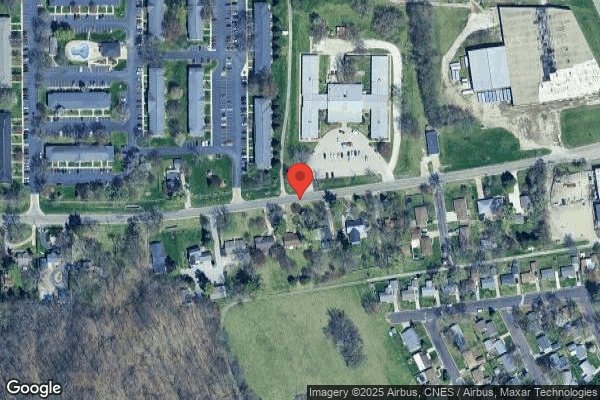
1629 EAST GARDNER LANE, PEORIA HEIGHTS, IL 61616 (309) 685-1545
For profit - Corporation 110 Beds ARCADIA CARE Data: November 2025 2 Immediate Jeopardy citations
Trust Grade
0/100
Last Inspection: December 2024

Within standard 12-15 month inspection cycle. Federal law requires annual inspections.

Overview

Arcadia Care Peoria Heights has received an F grade, indicating significant concerns about its operations and care quality. With no ranking in Illinois or Peoria County, it suggests that the facility may not be a viable option compared to others in the area. Although the facility's trend is improving, going from 47 issues in 2024 to just 7 in 2025, it still has a long way to go. Staffing is a serious concern, with a turnover rate of 61%, much higher than the Illinois average, which can affect the consistency of care. Additionally, the facility has faced $259,968 in fines, indicating repeated compliance problems, and is noted for having less registered nurse coverage than 92% of other facilities in Illinois, which can impact the quality of resident care. Specific incidents highlight critical issues, such as a resident exiting the facility unsupervised and being found three miles away in cold weather, demonstrating a failure in safety protocols. Another serious incident involved a deaf resident being denied use of a communication device, leading to agitation and distress. While there are some improvements, families should weigh these serious weaknesses alongside the facility's efforts to address them.

Trust Score
F
0/100
In Illinois
#112/223
Top 50%
Safety Record
High Risk
Review needed
Inspections
Getting Better
47 → 7 violations
Staff Stability
⚠ Watch
61% turnover. Above average. Higher turnover means staff may not know residents' routines.
Penalties
○ Average
$259,968 in fines. Higher than 54% of Illinois facilities. Some compliance issues.
Skilled Nurses
⚠ Watch
Each resident gets only 15 minutes of Registered Nurse (RN) attention daily — below average for Illinois. Fewer RN minutes means fewer trained eyes watching for problems.
Violations
⚠ Watch
79 deficiencies on record. Higher than average. Multiple issues found across inspections.
☆☆☆☆☆
0.0
Overall Rating
☆☆☆☆☆
0.0
Staff Levels
☆☆☆☆☆
0.0
Care Quality
☆☆☆☆☆
0.0
Inspection Score
Stable
2024: 47 issues
2025: 7 issues

The Good

  • Full Sprinkler Coverage · Fire safety systems throughout facility
  • No fines on record

Facility shows strength in fire safety.

The Bad

Staff Turnover: 61%

15pts above Illinois avg (46%)

Frequent staff changes - ask about care continuity

Federal Fines: $259,968

Well above median ($33,413)

Significant penalties indicating serious issues

Chain: ARCADIA CARE

Part of a multi-facility chain

Ask about local staffing decisions and management

Staff turnover is elevated (61%)

13 points above Illinois average of 48%

The Ugly 79 deficiencies on record

2 life-threatening 4 actual harm
Jul 2025 1 deficiency
CONCERN (D) 📢 Someone Reported This

A family member, employee, or ombudsman was alarmed enough to file a formal complaint

Potential for Harm - no one hurt, but risky conditions existed

Free from Abuse/Neglect (Tag F0600)

Could have caused harm · This affected 1 resident

Based on interview and record review, the facility failed to prevent abuse for one (R2) of three residents reviewed for abuse in a sample of four.Findings include: The Facility's Abuse Prevention and ...

Read full inspector narrative →
Based on interview and record review, the facility failed to prevent abuse for one (R2) of three residents reviewed for abuse in a sample of four.Findings include: The Facility's Abuse Prevention and Reporting policy, dated 9/2024, documents This facility affirms the right of our residents to be free from abuse, neglect, exploitation, misappropriation of property, deprivation of goods and services by staff or mistreatment. This facility therefore prohibits abuse, neglect, exploitation, misappropriation of property, and mistreatment of residents. In order to do so the facility has attempted to establish a resident sensitive and resident secure environment The purpose of this policy is to assure that the facility is doing all that is within its control to prevent occurrences of abuse, neglect, exploitation, misappropriation of property, deprivation of goods and services by staff and mistreatment of residents. Facility incident report to the state surveying agency documents the following: On 06/21/2025 at approximately 9pm, (R2) stated to the nurse on duty that (R1) slapped him two times on the left side of the head. Further investigation has revealed upon interview that (R1) did make physical contact to (R2) on the side of the head with an open hand. (R1) stated to (V1 Administrator) I'm gonna tell you the truth, yes I did make physical contact with him, because he was calling the staff names, and they are good girls they are here to help us, and he doesn't need to talk to them that way. (R1) stated to (V1) that (R2) was cursing at the CNAs/Certified Nurse Aides and calling them inappropriate names and he should not be, that is why (R1) confronted (R2) and made physical contact him in the side of the head. On 6/21/25, R1's nurse's note documents R1 was in a resident room (R2's room) visiting another resident, R2 was in the room, and then R2 went down the hallway and stated R1 hit him on the side of the head, and he was calling (family). On 7/8/25 at 9:25am, V1 stated she is the abuse coordinator and investigated R2's allegation of abuse and reported it to the state surveying agency. At that same time, she verified R1 told her he slapped R2 on the side of the head because he was calling the staff names. R2's BIMS (Brief Interview for Mental Status) score is 15, cognitively intact. On 7/8/25 at 10:30am, R2 stated he was slapped by R1 a while ago. R1's BIMS score is 15, cognitively intact. On 7/9/25 at 8:15am, R1 verified he hit R2 because he was not being nice to the staff that helps them.
Mar 2025 3 deficiencies
CONCERN (D) 📢 Someone Reported This

A family member, employee, or ombudsman was alarmed enough to file a formal complaint

Potential for Harm - no one hurt, but risky conditions existed

Free from Abuse/Neglect (Tag F0600)

Could have caused harm · This affected 1 resident

**NOTE- TERMS IN BRACKETS HAVE BEEN EDITED TO PROTECT CONFIDENTIALITY** Based on record review and interview the facility failed to protect a resident from resident-to-resident verbal abuse for one of...

Read full inspector narrative →
**NOTE- TERMS IN BRACKETS HAVE BEEN EDITED TO PROTECT CONFIDENTIALITY** Based on record review and interview the facility failed to protect a resident from resident-to-resident verbal abuse for one of three residents (R3) reviewed for abuse in the sample of seven. Findings include: The facility's Abuse Prevention and Reporting policy dated 09/2024 documents, This facility affirms the right of our resident to be free of abuse, neglect, exploitation, misappropriation of property, deprivation of goods and services by staff or mistreatment. This facility therefore prohibits abuse, neglect, exploitation, misappropriation of property, and mistreatment of residents. In order to do so, the facility has attempted to establish a resident sensitive and resident secure environment. Abuse means any physical or mental injury or sexual assault inflicted upon a resident other than by accidental means. Abuse is the willful infliction of injury, unreasonable confinement, intimidation, or punishment with resulting physical harm, pain, or mental, and psychosocial well-being. Verbal abuse may be considered to be a type of mental abuse. Verbal abuse included the use of oral, written, or gestured communication, or sounds, to residents within hearing distance, regardless of age, ability to comprehend, or disability. R3's MDS (Minimum Data Set) assessment dated [DATE] documents R3 is cognitively intact. R3's current Care Plan documents R3 has verbal aggression with staff and peers. R3's Nursing Note dated 2-8-25 at 1:01 AM and signed by V4 (Licensed Practical Nurse/LPN) documents, (V4) witnessed (R4) making rude comments to (R3) as (R3) walked down the long hall on (name of hallway). (R3) stated that she felt threatened by (R4's) comments so (R3) walked down to her room grabbed her cellphone and dialed 911. The police arrived and spoke with both residents (R3 and R4) that were involved in the verbal altercation. R3's Social Service Note dated 2-13-25 at 12:38 PM and signed by V7 (Social Service Director) documents, (R3) reported that (R4) Cussed (R3) out in the dining room. R4's MDS assessment dated [DATE] documents R4 is cognitively intact. R4's current Care Plan documents R4 has the potential to be verbally aggressive related to ineffective coping skills and poor impulse control. R4's Social Service Note dated 2-11-25 at 1:28 PM and signed by V7 (Social Service Director) documents, (V7) followed up with (R4) about previously noted incident involving (R3). (R4) reported that (R3) smelled bad and it got to me, so I (R4) cussed (R3) out. R4's Social Service Note dated 2-13-25 at 1:39 PM and signed by V7 documents, (V7) followed up reason: (R3) who had reported (R4) Cussing (R3) out. (R4) admitted to this stating that (R3) Keeps disrespecting me. On 2-25-25 at 11:50 AM R3 stated, Every time I am around (R4) he cusses at me and calls me a b***h, fat, and stinky. I am tired of being harassed by (R4). On 2-27-25 at 11:30 AM V4 (LPN) stated, Every time (R4) walks by (R3), (R4) calls (R3) a f*****g b***. On 2-8-25 (R4) called (R3) a f*****g b***h twice while in the dining room. (R4) makes fun of (R3) for being fat and tells (R3) her feet stink. On 2-27-25 at 11:40 AM V7 (Social Service Director) stated, (R3) reported to me that (R4) cussed at her in the dining room. (R4) said she is f*****g disgusting and that led to a verbal altercation between them (R3 and R4). I spoke to (R4), and he did admit that he called (R3) f*****g disgusting. (R3) reports that (R4) has yelled at her again in the dining room. (R3) says it is distressing to her. (R3) is claiming (R4) is harassing her. On 2-28-25 at 11:18 AM R4 stated, I don't like (R3). (R3) has dirty feet and is fat. I do not give a f**k about (R3). I have freedom of speech. When I see (R3) I tell (R3) she is a fat b***h and nasty. (R3) p****s me off for being so nasty.
CONCERN (D) 📢 Someone Reported This

A family member, employee, or ombudsman was alarmed enough to file a formal complaint

Potential for Harm - no one hurt, but risky conditions existed

Report Alleged Abuse (Tag F0609)

Could have caused harm · This affected 1 resident

Based on interview and record review the facility failed to implement their Abuse Policy to immediately report an allegation of resident-to-resident abuse to the State Surveying Agency for two of thre...

Read full inspector narrative →
Based on interview and record review the facility failed to implement their Abuse Policy to immediately report an allegation of resident-to-resident abuse to the State Surveying Agency for two of three residents (R3 and R4) reviewed for reporting of abuse in the sample of seven. Findings include: The facility's Abuse Prevention and Reporting policy dated 09/2024 documents, Any allegation of abuse or any incident that results in serious bodily injury will be reported to the (state surveying agency) immediately, but not more than two hours after the allegation of abuse. R3's Nursing Note dated 2-8-25 at 1:01 AM and signed by V4 (Licensed Practical Nurse/LPN) documents, (V4) witnessed (R4) making rude comments to (R3) as (R3) walked down the long hall on (name of hallway). (R3) stated that she felt threatened by (R4's) comments so (R3) walked down to her room grabbed her cellphone and dialed 911. The police arrived and spoke with both residents (R3 and R4) that were involved in the verbal altercation. R4's Social Service Note dated 2-11-25 at 1:28 PM and signed by V7 documents, (V7) followed up with (R4) about previously noted incident involving (R3) on 2-8-25. (R4) reported that (R3) smelled bad and it got to me, so I (R4) cussed (R3) out. R4's Social Service Note dated 2-13-25 at 1:39 PM and signed by V7 documents, (V7) followed up reason: (R3) who had reported (R4) Cussing (R3) out. (R4) admitted to this stating that (R3) Keeps disrespecting me. R3's Social Service Note dated 2-13-25 at 12:38 PM and signed by V7 (Social Service Director) documents, (R3) reported that (R4) Cussed (R3) out in the dining room. The facility's Abuse Investigations along with R3 and R4's Electronic Medical Records dated 2-1-25 through 2-27-25 were reviewed and do not include evidence of R3 and R4's verbal abuse altercations on 2-8-25 and 2-13-25 being reported to the State Surveying Agency. On 2-27-25 at 11:47 AM V1 (Administrator) stated R3 and R4's verbal abuse altercations on 2-8-25 and 2-13-25 were not reported to the state surveying agency.
CONCERN (D) 📢 Someone Reported This

A family member, employee, or ombudsman was alarmed enough to file a formal complaint

Potential for Harm - no one hurt, but risky conditions existed

Investigate Abuse (Tag F0610)

Could have caused harm · This affected 1 resident

Based on interview and record review the facility failed to implement their Abuse Policy to thoroughly investigate an allegation of resident-to-resident abuse for two of three residents (R3 and R4) re...

Read full inspector narrative →
Based on interview and record review the facility failed to implement their Abuse Policy to thoroughly investigate an allegation of resident-to-resident abuse for two of three residents (R3 and R4) reviewed for investigating abuse in the sample of seven. Findings include: The facility's Abuse Prevention and Reporting policy dated 09/2024 documents, Any incident or allegation involving abuse, neglect, exploitation, mistreatment or misappropriation of resident property will result in an investigation. R3's Nursing Note dated 2-8-25 at 1:01 AM and signed by V4 (Licensed Practical Nurse/LPN) documents, (V4) witnessed (R4) making rude comments to (R3) as (R3) walked down the long hall on (name of hallway). (R3) stated that she felt threatened by (R4's) comments so (R3) walked down to her room grabbed her cellphone and dialed 911. The police arrived and spoke with both residents (R3 and R4) that were involved in the verbal altercation. R4's Social Service Note dated 2-11-25 at 1:28 PM and signed by V7 (Social Service Director) documents, (V7) followed up with (R4) about previously noted incident involving (R3) on 2-8-25. (R4) reported that (R3) smelled bad and it got to me, so I (R4) cussed (R3) out. R4's Social Service Note dated 2-13-25 at 1:39 PM and signed by V7 documents, (V7) followed up reason: (R3) who had reported (R4) Cussing (R3) out. (R4) admitted to this stating that (R3) Keeps disrespecting me. R3's Social Service Note dated 2-13-25 at 12:38 PM and signed by V7 documents, (R3) reported that (R4) Cussed (R3) out in the dining room. The facility's Abuse Investigations along with R3 and R4's Electronic Medical Records dated 2-1-25 through 2-27-25 were reviewed and do not include evidence of R3 and R4's verbal abuse altercations on 2-8-25 and 2-13-25 being investigated. On 2-27-25 at 11:47 AM V1 (Administrator) stated R3 and R4's verbal abuse altercations on 2-8-25 and 2-13-25 were not investigated.
Feb 2025 3 deficiencies
CONCERN (D) 📢 Someone Reported This

A family member, employee, or ombudsman was alarmed enough to file a formal complaint

Potential for Harm - no one hurt, but risky conditions existed

Report Alleged Abuse (Tag F0609)

Could have caused harm · This affected 1 resident

Based on record review and interview the facility failed to report an allegation of potential mistreatment of a resident (R4) by a staff member to the state surveying agency after an allegation was ma...

Read full inspector narrative →
Based on record review and interview the facility failed to report an allegation of potential mistreatment of a resident (R4) by a staff member to the state surveying agency after an allegation was made. Findings include: Abuse Prevention and Reporting - Illinois dated 11/28/16 documents, The resident has the right to be free from abuse, neglect, misappropriation of resident property, and exploitation. Abuse is defined as, the willful inflection of injury, unreasonable confinement, intimidation, or punishment with resulting physical harm, pain or mental anguish. If further documents, It includes verbal abuse, sexual abuse, physical abuse, and mental abuse including abuse facilitated or enabled through the use of technology. This policy continues, Initial reporting of allegations: When an allegation of abuse, exploitation, neglect, mistreatment or misappropriation of resident property has occurred, the resident's representative and the (state surveying agency's) regional office shall be informed. A handwritten letter dated 01/26/25 and signed by V8 (Licensed Practical Nurse/LPN) documents, I was standing in the hall by the room tray cart and heard (R4) ask for hot water from (V9 Housekeeping/Laundry) and she stated she made some, (R4) asked why she didn't bring him any and she stated she wasn't going to bring any to him. (R4) then said, 'You f****** b****'. V9 then ran down the hall and said, 'who are you calling a f****** b****. On 02/04/25 at 10:35 V8 reiterated what her handwritten report stated and said that V9 and R4 were yelling back and forth. V8 stated that V9's demeanor toward R4 was sassy. V8 further stated V9 did not threaten R4 but her actions and yelling were inappropriate. V8 confirmed per facility policy, V9 was sent home from work pending report and investigation. On 02/04/25 at 2:36 PM V1 (Administrator) confirmed the incident between R4 and V9 was not reported to the state surveying agency.
CONCERN (D) 📢 Someone Reported This

A family member, employee, or ombudsman was alarmed enough to file a formal complaint

Potential for Harm - no one hurt, but risky conditions existed

Investigate Abuse (Tag F0610)

Could have caused harm · This affected 1 resident

Based on interview and record review the facility failed to ensure a thorough investigation was conducted following a report of potential mistreatment of a resident (R4) for three residents reviewed f...

Read full inspector narrative →
Based on interview and record review the facility failed to ensure a thorough investigation was conducted following a report of potential mistreatment of a resident (R4) for three residents reviewed for abuse in a sample of four. Findings include: Abuse Prevention and Reporting - Illinois dated 11/28/16 documents, The resident has the right to be free from abuse, neglect, misappropriation of resident property, and exploitation. Abuse is defined as, the willful inflection of injury, unreasonable confinement, intimidation, or punishment with resulting physical harm, pain or mental anguish. If further documents, It includes verbal abuse, sexual abuse, physical abuse, and mental abuse including abuse facilitated or enabled through the use of technology. This policy continues, Employees are required to report any incident, allegation or suspicion of potential abuse, neglect, exploitation, mistreatment or misappropriation of resident property they observe, hear about or suspect to the administrator immediately. This policy further documents, Upon learning of the report, the administrator or a designee shall initiate an incident investigation. Investigation Procedures within this policy document, The appointed investigator will, at a minimum, attempt to interview the person who reported the incident, anyone likely to have direct knowledge of the incident and the resident, if interviewable. Any written statements that have been submitted will be reviewed, along with any pertinent medical records or other documents. Residents to whom the accused has regularly provided care, and employees with whom the accused has regularly worked, will be interviewed to determine whether any one has witnessed any prior abuse, neglect, exploitation, mistreatment or misappropriation of resident property by the accused individual. A handwritten letter dated 01/26/25 and signed by V8 (Licensed Practical Nurse/LPN) documents, I was standing in the hall by the room tray cart and heard (R4) ask for hot water from (V9 Housekeeping/Laundry) and she stated she made some, (R4) asked why she didn't bring him any and she stated she wasn't going to bring any to him. (R4) then said, 'You f****** b****'. V9 then ran down the hall and said, 'who are you calling a f****** b****. On 02/04/25 at 10:35 V8 reiterated what her handwritten report stated and said that V9 and R4 were yelling back and forth. V8 stated that V9's demeanor toward R4 was sassy. V8 further stated V9 did not threaten R4 but her actions and yelling were inappropriate. V8 confirmed per facility policy, V9 was sent home from work pending report and investigation. On 02/04/25 at 3:16 PM V9 stated she had transferred from being a dietary aide to working in laundry and housekeeping just prior to this incident with R4. On 02/04/25 at 2:36 PM V1 (Administrator) confirmed there was no additional interviews conducted and she just thought V9 was having a bad day. V1's investigation did not include interviews with any dietary staff, laundry or housekeeping staff, other witnesses, or other residents which V9 interacts with.
CONCERN (D) 📢 Someone Reported This

A family member, employee, or ombudsman was alarmed enough to file a formal complaint

Potential for Harm - no one hurt, but risky conditions existed

Deficiency F0726 (Tag F0726)

Could have caused harm · This affected 1 resident

**NOTE- TERMS IN BRACKETS HAVE BEEN EDITED TO PROTECT CONFIDENTIALITY** Based on observation, record review and interview the facility failed to ensure competent nursing care was provided for one of o...

Read full inspector narrative →
**NOTE- TERMS IN BRACKETS HAVE BEEN EDITED TO PROTECT CONFIDENTIALITY** Based on observation, record review and interview the facility failed to ensure competent nursing care was provided for one of one resident who sustained a fall with a head injury (R1) in a sample of four. Findings include: V3 (Medical Director's) fax dated 02/23/24 documents standing orders for all residents under V3's care which are to be implemented immediately. Residents taking any form of anticoagulant that experience witnessed or unwitnessed trauma to the head requires transport to the emergency room for evaluation. These orders were signed by V2 (Director of Nursing/DON) who was in the role of Assistant Director of Nurses at the time of signing on 02/26/24. R1's January 2025 Physician Order Summary Report documents R1 has diagnoses which include, abnormalities of gait and mobility, lack of coordination, muscle wasting and atrophy and unsteadiness on feet. R1 is prescribed Eliquis 2.5 milligrams twice daily and Aspirin 81 milligrams daily. Section GG of R1's Minimum Data Sheet documents R1 utilizes a walker for ambulation. R1's mobility assessment documents he requires supervision or touching assistance to transfer or walk 10 feet. R1's Brief Interview for Mental Status dated January 3, 2025, documents R1 scored 13, indicating he is cognitively intact. R1's weekly skin checks documented on treatment administration records/TAR for 01/25/25 and 02/01/25 are both marked i indicating intact according to the legend on the TAR. R1's progress note signed by V7 (Licensed Practical Nurse/LPN) dated 01/23/25 at 6:44 AM documents R1 sustained a fall on 01/23/25 while in the dining room. This progress note documents R1 is alert and oriented to time, person, place, and situation and has no new skin concerns or change in condition. R1's progress note signed by V7 (LPN) dated 01/23/25 at 6:57 AM documents R1 had no new injuries noted on assessment and no bruising. R1's progress note for 72-hour charting follow up signed by V7 and dated 01/24/25 at 7:33 AM documents no skin issues. R1's progress note for 72-hour charting follow up signed by V19 (Registered Nurse/RN) and dated 01/24/25 at 7:02 PM documents R1 had no skin issues and no bruising. R1's progress note for 72-hour charting follow up signed by V20 (RN) and dated 01/25/25 at 7:00 AM documents R1 had no skin issues and no bruising. R1's progress note for 72-hour charting follow up signed by V21 (LPN) and dated 01/26/25 at 3:08 AM documents R1 had no new injuries on assessment, no skin issues, and no bruising. R1's progress note for 72-hour charting follow up dated 01/26/25 at 4:12 PM documents R1 had no injuries and no bruising. R1's progress note for 72-hour charting follow up signed by V22 (RN) dated 01/27/25 at 3:42 AM documents R1 had no skin issues and no bruising. R1's progress note signed by V5 (LPN) and dated 01/31/25 at 10:00 AM documents R1 sustained a fall in his bedroom and R1 was alert and oriented to time, person, place, and situation. A follow up assessment post fall dated 01/31/25 at 10:00 AM documents R1 had no skin issues or bruising. R1's 72-hour Occurrence Follow up Charting dated 01/31/25 at 10:00 AM documents R1 has no skin issues and no bruising. This document was signed by V5 (LPN). A Comprehensive Incident Fall assessment dated [DATE] and signed by V7 (LPN) documents R1 fell on [DATE], in the dining room and documented R1 was alert and oriented. V7 also documented R1's fall was witnessed, R1 did not strike head and neurological checks were not indicated. On 01/31/25 at 3:05 PM R1 was sitting on a love seat with a walker in front of him. R1 reported he had recently fallen. R1 stated he fell on this date (01/31/25) in his room but didn't get injured. R1 further stated he fell in the dining room about a week ago before breakfast and hit his head on a chair. R1 then pointed to his left ear and said, This is what I got. (from the fall). R1's left ear appeared bruised with a dark purple bruise covering about 2/3 of his ear starting at the top and extending downward. The front and back of R1's ear had bruising. R1 stated he also had injuries to his left arm from this fall. The top of R1's left forearm had an area which appeared to be an untreated scabbed skin tear which was approximately 3-4 inches long and light brown and yellow faded bruises on the underside of his forearm extending from the wrist to just below the elbow. R1 stated that he became dizzy before falling and that staff helped him up. R1 stated he was not seen by a physician or sent to the emergency department. On 01/31/25 at 3:30 PM V5 (LPN) confirmed R1 had fallen in his room on this date around 10:00 AM. V5 stated she did not document R1's bruised left ear or injuries to R1's left arm because they were not new and happened from a previous fall about a week ago. R1 confirmed she was not able to locate any documentation of these injuries in the computerized charting system between 01/23/25 and the present time. On 02/04/25 at 9:40 AM V7 (LPN) stated that R1 fell in the dining room on 01/23/25 at about 5:45 AM after he lost his balance. V7 stated she was called to the dining room by V6 (Certified Nursing Assistant/CNA). V7 stated R1 did not hit his head per V6 and that R1 was weak on that day. On 02/04/25 at 9:53 AM V4 (R1's Power of Attorney/POA) stated he visited R1 on 01/22/25 and the R1 had no injuries. V4 stated he was notified of R1's 01/23/25 fall at about 4:00 PM on the day of the fall. When V4 visited R1 on 1/25/25 he had a big goose egg on his skull behind his left ear and extensive bruising including his left ear and left and right arms. V4 stated R1 told him these injuries occurred when he fell in the dining room on 01/23/25. On 02/4/25 at 2:12 PM V2 (Director of Nursing/DON) stated R1 did not have neurological checks completed after his 01/23/25 fall because it was documented that he did not hit his head which was inaccurate. V2 stated neurological checks should have been completed and documented. V2 also confirmed R1's bruises to his left ear and left arm as well as the skin tear to his left arm were not documented between 01/23/25 and 01/31/25 until brought to her attention on 01/31/25 at which time a skin assessment was completed and orders for treatment were obtained. On 02/04/25 at 3:20 PM V6 (CNA) stated she was coming back from break before breakfast. V6 stated as she was walking down the hall, she heard a thud and turned around. V6 stated she yelled down the hallway for V7 to help, assisted R1 up, asked if he was okay and left him in the care of V7. V6 again stated she did not see R1 fall, she heard it. V6 stated she didn't know if R1 hit his head or not. On 02/05/25 at 11:16 AM V3 (Medical Director) stated it would be his expectation that the facility would have any resident who is on any anticoagulant sent to the emergency department for evaluation if they had any type of head injury rather it was immediately. V3 confirmed he does consider Eliquis to be an anticoagulant. V3 stated he would consider a bruise on R1's ear resulted from a head injury, especially given R1's recent fall. V3 stated R1 should have had neurological checks performed and documented. A facility investigation titled Final Abuse Investigation Report dated 02/10/25 involving R1 documents, Conclusion and action taken: 1. Based on the results of the investigation the facility has found the following: a. It is believed (R1) hit head/left ear during a fall noted to have occurred on 1/23/25 in the dining room.
Dec 2024 7 deficiencies
CONCERN (D)

Potential for Harm - no one hurt, but risky conditions existed

Comprehensive Assessments (Tag F0636)

Could have caused harm · This affected 1 resident

Based on, observation, interview, and record review the facility failed to accurately document an upper extremity fracture and range of motion impairment in an MDS/Minimum Data Set for one of 24 resid...

Read full inspector narrative →
Based on, observation, interview, and record review the facility failed to accurately document an upper extremity fracture and range of motion impairment in an MDS/Minimum Data Set for one of 24 residents (R82) reviewed for MDS accuracy in a sample of 33. Findings include: The facility was unable to provide an MDS policy. R82's medical record includes a left shoulder X-ray interpretation dated 11/01/24 by V19 (Radiology Physician) documenting an acute fracture of the distal clavicle. R82 was placed in a left arm sling on that date. R82's medical record includes a Progress Noted by V21 (Orthopedic Physician) dated 11/07/24 documents R82 had a comminuted supracondylar fracture of the left humerus and was fitted with a left long arm waterproof cast at that time. R82's medical record included a left elbow X-ray report by V17 (Radiology Physician) dated 11/06/24, documenting R82 had a supracondylar fracture of the distal left humerus/upper arm. R82's medical record includes a Nurses Note by V2 (Director of Nurses/DON), dated 11/07/24 at 3:24pm stating, (R82) returned from (orthopedic) walk in clinic with cast to left forearm. Monitoring orders in place. R82's MDS/Minimum Data Set completed on 11/07/24, does not identify R82's left arm and clavicle fractures, cast placement, and impairment of her upper extremity. On 12/01/24 at 11:45am R82 was sitting in the common area in a wheelchair with a pink fiberglass cast and sling in place to her left arm. R82 was self-propelling using her feet and only her right arm. On 12/03/24 at approximately 10:53am V2 (DON) stated R82's MDS, completed on 11/07/24 is not accurate and should have identified R82's clavicle and left humerus, cast placement, sling and upper extremity impairment. V2 also stated the facility has no onsite MDS Coordinator currently and the Corporate Regional MDS Coordinator is filling in at this time.
CONCERN (D)

Potential for Harm - no one hurt, but risky conditions existed

Deficiency F0646 (Tag F0646)

Could have caused harm · This affected 1 resident

**NOTE- TERMS IN BRACKETS HAVE BEEN EDITED TO PROTECT CONFIDENTIALITY** Based on interview and record review, the facility failed to notify state mental health authority after a significant change in ...

Read full inspector narrative →
**NOTE- TERMS IN BRACKETS HAVE BEEN EDITED TO PROTECT CONFIDENTIALITY** Based on interview and record review, the facility failed to notify state mental health authority after a significant change in physical condition of two residents who have a mental disorder and failed to follow facility policy on Preadmission Screening and Annual Resident Review (PASARR) for two residents (R19, R59) of eight residents reviewed for PASARR in a sample of 33. Findings include: The facility's policy titled Preadmission Screening and Annual Resident Review (PASARR), revised 11/2018, documents, Annually and with any significant change of status, the facility will complete the PASARR Level I screen for those individuals identified per the Level II screen requiring specialized services. The facility will report any changes as identified via the screen to the state mental health authority or state intellectual disability authority promptly. The objective of the PASARR policy is to ensure that individuals with mental illness and intellectual disabilities receive the care and services that they need in the most appropriate setting. The PASARR will be evaluated annually and upon any significant change for those individuals identified. 1. R19's admission Record documents R19's date of admission to the facility was 5/26/20 and his diagnoses on admission included: Chronic Obstructive Pulmonary Disease, Cerebral Infarction, Disorganized Schizophrenia, Major Depressive Disorder, and anxiety disorder. R19's Preadmission Screening and Resident Review (PASARR), dated 5/21/20, documents R19 needs Special Services: Professional Observation (Physician/MD, Registered Nurse/RN) for medication monitoring, adjustment and/or stabilization, Instrumental Activities of Daily Living training/reinforcement, Mental Health Rehabilitation activities, and Illness self-management. No further PASARR in medical record. R19's medical record indicated R19 had a significant change 5/22/24 and started on hospice services. R19's census report, dated 5/22/24, documents R19 admitted to hospice. On 12/03/24 at 10:24am, V15 (Business Office Manager/BOM) stated she initiates the PASARR's for residents prior to admission if coming from home, then Social Services proceeds with the rest. V15 (BOM) also stated that she was unsure of facility policy regarding PASARR's being evaluated annually, but Social Services handles the significant change PASARR reviews. V15 (BOM) verified that R19's PASARR has not been done annually. On 12/03/24 at 10:38am, V16 (Social Service Director/SSD) stated she is not sure on the exact process for significant change PASARR reviews. On 12/03/24 at 1:33pm, V15 (BOM) stated the facility is supposed to follow the facility's policy on PASARR's, So I guess we are supposed to re-evaluate yearly. Whatever the policy says. On 12/03/24 at 2:05pm, V16 (SSD) verified that the state mental health authority was not notified of R19's significant change so a subsequent PASARR review was not conducted. 2. The admission Minimum Data Set (MDS) dated [DATE], the Annual MDS dated [DATE] and the Quarterly MDS dated [DATE] documented in section I, Psychiatric/Mood Disorder that R59 did not have Depression, Bipolar Disorder, Psychotic Disorder, Schizophrenia or Post Traumatic Stress Disorder. The Discharge Return Anticipated MDS dated [DATE] and each subsequent MDS documented R59 had a Schizophrenia diagnosis. The Care plans between 7/13/22 and 10/10/23 did not have a schizophrenia as a diagnosis or interventions related to a schizophrenia diagnosis. The Care plan dated 3/22/24 to present documented R59 was resistive to cares related to Schizophrenia. The Physician Orders and Medication Administration Records documented Quetiapine Fumarate (a medication to treat Schizophrenia) had been ordered and administered daily since 10/4/24. The Psychiatrist Physicians Note dated 11/28/23 documented a referral for evaluation related an increase in aggressive fighting behaviors due to Paranoid Schizophrenia. The Level I PASARR evaluation dated 6/17/22 documented no level II PASARR was required due to Your Level I screen does not show that you have a serious mental illness or an intellectual/developmental disability (IDD). You do not need more screening unless you have or may have a serious mental illness or an IDD and experience a significant change in treatment needs. R59's medical record does not document that R59 has had any further PASARR screenings or an evaluation since R59's new diagnosis of Schizophrenia in October/November 2023. On 12/1/24 at 1:00 PM, V3 (Assisting Director of Nursing) stated a PASSAR II was not indicated per the PASARR I. On 12/4/24 at 1:00 PM, V1 (Administrator) verified the state mental health authority was not notified of R59's significant change so a subsequent PASARR review was not conducted.
CONCERN (D)

Potential for Harm - no one hurt, but risky conditions existed

Comprehensive Care Plan (Tag F0656)

Could have caused harm · This affected 1 resident

**NOTE- TERMS IN BRACKETS HAVE BEEN EDITED TO PROTECT CONFIDENTIALITY** Based on observation, interview, and record review, the facility failed to implement personalized care plans for two of 24 resid...

Read full inspector narrative →
**NOTE- TERMS IN BRACKETS HAVE BEEN EDITED TO PROTECT CONFIDENTIALITY** Based on observation, interview, and record review, the facility failed to implement personalized care plans for two of 24 residents (R63, R77) reviewed for care plans in a sample of 33. Findings include: The Facility's Comprehensive Care Plan policy, revised 10/2024, documents that the facility will develop and implement a comprehensive person-centered care plan for each resident, consistent with the resident's rights, that includes measurable objectives and timeframes to meet a resident's medical, nursing, and mental psychosocial needs that are identified in the comprehensive assessment. Findings include: 1. R63's Minimum Data Set, dated [DATE], documents a diagnosis of Non-Alzheimer's Dementia and Post Traumatic Stress Disorder. R63's current care plan does not document goals or interventions concerning R63's Dementia care or Post Traumatic Stress Disorder. On 12/4/24 at 10:00am, V1 (Administrator) verified that R63's Dementia care and Post Traumatic Stress Disorder should be care planned and but is not. 2. The vital sign monitoring log documented R77 weighed 171.2 pounds on 05/21/2024 and 152.5 pounds on 11/27/2024 which is a -10.92 % (percent) loss in six months. R77 weighed 165.0 pounds on 09/25/2024 and 152.5 pounds on 11/27/2024 which is a -7.58 % loss in three months. The current care plan for R77 did not include weight loss as an identified problem or interventions related to weight loss. On 12/4/24 at 12:30 PM, V1 (Administer) and V6 (Regional Dietary Manager) stated the care plan did not include weight loss as an identified problem, goals or interventions related to weight loss.
CONCERN (D)

Potential for Harm - no one hurt, but risky conditions existed

Deficiency F0692 (Tag F0692)

Could have caused harm · This affected 1 resident

**NOTE- TERMS IN BRACKETS HAVE BEEN EDITED TO PROTECT CONFIDENTIALITY** Based on interview and record review, the facility failed to monitor and prevent weight loss for one of five residents (R77) rev...

Read full inspector narrative →
**NOTE- TERMS IN BRACKETS HAVE BEEN EDITED TO PROTECT CONFIDENTIALITY** Based on interview and record review, the facility failed to monitor and prevent weight loss for one of five residents (R77) reviewed for weight loss in the sample of 33 residents. The findings include: The Dietician Referrals and Recommendations policy dated 2/2024 documented the dieticians recommendations will be communicated to the medical provider to provide appropriate interventions; review monthly weights; complete nutritional assessments on residents according to annual MDS (Minimum Data Set), high risk criteria consists of unintentional weight loss of greater than 5 percent in one month, greater than 7.5 percent in three months and greater than 10 percent in six months. The Dietician Nutritional Risk Referral policy dated 11/2012 documented the Dietary Manager and/or the Interdisciplinary team may implement nutritional intervention as deemed appropriate with Physician/designee input and approval. The Regional Dietician Consultant will follow up on the effectiveness of nutritional interventions and make recommendations to change nutritional plan as needed, interventions may include a referral to speech therapy, recommendation of supplementation and/or fortified foods and/or recommend protein supplements. R77 was admitted on [DATE] with the following diagnoses: cerebral vascular accident (blood clot which prevents blood flow to the brain) with partial paralysis affecting the right side of the body, a speech disorder and difficulty with swallowing. The vital sign monitoring log documented R77 weighed 171.2 pounds on 05/21/2024 and 152.5 pounds on 11/27/2024 which is a -10.92 % (percent) weight loss in six months. R77 weighed 165.0 pounds on 09/25/2024 and 152.5 pounds on 11/27/2024 which is a -7.58 % weight loss. The Physician's Order dated 6/25/24 ordered a Speech Therapy Evaluation and Treatment due to not eating due to puree diet. R77 did not have a speech therapy evaluation at the facility. On 8/25/24, R77 was hospitalized due to a fall. The hospitalization record documented a swallow study was conducted on 8/27/24 and findings resulted were difficulty swallowing, oral weakness, impaired chewing with whole/unchewed portions of solids swallowed and aspiration (food enters the airway). R77 was discharged back to the facility on pureed diet and thin liquids. The current care plan documented R77 had a nutritional problem or potential nutritional problem, had dysphagia, and required assistance with eating and supervision with meal consumption related to cerebral vascular accident, partial paralysis affecting right side of the body. The Care plan did not document weight loss as an identified problem or interventions related to weight loss. The current care plan documented R77 had a nutritional problem or potential nutritional problem, had dysphagia, and required assistance with eating and supervision with meal consumption related to cerebral vascular accident, partial paralysis affecting right side of the body. The Care plan did not document weight loss as an identified problem or interventions related to weight loss. The Minimum Data Set (MDS) section K dated 7/16/24 (Quarterly), 8/25/24 (Discharge Return Anticipated),10/12/24 (Discharge Return Anticipated) and 10/25/24 (Quarterly) documented R77 had no weight loss. The last Dietician's assessment was conducted on 9/11/24 by V13 (Corporate Dietician). V13 documented R77 had significant weight loss and will recommend house supplement three times daily. The Physician Progress notes dated 9/24/24 and 11/22/24 did not document the physician assessed R77's weight loss, was notified of the dietician's recommendations or ordered interventions specific for weight loss management. 10/28/24 The Mini Nutritional assessment dated [DATE] completed by V11 (MDS/Care plan Coordinator/Licensed Practical Nurse) documented the assessment scored a 12.0 which indicated normal nutrition, had no weight loss and the registered dietician was available for consult if needed. The Significant Weight Loss list dated September 2024 documented R77 had a 13.5 pound weight loss (7.8%) in the past three months. The Significant Weight Loss list dated November 2024 did not list R77. On 12/3/24 at 9:20 AM, V1 (Administrator) stated the company had three corporate dieticians that visit facilities in their regions on a part time basis and staff could notify them if they had concerns. V1 verbally agreed R77's weight loss had not been monitored by the dieticians, the physician had not been notified, there were no specific interventions related to weight loss management in the care plan and the Nutritional Assessment and the MDS were not accurate.
CONCERN (E)

Potential for Harm - no one hurt, but risky conditions existed

Safe Environment (Tag F0584)

Could have caused harm · This affected multiple residents

**NOTE- TERMS IN BRACKETS HAVE BEEN EDITED TO PROTECT CONFIDENTIALITY** Based on observation, interview, and record review the Facility failed to maintain comfortable and safe temperature levels for f...

Read full inspector narrative →
**NOTE- TERMS IN BRACKETS HAVE BEEN EDITED TO PROTECT CONFIDENTIALITY** Based on observation, interview, and record review the Facility failed to maintain comfortable and safe temperature levels for five of 24 Residents (R1, R10, R20, R26, and R75) reviewed for comfortable and homelike environment in a sample of 33. Findings include: Facility Nursing Home Resident Rights Policy, undated, documents: Residents of nursing homes have rights that are guaranteed by the federal Nursing Home Reform Law, the law requires nursing homes to promote and protect the rights of each resident and stresses individual dignity and self-determination; be treated with consideration, respect and dignity, recognizing each Resident's individuality; quality of life is maintained or improved; a homelike environment; and reasonable accommodation of needs and preferences. Facility Logbook Documentation, dated 11/26/24, documents room temperatures for room [ROOM NUMBER] (66.7 Fahrenheit/F), room [ROOM NUMBER] (69.6 F), room [ROOM NUMBER] (64.8), room [ROOM NUMBER] (66.2 F), Hall to Dining Room (68.4), Hall to Hill (65.5 F), Hall to River (69.4 F), Hill Short (69.3 F). On 12/01/24 at 8:55 am, R26 (alert and oriented) was sitting in the Dining Room wearing a thick insulated jacket. R26 stated The Dining Room is always cold, and I have to wear a heavy jacket to sit in the Dining Room for meals. On 12/02/24 at 1:00 pm, R1, R20 and R75 (alert and oriented) were sitting together at a Dining Room table wearing heavy jackets. R1 stated, This Dining Room is always so cold. R20 stated, This Dining Room is always cold, and we have to wear extra clothing or jackets to keep warm during our meals. See, you can feel the cold air coming through the doors. R75 stated It is always cold in this Dining Room, that is why we are wearing all these jackets. On 12/02/24 at 2:30 pm, there was an approximately 3/8 inch wide gap between the outside double doors from the Dining Room leading to the outdoor smoking area. The gap spanned the height of the double doors and cold air was blowing in through the gap. The outside temperature was 32 degrees Fahrenheit/F at the time. On 12/03/24 at 2:00 pm, R10 (alert and oriented) was standing in the [NAME] Hallway and stated, My room is down here, and it is always cold in this hallway, it is the coldest part of the building. On 12/3/24 at 8:30 am the Conference Room, located in the middle of the building, was 60 degrees Fahrenheit. On 12/02/24 at 2:05 pm, V7 (Environmental Services Director) tested different areas the Dining Room with readings between 66 and 70 degrees Fahrenheit. The center of the Dining Room tested at 66 degrees Fahrenheit. On 12/4/24 at 11:15 am, V1 (Administrator) verified the low temperatures in areas of the building.
CONCERN (E)

Potential for Harm - no one hurt, but risky conditions existed

Infection Control (Tag F0880)

Could have caused harm · This affected multiple residents

2. On 12/2/24 at 11:00 am, R17 pulled up his shirt sleeve to show his dialysis fistula. There was a clean white dressing covering the site. There were no enhanced barrier precaution signs on the door,...

Read full inspector narrative →
2. On 12/2/24 at 11:00 am, R17 pulled up his shirt sleeve to show his dialysis fistula. There was a clean white dressing covering the site. There were no enhanced barrier precaution signs on the door, nor was there personal protective equipment in the room. R17's current Physician Order Sheet documents to check R17's left upper arm dialysis fistula for a bruit and thrill every day and night shift. R17's current care plan documents that R17 receives hemodialysis three times a week related to end stage renal disease. R17's interventions include to check the fistula site for bleeding: if excessive bleeding at the site occurs hold pressure for a minimum of 10 minutes. On 12/4/24 at 9:30 am, V4 (Infection Preventionist/Licensed Practical Nurse) verified that R17 should be on enhanced barrier precautions due to the dialysis fistula. V4 stated that the fistula does have the potential to bleed. 3. Facility Urinary Catheter Care Policy, revised 9/2020, documents to establish guidelines to reduce the risk of or prevent infections in residents with an indwelling catheter; dispose of one-time use gloves shall be worn when performing perineal care; and hand hygiene shall be performed before and after touching any part of the urinary catheter drainage bag. Facility Hand Hygiene/Handwashing Policy, revised 3/3023, documents: hand hygiene means cleaning your hands by using either handwashing (washing hands with soap and water), antiseptic hand wash or antiseptic handrub (i.e. alcohol based hand sanitizer including foam or gel); before and after having direct contact with a patient's intact skin; after contact with body fluids/excretions or mucous membranes; after contact with inanimate (including medical equipment) in the immediate vicinity of the patient; if hands will be moving from a contaminated body site to a clean body site during patient care; and before glove placement. R18's Physician Order Sheet/POS, dated 12/2/24, documents a Physician's Order for indwelling urinary catheter care every shift and as needed. On 12/3/24 at 10:52 am, V20 (Certified Nursing Assistant) performed and completed R18's indwelling urinary catheter care. V20 then, with the same contaminated gloves that were used during the catheter care, picked up a container of baby powder on R18's bedside table. V20 applied and rubbed the baby powder onto R18's groin area, then placed the container of baby powder back on to R18's bedside table. V20 then pulled up R18's incontinence brief and pants. No glove changing or hand hygiene was performed. On 12/3/24 at 10:52 am, V20 verified that V20's gloves should have been changed and hand hygiene performed immediately following catheter care and before touching R18's baby powder and pants. Based on observation, interview, and record review, the facility failed to ensure transmission-based precautions and Enhanced Barrier Precautions were initiated and utilized per policy for two of 24 residents (R17, R286). The facility also failed to perform hand hygiene after indwelling urinary catheter care for one of three residents (R18) reviewed with indwelling urinary catheters in a sample of 33 residents. Findings include: The Infection Precaution Guidelines dated 11/2012 documented Transmission Based Precautions/Contact Precautions (TBP) are to be used for residents with known or suspected to be infected with microorganisms such as Clostridium difficile (c-diff) that can be easily transmitted by direct or indirect contact. Precaution signs will be utilized to alert staff and visitors to see the nurse for instructions prior to entering room. The Enhanced Barrier Precautions (EBP) policy dated 4/2024 documented EBP should be considered and implemented for indwelling medical devices and/or at the discretion of the Infection preventionist. 1. R286's Physician's Order dated 11/29/24 ordered to collect a stool specimen for c-diff testing related to diarrhea. The Progress Note dated 11/30/24 documented an antibiotic for c-diff treatment was ordered for five days and if R286 was still having loose stools then restart another round. On 12/1/24 at 7:08 AM, R286's stool specimen collected on 11/29/24 was observed in the medication room refrigerator. On 12/1/24 at 10:24 AM, R286 was observed in his room, lying in bed sleeping and no contact precautions sign was posted. On 12/1/24 at 12:35 PM, V14 (Registered Nurse) stated R286 should be in contact precautions. V14 stated The doctor ordered Flagyl (medication to treat c-diff) on the 29th (11/29/24) because he wanted to start treatment (for c-diff) and knew the specimen wouldn't be processed until Monday (12/2/24). On 12/1/24 at 1:35 PM, V2 (Director of Nursing) confirmed the reason Flagyl was ordered was to treat c-diff prophylactically and contact precautions should have been initiated when c-diff was initially suspected.
CONCERN (F)

Potential for Harm - no one hurt, but risky conditions existed

Food Safety (Tag F0812)

Could have caused harm · This affected most or all residents

Based on record review, observation and interview, the facility failed to label, or date refrigerated open and stored foods. The facility also failed to maintain a clean kitchen and work environment. ...

Read full inspector narrative →
Based on record review, observation and interview, the facility failed to label, or date refrigerated open and stored foods. The facility also failed to maintain a clean kitchen and work environment. This failure has the potential to affect all residents living in the facility except for R42 who does not receive oral intake. Findings include: The facility's Application for Medicaid and Medicare documents the facility's census was 84 on 12/01/24 with one resident who is NPO/taking nothing by mouth. The facility's Daily Cleaning Schedule, provided by V6 (Regional Dietary Manager) documents daily cleaning tasks including to Clean Stovetop/Grill. The facility's Food & Supplies: Storage policy dated 01/2024 documents; food and supply storage areas shall be maintained in a clean, safe, and sanitary manner; prepared foods stored in the refrigerator until service will be covered, labeled, and dated with an expiration date; and all foods will be covered, labeled, and dated. On 12/01/24 at 6:25 AM metal containers with ground ham, chicken nuggets, raw sausage links and sliced turkey were stored in the walk-in refrigerator and were not labeled or dated. V5 (Dietary Cook) verified and stated foods stored in the refrigerator should be labeled and dated. On 12/01/24 at approximately 6:30 AM the facility's kitchen stove's backsplash and back burners were caked with particles of dried food and the adjacent grill was covered with a black sticky substance. The top shelf of the stove was dusty and littered with dark-colored crumbly material. On 12/02/24 at approximately 7:50 AM the particles of food and sticky substances were still present on the backsplash and back burners of the stove. V9 (Dietary Aide) stated, I don't know what that is. On 12/02/24 at approximately 11:45 AM V6 (Regional Dietary Manager) stated the stove and grill are to be cleaned daily by the Dietary staff and documented on the Daily Cleaning Schedule. V6 stated she was aware of the debris present on the kitchen stove and grill.
Jul 2024 1 deficiency
CONCERN (D) 📢 Someone Reported This

A family member, employee, or ombudsman was alarmed enough to file a formal complaint

Potential for Harm - no one hurt, but risky conditions existed

Accident Prevention (Tag F0689)

Could have caused harm · This affected 1 resident

**NOTE- TERMS IN BRACKETS HAVE BEEN EDITED TO PROTECT CONFIDENTIALITY** Based on observation, interview, and record review, the facility failed to provide supervision for a severely cognitively impair...

Read full inspector narrative →
**NOTE- TERMS IN BRACKETS HAVE BEEN EDITED TO PROTECT CONFIDENTIALITY** Based on observation, interview, and record review, the facility failed to provide supervision for a severely cognitively impaired resident identified as an elopement risk for one of three residents (R1) reviewed for elopement. This failure resulted in R1 following ancillary staff out of the facility, taking public bus transportation, and wandering throughout the city unattended for greater than three hours. This past compliance occurred on 7/6/24. Findings include: R1's Elopement Risk Assessment, dated 5/3/24, documents that R1 is at risk to elope and should be placed on the elopement risk protocol and a care plan for elopement is indicated. R1's Brief Mini Mental Status, dated 6/21/24, documents a score of 3, indicating that R1 is severely cognitively impaired. R1's current care plan documents that R1 requires the support, care and services of a long-term care facility and has been determined by community assessment to be able to access the community with supervision. This form documents that upon the outcome of the community survival skills assessment it is determined that R1 requires supervision when accessing the community and R1 is agreeable to only access the community with supervision present. R1 is at risk for elopement. Interventions are 15-minute checks, assess for fall risk, coordinated with dialysis, so R1 is not left unattended during or after dialysis. Distract R1 from wandering by offering pleasant diversions, structured activities, food, conversation, television, books. If R1 is wandering near the entrance or exit door, please re-direct R1 away from entrances or exits. Check and observe R1 in the facility. R1's Progress Notes, dated 7/6/24, documents that V6 (Registered Nurse/RN) went to give R1 his noon medications at 11:30am. R1 could not be located within the facility. R1 was last seen during morning medication pass. At 1:13pm, V4 (R1's Family) reported to the facility that R1 was in the community and V4 will be returning R1 to the facility. R1 returned to the facility at 1:30pm. On 7/12/24 at 9:00am, R1 was unable to form a sentence. R1 was asked where he went on 7/6/24. R1 stated Uncle. R1 was asked how he got there, he said Bus. Then how did you get home? And R1 stated Brother. R1 was becoming agitated and refused to answer any questions. R1 was observed ambulating around the facility independently. On 7/12/24 at 1:00pm, V1 (Administrator) verified that no special interventions are put into place for residents that are assessed as elopement risks. On 7/12/24 at 2:00pm, V2 (Director of Nursing/DON) verified that the facility does not have any safety precautions in place for elopement risk residents. V2 verified that upon reviewing the security tape, R1 followed V12 (Ancillary Pharmacy Staff) outside at 8:00am. V2 verified that there was not a receptionist at the reception desk. V2 verified that R1 got on the public transport bus by himself. V2 was unable to verify where R1 went. V2 stated that R1 was gone for 3 ½ hours before anyone knew he was gone. On 7/13/24 at 11:30am, V5 (Police Officer) stated that he was notified that R1 left the facility about 1:00pm on 7/6/24. V5 stated that he was taking down the information when R1 returned to the facility with V4. On 7/16/24 at 10:45am, V7 (Certified Nursing Assistant/CNA) stated that on 7/6/24, V7 assisted R1 with morning cares and saw him at breakfast. V7 verified that she was busy and did not see him again. V7 verified that residents are supposed to be checked on at least every two hours. On 7/16/24 at 11:15am, V6 (RN) stated that she gave R1 his morning medications around 7:00am on 7/6/24. V6 stated that she was searching for R1 around 11:30am but could not find him. V6 stated that she notified V9 (Licensed Practical Nurse/LPN), and a search was started. V6 stated that she notified V4 (R1's Family) that R1 could not be located in the facility. V6 stated that she did not know what interventions were in place concerning elopement risk for R1. V6 stated that all the required parties were notified of the incident. V6 stated that V4 called a while later, stated that he found R1 and would be bring him back to the facility. On 7/16/24 at 11:20am, V9 (LPN) stated that she saw R1 in the dining room at approximately 6:30am to 7:00am the morning of 7/6/24. V9 stated that she did not recall seeing R1 again until V4 brought him back. V9 stated that she makes visual checks at least every two hours or more on resident that are at risk for elopement. On 7/16/24 at 11:30am, V4 (R1's Family) stated that he received a call around 11:30am on 7/6/24, stating the R1 was missing. V4 stated he was asked if R1 was with him, which he was not. V4 stated that he dropped everything, drove around, and found R1 at the downtown bus depot, sitting by himself. V4 stated that he picked R1 up and returned R1 to the facility around 1:30pm. V4 stated that he does not know how R1 made it that far by himself. V4 also stated that this is not the first time that R1 has escaped from the facility. On 7/16/24 at 12:30pm, V1 (Administrator) stated that there was not a receptionist at the desk on 7/6/24. V1 stated that V11 (CNA) was sitting at the door, when R1 left the building, but did not stop R1. V1 stated that V11 is no longer employed at the facility. On 7/16/24 R1 was observed ambulating throughout the facility independently at various times of the day. The surveyor confirmed through interview, observation, and record review that the facility took the following actions to correct the noncompliance: 1.) Upon return to the facility, R1 was assessed by an RN. R1 had no skin or pain issues noted on 7/6/24. 2.) R1 was reassessed for risk of elopement and community survival skills. Plan of care updated to reflect current risk of elopement and associated behavioral needs by the Director of Nursing (DON) on 7/6/24. 3.) On 7/6/24 DON came into the facility to review the incident and confirmed the door alarm/system functional status. 4.) On 7/6/24 Door code updated, and code placed for staff at nurse's station with appropriate signage. 5.) Code Pink drill to be completed biannually per facility policy. 6.) 100% of staff in-serviced about no one having the door alarm code except staff, only staff are allowed to assist people in and out of the building. Completed on 7/6/24. 7.) R1 was placed on 1:1 with staff upon return on 7/6/24. R1 remained on 1:1 to ensure completion (of staff in-service) prior to start of shift. 8.) ADHOC Quality Assurance (QA) completed with Intra Disciplinary Team regarding Elopement Policy and Procedure on 7/6/24. 9.) QA to review policy and procedure as part of Quality Assurance Process. QA meeting held on 7/17/24. 10.) Elopement to be reviewed during each quarterly meeting x4. On 7/12/24 R1's medical record was reviewed and updated with new goals and interventions concerning elopements. On 07/16/24/24, the following staff members were interviewed and indicated receiving the above noted in-servicing on July 6, 2024 concerning elopements and code pink policies and procedures. V9 and V10 (Licensed Practical Nurse), V8 (Certified Nursing Assistant/Receptionist), V7 (Certified Nursing Assistants) and V16 (Registered Nurse). On 7/18/24 at 2:30pm, V1 (Administrator) provided copies of Staff In-Services Attendance Sheets, with indication that education in the following area was provided to nursing staff on the facility's policy and protocol for elopements and code [NAME] for all staff. V1 verified that on 7/6/24 the door alarm codes were changed. Only staff are allowed to assist people exiting the building. Folders were placed on all units and updated with residents pass privileges. V1 verified that the facility implemented a tracking sheet for staff to document where high-risk elopement residents are every hour. The facility's Quality Assurance Audit is to reassess the Elopement and Code Pink Policies at 7/25/24 meeting.
Jun 2024 8 deficiencies
CONCERN (D)

Potential for Harm - no one hurt, but risky conditions existed

Deficiency F0558 (Tag F0558)

Could have caused harm · This affected 1 resident

Based on observation, interview, and record review the facility failed to ensure a call light was in reach for 3 of 18 residents (R43, R45 and R83) reviewed for call lights in a sample of 62. The Call...

Read full inspector narrative →
Based on observation, interview, and record review the facility failed to ensure a call light was in reach for 3 of 18 residents (R43, R45 and R83) reviewed for call lights in a sample of 62. The Call Light policy dated 2/2/18, documents Purpose: To respond to residents' requests and needs in a timely and courteous manner. Guidelines: Resident call lights will be answered in timely manner. 1. All residents that have the ability to use a call light shall have the nurse call light system available at all times and within easy accessibility to the resident at the bedside or other reasonable accessible location. 6. Call bell system defects will be reported promptly to the Maintenance Department for servicing. Check room frequently until system is repaired. 1. On 6/24/25 at 9:25 AM, R45 was lying in bed with a tray of food in front of her. R45 had no string attached to the call light panel, therefore no call light was placed within R45's reach. R45 was not interviewable at this time. On 6/25/24 at 9:08 AM, R45 remained without a call light cord for her side of the room and no call light was within R45's reach. R45's Care Plan dated 3/19/24 documents, I have an ADL (Activities of Daily Living) self-care/mobility performance (functional abilities) deficit r/t (related to) encephalopathy. My abilities may fluctuate throughout the day. This same plan of care documents R45 requires supervision/touching assistance with transfers, sitting to lying, lying to sitting, and transfers. 2. On 6/24/24 at 12:43 PM, V15 (Licensed Practical Nurse) was in R43's room providing care to R43. V15 did not place R43's call light within reach before V15 left R43's room. R43's call light was on the floor out of R43's reach. On 6/24/24 at 9:58 AM, R43 stated, I can't reach my call light when I am in bed, and it is on the floor. I would like my call light in reach just in case I need help from someone. R43's Care Plan dated 5/23/24 documents, I have an ADL self-care/mobility performance (functional abilities) deficit that may fluctuate with activity throughout the day r/t adult failure to thrive, respiratory failure with hypoxia and encephalopathy, I am non ambulatory at this time and transfer via (mechanical) sling lift. This same plan of care documents R43 is dependent with bed mobility, transfers, and toileting. On 6/24/24 at 2:54 PM, V3 (Assistant Director of Nursing) verified R43's call light was still on R43's floor out of R43's reach and should have been attached to R43's bed to be in reach. V3 also verified R45 did not have a call light cord for R45's side of the room. V3 stated, I wasn't aware that the cord was missing to (R45's) call light but I know now. I will have someone in Maintenance fix it immediately. The staff should ensure the resident's call lights are within reach after providing cares to the resident if the resident is unable to reach the call light themselves. 3. On 6/24/24 at 9:35 AM, V17 (Licensed Practical Nurse) was in R83's room talking to R83 and adjusting the tube feeding. R83's call light is out of reach. V17 left R83's room. On 6/24/24 at 9:50 AM, R83 scooted over in his bed to show his limited movement then ended up sideways in the bed and could not get repositioned back. R83's call light was not in reach. On 6/24/24 at 9:53 AM, V11 (Certified Nurse Assistant) verified R83's call light was not within his reach. V11 searched and found R83's call light under his bed. At this time, V11 stated (R83) can use it. It should be in reach.
CONCERN (D)

Potential for Harm - no one hurt, but risky conditions existed

Incontinence Care (Tag F0690)

Could have caused harm · This affected 1 resident

Based on observation, interview, and record review the facility failed to change gloves, perform hand hygiene, and properly handle soiled linens during indwelling urinary catheter/perineal care for on...

Read full inspector narrative →
Based on observation, interview, and record review the facility failed to change gloves, perform hand hygiene, and properly handle soiled linens during indwelling urinary catheter/perineal care for one (R5) of one resident reviewed for indwelling urinary catheters in a sample of 62. Findings include: The facility's Urinary Catheter Care policy, dated 2/14/19, documents Purpose: To establish guidelines to reduce the risk of or prevent infections in residents with an indwelling catheter. Guidelines: 1. Disposable one-time use gloves shall be worn when emptying urinary drainage bags and when performing perineal care. 2. Hand hygiene shall be performed before and after touching any part of the urinary catheter drainage system. The facility's Hand Hygiene/Handwashing policy, dated 1/10/18, documents Definition: Hand Hygiene means cleaning your hands by using either handwashing (washing hands with soap and water), antiseptic hand wash, or antiseptic hand rub (i.e. alcohol-based hand sanitizer including foam or gel) .Examples of When to Perform Hand Hygiene (Either Alcohol Based Hand Sanitizer or Handwashing): If hands will be moving from a contaminated-body site to a clean-body site during patient care; After glove removal. The facility's Incontinence Care policy, dated 1/16/18, documents Purpose: To prevent excoriation and skin breakdown, discomfort and maintain dignity. This policy also documents to do the following after washing genitalia with a cloth 4. b) Rinse with remaining cloth using clean surfaces for all three surface areas (female). Do not place soiled soapy cloths back in clean basin water until procedure is completed. May drape soiled cloths over the side of the wash basin, or place directly in soiled linen plastic bag .10. Empty basin, clean and dry. Place soiled cloths in linen plastic bag. On 6/24/24, at 10:10am, R5 was in bed with an indwelling urinary catheter draining clear amber urine. R5 stated I had a UTI (Urinary Tract Infection). I think it was from them not cleaning me well down there. On 6/26/24, at 12:40pm, R5 was in bed. V6 (Certified Nursing Assistant/CNA) performed indwelling catheter and peri care for R5 with V7 (CNA) assisting. With gloved hands, V6 cleansed R5's perineal area and indwelling catheter with clothes. V6 placed the soiled washcloths on R5's bedside table. With the same soiled gloves V6 touched R5's bare skin to assist R5 to turn to her side and cleansed R5's buttocks with a cloth. On 6/26/24, at 1:08pm, V6 (CNA) stated I should have changed my gloves. I forgot. V6 confirmed he should not have put the soiled linens on R5's bedside table. On 6/26/24, at 1:15pm, V2 (Director of Nursing) stated the following: (V6) should have removed his gloves after cleansing the front side, washed his hands and put new gloves on. (V6) should not have put the dirty clothes on the bedside table. He should have prepped his area and had a plastic bag open on the table.
CONCERN (D)

Potential for Harm - no one hurt, but risky conditions existed

Respiratory Care (Tag F0695)

Could have caused harm · This affected 1 resident

Based on observation, interview, and record review the facility failed to ensure a nebulizer mask and nebulizer tubing was dated and stored in a bag between uses for one of one resident (R43) reviewed...

Read full inspector narrative →
Based on observation, interview, and record review the facility failed to ensure a nebulizer mask and nebulizer tubing was dated and stored in a bag between uses for one of one resident (R43) reviewed for respiratory care in a sample of 62. Findings include: The Oxygen and Respiratory Equipment - Changing/Cleaning policy dated 1/7/19 documents Purpose: 1. To provide guidelines to employees for changing all disposable respiratory supplies. 2. To ensure the safety of residents by providing maintenance of all disposable respiratory supplies. 3. To minimize the risk of infection transmission. Procedure: 1. Handheld Nebulizer (HHN) and Mask if applicable a. The handheld nebulizer should be changed weekly and PRN (as needed). b. A clean plastic bag with a zip loc or draw string. etc. (etcetera) will be provided with each new set up and will be marked with the date the set up was changed. R43's current POS (Physician Order Sheet) documents an order for Ipratropium-Albuterol Inhalation Solution 0.5-2.5 (3) mg(milligram)/3ml(milliliter) one vial inhale orally four times a day for seven days. On 6/24/24 at 9:55 AM R43 was lying in bed in his room. R43's nebulizer mask and tubing were laying on top of R43's bedside table located at the end of R43's bed undated and unbagged. V18 (Licensed Practical Nurse) stated, We (the facility) never bag the nebulizer mask and tubing in between uses, but the mask and tubing should have been dated. On 6/24/24 at 2:54 PM V3 (Assistant Director of Nursing) verified R43's nebulizer mask and tubing were undated, not bagged, and still laying on a bedside table at the end of R43's bed. V3 stated, The nebulizer masks and tubing should be dated weekly and bagged after every use.
CONCERN (D)

Potential for Harm - no one hurt, but risky conditions existed

Infection Control (Tag F0880)

Could have caused harm · This affected 1 resident

Based on observation, interview, and record review the facility failed to apply gowns prior to providing high-contact care for gastrostomy tube for one of one resident (R43) reviewed for enhanced barr...

Read full inspector narrative →
Based on observation, interview, and record review the facility failed to apply gowns prior to providing high-contact care for gastrostomy tube for one of one resident (R43) reviewed for enhanced barrier precautions in a sample of 62. Findings include: The Enhanced Barrier Precaution policy dated 5/7/24 documents Purpose: To reduce risk of transmitting multidrug-resistant organisms (MDRO) and targeted MDRO when contact precautions do not apply for residents identified as higher risk. Guidelines: Enhanced Barrier Precautions (EBP) refer to an infection control intervention designed to reduce transmission of multidrug- resistant organisms that employs targeted gown and glove use during high contact resident care activities. EBP are indicated for resident with any of the following: Chronic Wounds and /or indwelling medical devices even if the resident is not known to be infected or colonized with a MDRO. Indwelling medical device examples include: Feeding tubes. For residents for whom EBP are indicated, EBP is employed when performing the following high-contact resident care activities, especially when care is being bundled: Dressing, Bathing/showering, Transferring, Providing hygiene, Changing linens, Changing briefs or assisting with toileting, Device care or use: central line, urinary catheter, feeding tube, tracheostomy/ventilator, Wound care: any chronic skin opening requiring a dressing. R43's Electronic Medical Record documents R43 has a gastrostomy tube. R43's Care Plan dated 5/23/2024 documents R43 is on enhanced barrier precautions related to feeding tube. This same plan of care documents interventions to gown and glove during high contact resident care activities (such as dressing, bathing, showering, transferring, providing hygiene, changing linens, changing briefs or assisting with toileting, device care/use, and wound care). On 6/25/24 at 11:10 AM V14 (Licensed Practical Nurse) was preparing to disconnect R43's gastrostomy tube feeding and administer a water flush. V14 donned gloves and disconnected R43's feeding. V14 then administered a water flush to R43's gastrostomy tube and then closed R43's gastrostomy tube. The end of R43's gastrostomy tube popped open and began leaking out fluids on a towel that was placed on R43's lap. V14 grabbed the gastrostomy tube with her left hand and closed the gastrostomy tube with her right hand. V14 then took the towel that was wet with R43's gastrostomy tube fluid and placed it in a plastic bag. V14 then took off her gloves and washed her hands. V14 confirmed she should have been wearing a gown when unhooking R43's gastrostomy feeding tube and while administering a flush. V14 stated, I know that (R43) is in enhanced barrier precautions, so I don't know why I didn't put on a gown prior to touching (R43's) gastrostomy tube. On 6/24/24 at 2:54 PM R43 was lying in his bed. V19 (Certified Nursing Assistant/CNA) and V21 (CNA) were changing R43's incontinence brief with only gloves on and no gown. V3 (Assistant Director of Nursing) was also in R43's room during this time and confirmed V19 and V21 were not wearing a gown. On 6/24/24 at 2:57 PM V3 stated, The staff should be following enhanced barrier precautions when performing high-contact resident care activities for a resident with a gastrostomy tube including administering a flush through the gastrostomy tube or providing incontinence care.
CONCERN (E)

Potential for Harm - no one hurt, but risky conditions existed

Safe Environment (Tag F0584)

Could have caused harm · This affected multiple residents

Based on observation, interview, and record review the facility failed to ensure the resident room floors, blinds, and a shower room toilet were kept clean and without debris. The facility also failed...

Read full inspector narrative →
Based on observation, interview, and record review the facility failed to ensure the resident room floors, blinds, and a shower room toilet were kept clean and without debris. The facility also failed to ensured soiled linen was kept off the floor and removed from resident rooms for 39 of 39 residents (R1, R3, R6, R8, R11, R13, R15, R16, R22, R28, R33, R34, R40, R41, R42, R43, R45, R50, R51, R52 R53, R59, R62, R63, R65, R66, R67, R68, R69, R70, R72, R76, R77, R78, R80, R81, R82, R85, R89) reviewed for clean and homelike environment in the sample of 62. Findings include: The Housekeeping Guidelines (not dated) documents Purpose: To provide guidelines to maintain a safe and sanitary environment for residents, facility staff and visitors. Standards: 6. Housekeeping personnel shall adhere to daily cleaning assignments developed so to maintain the facility in a clean and orderly manner. The Housekeeping Cleaning Schedule policy (not dated) documents Purpose: To establish a schedule which ensures the building and equipment is maintained in a clean and sanitary manner. All items may be cleaned more frequently, if necessary. 1. Daily a. Toilet, lavatory, and central bathing areas (including floor mats), d. Resident furniture and e. Resident room floor. 2. Weekly j. Baseboards, and r. Mini blinds. The Housekeeping Manager Job Description (not dated) documents The primary purpose of the Housekeeping Manager is to perform the day-to-day activities of the Housekeeping Department in accordance with current federal, state, and local standards, guidelines and regulations governing our facility, and as may be directed by the Administrator, and/or the Director of Environmental Services, to assure that our facility is maintained in a clean, safe, and comfortable manner. Essential Duties and Responsibilities: Ensure that work/cleaning schedules are followed as closely as practical. Coordinate daily housekeeping services with nursing services when performing routine cleaning assignments in resident living and/or residential areas. Clean, wash, sanitize, and/or polish fixtures, ledges, room heating/cooling units, bathroom fixtures etc. (etcetera). Clean floors to include sweeping, dusting, damp/wet mopping, stripping, waxing, buffing, disinfecting etc. On 6/24/24 at 4:08 PM, R43's tube feeding was observed splattered all over R43's blinds in his room. The feeding had dried and remained on R43's blinds. On 6/26/24 V1 (Administrator) was shown the dried feeding on the blinds and told it had been there for at least two days. On 6/24/24 at 9:00 AM, R50 stated no one ever comes to get his laundry for at least a week and states its always overflowing on the floor. On 6/24/24 at 9:35 AM, R15 and R45's room had clothes spread all over the bed and nightstands, the big flat screen television was sitting right in front of the sink along with a big box of clothes. R15 and R45's baseboards were dirty, with debris noted underneath the sink. On 6/24/24 at 9:30 AM, R82 was sitting on his bed in his room. R82 had a box of clothes on his floor and another basket of dirty clothes overflowing onto the floor. R82's floor in his room was sticky with debris underneath the sink and against the baseboard next to R82's bed. R82 stated, I have an issue with our shower room. Every time I take a shower the toilet has poop all over the bowl and on the toilet seat. It seems like no one cleans it and we are the ones that must use it. I wish someone would clean it more frequently. On 6/24/24 at 9:42AM, R43's room had a large plastic bag full of dirty linen on the floor. On 6/25/24 at 10:40 AM, during resident council the following concerns were mentioned. R41 stated, Laundry is only picked up once week and dirty clothes are thrown in a corner in the bedroom. Some residents have boxes that they put their dirty laundry in. It smells. R10 stated One male housekeeper does not clean the toilets every day. R70 stated The toilet in the shower room is dirty and dirty towels and (disposable briefs) are left in the shower room. We must pick up/clean up before we take showers. No one cleans the shower room. On 6/25/24 at 11:55 AM, V1 (Administrator), V2 (Director of Nursing), and V3 (Assistant Director of Nursing) were asked to observe the following rooms: R28's room had a laundry basket next to R28's bed of heaping dirty laundry overflowing onto R28's floor. R82's room had a pile of dirty linen on his floor. R15 and R45's room still had boxes and a television in front of their sink. R50's room still had a pile of dirty clothes in a bag on the floor next to R50's bed. R50's floor was sticky with debris noted around R50's bed. V1, V2, and V3 all confirmed the rooms either needed cleaned or the resident's laundry needed picked up. V2 stated The CNAs (Certified Nursing Assistants) should be bringing out the resident's dirty linen to the dirty linen carts, and laundry aides should be doing laundry twice a day. V1 stated We have not had a Housekeeping Supervisor, so I am not sure who is watching over the laundry aides and housekeepers. We have one starting this Monday. V1 (Administrator) verified the following residents (R1, R3, R6, R8, R11, R13, R15, R16, R22, R28, R33, R34, R40, R41, R42, R43, R45, R50, R51, R52 R53, R59, R62, R63, R65, R66, R67, R68, R69, R70, R72, R76, R77, R78, R80, R81, R82, R85, R89) use the west hall shower. On 6/25/24 at 12:15 PM, R43's floor in between the mattress and wall was piled with debris, a pile of debris was in the corner by R43's bed, and sticky brown matter was splattered all over R43's blinds along with the blinds being dusty and dirty. On 6/25/24 at 2:00 PM, the west hall shower room was observed. The shower room toilet had smeared, dried feces around the outside of the toilet bowl, underneath the toilet seat, on top of the toilet seat, and inside the toilet seat. The shower room floor was dirty and had debris against the wall underneath the cabinet. On 6/26/24 at 11:50 AM, the west hall shower room toilet remained to have dried feces underneath the toilet seat, on top of the toilet seat, and around the outside of the toilet bowl. On 6/26/24 at 12:00 PM V13 (Housekeeper) stated, I am not sure what we are supposed to clean everyday as we do not have a Housekeeping Supervisor no one has told us. I clean the toilet and the sink and floor in the resident's room daily, but other than that we don't have a cleaning list. I do not move the boxes or clothes that are on the floors in the resident's rooms, so that part does not get clean. I don't know how often the blinds get cleaned either. We had a deep cleaning list for resident's rooms as well and we don't have that anymore either. We used to have one when we had a Housekeeping Supervisor, but now we don't. I don't clean the shower rooms unless a CNA comes and asked me too. I am not sure who's responsibility it is. On 6/26/24 at 12:05 PM, V1 confirmed housekeepers should be cleaning blinds when dirty and when rooms are deep cleaned, clean shower rooms at least once daily and ensure floors are being swept and mopped throughout the entire room. V1 also stated, The shower rooms should be cleaned at least once daily and as needed including the toilet in the shower room.
CONCERN (E)

Potential for Harm - no one hurt, but risky conditions existed

ADL Care (Tag F0677)

Could have caused harm · This affected multiple residents

Based on observation, interview, and record review the facility failed to provide fingernail care, facial hair grooming, and scheduled showers for 4 of 18 residents (R43, R45, R50, and R83) reviewed f...

Read full inspector narrative →
Based on observation, interview, and record review the facility failed to provide fingernail care, facial hair grooming, and scheduled showers for 4 of 18 residents (R43, R45, R50, and R83) reviewed for ADL (Activities of Daily Living) in a sample of 62. The Certified Nursing Assistant Job Description dated 5/2/2017 documents Summary: The Certified Nursing Assistant (CNA) is responsible for providing resident care and support in all activities of daily living and ensures the health, welfare, and safety of all residents. Essential Duties and Responsibilities: Provide assistance in personal hygiene by giving bed baths, urinals, baths, back rubs, shampoos, and shaves; assisting with travel to the bathroom; helping with showers and baths. The Morning Care (A.M. Care) policy dated 1/31/18 documents Purpose: To promote comfort, cleanliness and dignity. Guidelines: Prepare water to wash, offer washcloth to wash hands. 1.On 6/24/24 at 9:55 AM, R43 was lying in his bed. R43 had long facial hairs on his chin, cheeks, and a longer mustache. R43's bilateral fingernails were long and jagged with thick black matter underneath them. 06/24/24 at 4:08 PM V22 (R43's Power of Attorney) stated, They (the facility) never seems to clean R43. When I come to visit him, he never is shaved and his fingernails are always long and dirty, and they typically keep a gown on him. I want them to trim R43's beard and clean and trim R43's fingernails. R43's Electronic Medical Record does not show evidence of anyone trimming or clipping R43's fingernails in the month of May 2024 or June 2024. The electronic medical record also does not show anyone trimming or shaving R43. 2. On 6/24/25 at 9:25AM, R45 was lying in bed with a tray of food in front of her. All R45's fingernails were long with thick black matter underneath them. On 6/25/24 at 9:08 AM, R45's bilateral fingernails were still long with black matter underneath. R45's electronic medical record does not show evidence of anyone trimming or clipping R45's fingernails in the month of May 2024 or June 2024. 3. On 6/24/24 at 9:00 AM, R50 was sitting in his room in a chair. R50 had a long straggly beard with a long mustache. R50 stated I would like my beard trimmed and my mustache, but the staff doesn't do it. I don't know the last time I was shaved. R50's electronic medical record does not show evidence of anyone trimming or clipping R50's fingernails in the month of May 2024 or June 2024. The electronic medical record also does not show anyone trimming or shaving R50. 4. On 6/24/24, at 9:45 AM, R83 was lying in bed with greasy uncombed hair, long, scraggly overgrowth of hair on his chin, cheeks, and neck, and long, jagged nails with black matter underneath them. At this time R83 stated I want shaved and have asked them. I've been here six months and I've had maybe five showers: the last one maybe week and half ago. I did refuse very recently because I wasn't feeling good. I want showered and shaved. I want to be clean. It makes me feel bad. On 6/26/24, at 11:40 AM, R83 is in bed with greasy uncombed hair, same scraggly overgrowth of hair to face and neck, and long dirty fingernails. At this time R83 stated I want a shower and I'd like to be shaved. I told them yesterday. I would like my nails clean and clipped by someone who works here. I do not refuse cares. I want to be clean. R83's Minimum Data Set/MDS assessment, dated 3/15/24, documents R83 is cognitively intact, without any rejection of cares, and is dependent on staff for shower/bathing. R83's current Care Plan includes but is not limited to: I have an ADL (Activities of Daily Living) self-care/mobility performance (functional abilities) deficit that may fluctuate with activity throughout the day related to a diagnosis Cerebral Palsy, Impaired Mobility, Incontinence, Diabetes, afib (Atrial Fibrillation), and receiving nutrition via g-tube (gastrostomy tube). Interventions include but are not limited to: Shower/Bathe self: I take a shower/bath at sink/bed bath my usual performance is dependent. R83's Documentation Survey Reports, dated April and May 2024, document R83 Bathing - prefers Wednesday and Saturday 2nd shift. These reports document R83 was not offered and/or given a shower as scheduled twice per week. On 6/26/24 at 9:47 AM V3 (Assistant Director of Nursing) stated, Resident's fingernails should be clipped and cleaned on shower days at least twice a week and as needed. The staff should clean fingernails when dirty. Residents should also be shaved when showered unless the resident refuses or wants to wait to be shaved.
MINOR (C)

Minor Issue - procedural, no safety impact

Deficiency F0577 (Tag F0577)

Minor procedural issue · This affected most or all residents

Based on observation, interview, and record review the facility failed to keep the survey book in a location accessible to residents. This failure has the potential to affect all 90 residents in the n...

Read full inspector narrative →
Based on observation, interview, and record review the facility failed to keep the survey book in a location accessible to residents. This failure has the potential to affect all 90 residents in the nursing facility. Findings include: On 6/26/24 at 12:30 PM, the facility survey book could not be located in the resident community areas. On 6/26/24 at 12:40 PM, V23 (Transport Driver) stated, I've never seen a Survey Book, but I'll look for it. V23 found the Survey Book in a drawer behind the Receptionist's desk. On 6/26/24 at 12:55 PM, V1 (Administrator) verified that residents should have access to the survey book. The facility's Midnight Census Report dated 6/24/24 documents 90 residents are currently residing in the facility. .
MINOR (C)

Minor Issue - procedural, no safety impact

Deficiency F0847 (Tag F0847)

Minor procedural issue · This affected most or all residents

**NOTE- TERMS IN BRACKETS HAVE BEEN EDITED TO PROTECT CONFIDENTIALITY** Based on interview and record review the facility failed to explain the arbitration agreement to the resident, or their represen...

Read full inspector narrative →
**NOTE- TERMS IN BRACKETS HAVE BEEN EDITED TO PROTECT CONFIDENTIALITY** Based on interview and record review the facility failed to explain the arbitration agreement to the resident, or their representative in a form or manner they could understand. This has the potential to affect all 90 residents residing in the facility. Findings include: The Arbitration Agreement (not dated) documents This Binding Arbitration Agreement Rider to the Residency Contract between the Resident or Resident's Authorized Representative and (the facility). Arbitration: is an alternative means of resolving a dispute in place of court litigation. Binding Arbitration mean that both parties must comply with the arbitration decision, and that decision cannot be appealed. Binding Arbitration is private, less costly and less time-consuming than traditional litigation. The parties agree to submit their dispute to an impartial arbitrator authorized to resolve the controversy(s) by rendering a final and binding decision(s). Which can be enforced by the court. NEITHER PARTY WILL BE ENTITLED TO DEMAND A JURY IN ARBITRATION. In the event a court having jurisdiction finds any portion of this Rider unenforceable, that portion shall not be effective, and the remainder of the rider shall remain effective. The undersigned acknowledges that he or she has been encouraged to discuss this writer with an attorney. BY SIGNING BELOW, YOU ACKNOWLEDGE THAT YOU HAVE REVIEWED THIS RIDER AND UNDERSTAND IT'S TERMS. On 6/24/24 at 11:11 AM, V8 (Business Office Manager) stated that she goes over the Arbitration Agreement with the resident and/or resident representative when the resident is admitted to the facility. V8 was not able to explain what the arbitration agreement means. V8 stated I have them (resident/resident representative) watch a video and the video explains it. Then they can ask questions afterwards. I tell them they do not have to sign it but if they do, they can change their mind later. V8 was asked if she tells the resident or their representative that if they sign the arbitration agreement, they are giving up their right to take legal action against the facility. V8 stated No, I do not tell them that. V8 was asked how long a resident/representative has to change their mind about signing the agreement. V8 stated I'm not aware there is a time limit for them to change their mind. V8 was asked how she can answer questions about the arbitration agreement if she does not understand the agreement and V8 stated that she would call the corporate office. V8 also stated no one has ever asked any questions about the arbitration agreement. On 6/24/24 at 2:40 PM, V9 (R85's Power of Attorney) stated that she did not remember anything about the Arbitration Agreement being discussed and did not know if she signed an agreement. The day R85 was admitted there was a lot of paperwork given and V9's main concern was about the insurance coverage. There was a lot of information at once and nothing about the arbitration sounds familiar. It was all very overwhelming. V9 also stated I don't remember seeing any video about arbitration or it being discussed. On 6/25/24 at 11:43 AM, V4 (Ombudsman) stated that in the Resident Council Meeting on 6/25/24 when Arbitration was mentioned all of the residents (R10, R21, R41, R61, R70, R75, and R77) that were in the meeting all stated they did not know what the arbitration agreement was or what it meant. On 6/26/24 at 3:29 PM, R21 was asked if she knew what an Arbitration Agreement is or if it was explained to her. R21 stated that she did not know what an Arbitration Agreement is. I was in the hospital and the facility came and got me. I don't remember signing any paperwork or watching a video. (V16) is my Power of Attorney, I don't know if he knows anything about it or not. R21 was shown the Arbitration Agreement and asked if that was her signature. R21 stated that it was her signature. I would not have signed it if I knew what it was. On 6/27/24 at 8:02 AM, V16 (R21's Power of Attorney) stated I am (R21's Power of Attorney) if (R21) cannot sign for herself. (R21) knows some things but has memory problems and does not understand a lot of things. I was never asked to be involved when (R21) was admitted to the facility. I would not have signed anything giving up (R21's) rights and (R21) should not have been asked to sign it either. On 6/27/24 at 8:47 AM, V1 (Administrator) stated that the Arbitration Agreement was written by the legal staff at the facility and can be hard for a resident to understand. The agreement should be explained to make sure it is understood. V8 (Business Office Manager) is fairly new to this position and needs more training in what the Arbitration Agreement is and how to explain it. R21's Arbitration Agreement dated 2/20/24, documents that R21 signed the binding arbitration agreement. V8 signed the document as being the facility's authorized representative. R21s Minimum Data Set/MDS assessment dated [DATE], documents R21 has a BIMs (Brief Interview for Mental Status) of 11 indicating moderate cognitive impairment. R85's Arbitration Agreement dated 5/9/24, documents that V9 (R85's Power of Attorney) signed the binding arbitration agreement. V8 signed the document as being the facility's authorized representative. R61 and R75's Arbitration Agreements were signed by R61 and R75 and V8 signed the documents as being the facility's authorized representative. The facility's Midnight Census Report dated 6/24/24 documents 90 residents are currently residing in the facility.
May 2024 2 deficiencies
CONCERN (D) 📢 Someone Reported This

A family member, employee, or ombudsman was alarmed enough to file a formal complaint

Potential for Harm - no one hurt, but risky conditions existed

Notification of Changes (Tag F0580)

Could have caused harm · This affected 1 resident

Based on interview and record review the facility failed to notify the physician of medications not available for one resident (R1) of three reviewed for notification in a sample of three. Findings i...

Read full inspector narrative →
Based on interview and record review the facility failed to notify the physician of medications not available for one resident (R1) of three reviewed for notification in a sample of three. Findings include: The facility's Physician/Family/Responsible Party Notification policy, dated 10/2015, documents that the facility will inform the resident; consult with the resident's physician; and if known, notify the resident's legal representative or an interested family member when there is: a need to alter treatment significantly (i.e., a need to discontinue an existing form of treatment due to adverse consequences, or to commence a new form of treatment). R1's After Visit Summary, dated 3/22/24, documents to apply a Clonidine 0.2mg (Milligrams)/24-hour transdermal patch every week, start this on 3/25/24. This form documents that R1 has an allergy to Clonidine HCL, dry mouth; rebound to hypertension to the oral preparation. R1's Progress Notes, dated 3/23/24 through 3/31/24, has no documentation that V7 (R1's Primary Care Physician) was notified of R1's allergy, nor to clarify the admission orders. On 5/23/24 at 1:00pm, V2 (Director of Nursing) verified that there is no documentation that R1's allergies were clarified on admission. V2 also stated that V7 was not notified of R1 not receiving his ordered medications.
CONCERN (D) 📢 Someone Reported This

A family member, employee, or ombudsman was alarmed enough to file a formal complaint

Potential for Harm - no one hurt, but risky conditions existed

Pharmacy Services (Tag F0755)

Could have caused harm · This affected 1 resident

Based on interview and record review the facility failed to ensure physician ordered medications were available for one resident (R1) of three reviewed for medications in a sample of three. Findings ...

Read full inspector narrative →
Based on interview and record review the facility failed to ensure physician ordered medications were available for one resident (R1) of three reviewed for medications in a sample of three. Findings include: The facility's Pharmacy policy, revised 8/2020, documents that the medications and related products are received from the pharmacy on a timely manner. The facility maintains accurate records of medication order and receipt. R1's After Visit Summary, dated 3/22/24, documents to apply a Clonidine 0.2mg (Milligrams)/24 hours transdermal patch every week, start this on 3/25/24. R1's MAR (Medication Administration Record), dated 3/22/24 through 3/31/24 documents that the Clonidine 0.2mg/24-hour transdermal patch was not available. R1's Clonidine 0.2mg/24-hour transdermal patch was not signed out as being applied until 4/7/24. R1's MAR, dated 4/2/24 through 4/7/24, documents that R1's Lacosamide (anticonvulsant) 50mg was not available. R1's Pregabalin (GABA Analogue) 75mg daily, was not available 4/4/24 through 4/9/24. On 5/24/24 at 10:00am, V2 (Director of Nursing) verified that R1's medications were ordered but did not come in a timely manner.
May 2024 3 deficiencies
CONCERN (E) 📢 Someone Reported This

A family member, employee, or ombudsman was alarmed enough to file a formal complaint

Potential for Harm - no one hurt, but risky conditions existed

Deficiency F0558 (Tag F0558)

Could have caused harm · This affected multiple residents

Based on observation, interview, and record review the facility failed to ensure residents received showers as preferred instead of bed baths for five of six residents (R1, R3, R4, R5, R6) reviewed fo...

Read full inspector narrative →
Based on observation, interview, and record review the facility failed to ensure residents received showers as preferred instead of bed baths for five of six residents (R1, R3, R4, R5, R6) reviewed for accommodation of needs in the sample of sixteen. Findings include: The facility's Shower and Tub Bath policy dated 11-28-12 documents, A shower, tub bath, or bed/sponge bath will be offered according to resident's preferences two times per week or according to the resident's preferred frequency and as needed or requested. The facility's Resident Rights policy dated 8-23-17 documents, Exercising rights means that the residents have autonomy and choice, to the maximum extent possible, about how they wish to live their everyday lives and receive care, subject to the facility's rules, as long as those rules do not violate a regulatory requirement. R1's BIMS (Brief Interview of Mental Status) dated 4-23-24 documents R1 is cognitively intact. R3's BIMS dated 3-12-24 documents R3 is cognitively intact. R4's BIMS dated 3-24-24 documents R4 is cognitively intact. R5's BIMS dated 3-29-24 documents R5 is cognitively intact. R6's BIMS dated 3-21-24 documents R6 is cognitively intact. On 5-10-24 from 9:55 AM through 10:15 AM a tour was conducted of the facility. The facility had two designated shower rooms/bathing facilities for all residents. One shower room was open and operational on the west side of the building. The east side of the building's shower room was taped off with black plastic and had a sign posted on the black plastic stating Unable to use. Out of order. No resident rooms had individual showers/bathing facilities. On 5-10-24 at 10:15 AM R1 was sitting in her room. R1 stated, Last week I was taken in the facility van to another facility to get a shower. I do not want to have to go to another facility to get a shower. Both shower rooms in the facility were not working, so the only way to get a shower was to leave the facility. On 5-10-24 at 11:00 AM R3 stated, I like to take a shower every day. There was a little over a week that the shower room was not working. I had to wash myself with wash clothes. I wanted to be able to take showers. On 5-10-24 at 11:10 AM R4 stated, There were no shower rooms for me to take a shower for 10 days. I prefer a shower and have to take a bath with wet wash clothes. On 5-10-24 at 11:20 AM R5 stated, The shower was not working for two weeks. I took bed baths. I prefer to take actual showers as I did not feel as clean. On 5-10-24 at 11:45 Am R6 stated, The shower rooms were not working for several days. I wanted to be able to take showers but had to get bed baths. On 5-10-24 at 12:55 PM V1 (Administrator) stated, I have been at this facility since May 1, 2024. (V4 Maintenance Director) is not working today, but I spoke to him on the phone. (V4) informed me that both shower rooms were not available due to plumbing issues from 4-24-24 through 5-3-24. There were no other shower rooms available during that time. Residents were given bed baths or could go to another facility if needed to get a shower.
CONCERN (E) 📢 Someone Reported This

A family member, employee, or ombudsman was alarmed enough to file a formal complaint

Potential for Harm - no one hurt, but risky conditions existed

Deficiency F0836 (Tag F0836)

Could have caused harm · This affected multiple residents

Based on observation, interview, and record review the facility failed to ensure Certified Nursing Assistant staff were licensed and trained to perform resident haircuts. These failures had the potent...

Read full inspector narrative →
Based on observation, interview, and record review the facility failed to ensure Certified Nursing Assistant staff were licensed and trained to perform resident haircuts. These failures had the potential to affect 12 of 12 residents (R1, R5, R7-R16) reviewed for competency of staff in the sample of 16. Findings include: The Illinois Professions, Occupations, and Business Operations (225 ILCS/Illinois Compiled Statutes 410/) Barber, Cosmetology, Esthetics, Hair Braiding, and Nail Technology Act of 1985 Article I General Provisions effective dated 1-1-11Section 1-2 Public Policy states, The Department requires the practices of barbering, cosmetology, esthetics, hair braiding, and nail technology in the State of Illinois are hereby declared to affect the public health, safety and welfare and to be subject to regulation and control in the public interest. It is further declared to be a matter of public interest and concern that the professions merit and receive the confidence of the public and that only qualified persons be permitted to practice said professions in the State of Illinois. This Act shall be liberally construed to carry out these objects and purposes. Department means the Department of Financial and Professional Regulation. Licensed barber means an individual licensed by the Department to practice barbering and whose license is in good standing. Licensed cosmetologist means an individual licensed by the Department to practice cosmetology, nail technology, hair braiding, and esthetics and whose license is in good standing. It is unlawful for any person to practice, or to hold himself or herself out to be a cosmetologist, esthetician, nail technician, hair braider, or barber without a license as a cosmetologist, esthetician, nail technician, hair braider or barber issued by the Department pursuant to the provisions of this Act and of the Civil Administrative Code of Illinois. The facility's CNA (Certified Nursing Assistant) Job Description dated 5-2-17 documents, The CNA is responsible for providing resident care and support in all activities of daily living and ensures the health, welfare, and safety of all residents. Essential duties and responsibilities: Adhere to professional standards, company policies and procedures, and all federal, state, and local requirements, and all federal, state and local requirements. On 5-10-24 at 11:45 AM V11 (CNA) was using electric hair trimmers and shaved (R5's) hair. On 5-10-24 at 9:45 AM R1 stated, The facility does not have a beautician here to cut our hair. I have to ask staff to trim mine. On 5-10-24 at 11:50 AM R5 stated, I always have (V11) cut my hair. There is no one else to do it. On 5-10-24 at 1:00 PM V11 stated, I did not know I needed to be licensed to cut hair. I have cut (R5 and R7-R16's) hair this month. I have not been trained to cut hair. I have just trained myself. I do not have an Illinois license as a Barber or Cosmetologist. On 5-10-24 at 1:20 PM V1 (Administrator) stated, The facility has not had a licensed Beautician (Cosmetologist) or licensed Barber for over four years. (V11) is not licensed to perform haircuts.
CONCERN (F) 📢 Someone Reported This

A family member, employee, or ombudsman was alarmed enough to file a formal complaint

Potential for Harm - no one hurt, but risky conditions existed

Deficiency F0918 (Tag F0918)

Could have caused harm · This affected most or all residents

Based on observation, interview, and record review the facility failed to ensure the facility was equipped with functional bathing facilities/shower rooms. This failure has the potential to affect all...

Read full inspector narrative →
Based on observation, interview, and record review the facility failed to ensure the facility was equipped with functional bathing facilities/shower rooms. This failure has the potential to affect all 90 residents residing within the facility. Findings include: The facility's Census Log dated 5-10-24 documents 90 residents reside within the facility. The facility's Preventive Maintenance and Inspections (undated) policy documents, In order to provide a safe environment for residents, employees, and visitors, a preventative maintenance program has been implemented to promote maintenance of fissures and equipment in a state of good repair and condition. Routine inspections promote safety throughout the facility and aid in keeping fixtures and equipment in good working order and operating in accordance with manufacturer's guidelines. Preventive maintenance is the care and servicing by personnel for the purpose of maintaining fixtures, equipment, and facilities in a satisfactory operating condition by providing systematic inspection, detection, and correction of incipient failures either before they occur or before they develop into major defects. On 5-10-24 from 9:55 AM through 10:15 AM a tour was conducted of the facility. The facility had two designated shower rooms/bathing facilities for all residents. One shower room was open and operational on the west side of the building. The east side of the building's shower room was taped off with black plastic and had a sign posted on the black plastic stating Unable to use. Out of order. No resident rooms had individual showers/bathing facilities. On 5-10-24 at 10:15 AM R1 was sitting in her room. R1 stated, I do not want to have to go to another facility to get a shower. Both shower rooms in the facility were not working, so the only way to get a shower was to leave the facility. On 5-10-24 at 11:00 AM R3 stated, I like to take a shower every day. There was a little over a week that the shower room was not working. On 5-10-24 at 11:10 AM R4 stated, There were no shower rooms for me to take a shower for 10 days. On 5-10-24 at 11:20 AM R5 stated, The shower was not working for two weeks. On 5-10-24 at 11:45 Am R6 stated, The shower rooms were not working for several days. On 5-10-24 at 12:45 PM V3 (Ombudsman) stated, One shower room in the facility was non-functioning for at least the last eight months and the other shower room has not been functional for around two weeks. There were 10 days that the residents had nowhere to shower. That is just awful. On 5-10-24 at 12:55 PM V1 (Administrator) stated, I have been at this facility since May 1, 2024. (V4 Maintenance Director) is not working today, but I spoke to him on the phone. (V4) informed me that both shower rooms were not available due to plumbing issues from 4-24-24 through 5-3-24. There were no other shower rooms available during that time. There is no system in place for work orders for maintenance currently.
Jan 2024 4 deficiencies 1 IJ
CRITICAL (J) 📢 Someone Reported This

A family member, employee, or ombudsman was alarmed enough to file a formal complaint

Immediate Jeopardy (IJ) - the most serious Medicare violation

Accident Prevention (Tag F0689)

Someone could have died · This affected 1 resident

**NOTE- TERMS IN BRACKETS HAVE BEEN EDITED TO PROTECT CONFIDENTIALITY** Based on observation, interview and record review, the facility failed to provide adequate supervision for 1 of 14 residents (R4...

Read full inspector narrative →
**NOTE- TERMS IN BRACKETS HAVE BEEN EDITED TO PROTECT CONFIDENTIALITY** Based on observation, interview and record review, the facility failed to provide adequate supervision for 1 of 14 residents (R4) reviewed for elopement risk in the sample of 21. This failure resulted in a cognitively impaired resident (R4) exiting the facility without staff knowledge and being found at a local bus station approximately three miles away from the facility, in 34-degree Fahrenheit temperature and requiring Police transport back to the Facility. This failure resulted in an Immediate Jeopardy. Findings include: The Immediate Jeopardy began on 1/18/24 when R4 exited the facility through the entrance door without supervision and was found at a local bus station, approximately three miles from the facility in 34 degrees Fahrenheit temperature. V1 (AIT/Administrator in Training) of the Facility was notified of the Immediate Jeopardy on 1/23/24 at 11:08 am. While the immediacy was removed on 1/23/24, the facility remains out of compliance at a Severity Level 2 while the facility continues to monitor the revised systems put into place related to supervision to prevent elopement. Additional time is needed to evaluate the implementation and effectiveness of the removal plan including their in-service training and audits. R4's Minimum Data Set/MDS, dated [DATE], documents R4's Brief Interview for Mental Status/BIMS score (10/15) as moderate cognitive impairment and Functional Abilities as partial/moderate assistance with Activities of Daily Living/ADLs. R4's Nursing Progress Note, dated 1/5/24 through 1/20/24, document R4's diagnoses including End Stage Renal Disease dependent on Renal Dialysis, History of Transient Ischemic Attack/TIA and Cerebral Infarct/CVA. R4's current Care Plan, undated, documents: R4 has communication deficit and speech is not clear, with word choice and usage limited. R4 is living with chronic health conditions and co-morbidities that require the support, services and structures of this care setting to maintain stability and highest practicable level of functioning; recognized that living with chronic medical/psychiatric illness, physical decline, the pandemic and requiring long term care. R4 has an alteration in mood state and psychosocial wellbeing secondary to Anxiety. R4 has an ADL self-care/mobility performance deficit related to Chronic Obstructive Pulmonary Disease, End Stage Renal Disease, Renal Dialysis, and history of Transient Ischemic Attack/TIA; poor impulse control; at risk for falls; arrange transportation as needed/as ordered and assist R4 in/out of transport van as allows. R4 is at risk for abuse/neglect related to poor memory and depression. R4 requires support of a long-care facility secondary to compromised medical status. R4's Facility Elopement Risk and Community Survival Skills Assessment, dated 1/18/24, (not completed in entirety) documents that R4 is not capable of outside independent pass privilege. R4's Nursing Progress Note, dated 1/18/24 at 6:03 pm, documents R4 was noted to have followed someone (V15 Dietary Manager) out the front door, (R4) went to the bus station where Police located him, and he was returned to the Facility. The Progress Note also documents that R4 was alert, R4 had no issues and R4 was placed on one-on-one observation. R4's Police Report, dated 1/18/24, documents on the 1/18/24, V19 (Police Officer) responded to the Facility for a Missing Male (R4), that had been missing since 4:11 pm. The Report documents that V19 recognized the name of (R4) from (R4) previous Elopements wherein R4 went missing and was found on the (bus station) V19 then transported R4 back to the Facility. Upon arrival V1 (AIT/Administrator in Training) advised that the Facility waited to call Police for over an hour because they did not know R4 was missing. R4's Nursing Progress Note, dated 1/18/24 at 6:30 pm, documents R4 returned to the Facility at approximately 6:11 pm. with no injuries. The Progress Note also documents that Officers stated that (R4) was combative and that R4 was currently sitting by the fireplace in the front, watching the front door. R4 was placed on one-on-one observation. R4's Nursing Progress Note, dated 1/18/24 at 7:38 pm, documents that R4 was lying in bed and is currently still a one-on-one observation. R4's Nursing Progress Notes, dated 1/18/24 at 7:39 pm through 1/20/24 at 10:54 am, do not document R4's one-on-one observations. Facility Nursing Daily Assignment and Nurse Group Assignment, dated 1/20/24, do not document a staff member assignment for R4's one-on-ones. On 1/20/24 at 9:10 am, 9:50 am, 9:49 am, 9:50 am and 10:28 am, 1/23/24 at 12:09 pm and 12:56 pm R4 was lying in bed in R4's room, and no staff were present for one-on-one observations. On 1/20/24 at 12:09 pm, R4 was unable to respond to or recall the events of the 1/18/24 Elopement and was non-conversive. On 1/23/24 at 12:35 pm, V2 (Director of Nursing) could not identify the staff that were assigned to perform R4's one-on-ones (dated 1/18/24 through 1/20/24). V2 also stated, We have an elopement book, there are fifteen residents in there, but I do not see (R4's) information in there. On 1/20/24 at 9:45 am, V12 (CNA/Certified Nursing Assistant), I was working on Thursday night (1/18/24) when (R4) got out of the building. (R4) was last seen around 4:00 pm. We discovered (R4) missing at the beginning of the dinner time service and medication pass. We could not find (R4), and we searched the entire building inside and out and could not find (R4). I had remembered that a couple of months ago, (R4) was found at the bus station after (R4) went missing from a dialysis appointment. So, I went to the bus station and found (R4) sitting there. I could not get (R4) into my car because (R4) was combative, but there was a Police Officer (V19) already there, so the Police Officer brought him back to the building. Come to find out, (R4) followed (V15 Dietary Manager) out of the front door that night. On 1/20/24 at 10:43 am, V1 (AIT/Administrator in Training) stated, I started working here two weeks ago, I do not have any information for you. All I know is that (R4) got out of the building behind a staff member and was found at the bus station downtown. We think he got onto the bus down the road from the facility and rode the bus to the bus station, but we are not sure. The Police brought him back to the Facility. (R4) was last seen by staff around 4:00 pm on 1/18/24. On 1/20/24 at 10:43 am, V1 stated, (R4) was approved to be in the community, so I did not consider this an Elopement, so I did not investigate it. On 1/21/24 at 9:15 am, V16 (R4's Brother) stated, I was out in the Facility around lunch that day (1/18/24), seeing my brother to give him food and money. Then around 5:00 pm, I get a phone call from someone, not sure who, and asked me if my brother was with me and I said no, and they hung up real quick. Then a couple hours later, probably around 7:00 pm or 8:00 pm, I get a phone call from someone at the Facility again. They told me that they found my brother (R4) down at the city bus station. It was freezing out that day and I am not even sure he had a coat on at that time. The thing that makes me mad, is that he followed an employee, someone who works there, that is supposed to be protecting my brother. On 1/23/24 at 11:00 am, V1 (Administrator in Training) stated, I do not have an investigation. (R4) had left dialysis before and also was found at the same bus station, so I figured that he was okay to do that. We just updated the Elopement Binder today with (R4's) information. On 1/23/24 at 11:30 am, V15 (Dietary Manager) stated, I have worked here about a month and a half. On 1/28/24 around 4:00 pm, I was leaving the Facility to go home. I exited through the front door and (R4) was sitting in the chair in the reception area. I saw (R4) get up and stand at the exit door, but the door had closed, so I proceeded to my car. I am thinking that the alarm had not reset and that (R4) got out right behind me. I never thought to look back at the door and check to see if (R4) got out. Then I heard that (R4) had gotten out right behind me and I feel so bad. I should have stayed and made sure the door was alarmed or gotten someone to help get him. I do not think (R4) had a coat on. On 1/23/24 at 12:35 pm, the Facility Elopement Binder documents that (R2, R9 through R20) are Elopement Risks. The Elopement Binder does not document R4's information as an identified Elopement Risk. On 1/23/24, at 12:35 pm, V2 (Director of Nursing) confirmed that R4's information was not documented in the Elopement Binder. On 1/23/24 at 1:05 pm, V1 confirmed that R4 had diagnoses and cognitive deficit that should not allow (R4) out in the community alone and that I probably should have investigated this once I saw the Facility Policy. On 1/24/24 at 1:00 pm, V1 stated, I just assumed that it was okay for (R4) to go out in the community on (R4's own). But I do see now on (R4's) Community Assessment for Elopement that (R4) was not approved to be in the community and was not allowed to be out of the Facility alone. (R4) was placed on one-on-ones, when (R4) returned to the Facility, and remained on those until Sunday (1/21/24). Then (R4) has been on fifteen-minute checks since 1/23/24, when the local State Agency was talking to me about this being considered an Elopement, and now I am thinking that (R4) will remain on those for five days. I cannot find the documentation for the one-on-ones. We just put (R4's) Elopement information into the Elopement Binder yesterday. I am not even sure at this point what the interventions are going to be for (R4). I am thinking probably trying to arrange more family visits since it seems like every time he gets out, he goes to the bus station and tries to go see them. Facility Missing Resident/Elopement Policy, reviewed 11/15/2018, documents: all personnel are responsible for reporting a cognitively resident attempting to leave the premises, or suspected of missing, to the Charge Nurse as soon as practical; this includes any Resident that did not sign out on pass and/or did not notify a staff member of his/her leaving; should an employee observe a cognitively impaired Resident leaving the premises or attempting to exit the premises, he/she should attempt to prevent the departure without use of force, obtain assistance from other staff, notify the attending Physician, contact the legal representative/responsible party, make appropriate notations in the Resident's medical record, complete a new Elopement Risk Assessment and update the plan of care with appropriate interventions; example interventions such as (Electronic Monitoring Bracelet), increased monitoring (15 minute visual checks or one-on-one supervision); evaluate for secured unit and review and update the Elopement Risk binder; the Administrator and Director of Nursing will evaluate the situation and develop a plan of action based on the individual resident; notify the sheriff and/or local police department and file a missing person report, complete incident report and notify the State Agency according to reporting guidelines; document appropriate notations in the medical record; and complete the incident report, indicating when Resident returned and condition of the Resident. On 1/24/24 at 12:00 pm, the surveyor confirmed through interview, observation and record review the facility took the following actions to remove the immediacy: 1.) R4 was immediately placed on one-on-one supervision. (AIT Completed 01/18/2024). Unable to confirm one on one supervision was being provided. Confirmed 15-minute checks were being conducted for R4 on 1/23/24. 2.) R4 was immediately assessed for injury with no injuries. (AIT Completed 01/18/2024) 3.) R4's Elopement assessment and care plan were reviewed and updated accordingly. (ADON (Assistant Director of Nursing), SSD (Social Service Director) Completed 01/18/2024). Confirmed R4's Elopement binder updated with R4's information on 1/23/24. 4.) All Staff have been educated on the Facility's Elopement Policy (Completed by IDT (Interdisciplinary Team) on 1/23/2024) 5.) All Staff have been educated on the Facility's Code Pink Guidelines (Completed by IDT Team 1/23/2024) 6.) All Staff have been educated on the Facility's Risk Identification & Prevention Guidelines (Completed by IDT Team 1/23/2024) 7.) All Resident's Elopement Assessments have been reviewed and updated accordingly. (Completed by SSD 1/23/2024) 8.) All Residents at Risk Plan of Care's has been reviewed and updated accordingly based off the individual Elopement Assessment. (Completed MDS (Minimum Data Set) Care Plan Coordinator 1/23/2024) 9.) An Elopement Drill was completed (Maintenance Director on 01/23/2024) 10.) ADM/Designee (Administrator in Training/Designee) will complete random 5 observations of the door alarms to ensure they are functioning properly a week for 12 weeks.
SERIOUS (G) 📢 Someone Reported This

A family member, employee, or ombudsman was alarmed enough to file a formal complaint

Actual Harm - a resident was hurt due to facility failures

Deficiency F0676 (Tag F0676)

A resident was harmed · This affected 1 resident

Based on observation, interview and record review the facility failed to allow the use of an electronic communication device/tablet for one of three Residents (R2) reviewed for communication in a samp...

Read full inspector narrative →
Based on observation, interview and record review the facility failed to allow the use of an electronic communication device/tablet for one of three Residents (R2) reviewed for communication in a sample of 21. This failure resulted in (R2) a deaf and aphasic resident experiencing agitation, crying and without a preferred source of communication. Findings include: Facility Resident Rights for People in Long Term Care Facilities, undated, documents: you have the right to dignity and respect; to make your own choices; care for you in a manner that promotes your quality of life; provide equal access to quality care regardless of diagnosis, condition, or payment source. The Facility must provide services to keep your physical and mental health, at their highest practical levels. You should receive the services and/or items included in your plan of care. You have the right to receive and make phone calls in private and access to the use of a telephone where calls can be made without being overheard; and you have the right to use your personal property. The Facility Abuse Prevention and Reporting Policy, revised 10/24/22, documents: the Facility affirms the right of the Residents to be free from misappropriation of property. Misappropriation of property means the wrongful temporary or permanent use of a Resident's belongings or money without the Resident's consent. Resident concerns will be recorded, reviewed, addressed, and responded to using the Facility's grievance procedure. Residents will be informed of the Facility's grievance procedures; an essential element of customer satisfaction is timely response back to Resident concerns expressed; and employees are required to report any incident of misappropriation of resident property they observe, hear about, or suspect to the Administrator immediately or to an immediate supervisor who must then immediately report it to the Administration. Residents are encouraged to report their concerns or suspected incidents and reports should be documented and a record kept of the documentation. The Facility Grievance Log, dated 9/1/23 through 1/20/24, does not document R2's concerns of a missing/stolen tablet. R2's current Care Plan documents that R2 has diagnoses including Impaired Communication related to Hearing Deficit, Hearing Loss/ Deaf, and prefers to communicate by using an electronic tablet, reading lips and sign language. R2's current Care Plan documents: will maintain current level of communication function by using appropriate gestures, responding to yes/no questions appropriately, using my electronic tablet; ensure able to utilize communication book; will use a communication tablet to communicate with staff and other residents. R2's Progress Notes, dated 11/1/23 through 1/20/24, do not document concern/grievance investigation/resolution of R2's missing tablet. On 1/20/24 at 9:08 am, R2 was crying, groaning, grunting, and throwing arms in the air and wrote on a piece of paper that They took my computer tablet. I cannot talk to anyone. R2 was unable to communicate and continued to grunt, frown, and throw arms in the air. R2 was agitated and was unable to find staff to interpret concerns. R2 walked to V2's (Director of Nursing) office door on R2's hallway and pointed. R2 then proceeded to walk to the opposite side of the Facility and pointed at V3 (Social Service Manager), who was sitting in V3's chair, and pointed. R2 verified that V2 and V3 had R2's computer tablet. R2's electronic communication device was not available to R2 and was not in R2's room. R2 verified that R2 had spoken to V2 (Director of Nursing) and V3 (Social Service Manager) and that V2 and V3 had taken R2's tablet and had not given it back. On 1/20/24 at 9:40 am, V3 (Social Service Department) stated, (R2) is deaf and cannot talk and uses a tablet, but since (R2) was communicating to the local Police on (R2's) tablet. I believe (R2's) tablet is now locked up in someone's room. I know that (R2) is upset that we took her tablet. We have not given it back to (R2) since she was communicating with the Police. I really do not know much more about it. I do not even know where it is at. I did not file a grievance for the missing tablet either. R2's electronic communication device/tablet was not available to R2 and was not in R2's room. On 1/20/24 at 11:15 am, V11 (Police Officer) stated, I have been dealing with this Facility for quite some time now. I am very familiar with (R2). (R2) is deaf and unable to speak. (R2) has an electronic tablet that interprets (R2's) sign language and allows (R2) to communicate. (R2) would communicate with the Police Department often and was very, very distraught and has a history of behaviors, but I believe it is because (R2) is unable to communicate (R2's) needs. I also think that the Facility took (R2's) tablet from (R2) because (R2) was communicating with the Police Department, and now (R2) has no way to communicate. (R2) told me that they took the tablet and are not giving it back. I have witnessed the staff with her, and they are unable to communicate with her through sign language. (R2) does have paper and pen to communicate, but (R2) prefers the electronic tablet and the tablet is easier, and it also allows (R2) to make phone calls. I have been at this Facility a lot, and I have witnessed the staff be belligerent to Residents and it is very disturbing. R2's electronic communication device/tablet was not available to R2 and was not in R2's room. On 1/20/24 at 9:55 am, V2 (Director of Nursing) stated, (R2) has a tablet that she communicates with and can make phone calls. I have no clue where she got it and I have no contact person that you can call to ask anything about it either. We took (R2's) tablet from (R2) because she was misusing it and kept calling the police. As of right now, I cannot tell you where the tablet is at. R2's electronic communication device/tablet was not available to R2 and was not in R2's room. On 1/20/24 at 9:45 am, V1 (Administrator in Training) stated, I started working here two weeks ago. I do not have any information for you. I do not even know where (R2's) tablet is at. On 1/23/24 at 11:30 am, V1 stated, I cannot find a personal inventory sheet or any documentation for (R2's) tablet. On 1/23/24 at 1:15 pm, V2 (Director of Nursing) stated, (R2's) tablet is locked up in the Medication Storage room at the Nurses Station. (R2) does not need her tablet, it is not hers, she does not own it. She can ask for it when she needs it.
CONCERN (D) 📢 Someone Reported This

A family member, employee, or ombudsman was alarmed enough to file a formal complaint

Potential for Harm - no one hurt, but risky conditions existed

Deficiency F0660 (Tag F0660)

Could have caused harm · This affected 1 resident

**NOTE- TERMS IN BRACKETS HAVE BEEN EDITED TO PROTECT CONFIDENTIALITY** Based on record review and interview the facility failed to perform and complete discharge planning for two (R3 and R7) of three...

Read full inspector narrative →
**NOTE- TERMS IN BRACKETS HAVE BEEN EDITED TO PROTECT CONFIDENTIALITY** Based on record review and interview the facility failed to perform and complete discharge planning for two (R3 and R7) of three Residents reviewed for Discharge Planning in a sample of 21. Findings include: Facility Discharge Planning Guidelines Policy, dated 10/27/22, documents: Discharge planning is the process of creating an individualized discharge care plan, which is part of the comprehensive care plan. It involves the interdisciplinary team working with the resident and resident representative, if applicable, to develop interventions to meet the resident's discharge goals and needs to ensure a smooth and safe transition from the facility to the post-discharge setting; discharge planning begins at admission and is based on the resident's assessment and goals for care, desire to be discharged , and the resident/s capacity for discharge. It also includes identifying changes in the resident's condition, which may impact the discharge plan, warranting revisions to interventions; Ensure that the discharge needs of each resident are identified and result in the development of a discharge plan for each resident; inquire about their interest in receiving information regarding returning to the community; if the resident indicates an interest in returning to the community, the Facility will document any referrals to local contact agencies or other appropriate entities made for this purpose; and document, complete on a timely basis based on the resident's needs, and include in the clinical record, the evaluation of the resident's discharge needs and discharge plan. 1. R3's Physician Order Sheet/POS, dated 1/5/24, documents an order for Discharge to a local Shelter (Peoria Mission) with medications, will obtain own blood glucose monitoring machine. The POS documents Physician orders for Lyrica Oral Capsule 75 milligram/mg (Pregabalin); Humalog (Injector) Subcutaneous Solution Pen (Insulin Lispro); Insulin Glargine; (Dulaglutide/Trulicity); and Auto Shield Duo Miscellaneous 30 gram by five millimeter/mm Insulin Pen Needle. The POS also documents diagnoses including Schizophrenia, Bipolar Disorder, Post Traumatic Stress Disorder, Obsessive Compulsive Disorder, Diabetes Mellitus, and Insomnia. R3's current Care Plan documents: Wish to discharge to my own apartment. I will demonstrate correct administration of medications/treatment. I will verbalize/communicate an understanding of the discharge plan and describe the desired. Encourage the resident to discuss feelings and concerns with impending discharge. Evaluate the motivation to return to the community; able to discharge to community; needs written instructions and visual aids; wish to discharge to my own apartment; and ensure care continuity post-discharge; and educate resident/family/caregiver. R3's Care Plan also documents that R3 requires staff assistance with bathing/showering, mobility, dressing, eating, hygiene, toilet use and transferring. R3's Nursing Note, dated 1/5/24, documents that R3 discharged from the Facility and all medications sent with him, minus (blood glucose monitoring machine) supplies and R3 called his own transportation to come to pick him up. R3's Nursing Note does not document community referrals, return demonstration of medication administration or diabetic monitoring. R3's Discharge Planning assessment dated [DATE], documents R3 discharged from the Facility on 1/5/24 at 10:00 am. The Discharge Planning Assessment is not completed and does not document written medication administration, education, or community referrals for services/supplies. On 1/20/24 at 1:10 pm, R3 stated, They did not give me my Lyrica medication when I left, and I need that for pain. I went to a shelter for God sakes, and they did not help me get a glucometer or my insulin needles. I am not sure why they thought I could get my own supplies, especially because they knew that I was going to a homeless shelter. On 1/24/24, V3 (Social Service Manager) stated, I did not set (R3) up with any medical equipment (Blood Glucose Monitoring machine) or referrals to the community local agencies for (R3's) Psychiatric conditions. I am not sure if the (local shelter) helps with medications or community referrals. 2. R7's POS/Physician Order Sheet, dated 1/17/24, documents R7's diagnoses including Diabetes Mellitus Type One and Long-Term Use of Insulin. R7's POS also documents Physician Orders for Diabetic Medications (Humalog (Injector) Pen Subcutaneous Solution pen-inject as per sliding scale: if 140 - 169 - one unit; 170 - 199 = two units; 200 - 229 = three units; 230 - 259 = four units; 260 - 289 = five units; 290 - 319 = sox units; 320 - 349 = seven units; 350 - 400 = eight units and to notify Physician if higher than 400 or lower than 70, subcutaneous before meals and at bedtime; Trulicity Subcutaneous Solution pen-injector; Insulin Pen Needles; Monitor blood sugar level; and Lantus Subcutaneous Solution pen). R7's current Care plan, documents: I am insulin dependent and have not been compliant with insulin when at home. Inform resident/family of any support groups or Diabetes education groups that may be available in the community. Educate resident/family/caregivers as to the correct protocol for glucose monitoring and insulin injections and obtain return demonstrations until comfort level is achieved. To educate resident/family/caregivers as to the correct protocol for glucose monitoring and insulin injections; obtain return demonstrations; and provide and document teaching to resident/family/caregiver address identified roadblocks to compliance. The Care Plan documents R7's diagnoses including Type One Diabetes Mellitus, Major Depressive Disorder, and Long Term Use of Insulin. R7's Nursing Note, dated 1/16/24, documents: that R7's anticipated length of stay in the Facility is 1/17/24. R7's overall goal of discharge during the assessment process is that the resident expects to be discharged to the community. The determination made by the resident and the care planning team is discharge determined to be feasible. R7 lives alone, is own caregiver and R7 is moving into own apartment. R7's Nursing Notes, dated 1/1/24 through 1/27/24, does not document community referrals for services/supplies, return demonstration of medication administration or diabetic teaching/monitoring. R7's discharge instructions, dated [DATE], documents: that medications on hand were released with resident, but does not document amount of Medication Released. The Discharge Instructions do not document community referrals for services or supplies, return demonstration of medication administration or diabetic teaching/monitoring. On 1/23/24, V1 (Administrator in Training) stated, I am not sure why (R3's) and (R7's) supplies and medications were not set up. Usually that is done upon discharge, and I was not here during that time.
CONCERN (F) 📢 Someone Reported This

A family member, employee, or ombudsman was alarmed enough to file a formal complaint

Potential for Harm - no one hurt, but risky conditions existed

Administration (Tag F0835)

Could have caused harm · This affected most or all residents

Based on observation, interview, and record review that facility failed to staff a Licensed Administrator. This failure has the potential to affect all 85 Residents residing in the Facility. Findings ...

Read full inspector narrative →
Based on observation, interview, and record review that facility failed to staff a Licensed Administrator. This failure has the potential to affect all 85 Residents residing in the Facility. Findings include: Facility Resident Roster, dated 1/20/24, documents 85 Residents residing in the Facility. Facility Assessment Plan, dated 12/10/23, documents requirements: Corporate Leadership/Consultants and Administrative Leadership; and Administrator is a required as Assessment Contributor. On 1/20/24 at 8:45 am, V1 (Administrator in Training) stated, I am the Administrator. On 1/23/24 at 11:15 am, V1 (Administrator in Training) stated, I am the Administrator, but I do not have my license yet, but (V18) is the Administrator here at this Facility with a license. V1 then provided V18's Administrator License. During the survey, 1/20/23 through 1/24/24, V1 (Administrator in Training) was acting as the Facility Administrator and V18 was not present or available. V18's electronic mail correspondence (E-Mail) to the local State Agency, dated 1/16/24 at 9:19 am, documents, I just wanted to make the Department aware that I am no longer the administrator of (this facility's name). My last day was 1/12/24. On 1/23/24 at 11:00 am, V1 (Administrator in Training) stated, I have not applied or sent for my application for my Administrator in Training license yet. I cannot provide you with any documentation that I have applied or sent for it. V1 verified that V18 was not in the building or working as an Administrator. V1 stated, (V18) lives in Iowa. On 1/24/24 at 1:15 pm, V1 (Administrator in Training) stated, I do not know if you know, I am a Registered Nurse. I just yesterday, sent a certified mail out for my Administrator License application, but it will take a while before I get my Administrator in Training License.
Jan 2024 20 deficiencies 1 IJ (1 facility-wide)
CRITICAL (L) 📢 Someone Reported This

A family member, employee, or ombudsman was alarmed enough to file a formal complaint

Immediate Jeopardy (IJ) - the most serious Medicare violation

Food Safety (Tag F0812)

Someone could have died · This affected most or all residents

⚠️ Facility-wide issue

Based on observation, interview and record review, the facility failed to maintain a clean kitchen that includes ovens, ranges, mixers, beverage drip trays, grease trays, microwave oven, large contain...

Read full inspector narrative →
Based on observation, interview and record review, the facility failed to maintain a clean kitchen that includes ovens, ranges, mixers, beverage drip trays, grease trays, microwave oven, large containers steam table area. The facility failed to label and date food products for refrigerated foods and dry goods. The facility placed raw meat over ready to eat food or food ingredients and failed to put raw meat in leak proof pans. The facility failed to consistently check the level of Quaternary Ammonia in the sanitation buckets. The facility failed to keep food off the floor of the walk-in refrigerator and walk-in freezer. The facility failed to place thermometers inside the walk-in refrigerator and walk-in freezer. The facility failed to keep dished up food in the cooler. The facility failed to store the dishes and silverware so that dust/grime could not reach the serving area of the dishes and silverware. The facility failed to consistently record steam table food temperatures and failed to follow/attain recommendations in heating foods in a microwave oven. These failures have the potential to affect all 82 residents living in the facility. These failures resulted in an Immediate Jeopardy due to failing to maintain a clean kitchen, store, prepare, distribute, and serve food in accordance with professional standards for food service safety. The findings include: The Immediate Jeopardy began on 12/10/23 at 10:10 AM when the facility failed to maintain a clean kitchen, store, prepare, distribute, and serve food in accordance with professional standards for food service safety. V2 (Director of Nursing) was notified of the Immediate Jeopardy on 1/04/24 at 9:50 AM. The surveyor confirmed by observation, record review, and interview that the Immediate Jeopardy was removed on 1/04/24 but noncompliance remains at Level 2 because additional time is needed to evaluate the implementation and effectiveness of the implemented procedures. The kitchen was entered on 12/10/23 at 10:10 AM. V7 (Cook) was washing dishes. V7 stated, I'm working by myself. I'm new and we don't have a Dietary Manager. The kitchen was toured. The convection oven had dust wads on the top of the appliance and a buildup of black grease, grime, and food particles/crumbs on both the ledge on the outside of the oven and on the inside bottom of the oven. The windows on the oven were opaque with a layers of buildup grease. The pipes behind the convection oven were covered in cobwebs. The range has dried food splatters on the burners and on the back splash area. A drip pan on the side of the range was full of grease, some older layers that smelled rancid. The drip tray located under the burners had a buildup of dried splashes, unknown food particles/chunks, grease, and dust. The range and oven had dried food particles and grease burned on the bottom inside of the oven. The outside/front of the appliances had splashes of dried food/smears. The food preparation table across from the range has plates stored on a shelf underneath that are not upside down to prevent being exposed to dust/contaminants. Silverware and kitchen utensils do not have a cover over them to prevent contamination. The counter had a ham sitting in a pan uncovered. The cook's purse and personal drink container was sitting next to the pan. The area above the steam table and under the shelf to the dining room is full of old dried food splashes. The handwashing sinks all needed to be scoured/cleaned. One handwashing sink did not have soap in the soap dispenser, another handwashing sink did not have paper towels in the paper towel machine. The electrical boxes and the pipes on the ceiling have a layer of dust/grime by the food preparation table and by the beverage table. Another personal drink container was sitting on the beverage table. A rack holding two trays of fruit cocktail was sitting next to the walk-in refrigerator. V7 did not know how long it had been sitting out and stated, It may have been from Friday night (12/08/23). The walk-in refrigerator had five crates of milk and one crate of juice concentrate sitting on the floor. The second shelf held four ten-pound tubes of raw hamburger, unopened and one tube of raw hamburger, opened with 50 % used, no open date/label, and a ten-pound opened box of raw sausage, no label or date, all sitting directly on the rack without a leak-proof pan under them on the second shelf, located over two cases of hot dogs and a five-pound bag of hash browns. On another shelf there were two five pound bags of cheddar cheese, 75 % empty, no label/open date; one pound sliced American Cheese, no label/open date; two pounds of American Cheese, opened, no date/label; a half shallow pan of lettuce leaves, no date/label; an opened jar of mayonnaise, 75 % used - no label/open date; two large square containers of unknown liquid, no label/date; pan of bologna sandwiches (8 total), no label/date). There was no inside thermometer in the walk-in cooler. The freezer had eleven boxes sitting directly on the floor, four boxes of frozen juice concentrate, one box individual juices, two boxes of biscuits, two cases of hamburgers, one case of bread, one case of hot dog buns. There was no inside thermometer in the freezer. The large can opener had black debris on the blade and a large amount of black gummy/sticky unknown substance on the can opener base. The large stand mixer's top underneath area and protective steel guard had a large amount of old dried food splashes. The microwave oven had old, dried food splashes on the inside ceiling. The juice appliances on the beverage table had dark, sticky liquid in the drip pans that had a sour odor. The dry goods stock room had six large containers which held, flour, brown sugar, sugar (no label on the sugar container). Oatmeal, breadcrumbs, and rice containers were soiled with dried food splashes/dust on the top and outside of the containers. There were two five-pound bags of graham cracker crumbs, 75 % gone, no label/open date. There was a container of rice crisp cereal that had no label/date. During the morning, V7 was observed leaving the kitchen and returning without washing hands and putting new gloves on. V7 would change gloves without washing hands. On 12/10/23 at 10:15 AM, V7 (Cook) was working alone in the kitchen, currently washing dishes in the dish machine. V7 stated, I'm working by myself again. I've only been here for seven days and have worked the majority of the days by myself or with one other person. A couple of Certified Nursing Assistants came into the kitchen this morning to help me cook and get breakfast out. If they hadn't helped me, I don't know when I would have gotten the breakfast ready. The Facility Assessment, last reviewed on 5/2023, states, Dietary: Food Service Staff - Seven Dietary Workers per day. The Dietary work schedule for December, shows that for the first 10 days, only one day was fully staffed. One day with only two staff; four days with only three staff; two days with only four staff; two days with only five staff. On 12/10/23 at 10:30 AM, V2 (Director of Nursing) and V20 (Wound Nurse) came into the kitchen to assist V7. V20 put gloves on without washing her hands and began running the dishwasher. V20 was observed going from handling soiled dishes and pots and pans on the dirty side of the dish machine to pulling racks out of the dishwasher that had clean dishes, pots and pans and then handling these items and putting them on a cart to put away, all without washing V20's hands and putting clean gloves on. V20 did not have an Illinois Food Handlers Sanitation Certificate. On 12/10/23 at 10:45 AM, V2 (Director of Nursing), entered the kitchen and did not wash her hands or don gloves. V2 went inside of the Walk-In Refrigerator where V2 rummaged among the food items. After a few minutes, V2 came out of the walk-in and stated, I'm looking for the ham. When V2 found the ham sitting out on the food preparation table, V2 got a large roll of tin foil, wrapped the ham, and placed it into the convection oven. V2 stated, The kitchen is short staffed so I do what I can to help them out. On 12/10/23, V1 (Administrator) at 10:45 AM, went around the kitchen. V1 confirmed these issues. When V1 was asked to check the level of Quaternary Ammonia in the Sanitation bucket, V1 looked around and stated that he had not seen or used the strips to check the sanitation level since he had been in the kitchen. V7 also stated that she had not seen any test strips for the sanitation bucket since she had started working at the facility. V1 stated, I've only been here for seven weeks. I'm more concerned with the nursing care of the residents than how clean the kitchen is. We spent a lot of money on getting the new floor in the kitchen just recently. We didn't have time to come in and thoroughly clean the whole kitchen. It was difficult moving appliances for the new floor. The maintenance man had just one usable arm and has since left our employment. The new maintenance guy won't be starting until another three weeks. Our Dietary Manager left on 11/20/23. Other staff (not dietary) have been helping. My wife and I worked the kitchen last weekend. The new dietary manager starts tomorrow. I'm more concerned about a resident that might have a wound than the kitchen. When the importance of a balanced diet (to help prevent wounds) and sanitation (to prevent foodborne illness) was emphasized to V1. V1 stated, I started out as a Certified Nursing Assistant, so that side of nursing care is where I am most concerned. The document, Daily Data Sheet, used to record the sanitation bucket sanitation level three times daily, were reviewed for the past 30 days. Only eleven sheets for the sanitation buckets were dated and filled in during that time; four sheets were blank, two sheets had been logged for breakfast; three sheets had been logged for breakfast and lunch; two sheets had been logged for breakfast, lunch, and dinner. On 12/10/23 at 12:30 PM, V7 (Cook) was asked when she would be ready do take the steam table food temperatures. V7 stated, No one told me that I had to take temperatures! V7 began to take the food temperatures. When asked what the temperatures should be for food on the steam table, she said, Honestly, I don't know. V8 (Cook for evenings) came over and stated, The ham should be 165 degrees Fahrenheit (F). When asked what the lowest temperature that food could be when in the steam table, V8 stated, 165 degrees F. When V7 and V8 were asked what the danger zone temperature is, V8 stated, 70- or 90-degrees F. Neither V7 nor V8 were able to tell the lowest temperature allowed on the steam table (135 degrees F) or the correct danger zone temperature (which is 41 to 135 degrees F). V16 (Dietary Aide) got a book out and showed it to V7, and stated, This is where you record the temperatures after you take them. The last 30 days were reviewed on the Daily Data Sheet for Food Temperatures. Of the 30 days, only eleven sheets had meal temperatures logged: 20 days there were no temperature sheets; two days no temperatures were logged for any meal, but the sheets were provided; four days breakfast and luncheon temperatures were logged; two days temperatures were partially logged; and only two days the meal temperatures were logged for all three meals. On 12/10/23 at 2:05 PM, all the entree on the menu, which was ham, had been used. Several residents had not received their meal. V7 (Cook) got diced turkey out of the cooler and filled a large bowl full, putting it into the microwave oven. The turkey was heated for a few minutes. V7 took the turkey out of the microwave and immediately went to serve it. When asked what the temperature was, V7 got the thermometer and took the temperature in only one spot in the bowl of diced turkey. The temperature was 80 degrees Fahrenheit. V7 returned the large bowl of turkey to the microwave and heated the turkey, taking the temperature as required, with prompts. When asked, V7 stated she was unaware of the proper procedure for heating foods in a microwave oven. On 12/10/23, V3 (Assistant Director of Nursing) provided the Facility's Resident Roster, which shows that 82 residents are living in the facility. The document, Food Storage (Dry, Refrigerated, and Frozen), dated 2020, states, General storage guidelines to be followed: All food items will be labeled. The label must include the name of the food and the date by which it should be discarded. Keep potentially hazardous food out of the temperature danger zone (41 degrees to 135 degrees Fahrenheit). Refrigerated storage guidelines to be followed: Place a thermometer in the warmest part of the refrigerator to monitor the air temperature in the refrigerator. Store raw animal food such as eggs, meat, poultry, and fish separately from cooked and ready-to-eat food. If they cannot be stored separately, place raw meat, poultry, and fish items on shelves beneath cooked and ready-to-eat items. Raw animal foods should be stored in drip proof containers. Wrap foods properly. Never leave any food item uncovered and not labeled. The document, Proper Hand Washing and Glove Use, dated 2020, states, All employees will wash hands upon entering the kitchen from any other location, after all breaks, and between all tasks. Gloves are changed any time hand washing would be required. When gloves are changed, they are removed, and hand washing is required. Gloves are never placed on dirty hands. The document, Sanitation of Dining and Food Service Areas, dated 2020, states, Dietary Services Staff will uphold sanitation. A cleaning schedule will be posted for all cleaning tasks. The document, Sanitizing and Disinfectant Solutions, dated 2020, states, The employee will prepare sanitizer solution in accordance with manufacturer guidelines. The document, Storing Dishes tableware and Equipment, dated 2020, states, Clean and sanitized dishes, utensils and equipment will be stored in a clean and dry location in a way that keeps them from contamination by splash, dust or other means. The document, Cleaning Rotation, dated 2020, states, Items cleaned and sanitized after every use: Can Opener, Mixer, Worktables and Counters. Items cleaned daily: Stove Top, Grill Microwave Oven; Hand Washing Sink; Exterior of Large Appliances. Monthly clean: Refrigerators and Freezers, Clean and Sanitize Ingredient Bins. Weekly: Clean Ovens. The document, Daily Cleaning Schedule, dated 2020, states, Wash and sanitize the can opener; wash and sanitize mixer; Wash and sanitize beverage table; Clean Stovetop/Grill; Clean Microwave Oven; Clean Handwashing sink; Clean Food Carts. The document, Weekly Cleaning Schedule, dated 2020 states, Clean shelves, clean ovens. The document, Dining Services Opening and Closing Checklist, dated 2020, states, Opening Duties: Prepare sanitation solution and test for proper concentration, log concentration. Closing Duties: Complete Daily Cleaning Schedule; Label, date, store all ingredients used. The document, Serving Temperatures for Hot and Cold Food, dated 2020, states, Foods will be served at the following temperatures to ensure a safe and appetizing dining experience. The minimum serving temperatures do not reflect the required temperatures needed for preparation, cooking, or cooling of foods. These are minimum serving/holding temperatures. Hot food temperatures should range from 135 to 170 degrees Fahrenheit. The cook will take temperatures of hot food items using approved food thermometers prior to each meal service. The document, Daily Data Sheet, Food Temperatures, unknown date of publication, dated on a daily basis, states, Temperature Danger Zone 40 degrees to 140 degrees Fahrenheit. * Do not serve foods at inappropriate Temperature. *Note this is not the correct temperature range for the State of Illinois Sanitation requirements. The facility was unable to provide a policy and procedure for Microwave use. The Microwave Oven use recommendations of the United States Department of Agriculture (USDA), Food Safety and Inspection Service, dated 8/08/13, states, Microwaves do not cook food from the inside out. Microwaves penetrate the food to a depth of 1 to 1½ inches. In thicker pieces of food, the microwaves don't reach the center. That area would cook by conduction of heat from the outer areas of the food into the middle. Bacteria will be destroyed during microwave cooking just as in other types of ovens, so food is safe cooked in a microwave oven. However, the food can cook less evenly than in a conventional oven. Microwave cooking can be uneven just as with frying and grilling. For that reason, it is important to use a food thermometer and test food in several places to be sure it has reached the recommended temperature to destroy bacteria and other pathogens that could cause foodborne illness. To promote uniform cooking, arrange food items evenly in a covered dish and add some liquid if needed. Cover the dish with a lid or plastic wrap. Allow enough space between the food and the top of the dish so that plastic wrap does not touch the food. Loosen or vent the lid or wrap to allow steam to vent. The moist heat that is created will help destroy harmful bacteria and ensure uniform cooking. Cooking bags also provide safe, even cooking. Stir, rotate, or turn foods upside down (where possible) midway through the microwaving time to even the cooking and eliminate cold spots where harmful bacteria can survive. Even if the microwave oven has a turntable, it's still helpful to stir and turn food top to bottom. Observe the standing time. Cooking continues and is completed during standing time. Most importantly, follow the manufacturer's instructions. Microwaves cause water, fat, and sugar molecules to vibrate 2.5 million times per second, producing heat. After the oven is off or food is removed from the oven, the molecules continue to generate heat as they come to a standstill. This additional cooking after microwaving stops is called carryover cooking time, resting time, or standing time. It occurs for a longer time in dense foods such as a whole turkey or beef roast than in less-dense foods like breads, small vegetables, and fruits. During this time, the temperature of a food can increases several degrees. For that reason, directions may advise to let a food rest for a few minutes after turning off the oven or removing food from the oven. The surveyor confirmed through observation, interview and record review the facility took the following actions to remove the immediacy. 1.The Convection oven has been cleaned. 2.The ledge on the outside of the oven including the inside bottom of the oven has been cleaned. 3.The windows on the oven have been cleaned. 4.The pipes behind the convection oven has been cleaned. 5.The range burners and back splash area has been cleaned. 6.The drip pan located under the burner has been emptied and cleaned. 7.The dried particles and grease have been removed. 8.The outside/front of the appliances have been cleaned. 9.The food preparation table across from the range has been cleaned. 10.The plates are being stored upside down. 11.The silverware and kitchen utensils have been covered. 12.The area above the steam table and under the shelf to the dining room has been cleaned. 13.The handwashing sinks have been cleaned. 14.The handwashing sink soap dispenser has been filled with soap. 15.The paper towel machine for the hand washing sink has been filled with paper towels. 16.The electrical boxes and the pipes on the ceiling by the preparation table has been cleaned. 17.The personal drink container setting on the beverage table has been removed. 18.The rack holding 2 trays of fruit cocktail has been removed. 19.The hamburger, sausage, cheese, lettuce, mayonnaise, bologna have been removed. 20.The frozen juice, individual juices, boxes of biscuits, frozen hamburgers, case of bread, case of hot dog buns have been removed. 21.The large can opener has been cleaned. 22.The large stand mixer's top underneath area and protective steel guard has been cleaned. 23.The microwave oven has been cleaned. 24.The juice appliance on the beverage table has been cleaned. 25.The six containers for dry goods have been cleaned and labelled. 26.The graham cracker crumbs, and rice crisp cereal have been removed. 27. All Dietary Staff have been educated on proper handwashing and glove usage. Completed 01/04/2023 by the Infection Control Preventionist. 28.The Daily, Weekly, Monthly cleaning schedules have been reviewed and updated accordingly. Completed 01/04/2024 by VP of Operations. 29.All Dietary Staff have been educated on the Facility's Monitoring Food Temperatures for Meal Service. Completed 01/04/2024 by Dietary Manager 30.All Dietary Staff have been educated on the Facility's Dishwasher Policy. Completed 01/04/2024 by Dietary Manager. 31.All Dietary Staff have been educated on the Facility's Refrigerator and Freezer Temperatures Policy Completed 01/04/2024 by Dietary Manager. 32.All Dietary Staff have been educated on Proper Food Storage, and the Facility's Labeling and Dating Foods Policy. Completed 01/04/2024. 33.All Dietary Staff have been educated on the following Facility's Policies: Completed 01/04/2024 Cleaning Instructions: Slicer Cleaning Instructions: Beverage Table Cleaning Instructions: Can Opener Cleaning Instructions: Reach-in Refrigerator and Freezer Cleaning Instructions: Ingredient Bins Cleaning Instructions: Hand-Washing Sink Cleaning Instructions: Flat - Top Grill Cleaning Instructions: Conventional Oven Cleaning Instructions: Ceilings and Walls 34.All handwashing sinks in the kitchen have both soap and paper towels. Completed 01/04/2024 by Dietary Manager. 35.All Dietary Staff have been educated on covering plates, dishes, silverware while stored to prevent contamination. Completed 01/04/2024 by Dietary Manager. 36.A Policy and Procedure has been developed for Microwave Oven usage. Completed 01/04/2024 by Dietary Manager. 37.All Dietary Staff have been educated on the Facility's Microwave Oven usage. Completed 01/04/2024. 38.Administrator/Designee will complete random 5 observations a week for 12 weeks to ensure Cleanliness of the Facility Kitchen, proper food handling and storage, and appropriate Food Temperatures. 39.The results of these interviews will be reviewed in Quality Assurance Meeting monthly x6 months or until an average of 100% compliance or greater is achieved x3 consecutive months. The QA Committee will identify any trends or patterns and make recommendations to revise the plan of correction as indicated.
SERIOUS (G)

Actual Harm - a resident was hurt due to facility failures

Accident Prevention (Tag F0689)

A resident was harmed · This affected 1 resident

**NOTE- TERMS IN BRACKETS HAVE BEEN EDITED TO PROTECT CONFIDENTIALITY** 2. R38 was admitted on [DATE] with diagnoses of Type 2 Diabetes Mellitus, Schizophrenia and Morbid Obesity. On 8/29/2023 at 12:0...

Read full inspector narrative →
**NOTE- TERMS IN BRACKETS HAVE BEEN EDITED TO PROTECT CONFIDENTIALITY** 2. R38 was admitted on [DATE] with diagnoses of Type 2 Diabetes Mellitus, Schizophrenia and Morbid Obesity. On 8/29/2023 at 12:00 PM, the record noted Resident in the dining room and stated (R38) slid off the toilet onto the floor and denies hitting (R38's) head. No redness or bruising noted. V2 (Director of Nursing) and V25 (doctor) notified of fall. On 9/1/23 at 10:47 AM, a Physician Note stated Patient was seen today for a fall f/u (follow up). Patient slipped out of the w/c (wheelchair) C/O (complains of) R (Right) foot pain. Discoloration noted to R foot. No c/o SOB (shortness of breath), chest pain, generalized pain, HA (headache), N/V/D (nausea, vomiting and diarrhea), dysuria (difficulty urinating), or any other complaints. Plan: R foot x-ray. On 9/6/2023 at 1:06 PM, a Nurses Note noted n.o. (new order) referral to ortho (orthopedics/bone doctor) for fracture rt (right) foot. On 9/5/2023 at 11:33 AM, the Fall IDT (Interdisciplinary) Note noted Summary of the fall: res (resident) slid off onto floor while using the toilet. Root cause of fall: res did not utilize staff assist. Intervention and care plan updated: res to utilize staff assist for transfers on/off toilet. On 12/10/23 at 1:00 PM, R38 was observed to have a boot at bedside and R38 stated I wear it (the boot) when I get up. I broke my foot. On 12/10/23 at 1:10 PM, R38's bathroom toilet had handrails mounted to the toilet although were loose, slid side to side and was unstable. The Witnessed Fall Investigation Report dated 8/29/23 noted Resident was in (R38's) bed when (R38) made the statement. Roommate stated she/he seen (R38) slide off toilet. No injuries observed at time of incident. Ambulatory without assistance. The Witnessed Fall Investigation lacked documentation R38 complained of pain in right foot, had an x-ray, was ordered a boot for right foot fracture nor was an investigation conducted to ensure safety intervention were functioning. The care plan dated 10/30/23 lacked documentation of right foot pain, foot fracture or safety measures related to the foot fracture and/or boot and equipment. On 12/13/69 at 2:00 PM, V2 (Director of Nursing) stated the facility failed to implement appropriate interventions to reduce a resident's risk of a fall with an injury and failed to investigate a fall with an injury. Based on interview and record review the facility failed to implement appropriate fall prevention interventions and failed to investigate a fall with an injury (10/6/23), for two of nine residents (R17 and R38) reviewed for falls, in a sample of 43. These failures resulted in R17 sustaining a second fall from the bed with a fracture on 12/2/23. Findings include: The facility policy, Fall Prevention Program, dated (revised) 11/21/17 directs staff, The program will include measures which determine the individual needs of each resident by assessing the risk of falls and implementation of appropriate interventions to provide necessary supervision and assistive devices are utilized as necessary. The Fall Prevention Program includes the following components: Assessment time frames, Immediate change in interventions that were successful, Care Plan incorporates: Addresses each fall, Interventions are changed with each fall, Preventative measures. 1. R17's facility admission record documents that R17 was admitted to the facility on [DATE] with the following diagnoses: Syncope and Collapse (Principal Diagnosis), Unsteadiness on feet, history of Falling. R17's Care Plan, dated 6/20/23 includes the following Focus area: I am at risk for falls. Also included is the following Interventions: Anticipate and meet the resident's needs; Be sure the resident's call light is within reach and encourage the resident to use it for assistance as needed. The resident needs prompt response to all requests for assistance; Bed height to be placed where my feet are flat on the floor; PT (Physical Therapy) evaluate and treat as ordered or PRN (As needed). R17's (facility) Incident Notes, dated 7/17/23 at 1:12 P.M. document, (R17) located in bathroom of (R17's) room in supine position with knees bent near the toilet. Moderate amount of blood to left brow bone noted. First aid administered; pressure applied. 911 called for transfer to ED (Emergency Department). R17's Nursing Progress notes, dated 7/20/2023 at 12:09 P.M. documents, Fall IDT (Inter Disciplinary Team) Note: Summary of the fall (7/17/23): (R17) attempted self-transfer and lost balance. Root cause of fall: (urinary) catheter wrapped around (R17's) leg. Intervention and care plan updated: (R17) to wear leg bag (urinary) catheter during the day, switch to (urinary catheter) (bed) bag at night after laying down. R17's Nursing Progress Notes, dated 10/6/23 at 11:02 P.M. document, (R17) found sitting on the floor next to (R17's) bed at around 9:30 P.M. (R17) is very confused as usual when (R17) got here. No injury noted. Small amount of blood noted to (R17's) (urinary catheter) tubing. No facility Incident Report or Investigation was found in R17's chart. R17's (facility) Incident Notes, dated 12/2/23 at 10:00 P.M. documents, On 12/2/23 at 10:00 P.M., (R17) was found lying on the floor on his right side, next to his bed. It appears that (R17) rolled out of bed. (R17) said he was lying in bed and when he tried to lay on his side (R17) rolled out of bed. No injuries noted. R17's Nursing Progress Note, dated 12/5/2023 at 1:27 A.M. document, (R17) Follow up assessment post-fall. Swelling observed at site (right knee). Deep purple bruising noted. Reddish-purple bruising noted. [NAME] bruising noted. Yellow bruising noted. Physician ordered a 2-view x-ray of the right knee. R17's Radiology Report, dated 12/5/23 documents, Right Knee. Indication: Right knee bruising. Findings: Acute soft tissue swelling of the anterior knee with cortical irregularity of the lateral border of the medial femoral condyle on the front view. Consider MRI of the joint for bone bruise. Small crescentic avulsion fracture medial aspect of the femur. On 12/12/23 at 11:42 A.M., V1 (Administrator) verified there was no facility investigation into R17's 10/6/23 fall. On 12/13/23 at 9:23 A.M., V19 (Licensed Practical Nurse/Care Plan Coordinator/Minimum Data Set Coordinator) stated, I am part of the Fall Inter Disciplinary Team that reviews all falls. When a resident falls or rolls out of bed, we place fall mats around their bed. I don't know why we didn't add fall mats for R17 after he was found next to his bed (on 10/6/23). Maybe it would have prevented the injury to his knee (from the fall on 12/2/23).
CONCERN (D) 📢 Someone Reported This

A family member, employee, or ombudsman was alarmed enough to file a formal complaint

Potential for Harm - no one hurt, but risky conditions existed

Free from Abuse/Neglect (Tag F0600)

Could have caused harm · This affected 1 resident

Based on observation, interview and record review, the facility failed to prevent resident to resident physical and verbal abuse for 3 of 9 residents (R15, R37, R65) reviewed for Abuse in the sampled ...

Read full inspector narrative →
Based on observation, interview and record review, the facility failed to prevent resident to resident physical and verbal abuse for 3 of 9 residents (R15, R37, R65) reviewed for Abuse in the sampled of 43. Findings include: The facility's Abuse Prevention and Reporting policy, dated 4/29/22, documents The resident has the right to be free from abuse, neglect, misappropriation of resident property, and exploitation. Abuse is the willful infliction of injury, unreasonable confinement, intimidation, or punishment with resulting physical harm, pain or mental anguish. Abuse also includes the deprivation by an individual, including a caretaker, of goods or services that are necessary to attain or maintain physical, mental, and psychosocial well-being. Instances of abuse of all residents, irrespective of any mental or physical condition, cause physical harm, pain or mental anguish. On 12/12/23 at 10:15 AM, R65 was in his room sitting in a wheelchair. R65 stated A couple weeks ago I had an altercation with (R37). (R37) has told me he's gonna kick my a** and that he will kill me. (R37) attacked me one day on the patio. It was not witnessed that I know of. After the patio incident V6 (Certified Nursing Assistant/CNA) and V5 (Social Services Director/SSD) came out and made me come inside and go to my room. They say it's my fault or I'm instigating it. (R37) wheeled over to me. We were bantering back and forth and then he reached back to swing but I caught his arm by the coat and he yanked out of the coat and then hit me again. I kicked his wheelchair, not him, but his wheelchair three times. After the incident on the patio, the next day (R37) was in the dining room telling me he was gonna kick my a** and he was gonna kill me. Saying he only had to be here two days and he'd have someone kill me. On 12/12/23 at 1:15 PM V6 (CNA) stated I was working the day of the incident on the patio. I didn't hear when it first started because I was by the door helping other residents but I grabbed (R37) and backed him away. By the time I got there (R65 and R37) were kicking at each other. (R65) had told (R15) to Shut the Fu** up and (R15) is (R37's) friend so (R37) went over to (R65) and then the dispute began. I saw they were kicking each other. I went and got V5 (SSD) and we went back to (R65). (R65) isn't a smoker so (V5) wheeled him back inside. On 12/13/23 at 10:40 AM, (V5) confirmed the incident between R37 and R65 took place on 11/30/23. (V5) stated I ended up getting a call there was an altercation outside and apparently there was someone outside who doesn't smoke (R65). (R37) was standing up for (R15) and was threatening him (R65). (R37) went over and hit (R65). I ended up having a conversation with both of them. (R65) called the police from his personal cell phone after the event.
CONCERN (D) 📢 Someone Reported This

A family member, employee, or ombudsman was alarmed enough to file a formal complaint

Potential for Harm - no one hurt, but risky conditions existed

Report Alleged Abuse (Tag F0609)

Could have caused harm · This affected 1 resident

Based on interview and record review, the facility failed to report an incident of resident-to-resident physical abuse to the state agency and to the police for 3 of 9 residents (R15, R37, R65) review...

Read full inspector narrative →
Based on interview and record review, the facility failed to report an incident of resident-to-resident physical abuse to the state agency and to the police for 3 of 9 residents (R15, R37, R65) reviewed for abuse in the sample of 42. Findings include: The facility's Abuse Prevention and Reporting policy, dated 4/29/22, documents The resident has the right to be free from abuse, neglect, misappropriation of resident property, and exploitation. This policy also documents External Reporting. Initial Reporting of Allegations: When the allegation of abuse, exploitation, neglect, mistreatment, or misappropriation of resident property has occurred, the resident's representative and the Department of Public Health's regional office shall be informed by telephone or fax. (The State Agency) shall be informed that an occurrence of potential abuse, neglect, exploitation, mistreatment, or misappropriation of resident property had been reported and is being investigated. The report shall include the following information, if known at the time of the report. All alleged violations involving abuse, neglect, exploitation or mistreatment, including injuries of unknown source and misappropriation of resident property are reported immediately, but not later than 2 hours after the allegation is made, if the events that cause the allegation involve abuse or result in serious bodily injury; or not later than 24 hours if the events that cause the allegation do not involve abuse and do not result in serious bodily injury, to the administrator of the facility and to other officials (including to the State Survey Agency and adult protective services where state law provides for jurisdiction in long-term care facilities) in accordance with State law through established procedures. On 12/12/23 at 10:15 AM, R65 was in his room sitting in a wheelchair. R65 stated A couple weeks ago I had an altercation with (R37). (R37) has told me he's gonna (sic) kick my a** and that he will kill me. (R37) attacked me one day on the patio. It was not witnessed that I know of. After patio incident V6 (Certified Nursing Assistant/CNA) and V5 (Social Services Director/SSD) came out and made me come inside and go to my room. They say it's my fault or I'm instigating it. (R37) wheeled over to me. We were bantering back and forth and then he reached back to swing but I caught his arm by the coat, and he yanked out of the coat and then hit me again. I kicked his wheelchair, not him, but his wheelchair three times. After the incident on the patio, the next day (R37) was in the dining room telling me he was gonna kick my a** and he was gonna kill me. Saying he only had to be here two days and he'd have someone kill me. On 12/13/23 at 10:40 AM, (V5) confirmed the incident between R37 and R65 took place on 11/30/23. V5 stated I ended up getting a call there was an altercation outside and apparently there was someone outside who doesn't smoke (R65). (R37) was standing up for (R15) and was threatening him (R65). (R37) went over and hit (R65). I ended up having a conversation with both of them. I know we had to keep them away from each other. (R65) called the police from his personal cell phone. I contacted V1 (Administrator). Multiple people contacted V1 about the incident. V6 (CNA) was the one who was outside. I would've given the decision to call the police up to my administrator (V1) on whether or not to call the police. He is the abuse coordinator. On 12/13/23 at 9:15 AM V1 stated I did not report it (resident to resident incident) to the (State agency) or Police because when I started, I was advised that if there was no injury then I don't need to report every dispute that occurs between residents since they have so much MI (Mentally Ill) here. They are gonna (sic) have tiffs. I just wrote up a synopsis of what happened today because you asked for it. I didn't report it to anyone or complete a formal investigation.
CONCERN (D) 📢 Someone Reported This

A family member, employee, or ombudsman was alarmed enough to file a formal complaint

Potential for Harm - no one hurt, but risky conditions existed

Investigate Abuse (Tag F0610)

Could have caused harm · This affected 1 resident

Based on interview and record review, the facility failed to investigate and prevent further occurrence of an incident of resident-to-resident physical abuse for 3 of 9 residents (R15, R37, R65) revie...

Read full inspector narrative →
Based on interview and record review, the facility failed to investigate and prevent further occurrence of an incident of resident-to-resident physical abuse for 3 of 9 residents (R15, R37, R65) reviewed for abuse in the sample of 42. Findings include: The facility's Abuse Prevention and Reporting policy, dated 4/29/22, documents The resident has the right to be free from abuse, neglect, misappropriation of resident property, and exploitation. This policy also documents Reports should be documented and a record kept of the documentation. Supervisors shall immediately inform the administrator or person designated to act as administrator in the administrator's absence of all reports of incidents, allegations or suspicion of potential abuse, neglect, exploitation, mistreatment, or misappropriation of resident property. Upon learning of the report, the administrator or a designee shall initiate an incident investigation. On 12/12/23 at 10:15 AM, R65 was in his room sitting in a wheelchair. R65 stated A couple weeks ago I had an altercation with (R37). (R37) has told me he's gonna (sic) kick my a** and that he will kill me. (R37) attacked me one day on the patio. It was not witnessed that I know of. After patio incident V6 (Certified Nursing Assistant/CNA) and V5 (Social Services Director/SSD) came out and made me come inside and go to my room. They say it's my fault or I'm instigating it. (R37) wheeled over to me. We were bantering back and forth and then he reached back to swing but I caught his arm by the coat, and he yanked out of the coat and then hit me again. I kicked his wheelchair, not him, but his wheelchair three times. After the incident on the patio, the next day (R37) was in the dining room telling me he was gonna kick my a** and he was gonna kill me. Saying he only had to be here two days and he'd have someone kill me. On 12/12/23 at 1:15 PM V6 (CNA) said I was working the day of the incident on the patio. I didn't hear when it first started because I was by the door helping other residents, but I grabbed (R37) and backed him away. By the time I got there (R65 and R37) were kicking at each other. (R65) had told (R15) to Shut the Fu** up and (R15) is (R37's) friend so (R37) went over to (R65) and then the dispute began. I saw they were kicking each other. I went and got V5 (SSD) and we went back to (R65). (R65) isn't a smoker so (V5) wheeled him back inside. On 12/13/23 at 10:40 AM, V5 confirmed the incident between R37 and R65 took place on 11/30/23. V5 stated I ended up getting a call there was an altercation outside and apparently there was someone outside who doesn't smoke (R65). (R37) was standing up for (R15) and was threatening him (R65). (R37) went over and hit (R65). I ended up having a conversation with both of them. I know we had to keep them away from each other. (R65) called the police from his personal cell phone. On 12/13/23 at 9:15 AM V1 (Administrator) confirmed there is no abuse investigation, interviews, interventions, or updates to R15, R37 or R65's plan of care related to R37 and R65's altercation on 11/30/23. V1 confirmed that he was notified of the incidents between R37 and R65. V1 stated I just wrote up a synopsis of what happened today because you asked for it. I didn't report to anyone or complete a formal investigation.
CONCERN (D)

Potential for Harm - no one hurt, but risky conditions existed

Deficiency F0645 (Tag F0645)

Could have caused harm · This affected 1 resident

**NOTE- TERMS IN BRACKETS HAVE BEEN EDITED TO PROTECT CONFIDENTIALITY** Based on interview and record review, the facility failed to perform a PASARR (Pre-admission Screening and Resident Review) leve...

Read full inspector narrative →
**NOTE- TERMS IN BRACKETS HAVE BEEN EDITED TO PROTECT CONFIDENTIALITY** Based on interview and record review, the facility failed to perform a PASARR (Pre-admission Screening and Resident Review) level I re-screening for 1 of 1 resident (R17) resident reviewed for PASARR screening, in the sample of 43 Findings include: The facility policy Preadmission Screening and Annual Review (PASSAR), dated (revised) 11/13/2018 documents, It is the policy to screen all potential admissions on an individualized basis. As part of the preadmission process, the facility participates in the Preadmission Screening and Resident Review (PASSAR) screening process (Level I) for all new and readmissions per requirements to determine of the individual meets the criteria for mental disorder (SMI/SMD), intellectual disability (ID) or related condition. Exceptions: Provisional Admission/Short Stay Admission. Based upon the PASSAR screen process, an individual may receive an exception for admission into the facility from the State PASSAR representative if the individual meets the following: admission directly from a hospital after receiving acute inpatient care. R17's (facility) Face sheet, dated 6/19/23, documents that R17 was admitted to the facility on [DATE] with the diagnosis of Schizoaffective Disorder. R17's PASARR screening, date 6/19/23 documents, Your Level I screen shows you have evidence of a serious mental illness. This means you may stay up to thirty days in a Medicaid-certified nursing facility without further PASSAR evaluation. If you or your provider thinks you need to stay longer than 30 days, a nursing facility staff member must submit a new Level I screen. On 12/12/23 at 12:34 P.M., V1 (Administrator) verified R17 required a PASSAR Level I re-screening prior to 7/19/23 and staff had not obtained one.
CONCERN (D)

Potential for Harm - no one hurt, but risky conditions existed

Deficiency F0657 (Tag F0657)

Could have caused harm · This affected 1 resident

**NOTE- TERMS IN BRACKETS HAVE BEEN EDITED TO PROTECT CONFIDENTIALITY** 4. R15's Diagnosis Report,dated 12/12/2023, documents the following diagnosis:Irritable Bowel Syndrome with Diarrhea, Parkinsoni...

Read full inspector narrative →
**NOTE- TERMS IN BRACKETS HAVE BEEN EDITED TO PROTECT CONFIDENTIALITY** 4. R15's Diagnosis Report,dated 12/12/2023, documents the following diagnosis:Irritable Bowel Syndrome with Diarrhea, Parkinsonism, Pseudobulbar Affect,Gastro-Esophageal Reflex Disease, Esophageal Obstruction, and Dysphagia, Oropharyneal phase. R15's Order Summary Report,dated 12/1/2023-12/31/2023, documents,Enteral Feed Order every 6 hours intermittent bolus feedings. Jevity 1.2 150ML(milliliters) 4 times a day with 100ML of water flushes after each feeding.' R15's Medication Administration Record,dated 12/1/2023-12/31/2023, documents,Enteral Feed Order every 6 hours-check residuals before beginning a feeding and before a medication administration. R15's Care Plan, dated 11/7/2023, does not document R15's Gastrostomy tube or interventions. On 12/13/2023 at 8:30AM V19 (Care Plan Coordinator) stated, No, I did not place R15's gastrotomy tube on her care plan or any interventions to take care of the tube. I was going to, but I needed clarification first. Based on observation, interview and record review, the Facility failed to develop a comprehensive person-centered care plan that included the residents medical and nursing needs as identified in the comprehensive assessment for 4 of 4 residents (R15, R26, R38, R58) in a sample of 43 residents. Findings include: The Comprehensive Care Plan policy dated 11/17/17 stated The facility will develop and implement a comprehensive person-centered care plan for each resident, consistent with the resident rights, that includes measurable objectives and timeframe's to meet a residents, nursing, and mental and psychosocial needs that are identified in the comprehensive assessment. The comprehensive care plan must describe the following: The services that are to be furnished to attain or maintain the resident's highest practicable physical, mental, and psychosocial well-being. 1. R26 was admitted on [DATE] with a diagnosis of Type 2 Diabetes Mellitus (insulin dependent). The Physician Order Set noted the following diabetic medications were ordered: Jardiance Oral Tablet 10 mg (milligram) 1 tablet by mouth one time a day; Trulicity Subcutaneous Solution Pen injector 1.5 mg/0.5 ml (milliliter) inject 1.5 mg subcutaneously one time a day every Saturday; Insulin Glargine Solution 100 unit/ml inject 60 unit subcutaneously two times a day; Insulin Lispro subcutaneous Solution Pen injector 100 unit/ml Inject 10 unit subcutaneously four times a day. R26's care plan dated 9/29/23 lacked documentation of R26's diagnosis of Diabetes Mellitus and/or interventions/goals related Diabetes Mellitus. 2. R38 was admitted on [DATE] with diagnoses of Type 2 Diabetes Mellitus, Schizophrenia and Morbid Obesity. On 9/1/23 at 10:47 AM, a Physician Note stated Patient was seen today for a fall f/u (follow up). Patient slipped out of the w/c (wheelchair) C/O (complains of) R (Right) foot pain. Discoloration noted to R foot. No c/o SOB (shortness of breath), chest pain, generalized pain, HA (headache), N/V/D (nausea, vomiting and diarrhea), dysuria (difficulty urinating), or any other complaints. Plan: R foot x-ray. On 9/6/2023 at 1:06 PM, a Nurses Note noted n.o. (new order) referral to ortho (orthopedics/bone doctor) for fracture rt (right) foot. On 9/6/2023 1:51 PM, a Physician Progress Note noted Reason for visit: Patient was seen today for R foot x-ray results of acute transverse fracture of the R 5th metatarsal bone. Plan: Ortho referral, post op shoe, psych (psychology) to see r/t (related to) increased anxiety. On 9/11/2023 3:29 PM, a Health Status Note noted This Writer examined this patients foot due to fracture noted. This patient did state that she had pain of a 6 (scale of 0 (no pain) to 10 (severe pain). This Writer acknowledged the pain and told the Nurse on duty. This patient will be given some prn (as needed) pain medication for relief. On 12/10/23 at 1:00 PM, R38 was observed to have a boot at bedside and stated I wear it (the boot) when I get up. I broke my foot. R38's care plan dated 10/30/23 lacked documentation of R38's diagnosis of a right foot fracture, pain and boot and/or interventions/goals related to the fracture, pain and boot. 3. R58 was admitted on [DATE] with a diagnosis of Type 2 Diabetes Mellitus. R58's MDS/Minimum Data Set section H dated 11/17/23 stated R58 had urinary incontinence occasionally and bowel incontinence frequently. R58's care plan dated lacked diagnosis of incontinence and/or interventions/goals related to incontinence. On 12/13/23 at 2:00 PM, V2 (Director of Nursing) stated R26 care plan should have included diabetes mellitus, R38's care plan should have included the foot fracture, foot pain and boot and R58's care plan should have included bowel incontinence interventions and goals.
CONCERN (D) 📢 Someone Reported This

A family member, employee, or ombudsman was alarmed enough to file a formal complaint

Potential for Harm - no one hurt, but risky conditions existed

Deficiency F0678 (Tag F0678)

Could have caused harm · This affected 1 resident

**NOTE- TERMS IN BRACKETS HAVE BEEN EDITED TO PROTECT CONFIDENTIALITY** Based on record review and interview, the facility failed to follow a resident's advanced directive wishes in an emergency for o...

Read full inspector narrative →
**NOTE- TERMS IN BRACKETS HAVE BEEN EDITED TO PROTECT CONFIDENTIALITY** Based on record review and interview, the facility failed to follow a resident's advanced directive wishes in an emergency for one of one resident (R47) reviewed for Advanced Directives in the sample of 43. Findings include: The facility's Advance Directives policy, dated [DATE], documents Purpose: To ensure that all residents and/or resident representatives are informed concerning the right to accept or refuse medical or surgical treatment and, at the resident's option, formulate an advance directive. Guidelines: At the time of admission each resident will be asked if they have made advanced directives and provided educational information regarding state and federal law. Copies of the resident's Advanced Directive shall be made and maintained in the resident's clinical record and financial folder. Advanced Directives shall be included in the resident's plan of care and will be reviewed during the care plan meeting with resident and/or the resident's legal representative when present. R47's Practitioner Order for Life-Sustaining Treatment (POLST), dated [DATE] and signed by R47 and V25 (R47's Physician) documents R47 chooses No CPR (Cardiopulmonary Resuscitation)- Do Not attempt Resuscitation (DNR) in the event of a medical emergency. R47's Nursing Progress Notes, dated [DATE] at 8:45 AM and signed by V22 (Licensed Practical Nurse) documents Resident (R47) noted on the floor, prone on the fall mat, unresponsive. This nurse checked the code status in the computer, resident was noted to be a Full Code. This nurse immediately grabbed the crash cart, called a code, and initiated CPR. Another nurse assisted by calling 911 (emergency services). Chest compressions were initiated, as well as oxygen administered via ambu bag. Resident had a faint pulse after several rounds of chest compressions. Medical transport arrived and took over with care. Requested paperwork given to medical transport. Resident transported to (local hospital). R47's Care Plan, dated [DATE] documents (R47) has choose advance directive status of DNR. R47's care plan has no other active or resolved advance directive care plans throughout R47's stay at the facility. On [DATE] at 11:49 AM, V2 (Director of Nursing) confirmed R47 was provided CPR in a medical emergency when his POLST indicated he was to be a DNR. V2 stated The actual POLST isn't scanned in there (electronic medical record). Nursing should look in (electronic medical record) and there's also a POLST binder on each unit. (R47's) had a full code order in the (electronic medical record) dated [DATE] that was discontinued on [DATE]. His hospital record indicated full code in November and when he came back ([DATE]) the order was put in for him to be a Full Code and there wasn't a POLST anywhere in the medical record to back that up. I don't know why the POLST didn't get transcribed to the record. Upon the audit we realized that this was wrong, and he should've been a DNR. When we sent (R47) out we sent this POLST (DNR dated [DATE]) that's how we knew there was an issue. The computer stated Full code, but the signed POLST was for DNR. On [DATE] 12:25 PM V22 (Licensed Practical Nurse) confirmed she was the nurse who initiated CPR on R47. V22 stated He was a Full code in his physician orders in the computer. Later that day they changed it, and it was a discrepancy. We sent his paperwork with him. That's when we discovered that it was incorrect. I believe it was signed by the doctor (V25). Typically, in a code we look at the physician's order because it should match the code status form. (R47's) said Full code in the computer and then the POLST paperwork we sent with him was for DNR.
CONCERN (D) 📢 Someone Reported This

A family member, employee, or ombudsman was alarmed enough to file a formal complaint

Potential for Harm - no one hurt, but risky conditions existed

Medical Records (Tag F0842)

Could have caused harm · This affected 1 resident

**NOTE- TERMS IN BRACKETS HAVE BEEN EDITED TO PROTECT CONFIDENTIALITY** Based on interview and record review, the facility failed to ensure a resident's medical record were accurate and without discre...

Read full inspector narrative →
**NOTE- TERMS IN BRACKETS HAVE BEEN EDITED TO PROTECT CONFIDENTIALITY** Based on interview and record review, the facility failed to ensure a resident's medical record were accurate and without discrepancies for 1 of 18 residents (R47) reviewed for medical records in the sample of 43. Findings include: The facility's (undated) Medical Records policy documents Medical records must be complete, accurately documented, readily accessible, and systematically organized. R47's Practitioner Order for Life-Sustaining Treatment (POLST), dated [DATE] and signed by R47 and V25 (R47's Physician) documents R47 chooses No CPR (Cardiopulmonary Resuscitation)- Do Not attempt Resuscitation (DNR) in the event of a medical emergency. R47's Nursing Progress Notes, dated [DATE] at 8:45 AM and signed by V22 (Licensed Practical Nurse) documents Resident (R47) noted on the floor, prone on the fall mat, unresponsive. This nurse checked the code status in the computer, resident was noted to be a Full Code. This nurse immediately grabbed the crash cart, called a code, and initiated CPR. Another nurse assisted by calling 911 (emergency services). Chest compressions were initiated, as well as oxygen administered via ambu bag. Resident had a faint pulse after several rounds of chest compressions. Medical transport arrived and took over with care. Requested paperwork given to medical transport. Resident transported to (local hospital). On [DATE] at 11:49 AM, V2 (Director of Nursing) stated The actual POLST isn't scanned in there (electronic medical record). (R47's) had a full code order in the (electronic medical record) dated [DATE] that was discontinued on [DATE]. His hospital record indicated full code in November and when he came back ([DATE]) the order was put in for him to be a Full Code and there wasn't a POLST anywhere in the medical record to back that up. I don't know why the POLST didn't get transcribed to the record. Upon the audit we realized that this was wrong, and he should've been a DNR. The computer stated Full code, but the signed POLST was for DNR.
CONCERN (E)

Potential for Harm - no one hurt, but risky conditions existed

Grievances (Tag F0585)

Could have caused harm · This affected multiple residents

Based on document review and interview, the facility failed to ensure concerns were documented, investigated and corrective action was taken for 9 residents (R4, R6, R10, R15, R17, R38, R47, R63, R71)...

Read full inspector narrative →
Based on document review and interview, the facility failed to ensure concerns were documented, investigated and corrective action was taken for 9 residents (R4, R6, R10, R15, R17, R38, R47, R63, R71) in a sample of 43 residents. Findings include: The Grievance policy dated 9/25/17 noted All alleged violations involving neglect, abuse, including injuries of unknown source, and/or misappropriation of resident property, by anyone furnishing services on behalf of the provider, will be immediately reported to the administrator and as required by State law. All written grievances shall include: The date . summary statement . steps taken to investigate . pertinent findings or conclusions . Corrective action taken or to be taken by the facility as a result of the grievance, including measures taken to prevent further potential violations of any resident right while the alleged violation is being investigated. On 12/10/23 between 10:00 AM and 2:30 PM, R4, R6, R10, R15, R17, R38, R63 and R71 stated their laundry had not been returned and clothes and blankets were missing. On 12/11/23 at approximately 10:00 AM, V4 (Ombudsman) stated residents complained in the Resident Council Meeting of missing laundry for months and V2 (Director of Nursing) was informed of the complaints. The Resident Council Meeting Minutes dated 7/23 through 11/23 lacked documentation of any resident concerns. The Complaint and Grievance Log dated 10/23 noted on 10/23/23 R47 reported 5 silk shorts and 2 pajama bottoms were missing. The 11/23 Complaint and Grievance Log noted R6 and R38 on 11/17/23 complained of missing items. It also noted that on 11/20/23 R63 and R15 complained of missing items. The items were not found, but the issues were resolved on 11/21/23 with no action taken. The log lacked documentation that an investigation was completed and/or a corrective action plan was implemented. The 10/23 log lacked the person who reported the concern, responsible department to investigate the concern, the findings of the investigation and what corrective action was taken. On 12/13/23 at 1:00 PM, V2 stated I've never seen the complaint log. I know that laundry has been an issue. V2 verbally agreed a corrective action plan should have been implemented and had not been.
CONCERN (E)

Potential for Harm - no one hurt, but risky conditions existed

Deficiency F0602 (Tag F0602)

Could have caused harm · This affected multiple residents

Based on observation, interview and record review the facility failed to ensure residents' belongings were returned for 8 of 8 (R4, R6, R10, R15, R17, R38, R63, R71) residents interviewed in a sample ...

Read full inspector narrative →
Based on observation, interview and record review the facility failed to ensure residents' belongings were returned for 8 of 8 (R4, R6, R10, R15, R17, R38, R63, R71) residents interviewed in a sample of 43. Findings include: On 12/10/23 at 10:30 AM, R4 stated They take my clothes when they do the laundry, and someone came in my room and stole $35. I told them but they don't care. On 12/10/23 at 10:35 AM, R38 stated Someone has taken clean clothes out of my closet, stole my hand soap, and stole DVD's. Someone goes through our things (R4 and R38) and both of us have complained about it. Nothing happens. They (administration) don't listen. We don't get our laundry back. I have no underwear right now. I see people walking down the hall with my clothes on. R38 stated a formal complaint was made to administration and no one has followed up or solved the problem. On 12/10/23 at 10:45 AM, R71 stated I wear dirty clothes. I've lost my underwear, socks, shorts, and jeans. I won't let them do my laundry anymore. I just wear the same thing every day. On 12/10/23 at 11:15 AM, R10 stated I've lost a few shirts. I haven't gotten my laundry back since last Monday (6 days ago). On 12/10/23 at 11:30 AM, R17 stated I've lost 4 blankets in the laundry. I didn't have it marked but how do you mark a blanket? On 12/10/23 at 11:45 AM, R19 stated You don't get your laundry back unless your name is on it. The Complaint and Grievance Log dated 10/23 noted on 10/23/23 R47 reported 5 silk shorts and 2 pajama bottoms were missing. The 11/23 Complaint and Grievance Log noted R6 and R38 on 11/17/23 complained of missing items. It also noted that on 11/20/23 R63 and R15 complained of missing items. The items were not found, but the issues were resolved on 11/21/23 with no action taken. On 12/12/23 at 1:45 PM, the Laundry Room was observed to have shelves with residents' clothes divided by sizes. Three (3) rubber bins labeled blankets, pants and shirts were observed to have miscellaneous clothes and blankets in them. V17 (Housekeeper/Laundry) stated Residents laundry is done together. We don't separate them. It's hard to know who has what if the items aren't marked with their name. I try to hang things up on hangers and just put them in the residents' room. I've separated clothes by size (on shelves) and what items aren't sized I put in there (bins). I'm going to have the residents come in here (laundry room) and identify their belongings. On 12/13/23 at 2:00 PM, V2 (Director of Nursing) stated V2 was aware of the missing laundry issue and a corrective plan needed to be implemented.
CONCERN (E) 📢 Someone Reported This

A family member, employee, or ombudsman was alarmed enough to file a formal complaint

Potential for Harm - no one hurt, but risky conditions existed

Deficiency F0808 (Tag F0808)

Could have caused harm · This affected multiple residents

Based on observation, interview and record review, the facility failed to serve the correct, allowed food to the residents on a Low Fiber Diet and the Mechanical Soft Diet. This failure has the potent...

Read full inspector narrative →
Based on observation, interview and record review, the facility failed to serve the correct, allowed food to the residents on a Low Fiber Diet and the Mechanical Soft Diet. This failure has the potential to affect 12 of 12 residents (R2, R4, R11, R18, R20, R23, R24, R28, R49, R51, R57, and R60) in a sample of 43. The findings include: The Low Fiber Diet, dated 2022, states, The Low Fiber Diet is designed to reduce the amount of fecal bulk and intestinal activity. Canned or cooked vegetables are used in place of raw that are without skins or seeds. Vegetables Not Allowed: Corn, Creamed Corn. The Mechanical Soft Diet, dated 2022, states, The Dental Soft (Mechanical Soft) Diet is for individuals with limited or difficulty in chewing regular consistency foods. The diet excludes hard to chew foods. Foods should be moist and fork tender. Meat: Meat is ground or chopped into one half inch or less size pieces and should be mixed or served with gravy. Grains: All whole grain and enriched breads, pancakes, muffins, rolls and crackers without hard crust or crust is removed. Vegetables: cooked potatoes. The menu for 12/10/23 at noon states the selection for the Mechanical Soft Diet is, Ground Glazed Ham with Gravy, Mashed Sweet Potatoes, Chopped [NAME] Bean Casserole, No Onion Topping, Frosted Cake, Dinner Roll. The Low Fiber Diet is not included on the spread sheet. On 12/10/23 at 1 PM, V7 (Cook) served corn to (R23), who has a low fiber diet order. When V7 was asked if corn was permitted on the Low Fiber Diet, V7 said yes. On 12/10/23 at 12:45 PM, V7 took ham from the steam table and cut it up into to 1 to 1/2 pieces. V7 stated, They said I could do that. The meal served to the residents consisted of the Chopped Ham, Creamed Corn, diced pears and a slice of bread. (V7 stated that the dental soft/mechanical soft diet could not have a dinner roll or sweet potatoes). There was no green bean casserole or frosted cake. When V7 was asked where these items were, V7 stated, We don't have them. On 12/10/23, V3 (Assistant Director of Nursing) provided the Facility's Resident Roster, which shows that 82 residents are living in the facility.
CONCERN (F) 📢 Someone Reported This

A family member, employee, or ombudsman was alarmed enough to file a formal complaint

Potential for Harm - no one hurt, but risky conditions existed

Transfer Notice (Tag F0623)

Could have caused harm · This affected most or all residents

**NOTE- TERMS IN BRACKETS HAVE BEEN EDITED TO PROTECT CONFIDENTIALITY** 9. R37's electronic facesheet documents R37 was discharged to the hospital on 4/9/23, 6/19/23 and 7/2/23. R37's medical record d...

Read full inspector narrative →
**NOTE- TERMS IN BRACKETS HAVE BEEN EDITED TO PROTECT CONFIDENTIALITY** 9. R37's electronic facesheet documents R37 was discharged to the hospital on 4/9/23, 6/19/23 and 7/2/23. R37's medical record does not document that R37 or R37's representative was provided with a written notice of transfer. 10. R47's Nursing Progress Notes, dated 12/4/23, documents on 12/4/23 at 8:45 AM, R47 was transferred to the hospital. R47's medical record does not document that R47 or R47's representative was provided with a written notice of transfer. On 12/11/23 at 12:02 P.M., V4 (Ombudsman), stated, 'I have never received the (facility) monthly notification of discharge report. On 12/11/23 at 12:42 P.M., V1 (Administrator) stated, I checked with V5 (Social Services Director) and V5 does not send the monthly discharge report to the Ombudsman. The (facility) staff aren't doing discharges correctly. There is no documentation in the resident's chart that staff are giving the resident a Bed Hold Policy or a written Notice of Transfer. On 12/12/2023 at 1:30 PM V2 (Director of Nursing) stated, I realize that a written notice of transfer has not been given to the residents or resident's representative when a resident is transferred. The facility Resident Roster, dated 12/10/23 and verified by V1/Administrator as correct, identifies 82 current residents reside in the facility. 8. R64's Progress Notes, dated 3/25/2023 at 1:34 PM, documents the following,R64 was in the main dining room. R64 thought that another resident was trying to steal his lunch. R64 was trying to hit the other resident and fell to the floor on his left hip. A couple of months this was the same hip that was fractured. R64 was screaming and crying with severe pain. Medical transport called and I reported that R64 had a previous fractured left hip 2 months ago. R64's medical records does not document that R64 or R64's representative was given a written notice of transfer. 6. R4's (facility) Census List documents that R4 was hospitalized [DATE], 8/3/23, 9/5/23, 10/8/23, 10/27/23, 11/2/23, 11/4/23 and 11/8/23. R4's medical record does not contain documentation of written notice to R4 or R4's representative of a transfer to the hospital. 7. R13's (facility) Census List documents that R13 was hospitalized [DATE], 10/19/22, 11/15/22, 11/19/23, 11/22/22, 12/16/22 and 1/16/23. R13's medical record does not contain documentation of written notice to R13 or R13's representative of a transfer to the hospital. Based on interview and record review the facility failed to notify the facility Ombudsman monthly of the facility transfers and failed to provide residents and resident representatives with a written notice of transfer. This failure has the potential to affect all 82 residents currently residing in the facility. Findings Include: 1. R3's (facility) Census List documents that R3 was hospitalized on [DATE]. R3's medical record does not contain documentation of written notice to R3 or R3's resident representative, of a transfer to the hospital. 2. R5's (facility) Census List documents that R5 was hospitalized on [DATE]. R5's medical record does not contain documentation of written notice to R5 or R5's resident representative, of a transfer to the hospital. 3. R17's (facility) Census List documents that R17 was hospitalized on [DATE], 9/3/23, 10/7/23 and 11/29/23. R17's medical record does not contain documentation of written notice to R17 or R17's resident representative, of a transfer to the hospital. 4. R53's (facility) Census List documents that R53 was hospitalized on [DATE], 9/22/23 and 10/11/23. R53's medical record does not contain documentation of written notice to R53 or R53's resident representative, of a transfer to the hospital. 5. R56's (facility) Census List documents that R56 was hospitalized on [DATE] and 12/9/23. R56's medical record does not contain documentation of written notice to R56 or R56's resident representative, of a transfer to the hospital.
CONCERN (F) 📢 Someone Reported This

A family member, employee, or ombudsman was alarmed enough to file a formal complaint

Potential for Harm - no one hurt, but risky conditions existed

Deficiency F0625 (Tag F0625)

Could have caused harm · This affected most or all residents

**NOTE- TERMS IN BRACKETS HAVE BEEN EDITED TO PROTECT CONFIDENTIALITY** 10. R37's electronic facesheet documents R37 was discharged to the hospital on 4/9/23, 6/19/23 and 7/2/23. R37's electronic medi...

Read full inspector narrative →
**NOTE- TERMS IN BRACKETS HAVE BEEN EDITED TO PROTECT CONFIDENTIALITY** 10. R37's electronic facesheet documents R37 was discharged to the hospital on 4/9/23, 6/19/23 and 7/2/23. R37's electronic medical record does not document that a bed hold policy was given to the resident upon transfer from the facility. 11. R47's Nursing Progress Notes, dated 12/4/23, documents on 12/4/23 at 8:45 AM, R47 was transferred to the hospital. R47's electronic medical record does not document that a bed hold policy was given to the resident upon transfer from the facility. On 12/11/23 at 12:42 P.M., V1 (Administrator) stated, The (facility) staff aren't doing discharges correctly. There is no documentation in the resident's chart that staff are giving the resident a Bed Hold Policy or a written Notice of Transfer. On 12/12/2023 at 2:15 PM V2 (Director of Nursing) stated, I was made aware that the facility has not been informing the resident or the resident's family of the bed hold policy. The facility Resident Roster, dated 12/10/23 and verified by V1 as correct, identifies 82 current residents reside in the facility. 8. R9's Progress Notes, dated 10/18/2023, documents, R9 was admitted to the hospital on [DATE]. Resident had metabolic Encephalopathy. R9's medical record does not have any written documentation that a bed hold policy was given to R9 or R9's representative. 9. R64's Progress Notes, dated 3/25/2023 at 1:34 PM, documents the following,R64 was in the main dining room. R64 thought that another resident was trying to steal his lunch. R64 was trying to hit the other resident and fell to the floor on his left hip. A couple of months ago this was the same hip that was fractured. R64 was screaming and crying with severe pain. Medical transport called and I reported that R64 had a previous fractured left hip 2 months ago. R64's medical records does not document that R64 or R64's representative was notified of the bed hold policy. 6. R4 's (facility) Census List documents that R4 was hospitalized [DATE], 8/3/23, 9/5/23, 10/8/23, 10/27/23, 11/2/23, 11/4/23 and 11/8/23. R4's medical record does not contain documentation of written notice to R4 or R4's representative of a duration of the state bed-hold policy, reserve bed payment policy in the state plan and the facility's policies regarding bed-hold periods. 7. R13 's (facility) Census List documents that R13 was hospitalized [DATE], 10/19/22, 11/15/22, 11/19/23, 11/22/22, 12/16/22 and 1/16/23. R13's medical record does not contain documentation of written notice to R13 or R13's representative of a duration of the state bed-hold policy, reserve bed payment policy in the state plan and the facility's policies regarding bed-hold periods. Based on interview and record review the facility failed to provide a copy of the bed hold policy for residents discharging to the hospital. This failure has the potential to affect all 82 residents currently residing in the facility. Findings include: 1. R3's (facility) Census List documents that R3 was hospitalized on [DATE]. R3's medical record does not contain documentation of written notice to R3 or R3's resident representative, of the facility bed hold policy. 2. R5's (facility) Census List documents that R5 was hospitalized on [DATE]. R5's medical record does not contain documentation of written notice to R5 or R5's resident representative, of the facility bed hold policy. 3. R17's (facility) Census List documents that R17 was hospitalized on [DATE], 9/3/23, 10/7/23 and 11/29/23. R17's medical record does not contain documentation of written notice to R17 or R17's resident representative, of the facility bed hold policy. 4. R53's (facility) Census List documents that R53 was hospitalized on [DATE], 9/22/23 and 10/11/23. R53's medical record does not contain documentation of written notice to R53 or R53's resident representative, of the facility bed hold policy. 5. R56's (facility) Census List documents that R56 was hospitalized on [DATE] and 12/9/23. R56's medical record does not contain documentation of written notice to R56 or R56's resident representative, of the facility bed hold policy.
CONCERN (F) 📢 Someone Reported This

A family member, employee, or ombudsman was alarmed enough to file a formal complaint

Potential for Harm - no one hurt, but risky conditions existed

Deficiency F0802 (Tag F0802)

Could have caused harm · This affected most or all residents

Based on observation, interview and record review, the facility failed to have sufficient dietary employees to serve the residents meals in the facility at the scheduled time. This has the potential t...

Read full inspector narrative →
Based on observation, interview and record review, the facility failed to have sufficient dietary employees to serve the residents meals in the facility at the scheduled time. This has the potential to affect all 82 residents living in the facility. The findings include: The Facility Assessment, last reviewed on 5/2023, states, Dietary: Food Service Staff - Seven Dietary Workers per day. The Dietary work schedule for December, shows that for the first 10 days, only one day was fully staffed. One day with only two staff; four days with only three staff; two days with only four staff; two days with only five staff. On 12/10/23 at 10:15 AM, V7 (Cook) was working alone in the kitchen, currently washing dishes in the dish machine. V7 stated, I'm working by myself again. I've only been here for seven days and have worked the majority of the days by myself or with one other person. A couple of Certified Nursing Assistants came into the kitchen this morning to help me cook and get breakfast out. If they hadn't helped me, I don't know when I would have gotten the breakfast ready. At 10:30 AM, V2 (Director of Nursing) and V20 (Wound Nurse) came into the kitchen to assist V7. V20 put gloves on without washing her hands and began running the dishwasher. V20 was observed going from handling soiled dishes and pots and pans on the dirty side of the dish machine to pulling racks out of the dishwasher that had clean dishes, pots and pans and then handling these items and putting them on a cart to put away, all without washing V20's hands and putting clean gloves on. V20 did not have an Illinois Food Handlers Sanitation Certificate. On 12/10/23 at 10:45 AM, V2 (Director of Nursing), entered the kitchen and did not wash her hands or don gloves. V2 went inside of the Walk-In Refrigerator where V2 rummaged among the food items. After a few minutes, V2 came out of the walk-in and stated, I'm looking for the ham. When V2 found the ham sitting out on the food preparation table, V2 got a large roll of tin foil, wrapped the ham, and placed it into the convection oven. V2 stated, The kitchen is short staffed so I do what I can to help them out. On the morning of 12/10/23, V7 (Cook) was observed rushing around the kitchen wrapping silverware, getting food trays, dishes, and other time-consuming tasks of non-related duties, as a cook, for the noon meal. When V7 left the kitchen, V7 did not wash her hands when returning, only putting gloves on, or changing gloves. Tray line was to begin at 12:15 PM for the room trays and 12:30 PM for Dining Room meals. The tray line did not begin until 1:15 PM and the dining room meals did not begin until 1:35 PM. During the meal, V7 needed to do several steps to plate and get the meals out to the residents. V7 was also asked for specific items not on the meal that V7 stopped and would get. If an item ran out for the meal V7 would also stop and rush to get that item. V16 (Dietary Aide) occasionally assisted V7 during the luncheon service, but was needed to prepare for the evening service. The last resident who received a luncheon meal was at 2:30 PM. V7 stated, I applied to be the Housekeeping and Laundry Supervisor and thought that was what I would be doing here. They filled that position with someone else and I was put in the Cook's position. On 12/10/23 at 11:30 AM, V1 (Administrator) stated, The dietary manager's last day here was November 20. The new dietary manager starts tomorrow. My wife and I were the Dietary workers last weekend, and we were able to get the breakfast and lunch out on time with just the two of us. Two staff is all you need for the morning and afternoon shift. The census is in the 80's. On 12/10/23, V3 (Assistant Director of Nursing) provided the Facility's Resident Roster, which shows that 82 residents are living in the facility.
CONCERN (F) 📢 Someone Reported This

A family member, employee, or ombudsman was alarmed enough to file a formal complaint

Potential for Harm - no one hurt, but risky conditions existed

Menu Adequacy (Tag F0803)

Could have caused harm · This affected most or all residents

Based on observation, interview and record review the facility failed to serve the correct amount of food according to the facility's written menu. This has the potential to affect all 82 residents li...

Read full inspector narrative →
Based on observation, interview and record review the facility failed to serve the correct amount of food according to the facility's written menu. This has the potential to affect all 82 residents living in the facility. The findings include: The Document, Diet Summary, dated 2022, states, With the proper selection of foods, the Regular Diet planned utilizing the menu planning components per the Guidelines for Menu Planning, meets the current Dietary Reference Intakes/Recommended Dietary Allowances/Adequate Intakes, Food and Nutrition board, Institute of Medicine, National Academy of Science 2011. The Regular Diet is consistent in portions and therefore is appropriate for use for most individuals with diabetes and individualized nutrition approaches for older adults in health care communities. The minimum Daily Menu Components employed in menu planning include: 6 ounces of Edible Protein; 2 Servings of Fruit or More; 3 Servings of Vegetables or more; 6 servings of Grains or more; 2 cups of Milk. The Document, Menu Diet Spreadsheets/Portion Serving Communication Tool, dated 2020, states, Diet spreadsheets or similar meal and portion serving communication tools are available to the serving staff for reference and serving guidance. Diet spread sheets are based on the planned menu and reflect serving portions for regular and therapeutic diet orders. The Diet Spread Sheet for Regular Diet at the luncheon meal on 12/10/23, states, Glazed Ham, three ounces; Mashed Sweet Potatoes, #8 Scoop; [NAME] Bean Casserole, 4-ounce Spoodle; Frosted Cake, 3x 2 x 1/2; Dinner Roll. For the Mechanical Soft Diet, the menu states, Ground Glazed Ham with Gravy, #8 Dipper; Mashed Sweet Potatoes #8 Dipper; Chopped [NAME] Bean Casserole, no Onion Topping, 4 oz Spoodle; Frosted Cake; Dinner Roll. For the Pureed Diet the menu states, Pureed Glazed Ham, #8 Dipper; Mashed Sweet Potatoes, #8 Dipper; Pureed [NAME] Bean Casserole, #12 Dipper; Pureed Frosted Cake, #10 Dipper; Pureed Buttered Dinner Roll, #20 Dipper. On 12/10/23, at 12:20 PM, V7 (Cook) got the ham out of the oven and put it onto a slicing tray. V7 got a knife and proceeded to cut slices of ham. The slices were irregular in size and thickness. When asked if the kitchen had a slicer, V7 stated, No. When asked if V7 could weigh the ham slices on a scale, V7 stated, We don't have a scale. V7 cut the slices into two halves and placed in the serving pan. Each half was served as one serving of meat. Serving sizes were all different, some very small, and some larger. The ham was cut up into to 1 to 1/2 pieces, not ground without gravy. V7 stated, They said I could do that. The mechanical soft diet plates had varying portion sizes. On 12/11/23 at 11:00 AM, during the Resident Council Group Meeting, R10, R44, R57, R69, and R70 stated that they get small servings at meals. R57 stated, If I ask for more to eat, I'm told to wait until everyone gets served and then the kitchen closes the rack and I'm told there isn't any more food. R69 agreed and stated, It happens a lot and is frustrating to still be hungry after you eat a meal. We brought it up to the Administration and nothing changes. On 12/10/23, V3 (Assistant Director of Nursing) provided the Facility's Resident Roster, which shows that 82 residents are living in the facility.
CONCERN (F) 📢 Someone Reported This

A family member, employee, or ombudsman was alarmed enough to file a formal complaint

Potential for Harm - no one hurt, but risky conditions existed

Deficiency F0804 (Tag F0804)

Could have caused harm · This affected most or all residents

Based on observation, interview and record review, the facility failed to consistently record steam table food temperatures at each meal daily. The facility failed follow/attain recommendations for he...

Read full inspector narrative →
Based on observation, interview and record review, the facility failed to consistently record steam table food temperatures at each meal daily. The facility failed follow/attain recommendations for heating food in a microwave oven. The facility also failed provide residents with meals that were warm and palatable. This has the potential to affect all 82 residents living in the facility. The findings include: The last 30 days were reviewed on the Daily Data Sheet for Food Temperatures. Of the 30 days, only eleven sheets had meal temperatures logged: For 20 days there were no temperature sheets. For two days there were no temperatures were logged for any meal, but the sheets were provided. For four days breakfast and luncheon temperatures were logged. For two days temperatures were partially logged; and only two days the meal temperatures were logged for all three meals. On 12/10/23 at 12:30 PM, V7 (Cook) was asked when she would be ready do take the steam table food temperatures. V7 stated, No one told me that I had to take temperatures! V7 began to take the food temperatures. When asked what the temperatures should be for food on the steam table, she said, Honestly, I don't know. V8 (Cook for evenings) came over and stated, The ham should be 165 degrees Fahrenheit (F). When asked what the lowest temperature that food could be when in the steam table, V8 stated, 165 degrees F. When V7 and V8 were asked what the danger zone temperature is, V8 stated, 70- or 90-degrees F. Neither V7 nor V8 were able to tell the lowest temperature allowed on the steam table (135 degrees F) or the correct danger zone temperature (which is 41 to 135 degrees F). V16 (Dietary Aide) got a book out and showed it to V7, and stated, This is where you record the temperatures after you take them. On 12/10/23 at 2:05 PM, all the entree on the menu, which was ham, had been used. Several residents had not received their meal. V7 (Cook) got diced turkey out of the cooler and filled a large bowl full, putting it into the microwave oven. The turkey was heated for a few minutes. V7 took the turkey out of the microwave and immediately went to serve it. When asked what the temperature was, V7 got the thermometer and took the temperature in only one spot in the bowl of diced turkey. The temperature was 80 degrees Fahrenheit. V7 returned the large bowl of turkey to the microwave and heated the turkey, taking the temperature as required, with prompts. When asked, V7 stated she was unaware of the proper procedure for heating foods in a microwave oven. On 12/10/23, V3 (Assistant Director of Nursing) provided the Facility's Resident Roster, which shows that 82 residents are living in the facility. On 12/11/23 at 11:00 AM, during the Resident Council Group Meeting, R10, R44, R57, R69, and R70, stated that the food is almost always cold when they receive their plates. When asked if staff will warm their food up, they stated, Sometimes staff will heat up the food, but they say they are trying to get the meal out to everyone and when they are finished passing out the meals, they will warm up our food. Unless you ask them again, we have to eat the hot food cold and it isn't very good when it's cold. The document, Serving Temperatures for Hot and Cold Food, dated 2020, states, Foods will be served at the following temperatures to ensure a safe and appetizing dining experience. The minimum serving temperatures do not reflect the required temperatures needed for preparation, cooking, or cooling of foods. These are minimum serving/holding temperatures. Hot food temperatures should range from 135 to 170 degrees Fahrenheit. The cook will take temperatures of hot food items using approved food thermometers prior to each meal service. The document, Daily Data Sheet, Food Temperatures, unknown date of publication, on a daily basis, states, Temperature Danger Zone 40 degrees to 140 degrees Fahrenheit. * Do not serve foods at inappropriate Temperature. *Note this is not the correct temperature range for the State of Illinois Sanitation requirements. The facility was unable to provide a policy and procedure for Microwave use. The Microwave Oven use recommendations of the United States Department of Agriculture (USDA), Food Safety and Inspection Service, dated 8/08/13, states, Microwaves do not cook food from the inside out. Microwaves penetrate the food to a depth of 1 to 1½ inches. In thicker pieces of food, the microwaves don't reach the center. That area would cook by conduction of heat from the outer areas of the food into the middle. Bacteria will be destroyed during microwave cooking just as in other types of ovens, so food is safe cooked in a microwave oven. However, the food can cook less evenly than in a conventional oven. Microwave cooking can be uneven just as with frying and grilling. For that reason, it is important to use a food thermometer and test food in several places to be sure it has reached the recommended temperature to destroy bacteria and other pathogens that could cause foodborne illness. To promote uniform cooking, arrange food items evenly in a covered dish and add some liquid if needed. Cover the dish with a lid or plastic wrap. Allow enough space between the food and the top of the dish so that plastic wrap does not touch the food. Loosen or vent the lid or wrap to allow steam to vent. The moist heat that is created will help destroy harmful bacteria and ensure uniform cooking. Cooking bags also provide safe, even cooking. Stir, rotate, or turn foods upside down (where possible) midway through the microwaving time to even the cooking and eliminate cold spots where harmful bacteria can survive. Even if the microwave oven has a turntable, it's still helpful to stir and turn food top to bottom. Observe the standing time. Cooking continues and is completed during standing time. Most importantly, follow the manufacturer's instructions. Microwaves cause water, fat, and sugar molecules to vibrate 2.5 million times per second, producing heat. After the oven is off or food is removed from the oven, the molecules continue to generate heat as they come to a standstill. This additional cooking after microwaving stops is called carryover cooking time, resting time, or standing time. It occurs for a longer time in dense foods such as a whole turkey or beef roast than in less-dense foods like breads, small vegetables, and fruits. During this time, the temperature of a food can increases several degrees. For that reason, directions may advise to let a food rest for a few minutes after turning off the oven or removing food from the oven.
CONCERN (F) 📢 Someone Reported This

A family member, employee, or ombudsman was alarmed enough to file a formal complaint

Potential for Harm - no one hurt, but risky conditions existed

Deficiency F0806 (Tag F0806)

Could have caused harm · This affected most or all residents

Based on observation, interview and record review, the facility failed to prepare enough food at meals to provide all the food items from the menu to all the residents. The facility substituted food i...

Read full inspector narrative →
Based on observation, interview and record review, the facility failed to prepare enough food at meals to provide all the food items from the menu to all the residents. The facility substituted food items or omitted them. The facility failed to have a substitution log of foods that have been substituted from the menu. The facility failed to provide the residents with choices which included all the food items on the Always Available Menu. This failure has the potential to affect all 82 residents living at the facility. The findings include: The document, Menu Substitutions or Changes and Approval, dated 2020, states, All substitutions, whether a one-time substitution or a permanent menu change are recorded using a community specific document or a menu substitution form. The registered dietitian periodically reviews the documented menu substitutions or menu changes for nutritional equivalency and appropriateness. The registered dietitian is available for questions or clarifications regarding any menu substitutes or menu changes as needed. A log of all substitutions is kept on file, including what food items(s) was/were substituted, the date, reason for the substitution(s) and what new food item(s) was/were served. The documents, Lunch and Supper, Always Available Menu, dated 2023, stated Grilled Cheese Sandwich; Peanut Butter and Jelly Special; Tuna Plate; Ham and Cheese Sandwich; Side: Vegetable of the Day, Salad of the Day. The Diet Spread Sheet for the Regular Diet at the luncheon meal on 12/10/23, stated, Glazed Ham, three ounces; Mashed Sweet Potatoes, #8 Scoop; [NAME] Bean Casserole, 4-ounce Spoodle; Frosted Cake, 3x 2 x1/2; Dinner Roll. For the Mechanical Soft Diet, the menu states, Ground Glazed Ham with Gravy, #8 Dipper; Mashed Sweet Potatoes #8 Dipper; Chopped [NAME] Bean Casserole, no Onion Topping, 4 oz Spoodle; Frosted Cake; Dinner Roll. For the Pureed Diet the menu states, Pureed Glazed Ham, #8 Dipper; Mashed Sweet Potatoes, #8 Dipper; Pureed [NAME] Bean Casserole, #12 Dipper; Pureed Frosted Cake, #10 Dipper; Pureed Buttered Dinner Roll, #20 Dipper. On 12/10/23 at 1:15 PM, the food for the luncheon meal was: Chopped, Glazed Ham, no gravy for the Mechanical Soft Diet; Mashed Sweet Potatoes; Corn, Creamed Corn, and Pureed Corn; Diced Pears, Pureed Pears; Dinner Roll (Bread was given to the Mechanical Soft Diet). When questioned, V7 (Cook) stated that the cake and green bean casserole was not available. This was not recorded in the substitution sheet. During the luncheon food distribution, the Mechanical Soft Diet received the ham and creamed corn, a slice of bread and diced pears. They did not receive sweet potatoes. The pureed diet received pureed ham and pureed cream corn. They did not receive pureed sweet potatoes and Pureed Buttered Roll. When asked of this, V7 stated, they can't have them. Please note that pears are a fruit, not a substitute for the frosted cake, which is a grain. The resident on the pureed diet did not receive a grain at the luncheon meal. On 12/10/23 at 2:05 PM, all the entree on the menu, which was ham, had been used. Several residents had not received their meal. V7 (Cook) stated, I'll need to get the turkey as we don't have any more ham. V7 got diced turkey out of the cooler, heated it, and served it to the remaining residents. On 12/11/23 at 11:00 AM, during the Resident Council Group Meeting, R10, R44, R57, R69, and R70, stated that it's not unusual for the menu to be changed without notice. These residents also stated that substituted food items is not always something that they want to eat. R57 stated, They've given me food I don't like and when I tell them I want something else they tell me that I'll have to wait. Then all I get is a cheese sandwich. R10 stated, You can be all ready for something that everyone else is eating, like the ham on Sunday and then you get turkey. It's disappointing. R69 agreed and stated, It happens all of the time. they run out of food and the food that they do give us is usually unappetizing. There isn't much that's actually available on the Always Available Menu. Cheese sandwiches get old real quick. They have a salad on the list, but you don't get one very often. We complain about it, but no one listens. On 12/10/23, V3 (Assistant Director of Nursing) provided the Facility's Resident Roster, which shows that 82 residents are living in the facility.
CONCERN (F)

Potential for Harm - no one hurt, but risky conditions existed

Deficiency F0868 (Tag F0868)

Could have caused harm · This affected most or all residents

Based on interview and record review, the facility failed to ensure the required members were in attendance for the quarterly Quality Assurance and Quality Assurance Performance Improvement Program me...

Read full inspector narrative →
Based on interview and record review, the facility failed to ensure the required members were in attendance for the quarterly Quality Assurance and Quality Assurance Performance Improvement Program meetings. This failure has the potential to affect all 82 residents residing in the facility. Findings Include: The facility policy named, Quality Assurance Performance Improvement Program, dated 10/24/2022, documents, The committee members include but not limited to: Administrator, Medical Director, Director of Nursing, and the Infection Preventionist. The facility's Quality Assurance Performance Improvement Meeting Minutes, dated 4/25/2023, and 5/17/2023,documents that V24 (Previous Director of Nurses) was the Director of Nurses, Infection Preventionist, and the Wound Nurse. The facility's Quality Assurance Performance Improvement Meeting Minutes, dated 6/28/2023,does not have an Infection Preventionist to attend the quality assurance meeting. The facility's Quality Assurance Performance Improvement Meeting Minutes, dated 8/23/2023,does not document that V25 (Medical Director), or Infection Preventionist attended the quality assurance meeting. The facility's Quality Assurance Performance Improvement Meeting Minutes, dated 10/19/2023,does not document that V2/Director of Nurses, and an Infection Preventionist attended the quality assurance meeting. On 12/13/2023 at 2:00PM V26 (Regional Consultant Nurse) stated, The Infection Preventionist position has been shared with the previous V24 . The facility at one point did not have an Infection Preventionist. V24 was trying to do Infection Prevention duties. The Resident Roster (Census) Report, dated 12/10/2023, documents there was a census of 82 residents.
MINOR (C)

Minor Issue - procedural, no safety impact

Garbage Disposal (Tag F0814)

Minor procedural issue · This affected most or all residents

Based on observation, interview, and record review, the facility failed to contain refuse in a closed container. This has the potential to affect all 82 residents living in the facility. The findings ...

Read full inspector narrative →
Based on observation, interview, and record review, the facility failed to contain refuse in a closed container. This has the potential to affect all 82 residents living in the facility. The findings include: On 12/10/23 at 11:00 AM, two large garbage containers had the lids thrown back and the interior contents were totally exposed. There was a buildup of leaves, garbage debris surrounding the garbage containers. A small animal was seen to scamper away from the containers. On 12/10/23 at 11:00 AM, V1 (Administrator) confirmed that the lids were open, contents were exposed, and refuse was around the garbage containers. On 12/10/23, V3 (Assistant Director of Nursing) provided the Facility's Resident Roster, which shows that 82 residents are living in the facility.
Jan 2024 2 deficiencies
CONCERN (D) 📢 Someone Reported This

A family member, employee, or ombudsman was alarmed enough to file a formal complaint

Potential for Harm - no one hurt, but risky conditions existed

Safe Environment (Tag F0584)

Could have caused harm · This affected 1 resident

Based on observation and interview the facility failed to provide a clean and functioning sink for three residents (R5, R6 and R7) of three residents reviewed for functioning sinks in their rooms. Fi...

Read full inspector narrative →
Based on observation and interview the facility failed to provide a clean and functioning sink for three residents (R5, R6 and R7) of three residents reviewed for functioning sinks in their rooms. Findings Include: On 12/28/23 at 1:30 PM the sink in room AA had rust colored water when water was run. The color did not clear when water was run for more than 30 seconds. On 12/28/23 at 1:31 PM V18 (Maintenance Director) stated I didn't know there was problem in here. I will address it today. On 12/28/23 R7 (Room AA occupant) stated I don't drink the water out of my room, it is gross. On 12/28/23 at 1:35 PM the sink in Room BB only ran lukewarm water on one side of the sink. On 12/28/23 V18 (Maintenance Director) stated Someone completely removed the cold-water valve; I am not sure why. On 12/28/23 R5 (Room CC occupant) refused to answer any questions. On 12/28/23 R6 (Room CC occupant) stated The sink has been like that for months; I go to the shower room to use that sink. On 12/28/23 at 10:00 AM V1 (Administrator) stated We have some environmental issues, I just hired (V18 Maintenance Director) a couple of weeks ago, he is trying to catch up on things. All rooms should have a functioning sink.
CONCERN (D) 📢 Someone Reported This

A family member, employee, or ombudsman was alarmed enough to file a formal complaint

Potential for Harm - no one hurt, but risky conditions existed

Deficiency F0687 (Tag F0687)

Could have caused harm · This affected 1 resident

Based on observation, record review and interview the facility failed to provide toenail care for one resident (R2) of three residents reviewed for foot care. Findings Include: R2's Podiatry Consent...

Read full inspector narrative →
Based on observation, record review and interview the facility failed to provide toenail care for one resident (R2) of three residents reviewed for foot care. Findings Include: R2's Podiatry Consent dated 4/5/23 documents (This Facility) offers monthly podiatry visits. I Accept was marked and signed by R2. On 12/28/23 at 1:00 PM R2's feet were very dry and misshapen. R2's left foot second toenail was thick and yellow and grown out enough to curl completely back on itself. R2's other toenails were thick and yellow. R2 stated that staff at the hospital had cut her toenails as best as they could. R2 stated she could not recall the last time her toenails were cut other than recently at the hospital. R2's Medical Record did not contain any documentation of any attempts to clip R2's toenails or to have R2 see the Podiatrist on his past two visits. On 12/28/23 at 1:10 PM V3 (Assistant Director of Nursing) stated (R2)'s nails are way over grown, she needs to be seen by the podiatrist.
Oct 2023 1 deficiency
CONCERN (D) 📢 Someone Reported This

A family member, employee, or ombudsman was alarmed enough to file a formal complaint

Potential for Harm - no one hurt, but risky conditions existed

Pharmacy Services (Tag F0755)

Could have caused harm · This affected 1 resident

Based on interview and record review, the facility failed to document the administration of the physician ordered medications for 1 of 3 residents (R2) reviewed for medication administration in the sa...

Read full inspector narrative →
Based on interview and record review, the facility failed to document the administration of the physician ordered medications for 1 of 3 residents (R2) reviewed for medication administration in the sample of 6. Findings include: R2's Medication Administration Record (MAR) dated 10/1/23 - 10/31/23 documents the following medications were not signed as given Lidocaine Pain Patch 4% (percent) on 10/24/23 at 8:00 AM, Budesonide Aerosol (2 puffs) on 10/15 and 10/24/23 at 4:00 PM, Carvedilol 25 milligram/mg tablet on 10/15 and 10/24/23 at 4:00 PM, Famotidine 20 mg tablet on 10/15 and 10/24/23 at 4:00 PM, and Guaifenesin 200 mg tablet (give 600 mg) on 10/15 and 10/24/23 at 4:00 PM. On 10/28/23 at 10:17 AM, V3 (Assistant Director of Nursing) stated that it does not look like some of the medications were administered to R2. V3 does not know why they were not signed off the MAR/Medication Administration Record. V3 also stated I can't say if (R2) got his medication or not, but I know if it is not signed off the MAR it is considered as not given. There is definitely a problem that will require training. The Medication Administration General Guidelines policy 7.2 not dated, documents Medications are administered as prescribed in accordance with good nursing principles and practices and only by persons legally authorized to do so. Personnel authorized to administer medications do so only after they have been properly oriented to the facilities medication distribution system (procurement, storage, handling and administration). Five Rights -Right resident, right drug, right dose, right route, and right time, are applied for each medication being administered. A triple check of these five rights is recommended at three steps in the process of preparation of a medication for administration: (1) when the medication is selected, (2) when the dose is removed from the container, and finally (3) just after the dose is prepared and the medication put away. 2. Medications are administered in accordance with written orders of the prescriber. 9. A schedule of routine dose administration times is established by the facility and utilized on the administration records. 10. Medications are administered within one hour before or after scheduled time, except before, with or after meal orders, which are administered based on mealtimes. Unless otherwise specified by the prescriber. Documentation (including electronic) 1. The individual who administers the medication dose records the administration on the resident's MAR (Medication Administration Record) directly after the medication is given. At the end of each medication pass, the person administering the medication reviews the MAR to ensure necessary doses were administered and documented. In no case should the individual who administered the medications report off duty without first recording the administration of any medications. 4. The residents MAR is initialed by the person administering the medication, in the space provided under the date, and on the line for that specific medication dose administration. Initials on each MAR are cross referenced to a full signature in the space provided.
Oct 2023 10 deficiencies 1 Harm
SERIOUS (G) 📢 Someone Reported This

A family member, employee, or ombudsman was alarmed enough to file a formal complaint

Actual Harm - a resident was hurt due to facility failures

Free from Abuse/Neglect (Tag F0600)

A resident was harmed · This affected 1 resident

**NOTE- TERMS IN BRACKETS HAVE BEEN EDITED TO PROTECT CONFIDENTIALITY** Based on observation, interview and record review, the facility failed to protect a resident's right (R9) to be free from physic...

Read full inspector narrative →
**NOTE- TERMS IN BRACKETS HAVE BEEN EDITED TO PROTECT CONFIDENTIALITY** Based on observation, interview and record review, the facility failed to protect a resident's right (R9) to be free from physical abuse by another resident (R8) out of four residents reviewed for abuse in a sample of 14. This failure resulted in R9 sustaining a fractured nose. Findings include: The facility's Abuse Prevention and Reporting policy revised 10/24/22 documents Abuse: Abuse means any physical or mental injury or sexual assault inflicted upon a resident other than by accidental means (210 ILCS 45/1-103). Abuse is the willful infliction of injury, unreasonable confinement, intimidation, or punishment with resulting physical harm, pain, or mental anguish to a resident (42 CFR 483.5). The facility's incident report dated 9/28/23 documents On 9/28/23 at 7:30 PM, (R9) was pushing a resident in a wheelchair to the smoking area when (R8) suddenly punched him in the face. When (R9) fell to the ground then (R8) began to kick (R9) on his arms and chest area. (R9) stated that he did nothing to provoke this attack. (R9) was helped up off the floor and sat in a chair. Writer noted that (R9) was bleeding from his nose. Writer applied a cool towel to (R9)'s face and nose to stop the bleeding. Writer Checked the resident's vitals and called the resident's primary care physician and received telephone orders to send (R9) to the hospital for further evaluation and treatment. R9's hospital medical record dated 9/28/23 documents Closed fracture of nasal bone due to assault. R8's medical record documents a diagnosis of Schizophrenia. R8's medical records dated 9/18/23 documents After providing the resident his medication, resident told the nurse that he was hearing voices telling him to harm people. The nurse then relayed this information to MD (Medical Doctor) and DON (Director of Nursing). The nurse then contacted (Psychiatry Service) and spoke with the on-call psychiatrist. Received orders to provide Haloperidol (antipsychotic) 5 milligrams (mg) every six hours as needed for 14 days. Resident then had his smoke break upon returning, resident stated that he was feeling better. Will continue to monitor. On 10/3/23 at 8:30 AM, V1 (Administrator) stated (R8) hears voices in his head to hurt people. On 9/28, (R8) was in the dayroom when he started hearing voices, (R9) was walking down the hall, (R8) walked up to (R9) and punched him in the face breaking his nose. It's pretty cut and dry. It happened. (R9) didn't provoke (R8). (R9) just happened to be the unfortunate victim. We sent (R8) to the hospital for psych evaluation and called the police to file an assault report. On 10/3/23 at 11:44 AM, R9 observed lying in bed with a faint bruise to the left side of his nose. The bridge of R9's nose was also slanted to the right. R9 stated I was pushing a resident down the hall when (R8) came around the corner and out of the blue, just punched me in the face for no reason. I fell on the ground and then he started kicking me in the body and head. The nurse came and helped me. She got me off the ground and noticed my nose was bleeding. She sent me to the hospital to get checked out. The ER (emergency Room) doctor said was my nose was broken, but there's really nothing they can do about it and sent me back here. I don't know what provoked him. I've never talked to him before. I always keep to myself. He just came around the corner and [NAME]! Punched me right the in the face. On 10/4/23 at 8:50 AM, V13 (Certified Nursing Assistant) stated (R9) never provoked (R8). (R8) was hearing voices in his head to hurt (R9) and punched him with no warning. On 10/4/23 at 11:50 AM, R8 stated (R9) didn't do anything to me. I was not in the right place at the time. I heard voices in my head telling me to hurt (R9) so I did. I punched him in the face and then started kicking him. On 10/4/23 at 1:20 PM, R7 stated I was in the dayroom, and I saw (R8) come around the corner and punch (R9) in the face and then he started kicking him when he fell. (R9) was pushing (Resident) in his wheelchair minding his own business. I don't know why (R8) punched him. (R9) didn't say anything. He was literally just walking.
CONCERN (D) 📢 Someone Reported This

A family member, employee, or ombudsman was alarmed enough to file a formal complaint

Potential for Harm - no one hurt, but risky conditions existed

ADL Care (Tag F0677)

Could have caused harm · This affected 1 resident

**NOTE- TERMS IN BRACKETS HAVE BEEN EDITED TO PROTECT CONFIDENTIALITY** Based on interview and record review, the facility failed to provide showers to a resident who required assistance with bathing ...

Read full inspector narrative →
**NOTE- TERMS IN BRACKETS HAVE BEEN EDITED TO PROTECT CONFIDENTIALITY** Based on interview and record review, the facility failed to provide showers to a resident who required assistance with bathing for one of three residents (R6) reviewed for activities of daily living in the sample of 14. Findings include: The facility's Bathing - Shower and Tub Bath Policy revised 1/31/18 states, Purpose: To ensure resident's cleanliness to maintain proper hygiene and dignity. Guidelines: A shower, tub bath or bed/sponge bath will be offered according to resident's preference two times per week or according to the resident's preferred frequency and as needed or requested. The facility's Certified Nursing Assistant Job Description dated 5/2/17 states, The Certified Nursing Assistant (CNA) is responsible for providing resident care and support in all activities of daily living and ensures the health, welfare and safety of all residents. This same Job Description states, Provide assistance in personal hygiene by giving bedpans, urinals, baths, backrubs, shampoos, and shaves; assisting with travel to the bathroom; helping with showers and baths. R6's admission Record documents R6 with diagnoses to include but not limited to: Parkinson's Disease; Unspecified Lack of Coordination; Unsteadiness on Feet; Abnormal Posture; Seizures, and Tremors. On 10/4/23 at 1:42 PM, V17 (R6's Hospital Physician) stated that R6 reported to V17 that R6 had not received a shower in a month at the facility. R6's current Care Plan documents R6 has an ADL/Activity of Daily Living self-care performance deficit related to R6's Parkinson's Disease. This same Care Plan does not document that R6 exhibits any refusal of care behaviors. R6's Minimum Data Set (MDS) assessment dated [DATE] documents the following: R6 is cognitively intact; R6 requires limited assistance of one-person physical assist for bed mobility and transfers; R6 requires physical help limited to transfer only of one-person physical assist for shower; and that R6 has had no rejection of cares in the period reviewed. R6's MDS assessment dated [DATE] documents R6 requires total dependence for showering and that R6 has had no rejection of cares in the period reviewed. R6's ADL/Activities of Daily Living Bathing Charting for September 2023 documents R6 is to be showered on Mondays and Thursdays. No preference of bathing type is specified for R6. R6's ADL Bathing Charting for Monday, September 4, 2023, documents Not Applicable for R6's Bathing: Self Performance; Bathing Support Provided; Did Resident Have Shampoo with Shower/Bath; and Type of Bathing Activity. R6's ADL Bathing Charting for Thursday, September 7, 2023, documents: R6 required physical help in part of bathing activity of one-person physical assist; R6 did not have a shampoo; and that R6 received a Bed Bath. R6's ADL Bathing Charting for Monday, September 11, 2023, documents R6 received a Bed Bath. R6's ADL Bathing Charting for Thursday, September 14, 2023, documents: R6 required physical help with transfer of one-person physical assist; R6's Shampoo was Not Applicable and that R6 received a Bed Bath. R6's ADL Bathing Charting for Monday, September 18, 2023, is blank with no information provided if R6 received a shower or what type of assistance R6 required. R6's ADL Bathing Charting for Thursday, September 21, 2023, documents: R6 required physical help in part of bathing activity of one-person physical assist; R6 did not receive a shampoo; and that R6 received a Bed Bath. R6's ADL Bathing Charting for Monday, September 25, 2023, documents: R6 did not receive a shampoo and that R6 received a Bed Bath. R6's first documented shower for the month of September is on 9/28/23. On 10/6/23 at 12:09 PM, V4 (Certified Nursing Assistant) stated that R6 would vary on the type of assistance needed for showering. V4 stated that R6 did not refuse showers. On 10/6/23 at 10:18 AM, V27 (Licensed Practical Nurse) stated that R6 was compliant with cares. On 10/4/23 at 4:15 PM, V2 (Director of Nursing) verified R6 should receive a shower twice a week. V2 verified R6's ADL Charting for Bathing only documents R6 received a Bed Bath and V2 does not know why.
CONCERN (D) 📢 Someone Reported This

A family member, employee, or ombudsman was alarmed enough to file a formal complaint

Potential for Harm - no one hurt, but risky conditions existed

Quality of Care (Tag F0684)

Could have caused harm · This affected 1 resident

Based on interview and record review, the facility failed to administer medications as ordered by the physician, provide treatments as ordered by the physician and failed to process a physician's orde...

Read full inspector narrative →
Based on interview and record review, the facility failed to administer medications as ordered by the physician, provide treatments as ordered by the physician and failed to process a physician's order for one resident (R1) out of four residents reviewed for medication administration in a sample of 14. Findings include: The facility's Medication Administration General Guidelines policy undated documents Medications are administered as prescribed in accordance with good nursing principles and practices and only by persons legally authorized to do so. Personnel authorized to administer medications do so only after they have been properly oriented to the facility ' s medication distribution system (procurement, storage, handling and administration). Administration: 1. Medications are administered only by licensed nursing, medical, pharmacy or other personnel authorized by state laws and regulations to administer medications. 2. Medications are administered in accordance with written orders of the prescriber. The facility's Physician Orders-Entering and Processing policy dated 1/31/18 documents Following a physician visit, a licensed nurse will check for any orders that require confirmation under Clinical>orders>pending orders. The orders will be confirmed by the nurse and the instructions for the order will be completed. R1's after visit summary dated 9/21/23 documents Patient should have double order of protein at meals. Check to make sure patient close left eye completely when sleeping and if not, he should use paper tape to gently keep the eye closed while sleeping. R1's medical record dated 9/21/23 documents Spoke with (Nurse) at (R'1 doctor office) unsure why resident was ordered double protein, explained to (Nurse) resident is dieting to lose weight and (brand name) supplement was suggested in place. (Nurse) plans to call facility tomorrow with further update. R1's physician order sheet dated 9/29/23 documents Make sure left eye closes completely when sleeping, if not gently Apply tape to left eye to keep closed at bedtime related to Bell's Palsy. On 10/11/23 at 9:49 AM, V25 (Licensed Practical Nurse/LPN), stated (R1) came to me on 9/29 saying the treatment on his eye wasn't getting done and handed me a copy of orders from his physician. The orders said he was supposed to have his left eye tapped shut. I looked in the computer and there was no order for it, so I put one in. I'm not sure why they didn't put in an order the day he got back from the doctor's office. R1's treatment administration record dated 10/1/23 does not document R1's treatment to his left eye was addressed on 10/1, 10/3, 10/4 and 10/6. R1's physician order sheet dated 4/29/23 documents Valacyclovir oral tablet 1 gram. Give 1 tablet by mouth three times a day for Bell's palsy. R1's medication administration record dated 7/1/23 through 7/31/23 does not document Valacyclovir was administered to R1 on 7/20 at 8:00 PM, 7/21 at 12:00 PM, 7/22 at 8:00 and 7/22 at 12:00 PM. R1's medical record progress notes dated 7/20 through 7/22 documents Valacyclovir medication not available. On 10/3/23 at 1:40 PM, R1 stated I'm taking an antibiotic for my Bell's Palsy, but on 7/20, 7/21 and 7/22, they didn't give it to me. It also took them a week to start the treatment on my eye. I got back from the doctor's office with the order to have my eye tapped shut on 9/21. When I went to the nurse on 9/29 to ask why it wasn't being done, she told me there was no order in the computer for one. That's when I handed her my copy of the order to show her there was one. On 10/10/23 at 2:06 PM, V2 (Director of Nursing/DON) stated The medication was here. Some of the nurses couldn't find it and some could. That's why he didn't get all his doses. I called the physician on 7/24/23 and got an order to hold it because they couldn't find it. Right after I talked to the doctor, I found it in the medication cart.
CONCERN (D) 📢 Someone Reported This

A family member, employee, or ombudsman was alarmed enough to file a formal complaint

Potential for Harm - no one hurt, but risky conditions existed

Deficiency F0760 (Tag F0760)

Could have caused harm · This affected 1 resident

**NOTE- TERMS IN BRACKETS HAVE BEEN EDITED TO PROTECT CONFIDENTIALITY** Based on interview and record review, the facility failed to ensure a prescriber correctly transcribed an order for a resident's...

Read full inspector narrative →
**NOTE- TERMS IN BRACKETS HAVE BEEN EDITED TO PROTECT CONFIDENTIALITY** Based on interview and record review, the facility failed to ensure a prescriber correctly transcribed an order for a resident's anti-seizure medications; failed to obtain follow-up physician orders after a resident's documented refusal of anti-seizure medications, and failed to ensure nurses accurately documented when an anti-seizure medication was given for one of four residents (R6) reviewed for medications in the sample of 14. Findings include: The facility's Medication Administration General Guidelines undated documents medications are administered as prescribed in accordance with good nursing principles and practices. Preparation: 6. Five Rights-right resident, right drug, right dose, right route and right time, are applied for each medication being administered. 7. The Medication Administration Record (MAR) is always employed during medication administration. Prior to administration of any medication, the medication and dosage schedule on the resident's MAR are compared with the medication label. Administration: 2. Medications are administered in accordance with written orders of the prescriber. Refusals of Medication: 5. Medication refusal must be reported to the prescriber after 3 (three) doses are refused and there must be documentation of prescriber notification of such. Documentation (including electronic): 1. The individual who administers the medication dose records the administration on the resident's MAR directly after the medication is given. At the end of each medication pass, the person administering the medications reviews the MAR to ensure necessary doses were administered and documented. 4. The resident's MAR is initialed by the person administering the medication, in the space provided under the date and on the line for that specific medication dose administration. This same policy stated that if a dose of regularly scheduled medication is withheld, refused, not available or given at a time other than the scheduled time, the space on the MAR for that dosage is initialed and an explanatory note is entered. If three consecutive doses of a vital medication are withheld, refused or not available, the physician is notified. Nursing documents the notification and the physician response. The facility's Registered Nurse Job Description and Licensed Practical Nurse Job Description both dated 5/2/17, documents the following Essential Duties and Responsibilities: Chart Nurse's Notes in an informative and descriptive manner that reflects the care provided to the resident, as well as the resident's response to the care; Perform routine charting duties as required and in accordance with established charting and documentation policies and procedures; and Prepare and administer medications as ordered by the physician. R6's admission Record documents R6 admitted to the facility with a diagnosis of Seizures. R6's Census Report documents R6 was transferred to the hospital on 9/28/23, and as of 10/6/23, R6 still remained at the hospital. R6's Physician Progress Note signed and dated by V22 (Skilled Nursing Facility Advanced Practice Nurse/APN) on 8/15/23 at 10:49 AM documents a LATE ENTRY that states V22 spoke with V20 (R6's Parkinson's APN at neurological facility) after R6's office visit. This note documents V20 said R6 is on a pretty big dose of Keppra/(Levetiracetam) which can contribute to R6's erratic behaviors. V20 was going to discuss R6's Keppra dosing with V19 (R6's Epilepsy APN at neurological facility) and follow up again with V22. R6's Telephone Encounter Note signed and dated by V19 (R6's Epilepsy APN at neurological facility) on 8/17/23 at 10:00 AM states, Spoke with (V22) at NH/Nursing Home. (R6) was in an altercation with a staff member because he was trying to leave the facility. (R6) wrapped his legs around the staff member and took him to the ground and started wrestling him. (V22) states that (R6) told her that it was fun, and he would like to do it again. This same note states, (R6) is on Keppra which can worsen his mood therefore he needs to be weaned off Keppra and trialed on another anti-seizure medication. This note documents R6's new seizure medication orders as the following: 1. Start Lacosamide one tab nightly times seven days, then one tab twice daily times seven days, then one tab in the morning and two tabs nightly times seven days, then two tabs twice daily thereafter; 2. After being on Lacosamide for two weeks, start decreasing Levetiracetam to 750 milligrams/mg in morning and 1500 mg nightly times seven days, then 750 mg twice a day for seven days, then 750 mg nightly times seven days, then stop Levetiracetam. R6's Physician Progress Note signed and dated by V22 on 8/21/23 at 10:12 AM documents a LATE ENTRY those states, Chief Complaint/Reason for this visit: Epilepsy, Parkinson's, Right Shoulder Pain, Aggression. and documents that V22 spoke with R6's APNs (V19 and V20) at R6's (neurological facility). This same note states, (V19) is very concerned with the amount of Keppra (R6) is on because it can cause aggression/irritability, which (R6) has been very aggressive with staff and other residents over the last week or so. New orders per (V19): Lacosamide 50 mg tab (tablet) HS (nightly) x (times) seven days, then one tab BID (twice a day) for seven days, one tab AM (in the morning) and two tabs nightly x seven days, then two tabs BID thereafter. After being on Lacosamide for two weeks, start reducing Keppra to 750 mg in the morning and 1500 mg HS x seven days, then 750 mg BID x seven days, 750 mg nightly x seven days, then stop. Orders entered into (name of electronic charting system). This note documents R6 with reported agitation and aggression and states, (R6) says he feels the aggression, (R6) can tell he is more aggressive than he would be normally. (R6) has been physical a few times with staff and other residents. V17's (R6's Hospital Physician) Psychiatry Consultation Note on 9/29/23 states, Recommendations: 2. Agree with current medications as ordered. I (V17) have spoken to pharmacy regarding editing (R6's) medication reconciliation, detailing his planned taper off Keppra/(Levetiracetam) and ramp onto Vimpat/(Lacosamide). This was not done by the nursing facility despite clear documentation of communication to his nursing home providers from his neurologist at (neurological facility) in August (2023). (R6) does not seem aware that he should be off Keppra at this time, per his neurology appointment in August. We discuss that his agitation and irritability may be stemming from this medication side effect. He was unaware that his neurologist planned a cross-taper off Keppra and onto Vimpat about 1.5 (one and a half) months ago. Documentation of this plan was seen communicated in a phone note to (V22 Skilled Nursing Facility's Advanced Practice Nurse) on 8/21/23. However, on my phone calls to (R6's) facility nursing staff, it seems that Vimpat/Lacosamide is not on (R6's) med list, and that he continues to be given Keppra (now changed to Extended Release) 750 mg twice daily. This is likely lending to his decreased frustration tolerance. Additionally, it seems that some nursing staff were reporting his med list instructing Sinemet dosing three times daily, while other nursing staff were delivering it five times daily. R6's Order Summary Report dated 7/1/23-10/31/23, documents the following orders: Lacosamide Oral Tablet 50 mg by mouth in the evening for Epilepsy for seven days with a start date of 8/23/23 and an end date of 8/30/23; Lacosamide Oral Tablet 50 mg twice a day for Epilepsy for seven days with a start date of 8/30/23 and an end date of 9/6/23; Lacosamide Oral Tablet 50 mg. Give alternating dose of 50 mg/100 mg by mouth in the evening for Epilepsy for seven days with an order start date of 9/6/23 and an end date of 9/13/23; and Lacosamide Oral Tablet 50 mg, Give 100 mg by mouth two times a day for Epilepsy for seven days unsupervised self-administration two tabs BID thereafter titration with an order start date of 9/13/23 and an end date of 9/20/23. R6's Order Summary Report dated 7/1/23-10/31/23, documents the following orders: Levetiracetam ER/Extended Release Oral Tablet Extended Release 24 hour 750 mg. Give two tablets by mouth two times a day for Epilepsy with an order start date of 8/29/23 and no end date; Levetiracetam Oral Tablet 750 mg. Give alternating dose of 750 mg/1500 mg by mouth in the evening for Epilepsy for seven days with an order start date of 9/6/23 and an end date of 9/13/23; Levetiracetam Oral Tablet 750 mg. Give 750 mg by mouth two times a day for Epilepsy for seven days with an order start date of 9/13/23 and an end date of 9/20/23; and Levetiracetam Oral Tablet 750 mg. Give 750 mg by mouth in the evening for Epilepsy for seven days-Stop Keppra after last dose with an order start date of 9/21/23 and an end date of 9/28/23. R6's Medication Administration Record (MAR) dated 8/1/23-8/31/23 documents Lacosamide Oral Tablet 50 mg. Give 50 mg by mouth in the evening for Epilepsy for seven days with an order start date of 8/23/23. The MAR documents the following medication administration of Lacosamide Oral Tablet 50 mg as given/or code 2 for Drug Refused or code 6 for hospitalized . 8/23/23-given 8/24/23-given 8/25/23-code 6 8/26/23 through 8/28/29/23-code 2 R6's Medication Administration Record (MAR) dated 8/1/23-8/31/23 documents Lacosamide Oral Tablet 50 mg. Give 50 mg by mouth two times a day for Epilepsy for seven days with an order start date of 8/30/2023. This MAR documents R6's Lacosamide medication on 8/30/23 at 9:00 AM and 5:00 PM was code 2 for Drug Refused. R6's Lacosamide medication on 8/31/23 at 9:00 AM is marked as given and the 5:00 PM dose is marked as code 2 for Drug Refused. R6's Nursing Progress Notes dated 8/26/23-8/31/23 did not document the name of a physician notified or a physician response to R6's documented refusals of the Lacosamide medication. R6's MAR dated 9/1/23-9/30/23 documents Levetiracetam (Keppra) oral 750 mg tablet. Alternate dose: 1500 mg. Give alternating dose of 750 mg/1500 mg by mouth in the evening for Epilepsy for seven days with a start date of 9/6/23 at 4:00 PM. This MAR documents Levetiracetam 1500 mg was given on 9/7/23, 9/9/23 and 9/11/23. R6's MAR dated 9/1/23-9/30/23 documents Levetiracetam oral 750 mg tablet. Alternate dose: 750 mg. Give alternating dose of 750 mg/1500 mg by mouth in the evening for Epilepsy for seven days with an order start date of 9/6/23 at 4:00 PM. This MAR documents Levetiracetam 750 mg was given on 9/6/23, 9/8/23, 9/10/23 and 9/12/23. R6's MAR dated 9/1/23-9/30/23 documents Levetiracetam oral 750 MG tablet. Give 750 mg by mouth two times a day for Epilepsy for seven days with an order start date of 9/13/23 at 5:00PM. The MAR documents the following medication administration of Levetiracetam oral 750 mg tablet as given/or code 2 for Drug Refused. 9/13/23-at 5:00PM-given 9/14/23 through 9/16/23 at 9:00AM and 5:00PM-given 9/17/23-at 5:00PM-code 2 9/18/23 and 9/19/23 at 9:00AM and 5:00PM-given 9/20/23-at 9:00AM-given R6's MAR dated 9/1/23-9/30/23 documents Keppra/(Levetiracetam) oral 750 MG tablet. Give 750 mg by mouth in the evening for Epilepsy for seven days. Stop Keppra (Levetiracetam) after last dose with an order start date of 9/21/23 at 4:00 PM. This MAR documents R6's Levetiracetam 750 mg was given daily on 9/21/23-9/27/23. In addition to the above Levetiracetam taper, R6's MAR dated 9/1/23-9/30/23 documents Levetiracetam/Keppra ER Oral Tablet Extended Release 24-Hour 750 mg. Give 2 (two) tablets by mouth two times a day for Epilepsy with an order start date of 8/9/23. This MAR documents R6 was administered Levetiracetam ER 24-hour 750 mg two tablets (1500 mg) twice a day on 9/1/23-9/27/23 and in the morning of 9/28/23. R6's MAR dated 9/1/23-9/30/23 documents Lacosamide Oral Tablet 50 mg. Give 50 mg by mouth two times a day for Epilepsy for seven days with an order start date of 8/30/2023. The MAR documents the following medication administration of Lacosamide Oral Tablet 50 mg as given/or code 2 for Drug Refused or code 9 for Other/See Progress Note. 9/01/23 at 9:00AM and 5:00PM-code 2 9/02/23 at 9:00AM-given and 5:00 PM-code 2 9/03/23 at 9:00AM-given and 5:00 PM-code 2 9/04/23 at 9:00AM-given and 5:00PM-code 9 9/05/23 at 9:00AM-code 2 and 5:00PM-code 9 R6's MAR dated 9/1/23-9/30/23 documents Lacosamide Oral Tablet 50 mg. Alternate dose: 100 mg. Give Alternating Dose of 50 mg/100 mg by mouth in the evening for Epilepsy for seven days with an order start date of 9/6/2023 at 4:00 PM and Lacosamide Oral Tablet 50 mg. Alternate dose: 50 mg. Give Alternating Dose of 50 mg/100 mg by mouth in the evening for Epilepsy for seven days with an order start date of 9/6/2023 at 4:00 PM. The MAR documents the following medication administration of Lacosamide Oral Tablet 50 mg (one tablet). Alternate dose: 100 mg (two tablets) as given/or code 2 for Drug Refused. 9/06/23-50 mg-code 2 9/07/23-100 mg-given 9/08/23-50 mg-code 2 9/09/23-100 mg-given 9/10/23-50 mg-code 2 9/11/23-100 mg-code 2 9/12/23-50 mg-given R6's Progress Note on 9/5/23 at 4:55 PM states, (R6) continues to refuse (Lacosamide 50 mg tablet), fax sent to Neurology. R6's September 2023 Progress Notes did not document the name of the physician notified nor a physician response to R6's documented refusals of R6's Lacosamide medication. The facility's Pharmacy Receipt Timeline Sheet of R6's Lacosamide Delivery documents between 8/1/23-10/6/23, the facility received five Lacosamide 50 mg tablets for R6 on 8/17/23 stating, In accordance with facility protocol, a short supply was dispensed due to a Prior Authorization pending. This same Receipt Timeline Sheet does not document any further Lacosamide Tablets for R6 were delivered to the facility. R6's Controlled Drug Administration Record Tab documents five Lacosamide 50 mg tablets for R6 were delivered to the facility on 8/17/23. On 10/6/23 at 1:15 PM, V23 (Pharmacist) verified only five Lacosamide 50 mg tablets were delivered to the facility for R6. On 10/6/23 at 4:18 PM, V23 verified the facility would have had to request future fills of R6's Lacosamide medication after the Prior Authorization was completed and that there is no record of the facility doing so. R6's August and September 2023 MARs document R6 was given a total of 11 tablets of R6's Lacosamide 50 mg medication. On 10/4/23 at 1:42 PM, V17 (R6's Hospital Physician) stated that R6 admitted to the hospital on [DATE] and after V17 performed a chart review of R6's records and completing an assessment of R6, V17 found medication discrepancies in R6's record. V17 stated that V17 had a conversation with the staff at R6's Neurological Office and V17 also completed a medication reconciliation with a nurse (V9/Licensed Practical Nurse) at R6's skilled nursing facility. V17 stated V9 clarified R6's medications R6 was taking at the facility before R6's transfer to the hospital and that R6's current medications did not match what R6's Neurological Office had ordered. V17 stated that R6 was started on Lacosamide to wean off R6's Keppra. V17 stated that after R6 had been taking Lacosamide for two weeks, the Keppra titration was to begin. V17 stated the reason for R6's cross-taper of R6's anti-seizure medication was because Keppra tends to worsen anxiety and anger and (R6) was having that. V17 stated that V17 noticed R6 was still receiving Keppra and should not have been and that R6 was not receiving Lacosamide and should have been. V17 stated R6's Neurological Office stated they did not have any reports from the facility stating that there were any concerns with R6's medications. On 10/5/23 at 3:27 PM, V18 (R6's Neurological Office Registered Nurse) stated R6's Lacosamide and Keppra (Levetiracetam) medication orders were given as a telephone order to V22 (Skilled Nursing Facility APN) by V19. V18 stated that if R6's cross-taper was ordered correctly, R6 should not have received any additional Keppra doses other than what was ordered on the taper and the Keppra would have been discontinued at the end of the taper. V18 stated R6's Order Summary Report that documents give alternating dose for the Lacosamide and Keppra is incorrect, and the doses were ordered to be given the same day, not alternating days. V18 stated V18's office did not have any notifications from the facility reporting R6 was refusing R6's Lacosamide. V18 stated if R6 was refusing R6's Lacosamide medication, the facility should have notified either V19 or V35 (R6's Neurologist) because R6's entire cross-taper would have had to have been adjusted. On 10/6/23 at 8:56 AM, V2 (Director of Nursing) verified the following: R6 started a Lacosamide taper to get off the Levetiracetam; After a resident refuses a medication three times in a row, nurses should document the name of the physician called and the physician response; R6's medical record did not contain a physician response to R6's documented refusals of R6's Lacosamide medication; Since R6 was documented as mostly refusing the Lacosamide taper, the Neurologist office who originally gave the Lacosamide and Levetiracetam should have been called so the entire order could have been adjusted; Only five tablets of R6's Lacosamide 50 mg medication was delivered to the facility and more pills were documented as given than what was actually available; V22 did not correctly transcribe R6's Lacosamide and Levetiracetam taper as ordered by V19; and that R6 should not have been receiving the tapered dose of Levetiracetam and the regularly scheduled extended-release dose. V2 stated, I don't know what to say other than we have already started educating the nurses. On 10/5/23 and 10/6/23, phone calls with messages left to V22 were not returned.
CONCERN (D) 📢 Someone Reported This

A family member, employee, or ombudsman was alarmed enough to file a formal complaint

Potential for Harm - no one hurt, but risky conditions existed

Laboratory Services (Tag F0770)

Could have caused harm · This affected 1 resident

Based on interview and record review, the facility failed to obtain physician ordered laboratory tests for one of four residents (R6) reviewed for physician orders in the sample of 14. Findings includ...

Read full inspector narrative →
Based on interview and record review, the facility failed to obtain physician ordered laboratory tests for one of four residents (R6) reviewed for physician orders in the sample of 14. Findings include: The facility's Physician Notification of Laboratory/ Radiology/Diagnostic Results Policy revised 3/14/18 states, Purpose: To assure physician ordered diagnostic test are performed, and to assure test results are reported to the physician so that prompt, appropriate action may be taken if indicated for the resident's care. Guidelines: A licensed nurse is responsible for assuring the laboratory is notified of physician's orders for testing. This same policy states, A nurse is responsible for monitoring the receipt of test results. Test results should be reported to the physician or other practitioner who ordered them. R6's current Care Plan documents R6 is at risk for seizures related to a history of epilepsy. This same Care Plan states, Obtain labs/diagnostics as ordered and notify MD (Medical Doctor) of results. R6's Order Summary Report dated 7/1/23-10/31/23 documents the following: R6 with a diagnosis of seizures; Lacosamide Oral Tablet 50 milligram taper with an order start date of 8/23/23; and Lacosamide level one time only for high-risk medication monitoring for one day to be drawn four weeks after starting Lacosamide with an order start date of 9/12/23. R6's Physician Progress Note on 8/21/23 at 10:12 AM documents a Lacosamide trough was to be obtained four weeks after R6 started R6's Lacosamide. R6's Medication Administration Record documents R6's first dose of Lacosamide was given on 8/23/23. R6's Controlled Drug Administration Record documents R6's first dose of Lacosamide was given on 8/23/23. As of 10/6/23, R6's Laboratory Results did not document a result for R6's physician order Lacosamide level. On 10/6/23 at 10:27 AM, V2 (Director of Nursing) stated that the order for R6's Lacosamide level was entered in as a reminder to be completed, but the level was never actually ordered as a laboratory order which would notify the laboratory company to come and obtain it. V2 verified the Lacosamide level was not obtained as ordered and verified the facility could not provide any further laboratory results documenting that it was completed.
CONCERN (E) 📢 Someone Reported This

A family member, employee, or ombudsman was alarmed enough to file a formal complaint

Potential for Harm - no one hurt, but risky conditions existed

Resident Rights (Tag F0550)

Could have caused harm · This affected multiple residents

Based on observation, interview and record review, the facility failed to protect a resident's right to not be recorded or photographed without consent for four residents (R10, R11, R13 and R14) out o...

Read full inspector narrative →
Based on observation, interview and record review, the facility failed to protect a resident's right to not be recorded or photographed without consent for four residents (R10, R11, R13 and R14) out of eight residents reviewed for resident's rights in a sample of 14. Findings Include: The facility's Resident Rights policy dated 8/23/17 documents To promote the exercise of rights for each resident, including any who face barriers (such as communication problems, hearing problems and cognition limits) in the exercise of these rights. A resident, even though determined to be incompetent, should be able to assert these rights based on his or her degree of capability. Guidelines: Notice of resident rights will be provided upon admission to the facility. These rights include the resident's right to: Exercise his or her rights. Be informed about what rights and responsibilities he or she has. If he or she wishes, have the facility manage his personal funds. Choose a physician and treatment and participate in decisions and care planning. Privacy and confidentiality. V21's (Medical Director) physician progress notes for R1 dated 10/4/23 documents Due to resident videotaping other residents and staff without their permission, this is invading their privacy and causing unrest in the facility which puts this patient at risk for safety as other residents may retaliate. This may also lead to an unsafe environment for all persons in the facility. On 10/10/23 at 9:00 AM, R1 stated I took photos of (R10) and (R2 who had given consent), but that was only to entertain (R10). R1 was asked if he obtained consent from R10 before taking her picture and he stated No, (R10) has some cognitive issues and the photos I took of her were just for fun with her. The only other photos I've taken is of staff in the dining room, or when staff were doing something, they weren't supposed to. You can see here. (R1) picked up his phone and showed this surveyor photos of staff, food, and medications he took. R1's medical record dated 10/8/23 documents At around 0645 (6:45 AM) there was a resident throwing his walker at Nursing Care Team. This resident also threw an orange at Nursing Care Team. This took place by the fireplace chairs. Male CNA (Certified Nursing Assistant) took resident to his room. This nurse saw (R1) with his cellphone up in the air and what appeared to be him videoing or taking pictures of this situation. This nurse went to him and requested him not to video or take pictures, that he does not have anyone's permission to do so. (R1) said What do you have to hide? I was texting. On 10/10/21 at 9:15 AM, in a joint interview V24 (Social Services Director) and V32 (Social Services/SS), both stated they have spoken to R1 about him recording and taking photos of residents and staff. V32 stated I've been going around speaking with residents about (R1) taking photos of them and I've had four residents verify that he's doing it. On 10/10/21 at 9:20 AM, V33 (Regional Ombudsman) stated I was at the facility for a meeting with facility staff when (R1) took his phone out and started recording the meeting. I told him that he couldn't record the meeting and he continued anyway. So, I stepped outside, called my supervisor and he instructed me to terminate the meeting. I've had reports of numerous situations of (R1) recording and taking photos of staff and residents. On 10/10/23 at 9:45 AM, R11 stated I've seen (R1) taking photos of staff and other residents. I don't want my photo taken. It's an invasion of my privacy. He shouldn't be allowed to take photos of people without their consent. I don't know why he hasn't stopped. I've heard staff tell him to stop multiple times and he's still doing it. He'll sit there and cuss those employees out. I don't want to be around that man. On 10/10/23 at 12:20 PM, R12 stated I've seen (R1) taking photos of the staff, but not residents. I personally don't have an issue with it, but I know there is some talk that some do. On 10/10/23 at 12:23 PM, R13 observed sitting in the dining room waiting for lunch to be served. R13 was asked if was ok to speak to her in private. R13 looked over at (R1) and stated No, I know why you want to talk, and I have nothing to say. On 10/10/23 at 12:25 PM, R14 stated I've seen (R1) taking photos of staff and residents in the dining room. I'm a victim of abuse and I'm here at the facility hiding from my ex. I don't want my photo taken and it winds up on the internet. If that happens, my ex will know where to find me. (R1) is putting me in danger. I don't feel safe here. I now feel in danger. I haven't said anything to him because he's not a nice person. I've seen him yell and cuss at staff for no reason. On 10/10/23 at 12:35 PM, V32 (SS) stated (R13) sometimes won't talk to people she doesn't know. I have a statement from her that she feels uncomfortable with (R1) taking photos and that she's scared of him. I actually have a statement from (R11) saying that he's scared of (R1) as well.
CONCERN (E) 📢 Someone Reported This

A family member, employee, or ombudsman was alarmed enough to file a formal complaint

Potential for Harm - no one hurt, but risky conditions existed

Safe Environment (Tag F0584)

Could have caused harm · This affected multiple residents

Based on observation, interview and record review, the facility failed to provide a means for residents to dry their hands after washing them for five residents (R1, R2, R3, R7 and R9) out of nine res...

Read full inspector narrative →
Based on observation, interview and record review, the facility failed to provide a means for residents to dry their hands after washing them for five residents (R1, R2, R3, R7 and R9) out of nine residents reviewed for supplies in a sample of 14. Findings include: 1. On 10/3/23 at 11:44 AM, R9's paper towel dispenser was empty. R9 stated I couldn't tell you the last time they filled that. I honestly don't know. I just wipe my hands on my shirt. 2. On 10/3/23 at 11:52 AM, R7's paper towel dispenser was empty. R7 stated There's never any paper towels in there. How do they expect us to wash our hands if there's never any paper towels? Upon observation of R7's room, there were no other items in R7's room to dry his hands. R7 stated I used to have a towel in here that I could dry my hands off with, but housekeeping took it. That's what I'm saying. There's nothing in here to dry my hands. 3. On 10/3/23 at 1:40 PM, R1's paper towel dispenser was empty. R1 stated They haven't had paper towels in that thing for weeks. Look at the sink over there. You tell me how we're supposed to wash our hands when we don't have a way to dry them. If they tell you there's been paper towels in that thing, they're lying. I have pictures on my phone of there not being any paper towels for several days if not weeks. On 10/4/23 at 8:26 AM, V8 (Housekeeping Supervisor) stated We ran out of paper towels, but we have some coming which should be here today. I had my staff go around and put a box of tissues in the rooms to dry their hands. V8 walked this state surveyor to R7's room and stated, The box is right there on top of the paper towel holder. I had my staff go around this morning and put those in the rooms. Observed sitting on top of the paper towel holder was a box of tissue paper. V8 was asked if the residents were expected to dry their hand with tissue paper and V8 responded That's all we have until the paper towels come in. On 10/4/23 at 9:00 AM, V1 (Administrator) verified the facility ran out of paper towels and stated We have paper towels on order that should be here today. Here's the invoice. V1 pulled up an electronic copy of an invoice on his phone. The invoice dated 10/2/23 documents five cases of paper towels were ordered on 10/2/23 to be delivered on 10/4/23. On 10/4/23 at 12:25 PM, R2's paper towel dispenser next to the sink in R2's bedroom was empty. R7, R2's roommate, was lying in bed at this time. R7 stated, There are no paper towels in there. There never is. 4. On 10/4/23 at 12:41 PM, R2 stated, There aren't any (paper towels) in my room right now. R2 stated that the facility is constantly out of paper towels and R2 will use the sink to wash R2's hands after using the bathroom and will not have anything to dry R2's hands off with. 5. On 10/4/23 at 12:47 PM, R3 was sitting in a wheelchair in R3's room. Next to the sink In R3's room was an empty paper towel holder. There were no other hand drying materials noted. R3 stated, They haven't had paper towels in here for a while. I use that sink to wash my hands; I have to air dry. On 10/4/23 at 12:59 PM, V31 (Housekeeping) verified the facility hasn't had a full stock of paper towels. V31 stated, I know they have been ordered, but they haven't come in yet. On 10/4/23 4:00 PM, V1 (Administrator) stated I looked, and we don't have a policy or anything addressing providing supplies to the residents. On 10/6/23 at 12:06 PM, R3's paper towel dispenser next to the sink in R3's bedroom remained empty. No other hand drying materials were noted. On 10/6/23 at 12:09 PM, in a joint interview, V4 (Certified Nursing Assistant/CNA) and V28 (CNA) stated that the resident rooms haven't had paper towels in them for months.
CONCERN (F) 📢 Someone Reported This

A family member, employee, or ombudsman was alarmed enough to file a formal complaint

Potential for Harm - no one hurt, but risky conditions existed

Deficiency F0557 (Tag F0557)

Could have caused harm · This affected most or all residents

Based on observation, interview, and record review, the facility failed to ensure staff were not wearing/using cell phone devices during their shift or when providing cares and were treating residents...

Read full inspector narrative →
Based on observation, interview, and record review, the facility failed to ensure staff were not wearing/using cell phone devices during their shift or when providing cares and were treating residents with respect. This has the potential to affect all 81 residents residing in the facility. Findings include: The facility's employee handbook documents Telephone Calls and Telephone Cameras: Use of personal cell phones, including photographing and texting during business hours, should only be done in designated break rooms. The state Ombudsman resident rights requirements for long term care facilities documents Your facility must treat you with dignity and respect and must care for you in a manner that promotes your quality of life. 10/4/23 at 12:59 PM, V31 (Housekeeping) was in a resident care hallway outside of R3's bedroom with V31's housekeeping cart. V31 was wearing wireless earbuds and talking on a cellular/cell phone. At this time, V31 verified V31 was using V31's cellular phone in a resident care area. On 10/4/23 at 12:30 PM, R2 stated, The staff are on their phones all the time, every day. On 10/4/23 at 2:18 PM, V9 (Licensed Practical Nurse/LPN) stated the facility staff was recently in-serviced on not being on personal cell phones while working in resident care areas. On 10/4/23 at 3:20 PM, R1 stated Yesterday you were asking me about staff being on their phone, if you look out there right now, you'll see a nurse passing meds (medication) with her earbuds in. This is what they do. They put those earbuds in and then try to cover their ears with their hair or headband. I just saw that nurse talking with no one around while pulling medication of her cart. I know she's not talking to the residents. On 10/4/23 at 3:30 PM, V25 (LPN) observed going in and out of resident's rooms passing medication with a wireless earbud in her left ear. V25 also observed standing in front of a resident's room with her back turned toward the resident's room and her front facing out into the hallway while she was talking. There appear to be no residents in the vicinity. This state surveyor approached V25 and asked her a series of questions. V25 had her earbud in during the entire interview. On 10/4/23 at 4:00 PM, V1 (Administrator) stated The staff aren't supposed to have their earbuds in while on the floor. Especially during cares. On 10/6/23 at 10:18 AM, V27 (Agency Licensed Practical Nurse) was noted standing at the nurses' station, scrolling on V27's cellular phone. On 10/6/23 at 11:48 AM, V26 (LPN) was standing near the nurses' station in front of a medication cart. At this time, V26 was noted to be looking down at V26's cellular phone which was sitting on top of the medication cart. On 10/9/23 at 1:50 PM, it was brought to the attention of V1 (Administrator) that staff were witnessed having earbuds in while working. V1 stated Are you serious? We just had an in-service about this. They were told they can't have them in. On 10/10/23 at 9:49 AM, V25 (LPN) was observed at the nurses' station with an earbud in her right ear while residents were present. During an interview at this same time V25 had the earbud in her right ear during the entire interview. On 10/10/23, several observations made throughout the day of V34 (Receptionist) at the front reception desk talking with residents while having a wireless ear bud in place. The facility's census roster dated 10/3/23 and verified by V1 (Administrator) documents 81 residents residing in the facility.
CONCERN (F) 📢 Someone Reported This

A family member, employee, or ombudsman was alarmed enough to file a formal complaint

Potential for Harm - no one hurt, but risky conditions existed

Menu Adequacy (Tag F0803)

Could have caused harm · This affected most or all residents

Based on observation, interview and record review, the facility failed to follow posted menu items. This failure has the potential to affect all 81 residents residing in the facility. Findings include...

Read full inspector narrative →
Based on observation, interview and record review, the facility failed to follow posted menu items. This failure has the potential to affect all 81 residents residing in the facility. Findings include: On 10/3/23 at 9:00 AM, there are frozen turkey roasts observed sitting on one of the counters in the kitchen. V3 (Dietary Manager/DM), stated Those just came in. As you can see, they come in frozen and have to thaw out. Unfortunately, they won't thaw out before lunch so we're going to swap today and tomorrows lunch. We'll serve the tacos today and the roast turkey tomorrow. On 10/3/23 at 11:52 AM, R7 stated Can you figure out why the facility never follows the menu? Well, we're supposed to have an egg casserole for breakfast, but they never serve it. They're also always switching the lunch items. We never know what we're going to have for meals until it's served. The facility's spring, summer, fall, and winter menus document a breakfast casserole and an egg and cheese casserole to be served for breakfast twice a week. On 10/3/23 at 12:50 PM, V3 verified the breakfast and egg, and cheese casserole has not been served for breakfast and stated We have a company doing our menus for us and they keep putting things like the breakfast and egg casserole on the menu for breakfast. The problem is that the kitchen staff doesn't come in early enough to get the casseroles served for breakfast because it takes about three hours to prepare and cook them. We wind up having to serve an alternative. The same thing with the turkey. The menu has us serving the turkey on the same day we get the delivery, but the turkeys always come frozen and there's no way to get them thawed in time. They need to switch the roasted turkey to a day that's not a delivery day. The facility's census roster dated 10/3/23 and verified by V1 (Administrator) documents 81 residents residing in the facility. V2 (Director of Nursing) verified there are no NPOs (Nothing by Mouth) residents currently in the facility and that all 81 residents eat the at the facility.
CONCERN (F) 📢 Someone Reported This

A family member, employee, or ombudsman was alarmed enough to file a formal complaint

Potential for Harm - no one hurt, but risky conditions existed

Food Safety (Tag F0812)

Could have caused harm · This affected most or all residents

Based on observation, interview and record review, the facility failed to discard expired milk stored in the cooler. This failure has the potential to affect all 81 residents residing in the facility....

Read full inspector narrative →
Based on observation, interview and record review, the facility failed to discard expired milk stored in the cooler. This failure has the potential to affect all 81 residents residing in the facility. Findings include: The facility's Guideline to Food Storage dated 2020 documents 1. General storage guidelines to be followed: a. All food items will be labeled. The label must include the name of the food and the date by which it should be sold, consumed, or discarded. See Date Marking Guidelines in this section for exceptions to dating individual dry storage food items. b. Rotate products so the oldest are used first. Staff shall be instructed to use products with the earliest expiration date before those with a later expiration date. c. Discard food that has passed the expiration date, and discard food that has been prepared in the facility after seven days of storing under proper refrigeration. On 10/3/23 at 8:56 AM, a walk-through of the kitchen was conducted with V3 (Dietary Manager/DM). In the kitchen's walk-in refrigerator, there were several milk containers stacked on top of each other and two rows deep with individual cartons of chocolate milk in each container. Upon observation the chocolate milk in the containers in the front row had an expiration date of 10/8/23. V3 was asked to pull the chocolate milk from the containers in the back row. The chocolate milk in the back row had an expiration date of 9/30/23. V3 then moved the containers in the front and pulled the case out containing the expired chocolate milk and stated It looks like they didn't get rotated. They just put the new milk in front of the old milk. V3 verified there are 147 cartons of expired chocolate milk. The facility's census roster dated 10/3/23 and verified by V1 (Administrator) documents 81 residents residing in the facility. V2 (Director of Nursing) verified there are no NPOs (Nothing by Mouth) residents currently in the facility and that all 81 residents eat the at the facility.
Aug 2023 2 deficiencies
CONCERN (D) 📢 Someone Reported This

A family member, employee, or ombudsman was alarmed enough to file a formal complaint

Potential for Harm - no one hurt, but risky conditions existed

Deficiency F0578 (Tag F0578)

Could have caused harm · This affected 1 resident

Based on interview and record review, the facility failed to allow a resident access to the hospital for one resident (R1) out of three residents reviewed for access to medical care in a sample of thr...

Read full inspector narrative →
Based on interview and record review, the facility failed to allow a resident access to the hospital for one resident (R1) out of three residents reviewed for access to medical care in a sample of three. Findings include: The facility's Resident Rights policy dated 1/4/19 documents Notice of resident rights will be provided upon admission to the facility. These rights include the resident's right to: Exercise his or her rights. Choose a physician and treatment and participate in decisions and care planning .Exercising rights means that residents have autonomy and choice, to maximum extent possible., about how they wish to live their everyday lives and receive care, subject to the facility's rules, as long as those rules do not violate a regulatory requirement. The facility will not hamper, compel, treat, differentially, or retaliate against a resident for exercising his/her rights. Facility practices designed to support and encourage resident participation in meeting care planning goals and documented in the resident assessment and care plan are not interference or coercion. R1's medical record dated 8/27/23 at 9:12 PM documents The resident came up to the nursing station. She had her phone in hand and wanted the nurse to speak with her daughter. (R1's daughter) wanted the nurse to send the resident out for further evaluation. As per her daughter, the resident had been in pain for days. The nurse did an assessment on the resident. The resident stated that she had pain originating from her back, and the resident added that she could barely walk from the pain. The resident was observed to be anxious while the nurse was performing assessments. The resident was adamant that pain persisted despite her administered PRNs (As needed). The nurse contacted (an ambulance) to transport resident to (Local Hospital). The resident was able to tolerate the transfer well. (V2 Director of Nursing/DON) was notified. The resident's daughter notified. R1's minimum data set (MDS) documents a brief interview of mental status (BIMS) of 15. A BIMS of 15 indicates an individual is cognitively intact. On 8/29/23 at 8:13 AM, R1 stated I started having some pain when I urinated and back pain on Friday. On Saturday, the pain got worse, so I told (V3 Registered Nurse/RN) that I needed to go to the hospital. She told me I didn't need to go. I asked several times to be sent. I got tired of asking so I called 911 myself. The 911 operator asked to speak to the nurse, so I gave the nurse my phone and she took it out of the room. When she finally came back with my phone, she told me that she told the ambulance not to come because I didn't need to go to the hospital. On Sunday when the pain got to a point that I couldn't bare it, my daughter had to call the nurse and tell them to send me out. That's when the nurse finally sent me out. On 8/29/23 at 9:07 AM, V3 (RN) stated (R1) told me that she needed to go to the hospital for a kidney disease and a UTI. I told her we can collect a urine from her for a UA (Urinalysis) and she doesn't need to go to the hospital. She then called 911 and the operator wanted to talk to me. So, I took R1's phone to the nurses' station to talk to them. I don't remember if I told 911 not to come, but that she didn't need to go the hospital because we can treat her in house. Again, I don't know who made the decision for the ambulance not to come, I just remember the decision was made for them not to come. On 8/29/23 at 10:09 AM, R1's daughter stated (R1) called me Saturday night because she was having a lot of abdominal pain. She told me that she asked (V3 RN) to be sent to the hospital, but (V3 RN) said no, so she called 911 to be sent to the hospital, but the nurse took the phone from (R1) and told the ambulance not to come. I told her to drink some water, take some pain medication and reposition and try to get some rest. I told her that if the facility didn't address her pain the next day, I would call and do something about it. (R1) called me Sunday saying that her pain was now a 9/10. I called the facility and chewed out the nurse and told him to send her out now. After that, I called the police to have them do a wellness check. (R1) was in pain for two days and no one did anything about it. On 8/29/23 at 3:40 PM, V2 (DON) stated If a resident is their own POA and wants to go to the hospital, we can't stop them. It's their choice. We do, however, try to prevent it if we can treat it here at the facility.
CONCERN (D) 📢 Someone Reported This

A family member, employee, or ombudsman was alarmed enough to file a formal complaint

Potential for Harm - no one hurt, but risky conditions existed

Quality of Care (Tag F0684)

Could have caused harm · This affected 1 resident

Based on interview and record review, the facility failed to address a resident's report of pain, address a resident's report of possible urinary tract infection (UTI), failed to notify the physician ...

Read full inspector narrative →
Based on interview and record review, the facility failed to address a resident's report of pain, address a resident's report of possible urinary tract infection (UTI), failed to notify the physician of a change in condition, and transfer a resident per the resident's request to the hospital for one resident (R1) out of three residents reviewed for change in condition in a sample of three. Findings include: The facility's Physician-Family Notification - Change in Condition policy dated 10/1/15 documents To ensure that medical care problems are communicated to the attending physician or authorized designee and family/responsible party in a timely, efficient and effective manner. The facility will inform the resident, consult with the resident's legal representative or an interested family member when there is: (B) a significant change in the resident's physical, mental or psychosocial status (i.e., deterioration in health, mental, or psychosocial status in either life-threatening conditions or clinical complications.) Clinical complications are such things as development of a stage 2 pressure ulcer, onset of recurrent periods of delirium, recurrent urinary tract infection or onset of depression. (D) a decision to transfer or discharge the resident from the facility. The facility's Pain Assessment policy dated 7/6/18 documents Purpose: To establish guidelines for appropriate assessment and intervention to manage pain. To respect and support the resident's right to optimal pain management. To measure and document the effectiveness of the plan using objective and subjective assessment criteria. Responsibility: Licensed Nurse Guidelines: 1. A pain assessment tool will be used as indicated as a guide in determining a resident's pain level in addition to their descriptive words, and/or physical signs and behaviors. 2. A pain assessment will be performed as part of the admission assessment. A pain assessment may be completed as indicated by diagnosis and other events during the resident's stay may initiate additional pain assessments, i.e., post falls or new diagnosis of compression fractures, etc. 3. Prior to administration of PRN pain medications, non-pharmacological interventions will be attempted if patient is responsive and willing. Medications will be administered at the specific request of the patient and when the patient refuses other such interventions. 4. Pain control effectiveness will be measured after PRN (As Needed) pain medication is administered and during each medication pass. 5. Once pain rate scale of verbal or cognitive is determined, all staff members are instructed to use the resident's identified scale for all assessments. 6. Interventions for pain will be balanced with adequate response to provide comfort while maintaining functional status, when possible, in accordance with the resident's wishes and plan of care. 7. Documentation of each pain assessment will be recorded on the pain assessment tool, in the nurses' notes or on the MAR. (Medication Administration Record). R1's minimum data set (MDS) documents a brief interview of mental status (BIMS) of 15. A BIMS of 15 indicates an individual is cognitively intact. R1's medical record dated 8/27/23 at 9:12 PM by V4 (Registered Nurse/RN) documents The resident came up to the nursing station. She had her phone in hand and wanted the nurse to speak with her daughter. (R1's daughter) wanted the nurse to send the resident out for further evaluation. As per her daughter, the resident had been in pain for days. The nurse did an assessment on the resident. The resident stated that she had pain originating from her back, and the resident added that she could barely walk from the pain. The resident was observed to be anxious while the nurse was performing assessments. The resident was adamant that pain persisted despite her administered PRNs. The nurse contacted (an ambulance) to transport resident to (Local Hospital). The resident was able to tolerate the transfer well. (V2 Director of Nursing/DON) was notified. The resident's daughter notified. R1's medical record documents a pain of a zero out of 10 for pain at the time R1 reported pain to V4 (RN). The medical record also does not document a nursing assessment for pain that was reported by R1. R1's medical record does not document an assessment for a UTI was completed by a nurse, an order for a urinalysis was obtained or that the physician was notified of new onset of back pain or UTI symptoms. R1's medical record documents a pain score of zero out of 10 for 8/25/23, 8/26/23, 8/27/23 and 8/28/23. There are no pain assessments documented or reports of pain documented in R1's medical record prior to the progress note on 8/27/23 at 9:12 PM. R1's hospital records dated 8/27/23 documents Reason for Visit: Painful Urination. Diagnosis: Acute abdominal pain in right lower quadrant and urinary tract infection without hematuria. The hospital record also documents R1 received two doses of an antibiotic, Rocephin 1 gram intravenous on 8/28/23 at 12:20 AM and 8/28/23 at 8:27 AM. On 8/29/23 at 8:09 AM, R1 stated It actually all started on Friday. I started having pain with urination. On Saturday, I was still having painful urination and then I started having bad back pain. I told (V3 Registered Nurse/RN) that I needed to go to the hospital because I think I have a UTI (Urinary Tract Infection). She told me no and gave me some medication for my anxiety. I laid in bed in a lot of pain. I finally called 911 to go to the hospital. They wanted to talk to the nurse, so I gave the nurse my phone and she left the room. When she came back, she told me that she told the 911 I didn't need to go to the hospital. I asked several times to go and (V3 RN) told me no. So, I called my daughter and told her what was going on. The next day (Sunday) I was still having a lot of pain. I again told (V3 RN) I needed to go to the hospital, and she refused to send me. I called my daughter again and told her I was in a lot of pain. That's when my daughter called the police and then called the nurse to have me sent to the hospital. R1's medication administration record dated 8/26/23, documents Lorazepam Oral Tablet 2 MG Given by mouth every 8 hours as needed for anxiety for 14 Days. Given 4:41 PM. There is no documentation in R1's medical record of why R1 was given PRN Lorazepam. On 8/29/23 at 9:07 AM, V3 (RN) stated (R1) told me that she needed to go to the hospital for a kidney disease and a UTI. I told her we can collect a urine from her for a UA (Urinalysis) and she doesn't need to go to the hospital. She then called 911 and the operator wanted to talk to me. So, I took R1's phone to the nurses' station to talk to them. I don't remember if I told 911 not to come, but that she didn't need to go the hospital because we can treat her in house. Again, I don't know who made the decision for the ambulance not to come, I just remember the decision was made for them not to come. On 8/29/23 at 10:09 AM, R1's daughter stated (R1) called me Saturday night because she was having a lot of back pain. She told me that she asked (V3 RN) to be sent to the hospital, but (V3 RN) said no, so she called 911 to be sent to the hospital, but the nurse took the phone from (R1) and told the ambulance not to come. I told her to drink some water, take some pain medication and reposition and try to get some rest. I told her that if the facility didn't address her pain the next day, I would call and do something about it. (R1) called me Sunday saying that her pain was now a 9/10. I called the facility and chewed out the nurse and told him to send her out now. After that, I called the police to have them do a wellness check. (R1) was in pain for two days and no one did anything about it. On 8/30/23 at 8:31 AM, V4 (RN), stated On Sunday (8/27/23) during the change of shift nursing report, (V3 RN) told me that I needed to collect a UA for (R1) because (R1) feels like she has a kidney disease and a UTI. (V3 RN) also said that (R1) was complaining of back pain the last two days and reporting that she was barely able to walk. I didn't see that during my shift because (R1) was walking around the facility per her normal. That night, (R1) came up to me and handed me her phone because her daughter wanted to speak to me. Her daughter wanted (R1) sent out due to back pain and possible UTI. That's when (R1) reported pain to me. After I got off the phone with (R1)'s daughter, I called the ambulance to send her to the hospital. I didn't do a pain assessment because I got wrapped up in sending her out. I also forgot to notify the physician. The police arrived and I was flustered, and I just forgot. I'm not sure why I documented a pain of zero after (R1) left the facility. That was a mistake. There was no order obtained from the physician for the UA. On 8/30/23 at 9:58 AM, V2 (DON), stated I talked to (V3 RN) about why she used the PAINAD (Pain Assessment in Advanced Dementia) scale instead of the numeric scale on R1 when was able to verbalize her pain. (V3 RN) said it was because (R1) didn't seem to be in pain versus what was being reported. I told (V3 RN) that we must go off what the resident tells us. If there is a discrepancy in observation, that should be documented in the progress notes. The nurses should have contacted the physician and obtained an order for the UA. We don't have standing orders for those. They should have also notified the physician when the resident was sent out the hospital and when the resident started complaining of back pain and UTI symptoms. There was nothing documented in (R1)'s medical record about any of this taking place other than the note when she was sent out. After the conversation I had with you yesterday about it, I had (V3 RN) make a late entry in the progress notes.
Jun 2023 1 deficiency 1 Harm
SERIOUS (G) 📢 Someone Reported This

A family member, employee, or ombudsman was alarmed enough to file a formal complaint

Actual Harm - a resident was hurt due to facility failures

Free from Abuse/Neglect (Tag F0600)

A resident was harmed · This affected 1 resident

**NOTE- TERMS IN BRACKETS HAVE BEEN EDITED TO PROTECT CONFIDENTIALITY** Based on observation, interview, and record review the facility failed to prevent resident to resident verbal and physical abuse...

Read full inspector narrative →
**NOTE- TERMS IN BRACKETS HAVE BEEN EDITED TO PROTECT CONFIDENTIALITY** Based on observation, interview, and record review the facility failed to prevent resident to resident verbal and physical abuse for two of four residents (R2 and R4) reviewed for abuse in the sample of five. This failure resulted in R2 calling R4 a racial slur, and R4 punching R2 in the nose, causing R2 to have a nose fracture and hematoma to the back of the head. Findings include: The facility's Abuse and Reporting policy dated 12-17-21 documents, This facility affirms the right of our residents to be free from abuse, neglect, exploitation, misappropriation of property, deprivation of goods and service by staff or mistreatment. This facility therefore prohibits abuse, neglect, exploitation, misappropriation of property and mistreatment of residents. In order to do so, the facility has attempted to establish a resident sensitive and resident secure environment. The purpose of this policy is to assure that the facility is doing all that is within its control to prevent occurrences of abuse, neglect, exploitation, misappropriation of property, deprivation of goods and services by staff and mistreatment of residents. Abuse means any physical or mental injury or sexual assault inflicted upon a resident other than by accidental means. Abuse is the willful infliction of injury, unreasonable confinement, intimidation, or punishment with resulting physical harm, pain, or mental anguish to a resident. Physical abuse includes hitting, slapping, pinching, kicking, and controlling behavior through corporal punishment. A resident-to-resident altercation should be reviewed as a potential situation of abuse. On 6-23-23 at 9:30 AM R2 was lying in bed. R2's nose had reddish/purplish bruising and was swollen. R2 stated, My nose hurts. I got punched. On 6-23-23 at 9:40 AM R4 was sitting in his wheelchair with V6 (Certified Nursing Assistant/CNA) sitting next to R4. R4 stated, H**l yes I punched R2. R2 called me a N****r. I will punch anybody that calls me that. On 6-24-23 at 10:20 AM V5 (Licensed Practical Nurse/LPN) stated, R4 hit R2 in the face after R2 called R4 a racial slur. R2's nose got broke. V5's (LPN) Statement dated 6-20-23 documents, Writer (V5) noted screaming and yelling coming from dining room. Upon arrival I noted (R2) bleeding from nose. (R4) stated the other resident called him a n****r so he punched (R2) in his face. R2's MDS (Minimum Data Set) assessment dated [DATE] documents R2 is cognitively intact. R2's Care Plan dated 5-26-23 documents R2 has the diagnoses of Attention-Deficit Hyperactivity Disorder, Personality and Behavioral Disorders due to known Physiological Condition, Mood Disorder, and Major Depression. This same Care Plan documents R2 is at risk for abuse and neglect and has verbal aggression. R2's CT (Computerized Tomography) Head or Brain dated 6-21-23 documents, Indication: [AGE] year-old with blunt facial trauma. Reportedly beat up at (the facility). Impression: Soft tissue contusion/hematoma overlying the right occipital bone (back of the head). Acute fracture on chronic nasal septal (nose) and comminuted nasal bone fracture leftward deviation. R4's MDS assessment dated [DATE] documents R4 is cognitively intact. R4's Care Plan dated 5-26-23 documents R4 has the diagnoses of Anxiety Disorder, Obsessive-Compulsive Disorder, and Major Depressive Disorder. This same Care Plan documents, I have a behavioral problem and presents physical aggression towards other peers. R4's Progress Notes dated 6-20-23 documents, (R4) was involved in a physical altercation with another peer in the dining room. Send to (ER) emergency room for psychiatric evaluation. R4's Emergency Department notes dated 6-20-23 documents, [AGE] year-old presenting to the emergency department after striking another resident (R2) after being called a racial slur. R4's Police Report dated 6-20-23 at 6:08 PM and signed by V4 (Police Officer) documents, On the listed date and time I (V4) was dispatched to (the facility) for two residents fighting. Upon arrival I (V4) spoke with (V5 LPN) and (V5) advised that she was told that (R2) called fellow resident (R4) a N****r, so (R4) punched (R2) on the face. I observed (R2) in a wheelchair holding a bloody rag to his nose. (V5) stated she was made aware of by (V6 R2's Friend) who was present during the fight. I then spoke to (V6). (V6) was difficult to understand but stated she observed (R4) punch (R2) in the face with a closed fist. I then spoke to (R4). (R4) was wheelchair-bound as well. (R4) advised (R2) was operating his wheelchair behind (R4). (R4) stated (R2) was trying to hurry (R4), so they could go smoke. (R4) advises he told (R2) to stop hurrying (R4). (R4) advised (R2) replied, F**k you N****r. F**k you, you f****g N****r. (R4) stated he then punched (R2) on the face.
Apr 2023 1 deficiency
CONCERN (D) 📢 Someone Reported This

A family member, employee, or ombudsman was alarmed enough to file a formal complaint

Potential for Harm - no one hurt, but risky conditions existed

Free from Abuse/Neglect (Tag F0600)

Could have caused harm · This affected 1 resident

Based on observation, interview, and record review the facility failed to ensure resident to resident physical abuse did not occur for one (R2) of three residents reviewed for abuse in the sample of 1...

Read full inspector narrative →
Based on observation, interview, and record review the facility failed to ensure resident to resident physical abuse did not occur for one (R2) of three residents reviewed for abuse in the sample of 11. Findings include: The facility Abuse Prevention and Reporting policy and procedure, revised 10/24/22, documents Abuse means any physical or mental injury or sexual assault inflicted upon a resident other than by accidental means. Abuse is the willful infliction of injury, unreasonable confinement, intimidating, or punishment with resulting physical harm, pain, or mental anguish to a resident . The term 'willful' in the definition of 'abuse' means the individual must have acted deliberately, not that the individual must have intended to inflict injury or harm. Physical Abuse is the infliction of injury on a resident that occurs other than by accidental means and that requires medical attention. Physical abuse includes hitting, slapping, pinching, kicking, and controlling behavior through corporal punishment. Resident-to-Resident Abuse (any type): A resident-to-resident altercation should be reviewed as a potential situation of abuse . Resident-to-resident altercations that include any willful action that results in physical injury, mental anguish or pain must be reported in accordance with regulations. The Resident Abuse Investigation Form, dated 11/30/22, documents a Physical Abuse allegation was reported to V1 AIT (Administrator in Training). This Form documents R6 made unwanted physical contact with R2 in the dining room and there were no witnesses by staff or residents in the area. (R6) stated that she was getting her glasses back. R2 stated he was in the dining room and (R6) came up and grabbed my glasses and hit (R2) in the chest. The Summary of investigators findings: documents After a thorough investigation, interviewing multiple residents and staff that were present during the alleged incident. (R6) who has a diagnosis of Dementia and Delusional Disorders thought (R2) had her glasses and went and took the glasses that she believed that was hers off (R2's) face. Both residents remain happy in the facility and have had no other altercations. The Resident Abuse Investigation Form dated 11/30/22 documents staff interviews from V9 (Former Social Service Director/SSD), V8 (Licensed Practical Nurse/LPN), V6 (Activity Director/AD), and V15 LPN. V9 (Former SSD) stated she was going into the dining room when she was notified of R6 having a behavior, (R6) rolled up to (R2) and snatched his glasses off his face and hit him. V8 (LPN) stated (R6) rolled up to (R2) and snatched his glasses off his face and crushed them. V6 (AD) stated (V6) responded to the loud commotion in the dining room. (R6) was upset saying another resident had her glasses. (V9 Former SSD) and (V6 AD) removed (R6) to deescalate the situation and took (R6) to Social Service office and did a 1:1 (one-on-one) with (R6) until (ambulance) arrived. V15 LPN stated (V15) was in the dining room when (R6) came up to (R2) and snatched his glasses and hit him. Both residents were immediately separated with no other incidences. The Face Sheet for R6 documents R6 has diagnoses of Bipolar Disorder, Delusional Disorder, Dementia, Restlessness and Agitation. The Quarterly MDS (Minimum Data Set) Assessment for R6, dated 2/10/23, documents R6 with cognitive deficits, with depression and only wandering behavior. R6 requires limited assistance of one staff member for bed mobility, transfers, walking, locomotion, dressing, toileting, personal hygiene and requires supervision set up assistance with eating. R6 does not have any range of motion limitations to her upper or lower extremities and uses a wheelchair for mobility. The current Care Plan for R6, documents R6 has crying episodes and has history of making false accusations. R6 has the potential to be physically aggressive related to anger, dementia, and depression, can be resistive to cares and has the potential to be verbally aggressive related to ineffective coping skills, mental/emotional illness, and poor impulse control. The Progress Note for R6, dated 11/30/22 at 1:27 pm, documents (R6) grabbed glasses off the face of a male resident then hit him in the chest which what looked like the arm of a commode. Unable to say why she did that. The Face Sheet for R2 documents R2 had the following diagnoses: Depression, Type II Diabetes Mellitus, Occlusion and Stenosis of Carotid Artery, Depression, Chronic Obstructive Pulmonary Disease, Hypertension and history of Left Clavicle and Left Rib Fractures on 6/27/22. The Quarterly MDS Assessment for R2, dated 4/1/23, documents R2 with cognitive deficits and with no behaviors. R2 required supervision of one staff member for bed mobility, transfers, ambulation and locomotion, limited assist of one staff member for dressing, personal hygiene and toileting, total assist of one staff member for bathing and supervision and set up assistance for eating. R2 had no limitations to range of motion in upper or lower extremities. The last and most current Care Plan for R2, documents R2 at risk for abuse and neglect related to depression. There are no documented behaviors on R2's Care Plan. Interventions are listed to observe resident in care situations and in company of peers. The Progress Notes for R2, dated 11/30/22 at 1:22 pm, documents Another resident grabbed his glasses off his face then broke them, then hit (R2) on his chest with an arm of a commode. On 4/26/23 between 10:30 am and 4:00 pm and on 4/27/23 between 8:00 am and 4:00 pm, R6 was seen sitting in a wheelchair propelling self about the hallways and in the dining room. On 4/27/23 at 10:20 am, R6 was sitting in a wheelchair on the hallway emotional and crying for staff to bring her bread and butter. On 4/27/23 at 11:50 am, V1 (Administrator in Training/AIT) confirmed an incident occurred in the dining room between R2 and R6 on 11/30/22. V1 stated R6 thought R2 had her glasses and wanted them. R6 took R2's glasses, broke them and hit R2 with an object. V1 confirmed R6 hit R2 with an arm of a commode. V1 AIT stated he interviewed all staff and residents in the area and there was no witness to the incident. V1 confirmed he watched video surveillance of the incident to confirm what happened but no longer has access to it. On 4/27/23 at 10:30 am, V2 (Director of Nursing) stated she was not working at the facility in November 2022 but V14 (R2's) Family Member did tell V2 that in November another resident grabbed R2's glasses of R2's face and hit (R2). V2 confirmed that R2 and R6's Progress Notes document the incident and that R6 hit R2 with an arm of a commode chair. On 4/26/23 at 2:56 pm, V6 (AD) stated she and V9 (Former SSD) were walking into the dining room and heard R6 yelling at R2 about having (R6's) glasses. V6 stated she and V9 did not witness the incident but were told that R6 grabbed R2's glasses off (R2's) face, broke them, and then hit R2 with the arm of a commode chair. V6 stated she and V9 took R6 to the Social Service office and sat with R6 until the ambulance came to take R6 to the local hospital for an evaluation. On 4/27/23 at 9:46 am, V14 (R2's) Family Member stated she received a telephone call from the facility on 4/9/23 that another resident had grabbed (R2's) glasses off his face and broke them and took a metal wheelchair arm off a wheelchair and started whacking R2 with it. V14 (R2's) Family Member stated R2 had bruises on his chest and scratches on his face.
Apr 2023 3 deficiencies
CONCERN (D) 📢 Someone Reported This

A family member, employee, or ombudsman was alarmed enough to file a formal complaint

Potential for Harm - no one hurt, but risky conditions existed

Notification of Changes (Tag F0580)

Could have caused harm · This affected 1 resident

Based on record review and interview, the facility failed to notify the physician of missed doses of a physician's ordered intravenous antibiotic for one of three residents (R6) reviewed for physician...

Read full inspector narrative →
Based on record review and interview, the facility failed to notify the physician of missed doses of a physician's ordered intravenous antibiotic for one of three residents (R6) reviewed for physician notification in the sample of seven. Findings include: The facility's Medication Errors and Adverse Drug Reaction policy dated 1-4-20 documents, All medication, treatment errors, and drug reactions must be reported promptly. Notify the attending physician or medical director if the attending physician is not available. The medication report is to be given to the Director of Nursing (V2) during or before the end of the shift for follow-up. R6's Hospital Discharge Medication Orders dated 3-16-23 document, Sodium Chloride 0.9% (percent) solution 100 ml (milliliters) with Ceftriaxone two grams daily (intravenously). Diagnosis for use: Septic shock due to streptococcal infection and infection of the right knee. R6's Physician Order Clarification given by V13 (R6's Physician) and signed by V2 (Director of Nursing) documents, Ceftriaxone Sodium Solution two grams intravenously one time a day at 6:00 PM for right knee infection for 18 days reconstituted with Sodium Chloride 0.9% 100 ml. R6's MARs (Medication Administration Records) dated 3-16-23 through 4-3-23 document R6's scheduled dose of Ceftriaxone two grams daily intravenously at 6:00 PM was omitted (not given) on 3-17-23, 3-24-23, 3-29-23 and 4-2-23. R6's Electronic Health Record including Nursing Progress Notes and Medication Administration Records dated 3-16-23 (admission) through 4-2-23 do not include documentation of V13 (R6's Physician) being notified of R6's missed doses of Ceftriaxone on 3-17-23, 3-24-23, 3-29-23, and 4-2-23. On 4-5-23 at 10:30 AM V2 (Director of Nursing) stated, There is no documentation that V13 (R6's Physician) was notified on the days R6 missed the doses of Ceftriaxone intravenously (3-17-23, 3-24-23, 3-29-23, and 4-2-23). On 4-4-23 at 2:45 PM V13 (R6's Physician) stated, I should have been called each time (R6's) dose of Ceftriaxone was missed so I could have either changed the route or had them administer the dose later. I was not notified. The facility is lucky (R6) did not go back into septic shock.
CONCERN (D) 📢 Someone Reported This

A family member, employee, or ombudsman was alarmed enough to file a formal complaint

Potential for Harm - no one hurt, but risky conditions existed

Deficiency F0694 (Tag F0694)

Could have caused harm · This affected 1 resident

**NOTE- TERMS IN BRACKETS HAVE BEEN EDITED TO PROTECT CONFIDENTIALITY** Based on observation, interview, and record review the facility failed to change a PICC (Peripherally Inserted Central Catheter)...

Read full inspector narrative →
**NOTE- TERMS IN BRACKETS HAVE BEEN EDITED TO PROTECT CONFIDENTIALITY** Based on observation, interview, and record review the facility failed to change a PICC (Peripherally Inserted Central Catheter) dressing and needleless connectors every seven days as directed by the facility's policy for one of one resident (R6) reviewed for intravenous catheters in the sample of seven. Findings include: The facility's undated Routine Catheter and Infusion Site Care policy documents Central Line Catheter (Includes PICC) dressing change every week and as needed (PRN). Needleless Connectors Change (caps) change every week and as needed. R6's Care Plan dated 3-17-23 documents, I have a PICC line and have the potential risk for infection at the site. Interventions: Dressing change as ordered with measurements of the length of the external catheter and the circumference of arm 10 cm (centimeters) above the insertion site. Nurse to maintain midline/PICC line per policy. R6's MDS (Minimum Data Set) assessment dated [DATE] documents R6 is cognitively intact. R6's Treatment Administration Records and Progress Notes dated 3-16-23 (admission) through 4-3-23 do not include any documentation of R6's PICC line dressing and caps being changed every seven days. On 4-3-23 at 1:30 PM R6 had a PICC line inserted to the left upper arm that was covered with an undated clear dressing. R6 stated, My PICC line dressing was not changed since the hospital changed the dressing on 3-13-23. V2 (Director of Nursing) finally changed the PICC line dressing on Sunday (4-2-23) because the dressing was torn and falling off. On 4-3-23 at 1:35 PM R6 provided this surveyor with a picture dated 4-1-23 of R6's PICC line site dressing to the left upper arm being soiled, loose, and dated 3-13-23. On 4-4-23 at 11:20 AM V2 (Director of Nursing) stated, There is no documentation or evidence of (R6's) PICC line dressing or caps being changed every seven days since (R6's) admission [DATE]). The PICC dressing and cap changes should have been added to (R6's) Treatment Administration Record (TAR) upon (R6's) admission. (R6's) TAR dated 3-16-23 to 4-3-23 does not have any documentation of (R6's) PICC line dressing and caps being changed since admission. (R6's) PICC dressing, and caps should have been changed every seven days.
CONCERN (D) 📢 Someone Reported This

A family member, employee, or ombudsman was alarmed enough to file a formal complaint

Potential for Harm - no one hurt, but risky conditions existed

Deficiency F0760 (Tag F0760)

Could have caused harm · This affected 1 resident

**NOTE- TERMS IN BRACKETS HAVE BEEN EDITED TO PROTECT CONFIDENTIALITY** Based on record review and interview the facility failed to administer an intravenous antibiotic as prescribed by the physician ...

Read full inspector narrative →
**NOTE- TERMS IN BRACKETS HAVE BEEN EDITED TO PROTECT CONFIDENTIALITY** Based on record review and interview the facility failed to administer an intravenous antibiotic as prescribed by the physician to treat a streptococcal infection for one of three residents (R6) reviewed for antibiotic medication administration in the sample of seven. Findings include: The facility's Medication Administration General Guidelines undated documents, Medications are administered as prescribed in accordance with good nursing principles and practices and only by persons legally authorized to do so. Medications are administered in accordance with written orders of the prescriber. If a dose of regularly scheduled medication is withheld, refused, not available, or given at time other than the schedules time (example the resident is not in the facility at schedules dose time, or a starter dose of antibiotic is needed) the space in the front of the MAR (Medication Administration Record) for that dosage administration is initialed and circled. An explanatory noted is entered on the reverse side of the record. R6's MDS (Minimum Data Set) assessment dated [DATE] documents R6 is cognitively intact. R6's Discharge Hospital Record dated 3-16-23 documents R6 was hospitalized and treated from 3-2-23 through 3-16-23 for the principal diagnosis of septic shock due to streptococcal infection. R6's Hospital Discharge Medication Orders dated 3-16-23 document, Sodium Chloride 0.9% (percent) solution 100 ml (milliliters) with Ceftriaxone two grams daily (intravenously). Diagnosis for use: Septic shock due to streptococcal infection and infection of the right knee. R6's Physician Order Clarification given by V13 (R6's Physician) and signed by V2 (Director of Nursing) documents, Ceftriaxone Sodium Solution two grams intravenously one time a day at 6:00 PM for right knee infection for 18 days reconstituted with Sodium Chloride 0.9% 100 ml. R6's MARs (Medication Administration Records) dated 3-16-23 through 4-3-23 document R6's scheduled dose of Ceftriaxone two grams daily intravenously at 6:00 PM was omitted (not given) on 3-17-23, 3-24-23, 3-29-23 and 4-2-23. These same MARs do not have documentation of an explanatory note as to why R6's Ceftriaxone was missed, as directed per the facility's medication administration general guidelines policy. On 4-3-23 at 1:30 PM R6 stated, I have missed several doses of by IV (Intravenous) antibiotic. I was just told today that I need to be back at 6:00 PM to get my antibiotic. No one told me the antibiotic was scheduled at 6:00 PM. I did not know that before or I would have definitely been back to the facility. I do not want to miss my doses and end up back into the hospital. On 4-4-23 at V2 (Director of Nursing) stated, (R6) did not get her IV (Intravenous) dose of Ceftriaxone (two grams) scheduled at 6:00 PM on 3-24-23, 3-29-23 or 4-2-23 because (R6) was on a community visit on those days and did not return to the building until 8:00 PM. We did not have a registered nurse to give the dose at 8:00 PM. The nurses did not notify me or (V13) to let us know (R6) had missed the Ceftriaxone on 3-17-23, 3-24-23, 3-29-23 or 4-2-23. On 4-5-23 at 9:45 AM V2 (DON) stated, (R6's) MAR documents (R6) did not get her dose on 3-17-23 either. I am not sure why. On 4-4-23 at 2:45 PM V13 (R6's Physician) stated, (R6) should not have missed any doses of her IV antibiotic (Ceftriaxone). The nurses should have given the dose when she got back from her home visits or called be each time a dose was missed so I could have either changed the route or had them administer the dose later. The dose was only scheduled once a day, so the nurses could have given the dose a little bit later when (R6) returned at 8:00 PM each night. Missing the doses of Ceftriaxone was a significant medication error. The facility is lucky (R6) did not go back into septic shock.
Mar 2023 1 deficiency
CONCERN (D) 📢 Someone Reported This

A family member, employee, or ombudsman was alarmed enough to file a formal complaint

Potential for Harm - no one hurt, but risky conditions existed

Free from Abuse/Neglect (Tag F0600)

Could have caused harm · This affected 1 resident

**NOTE- TERMS IN BRACKETS HAVE BEEN EDITED TO PROTECT CONFIDENTIALITY** Based on interview and record review, the facility failed to prevent resident to resident abuse for four residents (R1, R2, R5, ...

Read full inspector narrative →
**NOTE- TERMS IN BRACKETS HAVE BEEN EDITED TO PROTECT CONFIDENTIALITY** Based on interview and record review, the facility failed to prevent resident to resident abuse for four residents (R1, R2, R5, and R6) reviewed for abuse in a sample of seven. Findings Include: The Abuse Prohibition and Reporting policy revised 11/28/19 documents The facility actively prohibits resident abuse including neglect, corporal punishment, involuntary seclusion, misappropriation of property, injuries of unknown source, exploitation and use of any physical or chemical restraint not required to treat resident's symptoms. Purpose To protect residents from any kind of abuse such as verbal, sexual, mental, physical, including corporal punishment, involuntary seclusion, neglect, misappropriation of property, exploitation and any physical or chemical restraint not required to treat the resident's symptoms. Definitions Abuse means the willful infliction of injury, unreasonable confinement, intimidation, or punishment with resulting physical harm, pain or mental anguish. Willful, as used in this definition of abuse, means the individual must have acted deliberately, not that the individual must have intended to inflict injury or harm. Physical abuse means the infliction of injury on a resident that occurs other than by accidental means whether or not the injury required medical attention. Physical abuse may include, but is not limited to such acts as: hitting, slapping, kicking, hair pulling and pinching, 1. The Final Abuse Investigation Report sent to the state agency dated 3/21/23, documents that on 3/15/23 staff notified V1 (Administrator) of R1 making unwanted physical contact with R2. The witness statement documents V9 (Social Services Director) stated I heard two residents (R1 and R2) yelling at each other. (R2) being on the floor out of his wheelchair crawling towards (R1) that pulled (R2) out of his chair. The alleged perpetrator (R1) statement documents I took two (cookies) from (R2). I was asked to leave and proceeded to eat the (cookies). (R2) then hit me and I pulled (R2) out of his wheelchair. The alleged victim (R2) statement documents (R1) called me down to my room. (R1) ask for a drink and went into my room and grabbed my (cookies). I said give it back. (R1) then began arguing with me to give back my (cookies). I then kicked at (R1) and she grabbed my foot and pulled me out of the wheelchair. R1's Face Sheet documents R1 was admitted to the facility on [DATE] with a diagnosis of Multiple Sclerosis, Chronic Obstructive Pulmonary Disease, Dementia, Psychotic Disturbance, Mood Disturbance, and Anxiety. R1's MDS (Minimum Data Set) dated 3/3/23 documents a BIMS (Brief Interview for Mental Status) Score of 13/15, indicating intact cognition. R2's Face Sheet documents R1 was admitted to the facility on [DATE] with a diagnosis of Metabolic Encephalopathy, Anxiety, Hemiplegia and Hemiparesis following Cerebrovascular Disease affecting left dominant side. R2's MDS (Minimum Data Set) dated 3/10/23 documents a BIMS (Brief Interview for Mental Status) Score of 15/15, indicating intact cognition. R2 has verbal behaviors towards others. On 3/29/23 at 12:19 PM, V9 (Social Service Director) stated I heard yelling around 11:00 AM on (3/15/23). I saw (R2) crawling on the floor towards (R1) yelling he was going to get her. (R2) was upset because (R1) had taken his cookies. On 3/28/23 at 1:54 PM, R1 stated I went to (R2's) room and got some cookies. (R2) told me to put his s*** back but I took em anyway. (R2) came at me and kicked at me. I hit him and he fell on the floor when I grabbed his foot. On 3/29/23 at 12:25 PM, R2 stated that R1 came to his room and was wanting something to drink. R1 told R2 there was some chocolate milk in the fridge. R2 looked and there was no chocolate milk so R2 told R1 he would give her some juice. R1 picked up some cookies that were in R2's room and started eating them. R2 told R1 to get out of his room. R1 yelled at R2 and R2 kicked at R1. R1 turned around and R2 was still kicking at her. R1 grabbed R2's foot and R2's shoe came off and R2 fell out of the wheelchair. R2 also stated I didn't like getting pulled out of my chair. 2. The Final Abuse Investigation Report sent to the state agency dated 3/23/23, documents that on 3/17/23 staff notified V1 (Administrator) of R6 making unwanted physical contact with R5. The witness statement documents V5 (Human Resource Director) stated I heard (R6) yelling at (R5) and then I saw (R6) swing something. I was able to get the object away from (R6) immediately. (R5) told me (R6) hit her in the knee with something. The alleged perpetrator (R6) statement documents (R5) was being rude to me. (R5) didn't move out of my way so I got aggravated and pushed her because she thinks she runs the place. The alleged victim (R5) statement documents (R6) took a handle off my wheelchair and hit me with it. R5's Face Sheet documents R5 was admitted to the facility on [DATE] with a diagnosis of Hemiplegia and Hemiparesis following Cerebral Infarction affecting Left Non-Dominant Side, Bipolar Disorder, Schizophrenia, Schizoaffective Disorder, Type 2 Diabetes Mellitus with Diabetic Neuropathy, Atherosclerotic Heart Disease, and Hypertension. R6's Face Sheet documents R6 was admitted to the facility on [DATE] with a diagnosis of Spastic Hemiplegia affecting Left Dominant Side, Cognitive Communication Deficit, and bipolar disorder. R5's MDS (Minimum Data Set) dated 1/10/23 documents a BIMS (Brief Interview for Mental Status) Score of 15/15, indicating intact cognition. R6's MDS (Minimum Data Set) dated 2/28/23 documents a BIMS (Brief Interview for Mental Status) Score of 8/15, indicating moderate cognitive impairment. On 3/30/23 at 1:05 PM, R6 refused to be interviewed about the incident with R5. On 3/30/23 at 2:05 PM, R5 was sitting in her wheelchair. R5 was asked if she had been in an altercation with R6. R5 tried to explain what happened but R5 is hard to understand. R5 shook her head yes, then made a motion of pointing to her arm rest then pointing to her left knee. R5 was asked if R6 hit her knee with the arm rest and R5 shook her head yes.
Feb 2023 1 deficiency
CONCERN (F) 📢 Someone Reported This

A family member, employee, or ombudsman was alarmed enough to file a formal complaint

Potential for Harm - no one hurt, but risky conditions existed

Safe Environment (Tag F0584)

Could have caused harm · This affected most or all residents

Based on observation, interview and record review, the facility failed to provide a clean and sanitary environment for six of six residents (R1, R2, R3, R4, R5, R6) reviewed for clean environment in t...

Read full inspector narrative →
Based on observation, interview and record review, the facility failed to provide a clean and sanitary environment for six of six residents (R1, R2, R3, R4, R5, R6) reviewed for clean environment in the sample of six. Findings include: The facility's (undated) Housekeeping Guidelines policy, documents Purpose: To provide guidelines to maintain a safe and sanitary environment for residents, facility staff and visitors. Housekeeping personnel shall adhere to daily cleaning assignments developed so to maintain the facility in a clean and orderly manner. The facility's Incontinence Care policy, dated 4/20/21, documents Potentially infectious or biohazardous waste will be handled and disposed of in accordance with all appropriate regulations. Use plastic bags to transport wet, soiled items down hallways. The facility's Concern logs for the months of November and December 2022 and January 2023 all document that Multiple residents are complaining of rooms and bathrooms are not being cleaned. January's concern log also documents that residents have not been satisfied with resolutions for cleaning of rooms and the building. 1. On 2/15/23 at 10:15 AM, R1 was observed sitting in the hallway near the nurses' station. At this time R1's room smelled of urine and a pile of soiled bed sheets, a bed pad and used towels were lying on the floor next to R1's bedroom doorway. On 2/15/23 at 10:30 AM, V7 (Housekeeper) was observed to walk past R1's room, stop and look into the room and then continue walking past R1's room to the end of the hall without picking up the soiled linen. On 2/15/23 at 10:35 AM, the pile of linen and bed sheets was still lying in the hall next to doorway of R1's room. On 2/15/23 at 12:22 PM, V7 stated Housekeeping will bag linen that is not soiled. If it is soiled, then we have a CNA (Certified Nursing Assistant) take care of that. I think with (R1's room) a CNA must've picked it up (soiled linen outside of room). I do not know who though because I didn't tell anyone. It looked like she'd had an accident, but I don't know who took the linen that was in the hallway. 2. On 2/15/23 at 10:35 AM, R2 and R4 were both in their (shared) room sitting on their beds. R2 stated she is expected to keep her own room cleaned. At this time, the floor in the room, especially near R4's side contained a lot of small pieces of paper, small tissues, empty food wrappers, dirt, chunks of food and debris. The bathroom contained a dirty bed pad lying on the floor and a used incontinence brief half in/half out of the trash can. R2 and R4's bathroom smelled strongly of urine. At this time R2 and R4 both stated that housekeeping comes in sometimes, but not every day. R2 stated Sometimes they just sweep the floor but don't mop. R4 stated They have not been in in a couple days. A lot of food particles were observed spilt on the floor under R4's bed. 3. On 2/15/23 at 10:45 AM, R3 was observed placing items in a drawer and ambulating in his room. R3 stated that he is very OCD (Obsessive Compulsive Disorder) and needs things to be clean. At this time wrappers and dirt was observed on the floor of the room. R3 stated Housekeeping does not come in every day and sometimes when they mop, they use dirty brown mop water to clean the floor. 4. On 2/15/23 at 10:50 AM, R5 and R6's room was observed. Both residents were not in the room. The floor of R5 and R6's room contained an empty pop can, used tissues, dust and dirt scattered throughout.
Jan 2023 2 deficiencies
CONCERN (D) 📢 Someone Reported This

A family member, employee, or ombudsman was alarmed enough to file a formal complaint

Potential for Harm - no one hurt, but risky conditions existed

Free from Abuse/Neglect (Tag F0600)

Could have caused harm · This affected 1 resident

**NOTE- TERMS IN BRACKETS HAVE BEEN EDITED TO PROTECT CONFIDENTIALITY** Based on interview and record review, the facility failed to prevent abuse for two residents (R1 and R3) of four residents revie...

Read full inspector narrative →
**NOTE- TERMS IN BRACKETS HAVE BEEN EDITED TO PROTECT CONFIDENTIALITY** Based on interview and record review, the facility failed to prevent abuse for two residents (R1 and R3) of four residents reviewed for abuse in a sample of eight. Findings Include: The Abuse Prohibition and Reporting policy revised 11/28/19 documents The facility actively prohibits resident abuse including neglect, corporal punishment, involuntary seclusion, misappropriation of property, injuries of unknown source, exploitation and use of any physical or chemical restraint not required to treat resident's symptoms. Purpose To protect residents from any kind of abuse such as verbal, sexual, mental, physical, including corporal punishment, involuntary seclusion, neglect, misappropriation of property, exploitation and any physical or chemical restraint not required to treat the resident's symptoms. Definitions Abuse means the willful infliction of injury, unreasonable confinement, intimidation, or punishment with resulting physical harm, pain or mental anguish. Willful, as used in this definition of abuse, means the individual must have acted deliberately, not that the individual must have intended to inflict injury or harm. Physical abuse means the infliction of injury on a resident that occurs other than by accidental means whether or not the injury required medical attention. Physical abuse may include, but is not limited to such acts as: hitting, slapping, kicking, hair pulling and pinching, 1. The Preliminary Abuse Investigation Report sent to the state agency dated 1/12/23, documents Staff notified (V1 Administrator) of (R2) making unwanted physical contact with (R1). R1's Face Sheet documents R1 was admitted to the facility on [DATE] with a diagnosis of Metabolic Encephalopathy, Anxiety, Hemiplegia and Hemiparesis following cerebrovascular Disease affecting left dominant side. R1's MDS (Minimum Data Set) dated 12/15/22 documents a BIMS (Brief Interview for Mental Status) Score of 15/15, indicating intact cognition. R2's Face Sheet documents R2 was admitted to the facility on [DATE] with a diagnosis of Paranoid schizophrenia, Pseudobulbar affect, and Anxiety. R2's MDS (Minimum Data Set) dated 12/3/23 documents a BIMS (Brief Interview for Mental Status) Score of 15/15, indicating intact cognition. R2 has verbal behaviors towards others. V5 (Housekeeping Supervisor) written statement not dated documents I heard arguing coming from the dining room, so I went to see what was going on and when I got to the dining room, I saw (R2) and (R1) fighting over a chair. I separated them and asked (R1) what happened, and he said that (R2) hit him with a chair five times in the leg. V7 (Psychiatric Rehabilitation Services Coordinator/PRSC) written statement not dated documents I, (V7), witnessed (R2) hitting (R1) with a chair in his legs. I then took (R2) back to my office to calm the situation. On 1/26/23 at 7:18 AM, V7 (PRSC) stated that at 12:15 PM on 1/12/23, he saw (R2) hitting (R1) in the leg several times with a chair while they were in the dining room getting coffee. R1's written statement not dated documents that R1 went to get coffee and R2 and R1 got into a disagreement. R2 shoved a chair into R1. On 1/25/23 at 12:11 PM, R1 stated that he remembers the incident with R2. R1 asked R2 if there was any more coffee in the pot. R2 started yelling for R1 to get away from his brother. R1 stated he did not know what R2 was talking about. R2 shoved a chair between the two of them and R1 pushed the chair back. R1 also stated, R2 hit me in the left leg, it hurt, and it still hurts. 2. The Preliminary Abuse Investigation Report sent to the state agency dated 1/11/23, documents that V6 (Activity Director) stated that R1 asked R3 to move so he could go through the area. R3 tipped his chair back and R1 grabbed R3's beard. R3's Face Sheet documents R3 was admitted to the facility on [DATE] with a diagnosis of mood disorder due to known physiological condition, depressive disorder, attention deficit hyperactivity disorder, personality and behavioral disorder due to known physiological condition. R3's MDS (Minimum Data Set) dated 1/23/23 documents a BIMS (Brief Interview for Mental Status) Score of 5/15, indicating severe cognitive impairment. R3's written statement not dated, documents I do not know what happened. I got into a minor disagreement and (R1) came up and pulled my beard. R1's written statement not dated, documents I was asking (R3) to move and (R3) started calling me names. (R3) moved and tipped his wheelchair on me so I grabbed his beard. On 1/25/23 at 1:34 PM, V6 (Activity Director) stated (R3) was sitting in the walkway of the activity room. (R1) was trying to back out of the room. Both residents were in wheelchairs. (R3) started using four letter words and (R1) pulled (R3) back in his wheelchair and pulled (R3's) beard. On 1/30/23 at 11:46 AM, R1 stated that he was in the activity room and R3 was blocking the doorway and R1 could not get out. R1 asked R3 to move and R3 got mad and started cussing at R1. R3 called R1 by a racial slur and R1 told R3 If you call me that again I will pull the hair on your face. R3 called me a name again and I pulled R3's hair. On 1/26/23 at 7:18 AM, V7 (Psychiatric Rehabilitation Services Coordinator) stated that on 1/11/23, (R1) went up behind (R3) and pulled (R3's) wheelchair back causing it to tip backwards. (R3's) wheelchair was leaning back in (R1's) lap and (R1) pulled (R3's) beard. 3. The Preliminary Abuse Investigation Report sent to the state agency dated 1/15/23, documents Staff notified (V1 Administrator) of (R8) making unwanted physical contact with (R1). R8's Face Sheet documents R8 was admitted to the facility on [DATE] with a diagnosis of Paranoid Schizophrenia, Mental Disorder due to Known Physiological Condition, Cognitive Communication Deficit, Anxiety Disorder, and Diffuse Traumatic Brain Injury. R8's MDS (Minimum Data Set) dated 12/5/22 documents a BIMS (Brief Interview for Mental Status) Score of 5/15, indicating severe cognitive impairment. R8's Nursing Note dated 1/15/23 at 8:02 PM, documents (V14 Registered Nurse) responded to call light coming from (R1 and R8's) bedroom. (V14) found (R8) punching (R1) while (R1) was in bed. (V14) saw (R8) hold (R1) down while he was in bed. On 1/26/23 at 7:52 PM, V14 (Registered Nurse) stated It was around 7:00 PM and I was getting ready to do my med pass. I saw the call light come on for (R1's) room. When I got to the room (R8) was holding (R1) down on the bed trying to punch (R1). (R1) was holding (R8's) wrist. I pulled (R8) away and sent him out of the room. On 1/30/23 at 11:46 AM, R1 stated that R8 came in their room and was acting dizzy. R1 asked R8 if he was alright. R8 got mad and started yelling What do you mean am I alright. R8 then started cussing at R1 and calling R1 racial names. R8 then went over to R1's bed and started hitting R1.
CONCERN (F) 📢 Someone Reported This

A family member, employee, or ombudsman was alarmed enough to file a formal complaint

Potential for Harm - no one hurt, but risky conditions existed

Food Safety (Tag F0812)

Could have caused harm · This affected most or all residents

Based on observation, interview and record review, the facility failed to maintain a clean kitchen and staff did not wash hands between handling dirty dishes and clean dishes. This has the potential t...

Read full inspector narrative →
Based on observation, interview and record review, the facility failed to maintain a clean kitchen and staff did not wash hands between handling dirty dishes and clean dishes. This has the potential to affect all 85 residents living in the facility. Findings Guideline & Procedure Manual 2020, Cleaning Rotation, states, Items cleaned and sanitized after each use: Worktables and counters, Beverage table, Pots and pans. Items cleaned daily: Stove top, Grill, Kitchen and dining room floors, Steam table, Food carts, Exterior of large appliances. Items cleaned monthly: Refrigerators, Freezers, Ingredient bins, Food containers, Walls. Items cleaned annually: Ceilings. Daily, weekly and monthly schedules provided. Guideline & Procedure Manual 2020, Storing Utensils, Tableware, and Equipment states, The surfaces of fixed equipment should also be protected from contamination by splash, dust or other means. Guideline & Procedure Manual 2020, Proper Hand Washing and Glove Use states, All employees will use proper hand washing procedures and glove usage in accordance with State and Federal sanitation guidelines. All employees will wash hands upon entering the kitchen from any other location, after all breaks (including bathroom and smoking breaks), and between all tasks. Hand washing should occur at a minimum of every hour. Hands are washed before donning gloves and after removing gloves. Gloves are changed any time hand washing would be required. This includes when leaving the kitchen for a break, or to go to another location in the building; after handling potentially hazardous raw food; or if the gloves become contaminated by touching the face, hair, uniform, or other non-food contact surface, such as door handles and equipment. Staff should be reminded that gloves become contaminated just as hands do and should be changed often. When in doubt, remove gloves and wash hands again. The kitchen was entered on 1/25/23 at 11:15 AM and toured with V9 (Dietary Manager). First impression of the kitchen is that it needs a deep cleaning. Floors have visible food/grease build up, especially along the walls and under shelving. The walls and ceiling have splashes of unknown dried food and liquid splashes. The door going into the dining room is dirty and has chipping paint. Several corners of the walls have been banged up - paint and drywall missing. The convection oven and ranges have a buildup of grease inside and outside of the appliances. The grill grease pan is 1/3 full of old black liquid grease and food particles. The grease pan has a dried on/continual leak down the side of the grill. The grease trays under the range are full of dried food particles (macaroni, unknown food) and grease. The floors in the walk-in cooler and freezer have old spills of food/liquids that are dried on. Whole kernel corn was wedged inside the connecting seams along the floor and door. Pipes over the range, convection oven and throughout the kitchen have visible brown dust with some dust strings hanging down over food preparation areas. The tray line area has numerous splashes of dried food and liquids on the sneeze guard, the window/door over the tray line (that opens to the dining room for serving), the steam table, in the wells and on top of the pan lids. The floor under this area has dried food and splashes. Resident food carts are dirty inside and on the outside surface. The rubber bumper around the bottom of the food card has old, dried food/splashes embedded on and between the bumper and metal of the cart. Dietary carts used for transporting items in the kitchen are dirty with food/debris/splashes. Food bins in the storage room had dust, dried food, and splashes. The air circulation unit and the vent on the wall next to the dish machine plus the vent over the dish machine have grease/dust build up. Water spews out of the dish machine onto the floor in front and up against the wall under the dish machine with visible dirt. The baseboard is missing on one side. The cleaning supplies/buckets/hose room has a sour smell and shows dirty floors and walls, visible old dried splashes of unknown substances. V9 confirmed these observations stating, Yes this kitchen is bad. I've been here less than a week and have what I can to try to get the kitchen clean and better organized. I see everything that needs to be done but I haven't had the time and I don't have enough staff to clean the kitchen and keep it that way. A cleaning company gave the facility a bid to clean the kitchen, but it was going to cost too much. I will keep working on things as much as I can. On 1/25/23 at 11:45 AM, V13 (Dietary Employee) was observed putting dirty dishes into the dish machine and then, taking off his gloves and handling clean dishes with his bare, unwashed hands. This occurred several times. V9 (Dietary Manager) stated, No, that is not okay. V13 knows he is supposed to wash his hands and put clean gloves on before handling the clean dishes. The Centers for Medicare and Medicaid (CMS) Resident's Census and Condition of Residents' Report, form 672, dated 1/30/23 and signed by V17 (Minimum Data Set/MDS Coordinator), documents that at the time of the survey 85 residents reside in the facility.
Nov 2022 3 deficiencies
CONCERN (D) 📢 Someone Reported This

A family member, employee, or ombudsman was alarmed enough to file a formal complaint

Potential for Harm - no one hurt, but risky conditions existed

Unnecessary Medications (Tag F0759)

Could have caused harm · This affected 1 resident

Based on observation, interview and record review, the facility failed to administer medications as ordered by the physician for two residents (R6, R7) on the sample of nine residents reviewed for med...

Read full inspector narrative →
Based on observation, interview and record review, the facility failed to administer medications as ordered by the physician for two residents (R6, R7) on the sample of nine residents reviewed for medication pass. This failure resulted in three medication errors out of twenty-five opportunities for error, for a 12% medication error rate. FINDINGS INCLUDE: The facility policy, Medication Administration, dated (revised) 3/27/2021 directs staff, It is the standard of this facility to administer medications in a timely manner and as prescribed by the physician. 1. R6's current Physician Order Sheet, dated November 2022 includes the following medications: Gabapentin 100 MG (Milligrams) one tablet by mouth three times daily, Hydroxyzine 25 MG one tablet by mouth three times daily, Fluticasone Furoate-Vilanterol Aerosol Powder Breath Activated 200-25 MCG (Micrograms)/Inhalation 1 puff inhale orally in the morning and Incruse Elipta Aerosol Powder Breath Activated 62.5 MCG/Inhalation 1 puff inhale orally one time a day. On 11/2/22 at 12:42 P.M., V6 (Registered Nurse/RN) prepared to administer medications for R6. V6 placed one tablet of Hydroxyzine 25 MG (Milligrams) and Gabapentin 100 MG one tablet into a medication cup and entered R6's room. At that time, R6 stated he needed his two inhalers and V6 returned to the medication cart, grabbed R6's Fluticasone Furoate-Vilanterol Aerosol Powder Breath inhaler and R6's Elipta Aerosol Powder Breath Activated inhaler and reentered R6's room. V6 handed both inhalers to R6 who took one puff from each inhaler and handed them back to V6 , who returned them to the medication cart. 2. R7's current Physician Order Sheet, dated November 2022 includes the following medications: Acidophilus Capsule 100 MG one capsule by mouth three times daily, Hydralazine 25 MG one tablet by mouth three times daily and Gabapentin 300 MG two capsules by mouth three times daily. On 11/2/22 at 12:51 P.M., V6 prepared to administer medications to R7. V6 placed one tablet of Acidophilus 200 MG, one tablet of Hydralazine 25 MG and two capsules of Gabapentin 300 MG into a medication cup and entered R7's room. V6 handed the medication cup to R7 who swallowed the four pills with a cup of water. V6 then returned to the medication cart and prepared to administer medications for the next resident. On 11/2/22 at 1:55 P.M., V6 verified she had incorrectly administered R6's Fluticasone Furoate-Vilanterol Aerosol Powder Breath inhaler and R6's Elipta Aerosol Powder Breath Activated inhaler at 8:00 AM and Noon and administered 200 Mg of Acidophilus to R7 instead of 100 milligrams.
CONCERN (D) 📢 Someone Reported This

A family member, employee, or ombudsman was alarmed enough to file a formal complaint

Potential for Harm - no one hurt, but risky conditions existed

Infection Control (Tag F0880)

Could have caused harm · This affected 1 resident

Based on observation and interview facility staff failed to wear gloves while handling medications and failed to wear gloves while administering an injection for two residents (R7 and R8) of nine resi...

Read full inspector narrative →
Based on observation and interview facility staff failed to wear gloves while handling medications and failed to wear gloves while administering an injection for two residents (R7 and R8) of nine residents that were observed during medication pass, in a total sample of 24. Findings Include: 1. On 11/2/22 at 12:51 P.M. V6 (Registered Nurse/RN) opened a stack bottle of Acidophilus 200 MG (Milligrams) and poured one directly into her hand and then transferred the pill to the medication cup. V6 then entered R7's room and administered the medication to R7. 2. On 11/2/22 at 1:25 P.M., V6 primed a Humalog Insulin pen for R8, entered R8's room and without applying gloves, administered Insulin into R8's abdomen. Using a second Insulin pen, R8 then administered Insulin into R8's right arm. On 11/2/22 at 1:40 P.M., V6 verified she had touched R7's medications with her bare hands and had not applied gloves to administer Insulin to R8.
CONCERN (E) 📢 Someone Reported This

A family member, employee, or ombudsman was alarmed enough to file a formal complaint

Potential for Harm - no one hurt, but risky conditions existed

Deficiency F0761 (Tag F0761)

Could have caused harm · This affected multiple residents

Based on observation, interview and record review, the facility failed to reconcile controlled substances for seventeen of seventeen residents (R3 and R9-R24) reviewed for medications, in the sample o...

Read full inspector narrative →
Based on observation, interview and record review, the facility failed to reconcile controlled substances for seventeen of seventeen residents (R3 and R9-R24) reviewed for medications, in the sample of twenty-four. FINDINGS INCLUDE: The facility policy, Narcotic/Controlled Substances-Counting, dated (revised) 11/26/17 directs staff, Always participate in the counting of the controlled substances at the beginning and ending of your shift. Never leave it to someone else's discretion when you are the one on duty. If you do not observe the medications that you sign as being present, you may be implicated if the medications are missing later. On 11/2/22 at 1:03 P.M., V6 (Registered Nurse/RN) prepared to administer medications to R13. V6 unlocked the XXX medication cart, unlocked the schedule 2 locked cabinet, removed R13's Ativan medication card and punched one tablet of Ativan 0.5 MG (milligrams) into a plastic medication cup. At that time, there were an additional 14 Ativan 0.5 MG tablets left on the card. V6 administered the medication to R13, cleansed her hands with alcohol gel and prepared to administer medication for R12. At no time did V6 sign the Controlled Substances Proof of Use sheet to indicate the Ativan had been administered or the quantity on hand/balance left were accurate. On 11/2/22 at 1:19 P.M., V6 unlocked both the medication cart and the schedule 2 lock box and removed R12's Diazepam medication card and punched one tablet of Diazepam 2 MG into a plastic medication cup. At that time there were an additional 15 Diazepam tablets left on the card. After V6 administered the medication to R12, V6 returned to the medication cart, applied alcohol gel to her hands and prepared to administer medications for R8. At no time did V6 sign the Controlled Substances Proof of Use sheet to indicate the Diazepam had been administered or the quantity on hand/balance left were accurate. On 11/2/22 at 1:35 P.M., V6 unlocked the medication cart and the controlled substance lock box and removed R9's Morphine ER (Extended Release) medication card and punched one tablet of Morphine ER 60 MG into a plastic medication cup. At that time there were an additional 4 Morphine ER tablets left on the card. After V6 administered the medication to R9, V6 returned to the medication cart, applied hand gel to her hands and prepared to administer medication for the next resident. At no time did V6 sign the Controlled Substances Proof of Use sheet to indicate the Morphine Sulfate had been administered or the quantity on hand/balance left were accurate. On 11/2/22 at 1:40 P.M., a count of the XXX medication cart showed the facility Shift Change Controlled Substance Inventory Count Sheets for October 1, 2022 through November 1, 2022 were missing nurse's signatures to indicate the narcotic count had been performed for 46 out of 64 shifts for R3 and R9-R15 and the facility YYY medication cart showed the facility Shift Change Controlled Substance Inventory Count Sheets for October 1, 2022 through November 1, 2022 were missing nurse's signatures to indicate the narcotic count had been performed for 49 out of 64 shifts for R16-R24 This inaccuracy was verified with V2 (Interim Director of Nurses/DON) and V6 RN. At that time, V2 stated that all schedule 2 medications were to be counted by the incoming nurse and the outgoing nurse each shift and the Shift Change Controlled Substance Inventory Count Sheets were to be signed by both nurses.
Understanding Severity Codes (click to expand)
Life-Threatening (Immediate Jeopardy)
J - Isolated K - Pattern L - Widespread
Actual Harm
G - Isolated H - Pattern I - Widespread
Potential for Harm
D - Isolated E - Pattern F - Widespread
No Harm (Minor)
A - Isolated B - Pattern C - Widespread

Questions to Ask on Your Visit

  • "What changes have you made since the serious inspection findings?"
  • "What safeguards are in place to prevent abuse and neglect?"
  • "Why is there high staff turnover? How do you retain staff?"
  • "Can I speak with families of current residents?"
  • "What's your RN coverage like on weekends and overnight?"

Our Honest Assessment

Strengths
  • • Licensed and certified facility. Meets minimum state requirements.
Concerns
  • • Multiple safety concerns identified: Federal abuse finding, 2 life-threatening violation(s), Special Focus Facility, 4 harm violation(s), $259,968 in fines, Payment denial on record. Review inspection reports carefully.
  • • 79 deficiencies on record, including 2 critical (life-threatening) violations. These warrant careful review before choosing this facility.
  • • $259,968 in fines. Extremely high, among the most fined facilities in Illinois. Major compliance failures.
  • • Grade F (0/100). Below average facility with significant concerns.
Bottom line: This facility has a substantiated abuse finding. Extreme caution advised. Explore alternatives.

About This Facility

What is Arcadia Care Peoria Heights's CMS Rating?

ARCADIA CARE PEORIA HEIGHTS does not currently have a CMS star rating on record.

How is Arcadia Care Peoria Heights Staffed?

Staff turnover is 61%, which is 15 percentage points above the Illinois average of 46%. High turnover can affect care consistency as new staff learn residents' individual needs. RN turnover specifically is 56%, which is notably high. RNs provide skilled clinical oversight, so turnover in this role can affect medical care quality.

What Have Inspectors Found at Arcadia Care Peoria Heights?

State health inspectors documented 79 deficiencies at ARCADIA CARE PEORIA HEIGHTS during 2022 to 2025. These included: 2 Immediate Jeopardy (the most serious level, indicating potential for serious harm or death), 4 that caused actual resident harm, 70 with potential for harm, and 3 minor or isolated issues. Immediate Jeopardy findings are rare and represent the most serious regulatory concerns. They require immediate corrective action.

Who Owns and Operates Arcadia Care Peoria Heights?

ARCADIA CARE PEORIA HEIGHTS is owned by a for-profit company. For-profit facilities operate as businesses with obligations to shareholders or private owners. The facility is operated by ARCADIA CARE, a chain that manages multiple nursing homes. With 110 certified beds and approximately 89 residents (about 81% occupancy), it is a mid-sized facility located in PEORIA HEIGHTS, Illinois.

How Does Arcadia Care Peoria Heights Compare to Other Illinois Nursing Homes?

Compared to the 100 nursing homes in Illinois, ARCADIA CARE PEORIA HEIGHTS's staff turnover (61%) is significantly higher than the state average of 46%.

What Should Families Ask When Visiting Arcadia Care Peoria Heights?

Based on this facility's data, families visiting should ask: "What changes have been made since the serious inspection findings, and how are you preventing similar issues?" "What safeguards and monitoring systems are in place to protect residents from abuse or neglect?" "How do you ensure continuity of care given staff turnover, and what is your staff retention strategy?" "Can I visit during a mealtime to observe dining assistance and food quality?" These questions are particularly relevant given the facility's Immediate Jeopardy citations, the substantiated abuse finding on record, and the facility's high staff turnover rate.

Is Arcadia Care Peoria Heights Safe?

Based on CMS inspection data, ARCADIA CARE PEORIA HEIGHTS has documented safety concerns. The facility has 1 substantiated abuse finding (meaning confirmed case of resident harm by staff or other residents). Inspectors have issued 2 Immediate Jeopardy citations (the most serious violation level indicating risk of serious injury or death). The facility is currently on the Special Focus Facility watch list (a federal program monitoring the lowest-performing 1% of nursing homes nationwide). The facility has a 0-star overall rating and ranks #100 of 100 nursing homes in Illinois. Families considering this facility should ask detailed questions about what corrective actions have been taken since these incidents.

Do Nurses at Arcadia Care Peoria Heights Stick Around?

Staff turnover at ARCADIA CARE PEORIA HEIGHTS is high. At 61%, the facility is 15 percentage points above the Illinois average of 46%. Registered Nurse turnover is particularly concerning at 56%. RNs handle complex medical decisions and coordinate care — frequent RN changes can directly impact care quality. High turnover means new staff may not know residents' individual needs, medications, or preferences. It can also be disorienting for residents, especially those with dementia who rely on familiar faces. Families should ask: What is causing the turnover? What retention programs are in place? How do you ensure care continuity during staff transitions?

Was Arcadia Care Peoria Heights Ever Fined?

ARCADIA CARE PEORIA HEIGHTS has been fined $259,968 across 3 penalty actions. This is 7.3x the Illinois average of $35,679. Fines at this level are uncommon and typically indicate a pattern of serious deficiencies, repeated violations, or failure to correct problems promptly. CMS reserves penalties of this magnitude for facilities that pose significant, documented risk to resident health or safety. Families should request specific documentation of what issues led to these fines and what systemic changes have been implemented.

Is Arcadia Care Peoria Heights on Any Federal Watch List?

ARCADIA CARE PEORIA HEIGHTS is currently on the Special Focus Facility (SFF) watch list. This federal program identifies the roughly 1% of nursing homes nationally with the most serious and persistent quality problems. SFF facilities receive inspections roughly twice as often as typical nursing homes. Factors in this facility's record include 2 Immediate Jeopardy findings, a substantiated abuse finding, and $259,968 in federal fines. Facilities that fail to improve face escalating consequences, potentially including termination from Medicare and Medicaid. Families considering this facility should ask for documentation of recent improvements and what specific changes have been made since the designation.