APOSTOLIC CHRISTIAN SKYLINES
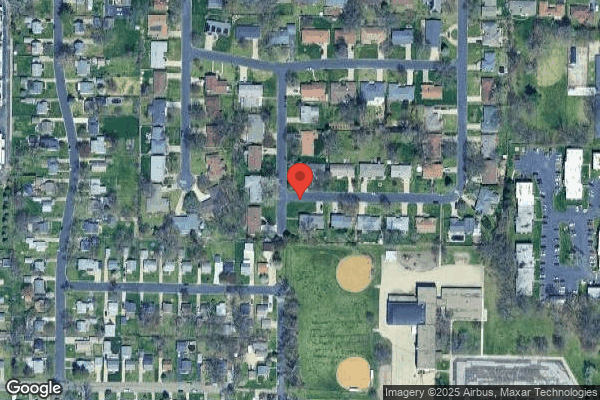
7023 NORTH EAST SKYLINE DRIVE, PEORIA, IL 61614 (309) 691-8091
Non profit - Church related 62 Beds Independent Data: November 2025
Trust Grade
85/100
#13 of 665 in IL
Last Inspection: October 2024

Within standard 12-15 month inspection cycle. Federal law requires annual inspections.

Overview

Apostolic Christian Skylines has a Trust Grade of B+, which means it is above average and recommended for families considering this facility. It ranks #13 out of 665 nursing homes in Illinois, placing it in the top half, and is the top-ranked facility among 10 in Peoria County. The facility is improving, having reduced its issues from four in 2024 to just one in 2025, and boasts excellent staffing ratings with a turnover rate of 36%, below the state average of 46%. While there have been no fines, indicating compliance with regulations, there were serious concerns, including a resident being hospitalized due to improper transfer during a bath, and failures to adequately document care plans for residents requiring oxygen. Overall, while there are notable strengths in staffing and compliance, families should be aware of specific incidents that raise concerns about resident safety and care planning.

Trust Score
B+
85/100
In Illinois
#13/665
Top 1%
Safety Record
Moderate
Needs review
Inspections
Getting Better
4 → 1 violations
Staff Stability
○ Average
36% turnover. Near Illinois's 48% average. Typical for the industry.
Penalties
✓ Good
No fines on record. Clean compliance history, better than most Illinois facilities.
Skilled Nurses
✓ Good
Each resident gets 53 minutes of Registered Nurse (RN) attention daily — more than average for Illinois. RNs are trained to catch health problems early.
Violations
○ Average
9 deficiencies on record. Average for a facility this size. Mostly minor or procedural issues.
★★★★★
5.0
Overall Rating
★★★★★
5.0
Staff Levels
★★★★☆
4.0
Care Quality
★★★★★
5.0
Inspection Score
Stable
2024: 4 issues
2025: 1 issues

The Good

  • 5-Star Staffing Rating · Excellent nurse staffing levels
  • 4-Star Quality Measures · Strong clinical quality outcomes
  • Full Sprinkler Coverage · Fire safety systems throughout facility
  • No fines on record
  • Staff turnover below average (36%)

    12 points below Illinois average of 48%

Facility shows strength in staffing levels, quality measures, fire safety.

The Bad

Staff Turnover: 36%

Near Illinois avg (46%)

Typical for the industry

The Ugly 9 deficiencies on record

1 actual harm
Apr 2025 1 deficiency
CONCERN (D) 📢 Someone Reported This

A family member, employee, or ombudsman was alarmed enough to file a formal complaint

Potential for Harm - no one hurt, but risky conditions existed

Deficiency F0559 (Tag F0559)

Could have caused harm · This affected 1 resident

Based on observation, interview, and record review, the facility failed to issue a written notice of room moves for two of three residents (R1 and R2) reviewed for room moves in a sample of 3. Finding...

Read full inspector narrative →
Based on observation, interview, and record review, the facility failed to issue a written notice of room moves for two of three residents (R1 and R2) reviewed for room moves in a sample of 3. Findings include: The facility's Room Change Policy, undated, documents, It is the policy of (the facility) to promote a resident's right to make choices and to promptly receive written notice of a room change or change in an assigned roommate. The facility supports the resident's right to refuse a room change made for the purpose solely for the staff's convenience. B. Room Change (Transfer Room to Room). f. If the facility requests the resident to move to a different room, within the provisions of Federal and State Regulations, the facility will give prompt notice to the resident and representative. i. The issuance of the notice, the reason for the room changes and the resident's and representatives' response to the move will be documented in the resident's record. R1 and R2's current Census Sheet documents R1 and R2 both moved from the Dementia Unit to the Skilled Nursing Unit on 4/8/25. R1's Electronic Medical Record does not include a notice of room change issued to R1 or V7/R1's Power of Attorney. R2's Electronic Medical Record does not include a notice of room change issued to R2 or V9/R2's Power of Attorney. On 4/11/25 between 10:52 AM and 11:10 AM, V6/Memory Care Coordinator, V7/Social Service Director, and V8/admission Coordinator, denied giving any notice in writing for the room moves to R1 and R2's resident representatives, and confirmed the room moves were facility initiated. On 4/11/25 at 12:03PM, V9/R2's Power of Attorney confirmed R2 had a room move this week. V9 stated she was notified face to face by V6/Memory Care Coordinator and not in writing. On 4/11/25 at 2:15PM, V1/Executive Director stated V8/admission Coordinator is new and did not give a written move/transfer notice to R1 and R2's resident representatives and should have.
Oct 2024 4 deficiencies
CONCERN (D)

Potential for Harm - no one hurt, but risky conditions existed

Transfer Notice (Tag F0623)

Could have caused harm · This affected 1 resident

2. R36's medical record documents R36 went to the hospital on 9/19/24. R36's medical record has no documentation R36 and R36's representative was notified of the transfer or discharge, and the reasons...

Read full inspector narrative →
2. R36's medical record documents R36 went to the hospital on 9/19/24. R36's medical record has no documentation R36 and R36's representative was notified of the transfer or discharge, and the reasons for the move in writing. On 10/10/24, at 10:55 AM, V7, Social Service Director, could not produce written notification to R36 and R36's representative for R36's 9/19/24 hospital transfer. Based on interview and record review, the facility failed to notify resident/resident representative in writing of hospital transfers for two (R14 and R36) of two residents reviewed for hospitalization in a sample of 24. Findings include: The facility's undated Transfer to Hospital Checklist documents, A resident must have the below listed items prior to transferring to the hospital. Please check off and sign at the bottom indicating these were given. Place this form in Medical Records to be scanned into resident chart. This checklist includes Bed Hold & Return to Facility Policy and Transfer Referral Form (nurse to keep a copy). The facility's undated Transfer Referral Form includes but is not limited to Date of Transfer and Reason for Transfer with a place for nurse's signature at the bottom. 1. R14's Nurse Progress note, dated 10/24/23, documents R14 was transferred out to a local hospital per ambulance. R14's clinical record does not document written notification was given to the resident/resident's representative. On 10/10/24, at 10:50am, V7, Social Service Director, could not locate a written notification to representative for R14's 10/24/23 hospital transfer.
CONCERN (D)

Potential for Harm - no one hurt, but risky conditions existed

Deficiency F0625 (Tag F0625)

Could have caused harm · This affected 1 resident

2. R36's medical record documents R36 went to the hospital on 9/19/24. R36's medical record has no documentation R36 and R36's representative was notified of the facilities bed hold in writing. On 10/...

Read full inspector narrative →
2. R36's medical record documents R36 went to the hospital on 9/19/24. R36's medical record has no documentation R36 and R36's representative was notified of the facilities bed hold in writing. On 10/10/24 at 10:55 AM, V7, Social Service Director, could not produce written notification of the bed hold policy to R36 and R36's representative for R36's 9/19/24 hospital transfer. Based on interview and record review, the facility to provide a copy of their bed hold policy for two (R14 and R36) of two residents reviewed for bed holds in a sample of 24. Findings include: The facility's Bed Hold and Return to Facility Policy, revised 10/21/19, documents, It is the policy of (named facility) to ensure that each resident (living in the Skilled Nursing and Memory Care) and their resident representative are made aware of the facility's and the State of Illinois bed-hold and reserve bed payment policy upon admission and before a resident is transferred to a hospital or goes on a therapeutic leave. For emergency transfers, notice must be given within 24 hours. 1. R14's Nurse Progress note, dated 10/24/23, documents R14 was transferred out to the local hospital; R14 returned on 10/31/23. R14's clinical record does not document a bed hold policy was given to the resident or resident representative. On 10/10/24, at 10:50am, V7, Social Service Director, could not locate the bed hold notice for R14's 10/24/23 hospital transfer.
CONCERN (D)

Potential for Harm - no one hurt, but risky conditions existed

Infection Control (Tag F0880)

Could have caused harm · This affected 1 resident

Based on observation, interview, and record review, the facility failed to perform perineal care in a way to prevent cross contamination of environmental objects for one resident (R53) of two resident...

Read full inspector narrative →
Based on observation, interview, and record review, the facility failed to perform perineal care in a way to prevent cross contamination of environmental objects for one resident (R53) of two residents reviewed for perineal care in a total sample of 24. Findings Include: The Facility's undated Enhanced Barrier Precautions policy documents, Enhanced barrier precautions are designed to help reduce the transmission of multidrug-resistant organisms. Infection or colonization with an MDRO (Multidrug Resistant Organism) when Contact Precautions do not otherwise apply. During High Contact Resident Care Activities PPE (Personal Protective Equipment) Must be Used: Transferring and Providing hygiene. The Facility's undated Gloving policy documents, Gloves are to be worn in the following situations: non-intact skin, blood or body fluids, residents in isolation and potential or known contaminated surfaces or equipment. Change gloves when moving from a contaminated body site to a clean body site on the same resident Soiled gloves should always be changed before touching any clean surfaces. The Facility's Perineal Care policy, dated 10/28/22, documents, Perineal care, the washing of the genital and rectal areas of the body is an important basic care that helps prevent UTIs (Urinary Tract Infections) as well and other infections and irritation. The policy also documents Remove gloves before touching clothing, bed rail, curtain etc. R53's current Physician Order Sheet, dated October 2024, documents, Enhanced Barrier Precautions for colonization of ESBL (Extended Spectrum Beta-Lactamases) and VRE (Vancomycin Resistant Enterococci) in the urine. Throughout the survey R53's door had a sign on it documenting Enhanced Barrier Precautions. 10/09/24 at 9:00 AM, V5(Certified Nursing Assistant/CNA) donned gown, gloves, mask, and eye protection. V5 pushed R53 into the bathroom, R53 stood, V5 pulled R53's brief and pants down, and R53 sat on the toilet and urinated. When R53 stood up, V5 wiped her perineal area with wipes from front to back two times, then threw the wipes in the trash can. V5 then proceeded to pull up R53's brief and pants. V5 zipped up R53's pants and then held both of her hands with R53's gloved hands and assisted her to sitting position in wheeled recliner. V5 then fixed R53's shirt, necklace, and head turban. V5 then put her hands on both arms of the wheeled recliner and backed R53 out of the bathroom, and then V5 removed PPE and washed her hands. On 10/9/24 at 2:30 PM, V5 (Certified Nurse Aid) confirmed she did not take her gloves off or perform hand hygiene throughout R53's toileting. V5 stated, I should have taken them (gloves) off after I wiped her, before I touched her clothes and chair.
CONCERN (E)

Potential for Harm - no one hurt, but risky conditions existed

Comprehensive Care Plan (Tag F0656)

Could have caused harm · This affected multiple residents

**NOTE- TERMS IN BRACKETS HAVE BEEN EDITED TO PROTECT CONFIDENTIALITY** Based on observation, interview, and record review, the facility failed to develop a careplan to include oxygen and edema with c...

Read full inspector narrative →
**NOTE- TERMS IN BRACKETS HAVE BEEN EDITED TO PROTECT CONFIDENTIALITY** Based on observation, interview, and record review, the facility failed to develop a careplan to include oxygen and edema with compression hose for four (R5, R6, R11, R43) of 15 residents reviewed for care plan development in a sample of 24. Findings include: Facility Care Plan Process, dated 3/4/24, documents, (Facility) will create a resident-centered plan of care for each skilled resident residing at the facility. 1. R6's current physician orders for October 2024 documents, Oxygen 2-4 L (liters) per NC (nasal cannula) as needed with an initial order date of 5/14/24. R6's online medical record documents R6 has Chronic Pulmonary Edema. On 10/8/24 at 1:18 PM, R6 had oxygen and an oxygen concentrator in her room. On 10/9/24 at 10:05 PM, R6 was in bed with 2 Liters of oxygen on by nasal cannula. R6's current careplan has no documentation R6 uses oxygen. On 10/10/24 at 11:44 AM, V4, Regional Nurse, verified R6 did not have oxygen on her careplan, and it should be. 2. R11's current physician orders for October 2024 documents, (Trade name/Compression Dressing) to bilateral lower legs on in AM off at HS (hour of sleep- from just above toes to back of knee [NAME]) twice a day, with an initial order date of 3/17/23. R11's online medical record documents R11 has a history of Edema. On 10/8/24 at 12:47 PM, R11 was in her wheelchair, and R11's bilateral legs had compression hose on and were edematous (swollen). On 10/09/24 at 10:02 AM, R11 was in her wheelchair, and R11's bilateral legs had compression hose on and were edematous. R11's current careplan has no documentation R11 has edema and wears bilateral compression hose. On 10/10/24 at 11:36 AM, V4, Regional Nurse, stated, I don't see edema or (Trade name/Compression Dressing) on R11's careplan and it should be. She has been wearing her (Trade name/Compression Dressing) since 2023. 3. On 10/8/24, at 9:59 AM, R5 was lying in bed with an oxygen concentrator at the bedside. R5's current careplan does not include the use of or cares for oxygen. On 10/10/24, at 1:53 PM, V4, Regional Nurse, stated R5 returned from the hospital with the oxygen after a respiratory illness. At this time, V4 confirmed oxygen is not listed on V5's current careplan and should be. 4. On 10/8/24, at 10:56 AM, R43 was lying in bed with oxygen infusing per nasal cannula. R43's current careplan does not include the use of or cares for oxygen. On 10/10/24, at 1:55 PM, V4, Regional Nurse, stated R43 uses oxygen for comfort and confirmed that oxygen is not listed on R43's current careplan and should be.
Dec 2023 1 deficiency 1 Harm
SERIOUS (G) 📢 Someone Reported This

A family member, employee, or ombudsman was alarmed enough to file a formal complaint

Actual Harm - a resident was hurt due to facility failures

Accident Prevention (Tag F0689)

A resident was harmed · This affected 1 resident

Based on observation, interview, and record review, the facility failed to provide safe transfer during a bath for one (R1) of three residents reviewed for transfers in a sample of three. This failure...

Read full inspector narrative →
Based on observation, interview, and record review, the facility failed to provide safe transfer during a bath for one (R1) of three residents reviewed for transfers in a sample of three. This failure resulted in R1 being hospitalized and suffering from fractures to his right proximal humerus and C2 (cervical vertebrae). Findings include: The facility's Fall Occurrence Policy, dated 2/2/2022, documents, Policy: (Named facility) wants to create an environment that is free from accident hazards as much as possible for residents, provide supervision when needed, and assist with detecting and preventing hazardous situations. The facility's undated (Named) Transfers and Stretcher Safe Operation & Maintenance Manual documents, System Preparation (Before Transferring or Lifting): 9. All residents must always be securely safety belted at the waist when using any of the (Named) Lift Systems. Ensure that the safety belt is routed through the loose buckle end as shown in the picture to the left. Pay close attention to the placement of the serrations of the buckle. If routed the opposite way, the safety belt will slip. Tighten safety belt by pulling on the loosed end of the safety belt. Warning: Failure to secure the resident properly with the safety belt could result in injury to the resident or operator. Warning: Failure to ensure hands, arms and legs are clear of any objects when transporting or lifting could result in injury to the resident or operator. Push the emergency stop button, on the Control unit at any time during raising and lowering of resident. 17. Upon completion ensure the residents hands, arms, and legs are clear before raising the lift. Push the up button to raise the resident slightly if needed, and then drain the water from the spa. 21. Before you move the Transfer away from the spa, make sure the lower extremities have been toweled dry so the bath floor stays dry. Ensure the Transfer is raised high enough to clear the spa seat. You may now unlock the casters and move the Transfer out of the spa and away, ensuring the resident is still safety belted correctly and the resident's hands, arms, and legs are all clear. R1's Minimum Data Set/MDS assessment, dated 9/12/23, documents R1 has Vascular Dementia, requires limited assist of one assist for transfers, requires physical help of one assist for bathing, is not steady and only able to stabilize with staff assistance during transitions and walking. This same assessment documents in Section C Cognitive Patterns: B. Inattention - Did the resident have difficulty focusing attention, for example being easily distractible, or having difficulty keeping track of what was being said? 2 = Behavior present, fluctuates (comes and goes, changes in severity). C. Disorganized thinking - Was the resident's thinking disorganized or incoherent (rambling or irrelevant conversation, unclear or illogical flow of ideas, our unpredictable switching from subject to subject)? 2 = Behavior present, fluctuates (comes and goes, changes in severity). R1's current Care plan includes the following: R1 has a diagnosis of dementia and is exhibiting some cognitive loss; approaches include to Provide verbal cues and reminders as required related to orientation and time. R1 is at risk for falls - approaches includes to Provide assistance with all mobility/ADL (Activities of Daily Living) care needs. R1's Progress note, dated 10/16/23 by V9, Social Service Director/SSD, documents (R1) requires frequent reminders due to decreased retention. R1's Progress note, dated 11/27/23 by V4, Registered Nurse/RN, documents, This nurse was called in to Spa room by (V2, Certified Nursing Assistant/CNA) stating resident is on floor and slipped out of tub chair. When this nurse went in saw resident face down in blood. Called another nurse to help. With help of couple CNA's and nurses, turned resident on to his back. He was alert and oriented, was able to respond stating help me. After turning resident on to his back we noticed lacerations on his forehead between his eyebrows, and on his nose. Looks like when he slid out of tub chair, he hit his forehead on the edge of the tub. cleansed the area, applied pressure dressing. Called 911. (Local ambulance service) stated not to lift him from the floor. Left him on the floor covered him up and was monitoring him until (local ambulance service) arrived. Resident was alert and communicating with staff. EMT (Emergency Medical Technicians) here. Resident was able to answer EMT staff appropriately. EMT staff stated he will need stitches and transported him to (named local hospital). Called and notified resident (Power of Attorney/POA/family member) regarding resident fall and sending him to ER (Emergency Room). R1's Fall Event Report Work History, dated 11/27/23, and signed by V2, Director of Nursing/DON, documents description of fall: When bath was complete (V3, CNA) started moving the chair out of the tub while resident was sitting in secured chair to continue cares. Resident was irritated by seatbelt and was verbally aggressive to CNA to take the seat belt off and then he pulled seat belt undone. Resident simultaneously reached forward and tried to grab onto the far side of the tub and while doing this he slipped forward out of the tub chair, hitting his forehead on the edge of the tub and landing on the right side. R1's CT (Computed Tomography) Cervical Spine Without Contrast report, dated 11/27/23, documents, Impression: Minimally displaced type II fracture of the odontoid process, (part of the C2 vertebrae). R1's X-ray Shoulder Complete Right report, dated 11/27/23, documents Impression: Acute displaced proximal humeral fracture. On 12/20/23, at 11:06am, V3, CNA, stated, I was pulling the spa chair out of the tub and at that moment (R1) started to lean forward so I reminded him to lean back and that we were getting out of the spa tub. He did lean back so I continued to pull the chair from behind. I didn't realize that he had removed the seat belt from around his waist and he slipped out of the chair as he reached for the tub. He fell forward and his head hit the bottom of the tub. V3 also stated, (R1's) cognition varies day by day. He has periods of forgetfulness. That day he seemed his usual, nothing that would alarm me. He is a one assist gait belt wheeled walker for transfers and has been for awhile. I could have double checked everything that's what I learned from the situation. Make sure I didn't forget anything. I doubt I forgot to put it (seat belt) on. On 12/20/23, at 12:19pm, V4, RN, stated that while V4 was passing medications ,V3 called out to V4 and said (R1) was on the floor. I saw the blood on his face. I had her stay there and had the other nurse come. V4 also stated (R1) is forgetful. You constantly have to remind him. When I transfer him from wheelchair to recliner he has to be constantly reminded to take more steps and that he is not there yet. (R1) is often in a rush to sit down or if he wants to do something like stand up. He has put his (lift) chair all the way up then forgets what he was going to do and fell asleep with it up. We have to constantly watch him. V4 continued to state, He was holding onto the tub and if CNA is not watching his hands and the floor and chair are wet I think he slid out of the chair. It is easy to slide off the chair. There is a belt there, but I think it can come off. It is not a buckled type of belt, but a safety belt. Force can cause it to open up the belt like if forcefully falling forward. I believe the belt was on - (V3 CNA) said she put it on. They are regular CNAs that work with (R1). I think that when he was falling forward the belt opened up. Not when he was holding onto the tub. I don't think it is a belt that is able to hold them in the chair if they are falling out of the chair like sliding out while everything is wet. (R1) likes the spa and is ready for the bath. If he is agitated or restless, the CNAs don't give him one. Or if he doesn't want one. But on Mondays he likes it and is ready. He doesn't ever get agitated while in the spa. He is not aware of safety .(V3) should have made sure his hands were on his lap so he was not holding onto the tub. Or could ask for a second person if agitated, but (R1) wasn't. On 12/20/23, at 1:52pm, V5, CNA, stated V5 has given R1 a spa bath before, and R1 did fine. V5 stated, He didn't fidget, lean, or get agitated. On 12/21/23, at 2:10pm, V8, Staff Development, confirmed V8 trains staff upon hire how to use the spa tub and chair. V8 explained after staff undress the resident for the spa bath, they are to put the chair's attached belt around them, then they put the resident in the tub, guiding them giving verbal cues for arms and hands to remain inside the tub chair and in their lap. V8 stated, Then put them into the tub the way they are maneuvered, watch where their legs and feet are. Once completely in the tub, shut the door and lower them down onto the tub seat. Give their bath. Throughout this whole thing I am big on engagement, verbal cues, giving directions be sure they hear, physical, and verbal prompts as needed from start to end. After washed and rinsed, raise the spa chair up while letting water drain. Once water is out, can open the door. When coming out watch their legs and feet while guiding them out. Verbal cues for arms in throughout the exiting of the tub. Spa tub chair has grips in the back to pull back and guide. You can still see what they are doing while guiding them out. You can also stand where you can be on their side. It's easy to stand on the side of them. They should keep their eyes on their hands, arms, legs and feet at all times when entering and exiting the tub. V8 agreed that safety is a big concern during the spa bath. V8 also stated, If impulsive or forgetful, the CNAs should remind and give the cues. If behaviors they give reassurance and get them through it. If not safe they know not to do it. On 12/21/23, at 2:39pm, V8 and V3 were in the Spa room. V3 reenacted the incident, and demonstrated she was standing behind the back of the spa chair when bringing R1 out of the tub when R1 fell. V3 stated she was watching his legs and feet while coming out. V3 denied being able to see what (R1) was doing with his hands. V3 stated, I told him to just relax and we are getting out of the bath. I don't actually say to keep arms in or keep in their lap. On 12/21/23, at 1:38pm, V2, Director Of Nursing/DON, stated the following: (R1) had the belt on in the tub and somewhere in between as (V3, CNA) was behind (R1) coming out (R1) had gotten the belt off. (V3) asked if (R1) was ready to come out he said yes. It was when (R1) was getting out that whatever his trigger was he decided to reach for the other side of the tub. By the time (V3) realized what was happening, (R1) was too far away to grab it, was leaning over, fell, and hit his head on the bottom lip of the tub. That's when (V3) realized (R1) didn't have the belt. (V3) didn't see (R1) mess with the belt, but that doesn't mean he didn't. Not sure if maybe the pressure caused it to come off. The rep (from manufacturer) had said if anyone wanted to get out of it they could. (V3) thinks he took it off, but no time to react. If the straps were undone, they would fall in the lap and you wouldn't see it from behind the chair. (V3) would have had to peer around the resident to see the strap's placement and where his hands were. (V3) needs occasional reminders. (V3) said during the bath his mood was fine and (R1) wasn't agitated and was calm when he said he was ready to get out. Not sure if his demeanor changed, but something triggered and he wanted out of the chair.
Jul 2023 1 deficiency
CONCERN (D)

Potential for Harm - no one hurt, but risky conditions existed

Medication Errors (Tag F0758)

Could have caused harm · This affected 1 resident

Based on observation, record review and interview, the facility failed to attempt a Gradual Dose Reduction of a psychotropic medication for one of five residents (R15) reviewed for psychotropic medica...

Read full inspector narrative →
Based on observation, record review and interview, the facility failed to attempt a Gradual Dose Reduction of a psychotropic medication for one of five residents (R15) reviewed for psychotropic medication use, in a sample of 37. Findings include: The facility policy, titled Psychotropic Medication Use and Behavior Monitoring (revised 2/11/22) documents, Psychotropic medications refer to drugs which are used for antipsychotic, antidepressant, antimanic, Sedative-hypnotic, and/or antianxiety purposes. It is the policy of this facility to keep each resident's medication regimen free from unnecessary drugs. Psychotropic medications will not be administered for purposes of discipline or staff convenience and when not required to treat the resident's symptoms. The policy later documents, The pharmacist consultant will complete monthly medication reviews reporting to the physician: Drugs prescribed without a supporting diagnosis; Dosage in excess of maximum strength as recommended by guidelines for geriatric residents; Multiple use of psychotropic drugs; No periodic evaluation of the residents need for the psychotropic drugs. The DON (Director of Nursing) will complete the Psychotropic Medication Reduction Request form and send to the physician indicating any behaviors the resident has exhibited since the last dose reduction to assist the physician in determining dose reductions of psychotropic medications. The Electronic Medical Record documents R15 was transferred to the facility on 9/03/19 from the Hospital with the diagnosis of Vascular Dementia with Delusions and discharge orders to administer Zyprexa (Antipsychotic) 5 mg (milligrams) at bedtime. R15's Pharmacy Consult, dated 3/02/22 documents R15 had a failed Zyprexa reduction attempt in September 2021 and returned to the daily dose of 5 mg. R15's current Physician's Orders document R15 has continued to receive Zyprexa 5 mg at bedtime for the diagnosis of Vascular Dementia with Behavioral Disturbances, since 11/15/21, with no attempted reduction. R15 is also currently prescribed Lorazepam (antianxiety) 0.5 mg twice per day for Anxiety Disorder and Sertraline (antidepressant) 100 mg daily for Major Depressive Disorder. The Consultant Pharmacist documented he recommended a decrease in R15's Zyprexa 5 mg daily on 3/02/22 and 9/06/22, which were both declined by the physician. The most recent Consultant Pharmacist recommendation to reduce R15's Zyprexa, dated 3/03/23, documents the physician again declined a decrease due to Behavioral interventions continue to be attempted, except in emergency situation, and are included in the plan of care. The continued use is in accordance with relevant current standards of practice. A dose reduction at this time would likely impair resident's function or cause psychiatric instability by exacerbating an underlying psychiatric disorder while continuing to pose a danger to the resident or others as supported by the following Clinical Rationale and Evidence of the following symptoms: Delusions. A Progress Note, dated 4/11/23, documents, (V8/Physician) disagreed to pharmacist recommendation GDR (Gradual Dose Reduction) of Olanzapine (Zyprexa) (due to resident) having delusions. R15's Behavioral Tracking Records from January 2023 to April 2023, document R15 was being monitored for the following behaviors: Spitting inappropriately (on floor), Depressed mood state, Delusions-Confrontation-Aggression, and Anxious Mood Distress (repetitive questions, fearfulness regarding family not knowing her location). During the January-April 2023 timeframe, R15 had only one occurrence under Delusions - Confrontations - Aggression, which was on 4/17/23 and there is no corresponding Progress Note to further expand on R15's exact behavior. R15's Minimum Data Set assessments, dated 11/29/22, 8/30/22, 2/28/23 and 5/30/23 document that R15 has no indicators of Psychosis, including hallucinations and delusions, and no behavioral symptoms that impact herself or others. Behavior Monitoring after April 2023 was to be documented in R15's Progress Notes and there is no documented evidence of R15 having delusions. On 7/18/23 at 10:40 am and 7/19/23 at 12:12 pm, R15 was observed sitting in her wheelchair in the common area of the Dementia Care Unit. On both days, R15 did not exhibit any behaviors that would indicate she was experiencing delusions. On 7/19/23 at 12:15 pm, V9 (Licensed Practical Nurse/Memory Care Coordinator) stated R15 only has behaviors of occasionally spitting on the floor and attempts to stand up or get out of bed, which staff can easily redirect. V9 stated R15 does not have delusions or behaviors of aggression that could harm herself or others. On 7/19/23 at 1:27 pm, V2 (Director of Nursing) confirmed they had not attempted to reduce R15's Olanzapine (Zyprexa) since she restarted on 5 mg daily on 11/15/21. V2 stated it is her understanding that R15 will exhibit almost like a paranoia, she's very anxious, not knowing what to do and described that R15 wants to be isolated. At that time, V2 provided R15's Progress Notes from 1/02/23 to 7/19/23, which she highlighted R15's documented behaviors. The highlighted behaviors consisted of attempts to stand independently (fifteen times total in that timeframe), resistance to taking medication (three times total during that timeframe, with R15's later compliance), spitting on the floor (once during that time frame), and refusal of a bath (once during that timeframe). The Progress Notes did not document R15 exhibiting paranoia, delusions or anxious behavior as described by V2. On 7/20/23 at 10:18 am, V2 also confirmed that she did not have a Psychotropic Medication Reduction Request form, as instructed in the facility Psychotropic Medication Use and Behavior Monitoring policy, which would assist the physician in determining if R15's Zyprexa dose could be reduced. V2 explained that the form is filled out, describing resident behaviors that would either support a decision to change or maintain a residents' current medication dosage, then attached to the Consultant Pharmacist dose reduction request for the physician to review.
Oct 2022 2 deficiencies
CONCERN (D)

Potential for Harm - no one hurt, but risky conditions existed

Deficiency F0688 (Tag F0688)

Could have caused harm · This affected 1 resident

**NOTE- TERMS IN BRACKETS HAVE BEEN EDITED TO PROTECT CONFIDENTIALITY** Based on observation, interview, and record review, the facility failed to provide services and/or treatments to increase range ...

Read full inspector narrative →
**NOTE- TERMS IN BRACKETS HAVE BEEN EDITED TO PROTECT CONFIDENTIALITY** Based on observation, interview, and record review, the facility failed to provide services and/or treatments to increase range of motion/mobility and/or prevent further decrease in range of motion/mobility for three of seven residents (R8, R11, R43) reviewed for limited range of motion in the sample of 32. Findings include: The facility's Range of Motion and Physical Therapy policy dated 3/18/22, states Each resident will receive (Active/Passive) ROM (Range of Motion) twice a day and Physical Therapy will be provided as ordered by the physician and per written instruction of the P.T. (Physical Therapy) consult after evaluation. 1. On 10/03/22 at 10:59 a.m., R8 demonstrated her inability to completely extend all her fingers on her left hand without the assistance of her right hand. R8 stated she has diagnoses of Parkinson's Disease and Arthritis that are causing the range of motion to all her extremities to slowly deteriorate. R8 states she still ambulates independently with a walker but needs assistance with most of her cares. R8 stated at this time, she does not receive any type of services/treatments for her limitations of range of motion that exercises all her joints on a routine basis. R8's electronic medical record, documents R8 was admitted to the facility on [DATE] with diagnoses which included, Parkinson's Disease, Major Depressive Disorder, Obesity, Weakness, Repeated Falls, and Reduced Mobility. R8's Nurse Practitioners Progress Note dated 6/21/22, states R8 has a diagnosis of Primary Osteoarthritis involving multiple joints. R8's Minimum Data Set assessment dated [DATE], documents the following: R8 is cognitively intact with a Brief Interview for Mental Status score of 15 out of 15; R8 requires extensive assistance from staff with dressing, toilet use, personal hygiene and bathing; R8 has functional limitation in range of motion in her bilateral upper and lower extremities; and R8 is not receiving any type of range of motion program/services. R8's Contracture Profiles dated 3/2018 and 3/24/2020, document R8 had no loss of functional range of motion (Total Scores=0). R8's Contracture Profiles dated 7/29/20, 11/4/20, 4/14/21, 8/10/21, 10/6/21, and 1/5/22 document R8 has loss of active range of motion in her neck, bilateral shoulders, bilateral hips/knees, and bilateral feet (Total Scores=4). R8's Contracture Profiles dated 4/13/22, 7/13/22, and 10/3/22, document R8 has loss of active range of motion to her neck, bilateral shoulders, bilateral hips/knees, and spine and also a loss of passive range of motion to R8's bilateral feet (Total Scores=6). R8's Care Plan last reviewed/revised on 10/5/22, documents the following: R8's overall abilities to care for own personal/mobility needs has declined and is reliant on others to assist her with her care needs; and R8's abilities are potentially on the decline related to Parkinson's disease. This same care plan does not address R8's limitation of range of motion to her bilateral upper and lower extremities/joints or any services, treatments, or interventions to ensure no further loss of range of motion. R8's electronic medical record does not include documentation that R8 is currently receiving a rehabilitation program or skilled therapy to address R8's limitations of range of motion. R8's electronic medical record does not document the reason that range of motion services are not being provided for R8. 2. On 10/2/22 at 12:15 p.m., R11 was sitting in a wheelchair with foot pedals in the dining room eating lunch. R11 was alert with confusion. R11 did not attempt to move her legs when asked if she was able to do so. R11's electronic medical record, documents R11 was admitted on [DATE] with diagnoses which include, Dementia, Chronic Pain, Left Hip Pain, and Scoliosis. R11's Minimum Data Set assessment dated [DATE] documents the following: R11 has severely impaired cognition with a Brief Interview for Mental Status score of 7 out of 15; R11 is unable to ambulate and requires extensive to total assistance for all activities of daily living (ADL's); R11 has limitations of range of motion in her bilateral lower extremities; and R11 is not receiving any skilled therapy services or range of motion programs to address R11's limitations of range of motion. R11's Contracture Profile dated 7/13/22, documents R11 has loss of active range of motion in her bilateral hips/knees and bilateral feet and loss of passive range of motion in the spine. R11's Care Plan last reviewed/revised on 7/27/22, does not address R11's limitations of range of motion in her bilateral lower extremities or include any interventions, programs, or services to ensure R11 has no further decline in her range of motion. R11's current electronic medical record does not document R11 is receiving any skilled therapy or rehabilitation programs for range of motion limitations. R11's electronic medical record does not document the reason that range of motion services are not being provided for R11. 3. On 10/04/22 at 9:59 a.m., R43 states he has limitation of range of motion in all extremities and most of his joints. R43 states he used to go to therapy but hasn't gone for quite some time. R43's electronic medical record documents R43 was admitted on [DATE], with diagnoses which included Osteoarthritis, Adult Failure to Thrive, Weakness, Hemiplegia, affecting right dominant side, history of Transient Ischemic Attack (TIA), and Cerebral Infarction (Stroke). R43's MDS dated [DATE], documents the following: R43 has moderately impaired cognition with a Brief Interview for Mental Status score of 10 out of 15; R43 is able to make himself understood and understands others; R43 is unable to ambulate and requires total assistance from staff for bed mobility and transfers; R43 has limitation of range of motion to bilateral upper and lower extremities; R43 does not receive range of motion services or skilled therapy. R43's Contracture Profile dated 7/13/22, documents R43 has loss of active range of motion to bilateral shoulders, bilateral wrists and hands, right knee, and spine. R43's Care Plan last reviewed/revised on 10/5/22, does not document R43's limitation of range of motion to bilateral upper and lower extremities/joints or any services, treatments, or programs provided to prevent further decline in R43's range of motion. This same care plan documents R43's abilities are potentially on the decline. R43's electronic medical record does not include any documentation that R43 is currently receiving any treatment, services or interventions to address R43's limitations of range of motion to his bilateral upper and lower extremities/joints. R43's electronic medical record does not document the reason that range of motion services are not being provided for R43. On 10/5/22 at 1:30 p.m., V2 (Director of Nursing) stated the total scores at the end of each Contracture Profile Assessment is used to determine whether a resident is improving, maintaining, or declining in their range of motion compared to previous assessment scores. V2 also stated there was no further documentation in R8, R11, or R43's medical records, including care plans, that they are currently receiving any documented range of motion services to specifically address their individualized loss of range of motion documented on the Contracture Profiles.
CONCERN (D)

Potential for Harm - no one hurt, but risky conditions existed

Deficiency F0757 (Tag F0757)

Could have caused harm · This affected 1 resident

Based on interview and record review the facility failed to document an antibiotic indication for use, end date, conduct an Antibiotic Timeout, and implement a care plan for the continued use of an an...

Read full inspector narrative →
Based on interview and record review the facility failed to document an antibiotic indication for use, end date, conduct an Antibiotic Timeout, and implement a care plan for the continued use of an antibiotic for one of one resident (R26) reviewed for unnecessary medications in a sample of 32. Findings include: The facility's Antibiotic Stewardship policy, 2/11/2022, documents every antibiotic order prescribed will have documentation of dose. route, durations and indication. Duration will include start date, end date, and planned days of therapy. This policy documents an Antibiotic Timeout-is the formal process designed to prompt a reassessment of the ongoing need for and choice of an antibiotic once more data is available including: the clinical respond, additional diagnostic information, alternate explanations for the status change which prompted the antibiotic start. R26's admission Order sheet, dated 8/2/22, documents to take Niftrofurantoin (Antibiotic -used to treat urinary tract infections) 50mg (Milligrams) daily, (no discontinue date or a diagnosis documented). R26's current Physician Order Sheet documents to take Niftrofurantoin 50mg once a day (no discontinue date or diagnosis documented). R26's current care plan does not document goals or interventions for the use of Nitrofurantoin (antibiotic), or to prevent further urinary tract infections On 10/5/22 at 11:10am, V2, Director of Nursing, verified that R26 has been on the antibiotic Nitrofurantoin since she was admitted to the facility. V2 stated that R26's antibiotic use has not been followed up on since she has resided in the facility. V2 stated that R26's antibiotic use does not follow the criteria needed for the use of an antibiotic. and also stated that R26's Antibiotic use should be care planned with urinary goals and interventions, but is not.
Understanding Severity Codes (click to expand)
Life-Threatening (Immediate Jeopardy)
J - Isolated K - Pattern L - Widespread
Actual Harm
G - Isolated H - Pattern I - Widespread
Potential for Harm
D - Isolated E - Pattern F - Widespread
No Harm (Minor)
A - Isolated B - Pattern C - Widespread

Questions to Ask on Your Visit

  • "Can I speak with families of current residents?"
  • "What's your RN coverage like on weekends and overnight?"

Our Honest Assessment

Strengths
  • • Grade B+ (85/100). Above average facility, better than most options in Illinois.
  • • No fines on record. Clean compliance history, better than most Illinois facilities.
  • • 36% turnover. Below Illinois's 48% average. Good staff retention means consistent care.
Concerns
  • • 9 deficiencies on record, including 1 serious (caused harm) violation. Ask about corrective actions taken.
Bottom line: Generally positive indicators. Standard due diligence and a personal visit recommended.

About This Facility

What is Apostolic Christian Skylines's CMS Rating?

CMS assigns APOSTOLIC CHRISTIAN SKYLINES an overall rating of 5 out of 5 stars, which is considered much above average nationally. Within Illinois, this rating places the facility higher than 99% of the state's 100 nursing homes. This rating reflects solid performance across the metrics CMS uses to evaluate nursing home quality.

How is Apostolic Christian Skylines Staffed?

CMS rates APOSTOLIC CHRISTIAN SKYLINES's staffing level at 5 out of 5 stars, which is much above average compared to other nursing homes. Staff turnover is 36%, compared to the Illinois average of 46%. This relatively stable workforce can support continuity of care.

What Have Inspectors Found at Apostolic Christian Skylines?

State health inspectors documented 9 deficiencies at APOSTOLIC CHRISTIAN SKYLINES during 2022 to 2025. These included: 1 that caused actual resident harm and 8 with potential for harm. Deficiencies causing actual harm indicate documented cases where residents experienced negative health consequences.

Who Owns and Operates Apostolic Christian Skylines?

APOSTOLIC CHRISTIAN SKYLINES is owned by a non-profit organization. Non-profit facilities reinvest revenue into operations rather than distributing to shareholders. The facility operates independently rather than as part of a larger chain. With 62 certified beds and approximately 59 residents (about 95% occupancy), it is a smaller facility located in PEORIA, Illinois.

How Does Apostolic Christian Skylines Compare to Other Illinois Nursing Homes?

Compared to the 100 nursing homes in Illinois, APOSTOLIC CHRISTIAN SKYLINES's overall rating (5 stars) is above the state average of 2.5, staff turnover (36%) is near the state average of 46%, and health inspection rating (5 stars) is much above the national benchmark.

What Should Families Ask When Visiting Apostolic Christian Skylines?

Based on this facility's data, families visiting should ask: "Can I visit during a mealtime to observe dining assistance and food quality?" "How do you handle medical emergencies, and what is your hospital transfer rate?" "Can I speak with family members of current residents about their experience?"

Is Apostolic Christian Skylines Safe?

Based on CMS inspection data, APOSTOLIC CHRISTIAN SKYLINES has a clean safety record: no substantiated abuse findings (meaning no confirmed cases of resident harm), no Immediate Jeopardy citations (the most serious violation level indicating risk of serious injury or death), and is not on the Special Focus Facility watch list (a federal program monitoring the lowest-performing 1% of nursing homes). The facility has a 5-star overall rating and ranks #1 of 100 nursing homes in Illinois. While no facility is perfect, families should still ask about staff-to-resident ratios and recent inspection results during their visit.

Do Nurses at Apostolic Christian Skylines Stick Around?

APOSTOLIC CHRISTIAN SKYLINES has a staff turnover rate of 36%, which is about average for Illinois nursing homes (state average: 46%). Moderate turnover is common in nursing homes, but families should still ask about staff tenure and how the facility maintains care continuity when employees leave.

Was Apostolic Christian Skylines Ever Fined?

APOSTOLIC CHRISTIAN SKYLINES has no federal fines on record. CMS issues fines when nursing homes fail to meet care standards or don't correct problems found during inspections. The absence of fines suggests the facility has either maintained compliance or corrected any issues before penalties were assessed. This is a positive indicator, though families should still review recent inspection reports for the full picture.

Is Apostolic Christian Skylines on Any Federal Watch List?

APOSTOLIC CHRISTIAN SKYLINES is not on any federal watch list. The most significant is the Special Focus Facility (SFF) program, which identifies the bottom 1% of nursing homes nationally based on persistent, serious quality problems. Not being on this list means the facility has avoided the pattern of deficiencies that triggers enhanced federal oversight. This is a positive indicator, though families should still review the facility's inspection history directly.