LUTHERAN HILLSIDE VILLAGE
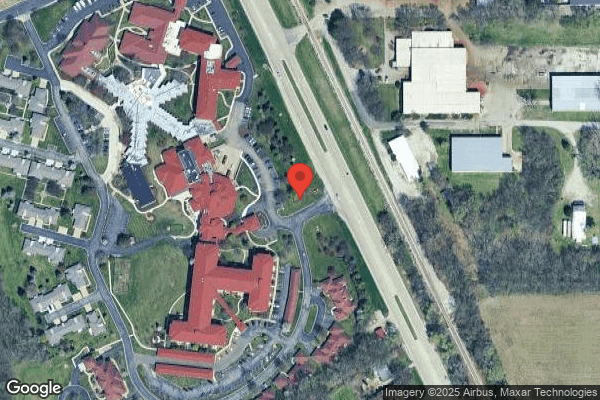

6901 NORTH GALENA ROAD, PEORIA, IL 61614 (309) 692-4494
Non profit - Corporation 107 Beds Independent Data: November 2025
Trust Grade
90/100
#59 of 665 in IL
Last Inspection: December 2024

Within standard 12-15 month inspection cycle. Federal law requires annual inspections.

Overview

Lutheran Hillside Village in Peoria, Illinois, has an impressive Trust Grade of A, indicating it is considered excellent and highly recommended. With a state ranking of #59 out of 665 facilities, it is in the top half in Illinois, and it ranks #2 out of 10 in Peoria County, showing it is one of the better local options. The facility is improving, having reduced its issues from four in 2024 to two in 2025, although some concerns remain; for instance, it failed to ensure residents could easily access their annual state survey results, which affects their ability to understand their rights. Staffing is rated highly at 5 out of 5 stars, though the turnover rate of 49% is average for the state. Notably, there have been no fines recorded, which is positive, but there were incidents of concern including a resident's credit card being compromised due to theft by a staff member, highlighting the need for better monitoring of resident safety and rights.

Trust Score
A
90/100
In Illinois
#59/665
Top 8%
Safety Record
Low Risk
No red flags
Inspections
Getting Better
4 → 2 violations
Staff Stability
⚠ Watch
49% turnover. Above average. Higher turnover means staff may not know residents' routines.
Penalties
✓ Good
No fines on record. Clean compliance history, better than most Illinois facilities.
Skilled Nurses
✓ Good
Each resident gets 46 minutes of Registered Nurse (RN) attention daily — more than average for Illinois. RNs are trained to catch health problems early.
Violations
⚠ Watch
12 deficiencies on record. Higher than average. Multiple issues found across inspections.
★★★★★
5.0
Overall Rating
★★★★★
5.0
Staff Levels
★★★★☆
4.0
Care Quality
★★★★☆
4.0
Inspection Score
Stable
2024: 4 issues
2025: 2 issues

The Good

  • 5-Star Staffing Rating · Excellent nurse staffing levels
  • 4-Star Quality Measures · Strong clinical quality outcomes
  • Full Sprinkler Coverage · Fire safety systems throughout facility
  • No fines on record

Facility shows strength in staffing levels, quality measures, fire safety.

The Bad

Staff Turnover: 49%

Near Illinois avg (46%)

Higher turnover may affect care consistency

The Ugly 12 deficiencies on record

Feb 2025 2 deficiencies
CONCERN (D) 📢 Someone Reported This

A family member, employee, or ombudsman was alarmed enough to file a formal complaint

Potential for Harm - no one hurt, but risky conditions existed

Free from Abuse/Neglect (Tag F0600)

Could have caused harm · This affected 1 resident

**NOTE- TERMS IN BRACKETS HAVE BEEN EDITED TO PROTECT CONFIDENTIALITY** Based on interview and record review the facility failed to ensure residents were free of abuse/misappropriation of property for...

Read full inspector narrative →
**NOTE- TERMS IN BRACKETS HAVE BEEN EDITED TO PROTECT CONFIDENTIALITY** Based on interview and record review the facility failed to ensure residents were free of abuse/misappropriation of property for three of four residents (R1, R3, and R4) reviewed for theft in the sample of seven. Findings include: Facility Policy/Abuse/Neglect Prevention and Response date 7/29/21 documents: Residents and clients of (the facility) will live and be served in an environment that promotes dignity, respect and strives to be free from abuse, neglect and exploitation. Misappropriation of property is the deliberate misplacement, exploitation, or wrongful, temporary or permanent use of a resident's belongings or money without the resident's consent. 1. Physician Orders indicate R1 was a resident at the facility from 11/15/24 to 12/19/24. Final Report of Financial Abuse dated 12/20/24 indicates that on 12/16/24 R1's credit card numbers were reported as compromised. Report indicates after investigation and video surveillance, evidence led to V7, CNA (Certified Nurse Assistant) as being involved. Report indicates V7, CNA was suspended on 12/16/24 and terminated on 12/18/24 with R1/Family filing a Police report on 12/17/24. Report indicates V7 had only been an employee at the facility since 11/4/24. Report indicates all other residents and families of the facility were interviewed regarding financial abuse and theft. Per investigation, it was found that three other residents were either missing cash from their room or there were fraudulent charges on their credit card. Report indicates all residents will be made whole financially from the credit card company or by the facility. All residents/families have been asked to remove monetary items from their rooms in order to prevent enabling another incident. Report indicates V1, Administrator will have a safe delivered on 12/27/24 for safe keeping any items residents want to keep at the facility. Report indicates Police investigation is ongoing. On 2/4/25 at 2:35pm, V1 (Administrator) stated that on 12/16/24, R1's family told her that R1's credit card had unauthorized charges, which occurred sometime in November (2024). V1 stated that someone had purchased items at two different local stores. V1 stated that later that same day, R1's family sent screenshots of deleted text messages from R1's cellular/cell phone - one for a Television Cable service provider and one was a request for digital payment through R1's telephone. V1 stated that V7 had also sent herself a text message from R1's phone so V7's phone number was in R1's cell phone. V1 stated, I thought I knew who had done it, and then it was confirmed when I saw (V7) going into (R1's) room on a night (V7) wasn't even assigned to that wing or room when I went back and looked at video footage from the hallway camera. V1 stated that R1's family had already contacted the Police and was told to contact them again when she returned to the facility. So R1's family came to the facility and myself, R1's family and R1 had a phone conference with the Police. V1 stated the fraudulent charges on R1's credit card were paid by the credit card company. V1 stated after the Electronic Mail (Email) message went out to all families alerting them to the theft, she received emails from V8, (R3 and R4's family) that they also had weird charges on their credit card. 2. Current Physician Orders indicate R3 was admitted to the facility on [DATE] and R4 (R3's Spouse) was admitted to the facility on [DATE]. Orders indicate R3 and R4 reside in the same room in the facility. Current Comprehensive Assessment indicate both R3 and R4 are both moderately cognitively impaired. On 2/4/25 at 10:15am V1, Administrator, stated that the other residents were R3 and R4 (husband and wife). V1 stated R3 and R4 had charges on their credit card. V1 stated these additional thefts were discovered upon interview with all residents and families. Electronic Mail (Email) correspondence dated 12/19/24 at 9am indicates V1 sent an email to all residents/families notifying them of a recent incident of theft at the facility. On 12/19/24 at 9:25am V8, (R3 and R4's Family Member) responded via email indicating R3 and R4's credit card was fraudulently used several times last month. Email dated 12/20/24 at 10:55am (from V8) to V1, Administrator indicates she received a photo of (R3 and R4's) bank statement with three fraudulent charges highlighted. Email indicates V8 put a freeze on (R3 and R4's) credit card with an attempt to charge nearly $500.00 at an Athletic Shoe store on 12/6/24 that was declined. Email indicates V8 then canceled R3 and R4's credit card and the bank turned the transactions over to the fraud division. Email indicates (R3 and R4) don't seemed rattled by it and mostly glad they didn't have to worry about it. Email response from V1 to V8 dated 12/22/24 at 11:12am indicates It had to be the same person and would send all correspondence on to the Police. Email response from V1 to V8 dated 1/5/25 at 9:09pm indicates V1 did speak with the Police about the theft and was told by the Police that V7, CNA was caught on camera by the Police using (R1's) credit card at a gas station, so we definitely got the correct person and she should be arrested and charged. Email response from V8 to V1 on 1/6/25 at 10:43pm indicates Fortunately for my parents, the credit card company covered the charges and the fraud division has it. I don't think my parents even know it happened and I don't think looping them in will be helpful. ==
CONCERN (D) 📢 Someone Reported This

A family member, employee, or ombudsman was alarmed enough to file a formal complaint

Potential for Harm - no one hurt, but risky conditions existed

Deficiency F0657 (Tag F0657)

Could have caused harm · This affected 1 resident

Based on observation, interview and record review the facility failed to revise care plans for two residents (R5, R7) of three residents reviewed for swallowing difficulties in the sample of seven. Fi...

Read full inspector narrative →
Based on observation, interview and record review the facility failed to revise care plans for two residents (R5, R7) of three residents reviewed for swallowing difficulties in the sample of seven. Findings include: Facility Policy/Care Planning dated 1/1/23 documents: To ensure that care planning is individualized, interdisciplinary and based on the assessed needs of the patient. The care plan process includes structured assessment and documentation to include: Physical and psychological assessment, which addresses the current disease status, treatment options, functional status, expected prognosis, symptom burden and psychological coping. Care plan changes are based on the evolving needs and preferences of the patient and family over time, recognizing the complex, competing and shifting priorities in goals of care. 1. Nurse Note dated 7/12/24 at 12:10pm indicates R5 had a brief coughing spell at lunch on patty melt. Nurse did pat R5 on the back and remained with her during coughing. Note indicates R5 was encouraged to sip fluid after she was able to get her breath. R5 had no residual issues or complaints. Nurse Note dated 7/16/24 at 12:40pm indicates a Waiver was signed for dietary items R5 wants regardless of risk currently which are breads and ice cream. Note indicates R5 was aware of risk of aspiration pneumonia, choking, etc. Note indicates R5 was seen by Speech Therapist in AM. Note indicates R5 Family/POA (Power of Attorney) aware of R5 signing waiver and is ok with this. Informed Refusal Form dated 7/16/24 indicates R5 signed a document indicating she understood the probable risks of choking, aspiration pneumonia and death, however waived the risks by requesting breads and ice cream be included in her diet that would otherwise exclude those items due to the above risks. Nurse Note dated 1/13/25 at 11:34pm indicates staff alerted this nurse that R5 observed to be choking at dining room table. When this nurse arrived, R5 was cyanotic. Note indicates V4, CNA (Certified Nurse Assistant) reported they had used the Heimlich maneuver on R5 to dislodge the obstruction. and R5's color was no longer cyanotic and R5 was able to cough and spit up food and mucus. Note indicates Dietary staff notified EMS (Emergency Medical Services). Nurse Note dated 1/13/25 at 11:52am indicates R5's POA was notified regarding R5's choking episode Explained the incident and treatment given. Note indicates R5's POA declined to send R5 to the hospital stating that R5 no longer wanted to go to the hospital. Note indicates staff spoke with R5's POA regarding a speech evaluation or diet change from nectar thick liquids and mechanical soft diet and POA declined at this time. Nurse Note dated 1/27/25 at 2:05pm indicates Family and R5 considering Hospice Care and R5 no longer wants to be sent to the hospital. Nurse Note dated 1/31/25 at 1:45pm indicates Hospice elected for R5, requests comfort focused care and no hospitalization. R5's Current Care Plan indicates R5 receives a soft bite size diet with mildly thick liquids; waiver signed for bread and ice cream. Care Plan does not include two choking incidents (7/16/24 and 1/13/25) or revised interventions including, Hospice Care, no hospitalizations or subsequent interventions. 2. Nurse Note dated 1/31/25 indicates nurse was informed by staff that R7 appeared to have increased secretions and difficulty swallowing while in the dining room eating lunch. R7 was alert, oriented and verbalized that he was in distress. R7 was taken out of the dining room and further assessed by nursing staff with suctioning performed to remove excess secretions. No further airway obstruction noted upon assessment. R7 declined further hospital evaluation and requested that his son be contacted. Note indicates R7 was already being followed by Speech Therapy. Current Physician Orders indicate R7 has diet orders initiated 1/31/25 for Minced and Moist. R7's Current Care Plan indicates R7 receives a Regular diet with thin liquids, is at risk for aspiration; diet changes per SLP (Speech Language Pathologist). R7's Care Plan does not include change to Minced and Moist and does not include incident of choking and suctioning on 1/31/25 with revised interventions. On 2/5/25 at 1:45pm V1, Administrator and V2, DON (Director of Nursing) acknowledged R5 and R7's care plans should have been updated after the choking incidents.
Dec 2024 4 deficiencies
CONCERN (D)

Potential for Harm - no one hurt, but risky conditions existed

Deficiency F0558 (Tag F0558)

Could have caused harm · This affected 1 resident

2. R12's current Care Plan addresses R12's frequent bowel incontinence with an intervention stating Instruct [R12] to use call light. Answer call light promptly and keep nurse call light within easy r...

Read full inspector narrative →
2. R12's current Care Plan addresses R12's frequent bowel incontinence with an intervention stating Instruct [R12] to use call light. Answer call light promptly and keep nurse call light within easy reach; and R12's care plan addressing Risk for Falls, with a documented intervention to remind [R12] to call for assistance before attempting to get out of bed. 12/12/24 at 7:50 a.m. R12 was awake and laying in bed. R12 stated I am waiting to have a (bowel movement). At that time, R12's call light was clipped to the cord at the wall, out of her reach. On 12/12/24, at 8:00 a.m., V6/Registered Nurse verified R12's call light should be within her reach and not clipped on the wall. Based on observation, interview, and record review the facility failed to ensure a resident call light was in reach for two (R4 and R12) of 17 residents reviewed for call lights in the sample of 26. Findings include: The facility Call Light Response policy and procedure, dated 1/30/24, documents The policy statement To answer call lights and meet resident need(s) in a timely, dignified, and respectful manner. Call lights will be placed within reach of the resident. 1. On 12/12/24 at 8:15 am, R4 was lying in bed on her back with eyes closed. R4's call light noted resting on the floor behind R4's headboard and out of R4's reach. On 12/12/24 at 2:11 pm, R4 was lying in bed on her back and awake. R4's call light noted resting on the floor behind R4's headboard out of R4's reach. R4 mumbled she is unable to locate her call light. On 12/12/24 at 2:20 pm, V11 CNA (Certified Nursing Assistant) stated R4 has a sensitive touch call light and uses the call light at times. V11 CNA stated R4's call light should not be on the floor behind R4's headboard and should be placed where R4 can reach it. V11 CNA stated she would fix it. On 12/12/24 at 2:27 pm, V1 Administrator stated all resident call lights should be within the resident reach at all times whether they use them or not.
CONCERN (D)

Potential for Harm - no one hurt, but risky conditions existed

Accident Prevention (Tag F0689)

Could have caused harm · This affected 1 resident

Based on observation, interview, and record review the facility failed to ensure fall interventions were in place for one (R4) and failed to complete fall risk assessments and root cause analysis for ...

Read full inspector narrative →
Based on observation, interview, and record review the facility failed to ensure fall interventions were in place for one (R4) and failed to complete fall risk assessments and root cause analysis for two (R4 and R51) of ten residents reviewed for falls in the sample of 26. Findings include: The facility's Management of Fall Risk policy and procedure, dated 1/30/24, documents Based on previous evaluations and current data, the staff will identify interventions related to the resident's specific risks and causes to try to prevent the resident from falling and to try to minimize complications from falling. Each resident will be assessed for the risk factors for falling on admission, quarterly, with change in condition, and upon return from a health care facility. The facility Fall Log, documents R4 had a fall on 8/3/24 at 3:00 am and R51 had falls on 9/2/24 at 1:15 am, 9/27/24 at 6:45 am, and 10/24/24 at 12:30 am. 1. The current Care Plan for R4 documents R4 is at risk for falls and includes the following interventions as: Fall risk assessment to be completed on admission, quarterly, if significant changes, and with falls; Provide environmental adaptations - maintain bed in lowest position while (R4) is in bed; call light within reach; Use call light to ask for help instead of reach for object that is out of reach; Floor mats as indicated while resident is in bed. The Investigation Report for R4's 8/3/24 fall documents: Resident heard by staff yelling. Upon entry resident was noted to be lying on the floor between her bed and recliner chair on her right side. The bed was in the least position. Resident could not tell what happened due to dementia. Vitals obtained; skin assessment completed. ROM completed with grimacing noted to right shoulder. Resident was then helped back into bed by staff. Incontinence care provided. Bed in lowest position and call light within reach. Intervention documented to Provide (rolled edge) mattress for comfort and safety. This investigation does not include a root cause analysis that identifies the reason for R4's fall. The Fall Risk assessment for R4, was not completed until 19 days after R4's 8/3/24 fall on 8/22/24. This Fall Risk assessment documents R4 as a High Risk or falls. On 12/12/24 at 8:12 am, R4 was lying in a low bed with rolled edged mattress in place with her eyes closed. R4's call light was resting on the floor behind R4's headboard out of R4's reach. R4's fall mat was folded and resting against R4's closet and not in use. On 12/12/24 at 2:15 pm, R4 was lying in low bed with call light resting on the floor behind R4's headboard out of R4's reach. On 12/12/24 at 8:15 am, V6 RN (Registered Nurses) confirmed R4 is at risk for falls and should have the fall mat on the floor, on the left side of her bed when (R4) is in bed and the CNAs should place the mat on the floor when they leave her room. V6 also confirmed call lights should be within resident reach at all times. On 12/12/24 at 2:20 pm, V11 CNA (Certified Nursing Assistant) stated R4 has a sensitive touch call light and does use the call light at times. V11 CNA stated R4's call light should not be on the floor behind R4's headboard and should be placed where R4 can reach it. V11 CNA retrieved R4's call light from behind R4's headboard and placed it within R4's reach. 2. The current Care Plan for R51, documents R51 is at risk for falls/injury and documents an intervention as: Fall risk assessment to be completed on admission, quarterly, if significant changes, and with falls. The fall investigations for R51 dated 9/2/24, 9/27/24 and 10/24/24 do not include root cause analysis was completed to identify potential cause of R51's falls. The facility was unable to provide Fall Risk assessments for R51 after R51's falls on 9/2/24, 9/27/24, and 10/24/24. The Fall Investigation for R51's fall, dated 9/2/24 at 2:15 am, documents (R51) was on the call light at 2:15 am, sitting on the floor and calling out for her family to come get her back in bed. Resident was confused, not following commands, yelling, verbally abusive and paranoid. Intervention Offer to call son to speak with resident to help with de-escalation when resident expresses signs of heightened expressions. There is no Fall Risk assessment completed after this fall. The Fall Investigation for R51's fall dated, 9/27/24 at 6:45 am, documents R51 stated I had to pee really bad, so I shouted for help and when no one came, I pulled back the sheets and tried to grab the handlebar to get out of bed, but then I slid down on the floor and my back started hurting. There is no Fall Risk assessment completed after this fall. The Fall Investigation for R51's fall, dated 10/24/24 at 12:30 am, documents (R51) discovered on floor next to bed. (R51) noted with call light in hand. (R51) unable to answer questions about or to answer questions about events. (R51) noted alert to person and place - normal base line. (R51) able to move all extremities without difficulty. Floor mat next to bed while resident is in bed for safety. (R51) was just rounded on 30 minutes prior, call light within reach and noted sleeping. There is no Fall Risk assessment completed after this fall. On 12/11/24 at 2:45 pm, V2 DON (Director of Nursing) was unable to provide root cause analysis regarding R4 and R51's falls. V2 DON confirmed the resident fall investigations for R4 and R51 do not include root cause analysis to help determine why R4 and R51 fell. V2 DON stated, I understand what you are saying and confirmed not all the fall interventions are appropriate for each resident fall related to the root cause of the fall. V2 DON stated the facility discusses resident falls weekly on Thursdays and he will incorporate root cause analysis in future weekly meetings. V2 DON stated fall risk assessments are to be completed quarterly and after each resident fall and confirmed there were no fall assessments completed after R4 and R51's falls.
CONCERN (D)

Potential for Harm - no one hurt, but risky conditions existed

Deficiency F0700 (Tag F0700)

Could have caused harm · This affected 1 resident

Based on observation, interview, and record review the facility failed to assess residents for the use of bedrails for two (R26 and R61) of six residents reviewed for bedrails in the sample of 26. Fi...

Read full inspector narrative →
Based on observation, interview, and record review the facility failed to assess residents for the use of bedrails for two (R26 and R61) of six residents reviewed for bedrails in the sample of 26. Findings include: The facility's Proper Use of Bed Assistive Devices policy and procedure dated 1/30/24, documents The purposes of these guidelines are to ensure the safe use of bed Assistive devices as resident mobility aids and to prohibit the use of bed assistive devices as restraints unless necessary to treat a resident's medical symptoms. Bed assistive devices include side rails, assist rails, and other bed positioning devices. An assessment will be made to determine the resident's symptoms or reason for using the bed assistive device upon initiation, quarterly, and as needed. 1. On 12/10/24 at 10:46 am, there were quarter bed rails noted to each side of R26's bed in the up position. The Bed Assistive Device Assessment's for R26, dated 9/18/24 and 12/7/24 are blank and do not document an assessment having been completed for the use of R26's bed rails. Both assessments document no bed rails are being used for R26 and therefore, no consent is needed. 2. On 12/11/24 at 8:12 am, R61 was lying in bed with quarter bed rails in the upright position on bilateral sides of his bed. The Bed Assistive Device Assessments for R61, dated 11/4/24 and 12/5/24 are blank and do not document R61 being assessed for the use of bedrolls. On 12/12/24 at 11:30 am, V2 DON (Director of Nursing) confirmed bed rail assessments were not completed for R26 and R61 and stated he is unsure why they were not completed. On 12/12/24 at 12:23 pm, V2 DON confirmed that R61's bedrail assessment was not completed on 11/4/24 or 12/6/24 and is using this as an education opportunity for the Nurses.
CONCERN (F)

Potential for Harm - no one hurt, but risky conditions existed

Deficiency F0577 (Tag F0577)

Could have caused harm · This affected most or all residents

Based on observation, interview and record review the facility failed to place the facility's annual State Survey Results in a readily accessible location for residents for viewing. This failure has t...

Read full inspector narrative →
Based on observation, interview and record review the facility failed to place the facility's annual State Survey Results in a readily accessible location for residents for viewing. This failure has the potential to affect all 69 Residents residing at the facility. Findings include: The facility's Resident Rights Policy, dated 1/30/24 document: Policy Statement: Staff shall treat all residents with kindness, respect, and dignity. 1. Federal and state laws guarantee certain basic rights to all residents of the (facility) community. These rights include the resident's right to: H. Be supported by the (facility) community in exercising their rights; M. Exercise rights not delegated to a legal representative; and W. Examine survey results. The facility's Long-Term Care Facility Application for Medicare and Medicaid (Centers for Medicare and Medicaid Services/CMS 671) Form, dated 12/10/24, document 69 residents reside in the facility. On 12/11/24 at 1:00 p m, Residents R2, R6, R22, R25, and R53 attended the Resident Council Meeting. Residents confirmed they did not know where the State Survey Results/Binder was located. On 12/11/24 at 1:40 p.m., the facility's State Survey Results/Binder, white in color, was noted on the counter at the facility's nursing station; the counter was 42 inches in height from floor to counter top; and the Binder was placed inside a file folder holder (along with other miscellaneous binders, all white in color) so that the name of the Binder faced upward toward the ceiling. On 12/12/24 at 8:55 a.m., V8 Office Assistant stated that a resident had to ask (V8) to get the Survey Results Binder from the counter for the resident. On 12/11/24 at 1:40 p.m., V12 Activity Director stated that she organizes the Resident Council Meetings with the residents each month. V12 indicated that she was not sure if residents in wheelchairs would be able to reach the Binder. V12 also confirmed she was not sure if residents knew where the Survey Binder was located and residents should have access to the Binder. V12 stated, I will let them know at the next Resident Council Meeting where it is; I just got into this role a few months ago; that is one of their rights to know where the Survey Results are.
Jan 2023 6 deficiencies
CONCERN (D)

Potential for Harm - no one hurt, but risky conditions existed

Pressure Ulcer Prevention (Tag F0686)

Could have caused harm · This affected 1 resident

Based on observation, interview and record review, the facility failed to follow a physician's order for wound dressings and treatments, transcribe a physician order's to the order sheet and the treat...

Read full inspector narrative →
Based on observation, interview and record review, the facility failed to follow a physician's order for wound dressings and treatments, transcribe a physician order's to the order sheet and the treatment administration record, develop a site-specific wound and wound vacuum care plan, revise a pressure ulcer care plan, sanitize scissors before and during pressure ulcer care, and perform hand hygiene and glove change during pressure ulcer care for two of two residents (R43, R60) reviewed for pressure ulcers in the sample of 32. Findings include: The facility's Standard Precautions policy, dated 9/23/22, documents Standard precautions will be used in the care of all residents regardless of their diagnosis or suspected or confirmed infection status. Standard Precautions presume that all blood, body fluids, secretions, and excretions (except sweat), non-intact skin, and mucous membranes may contain transmissible infectious agents. This same policy also documents Wash hands after removing gloves. Change gloves, as necessary, during the care of a resident to prevent cross-contamination from one body site to another (when moving from a dirty site to a clean one). Remove gloves promptly after use, before touching non-contaminated items and environmental surfaces, and before going to another resident and wash hands immediately to avoid transfer of microorganisms to other residents or environments. The facility's Handwashing/Hand Hygiene policy, dated 9/23/22, documents This organization considers hand hygiene the primary means to prevent the spread of infections. All personnel shall follow the handwashing/hand hygiene procedures to help prevent the spread of infections to other personnel, residents and visitors. Use an alcohol-based hand rub containing at least 60% alcohol; or alternatively, soap (antimicrobial or non-antimicrobial) and water for the following situations: Before and after direct contact with residents; Before and after performing any non-surgical invasive procedures; Before handling clean or soiled dressings, gauze pads etcetera; Before moving from contaminated body site to a clean body site during resident care; After contact with a resident's intact skin; After contact with blood or bodily fluids; After handling used dressings, contaminated equipment, After removing gloves. The use of gloves does not replace hand washing/hand hygiene. Integration of glove use along with routine hand hygiene is recognized as the best practice for preventing health care associated infections. This policy also documents Steps in the procedure, Washing Hands: Vigorously lather hands with soap and rub them together, creating friction to all surfaces, for a minimum of twenty seconds (or longer) under a moderate stream of running water, at a comfortable temperature. The facility's Care Plans- Comprehensive Person-Centered policy, dated 9/14/22, documents A comprehensive, person-centered care plan that includes measurable objects and timetables to meet the resident's physical, psychosocial, and functional needs is developed and implemented for each resident. Services provided or arranged are culturally competent and trauma informed. In addition to the formal care plan document, the resident's individualized plan of care, as determined through the care planning process, will also be reflected in and communicated to the team via, but not limited to, the following tools: Current Physician Orders, Current Medication Record, Current Treatment record. This policy also documents The comprehensive, person-centered care will: Describe the services that are to be furnished to attain or maintain the resident's highest practicable physical, mental, and psychosocial well-being; Aid in preventing or reducing decline in the resident's functional status and/or functional levels. Identifying problem areas and their causes, and developing interventions that are targeted and meaningful to the resident, are the endpoint of an interdisciplinary process. Assessments of residents are ongoing and care plans are revised as information about the residents and the residents' conditions change. The facility's Physician Order policy (revised 09/16/22) documents the following: Orders for medications and treatments will be consistent with principles of safe and effective order writing. All orders will be transcribed and followed as directed. 1. On 1/23/23 at 10:35 AM, R60 was in her room sitting in chair. R60 stated she had a fall at home and developed a pressure ulcer to her heel and her foot while being hospitalized for the injury. R60 stated I was admitted here and had this pressure wound on my foot from the cast I was in. I now have a wound vacuum on it and I have a heel pressure ulcer. I have another wound on my thigh from a skin graft but my foot didn't take the graft. I've been on antibiotics for my foot infection and have this wound vacuum to help with healing. On 1/24/23 at 11:50 AM, V8 (Licensed Practical Nurse) and V9 (Registered Nurse/Wound Nurse) entered R60's room to perform pressure ulcer care. V8 and V9 did not perform any hand hygiene and then applied gloves. V8 then gathered dressing supplies and placed them on the R60's bed on top of R60's blanket. V8 removed the old clear bandage from the anterior portion of R60's left foot and removed the wound vacuum dressing using (un-cleansed) scissors from V8's pocket. V8 then removed her gloves and washed her hands for seven to eight seconds. R60's wound on the top of her foot was oozing and bleeding in some spots. V8 applied new gloves and cleansed the top of the wound with wound spray and gauze. V9 assisted with positioning the leg and assisting V8 with supplies. V8 removed her gloves and washed her hands for six seconds. V8 then applied new gloves. At this time V9, wearing her original gloves, took (un-cleansed) scissors from her waist supply pack and used them to cut a new clear dressing. V8 took her scissors once again from her pocket (without cleaning) and used them to cut the foam to fit the open wound on R60's foot and then placed them back in her pocket. V9 placed the foam on the wound to check the fit then continued to cut and trim around parts of the wound foam which had spots of blood and fluid from the open wound. V9 then put her (un-cleansed) scissors back in her waist supply pouch. V9 continued to dress the wound vacuum site and turned the machine on. With the same original gloves V9 then removed an old dressing from R60's left heel and placed a new square of yellow medicated gauze into the heel wound. V9 then pressed the treatment into the heel wound (still wearing her original gloves) and applied a bandaged tape to the top. On 1/24/23 at 3:02 PM, V8 (Licensed Practical Nurse) stated I clean my scissors between patients. Sometimes I clean them in the middle of a wound dressing if I am cutting multiple items. I didn't today. I normally wash my hands for 20 seconds but I probably didn't today. I think I was nervous. I don't always set my supplies on the bed or a not cleaned surface. You should always sanitize your hands and change gloves when going from one wound site to another site. (R60's) heel treatment is not in computer or on Physician Order Sheet. It should be. I am not sure why the order wasn't transcribed. I will make sure it gets put in today. R60's Current Physician Order Sheet and Treatment Administration record does not document an order for R60's pressure ulcer heel dressing until 1/24/23 at 4:45 PM. R60's Care Plan does not contain a plan of care for R60's anterior foot pressure ulcer with a wound vacuum. On 1/26/23 at 8:55 AM, V14 (Care Plan/Minimum Data Set assessment Coordinator) confirmed that R60's pressure ulcer with a wound vacuum is not on her care plan. V14 stated I don't see where the skin graft or the foot wound with wound vacuum is on the care plan. I am not sure why it didn't get put on there. We had two at the same time that got skin grafts so maybe I thought it was there, but missed it. I would normally put in on the care plan, it should be there. On 1/26/23 at 10:45 AM, V2 (Director of Nursing) stated When nurses go into a residents room they should perform hand hygiene before applying gloves. In-between wound sites gloves should be changed and hands should be washed or sanitized with alcohol. The scissors should be sanitized before and after use for each wound site. 2. On 01/23/23 at 09:45 AM, V2 (Director of Nursing) stated that R43 is currently receiving treatment for a pressure ulcer on his left shoulder. On 01/23/23 at 09:55 AM, R43 was lying supine in bed with a pillow positioned underneath his head. R43 was wearing a gown and was covered with a sheet from his chest down. A cup of orange juice was within R43's reach on a nearby bedside table. R43's skin was pale and he appeared extremely thin and gaunt. R43's lips appeared dry, and an indwelling urinary catheter drainage bag was hanging from the lower aspect of R43's bed with dark amber urine present in the bag. On 01/23/23 at 10:02 AM, V19 (Licensed Practical Nurse) stated R43 has an indwelling catheter that is changed monthly, and he is currently being treated for a wound on his shoulder. V19 stated R43 has poor intake, and refuses care and repositioning often, but he loves his orange juice. R43's current Physician's Orders document the following: Change dressing to back left shoulder to prevent skin breakdown three times weekly; Cleanse and pat dry left hip, place foam dressing for preventative care every three days; Stage IV pressure wound of the left, lateral knee. Cleanse area, pat dry, apply foam silicone border dressing three times per week. R43's current care plan has no mention of R43's physician ordered pressure ulcer prevention treatments for R43's left shoulder or left hip. On 01/25/23 at 02:00 PM, V19 (Licensed Practical Nurse) entered R43's room to perform pressure ulcer care. R43 was wearing a gown and was lying supine in bed with a pillow positioned underneath his head and neck. V19 applied gloves, approached R43, and assisted him to roll on to his right side. R43's left shoulder did not have a dressing in place, and V19 stated, We are not putting a dressing on his shoulder anymore. We just apply skin prep to the area. R43's left shoulder had scattered areas of redness present, and V19 proceeded to apply skin prep to R43's left shoulder area. V19 then pointed to a Stage 4 pressure ulcer on R43's left lateral knee. R43's left knee pressure ulcer did not have a dressing in place, and an oblong pressure ulcer was present on his left lateral knee measuring approximately 3 inches by 1 inch with a large amount of eschar tissue present. V19 then applied skin prep to R43's pressure ulcer, placed a foam border dressing over the wound, and proceeded to pick up R43's left foot to point out an area of redness present on his left heel. V19 stated, We put skin prep here as well for a preventative. Our preventative skin care is always skin prep. V19 then proceeded to apply skin prep to R43's left heel, and covered the area with a foam border dressing. V19 stated, He also has an area on his hip that we are just watching because the pressure ulcer has healed, and then removed the left side of R43's incontinent brief, exposing an approximately 3 inch linear area without a dressing in place on R43's left hip. This area was intact and was white in color. V19 then refastened R43's incontinence brief, and assisted R43 to roll back to a supine position in bed and covered R43 with a sheet. After assisting R43 to reposition, V19 removed her gloves, exited R43's room and approached the medication cart. V19 did not wash her hands or perform hand hygiene before, during or after R43's wound care. At this time, V19 stated it was not necessary to wash her hands or change gloves throughout R43's cares because, the skin prep sanitizes. On 01/25/23 at 03:00 PM, V2 (Director of Nursing) stated that R43's left shoulder and left hip should have had a dressing in place as stated in R43's current Physician's Orders. V2 stated that R43's left hip wound should have been cleaned with wound cleanser, and, Skin prep should not be applied unless there is a doctor's order. V2 also stated that R43's left heel currently does not have a physician's order in place for any type of treatment to be performed. V2 stated that V19 should have washed her hands before administering wound care, and should have changed her gloves and performed hand hygiene between each treatment. V2 also stated that he always expects physician's orders to be followed. On 01/26/23 at 09:00 AM, V14 (Care Plan Coordinator) confirmed that R43's current care plan does not mention R43's physician ordered pressure ulcer prevention treatments for R43's left shoulder or left hip. V14 stated, I haven't been putting preventative treatments on the care plan.
CONCERN (D)

Potential for Harm - no one hurt, but risky conditions existed

Deficiency F0688 (Tag F0688)

Could have caused harm · This affected 1 resident

Based on interview, observation and record review, the facility failed to ensure a resident with limited range of motion was provided appropriate treatment and services to maintain and/or prevent a fu...

Read full inspector narrative →
Based on interview, observation and record review, the facility failed to ensure a resident with limited range of motion was provided appropriate treatment and services to maintain and/or prevent a further decrease for three of six residents (R4, R43 and R49) reviewed for limited range of motion in the sample of 32. Findings include: 1. R4's current care plan documents the following: R4 has ADL (activities of daily living) self-care deficit, as evidenced by needing assistance with ADL's; weakness in lower extremities. R4's Minimum Data Set Assessment (dated 11/10/22) documents the following in Section G titled 'Functional Limitation in Range of Motion:' R4 has impairment on both sides of her lower extremities. R4's current medical record has no documentation of any type of range of motion program in place. On 01/23/23 at 09:15 AM, R4 was reclined in a recliner with a mechanical lift sling positioned in place underneath her. R4 nodded her head yes when asked is she is a full mechanical lift and when asked if she is unable to stand. On 01/25/23 at 02:15 PM, V2 (Director of Nursing) stated the facility does not currently have any type of range of motion program in place for residents with functional limitations. V2 also stated the facility does not have a policy specific to range of motion because they do not have a formal range of motion program in place. 2. R43's current medical record documents R43's diagnoses to include: Hemiplegia and hemiparesis following cerebral infarction affecting left non-dominant side. R43's Minimum Data Set Assessment (dated 11/03/22) documents in Section G titled 'Functional Limitation in Range of Motion:' R43 has impairment on one side of his upper extremities and impairment on both sides of his lower extremities. R43's current medical record has no documentation of any type of range of motion program in place. On 01/25/23 at 02:00 PM, V19 (Licensed Practical Nurse) entered R43's room to perform wound care. R43 was wearing a gown and was lying supine in bed with a pillow positioned underneath his head and neck. V19 approached R43, and provided assistance in order for R43 to roll on to his right side. On 01/25/23 at 02:15 PM, V2 (Director of Nursing) stated the facility does not currently have any type of range of motion program in place for residents with functional limitations. V2 also stated the facility does not have a policy specific to range of motion because they do not have a formal range of motion program in place. 3. On 1/23/2023 at 10AM, R49 was in her room sitting in her wheelchair. R49 is alert but is not able to answer questions appropriately. R49's MDS (Minimum Data Set), dated 11/2/2022, documents under Section G Functional Status, Functional Limitation in Range of Motion: Impairments on both sides: Lower extremity. R49's Physical Therapy Plan of Care, dated 2/3/2021, documents the following: Muscle Weakness, Difficulty in walking. Gross motor coordination left lower extremity: Moderately Impaired. Gross motor coordination, right lower extremity: Moderately Impaired. On 1/26/2023 at 2:35 PM, V2/DON (Director of Nurses) stated There is no formal ROM (Range of Motion) program in place, for R49.
CONCERN (D)

Potential for Harm - no one hurt, but risky conditions existed

Accident Prevention (Tag F0689)

Could have caused harm · This affected 1 resident

Based on interview, observation and record review, the facility failed to ensure an elopement deterrent device was monitored for functionality and placement for one resident (R50) reviewed for wanderi...

Read full inspector narrative →
Based on interview, observation and record review, the facility failed to ensure an elopement deterrent device was monitored for functionality and placement for one resident (R50) reviewed for wandering/elopement in a sample of 32. Findings include: R50's Wandering/Elopement Risk Assessment (dated 09/20/22) documents R50 is at risk for wandering/elopement, and indicates the following: Elopement deterrent device implemented. R50's current Physician's Orders documents the following order: (Elopement deterrent device) check for functionality and placement every shift and PRN (as needed) placement left ankle. R50's current Care Plan documents the following problem: (R50) has exhibited wandering behavior. This same care plan documents the following intervention: Use (elopement deterrent device). Location: left lower extremity. Monitor every shift and PRN (as needed). On 01/23/23 at 10:15 AM, R50 was sitting in a chair in the sitting area watching television with several other residents sitting nearby. R50 was dressed and groomed and a nearby walker was within her reach. An Elopement deterrent device was in place around R50's left ankle. On 01/24/23 at 07:55 AM, R50 was ambulating in the hallway with the assistance of her walker. R50 seated herself in a chair near the medication cart, and V19 (Licensed Practical Nurse) prepared and administered R50's morning medications. R50 then stood and began ambulating in the hall towards the central nurse's station of the facility's care center. R50's current medical record including R50's Medication Administration Records and Treatment Administration records have no documentation of any monitoring of R50's (elopement deterrent device). On 01/25/23 at 11:20 AM, V2 (Director of Nursing) stated that R50's (elopement deterrent device) has not been monitored, We should be checking it for functionality and placement. It hasn't been checked daily, and it should have been.
CONCERN (D)

Potential for Harm - no one hurt, but risky conditions existed

Deficiency F0700 (Tag F0700)

Could have caused harm · This affected 1 resident

Based on observation, interview and record review the facility failed to complete quarterly side rail assessments for one of one resident (R8) reviewed for side rails in the sample of 32. Findings inc...

Read full inspector narrative →
Based on observation, interview and record review the facility failed to complete quarterly side rail assessments for one of one resident (R8) reviewed for side rails in the sample of 32. Findings include: The facility's Proper Use of Bed Assistive Devices policy, dated 9/16/22, documents The purpose of these guidelines are to ensure the safe use of bed assistive devices as resident mobility aides and to prohibit the use of bed assistive devices as restraints unless necessary to treat a resident's medical symptoms. Bed assistive devices include side rails, assist rails, and other bed positioning devices. This policy also documents An assessment will be made to determine the resident's symptoms or reason for using the bed assistive device upon initiation, quarterly and as needed. On 1/25/23 at 11:30 AM, R8's bed had bilateral 1/2 side rails in the upright position. R8's current medical record documents the most recent Bed Assistive Device Assessment was completed on 7/2/22. On 1/26/23 at 11:50 AM, V1 (Administrator) stated she does not have a side rail assessment for R8 since July of 2022. V1 stated The assessment should be done quarterly so (R8) should have two more assessments since July.
CONCERN (D)

Potential for Harm - no one hurt, but risky conditions existed

Infection Control (Tag F0880)

Could have caused harm · This affected 1 resident

Based on observation, interview and record review, the facility failed to sanitize scissors before and during wound care, and perform adequate hand hygiene before and during wound care for one of seve...

Read full inspector narrative →
Based on observation, interview and record review, the facility failed to sanitize scissors before and during wound care, and perform adequate hand hygiene before and during wound care for one of seventeen residents (R60) reviewed for infection control in the sample of 32. Findings include: The facility's Standard Precautions policy, dated 9/23/22, documents Standard precautions will be used in the care of all residents regardless of their diagnosis or suspected or confirmed infection status. Standard Precautions presume that all blood, body fluids, secretions, and excretions (except sweat), non-intact skin, and mucous membranes may contain transmissible infectious agents. This same policy also documents Wash hands after removing gloves. Change gloves, as necessary, during the care of a resident to prevent cross-contamination from one body site to another (when moving from a dirty site to a clean one). Remove gloves promptly after use, before touching non-contaminated items and environmental surfaces, and before going to another resident and wash hands immediately to avoid transfer of microorganisms to other residents or environments. The facility's Handwashing/Hand Hygiene policy, dated 9/23/22, documents This organization considers hand hygiene the primary means to prevent the spread of infections. All personnel shall follow the handwashing/hand hygiene procedures to help prevent the spread of infections to other personnel, residents and visitors. Use an alcohol-based hand rub containing at least 60% alcohol; or alternatively, soap (antimicrobial or non-antimicrobial) and water for the following situations: Before and after direct contact with residents; Before and after performing any non-surgical invasive procedures; Before handling clean or soiled dressings, gauze pads etcetera; Before moving from contaminated body site to a clean body site during resident care; After contact with a resident's intact skin; After contact with blood or bodily fluids; After handling used dressings, contaminated equipment, After removing gloves. The use of gloves does not replace hand washing/hand hygiene. Integration of glove use along with routine hand hygiene is recognized as the best practice for preventing health care associated infections. This policy also documents Steps in the procedure, Washing Hands: Vigorously lather hands with soap and rub them together, creating friction to all surfaces, for a minimum of twenty seconds (or longer) under a moderate stream of running water, at a comfortable temperature. R60's Physician Order sheet, dated 1/24/23, documents an order started on 1/13/23 to Change dressing to right anterior thigh wound three times weekly. Apply single layer of (yellow medicated gauze) to open area and cover with four by eight border gauze. On 1/23/23 at 10:35 AM, R60 was her in room sitting in chair. R60 stated I have a wound on my thigh from a skin graft. I've been on antibiotics for my foot infection and have this wound vacuum to help with healing. On 1/24/23 at 11:50 AM, V8 (Licensed Practical Nurse) and V9 (Registered Nurse/Wound Nurse) entered R60's room to perform wound care. V8 and V9 did not perform any hand hygiene and then applied gloves. V8 and V9 completed R60's pressure ulcer care first. V8 then washed her hands for nine seconds and applied new gloves. V8 washed R60's skin graft wound on her right thigh with wound wash and gauze. V9 washed her hands and applied new gloves. V9 then took scissors that were previously used during pressure ulcer care (at which point they came in contact with blood and fluid from the pressure wounds and were not cleansed after use), from her waist supply pack and cut strips of yellow medicated gauze and applied them to the open areas on R60's thigh wound. V9 then placed her scissors on R60's bedside table, on top of her glasses case, and then picked them up again and continued to use them to cut the medicated gauze strips and place them on R60's wound. On 1/24/23 at 3:02 PM, V8 (Licensed Practical Nurse) stated I clean my scissors between patients. Sometimes I clean them in the middle of a wound dressing if I am cutting multiple items. I didn't today. I normally wash my hands for 20 seconds but I probably didn't today. I think I was nervous. On 1/26/23 at 10:45 AM, V2 (Director of Nursing) stated When nurses go into a residents room they should perform hand hygiene before applying gloves. In-between wound sites gloves should be changed and hands should be washed or sanitized with alcohol. The scissors should be sanitized before and after use for each wound site.
CONCERN (E)

Potential for Harm - no one hurt, but risky conditions existed

Medication Errors (Tag F0758)

Could have caused harm · This affected multiple residents

Based on observation, interview and record review, the facility failed to monitor for identified target behaviors and failed to ensure that identified target behaviors were an indication for the use o...

Read full inspector narrative →
Based on observation, interview and record review, the facility failed to monitor for identified target behaviors and failed to ensure that identified target behaviors were an indication for the use of an antipsychotic medication for seven of seven residents (R3, R17, R23, R34, R35, R50, and R119) reviewed for psychotropic medications in a sample of 32. Findings include: The facility's Psychotropic Medication Policy, revision date 2/14/20, documents, Residents will not receive psychotropic medications unless behavioral programming and/or environmental changes or other non-pharmacological interventions have failed to sufficiently address the resident's target behavioral goals. If antipsychotic medications are prescribed, documentation will show indication for the medication, attempts to implement care-planned, nonpharmacological approaches and ongoing evaluation of the effectiveness of these interventions. 6. Identified target behaviors will be monitored each shift along with individualized interventions as well as supporting documentation in the clinical record. 1. R3's Electronic medical record documents R3 has a physician order to receive Olanzapine 2.5 mg (milligrams) (antipsychotic medication) daily for Dementia with Behavioral Disturbance and Hallucinations that started on 2/16/22. R3's current care plan and Behavioral Monitoring Logs dated 10/1/22 to 1/24/23 do not include an individualized anti-psychotic plan of care addressing R3's specific behavioral signs/symptoms with interventions for the use of Olanzapine. R3's progress notes dated 10/1/22 to 1/25/23 do not include any adverse behaviors that warrant the use of an antipsychotic medication. On 1/23/23 at 9:50 AM and 1/25/23 at 11:08 AM, R3 was sitting in her room in her wheelchair alert and in a good mood. No behaviors displayed. R3's MDS (Minimum Data Set) Assessments dated 1/17/23, 10/19/22, and 7/20/22 documents R3 has no behavioral symptoms and receives an antipsychotic medication seven days a week. On 1/24/23 at 11:00 AM, V1/Administrator and V2 (DON/Director of Nursing) both stated R3 is not a danger or threat to herself or to other residents. On 1/26/23 at 11:30 AM, V2 and V10 (Registered Nurse) both confirmed the facility has no documentation of target/adverse behaviors/interventions for R3 documented in the medical record. 2. R34's Electronic Medical Record documents R34 has an order for Olanzapine 2.5 mg daily for Depression and Paranoia. R34's current care plan and Behavioral Monitoring Logs dated 10/1/22 to 1/24/23 do not include an individualized anti-psychotic plan of care addressing R34's specific behavioral signs/symptoms with interventions for the use of Olanzapine. R34's progress notes dated 10/1/22 to 1/25/23 do not include any behaviors that warrant the use of an antipsychotic medication. On 1/23/23 at 9:55 AM and 1/25/23 at 11:10 AM, R34 was sitting in her room in her wheelchair with no adverse behaviors displayed. On 1/24/23 at 11:00 AM, V1/Administrator and V2 (DON/Director of Nursing) both stated R34 is not a danger or threat to herself or to other residents. On 1/26/23 at 11:30 AM, V2 and V10 (Registered Nurse) both confirmed the facility has no documentation of target/adverse behaviors or interventions for R34 documented in the medical record. 3. R17 Physician's Orders, dated 1/1/2022, documents, Olanzapine (antipsychotic) 5MG (milligrams) by mouth daily. R17's medical record documents the following diagnosis: Dementia without behavioral disturbance, Depression, Anxiety, Insomnia, Psychotic Disturbance, Mood Disturbance and Bipolar Disorder. R17's current Care Plan report, documents the following problems: Antipsychotic use- (R17) is currently taking antipsychotic medication for Bipolar Disorder. Psychotropic drug use: (R17) uses psychotropic medications to manage Bipolar Disorder, Anxiety, Depression and Dementia. R17's Behavior Assessment, dated 12/11/2022, documents, Repetitive statements or issues, attention seeking through constant complaints of health, manipulates others, plays one against the other, repeatedly accuses staff of misplacing her items. R17's Behavior Monitoring form, dated 12/1/ 2022- 12/31/2022, documents. No behaviors, except on 12/5/22 days, refused cares. R17's Behavior Monitoring form dated 1/1-1/31/2023, documents, No behaviors are being tracked. On 1/23/2023 at 9AM, R17 was sitting in her room looking through her dresser drawers. R17 stated, I need to use the bathroom, I am waiting for assistance of two people. R17 did not display any adverse behaviors. On 1/26/2023 at 1:30 PM, V10/Care Plan Coordinator confirmed (R17) does not have the targeted/adverse behaviors for the use of the antipsychotic drug. 4. R23's Psychotropic Medication Consent, dated 12/5/2021, documents, Antipsychotic Drug name: Risperidone 0.25MG daily for Dementia. R23's medical record documents the following diagnosis: Alzheimer's Disease with late onset, Anxiety, Dementia without Behavioral Disturbances, Mood Disturbances and Depression. R23's Care Plan Report dated 8/23/2021, documents, R23 has other behavioral symptoms, not directed toward others. R23 will call out for help at times. R23 will pull her hair out and pick at her scabs, to make them bleed. R23's Resident Behavior Tracking Tool, dated 10/8/2022-12/2/2022, documents under Behavioral Symptoms: 0 none. R23's MDS (Minimum Data Set), dated 1/25/2023, documents the following: Section E Behavior Symptoms-Presence and Frequency, Behavior of this type occurred 1 to 3 days. C.) other behavioral symptoms not directed toward staff: Physical symptoms such as hitting or scratching self, pacing, rummaging, public sexual acts, disrobing in public, throwing or smearing food or bodily waste, or verbal/vocal symptoms, like screaming, disruptive sounds. On 1/23/2023 at 10:15AM, R23 was in her room lying in bed. R23 is alert, does not answer questions appropriately. R23 did not display any adverse behaviors. On 1/26/2023 at 1:30 PM V10/Care Plan Coordinator stated,R23 does not have the specific behavior symptoms to warrant the use of the antipsychotic drug. 5. R35's current Physician's Orders document the following medication orders: Sertraline (antidepressant) 25 milligrams one tablet every two days; Seroquel (antipsychotic)100 milligrams one time daily; Lorazepam (antianxiety) 0.5 milligrams by mouth daily in AM; Lorazepam 1 milligram by mouth daily in PM. R35's progress notes (dated 10/01/22 to 01/25/23) do not include any documentation of consistent adverse behaviors displayed. R35's Behavior Monitoring Sheets (dated 10/01/22 - 01/25/23) do not document any specific behaviors in which R35 is being monitored for or any consistent adverse behaviors displayed. On 01/23/23 at 09:40 AM, R35 was lying in a low bed asleep with two upper 1/2 side rails attached to bed and secured in the upright position. On 01/24/23 at 08:05 AM, R35 was sitting at the dining room table eating breakfast. R35 appeared to be cooperative and enjoying the meal. No adverse behaviors displayed by R35 at this time. On 01/26/23 at 12:30 PM, V10 (Registered Nurse) stated R35 displays the following adverse behaviors: Anger, Physical Aggression towards staff during cares, and Anxiety. V10 confirmed that there is no consistent documentation of any of these behaviors in R35's medical record. V10 stated that R35's Behavior Monitoring Sheets do not specifically mention R35's target behaviors, Staff is supposed to document any behaviors they observe. V10 also stated that none of these mentioned behaviors that R35 is currently monitored for displaying warrant the use of an antipsychotic medication. 6. R50's current Physician's Orders document the following medication orders: Sertraline (antidepressant) 100 milligram tablet one time daily take with 50 milligram tablet to equal 150 milligrams for Depression; Sertraline 50 milligrams tablet one time daily take with 100 milligram tablet to equal 150 milligrams for Depression. R50's progress notes (dated 10/01/22 to 01/25/23) do not include any documentation of consistent adverse behaviors displayed. R50's Behavior Monitoring Sheets (dated 10/01/22 - 01/25/23) do not document any specific behaviors in which R50 is being monitored for or any consistent adverse behaviors displayed. On 01/23/23 at 10:15 AM, R50 was sitting in a chair in the sitting area of the care center watching television with several other residents sitting nearby. No adverse behaviors were displayed by R50 at this time. On 01/26/23 at 12:30 PM, V10 (Registered Nurse) stated R50 displays the following adverse behaviors: Depression and Anxiety. V10 confirmed that there is no consistent documentation of any of these behaviors in R50's medical record. V10 stated that R50's Behavior Monitoring Sheets do not specifically mention R50's target behaviors, Staff is supposed to document any behaviors they observe. 7. R119's current Physician's Orders document the following medication order: Aripiprazole 5 milligram tablet one time daily for Psychosis. R119's progress notes (dated 10/1/22 to 01/25/23) do not include any documentation of consistent adverse behaviors displayed. R119's Behavior Monitoring Sheets (dated 10/01/22 - 01/25/23) do not document any specific behaviors in which R119 is being monitored for or any consistent adverse behaviors displayed. On 01/23/23 at 09:55 AM, R119 was sitting in a wheelchair in the sitting area near the nurse's station of the care center watching television. Several other residents were also present in the sitting area with R119. R119 appeared cooperative and did not display any adverse behaviors at this time. On 01/26/23 at 12:30 PM, V10 (Registered Nurse) stated R119 displays the following adverse behaviors: Sexually inappropriate towards staff; and Physical Aggression: hitting staff/throwing objects when agitated. V10 confirmed that there is no consistent documentation of any of these behaviors in R119's medical record. V10 stated that R119's Behavior Monitoring Sheets do not specifically mention R119's target behaviors, Staff is supposed to document any behaviors they observe.
Understanding Severity Codes (click to expand)
Life-Threatening (Immediate Jeopardy)
J - Isolated K - Pattern L - Widespread
Actual Harm
G - Isolated H - Pattern I - Widespread
Potential for Harm
D - Isolated E - Pattern F - Widespread
No Harm (Minor)
A - Isolated B - Pattern C - Widespread

Questions to Ask on Your Visit

  • "Can I speak with families of current residents?"
  • "What's your RN coverage like on weekends and overnight?"

Our Honest Assessment

Strengths
  • • Grade A (90/100). Above average facility, better than most options in Illinois.
  • • No major safety red flags. No abuse findings, life-threatening violations, or SFF status.
  • • No fines on record. Clean compliance history, better than most Illinois facilities.
Concerns
  • • 12 deficiencies on record. Higher than average. Multiple issues found across inspections.
Bottom line: Generally positive indicators. Standard due diligence and a personal visit recommended.

About This Facility

What is Lutheran Hillside Village's CMS Rating?

CMS assigns LUTHERAN HILLSIDE VILLAGE an overall rating of 5 out of 5 stars, which is considered much above average nationally. Within Illinois, this rating places the facility higher than 99% of the state's 100 nursing homes. This rating reflects solid performance across the metrics CMS uses to evaluate nursing home quality.
How is Lutheran Hillside Village Staffed?

CMS rates LUTHERAN HILLSIDE VILLAGE's staffing level at 5 out of 5 stars, which is much above average compared to other nursing homes. Staff turnover is 49%, compared to the Illinois average of 46%.

What Have Inspectors Found at Lutheran Hillside Village?

State health inspectors documented 12 deficiencies at LUTHERAN HILLSIDE VILLAGE during 2023 to 2025. These included: 12 with potential for harm.

Who Owns and Operates Lutheran Hillside Village?

LUTHERAN HILLSIDE VILLAGE is owned by a non-profit organization. Non-profit facilities reinvest revenue into operations rather than distributing to shareholders. The facility operates independently rather than as part of a larger chain. With 107 certified beds and approximately 71 residents (about 66% occupancy), it is a mid-sized facility located in PEORIA, Illinois.

How Does Lutheran Hillside Village Compare to Other Illinois Nursing Homes?

Compared to the 100 nursing homes in Illinois, LUTHERAN HILLSIDE VILLAGE's overall rating (5 stars) is above the state average of 2.5, staff turnover (49%) is near the state average of 46%, and health inspection rating (4 stars) is above the national benchmark.

What Should Families Ask When Visiting Lutheran Hillside Village?

Based on this facility's data, families visiting should ask: "Can I visit during a mealtime to observe dining assistance and food quality?" "How do you handle medical emergencies, and what is your hospital transfer rate?" "Can I speak with family members of current residents about their experience?"

Is Lutheran Hillside Village Safe?

Based on CMS inspection data, LUTHERAN HILLSIDE VILLAGE has a clean safety record: no substantiated abuse findings (meaning no confirmed cases of resident harm), no Immediate Jeopardy citations (the most serious violation level indicating risk of serious injury or death), and is not on the Special Focus Facility watch list (a federal program monitoring the lowest-performing 1% of nursing homes). The facility has a 5-star overall rating and ranks #1 of 100 nursing homes in Illinois. While no facility is perfect, families should still ask about staff-to-resident ratios and recent inspection results during their visit.

Do Nurses at Lutheran Hillside Village Stick Around?

LUTHERAN HILLSIDE VILLAGE has a staff turnover rate of 49%, which is about average for Illinois nursing homes (state average: 46%). Moderate turnover is common in nursing homes, but families should still ask about staff tenure and how the facility maintains care continuity when employees leave.

Was Lutheran Hillside Village Ever Fined?

LUTHERAN HILLSIDE VILLAGE has no federal fines on record. CMS issues fines when nursing homes fail to meet care standards or don't correct problems found during inspections. The absence of fines suggests the facility has either maintained compliance or corrected any issues before penalties were assessed. This is a positive indicator, though families should still review recent inspection reports for the full picture.

Is Lutheran Hillside Village on Any Federal Watch List?

LUTHERAN HILLSIDE VILLAGE is not on any federal watch list. The most significant is the Special Focus Facility (SFF) program, which identifies the bottom 1% of nursing homes nationally based on persistent, serious quality problems. Not being on this list means the facility has avoided the pattern of deficiencies that triggers enhanced federal oversight. This is a positive indicator, though families should still review the facility's inspection history directly.