LOFT REHAB OF PEORIA, THE
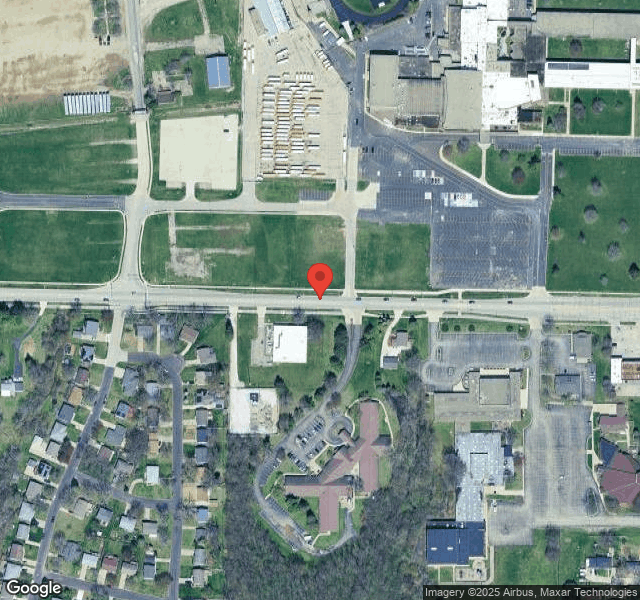
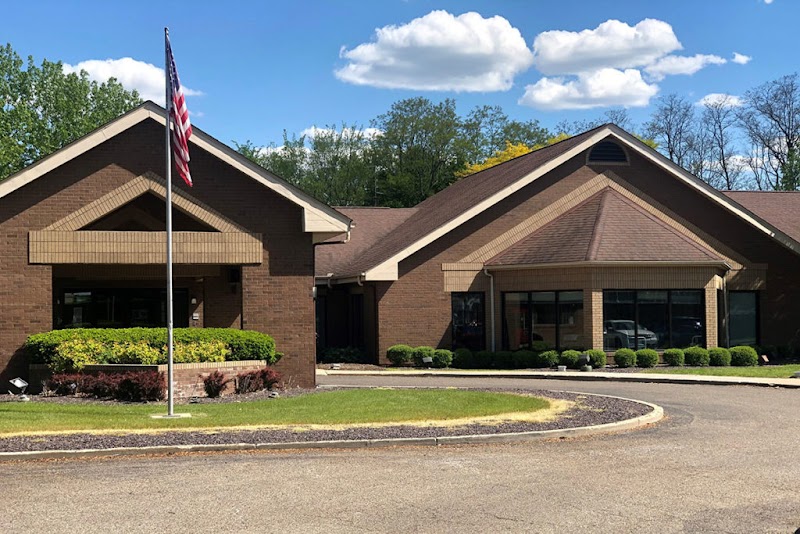
1500 WEST NORTHMOOR ROAD, PEORIA, IL 61614 (309) 691-2200
For profit - Limited Liability company 120 Beds THE LOFT REHABILITATION AND NURSING Data: November 2025 2 Immediate Jeopardy citations
Trust Grade
0/100
#569 of 665 in IL
Last Inspection: August 2024

Within standard 12-15 month inspection cycle. Federal law requires annual inspections.

Overview

Loft Rehab of Peoria has received a Trust Grade of F, indicating significant concerns about the facility's quality of care. It ranks #569 out of 665 nursing homes in Illinois, placing it in the bottom half statewide, and #8 out of 10 in Peoria County, meaning there is only one local option that is better. The facility is improving, with a decrease in issues from 25 in 2024 to just 3 in 2025, but it still faces serious challenges. Staffing is a concern, with a poor rating of 1 out of 5 stars and a high turnover rate of 69%, which is significantly above the state average. Recent inspections revealed critical incidents, including a cognitively impaired resident exiting the facility unsupervised for 40 minutes and missing medications for another resident, leading to serious health consequences. While there are efforts to improve care, the presence of high fines totaling $262,403 and ongoing compliance issues highlight the need for caution when considering this facility.

Trust Score
F
0/100
In Illinois
#569/665
Bottom 15%
Safety Record
High Risk
Review needed
Inspections
Getting Better
25 → 3 violations
Staff Stability
⚠ Watch
69% turnover. Above average. Higher turnover means staff may not know residents' routines.
Penalties
✓ Good
$262,403 in fines. Lower than most Illinois facilities. Relatively clean record.
Skilled Nurses
○ Average
Each resident gets 31 minutes of Registered Nurse (RN) attention daily — about average for Illinois. RNs are the most trained staff who monitor for health changes.
Violations
⚠ Watch
84 deficiencies on record. Higher than average. Multiple issues found across inspections.
★☆☆☆☆
1.0
Overall Rating
★☆☆☆☆
1.0
Staff Levels
★★★☆☆
3.0
Care Quality
★☆☆☆☆
1.0
Inspection Score
Stable
2024: 25 issues
2025: 3 issues

The Good

  • Full Sprinkler Coverage · Fire safety systems throughout facility
  • No fines on record

Facility shows strength in fire safety.

The Bad

1-Star Overall Rating

Below Illinois average (2.5)

Significant quality concerns identified by CMS

Staff Turnover: 69%

23pts above Illinois avg (46%)

Frequent staff changes - ask about care continuity

Federal Fines: $262,403

Well above median ($33,413)

Significant penalties indicating serious issues

Chain: THE LOFT REHABILITATION AND NURSING

Part of a multi-facility chain

Ask about local staffing decisions and management

Staff turnover is elevated (69%)

21 points above Illinois average of 48%

The Ugly 84 deficiencies on record

2 life-threatening 3 actual harm
Jul 2025 1 deficiency
CONCERN (D) 📢 Someone Reported This

A family member, employee, or ombudsman was alarmed enough to file a formal complaint

Potential for Harm - no one hurt, but risky conditions existed

Deficiency F0688 (Tag F0688)

Could have caused harm · This affected 1 resident

Based on observation, interview, and record review, the facility failed to assess, monitor, and apply a physician ordered hand protector for contracture prevention, and ensure Range of Motion Services...

Read full inspector narrative →
Based on observation, interview, and record review, the facility failed to assess, monitor, and apply a physician ordered hand protector for contracture prevention, and ensure Range of Motion Services were provided for one (R39) of three residents reviewed for splints and contractures in the sample list of 53. Findings include: The facility's ADLs (Activities of Daily Living) Policy, dated 2/10/25, documents, Policy: The facility will, based on the resident's comprehensive assessment and consistent with the resident's needs and choices, ensure a resident's abilities in ADLs do not deteriorate unless deterioration is unavoidable. Policy Explanation and Compliance Guidelines: 2. The facility will provide a maintenance and restorative program if indicated to assist the resident in achieving and maintaining the highest practical outcome based on the comprehensive assessment. The facility's Facility Assessment, dated 9/5/2024, documents, Services and Care We Offer Based on Our Resident's Needs: General Care- Mobility and fall/fall with injury prevention. Specific Care or Practices: Transfers, Ambulation, Restorative Nursing, Contracture Prevention/Care. R39's Physician Order Sheet, dated 7/27/23, documents a Physician Order for a right-hand protector to prevent contracture twice a day. This order did not include parameters for how long splint should be on and when to remove the splint. R39's current Medical Diagnosis list documents Cerebral Infarction affecting right dominant side, Contracture of Right Hand, and Abnormalities of Gait and Mobility. R39's MDS (Minimum Data Set) Assessment, dated 5/17/2025, documents R39 is cognitively impaired, requires assistance with all ADLs, has an impairment on one side of R39's upper extremities, and an impairment on both sides of R39's lower extremities. R39's current Care Plan documents, (R39) has an ADL self-care performance deficit related to Activity Intolerance, Fatigue, Impaired balance, right hand contracture, memory loss, post laminectomy syndrome with pain, obesity. This same care plan does not document any active or passive range of motion exercises to R39's right hand. R39's electronic medical record does not contain any evidence of Range of Motion exercises being performed to R39's right hand. On 6/30/25 at 1:30 PM, R39 was observed lying in bed. A right-hand splint labeled with R39's name was on the bedside table. R39's right arm was drawn up toward R39's chest, with the right hand curled into a fist, indicating a contracted posture. The hand protector was not in use, and there was no staff present to explain the absence. On 6/30/25 at 2:15 PM, V21 (Physical Therapist) stated therapy gave the order on 7/27/23 for R39's right hand protector. V21 further stated R39's hand was becoming contracted, and the protector was to keep R39's fingernails from digging into R39's hand. V21 stated R39's order should have had more clear instructions for right placement and removal of right-hand protector. On 6/30/25 at 2:25 PM, V7 (MDS Nurse) stated she does not do quarterly assessments for residents with a brace/splint. V7 stated the facility does not have a nursing assessment to address splints and braces for contractures. V7 confirmed the facility does not have a restorative program, and there is no documentation to show R39 has received Range of Motion to R39's right hand. On 6/30/25 at 2:20 PM, V13 (Assistant Director of Nursing) stated V13 was not aware R39 had a right-hand protector. V13 further stated she is not aware of a nursing assessment being completed for R39's right hand protector, and V13 stated she is not aware who would complete the assessment.
May 2025 1 deficiency
CONCERN (D) 📢 Someone Reported This

A family member, employee, or ombudsman was alarmed enough to file a formal complaint

Potential for Harm - no one hurt, but risky conditions existed

Notification of Changes (Tag F0580)

Could have caused harm · This affected 1 resident

**NOTE- TERMS IN BRACKETS HAVE BEEN EDITED TO PROTECT CONFIDENTIALITY** Based on interview and record review, the facility failed to promptly notify the resident's physician of a change in condition f...

Read full inspector narrative →
**NOTE- TERMS IN BRACKETS HAVE BEEN EDITED TO PROTECT CONFIDENTIALITY** Based on interview and record review, the facility failed to promptly notify the resident's physician of a change in condition for one of three residents reviewed for significant change in a sample of four. Findings include: The facility's Notification of Change Policy, dated 2/10/225, documents, Policy: The purpose of this policy is to ensure the facility promptly informs the resident, consults the resident's physician; and notifies, consistent with his or her authority, the resident's representative when there is a change requiring notification. Circumstances requiring notification included: Significant change in the resident's physical, mental or psychosocial condition such as deterioration in health, mental, or psychosocial status. R1's Face Sheet documents R1 admitted to the facility on [DATE] ,with the following diagnoses: Metabolic Encephalopathy, Cerebral Atherosclerosis, Type Two Diabetes Mellitus, Chronic Kidney Disease, and Alzheimer's Disease. R1's MDS (Minimum Data Set) Assessment, dated 4/11/25, documents R1 is severely cognitively impaired. R1's Progress Note, dated 4/3/25 and signed by V8/RN (Registered Nurse), documents, (R1) exhibited significant agitation and was highly resistant to care. (R1) was observed attempting to ambulate and transfer independently, demonstrating increased difficulty and decline in gait balance, compared to her baseline. Despite staff efforts to approach and assist, (R1) remained uncooperative and did not allow physical contact. Notably, (R1's) gait has deteriorated, placing her at an increased risk for falls. R1's Progress Note, dated 4/4/25 and signed by V8/RN, documents, (R1) continues to demonstrate a noticeable decline in gait and balance. Overnight, (R1) made multiple attempts to stand from her wheelchair but was unable to do so as (R1's) legs repeatedly gave out. (R1) is also exhibiting increased confusion and difficulty following simple instructions. While seated in her wheelchair, (R1) was observed sliding down and had to be boosted back up several times. While being transferred to bed, two staff members had to assist, which represents a notable decline from (R1's) baseline. (R1) did not bear weight during transfer, and her legs buckled during the stand-pivot maneuver. R1's Emergency Department to Hospital admission Note, dated 4/4/25, documents, Disposition: Admit. Clinical Impression- 1. Urinary Tract Infection. 2. Altered Mental Status. On 5/23/25 at 12:04 PM, V8/RN, stated, I just remember the night before (R1) was not acting herself. (R1) was agitated and her gait had slightly declined. I didn't feel like (R1) was so off that (V9/R1's Physician) needed notified. The next day, early in the morning, I noticed (R1) had more of a significant decline. (R1) was unable to stand on her own and had increased confusion. I passed on in report (R1's) declining in condition. I should have notified (V9/R1's Physician) before waiting to pass it on in report. I don't know why I didn't. On 5/23/25 at 9:24 AM, V7/LPN (Licensed Practical Nurse) stated, While I was passing medication to (R1) the morning she was sent to the local hospital, I noticed (R1) was weak, confused, and not acting like herself. (R1) ended up getting sent to the (local hospital) and admitted with a urinary tract infection. On 5/23/25 at 1:15 PM, V9/R1's Physician stated the facility should have notified him when R1 experienced a change in her condition. On 5/24/25 at 9:12 AM, V1/Administrator stated, I would expect the physician to be notified when a resident is experiencing any change in condition per regulation and per our policy. (V8) should have notified (R1's) Physician when she identified (R1) was experiencing a change in condition.
Jan 2025 1 deficiency
CONCERN (D) 📢 Someone Reported This

A family member, employee, or ombudsman was alarmed enough to file a formal complaint

Potential for Harm - no one hurt, but risky conditions existed

Report Alleged Abuse (Tag F0609)

Could have caused harm · This affected 1 resident

Based on interview and record review, the facility failed to report alleged physical abuse to the State Agency for one of six residents (R1) reviewed for abuse in the sample of six. Findings include: ...

Read full inspector narrative →
Based on interview and record review, the facility failed to report alleged physical abuse to the State Agency for one of six residents (R1) reviewed for abuse in the sample of six. Findings include: The Facility's Abuse, Neglect and Exploitation Policy, dated 12/5/2023, documents, When abuse, neglect or exploitation is suspected, the Administrator/Abuse Coordinator Designee should contact the State Agency to report the alleged abuse. The facility must annually notify covered individuals' obligation to comply with the following reporting requirements each covered individual shall report to the State Agency and one or more law enforcement entities for the political subdivision in which the facility is located any reasonable suspicion of a crime against any individual who is a resident of or is receiving care from the facility. Each covered, individual shall report immediately, but not later than 2 hours after forming the suspicion, if the events that cause the suspicion result in serious bodily injury, or not later than 24 hours if the events that cause the suspicion do not result in serious bodily injury. On 1/21/2025 at 2:25 P.M, V7 (Activities Aide) stated on 1/6/2025, R1 was in the dining room area and reported to V7, My aide hit me. V7 stated V7 reported what R1 had said to V1 (Administrator). On 1/22/2025 at 2:15 P.M, V1 (Administrator) confirmed V7 reported to V1 that R1 alleged a Certified Nursing Assistant/CNA had hit her. V1 verified an investigation into the allegation was started. V1 stated, I did not report this (alleged abuse) to the (local state agency). As of 1/22/25, the past six months of reports to the State Agency did not contain R1's abuse allegation made on 1/6/25.
Sept 2024 1 deficiency
CONCERN (D) 📢 Someone Reported This

A family member, employee, or ombudsman was alarmed enough to file a formal complaint

Potential for Harm - no one hurt, but risky conditions existed

Deficiency F0602 (Tag F0602)

Could have caused harm · This affected 1 resident

Based on observation, interview, and record review, the facility failed to ensure drug diversion of a narcotic did not occur for one (R1) of three residents reviewed for narcotic medications in the sa...

Read full inspector narrative →
Based on observation, interview, and record review, the facility failed to ensure drug diversion of a narcotic did not occur for one (R1) of three residents reviewed for narcotic medications in the sample of eight. Findings include: The facility's undated Controlled Drug Policy and Procedure documents: To provide physical facilities and method of operation for the administration and control of narcotics, depressants, and stimulant drugs, which will meet the requirement of State and Federal narcotic enforcement agencies. Controlled drugs, as determined by the facility, are counted every shift by the nurse reporting on duty with the nurse reporting off-duty. The inventory of the controlled drugs must be recorded on the narcotic records and signed for accuracy of count. The controlled drug checklist must be signed by the nurse coming on duty and going off duty to verify that the count of all controlled drugs is correct, if used at facility discretion. The facility's Medication Storage policy and procedure, revised 12/20/23, documents: Narcotics and Controlled Substances: Schedule II drugs and back-up stock of Schedule III, IV and V medications are stored under double-lock and key. Schedule II controlled medications are to be stored within a separately locked permanently affixed compartment when other medications are stored in the same area, such as in a refrigerator. Any discrepancies which cannot be resolved must be reported immediately as follows: Notify the DON, charge nurse, or designee and the pharmacy; Complete an incident report detailing the discrepancy, steps taken to resolve it, and the names of all licensed staff working when the discrepancy was noted; The DON, charge nurse, or designee must also report any loss of controlled substances where theft is suspected to the appropriate authorities such as the local law enforcement, Drug Enforcement Agency, State Board of Nursing, State Board of Pharmacy, and possibly the State Licensure Board for Nursing Home Administrators. Staff may not leave the area until discrepancies are resolved or reported as unresolved discrepancies. The facility's Pharmacy Services policy and procedure, revised 12/21/22, documents: It is the policy of this facility to ensure that pharmaceutical services, whether employed by the facility or under an agreement, are provided to meet the needs of each resident, are consistent with state and federal requirements, and reflect current standards of practice. The facility in coordination with the licensed pharmacist, will provide for: A system of medication records that enables periodic accurate reconciliation and accounting for all controlled medications; Prompt identification of loss of or potential diversion of controlled medications; and Determination of the extent of loss or potential diversion of controlled medications. The pharmacist, in collaboration with the facility and medical director, should include within its services to: Determine (in accordance with or as permitted by state law) the contents of the emergency supply of medications and monitor the use, replacement, and disposition of the supply; and Provide feedback about performance and practices related to medication administration and medication errors. The facility's Abuse, Neglect, and Exploitation policy and procedure, revised 12/5/23, documents: Misappropriation of Resident Property means the deliberate misplacement, exploitation, or wrongful, temporary or permanent, use of a residents' belongings or money without the resident's consent. The Face Sheet for R1 includes the following diagnoses: Quadriplegia C1-C4 complete, Chronic Obstructive Pyelonephritis, Stage 2 Pressure Ulcer of Sacral Region, Low Back Pain, and Traumatic Left Hip Fracture. The current Physician Orders for R1 documents a physician order for Oxycodone 5 mg; give one tablet by mouth every six hours as needed for severe pain was ordered on 6/27/24. The current Care Plan for R1 documents R1 receives opiate medications related to Quadriplegia, has potential for pain related to Neuropathic pain with history of left hip fracture and stage II coccyx pressure ulcer. On 9/26/24 at 12:00 pm, R1 was sitting in a wheelchair in the dining room being assisted with meal. At 1:20 pm, R1 was being mechanically lifted from her wheelchair into bed and cares were provided. At 3:00 pm, R1 was lying in bed on her right side. R1 stated she doesn't take pain medications very often, but has them if she needs them. R1 stated she has pain off and on, and at the first of August she needed the Oxycodone for abdominal pain, but was told she didn't have any. R1 stated she asked to go to the hospital to get checked out. The MAR (Medication Administration Record) for R1, dated 7/1/24 through 7/31/24, documents R1 received three tablets of Oxycodone 5 mg during the month of July 2024; One tablet on 7/19/24, 7/25/24, and 7/26/24. The MAR for R1, dated 8/1/24 through 8/31/24, documents R1 did not receive any Oxycodone until 8/8/24. On 9/27/24 at 9:20 am, V2, DON (Director of Nursing), stated V11, Licensed Practical Nurse/LPN, informed her there was no Oxycodone for R1 in the medication cart. V2, DON, stated she called the Pharmacy and was told the medication had been delivered on the morning of 7/30/24. V2 was unable to locate the Packing Slip, Disposition Form, or the Oxycodone. V2 reported this to V1, Administrator, and an investigation was started. V2, DON, stated if the disposition sheet and the medication were missing, no one would have been able to count it, or know it was gone. On 9/27/24 at 9:25 am, V1, Administrator, stated she was notified by V2, DON, that a card of Oxycodone for R1 had been delivered on 7/30/24, and the staff could not find it. V1 stated she immediately started an investigation and was able to determine the medication was missing. V1 stated the facility video cameras were watched, medication carts and medication rooms were checked, and the locked document shred container was drilled open and searched. V1 stated inside the shred container there were the two packing slips for R1's Oxycodone proving the order date, when it was delivered, and an empty card of Hydrocodone. V1, Administrator, stated Nurses surrounding the time frame were interviewed, pharmacy was notified, and documents received regarding when medication was given, who gave the medication, and who ordered the medication. The Pharmacy was able to tell us that the Oxycodone was ordered three times, but the facility was unable to identify who ordered the medication due to the signatures being unidentifiable and not matching any of the Nurses working at the facility. On 9/27/24 at 12:15 pm, V11, LPN, stated she worked Friday 7/26/24 and gave (R1) Oxycodone on that Friday and she still had some, like half a card left. V11, LPN, stated she did not work again until the next Thursday, 8/1/24, and R1 complained of pain, and there wasn't any Oxycodone to give her. That is crazy she didn't have any pain medication. V11, LPN, stated she reported to V2, DON, who was going to call the pharmacy. V11, LPN, stated on Friday, 8/2/24, she was called to the office and V1, Administrator, and V2, DON, began asking (V11 LPN) about R1's pain medication. V11, LPN, stated she told V1 and V2 that (R1) doesn't ask for pain meds very often and (R1) had some the last day (V11) worked and when (V11) came back (R1) didn't have any. A Medication Error Report, #285 dated 8/2/24, documents: (Don/Director of Nursing) notified of issues with pain medication, Oxycodone. Through the course of initial investigation, it was identified that there was a full card of Oxycodone that had been delivered on 7/30/24 that was not present in the narcotic drawer. Resident went to the ER (emergency room) for c/o (complaints of) pain and reported to the ER that there was no pain medication available at (the facility). Immediate Action Taken: Investigation in progress. Final Five Day to Follow to (State Agency) 8/2/24. Has a UTI (urinary tract infection) per (local hospital) ER. DON on site to verify medication discrepancy. The facility replaced the missing medication for the resident, 8/2/24. The Daily Assignment Sheet for the 400 hall, dated 7/29/24 documents V20, LPN, worked the third shift from 6:00 pm to 6:00 am on 7/30/24. V19, Former LPN, worked on the 400 hall on 7/30/24 from 6:00 am to 6:00 pm. The Narcotic Shift Count form for the 400 hall medication cart, dated 7/4/24 through 7/30/24, documents the 400 hall narcotic medications were not consistently counted, by two Nurses, at shift changes on: 7/5/24, 7/6/24, 7/9/24, and 7/10/24 through 7/30/24. The 400 hall narcotic medications were not counted at all on: 7/7/24, 7/11/24, 7/12/24, 7/16/24, 7/19/24, 7/20/24, 7/21/24, 7/25/24, 7/26/24, and 7/27/24. The facility was unable to provide a Disposition form for R1's Oxycodone. The Daily Assignment Sheets document V19, Former LPN, worked the following days on the 400 hall: 7/15/24, 7/17/24, 7/18/24, 7/23/24,7/24/24, 7/27/24, 7/29/24, 7/30/24, and 7/31/24. The pharmacy Packing Slip and Packing Slip Proof of Deliver forms, dated 7/1/24, documents 30 tablets of Oxycodone 5 mg were ordered and delivered for R1. The facility provided a Phone Reorder Form, dated 7/18/24 at 5:01 pm, documenting V19, Former LPN, attempted to reorder Oxycodone 5 mg for R1, which was not sent by the Pharmacy due to being too early and was previously delivered on 7/1/24. The facility provided two Medication Re-order Forms documenting that Oxycodone 5 mg was again re-ordered for R1 two times on 7/29/24 via fax (facsimile) machine, with unidentifiable signatures consisting of one straight line and one scribbled marking. The Daily Assignment Sheet, dated 7/29/24, documents V19, Former LPN, worked from 6:00 am to 6:00 pm. The pharmacy Packing Slip, dated 7/29/24, documents Oxycodone was ordered for R1 and the Packing Slip Proof of Delivery, dated 7/30/24, documents a card containing 30 Oxycodone 5 mg were delivered and signed for by V20, LPN, the third shift Nurse at 5:23 am. The facility's initial report to the State Agency, dated 8/2/24, documents the facility verified misappropriation of R1's narcotic Oxycodone on 8/2/24. DON notified of issues with pain medication, Oxycodone. The facility replaced the missing medication for the resident on 8/1/24. Through the course of the initial investigation, it was identified that there was a full card of Oxycodone that had been delivered on 7/30/24 that was not present in the narcotic drawer. The local Police were notified, and case (number) filed. Final to follow. The Facility investigation documents interviews were obtained on 8/2/24 from the Residents from the 400 hall and with V11, LPN/Licensed Practical Nurse, V19, Former LPN, V20, LPN, and V21, LPN. V11, LPN's, interview documents V11, LPN, dispensed one Oxycodone to R1 on 7/26/24 and recalls there being approximately a half of card (15) of Oxycodone remaining, and when she returned to work on 8/1/24 there was no Oxycodone available for R1. V19, Former LPN's, interview documents numerous attempts were made to contact V19 without success, and when V19 arrived at the facility for her 6:00 pm shift (V19) was immediately escorted to the conference room and advised she was being suspended for not following facility policy for narcotic count; reasonable suspicion of missing narcotics-Oxycodone. V19, Former LPN, denied knowing of anyone taking R1's medications from the facility. V19, Former LPN, stated, You all want to do a drug test, do it: when they low I re-order; resident (R1) asked for a pain med, look at the sheet; I be on my meds as (V2, DON) be on me to reorder; may have been a few on the card prompted me to reorder; don't remember calling in a refill; sometimes I count cards sometimes I don't; maybe I did fax. V20, LPN's, interview documents V21 stated she put away the narcotics when they came from pharmacy the morning of 7/30/24, did not leave anything unattended on the medication cart. V20, LPN, stated when she handed off the keys on 7/30/24 to V19, Former LPN, there were two cards of Norco (Hydrocodone) in the medication cart and no Oxycodone. V20, LPN, stated right after shift change, V19, Former LPN, left the facility to go get gas and left report on the medication cart. V21, LPN, denied seeing narcotics being taken out of the facility. This Report documents video surveillance verified: V20, LPN, placed narcotic medications into the 400 hall narcotic medication lock box on 7/30/24 prior to shift change; V19, Former LPN, with bizarre behaviors of shuffling through papers in a bin at the Nurses Station; V19 putting something under her jacket, between her lab coat and jacket; V19 going into the medication room at 5:18 am and coming out of medication room at 5:18 am, then going back into the medication room at 5:19 am and coming back out at 5:21 am, without taking anything in or out of the room; and V19, Former LPN, leaving the facility . The facility's investigation summary documents: The facility notified the provider of the issue and orders received to replace the missing medication/Oxycodone for (R1) on 8/1/24. (The facility) pharmacy notified and the facility assumed the charges for the missing medication so (R1) not responsible for the cost of replacement. (Local City) Police notified of incident report #24-16252. Nursing staff assigned to the cart interviewed. Schedule and delivery times verified, and nurse assigned during the time frame in question immediately suspended. Reeducation of narcotic policy /process started with licensed nursing staff. VP (Vice President) of Clinical Services assisted with the investigation. Recycle bins emptied; cart thoroughly checked and reconciled. R1 interviewed and denied current pain and stated she has received her pain meds when requested. Thirty resident interview and all state their medication needs have been met; they are receiving their pain meds to address pain, and all feel safe at the facility. The facility's Disposition documents: Through the course of the investigation the facility has substantiated missing medication/Oxycodone. The facility replaced the medication at no charge to the resident. The (City) Police Department notified and formal report made #24-16252; The officer stated there was not enough evidence to charge the suspended nurse member criminally. The suspended nurse was not reinstated; terminated for not following process and reasonable suspicion based on observations through the course of the investigation. The facility used this incident as an opportunity to improve its processes and provide additional reeducation on medication management/inventory control. The employee file for V19, Former LPN, includes a Disciplinary Action Form that was completed for V19, Former LPN, on 8/9/24. This form documents V19, Former LPN, was terminated on 8/9/24 for reasonable suspicion and not following facility policy and procedure for missing medications, medication administration, and narcotic counts.
Aug 2024 11 deficiencies
CONCERN (D)

Potential for Harm - no one hurt, but risky conditions existed

Deficiency F0558 (Tag F0558)

Could have caused harm · This affected 1 resident

Based on observation, interview, and record review, the facility failed to ensure a resident call device was within reach for one resident (R66) of 18 residents reviewed for call devices in a sample o...

Read full inspector narrative →
Based on observation, interview, and record review, the facility failed to ensure a resident call device was within reach for one resident (R66) of 18 residents reviewed for call devices in a sample of 33. Findings include: The facility's Call Lights: Accessibility and Timely Response policy, revised 12/6/23, documents, Policy: The purpose of this policy is to assure the facility is adequately equipped with a call light at each residents' bedside, toilet, and bathing facility to allow residents to call for assistance. Call lights will directly relay to a staff member or centralized location to ensure appropriate response. Policy Explanation and Compliance Guidelines: 1. All staff will be educated on the proper use of the resident call system, including how the system works and ensuring resident access to the call light. On 8/20/24, at 10:59am, R66 sat in a wheelchair in his room beside his bed. R66's padded round call device was on the floor near the head of R66's bed and out of his reach. R66 tried to lift up the call device cord with his cane and bring it closer, but R66 couldn't lift it up. On 8/20/24, at 11:00am, V8, Certified Nursing Assistant/CNA, came into R66's room and verified R66's call device is on the floor and out of R66's reach. V8 verified it should be in his reach while sitting in his room.
CONCERN (D)

Potential for Harm - no one hurt, but risky conditions existed

Transfer Notice (Tag F0623)

Could have caused harm · This affected 1 resident

3. R8's Progress note, dated 7/18/24, documents R8 was transferred out to the hospital. The facility has no evidence of written notification of transfer to R8's Representative or notification to the O...

Read full inspector narrative →
3. R8's Progress note, dated 7/18/24, documents R8 was transferred out to the hospital. The facility has no evidence of written notification of transfer to R8's Representative or notification to the Ombudsman. On 8/22/24, at 12:04pm, V2, Administrator in Training/AIT, produced the facility's Admission/Discharge To/From Report, dated 7/1/24 to 8/10/24, that is submitted to the Ombudsman monthly. V2 confirmed this report only documents the residents who went home and does not include R8 or any of the residents who went out to the hospital. On 8/23/24, at 11:30am, V2, AIT, confirmed there is no evidence of written notification of transfer on 7/18/24 for R8's hospitalization. Based on interview and record review, the facility failed to provide written notification of transfer to the hospital to a resident's representative (R8) and failed to notify the facility Ombudsman of resident Discharges/Transfers monthly for three residents (R8, R65, R84) of four reviewed for discharges in the sample of 33. Findings include: 1. R65's Social Service Note, dated 8/6/24 at 3:07 pm, documents R65 was accepted to a new facility. R65 will be picked up on 8/10/24 at 8:00 am. Please have R65 ready. R65's Face Sheet, printed 8/22/24, documents R65 was discharged on 8/10/24 to another facility. The Admission/Discharge Log, dated 7/10/24 to 8/10/24, does not document R65 was discharged to another facility. 2. R84's Nursing Note written by V12/Licensed Practical Nurse, dated 8/3/24 at 11:36 pm, documents R84 called V12 to his room, and R84 complained of shortness of breath and chest pains. R84's oxygen level was at 88 percent. R84 stated he wanted to go back to the hospital. R84 had just come back from the hospital at 10:30 am. R84 stated he would feel better if he went to the hospital. V12 called for transportation to take R84 to the hospital. R84's Nursing Note, dated 8/4/24 at 8:42 am, documents R84 is in the hospital. R84's Face Sheet, printed 8/22/24, documents R84 was discharged on 8/3/24 to the hospital. The Admission/Discharge Log for 7/10/24 to 8/10/24 does not document R84 was sent to the hospital. On 8/22/24 at 12:55 pm, V2/Administrator in Training stated, (V17/Social Services) was doing the Discharge Report incorrectly. The Ombudsman should have been notified of all residents that were discharged and why they discharged . (V17) will be trained so she knows how to do the report correctly.
CONCERN (D)

Potential for Harm - no one hurt, but risky conditions existed

Deficiency F0625 (Tag F0625)

Could have caused harm · This affected 1 resident

**NOTE- TERMS IN BRACKETS HAVE BEEN EDITED TO PROTECT CONFIDENTIALITY** Based on interview and record review, the facility failed to provide a copy of the bed hold policy for residents discharging to ...

Read full inspector narrative →
**NOTE- TERMS IN BRACKETS HAVE BEEN EDITED TO PROTECT CONFIDENTIALITY** Based on interview and record review, the facility failed to provide a copy of the bed hold policy for residents discharging to the hospital for one of three residents (R8) reviewed for bed holds in the sample of 33. Findings Include: R8's clinical record documents R8 was hospitalized on [DATE]. R8's clinical record does not contain documentation of written notice of the facility bed hold policy. On 8/22/24, at 3:15pm, V1, Administrator, was unable to produce any documentation the facility's bed hold policy was provided to R8 or R8's representative.
CONCERN (D)

Potential for Harm - no one hurt, but risky conditions existed

Accident Prevention (Tag F0689)

Could have caused harm · This affected 1 resident

**NOTE- TERMS IN BRACKETS HAVE BEEN EDITED TO PROTECT CONFIDENTIALITY** Based on observation, interview, and record review, the facility failed to ensure a resident on a mechanically altered diet was ...

Read full inspector narrative →
**NOTE- TERMS IN BRACKETS HAVE BEEN EDITED TO PROTECT CONFIDENTIALITY** Based on observation, interview, and record review, the facility failed to ensure a resident on a mechanically altered diet was provided supervision at meals as ordered for one (R2) of 18 residents reviewed for meal supervision in a sample of 33. Findings include: The facility's Certified Nursing Assistant Job Description, dated June 2021, documents, Food Service Functions: Serve food trays. Assist with feeding as indicated (i.e. cutting foods, feeding, assist in dining room supervision, etc.). The facility's Comprehensive Care Plans policy, revised 1/25/23, documents, Policy: It is the policy of this facility to develop and implement a comprehensive person-centered care plan for each resident, consistent with resident rights, that includes measurable objectives and timeframes to meet a resident's medical, nursing, and mental and psychosocial needs that are identified in the resident's comprehensive assessment .Policy Explanation and Compliance Guidelines: 3. The comprehensive care plan will describe, at a minimum, the following: a. The services that are to be furnished to attain or maintain the resident's highest practicable physical, mental, and psychosocial well-being. R2's current Physician Order Sheet/POS documents R2 is on a Regular diet, dysphagia puree texture, honey consistency, and has diagnoses including but not limited to Dementia, Dysphagia, Oropharyngeal Phase, Schizophrenia, and Bipolar Disorder. R2's Minimum Data Set/MDS Assessment, dated 7/24/24, documents R2 is severely cognitively impaired and on a mechanically altered diet. R2's current Care Plan documents Current diet: Regular diet, Regular texture, Nectar Thick Liquids. NO Straws with interventions including but not limited to: Feed self, needs food set up and Supervision with meals. R2's Speech Therapy SLP (Speech Language Pathology) Evaluation and Plan of Treatment, Certification period 7/29/24 - 9/7/24 and start of care date 7/29/24, documents, Current Referral: Reason for Referral/Current Illness: Patient is a [AGE] year old male presenting to speech therapy for an evaluation in swallow function due to recent hospitalization for aspiration pneumonia. Patient received speech therapy services during hospitalization and was recommended a pureed solid/honey thick liquids .Swallow Strategies: Compensatory Strategies/Positions: Upright position for all PO (by mouth) intake, aspiration precautions, supervision with all meals. On 8/20/24, at 12:44 pm, R2 was lying in bed with his head of bed elevated. V8, Certified Nursing Assistant/CNA, placed R2's meal tray in front of him on the bedside table. V8 stated, He had a recent change and is on puree now. I kind of just watch him because of his change. At 12:47 pm, V8 left R2 to eat alone in his room. On 8/22/24, at 3:10 pm, V3, Director of Nursing/ DON, stated, (R2) is always at risk for choking because he's on a modified diet and has trouble ridding of his own secretions. If his care plan and speech therapy say he requires meal supervision, then yes he should be supervised. On 8/23/24, at 9:50 am, V1, Administrator, stated, We recognize the importance of residents on modified diets or at risk for choking and expect for them to be supervised in their room or come out to the assisted dining room.
CONCERN (D)

Potential for Harm - no one hurt, but risky conditions existed

Incontinence Care (Tag F0690)

Could have caused harm · This affected 1 resident

Based on observation, interview, and record review, the facility failed to ensure a resident's indwelling urinary catheter bag and tubing were not touching the floor and the urinary bag was covered fo...

Read full inspector narrative →
Based on observation, interview, and record review, the facility failed to ensure a resident's indwelling urinary catheter bag and tubing were not touching the floor and the urinary bag was covered for one (R2) resident of two residents reviewed for urinary catheters in a sample of 33. Findings include: The facility's Catheter Care policy, revised 1/24/23, documents, Policy: It is the policy of this facility to ensure that residents with indwelling catheters receive appropriate catheter care and maintain their dignity and privacy when indwelling catheters are in use. Policy Explanation: 2. Privacy bags will be available and catheter drainage bags will be covered at all times while in use. R2's current Physician Order Sheet/POS documents R2 has a urinary catheter. On 8/20/24, at 10:24 am, R2 is in bed with an uncovered indwelling urinary catheter bag draining yellow urine. R2's catheter bag and tubing are touching the floor. On 8/20/24, at 12:44 pm, R2 was in bed with an indwelling urinary catheter bag and tubing touching the floor. On 8/20/24, at12:50 pm, V8, Certified Nursing Assistant/CNA, verified R2's catheter bag and tubing are on floor and the bag is without a privacy bag. V8 stated, It should have a privacy bag and be tied up so it's not touching the floor. On 8/23/24, at 1:03 pm, V3, Director of Nursing/DON, confirmed indwelling urinary catheter bags should be covered and off the floor, as well as the tubing.
CONCERN (D)

Potential for Harm - no one hurt, but risky conditions existed

Respiratory Care (Tag F0695)

Could have caused harm · This affected 1 resident

3. R18's current POS (Physician Order Sheet) documents a Physician order for Ipratropium-Albuterol Solution 0.5mg (milligrams)/2.5mg/3 milliliters one vial inhalation orally four times a day. On 8/21...

Read full inspector narrative →
3. R18's current POS (Physician Order Sheet) documents a Physician order for Ipratropium-Albuterol Solution 0.5mg (milligrams)/2.5mg/3 milliliters one vial inhalation orally four times a day. On 8/21/24 at 11:34 am, R18's nebulizer tubing and nebulizer mask was lying on R18's nightstand, un-bagged and dated 8/13/24. V14/Licensed Practical Nurse confirmed R18's nebulizer tubing and mask were dated 8/13/24 and not bagged. V14 stated, Nebulizer tubing and mask should be changed at least once weekly (on Sunday evenings) and be bagged when not in use. 2. On 8/20/24 at 10:22 am, R8 was resting in bed with oxygen infusing via nasal cannula. There was no signage for oxygen on R8's bedroom door. On 8/21/24, at 2:34 pm, R8 was in bed with oxygen infusing via nasal cannula. There is no signage on the door for oxygen in use. R8's current Physician Order Sheet/POS does not include any oxygen orders for use or cares of oxygen supplies. R8's August 2024 Medication Administration Record/MAR does not include any documentation of oxygen supplies/cares of. On 8/21/24, at 2:35 pm, V10, Licensed Practical Nurse/LPN, verified there is no oxygen in use signage on R8's door and there should be. On 8/23/24, at 1:12 pm, V3, Director of Nursing/DON, confirmed a physician order must be obtained for the usage and cares of oxygen. Based on observation, interview, and record review, the facility failed to place an oxygen sign outside resident bedrooms for two residents (R8 and R14), have a physician order for the cares and administration of oxygen for one resident (R8), and failed to change oxygen tubing/humidifier bottles per facility policy for one resident (R18) of three residents reviewed for oxygen therapy in the sample of 33. Findings Include: The Oxygen Policy, dated 5/10/21, documents, Oxygen is administered to residents who need it. Consistent with professional standards of practice, the comprehensive person-centered care plans, and the resident's goals and preferences. 6. Oxygen warning signs must be placed on the door of the resident's room where oxygen is in use. 8. Storage of oxygen shall be in accordance with the facility's Oxygen Safety Policy. 1. R14's Physician Order, dated 3/12/24, documents oxygen at 2 (two) liters per minute by nasal cannula every shift. R14's Care Plan documents R14 has altered respiratory status/difficulty breathing related to Sleep Apnea, Chronic Obstructive Pulmonary Disease, and Chronic Respiratory Failure. R14's oxygen setting is to be at 2 (two) liters per minute by nasal cannula. On 8/20/24 at 10:46 am, R14 was lying in bed wearing oxygen. There was no sign on R14's door to indicate oxygen was in use. On 8/21/24 at 2:45 pm, V3/Director of Nursing confirmed R14 did not have an oxygen sign located on his door or doorway. V3 also stated there should be an oxygen sign on all residents' rooms that have oxygen.
CONCERN (D)

Potential for Harm - no one hurt, but risky conditions existed

Deficiency F0698 (Tag F0698)

Could have caused harm · This affected 1 resident

Based on interview and record review, the facility failed to provide documentation of collaboration of care between the facility and the Dialysis center for one of one resident (R66) reviewed for Dial...

Read full inspector narrative →
Based on interview and record review, the facility failed to provide documentation of collaboration of care between the facility and the Dialysis center for one of one resident (R66) reviewed for Dialysis in a sample of 33. Findings include: The facility's Dialysis policy, revised 2/14/24, documents, Policy: This facility will provide the necessary care and treatment, consistent with professional standards of practice, physician orders the comprehensive person-centered care plan, and the residents' goals and preferences, to meet the special medical, nursing, mental, and psychosocial needs of residents receiving dialysis. Policy Explanation and Compliance Guidelines: 4. Nursing staff will provide a report to the dialysis provider regarding the resident's condition and treatment provisions each dialysis treatment day, and as needed. 5. If no written report is received upon return from dialysis, nursing staff will call the dialysis provider to receive a report. R66's Treatment Administration Record/TAR, dated August 2024, documents R66 receives Dialysis. On 8/20/24, at 10:59 am, R66 sat in a wheelchair in his room. R66 stated he goes to dialysis on Monday, Wednesday, and Friday. R66's clinical record did not include any Dialysis Communication forms from 7/20/24 to current. On 8/22/24, at 3:15 pm, the facility provided two Dialysis Communication forms, dated 8/7/24 and 8/16/24. On 8/23/24, at 11:00 am, V1, Administrator, was unable to provide any further dialysis communication forms, and confirmed they should have them.
CONCERN (D)

Potential for Harm - no one hurt, but risky conditions existed

Infection Control (Tag F0880)

Could have caused harm · This affected 1 resident

Based on observation, interview, and record review, the facility failed to ensure proper PPE (Personal Protective Equipment) was donned and handwashing was performed for one COVID-19 (Coronavirus Dise...

Read full inspector narrative →
Based on observation, interview, and record review, the facility failed to ensure proper PPE (Personal Protective Equipment) was donned and handwashing was performed for one COVID-19 (Coronavirus Disease of 2019) positive resident (R58), and failed to ensure Enhanced Barrier Precautions signage was posted for one resident with an indwelling urinary catheter (R2) of 18 reviewed for infection control in a sample of 33. Findings include: 1. The facility's COVID-19 Prevention, Response and Reporting policy, revised 5/31/24, documents, Policy Explanation and Compliance Guidelines: 16. HCP (Health Care Personnel) who enter the room of a resident with suspected or confirmed SARS-CoV-2 (Severe Acute Respiratory Syndrome Coronavirus 2) infection should adhere to standard precautions and use a NIOSH (National Institute for Occupational Safety and Health) - approved particulate respirator with N95 filters or higher, gown, gloves, and eye protection. On 8/20/24, at 12:41 pm, R58 was in a COVID-19 isolation room. V8, Certified Nursing Assistant/CNA, entered R58's room carrying a meal tray with a gown and surgical mask on. R58 was not wearing gloves or eye protection. R58 removed the gown and, without performing hand hygiene, continued to go in and out of other resident rooms passing meal trays. On 8/20/24, at 12:45 pm, V8 verified V8 should have put an N95 mask on before going into R58s' room. V8 stated, I didn't think I had to wear gloves unless doing cares. R58's current Physician Order Sheet/POS documents R58 has a diagnosis of COVID-19. On 8/22/24, at 11:56 am, V3, Director of Nursing/DON, stated to enter a COVID resident room, The staff should be wearing N95 face mask, eye protection, gown and gloves. V3 confirmed staff should perform hand hygiene upon exiting an isolation room and before further tasks or entering other resident rooms. 2. The facility's Infection Prevention and Control Program, revised 1/6/24, documents, Policy: This facility has established and maintains an infection prevention and control program designed to provide a safe, sanitary, and comfortable environment and to help prevent the development and transmission of communicable diseases and infections as per accepted national standards and guidelines .Policy Explanation and Compliance Guidelines: Standard Precautions: b. Hand hygiene shall be performed in accordance with our facility's established hand hygiene procedures. This policy also stated 12. Resident/Family/Visitor Education and Screening: c. Isolation signs are used to alert staff, family members, and visitors of transmission-based precautions. d. Passive screening, such as signs, are posted in the facility to alert family members and visitors to adhere to handwashing, respiratory etiquette, and other infection control principles to limit spread of infection from family members and visitors. On 8/20/24, at 12:44 pm, R2 was lying in bed with an indwelling urinary catheter draining urine. No Enhanced Barrier Precaution signage was posted on R2's door. Red isolation bins were in R2's room. The facility's Enhanced Barrier Precautions list of residents includes R2's name. On 8/21/24, at 2:35 pm, V10, Licensed Practical Nurse/LPN, confirmed R2's door does not include any signage for precautions and stated R2 should have one for Enhanced Barrier Precautions due to his catheter. On 8/22/24, at 12:01 pm, V3, Director of Nursing/DON, stated for residents on Enhanced Barrier Precautions, there should be a sign posted for Enhanced Barrier Precautions on their door and staff should wear gown, gloves, and mask when providing cares.
CONCERN (E)

Potential for Harm - no one hurt, but risky conditions existed

ADL Care (Tag F0677)

Could have caused harm · This affected multiple residents

3. On 8/20/24, at 10:10 am, R40 sat in a wheelchair outside of her room with long white chin whiskers. On 8/21/24, at 11:13 am, R40 sat in a wheelchair in the main Dining Room with long white chin wh...

Read full inspector narrative →
3. On 8/20/24, at 10:10 am, R40 sat in a wheelchair outside of her room with long white chin whiskers. On 8/21/24, at 11:13 am, R40 sat in a wheelchair in the main Dining Room with long white chin whiskers. At this time, R40 stated, I usually pluck them out myself. It bothers me if someone notices them. R40 stated she would like for someone to pluck them out. On 8/22/24, at 1:00 pm, R40 sat in her room with long white chin whiskers. R40's current Care Plan documents: (R40) has an ADL (Activities of Daily Living) self-care performance deficit needs and participation may vary related to recurrent falls secondary to physical deconditioning. This focus has interventions including but not limited to: Resident currently requires assistance with ADLs: .Personal Hygiene: set up help. R40's Minimum Data Set/MDS assessment, dated 8/3/24, documents R40 is moderately cognitively impaired and requires set up or clean up assistance for Personal hygiene: The ability to maintain personal hygiene, including combing hair, shaving, applying makeup, washing/drying face and hands (excludes baths, showers, and oral hygiene). On 8/22/24, at 1:03 pm, V13, Certified Nursing Assistant/CNA, confirmed R40 needed to be shaved. V13 stated the CNAs usually shave residents on their shower days. At this time, V13 checked the shower schedule and stated R40 gets her showers on Wednesday second shift and Saturdays on day shift. V13 stated, (R40) should have been shaved last night. 4. On 8/20/24, at 10:59 am, R66 was in his room with very long fingernails. R66 stated, I don't like them this long. R66's nails are past the pad of his fingers, jagged and sharp. On 8/22/24, at 9:20 am, R66 was in bed with long jagged fingernails. R66's current Care Plan includes, (R66) has an ADL (Activities of Daily Living) self-care performance deficit .Resident presents with residual LUE (Left Upper Extremity) impairments for mobility, gross and fine motor control which limit functional use with interventions including but not limited to Resident currently requires assistance with ADLs - Personal hygiene - supervision. R66's Minimum Data Set/MDS Assessment, dated 6/1/24, documents R66 is cognitively intact and requires supervision or touching assistance for Personal hygiene: The ability to maintain personal hygiene, including combing hair, shaving, applying makeup, washing/drying face and hands (excludes baths, showers, and oral hygiene). On 8/22/24 at 9:26 am, V11, Licensed Practical Nurse/LPN, confirmed R66's nails are very long and they should have been clipped. V11 stated the CNAs (Certified Nursing Assistants) are supposed to clip them. Based on observation, interview, and record review, the facility failed to clip nails for one resident (R66), shave three residents (R40, R62, and R137), and shower one resident (R137) for four of four residents reviewed for ADLs (Activities of Daily Living) in the sample of 33. Findings include: The Certified Nursing Assistant/CNA Job Description, dated June 2021, documents the CNAs are to Assist residents with bath functions (i.e. (example) bed bath, tub or shower bath, etc.) as directed. Assist residents with nail care (i.e. clipping, trimming, and cleaning the finger/toenails). (Note: Does not include diabetic residents.) Shave male residents. Keep hair on female residents clean shaven (i.e. facial hair, under arms, on legs) as instructed. The Activities of Daily Living (ADLs) policy, dated 12/5/22, documents, The facility will, based on the resident's comprehensive assessment and consistent with the resident's needs and choices, ensure a resident's ability in ADL's do not deteriorate unless deterioration is unavoidable. Care and services will be provided for the following activities of daily living: 1. Bathing, dressing, grooming and oral care. 1. On 8/20/24 at 11:08 am, R62 was lying in bed. R62 complained he has not been getting his showers or being shaved. R62 had a long grey/white straggly beard and mustache. On 8/21/24 at 12:15 pm, R62 was lying in his bed. R62 still had not been shaved. R62 stated he has not been shaved in over three weeks, and likes to be shaved at least once a week. R62 stated, I have also not been getting my showers twice a week for the last month, nor given a bed bath on the days I don't get a shower. This has been going on for around a month. The staff say they don't have time or have enough staff to get to everyone. I do refuse my showers every once in a while, but not very often, and the staff does not offer me a bed bath instead. On 8/21/24 at 12:20 pm, V7/Licensed Practical Nurse verified R62's beard and mustache were long and straggly. V7 stated, (R62's) beard and mustache is never long like it is now. (R62) likes to be shaved frequently. I don't know why he hasn't been shaved. R62's Skin Monitoring/Shower Review Sheets documents the last shower R62 had was on 8/6/24. R62's electronic Bathing Report, dated 7/31/24 to 8/22/24, documents R62 prefers bathing on Tuesday and Friday Evenings. The report documents R62 was bathed on Friday 8/2, Tuesday 8/6, Tuesday 8/13, and Friday 8/16/24. 2. On 8/20/24 10:32 am , R137 was lying in bed with V9/R137's Family Member by the bedside. V9 asked if the facility was supposed to shave R137 because R137 had not been shaved since he admitted to the facility last week. R137 had a goatee and a mustache, but also had long white whiskers on the sides of his face that were not a part of the mustache or goatee. R137 looked like he had not been shaved in several days. R137 was asked if he wanted to be shaved, R137 stated, Yes, I asked. On 8/22/24 at 11:54 am, V3/Director of Nursing stated showers should be given twice a week, and the resident should be shaved on shower days and when requested. V3 also stated even if a resident has COVID-19 and is in isolation, they should still get a bed bath. On 8/22/24 at 12:06 am, V1/Administrator stated the showers should be documented in the chart, and a Skin Monitoring/Shower Review Sheet should be filled out each time to document skin issues. The Skin Monitoring/Shower Review Sheet should also be filled out if a bed bath if given. V1 verified 8/20/24 was the only Skin Monitoring/Shower Review Sheet for R137.
CONCERN (F)

Potential for Harm - no one hurt, but risky conditions existed

Grievances (Tag F0585)

Could have caused harm · This affected most or all residents

Based on observation, record review, and interview, the facility failed to provide readily available grievance forms, and failed to post grievance/complaint procedures in a prominent location througho...

Read full inspector narrative →
Based on observation, record review, and interview, the facility failed to provide readily available grievance forms, and failed to post grievance/complaint procedures in a prominent location throughout the facility. This has the potential to affect all 89 residents residing in the facility. Findings include: The facilities CMS (Centers for Medicare and Medicaid services) Long Term Care Facility Application for Medicare and Medicaid Form 671, dated 8/20/24 and signed by V1/Administrator, documents 89 residents currently reside within the facility. The facility's Resident/Family Grievance Policy and Procedure, dated 5/6/24, documents, Policy Explanation and Compliance Guidelines: 1. Social Services Director has been designated as the Grievance Official. 3. Notices of resident's rights regarding grievances will be posted in prominent locations throughout the facility. 7. Information on how to file a grievance or complaint will be available to the resident. Information may include, but is not limited to: a. The contact information of the grievance official with whom a grievance can be filed, including his or her name, business address (mailing and email) and business phone number. C. The time frame that a resident may reasonably expect completion of the review of the grievance and a written decision regarding his or her grievance. On 8/21/24 at 10:20 am during resident council meeting, R19, R34, R45, R55, and R77 all stated they do not know where or how to file a grievance. On 8/22/2024 at 2:45 pm, a tour was conducted with V1/Administrator, asking V1 to show where the grievance forms are located for the residents and where prominent location(s) are for the grievance procedure in the building. V1 verified there was not a posted grievance procedure in any prominent locations around the building, and no grievance forms readily available for the residents that she is aware of.
CONCERN (F) 📢 Someone Reported This

A family member, employee, or ombudsman was alarmed enough to file a formal complaint

Potential for Harm - no one hurt, but risky conditions existed

Deficiency F0727 (Tag F0727)

Could have caused harm · This affected most or all residents

Based on record review and interview, the facility failed to ensure a Registered Nurse (RN) worked at least eight hours daily. This failure has the potential to affect all 89 residents residing within...

Read full inspector narrative →
Based on record review and interview, the facility failed to ensure a Registered Nurse (RN) worked at least eight hours daily. This failure has the potential to affect all 89 residents residing within the facility. Findings include: The facilities CMS (Centers for Medicare and Medicaid services) Long Term Care Facility Application for Medicare and Medicaid Form 671, dated 8/20/24 and signed by V1/Administrator, documents 89 residents currently reside within the facility. The facility's Nurse Schedule dated August 4 to August 31, 2024, documents the facility did not have the services of an RN at least eight hours a day on 8/4/24, 8/11/24, 8/17/24, and 8/18/24. On 8/23/24 at 12:00 pm, V1/Administrator verified they are required to have at least 8 hours of RN coverage daily, based on the staffing calculator the facility utilizes and the number of skilled residents. On 8/23/24 at 12:15 pm, V3/Director of Nursing stated, I am responsible for scheduling the nurses. V3 verified the nursing schedules were accurate and (the facility) did not have an RN for at least eight hours on 8/4/24, 8/11/24, 8/17/24, and 8/18/24.
May 2024 4 deficiencies 2 IJ
CRITICAL (J) 📢 Someone Reported This

A family member, employee, or ombudsman was alarmed enough to file a formal complaint

Immediate Jeopardy (IJ) - the most serious Medicare violation

Accident Prevention (Tag F0689)

Someone could have died · This affected 1 resident

**NOTE- TERMS IN BRACKETS HAVE BEEN EDITED TO PROTECT CONFIDENTIALITY** Based on interview and record review, the facility failed to provide adequate supervision, failed to develop a care plan and imp...

Read full inspector narrative →
**NOTE- TERMS IN BRACKETS HAVE BEEN EDITED TO PROTECT CONFIDENTIALITY** Based on interview and record review, the facility failed to provide adequate supervision, failed to develop a care plan and implement interventions for residents at risk for wandering/elopement, and failed to ensure the front door was alarmed for one of three residents (R1) reviewed for elopement risk in the sample of 17. These failures resulted in a cognitively impaired resident (R1) with a known history of wandering, exiting the facility without staff knowledge for 40 minutes until the resident tried to reenter the facility, falling in the mud, and complaining of head and back pain. The facility is located close to a four-lane road that has high activity of traffic. These failures resulted in an Immediate Jeopardy. While the immediacy was removed on 5-7-24, the facility remains out of compliance at a severity Level II as additional time is needed to evaluate the implementation and effectiveness of their removal plan and quality assurance program. Findings include: The Elopements and Wandering Residents policy, dated 3/1/2020, documents, This facility ensures that residents who exhibit wandering behavior and/or are at risk for elopement receive adequate supervision to prevent accidents and received care in accordance with their person-centered plan of care addressing the unique factors contributing to wandering or elopement risk. Policy Explanation and Compliance Guidelines 1. The facility is equipped with door locks/alarms to help avoid elopements. 2. Alarms are not a replacement for necessary supervision. Staff are to be vigilant in responding to alarms in a timely manner.3. The facility shall establish and utilize a systemic approach to monitoring and managing residents at risk for elopement or unsafe wandering, including identification and assessment of risk, evaluation and analysis of hazards and risks, implementing interventions to reduce hazards and risks, and monitoring for effectiveness and modifying interventions when necessary. 4. Monitoring and managing residents at risk for elopement or unsafe wandering a. residents will be assessed for risk of elopement and unsafe wandering upon admission and throughout their stay by the interdisciplinary care plan team. b. The interdisciplinary team will evaluate the unique factors contributing to risk in order to develop a person centered care plan. c. Interventions to increase staff awareness of the residence risk, modify their residence behavior, or to minimize risks associated with hazards will be added to the residence care plan and communicated to appropriate staff. d. Adequate supervision will be provided to help prevent accidents or elopements. e. Charge nurses and unit managers will monitor the implementation of interventions, response to interventions, and document accordingly. f. The effectiveness of interventions will be evaluated, and changes will be made as needed. Any changes or new interventions will be communicated to relevant staff. R1's Face Sheet documents R1 was admitted to the facility on [DATE], with a diagnosis of Hemiplegia and Hemiparesis following Cerebral Infarction Affecting Right Dominant Side, Chronic Respiratory Failure with Hypoxia, Other Sequel of Cerebral Infarction, Hypertensive Heart and Chronic Kidney Disease without Heart Failure, with Stage One Through Stage Four Chronic Kidney Disease, or Unspecified Chronic Kidney Disease, Localization- Related (Focal) (Partial) Symptomatic Epilepsy and Epileptic Syndrome with Complex Partial Seizures, not Intractable, With Status Epileptics, Vascular Dementia, Mild, with Agitation, and Atherosclerotic Heart Disease of Native Coronary Artery without Angina Pectoris. R1's MDS (Minimum Data Set), dated 2/15/24, documents a BIMS (Brief Interview for Mental Status) Score of 7/15, indicating (severe cognitive impairment). R1 uses a wheelchair. R1 does not wear an alarm to prevent elopement. R1's Care Plan, dated 10/11/23, documents, (R1) is an elopement risk/wanderer. Disoriented to place. R1's Care Plan, dated 10/11/23, documents R1 has a behavior problem related to disrobing in public places around others, combative with cares, yelling profanities and additional co-morbidities. The intervention dated 10/12/23 documents R1 was placed on 1:1 observation for safety and exit seeking behaviors. Please monitor at a safe distance. If R1 pushes past staff and out a door, stay with R1 and call for help. R1's Care Plan, dated 10/16/23, documents, (R1) is an elopement risk/wanderer. Disoriented to place. R1's Care Plan, dated 3/26/24, documents, (R1) is an elopement risk and a wanderer. (R1) has impaired cognition and requires assistance with decision making. (R1) is frequently noted to make statements wanting to go home and is not always easily redirected. The facility is working on safer placement in a different facility to reduce risk of elopement. The Final Incident Report for R1 sent to the State Agency (not dated) documents nursing staff last saw R1 a little before 8:00 PM,on 3/16/24. During the investigation, it was determined R1 went out the facility front door at approximately 7:50 PM. R1 was assisted back into the facility at approximately 8:39 PM. R1 expressed he fell while he was outside, R1 was sent to the emergency room for evaluation and treatment. Due to R1's impaired cognition, R1 was not able to express why he decided to go outside. However, when R1 was assisted back into the facility, it was noted his jeans were undone and had fallen around R1's ankles. It is plausible R1 was outside looking for a restroom due to his cognitive needs. R1's emergency room Notes, dated 3/16/24 at 10:11 PM, documents, (R1) presents from (the facility) where he had an unwitnessed fall outside. EMS (Emergency Medical Staff) states (R1) was complaining of some back pain but otherwise no other concerns or further information. (R1) states he had some chest pain and shortness of breath as well as lightheadedness prior to falling. Unsure if (R1) lost consciousness but thinks he may have hit his head. Denies any neck pain, vomiting, abdominal pain. Does have some pain in his bilateral knees. Skin assessment, Abrasions, swelling, and mild TTP (thrombotic thrombocytopenic purpura) bilateral knees. The facility is located with a busy road in front of the facility and within a quarter mile of a high traffic four-lane intersection. R1's Nursing Note, dated 3/12/24 at 5:57 AM, documents R1 appears to be confused throughout the night. Appears to be aggressive and very restless throughout the night. Stayed up all night asking staff about keys to his car and wanting to go home. Continued to call family throughout the night attempting to see if anyone can pick him up. Assisted resident to his room to rest at this time. R1's Nursing Note written by V15, Licensed Practical Nurse/LPN, dated 3/15/24 at 1:30 AM, documents V15 observed R1 exiting out of 100 hall doors at this time. R1 stated he was trying to go home and was going outside to find his car. 15 min checks were initiated at this time. V15 attempted to call R1's Power of Attorney and no response. R1 was redirected into bed and R1 is resting at this time. R1's Nursing Note, dated 3/15/24 at 5:41 AM, documents R1 is resting in bed at this time. Displaying behaviors throughout the entire night. R1 continued to come up with reasons to leave the facility so he can go outside. Redirected R1 back to his bedroom to get some rest. 15 min checks continue at this time. R1's Nursing Note written by V1, Administrator in Training/AIT, as a Late Entry, dated 3/16/24 at 9:00 PM,documents R1 went out the facility front door at approximately 8:00 PM, and walked to the left of the facility, staying on facility grounds. Resident was assisted back into the facility at approximately 8:39 PM. Resident was dressed appropriately for the weather, and was wearing shoes, socks, jeans, sweatshirt, jacket, and a hat. Resident was unable to express why he went outside. Upon assessment, R1 complained of head and back pain, R1 was able to move all extremities per usual, however, R1 was sent to the Emergency Room/ER for evaluation based on head and back pain. R1's Nursing Note written by V1, AIT, as a Late Entry, dated 3/16/24 at 9:05 PM, documents, Upon assessment, it is plausible that the patient went outside to use the restroom evidenced by his pants down at his ankles. R1's Nursing Note written by V15, LPN, dated 3/16/24 at 9:00 PM, documents, It was reported to this nurse that (R1) was outside of the facility knocking on 400 hall door. This nurse observed (R1) in a wheelchair coming up the hallway with a staff member. Upon assessment, (R1) appeared to be covered with mud to the front and back of his clothing and shoes. Last seen (R1) around 8:00 PM when his medications were administered to him. Resident stated he was trying to go home, so he left the facility and he fell so he came back. Also, (R1) stated he hit his head and hurt his back. R1's Wandering/Elopement Risk Assessment, dated 3/15/24 at 1:39 AM, documents R1 is a High Risk for Wandering. R1 is disoriented, has had recent medication changes, has dementia with psychosis, positions self at exit doors, and states I want to go home. R1 last elopement attempt was 3/15/24. R1's Fall Assessment, dated 4/5/24 at 3:00 PM, documents R1 is a high risk for fall scoring a 50 on the assessment. R1 has an impaired gait and overestimates or forgets limits. On 5/2/24 at 10:00 AM, V18, Certified Nursing Assistant/CNA, was sitting in R1's room providing 1:1 supervision. V18 stated she was not here the day that R1 fell but she heard he had come back from a home visit. I know he does get more worked up when he's been out with family. He doesn't remember how he fell when he was out there. V19 stated she knows he went to the ER, but he does not have any fractures. The resident is receiving 1:1 supervision 24/7 and that it has been that way for a while. He had a 1:1 before, but he started doing a lot better and was ambulating and conversating with staff. I was off a few days and then when I came back, he was a 1:1. I work the 6-2:30 PM shift and I work all over the facility. V18 stated he does not have an ankle band/electronic monitoring device, and thinks they don't use those here. V18 stated she tries to keep an eye on him even when he is sleeping. I may go out and help answer a light or go to the bathroom real quick, but I head back. He is mostly using a 1:1 for falls, elopement, and aggression. He would say he wants to go where he used to live or wants to go to his car and exit-seek. On 5/2/24 at 10:25 AM, V15/ Licensed Practical Nurse/LPN, stated, I was there the day that (R1) eloped. My nurses note on that day are correct. My main goal once I saw (R1) was to be sure he was ok and get (R1) sent out to the hospital. I then notified (V1/AIT). I don't remember (V1) coming in; I didn't see (V1) that night. (R1) is confused and (R1) does this a lot. It's normal for (R1) to be so confused and want to leave the building all the time. The nurse on the other side was the one who was pushing (R1) up the hallway. That might've been (V16, LPN) but I can't remember. I initiated the 15-minute checks and I think that stays in place for 72 hours. I am not sure what exact facility policy is, but I initiated them the day before the elopement happened. When I have (R1) and am his nurse, then I am the one who is responsible for (R1's) 15-minute checks. I was (R1's) nurse that night (3/16/24 elopement), but I was the only nurse on 100 and 200 hall due to a call off, so I would've required a CNA to be completing those checks, and I am not sure who I was working with. I know I was very busy with all the residents I had that night. I think that night it would have been a CNA doing the 15-minute checks. Those would be charted on a paper form. On 5/2/24 at 1:00 PM, V17/Regional Nurse Consultant, stated, (R1) was on one-on-one monitoring, but after a while that starts to make him more agitated, so we have to try other things. I know after this last incident of elopement, they decided that the 15-minute checks would not be enough, and he needed one on one supervision at all times. That's what he has now. On 5/2/24 at 1:05 PM, V1/Administrator in Training/AIT, stated I will look to see if we have any 15-minute checks documented on (R1). They should be documented. The front doors are supposed to lock at night. I am not sure how (R1) actually got out of the building. Interviews were conducted with the nurse working. (No other documentation was provided to show other staff were interviewed or the origin of exiting was ever discovered by V1) On 5/2/24 at 1:50 PM, V1/AIT, stated, Prior to (3/16/24), we were all (all staff) completing close observations of (R1) and making sure he was safe. There was no formal sheet or area that they had to document these checks. We know based on the video surveillance that he exited the front doors at 7:50 PM. Normally, we should have a receptionist at the front door until 8:00 PM and the doors lock/alarm after 8:00 PM. I don't know if the receptionist was not there/ left early, or why there wasn't anyone at the front to keep him from going out. On 5/3/24 at 11:46 AM, V20/Nurse Practitioner, stated R1 was being treated by Psychiatry for his behaviors. V20 was notified when R1 eloped from the facility, and R1 was sent to the emergency room due to complaints of head and back pain. On 5/3/24 at 2:55 PM, V1/AIT, stated the day R1 left the building (3/16/24) he went out the front door at 7:50 PM. V1 knows this from watching the video of R1 leaving. There is usually staff at the front desk until 8:00 PM, but that day (V26/Receptionist) left at 7:00 PM. V26 should have locked the door when she left the building. If the door is locked and opened it will set off an alarm. R1 did not have an alarm on his ankle. The facility does not put alarms on residents. On 5/4/24 at 9:39 PM, V22, LPN, stated she knows of one resident being an elopement risk and that is R1. V22 is not aware of there being a list of residents that are an elopement risk. V22 was asked how she knows if a resident is an elopement risk, and V22 stated the information is relayed in shift report. On 5/4/24 at 7:20 PM, V26, Receptionist, stated when she leaves in the evening, she is supposed to lock both of the front doors and set the alarm. V26 doesn't know where to find the policy about locking and alarming the doors. When V26 was trained for her job, she was just told to do it. V26 also stated she heard from staff that R1 eloped, but was not at the facility when it happened. V26 is not aware of any other residents that are elopement risks, and does not know where to find that information. On 5/5/24 at 11:58 AM, V1/AIT, stated, (V26) left at 7:00 PM on 3/16/24, and did not lock or alarm the front doors. Had (V26) locked the door, (R1) would not have got out. V1 does not know if there is a policy about locking the door or if it is in the job description. V1 did not ask V26 why the door was not locked when V26 left on 3/16/24. The Immediate Jeopardy began on 3/16/24 at 7:50 PM, when the facility failed to prevent R1 from leaving the facility unattended and being gone for 40 minutes. V1 (Administrator in Training) was notified of the Immediate Jeopardy on 5/6/24 at 1:27 PM. The surveyor confirmed through interview and record review that the facility took the following actions to remove the Immediate Jeopardy: 1. Reassessment of all residents for wander risk assessment. Completed 5/7/24 by V27, Assistant Director of Nursing 2. At risk residents for wandering/elopement had care plans reviewed and updated with safety measures and interventions. Completed 5/7/24 by V28, Care Plan Coordinator 3. Updated safety measures and interventions were added to [NAME] . Completed 5/7/24 by V28, Care Plan Coordinator 4. Re-education on elopement policy and procedure as well as Identifying the signs and symptoms of wandering. Completed 5/7/24 by V2, Director of Nursing 5. Re-educate on the facility policy and procedure regarding elopement. Completed 5/7/24 by V2, Director of Nursing 6. Document Performance Improvement Plan/PIP implementation, PIP progress, and Quality Assurance Agency/QAA Committee Meeting Minutes where PIP is discussed. Completed 5/7/24 by V2, Director of Nursing
CRITICAL (J) 📢 Someone Reported This

A family member, employee, or ombudsman was alarmed enough to file a formal complaint

Immediate Jeopardy (IJ) - the most serious Medicare violation

Pharmacy Services (Tag F0755)

Someone could have died · This affected 1 resident

**NOTE- TERMS IN BRACKETS HAVE BEEN EDITED TO PROTECT CONFIDENTIALITY** Based on interview and record review, the facility failed to obtain scheduled medications from the pharmacy for two of three res...

Read full inspector narrative →
**NOTE- TERMS IN BRACKETS HAVE BEEN EDITED TO PROTECT CONFIDENTIALITY** Based on interview and record review, the facility failed to obtain scheduled medications from the pharmacy for two of three residents (R2 and R9) reviewed for pharmacy services in the sample of 17. This failure resulted in R9 abruptly stopping and missing his scheduled seizure medication for a minimum of two days resulting in R9 experiencing weakness, seizure, and a fall breaking three ribs. These failures resulted in an Immediate Jeopardy. While the immediacy was removed on 5-7-24, the facility remains out of compliance at a severity Level II as additional time is needed to evaluate the implementation and effectiveness of their removal plan and quality assurance program. Findings include: The facility's Medication Errors policy, dated 9/28/23, documents, It is the policy of this facility to provide protection for the health, welfare, and rights of each resident by ensuring residents receive care and services safely in an environment free of significant medication errors. Significant Medication Error means one which causes the resident discomfort or jeopardizes his/her health and safety. The facility shall ensure medications will be administered according to the physician's orders. The facility's Medication Reordering policy, dated 12/21/22, documents, It is the policy of this facility to accurately and safely provide or obtain pharmaceutical services including the provision of routine and emergency medications and biologicals in a timely manner to meet the needs of each resident. Acquisition of medications should be completed in a timely manner to ensure medications are administered in a timely manner. 1. R9's MDS (Minimum Data Set), dated 4/11/24, documents a BIMS (Brief Interview for Mental Status) Score of 8/15, indicating (moderate cognitive impairment). R9's Care Plan, dated 3/20/22, documents R9 is at risk for seizure activity and/or injury related to seizures as well as for complications associated with psychotropic medication used for treatment management of seizure disorder. Care Plan update documents R9 has a risk for limited mobility related to a recent fall on 4/10/24, with three left posterior rib fractures. The Final Report for R9 sent to the State Agency (not dated) documents, (R9) informed staff that he fell multiple times in his room on 4/10/24. (R9) sent to hospital due to complaints of pain related to self-reported fall. (R9) returned from hospital ED (Emergency Department) on 4/10/24 with unremarkable X-ray. Informed 4/19/24 that (R9) had minimal displaced fracture of 8th, 9th, 10th posterior left ribs. R9 is a [AGE] year-old who admitted on [DATE] with diagnosis of Generalized Idiopathic Epilepsy, Disorders of Psychological Development, Frontal Lobe and Executive Function Deficit, Muscle Weakness/Abnormalities of Gait and Mobility. Bims (Brief Interview for Mental Status)-8. R9 self-reported multiple falls in his room due to seizure activity. R9 is ambulatory without assistive devices and can get self-up off the floor. On 4/10/24 (R9) notified staff that he wanted to go to the hospital. R9 stated, I fell five times and I need to go to ED (Emergency Department). R9's Medication Administration Record, dated 4/1/24 - 4/30/24, documents R9 has an order for Keppra (Seizure medication) 1000 milligrams, two tablets to be given at 8:00 AM and 8:00 PM daily for seizures. This same record does not document R9 was given any Keppra on 4/9/24 or 4/10/24. Those dates are coded to see the Progress Notes for why Keppra 1000 mg (give 2 tablets twice a day) was not given to R9 on 4/9/24 at 8:00 AM, 8:00 PM, and 4/10/24 at 8:00 AM. On 4/10/24 at 8:00 PM, it is documented R9 was in the hospital. R9's Progress Note written by V21/LPN, dated 4/9/24 at 7:10 AM, documents to give Keppra 1000 mg/milligram tablet. Give 2 (two) tablet by mouth two times a day related to Epilepsy, Unspecified Intractable, Without Status Epilepticus. The medication is on order. R9's Progress Note written by V22/LPN, dated 4/9/24 at 9:29 PM, documents to give Keppra 1000 mg/milligram tablet. Give 2 (two) tablet by mouth two times a day related to Epilepsy, Unspecified Intractable, Without Status Epilepticus. The medication is on order. R9's Progress Note written by V12/LPN, dated 4/10/24 at 3:16 PM, documents to give Keppra 1000 mg/milligram tablet. Give 2 (two) tablet by mouth two times a day related to Epilepsy, Unspecified Intractable, Without Status Epilepticus. The medication is not available. R9's Nursing Note, dated 4/10/24 at 5:46 PM, documents R9 put on his call light and stated, I keep falling and I need to go to the Emergency Room. The Certified Nursing Assistant/CNA notified V12/Licensed Practical Nurse. V12 asked R9 what he needed. R9 stated, I need to go to the Emergency Room. I have fallen multiple times. All falls were unwitnessed by staff. R9 insisted on going to the ER. R9 denies hitting his head and no pain reported. R9's Emergency Department/ED note, dated 4/10/24 at 6:33 PM, documents, (R9) came from the facility for evaluation of right wrist and left hip pain status post two unwitnessed ground level falls. Emergency Medical Staff/EMS reports (R9) has not had Keppra in four to five days. EMS reports (R9) reported believing he had seizures with each fall. EMS reports a 30 second tonic-clonic seizure in route to the ED. (R9) reports back pain currently. (R9) is alert to place and situation, disoriented to time and self. EMS reports (R9) is disoriented to self at baseline. R9's Emergency Department Note, dated 4/10/24 at 7:23 PM, documents, (R9) presents with Seizure and a Fall. The history is provided by the patient. The patient is a [AGE] year-old male with a past medical history of seizures on Keppra, moderate developmental delay, presenting with a chief complaint of seizure and fall. (R9) reports he was living at the facility, and he has not received his anti-epileptic medication for an unknown amount of time. He states they have not been able to fill it due to issues with the pharmacy. (R9) states he did receive his medication today. States he had two seizure episodes without bowel or bladder incontinence or tongue biting. He does not remember the episodes. He knows he did fall but is unsure if he hit his head. Currently his only pain is in his right wrist, left hip, and left ribs. Otherwise, he has no complaints chest pain, shortness of breath, numbness, weakness, tingling, headaches, vision changes and no recent illnesses. R9's Emergency Department/ED Report, dated 4/10/24, documents R9's Keppra level as expected was low. R9's Keppra level was less than 2.0 per lab report. R9 was given a loading dose of 2 Grams intravenous Keppra. R9's Emergency Department/ED Report, dated 4/10/24, documents R9 arrived by ambulance to the ED on 4/10/24 at 6:20 PM. Labs were done at 7:01 PM. Keppra 1000 milligrams was given at 8:27 PM. At 8:28 PM an X-ray of R9's left hip, left ribs, and right wrist were done. At 8:37 PM R9 received 1000 milligrams of Keppra. R9 was discharged at 11:30 PM back to the facility. R9's Nursing Note, dated 4/10/24 at 11:50 PM, documents R9 is back to the facility from ER visit. R9 is alert and oriented with complaint of left lower back pain. R9's X-ray Impression, dated 4/11/24 at 1:20 PM, documents, Acute Left Rib Fractures. R9's Left Rib X-ray Report, dated 4/11/24, documents, Left Ribs: Acute, mildly displaced fractures of the 8th, 9th, and 10th posterior left ribs. R9's Fall Interdisciplinary Team Note, dated 4/11/24 at 8:31 AM, documents R9 self-reported that he fell multiple times on 4/10/24. R9 was ambulating without assistance and fell hitting a garbage can. R9 stated, I fell multiple times in my room because I can't concentrate. R9 was sent to the Emergency Department. R9's Nursing Note, dated 4/19/23 at 3:37 AM, documents R9 has been restless and in pain. R9 stated he has two cracked ribs keeping him from sleeping and causing him pain. R9's Nursing Note, dated 4/19/24 at 2:13 PM, documents V20, Nurse Practitioner, was notified of R9's rib fractures. The Pharmacy Records, dated 5/4/24 at 12:19 PM, documents Keppra was removed from the E-box for R9 by V5/LPN on 4/6/24 at 8:15 AM, and V22/LPN on 4/8/24 at 10:49 PM. The E-box did not have any more Keppra available. According to the Epilepsy Foundation typically anti-epileptic drugs take up to a couple of days to be completely out of your body. Drugs.com says the half-life for Keppra is 44 hours. On 5/2/24 at 10:14 AM, R9 confirmed he had a recent fall and broke ribs. R9 states before the fall, he was not getting his Keppra because they (the facility) were out for 5 days and I kept telling them this was going to happen. I fell forward in my room and got myself up and then I went over by my bed and fell backwards. That was a fall over my trash can, and I broke two ribs. I was alert but I know I had a seizure. That's what happens when I don't get my medicine. On 5/2/24 at 10:20 AM, R10 (R9's roommate) stated he witnessed R9's fall in their room. R9 fell and then got up and went over by his bed then fell again backwards. On 5/3/24 at 11:52 AM, V20/Nurse Practitioner, stated, I think (R9) did have a seizure that caused him to fall ,or (R9) was weak from withdrawals of not getting the Keppra. I believe the labs done at the hospital (R9's) level was close to zero in his system when (R9) fell. V20 also stated from the x-ray, it was determined R9 had a minimal fracture of the 8th, 9th, and 10th rib. On 5/3/24 at 3:30 PM, V1, Administrator in Training/AIT, stated, We (the facility) get notified when medications are delivered. There were problems with the change over from one pharmacy to the other delaying some of the medication. On 5/3/24 at 3:15 PM, V2, Director of Nursing/DON, stated 4/8/24 was her first day working at the facility. The facility had changed pharmacy's on 4/1/24 and there were issues. V2 stated, (R9) told me on the 9th (4/9/24) that he was not getting his Keppra. (R9) was upset and I told (R9) to calm down, and I would take care of it. I did the best I could. V2 called the pharmacy about R9's Keppra, and was told the refill was too soon. V2 requested the medication be sent, but the pharmacy did not send it. On 4/9/24, V2 talked to V11, Pharmacy Customer Service, explaining the facility needed medication for R9. V2 was asked if the doctor could have been contacted to write a script to get the medication at the local pharmacy. V2 stated, I suppose I could have. Who would think the pharmacy would not send the medication. I don't know if they did not believe me or what. (V17/Regional Nurse Consultant) called the pharmacy, and it (Keppra) was finally sent to the facility on 4/10/24. V2 confirmed R9 missed at least three doses of his seizure medication on 4/9 and 4/10//24. On 5/3/24 at 6:43 PM, V11, Pharmacy Customer Service, stated R9 had an order for Keppra 1000 mg tablets. On 3/19/24, the order was filled by another pharmacy for a 30-day supply. On 4/1/24, a new pharmacy was the supplier. On 4/5 and 4/7/24, there was a request from the facility to refill R9's Keppra. The facility was told it was too soon to refill. The facility should have had plenty of medication on hand. On 4/8/24, the pharmacy got a call for the Keppra and sent a notice by Electronic mail/Email that it was too soon to refill the order. The pharmacy did not get a response to the Email. On 4/10/24, V2/DON called that they (the facility) needed the medication STAT (immediately). The Keppra was delivered to the facility at 3:52 PM on 4/10/24. V11 also stated the E-box had eight 250 mg tabs of Keppra. There were four tabs removed on 4/6 for R9 and four tabs removed on 4/8/24 for R9. On 5/4/24 at 6:52 AM, V21, Licensed Practical Nurse/LPN stated there was a day (4/9/24) R9 did not have Keppra available, and there was none in the E-box. V21 reordered the medication through the computer. On 5/4/24 at 9:39 PM, V22, LPN, stated she remembers running out of Keppra for R9 and needing to take it from the E-box, but there was none in the E-box. 2. R2's current computerized medical record, documents R2 was admitted to the facility on [DATE] with a diagnosis of Opioid Dependency, Essential (Primary) Hypertension, Suicidal Ideation's, Major Depressive Disorder, Cerebral Infarction due to Embolism of Right Middle Cerebral Artery, Other Specified Disorders of Brain, Major Depressive Disorder, Recurrent, Severe with Psychotic Symptoms, and Vascular Dementia with Other Behavioral Disturbance. R2's MDS (Minimum Data Set), dated 3/12/24, documents a BIMS (Brief Interview for Mental Status) Score of 12/15, indicating (mild cognitive impairment). R2's Medication Administration Record, dated 4/1/24-4/30/24, documents R2 was to get Norco 5-325 mg tablet, give 1 tablet by mouth three times a day for pain. R2 did not get the Norco as scheduled on 4/1 and 4/2/24. R2's Orders Administration Note, dated 4/1/24 at 8:58 AM, documents an order for Norco 5-325 mg tablet, give 1 tablet by mouth three times a day for pain. Awaiting signed script. R2's Orders Administration Note, dated 4/1/24 at 12:09 PM, documents an order for Norco 5-325 mg tablet, give 1 tablet by mouth three times a day for pain. Need signed script. R2's Orders Administration Note, dated 4/1/24 at 8:52 PM, documents an order for Norco 5-325 mg tablet, give 1 tablet by mouth three times a day for pain. Not available on order. R2's Orders Administration Note, dated 4/2/24 at 7:29 AM, documents an order for Norco 5-325 mg tablet, give 1 tablet by mouth three times a day for pain. Awaiting signed script. R2's Orders Administration Note, dated 4/2/24 at 12:39 AM, documents an order for Norco 5-325 mg tablet, give 1 tablet by mouth three times a day for pain. New pharmacy new script needed. R2's Orders Administration Note, dated 4/2/24 at 8:21 PM, documents an order for Norco 5-325 mg tablet, give 1 tablet by mouth three times a day for pain. Not available on order. On 5/3/24 at 11:38 AM, V20, Nurse Practitioner, stated, I would believe that (R2) did not get her pain medication for a couple of days. There has been a terrible problem with the new pharmacy not getting the medications filled like they should. The facility does have a backup box that the medication should have been pulled from. The Immediate Jeopardy began on 4/10/24 at 5:46 PM, when R9 fell breaking three ribs from the facility failing to give R9 his seizure medication for at least two days. V1 (Administrator in Training) was notified of the Immediate Jeopardy on 5/6/24 at 1:35 PM. The surveyor confirmed through interview and record review that the facility took the following actions to remove the Immediate Jeopardy: 1. Audit of all resident's receiving seizure medications. Completed 5/7/24 by Pharmacy. 2. Resident's receiving seizure medications the medication is in house and being administered per the physician order. Completed 5/7/24 by V2, Director of Nursing 3. All nursing staff have access to the backup medication machine. Completed 5/7/24 by V2, Director of Nursing 4. Re-education on medication administration and contacting physician and pharmacy if medication is not available. Completed 5/7/24 by V2, Director of Nursing 5. Document Performance Improvement Plan/PIP implementation, PIP progress, and Quality Assurance Agency/QAA Committee Meeting Minutes where PIP is discussed. Completed 5/7/24 by V1, Administrator in Training
CONCERN (D) 📢 Someone Reported This

A family member, employee, or ombudsman was alarmed enough to file a formal complaint

Potential for Harm - no one hurt, but risky conditions existed

Free from Abuse/Neglect (Tag F0600)

Could have caused harm · This affected 1 resident

Based on interview and record review, the facility failed to prevent staff to resident verbal/mental abuse for one resident (R11) of four residents reviewed for abuse in the sample of 17. Findings inc...

Read full inspector narrative →
Based on interview and record review, the facility failed to prevent staff to resident verbal/mental abuse for one resident (R11) of four residents reviewed for abuse in the sample of 17. Findings include: Facility Policy/Abuse Neglect and Exploitation, dated 12/5/22, documents: Each resident has the right to be free from abuse, neglect, misappropriation of resident property and exploitation. Residents must not be subject to abuse by anyone, including, but not limited to facility staff, other residents, consultants, contractors, volunteers, or staff of other agencies serving the resident, family members, legal guardians, friends or other individuals. Abuse means the willful infliction of injury, unreasonable confinement, intimidation, or punishment with resulting physical harm, pain or mental anguish. Instances of abuse of all residents, irrespective of any mental or physical condition, cause physical harm, pain, or mental anguish. Willful means the individual deliberately, not that the individual must have intended to inflict injury or harm. Verbal Abuse means the use of oral, written or gestured language that willfully includes disparaging and derogatory terms to residents or their families, or within hearing distance regardless of age, ability to comprehend, or disability. Mental Abuse includes but is not limited to, humiliation, harassment, threats of punishment or deprivation. Current Physician Order Report Summary indicates R11 was admitted to the facility 6/18/23, and has diagnoses that include Emphysema, Seizure Disorder, and Diabetes Mellitus. Current Comprehensive Assessment indicates R11 has mild to moderate cognitive impairments. Current Care Plan indicates R11 has impaired thought process due to Intellectual Disability and was admitted to Hospice 2/20/24. State Report/Summary of the Investigation of Incident, dated 2/29/24, indicates on 2/29/24, V23, Therapy Director, entered the dining room and overheard V25, Activity Assistant, say, Stop being a little girl. to R11 (male resident). Report indicates V25 made the statement to R11 in response to R11 becoming upset he could not go on an activity outing that day. Report indicates R12 was also in the dining room and overheard the comment V25 made to R11. Report indicates upon interview, V25 admitted he made the comment to R11 after R11 became upset when he could not go on the outing. V23's Witness Statement (undated) indicates (on 2/29/24) upon arrival to retrieve (another resident) for therapy around 2:25pm, overheard V25, Activity Assistant, loudly state to R11, There's only room for 3 on the bus and you can go next time; stop crying like a little girl. Statement indicates R11 was tearful and became more tearful after V25's comment. Statement indicates approximately 6-8 residents and at least one other staff member was present at the time the comment was made to R11 by V25. V25's Witness Statement, dated 3/29/24, indicates while calling Bingo numbers during an activity, R11 was complaining about not being able to go on an activity, and V25 told R11, You'll go next time, don't be a baby. Investigation Conclusion indicates V25 was terminated due to Unprofessional conduct. On 5/2/24 at 2pm, V1, Administrator-In-Training, stated V23, Therapy Director, was no longer employed with the facility.
CONCERN (D) 📢 Someone Reported This

A family member, employee, or ombudsman was alarmed enough to file a formal complaint

Potential for Harm - no one hurt, but risky conditions existed

Report Alleged Abuse (Tag F0609)

Could have caused harm · This affected 1 resident

Based on interview and record review, the facility failed to report an allegation of verbal abuse to the State Agency for one resident (R5) of four residents reviewed for abuse in a sample of 17. Find...

Read full inspector narrative →
Based on interview and record review, the facility failed to report an allegation of verbal abuse to the State Agency for one resident (R5) of four residents reviewed for abuse in a sample of 17. Findings include: Facility Policy/Abuse, Neglect and Exploitation, dated 12/5/22, documents: The Abuse coordinator in the facility is the Administrator, or facility designee. Report allegations or suspected abuse, neglect or exploitation immediately to: Administrator or designee Other Officials in accordance with State Law State Survey and Certification agency through established procedures. Verbal abuse means the use of oral, written or gestured language that willfully includes disparaging and derogatory terms to residents or their families, or within hearing distance regardless of their age, ability to comprehend or disability. When suspicion of abuse, neglect or exploitation, or reports of abuse, neglect or exploitation occur, an investigation is immediately warranted. Once the resident is cared for and initial reporting has occurred, an investigation should be conducted. Anyone in the facility can report suspected abuse to the abuse agency hotline. In response to allegations of abuse, neglect, or exploitation or mistreatment, the facility must: Ensure that all alleged violations involving abuse, neglect, exploitation or mistreatment, including injuries of unknown source and misappropriation or resident property, are reported immediately to the administrator of the facility and to other official (including the State Survey Agency and adult protected services where state law provides for jurisdiction in long-term care facilities) in accordance with state law. Report the result of all investigations to the administrator or his or her designated representative and to the other official in accordance with State law, including to the State Survey Agency within 5 working days of the incident. Grievance/Complaint Report, dated 4/22/24, indicates R16 reported that R5 said V29, CNA (Certified Nurse Assistant), cussed at R5 during the night. Report indicates it was investigated by V1, AIT (Administrator-In-Training), and V17, Regional Nurse Consultant. On 5/7/24 at 11:57 am ,V1 indicated, When the concern was brought to our attention, the resident (R5) reported that it did not happen. It was reported to (V2, DON/Director of Nursing), that a staff member used inappropriate language, however, the resident to which the concern was about (R5), reported that nothing took place. The resident reporting has a history of false allegations and interjecting herself into other resident's cares. V1 further indicated, The person reporting the alleged incident was not the resident it was regarding. The resident it was regarding stated there was no alleged allegation of abuse or misconduct, therefore, there was no allegation of abuse to report. No initial or five-day report was made to the State Survey Agency regarding the allegation of verbal abuse by V29 to R5.
Mar 2024 4 deficiencies
CONCERN (D) 📢 Someone Reported This

A family member, employee, or ombudsman was alarmed enough to file a formal complaint

Potential for Harm - no one hurt, but risky conditions existed

Comprehensive Care Plan (Tag F0656)

Could have caused harm · This affected 1 resident

Based on interview and record review, the facility failed to develop an oxygen care plan for one (R3) of three residents reviewed for oxygen in a sample of five. Findings include: Facility Care plan p...

Read full inspector narrative →
Based on interview and record review, the facility failed to develop an oxygen care plan for one (R3) of three residents reviewed for oxygen in a sample of five. Findings include: Facility Care plan policy, dated 12/06/22, documents, Include the minimum healthcare information necessary to properly care for a resident including, but not limited to: Physician orders. On 3/6/24 at 9:30 AM, R3 was in the front lobby alert and oriented with portable oxygen on via nasal cannula. R3's current care plan has no documentation R3 wear oxygen. On 3/12/24 at 1:48 PM, V1, Administrator, verified R3's current care plan did not have R3's oxygen listed on it, and he wears oxygen every day.
CONCERN (D) 📢 Someone Reported This

A family member, employee, or ombudsman was alarmed enough to file a formal complaint

Potential for Harm - no one hurt, but risky conditions existed

Deficiency F0659 (Tag F0659)

Could have caused harm · This affected 1 resident

Based on interview and record review, the facility failed to process orders for an Iron medication for one (R1) of three residents reviewed for medications in a sample of six. Findings include: Facili...

Read full inspector narrative →
Based on interview and record review, the facility failed to process orders for an Iron medication for one (R1) of three residents reviewed for medications in a sample of six. Findings include: Facility Physician/Practitioner Orders, dated 12/13/22, documents, For physician/practitioner orders received in writing or via fax, the nurse in a timely manner will: If not the Attending, call the attending physician to verify the order. Follow facility procedures for verbal or telephone orders including: noting the order, submitting to pharmacy, and transcribing to medication or treatment administration record. For physician/practitioner orders received via telephone, the nurse will: Document the order on the physician order form, noting the time, date, name and title of the person providing the order, and the signature and title of the person receiving the order. If not the Attending, call the attending physician to verify the order. Follow facility procedures for verbal or telephone orders including: noting the order, submitting to pharmacy, and transcribing to medication or treatment administration record. R1's physician orders document Iron Folate-F Oral Capsule (Iron Combinations) give 325 mg/milligrams by mouth, active on 2/23/2024 8:00 AM. R1's medical record has no other documentation R1 was given Iron in November 2023, December 2023, January 2024, or February 2024 until R1 received Iron Folate on 2/23/24. On 3/6/24 at 12:40pm, V4, NP/Nurse Practitioner for a cancer center stated, I ordered (R1's) Iron back in November 2023. I faxed the nursing home the new order and confirmed with a nurse the order was received. At (R1's) December 2023 appointment his current orders did not have his Iron listed on his medication list. I reached out to the nursing home and faxed another order. At (R1's) February 2024 appointment, his current orders did not have Iron list on his medication list. I faxed the nursing home and confirmed with a nurse the order was received. On 3/12/24 at 1:48 PM, V1, Administrator, verified R1 did not have Iron listed on his current medication orders until February 23, 2024.
CONCERN (D) 📢 Someone Reported This

A family member, employee, or ombudsman was alarmed enough to file a formal complaint

Potential for Harm - no one hurt, but risky conditions existed

Deficiency F0691 (Tag F0691)

Could have caused harm · This affected 1 resident

Based on interview and record review, the facility failed to obtain orders/cares for a colostomy for one (R2) of one residents reviewed for colostomies in a sample of five. Findings include: Online Wo...

Read full inspector narrative →
Based on interview and record review, the facility failed to obtain orders/cares for a colostomy for one (R2) of one residents reviewed for colostomies in a sample of five. Findings include: Online Wound, Ostomy, and Continence Society Article, undated, documents, General maintenance care of a Colostomy is needed daily. R2's admit diagnosis, dated 2/14/24, documents, COLOSTOMY STATUS. R2's February 2024 physician orders has no documentation for R2's Colostomy cares. R2's nurses notes, dated 2/14/2024 at 9:24pm by V10, LPN/Licensed Practical Nurse, documents, Resident (R2) arrived to the facility via transport. Family arrived shortly before resident, delivering numerous medical supplies for Colostomy care. On 3/6/24 at 12:23pm, V3, R2's Power of Attorney/POA, stated, (R2) was admitted to (nursing home) in February 2024 with her colostomy. (R2) was in the hospital and got her colostomy on January 7 2024. On 3/12/24 at 1:48pm, V1, Administrator, verified R2 did not have any orders for R2's Colostomy. During this survey, V1 was asked on two separate occasions to provide a Colostomy policy, and was unable to provide.
CONCERN (D) 📢 Someone Reported This

A family member, employee, or ombudsman was alarmed enough to file a formal complaint

Potential for Harm - no one hurt, but risky conditions existed

Respiratory Care (Tag F0695)

Could have caused harm · This affected 1 resident

**NOTE- TERMS IN BRACKETS HAVE BEEN EDITED TO PROTECT CONFIDENTIALITY** Based on observation, interview, and record review, the facility failed to have sufficient oxygen for a doctor appointment, and ...

Read full inspector narrative →
**NOTE- TERMS IN BRACKETS HAVE BEEN EDITED TO PROTECT CONFIDENTIALITY** Based on observation, interview, and record review, the facility failed to have sufficient oxygen for a doctor appointment, and failed to have oxygen orders for two (R1 and R3) of three residents reviewed for oxygen in a sample of five. Findings include: Facility Oxygen Administration, dated 5/10/21, documents, Oxygen is administered to residents who need it. Oxygen is administered under orders of a physician. 1. R1's current physician orders documents an order from 10/16/23 for Oxygen 2 liters nasal cannula. On 3/6 /24 at 10:00 AM, R1 stated, I went to the (doctor appointment) and used their oxygen because I ran out, and was transferred back to the nursing home with no oxygen. My tank was empty. At that same time, R1 was wearing portable oxygen by nasal cannula and was alert and oriented. On 3/6/24 at 12:40pm, V4, NP/Nurse Practitioner for a cancer center, stated, (R1) is on oxygen, came to his appointment with a partial tank, we were not running behind. (R1) ran out of oxygen and used ours, his transport driver was aware he was out of oxygen. we disconnected him from our oxygen, and then he was taken back to the nursing home. On 3/7/24 at 10:40 AM, V6, CNA (Certified Nurse Aid)/Transport, stated, (R1) was transported by me on 2/22/24. I drove him to his doctor appointment. I did not come get more oxygen from the nursing home, and he wears oxygen all the time. 2. On 3/6/24 at 9:30 AM, R3 was in the front lobby, alert and oriented, with portable oxygen on via nasal cannula. On 3/7/24, R3's corded oxygen machine had a humidity bottle that was empty, and nasal cannula that was dated 1/29/24. R3 verified he wears the oxygen on the corded oxygen machine at night, but uses the portable oxygen during the day when up and about. R3's medical record documents R3 was admitted on [DATE] with the following diagnosis: COPD/Chronic Obstructive Pulmonary Disease. On 3/12/24 at 1:48pm, V1, Administrator, verified R3 did not have any orders for R3's oxygen.
Feb 2024 3 deficiencies 1 Harm
SERIOUS (G) 📢 Someone Reported This

A family member, employee, or ombudsman was alarmed enough to file a formal complaint

Actual Harm - a resident was hurt due to facility failures

Quality of Care (Tag F0684)

A resident was harmed · This affected 1 resident

**NOTE- TERMS IN BRACKETS HAVE BEEN EDITED TO PROTECT CONFIDENTIALITY** Based on observation, interview, and record review, the facility failed to assess a heel wound, failed to provide treatment orde...

Read full inspector narrative →
**NOTE- TERMS IN BRACKETS HAVE BEEN EDITED TO PROTECT CONFIDENTIALITY** Based on observation, interview, and record review, the facility failed to assess a heel wound, failed to provide treatment orders, and failed to develop a wound care plan for one resident (R5) with a pressure-related heel wound of three residents reviewed for wounds in the sample of seven residents. This failure resulted in an unstageable left heel wound identified on 2/3/24 and without physician treatment orders until 2/14/24. Findings include: Facility Policy/Wound Treatment Management, dated 9/19/23, documents: To promote wound healing of various types of wounds, it is the policy of this facility to provide evidenced-based treatments in accordance with current standards of practice and physician orders. In the absence of treatment orders, the licensed nurse will notify the physician to obtain treatment orders. This may be the treatment nurse, or the assigned licensed nurse in the absence of the treatment nurse. Dressings/treatments will be monitored daily to ensure they remain clean, dry and intact with documentation in place to ensure compliance. Treatments will be documented on the TAR (Treatment Administration Record). The effectiveness of treatments will be monitored by nursing staff, DON (Director of Nursing) and wound nurse through regular assessment of the wound based on treatment and progress. Current Physician's Order Summary Report indicates R5 was readmitted to the facility on [DATE] and has diagnoses that include Diabetes Mellitus, Morbid Severe Obesity, Paraplegia, Neuromuscular Dysfunction of Bladder with Indwelling Urinary Catheter. On 2/13/24 at 1:15pm, R5 stated he has a wound on his heel from not being repositioned by staff. R5 stated he is unable to move his legs and needs to be positioned by staff. R5 stated his heel wound is due to unrelieved pressure. Progress Note, dated 2/3/24 at 4:19pm, indicates R5 was found to have a new area on left heel. Note indicates, Contacted wound nurse and new treatment and preventative measures added for new area. (Nursing Order) to apply (iodine) and cover with bandage. Progress Note, dated 2/3/24 at 8:40pm, indicates R5 was sent to the hospital for change in condition. Progress Note, dated 2/8/24 at 1:45pm, indicates R5 returned from the hospital at that time. Wound Log indicates R5's left heel wound was documented on the log on 2/7/24 as an Acquired Diabetic wound measuring 3.0cm (centimeter) x 4.0cm with depth Unable To Determine. Admit/Readmit Screener, dated 2/8/24 at 10:06pm, indicates R5's skin was assessed on readmit and the following areas were identified: Abdominal wound, Right lower abdomen and Left medial leg. Readmit Screening did not identify or document R5's left heel wound. On 2/14/24 at 10:45am, V3, ADON (Assistant Director of Nursing)/Wound Nurse, provided dressing changes to R5's wounds. Dressings removed from R5's abdominal wounds and left heel wounds were all dated 2/12/24. V3 confirmed the dressings were not changed on 2/13/24 as ordered. R5's left heel was noted to have an inner, posterior wound covering 75% of R5's entire heel. Wound bed was mostly dry and dark brown/black in color. Wound Physician Note, dated 2/14/23 at 3:56pm, indicates R5 has a full thickness diabetic wound of the left posterior heel measuring 2.2cm (centimeter) x 1.5cm, depth not measurable due to presence of non-viable tissue and necrosis. Wound note indicates R5's heel wound is 100% covered with thick adherent black necrotic tissue (eschar). Note indicates Recommendations are to apply (iodine) once daily for 30 days; float heels in bed, offload wound, reposition per facility protocol and apply a (pressure relieving boot). Current Physician Orders, skin assessments and current TAR do not include any treatment orders, interventions, or assessments for R5's left heel wound until 2/14/24. R5's Care Plan was not revised to include left heel wound or interventions. On 2/14/24 at 2:pm, V3, Wound/Treatment Nurse, confirmed there was no assessment of R5's heel wound until 2/14/24, and stated the nurse who found R5's heel wound on 2/3/24 should have assessed the wound, notified the physician, and received treatment orders. V3 also stated R5's heel wound should have been included in the readmission skin assessment on 2/8/24.
CONCERN (F) 📢 Someone Reported This

A family member, employee, or ombudsman was alarmed enough to file a formal complaint

Potential for Harm - no one hurt, but risky conditions existed

Deficiency F0678 (Tag F0678)

Could have caused harm · This affected most or all residents

**NOTE- TERMS IN BRACKETS HAVE BEEN EDITED TO PROTECT CONFIDENTIALITY** Based on observation, interview, and record review, the facility failed to ensure two of two Emergency Carts reviewed were stock...

Read full inspector narrative →
**NOTE- TERMS IN BRACKETS HAVE BEEN EDITED TO PROTECT CONFIDENTIALITY** Based on observation, interview, and record review, the facility failed to ensure two of two Emergency Carts reviewed were stocked with necessary emergency equipment, and failed to ensure both carts were checked every 24 hours per facility policy. This failure has the potential to affect all 102 residents in the facility. Findings include: On [DATE] Resident Room Roster indicated resident census was 102. Facility Policy/Emergency Crash Cart, dated [DATE], documents: The purpose of this policy is to ensure that all supplies critical to basic life support are readily available on the Emergency Cart. Equipment/supplies used from the Emergency Cart are noted and replaced promptly. The Emergency Crash Cart is checked every 24 hours and after every use. Missing or expired items are replaced, when applicable. Clinical staff will be educated on the location and use of the Emergency Crash Cart. Equipment/supplies from the Emergency Cart are used only when emergency care is provided. Facility Emergency Cart Check List (undated) documents employees are to initial after reviewing the cart supply and each Emergency Cart should include the following equipment/supplies: Suction machine with canister, tubing and oral suction device attached 2 Suction catheter kits 1 Protective eyewear 2 Oxygen face masks 1 Ambu (Artificial Manual Breathing Unit) bag 2 Red bags 1 Stethoscope Tape 1 Box latex-free gloves 1 Glucometer (test strips and Quality Control Solution) 2 Additional Oro-pharangeal suction catheters 1 Extension Cord 2 Nasal cannulas for oxygen delivery 1 Portable oxygen with gauge and key (if applicable) 1 Backboard 1 Blood pressure cuff 1 Package tongue depressors 1 Flashlight 1 Blank Quality Assurance (QA) Code Blue Review Worksheet with pen and clipboard. On [DATE], 100/200 Units Emergency Cart was without a suction machine, one suction catheter, one oxygen face mask and tape. At that time, V2, DON (Director of Nursing), stated the suction machine from the Emergency Cart was being used in a resident room and should have been replaced on the cart. Monthly Emergency Cart Checklist, dated [DATE], indicates the Emergency Cart was checked by staff on 9/16, 9/17, 9/18, 9/23, 9/24 and 9/25 2023. All other dates are blank. Checklist does include additional documentation [DATE] Need suction tubing for machine. Monthly Emergency Cart Checklist, dated [DATE], indicates the Emergency Crash Cart was only checked on [DATE]. Monthly Emergency Cart Checklist, dated [DATE], indicates the Emergency Cart was only reviewed on [DATE]. On [DATE], 300/400 Units Emergency Crash Cart was without a backboard. Monthly Emergency Cart Checklist, dated [DATE], indicates the Emergency Cart was reviewed on 12/4, 12/5, 12/6, 12/11, 12/12, 12/16, 12/17, 12/18 and 12/19 2023. Checklist does include additional documentation [DATE] - Need blank QA Code Blue Review Worksheet, Pen and clipboard. Monthly Emergency Cart Checklist, dated [DATE], indicates the Emergency Cart was reviewed on 11/24, 1/8, 1/9, 1/13, 1/22, 1/23 and 1/28 2024. All other dates are blank. Checklist does include additional documentation: [DATE] - Need backboard and AED (Automated External Defibrillator) machine replaced. [DATE] - Needs backboard and AED machine [DATE] - Needs backboard [DATE] - Needs backboard [DATE] - Needs backboard Monthly Emergency Cart Checklist, dated February 2024, indicates the Emergency Cart was reviewed on 2/3, 2/4 and 2/5 2024. On [DATE] at 2pm, V2 stated night shift nurses are supposed to be checking the cart every night. V2 also stated there is one AED available right now on the 100/200 Unit, however, best practice would be to also have one on 300/400 Unit.
CONCERN (F) 📢 Someone Reported This

A family member, employee, or ombudsman was alarmed enough to file a formal complaint

Potential for Harm - no one hurt, but risky conditions existed

Deficiency F0725 (Tag F0725)

Could have caused harm · This affected most or all residents

**NOTE- TERMS IN BRACKETS HAVE BEEN EDITED TO PROTECT CONFIDENTIALITY** Based on interview and record review, the facility failed to provide sufficient nurse staffing. This failure has the potential t...

Read full inspector narrative →
**NOTE- TERMS IN BRACKETS HAVE BEEN EDITED TO PROTECT CONFIDENTIALITY** Based on interview and record review, the facility failed to provide sufficient nurse staffing. This failure has the potential to affect all 102 residents in the facility. Findings include: Facility Assessment, dated 12/2023, documents: Indicate the number of residents you are licensed to provide care for: 120 Indicate your average daily census: (enter a range) 70 -89 Number (enter average or range) of persons admitted Number (enter average or range) of persons discharged Weekday 1-4 1-4 Weekend 1-4 1-4 Based on your resident population and their needs for care and support, describe your general approach to staffing to ensure that you have sufficient staff to meet the needs of the residents at any given time. Direct Care Staffing approach is done by utilizing the following calculation for Minimum staffing levels: (Total Skilled census X 3.8 HPPD/Hours of Care Per Patient Day) + (Total intermediate Census X 2.5 HPPD) Total Direct Care Distribution is done by utilizing the following distribution matrix: A minimum of 25% of nursing and personal care time shall be provided by licensed nurses, with at least 10% of nursing and personal care time provided by registered nurses. Registered nurses and licensed nurses employed by a facility in excess of these requirements may be used to satisfy the remaining 75% of nursing and personal care time required. On 2/13/24 Resident Room Roster indicated resident census was 102. Daily Nursing Assignment Sheets indicate the following: On 2/13/24, 1st shift had three scheduled CNA's, two CNA's orienting, 4 CNA's identified on the schedule as Late and one CNA from 10am to 2pm. On 2/12/24, 1st shift had three CNA's who called off with three CNA's identified as picking up for a total of six CNA's on dayshift. 2nd shift had three call offs which were not replaced for a total of 5 CNA's. On 2/11/24, 1st shift had three call offs, two CNA's who picked up for a total of seven CNA's. On 2/9/23, 1st shift had (Friday) 1st shift had a total of four CNA's. On 2/13/24 at 11:10am V7, CNA (Certified Nurse Assistant), stated since the new company took over, there are not enough CNA's. CNA's left or quit when the new company took over. V7 stated, They are hiring but the CNA's don't stay when they see how it is here. On 2/13/24 at 1:15pm, R5 stated he has been left in bed at times because he needs two staff to get him out of bed and sometimes there is not enough staff. On 2/13/24 at 2:45pm, V2, DON (Director Of Nursing), stated, To be honest, the last few days have been horrible. There have been an increase in call-offs and we don't have enough staff to cover the shifts due to the change over. On 2/13/24 at 3:15pm, R6 stated the last 2 months there has not been enough CNA's. R6 stated, Yesterday, I had to stay in bed all day because they wouldn't get me up. R6 stated they kept telling him later, and then they finally just said No. R6 stated he then asked evening shift CNA's to get him up and they said No because he was supposed to get up on dayshift and 2nd shift doesn't have enough staff to get residents up. R6 also stated when he turns the call light on, the CNA's turn it off and don't come back. R6 stated it was not like this when he was admitted to the facility last year. At that time, V8, Family, was at R6's bedside and stated, (R6) called me on the phone really upset because they wouldn't get him out of bed. V8 stated, (R6) is only [AGE] years old with Cerebral Palsy, all he has to do is to be able to get up out of bed to use his computer and play his games. Staying in bed for 24 hours is really hard on him. V8 stated she heard the staff refuse to get (R6) out of bed because she was still on the phone when he asked them to get up. V8 stated she has also noticed the decline in care since the new company took over. Mostly due to not enough staff. On 2/13/24 at 3:40pm, R1 stated he has been late to appointments several times in the last couple months because there is not enough staff to get him up and ready in the mornings. On 2/14/23 at 1:15pm V5, Transportation Scheduler confirmed some of R1's missed appointments are due to R1 not being ready on time. On 2/14/24 at 1:45pm, V3, ADON (Assistant Director of Nursing), stated V2, DON (Director of Nursing), and herself are currently doing nurse and CNA (Certified Nurse Assistant) staffing. V3 stated, The current owners of the facility took over December 1st, 2023, and immediately prohibited us from using Agency CNA's, and cut bonuses for working extra hours. V3 stated the facility is still able to use Agency nurses. V3 stated for the current resident census, the facility needs to meet the following: 11 - 12 CNA's on 1st shift; 10-11 CNA's on 2nd shift; 6 CNA's on 3rd shift. V3 stated the facility is currently running with: 7-8 CNA's on 1st shift; 5-7 CNA's on 2nd shift; 2-3 CNA's on 3rd shift. V3 also stated management nursing staff was cut from 6 managers to 3. V3 stated, We have a really high acuity and a lot going on with residents right now - constant new and readmissions.
Jan 2024 2 deficiencies
CONCERN (D) 📢 Someone Reported This

A family member, employee, or ombudsman was alarmed enough to file a formal complaint

Potential for Harm - no one hurt, but risky conditions existed

Deficiency F0697 (Tag F0697)

Could have caused harm · This affected 1 resident

Based on interview and record review, the facility failed to administer a narcotic pain medication per order for one (R1) of three residents reviewed for pain in a sample of three. Findings include: F...

Read full inspector narrative →
Based on interview and record review, the facility failed to administer a narcotic pain medication per order for one (R1) of three residents reviewed for pain in a sample of three. Findings include: Facility Medication Administration, revised 1/4/23, documents, Medications are administered by licensed nurses as ordered by the physician and in accordance with professional standards of practice. R1's current careplan documents, (R1) has actual pain related to fibromyalgia, generalized pain, back pain, and right wrist pain. Administer and monitor for effectiveness from routine and PRN (as needed) pain medications. R1's current Physician Order Sheet/POS, with a start date of 9/2/23, documents, Morphine Sulfate ER Tablet Extended Release 15mg/milligrams give one tablet by mouth every 12 hours for pain. R1's Medication Administration Record/MAR, dated September 1- September 30th, 2023, documents R1's Morphine Sulfate ER 15mg pain medication was not given on 9/20/23 at 8pm, and 9/21/23 at 8am. On 1/25/24 at 11:15am, V7, LPN/Licensed Practical Nurse, stated, We document medications given by signing off on the MAR. On 1/26/24 at 10:22am, V18, Pharmacist, stated, Based on the dispenses for (R1), (R1) would have missed the 9/20/23 PM and 9/21/23 AM doses.
CONCERN (D) 📢 Someone Reported This

A family member, employee, or ombudsman was alarmed enough to file a formal complaint

Potential for Harm - no one hurt, but risky conditions existed

Pharmacy Services (Tag F0755)

Could have caused harm · This affected 1 resident

Based on observation, interview, and record review, the facility failed to follow up on a physician authorization request and ensure a physician ordered narcotic medication was available for administr...

Read full inspector narrative →
Based on observation, interview, and record review, the facility failed to follow up on a physician authorization request and ensure a physician ordered narcotic medication was available for administration for one (R1) of three residents reviewed for medications in a sample of three. Findings include: Facility Medication Administration, revised 1/4/23, documents, Medications are administered by licensed nurses as ordered by the physician and in accordance with professional standards of practice. R1's current Physician Order Sheet/POS, with a start date of 9/2/23, documents, Morphine Sulfate ER Tablet Extended Release 15mg/milligrams give one tablet by mouth every 12 hours for pain. R1's Medication Administration Record/MAR, dated September 1- September 30th, 2023, documents R1's Morphine Sulfate ER 15mg pain medication was not given on 9/20/23 at 8pm, and 9/21/23 at 8am. On 9/20/2023 at 9:40pm, V17, RN/Registered Nurse, documented, (R1) is very upset due to not having her scheduled morphine in stock. Pharmacy reported that the insurance company is waiting for pre authorization in order to ship medication to facility. On 9/20/2023 at 11:16pm, V17, RN, documented, This nurse updated resident that the facility will pay for the morphine medication. On 9/21/2023 at 8:00am,. V16, RN, documented, Spoke with (local) pharmacist and (R1's) Morphine will be coming from the STAT (urgent) pharmacy. On 9/21/2023 at 8:23am, V16, RN, documented, (R1's) Morphine Sulfate ER Tablet Extended Release 15 MG Give 1 tablet by mouth every 12 hours for pain on order from stat pharmacy. On 9/21/2023 at 1:18pm, V16, RN, documented, Spoke with (pharmacist) at (local pharmacy) and was told that (R1's) Morphine should be here in about an hour. On 1/26/24 at 10:22am, V18, Pharmacist, stated, (R1's) medication (Morphine) did require a PA (Physicians Authorization), and the facility was informed on 9/13/23 and 9/17/23, as confirmed via the (pharmacy) Portal. We sent three day short supplies on 9/11/23 and 9/17/23. The facility called and requested another fill on 9/21/23 just after midnight, but it was processed as bill-only. A 15-day supply was then processed and delivered on 9/21/23 at 2:28pm with permission to bill the facility. Based on the dispenses, (R1) would have missed the 9/20/23 PM and 9/21/23 AM doses. However, no resupply request between 9/17/23 and 9/21/23 overnight call has been located. On 1/26/24 at 11:00am, V1, Administrator, stated, I don't have an answer as to why the medication was not here to give to (R1). Looks like we did not have on hand because it needed a physician authorization we did not follow up on a few times.
Dec 2023 4 deficiencies
CONCERN (D) 📢 Someone Reported This

A family member, employee, or ombudsman was alarmed enough to file a formal complaint

Potential for Harm - no one hurt, but risky conditions existed

Quality of Care (Tag F0684)

Could have caused harm · This affected 1 resident

Based on observation, interview, and record review, the facility failed to complete dressing changes as ordered by a physician for one resident (R3) out of three residents reviewed for wound care in a...

Read full inspector narrative →
Based on observation, interview, and record review, the facility failed to complete dressing changes as ordered by a physician for one resident (R3) out of three residents reviewed for wound care in a sample of 17. Findings include: The facility's Wound Treatment Management, dated 8/1/19, documents, Wound treatments will be provided in accordance with physician orders, including the cleansing method, type of dressing and frequency of dressing change. R3's medical record documents, Transmetatarsal Amputation of the left foot, Achilles tendon lengthening of the left foot. R3's medical record documents (0.25% sodium hypochlorite (NaClO) solution). Apply to let foot topically every shift related to acquired absence of left foot. Apply 0.25% sodium hypochlorite (NaClO) solution) to (gauze) cover with ABD (abdominal) pad wrap with (rolled gauze). R3's treatment administration record (TAR), dated December 2023, does not document R3's left foot treatment was completed 12/5 and 12/6. It also does not document the treatments were completed on night shift on 12/1, 12/3, 12/4, 12/6, 12/9 and 12/10. On 12/13/23 at 1:50 PM, R3 stated, They haven't been changing my bandages on my foot like they're supposed to. It's supposed to be changed twice a day, but they're not doing that. Sometimes they only change it once a day. A couple of days ago they didn't change it at all. R3's left foot has a bandage on it dated 12/12/23. On 12/14/23 at 2:40 PM, V3, Infection Preventionist, verified R3's TAR does not documents R3's wound treatments were completed as ordered.
CONCERN (D) 📢 Someone Reported This

A family member, employee, or ombudsman was alarmed enough to file a formal complaint

Potential for Harm - no one hurt, but risky conditions existed

Infection Control (Tag F0880)

Could have caused harm · This affected 1 resident

Based on observation, interview, and record review, the facility failed to maintain transmission based precautions for one resident (R10) out of three residents reviewed for transmission based precaut...

Read full inspector narrative →
Based on observation, interview, and record review, the facility failed to maintain transmission based precautions for one resident (R10) out of three residents reviewed for transmission based precautions in a sample of 17. Findings include: The facility's Transmission Based Precautions policy, dated 12/2/21, documents, 3. Contact Precautions- a. Intended to prevent transmission of infectious agents, including epidemiologically important microorganisms, which are spread by direct or indirect contact with the resident or the resident's environment. b. Make decisions regarding private room on case-by-case basis, balancing infection risks to other residents, the presence of risk factors that increase the likelihood of transmission, and the potential adverse psychological impact on the infected or colonized resident. c. Healthcare personnel caring for residents on Contact Precautions wear a gown and gloves for all interactions that may involve contact with the resident or potentially contaminated areas in the resident's environment. d. Donning personal protective equipment (PPE) upon room entry and discarding before exiting the room is done to contain pathogens, especially those that have been implicated in transmission through environmental contamination. R10's medical record documents R10 has ESBL (Extended Spectrum Beta-Lactamase) in his urine, and is under contact isolation precautions. R10's door has a sign posted documenting contact precautions with gloves and gown required when entering the room. On 12/13/23 at 11:36 AM, V4, Certified Nursing Assistant (CNA), opened R10's door to exit. Upon exiting, V14, CNA, could be seen standing next to R10's bed with a mask and gloves on, with her arms reaching over the resident. R10's bed is in the raised position, and there is soiled linen on the floor. V14 was asked why she does not have PPE (Personal Protective Equipment) on, given that R10 is under transmission based precautions for ESBL. V14, stated, I thought his roommate was the one in isolation. V4 stated, No , I think it's (R10). V14 then exited the room and donned gown and new gloves stating, I didn't know (R10) was still in isolation. I had just started (R10's) incontinence care. I had only been in there maybe five minutes when you walked by. On 12/13/23 at 1:32 PM, V3, Infection Preventionist (IP), stated, (R10) is still on contact precautions for ESBL of the urine. Anytime the CNAs provide incontinence care, they're required to wear the gown and gloves. (V14) should have been wearing everything when providing incontinence care.
CONCERN (E) 📢 Someone Reported This

A family member, employee, or ombudsman was alarmed enough to file a formal complaint

Potential for Harm - no one hurt, but risky conditions existed

Safe Environment (Tag F0584)

Could have caused harm · This affected multiple residents

Based on observation, interview, and record review, the facility failed to prevent a urine like smell emanating down two resident hallways, and failed to clean the dining room between meals. This fail...

Read full inspector narrative →
Based on observation, interview, and record review, the facility failed to prevent a urine like smell emanating down two resident hallways, and failed to clean the dining room between meals. This failure has the potential to affect all 98 residents residing in the facility. Findings include: The facility's Environmental Services Cleaning Procedures for Common Items, dated 2022, documents, Floors: Clean on a regular basis. When soiled. Between residents & after discharge. Damp mopping. 1. On 12/13/23 at 11:00 AM, upon entry of the 300 and 400 resident hallway nurses station, a faint urine like odor could be detected. Upon walking down 300 hallway, the urine like odor became stronger leading up to R5's room, where the urine like odor was very prominent. On 12/13/23 at 11:12 AM, upon walking down 400 hallway, the urine like odor became stronger leading up to R4's room, where the urine like odor was very prominent. On 12/13/23 at 11:16 AM, V10, Certified Nursing Assistant (CNA), stated, That urine smell is coming from (R4)'s room. She's able to get herself to the bathroom, but waits too long and urinates on the sheets. Then she'll refuse to allow us to change her linen. It smells like this all day. We don't know what to do to get rid of the smell. On 12/13/23 at 11:27 AM, V7, Licensed Practical Nurse (LPN), was asked where the urine like odor down 300 hallway was coming from, and V7 stated, (R5). It' really strong. There are times I have to hold my breath when go in there. No matter how much we clean his room, we can't get rid of that smell. At this point it's in his skin. Like he actually smells like urine now all the time. He's down in the main dining room now. You'll start to smell it as you get near him. On 12/13/23 at 11:33 AM, upon entry of the dining room, R5 was observed sitting in his wheelchair at the back of the dining room. As this surveyor got half way through the dining room, a urine like odor could be detected. Upon reaching R5, a strong urine like odor was emanating from him. Next to R5 was a large group of residents engaging in activities. A resident that wishes to remain anonyms waved this surveyor over and stated, You smell that? That's coming from (R5), they need to do something about it. He smells like that all the time. On 12/13/23 at 12:07 PM, V15, CNA, stated, (R5) always smells like urine. We clean his room like three times a day and then he goes back in there and messes it up. He'll soil his clothes and then throw them under the bed. On 12/13/23 at 1:12 PM, V3, Infection Preventionist (IP), stated, We're aware of (R4 and R5)'s smell. We've had several residents complain about it. That's why we moved (R4 and R5) down to the ends of the hallway. To try and reduce the smell out here. On 12/14/23 at 8:48 AM, during a walk through of 300 and 400 resident hallways, a urine like odor can be detected in the hallway. 2. Resident council minutes, dated 9/20/23, documents, Tables are not washed after meals. Floors are not getting cleaned in the dining room. Resident council minutes, dated 10/18/23, documents, Dining room floors are always a mess. On 12/13/23 at 11:33 AM, upon entry of the dining room, there is a dried liquid on the floor. There are small bits of what appears to be scrambled eggs scattered throughout the dining room floor and table bases. Three of the unoccupied tables have what appears to be food on them. The floor is sticky toward the back of the dining room, and there is dried purple looking substance that is sticky in several places on the dining room. On 12/13/23 at 11:55 AM, V13, Activities Director, was observed serving resident drinks for lunch meal. The small bit of egg like food observed at 11:33 AM are still on the floor. V13 verified the residents had eggs for breakfast. On 12/15/23 at 9:55 AM, V16, Housekeeping Supervisor (HS), stated, The housekeepers are supposed to go to the dining room and clean after each meal, but that didn't happen Wednesday because I was off. I've been having some issues with a certain housekeeper not cleaning. When I'm not here, they don't do what they're supposed to. It's like I have to babysit adults. I spoke to (V1, Administrator) and HR (Human Resources) about it already. On 12/15/23 at 10:20 AM, V1, Administrator, stated, (V16, HS) came to us because on of her housekeepers was not cleaning like she was supposed to. We already talked to her about it. The facility's residnet roster, dated 12/13/23, and verified by V3, IP, documents 98 residents residing in the facility.
CONCERN (E) 📢 Someone Reported This

A family member, employee, or ombudsman was alarmed enough to file a formal complaint

Potential for Harm - no one hurt, but risky conditions existed

ADL Care (Tag F0677)

Could have caused harm · This affected multiple residents

Based on observation, interview, and record review, the facility failed to trim nails, shave facial hair, and comb the hair of three residents (R3, R9 and R17), and failed to provide showers to two re...

Read full inspector narrative →
Based on observation, interview, and record review, the facility failed to trim nails, shave facial hair, and comb the hair of three residents (R3, R9 and R17), and failed to provide showers to two residents (R2 and R10) out of eight residents reviewed for activities of daily living is a sample of 17. Findings include: The facility's Activities of Daily Living policy, dated 10/5/23, documents, Care and services will be provided for the following activities of daily living: 1. Bathing, dressing, grooming and oral care. 1. On 12/13/23 at 1:50 PM, R3 observed lying in bed with fingernails grown past the tips of his fingers, long facial hair, and disheveled hair. R3 stated, I haven't been shaved in probably three weeks. I couldn't tell you the last time my nails got trimmed. Look at my hair! I need a haircut. I would like them to at least comb it everyday. On 12/13 23 at 1:58 PM, R9 observed lying in bed with facial hair, uncombed hair, and fingernails that are past the tips of his fingers. R9 stated, I got here on Sunday and I haven't been shaved or had my nails trimmed since being here. Sometimes they'll comb my hair, but didn't get around to it today. On 12/14/23 at 10:00 AM, R17 observed lying in bed with long facial hair. R9 stated I couldn't tell you the last time they shaved me. It bothers me having this long hair. On 12/14/23 at 10:10 AM, V3, Infection Preventionist (IP), was observed talking with R17. V3, IP, stated, I see you have a little facial hair growing. We'll get the CNAs (Certified Nursing Assistant) to get that trimmed. R17 stated, Aren't they supposed to be checking to see if I need shaved every morning when they get me up? V3 replied, They're supposed to be. On 12/14/23 at 4:00 PM, V2, Director of Nursing (DON), stated, I wanted to let you know that we got (R3 and R9)'s nails trimmed and shaved. The CNAs are going to get (R17) cleaned up and shaved. 2. R2's medical record documents R2 is dependent on staff for showers. R2's medical record documents R2 is to receive a shower on Sunday and Thursday. R2's shower sheet documents R2 received a shower on 10/19/23, with a refusal on 10/26/23. R2's shower sheet documents she only received one shower the week of 10/19/23, with no refusals documented. R10's medical record documents R10 is dependent on staff for showers. R10's medical record documents R10 is to receive a shower on Tuesday and Friday. R10's shower sheet, dated November 2023, documents R10 received a shower on 11/24/23 and then again on 12/1/23. R10's shower sheet does not document R10 received a shower or bed bath on 11/28/23 per his shower schedule. On 12/14/23 at 4:05 PM, V3, IP, stated, Now that I'm tracking wounds, I was informed it's now my job to make sure the showers get completed because that's how they do the skin assessment. I do see where there was a gap in a couple of showers. I can't tell you that they did or didn't get a shower, but I'm going to start tracking it a little closer.
Nov 2023 1 deficiency
CONCERN (D) 📢 Someone Reported This

A family member, employee, or ombudsman was alarmed enough to file a formal complaint

Potential for Harm - no one hurt, but risky conditions existed

ADL Care (Tag F0677)

Could have caused harm · This affected 1 resident

Based on observation, interview, and record review, the facility failed to ensure a resident's fingernails were clean and trimmed for one (R1) of three residents reviewed for grooming in a sample of n...

Read full inspector narrative →
Based on observation, interview, and record review, the facility failed to ensure a resident's fingernails were clean and trimmed for one (R1) of three residents reviewed for grooming in a sample of nine. Findings include: The facility's Standards and Guidelines: Nail Care policy, revised 3/27/21, documents, Standard: It will be the standard of this facility to provide nail care to residents per resident preferences and to maintain dignity. Guidelines: 3. Nail care includes regular cleaning and regular trimming, unless contraindicated by resident condition, specific behaviors or resident refusal. 4. Proper nail care can aid in the prevention of skin problems around the nail bed .6. Trimmed and smooth nails can help prevent the resident from accidentally scratching an injuring his or her skin. R1's Minimum Data Set/MDS assessment, dated 8/23/23, documents R1 is cognitively intact and requires extensive assist with one assist for personal hygiene. On 11/15/23, at 9:55am, R1 was in bed with R1's left hand clenched closed. When R1 opened his left hand there were two deep marks in his palm, his nails were dirty with sharp edges and over ½ inch long. At this time, R1 was unsure why they hadn't been trimmed and acknowledged he would like them to be trimmed. On 11/15/23, at 10:10am, V3, Registered Nurse/RN, confirmed R1's fingernails of his left hand were too long and needed to be trimmed so as not to cut into his palm. They are usually cut on shower days. R1's clinical record documents R1 had a bath on 11/16/23 at 9:49am. On 11/16/23, at 11:16am, R1 was in bed. R1's fingernails to his left hand remained dirty, sharp, and long. On 11/16/23, at 11:55am, V5, Certified Nurse Assistant/CNA, stated V5 gave R1 a partial bath this morning. V5 stated, (R1's) left hand is contracted. Do they need clipped? I didn't see them. On 11/16/23, at 11:59am, V4, Licensed Practical Nurse/LPN, stated, (R1's) nails need cleaned and cut. V4 stated since R1 is a diabetic, it should be (V4) who cuts them in my spare time. On 11/16/23, at 12:16pm, V2, Interim Director of Nursing/DON, stated resident's nails are to be clipped on their shower days or with activities.
Nov 2023 2 deficiencies
CONCERN (D) 📢 Someone Reported This

A family member, employee, or ombudsman was alarmed enough to file a formal complaint

Potential for Harm - no one hurt, but risky conditions existed

Accident Prevention (Tag F0689)

Could have caused harm · This affected 1 resident

Based on observation, interview, and record review, the facility failed to transfer a resident with a mechanical lift according to a resident's plan of care for one of three residents (R2) reviewed fo...

Read full inspector narrative →
Based on observation, interview, and record review, the facility failed to transfer a resident with a mechanical lift according to a resident's plan of care for one of three residents (R2) reviewed for supervision in the sample of seven. Findings include: The facility's Standards and Guidelines: Mechanical Lifts, revised 3/27/21 states, Standard: It is the standard of this facility to provide a safe environment for our residents and staff. Guidelines: 4. The use of the mechanical lift should be included in the resident's plan of care. 5. When using the mechanical lift staff will adhere to manufacturer's guidelines, physician's orders and/or the plan of care. The Full Mechanical Lift Guidelines dated January 2014 documents there are circumstances such as combativeness, obesity, contracture, etc. of the individual that may dictate the need for a two-person transfer. These guidelines state, It is the responsibility of each facility or medical professional to determine if a one- or two-person transfer is more appropriate, based on the task, resident load, environment, capability, and skill level of the staff members. R2's admission Record documents R2 with diagnoses to include but not limited to: Cerebral Infarction with Residual Deficits; Dysphagia, Oropharyngeal Phase; Lack of Coordination; Muscle Weakness; Abnormalities of Gait and Mobility; Dependence on Wheelchair; History of Falling; Other Lack of Coordination; Need for Assistance with Personal Care; Reduced Mobility; Contracture of Joint; and Ataxia Following Nontraumatic Intracranial Hemorrhage. R2's Brief Interview of Mental Status, dated 11/6/23, documents R2 is cognitively intact. R2's current Care Plan documents R2 has ADL/Activities of Daily Living self-care performance deficit related to weakness, neuropathy, oxygen dependency with an intervention of Mechanical (Total) Lift with two staff for all transfers. This same Care Plan documents: R2 is at risk for falls and/or fall related injury related to resistance with transfer recommendations; Deconditioning, Gait/Balance Problems, Incontinence, Limited Mobility, Shortness of Breath, Oxygen Dependence, Neck Contracture, and Muscle Weakness; R2 cannot bear full weight-staff will need to provide physical support to assist R2 with transfers. R2's Activities of Daily Living Task Charting dated November 2023 states, Transfers (Full Mechanical Lift) Extensive Assist with two staff for all transfers (per Therapy). On 11/7/23 at 12:24 PM, R2 was sitting up in a wheelchair in R2's bedroom. On 11/7/23 at 1:03 PM, R2's bedroom door was closed. At this time, V5 (Certified Nursing Assistant/CNA) stated the aide was getting R2 back to bed. On 11/7/23 at 1:14 PM, V6 (CNA) opened R2's bedroom door. The full mechanical lift was in R2's bedroom and R2 was now lying in bed. At this time, V6 stated V6 had just got R2 back to bed from the wheelchair using the full mechanical lift. V6 stated V6 got R2 back to bed without any other staff members' assistance. No other staff members were observed in the room or having exited R2's bedroom. On 11/7/23 at 1:20 PM, R2 stated R2 was put back to bed using the mechanical lift with only V6. R2 stated no other staff members were present for the transfer.
CONCERN (F) 📢 Someone Reported This

A family member, employee, or ombudsman was alarmed enough to file a formal complaint

Potential for Harm - no one hurt, but risky conditions existed

Safe Environment (Tag F0584)

Could have caused harm · This affected most or all residents

Based upon observation, interview, and record review, the facility failed to maintain a clean, comfortable, and homelike environment. This failure has the potential to affect all 102 residents current...

Read full inspector narrative →
Based upon observation, interview, and record review, the facility failed to maintain a clean, comfortable, and homelike environment. This failure has the potential to affect all 102 residents currently residing in the facility. Findings include: The facility's Standards and Guidelines: Housekeeping, revised 11/1/2016 states, Standard: It will be the standard of this facility to provide effective and sanitary housekeeping and maintenance services. The Residents' Rights for People in Long Term Care Facilities documents residents have the right to a safe, clean, comfortable, and homelike environment. The facility's Floor Tech Job Description, undated documents floor care of the facility including resident rooms will be provided and maintained to include stripping; waxing; and buffing. This same policy states, Maintaining the environment of the facility to create a positive physical and psychosocial environment for the residents. Ensure residents' rooms are safe, comfortable, and maintained in an attractive manner. Clean up spills, soiled areas, and other conditions as observed or directed. The facility's Housekeeping Aide Job Description, undated documents a general description to clean resident rooms and other interior and exterior facility areas and maintaining a positive physical and psychosocial environment for the residents. This same policy states, Duties: Clean and straighten (including vacuuming, wiping, mopping, polishing, etc.) rooms, offices, and common areas; ensure residents' rooms are safe, comfortable, and maintained in an attractive manner. Clean up spills, soiled areas, and other conditions as observed or directed. Ensure cleaning schedule is followed. Understand, comply, and promote all rules regarding residents' rights. On 11/7/23 at 10:55 AM, R1 was lying in bed in R1's room. V13 (R1's Significant Other) was sitting at R1's bedside. Upon entrance to R1's bedroom, the surveyor's shoes were noticeably sticking to the floor with each step. At this time, V13 stated, The floor is super sticky. We don't know why. A dried blue substance was splattered on the ground on the right side of R1's bed. R1 stated, I haven't seen housekeeping come in this room since I got here. I've asked them to at least come mop these floors. You stick to them just walking in here. I can hear it under your shoes. At this time, a dried brown substance, looking like an old coffee or tea spill was noticed to the left and right side of R1's fitted sheet. R1 stated, I must have spilled something. On 11/7/23 at 11:41 AM, R2 was sitting up in a chair in R2's bedroom. Upon entrance to R2's bedroom, the surveyor's shoes were noticeably sticking to the floor with each step. R2 stated, The floors need cleaning. These rooms are dirty. At this time, R2's bedside table was positioned to the left of R2. The top of R2's table was covered in dry crumbs and balled up pieces of paper. Throughout the 300 hallway, multiple areas of dried food splatter, puddles of brown and clear substances were noted. At the beginning of the 300 hallway, a softball sized black sticky substance was noted on the left-hand side of the hallway. On 11/7/23 at 11:49 AM, the 400-hallway contained multiple areas of dried food splatter and black and gray dried substance. An old cigarette butt was lying on the ground in the middle of the hallway. A tan puddle of liquid was noted on the ground at the beginning of the 400 hallway. Throughout the day of 11/7/23, the ground in the common areas of the facility, including around the two different nursing stations, were splattered with food substances, dried and wet. Multiple black and gray streaks of debris were noted on the ground. Pieces of paper/trash were scattered on the ground throughout the facility. On 11/7/23 at 11:56 AM, a tour of the facility was conducted with V11 (Housekeeping/Laundry Supervisor). V11 stated housekeeping is short staffed and V11 is actively trying to hire more. V11 verified the observed dirt, debris, and food substances on the ground in the common areas. V11 verified the sticky floors in R1 and R2's rooms stating, These need mopped. V11 stated the facility is without a floor tech currently. V11 stated the floor tech/technician would be responsible for cleaning the floors in the common areas and hallways. V11 stated housekeeping is responsible for cleaning the floors in residents' rooms. V11 stated, These floors need stripped and waxed. I've been telling them. V11 stated the facility is currently without laundry staff on third shift. V11 stated the linen issue is that it is not clean and ready for use, not that the facility does not have the linen. V11 stated residents' bedside tables should be wiped down as part of the housekeeping duties. On 11/7/23 at 12:13 PM, R7 was lying in bed in R7's bedroom. R7 stated R7 has not been at the facility very long, and R7 has not seen anyone from housekeeping come and clean R7's room. At this time, an alcohol swab, a straw wrapper and an old crumpled up napkin were on the ground around R7's bed. On 11/7/23 at 12:18 PM, R6 was lying in bed on R6's left side. R6's lower half of R6's body was covered with a white blanket. The blanket had large areas of a dried brown substance that had soaked through. R6 stated, I have been asking since yesterday for new sheets and a blanket for my bed. Yesterday sometime, a wound around my bellybutton had opened and started draining. It's all over my sheets and blanket. At this time, R6 pulled back R6's blanket covering and exposed the fitted sheet that R6 was lying on. The fitted sheet under R6's abdomen on the left side was soaked through with a solid basketball sized area of the same appearing dried brown substance that was on R6's blanket. Three quarter-sized thick dark round areas, appearing to look like dried blood clots were noted in the center of the area. R6 stated, They keep telling me there are no linens available. I don't want to keep sitting in this. This is all whatever was draining from my wound. The wound nurse packed my wound last night. On 11/8/23 at 12:25 PM, the alcohol swab, straw wrapper, and napkin remained on the ground under R7's bed. On 11/7/23 at 1:14 PM, V6 (Certified Nursing Assistant) stated, You see what I see. when asked about the cleanliness of the facility. V6 stated V6 is aware of R6's dirty linens with a brown substance. V6 stated, I feel bad, I keep having to tell (R6) we don't have any linens to change his bed. The facility's Daily Census dated 11/7/23 documents 102 residents currently reside in the facility.
Nov 2023 7 deficiencies
CONCERN (D) 📢 Someone Reported This

A family member, employee, or ombudsman was alarmed enough to file a formal complaint

Potential for Harm - no one hurt, but risky conditions existed

Deficiency F0557 (Tag F0557)

Could have caused harm · This affected 1 resident

Based on observation, interview, and record review, the facility failed to maintain a resident's privacy and dignity during incontinence care for one of 14 residents (R13) reviewed for resident rights...

Read full inspector narrative →
Based on observation, interview, and record review, the facility failed to maintain a resident's privacy and dignity during incontinence care for one of 14 residents (R13) reviewed for resident rights in the sample of 17. Findings include: The facility's Standards and Guidelines: Resident Rights Dignity, and Visitation Rights, revised 9/8/2022, states, Standard: It will be the standard of this facility that employees shall treat residents with kindness, respect, and dignity. 3. The facility will make effort to assist each resident in exercising his/her rights to assure that the resident is always treated with respect, kindness, and dignity; providing care that is comfortable and consistent with his/her normal life habits, observing resident's choices whenever able. 4. The facility will promote care for residents in a manner and in an environment that maintains or enhances dignity and respect in recognition of his or her individuality, preferences, activities, pursuits, goals and desires. R13's Minimum Data Set/MDS Assessment, dated 10/19/23, documents R13 as cognitively intact. On 11/1/23 at 12:59 PM, R13 was receiving incontinence care by V10 (Certified Nursing Assistant) in R13's bed. R13's bed was closest to the door, easily in view to the hallway. It was noted R13 was turned to R13's right side in the bed, and R13's naked buttocks were exposed to the hallway in full view of anyone passing by. R16 (R13's roommate) was observed sitting on R16's bed (facing R13), and V11 (CNA) was sitting in a chair next to R16's bed. The privacy curtain between R13 and R16's beds was pushed all the way up against the wall and not in use. R13 was then turned to R13's left side, exposing R13's genitals to the hallway. No privacy curtain of any kind was in use. On 11/1/23 at 1:10 PM, R13 was observed lying in bed. V13 (R13's Spouse) was at R13's bedside. R13 stated R13 was just cleaned up after being incontinent of diarrhea. V13 and R13 confirmed during R13's incontinence cares, R13 was exposed naked to the hallway and to R16 (R13's roommate). At this time, V13 stated, It was uncomfortable, (R16) was sitting on his bed watching (R13) the whole time and there was a staff member (V11), or a friend with him too. I don't know who it was. On 11/1/23 at 1:29 PM, V10 verified cleaning up R13 after R13 was incontinent of stool. V10 verified R13's door and privacy curtains were left open during R13's incontinence care, exposing R13 to R16 and to the hallway. V10 stated V10 kicked the door closed after realizing it was open. V10 verified the door should have been closed and the privacy curtain should have been pulled prior to beginning R13's incontinence care.
CONCERN (D) 📢 Someone Reported This

A family member, employee, or ombudsman was alarmed enough to file a formal complaint

Potential for Harm - no one hurt, but risky conditions existed

Deficiency F0558 (Tag F0558)

Could have caused harm · This affected 1 resident

Based on observation, interview, and record review, the facility failed to ensure a resident's call light was within reach for one of 14 residents (R13) reviewed for accommodation of needs in the samp...

Read full inspector narrative →
Based on observation, interview, and record review, the facility failed to ensure a resident's call light was within reach for one of 14 residents (R13) reviewed for accommodation of needs in the sample of 17. Findings include: The facility's Call Lights Standard and Guidelines, revised 9/15/2022, states, It will be the standard of this facility to respond to the resident's requests and needs via notification with the call light system. When the resident is in bed, confined to a chair or using the toilet and bathing facilities, the call light should be within easy reach of the resident. R13's current admission Record documents R13 with diagnoses to include but not limited to: Severe right eye blindness and low vision of the left eye; Cerebral Infarction with left sided hemiparesis and hemiplegia; Muscle Weakness; and Lack of Coordination. R13's Minimum Data Set/MDS Assessment, dated 10/19/23, documents the following: R13 is cognitively intact; R13 requires substantial/maximal assistance for eating and toileting; R13 is dependent on staff for showering/bathing and dressing; and R13 is always incontinent of urine. R13's current Care Plan documents the following: (R13) has an ADL (Activities of Daily Living) self-care performance deficit related to impaired mobility, decreased endurance, strength and functional abilities associated with CVA (Cerebrovascular Accident) with left sided weakness; May need assistance of one to two staff members for assistance with ADLs; Encourage (R13) to use bell to call for assistance; (R13) is at risk for falls with an intervention of be sure the resident's (R13's) call light is within reach and encourage the resident to use it for assistance as needed. On 11/1/23 at 1:10 PM, R13 was observed lying in bed. V13 (R13's Spouse) was at R13's bedside. R13 stated R13 was just cleaned up after being incontinent of diarrhea. R13 stated R13 has to wait hours to get assistance. V13 stated R13 is blind and unable to do a lot of things for R13's self. R13 stated, I'm blind. I can use my call light, but they never give it to me half of the time. At this time, R13's call light cord was noted lying on the floor at the head of R13's bed, coiled up on the ground and partially positioned under the left wheel of R13's bed. Multiple pieces of trash/paper were scattered around the call light. R13's remote control was also on the ground next to R13's call light cord. V13 stated, Oh, here it is. (R13) told me he told (V12/Certified Nursing Assistant) about dropping the remote control and call light but (V12) never came back. I don't even know who (V12) is. On 11/1/23 at 3:55 PM, V1 (Administrator) and V2 (Director of Nursing) verified resident call lights should always be within residents' reach due to safety concerns.
CONCERN (D) 📢 Someone Reported This

A family member, employee, or ombudsman was alarmed enough to file a formal complaint

Potential for Harm - no one hurt, but risky conditions existed

ADL Care (Tag F0677)

Could have caused harm · This affected 1 resident

**NOTE- TERMS IN BRACKETS HAVE BEEN EDITED TO PROTECT CONFIDENTIALITY** Based on observation, interview, and record review, the facility failed to provide showers (R13 and R14) and shaving assistance ...

Read full inspector narrative →
**NOTE- TERMS IN BRACKETS HAVE BEEN EDITED TO PROTECT CONFIDENTIALITY** Based on observation, interview, and record review, the facility failed to provide showers (R13 and R14) and shaving assistance (R13) to residents who required assistance with Activities of Daily Living/ADLs for two of three residents (R13 and R14) reviewed for activities of daily living in the sample of 17. Findings include: The facility's Standards and Guidelines: Showers/Bathing, revised 3/27/21, states, Standard: It will be the standard of this facility to assure that showers/bathing are offered to residents at least 2 (two) times weekly or per resident/resident representative preference unless specifically ordered otherwise by the physician or care planned otherwise. Guidelines: 1. A schedule will be developed for each resident with showers (or bed bath or alternate means of bathing) according to room placement or resident preferences. CNAs/Certified Nursing Assistants/nursing staff should complete the assignment sheet/shower sheet or POC (Point of Care) electronic documentation on each day shower/bathing is provided; preferably marking any new skin condition of the resident identified and reporting any areas of skin impairment to the licensed nurse. 4. Refusals for showers/bathing should be reported to the licensed nursing staff (via placement on the 24-hour report, verbally, via denotation of refusal in the electronic health record POC system or in any other acceptable means that ensures the nurse is aware of refusal). 5. If a resident desires an alternative shower/bathing schedule it is their right to have an alternative shower/bathing schedule that fits their individualized needs and efforts should be made to accommodate these wishes once the staff are notified of the desired changes. Standards and Guidelines: ADL Care and Assistance, revised 3/27/21, states, Standard: It will the standard of this facility to provide the resident with Activities of Daily Living (ADL) care and assistance while attempting to maintain the highest practicable level of function for the resident. The facility's undated Certified Nursing Assistant Job Description states, Assist residents with activities of daily living including bathing, dressing, grooming, toileting, changing of bed linens, and positioning in and out of bed, chair, etc. Ensure residents comfort and safety while assisting them in achieving their highest practical level of functioning as follows: Provide oral care and hygiene pursuant to plan of care. Provide nail care pursuant to plan of care. Bathe and groom residents with attention to privacy, respecting dignity and providing a safe and relaxing experience. On 11/1/23 at 3:55 PM, V1 (Administrator) verified the facility schedule is to bathe residents twice a week and at a minimum, residents are shaved on their shower days. The facility shower schedule documents residents are showered two times a week. 1. R13's admission Record documents R13 admitted to the facility on [DATE] after a hospital stay, with diagnoses to include but not limited to: Severe right eye blindness and low vision of the left eye; Cerebral Infarction with left sided hemiparesis and hemiplegia; Heart Failure; Muscle Weakness; and Lack of Coordination. R13's Minimum Data Set/MDS Assessment, dated 10/19/23, documents R13 as cognitively intact; R13 is dependent (Helper does all of the effort. Resident does none of the effort or the assistance of two or more helpers is required for the resident to complete the activity) on staff for bathing/showering; and R13 has had no rejection of cares in the period reviewed. R13's current Care Plan documents the following: R13 has an ADL (Activities of Daily Living) self-care performance deficit related to impaired mobility, decreased endurance, strength and functional abilities associated with CVA (Cerebrovascular Accident) with left sided weakness and may need assistance of one to two staff members for assistance with ADLs. R13's ADL Task Charting dated October 2023 documents R13 is showered on Wednesdays and Saturdays. This same ADL task charting documents R13 received a shower on Wednesday, 10/18/23, and R13 was not shaved at that time. As of 10/31/23, R13's ADL Task Charting did not document R13 has received any further showers since 10/18/23, and did not document R13 has been shaved since R13 returned to the facility on [DATE]. On 11/1/23 at 1:10 PM, R13 was lying in bed with V13 (R13's Spouse) at R13's side. R13 was noted with oxygen on via nasal cannula. R13's facial hair was noted to be approximately 0.5 centimeters long, and fully covered R13's face down onto his neck. At this time, R13 and V13 stated R13 had not been shaved since R13 returned to the facility. R13 and V13 stated R13 has only had one shower since returning to the facility. R13 denied refusing showers or being shaved. R13 stated, I want showered; I don't refuse them. V13 stated R13 keeps his facial hair shaved all the way down because R13 is a messy eater due to R13's blindness. V13 stated, All the food gets stuck in his facial hair if he doesn't keep it clean shaven. Plus, his oxygen tubing pulls on the facial hair if it isn't shaved off. R13 rubbed R13's facial hair with R13's hand and said, This is too long for me. On 11/1/23 at 2:07 PM, V12 (Certified Nursing Assistant) stated R13 is compliant with cares and denied R13 refuses showers or grooming. V12 stated, (R13) likes to get up. He is usually the first one we do. As of 11/1/23 at 4:00 PM, R13's medical record did not contain any documentation R13 had been shaved since admitting to the facility, R13 had been showered since 10/18/23, or R13 had refused a shower or shave. The facility was unable to produce further documentation stating otherwise. 2. R14's admission Record documents R14 admitted to the facility on [DATE] after a hospital stay with diagnoses to include but not limited to: Bilateral Knee Osteoarthritis; Orthopedic Aftercare; Morbid Obesity; Muscle Weakness; Unsteadiness on Feet; and Lack of Coordination. R14's Minimum Data Set/MDS Assessment, dated 10/16/23, documents R14 as cognitively intact; R14 is dependent (Helper does all of the effort. Resident does none of the effort or the assistance of two or more helpers is required for the resident to complete the activity) on staff for bathing/showering; and R14 has had no rejection of cares in the period reviewed. R14's current Care Plan documents the following: R14 has an ADL (Activities of Daily Living) self-care performance deficit related to history of falls, right total knee Arthroplasty with knee pain and wound dehiscence, Bilateral Knee Osteoarthritis, and Morbid Obesity and R14 may need assistance of one to two staff members for assistance with ADLs. R14's ADL Task Charting dated October 2023 is blank on the specific dates R14 would be showered and contains no documentation R14 has been showered since R14's 10/16/23 admission. On 10/30/23, R14's Type of Bathing received is documented as code 97 for not applicable. The facility shower schedule documents according to R14's room number, R14 would be showered second shift on Tuesdays and Fridays. On 11/1/23 at 12:52 PM, R14 was sitting up in a chair in R14's bedroom. R14 stated R14 has been at the facility for a little less than 20 days. R14 denied recalling receiving a shower since R14 admitted to the facility. R14 stated, No one has ever offered me one. Am I supposed to ask for them? I was under the impression I would get a shower twice a week. I really want one. R14 denied R14 has refused showers since admitting to the facility. As of 11/1/23 at 4:00 PM, R14's medical record did not contain any documentation R14 had been showered since 10/13/23 when R3 admitted to the facility or R13 had refused a shower. The facility was unable to produce further documentation stating otherwise.
CONCERN (D) 📢 Someone Reported This

A family member, employee, or ombudsman was alarmed enough to file a formal complaint

Potential for Harm - no one hurt, but risky conditions existed

Deficiency F0692 (Tag F0692)

Could have caused harm · This affected 1 resident

**NOTE- TERMS IN BRACKETS HAVE BEEN EDITED TO PROTECT CONFIDENTIALITY** Based on observation, interview, and record review, the facility failed to obtain weights per facility policy (R13 and R14) and ...

Read full inspector narrative →
**NOTE- TERMS IN BRACKETS HAVE BEEN EDITED TO PROTECT CONFIDENTIALITY** Based on observation, interview, and record review, the facility failed to obtain weights per facility policy (R13 and R14) and failed to ensure a resident was provided hydration (R13) for two of three residents (R13 and R14) reviewed for dietary needs in the sample of 17. Findings include: The facility's Weighing/Weight Loss Protocol, revised 3/5/21,, states, Guidelines: New Admits and readmissions will be weighed upon admission, monthly and/or as ordered by the physician. 1. Staff will be responsible for obtaining weights for these admits and will have this information available for morning stand-up meeting. Weights will be recorded. 4. Consistent weight loss noted during the admission weight process will be brought to the attention of the MD & responsible party. 5. Weight refusals, not consistent with the resident's known preferences or expressed desires, should be documented by the attending nurse in the resident/patient's chart with notification to MD and responsible party. This same policy documents the Registered Dietitian will review all admission weight for possible interventions. The facility's Certified Nursing Assistant Job Description undated documents a nursing care implementation duty of Weigh residents on schedule and record weights accurately. The facility's undated admission Checklist documents resident's height and weight will be obtained and documented. On 11/1/23 at 3:55 PM, V2 (Director of Nursing) stated all residents should be weighed upon admission or readmission to the facility. V2 stated V2 would think residents would be weighed daily for three days and then weekly times four to establish a baseline. 1. R13's current Face Sheet documents R13 admitted back to the facility on [DATE] after a hospital stay. R13's most recent hospital stay is documented as 10/11/23-10/16/23. This same Face Sheet documents R13 admitted to the facility with diagnoses to include but not limited to: Dysphagia following a Cerebral Infarction; Alcoholic Cirrhosis of Liver; Heart Failure; Blindness; Chronic Kidney Disease Stage 4; and Anemia. R13's Minimum Data Set/MDS Assessment, dated 10/19/23, documents R13 as cognitively intact; R13 requires substantial/maximal assistance for eating; and R13 has had no rejection of cares in the period reviewed. R13's current Care Plan documents the following: R13 is at risk for malnutrition related to weight loss in the past three months; R13 to be weighed per facility schedule or physician order; R13 has potential and or actual renal disease/disorders; Stage III (3) renal failure; Encourage fluid intake as appropriate; Encourage good nutrition and hydration to promote healthy skin; and a history of urinary incontinence with an intervention to offer and encourage intake of fluids as appropriate. As of 11/1/23, R13's current Physician Order Sheet did not contain orders specifying the frequency in which R13 should be weighed. On 11/1/23 at 1:10 PM, R13 was observed lying in bed. V13 (R13's Spouse) was at R13's bedside. R13 inquired about R13's lunch tray stating, They (facility staff) don't ever try feeding me. They just plop it down and say there you go. Today they brought in that lasagna that they tried to serve me last week. I told them I didn't want it because it wasn't good. They just turned around and walked back out (with the tray). No one offered me anything else to eat or drink. Are they bringing me something else? I think it was (V12/Certified Nursing Assistant/CNA). V13 denied seeing R13 eat any lunch while V13 was visiting R13. V13 stated due to R13's blindness, R13 needs to be fed for R13's meals. R13 stated R13 does not know if R13 has lost any weight in the facility. R13 stated, They don't weigh me, so I don't know. V13 stated R13 was recently in the hospital for five days. R13 stated, They don't ever bring me water either. Is that pink mug (ice water pitcher) around here? At this time, R13's side of the room did not contain any cups or containers for fluids or a bedside table to set R13 belongings on. R13 stated, See, that's what I mean. How am I supposed to have a drink without a cup and where did they plan on putting my tray without a table? As of 11/1/23, R13's medical record did not contain documentation R13 had been weighed since R13's return to the facility from the hospital on [DATE], and did not contain documentation R13 had refused to be weighed. 2. R14's admission Record documents R14 admitted to the facility on [DATE] after a hospital stay. R14's Minimum Data Set/MDS Assessment, dated 10/16/23, documents R14 as cognitively intact. R14's current Care Plan documents R14 is at risk for malnutrition related to acute disease in the last three months. An intervention of weigh resident per facility schedule or physician order is documented. R14's current Order Summary Report documents an order for R14 to be weighed weekly times four administrations after administration with an order start date of 10/20/23. R14's Medication Administration Record/MAR, dated 10/1/23-10/31/23, documents R14's order for weekly weight times four after admission on e time a day every Friday for four Administrations with an order start date of 10/20/2023. On 10/20/23, R14's MAR documents a code 5 for Hold/See Nurse Notes. R14's Nursing Note on 10/20/23 does not document a reason R14's weight was not obtained. On 10/27/23, R14's MAR documents a code 7 for sleeping. R14's Nutrition Evaluation and Review, dated 10/18/23, documents R14 admitted to the facility on [DATE]. R14's Most Recent Weight is blank and contains no documentation. As of 11/1/23 at 3:00 PM, R14's Weights and Vitals Summary did not contain any documentation of recorded weights for R14. As of 11/1/23 at 3:00 PM, R14's medical record did not contain documentation R14 had been weighed since R14 admitted to the facility on [DATE], and did not contain documentation R14 had refused to be weighed. On 11/1/23 at 12:52 PM, R14 was sitting up in a chair in R14's bedroom. R14 stated R14 has been at the facility for a little less than 20 days. R14 denied recalling ever being weighed since R14 admitted to the facility.
CONCERN (D) 📢 Someone Reported This

A family member, employee, or ombudsman was alarmed enough to file a formal complaint

Potential for Harm - no one hurt, but risky conditions existed

Deficiency F0806 (Tag F0806)

Could have caused harm · This affected 1 resident

Based on interview and record review, the facility failed to follow its policy and offer an option of similar nutritive food to a resident who choose not to eat food that is initially served for one o...

Read full inspector narrative →
Based on interview and record review, the facility failed to follow its policy and offer an option of similar nutritive food to a resident who choose not to eat food that is initially served for one of three residents (R13) reviewed for dietary needs in the sample of 17. Findings include: The facility's Menus Planning Standards and Guidelines, revised 2/19/21, states, Standard: Nutritional needs of individuals will be provided in accordance with the recommended dietary allowances according with established national guidelines and adjusted for age, gender, activity level and disability through nourishing, well-balanced diets, unless contraindicated by medical needs. Based on a facility's reasonable efforts, menus should reflect the religious, cultural, and ethnic needs of the resident population, as well as input received from residents and resident groups. 4. Residents who choose not eat food or drink that is initially served or who request a different meal choice will be offered the opportunity to receive substitutes. 5. A replacement item is selected that is nutritionally equivalent to the original food and consistent with the usual food items provided by the facility. The facility's Certified Nursing Assistant (CNA) Job Description undated states, Ensure residents are given correct diet. Prepare residents for meals and snacks, assist residents in eating, providing appropriate utensils and assistance with meals as needed, recording food intake. The facility's Fall/Winter 2023-2024 Menu documents on 11/1/23 the following lunch menu: Beef Lasagna, Tossed Salad, Italian Dressing, Garlic Bread, and Gelatin Swirl. R13's current Physician Order Summary Report documents R13 with an order for a liberalized renal diet; R13 requires assistance with feeding; and R13 has aspiration precautions. These physician orders have an order start date of 10/17/23. R13's Minimum Data Set/MDS Assessment, dated 10/19/23, documents R13 as cognitively intact and R13 requires substantial/maximal assistance for eating. R13's current Care Plan documents R13 is at risk for malnutrition related to weight loss and documents R13 has specific nutritional needs. This same Care Plan documents R13's dietary preferences will be honored and R13's diet will be provided as ordered. On 11/1/23 at 1:10 PM, R13 was observed lying in bed. V13 (R13's Spouse) was at R13's bedside. R13 inquired about R13's lunch tray stating, They (facility staff) don't ever try feeding me. They just plop it down and say there you go. Today they brought in that lasagna that they tried to serve me last week. I told them I didn't want it because it wasn't good. They just turned around and walked back out. No one offered me anything else to eat or drink. Are they bringing me something else? I think it was (V12/Certified Nursing Assistant/CNA). V13 denied seeing R13 eat any lunch while V13 was visiting R13. On 11/1/23 at 2:07 PM, V12 (CNA) verified V12 delivered R13's lunch tray. V12 stated, He didn't eat it. He didn't want it. V12 verified V12 did not offer R13 any other food substitutions for R13's lunch meal.
CONCERN (E) 📢 Someone Reported This

A family member, employee, or ombudsman was alarmed enough to file a formal complaint

Potential for Harm - no one hurt, but risky conditions existed

Resident Rights (Tag F0550)

Could have caused harm · This affected multiple residents

Based on observation, interview, and record review, the facility failed to ensure call lights were answered in a timely manner for four of 14 residents (R5, R13, R14 and R15) reviewed for resident rig...

Read full inspector narrative →
Based on observation, interview, and record review, the facility failed to ensure call lights were answered in a timely manner for four of 14 residents (R5, R13, R14 and R15) reviewed for resident rights in the sample of 17. Findings include: The facility's Standards and Guidelines: Call Lights, revised 9/15/2022, documents residents' call lights should be answered as soon as possible. The facility's Standards and Guidelines: Resident Rights Dignity, and Visitation Rights, revised 9/8/2022, states, Standard: It will be the standard of this facility that employees shall treat residents with kindness, respect and dignity. The facility will promote care for residents in a manner and in an environment that maintains or enhances dignity and respect in recognition of his or her individuality, preferences, activities, pursuits, goals and desires. The facility's Resident Council Meeting Minutes for August 2023 documents, Takes way too long to get bathroom care. The facility's Resident Council Meeting Minutes for September 2023 documents, CNAs (Certified Nursing Assistants) not to be found most of the time and documents nursing and CNAs still on their phones. The facility's Resident Council Meeting Minutes for October 2023 documents, Nurses and CNAs still on their phones. On 10/31/23 at 11:24 AM, continuous observations were made. At this time, R5's call light was illuminated outside R5's bedroom. V4 (Licensed Practical Nurse) was sitting at the nurse's station located at the beginning of the hallway in which R5's room was located. At 11:35 AM, R5's call light remained illuminated. V4 was standing at the same nurse's station, scrolling on V5's cellular phone. V5 and V6 (Certified Nursing Assistants/CNA) were also standing around the nurse's station. At 11:37 AM, R5's call light remained illuminated. V4 remained standing at the nurse's station on a cellular phone. V5 and V6 continued to stand at the nurse's station, talking. No staff members were observed answering call lights. On 10/31/23 at 11:45 AM, V5 answered R5's call light. V5 and V7 (CNA) prepared to enter R5's room with the mechanical lift. On 10/31/23 at 12:15 PM, continuous observations were made. R5's call light was illuminated outside R5's bedroom. V9 (Laundry/Housekeeping) was in the hallway outside of R5's room with a cleaning cart. V5-V7 began passing resident lunch trays. At 12:21 PM, V5 entered R5's room and delivered a lunch tray to R6, R5's roommate. V5 sat down R6's lunch tray on a bedside table and promptly exited R5's and R6's room. V5 did not acknowledge the illuminated call light or ask either resident if they needed anything. At 12:27 PM, V5 walked past R5's illuminated call light and pushed the meal cart to the end of the hallway. V5 then sat at the nurse's station in front of a computer. At 12:31 PM, R5's call light remained on and repeated yelling of the word hey was heard from R5. At this time, V4 (LPN) was directly outside of R5's room with a medication cart. V4 was putting on personal protective equipment/PPE. Without acknowledging the yelling coming from R5's room or R5's illuminated call light, V4 entered R7's and R8's room which was located directly next door to R5's room. At 12:34 PM, continuous moaning and inaudible noises could be heard coming from R5's room. V5 (CNA) remained seated at the nurse's station. At 12:37 PM, R12's call light illuminated outside of R12's bedroom. At 12:42 PM, V6 (CNA) answered R12's call light. R5's call light remained on and unanswered. Inaudible moaning continued to be heard. At 12:39 PM, V4 again entered R7's and R8's bedroom without acknowledging R5's call light. At 12:47 PM, V7 (CNA) began placing on PPE to enter R5's bedroom. At 12:50 PM, V7 entered R5's room and answered R5's call light. At this time, R5 can be heard asking V7 to raise R5's head of the bed, so R5 can eat lunch. On 11/1/23 at 12:59 PM, R13 was observed receiving incontinence care from V10 (CNA). On 11/1/23 at 1:10 PM, R13 was observed lying in bed. V13 (R13's Spouse) was at R13's bedside. R13 stated R13 just got done getting cleaned up after being incontinent of diarrhea. R13 stated, I told V12 (CNA) at 11:00 AM that I needed cleaned up. They just got done doing it. I had to wait two hours. V13 stated R13 has a sore bottom and when R13 sits wet for long periods of time, R13's bottom gets worse. V13 stated, I get having to wait a little bit from time to time. I don't expect them (facility staff) to enter (R13's) room as soon as he soils himself, but two hours is two hours. That's not right at all. On 11/1/23 at 12:40 PM, R15's call light was illuminated outside of R15's bedroom. R15 stated R15 was waiting for R15's lunch tray and to be pulled up in bed. R15 stated it takes hours to get assistance. R15 stated R15 is currently wet, and R15 has been waiting since after breakfast to be changed. R15 stated R15 does not think there is enough staff to care for the residents. On 11/1/23 at 12:52 PM, R14 was sitting up in a chair in R14's room. R14 stated R14 does not feel there is enough staff to care for the residents. R14 stated, It takes a long time, forever even to get help. Last night I had to call repeatedly to get a pain pill. I was hurting badly. Even 15 minutes feels like forever when you are in pain. I know I waited longer than that. R14 stated R14 is generally continent of urine, but R14 requires staff assistance to get up. R14 stated, I have been wearing (incontinent briefs) all the time here because I never know how soon someone is going to come help me. I used to only wear them at night when I was home. On 11/1/23 at 10:35 AM, V2 (Director of Nursing) stated call lights should be answered as soon as possible, but call lights should be answered in at least 15 minutes. V2 verified all staff can answer call lights when they are noticed to be on.
CONCERN (E) 📢 Someone Reported This

A family member, employee, or ombudsman was alarmed enough to file a formal complaint

Potential for Harm - no one hurt, but risky conditions existed

Infection Control (Tag F0880)

Could have caused harm · This affected multiple residents

Based on observation, interview, and record review, the facility failed to perform handwashing and don PPE/Personal Protective Equipment prior to entering a COVID-19 positive room, and failed to perfo...

Read full inspector narrative →
Based on observation, interview, and record review, the facility failed to perform handwashing and don PPE/Personal Protective Equipment prior to entering a COVID-19 positive room, and failed to perform hand hygiene upon exiting a COVID-19 positive resident room for ten of 14 residents (R2-R11) reviewed for infection control in the sample of 17. Findings include: The facility's Standards and Guidelines: Transmission-Based Precautions, revised 9/1/22 states, Several routes transmit microorganisms in healthcare facilities. Moreover, more than one route may transmit the same microorganism. There are several categories of Transmission-Based Precautions and the main routes of transmission in typical Healthcare Associated Infections (HAI). COVID-19 Specific - Per the direction of CDC (Centers for Disease Control and Prevention), Special Contact/Droplet precautions are to be carried out for residents identified as having SARS-CoV-2 virus (COVID-19), COVID-19 PUI (Persons Under Investigation), or new admission preventative precautions. Contact: Direct contact with skin, or indirect contact with contaminated surfaces, and physical transfer of organisms (usually on the hands of healthcare workers) from an infected or colonized person to a susceptible host. Droplet: Small droplets that contain infectious organisms that can be expelled for up to 3 feet by coughing or sneezing. A susceptible host can contract the infection by inhaling these organisms or through contact with mucous membranes (eyes, nose, and mouth). The use of N95 respirators and eye protection is also used with this population. Pink Special Contact/Droplet signage to be used to identify these residents. For COVID-19 infection, COVID-19 PUI, and New admission Preventative Contact/Droplet Precautions, utilize respirator in addition to eye protection and gown. It is important to use the standard approaches, as defined by the CDC for transmission-based precautions: airborne, contact, and droplet precautions. The category of transmission-based precaution determines the type of PPE/Personal Protective Equipment to be used. Communication (e.g., verbal reports, signage) regarding the particular type of precaution to be utilized is important. When transmission-based precautions are in place, PPE should be readily available. Proper hand washing remains a key preventive measure, regardless of the type of transmission-based precaution employed. The facility's Standards and Guidelines: Standard Precautions, revised 3/27/21, states, Standard: It will be the standard of this facility to assume that every person is potentially infected or colonized with an organism that could be transmitted in the healthcare setting and apply the following infection control practices during the delivery of health care. Guidelines: Hand Hygiene Hand hygiene continues to be the primary means of preventing the transmission of infection. In addition to the use of Standard Precautions, Transmission-Based Precautions (airborne, droplet, contact) may also need to be used for those residents documented or suspected to be infected or colonized with highly transmissible or epidemiologically important pathogens. These transmission-based precautions may be combined for diseases that have multiple routes of transmission. Guidelines: 1. Hand washing is essential to help prevent transmission of organisms, 2. Engineering and work practice controls shall be used to eliminate or minimize employee exposures. When exposure potential remains after institution of these controls, personal protective equipment (gloves, gown, face protection) shall also be used. The facility's Standards and Guidelines: Hand Hygiene, revised 10/16/22, states, Standard: This facility considers hand hygiene a primary means to prevent the spread of infections. Guidelines: 1. All personnel shall be trained and regularly in-serviced on the importance of hand hygiene in preventing the transmission of healthcare-associated infections. 2. All personnel shall follow the handwashing/hand hygiene procedures to help prevent the spread of infections to other personnel, residents, and visitors. 5. Use an alcohol-based hand rub containing at least 60% (percent) alcohol; or, alternatively, soap (antimicrobial or non-antimicrobial) and water for the following situations: l. After contact with objects (e.g., medical equipment) in the immediate vicinity of the resident; n. Before and after entering isolation precaution settings. The facility's Standard Precautions + Droplet + Contact Isolation Door signage documents prior to entering a resident's room in such precautions staff must: wash hands and place on a gown, gloves, eye protection and mask. The facility's COVID-19 Line Listing documents between the dates of 10/23/23-10/27/23, R2-R11 tested positive for COVID-19. R2-R11's current Care Plans state the following, Needs ISOLATION precautions because of an infection. Follow isolation instructions on resident door. Staff will wear required PPE while providing care and in contact with resident and resident areas, as is appropriate, to include, but not limited to: Gloves, Masks, Goggles/Face Shields, Gowns. R2's current Physician Order Sheet states, COVID 19 positive Strict Isolation: Special Contact Droplet Precautions, covid positive on 10-27-23, all cares, meals, treatments, therapies and services to be provided in resident's room. R3's current Physician Order Sheet states, COVID 19 positive Strict Isolation: Special Contact Droplet Precautions, covid positive on 10-25-23, all cares, meals, treatments, therapies and services to be provided in resident's room. R4's current Physician Order Sheet states, Strict Isolation: Special Contact Droplet Precautions, covid positive on 10-25-23, all cares, meals, treatments, therapies and services to be provided in resident's room. R5's current Physician Order Sheet states, COVID 19 positive strict Isolation: Special Contact Droplet Precautions COVID 19 positive on 10-25-23, all cares, treatments, meals, therapies, and services to be provided in residents room. R6's current Physician Order Sheet states, COVID 19 positive Strict Isolation: Special Contact Droplet Precautions, covid positive on 10-25-23, all cares, meals, treatments, therapies and services to be provided in resident's room. R7's current Physician Order Sheet states, COVID 19 positive Strict Isolation: Special Contact Droplet Precautions, covid positive on 10-25-23, all cares, meals, treatments, therapies and services to be provided in resident's room. R8's current Physician Order Sheet states, COVID 19 positive Strict Isolation: Special Contact Droplet Precautions, covid positive on 10-25-23, all cares, meals, treatments, therapies and services to be provided in resident's room. R9's current Physician Order Sheet states, COVID 19 positive Strict Isolation: Special Contact Droplet Precautions, covid positive on 10-24-23, all cares, treatments, meals, therapies, and services to be provided in resident's room. R10's current Physician Order Sheet states, Strict Isolation: Special Contact Droplet Precautions, Covid 10 positive on 10-23-23, all cares, meals, treatments, therapies, and services to be provided in resident's room. R11's current Physician Order Sheet states, COVID 19 positive Strict Isolation: Special Contact Droplet Precautions, covid positive on 10-24-23, all cares, treatments, meals, therapies, and services to be provided in resident's room. On 10/31/23 and 11/1/23, R2-R11's bedroom doors, all located on the 300 Hallway, had the Standard Precautions + Droplet + Contact Isolation Door signage posted. Bins of PPE were located directly outside each of their rooms. On 10/31/23, without performing hand hygiene, placing on gown, gloves, or protective eyewear prior to entering, and without performing hand hygiene after exiting COVID-19 positive rooms on the 300 Hallway, V5 (Certified Nursing Assistant) did the following: 11:45 AM, entered R5's room and shut off R5's call light; 12:20 PM, delivered a lunch tray to R3 and R4's room, exited R3 and R4's room; grabbed another lunch tray out of the cart; removed the lid and placed it on top of the lunch cart; 12:21 PM, delivered R6's lunch tray; exited R6's room; grabbed another lunch tray out of the cart; removed the lid and placed it on top of the lunch cart; 12:21 PM, delivered a lunch tray to R7 and R8's room; exited R7 and R8's room; grabbed another lunch tray out of the cart; removed the lid and placed it on top of the lunch cart; 12:23 PM, delivered R9's lunch tray and exited R9's room carrying a dirty tray; placed the dirty tray in the cart; 12:24 PM, delivered a second lunch tray to R7 and R8's room; exited R7 and R8's room; grabbed another lunch tray out of the cart; removed the lid and placed it on top of the lunch cart; 12:24 PM, delivered a lunch tray to R10 and R11's room; exited R10 and R11's room; grabbed two juice cups that were handed to V5 by V7 (CNA); 12:25 PM, re-entered R10 and R11's room to deliver the juice cups; and exited R10 and R11's room. V5 then grabbed the lunch cart and pushed it up the hallway towards the nurse's station. Without performing hand hygiene, V5 sat in front of a computer at the nurse's station and began charting. On 10/31/23 at 12:28 PM, V5 verified V5 delivered lunch trays to the residents without handwashing prior to entering, placing on PPE (other than an N95 mask V5 was already wearing) or handwashing upon exiting resident rooms. V5 stated V5 did not know who was COVID-19 positive and who wasn't and V5 did not know if handwashing or PPE was required when going in and out of COVID-19 positive rooms. V5 stated, I am agency. I didn't do any of that; I was just in and out. On 10/31/23 at 12:44 PM, V5 exited R2's room wearing gloves and carrying a dirty lunch tray. V5 continued to scrape dirty lunch trays into the trash and place the dirty trays into the lunch cart. At 12:52 PM, V5 removed V5's soiled gloves and without handwashing took a cup from R17 who was requesting ice water. V5 entered a clean utility room and after filling up R17's cup, exited the room and handed to cup directly to R17. V5 verified no hand hygiene was performed after removing the soiled gloves or before touching R17's clean items. On 11/1/23 at 10:35 AM, V2 (Director of Nursing) stated at any time before entering a COVID positive room, staff should perform hand hygiene, don PPE to include gown, gloves, eye protectant and a mask, doff PPE before exiting the room and perform hand hygiene. V2 stated, I saw what you saw yesterday. The 300 Hallway agency staff from yesterday (10/31/23) were (asked to not return.) V2 stated V2 had educated the staff earlier in the day about the appropriate use of PPE and hand hygiene in COVID-19 positive rooms and stated that V5 still didn't do it even knowing you (surveyor) were watching.
Jun 2023 16 deficiencies 1 Harm
SERIOUS (G)

Actual Harm - a resident was hurt due to facility failures

Deficiency F0697 (Tag F0697)

A resident was harmed · This affected 1 resident

**NOTE- TERMS IN BRACKETS HAVE BEEN EDITED TO PROTECT CONFIDENTIALITY** Based on interview and record review, the facility failed to administer pain medication for one resident (R88) of three reviewed...

Read full inspector narrative →
**NOTE- TERMS IN BRACKETS HAVE BEEN EDITED TO PROTECT CONFIDENTIALITY** Based on interview and record review, the facility failed to administer pain medication for one resident (R88) of three reviewed for closed records in a sample of 37. This failure resulted in resident suffering severe pain and transferring to the hospital for pain control. Findings include: The facility's Pain Screening and Management policy, revised 3-26-21, documents, Standard: It will be the standard of this facility to screen residents and attempt to provide effective pain and comfort management .4. Administer pain medications according to physician's orders and resident request for 'PRN' (as needed) medications. R88's current Physician Order Sheet/POS documents R88 was admitted on [DATE], with diagnoses including Orthopedic Aftercare, Osteoarthritis left knee, Fibromyalgia, and Morbid Obesity. This same POS includes orders for Acetaminophen 500mg (milligrams) two tabs every eight hours as needed for mild pain (dated 3-20-23), Fentanyl patch 72 hour 100 mcg/hr (micrograms per hour) apply one patch transdermally every 72 hours for pain and remove per schedule (dated 3-16-23), and Morphine Sulfate ER (Extended Release) oral tablet one by mouth every eight hours as needed for pain total left knee replacement (dated 3-16-23), and Tramadol HCL (Hydrochloride) 50mg tablet one by mouth every six hours as needed for pain left total knee replacement (dated 3-16-23). R88's current Care Plan documents R88 receives opiate medications related to: Pain not managed by alternate interventions, recent left total knee arthroplasty, bilateral knee and foot pain. Interventions include to administer medication as prescribed by the physician. R88's March 2023 Medication Administration Record/MAR documents the following: R88 had a Fentanyl 72 hour patch placed on 3-16-23 at 9:05pm. R88 received Tramadol 50mg on 3-19-23 at 4:02pm for pain level of 10/10 and again on 3-20-23 at 1:53am for a pain level of 10/10; both doses were documented as ineffective. On 3-20-23, at 5:28am, Acetaminophen 1000mg was given for 6/10 pain and documented as ineffective. This MAR documents that R88's Fentanyl patch was not replaced at the 72 hour mark on 3-19-23, and no Morphine was given. R88's Progress note, dated 3-20-23 at 12:35am, documents, This resident is upset and agitated about not receiving fentanyl patch yet. This nurse and nurse from day shift phoned pharmacy in regards to not receiving order yet. Per pharmacy it needed a new script .resident states 'she will go through withdrawal without it.' R88's Progress note, dated 3-20-23 at 8:45am, documents, Resident c/o (complained of) pain 10/10, PRN Tramadol given, resident requesting to be sent to ER (Emergency Room) for uncontrolled pain, EMS (Emergency Medical System) called and resident sent to (named local hospital) via EMS ambulance. On 6-2-23, at 9:10am, V2, Director of Nursing/DON, stated, They are supposed to come with a script from pharmacy for narcotics such as (R88's) Fentanyl, and it didn't come. (R88) was admitted on a Friday night. This same date, at 1:20pm, V2, DON, stated R88's Morphine and Fentanyl patches were never delivered. We do not have Morphine or Fentanyl patches in our back up. (R88) was on a high dose of Fentanyl; (R88) had to have been miserable.
CONCERN (D)

Potential for Harm - no one hurt, but risky conditions existed

Deficiency F0554 (Tag F0554)

Could have caused harm · This affected 1 resident

Based on observation, interview, and record review, the facility failed to ensure residents took their medications for two (R56 and R76) of two residents reviewed for self administration of medication...

Read full inspector narrative →
Based on observation, interview, and record review, the facility failed to ensure residents took their medications for two (R56 and R76) of two residents reviewed for self administration of medications in the sample of 37. Findings include: The facility's Self-Administration of Medications policy and procedure, revised 3/27/21, documents, It is the standard of this facility that residents who wish to self-administer their medications may do so, if it is determined that they are capable of doing so. Guidelines: 1. As part of the overall evaluation, the staff and practitioner will assess or evaluate each resident's mental and physical abilities to determine whether a resident is capable of self-administering medications. 2. In addition to general evaluation of decision making capacity, the staff and practitioner will perform a more specific skill assessment . The facility's Medication Administration policy and procedure, revised 3/27/21, documents, After successfully identifying the resident to receive medication administration, the individual administering the medication should ensure that the right medication, right dosage, right time and right method of administration is verified. On 5/31/23 at 11:45 am, V2, DON (Director of Nursing), stated there are no residents who have been assessed to administer their own medications in the facility. V2, DON, stated the Nurses should not be leaving medications at resident bedside, and should stay with the resident until the medication has been taken. On 6/02/23 at 9:35 am, V29, MDS/CPC (Minimum Data Set/Care Plan Coordinator), stated she is unaware of any residents having been assessed to self administer medications or she would have care planned it. 1. On 5/31/23 at 11:17 am, V22, LPN (Licensed Practical Nurse), prepared R56's Carbidopa 25-100 mg (milligram) medication by placing three tablets into a plastic medicine cup, entered R56's room and handed R56 the cup of medicine. V22, LPN, picked up R56's meal tray from R56's over bed table and exited R56's room, without watching R56 take the medication. R56 placed the medication cup on her over bed table. On 5/31/23 at 11:19 am, R56 stated, I have to eat lunch before I can take these. They know that. I already have problems with nausea and will throw up if I take them on an empty stomach. I have been an exception to the rule, and the Nurses know I will take them. On 5/31/23 at 11:23 am, V22, LPN, returned to the medication cart. When asked about R56's medication being left at bedside, V22, LPN, stated, She (R56) will take them by herself. On 5/31/23 at 11:43 am, V2, DON, stated R56 was having issues of needing to eat before taking some of her medications, so the medication administration times were changed, and should not be left at her bedside. 2. On 5/31/23 at 11:28 am, V21, LPN, prepared R76's Sucralfate 1gm (gram) medication by placing one tablet into a plastic medicine cup. V21, LPN, entered R76's room and left the medication cup, with the pill inside the cup, on top of R76's over bed table and exited R76's room. On 5/31/23 at 11:30 am, V21, LPN, stated, I will go back in and check on him later. R76's medical record does not include an assessment being completed for R76 to self administer his own medications. On 5/31/23 at 11:45 am, V2, DON ,entered R76's room and confirmed R76's cup of medication was still resting on R76's over bed table and shouldn't be. V2, DON,, picked up the cup of medication, left R76's room, approached V21, LPN, handing V21 the cup of medication, and told her she could not leave medication in a resident room.
CONCERN (D) 📢 Someone Reported This

A family member, employee, or ombudsman was alarmed enough to file a formal complaint

Potential for Harm - no one hurt, but risky conditions existed

Deficiency F0558 (Tag F0558)

Could have caused harm · This affected 1 resident

2. The quarterly MDS (Minimum Data Set) assessment for R38, dated 5/1/23, documents R38 requires assistance with activities of daily living, and has bilateral lower extremity impairments. On 6/1/23 at...

Read full inspector narrative →
2. The quarterly MDS (Minimum Data Set) assessment for R38, dated 5/1/23, documents R38 requires assistance with activities of daily living, and has bilateral lower extremity impairments. On 6/1/23 at 2:45pm, R38 is in bed attempting to sit up. R38's padded call device was located out of reach on R38's bedside table. On 6/1/23, at 2:51pm, V16, Licensed Practical Nurse/LPN, confirmed at this time, R38's call device is on R38's bedside table and out of R38's reach. V16 stated R38 can use the call light, and it should have been within R38's reach. Based on observation, interview, and record review, the facility failed to ensure call lights were within resident reach for two (R38 and R46) of 19 residents reviewed for call light's in the sample of 37. Findings include: The facility's Call Lights policy and procedure, revised 9/15/2022, documents, It will be the standard of this facility to respond to the resident's requests and needs via notification with the call light system. When the resident is in bed, confined to a chair or using the toilet and bathing facilities, the call light should be within easy reach of the resident. 1. The quarterly MDS (Minimum Data Set) assessment for R46, dated 3/20/23, documents R46 requires assistance with activities of daily living, has bilateral lower extremity impairments, and is a high risk for falls. The current Care Plan for R46 documents R46 is at risk for falls, with an intervention to Be sure the resident's call light is within reach and encourage the resident to use it for assistance as needed. On 5/30/23 at 9:00 am, R46 was sitting up in a wheelchair in her room, crying. R46's call light was behind R46 resting across a stationary chair, out of R46's reach. R46 stated, I can't find it. I don't know where it is. On 6/1/23 at 10:32 am, V31, CNA (Certified Nursing Assistant), confirmed R46 is able and will use the call light if she needs something.
CONCERN (D) 📢 Someone Reported This

A family member, employee, or ombudsman was alarmed enough to file a formal complaint

Potential for Harm - no one hurt, but risky conditions existed

Report Alleged Abuse (Tag F0609)

Could have caused harm · This affected 1 resident

Based on interview and record review, the facility failed to internally report an alleged case of verbal/emotional staff to resident abuse for one of four residents (R13) reviewed for abuse in a sampl...

Read full inspector narrative →
Based on interview and record review, the facility failed to internally report an alleged case of verbal/emotional staff to resident abuse for one of four residents (R13) reviewed for abuse in a sample of 37. Findings include: The facility's Abuse, Neglect, Exploitation and Investigations policy, revised 9/8/22, documents, Standards: It will be the standard of this facility to honor residents' rights and to address with employees the seven (7) components regarding mistreatment, abuse, neglect, sexual misconduct, injuries of unknown source, involuntary seclusion, corporal punishment misappropriation of resident property or funds or use of physical or chemical restraint not required to treat the residents' symptoms in accordance with Federal Law. It will be the standard of this facility to ensure that all alleged violations of Federal or State laws, which involve mistreatment, neglect, abuse (verbal, mental, physical or sexual), injures of undetermined source, involuntary seclusion, corporal punishment, misappropriation of resident property or funds or use or physical or chemical restraint not in accordance with regulation to treat resident's symptoms be reported immediately to the Administrator/designee .Definitions: Abuse is the willful infliction of injury, unreasonable confinement, intimidation, or punishment with resulting physical harm, pain or mental anguish .Instances of abuse of all residents, irrespective of any mental or physical condition, cause physical harm, pain or mental anguish. It includes verbal abuse, sexual abuse, physical abuse, and mental abuse including abuse facilitated or enabled through the use of technology (mental abuse including, but not limited to, abuse that is facilitated or caused by nursing home staff taking or using photographs or recordings in any manner tht would demean or humiliate a resident.) .7. Reporting: All allegations of abuse, neglect, mistreatment, exploitation of residents' funds or property are to be reported immediately to the Administrator and according to Federal and State Regulations . R13's Admitting Minimum Data Set/MDS assessment, dated 5/3/23, documents R13 is cognitively intact, and requires physical assistance for ADLs (Activities of Daily Living) such as toileting, personal hygiene, and bathing, and is incontinent of bowel and bladder. On 5/31/23, at 10:55am, R13 stated the following; Just the other day while (V31, CNA/Certified Nursing Assistant) was undressing (R13) to get (R13) cleaned up, (R13) asked (V31) to cover the girls (R13's exposed breasts). (V31's) response was You might as well get used to it, you're in a nursing home. R13 reported to V1, Administrator, but V1 was too busy; then V2, Director of Nursing/DON, appeared. The facility's reportables do not include any report of R13's allegation of verbal/emotional abuse by V31. On 6-2-23, at 9:30am, V2, Director of Nursing/DON, stated V2 was aware of, but did not report, R13's allegation to V1, Administrator, immediately and should have. V2 was planning on doing one on one counseling with V31.
CONCERN (D) 📢 Someone Reported This

A family member, employee, or ombudsman was alarmed enough to file a formal complaint

Potential for Harm - no one hurt, but risky conditions existed

Investigate Abuse (Tag F0610)

Could have caused harm · This affected 1 resident

Based on interview and record review, the facility failed to investigate an alleged case of verbal/emotional staff to resident abuse for one of four residents (R13) reviewed for abuse in a sample of 3...

Read full inspector narrative →
Based on interview and record review, the facility failed to investigate an alleged case of verbal/emotional staff to resident abuse for one of four residents (R13) reviewed for abuse in a sample of 37. Findings include: The facility's Abuse, Neglect, Exploitation and Investigations policy, revised 9/8/22, documents Standards: It will be the standard of this facility to honor residents' rights and to address with employees the seven (7) components regarding mistreatment, abuse, neglect, sexual misconduct, injuries of unknown source, involuntary seclusion, corporal punishment misappropriation of resident property or funds or use of physical or chemical restraint not required to treat the residents' symptoms in accordance with Federal Law .Definitions: Abuse is the willful infliction of injury, unreasonable confinement, intimidation, or punishment with resulting physical harm, pain or mental anguish .Instances of abuse of all residents, irrespective of any mental or physical condition, cause physical harm, pain or mental anguish. It includes verbal abuse, sexual abuse, physical abuse, and mental abuse including abuse facilitated or enabled through the use of technology (mental abuse including, but not limited to, abuse that is facilitated or caused by nursing home staff taking or using photographs or recordings in any manner tht would demean or humiliate a resident.) .5. Investigation: The facility will conduct their own internal investigation including but not limited to staff (work history and background screening), resident, and family/resident representative interviews, medical record review, 24 hour reports reviews, full body skin exam, etc . On 5/31/23, at 10:55am, R13 stated R13's breasts were exposed recently during cares. R13 asked V31, CNA/Certified Nursing Assistant, to cover them up. V31's response was You might as well get used to it, you're in a nursing home. R13 reported V31 to V1, Administrator. The facility was unable to provide any investigation of R13's allegation of verbal/emotional abuse by V31. On 6/2/23, at 9:30am, V2, Director of Nursing/DON, stated the following: On Tuesday (5/30/23), (R13) reported to V2 that when (R13) asked (V31) to cover her exposed breasts. (V31) had made a comment about (R13) getting used to it because (R13) is in a nursing home . I have not started the investigation yet. (R13) did seem upset. I guess it is borderline abuse. I should have started an investigation.
CONCERN (D) 📢 Someone Reported This

A family member, employee, or ombudsman was alarmed enough to file a formal complaint

Potential for Harm - no one hurt, but risky conditions existed

Quality of Care (Tag F0684)

Could have caused harm · This affected 1 resident

**NOTE- TERMS IN BRACKETS HAVE BEEN EDITED TO PROTECT CONFIDENTIALITY** Based on record review and interview, the facility failed to perform blood glucose monitoring for one diabetic resident (R343) o...

Read full inspector narrative →
**NOTE- TERMS IN BRACKETS HAVE BEEN EDITED TO PROTECT CONFIDENTIALITY** Based on record review and interview, the facility failed to perform blood glucose monitoring for one diabetic resident (R343) of three reviewed for glucose monitoring in a total sample of 37. Findings Include: R343's Medical Record documents she was admitted on [DATE], with a diagnosis of Type 2 Non Insulin Dependent Diabetes. R343's Admitting Physician's Order, dated 4/5/23, documents, Give Glimerpride 1 mg (milligram) daily for Type 2 Diabetes. R343's Physician Order Sheet, dated 4/6/23, documents, Check blood sugar every morning. R343's Medication Administration Record for April 2023 documents blood sugar monitoring started on 4/13/23. On 6/1/23, V2 (Director of Nursing) stated, Yes, we missed her accucheck (blood glucose monitoring) for a week when she was admitted . We should have caught that and been doing them since 4/13/23.
CONCERN (D)

Potential for Harm - no one hurt, but risky conditions existed

Deficiency F0688 (Tag F0688)

Could have caused harm · This affected 1 resident

Based on observation, interview, and record review, the facility failed to provide range of motion (ROM) exercises to prevent further contracture for one resident (R32) out of five residents reviewed ...

Read full inspector narrative →
Based on observation, interview, and record review, the facility failed to provide range of motion (ROM) exercises to prevent further contracture for one resident (R32) out of five residents reviewed for limited range of motion in a sample of 37. Findings include: The facility's Contracture Management, revised 3/1/21, documents, It will be the standard of this facility that the facility must ensure that a resident with a limited range of motion (ROM) receives appropriate treatment to increase range of motion and/or prevent further decrease in ROM. R32's current care plan documents, Every shift: Perform PROM (Passive Range of Motion) exercises to bilateral lower extremities and upper extremities into flexion/extension, abduction/adduction, knee/elbow flexion/extension, wrist/ankles flexion/extension times 10 reps. Dated initiated 2/10/20. R32's medical record does not document range of motion exercises have been completed. R32's Occupational Therapy (OT) Evaluation and Plan of Treatment, dated 1/20/23, documents, Musculoskeletal System Assessment: AROM (Active Range of Motion) Left wrist - Extension 55 degrees from neutral. Contracture: Yes. Location of contracture: Left should flexion, left elbow extension, left wrist flexion, hand flexed. R32's Occupational Therapy (OT) Evaluation and Plan of Treatment, dated 5/25/23, documents, Musculoskeletal System Assessment: AROM (Active Range of Motion) Left wrist - Extension -30 degrees. Contracture: Yes. Location of contracture: Left shoulder, left wrist, left hand and fingers. On 5/30/23 at 10:17 am, R32 was observed sitting in her wheelchair in her room. Her left hand appeared to be bent at the wrist and turned inward towards her body. On 6/1/23 at 12:11 pm, V15, Therapy Supervisor, stated, The extension of (R32)'s wrist going from 55 degrees to -30 degrees shows a decline in her range of motion. On 6/1/23 at 2:45 pm, V2, Director of Nursing (DON), stated, We don't have a restorative program. There's no documentation that (R32)'s range of motion exercises were ever completed.
CONCERN (D)

Potential for Harm - no one hurt, but risky conditions existed

Incontinence Care (Tag F0690)

Could have caused harm · This affected 1 resident

Based on observation, interview, and record review, the facility failed to ensure incontinent residents receive incontinence care in a timely manner for one (R13) of two residents reviewed for bowel a...

Read full inspector narrative →
Based on observation, interview, and record review, the facility failed to ensure incontinent residents receive incontinence care in a timely manner for one (R13) of two residents reviewed for bowel and bladder incontienece, and failed to ensure indwelling urinary catheters were secured in a way to prevent cross contamination for two (R23 and R58) of two residents reviewed for urinary catheters in the sample of 37. Findings include: 1. The facility's Perineal/Incontinence Care policy, revised 10/24/22, documents, Standard It will be the standard of this facility to provide cleanliness and comfort to the resident, to prevent infections and skin irritation, and to observe th resident's skin condition and provided appropriate care and service required to maintain functional levels while providing perineal/incontinence care .Guidelines: 6. (iii) A resident who is incontinent of bladder receives appropriate treatment and services to prevent urinary tract infections and to restore continence to the extent possible. R13's admission Minimum Data Set/MDS assessment, dated 5/3/23, documents R13 is frequently incontinent of bladder, occasionally incontinent of bowel, and is totally dependent with two person assistance for toileting. On 5/31/23, between 10:30am and 11:30 during this survey's Resident Council meeting, R13 read from some notes R13 has been keeping. On 5/21/23 morning shift (R13) waited to be changed. A CNA/Certified Nursing Assistant (unknown) said (R13) would have to wait so that (unknown CNA) could eat breakfast. (Unknown CNA) stated the same thing after (R13) put (R13's) call light on again. (R13) waited 20 min first time, 15-20 min next time. R13 stated It felt wet and it is embarrassing anyway that I wear a diaper. On 6/1/23, at 2:30pm R13 sat in a wheelchair in R13's room, with a BM (bowel movement) odor. R13 turned R13's call device on at this time. R13 stated the following: I left the dining room at 1:40pm today, stopped at the nurse's desk and told (V19, CNA (Certified Nursing Assistant)) I was wet and needed to be changed. V19 stated she would meet me in my room with the mechanical lift because it was currently in use. Approximately 15-20 minutes later, (V3, Assistant Director of Nursing/ADON), came by to bring me something. At this time, I told (V3) now I had a bowel movement, and was still waiting to be changed. (V3) said (V3) would get the CNAs. No one has come back. It makes me feel disgusted. At 2:33pm, V19, CNA, answered R13's call light. V19 said V19 was still looking for a mechanical lift not in use. At 2:37pm, V18 and V19, CNAs, arrived with a mechanical lift. On 6/2/23, at 2:20pm, V3, Assistant Director of Nursing/ADON, confirmed R13 told V3 that R13 needed to be changed due to being wet and having a bowel movement. V3 told a CNA, and figured it would be taken care of. V3 stated V3's personal opinion of how long for a resident to be changed when incontinent is 20 minutes max. On 6/2/23, at 2:33pm, V2, Director of Nursing, stated residents should be checked for incontinence every two hours, and if verbalizing or asking to be changed, then that should happen within 15 minutes. 2. The facility's Indwelling Catheters policy and procedure, revised 3/27/21, documents, Staff will provide daily catheter care or as ordered by the physician and/or needed. Catheter care should be provided in a manner that promotes infection control and maintenance of the insertion site. Staff should ensure proper placement of the catheter tubing as to ensure that it is not kinked, pulling excessively and allows for gravity drainage. If a resident does not wish to utilize proper placement of the catheter tubing and/or bag, his/her wishes should be maintained, and addressed in the plan of care. The Order Summary Report for R23, dated 6/1/23, documents a physician order for R23 as: Insert/maintain suprabuic catheter for urinary retention. This same Report documents R23 was receiving an antibiotic for an infection in his blood and urine on 3/1/23. The current Care Plan for R23, documents R23 has an indwelling suprapubic urinary catheter and Educate the resident/responsible party regarding potential complications which may include but not be limited to: Infection, trauma, skin breakdown, as needed. On 5/30/23 at 10:14 am, R23 was lying in bed. R23's Urinary Catheter bag was not in a dignity bag; it was attached to the bed frame, and the bag was resting on the floor. On 5/31/23 at 8:23 am, R23 was lying in bed. R23's Urinary Catheter bag was not in a dignity bag, not attached to R23's bed frame, and the urinary catheter bag was resting on the floor. On 5/31/23 at 11:32 am, R23 was lying in bed. R23's Urinary Catheter bag was attached to R23's bed frame, and the urinary catheter bag was resting on the floor. On 5/31/23 at 12:16 pm, V27, CNA, stated R23's Urinary Catheter bag and tubing should not be touching the floor. 3. The Order Summary Report for R58, dated 6/1/23, documents R58 with a suprapubic urinary catheter for urinary retention. The current Care Plan for R58, documents (R58) has indwelling catheter for neurogenic bladder with urinary retention and Educate the resident/responsible party regarding potential complications which may include but not limited to: infection, trauma, skin breakdown, urethral damage. On 6/01/23 at 9:42 am and 12:12 pm, R58 was lying in bed with his indwelling urinary catheter bag uncovered and resting on the floor. On 6/1/23 at 1:15 pm, V27, CNA, stated all resident catheter bags should be in a dignity bag and should never be touching or laying on the floor.
CONCERN (D)

Potential for Harm - no one hurt, but risky conditions existed

Tube Feeding (Tag F0693)

Could have caused harm · This affected 1 resident

Based on observation, interview, and record review, the facility failed to follow physician orders for gastronomy tube (G-tube) dressing change for one resident (R22) out of two resident reviewed for ...

Read full inspector narrative →
Based on observation, interview, and record review, the facility failed to follow physician orders for gastronomy tube (G-tube) dressing change for one resident (R22) out of two resident reviewed for tube feedings in a sample of 37. Findings include: The facility's Enteral Tube Feeding policy, revised 3/27/21, documents, 13. Provide cleaning and dressing changes as ordered to enteral tube feeding sites (i.e. gastronomy or jejunostomy). R22's physician order sheet documents, 6/29/22: G-Tube site care - specify frequency and any special instructions. Every day. Every night shift. R22's treatment administration record (TAR), dated 5/1/23 through 5/31/23, does not document R22's G-tube bandage was completed on 5/27/23. On 05/30/23 10:08 am, R22 was lying in bed receiving morning cares. The G-tube dressing was dated 5/28/23. V5, Certified Nursing Assistant (CNA), verified date on bandage. On 5/30/22 at 10:08 am, R22 stated his G-tube bandage has not been changed in a couple of days. On 5/31/23 at 8:40 am, V7, Wound Nurse, stated, (R22)'s G-tube bandage is scheduled to be changed every day on night shift, so it should be done everyday.
CONCERN (E)

Potential for Harm - no one hurt, but risky conditions existed

Grievances (Tag F0585)

Could have caused harm · This affected multiple residents

Based on observation, interview, and record review, the facility failed to ensure residents felt safe and comfortable when reporting any concern or grievance to the facility for five of five residents...

Read full inspector narrative →
Based on observation, interview, and record review, the facility failed to ensure residents felt safe and comfortable when reporting any concern or grievance to the facility for five of five residents (R4, R6, R13, R60, and R70) reviewed during resident council in a sample of 37. Findings include: The facility's Residents' Rights for People in Long-term Care Facilities, undated, documents, You have the right to present grievances and to get a prompt response from the facility. Your facility may not threaten or punish you in any way for asserting your rights or presenting grievances. The facility's Grievances policy, revised 3/21/21, documents, Standard: It will be the standard of this facility to provide resident, resident representatives, family an visitors with methods of sharing grievances and/or concern with the facility. The resident has the right to voice grievances to the facility or other agency or entity that hears grievances without discrimination or reprisal and without fear of discrimination or reprisal. Such grievances include those with respect to care and treatment which has been furnished as well as which has not been furnished, the behavior of staff and of other residents, and other concerns regarding their LTC (Long Term Care) facility stay. The resident has a right to and the facility will make prompt efforts to resolve grievances. Upon request the facility will give a copy of the grievance policy to the resident. The facility's Resident Rights, Dignity and Visitation Rights policy, dated 8/29/20, documents, It is the standard of this facility that residents will be afforded all rights guaranteed under the Constitutions of the United State and the State of Illinois, federal, State and local statutes and the department's administrative rules. It is the standard of this facility that employees will treat residents with kindness, respect and dignity .6. Each resident shall have the right to: Be free to file grievances and be free from retaliation from the SLF (Skilled Living Facility.) On 5/31/23, between 10:30 and 11:30 am, R4, R6, R13, R60, and R70 sat around a table for the survey's Resident Council meeting. At this time, R4, R6, R13, R60, and R70 were all in agreement there is fear of retaliation by CNAs (Certified Nursing Assistants) if they file a grievance. On 5-31-23 at 10:55am, R6, Resident Council President had tears in R6's eyes and stated, We depend on them for everything, so we don't want to tell. We depend on them. They say I am too particular. If I ask their name they won't tell me because they say we will tell on them. On 5/31/23, at 10:57am, R70 stated, We depend on CNAs for everything and can't make them upset.
CONCERN (E)

Potential for Harm - no one hurt, but risky conditions existed

ADL Care (Tag F0677)

Could have caused harm · This affected multiple residents

4. R18's minimum data set (MDS) document,s Personal hygiene/Support - how resident maintains personal hygiene, including combing hair, brushing teeth, shaving, applying makeup, washing/drying face and...

Read full inspector narrative →
4. R18's minimum data set (MDS) document,s Personal hygiene/Support - how resident maintains personal hygiene, including combing hair, brushing teeth, shaving, applying makeup, washing/drying face and hands. Requires: One person physical assist. On 05/30/23 at 12:42 pm, R18's observed lying in bed. His left hand appears to be contracted, but R18 able to slightly open his left hand. The fingernails on R18's left hand have grown past the tips of his fingers and appear dirty. 5. R22's MDS documents, Personal hygiene/Support - how resident maintains personal hygiene, including combing hair, brushing teeth, shaving, applying makeup, washing/drying face and hands. Requires: One person physical assist. On 05/30/23 at 10:08 am, R22 was lying in bed receiving morning cares. R22's fingernails on both hands have grown past the tips of the fingers and appear dirty. V5, CNA, verified the nails were long and stated, I'm not sure when the last time they were trimmed. I've only been here two weeks. On 5/31/23 at 3:55 pm, V2, Director of Nursing (DON), stated, The fingernails shouldn't be that long. I know there are some resident that refuse, but they should have re-approached the ones that refused and trimmed the nails. 6. On 6/1/23, at 2:30pm, R13 sat in a wheelchair in R13's room. R13's bed linens have bowel movement smears and food crumbs on them. On 6/1/23, at 2:40pm, R13 stated R13's bed linens have been this way since yesterday. It does not make me feel good or clean. On 6-2-23, at 2:15pm, V2, Director of Nursing, stated resident bed linens are to be changed on their shower days, or when soiled. Based on observation, interview, and record review, the facility failed to provide daily personal hygiene/grooming care for four residents (R18, R22, R23 and R58), failed to provide incontinence care to prevent over saturation of an incontinence brief for one resident (R46), and failed to change visibly soiled linen for one resident (R13) out of six residents reviewed for activities of daily living in a sample of 37. Findings include: The facility's ADL (Activities of Daily Living) Care and Assistance policy revised 3/27/21 documents, It will the standard of this facility to provide the resident with Activities of Daily Living (ADL) care and assistance while attempting to maintain the highest practicable level of function for the resident. The facility's Shower/Bathing policy, revised 3/27/21, documents, Standard: It will be the standard of this facility to assure that showers/bathing are offered to residents at least two times weekly or per resident/resident representative preference unless specifically ordered otherwise by the physician or care planned otherwise. 1. The current Care Plan for R23, documents R23 has an ADL (Activity of Daily Living) self-care performance deficit, and the goal is listed as: Resident will be kept clean and comfortable. The Quarterly MDS (Minimum Data Set) assessment for R23, dated 3/20/23, documents R23 requires extensive assistance with bathing and personal hygiene. The Task Response Report for R23, dated 5/3/23 through 6/1/23, documents R23 received bathing and fingernail cares on 5/3/23, 5/6/23, 5/10/23, 5/24/23 and 5/31/23. The Shower Sheets for R23, dated 5/1/23 through 6/1/23, do not document fingernail care was provided during shower/bath. On 5/30/23 at 10:14 AM, 5/31/23 at 8:23 am, and 6/1/23 at 11:32 am, R23 was lying in bed with grossly overgrown, jagged fingernails. R23's fingernails were grown past the tips of his fingers, with thick brown, tan, and blacked gray substance packed underneath his fingernails. On 6/1/23 at 9:35 am, R23 stated, They give me a bed bath, but not too often. R23 stated he needs his 'fingernails taken care of.' On 5/30/23 at 12:16 pm, V27, CNA (Certified Nursing Assistant), stated residents are on a shower schedule unless they refuse, and then they get a bed bath. V27, CNA, confirmed R23 usually gets a bed bath, and was unable to state when fingernails were last cleaned or trimmed. 2. The current Care Plan for R58, documents R58 has an ADL self-care performance deficit, and the goal is listed as: (R58) will be kept clean and comfortable. R58 requires extensive assistance with personal hygiene and bathing, and R58 usually prefers a bed/towel bath. The Task Response History, dated 5/4/23 through 5/30/23, documents R58 received total bathing and fingernail care on 5/13/23, 5/16,23, 5/20/23, 5/23/23, 5/27/23, and 5/30/23. On 5/30/23 at 9:48 am and 11:28 am, on 5/31/23 at 8:26 am and 11:31 am, and on 6/1/23 at 9:41 am, R58 was lying in bed, with grossly overgrown jagged soiled fingernails, with indentations to palm of left hand when R58 opened his fist. On 5/30/23 at 11:28 am, R58 confirmed he gets a bed bath, and sometimes he will take a shower, but prefers to have bed bath. On 6/01/23 at 9:42 AM, R58 confirmed his fingernails were over grown, and needed cleaned and cut. R58 stated he cannot remember when they were cut last; It's been a while. 3. The current Care Plan for R46 documents R46 has an ADL self-care performance deficit. Interventions include: Resident requires assist with toileting, bathing and personal hygiene. The current Care Plan documents R46 has bowel incontinence with goal as, The resident will be kept clean and comfortable. The interventions include: Monitor bowel movement status; Provide peri care after each incontinence episode; Check resident q 2-3 hours and PRN (as needed) for incontinent episodes. The current Care Plan documents R46 has urinary incontinence, with goal as Resident will be kept clean, dry and comfortable daily. The interventions include: Provide incontinent/peri care PRN; Check every 2-3 hours and/or as required for incontinence. Provide incontinence care as needed. On 6/1/23 at 10:30 am, R46 stated she has been asking for the staff to change her because she is very wet, and has had a bowel movement, and it is taking too long. On 6/1/23 at 10:32 am, V31, CNA (Certified Nursing Assistant), entered R46's room and pulled back R46's bedding to provide incontinence care. When V31, CNA, turned R46 onto her left side, R46 had on a fully urine saturated brief, that had leaked through a thick incontinence bed pad and onto the air mattress. When V31, CNA, removed R46's incontinence brief; urine and large stool were noted, and R46's lower back and upper legs were saturated with urine. V31 stated, (R46) is a heavy wetter and was unable to confirm the time R46 was last changed.
CONCERN (E)

Potential for Harm - no one hurt, but risky conditions existed

Accident Prevention (Tag F0689)

Could have caused harm · This affected multiple residents

D.) The undated Smoking Evaluation (Safety Assessment) for R44 documents, Patient Interview: Patient understands that, when not in use, all smoking accessories (cigarettes, lighters, matches, etc) mus...

Read full inspector narrative →
D.) The undated Smoking Evaluation (Safety Assessment) for R44 documents, Patient Interview: Patient understands that, when not in use, all smoking accessories (cigarettes, lighters, matches, etc) must be returned to and kept under the control of the center staff. The admission MDS (Minimum Data Set) assessment for R44, dated 5/7/23, documents R44 is a current tobacco user. The current Care Plan for R44, documents R44 is a smoker/tobacco user with goal to smoke safely at designated area. Interventions include Resident requires supervision while smoking .Resident's smoking supplies should be stored and secured in a Departmental secured location (such as Nursing station, Activities Office, Unit Manager office etc.) .Resident requires a smoking apron while smoking .and Educate resident/responsible party about the facility policy on smoking: locations, times, safety concerns as needed. On 06/01/23 at 10:00am, R44 sat in a wheelchair in R44's room. R44 stated the following: I am allowed to keep my smoking supplies, and pulled out two cigarette lighters from (R44's) pocket. I stay within the parameters during the day. I smoke independently on the patio at night due to my nerves. I am allowed as long as I stay in front of the camera. On 5/31/23 at 3:04pm, V28, Activity Director, stated, I was told that no one is to smoke independently, and I now keeps the residents' smoking supplies locked up. Not sure how (R44) has his on him. Based on observation, interview, and record review, the facility failed to ensure fall interventions were implemented for two (R23 and R46) of five residents reviewed for falls, and failed to follow the facility smoking policy for three (R17, R37, and R76) of four residents reviewed for smoking in the sample of 37. Findings include: 1. The facility's Fall Prevention policy and procedure, revised 3/27/21, documents, Based on evaluation of an existing fall(s) pertinent interventions will be implemented by staff such as, but not limited to: resident education if appropriate, staff re-education regarding transfer techniques and safety during ADL care, resident footwear, appropriate lighting, maintaining close proximity of frequently used items, medication reviews, toileting programs, use of hip protectors, referral to therapy for strengthening/coordination/balance, addressing medical issues such as hypotension and dizziness, and tapering, discontinuing, or changing problematic medications, use of fall prevention programs that provide more frequent supervision and restraints, if warranted. On 6/02/23 at 10:01 am, V29, MDS/CPC (Minimum Data Set/Care Plan Coordinator), stated, Resident falls are discussed in IDT (Interdisciplinary Team) meetings and the falls can be seen in the computer system and in the 24 hour report. Falls are discussed every morning during morning meeting, and the IDT comes up with appropriate interventions and the interventions are to be put into the computer and the residents Care Plan at that time. A.) The Quarterly MDS (Minimum Data Set) assessment for R23, dated 3/20/23, documents R23 has cognitive deficits, requires assist with all ADL's (activities of daily living), and has impairment to range of motion of both lower extremities. The NRS Risk Screen (Episodic Only) - V1 for R23, dated 2/2/23, documents R23 score of 75 indicating R23 at High Risk for falls. All prior assessments from 11/22/22 through 2/2/23 document R23 as a High Risk for falls. The facility Fall Investigations for R23: #772, #773, #778, #792, #818, #833, #874, and #929 document R23's most recent falls with dates and details of fall. #772 Fall Investigation, dated 11/22/22 at 10:45 am, documents R23 slid out of a wheelchair in the dining room. An intervention was added for a high back wheelchair. R23's Care Plan does not address R23's 11/22/22 fall, and does not mention the use of high back wheelchair. #773 Fall Investigation, dated 11/25/22 at 4:43 am, documents R23 was found on the floor with complaints of pain to lower back and right left and R23 stated he hit his head. R23 was sent to the local hospital for evaluation. This investigation does not include a root cause analysis as to the cause of R23's fall, and floor mats were added to R23's Care Plan. #788 Fall Investigation, dated 12/6/22 at 9:19 pm, documents R23 was found lying on the floor mat on side of bed. The root cause analysis documents R23 thinks he is capable of more than he is able to do. R23's Care Plan was revised on 12/6/22, with a new intervention to bring R23 to common area if awake and agitated. #792 Fall Investigation, dated 12/10/22 at 7:55 pm, documents (R23) was found on the fall mat beside his bed. (R23) stated he was trying to get up to go pee. (R23) has a catheter in place, now draining blood-tinged urine to bedside bag. Three days later on 12/13/22, the root cause analysis documents dx of urinary urgency, and intervention of R23's urinary catheter was flushed and again for Staff to bring R23 out of his room for monitoring if restless. #818 Fall Investigation, dated 12/25/22 at 5:20 pm, documents R23 was found lying on floor on his back next to his bed, and had slid from a high back reclining wheelchair to the floor, with R23 stating, I wanted to go to bed. Y'all always helping (R58) first. The root cause analysis, dated 12/27/22, documents R23 slid from wheelchair as cause of fall, and (non-skid) device applied to high back reclining wheelchair. R23's Care Plan does not address R23's 12/25/22 fall. #833 Fall Investigation, dated 1/1/23 at 4:08 pm, documents R23 was found sitting on the floor and yelling get my walker so I can walk. The root cause was documented as R23 decided to get up and walk without any assistance. R23 Care Plan does not address 1/1/23 fall, or interventions for this fall. #874 Fall Investigation, dated 2/1/23 at 6:15 pm, documents R23 was screaming and found lying on the floor mat on right side of body facing the door. R23 stated he was trying to get comfortable and slipped out of bed. The root cause analysis, documented five days later, documents R23 does not know perimeters of bed. R23's Care Plan does not address R23's 2/1/23 fall, or list interventions for this fall. #929 Fall Investigation, dated 3/5/23 at 8:11 pm, documents R23 was observed on floor next to his bed. R23 stated he slid off the bed and hit his head on the floor, with complaints of back and head pain. R23 was sent the local hospital for an evaluation. R23 was on IV (intravenous) antibiotic for ESBL (extended spectrum beta-lactamase) of his urine. R23 was observed with his upper body on the floor mat and his lower body on the bed. The root cause analysis, dated 3/6/23, documents R23 was sent to local hospital, and bolsters were added to R23's air mattress to enable R23 to define bed perimeters. R23's Care Plan was revised 20 days later, on 3/25/23, to include bolsters applied to R23's air mattress, and on 3/27/23, a wedge shaped cushion was placed to R23's wheel chair. On 5/30/23 at 10:14 am and 12:16 pm, and on 5/31/23 at 11:32 am, R23 was lying in an elevated bed, without a floor mat next to his bed. During these same times, a folded fall mat was resting behind R23's bedroom door, leaning against the wall. On 5/30/23 at 12:16 pm, V27, CNA (Certified Nursing Assistant), stated, Sometimes we use the floor mat and sometimes we don't. (R23) doesn't try to get up by himself anymore. I don't know where the mat would even be. V27, CNA, confirmed the fall floor mat was folded behind R23's bedroom door. B.) The Quarterly MDS (Minimum Data Set) assessment for R46, dated 3/20/23, documents R46 has cognitive deficits, requires assist with all ADL's (activities of daily living), has range of motion impairment to bilateral lower extremities, and is always incontinent of bowel and bladder. The current Care Plan for R46, documents the following fall interventions: Call light in reach and encourage to use; Offer toileting before and after meals and at bedtime; Remind to request assistance when getting up if needed; Place floor mats/landing strips on the floor bedside; Keep bed in lowest position. The NRS Risk Screen (Episodic Only) - V1 for R46, dated 4/27/23, documents most recent fall score as 55.0, indicating R46 is at High Risk for falls. The prior assessment completed on 3/23/23 documents score of 50.0, and at High Risk for falls. The facility Fall Investigations for R46: #798, #921, and #1004 document R46's most recent falls with dates and details of fall. #798 Fall Investigation for R46, dated 12/16/22 at 6:08 am, documents R46 stated she was trying to ambulate to the bathroom and fell, which resulted in an abrasion to R46's sacrum and skin tear to R46's left knee. R46 was sent to the local hospital for an evaluation. The root cause analysis for this fall was not completed. Interventions were add to R46's Care Plan to offer toileting before and after meals and at bedtime and remind to request assist when getting up. #921 Fall Investigation for R46, dated, 3/2/23 at 5:40 pm, documents R46 was found yelling out help, laying on the floor next to her bed on her right side with bed in lowest position. R46 had pulled her IV (intravenous) access out of her left forearm, and blood was on the blankets and floor. R46 stated she fell out of the bed. The root cause analysis, dated eight days later on 3/10/23, documents fall determined to be both a mix of co-morbidities and acute illness leading to confusion and anxiousness leading to R46 leaving her bed. This fall investigation does not include any identified interventions. #1004 Fall Investigation for R46, dated 4/25/23 at 6:15 am, documents R46 fell on the floor in her room, onto her right side between the bed and nightstand. R4 stated she was trying to take a shower. R46 was sent out to the local hospital and returned same day with no new orders, imaging negative, floor mats placed in room. The Root Cause analysis, dated three days later on 4/28/23, documents R46 with disorientation, confusion, weakness/inability to ambulate, and R46's Care Plan was revised to include floor mats/landing strips to R46's floor and to keep bed in lowest position. On 5/30/23 at 9:00 am, R46 was sitting up in a wheel chair in her room, crying, with R46's call light resting on a stationary chair behind resident out of her reach. R46 stated, I can't find it. I don't know where it is. R46 also stated, I am so afraid of falling again. On 5/30/23 at 12:00 pm, 5/31/23 at 8:35 am and 3:00 pm, R46 was lying in bed, without fall mats to the sides of her bed. On 6/1/23 at 9:50 am, R46 was lying in bed. There were two fall mats folded in half leaning against the air conditioner in R46's room. On 6/01/23 at 10:32 am, V31, CNA (Certified Nursing Assistant), stated R46 should have fall mats on the floor, to both sides of her bed, whenever she is lying in bed as fall prevention. V31 confirmed R46 did not have fall mats on the floor next to her bed and should have. V31 stated R46 just got new mats to use and placed mats on floor, folded in half, and stated they are to big to open fully. 2. The facility's Safe Smoking Policy and Procedure, Revised 3/27/21, documents, Smoking Privileges: This facility respects resident rights and provides an opportunity for an independent homelike environment that permits the residents to smoke; however, smoking will occur in the designated locations that are environmentally separate from all resident care areas. The designated area is located outdoors with appropriate shelter from excess sun or rain . Smoking Accommodation: Smoking should occur in the facility's designated area. The facility accommodates supervised smoking opportunities for residents who require supervision . Residents that are smokers may not keep lighters/ignition material on their person or in their room unless provided by the nurse to be used during smoking opportunities. Lighters/ignition materials must be maintained at the resident's designated nurse's station or other centralized location specific for this purpose . The residents deemed as an unsafe smoker will be provided an opportunity to smoke with staff assistance/supervision to provide determined degree of supervision and protective gear Implementation: Smoking Locations - Smoking should occur in designated smoking areas. Resident's smoking location: outside in the back enclosed patio. On 5/31/23 at 3:28 pm, V28, AD (Activity Director), stated she keeps the resident cigarettes locked up now. V28, AD, stated, The residents can keep their own lighters if they have one. All the residents are to smoke on the back patio with a staff member supervising them, and if the resident cannot walk they have to wear a smoking apron. I am not aware of anyone who has been smoking in the facility or smoking in areas other than the designated patio area. On 5/31/23 at 11:45 am, V2, DON (Director of Nursing), stated she is unaware of any residents smoking in their rooms, and they are to report it to her if they are. V2, DON, stated all residents are to smoke on the designated smoking patio with staff supervision, and all smoking materials are to be locked up. A.) The NRS Risk Screen (Episodic Only) - V1 for R17, dated 2/15/23, documents Smoking Screen completed and documents, The resident is a smoker/tobacco user. Resident will smoke safely at designated area(s). Resident's smoking supplies should be stored and secured in a Departmental secured location (such as Nursing station, Activities office, Unit manager Office etc.) The following is recommended for the resident while smoking: Observation. The undated Smoking Evaluation (Safety Assessment) for R17, documents, Patient Interview: Patient understands that, when not in use, all smoking accessories (cigarettes, lighters, matches, etc) must be returned to and kept under the control of the center staff. The Quarterly MDS (Minimum Data Set) assessment for R17, dated 5/16/23, documents R17 is a current tobacco user. The current Care Plan for R17, documents R17 is a smoker/tobacco user with goal to smoke safely at designated area. Interventions include: Resident requires supervision while smoking; Resident's smoking supplies should be stored and secured in a Departmental secured location (such as Nursing station, Activities Office, Unit Manager office etc.); and Educate resident/responsible party about the facility policy on smoking: locations, times, safety concerns as needed. On 5/31/23 at 3:06 pm, R17 was sitting outside in her wheelchair at the entrance of the facility, under the front awning, smoking a cigarette. There were no staff present. R17 had a purse in her lap which was open, and a pack of cigarettes and a lighter were visible in her purse. R17 stated she often comes out to the front of the facility and sits and has a cigarette by herself. On 5/31/23 at 3:28 pm, V28, AD (Activity Director), stated R17 should not be sitting out front smoking. V28 stated no one has reported R17 sitting in the front of the facility to her. B.) The NRS Risk Screen (Episodic Only)-V1 for R37, dated 4/5/23, documents Smoking Screen completed and documents, The resident is a smoker/tobacco user. Resident's smoking supplies should be stored and secured in a Departmental secured location (such as Nursing station, Activities office, Unit manager Office etc.) The following is recommended for the resident while smoking: Observation. The Smoking Assessment: NRS Risk Screen - V1 assessment for R37, dated 4/5/23, documents assessment completed, R37 is a safe smoker, and care plan includes smoking designation, degree of supervision needed, and oxygen safety issues. Smoking policy given to resident or responsible party. The undated Smoking Evaluation (Safety Assessment) for R37, documents Patient Interview: Patient understands that, when not in use, all smoking accessories (cigarettes, lighters, matches, etc) must be returned to and kept under the control of the center staff. The Quarterly MDS (Minimum Data Set) assessment for R37, dated 3/8/23, documents R37 is a current tobacco user. The current Care Plan for R37, documents (R37) is a smoker/tobacco user with interventions as: Observe while smoking, notify chare nurse if suspect violated smoking policy, Smoking supplies should be stored and secured in a Departmental secured location. The Facesheet for R37, documents R37 with a personal history of Nicotine Dependence. On 5/31/23 at 3:10 pm, R37 was sitting outside on the back patio smoking cigarettes with other residents and V28, AD, present. On 5/30/23 at 12:32 pm, R37 stated the resident cigarettes used to come up missing all the time and residents were always complaining. R37 stated she spoke with V28, AD, and V28, AD, now keeps the cigarettes locked up. On 5/31/23 at 3:14 pm, R37 stated the Activity Director keeps our cigarettes locked up now but we are allowed to keep our lighters with us. I always go out on the patio with AD to smoke. I don't go out every time but when I do there is always someone out there with us. I don't know of anyone smoking inside. R37 confirmed she sometimes has a lighter with her. C.) The NRS Risk Screen (Episodic Only) - V1 for R76, dated 4/5/23, documents Smoking Screen completed and documents, The resident is a smoker/tobacco user. Resident will smoke safely at designated area(s). Resident's smoking supplies should be stored and secured in a Departmental secured location (such as Nursing station, Activities office, Unit manager Office etc.) The following is recommended for the resident while smoking: Observation. Notify charge nurse immediately if it is suspected resident has violated facility smoking policy. The undated Smoking Evaluation (Safety Assessment) for R76, documents, Patient Interview: Patient understands that, when not in use, all smoking accessories (cigarettes, lighters, matches, etc) must be returned to and kept under the control of the center staff. The Quarterly MDS (Minimum Data Set) assessment for R76, dated 5/1/23, documents R76 is a current tobacco user. The current Care Plan for R76, documents R76 is a smoker/tobacco user with goal to smoke safely at designated area. Interventions include: Resident requires supervision while smoking; Notify charge nurse immediately if it is suspected resident has violated facility smoking policy. Resident's smoking supplies should be stored and secured in a Departmental secured location (such as Nursing station, Activities Office, Unit Manager office etc.); and Educate resident/responsible party about the facility policy on smoking: locations, times, safety concerns as needed. The Facesheet for R76, documents Tobacco use. On 5/31/23 at 11:28 am, upon walking down the hallway, surveyor noted smell of cigarette smoke. During the medication pass with V21, LPN (Licensed Practical Nurse), entered R76's room to administer his medications, noted two lighters lying on the empty bed in R76's room, and the room smelled very strongly of cigarette smoke, and R76's bedroom window was open. V21, LPN, did not question resident as to the strong cigarette odor in R76's room, and did not remove the lighters from R76's room. On 5/31/23 at 11:35 am, V21, LPN, confirmed R76's room smelled strongly of cigarettes and the two lighters on the empty bed, and stated she has not reported anything to anyone; she suspects R76 is probably smoking in his room but I have not caught him yet. On 5/31/23 at 11:45 am, V2, DON (Director of Nursing), stated she is unaware of any residents smoking in their rooms, and no one has reported anything to her. Upon entering R76's s room, V2, DON, asked R76 if he had been smoking in his room, and R76 responded No. V2, DON, confirmed there were two lighters on the empty bed in the room, R76's window was open, the room smelled of cigarette smoke, and that someone should have reported it to her.
CONCERN (F) 📢 Someone Reported This

A family member, employee, or ombudsman was alarmed enough to file a formal complaint

Potential for Harm - no one hurt, but risky conditions existed

Deficiency F0557 (Tag F0557)

Could have caused harm · This affected most or all residents

Based on observation, interview, and record review, the facility failed to ensure staff were wearing name (identification) tags, were not wearing/using cell phone devices during their shift and/or car...

Read full inspector narrative →
Based on observation, interview, and record review, the facility failed to ensure staff were wearing name (identification) tags, were not wearing/using cell phone devices during their shift and/or cares, and were treating residents with respect. This has the potential to affect all 90 residents residing in the facility. Findings include: The facility's Resident Rights, Dignity and Visitation Rights policy, dated 8-29-20, documents, It is the standard of this facility that residents will be afforded all rights guaranteed under the Constitutions of the United State and the State of Illinois, federal, State and local statutes and the department's administrative rules. It is the standard of this facility that employees will treat residents with kindness, respect and dignity .5. The facility will promote care for residents in a manner and in an environment that maintains or enhances dignity and respect in recognition of his or her individuality, preferences, activities, pursuits, goals and desires .Be treated at all times with courtesy, respect and full recognition of personal dignity and individuality. The facility's Nursing Job Description, undated, documents, F. Residents Rights Duties: Understand, comply with, train and promote compliance regarding Residents' Rights. Promote positive relationships with resident, visitor, and regulators, to include presenting a professional appearance and attitude. The facility's Certified Nursing Assistant (CNA) Job Description, undated, documents, C. Residents' Rights and Positive Relationships Duties: Understand, comply with and promote all rules and regulations regarding residents' rights; promote positive relationships with resident, visitors, and regulators, to include presenting a professional appearance. The facility's Resident Council Meeting Minutes, dated 5-24-23, documents, Some CNAs (Certified Nursing Assistants) show no respect to the residents and are rude. On 5/30/23, at 8:00am, V12, Licensed Nurse Practitioner/LPN Unit Manager, was walking around the facility with adhesive sticker tags and a black marker writing staff names on them for staff to wear. On 5/30/23, between 8:00am and 9:18am, the following employees were not wearing name tags: V21, LPN, V22, LPN, and V24-V27, CNAs. On 6/1/23, at 2:37pm, V18 and V19, CNAs, answered a resident's activated call device. V18 was not wearing a name tag. V18 stated V18 was new just out of orientation and didn't know why V18 was not given a name tag. At this same time, V19 was wearing an adhesive paper name tag. V19 stated V19 has been employed at this facility for about a year, and does not know why an official name tag has not been offered. On 6/1/23, at 12:25pm, V12, LPN, stated as Unit Manager, V12 is responsible for making sure all staff are wearing name tags as part of their uniform. On 5/31/23, between 10:30 and 11:30 am, R4, R6, R13, R60, and R70 sat around a table for the survey's Resident Council meeting. At this time, R4, R6, R13, R60, and R70 were all in agreement the CNAs treat them in a belittling, rude, and abrupt manner; many of the staff do not wear name tags; and cell phone use by staff is a big problem during cares on all shifts. On 5/31/23, at 10:55am, R6, Resident Council President stated many of them do not wear name tags, and If I ask their name they won't tell me because they say we will tell on them. On 5/31/23, at 11:00am, R70 stated the following: About a week ago CNAs were assisting me with a mechanical lift and one (unknown CNA) was on the phone making mistakes with the lift. It was scary. She (unknown CNA) was not wearing a name tag and was preoccupied with her phone ear buds .They don't wear name tags .not until yesterday. On 6/1/23, at 11:30am, V17, LPN, was in the hallway doing medication administration. As this surveyor approached V17 to observe the medication administration for R60, V17 slipped a cell phone ear bud from V17's ear. When V17 opened the top drawer of V17's medication cart, V17's cell phone was located inside. V17 confirmed it was V17's cell phone. On 6/1/23, at 2:51pm, V16, LPN, sat at nurse's station with a cell phone earbud in V16's ear. On 6/2/23, at 9:20am, V25, CNA, was outside a resident's room collecting breakfast trays, with no name tag on, and a cell phone ear bud in V25's ear. At this time, V25 stated V25 was talking to V25's son due to an altercation at school. V25 stated V25 knows they are not supposed to have their cell phones on them, but V25 had to take the call since it was the school calling. On 6/2/23, at 9:30am, V2, Director of Nursing/DON, stated the following: Staff are not to use cell phones or electronics during shift especially cares. We have done broad education and one on one counseling sessions when seen using them. They should be wearing name tags and should always treat residents with respect. On 6/1/23, at 3:09pm, R60 stated, They are wearing ear buds so you don't see their phone. I can handle not getting a shower, but I can't handle the CNAs being rude and disrespectful. The Resident Census and Conditions of Residents Centers for Medicare and Medicaid Services (CMS) form, dated 5/30/23 and signed by V29, Minimum Data Set/MDS Coordinator, documents there are 90 residents residing in the facility.
CONCERN (F)

Potential for Harm - no one hurt, but risky conditions existed

Safe Environment (Tag F0584)

Could have caused harm · This affected most or all residents

Based on record review and interview, the facility failed to ensure residents' meals were served on non-disposable dinnerware. This failure has the potential to affect all residents who consume food i...

Read full inspector narrative →
Based on record review and interview, the facility failed to ensure residents' meals were served on non-disposable dinnerware. This failure has the potential to affect all residents who consume food in the facility, except R58, R191, and R344, who are NPO (nothing by mouth). Findings include: The facility's Residents Council Meeting Minutes, dated 1/18/23, documents, Nursing: Residents would like facility to be more homelike environment. The facility's Residents Council Meeting Minutes, dated 4/13/22 and 5/15/22 documents: Residents are frustrated and feeling nothing is being done, concerning past issues mainly in Dietary Department. On 6/1/23 at 9:30am, V13, Dietary Manager, stated her Dietary Department staff had used disposable Styrofoam dinnerware at least two times a week during April and May 2023. (V13 indicated a large half full box of three-compartmental disposable Styrofoam dinnerware.) V13 stated, We used these (Styrofoam Dinnerware) in emergency situations when we had call-offs and staff not showing up, or when there was no dishwasher to do the dishes. At this same time, V13 stated, I did not want the residents to have to wait on their food, I told the staff to go ahead and use the Styrofoam until I could find replacement staff. If I could not find staff to come in, I would come in and assist with washing dishes or anywhere I was needed. This did not happen often-mainly on the weekends when staff did not show up or called off. On 6/1/23 at 1:25pm, V35, Certified Nursing Assistant/CNA, stated she had seen Styrofoam dinnerware used one time at the facility. V35 stated, When they used the Styrofoam, they used regular silverware; I have not seen plastic silverware used with the Styrofoam plates. On 6/1/23 at 1:35pm, V34, Certified Nursing Assistant/CNA, stated the Dietary Department does use Styrofoam dinnerware. V34 stated, When the Dietary Staff is short (not enough staff), they used Styrofoam-- about two times in May that I can recall. On 6/1/23 at 1:20pm, R21 stated: Once or twice a week, the Styrofoam dinnerware is used; I wish they didn't; I don't know why they do this--we just see it when we get our meals. On 6/1/23 at 1:37pm, R80 stated, Yes, Styrofoam dinnerware is sometimes used; can't remember how often. On 6/1/23 at 1:30pm, R4 stated, I don't like it when they run out of plates. The Resident Census and Conditions of Residents (Centers for Medicare and Medicaid Services/CMS 672) form, dated 5/30/23 documents 90 residents reside in the facility.
CONCERN (F)

Potential for Harm - no one hurt, but risky conditions existed

Food Safety (Tag F0812)

Could have caused harm · This affected most or all residents

Based on observation, record review, and interview, the facility failed to ensure food items were stored and labeled with dates and identification. This failure has the potential to affect all residen...

Read full inspector narrative →
Based on observation, record review, and interview, the facility failed to ensure food items were stored and labeled with dates and identification. This failure has the potential to affect all residents who consume food in the facility, except R58, R191, and R344 who are NPO (nothing by mouth). Findings include: The facility's Food Labeling and Dating Policy, revised 3/2/21, documents: Standard: Foods are labeled and dated for identification purposes and to ensure they are discarded within acceptable time frames 2. Opened and perishable items are discarded after 72 hours or dated with the used by date. This may include the date by which it should be sold, eaten or thrown out. The facility's Unit Pantry Food Storage Policy, revised 3/2/21, documents: Label containers with food item name and date received. On 5/30/23 at 8:40am, a plastic bag containing frozen chocolate chip cookies and a small bowl of ice cream (uncovered) in the facility's two-door freezer were not labeled or dated with identification. At this time, V13, Dietary Manager, stated these items should have been labeled and dated. V13 stated, We just had cookies on Saturday; the night shift baker does know the cookies should have been labeled and dated. On 5/30/23 at 8:40am in the facility's three-door freezer, a large plastic bag of frozen cut up chicken parts were not labeled or dated; a large plastic bag of frozen breaded chicken patties were not labeled or dated. V13, Dietary Manager, stated these items should not be in the freezer without label identification and dates. V13 stated, I will throw these out. At this same time, there were 12 cups of milk and six pitchers of juices in the facility's walk-in refrigerator without label identification or dates. V13, Dietary Manager, stated these items should not be in the refrigerator without labels and dates. V13 stated, All the staff are responsible for labeling and dating these; staff who places the items in the refrigerator should have done this. On 5/31/23 at 1:25pm, an open plastic bag containing frozen waffles in the three-door freezer did not have label or date identification. V33, Cook, removed the waffles from the freezer, and stated these should have been labeled and dated before being placed in the freezer. The Resident Census and Conditions of Residents (Centers for Medicare and Medicaid Services/CMS 672) form, dated 5/30/23, documents 90 residents reside in the facility.
MINOR (C)

Minor Issue - procedural, no safety impact

Deficiency F0576 (Tag F0576)

Minor procedural issue · This affected most or all residents

Based on interview and record review, the facility failed to ensure resident mail was delivered Monday through Saturday. This has the potential to affect all 90 residents residing in the facility. Fin...

Read full inspector narrative →
Based on interview and record review, the facility failed to ensure resident mail was delivered Monday through Saturday. This has the potential to affect all 90 residents residing in the facility. Findings include: The facility's Mail Service policy, revised 2/24/21, documents, Standard: It will be the standard of this facility to ensure mail service and that the resident has the right to send and receive mail, and to receive letters, packages and other materials delivered to the facility for the resident through a means other than a postal service, including electronically .7. Mail shall be delivered promptly to the resident and the facility will deliver outgoing mail to the postal service promptly. On 5/31/23, at 11:10am, R4 stated R4 has seen mail delivered to front desk on Saturdays, but there is no one to deliver it to residents until Monday. On 5/31/23 at 3:18pm, V20, Receptionist, stated the following: (V20) works M-F 8-4:30pm We have employees who work 8-4:30pm every Saturday. They write the resident room numbers on resident mail and leave it for (V20) to pass out to the residents on Monday morning. On 5/31/23 at 3:25pm, V28, Activity Director, stated the following: Mail is not currently being delivered on Saturdays. The Resident Census and Conditions of Residents Centers for Medicare and Medicaid Services (CMS) form, dated 5/30/23 and signed by V29, Minimum Data Set/MDS Coordinator, documents there are 90 residents residing in the facility.
Mar 2023 11 deficiencies
CONCERN (D) 📢 Someone Reported This

A family member, employee, or ombudsman was alarmed enough to file a formal complaint

Potential for Harm - no one hurt, but risky conditions existed

Deficiency F0583 (Tag F0583)

Could have caused harm · This affected 1 resident

Based on observation, interview, and record review, the facility failed to provide privacy for one of one resident (R8) reviewed for privacy in the sample of 14. Findings include: The facility's Resid...

Read full inspector narrative →
Based on observation, interview, and record review, the facility failed to provide privacy for one of one resident (R8) reviewed for privacy in the sample of 14. Findings include: The facility's Resident Rights, Dignity, and Visitation Rights policy, dated 8/29/20, documents, It is the standard of this facility that residents will be afforded all rights guaranteed under the Constitutions of the United States and the State of Illinois, federal, State and local statutes and the Department's administrative rules. It is the standard of this facility that employees will treat residents with kindness, respect and dignity. Each resident shall have the right to: Have his or her privacy respected; Be treated at all times with courtesy, respect and full recognition of personal dignity and individuality. On 3/22/23 9:40 a.m., R8 was alert lying in bed. R8 stated, Did you see the sign on my door that says to knock before entering? I had to put that up because people just come barging into my room without knocking. I could be naked or getting myself washed up. I could even be praying, and when I'm praying I don't want people barging in. Its not only invading my privacy but it scares me when the door just open and some one just walks in. Not to long ago, the maintenance man just barged in to look at something in my bathroom, and I told him about. That's not right. On 2/22/23 at 10:35 a.m., during the interview with R8, R8's door opened without a knock, and V14 (Maintenance) walked through R8's door and said I'm here to check the lights. V14 opened the bathroom door in R8's room, also without knocking, to check if anyone was in there. R8 stated, See that's what I mean. He didn't knock on my door. V14 stated, Normally I knock on the door. R8 stated, You need to knock before you come in my room. Did you not see the sign on my door? What if I had been naked? The only man who has seen me naked is my husband. No other man needs to see me naked. You can't just open up the bathroom door without knocking either.
CONCERN (D) 📢 Someone Reported This

A family member, employee, or ombudsman was alarmed enough to file a formal complaint

Potential for Harm - no one hurt, but risky conditions existed

Deficiency F0657 (Tag F0657)

Could have caused harm · This affected 1 resident

Based on observation, interview, and record review, the facility failed to revise a care plan to include open areas present on admission and newly developed open areas for two of four residents (R1, R...

Read full inspector narrative →
Based on observation, interview, and record review, the facility failed to revise a care plan to include open areas present on admission and newly developed open areas for two of four residents (R1, R8) reviewed for skin alterations in the sample of 14. Findings include: The facility's Wound Care policy, dated 3/27/21, The presence of skin impairment should be denoted on the person centered plan of care. 1. R1's Nurses's notes, dated 2/24/23 at 5:43 p.m., document, (R1) admitted to facility around 1500 via wheel chair van. Has open area on buttocks and scrotum, skin tear on bilateral lower extremities, bilateral 2+ edema to lower extremities. R1's Wound Evaluation Management Summary, dated 3/20/23, documents R1 has the following open areas: Stage three pressure ulcer to his left buttock; Stage three pressure ulcer of the right buttock; Stage three pressure ulcer of the right ischium; Moisture Associated Skin Damage (MASD) to the lower sacrum. The summary also documents that the three pressure ulcers were present greater than 22 days, and the MASD is new. R1's Skin Risk care plan, dated 2/27/23, has no documentation of R1's care plan being revised with the presence of R1's open areas. 2. R8's Wound Evaluation & Management Summary, dated 3/20/23, documents R8 has a non-pressure trauma/injury wound of the right upper medial thigh that is full thickness in addition to a non-pressure trauma/injury wound of the right medial thigh that is full thickness. The note also documents R8 has had right medial thigh wound for greater than eight days and the right upper medial thigh wound for greater than one day. As of 3/22/23 at 9:00 a.m., R8's current electronic care plan has no documentation of revisions to R8's care plan to include R8's two open areas on her right medial thigh. On 3/23/23 at 11:00 a.m., V15 (Care Plan Coordinator) confirmed R1's and R8's care plans were not revised to include their current open areas.
CONCERN (D) 📢 Someone Reported This

A family member, employee, or ombudsman was alarmed enough to file a formal complaint

Potential for Harm - no one hurt, but risky conditions existed

Quality of Care (Tag F0684)

Could have caused harm · This affected 1 resident

Based on observation, interview, and record review, follow a physician ordered treatment for one of four residents (R8) reviewed for wounds in the sample of 14. Findings include: The facility's Wound ...

Read full inspector narrative →
Based on observation, interview, and record review, follow a physician ordered treatment for one of four residents (R8) reviewed for wounds in the sample of 14. Findings include: The facility's Wound Care policy, dated 3/27/21, Wound care procedures and treatments should be performed according to physician orders. The facility's Resident Council Meeting Minutes, dated 2/8/23, documents, Nursing: Wound care not being done consistently. The facility's Resident Council Meeting Minutes, dated 3/15/23, document, Nursing: Wounds not being taken care of properly. R8's Wound Evaluation & Management Summary, dated 3/20/23, documents R8 has two full thickness non-pressure trauma/injury wounds of the right upper medial thigh and right medial thigh. The note also documents the following orders for both of R8's right thigh wounds, Dressing treatment plan: Primary dressing: honey apply three times per week for 30 days. Secondary Dressing: Foam with border apply three times per week for 30 days. R8's Physician's orders, dated 3/22/23, documents an order to cleanse wound to right medial thigh with normal saline, apply very thin layer of medihoney, apply foam with boarder dressing every day shift every Monday, Thursday, and Saturday for wound care. On 3/22/23 11:30 a.m., V11 (Licensed Practical Nurse) removed two border gauze dressings, dated 3/21, from the top of R8's right thigh. R8 had two irregular shaped open areas with dark pink wound beds. V11 cleansed both wounds with normal saline and applied medihoney to the wound bed. Then, V11 covered the wounds with border gauze dressings. At 11:45 a.m., V11 confirmed she removed two border gauze dressings without foam, and V11 did not do the physician ordered treatment for the two right thigh wounds.
CONCERN (D) 📢 Someone Reported This

A family member, employee, or ombudsman was alarmed enough to file a formal complaint

Potential for Harm - no one hurt, but risky conditions existed

Pressure Ulcer Prevention (Tag F0686)

Could have caused harm · This affected 1 resident

Based on observation, interview, and record review, the facility failed to identify a pressure ulcer and perform an initial assessment of a newly identified pressure ulcer for one of four residents (R...

Read full inspector narrative →
Based on observation, interview, and record review, the facility failed to identify a pressure ulcer and perform an initial assessment of a newly identified pressure ulcer for one of four residents (R8) reviewed for wounds in the sample of 14. Findings include: The facility's Identification of Changes in Skin Condition policy, no date, documents, When a new Pressure Injury is Identified: Evaluate the wound on the resident and make note of location, size, color, drainage, odor, and any pain the resident may be experiencing. The facility's Resident Council Meeting Minutes, dated 2/8/23, documents, Nursing: Wound care not being done consistently. The facility's Resident Council Meeting Minutes, dated 3/15/23, document, Nursing: Wounds not being taken care of properly. On 3/22/23 11:30 a.m., V11 (Licensed Practical Nurse-LPN) removed a border gauze dressing from R8's left lower buttock. R8 had a round open area with a dark red wound bed to her left lower buttock. V11 cleansed the open area with normal saline, applied triple antibiotic ointment to the wound bed, and covered it with a border gauze. V11 stated, I'm not sure what this wound is classified as. R8's Wound Evaluation & Management Summary, dated 3/20/23, has no documentation of R8 having a wound on her left lower buttock. R8's Physician's orders, dated 3/22/23, document an order to cleanse left buttock open area with wound cleanser, apply small amount of triple antibiotic ointment, and cover with a dry dressing daily until healed that was obtained on 3/21/23. R8's current electronic record has no documentation of an assessment of the left buttock open area, including the location, size, color, drainage, and odor, or an identification of the type of wound that it is. On 3/23/23 at 11:55 a.m., V4 (Wound Nurse), stated, I wasn't aware of (R8's) wound to her left buttock until today. I don't know what type of wound it is. I have her on my list to look at today. If a wound is found the nurse should be doing an evaluation of it. On 3/21/23, an order was put in for a treatment for (R8's) buttock by (V17 LPN). There is no assessment for (R8's) left buttock. If I don't find the open areas or the nurses don't tell me about it. I don't know to assess it to determine what the wound is and what the appropriate treatment is. On 3/23/23 at 2:00 p.m., R8 had a dressing intact to her left lower buttock. V4 removed the dressing. R8 had an round open area. V4 stated, This is a Stage two pressure ulcer due to (R8's) catheter. With R8 lying on her right side, V4 demonstrated that the positioning of R8's catheter coincided with the location of R8's pressure ulcer.
CONCERN (D) 📢 Someone Reported This

A family member, employee, or ombudsman was alarmed enough to file a formal complaint

Potential for Harm - no one hurt, but risky conditions existed

Incontinence Care (Tag F0690)

Could have caused harm · This affected 1 resident

**NOTE- TERMS IN BRACKETS HAVE BEEN EDITED TO PROTECT CONFIDENTIALITY** Based on observation, interview, and record review, the facility failed to obtain physician orders to care for an indwelling uri...

Read full inspector narrative →
**NOTE- TERMS IN BRACKETS HAVE BEEN EDITED TO PROTECT CONFIDENTIALITY** Based on observation, interview, and record review, the facility failed to obtain physician orders to care for an indwelling urinary catheter at admission, failed to provide indwelling urinary catheter care, failed to ensure an indwelling urinary catheter was secured, and failed to ensure an indwelling urinary catheter drainage bag was kept below the level of the bladder for two of three residents (R8, R9) reviewed for indwelling urinary catheters in the sample of 14. Findings include: The facility's Prevention of Catheter Associated Urinary Tract Infections (UTI) policy, dated 11/5/22, documents, Keep the collection bag below the level of the bladder. Do not rest bag on the floor. Use standard precautions, including the use of gloves, gown and eye protection as appropriate, during any manipulation of the catheter or collecting system. The policy also documents, Standard Precautions: Gloves are worn whenever emptying the drainage bag or items that may be contaminated with urine. Hand hygiene is performed immediately after any manipulation of or contact with the catheter site, catheter, tubing, drainage bag, or emptying container, even when gloves are worn. Catheter insertion and care: Catheters are kept anchored/secured to avoid excessive tension or pulling and trauma to the bladder and urethra. Securing the catheter to facilitate flow of urine, preventing kinking of the tubing and position below the level of the bladder. The collection bag should be hanging below the level of the bladder to promote drainage. The facility's Catheter Care Competency Evaluation, no date, documents, Procedure: Place two clean, open plastic bags at the end of the bed to receive soiled linen and soiled wet wipes. Put on gloves prior to beginning procedure. Use a clean wet wipe or wash cloth with soap and water to cleanse catheter from point of insertion away from body and down the catheter, 3-4 inches away from site of insertion. Pass over the urinary catheter at the meatus with the first stroke of the wet wipe or wash cloth. Use clean area of wet wipe or wash cloth for each washing stroke. Discard wet wipe and obtain new ones as needed (or place wash cloth in bag). Washes from front to back with all washing strokes. Cleanse all skin folds of perineal area. Remove soiled gloves, wash hands, and put on clean gloves. Dry catheter area from point of entry and down tubing 3-4 inches, and then dry entire perineal area from front to back, after cleansing is completed. Position patient on side for cleansing of buttocks and rectal area utilizing clean to dirty technique. Remove gloves wash hands and put on clean gloves. Cleanse rectal and buttocks area. Dry area when completed. Ensure catheter tubing is secure with leg strap and tubing is free of kinks. Ensure that drainage bag is secured properly to side of bed. Utilize standard precautions throughout procedure. Remove and dispose of soiled gloves and wash hands. The facility's Indwelling Catheters policy, dated 3/27/21, documents, Indwelling catheters may be changed only when deemed 'Medically Necessary' or as ordered by the physician. In the event that a catheter does not have routine order changes and is changed only by 'Medical Necessity', the nurse should notify the physician of the need to change the catheter, receive orders from the physician and document in the clinical record. Staff will provide daily catheter care or as ordered by the physician and/or needed. Catheter care should be provided in a manner that promotes infection control and maintenance of the insertion site. Strict monitoring of intake and output of fluids and urine is only required to be completed with a specific physician's order to do so. Staff should ensure proper placement of the catheter tubing as to ensure that it is not kinked, pulling excessively and allows for gravity drainage. 1. On 3/22/23 9:40 a.m., R8 was alert lying in bed, with an indwelling urinary catheter tubing and drainage bag on R8's left side. R8 stated, When I first came here in January, it was over a month before my catheter was changed. I had to ask the nurse to change it. I'm getting showers twice a week now, but the CNAs (Certified Nursing Assistant) automatically think they don't have to provide any kind of cleaning up care on the other days. I can clean my upper hallf, but from the waist down I can't reach. I don't get catheter care unless I ask, and a lot of times they tell me they can't because they don't have time or they are short staffed. I'm scared I'm going to get a UTI (urinary tract infection). I need cleaned down there. On 3/22/23 at 1:00 p.m., V12 (CNA) stated, I'm assigned to the front half of the hallway including (R8). I do all of my washing up and catheter care first thing in the morning when I'm getting residents ready for the day. If they don't get up in the morning, I still go in and wash them up. I've done all of my catheter cares already. When asked about (R8's) catheter care, V12 stated, No I haven't done hers because she didn't want me to wake her up. I've just been waiting for her to wake up. On 3/22/23 at 1:05 p.m., V12 entered R8's room and applied a pair of gloves. V12 emptied R8's indwelling urinary catheter drainage bag into a graduated cylinder. While wearing the same gloves, V12 placed wash cloths in the sink and prepared them with soap and water. V12 provided perineal care to R8. R8 had gray matter on the her indwelling urinary catheter from the point of insertion down approximately 6-8 inches. While performing perineal care, dark brown matter was on the wash cloths. V12 asked R8 if she had a bowel movement today. R8 stated, I haven't had one since yesterday morning. V12 placed her soiled wash cloths on the floor next to the sink. Then, V12 used dry towels to dry R8 off. While performing the perineal care at no time did V12 clean R8's actual indwelling urinary catheter nor did she change her gloves. R8 was positioned on her left side, and V12 provided perianal care. On 3/22/23 at 1:35 p.m., V12 still holding her soiled gloves in her hand stated, I put on a pair of gloves when I start cares. Then, I take them off when I'm completely done with the resident. I asked (R8) if she had a BM (bowel movement) today because she had BM on her vaginal area when I was cleaning down there. V12 confirmed not cleaning R8's indwelling urinary catheter. R8's Care plan, dated 1/27/23, documents R8 was admitted to the facility on [DATE], and R8 has an indwelling urinary catheter for the diagnosis of neurogenic bladder. R8's MAR (Medication Administration Record)/TAR (Treatment Administration Record), dated 1/23, has no documentation of R8 receiving any type of catheter care or changing of R8's catheter for the month of January. R8's TAR (Treatment Administration Record, dated 2/23, documents R8's indwelling urinary catheter was not changed until 2/26/23. The TAR also documents that indwelling urinary catheter care was not initiated until 2/7/23. On 3/23/23 at 12:55 p.m. V1 (Administrator) confirmed R8 did not have indwelling urinary catheter care orders upon admission. 2. R9's Care plan, dated 6/1/22, documents R9 has a suprapubic catheter for the diagnoses of neurogenic bladder and neuromuscular dysfunction of bladder. On 3/23/23 at 10:00 a.m., V18, CNA, and V12, CNA, removed R9's soiled adult incontinent brief. V18 provided perineal care. R9's suprapubic urinary catheter was not secured to his leg. R9 stated, I don't ever have one of those things. R9's suprapubic urinary catheter drainage bag was attached to the right side of R9's bed. V12 and V18 rolled R9 to his left side. R9 yelled out when his suprapubic urinary catheter pulled taught. V18 grabbed the drainage bag, lifting it above the level of R9's bladder, with cloudy yellow urine refluxing in the tubing, and placed it on the bed. V18 provided perianal incontinent care and rolled him back to his back and moved the drainage bag to between his feet on the bed. R9's adult incontinent brief was applied, and as they began dressing him, V18 held his drainage bag up again above his bladder to put his pants on. Then, she placed it back onto the bed to finish dressing him. On 3/23/23 at 10:30 a.m., V18 stated, I placed the catheter bag on the bed because if I kept it attached to the bed it could get pulled like it did. The catheter bag should be below the level of the bladder and it wasn't at times.
CONCERN (D) 📢 Someone Reported This

A family member, employee, or ombudsman was alarmed enough to file a formal complaint

Potential for Harm - no one hurt, but risky conditions existed

Deficiency F0694 (Tag F0694)

Could have caused harm · This affected 1 resident

**NOTE- TERMS IN BRACKETS HAVE BEEN EDITED TO PROTECT CONFIDENTIALITY** Based on observation, interview, and record review, the facility failed to obtain central line care orders upon admission to the...

Read full inspector narrative →
**NOTE- TERMS IN BRACKETS HAVE BEEN EDITED TO PROTECT CONFIDENTIALITY** Based on observation, interview, and record review, the facility failed to obtain central line care orders upon admission to the facility, check for blood return, and flush a PICC (Peripherally Inserted Central Catheter) with normal saline prior to administering an antibiotic for two of three residents (R2, R3) reviewed for IV (Intravenous) medications in the sample of 14. Findings include: 1. R2's Hospital Discharge orders, dated 2/21/23, documents R2 was discharged from the hospital with an order to receive Vancomycin 1250 mg (milligrams) every twenty four hours intravenously for the diagnosis of recurrent right native shoulder MRSA (Ethicality-resistant Staphylococcus aurous) septic arthritis, and routine [NAME] Central line care. R2's admission summary, dated [DATE] at 11:00 p.m., documents, Resident admitted with active infection. A vascular access device is in place. R2's MAR (Medication Administration Record), dated 2/23, has no documentation of R2 receiving any type of central line care until 2/28/23 On 3/16/23 at 10:17 am, V21 (Infection Control Preventionist) flushed R2's central line located on R2's right upper chest with 10 ml (milliliters) of normal saline, without checking for a blood return. Then, V21 administered R2's Vancomycin 1.25 mg (milligrams) in 250 ml (milliliters) per his central line at 166 ml/hr (hour). On 3/16/23 at 12:09 p.m., V21 disconnected R2's IV tubing and flushed R2's central line with 10 ml of normal saline, again without checking for a blood return. On 3/16/23 at 12:45 V21 stated, I did not check (R2's) blood return when I administered his antibiotic. On 3/20/23 at 1:30 p.m., V3 (Regional Nurse) confirmed R2 did not have central line care orders upon admission. 2. R3's Hospital Discharge orders, dated 3/4/23, document R3 was discharged with an order to receive Imipenem-Cilastatin 500 mg in sodium chloride 0.9% 100 ml IV piggy back every six hours intravenously for the diagnosis of right hip osteomyelitis. On 3/16/23 at 12:30 p.m., R3 was alert lying in bed with a triple lumen PICC line to his right upper arm and a dressing, dated 3/14/23. V21 flushed the red port with 10 ml of normal saline followed by 2.5 ml of heparin. Then, she flushed the blue port with 10 ml of normal saline, followed by 2.5 ml of heparin. The white port was also flushed with 10 ml of normal saline followed by 5 ml of Heparin. Then, V21 proceeded to attach R3's IV tubing to the white port and administered R3's Imipenem-Cilastatin 500 mg reconstituted at 100 ml/hr. V21 did not check any of the PICC line ports for a blood return, nor did she flush the white port that the antibiotic was administered through with normal saline prior to initiating the antibiotic. On 3/16/23 at 12:45 p.m., V21 confirmed she did not check for a blood return prior to starting the antibiotic or flush the port used for the antibiotic with normal saline prior to administration.
CONCERN (D) 📢 Someone Reported This

A family member, employee, or ombudsman was alarmed enough to file a formal complaint

Potential for Harm - no one hurt, but risky conditions existed

Pharmacy Services (Tag F0755)

Could have caused harm · This affected 1 resident

**NOTE- TERMS IN BRACKETS HAVE BEEN EDITED TO PROTECT CONFIDENTIALITY** Based on interview and record review, the facility failed to ensure scheduled medications were available for administration as o...

Read full inspector narrative →
**NOTE- TERMS IN BRACKETS HAVE BEEN EDITED TO PROTECT CONFIDENTIALITY** Based on interview and record review, the facility failed to ensure scheduled medications were available for administration as ordered by the physician for two of four residents (R2, R5) reviewed for pharmacy services in a sample of 14. Findings include: The facility's IV (Intravenous) Infusion policy, dated 3/27/21, documents, It is the standard of this facility to provide administration of intravenous fluids, medications and electrolytes for the purposes of hydration and management of infections or other medical conditions. 1. On 3/16/23 at 10:17 am, V21 (Infection Control Preventionist) administered R2's Vancomycin 1.25 mg (milligrams) in 250 ml (milliliters) per his central line at 166ml/hr (hour). R2's Hospital Discharge orders, dated 2/21/23, documents R2 was discharged from the hospital, with an order to receive Vancomycin 1250 mg (milligrams) every twenty four hours intravenously, for the diagnosis of recurrent right native shoulder MRSA septic arthritis, and routine Central line care. R2's admission summary, dated [DATE] at 11:00 p.m., documents, Resident admitted with active infection. A vascular access device is in place. R2's MAR (Medication Administration Record), dated 2/23, has no documentation of R2 receiving an IV antibiotic upon readmission, nor for the rest of February. On 3/20/23 at 1:30 p.m., V3 (Regional Nurse) confirmed R2 was not administered his physician ordered IV antibiotic from admission to 3/1/23. 2. On 3/23/23 at 8:00 a.m., R5 had contact precaution signage posted on his door. R5 was alert lying in a low bed. R5 stated, I'm still in isolation for my C-Diff (Clostridium Difficile). I went without my medicine for a while, and that's when I had the diarrhea real bad. I don't know how long it was. I just know they told me they didn't have it. R5's hospital discharge orders, dated 3/8/23, document R5 was discharged with an order to receive Vancomycin 250 mg by mouth every six hours for the diagnosis of Clostridium Difficile Infection. R5's MAR, dated 3/23 as of 3/17/23, documents an order for Firvang (Vancomycin) 250 mg by mouth every six hours for C-diff for 30 administrations. This order was started on 3/9/23, and R5's 3/10/23 at 12:00 a.m., 3/11/23 at 11:00 a.m. and 5:00 p.m. and 3/14/23 at 6:00 p.m. scheduled doses document that the medication was not available. R5's eMAR (electronic MAR) General note, dated 3/11/23 at 2:09 p.m , documents R5's Firvang was on order. R5's eMAR General note, dated 3/12/23 at 4:00 a.m., documents R5's Firvang was frozen. R5's eMAR General note, dated 3/12/23 at 1:54 p.m., documents R5's Firvang was unable to be given due to the medication being frozen. R5's eMAR General note dated 3/12/23 at 5:26 p.m., documents that R5's Firvang was frozen and unable to use. R5's eMAR General note, dated 3/13/23 at 1:28 a.m., documents R5's Firvang was frozen the in the medication room refrigerator, and pharmacy can not refill as it was sent out on 3/10/23. This note also documents medication instructions were to keep the medication refrigerated, but do not freeze. R5's eMAR General note, dated 3/13/23 at 5:23 a.m., documents R5's Firvang was not available because the medication was frozen ,and pharmacy had sent out medication on 3/10/23. R5's eMAR General note, dated 3/14/23 at 1:19 a.m., documents R5's Firvang was not available on reorder. R5's eMAR General note, dated 3/14/23 at 5:28 a.m., documents R5's Firvang was on order. R5's eMAR General note, dated 3/14/23 at 5:56 p.m., documents R5's Firvang was awaiting delivery. R5's eMAR General note, dated 3/15/23 at 12:00 a.m., documents R5's Firvang was not available. R5's eMAR General note, dated 3/15/23 at 6:43 a.m., documents R5's Firvang was not available per pharmacy. On 3/16/23 at 12:30 p.m., V21 (ICP) stated, Normally we get medications that night or the next morning unless we have issues with insurances and payment. I know (R5) had an issues with getting his antibiotic it took a few days to get it. On 3/20/23 at 1:30 p.m., V3 (Regional Nurse) stated, (R5) had Firvanq that was frozen and he couldn't take it. So we requested pharmacy resend them, and they wouldn't resend them because they had already billed for them. He went at least four days without it before I finally told them to send it and bill it to the facility. The eMAR says that the medication was frozen in the facility medication room refrigerator. The medication froze while it was in our medication room refrigerator.
CONCERN (D) 📢 Someone Reported This

A family member, employee, or ombudsman was alarmed enough to file a formal complaint

Potential for Harm - no one hurt, but risky conditions existed

Deficiency F0760 (Tag F0760)

Could have caused harm · This affected 1 resident

**NOTE- TERMS IN BRACKETS HAVE BEEN EDITED TO PROTECT CONFIDENTIALITY** Based on observation, interview, and record review, the facility failed to administer a physician ordered antibiotic for an exte...

Read full inspector narrative →
**NOTE- TERMS IN BRACKETS HAVE BEEN EDITED TO PROTECT CONFIDENTIALITY** Based on observation, interview, and record review, the facility failed to administer a physician ordered antibiotic for an extended period of time to prevent a significant medication error for two of four residents (R2, R5) reviewed for medications in the sample of 14. Findings include: The facility's Medication Errors policy, dated 3/27/21, documents, The staff and practitioner shall strive to minimize adverse consequences by: Following relevant clinical guidelines and manufacturer's specifications for use, dose, administration, duration, and monitoring of the medication. The staff shall report clinically significant adverse medication consequences and medication errors with adverse clinical consequences to the resident's physician, governing agencies and resident representative, if applicable. 1. On 3/16/23 at 10:17 am, V21 (Infection Control Preventionist) administered R2's Vancomycin 1.25 mg (milligrams) in 250 ml (milliliters) per his central line at 166 ml/hr (hour). R2's Hospital Infection Disease Progress note, dated 2/9/23, documents, Recurrent right native shoulder MRSA (Methicillin-Resisitant Staphylococcus Aureus) septic arthritis. History of possible C3-4 discitis/osteomyelitis. History of MRSA bacteremia. History of possible left shoulder septic arthritis vs degenerative disease-plan for operation on Friday as per ortho. Recommendations: R2 refused left shoulder surgery this morning. Spoke with him at length, he wants to see his wife first and have some recovery in the right arm before proceeding with left shoulder surgery which he does still want to do but at a later time. Continue Vancomycin IV. Vanco trough is appropriate at 16. Will need weekly labs and vanco level. Please refer to care plan with order set from today's date. Will plan for another six weeks of IV Vancomycin followed by suppression for a period of time. R2's Orthopedic Progress note, dated 2/17/23, documents, Had a telephone conversation with (R2's) daughter today. (R2) does not want to undergo surgery today. And therefore this was canceled. We have discussed potential options at this point. Best option at this point would be continued suppressive antibiotics. This may or may not completely cure the chronic osteomyelitis especially on the left side, however if he wants to try nonsurgical interventions, I believe this is his only option. Therefore plan long-term antibiotic that he can take while in the nursing home. He will then be ready to discharge. R2's Hospital Discharge orders, dated 2/21/23, documents R2 was discharged from the hospital, with an order to receive Vancomycin 1250 mg (milligrams) every twenty four hours intravenously for the diagnosis of recurrent right native shoulder MRSA septic arthritis, and routine Central line care. R2's admission summary, dated [DATE] at 11:00 p.m., documents, Resident admitted with active infection. A vascular access device is in place. R2's MAR (Medication Administration Record), dated 2/23, has no documentation of R2 receiving an IV antibiotic upon readmission nor for the rest of February. R2's Medication report, dated 3/1/23, documents R2's Vancomycin order was not transcribed upon readmission, and the physician was notified at this time. On 3/20/23 at 1:30 p.m., V3 (Regional Nurse) stated, The unit manager did (R2's) admission orders and didn't read the entire physician orders. She missed (R2's) order for the Vancomycin. So he didn't get his first dose until 3/1/23. That was when the physician was notified as well. 2. On 3/23/23 at 8:00 a.m., R5 had contact precaution signage posted on his door. R5 was alert lying in a low bed. R5 stated, I'm still in isolation for my C-Diff (Clostridium Difficile). I went without my medicine for a while, and that's when I had the diarrhea real bad. I don't know how long it was. I just know they told me they didn't have it. R5's Hospital History and Physical, dated 2/28/23, documents, (R5) is a [AGE] year old male who presented to ER (emergency room) with complaints of low hemoglobin. (R5) with history of end-stage renal disease on dialysis Monday Wednesday Friday presents with a chief complaint of low hemoglobin. He was recently in the hospital where he was found to have diabetic foot infection underwent surgical treatment and also found to have C diff colitis and discharged with oral Vancomycin. (R5) continues to have diarrhea. R5's hospital discharge orders, dated 3/8/23, document R5 was discharged with an order to receive Vancomycin 250 mg by mouth every six hours for the diagnosis of Clostridium Difficile Infection. R5's MAR, dated 3/23 as of 3/17/23, documents an order for Firvang (Vancomycin) 250 mg by mouth every six hours for C-diff for 30 administrations. This order was started on 3/9/23, and R5's 3/10/23 at 12:00 a.m., 3/11/23 at 11:00 a.m. and 5:00 p.m. and 3/14/23 at 6:00 p.m. scheduled doses document that the medication was not available. R5's eMAR (electronic MAR) General note, dated 3/11/23 at 2:09 p.m , documents R5's Firvang was on order. R5's eMAR General note, dated 3/12/23 at 4:00 a.m., documents R5's Firvang was frozen. R5's eMAR General note, dated 3/12/23 at 1:54 p.m., documents R5's Firvang was unable to be given due to the medication being frozen. R5's eMAR General note, dated 3/12/23 at 5:26 p.m., documents R5's Firvang was frozen and unable to use. R5's eMAR General note, dated 3/13/23 at 1:28 a.m., documents R5's Firvang was frozen the in the medication room refrigerator, and pharmacy can not refill as it was sent out on 3/10/23. This note also documents medication instructions were to keep the medication refrigerated, but do not freeze. R5's SBAR (Situation Background Assessment Recommendation), dated 3/13/23, documents, (R5) missed antibiotic dosages of Firvang 50 mg/ml 250 mg by mouth every six hours for enterocolitis due to C-diff. Seven doses missed. Per pharmacy refill too soon. Medication is to be refrigerated and not to be frozen. Medication noted frozen in refrigerator. R5's eMAR General note, dated 3/13/23 at 5:23 a.m., documents R5's Firvang was not available because the medication was frozen and pharmacy had sent out medication on 3/10/23. R5's eMAR General note, dated 3/14/23 at 1:19 a.m., documents R5's Firvang was not available on reorder. R5's eMAR General note, dated 3/14/23 at 5:28 a.m., documents R5's Firvang was on order. R5's eMAR General note, dated 3/14/23 at 5:56 p.m., documents R5's Firvang was awaiting delivery. R5's eMAR General note, dated 3/15/23 at 12:00 a.m., documents R5's Firvang was not available. R5's eMAR General note, dated 3/15/23 at 6:43 a.m., documents R5's Firvang was not available per pharmacy. On 3/20/23 at 1:30 p.m., V3 (Regional Nurse) confirmed R5 was not administered his Firvang because the medication froze in the facility refrigerator, and the pharmacy would not send it out again because R5 had already been billed for it. On 3/21/23 at 9:00 a.m., V3 (Regional Nurse) stated, (R2) and (R5) missing their antibiotic dosages were medication errors. (R5's) SBAR is his medication error report. A medication error report should have been completed for (R2's) antibiotic but there wasn't one done.
CONCERN (E) 📢 Someone Reported This

A family member, employee, or ombudsman was alarmed enough to file a formal complaint

Potential for Harm - no one hurt, but risky conditions existed

Deficiency F0558 (Tag F0558)

Could have caused harm · This affected multiple residents

Based on observation, interview, and record review, the facility failed to answer call lights in a timely manner. This failure affected 4 residents (R4, R8, R11, and R12) reviewed for reasonable accom...

Read full inspector narrative →
Based on observation, interview, and record review, the facility failed to answer call lights in a timely manner. This failure affected 4 residents (R4, R8, R11, and R12) reviewed for reasonable accomodation of needs. Findings include: The facility's Call lights policy, dated 9/15/22, documents, Standard: It will be the standard of this facility to respond to the resident's requests and needs via notification with the call light system. Answer the resident's call light as soon as possible. Be courteous when answering the resident's call. Assist the resident if permitted and able. If there is any uncertainty or if the staff member answering the call light is unable to fulfill the resident's request, seek assistance from the supervisor or another staff member who is qualified and/or able to properly and safely fulfill the resident's request. A facility grievance, dated 2/1/23, documents, Extended Description: Taking too long to change adult incontinent brief. Plan to resolve grievance: Check (R14) frequently to ensure all cares provided timely. A facility Grievance, dated 2/3/23, documents, Findings: (R8) reported call light took a while to answer during dinner time. Discussed situation with (R8) and explained the times of meals which may interfere with the length of time for response. Plan to Resolve Grievance: Plan to follow up with (R8) and CNA of importance of answering call lights in timely manner. Results of Action Taken: Will follow up with (R8) and discuss with CNAs on duty the importance of answering call lights in a timely manner. The facility's Resident Council Meeting Minutes, dated 2/8/23, documents, Nursing: Not answering call lights timely. The facility's Resident Council Meeting Minutes, dated 3/15/23, document, Nursing: Need more staff. On 3/20/23 at 9:15 a.m., R12's call light was on. On 3/20/23 at 9:22 a.m., R11's call was on. On 3/20/23 at 9:30 a.m., R11 and R12's call lights were still going off. Three staff members were observed on the hallway, including V5 (Certified Nursing Assistant-CNA), who was passing breakfast room trays. On 3/20/23 at 9:35 a.m., both R11 and R12's call lights were turned off. On 3/20/23 at 9:40 a.m., R11 stated, I had my call light on because I needed my orange juice switched out to apple juice. My call light was on for a while, and that is normal. Actually, the bigger problem is after they answer the call light. They will answer it and tell you they will be back and then I wait forever. The worst time would be during meals. When I have to go to the restroom, I have to go especially after I eat. I turn my call light on and then I end up having an accident waiting. On 3/20/23 at 9:45 a.m., R12 stated, My call light was on for at least 30 minutes. This isn't anything new. All I wanted to know was when my breakfast would be served, but they couldn't even come down to tell me that. They answered my call light when my breakfast tray was brought in. I wait for long periods of time all the time. On 3/20/23 at 9:49 a.m., V5 stated, Today we were passing breakfast trays, and we get tied up with that at times and aren't able to answer the call lights as quickly. I try to answer them as soon as I see them. On 3/21/23 at 1:15 p.m., R4 was alert sitting up on the side of his bed with a stained shirt and disheveled hair. R4 stated, It never fails I always wait a long time for my call light to be answered. I can get myself on and off of the commode, but I can't wipe myself. So I'll put my call light on when I'm done. Then, I sit and I sit waiting. My back can't take that. I have lots of pain that I can't even sit up long to eat my food let alone waiting 20-30 minutes sitting on the commode that is even worse. There excuse to me is that they are busy. On 3/22/23 at 12:15 p.m., R8 turned her call light on. On 3/22/23 at 12:17 p.m., V6 (LPN-Licensed Practical Nurse) entered R8's room and shut R8's call light off, asking what R8 needed. R8 told V6 she would like to get up out of bed. At 12:20 p.m., while V6 was performing R8's blood glucose check, V11 (LPN) entered R8's room. On 3/22/23 at 12:28 p.m., both V6 and V11 exited R8's room, and R8 stated again to V6 and V11 that she would like to get up out of bed. Two CNAs (Certified Nursing Assistants) V12 and V13 were in hallway passing meal trays. On 3/22/23 at 12:32 p.m., V12 was sitting in chair in hallway. On 3/22/23 at 12:37 p.m., V6 entered R8's room and exited at 12:38 p.m. On 3/22/23 at 12:39 p.m., V6, V12, and V13 were at nurses station On 3/22/23 at 12:58 p.m., V6 stated, I let the (V12 and V13) know that (R8) was wanting up out of bed. On 3/22/23 at 1:00 p.m., V12 and V13 confirmed they were aware of R8 wanting to get up out of bed and stated, We are finishing up with lunch stuff then we will get to her. On 3/22/23 at 1:05 p.m., V12 entered R8's room to begin R8's cares. On 3/23/23 at 12:55 p.m. V1 stated, The residents complained about call lights at the February and the March resident council meeting. (V3's/ Regional Nurse) response in February was to do audits. This wasn't resolved because they are still complaining. The facility's CMS (Centers for Medicare and Medicaid Services) Resident Census and Conditions of Residents Form 672, dated 3/21/23 and signed by V3 (Regional Nurse), documents that 95 residents reside in the facility.
CONCERN (E) 📢 Someone Reported This

A family member, employee, or ombudsman was alarmed enough to file a formal complaint

Potential for Harm - no one hurt, but risky conditions existed

ADL Care (Tag F0677)

Could have caused harm · This affected multiple residents

Based on observation, interview, and record review, the facility failed to provide showers to residents requiring assistance for five of five residents (R4, R7, R8, R9, R13) reviewed for showers in th...

Read full inspector narrative →
Based on observation, interview, and record review, the facility failed to provide showers to residents requiring assistance for five of five residents (R4, R7, R8, R9, R13) reviewed for showers in the sample of 14. Findings include: The facility's Showers/Bathing policy, no date, documents, It will be the standard of this facility to assure that showers/bathing are offered to residents at least 2 times weekly or per resident/resident representative preference unless specifically ordered otherwise by the physician or care planned otherwise. If a resident desires an alternative shower/bathing schedule it is their right to have an alternative shower/bathing schedule that fits their individualized needs and efforts should be made to accommodate these wishes once the staff are notified of the desired changes. The facility's Resident Council Meeting Minutes, dated 2/8/23, documents, Nursing: Showers not being done. 1. On 3/17/23 at 11:00 a.m., R4 was lying in bed with no shirt on and disheveled hair. On 3/21/23 at 1:15 p.m., R4 was alert sitting up on the side of his bed, with a stained shirt and disheveled hair. R4 stated, I haven't had a shower today. Heck I've only had two showers since I've been here let alone two times a week like I'm supposed to. They don't even ask. R4's Care plan, dated 2/17/23, documents, (R4) has an ADL (Activities of Daily Living) self-care performance deficit related to activity intolerance, fatigue, impaired balance, limited mobility, shortness of breath, weakness. R4's ADL (Activities Daily Living) Bathing/Showers, dated 3/21/23, documents R4 is supposed to get showers on Tuesdays and Thursday day shift, and in the last 30 days (2/19-3/21/23) R4 only had one shower on 3/3/23. 2. On 3/21/23 at 12:20 p.m., R7 was self-propelling in her motorized wheelchair. R7's hair had a wet appearance to it. R7 stated, I'm not getting my showers. I'm supposed to get them on Sundays and Wednesdays, and it's been a while since I had one. Last Sunday,, I was waiting on 2nd shift to get a shower, and they told me they couldn't do it because it was scheduled for 3rd shift. I had let them know before that I didn't want my showers on 3rd shift I wanted them on 2nd, but they never changed them. So I didn't get a shower. R7 began itching her head and stated, My head itches and my hair is greasy because I'm dirty, and my hair is dirty. I need a shower. R7's care plan, dated 3/30/22, documents, (R7) requires extensive assist for safe and effective completion of all ADL and mobility tasks. She continues to be at risk for further loss of functional independence. Her causative factors include intellectual deficit, impaired balances, poor intellect and insight, she has incomplete performance, trouble with task initiation and does not participate to her optimal ability. She has poor safety awareness and is non ambulatory. R7's ADL Bathing/Showers, dated 3/21/23, documents R7 is supposed to get showers on Wednesdays and Saturday on 2nd shift, and in the last 30 days (2/19-3/21/23) R4 had showers on 3/9/23, 3/12/23, 3/15/23, and 3/18/23, and bed baths on 3/14/23 and 3/16/23. R4's shower for 3/18/23 was documented as being given by V16 (CNA). On 3/21/23 at 12:40 p.m., R7 stated, I was not given a shower last Saturday (3/18/23). On 3/21/23 at 12:50 p.m., V16, Certified Nursing Assitant/CNA, confirmed she was the one who documented R7 had a shower on 3/18/23 at 8:35 a.m. V16 stated, I documented that but I didn't give her a shower. I didn't have time to give her a shower that morning, because we only had three CNAs for 300 and 400 hall. 3. On 3/22/23 9:40 a.m., R8 was alert lying in bed. R8 stated, I'm supposed to get showers twice a week. I complained to (V2 Director of Nursing) on 2/28/23 about a lot of things, and one of them was not getting my showers prior to that like I was supposed to. R8's Care plan, dated 1/30/23, documents, (R8) has an ADL self-care performance deficit related to activity intolerance, fatigue, impaired balance, limited mobility, pain, shortness of breath, weakness. R8's ADL (Activities Daily Living) Bathing/Showers, dated 3/23/23, documents R8 is supposed to get showers on Sunday and Thursdays day shift, and in the last 30 days (2/21-3/23/23) R8 had showers or a tub bath on 3/2, 3/5, 3/9, 3/12, and 3/16/23. 4. On 3/22/23 at 2:45 p.m., R9 was alert sitting up in his motorized wheel chair propelling throughout the facility with a disheveled look, including a shirt with multiple stains scattered throughout. On 3/23/23 at 9:56 a.m., R9 was alert lying in bed in a depend only. R9 stated, I don't always get my showers two times a week and that is what I prefer. They tell me they don't have time or they don't have enough staff to do it. R9's ADL (Activities Daily Living) Bathing/Showers, dated 3/23/23, documents R9 is supposed to get showers on Tuesdays and Saturday third shift, and in the last 30 days (2/21-3/23/23) R9 did not have any showers during this time, and he only had bed baths on 3/3/23, 3/15/23, and 3/19/23. R9's Care plan, dated 6/1/22, documents, (R9) has an ADL self-care performance deficit related to activity intolerance, ADL needs and participation vary, impaired balance, limited mobility, paraplegia. 5. A facility Grievance, dated 2/21/23, documents, Extended Description: (R13) reported shower was not given. Confirmed Description: (R13) was in fact not given shower on scheduled shower day. Resolution Description: Shower the following day, shower scheduled and QAPI discussed with (R13) and family member. On 3/23/23 at 12:55 p.m. V1 (Administrator) stated, The residents did complain in the Resident Council meeting about not getting showers. However, this shouldn't be an issue now because the unit managers are supposed to be checking showers each day to make sure they are being done and then addressed with the individual CNA.
MINOR (C) 📢 Someone Reported This

A family member, employee, or ombudsman was alarmed enough to file a formal complaint

Minor Issue - procedural, no safety impact

Deficiency F0847 (Tag F0847)

Minor procedural issue · This affected most or all residents

**NOTE- TERMS IN BRACKETS HAVE BEEN EDITED TO PROTECT CONFIDENTIALITY** Based on interview and record review, the facility failed to explain the arbitration agreement in a manner that the resident and...

Read full inspector narrative →
**NOTE- TERMS IN BRACKETS HAVE BEEN EDITED TO PROTECT CONFIDENTIALITY** Based on interview and record review, the facility failed to explain the arbitration agreement in a manner that the resident and their representative understands and acknowledge if the resident and their representative understood the agreement. This had the potential to affect all 95 residents residing in the facility. Findings include: 1. R4's Voluntary Arbitration Program Guide, dated 2/1723, documents R4 signed the agreement himself. On 3/20/23 at 12:05 p.m., R4 stated, Arbitration? What is that? I don't really know what I signed on my contract. I just know she kept handing me papers to sign. I don't understand what that means by arbitration. 2. R6's admission summary, dated [DATE] at 5:31 p.m., documents R6 was admitted to the facility on this date. R6's Voluntary Arbitration Program Guide, dated 3/8/23, documents V19 (R6's Power of Attorney) signed the agreement. However, V19 documented on the guide, Only aware of. On 3/20/23 at 11:50 a.m., V19 stated, We felt forced that we just had to sign all of the paperwork and sign it at that point. We felt like they just wanted to make sure they were getting their money regardless of who it came from. We did not understand what arbitration was. (V20, Admissions Director) didn't explain it to where we understood it. We signed the form because she kept saying we needed to sign it, but I made sure and signed it and wrote that I was aware of it but didn't agree to it. On 3/20/23 at 12:15 p.m., V20 stated, I go over the voluntary arbitration with each resident and family member. I ask them if they understand, and usually they just say yes. I don't further ask them what their understanding is of it. I can't help it that the resident said they don't understand. The arbitration agreement is included in all of the admission packets. V20 confirmed the Voluntary Arbitration Program Guide is the form the individual signs to be in agreeance with the arbitration agreement. The facility's CMS (Centers for Medicare and Medicaid Services) Resident Census and Conditions of Residents Form 672, dated 3/21/23 and signed by V3 (Regional Nurse), documents that 95 residents reside in the facility.
Jan 2023 2 deficiencies 1 Harm
SERIOUS (G) 📢 Someone Reported This

A family member, employee, or ombudsman was alarmed enough to file a formal complaint

Actual Harm - a resident was hurt due to facility failures

Accident Prevention (Tag F0689)

A resident was harmed · This affected 1 resident

Based on observation, interview, and record review, the facility failed to implement fall interventions of low bed position and floor mats to prevent a fall with injury for one (R2) of three residents...

Read full inspector narrative →
Based on observation, interview, and record review, the facility failed to implement fall interventions of low bed position and floor mats to prevent a fall with injury for one (R2) of three residents reviewed for falls in a sample of three. This failure resulted in acute fractures to R2's knee and femur. Findings include: R2's Minimum Data Set assessment, dated 12-28-22, documents R2 is moderately cognitively impaired with a BIMS (Brief Interview for Mental Status) score of 9, is able to understand and be understood, and requires limited assist with one person for bed mobility and transfers. R2's Fall Risk Screens, dated 10-12-22 and 11-9-22, document R2 is at high risk for falls with a score of 45. R2's Fall Risk Screen, dated 12-3-22, documents R2 is at high risk for falls with a score of 75. R2's current Care plan documents R2 is at risk for falls and includes a fall intervention, date initiated 11-12-22, of Place floor mats/landing strips on the floor beside the bed while resident is in bed. Place mats on (both sides). A second intervention, date initiated 5-12-21, states Keep bed in lowest position acceptable by the resident when the resident is in bed. R2's Fall Incident Report, dated 1-5-23 and signed by V10, Licensed Practical Nursing/LPN, documents, Nursing Description: On 1-5-23 at 6:15am (R2) was found laying on the floor face down next to his bed. R2 was sent to the hospital. R1's CT (Computerized Tomography) scan of the left knee without contrast , dated 1-5-23, documents, Findings: 1. Large lipohemarthrosis indicating acute fracture. 2. Two possible areas of acute nondisplaced fracture through the inferomedial patella and through the medial proximal aspect of the medial femoral condyle. On 1-5-23, at 11:30am, R2 lay supine in R2's bed which is positioned at regular height. R2 stated R2 broke his knee cap yesterday by falling out of bed. Leg brace noted to R2's left leg. On 1-5-23, at 12:40pm, R2 is laying in bed. A floor mat is on the floor to right side of bed only. There is no floor mat on the left side of R2's bed. R2's bed is at regular height. At this time, R2 stated he fell out of bed and broke his knee cap. R2 stated he fell to the right while sleeping and there was no mat down. R2 stated, If it had been there I'd be okay. On 1-5-23, at 2:50pm, R2 is laying in bed with one floor mat to the right side of his bed only; R2's bed is at regular height. R2 stated, I need the floor mat and it is usually down but it wasn't last night. It was against the wall. On 1-5-23, at 2:51pm, V13, LPN, verified at this time, R2 does not have a floor mat down on the left side, and R2's bed is at regular height. V13 stated R2 is supposed to have floor mats on each side of his bed. A second floor mat could not be located in R2's room. V13 stated R2's bed is supposed to be in the lowest position. On 1-10-23 at 12:27pm, V10, LPN, stated the following regarding R2's fall on 1-5-23: The bed was low but not in the lowest position. I wondered if they were ready to get (R2) up or something. (R2's) bed should have been the the lowest position. His bed was up about 1/12 to 2 feet high. On 1-10-23 at 12:40pm and 1:48pm, V11, LPN, stated the following regarding R2's fall on 1-5-23: (R2's) bed was at the position of regular height for getting in and out of bed and not in the lowest position. (R2) rolled and his incontinence pad and bed linens went with him. V11 did not see a floor mat. On 1-10-23 at 2:00pm, R2 was in bed with only a floor mat to the right side of R2's bed only. On 1-10-23, at 2:04pm, V12 LPN verified at this time, R2 does not have a floor mat along the left side of his bed. V12 stated according to R2's care plan, R2 is supposed to have a floor mat on both sides. On 1-10-23, between 2:30pm and 3:05pm, V2, Director of Nursing, stated the following: (R2) should have bilateral floor mats at all times and (R2's) bed should always be in the lowest position when (R2) is in it. The facility's Standards of Clinical Care - Fall Prevention policy, revised 3-27-21, documents, Standard: It will be the standard of this facility to complete an initial assessment, on-going monitoring/evaluation of resident condition and subsequent intervention development in an attempt to prevent falls and injuries related to falls. The facility's Standards and Guidelines for Comprehensive Assessments and Care Plans, revised 4-5-21, documents Guidelines: 11. The services provided or arranged by the facility, as outlined by the comprehensive care plan, will be provided by qualified persons in accordance with each resident's written plan of care and will also be culturally-competent and trauma-informed.
CONCERN (D) 📢 Someone Reported This

A family member, employee, or ombudsman was alarmed enough to file a formal complaint

Potential for Harm - no one hurt, but risky conditions existed

Notification of Changes (Tag F0580)

Could have caused harm · This affected 1 resident

**NOTE- TERMS IN BRACKETS HAVE BEEN EDITED TO PROTECT CONFIDENTIALITY** Based on interview and record review, the facility failed to notify the physician for a resident's decline in condition for one ...

Read full inspector narrative →
**NOTE- TERMS IN BRACKETS HAVE BEEN EDITED TO PROTECT CONFIDENTIALITY** Based on interview and record review, the facility failed to notify the physician for a resident's decline in condition for one (R1) of three residents reviewed for change in condition in the sample of three. Findings include: R1's Minimum Data Set assessment, dated 10-31-22, documents R1 is severely cognitively impaired, requires limited assist of one person for eating, and includes the following diagnoses: Parkinson's Disease; Dysphagia (oral phase); Mild Cognitive Impairment; Covid-19; Debility, and Cardiorespiratory conditions. R1's meal intake documents the following percentage of R1's meals taken: 10-29-22 = first meal 51-75%, second meal 76-100%, and third meal 0-25%; No further documentation until 11-4-22 = one meal 0-25% consumed; 11-5-22 = one meal 0-25% consumed and one meal refused; 11-6-22 = one meal 0-25% consumed; 11-7-22 = two meals each 26-50% consumed; 11-8-22 = one meal 0-25% consumed. The amount of snacks R1 consumed: 11-4-22 - 11-6-22 = 0%; 11-7-22 R1 refused at 10am and 0% consumed at 8pm; 11-8-22 = 0% consumed. R1's Nurse Progress Note, dated 11-8-22 at 10:50pm and signed by V16, Licensed Practical Nurse/LPN, documents V16 was notified per V17, CNA (Certified Nursing Assistant), (R1) had not eaten or ingested nothing on day shift or second shift. (V17, CNA) also notified (V16, LPN) that (R1) had not voided all day and was breathing strange and was sweating and clammy. Upon assessment resident was noted with change in condition, unable to obtain blood pressure .AMT (Ambulance Medical Team) here and (R1) sent out per stretcher to (local named) hospital . R1's hospital records document R1 was admitted with the following diagnoses: Sepsis with acute renal failure without septic shock, due to unspecified organism, unspecified acute renal failure type; AKI (acute kidney injury); Hypernatremia; Hyperkalemia; Uremia; and Acute Encephalopathy. R1's ED (Emergency Department) Provider note, dated 11-9-22, documents R1 presented with SOB (shortness of breath) and altered mental status. R1's admission Diagnoses are listed as: Sepsis with acute renal failure without septic shock, due to unspecified organism, unspecified acute renal failure type; AKI (acute kidney injury); Hypernatremia; Hyperkalemia; Uremia; and Acute Encephalopathy. This note also documents: Assessment/Plan: Shock - more likely hypovolemic than septic; Hyponatremia likely due to lack of access to free water due to dementia; Hyperkalemia; Acute Hypoxic Respiratory Failure - initially on RA (room air) when arrived, required oxygen after giving IVF (Intravenous Fluids); Renal failure - likely due to dehydration; Encephalopathy - hyponatremia, shock and dehydration. On 1-11-23, at 4:32pm, V17, Certified Nursing Assistant/CNA, stated she worked a double shift (on 11-8-22) and took care of R1 from 7:30am until 10 or 10:30pm. V17, CNA, stated she told the day shift nurse (V18, Licensed Practical Nurse/ LPN) that (R1) didn't eat or drink anything all day and had not voided. V17, CNA, stated she also reported this information to the second shift oncoming nurse (V16, LPN). V17 stated, I had been telling them all day. I told (V18) after each meal that she didn't take anything. V17 stated R1 was in bed all day because R1 was too weak and lethargic to get up. On 1-12-23, at 1:05pm, V21, CNA, stated, (R1) was really sick in the morning (of 11-8-22). Third shift told us in report (R1) was really sick and that they told the nurse (V16, LPN). (V17, CNA) stated around 11am that (R1) was not doing good. (V17 ,CNA) said she told (V18, LPN). The next day (V17, CNA) told me that (R1) didn't even get sent out until after we left our shift (approximately 10:00pm). On 1-11-23, at 4:00pm, V16. LPN stated when she came in at 6pm (on 11-8-22), she briefly saw R1 sitting out in a reclining chair and seemed fine. V16 received report from V18, LPN who said everybody was okay. V16 stated there was no mention of R1's change in condition, not eating or drinking or voiding during this shift report. V16 stated she didn't see R1 again until V17, CNA reported R1's condition to her. V16 was unable to provide the timeline of events. On 1-11-23, at 4:57pm, V18, LPN, stated she worked 6am to 6pm (on 11-8-22). V18 confirmed R1 had been declining, was barely eating, refusing all of R1's meals, needing R1's medications crushed, but was still difficult to administer, and R1 wouldn't open R1's eyes. V18 stated between 11-4-22 and 11-7-22, she notified V2, Director of Nursing/DON, of R1's declining condition, and that R1 seemed like a Hospice candidate . V18, LPN, stated V18 was unable to confirm giving V16, LPN, a condition report on R1 for that day (11-8-22). V18 did not notify (V22, R1's physician), and did not chart on R1's change in condition and should have. On 1-12-23, at 11:48am, V20 (V22's Physician Assistant) stated she last saw R1 on 10-27-22; V20 was unaware and was not notified of R1's rapid decline prior to going out to the hospital on [DATE]. On 1-12-23, at 1:06pm, V22 (R1's Primary Physician) stated he was unaware and did not receive a notification of R1's rapid decline in condition. V22 stated a provider should have been contacted. On 1-13-23, at 9:23am, V2, Director of Nursing/DON, stated she was unaware R1 was not eating, drinking, or voiding at all that day (11-8-22) until R1 was being sent out later in the evening. V2 stated she would consider that a change in condition, and a provider should be notified. The facility's Change in Condition policy, revised 3-27-21, documents: Standard: It will be the standard of this facility to notify the physician, family, resident, and/or responsible party/resident representative (as is applicable) of significant changes in condition and providing treatment(s) according to the resident's wishes and physician's orders. Guidelines: 1. Observe resident during routine care and during monthly/quarterly/annual assessment periods to identify significant changes in physical or mental conditions, orientation, change in vital signs, weights, etc .4. When significant changes in skin condition or weight are noted it is appropriate to contact the physician and responsible party/resident representative (if applicable) to notify them and receive orders such as consultations, root cause analysis or implementation of further monitoring .7. Contact the primary physician to update him/her to the change in condition .
Dec 2022 4 deficiencies
CONCERN (D) 📢 Someone Reported This

A family member, employee, or ombudsman was alarmed enough to file a formal complaint

Potential for Harm - no one hurt, but risky conditions existed

Pressure Ulcer Prevention (Tag F0686)

Could have caused harm · This affected 1 resident

Based on interview and record review the facility failed to ensure a pressure ulcer treatment was administered as ordered for one of three residents (R1) reviewed for wound treatments in a sample of f...

Read full inspector narrative →
Based on interview and record review the facility failed to ensure a pressure ulcer treatment was administered as ordered for one of three residents (R1) reviewed for wound treatments in a sample of four. Findings include: A Wound Care policy dated as revised 3/27/21 states, It will be the standard of this facility to provide assessment and identification of residents at risk for developing pressure injuries, other wounds and the treatment of skin impairment. In addition, this policy states, Skin will be assessed/evaluated for the presence of developing pressure injuries or other changes in skin condition on a weekly basis at least once each week or as needed by a licensed nurse. R1's Skin Monitoring Comprehensive CNA (Certified Nurse Aide) Shower Review sheet dated 12/8/22 documents a star with a line on the body image on this review sheet which indicates a skin abnormality was noted to R1's right buttock. R1's Wound Evaluation & Management Summary dated 12/12/22 and signed by V7 (Wound Specialist) documents R1 had developed a new Stage 2 Pressure Ulcer to R1's right buttock which was a partial thickness wound measuring 1 cm (centimeters) long x 1 cm wide x 2 cm deep. This same summary documents that after V7 evaluated the wound, V7 ordered for staff to treat R1's new pressure ulcer twice daily using a Silver Sulfadiazine cream and covering the wound with an abdominal pad (ABD). R1's physician's orders sheets (POS), with cumulative orders from all R1's practitioners, does not include V7's treatment orders for R1's new stage 2 pressure ulcer to the right buttocks. R1's Treatment Administration Records (TAR) dated 12/1/22 to 12/31/22 do not include that any skin assessment was completed during this time period. This same TAR does not document R1's new right buttocks stage 2 pressure ulcer treatment orders starting 12/12/22, nor do they include that R1 received any treatment for this new pressure ulcer between 12/08/22, when the wound was first noted on R1's Skin Monitoring Comprehensive CNA Shower Review, to 12/17/22 when R1 was discharged from the facility. R1's nursing progress notes dated 12/8/22 to 12/17/22 do not include documentation that R1 had developed a new stage 2 pressure ulcer to R1's right hip or that R1 was receiving a treatment for a wound to the right hip. On 12/29/22 at 1:25p.m. V1 (Administrator) and V3 (Corporate Nurse) stated that nursing skin assessments are documented on the resident's TAR on a weekly basis. V1 and V3 stated verified that the only documentation in R1's medical record that R1 had a new stage 2 pressure ulcer to the right hip was when V7 evaluated R1's wound on 12/12/22. V1 and V3 stated that V7 writes wound treatment orders on his Wound Evaluation & Management Summary after assessing a resident's skin. V1 and V3 stated that it is up to the nurse who makes rounds with V7 to transcribe those orders onto the resident's physician's orders sheet. V1 and V3 stated there is no documentation of which nurse made rounds with V7 on 12/12/22 when V7 wrote wound treatment orders for R1's right hip wound, but that it was most likely an agency nurse since the facility has had mostly agency nurses on the hallway where R1 resided. V1 and V3 stated that if a treatment to R1's right hip had been administered, it would have been recorded on R1's TAR and/or R1's nursing progress notes. V1 and V3 verified V7's orders for treating R1's right hip stage 2 pressure ulcer were not transcribed onto R1's POS. V1 and V3 also verified that R1's TAR and nursing progress notes do not document R1 ever received treatment to R1's right hip pressure ulcer.
CONCERN (D) 📢 Someone Reported This

A family member, employee, or ombudsman was alarmed enough to file a formal complaint

Potential for Harm - no one hurt, but risky conditions existed

Pharmacy Services (Tag F0755)

Could have caused harm · This affected 1 resident

**NOTE- TERMS IN BRACKETS HAVE BEEN EDITED TO PROTECT CONFIDENTIALITY** Based on interview and record review the facility failed to ensure medications were available for administration as ordered by t...

Read full inspector narrative →
**NOTE- TERMS IN BRACKETS HAVE BEEN EDITED TO PROTECT CONFIDENTIALITY** Based on interview and record review the facility failed to ensure medications were available for administration as ordered by the physician for one of three residents (R1) reviewed for pharmacy services in a sample of four. Findings include: A Pharmacy Services policy dated as revised 3/3/21 states, It is the policy of this facility to provide pharmacy and pharmacist services to meet the needs of the residents. R1's physician's orders sheet (POS) dated 12/3/22 documents R1 was prescribed the antibiotic Cefepime Hydrochloride (HCL) 2GM (grams) intravenously every 24 hours for 27 days to treat an infection to be administered starting 12/3/22 and which was discontinued 12/12/22. R1's POS dated 12/12/22 documents R1 was prescribed Cefepime HCL 2GM intravenously every 24 hours on that date to be administered until 12/30/22. R1's POS documents this antibiotic order was discontinued on 12/15/22. R1's POS dated 12/15/22 documents R1 was prescribed Cefepime HCL 1GM intravenously every 8 hours for infection starting 12/15/22 until 12/30/22. R1's medication administration record (MAR) dated 12/3/22 to 12/17/22 documents R1 was not administered R1's dose of Cefepime 2GM IV on 12/4/22 because that dose was not available. R1's MAR dated 12/16 and 12/17/22 documents R1's 1GM dose of Cefepime HCL IV was not available for administration on 12/16/22 and 12/17/22 for the 6:00a.m doses. On 12/29/22 at 1:25p.m. V1 (Administrator) stated that R1 was being treated with IV antibiotics for a wound infection from the time she was admitted to the facility on [DATE] to 12/17/22 when she discharged to the hospital. V1 and V3 (Corporate Nurse) stated that when a medication is administered by a nurse, it is recorded on the medication administration record by that nurse using his/her initials to signify the medication was administered as ordered. V1 and V3 stated that if a medication is not administered for some reason, the nurse is required to initial the MAR but give a reason for why the medication was not administered. V1 and V3 verified that R1's MAR indicates that R1's Cefepime 2GM was documented as not administered on 12/4/22 because it was not available from pharmacy. V1 and V3 also verified that R1's 6:00a.m. doses of Cefepime 1GM IV was documented on 12/16/22 and 12/17/22 as not given because it was not available from pharmacy. V1 stated that, initially, the facility was having difficulty obtaining the 2GM dose of Cefepime prescribed by R1's physician. V1 was unable to state why R1's antibiotic was not available for administration on 12/16/22 and 12/17/22 once the dose was changed.
CONCERN (D) 📢 Someone Reported This

A family member, employee, or ombudsman was alarmed enough to file a formal complaint

Potential for Harm - no one hurt, but risky conditions existed

Deficiency F0760 (Tag F0760)

Could have caused harm · This affected 1 resident

**NOTE- TERMS IN BRACKETS HAVE BEEN EDITED TO PROTECT CONFIDENTIALITY** Based on interview and record review the facility failed to prevent a significant medication error by not administering an Intra...

Read full inspector narrative →
**NOTE- TERMS IN BRACKETS HAVE BEEN EDITED TO PROTECT CONFIDENTIALITY** Based on interview and record review the facility failed to prevent a significant medication error by not administering an Intravenous (IV) Antibiotic as ordered by the physician for one of three residents (R1) reviewed for significant medication errors in a sample of four. Findings include: A Medication Errors policy dated as revised 3/27/21 states, It will be the standard of this facility that the staff and practitioner shall try to prevent medication errors and adverse medication consequences and shall strive to identify and manage them appropriately when they occur. In addition, this policy states, 1. The staff and practitioner shall strive to minimize adverse consequences by: a. Following relevant clinical guidelines and manufacturer's specifications for use, dose, administration, duration, and monitoring of the medication. A Medication Administration policy dated as revised 3/27/21 states, It will be the standard of this facility to administer medications in a timely manner and as prescribed by the physician, and The individual administering the medication must initial the resident's MAR on the appropriate line and date for that specific day, and If the facility is utilizing Electronic Health Records (EHR) and eMAR (Electronic Medication Administration Records), an electronic signature is appropriate. In addition, this policy states, Should a drug be withheld, refused, or given other than at the scheduled time, the individual administering the medication must initial and circle the MAR space provided for that particular drug or note the medication as not given in the EHR. R1's list of current diagnoses includes Methicillin Resistant Staphylococcus Aureus infection, Infection and Inflammatory Reaction Due to Internal Right Hip Prostheses. R1's physician's orders sheet (POS) dated 12/3/22 documents R1 was prescribed the antibiotic Cefepime Hydrochloride (HCL) 2GM (grams) intravenously every 24 hours for 27 days to treat an infection to be administered starting 12/3/22 and which was discontinued 12/12/22. R1's POS dated 12/12/22 documents R1 was prescribed Cefepime HCL 2GM intravenously every 24 hours on that date to be administered until 12/30/22. R1's POS documents this antibiotic order was discontinued on 12/15/22. R1's POS dated 12/15/22 documents R1 was prescribed Cefepime HCL 1GM intravenously every 8 hours for infection starting 12/15/22 until 12/30/22. R1's medication administration record (MAR) dated 12/3/22 to 12/17/22 documents R1 was not administered R1's dose of Cefepime 2GM IV on 12/4/22 because that dose was unavailable. R1's MAR dated 12/5/22 and 12/7/22 to 12/12/22 does not include a nurse's signature indicating R1's Cefepime was administered on those dates. R1's MAR dated 12/15/22 documents R1 refused her dose of Cefepime on that date. This same MAR does not document that any additional attempts were made to administer this medication. R1's MAR dated 12/15/22, after a new order for R1 to be administered 1GM Cefepime every 8 hours, documents R1 refused her dose of Cefepime at 10:00p.m., with no other attempts at administering this dose documented. This same MAR documents R1's 1GM dose of Cefepime HCL IV was not available for administration on 12/16/22 and 12/17/22 for the 6:00a.m doses. On 12/29/22 at 1:25p.m. V1 (Administrator) stated that R1 was being treated with IV antibiotics for a wound infection from the time she was admitted to the facility on [DATE] to 12/17/22 when she discharged to the hospital. V1 and V3 (Corporate Nurse) stated that when a medication is administered by a nurse, it is recorded on the medication administration record by that nurse using his/her initials to signify the medication was administered as ordered. V1 and V3 stated that if a medication is not administered for some reason, the nurse is required to initial the MAR but give a reason for why the medication was not administered. V1 and V3 stated that if a medication is not signed as given, then that medication is considered as not administered for that dose. V1 and V3 verified that R1's MAR indicates that R1's Cefepime 2GM was documented as not administered on 12/4/22 because it was not available from pharmacy. V1 and V3 verified that R1's 1GM dose of Cefepime was documented on 12/16/22 and 12/17/22 as not given because it was not available from pharmacy for the 6:00a.m. administrations on those dates. V1 and V3 verified that R1's MAR dated 12/5/22 and 12/7/22 to 12/12/22 indicates no Cefepime was administered to R1 on those dates because there is no nurse's signature signifying the antibiotic was administered as ordered by the physician.
CONCERN (D) 📢 Someone Reported This

A family member, employee, or ombudsman was alarmed enough to file a formal complaint

Potential for Harm - no one hurt, but risky conditions existed

Medical Records (Tag F0842)

Could have caused harm · This affected 1 resident

Based on interview and record review the facility failed to ensure physician's orders were transcribed onto a resident's physician's orders sheet (POS) for one of one resident (R1) reviewed for transc...

Read full inspector narrative →
Based on interview and record review the facility failed to ensure physician's orders were transcribed onto a resident's physician's orders sheet (POS) for one of one resident (R1) reviewed for transcription errors in a sample of four. Findings include: A Physician and Non-Physician Practitioner Orders policy dated as revised 10/24/22 states, With changing ways in communication it will be the practice of this facility to honor physician's/Licensed Independent Practitioner (LIP) orders in the following ways: Telephone Orders (TO), Orders received by Non-Physician Practitioner (NPP), i.e. Nurse Practitioner or Physician Assistant, Faxed Orders, Electronic Orders sent via HIPAA/HITECH compliant secure and encrypted email and/or text service, Electronic Orders, including, but not limited, to direct entry into the clinical record or electronic order system (or entered in the clinical record by nurse after acknowledged from written order). R1's Wound Evaluation & Management Summary dated 12/12/22 and signed by V7 (Wound Specialist) documents R1 had developed a new Stage 2 Pressure Ulcer to the right buttock. This same summary documents that V7 wrote treatment orders on this summery which included for R1's right buttock to have Silver Sulfadiazine cream applied twice daily and then covered with an abdominal (ABD) pad. R1's physician's orders sheet (POS), dated as active orders as of 12/28/22, does not include V7's written order was added to R1's cumulative practitioners' orders. R1's Treatment Administration records dated as 12/12/22, when V7's order was written, to 12/17/22, when R1 was discharged from the facility, do not document R1 received treatment to R1's right buttock wound as was written on R1's Wound Evaluation & Management Summary from 12/12/22. On 12/29/22 at 1:25p.m. V1 (Administrator) and V3 (Corporate Nurse) stated that it is up to the nurses who make rounds with V7 to make sure any orders V7 writes on his wound summary are transcribed into the resident's POS. V1 and V3 verified V7's wound treatment orders for R1's right buttock stage 2 pressure ulcer were not transcribed into R1's cumulative POS which meant nurses did not know there were treatment orders which needed administering to R1. V1 and V3 verified that because V7's orders were not transcribed into R1's POS, R1's medical records do not contain any documentation that R1 ever received V7's wound treatments as ordered.
Dec 2022 2 deficiencies
CONCERN (E) 📢 Someone Reported This

A family member, employee, or ombudsman was alarmed enough to file a formal complaint

Potential for Harm - no one hurt, but risky conditions existed

Abuse Prevention Policies (Tag F0607)

Could have caused harm · This affected multiple residents

Based on interview and record review, the facility failed to follow operational policies and procedures regarding identifying and protecting residents by removing the perpetrator for one of three abus...

Read full inspector narrative →
Based on interview and record review, the facility failed to follow operational policies and procedures regarding identifying and protecting residents by removing the perpetrator for one of three abuse allegations reviewed. These failures had the potential to affect 26 residents (R2, R4-R5, R7-R29). Findings include: The facility's Abuse, Neglect, Exploitation: A Quick Reference Tool, no date available, documents, Be Gone!: Anyone suspected/accused of abuse must be removed/excused immediately from the building, providing safety for both the resident and the staff or family member, pending an investigation. The reference also documents, Conducting a Thorough Investigation: Specify the type of allegation that is being reported: (i.e. physical, sexual, or verbal abuse, neglect, injury of unknown source, suspicion of crime, misappropriation, etc.). Document the details of the incident: What allegedly occurred? Where and when did it occur? Who was alleged victim? Who was alleged perpetrator? If needed obtain description of perpetrator if victim does not know alleged perpetrator. Document the description of any injuries (or lack of injuries). Develop a list of known and possible witnesses to the alleged incident: Interview and obtain signed statements from staff members and residents separately. Interview staff that may have cared for the resident. Interview staff on other shifts if trying to determine injury of unknown source. Interview roommates or residents in the vicinity or those that have received care by a named alleged perpetrator and obtain statements. Identify cognitive status of the victim and the residents That are witnesses. Interview and obtain a written statement from the alleged perpetrator(s), if possible. Review past performance of alleged perpetrator(s). Describe any action taken by the facility to protect the resident and protect a recurrence. After the Investigation is Complete: Upon the conclusion of the investigation, you should prepare a summary report of the findings and conclusions. The summary should include sufficient detail of the investigation to document that the facility conducted a thorough investigation. The outcome of the investigation should state what effect the incident had on the resident. The facility should provide corrective actions (i.e. disciplinary action, in-services for staff, care plan updates, new orders, etc). On 12/1/22 at 10:50 a.m., V7 (Occupational Therapy Assistant) stated, I was treating (R2) when she told me that two Certified Nursing Assistants (V18 and V19) were in her room the prior evening talking about what kind of d**** they liked and then asked (R2) what kind of d**** she liked. This would be considered sexual abuse. V7 confirmed she reported R2's allegation to V1 (Administrator). On 11/29/22 at 10:00 a.m., V1 (Administrator) stated she did not identify R2's allegation as potential abuse, therefore no abuse investigation was completed. V1 confirmed V18 nor V19 were suspended pending investigation, and they are primarily assigned to the 100 hallway to care for residents. The facility room roster, dated 11/26/22, documents the following residents reside on the 100 hall: R4-R5, R7-R29.
CONCERN (E) 📢 Someone Reported This

A family member, employee, or ombudsman was alarmed enough to file a formal complaint

Potential for Harm - no one hurt, but risky conditions existed

Investigate Abuse (Tag F0610)

Could have caused harm · This affected multiple residents

Based on interview and record review, the facility failed to identify and investigate potential sexual and verbal abuse for one of three (R2) abuse allegations. This has the potential to affect all 26...

Read full inspector narrative →
Based on interview and record review, the facility failed to identify and investigate potential sexual and verbal abuse for one of three (R2) abuse allegations. This has the potential to affect all 26 residents (R2, R4-R5, R7-R29) residing on the 100 hall. Findings include: On 11/29/22 at 4 p.m., R2 stated, I had two girls (V18 and V19 both Certified Nursing Assistants-CNA) come in during 3rd shift and they were talking about their boyfriends. Next thing you know, one of them asked me if I sucked black d***. I couldn't believe she said that to me. I asked her why in the world would she ask me that because it was so inappropriate, and I don't want to talk about sexual things The other girl ended up saying, 'She doesn't suck black d*** because she is a lesbian. R2 also stated, I just couldn't believe it. I'm here getting therapy while my brother was at home dying, but now I'm being verbally abused. I was so angry and upset. No one deserves to be treated like that. The facility's Grievance form, dated 10/13/22, documents, (R2) reported to V7 (Occupational Therapy Assistant) that two staff members (V18 and V19) were having inappropriate conversations. The form also documents, (R2) voiced to therapist that on the night shift, two staff members that were cousins were talking about penises, who they were having intercourse with, and what kind of penises they like. Findings: Both staff members on the hall for the shift in question were interviewed. Both staff members agreed that they had a conversation about 'sex drives. On 12/1/22 at 10:50 a.m., V7 stated, I was treating (R2) when she told me that two CNAs (V18 and V19) were in her room the prior evening talking about what kind of d**** they liked and then asked (R2) what kind of d**** she liked. This would be considered sexual abuse which is why I reported it immediately. That is so inappropriate for staff to speak to a resident about that or even talk about it around them. On 11/29/22 at 10:00 a.m., V1 (Administrator) stated, I didn't do an abuse investigation when (R2's) grievance regarding the two CNAs (V18 and V19) was reported to me. I never considered it to be abuse because when I interviewed (V18 and V19) they told me they were in the hallway when they were discussing their boyfriends. I didn't consider it to be abuse so (V18 and V19) were not suspended either. V1 also confirmed V18 and V19 are primarily assigned to the 100 hallway to care for residents. The facility room roster, dated 11/26/22, documents the following residents reside on the 100 hall: R4-R5, R7-R29.
Apr 2022 7 deficiencies
CONCERN (D)

Potential for Harm - no one hurt, but risky conditions existed

Tube Feeding (Tag F0693)

Could have caused harm · This affected 1 resident

Based on interview, record review, and observation, the facility failed to check for gastrointestinal placement, residual, and elevate the head of the bed to a 30 to 35 degree angle for one resident (...

Read full inspector narrative →
Based on interview, record review, and observation, the facility failed to check for gastrointestinal placement, residual, and elevate the head of the bed to a 30 to 35 degree angle for one resident (R32) of two reviewed for gastrostomy tubes in a sample of 33. Findings include: The facility's Enteral Tube Feeding policy, revised 3/27/21, documents to elevate the head of bed to 30 to 45 degrees. This form also documents to verify the placement of the feeding tube and gastric residual volumes per physician orders or as needed. On 4/04/22 at 11:30 AM, R32 was lying flat in the bed, not at a 30-45 degree angle. V4, Licensed Practical Nurse/LPN, washed V4's hands, put on gloves, and filled a plastic cylinder with 150ml (milliliters) of water. V4 opened the end of R32's G-tube (gastrointestinal tube), inserted the 60ml syringe into the gastrointestinal tube, flushed R32's G-tube with 150ml of water, then closed the G-tube and secured it in place. V4 stated V4 has not assessed R32's G-tube since V4's shift has started. V4 verified V4 did not check for placement or check for residual prior to flushing R32's G-tube. V4 stated R32 is to be at a 30 to 45 degree angle at all times to prevent possible aspiration. On 4/5/22 at 2:00pm, V6, Regional Director, verified the facility policy is to be followed for G-tube care.
CONCERN (D)

Potential for Harm - no one hurt, but risky conditions existed

Medication Errors (Tag F0758)

Could have caused harm · This affected 1 resident

**NOTE- TERMS IN BRACKETS HAVE BEEN EDITED TO PROTECT CONFIDENTIALITY** 3. R24's POS (Physician Order Sheet), dated 4/6/22, documents R24 has an order for Quetiapine Fumarate (anti-psychotic) 12.5 mg ...

Read full inspector narrative →
**NOTE- TERMS IN BRACKETS HAVE BEEN EDITED TO PROTECT CONFIDENTIALITY** 3. R24's POS (Physician Order Sheet), dated 4/6/22, documents R24 has an order for Quetiapine Fumarate (anti-psychotic) 12.5 mg (milligrams) daily for Unspecified Psychosis. R24's psychotropic plan of care documents, (R24) uses psychotropic medications antipsychotic related to other symptoms and signs involving cognitive functions and awareness. R24's complete plan of care does not address or document any behaviors. R24's MDS (Minimum Data Set) Assessment, dated 2/8/22, documents under Section E (Behavior) R24 has no Hallucinations, Delusions, or Physical, Verbal, or other behaviors directed towards others. R24's behavior tracking sheets for January through March 2022, documents no behaviors except one behavior of yelling/screaming on 1/31/22. These same documents do not include any specific behaviors being tracked for the use of the anti-psychotic medication. R24's progress notes from January through March 6, 2022 do not document any behaviors. On 4/3/22, 4/4/22, and 4/5/22, at various times throughout the day, R24 was in R24's room. R24 was very nice, alert, and very calm, with no behaviors exhibited. On 4/6/22 at 1:30 PM, V9 and V10, both CNA's, and V4, LPN, all stated R24 does not have any behaviors and is not a harm to himself or others. The facility's Psychotropic Medication Policy, revised 3/26/22, documents, Residents will only receive psychotropic medications (anti-psychotic, anti-anxiety, antidepressant, hypnotic or other drugs that result in similar effects, not including opioid's) when necessary to treat specific conditions for which they are indicated and effective. The attending staff and other staff will gather and document information to clarify a resident's behavior, mood, function, medical condition, symptoms and risks. Nursing staff will document in the medical record an individual's target symptom(s). The attending physician will evaluate with input from other disciplines and consultants as needed, symptoms that may warrant the use of psychotropic medications. Antipsychotic medications shall only be used for following conditions/diagnosis as documented in the record, consistent with the definitions in the Diagnostic Statistical Manual of Mental Disorders, or as clinically indicated by the physician for off label uses that have established industry standards. For enduring psychiatric conditions, antipsychotic medications will not be used unless behavioral symptoms are not due to a medical problem such as a headache, persistent or likely to reoccur without continued treatment, due to environment stressors. 2. R25's Minimum Data Set, dated [DATE], section D-Mood and E-Behaviors has zero concerns documented. R25's has no adverse behaviors documented on the behavior tracking form. R25's medical record does not have a psychotropic assessment. R25's current Physician Order Sheet documents to give Quetiapine Fumarate (antipsychotic) 12.5 mg by mouth every night. On 4/3/22 at 8:00 AM, R25 was in the reclining chair being fed by V7, R25's Family. V7 had to wake R25 up several times during the meal. V7 stated R25 does not have any adverse behaviors V7 knows of. At 9:00 AM, R25 was sleeping up in R25's reclining chair. At 10:00 AM, R25 remained sleeping in the chair. On 4/4/22 and 4/5/22, R25 was observed sleeping in R23's recliner throughout the day. During lunch on both days, R25 had to be woken up several times to get through the meal. There were no adverse behaviors observed from 4/3/22-4/7/22. On 4/6/22, V6, Regional Director, verified R25 does not have an informed consent or psychotropic assessment in R25's medical record. V6 also stated R25 does not have a diagnosis to warrant the use of an antipsychotic medication. Based on observation, interview and record review, the facility failed to document diagnoses for the use of antipsychotic medications, failed to document and track target behaviors for the use of antipsychotic medications and failed to ensure residents exhibited behaviors that warrant the use of an antipsychotic medication for three of three residents (R24, R25, R52) reviewed for antipsychotic medications in the sample of 33. Findings include: 1. R52's current computerized Physician Orders, document R52 receives Seroquel (Antipsychotic) 25 mg (milligrams) three tablets (75 mg total) by mouth at bedtime Monday through Saturday (omitting Sunday). R52's Behavior Tracking forms, dated 11/1/21 through 4/30/22, document R52 has not had any behavior to justify the use of an antipsychotic medication. R52's Behavior Tracking forms, dated 11/1/21 through 4/30/22, do not document what R52's target behaviors are. R52's Minimum Data Set assessment, dated 3/10/22, documents R52 has severely impaired cognition, has daily verbal behaviors, and takes an antipsychotic medication daily. On 4/3/22, 4/4/22, and 4/5/22, during random observations, R52 did not exhibit any behaviors other than verbal behaviors towards staff. On 4/4/22 at 9:24 AM, V12 and V13 (Certified Nursing Assistant/CNAs) stated R52 has verbal behaviors towards staff, but no physical behaviors or any type of behaviors that would put R52 or other residents at risk of harm. On 4/4/22 at 9:40 AM, V15 (Licensed Practical Nurse/LPN) stated R52 only has verbal behaviors such as cussing and yelling out at staff. V15 stated R52 has no behaviors that puts himself or other residents at risk for harm. V15 stated R52 has no physical behaviors V15 has ever seen. On 4/5/22 at 2:29 PM, V5, CNA, stated R52 has no physical behaviors and is not a threat to harm himself or others.
CONCERN (D)

Potential for Harm - no one hurt, but risky conditions existed

Unnecessary Medications (Tag F0759)

Could have caused harm · This affected 1 resident

Based on observation, interview, and record review, the facility failed to administer medications as ordered by the physician for one resident (R41) on the sample of three residents reviewed for medic...

Read full inspector narrative →
Based on observation, interview, and record review, the facility failed to administer medications as ordered by the physician for one resident (R41) on the sample of three residents reviewed for medication pass. This failure resulted in four medication errors out of thirty three opportunities, for a 12.12% medication error rate. FINDINGS INCLUDE: R41's current Physician Order Sheet, dated April 2022, includes the following medications: Metoprolol 50 MG take one tablet with or immediately after food; Potassium Chloride 10 MEQ (Milliequivalents) ER (Extended Release) take one capsule with food; Albuterol two puffs, shake well and wait 1 minute between puffs; and Folic Acid 1 MG take one tablet daily due to Anemia. On 4/3/22 at 7:34 AM, V3/Licensed Practical Nurse (LPN) prepared to administer medications for R41. V3, LPN placed one tablet of Metoprolol and one capsule of Potassium Chloride into a plastic cup, grabbed R41's Albuterol Inhaler, and entered R41's room. R41 was laying in bed sleeping. At that time, V3/LPN handed the plastic cup of medications to R4 along with a cup of water. R41 swallowed the pills along with a drink of water. At that time, V3/LPN administered two puffs of Albuterol without waiting 1 minute between doses, placed the inhaler in V3's pocket, and left the room. At 8:50 AM, V41 was positioned up in bed, eating breakfast. On 4/3/22 at 9:35 AM, V3, LPN verified V3 had administered R41's Metoprolol and Potassium Chloride despite the fact R41 had not eaten her breakfast. V3, LPN also verified V3 had not administered R41's Folic Acid, and had not waited one minute between puffs of Albuterol. The facility policy, Medication Administration, dated (revised) 3/27/2021, directs staff, It is the standard of this facility to administer medications in a timely manner and as prescribed by the physician.
CONCERN (D)

Potential for Harm - no one hurt, but risky conditions existed

Deficiency F0808 (Tag F0808)

Could have caused harm · This affected 1 resident

**NOTE- TERMS IN BRACKETS HAVE BEEN EDITED TO PROTECT CONFIDENTIALITY** Based on observation, interview, and record review, the facility failed to provide a physician's ordered diet for one of two res...

Read full inspector narrative →
**NOTE- TERMS IN BRACKETS HAVE BEEN EDITED TO PROTECT CONFIDENTIALITY** Based on observation, interview, and record review, the facility failed to provide a physician's ordered diet for one of two residents (R330), reviewed for specialized diets, in a sample of 33 . R330's facility admission Record documents R330 was admitted to the facility on [DATE] from a local hospital with the following diagnoses: Fracture of the Left Hip and Pneumonitis due to Inhalation of Food. R330's admission Speech Therapy Treatment Note, dated 4/1/22, documents, Risk for aspiration with thin liquids. Currently receiving antibiotics for aspiration pneumonia. Continue Pureed diet with thickened liquids. R330's Nursing admission Assessment, dated 4/1/22, documents: Section G. Nutrition/Oral Status: No special needs or considerations. R330's admission Care Plan, dated 4/1/22, includes the following Focus and Interventions: Resident DIET IS GENERAL/REGULAR/REGULAR LIQUIDS. On 4/3/22 at 8:45 AM, R330 was sitting up in bed with R330's breakfast tray in front of R330. Two small plastic glasses, containing a thin red liquid was present in both cups. Half of one glass was empty. At that time, V3, Licensed Practical Nurse verified R330's current diet was regular texture and thin liquids. On 4/4/22 at 10:02 AM, V8, Registered Nurse/RN documented in R330's electronic Medical Record, Hospital notes form 3/30/22 video swallow study show an aspiration (on) thin liquids. Diet order downgraded to thickened. At that time, V8, RN stated, (R330) should have been on a pureed diet and thickened liquids when she was admitted (to the facility). Somehow it got missed. On 4/6/22 at 1:51 PM, R330 was laying in bed, awake. Two 15 1/2 ounce water bottles were on R330's bedside table, within reach of R330. Half of one water bottle was empty. The facility policy, Thickened Liquids, dated (revised) 3/2/21, directs staff, Residents requiring thickened liquids are served foods and beverages in the proper consistency of nectar, honey or pudding, per the physician's order.
CONCERN (E)

Potential for Harm - no one hurt, but risky conditions existed

Deficiency F0688 (Tag F0688)

Could have caused harm · This affected multiple residents

**NOTE- TERMS IN BRACKETS HAVE BEEN EDITED TO PROTECT CONFIDENTIALITY** 8. R23's Physician Order Sheet documents R23 is [AGE] years of age and has a Diagnosis of Quadriplegia. R23's MDS (Minimum Data ...

Read full inspector narrative →
**NOTE- TERMS IN BRACKETS HAVE BEEN EDITED TO PROTECT CONFIDENTIALITY** 8. R23's Physician Order Sheet documents R23 is [AGE] years of age and has a Diagnosis of Quadriplegia. R23's MDS (Minimum Data Set) Assessment, dated 1/20/22, documents R23 requires limited assist of two with all ADL's, uses a motorized wheelchair for mobility, and has limited range of motion to both sides of her upper and lower extremities. This same assessment documents R23 receives no restorative programs. R23's Range of Motion (ROM) plan of care, dated 10/13/22, documents, (R23) has an ADL deficit related to limited ROM and movement due to diagnosis of Quadriplegia. R23's contracture plan of care, dated 10/3/22, documents, (R23) has actual contractures of bilateral hands/wrists resident is quadriplegic. This care plan includes ,providing splinting as order but does not include any programing to include ROM or interventions to include preventing further contractures or worsening of her contracted fingers. R23's medical record does not include any restorative programs to prevent further/worsening of contractors or a contracture assessment. On 4/4/22 at 11:08 AM, R23 was in R23's motorized wheelchair in the hallway. R23 stated R23 could not move R23's legs at all. R23 had a brace on R23's right and left wrist. R23's fingers were contracted on R23's right hand, with R23's fingers touching the palm of R23's hand, and had nothing in place to prevent further or worsening of the contracture. R23 stated R23 does not receive any programs for ROM at all. R23 stated R23 wants the facility to do ROM on both hands because the right hand has gotten worse and R23 is afraid R23's fingers on the left hand will start contracting also. On 4/4/22 at 11:26 AM, V9 and V12 both CNA's (Certified Nursing Assistants) stated they do not do ROM with the residents. The Facility's Contracture Management policy, dated 3/1/21, states, The facility must ensure that a resident with a limited range of motion (ROM) receives appropriate treatment to increase range of motion and/or prevent further decrease in ROM. A resident with limited mobility receives appropriate services, equipment, and assistance to maintain or improve mobility with the maximum practicable independence unless a reduction in mobility is demonstrably unavoidable. 6. R25's MDS, Minimum Data Set section G Functional Status, dated 1/28/22, documents R25 requires total assist of two for all activities of daily living. R25 has a functional limitation of range of motion on one side of the upper and lower extremities. Section O-Special Treatments, Procedures and Programs, has no Restorative Nursing Programs in place, including range of motion. R25's care plan documents R25 requires range of motion assistance. R25's medical record does not contain any documentation of any active or passive range of motion programs in place. 7. R32's Minimum Data Set, section G-Functional Status, dated 3/1/22, documents R32 requires extensive assist of two staff for all activities of daily living. R32 has functional limitation of range of motions to bilateral upper and lower extremities. R32's MDS section O-Special Treatments, Procedures and Programs, does not have any Restorative or range of motion programs in place. R32's medical record does not contain any documentation of any active or passive range of motion programs in place. Based on observation, interview, and record review, the facility failed to provide range of motion and mobility programs for residents with identified limitations of range of motion and mobility for eight of ten residents (R22, R23, R25, R32, R33, R40, R52, R56) reviewed for range of motion/mobility in the sample of 33. Findings include: 1.R22's Minimum Data Set (MDS) assessment, dated 1/14/22, documents R22 needs limited assistance of one staff for walking; R22 has limitation of range of motion in bilateral lower extremities; and R22 has no restorative nursing programs for walking or range of motion. R22's Care Plan, dated 1/19/22, documents R22 has a self-care performance deficit related to Activity of Daily Living (ADL) needs and Diagnosis of Dementia. R22's Care Plan documents R22 can ambulate with limited assistance of one staff member. R22's Physician Order Sheet documents R22 received Physical Therapy from 12/16/22 through 2/9/22. R22's Medical Record does not include documentation of a contracture/limitation of range of motion assessment or any restorative nursing programs. On 4/6/22 at 1:45 PM, R22 was in the dining room sitting in a wheelchair visiting with family. R22 stated, I can't walk like I did when I was in therapy. I have to use a walker and I'm not supposed to get up by myself. (The staff) don't have the time to walk me. I'm scared I won't be able to get out of this chair before too long. I'm pretty old. I don't get any type of therapy anymore. It's been a couple of months since I had therapy. On 4/5/22 at 2:05 PM, V14 (R22's family member) stated R22 did get therapy when R22 was first admitted until R22 reached R22's highest level of functioning according to the therapy department staff. V14 stated upon discharge from therapy, the therapist educated R22 and R22's family that R22 should be ambulated with assistance and a walker. V14 stated, (R22) is able to walk with a gait belt, walker and someone hanging on to the gait belt. Since she came off of therapy in February (2022), the family has tried walking her a few times and there is one (Certified Nurse Aide) that will walk her on occasion if she has time. Otherwise, she is in her wheelchair or bed and is losing her ability to walk more and more every day. The family doesn't understand why she isn't on some type of program to keep her legs working. On 4/5/22 at 2:26 PM, V5 (Certified Nursins Assistant/CNA) stated R22 does not receive any restorative programs for mobility. V5 stated, I personally have never walked (R22) but I will if she asks me. There's nothing in the CNA's documentation that R22 is supposed to be walked. V5 stated R22 does not receive any range of motion programs either. 2. R33's MDS, dated [DATE], documents R33 has severely impaired cognition, is unable to ambulate, requires extensive to total assistance with all cares and had one day of active range of motion. R33's Care Plan, dated 3/18/22, documents R33 continues to require extensive to total assist for completion of all ADL & mobility tasks and is at risk for further functional loss due to a diagnosis of Cerebral Palsy. R33's Care Plan does not document R33 is on any type of range of motion program. R33's Medical Record does not include documentation of a contracture/limitation of range of motion assessment or any restorative nursing programs. On 4/3/22 at 7:20 AM, R33 was lying in bed awake but confused. R33 was unable to speak. R33's legs and hands had visible limitation of range of motion. R33's bilateral hands and fingers were drawn in towards the palm of R33's hands. R33 attempted to move R33's fingers, hands, and legs. R33's legs were contracted with minimal movement noted. On 4/05/22 at 11:01 AM, V5 stated R33 is not on a range of motion program. 3. R40's Minimum Data Set (MDS) assessments, dated 1/24/22 and 3/2/22, document R40 is unable to ambulate and has functional limitation of range of motion to bilateral lower extremities. R40's MDS assessment also documents R40 does not receive any range of motion programs. R40's Care Plan, dated 3/28/22, documents R40 has Limited Mobility due to a diagnosis of paraplegia and R40 is unable to ambulate. R40's Medical Record does not include documentation of a contracture/limitation of range of motion assessment or any restorative nursing programs. On 4/4/22 at 11:31 AM, R40 was lying in bed and unable to move R40's bilateral lower extremities. R40 stated R40 is unable to ambulate or move R40's legs due to a diagnosis of paraplegia. R40 stated R40 uses a wheelchair for locomotion, and R40 does not receive any restorative programs for range of motion. R40 stated, I'll end up in worse shape than I'm in now if they don't do some type of exercises with me. On 4/5/22 at 2:30 p.m., V5 stated R40 does not have any restorative programs including range of motion. V5 stated there are no restorative programs for any resident in the facility. 4. R52's MDS, dated [DATE], documents R52 has severely impaired cognition, requires extensive assistance for ADL's, has limitation of functional limitation of bilateral lower extremities, and is not on any restorative programs, including range of motion exercises. R52's Care Plan, dated 12/15/21, documents R52 has an ADL self-care performance deficit, mobility limitations & requires use of a wheelchair for locomotion and R52 is at risk for further functional decline. R52's Medical Record does not include documentation of a contracture/limitation of range of motion assessment or any restorative nursing programs. On 4/3/22 at 8:45 AM, R52 was up in a wheelchair in his room. R52 did not attempt to use R52's legs to propel R52's wheelchair. On 4/05/22 at 2:28 PM, V5 stated R52 is not on any restorative nursing programs. 5. R56's MDS, dated [DATE], documents R56 has severely impaired cognition, requires extensive assistance with ADL's, has limitation of range of motion in bilateral lower extremities, and is not on any restorative nursing programs, including range of motion exercises. R56's Care Plan, dated 3/23/22, documents R56 has an ADL self-care performance deficit related to a diagnosis of Dementia, impaired balance, limited mobility, and weakness; R56 has no documented interventions for range of motion/restorative programs. R56's Medical Record does not include documentation of a contracture/limitation of range of motion assessment or any restorative nursing programs. On 4/5/22 at 2:32 PM, V5 stated R56 is not on any range of motion program at this time.
CONCERN (E)

Potential for Harm - no one hurt, but risky conditions existed

Pharmacy Services (Tag F0755)

Could have caused harm · This affected multiple residents

Based on observation, interview, and record review, the facility failed to reconcile controlled medications for 10 of 10 residents (R41, R42, R226, R227, R327, R328, R329, R330, R333 and R334) reviewe...

Read full inspector narrative →
Based on observation, interview, and record review, the facility failed to reconcile controlled medications for 10 of 10 residents (R41, R42, R226, R227, R327, R328, R329, R330, R333 and R334) reviewed for medications, in the sample of 33. FINDINGS INCLUDE: R41's current Physician Order Sheet, dated April 2022, includes the following medications: Norco (controlled substance) 5/325 MG (Milligrams) Give 1 tablet by mouth four times a day for pain. On 4/3/22 at 7:34 AM, V3/Licensed Practical Nurse (LPN) prepared to administer medications for R41. V3/LPN unlocked the 100 Hall Controlled Substance box, located in the 100 Hall Medication Cart, withdrew a medication punch card and punched one tablet of Norco 5/325 MG into a plastic medication cup. V3/LPN then opened the blue 100 Hall Narc (Narcotic) Book and signed out the medication. At that time, the Shift To Shift Count Sheet, dated 2/16/22 through 3/14/22, documented twenty two missed shift to shift nursing narcotic counts. There were no required nursing shift to shift narcotic counts for March 15, 2022 through April 3,2022. An inventory of the 100 Hall Controlled Substance box included controlled substances for R41, R42, R327, R328, R329, R330 and R333. At that time, V3/LPN verified the missing shift to shift narcotic counts. On 4/3/22 at 7:45 AM, the Shift To Shift Count Sheet for the facility 200 Hall, dated 2/17/22 through 4/3/22, documented fifty four missed shift to shift nursing narcotic counts. An inventory of the 200 Hall Controlled Substance box included controlled substances for R226, R227 and R334. At that time, V3/LPN verified the missing shift to shift narcotic counts. On 4/4/22 at 8:30 AM, V8/Registered Nurse/Unit Supervisor stated, The on-coming Nurse and the off-going Nurse are supposed to count all controlled medications for each (medication) cart, in the facility, and both sign the Controlled Substance Shift Count form. At that time, V8/RN verified the missing signatures and verified the facility nurses work twelve hour shifts. The facility policy, Standards and Guidelines: Control Drug Count, dated (revised) 3/27/2021, directs staff, Control drugs will be counted during each shift change by two (2) licensed nurses. The nursing supervisor on duty/on call and the Director of Nursing Services will be immediately notified of any discrepancies in the control drug count. The nurse coming on shift must verify count of all controlled substances with nurse going off shift or any time the med cart keys are exchanged. One nurse will read the Controlled Drug Record for each controlled medication stating: The Resident's Name, The Name and Strength of the Drug, The Amount Remaining. The second nurse will listen and visually verify: The Resident's Name, The Name and Strength of the Drug, The Amount Remaining. Nurses must count total number of cards/containers and total number of count sheets both for individual residents and applicable contingency supplies with controlled drugs. During the count both nurses will visually verify the cards, bottles and bags are intact and do not appear to have been damaged or altered in any way. Both nurses will date and sign the narcotic control count sheet signifying the count is correct. Any discrepancy in the control drug count will be immediately reported to the nursing supervisor on duty and the Director of Nursing or designee. The off-going nurse will not leave facility until shift supervisor and DON approve.
CONCERN (F)

Potential for Harm - no one hurt, but risky conditions existed

Deficiency F0868 (Tag F0868)

Could have caused harm · This affected most or all residents

Based on interview and record review, the facility failed to ensure the Quality Assurance and Assessment (QAA) meetings were held at least quarterly. This failure has the potential to affect all 81 re...

Read full inspector narrative →
Based on interview and record review, the facility failed to ensure the Quality Assurance and Assessment (QAA) meetings were held at least quarterly. This failure has the potential to affect all 81 residents residing in the facility. Findings include: The facility's QAA Committee Meeting Minutes sign in sheets, provided by V1 (Administrator), document there were only two quarterly QAA meetings held (12/6/21 and 3/7/22) in the past four quarters. On 4/5/22 at 1:27 PM, V1 (Administrator) stated there is no documentation the facility held quarterly QAA meetings for the second and third quarters of 2021. The Resident Census and Condition Report, dated 4/3/22, and signed by V6 (Regional Director) documents 81 residents currently reside in the facility.
Understanding Severity Codes (click to expand)
Life-Threatening (Immediate Jeopardy)
J - Isolated K - Pattern L - Widespread
Actual Harm
G - Isolated H - Pattern I - Widespread
Potential for Harm
D - Isolated E - Pattern F - Widespread
No Harm (Minor)
A - Isolated B - Pattern C - Widespread

Questions to Ask on Your Visit

  • "What changes have you made since the serious inspection findings?"
  • "Why is there high staff turnover? How do you retain staff?"
  • "Can I speak with families of current residents?"
  • "What's your RN coverage like on weekends and overnight?"

Our Honest Assessment

Strengths
  • • Licensed and certified facility. Meets minimum state requirements.
Concerns
  • • Multiple safety concerns identified: 2 life-threatening violation(s), 3 harm violation(s), $262,403 in fines, Payment denial on record. Review inspection reports carefully.
  • • 84 deficiencies on record, including 2 critical (life-threatening) violations. These warrant careful review before choosing this facility.
  • • $262,403 in fines. Extremely high, among the most fined facilities in Illinois. Major compliance failures.
  • • Grade F (0/100). Below average facility with significant concerns.
Bottom line: Trust Score of 0/100 indicates significant concerns. Thoroughly evaluate alternatives.

About This Facility

What is Loft Rehab Of Peoria, The's CMS Rating?

CMS assigns LOFT REHAB OF PEORIA, THE an overall rating of 1 out of 5 stars, which is considered much below average nationally. Within Illinois, this rating places the facility higher than 0% of the state's 100 nursing homes. A rating at this level reflects concerns identified through health inspections, staffing assessments, or quality measures that families should carefully consider.
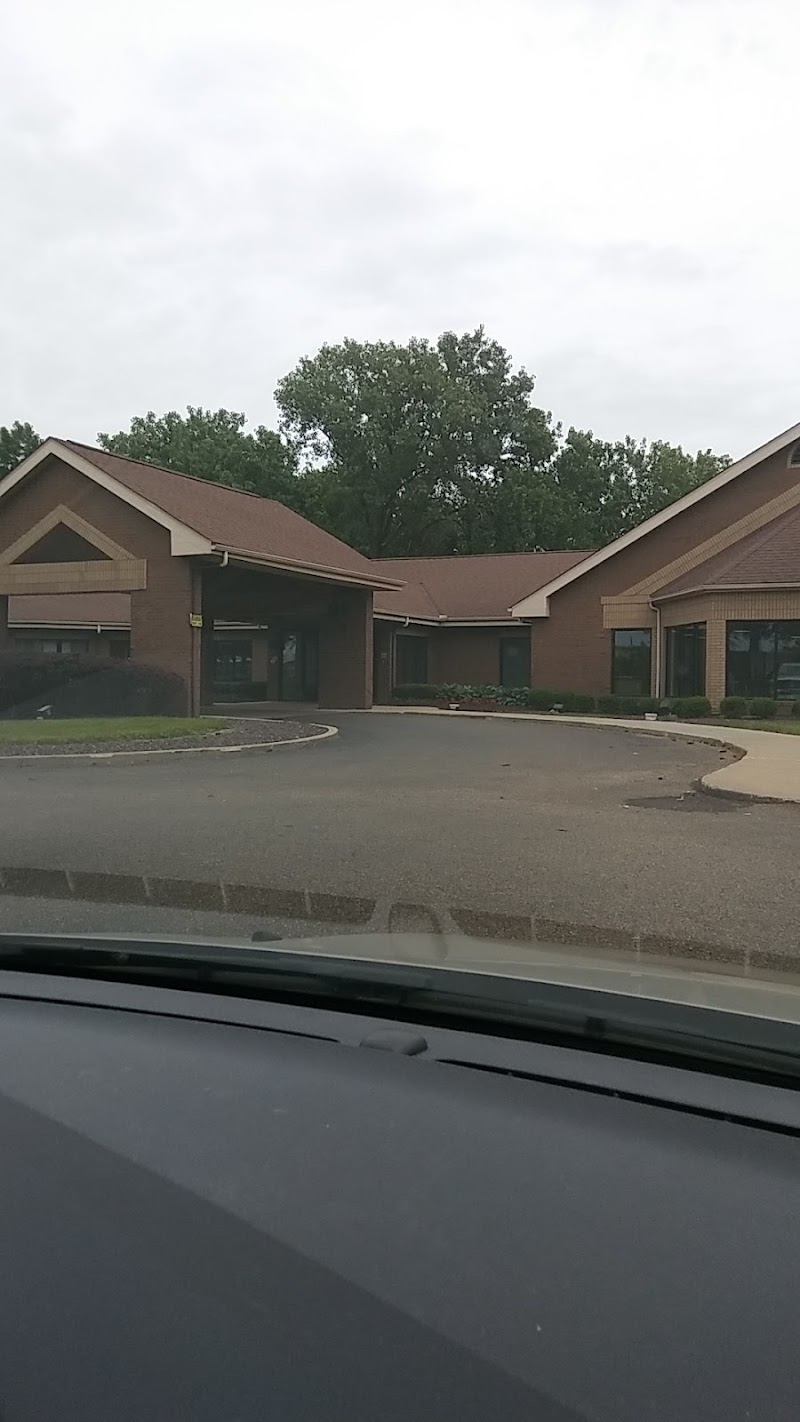
How is Loft Rehab Of Peoria, The Staffed?

CMS rates LOFT REHAB OF PEORIA, THE's staffing level at 1 out of 5 stars, which is much below average compared to other nursing homes. Staff turnover is 69%, which is 23 percentage points above the Illinois average of 46%. High turnover can affect care consistency as new staff learn residents' individual needs. RN turnover specifically is 67%, which is notably high. RNs provide skilled clinical oversight, so turnover in this role can affect medical care quality.

What Have Inspectors Found at Loft Rehab Of Peoria, The?

State health inspectors documented 84 deficiencies at LOFT REHAB OF PEORIA, THE during 2022 to 2025. These included: 2 Immediate Jeopardy (the most serious level, indicating potential for serious harm or death), 3 that caused actual resident harm, 77 with potential for harm, and 2 minor or isolated issues. Immediate Jeopardy findings are rare and represent the most serious regulatory concerns. They require immediate corrective action.

Who Owns and Operates Loft Rehab Of Peoria, The?

LOFT REHAB OF PEORIA, THE is owned by a for-profit company. For-profit facilities operate as businesses with obligations to shareholders or private owners. The facility is operated by THE LOFT REHABILITATION AND NURSING, a chain that manages multiple nursing homes. With 120 certified beds and approximately 90 residents (about 75% occupancy), it is a mid-sized facility located in PEORIA, Illinois.
How Does Loft Rehab Of Peoria, The Compare to Other Illinois Nursing Homes?

Compared to the 100 nursing homes in Illinois, LOFT REHAB OF PEORIA, THE's overall rating (1 stars) is below the state average of 2.5, staff turnover (69%) is significantly higher than the state average of 46%, and health inspection rating (1 stars) is much below the national benchmark.

What Should Families Ask When Visiting Loft Rehab Of Peoria, The?

Based on this facility's data, families visiting should ask: "What changes have been made since the serious inspection findings, and how are you preventing similar issues?" "How do you ensure continuity of care given staff turnover, and what is your staff retention strategy?" "Can you walk me through typical staffing levels on day, evening, and night shifts?" "Can I visit during a mealtime to observe dining assistance and food quality?" These questions are particularly relevant given the facility's Immediate Jeopardy citations, the facility's high staff turnover rate, and the below-average staffing rating.

Is Loft Rehab Of Peoria, The Safe?

Based on CMS inspection data, LOFT REHAB OF PEORIA, THE has documented safety concerns. Inspectors have issued 2 Immediate Jeopardy citations (the most serious violation level indicating risk of serious injury or death). The facility has a 1-star overall rating and ranks #100 of 100 nursing homes in Illinois. Families considering this facility should ask detailed questions about what corrective actions have been taken since these incidents.

Do Nurses at Loft Rehab Of Peoria, The Stick Around?

Staff turnover at LOFT REHAB OF PEORIA, THE is high. At 69%, the facility is 23 percentage points above the Illinois average of 46%. Registered Nurse turnover is particularly concerning at 67%. RNs handle complex medical decisions and coordinate care — frequent RN changes can directly impact care quality. High turnover means new staff may not know residents' individual needs, medications, or preferences. It can also be disorienting for residents, especially those with dementia who rely on familiar faces. Families should ask: What is causing the turnover? What retention programs are in place? How do you ensure care continuity during staff transitions?

Was Loft Rehab Of Peoria, The Ever Fined?

LOFT REHAB OF PEORIA, THE has been fined $262,403 across 4 penalty actions. This is 7.3x the Illinois average of $35,703. Fines at this level are uncommon and typically indicate a pattern of serious deficiencies, repeated violations, or failure to correct problems promptly. CMS reserves penalties of this magnitude for facilities that pose significant, documented risk to resident health or safety. Families should request specific documentation of what issues led to these fines and what systemic changes have been implemented.

Is Loft Rehab Of Peoria, The on Any Federal Watch List?

LOFT REHAB OF PEORIA, THE is not on any federal watch list. The most significant is the Special Focus Facility (SFF) program, which identifies the bottom 1% of nursing homes nationally based on persistent, serious quality problems. Not being on this list means the facility has avoided the pattern of deficiencies that triggers enhanced federal oversight. This is a positive indicator, though families should still review the facility's inspection history directly.