SHARON HEALTH CARE ELMS
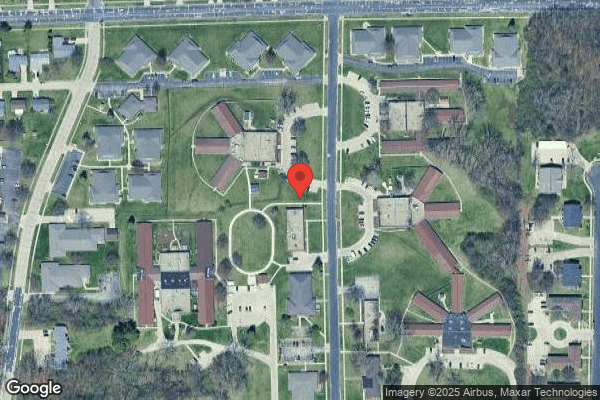
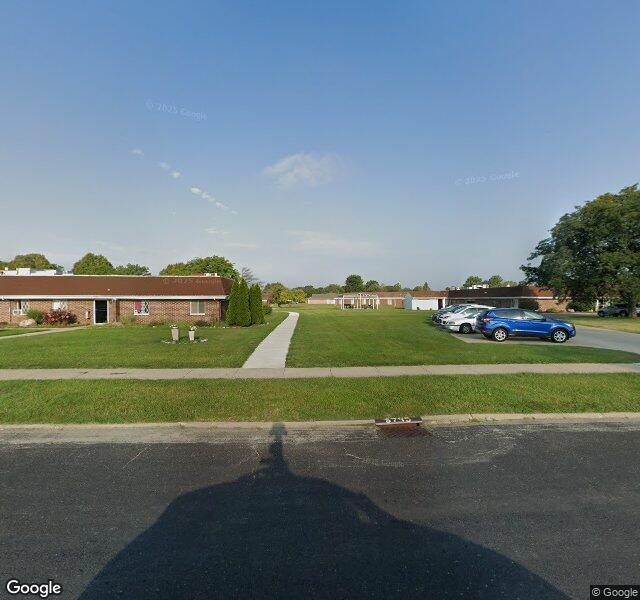
3611 NORTH ROCHELLE, PEORIA, IL 61604 (309) 688-4412
For profit - Corporation 96 Beds Independent Data: November 2025
Trust Grade
0/100
#629 of 665 in IL
Last Inspection: October 2024

Within standard 12-15 month inspection cycle. Federal law requires annual inspections.

Overview

Sharon Health Care Elms has received a Trust Grade of F, indicating significant concerns about the care provided, which places it in the bottom tier of nursing homes. It ranks #629 out of 665 facilities in Illinois, meaning it is in the bottom half of all nursing homes statewide, and #9 out of 10 in Peoria County, suggesting only one local option is better. While the facility's trend is improving, with issues decreasing from 4 in 2024 to 3 in 2025, the overall situation remains serious, with 44 total issues found, including 10 serious matters that caused harm. Staffing has a rating of 2 out of 5 stars, with a turnover rate of 41%, which is slightly better than the state average, but the RN coverage is concerning as it is lower than 81% of facilities in Illinois. Families should be aware that there have been specific incidents of concern, including a resident suffering fractures after being improperly transferred and another falling due to a lack of appropriate equipment and assessment, highlighting ongoing safety risks despite some strengths in staffing stability.

Trust Score
F
0/100
In Illinois
#629/665
Bottom 6%
Safety Record
High Risk
Review needed
Inspections
Getting Better
4 → 3 violations
Staff Stability
○ Average
41% turnover. Near Illinois's 48% average. Typical for the industry.
Penalties
⚠ Watch
$225,719 in fines. Higher than 84% of Illinois facilities, suggesting repeated compliance issues.
Skilled Nurses
⚠ Watch
Each resident gets only 29 minutes of Registered Nurse (RN) attention daily — below average for Illinois. Fewer RN minutes means fewer trained eyes watching for problems.
Violations
⚠ Watch
44 deficiencies on record. Higher than average. Multiple issues found across inspections.
★☆☆☆☆
1.0
Overall Rating
★★☆☆☆
2.0
Staff Levels
★☆☆☆☆
1.0
Care Quality
★★☆☆☆
2.0
Inspection Score
Stable
2024: 4 issues
2025: 3 issues

The Good

  • Full Sprinkler Coverage · Fire safety systems throughout facility
  • No fines on record
  • Staff turnover below average (41%)

    7 points below Illinois average of 48%

Facility shows strength in fire safety.

The Bad

1-Star Overall Rating

Below Illinois average (2.5)

Significant quality concerns identified by CMS

Staff Turnover: 41%

Near Illinois avg (46%)

Typical for the industry

Federal Fines: $225,719

Well above median ($33,413)

Significant penalties indicating serious issues

The Ugly 44 deficiencies on record

10 actual harm
Apr 2025 2 deficiencies 1 Harm
SERIOUS (G) 📢 Someone Reported This

A family member, employee, or ombudsman was alarmed enough to file a formal complaint

Actual Harm - a resident was hurt due to facility failures

Accident Prevention (Tag F0689)

A resident was harmed · This affected 1 resident

Based on observation, interview, and record review, the facility failed to ensure resident safety after a transfer and failed to keep a resident free from injury for one of three residents (R1) review...

Read full inspector narrative →
Based on observation, interview, and record review, the facility failed to ensure resident safety after a transfer and failed to keep a resident free from injury for one of three residents (R1) reviewed for accidents/injuries in a sample of four. This failure resulted in R1 sustaining pain, bruising and a hospital visit with fractures to the left ankle and foot. Findings include: The facility's undated Residents' Rights for People in Long-Term Care Facilities documents Your rights to safety: The facility must provide services to keep your physical and mental health, at their highest practical levels. The facility's Resident Accident/Incident Policy, revised 5/12/15, documents It is the Policy of (named facility) to provide a safe environment for all residents. We understand there will be a time when our best efforts will not be enough. Accidents will happen. Residents will fall. The facility's Fall Policy and Procedure, revised 1/2/19, documents It is the Policy of (named facility) to provide an environment conducive to reducing risk for falls. (Named facility) provides interventions to reduce risk factors for falling but cannot guarantee or maintain a fall-free environment. R1's current clinical record documents R1 is alert and oriented times three (person, place, and time), dependent on staff for all ADLs (Activities of Daily Living) except eating, utilizes a wheelchair, and has diagnoses including but not limited to Dementia with agitation, Peripheral Vertigo, Alzheimer's Disease, Hypertension, Congestive Heart Failure, Anxiety, and Muscle weakness (generalized). R1's Accident/Incident Report, dated, 2/28/25 at 6:15pm, documents R1 had an unobserved fall from a (reclining) wheelchair while in her room. R1's Progress note, dated 2/28/25, documents CNA (Certified Nursing Assistant/V8) notified staff that he went to get bed linens and when (V8) came back to room (R1) was on the floor lying on her side. On 3/26/25, at 1:14pm, R1 was resting in a (reclining) chair in her room. On 3/27/25, at 11:06am, V8 CNA stated I took (R1) to her room then went to the linen closet to put her to bed. When I came back, she had fallen out of the (reclining wheelchair). All four wheels were in the air. She was against the mattress which was leaning on the wall. R1's butt (buttocks) was on the foot pedal and rest of her body was up against the mattress against the wall. The chair fell forward. (R1's) (reclining chair) was in the upright position. I think if I would have reclined it (the chair), I could have prevented it (R1's fall). R1's current Care plan documents R1 is totally dependent on staff for transferring and is at risk for falls related to decline in health. This Care plan includes an intervention dated 2/12/25 for nursing staff to ensure R1's (reclining)wheelchair is reclined when sitting in (reclining) wheelchair and not eating. R1's Skin Tear/Bruise of Unknown Origin Investigation, dated 3/7/25 at 4:15pm, documents R1's left lower leg foot/ankle swollen and bruised. List of resident equipment in use: wheelchair/(reclining) wheelchair/mechanical lift. Internal Risk Factors identified as Mobility deficit or immobility, History of fall and partial falls, and restless behavior. R1's Unusual Occurrence Report Form, dated 3/7/25, documents R1 with complaints of pain to the bridge of her left foot. The bedside X-ray Results for R1, dated 3/7/25, documents there is an oblique fracture of the distal third of the fibula. Impression: Non articular fracture of the distal fibula. R1's Progress note, dated 3/8/25, documents Resident showing signs of excruciating pain and discomfort. Per Nursing judgement, this nurse made an educated decision to send resident out to ER (Emergency Room) to be further evaluated. Resident agrees with treatment plan stating her 'foot hurts really bad.' The local hospital radiology report of R1's left ankle x-ray, dated 3/8/25, documents: History: Left ankle pain after falling out of chair. Impression: 1. Acute nondisplaced fracture of the distal fibula. 2. Acute displaced fracture of the fourth metatarsal neck. 3. Acute nondisplaced fractures of the base of the second and third metatarsals. R1's Hospital After Visit Summary, dated 3/8/25, documents Reason for Visit: Fall; Ankle Injury. The facility's Final Report to the State Agency for R1, dated 3/14/25, documents resident (R1) subsequently went out to hospital on 3/8/25 related to increased swelling observed by RN (Registered Nurse). Imaging showed the distal fibula fracture as well as several metatarsals. Resident (R1) returned to the facility with lower extremity in protective wrap. An appointment is scheduled with (Orthopedics) on the 17th of this month. An extensive investigation was complete per the Administrator with staff interviews and review of the cameras. On 3/27/25, at 2:10pm, R1 was transferred into bed via mechanical lift. Staff removed the splint/boot from her left foot/ankle. R1 was now lying in bed with a bandage noted to her left foot/ankle. At this time R1 stated the following: It happened when I was in a chair. I turned my head because I heard someone, I thought I knew. When I turned back, I fell to the right and out of my chair. My left foot hit the wall. It hurt. Four staff got me back up. It was a few days later that they sent me out to the hospital and found out it was fractured. On 3/28/25, at 1:50pm, V15 R1's Family Member stated When I asked (R1) how she hurt her foot she told me the same thing. She had said that she was in a chair, heard people talking to her, turned to look towards them and fell out of the chair. R1's Progress note, dated 3/10/25 and signed by V19 Nurse Practitioner/NP, documents INTERVAL HISTORY: Pt (patient) is up in her WC (wheelchair). She has some pain to her LLE (left lower extremity). Was noted to be sore, bruised and swollen. Did have an XR (x-ray) that showed: Closed left ankle fracture and multiple closed fractures on metatarsal bone of left foot. Splint in place and referred to podiatry. On 4/1/25, at 11:28am, V19 Nurse Practitioner/NP confirmed that (R1's) fracture is most likely from a previous fall. On 4/1/25, at 1:34pm, V2 Director of Nursing/DON stated, I was notified about (R1's) foot when (V15 R1's Family Member) came in and asked about it on Friday March 7th. I went to (R1's) room. I saw edema, significant bruising to ankle, top of foot and posterior aspect of foot/ankle. On 3/28/25, at 2:50pm, V1 Administrator confirmed that R1 did have a fall on 2/28/25 and confirmed R1's fractures to her ankle/foot. As of 3/28/25, R1's medical record did not document any further falls/accidents/incidents between R1's fall on 2/28/25 and 3/7/25.
CONCERN (D) 📢 Someone Reported This

A family member, employee, or ombudsman was alarmed enough to file a formal complaint

Potential for Harm - no one hurt, but risky conditions existed

Pressure Ulcer Prevention (Tag F0686)

Could have caused harm · This affected 1 resident

Based on observation, interview and record review, the facility failed to perform hand hygiene and glove changes during pressure ulcer treatments. The facility also failed to ensure pressure ulcer tre...

Read full inspector narrative →
Based on observation, interview and record review, the facility failed to perform hand hygiene and glove changes during pressure ulcer treatments. The facility also failed to ensure pressure ulcer treatments were completed as ordered. These failures effect three of three residents (R2, R3, R4) reviewed for pressure ulcers in a sample of four. Findings include: The facility's undated Wound Care policy documents Purpose: To provide guidelines for the care of wounds and soiled dressings to decrease the potential for nosocomial infections. Steps in the Procedure: 1. Wash your hands thoroughly before beginning the procedure. 11. Put on exam glove. Loosen tape and remove dressing. 12. Pull glove over dressing and discard into appropriate receptacle. Wash hands. 13. Put on disposable gloves. 14. Use no-touch technique. Use tongue blades and applicators to remove ointments and creams from their containers. 15. Pour liquid solutions directly on gauze sponges. 17. Cleanse wound with solution. 20. Dress wound. [NAME] tape with initials, time, and date and apply to dressing. 21. Pick up soiled items. Discard into designated container. Remove gloves and discard into trash bag/container. Wash hands. The facility's undated Using Gloves policy documents Purpose: To provide guidelines for the use of gloves. Objectives: 1. To prevent the spread of infection and disease to residents and employees; 2. To protect wounds from contamination. Miscellaneous: 1. When gloves are indicated, disposable single-use gloves should be worn .4. Nonsterile gloves should be used primarily to prevent the contamination of the employees' hands when providing treatment or services to the resident and when cleaning contaminated surfaces. 5. Wash hands after removing gloves. Gloves do not replace handwashing. The facility's undated Handwashing policy documents When to Wash Hands: 6. After handling used dressings, specimen containers, contaminated tissues, linen, etc. 8. After handling items or work surfaces potentially contaminated with a resident's blood, excretions, or secretions. 12. Upon completion of duty. The facility's undated Treatment of Pressure Ulcers (Bedsores) policy documents Purpose: The purpose of this procedure is to provide guidelines for the treatment of pressure ulcers to facilitate healing. This policy includes to 19. Dress the pressure sore with the prescribed dressing. The facility's undated Physician's Order Policy documents Purpose: The purpose of this policy is to establish guidelines for the ordering, processing, and management of physician orders in a long-term care facility, ensuring compliance with State and Federal regulations, and promoting the health and safety of residents. Procedures: 3. Order Implementation - All medications and treatments shall be administered as per the orders, with documentation in the resident's medical record. 1. R2's Wound Evaluation and Management Summary, dated 3/19/25, documents R2 has a Stage II p/u (pressure ulcer) to right buttock measuring 7 x (by) 4 x 0.1cm/centimeters; Stage III left buttock measuring 2 x 1 x 0.1cm; and Stage III p/u to coccyx measuring 2 x 1 x 0.2cm. R2's current Physician Order Sheet/POS documents Right Buttocks, Left Buttocks and Coccyx - cleanse with normal saline solution, apply hydrocolloid 3 times per week, Monday, Wednesday, Friday on Day Shift every day. R2's current Physician Order Sheet/POS documents an order for Right Buttocks - cleanse with Normal saline solution and apply hydrocolloid three times per week, on Day Shift every Monday, Wednesday, Friday; Start Date: 2/28/25. D/C (Discontinue Date): 3/20/25. R2's March 2025 Treatment Administration Record/TAR documents this treatment was not completed on Friday 3/7/25. On 3/26/25, at 11:04am, R2 is sitting in a wheelchair in her room. V4 Registered Nurse/RN/Wound nurse prepared supplies of Normal Saline/NS and a hydrocolloid dressing to perform wound care on R2's coccyx. V4 donned gloves and gown. R2 stood up while V4 removed R2's dressing soiled with light serosanguinous drainage. R2's buttocks and coccyx had pink open areas with exposed dermis and granulation noted. With the same soiled gloves V4 RN cleansed the wound with saline soaked gauze and applied the hydrocolloid dressing. V4 removed gown/gloves, left R2's room, then used hand sanitizer out in hall and walked into R3's room to perform wound care. V4 did not perform hand washing. On 4/1/25, at 1:34pm, V2 Director of Nursing/DON stated There was a concern brought to (V4 Wound Nurse) after a weekend about a wound not being dressed. This was for (R2). I discussed with the nurses about orders and supplies and that we had both. Not sure what happened. One of the nurses, an agency nurse (V22 RN) indicated she didn't know what the treatment was. It is inappropriate to miss a treatment. They are in the residents' records. 2. R3's Wound Evaluation and Management Summary, dated 3/26/25, documents R3 has a Stage IV pressure wound of the right lateral foot (1.8 x 1.5 x not measurable cm/centimeters) and a Diabetic wound of the right distal first toe (2.5 x 3.5 x not measurable cm). R3's current POS documents Right Lateral Foot and Right Foot First Digit - cleanse areas with Normal saline solution and apply calcium alginate with silver cover with bordered gauze on Day Shift every day. On 3/26/25, at 11:15am, R3 is lying in bed. V4 RN/wound nurse prepared supplies of Normal Saline/NS, Calcium alginate with silver and bordered gauze to change the dressing on R3's right lateral foot. V5 RN assisted. V4 donned gloves and gown. With gloved hands V5 RN removed the outer bordered gauze. V4 RN removed the calcium with silver dressing which was soiled with moderate serosanguinous drainage. R3 had an open area with necrotic tissue to his right lateral foot. With the same soiled gloves V4 cleansed the wound with saline soaked gauze, applied the Calcium with silver dressing, then applied an outer bordered gauze dressing. V4 RN changed gloves without any hand sanitizing then performed the same physician ordered treatment in the same manner to R3's diabetic wound of the right first toe. V4 RN removed gown/gloves, left R3's room, then used hand sanitizer out in hall and walked into R4's room to perform wound care. V4 did not perform hand washing. 3. R4's Wound Evaluation and Management Summary, dated 3/26/25, documents R4 has a non-pressure wound of the left anterior knee; etiology trauma/injury (1.8 x 1.5 x not measurable cm/centimeters) and Stage IV pressure wound of the left lateral ankle (1.5 x 1.5 x not measurable cm). R4's current Physician Order Sheet/POS documents Left Ankle and Left Knee - cleanse area with Normal saline solution and apply hydrocolloid every three days on Day Shift. On 3/26/25, at 11:25am, R4 was lying supine in bed. V4 RN gathered supplies of Normal Saline and a hydrocolloid dressing to perform wound care on R4's left ankle and knee. V4 donned gloves and a gown then removed R4's dressing from his left knee that was soiled with moderate serosanguinous drainage. V4 stated it is abscess drainage. With the same soiled gloves, V4 RN cleansed the open wound with saline soaked gauze and applied the hydrocolloid dressing to R4's left knee. V4 removed her gloves then donned a new pair of gloves without sanitizing in between glove change. V4 RN removed the dressing from R4's left ankle which was soiled with light serosanguinous drainage. With the same soiled gloves, V4 cleansed the open wound with saline soaked gauze and placed a hydrocolloid dressing over it. V4 RN removed her gloves, left R4's room and used hand sanitizer out in the hallway. V4 RN did not perform hand washing. On 3/26/25, at 11:35am, V4 RN/Wound nurse stated that she does not use hand sanitizer in between glove changes if her hands are clean. V4 stated that she should have changed her gloves after the dirty task and before going to clean. V4 confirmed V4 should have also changed gloves after cleansing the wound. V4 stated Normally I wash my hands, use hand sanitizer before and after then wash my hands after that since my hands get sticky and break out from the hand sanitizer. I did not do that. I was trying to hurry for you. On 4/1/25, at 1:34pm, V2 Director of Nursing/DON stated that during wound treatments nurses are to change gloves after removing old dressing, put new gloves on, cleanse the wound then put new gloves on before putting new dressing on. Should use hand sanitizer between glove changes and wash hands in between residents.
Feb 2025 1 deficiency 1 Harm
SERIOUS (G) 📢 Someone Reported This

A family member, employee, or ombudsman was alarmed enough to file a formal complaint

Actual Harm - a resident was hurt due to facility failures

Accident Prevention (Tag F0689)

A resident was harmed · This affected 1 resident

**NOTE- TERMS IN BRACKETS HAVE BEEN EDITED TO PROTECT CONFIDENTIALITY** Based on observation, interview, and record review, the facility failed to transfer a resident with the required mechanical lift...

Read full inspector narrative →
**NOTE- TERMS IN BRACKETS HAVE BEEN EDITED TO PROTECT CONFIDENTIALITY** Based on observation, interview, and record review, the facility failed to transfer a resident with the required mechanical lift, for one of three residents (R1) reviewed for falls in a sample of 3. This failure resulted in R1 falling twice and during the second fall sustaining a periprosthetic distal left femur fracture, ongoing pain, and psychosocial fear of being transferred with a mechanical lift. FINDINGS INCLUDE: The facility policy, Fall Policy and Procedure directs staff, It is the policy of (the facility) to provide an environment conducive to reducing risk for falls. (The facility) provides interventions to reduce risk factors for falling .Should the resident be observed sitting on the floor or being assisted by staff to sit down on the floor, the nurse will be notified and a fall report will be completed R1's current facility Face Sheet documents that R1 was admitted to the facility on [DATE] after a fall with a Left Hip Fracture. This same form includes the following diagnoses: Cerebral Palsy, Blindness of One Eye, History of Cerebral Infarction, Paraplegia, Depression with Psychotic Features and Anxiety. R1's (current) Care Plan, dated 6/16/2023 includes the following Focus Areas: (R1) is at risk for falls related to history of cerebral palsy, left hip fracture and left-sided paraplegia. Also included are the following Interventions: Transfers: (R1) requires extensive assistance by two staff to move between surfaces using a (mechanical) lift. R1's Minimum Data Set Assessment, dated 11/14/2024 documents, ADL's (Activities of Daily Living): Impairment on one side of lower extremity; requires use of wheel chair; requires substantial/max (maximum) assistance for bathing, dressing, and bed mobility and is dependent for all transfers. Requires extensive assistance of 2 staff members and (mechanical) lift for all transfers. R1's Fall Risk Evaluation, dated 11/24/2024 documents, One to two falls past 3 months, Intermittent confusion, Chairbound/Incontinent, 1-2 Predisposing Diseases, Gait/Balance- not able to perform function and Takes 1-2 (High Risk) Medications. Risk For Falls: (R1) is at risk for falls. R1's Nursing Progress Notes, dated 1/9/2025 at 3:51 P.M. document, CNA (Certified Nursing Assistant) was behind (R1) holding (R1) at the shower bar while attempting to transfer from (R1's) w/c (wheelchair) to the shower chair, for a shower. (R1) thought her phone had fell out of her belongings onto the floor and turned around suddenly and fell on her buttocks. No apparent injury. The facility Fall Investigation form, dated 1/9/2025 documents,(V5/Certified Nursing Assistant) was behind (R1) holding her while (R1) held shower bar. (R1) jerked around and fell on her buttocks. Recommendations/Interventions: Staff Member (V5/Certified Nursing Assistant) was educated on (correct) transfer for (R1) and the use of a shower bed. R1's Nursing Progress Notes, dated 1/24/2025 at 3:48 P.M. document, This Nurse (V4/Registered Nurse) had a conversation with (V6/Certified Nursing Assistant) (who) stated (R1) only told me her leg hurt and that (R1) didn't didn't know why. (V6/Certified Nursing Assistant) stated I transferred (R1) and (R1) started shaking and buckled and I lowered (R1) to the floor. There was no fall, I lowered (R1) to the floor. R1's Nursing Progress Notes, dated 1/24/2025 at 4:00 P.M. document, Certified Nursing Assistant came to Nurses' Desk and (stated) (R1) needed something for pain. (Nurse) went to (R1's) room and asked (R1) what was wrong and what hurt. (R1) stated her L (left) upper thigh hurt. (I) asked (R1) what type of pain, aching, sharp and (R1) replied deep aching. (Nurse) gave (R1) (Acetaminophen) (Analgesic) at (3:50 P.M.). R1's Nursing Progress Notes, dated 1/24/2025 at 6:41 (P.M.) document, Upon coming on shift, (V4/Registered Nurse) reported that (V6/Certified Nursing Assistant/CNA) had lowered (R1) to the floor. CNA indicated that (R1) is complaining of pain in the left leg, describing it as excruciating. (R1) also stated that she is unable to move her left leg. Upon assessment, the nurse observed swelling to (R1's) right ankle. The physician has been notified of the situation. R1's Nursing Progress Notes, dated 1/24/2025 at 6:56 P.M. document, MD (Medical Doctor) states send (R1) to the ER (Emergency Room). (R1) to be further evaluated. The facility Fall Investigation form, dated 1/24/2025 documents, (R1) stated her left thigh hurt and she didn't know why and (R1) had pain when nurse tried to lift her leg. Later, (V6/CNA) stated she transferred (R1) and (R1) began shaking and buckled and (V6) lowered (R1) to the floor. Recommendations/Interventions: (V6) was disciplined and all the other staff will be inserviced to use (mechanical) lift only with (R1). R1's (hospital) History and Physical documents, admission date: 1/25/25. (R1) with past medical history for depression with anxiety, seizure disorder, and left-sided hemiplegia due to cerebral palsy who presented to the hospital after a fall at (facility). (R1) was reportedly being transferred by the staff when (R1) was dropped, landing on her left side. Imaging in the ED (Emergency Department) showed questionable left hip injury as well as a distal periprosthetic femur fracture on the left. (R1) reports significant discomfort in her left leg at this time, more in the distal thigh but has some pain in the hip. ASSESSMENT AND PLAN: Closed fracture of distal end of femur. Orthopedic surgery has been consulted. On 2/10/2025 at 10:45 A.M., R1 was seated in a wheel chair in the (facility) Dining/Activity Room with other residents, at a table for coffee and donuts. (R1) recalls falling two times, once when staff dropped me. R1 becomes visibly upset, crying when talking of incident. Repeats over and over, I hurt. I'm afraid of the lift. Refused to answer further questions surrounding incidents. On 2/10/2025 at 10:59 A.M., V4/Registered Nurse (RN) stated, I have been a nurse here for the past ten years and three weeks. (R1) had a history of a previous fall with a fracture, left-sided paraplegia, and a history of cerebral palsy. (R1) was supposed to be a two person, lift for all transfers. V6/Certified Nursing Assistant (CNA) came to me and asked if (R1) had anything for pain. (V6/CNA) said (R1's) leg hurt. I went to see (R1) and she told me that (V6/CNA) had dropped her and hurt her leg. When I questioned (V6/CNA), she told me she was transferring (R1) by herself from the bed to (R1's) wheelchair and (R1's) leg buckled and (V6/CNA) lowered (R1) to the floor. (V6/CNA) kept repeating that she only lowered (R1) to the floor. I didn't do a fall report right away, call the doctor, or R1's family or the DON (V2/Director of Nurses). I didn't consider it a fall. It wasn't until later that (V2/DON) told all of us that even when you lower someone to the floor, it's considered a fall. (R1) has always been a (mechanical) lift for all transfers. (V6/CNA) should not have been trying to transfer (R1) by herself. On 2/10/2025 at 12:25 P.M., V3/Care Plan Coordinator stated she was responsible for all the facility fall investigations. States (R1) is at risk for falls due to history of CP (Cerebral Palsy), paraplegia and blindness to (the) left side and history of falls with a fracture. States (R1) does not stand and has been a (mechanical) lift for the past two years. States facility policy is for all mechanical lift transfers to be performed with two staff members present. States (R1's) care plan addressed (R1's) interventions including the use of a mechanical lift for all transfers. States (R1's) facility care cards, addressed (R1's) need for a mechanical lift for all transfers. States care cards are used to inform the CNAs (Certified Nursing Assistants) what specific care each resident requires. States she investigated both of (R1's) falls in January. States on 1/9/25 at 3:00 PM, (V5/CNA) was attempting to transfer (R1) by herself, without using a mechanical lift, from (R1's) wheel chair to a shower chair. Confirmed that (R1) fell on her buttocks. States (V5/CNA) was educated on the need to use a mechanical lift to transfer (R1) from her wheelchair onto the facility shower bed, for (R1) to receive a shower. Also confirms that (R1) fell again on 1/24/25 at 3:40 PM when (V6/CNA) transferred (R1) by herself, without the use of a mechanical lift from (R1's) bed to (R1's) wheelchair, when (R1's) leg gave out and she lowered (R1) to the floor. States (V6/CNA) was disciplined for failure to use a mechanical lift and another staff assistance for all of (R1's) transfers and all other nursing staff were educated on the need to use a mechanical lift to transfer (R1). On 2/10/2025 at 1:12 P.M., V5/Certified Nursing Assistant (CNA) confirmed on 1/9/25 she attempted to transfer (R1) from the wheelchair to a shower chair, while in the shower room. (V5/CNA) states (R1) thought she had dropped her phone and turned around suddenly to look for it and fell onto (R1's) buttocks. (V5/CNA) states she didn't know she was supposed to transfer (R1) at all times with a mechanical lift, states she hadn't worked with (R1) very often. On 2/10/2025 at 1:18 P.M., V6/Certified Nursing Assistant verified on 1/24/25 she attempted to transfer (R1) from the bed into (R1's) wheelchair, when (R1's) leg gave out and she lowered (R1) to the floor. (V6/CNA) states she wasn't aware she was supposed to transfer (R1) with a mechanical lift and additional staff assistance, at all times. On 2/10/2025 at 1:26 P.M., V7 and V8/Certified Nursing Assistants prepared to transfer (R1) from the wheelchair to bed for incontinence care via a mechanical lift. (R1) began yelling out and was tearful with any movement of her left leg.
Oct 2024 4 deficiencies 1 Harm
SERIOUS (G) 📢 Someone Reported This

A family member, employee, or ombudsman was alarmed enough to file a formal complaint

Actual Harm - a resident was hurt due to facility failures

Accident Prevention (Tag F0689)

A resident was harmed · This affected 1 resident

**NOTE- TERMS IN BRACKETS HAVE BEEN EDITED TO PROTECT CONFIDENTIALITY** Failures at this level required more than one deficient practice statement. A. Based on observation, interview, and record revi...

Read full inspector narrative →
**NOTE- TERMS IN BRACKETS HAVE BEEN EDITED TO PROTECT CONFIDENTIALITY** Failures at this level required more than one deficient practice statement. A. Based on observation, interview, and record review the facility failed to conduct a resident assessment to determine the resident's degree of mobility, physical impairment and the proper transfer method needed once a resident experienced increased weakness. The facility also failed to maintain an adequate working electrical supply to adjust an electric bed into the lowest position prior to a transfer for one resident (R9) and failed to implement appropriate fall interventions for one resident (R8.) These failures affect two of three residents (R8, R9) reviewed for falls in the sample of 27. These failures resulted in R9 losing grip of the sit-to-stand mechanical lift handles and falling to the floor, sustaining a coccyx fracture and severe pain that required hospitalization. B. Based on observation, interview, and record review the facility failed to assess the smoking safety yearly for one of five residents (R40) reviewed for smoking in the sample of 27. Findings include: a.) The facility's Job Description for CNA's (Certified Nursing Assistants), undated, documents Illustrative Examples of Work: Care delivery to include, but not limited to: Bathing a minimum of two times weekly, daily oral hygiene, shaving, changing clothes, nail care, toileting feeding, ambulating, transferring, room care, hair care. Recognizing and reporting changes in condition to the nurse (example: health problems, eating problems, changes in skin or incontinence behavioral problems, unstable vital signs.) Maintain a safe environment for the residents and other staff. Follow safety practices (example: keeping resident areas hazard free, follow good body mechanics, wear proper footwear, use lifting devices according to manufacturer's directs, wear gait belt, etcetera.). General Employee Guidelines: Immediately report defective equipment, hazardous conditions, or supply shortages. The facility's Fall Policy and Procedure, dated 1/2/2019, documents It is the Policy of (the facility) to provide an environment conducive to reducing risk for falls. (The facility) provides interventions to reduce risk factors for filling but cannot guarantee or maintain a fall-free environment. The facility's Transfer Between Surfaces policy, dated 3/2000, documents Purpose: To improve or maintain the resident's self-performance in moving between surfaces or planes either with or without assistive devices. Procedure: 1. Explain and demonstrate procedure. 5. Bed should be flat and level with wheelchair seat. The facility's Fall Prevention Practice, dated 1/10/2016, documents Below is a list of things that can help reduce the risk for falls: 8. Report changes in mental status to nurse immediately. 1. R9's admission Record documents R9 is a [AGE] year-old male admitted to (the facility) on 5/14/2012 with the following, but not limited to, diagnoses: Chronic Obstructive Pulmonary Disease, Difficulty in walking, Frontotemporal Neurocognitive Disorder, Dementia, Schizoaffective Disorder, Extrapyramidal and Movement Disorder, and Cerebral Infarction. R9's Minimum Data Set (MDS) assessment dated [DATE], documents R9 has severe cognitive impairment, and requires substantial assistance for activities of daily living, toileting, and transfers. R9's current Care Plan documents, (R9) has the potential for falls due to increased weakness. The facility's Maintenance Work Order dated 9/19/24 and signed by V7/CNA, documents R9's room had no electricity. R9's Progress Note, dated 9/19/24 and signed by V15/RN (Registered Nurse), documents (R9) was observed on the floor, lying on right side. Per two aides (Identified as V8/CNA (Certified Nursing Assistant) and (V9/CNA), they were attempting to get (R9) into bed. After a couple minutes, it was indicated that (R9) was to be moved back into chair due to the bed being unavailable for use. Throughout all of this, (R9) was in a mechanical stand lift and was already up at the highest position. Per (V8 and V9), (R9) began to drift down. (V8 and V9) stated that they pulled chair under (R9) but at that point (R9) was too low to get into his chair. Then (V8 and V9) stated that (R9) quickly slid through the straps due to him lifting his arms up, where (R9) then hit the floor at fast and unexpected speed where (V8 and V9) were unable to slowly lower (R9). Different reports of if (R9) hit head or not, so per the physician, we (the facility) called emergency services to send (R9) out to the emergency room to be evaluated due to nature of fall. Per (V8 and V9) (R9) was lethargic. No signs of lethargy when this nurse assessed (R9). During assessment, (R9) stated that he was in extreme pain on right side of arm. R9's Electronic Medical Record does not include evidence of a nursing assessment being performed when R9 was lethargic prior to be transferred from the wheelchair. R9's Local Emergency Record, dated 9/19/24, documents CT (Computed Tomography) pelvis for bone detail without contrast final result: Impression:1. Acute or subacute mildly displaced comminuted inferior coccyx fracture. This same form documents Clinical Impression: Fall, Urinary Tract Infection, and Hyponatremia (low sodium level.) On 10/06/24 at 9:02 AM R9 was in self-propelling wheelchair around R9's room. R9 had nonskid socks on. R9 was unable to answer questions appropriately at this time. On 10/7/24 at 12:04 PM V8/CNA stated, (V9/CNA) and I were transferring (R9) from his wheelchair to the bed with a mechanical stand lift machine. (R9) was weak when (V9) and I were lifting him, so (V9) and I tried to get (R9) to the bed quickly. When (V9) and I attempted to transfer (R9) to the bed we realized the bed was too high. I then tried to use the controller to lower the bed while (R9) was trying to hold on and slipping from the sit-to-stand machine at the same time. I realized the controller was not working to the bed, so (V9) and I attempted to turn him back around and put him in the wheelchair. By that time (R9) had let go of the sit-to stand and had fell to the ground. V8 verified at this time, that she should have not attempted to transfer (V8) when she realized he was weak and should have ensured the bed was working and in the proper position prior to transferring R9. On 10/7/24 at 12:14 PM V9/CNA stated, (R9) was not a resident on my group the night of 9/19/24, but I was asked to help lay (R9) down. (R9) had been outside at a party, and when he came inside, (R9) was found lopped over the side of his wheelchair in the television room. (V15/RN) called (V8/CNA) and I up to the nurse's desk and asked for us to lay (R9) down. I pushed (R9) to his room with (V8). I asked (V8) how she wanted to transfer (R9) since (R9) seemed weak and was lopped over. (V8) just stated we would transfer (R9) with the stand mechanical lift and get him to his bed. (V8) and I strapped (R9) to the mechanical stand lift machine and started lifting (V8) up in the air. As (V8) and I were lifting him up, (R9) started slipping and was barely hanging on to the (stand lift machine.) (V8) and I attempted to hurry and put (R9) in bed before (R9) fell just to notice the bed was too high. (V8) and I tried to use the controller to lower the bed and the controller wasn't working. (V8) and I attempted to turn (R9) back around to get (R9) in his wheelchair, but (R9) kept getting lower and lower and then let go of the (hand bars of the mechanical stand lift) machine. When (R9) let go of the (stand lift machine) (R9) fell quickly to the ground. If (R9) was on my group that night, I would have not transferred him to the bed when he was visibly weak. I would have gone and notified (R9's) nurse to have (R9) assessed. I should have done that anyway, but I felt like that was (V8's) responsibility. V9 verified she should have notified R9's nurse prior to transferring R9 when R9 was lethargic and should have ensured the bed was working and in the proper position prior to transferring R9 to the bed. On 10/7/2024 at 12:30 PM V6/Maintenance Assistant stated, I get work orders for no electricity all the time for rooms. The staff will move the resident's beds and hit the plug, which breaks a prong off in the outlet. When the staff went to plug the bed back in, the plug-in hits the prong and blows the circuit breaker. I received the work order for (R9) not having electricity in his room on 9/20/24. The staff laid it on my desk on 9/19/24, but I don't usually get to work orders in the same day, it's always the next day I am at the facility. No staff member got ahold of me to let me know (R9) did not have electricity in his room on 9/19/24. On 10/7/24 at 12:47 PM V7/CNA stated, I filled out a work order on 9/19/24 around 2:30 PM regarding (R9) not having electricity in his room. (R9's) television was not working. I put the work order on (V6/Maintenance Assistance) desk. I did not tell anyone else or try to get ahold of (V6) to fix it right then. On 10/8/24 at 1PM V2/Director of Nursing stated, If any staff notices a change in condition with a resident, they should immediately notify the nurse prior to transferring especially if the resident seems weaker. Also, the staff should have everything positioned correctly prior to transferring any resident. V2 verified no nursing assessment had been performed prior to V8/CNA and V9/CNA transferring R9 from his wheelchair. On 10/8/24 at 1:09 PM V3/Assistant Director of Nursing stated Staff should go to the nurse or myself prior to transferring a resident if they notice a change in the resident's condition or if they notice the resident is weaker. They should never transfer someone to a bed with the bed in high position, they should always ensure the bed is at appropriate position prior to transferring. 2. R8's Fall Investigation Worksheet/Worksheet, dated 5/25/24 at 8:56 pm, documents that R8 slid out of the wheelchair in R8's room, while transferring self to bed. The Worksheet documents no injuries and fall interventions for a gripper pad to be placed in R8's wheelchair and to utilize a nightlight. R8's Fall Investigation Worksheet, dated 7/1/24 at 4:00 pm, documents a fall in R8's bathroom. The Worksheet documents that R8's decision making is impaired and has unsteady gait. The Worksheet describes that R8 hit the side of R8's head on R8's bathroom door jamb/frame while trying to get up from the toilet. The Worksheet documents no injuries and fall interventions for staff to intervene when they see her going down the hall and ask her is she needs to go to the bathroom and take her as much as possible. R8's Fall Investigation Worksheet, dated 7/27/24 at 3:00 pm, documents a fall from R8's wheelchair, in R8's room. The Worksheet documents that R8 has impaired memory, impaired decision making and is impaired physically. The Worksheet documents no injuries and fall interventions to educate R8 on the proper use of R8's call light. R8's Fall Investigation Worksheet, dated 9/8/24 at 10:08 am, documents a fall from R8's wheelchair in R8's room. The Worksheet documents no injuries and that R8's gripper pad be replaced in R8's wheelchair. On 10/8/24 at 12:50 pm, V2 (Director of Nursing) stated (R8) is confused and self transfers a lot. (R8) is frequently taking herself to the bathroom and she always slides to the end of R8's wheelchair seat all the time too. On the first fall, we put a gripper pad on (R8's) wheelchair to help to grip (R8) in the wheelchair but (R8) does not like it on there and removes it all the time. R8's MDS (Minimum Data Set) documents that (R8's) cognition score is ten out of fifteen, which is moderately impaired. We have educated (R8) and we just changed (R8's) gripper pad again. Now that I think about it, we probably should use some different interventions since (R8) is confused and keeps removing the gripper pad from (R8's) wheelchair. We do not have (R8) on a toileting schedule. b.) On 10/7/24 at 9:15 AM, R40 was sitting in front of the facility in his wheelchair with two other residents and had just finished smoking a cigarette. There were no staff present for supervision. On 10/8/24 at 11:55 AM, V4/MDS/Minimum Data Set Coordinator stated that R40 is an independent smoker and does not need to be monitored. On 10/8/24 at 2:20 PM, V2/Director of Nursing stated that the smoking assessments are to be done at least yearly by V14/Activity Director. R40's Face Sheet documents R40 was admitted to the facility on [DATE] with diagnoses which included Schizoaffective Disorder, Mild Cognitive Impairment, Emphysema, and Chronic Obstructive Pulmonary Disease. R40's Care Plan dated 3/23/22 documents (R40) is an independent smoker. The Resident Smoking List for October 2024 documents that R40 is an independent smoker. R40's facility Smoking -Safety Screen dated 3/1/23 at 3:23 PM, documents that R40 has cognition loss, dexterity problems, is an independent smoker, keeps his own smoking materials, and lights his own cigarettes. The Smoking Safety Policy and Procedure revised 7/18/2019 documents Policy In order to provide the residents of (the facility) the opportunity to use tobacco products and do so in a safe environment and manner, the following procedures/rules/regulations shall be followed by all residents. Procedure Those that wish to use tobacco products will be assessed upon admission, yearly, and as needed as to the resident ability to smoke safely and to ascertain other needs the resident may have in which using tobacco products would be an issue, i.e. (example), ability to manage/ budget tobacco products. Based upon this assessment the resident will be placed in one of three groups as described below (full independence, managed independence, or supervised). A copy of the rules and regulations pertaining to smoking is given to each resident and further discussed with the SSA (Social Service Assistant). A Smoking Contract is then executed indicating the resident's understanding of smoking rules and his/her agree compliance.
CONCERN (D)

Potential for Harm - no one hurt, but risky conditions existed

Comprehensive Care Plan (Tag F0656)

Could have caused harm · This affected 1 resident

**NOTE- TERMS IN BRACKETS HAVE BEEN EDITED TO PROTECT CONFIDENTIALITY** Based on interview and record review the facility failed to develop a Care Plan for pain for one resident (R4) of 24 residents r...

Read full inspector narrative →
**NOTE- TERMS IN BRACKETS HAVE BEEN EDITED TO PROTECT CONFIDENTIALITY** Based on interview and record review the facility failed to develop a Care Plan for pain for one resident (R4) of 24 residents reviewed for pain in the sample of 27. Findings include: The Care Plan Policy dated 6/1/23 documents Residents admitted to the facility will have a care plan initiated within 48 hours of admission and completed no later than 21 days after admission. Care plans are revised at least quarterly, whenever there is a significant change in the patient's condition and on an as needed basis. Patients receive care and treatment based on an assessment of their needs, the severity of their disease, condition, impairment, or disability. The data obtained from the assessment is used to determine and prioritize the patients plan of care. The development, implementation, and maintenance of a patient's plan of care is an interdisciplinary process. All disciplines involved in the care of a patient collaborate to develop the care plan. Each healthcare team member provides input based on comprehensive assessments. The patient/family/responsible party is included in the development, implementation, maintenance, planning and evaluation of the care provided. The patient goals and plan of action are updated by the individual who identified the problem area or by other healthcare team members according to their area of expertise. Multiple care team members may have input to and document on a plan of action for any health care concern. R4's Face Sheet documents R4 was admitted to the facility on [DATE] with diagnoses which included Cerebral Palsy, Muscle Wasting and Atrophy, Abnormal Posture, Presence of Right Artificial Hip Joint, Vascular Dementia, Severe, without Behavioral Disturbance, Age-Related Cognitive Decline, and Disorganized Schizophrenia. R4's Physician Order Summary printed 10/8/24 at 12:57 PM, documents that R4 takes Acetaminophen with Codeine 300-30 mg/milligrams two times a day for pain. Start date is 9/4/24 with no end date documented. R4's Care Plan printed 10/8/24 at 12:57 PM does not document a care plan for pain. On 10/8/24 at 11:58 AM, V4 (Minimum Data Set/Care Plan Coordinator) stated that R4 does not have a care plan for pain. On 10/8/24 at 2:20 PM, V2/Director of Nursing stated that R4 takes scheduled Tylenol with Codeine twice a day for lower back pain and general body pain. R4 has taken the medication about a month and there is not a care plan for R4's pain. V4 does the care plans and there was a communication problem that caused V4 not to know that R4 needed to have a pain care plan.
CONCERN (D)

Potential for Harm - no one hurt, but risky conditions existed

Deficiency F0698 (Tag F0698)

Could have caused harm · This affected 1 resident

**NOTE- TERMS IN BRACKETS HAVE BEEN EDITED TO PROTECT CONFIDENTIALITY** Based on observation, interview and record review the facility failed to provide monitoring and documentation of dialysis access...

Read full inspector narrative →
**NOTE- TERMS IN BRACKETS HAVE BEEN EDITED TO PROTECT CONFIDENTIALITY** Based on observation, interview and record review the facility failed to provide monitoring and documentation of dialysis access site observations, failed to provide communication with the dialysis center, failed to identify type of dialysis access site/device, failed to provide a current/valid dialysis contract and failed to develop and implement a policy and procedure for residents receiving offsite dialysis for one resident (R60) of one resident reviewed for Hemodialysis in the sample of 27. Findings include: No Policy and Procedure for the care of a Dialysis resident residing at the facility was provided during the survey. On 10/6/24 at 10:30am V1, Administrator confirmed only one resident (R60) in the facility received dialysis. R60's Current Physician Orders indicate R60 was admitted to the facility on [DATE] with diagnoses that included End Stage Renal Disease, Cardiac Arrest and Diabetes Mellitus. R60's orders include One time a day every Monday, Wednesday and Friday related to End Stage Renal disease. R60's orders do not include dialysis or details including the type of dialysis R60 was to receive (on Monday, Wednesday, Friday). R60's Comprehensive assessment dated [DATE] indicates R60 is alert and fully oriented to persons, time, and situations. On 10/6/24 at 10:15am R60 was sitting in his room and refused to speak about anything. At that time, a large visible dialysis access device was visible in R60's left arm. R60 did acknowledge that the shunt in his left arm was for dialysis and responded Nobody does anything here when asked about how the nurses care for his access site. On 10/8/24 at 11:45am V10, RN (Registered Nurse) stated they do not send any type of communication sheet to dialysis with R60 or receive anything back. V10 stated We don't keep any type of communication sheets or have a dialysis communication book. They might let us know about labs or something if we need to know. On 10/8/24 at 11:50am V11, RN (R60's assigned nurse) and V12, LPN (Licensed Practical Nurse) stated there were no dialysis communication sheets for R20. Both V11 and V12 stated they check R60's shunt for bruit and thrill and identified R60's shunt in left arm. V12 stated We have to put Lidocaine (topical anesthetic) on his arm before he leaves. No physician orders or instructions from dialysis were found or presented to indicate Lidocaine was to be applied to R60's arm. Review of R60's MAR/TAR's (Medication and Treatment Administration Records) from admission 8/19/24 through 10/8/24 did not document monitoring of R60's dialysis access device or checking for bruit and thrill. R60's current Care Plan indicates (date initiated 8/26/24): R60 goes to dialysis on Monday, Wednesday and Friday related to renal failure. R60 will have immediate intervention should any signs/symptoms of complications from dialysis occur through the review date. R60 will have no signs/symptoms of complications from dialysis through the review date. Check and change dressing daily at access site. Document. Do not draw blood or take Blood Pressure in arm with graft. Encourage R60 to go for the scheduled dialysis appointments. R60 receives dialysis 3 times a week. Monitor labs and report to doctor as needed. R60's Care Plan does not indicate location of dialysis access device, specific complications, or interventions to monitor or provision of medications on dialysis days. R60's MAR/TAR's (Medication and Treatment Administration Records) from admission 8/19/24 through 10/8/24 did not document monitoring of R60's dialysis access device. R60's Progress Notes from admission 8/19/24 to 10/8/24 did not document monitoring of R60's shunt pre or post dialysis. On 10/9/24 at 9:26am V1, Administrator stated before R60, they had not had a dialysis resident for a long time. V1 stated she was aware the Dialysis Contract provided during the survey was not the current Company that was providing dialysis for R60. V1 stated they need to review the requirements to care for a resident with dialysis. V1 acknowledged they did not have the necessary communication with dialysis, a valid dialysis contract or policy and procedure for caring for a dialysis resident. The dialysis contract provided by the facility was dated 2001/2007 and was not the contract for the company currently providing dialysis to R60. On 10/9/24 at 9:26am V1 confirmed she was still waiting for the current dialysis company to send a contract for her to sign.
CONCERN (E)

Potential for Harm - no one hurt, but risky conditions existed

Deficiency F0625 (Tag F0625)

Could have caused harm · This affected multiple residents

**NOTE- TERMS IN BRACKETS HAVE BEEN EDITED TO PROTECT CONFIDENTIALITY** Based on interview and record review the facility failed to provide a bed hold notification to the resident or resident represen...

Read full inspector narrative →
**NOTE- TERMS IN BRACKETS HAVE BEEN EDITED TO PROTECT CONFIDENTIALITY** Based on interview and record review the facility failed to provide a bed hold notification to the resident or resident representative for four of four residents (R6, R9, R11, R46) reviewed for hospital transfers in the sample of 27. Findings include: The facility's Bed Reserve policy, undated, documents Notification Process: All residents will be provided notification of bed reserve policy upon admission. In addition, a copy of the policy will be provided upon hospitalization along with other pertinent documents. Responsible parties will be notified by phone of the bed reserve policy within 24 hours. 1. R6's Census List, dated 10/8/2024, documents R6 was discharged to the hospital on 3/6/24, 3/9/24, and 5/13/24. There was no evidence in R6's medical record of a bed hold notification given to R6 or R6's representative for 3/6/24, 3/9/24, and 5/13/24. 2. R9's Census List, dated 10/8/2024, documents R9 was discharged to the hospital on 7/9/24, 7/19/24, 9/8/24, 9/16/24, and 9/19/24. There was no evidence in R9's medical record of a bed hold notification given to R9 or R9's representative for 7/9/24, 7/19/24, 9/8/24, 9/16/24, and 9/19/24. 3. R11's Face Sheet documents R11 was admitted to the facility on [DATE] with diagnoses which included Chronic Obstructive Pulmonary Disease, Personal History of Urinary Tract Infections, Constipation, Chronic Kidney Disease, Stage 2, and Type 2 Diabetes Mellitus. R11's Emergency Department to Hospital admission Report documents that R11 was sent to the hospital on 9/2/24 due to R11 not having urine output for three days. A bedside ultrasound showed 1500 cc/cubic centimeter of urine retained in R11's bladder. R11 was admitted to the hospital for Urinary Retention and Constipation. R11 discharged back to the facility on 9/5/24. R11's Census List printed 10/8/24 at 10:27 AM documents that R11 transferred out to the hospital on 9/2/24 and transferred in from the hospital on 9/5/24. There was no evidence in R11's medical record of a bed hold notification given to R11 or R11's representative for 9/2/24. 4. R46's Census List, dated 10/8/24, documents R46 discharged to the hospital on [DATE], 3/11/24 and 8/19/24. On 10/7/24 at 9:50 am, V4 (Minimum Data Set Nurse/MDS Nurse) stated, The nurses on the floor are supposed to be giving a Bed Hold Policy and written notification to the Residents when they go to the hospital. I cannot find any documentation of a bed hold being given to R6, R9, R11, and R46 for the dates above. On 10/8/24 at 10:00 am, V1 (Administrator) stated, I do not have any documentation or copies of bed holds for R6, R9, R11 or R46 for the dates above. On 10/8/24 at 10:40 am, V1 (Administrator) stated, I did find a few copies of signed written notifications for some of the Residents when they discharged , but we do not seem to have a specific routine on doing these. Surveyor: [NAME], [NAME]
Nov 2023 3 deficiencies
CONCERN (D) 📢 Someone Reported This

A family member, employee, or ombudsman was alarmed enough to file a formal complaint

Potential for Harm - no one hurt, but risky conditions existed

Report Alleged Abuse (Tag F0609)

Could have caused harm · This affected 1 resident

Based on observation, interview and record review the facility failed to immediately report an allegation of abuse for one resident (R1) of three residents reviewed for abuse. Findings Include: The ...

Read full inspector narrative →
Based on observation, interview and record review the facility failed to immediately report an allegation of abuse for one resident (R1) of three residents reviewed for abuse. Findings Include: The Facility's Abuse Prevention Program dated 2011 documents This facility affirms the right of our residents to be free from abuse, neglect, exploitation, misappropriation of resident property, corporal punishment, and involuntary seclusion. This facility therefore prohibits mistreatment, neglect or abuse of its residents, and has attempted to establish a resident sensitive and resident secure environment. The purpose of this policy is to assure that the facility is doing all that is within its control to prevent occurrences of mistreatment, neglect or abuse of our residents. The Abuse Prevention Program defines abuse as any physical or mental injury or sexual assault inflicted upon a resident other than by accidental means. Abuse is the willful infliction of injury, unreasonable confinement, intimidation, or punishment with resulting physical harm, pain or mental anguish. This also includes the deprivation by an individual, including a caretaker, of goods or services that are necessary to attain and/or maintain physical, mental and psychosocial wellbeing, The Abuse Prevention Program defines neglect as the failure to provide, or willful withholding of, adequate medical care, mental health treatment, psychiatric rehabilitation, personal care, or assistance with activities of daily living that is necessary to avoid physical harm, mental anguish, or mental illness of a resident. The Abuse Prevention Program documents Employees are required to report any incident, allegation or suspicion of potential abuse, neglect, exploitation, mistreatment or misappropriation of resident property they observe, hear about, or suspect to the administrator immediately, or to an immediate supervisor who must then immediately report it to the administrator. In the absence of the administrator, reporting can be made to an individual who has been designated to act as administrator in the administrator's absence. On 11/1/23 at 9:00 AM R1 stated (V4/Certified Nurse Aide) is so mean to me. I know she doesn't like me. She called me a fat a** and told me I am lazy. She said she shouldn't have to do so much for me, and she is sick of it. She is like this most days, I feel like I can't ask for help when she is here. She has refused to give me a shower and she has refused to change me. I have told (V2/Director of Nursing) about it, but (V4/CNA) hasn't changed one bit. On 11/1/23 at 1:30 PM V2 (Director of Nursing) stated, Yes I spoke to (R1) yesterday (10/31/23) about (V4/CNA) I was going to discuss the situation with V3 (Social Service Director/Abuse Coordinator) today 11/1/23 to see if we need to investigate. V4 confirmed that what R1 was accusing V4 of would be possible abuse and that V2 should have notified V3 (Social Service Director/Abuse Coordinator) immediately. V2 also confirmed that V4 worked 11/1/23 starting at 6:00 AM.
CONCERN (D) 📢 Someone Reported This

A family member, employee, or ombudsman was alarmed enough to file a formal complaint

Potential for Harm - no one hurt, but risky conditions existed

Incontinence Care (Tag F0690)

Could have caused harm · This affected 1 resident

Based on record review and interview the facility failed to ensure a clinical indication for use of an indwelling catheter for one resident (R1) of three residents reviewed for catheters. Findings In...

Read full inspector narrative →
Based on record review and interview the facility failed to ensure a clinical indication for use of an indwelling catheter for one resident (R1) of three residents reviewed for catheters. Findings Include: The Facility's Indwelling Catheter Insertion policy dated 03/00 documents Indications should be evaluated before insertion of an indwelling catheter and reevaluated quarterly. These indications are: the resident is in a coma or has terminal illness; a stage 3 or 4 pressure ulcer in an area affected by the incontinence; untreatable urethral blockage; the need for exact measurement of urine output; a history of being unable to void after having a catheter removed in the past or a resident with a quad or paraplegia who failed a past attempt to remove a catheter. On 11/1/23 at 9:00 AM R1 stated she had a catheter for a while so the girls wouldn't have to change me, but it kept getting infected so now I don't have one. Provider care notes by V10 (Nurse Practitioner) dated 5/30/23, 6/30/23 and 7/4/23 document The patient is requesting a(n) (Indwelling catheter) during today's visit. (V9/Doctor) has been notified, nurse awaiting a return call. V10's notes do not include any reasoning given by R1 for the request of a catheter and V10 also does not list any clinical indications for use of an indwelling catheter. R1's Telephone order dated 8/8/23 signed by V8 (Registered Nurse/Previous Director of Nursing) documents 16 fr (french) (catheter) with 10 cc (cubic centimeters) bulb. Change monthly. For Neuromuscular Dysfunction of the Bladder. R1's medical record did not contain any mention of Neuromuscular Dysfunction of the bladder prior to 8/8/23. On 11/1/23 at 1:30 PM V2 (RN/Director of Nursing) stated I would expect to see some sort of testing of how much urine stays in her bladder after she empties it with a new diagnosis of Neuromuscular Dysfunction of the Bladder. V2 confirmed that no such testing had been done on R1. V2 confirmed that R1 had no clinical indication for the use of the catheter. I see nothing in her (medical record) other than she wanted the catheter.
CONCERN (F) 📢 Someone Reported This

A family member, employee, or ombudsman was alarmed enough to file a formal complaint

Potential for Harm - no one hurt, but risky conditions existed

Abuse Prevention Policies (Tag F0607)

Could have caused harm · This affected most or all residents

Based on observation, interview and record review the facility failed to immediately remove a staff member that was accused of abuse. This failure has the potential to affect all 73 residents who curr...

Read full inspector narrative →
Based on observation, interview and record review the facility failed to immediately remove a staff member that was accused of abuse. This failure has the potential to affect all 73 residents who currently reside in the facility. Findings Include: The Facility's Abuse Prevention Program dated 2011 documents This facility affirms the right of our residents to be free from abuse, neglect, exploitation, misappropriation of resident property, corporal punishment, and involuntary seclusion. This facility therefore prohibits mistreatment, neglect or abuse of its residents, and has attempted to establish a resident sensitive and resident secure environment. The purpose of this policy is to assure that the facility is doing all that is within its control to prevent occurrences of mistreatment, neglect or abuse of our residents. The Abuse Prevention Program defines abuse as any physical or mental injury or sexual assault inflicted upon a resident other than by accidental means. Abuse is the willful infliction of injury, unreasonable confinement, intimidation, punishment with resulting physical harm, pain or mental anguish. This also includes the deprivation by an individual, including a caretaker, of goods or services that are necessary to attain and/or maintain physical, mental and psychosocial wellbeing, The Abuse Prevention Program defines neglect as the failure to provide, or willful withholding of, adequate medical care, mental health treatment, psychiatric rehabilitation, personal care, or assistance with activities of daily living that is necessary to avoid physical harm, mental anguish, or mental illness of a resident. The Abuse Prevention Program documents Employees are required to report any incident, allegation or suspicion of potential abuse, neglect, exploitation, mistreatment or misappropriation of resident property they observe, hear about, or suspect to the administrator immediately, or to an immediate supervisor who must then immediately report it to the administrator. In the absence of the administrator, reporting can be made to an individual who has been designated to act as administrator in the administrator's absence. The Abuse Prevention Program documents Employees of this facility who have been accused of abuse, neglect, exploitation. mistreatment or misappropriation of resident property will be removed from resident contact immediately until the results of the investigation have been reviewed by the administrator. On 11/1/23 at 9:00 AM R1 stated, (V4/Certified Nurse Aide) is so mean to me. I know she doesn't like me. She called me a fat a** and told me I am lazy. She said she shouldn't have to do so much for me, and she is sick of it. She is like this most days, I feel like I can't ask for help when she is here. She has refused to give me a shower and she has refused to change me. I have told (V2/Director of Nursing) about it, but (V4/CNA) hasn't changed one bit, she (V4) is here today. On 11/1/23 at 9:45 AM V4 Certified Nurse Aide was sitting at a dining room table with another resident. On 11/1/23 at 1:30 PM V2 (Director of Nursing) stated Yes I spoke to (R1) yesterday (10/31/23) about (V4/CNA) I was going to discuss the situation with V3 (Social Service Director/Abuse Coordinator) today 11/1/23 to see if we need to investigate. V4 confirmed that what R1 was accusing V4 of what would be possible abuse and that V2 should have notified V3 (Social Service Director/Abuse Coordinator) immediately. V2 also confirmed that V4 worked 11/1/23 starting at 6:00 AM. V2 stated I didn't think to check to see if (V4/CNA) worked in the morning. On 11/1/23 V3 (Social Services Director/Abuse Coordinator) stated All the CNAs work together, they have assignments, but they cover everywhere there are residents. V4 (Certified Nurse Aide)'s timecard documents V4 clocked into work on 11/1/23 at 6:50 AM and clocked out at 11:04 AM. The Resident roster list 73 residents who currently reside in the facility.
Sept 2023 13 deficiencies
CONCERN (D)

Potential for Harm - no one hurt, but risky conditions existed

Resident Rights (Tag F0550)

Could have caused harm · This affected 1 resident

Based on observation, interview and record review the facility failed to ensure a resident was treated in a dignified manner for one of one resident (R51) reviewed for dignity in a sample of 36. Findi...

Read full inspector narrative →
Based on observation, interview and record review the facility failed to ensure a resident was treated in a dignified manner for one of one resident (R51) reviewed for dignity in a sample of 36. Findings include: A Residents' Rights for People in Long-Term Care Facilities booklet dated 11/2018 states, Your facility must treat you with dignity and respect and must care for you in a manner that promotes your quality of life. On 9/11/23 at 9:50a.m. R51 was seated in a wheelchair in his room. R51's pants were soaked with urine on R51's entire lap area, and from the top of the back of R51's pants all the way down to R51's ankles. R51's call light was turned on and R51 stated he was waiting for staff to assist him with incontinence care. At 10:00a.m. V13 (Activities Aide) and V14 (Certified Nurse Aide/CNA) walked down the hall to R51's room. V13 entered R51's room and asked what he needed. R51 said, I'm wet and V13 stated, I see that. Without explaining what she planned to do for R51, V13 turned around and stepped out of R51's room, spoke to V14 for a few moments then walked down the hall, away from R51's room. V14 remained standing outside of R51's room and stated she thought someone was coming back to help her and that she was not R51's CNA. After a few minutes, V14 saw V15 (CNA) walking down the hall. V14 stated she thought that V15 was R51's CNA and would see if she could help her provide R51 with incontinence care. V14 approached V15 when she was approximately 25 feet away from R51's room and told her R51 needed incontinence care. In the meantime, R51 propelled himself out into the hallway to see if anyone was coming back to provide him with incontinence care. While R51 was watching V14 and V15, the two CNAs proceeded to discuss who was supposed to provide care for R51. The two CNAs walked towards the other end of the hallway leaving R51 waiting in the hall wearing visibly urine soaked pants and without explaining when someone would be returning to provide him with care. R51 waited in the hall until 10:09a.m. when V14 and V2 (Director of Nurses) came down the hallway and wheeled R51 into his room to provide incontinence care. \
CONCERN (D)

Potential for Harm - no one hurt, but risky conditions existed

Deficiency F0558 (Tag F0558)

Could have caused harm · This affected 1 resident

Based on observation, interview and record review, the facility failed to accommodate the residents needs with a TV (television) for 1 of 36 residents (R30) reviewed for accommodation of needs in a sa...

Read full inspector narrative →
Based on observation, interview and record review, the facility failed to accommodate the residents needs with a TV (television) for 1 of 36 residents (R30) reviewed for accommodation of needs in a sample of 36. Findings include: R30's record noted a diagnosis of COVID-19 on 9/8/23 and a physician's order for Droplet Isolation . All cares, treatment, meals and activities must occur in patient room. was initiated on 9/8/23 through 9/15/23. On 9/11/23 at 8:15 AM R30's room was observed to have the door shut and a Droplet Isolation sign posted on the door. On 9/11/23 at 12:35 PM, R30 stated he had not had a working TV since he had been in isolation (9/8/23) and had asked many staff members to fix it. On 9/13/23 at 9:20 AM, V16 (Licensed Practical Nurse) stated she had no idea the TV was not working in R30's room. On 9/13/23 at 11:30, V16 was observed in R30's room trying to turn TV on. V16 stated R30 doesn't have a remote. V16 stated I'm trying to get it working. On 9/14/23 at 1:00 PM, R30 was observed to have the TV on although he stated he still had no remote control. On 9/14/23 at 2:00 PM, V10 (Housekeeping Supervisor) stated the head of activities should have been notified and replaced the remote. At 2:05 PM, V10 stated the housekeeper that works the C hall, knew the resident in the room previously took the remote. The housekeeper went and got the remote from the previous resident, took the remote to R30's room, turned on the TV and took the remote back to the previous resident. V10 stated he would go find a remote and take it down to R30 at this time.
CONCERN (D)

Potential for Harm - no one hurt, but risky conditions existed

Notification of Changes (Tag F0580)

Could have caused harm · This affected 1 resident

Based on observation, interview, and record review the facility failed to ensure a physician was notified when a resident developed a full body rash for one of one resident (R52) reviewed for notifica...

Read full inspector narrative →
Based on observation, interview, and record review the facility failed to ensure a physician was notified when a resident developed a full body rash for one of one resident (R52) reviewed for notification of changes in a sample of 36. Findings include: A Change in Condition policy (undated) states, The Facility shall promptly notify the resident, his/her attending physician, and representative of changes in the resident's medical/mental condition and/or status. In addition, this policy instructs for the nurse to notify the resident's attending physician or on-call physician when there has been, d. A need to alter the resident's medical treatment significantly. On 9/11/23 at 9:43a.m. R52 was laying in bed scratching his chest and wriggling his body to scratch his back against the bed. R52 stated that he had been having an itchy rash off and on for the past two months which was driving him crazy. R52 proceeded to lift his shirt and stated See? R52's entire chest and back were covered with red, scabbed bumps. R52 stated his arms and legs were covered with these bumps too. R52 stated that No one is doing anything about it, and The nurses don't have time for me. R52's Skin Only Evaluation dated 9/4/23 documents R52 had no skin issues at that time. R52's Skin Only Evaluation dated 8/28/23 documents R52 had no skin issues at that time. On 9/11/23 at 10:37a.m. V2 (Director of Nurses) was standing in the hallway at the medication cart. V2 stated that she had taken over as the nurse on R52's hallway because the previous nurse had to leave. When V2 was asked about R52's itchy scabbed rash, V2 stated that R52 has had that rash for as long as V2 had worked at the facility. V2 stated that R52 does not have any treatment ordered for his rash. V2 proceeded to scroll through R52's electronic physician's orders and stated that R52 does have Desoximetasone Cream 0.05% (percent) ordered as needed for dry skin on R52's feet. V2 continued preparing medications but did not go down to examine R52's rash. At approximately 11:00a.m. V2 entered R52's room to administer R52's medications. V2 did not ask R52 about his rash or offer to notify R52's physician. On 9/12/23 at 10:41a.m. V12 (Wound Nurse) stated that she evaluates residents for skin concerns such as wounds or rashes every Monday. V12 stated that R52 has had a rash off and on for several weeks. V12 stated that when she last evaluated R52's skin, one week ago, R52 no longer had the rash and was not receiving any treatments for a rash. V12 stated that no one had reported to her that R52 had redeveloped a skin rash. V12 stated the only creams that R52 has ordered is for dry skin on R52's feet. V12 proceeded to enter R52's room. R52 was laying in bed fully dressed. R52's bed linens had small blood spots all over the area where his back touched the bed. V12 asked R52 if he was having problems with his skin. R52 stated that he has a rash all over his body which itches so much that he can't sleep. R52 stated that he was itching all night and the itching kept him up all night. V12 asked R52 to raise his shirt. R52's entire back and chest were covered with scabbed red bumps. When V12 lifted R52's shirt sleeves and pants legs, R52 had scabbed red bumps on his arms and legs too. V12 stated that because R52's rash was a change in condition, V12 would call R52's physician to report the rash and await treatment orders.
CONCERN (D)

Potential for Harm - no one hurt, but risky conditions existed

Comprehensive Care Plan (Tag F0656)

Could have caused harm · This affected 1 resident

**NOTE- TERMS IN BRACKETS HAVE BEEN EDITED TO PROTECT CONFIDENTIALITY** Based on interview and record review the facility failed to ensure a care plan with interventions was developed to address a res...

Read full inspector narrative →
**NOTE- TERMS IN BRACKETS HAVE BEEN EDITED TO PROTECT CONFIDENTIALITY** Based on interview and record review the facility failed to ensure a care plan with interventions was developed to address a residents' limitation in range of motion for one of 36 residents (R11) reviewed for care plans in a sample of 36. Findings include: A Care Plan Policy dated 6/1/23 states, Residents receive care and treatment based on an assessment of their needs, the severity of their disease, condition, impairment or disability. The data obtained from the assessment is used to determine and prioritize the patient's plan of care. R11's list of current diagnoses includes Scoliosis. R11's Minimum Data Set (MDS) assessment dated [DATE] documents R11 requires extensive assistance from one or two people for bed mobility, transfers, dressing, toilet use, personal hygiene; has total dependence on one person for locomotion on and off the unit; has a functional limitation in range of motion to both lower extremities, does not walk, and uses a wheelchair for mobility. R11's current care plan documents R11 needs staff assistance with cares due to limited mobility and uses a specialized high-backed wheelchair. This same care plan does not include interventions to address R11's functional limitation in range of motion. On 9/13/23 at 11:20a.m. V9 (MDS/Care Plans/ Restorative Nurse) stated that she develops care plan interventions and determines which residents require a range of motion program. V9 stated that R11 is currently not receiving range of motion/ restorative services. V9 verified that R11 is unable to walk and requires extensive assistance for mobility in a high-backed wheelchair. V9 also verified that R11's care plan does not include interventions to address R11's limitations in range of motion.
CONCERN (D)

Potential for Harm - no one hurt, but risky conditions existed

ADL Care (Tag F0677)

Could have caused harm · This affected 1 resident

Based on observation, interview and record review the facility failed to thoroughly clean a resident during incontinence care and failed to perform hand hygiene between incontinence care tasks for one...

Read full inspector narrative →
Based on observation, interview and record review the facility failed to thoroughly clean a resident during incontinence care and failed to perform hand hygiene between incontinence care tasks for one of one resident (R51) reviewed for incontinence care in a sample of 36. Findings include: A Perineal Care policy dated 03/2000 gives as its purpose to provide perineal care to promote cleanliness, prevent infection, and to remove irritating and odorous secretions from the perineal area. A Bladder and Bowel Incontinence policy dated 04/2000 states, Wash hands before and after providing incontinent care, and Wash hands and skin exposed to urine or feces as soon as practical. A Standard Precautions policy dated 04/2000 states, Wash hands between tasks and procedures on the same resident when contaminated with body fluids to prevent cross-contamination of different body sites. R51's current care plan documents R51 requires moderate to extensive assistance with personal hygiene and extensive assistance with toilet use. In addition, this care plan instructs staff to wash, rinse and dry perineum after each episode of incontinence. On 9/11/23 at 9:50a.m. R51 was seated in a wheelchair in his room. R51's pants were soaked with urine on R51's entire lap area, and from the top of the back of R51's pants all the way down to R51's ankles. R51's call light was turned on and R51 stated he was waiting for staff to assist him with incontinence care. At 10:09a.m. V2 (Director of Nurses) and V14 (Certified Nurse Aide) entered R51's room pushing a standing mechanical lift to provide R51 with incontinence care. Both V2 and V14 applied gloves. V14 had two wet wash clothes and a towel to use during the care. V2 stated that R51's shirt was wet with urine so V2 and V14 proceeded to remove R51's shirt. V14 used one of the wash clothes to cleanse R51's abdomen before V14 threw the washcloth on the floor. V14 did not rinse R51's abdomen. Without changing gloves or performing hand hygiene, V2 and V14 dressed R51 in a clean shirt from R51's closet. V2 and V14 used the mechanical lift to stand R51 in order to change his pants. V2 and V14 removed R51's soiled pants, then V2 used the second wash cloth to cleanse R51's buttocks and top back of thighs, then placed the soiled washcloth on R51's bed. Without cleansing R51's front perineal area or rinsing the areas V2 had just cleansed, and without changing their soiled gloves or performing hand hygiene, and without cleaning R51's wheelchair seat, V2 and V14 applied a clean incontinence brief and pants to R51 then lowered him back into his wheelchair. On 9/14/23 at approximately 2:00pm, V2 stated she thought she had cleansed all of 51's legs while she and V14 were providing incontinence care on 9/11/23
CONCERN (D)

Potential for Harm - no one hurt, but risky conditions existed

Deficiency F0688 (Tag F0688)

Could have caused harm · This affected 1 resident

**NOTE- TERMS IN BRACKETS HAVE BEEN EDITED TO PROTECT CONFIDENTIALITY** Based on observation, interview and record review the facility failed to ensure a resident with limitations in range of motion r...

Read full inspector narrative →
**NOTE- TERMS IN BRACKETS HAVE BEEN EDITED TO PROTECT CONFIDENTIALITY** Based on observation, interview and record review the facility failed to ensure a resident with limitations in range of motion received range of motion services which affected one of eight residents (R11) reviewed for range of motion in a sample of 36. Findings include: A Range of Motion Exercises policy dated 3/2000 states, Range of Motion exercises are passive or active movements performed to maintain flexibility and useful motion in the joints of the body. R11's Minimum Data Set (MDS) assessment dated [DATE] documents R11 requires extensive assistance from one or two people for bed mobility, transfers, dressing, toilet use, personal hygiene; has total dependence of one person for locomotion on and off the unit; has a functional limitation in range of motion to both lower extremities, does not walk, and uses a wheelchair for mobility. R11's Contracture Potential assessment dated [DATE] documents R11 is at moderate risk for developing joint contractures. On 9/11/23 at 2:08p.m. R11 was resting in bed with his knees bent towards his chest. A specialized high-backed wheelchair was situated across the room from R11's bed. R11 was able to move all his extremities but stated that staff push him in the wheelchair when he leaves the room. On 9/13/23 at 11:20a.m. V9 (MDS/ Restorative Nurse) stated that she determines which residents require a range of motion program. V9 stated that R11 is currently not receiving range of motion/ restorative services. V9 verified that R11 is unable to walk and requires extensive assistance for mobility in a high-backed wheelchair. V9 stated that because R11 can move his arms and legs, she decided not to place R11 on a range of motion program.
CONCERN (D)

Potential for Harm - no one hurt, but risky conditions existed

Accident Prevention (Tag F0689)

Could have caused harm · This affected 1 resident

Based on observation, interview and record review, the facility failed to ensure a floor mat was in place as ordered for 1 of 2 resident (R61) reviewed for falls in a sample of 36. Findings include: O...

Read full inspector narrative →
Based on observation, interview and record review, the facility failed to ensure a floor mat was in place as ordered for 1 of 2 resident (R61) reviewed for falls in a sample of 36. Findings include: On 9/11/23 at 2:30 PM, 9/12/23 at 9:07 AM, 9/13/23 at 11:00 AM and 9/14/23 at 1:00 PM, R61 was observed in bed without a floor mat in place. R61's physician order dated 8/21/23 documents low bed when in bed with floor mat next to bed every shift for falls. R61's Careplan documents R61 is at risk for falls with an intervention dated 8/21/23 for bed in lowest position with floor mat. On 9/13/23 at 2:30 PM, V16 (Licensed Practical Nurse) stated I've seen it (floor mat) in there (R61's room). I think the CNA's (Certified Nurse Aide) don't know how to use it (floor mat) all the time.
CONCERN (D)

Potential for Harm - no one hurt, but risky conditions existed

Incontinence Care (Tag F0690)

Could have caused harm · This affected 1 resident

Based on observation and interview the facility failed to ensure a urinary indwelling catheter bag was placed in a dignity bag for one (R49) of two residents reviewed for indwelling catheters in a sam...

Read full inspector narrative →
Based on observation and interview the facility failed to ensure a urinary indwelling catheter bag was placed in a dignity bag for one (R49) of two residents reviewed for indwelling catheters in a sample of 36. Findings include: On 9-11-23 at 10:25 AM, R49 was sitting in his high back wheelchair in the TV (television) room with his indwelling urinary catheter bag hanging at the bottom of the chair. R49's urinary bag was not in a dignity bag. On 9-14-23 at 9:35 AM, R49 was again sitting in his high back wheelchair in the TV room with his indwelling urinary catheter bag hanging at the bottom of the chair. R49's urinary bag was not in a dignity bag. On 9-14-23 at 9:40 AM V30/Certified Nursing Assistant stated, I didn't realize R49's urinary catheter bag was not in a dignity bag. Most of our (urinary) catheter bags are bags with the dignity cover on them. I will change it right now. On 9-14-23 at 9:45 AM, V2/Director of Nursing stated, yes all urinary catheter bags should be in dignity bags. I thought all our urinary catheter bags had the dignity bag built on them. I will have to make sure we don't have any that don't.
CONCERN (D)

Potential for Harm - no one hurt, but risky conditions existed

Deficiency F0692 (Tag F0692)

Could have caused harm · This affected 1 resident

Based on observation, interview and record review the facility failed to ensure a resident was provided with tube feedings and water as ordered by the physician for one (R10) of five residents reviewe...

Read full inspector narrative →
Based on observation, interview and record review the facility failed to ensure a resident was provided with tube feedings and water as ordered by the physician for one (R10) of five residents reviewed for nutrition and hydration in a sample of 36. Findings include: A Nutrition Policy dated 03/2000 stated, A resident who is unable to carry out activities of daily living receives the necessary services to maintain good nutrition. This policy also states, Each resident is provided with sufficient fluid to maintain proper hydration and health. Proper treatment and care for enteral fluids is provided. R10's list of current diagnoses includes Multiple Sclerosis. R10's physician's orders (POS) dated 8/2/23 document R10 cannot take any medications or nutrition orally and is to receive Osmolite 1.5 tube feeding at a rate of 70cc (cubic centimeters) per hour for 22 hours per day and 100cc of free fluid (water) four times per day through R10's gastrostomy tube. R10's Medication Administration Record (MAR) dated 9/2023 documents that R10 is scheduled to have her tube feeding of Osmolite started at 5:00a.m. each morning and discontinued at 3:00a.m. after 22 hours. R10's MAR dated 9/11/23 documents R10's tube feeding was started at the correct time on that date. On 9/11/23 at 8:32a.m. R10 was lying in bed on her left side. R10 had her eyes open but did not respond when spoken to. R10 had a tube feeding machine next to her bed which did not have any tube feeding or tubing attached. At 11:00a.m. R10's tube feeding was still not being administered. V2 (Director of Nurses) was outside of R10's room in the hallway. V2 stated that she was working as the nurse for R10's hallway. V2 stated that R10 should have Osmolite tube feeding infusing through R10's gastronomy tube because it was signed out on R10's MAR. V2 looked into R10's room and noted that R10's tube feeding was not being infused by the tube feeding machine next to R10's bed. V2 verified that R10 was not receiving her 5:00a.m. tube feeding as ordered in R10's POS. V2 stated that she took over caring for residents in this hall when the previous nurse had to leave. V2 stated that R10's tube feeding should have also had a bag of free fluids (water) attached. V2 stated that R10 must not have received her scheduled free fluids either. R10's nursing progress note dated 9/11/23 at 12:13p.m. documents that R10's 5:00a.m. tube feeding was not administered. This same note documents that R10's morning free fluid flush was also not administered. On 9/13/23 at 11:50a.m. V27 (Registered Dietitian) stated that R10 is unable to take food and water orally. V27 stated that R10 is totally dependent on staff to administer nutrition and hydration through scheduled tube feedings for 22 hours a day.
CONCERN (D)

Potential for Harm - no one hurt, but risky conditions existed

Medication Errors (Tag F0758)

Could have caused harm · This affected 1 resident

**NOTE- TERMS IN BRACKETS HAVE BEEN EDITED TO PROTECT CONFIDENTIALITY** 2. On 9/11/23 at 10:45 AM, and 9/14/23 at 9:50 AM, R33 was in his room lying in bed with no behaviors observed. R33's current Ph...

Read full inspector narrative →
**NOTE- TERMS IN BRACKETS HAVE BEEN EDITED TO PROTECT CONFIDENTIALITY** 2. On 9/11/23 at 10:45 AM, and 9/14/23 at 9:50 AM, R33 was in his room lying in bed with no behaviors observed. R33's current Physician Order Sheets, documents R33 receives Aripiprazole (antipsychotic) 2 mg daily for Hallucinations and Delusional Disorder and Seroquel (antipsychotic) 12.5 mg daily for Dementia with other behavioral disturbance. R33's Minimum Data Set assessment dated [DATE], documents R33 has no behaviors, hallucinations, or Delusions. R33's current Care Plan (undated), does not document R33 has behaviors to warrant the use of an antipsychotic medication; does not document the use of antipsychotic medications; and does not document R33's targeted behaviors/symptoms for the use of antipsychotic medications. R33's Behavior Tracking Forms dated 5/2023 documents R33 had two behaviors of refusing shaves, 6/2023 documents R33 had three behaviors of refusing shaves, and 7/2023, and 8/2023, do not document R33 had behaviors. R33's Progress Notes dated 6/14/23 through 9/14/23, does not document R33 had any behaviors to justify the use of antipsychotic medications. On 9/14/23 at 9:45 am, V2 (Director of Nursing) stated, No R33 does not have any behaviors and is not a threat to himself or others. On 9/14/23 at 11:00 a.m., V32 (Social Rehab Worker) stated the behavior tracking dated 5/2023 through 8/2023 is the only behavior tracking for R33. V32 verified that the behavior tracking had no behaviors to warrant the use of an antipsychotic medication. V32 stated he has not documented R33's target behaviors on the care plan or specified on the behavior tracking. Based on observation, interview, and record review the facility failed to document resident behaviors to warrant the use of antipsychotic medications and failed to document targeted behaviors for the use of antipsychotic medications for two (R33 and R45) of five residents reviewed for unnecessary medications in the sample of 36. Findings include: The facility's Psychotropic Medication policy (undated) states (The Facility) follows state and federal regulations related to the use of psychotropic medication in the long term care facility to ensure the absolute best care for the resident; Psychotropic medications include: anti-anxiety, hypnotic, antipsychotic and antidepressant classes of drugs; Actions Required: Documents rationale and diagnosis of use and identified target symptoms and behaviors; Monitor for the presence of behaviors on a daily basis. The facility's Behavior Monitoring policy dated 5/17/21, states (V32/Social Rehabilitation Worker) will keep monthly behavior tracking records of resident behaviors. All staff is encouraged to monitor and report on resident's behavior and may submit behavior report to (V32) at any time for any identified issues. Behaviors may also be recorded in the progress notes by staff. 1. On 9/11/23 at 8:45 am., and 10:30 a.m., R45 was in his room with no observed behaviors. R45's current computerized Physician Order Sheets, documents R45 receives Seroquel (antipsychotic medication) 300 mg (milligrams) twice a day and Zyprexa (antipsychotic medication) 7.5 mg daily for a diagnosis of Huntington's Disease. R45's Minimum Data Set assessment dated [DATE], documents R45 only has behaviors that are not directed towards others. R45's Care Plan last reviewed 9/11/23, does not document R45 has behaviors to warrant the use of an antipsychotic medication; does not document the use of antipsychotic medications; and does not document R45's targeted behaviors/symptoms for the use of antipsychotic medications. R45's Behavior Tracking Forms dated 6/2023, 7/2023, and 8/2023, do not document R45 has behaviors. R45's Progress Notes dated 6/14/23 through 9/14/23, does not document R45 had any behaviors to justify the use of antipsychotic medications. On 9/14/23 at 11:00 a.m., V32 stated (R45) really doesn't have any behaviors except for his outbursts of yelling. He is not a threat to harm himself or anyone else. V32 stated the behavior tracking dated 6/2023 through 8/2023 is the only behavior tracking for R45. V32 verified that the behavior tracking had no behaviors to warrant the use of an antipsychotic medication. V32 stated he has not documented R45's target behaviors on the care plan or specified on the behavior tracking.
CONCERN (E)

Potential for Harm - no one hurt, but risky conditions existed

Deficiency F0697 (Tag F0697)

Could have caused harm · This affected multiple residents

Based on record review and interview, the facility failed to ensure pain was assessed per policy for 3 of 3 residents (R20, R30, R61) reviewed for pain. Findings include: The facility's Pain Manageme...

Read full inspector narrative →
Based on record review and interview, the facility failed to ensure pain was assessed per policy for 3 of 3 residents (R20, R30, R61) reviewed for pain. Findings include: The facility's Pain Management Protocol, no date, documented All residents are monitored for pain upon admission and on every shift. The following residents lacked a pain assessment every shift (3 shifts, nights, days, evenings): According to R20's Medication Administration Record (MAR) dated September 2023, documents Ibuprofen (pain medication) 400 mg (milligram) was administered twice daily, Tramadol 50 mg was administered three times daily and Acetaminophen 650 mg every 4 hours as needed for pain was ordered as needed. The pain assessment summary lacked documentation pain assessments were conducted between 9/1/23 through 9/13/23 on 8 days. According to R30's MAR dated September 2023, documents Tramadol 50 mg was administered daily at night and Acetaminophen 650 mg every 6 hours as needed for pain was ordered. The pain assessment summary lacked documentation pain assessments were conducted between 9/1/23 through 9/13/23 on 10 days. According to R61's MAR dated September 2023, documents Hydrocodone-Acetaminophen 5-325 every 4 hours as needed for pain (administered 11 of 15 days) and Acetaminophen 650 mg every 6 hours as needed for pain (administered 1 of 15 days) were ordered. The pain assessment summary lacked documentation pain assessments were conducted between 9/1/23 through 9/13/23 on 6 days. On 9/14/23 at 11:00 AM, V2 (Director of Nursing) verified pain assessments were to be conducted every shift and were not conducted per policy for R20, R30 and R61.
CONCERN (F) 📢 Someone Reported This

A family member, employee, or ombudsman was alarmed enough to file a formal complaint

Potential for Harm - no one hurt, but risky conditions existed

Infection Control (Tag F0880)

Could have caused harm · This affected most or all residents

A. Based on observation, record review and interview, the facility failed to ensure appropriate precautions were utilized to prevent cross contamination, failed to properly don an N95 mask (respirator...

Read full inspector narrative →
A. Based on observation, record review and interview, the facility failed to ensure appropriate precautions were utilized to prevent cross contamination, failed to properly don an N95 mask (respirator), failed to fit test employee annually for N95, failed to wear an N95 in the patients room per policy. These failures have the potential to affect all 73 residents residing in the facility. These failures resulted in three deficient practices. Findings include: A. The facility's NOVEL CORONAVIRUS/COVID-19 Infection Prevention and Control including Outbreaks policy, dated 5/30/23, documents 6. Implement Source Control Measures * HCP (Health Care Personnel): Source control options for HCP include: * A NIOSH (National Institute for Occupational Safety and Health) approved particulate respirator with N95 filters or higher. 8. Universal PPE (Personal Protective Equipment) for HCP * If a resident is suspected or confirmed to have COVID-19, HCP must wear an N95 respirator, eye protection, gown, and gloves. The facility's RESPIRATORY PROTECTION PROGRAM policy, dated 1/10/21 noted Contracted healthcare workers, including temporary agency or registry staffing, will only be asked to care for residents who have COVID-19, or other such virulent diseases, if they have been trained by the facility staff or can show proof of training in the use of respiratory protection precautions. 5.0 Fit Testing Fit tests will be provided at the time of initial assignment and annually thereafter . The training . will include . * How to inspect, put on, remove, use, and check the seals of the respirator (for tight-fitting respirators such as N95 filtering facepiece respirators). R30's physician's order dated 9/8/23 documents R30 as a positive COVID-19 test result and Droplet Isolation Precautions were initiated until 9/15/23. On 9/11/23 at 8:18 AM, V17 (Certified Nurse Aide/CNA) was observed to don a N-95 mask although the lower/bottom strap was not donned to ensure a secure fit of the mask. On 9/13/23 at 11:30 AM, V16 (Licensed Practical Nurse/LPN) was observed to be in R30's room without a N-95 mask or a gown donned. On 9/13/23 at 11:30 AM, V16 stated there were no gowns available on the hanger prior to entering the room. V16 stated R30 never exhibited symptoms and felt the test result was a false positive, although admitted a N-95 and gown should have been donned. V2 (Director of Nursing) stated the facilities policy and R30's physician's order was for COVID-19 residents to be in isolation for 7 days and V16 should have donned all the required PPE (Personal Protective Equipment, N-95 and gown). V2 verified staff provide patient cares in all halls and dining areas where residents congregate throughout their shifts. The Qualitative Respirator Fit Test Records document V8's, CNA, last annual fit testing was conducted on 2/4/21. V16's, LPN, last annual fit testing was conducted on 2/4/21. V29's, CNA, last annual fit testing was conducted on 3/4/21. V30's, CNA, last annual fit testing was conducted on 2/2/21. V31's, CNA last annual fit testing was conducted on 2/2/21. On 9/14/23 at 11:00 AM, V2 stated V16 was an agency nurse, and the facility did not have documentation for agency staffs fit testing. V2 stated fit testing should be conducted annually. The facility's CMS (Centers for Medicare and Medicaid Services) Form 672 dated 9-11-23 and signed by V9 (MDS/Minimum Data Set Coordinator) documents 73 residents reside within the facility. C. Based on observation, interview, and record review the facility failed to sanitize a blood sugar monitoring device (glucometer) after use and before placing it on top of the medication cart with insulin vials for three of four residents (R16, R24, and R30) reviewed during medication pass in the sample of 36. Findings include: C. The facility's Cleaning and Disinfecting Procedure policy (undated) documents, Thoroughly wipe the entire surface of the meter (glucometer/blood glucose monitoring device) with disinfecting wipes listed (Sani-cloth) to clean any possible dirt, dust, blood, and other body fluids. Take another disinfecting wipe and wipe the meter thoroughly. Allow the surface to remain wet for two minutes. On 09/11/23 at 7:45 AM V26 (LPN/Licensed Practical Nurse) used a glucometer and obtained R24's blood sugar. After obtaining R24's blood sugar V26 took the glucometer without sanitizing the glucometer after use and placed it in the top drawer of the medication cart on top of R16's Levemir insulin vial and R30's Lispro and Glargine insulin vials. On 09/11/23 at 8:00 AM V26 stated, I did not sanitize the glucometer before placing it in the medication cart. On 09/13/23 at 2:00 PM V2 (Director of Nursing) stated, The glucometers should be sanitized for two minutes with a sanitation cloth and left out to air dry prior to placing the glucometer in the medication cart, and before using on any other residents. B. Based on observation, interview, and record review the facility failed to ensure hand hygiene was performed or prevent staff from holding soiled linens against their clothing following incontinence care which has the potential to affect all 73 residents in the facility. Findings include: B. On 9/11/23 at 9:50a.m. R51 was seated in a wheelchair in his room. R51's pants were soaked with urine on R51's entire lap area, and from the top of the back of R51's pants all the way down to R51's ankles. R51's call light was turned on and R51 stated he was waiting for staff to assist him with incontinence care. At 10:09a.m. V2 (Director of Nurses) and V14 (Certified Nurse Aide) entered R51's room pushing a standing mechanical lift to provide R51 with incontinence care. Both V2 and V14 applied gloves. V14 had two wet wash clothes and a towel to use during the care. V2 stated that R51's shirt was wet with urine so V2 and V14 proceeded to remove R51's shirt. V14 used one of the wash clothes to cleanse R51's abdomen before V14 threw the washcloth on the floor. V2 and V14 used the mechanical lift to stand R51 in order to change his pants. V2 and V14 removed R51's soiled pants, then V2 used the second wash cloth to cleanse R51's buttocks and top back of thighs, then placed the soiled washcloth on R51's bed along with R51's soiled shirt and pants. Once V2 and V14 had finished providing R51 with care, V2 removed her gloves and performed hand hygiene. V14 kept her soiled gloves on while she picked up R51's urine-soaked shirt and pants, and the towel and wash clothes used to perform perineal care. V14 held the urine-soaked items against her shirt then carried them out into the hallway to the soiled utility room. At 10:25a.m. V14 and V2 were walking down the hallway to the soiled utility room. V14 verified she carried R51's urine-soaked clothes and the soiled washcloths and towel used to provide R51 with incontinence care down the hallway to the soiled utility room. V2 stated that in order to prevent clothing from becoming contaminated by soiled linen, staff should hold the soiled items away from their clothing. On 9/14/23 at 9:00 AM, V2 stated that all nursing staff, including certified nurse aides, have access to all resident halls and dining areas where residents live or congregate. A Residents' Census and Conditions of Residents form dated 9/11/23 and signed by V9 (Minimum Data Set/MDS Coordinator) documents that at the time of the survey 73 residents resided in the facility.
CONCERN (F)

Potential for Harm - no one hurt, but risky conditions existed

Deficiency F0882 (Tag F0882)

Could have caused harm · This affected most or all residents

Based on observation, interview, and record review the facility failed to employ a designated infection preventionist. This failure has the potential to affect all 73 residents within the facility. Fi...

Read full inspector narrative →
Based on observation, interview, and record review the facility failed to employ a designated infection preventionist. This failure has the potential to affect all 73 residents within the facility. Findings include: The facility's Infection Control Protocol and Antibiotic Stewardship policy's (undated) document the facility must employee a full time infection preventionist that will be responsible for making rounds and observations throughout the facility to monitor that staff and residents are practicing good infection control and accordance with CDC (Center for Disease Control) guidelines, perform education to the staff regarding infection control matters, track facility infections, ensure proper stewardship practices and interventions are implemented, and meet with the Quality Assurance team monthly to identify trends. The facility's CMS (Centers for Medicare and Medicaid Services) Form 672 dated 9-11-23 and signed by V9 (MDS/Minimum Data Set Coordinator) documents 73 residents reside within the facility. On 9/11/23, 09/12/23, and 09/13/23 from 8:45 AM through 2:30 PM there was no infection preventionist present within the facility. The facility's Nursing Schedule and V28's (Former Infection Preventionist) personnel file documents V28's last day worked was 8-2-23. On 09/13/23 at 2:00 PM V1 (Administrator) stated, The facility has not had an infection preventionist since V28 retired on 8-2-23. V28's last day worked was 8-2-23.
Aug 2023 1 deficiency
CONCERN (D) 📢 Someone Reported This

A family member, employee, or ombudsman was alarmed enough to file a formal complaint

Potential for Harm - no one hurt, but risky conditions existed

Deficiency F0760 (Tag F0760)

Could have caused harm · This affected 1 resident

Based on observation, interview and record review the facility failed to administer scheduled nebulizer treatments for one resident (R2) of three residents reviewed for respiratory treatments. Finding...

Read full inspector narrative →
Based on observation, interview and record review the facility failed to administer scheduled nebulizer treatments for one resident (R2) of three residents reviewed for respiratory treatments. Findings include: Facility Policy/Nebulizer Therapy dated 3/2000 documents: Aerosol medications will be administered to restore and maintain normal function of (mucus movement), improve efficiency of cough mechanism, and to administer medications topically to the airways (i.e., antibiotics, bronchodilators, and vasoconstrictors). Documentation: In the treatment record, record date and time of therapy. Facility Policy/Medication Pass Guidelines dated 3/2000documents: Purpose: To assure the most complete and accurate implementation of physicians' medication orders and to optimize drug therapy for each resident by providing for administration of drugs in an accurate, safe, timely, sanitary manner. Medications are in accordance with written orders of the attending physician. R2's August 2023 Physician Order Sheet (POS) documents R2 has diagnoses which include Chronic Obstructive Pulmonary Disease and Type 2 Diabetes. Current Comprehensive Assessment indicates R2 is cognitively intact, is understood and able to understand. R2's August 2023 POS contain orders for Albuterol Sulfate (bronchodilator) Inhalation Nebulization Solution 2.5 milligrams/0.5 milliliters. One application to be inhaled orally via nebulizer two times a day and Ipratropium Bromide (bronchodilator) Inhalation Solution 0.02% to be inhaled orally two times a day. On 08/30/23 at 10:10am, R2 was observed lying in bed with her eyes closed. There was no nebulizer noted in R2's living space or bathroom. R2 woke and was asked if she receives nebulizer treatments. R2 stated, I'm supposed to get them, but I don't. R2 was asked if she was offered treatment to which R2 stated No. R2 was asked if she had a nebulizer or equipment for a nebulizer in her room, R2 responded No. R2 stated she would still like to get the nebulizer treatments. On 08/30/23 at 10:57am V3, Registered Nurse entered R2's room and confirmed R2 did not have a nebulizer machine in her room to use for her nebulizer treatments. At that time V3 stated that she had offered R2 the scheduled nebulizer treatment this morning and that R2 had refused. Current MAR (Medication Administration Record) indicated that V3 documented that R2 had received the Albuterol nebulizer treatment on 8/30/23 at 9am. MAR also indicated that the number 9 was documented at 9am in the designated area to indicate administration of Ipratropium nebulizer treatment. MAR Chart Codes indicate 9 = Other/See Progress Note. No Progress Note was entered indicating R2 had refused nebulizer medication until 11am - after discussion with surveyors. MAR's dated 3/2023 to 8/2023 indicated R2 had only refused nebulizer medication/treatments a total of 17 times/doses during those six months. Pharmacy Dispense Report identifies on 3/7/23 15 days of Albuterol 0.5% Nebulizer medication was dispensed. On 08/30/23 at 2:12pm, V6, Pharmacy Manager, stated during telephone interview that the pharmacy dispensed 15 days' worth of Albuterol Sulfate (30 doses) and 12 days' worth of Ipratropium (24 doses) on 3/7/23. V6 stated that was the only nebulizer medications dispensed between 03/07/23 and current date of 8/30/23. On 08/30/23 at 2:20pm there were 21 doses (10.5 days) of Albuterol nebulizer medication and 8.5 days (17 doses) of Ipratropium remaining from the 03/07/23 dispensed order. On 08/30/23 at 2:20pm, V2, Director of Nurses confirmed during interview the amount of nebulizer medication dispensed for R2 did not equate to the number of times the MAR documentation indicated they were administered between March 7, 2023, and August 30, 2023. V2 also stated that a resident receiving scheduled nebulizer treatments should have a nebulizer machine in their room. Current Care Plan indicates R2 has shortness of breath with intervention to give aerosol/bronchodilators/medication as ordered.
Aug 2023 1 deficiency
CONCERN (D) 📢 Someone Reported This

A family member, employee, or ombudsman was alarmed enough to file a formal complaint

Potential for Harm - no one hurt, but risky conditions existed

Quality of Care (Tag F0684)

Could have caused harm · This affected 1 resident

**NOTE- TERMS IN BRACKETS HAVE BEEN EDITED TO PROTECT CONFIDENTIALITY** Based on observation, interview and record review, the facility failed to follow care plan instructions to use only disposable i...

Read full inspector narrative →
**NOTE- TERMS IN BRACKETS HAVE BEEN EDITED TO PROTECT CONFIDENTIALITY** Based on observation, interview and record review, the facility failed to follow care plan instructions to use only disposable incontinence pads for one (R1) of five residents reviewed for nursing care in the total sample of five. Findings include: The facility's Resident Rights Policy brochure (undated) documents: You have the right to safety and good care; Your facility must provide services to keep your physical and mental health, and sense of satisfaction. R1's diagnoses includes: Cerebrovascular Accident/CVA affecting right side; right sided hemiparesis, right below knee amputation, diabetes, aphasia, Chronic Obstructive Pulmonary Disease/COPD, history of Methicillin-resistant Staphylococcus aureus/MRSA, right below knee amputation/BKA. R1's Minimum Data Set (MDS) dated [DATE], documents R1's BIMS (Brief Interview of Mental Status) was not scored/unable to be scored. (MDS indicates that on a scale of 0 - 15, 13 to 15 cognitively intact; 8 to 12 moderate impairment; and 0 to 7 severe impairment.) R1's Care plan documents: (R1) has incontinence due to right sided paralysis due to stroke. He will use his urinal and place it in on his bedside table; He has a recurrent rash of his buttocks. He is to only use disposable pads. (R1) has recurrent abscesses/rashes of his back, chest, and abdomen. He is to use disposable pads only. (R1) will scratch himself and has been using objects to scratch himself if he cannot reach. He will scratch himself raw causing bleeding and open areas. He refuses to allow staff to reposition him onto his sides and wants to remain on his back. R1's 10/18/22 Physician Order documents: Use disposable pads only on bed; every shift for skin protection. R1's Hospital Records dated 8/10/23 documents: Clinical Impression: The primary encounter diagnosis was Sepsis; diagnoses of Cellulitis (of left lower extremity). On 8/22/23 at 10:05am, V5 Guardian to R1, stated that she visited (R1) on 8/9/23 and he was lying on the washable incontinence pads. V5 stated, (R1) is allergic to the cloth pads and should only be placed on the disposable (incontinence) pads because of his sensitive skin; the cloth pads are washable and it could be the soap detergent; they know he is allergic to the cloth; we've told them. On 8/23/23 at 8:35am, V7 Licensed Practical Nurse stated that she was R1's Nurse on 8/9/23 and sent him to the hospital for his skin issues; stated that V5 Guardian to R1 visited R1 that same night. V7 stated, We all know to use disposal (incontinence pads) under (R1); family said he was allergic to the cloth cotton bed pads (washable). I think the disposal pads were on top of the cloth pads on his bed. He has a lot of skin issues. I assessed him and his left leg was warm to touch; heat rash looked like sunburn or cellulitis or DVT (deep vein thrombosis); skin was red and irritated; looked like he had been scratching his back; small heat bumps; the rash was not all over; always had skin issues especially in groin area. On 8/23/23 at 11:10am, V10 Registered Nurse/RN/Wound Nurse stated that skin assessments were done weekly and as needed and that she last assessed R1 on 8/7/23 and at that time, there were no noticeable skin concerns. (R1) has sensitive skin; the disposable pads had to be under his entire body. He has this ongoing issue; there was a sign in room saying no cloth pads. His order states to use disposals pads only on bed every shift for skin protection. The Hospital said there was something going on with his skin. I am not sure if the correct pads were on the bed on 8/9/23; feel his skin issue may have been attributed to his being on cloth pads and not the disposable ones, to cause his skin irritation at that time. R1's 8/7/23 Skin Assessment documents: Skin warm & dry, skin color WNL, mucous membranes moist, turgor normal. No current skin issues noted at this time. Skin assessment: skin intact, no new areas. On 8/23/23 at 2:45pm, V12 Wound Physician stated that R1 does have skin concerns, that he scratches self and will dig into his skin; that it is possible that R1 did have bacteria underneath his nails which could have caused R1's cellulitis; and that the cellulitis could have happened in a short period of time. I have seen (R1) as his wound doctor, he is a scratcher and even healthy people have germs on bodies; can develop cellulitis in two to three days or less; can develop necrotizing fasciitis in a few hours; he was diabetic and other things; he wanted to do nothing but stay in the bed when I saw him; he was scratching all the time; germs are everywhere even on bed linens. If there was an open wound it could become contaminated. On 8/24/23 at 12:10pm V21 Certified Nursing Assistant/CNA stated that she worked the night shift on 8/9/23 with V7 LPN when (R1) was sent to the hospital. V21 stated: (R1's) family (V5 guardian to R1) visited R1; and he was lying on the cloth incontinence pads and not the disposables. (R1's) back was reddened; family upset; the cloth pad was not covered with a disposable pad; lays on his back a lot and his leg was hot and that is why the nurse (V7 LPN) sent him to the hospital. On 8/24/23 at 2:25pm V3 Assistant Director of Nursing/ADON stated that (R1) was the only resident that the disposal incontinent pads were used with, for at least two years. On 8/24/23 at 2:35pm, V3 ADON and V23 Licensed practical Nurse/LPN stated that all caregivers were continually educated about using the disposable incontinence pads for (R1) due to his skin concerns. V3 and V23 LPN stated: We do huddles each day for report and remind staff; and educate the staff about what is expected for R1; they should all know not to use the cloth pads and there were two signs posted in his room on the wall about the pads as well. On 8/24/23 at 2:55pm, V22 Certified Nursing Assistant/CNA, stated she worked the night shift on 8/9/23 with V7 LPN and V21 CNA; stated that (V5 Guardian to R1) got (R1's) disposal pads from his closet so they would put them on the bed under (R1). V22 stated, I believe that the cloth (incontinence) pads were on his bed at that time.
Jul 2023 2 deficiencies
CONCERN (D) 📢 Someone Reported This

A family member, employee, or ombudsman was alarmed enough to file a formal complaint

Potential for Harm - no one hurt, but risky conditions existed

Accident Prevention (Tag F0689)

Could have caused harm · This affected 1 resident

**NOTE- TERMS IN BRACKETS HAVE BEEN EDITED TO PROTECT CONFIDENTIALITY** Based on observation, record review and interview, the facility failed to ensure residents behaviors were managed in a safe mann...

Read full inspector narrative →
**NOTE- TERMS IN BRACKETS HAVE BEEN EDITED TO PROTECT CONFIDENTIALITY** Based on observation, record review and interview, the facility failed to ensure residents behaviors were managed in a safe manner, for one of three residents (R1) reviewed for accidents in a sample of three. Findings include: The facility Dementia Policy (no date), documents, It is the policy of [NAME] Healthcare Elms to provide needed support in all areas to the Dementia patient to provide a therapeutic environment for them. Staff must interact with the individual with Dementia based on their disease process, symptoms and complications presenting at the time. Staff must demonstrate the ability to approach the Dementia resident in a calm and reassuring manner in all aspects of care exhibited. Staff must have the ability to recognize that the current cognitive status and behavior does not reflect the person prior to dementia. Residents are to be provided care based upon their current needs as evidence by their current symptoms as affected by the disease process. Monitoring and providing care in these areas: Food and fluid consumption, Ability to complete Activities of Daily Living, Need for special interventions related to behavior, Need for incontinence care, Need for assistance with showering or bathing, Need for assistance with oral care, Emotional support, Providing a safe environment, Prevention of abuse. On 6/26/23 at 12:45 pm, R1 was observed ambulating independently throughout the facility with staff supervision. R1 had a slow gait with obvious balance impairment. The electronic medical record documents R1 has the current diagnoses of Vascular Dementia with Agitation and Restlessness, Visual Loss and Repeated Falls. R1's Current Plan of care documents the following: (R1) scored a 3 on his BIMS (Brief Interview of Mental Status) indicating severely impaired for daily decision-making abilities and (R1) is at risk for falls due to poor balance, poor left eye vision, weakness, unsteady gait, and poor safety. A Nursing Note dated 6/14/2023 at 3:04 pm, documents (R1) had become agitated with (V7/Certified Nursing Assistant) in the dining room grabbing her lanyard/clothing and would not let go when she tried to redirect him. She then was trying to get him to release her and began ambulating him backwards from the dining room to the nurse's station striking his back on the nurse's station. This caused the resident to lose his balance and fall to the floor. No apparent injury noted by (V4/Wound Nurse). (Respirations) even non labored symmetrical and adequate at this time. (Neurologically) within normal limits at this time No injury to head. Able to ambulate without difficulty at this time. No bruising, no redness, no broken skin, no abrasions, no hematoma, no deformities noted. (Medical Director) advised with no new orders. Administrator notified of the actions of the employee involved in the fall. Progress note completed for (V6/Licensed Practical Nurse) at a later time. Family notified. On 6/26/23 at 12:00 pm, video surveillance from 6/14/23 at 3:02 pm was reviewed in the presence of V2 (Director of Nursing). This surveillance contained no audio. At that time, V7 (Certified Nursing Assistant) and R1 can be seen at the far end of the dining room, just around the corner of the centralized nurses' station. R1 approaches the table R2 is sitting at and R1 can be seen trying to take something off of the table next to R2, with V7 immediately trying to redirect R1 away from the table. However, R1 immediately turns back towards R2's table and is again reaching for something. V7 gets very close to R1 and attempts to redirect him again. Due to the location of V7 and R1 in the dining room, the surveillance is not 100% clear, but V7 does appear to be trying to redirect R1 by holding his wrist, which is when R1 swings his free hand at V7, misses her and grabs the lanyard around her neck. R1 and V7 begin to move around the corner towards the nurses' station and they become difficult to visualize. Another camera located by the main nurses station allows visualization of R1 and V7 as they come around the corner. R1 and V7 are facing each other and V7 is directing R1 as he is walking backwards. R1 and V7 are both holding on to each other's wrists, as R1 is trying to struggle with V7. With V7 leading R1, R1 continues to step backwards quickly, approximately 5-6 steps. R1's back makes contact with the rounded edge at the curve of the nurses station, causing him to slide down to the ground. V7 can be seen holding on to R1 to try to keep him from falling, but R1 lands on his buttocks. On 6/26/23 at 12:30 pm, V2 stated he viewed the video surveillance from the incident on 6/14/23 multiple times and interviewed all of the staff present at the nurses' station. V2 concluded, (V7) should have handled the situation differently, by letting go of (R1's) arm when she initially was redirecting him and stepping away. I did not see intent on (V7's) behalf to make (R1) fall. The situation escalated very quickly but could have had a different outcome. Thankfully, (R1) was not injured. On 6/26/23 at 1:21 pm, V5 (Certified Nursing Assistant) stated he was at the nurses' station on 6/14/23 when the incident with V7 and R1 occurred. V5 stated, From what I saw, (V7) had full control of (R1) by holding his wrists, walking him fast, backwards into the nurses' station. V5 stated, That back pedal of (R1's) feet as (V7) was walking him was way too fast for him, he was going to fall. On 6/26/23 at 1:53 pm, V7 (Certified Nursing Assistant) stated, I was assigned to be (R1's) 1:1 that day. A resident (R2) was playing dominos by himself and (R1) was grabbing at his stuff. I tried to redirect (R1) but he swung at me. (R1) tried to kick and bite me and then he grabbed my lanyard. I don't normally wear anything around my neck, but this was a key on a lanyard, and I would normally keep it in my pocket. I was yelling for help, and no one came, so I directed (R1) around the corner to get to a space where others were. The nurses were sitting at the nurses' station, and nobody got up to help me. V7 then demonstrated how she and R1 were holding on to each other, wrist to wrist. V7 continued by saying, See, most staff are used to (R1's) behaviors, but I am not. Especially with 1:1, other staff are familiar with (R1's) demeanor and behaviors and they know what to do with him. I start leading (R1) towards the nurses' station and we stopped, I didn't realize how close we were. (R1) went backwards, but I couldn't stop him, and he fell towards the ground.
CONCERN (D) 📢 Someone Reported This

A family member, employee, or ombudsman was alarmed enough to file a formal complaint

Potential for Harm - no one hurt, but risky conditions existed

Deficiency F0744 (Tag F0744)

Could have caused harm · This affected 1 resident

**NOTE- TERMS IN BRACKETS HAVE BEEN EDITED TO PROTECT CONFIDENTIALITY** Based on observation, record review and interview, the facility failed to ensure staff demonstrated skills and knowledge to care...

Read full inspector narrative →
**NOTE- TERMS IN BRACKETS HAVE BEEN EDITED TO PROTECT CONFIDENTIALITY** Based on observation, record review and interview, the facility failed to ensure staff demonstrated skills and knowledge to care for a resident with Dementia who was in distress, for one of three residents (R1) reviewed with Dementia in a sample of three. Findings include: The facility Job Description for Certified Nurses' Aide (CNA) documents, Job Summary: Under the immediate supervision of the nurse, Administrator, or other department managers, performs basic nursing duties, monitors behaviors, and provides a safe and clean environment for the residents. The Job Description also documents, Illustrative Examples of Work: Provide basic nursing care in according to Physician orders, care plan and nurse direction. Use recognized nursing techniques and procedures according to facility policy and State and Federal Guidelines. Strive to ensure resident care, given in a respectful manner. The facility Dementia Policy (no date), documents, It is the policy of [NAME] Healthcare Elms to provide needed support in all areas to the Dementia patient to provide a therapeutic environment for them. Staff must interact with the individual with Dementia based on their disease process, symptoms and complications presenting at the time. Staff must demonstrate the ability to approach the Dementia resident in a calm and reassuring manner in all aspects of care exhibited. Staff must have the ability to recognize that the current cognitive status and behavior does not reflect the person prior to dementia. Residents are to be provided care based upon their current needs as evidence by their current symptoms as affected by the disease process. Monitoring and providing care in these areas: Food and fluid consumption, Ability to complete Activities of Daily Living, Need for special interventions related to behavior, Need for incontinence care, Need for assistance with showering or bathing, Need for assistance with oral care, Emotional support, Providing a safe environment, Prevention of abuse. All facility staff must play a significant role in monitoring the resident with dementia and report changes in physical, cognitive, emotional or behavioral changes to ensure that the resident receives appropriate timely changes to the care plan as needed. If on a daily basis, care you are providing to the Dementia resident becomes more difficult, seek assistance from others on how to best deal with it. Your attitude toward the resident, frustration with the situation and your body language can affect the outcome of your interaction with the Dementia resident. Staff will receive a more formal training on Dementia at least yearly. Staff must report significant changes to Administration immediately. It is the expectation for all staff that the Dementia resident be cared for appropriately, with dignity, gentleness and kindness. The electronic medical record documents R1 has the current diagnoses of Vascular Dementia with Agitation and Restlessness, Visual Loss and Repeated Falls. R1's Current Plan of care documents the following: (R1) scored a 3 on his BIMS (Brief Interview of Mental Status) indicating severely impaired for daily decision-making abilities, COMMUNICATION: Allow (R1) adequate time to respond, Repeat as necessary, Do not rush, Request clarification from (R1) to ensure understanding, Face when speaking, make eye contact, Turn off TV/radio to reduce environmental noise, Ask yes/no questions if appropriate, Use simple, brief, consistent words/cues, Use alternative communication tools as needed. Cue, reorient, and supervise as needed. Keep caregivers as consistent as possible in order to reduce confusion and (R1) is at risk for falls due to poor balance, poor left eye vision, weakness, unsteady gait, and poor safety. A Nursing Note dated 6/14/2023 at 3:04 pm, documents (R1) had become agitated with (V7/Certified Nursing Assistant) in the dining room grabbing her lanyard/clothing and would not let go when she tried to redirect him. She then was trying to get him to release her and began ambulating him backwards from the dining room to the nurse's station striking his back on the nurse's station. This caused the resident to lose his balance and fall to the floor. No apparent injury noted by (V4/Wound Nurse). (Respirations) even non labored symmetrical and adequate at this time. (Neurologically) within normal limits at this time No injury to head. Able to ambulate without difficulty at this time. No bruising, no redness, no broken skin, no abrasions, no hematoma, no deformities noted. (Medical Director) advised with no new orders. Administrator notified of the actions of the employee involved in the fall. Progress note completed for (V6/Licensed Practical Nurse) at a later time. Family notified. An Accident/Incident Report, dated 6/14/23 at 3:04 pm by V2 (Director of Nursing) documents the incident was immediately investigated as potential Abuse and V7 was suspended pending the results. The Accident/Incident Report documents all staff present were interviewed and video surveillance was reviewed by Management, with Recommended steps to prevent recurrence: 6/14/23 Staff educated to ask resident when he has something in his hand if they can have it. If he says no, offer something else or just wait until he places it down. The Final Reportable Incident to the Department of Public Health, dated 6/19/23, concludes Upon further investigation and review of the facility cameras, it was found that (R1) had grabbed the lanyard around (V7's) neck and would not let go. (V7) was attempting to hit (R1) to release her and was fearful of harm to herself in the incident. The lanyard was not a breakaway lanyard. (R1) had no injuries. (V7) will receive a final written warning in regards to rough handling of residents. (V7) will also be mandated to successfully complete CPI (Crisis Prevention Institute) training. On 6/26/23 at 12:00 pm, video surveillance from 6/14/23 at 3:02 pm was reviewed in the presence of V2 (Director of Nursing). This surveillance contained no audio. At that time, V7 and R1 can be seen at the far end of the dining room, just around the corner of the centralized nurses' station. R1 approaches the table R2 is sitting at and R1 can be seen trying to take something off of the table next to R2, with V7 immediately trying to redirect R1 away from the table. However, R1 immediately turns back towards R2's table and is again reaching for something. V7 gets very close to R1 and attempts to redirect him again. Due to the location of V7 and R1 in the dining room, the surveillance is not 100% clear, but V7 does appear to be trying to redirect R1 by holding his wrist. This is when R1 swings his free hand at V7, misses her and grabs the lanyard around her neck. R1 and V7 begin to move around the corner towards the nurses' station and they become difficult to visualize. Another camera located by the main nurses station allows visualization of R1 and V7 as they come around the corner. R1 and V7 are facing each other, with R1 quickly walking backwards as he is led by V7. R1 and V7 are both holding on to each other's wrists, as R1 is trying to struggle with V7. R1 continues to step backwards, approximately 5-6 steps, and his back makes contact with the rounded edge at the curve of the nurses station, causing him to slide down towards the left onto the ground. V7 can be seen holding on to R1 to try to keep him from falling, but R1 lands on his buttocks. R1 is immediately assisted up by V7 and V5 (Certified Nursing Assistant). On 6/26/23 at 12:30 pm, V2 stated he viewed the video surveillance from the incident on 6/14/23 multiple times and interviewed all of the staff present at the nurses' station. V2 concluded, (V7) should have handled the situation differently, by letting go of (R1's) arm when she initially was redirecting him and stepping away. I did not see intent on (V7's) behalf to make (R1) fall. The situation escalated very quickly but could have had a different outcome. Thankfully, (R1) was not injured. V2 stated, (V7's) approach was not the best, which is why we are having her complete CPI training, so she can learn how to manage resident behaviors better and in a safer manner. Not all staff here are required to complete this training, but it is available for her to complete. On 6/26/23 at 12:45 pm, R1 was observed ambulating independently throughout the facility with continuous 1:1 supervision of a CNA (Certified Nursing Assistant). At that time, R1 had no significant behaviors, but did require the redirection of staff, as R1 would enter the personal space of others. R1's gait was slow and mostly steady, but R1 did display some impaired balance when on his feet. On 6/26/23 at 1:06 pm, V6 (Licensed Practical Nurse) stated she was sitting at the nurses' station on 6/14/23 when she hears V7 saying something around the corner. V6 indicated the next thing she observed was V7 walking R1 towards the nurses' station. V6 stated, When they came around the corner, (R1) wasn't saying anything, but they (V7 and R1) were struggling. (R1) didn't seem combative at that point, but I don't know what went on around the corner in the dining room. (V7) was walking (R1) backwards and saying (R1) came after her. (R1) backed into the counter and then fell. (V7) did seem to be walking him in that direction. Her approach with him could have been better for sure. On 6/26/23 at 1:21 pm, V5 (Certified Nursing Assistant) stated he was at the nurses' station on 6/14/23 when the incident with V7 and R1 occurred. V5 stated, From what I saw, (V7) had full control of (R1) by holding his wrists, walking him fast, backwards into the nurses' station. (R1) will hit at you, and it can be scary, but you have to distance yourself from him when he does that. With the right approach, (R1) can be easily redirected. On 6/26/23 at 1:53 pm, V7 (Certified Nursing Assistant) stated, I was assigned to be (R1's) 1:1 that day. He was needing to be watched more closely. We were in his room at first, but I brought him out of his room because (R1) swung his lunch tray at me. We were in the dining room and (R1) was going up to other residents and getting in their personal space. A resident (R2) was playing dominos by himself and (R1) was grabbing at his stuff. I tried to redirect (R1) but he swung at me. (R1) tried to kick and bite me and then he grabbed my lanyard. I don't normally wear anything around my neck, but this was a key on a lanyard, and I would normally keep it in my pocket. I was yelling for help, and no one came, so I directed (R1) around the corner to get to a space where others were. The nurses were sitting at the nurses' station, and nobody got up to help me. V7 then demonstrated how she and R1 were holding on to each other, wrist to wrist. V7 continued by saying, See, most staff are used to (R1's) behaviors, but I am not. Especially with 1:1, other staff are familiar with (R1's) demeanor and behaviors and they know what to do with him. I start leading (R1) towards the nurses' station and we stopped, I didn't realize how close we were. (R1) went backwards, but I couldn't stop him, and he fell towards the ground. Even on the ground when I'm trying to get him up (R1) is kicking at me. I was not trying to hurt (R1) in any way. It all happened so fast. At that time, V7 was questioned about what training she has received regarding Behavior Management of Dementia patients. V7 stated she started working at the facility in January 2023 and she had not received any Dementia Care training. V7 was then presented with a Staff Orientation List that V7 signed 1/12/23, which included Behavior Intervention. V7 stated that training was just a form I read, not really formal training. On 6/26/23 at 2:20 pm, R2 recalled the incident from 6/14/23. R2 stated (R1) wasn't bothering me. I was just sitting at the table picking up dominos and he walked up wanting to pick them up off the table. (V7) kept trying to get him away from the table, that's all. I wasn't afraid of him (R1). On 6/26/23 at 2:55 pm, V1 (Administrator) stated all staff are to complete Dementia Care training on an annual basis and confirmed that since V7 started working at the facility in January 2023, she had yet to receive that training.
Jun 2023 4 deficiencies 1 Harm
SERIOUS (G) 📢 Someone Reported This

A family member, employee, or ombudsman was alarmed enough to file a formal complaint

Actual Harm - a resident was hurt due to facility failures

Accident Prevention (Tag F0689)

A resident was harmed · This affected 1 resident

**NOTE- TERMS IN BRACKETS HAVE BEEN EDITED TO PROTECT CONFIDENTIALITY** Based on interview and record review, the facility failed to provide supervision to a resident with severely impaired cognition ...

Read full inspector narrative →
**NOTE- TERMS IN BRACKETS HAVE BEEN EDITED TO PROTECT CONFIDENTIALITY** Based on interview and record review, the facility failed to provide supervision to a resident with severely impaired cognition and a history of falls, failed to implement fall interventions, and failed to document a thorough investigation of a fall for one of three residents (R1) reviewed for falls in the sample of three. These failures resulted in R1 falling, hitting his head, and sustaining a Subarachnoid hemorrhage (brain bleed) on 5/3/23. Findings include: The facility's Resident Accident/Incident policy dated 8/27/21, states Those individuals identified at risk for falls, will be identified for staff to monitor more closely. On a daily basis incidents/accidents will be investigated and reviewed by the facility administrative staff. Necessary intervention changes will be made in the resident's care plan. The facility's Fall Policy and Procedure dated 1/2/19 states, The nurse will complete the necessary documentation: A. Enter a complete description of the incident including, who was notified, any orders received, vital signs, description of any injury, any treatment administered, witnesses, and/or transportation to (Emergency Room) information. R1's electronic medical record documents R1 was admitted to the facility on [DATE] with diagnoses which included, Cerebral Infarction with right sided hemiparesis, Alcohol induced Dementia, and Anxiety Disorder. R1's Minimum Data Set assessment dated [DATE], documents R1 had severely impaired cognition and was unable to ambulate independently. R1's electronic Physician Orders dated 5/2023, document R1 was taking Eliquis (blood thinner) 5 mg (milligram) daily. R1's Fall Evaluations dated 2/3/23, 2/17/23, and 5/16/23, document R1 was at risk for falls. R1's Care Plan dated 2/14/23, states (R1) is at risk for falls due to weakness, poor balance, and confusion. (R1) has had falls prior to his admission. R1's Fall Investigation dated 2/24/23 at 2:05 p.m., documents R1 had an unwitnessed fall in his room trying to get out of bed without assistance. R1 did not sustain any injuries. This same Investigation documents Recommended steps to prevent recurrence: Make sure (R1) is not in the (wheelchair) in his room unsupervised and remove wheelchair from room when he is in bed. R1's Fall Investigation dated 4/25/23 at 4:23 p.m., documents R1 was observed standing up from his wheelchair and slid down to the floor. R1 did not sustain any injuries. This same Investigation states Recommended steps to prevent recurrence: Monitor (R1) and remind to not get up when seen trying to get up. R1's Fall Investigation dated 5/3/23 at 10:50 p.m., documents R1 had an unwitnessed fall in his room. R1 hit his head on the floor causing a quarter sized laceration to right eye area and a bruise to his left lower back area. R1 was sent to the local hospital and was admitted with a diagnosis of Subarachnoid Hemorrhage. R1's Hospital CT (Computed Tomography) of the head or brain report dated 5/4/23, documents R1 sustained a post traumatic acute Subarachnoid Hemorrhage in the left frontal lobe. On 6/8/23 at 10:21 a.m., V10 (Registered Nurse) stated I took care of (R1) on 5/3/23 and one of the (Certified Nurse Aides) had put (R1) to bed not too long before I found him on the floor. He was on the floor closer to the bathroom. I can't remember exactly where his wheelchair was, but it was in his room. I can't say whether he had tried to get in the wheelchair at any point since he is confused and could not tell me what happened. I think he was trying to use the restroom alone due to his diagnosis of Dementia. He can't ambulate alone very far, if at all, without falling. He has a habit of trying to continually get up without assistance. We (the facility) don't use fall alarms anymore, so I know he didn't have one. I had a Certified Nurse Aide in the room with me, but I cannot remember who it was. I should have had her document a statement of what she observed after the fall. On 6/9/23 at 3:00 p.m., V2 (Director of Nursing) stated R1's fall interventions did include to not leave his wheelchair in his room. V2 stated after his first fall that intervention was implemented hoping he would not visualize the wheelchair and try to get out of bed alone. V2 stated R1 had a habit of trying to stand/get up without assistance. V2 stated R1's wheelchair should not have been in his room on 5/3/23 once he was put to bed. V2 stated V10 should have had the Certified Nurse Aide that assisted her write a statement, so we know who else was involved after the fall. V2 stated he was unable to determine who the Certified Nurse Aide was that assisted V10 after R1 was found on the floor on 5/3/23.
CONCERN (D) 📢 Someone Reported This

A family member, employee, or ombudsman was alarmed enough to file a formal complaint

Potential for Harm - no one hurt, but risky conditions existed

Free from Abuse/Neglect (Tag F0600)

Could have caused harm · This affected 1 resident

**NOTE- TERMS IN BRACKETS HAVE BEEN EDITED TO PROTECT CONFIDENTIALITY** Based on observation, interview, and record review the facility failed to provide supervision for cognitively impaired residents...

Read full inspector narrative →
**NOTE- TERMS IN BRACKETS HAVE BEEN EDITED TO PROTECT CONFIDENTIALITY** Based on observation, interview, and record review the facility failed to provide supervision for cognitively impaired residents to prevent resident to resident physical abuse for two of three residents (R1, R2) reviewed for abuse in the sample of three. Findings include: The Facility Abuse Prevention Program (date unknown), states The facility affirms the right of our residents to be free from abuse, neglect, exploitation, misappropriation of resident property, corporal punishment, and involuntary seclusion. Physical abuse includes hitting, slapping, pinching, kicking, and controlling behavior through corporal punishment. R1's Minimum Data Set assessment dated [DATE], documents R1 has severely impaired cognition and has a diagnosis of Dementia. R2's Minimum Data Set assessment dated [DATE], documents R2 has severely impaired cognition and has a diagnosis of Alzheimer's Disease. R1's Progress Notes dated 6/1/23 at 10:30 a.m., state (R1) got into confrontation with another resident (R2) and they both were hitting on each other, and the other resident (R2) was pulling (R1's) shirt. (R1 and R2) were separated and body assessment was performed, and no injury noted at this time. R1's Abuse Investigation dated 6/1/23, states (R1 and R2) sit in wheelchairs and are able to independently move about the facility. This morning (R1) backed into (R2) sitting in the (television) room then rolled over his foot. (R1) also picked up (R2's soda) and started drinking it. It was when (R1) tried to leave that area he again backed into (R2's) leg with his chair and (R2) grabbed (R1's) shirt and pulled him towards him. They both began hitting each other and yelling. Staff heard the yelling and immediately went to separate the two. Neither (R1 or R2) had any injuries. Physician and families were notified of the incident. It is not our belief that (R1) initially meant to run into (R2) and (R2) only reacted when (R1) kept running into him. Due to their cognition, we will have staff try to keep an eye on (R1) and move him away from anyone if he is getting too close to them. And if we see anyone getting too close to (R2) we will make sure we separate the two residents. On 6/8/23 at 12:10 p.m., the facility video surveillance of R1 and R2's physical altercation, dated 5/31/23 from 4:26 p.m. through 4:58 p.m. was observed and showed the following: At 4:26 p.m. R2 was sitting in the television room when R1 propelled himself in a wheelchair right next to R2. From 4:20 p.m. to 4:45 p.m., R1 was backing his wheelchair into R2, hitting his feet, legs, and groin area with the wheelchair tires. R1 also took R2's soda off the table and was placing it out of R2's reach. R2 became agitated and weakly hit R1 in the back of the head/neck numerous times. R1 then began attempting to hit R2 but was at an angle that he didn't make a lot of contact with R1's body. R2 had a hold of R1's shirt at the left shoulder and was pulling on it. At 4:57 p.m., V9 (Occupational Therapy Aide) came in and started to separate R1 and R2. R2 hit R1 several more time in the back of the head when V9 was trying to get them away from each other. V11 and V13 (Activity Aide's) joined V9 and assisted her in separating the residents and taking R1 out of the TV room. On 6/8/23 at 2:10 p.m., V2 (Director of Nursing) stated he had watched the video surveillance and R1 and R2 were in a physical altercation on 5/31/23 from 4:26 p.m. through 4:58 p.m. V2 stated both R1 and R2 have severely impaired cognition and require supervision. V2 stated neither R1 or R2 had any injuries from the altercation on 5/31/23. On 6/9/23 at 10:30 a.m., V9 (Occupational Therapy Aide) stated on 5/31/23 between 4:30 p.m.-5:00 p.m., V9 was walking out of the therapy room and witnessed R1 and R2 in the TV room in a verbal and physical altercation. V9 stated she attempted to separate R1 and R2 and then V13 came and pulled R1 away from R2 and took him out of the TV room.
CONCERN (D) 📢 Someone Reported This

A family member, employee, or ombudsman was alarmed enough to file a formal complaint

Potential for Harm - no one hurt, but risky conditions existed

Report Alleged Abuse (Tag F0609)

Could have caused harm · This affected 1 resident

Based on observation, interview and record review, the facility failed to immediately report resident to resident abuse to the Administrator, resident representative, and State Agency for two of three...

Read full inspector narrative →
Based on observation, interview and record review, the facility failed to immediately report resident to resident abuse to the Administrator, resident representative, and State Agency for two of three residents (R1, R2) reviewed for abuse in the sample of three. Findings include: The facility's Abuse Prevention Program (date unknown) states Employees are required to report any incident, allegation or suspicion of potential abuse, neglect, exploitation, mistreatment or misappropriation of resident property they observe, hear about, or suspect to the administrator immediately, or to an immediate supervisor who must then report it to the administrator. Reports should be documented, and a record kept of the documentation. When an allegation of abuse, exploitation, neglect, mistreatment, or misappropriation of resident property has occurred, the resident's representative and the (State Agency) shall be informed by telephone or fax. This report shall be made immediately, but not later than two hours after the allegation is made, if the events that cause the allegation involve abuse or resulted in serious bodily injury. The resident or resident's representative will also be informed of the report of an occurrence of potential abuse and that an investigation is being conducted. The facility's video surveillance of the Television (TV) room on 5/31/23 from 4:26 through 4:57 p.m., shows a physical altercation between R1 and R2. The Preliminary 24-hour Abuse Investigation and Final Report (sent to the State Agency), completed by V1 (Administrator) on 6/1/23, documents a physical altercation between R1 and R2 occurred on 6/1/23 at 10:30 a.m. R1's Incident Report dated 6/1/23 at 10:30 a.m., documents V6 (R1's wife) was notified of the altercation between R1 and R2 on 6/1/23 at 10:45 a.m. On 6/7/23 at 3:29 p.m., V6 (R1's wife) stated staff notified her of the physical altercation between R1 and R2 on 6/1/23 around 10:45 a.m., when she came to the facility to visit R1. V6 stated another staff member reported to her that the altercation occurred on 5/31/23 around 5 p.m. and she was not notified at that time. On 6/8/23 at 1:30 p.m., V2 (Director of Nursing) stated the Administrator, State Agency, and V6 were not notified of the altercation between R1 and R2 that occurred on 5/31/23 until 6/1/23. V2 stated all parties should have been notified immediately after the altercation on 5/31/23. On 6/8/23 at 1:46 p.m., V15 (Registered Nurse) stated, It was reported to me on 5/31/23 around 5 p.m., by (V3/Assistant Director of Nursing) that there was an altercation between (R1 and R2) in the TV (television) room. I did not report the altercation to the Administrator because I thought that (V3) had already reported it. On 6/9/23 at 10:30 a.m., V9 (Occupational Therapy Aide) stated on 5/31/23 between 4:30 p.m.-5:00 p.m., V9 was walking out of the therapy room and witnessed R1 and R2 in the TV room in a verbal and physical altercation. V9 stated she did not report this incident to anyone, including V1 (Administrator). On 6/9/23 at 11:34 a.m., V1 (Administrator) stated she was not aware of the physical altercation between R1 and R2 until the morning of 6/1/23. V1 stated I should have been notified immediately after the altercation on 5/31/23. I did not report it to (the State Agency) until 6/1/23 at 5:02 p.m. I was under the impression the altercation occurred the morning of 6/1/23 and that is how I reported it. I did not watch the video surveillance of the altercation between (R1 and R2).
CONCERN (D) 📢 Someone Reported This

A family member, employee, or ombudsman was alarmed enough to file a formal complaint

Potential for Harm - no one hurt, but risky conditions existed

Investigate Abuse (Tag F0610)

Could have caused harm · This affected 1 resident

Based on observation, interview, and record review, the facility failed to complete a thorough and accurate investigation of resident-to-resident abuse for two of three residents (R1, R2) reviewed for...

Read full inspector narrative →
Based on observation, interview, and record review, the facility failed to complete a thorough and accurate investigation of resident-to-resident abuse for two of three residents (R1, R2) reviewed for abuse in the sample of three. Findings include: The facility's Abuse Prevention Program (date unknown) states All incidents will be documented, whether or not abuse, neglect, exploitation, mistreatment or misappropriation of resident property occurred, was alleged or suspected. The appointed investigator will, at a minimum, attempt to interview the person who reported the incident, anyone likely to have direct knowledge of the incident and the resident, if interviewable. Any written statements that have been submitted will be reviewed, along with any pertinent medical records or other documents. The report shall include the following information, if known at the time of the report: Date, time, location of the circumstances of the alleged incident. R1's Progress Notes dated 6/1/23 at 10:30 a.m., state (R1) got into confrontation with another resident (R2) and they both were hitting on each other, and the other resident (R2) was pulling (R1's) shirt. (R1 and R2) were separated and body assessment was performed, and no injury noted at this time. R1's Abuse Investigation dated 6/1/23, states (R1 and R2) sit in wheelchairs and are able to independently move about the facility. This morning (R1) backed into (R2) sitting in the (television) room then rolled over his foot. (R1) also picked up (R2's soda) and started drinking it. It was when (R1) tried to leave that area he again backed into (R2's) leg with his chair and (R2) grabbed (R1's) shirt and pulled him towards him. They both began hitting each other and yelling. Staff heard the yelling and immediately went to separate the two. Neither (R1 or R2) had any injuries. Physician and families were notified of the incident. It is not our belief that (R1) initially meant to run into (R2) and (R2) only reacted when (R1) kept running into him. Due to their cognition, we will have staff try to keep an eye on (R1) and move him away from anyone if he is getting too close to them. And if we see anyone getting too close to (R2) we will make sure we separate the two residents. On 6/8/23 at 12:10 p.m., the facility video surveillance of R1 and R2's physical altercation, dated 5/31/23 from 4:26 p.m. through 4:58 p.m. was observed and showed the following: At 4:26 p.m. R2 was sitting in the television room when R1 propelled himself in a wheelchair right next to R2. From 4:20 p.m. to 4:45 p.m., R1 was backing his wheelchair into R2, hitting his feet, legs, and groin area with the wheelchair tires. R1 also took R2's soda off the table and was placing it out of R2's reach. R2 became agitated and weakly hit R1 in the back of the head/neck numerous times. R1 then began attempting to hit R2 but was at an angle that he didn't make a lot of contact with R1's body. R2 had a hold of R1's shirt at the left shoulder and was pulling on it. At 4:57 p.m., V9 (Therapy Staff) came in and started to separate R1 and R2. R2 hit R1 several more time in the back of the head when V9 was trying to get them away from each other. V11 and V13 (Activity Aide's) joined V9 and assisted her in separating the residents and taking R1 out of the TV room. On 6/8/23 at 12:15 p.m., V12 (Outside Technology Support) stated the time stamp on the video surveillance dated 5/31/23 starting at 4:26 p.m. was correct. V12 stated he verified the current date and time were correct on the video system. On 6/9/23 at 10:30 a.m., V9 (Occupational Therapy Aide) stated on 5/31/23 between 4:30 p.m.-5:00 p.m., V9 was walking out of the therapy room and witnessed R1 and R2 in the TV room in a verbal and physical altercation. V9 stated she was the only staff to witness the altercation and break it up until V13 came into the TV room. V9 stated no one interviewed her regarding R1 and R2's physical altercation on 5/31/23 and she did not write a statement. V3's (Assistant Director of Nursing) Witness Statement (for R1 and R2's altercation) dated 6/1/23, states I was in the office when (V13) came and told me of an altercation between (R1 and R2) in the TV room. The fight was already broken up when I came to assess the residents. No injuries apparent at this time. Therapy (V9) broke it up. On 6/8/23 at 1:46 p.m., V15 (Registered Nurse) stated, I was (R1's) nurse on 5/31/23 at 5:00 p.m. It was reported to me on 5/31/23 around 5 p.m., by (V3/Assistant Director of Nursing) that there was an altercation between (R1 and R2) in the TV (television) room. I didn't complete the incident report or document in either resident's medical records since I didn't witness any of the altercation. On 6/8/23 at 12:10 p.m., V2 (Director of Nursing) stated he was not aware that the altercation between R1 and R2 occurred on 5/31/23. V2 stated he was told it occurred on 6/1/23. V2 stated he would have to do further investigating to figure out what happened. On 6/9/23 at 11:34 a.m., V1 (Administrator) stated she was not aware of the physical altercation between R1 and R2 until the morning of 6/1/23. V1 the investigation should have started immediately after the altercation on 5/31/23. I was under the impression the altercation occurred the morning of 6/1/23 and that is how I documented it on the incident report and investigation. I did not watch the video surveillance of the altercation between (R1 and R2). I did not get a statement from V9 (Occupational Therapy Aide) that was the first person to see the altercation. She should have been interviewed.
May 2023 2 deficiencies 2 Harm
SERIOUS (G) 📢 Someone Reported This

A family member, employee, or ombudsman was alarmed enough to file a formal complaint

Actual Harm - a resident was hurt due to facility failures

Drug Regimen Review (Tag F0756)

A resident was harmed · This affected 1 resident

**NOTE- TERMS IN BRACKETS HAVE BEEN EDITED TO PROTECT CONFIDENTIALITY** Based on interview and record review, the facility failed to act on and obtain a physician response to a Pharmacist's Drug Regim...

Read full inspector narrative →
**NOTE- TERMS IN BRACKETS HAVE BEEN EDITED TO PROTECT CONFIDENTIALITY** Based on interview and record review, the facility failed to act on and obtain a physician response to a Pharmacist's Drug Regimen Review which documented a clinically significant medication issue for one of four residents (R1) reviewed for physician orders in the sample of four. This failure resulted in R1 incorrectly receiving extra doses of an anti-diabetic medication. R1 was found unresponsive, hypoglycemic and required transfer to the hospital via ambulance. Findings include: The facility's Medication Regimen Review Policy, undated, states, The consultant pharmacist performs a comprehensive review of each resident's medication regimen and clinical record at least monthly. The Medication Regimen Review (MRR) includes evaluating the resident's response to medication therapy to determine that the resident maintains the highest practicable level of functioning and preventing or minimizing adverse consequences related to medication therapy. The MRR also involves a thorough review of the resident records and may include collaboration with other members of the interdisciplinary team, collaboration with the resident, family members or other resident representatives. The MRR also involves reporting of findings with recommendations for improvement. All findings and recommendations are reported to the Director of Nursing and the Attending Physician, the Medical Director and Administrator. Procedure: 2. The consultant pharmacist reviews the medication regimen of each resident at least monthly. a. A more frequent review may be deemed necessary i.e., if the medication regimen is thought to contribute to an acute change in status or adverse consequence, or the resident is not expected to stay 30 days. b. Upon admission or re-admission to the facility, the consultant pharmacist performs a MRR in accordance with CMS (Centers for Medicare and Medicaid Services)-N2001. The consultant pharmacist will provide a notice of the MRR having been performed with a Code 0 (no discrepancy) or Code 1 (discrepancy noted), along with a clinical recommendation for each discrepancy noted on admission or re-admission. 6. Resident-specific irregularities and/or clinically significant risks resulting from or associated with medications are documented and reported to the director of nursing, medical director, and prescriber as appropriate. 7. Recommendations are acted upon and documented by the facility staff and/or the prescriber. R1's Facesheet documents R1 admitted to the facility on [DATE] with a diagnosis of Type 2 Diabetes Mellitus. R1's Census Report documents R1 admitted to the facility on [DATE] and was discharged to the hospital on 5/8/23. R1's After Visit Summary (AVS), dated 5/5/23, documents Discharge Medications with an order for Glipizide 2.5 mg/milligram tab (tablet)-sr/sustained release-24 hr/hour. Commonly known as Glucotrol XL (Extended Release). Take two tablets by mouth daily. R1's Order Summary Report, 5/5/23-5/8/23, documents an order for Glipizide ER (Extended Release) Oral Tablet Extended Release 24 hour 2.5 mg/milligrams. Give two tablets by mouth two times a day related to Type 2 Diabetes Mellitus without complications with a start date of 5/6/23. R1's Drug Regimen Review/DRR from the facility's Pharmacy Company states, Attention Required: Discrepancies Noted. CMS (Centers for Medicare and Medicaid Services) N2001: Drug Regimen Review This form states, In compliance with CMS-N2001: Drug Regimen Review, upon admission/readmission, the resident's medication regimen was reviewed for clinically significant medication issues. After clinical review, the following was noted: Hospital paperwork showed patient (R1) is using Glipizide 2.5 mg 2 (two) tabs (tablets) daily. Order needs to be reviewed and updated per (name of electronic charting system) says 2 (two) tabs (tablets) BID (twice a day). This DRR documents R1's admission date to the facility as 5/5/23 and documents V11 as R1's Physician. The physician/prescriber response section is blank. This form states, In accordance with CMS-N2001, prescriber response must be received by midnight the next calendar day. R1's CMS-N2001 Drug Regimen Review, dated 5/6/23 by V13 (Pharmacist) states, In compliance with CMS-N2001: Drug Regimen Review, upon admission/readmission the resident's medication regimen was reviewed to assess whether any clinically signification medication issues were present. After review it was noted that: Code One, Yes. One or more clinically significant medication issues were identified during the DRR This DRR is electronically signed and dated by V13 (Pharmacist) on 5/6/23 at 11:49 AM. DRR Conversation Records documents the DRR communication was faxed to the facility's nursing station, emailed to V2 (Director of Nursing) and emailed to V12 (Care Plan Coordinator) on 5/6/23 at 11:58 AM and was re-faxed to the facility's nursing station on 5/8/23 at 1:30 PM. On 5/9/23 at 1:27 PM, V13 documents R1 is back at the hospital. R1's Medication Administration Record (MAR) dated 5/1/23-5/31/23 documents an order for Glipizide ER (Extended Release) Oral Tablet Extended Release 24 hour 2.5 mg/milligrams. Give two tablets by mouth two times a day related to Type 2 Diabetes Mellitus without complications. This same MAR documents two Glipizide ER 2.5 mg tablets were given two times a day on 5/6/23 and 5/7/23 at 9:00 am and 5:00 PM. Another dose of two Glipizide ER 2.5 mg tablets is documented as being given again on 5/8/23 at 9:00 AM, 16 hours after the previous dose. R1's Skilled Nursing Facility to Hospital Transfer Form, signed by V4 documents on 5/8/23, R1 was transferred to the local area hospital with lethargy and low blood sugar. On 5/25/23 at 11:27 AM, V10 (Pharmacist) stated that after a review of R1's admission medications were completed a discrepancy noted R1's Glipizide order was entered as 2.5 mg ER two tabs two times a day and the hospital order was ordered for only once a day. V10 stated requests for a clarification were sent to V2 and V12 via electronic mail and a request was sent to the facility nursing station fax number as well on 5/6/23. V10 stated a fax was sent to the nursing station fax number again on 5/8/23. V10 stated no response was received from the facility regarding the discrepancy. V10 stated R1's extra doses of Glipizide could have caused R1's hypoglycemia. On 5/25/23 at 3:51 PM, V2 (Director of Nursing) stated, The minute the nurses got the fax (R1's Drug Regimen Review), it should have been addressed. The faxes are not supposed to sit. We are still investigating this to see what happened. V2 stated since it was a weekend, V2 did not see the electronic mail correspondence from the pharmacy. On 5/25/23 at 3:29 PM, V11 (R1's Physician) stated V11 does not recall receiving notification regarding pharmacy's request for clarification regarding R1's Glipizide medication order. V11 stated that V2 (Director of Nursing) made V11 aware today (5/25/23) that the Glipizide order was ordered incorrectly and that R1 had received more than the ordered dose. V11 stated R1's hypoglycemia on 5/8/23 could have been from the extra doses of Glipizide that was given. On 5/26/23 at 12:10 PM, V9 (Assistant Director of Nursing) stated R1's Drug Regimen Review fax that indicated there were issues with R1's medication orders should have immediately been addressed by the nurses when it was pulled from the fax. V9 stated, Addressing this right away could have prevented a medication error from occurring. V9 stated all nurses are going to be re-educated on the fax machine and the importance of responding to received faxes at huddle at shift change today. As of 5/26/23, R1's medical record did not document a physician response to V13's Drug Regimen Review.
SERIOUS (G) 📢 Someone Reported This

A family member, employee, or ombudsman was alarmed enough to file a formal complaint

Actual Harm - a resident was hurt due to facility failures

Deficiency F0760 (Tag F0760)

A resident was harmed · This affected 1 resident

**NOTE- TERMS IN BRACKETS HAVE BEEN EDITED TO PROTECT CONFIDENTIALITY** Based on interview and record review, the facility failed to accurately transcribe physician orders resulting in a significant m...

Read full inspector narrative →
**NOTE- TERMS IN BRACKETS HAVE BEEN EDITED TO PROTECT CONFIDENTIALITY** Based on interview and record review, the facility failed to accurately transcribe physician orders resulting in a significant medication error of an anti-diabetic medication and failed to order and administer an emergency glucose replacement when a resident's blood glucose levels were critically low for one of four residents (R1) reviewed for physician orders in the sample of four. These failures resulted in R1 incorrectly receiving extra doses of an anti-diabetic medication. R1 was found lethargic, unresponsive and with critically low blood glucose levels. R1 was transferred to the local area hospital via ambulance. Findings include: The facility's Medication Pass Guidelines, dated 3/00, states, Purpose: To assure the most complete and accurate implementation of physicians' medication orders and to optimize drug therapy for each resident by providing for administration of drugs in an accurate, safe, timely, and sanitary manner. Physician's Orders-Medications are administered in accordance with written orders of the attending physician. The nurse who receives the order is responsible for transcribing to the chart. The facility's Ordering and Receiving Medications Policy, dated 3/00, states, Purpose: To ensure that medications are available for administration at the correct time, in the correct form and quantity. Procedure: New Orders 1. All new orders must be written on a physician's order sheet. 2. Transcribe written physician orders appropriately to the Medication Administration Record (MAR) and treatment sheets. V11's (R1's Physician) Standing Orders and Guidelines for Patient Care and Reasonable Expected Reviewer's Criteria, signed and dated by V11 on 1/21/16, states, VI. Emergency e. If a known diabetic patient becomes lethargic or shows signs and symptoms of Insulin reaction or hypoglycemia, BGM (Blood Glucose Monitor) the patient. If below 60 and symptomatic, give 1 (one) cc (cubic centimeter/one milliliter) Glucagon and send notification. If unable to BGM patient and symptomatic, give 1 cc Glucagon and send to Emergency Room. The facility's First-Dose and Emergency Medication Kit Policy, undated, states, Policy: Emergency needs for medication are met by using the facility's approved emergency medication supply or by special order from (name of the facility's Pharmacy). The facility's (Name of Automated Dispensing System) Item List documents Glucagon 1 mg (One Milligram) Kit is contained inside. The facility's Registered Nurse/Licensed Practical Nurse Job Description, undated, states, Position Purpose: Provide Nursing Care to residents in accordance with clinically accepted practice, governmental regulations, accreditation standards, and consumer wishes and needs. Responsibilities: Requires the ability to apply general nursing techniques and practices, Requires the ability to maintain accurate records, charts and report observations, Requires the ability to follow and give oral and written directions in exact detail and to administer therapeutic prescriptions. Provides routine nursing care in accordance with the physician's orders in conformance with recognized nursing techniques and procedures established standards, and the administrative policy of the facility to which assigned. Maintains clinical charts; reports on the conditions of residents; accepts appropriate telephone communications with the physicians. Assists residents with nursing care problems. R1's Facesheet documents R1 admitted to the facility on [DATE] with a diagnosis of Type 2 Diabetes Mellitus. R1's Census Report documents R1 admitted to the facility on [DATE] and was discharged to the hospital on 5/8/23. R1's After Visit Summary (AVS) documents R1 was being discharged to the facility after an inpatient hospital stay from 4/15/23-5/5/23. This AVS documents the following: Discharge Medications with an order for Glipizide 2.5 mg/milligram tab (tablet)-sr/sustained release-24 hr/hour. Commonly known as Glucotrol XL (Extended Release). Take two tablets by mouth daily. and Recommendations for your Diabetes: Follow directions for your medicine, meals and exercise, Check your blood sugars often, Stay within your safe blood sugar levels; Treat a low blood sugar right away, and Tell all doctors about your diabetes. R1's Order Summary Report, 5/5/23-5/8/23, documents an order for Glipizide ER (Extended Release) Oral Tablet Extended Release 24 hour 2.5 mg/milligrams. Give two tablets by mouth two times a day related to Type 2 Diabetes Mellitus without complications with a start date of 5/6/23. R1's Drug Regimen Review/DRR from the facility's Pharmacy Company dated and timed 5/6/23 at 11:49 AM by V13 (Pharmacist) documents the following: Code One, Yes. One or more clinically significant medication issues were identified during the DRR; R1's admission date to the facility as 5/5/23; and V11 as R1's Physician. The DRR states, Attention Required: Discrepancies Noted. CMS (Centers for Medicare and Medicaid Services) N2001: Drug Regimen Review This form states, In compliance with CMS N2001: Drug Regimen Review, upon admission/readmission, the resident's medication regimen was reviewed for clinically significant medication issues. After clinical review, the following was noted: Hospital paperwork showed patient (R1) is using Glipizide 2.5 mg 2 (two) tabs (tablets) daily. Order needs to be reviewed and updated per (name of electronic charting system) says 2 (two) tabs (tablets) BID (twice a day). R1's Medication Administration Record (MAR) dated 5/1/23-5/31/23 documents an order for Glipizide ER (Extended Release) Oral Tablet Extended Release 24-hour 2.5 mg/milligrams. Give two tablets by mouth two times a day related to Type 2 Diabetes Mellitus without complications. This same MAR documents two Glipizide ER 2.5 mg tablets were given two times a day on 5/6/23 and 5/7/23 at 9:00 am and 5:00 PM. Another dose of two Glipizide ER 2.5 mg tablets is documented as being given again on 5/8/23 at 9:00 AM, 16 hours after the previous dose. The facility's Packing Slip from the Pharmacy, dated 5/5/23, documents Glipizide ER 5 mg tablets were delivered for R1. R1's Nursing Note on 5/8/2023 at 4:35 PM, signed by V4 (Licensed Practical Nurse) states, (R1) presents as lethargic. Upon assessment bs (Blood Sugar) 46, unable to arouse. (R1) sent to (name of local area hospital) for eval (evaluation) and treat (treatment). All appropriate parties notified. R1's Skilled Nursing Facility to Hospital Transfer Form, signed by V4 documents on 5/8/23, R1 was transferred to the local area hospital with lethargy and low blood sugar. R1's (Name of Ambulance Company) Patient Care Report documents on 5/8/23 paramedics were dispatched Emergency to the facility. This report documents the following: Chief Complaint: Diabetic-Hypoglycemia (Primary); Primary Symptom: Altered Mental Status; Primary Impression: Hypoglycemia; and a blood glucose level of 27. This report states, EMS (Emergency Medical Service) Unit arrived on scene to find (R1) unconscious laying in his bed. (V4/Licensed Practical Nurse) relayed that she came to give the patient (R1) his nightly medications and found him to be in his current state. (V4) relayed that (R1) has a history of Diabetes Type 2 and is only on oral medication. (V4) could not relay the last time (R1) was at his normal and stated she does not usually work over here. (R1) is unable to confirm or deny any pertinent negatives due to being altered. (R1) is being transferred to (name of local area hospital) for further medical care and evaluation. (R1) was unresponsive to all stimuli Post treatment, (R1) was noted to respond to verbal stimuli. Assessment: Hypoglycemia. (R1) was assessed, BGL (Blood Glucose Level) obtained and noted to be 27. On 5/25/23 at 10:33 AM, V2 (Director of Nursing) stated, I definitely would have expected Glucagon to be given if a resident's blood sugar is less than 60. There should have been orders for it (Glucagon). On 5/25/23 at 10:45 AM, V9 (Assistant Director of Nursing) stated that on 5/8/23, V4 (Licensed Practical Nurse/LPN) had yelled for help because R1 was unresponsive to sternal rubbing. V9 stated R1's blood sugars were low and that V4 was trying to get into the box to give Glucagon. V9 stated V4 did not give Glucagon to R1. On 5/25/23 at 2:22 PM, V4 (LPN) stated, On 5/8/23, I entered (R1's) room and he was asleep, snoring. I did a sternal rub and there was no response (from R1). It was a sudden change. I immediately thought of his blood sugar. I checked his blood sugars with the glucometer, and it said it was 46. Someone was calling the ambulance and I went to get the Glucagon. Glucagon didn't pull up on (R1's) list of medications because there was not an order for it. If the Glucagon had pulled up right away on R1's profile, I would have been able to give a dose before (the Ambulance Company) arrived instead of looking around for one. They (Ambulance Company) arrived quick. (R1's) blood sugar had dropped down to 27 by the time (Ambulance Company) came. V4 verified V4 did not administer Glucagon to R1 on 5/8/23 prior to R1 being sent to the hospital. On 5/25/23 at 3:29 PM, V11 (R1's Physician) stated, It's normal procedure that R1's discharge medication orders from the hospital are to be followed and implemented at the facility as ordered. V11 stated, With a blood sugar in the 40s, I would have expected Glucagon to be given (to R1) as an emergency medication (on 5/8/23). V11 stated that V2 (Director of Nursing) made V11 aware today (5/25/23) that the Glipizide order was ordered incorrectly and that R1 had received more than the ordered dose. V11 stated R1's hypoglycemia on 5/8/23 could have been from the extra doses of Glipizide that was given. On 5/24/23 at 1:11 PM, V5 (Licensed Practical Nurse) stated that V5 entered R1's medication orders into the electronic charting system based off of the orders R1 came to the facility with when R1 was discharged from the hospital. V5 stated V5 also faxes the hospital discharge orders to the pharmacy so they can be verified. V5 verified R1's medications were not double checked by another nurse after V5 entered them into the computer. On 5/25/23 at 11:27 AM, V10 (Pharmacist) stated that after a review of R1's admission medications were completed a discrepancy noted R1's Glipizide order was entered as 2.5 mg ER two tabs two times a day and the hospital order was ordered for only once a day. V10 stated the reports were sent to the facility requesting clarification with no answer received. V10 stated R1's extra doses of Glipizide could have caused R1's hypoglycemia. On 5/25/23 at 3:51 PM, V2 (Director of Nursing) verified that R1's Glipizide medication order was transcribed incorrectly by V5 (LPN) and that R1 received more of the Glipizide medication than R1 should have. V2 stated, A reasonably prudent nurse would have double checked the orders with another nurse before submitting them. As of 5/26/23, R1's medical record did not document Glucagon was administered to R1 by facility staff.
Apr 2023 3 deficiencies
CONCERN (D) 📢 Someone Reported This

A family member, employee, or ombudsman was alarmed enough to file a formal complaint

Potential for Harm - no one hurt, but risky conditions existed

Abuse Prevention Policies (Tag F0607)

Could have caused harm · This affected 1 resident

Based on observation, interview and record review, the facility failed to immediately report an allegation of physical abuse to the Administrator, conduct a thorough investigation, and ensure the Stat...

Read full inspector narrative →
Based on observation, interview and record review, the facility failed to immediately report an allegation of physical abuse to the Administrator, conduct a thorough investigation, and ensure the State agency was notified, as required by the facility's abuse policy, for one of three residents (R1) reviewed for abuse in the sample of three. Findings include: The facility's Abuse Prevention Program (undated) documents the following: Employees are required to report any incident, allegation or suspicion of potential abuse, neglect, exploitation, mistreatment, or misappropriation of resident property they observe, hear about, or suspect to the Administrator immediately, or to an immediate supervisor who must then immediately report it to the Administrator. This policy also documents, Any incident or allegation involving abuse, neglect, exploitation, mistreatment or misappropriation of resident property will result in an investigation. Investigation Procedures: the appointed investigator will, at a minimum, attempt to interview the person who reported the incident, anyone likely to have direct knowledge of the incident and the resident, if interviewable. Any written statements that have been submitted will be reviewed, along with any pertinent medical records or other documents. Residents to whom the accused has regularly provided care, and employees with whom the accused has regularly worked, will be interviewed to determine whether anyone has witnessed any prior abuse, neglect, exploitation, mistreatment or misappropriation of resident property by the accused individual. This same policy also documents the following: Initial Reporting of Allegations: When an allegation of abuse, exploitation, neglect, mistreatment and misappropriation of resident property has occurred, the resident's representative and the (State Agency) shall be informed by telephone or fax. Five Day Final Investigation Report: Within five working days after the report of the occurrence, a complete written report of the conclusion of the investigation, including steps the facility has taken in response to the allegation, will be sent to the (State Agency). On 04/11/23 at 01:35 PM, R1 was sitting in her wheelchair in the facility's dining room. R1 had an orthopedic brace in place to her right hip and stated she recently fractured her hip. R1 then stated that two facility staff members, threw her in bed a couple weeks ago. On 04/12/23 at 09:20 AM, V3 (Assistant Director of Nursing) stated she handled a recent incident that occurred involving two staff members and R1. V3 stated that on 03/27/23, R1 came into her office and reported that V8 and V9 (Certified Nursing Assistants), slammed her into her bed the previous evening. V3 stated she reached out to V8 and V9 to question them about the incident, but V3 did not immediately notify V1 (Administrator). V3 also verified that no formal or written investigation was conducted, and the (State Agency) was not notified, as it is noted in the facility's Abuse Prevention Program policy. On 04/12/23 at 10:15 AM, V1 (Administrator) stated she was not immediately notified of the 03/26/23 incident involving R1, V8 and V9, and stated she should have been. V1 then stated that since she was not notified, a formal investigation was not conducted, a written investigation was not completed, and the (State Agency) was not notified within the required time frame, as required by the facility's Abuse Prevention Program policy.
CONCERN (D) 📢 Someone Reported This

A family member, employee, or ombudsman was alarmed enough to file a formal complaint

Potential for Harm - no one hurt, but risky conditions existed

Report Alleged Abuse (Tag F0609)

Could have caused harm · This affected 1 resident

Based on observation, interview and record review, the facility failed to ensure the Administrator was immediately notified of an allegation of physical abuse for one of three residents (R1) reviewed ...

Read full inspector narrative →
Based on observation, interview and record review, the facility failed to ensure the Administrator was immediately notified of an allegation of physical abuse for one of three residents (R1) reviewed for abuse in the sample of three. Findings include: The facility's Abuse Prevention Program (undated) documents the following: Employees are required to report any incident, allegation or suspicion of potential abuse, neglect, exploitation, mistreatment, or misappropriation of resident property they observe, hear about, or suspect to the Administrator immediately, or to an immediate supervisor who must then immediately report it to the Administrator. On 04/11/23 at 01:35 PM, R1 was sitting in her wheelchair in the facility's dining room. R1 had an orthopedic brace in place to her right hip and stated she recently fractured her hip. R1 then stated that two facility staff members, threw her in bed a couple weeks ago. On 04/12/23 at 09:20 AM, V3 (Assistant Director of Nursing) stated she handled a recent incident that occurred involving two staff members and R1. V3 stated that on 03/27/23, R1 came into her office and reported that V8 and V9 (Certified Nursing Assistants) slammed her into her bed the previous evening. V3 stated she reached out to V8 and V9 to question them about the incident, but V3 did not immediately notify V1 (Administrator). On 04/12/23 at 10:15 AM, V1 (Administrator) stated she was not immediately notified of the 03/26/23 incident involving R1, V8 and V9, and stated she should have been.
CONCERN (D) 📢 Someone Reported This

A family member, employee, or ombudsman was alarmed enough to file a formal complaint

Potential for Harm - no one hurt, but risky conditions existed

Investigate Abuse (Tag F0610)

Could have caused harm · This affected 1 resident

Based in observation, interview and record review, the facility failed to thoroughly investigate an allegation of physical abuse and ensure the State Agency was notified for one of three residents (R1...

Read full inspector narrative →
Based in observation, interview and record review, the facility failed to thoroughly investigate an allegation of physical abuse and ensure the State Agency was notified for one of three residents (R1) reviewed for abuse in the sample of three. Findings Include: The facility's Abuse Prevention Program (undated) documents the following: Any incident or allegation involving abuse, neglect, exploitation, mistreatment or misappropriation of resident property will result in an investigation. Investigation Procedures: the appointed investigator will, at a minimum, attempt to interview the person who reported the incident, anyone likely to have direct knowledge of the incident and the resident, if interviewable. Any written statements that have been submitted will be reviewed, along with any pertinent medical records or other documents. Residents to whom the accused has regularly provided care, and employees with whom the accused has regularly worked, will be interviewed to determine whether anyone has witnessed any prior abuse, neglect, exploitation, mistreatment or misappropriation of resident property by the accused individual. This same policy also documents the following: Initial Reporting of Allegations: When an allegation of abuse, exploitation, neglect, mistreatment and misappropriation of resident property has occurred, the resident's representative and the (State Agency) shall be informed by telephone or fax. Five Day Final Investigation Report: Within five working days after the report of the occurrence, a complete written report of the conclusion of the investigation, including steps the facility has taken in response to the allegation, will be sent to the (State Agency). On 04/11/23 at 01:35 PM, R1 was sitting in her wheelchair in the facility's dining room. R1 had an orthopedic brace in place to her right hip and stated she recently fractured her hip. R1 then stated that two facility staff members, threw her in bed a couple weeks ago. On 04/12/23 at 09:20 AM, V3 (Assistant Director of Nursing) stated she handled a recent incident that occurred involving two staff members and R1. V3 stated that on 03/27/23, R1 came into her office and reported that V8 and V9 (CNA/Certified Nursing Assistants), slammed her into her bed the previous evening. V3 stated, After (R1) told me this, I first called V8 (CNA) who said that (R1) didn't want to go to bed when it was suggested the previous evening. Since (R1) needed to be checked for incontinence, (V8) and (V9, CNA) took (R1) to her room, transferred (R1) into bed, performed incontinence care due to finding (R1) incontinent, and then transferred (R1) back into her wheelchair. (V8) stated that (R1) was agitated, argumentative and combative throughout the duration of the cares administered. At that time, I told (V8) that she was off of work until further notice. (V9) was scheduled to work second shift that evening, so I pulled her in my office as soon as she arrived. (V9) told the exact same story as (V8), so I sent her home as well. The following day, V10 (Physician) was here seeing residents, and (R1) was waiting to be seen. She started getting agitated, and when I approached her, she pointed her finger at me at yelled, 'You slammed me in the bed!' At that point, I knew it was a false allegation, so I determined it to be unsubstantiated and (V8 and V9) were called and told they could return to work. V3 stated she did not immediately notify V1 (Administrator) when she first became aware of the allegation of physical abuse. V3 then stated no formal written investigation was completed, and the (State Agency) was not notified of the allegation or outcome of her investigation. V3 then confirmed that she did not interview any additional residents or staff members about V8 and V9. On 04/12/23 at 10:15 AM, V1 (Administrator) stated she was not immediately notified of the 03/26/23 incident involving R1, V8 and V9, and stated she should have been. V1 then stated that since she was not notified, a formal investigation was not conducted, and a written investigation was not completed. V1 also stated the (State Agency) was not notified within the required time frame.
Mar 2023 3 deficiencies 2 Harm
SERIOUS (G) 📢 Someone Reported This

A family member, employee, or ombudsman was alarmed enough to file a formal complaint

Actual Harm - a resident was hurt due to facility failures

Free from Abuse/Neglect (Tag F0600)

A resident was harmed · This affected 1 resident

Based on interview and record review the facility failed to ensure two residents (R7 and R6) of four residents reviewed for abuse were free from physical abuse. This failure caused R6 to sustain facia...

Read full inspector narrative →
Based on interview and record review the facility failed to ensure two residents (R7 and R6) of four residents reviewed for abuse were free from physical abuse. This failure caused R6 to sustain facial fractures. Findings Include: The Facility's Abuse Prevention Program dated 2011 documents This facility affirms the right of our residents to be free from abuse, neglect, exploitation, misappropriation of resident property, corporal punishment, and involuntary seclusion This facility is committed to protecting our residents from abuse by anyone including, but not limited to facility staff, other residents, consultants, volunteers, staff from other agencies providing services to the individual, family members or legal guardians, friends or any other individuals. The Facility's Abuse Prevention Program dated 2011 defines physical abuse as the infliction of injury on a resident that occurs other than by accidental means and that requires medical attention. Physical abuse includes hitting, slapping, pinching, kicking, and controlling behavior through corporal punishment. An Abuse Investigation form dated 3/9/23 documents (R7) was heard screaming (V8/LPN/Assistant Director of Nursing) ran down the hall and saw (R1) strike (R7) across the face. On 3/16/23 V8 (LPN/ADON) stated When I entered the room (R1) had (R7)'s shirt grabbed up in his left hand and he struck her closed fist with his right. An Abuse Investigation form dated 3/12/23 documents a written and signed statement from V18 CNA (Certified Nursing Assistant) I was sitting in the breakroom, and I heard (R7) screaming loud yelling 'stop'. I ran into her room and witnessed (R1) hitting her and yelling shut the f*ck up. A Final Abuse Investigation Report dated 3/6/23 documents that on 3/3/23 at 10:24 PM (R6) wandered into (R5)'s room. (R5) pushed (R6) and closed the door. (R6) had fallen to the ground, got herself up and opened (R5)'s door again and (R5) slammed the door in (R6)'s face causing her to stumble backwards and grab the right side of her face. This Abuse Investigation Report documents On 3/4/23 (R6) had increased bruising to eye and jaw area and was sent to the emergency room for evaluation. emergency room reported a mildly depressed fracture of the right nasal bone and a nondisplaced fracture of the right zygomatic arch. Mildly displaced fractures involve anterior and lateral walls of right maxillary sinus and the lateral wall of the right orbit as well as the right orbital floor. An Abuse Investigation form dated 3/3/23 documents a written and signed statement from V19 (CNA) (R6) entered (R5)'s room and (R5) pushed (R6) by the upper body then she fell, she got herself back up to enter his room again and he slammed the door on her and it her in the face. On 3/16/23 at 2:00PM V15 (Insurance Representative) stated (R5) called our office and wanted to make it clear that whatever happened on 3/3/23 was an accident, that he just wanted (R6) to get out of his room and leave him alone, he did not mean for her to get hurt. V15 stated (R5) told me that he pushed a lady and she fell then he shut his door in her face.
SERIOUS (G) 📢 Someone Reported This

A family member, employee, or ombudsman was alarmed enough to file a formal complaint

Actual Harm - a resident was hurt due to facility failures

Deficiency F0742 (Tag F0742)

A resident was harmed · This affected 1 resident

**NOTE- TERMS IN BRACKETS HAVE BEEN EDITED TO PROTECT CONFIDENTIALITY** Based on observation, record review and interview the facility failed to assess the need for increased psychosocial cares for on...

Read full inspector narrative →
**NOTE- TERMS IN BRACKETS HAVE BEEN EDITED TO PROTECT CONFIDENTIALITY** Based on observation, record review and interview the facility failed to assess the need for increased psychosocial cares for one resident (R7) with PTSD (Post Traumatic Stress Disorder) after two physical attacks by another resident (R1) of four residents reviewed for abuse. This failure has caused R7 to be fearful of leaving her room or interacting with other residents and has caused emotional distress for R7. Findings Include: R7's Medical Record documents she was admitted on [DATE] with diagnosis of Dementia, Anxiety, history of suicidal behavior, Delirium due to a known physiological condition, Psychosis not due to a substance or known physiological condition. R7's BIMS (Brief Interview for Mental Status) Score was a 5/15 on admission, indicating severe cognitive impairment for R7. R1's Medical Record documents he was admitted on [DATE] with diagnosis of Vascular Dementia with behavioral disturbances after a CVA (Cerebral Vascular Accident) and Depression. R1's BIMS score on 2/9/2023 was 3/15, indicating severe cognitive impairment for R1. An Abuse Investigation Report dated 3/9/23 documents at 12:30 P.M.(V8/RN) heard a scream from down the hallway and ran down the hall to the room (R7's room) and saw (R1) strike (R7) in the face. An Abuse Investigation Report dated 3/12/13 documents at 1:30 P.M. V14 (RN) saw R1 enter R7's room, R7 began screaming Get out! V14 heard R1 state Shut the f*ck up and saw him strike her right cheek with a closed fist and then began fighting with staff when they intervened. On 3/16/23 at 10:30 A.M. R7 stated I am so scared. R7 tearful and crying. Repeatedly stating I don't know why when asked anything regarding R7 striking her. R1 mimed being punched in the face and said, kept doing it, three times. R7 did articulate that R1 had chased me down in my own place (room) twice. R7 stated she did not want to come out of her room just in case he's out there. I go places only with other people. R7's Medical Record does not include documentation of a psychosocial assessment or R7 being offered any counseling or behavioral health services. On 3/21/23 at 9:15 AM V4 (Social Services Director) stated I spoke to (R7) after both incidents of being hit, she was very unclear about what she wanted. V4 confirmed that there has been no counseling or behavioral health services offered to R7 after being hit by R1. I think (V16/Assistant Administrator) has talked to her some about it (incidents on 3/9/23 and 3/12/23). On 3/21/23 at 9:20 A.M. V6 (Assistant Administrator) stated I spoke to (R7) once about her feelings regarding incidents (being hit by R1 two times.) (R7) was confused and couldn't seem to recall details regarding being hit by (R1) either time. V6 confirmed that no increased monitoring, counseling, or behavioral health services have been provided for R7 since the first incident on 3/9/23. On 3/21/23 at 10:00 AM, V17 (Medical Director) stated For anyone with PTSD (Post Traumatic Stress Disorder) being hit could remind them of their original trauma. (R7) would benefit from some sort of behavioral health or group counseling sessions now that she has been retraumatized.
CONCERN (E) 📢 Someone Reported This

A family member, employee, or ombudsman was alarmed enough to file a formal complaint

Potential for Harm - no one hurt, but risky conditions existed

Deficiency F0761 (Tag F0761)

Could have caused harm · This affected multiple residents

Based on observation, interview and record review the facility failed to ensure the proper storage of medications, this failure has the potential to affect all 67 residents who reside in the facility....

Read full inspector narrative →
Based on observation, interview and record review the facility failed to ensure the proper storage of medications, this failure has the potential to affect all 67 residents who reside in the facility. Findings Include: The Facility's Drug and Biological Storage dated 03/2000 documents the purpose of the policy is to store all medications under conditions that assure proper temperature, light humidity, and security per regulatory requirements. Store all medications in an appropriately lighted, locked storage area accessible to authorized personnel only. Store drugs in an orderly manner in cabinets, drawers, or carts. A) No discontinued, outdated, or deteriorated drugs or biological may be retained for use. All such drugs must be returned to the issuing pharmacy or destroyed in accordance with the procedure governing the destruction of medication. An Investigation dated 3/6/23 documents On 3/6/23 at approximately 5:00 PM (R1) entered the Nursing Office and entered the storage room and opened a plastic mail envelope addressed to a discharged resident that contained Proscar 5 mg #90 tablets. (R1) left the office without being noticed and opened the container and was witnessed dropping the pills and chewing some of them. On 3/16/23 V2 (Director of Nursing) stated (R1) is very quick, he grabbed them and took off. I told the nurses the door to the storage room needs to be locked even when they are in the office. The medication should have been mailed out or destroyed a long time ago. On 3/16/23 V6 (Pharmacist) stated Proscar is very low risk for overdose, most side effects are related to sperm production. R1's emergency room Record dated 3/6/23 documents (R1) observed for 4 hours, no drop in blood pressure, OK to discharge to (Nursing Home) with no new orders. On 3/16/23 at 10:30 AM. in the storage room in the back of the Nursing Office there were two vials of Haloperidol 50 mg (milligrams) each on the counter with R8's name on them. V7 (LPN/Restorative Nurse) stated (R8) has been gone for some time, those should have been wasted. On 3/16/23 at 10:30 AM there was a (Shopping Center) bag with Acetaminophen, Ibuprofen and Excedrin in it. The bag also contained a prescription bottle with V20 (RN)'s Name on it labeled Cephalexin. This bag was on the shelf with resident over the counter medications. V7 (LPN/Restorative Nurse) stated (V20) should have those in her purse or a bag that can easily be identified as staff's not residents. The Resident Room Roster dated 3/16/23 lists 67 resident who currently reside in the facility.
Sept 2022 5 deficiencies 2 Harm
SERIOUS (G)

Actual Harm - a resident was hurt due to facility failures

Pressure Ulcer Prevention (Tag F0686)

A resident was harmed · This affected 1 resident

Based on observation, interview and record review the facility failed to treat, monitor, and prevent new and worsening pressure ulcers that required surgical debridement for one (R69) of five resident...

Read full inspector narrative →
Based on observation, interview and record review the facility failed to treat, monitor, and prevent new and worsening pressure ulcers that required surgical debridement for one (R69) of five residents reviewed for pressure ulcers in a sample of 26. This failure resulted in house acquired pressure ulcers and worsening pressure ulcers, that required surgical debridement for R69. Findings include: Facility Pressure Ulcer and Skin Care Management Policy, effective 3/2000, documents: a resident who enters the facility without pressure ulcers does not develop pressure ulcers; a resident having pressure ulcers receives treatment and services to promote healing, prevent infection and reduce the risk of new pressure ulcers developing; a licensed nurse checks the resident's body for the presence of pressure ulcers, wounds and other skin conditions on admission and weekly; the presence of any pressure ulcer, wound or other skin condition is documented weekly on pressure ulcer or skin report forms in the progress notes and care plan; implements treatment procedures in accordance with professional standards of practice; nursing staff reviews the pressure ulcer prevention and treatment procedures with resident physician; a licensed nurse completes a pressure ulcer or skin report when a pressure ulcer, wound or other skin condition is identified and weekly until healed; and the interdisciplinary team considers and includes interventions for pressure ulcer prevention and treatment to provide an aggressive program of consistent interventions by all staff involved. R69's Nursing Evaluation/Data Collection Form, dated 7/27/22 at 3:30 pm, documents that R69 readmitted to the facility from the local hospital. The Nursing Evaluation Form, skin condition, documents that R69 admitted with a fissure to the coccyx, reddened bilateral heels and a left 5th toe area. The Nursing Evaluation Form does not document measurements or descriptions of the wounds. R69's Treatment Administration Records/TAR, dated 7/27/22 through 8/31/22, documents that R69's bilateral heels treatment was not initiated until 7/29/22, two days after admission and documents a treatment of ointment (betadine) daily and leave open to air. R69's coccyx wound treatment was not initiated until 7/29/22, two days after admission, and documents to cleanse with normal saline and gauze, apply a thin layer of ointment (bacitracin) to the wound bed three times a day and as needed and leave open to air every shift for the fissure. R69's TAR does not document a completed treatment to R69's coccyx on 8/6/22 and 8/7/22 (day shift) and 8/8/22 (night shift). The TAR does not document a completed bilateral heel treatment on 8/6/22 and 8/7/22. R69's TAR, dated 9/1/22 through 9/12/22, documents an order that was started on 8/3/22, for an ointment (Santyl/Collagenase) to R69's left heels, and does not document a completed treatment on 8/6/22, 8/7/22 and 8/23/22. The TAR also does not document a completed coccyx treatment for 9/1/22 and 9/5/22, left heel treatment on 9/1/22 or 9/5/22. The TAR also documents a new treatment for a blister to R69's left foot. R69's Nursing Progress Note, dated 8/30/22 at 3:39 pm, documents that R69 has a new area on left ankle, called wound clinic, waiting on call back. R69's Nursing Progress Note, dated 8/30/22 at 4:38 pm, documents that the facility received a call back from the wound clinic and they will evaluate resident when they see him next week. A dry dressing was applied at that time until R69 seen at wound clinic. R69's Nursing Progress Note, dated 9/9/22, documents that R69 has a new area to the left hip (1.5 centimeters/cm by 1.0 cm). R69's Nursing Notes, dated 8/2/22, document that R69 has a new pressure ulcer to the left posterior heel (2.0 centimeter/cm X 2.5 cm) and is unstageable. Facility Wound Report, dated 9/5/22 through 9/11/22, does not document the measurement or description of R69's left heel/left foot, coccyx or left hip wound. The computer generated Report does document, in handwriting, that R69's left hip was house identified as house acquired on 9/9/22 (no measurements), left lateral ankle blister was identified as house acquired on 9/5/22 (4.0 cm x 4.0 cm, unstageable deep tissues) and a blister was identified as house acquired on 9/2/22 to the fifth toe (unidentified left or right foot and no measurements or wound description). R69's Wound Clinic Notes, dated 9/2/22 through 9/15/22, document that R69 has an unstageable pressure ulcer injury of the left heel. The Notes also document a conversation on 9/15/22 at 9:22 am with V4 (Wound Nurse) requesting something else and they do not have orders to the left hip. The Clinic Notes also document that a pressure reducing mattress is recommended. R69's Wound Clinic Notes, dated 9/2/22, documents the size of R69's left heel wound as 2.6 cm x 6.5 cm x 0.2 cm and black eschar (moderate serous drainage) and the left lateral ankle wound size is 3.2 x 2.5 x 0.1 (moderate serous drainage). On 9/15/22, at 1:20 pm, V4 (Wound Nurse) was changing R69's wound dressings. When V4 removed R69's left heel soiled dressing it was undated and not signed by a nurse. R69's entire heel was completely covered with black eschar (approximately 2.5 inches by 2.5 inches, with scant brown drainage). V4 verified that a new scabbed area to R69's right outer heel was identified (approximately 1.0 cm x 1.0 cm) and needed a treatment order. R69's coccyx peri-wound area was reddened and open, measuring approximately 2.0 X 1.0 cm, with no drainage, and did not have a treatment/dressing in place. R69 had an area to the left outer 5th toe, that was black with eschar and no treatment/dressing was in place. R69's right hip was open and did not have a dressing in place. R69 was not on an air mattress. On 9/15/22, at 1:20 pm, V4 (Wound Nurse) stated, I am brand new at the facility. I just saw this new area on (R69's) right outer heel just now. I will have to get a treatment order for that. It is about the size of a dime and is scabbed. (R69's) wounds were getting treated here in the facility, but because they have all gotten worse, now we have to send him to the wound clinic for treatment. He just started going there towards the end of August. His wounds have gotten worse. Every time I contact the wound clinic, for help, they just tell me to wait until his next visit, so I have not always put treatments in place, but recently I have started just calling our Medical Director for advice. I think (R69) was sent to the Wound Clinic to rule our vascular issues, but (R69's) left hip, heel and outer foot are all pressure ulcers. I think that left 5th great toe is not pressure, but the others probably are due to the location. On 9/15/22, at 1:42 pm, V3 (Assistant Director of Nursing/ADON) stated, (R69) admitted back to the facility on 7/27/22, with just reddened bilateral heels that were not open, a fissure on his coccyx and an area on the 5th left toe. (R69's) areas have gotten worse and now he goes to the wound clinic for treatment. We did not have a wound nurse and our wound documentation is not very good and does not document all of (R69's) weekly measurements or wound description information, as we should have been doing. We have a new wound nurse now that just started a week or so ago. On 9/15/22, at 9:22 am, V18 (Wound Clinic/Registered Nurse) stated, (R69's) first visit here was on 8/19/22 and has only been seen three times. Some of R69's wounds did worsen, and some did require surgical debridement.
SERIOUS (G)

Actual Harm - a resident was hurt due to facility failures

Accident Prevention (Tag F0689)

A resident was harmed · This affected 1 resident

**NOTE- TERMS IN BRACKETS HAVE BEEN EDITED TO PROTECT CONFIDENTIALITY** The facility's Transfer Between Surfaces policy dated 3/00, documents It is better to have another staff member assist with a tr...

Read full inspector narrative →
**NOTE- TERMS IN BRACKETS HAVE BEEN EDITED TO PROTECT CONFIDENTIALITY** The facility's Transfer Between Surfaces policy dated 3/00, documents It is better to have another staff member assist with a transfer than to risk injury. Determine the required sequence of the activity and determine when and how the client will require physical assistance. 2. R57's minimum data set (MDS) dated [DATE] documents Transfer - how resident moves between surfaces including to or from: bed, chair, wheelchair, standing position (excludes to/from bath/toilet). Two plus person physical assist. R57's X-ray results dated 9/9/22 documents Chronic proximal fibula fracture. On 9/13/22 at 9:45 AM, R57 observed sitting in wheelchair with her right leg propped up with an immobilizing brace on it. On 09/13/22 at 9:46 AM, R57 stated I was dropped during a transfer last week. They wound up fracturing my right knee. (V11, Certified Nursing Assistant (CNA)) was transferring me when I fell. It happened last Monday or Tuesday. They had a mobile X-ray come in on Friday to X-ray my knee and come to find out, my knee is fractured. So now I have to wear this knee brace. On 09/14/22 at 1:32 PM, V11, CNA, verified he was transferring R57 last week and had to lower her to the floor. V11, CNA, stated I was transferring her (R57) by myself when she lost her balance and I had to lower her to the floor. I reported it to the nurse. On 9/14/2 at 1:40 PM, V3, Assistant Director of Nursing (ADON) verified R57's MDS documents she is a two person assist with transfer and stated, There should have been two people helping her. On 9/15/22 at 12:35 PM, V12, CNA stated (V11, CNA) reported to me that (R57) fell. I reported it the nurse. (V11, CNA) was the only one in the room when (R57) fell. On 9/15/22 at 3:10 PM, V18, Physician, stated (R57)'s fracture is not from the fall. She had a pre-existing fracture that was exacerbated from the fall. 3. R322's fall report dated 2/8/22 documents CNA to this nurse stating when transferring residents to wheelchair, resident leaned forward and went to knees. Resident did not hit head. Resident to be transferred with two for assist in the future. R322's MDS dated [DATE], documents Transfer - how resident moves between surfaces including to or from: bed, chair, wheelchair, standing position (excludes to/from bath/toilet). Two plus person physical assist. On 9/14/22 at 1:42 PM V3, ADON, stated (R322) required two staff members for transfers during his fall on 2/8/22. However, only one staff member was transferring him. It's in the fall investigation and we put the intervention in the care plan to insure there's always two people when transferring him. Based on observation, interview and record review the facility failed to investigate and prevent multiple injuries for one resident (R44) of three residents reviewed for wounds from injury in the sample of 26. This failure resulted in an infection of an elbow wound requiring antibiotics and isolation precautions. The facility also failed to use the assessed number of individuals needed to transfer residents for two residents (R57 and R322) of eight residents reviewed for falls in a sample of 26. Findings include: 1) Facility Policy/Resident Accident/Incident Policy dated/revised 8/22/21 documents: It is the policy of (the facility) to provide a safe environment for all residents. Residents that end up with an unexplained bruise or skin tear will be investigated to ensure there has been no abuse. On a daily basis incidents/accidents will be investigated and reviewed by the facility administrative staff. Necessary intervention changes will be made in the resident's care plan. The ADON (Assistant Director of Nursing) will discuss, instruct, supervise and/or inservice the staff or residents' plan of care (interventions) in an effort to improve the safety of our residents. Changes will be made as often as necessary to keep our residents as safe as possible. Current Physician's Order Report indicates R44 was admitted to the facility on [DATE] with diagnoses that include Huntington's Disease. Physician's Order dated 9/5/22 indicates R44 is on Contact Isolation due to MRSA (Methicillin Resistant Staphylococcus Aureus) infection right elbow. Physician's Order indicate antibiotics were initiated on 8/18/22 and completed on 8/29/22 for MRSA right elbow wound. Current Care Plan indicates R44 has risk for skin injury to due abnormal movements and identifies right elbow wounds from 7/12/22 and left elbow wounds from 7/31/22. Care plan indicates interventions identified on 12/11/19 include elbow protectors and (fabric protective arm sleeves) ordered by the MD (Medical Doctor). Intervention dated 12/11/19 also include to pad bed rails, wheelchair arms or any other source of potential injury if needed. On both 9/13/22 and 9/15/22 R44 was sitting in a recliner style-high back wheelchair with legs stretched out fully on the bed. R44's recliner chair was pushed up completely to the side of the bed to allow R44's legs to be supported. R44's door had posted signs indicating R44 was on Contact Precautions. R44 had a gauze wrap wound dressing on both elbows - no elbow or fabric arm/skin protectors. On both days R44 was wearing a short sleeve T-shirt with exposed skin from mid upper arms to fingertips. Both of R44's exposed upper arms were noted to be resting directly on the metal portion of the arm rest on both sides of the chair. The non-metal portion of the arm rest was made of a hard rubberized material. R44's head rested on plastic support straps and not on the cushioned headrest due to R44's position in the chair. R44 had severe frequent uncontrolled jerking movements of bilateral arms, legs and torso. During these movements R44's arms were noted to jerk and flail against various surfaces of the chair including the unpadded arm rests. On 9/15/22 at 10:15 am V4, Wound Nurse stated that R44's chair should have padding to cover the exposed hard surfaces especially over the metal on the armrests. V4 stated Even the non-metal part of the armrest isn't really cushioned. V4 stated that R44 has a new (injury) wound on his left leg that she assumes happened the night before last. V4 stated she did not know what R44 hit his leg on or if an incident report was done. At that time a gauze wrap dressing was noted to R44's left mid shin. V4 stated it would be helpful to know what (R44) actually caused the wound. Nurse Note dated 9/15/22 at 6:55 am indicates R44 has a new area to left lower leg measuring 2 cm (centimeter) x 1.4 cm. Wound Physician Notes dated 9/13/22 indicates R44 has five different wound sites: Site #2: right upper elbow partial thickness wound; etiology infection Site #3: non-pressure wound of left elbow; etiology trauma/injury Site #4: non-pressure wound of right anterior elbow due to traumatic injury; etiology trauma/injury Site #5: Stage 3 pressure wound right hip Site #6: non-pressure wound of right lower elbow due to trauma/injury Each of the elbow wound sites list the wound physician's recommendations as Off-load wound, reposition per facility protocol and Elbow protector. Current facility wound log indicates R44's right upper elbow wound type as friction.' On 9/15/22 at 11:45 am V3, ADON (Assistant Director of Nursing) and V4, Wound Nurse stated that R44's Site #2 etiology is friction and friction would be classified as trauma/injury. On 9/16/22 at 1:18 pm ADON acknowledged that R44's chair should be padded better, and no incident/accident reports were done for the injuries R44 sustained. On 9/16/22 at 2:00 pm V1, Administrator stated, (R44's) whole environment needs to be reviewed for safety.
CONCERN (D)

Potential for Harm - no one hurt, but risky conditions existed

Unnecessary Medications (Tag F0759)

Could have caused harm · This affected 1 resident

Based on observation, interview, and record review the facility failed to administer medications as ordered by the physician for one resident (R53) in the sample of five residents reviewed for medicat...

Read full inspector narrative →
Based on observation, interview, and record review the facility failed to administer medications as ordered by the physician for one resident (R53) in the sample of five residents reviewed for medication administration. This failure resulted in two medication errors out of 35 opportunities for error, for a 5.71% error rate. Findings include: The facility's policy Medication Pass Guidelines, effective date 3/2000, documents Purpose: To assure the most complete and accurate implementation of physicians' medication orders and to optimize drug therapy for each resident by providing for administration of drugs in an accurate, safe, timely, and sanitary manner .Procedure: 2. Verify the medication label against the medication sheet for accuracy of drug frequency, duration, strength, and route. a. The nurse is responsible to read and follow precautionary or instructions on prescription labels .4. Follow safe preparation practices .e. Check the Do Not Crush list before crushing medications. Direct specific questions to the pharmacist. If necessary, contact the ordering physician for a change to a different route of administration when the medication cannot be crushed. R53's current Physician Order Sheet/POS documents orders including Divalproex Sodium (Depakote) tablet Delayed Release 500mg give two tablets by mouth one time a day and Fluticasone Furoate-Vilanterol Aerosol powder breath activated 100-25 mcg/inh (micrograms per inhale) one puff inhale orally one time a day .rinse mouth after use. On 9-15-22, at 8:53am, V17 Licensed Practical Nurse/LPN handed R53 his Fluticasone Furoate-Vilanterol aerosol inhaler. V17 instructed R53 to take one puff. After R53 inhaled one puff V17 instructed R53 to take a sip of water. R53 took a sip of water and swallowed it. On 9-15-22, at 9:00am, R53 told V17 that R53 wanted R53's medications crushed today. V17 crushed all of R53's medications including R53's Divalproex Sodium Delayed Release tablet, placed them in pudding and gave it to R53 with a spoon. On 9-15-22, at 2:08pm, V17 LPN stated that V17 did not have R53 spit. V17 confirmed the label on the Fluticasone inhaler packaging states rinse mouth and spit after each use. V17 stated I overlooked it. He took a sip but didn't spit. At this same time, V17 also confirmed that R53's Divalproex DR is a delayed release medication. V17 stated the following: Typically it would say on the e-Mar (electronic medical record) if it can't be crushed. I did not look on the Do Not Crush list; in hind-sight I should have looked at the list. On 9-15-22, at 2:40pm, V17 confirmed that it states do not crush in the Nursing 2022 Drug Handbook for Divalproex Delayed Release tablets. The facility's Nursing 2022 Drug Handbook documents Divalproex sodium (Depakote) tablets (delayed-release) dnc (do not crush): 125mg, 250mg, 500mg. The facility's Don't Crush list, dated 2004, documents Avoid crushing the following drugs, listed by brand name, for the reasons noted beside them (see key below). The list includes Depakote, and the key includes DR-delayed release.
CONCERN (E)

Potential for Harm - no one hurt, but risky conditions existed

Notification of Changes (Tag F0580)

Could have caused harm · This affected multiple residents

**NOTE- TERMS IN BRACKETS HAVE BEEN EDITED TO PROTECT CONFIDENTIALITY** Based on observation, interview and record review, the facility failed to notify a resident's representative of significant chan...

Read full inspector narrative →
**NOTE- TERMS IN BRACKETS HAVE BEEN EDITED TO PROTECT CONFIDENTIALITY** Based on observation, interview and record review, the facility failed to notify a resident's representative of significant changes in weight (R30, R33, R44, R68) and accidents causing changes in skin integrity (R44) for four of four residents reviewed for changes in condition in the sample of 26. Findings include: The facility's Weight Policy, revised 10/17, states, The physician and responsible party will be notified when there is a significant weight loss. A significant weight loss is classified as follows: 1. If being weighed weekly, a 2% (two percent) in one week. 2. 5% (five percent) or more in one month. 3. 7.5% or more in three months. 4. 10% (ten percent) or more in six months. If a resident's weight gain is significant, the physician or responsible party will be notified. The facility's Change of Condition Policy and Procedure, undated, states, The facility shall promptly notify the resident, his/her attending physician, and representative of changes in the resident's medical/mental condition and/or status. A significant change is a decline or improvement in a resident's status that: 1. Will not normally resolve without intervention by staff or by implementing standard disease-related clinical interventions, is not self limiting (for declines only) 2. Impacts more than one area of the resident's health status and 3. Requires interdisciplinary review and/or revision of the care plan. 2. Unless otherwise instructed by the resident, the nurse will notify the resident's representative when: a. The resident is involved in any accident or incident that results in an injury including injuries of an unknown source. There is a significant change (significant change definition above) in the resident's physical, mental, psychosocial status. 3. Time frame for notifying family of condition changes-except in medical emergencies, notifications will be made within 24 hours of a change occurring in the resident's medical/mental condition or status. 1. R30's Face sheet documents R30 with a designated Power of Attorney (POA) for Healthcare. R30's current Care Plan documents R30 with significant weight loss. R30's Dietary Note on 2/7/22 at 1:51 PM states, (R30) has had a significant wt. (weight) loss. 19% in (1 mo/3 mos/one month/three months) and 13.5% in (6 mos/six months). wt. (weight) 159.2 (pounds) R30's Dietary Note on 3/6/22 at 11:01 AM documents R30 with a significant weight loss of 20% in three and six months. R30's Dietary Note on 6/22/22 at 3:57 PM documents R30 with a significant weight loss of 21.1% in six months. R30's Dietary Note on 7/14/22 at 8:02 AM documents R30 with a significant weight loss of 22.3% in six months. As of 9/15/22 at 9:30 AM, R30's medical record did not document notification to R30's representative of R30's significant weight loss. 2. R33's Face sheet documents R33 with a designated legal guardian. R33's current Care Plan states, (R33) has had a significant wt. (weight) loss 14.1% (percent) in (3 mos/three months) and 12% in (6 mos/six months) wt. 216 (pounds). 8/22 significant wt. loss 8.3% in (1 mo/one month), 22.7% in (3 mos/three months), 62% in (6 mos/six months) wt. 198 (pounds). 8/2022 (R33) has been needing assistance with meals. 9/22 significant wt. loss 22.2% in (six months) wt. 194.8 (pounds). R33's Dietary Note on 7/15/22 at 11:20 AM documents R33 with significant weight loss. R33's Dietary Note on 8/10/22 at 1:18 PM documents R33 with further significant weight loss, 8.3% loss in one month. R33's Dietary Note on 9/14/22 at 8:51 AM states, Diet order rec. (recommendation) on 9/9/22 to add magic cup TID (three times a day) with meals to assist with wt. (weight) loss. (R33) has had a significant wt. loss 22.2% in (six months) wt. 194.8 (pounds). (R33) has had poor intakes, 50% sometimes less. (R33) feeds himself and has spillage. (R33) has not eaten well since his return from hospital. (R33) was eating 100%. As of 9/15/22 at 9:30 AM, R33's medical record did not document notification to R33's representative of R33's significant weight loss. 3. R68's Face sheet documents V5 as R68's Power of Attorney for Healthcare. R68's current Care Plan documents R68 with significant weight loss. R68's Dietary Note on 6/22/22 at 4:35 PM states, (R68's) current wt. (weight) shows a significant wt. loss 7.4% in (3 mos/three months) wt. 138 (pounds). R68's Dietary Note on 7/19/22 at 11:26 AM states, (R68) has had a significant wt. loss 6.9% in (3 mos/three months) wt. 137.2 (pounds). (R68's) care plan has been reviewed and super cereal has been added to breakfast to assist with wt. gain. R68's Dietary Note on 8/19/22 at 2:49 PM documents R68 with a significant weight loss of 10.1% since 3/7/22 (five months). This same note documents R68's 3/7/22 weight as 149 pounds and R68's 8/4/22 weight as 134 pounds. R68's Dietary Note on 9/14/22 at 8:59 AM states, (R68's) current wt. (weight) shows a significant wt. loss 12.7% in (1 mo/one month), 15.2% in (3 mos/three months), and 21.5% in (6 mos/six months) wt. (weight) 117 (pounds). On 9/14/22 at 1:18 PM, V5 (R68's Power of Attorney) stated, (R68's) losing weight? No one has ever told me that. They should be telling me that. I come in and help her eat when I can. As of 9/15/22 at 9:30 AM, R68's medical record did not document notification to R68's representative of R68's significant weight loss. On 09/15/22 at 9:55 AM, V3 (Assistant Director of Nursing) stated, I'm going to be honest; we don't notify the POA (Power of Attorney) with significant weight loss, we notify the doctor. 4. Current Physician's Order Report indicates R44 was admitted to the facility on [DATE] with diagnoses that include Huntington's Disease. On 9/13/22 at 12:30 pm V20, Family stated that the facility does not notify her of changes in R44's condition. V20 stated that she doesn't find out about skin issues or R44 losing so much weight until she goes to the facility and then has to ask. Dietary Note dated 8/10/22 at 12:01 pm indicates R44 had a significant weight loss 5.8% in one month, 8.4% in 3 months and 10% in 6 months. RD (Registered Dietician) Note dated 9/9/22 at 10:45 am indicates R44 with weight loss of 14.4% in one month, 20.3% in 3 months and 23.4% in 6 months. On 9/15/22 at 10:15 am V4, Wound Nurse stated that R44 has a new (injury) wound on his left leg that she assumes happened the night before last. V4 stated she did not know what R44 hit his leg on or if an incident report was done. At that time a gauze wrap dressing was noted to R44's left mid shin. V4 stated it would be helpful to know what (R44) actually caused the wound. R44 stated that she didn't notify R44's family yesterday morning when she found the wound, because R44 was later transferred to the hospital to get his feeding tube replaced. V4 stated that she still had not notified R44's family of the new leg wound. No documentation was found or presented to indicate R44's family representative was notified of new wounds or significant weight loss.
CONCERN (F)

Potential for Harm - no one hurt, but risky conditions existed

Deficiency F0801 (Tag F0801)

Could have caused harm · This affected most or all residents

Based on observation, interview and record review, the facility failed to keep dietary worker certifications up to date. This failure has the potential to affect all 68 residents who consume food in t...

Read full inspector narrative →
Based on observation, interview and record review, the facility failed to keep dietary worker certifications up to date. This failure has the potential to affect all 68 residents who consume food in the facility except R15 who NPO is (Nothing by Mouth). Findings include: The facility's Dietary Aide job description, undated, states, Position Qualifications and Continuing Requirements: Possess current State and/or local (as appropriate) sanitation certification or State Food Handler Certification. The local state agency website https://dph.illinois.gov/topics-services/food-safety/food-handler-training.html states, Food employee or food handler means an individual working with unpackaged food, food equipment or utensils, or food-contact surfaces. This same website states, Food Handler Training: Food Handler Training is still required for ALL paid employees who meets the definition of a food handler in both restaurants and non-restaurants within 30 days of hire, unless that food handler has a valid Certified Food Protection Manager (CFPM) certification. The ANSI (American National Standards Institute) food handler training certificates are good for three years and those taking other types of trainings that work in restaurants and other non-restaurant facilities, such as nursing homes, licensed day care homes and facilities, hospitals, schools and long-term care facilities, are good for three years. On 9/13/22 at 11:32 AM, V10 (Dietary Aide) was in the kitchen handling food and food items in preparation for the lunch meal. On 9/13/22 at 12:15 PM, V7 (Dietary Manager) provided copies of V8 (Dietary Aide), V9 (Dietary Aide), and V10's (Dietary Aide) Food Protection Manager/Food Handler Certifications. V8's certification is dated 6/9/2016. V9's certification is dated 6/2/2016, and V10's certification documents an expiration date of 3/27/2022. At this time, V7 verified V8, V9 and V10's certificates are expired. On 9/13/22 at 9:45 A.M, V7 stated, We are working on getting those (Food Protection Manager/Food Handler Certifications) done. They should be current. On 9/15/22 at 3:05 PM, V1 (Administrator) verified that V8, V9 and V10 have worked in the facility for more than 30 days. The Resident Census and Condition of Residents signed and dated by V1 (Administrator) on 9/14/22 documents 68 residents reside in the facility.
Understanding Severity Codes (click to expand)
Life-Threatening (Immediate Jeopardy)
J - Isolated K - Pattern L - Widespread
Actual Harm
G - Isolated H - Pattern I - Widespread
Potential for Harm
D - Isolated E - Pattern F - Widespread
No Harm (Minor)
A - Isolated B - Pattern C - Widespread

Questions to Ask on Your Visit

  • "Can I speak with families of current residents?"
  • "What's your RN coverage like on weekends and overnight?"

Our Honest Assessment

Strengths
  • • 41% turnover. Below Illinois's 48% average. Good staff retention means consistent care.
Concerns
  • • Multiple safety concerns identified: 10 harm violation(s), $225,719 in fines, Payment denial on record. Review inspection reports carefully.
  • • 44 deficiencies on record, including 10 serious (caused harm) violations. Ask about corrective actions taken.
  • • $225,719 in fines. Extremely high, among the most fined facilities in Illinois. Major compliance failures.
  • • Grade F (0/100). Below average facility with significant concerns.
Bottom line: Trust Score of 0/100 indicates significant concerns. Thoroughly evaluate alternatives.

About This Facility

What is Sharon Health Care Elms's CMS Rating?

CMS assigns SHARON HEALTH CARE ELMS an overall rating of 1 out of 5 stars, which is considered much below average nationally. Within Illinois, this rating places the facility higher than 0% of the state's 100 nursing homes. A rating at this level reflects concerns identified through health inspections, staffing assessments, or quality measures that families should carefully consider.

How is Sharon Health Care Elms Staffed?

CMS rates SHARON HEALTH CARE ELMS's staffing level at 2 out of 5 stars, which is below average compared to other nursing homes. Staff turnover is 41%, compared to the Illinois average of 46%. This relatively stable workforce can support continuity of care.

What Have Inspectors Found at Sharon Health Care Elms?

State health inspectors documented 44 deficiencies at SHARON HEALTH CARE ELMS during 2022 to 2025. These included: 10 that caused actual resident harm and 34 with potential for harm. Deficiencies causing actual harm indicate documented cases where residents experienced negative health consequences.

Who Owns and Operates Sharon Health Care Elms?

SHARON HEALTH CARE ELMS is owned by a for-profit company. For-profit facilities operate as businesses with obligations to shareholders or private owners. The facility operates independently rather than as part of a larger chain. With 96 certified beds and approximately 68 residents (about 71% occupancy), it is a smaller facility located in PEORIA, Illinois.

How Does Sharon Health Care Elms Compare to Other Illinois Nursing Homes?

Compared to the 100 nursing homes in Illinois, SHARON HEALTH CARE ELMS's overall rating (1 stars) is below the state average of 2.5, staff turnover (41%) is near the state average of 46%, and health inspection rating (2 stars) is below the national benchmark.

What Should Families Ask When Visiting Sharon Health Care Elms?

Based on this facility's data, families visiting should ask: "Can you walk me through typical staffing levels on day, evening, and night shifts?" "Can I visit during a mealtime to observe dining assistance and food quality?" "How do you handle medical emergencies, and what is your hospital transfer rate?" "Can I speak with family members of current residents about their experience?" These questions are particularly relevant given the below-average staffing rating.

Is Sharon Health Care Elms Safe?

Based on CMS inspection data, SHARON HEALTH CARE ELMS has a clean safety record: no substantiated abuse findings (meaning no confirmed cases of resident harm), no Immediate Jeopardy citations (the most serious violation level indicating risk of serious injury or death), and is not on the Special Focus Facility watch list (a federal program monitoring the lowest-performing 1% of nursing homes). The facility has a 1-star overall rating and ranks #100 of 100 nursing homes in Illinois. While no facility is perfect, families should still ask about staff-to-resident ratios and recent inspection results during their visit.

Do Nurses at Sharon Health Care Elms Stick Around?

SHARON HEALTH CARE ELMS has a staff turnover rate of 41%, which is about average for Illinois nursing homes (state average: 46%). Moderate turnover is common in nursing homes, but families should still ask about staff tenure and how the facility maintains care continuity when employees leave.

Was Sharon Health Care Elms Ever Fined?

SHARON HEALTH CARE ELMS has been fined $225,719 across 4 penalty actions. This is 6.4x the Illinois average of $35,336. Fines at this level are uncommon and typically indicate a pattern of serious deficiencies, repeated violations, or failure to correct problems promptly. CMS reserves penalties of this magnitude for facilities that pose significant, documented risk to resident health or safety. Families should request specific documentation of what issues led to these fines and what systemic changes have been implemented.

Is Sharon Health Care Elms on Any Federal Watch List?

SHARON HEALTH CARE ELMS is not on any federal watch list. The most significant is the Special Focus Facility (SFF) program, which identifies the bottom 1% of nursing homes nationally based on persistent, serious quality problems. Not being on this list means the facility has avoided the pattern of deficiencies that triggers enhanced federal oversight. This is a positive indicator, though families should still review the facility's inspection history directly.