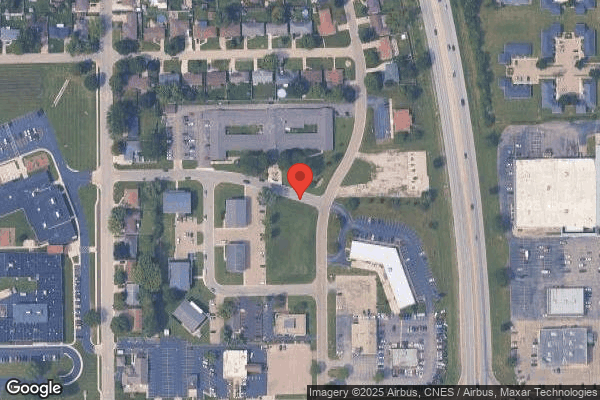
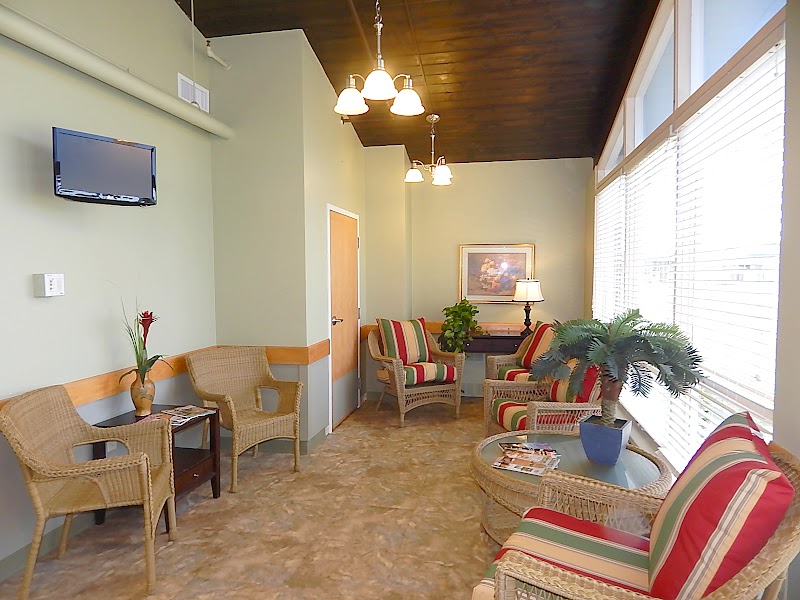
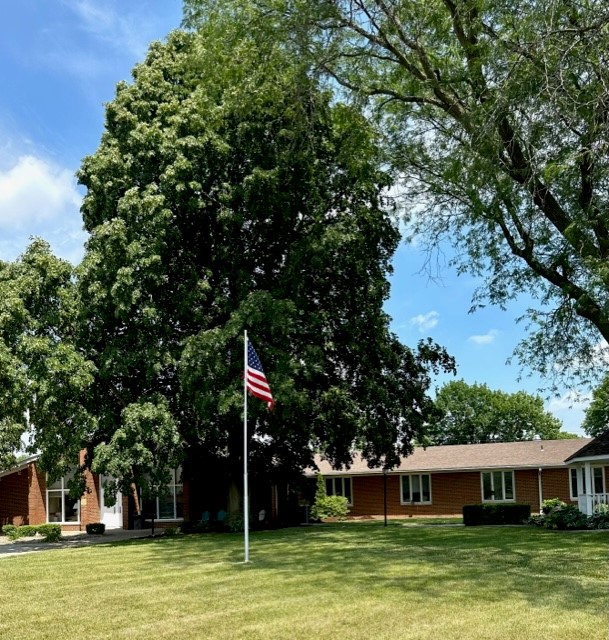
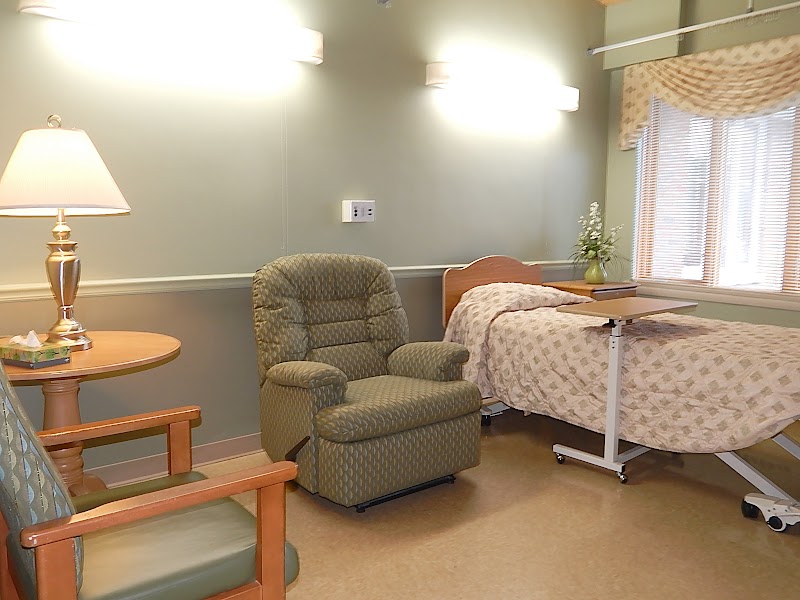
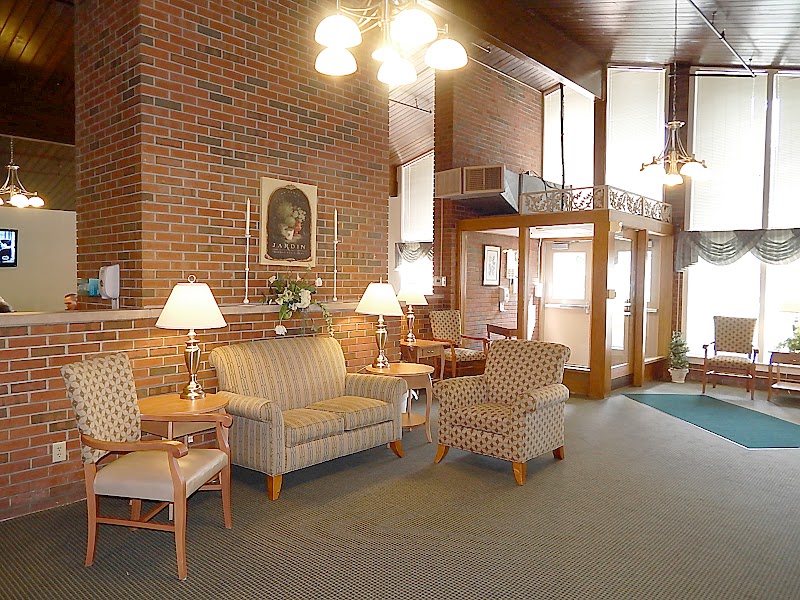
ALLURE OF PERU

1301 21ST STREET, PERU, IL 61354 (815) 223-4901
For profit - Individual 127 Beds ALLURE HEALTHCARE SERVICES Data: November 2025
Trust Grade
50/100
#99 of 665 in IL
Last Inspection: April 2025

Within standard 12-15 month inspection cycle. Federal law requires annual inspections.

Overview

Allure of Peru has a Trust Grade of C, which means it is average compared to other facilities, sitting in the middle of the pack. It ranks #99 out of 665 nursing homes in Illinois, placing it in the top half, and is #3 out of 9 in La Salle County, indicating only two local options are better. Unfortunately, the facility is getting worse, with issues increasing from 8 in 2024 to 9 in 2025. Staffing is a strength, with a 3 out of 5 stars rating and a 37% turnover rate, which is better than the state average. However, the facility has incurred $70,301 in fines, which is concerning and suggests repeated compliance problems. The nursing home has faced serious incidents, including a failure to safely transfer a resident, leading to a femur fracture, and another incident where a Covid-19 positive resident did not receive timely medical care, resulting in death. There are also concerns about infection control practices, such as not using proper PPE and failing to maintain hand hygiene, which could affect many residents. While there are strengths in staffing stability, the increasing trend of issues and specific incidents highlight areas that need significant improvement.

Trust Score
C
50/100
In Illinois
#99/665
Top 14%
Safety Record
High Risk
Review needed
Inspections
Getting Worse
8 → 9 violations
Staff Stability
○ Average
37% turnover. Near Illinois's 48% average. Typical for the industry.
Penalties
✓ Good
$70,301 in fines. Lower than most Illinois facilities. Relatively clean record.
Skilled Nurses
✓ Good
Each resident gets 58 minutes of Registered Nurse (RN) attention daily — more than average for Illinois. RNs are trained to catch health problems early.
Violations
⚠ Watch
27 deficiencies on record. Higher than average. Multiple issues found across inspections.
★★★★☆
4.0
Overall Rating
★★★☆☆
3.0
Staff Levels
★★☆☆☆
2.0
Care Quality
★★★★☆
4.0
Inspection Score
Stable
2024: 8 issues
2025: 9 issues

The Good

  • Full Sprinkler Coverage · Fire safety systems throughout facility
  • No fines on record
  • Staff turnover below average (37%)

    11 points below Illinois average of 48%

Facility shows strength in fire safety.

The Bad

Staff Turnover: 37%

Near Illinois avg (46%)

Typical for the industry

Federal Fines: $70,301

Well above median ($33,413)

Moderate penalties - review what triggered them

Chain: ALLURE HEALTHCARE SERVICES

Part of a multi-facility chain

Ask about local staffing decisions and management

The Ugly 27 deficiencies on record

2 actual harm
Apr 2025 8 deficiencies
CONCERN (D)

Potential for Harm - no one hurt, but risky conditions existed

Deficiency F0583 (Tag F0583)

Could have caused harm · This affected 1 resident

Based on observation, interview, and record review, the facility failed to maintain the privacy of residents' health information for two (R12 and R174) of 18 residents reviewed for confidentiality/pri...

Read full inspector narrative →
Based on observation, interview, and record review, the facility failed to maintain the privacy of residents' health information for two (R12 and R174) of 18 residents reviewed for confidentiality/privacy in a sample of 31. Findings include: The undated Residents' Rights for People in Long-Term Care Facilities documents Your rights to privacy and confidentiality - You have a right to privacy and confidentiality of your personal and medical records. Your medical and personal care are private. On 4/23/25, between 8:29am and 8:45am, V4 Registered Nurse/RN administered medications to R12 and R174 in the dining room. V4's medication cart sat in a high traffic hallway between two dining rooms in the front portion of the facility. On 4/23/25, at 8:29am, V4 RN stood at the medication cart, opened R12's electronic medical record on the lap top computer sitting on top of the medication cart, and prepared R12's medications. V4 then left the medication cart with the computer screen unlocked and open showing a view of R12's clinical record. While V4 was away from the medication cart administering medications to R12, staff brought several residents out of the dining room passing by the medication cart. On 4/23/25, at 8:35am, V4 RN changed the computer screen to R174's clinical record and prepared R174's medications. At 8:37am V4 left the medication cart to retrieve water for R174. The computer screen on top of the medication cart was unlocked and open showing a view of R174's clinical record. At 8:38am V4 RN returned to the dining room and administered R174's medications to R174. During this time staff continued to bring residents out of the dining room passing by the medication cart. On 4/23/25, at 12:08pm, V4 RN confirmed she should not have left the computer screen unlocked and open to residents' clinical records on top of the medication cart.
CONCERN (D)

Potential for Harm - no one hurt, but risky conditions existed

Comprehensive Care Plan (Tag F0656)

Could have caused harm · This affected 1 resident

Based on interview and record review, the facility failed to ensure fingernail care was added to a resident's Care plan for one (R40) of 18 residents reviewed for Care plans in a sample of 31. Finding...

Read full inspector narrative →
Based on interview and record review, the facility failed to ensure fingernail care was added to a resident's Care plan for one (R40) of 18 residents reviewed for Care plans in a sample of 31. Findings include: The facility's undated Comprehensive Care Plans policy documents Policy: It is the policy of this facility to develop and implement a comprehensive person-centered care plan for each resident, consistent with resident rights, that includes measurable objectives and timeframes to meet a resident's medical, nursing, and mental and psychosocial needs and ALL services that are identified in the resident's comprehensive assessment and meet professional standards of quality. Policy Explanation and Compliance Guidelines: 1. The care planning process will include an assessment of the resident's strengths and needs and will incorporate the Resident's personal and cultural preferences in developing goals of care. The facility's undated Nail Care policy documents Policy: The purpose of this procedure is to provide guidelines for the provision of care to a resident's nails for good grooming and health. Policy Explanation and Compliance Guidelines: 5. The resident's plan of care will identify: a. The frequency of nail care to be provided. b. The type of nail care to be provided. c. The person(s) responsible for providing nail care (e.g., licensed nurse, nurse aide, podiatrist, activity professional). R40's current Care plan does not include fingernail care. On 4/24/25, at 1:13pm, V10 Care plan Coordinator confirmed R40's current care plan does not include fingernail care. V10 stated they do not routinely add nail care to residents' care plans. On 4/24/25, at 1:16pm, V2 Director of Nursing/DON confirmed that according to the facility's Nail Care policy nail care should be on all residents' care plans.
CONCERN (D)

Potential for Harm - no one hurt, but risky conditions existed

ADL Care (Tag F0677)

Could have caused harm · This affected 1 resident

**NOTE- TERMS IN BRACKETS HAVE BEEN EDITED TO PROTECT CONFIDENTIALITY** Based on observation, interview and record review the facility failed to perform nail care for two residents (R19) and (R40) of ...

Read full inspector narrative →
**NOTE- TERMS IN BRACKETS HAVE BEEN EDITED TO PROTECT CONFIDENTIALITY** Based on observation, interview and record review the facility failed to perform nail care for two residents (R19) and (R40) of 18 reviewed for assistance with daily living in a total sample of 31. Findings Include: The facility's undated Nail Care policy documents Policy: The purpose of this procedure is to provide guidelines for the provision of care to a resident's nails for good grooming and health. Policy Explanation and Compliance Guidelines: 3. Routine cleaning and inspection of nails will be provided during ADL (Activities of Daily Living) care on an ongoing basis. 4. Routine nail care, to include trimming and filing, will be provided on a regular schedule (such as weekly on Wednesday 3-11 shift). Nail care will be provided between scheduled occasions as the need arises. 5. The Resident's plan of care will identify: a. The frequency of nail care to be provided. b. The type of nail care to be provided. c. The person(s) responsible for providing nail care (e.g., licensed nurse, nurse aide, podiatrist, activity professional). 6. Principles of nail care: a. Nails should be kept smooth to avoid skin injury. 7. Procedure: a. perform hand hygiene and don gloves. b. fill wash basin(s) with warm water. Soak hands/feet in wash basin for 10-20 minutes, unless resident has diabetes or circulation problems. c. Gently clean underneath nails with 'orange stick'. d. If trimming is allowed, clip nails using nail clippers straight across and even with tops of fingers/toes. e. Shape nails straight across using nail file, emery board, or the like. f. Dry hands/feet well with towel. g. Apply lotion to hands/feet h. Remove gloves and perform hand hygiene. i. Document completion of task, any complications, or if resident refuses. 1. On 4/22/25 at 1:30 PM, R19's fingernails on both hands were long with dark brown substance under all of them. R19 stated I need to do something about my nails, they are gross, I just haven't had time. On 4/23/25 at 8:30 AM, R19's fingernails on both hands were long with dark brown substance under all of them. R19 stated they are gross (indicating her nails.) R19's MDS (Minimum Data Set) assessment, dated 1/29/25, documents I. Personal hygiene: The ability to maintain personal hygiene, including combing hair, shaving, applying makeup, washing/drying face and hands (excludes baths, showers, and oral hygiene): substantial/maximum assistance. R19's CNA (Certified Nursing Assistant) Task section documented nail care as complete on 4/23/25 at 10:12 AM by V9 (CNA). On 4/23/25 at 11:30 AM V7 (Activity Aide) confirmed R19's fingernails on both hands were long and dirty On 4/23/25 at 11:40 AM V8 (Licensed Practical Nurse) confirmed R19's fingernails on both hands were long and dirty. On 4/23/25 at 1:00 PM V9 (CNA) stated she performed nail care on R19 as best as she could. V9 stated she wiped R19's hands with a washcloth. V9 denied attempting to soak, clip or clean under nails with orange stick. 2. R40's Minimum Data Set/MDS, dated [DATE], documents R40 is moderately cognitively impaired and requires substantial/maximal assistance with personal hygiene. On 4/22/25, at 10:46am, R40 sat in a chair with long jagged, sharp fingernails. R40 stated I need to get them cut, but I don't know where to get that done. I am new here. On 4/23/25, at 9:53am, R40 sat in a wheelchair in the doorway of her room. R40's fingernails are still long and jagged and R40 stated, Now they are breaking off. R40's right index fingernail is partially broken off, sharp, and jagged with the other half still long. On 4/23/25, at 10:09am, R40 sat in the activity area. At this time V2 Director of Nursing/DON confirmed that R40's nails are long, broken and jagged and should be clipped.
CONCERN (D)

Potential for Harm - no one hurt, but risky conditions existed

Pressure Ulcer Prevention (Tag F0686)

Could have caused harm · This affected 1 resident

Based on observation, interview, and record review, the facility failed to ensure glove change during pressure ulcer treatment for one (R27) of seven residents reviewed for pressure ulcers in a sample...

Read full inspector narrative →
Based on observation, interview, and record review, the facility failed to ensure glove change during pressure ulcer treatment for one (R27) of seven residents reviewed for pressure ulcers in a sample of 31. Findings include: The facility's undated Clean Dressing Change policy documents Policy: It is the policy of this facility to provide wound care in a manner to decrease potential for infection and/or cross-contamination. Physician's orders will specify type of dressing and frequency of changes. Policy Explanation and Compliance Guidelines: 7. Wash hands and put on clean gloves. 9. Loosen the tape and remove the existing dressing. If needed to minimize skin stripping or pain, moisten with prescribed cleansing solution or use adhesive remover to remove tape. 10. Remove gloves, pulling inside out over the dressing. Discard into appropriate receptacle. 11. Wash hands and put on clean gloves. 12. Cleanse the wound as ordered, taking care to not contaminate other skin surfaces or other surfaces of the wound (i.e. clean outward from the center of the wound. Pat dry with gauze. R27's Wound Evaluation & Management Summary, dated 4/23/25, documents R27 has a stage III pressure wound to her left heel. On 4/24/25, at 8:20am, R27 sat in a wheelchair in her room. V5 Registered Nurse/RN wearing a mask, donned a gown and gloves and prepared to change the dressing to R27's left heel pressure ulcer. V5 removed R27's old dressing soiled with a small amount of drainage. R27's left heel has an approximately dime sized open area. With the same soiled gloves, V5 cleansed R27's left heel pressure ulcer with gauze wet with normal saline. V5 removed V5's soiled gloves, performed hand hygiene, then completed the rest of the dressing change. On 4/24/25, at 1:30pm, V5 RN stated V5 should have changed her gloves after removing the soiled dressing and before cleansing the wound.
CONCERN (D)

Potential for Harm - no one hurt, but risky conditions existed

Medication Errors (Tag F0758)

Could have caused harm · This affected 1 resident

Based on interview and record review the facility failed to document behaviors to justify the use of psychotropic medications for two residents (R6 and R46) and failed to attempt nonpharmacologic inte...

Read full inspector narrative →
Based on interview and record review the facility failed to document behaviors to justify the use of psychotropic medications for two residents (R6 and R46) and failed to attempt nonpharmacologic interventions for one resident (R46) of five residents reviewed for unnecessary medications in a total sample of thirty one. Findings Include: The Facility's undated Use of Psychotropic Medications policy documents It is the intent of this policy to ensure that residents only receive psychotropic medications when other nonpharmacological interventions are clinically contraindicated. Additionally, these medications should only be used to treat the resident's medical symptoms and not used for discipline or staff convenience, which would deem it a chemical restraint. A psychotropic drug is any drug that affects brain activities associated with mental processes and behavior. Psychotropic drugs include but are not limited to the following categories: antipsychotics, antidepressants, anti-anxiety, and hypnotics. Psychotropic medications are to be used only when a practitioner determines that the medication(s) is appropriate to treat a resident's specific, diagnosed, and documented condition and the medication(s) is beneficial to the resident, as demonstrated by monitoring and documentation of the resident's response to the medication(s). 1. R6's Medical Record documents that R6's diagnosis to include but not limited to: Alzheimer's, anxiety, depression, dementia in other diseases classified elsewhere unspecified severity without behavioral disturbance psychotic disturbance, mood disturbance, anxiety, adjustment disorder with mixed anxiety and depressed mood. R6's Medication Administration Record for April 2025 documents she receives the antidepressant medication Mirtazapine 15 mg (milligrams) every night for adjustment disorder with mixed anxiety and depressed mood. R6's Medication Administration Record for April 2025 documents she takes the antidepressant medication Fluoxetine 10 mg every day for major depressive disorder single episode, adjustment disorder with mixed anxiety and depressed mood. R6's Care Plan dated 6/3/24 documents I have a history of feeling down, worrying, anxious, mind racing, crying, difficulty sleeping. Has orders for antidepressant medication. R6's Medication Administration Record for February, March and April 2025 document Behaviors: NO for all shift for all three months. R6's Task documentation in medical record documents behaviors: sadness, depression. R6's Task documentation did not have any documentation of any behaviors of sadness or depression for R6 for January, February, March and April 2025. R6's Psychiatric Periodic Evaluation dated 2/14/25 documents (R6) denies any concerns with depression. Per facility staff there are no acute concerns or issues nor are there any behavioral changes. On 4/24/25 at 10:15 AM V2 (Director of Nursing) confirmed that R6 was on two antidepressants with no documented signs and symptoms of depression. 2. R46's Medical Record documents R46's diagnosis to include but not limited to Alzheimer's, dementia unspecified with psychotic disturbance, unspecified dementia with unspecified severity with other behavioral disturbance, insomnia, impulse disorder, depression, insomnia, dysthymic, dementia in other diseases classified elsewhere with anxiety, unspecified mood disorder. R46's Medication Administration Record documents she takes the anti-psychotic medication Olanzapine 2.5 mg (milligrams) every day for unspecified dementia, unspecified severity with other behavioral disturbance. R46's Medication Administration Record documents she takes the antidepressant Sertraline 25 mg for unspecified mood disorder, depression, anxiety disorder. R46's Care Plan dated 11/11/2024 documents the resident has behaviors such as asking to go to the bathroom every 5 minutes, ambulating around room unattended and wants to stay in bed other than meals. R46's Medication Administration Records for February, March and April 2025 document Behaviors: NO for all three shifts for all three months. R46's CNA Task documentation documents anxiety/restlessness as behaviors to be monitored. R46's CNA Task documentation shows on 4/10/25 R46 had frequent crying, repeated movement, yelling/screaming and grabbing. R46's CNA Task documentation dated 4/18/25 documents R46 had repeated movements and yelling/screaming. Neither entry in the task documentation (4/10/25 and 4/18/25) documented any nonpharmacologic interventions attempted, if the behaviors were easily redirected or if any other reasoning for the behaviors could be identified. R46's Medical Record did not contain any other documentation about any harmful behaviors exhibited by R46 for January, February, March or April 2025. R46's Periodic Psychiatric Evaluation dated 2/14/25 documents No acute behavioral issues or concerns. Sleep and appetite OK. On 4/24/25 at 2:00 PM V2 (Director of Nursing) confirmed there were no nonpharmacological interventions related to R46's two instances of having documented behaviors. V2 also confirmed that there was no description of what R46 was doing. These are check mark lists for the CNA so I cannot say exactly what was happening.
CONCERN (D)

Potential for Harm - no one hurt, but risky conditions existed

Unnecessary Medications (Tag F0759)

Could have caused harm · This affected 1 resident

Based on observation, interview, and record review, the facility failed to ensure medications were administered according to physician orders and pharmacy medication instructions for two (R12 and R48)...

Read full inspector narrative →
Based on observation, interview, and record review, the facility failed to ensure medications were administered according to physician orders and pharmacy medication instructions for two (R12 and R48) of six residents reviewed during Medication Administration in a sample of 31. There were two errors out of 26 medication opportunities observed resulting in a 7.69% medication error rate. Findings include: The facility's Medication Administration policy, dated 2025, documents Policy: Medications are administered by licensed nurses, or other staff who are legally authorized to do so in this state, as ordered by the physician and in accordance with professional standards of practice, in a manner to prevent contamination or infection. Policy Explanation and Compliance Guidelines: 10. Ensure that the six rights of medication administration are followed: a. Right resident. b. Right drug. c. Right dosage. d. Right route. e. Right time. f. Right documentation. 17. Administer medication as ordered in accordance with manufacturer specifications. a. Provide appropriate amount of food and fluid. 1. On 4/23/25, at 8:23am, R12 sat in the dining room eating breakfast. V4 Registered Nurse/RN administered Aspirin 81mg (milligrams) one tab, Multivitamin one tab, Metoprolol 50mg one tab, Sertraline 50mg one tab, Vitamin B-12 100 mcg (micrograms) one tab, and Carafate one gram one tab to R12. R12's current Physician Order Sheet/POS documents orders for Aspirin 81mg one tab, Multivitamin one tab, Metoprolol 50mg one tab, Sertraline 50mg one tab, Vitamin B-12 100 mcg (micrograms) one tab, and Carafate one gram one tab all to be given by mouth in the morning. The two pharmacy labels on R12's Carafate multi-dose medication bubble card read Take this product at least two hours before or two hours after your other medications. And Take medicine on an empty stomach- 1 hour before or 2-3 hours after a meal unless otherwise directed by your doctor. R12's Physician Order Sheet/POS does not indicate other directions for the administration of R12's Carafate. On 4/23/25, at 8:30am, V4 RN confirmed the pharmacy label and stated, It should be given two hours before or two hours after his other meds. V4 stated that R12 did not receive his Carafate on an empty stomach or without other medications and should have. 2. On 4/23/25, at 11:45am, R48 sat in the dining room eating breakfast. V4 RN administered Carb/Levo (Carbidopa/Levodopa) (sub for Parcopa) 25-100mg one tab and Acetaminophen 325mg two tabs to R48 whole and mixed in applesauce. R48's current POS documents orders for Carb/Levo (Carbidopa/Levodopa) (sub for Parcopa) 25-100mg one tab and Acetaminophen 325mg two tabs to be given by mouth in the morning. The pharmacy label on R48's Carb/Levo mulit-dose medication bubble card reads Place medicine on your tongue and allow it to disintegrate. On 4/23/25, at 11:48, V4 stated (R48) wants it in his applesauce. I have never given it that way to him before. V4 confirmed the pharmacy label and stated, I guess I should have given it that way.
CONCERN (D)

Potential for Harm - no one hurt, but risky conditions existed

Deficiency F0761 (Tag F0761)

Could have caused harm · This affected 1 resident

Based on observation, interview, and record review, the facility failed to keep residents' medications securely stored for two (R12 and R174) of seven residents reviewed for medication storage during ...

Read full inspector narrative →
Based on observation, interview, and record review, the facility failed to keep residents' medications securely stored for two (R12 and R174) of seven residents reviewed for medication storage during medication administration in a sample of 31. Findings include: The facility's undated Medication Storage policy documents Policy: It is the policy of this facility to ensure all medications housed on our premises will be stored in the pharmacy and/or medication rooms according to the manufacturer's recommendations and sufficient to ensure proper sanitation, temperature, light, ventilation, moisture control, segregation, and security. Policy Explanation and Compliance Guidelines 1. General Guidelines: a. All drugs and biologicals will be stored in locked compartments (i.e., medication carts, cabinets, drawers, refrigerators, medication rooms) under proper temperature controls. c. During a medication pass, medications must be under the direct observation of the person administering medications or locked in the medication storage area/cart. On 4/23/25, at 8:25am, V4 Registered Nurse's/RN's medication cart sat in a high traffic hallway between two dining rooms in the front portion of the facility. On 4/23/25, at 8:29am, V4 stood at the medication cart and prepared R12's medications. At this time, V4 walked over to R12 with R12's medications in a medicine cup and left two multi-dose medication bubble cards on top of the medication cart consisting of Vitamin B-12 100mcg (micrograms) and Carafate one gram. While V4 was away from the medication cart administering medications to R12, staff brought several residents out of the dining room passing by the medication cart. On 4/23/25, at 8:35am, V4 RN prepared R174's medications at the medication cart. At 8:37am V4 left the medication cart to retrieve water for R174. The medication cart had nine multi-dose medication bubble cards on top including Lipitor 10mg, Apixaban 2.5mg, Lasix 40mg, Zestril 10mg, Toprol XL 25 mg, Potassium Chloride Micro tabs 20mEq (milliequivalents), Hydrodiuril 25mg, Preservision capsules, and Zoloft 50mg. At 8:38am, V4 RN returned to the dining room and administered R174's medications to R174. During this time staff continued to bring residents out of the dining room passing by the medication cart. On 4/23/25, at 12:08pm, V4 RN confirmed she should not have left medications on top of the medication cart.
CONCERN (D)

Potential for Harm - no one hurt, but risky conditions existed

Medical Records (Tag F0842)

Could have caused harm · This affected 1 resident

Based on observation, interview and record review, the facility failed to ensure accuracy of resident medical records for two (R40 and R48) of 18 residents reviewed for medical records in a sample of ...

Read full inspector narrative →
Based on observation, interview and record review, the facility failed to ensure accuracy of resident medical records for two (R40 and R48) of 18 residents reviewed for medical records in a sample of 31. Findings include: The facility's Documentation in Medical Record policy, dated 2024, documents Policy: Each resident's medical record shall contain an accurate representation of the actual experiences of the resident and include enough information to provide a picture of the resident's progress through complete, accurate, and timely documentation. Policy Explanation and Compliance Guidelines: 4. Principles of documentation include but are not limited to: a. Documentation shall be factual, objective, and resident centered. I. False information shall not be documented. ii. Record descriptive and objective information based on first-hand knowledge of the assessment, observation, or service provided. b. Documentation shall be accurate, relevant, and complete, containing sufficient details about the resident's care and/or responses to care. The facility's Certified Nursing Assistant job description, dated 2023, documents Major Duties and Responsibilities: Completes flow sheets daily to indicate that the specified task was done. 1. On 4/22/25 at 10:46am and 4/23/25 at 9:53am, R40's fingernails were long, sharp and jagged. R40's Task: Inspect & Clean Fingernails, dated 3/25/25 to 4/23/25, documents on 4/22/25 at 6:07am by V6 Certified Nursing Assistant/CNA that R40's nails were trimmed. On 4/23/25, at 10:41am, V6 CNA confirmed that V6 worked day shift yesterday (4/22/25) and had charted that R40's nails were trimmed even though she didn't know that they had not been. On 4/23/25, at 1:22pm, V2 Director of Nursing/DON stated the Certified Nursing Assistants/CNAs should not chart on a resident who another CNA is taking care of unless they are charting together and knows what cares were done. 2. On 4/23/25, at 11:45am, R48 received Carb/Levo (Carbidopa/Levodopa) (sub for Parcopa) 25-100mg (milligrams) one tab with two Tylenol 325mg tabs whole in applesauce by V4 Registered Nurse/RN. The pharmacy label on R48's Carb/Levo mulit-dose medication bubble card reads Place medicine on your tongue and allow it to disintegrate. On 4/23/25, at 11:50am, V4 looked up the hospital discharge orders and confirmed that the order for R48's Carb/Levo is for an oral dose, not the dispersing type. V4 stated It was put in wrong. On 4/23/25, at 1:18pm, V2 Director of Nursing/DON stated I put the order for Carb/Levo in wrong. I should have selected the oral route not the dispersing route. I probably took it from the template.
Jan 2025 1 deficiency
CONCERN (D) 📢 Someone Reported This

A family member, employee, or ombudsman was alarmed enough to file a formal complaint

Potential for Harm - no one hurt, but risky conditions existed

Report Alleged Abuse (Tag F0609)

Could have caused harm · This affected 1 resident

Based on interview and record review, the facility failed to report potential allegations of theft to the local law enforcement for two (R1 and R2) of four residents reviewed for misappropriation of p...

Read full inspector narrative →
Based on interview and record review, the facility failed to report potential allegations of theft to the local law enforcement for two (R1 and R2) of four residents reviewed for misappropriation of property in a sample of four. Findings include: The facility's Abuse, neglect and Exploitation policy, dated 7/1/24, documents Policy: It is the policy of this facility to provide protections for the health, welfare and rights of each resident by developing and implementing written policies and procedures that prohibit and prevent abuse, neglect, exploitation and misappropriation of resident property. Misappropriation of Resident Property means the deliberate misplacement, exploitation, or wrongful, temporary or permanent, use of a resident's belongings or money without the resident's consent. 2. The facility will designate an Abuse Prevention Coordinator in the facility who is responsible for reporting allegations of suspected abuse, neglect, or exploitation to the state survey agency and other officials in accordance with state law. B. Possible indicators of abuse include but are not limited to: 4. Resident reports of theft of property or missing property. The facility's Grievance Logs dated November 2024 through January 2025 documents R1 and R2 made allegations of theft (missing money). 1. The facility's initial Reportable for R1, date of occurrence 1/3/25, documents Former resident (R1) contacted the facility from home and alleges that (R1) has missing money .Investigation begun, full report to follow. This report also documents Incident Category -Resident Misappropriation of Property/Theft. Police notified - no. Status of resident - discharged . The facility's undated final report for R1 summarizes that R1 had $54 and a blank check in an envelope that was locked in a medication cart's narcotic box. R1 forgot about the envelope upon discharge, called the facility from home to retrieve it and the money was not in the envelope. 2. The facility's initial Reportable for R2, date of occurrence 12/10/24, documents Incident Description - (R2) notified (V1) that (R2) had $27 missing from her change purse. Incident Category - Resident Misappropriation of Property/Theft. Police Notified - no. The facility's undated final report for R2 summarizes that R2 had $27 in R2's change purse in R2's room that went missing. On 1/17/25, at 3:13pm, V1 Administrator stated that the police were not notified. (R1) was already home and I asked (R1) if she wanted me to call the police and she said no. The police would have had to go to her house. For (R2) I did not call the police because I don't know if it was lost or maybe (R2) dropped it. (R1's) was more in our possession. On 1/22/25, at 12:10pm, V1 Administrator stated V1 was unaware of the obligation to notify the local law enforcement for allegations of theft. At this time, V1 confirmed that their Abuse policy states that law enforcement is to be notified of theft allegations.
May 2024 8 deficiencies
CONCERN (D)

Potential for Harm - no one hurt, but risky conditions existed

Deficiency F0558 (Tag F0558)

Could have caused harm · This affected 1 resident

Based on observation, interview, and record review the facility failed to provide a resident with a mirror to allow for self grooming for one (R66) of one resident reviewed for Accommodations of Need ...

Read full inspector narrative →
Based on observation, interview, and record review the facility failed to provide a resident with a mirror to allow for self grooming for one (R66) of one resident reviewed for Accommodations of Need in a sample of 35. Findings include: The facility's Activities of Daily Living (ADLs) policy, dated 7/1/23, documents The facility will, based on the resident's comprehensive assessment and consistent with the resident's needs and choices, ensure a resident's abilities in ADLs do not deteriorate unless deterioration is unavoidable. Care and services will be provided for the following activities of daily living: 1. Bathing, dressing, grooming, and oral care. On 5/13/24, at 9:40am, R66 was lying in bed with visible facial hair. R66 stated I can't see myself in the mirror from my wheelchair, only from the forehead up. It is part of the reason I haven't shaved. I know it (my beard) looks bad. R66's Care plan includes a focus of: (R66) is at risk for an ADL Self Care Performance Deficit related to Activity Intolerance, Impaired balance, bilateral AKA (Above the Knee Amputation). The goal is: (R66) will improve current level of function in Bed Mobility, Transfers, Eating, Dressing, Toilet Use and Personal Hygiene through the review date. The interventions include: Encourage (R66) to participate to the fullest extent possible with each interaction. On 5/14/24, at 2:20pm V13 Restorative Nurse stated (R66) is capable of shaving himself and would need a mirror to do so. V13 was unaware that R66 could not see himself in his mirror on the wall. On 5/15/24, at 3:15pm, R66 sat in his electric wheelchair facing and across from the sink with a mirror above it. R66 adjusted the position of the back of his wheelchair up higher and stated I can't see my chin no matter what.
CONCERN (D)

Potential for Harm - no one hurt, but risky conditions existed

Deficiency F0655 (Tag F0655)

Could have caused harm · This affected 1 resident

Based on interview and record review the facility failed to implement a person centered baseline care plan for two residents (R281 and R283) of five reviewed for baseline care plans in a sample of 35....

Read full inspector narrative →
Based on interview and record review the facility failed to implement a person centered baseline care plan for two residents (R281 and R283) of five reviewed for baseline care plans in a sample of 35. Findings include: The facility's Baseline Care Plan, undated, documents that the facility will develop and implement a baseline care plan for each resident that includes the instructions needed to provide effective and person centered care of the resident that meet professional standards of quality care. R281's admission orders, dated 5/4/24, documents the following diagnosis: fracture of the neck of the left femur, acute urinary tract infection, acute metabolic encephalopathy, dementia, hard of hearing, lacunar stroke and mild aortic insufficiency. R281's base line care plan does not address R281's personalized needs. R283's Progress Notes, dated 5/10/24 documents that R283's referral (to another facility) was denied due to R283's history of suicidal ideation's. On 05/14/24 at 2:00pm, R283 stated that she had some concerns a while back with suicidal ideation's and mental disorders. On 5/15/24 at 1:45pm, V18, Care Plan Director, stated that the base line care plans is a check off list and not personalized. V18 verified that R281 and R283's base line do not address all of their needs. On 5/15/24 at 2:00pm, V4, Social Service Director, stated that R283 has a history of suicidal ideations in the past. V4 verified that R283's current care plan does not address this issue.
CONCERN (D)

Potential for Harm - no one hurt, but risky conditions existed

Deficiency F0688 (Tag F0688)

Could have caused harm · This affected 1 resident

**NOTE- TERMS IN BRACKETS HAVE BEEN EDITED TO PROTECT CONFIDENTIALITY** Based on observation, interview, and record review the facility failed to ensure an order was placed and a resident was wearing ...

Read full inspector narrative →
**NOTE- TERMS IN BRACKETS HAVE BEEN EDITED TO PROTECT CONFIDENTIALITY** Based on observation, interview, and record review the facility failed to ensure an order was placed and a resident was wearing a recommended assistive device for one (R62) of one resident reviewed for Limited Range of Motion in a sample of 35. Findings include: The facility's Prevention of Decline in Range of Motion policy, dated 7/1/23, documents 3. Appropriate Care Planning. a. Based on the comprehensive assessment the facility will provide interventions, exercises and/or therapy to maintain or improve range of motion. b. The facility will provide treatment and care in accordance with professional standards of practice. This includes, but is not limited to: i. Appropriate services (specialized rehabilitation, restorative, maintenance). ii. Appropriate equipment (braces or splints). R62's current Face Sheet documents R62 admitted on [DATE] with an admitting diagnosis of Hemiplegia and Hemiparesis following other Cerebrovascular Disease affecting left non-dominant side. On 5/13/24, at 9:28am, R62 was sitting in a reclining chair in her room with a flaccid left arm and hand at her side. A splint device is sitting on the bedside table near her. R62 stated I have a hard time getting someone to put it on. I can't do it myself. It is supposed to be four hours on four hours off. I have been up since 5 and haven't had it on yet. I had a stroke and can not move my left arm. On 5/13/24, at 11:32am, V19 Certified Nursing Assistant/CNA stated V19 assisted in getting R62 up today around 7:45am. V19 verified V19 did not put R62's splint on her hand and should have. V19 stated I guess I was in a hurry. R62's Minimum Data Set/MDS assessment, dated 3/27/24, documents splint in use 7 days/week. R62's Care Plan, dated 10/13/23, documents (R62) is a risk for an ADL (Activities of Daily Living) Self Care Performance Deficit related to Activity Intolerance, Left Hemiplegia status post stroke, Impaired balance. The interventions include: Restorative: Splint/Brace - (R62) is to wear left hand splint as ordered by therapy. Assist in donning brace. On in AM at 7:00, off at 12:00 and on in PM at 4:00, off at 9:00pm daily. The goal is to prevent left hand tendon shortening and contracture. R62's Order Request for Occupational Therapy, dated 10/13/23, documents: Reason for request/Treatment diagnosis: Prevention of tendon shortening and contracture; preventions while left hand at rest. Frequency: 2 times a day. Duration: 5 hours. To receive assistance donning left wrist hand resting hand splint. R62's current Physician Order Sheet/POS does not include an order for a splint. On 5/13/24, at 3:43pm, R62 is in a wheelchair in her room with her left arm lying at her side without a splint. R62's splint is lying on the bedside table in front of her. On 5/14/24, at 2:27pm, V12 Director of Rehab stated We give our orders to Restorative Nursing and she puts the order in. On 5/14/24, at 2:30pm, V13 Restorative Nurse stated that V13 put (R62's) splint order in on 10/13/23. (R62's) orders were discontinued in February after a hospitalization and V13 didn't see it to put it back in R62's POS (Physician Order Sheet). V13 stated that staff should be putting (R62's) splint on her.
CONCERN (D)

Potential for Harm - no one hurt, but risky conditions existed

Medication Errors (Tag F0758)

Could have caused harm · This affected 1 resident

Based on interview and record review the facility failed to ensure psychotropic medication ordered PRN (as needed) was limited to 14 days for one (R39) of three residents reviewed for Unnecessary Medi...

Read full inspector narrative →
Based on interview and record review the facility failed to ensure psychotropic medication ordered PRN (as needed) was limited to 14 days for one (R39) of three residents reviewed for Unnecessary Medications in a sample of 35. Findings include: The facility's undated policy, Use of Psychotropic Medication documents, Residents are not given psychotropic drugs unless the medication is necessary to treat a specific condition as diagnosed and documented in the clinical record, and the medication is beneficial to the resident as demonstrated by monitoring and documentation of the resident's response to the medications(s). This policy also states 9. PRN (as needed) orders for all psychotropic drugs shall be used only when the medication is necessary to treat a diagnosed specific condition that is documented in the clinical record, and for a limited duration (i.e. 14 days). a. If the attending physician or prescribing practitioner believes that it is appropriate for the PRN order to be extended beyond 14 days, he or she shall document their rationale in the resident's medical record and indicate the duration for the PRN order. R39's Physician Order Sheet/POS includes diagnoses of Dementia with Psychotic Disturbance and Adjustment Disorder with Mixed Anxiety and Depressed Mood. R39's POS also includes an order for Lorazepam Oral Tablet 0.5mg, dated 4/29/23. Give 1 tablet by mouth every 8 hours as needed for Anxiety related to Adjustment Disorder with Mixed Anxiety and Depressed Mood for 90 days. The ending order date is documented as 7/28/24. On 5/16/24, at 11:00am, V2 Director of Nursing/DON was unable to produce documentation by R39's physician for extended use of Lorazepam.
CONCERN (D)

Potential for Harm - no one hurt, but risky conditions existed

Unnecessary Medications (Tag F0759)

Could have caused harm · This affected 1 resident

Based on observation, interview and record review, the facility failed to administer medications as ordered by the physician for two residents (R58 and R72) on the sample of 7 residents reviewed for m...

Read full inspector narrative →
Based on observation, interview and record review, the facility failed to administer medications as ordered by the physician for two residents (R58 and R72) on the sample of 7 residents reviewed for medication pass. This failure resulted in two medication errors out of twenty- five opportunities for error, for an 8% medication error rate. FINDINGS INCLUDE: The facility policy, Medication Administration, dated (7/1/23) directs staff, Medications are administered by licensed nurses, or other staff who are legally authorized to do so in this state, as ordered by the physician and in accordance with professional standards of practice, in a manner to prevent contamination or infection. Ensure the six rights of medication administration are followed: right resident, right drug, right dosage, right route, right time and right documentation. 1. R58's current Physician Order Sheet, dated May 2024 includes the following medications: Carafate (anti-ulcer) 1 GM (Gram) by mouth three times daily. On 5/13/24 at 11:16 A.M., V6 Registered Nurse (RN) prepared to administer medications for R58. V6 placed one capsule of Gabapentin 100 MG (Milligrams) in a plastic medication cup. V6 then removed one tablet of Sucralafate 1 GM from a punch card, with written instructions on the card, Take 2 hours before or 2 hours after other medications, placed it in the medication cup and then added Lasix 20 MG one tablet to the same cup. V6 entered R58's room, handed R58 the medication cup with three pills to R58 who immediately took the three pills together with a drink of water, Upon exiting R58's room, V6 verified the Sucralfate should have been given 2 hours before or 2 hours after the other medications. 2. R72's current Physician Order Sheet, dated May 2024 includes the following diagnoses: Osteomyelitis Of Vertebra, Thoracic Region; Methicillin Resistant Staphylococcus Aureus Infection; Type 2 Diabetes Mellitus. This same sheet includes the following medications: Vancomycin HCl ((Hydrochloride)Intravenous Solution 2500 mg intravenously in the morning. On 5/14/24 at 8:20 A.M., V6 mixed 20 ML (Milliliters) of Sterile Water into (3) vials of Vancomycin 1 GM (Gram) powder. V6 then withdrew all 20 ML of 2 bottles and 10 ML of the third bottle and injected the mixed solution into the 500 ML bag of Normal Saline, equaling a total of 550 ML. with 2500 MG of Vancomycin. V6 entered (R72's) room and programmed (R72's) IV (Intravenous) pump for 500 ML of fluid over 180 minutes. On 05/14/24 12:08 P.M., V6 returned to R72's room to disconnect the IV (intravenous) Vancomycin and flush (R72's) PICC (Peripherally Inserted Central Catheter) line. V6 disconnected (R72's) Vancomycin bag with 50-60 ML (Milliliters) of Vancomycin mixture remaining. V6 flushed the PICC line with Normal Saline, then Heparin and disposed of the Vancomycin IV bag with the remaining fluid., in the trash can. At that time, V6 verified the remaining IV medication in the bag and stated, The directions are to infuse (the bag) (500 ML Normal Saline) at 200 CC/HR for 180 minutes. I guess that doesn't take into account the additional 50 ML of sterile water with the vancomycin in it.
CONCERN (D)

Potential for Harm - no one hurt, but risky conditions existed

Deficiency F0760 (Tag F0760)

Could have caused harm · This affected 1 resident

Based on observation, interview and record review the facility failed to administer medications as ordered by the physician for one resident (R72) of seven residents reviewed for medication administra...

Read full inspector narrative →
Based on observation, interview and record review the facility failed to administer medications as ordered by the physician for one resident (R72) of seven residents reviewed for medication administration, in a sample of 35. The undated facility policy, Intravenous Therapy directs staff, The facility will adhere to accepted standards of practice regarding infusion practices. Review and verify practitioner's order for infusion solution or medication, dose, frequency and route of administration. R72's current Physician Order Sheet, dated May 2024 includes the following diagnoses: Osteomyelitis Of Vertebra, Thoracic Region; Methicillin Resistant Staphylococcus Aureus Infection; Type 2 Diabetes Mellitus. This same sheet includes the following medications: Vancomycin HCl ((Hydrochloride)Intravenous Solution 2500 mg intravenously in the morning. On 5/14/24 at 8:20 A.M., V6 (Registered Nurse/RN) mixed 20 ML (Milliliters) of Sterile Water into (3) vials of Vancomycin 1 GM (Gram) powder. V6 then withdrew all 20 ML of 2 bottles and 10 ML of the third bottle and injected the mixed solution into the 500 ML bag of Normal Saline, equaling a total of 550 ML. with 2500 MG of Vancomycin. V6 entered (R72's) room and programmed (R72's) IV (Intravenous) pump for 500 ML of fluid over 180 minutes. On 05/14/24 12:08 P.M., V6 returned to R72's room to disconnect the IV Vancomycin and flush (R72's) PICC (Peripherally Inserted Central Catheter) line. V6/RN disconnected (R72's) Vancomycin bag with 50-60 ML (Milliliters) of Vancomycin mixture remaining. V6/RN flushed the PICC line with Normal Saline, then Heparin and disposed of the Vancomycin IV bag with the remaining fluid., in the trash can. At that time, V6 verified the remaining IV medication in the bag and stated, The directions are to infuse (the bag) (500 ML Normal Saline) at 200 CC/HR for 180 minutes. I guess that doesn't take into account the additional 50 ML of sterile water with the vancomycin in it. On 5/15/24 at 9:52 A.M., V14 (Pharmacist) stated, The addition of the additional 50 ML of normal saline to the 500 ML bag, the volume of fluid to be infused needs to be adjusted to compensate for the additional 50 ML added, or the resident would not receive the full dose of Vancomycin. I would consider that a significant medication error.
CONCERN (D)

Potential for Harm - no one hurt, but risky conditions existed

Deficiency F0805 (Tag F0805)

Could have caused harm · This affected 1 resident

Based on observation, interview, and record review the facility failed to ensure pureed bread was provided for residents' lunch for three (R19, R38, and R60) of three residents reviewed for Pureed Die...

Read full inspector narrative →
Based on observation, interview, and record review the facility failed to ensure pureed bread was provided for residents' lunch for three (R19, R38, and R60) of three residents reviewed for Pureed Diets in a sample of 35. Findings include: The facility's undated Explanation of Diets Pureed policy documents Pureed regular bread and specialty breads such as corn bread, muffins, garlic bread, etc., continue to be pureed as a separate menu item. Pureed bread items may be served hot or cold but need to be held at the appropriate temperature throughout the meal service. The facility's undated Week at A Glance with Portion Pureed menu for Week 4 documents the following meal to be served on 5/14/24: Pureed Baked Ham, Pureed Au Gratin (which was substituted with Cheesy Mashed Potatoes), Pureed peas, Pureed bread/margarine and pureed strudel stick. On 5/14/24, between 10:36am -10:48am, V5 Cook/Assistant Manager pureed ham then Brussel sprouts for today's menu. On 5/14/24, at 11:42am , V5 began serving up plates from the steam table. During this time there was no pureed bread on the steam table to be given to residents on pureed diets. On 5/14/24, at 11:50am, V5 stated there is no pureed bread for lunch today. Sometimes I add it to the pureed ham, but I didn't today. R19's current Physician Order Sheet/POS documents and order for Regular diet, Pureed texture, Thin consistency. R38's current POS documents an order for Regular diet, Pureed texture, Thin consistency. R60's current POS documents an order for Regular diet, Pureed texture, Thin consistency. On 5/14/24, at 1:25pm, V3 Dietary Manager/DM stated that V5 should have made and served pureed bread.
CONCERN (F)

Potential for Harm - no one hurt, but risky conditions existed

Infection Control (Tag F0880)

Could have caused harm · This affected most or all residents

**NOTE- TERMS IN BRACKETS HAVE BEEN EDITED TO PROTECT CONFIDENTIALITY** Based on observation, interview, and record review the facility failed to utilize PPE (Personal Protective Equipment), failed to...

Read full inspector narrative →
**NOTE- TERMS IN BRACKETS HAVE BEEN EDITED TO PROTECT CONFIDENTIALITY** Based on observation, interview, and record review the facility failed to utilize PPE (Personal Protective Equipment), failed to perform hand hygiene during medication pass, failed to initiate enhanced barrier precautions and failed to sanitize equipment after usage in an enhanced barrier precaution room for six residents (R2, R12, R32, R58, R14 and R281) of 24 reviewed for infection control. This has the potential to affect 79 residents residing in the facility. Findings include: The facility's Cleaning and Disinfection of Resident-Care Equipment, dated 7/1/23, documents that resident-care equipment can be a source of indirect transmission of pathogens. Reusable resident-care equipment will be cleaned and disinfected in accordance with current CDC recommendations in order to break the chain of infection. This form also documents that multiple-resident use equipment shall be cleaned and disinfected after each use. The facility red Enhanced Barrier Precautions sign from the United States Department of Health and Human Services Centers for Disease Control and Prevention, provided by V11/Infection Preventionist documents, Enhanced Barrier Precautions everyone must clean their hands, including before entering and and when leaving the room. The facility policy, Medication Administration, dated 7/1/23 directs staff, Medications are administered by licensed nurses, or other staff who are legally authorized to do so in this state, as ordered by the physician and in accordance with professional standards of practice, in a manner to prevent contamination or infection. Remove medication from source, taking care not to touch medication with bare hands. R32's current Physician Order Sheet documents that R32 is on enhanced barrier precautions related to wounds, MRSA (methicillin-resistant staphylococcus aureus) of the nares, and history of MRSA of the wounds. R281's current Physician Order Sheet documents that R281 is on enhanced barrier precautions related to a urinary catheter. This form also documents to cleanse the incision on the left hip and cover with a dry dressing every other evening shift. 1. On 05/14/24 at 9:00am, V15, CNA (Certified Nursing Assistant) and V16, CNA, entered R32's room with a mechanical lift, with only masks on. V15 and V16 exited the room and verified that they did not have the appropriate personal protective equipment on. V15 and V16 transferred R32 with a mechanical lift to the commode and then back to his chair. V15 exited R32's room with the mechanical lift, removed her gloves. V15 then pushed the mechanical lift down the hall to R281's room. On 5/15/24 at 9:00am, V15 verified that the mechanical lift was not cleaned or disinfected after it was used on R32. V15 stated that the facility does not have bleach or disinfecting wipes in the rooms or in the PPE carts outside of the rooms. 2. R14's current Physician Order Sheet, dated May 2024 documents R14 was admitted to the facility on [DATE] with the following diagnoses: Type 2 Diabetes Mellitus, Vascular Dementia, Personal History of Urinary Tract Infections, Current Urinary Tract Infection. On 5/11/24 a new physician's order was obtained to place an indwelling urinary catheter, due to urinary retention. On 5/13/24 at 10:04 A.M., R14 was seated in a wheelchair in her room. A urinary catheter bag was hanging from the back of R14's wheelchair with yellow urine present. No Enhanced Barrier Precaution sign was present on the door to R14's room. V8 and V9/Certified Nursing Assistants entered (R14's) room to provide assistance to (R14's) roommate without performing hand hygiene. On 5/15/24 10:30 A.M., V11/Infection Preventionist stated, The criteria for a resident to be placed in EBP (Enhanced Barrier Precautions) is any resident with an indwelling urinary catheter. At that time V11/Infection Preventionist verified that R14 should have been placed in Enhanced Barrier Precautions when the urinary catheter was placed on 5/11/24. 3. On 5/13/24 at 11:16 A.M., V6/Registered Nurse prepared to administer medications for R58. After placing medications in a plastic medication cup, V6/RN entered R58's room without performing hand hygiene, despite the fact an Enhanced Barrier Precaution sign was hanging from R58's room. On 5/13/24 at 11:20 A.M., V6/Registered Nurse prepared to administer medications for R32. After placing medications in a plastic medication cup, V6/RN entered R32's room without performing hand hygiene, despite the fact an Enhanced Barrier Precaution sign was hanging from R32's room. On 5/13/24 at 11:31 A.M., V6/Registered Nurse prepared to administer medications for R2. After placing medications in a plastic medication cup, V6/RN entered R2's room without performing hand hygiene, despite the fact an Enhanced Barrier Precaution sign was hanging from R2's room. Upon exit from R2's room, V6/RN verified she did not perform hand hygiene upon entrance to the resident's rooms despite the Enhanced Barrier Precaution sign with instructions to do so. 4. On 5/13/24 at 11:22 A.M., V6/Registered Nurse (RN) prepared to administer mediations for R12. 6/RN removed one tablet of Gabapentin 100 MG from a prepackaged bubble pack directly into a small, plastic medication cup. V6/RN then removed one tablet of Carafate 1 GM (Gram) from a prepackaged bubble pack directly into her bare hand, broke the tablet in 2 and placed both halves into the small, plastic medication cup. V6/RN then entered R12's room, handed R12 the medication cup which R12 took with sips of water. Upon exit from R12's room, V6/RN verified she had touched R12's medications with ungloved hands. The CMS (Center for Medicare and Medicaid Services) Form 671 dated 5/13/24 documents 78 residents reside in the building.
Dec 2023 1 deficiency 1 Harm
SERIOUS (G) 📢 Someone Reported This

A family member, employee, or ombudsman was alarmed enough to file a formal complaint

Actual Harm - a resident was hurt due to facility failures

Accident Prevention (Tag F0689)

A resident was harmed · This affected 1 resident

**NOTE- TERMS IN BRACKETS HAVE BEEN EDITED TO PROTECT CONFIDENTIALITY** Based on record review and interview, the facility failed to prevent a safe and secure transfer for one of three (R1) residents ...

Read full inspector narrative →
**NOTE- TERMS IN BRACKETS HAVE BEEN EDITED TO PROTECT CONFIDENTIALITY** Based on record review and interview, the facility failed to prevent a safe and secure transfer for one of three (R1) residents reviewed for safe transfers in a sample of three. This failure resulted in R1 falling on 11/15/2023 and receiving a Displaced oblique distal diaphyseal fracture of the left femur. Findings Include: R1's V7/ Physician Assistant History and Physical, dated 11/15/2023, documents the following,(R1's) left leg shortened and internally rotated. Motor limited due to pain. R1's Trauma Level 2 History and Physical, dated 11/15/2023, from V8/ Orthopedic Surgeon documents, [AGE] year-old female Caucasian patient who was brought into the trauma bay, who fell from her wheelchair while being transferred in vehicle. (R1) was found to have a distal left femur fracture. Patient presents with left leg internally rotated, very tender. R1's X-Ray of the left femur, dated 11/15/2023, documents, Displaced oblique distal diaphyseal fracture of the left femur. The fracture is probably acute. Distal fracture fragment is displaced anteriorly and medially. The State Agency Notification report, dated 11/20/2023, documents,(R1) was being transferred to the facility from an appointment. Because of another driver, the facility driver was forced to stop the vehicle quickly. (R1) slipped to the floor of the van. The facility van driver called 911 immediately. (R1) was sent to the emergency room. (R1) sustained a closed fracture of the left femur. On 12/16/2023 at 1PM, R1 was laying in the bed resting, eyes appear to be closed. Resident did not respond when she was spoken to. On 12/16/2023 at 12:27PM ,V6/Transportation Aide, stated, I was taking (R1) to the hospital for a blood transfusion. On the way back to the facility, I went around a curb and there was a mail track stopped in the middle of the road. I was driving about 45 miles an hour and I had to suddenly stop very fast. (R1) had slid out of her wheelchair and onto the floor. (R1) was positioned between her wheelchair and the front console. I called 911 and then released the seat belt to give the paramedics room to take care of (R1). On 12/17/2023 at 1:35PM V1/Administrator stated, I was told by (V6/Transportation Aide) that (R1) had slid out of her wheelchair, coming back from a blood transfusion. (V6) had to unexpectedly put the brakes on because there was a mail truck in front of her, so she had to stop suddenly or hit it. (R1) had a sling under [NAME] her, a personal chair alarm, and was very wet. (V6) said she had to release the seat belts and remove the wheelchair for the paramedics. (R1) was admitted to the local hospital with a fracture of the left femur. On 12/16/2023 at 11:45AM, V2/DON (Director of Nurses), stated,(V6/Transportation Aide) was taking (R1) for a blood transfusion. They were coming back and (V6) had to stop suddenly because a mail truck was parked in the way and (V6) was afraid she was going to hit the truck. (R1) slid out of her wheelchair landing on the foot pedals and must have hit the console. (R1) broke her left leg. R1's Nurses Notes, dated 11/15/2023, documents, Received a call from (V6/CNA/Transportation Aide) van driver stating that (R1) had been strapped in her wheelchair returning to the facility when the driver was forced to stop quickly. (R1) had slipped out of her chair, onto the floor. (V6) van driver states that (R1) was complaining of pain and 911 was called. (R1) was taken to a local hospital. (R1's) son was notified. The facility policy, Van Usage and Policy and Procedure, with no date, documents, When employees operate a facility van, they have inherent responsibilities to care for the vehicle and the residents, obey all state and local traffic laws and abide by drivers operating procedures. Procedure: 3.B.Wear seat belts anytime the vehicle is in motion and require all passengers to wear seatbelts. 3.C.Ensure all residents and wheelchairs are safely secured.
Apr 2023 9 deficiencies 1 Harm
SERIOUS (G)

Actual Harm - a resident was hurt due to facility failures

Quality of Care (Tag F0684)

A resident was harmed · This affected 1 resident

**NOTE- TERMS IN BRACKETS HAVE BEEN EDITED TO PROTECT CONFIDENTIALITY** Based on observation, interview, and record review, the facility failed to recognize the immediate need for transferring a Covid...

Read full inspector narrative →
**NOTE- TERMS IN BRACKETS HAVE BEEN EDITED TO PROTECT CONFIDENTIALITY** Based on observation, interview, and record review, the facility failed to recognize the immediate need for transferring a Covid-19 positive resident to the hospital for necessary medical treatment for one (R26) of four residents reviewed for hospitalization in the sample of 29. This failure resulted in delay of treatment resulting in R26 expiring in the emergency room. Findings include: The facility's Guidelines for Physician Notification of Change in Resident Condition policy, revised 4/2019, documents: Purpose: to define resident care situations that require physician notification. Standard: Staff observe, document and communicate to the physician changes in resident condition promptly .If the nurse is unable to contact the physician, the nurse may, by his/her informed judgment and professional discretion, transfer the resident to the hospital of record for evaluation and treatment. On 4-19-23, at 3:10pm, R26 sat in R26's isolation room in a wheel chair with his head and upper body leaning over the bed with eyes closed. On 4-20-23, at 3:30pm, V13 Registered Nurse/RN stated the following: I worked on Tuesday (4-18-23) from 6am-6:30pm. I took care of (R26) the last two days. Tuesday he was already Covid positive. No symptoms, just his blood pressure was a little lower than normal (100/60s) for his baseline. I let (V12 R26's Nurse Practitioner/NP) know. On Wednesday, (R26) got up and had breakfast, but was really tired, exhausted. I noticed (R26) was a little confused but vitals were the same; blood pressure 100/50s, no cough. I let (V12 NP) know. I noticed (R26) said he wasn't short of breath, but he looked it. (R26) was a little more confused. I told all this to (V12 NP). After spoke with (V12 NP) earlier (V12) gave an order for Lasix and IV (intravenous) fluids. Later in evening on my shift (R26) perked up and was more awake. (R26) started with a congested cough. I listened to his lungs and he had congestion to right lung and his blood pressure was 100/50. I called (V12 NP) again close to end of my shift and told (V12) this. She said to give an extra Lasix 20mg (milligrams) and order stat chest xray. This was right after I gave report. Then I put the orders in. (V15 RN) relieved me and was going to give the Lasix. I put the order in as stat for the chest xray. I told (V15) before I left that (V12 NP) wanted to be called with (R26's) xray results and a condition report. (V15) asked if (R26) was to have more fluids after this bag and I said no, that (V12 NP) would make that decision after a condition update. R26's Progress note, dated 4-19-23 at 6:55pm by V15 Registered Nurse/RN, documents Biotech here to do chest x-ray. R26's Progress note, dated 4-19-23 at 10:00pm by V15 RN Respirations are now 36. Spo2 (Saturation of peripheral oxygen) 89% on 3L (liters). Resident complained of 'feeling anxious'. Oxygen titrated to 4L. Gave albuterol inhaler. R26's Progress note, dated 4-19-23 at 10:00pm by V15 RN, documents Received chest xray results. Results indicate cardiomegaly with CHF (Congestive Heart Failure), pulmonary edema, right sided pleural effusion, underlying infiltrate/atelectasis involving the lung bases. Results sent to (V12 Nurse Practitioner/NP). Awaiting call back. On 4-20-23, at 1:28pm, V15 RN stated the following: I worked 6pm-10:30pm (4-19-23) last night. I took care of (R26) and got report from (V13 RN). (V13) told me (R26) was dehydrated, getting a liter of fluid and a chest xray, and had increasing edema. (V13) said (R26) had a cough and was confused on day shift. (R26's) chest xray results came back at 10pm. I gave report to (V14 Licensed Practical Nurse/LPN). (V14) took a picture of the results and texted it to (V12 R26's Nurse Practitioner). I did not listen to (R26's) lungs. At 8pm (R26) seemed alert and oriented talking to me. I did hear (R26) coughing kind of congested sounding. I did not listen to (R26's) lungs then or on my shift. At shift change at 10pm his breathing was faster and his oxygen saturation dropped to 89-90%. I upped (R26's) oxygen from 3 to 4lpm (liters per minute) and gave (R26) Ventolin inhaler. A CNA (Certified Nursing Assistant) said (R26) was asking for an anxiety pill but it was too soon. I reported off to (V14 LPN). Maybe I should have listened to (R26's) lungs. I told her about these things in report. I did read the chest xray results. We did not hear back by the time I left around 10:30pm. I thought (V14) was going to call (V12 NP) if (V14) hadn't heard back from the text (to V12 NP). That's what I would have done. I would have waited 20 minutes or so then called (V12 NP) or the doctor. On 4-20-23, at 12:33pm, V14 LPN stated the following: I took care of (R26) for four hours from 10pm till 2am. I got report from (V15 RN). (V15) said (R26) had Covid. (V15) gave (R26) an anxiety pill about 8:30pm. (R26's) oxygen saturation had dropped so (V15) bumped it up to 4 liters .After report maybe around 10:45 or 11pm I think, (R26) had put (R26's) call light on. CNAs said (R26) was feeling anxious and didn't know where (R26) was at earlier when I got report, (V15) said that (R26's) chest xray results just came in. I saw the results and sent it to (V12 R26's NP). I sent it by text to (V12's) work phone shortly after 10pm. I did not hear back from (V12). I did not try (V12) again and didn't think there was reason to (R26) called CNAs a lot and wanted fan turned on then a little while later wanted it off, then back on a little while later (V15) did report to me that (V15) gave (R26) Albuterol and that (R26's) oxygen saturation was 89%. (V15) said (V15) bumped him (R26's oxygen) up to 4 and he (R26's oxygen saturation) went up. I don't recall (R26's) respirations being at 36. (R26) fell asleep and was asleep when I left - it seemed like anxiety to me. R26's Progress note, dated 4-20-23, at 3:38am by V11 LPN, documents Resident is noted to be yelling out multiple times starting at 0300 (3:00am). At 0325 (3:25am), O2 (oxygen) 96% 3L, no abdominal breathing at this time, head of bed elevated and resident repositioned. Resident is verbalizing that he is SOB (short of breath) and can't breath and wants to go to hospital. Resident denies pain at this time; PRN (as needed) Norco given at 0043 (12:43am) and Hydroxyzine given at 2037 (8:37pm) [DATE]. Resident verbalized 'Just give me something to sleep or be able to breath, just send me to hospital!' 911 called at 0331 (3:31am), MD (Medical Doctor) notified at 0333 (3:33am). On call notified at 0334 (3:34am), POA (Power of Attorney) called and notified at 0335 (3:35am) and verbalized understanding and would like to be updated with any news, EMT (Emergency Medical Technicians) arrived at 0341 (3:41am). When entering room with EMTs resident is noted to be abdominal breathing and verbalizing 'I feel like I'm dying'. EMTs left with resident at 0355 (3:55am). R26's Progress note, dated 4-20-23, at 4:57am by V11 LPN, documents Nurse at (local hospital) notified this nurse at 0445 (4:45am) that resident passed away in ER. Nurse at ER verbalized that she would call and notify (R26's) POA (Power of Attorney). (V1) Administrator notified at 0455 (4:45am). (V12 R26's NP) notified at 0500 (5:00am) and verbalized understanding. On 4-20-23, at 9:28am, V11 LPN stated the following: I came on duty at 2am today. I got report from (V14 LPN) After that (R26) was call light happy - on the call light every 5 min. I asked the CNAs each time what he needed. I asked if he seemed more anxious than usual and they said yes. (R26) wanted the fan on then off then back on again. At 3:25am (R26) started complaining of shortness of breath, his oxygen saturation was 95-96%, oxygen was running, bubbler was fine. No abdominal breathing. Head of bed was elevated. It was just verbal that he was short of breath. I said I could send (R26) to the hospital, he agreed and didn't refuse. I offered (R26) prn (as needed) Albuterol inhaler and (R26) refused and just wanted to go to the hospital. I saw the chest x-ray results after my assessment at 3am sitting on the desk. I knew (R26) had one done but didn't know we had the results back until I saw them. I did not know they had been reported to (V12 NP) already. I didn't have time to notify (V12) because I was trying to get (R26) out to the ER (Emergency Room). On 4-20-23, at 9:50am, V12 (R26's Nurse Practitioner) stated (R26) probably should have been sent out yesterday. (V13 RN) called me yesterday (4-19-23), not sure what time (10am?), and said (R26) seemed confused, weak, his blood pressure was still low, and his lungs and urine were clear. I ordered one liter of fluids at 125 lpm (liters per minute) and to monitor (R26's) blood pressure. I also ordered Lasix 40mg oral in addition to his usual Lasix 40 dose. (V13) called back later around 6pm and said (R26) seemed perkier but (R26's) right lung is congested. I ordered a chest x-ray. (V13) said (V13) would put it in stat. (V14 LPN) texted the results to me at 10:10pm but I was sleeping. I woke up at 12:30am and saw the results. I did not text back or call them. (V13 RN) was worried. (V13) said (R26)was weak, confused and not himself. That isn't like him, but I thought (R26) was dehydrated and kidney function was failing. (V14 LPN) texted me at 10:10pm with xray results but I was sleeping and saw them at 12:30am. I didn't' know (R26's) respirations were 36 and oxygen saturation was 89% at 10pm .I'm hesitant to send residents out. They are sending them here really sick then expect me to keep them out of the hospital. I totally trust (V13's) assessment. If (R26) had been sent out earlier (R26) would have gotten more diuretics but was urinating. It's a hard line. R26's X-ray Patient Report, dated 4-19-23, documents Impression: Postop changes in the chest. Cardiomegaly with CHF (Congestive Heart Failure), as well as early/subtle interstitial pulmonary edema. Right-sided pleural effusion. Obscured lung bases may be secondary to pleural fluid, but underlying infiltrate/atelectasis involving he lung bases would also have to be considered. Follow-up chest radiographs recommended after medical management. On 4-20-23, at 3:53pm, V2 Director of Nursing/DON stated the following: V2 was unaware of (R26's) 10pm condition of rapid respirations and low oxygen saturation when the xray results were received. I think they should have phoned (V12 R26's Nurse Practitioner/NP) with results. They normally would call. (V12 NP) likes the text. The nurses shouldn't wait very long before calling (V12NP) to be sure (V12) got the results. On 4-21-23, at 8:59am ,V16 Medical Director stated the following: I think they should have called the nurse practitioner. Texting does not replace a phone call. Technically they should have an order to have an ER (Emergency Room) visit, but (V15) could have sent him out without it. An ER visit at 10pm would have been warranted. The nurse is trained to send patients to the ER. It's possible they could have done more for (R26) and tried other things. ER generally prefers to get people before they crash. V16 confirmed that knowing R26's condition and xray results, the nurse (V15 RN) should have reached (V12 NP) by phoning. R26's Emergency Department Note, dated [DATE], documents Exam Narrative: Patient having agonal breathing, is ashen, and his respirations are down to 10. He is not alert. He is not responding. Chest has fairly decent air movement when he takes in a breath. Pupils are still reactive. Discharge Patient Disposition: Expired. Probable Cause of Death: Pulmonary Embolism. Expired Date/Time: [DATE] 04:37am.
CONCERN (D)

Potential for Harm - no one hurt, but risky conditions existed

Resident Rights (Tag F0550)

Could have caused harm · This affected 1 resident

Based on observation, interview, and record review, the facility failed to respond to resident call devices promptly for two (R35 and R59) of 18 residents reviewed for call devices in a sample of 29. ...

Read full inspector narrative →
Based on observation, interview, and record review, the facility failed to respond to resident call devices promptly for two (R35 and R59) of 18 residents reviewed for call devices in a sample of 29. Findings include: The facility's Call Light policy, dated 8/1/05, documents Objective: 1. To respond to resident's requests and needs. Procedure: 1. Answer call light promptly. The facility's Resident Council meeting minutes contain the following information: Meeting held on 1-24-23 Nursing: Call lights not being answered in timely manner. This is every hall and different times of the day. Meeting held on 2-28-23 Nursing: The call lights are not being answered in a timely fashion. This is on different halls. Meeting held on 3-28-23 Nursing: Call lights not being answered on pm's and nocs (nights). On 4-20-23, at 12:17pm V2 Director of Nursing/DON stated that the resident call device response times go into overtime after 15 min so they should be answered before that. 1. On 4-18-23, at 9:45am, R59 sat in a recliner in R59's room. R59 stated that (R59) waited for two hours at 2am this morning for someone to answer R59's call device. I wet the whole bed. I'm just tired of it. It happens a lot. On 4-18-23, at 11:33am, a staff member answered R59's call device and asked if R59 just came from the bathroom. R59 sat in R59's recliner and stated I got myself back. At 11:35am R59 stated that R59 was tired of waiting so (R59) got herself back to (R59's) chair. R59's current Physician Order Statement/POS documents R59 has a diagnosis of Overactive Bladder. R59's Minimum Data Set assessment, dated 4-3-23, documents R59 is cognitively intact, requires extensive assist of two person physical assist for toileting, and is always incontinent of bladder and occasionally incontinent of bowel. 2. On 4-18-23, at 11:46am, R35 was in bed. R35 stated the following: Last night or a couple of nights ago I waited an hour between 9-midnight for the bedpan for a bowel movement. I did not accident because I can wait when it's my bowels. This usually happens on evening shift. It takes awhile (an hour or longer) while laying in a wet depends for them to change it. It makes me unhappy and make bad statements. Last night I waited and waited and she finally came. Waiting like that makes me unhappy. It's mostly the night crew. On 4-18-23, at 11:59am, V19 (R35's spouse) was visiting with R35. V19 stated that (R35) called (V19) the other night telling (V19) how upsetting it is that (R35) has to wait and wets the bed. R35's current POS documents R35 has a diagnosis of Frequency of Micturition. R35's Minimum Data Set assessment, dated 2-21-23, documents R35 is moderately cognitively impaired, requires extensive assist of two person physical assist for toileting, and is frequently incontinent of bowel and bladder. On 4-21-23, at 1:15pm, V1 Administrator was unable to provide call device logs for R59 and R35.
CONCERN (D)

Potential for Harm - no one hurt, but risky conditions existed

Deficiency F0558 (Tag F0558)

Could have caused harm · This affected 1 resident

Based on observation, interview, and record review, the facility failed to respond to resident call devices promptly for two (R35 and R59) of 18 residents reviewed for call devices in a sample of 29. ...

Read full inspector narrative →
Based on observation, interview, and record review, the facility failed to respond to resident call devices promptly for two (R35 and R59) of 18 residents reviewed for call devices in a sample of 29. Findings include: The facility's Call Light policy, dated 8/1/05, documents Objective: 1. To respond to resident's requests and needs. Procedure: 1. Answer call light promptly. The facility's Resident Council meeting minutes contain the following information: Meeting held on 1-24-23 Nursing: Call lights not being answered in timely manner. This is every hall and different times of the day. Meeting held on 2-28-23 Nursing: The call lights are not being answered in a timely fashion. This is on different halls. Meeting held on 3-28-23 Nursing: Call lights not being answered on pm's and nocs (nights). On 4-20-23, at 12:17pm V2 Director of Nursing/DON stated that the resident call device response times go into overtime after 15 min so they should be answered before that. 1. On 4-18-23, at 9:45am, R59 sat in a recliner in R59's room. R59 stated that (R59) waited for two hours at 2am this morning for someone to answer R59's call device. I wet the whole bed. I'm just tired of it. It happens a lot. On 4-18-23, at 11:33am, a staff member answered R59's call device and asked if R59 just came from the bathroom. R59 sat in R59's recliner and stated I got myself back. At 11:35am R59 stated that R59 was tired of waiting so (R59) got herself back to (R59's) chair. R59's current Physician Order Statement/POS documents R59 has a diagnosis of Overactive Bladder. R59's Minimum Data Set assessment, dated 4-3-23, documents R59 is cognitively intact, requires extensive assist of two person physical assist for toileting, and is always incontinent of bladder and occasionally incontinent of bowel. 2. On 4-18-23, at 11:46am, R35 was in bed. R35 stated the following: Last night or a couple of nights ago I waited an hour between 9-midnight for the bedpan for a bowel movement. I did not accident because I can wait when it's my bowels. This usually happens on evening shift. It takes awhile (an hour or longer) while laying in a wet depends for them to change it. It makes me unhappy and make bad statements. Last night I waited and waited and she finally came. Waiting like that makes me unhappy. It's mostly the night crew. On 4-18-23, at 11:59am, V19 (R35's spouse) was visiting with R35. V19 stated that (R35) called (V19) the other night telling (V19) how upsetting it is that (R35) has to wait and wets the bed. R35's current POS documents R35 has a diagnosis of Frequency of Micturition. R35's Minimum Data Set assessment, dated 2-21-23, documents R35 is moderately cognitively impaired, requires extensive assist of two person physical assist for toileting, and is frequently incontinent of bowel and bladder. On 4-21-23, at 1:15pm, V1 Administrator was unable to provide call device logs for R59 and R35.
CONCERN (D)

Potential for Harm - no one hurt, but risky conditions existed

Deficiency F0582 (Tag F0582)

Could have caused harm · This affected 1 resident

Based on interview and record review, the facility failed to issue the Skilled Nursing Facility Advance Beneficiary Notice (SNF ABN) Form CMS-10055 (Centers for Medicare and Medicaid Services) to two ...

Read full inspector narrative →
Based on interview and record review, the facility failed to issue the Skilled Nursing Facility Advance Beneficiary Notice (SNF ABN) Form CMS-10055 (Centers for Medicare and Medicaid Services) to two (R32, R36) of three residents reviewed for Beneficiary Protection Notification in the sample of 29. Findings include: 1. R32's SNF (Skilled Nursing Facility) Beneficiary Protection Notification Review form provided by V1 Administrator documents R32's Medicare Part A Skilled Services Episode Start Date as 10/13/22 and last covered day of Part A Service as 1/17/23. This form documents that R32 remained in the facility; and that the SNF ABN Form CMS-10055 was not provided to R32 or R32's Representative. 2. R36's SNF (Skilled Nursing Facility) Beneficiary Protection Notification Review form provided by V1 Administrator documents R36's Medicare Part A Skilled Services Episode Start Date as 1/28/23 and last covered day of Part A Service as 3/17/23. This form documents that R36 remained in the facility; that R36 had benefit days remaining; and that the SNF ABN Form CMS-10055 was not provided to R36 or R36's Representative. On 4/20/23 at 11:10am, V1 Administrator stated that the SNF ABN Notices were not provided to (R32 or R36). V1 stated, I completed the NOMNC (Notice of Medicare Non-Coverage CMS-10123 on the residents. I did not remember that this form (SNF ABN) should have been completed for (R32 and R36) as well; did not realize it needed to be provided to them.
CONCERN (D)

Potential for Harm - no one hurt, but risky conditions existed

Transfer Notice (Tag F0623)

Could have caused harm · This affected 1 resident

Based on interview and record review, the facility failed to notify the Long Term Care Ombudsman of residents' transfer/discharge to the hospital for three (R37, R46, R69) of four residents reviewed f...

Read full inspector narrative →
Based on interview and record review, the facility failed to notify the Long Term Care Ombudsman of residents' transfer/discharge to the hospital for three (R37, R46, R69) of four residents reviewed for emergency hospital transfer in the sample of 29. Findings: The facility's Provision of Notice Before a Facility Initiated Transfer or Discharge Policy, Dated 11/2022, documents: The facility will notify the resident and representative before a facility initiated transfer or discharge. This notification will include the reason for the move and will be written in a language that the resident and representative understand. A copy of this notice shall also be sent to the Long-Term Care Ombudsman. For the emergency facility-initiated transfers, a copy of the notice would be sent to the Ombudsman as soon as practicable or at least monthly. 1. R37's Progress Notes document R37 had a fall on 3/7/23, was sent to the hospital on 3/7/23, and returned to the facility on 3/7/23. 2. R46's Progress Notes document R46 had a fall on 2/6/23, was sent to the hospital on 2/7/23, and returned to the facility on 2/7/23. 3. R69's Progress Notes document R69 had a fall on 2/16/23, was sent to the hospital on 2/16/23, and returned to the facility on 2/16/23. The facility's Action Summary Reports dated 2/1/23 through 3/31/23 does not document transfers to the hospital for R37, R46, and R69. The facility's Ombudsman Notification Logs for February 2023 and March 2023 does not document R37, R46 or R69's names to indicate transfer notifications for R37, R46 and R69 were given to the Ombudsman. The Facility had no documentation indicating the Ombudsman was notified of R37, R46, and R69's transfers to the hospital. On 4/19/23 at 2:25pm, V1 Administrator stated that the Ombudsman had not been notified of R37, R46, R69's transfers to the hospital; and their names were not listed on the monthly transfer logs. V1 stated that per their policy, their names should have been included on the transfer logs. V1 stated, We only sent transfers of residents to the Ombudsman if they (residents) discharged to the community, home, but not names of residents who transferred to the hospital. On 4/19/23 at 3:20pm, V18 Social Services Director/SSD stated that she does not notify the Ombudsman of transfers out to the hospital, that she only sends notifications for deaths and discharges. V18 stated, It wasn't in my training, but I know it is something we should be doing.
CONCERN (D)

Potential for Harm - no one hurt, but risky conditions existed

Deficiency F0625 (Tag F0625)

Could have caused harm · This affected 1 resident

Based on interview and record review, the facility failed to provide a copy of the bed hold policy for two (R37, R69) of four residents reviewed for emergent transfer in the sample of 29. Findings inc...

Read full inspector narrative →
Based on interview and record review, the facility failed to provide a copy of the bed hold policy for two (R37, R69) of four residents reviewed for emergent transfer in the sample of 29. Findings include: The facility's Bed Hold Policy, Undated, documents: When a resident is transferred to a hospital, or when the resident takes a therapeutic leave of absence, they have the right to request that their bed be held until their return. The bed hold notification will be issued at the time of transfer and in cases of emergency transfer, notice will be given within 24 hours of the leave. 1. R37's Progress Notes document R37 had a fall on 3/7/23, was sent to the hospital on 3/7/23, and returned to the facility on 3/7/23. 2. R69's Progress Notes document R69 had a fall on 2/16/23, was sent to the hospital on 2/16/23, and returned to the facility on 2/16/23. R37 and R69's medical records did not contain documentation of bed hold policy given with hospital transfers to residents and/or representatives. On 4/19/23 at 12:10pm, V1 Administrator stated that bed hold policies were not provided to (R37 and R69). V1 stated that it was the facility's policy to send the bed hold policies with residents when they go to the hospital. V1 stated, The bed hold policy was supposed to be sent with them when they transferred to the hospital because we don't know if they are coming back or not.
CONCERN (D)

Potential for Harm - no one hurt, but risky conditions existed

Respiratory Care (Tag F0695)

Could have caused harm · This affected 1 resident

Based on observation, interview, and record review, the facility failed to ensure resident oxygen humidifiers were changed as ordered and full while in use for one (R59) of two residents reviewed for ...

Read full inspector narrative →
Based on observation, interview, and record review, the facility failed to ensure resident oxygen humidifiers were changed as ordered and full while in use for one (R59) of two residents reviewed for oxygen in a sample of 29. Findings include: The facility's policy Oxygen Concentrator Use, revised 3/2008, documents Procedure: 10. Water or pre-filled humidifier bottles are to be changed weekly, and when empty, dated and initialed. NOTE: Humidifier bottles are not necessary unless the resident is receiving oxygen at 3L/min (liters per minute) or greater, is symptomatic for dry mucous membranes or requests humidity for comfort reasons. On 04-18-23, at 9:45am, R59 sat in R59's room with oxygen infusing at 4 lpm (liters per minute) per nasal cannula. R59's oxygen concentrator humidifier bottle, dated 4/11, is empty. R59 stated it feels like it. On 04-19-23, at 8:32am, R59 sat in R59's room with oxygen infusing at 4 lpm per nasal cannula. R59's oxygen concentrator humidifier bottle, dated 4/11, remains empty. At this time, V11 Licensed Practical Nurse/LPN verified R59's humidifier bottle is empty. V11 stated they are to be changed every Sunday night and as needed. R59's current Physician Order Statement/POS documents R59 has diagnoses including Chronic Diastolic Congestive Heart Failure, Chronic Respiratory Failure with Hypoxia, Chronic Obstructive Pulmonary Disease with (Acute) Exacerbation and Dependence on supplemental oxygen. This same POS includes an order for oxygen at 5L (liters) per nasal cannula every shift. On 4-20-23, at 12:17pm, V2 Director of Nursing/DON stated the following: Oxygen humidifiers should be changed weekly except we did have them on backorder so were using refillable ones. They would be refilled as they got low. Oxygen can run without humidifier, but it shouldn't be empty from one day over to the next. It should have been replaced or refilled.
CONCERN (D)

Potential for Harm - no one hurt, but risky conditions existed

Deficiency F0698 (Tag F0698)

Could have caused harm · This affected 1 resident

**NOTE- TERMS IN BRACKETS HAVE BEEN EDITED TO PROTECT CONFIDENTIALITY** Based on interview, observation and record review, the facility failed to obtain a physician's order for the implementation of d...

Read full inspector narrative →
**NOTE- TERMS IN BRACKETS HAVE BEEN EDITED TO PROTECT CONFIDENTIALITY** Based on interview, observation and record review, the facility failed to obtain a physician's order for the implementation of dialysis and failed to ensure a resident's dialysis needs were addressed fully in a care plan for one of one resident (R12) reviewed for dialysis in the sample of 29. Findings Include: R12's current Physician Order Sheet, dated April 2022 documents that R12 was admitted to the facility on [DATE] with the following diagnoses: End Stage Renal Disease, Chronic Kidney Disease, Acute Kidney Failure and Dependence on Renal Dialysis. Also included are the following physician orders: Monitor port to RT upper chest for any signs and symptoms of infection; Weekly weights. No physician orders for the implementation of Hemodialysis is noted. R12's Care Plan, dated 9/11/2019 includes the following focus area: (R12) is on dialysis (hemo) related to renal failure. Also included are the following Interventions: Encourage (R12) to go to scheduled dialysis appointments; Maintain fluid restriction; Monitor for dry skin; Monitor intake and output; Monitor labs and report to doctor as needed; Monitor/document for peripheral edema; Monitor/Report to Physician signs and symptoms of renal insufficiency; Obtain vital signs and weight per protocol. R12's care plan does not address potential complications after dialysis and whom to call, or the assessment, observation and care of R12's access site. On 4/20/23 at 12:40 P.M., V2/Director of Nurses verified R12's current Physician Order Sheet did not contain a physician order for R12's hemodialysis and R12's care plan did not contain interventions for the observation and care of R12's access site or address potential complications after dialysis and whom to call.
CONCERN (F)

Potential for Harm - no one hurt, but risky conditions existed

Food Safety (Tag F0812)

Could have caused harm · This affected most or all residents

Based on observation, interview and record review, the facility staff failed to wear hair nets, while in the kitchen, during meal service. This failure has the potential to affect all 80 residents cur...

Read full inspector narrative →
Based on observation, interview and record review, the facility staff failed to wear hair nets, while in the kitchen, during meal service. This failure has the potential to affect all 80 residents currently residing in the facility. FINDINGS INCLUDE: The facility policy, dated 02/2022, Personal Hygiene: Illness, Shoes, Hair Restraints directs staff, Employee shall use effective hair restraints such as hats, hair coverings or nets, beard restraints and clothing that cover body hair that are designed and worn to effectively keep their hair from contacting exposed food and clean equipment. Anyone entering a kitchen or serving area will have their hair restrained and/or a beard guard. This will be worn throughout the time in the kitchen and when handling food. On 4/18/23 at 11:48 A.M., V6/Dietary Services Manager (DSM), V8/Assistant Dietary Services Manager and V9/Dietary Aide were serving the noon meal. At that time, V7/Unit Aide (UA) opened the kitchen door, stated, 'I need ice water' and with her hair unrestrained, entered the facility kitchen from the north door, grabbed an empty pitcher, walked the length of the kitchen, opened the counter top ice machine, stood over the ice machine and scooped ice into the pitcher, closed the lid to the machine, walked back through the kitchen and exited out the north door, directly into the Main Dining Room where the facility residents were seated. No dietary staff attempted to stop V7/UA at the door or instruct V7/UA to apply a hair restraint while in the kitchen. At that time, V6/DSM confirmed that V7/UA should not have entered the facility kitchen with unrestrained hair. The facility's CMS (Centers for Medicare and Medicaid Services) Resident Census and Conditions of Residents Form 672, dated 4/18/23 and signed by V10/Minimum Data Set Assessment Coordinator, documents that 80 residents currently reside in the facility.
Understanding Severity Codes (click to expand)
Life-Threatening (Immediate Jeopardy)
J - Isolated K - Pattern L - Widespread
Actual Harm
G - Isolated H - Pattern I - Widespread
Potential for Harm
D - Isolated E - Pattern F - Widespread
No Harm (Minor)
A - Isolated B - Pattern C - Widespread

Questions to Ask on Your Visit

  • "Can I speak with families of current residents?"
  • "What's your RN coverage like on weekends and overnight?"

Our Honest Assessment

Strengths
  • • 37% turnover. Below Illinois's 48% average. Good staff retention means consistent care.
Concerns
  • • Multiple safety concerns identified: 2 harm violation(s), $70,301 in fines, Payment denial on record. Review inspection reports carefully.
  • • 27 deficiencies on record, including 2 serious (caused harm) violations. Ask about corrective actions taken.
  • • $70,301 in fines. Extremely high, among the most fined facilities in Illinois. Major compliance failures.
  • • Grade C (50/100). Below average facility with significant concerns.
Bottom line: Mixed indicators with Trust Score of 50/100. Visit in person and ask pointed questions.

About This Facility

What is Allure Of Peru's CMS Rating?

CMS assigns ALLURE OF PERU an overall rating of 4 out of 5 stars, which is considered above average nationally. Within Illinois, this rating places the facility higher than 99% of the state's 100 nursing homes. This rating reflects solid performance across the metrics CMS uses to evaluate nursing home quality.

How is Allure Of Peru Staffed?

CMS rates ALLURE OF PERU's staffing level at 3 out of 5 stars, which is average compared to other nursing homes. Staff turnover is 37%, compared to the Illinois average of 46%. This relatively stable workforce can support continuity of care.

What Have Inspectors Found at Allure Of Peru?

State health inspectors documented 27 deficiencies at ALLURE OF PERU during 2023 to 2025. These included: 2 that caused actual resident harm and 25 with potential for harm. Deficiencies causing actual harm indicate documented cases where residents experienced negative health consequences.

Who Owns and Operates Allure Of Peru?

ALLURE OF PERU is owned by a for-profit company. For-profit facilities operate as businesses with obligations to shareholders or private owners. The facility is operated by ALLURE HEALTHCARE SERVICES, a chain that manages multiple nursing homes. With 127 certified beds and approximately 77 residents (about 61% occupancy), it is a mid-sized facility located in PERU, Illinois.

How Does Allure Of Peru Compare to Other Illinois Nursing Homes?

Compared to the 100 nursing homes in Illinois, ALLURE OF PERU's overall rating (4 stars) is above the state average of 2.5, staff turnover (37%) is near the state average of 46%, and health inspection rating (4 stars) is above the national benchmark.

What Should Families Ask When Visiting Allure Of Peru?

Based on this facility's data, families visiting should ask: "Can I visit during a mealtime to observe dining assistance and food quality?" "How do you handle medical emergencies, and what is your hospital transfer rate?" "Can I speak with family members of current residents about their experience?"

Is Allure Of Peru Safe?

Based on CMS inspection data, ALLURE OF PERU has a clean safety record: no substantiated abuse findings (meaning no confirmed cases of resident harm), no Immediate Jeopardy citations (the most serious violation level indicating risk of serious injury or death), and is not on the Special Focus Facility watch list (a federal program monitoring the lowest-performing 1% of nursing homes). The facility has a 4-star overall rating and ranks #1 of 100 nursing homes in Illinois. While no facility is perfect, families should still ask about staff-to-resident ratios and recent inspection results during their visit.

Do Nurses at Allure Of Peru Stick Around?

ALLURE OF PERU has a staff turnover rate of 37%, which is about average for Illinois nursing homes (state average: 46%). Moderate turnover is common in nursing homes, but families should still ask about staff tenure and how the facility maintains care continuity when employees leave.

Was Allure Of Peru Ever Fined?

ALLURE OF PERU has been fined $70,301 across 2 penalty actions. This is above the Illinois average of $33,782. Fines in this range indicate compliance issues significant enough for CMS to impose meaningful financial consequences. Common causes include delayed correction of deficiencies, repeat violations, or care failures affecting resident safety. Families should ask facility leadership what changes have been made since these penalties.

Is Allure Of Peru on Any Federal Watch List?

ALLURE OF PERU is not on any federal watch list. The most significant is the Special Focus Facility (SFF) program, which identifies the bottom 1% of nursing homes nationally based on persistent, serious quality problems. Not being on this list means the facility has avoided the pattern of deficiencies that triggers enhanced federal oversight. This is a positive indicator, though families should still review the facility's inspection history directly.