ACCOLADE HEALTHCARE OF PONTIAC
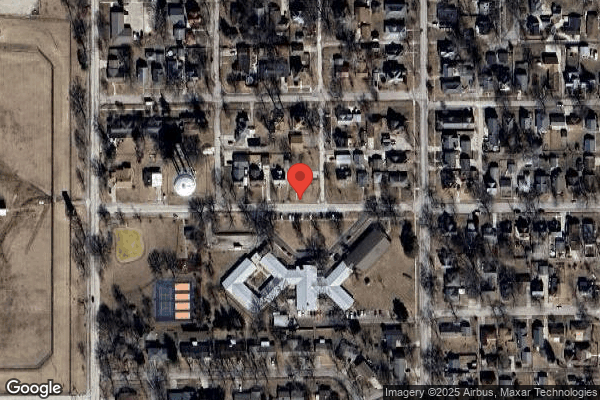
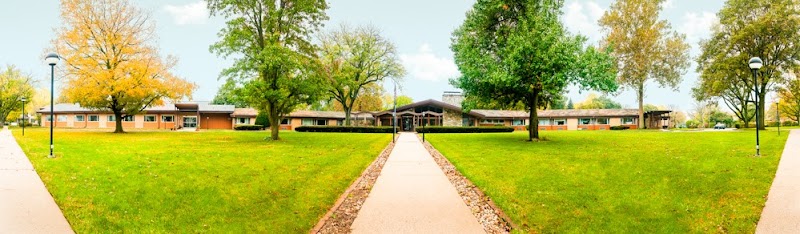
300 WEST LOWELL, PONTIAC, IL 61764 (815) 842-1181
For profit - Corporation 97 Beds ACCOLADE HEALTHCARE Data: November 2025
Trust Grade
53/100
#201 of 665 in IL
Last Inspection: June 2025

Inspected within the last 6 months. Data reflects current conditions.

Overview

Accolade Healthcare of Pontiac has received a Trust Grade of C, indicating that it is average compared to other nursing homes. It ranks #201 out of 665 facilities in Illinois, placing it in the top half, and #4 out of 6 in Livingston County, meaning there are only three better local options. The facility appears to be improving, as the number of issues has decreased from 10 in 2024 to 8 in 2025. Staffing is a significant concern, with a low rating of 1 out of 5 stars and a turnover rate of 54%, which is about average for the state. There have been some serious incidents, including one resident not receiving ordered nutritional supplements, leading to significant weight loss, and issues with kitchen cleanliness that could pose health risks to residents. Despite these weaknesses, the facility has good health inspection and quality measure ratings, indicating some strengths in care quality.

Trust Score
C
53/100
In Illinois
#201/665
Top 30%
Safety Record
Moderate
Needs review
Inspections
Getting Better
10 → 8 violations
Staff Stability
⚠ Watch
54% turnover. Above average. Higher turnover means staff may not know residents' routines.
Penalties
○ Average
$13,000 in fines. Higher than 74% of Illinois facilities. Some compliance issues.
Skilled Nurses
○ Average
Each resident gets 34 minutes of Registered Nurse (RN) attention daily — about average for Illinois. RNs are the most trained staff who monitor for health changes.
Violations
⚠ Watch
27 deficiencies on record. Higher than average. Multiple issues found across inspections.
★★★☆☆
3.0
Overall Rating
★☆☆☆☆
1.0
Staff Levels
★★★★☆
4.0
Care Quality
★★★★☆
4.0
Inspection Score
Stable
2024: 10 issues
2025: 8 issues

The Good

  • 4-Star Quality Measures · Strong clinical quality outcomes
  • Full Sprinkler Coverage · Fire safety systems throughout facility
  • No fines on record

Facility shows strength in quality measures, fire safety.

The Bad

3-Star Overall Rating

Near Illinois average (2.5)

Meets federal standards, typical of most facilities

Staff Turnover: 54%

Near Illinois avg (46%)

Higher turnover may affect care consistency

Federal Fines: $13,000

Below median ($33,413)

Minor penalties assessed

Chain: ACCOLADE HEALTHCARE

Part of a multi-facility chain

Ask about local staffing decisions and management

The Ugly 27 deficiencies on record

1 actual harm
Aug 2025 1 deficiency
CONCERN (D) 📢 Someone Reported This

A family member, employee, or ombudsman was alarmed enough to file a formal complaint

Potential for Harm - no one hurt, but risky conditions existed

Quality of Care (Tag F0684)

Could have caused harm · This affected 1 resident

Based on Interview, Observation and Record Review the facility failed to follow admission orders for c-collar care for one (R1) out three residents reviewed on a sample list of three. Findings Include...

Read full inspector narrative →
Based on Interview, Observation and Record Review the facility failed to follow admission orders for c-collar care for one (R1) out three residents reviewed on a sample list of three. Findings Include:On 7/18/2025, R1 had a fall that resulted in a C2 fracture of the neck. R1 was sent to the emergency room for evaluation due to pain in the left shoulder and returned on 7/19/25 with an Aspen C-Collar (Cervical Collar) and orders for care of the C-Collar. On 8/2/25 at 8:05AM, V8 (Certified Nursing Assistant) stated V8 put resident (R1) to bed on 7/18/25, there was no recliner in the room, which V8 stated that R1 usually sleeps in recliner. On 7/18/25, V8 found resident (R1) had rolled out of bed and was complaining of shoulder pain and with the assistance of V9 (Certified Nursing Aide) and V10 (Registered Nurse) resident (R1) was put back to bed via Hoyer lift.On 8/2/25 at 1:18 PM, V10 stated that after resident (R1) returned, the facility received orders to complete skin checks weekly. V10 stated since the bed had been taken out, there was only a recliner in the room and R1's c collar wasn't fitting right. The staff tried to adjust the C-Collar in the recliner, but the recliner wouldn't lay flat and R1 was in pain and yelling it hurts and is burning. V10 called the Medical Director and R1 was sent to the ER. V10 stated no daily skin checks were completed on R1 and 7/24/25 was the first time the C-Collar had been adjusted.On 8/5/25 at 8:30AM, V11 (Medical Director) stated that R1 needed to be lying flat when C-Collar was adjusted and not in a recliner and skin checks needed to be completed every day.On 8/5/2024 at 11:10AM, V1(Administrator) and V2(DON) agreed that admission orders were not followed when R1 returned to the facility on 7/19/25 that R1 readmission orders confirmed skin checks daily and R1 needed to be laid flat in a bed instead of a recliner that doesn't lay flat. Policy: admission Orders and Process dated 7/25 documents that upon admission/readmission, orders for care of the resident are received from attending physician, placed on physician's order sheet. This policy also documents that the facility will review all available transfer information.
Jun 2025 1 deficiency
CONCERN (D) 📢 Someone Reported This

A family member, employee, or ombudsman was alarmed enough to file a formal complaint

Potential for Harm - no one hurt, but risky conditions existed

Infection Control (Tag F0880)

Could have caused harm · This affected 1 resident

**NOTE- TERMS IN BRACKETS HAVE BEEN EDITED TO PROTECT CONFIDENTIALITY** Based on observation, interview, and record review the facility failed to implement Enhanced Barrier Precautions (EBP) for two (...

Read full inspector narrative →
**NOTE- TERMS IN BRACKETS HAVE BEEN EDITED TO PROTECT CONFIDENTIALITY** Based on observation, interview, and record review the facility failed to implement Enhanced Barrier Precautions (EBP) for two (R1, R2) of three residents reviewed for infection control in the sample list of three. Findings include: The facility's Enhanced Barrier Precautions policy dated 1/20/24 documents EBP is an intervention designed to reduce the transmission of multidrug-resistant organisms by using gowns and gloves during high contact resident care activities for residents with indwelling medical devices or chronic wounds. The Centers for Disease Control and Prevention Consideration for Use of Enhanced Barrier Precautions in Skilled Nursing Facilities dated June 2021 documents Facilities should develop a method to identify residents with wounds or indwelling medical devices, and post clear signage outside of resident rooms indicating the type of PPE (Personal Protective Equipment) required and defining high risk resident care activities. Gowns and gloves should be available outside of each resident room, and alcohol-based hand rub should be available for every resident room (ideally both inside and outside of the room). On 6/23/25 at 8:15AM there was an EBP sign posted on R1's room door that indicated to wear gown and gloves for high contact resident care activities that included toileting, dressing, and transfers. On 6/23/25 at 8:30AM there was no EBP sign posted on R2's room door that indicated the facility is to wear gown and gloves for high contact resident care activities that included toileting, dressing and transfers due to R2's indwelling catheter. On 6/23/25 at 10:00AM V5 Certified Nursing Assistant (CNA) entered 's room and emptied R1's catheter. R1 was on Contact Isolation for E-Coli Infection and V5 drained the urine out of the catheter bag and emptied the urine into the shared toilet with R1's roommate. On 6/23/25 at 10:30AM, V5 was asked about EBP and V5 stated nobody ever wears them and when asked if V5 cleaned the toilet after pouring the urine into the toilet, V5 stated no, but I should have. On 6/23/25 at 12:30PM, V7 Registered Nurse and V6 CNA provided R2's urinary catheter cleaning/care. R1 and R2's Physician Orders documents EBP due to urinary catheter, UTI and R2's wounds. R1's Electronic Medical Record (EMR) section titled Diagnosis documents R1 on 6/18/25 has the diagnosis of Urinary Tract Infection (UTI) with E-Coli and has a catheter which is why she is on EBP precautions. R2's EMR documents R2 receives hospice services and was readmitted on [DATE] from the hospital and has an indwelling catheter with also skin breakdown, reason for his EBP status. On 6/23/25 at 11:13 AM, V7 stated The reason we did not have the equipment carts outside the rooms is because she was admitted over the weekend and no EBP was put out. On 6/23/25 at 2:30PM, V1 stated the admitting nurse should have known the resident needed to be on EBP when admitted due to her chronic wounds and catheter.
Jun 2025 6 deficiencies
CONCERN (D)

Potential for Harm - no one hurt, but risky conditions existed

Comprehensive Care Plan (Tag F0656)

Could have caused harm · This affected 1 resident

**NOTE- TERMS IN BRACKETS HAVE BEEN EDITED TO PROTECT CONFIDENTIALITY** Based on observation, interview, and record review, the facility failed to develop and implement a person-centered comprehensive...

Read full inspector narrative →
**NOTE- TERMS IN BRACKETS HAVE BEEN EDITED TO PROTECT CONFIDENTIALITY** Based on observation, interview, and record review, the facility failed to develop and implement a person-centered comprehensive care plan. This failure affects one (R50) of 19 residents reviewed for care plans in the sample list of 35. Findings include: The facility's Care Planning Policy (revised June 2024) documents the following: To utilize the results of the comprehensive assessment to develop, revise and review resident's care plan. To provide a method for all staff to have needed information in caring for the residents. Each resident will have a plan of care to identify problems, needs and strengths that will identify how the interdisciplinary team will provide care. The resident care plan is the tool used to coordinate all care provided to the resident to be sure care is necessary, appropriate, and planned to meet the individual needs of the resident consonant with the physician's plan of care. The resident care plan must be kept current at all times. On 6/1/25, 6/2/25, 6/3/25, and 6/4/25 during intermittent observations throughout the survey period, R50 was observed with a nasal cannula in place in R50's nares. R50's Face Sheet dated 6/4/25 documents R50 was admitted to the facility on [DATE] with diagnoses including Chronic Obstructive Pulmonary Disease and Atrial Fibrillation. R50's Physician Order Sheet (current) documents the following orders: O2 (Oxygen) 2 liters via nasal cannula as needed to keep O2 saturation above 90% and Apixaban (Anticoagulant) oral tablet 2.5 milligrams, give 1 tablet by mouth two times a day for blood thinner. R50's Minimum Data Set, dated [DATE] documents R50 is receiving oxygen therapy and taking an anticoagulant. R50's Care Plan (current) does not include R50's oxygen use and/or monitoring. This same record does not include anticoagulant medication use and/or monitoring. On 6/4/24 at 11:10am, V1 Administrator stated care plans are to be updated with any change in condition and should include R50's anticoagulant and oxygen use. V1 confirmed R50's care plan does not include oxygen therapy and anticoagulant use and interventions for monitoring.
CONCERN (D)

Potential for Harm - no one hurt, but risky conditions existed

Incontinence Care (Tag F0690)

Could have caused harm · This affected 1 resident

Based on observation, interview and record review the facility staff failed to provide complete incontinence care for R18. R18 is one of one resident sampled for incontinence care in a total sample of...

Read full inspector narrative →
Based on observation, interview and record review the facility staff failed to provide complete incontinence care for R18. R18 is one of one resident sampled for incontinence care in a total sample of 35. Findings include: The Electronic Medical Record under the section Medical Diagnoses dated 6/3/25 documents the primary diagnosis for R18 is Unspecified Cord Compression. Progress Notes dated 5/13/25 and 6/3/25 document R18 received antibiotics for urinary tract infections. V18, CNA (Certified Nurse Assistant) performed incontinence care for R18 on 6/3/25 at 2:40 PM. V18, used wash clothes to cleanse, rinse and dry R18's inner and outer labia. V18 then stated she was completed with perineal care for R18. V18 was asked about cleaning the groin area and the buttocks. V18 said Yes I should of cleaned R18's buttock's area. R18 stated on 6/3/25 at 2:35 PM she was feeling strange and she had started a new antibiotic today (6/3/25) for another urinary tract infection. V1, Administrator stated on 6/3/25 at 3:15 PM Yes, they are supposed to clean the entire area front and back when staff complete peri (perineal) care. The Facility policy dated Toileting and Incontinent Care revision date 8/2023 documents #8 Wash all soiled skin areas and dry very well, especially between skin folds.
CONCERN (D)

Potential for Harm - no one hurt, but risky conditions existed

Deficiency F0698 (Tag F0698)

Could have caused harm · This affected 1 resident

**NOTE- TERMS IN BRACKETS HAVE BEEN EDITED TO PROTECT CONFIDENTIALITY** 2. R13's Medical Diagnosis sheet which is current has the following two diagnoses for R13, Dependence on Renal Dialysis and End ...

Read full inspector narrative →
**NOTE- TERMS IN BRACKETS HAVE BEEN EDITED TO PROTECT CONFIDENTIALITY** 2. R13's Medical Diagnosis sheet which is current has the following two diagnoses for R13, Dependence on Renal Dialysis and End stage Renal Disease. R13's Physician's Order Sheet (POS) dated June 2026 does not document dialysis treatment orders for R13. V24, LPN (Licensed Practical Nurse) stated on 6/1/25 at 10:30 AM R13 has dialysis five times a week and R13 goes to Dialysis every morning Monday thru Friday. V16, Regional QA (Quality Assurance) stated on 6/4/25 at 10:30 AM that R13's dialysis order must of fallen off the physician's orders sheet. V16 stated (R13) goes to dialysis every morning Monday thru Friday. Based on interview and record review, the facility failed to have an order for the provision of dialysis treatments for two (R13 and R46) of two residents reviewed for dialysis in the sample list of 35. Findings include: The facility's Long-Term Care Facility Renal Dialysis Affiliation Agreement dated 11/8/2019 documents the Dialysis Facility shall accept medically stable residents into its home Renal Dialysis program, within the limits of its programs and facilities, Each such resident accepted into the Dialysis Facility's home hemodialysis program is referred to herein as a Dialysis Resident. The medical management of the Dialysis Residents will be under the direction of each Dialysis Resident's attending physician. The LTC Facility retains primary responsibility for the development and implementation of each Dialysis Resident's overall plan of care. Coordination of care may include coordination of the following: Day(s), date(s), and time(s) of appointments with the Dialysis Facility and dialysis access orders. The facility's Dialysis Residents list documents R13 and R46 as Dialysis Residents. 1. R46's Face Sheet (current) documents R46 was readmitted to the facility on [DATE] with diagnoses: End Stage Renal Disease, Stage 4 Chronic Kidney Disease, and Dependence on Renal Dialysis. R46's Physician Orders (current) do not document any dialysis treatment orders for R46. R46 did not have dialysis treatment orders from 3/22/25 until 6/3/25. On 6/3/25 at 1:37pm, R46 stated R46 receives dialysis treatments in the facility Monday through Friday. On 6/3/25 at 2:21pm, V15 Licensed Practical Nurse confirmed R46 does not have any dialysis treatment orders.
CONCERN (D)

Potential for Harm - no one hurt, but risky conditions existed

Infection Control (Tag F0880)

Could have caused harm · This affected 1 resident

Based on observation, interview, and record review the facility failed to implement Enhanced Barrier Precautions (EBP) for two (R2 and R275) of seven residents reviewed for EBP on the sample list of 3...

Read full inspector narrative →
Based on observation, interview, and record review the facility failed to implement Enhanced Barrier Precautions (EBP) for two (R2 and R275) of seven residents reviewed for EBP on the sample list of 35. Findings include: The facility's Enhanced Barrier Precautions policy dated 10/21/22 documents EBP expands the use of gloves and gowns to be worn during high-contact care activities that provides opportunities for Multidrug Resistant Organisms (MDROs) to be transferred between staff hands or clothing and between residents during these high-contact cares. This policy documents residents with wounds and indwelling medical devices are at high risk of acquisition and colonization of MDROs. This policy documents to wear gown and gloves when assisting residents on EBP with high-contact care activities, including dressing, bathing/showering, transferring, providing hygiene, changing linens, changing briefs or assisting with toileting, providing device care or wound care. R2's care plan dated 4/8/24 documents that staff will always maintain EBP during high-contact resident care areas. R2's physician's orders dated 9/17/2024 documents an order for EBP when providing cares involving R2's indwelling medical device. On 6/2/25 at 12:08 PM, there was a sign posted on R2's room door that documented EBP and to wear a gown and gloves for the high-contact care activities listed. On 6/2/25 at 12:10 PM, V10 Certified Nurse Assistant (CNA) emptied R2's urine collection bag but did not put on a gown. On 6/2/25 at 12:25 PM, V10 stated that staff are supposed to wear gowns when emptying R2's urine collection bag. V10 stated that she should have put on a gown. R275's care plan dated 6/2/25 documents that staff will always maintain EBP during high-contact resident care activities. R275's physician's orders dated 6/2/25 documents an order for EBP when providing cares involving R275's indwelling medical device. On 6/1/25 at 12:08 PM, V11 Registered Nurse emptied R275's urine collection bag. V11 was not wearing a gown. On 6/3/25 at 10:00 AM, V2 Director of Nursing stated that all staff should wear a gown and gloves during high-contact resident care activities.
CONCERN (E)

Potential for Harm - no one hurt, but risky conditions existed

Deficiency F0628 (Tag F0628)

Could have caused harm · This affected multiple residents

Based on interview and record review, the facility failed to notify a resident and their representative in writing about a hospital transfer and failed to provide a bed hold notice for five of five re...

Read full inspector narrative →
Based on interview and record review, the facility failed to notify a resident and their representative in writing about a hospital transfer and failed to provide a bed hold notice for five of five residents (R9, R26, R50, R63 and R74) reviewed for hospitalizations on the sample list of 35. The facility's Bed Reserve Policy Notification no date, documents this bed reserve policy will be given to you at the time of admission and a copy will be given to you each time you are transferred from the facility. 1. R9's Nursing Notes document R9 was transferred to the emergency room on 3/29 and 5/25/25. R9's medical record does not contain documentation that a bed hold notice, or a written notice of transfer was provided to R9's representative for R9's hospitalizations on 3/29 and 5/25/25. The facility could not provide documentation that R9's representative was provided a written copy of the Bed Hold Policy when R9 was transferred to the emergency room on 3/29 and 5/25/25. 2. R26's Nursing Notes document R26 was transferred to the emergency room on 5/14 and 5/25/25. R26's medical record does not contain documentation that a bed hold notice, or a written notice of transfer was provided to R26's representative for R26's hospitalizations on 5/14 and 5/25/25. The facility could not provide documentation that R26's representative was provided a written copy of the Bed Hold Policy when R26 was transferred to the emergency room on 5/14 and 5/25/25. 3. R50's Nursing Notes document R50 was transferred to the emergency room on 4/25/25. R50's medical record does not contain documentation that a bed hold notice, or a written notice of transfer was provided to R50's representative for R50's hospitalizations on 4/25/25. The facility could not provide documentation that R50's representative was provided a written copy of the Bed Hold Policy when R50 was transferred to the emergency room on 4/25/25. 4. R63's Nursing Notes document R63 was transferred to the emergency room on 3/29/25, 4/11/25, 4/16/25 and 5/26/25. R63's medical record does not contain documentation that a bed hold notice, or a written notice of transfer was provided to R63's representative for R63's hospitalizations on 3/29, 4/11, 4/16 and 5/26/25. The facility could not provide documentation that R63's representative was provided a written copy of the Bed Hold Policy when R63 was transferred to the emergency room on 3/29, 4/11, 4/16 and 5/26/25. On 6/3/25 at 10:58am V4 Social Service director stated that the resident or resident representative signs the bed reserve-policy notification form upon admission. V4 stated that nursing staff do not provide a bed hold policy form when residents are transferred out of the facility. V4 stated that V7 Admissions will follow up with the resident in the hospital. On 6/3/24 at 11:08am V13 Licensed Practical Nurse stated that when V13 transfers a resident out of the facility to the emergency room, V13 does not provide the resident with a bed hold policy. V13 stated V7 admission or V4 Social Service follows up with that paperwork. On 6/3/25 at 11:30am R63 stated that the nurse did not give R63 any bed hold policy or paperwork when R63 was transferred to the hospital. R63 stated that R63 has been to the hospital several times in the last couple months and was never given a bed hold notice. 5. R74's Nursing Notes document R74 left the facility for a procedure on 4/21/25. Progress Notes dated 4/21/25 - 4/25/25 document R74 was hospitalized . R74's medical record does not contain documentation that a bed hold notice, or a written notice of transfer was provided to R74's representative for R74's leave. The facility could not provide documentation that R74's representative was provided a written copy of the Bed Hold Policy when R74 left the faciity on 4/21/25.
CONCERN (E)

Potential for Harm - no one hurt, but risky conditions existed

ADL Care (Tag F0677)

Could have caused harm · This affected multiple residents

**NOTE- TERMS IN BRACKETS HAVE BEEN EDITED TO PROTECT CONFIDENTIALITY** Based on interview and record review, the facility failed to provide numerous showers as scheduled for dependent residents. Thes...

Read full inspector narrative →
**NOTE- TERMS IN BRACKETS HAVE BEEN EDITED TO PROTECT CONFIDENTIALITY** Based on interview and record review, the facility failed to provide numerous showers as scheduled for dependent residents. These failures affect two residents (R34 and R63) of six reviewed for activities of daily living in the sample list of 35. Findings include: The facility's Bath/Shower Policy dated 8/2023 documents: Purpose: To provide a procedure for bathing/showering the resident. Policy: A bath/shower for cleanliness and comfort will be scheduled at least weekly for all residents. Responsibility: It's the responsibility of the nursing assistants to provide the bath/shower to each resident per schedule. It is the responsibility of the Charge Nurse to ensure that bath/shower schedule is followed, and residents receive bath/shower per facility schedule. 1. R34's Facility Census documents R34 was admitted to the facility on [DATE] and has the following medical diagnosis; Hemiplegia and Hemiparesis following Cerebral Infarction Affecting Right Dominant Side, Aphasia, Lack of Coordination, Convulsions, Major Depressive Disorder, Delusional Disorders, Need for Assistance with Personal Care, Unsteadiness on Feet and Abnormalities of Gait and Mobility. R34's Minimum Data Set (MDS) dated [DATE] documents R34's Brief Interview for mental Status (BIMS) score 0, severe cognitive impairment and needs substantial/maximum assistance from staff with Activities of Daily Living (ADLs). R34's Shower Schedule dated April 3, 2025 - June 6, 2025, documents R34 is scheduled for showers on Tuesday, Thursday and Saturdays. R34 did not receive showers on 4/29, 5/1, 5/6, 5/13, 5/17, 5/20, 5/27, 5/29 and 6/3/25. 2. R63's Facility Census documents R63 was admitted to the facility on [DATE] and has the following medical diagnosis; Muscle Wasting and Atrophy, Cognitive Communication Deficit, Lack of Coordination, Multiple Fractures, Acute and Chronic Respiratory Failure and Unsteadiness on Feet. R63's Minimum Data Set (MDS) dated [DATE] documents R63's Brief Interview for mental Status (BIMS) score 15, cognitively intact and is dependent on staff with Activities of Daily Living (ADLs). R63's Shower Schedule dated April 3, 2025 - June 6, 2025, documents R63 is scheduled for showers on Thursday and Sundays. R34 did not receive showers on 4/17, 4/20, 4/24, 4/27, 5/1, 5/4, 5/8, 5/11, 5/15, 5/18 and 5/25/25. On 6/3/25 at 11:30am R63 stated that R63 does not get two showers a week. R63 stated R63 is lucky to get any. R63 stated that staff always have an excuse to why they can't give R63 a shower. R63 stated R63 needs assistance from staff to get a shower. On 6/3/25 at 11:08am V13 Licensed Practical Nurse stated Certified Nursing Assistant's should be providing the residents their showers per the residents scheduled shower, which are two showers a week. V13 stated after giving the resident a shower, the CNA should be documenting it in the resident's chart. V13 stated that if a resident refuses a shower, the CNA should be notifying the nurse so they can speak with the resident in an attempt to provide the scheduled shower. V13 stated that if the resident still refuses, the refusal should be documented by the CNA in the resident's chart. On 6/3/25 at 1:20pm V17 Certified Nursing Supervisor stated that all residents are scheduled to receive two showers a week. V17 stated that all showers are documented under the tasks in the resident's chart. V17 stated that if it's not documented in the resident's chart, then the resident did not receive a shower. V17 stated staff can also document if the resident received a bed bath or refused the shower. V17 confirmed that R34 and R63 did not receive all scheduled showers and did not have any documented refused showers or bed baths.
Aug 2024 8 deficiencies 1 Harm
SERIOUS (G)

Actual Harm - a resident was hurt due to facility failures

Deficiency F0692 (Tag F0692)

A resident was harmed · This affected 1 resident

Based on observation, interview, and record review the facility failed to implement an ordered nutritional supplement and failed to notify a resident representative of the significant weight loss for ...

Read full inspector narrative →
Based on observation, interview, and record review the facility failed to implement an ordered nutritional supplement and failed to notify a resident representative of the significant weight loss for one of two residents (R379) reviewed for nutrition in the sample list of 26. These failures resulted in R1's severe weight loss of 10.8% in 12 days. Finding include: On 8/20/2024 at 11:55 AM, R379 was sitting in a wheelchair in the dining room eating lunch with V17 (family) present. No nutritional supplements were present on the tray. At this time, V17 states R379 has lost a lot of weight since his surgery, which was prior to being admitted to the facility. V17 is not aware of any ordered nutritional supplements and has not been notified by the facility of any weight loss since R379 being admitted . V17 stated V17 is at the facility for most of R379's meals and acknowledges that R379 has a decreased appetite and intake. R379's ongoing Census documents R379 was admitted to the facility of 8/07/2024. R379's ongoing Weight Log documents a weight of 149.8 pounds on 8/07/2024 and 133.6 pounds on 8/19/2024. This weight loss calculates as a 10.8% weight loss in 12 days. R379's Dining RD Request for Diet Change report dated 8/08/2024 documents (R379) is at risk for altered nutrition status r/t (related to) reduced meal intake, recent surgery, and dx (diagnosis) of Dementia. Recommend {to} add house supplement 1 dly (daily) and liq (liquid) pro (protein) 30ml (milliliters) dly (daily). Monitor wt (weight). This report recommendation was signed and accepted by V11 (Nurse Practitioner) on 8/09/2024. R379's ongoing August 2024 Physician Order Sheet does not contain the accepted dietary recommendations for nutritional supplements. On 8/21/2024 at 8:35 AM, R379 was sitting at the dining room table eating breakfast which consisted of: scrambled eggs with cheese, cornflakes, toast, milk, and coffee. R379 consumed: 100% of coffee, 10% of eggs, 0% toast, 0% cornflakes, 0% milk. No nutritional supplement was present at breakfast. On 8/21/2024 at 8:40 AM, V6 CNA (Certified Nursing Assistant) states I am not aware of any nutritional supplement (R379) is supposed to get but I (V6) usually work in the evenings. V6 acknowledged that if R379 was getting a supplement it would be on the tray. On 8/21/2024 at 08:45 AM, V4 RN (Registered Nurse) confirms that R379 has not received any nutritional supplements. V4 looked in the EMR (Electronic Medical Record) and confirmed there was no order transcribed for a nutritional supplement. On 8/21/24 at 10:55 AM, V8 RD (Registered Dietitian) confirmed that V8 recommended the above nutritional supplements on 8/09/2024 for R379, and states V8 would have expected the supplement to be given by now. V8 also stated if R379 was receiving the nutritional supplements as recommended and ordered, it could have possibly prevented R379's additional weight loss. On 8/21/24 at 12:38 PM, R379 was in the dining room with V17 eating lunch with no nutritional supplement present. On 8/21/24 at 12:52 PM, V1 (Administrator) with V2 (Director of Nursing) present stated that V8 had notified V1 that the ordered supplement was not implemented because V8 sent the signed recommendations to an invalid email address. R379's computerized Medical Record does document a history of CHF (Congestive Heart Failure), however R379's Progress Notes do not document any signs and symptoms of CHF. V10's (Nurse Practitioner) Progress Notes on 8/12/2024 and 8/19/2024 do not document any CHF signs or symptoms, nor does V11's (Nurse Practitioner) Progress Note on 8/08/2024, 8/12/2024, and 8/16/2024. On 8/22/24 at 8:10 AM, V8 confirmed that the order for the nutritional supplement was not implemented and that it was an error on V8's part due to sending the signed recommendation to an invalid email address. The facilities policy Fortified Foods, Supplements, and Snacks dated 2020 documents residents who cannot consume adequate amounts of regular foods at meals to meet their nutritional needs may be considered for Fortified Foods, snacks, or supplements in order to increase nutritional intake. Residents will be evaluated by the Registered Dietitian when additional nutritional intervention is warranted. Commercially prepared supplements, including liquid high calorie and high protein supplements, will be ordered by the physician. Fortified foods, house supplements, or snacks will be provided within the specifications of the diet order.
CONCERN (D)

Potential for Harm - no one hurt, but risky conditions existed

Resident Rights (Tag F0550)

Could have caused harm · This affected 1 resident

**NOTE- TERMS IN BRACKETS HAVE BEEN EDITED TO PROTECT CONFIDENTIALITY** Failures at this level require more than one deficient practice statement. A. Based on observation, interview, and record review...

Read full inspector narrative →
**NOTE- TERMS IN BRACKETS HAVE BEEN EDITED TO PROTECT CONFIDENTIALITY** Failures at this level require more than one deficient practice statement. A. Based on observation, interview, and record review the facility failed to respect a resident's right to have a visitor with a service support animal present during meal service for one of 18 residents (R377) reviewed for resident rights in the sample list of 26. B. Based on observation, interview, and record review the facility failed to ensure a resident's right of dignity by failing to cover a resident's exposed abdomen in the dining room where other residents were present. This failure affected one of eighteen residents (R24) reviewed for dignity on the sample list of 26. Findings include: The facility policy Resident Privacy and Dignity dated as revised October 2023, documents the following: PURPOSE: To provide all residents with a home like environment that promotes dignity and respect to the residents of the facility. POLICY: To ensure that all residents are provided with dignity and privacy. RESPONSIBILITY: It is the responsibility of all staff to ensure that all residents have privacy and dignity. the same policy documents: PROCEDURE: 4. Privacy will be maintained for resident's receiving ADL care such as bathing, dressing and pericare, with the resident room/shower room door closed and curtain drawn., 5. Medically necessary procedures will be conducted in the resident's room/private setting., 7. All resident's rights will be honored throughout the resident's daily routine as listed on the Resident Rights for People in Long term Care Facilities. A. On 8/20/24 at 1200 PM, V5 (R377's family) was sitting at the dining room table next to R377 and had a small service dog, wearing a red service dog vest, on V5's lap. At this time V3 LPN (Licensed Practical Nurse) asked V5 to remove the service dog from the dining room. V5 stated the dog is a certified service dog and has papers certifying it as a service dog while lifting a lanyard towards V3 that contained the certification. V3 walked away from V5 and entered V1's (Administrator) office. R377 then stated I (R377) don't understand why the dog can't be here with me (R377), he {dog} is a service dog, and this is my home. At 12:08 PM, V3 exited V1's office and approached R377 and V5 and said something that could not be heard, then an unidentified staff member gathered R377's remaining lunch and escorted R377 and V5 along with the service dog to R377's room to finish their lunch. On 8/21/24 at 12:58 PM, V1 with V2 (Director of Nursing) present stated the facilities dietary consulting company recommended not have the service dog in the dining room during meals. V1 acknowledges that on 8/20/2024 when V5 was asked to leave the dining room the only people at that table, where the service dog was located, was R377 and V5. V1 stated that the facility does not currently have a policy for service dogs. V1 stated that all residents are given a Resident Rights pamphlet at the time of admission for their rights while in the facility. On 08/21/24 at 2:30 PM, V1 provided Understanding How to Accommodate Service Animals in Healthcare Facilities guide dated 08/16/2024 from HHS (Health and Human Services) website. This guide documents health care facilities must permit the use of a service animal by a person with a disability. On 8/21/24 at 3:30 PM, V1 provided an undated Resident Rights for People in Long-Term Care Facilities, which is what the residents are given at the time of admission, that documents residents have the rights to make their own choices, be treated with dignity and respect in a home like environment. On 8/22/24 at 3:30 pm V1 and V2 provided, V5,'s Identification Dog Handler Registration card that documents Access is required by Federal law. B. R24 Minimum Data Set, dated [DATE] documents R24's Brief Interview of Mental status score as 8 out of a possible 15, indicating moderate cognitive impairment. R24's Diagnoses list updated 6/10/24 included the following: Hemiplegia and Hemiparesis Following Non-Traumatic Intracerebral Hemorrhage Affecting Left Dominant Side, Morbid (severe) Obesity Due to Excess Calories, and Body Mass Index (BMI) 40-0-44.9. R24's Care Plan dated 5/28/24 documents the following: (R24) has an ADL (Activity of Daily Living) self-care performance deficit r/t (related to) Stroke, history of radius fracture. The same care plan documents the following intervention: Dressing: The resident requires extensive assist of 1 (one) staff to dress. Is weak on the left side. On 08/21/24 at 12:20 PM, R24 was seated in a bariatric wheelchair in a double wide dining room doorway. R24's abdomen was bare, and fully exposed to residents in the dining room. R24 asked loudly, Can someone help me, move my wheelchair. V12, Licensed Practical Nurse (LPN) did not pull down R24's shirt to cover R24's fully exposed abdomen. V12, LPN pushed R24's wheelchair from one end of the dining room to the other. V12 continued to push R24's wheelchair down the hall. R24's bare abdomen was in full view of other (unidentified) residents and visitors. On 8/21/24 at 12:25 pm V12, LPN stated I saw his (R24) shirt was up. I should have pulled it down to cover his stomach. I do know, that is a dignity issue.
CONCERN (D)

Potential for Harm - no one hurt, but risky conditions existed

Quality of Care (Tag F0684)

Could have caused harm · This affected 1 resident

Based on observation, interview, and record review the facility failed to obtain an order for a therapy recommended arm sling and failed to assist in applying the arm sling for one of one resident (R3...

Read full inspector narrative →
Based on observation, interview, and record review the facility failed to obtain an order for a therapy recommended arm sling and failed to assist in applying the arm sling for one of one resident (R377) reviewed for Limited Range of Motion in the sample list of 26. Findings include: On 8/20/2024 at 10:36 AM, R377 was sitting in wheelchair with V5 (family) present. V5 stated R377 had a fall while at home and sustained a fractured right shoulder and should have an immobilizer on. At this time R377 states R377 was sitting on the arm sling. R377's Occupational Therapy Evaluation and Plan of Treatment dated 8/14/2024 documents R377 was admitted to the facility following a mechanical fall and sustaining a comminuted transverse fracture of the right humeral neck. This evaluation also documents R377 has a brace and/or splint with instructions for the right shoulder sling to be worn to prevent subluxation (separation of the joint). R377's August 2024 Physician Orders do not document an order for an arm sling. On 08/20/2024 at 12:00 PM and 2:16 PM, R377 was not wearing the sling. At 2:16 PM when asked why R377 was not wearing the arm sling, R377 states, I haven't gotten someone to put it back on. On 8/21/2024 at 8:00 AM, R377 was propelling self in wheelchair into the therapy room without the right arm sling in place. On 8/21/2024 at 8:10 AM, R377 was in therapy working with V13 PTA (Physical Therapy Assistant) with no sling in place. On 8/21/24 at 1:14 PM, V14 OTR (Occupational Therapist-Registered) with V1 (Administrator) present confirmed there is no order written for an immobilizer or sling, but V14's recommendation has been that R377 is to wear an arm sling on the right arm to prevent subluxation and would expect nursing services to obtain the order. On 8/22/24 at 12:46 PM, V23 (Nurse for V24 (Orthopedic Physician Assistant)) stated the orders that V24 received from the hospital emergency room were for sling to be worn for 24 hours per day with gentle hand/wrist range of motion and non-weight bearing. V23 explained noncompliance with the sling could cause the fracture to shift and to not heal correctly however R377 has not been seen in the office yet so V23 is unsure how it is healing.
CONCERN (D)

Potential for Harm - no one hurt, but risky conditions existed

Deficiency F0697 (Tag F0697)

Could have caused harm · This affected 1 resident

**NOTE- TERMS IN BRACKETS HAVE BEEN EDITED TO PROTECT CONFIDENTIALITY** Based on observation, interview, and record review the facility failed to ensure adequate pain management was provided for one o...

Read full inspector narrative →
**NOTE- TERMS IN BRACKETS HAVE BEEN EDITED TO PROTECT CONFIDENTIALITY** Based on observation, interview, and record review the facility failed to ensure adequate pain management was provided for one of two residents (R29) reviewed for pain on the sample list of 26. Findings Include: The facility's Pain Management Policy dated August 2017 documents the facility's mission is to facilitate resident independence, promote resident comfort and preserve resident dignity. The purpose of the policy is to accomplish that mission through an effective pain management program, providing residents the means to receive necessary comfort, exercise greater independence, and enhance dignity and life involvement. The same policy documents pain is defined as whatever the experiencing person says it is, existing whenever the experiencing person says it does. The physician will be notified of resident's complaint of pain when not relieved by medication as ordered by the physician. Thorough communication with the physician will ensure an appropriate pain management plan. R29's Minimum Data Set (MDS) dated [DATE] documents R29 is cognitively intact. R29's Physician Order Set (POS) dated August 2024 documents R29 is prescribed Acetaminophen 500 milligrams three times a day for chronic pain (started on 5/30/2024) and Ibuprofen 200 milligrams every 8 hours as needed for mild or more severe pain (started on 8/21/2024). R29's Psychiatry Note dated 7/9/24 documents R29 reports she has not been sleeping well due to pain and continues to show impulsive behaviors. Staff reported R29 hasn't been sleeping and often requests pain medications to get out of bed. R29's Care Plan dated November 2022 documents R29 has potential for pain related to Lumbar Degenerative Disc Disease and Fibromyalgia. Staff are to administer pain medications as ordered by physician and notify the physician if interventions are unsuccessful. R29's Medication Administration Record (MAR) dated August 2024 documents R29 reported a pain rating of 10/10 twice on 8/16/24, and once on 8/19/24 and 8/21/24. On 8/20/24 at 1:20 PM R29 was lying in bed with a blanket over her head and when asked how she was feeling, R29 stated she was in pain and her back hurt, and the staff aren't getting her the medication that would actually relieve her pain. R29 stated she gets Acetaminophen, and she needs something stronger. R29 has told the nurses but they say they will talk to the doctor and she never hears anything else about it. R29 stated she asks for pain medicine but what they give her doesn't help. R29 stated she needs something stronger, but they won't give it to her because they are afraid, she will become addicted. R29 stated she hurts at about an 8/10 most of the time. On 8/23/24 at 10:45 AM V1 Administrator and V2 Director of Nurses (DON) confirmed R29's repeated complaints of uncontrolled pain need to be addressed. V2 DON confirmed if R29 is in significant pain something more needs to be done to assist in making R29 more comfortable. On 8/23/24 at 12:25 PM V11 Nurse Practitioner stated R29 has multiple medical diagnoses contributing to her chronic pain. These include Intervertebral Disc Degeneration in the Lumbar Region, Fibromyalgia, and Weakness. V11 stated R29 also has Dementia. V11 stated R29 is prescribed scheduled Acetaminophen 1000 milligrams three times per day and V11 just started Ibuprofen 400 milligrams every eight hours as needed for pain on 8/21/24. V11 stated she was not made aware by facility staff that R29 was complaining of significant pain of 10/10 until 8/21/24. V11 stated she does not want to prescribe a narcotic pain medication for R29's chronic pain and does not know what else the facility has tried to help relive R29's constant pain.
CONCERN (D)

Potential for Harm - no one hurt, but risky conditions existed

Pharmacy Services (Tag F0755)

Could have caused harm · This affected 1 resident

Based on observation, interview, and record review the facility failed to dispose of discontinued medications for one (R9) of 22 residents reviewed for physician orders in the sample list of 26. Find...

Read full inspector narrative →
Based on observation, interview, and record review the facility failed to dispose of discontinued medications for one (R9) of 22 residents reviewed for physician orders in the sample list of 26. Findings include: On 8/21/24 at 4:30 PM, the bottom drawer of the [NAME] Wing Medication Cart contained a medication bottle without a label. Inside of this bottle, there were three new Haldol {Antipsychotic} 5mg (milligrams)/ml (milliliters) vials that had a sticker on the bottles with R9's name. At this time, V2 (Director of Nursing) stated the Haldol was a one-time order and should have been destroyed or sent back to the pharmacy. R9's July 2024 Physician Order Sheet documents an order received on 7/15/2024 for Haloperidol {Haldol} Lactate Injection Solution 5mg/5ml (Haloperidol Lactate)- Inject one ml intramuscularly, every 8 hours as needed for agitation and aggression, for 14 Days with instructions of may give IM (Intramuscularly) when not given PO (by mouth). The facilities Destroying Medication policy date 9/2023 documents, all discontinued medications or medications of discharged residents will be destroyed as soon as possible.
CONCERN (E)

Potential for Harm - no one hurt, but risky conditions existed

Deficiency F0761 (Tag F0761)

Could have caused harm · This affected multiple residents

Based on observation, interview and record review the facility failed to ensure residents medications, including Schedule II controlled substances, were stored appropriately within visual control of t...

Read full inspector narrative →
Based on observation, interview and record review the facility failed to ensure residents medications, including Schedule II controlled substances, were stored appropriately within visual control of the nurse. This failure affects four of 22 residents (R2, R31, R35, R25) reviewed for medication storage for the sample list of 26. Findings include: On 8/21/2024 at 4:09 PM, the [NAME] Wing Medication Cart was unlocked and not secured to the wall. There were no staff present. There was an opened stock bottle of Melatonin 5 mg (milligrams) sitting on top of medication cart. On 8/21/2024 at 4:10 pm, V16 LPN (Licensed Practical Nurse) exited the [NAME] Wing Medication Room and walked down the hall and into a resident room, leaving the unsecured medication cart in the hallway, unlocked and out of V16's sight. V16 returned to the medication cart at 4:12 PM, gathered supplies and walked away from the cart again at 4:17 PM and entered another resident room, leaving the cart unlocked, unattended and out of V16's sight until 4:20 PM. V16 returned to the cart at 4:21 PM to gather supplies, then left the cart again, leaving it unlocked, unsecured and out of V16's sight while in a resident room. At 4:22 PM, V2 (Director of Nursing) approached the medication cart and confirmed the Melatonin should not be on top of the medication cart and states the medication cart should be locked when staff are not within sight. At 4:25 PM, upon V16's return to the medication cart, V2 stated, do you see we are in your cart; it should have been locked. Included in the unlocked medication cart were the following controlled substances: Norco (Narcotic) 10/325 mg for R31, Norco (Narcotic) 7.5/325 mg for R2, Methylphenid (Central Nervous System Stimulant) 20 mg for R35, Reprexain (Narcotic) 10mg/200mg for R25; all which are classified as Schedule II narcotics. The facilities Storage of Medications policy dated 10/2023 documents all medications will be safe and properly stored at all times. All medications for all residents shall be stored in or near the nurse's station, in a locked cabinet, a locked medication room, or in locked, secured medication cart. Mobile medication carts, when not in the visual control of the nurse, shall be stored in a locked room affixed in such a way to render them immobile. All scheduled II controlled substances shall be stored in the drawer of the medication cart which is separately keyed and locked.
CONCERN (F)

Potential for Harm - no one hurt, but risky conditions existed

Food Safety (Tag F0812)

Could have caused harm · This affected most or all residents

Based on observation, interview and record review the facility failed to maintain the facility kitchen food service areas, and equipment in a clean, sanitary condition to prevent potential cross-conta...

Read full inspector narrative →
Based on observation, interview and record review the facility failed to maintain the facility kitchen food service areas, and equipment in a clean, sanitary condition to prevent potential cross-contamination and food-borne illness to residents. This failure has the potential to affect all 76 residents residing in the facility. Findings include: On 08/20/24 at 9:50 am, during the initial tour of the facility kitchen, accompanied by V7, Dietary Manager (DM), the commercial table mounted can opener had a build-up of a grease-like substance in the gears. Adhering to the grease-like substance were metal fragments, and rust. The commercial can opener also had the silver laminate missing from the bottom inch of the blade. The commercial can opener blade had exposed bare metal and rust at the tip of the blade. V7, DM confirmed the observation and stated he would have to get the build-up debris and blade tip cleaned properly before using the can opener. During the same initial tour, the facility flat-top grill and stove burners had a range hood that spanned over all cook surfaces. The range hood had six separated metal framed filters. Each of the six metal enclosed filters had a build-up of dark and light brown, grease-like substance adhering to the surface. The grease-like substance had scattered strands of a dust-like substance, that dangled down one to two inches, and directly over the cooking areas. V7, DM stated the facility has a cleaning service that cleans the range hood filters every three months. V7 confirmed the soiled condition of the range hood screen like filters. V7 said he will have to clean the filter, and the contracted cleaning service will need to clean the filter more often. On 8/22/24 at 10:45 am during subsequent tour of the kitchen, V7, Dietary Manager confirmed the following: The 15 foot long, metal food preparation table had caulking at the wall junction. The caulking had embedded brown and black sticky, food-like substance that adhered to the top and bottom of the caulking. The caulking had food-like particles that were crusted in patches. V7, DM confirmed the caulking debris build-up was a potential contaminate to the food preparation areas as V7 easily scraped off the crusted food debris with V7's finger. The facility three well, wash, rinse and sanitizer water had a windowsill that set directly above it. V7 confirmed that above the three well sink window had screens on the lower half of the window. The screens had copious amount of dust-like buildup and a build- up of grease and dust across the windowsill. Above the window there was a three-inch deep window frame, that junctions with the ceiling. The ceiling and wall junction of the window frame had rust and chipped paint across the full six foot width of the frame. The frame hung over the three well sink. The clean area of the dishwasher station, next to the three well sink was also exposed to chipped paint and thick clusters of dust-like strands and cobwebs on the ceiling above the clean racks of dishes. V7 confirmed these areas were heavily soiled and need to be cleaned to prevent cross contamination. The facility policy Cleaning Instructions: Hoods and Filters dated 5/2021 documents the following: Policy: Stove hoods and filters will be cleaned according to a cleaning schedule, or at least monthly. Procedure: 1. Remove the screens from the hoods. 2. Place the screens in soapy water in the sink. Scrub thoroughly. Rinse. (Or run through the dish machine if appropriate.) 3. Air dry screens after cleaning. 4. Replace the screens into the hoods. 5. To clean the interior and exterior of the hood, use a clean cloth soaked in soapy detergent water. Rinse thoroughly and air dry. A more abrasive cleaning agent may be needed in some cases. A cleaning agent that can handle grease may be needed. 6. Hoods and filters should be cleaned professionally at least yearly The facility Long-Term Care Facility Application for Medicare and Medicaid (CMS 671) dated 08/20/24 documents 76 residents reside in the facility.
CONCERN (F)

Potential for Harm - no one hurt, but risky conditions existed

Infection Control (Tag F0880)

Could have caused harm · This affected most or all residents

Deficiency Text Not Available

Read full inspector narrative →
Deficiency Text Not Available
Apr 2024 2 deficiencies
CONCERN (D) 📢 Someone Reported This

A family member, employee, or ombudsman was alarmed enough to file a formal complaint

Potential for Harm - no one hurt, but risky conditions existed

Deficiency F0558 (Tag F0558)

Could have caused harm · This affected 1 resident

Based on observation, interview and record review, the facility failed to ensure a call light was within reach for one of five residents (R1) reviewed for call lights on the sample list of seven. Fin...

Read full inspector narrative →
Based on observation, interview and record review, the facility failed to ensure a call light was within reach for one of five residents (R1) reviewed for call lights on the sample list of seven. Findings Include: R1's ongoing and undated Medical Diagnosis Listing documents the following diagnoses: Quadriplegia, Multiple Sclerosis, Anxiety Disorder, and Neuromuscular Dysfunction of the Bladder. On 4/15/24 at 9:15 am, R1 was sitting up in a motorized wheelchair in R1's room and stated, R1 was needing R1's incontinence brief changed but that R1 can't even call them to tell them because R1's call light is hanging on the wall {behind the bed} and R1 can't reach it. At this time, R1's call light was secured to the wall, behind the head of R1's bed, out of reach and next to R1's bed was an end table, which prevented R1 from getting close enough to the wall to reach the call light. On 4/15/24 at 9:35 am, V4 CNA (Certified Nursing Assistant) and V7 RN (Registered Nurse) were in R1's room, changing R1. At this time, V4 and V7 confirmed R1's call light was secured on the wall, out of R1's reach. V4 explained that V5 CNA had made R1's bed earlier that morning and must have forgot to place the call light back on the bed, where it should be. The facility's Call Lights: Answering Policy dated July 2023 documents when a resident is in bed or confined to a chair, ensure that the call light is within easy reach of the resident.
CONCERN (D) 📢 Someone Reported This

A family member, employee, or ombudsman was alarmed enough to file a formal complaint

Potential for Harm - no one hurt, but risky conditions existed

Incontinence Care (Tag F0690)

Could have caused harm · This affected 1 resident

Based on observation and record review, the facility failed to prevent possible cross contamination during incontinence care for one of four residents (R1) reviewed for toileting on the sample list of...

Read full inspector narrative →
Based on observation and record review, the facility failed to prevent possible cross contamination during incontinence care for one of four residents (R1) reviewed for toileting on the sample list of seven. Findings Include: On 4/15/24 at 9:35 am, V4 CNA (Certified Nursing Assistant) and V7 RN (Registered Nurse) were changing R1's incontinence brief. R1 had been incontinent of urine and stool and R1's brief was saturated. V4 donned gloves and provided incontinence cares using disposable wipes, then proceeded to grab a clean incontinence brief and placed it under R1 without removing the potentially contaminated gloves or performing hand hygiene. R1 then urinated again, onto the new incontinence brief. V4 changed gloves at this time but did not perform hand hygiene. V4 provided incontinence care again and upon rolling R1 to R1's side, it was noted that R1 had also had another small bowel movement. V4 continued to provide incontinence care, cleaning the bowel movement, then obtained another clean brief from the bed side table and placed it under R1 without changing gloves or performing hand hygiene. The facility's Hand Washing Policy dated March 2024 documents hand hygiene is the primary means to prevent the spread of infections. All staff will properly wash hands after direct contact with any contaminated substances, after direct resident care, and as instructed. Employees must wash their hands for 15 to 20 seconds using antimicrobial or non-antimicrobial soap and water under the following conditions: after contact with blood, body fluids, secretions, mucous membranes, or non-intact skin, after removing gloves and after handling items potentially contaminated with blood, body fluids, or secretions.
Jun 2023 5 deficiencies
CONCERN (D)

Potential for Harm - no one hurt, but risky conditions existed

Deficiency F0637 (Tag F0637)

Could have caused harm · This affected 1 resident

**NOTE- TERMS IN BRACKETS HAVE BEEN EDITED TO PROTECT CONFIDENTIALITY** Based on interview and record review, the facility failed to complete and submit a comprehensive Minimum Data Set within the 14-...

Read full inspector narrative →
**NOTE- TERMS IN BRACKETS HAVE BEEN EDITED TO PROTECT CONFIDENTIALITY** Based on interview and record review, the facility failed to complete and submit a comprehensive Minimum Data Set within the 14-day requirement after determining a significant change in a resident's health status. This failure affects one resident (R28) out of three reviewed for pressure ulcers on the sample list of 28. Findings include: R28's Minimum Data Set (MDS, resident assessment instrument) dated 1/31/23 documents R28 required supervision and set up assistance to accomplish bed mobility, surface to surface transfers, ambulation in the room and corridor, eating, and toileting. This same MDS documents R28 required supervision and physical assistance from one staff member to accomplish locomotion on and off the nursing unit with a walker, and dressing. This MDS documents R28 required extensive assistance of one staff member to accomplish bathing. This MDS documents R28 is not steady in transitions such as rising from sitting to standing, walking, turning around, and during surface-to-surface transfers but is able to stabilize self without staff assistance. This MDS documents R28 is occasionally incontinent of bladder, and always continent of bowel. This MDS documents R28 experienced no skin conditions such as unhealed pressure ulcers, infections, nor other lesions of the feet. This MDS documents R28 utilized pressure relieving devices on the chair and bed. This MDS documents R28 had not received any special treatments, programs, or procedures, such as intravenous therapy or quarantine. This MDS documents R28 received no skilled therapy services such as Speech Therapy, Physical Therapy, nor Occupational Therapy. This MDS documents R28's physician had not visited nor changed R28's orders. R28's MDS dated [DATE] (modified) documents R28 required extensive assistance of one staff member to accomplish bed mobility, dressing, toileting, and personal hygiene (all significant declines requiring revision to the plan of care). This same MDS documents R28 required extensive assistance of two staff members to accomplish surface to surface transfers, locomotion on and off the nursing unit, and accomplished no ambulation (all significant declines requiring revision to the plan of care). This MDS documents R28 was dependent on one staff member for bathing (decline). This MDS documents R28 is unsteady rising from sitting to standing, during surface-to-surface transfers, is unable to stabilize without staff assistance, and now accomplishes locomotion with a walker or wheelchair (decline). This MDS documents R28 is frequently incontinent of bladder and always incontinent of bowel (significant decline). This MDS documents R28 experienced an unstageable pressure ulcer, infections, and other open lesions of the feet (significant decline requiring revision to the plan of care). This MDS documents R28 utilizes pressure relieving devices on the chair and bed, nutrition, and hydration interventions to manage skin problems, pressure ulcer care, applications of ointments or medications other than to the feet, and application of dressings to the feet (significant decline requiring revision to the plan of care). This MDS documents R28 received intravenous medications, and isolation or quarantine for active infectious disease (significant decline requiring revision to the plan of care). This MDS documents R28 received 95 minutes of Speech Therapy, 105 minutes of Occupational Therapy, and 136 minutes of Physical Therapy (significant revision to plan of care). This MDS documents R28's physician had visited and changed R28's orders on 3 occasions (significant revision to plan of care). On 6/8/23 at 10:59 am, V21, Minimum Data Set Coordinator, stated, (R28) did have a significant decline in physical functional abilities. (R28) had covid in March and had to go to the hospital. When (R28) returned from the hospital, (R28) had ulcers on the heels. V21 continued, I considered a significant change MDS in March, but I was hoping the heel ulcers would improve and (R28) would get back to normal, so I made the decision to complete a normal quarterly MDS while we were waiting to see the outcome of (R28's) heel ulcers. Now we are 3 months into that process I should speak with the wound nurse to see what the prognosis is as far as the ulcers. V21 concluded by stating, A significant change MDS cannot be a regular quarterly, it has to be a comprehensive MDS like the annual. On 6/8/23 at 10:59 am, V22, Certified Occupational Therapist Assistant/ Director of Therapy, stated, (R28) was receiving therapy from March 28 (2023) through May 6 (2023). (R28) was not participating, was even combative at times, and I would go by (R28's) room and see (R28) attempting actions that (R28) should not have been attempting independently, like trying to get into bed, because (R28's) safety awareness had become so poor. V22 further stated, I am sure (R28's) inability to participate in therapy was mainly due to (R28's) poor circulation to the feet and the ulcers on the heels, making it difficult to walk and participate in therapy.
CONCERN (D)

Potential for Harm - no one hurt, but risky conditions existed

Deficiency F0657 (Tag F0657)

Could have caused harm · This affected 1 resident

**NOTE- TERMS IN BRACKETS HAVE BEEN EDITED TO PROTECT CONFIDENTIALITY** Based on interview and record review, the facility failed to revise a resident's care plan to reflect the actual level of assist...

Read full inspector narrative →
**NOTE- TERMS IN BRACKETS HAVE BEEN EDITED TO PROTECT CONFIDENTIALITY** Based on interview and record review, the facility failed to revise a resident's care plan to reflect the actual level of assistance required to accomplish activities of daily living. This failure affects one resident (R37) out of three reviewed for activities of daily living on the sample list of 28. Findings include: On 6/6/23 at 3:56 pm, R37 stated, The staff have to do the shaving for me. I can transfer but I need help doing it, and I need help for showers. R37's Minimum Data Assessment (MDS, resident assessment instrument) dated 12/3/22 documents R37 required limited assistance of one staff member to accomplish bed mobility and surface to surface transfers. This same MDS documents R37 required supervision and set up assistance to accomplish locomotion in a wheelchair on the nursing unit. This same MDS documents R37 required extensive assistance of one staff member to accomplish bathing and personal hygiene. R37's MDS dated [DATE] documents R37 required extensive assistance of one staff member to accomplish bed mobility (decline). This same MDS documents R37 required extensive assistance of two staff members to accomplish surface to surface transfers (significant decline). This same MDS documents R37 required supervision and physical assistance of one staff member to accomplish locomotion in a wheelchair on the nursing unit (decline). This same MDS documents R37 was totally dependent on one staff member to accomplish bathing (decline). R37's current Care Plan focus area for ADL (activities of daily living) self-care deficit, dated as revised 11/20/22. The nursing interventions for this care area document R37 requires set up assistance of one staff member for bathing/ showering, dated revised 2/21/20, failing to address R37's decline to dependency for bathing. These same nursing interventions document R37 requires set up and supervision with bed mobility, dated revised 1/28/20, failing to address R37's decline to extensive assistance. These nursing interventions document R37 requires set up by staff with personal hygiene (includes shaving) and oral care, dated 6/29/16, failing to address R37's need for extensive assistance for personal hygiene. The nursing interventions document R37 requires set up for transfers, dated revised 4/20/23, failing to address R37's decline to extensive assistance of two staff members to accomplish transfers. The nursing interventions include to monitor/ document/ report PRN (as needed) any changes, any potential for improvement, reasons for self-care deficit, expected course, or declines in function, dated initiated 6/29/16.
CONCERN (D)

Potential for Harm - no one hurt, but risky conditions existed

ADL Care (Tag F0677)

Could have caused harm · This affected 1 resident

**NOTE- TERMS IN BRACKETS HAVE BEEN EDITED TO PROTECT CONFIDENTIALITY** Based on observation, interview, and record review, the facility failed to provide personal hygiene or grooming services to remo...

Read full inspector narrative →
**NOTE- TERMS IN BRACKETS HAVE BEEN EDITED TO PROTECT CONFIDENTIALITY** Based on observation, interview, and record review, the facility failed to provide personal hygiene or grooming services to remove facial hair from a female resident. This failure affects one resident (R37) out of three reviewed for activities of daily living on the sample list of 28. Findings include: On 6/6/23 at 3:33 pm, R37 was seated in a wheelchair in R37's own room. R37 had dark colored black and gray hair below the chin in an area covering the same distance as from one corner of the mouth to the other corner of the mouth. R37 reached a hand up to stroke this under chin hair and the hair was as long as the length of R37's fingernail beds. R37 also had dark colored brown and black facial hair approximately one quarter inch long across the width of the upper lip. All this facial hair was prominently visible. On 6/6/23 at 3:33 pm, R37 stated, The staff have to do the shaving for me but sometimes it goes a while between shavings. R37's Minimum Data Set, dated [DATE] documents R37 requires extensive assistance from one staff person to accomplish personal hygiene functions such as shaving. This same Minimum Data Set documents R37 did not exhibit any behavior of rejecting care. R37's Electronic Medical Diagnoses List (undated) documents R37 experiences Hemiplegia and Hemiparesis Following Cerebral Infarction Affecting Right Dominant Side. On 6/8/23 at 9:30 am, V18, Registered Nurse, stated, (R37) cannot shave herself. (R37) usually gets showers on third shift. I don't think (R37) would want to shave herself because (R37) has a right hand affected by a stroke and some pain which makes her handshake. V18 continued, (R37) does not typically refuse care or showers, (R37) actually sets her alarm for 2 or 3 in the morning in order to get showers at that time. R37's Nurses Notes dated 12/1/22 through 6/5/23 did not document any refusals of hygiene care nor showers. R37's task charting (point of care charting) for bathing, and personal hygiene, dated 5/9/23 through 6/8/23 did not document any refusals of showers nor hygiene care.
CONCERN (D)

Potential for Harm - no one hurt, but risky conditions existed

Infection Control (Tag F0880)

Could have caused harm · This affected 1 resident

Based on observation, interview, and record review, the facility failed to utilize basic infection control procedures by failing to wear gloves during the administration of a finger puncture blood glu...

Read full inspector narrative →
Based on observation, interview, and record review, the facility failed to utilize basic infection control procedures by failing to wear gloves during the administration of a finger puncture blood glucose check and administration of an insulin injection. This failure affects one resident (R39) out of one observed for glucose checks and insulin administration on the sample list of 28. Findings include: On 6/8/23 at 12:45 pm, R39 was sitting outside the facility's entry door next to the therapy department. V20, Licensed Practical Nurse, exited the facility from this therapy door and administered a finger puncture blood glucose check without the benefit of wearing gloves. V20 returned inside the facility, then returned outside after several minutes to approach R39 and administered an insulin injection to R39 utilizing a re-useable insulin pen injection set, again without benefit of wearing gloves. V20 then placed R39's insulin pen inside V20's front lower left shirt pocket and returned inside the building. On 6/8/23 at 2:14 pm, V20, Licensed Practical Nurse, confirmed V20 had administered the blood glucose check and insulin injection without wearing gloves by stating, Yeah. V20 further stated an understanding of facility policy about glove use while conducting such procedures, and stated, The policy says to wear gloves. The facility policy Blood Glucose Monitoring dated (most recently revised) 1/2023, documents, Wash hands, put on gloves. Wipe site to be used with an alcohol pad, obtain a sample of blood from the resident's finger with a lancet, discard the lancet in a sharp's container. If insulin is ordered based on a sliding scale order, document type and amount of insulin administered and site of injection. Remove gloves and wash hands. R39's current Electronic Physician Order Sheet (undated) documents a physician order for R39, Insulin Lispro, 1 unit dial, 100 unit/ ml (milliliter) solution pen injector, inject per sliding scale, if 0 - 160 (blood glucose check result) = 0 (equals no insulin), if 160 - 400 = 6 (administer 6 units) subcutaneously before meals. R39's Medication Administration Record dated for June 2023, documents, and confirms V20 administered R39's blood glucose check and insulin injection for the noon medication administration time frame.
CONCERN (F)

Potential for Harm - no one hurt, but risky conditions existed

Food Safety (Tag F0812)

Could have caused harm · This affected most or all residents

Based on observation, interview, and record review, the facility failed to store a frozen food item to protect from freezer damage, failed to maintain the range hood in a manner to protect foods being...

Read full inspector narrative →
Based on observation, interview, and record review, the facility failed to store a frozen food item to protect from freezer damage, failed to maintain the range hood in a manner to protect foods being prepared, and failed to protect serving wares from cross contamination during meal services. These failures have the potential to affect all 79 residents residing in the facility. Findings include: On 6/6/23 at 9:35 am, the facility walk-in freezer contained an open cardboard box of frozen chicken breast fillets. Inside the cardboard box, the chicken was in a plastic bag that was wide open, exposing the chicken to the freezer air. V12, Dietary Manager, stated, We will have to get that closed up. On 6/6/23 at 9:40 am, the range exhaust hood had greasy particles and clumps of material with the appearance of lint or cobwebs. These particles and clumps were too numerous to count but several dozen were present on each of the internal slat structures of the range hood. Many, again too numerous to count, of the clumps were loosely hanging directly over the range where there was green beans and mashed potatoes being prepared in large in open top pans. V13, Cook, confirmed the items in preparation on the range were green beans and mashed potatoes. V12, Dietary Manager, stated to V13, Cook, Cover those pans. On 6/6/23 at 11:42 am, V13, Cook, was in process of the lunch meal service. On the range-front shelf were drippings of chicken gravy and/ or cream of chicken soup, and some stuck on browned food debris. V13 had 4 serving bowls turned upside down on this shelf with the lip rim of the bowls sitting directly on the food debris and drippings. V13 picked up one of the serving bowls and filled it with the cream of chicken soup, then placed the bowl on a serving tray intended for R15. V13 confirmed the food items in the pans on the range were, Chicken gravy and cream of chicken soup. V13 confirmed the serving tray was intended for (R15). A Dietary Aid (unidentified) placed the serving tray intended for R15 into an insulated transport cart. At this point, (surveyor) pointed out to V12, Dietary Manager, the drippings and stuck-on browned matter on the range shelf where the serving bowls were sitting. V12 picked up the remaining 3 serving bowls and placed them into the line for dishwashing. (Surveyor) then also informed V12 that one bowl which was sitting on the range shelf had already been filled and was now on the transport cart and intended for R15. V12 went and removed the serving bowl from R15's tray and instructed V13 to Make another bowl of soup for (R15). On 6/7/23 at 11:28 am, V12, Dietary Manager, stated, I don't see the potential for harm from the open chicken breasts in the freezer from yesterday, it stayed in the original bag and didn't touch anything else. V12 did acknowledge the potential for freezer burn and stated, But we go through it quickly. V12 further stated, (V13) should not have had those bowls upside down on the dirty range shelf yesterday. V12 did confirm that the soup for R15, Would have been delivered to (R15) if (surveyor) had not said something. V12 examined the range hood again at this time and stated, We are due for a cleaning I believe this month. The maintenance label on the front of the range hood was unclear as to the cleaning schedule. The maintenance label documented a cleaning performed June 2023, and a next cleaning due June but the indicating hole was directly between the 2022 and 2023 years. V12 confirmed the hood had not been cleaned in June 2023 but was Due for a cleaning this month. V12 further stated, I don't see how lint could get in there, but I don't want to touch any of that (greasy lint/ cobweb material) to see what that actually is during the food service, so it doesn't knock loose and fall into the food cooking on the range. At this time, there was brown gravy and minestrone soup in large open top pans cooking on the range. The facility's Resident Census and Conditions of Residents dated 6/6/23 documents 79 residents reside in the facility, all of whom consume food prepared in the facility's kitchen with one exception, R38 received nutrition by a gastrostomy tube.
Mar 2023 2 deficiencies
CONCERN (F)

Potential for Harm - no one hurt, but risky conditions existed

Infection Control (Tag F0880)

Could have caused harm · This affected most or all residents

Based on observation, interview and record review, the facility failed to implement proper use of personal protective equipment during a COVID-19 facility outbreak. These failures have the potential t...

Read full inspector narrative →
Based on observation, interview and record review, the facility failed to implement proper use of personal protective equipment during a COVID-19 facility outbreak. These failures have the potential to affect all 77 residents residing in the facility. Findings include: 1. R10's Electronic Medical Record (EMR) documents R10's diagnoses including, Acute and Chronic Respiratory Failure, Diabetes, Chronic Obstructive Pulmonary Disease (COPD), Heart Failure, Chronic Kidney Disease and Shortness of Breath. On 3/14/23 at 11:22am, V22, Physical Therapy Assistant (PTA) went in to the resident dining room across from the therapy gym with eye protection on top of V22's head. V22 came back through the dining room and went into the therapy gym with V22's eye protection on top of V22's head and sat beside R10. At 11:27am, V22 was sitting with V22's mask down under nose and mouth, making chewing motion with V22's mouth, eating. At 11:33am, V22 continues to sit next to R10 with V22's mask under V22's nose and mouth. R10 was intermittently wearing a surgical mask that R10 keeps removing or wearing below R10's nose. On 3/14/23 at 11:25am V25, Certified Occupational Therapy Assistant (COTA) in therapy gym was standing with V25's mask down, nose and mouth uncovered, within 4 foot of R10. On 3/14/23 at 11:43am, V22, PTA assisted R10 from the therapy gym to R10's room. V22's eye protection was on top of V22's head as V22 was leaned over talking to R10 and while V22 assisted R10 out of the therapy room and down resident room halls. On 3/14/23 at 12:00pm, V5, Transportation was cleaning R12 and R13's room without wearing eye protection. On 3/14/23 at 2:30pm, V3, Infection Preventionist (IP) stated the facility is currently in substantial level of infection control, but the facility is in outbreak status at this time due to the facility having multiple positive residents and staff. V3 stated staff are expected to wear a respirator mask and goggles/eye protection at this time due to the facility outbreak. 2.) On 3/13/23 at 12:20 pm, V5 Transportation was sitting in the front office without a face mask or eye protection on. After the surveyor introduced self, V5 applied an N95 mask. On 3/13/23 at 12:30 pm, V1 Administrator stated the facility is in a COVID-19 outbreak currently. The facility Resident Outbreak Log dated 2/14/23 documents the facility's COVID-19 outbreak began on 2/14/23. On 3/13/23 at 12: 40 pm, V6 CNA (Certified Nursing Assistant) was sitting in the dining room without eye protection feeding R5. At this time, V4 Maintenance, walked through the dining room and down the resident hallway not wearing eye protection and wearing an N95 face mask that was not properly on; V4 only had the top strap around V4's head and the bottom strap tucked into the bottom of the face mask. On 3/13/23 at 12:43 pm, V4 was on the west wing, where COVID-19 positive residents reside, behind the nurses station still wearing the N95 face mask improperly. On 3/13/23 at 12:50 pm, V5 was in R4's room visiting and was not wearing eye protection. On 3/13/23 at 12:47 pm, V7 LPN (Licensed Practical Nurse) walked through central wing, where COVID-19 positive residents reside, not wearing eye protection. On 3/13/23 at 12:55 pm, R6, R7, and R8's room's had a sign hanging on the door that read droplet precautions, everyone must make sure their eyes, nose and mouth are fully covered before room entry. At this time, V9 CNA stated R6, R7 and R8 were in isolation for COVID-19. R6's COVID-19 laboratory report dated 3/6/23 documents R6 is positive for COVID-19. R7's COVID-19 laboratory report dated 3/4/23 documents R7 is positive for COVID-19. R8's COVID-19 laboratory report dated 3/6/23 documents R8 is positive for COVID-19. On 3/13/23 at 12:57 pm, V8 CNA entered R7 and R8's room without eye protection and gathered R7 and R8's isolation linens and trash. On 3/13/23 at 12:59 pm, V9 CNA entered R6's room without eye protection to provide cares to R6. On 3/13/23 at 2:30 pm, there were 13 unidentified resident's in the dining room playing bingo. V31 Activity Aide was sitting at a table in the dining room without eye protection and an N95 face mask covering V31's mouth and nose, it was pulled down covering only V31's chin, with R11 sitting at the same table with V31, and V31 was announcing bingo numbers. On 3/13/23 at 2:33 pm, V10 CNA was standing on central wing, were COVID-19 positive residents reside, at the nurses station in close proximity of several other unidentified staff with V10's N95 face mask pulled down over V10's chin, not covering V10's mouth or nose, and not wearing eye protection. On 3/13/23 at 2:36 pm, V30 Housekeeper was in a resident room gathering trash without wearing eye protection. On 3/13/23 at 2:41 pm, V11 RN (Registered Nurse) was walking down central wing, where COVID-19 positive residents reside, not wearing eye protection. At this same time, V10 CNA was walking down the hallway with V10's N95 face mask pulled down around V10's neck and not wearing eye protection. On 3/13/23 at 2:45 pm, V13 Wound Nurse/RN was sitting at the east wing nurses station, charting on the computer, and was not wearing any face mask or eye protection. On 3/14/13 at 12:20 pm, V13 confirmed V13 was not wearing eye protection or a face mask on 3/13/23 and stated, V13 had to take them off to breathe for a minute On 3/14/23 at 12:38 pm, V10 stated V10 has never been instructed to wear eye protection during a COVID-19 outbreak at the facility. On 3/15/23 at 11:24 am, V1 Administrator stated facility staff are to wear a mask and eye protection at all times when in COVID-19 outbreak. The facility COVID-19 Quick Reference Guidelines dated December 2022 documents when the Community Transmission Rate is High or the facility is in outbreak: everyone will wear source control (surgical or N95 face mask) when they are in areas of the facility where they could encounter residents. The facility Staff PPE (Personal Protective Guidelines) dated November 2022 documents during a facility {COVID-19} Outbreak, eye protection is to be worn in Resident Care areas. The facility Resident List Report dated 3/13/23 documents 77 residents reside at the facility.
CONCERN (F)

Potential for Harm - no one hurt, but risky conditions existed

Deficiency F0886 (Tag F0886)

Could have caused harm · This affected most or all residents

Based on interview and record review, the facility failed to ensure symptomatic staff were restricted from the facility and tested for COVID-19 prior to coming into the facility. This failure has the ...

Read full inspector narrative →
Based on interview and record review, the facility failed to ensure symptomatic staff were restricted from the facility and tested for COVID-19 prior to coming into the facility. This failure has the potential to affect all 77 residents who reside in the facility. Findings include: V29, Housekeeping's Time Card Report dated 3/1/23 to 3/14/23 documents V29 worked on 3/13/23 from 7:00am to 11:22am and 11:51am to 2:57pm. This time card also documents V29 clocked in to work on 3/14/23 at 7:02am but does not document a time V29 clocked out/left the facility. On 3/14/23 at 2:50pm, V30, Housekeeping stated V29, Housekeeper came in to the facility to work on 3/14/23 sometime around 7:00am and wasn't feeling well. V29 went to complete a rapid COVID test and the result was positive. V30 was unsure of how long V29 was in the facility. On 3/14/23 at 2:30pm, V3, Infection Preventionist stated if staff are symptomatic, they are to notify facility/call in, then the facility has them come to get tested. Facility staff at the facility go outside, to test the symptomatic staff. V3 stated symptomatic staff should not come in to the facility to work or to be tested. On 3/14/23 at 4:00pm, V3, Infection Preventionist stated 3/14/23 was not a routine/scheduled testing day. V3 stated V29 did say V29 was not feeling well on 3/14/23. That was around 7:00am or 7:30am and V29 came into the facility to work and tested positive. On 3/15/23 at 1:08pm, V29 stated V29 woke up not feeling well, was very fatigued. V29 stated V29 did not report the symptoms to the facility prior to coming in to the facility. V29 stated when V29 arrived to the facility, V29 decided to test due to being fatigued and tested positive. V29 stated a co-worker, V4, Maintenance completed COVID testing at the same time as V29, did but was unsure of why V4 decided to test on 3/14/23. The facility's COVID-19 Quick Reference Guidelines dated December 2022 documents when the facility is in high community transmission rate or is in a facility outbreak, staff will be educated on the recommended actions to prevent transmission of COVID-19 (reporting to facility staff and not entering the facility) if they have any of the following including symptoms of COVID-19. These guidelines also document staff with symptoms will be restricted from work until test results are received. The facility's Resident List Report dated 3/13/23 documents 77 residents reside in the facility.
Jan 2023 2 deficiencies
CONCERN (D) 📢 Someone Reported This

A family member, employee, or ombudsman was alarmed enough to file a formal complaint

Potential for Harm - no one hurt, but risky conditions existed

Accident Prevention (Tag F0689)

Could have caused harm · This affected 1 resident

**NOTE- TERMS IN BRACKETS HAVE BEEN EDITED TO PROTECT CONFIDENTIALITY** Based on record review and interview, the facility failed to maintain R12's wheelchair brakes, in a safe operational condition. ...

Read full inspector narrative →
**NOTE- TERMS IN BRACKETS HAVE BEEN EDITED TO PROTECT CONFIDENTIALITY** Based on record review and interview, the facility failed to maintain R12's wheelchair brakes, in a safe operational condition. R12 is one of three residents reviewed for falls/accidents on the sample list of 12. Findings include: R12's Medical Diagnoses record dated 9/10/21-12/30/22 documents the following diagnoses: Other Lack of Coordination, Weakness, Type II Diabetes With Neuropathy Unspecified, Morbid (Severe) Obesity Due to Excess Calories, Other Specified Disorders of Bone Density and Structure, Multiple Sites, and Displaced Bimalleolar Fracture of Left Lower Leg, Sequela (History). R12's Minimum Data Set (MDS) dated [DATE] documents R12 has a Brief Interview of Mental Status score of 15, out of a possible 15, indicating no cognitive impairment. The same MDS documents R12 requires extensive physical staff assistance for transfers. On 1/3/23 at 2:05 pm R12 was seated in her wheelchair bedside. R12 stated she had a fall when getting in to R12's family car. R12 stated it was no ones fault but her own. R12 lost her balance and the facility filled out a report. R12 also stated R12 had a second fall. R12 stated R12's wheelchair brakes did not lock. R12 stated R12 informed nurses (unidentified) several times and they did nothing about it. R12 stated (V20, Physical Therapy) in therapy (department) finally put in a work order in (11/20/22) for the brakes to get fixed. (V12, Maintenance Director) in maintenance looked at my wheelchair. I told him the brakes weren't any good. They never got fixed. It wasn't until my fall in early December (12/9/22), it was on a Friday. Then they (the facility) got me (R12) this new wheelchair. The brakes couldn't be fixed on the wheelchair I had. I fell flat on my back because the wheelchair didn't lock properly. My (R12) low back hurt for several days. I had a scrape there too. R12's fall note dated 12/09/2022 at 07:59 am documents the following: Type: Fall/Incident Initial observation of resident: pt was getting up to transfer to wc (wheelchair) with cna (Certified Nursing Assistant, unidentified) and she (R12) had on socks and shoes, lights in room were on call light (was) on (R12's) bed. Cna locked brakes of wc (wheelchair) but wc (wheelchair) went backwards and pt (patient R12) slipped down seat (sic) to sit on the floor she (R12) has a scape (scrape) on her back from the wc (wheelchair) seat. the fall was witnessed and she (R12) didn't hit her head and denies pain, was asst (assisted) up to wc (wheelchair) and wc (wheelchair) was secured. Remains in room due to quarantine. Physical assessment (pain, ROM, injury): rom (range of motion) is wnl (within normal limits) to all ext (extremities) for this patient (R12,) scrape to mid back no other injuries. Cause: wc locked brakes failed and wc rolled backward when pt (R12) was transferring to from bed to wc. Immediate Intervention: pt has socks and tied street shoes on floor was dry and call light on her bed, wc brakes were locked. R12's Fall investigation note documents the same as the above note 12/09/22 at 7:59 am. The Fall investigation note also documents Notes: 12/09/22 IDT (Interdisciplinary Team) met to review incident. RCA (root cause analysis) - Brakes did not lock properly. Intervention- Resident given a different wheelchair immediately. R12' Care Plan updated 12/09/22 documents the following: Has had an actual fall without injury related unsteady gait, poor safety awareness, impulsivity. Date Initiated: 6/02/2022 Revision on: 09/27/2022 · (R12) will be free from falls and complications through next review. Date Initiated: 10/13/2022. (R12) does go out with family in family's vehicle. Staff to assist resident (R12) to get into vehicle. PT (Physical Therapy) to eval (evaluate) for safety awareness and education for transferring into vehicle,Date Initiated: 09/27/2022 Resident (R12) thought she locked her wheelchair, but the brakes did not lock. Resident states it was harder to lock. Resident given a different wheelchair immediately. Date Initiated: 12/09/2022. On 1/3/23 at 2:30 pm V12, Maintenance Director stated I (V12) vaguely remembers (R12's) work order to fix (R12's) wheelchair brakes. V12, Maintenance Director also stated, The work orders go directly into mine and (V1, Administrator's) box and are discussed in the morning meeting to make sure they get taken care of (repairs are made). On 1/3/23 at 2:40 pm V20, Physical Therapist stated R12 told V20, R12's brakes were not working on her wheelchair so V20 checked them out. V20 stated The brakes on one side did not engage at all on one side. I put it a request to have maintenance department tighten her (R12's) brakes. V20 them flipped through a binder in therapy room. V20 showed a work order request that documents the following: (Facility Name) Work Order dated 11/20/22. The work order documents Requested by: (V20, Physical Therapist), Room (R12's room number). Description: Wheelchair Brake. Issue: Left wheelchair brake loose. Kindly tighten. On 1/4/23 at 1:20 pm V1, Administrator acknowledged R12 has no cognitive impairment. V1, Administrator reviewed a copy of the above work order dated 11/20/22 and stated V23, Maintenance Worker signed that the brake was fixed. There is a section specific for Action Taken: (does not document an action was take). V23, Maintenance Worker signed the Repaired by: section. V1 also reviewed the second work order request that documents the following: (Facility Name) Work Order dated 12/09/22. The work order documents, Room (R12's room number). Description: W/C (wheelchair) with brakes locked, still moves. Please (check mark) brakes for security. Action Taken: Replaced chair (wheelchair) with new (wheelchair), tires were worn out. V23, Maintenance Worker also signed this work order. On 1/4/23 at 2:40 pm V23, Maintenance Worker stated (V1, Administrator and V12, Maintenance Director) both receive a copy of the work orders. Since I (V23) come in before (V12, Maintenance Director) I pick up all the work orders from (V12's) box and make my rounds. I don't know all resident by their name, but I remember fixing (R12's room number) wheelchair brakes in November. We only service the issue at hand. I should have noticed in November that the tread was off the tires then. It takes awhile for tire tread to wear down that far. It depends on if the wheelchair is used outside or inside, or someone pushed the wheelchair with the brake on, it would wear the rubber down over time. I replaced (R12's) wheelchair all together on 12/09/22. There was no doubt, I couldn't fix the brakes. There was almost no rubber on the tires. There was no adjusting it. The wheelchair has a two- inch slider, a two-inch range when you pull the lever to lock the wheelchair. There was maybe a quarter- inch to a half- inch difference between the lever fully adjusted, and the tire itself. It did not make contact to brake the wheelchair. I don't know if it was the same wheelchair that I was able to adjust in November. I know staff should have noticed the problem and reported to us (maintenance) sooner. That much tread missing makes me think (R12's) wheelchairs got switched out with someone else's. It would have been a problem for any resident. I (V23) do know in December 12/09/22) we (the facility) had to give (R12) a new wheel chair with tire tread that made the connection for it to lock properly.
CONCERN (D) 📢 Someone Reported This

A family member, employee, or ombudsman was alarmed enough to file a formal complaint

Potential for Harm - no one hurt, but risky conditions existed

Incontinence Care (Tag F0690)

Could have caused harm · This affected 1 resident

**NOTE- TERMS IN BRACKETS HAVE BEEN EDITED TO PROTECT CONFIDENTIALITY** Based on observation, interview and record review the facility failed to use proper technique to prevent cross contamination dur...

Read full inspector narrative →
**NOTE- TERMS IN BRACKETS HAVE BEEN EDITED TO PROTECT CONFIDENTIALITY** Based on observation, interview and record review the facility failed to use proper technique to prevent cross contamination during incontinence care for a resident (R11) with a coccyx wound, on isolation precaution for Clostridium Difficile (C-diff) and a Urinary Tract Infection (UTI) containing Extended Spectrum Beta-Lactamase (ESBL). R11 is one of three residents reviewed Urinary Tract Infection/Sepsis/incontinence care on the sample list of 12. Findings include: R11's Physician Order Summary Report sheet (POS) dated as active as of 12/30/22, documents the following diagnoses: Urinary Tract Infection Site Not Specified, Enterocolitis Due to Clostridium Difficile Not Specified as Recurrent. The same POS documents an additional diagnoses and treatment as follows: Cleanse coccyx (does not identify type of wound) and apply hydrocolloid q (every) 3 (three) days and PRN (as needed). R11's Coccyx wound, facility acquired 12/30/22 document the following: Clinical Stage: partial thickness. Type: MASD (Moisture Associated Skin Damage). Assessment (measurements) Length 2.5 centimeter (cm) by Width 1.5 cm by Depth 0.10 cm. R11 Minimum Data Set (MDS) dated [DATE] documents R11 Brief Interview of Mental Status of 15 out of a possible 15, indicating no cognitive impairment. The same MDS documents R11 requires extensive physical staff assistance of two person for toileting, is always incontinent of bladder and frequently incontinent of bowel. The same MDS documents R11 has had a Urinary Tract Infection in the last 30 days and is at risk for pressure ulcers. R11's Urine Culture obtained 11/26/22 results 11/27/22 documents the following: Greater then 100,000 cfu/ml (colony-forming unit per milliliter) Escherichia coli (bacteria in the anus). Positive for ESBL as determined by susceptibility. R11's Alert Note dated 11/27/2022 at 4:06 pm documents the following: Resident noted with T (Temperature) 103.1 (degrees Fahrenheit). Denies pain or feelings of discomfort. Had small emesis of digested food and phlegm. O2 (blood oxygen saturation) 88% on 3L (three liters of oxygen). LS (lung sounds) clear, diminished to B (bilateral) lower lobes. Neb tx (nebulizer breathing treatment) given as ordered with O2 92% post tx. MD notified with update on UA (laboratory results of urinary analysis) recd (received) 11/26/22 showing packed bacteria. Orders recd (received) for Bactrum (antibiotic) and Rocephin (antibiotic) . Meds ordered from pharmacy. Bactrum (antibiotic Bactrim) started. Rocephin to be given after receiving from pharmacy. POA notified with MD orders and resident status. R11's Urine Culture obtained 12/09/22 documents the following: Greater then 100,000 cfu/ml (colony-forming unit per milliliter) Escherichia coli (bacteria in the anus). ESBL Positive Status as determined by Automated ID/Susceptibility Instrument Advanced Expert System. R11's Alert Note dated 12/9/2022 at 2:16 pm document the following: Rocephin (antibiotic)given as ordered. [linked R11's Hospital History and Physical dated 12/09/22 documents the following: R11 presented to the hospital emergency department via ambulance with Care Concerns: Malaise and UTI. R11's Alert Note dated 12/10/2022 documents the following: Resident was admitted to (Private Hospital) hospital from sepsis -UTI. R11's hospital laboratory results Specimen Information: Stool; Other dated 12/12/22 documents C-Diff by PC (Polymerase chain reaction test to detect presence of virus) Positive. R11's Care Plan updated 12/30/22 documents the following: (R11) has recent Urinary Tract Infection. Date Initiated: 12/30/2022 Revision on: 12/30/2022 · [NAME] will not develop UTI through next review. Target Date: 01/12/2023 · Assist with hand washing after being toileted and before and after meals. · Encourage adequate fluid intake. · Have call light within easy reach. · Observe VITAL SIGNS. Notify MD of significant abnormalities. · Observe/document/report to MD PRN for s/sx of UTI: Frequency, Urgency, Malaise, foul smelling urine, dysuria, Fever, nausea and vomiting, flank pain, Supra-pubic pain, Hematuria, Cloudy urine, Altered mental status, Loss of appetite, Behavioral changes. · Obtain and Observe lab/ diagnostic work as ordered. Report results to MD and follow up as indicated. · Resident/family/caregiver teaching should include: Good hygiene practices: Females to wipe and cleanse from front to back, Clean peri area well after BM in order to help prevent bacteria in urinary tract, cranberry juice or prune juice to help keep urine acidic, Void at first urge. Do not hold urine for extended amount of time, Wear clean underwear daily, Take the full course of antibiotic therapy even if much improved after a few days of therapy. R11's same Care Plan documents: (R11) has potential/actual impairment to skin integrity of the coccyx r/t (related to) fragile skin and c-diff infection and edema. Date Initiated: 12/30/2022 · (R11) will be free from skin breakdown to coccyx through the review date. Target Date: 01/12/2023 · Follow facility protocols for treatment of injury. · Identify/document potential causative factors and eliminate/resolve where possible. · Keep skin clean and dry. Use lotion on dry skin. · Observe/document location, size and treatment of skin injury. Report abnormalities, failure to heal, s/sx of infection, maceration etc. to MD. Weekly treatment documentation to include measurement of each area of skin breakdown's width, length, depth, type of tissue and exudate and any other notable changes or observations. The same Care Plan documents: (R11) has C. Difficile r/t (related to) antibiotic use Date Initiated: 12/24/2022 Revision on: 12/30/2022 · (R11) will have no complications related to c.difficile through the review date. Target Date: 01/12/2023 · Assist with hand washing after being toileted and before and after meals. · Contact Isolation: Wear gowns and masks and gloves when changing contaminated linens. Place soiled linens in bags marked biohazard. Bag linens and close bag tightly before taking to laundry. · Disinfect all equipment used before it leaves the room. · Educate resident/family/staff regarding preventive measures to contain the infection. · Encourage good nutrition and hydration. · Give all meds (medication) and IV (intravenous) therapy as ordered. · Give anti-emetics, antipyretics and analgesics for complaints of discomfort. Observe/document for side effects and effectiveness. Observe for symptoms of weakness, dehydration, fever, nausea and vomiting and blood in stool. · Place in private room with contact isolation precautions. On 1/3/23 at 9:50 am R11 has a full set- up supplies for isolation precautions that contain personal protective equipment (PPE), gowns and gloves. The supplies were hanging on a rack outside R11's door. A sign indicated R11 is on contact isolation, infection control precautions. V16 and V17 Certified Nursing Assistants (CNA's) wore goggles, mask, gown and gloves and entered R11's room. R11 laid in bed on R11's back. V16 and V17, CNA's removed R11's incontinence brief. R11 was mildly incontinent of urine. V17, CNA completed R11's anterior incontinence care without cross contamination. V17, CNA removed soiled gloves completed hand hygiene and donned clean gloves. V16, CNA and V17, CNA assisted R11 to a right-side lying position. R11 had a hydrocolloid occlusive wound dressing on lower coccyx and top of the buttock crease. The hydrocolloid dressing was rolled upward peeled toward R11's low back. The lower aspect of R11's open, red, raw wound was visible. V17, CNA stated R11 has C-Diff and a lot of loose stools that caused R11's buttocks pressure wound. R11 stated R11 has been on Intravenous (IV) antibiotics for C-Diff and Urinary Tract infections. R11 stated R11 was started on antibiotics in the facility, went to the hospital and was treated with IV antibiotics for Sepsis from a UTI. R11 stated R11 continued on IV antibiotics when R11 returned from the hospital. V17, CNA cleaned R11's buttocks crease starting at the peeled open hydrocolloid dressing on R11's coccyx. Wet bowel movement smears were present on the wash cloth the first three swipes. V17's CNA cleaned R11's buttocks crease, buttocks, and leg creases with soap and water, rinsed and patted dry. Each swipe during R11's posterior wash, rinse and pat dry were inappropriately completed moving the wash clothes each in back to front strokes. V17, CNA incontinence care swipes went in a downward motion and contaminated R11's perineum with each swipe during posterior incontinence care. On 1/3/23 at 10:05 am V17, CNA stated I (V17, CNA) was nervous. I am not used to having anybody watch me give peri-care (perineal/incontinence care). I don't usually go back to front. I know I am supposed to go front to back. I am aware of that. The facility policy Perineal Care dated as revised December 2022 documents the following: Purpose: To provide staff with guidelines for performing perineal care. Policy: Perineal care will be provided to all residents in order to clean the perineum to prevent infection and odor. Responsibility: It is the responsibility of the nursing staff to ensure that all residents, who are in need of perineal care receive it as needed. It is the responsibility of the C.N.A. to provide perineal care on all incontinent residents after each incontinent episode. It is the responsibility of the Director of Nurses to ensure that all Nursing staff has received appropriate training on providing perineal care. Equipment: A. Incontinence pad B. Basin of Warm Water and Soap C. Peri-wash D. Towels and Washcloths E. Gloves F. Bath Blanket (as needed) G. Protective Barrier (as ordered) Procedure: 1. Assemble equipment. 2. Knock on resident's door, wait for a response and identify yourself. 3. Wash and dry hands. Put on gloves. 4. Identify resident and explain procedure. 5. Provide privacy. 6. Set up basin of warm water or perineal spray. 7. Raise bed to a level convenient for good body mechanics. 8. Assist the individual to lie on their back or side. A towel may be used to elevate the hips, if necessary. Female Pericare: 1. Wash and dry hands. Put on gloves. 2. Begin at the inner legs and outer perineal area. Use a gentle circular motion. Always wash from front to back to prevent transferring bacteria to the urethra. Do not reuse a washcloth. Start with a fresh cloth for each procedure. As you wash, note any unusual odors, or discharge. 3. Cleanse the outer skin folds, from front to back using a gentle circular motion. Open all skin folds. Cleanse from front to back using gentle circular motions. 4. Cleanse the anal area using gentle circular motions. 5. Rinse the perineal area beginning with the innermost area and working outward. Pat the skin dry. 6. Cleanse any area affected by incontinence. 7. Apply barrier cream as needed. Cleanup: 1. Remove all the articles used for the peri-care. Dispose of disposable items. 2. Remove and dispose of gloves. Wash and dry your hands. 3. Assist the individual in dressing and help make them comfortable. 4. Report anything unusual to the nurse on duty.
Understanding Severity Codes (click to expand)
Life-Threatening (Immediate Jeopardy)
J - Isolated K - Pattern L - Widespread
Actual Harm
G - Isolated H - Pattern I - Widespread
Potential for Harm
D - Isolated E - Pattern F - Widespread
No Harm (Minor)
A - Isolated B - Pattern C - Widespread

Questions to Ask on Your Visit

  • "Can I speak with families of current residents?"
  • "What's your RN coverage like on weekends and overnight?"

Our Honest Assessment

Strengths
  • • Licensed and certified facility. Meets minimum state requirements.
Concerns
  • • 27 deficiencies on record, including 1 serious (caused harm) violation. Ask about corrective actions taken.
  • • $13,000 in fines. Above average for Illinois. Some compliance problems on record.
  • • Grade C (53/100). Below average facility with significant concerns.
Bottom line: Mixed indicators with Trust Score of 53/100. Visit in person and ask pointed questions.

About This Facility

What is Accolade Healthcare Of Pontiac's CMS Rating?

CMS assigns ACCOLADE HEALTHCARE OF PONTIAC an overall rating of 3 out of 5 stars, which is considered average nationally. Within Illinois, this rating places the facility higher than 99% of the state's 100 nursing homes. This mid-range rating indicates the facility meets federal standards but may have areas for improvement.

How is Accolade Healthcare Of Pontiac Staffed?

CMS rates ACCOLADE HEALTHCARE OF PONTIAC's staffing level at 1 out of 5 stars, which is much below average compared to other nursing homes. Staff turnover is 54%, compared to the Illinois average of 46%. RN turnover specifically is 79%, which is notably high. RNs provide skilled clinical oversight, so turnover in this role can affect medical care quality.

What Have Inspectors Found at Accolade Healthcare Of Pontiac?

State health inspectors documented 27 deficiencies at ACCOLADE HEALTHCARE OF PONTIAC during 2023 to 2025. These included: 1 that caused actual resident harm and 26 with potential for harm. Deficiencies causing actual harm indicate documented cases where residents experienced negative health consequences.
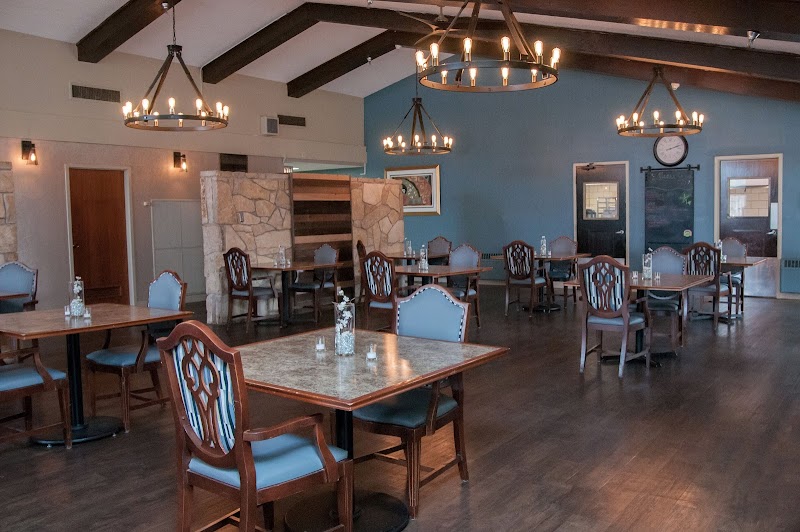
Who Owns and Operates Accolade Healthcare Of Pontiac?

ACCOLADE HEALTHCARE OF PONTIAC is owned by a for-profit company. For-profit facilities operate as businesses with obligations to shareholders or private owners. The facility is operated by ACCOLADE HEALTHCARE, a chain that manages multiple nursing homes. With 97 certified beds and approximately 72 residents (about 74% occupancy), it is a smaller facility located in PONTIAC, Illinois.
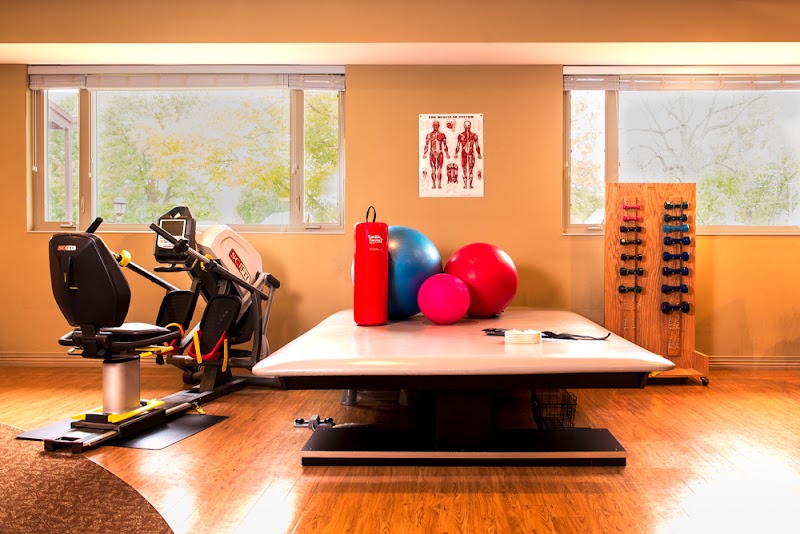
How Does Accolade Healthcare Of Pontiac Compare to Other Illinois Nursing Homes?

Compared to the 100 nursing homes in Illinois, ACCOLADE HEALTHCARE OF PONTIAC's overall rating (3 stars) is above the state average of 2.5, staff turnover (54%) is near the state average of 46%, and health inspection rating (4 stars) is above the national benchmark.

What Should Families Ask When Visiting Accolade Healthcare Of Pontiac?

Based on this facility's data, families visiting should ask: "Can you walk me through typical staffing levels on day, evening, and night shifts?" "Can I visit during a mealtime to observe dining assistance and food quality?" "How do you handle medical emergencies, and what is your hospital transfer rate?" "Can I speak with family members of current residents about their experience?" These questions are particularly relevant given the below-average staffing rating.

Is Accolade Healthcare Of Pontiac Safe?

Based on CMS inspection data, ACCOLADE HEALTHCARE OF PONTIAC has a clean safety record: no substantiated abuse findings (meaning no confirmed cases of resident harm), no Immediate Jeopardy citations (the most serious violation level indicating risk of serious injury or death), and is not on the Special Focus Facility watch list (a federal program monitoring the lowest-performing 1% of nursing homes). The facility has a 3-star overall rating and ranks #1 of 100 nursing homes in Illinois. While no facility is perfect, families should still ask about staff-to-resident ratios and recent inspection results during their visit.

Do Nurses at Accolade Healthcare Of Pontiac Stick Around?

ACCOLADE HEALTHCARE OF PONTIAC has a staff turnover rate of 54%, which is 8 percentage points above the Illinois average of 46%. Moderate turnover is common in nursing homes, but families should still ask about staff tenure and how the facility maintains care continuity when employees leave.

Was Accolade Healthcare Of Pontiac Ever Fined?

ACCOLADE HEALTHCARE OF PONTIAC has been fined $13,000 across 1 penalty action. This is below the Illinois average of $33,209. While any fine indicates a compliance issue, fines under $50,000 are relatively common and typically reflect isolated problems that were subsequently corrected. Families should ask what specific issues led to these fines and confirm they've been resolved.

Is Accolade Healthcare Of Pontiac on Any Federal Watch List?

ACCOLADE HEALTHCARE OF PONTIAC is not on any federal watch list. The most significant is the Special Focus Facility (SFF) program, which identifies the bottom 1% of nursing homes nationally based on persistent, serious quality problems. Not being on this list means the facility has avoided the pattern of deficiencies that triggers enhanced federal oversight. This is a positive indicator, though families should still review the facility's inspection history directly.