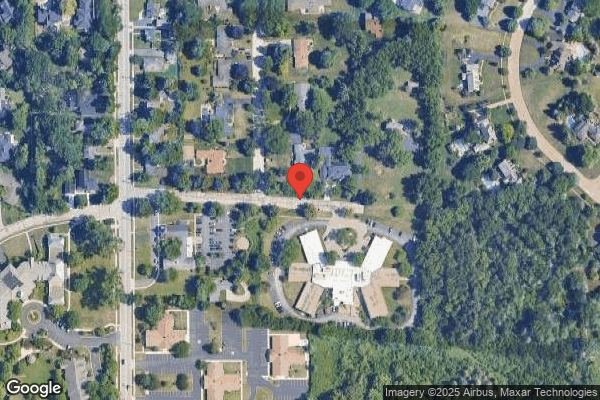
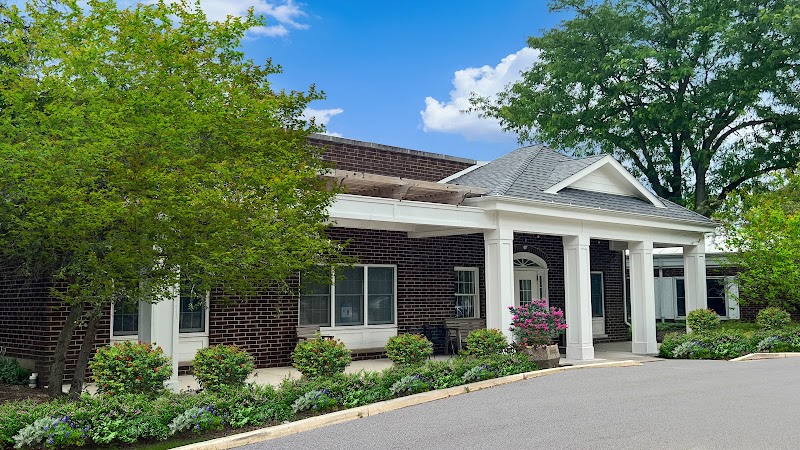
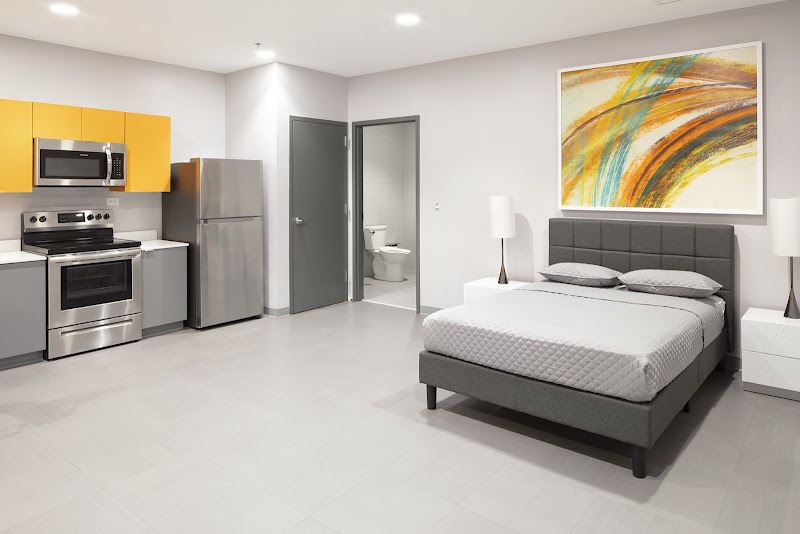
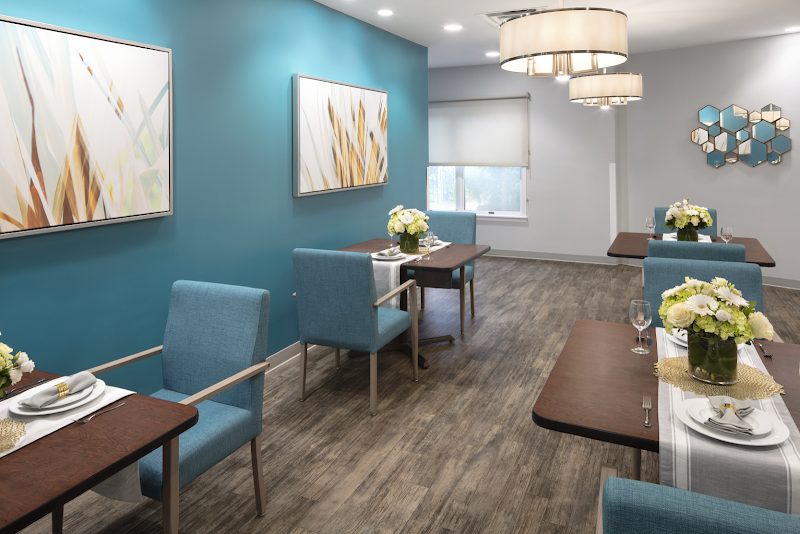

GROVE OF ST CHARLES

611 ALLEN LANE, SAINT CHARLES, IL 60174 (630) 377-2211
For profit - Corporation 120 Beds LEGACY HEALTHCARE Data: November 2025
Trust Grade
65/100
#150 of 665 in IL
Last Inspection: July 2024

Within standard 12-15 month inspection cycle. Federal law requires annual inspections.

Overview

Grove of St. Charles has a Trust Grade of C+, indicating it is slightly above average but still has room for improvement. It ranks #150 out of 665 nursing homes in Illinois, placing it in the top half, and #11 of 25 in Kane County, meaning there are only ten local options that perform better. The facility's performance is stable, with 11 reported issues in both 2023 and 2024. Staffing is a weakness, rated at 2 out of 5 stars, with a concerning turnover rate of 57%, higher than the state average. However, it does have good RN coverage, exceeding 96% of facilities in the state, which is beneficial for resident care. There are some significant concerns to note: the facility failed to prepare food safely, risking cross-contamination, and did not properly label and date medications, which can lead to expired drugs being administered. Additionally, they did not follow portion sizes for pureed diets as required, which could affect residents' nutritional needs. While there are strengths in RN coverage and no fines reported, these issues highlight the need for families to carefully consider the care quality at this facility.

Trust Score
C+
65/100
In Illinois
#150/665
Top 22%
Safety Record
Low Risk
No red flags
Inspections
Holding Steady
11 → 11 violations
Staff Stability
⚠ Watch
57% turnover. Above average. Higher turnover means staff may not know residents' routines.
Penalties
✓ Good
No fines on record. Clean compliance history, better than most Illinois facilities.
Skilled Nurses
✓ Good
Each resident gets 75 minutes of Registered Nurse (RN) attention daily — more than 97% of Illinois nursing homes. RNs are the most trained staff who catch health problems before they become serious.
Violations
⚠ Watch
31 deficiencies on record. Higher than average. Multiple issues found across inspections.
★★★★☆
4.0
Overall Rating
★★☆☆☆
2.0
Staff Levels
★★☆☆☆
2.0
Care Quality
★★★★☆
4.0
Inspection Score
Stable
2023: 11 issues
2024: 11 issues

The Good

  • Full Sprinkler Coverage · Fire safety systems throughout facility
  • No fines on record

Facility shows strength in fire safety.

The Bad

Staff Turnover: 57%

11pts above Illinois avg (46%)

Frequent staff changes - ask about care continuity

Chain: LEGACY HEALTHCARE

Part of a multi-facility chain

Ask about local staffing decisions and management

Staff turnover is elevated (57%)

9 points above Illinois average of 48%

The Ugly 31 deficiencies on record

Aug 2024 2 deficiencies
CONCERN (D) 📢 Someone Reported This

A family member, employee, or ombudsman was alarmed enough to file a formal complaint

Potential for Harm - no one hurt, but risky conditions existed

Investigate Abuse (Tag F0610)

Could have caused harm · This affected 1 resident

**NOTE- TERMS IN BRACKETS HAVE BEEN EDITED TO PROTECT CONFIDENTIALITY** Based on observation, interview, and record review, the facility failed to investigate allegations of sexual abuse in a timely m...

Read full inspector narrative →
**NOTE- TERMS IN BRACKETS HAVE BEEN EDITED TO PROTECT CONFIDENTIALITY** Based on observation, interview, and record review, the facility failed to investigate allegations of sexual abuse in a timely manner. The facility also failed to implement their Abuse policy and procedure and conduct a comprehensive investigation of the alleged sexual abuse and report the abuse to the state health department and police department. This applies to 1 of 5 residents (R5) reviewed for sexual abuse in a sample of 12. The findings include: The EMR (Electronic Medical Record) shows that R5, a [AGE] year-old with diagnoses of dementia in Alzheimer's disease, major depressive chronic pain, difficulty in walking, cognitive communication deficit, depressive disorder, autoimmune thyroiditis, osteoporosis, Lyme disease, hypothyroidism, anxiety disorder, hypertension, and spinal stenosis. R1 was admitted to the facility on [DATE]. R5's MDS (Minimum Data Set) dated 8/5/2024, showed R1 had moderate cognitive impairment. The progress notes dated 8/16/2024 showed that R5 was sent to the hospital related to medication regimen to address R5's aggression. The hospital record dated 8/16/2024 showed that R5 was: - A patient admitted from (nursing facility) for increased aggression, refusing to take medications. History of depression. Upon examination, (R5) was alert and oriented times 3. States that they want me on antidepressant, and I am sensitive to medications and only requires low doses. Patient needs inpatient psychiatric hospitalization for mood stabilization and safety. The hospital record also showed that on 8/17/2024, R5 was transferred to the medical floor due to acute pulmonary embolism and acute DVT (deep vein thrombosis). On 8/20/2024 at 10:30 A.M., V1 (Administrator) said that on 8/16/2024, she had received a call from V15 (hospital staff) that R5 made an allegation of sexual abuse towards a male staff working in the facility. V1 said that she did not investigate this sexual allegation because there was an open allegation regarding R1's alleged physical abuse towards a CNA (Certified Nurse Assistant), that R1 felt being rushed on 8/15/2024 at 2:30 P.M. Surveyor verified with V1 if the allegation of being rushed is the same as sexual abuse. V1 then decided to initiate sexual allegation and called the police department. On 8/20/2024 at 11:30 A.M., V18 (Police Officer) came to the facility. V18 said that this case of sexual abuse was called in by the hospital on 8/16/2024 when R5 made the allegation. V18 said that it was today (8/20/2024) that the facility had notified the police department regarding the allegation of sexual abuse. On 8/21/2024 at 11:00 A.M., V2 (Director of Nursing) said that R5 returned to the facility the evening of 8/20/2024. On 8/21/2024 at 11:30 A.M., R5 was observed sitting at the edge of her bed. R5 was calm, soft spoken, was alert and oriented times 3, but with some forgetfulness with dates. Surveyor introduced herself and asked R5 how staff are when providing care to her. R5, with teary eyes had responded around 10 days ago, there was this CNA, muscular built, tall and he was black. I never seen him before, so I assumed he was from staffing agency. He gave me his name. He came with an attitude, and at 5:00 A.M., he took me to bathroom, changed my diaper, wiped me with wipes then pinched my vagina. I slapped his hand and told him not to do that and I was worried that if he did that to me, what else can he do for other residents that cannot say something or fight back. R5 said she reported this to V17 (counselor) a few days after it happened before she went to the hospital on 8/16/2024. R5 said that V17 had advised her not to tell anyone and that V17 will follow it up. R5 said that however, to this day, V17 had not come back to her for an update. R5 also said that she had reported to a hospital staff on 8/16/2024 regarding the sexual abuse by this described CNA. Surveyor asked R5 if V1 and or V2 had already talked to her regarding this sexual allegation. R5 said that no one had interviewed her from the facility of what happened. R5 gave permission to surveyor to inform V1 and V2. Upon prompting, V1 and V19 (Director of Operation for the company organization) went to talked to R5. R5 had stated the same scenario regarding this individual CNA that had allegedly pinched her vagina. Review of the schedule for the last 2 weeks showed V6 (CNA), happened to be the only one male CNA from staffing agency that was assigned to R5 on 8/12/2024 for the night shift. On 8/21/2024 at 12:40 P.M., V6 said he introduced himself by name. V6 said that he took care of R5 on 8/12/2024. V6 also said that he had changed R5's bedding because it was wet. V6 also said that he changed R5's incontinence brief. The facility's policy titled Abuse, dated 11/28/2017 showed, POLICY STATEMENT: It is the policy of the facility to provide professional care and services in an environment that is free from any type of abuse . The facility follows the federal guidelines dedicated to prevention of abuse and timely and thorough investigations of all allegations. TYPES OF ABUSE .1. Physical abuse .4. Sexual abuse . ABUSE COORDINATOR: The Administrator is the abuse coordinator in this facility and is responsible for developing and implementing the abuse prevention training curriculum and conducting the investigation in situations of alleged abuse/neglect .A report will be made to the local police department immediately and not exceeding 2 hours after forming the suspicion or allegation of sexual abuse if there is serious bodily injury, and within 24 hours of the allegation being made, if there is no serious bodily injury.
CONCERN (D) 📢 Someone Reported This

A family member, employee, or ombudsman was alarmed enough to file a formal complaint

Potential for Harm - no one hurt, but risky conditions existed

Deficiency F0776 (Tag F0776)

Could have caused harm · This affected 1 resident

**NOTE- TERMS IN BRACKETS HAVE BEEN EDITED TO PROTECT CONFIDENTIALITY** Based on observation, interview, and record review, the facility failed to ensure radiological services were provided timely, an...

Read full inspector narrative →
**NOTE- TERMS IN BRACKETS HAVE BEEN EDITED TO PROTECT CONFIDENTIALITY** Based on observation, interview, and record review, the facility failed to ensure radiological services were provided timely, and to meet the needs of the residents' with a change in medical condition. This applies to 1 of 3 residents (R1) reviewed for injury of unknown origin. The findings include: The EMR (Electronic Medical Record) shows R1 was admitted to the facility on [DATE]. R1 was sent to the hospital on 8/16/2024 due to acute comminuted fracture of right proximal tibia and fibula. R1's diagnoses included ESRD (End Stage Renal Disease, dependent on dialysis, anemia, atherosclerotic heart disease, congestive heart failure, chronic pain, dementia, diabetes mellitus. R1's MDS (Minimum Data Set) dated 6/11/2024, shows R1 had severe cognitive impairment, and required extensive assistance with bed mobility, hygiene, and uses mechanical transfer lift device for transfers to recline wheelchair during dialysis days. R1 goes to dialysis 3 times a week. R1 goes to the facility's dialysis unit in his reclining wheelchair and was propelled by the staff. The progress notes showed: -8/13/2024 documented by V3 (Nurse Practitioner) showed that R1 Patient seen today per nursing request. Per NOD (Nurse on Duty), patient was being moved and shouted out when his right leg was being touched and moved .Unable to state due to dementia .Assessment and Plan: Right knee pain .will order an x-ray. -8/15/2024: documented by V3 showed: Patient seen today for a f/u (follow-up) visit for right knee pain. X-rays were ordered last visit, no results . Right knee pain: x-ray ordered but no results .notified NOD (Nurse on Duty) to f/u and re-order. -8/16/2024 at 3:54 P.M. showed that x-ray result was available and was relayed to V3 with an order to send R1 to hospital for further evaluation and treatment. R1 was admitted with fracture and returned to the facility on 8/20/2024 with immobilizer splint to the right leg. The POS (Physician Order Sheet) for the month of 8/2024 showed an order dated 8/13/2024 at 12:45 P.M. given by V3 for an x-ray to right leg for R1. The progress notes dated 8/16/2024 at 3:54 P.M. showed that x-ray result was available and was relayed to V3 with an order to send R1 to hospital for further evaluation and treatment. R1 was admitted with fracture. Facility documentation shows R1 did not receive the right leg X-ray for more than 48 hours after the order was placed by V3 on 8/13/2024 at 12:45 P.M. The facility's Radiology Results Report showed that x-ray of the right leg was done on 8/16/2024 at 12:00 Midnight. The result showed; result showed 1. Acute appearing complex nondisplaced fracture of the proximal tibial/diaphyseal junction, with approximately 20-degree posterior angulation and approximately 30-degree angulation lateral angulation of the distal fracture moiety. 2. Acute appearing nondisplaced up to 2 cm (centimeters) impacted fracture of the proximal humeral metaphyseal/diaphyseal junction. The progress notes dated 8/16/2024 at 3:54 P.M. showed that x-ray result was available and was relayed to V3 with an order to send R1 to hospital for further evaluation and treatment. R1 was admitted with fracture. The hospital record dated 8/16/2024 showed that R1 was admitted due to traumatic closed displaced fracture of the proximal tibia and fibula. The ED (Emergency Department notes) showed that R1 was presented with chief complaint of right leg pain, was bed bound, was alert and oriented to self only and that R1 said he fell yesterday. The Hospital notes also showed that R1 uses mechanical transfer lift device, and it was unclear how the fractured occurred, if this was caused mechanical related to fall. R1 was seen by orthopedic surgeon and treatment was leg brace wrapped with ace bandage and for follow up visit to orthopedic as outpatient. R1 returned to facility on 8/20/2024. On 8/21/2024 at 12:59 P.M., V11 (CNA/Certified Nurse Assistant) said that she noted that R1 had shouted (pain right leg) when V11 tried to provide care to R1. V11 said it was unusual for R1 shouting of pain, so she immediately reported to V10 (RN/Registered Nurse). On 8/21/2024 at 1:30 P.M., V10 said that she informed V3 on 8/13/2024 at around noon of R1's condition that R1 shouted of right leg pain. V10 said that V3 gave an order for right leg x-ray on 8/16/2024 at around noon. V10 said that V3 asked for x-ray result when visited R1 for follow up of R1's leg pain. V10 said that x-ray was not done. On 8/21/2024 at 1:45 P.M., V2 (Director of Nursing) said that she had no explanation why the x-ray was not done timely. On 8/20/2024 at 2:30 P.M., V3 said that she saw R1 on 8/13/2024 around noon time because of right leg pain. V3 said she immediately ordered x-ray of the right leg to determine the cause of right leg pain and to provide appropriate treatment to R1. V3 also said that a follow up visit was made by her to see R1 on 8/15/2024. V3 said that the x-ray that she ordered on 8/13/2024 was not done. V3 said the expected that x-ray result should have been available within 24 hours when it was originally ordered on 8/13/2024. V3 added that due to delay of x-ray diagnostic examination, there was a delay of treatment and that if the x-ray result was available sooner, R1 would have been sent sooner to the hospital for appropriate treatment of the fractured right leg. On 8/20/2024 at 10:00 A.M., R1 was observed in bed. R1 was agitated when spoken to. V2 (Director of Nursing) assisted to observe R1's lower extremities. R1 was observed with a right leg brace splint that was wrapped with elastic bandage. R1 said I fell few days ago, my knee hurts. During this time, V2 said that R1 was hard to determine if he was really in pain because of conginve impairment.
Jul 2024 8 deficiencies
CONCERN (D)

Potential for Harm - no one hurt, but risky conditions existed

PASARR Coordination (Tag F0644)

Could have caused harm · This affected 1 resident

**NOTE- TERMS IN BRACKETS HAVE BEEN EDITED TO PROTECT CONFIDENTIALITY** Based on interview and record review, the facility failed to request a re-evaluation for a PASARR II (Pre-admission Screening an...

Read full inspector narrative →
**NOTE- TERMS IN BRACKETS HAVE BEEN EDITED TO PROTECT CONFIDENTIALITY** Based on interview and record review, the facility failed to request a re-evaluation for a PASARR II (Pre-admission Screening and Resident Review) screening for a resident with a SMI (serious mental illness) diagnosis within the required timeframe. This applies to 1 of 1 residents (R59) reviewed for PASARR in the sample of 18. R59's EMR (Electronic Medical Record) showed R59 was admitted to the facility on [DATE] with diagnoses that included bipolar disorder, specified anxiety disorder, and PTSD (Post-Traumatic Stress Disorder). R59's MDS (Minimum Data Set) dated May 24, 2024 showed R59 was cognitively intact. R59's care plan dated February 23, 2023, showed R59 presents with a troubled past secondary to bipolar disorder and diagnoses of PTSD and anxiety. Interventions included conduct the appropriate assessments to promote knowledge and understanding of R59's past, remind and encourage R59 to verbalize her thoughts and feelings during her 1:1 session with the visiting psychotherapist. On July 22, 2024 at 3:04 PM, the facility provided R59's PASARR II screening that was dated February 12, 2023. The PASSAR II evaluation showed R59 was at a previous nursing home and became aggressive with a staff member at the nursing home and bit them. Assessment showed she has a diagnosis of Bipolar, has aggressive behaviors, has attempted suicide in past, yells at others, has been homeless in the past, has hard time trusting others, acts without consequences, has a hard time understanding the impact of her decisions or actions, cannot solve problems without the help from others, scored 36% on WHO-5 (World Health Organization) test which shows resident has a poor view of her life, periods of confusion and trouble with memory, angered easily, difficulty concentrating, moods may go from one extreme to another quickly, and resident has anxious thoughts. R59 has history of refusing medications because she feels she does not need them .R59 has been hospitalized in the past for mental health symptoms. R59 has a diagnosis of a severe mental health condition. The least restrictive treatment setting is a nursing home because R59 needs help with bathing, grooming, money, management, medication, and other community tasks. The PASARR Determination explanation - R59 is diagnosed with bipolar disorder per her medical record which significantly impacts her daily life. The evaluation was effective February 12, 2023 for short term and the approval ends on April 13, 2023. On July 23, 2024 at 11:54 AM, V21 (Vice President of Operations) said that they track the residents assessment in the Maximus system and should be notified when an assessment is due. V21 provided a list of events for R59 from the Maximus system and it showed on March 26, 2023 an initial Service Matters Review was completed. V21 said the facility enters this information into Maximus and that lets the reviewer know there needs to be a follow-up assessment. V21 said she was not sure why no one came to do a re-evaluation of R59. V21 provided state surveyor with PASARR I done on July 22, 2024 that showed an onsite PASARR II was required. Facility policy titled PASARR Screening of Residents with Mental Disorder or Intellectual Disability with revision date of June 6, 2024 showed, It is the facility's policy to ensure that residents with Mental Disorder and those with Intellectual Disorder will receive PASARR Screening within the timeframe allowed.
CONCERN (D)

Potential for Harm - no one hurt, but risky conditions existed

ADL Care (Tag F0677)

Could have caused harm · This affected 1 resident

**NOTE- TERMS IN BRACKETS HAVE BEEN EDITED TO PROTECT CONFIDENTIALITY** Based on observation, interview, and record review, the facility failed to assist a resident that was assessed to require assist...

Read full inspector narrative →
**NOTE- TERMS IN BRACKETS HAVE BEEN EDITED TO PROTECT CONFIDENTIALITY** Based on observation, interview, and record review, the facility failed to assist a resident that was assessed to require assistance with ADLs (Activities of Daily Living). This applies to 3 of 4 residents (R76, R79, R86) reviewed for activities of daily living in the sample of 18. The findings include: 1. R79's EMR (Electronic Medical Record) showed R79 was admitted to the facility on [DATE], with diagnoses that included hydrocephalus, major depression, unspecified psychosis, anxiety, cognitive communicative deficit, unspecified focal traumatic brain injury with loss of consciousness, and traumatic hemorrhage of cerebrum. R79's MDS (Minimum Data Set) dated April 19, 2024, showed R79 had severe cognitive impairment and required substantial/maximal assistance for toileting, showering, and personal hygiene. R79's care plan showed R79 is incontinent of bowel and bladder and requires assistance with perineal care and interventions include checking R79 for incontinence episodes and anticipate his toileting needs throughout each shift. On July 22, 2024, at 12:31 PM, R79 was observed sitting in the same spot in the dining room as he was at 10:10 AM. At this time, there was a brown substance dried onto his right- hand entire thumb, entire first digit, and the second digit. R79 had been given juice to drink and was sitting at table with another resident. V2 (DON/Director of Nursing) was asked to visualize R79's hand. V2 agreed it looked like stool dried onto R79's hand. V2 grabbed the closest CNA (Certified Nursing Assistant) and asked to have R79 taken to his room. V3 (CNA), who was assigned to R79, was in the hallway and came and took R79 to his room. R79 stood at his sink and washed his hands four times to get the brown dried substance off his hands. CNA gathered all her supplies and after his hands were clean, V3 told R79 she was going to change his incontinence brief. When resident was standing and his shirt was pulled up, the dried brown substance, now clearly identified as bowel movement, had come up and was on his lower back above the top of the incontinence brief. When incontinence brief was removed there was a large amount of dried bowel movement in his brief from between his legs, up his buttocks and up to his lower back. As V3 was cleaning R79, he kept asking are you done yet? V3 kept replying, not yet, there is a lot of poop on you. 2. R76's EMR showed R76 was originally admitted to the facility on [DATE]. R76 was sent to the hospital on July 12, 2024, and returned to the facility on July 14, 2024. R76's diagnosis included quadriplegia, major depressive disorder, morbid obesity due to excessive calorie intake, and critical illness myopathy. R76's MDS dated [DATE], showed R76 was cognitively intact and was dependent on staff for all ADLs (Activities of Daily Living). On July 22, 2024, at 10:18 AM, R76 said she would like to take a shower, her hair was greasy and stringy, she has facial hair under her chin and would like to be shaved. Multiple observations were made throughout the day and no shower or shaving assistance had been provided. On July 24, 2024, at 8:58 AM, V3 CNA (Certified Nursing Assistant) said in the morning she will get her residents up and out of bed, wash their face, assist with oral care, give a bed bath if needed, fix bed, and comb hair. On July 23, 2024, at 10:57 AM, R76 was in bed, she had flaky skin noted near her eyebrows and on her cheeks/chin, there was a dried crusty substance on her lower eye lashes, and when talking there was a white film on her lips and a red area to the right corner of mouth. R76 had several whiskers under her chin and on her upper neck. R76 said she really wants to be shaved and cannot remember when she was last given a bed bath. There is a foul musty odor noted when standing next to the bed. On July 24, 2024, at 9:06 AM, V2 (DON/Director of Nursing) said on a resident's shower day, the expectation is that the resident is taken to the shower room and given a shower. V2 said if it is not a resident's shower day, the expectation is that the resident be helped with morning care/grooming. This includes washing face and hands, assisting with oral care, brushing hair, washing hair in bed if resident needs it or requests to have hair washed, nail care, shaving facial hair for both men and women, and resident should he provided with clean clothes. 3. On July 23, 2024, at 1:14 PM, R86 was in his bedroom and was alert and oriented. R86 displayed unkempt long facial hair on his upper lip and chin and had long fingernails with the nail beds stained with brownish discoloration. R86 verbalized that he wants his nails clipped and facial hair shaven because it feels uncomfortable. R86's MDS dated [DATE], shows R86 is alert and oriented and requires extensive assistance with activities of daily living care. Facility provided policy titled, General Care with revision date of June 6, 2024, showed, 1. On admission or readmission, the facility will evaluate the resident's physical and psychosocial needs. Physical needs would include but limited to ADL (Activity of Daily Living), wound care, medical needs, etc .2. The facility will assist the resident to meet those needs
CONCERN (D)

Potential for Harm - no one hurt, but risky conditions existed

Deficiency F0688 (Tag F0688)

Could have caused harm · This affected 1 resident

**NOTE- TERMS IN BRACKETS HAVE BEEN EDITED TO PROTECT CONFIDENTIALITY** Based on observation, interview, and record review, the facility failed to assess and provide appropriate splints and therapy se...

Read full inspector narrative →
**NOTE- TERMS IN BRACKETS HAVE BEEN EDITED TO PROTECT CONFIDENTIALITY** Based on observation, interview, and record review, the facility failed to assess and provide appropriate splints and therapy services to maintain and/or prevent further progression of deformities or reduction in range of motion. This applies to 1 of 3 residents (R76) reviewed for range of motion in the sample of 18. The findings include: R76's EMR (Electronic Medical Record) showed R76 was originally admitted to the facility on [DATE]. R76 was sent to the hospital on July 12, 2024, and returned to the facility on July 14, 2024. R76's diagnosis included quadriplegia, major depressive disorder, morbid obesity due to excessive calorie intake, and critical illness myopathy. R76's MDS (Minimum Data Set) dated May 28, 2024, showed R76 was cognitively intact and was dependent on staff for all ADLs (Activities of Daily Living). R76's restorative care plan-initiated September 28, 2023, showed R76 required assistance with applying left resting hand splint during the day while patient is out of bed and removed prior to putting patient back in bed daily, six to seven days a week as tolerated. The goal was for R76 to maintain current level of functioning and range of motion in left hand/wrist. Interventions included staff applying the left resting hand splint, encourage/praise R76's efforts throughout the task to promote participation and staff are to explain to R76, the splint's purpose. R76's initial OT (Occupational Therapy) Evaluation and Plan of Treatment dated February 23, 2023, showed R76 did not have any functional limitations due to contractures. The Restorative Nurse assessment on the same date showed R76 did not wear a splint or brace. R76's POS (Physician Order Set) dated May 13, 2024, showed Assistance with Splint/Brace - Apply left resting hand splint during the day while patient is out of bed and remove prior to putting patient back in bed daily, six to seven days/week as tolerated. Check skin on left hand and wrist for redness and signs of skin breakdown prior to application and after removal of splint. Monitor for increased pain. R76 was referred to OT on May 31, 2024. R76's OT Evaluation and Treatment dated June 2, 2024, showed R76 was referred to OT for self-feeding evaluation. R76 has declined in self-feeding requiring additional assistance from staff at all meals. R76 presents with decreased AROM (active range of motion) in BUE (bilateral upper extremities), decreased strength in BUE, and poor coordination .Prior to thus onset, no equipment was required. R76's OT Evaluation and Plan of Treatment showed R76 has severe UE (upper extremity) and LE (lower extremity) motor movement affecting ability to care for self and complete ADLs (Activities of Daily Living). LUE (left upper extremity) hand has contracture requiring left resting hand splint to maintain functional positioning . On July 22, 2024, at 10:18 AM, R76 has a contracture to her left hand and splint is on bedside table. On July 22, at 12:49 PM, R76 said staff helped feed her lunch but still have not put splint on her wrist today. On July 22, 2024, at 3:57 PM, R76, was not wearing splint. On July 23, 2024, at 10:57 AM, R76 was in bed. The resting wrist splint is on the bedside table and not on R76. On July 23, 2024, at 12:34 PM, R76 in bed, no splint on her wrist. On July 23, 2024, at 4:35 PM, R76 in bed, no splint on her wrist. On July 24, 2024, at 8:42 AM, R76 in bed, no splint on her wrist. On July 24, 2024, at 2:20 PM, V20 (OT) and state surveyor went to R76's room. R76 was not wearing the left- hand resting splint. V20 measured flexion and extension to the left wrist and fingers. Before leaving the room, V20 did not put the left-hand resting splint on R76. On July 24, 2024, at 9:13 AM, V8 (Restorative Nurse) said when a resident has a splint, it can be applied by her, the therapy department (physical or occupational therapy), the restorative CNAs (Certified Nursing Assistant), and she said she believes the CNAs on the floor can also put a splint on a resident. V8 said R76 should be wearing the brace daily. V8 said she recently updated (July 16) the computer to show R76 was to wear the wrist daily whether she was in bed or not. The facility was unable to show documentation that R76 was wearing the splint daily or that she was wearing it for the recommended four to eight hours a day. There was no documentation under the facility tasks for the last 30 days by facility staff or agency staff. Facility provided policy titled, Restorative Nursing Program with revision date June 6, 2024, showed 3. Nursing and Restorative Services may include the following .c. Contracture Prevention and Management i. PROM/AROM (passive range of motion/active range of motion) exercises, ii. Splint/Orthotic Management .6. Restorative Programs shall be reflected and indicated in the resident's electronic restorative log in order to document the provisions of service and the frequency by the nurses, CNAs, and. Restorative aides .
CONCERN (D)

Potential for Harm - no one hurt, but risky conditions existed

Respiratory Care (Tag F0695)

Could have caused harm · This affected 1 resident

Based on observation, interview and record review, the facility failed to ensure that there was enough oxygen in the resident's portable oxygen tank, to promote delivery of oxygen as ordered by the ph...

Read full inspector narrative →
Based on observation, interview and record review, the facility failed to ensure that there was enough oxygen in the resident's portable oxygen tank, to promote delivery of oxygen as ordered by the physician. This applies to 1 of 1 resident (R3) reviewed for oxygen therapy in the sample of 18. The findings include: R3 had multiple diagnoses including metabolic encephalopathy, hemiplegia affecting right dominant side, chronic respiratory failure with hypoxia and dependence on supplemental oxygen, based on the face sheet. On July 23, 2024 at 2:10 PM, R3 was sitting in her wheelchair inside the unit dining room attending the resident group meeting. R3 was observed with on and off coughing and was not participating with the group discussion. R3 had an oxygen nasal cannula in place attached to a portable oxygen (E tank) located at the back of the resident's wheelchair. The gauge of the said portable oxygen was observed at the red area with a mark refill. A facility nurse was immediately called by the State Agency personnel to inform of R3's condition and the need for the portable oxygen to be refilled or replaced based on the gauge indicator. At 2:13 PM, V11 (Agency LPN/Licensed Practical Nurse) came inside the unit dining room and changed the portable oxygen tank of R3. After the portable oxygen tank was changed, R3 was observed with less coughing and was participating more with the group discussion. R3's active order summary report showed that the resident was on hospice care since June 20, 2024. The same order summary report showed an order dated June 20, 2024 for, Oxygen 2-5 (liters) via (nasal cannula) continuously PRN (as needed). On July 24, 2024 at 9:10 AM, V11 stated that she was the nurse who changed the portable oxygen tank of R3 on July 23, 2024 while the resident was attending the group meeting. V11 stated that the gauge indicator on the oxygen tank that was attached to R3's nasal cannula was at the red area. V11 stated, the oxygen tank definitely needed to be changed. According to V11, when she changed the portable oxygen tank, she noticed that the oxygen was set at 2 liters per minute. During the same interview, V11 stated that she was not the assigned nurse for R3 but because she was called by a female visitor to change the portable oxygen tank, she therefore went in with a full tank of portable oxygen to change the empty tank. On July 24, 2024 at 10:14 AM, R3 was in bed, alert and verbally responsive. R3 had an ongoing continuous oxygen via nasal cannula at 3 liters per minute, using the oxygen concentrator. R3 had no shortness of breath. R3 was asked about the incident that happened on July 23, 2024 during the group meeting. R3 stated that she was coughing on and off and was having slight shortness of breath. According to R3 after the nurse changed her portable oxygen tank, she felt better, and her breathing was better. On July 24, 2024 at 1:54 PM, V2 (Director of Nursing) stated that R3's oxygen should be administered continuously. According to V2 a clarification order was made, and the order was changed to administer the oxygen continuously. On July 24, 2024 at 4:31 PM, V2 stated that she expects the nurses to check the resident's oxygen tank to ensure that there is enough oxygen inside the tank for resident's comfort and proper delivery of oxygen. The facility's policy regarding oxygen therapy and administration last reviewed by the facility on June 6, 2024 showed, Oxygen therapy shall be administered to patients as indicated and upon a physician's order. The policy showed in-part under purpose, To assure adequate oxygenation to all spontaneously breathing and ventilator dependent patients.
CONCERN (D)

Potential for Harm - no one hurt, but risky conditions existed

Unnecessary Medications (Tag F0759)

Could have caused harm · This affected 1 resident

Based on observation, interview, and record review, the facility failed to administer medications according to physician's order. There were 25 medication opportunities with 3 errors, resulting in a 1...

Read full inspector narrative →
Based on observation, interview, and record review, the facility failed to administer medications according to physician's order. There were 25 medication opportunities with 3 errors, resulting in a 12% medication error rate. This applies to 2 of 7 residents (R37, R52) reviewed for medication administration in the sample of 18. The findings include: 1. R37's Medication Administration Record (MAR) showed that R37 was prescribed multiple medications which include Heparin Sodium Injection 5,000 units per milliliter (ml). The physician's order showed to inject 1 ml (5,000 units) of Heparin subcutaneously every 8 hours for anticoagulation. On July 23, 2024, at 1:57 PM, V9 (Registered Nurse/RN) prepared to administer Heparin Sodium to R37. V9 drew 0.9 ml (4,500 units) from the Heparin vial. As V9 was about to administer the medication, the dose was verified and when checked, 0.1 ml was still left in the vial. V9 then proceeded to aspirate the remaining Heparin from the vial, to administer a total of 5000 units. 2. R52's MAR shows multiple medications which include Docusate Sodium 100 mg capsule and Admelog Solostar 100 units/ml. V13 (RN) stated that R52 has a new order which was to crush all R52's medications. V13 was unsure what to do with the Docusate Sodium which cannot be crushed nor split or cut. V13 decided to give the Bisacodyl 5 mg Enteric Coated/EC (Dulcolax) instead, without calling the physician. V13 also crushed the medication. V13 stated that it was also a laxative just like the Docusate Sodium. 3. V13 opened a new pen of insulin Admelog Solostar for R52, V13 dialed the dosage selector to the appropriate dose according to R52's blood glucose level and proceeded to administer it to R52. However, V13 did not prime the insulin pen prior to the administration. On July 24, 2024, at 2:43 PM, V2 (Director of Nursing/DON) stated that staff must follow the physician's order with regards to administration if medication. V2 stated that the staff should follow the 5 rights with medication administration, such as the right patient, route, medication, time, and dosage. V2 added that if the insulin is newly opened, the staff must prime the insulin pen with 2 units prior to administering the appropriate dose.
CONCERN (D)

Potential for Harm - no one hurt, but risky conditions existed

Infection Control (Tag F0880)

Could have caused harm · This affected 1 resident

Based on observation, interview, and record review, the facility failed to follow standards of infection control practices with regards to hand hygiene and gloving during provisions of incontinence ca...

Read full inspector narrative →
Based on observation, interview, and record review, the facility failed to follow standards of infection control practices with regards to hand hygiene and gloving during provisions of incontinence care. This applies to 1 of 5 residents (R13) reviewed for infection control during provisions of care in the sample of 18. The findings include: On July 24, 2024, at 10:26 AM, V17 and V18 (Both Certified Nursing Assistant/CNA) rendered incontinence care to R13 who was heavily wet with urine and had a large bowel movement. V17 used wet wipes to clean R13 from front to back. After she cleaned the front perineum, she removed her gloves and washed her hands, then she continued to clean the back perineum. Due to the large amount of fecal matter, V17 changed her gloves twice without hand hygiene and continued to wipe R13's buttocks. After she completed wiping the back perineum, V17 applied barrier cream and incontinence brief while wearing the same soiled gloves. On July 24, 2024, at 2:35 PM, V2 (Director of Nursing/DON) stated that during incontinence care, the staff must perform hand hygiene in between glove changes, in between tasks, and before and after completing the care. V2 added that the staff must also change gloves in between tasks to prevent spread infection. Facility's Hand Hygiene Policy and Procedure with revision date of June 6, 2024 showed as follows: Policy Statement: Hand hygiene is important in controlling infections. Hand hygiene consists of either hand washing or the use of alcohol gel. The facility will comply with the CDC [Centers for Disease Control] Guidelines regarding hand hygiene. Procedures: 1. Hand hygiene using alcohol-based hand rub is recommended during the following situations: g. Before moving from work on soiled body site to a clean body site on the same patient. h. After contact with blood, body fluids or surfaces contaminated with blood and body fluids. i. After removing gloves including during wound dressing change.
CONCERN (E)

Potential for Harm - no one hurt, but risky conditions existed

Deficiency F0761 (Tag F0761)

Could have caused harm · This affected multiple residents

Based on observation, interview and record review, the facility failed to label and date medications after opening to determine expiration dates. In addition, facility also failed to discard a narcoti...

Read full inspector narrative →
Based on observation, interview and record review, the facility failed to label and date medications after opening to determine expiration dates. In addition, facility also failed to discard a narcotic medication that has a broken seal. This applies to 6 of 6 residents (R16, R22, R25, R44, R88, R445) reviewed for labeling, storage, and expiration of drugs in the sample of 18. The findings include: On July 23, 2024, at 3:40 PM, the 600-hallway cart was monitored with V14 LPN (Licensed Practical Nurse), and the following was observed: 1. R16 has two Wixela inhalers (Fluticasone Propionate and Salmeterol Inhalation Powder) which were opened and not dated. The pharmacy's recommended expiration date showed to discard 30 days after opening the foil pouch. 2. R25's Humalog Kwik Pen was opened and not dated. The pharmacy's recommended expiration date showed to discard 28 days after it was opened. 3. R22's Basaglar Kwik Pen was opened and not dated. The pharmacy's recommended expiration date shows to discard 28 days after it was opened. 4. R445's Tobramycin 0.3% and Dexamethasone 0.1% Ophthalmic Solution was opened and not dated. On July 24, 2024, at 2:42 PM, V2 (Director of Nursing/DON) stated that per pharmacy recommendation the Tobramycin eye drops should be discarded 28 days after it was opened. On July 24, 2024, from 11:03 AM though 11:19 AM, the 100 hallway's and the 400 hallway's carts were inspected with V15 (LPN) and V16 (Registered Nurse) respectively. The following were observed: 5. R44's had two Anoro Ellipta inhalers (umeclidinium and vilanterol inhalation powder) 62.5-25mcg(microgram)/inhalation was opened and not dated. The pharmacy's recommended expiration date shows to discard 6 weeks or 42 days after opening the foil pouch. 6. R88's Diazepam 2 mg (milligram) tablet (#15) was opened and taped over to seal it. On July 24, 2024, at 11:50 AM, V10 (Nurse Consultant) stated that once the seal of the blister is torn, the medication should be discarded, and that it shouldn't be taped over to re-seal it.
CONCERN (E)

Potential for Harm - no one hurt, but risky conditions existed

Menu Adequacy (Tag F0803)

Could have caused harm · This affected multiple residents

Based on observation, interview and record review, the facility failed to follow the menu spreadsheet to provide the portion serving size of pureed beef top round roast beef. This applies to 5 of 5 r...

Read full inspector narrative →
Based on observation, interview and record review, the facility failed to follow the menu spreadsheet to provide the portion serving size of pureed beef top round roast beef. This applies to 5 of 5 residents (R6, R20, R38, R42, R75) reviewed for pureed diets in the sample of 18. The findings include: Facility Spring/Summer Menu for week 2 Monday included to use #6 scoop for pureed beef top round roast beef. On July 22, 2024 at 12:07 PM, the lunch meal service was observed in the facility kitchen with V6 (Cook) and V7 (Dietary Aide) on the tray line. V6 and V7 used #8 scoop to serve the pureed beef top round roast and R6, R20, R38, R42 and R75 received the same. R6, R20, R38, R42 and R75's meal tickets also showed a serving size of #6 scoop of pureed beef top round roast. On July 22, 2024 at 12:23 PM, when V5 (Dietary Director) was shown the menu spreadsheets, V5 stated that the facility should have followed the serving size as shown on the meal ticket for the item served. On July 22, 2024 at 12:26 PM, (Registered Dietitian) stated that the dietary staff should have followed the menu spreadsheet and used #6 scoop to serve pureed beef top round roast beef to provide adequacy of nutrition. Facility Portion Control Chart chart showed that #8=4 ounces and #6=5 1/3 ounces. Facility Diet Order Listing printed on July 22, 2024 showed that R6, R20, R38, R42 and R75 were on pureed diets.
Mar 2024 1 deficiency
CONCERN (D) 📢 Someone Reported This

A family member, employee, or ombudsman was alarmed enough to file a formal complaint

Potential for Harm - no one hurt, but risky conditions existed

Notification of Changes (Tag F0580)

Could have caused harm · This affected 1 resident

**NOTE- TERMS IN BRACKETS HAVE BEEN EDITED TO PROTECT CONFIDENTIALITY** Based on interview and record review, the facility failed to follow their policy to notify the physician and POA (Power of Attor...

Read full inspector narrative →
**NOTE- TERMS IN BRACKETS HAVE BEEN EDITED TO PROTECT CONFIDENTIALITY** Based on interview and record review, the facility failed to follow their policy to notify the physician and POA (Power of Attorney) for change in residents' condition. This applies to 1 of 5 residents (R1) reviewed for delay in notification in resident's condition. The findings include: The EMR (Electronic Medical Record) showed R1 was admitted to the facility on [DATE]. R1, a [AGE] year-old with multiple diagnoses included epileptic seizure, vascular dementia, aphasia due to cerebral infarction, post traumatic head injury, major depressive disorder, anxiety, bipolar disorder and SAD (schizoaffective disorder). The nurse's progress note dated 3/6/2024 showed R1 had a seizure on 3/6/2024 before breakfast had lasted 1.5 to 2 minutes. The notes showed R1 was monitored, and POA and physician were notified. The notes showed POA insisted R1 be sent to the hospital. R1 left the facility via 911 at 12:30 P.M. R1 was stable and had returned to the facility at 4:30 P.M. On 3/15/2024 at 1:45 P.M., V3 (RN) said on 3/6/2024 around 7:10 A.M., V3 was informed by other staff R1 was having seizure activity in his room. V3 said together with V4 (LPN/License Practical Nurse), both immediately went to R1's room. V3 said, (R1's) seizure was a 'petit mal' seizure had lasted 1.5 to 2 minutes, R1 was having mild involuntary shaking of upper and lower extremities, no rolling of eyes, and (R1) was coherent and able to carry conversation during the seizure. V3 said she had notified R1's POA at around 12:20 P.M. V3 said V6 (R1's Attending Physician) had called the facility around 12:25 P.M. and ordered to send R1 to the hospital. V3 said R1 was sent out via 911 at 12:30 P.M. V3 added there was a delay of notification since she was busy with multiple tasks such as administering morning medications to residents. On 3/15/2024 at 3:10 P.M., V6 said it was only when R1's POA had called her clinic on 3/6/2024 around noon she was first made aware of R1 seizure in the morning of 3/6/2024. V6 said R1's POA asked R1 be sent out to the hospital. V6 said facility should have informed her timely so I can go proceed any further follow up and treatment . On 3/5/2024 at 11:00 A.M., V1 (Administrator) said she was aware of R1's POA's concern regarding delayed notification of R1's seizure activity to V6 and R1's POA. On 3/15/2024 at 1:00 P.M., R1 was in his room walking with a rolling walker. R1's gait was steady. R1 was coherent, able to verbalize needs, was alert and oriented times 3. R1 said he has a daughter that is his POA and she visits to the facility. R1 said he has epilepsy that causes him to have seizures. R1 said on 3/6/2024 before breakfast he had an episode of seizure. R1 said it had happened in his room. The facility's policy for notification of change in residents' condition dated 1/14/2027 showed: The facility shall promptly notify the resident, the attending physician, and representative (POA) of changes in the resident's medical/mental and physical condition 1.j. notify the physician of changes in resident's condition.
Dec 2023 1 deficiency
CONCERN (E) 📢 Someone Reported This

A family member, employee, or ombudsman was alarmed enough to file a formal complaint

Potential for Harm - no one hurt, but risky conditions existed

ADL Care (Tag F0677)

Could have caused harm · This affected multiple residents

**NOTE- TERMS IN BRACKETS HAVE BEEN EDITED TO PROTECT CONFIDENTIALITY** Based on interview and record review, the facility failed to provide residents toileting assistance and assistance with weekly s...

Read full inspector narrative →
**NOTE- TERMS IN BRACKETS HAVE BEEN EDITED TO PROTECT CONFIDENTIALITY** Based on interview and record review, the facility failed to provide residents toileting assistance and assistance with weekly showers per facility policy. This applies to 6 of 6 residents (R2, R3, R4, R5, R8, R11) reviewed for ADL (Activities of Daily Living) assistance in a sample of 13. The findings include: 1. MDS (Minimum Data Set), dated 10/5/23, shows R5 was cognitively intact, R5 was dependent on staff for showers/baths and toileting hygiene, and R5 required substantial/maximal assistance for personal hygiene. Incontinence Care Plan, initiated 6/20/22, shows R5 was incontinent of bladder. Ileostomy/Colostomy care plan, initiated 8/4/20, shows R5 had altered bowel functioning due to the presence of an ileostomy and staff were to provide ileostomy/colostomy care every shift and as needed including maintaining the ostomy site, keeping it clean and dry. ADL Care Plan, initiated 9/1/23, shows R5 required extensive assistance for toileting. On 12/7/23 at 11:41 PM, R5 stated he had a colostomy and he becomes concerned his colostomy may burst waiting for staff to come when he requests assistance. R5 stated he had waited up to three hours for staff to return to him to assist him with his colostomy. Facility shower schedule 1-300, updated 11/9/23, shows R5 was to receive showers every Monday during the PM shift. Review of shower sheets, dated 11/1/23 to 12/7/23, show R5 only received three of his six weekly showers scheduled at the facility (11/27/23, 12/4/23, and 12/10/23). Review of R5's electronic task record on 12/11/23 showed R5 had no documented showers in the electronic clinical record since 11/1/23. Follow up question report, printed 12/13/23 by V1 (Administrator), shows R5 was marked in the electronic clinical record as having received a showers/baths/bed baths on 11/15, 11/16, 11/17, 11/20, 11/21, 11/22, 11/27 (twice), 11/28, 11/29, 12/1, 12/4, and 12/5/23. Only showers/baths/bed baths dating 11/27/23 and 12/4/23 had corresponding shower sheets completed by CNAs. On 12/7/23 at 11:16 AM with V7 (CNA- Certified Nursing Assistant), V6 (CNA) was filling out a shower sheet for a resident she had just showered. V6 stated the staff are required to complete shower sheets after every shower given. V6 stated if a resident refuses a shower offered, the staff are required to fill out a shower sheet documenting the staff offered, and the resident refused, the shower. On 12/13/23 at 1:17 PM, V16 (CNA) stated every time she gives a resident a shower, she fills out a shower sheet for each resident. V16 stated she may document in the electronic clinical record she gave a resident a shower, there would be a shower sheet she filled out for every shower documented. On 12/11/23 at 11:20 AM, V14 (Wound Nurse) stated she collects all unit shower sheets every week and places the shower sheets in a binder for review of skin concerns. On 12/11/23 at 11:15 PM, V1 (Administrator) stated all residents were to be offered one shower/bed bath a week or per the resident preference and all showers were to be documented on shower sheets. V1 stated residents in the facility were scheduled once a week on the shower schedule for a shower/bath per the facility policy. V1 stated if a resident refused a shower/bath offered, the refusal should be documented on a shower sheet and the nurse on duty was to be made aware. V1 reviewed the shower sheets available at the facility from 11/1/23 to 12/7/23 and stated the were no further shower sheets for the reviewed residents. On 12/13/23 at 12:31 PM, V1 (Administrator) initially stated the staff were only required to document if a shower/bath was given in the clinical record but not fill out a shower sheet. After reviewing the facility policy, V1 stated, the staff technically should do a shower sheet when giving a shower to document a skin assessment. Facility Shower Schedules 1-300 (updated 11/9/23) and 4-600 (updated 11/9/23) both show, All showers, including bed baths, MUST have a shower sheet filled out and turned in to the nurse before the end of the shift. If a shower sheet is not filled out, the shower never happened Note: If [resident] refuses shower, write down explanation to why [resident] is refusing shower, make sure to notify your NOD (Nurse on Duty) as soon as it happens so NOD can notify family and write progress note. Shower and Hygiene policy, revised 7/28/23, shows residents were to be administered a shower once weekly and/or as often as necessary. The policy shows shower refusals by the resident shall be relayed by the assigned CNA to the charge nurse. The policy shows the staff were to document date/shift of the shower/bath, name/title of nursing staff who administered the shower, assessment data of skin, and if a resident reviewed the shower/bath and if interventions were taken. 2. MDS, dated [DATE], shows R4 was cognitively intact and R4 required partial/moderate assistance for showering/bathing. On 12/7/23 at 1:45 PM, R4 stated he was not sure when his last shower was given at the facility. Facility shower schedule 4-600, updated 11/9/23, shows R4 was to receive showers every Sunday on the PM shift. Review of shower sheets, dated 11/1/23 to 12/7/23, show R4 only received two of his six scheduled showers (11/12/23 and 11/26/23.) Review of R4's electronic task record on 12/11/23 showed R4 had no documented showers in the electronic clinical record between 11/1/23 and 12/7/23. Follow up report, printed 12/13/23 by V1, shows R4 had only two showers (11/12/23 and 11/26/23 refused) documented in the electronic clinical record between 11/1/23 and 12/7/23. 3. Face sheet, dated 12/12/23, shows R8 was admitted to the facility on [DATE]. MDS, dated [DATE], shows R8's cognitive status was moderately impaired and R8 required substantial/maximal assistance from staff for showering/bathing. On 12/7/23 at 12:09 PM, R8 stated he had not had a shower since admitted to the facility. R8 stated the staff provide a bed bath with basic clean up every so often, but no showers were offered. Review of shower sheets, dated 11/25/23 to 12/7/23, show R8 received zero showers/baths during the time frame. Review of R8's electronic task record on 12/11/23 showed R8 had only one documented shower (11/29/23) in the electronic record but no shower sheet was located by the facility. Follow up question report, printed 12/13/23 by V1, shows R8 had no shower/bath/bed baths marked as completed from 11/26/23 to 12/13/23 in the clinical record. 4. MDS, dated [DATE], sows R2's cognitive status was intact, R2 required substantial/maximal assistance from staff for toileting hygiene, showers/baths, and personal hygiene. The care plan shows R2 was occasionally continent of both bowel and urine. On 12/7/23 at 12:13 PM, R2 was lying in his bed in his room with a urinal half full of urine hanging on his bed rails. R2's room had a strong smell of urine. R2 stated, They don't empty [the urinal] as much as they should. That's the first thing they should look at - to see if it needs emptying. That don't happen. R2 stated he had not had any showers or baths recently. Facility shower schedule 1-300, updated 11/9/23, shows R2 was to receive showers every Tuesday on the AM shift. Review of shower sheets, dated 11/1/23 to 12/7/23, show R2 had not received any showers during the time frame. Review of R2's electronic task record on 12/11/23 showed R2 had no documented showers/baths in the electronic clinical record between 11/1/23 and 12/7/23. Follow up question report, printed 12/13/23, shows R2 had only one shower (12/5/23) documented in the electronic clinical record between 11/1/23 and 12/7/23. 5. MDS, dated [DATE], shows R3's cognitive status was moderately impaired and R3 was dependent on facility staff for personal hygiene, showers/baths, toileting hygiene, and R3 was always incontinent of bowel and bladder. On 12/7/23 at 1:10 PM, R3 stated if she pushes her call light at approximately 1:50 PM to call staff to change her brief, the staff sometimes do not respond for two hours. Facility shower schedule 1-300, updated 11/9/23, shows R3 was to receive showers every Wednesday on the AM shift. Review of shower sheets, dated 11/1/23 to 12/7/23, show R3 received no showers during the time frame. Review of R3's electronic task record on 12/11/23 sowed R3 had no documented showers/baths in the electronic clinical record between 11/1/23 and 12/7/23. Follow up question report, printed 12/13/23 by V1, shows R3 had only two documented shower/bath/bed baths (11/7/23 and 11/22/23) in the electronic clinical record between 11/1/23 and 12/7/23. with no corresponding shower sheet documentation available. 6. MDS, dated [DATE], shows R11 was cognitively intact, R11 required substantial/maximal assistance for showering and personal hygiene, was dependent on staff for toileting hygiene, and R11 was always incontinent of bowel and bladder. Facility shower schedule 1-300, updated 11/9/23, shows R11 was to receive a shower every Friday during the PM shift. Review of shower sheets, dated 11/1/23 to 12/7/23, show R11 received only three of her six scheduled showers (11/17/23, 11/24/23, and 12/1/23.) Review of R11's clinical task record on 12/11/23 showed R11 had no documented showers in the electronic record since 11/1/23. Follow up report, printed 12/13/23 by V1, shows R11 was marked in the clinical record as receiving shower/bath/bed baths completed on 11/1, 11/3, 11/8, 11/9, 11/10. 11/11. 11/13. 11/15, 11/16, 11/17 (twice), 11/21 (twice), 11/22, 11/27, 11/28, 11/29, 12/1, 12/4, 12/5, 12/11, 12/12, and 12/13/23. Corresponding shower sheets were located for showers provided to R11 on 11/17/23 and 12/1/23, however there were no further shower sheets located to match the electronic clinical record documentation. Additionally, the electronic clinical record showed R11 did not receive a bath on 11/24/23 for which there was a hand written shower sheet located for that date documenting a shower was given.
Oct 2023 1 deficiency
CONCERN (D) 📢 Someone Reported This

A family member, employee, or ombudsman was alarmed enough to file a formal complaint

Potential for Harm - no one hurt, but risky conditions existed

Report Alleged Abuse (Tag F0609)

Could have caused harm · This affected 1 resident

**NOTE- TERMS IN BRACKETS HAVE BEEN EDITED TO PROTECT CONFIDENTIALITY** Based on observation, interview and record review the facility failed to ensure a staff had reported immediately an allegation o...

Read full inspector narrative →
**NOTE- TERMS IN BRACKETS HAVE BEEN EDITED TO PROTECT CONFIDENTIALITY** Based on observation, interview and record review the facility failed to ensure a staff had reported immediately an allegation of sexual abuse. This applies to 1 of 2 (R1) residents reviewed for abuse in the sample of 5. The findings include: The EMR (Electronic Medical Record) showed R1, a [AGE] year old female with diagnoses included but not limited to unilateral primary osteoarthritis of right hip, COPD (chronic obstructive pulmonary disease), UTI (urinary tract infection), lack of coordination, pain to the right and left arm, CKD (chronic kidney disease), dysphonia, atrial fibrillation, CHF (congestive heart failure), anxiety disorder, major depressive disorder, bariatric surgery status, morbid obesity, nicotine and opioid dependence. R1 was admitted originally admitted to the facility on [DATE] and was readmitted on [DATE]. The Minimum Data Set (MDS) dated [DATE] showed R1 was cognitively intact with BIMS (Brief Interview Mental Status) score of 14 out 15. The MDS showed R1 required extensive to total assistance from two staff for bed mobility, transfer, toileting, dressing and hygiene. The facility's abuse investigation initial report dated 10/6/2023 at 6:00 P.M., showed R1 reported to V2 (Director of Nursing) that V3 (CNA/Certified Nurse Assistant/ from staffing agency) had sexually abuse her. The report showed on 10/5/2023 at around 10:00 P.M., V3 had placed his tongue in her (R1) mouth while providing care to (R1). The facility also had interviewed V4 (CNA) on 10/6/2023 at 9:15 P.M., V4 said on 10/5/2023 around 10:00 P.M., V4 and V3 had provided care to R1. During the care, V4 said R1 told V4 not to tell V3 she was wearing a wig since R1 likes the attention. The interview showed V4 left the room to get a blanket with V3 still in the room. When V4 returned to R1's room, R1 told V4, He (V3) kissed me and please do not tell anyone. The facility had continued their investigation, interviews held with other residents and had notified police department. The final investigation dated 10/12/2023 showed sexual abuse cannot be substantiated. However, V4 was suspended. On 10/20/2023 at 11:00 A.M., V1(Administrator) and V2 (Director of Nursing) said they suspended V4 for not reporting to V1, the sexual allegation made by R1 against V3. V1 and V2 added it is the facility's policy to report any alleged abuse, suspicion of abuse to V1 immediately to ensure and prevent abuse to other residents. On 10/20/2028 at 12:28 P.M., V7 (Activity Aide) said on 10/6/2023 at around 5:30 P.M., R1 told V7 on 10/5/2023 at 10:00 P.M., V3 put his tongue in R1's mouth and said, I want to suck your titties. V7 said V7 told R1 to report this to administrator or V7 would report it herself. V7 said she made sure R1 reported it and saw R1 going to the administrator's with V2 inside the office. On 10/24/2023 at 10:28 A.M., V4 said on 10/5/2023 around 9:30 P.M.-10:00 P.M., she helped V3 put R1 to bed. V4 said they changed R1's clothes, provided peri care, and dressed R1 with her night gown. V4 said R1 was flattered V3 had provided compliments to R1 by saying how beautiful R1 looked. V4 said she left R1's room, with V3 still in the room. V4 said when she returned to R1 room, R1 told her V3 placed his tongue in her mouth. V4 said she was suspended for not reporting the incident to the administrator. The suspension report dated 10/6/2023 showed V4 was suspended since V4 did not follow facility's abuse policy for reporting of alleged abuse. The facility's abuse policy dated 7/14/2023 showed, All allegations and/or suspicions of abuse must be reported to the Administrator immediately. If the Administrator is not present, the report must be made to the Administrator's designee.
Sept 2023 9 deficiencies
CONCERN (D)

Potential for Harm - no one hurt, but risky conditions existed

Resident Rights (Tag F0550)

Could have caused harm · This affected 1 resident

**NOTE- TERMS IN BRACKETS HAVE BEEN EDITED TO PROTECT CONFIDENTIALITY** Based on interview and record review the facility failed to ensure an employee treated a resident in a dignified manner for 1 of...

Read full inspector narrative →
**NOTE- TERMS IN BRACKETS HAVE BEEN EDITED TO PROTECT CONFIDENTIALITY** Based on interview and record review the facility failed to ensure an employee treated a resident in a dignified manner for 1 of 1 residents (R83) reviewed for resident rights in the sample of 18. The findings include: On 9/28/23 at 9:00 AM, R83 was in her room, sitting her reclined wheel chair. R83 stated, On Tuesday night a tall, thin, colored man came in my room, sat over in that green chair and used his cell phone for a while. He barely talked to me at all. When I said something to him, he told me that I talked too much and went back to his cell phone. He's a CNA (Certified Nursing Assistant). I've only seen him here a few times and I don't think I've seen him since then. I know he was hiding from the other staff. He was trying to get out of work. It happened after supper, but before 10 PM. I know because he was off work at 10 PM. I didn't like him in here like that. R83's Face Sheet dated 9/28/23 showed diagnoses to include, but not limited to: quadriplegia, morbid obesity, depression, anxiety, critical illness myopathy, lack of coordination, abnormal posture, diabetes, and history of a neck fracture. R83's facility assessment dated [DATE] showed she was cognitively intact; and required extensive assistance from staff to totally dependent on staff for most ADLs. On 9/28/23 at 9:08 AM, V6 (CNA) said she wasn't sure who R83 was describing because she was new. The surveyor asked if R83 might have been describing V14 (Agency CNA). V6 replied, Maybe, he was here Tuesday and I think he worked a double. I think he's agency. I just don't know the other staff that well. We are not supposed to have our cell phones out, let alone use them, in the resident's room. That's rude and disrespectful to the resident and it could be disruptive. Our personal lives shouldn't be brought into the resident's rooms. On 9/28/23 at 9:28 AM, the surveyor provided R83's description of the CNA that was on his cell phone in R83's room. V2 (DON - Director of Nursing) replied, That would be [V14], he's an agency CNA. He doesn't work here often, but he did work a Tuesday (9/26/23) day and evening shift. He should not have been on his cell phone in a resident room. It's a privacy and dignity issue. The facility's Proper Cellphone Use Policy dated 2/26/21 showed, . Personal Cellphones: While at work, employees are expected to exercise discretion in using personal cellphones. Absent extraordinary circumstances or during scheduled employee lunch/breaks, employees are strongly discouraged from making any personal calls or texting during work time . This policy had a blank line, for an employee signature, at the bottom of the page. The Illinois Department on Aging, Resident's Rights for People in Long-term Care Facilities showed, As a long-term care facility resident in Illinois, you are guaranteed certain privileges according to rights, protections, and State and Federal law. You have the right to safety and good care. Your facility must provide services to keep your physical and mental health, and sense of satisfaction .
CONCERN (D)

Potential for Harm - no one hurt, but risky conditions existed

ADL Care (Tag F0677)

Could have caused harm · This affected 1 resident

**NOTE- TERMS IN BRACKETS HAVE BEEN EDITED TO PROTECT CONFIDENTIALITY** Based on observation, interview, and record review, the facility failed to offer and provide activities of daily living (ADL) ca...

Read full inspector narrative →
**NOTE- TERMS IN BRACKETS HAVE BEEN EDITED TO PROTECT CONFIDENTIALITY** Based on observation, interview, and record review, the facility failed to offer and provide activities of daily living (ADL) care for a dependent resident (R17), and failed to provide showers for a resident (R395). These failures apply to 2 of 3 residents reviewed for ADL care in the sample of 18. The findings include: 1) R17's electronic face sheet printed on 9/28/23 showed R17 has diagnoses including but not limited to unilateral post-traumatic osteoarthritis right hip, generalized anxiety disorder, schizophrenia, major depressive disorder, and history of falls. R17's facility assessment dated [DATE] showed R17 has moderate cognitive impairment and requires 1 staff assist for personal hygiene. R17's care plan dated 12/8/21 showed, (R17) has an ADL self-care performance deficit related to impaired ability with dressing and grooming such as: putting on or taking off clothing .unable to groom self satisfactorily, unable to complete task with personal hygiene, unable to bathe and groom self independently related to confusion and impaired balance. R17's care plan dated 3/10/21 showed, (R17) has bladder incontinence requiring assistance with toileting related to: physical limitations, muscle weakness .incontinence: I would like the staff to check me for incontinence episode as needed. I would also need assistance to wash, rinse and dry my perineum. On 9/27/23 at 9:22AM, R17 was lying in her bed with her incontinence brief lying on the floor next to her bed. V10 and V11 (Certified Nursing Assistants-CNA's) entered R17's room to assist R17 with getting ready for the day. V10 stated R17's incontinence brief was not soiled; therefore, they did not need to provide perineal care to R17. V11 placed a dry incontinence brief on R17 and R17's perineal area was red. A strong urine odor was noted coming from R17. Surveyor requested V10 to show her the incontinence brief that was lying on R17's floor. V10 removed the soiled incontinence brief from R17's garbage can and the inside of the brief was bright yellow and saturated. V10 stated, I told you it was wet earlier, that's why we put cream on her. V11 and V10 then transferred R17 to her chair in her room and gave her a breakfast tray. V11 and V10 did not provide any incontinence care, oral care or toileting assistance to R17. V10 stated they put cream on R17 so that is enough for her incontinence care. V10 stated R17 probably wouldn't have let them take her to the toilet or brush her teeth so he didn't even bother asking her. V10 stated that is all supposed to be part of every resident's morning care. On 9/28/23 at 11:05AM, V2 (Director of Nursing) stated, Morning cares for every resident consists of incontinence care (when resident is incontinent), changing resident clothes, oral care, brush hair, and all other grooming. Every resident should be offered to sit on the toilet for more complete evacuation of bowel and bladder. There is no reason why a resident would not get incontinence care or morning cares for that matter. (R17) can be difficult to manage but she should still be offered the same cares as all other residents because she is unable to do them on her own. She is completely dependent on staff for hygiene needs. The facility's policy titled, Incontinent and Perineal Care with a review date of 7/28/23 showed, It is the policy of the facility to provide perineal care to ensure cleanliness and comfort to the resident, to prevent infection and skin irritation, and to observe the resident's skin condition .Procedures: 6. Wash the perineal area and gently dry after the procedure. The facility's policy titled, Mouth Care with a review date of 1/14/17 showed, The facility shall administer proper oral care to its residents in order to keep the lips and oral tissues moist, to cleanse and freshen the resident's mouth and to prevent mouth infection. 2) R395's electronic face sheet printed on 9/28/23 showed R395 has diagnoses including but not limited to malignant neoplasm of prostate, Parkinson's disease, schizoaffective disorder, and generalized anxiety disorder. R395's facility assessment dated [DATE] showed R395 has no cognitive impairment and requires 1 staff assist for personal hygiene. On 9/26/23 at 9:56AM, R395 stated he was admitted over a week ago and has not received a shower at the facility. R395's hair was disheveled and had a greasy appearance. On 9/28/23 at 9:00AM, R395 stated he still has not received a shower and is feeling pretty gross. R395's shower documentation showed R395 refused a shower on 9/21/23. No further documentation was presented by the facility as of 9/28/23. As of surveyor exit on 9/28/23, R395 had still not received a shower in the 12 days since his admission to the facility. On 9/27/23 at 9:43AM, V10 stated all residents receive one shower each week unless they want more. V10 stated personally he does all his assigned showers when he gets residents up for the day and is unsure of when R395's shower day is. On 9/28/23 at 11:05AM, V2 (Director of Nursing) stated, I'm not sure if (R395) has had his shower yet since he got here but he's been here over a week so he should have had one. All residents get one shower per week for cleanliness and can get more showers if they request more. If a resident refuses their shower, then the next shift should try and if they continue to refuse then the nurse should be notified.
CONCERN (D)

Potential for Harm - no one hurt, but risky conditions existed

Quality of Care (Tag F0684)

Could have caused harm · This affected 1 resident

**NOTE- TERMS IN BRACKETS HAVE BEEN EDITED TO PROTECT CONFIDENTIALITY** Based on observation, interview, and record review the facility failed to obtain accurate weights as ordered by the doctor for r...

Read full inspector narrative →
**NOTE- TERMS IN BRACKETS HAVE BEEN EDITED TO PROTECT CONFIDENTIALITY** Based on observation, interview, and record review the facility failed to obtain accurate weights as ordered by the doctor for residents at high risk for nutritional decline for 2 of 3 residents (R23, R75) reviewed for weights in the sample of 18. The findings include: 1. On 9/26/23 at 12:13 PM, R23 was sitting up in her wheelchair, visiting with her husband. R23 said she still had a feeding tube but was trying food now. R23's husband said the plan was to leave the tube in to make sure she was able to eat okay and take her medications. R23's husband said prior to admission to the facility, she was receiving her feeding and medications through the feeding tube. R23's Facesheet dated 9/28/23 showed she was admitted [DATE] and had diagnoses to include, but not limited to: traumatic subdural hemorrhage, diabetes, dementia, anxiety, gastrostomy tube, lack of coordination, feeding difficulties, epilepsy, and morbid obesity. R23's Physician Order Sheet (POS) dated 9/28/23 showed orders for a consistent carbohydrate diet; 3-day calorie count; flush gastrostomy (G-tube) with 200 ml water every shift; and weight upon admission, weekly for 4 weeks, and then monthly. R23's Weights showed she had weights documented on 8/21/23 (Admission) and 9/11/23. (Weekly weights are missing for 8/28, 9/4, and 9/18). R23's Care Plan imitated 8/25/23 showed she was increased risk for nutritional decline. This care plan showed an intervention to obtain weights as ordered. On 9/28/23 at 9:28 AM, V2 (DON) said weights are done by the Restorative Aide, written on a paper form, and entered by the Restorative Nurse. V2 said weights are done more frequently upon admission or readmission to watch for an fluctuations in the resident's weights. V2 said R23 was increased risk for nutritional issues because she was a new admission and had from tube feeding to oral intake. The surveyor asked V2 to look at R23's weights. V2 said R23 only had two weights entered and was missing weekly weights. V2 stated, I expect the staff to follow the weight orders. It is important that accurate weights are documented in the EMR, so the nurse and Dietician are able to track any trends and implement needed interventions. On 9/28/23 at 1:29 PM, V18 (Dietician) said the weights are obtained and entered into the EMR by the Restorative department. V18 said the weights are ordered more frequently after admission to get to know the resident. V18 stated, It could allow us to catch something quickly, especially for residents that are already at risk for nutritional deficit (like R23). V18 said if weights are not entered then the facility will not have an accurate picture of R23's nutritional status. The facility's Weights Policy revised 7/28/23 showed, It is the facility's policy to obtain resident's monthly weight unless otherwise ordered differently by the physician . 2. On 9/26/23 at 9:41 AM, R75 was sitting in her wheelchair, preparing to leave the facility for a doctor's appointment. R75 appeared thin and frail. R75 said she was heading out for an Oncology (cancer) appointment and was unsure when she would be back. On 9/28/23 at 10:34 AM, R75 was sitting on the side of her bed, eating peanut M&Ms. R75 said the facility just finished weighing her and she was so glad to hear that she had gained some weight. R75 said her weight had got down to 105 pounds and her Oncologist was concerned. R23 said he told me that I needed to gain some weight. R75 said, They've weighed me before, but I couldn't tell you how many times. I cut my lip and it was hard for me to eat for a while because I had stitches. I had to have different food and it wasn't my favorite, but now I'm healed and I hope I can do what the doctor asked. R75's Face Sheet dated 9/28/23 showed she was admitted [DATE] and had diagnoses to include, but no limited to: multiple left rib fractures; severe protein-calorie malnutrition; muscled wasting and atrophy; difficulty walking; cognitive communication deficit; breast cancer; diabetes; chronic kidney disease; and multiple myeloma. R75's Care Plan initiated 8/26/23 showed she was at risk for nutritional discharge due to fluctuating appetite, missing teeth, receiving chemotherapy, and the need for a therapeutic diet order. This care plan showed an intervention to obtain weights as ordered. R75's POS dated 9/28/23 showed weights should be completed upon admission/readmission; weekly for 4 weeks; and then monthly. This POS showed that R75 was receiving chemotherapy type medications (medications with side effects that can affect appetite and weight). R75's weights were documented as 109 pounds on 8 different dates, from 8/28/23 to 9/18/23, and the facility used different scales including the following: standing, mechanical lift, and chair scales. (This is a very unlikely occurrence to get the exact same weight on various days with different scales). R75's facility assessment dated [DATE] showed she had moderate cognitive impairment and required extensive assistance from staff for most ADLs. R75's Nursing admission dated 8/22/23 showed R75 fell at home and was admitted to the hospital due to multiple rib fractures. This document showed R75 was on a high calorie, high protein diet. R75's Dietary Evaluation dated 8/26/23 showed R75's admission weight (8/22/23) was 114.8 pounds, using the wheelchair scale. On 9/28/23 at 9:28 AM, V2 (DON) said weights are done by the Restorative Aide, written on a paper form, and entered by the Restorative Nurse. V2 said weights are done more frequently upon admission or readmission to watch for an fluctuations in the resident's weights. V2 said R75 was increased risk for nutritional issues because she had cancer; recently injured her lip, requiring stitches; and was a new admission. The surveyor asked V2 to look at R75's weights in the EMR. V2 replied, They are all 109. How can that be? As a nurse I would question that. Someone should have re-weighed R75. It is important that accurate weights are documented in the EMR, so the nurse and Dietician are able to track any trends and implement needed interventions. On 9/28/23 at 1:29 PM, V18 (Dietician) said the weights are obtained and entered into the EMR by the Restorative department. V18 said the weights are ordered more frequently after admission to get to know the resident. V18 stated, It could allow us to catch something quickly, especially for residents that are already at risk for nutritional deficit (like R75). It is very unlikely that R75 weighed the exact same weight, on different scales, and various days. That should have resulted in R75 being re-weighed. It is important that accurate weights are entered into computer. V18 said the weights need to be accurate to trigger weight loss or weight gain in the EMR. V18 said if significant weight loss or gain occurs, the EMR will create an alert for the Dietician to review. V18 said inaccurate weights would prevent this trigger from working.
CONCERN (D)

Potential for Harm - no one hurt, but risky conditions existed

Pressure Ulcer Prevention (Tag F0686)

Could have caused harm · This affected 1 resident

Based on observation, interview, and record review the facility failed to ensure pressure injury prevention interventions were in place for a resident with a history of pressure injuries. This applies...

Read full inspector narrative →
Based on observation, interview, and record review the facility failed to ensure pressure injury prevention interventions were in place for a resident with a history of pressure injuries. This applies to 1 of 5 (R40) residents reviewed for pressure injuries in the sample of 18. The findings include: R40's admission Record (Face Sheet) showed an original admission date of 7/2/22 with diagnoses to include paraplegia (paralyzed from chest down), lack of coordination, and borderline personality disorder. R40's 7/8/23 Minimum Data Set (MDS) showed she was cognitively intact with a brief interview for mental status score of 15 out of 15. R40's MDS showed she required extensive assistance of two people for bed mobility, and she was totally dependent upon two staff for transfers. On 9/26/23 at 1:00 PM, R40 was in bed and her heels were in direct contact with her mattress. R40 was in a private room; at the foot of her bed, in a bin, was a pair of off-loading heel protectors. On 9/27/23 at 10:47 AM, V6 and V7 Certified Nursing Assistants (CNAs) entered R40's room to provide perineal and catheter care. R40's heels were in direct contact with the mattress and her heel protectors were in a bin at the foot of the bed. Prior to starting this care, R40's catheter tubing was under her left thigh. When V6 and V7 rolled R40 to her left side, there was an indentation in R40's skin where the catheter tubing had been. Above R40's buttocks was a pressure injury with a dressing in place. At the conclusion of care, V6 and V7 did not offer to off load R40's heels. On 9/28/23 at 8:47 AM, R40 said, They are not good about putting the heel boots on me. I don't refuse them, it doesn't bother me to wear them, I'm wearing them now . That catheter tubing was under me all night. It shouldn't have been like that it. It could cause a pressure wound. On 9/28/23 at 8:50 AM, V5 Wound Care Nurse stated, .She (R40) wears the heel protectors to prevent a pressure wound to the heels. At times she does refuse care. She should not lay on top of catheter tubing it can cause a pressure wound. She is paraplegic so she would not be able to feel the catheter tubing. R40's Care Plan focus area, from 7/2/22, showed she is at high risk of pressure ulcer due to a history of ulcers, immobility, paraplegia, morbid obesity, diabetes, and high blood pressure. The care plan showed an intervention to off load both heels when in bed.
CONCERN (D)

Potential for Harm - no one hurt, but risky conditions existed

Deficiency F0688 (Tag F0688)

Could have caused harm · This affected 1 resident

**NOTE- TERMS IN BRACKETS HAVE BEEN EDITED TO PROTECT CONFIDENTIALITY** Based on observation, interview, and record review the facility failed to apply an arm splint, enter an order for a splint, and ...

Read full inspector narrative →
**NOTE- TERMS IN BRACKETS HAVE BEEN EDITED TO PROTECT CONFIDENTIALITY** Based on observation, interview, and record review the facility failed to apply an arm splint, enter an order for a splint, and initiate a restorative program for R83's arm splint for 1 of 2 residents (R83) reviewed for limited range of motion in the sample of 18. The findings include: On 9/26/23 at 9:46 AM, R83 was sitting in a reclining wheelchair in the common area across from the nurses' station. R83's left arm was resting in her lap, on top of her blankets. R83 was not using her left arm. R83's fingers were curled up toward the palm of her hand. R83 did not have a left arm splint in place. At 12:43 PM, R83 was in the dining room during the noon meal. V4 (LPN - Licensed Practical Nurse) was feeding R83 lunch. R83's left arm resting in her lap. R83 was able to make movements with her right arm but was not moving her left arm. There was no left arm splint in place. On 9/27/23 at 10:18 AM, R83 was sitting in the TV area with a blue splint on her left arm. The splint extended from below her left below to the knuckles of her left hand. R83's brace had an opening for her thumb and a curvature to the wrist area. On 9/28/23 at 9:00 AM, R83 was in her room with V6 (CNA - Certified Nursing Assistant). R83 had the new blue splint to her left arm. R83 said she had been at the facility for a while. R83 said she is supposed to wear the splint every day because her 3 fingers (pointing to her left middle finger, pinky, and ring finger) are curling up and they hurt. The surveyor asked how long R83 had been wearing the left arm splint. R83 replied, They just put it on me, the last few days. R83 denied refusing the splint on Tuesday (9/26/23) and said, No one tried to put it on me. (R83 pointed to V6 (CNA), as she walked out of the room) That lady put in on me. R83 said they used to do exercises with me, but they haven't in a while. R83 stated, It's hard, because I used to be able to take care of myself, but since the fall I need help with just about everything. My legs don't work and my left arm doesn't work much either. My fingers have been getting tighter and hurt me. They are curling in. R83's Face Sheet dated 9/28/23 showed diagnoses to include, but not limited to: quadriplegia, morbid obesity, depression, anxiety, critical illness myopathy, lack of coordination, abnormal posture, diabetes, and history of a neck fracture. R83's facility assessment dated [DATE] showed she was cognitively intact; had no rejection of care; required extensive assistance from staff to totally dependent on staff for most ADLs; last received OT (Occupational Therapy) 6/2/23 - 6/29/23; and had zero days of splint or brace assistance for Restorative Nursing Programs. R83's Therapy Recommendation for Restorative Programs form dated 6/29 showed, left hand resting splint. The splint should be on during the day as tolerated and off at bedtime. This handwritten form was signed by V17 (OT - Occupational Therapist). R83's Physician Order Sheet dated 9/28/23 did not contain an order for a left arm splint. R83's EMR (Electronic Medical Record) was reviewed and there was not a Restorative Program for R83's left arm splint. R83's Restorative assessment dated [DATE] showed R83 required extensive to total assistance with ADLs (Activities of Daily Living). R83's left arm splint was not mentioned in this document. R83's Care Plan did not contain a Restorative Program for the left arm splint/brace. R83's Provider Note dated 9/17/23 showed R83 was at the facility for mobility and ADL dysfunction due to cervical stenosis of the spine, after a fall and spinal surgery. The document showed R83 had functional quadriplegia with weakness. This document showed R83 is at risk for developing contractures. On 9/28/23 at 8:52 AM, V16 (RN - Registered Nurse) said she was responsible for R83's hall assignment. The surveyor asked V16 about R83's left arm splint and she looked back blankly. V16 said R83 fell and had come to the facility after due to the quadriplegia. V16 said R83 has been at the facility approximately six months. V16 said R83 was receiving therapy the first few months but didn't think she had seen therapy in a while. V16 did not think R83 had contractures and was unaware of R83's left arm splint/brace. V16 stated, I'd have to go look at it, I'm not sure. On 9/28/23 at 9:08 AM, V6 (CNA) said she hadn't worked with R83 prior to this week, so she is unsure if R83's left arm splint/brace was new. V6 said she worked 9/27/23 and 9/28/23. V6 said she placed R83's sling on during morning cares each day because she saw it in her room. V6 stated, I assume the brace is for contractures in her fingers. I think she's supposed to wear it most of the day. On 9/28/23 at 9:10 AM, V15 (Restorative Nurse) said she had been in the position for three months. V15 said she coordinates with therapy to ensure residents are skills and abilities are maintained. V15 said therapy will provide recommendations for the residents and the Restorative Nursing Program should carry out those recommendations. V15 said residents at risk for contractures include those that lack sensation, are quadriplegic, and are not moving often. V15 said R83 would be a high risk for developing contractures (tightness or curling of joints). V15 said splints are one of the interventions that therapy will put in place to either prevent a contracture from developing or prevent continued decline of a contracture that already exists. V15 said R83 had a splint when she first came to the facility. V15 stated, I think it's her splint. The surveyor asked V15 if there should be an order and Restorative Program for R83's arm splint. V15 replied, Yes, there should be an order for the splint and a program. I'm a little shaky on why there isn't an order or if it was discontinued. [R83's] splint helps prevent contractures (to her fingers, hands) and wrist drop. On 9/28/23 at 9:28 AM, V2 (DON - Director of Nursing) said splints are usually a recommendation from therapy. V2 said there should be an order for R83's splint, but I don't see one in her orders. V2 stated, I've seen a splint, but I'm unsure about the details. She (R83) should have a Restorative Plan in place for that splint. V2 said placing the order and initiating the Restorative Program are important to alert the staff what is being done for R83. V2 said she was not aware if R83 had contractures. On 9/28/23 at 11:34 AM, V17 (OT) said R83 was dependent on staff for most ADLs, but she had not seen R83 for months. V17 said R83 had a contracture to her hand, her fingers were curling tighter. V17 said that is why she recommended the arm brace for her. V17 said she completed the recommendation form, ordered the brace, and provided staff education on the proper use of R83's splint. V17 said that is common practice to provide the in-service, so the staff know how to use the splints properly. They will be the ones placing them on every day. V17 said she makes the recommendations and the Restorative Nursing Program is responsible for entering the order and developing the programs for R83. V17 stated, I recommended the resting hand brace for her because her fingers were closing and getting pretty tight. When I was seeing her, I worked on stretching her hand, wrist and fingers. The splint was recommended to prevent further decline in R83's contracture. She should wear the splint during the day and remove at bedtime. The facility's Restorative Nursing Program revised 7/28/23 showed, .Procedures: .2. Appropriate nursing and restorative services consistent to the resident's functional needs must be provided. If the assessment shows the resident needs therapy, then therapy should be provided. 3. Nursing and Restorative Services may include the following: .c. Contracture Prevention and Management: i. PROM/AROM (Passive Range of Motion and Active ROM) exercises. ii. Splint/Orthotic Management . 4. Nursing and restorative services shall be reflected in the resident's individualized care plan consistent to the completion of the resident comprehensive assessment. 5. Evaluation as to the need of adaptive equipment/enabling devices to help accommodate the resident's needs, promote optimal functioning and self-sufficiency in ADLs may be referred to the Therapy Department (either physical and/or occupational therapy) for the most appropriate device/s recommendations. 6. Restorative Programs shall be reflected and indicated in the resident's electronic restorative log in order to document the provision of services and the frequency by the nurses, CNAs and/or restorative aides .
CONCERN (D)

Potential for Harm - no one hurt, but risky conditions existed

Accident Prevention (Tag F0689)

Could have caused harm · This affected 1 resident

**NOTE- TERMS IN BRACKETS HAVE BEEN EDITED TO PROTECT CONFIDENTIALITY** Based on observation, interview, and record review, the facility failed to ensure fall prevention measures were in place for a r...

Read full inspector narrative →
**NOTE- TERMS IN BRACKETS HAVE BEEN EDITED TO PROTECT CONFIDENTIALITY** Based on observation, interview, and record review, the facility failed to ensure fall prevention measures were in place for a resident (R17), failed to supervise a resident (R17) on aspiration precautions during meal times, and failed to transfer a resident (R395) with a gait belt. These failures apply to 2 of 11 residents reviewed for safety in the sample of 18. The findings include: 1) R17's electronic face sheet printed on 9/28/23 showed R17 has diagnoses including but not limited to unilateral post-traumatic osteoarthritis right hip, generalized anxiety disorder, schizophrenia, major depressive disorder, and history of falls. R17's facility assessment dated [DATE] showed R17 has moderate cognitive impairment. R17's fall risk assessment dated [DATE] showed R17 is a high fall risk. R17's physician's orders dated 5/11/23 showed, Regular diet, finger foods, think liquids, pleasure feed as tolerated, aspiration precautions. R17's care plan dated 3/10/21 showed, (R17) is at a high risk for falls related to difficulty maintaining standing position, muscle weakness, unsteady gait, limited mobility, poor sense of safety awareness, diagnosis of Schizophrenia. Interventions: provide floor mat next to bed when resident is lying in bed .please make sure my call light is within reach and encourage me to use it for assistance as needed. R17's dietary evaluation dated 6/26/23 showed, Residents vision is very poor. She is unable to determine what items are on her meal tray and has difficulties with self-feeding. Resident can use a spoon but does better with finger foods .Continue encouragement from staff at mealtimes. On 9/26/23 at 12:55PM, V9 (Certified Nursing Assistant) delivered R17's lunch tray to her room, opened the main meal plate and left the room. V9 stated, She won't let you help her eat. We've tried. She doesn't need supervision during meal times anyway so she can stay in her room by herself and eat. R17's diet card on her lunch tray showed, finger foods, no restrictions. R17 had a whole orange, hot coffee, whole piece of ham, potatoes, beets, and a dinner roll on her plate and was feeding herself. On 9/27/23 at 9:22AM, R17's call light was on and she was requesting assistance with getting up for the day. R17's floor mat was folded up and wedged between her dresser and table across the room. V10 and V11 (Certified Nursing Assistants) entered the room and provided cares and transferred R17 to her chair in her room. V10 put R17's over the bed table in front of her with her breakfast and left the room. V10 stated R17 does not need assistance or supervision during meal times. On 9/28/23 at 11:05AM, V2 (Director of Nursing) stated, I don't know of any swallowing difficulty with (R17). She doesn't have an order or anything for aspiration precautions so staff don't need to monitor her. Residents with aspiration precautions should be monitored at meals to prevent choking. (Surveyor then reviewed R17's physician's orders with V2 who was unaware that R17 had an order for aspiration precautions). V2 then stated, I think that was from our previous dietician, she's not here anymore and I don't know why she ordered that. The facility's policy titled, Fall Occurrence with a review date of 7/17/23 showed, It is the policy of the facility to ensure that residents are assessed for risk for falls, that interventions are put in place, and interventions are reevaluated and revised as necessary .2. Those identified as high risk for falls will be provided fall interventions . The facility's policy titled, Dysphagia and Aspiration dated 7/17/23 showed, 1. The staff and physician will monitor the progress of individuals with swallowing difficulties. 2) R395's electronic face sheet printed on 9/28/23 showed R395 has diagnoses including but not limited to malignant neoplasm of prostate, Parkinson's disease, schizoaffective disorder, and generalized anxiety disorder. R395's facility assessment dated [DATE] showed R395 has no cognitive impairment and requires 1 staff assist for transfers and toilet use. R395's fall care plan was unavailable due to R395 being a new admission to the facility. R395's nursing admission evaluation dated 9/21/23 showed R395 sustained a fall in his home prior to admission and was taken to the hospital which prompted a nursing home admission. On 9/27/23 at 9:43AM, V10 (Certified Nursing Assistant) provided toileting and transfer assistance to R395. V10 assisted R395 to stand up by grabbing underneath of his right arm and pulling up forcefully. R395 then attempted to grab a loose towel bar in the bathroom and leaned forward against the fall with his hand. R395 became weak and shaky during care and had to sit back down on the toilet. After 3 minutes, R395 was then again assisted to stand by V10 by grabbing underneath of his right arm. V10 assisted R395 from the toilet to his wheelchair by grabbing his arms and pants a series of times before R395 made it into his wheelchair. V10 stated he has not worked with R395 yet and thought he would be able to stand better. V10 stated he did not use a gait belt because R395 only requires one staff member to assist him so he did not need a gait belt. On 9/28/23 at 11:05AM, V2 (Director of Nursing) stated, A gait belt is to be used for all residents who require any type of staff assistance for transferring. It is an extra safety measure to ensure that staff are able to stabilize a weak resident and to hopefully prevent falls so they can hold the gait belt and stand the resident up if they begin to fall. A gait belt policy was requested and never received from the facility as of 9/28/23.
CONCERN (D)

Potential for Harm - no one hurt, but risky conditions existed

Incontinence Care (Tag F0690)

Could have caused harm · This affected 1 resident

**NOTE- TERMS IN BRACKETS HAVE BEEN EDITED TO PROTECT CONFIDENTIALITY** Based on observation, interview, and record review, the facility failed to provide catheter care in a manner to prevent infectio...

Read full inspector narrative →
**NOTE- TERMS IN BRACKETS HAVE BEEN EDITED TO PROTECT CONFIDENTIALITY** Based on observation, interview, and record review, the facility failed to provide catheter care in a manner to prevent infections for 1 of 2 residents (R395) reviewed for urinary catheters in the sample of 18. The findings include: R395's electronic face sheet printed on 9/28/23 showed R395 has diagnoses including but not limited to malignant neoplasm of prostate, Parkinson's disease, unspecified urethral stricture, schizoaffective disorder, and generalized anxiety disorder. R395's facility assessment dated [DATE] showed R395 has no cognitive impairment, utilizes an indwelling catheter and requires 1 staff assist with personal hygiene. R395's care plan dated 9/18/23 showed, (R395) has an indwelling Foley catheter due to acute urethral stricture. On 9/27/23 at 9:43AM, V10 (Certified Nursing Assistant) provided catheter care and perineal care to R395. V10 stated catheter care is done every time they check and change residents. R395's catheter tubing was not secured and had blood-tinged urine in the tubing. V10 applied gloves and then cleansed R395's buttocks after a bowel movement. V10 went to the front of R395, wiped his perineal area, and then cleaned R395's catheter tubing with the same wipe from his groin area. V10 did not use a new wipe or change his gloves prior to giving R395 catheter care after cleaning R395's feces off his buttocks. R395 removed his gloves after giving R395 cares and left the room without performing hand hygiene. V10 stated he will wash his hands when they are soiled and did not know he needed to change his gloves between cleaning feces and a urinary catheter. On 9/28/23 at 11:05AM, V2 (Director of Nursing) stated, when staff are providing catheter care they should be using different sides of the wipe or washcloth or a new one due to the concerns for cross contamination if using the same side of the washcloth and then cleaning the catheter insertion site. The facility was unable to provide a policy regarding catheter care as of 9/28/23. Multiple requests were made on 9/27/23 and 9/28/23 for this policy.
CONCERN (D)

Potential for Harm - no one hurt, but risky conditions existed

Infection Control (Tag F0880)

Could have caused harm · This affected 1 resident

**NOTE- TERMS IN BRACKETS HAVE BEEN EDITED TO PROTECT CONFIDENTIALITY** Based on observation, interview, and record review, the facility failed to wear personal protective equipment per their policy f...

Read full inspector narrative →
**NOTE- TERMS IN BRACKETS HAVE BEEN EDITED TO PROTECT CONFIDENTIALITY** Based on observation, interview, and record review, the facility failed to wear personal protective equipment per their policy for 2 residents (R17, R395) on enhanced barrier precautions, failed to disinfect an insulin pen prior to needle application and insulin administration for a resident (R53). These failures apply to 3 of 3 residents reviewed for infection control in the sample of 18. The findings include: 1. R17's electronic face sheet printed on 9/28/23 showed R17 has diagnoses including but not limited to unilateral post-traumatic osteoarthritis right hip, generalized anxiety disorder, schizophrenia, major depressive disorder, and history of falls. R17's care plan dated 5/17/23 showed, Resident is on enhanced barrier precaution due to wound management .ensure that gown and gloves are used during high-contact resident care activities (dressing, bathing/showering, transferring, providing hygiene, changing linens, changing briefs, or assisting with toileting. Device care or use for those with central line, urinary catheter, feeding tube, and wound care) that provide opportunities for transfer of multi-drug resistant organisms (MDROs) to staff hands and clothing. On 9/27/23 at 9:22AM, R17's doorway had a sign showing, Enhanced Barrier Precautions. Clean hands before entering & when leaving the room. Wear gloves & gown for dressing, bathing/showering, transferring, changing linens, providing hygiene, toileting. V10 and V11 (Certified Nursing Assistants) walked into R17's room and provided morning cares to R17. Staff provided incontinence brief changing, transfer, dressing assistance, and linen changes to R17. V10 and V11 had gloves on but no gowns were being worn by either staff member during all R17's morning cares. V11 stated so many residents are on precautions for no reason the staff don't always wear the gowns. On 9/28/23 at 11:08AM, V2 (Director of Nursing) stated, We are utilizing enhanced barrier precautions for all residents that are at risk of obtaining an infection. The residents most likely to obtain an infection would be those with intravenous lines, catheters, open wounds, gastrostomy tubes, etc. We need to ensure our staff are wearing gowns and gloves for all cares with these residents to keep them safe and ensure our staff are not carrying bacteria into these rooms. It is the expectation that all staff follow the enhanced barrier precautions as stated on those specific resident doorways. The facility's policy titled, Enhanced Barrier Precautions with a revision date of 7/14/22 showed, The facility will use enhanced barrier precautions (EBP) to reduce transmission of infectious organisms. EBP are an infection control intervention designed to reduce transmission of resistant organisms that employs targeted gown and glove use during high contact resident care activities .3. The EBP requires the use of gown and gloves during high-contact resident care activities that provide opportunities for transfer of MDRO's to staff hands and clothing. 2. R395's electronic face sheet printed on 9/28/23 showed R395 has diagnoses including but not limited to malignant neoplasm of prostate, Parkinson's disease, unspecified urethral stricture, schizoaffective disorder, and generalized anxiety disorder. R395's facility assessment dated [DATE] showed R395 has an indwelling urinary catheter. R395's care plan dated 9/22/23 showed, Resident is on Enhanced Barrier Precaution due to right upper extremity peripherally inserted central catheter line, indwelling Foley catheter, and wound management. On 9/27/23 at 9:43AM, V10 (Certified Nursing Assistant) entered R395's room to provide perineal and incontinence care. V10 had on a pair of gloves but no gown on upon entering R395's room and throughout all R395's cares. V10 stated he does not need a gown in R395's room because the precautions are a suggestion, not a rule. 3. R53's admission Record, printed by the facility on 9/27/23, showed she had diagnoses including type II diabetes mellitus with ketoacidosis (a serious diabetes complication in which the body produces excess blood acids-ketones. This condition occurs when there is not enough insulin in the body), and long-term use of insulin. On 9/26/23 at 12:49 PM, V13 (Licensed Practical Nurse-LPN) was preparing R53's insulin medication. V13 removed the cap to R53's Lispro Kwik Pen (a pen-type injector to administer insulin) and attached the needle to the pen without disinfecting the rubber stopper on the pen. V13 dialed the Kwik Pen to 12 units of insulin and went into R53's room. V13 administered the insulin in R53's left upper abdomen. At 12:57 PM, V13 said she should have disinfected the rubber stopper with alcohol, prior to attaching the needle, for infection control. On 9/27/23 at 8:52 AM, V2 (Director of Nursing) said she expects the nurses to alcohol the rubber tip of the Kwik Pen prior to attaching the needle. The facility's policy and procedure titled Medication Pass, with a revision date of 7/28/23, did not address disinfecting the rubber stopper prior to attaching the needle. On 9/27/23 at 1:56 PM, V2 said the facility does not have a policy specifically for insulin administration. V2 said the nurse should alcohol the rubber top of the Kwik Pen prior to attaching the needle for infection control, so it will be clean. R53's Order Summary Report, printed by the facility on 9/27/23, showed R53 had orders for Lispro insulin 6 units with meals, in addition to sliding scale Lispro insulin with meals, based on the results of her blood glucose checks.
CONCERN (F)

Potential for Harm - no one hurt, but risky conditions existed

Food Safety (Tag F0812)

Could have caused harm · This affected most or all residents

Based on observation, interview and record review, the facility failed to ensure food was prepared and served in a manner to prevent cross-contamination and food-borne illness. The facility also faile...

Read full inspector narrative →
Based on observation, interview and record review, the facility failed to ensure food was prepared and served in a manner to prevent cross-contamination and food-borne illness. The facility also failed to ensure the chemical sanitation level testing for the chemical dishwasher was performed and documented. These failures have the potential to affect all the residents in the facility. The findings include: The Resident Census and Conditions of Residents, CMS 672 form, dated 9/28/23 showed 79 residents resided in the facility. On 9/28/23 at 12:15 PM, V2 (Director of Nursing) said there are 2 residents in the facility who have feeding tubes/g-tubes. V2 said both residents receive food by mouth. On 9/26/23 at 9:10 AM, V19 (Dietary Manager-DM) said the lunch menu for the day was ham, steamed cabbage, and seasoned potato wedges. V19 said chicken, beef, BLTs, and other sandwiches are the substitutes available for residents that do not want the ham. At 9:35 AM, V22 (Dietary Aide) tested the chemical sanitation level for the chemical dishwasher. V22 said the testing should be done during every meal service. V22 said after the dietary staff test the chemical sanitation for the dishwasher, they document the results on the clipboard that was located on a shelf by the entrance to the dishwashing area (V22 pointed to the clipboard). This surveyor reviewed the documents on the clipboard. The documents showed no results were entered for the following meals: 9/3/23 for the breakfast and lunch meals; 9/16/23 for the breakfast and lunch meals; 9/17/23 for the breakfast and lunch meals; 9/23/23 for the breakfast and lunch meals; and 9/24/23 for the breakfast and lunch meals. On 9/26/23 at 10:25 AM, V20 (Dietary Cook) took a large pan containing sliced ham out of the oven and measured the temperature of the ham. V20 did not disinfect or clean the thermometer probe prior to sticking the probe into the ham slices for temping. V20 removed 10 pieces of sliced ham from the large pan and placed them into the food processor. V20 added some glaze for the ham and began processing the ham for the residents who received pureed diets. During this time, there was a baking sheet with cooked hamburgers on it, a dish with cooked bacon in it, and the large pan with the sliced ham in it (for the residents who received regular and mechanical soft diets) sitting on the prep table. All these foods were uncovered. At 10:44 AM, V20 finished making the pureed ham, placed it in a small pan and put the pureed ham back in the oven. At 10:47 AM, V20 was asked to take the temperature of the burgers that were sitting on the prep table. V20 placed the thermometer probe into the burgers without disinfecting or cleaning the probe. While V20 was temping the burgers, V19 (DM) said something to V19 in Spanish, then V19 covered the large pan of sliced ham, and a small pan containing the glaze. V19 placed the large pan and the pan with glaze back in the oven. At 10:59 AM, this surveyor observed a baking sheet with cooked chicken on it that was sitting on top of a skillet, on a shelf, uncovered. The baking sheet with the cooked chicken had been sitting there uncovered since before this surveyor began watching V20 make the pureed items for the lunch service. At 11:07 AM, V20 put all but 2 of the burgers in a metal pan and placed them in the oven. At 11:15 AM, the 2 burgers, and the dish containing the cooked bacon were still sitting uncovered on the prep table. The baking pan with the cooked chicken was still sitting uncovered on the shelf. At 11:20 AM, V20 placed a used baking sheet directly on top of the cooked chicken that was on the shelf. At 11:25 AM, this surveyor asked V20 if the chicken was for the substitute for the lunch meal. V20 said yes and placed the pieces of chicken in a smaller, deeper pan and placed the chicken in the oven. At 11:56 AM, the temperatures of the foods on the steam table, that were being served for the lunch meal were obtained. the temperature of the chicken was 123.8 degrees Fahrenheit. The temperature of the burgers was 120.3 degrees Fahrenheit. On 9/26/23 At 12:09 PM, V21 (Dietary Aide) was standing by the food line. V21 had gloves on and put both of his gloved hands in his pants pockets. V21 pulled his gloved hands out of his pant pockets and touched several of the insulated plate bottoms and covers (used to help keep individual plates warm until served). At 12:22 PM, V21 was holding an insulated plate lid up against his shirt while waiting for V20 to plate food for the cart he was filling. V20 handed V21 the filled plate and he placed the cover over the plate and put it in the cart. V21 picked up another insulated plate cover and did the same thing, holding the plate cover directly against his shirt while waiting for the filled plate. V21 covered the filled plate with the contaminated cover and placed it in the food cart. On 9/27/23 at 10:56 AM, V23 (Regional Director of Operations for Dietary) said V20 should not have left the food sit out uncovered. V23 said after the food has been cooked, the bottom oven is set up to keep food warm, until it is ready to be processed or served. V23 said the food temperature can drop down into the danger zone where bacteria grows and it causes food- borne illnesses. At 11:04 AM, V23 said they are going to in-service staff about changing gloves and not allowing the food covers to touch your clothing. Because you are carrying germs and cross-contaminate onto the covers. V23 said the food temperatures on the steam table should be 135 degrees Fahrenheit and above to keep foods out of the danger zone. On 9/27/23 at 11:15 AM, V22 said testing the dish machine with the test strips is how the dietary staff monitor to ensure the equipment is working properly. On 9/28/23 at 8:38 AM, V23 said the thermometer should be cleaned/disinfected between uses for infection control. V23 said they ensure proper sanitation of dishes by testing the dishwasher with the chlorine strips. V23 said the machine should be tested at every meal service. V23 said the facility did not have a specific policy regarding sanitizing the thermometer or keeping the dishes away from clothing, adding, It is just general infection control standards. The facility's policy titled Food: Preparation, dated October 2019, showed Definitions: Time/Temperature Control for Safety Food (formally known as potentially hazardous food) means a food that requires time/temperature controls for safety (TCS) to limit pathogenic organism growth or toxin formation . The policy showed Action Steps: 1. The Dining Services Director ensures that all staff practice proper hand washing technique and practice proper glove use. 2. the Dining Services Director or Cook(s) are responsible for food preparation procedures that avoid contamination by potentially harmful physical, biological, and chemical contamination . The policy showed 11. The Cook(s) ensures that all foods are held at appropriate temperatures, greater than 135 degrees Fahrenheit (or as state regulation requires) for hot holding, and less than 41 degrees Fahrenheit for cold food holding . 13. All staff will use serving utensils appropriately to prevent cross-contamination. The facility's policy and procedure titled Ware Washing, dated October 2019, showed it is the center's policy that all dishware and service ware will be cleaned and sanitized after each use. The policy showed 1.The Dining Services Director ensures that the nutritional service staff is knowledgeable in proper technique for processing dirty dish ware to clean through the dish machine and proper handling of sanitized dish ware. The policy showed 3. The Dining Services Director is responsible for ensuring appropriate completion of temperature and/or sanitizer concentration logs as appropriate.
Jul 2022 9 deficiencies
CONCERN (D)

Potential for Harm - no one hurt, but risky conditions existed

Deficiency F0558 (Tag F0558)

Could have caused harm · This affected 1 resident

**NOTE- TERMS IN BRACKETS HAVE BEEN EDITED TO PROTECT CONFIDENTIALITY** Based on observation, interview, and record review, the facility failed to ensure 1 of 18 residents (R8) reviewed for accommodat...

Read full inspector narrative →
**NOTE- TERMS IN BRACKETS HAVE BEEN EDITED TO PROTECT CONFIDENTIALITY** Based on observation, interview, and record review, the facility failed to ensure 1 of 18 residents (R8) reviewed for accommodation of needs had an accessible call light in the sample of 18. The findings include: On 07/25/22 at 12:53 PM, R8 was sitting in her wheelchair with the bedside table in front of her. R8 was asking for help with her air conditioner. R8 was unable to reach her call light as it was attached to her bed rail behind her. R8 had difficulty finding words, but when asked how she gets help, she said, I can't it's never there. R8's right lower leg was elevated on the wheelchair foot rest and she tried to push herself back with her other foot, but was unable to manage the move, and therefore, could not get to her call light. R8's admission Record dated 7/26/22 shows her diagnoses include, but are not limited to hemiplegia and hemiparesis following cerebral infarction (stroke), and apraxia (trouble speaking) following cerebral infarction. R8's Minimum Data Set (MDS) dated [DATE] shows she requires extensive assistance with bed mobility, locomotion on and off the unit, dressing, and personal hygiene and is totally dependent for transfers and toilet use, but R8 can feed herself with supervision (oversight, encouragement or cueing). R8's Care Plan initiated on 3/5/19 shows R8 has an ADL (activities of daily living) self-care performance deficit and impaired mobility and staff interventions include placing call light within accessible reach. On 07/25/22 at 01:01 PM, V4, Resident Assistant, said she answers call lights and does rounds. V4 said she always makes sure the call light is in reach. V4 was informed R8 could not reach her call light and was in need of assistance. V4 said she would address R8 after answering another call light first. On 07/25/22 at 01:46 PM, R8 was still unable to reach her call light as it was still behind her attached to the bed rail. The facility's Call Light Policy (revised 727/21) shows, 5. Be sure call lights are placed within reach of residents .at all times.
CONCERN (D)

Potential for Harm - no one hurt, but risky conditions existed

Deficiency F0657 (Tag F0657)

Could have caused harm · This affected 1 resident

Based on interview and record review the facility failed to review and revise resident's care plans with the chosen code status. This applies to 2 of 18 residents (R15, R50) reviewed for care plans in...

Read full inspector narrative →
Based on interview and record review the facility failed to review and revise resident's care plans with the chosen code status. This applies to 2 of 18 residents (R15, R50) reviewed for care plans in a sample of 18. The findings include: 1. R15's POLST (Practitioner Order for Life Sustaining Treatment) Form dated 6/10/22 shows that R15 has an order for Do Not Resuscitate. R15's POS (Physician's Order Sheet) dated July 26, 2022 also shows that R15 has an order for Do Not Resuscitate dated 6/10/22. R15's Care Plan last reviewed on 4/29/22 states, ADVANCE DIRECTIVE STATUS: Full Code Pursuant to resident rights, personal choices, and my desire to retain control and autonomy over my health care decisions, I have been educated on Advance Health Care (including end of life care) options and: Executed a POLST and selected FULL CODE. 2. R50's POLST Form dated 7/13/22 shows that R50 has an order for Do Not Resuscitate. R50's POS (Physician's Order Sheet) dated July 27, 2022 also shows that R50 has an order for Do Not Resuscitate dated 7/13/22. R50's Care Plan last reviewed on 6/22/22 states, ADVANCE DIRECTIVE STATUS: Full Code and guardian. Pursuant to resident rights, personal choices, and my desire to retain control and autonomy over my health care decisions, I have been educated on Advance Health Care (including end of life care) options and: Made a decision not to execute a POLST at this time. On 7/27/22 at 1:09 PM V17 (Nurse Consultant) stated, Social Service is supposed to update the care plans.
CONCERN (D)

Potential for Harm - no one hurt, but risky conditions existed

Deficiency F0659 (Tag F0659)

Could have caused harm · This affected 1 resident

**NOTE- TERMS IN BRACKETS HAVE BEEN EDITED TO PROTECT CONFIDENTIALITY** Based on observation, interview, and record review, the facility failed to ensure qualified staff were providing hands on care t...

Read full inspector narrative →
**NOTE- TERMS IN BRACKETS HAVE BEEN EDITED TO PROTECT CONFIDENTIALITY** Based on observation, interview, and record review, the facility failed to ensure qualified staff were providing hands on care to 1 of 18 residents (R15) reviewed for qualified staff in the sample of 18. On 07/25/22 at 01:01 PM, V4, Resident Assistant (RA) said she answers call lights, rounds and always makes sure call lights are in reach. V4 responded to R15's call light and assisted R15 up from the commode to her wheelchair, assisted R15 with hand washing and then wheeled her out of the bathroom. V4 said she can help residents into their wheelchair, take them out of the bathroom, and into their bed. R15's Minimum Data Set (MDS) dated [DATE] shows she has moderate cognitive impairment and other than eating, requires extensive assistance with all ADLs (activities of daily living) including transfers, toilet use, and personal hygiene. On 07/26/22 at 11:27 AM, V2, Director of Nursing (DON), said the RA program was started to help with everything that is non-CNA (Certified Nursing Assistant). V2 said the RA can answer call lights, pass fluids if dietary restrictions allow, and help with activities (entertainment). V2 said RAs don't make beds, but can straighten beds, and empty garbage cans. V2 said RAs do not do any hands on care. The RA can bring supplies to the rooms, but they cannot help transfer residents, they can pass meal trays but cannot feed residents. V2 said RAs cannot do ADLs for residents, the policy is inaccurate; they cannot give any hands on care; we will have to look at the policy.
CONCERN (D)

Potential for Harm - no one hurt, but risky conditions existed

ADL Care (Tag F0677)

Could have caused harm · This affected 1 resident

**NOTE- TERMS IN BRACKETS HAVE BEEN EDITED TO PROTECT CONFIDENTIALITY** Based on observation, interview, and record review, the facility failed to provide nail care to 1 of 18 residents (R34) reviewed...

Read full inspector narrative →
**NOTE- TERMS IN BRACKETS HAVE BEEN EDITED TO PROTECT CONFIDENTIALITY** Based on observation, interview, and record review, the facility failed to provide nail care to 1 of 18 residents (R34) reviewed for ADLs (activities of daily living) in the sample of 18. The findings include: On 07/25/22 at 11:03 AM R34 was in his wheelchair in the common area. R34 was noted to have long (approximately one quarter of an inch past the tip of his finger), thick, yellowed fingernails with dark debris under them. R34's admission Record dated 7/26/22 shows his diagnoses include but are not limited to other and unspecified lack of coordination and dementia, and does not include diabetes. R34's Physician Order's show and order dated 6/17/19 that he may see a podiatrist as needed. R34's Minimum Data Set, dated [DATE] shows he has severe cognitive impairment and requires extensive assistance with personal hygiene. R34's Care Plan (review last completed 5/25/22) shows he has an ADL (activities of daily living) performance deficit and is unable to bathe and groom himself independently. On 07/25/22 at 12:30 PM, V3, Registered Nurse (RN), said the CNAs (Certified Nursing Assistants) shower the residents one to two times a week. Showers include a skin check and nail care. V3 said the CNAs cut the residents' finger nails as long as the resident is not diabetic, otherwise, they tell the nurse, and the nurse cuts their nails. The facility's Nail Care Policy (revised 7/28/21) shows, Nursing staff shall check the residents for nail care which includes cleaning and regular trimming.
CONCERN (D)

Potential for Harm - no one hurt, but risky conditions existed

Deficiency F0692 (Tag F0692)

Could have caused harm · This affected 1 resident

Based on observation, interview and record review the facility failed to ensure weights were being monitored for 1 of 18 residents (R75) reviewed for weight loss in the sample of 18. The findings incl...

Read full inspector narrative →
Based on observation, interview and record review the facility failed to ensure weights were being monitored for 1 of 18 residents (R75) reviewed for weight loss in the sample of 18. The findings include: R75's face sheet shows he has diagnoses including: severe protein-calorie malnutrition, obesity, and encephalopathy. R75's 6/1/2022 facility assessment shows his cognition is intact. R75's monthly weight log shows he was weighed on 11/10/2021 and weighed 242 pounds (lbs.) His next recorded weight is on 2/1/2022 and he weighed 179.5 lbs. a weight loss of 62.5 lbs. or 25.83% in less than 3 months. R75's monthly weight log and nursing progress notes during that time frame have no documented refusals that R75 refused to be weighed. R75's 11/30/2021 Dietary Evaluation completed by V9 (Dietician) says that the goal is for R75 to have a gradual weight loss. R75's 2/24/2022 Dietary Evaluation completed by V9 shows that R75 has triggered for a significant weight loss of 22.5% in 6 months. That document does not indicate R75 had refused to be weighed. R75's alteration in nutrition care plan initiated on 7/13/2021 shows R75 had a desire to lose weight and his weight should be monitored for weight loss. On 7/26/2022 at 1:36 PM, V9 said there is a gap in R75's weights so he did not trigger for a significant weight loss until 2/1/2022. V9 said doesn't really know why there is a gap in R75's weights, but she thinks he may have refused to be weighed. R75 said monthly weights are required at a minimum for all residents. On 7/27/2022 at 9:32 AM, V11 (Registered Nurse) said that R75 was typically compliant with care. V11 said R75 is not a big breakfast eater but ate well at lunch, and she does not recall him refusing to be weighed. on 7/27/2022 at 9:40 AM, V12 (Certified Nursing Assistant/CNA) said he has worked occasionally with R75 and does not recall him refusing to be weighed. V12 said when monthly weights are obtained, they are given to the nurses who enter them into the computer. V12 said if a resident refuses to be weight they should continue to try and encourage them to be weighed and usually they will comply. On 7/27/2022 at 10:24 AM, V10 (Nurse Practitioner) said she was aware that R75 was intentionally trying to lose weight. V10 said even if a resident is intending to lose weight he should still be weighed so they can monitor the progress. V10 said she would expect if a resident did refuse to be weighed it would be documented in the residents medical record and they would continue to attempt to get the weight. On 7/27/2022 at 10:36 AM, V2 (Director of Nursing) said residents are weighed at a minimum of monthly. V2 said if a resident refused to be weighed nursing staff should document it in the medical record and continue trying to encourage the resident to be weighed. The facility's Weights policy with a revised date of 5/19/2021 states, It is the facility's policy to obtain a resident's monthly weight unless otherwise ordered differently by the physician, for a resident who is on dialysis, the resident's dry weight will be also obtained monthly. During the 1st week of the month, the restorative staff or designee will weigh each resident to fulfill the monthly weight requirement .The monthly weights will be reflected on the resident's individual chart .
CONCERN (D)

Potential for Harm - no one hurt, but risky conditions existed

Pharmacy Services (Tag F0755)

Could have caused harm · This affected 1 resident

Based on observation, interview, and record review, the facility failed to ensure a resident was monitored during medication administration for 1 of 18 residents (R25) reviewed for medication administ...

Read full inspector narrative →
Based on observation, interview, and record review, the facility failed to ensure a resident was monitored during medication administration for 1 of 18 residents (R25) reviewed for medication administration in the sample of 18. On 07/25/22 at 10:38 AM, R25's night stand had a medicine cup containing 6 pills in it. R25 said the nurse dropped them off before breakfast. R25's admission Record dated 7/26/22 shows his diagnoses include, but are not limited to dementia, disorders of brain, hemiplegia and hemiparesis following cerebral infarction (stroke), and convulsions. On 07/25/22 at 12:30 PM, V3, Registered Nurse (RN), said when passing medications, she explains to the residents what pills she is giving and watches the residents take their pills. V3 said she does not leave medicine for residents to take on their own; that way she knows they have taken the medications. The facility's Medication Pass Policy (revised 7/28/21) shows, It is the policy of the facility to adhere to all Federal and State regulations with medication pass procedures and e. After medication is administered to each resident, sign MAR (medication administration record) that it was given.
CONCERN (D)

Potential for Harm - no one hurt, but risky conditions existed

Infection Control (Tag F0880)

Could have caused harm · This affected 1 resident

Based on observation, interview, and record review, the facility failed to change gloves and perform hand hygiene after providing incontinence care for 1 of 18 residents (R13) reviewed for infection c...

Read full inspector narrative →
Based on observation, interview, and record review, the facility failed to change gloves and perform hand hygiene after providing incontinence care for 1 of 18 residents (R13) reviewed for infection control in the sample of 18. The findings include: On 07/25/22 at 01:14 PM, V5, Certified Nursing Assistant (CNA), was providing incontinence care to R13. V5 wiped stool from R13's backside and her gloves were visible soiled with stool. V5 then deactivated R13's call light, touched the shower chair, and R13's personal blanket without changing her gloves or performing hand hygiene. On 07/27/22 at 10:07 AM, V2, Director of Nursing (DON) said gloves need to be changed when going from a dirty area to a clean area. Staff should change gloves after providing incontinence care before touching other objects such as call lights, blankets, etc. The facility's Incontinent and Perineal Care Policy (revised 7/28/21) shows, 5. Maintain clean techniques.
CONCERN (D)

Potential for Harm - no one hurt, but risky conditions existed

Room Equipment (Tag F0908)

Could have caused harm · This affected 1 resident

Based on observation, interview and record review the facility failed to ensure mechanical lift equipment was charged for 3 of 3 residents (R50, R61, and R137) reviewed for mechanical lifts in the sam...

Read full inspector narrative →
Based on observation, interview and record review the facility failed to ensure mechanical lift equipment was charged for 3 of 3 residents (R50, R61, and R137) reviewed for mechanical lifts in the sample of 18. The findings include: On 7/25/2022 at 9:49 AM, V6 (agency CNA/Certified Nursing Assistant) and V7 (Resident Assistant) were assisting R61 to get up out of bed. V6 connected the sling to the mechanical lift and went to lift R61 up but the battery for the lift was dead. V6 left the room and came back with a new battery. V6 changed the battery and went to use it to and discovered that battery was also not charged. V6 left the room a second time and returned with V8 (Restorative Aide) and a 3rd battery for the lift. V6 and V8 used the lift and started to transfer R61. The 3rd battery for the mechanical lift was not fully charged and V6 was not able to use the lift control to lower R61 into his chair. V6 was able to use the manual knob on the lift to complete the transfer and get R61 into his chair. On 7/25/2022 at 9:58 AM, V6 said that is one thing the facility needs is more equipment especially mechanical lifts. On 7/25/2022 at 10:14 AM, R50 said he has had incidents when he was not able to be transferred back to bed due to the mechanical lift batteries being dead. R50 said this would result in him having to wait for batteries to charge before he was put back into bed. On 7/25/2022 at 1:05 PM, V14 and V18 both (CNA's) were in R137's room using a mechanical lift to get R137 up. The battery for the lift was dead and V14 had to leave the room and go get another battery. The second battery did have some charge to it, but the lift was moving very slowly as if that battery was going to die during the transfer. On 7/26/2022 at 12:55 PM, V13 (CNA) said the batteries for the mechanical lifts should be charged at night and as needed. V13 said the CNA's communicate with each other when lifts need to be charged, and batteries should always be checked before they use the lift. He also said he often brings a second battery with him when he is going to use the mechanical lift just to be safe. On 7/27/2022 at 10:48 AM, V2 (Director of Nursing) said the mechanical lift batteries should be charged at night and they have informed CNA's of this. The facility's Mechanical Lift Transfers policy revised on 7/28/21 states, .3. Check the machine battery before proceeding to ensure smooth transition of the transfer .
CONCERN (E)

Potential for Harm - no one hurt, but risky conditions existed

Deficiency F0761 (Tag F0761)

Could have caused harm · This affected multiple residents

Based on observation, interview, and record review the facility failed to ensure controlled medications were secured with a two lock system which applies to 4 of 4 residents (R2, R44, R74, R80) review...

Read full inspector narrative →
Based on observation, interview, and record review the facility failed to ensure controlled medications were secured with a two lock system which applies to 4 of 4 residents (R2, R44, R74, R80) reviewed for medication storage in the sample of 18. The findings include: On 7/26/22 at 10:55 AM, V15 Licensed Practical Nurse opened the 400-600 hall med room. The medication refrigerator was not locked. R74's Lorazepam medication was being stored in the refrigerator. On 7/26/22 at 11:00 AM, V15 stated the refrigerator is used for controlled medications, insulin, and other medications that need to be refrigerated. The refrigerator should be locked. On 7/26/22 at 11:10 AM, V11 Registered Nurse opened the 100-300 unit medication room. The controlled medication refrigerator was unlocked. R2, R44 and R80's Lorazepam medications were being stored in the refrigerator. During the observation, V11 stated the refrigerator should have been locked. R2, R44, R74, and R80 Physician Orders printed on 7/26/22 showed R2, R44, R74, and R80 have active orders for Lorazepam through their hospice and palliative care agencies. On 7/27/22 at 9:00 AM, V2 Director of Nursing stated Lorazepam is a controlled medication, and the refrigerator's should have been locked. The facility's Medication Storage and Labeling Policy dated 7/28/21 showed It is the facility's policy to comply with federal regulations in storage and labeling of medications .4. Medication will be secured in licked storage area.
Understanding Severity Codes (click to expand)
Life-Threatening (Immediate Jeopardy)
J - Isolated K - Pattern L - Widespread
Actual Harm
G - Isolated H - Pattern I - Widespread
Potential for Harm
D - Isolated E - Pattern F - Widespread
No Harm (Minor)
A - Isolated B - Pattern C - Widespread

Questions to Ask on Your Visit

  • "Why is there high staff turnover? How do you retain staff?"
  • "Can I speak with families of current residents?"
  • "What's your RN coverage like on weekends and overnight?"

Our Honest Assessment

Strengths
  • • No major safety red flags. No abuse findings, life-threatening violations, or SFF status.
  • • No fines on record. Clean compliance history, better than most Illinois facilities.
Concerns
  • • 31 deficiencies on record. Higher than average. Multiple issues found across inspections.
  • • 57% turnover. Above average. Higher turnover means staff may not know residents' routines.
Bottom line: Mixed indicators with Trust Score of 65/100. Visit in person and ask pointed questions.

About This Facility

What is Grove Of St Charles's CMS Rating?

CMS assigns GROVE OF ST CHARLES an overall rating of 4 out of 5 stars, which is considered above average nationally. Within Illinois, this rating places the facility higher than 99% of the state's 100 nursing homes. This rating reflects solid performance across the metrics CMS uses to evaluate nursing home quality.

How is Grove Of St Charles Staffed?

CMS rates GROVE OF ST CHARLES's staffing level at 2 out of 5 stars, which is below average compared to other nursing homes. Staff turnover is 57%, which is 11 percentage points above the Illinois average of 46%. High turnover can affect care consistency as new staff learn residents' individual needs.

What Have Inspectors Found at Grove Of St Charles?

State health inspectors documented 31 deficiencies at GROVE OF ST CHARLES during 2022 to 2024. These included: 31 with potential for harm.

Who Owns and Operates Grove Of St Charles?

GROVE OF ST CHARLES is owned by a for-profit company. For-profit facilities operate as businesses with obligations to shareholders or private owners. The facility is operated by LEGACY HEALTHCARE, a chain that manages multiple nursing homes. With 120 certified beds and approximately 86 residents (about 72% occupancy), it is a mid-sized facility located in SAINT CHARLES, Illinois.

How Does Grove Of St Charles Compare to Other Illinois Nursing Homes?

Compared to the 100 nursing homes in Illinois, GROVE OF ST CHARLES's overall rating (4 stars) is above the state average of 2.5, staff turnover (57%) is significantly higher than the state average of 46%, and health inspection rating (4 stars) is above the national benchmark.

What Should Families Ask When Visiting Grove Of St Charles?

Based on this facility's data, families visiting should ask: "How do you ensure continuity of care given staff turnover, and what is your staff retention strategy?" "Can you walk me through typical staffing levels on day, evening, and night shifts?" "Can I visit during a mealtime to observe dining assistance and food quality?" "How do you handle medical emergencies, and what is your hospital transfer rate?" These questions are particularly relevant given the facility's high staff turnover rate and the below-average staffing rating.

Is Grove Of St Charles Safe?

Based on CMS inspection data, GROVE OF ST CHARLES has a clean safety record: no substantiated abuse findings (meaning no confirmed cases of resident harm), no Immediate Jeopardy citations (the most serious violation level indicating risk of serious injury or death), and is not on the Special Focus Facility watch list (a federal program monitoring the lowest-performing 1% of nursing homes). The facility has a 4-star overall rating and ranks #1 of 100 nursing homes in Illinois. While no facility is perfect, families should still ask about staff-to-resident ratios and recent inspection results during their visit.

Do Nurses at Grove Of St Charles Stick Around?

Staff turnover at GROVE OF ST CHARLES is high. At 57%, the facility is 11 percentage points above the Illinois average of 46%. High turnover means new staff may not know residents' individual needs, medications, or preferences. It can also be disorienting for residents, especially those with dementia who rely on familiar faces. Families should ask: What is causing the turnover? What retention programs are in place? How do you ensure care continuity during staff transitions?

Was Grove Of St Charles Ever Fined?

GROVE OF ST CHARLES has no federal fines on record. CMS issues fines when nursing homes fail to meet care standards or don't correct problems found during inspections. The absence of fines suggests the facility has either maintained compliance or corrected any issues before penalties were assessed. This is a positive indicator, though families should still review recent inspection reports for the full picture.

Is Grove Of St Charles on Any Federal Watch List?

GROVE OF ST CHARLES is not on any federal watch list. The most significant is the Special Focus Facility (SFF) program, which identifies the bottom 1% of nursing homes nationally based on persistent, serious quality problems. Not being on this list means the facility has avoided the pattern of deficiencies that triggers enhanced federal oversight. This is a positive indicator, though families should still review the facility's inspection history directly.