SPRINGFIELD SUITES REHAB AND NURSING
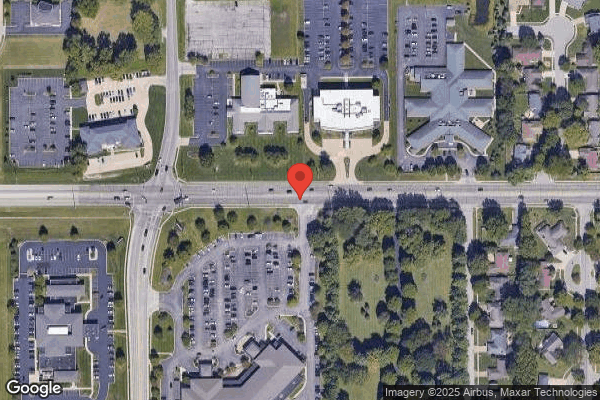
3089 OLD JACKSONVILLE ROAD, SPRINGFIELD, IL 62704 (217) 787-0000
For profit - Limited Liability company 75 Beds STERN CONSULTANTS Data: November 2025
Trust Grade
30/100
#405 of 665 in IL
Last Inspection: November 2024

Within standard 12-15 month inspection cycle. Federal law requires annual inspections.

Overview

Springfield Suites Rehab and Nursing has a Trust Grade of F, indicating significant concerns about the facility's quality and care. It ranks #405 out of 665 nursing homes in Illinois, placing it in the bottom half of the state, and #5 out of 8 in Sangamon County, meaning only three local options are better. The facility is showing signs of improvement, having reduced its issues from 17 in 2024 to just 1 in 2025. While staffing is average with a rating of 3 out of 5, the turnover rate is concerning at 65%, significantly higher than the state average of 46%. Although there have been no fines recorded, the inspection findings reveal serious issues, such as delays in providing pain medication that resulted in prolonged discomfort for residents, which raises concerns about the quality of care provided.

Trust Score
F
30/100
In Illinois
#405/665
Bottom 40%
Safety Record
High Risk
Review needed
Inspections
Getting Better
17 → 1 violations
Staff Stability
⚠ Watch
65% turnover. Above average. Higher turnover means staff may not know residents' routines.
Penalties
✓ Good
No fines on record. Clean compliance history, better than most Illinois facilities.
Skilled Nurses
✓ Good
Each resident gets 46 minutes of Registered Nurse (RN) attention daily — more than average for Illinois. RNs are trained to catch health problems early.
Violations
⚠ Watch
28 deficiencies on record. Higher than average. Multiple issues found across inspections.
★★☆☆☆
2.0
Overall Rating
★★★☆☆
3.0
Staff Levels
★★★☆☆
3.0
Care Quality
★★☆☆☆
2.0
Inspection Score
Stable
2024: 17 issues
2025: 1 issues

The Good

  • Full Sprinkler Coverage · Fire safety systems throughout facility
  • No fines on record

Facility shows strength in fire safety.

The Bad

2-Star Overall Rating

Below Illinois average (2.5)

Below average - review inspection findings carefully

Staff Turnover: 65%

19pts above Illinois avg (46%)

Frequent staff changes - ask about care continuity

Chain: STERN CONSULTANTS

Part of a multi-facility chain

Ask about local staffing decisions and management

Staff turnover is elevated (65%)

17 points above Illinois average of 48%

The Ugly 28 deficiencies on record

3 actual harm
Mar 2025 1 deficiency 1 Harm
SERIOUS (G) 📢 Someone Reported This

A family member, employee, or ombudsman was alarmed enough to file a formal complaint

Actual Harm - a resident was hurt due to facility failures

Deficiency F0697 (Tag F0697)

A resident was harmed · This affected 1 resident

**NOTE- TERMS IN BRACKETS HAVE BEEN EDITED TO PROTECT CONFIDENTIALITY** Based on interview and record review, the Facility failed to ensure pain medications were readily available for administration i...

Read full inspector narrative →
**NOTE- TERMS IN BRACKETS HAVE BEEN EDITED TO PROTECT CONFIDENTIALITY** Based on interview and record review, the Facility failed to ensure pain medications were readily available for administration in order to prevent increasing pain/discomfort for 2 of 4 (R2, R3) residents reviewed for pain medications in the sample of 4. Findings include: 1.) R3's Face Sheet documents admission date of 12/1/2024. Diagnoses include Noneffective Gastroenteritis and Colitis, Intestinal Bypass and Anastomosis Status, Spinal Stenosis, Diarrhea, and Volvulus. R3's Minimum Data Set, MDS, dated [DATE] documents R3 has no cognitive impairments. MDS documents R3 requires partial assist with transfers and supervision with bed mobility. R3's Care Plan updated 12/21/2024 documents R3 currently has an alteration due to pain related to Arthritis. Scheduled Norco and Tylenol effective. As needed, PRN, pain medication available when needed. Interventions include administer medication & treatments ordered by Medical Doctor (MD) and monitor for side effects and effectiveness to current medication regimens. R3's physician order sheets dated 12/1/2024 documents Hydrocodone-Acetaminophen Oral Tablet 5-325 MG (Hydrocodone-Acetaminophen) *Controlled Drug* Give 1 tablet by mouth two times a day for pain. R3's Medication Administration Records, MAR, dated 12/1/2024-12/31/2024 documents Hydrocodone-Acetaminophen Oral Tablet 5-325 MG (Hydrocodone-Acetaminophen) Give 1 tablet by mouth two times a day for pain. Start Date-12/01/2024 at 8:00 PM. There is no documentation that the medication was administered on 12/25/2024 PM dose, 12/26/2024 AM & PM dose, 12/27/2024 AM & PM dose, 12/28/2024 PM dose, 12/29/2024 AM & PM dose, 12/30/2024 AM & PM dose, 12/31/2024 AM & PM dose. R3's Medication Administration Records, MAR, dated 1/1/2025-1/31/2025 documents Hydrocodone-Acetaminophen Oral Tablet 5-325 MG(Hydrocodone-Acetaminophen) Give 1 tablet by mouth two times a day for pain. Start Date-12/01/2024 at 8:00 PM. There is no documentation that the medication was administered on 1/1/2025 AM & PM dose and 1/2/2025 AM & PM dose. R3's Medication Administration Records, MAR, dated 2/1/2025-2/28/2025 documents Hydrocodone-Acetaminophen Oral Tablet 5-325 MG (Hydrocodone-Acetaminophen) Give 1 tablet by mouth two times a day for pain. Start Date-12/01/2024 at 8:00 PM. There is no documentation that the medication was administered on 2/19/2025 PM dose and 2/20/2025 AM & PM dose. R3's Progress Notes dated 12/25/2024 - 1/22/2025 documents Hydrocodone-Acetaminophen Oral Tablet 5/325 MG. Give 1 tablet by mouth two times a day for pain, Unavailable. R3's Pain level assessment dated [DATE] at 8:00 PM documents pain level 5. R3's Pain level assessment dated [DATE] at 8:00 PM documents pain level 3. R3's Progress Notes dated 12/26/2024 at 11:40 AM documents Made call out to Physician's office to request updated script for Norco refill, message left. R3's Progress Notes dated 12/27/2024 at 9:12 AM Call out to Physician's office for Norco script. R3's Progress Notes dated 12/30/2024 at 2:41 PM documents Made another call out to Physician's office in regard to Norco refill, have left several messages and no returned call and script has not been filled. Reception stated, will put back urgent. R3's Progress Notes dated 12/31/2024 at 11:38 AM documents: Made another call out to Physician's office regarding Norco script update for refill. Message states office is closed for holiday until Thursday 1/2. Writer requested on call physician to return call. R3's Progress Notes dated 12/31/2024: Made another call out to Physician's office due to script still not received at pharmacy. Verified place, fax, and phone number. Physician did not have the correct phone number or fax but did have correct pharmacy and location. Numbers updated and will send updated script today. R3's Progress Note dated 2/19/2025 at 10:48 AM, documents Made call out to Medical Doctor's office to request updated Norco script for refill. R3's Progress Notes dated 2/19/2025-2/20/2025 documents Hydrocodone-Acetaminophen Oral Tablet 5/325 MG. Give 1 tablet by mouth two times a day for pain, Unavailable. R3's pain level assessment dated [DATE] at 8:00 PM documents pain level 1. R3's pain level assessment dated [DATE] at 8:00 AM documents pain level 5. R3's Progress Note dated 2/20/2025 at 1:18 PM, documents Medical Doctor's office confirmed Norco Rx(script) sent this AM. Writer confirming with pharmacy at this time. On 3/21/2025 at 9:35 AM R3 stated the facility has ran out of her prescription for Hydrocodone-Acetaminophen in the months of December and February. R3 stated in December she had to go without her pain medication for almost 10 days. R3 stated during the time she had to go without her pain medication, she was in pain. R3 stated she has taken the pain medication for many years and without it, it is hard to function due to being in pain. R3 stated while not getting her pain medication for so long, she experienced increased pain. On 3/21/2025 at 2:07 PM V3, Nurse Manager, stated R3 did go a while without her prescription pain medication back in December and recently for about 2 days in February. V3 stated R3's primary care provider is the doctor who prescribes R3's Hydrocodone. V3 stated the facility reached out to R3's primary care provider before R3's script for Hydrocodone ran out in December and then the primary care provider's office closed for the holidays. V3 stated the facility reached out to the on-call physician to see if they would fill R3's script for Hydrocodone and the on-call doctor would not fill it. V3 stated since the on-call doctor would not write the script for R3's medication, R3 had to go without her pain meds. V3 stated R3 did not receive her Hydrocodone on 2/19/20 or 2/20/25 due to the facility waiting for a new prescription from the MD (doctor). On 3/25/2025 at 11:46 AM V8, R3's Primary Care Doctor's Licensed Practical Nurse (LPN), stated R3's Primary Care Doctor is a [NAME] when it comes to a facility following his prescriptions the way it is written. V8 stated R3's Primary Care Doctor expects the facility to give a resident their medications as ordered and written. V8 stated with R3's medical diagnoses, if R3 went without her pain medication as prescribed it puts R3 at risk for increased and unnecessary pain. 2.) R2's Face Sheet documents admission date of 3/3/25 with medical diagnoses of Chronic Pain Syndrome, Disorders of Muscle, and Hypertension. R2's Minimum Data Set, MDS, dated [DATE], documents R2 has no cognitive impairments. MDS documents R2 requires supervision or touching assistance with transfer and bed mobility. R2's Care Plan dated 3/3/25, documents R2 has an alteration due to pain related to chronic pain syndrome. Interventions include Encourage PT/ OT participation, administer medication & treatments ordered by MD and monitor for side effects and effectiveness to current medication regimens. R2's Physician Order dated 3/11/25, documents Hydrocodone-Acetaminophen (Norco) Oral Tablet 10-325 MG (Hydrocodone-Acetaminophen) *Controlled Drug* Give 1 tablet by mouth every 8 hours as needed for moderate pain (5-7 on pain scale) and Give 2 tablets by mouth every 8 hours as needed for severe pain (7-10 on pain scale). R2's Medication Administration Records, MAR, dated 3/3/25-3/31/25 documents Hydrocodone Oral Tablet 10-325 MG (Hydrocodone-Acetaminophen) Give 1 tablet by mouth every 8 hours as needed for moderate pain (5-7 on pain scale) **DO NOT GIVE WITH DIAZEPAM** -Start Date 03/11/2025 1345 and Hydrocodone-Acetaminophen Oral Tablet 10-325 MG (Hydrocodone-Acetaminophen) Give 2 tablet by mouth every 8 hours as needed for severe pain (7-10 on pain scale) **DO NOT GIVE WITH DIAZEPAM** -Start Date 03/11/2025 1345. There was no documentation that medication was administered on 3/18/25 AM and PM dose. R2's Progress Note dated 3/18/25 at 8:46 AM documents Writer contacted pharmacy due to Norco refill did not come with delivery. Pharmacy stated, MD needs contacted due to oral route missing on script that was sent. Writer contacted the MD and Nurse Practitioner and requested script be corrected. R2's Progress Note dated 3/18/25 8:46 AM documents Nurse Practitioner stated, script corrected and updated and sent to pharmacy. R2's Progress Note dated 3/19/25 at 12:40 AM documents Guest very upset with facility; writer continues to wait on pharmacy for Norco. R2's Progress Note dated 3/19/25 at 1:08 AM documents Guest pain medication did not arrive with pharmacy delivery. R2's Progress Note dated 3/19/25 at 8:50 AM documents Writer contacted pharmacy related to Norco script did not come with delivery again after script was corrected by MD and staff is unable to pull medication from medication machine due to facility does not carry the Norco 10/325 mg dose needed. Pharmacy stated, script was corrected by Nurse Practitioner and received yesterday, medication will come with delivery today. R2's Progress Note dated 3/19/25 at 9:53 AM documents Writer contacted Nurse Practitioner and made aware of situation, requested temporary script for Norco 5/325 mg prn because it is available to staff in the medication machine. Nurse Practitioner gave new order, okay for Norco 5/235 mg 2 tablets every 8 hours as needed for 24 hours until Norco 10/325 mg script arrives. Facility nurse made aware, and medication given to guest as ordered. R2's daytime pain level assessment dated [DATE] documents pain level 5. R2's nighttime pain level assessment dated [DATE] documents pain level 3. R2's daytime pain level assessment dated [DATE] documents pain level 5. On 3/21/2025 at 8:24 AM, R2 stated she recently did not receive her prescribed pain medication Hydrocodone-Acetaminophen for almost 2 days. R2 stated the facility informed her they did not have her pain medication. R2 stated she has taken the prescribed pain medication for years due to multiple medical issues and without the pain medication she is pain and cannot complete her therapy as ordered. R2 stated during the time she did not receive her pain medication she was experiencing increased pain. On 3/21/2025 at 9:23 AM, V5, Licensed Practical Nurse, stated she has heard the facility has ran out of R2's prescribed pain medication recently. On 3/21/2025 at 2:07 PM V3, Nurse Manager, stated the facility did recently run out of R2's prescription for Hydrocodone-Acetaminophen and R2 had to go about a day and a half without her medication. V3 stated the facility reached out to the MD for a new script and when he sent the script to the pharmacy, he did not write the route on the script, therefore the pharmacy would not fill R2's medication. V3 stated she was able to reach out to the Nurse Practitioner and the Nurse Practitioner sent a new script to the pharmacy. V3 stated once the pharmacy received the script, staff were able to pull it from their in-house medication machine. On 3/21/2025 V3, Nurse Manager, stated if the facility's on call doctor will not write for a prescription when a resident's primary care doctor is the ordering physician, the resident will have to go without that medication until the resident's primary care doctor sends the facility a prescription. V2, Director of Nursing, stated the facility's medication machine does contain Hydrocodone that the staff can pull a resident's needed mediation from once a script is received by the pharmacy, until their package of medication arrives. On 3/25/25 at 12:30 PM, V9, Facility Medical Doctor, stated it is expected that the facility gives residents their prescriptions as written and ordered. V9, Facility Medical Doctor, stated if a resident goes without receiving their pain medication, the resident can experience unnecessary pain and an increase in pain. The facility's Administering Medication Policy and Procedure revised 10/15/2023, documents Purpose: To ensure safe and effective administration of medication in accordance with physician orders and state/federal regulations. Procedure: Medications shall be administered according to physician's written/verbal orders upon verification of the right medication, dose, route, time and positive verification of the resident's identity when no contraindications are identified, and the medication is labeled according to accepted standards. Should a drug be withheld, refused, or given other than at the scheduled time, the individual administering the mediation shall chart in the Electronic Medical Record (eMAR) and sign off for that particular drug and document a rationale. Should a medication be withheld or refused, the physician will be notified when three (3) consecutive doses or a pattern of frequent withholding or refusal is noted. Documentation identifying the explanation of withholding or reason for refusal will be documented in the medical record. The facility's Pain Management and Assessment Policy and Procedure revised 11/22/2021, documents Policy: to provide a broad spectrum of treatments for pain management as they apply specifically to older people and with specifically to older people with specific recommendations to aid in decision making about pain management. To develop clinical practice guidelines for the management of acute or chronic pain.
Dec 2024 1 deficiency
CONCERN (D) 📢 Someone Reported This

A family member, employee, or ombudsman was alarmed enough to file a formal complaint

Potential for Harm - no one hurt, but risky conditions existed

Accident Prevention (Tag F0689)

Could have caused harm · This affected 1 resident

**NOTE- TERMS IN BRACKETS HAVE BEEN EDITED TO PROTECT CONFIDENTIALITY** Based on interview and record review, the facility failed to provide an appropriate number of staff to assist in a transfer in 1...

Read full inspector narrative →
**NOTE- TERMS IN BRACKETS HAVE BEEN EDITED TO PROTECT CONFIDENTIALITY** Based on interview and record review, the facility failed to provide an appropriate number of staff to assist in a transfer in 1 of 5 residents (R2), reviewed for falls in the sample of 7. Findings include: R2's Face Sheet, undated, documents R2 has the following diagnoses: Fracture of the Thoracic Vertebra, Pulmonary Embolism (PE), Fusion of Spine, Post Laminectomy Syndrome and Spinal Stenosis. R2's Minimum Data Set, dated [DATE], documents R2 has a Brief Interview for Mental Status Score of 13, indicating R2 is cognitively intact, requires partial/moderate assist with transfers and has a history of falls with fractures. R2's Care Plan, dated 8/30/24, documents R2 is at risk for falls with interventions dated 9/23/24 to have therapy evaluate R2's transfer status and educate staff on R2's transfer status. R2's care plan goes on to document that R2 has an activities of daily living deficit with and requires an assistance of two with transfers. R2's Progress Note, dated 9/22/24 at 9:45 AM, documents the following: Summoned to guest's room per CNA (Certified Nursing Assistant). Guest sitting on floor in bathroom facing the wall next to the toilet. Guest states she was assisted to bathroom with CNA using wheelchair. Upon attempting to stand from wheelchair with assist, guest states her knees gave out and she sat down on the floor. She denies any pain, just weak. Guest requesting not to go to hospital, states she would like to get back in the bed. Guest assisted back to wheelchair and then to bed with assist of 2 using gait belt. R2's Physician notified with NNO (no new orders). Guest's son also notified of incident. Continuing to monitor closely. R2's Fall Event Investigation, dated 9/22/24, documents R2 fell while transferring off of the toilet with assist, knees gave out and R2 was assisted to the floor. The interventions are as follows: therapy to evaluate transfer status, staff educated on transfers, R2 to use a full mechanical lift until therapy evaluates R2. R2's Mobility [NAME], completed by the therapy department, dated 9/23/24, documents R2 requires an assist of 2 staff with a transfer belt for transfers to the wheelchair/bed and toilet. R2's Progress Note by V11, Licensed Practical Nurse (LPN), dated 9/30/24 at 4:16 PM, documents the following: CNA approached writer around 3:40 PM and stated resident had fallen when getting up from toilet. Writer went to guest's room and found her on her knees holding on to the grab bar. She stated her legs hurt really bad. Moved resident to a sitting position and attempted to get her off the ground with the help of the aide. We were unsuccessful and she screamed of intense pain. Resident was lowered back to ground. 911 called. Therapy aide assisted in cleaning resident's perineal area and pulling pants up. Large red spot noted to bottom right side of her hip and back. She complains of 10/10 pain here. EMT (Emergency Medical Technician) arrived and were able to get resident off of floor after carefully using sliding sheet. Resident going to local hospital. Paperwork given, warned EMT's of possible UTI (Urinary Tract Infection), brown dark urine. Family aware and meeting resident at hospital. R2's Progress Note, dated 10/1/24 at 8:39, documents R2 was admitted to the local hospital for PE (pulmonary embolism). R2's Fall Event Investigation, dated 9/30/24, documents R2 fell while being transferred off of toilet with staff, increased weakness. Per staff witness, guest lost balance and fell. R2's Grievance completed by V2, Director of Nurses (DON), dated 10/3/24, documents there was a concern of an improper transfer. One on one education was provided with the staff member and will address with any remaining staff during upcoming skills day. On 9/5/24 at 12:30 PM, V8, Therapy Program Director, stated R2 required an assistance of 2 staff with a gait belt for a long time because she had a hard time remembering the steps during a transfer, so they took it slow with her. On 12/6/24 at 9:00 AM, V11, LPN, stated R2 was always up with an assist of 2 because her knees gave out. V11 stated when R2 was on F hall, unsure of exact date, she (R2) asked to go to the bathroom and the CNA took her by herself, R2's knees gave out, she fell, and she was sent out to the hospital and admitted for a PE (pulmonary embolism). On 12/6/24 at 9:10 AM, V2, DON, V2 stated she believes R2 was an assist of one with transfers at the time of her falls but isn't sure. The Fall Policy, undated, documents the purpose is to identify interventions related to the guest's specific risks and causes to try and prevent the guest from falling and minimize complications from falling.
Nov 2024 16 deficiencies 2 Harm
SERIOUS (G)

Actual Harm - a resident was hurt due to facility failures

Resident Rights (Tag F0550)

A resident was harmed · This affected 1 resident

**NOTE- TERMS IN BRACKETS HAVE BEEN EDITED TO PROTECT CONFIDENTIALITY** Based on interview and record review, the Facility failed to ensure residents are treated with dignity and respect by providing ...

Read full inspector narrative →
**NOTE- TERMS IN BRACKETS HAVE BEEN EDITED TO PROTECT CONFIDENTIALITY** Based on interview and record review, the Facility failed to ensure residents are treated with dignity and respect by providing timely care which promotes quality of life for 2 of 24 residents (R117, R11) reviewed for dignity, in the sample of 44. This failure resulted in R117 experiencing prolonged pain and feeling undignified, and R11 feeling embarrassed. Findings include: 1. On 11/18/2024 at 9:53 AM, R117 stated he turned on his call light the night prior, to request pain medication. R117 states he has a lot of pain due to a broken left hip as well as chronic pain in both legs. R117 stated it was approximately two hours before he received his pain medication, which did provide some relief after he received it. R117 stated the nurse chewed him out about using my call light too much and that once is enough. R117 stated he had to use it more than once to get help. R117 stated he did not tell anyone about it because he did not feel like it was abusive, but it did make him feel like I don't matter much. On 11/19/2024 at approximately 12:10 PM, R117 stated he wrote the times down when he first pressed his call light and when he received his pain medication. R117 stated he activated his call light at 7:45 PM and received his pain medication at 9:15 PM. R117's Minimum Data Set (MDS) dated [DATE] documents R117 is cognitively intact. R117's Medication Administration Record (MAR) documents on Sunday 11/17/2024 R117 received his Oxycodone 15 milligrams (mg) at 1:07 PM and again at 9:07 PM. 2. R11's Facesheet, undated, documents R11 was admitted to the facility on [DATE] with diagnosis of Internal right knee prosthesis, Sepsis, Encephalopathy, Type 2 Diabetes Mellitus (DM), Parkinson's disease, Depression, and Benign prostatic hyperplasia (BPH), Overactive bladder, and Dementia. R11's Care Plan, dated 11/11/24, documents At risk for falls related to weakness, impaired mobility, balance, age. R11 is alert and oriented with confusion at times related to dementia. R11 has had falls in the past 6 months/year, but number is unknown. Interventions: Toilet after meals, educate wife to notify staff when leaving, bed and chair alarm, fall risk assessment on admit and per protocol, keep personal items and frequently used items within reach, encourage to call for assistance as needed, assist to toilet upon request, fall risk. It continues R11 has an Activities of Daily Living (ADL) deficit. Interventions: R11 requires assist of two with transfers and 1-2 with ADL's. R11 has a bed/chair alarm, and the bed is in low position. There are no other interventions for fall precautions seen in R11's room. R11's Minimum Data Set (MDS), dated [DATE], documents R11 has a moderate cognitive impairment and requires partial/moderate assistance from staff for ADLs. R11 is occasionally of both bowel and bladder. On 11/20/24 at 10:00 AM, R11 sitting in recliner with Intravenous (IV) antibiotic running into left upper arm Peripheral Inserted Central Catheter (PICC) line. R11 had t-shirt on and no pants, only an incontinence brief which appeared to be saturated. R11 has his wife V4, and visitors in the room with him. R11 was seen with a folded bath blanket across his lap and kept pulling it up to cover himself with it. V4 was visibly upset and in tears. V4 stated she arrived to the facility around 9:00 AM this morning and found R11 like this. V4 stated that R11 wanted to use the restroom and she put the call light on, and a Certified Nursing Assistant (CNA) came in and stated she couldn't get R11 up until the nurse disconnects his IV and that the CNA let the nurses know. V4 stated R11's IV pump had been going off for at least 30 minutes and they still have not gotten anyone in the room to assist R11. V9, Licensed Practical Nurse (LPN), was notified and stated she was not able to disconnect R11's IV due to the PICC line and that it had to be a Registered Nurse (RN). V13, RN, entered to disconnect R11's IV. V14, CNA, entered to assist R11 to restroom. V14 applied gait belt around R11 and put walker in front of him. V14 stood and walked to restroom to use toilet. Upon R11 standing, his incontinence brief dropped to the floor due to being so heavy and saturated with urine, and his chair alarm did not go off. V14 held brief up while R11 walked to restroom and was assisted to the toilet. On 11/20/24 at 10:20 AM, V13, RN, stated that she was the one who got R11 out of bed and to his chair this morning to start his IV antibiotic. V13 stated she did not perform incontinent care at that time. On 11/20/24 at 10:25 AM, V7, CNA, stated that she normally gets R11 out of bed and to the shower early morning and she cleans him up at that time. V7 stated when she walked in, the nurse had already gotten R11 up to a chair and she could not get him up with the IV infusing. V7 stated she did not do incontinent care on R11 this morning. On 11/20/24 at 10:57 AM, when asked if sitting in his chair with a wet brief on while he had visitors was embarrassing to him, R11 stated Well two weeks ago I would have been embarrassed, but since I've been here, it seems like everyone wants to see my butt. The Facility's Resident Rights Policy, dated 11/14/16, documents Residents have basic rights guaranteed by Federal and State laws. Residents will receive equal access to care regardless of diagnosis, severity of condition, or payment source. Residents are entitled to exercise their rights and privileges to the fullest extent possible without interference, coercion, discrimination or reprisal from the facility and will be supported in the exercise of their rights. Each resident will be treated with dignity and respect and receive care that promotes, maintains, or enhances quality of life, recognizing each resident's individuality. The Facility's Call Lights policy documents, Purpose: To meet the guest's requests and needs within an appropriate time period. It continues, All staff is responsible for answering call lights for all guests. A call light should be answered as soon as possible. It further documents. Respond to the guests call light asking,'What can I do for you today?' If you are unable to assist the guest, find a staff member who can.
SERIOUS (G)

Actual Harm - a resident was hurt due to facility failures

Deficiency F0697 (Tag F0697)

A resident was harmed · This affected 1 resident

**NOTE- TERMS IN BRACKETS HAVE BEEN EDITED TO PROTECT CONFIDENTIALITY** Based on interview and record review, the Facility failed to ensure residents pain was addressed, assessed and medication provid...

Read full inspector narrative →
**NOTE- TERMS IN BRACKETS HAVE BEEN EDITED TO PROTECT CONFIDENTIALITY** Based on interview and record review, the Facility failed to ensure residents pain was addressed, assessed and medication provided in a timely fashion for 1 of 24 residents (R117) reviewed for pain management, in the sample of 44. This failure resulted in R117 experiencing prolonged, unrelieved pain. Findings include: R117's Face Sheet, undated, documents R117 was admitted to the facility on [DATE] with diagnoses including left femur fracture and chronic pain syndrome. On 11/18/2024 at 9:53 AM, R117 stated he turned on his call light the night prior, to request pain medication. R117 states he has a lot of pain due to a broken left hip as well as chronic pain in both legs. R117 stated it was approximately two hours before he received his pain medication, which did provide some relief after he received it. On 11/19/2024 at 1:56 PM, V20, Minimum Data Set (MDS) and Care Plan Coordinator, stated R117 was on scheduled Oxycodone for pain, but it was changed to a PRN (as needed) order on 11/13/2024. V20 stated R117 was on Oxycodone prior to experiencing his fracture due to chronic pain and cancer. On 11/19/2024 at 2:24 PM, R117 stated he wrote the times down when he first pressed his call light to request his pain medication and when he received his pain medication. R117 stated he activated his call light at 7:45 PM and received his pain medication at 9:15 PM. On 11/21/2024 at 9:25 AM, R117 stated occasionally the nurses ask him to rate his pain, but not usually. R117 stated the night of 11/17/2024, when he requested his pain medication, his pain was at a 7 on a 1-10 pain scale. R117 stated his pain level went up to a 9 by the time he received his pain medication. R117's Medication Administration Record (MAR) documents on Sunday 11/17/2024 R117 received his Oxycodone 15 milligrams (mg) at 1:07 PM and again at 9:07 PM. On 11/21/2024 at 8:34 AM, V2, Director of Nursing (DON) stated she would expect for the nurse to have address resident pain in a more timely fashion. The Facility's Pain Management Policy, undated, documents, Purpose: Guests will receive the best level of pain control that can safely be provided in order to prevent unrelieved pain. Policy: To provide guidelines to caregivers in how to assess, treat, and assist in managing a guest's pain. Pain is whenever the experiencing person says it is, existing whenever he/she says it does. Self-report is the preferred indicator of pain. Pain relief is the alleviation of pain or a reduction in pain to a level of comfort that is acceptable to the guest and is demonstrated by a decrease in the guest's pain scale rating.
CONCERN (D)

Potential for Harm - no one hurt, but risky conditions existed

Comprehensive Care Plan (Tag F0656)

Could have caused harm · This affected 1 resident

**NOTE- TERMS IN BRACKETS HAVE BEEN EDITED TO PROTECT CONFIDENTIALITY** Based on interview and record review, the facility failed to develop and implement a comprehensive care plan for 3 of 15 residen...

Read full inspector narrative →
**NOTE- TERMS IN BRACKETS HAVE BEEN EDITED TO PROTECT CONFIDENTIALITY** Based on interview and record review, the facility failed to develop and implement a comprehensive care plan for 3 of 15 residents (R14, R18, R35) reviewed for care plans in a sample of 44. Findings include: 1.) R14's face sheet, undated, documented R14 has diagnoses including major depressive disorder and anxiety disorder. R14's physician orders document orders for buspirone 15 mg 1 tab bid (two times per day) for anxiety disorder with a start date of 6/4/24 and an order for citalopram 10 mg daily for depression with a start date of 6/4/24. R14's care plan, dated 11/17/24, does not address R14's diagnoses of major depressive disorder and anxiety disorder. The facility also failed to address R14's need and orders for the prescribed psychotropic medication nor does R14's care plan document any care approaches/interventions for R14's diagnoses of depression and anxiety. 2.) R18's face sheet, undated, documented R18 has diagnoses including vascular dementia and altered mental status. R18's physician progress note, dated 10/25/24, documented vascular dementia, mild, with mood disturbance. This physician progress note documented HPI (History of Present Illness) [AGE] year-old female being seen today for nursing home follow-up. She has had 1 hospitalization this year which was to local hospital at the beginning of April for altered mental status. At this time, it was ultimately felt to be likely due to her untreated sleep apnea. Patient continues to be noncompliant with her CPAP and diet restrictions for weight loss. It continues, nursing staff report that in the evenings the patient becomes very agitated, verbally fights with staff, and refuses care. SLUMS (mental exam) done on 10/13/24 was a 12/30 indicating dementia. R18's care plan, dated 11/18/24, does not address R18's diagnoses of dementia nor does it document any care approaches for R18's dementia diagnosis. 3.) R35's face sheet, undated, documented R35 has diagnoses including traumatic subdural hemorrhage, anemia, anxiety, and atherosclerotic heart disease. R35's progress note, dated 10/15/24 at 7:15 AM documented writer placed call to local hospital ER (Emergency Room), RN (Registered Nurse) currently overseeing R35 stated that resident is currently seeing plastics for hematoma on left forearm and will call facility if resident will be discharged or admitted . R35's fall/event investigation, dated 10/14/24, documented investigation of R35's arm injury concluded R35 bumped her left forearm while propelling self in wheelchair causing the arm injury. R35's weekly skin progress note dated 10/29/24 at 2:16 PM documented writer saw resident today for weekly skin check and obtained the following information. Large wound to LFA (left forearm) measuring 8.3 cm x 5.2 cm x 0.5 cm. Wound bed is red. Packed with NS (normal saline), dry dressing, and kerlix. Ace wrap from fingers to above elbow. Guest is getting skin graft done on 10/31/24. R35's local hospital patient discharge plan, dated 10/31/24, documented R35 had a split thickness skin graft surgical procedure to left forearm secondary to a hematoma. R35's care plan, dated 10/20/24, documented Problem: Potential for skin impairment related to impaired mobility. Guest admits with scattered bruising to BUE (bilateral upper extremities) in various stages of healing and scar to abdomen. 9/26/23 S/T (skin tear) lower left arm. 11/13/23 S/T to lower left arm. 11/13/23 S/T healed. 10/16/23 S/T left lateral elbow. 10/23/23 S/T healed. R35's care plan does not document anything regarding R35's arm injury that occurred on 10/14/24 nor does it address any skin care approaches/post-surgical care for R35's left arm skin graft. The facility also failed to care plan the root cause of R35's arm injury that occurred on 10/14/24 nor did the care plan document any new interventions to prevent R35 from developing any new skin impairments. The facility's Care Plan policy, dated 11/14/16, documented Policy: An individualized person centered care plan, consistent with resident rights that includes measurable objective and time tables to assist the resident to attain or maintain the resident's highest practicable physical mental and psychosocial needs, is to be developed by the interdisciplinary team for each resident within 7 days after completion of the comprehensive assessment. It continues, the person centered care plan identifies the services that are to be furnished to attain or maintain the resident practicable physical, mental and psychosocial well-being, as well as services that would otherwise be required but are not provided due to the resident's exercise of rights including the right to refuse treatment. The care plan is designed to: incorporate identified problem areas, incorporate identified problem areas, incorporate risk factors associated with identified problems; build on resident strengths/needs; reflect resident goals for admission, care and treatment; reflect treatment goal time tables and objectives; outcomes; identify professional services that are responsible for each element of care aide in prevention or reduction of decline in resident functional status.
CONCERN (D)

Potential for Harm - no one hurt, but risky conditions existed

Accident Prevention (Tag F0689)

Could have caused harm · This affected 1 resident

**NOTE- TERMS IN BRACKETS HAVE BEEN EDITED TO PROTECT CONFIDENTIALITY** Based on Interview, Observation, and Record Review, the facility failed to provide and implement safety measures to prevent a re...

Read full inspector narrative →
**NOTE- TERMS IN BRACKETS HAVE BEEN EDITED TO PROTECT CONFIDENTIALITY** Based on Interview, Observation, and Record Review, the facility failed to provide and implement safety measures to prevent a resident from falling, failed to complete a Fall Risk Assessment after a fall for 1 of 8 residents (R11) reviewed for falls in the sample of 44. Findings include: R11's Facesheet, undated, documents R11 was admitted to the facility on [DATE] with diagnosis of Internal right knee prosthesis, Sepsis, Encephalopathy, Type 2 Diabetes Mellitus (DM), Parkinson's disease, Depression, and Benign prostatic hyperplasia (BPH), Overactive bladder, and Dementia. R11's Care Plan, dated 11/11/24, documents At risk for falls related to weakness, impaired mobility, balance, age. R11 is alert and oriented with confusion at times related to dementia. R11 has had falls in the past 6 months/year, but number is unknown. Interventions: Toilet after meals, educate wife to notify staff when leaving, bed and chair alarm, fall risk assessment on admit and per protocol, keep personal items and frequently used items within reach, encourage to call for assistance as needed, assist to toilet upon request, R11 is a fall risk. It continues R11 has an Activities of Daily Living (ADL) deficit. Interventions: R11 requires assist of two with transfers and 1-2 with ADL's. R11 has a bed/chair alarm, and the bed is in low position. There are no other interventions for fall precautions seen in R11's room. R11's Minimum Data Set (MDS), dated [DATE], documents R11 has a moderate cognitive impairment and requires partial/moderate assistance from staff for ADLs. R11 is occasionally of both bowel and bladder. The Facility's Fall Log, dated 5/19/24 through 11/19/24, documents R11 had a fall on 11/3/24 at 12:15 PM. Description: Was on the floor in his room. R11's Nursing Note, dated 11/3/24 at 12:21 PM, documents Guest was in his room sitting in bedside chair his wife left the room and closed the door when she returned the guest was on the floor and the alarm was sounding the bedside table was pushed out of the way and the w/c (wheelchair) was pushed towards the door and guest was on his bottom and legs out in front of him, guest is able to move all extremities without any discomforted, guest voiced that he needed to go to the bathroom, staff helped him up and placed in the w/c and was taken to the bathroom to get cleaned up after he was inc. (incontinent) of BM (bowel movement), writer took off the old dressing and checked his knee, all staples intact no open area to incision large amount of drainage noted on old dressing, area cleaned and new dressing applied, Dr. call a nurse was called and fall was reported, the wife here and is aware and looked at the knee manager on call aware. On 11/18/24 at 10:25 AM, V4, R11's Wife, stated (R11) has fallen once getting out of bed himself, and he had bleeding to his leg from the fall. (R11) has a bed/chair alarm that is about the only thing I am aware of for fall precautions. I was told that if I leave (R11's) room, I have to leave the door open so they know he is by himself. R11's admission Fall Assessment, dated 10/29/24, documents R11 is a fall risk. There is no other fall assessment completed in R11's medical record, even after his fall on 11/3/24. R11's Fall Investigation, dated 11/3/24, documents Root Cause: Wife had been visiting and left without notifying staff and had closed door. Guest attempted to self transfer. staff did not hear alarm with door closed. Guest had been incontinent as well. Intervention(s): Educate wife to notify staff when leaving, toilet after meals - offer. On 11/20/24 at 10:00 AM, R11 sitting in recliner with Intravenous (IV) antibiotic running into left upper arm Peripherally Inserted Central Catheter (PICC) line. V14, CNA, assisted R11 to stand and walk to the restroom to use toilet. Upon R11 standing, his chair alarm did not go off and was not visible in his chair. R11's alarm pad was seen lying on his bed. On 11/20/24 at 10:55 AM, V4, R11's wife, stated (R11's) alarm is still on his bed and is not in his chair with (R11). V4 demonstrated this by sitting on R11's bed and getting up and the alarm went off. V4 stated They are supposed to put the alarm in his chair when they get him up. On 11/20/24 at 12:25 PM, V14, CNA, stated It makes sense to me, if a resident has a bed alarm and gets up to a chair, that alarm should be placed in his chair as well. On 11/25/24 at 10:40 AM, V2, Director of Nursing (DON), stated I would expect the staff to transfer the bed alarm to the chair when getting a resident up to a chair when that resident requires an alarm for fall precautions. A Fall Risk Assessment should be completed after every fall. The Facility's Falls Policy, undated, documents Purpose: To identify interventions related to the guest's specific risks and causes to try to prevent the guest from falling and to try to minimize complications from falling. Procedure: 4. The licensed nurse is responsible for completing a Fall Risk Assessment following a fall as well as identifying and implementing relevant intervention(s) to try to minimize serious consequences of falling.
CONCERN (D)

Potential for Harm - no one hurt, but risky conditions existed

Tube Feeding (Tag F0693)

Could have caused harm · This affected 1 resident

Based on observation, interview and record review, the Facility failed to follow their Facility Policy regarding tube feeding administration for 1 of 2 residents (R31) reviewed for enteral tube feedin...

Read full inspector narrative →
Based on observation, interview and record review, the Facility failed to follow their Facility Policy regarding tube feeding administration for 1 of 2 residents (R31) reviewed for enteral tube feeding, in the sample of 44. Findings include: On 11/18/2024 at 12:08 PM, there was a bottle of enteral tube feeding, with 200 milliliters remaining and a bag of water with 100 ml remaining, hanging without a date or time of when the feeding was opened. On 11/29/2024, at 9:32 AM, there was a bottle and water that had been spiked and was undated and no time to indicate when it was opened. R31's Physician Order Report dated 11/6/2024 documents, Monitor TF (Tube Feeding) through night to ensure it is still running. Replace bottle as needed and restart feeding. On 11/21/2024 at 8:32 AM, V2 Director of Nursing (DON) stated there should be a date and time to indicate when the tube feeding was opened. The Facility's Tube Feeding Management Protocol undated, documents, Purpose: to outline the nursing management of guests receiving continuous or intermittent enteral tube feedings via gastrostomy, duodenostomy, or jejunostomy tubes. Tube feeding are utilized to meet the nutritional needs when normal oral intake is altered or contraindicated. It further documents, Replace container/tubing/syringe every 24 hours. Discard unused or open container of feeding formula.
CONCERN (D)

Potential for Harm - no one hurt, but risky conditions existed

Respiratory Care (Tag F0695)

Could have caused harm · This affected 1 resident

**NOTE- TERMS IN BRACKETS HAVE BEEN EDITED TO PROTECT CONFIDENTIALITY** The facility failed to provide Oxygen (O2) to a resident requiring O2 to maintain an O2 Saturation above 92%, to administer the ...

Read full inspector narrative →
**NOTE- TERMS IN BRACKETS HAVE BEEN EDITED TO PROTECT CONFIDENTIALITY** The facility failed to provide Oxygen (O2) to a resident requiring O2 to maintain an O2 Saturation above 92%, to administer the correct O2 dose per physician order, and to change and date the humidified water bottle for 2 of 3 residents (R170, R175), reviewed for respiratory care in the sample of 44. The findings include: 1. R170's Facesheet, undated, documents R170 was admitted to the facility on [DATE] with diagnosis of Congestive Heart Failure (CHF), Neoplasm of esophagus, Malnutrition, Hypertension, Atherosclerotic Heart Disease, and Atrial Fibrillation. R170's Care Plan, dated 11/15/24, documents R170 requires hospice related to gastroesophageal cancer with (local hospice). Interventions: Notify Hospice when there is any change in condition, administer drugs as needed for palliation. R170's Care Plan does not mention R170 on oxygen (O2) or requiring oxygen. R170's Minimum Data Set (MDS), dated [DATE], documents R170 has a moderate cognitive impairment and is dependent on staff for all ADLs. On 11/18/24 at 10:00 AM, R170 was seen lying in bed on O2 at 2 Liters (L)/Nasal Cannula (NC) with humidity bottle attached, half full, and not dated. There is no sign posted (No Smoking/Oxygen in Use) indicating that R170 is on oxygen. On 11/19/24 at 9:12 AM, R170 asleep in bed, O2 on at 1.5 L/NC with the long NC tubing lying on the floor and appears coiled up in a pile, and was not on R170. The humidified bottle of water was just short of half full and was not dated. R170's Electronic Medical Record, under Vitals, dated 11/19/24 at 9:42 AM, documents O2 Saturation 90%. Oxygen Use: No. Respirations: 20 per minute. On 11/19/24 at 12:00 PM, R170 still asleep in bed with his O2 NC lying on the floor with O2 on at 1.5 Liters per minute (LPM). On 11/20/24 at 9:55 AM, R170 lying in bed with O2 at 1.5L/NC and appears to be same bottle of water which is now quarter full, and not dated. On 11/21/24 at 9:10 AM, R170 lying in bed with O2 on at 1.5 L/NC, the water humidifier bottle remains less then quarter full of water and not dated, appears to be the same bottle he has had since beginning of survey observation. R170's Physician Order (PO), dated 11/14/24, documents Oxygen at 1-5 LPM (liter per minute) PRN (as needed) via nasal cannula to maintain oxygen saturations above 92%. May increase liter flow an additional 2 liters as needed. If saturation level is not maintained, call physician. R170's PO, dated 11/14/24, documents Change oxygen tubing and humidifier bottle weekly. Once A Day on Wed. 2. R175's Facesheet, undated, documents R175 was admitted to the facility on [DATE] with diagnosis of Pneumonia, Congestive Heart Failure (CHF), Chronic Obstructive Pulmonary Disease (COPD), and Obstructive Sleep Apnea (OSA). R175's Care Plan, dated 11/13/24, documents R175 has potential for acute signs/symptoms (s/s) of respiratory distress related to lung disease: COPD, OSA. Wears Bipap Hours Sleep (HS). O2/2L NC. Interventions: Change O2 tubing and humidifier as ordered/needed, Respiratory medications as ordered. Monitor for side effects. R175's MDS, dated [DATE], documents R175 is cognitively intact and requires partial/moderate assistance from staff for bathing, and dressing, needs supervision for transfers. On 11/19/24 at 9:23 AM, R175 sitting in wheelchair with 4 liters of Oxygen (O2) per NC on, R175 stated he is only supposed to be on 2 L/NC and not 4. There is no sign posted (No Smoking/Oxygen in Use) indicating that R175 is on oxygen. On 11/19/24 at 11:55 AM, R175's still has his O2 on at 4 L/NC. R175's PO, dated 10/24/24, documents Oxygen at 2 LPM continuously via nasal cannula to maintain oxygen saturations above 92%. May increase liter flow an additional 2 liters as needed. If saturation level is not maintained, call physician. R175's PO, dated 10/24/24, documents Change oxygen tubing and humidifier bottle weekly. Once a day on Wed. R175's Electronic Medical Record, under Vital Signs, dated 11/19/24 at 9:56 AM, documents O2 Saturation: 92%. Oxygen Use: No. Respirations: 22 per minute. R175's Electronic Medical Record, under Vital Signs, dated 11/18/24 at 19:04 PM, documents O2 Saturation 99%. Oxygen Use: Yes - Liter flow - 2. Respirations: 17 per minute. On 11/21/24 at 10:47 AM, V2, Director of Nursing (DON), stated The nurses are responsible for changing the humidified bottles for oxygen use weekly and they should be dating them when a new bottle is started. If a resident has a physician order to maintain an O2 sat above a certain number, then I would expect the staff to make sure the resident has his oxygen on and to adjust the oxygen as needed and per physician order. On 11/21/24 at 10:55 AM, V17, LPN, stated If a resident is on oxygen, I know the water bottle is supposed to be hooked up. I am not sure when to change the water bottle or the tubing. I would ask my DON and she would let me know. The Facility's Oxygen Administration Policy, undated, documents The purpose of this procedure is to provide guidelines for oxygen administration. The following equipment and supplies will be necessary when performing the administration of oxygen: 1. Portable oxygen cylinder. 2. Nasal Cannula or mask, as ordered by the physician. 3. Humidifier bottle if utilizing an oxygen concentrator. 4. No Smoking/Oxygen in Use sign. Procedure: 6. Place the Oxygen in Use sign on the outside of the room entrance door. Close to the door. 9. Place appropriate oxygen device on the guest (mask or nasal cannula). 10. Adjust the delivery device so that it is comfortable to the guest and the proper flow of oxygen is being administered.
CONCERN (D)

Potential for Harm - no one hurt, but risky conditions existed

Medication Errors (Tag F0758)

Could have caused harm · This affected 1 resident

Based on interview and record review, the Facility failed to re-evaluate the need for psychotropic medications for 2 or 6 residents (R19 and R6) reviewed for unnecessary medications, in the sample of ...

Read full inspector narrative →
Based on interview and record review, the Facility failed to re-evaluate the need for psychotropic medications for 2 or 6 residents (R19 and R6) reviewed for unnecessary medications, in the sample of 44. Findings include: 1. R19's Physician Order Report dated 10/21/2024-11/21/2024 documents R19 was prescribed alprazolam 0.5 milligrams (mg) BID (twice a day) as needed on 10/18/2024 and does not have an end date. 2. R6's Care Plan dated 3/14/2024 documents R6 requires hospice care related to senile degeneration of brain. (Hospice) to coordinate care. R6's Physician Order Report documents R6 was prescribed lorazepam 0.5 mg every four hours as needed on 3/21/2024 and does not have an end date. On 11/21/2024 at 8:34 AM, V2, Director of Nursing (DON) stated she is aware orders for psychotropic medications should be re-evaluated and the orders be re-written every 14 days. V2 stated she was not aware the same rules apply for hospice residents. As of 11/25/2024 at 10:40 AM, the Facility still had not provided a policy that addresses unecessary/psychotropic medications.
CONCERN (D)

Potential for Harm - no one hurt, but risky conditions existed

Antibiotic Stewardship (Tag F0881)

Could have caused harm · This affected 1 resident

**NOTE- TERMS IN BRACKETS HAVE BEEN EDITED TO PROTECT CONFIDENTIALITY** [NAME] Based on interview and record review, the facility failed to ensure that residents do not receive antibiotics without ind...

Read full inspector narrative →
**NOTE- TERMS IN BRACKETS HAVE BEEN EDITED TO PROTECT CONFIDENTIALITY** [NAME] Based on interview and record review, the facility failed to ensure that residents do not receive antibiotics without indication for use for three of three residents (R119, R6, R318) reviewed for antibiotic stewardship in the sample of 44. Findings include: 1. On 11/19/2024 at approximately 1 PM, the infection control log was requested and at this time, V2, Director of Nursing (DON) stated, It's a work in progress. On 11/20/2024 the Infection Control Log was received and reviewed. There was no documentation for the month of November 2024. R6's Progress Notes dated 11/9/2024 at 9:25 AM documents hospice saw R6 and ordered Cipro 500 Milligrams (mg) twice a day for 7 days for UTI (Urinary Tract Infection). On 11/19/2024 at 12:43 PM, V2, Director of Nursing (DON) stated if a resident is on hospice, the hospice company sometimes just goes ahead and treat with Macrobid (Broad Spectrum Antibiotic). On 11/19/2024 at 12:47 PM, R6's urine culture was requested. On 11/19/2024 at 12:52 PM, V2 stated she could not provide R6's urine culture because a urine (urinalysis) was not completed. On 11/21/2024 at 12:54 PM, V18, Certified Nursing Assistant (CNA) stated she has not recognized or heard R6 complain of signs or symptoms of a Urinary Tract Infection (UTI). 2. R119's Progress Notes dated 11/12/2024 documents, Received call from (Attending Physician's office staff)- d/c (discontinue) Keflex, start Macrobid 100 mg BID x's 7 days (stop prophylactic tx (treatment) while on the 7 day course. R119's Physician Order Report documents, 11-5-2024-11/12/2024 Macrobid 100 mg once an evening. Dx (diagnosis) personal of Urinary Tract Infections (UTI). Special instructions: no stop date-prophylactic treatment. It further documents, 11/11/2024-11/12/2024-Cephalexin 500 mg twice a day. Dx UTI. It continues, 11/12/2024-11/13/2024 Macrobid 100 mg twice a day. It further documents, 11/13/2024-11/20/2024 Cefdinir 300 mg twice a day Dx UTI. On 11/21/2024 at 1:24 PM, V2 stated, (R119) went to the hospital. Usually when they go to the hospital I don't get that culture (urine). I just finished the course (Infection Preventionist) so it's a work in progress. It someone is here long term; I would contact their primary doctor to see if they wanted them on prophylactic treatment. On 11/21/2024, the Facility provided a fax of R119's urine culture that was collected on 11/11/2024, but did not include a culture. As of 11/25/2024 at 12:12 PM, The Facility still had not provided a policy regarding Antibiotic Stewardship. [NAME] 3. R318's Face Sheet, undated, documents R318 was admitted to the facility on [DATE] with diagnoses of sepsis unspecified organism-Citrobacter in urine, urinary tract infection (UTI) not specified. R318's Progress Note, dated 10/17/2024, documented Guest 78, female, Full code; admitted fr (from) (local hospital) s/p (status post) sepsis for UTI. R318's Physician's Order Report dated 10/17/2024, documented R318 received ciprofloxacin hcl (an antibiotic), 500 milligrams (mg), 1 tablet daily, for UTI. End date for this this medication was 10/20/2024. The hospital records document there were urinalysis done one 10/11/24, with abnormal levels of protein, blood, leukocytes, and bacteria present. No Culture and Sensitivity was found in the hospital records maintained by the facility. The facility's October 2024 Infection Control Log documented that R318 was admitted to the facility on [DATE] with a UTI. The Log did not indicate the causative organism for the UTI or if antibiotic use criteria was met. The facility's Infection Control and Surveillance Policy Cultures, MED-PASS revised April 2012, documents 8. The Infection Preventionist and the Infection Control committee (or QA Committee) shall review statistics and other information related to infection control, including culture reports.
CONCERN (D)

Potential for Harm - no one hurt, but risky conditions existed

Deficiency F0883 (Tag F0883)

Could have caused harm · This affected 1 resident

Based on interview and record review, the Facility failed to follow their influenza/pneumococcal vaccines policy for for 2 of 5 residents (R6, R31) reviewed for influenza/pneumococcal vaccines per the...

Read full inspector narrative →
Based on interview and record review, the Facility failed to follow their influenza/pneumococcal vaccines policy for for 2 of 5 residents (R6, R31) reviewed for influenza/pneumococcal vaccines per their Facility Policy, in the sample of 44. Findings include: 1. R6's Physician Order Report dated 10/21/2024-11/21/2024 documents, 1/11/2024- May administer influenza vaccine annually, if not contraindicated. On 11/21/24 1:18 PM, V1 Administrator (ADM) stated vaccinations are offered to everyone who is admitted . V1 stated At that time, the risks and benefits are explained and they sign if they want it or decline it. It looks like (R6) didn't receive it (Influenza Vaccine). My guess on her is that she is hospice and they opted not to do it. On 11/21/24 at 1:31 PM, V1 stated, (R6) did not get her influenza vaccine and we have no proof of declination. R6's Face Sheet dated 11/21/2024 documents, Rec'd (Received) flu vac (vaccine) this facility? Not UTD 11/30/2022. 2. R31's Progress Note dated 10/25/2024 documents, Guest received FLuzone High Dose IM and Prevnar 20 IM (Intramuscularly) today in left deltoid. The Facility's Influenza/Pneumococcal Vaccine Policy dated 11/27/2016 documents, Policy- The Facility will provide influenza and or pneumococcal vaccine to residents upon request. It further documents, The resident's clinical record will reflect that the resident or the resident's representative was provided with education regarding the benefits and potential side effects of the influenza or pneumococcal immunization and whether or no the resident received the vaccine was not administered due to medical contraindication or refusal. It further documents, The pneumococcal and influenza vaccines may be administered at the same time, as long as the injections are given in opposite limbs.
CONCERN (E)

Potential for Harm - no one hurt, but risky conditions existed

Incontinence Care (Tag F0690)

Could have caused harm · This affected multiple residents

**NOTE- TERMS IN BRACKETS HAVE BEEN EDITED TO PROTECT CONFIDENTIALITY** #4) R27's face sheet, undated, documented R27 has diagnoses of dementia, hemiplegia and hemiparesis secondary to a cerebrovascul...

Read full inspector narrative →
**NOTE- TERMS IN BRACKETS HAVE BEEN EDITED TO PROTECT CONFIDENTIALITY** #4) R27's face sheet, undated, documented R27 has diagnoses of dementia, hemiplegia and hemiparesis secondary to a cerebrovascular accident, atherosclerotic heart disease, anxiety, and neuromuscular dysfunction of bladder. R27's MDS dated [DATE], documented R27 is severely cognitively impaired. R27's MDS, dated [DATE], documented R27 is incontinent of bowel and bladder and requires extensive assistance with ADLS. On 11/19/24 at 1:19 PM V15 CNA was observed as she entered R27's room with a sit to stand lift. V15 did not perform hand hygiene upon entering R27's room. V15 then placed the lift sling under R27. V15 then exited the room without performing hand hygiene. V15 then returned to R27's room along with V16 CNA. V15 nor V16 performed hand hygiene prior to transferring R27 from wheelchair to bed with the sit to stand lift. V15 and V16 then washed their hands and donned gloves. V15 then removed R27's pants and urine saturated disposable brief. V15 then cleansed R27's inner thighs and then cleansed R27's penis without cleansing the urethra region nor scrotum. V15 nor V16 dried R27's frontal region. V15 and V16 then rolled R27 onto his right side. V15 cleansed R27's buttocks and then placed a new adult brief on R27. V15 did not dry R27's buttock. V15 stated that she forgot to bring any towels into the room. R27's buttock appeared reddened. V15 nor V16 applied barrier cream on R27's buttock. V15 then covered R27 up while wearing the same disposable gloves that was used during incontinent care. V15 and V16 then removed their gloves and exited R27's room without performing hand hygiene. The facility's Incontinent/Perineal Care policy, undated, documented Purpose: It is the policy of the facility to provide incontinent/perineal care for the guests as indicated by the guest's condition and ability to provide self-care. Perineal care will cleanse the perineum and prevent infections and odors. Incontinent care will include all skin surfaces exposed to urine and/or feces. Procedure: Use the following procedure when providing perineal care to a guest while in bed. Explain the procedure to the guest. Assemble any necessary equipment to the bedside. (No rinse cleanser, washcloths and towels. Provide privacy to the guest. Wash your hands and put on gloves. Expose the perineal area and drape the guest to avoid any unnecessary exposure. Moisten the washcloth with warm water and no rinse cleaner. Cleanse the area, wiping from front to back to avoid the spread of germs. Cleanse al skin areas that have been exposed to urine and/or feces. Repeat cleansing, if necessary, using each cloth only once. Pat dry. Apply protective barrier cream or ointment if the guest is incontinent and/or susceptible to moisture. If the guest has a catheter, cleanse the catheter from the meatus down the catheter about 4 inches. Separate the labia for females. If uncircumcised male, retract the foreskin gently. Remember to pull foreskin back after the procedure. Remove and discard soiled gloves after completing perineal care and prior touching anything clean (sheets, blankets, etc.). Wash your hands. Position and cover the guest for comfort. Ensure the call light is within reach of the guest. Remove any dirty linen or trash. The Facility's Hand Hygiene Policy, undated, documents Purpose: The facility considers hand hygiene the primary means to prevent the spread of infection. Procedure: 2. All employees shall follow the hand hygiene procedures to help prevent the spread of infection to other employees, guests and visitors. 5. Employees must wash their hands for at least fifteen seconds using soap and water under the following conditions: when hands are visibly soiled (soap and water), before and after direct guest contact for which hand hygiene is indicated by acceptable professional practice, before and after assisting guests with meals, before and after assisting a guest with personal care, before and after assisting a guest with toileting. Based on Interview, Observation, and Record Review, the facility failed to provide complete and timely incontinent care for 4 of 5 residents (R11, R48, R176, R27) reviewed for incontinent care in the sample of 44. The findings include: 1. R11's Facesheet, undated, documents R11 was admitted to the facility on [DATE] with diagnosis of Internal right knee prosthesis, Sepsis, Encephalopathy, Type 2 Diabetes Mellitus (DM), Parkinson's disease, Depression, and Benign prostatic hyperplasia (BPH), Overactive bladder, and Dementia. R11's Care Plan, dated 11/11/24, documents At risk for falls related to weakness, impaired mobility, balance, age. R11 is alert and oriented with confusion at times related to dementia. R11 has had falls in the past 6 months/year, but number is unknown. Interventions: Toilet after meals, educate wife to notify staff when leaving, bed and chair alarm, fall risk assessment on admit and per protocol, keep personal items and frequently used items within reach, encourage to call for assistance as needed, assist to toilet upon request, fall risk. It continues R11 has an Activities of Daily Living (ADL) deficit. Interventions: R11 requires assist of two with transfers and 1-2 with ADL's. R11 has a bed/chair alarm, and the bed is in low position. There are no other interventions for fall precautions seen in R11's room. R11's Minimum Data Set (MDS), dated [DATE], documents R11 has a moderate cognitive impairment and requires partial/moderate assistance from staff for ADLs. R11 is occasionally of both bowel and bladder. On 11/20/24 at 10:00 AM, R11 sitting in recliner with Intravenous (IV) antibiotic running into left upper arm Peripheral Inserted Central Catheter (PICC) line. R11 had t-shirt on and no pants, only an incontinence brief which appeared to be saturated. R11 has his wife V4, and visitors in the room with him. R11 was seen with a folded bath blanket across his lap and kept pulling it up to cover himself with it. V4 was visibly upset and in tears. V4 stated she arrived to the facility around 9:00 AM this morning and found R11 like this. V4 stated that R11 wanted to use the restroom and she put the call light on, and a Certified Nursing Assistant (CNA) came in and stated she couldn't get R11 up until the nurse disconnects his IV and that the CNA let the nurses know. V4 stated R11's IV pump had been going off for at least 30 minutes and they still have not gotten anyone in the room to assist R11. V9, Licensed Practical Nurse (LPN), was notified and stated she was not able to disconnect R11's IV due to the PICC line and that it had to be a Registered Nurse (RN). V13, RN, entered to disconnect R11's IV. V14, CNA, entered to assist R11 to restroom. V14 stood and walked to restroom to use toilet and upon standing, R11's incontinence brief dropped to the floor due to being so heavy and saturated with urine, and R11's chair alarm did not go off. V14 held R11's brief up while R11 walked to the restroom and was assisted to the toilet. R11 stated he thought he was going to try and have a bowel movement. On 11/20/24 at 10:13 AM, after R11 used the toilet, V7, CNA, and V14, CNA, assisted R11 from the toilet to the shower to get cleaned. No checking or wiping of R11 buttocks/anal area was seen done after R11 stood from toilet and assisted to the shower. A slight amount of feces noted on some toilet paper in the toilet from R11 attempting to wipe himself prior to getting up. On 11/20/24 at 10:20 AM, V13, RN, stated that she was the one who got R11 out of bed and to his chair this morning to start his IV antibiotic. V13 stated she did not perform incontinent care at that time. On 11/20/24 at 10:25 AM, V7, CNA, stated that she normally gets R11 out of bed and to the shower early morning and she cleans him up at that time. V7 stated when she walked in, the nurse had already gotten R11 up to a chair and she could not get him up or to the toilet with the IV infusing. V7 stated she did not do incontinent care on R11 this morning. On 11/21/24 at 9:20 AM, V14, CNA, stated I round on my residents every two hours and provide peri-care at that time if needed. I change my gloves when they are visible soiled and when going from dirty to clean areas. On 11/21/24 at 10:45 AM, V2, Director of Nurses (DON), stated I would expect the staff to provide timely and complete incontinent care, including proper cleaning of the peri-area by retracting foreskin in an uncircumsized male. I would expect the staff to change their gloves when soiled and when going from dirty to clean areas, and to do hand hygiene before, in between glove changes, and after care provided. 2. R48's Facesheet, undated, documents R48 was admitted to the facility on [DATE] with diagnosis of Rhabdomyolysis, Neuropathy, Constipation, Depression, Hypertension, and Falls. R48's Care Plan, dated 11/12/24, documents R48 has an ADL deficit. Interventions: Assist to bedpan/toilet upon request and per mobility [NAME] instruction. It continues R48 has potential for skin impairment. R48's MDS, dated [DATE], documents R48 is cognitively intact and is dependent on staff for toileting. R48 is occasionally incontinent of urine and always continent of bowel. On 11/20/24 at 12:58 PM, V6, CNA, and V14, CNA, provided incontinent care to R48. A basin of soapy water with a few washcloths, a package of wipes, and linen were on the bedside table. R48's incontinent brief was unfastened and tucked between R48's legs. V14 used a disposable wipe to wipe R48's left groin, R48 was rolled to his right side showing a large bowel movement (BM). V14 used a wet washcloth to wipe R48's anal area and using the same soiled gloves, obtained another wet washcloth from the basin of water, contaminating the clean water with feces soiled gloves. V14 used the bath blanket under R48 to wipe more feces off his buttocks, then tucked it under him. V14 continues to grab wet wipes from the package and wet washcloths from the basin of water with soiled gloves on. R48 was rolled to his back and cream applied to his groins and testicles. There was no cleaning of R48's penis, including retracting the foreskin, at any time. V14 applied a clean incontinence brief to R48. 3. R176's Facesheet, undated, documents R176 was admitted to the facility on [DATE] with diagnosis of Atherosclerotic Heart Disease (ASHD), Non-ST Elevation MI (NSTEMI), Abdominal Aortic Aneurysm, Congestive Heart Failure (CHF), Atrial Fibrillation, Cerebral Infarction, Major Depressive Disorder, Anxiety Disorder, and Emphysema. R176's Care Plan, dated 10/11/24, documents R176 has an ADL deficit. Interventions: Assist to bedpan/toilet upon request and per mobility [NAME] instructions. R176's MDS, dated [DATE], documents R176 is cognitively intact and is dependent on staff for toileting. On 11/19/24 at 1:30 PM, V6, Certified Nursing Assistant (CNA), and V8, CNA, performed incontinent care on R176. Only supplies brought in was a pack of wipes, a clean incontinence pad, and a new incontinence brief. V6 held R176 while V8 performed incontinent care. Soiled brief unfastened and tucked between R176's legs. V8 got a wipe from the package and wiped R176's right groin, left groin, then down middle of her vagina. V6 then rolled R176 over to her right side, V8 used the same soiled gloves and obtained more wipes from the package, wiping R176's anal area with feces. V8 grabbed more wipes out of the package several times using the same soiled gloves to clean R176's anal area, and then buttocks. V8 then doffed her gloves, washed her hands, and donned new gloves, then put a clean incontinence pad on bed, wiped A&D ointment on R176's buttocks/anal area, then put new brief on R176. R176's buttocks and anal area appeared reddened with V8 stating that R176 had a yeast infection all over and was using Nystatin cream and it is getting better now. There was no drying of R176 during peri-care or before applying a clean incontinent brief.
CONCERN (F)

Potential for Harm - no one hurt, but risky conditions existed

Staffing Information (Tag F0732)

Could have caused harm · This affected most or all residents

Based on observation, interview and record review, the facility failed to post the daily nursing staff hours daily. This failure has the potential to affect all 58 residents residing in the facility. ...

Read full inspector narrative →
Based on observation, interview and record review, the facility failed to post the daily nursing staff hours daily. This failure has the potential to affect all 58 residents residing in the facility. Findings include: On 11/19/24 at 11:30 AM, the survey team observed the posted daily nursing staffing hours by the front entrance to the facility. This document was dated 11/14/24. On 11/20/24 at 1:43 PM, V1, Administrator stated that the nursing department hours are supposed to be posted every day and she does not know why it had not been posted since 11/14/24 when the nursing department staffing post was observed by the survey team on 11/19/24. V1 stated V21 is responsible for posting the daily nursing department staffing hours. On 11/21/24 at 10:08 AM, V21, Scheduler stated that she is the one responsible for posting the daily nursing department hours. V21 stated that she does not know who is responsible for posting the nursing department hours on the weekends. V21 stated that her shift does not start until 10 AM and she does not know why the last daily nursing staff hours posted was dated 11/14/24 when observed by the survey team on 11/19/24. On 11/25/24 at 11:15 AM, V1, and V2, Director of Nursing (DON), both stated the facility does not have a policy for posting their staffing available for everyone to see. The CMS 671 Form dated 11/18/2024 documents there are 58 residents residing at the Facility.
CONCERN (F)

Potential for Harm - no one hurt, but risky conditions existed

Deficiency F0761 (Tag F0761)

Could have caused harm · This affected most or all residents

Based on observation, interview, and record review, the facility failed to safely prepare medication, properly store medication, and to date medication bottles when opened, the Tuberculin (TB) vial wa...

Read full inspector narrative →
Based on observation, interview, and record review, the facility failed to safely prepare medication, properly store medication, and to date medication bottles when opened, the Tuberculin (TB) vial was opened and undated and is used for all staff and residents. This has the potential to affect all residents living at the facility. Findings include: On 11/19/24 at 8:55 AM, V5, LPN (Licensed Practical Nurse) was observed with 5 unlabeled medication cups containing multiple pills that were placed on top of the F hall medication cart. Surveyor asked V5 how she safely administers the medications to the residents when the cups are unlabeled and already pre-poured into the individual unlabeled medication cups. V5 stated I just go in order by room number, so I don't label the cups. V5 then proceeded down the F hall with the 5 medication cups in her hands and passed the medications to R64, R47, R44, R27, and R17. V5 did not perform hand hygiene at any time during administration of the medications. V5 assisted with repositioning R47 during this observation and at no time did V5 perform hand hygiene before nor after caring for R47. V5 then proceeded to administer medications without the benefit of hand hygiene. V5 did not document the medication administration immediately after administering the medication to each of the 6 residents who received the pills from the unlabeled medication cups. On 11/20/24 at 1:10 PM, V11, LPN stated that she does not pre-pour resident medications and that she administers medications to the residents one at a time so she can check the medications against the MAR (Medication Administration Record). V11 stated it is not the facility procedure to pre-pop medications for the residents. V11 stated that she performs hand hygiene before and after each resident during medication administration. On 11/20/24 at 1:43 PM, V1, Administrator stated that the facility nurses are not supposed to pre-pour medications and that the nurses should be performing hand hygiene before and after each resident. On 11/19/24 at 9:32 AM, V9, LPN, was seen passing meds to R8 while eating breakfast, there was no hand hygiene seen done before or after meds given. On 11/19/24 at 11:25 AM, V9 was seen passing meds to R48, with no hand hygiene done prior to or after meds given. On 11/19/24 at 11:33 AM, V9 was seen transferring a resident to the dining room, then went back to give meds to R171 with no hand hygiene prior to giving R171 meds. V9 gave R171 Gabapentin 100 MG X 2 (200 MG). On 11/20/24 at 12:45 PM, C-Hall medication cart was inspected with V9. Upon opening the cart, a unlabeled medicine cup with three miscellaneous pills was seen sitting in the top drawer. V9 stated I know exactly whose those are, they are for (R168) I popped them out and put them in the cup and took them to her, and she did not want to take all of her morning meds, so I have been holding them for her. She just told me she wants them now. I did document that they were already given this morning. Also in the med cart was an Basaglar Insulin pen with no name or date on it. There were miscellaneous pills in sections of the top drawer: Amoxicillin 250 MG X 2, Zofran 4 MG X 4, Zofran 8 MG X 1, Cefdinir 300 MG X 1, Glipizide 5 MG X 1, and Doxycycline 100 MG X 1. A Tuberculin (TB) Vial 5 ML was in the top drawer open with no open date and box indicated to be stored in the refrigerator. V9 stated Yes, that TB is supposed to be in the fridge and dated when opened. It is used for all residents and staff. On 11/20/24 at 1:45 PM, V9 stated I did just give (R168) her medications and I amended the Medication Administration Record (MAR) to reflect this. On 11/21/24 at 10:55 AM, V17, LPN, stated I usually put the med cart in the middle of the hallway and will prepare each resident's meds one by one. I will then walk the cup of meds to the resident and watch them take them. I never prepare multiple residents at the same time. If a resident refuses or only wants to take part of the meds, I would let the DON know and then waste those meds not taken. I never leave the cup of meds at the bedside for the resident to take on their own. The facility's Storage of Medications policy, undated, documented Purpose: The facility stores all drugs and biologicals in a safe, secure, and orderly manner. Procedure: 1. Drugs and biologicals used in the facility are stored in locked compartments under proper temperature, light, and humidity controls. Only persons authorized to prepare and administer medications have access to locked medications. 2. Drugs and biologicals are stored in the packaging, containers or other dispensing systems in which they are received. Only the issuing pharmacy is authorized to transfer medications between containers. 3. The nursing staff is responsible for maintaining medication storage and preparation areas in a clean, safe, and sanitary manner. 4. Drug containers that have missing, incomplete, improper, or incorrect labels are returned to the pharmacy for proper labeling before storing. Discontinued, outdated, or deteriorated drugs or biologicals are returned to the dispensing pharmacy or destroyed. 5. Hazardous drugs are clearly marked and stored separately from other medications. 6. Compartments (including, but not limited to, drawers, cabinets, rooms, refrigerators, carts, and boxes) containing drugs and biologicals are locked when not in use. Unlocked medication carts are not left unattended. 7. Mediations requiring refrigeration are stored in a refrigerator located in the drug room at the nurses' station or other secured location. Medications are stored separately from food and are labeled accordingly. 8. Schedule II-V controlled medications are stored in separately locked, permanently affixed compartments. Access to controlled medication is separate from access to non-controlled medications. a. Controlled medications that are part of a single unit dose distribution system may be stored with non-controlled medications when the supply is minimal, and shortages are readily detectable. The facility's Medication Administration policy, undated, documented Orders: 1. Do not give any medication without a physician's order. 2. Before a medication is crushed, make sure the rug is allowed to be crushed. 3. Six Rights of Medication Administration a. Right Drug b. Right Guest c. Right Time d. Right Dose e. Right Form f. Right Route. Preparation: 1. Medication Administration Record (MAR) must always be used when giving any medication. 2. Timing must be appropriate. This includes one hour before and after scheduled times: at least 30 minutes prior to meals if medication is ordered or scheduled before meals; one hour after meals if medication is scheduled after meals; with the meal if ordered this way by the physician. 3. Read the label and compare to the MAR. It continues Administration of Oral Medications: 1. Identify the guest by either looking at their photo or asking them to verify their identity. 2. Take blood pressure or pulses before administration of medications, as order by the physician. 3. Answer any questions that the guest may have regarding their medications. 4. Administer the medications with at least 4 oz of water. 5. Observe the guest swallow the medication. 8. document the medication immediately after giving the medication. Best Practices: Be aware of your time window for passing medications. Ensure hand hygiene between guests. Observe the guest take their medications unless they self-administer. Do not administer medications from unlabeled container or if label is not legible.
CONCERN (F)

Potential for Harm - no one hurt, but risky conditions existed

Food Safety (Tag F0812)

Could have caused harm · This affected most or all residents

Based on observation, interview, and record review, the facility failed to ensure food was stored in a manner that prevents potential contamination and failed to ensure required kitchen staff wear bea...

Read full inspector narrative →
Based on observation, interview, and record review, the facility failed to ensure food was stored in a manner that prevents potential contamination and failed to ensure required kitchen staff wear beard coverings. This has the potential to affect all 58 residents living in the facility. Findings include: On 11/19/24 at 9:26 AM, an initial tour was conducted of the kitchen and the following was noted: On 11/19/24 at 09:26 AM V10, Food and Beverage Manager, had a facial beard and was not wearing beard guard or cover. On 11/19/2024 at 9:40 AM, in the dry storage area, three bags of spaghetti noodles were open, unsealed, and not dated or labeled. A bag of dry corn cereal, dry multi-colored cereal, and dry frosted cereal were found to be open, unsealed, and not dated or labeled. A bag of all-purpose flour was open, unsealed, and not dated or labeled. On 11/19/2024 at 9:43 AM, in the walk-in refrigerator, a bag of shredded white cheese and a bag of shredded orange cheese were rolled up, unsealed and not dated or labeled. Two containers of barbeque sauce were open and undated. Two containers of chicken base paste were open and undated. On 11/19/2024 at 9:47 AM, in the walk-in freezer there were bags of French fries, garden vegetables, and egg omelets that were opened, but were not dated upon opening. All three bags had been opened and not resealed, leaving the content open to air. Solid ice noted to floor in the freezer. On 11/19/24 at 11:40 AM, V10 was not wearing a beard cover and had a beard. On 11/19/24 at 11:50 PM, V10 was preparing resident's food trays with no beard covering. On 11/19/2024 at 12:50 PM, there was condensation dripping from light fixture in walk in freezer. There was liquid dripping onto a large box containing seventy-five 4-ounce cartons of chocolate shakes. The pipes extending from the freezer condenser were covered with a solid ice build-up. There was a box of chocolate shakes under the condenser covered with a solid chunk of ice. Condensation was dripping from two conductor fans and piping underneath fan system onto another box of chocolate shakes. There was ice buildup on the floor of freezer, and on bottom of the freezer door. On 11/19/2024 at 2:14 PM, V10 was not wearing covering to beard. On 11/20/2024 at 12:54 PM, three bags of spaghetti pasta noodles that was previously observed opened are still not sealed or dated. A box containing graham cracker crumbs found open to air. Four bags containing dry cereal continues to be rolled up, not secure, or dated. On 11/20/2024 at 12:56 PM, a line of ice noted to the floor in front of the freezer door. Freezer's light fixture is covered with icicles. There continues to be a box of chocolate shakes covered in a thick layer of ice from drippings of condenser fan. The pipes under the condenser fan are covered in ice. There were boxes of hushpuppies, egg omelets, fried eggs, and chicken tenders that had been opened and the plastic inside was not resealed, leaving the contents open to air. The boxes were not dated upon opening. On 11/21/2024 at 2:20 PM, a line of frozen ice still on floor and in front of door in the walk-in freezer. Light fixture still covered with icicles. There continues to be a box of chocolate drinks covered in a thick layer of ice. The pipes under the condenser fan continue to be covered in ice. On 11/21/2024, at 2:20 PM, V10 denied any current issues with the freezer and stated the freezer is serviced monthly. V10 stated the ice formations in the freezer are likely due to the staff coming in and out of the freezer frequently and for long periods of time. V10 stated every now and then the freezer will have some condensation and it will drip, however there is not a current system issue with the freezer. V10 stated he expects the kitchen staff to wrap, seal, label, and date all products once they are opened. V10 stated he is currently conducting in house training on the topic on food storage. V10 stated all kitchen staff is expected to wear a hair covering. V10 stated staff who have beards that are crazy are expected to wear a beard covering especially if they are a cook or aide. V10 still currently not wearing a beard covering. When asked about beard covering V10 stated it is no shave November and he usually does not have a beard. The facility's Hair Restraint/Jewelry/Nail Polish undated policy documents, Food and nutrition service employees shall wear hair restraints and beard guards. Hairnet will be worn at all times in the kitchen. [NAME] guards or masks will be worn as indicated. The facility's Food Storage (Dry, Refrigerated and Frozen) policy reviewed 08/12/2023 documents food storage areas will be clean. Dry, and maintained at temperatures as required to ensure food safety. Food shall not be stored in any of the following areas: under leaking water lines, sprinkler head or condensers. All open products (as able) will be sealed (rolled, closed, wrapped closed, with lid closed, etc.) to ensure quality and prevent contamination against pests or rodents. Goods that have been opened with no date, left on the floor, or not properly sealed will be discarded. Dry foods: all open products are sealed, labeled, and dated. Refrigerated foods: open products are sealed, labeled, and dated. The Facility's Long-Term Care Facility Application For Medicare And Medicaid dated 11/18/24 documents there are 58 residents living in the Facility.
CONCERN (F)

Potential for Harm - no one hurt, but risky conditions existed

QAPI Program (Tag F0867)

Could have caused harm · This affected most or all residents

Based on observation, interview, and record review, the facility failed to develop a comprehensive policy and procedure for Quality Assurance Improvement Plan and failed to ensure corrective actions/p...

Read full inspector narrative →
Based on observation, interview, and record review, the facility failed to develop a comprehensive policy and procedure for Quality Assurance Improvement Plan and failed to ensure corrective actions/performance improvement is sustained. This has the potential to affect all 58 residents living in the facility. Finding include: 1. On 11/18/24, the facility provided Quality Assessment and Assurance Policy, effective date of 11/28/16. This was a one-page document. The policy documents The committee will: Meet at least quarterly, and as needed to coordinate and evaluate activities under the QAPI program, such as identifying issues with respect to which quality improvement projects required under the QAPI program, are necessary; AND Develop and implement appropriate plans of actions to correct identify quality deficiencies; AND Regularly review and analyze data, including data collected under the QAPI Program and data resulting from drug regimen review, and act on available data to make improvements. This policy did not address procedures regarding how the facility will obtain feedback from residents and staff, how data will be collected and monitored, and how the facility will identify, report, track and monitor concerns. On 11/21/24, at 9:51 AM, V1, Administrator, confirmed that the policy given was the only policy for QAPI. V1 stated that there was no policy or documentation regarding the process and explanation of the process. V1 stated she could update the policy. 2. The last annual survey, dated 12/14/23, the facility was cited pharmacy services related to label/store drugs and biologicals. On 11/19/24, at 8:47 AM, V5, Licensed Practical Nurse, LPN, was passing medication. V5 had multiple cups of medications prepared with no labels indicating residents' names. At 8:55 AM, V5 stated, I just go in order, room number so I don't label the cups. During the medication storage labeling review, on 11/20/24 at 12:45 PM, there was a medicine cup with three pills in the top drawer of the medication cart on C-hall. V9, LPN, noted that she had prepared medications for R168 in the morning but R168 did not want the medications, so she was holding the medication. The cup was not labeled as to the contents or the resident's name. In this medication cart was an Insulin pen with no name or date on it. There was a vial of Tuberculin with no opened date and the box noted it should be stored in the refrigerator. There were miscellaneous pills stored in the section of the top drawer and no labeling as to who these pills belong to. On 11/21/24, at 9:51 AM, V1 stated that the Pharmacy Service deficiency cited last year, the facility did in servicing, daily rounds for 3 months and then backed off because they were in compliance. V1 stated that the nurse manager will do daily audits, check rooms for pre-poured medications, and CNAs will report if they see any medications left in the room. She was unaware of the issue regarding labeling and storing of medications. On 11/21/24, at 10:59 AM, V2, Director of Nursing (DON), stated she was not aware of the pre-pouring of medications and labeling issues noted during the current survey. V2 stated after the facility was cited for Pharmacy Services the last previous survey, they provided education, did audits, came in on all shifts and weekends, and would randomly audit the medications carts. The facility's Long-Term Care Application for Medicare and Medicaid, dated 11/18/24, documents the facility has 58 residents.
CONCERN (F)

Potential for Harm - no one hurt, but risky conditions existed

Infection Control (Tag F0880)

Could have caused harm · This affected most or all residents

**NOTE- TERMS IN BRACKETS HAVE BEEN EDITED TO PROTECT CONFIDENTIALITY** Based on observation, interview, and record review, failed to provide ongoing tracking and trending of residents' and employees'...

Read full inspector narrative →
**NOTE- TERMS IN BRACKETS HAVE BEEN EDITED TO PROTECT CONFIDENTIALITY** Based on observation, interview, and record review, failed to provide ongoing tracking and trending of residents' and employees' infections, failed to update infection control policies, failed to implement infection control precautions, and failed to provide hand-hygiene during medication administration and resident care to prevent the spread of infections. This has the potential to affect all 58 residents in the facility. Findings include: 1.On 11/18/24, the facility provided the infection control log. There was no infection control log for November 2024. On 11/19/24, at 2:54 PM, V2, Director of Nursing (DON), stated the infection control log was a work in progress. On 11/21/24 at 11:11AM V2, Director of Nursing stated she pulls the antibiotic list from the facility's system. She stated she attempts to pull the antibiotic list weekly and then transfers the information to the log. She said that she has not completed November. She said that she does review the cultures. She said that if a resident is admitted from the hospital with an antibiotic, and they do not receive a laboratory result as to why they are on the antibiotic, she will sometimes she call the hospital but most of the time she doesn't. She noted that she tracks and trends the infections by using the log which is listed by halls. She said it list the infection type and the resident's name. She said that is where she trends the infections also. When questioned regarding tracking employee illness, she said she does not but will start. 2. The facility's Infection Control policy, undated, documents Purpose: To ensure that nosocomial infections are prevented, if possible, and monitored. The policy documents 3. The facility has an established infection control program which has been designated to provide a safe, sanitary, and comfortable environment and to help prevent the development and transmission of infection. 4. The Infection Control program investigates, controls, and prevents infections in the facility; decides what procedures, such as isolation, should be applied to a particular guest; and maintains a record of correction actions related to infection control necessary. On 11/21/24, at 2:25 PM, V1, Administrator, was asked to clarify why there were no dates on the infection control policies. V1 confirmed there were no dates on the policies and stated the policies were old and they would update if issues came up. She stated the some of the policies used are from (Company that provides healthcare facilities policies and procedures) which were encouraged when the facility was attempting to get accredited by Commission on Accreditation of Healthcare Organizations (JCAHO) Accreditation. On 11/21/24, the facility provided a grouping of infection control policies covering different areas. The (Company that provides healthcare facilities policies and procedures) were dated 2001 with revision dates of 2009, 2011 and 2012. The policies that were provided from the facility, undated were titled Isolation Initiating Transmission-Based Precautions, Isolating Discontinuing Transmission-Based Precautions, and Clostridium Difficile. 3. On 11/18 through 11/21/24, R31 resided on B-hall. On 11/18/24 at 12:08 PM, R31 had bottle of tube feeding hanging on a tube feeding poll. On 11/21/24 at 1:20 PM, there was no signage R31's door regarding Enhanced Barrier Precautions. 4. On 11/18 through 11/21/24, R119 resided on B-Hall On 11/20/24, R119 stated he had issues with urinary leakage about 3 years ago and had a suprapubic catheter placed. R119's Physician's Order (PO), dated 11/5/24, documented Suprapubic cath site: Cleanse with NS (normal saline) or wound wash BID (twice daily). On 11/21/24, there was no signage on R119's door regarding Enhanced Barrier Precautions. R119's Resident Progress Note, dated 11/17/24, documents Suprapubic catheter in place with clear amber urine. R119's Progress Notes from day of admission on [DATE] through 11/17/24, had no documentation that R119 was on Enhanced Barrier Precaution. On 11/21/24, V17, Licensed Practical Nurse, who was the nurse on the B-hall, stated that there was no one on Enhanced Barrier Precautions on B-hall. On 11/21/24, at 11:43 AM, V2 stated that the facility does not use Enhanced Barrier Precautions. She stated that they should, but they just talked about this in the last few weeks. When asked if anyone would be a candidate for Enhanced Barrier Precautions, she stated she did not know and would have to check. V2 provided Infection Control Policies on 11/21/2024. The policies included Isolation Initiating Transmission-Based Precautions, Isolation Transmission-Based Precautions, and Isolation which were undated. This policies did not address Enhanced Barrier Precautions. The Centers for Disease Control and Prevention (CDC), website, Implementation of Personal Protective Equipment (PPE) Use in Nursing Homes to Prevent Spread of Multidrug-resistant Organisms (MDROs), April 2, 2024, documents Enhanced Barrier Precautions (EBP) are an infection control intervention designed to reduce transmission of resistant organisms that employs targeted gown and glove use during high contact resident care activities. The website documented Because enhanced Barrier precautions do not impose the same activity and room placement restrictions as Contact Precautions, they are intended to be in place for the duration of a resident's stay in the facility or until resolution of the wound or discontinuation of indwelling medical device that placed them at higher risk. The Facility's Long-Term Care Application for Medicare and Medicaid, CMS 671, dated 11/18/24, documents there are 58 residents living in the facility.
CONCERN (F)

Potential for Harm - no one hurt, but risky conditions existed

Deficiency F0882 (Tag F0882)

Could have caused harm · This affected most or all residents

Based on interview and record review, the facility must have an Infection Preventionist (IP) who has completed professional training before becoming the IP in the facility and implements infection con...

Read full inspector narrative →
Based on interview and record review, the facility must have an Infection Preventionist (IP) who has completed professional training before becoming the IP in the facility and implements infection control procedures which is applicable with standards of practice. This has the potential to affect all 58 residents living in the facility. Findings include: 1. On 11/21/24 at 11:11 AM V2, Director of Nursing (DON)/Infection Preventionist (IP) stated she been at the facility for the last 2 years and has been doing the infection control for about 1 year. She stated she just recently got her certification. V2 stated that currently she does not track or trend employee illness as part of the infection control program. V2's Center's for Disease Control and Prevention (CDC) certificate for Completion for Nursing home Infection Preventionist Training Course was dated 10/29/24. On 11/21/24, at 1:19PM, V1, Administrator stated I do have my certification but (V2) is in charge of infection control. I actually did infection control during COVID, but she does it now. 2. On 11/18/24, the facility provided the infection control log. There was no infection control log for November 2024. On 11/19/24, at 2:54 PM, V2 stated the infection control log was a work in progress. On 11/21/24, at 11:11 AM, V2 stated that she did not have the November 2024 infection control log done. She stated that her procedure was to pull the antibiotic list from the facility's system and then transfer that information on the log. 3. During the survey from 11/18 through 11/21/24, R6 and R119 were receiving antibiotics for Urinary Tract Infections. R6's Physician's Order, dated 11/9/24, documented she received ciprofloxacin hcl (antibiotic) for urinary tract infection (UTI). There was no urinalysis or culture and sensitivity in R6's medical record. R119's Physician's Order, dated 11/20/24, documented he was to receive Macrobid (antibiotic) daily and no stop date-prophylactic tx (treatment). There was no urinalysis or culture and sensitivity in R119's record or medical justification for the use of the prophylactic antibiotic. On 11/21/24, at 11:11 AM, V2 stated that she does not always ask for or follow-up with the hospital to obtain culture and sensitivity if the resident is admitted with from the hospital on an antibiotic for UTI. She also stated that if a resident is on an antibiotic they will ask the physician why. 4. During the survey from 11/18 through 11/21/24, the R119 had a suprapubic catheter, R41 and R118 had indwelling catheters, and R31 had a gastrostomy tube. None of these residents were on Enhanced Barrier Precautions. On 11/21/24 at 11:43 PM, the infection control binder provided by V2 contained signage for contact, and droplet transmission precaution. There was none for enhanced barrier precautions. V2 stated the facility does not use Enhanced Barrier Precautions. V2 stated she was aware that the facility should implemented EBP, but they just started to talk about this in the last few weeks. I know we should. She was unable to identify any resident in the facility who may require EBP. The Centers for Disease Control and Prevention (CDC), website, Implementation of Personal Protective Equipment (PPE) Use in Nursing Homes to Prevent Spread of Multidrug-resistant Organisms (MDROs), April 2, 2024, documents Because enhanced Barrier precautions do not impose the same activity and room placement restrictions as Contact Precautions, they are intended to be in place for the duration of a resident's stay in the facility or until resolution of the wound or discontinuation of indwelling medical device that placed them at higher risk. On 11/25/24 at 11:55 AM, V2 stated We don't have a policy on Infection Preventionist or the job description for the IP position, that is something that we have to work on yet. The facility's Long-Term Care Application for Medicare and Medicaid, CMS 671, dated 11/18/24, documents the facility has 58 residents.
Dec 2023 5 deficiencies
CONCERN (E)

Potential for Harm - no one hurt, but risky conditions existed

Accident Prevention (Tag F0689)

Could have caused harm · This affected multiple residents

**NOTE- TERMS IN BRACKETS HAVE BEEN EDITED TO PROTECT CONFIDENTIALITY** 2. R157's Face Sheet, undated, documents R157 was admitted to the facility on [DATE] and has diagnoses of Right humerus fracture...

Read full inspector narrative →
**NOTE- TERMS IN BRACKETS HAVE BEEN EDITED TO PROTECT CONFIDENTIALITY** 2. R157's Face Sheet, undated, documents R157 was admitted to the facility on [DATE] and has diagnoses of Right humerus fracture, Hypertension (HTN), Atherosclerotic heart disease (ASHD), Atrial fibrillation, Cardiac pacemaker, Sick sinus syndrome, Osteoarthritis, Falls, Hyperlipidemia, Myocardial infarction, Urinary tract infections (UTI), and Left tibia fracture. R157's Care Plan, dated 12/8/23, documents R157 is at risk for falls related to weakness, impaired mobility, balance, and age. Interventions: Therapy as ordered for mobility, keep personal items, and frequently used items within reach, fall risk assessment on admit and per protocol, encourage to call for assistance as needed, assist to toilet upon request. It continues R157 will improve ability in ADL's (Activities of Daily Living). Interventions: Transfer/mobility per therapy recommendations-see mobility [NAME] sheet in closet, see therapy plan of treatment for therapy specific goals, PT (Physical Therapy)/OT (Occupational Therapy) for strengthening/endurance, follow PT/OT/ST (Speech Therapy) recommendations, assist to bedpan/toilet upon request and per mobility [NAME] instructions. R157's MDS, dated [DATE], documents R157 is cognitively intact and the rest of the MDS is not completed. R157's Mobility [NAME], taped to her closet door, dated 12/8/23, documents Transfers to wheelchair/bed: GB (gait belt) X1, Quad Cane. Transfers to toilet: GBX1, grab bars. Ambulation: With therapy only. On 12/11/23 at 11:05 AM, R157 stated she fell at home and broke her right arm. R157 has her right arm in a sling, and extensive bruising to her right face and forehead. R157 stated that therapy is working with her because she is so weak. On 12/12/23 at 9:58 AM, R157 was sitting in her wheelchair and requesting to use the restroom. V13, CNA, entered to assist to assist R157 to the restroom. V13 pushed R157 to the toilet, and with no gait belt around R157, V13 held onto R157 around her armpit area as R157 stood up. V13 pulled R157's pants down and R157 was lowered to toilet to void. V13 did not instruct the resident to use the grab bars by the toilet. On 12/14/23 at 10:45 AM, V1, Administrator, stated On the Mobility [NAME] for each resident, the GBX1 or GBX2 refers to the use of a Gait Belt. On (R157's), someone hand wrote in Grab Bars to use in the restroom as well. 3. R1's Face Sheet, undated, documents R1 was originally admitted to the facility on [DATE] and has diagnoses of Traumatic subdural hemorrhage, Hypertension, Major depressive disorder, UTI's, Falls, Overactive bladder, Hypothyroidism, and Peripheral vascular disease. R1's admission Fall Assessment, dated 4/7/23, documents R1 as a High Fall Risk. R1's Care Plan, dated 11/24/23, documents R1 is at risk for falls related to weakness, impaired mobility, balance, age, and history of falls: 8/3/23 and 10/10/23. Interventions: 10/11/23: Non-skid to wheelchair, fall risk assessment on admit and per protocol, therapy as ordered for mobility, keep personal items, and frequently used items within reach, encourage to call for assistance as needed, assist to toilet upon request. It continues (11/30/23) R1 has ADL (Activities of Daily Living) deficit. Guest admitted s/p fall with small subdural hematoma and UTI (Urinary Tract Infection). R1 is alert with confusion noted. R1 is a two assist with pivot transfer to wheelchair. R1 has some resistance due to fear of falling. May use assist of two and (full body mechanical lift) for transfers. Requires assistance with tray due to impairment and weak grasps. Incontinent of Bowel and Bladder. Interventions: transfer/mobility per therapy recommendations-see mobility [NAME] sheet in closet, see therapy plan of treatment for therapy specific goals, assist to bedpan/toilet upon request and per mobility [NAME] instructions, follow PT (Physical Therapy)/OT (Occupational Therapy)/ST (Speech Therapy) recommendations, PT/OT for strengthening/endurance. R1's MDS, dated [DATE], documents R1 has a moderate cognitive impairment and requires extensive assistance from one to two staff members for all ADLs. R1's MDS documents R1 is always incontinent of bladder and frequently incontinent of bowel. The facility's Fall Log, dated from 7/11/23 through 12/11/23, documents R1 has had a fall on 8/3/23 and 10/10/23. R1's Progress Note, dated 8/3/23 at 4:56 AM, documents at 7:50 PM on 8/2/2023, writer was called by CNA (Certified Nursing Assistant) that guest was lowered to the floor by her to avoid her from falling. Guest was seen sitting on the floor in front of her bed in her room. Since guest was sitting on the floor, it is considered a fall with no injury. No injury or pain was sustained by guest. Guest is alert and oriented. CNA stated she was moving guest into bed from her wheelchair and as she was trying to resist the movement into bed, she then lowers her to the floor to prevent her from falling. Doctor notified about fall. Resident's son called and informed of resident's fall. The on-call nurse notified. VS (vital signs) 97.3 (temperature), 80 (pulse), 20 (respirations), 132/67 (blood pressure), 96 (oxygen saturation level). R1's Care Plan, does not have a fall intervention after this fall dated 8/3/23. R1's Progress Note, dated 10/10/23 at 6:46 PM, documents Aide came to nursing desk and stated (R1) fell at 6:20 PM. Aide stated that she was transferring guest to bed from wheelchair and as she was scooting guest forward in wheelchair the pad in the chair started to slide out. Aide stated that she lowered guest to the floor. Writer went to room with aide, guest was sitting up against the wall. Shoes were on guest. Guest stated that she was in no pain. Guest was able to perform ROM (Range of Motion) without pain, guest skin intact no redness noted. Aide gathered vital signs as follows . BP- 167/83, P-95, T- 97.3, O2- 93 room air, Resp- 20. Writer and aide helped guest to chair and then to the side of the bed to transfer into bed. Guest tolerated transfer well. Writer assessed buttocks and back once into bed, no redness, skin intact. Writer then asked again guest pain level if any and guest stated she was in no pain still. Writer notified guest son via telephone. Writer notified Doctor NNO (no new orders). Fall event put in as well. R1's Care Plan Update, dated 10/11/23, has a new fall intervention of Non-skid to wheelchair. There are no other Fall Assessments documented in R1's Medical Record, other than the initial admission Fall Assessment on 4/7/23. 4. R167's Face Sheet, undated, documents R167 was admitted to the facility on [DATE] and has diagnoses of Metabolic encephalopathy, Traumatic subdural hemorrhage, Major depressive disorder, UTI, Right fibula fracture, HTN, Generalized anxiety disorder, and Sepsis. R167's Care Plan, dated 12/11/23, documents R167 is at risk for falls related to weakness, impaired mobility, balance, and age. Intervention: reminder signs, 12/8/23: bed alarm to remind to call for assistance, fall risk assessment on admit and per protocol, therapy as ordered for mobility, keep personal items, and frequently used items within reach, encourage to call for assistance as needed, assist to toilet upon request. It continues R167 will improve ability in ADLs: Interventions: Transfer/mobility per therapy recommendations-see mobility [NAME] sheet in closet, see therapy plan of treatment for therapy specific goals, assist to bedpan/toilet upon request and per mobility [NAME] instructions, PT/OT/ST recommendations, PT/OT for strengthening/endurance. R167's MDS, dated [DATE], documents R167 is cognitively intact and the rest of R167's MDS was not completed. The facility's Fall Log, dated 7/1/23 through 12/11/23, documents that R167 had a fall on 12/8/23. R167's Fall Risk Assessment, dated 12/5/23, documents R167 is a High Risk for falls. R167 has not had another Fall Risk Assessment completed after his fall on 12/8/23. R167's Progress Note, dated 12/8/23 at 7:29 AM, documents Guest admitted to facility with UTI/sepsis and subdural hemorrhage. Guest is alert and able to make his needs be known. Takes medications whole without any difficulties. Midline in place and patent. Currently on IV ABT/UTI-sepsis. No adverse reactions from antibiotics. Guest is afebrile. LS (lung sounds) CTA (clear to auscultate), no cough or SOB noted at this time. Respirations even and unlabored. Guest is incontinent of bowel and bladder, peri-care performed q2hr and PRN. Abdomen is soft and nontender. BSx4. VS WNL. Denies any pain or discomfort at this time. Currently resting in bed. R167's Progress Note, dated 12/8/23 at 6:37 PM, documents CNA, (proper name), reported that guest had gotten himself out of bed and into his wheelchair. she went to get assistance to get him in bed and get a bed alarm. when she went back into room guest had gotten himself out of the wheelchair and on the floor. writer and two CNAs got the guest back into his bed. Doctor was contacted and made aware of the situation. Emergency contact was contacted and made aware of the situation. Nurse manager was made aware of the situation. Physical assessment: writer did not observe any open wounds on guest. Vitals: T-97.3F, BP-143/89, HR-76,02-94%, Pain-guest did state that he was in some pain. On 12/11/23 at 12:43 PM, R167 was seen sitting in his recliner, stated he's here for rehab, and has a sign on wall Please use call light to call for assistance. R167 stated he has fallen here at the facility. 5. R154's Face Sheet, undated, documents R154 was admitted to the facility on [DATE] and has diagnoses of Pneumonia, Acute respiratory failure, Thoracic aortic ectasia, Atrial Fibrillation, HTN, Acute cystitis, CKD, Obstructive and reflux uropathy, Hyperlipidemia, Hypothyroidism, and Cardiac Arrest. R154's Care Plan, dated 11/13/23, documents R154 is at risk for falls related to weakness, impaired mobility, balance, and age. Interventions: Fall risk assessment on admit and per protocol, therapy as ordered for mobility, keep personal items, and frequently used items within reach, encourage to call for assistance as needed, assist to toilet upon request. It continues R154 has an ADL deficit. Interventions: Transfer/mobility per therapy recommendations-see mobility [NAME] sheet in closet, see therapy plan of treatment for therapy specific goals, assist to bedpan/toilet upon request and per mobility [NAME] instructions. follow PT/OT recommendations, PT/OT for strengthening/endurance. R154's MDS, dated R154 has a moderate cognitive impairment and requires partial/moderate assistance from staff for toileting, sit to stand assistance, and chair/bed-to-chair transfers. R154's MDS documents R154 has a urinary catheter in place and is always continent of bowel. R154's Fall Assessment, dated 11/13/23, documents R154 is a High Fall Risk. On 12/12/23 at 9:52 AM, R154 requested to get into his wheelchair. V13, CNA, and V14, CNA, entered the room to provide assistance to R154. R154 had sat himself up to the side of his bed, and with no gait belt placed around R154, both CNAs grabbed under R154's armpit with one hand and onto R154's top of his pants with the other hand and assisted R154 to stand. R154 was weak and unable to stand on first attempt, so he sat back down onto the bed. R154 stood up again and pivoted to his locked wheelchair and then sat down. On 12/14/23 at 1:08 PM, V25, CNA, stated We use the [NAME] taped to the resident's closet to see what requirements they have for transfers, especially if they are a new admission. On 12/14/23 at 1:10 PM, V1, Administrator, stated I would expect all staff to use the resident's [NAME] to see what that resident's needs are for transfers and assistance. The Facility's Fall Policy, undated, documents To identify interventions related to the guest's specific risks and causes to try to prevent the guest from falling and to try to minimize complications from falling. Procedure: 1. The IDT will identify appropriate interventions to reduce the risk of falls. 4. The licensed nurse is responsible for completing a Fall Risk Assessment following a fall as well as identifying and implementing relevant intervention(s) to try to minimize serious consequences of falling. 7. If falling occurs despite initial interventions, staff will implement additional or different interventions, or indicate why the current approach remains relevant. Based on observations, interviews and record review the facility failed to provide, assess and provide supervision if needed for smoking, failed to utilize safe transfer techniques, failed to assess residents after falls and implement applicable interventions for 5 of 6 residents (R216, R154, R157, R1, R167) reviewed for supervision to prevent accidents in a sample of 34. Findings include: 1. R216's Minimum Data Set, MDS, dated [DATE] documents R216 to be moderately cognitively impaired. On 12/12/2023 at 8:30 AM R216 was observed by herself outside the front entrance of the building smoking a cigarette. On 12/13/2023 at 1:20 PM, V1, Administrator, states that the facility is a non- smoking campus and that residents are notified of this at time of admission. V1 states the no smoking policy is included with the admission paperwork when residents are admitted . V1 states we told R216 after we caught her smoking out front this morning that she can't smoke while she is here. V1 states she doesn't know how R216 got out the front door to smoke without staff seeing her. On 12/13/2023 at 1:30 PM, V20, Admission/Medical records, states that R216 has not done her admission paperwork since her admit on 12/5/2023. V20 states that R216 did not sign the no smoking policy. On 12/13/2023 at 12:50PM R216 states she has cigarettes and a lighter in her room and that the staff told her she couldn't smoke here anymore. On 12/13/2023 at 1:00 PM V9, Licensed Practical Nurse, LPN, states R216 is not supposed to be smoking on the campus. V9 states she is not aware if R216 has cigarettes and lighter in her room. On 12/13/2023 at 1:00 PM V21, Certified Nursing Assistant, CNA, states R216 is not supposed to be smoking on the campus. R216's husband comes and takes her out to smoke. V21 states she is not aware if R216 has cigarettes and lighter in her room. Facility's Smoking Policy, dated 9/20/2019, documents (Facility) is a non-smoking campus. visitors and guests are prohibited from smoking on the campus grounds.
CONCERN (E)

Potential for Harm - no one hurt, but risky conditions existed

Incontinence Care (Tag F0690)

Could have caused harm · This affected multiple residents

**NOTE- TERMS IN BRACKETS HAVE BEEN EDITED TO PROTECT CONFIDENTIALITY** 3. R160's Face Sheet, undated, documents R160 was originally admitted to the facility on [DATE] and has diagnosis of Osteomyelit...

Read full inspector narrative →
**NOTE- TERMS IN BRACKETS HAVE BEEN EDITED TO PROTECT CONFIDENTIALITY** 3. R160's Face Sheet, undated, documents R160 was originally admitted to the facility on [DATE] and has diagnosis of Osteomyelitis, Acquired absence of left toe, Anemia, Hypertension (HTN), Atrial Flutter, Asthma, Anxiety disorder, Hypothyroidism, Insomnia, and Macular degeneration. R160's Care Plan, dated 12/7/23, documents R160 has an ADL deficit, incontinent of bowel and bladder. Interventions: Assist to bedpan/toilet upon request and per mobility [NAME] instructions, assist with hygiene as needed, transfer/mobility per therapy recommendations-see mobility [NAME] sheet in closet. It continues R160 is at risk for falls related to weakness, impaired mobility, balance, age, and recent amputation of left second toe. Interventions: Equip resident with device that monitors rising bed alarm, give resident verbal reminders not to ambulate/transfer without assistance, fall risk assessment on admit and per protocol, therapy as ordered for mobility, keep personal items and frequently used items within reach, encourage to call for assistance as needed, assist to toilet upon request, fall risk. R160's MDS, dated [DATE], documents R160 has a moderate cognitive impairment and requires dependence on staff for toileting. R160 is frequently incontinent of urine and occasionally incontinent of bowel. On 12/12/23 at 10:08, AM, R160, V13, CNA, and V14, CNA, entered to provide peri-care to R160. V14 wet some disposable wipes, with no cleanser, and placed them on the cold windowsill, used one to wipe once down each of R160's groin and then using same wipe, once down the middle of her vagina. R160 rolled to the right side, and her wet brief was removed. V14 using the same soiled gloves, wiped three times to R160's anal area, which had feces, and then a new incontinence brief was placed under R160, with no drying done. V14 used the same soiled gloves again to apply barrier cream to R160's buttocks and anal area, and then fastened the incontinence brief and covered R160 up with her sheet. 4. R1's Face Sheet, undated, documents was originally admitted to the facility on [DATE] and has diagnoses of Traumatic subdural hemorrhage, Hypertension, Major depressive disorder, UTI's (urinary tract infection), Falls, Overactive bladder, Hypothyroidism, and Peripheral vascular disease. R1's Care Plan, dated 11/24/23, documents R1 is at risk for falls related to weakness, impaired mobility, balance, age, and history of falls: 8/3/23 and 10/10/23. Interventions: Non-skid to wheelchair, fall risk assessment on admit and per protocol, therapy as ordered for mobility, keep personal items and frequently used items within reach, encourage to call for assistance as needed, assist to toilet upon request. It continues (11/30/23) R1 has ADL deficit. Guest admitted s/p fall with small subdural hematoma and UTI. R1 is alert with confusion noted. R1 is a two assist with pivot transfer to wheelchair. R1 has some resistance due to fear of falling. May use assist of two and (full body mechanical lift) for transfers. Requires assistance with tray due to impairment and weak grasps. Incontinent of Bowel and Bladder. Interventions: transfer/mobility per therapy recommendations-see mobility [NAME] sheet in closet, see therapy plan of treatment for therapy specific goals, assist to bedpan/toilet upon request and per mobility [NAME] instructions, follow PT (physical therapy)/OT (occupational therapy)/ST (speech therapy) recommendations, PT/OT for strengthening/endurance, R1's MDS, dated [DATE], documents R1 has a moderate cognitive impairment and requires extensive assistance from one to two staff members for all ADLs. R1 is always incontinent of bladder and frequently incontinent of bowel. On 12/12/23 at 10:35 AM, R1 was lying in bed, V14, CNA had just put a clean sweater on R1 and requested V13, CNA, assistance to put R1's pants on. Both CNAs were attempting to put R1's pants on without checking to see if R1 was incontinent. When asked if R1 was wet or soiled, V14 checked R1's incontinence brief and stated, yes, she is wet. V13 gathered incontinence supplies and brought over a handful of wet disposable wipes, and an incontinence brief, and placed them on a dirty bedside table. V14 tucked R1's soiled brief between R1's legs, and then used a wet wipe, with no cleanser on it, and wiped once down each of R1's groin and then once down the middle of R1's vagina. R1 rolled to her right side and V13 wiped R1's anal area three times, which was showing feces on the wipes. R1's buttocks was not wiped/cleaned at any point, and R1 was not dried at all. Both CNAs used the same soiled gloves throughout the procedure and to put a new incontinence brief on R1, fastened the brief, and then put R1's pants on. The Facility's Incontinent/Perineal Care Policy, undated, documents It is the policy of the facility to provide incontinent/perineal care for the guests as indicated by the guest's condition and ability to provide self-care. Perineal care will cleanse the perineum and prevent infections and odors. Incontinent care will include all skin surfaces exposed to urine and/or feces. Procedure: Moisten the washcloth with warm water and apply No Rinse Cleanser. Cleanse all skin areas that have been exposed to urine and/or feces. Repeat cleansing, if necessary, using each cloth only once. Pat dry. Remove and discard soiled gloves after completing perineal care and prior to touching anything clean (sheets, blankets, etc.). Based on observation, interview and record review the facility failed to provide complete incontinent care for 4 of 4 (R1, R7, R160, R253,) residents reviewed for incontinence care in a sample of 34. Findings include: 1. R7's Care Plan, date 8/17/23, documents Problem: ADL (Activities of Daily Living) deficit with potential for improvement. R7's Care Plan documents R7 is occasionally incontinent of bowel and bladder and requires assist with ADLs (activities of daily living). R7's Minimum Data Set (MDS), dated [DATE], documents that R7 is cognitively intact, dependent for toileting and occasionally incontinent. On 12/12/23 at 10:05 PM V16, Certified Nurse's Assistant (CNA), and V15, CNA, assisted R7 with toileting. V16 and V15 assisted R7 into the standing position revealing incontinent brief hanging between R7's leg. V15 then removed the soiled incontinent brief. V15 and V16 assisted R7 onto the toilet. R7 then voided urine and feces. Using a wet washcloth with soap and water and handed it to R7 and R7 washed her face. V16 then using a wet a washcloth, wiped down each side of R7's peri area. V15 and V16 then assisted R7 into a standing position. V16 then cleansed R7's anal area. V15 and V16 then pulled up R7's incontinent brief and pants and assisted her into the wheelchair. V16 did not cleanse R7's labia, inner thighs, or buttocks. V16 did not cleanse all skin surfaces exposed to urine and feces. On 12/14/23 at 11:23 AM V2, Director of Nursing, stated that she would have expected the staff to perform incontinent care even if the resident voids on the toilet. On 12/14/2023 at 1:03 PM V24, Registered Nurse (RN), stated that she would expect the staff to cleanse all areas of incontinence. V24 stated that this would include anywhere the urine or stool could be. 2. R253's Care Plan does not address R253's incontinence. R253's admission Nursing Assessment, dated 12/1/2023, documents that R253 is alert, oriented to person, place and time. The assessment continues to document that R253 has a range of motion functional limitation that effects R253's bathing and mobility. It also documents that R253 is always incontinent. On 12/11/2023 at 10:58 AM V7, CNA, provide incontinent care to R253. R253 was incontinent of urine. V7 using a washcloth and soap cleansed R253's peri area. V7 then turned R253 onto her right side and cleansed R253's left buttock and partial right buttock. V7 then placed a clean incontinent brief under R253. V7 then turned R253 to her left side and pulled the incontinent brief under R253. V7 then assisted R253 onto her back and pulled the incontinent brief between R253's legs and fastened the brief. V7 stated at that time she was finished with incontinent care. V7 pulled bed linen over R253 and left the room. V7 did not cleanse R253's inner thighs, inner labia, and entire right buttock. V7 did not cleanse all skin surfaces exposed to urine.
CONCERN (E)

Potential for Harm - no one hurt, but risky conditions existed

Infection Control (Tag F0880)

Could have caused harm · This affected multiple residents

**NOTE- TERMS IN BRACKETS HAVE BEEN EDITED TO PROTECT CONFIDENTIALITY** Based on interview, observation, and record review, the facility failed to provide hand hygiene/glove changes during incontinent...

Read full inspector narrative →
**NOTE- TERMS IN BRACKETS HAVE BEEN EDITED TO PROTECT CONFIDENTIALITY** Based on interview, observation, and record review, the facility failed to provide hand hygiene/glove changes during incontinent care and cleanse and store respirator equipment to prevent the spread of infection for 4 of 6 residents (R1, R3, R7, R160) reviewed for infection control in a sample of 34. The findings include: 1. R160's Face Sheet, undated, documents R160 was originally admitted to the facility on [DATE] and has diagnosis of Osteomyelitis, Acquired absence of left toe, Anemia, Hypertension (HTN), Atrial Flutter, Asthma, Anxiety disorder, Hypothyroidism, Insomnia, and Macular degeneration. R160's Care Plan, dated 12/7/23, documents R160 has an ADL (Activities of Daily Living) deficit, incontinent of bowel and bladder. Interventions: Assist to bedpan/toilet upon request and per mobility [NAME] instructions and to assist with hygiene as needed. R160's Minimum Data Set (MDS), dated [DATE], documents R160 has a moderate cognitive impairment and requires dependence on staff for toileting. R160 MDS documents R160 is frequently incontinent of urine and occasionally incontinent of bowel. On 12/12/23 at 10:08, AM, R160, V13, Certified Nursing Assistant (CNA), and V14, CNA, entered to provide peri-care to R160. V14 wet some disposable wipes, with no cleanser, and placed them on the cold windowsill, used one to wipe once down each of R160's groin and then using same wipe, once down the middle of her vagina. R160 rolled to the right side, and her wet brief was removed. V14 using the same soiled gloves, wiped three times to R160's anal area, which had feces, and then a new incontinence brief was placed under R160, with no drying done. V14 used the same soiled gloves again to apply barrier cream to R160's buttocks and anal area, and then fastened the incontinence brief and covered R160 up with her sheet. 2. R1's Face Sheet, undated, documents R1 was originally admitted to the facility on [DATE] and has diagnoses of Traumatic subdural hemorrhage, Hypertension, Major depressive disorder, Urinary Tract Infections (UTI's), Falls, Overactive bladder, Hypothyroidism, and Peripheral vascular disease. R1's Care Plan, dated 11/24/23, documents R1 is at risk for falls related to weakness, impaired mobility, balance, age, and history of falls: 8/3/23 and 10/10/23. Interventions: Non-skid to wheelchair, fall risk assessment on admit and per protocol, therapy as ordered for mobility, keep personal items, and frequently used items within reach, encourage to call for assistance as needed, assist to toilet upon request. It continues (11/30/23) R1 has ADL deficit. Guest admitted s/p fall with small subdural hematoma and UTI. R1 is alert with confusion noted. R1 is a two assist with pivot transfer to wheelchair. R1 has some resistance due to fear of falling. May use assist of two and (full body mechanical lift) for transfers. Requires assistance with tray due to impairment and weak grasps. Incontinent of Bowel and Bladder. Interventions: transfer/mobility per therapy recommendations-see mobility [NAME] sheet in closet, see therapy plan of treatment for therapy specific goals, assist to bedpan/toilet upon request and per mobility [NAME] instructions, follow PT/OT/ST recommendations, PT/OT for strengthening/endurance, R1's MDS, dated [DATE], documents R1 has a moderate cognitive impairment and is always incontinent of bladder and frequently incontinent of bowel. The rest of R1's MDS has not been completed. R1's MDS, dated [DATE], documents R1 has a moderate cognitive impairment and requires extensive assistance from one to two staff members for all ADLs. R1 is always incontinent of bladder and frequently incontinent of bowel. On 12/12/23 at 10:35 AM, R1 was lying in bed. V14 had just put a clean sweater on R1 and requested V13 assistance to put R1's pants on. Both CNAs were attempting to put R1's pants on without checking to see if R1 was incontinent. When asked if R1 was wet or soiled, V14 checked R1's incontinence brief and stated, yes, she is wet. V13 gathered incontinence supplies and brought over a handful of wet disposable wipes, and an incontinence brief, and placed them on a dirty bedside table. V14 tucked R1's soiled brief between R1's legs, and then used a wet wipe, with no cleanser on it, and wiped once down each of R1's groin and then once down the middle of R1's vagina. R1 rolled to her right side and V13 wiped R1's anal area three times, which was showing feces on the wipes. R1's buttocks was not wiped/cleaned at any point, and R1 was not dried at all. Both CNAs used the same soiled gloves throughout the procedure and to put a new incontinence brief on R1, fastened the brief, and then put R1's pants on. 3. On 12/11/2023 at 10:16 AM R3's Nebulizer Therapy tubing was attached to the machine. The tubing was lying on top of R3's bedside table with multiple items. The tubing was uncovered. The tubing was not in a plastic bag. On 12/12/23 at 9:25 AM R3's Nebulizer Therapy tubing was attached to machine. The tubing was lying on top of bedside table with multiple items. The tubing was uncovered. On 12/14/2023 AM R3's nebulizer Therapy tubing was in a plastic bag on top of bedside table. On 12/11/2023 at 10:1 AM R3 stated that she uses the machine and has not seen anyone wash it with soap and water. R7 stated that the tubing is usually sits like this all the time. On 12/14/2023 at 11:19 AM V24, Registered Nurse, RN, stated that the nebulizer tubing is to be washed and placed in a plastic bag. V24 stated that this help prevent germs from getting on the tubing that could be inhaled in the lungs. On 12/14/2023 at 12:14 PM V2, Director of Nursing, stated that she would expect her staff to follow policy and procedure and cleanse the parts with soapy water and store in plastic bag. 4. On 12/11/2023 at 1:40 PM R7's Nebulizer Therapy tubing was attached to the machine. The tubing was lying on top of R7's bedside table with multiple items. The tubing was uncovered. The tubing was not in a plastic bag. On 12/12/23 at 10:05 AM R7's Nebulizer Therapy tubing was attached to machine. The tubing was lying on top of bedside table with multiple items. The tubing was uncovered. On 12/11/2023 at 1:40 PM R7 stated that she uses the machine and has not seen anyone wash it with soap and water. R7 stated that she does not remember them being covered. R7 stated that the tubing is usually in the same place. R7's Minimum Data Set, dated [DATE], documents that R7 is cognitively intact. The facility's policy Nebulizer Therapy, not dated, documents Procedure: 15. Rinse all parts of the nebulizer under warm water after each treatment. 16. Wash all parts of the nebulizer in warm soapy water daily. 17. Rinse well and shake excess water from equipment. 18. Store in a plastic bag. The facility's Hand Hygiene, not dated, documents The facility considers hand hygiene the primary means to prevent the spread of infection. Procedure: 8. The use of gloves does not replace hand hygiene.
CONCERN (F)

Potential for Harm - no one hurt, but risky conditions existed

Deficiency F0761 (Tag F0761)

Could have caused harm · This affected most or all residents

**NOTE- TERMS IN BRACKETS HAVE BEEN EDITED TO PROTECT CONFIDENTIALITY** Based on observations and interview the facility failed to date multi use vials of medications when accessed, failed to date an ...

Read full inspector narrative →
**NOTE- TERMS IN BRACKETS HAVE BEEN EDITED TO PROTECT CONFIDENTIALITY** Based on observations and interview the facility failed to date multi use vials of medications when accessed, failed to date an open insulin pen, failed to date eye drops and left medications unattended at bedside. This failure has the potential to affect all 64 residents in the facility. Findings include: 1.On [DATE] at 10:45AM the medication storage refrigerator located on B hall contained a vial of Afluria quadrivalent (influenza immunization) that was opened and not dated. On [DATE] at 10:47AM, V9, Licensed Practical Nurse, LPN states the vial of influenza immunization should be dated with the date of when it was opened. [DATE] 12:46 PM V2, Director of Nursing, stated that any resident who has orders for and is not allergic to the flu vaccine could have received the non-dated influenza immunization and that she expects the staff to date open vials, eye drops and to not leave meds unattended at the bedside. 2. On [DATE] at 9:47 AM the F Hall medication cart was inspected. The cart had the following: R255's Glargine insulin pen with no opened date on the label. V8, LPN, verified that the Glargine was open and in use. On [DATE] at 12:46 PM V2 stated that she expects the nurses to put an open date on the insulin pen once opened. V2 stated that this is because the insulin has a shorter expiration once open. 3. R14's Refresh Classic (PF) (polyvinyl alcohol-povidone(pf)) eye drops were opened. There was opened date on the label. 4. R16's Timolol Maleate drops; 0.5 %; amt (amount): 1gtt (drop) OU BID (place the drops in both eyes, but separately); ophthalmic (eye). No open date. 5. On [DATE] at 10:09 AM R48's Anti-fungal powder was on R48's over bed table in R48's reach. R48's Physician Order Sheet (POS) documents Anti-fungal powder under bilateral breasts and abdominal fold. Special Instructions: Gently cleanse area, pat dry, apply powder. The physician orders do not document keep at bedside. R48 does not have an order to keep medications at bedside. 6. On [DATE] at 10:13 AM a bottle of ipratropium bromide nasal spray was on R31's bedside table in R31's reach. R31's POS, documents ipratropium bromide spray, non-aerosol; 42 mcg (micrograms) (0.06 %); amt (amount): 2 sprays; nasal. The order does not document keep at bedside. R31 does not have an order to keep medications at bedside or self-administer medication. 7. On [DATE] at 9:20 AM R17 was sitting in the recliner with a Diltiazem ER 180 mg (milligrams) pill, and a Zoloft 100 mg pill in a clear cup in R17's reach. R17's POS documents [DATE] sertraline tablet; 100 mg; amt: 1 tab; oral Once a Day and Diltiazem HCl capsule, extended release 24 hr. (hour); 180 mg; amt: 1 cap; oral Once a Day. The orders do not document to keep at bedside or self-administer. R17 does not have an order to keep medications at bedside. On [DATE] at 11:19 AM V24, Registered Nurse (RN), stated that when opening the insulin and the eye drops that they are multi dose bottles and pens. V24 stated that they put an open date on the pens and eye drops because these medications have a different expiration date once open. V24 stated that the open date is what informs them of the date the medication is expired. V24 stated that when administering medication, they are to stay with resident until the medication is taken. V24 stated that the medications are not to left with the resident. V24 stated that no medications are left at bedside unless there is an order. On [DATE] at approximately 1:30 PM V19, LPN, stated that the eye drops are to be dated with an open date. V19 stated that this was because the expiration for the eye drops changes and is less than the manufacture. The facility's Storage of Medication poly, not dated, documents Purpose: The facility stores all drugs and biologicals in a safe, secure, and orderly manner. Procedure: Drugs and Biologicals used in the facility are stored in locked compartments under proper temperature, light, and humidity controls. Only persons authorized to prepare and administer medications have access to locked medications. 2. Drugs and biologicals are stored in the packaging, containers, or other dispensing systems in which they are received. The facility's Medication Administration policy, not dated, documents Administration of Oral Medications: 4. Administer the medications with at least 4 oz (ounce) of water. 5. Observe the guest swallow the medication. Only leave it at bedside if there is a physician's order for self-administration for the medications.
CONCERN (F)

Potential for Harm - no one hurt, but risky conditions existed

Food Safety (Tag F0812)

Could have caused harm · This affected most or all residents

Based on observations and interview, the facility failed to remove expired food from the shelves and for resident use. This has the potential to affect all 64 residents in this facility. Findings incl...

Read full inspector narrative →
Based on observations and interview, the facility failed to remove expired food from the shelves and for resident use. This has the potential to affect all 64 residents in this facility. Findings include: On 12/11/23 at 9:15 AM, the facility's kitchen was toured with V5, Dietary Manager, and the following was found: In the dry storage room, there was one gallon of Teriyaki Sauce, open and used, with an expiration date of 11/12/23, with no open date written on the bottle. There was another gallon of Teriyaki Sauce that was unopened with an expiration date of 11/12/23. Two one-gallon containers of 1000 Island Dressing was seen unopened with an expiration date of 12/26/22. V5 stated that any leftover in a pan is only good for three days and then must be pitched. The refrigerator was toured with V5, and the following items were seen: Five-pound container of Cottage Cheese, with an open date of 11/28/23 and an expiration date of 11/23/23. There was another five-pound container of Cottage Cheese, unopened, with an expiration date of 11/23/23. There were another two five-pound containers of Cottage Cheese with expiration dates of 12/7/23. There was a pan of mixed vegetables covered with plastic wrap and dated 12/8/23, a pan of Turkey Salad that was dated 12/6/23, a pan of Vegetable Soup covered with plastic wrap with a date of 12/5/23, and a five-pound container of Dry Grated Parmesan Cheese with an expiration date of 8/29/23. On 12/13/23 at 8:45 AM, V5 stated When a new delivery truck arrives, we rotate stock and should be checking expirations at that time and frequently afterwards. Any leftover covered in pans in the refrigerator is only good for three days. I would expect the staff to check for expirations and throw away anything expired. On 12/13/23 at 8:55 AM, V17, Dietary Aide, stated I'm usually the one who unloads the truck. I will pull out the old stuff, date the new stuff, and put on the shelves, then put the old stuff in front of it and make sure we use it first. The leftovers put in the fridge is only good for three days. On 12/13/23 at 3:30 PM, V1, Administrator, stated I was told that (V5) and his staff were watching the expirations of food items and taking care of them. On 12/14/23 at 9:10 AM, V22, Dietary Aide, stated We use whatever is left over for various reasons. Sometimes the cook will use the leftovers for another plate, for example, if there is leftover chili, the cook will add it to noodles to make chili mac. Sometimes a resident will request something that we had yesterday, and if there is any left, we will give them some. I believe the cook is the one supposed to be watching for the expirations. On 12/14/23 at 9:20 AM, V23, Cook, stated The cooks are the ones who usually keep track of the expiration dates and will throw things out if expired. I always say use it or lose it after three days. There are occasions when an expired item will slip past us and not get noticed, but not too often. If I recall, we have to save some of the food items in case we have a food borne illness and the food can be examined. On 12/14/23 at 9:48 AM, V5 stated Any leftovers, should be in a covered pan with the date the item was cooked written on top. When we go into the refrigerator and see a date of three days ago, we are supposed to dispose of that item. The policy says that leftover foods will be covered, labeled and dated with the date the product was prepared and use by date (discard date). The Facility's Food Storage Policy, dated 12/10/22, documents 1. All foods stored in the refrigerator or freezer are covered, labeled, and dated (use by date). 7. Refrigerated foods are labeled, dated, and monitored so they are used by their use by date. The Facility's Sanitation and Food Safety: Leftovers Policy, dated 5/31/21, documents Leftovers shall be cooled and stored in a safe and sanitary manner to maintain food safety and quality. 2. Leftover foods will be properly covered, labeled, and dated with date product was prepared and use by date (discard date). The Resident Census and Conditions of Residents, CMS 671, dated 12/11/23, documents that the facility has 64 residents living in the facility.
Oct 2023 1 deficiency
CONCERN (D) 📢 Someone Reported This

A family member, employee, or ombudsman was alarmed enough to file a formal complaint

Potential for Harm - no one hurt, but risky conditions existed

Deficiency F0624 (Tag F0624)

Could have caused harm · This affected 1 resident

**NOTE- TERMS IN BRACKETS HAVE BEEN EDITED TO PROTECT CONFIDENTIALITY** Based on interview and record review, the facility failed to ensure residents have services to provide a safe discharge from fac...

Read full inspector narrative →
**NOTE- TERMS IN BRACKETS HAVE BEEN EDITED TO PROTECT CONFIDENTIALITY** Based on interview and record review, the facility failed to ensure residents have services to provide a safe discharge from facility to home for 1 of 3 (R3) reviewed for orientation for discharge in the sample of 4. This failure resulted in R3 being discharged to home alone although the facility had assessed her as needing 24-hour care. This resulted in R3 having the inability to administer her medications as needed, having multiple falls requiring Emergency Medical Care, hospital admission, and subsequent readmission to facility on 10/17/23. The findings include: R3's Face Sheet, undated, documents R3 was originally admitted to the facility on [DATE] and was discharged home on 9/22/23. R3's Electronic Medical Record, documents R3's diagnoses includes Cerebral infarction, Anemia, Urinary Tract Infections (UTI), Hyperlipidemia, Hypothyroidism, Major depressive disorder, Anxiety disorder, Hypertension (HTN), Chronic Obstructive Pulmonary Disease (COPD), Arteriosclerotic Heart Disease (ASHD), Falls, Osteoarthritis, and Scoliosis. R3's Fall Assessment, dated 9/14/23, documents R3 is a High Fall Risk. R3's Minimum Data Set (MDS), dated [DATE], documents R3 is cognitively intact and required substantial/Maximal assistance with moving from sitting to standing, transfers, toilet transfers. R3's MDS documented she need partial to moderate assistance for walking at least 150 feet in a corridor. R3's Care Plan, initiated on 9/6/23, documented Discharge Planning- (R3) lived at home alone with help from her caregivers and home health therapy. Her family lives out of town and unable to help. She would like to return back home with her cat. The Interventions, dated 9/6/23, documented Identify probably services needed; Identify support system; Referrals as needed for post discharge. R3's Care Plan documented she was at risk for falls related to weakness, impaired mobility, balance, and age. On 10/24/23 at 9:05 AM, V6, Licensed Practical Nurse (LPN), stated When we are discharging a resident to home, I believe Social Service gets everything set up for home care. The day of discharge, we will go over the medications with the resident along with discharge instructions and send them home with everything. On 10/24/23 at 10:35 AM, V10, Social Service, stated (R3) did not have any local family. I believe her aunt lived out of state. R3's insurance had cut her off as of 9/22/23, and (R3) was discharged . I had everything set up for her. She already had Help at Home visits on Mondays through Fridays set up, so we were keeping that going. I also had Home Health set up and the nurse was going to be there within 48 hours. We could not keep her here. She would have received a bill and she said she could not pay that bill. What were we supposed to do? I understand that she would have been home by herself for the weekend, and that is not right, but there was nothing we could do. On 10/24/23 at 12:10 PM, R3 stated When I was discharged from the facility before, I thought they had Home Health set up for me. I already had most of the equipment I need at home from my husband, who died a few years ago, but what I really need was someone to come to my home and help me. I would have been afraid to go home without someone coming to help me. On 10/24/23 at 12:25 PM, V9, Licensed Social Worker (LSW) at (local hospital), stated I was familiar with (R3's) situation at home because I spoke with her at the hospital prior to her being discharged . (R3) had no family to assist her and was very concerned about her cat at home. I got ahold of (V11, pet sitter) who owns the (Animal Rescue Center), and she was willing to care for her cat until she made it back home. (R3) was discharged to (Facility) for rehab and when they discharged her, (V11) was the one who picked her up from the facility and took her home. (V11) called me back and stated that (R3) could hardly transfer herself from chair to chair or walk across the house to get needed items, like food and drinks. Home Health was set up, but from I understood, it was not going to happen for a couple of days after she was home. When she got home, there was a large bag of medications and (R3) said she wasn't sure which ones to take or when. This is what the concern was, she was going to be by herself for a couple of days and no one was able to help her. On 10/24/23 at 1:40 PM, V2, Director of Nursing (DON), stated (R3) had the right to go home and not stay here. She fell at home but that was more than 48 hours after discharge, so the Home Health nurses should have been doing something with her. I understand that she was sent home with no one to care for her for 48 hours, but she wanted to go home. The nurses went over the medications with (R3), and she had discharge instructions about her medications to take with her, and most of them she was already on at home, so probably understood when to take them. On 10/24/23 at 2:10 PM, R3 stated I don't have any friends or family anymore. My sister is really all I have, and she is in her 70's and lives in Florida. I did not feel safe going home from here, but I didn't have any other options. I figured therapy would not be doing anything with me over the weekend, anyway, so why not just go home. It was scary, so I just did the least amount of activity to stay safe. (V11) came and got me and took me home and got me settled inside, then she left. When I got home, I had all the medications in a bag and was confused what was what. I already had some pills in little plastic containers that I knew what they were, so I just took them until the nurse came in and figured it out. The nurse didn't show up until Monday. I live in a mobile home and get around the best I can by using a walker and holding onto furniture. I fell twice after I got home and both times, I had to use my emergency button and call 911. They showed up and took me to the ER (Emergency Room). This next time I get discharged , I'm going to go live with my husband's family, they are getting me a room set up to live with them. On 10/24/23 at 2:41 PM, V11, R3's pet sitter/ride home, stated I work for the (Animal Rescue Center), and we have an agreement with (local hospital) for when patients are hospitalized and have no one to watch their pets, we go take care of their pets for them. (V9, Social Worker) called me and asked me to take care of (R3's) cat and that is how I got involved. I was in contact with (R3) about her cat, while she was in the facility, so when she was getting ready to be discharged , she called me and said the facility was going to charge her $150 to take her home and she couldn't afford that, so I went and got her. When we got to her home, it was disheveled and very difficult to walk around her house. When we got her in her house, she was so weak she could hardly do anything. I could not leave her like that, but I could not stay with her all night either. The facility called in prescriptions for her medications, so my friend went and picked them up and paid for them, then stopped and picked up some food and brought it back for her. I ended up calling (R3's) niece and explained what was going on to her and I believe she did come see (R3) at some time and ended up texting me and told me that (R3) needs twenty-four-hour care and should not be living by herself. On 10/24/23 at 4:00 PM, V1, Administrator, stated I would expect Social Service to plan and arrange a safe discharge for all residents, including appropriate home care and DME (Durable Medical Equipment) as resident requires. R3's Social Services Note, dated 9/19/23 at 2:00 PM, documents Social Service Discharge Planning: Insurance set the guest a discharge date for September 22nd. Writer made the guest aware and let her know that she does have the option to appeal it. She said she does not want to appeal it and signed the NOMNC (Notice of Medicare Non-Coverage). Writer asked if she wanted home health therapy, and she said yes. Writer let her know she will set up Advanced home health. Writer asked if she needed caregivers, and she said yes. Writer let her know she will send her referral to Senior Services. She said thank you. Writer asked if she needed any equipment, and she said no. Writer let her know that family would have to pick her up. She said she does not have anyone in town. Writer let her know she will call a local Transport Company transport and see if they could take her home. She said OKAY. R3's Social Service Note, dated 9/19/23 at 2:16 PM, documents Social Service Discharge Planning: writer sent the guest's referral to (Home Health Agent) with (Home Health Company #1 Name) home health. Writer faxed the guest's referral to agency to assist with Senior Services for caregivers. R3's Social Service Note, dated 9/19/23 at 3:05 PM, documents Social Service Discharge Planning: Advanced home health is unable to accept. Writer emailed the guests referral to (Home Health Agent) with (Home Health Company #2 Name) home health. R3's Social Service Note, dated 9/21/23 at 1:16 PM, documents Social Service Discharge Planning: the guest let therapy know she now needs a walker. Writer submitted for a 2 wheeled walker through (Medical Equipment Company) online portal. R3's Physical Therapy (PT) Note, dated 9/21/23, documents Response to Session Interventions: Good, some goals met, recommend home health and 24/7 care and to continue at home at WC level and ambulate with assistance only. R3's Physical Therapy Discharge Note, dated 9/21/23, documents Discharge Recommendations: Recommend senior services, home health to follow, 24/7 care and a two wheeled walker. R3's Social Service Note, dated 9/22/23 at 12:56 PM, documents Social Service Discharge Summary: (R3) discharged to home with help from a friend. AXO (alert and oriented). Follow up with PCP (primary care physician). Follow up with (Home Health Company #1) home health and help at home. Patient unable to pay for DME at this time will use her four wheeled walker at home. Belongings were sent home with the guest. R3's Social Service Note, dated 9/22/23 at 3:33 PM, documents Social Service Discharge Planning: writer called Dr. office and let them know that the guest discharged today, and the NP (Nurse Practitioner) would like a follow up in a week. Writer asked if she would call the patient with the appointment. She said she will give the message to the nurse. R3's Hospital Record, dated 10/14/23, documents [AGE] year-old female presenting after a fall. Patient was here yesterday with same complaint. She had x-ray hips and CT (cat scan) of the pelvis yesterday which were unremarkable. She also had a UA (urinalysis) that showed findings of UTI, but this was not treated since patient was reportedly asymptomatic. Since then, culture has grown >100,000 E coli. She had another fall today; says she is not eaten since yesterday morning because she has not been able to get up at home. Yesterday she refused ECF (extended care facility) placement. Today she is saying she still has bilateral hip pain, but it has not changed since yesterday. She has some complaints of rib pain and right arm pain which she says have been going on for some time. R3's Hospital Record/OT (Occupational Therapy) Note, dated 10/15/23, documents Safety concerns: home access, lives alone, Patient is unsafe to live independently at home at this time. Will require (at a minimum) 24 hour assist at home. OT recommends ECF (extended care facility) stay following discharge. Problem list: impaired activity tolerance, impaired balance, impaired safety awareness, difficulty with bed mobility, difficulty with transfers, difficulty with activities of daily living, difficulty with instrumental activities of daily living, Frequent falls. R3's Nurse's Note, dated 10/19/23, documented The guest is a [AGE] year-old female admitted on [DATE]th following repeated falls. R3's Care Plan, dated 10/20/23, documents R3 has an ADL (Activities of Daily Living) deficit. Interventions: transfer/mobility per therapy recommendations, provide set up for meals as needed, assist with hygiene as needed, encourage oral care BID (twice daily) as needed, assist to bedpan/toilet upon request, provide physical assistance for dressing as needed. The facility's Discharge Planning Policy, dated 11/28/16, documents To ensure appropriate discharge planning and communication of necessary information to a continuing care provider if indicated. The facility's Addendum to the Transfer/Discharge Policy, dated 11/28/16, documents The facility will provide and document sufficient preparation and orientation to residents to ensure a safe and orderly transfer or discharge from the facility. The orientation will be provided in a form and manner that the resident understands.
Mar 2023 2 deficiencies
CONCERN (D) 📢 Someone Reported This

A family member, employee, or ombudsman was alarmed enough to file a formal complaint

Potential for Harm - no one hurt, but risky conditions existed

Deficiency F0602 (Tag F0602)

Could have caused harm · This affected 1 resident

**NOTE- TERMS IN BRACKETS HAVE BEEN EDITED TO PROTECT CONFIDENTIALITY** Based on interview and record review, the facility failed to ensure residents are free from misappropriation of resident propert...

Read full inspector narrative →
**NOTE- TERMS IN BRACKETS HAVE BEEN EDITED TO PROTECT CONFIDENTIALITY** Based on interview and record review, the facility failed to ensure residents are free from misappropriation of resident property for 3 of 8 residents (R2, R3, R4) reviewed for misappropriation in the sample of 8. Findings include: 1. On 3/15 23 at 10:37 AM, R2 stated there was one time she asked for her pain pill but was told by the nurse it was too early. R2 said she told the nurse she swears she didn't get her pain pill. The nurse taking care of her stated she would see about getting her a pain pill. R2 stated the nurse helping her did give her a pain pill. On 3/16/23 at 10:50 AM, V12 (Registered Nurse/RN) stated she wrote a letter and handed the letter to V11 (Nurse Manager) on the morning of 3/8/23. V12 stated she worked midnights the night before and immediately turned in the letter to V11 of her concerns regarding the narcotics. V12 stated she reported verbally to V11 on the phone that she was giving V11 heads up those two residents (R2. R3) requested pain medications at bedtime. V12 stated she looked at the electronic medication administration record (eMAR) and saw R2's and R3's Norco were not signed out but were signed out on R2's and R3's narcotic sheet. V12 stated both incidents occurred on 3/7/23 at 7:00 PM. V12 stated she informed V11 that V10 (Licensed Practical Nurse/LPN) signed her name on the narcotic sheet that she gave the medications. V12 stated she called V11 reporting the issues with R2's and R3's pain medication. V12 stated she told V11 that both residents are alert, oriented times four and both stated they had not been given their pain medications. V2 stated V11 authorized V12 to give R2's and R3's pain medication. V12 stated she's reported on three different occasions to V11 that there were narcotic issues with V10. V12 stated nothing is getting done with V10 signing out the narcotics. R2's Minimum Data Set (MDS) dated [DATE] documents R2 is cognitively intact for decision making. No other MDS documentation was noted related to her five day stay. R2's Care Plan dated 03/06/2023, documents R2 has Potential for pain. Pain medication will be effective per guest indicating effectiveness within 30 minutes of being medicated. Interventions include the following: Non-drug interventions: reposition as needed/desired for comfort. Pain assessment upon admit and per protocol. Pain medication as ordered. Monitor for side effects. Reposition as needed/desired for comfort. R2's Physician Order Sheet (POS) dated 03/06/23 documents hydrocodone - acetaminophen 10 -325 milligrams (mg) give one tablet every six hours when needed (PRN). R2's Controlled Drug Receipt/Record/Disposition Form (Narcotic Sheets) dated 3/6/23 documents on 3/7/23 at 7:00 PM that V10 (LPN) signed out R2's hydrocodone - acetaminophen 5-325 mg. R2's electronic Medication Administration Record (eMAR), dated 3/7/2023, documents Norco was not signed out by V10 (LPN) but was signed out on R2's Controlled Drug Receipt/Record/Disposition Form. 2. On 3/14/23 at 3:35 PM, R3 stated she takes Norco for the pain in her back. R3 stated she can tell when she doesn't get her pain medications and keeps track of her medications. R3 stated she really doesn't ask that often for her pain medications unless she really needs them. R3 stated she remembers one time she requested her Norco in the evening back when she was having severe pain in her back and foot pain. The nurse told her she couldn't have her pain medications at that time because it had already been signed out earlier and was too soon to give. R3 stated she told the nurse taking care of her she had not gotten her pain medications earlier that evening and needed her medication. R3 stated the nurse ended up giving her the pain pill. R3's undated Face sheet documents medical diagnoses: Displaced trimalleolar fracture of right lower leg, subsequent encounter for closed fracture with routine healing, Age-related osteoporosis without current pathological fracture. R3's MDS, dated [DATE], documents R3 is cognitively intact for decision making. Pain management PRN and scheduled pain medications. Pain or hurting - she has frequent pain. R3's Care Plan, dated 02/13/2023, documents Potential for pain - she has walking boot to Right Lower Extremity (RLE). Surgical incision to right medial ankle. Surgical incision to right lateral ankle. Pain medication will be effective per resident indicating effectiveness within 30 minutes of being medicated. Non-drug interventions: reposition as needed/desired for comfort. Pain assessment upon admit and per protocol. Pain medication as ordered. Monitor for side effects. Reposition as needed/desired for comfort. R3's Physician Order Sheet (POS) dated 2/24/23 documents hydrocodone-acetaminophen tablet; 5-325 mg give 1-2 tablets every six hours as needed (PRN) R3's Controlled Drug Receipt/Record/Disposition Form dated 2/24/23 documents Norco 5 -325 mg give one - two tablets every six hours as needed (PRN) for pain. It documents V10 (LPN) signed out two Norco's on 2/28/23 at 8:00 AM, and on 2/26/23 at 2:00 PM. The dates were out of order and V10 worked F Hall. It also documents V10 signed out two Norco's on 3/3/23 at 1:00 PM. V10 worked C Hall. R3's eMARS dated 2/28/23, 2/26/23, and 3/1/23 Norco are not signed out by V10 (LPN) but are signed out on R3's Controlled Drug Receipt/Record/Disposition Form. 3. R4's undated Face sheet documents diagnoses to include Polyosteoarthritis, Non-Surgical Orthopedic/Musculoskeletal, Type 2 diabetes mellitus with diabetic chronic kidney disease, and low back pain. R4's MDS dated documents 2/7/23 documents R4 is cognitively intact for decision making, Pain Management she receives PRN pain medications. R4's Care Plan, dated 02/04/2023, documents Potential for pain, low back pain which contributes to debility with transfers/ambulation. She has frequent back/leg pain. Pain medication will be effective per guest indicating effectiveness within 30 minutes of being medicated. Non-drug interventions; reposition as needed/desired for comfort. Pain assessment upon admit and per protocol. Pain medication as ordered, Monitor for side effects, Reposition as needed/desired for comfort R4's Physician Order Sheet (POS) dated 2/21/23 documents hydrocodone-acetaminophen tablet; 5-325 mg give one tablet every four hours when needed (PRN). On 3/16/23 at 10:50 AM, V12 (RN) stated R4's hydrocodone-acetaminophen was signed out on 3/1/23 and R4 was in the hospital. R4's Progress Notes, dated 2/28/23, documents R4 was sent out to the hospital on 2/28/23 at 8:47 PM. R4's Progress Notes, dated 3/1/23, documents R4 was admitted to the hospital. R4's Controlled Drug Receipt/Record/Disposition Form for hydrocodone-acetaminophen tab 5-325mg documents one tab given on 3/01/23 at 8:30 AM signed out by V10 (LPN). R4 was out of the facility as of 2/28/23 8:47 PM and was admitted to the hospital at the time the pain medication is documented as given on 3/1/23. R4's eMARS dated 2/28/2023 and 3/1/23 have no documentation of Norco given by V10 (LPN) but were signed out on R4's Controlled Drug Receipt/Record/Disposition Form by V10. On 3/15/23 at 8:28 AM, V11 (LPN Nurse Manager) stated V6 (LPN) brought it to her attention that V10 (LPN) was signing out narcotics on residents that were not in the building and signing her name to other resident's narcotic sheets when she was not working that hall where residents reside. V11 stated V6 (LPN) notified her on 3/14/23 at 6:30 PM of V10 signing out narcotics in the narcotic sheets and not giving the medications. The facility's Initial Report to the Department, dated 3/15/23, documents on 3/14/23 at approximately 7:00 pm, V1 (Administrator) was notified by nurse manager (V11) that a staff nurse (V6/LPN) had just notified her of concerns involving another nurse, (V10) LPN and allegation that she (V10) has signed out controlled medication on a patient who is currently in the hospital. The facility's Abuse/Neglect policy and procedure, dated 01/10/2016, documents to establish guidelines and operationalize each seven components to assure that the facility prohibits abuse and neglect at all times. The seven components for abuse and neglect include: screening, training, prevention, identification, investigation, protection and reporting/response. Each resident has the right to be free from abuse (verbal, physical, sexual, mental) neglect, misappropriation of resident property. Misappropriation of resident property is defined as the patterned or deliberate misplacement, exploitation, or wrongful, temporary, or permanent use of a resident's belonging or money without the resident's consent.
CONCERN (D) 📢 Someone Reported This

A family member, employee, or ombudsman was alarmed enough to file a formal complaint

Potential for Harm - no one hurt, but risky conditions existed

Report Alleged Abuse (Tag F0609)

Could have caused harm · This affected 1 resident

Based on interview, and record review, the facility failed to report allegations of drug diversion immediately to the Administrator and to the Department for 3 of 8 residents (R2, R3, R4) reviewed for...

Read full inspector narrative →
Based on interview, and record review, the facility failed to report allegations of drug diversion immediately to the Administrator and to the Department for 3 of 8 residents (R2, R3, R4) reviewed for reporting of abuse allegations in the sample of 8. Findings include: On 3/15/23 at 8:28 AM, V11 (Licensed Practical Nurse/LPN/Nurse Manager) stated around 9:00 PM she got a phone call from V12 (Registered Nurse/RN) regarding an allegation of narcotic issues with a nurse. V11 stated that V12 handed her some papers on Wednesday (3/8/23), or Thursday (3/9/23) and V11 thought V12 took them back. V11 stated she can't find the papers and she's searched her office for the papers and could not find them. V11 stated she did not report the phone call of an issue with narcotics to V1 (Administrator) immediately. On 3/15/23 at 8:28 AM, V11 stated V6 (LPN) brought it to her attention that V10 (LPN) was signing out narcotics on residents that were not in the building and signing her name to other resident's narcotic sheets when she was not working that hall. V11 stated V6 notified her on 3/14/23 at 6:30 PM of V10 signing out narcotics in the narcotic sheets and not giving the medications. On 3/15/23 at 9:13 AM, V11 stated she notified V1 (Administrator) at approximately 7:00 PM when V12 (RN) reported that V10 (LPN) was signing out narcotics from the narcotic sheets and had not given R2 and R3 their pain medications. V11 stated V10 signed out a Hydrocodone/APAP 5-325 mg (Norco) on 3/1/23 when R4 was in the hospital. V11 stated V1 took over the investigation last night on 3/14/23. On 3/16/23 at 10:50 AM, V12 (RN) stated she wrote a letter and handed the letter to V11 (LPN Nurse Manager) on the morning of 3/8/23. V12 stated she worked midnights the night before and immediately turned in the letter to V11 of her concerns regarding the narcotics. V12 stated she reported verbally on the phone to V11 that she was giving V11 heads up those two residents (R2, R3) requesting pain medications at bedtime. V12 stated she told V11 that she looked at the electronic Medication Administration Record (eMAR) and saw R2's and R3's Norco were not signed out but were signed out on R2's and R3's narcotic sheets. V12 stated both incidents occurred on 3/7/23 at 7:00 PM. V12 stated she informed V11 that V10 (LPN) signed her name on the narcotic sheet that she gave the medications. V12 stated she called V11 reporting the issues with R2's and R3's pain medication. V12 stated she told V11 that both residents are alert, oriented time four. V12 stated she reported to V11 that R2 and R3 stated they had not received their pain medications. V12 stated V11 authorized V12 to give R2 and R3's pain medication. V12 stated she's reported on three different occasions to V11 that there were narcotic issues with V10 (LPN). V12 stated nothing is getting done with V10 signing out the narcotics. On 3/16/23 at 3:07 PM, V11 (LPN Nurse Manager) stated she gave permission to V12 (RN) to give R2's and R3's pain medications since both residents had stated to V12 they did not receive their pain medications and both residents are alert and oriented times four. On 3/17/23 at 10:35 AM, V1 (Administrator) stated all staff and contracted staff are to notify her immediately of any allegations of abuse. V1 stated she was not aware of any narcotic issues in the building until the Department came in on this complaint. The facility's Initial Report the Department, dated 3/15/23, documents on 3/14/23 at approximately 7:00 pm, V1 (Administrator) was notified by nurse manager (V11) that a staff nurse (V6/LPN) had just notified her of concerns involving another nurse (V10/LPN) and an allegation that she (V10) has signed out controlled medication on a patient who is currently in the hospital. There were no other Reports to the Department referencing V12's allegations regarding narcotic diversion that were reported to V11 on 3/7/23 and 3/8/23. The facility's Abuse/Neglect policy and procedure, dated 01/10/2016, documents Staff, at any level and in any position, is expected to report any allegation of any type of abuse as defined above, suspicion of crime, any witnessed altercation or abuse directed at any resident. Possible Misappropriation of Property (Theft) is the deliberate misplacement, exploitation, or wrongful, temporary or permanent, use of a resident's belongings or money without the resident's consent. The Administrator and/or the Director of Nursing Services is responsible for initiation of the investigation immediately upon notification of alleged event or findings.
Feb 2023 1 deficiency
CONCERN (D) 📢 Someone Reported This

A family member, employee, or ombudsman was alarmed enough to file a formal complaint

Potential for Harm - no one hurt, but risky conditions existed

Deficiency F0760 (Tag F0760)

Could have caused harm · This affected 1 resident

**NOTE- TERMS IN BRACKETS HAVE BEEN EDITED TO PROTECT CONFIDENTIALITY** Based on interview and record review, the facility failed to prevent significant medication errors for 1 of 5 residents (R2) rev...

Read full inspector narrative →
**NOTE- TERMS IN BRACKETS HAVE BEEN EDITED TO PROTECT CONFIDENTIALITY** Based on interview and record review, the facility failed to prevent significant medication errors for 1 of 5 residents (R2) reviewed for medication errors in the sample of 6. Findings include: R2's Face Sheet, undated, documents R2 was admitted to the facility on [DATE] with a diagnosis of Atrial Fibrillation (A. Fib). R2's Care Plan, dated 2/6/23, documents R2 has potential for complications related to anticoagulant use and takes {Name Brand Anticoagulant} daily. The care plan lists an intervention for the anticoagulant as ordered and to monitor for side effects. R2's Physician Order Sheet, documents an order dated 2/6/23 for {Name Brand Anticoagulant} (anti-coagulant) 2.5 milligrams (mg), give 1 tablet twice daily for Atrial Fibrillation. R2's Progress Note, dated 2/13/23 at 2:27 PM, by V2 (Director of Nurses/DON) documents During 2/6 shipment of medication delivery, one of guests cards was labeled wrong. Since 2/7, instead of getting {Name Brand Anticoagulant} 2.5mg, she has been taking {Name Brand Proton-Pump Inhibitor} (used to treat gastrointestinal acid reflux) 40mg tab. This medication error has been reported to the pharmacy, (V13, R2's Physician), and left message for guest emergency contact to return my call. Guest is stable at this time. On 2/23/23 at 11:40 AM, V2 (DON,) stated R2 had a medication error. V2 stated pharmacy sent {Name Brand Proton-Pump Inhibitor} instead of {Name Brand Anticoagulant} and it was labeled as {Name Brand Anticoagulant}. V2 stated R2 received a total of 6 doses of the {Name Brand Proton-Pump Inhibitor} and not the {Name Brand Anticoagulant}. V2 stated The nurses check the medication labels to the medication administration record to ensure it is the right medication. In this case a nurse noticed that the medication did not look like {Name Brand Anticoagulant} so she notified me and I took it out of the medication cart and notified the pharmacy immediately. V2 stated she assessed R2, and she didn't have any ill effects and notified V13, R2's Physician, and R2's family. V2 stated V13 did not give any new orders and pharmacy sent the correct medication that same day. V2 stated she spoke with the nurses to remind them that they need to also look at the medication to see if it looks like the right medication. V2 stated pharmacy assured her they were doing additional steps on their end to ensure this doesn't happen again. On 2/24/23 at 11:40 AM, V14 (Consultant Pharmacist) stated {Name Brand Anticoagulant} is given for A. Fib to prevent clot formation. V14 stated if going without it, it could cause a patient to have a cardiac event or stroke. V14 stated R2 is on other medications for her blood pressure and A. Fib, which prevented her from going into A. Fib. The {Name Brand Anticoagulant} Informational Brochure, undated, documents {Name Brand Anticoagulant} can help to reduce the risk of stroke due to Atrial Fibrillation. The brochure goes on to document not to stop taking {Name Brand Anticoagulant} without talking to the doctor who prescribed it and stopping {Name Brand Anticoagulant} increases your risk of having a stroke. The facility's Medication Errors Policy, undated, documents the purpose is to protect guests from preventable complications from significant medication errors. A significant medication error is a medication error that causes the guest discomfort or jeopardizes his/her health and safety. Procedure, 4. Follow orders from physician. Examples of medication errors include, but are not limited to the following: omitted doses.
Nov 2022 1 deficiency
CONCERN (F)

Potential for Harm - no one hurt, but risky conditions existed

Deficiency F0761 (Tag F0761)

Could have caused harm · This affected most or all residents

Based on interview, observation, and record review the facility failed to dispose of expired medications, failed to properly label medications with the open date, and failed to refrigerate a medicatio...

Read full inspector narrative →
Based on interview, observation, and record review the facility failed to dispose of expired medications, failed to properly label medications with the open date, and failed to refrigerate a medication that required refrigeration. These failures have the potential to affect all 51 residents in the facility. Findings include: 1. On 11/1/22 at 9:10 AM, V11, LPN (Licensed Practical Nurse), opened the medication cart for observation. Several medications were seen expired: ASA 325 mg (milligram) tablets expired on 9/2022 and Optimum Probiotic liquid bottle expired on 9/2022. On 11/1/22 at 9:15 AM, V11 stated The nurses usually will go through the medication cart each month and make sure there are no expired medications. I believe the Pharmacist also looks through the carts when they come in. 2. On 11/1/22 at 9:20 AM, V11 opened the medication room for observation. Numerous stock medications were setting on some shelves in a cabinet. Four medications were noted to be expired: two bottles of Geri-Mox 12 ounce bottles expired on 6/2022, Vitamin E 180 mg expired on 9/2022, and a Tuberculin Vial with a sticker on it indicating that it was opened on 4/19/22. On 11/1/22 at 9:25 AM, V11 stated, It looks like that was opened on April 19th. I'm not sure how long it is good for but I am sure it should no longer be used. On 11/3/22 at 11:20 AM, V3, DON (Director of Nursing), stated I would expect the nurses to check all the medication carts and the medication rooms for any expired medications monthly and to dispose of any medications that are expired. I would expect the nurses to store a medication in the refrigerator as required and to label medications with the date it was opened. The Facility's Storage of Medications policy, undated, documents 4. Drug containers that have missing, incomplete, improper, or incorrect labels are returned to the pharmacy for proper labeling before storing. Discontinues, outdated, or deteriorated drugs or biologicals are returned to the dispensing pharmacy or destroyed. It continues 7. Medications requiring refrigeration are stored in a refrigerator located in the drug room at the nurses' station or other secured location. Medications are stored separately from food and are labeled accordingly. The Facility's CMS 672, dated 10/31/22, documents that there are 51 residents residing in this facility at this time. 3. On 11/02/22 at 12:43PM B hall medication cart checked with V26, LPN. The cart contained a bottle of tuberculin derivate. Blue sticker on the box documents refrigerate. The bottle of Tuberculin purified protein derivative (Tubersol) documents dispensed dated of 4/18/2022 with an expiration date 4/19/2023. The bottle was half empty. There was no date documented on the bottle of when opened.
Understanding Severity Codes (click to expand)
Life-Threatening (Immediate Jeopardy)
J - Isolated K - Pattern L - Widespread
Actual Harm
G - Isolated H - Pattern I - Widespread
Potential for Harm
D - Isolated E - Pattern F - Widespread
No Harm (Minor)
A - Isolated B - Pattern C - Widespread

Questions to Ask on Your Visit

  • "Why is there high staff turnover? How do you retain staff?"
  • "Can I speak with families of current residents?"
  • "What's your RN coverage like on weekends and overnight?"

Our Honest Assessment

Strengths
  • • No fines on record. Clean compliance history, better than most Illinois facilities.
Concerns
  • • Multiple safety concerns identified: 3 harm violation(s), Payment denial on record. Review inspection reports carefully.
  • • 28 deficiencies on record, including 3 serious (caused harm) violations. Ask about corrective actions taken.
  • • Grade F (30/100). Below average facility with significant concerns.
  • • 65% turnover. Above average. Higher turnover means staff may not know residents' routines.
Bottom line: Trust Score of 30/100 indicates significant concerns. Thoroughly evaluate alternatives.

About This Facility

What is Springfield Suites Rehab And Nursing's CMS Rating?

CMS assigns SPRINGFIELD SUITES REHAB AND NURSING an overall rating of 2 out of 5 stars, which is considered below average nationally. Within Illinois, this rating places the facility higher than 0% of the state's 100 nursing homes. A rating at this level reflects concerns identified through health inspections, staffing assessments, or quality measures that families should carefully consider.

How is Springfield Suites Rehab And Nursing Staffed?

CMS rates SPRINGFIELD SUITES REHAB AND NURSING's staffing level at 3 out of 5 stars, which is average compared to other nursing homes. Staff turnover is 65%, which is 19 percentage points above the Illinois average of 46%. High turnover can affect care consistency as new staff learn residents' individual needs.

What Have Inspectors Found at Springfield Suites Rehab And Nursing?

State health inspectors documented 28 deficiencies at SPRINGFIELD SUITES REHAB AND NURSING during 2022 to 2025. These included: 3 that caused actual resident harm and 25 with potential for harm. Deficiencies causing actual harm indicate documented cases where residents experienced negative health consequences.

Who Owns and Operates Springfield Suites Rehab And Nursing?

SPRINGFIELD SUITES REHAB AND NURSING is owned by a for-profit company. For-profit facilities operate as businesses with obligations to shareholders or private owners. The facility is operated by STERN CONSULTANTS, a chain that manages multiple nursing homes. With 75 certified beds and approximately 65 residents (about 87% occupancy), it is a smaller facility located in SPRINGFIELD, Illinois.

How Does Springfield Suites Rehab And Nursing Compare to Other Illinois Nursing Homes?

Compared to the 100 nursing homes in Illinois, SPRINGFIELD SUITES REHAB AND NURSING's overall rating (2 stars) is below the state average of 2.5, staff turnover (65%) is significantly higher than the state average of 46%, and health inspection rating (2 stars) is below the national benchmark.

What Should Families Ask When Visiting Springfield Suites Rehab And Nursing?

Based on this facility's data, families visiting should ask: "How do you ensure continuity of care given staff turnover, and what is your staff retention strategy?" "Can I visit during a mealtime to observe dining assistance and food quality?" "How do you handle medical emergencies, and what is your hospital transfer rate?" "Can I speak with family members of current residents about their experience?" These questions are particularly relevant given the facility's high staff turnover rate.

Is Springfield Suites Rehab And Nursing Safe?

Based on CMS inspection data, SPRINGFIELD SUITES REHAB AND NURSING has a clean safety record: no substantiated abuse findings (meaning no confirmed cases of resident harm), no Immediate Jeopardy citations (the most serious violation level indicating risk of serious injury or death), and is not on the Special Focus Facility watch list (a federal program monitoring the lowest-performing 1% of nursing homes). The facility has a 2-star overall rating and ranks #100 of 100 nursing homes in Illinois. While no facility is perfect, families should still ask about staff-to-resident ratios and recent inspection results during their visit.

Do Nurses at Springfield Suites Rehab And Nursing Stick Around?

Staff turnover at SPRINGFIELD SUITES REHAB AND NURSING is high. At 65%, the facility is 19 percentage points above the Illinois average of 46%. High turnover means new staff may not know residents' individual needs, medications, or preferences. It can also be disorienting for residents, especially those with dementia who rely on familiar faces. Families should ask: What is causing the turnover? What retention programs are in place? How do you ensure care continuity during staff transitions?

Was Springfield Suites Rehab And Nursing Ever Fined?

SPRINGFIELD SUITES REHAB AND NURSING has no federal fines on record. CMS issues fines when nursing homes fail to meet care standards or don't correct problems found during inspections. The absence of fines suggests the facility has either maintained compliance or corrected any issues before penalties were assessed. This is a positive indicator, though families should still review recent inspection reports for the full picture.

Is Springfield Suites Rehab And Nursing on Any Federal Watch List?

SPRINGFIELD SUITES REHAB AND NURSING is not on any federal watch list. The most significant is the Special Focus Facility (SFF) program, which identifies the bottom 1% of nursing homes nationally based on persistent, serious quality problems. Not being on this list means the facility has avoided the pattern of deficiencies that triggers enhanced federal oversight. This is a positive indicator, though families should still review the facility's inspection history directly.