PEARL OF ST CHARLES, THE
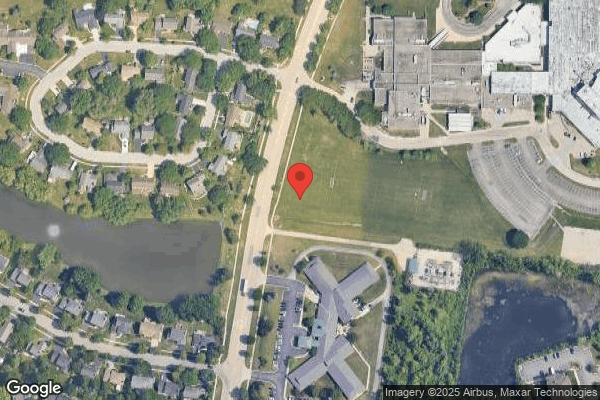
850 DUNHAM RD, ST CHARLES, IL 60174 (630) 443-4400
For profit - Limited Liability company 109 Beds PEARL HEALTHCARE Data: November 2025 1 Immediate Jeopardy citation
Trust Grade
0/100
#393 of 665 in IL
Last Inspection: February 2025

Within standard 12-15 month inspection cycle. Federal law requires annual inspections.

Overview

The Pearl of St. Charles nursing home has received a Trust Grade of F, indicating significant concerns and poor quality of care. They rank #393 out of 665 facilities in Illinois, placing them in the bottom half, and #19 out of 25 in Kane County, suggesting limited better options nearby. Although the facility shows an improving trend, with issues decreasing from 23 to 14 over the past year, the staffing situation is concerning, with a 61% turnover rate, significantly higher than the state average. Specific incidents include a resident being discharged to a homeless shelter without proper arrangements, which led to hospitalization, and another resident falling and sustaining fractures due to inadequate assistance during transfers. While there are some strengths, such as average RN coverage, the overall picture reveals serious weaknesses in care quality and compliance.

Trust Score
F
0/100
In Illinois
#393/665
Bottom 41%
Safety Record
High Risk
Review needed
Inspections
Getting Better
23 → 14 violations
Staff Stability
⚠ Watch
61% turnover. Above average. Higher turnover means staff may not know residents' routines.
Penalties
○ Average
$70,935 in fines. Higher than 71% of Illinois facilities. Some compliance issues.
Skilled Nurses
✓ Good
Each resident gets 50 minutes of Registered Nurse (RN) attention daily — more than average for Illinois. RNs are trained to catch health problems early.
Violations
⚠ Watch
58 deficiencies on record. Higher than average. Multiple issues found across inspections.
★★☆☆☆
2.0
Overall Rating
★★☆☆☆
2.0
Staff Levels
★★★☆☆
3.0
Care Quality
★★☆☆☆
2.0
Inspection Score
Stable
2024: 23 issues
2025: 14 issues

The Good

  • Full Sprinkler Coverage · Fire safety systems throughout facility
  • No fines on record

Facility shows strength in fire safety.

The Bad

2-Star Overall Rating

Below Illinois average (2.5)

Below average - review inspection findings carefully

Staff Turnover: 61%

15pts above Illinois avg (46%)

Frequent staff changes - ask about care continuity

Federal Fines: $70,935

Well above median ($33,413)

Moderate penalties - review what triggered them

Chain: PEARL HEALTHCARE

Part of a multi-facility chain

Ask about local staffing decisions and management

Staff turnover is elevated (61%)

13 points above Illinois average of 48%

The Ugly 58 deficiencies on record

1 life-threatening 5 actual harm
Feb 2025 12 deficiencies
CONCERN (D)

Potential for Harm - no one hurt, but risky conditions existed

Deficiency F0557 (Tag F0557)

Could have caused harm · This affected 1 resident

**NOTE- TERMS IN BRACKETS HAVE BEEN EDITED TO PROTECT CONFIDENTIALITY** Based on observation, interview, and record review, the facility failed treat a resident with dignity by offering the resident s...

Read full inspector narrative →
**NOTE- TERMS IN BRACKETS HAVE BEEN EDITED TO PROTECT CONFIDENTIALITY** Based on observation, interview, and record review, the facility failed treat a resident with dignity by offering the resident slippers that were soiled with stool and by not cleaning the same slippers. This applies to 1 of 18 residents (R12) reviewed for dignity in the sample of 18. The findings include: R12's Face Sheet showed R12 was admitted to the facility on [DATE] with diagnoses that include chronic obstructive pulmonary disease with acute exacerbation, abdominal aortic aneurysm without rupture, Partial intestinal obstruction, Ileostomy Status, malignant neoplasm of overlapping sites of the colon, and reduced mobility. R12's Minimum Data Set, dated [DATE] showed R12 was cognitively intact. On February 24, 2025 at 10:42 AM, V18 (Licensed Practical Nurse/LPN) entered R12's room to change R12's ileostomy. R12's gown, abdomen, fitted sheet, and back were wet with liquid stool. V18 wiped R12's abdominal area with an incontinence wipe and changed her ileostomy dressing. V18 left the room and said she would send a Certified Nursing Assistant (CNA) to help get R12 cleaned up. On February 24, 2025 at 11:07 AM, V19 (CNA) entered R12's room, with a gown and sheets and told R12 she would help her get cleaned up. After V19 helped R12 into a clean gown, V19 then picked up R12's slippers (beige teddy bear material) that had dried brown and black round stains on the tops of them and offered them to R12. The top of R12's right slipper was almost completely covered with the stains. V19 placed the slippers on the floor and helped R12 stand and put on the stained slippers. After V19 had changed R12's gown and linens, she left the room. R12 stated stool from her colostomy bag dropped on her slippers last week when she pulled down her incontinence brief. On February 25, 2025 at 11:49 AM, R12's slippers were still covered in stool at her bedside. R12 stated it has been that way since last week and no one has offered to clean them. R12 stated she would like to have them washed. On February 26, 2025 at 10:00 AM, V2 (Director of Nursing/DON) went to R12's room and saw the stool stained slippers at R12's bedside. V2 said, Oh no, and told the resident that she would have laundry wash R12's slippers. On February 26, 2025 at 2:37 PM, V2 stated staff should have taken R12's slippers to the laundry and washed them because they are washable. V2 stated, the reason for cleaning the slippers, is that the slippers could containment things. V2 stated that offering and assisting R12 into stool-stained slippers and not having them washed is considered a dignity issue. The facility's Resident Rights policy dated January 17, 2025 showed the following: procedure: 9. Each resident will be treated with dignity and respect.
CONCERN (D)

Potential for Harm - no one hurt, but risky conditions existed

Incontinence Care (Tag F0690)

Could have caused harm · This affected 1 resident

**NOTE- TERMS IN BRACKETS HAVE BEEN EDITED TO PROTECT CONFIDENTIALITY** Based on observation, interview, and record review, the facility failed to ensure that the indwelling urinary catheters of resid...

Read full inspector narrative →
**NOTE- TERMS IN BRACKETS HAVE BEEN EDITED TO PROTECT CONFIDENTIALITY** Based on observation, interview, and record review, the facility failed to ensure that the indwelling urinary catheters of residents were secured, and the urinary bag was not resting on the floor. This applies to 3 of 6 residents (R11, R41, and R57) reviewed for indwelling urinary catheters in the sample of 18. The findings include: 1. Face sheet shows, R57 is 66 years-old who has multiple medical diagnoses including chronic kidney disease, stage 3B, urethral stricture, male, unspecified site, obstructive and reflux uropathy, benign prostatic hyperplasia (BPH) with lower urinary tract symptoms, presence of urogenital implants. R57's Minimum Data Set (MDS) dated [DATE], shows, R57 is alert and oriented and requires assistance for toileting. R57's Care Plan with revision date of February 11, 2025, shows: R57 has chronic indwelling catheter related to BPH and urethral stricture. The goal is for R57 to be free from complications related to the use of catheter. The same care plan shows multiple interventions which include Retention Strap in place to assist in maintaining catheter tubing alignment as tolerated. On February 24, 2025, at 11:06 AM, during initial rounds with V23 (Certified Nursing Assistant/CNA), R57 was resting in bed. R57's had an indwelling urinary catheter that was not anchored or secured to his thigh. R57 stated that his catheter tube has been unsecured for a while now but was unable to tell how long. There was no sign of anchor or retention strap on the tube or on his thighs. On February 25, 2025, at 1:40 PM, R57's indwelling urinary catheter remained unsecured, with the urinary catheter bag resting directly on the floor. 2. Face sheets shows, R41 is 70 years-old who has multiple medical diagnoses including infection and inflammatory reaction due to indwelling urethral catheter, and obstructive and reflux uropathy, unspecified. R41's MDS dated [DATE], shows that R41 requires assistance for toileting. R41's Care Plan which has a target date of April 14, 2025, shows: R41 has indwelling urinary catheter due to urinary retention related to uropathy. The same care plan shows that R41 has two prior hospitalizations in 2024, due to gross hematuria, urinary tract infection (UTI), end stage bladder, bladder fungus ball and sepsis. On February 25, 2025, at 1:17 PM, V19 and V20 (both CNAs) assisted resident back to bed for peri-care. R41 had an indwelling urinary catheter which was not secured. The catheter tubing was pulling while R41 was being repositioned or when care was being provided. There was no sign of anchor or strap on R41's catheter tubing or on his thighs. 3. Face sheet shows, R11 is 70 years-old who has multiple medical diagnoses including benign prostatic hyperplasia (BPH) without lower urinary tract symptoms, chronic kidney disease stage 4, neuromuscular dysfunction of bladder, and unspecified hydronephrosis. R11's Care Plan with a target date of March 7, 2025, shows R11 has suprapubic catheter related to sacral wounds and recurrent UTI. The goal is to be free from complications related to use of catheter. On February 25, 2025, at 1:32 PM, R11 was sleeping in his bed. Upon assessment of R11's indwelling (suprapubic) catheter with V18 (Licensed Practical Nurse), it was observed that R11's catheter tube was detached from the anchor, leaving the tube unsecured. On February 26, 2025, at 3:19 PM, V2 (Director of Nursing) stated that the resident's indwelling urinary catheter must be always secured to prevent from getting pulled and being dislodge. V2 added, the catheter bag must be always off the floor to prevent infection. Facility's Policy for Perineal Care/Indwelling Catheter Care dated 11/1/2018 shows: 7. Ensure Foley Catheter is positioned correctly and secured. and 10. Ensure the bag is off the floor.
CONCERN (D)

Potential for Harm - no one hurt, but risky conditions existed

Deficiency F0694 (Tag F0694)

Could have caused harm · This affected 1 resident

Based on observation, interview, and record review, the facility failed to follow physician's order for management of Peripherally Inserted Central Catheter (PICC) line. This applies to 1 of 2 residen...

Read full inspector narrative →
Based on observation, interview, and record review, the facility failed to follow physician's order for management of Peripherally Inserted Central Catheter (PICC) line. This applies to 1 of 2 residents (R57) reviewed for care of intravenous catheter in the sample of 18. The findings include: On February 25, 2025, at 9:37 AM, V15 (Registered Nurse) administered an IV (Intravenous) antibiotic (Ceftriaxone 2 grams) medication to R57 who had a PICC line on his right upper arm. The PICC line dressing, which was dated February 3, 2025, was loose and opened halfway. Physician Order Summary (POS) Report dated February 9, 2025, shows PICC line dressing change once a week and as needed one time a day every 7 days for infection prevention. R57's care plan with revision dated of February 11, 2025, shows R57 has PICC line on the right basilic for IV antibiotic infusion. The goal is for the PICC line to remain free from signs of infection. This same care plan shows multiple interventions which include to change dressing weekly, or sooner, if it is soiled, loose, or damp. Use sterile aseptic technique when changing the dressing. On February 25, 2025, at 12:06 PM, V15 provided dressing change to R57's PICC line. V15 stated that the dressing must be change every 7 days and as needed. V15 confirmed that the dressing was dated 2/3/25. V15 changed the dressing, however, V15 did not measure the length of the catheter and arm circumference. On February 26, 2025, at 3:12 PM, V2 (Director of Nursing) stated, when staff are changing the PICC line dressing, the staff must measure the length of the catheter to check for migration of catheter and measure arm circumference, to check for swelling. V2 also stated PICC line dressing must be change every 7 days and as needed to prevent infection. V2 further stated the staff must ensure that dressing is always intact.
CONCERN (D)

Potential for Harm - no one hurt, but risky conditions existed

Respiratory Care (Tag F0695)

Could have caused harm · This affected 1 resident

**NOTE- TERMS IN BRACKETS HAVE BEEN EDITED TO PROTECT CONFIDENTIALITY** Based on observation, interview, and record review the facility failed to have a physician order and care plan for oxygen admini...

Read full inspector narrative →
**NOTE- TERMS IN BRACKETS HAVE BEEN EDITED TO PROTECT CONFIDENTIALITY** Based on observation, interview, and record review the facility failed to have a physician order and care plan for oxygen administration in accordance with their policy. This applies to 1 of 1 resident (R325) reviewed for oxygen use in the sample of 18. The findings include: R325 was admitted to the facility on [DATE], with multiple diagnosis including chronic obstructive pulmonary disease, dependence on oxygen, chronic respiratory failure with hypoxia, centrilobular emphysema, influenza A, and cyst of the pancreas. On February 24, 2025, at 12:10 PM, R325 was observed with oxygen infusing via nasal cannula. R325's Health Status note dated February 24, 2025, at 11:12 PM showed continuous oxygen was administered at 3L (Liters) per NC (Nasal Cannula). On February 26, 2025, at 10:10 AM, R325 was observed with oxygen infusing via nasal cannula. V15 (RN/registered Nurse) stated the oxygen was infusing at 3L per NC and R325 can have 4L per NC if R325 gets anxious. R325's hospital H&P (History and Physical) dated February 16, 2025, showed under history of present illness R325 baseline oxygen use at 2L per NC continuously. R325's physician order summary dated February 23, 2025, through February 25, 2025, showed there was no order for oxygen administration. R325's care plan initiated on February 26, 2025, for the problem of shortness of breath, had no specified settings for the use of oxygen in the care plan interventions. On February 26, 2025, V2 (DON/Director of Nursing) provided a list of all residents in the facility who utilize oxygen and R325 was not identified on that list. On February 26, 2025, at 4:30 PM, V2 stated there should be physician orders to administer oxygen and the order should include the amount of liter flow and method of delivery. The Facility's policy titled Oxygen, dated April 2024, showed Policy Statement .it is the facility's policy to ensure that oxygen .use is compliant with acceptable standards of practice .Procedures .4 .Physician's order will be obtained.
CONCERN (E)

Potential for Harm - no one hurt, but risky conditions existed

Safe Environment (Tag F0584)

Could have caused harm · This affected multiple residents

**NOTE- TERMS IN BRACKETS HAVE BEEN EDITED TO PROTECT CONFIDENTIALITY** Based on observation and interview, the facility failed to maintain the dining room in a sanitary condition during meal service ...

Read full inspector narrative →
**NOTE- TERMS IN BRACKETS HAVE BEEN EDITED TO PROTECT CONFIDENTIALITY** Based on observation and interview, the facility failed to maintain the dining room in a sanitary condition during meal service and failed to clean a resident room. This applies to 8 of 18 residents (R1, R7, R12, R27, R51, R58, R125 and R126) reviewed for environment in the sample of 18. The findings include: 1. On February 25, 2025 at 8:40 AM, V9 (Restorative Aide) was seen taking breakfast meal trays from a free standing cart in the small dining room that served residents that needed supervision or assistance. V9 set up each tray before handing it out to the residents. The dining room tables appeared very dirty with smears of unknown substance and crumbs/debris on it. The floor also was littered with covers of the straws, bits and pieces of paper and food crumbs. R1 was seen seated in a wheelchair wiping the soiled table she was seated at with a disposable wipe. Other residents in the dining room included R7, R27, R51, R58, R125 and R126 who were seated at tables that were soiled with above mentioned unknown smears and debris. R7 and R125 had already started eating as they were served their breakfast trays by V9. V9 was notified that the meal tables were unsanitary and V9 stated that she will clean the same before passing out the trays to the other residents in the dining room. On February 25, 2025 at 1:35 PM, V12 (Housekeeper) stated that he usually cleans the dining room after meals. When asked if the dining room has been cleaned the night before after the dinner meal, V12 stated We were running low [on housekeeping staff]. On February 26, 2025 at 01:56 PM, V1 (Administrator) stated that the facility does not have a policy related to cleaning general areas. On February 26, 2025 at 3:46 PM, V21 (Maintenance Director) stated that after the meal, the meal tables are supposed to be cleaned by kitchen staff and the floor by housekeeping. V21 stated that when this was brought to his notice today, he discussed the matter with V4 (Regional Dietary Director) and was told that some staff were not aware of the same. 2. R12's Face Sheet showed R12 was admitted to the facility on [DATE] with diagnoses that include chronic obstructive pulmonary disease with acute exacerbation, abdominal aortic aneurysm without rupture, Partial intestinal obstruction, Ileostomy Status, malignant neoplasm of overlapping sites of the colon, and reduced mobility. R12's Minimum Data Set, dated [DATE] showed R12 was cognitively intact. On February 24, 2025 at 10:32 AM, at the bottom of R12's bed, there a white blanket that had brown stains on it. There was also garbage, miscellaneous pieces of crumbled napkins and paper, smears of a sticky substance, and crumbs on the floor. R12 stated they do not clean he room on the weekends and she has not had her floor cleaned since last week. On February 25, 2025 at 1:52 PM, R12 stated the floor still has not been mopped or cleaned. The same stains were on the floor and more balled up tissue and a towel was on the floor. On February 25, 2025 at 1:54 PM, V24 (Housekeeper) stated she had cleaned all the rooms except R12's room, but she was going to clean R12's room now. On February 25, 2025 at 3:39 PM, R12's room had the same garbage and sticky smears on the floor, in addition more was under the resident's bed and on the floor. On February 25, 2025 at 3:43 PM, V21 (Housekeeping Director) went to R12's room and looked at the dirty floor, with all the same tissues, salt packet, crumbs, and garbage on the floor. Surveyor mentioned to V21 that the housekeeper said she would clean the room yesterday, but it had not been done. V21 stated that V24 works 7-3 PM and will be working double duty today because another housekeeper called off. Surveyor informed V21 that stool was spilled on the floor yesterday. V21 stated R12's room should have been cleaned and if stool had spilled on the floor, then the floor should have been mopped and disinfected. On February 26, 2024 at 9:57 AM, R12's floor still had not been cleaned and had the same sticky smear and trash on it. On February 26, 2024 at 10:16 AM, surveyor asked V21 why the room was not cleaned yet. In the evening, they only have housekeepers that does the laundry. V21 stated the housekeepers that mop the floors are only at the facility from 7-3 PM, so that is why the rooms are just now getting cleaned.
CONCERN (E)

Potential for Harm - no one hurt, but risky conditions existed

ADL Care (Tag F0677)

Could have caused harm · This affected multiple residents

**NOTE- TERMS IN BRACKETS HAVE BEEN EDITED TO PROTECT CONFIDENTIALITY** Based on observation, interview, and record review, the facility failed to provide grooming and hygiene for residents who requir...

Read full inspector narrative →
**NOTE- TERMS IN BRACKETS HAVE BEEN EDITED TO PROTECT CONFIDENTIALITY** Based on observation, interview, and record review, the facility failed to provide grooming and hygiene for residents who requires assistance with Activities of Daily Living (ADL) care. This applies to 5 of 18 residents (R12, R41, R51, R125, and R225) reviewed for ADL care in the sample of 18. The findings include: 1. Face sheet shows that R51 is 92 years-old who has multiple medical diagnoses which include dementia and legal blindness. R51's Minimum Data Set (MDS) dated [DATE], shows that she is cognitively impaired and requires substantial/maximal assistance for grooming and hygiene. On February 24, 2025, at 11:21 AM, R51 was sitting in the dayroom, staring in space. R51 displays long jagged fingernails with black/brown substance underneath. 2. Face sheet shows that R125 is 89 years-old has multiple medical diagnoses which include dementia, malignant neoplasm of prostate, and secondary malignant neoplasm of bone. R125's MDS dated [DATE], shows that he is cognitively impaired and requires substantial/maximal assistance for grooming and hygiene. On February 24, 2025, at 11:20 AM, R125 was in the dining room sitting in his wheelchair hunched forward sleeping, with uncombed/unkempt hair, and he displayed black/brown substances underneath the fingernails and brownish to yellowish discoloration on the nail beds. On February 26, 2025, at 3:55 PM, V22 (Certified Nursing Assistant/CNA) stated that R51 and R125 are cooperative during provisions of care. Though R125 is a little bit more confused, all they had to do was explain the procedure to him and he readily cooperates. 3. R41 Face sheet shows that R41 is 70 years-old who has multiple medical diagnoses which include abnormal gait and mobility. R41's MDS dated [DATE], shows that he requires assistance for grooming and hygiene. On February 25, 2025, at 1:25 PM, R41 was sitting in his wheelchair drooling, with his drool resting on his beard. R41 displayed long unkempt/untidy facial hair and jagged fingernails with black/brown substances underneath, and brownish/yellowish discoloration on the nail beds. V19 and V20 (both CNAs) assisted R41 back to bed and provided peri-care. At 1:25 PM, when surveyor asked, R41 stated that he wanted his facial hair trimmed and nail care done. After the peri-care was completed, V19 and V20 left the bedroom without offering to provide facial hair care and nail care. On February 26, 2025, at 3:58 PM, V2 (Director of Nursing/DON) stated that ADL care is to be provide as scheduled and as needed which include provisions of peri-care, nail, oral, and facial hair care, to ensure comfort and dignity for residents. 4. R12's Face Sheet showed R12 was admitted to the facility on [DATE], with diagnoses that include chronic obstructive pulmonary disease with acute exacerbation, abdominal aortic aneurysm without rupture, Partial intestinal obstruction, Ileostomy Status, malignant neoplasm of overlapping sites of the colon, and reduced mobility. R12's Minimum Data Set, dated [DATE], showed R12 was cognitively intact. On February 24, 2025 at 10:42 AM, V18 (Licensed Practical Nurse/LPN) changed R12's ileostomy appliance and applied the belt around R12's back that was wet with stool. After attaching the belt, V18 stated the ileostomy was leaking again already and it was open on the top right. V18 then reinforced it with some white cloth tape. V18 stated she would send the (CNA) to help R12 get cleaned up. On February 24, 2025 at 11:07 AM V19 (CNA) entered R12's room and told her she would help her get cleaned up. R12 brought with her a gown and sheets. V19 helped R12 into a clean gown and removed the one that was soiled with brown stains on the inside of the gown. R12's right side of her back and the bed was still wet with what R12 said was stool from her leaking ileostomy bag. V19 did not clean her skin. V19 then picked up R12's slippers (Beige teddy bear material) that had dried brown and black rounds stains on the tops of them and offered them to R1. V19 then then pulled up the elastic waist of R12's incontinence pull-up brief. A brown smear could now be seen on the top right of the incontinence pull up brief. R12 said to V19, can you put something in the chair so that I don't screw up the chair. Once R12 was out of the bed, R12's back was wet and a large wet and brown area about 14 inches in diameter could be seen on the fitted sheet. R12's back was visibly wet. V19 removed the sheets and made the bed with clean linens, R12 did not wash R12's skin nor the bed. V19 also did not offer or change R12's incontinence brief that was wet in the back with brown stain on it. At 11:25 AM, V19 said she was done and left the room. R12 stated she asked for the staff to change her earlier, but they couldn't. R12 stated they don't usually wash her skin after stool spills on her, they just change her clothes. R12 stated she waited so long for someone to help her this morning to go to the restroom and no one came, so she grabbed the garbage can and peed in it. 5. R225's Face Sheet showed R225 was admitted to the facility on [DATE] with diagnoses that include aftercare following joint replacement surgery, presence of right artificial knee joint, and chronic obstructive pulmonary disease. R225's Minimum Data Set, dated [DATE] showed R225 was cognitively intact. On February 24, 2025 at 9:56 AM, R225 stated he has only been offered a shower once at the facility and the last shower he had was a couple weeks ago. R225 skin on his face was dry and there were sheets of dry skin on his forehead. R225 had on a black shirt, and it was filled with white flakes of skin. R225's hair looked greasy, and his beard was long. R225 stated he should be getting showers twice per week. R225 stated he would like a shower. On February 25, 2025 at 1:41 PM, V20 (CNA) stated that residents are offered showers twice per week. V19 showed surveyor the shower schedule that showed R225 showers are on Monday and Thursday mornings. V19 (CNA) stated she has not offered R225 a shower yesterday or today. V20 stated she thought R225 had an appointment at 9:30 AM yesterday. Surveyor mentioned he didn't go anywhere and asked if V20 had asked R225 later on during the day if he wanted a shower. V20 stated I didn't ask him because I was overwhelmed. I take accountability for that. V20 then stated she had 3 other people to help with showers that day. On February 25, 2025 at 3:00 PM, V2 (DON) stated residents are offered showers on their shower day and if they refuse that morning they are offered a shower later in the same day and as needed. V2 stated staff should document each time a shower is offered or refused. At 3:15 PM, V2 said according to V20 she did offer R225 a shower in the morning of February 24, 2025 and R225 refused. On February 25, 2025 at 4:08 PM, R225 stated no one still has not offered him a shower. R225 stated no one had offered him a shower on the days of his appointment either (2/17/25, 2/20/25, and 2/24/25). R225 stated no one had asked him if he wanted a shower and he did not go anywhere yesterday. R225 was wearing the same black shirt he had on yesterday that was covered with white flakes of skin, he was unshaven, and his face was still flaky. On February 26, 2025 at 10:05 AM with V2 (DON) present, R225 stated no one has asked him if he would like to shower since he had his last shower 2 weeks ago. R225 stated, he needed a shower and wanted a shower today. R225 was still wearing the same black shirt he has had on for 3 days with white flakes of skin on it. R225 face was still flaking, and his hair still looked oily. Surveyor and V2 left R225's room and V2 stated she did not ask R225 yesterday or today if he wanted a shower. V2 stated maybe V18 (LPN) did. At that moment, V18 approached and V18 stated she did not ask R225 yesterday or today if he wanted a shower. R225's Care ADL care plan dated 2/11/25 and revised on 2/15/2024 showed the following: R225 has an ADL self-care performance deficit, and he requires 1 assist with bathing and hygiene. The facility's electronic medical record shower sheet for R225 showed he received one shower since he had been in the facility. The facility did not produce any other shower sheets by the end of the survey. The facility's Supporting Activities of Daily Living (ADL) policy dated 12/5/2024 showed the following: Appropriate care and services will be provided for residents who are unable to carry out ADLs independently, with the consent of the resident and in accordance with the plan of care, including appropriate support and assistance with: a. Hygiene (bathing, dressing, grooming, and oral care).
CONCERN (E)

Potential for Harm - no one hurt, but risky conditions existed

Deficiency F0806 (Tag F0806)

Could have caused harm · This affected multiple residents

Based on observation, interview and record review, the facility failed to provide lunch meal options of similar nutritive value and failed to accommodate a resident's dietary intolerances. This appli...

Read full inspector narrative →
Based on observation, interview and record review, the facility failed to provide lunch meal options of similar nutritive value and failed to accommodate a resident's dietary intolerances. This applies to 4 of 4 (R35, R43, R58, R59) residents reviewed for dining in the sample of 18. The findings include: 1. Facility daily production sheet for February 24, 2025 lunch meal included Italian Herb chicken (3 oz/ounce), buttered noodles (4 oz), Brussels sprouts (4 oz) dinner roll, and cake of the day. On February 24 at 12:22 PM, V6 (Chef) was seen making a grilled cheese sandwich with 2 slices of bread and 2 slices of cheese for R58 whose tray card showed a diet order of Vegetarian diet. R58 received the same with a 4 oz portion each of noodles and Brussels sprouts and a side of cake for dessert. V10 (Cook) who was on the tray line, stated that R58 gets grilled cheese every day. Facility daily production sheet for February 25, 2025 lunch meal included pork fried rice (8 oz), oriental vegetables, dinner roll, tropical fruit mix. Facility provided information that each 8 oz serving of pork fried rice contained 3 oz of pork. On February 25, 2025 at 12:11 PM, R35 received a grilled cheese sandwich made with 2 slices of cheese. R43 also received a grilled cheese sandwich and V10 stated that she put 4 slices of cheese in the sandwich. V10 stated that R35 and R43 received the same as their diets are no pork. On February 26, 2025 at 9:19 AM, V4 (Regional Dietary Director) stated that the facility uses American cheese to make grilled cheese sandwiches. Nutrition facts on the label for cheese slices used for grilled cheese sandwich showed 4 grams of protein for 2 slices of cheese. On February 26, 2025 at 11:51 AM, V15 (Dietitian) stated that 1 oz of meat =7 grams of protein and therefore a 3 oz portion of pork/chicken = 21 grams of protein. V15 stated that as 2 slices of cheese contained only 4 grams of protein, the facility should consider adding other items like cottage cheese when serving grilled cheese sandwich. Facility policy titled Menu Alternates(revised May 31, 2021) included as follows: Policy: Nutritionally comparable menu items shall be available to accommodate resident food preference. 2. R59's diet order on POS (Physician Order Sheet) showed GLUTEN RESTRICTED diet, Regular texture, Regular (Thin) consistency. On February 24, 2025 at 1:03 PM, R59 stated that she did not receive a lunch meal tray. This was relayed to V7 (Registered Nurse) who went and got a tray from a meal cart and delivered the tray without a meal ticket. The lunch meal consisted of Italian fried chicken, noodles, Brussels sprouts, dinner roll and cake. When asked where the meal ticket was, V7 stated that R59 told her that she is on a regular diet. R59's meal ticket was located crumpled up in the meal cart and showed Regular, Gluten free. Next to the items noodles, dinner roll and cake listed on meal ticket it showed no sub (substitute) found. On returning to the room, R59 was in tears and pointing to the noodles, dinner roll and cake, stated I cannot eat all this. I am going to get a stomachache. I am always getting a stomachache as they serve me foods I am not supposed to eat, which I eat as I am hungry. I can't keep buying my own foods. On February 24, 2025 at 1:14 PM, V5 (Dietary Manager) was notified and V5 stated that R59 should not have got the above items with gluten and should have got gluten free items instead. On February 26, 2025 at 11:16 AM, V15 (Dietitian) stated that the facility should serve R56 the diet as shown on the diet order.
CONCERN (E)

Potential for Harm - no one hurt, but risky conditions existed

Deficiency F0808 (Tag F0808)

Could have caused harm · This affected multiple residents

**NOTE- TERMS IN BRACKETS HAVE BEEN EDITED TO PROTECT CONFIDENTIALITY** Based on observation, interview, and record review, the facility failed to provide high calorie nutrition supplement as ordered ...

Read full inspector narrative →
**NOTE- TERMS IN BRACKETS HAVE BEEN EDITED TO PROTECT CONFIDENTIALITY** Based on observation, interview, and record review, the facility failed to provide high calorie nutrition supplement as ordered by the Physician. This applies to 4 of 4 residents (R19, R27, R20 and R326) reviewed for supplements in the sample of 18. The findings include: 1. R19's face sheet included quadriplegia, other acute osteomyelitis, left femur, dysphagia, unspecified. R19's quarterly MDS dated [DATE] showed that R19 was cognitively intact and was dependent on staff for eating. R19's diet order on POS (Physician Order Sheet) included General diet, Regular texture, Regular (Thin) consistency, High Calorie Drink four times a day for (Brand Name) Plus High Protein with meals and at bedtime (start date October 11, 2024). On February 24, 2025 at 11:00 AM, R19 was lying in bed watching television with head propped up on a pillow. R19 stated that he is unable to use arms as both were contracted. Stated that he is fed by staff, regular consistency food and did not get any (Brand Name) nutrition supplement for breakfast. Multiple cans of (Brand Name) nutrition supplement was seen on a chair in a corner of R19's room. On February 24, 2025 at 1:12 PM, R19 was fed by V11 (Certified Nursing Assistant/CNA) in his room and no High Calorie Drink was seen with meal tray. On February 24, 2025 at 3:13 PM, V7 (Registered Nurse/RN) stated that she gave R19 one can of (Brand Name) earlier and that R19 took a few sips. When R19 was asked again if he received any (Brand Name) supplement from V7, R19 emphatically stated that he did not get any and stated When? R19 glanced towards the box containing (Brand Name) supplements placed on the chair and added They are still there. On February 25, 2025 at 8:56 AM, R19 was fed breakfast in his room by V11 and no High Calorie Drink was seen with breakfast meal. V11 stated that he fed R19 breakfast on February 24, 2025 and R19 did not get (Brand Name). 2. R20's face sheet showed unspecified Dementia, unspecified severity, with other behavioral disturbance, senile degeneration of brain, gastro-esophageal reflux without esophagitis. R20's diet order on POS included Regular diet, Regular texture, Regular (Thin) consistency High Calorie Drink (Brand Name) one time a day Give 237 ml/milliliter (start date February 10, 2025). On February 24, 2025 at 12:57 PM, R20 was served Regular meal in the dining room. Staff provided a grilled cheese sandwich as R20 refused the meal but R20 did not receive a High Calorie Drink. On February 24, 2025 at 9:02 AM, R20 was served breakfast tray in the dining room which she did not eat, but R20 did not receive a High Calorie Drink. On February 25, 2025 at 12:55 PM, R20 was seen wheeling self away from her table with her lunch meal untouched and it did not include a High Calorie Drink. 3. R27's diet on POS included General diet, Pureed texture, Nectar consistency, High Calorie Drink (Brand Name) two times a day 237 ml (Brand Name) (start date February 18, 2025). On February 24, 2025 at 1:00 PM, R27 received a pureed meal at lunch and was fed in dining room by V8 (Restorative Aide). R27 did not receive a High Calorie Drink with his meal. On February 25, 2025 at 8:49 AM, R27 received a pureed meal at breakfast with nectar thick liquids and was fed in dining room by V9 (Restorative Aide). R27 did not receive a High Calorie Drink with his meal. On February 25, 2025 at 12:57 PM, R27 had finished eating lunch and V9 stated that she fed him a pureed meal and that R27 did not get a high calorie supplement. R27's meal tray checked and verified the same. On February 24, 2025 at 3:13 PM, when asked why R20 and R27 did not receive (Brand Name) supplement during days observed, V7 (RN) stated that only R19 has a stock of (Brand Name) supplement in his room that is provided by family. V7 stated that the facility does not have any (Brand Name) supplement currently as the orders were changed from medication pass supplement to (Brand Name) recently. V7 stated that the facility used to have a box of medication pass supplement before but currently have none. V7 went into the medication storage room to verify and stated that there is no High Calorie Drink in there. On February 26, 2025 at 11:08 AM, V14 (Dietitian) stated that she recommends High Calorie Drink to those residents who have inadequate intake, poor appetite and/or weight loss. V14 stated that she was made aware by email on February 10, 2025 that the facility was switching over from the previous nutrition supplement given at medication pass to (Brand Name). V14 added that the switch took over last week (unknown date). 4. The EMR (Electronic Medical Record) showed R326 was admitted to the facility on [DATE], with multiple diagnoses including stroke, type 2 diabetes mellitus, heart failure, and chronic kidney disease. On February 25, 2025, at 8:36 AM, V15 (RN) said R326 is to receive a diabetic high-calorie protein drink, but the facility does not have any. V15 did not administer a diabetic high-calorie drink to R326. R326's Order Summary Report dated February 26, 2025, showed an order dated February 17, 2025, for Diabetic [High-Calorie Protein Drink], one time a day 237 mL (milliliters). On February 26, 2025, at 8:46 AM, V15 documented R326's high-calorie protein drink was not given due On order.
CONCERN (E)

Potential for Harm - no one hurt, but risky conditions existed

Infection Control (Tag F0880)

Could have caused harm · This affected multiple residents

**NOTE- TERMS IN BRACKETS HAVE BEEN EDITED TO PROTECT CONFIDENTIALITY** 2. The electronic medical record shows that R57 was placed on contact isolation for C-Diff (Clostridium difficile). R57's bedroo...

Read full inspector narrative →
**NOTE- TERMS IN BRACKETS HAVE BEEN EDITED TO PROTECT CONFIDENTIALITY** 2. The electronic medical record shows that R57 was placed on contact isolation for C-Diff (Clostridium difficile). R57's bedroom door has a posting which showed that R57 is on contact isolation. On February 25,2025, at 9:37 AM, V15 (RN) administered IV (intravenous) antibiotic to R57. V15 was wearing gloves and mask, however, she was not wearing an isolation gown. On February 25, 2025, at 12:06 PM, V15 entered R57's bedroom and started setting up the PICC line dressing wearing only her gloves and mask. After she set up the dressing materials, V15 went outside the bedroom to wear a gown, when she saw surveyor entered the bedroom with an isolation gown. Throughout the dressing change V15 sanitized her hands with alcohol-based hand rub in between tasks and glove changing. V15 used a pillow from another bed to prop up R57's right arm during the dressing change. Afterwards she returned the pillow to the other bed without removing the soiled pillowcase and without ensuring the pillow was sanitized after use. 3. On February 25, 2025, at 1:17 PM, V19 and V20 (both CNA) assisted R41 back to bed to render peri-care. V19 and V20 removed R41's shoes and pulled his pants down. V20 proceeded to provided peri-care, applied new incontinence brief, pulled pants back in place while wearing same gloves. After completion of the peri-care, V19 and V20 removed their gloves and carried the soiled items outside the bedroom without performing hand hygiene. 4. On February 26, 2025, at 12:41 PM, V20 and V26 (CNA) rendered incontinence care to R44 who was wet with urine and had a bowel movement. V26 wiped R44 from front to back. V26's gloves made direct contact with the fecal matter during care. When V26 finished cleaning R44's peri-area, she applied new incontinence brief, repositioned R44, straightened bed linens, and adjusted the privacy curtain, while wearing the same soiled gloves all throughout the procedure. On February 26, 2025, at 3:01 PM, V2 (DON) stated, the staff must perform hand hygiene before start of care, in between tasks and glove changes and after completion of the provision of care. The staff must wear complete PPE (gown and gloves, and mask if needed) when providing any care to a resident on contact isolation or EBP (Enhanced Barrier Precaution) to protect the resident and employees from potential infection. The staff must wash their hands in between tasks when dealing with C-Diff cases. Facility's Hand Hygiene Policy dated April 27, 2024, shows: Policy Statement: It is the policy of the facility to perform hand hygiene in accordance with national standards from the Centers for Disease Control and Prevention and the World Health Organization. Procedure: 1. Soap and water is required for hand hygiene when: -Before and after entering isolation precaution settings. - After caring for resident with diarrheal infection such as C. difficile. - After removing gloves or aprons. 2. Alcohol-based hand rub may be used for all other hygiene opportunities (e.g., when soap and water is not indicated per #1 above). Hand hygiene is to be performed: - When moving from one contaminated body site to a clean body site such as when changing a brief or a wound dressing. - After caring for a resident including after removing gloves. - After contact with the resident environment. Based on observation, interview, and record review, the facility failed to follow their policies for EBP (Enhanced Barrier Precautions), TBP (Transmission Based Precautions), and hand hygiene during provisions of care. This applies to 4 of 18 residents (R41, R44, R57, and R326) reviewed for infection control in the sample of 18. The findings include: 1. The EMR (Electronic Medical Record) showed R326 was admitted to the facility on [DATE], with multiple diagnoses including stroke, type 2 diabetes mellitus, congestive heart failure, and chronic kidney disease. R326's hospital records dated February 13, 2025, showed R326 had a history of Carbapenem-resistant Pseudomonas aeruginosa (a drug resistant organism). On February 25, 2025, at 8:29 AM, V15 (Registered Nurse/RN) said R326 needed to be repositioned in bed. V15 and V16 (Certified Nursing Assistant/CNA) entered R326's room. V15 and V16 did not wear an isolation gown while repositioning R326 in bed. On February 26, 2025, at 11:02 AM, V2 (Director of Nursing/DON) said R326 should have been place on EBP since admission to the facility. On February 26, 2025, at 3:32 PM, V2 said repositioning a resident is considered a high contact activity. V2 continued to say V15 and V16 should have worn gowns while repositioning R326 in bed. The facility's policy titled Enhanced Barrier Precautions dated 7/22, showed General: Enhanced Barrier Precautions (EBP) is an approach of targeted gown and glove use during high contact resident care activities, designed to reduce transmissions of Staphylococcus aureus and Multidrug Resistant Organisms (MDRO). EBP may be applied (when Contact Precautions do not otherwise apply) to residents with any of the following: Wounds or indwelling medical devices, regardless of MDRO colonization status; Infection or colonization with an MDRO . Examples of MDRO's Targeted by CDC (Centers for Disease Control and Prevention) include: Carbapenemase-producing Pseudomonas spp .
CONCERN (E)

Potential for Harm - no one hurt, but risky conditions existed

Deficiency F0883 (Tag F0883)

Could have caused harm · This affected multiple residents

**NOTE- TERMS IN BRACKETS HAVE BEEN EDITED TO PROTECT CONFIDENTIALITY** Based on interview and record review the facility failed to offer and provide education regarding the seasonal influenza and pne...

Read full inspector narrative →
**NOTE- TERMS IN BRACKETS HAVE BEEN EDITED TO PROTECT CONFIDENTIALITY** Based on interview and record review the facility failed to offer and provide education regarding the seasonal influenza and pneumococcal vaccines. This applies to 4 of 5 residents (R1, R53, R57, R58) reviewed for immunization in the sample of 18. The findings include: 1. R1's medical record showed R1 was [AGE] years old and admitted to the facility on [DATE], with multiple diagnosis including cerebral palsy, anemia, and essential hypertension. There was no documentation to show R1 was offered or provided education regarding the seasonal influenza vaccine for 2024-2025 season. 2. R53's medical record showed R53 was admitted to the facility on [DATE], with multiple diagnosis including hemiplegia and hemiparesis due to cerebral infarction, cardiac arrythmia, myalgia and essential hypertension. There was no documentation to show R53 was offered or provided education regarding the seasonal influenza vaccine for the 2024-2025 season. 3. R57's medical record showed R57 was [AGE] years old, admitted to the facility on [DATE], with multiple diagnosis including chronic obstructive pulmonary disease, interstitial lung disease with progressive fibrotic phenotype, chronic diastolic heart disease, and chronic kidney disease stage 3B. The facility provided a consent dated October 16, 2022, for PPSV23 (Pneumococcal Polysaccharide Vaccine) that R57 signed consenting to vaccine administration. There was no documentation that R57 was administered the vaccine. The facility provided documentation that R57 was offered the pneumonia vaccine 20 on January 12, 2023, that showed the family refused the vaccine, but also showed no education was provided regarding the vaccine. 4. R58's medical record showed R58 was [AGE] years old and admitted to the facility on [DATE], with multiple diagnosis including acute on chronic congestive heart failure, hemiplegia and hemiplegia following cerebral infarction, neuromuscular dysfunction of the bladder with urogenital implants, and chronic kidney disease stage 3. There was no documentation to show R58 was offered or provided education regarding the pneumococcal vaccine for the 2024-2025 season. There was no documentation to show R58 was previously vaccinated with a pneumococcal conjugate vaccine. The CDC (Center for Disease Control and Prevention) recommendation dated October 26, 2024, showed for adults aged 50 or over it is recommended to receive a pneumococcal conjugate vaccine if not previously vaccinated or if vaccination status is unknown. On February 24, 2025, at 2:20 PM, V3 (Infection Preventionist) stated V3 reviews resident's immunization status upon admission and influenza vaccine should be offered annually and pneumococcal offered to eligible residents. V3 stated there was a vaccination clinic for influenza offered on December 18, 2024, and provided a list of 29 residents who received the influenza vaccine. There was no documentation offered that residents who did not receive the vaccine were educated and offered the opportunity to decline the vaccine. CMS Form 671 completed on February 24, 2025, showed the facility census was 76, which indicated only approximately 38% (percent) of the residents were offered the influenza vaccine. The Facility's policy titled Influenza and Pneumococcal Immunizations for Residents, dated June 3, 2024, showed Intent: It is the policy of the facility to ensure that the resident receives Influenza and Pneumococcal immunizations in accordance with State and Federal Regulations and national guidelines .Procedure .Influenza Immunization .2. Each resident is offered an influenza immunization October 1 through March 31 annually, .Pneumococcal Immunization .2. Each resident is offered pneumococcal immunization unless the immunization is medically contraindicated, or the resident has already been immunized.
CONCERN (E)

Potential for Harm - no one hurt, but risky conditions existed

Deficiency F0887 (Tag F0887)

Could have caused harm · This affected multiple residents

**NOTE- TERMS IN BRACKETS HAVE BEEN EDITED TO PROTECT CONFIDENTIALITY** Based on interview and record review, the facility failed to provide education and obtain consent or declination for the COVID-1...

Read full inspector narrative →
**NOTE- TERMS IN BRACKETS HAVE BEEN EDITED TO PROTECT CONFIDENTIALITY** Based on interview and record review, the facility failed to provide education and obtain consent or declination for the COVID-19 booster vaccine for the 2024-2025 vaccine. This applies to 5 of 5 residents (R1, R47, R53, R57, and R58) reviewed for immunizations in the sample of 18. The findings include: 1. R1's medical record showed R1 was [AGE] years old and admitted to the facility on [DATE], with multiple diagnosis including cerebral palsy, anemia, and essential hypertension. There was no documentation to show R1 was offered, or education provided regarding the COVID-19 booster vaccine for 2024-2025. 2. R47's medical record showed R47 was [AGE] years old, and was admitted to the facility on [DATE], with multiple diagnosis including human immunodeficiency virus, anoxic brain damage, hemiplegia, and hemiparesis due to cerebral infarction, unspecified asthma, and presence of cardiac pacemaker. There was no documentation to show R47 or representative was offered, or education provided regarding the COVID-19 booster vaccine for 2024-2025. 3. R53's medical record showed R53 was admitted to the facility on [DATE], with multiple diagnosis including hemiplegia and hemiparesis due to cerebral infarction, cardiac arrythmia, myalgia and essential hypertension. There was no documentation to show R53 was offered or provided education regarding the COVID-19 booster vaccine for 2024-2025. 4. R57's medical record showed R57 was [AGE] years old, admitted to the facility on [DATE], with multiple diagnosis including chronic obstructive pulmonary disease, interstitial lung disease with progressive fibrotic phenotype, chronic diastolic heart disease, and chronic kidney disease stage 3B. There was no documentation to show R57 was offered or provided education regarding the COVID-19 booster vaccine for 2024-2025. 5. R58's medical record showed R58 was [AGE] years old and admitted to the facility on [DATE], with multiple diagnosis including acute on chronic congestive heart failure, hemiplegia and hemiplegia following cerebral infarction, neuromuscular dysfunction of the bladder with urogenital implants, and chronic kidney disease stage 3. There was no documentation to show R58 was offered or provided education regarding the COVID-19 booster vaccine for 2024-2025. The CDC (Center for Disease Control and Prevention) COVID-19 booster guidelines dated January 7, 2025, showed getting the 2024-2025 COVID-19 vaccine is extremely important if you have never received a COVID-19 vaccine, are age [AGE] years old or older, and live in a long-term care facility. On February 24, 2025, at 2:20 PM, V3 (Infection Preventionist) stated there was a COVID-19 vaccine clinic held on December 18, 2024, and provided a list of residents who received the COVID vaccine, which totaled 25. There was no documentation provided regarding other residents' education or declination of the COVID vaccine. Form 671 completed on February 25, 2025, showed the facility census was 76, which indicated only approximately 32% of residents were offered the COVID vaccination for 2024-2025. The Facility's policy titled COVID 19 Guidance dated May 20, 2024, showed The Facility will encourage residents, staff, and families to remain up to date with COVID 19 vaccination, including all eligible booster doses.
CONCERN (F)

Potential for Harm - no one hurt, but risky conditions existed

Food Safety (Tag F0812)

Could have caused harm · This affected most or all residents

Based on observation, interview, and record review, the facility failed to follow sanitary practices in the facility kitchen. This applies to 74 residents that received foods prepared in the facility ...

Read full inspector narrative →
Based on observation, interview, and record review, the facility failed to follow sanitary practices in the facility kitchen. This applies to 74 residents that received foods prepared in the facility kitchen. The findings include: Facility's CMS Form 671 dated February 24, 2025 showed that the facility census was 76 residents. Facility provided information that there were 2 residents on NPO (nothing by mouth). On February 24 at 9:15 AM, during initial tour of the facility kitchen, the following observations were made. At the side of the ice machine there was a plastic scoop placed inverted (scoop handle up) in a plastic scoop holder that was attached to the wall. Inside the bottom of the scoop holder there was some pooled water with blackish substances that was touching the inverted top of the scoop. V5 (Dietary Manager) who had come into the vicinity was notified of the same. On a counter in the kitchen, there were several cardboard boxes of various types of breaded items. One box contained four plastic packets (12 count each packet) of hot dog buns with whitish substance noted on some of the hot dog buns. The delivery date marked on the box showed January 15, 2025 and V5 stated that the breaded products should have been refrigerated. On the spice rack, the following opened containers of spices were seen Ground allspice (16 oz/ounce) delivery date of September 13, 2023 with no open on or use by date, Ground Oregano (12 oz) with delivery date of May 31, 2021 and with no open on or use by date. The thermometer that was placed inside the reach in freezer in the kitchen showed 25 degrees Fahrenheit. A packet of frozen vegetables had condensations on it and the vegetables were soft to touch. Another box containing frozen peas were also soft to touch. There were several boxes that contained individual cups of ice cream and gelato that were soft when lids were opened and tested. A cardboard container with waffles was also tested and were soft to touch. Other boxes of food stored in the freezer were not opened to check and V5 was notified that the same freezer will be tested again in a few hours after food prep is completed. On February 24 at 12:22 PM, the same reach in freezer was checked again and the inside thermometer showed 20 degrees Fahrenheit. V4 (Regional Dietary Director) who had come to the area stated that the freezer should be at 0 degrees Fahrenheit. Both V4 and V5 were notified that the freezer will be checked again after meal service. On February 24 at 1:13 PM, the same reach in freezer was checked again and the inside thermometer showed 30 degrees Fahrenheit with the items stored inside the freezer showing further defrosting stages. V5 stated that she will notify maintenance and take necessary action. Facility policy titled Ice Machine, Scoop and Tray (undated) included as follows: Policy: The ice machine and equipment (scoops and trays) will be cleaned on a regular basis to maintain a clean, sanitary condition. Procedure: 8. Store ice scoop beside or on top of the machine in a clean non-porous container, that allows water to drain off (and not pool around the scoop). Facility policy titled Labeling and Dating (reviewed July 30, 2023) included as follows: Policy: Leftovers and opened foods shall be clearly labeled with date food item is to be discarded. Food items to be labeled and dated include items prepared in house and food items that are opened and stored for later use. Procedure: 2. 30-day shelf life, usually applies to items that are shelf stable until opened. Label includes: b. Discard date (i.e. opened 4/30, discard 5/30). Facility policy titled Freezers and Refrigerators (undated) included as follows: Policy: This facility will ensure safe refrigerator and freezer maintenance, temperatures, and sanitation and will observe food expiration guidelines. Procedure: 1. Acceptable temperatures should be 35- 41 degrees Fahrenheit for refrigerators and less than 0 degrees Fahrenheit for freezers.
Feb 2025 2 deficiencies
CONCERN (D) 📢 Someone Reported This

A family member, employee, or ombudsman was alarmed enough to file a formal complaint

Potential for Harm - no one hurt, but risky conditions existed

Deficiency F0573 (Tag F0573)

Could have caused harm · This affected 1 resident

**NOTE- TERMS IN BRACKETS HAVE BEEN EDITED TO PROTECT CONFIDENTIALITY** Based on interview and record review, the facility failed to provide a resident's medical records within two working days upon r...

Read full inspector narrative →
**NOTE- TERMS IN BRACKETS HAVE BEEN EDITED TO PROTECT CONFIDENTIALITY** Based on interview and record review, the facility failed to provide a resident's medical records within two working days upon request for two of three residents (R1, R7) reviewed for medical records request in the sample of eight. The findings include: 1. R1's Face Sheet dated February 20, 2025 shows she was admitted to the facility on [DATE] with diagnoses including spinal stenosis, low back pain, history of falling, urinary retention, and lack of coordination. R1 was discharged from the facility January 16, 2025. On February 20, 2025 at 9:34 AM, V7 (R1's Spouse) said he has been waiting to receive R1's medical records for over a month. V7 said they requested the records from V8 (Medical Records). V7 said that R1 just had another surgery on her back. V7 said R1 is entitled to those records. V7 said that he nor R1 has heard anything back from the facility regarding their medical records request. On February 20, 2025 at 11:18 AM, V8 (Medical Records) said if someone is requesting medical records, then she has them fill out a form and she sends that form to her legal team. V8 said the legal team processes the medical records request. V8 said she received a request from R1's medical records request on January 25, 2025 and she sent that off to her legal department. V8 said she was always told that there was 30 days to get the request fulfilled if they were not current residents in the facility and two days if they were. V8 said she has not followed up with R1's request to see if she had received her medical records or not. V8 said that R1 called the facility on February 20, 2025 and said she had not received her records yet so V8 emailed her legal team to follow up. R1's Authorization for Use and Disclosure of Protected Health Information request was signed by R1 on January 24, 2025. 2. On February 20, 2025 at 11:42 AM, V6 (R7's Power of Attorney) said she requested R7's medical records on January 27, 2025 and still had not received them as of February 20, 2025. V6 said she has reached out to the facility one other time since the request and the facility said they would get R7's medical records to V6. R7's HIPPA Privacy Authorization for Disclosure of Protected Health Information Relevant to Litigation or Pending Claims request was signed by V6 on January 17, 2025. On February 20, 2025 at 11:18 AM, V8 (Medical Records) said R7's request was originally and incorrectly made to a sister facility. But the current and correct facility received the request on January 27, 2025. V8 said she has not heard from R7's family if they have received the medical records has not followed up to see if they have. The facility's Medical Records Request policy dated February 27, 2023 shows, Residents are always entitled to their medical records, but must follow the process for requesting them. Time to process a Record Request: Residents that have been discharged from the facility-30 days. The Illinois Long-Term Care Residents' Right booklet revised November 2018 shows, Your facility must allow you to see your records within 24 hours of your request (excluding weekends and holidays). You may purchase a copy of part or all of your records at a reasonable copy fee within two working days of your request.
CONCERN (D) 📢 Someone Reported This

A family member, employee, or ombudsman was alarmed enough to file a formal complaint

Potential for Harm - no one hurt, but risky conditions existed

Quality of Care (Tag F0684)

Could have caused harm · This affected 1 resident

**NOTE- TERMS IN BRACKETS HAVE BEEN EDITED TO PROTECT CONFIDENTIALITY** Based on interview and record review, the facility failed to perform a fall assessment and monitor a resident after a fall for o...

Read full inspector narrative →
**NOTE- TERMS IN BRACKETS HAVE BEEN EDITED TO PROTECT CONFIDENTIALITY** Based on interview and record review, the facility failed to perform a fall assessment and monitor a resident after a fall for one of three residents (R1) reviewed for quality of care in the sample of eight. The findings include: R1's Face Sheet dated February 20, 2025 shows she was admitted to the facility on [DATE] with diagnoses including spinal stenosis, low back pain, history of falling, muscle wasting, urinary retention, abnormalities of gait and mobility, and lack of coordination. R1's Fall assessment dated [DATE] shows she is a high risk for falls. R1's Progress Note dated January 13, 2025 shows, R1 was reported to be lowered on the floor in her room. Per CNA (Certified Nursing Assistant) she was transferring R1 from her chair to her bed and R1's legs gave out and R1 was lowered to the floor. R1 denied any pain or discomfort. There was no fall report, fall assessment, or follow up assessment provided by the facility regarding R1's fall. On February 20, 2025 at 12:30 PM, V2 (Director of Nursing) said R1 was lowered to the floor. V2 said technically that is still a fall. V2 said normally a fall assessment, pain assessment, and change in condition forms would have been filled out. V2 said none of this was done after R1 was lowered to the floor. V2 said the facility thought it was not a fall because R1 kind of fell into the CNA and then the CNA lowered R1 to the floor. The facility's Fall Prevention and Management policy revised April 8, 2024 shows, Fall risk screening will be used after a fall. Procedure for Post-Fall Management: Perform assessment to the cause of the fall and potential for injury, perform physical assessment, document the fall event in the electronic health record under 'risk management'. Evaluate and monitor resident after the fall. Complete falls assessment and post fall documentation.
Dec 2024 1 deficiency 1 Harm
SERIOUS (G) 📢 Someone Reported This

A family member, employee, or ombudsman was alarmed enough to file a formal complaint

Actual Harm - a resident was hurt due to facility failures

Accident Prevention (Tag F0689)

A resident was harmed · This affected 1 resident

**NOTE- TERMS IN BRACKETS HAVE BEEN EDITED TO PROTECT CONFIDENTIALITY** Based on interview and record review the facility failed to safely assist and position a resident (R1) in bed when rendering car...

Read full inspector narrative →
**NOTE- TERMS IN BRACKETS HAVE BEEN EDITED TO PROTECT CONFIDENTIALITY** Based on interview and record review the facility failed to safely assist and position a resident (R1) in bed when rendering care. This failure resulted in the resident falling out of bed and sustaining left tibial and ankle fractures. This applies to 1 out of 3 (R1) residents reviewed for accidents. The findings include: R1's EMR (Electronic Medical Record) showed R1 was admitted to the facility on [DATE] with multiple diagnoses including hemiplegia and hemiparesis following cerebral infarction affecting the left non-dominant side, post-orthopedic surgery to both ankle tendons, history of other disease of the nervous system, and history of malignant neoplasm of the brain. R1's Hospital Records dated 12/8/2024, said [R1] fell approx. (approximately) 4 ft from bed while being changed by CNA. She states she rolled off on the right side of the bed landed on left side. The hospital records continued to say R1 sustained left tibial and ankle fractures. On 12/12/2024 at 12:50 PM, V4 (Licensed Practical Nurse/LPN) said on 12/7/2024 she assessed R1 after her fall incident. V4 said R1 was complaining of pain and had to be transferred to the hospital. V4 said R1 returned to the facility with a long leg cast to her left lower leg because she had sustained multiple fractures. V4 said R1 had always needed a 2-person staff assistance with bed mobility because she had chronic left-side weakness in both her upper and lower extremities. On 12/12/2024 at 1 PM, V9 (Restorative Nurse) said she assessed R1's mobility function on 9/14/2024 and determined R1 required the use of bilateral enablers (quarter-size side rails) and 2-person staff assistance when receiving care in bed on her air-loss mattress. V9 said R1's ADL care plan showed she required extensive assistance with bed mobility. V9 was unable to locate in R1's comprehensive care plan her intervention indicating that R1 required a 2-person staff assistance with bed mobility and positioning when in bed. On 12/12/2024 at 1:15 PM, V10 (Therapy Rehab Director) said he was familiar with R1 because she was discharged from therapy services on 10/14/2024. V10 said R1 required substantial to maximal assistance of 2-staff members with her bed mobility. V10 said he had trained the facility's CNAs on how to safely position residents in bed when rendering care. V10 said R1 should have been assisted by 2-staff members, one on each side of the bed to ensure her safety when being turned in the bed. On 12/12/2024 at 1:40 PM, V3 (Certified Nurse Assistant/CNA) was interviewed regarding R1's fall incident on 12/7/2024. V3 said at approximately 4 PM she assisted R1 in bed with incontinence care. V3 said R1 slid and rolled out of the bed when she turned her on her right side. V3 said she was new and felt rushed because she was unfamiliar with R1's care needs. V3 said she noticed R1 had a sticker on her bed indicating she was a 2-person total mechanical lift transfer but was unsure how much assistance she required with bed mobility. V3 said she was not trained on how to determine the level of assistance a resident requires with their ADLs (Activities of Daily Living) of bed mobility and positioning. On 12/12/2024 at 2 PM, V2 (Director of Nursing/DON) said she expects new CNAs to be trained on bed mobility during orientation. V2 said V3 (CNA) was educated on 12/7/2024 (after R1's fall incident) on the need to provide 2-person staff assistance when rendering care to resident on an air-loss mattress. V2 said V3 failed to have another staff member assist her while she was providing incontinence care to R1 on 12/7/2024. On 12/12/2024 at 2:15 PM, V11 (Physician) said R1 required staff assistance with her ADLs because she had chronic hemiparesis to her left side related to her stroke. V11 said she depends on therapy and nursing to assess residents to determine how much assistance they require with their ADLs. V11 said R1's fall on 12/7/2024 resulted in her sustaining fractures to her left leg. V11 said she expected facility staff to follow safety protocols when rendering care to ensure the safety of residents. R1's Mobility assessment dated [DATE], showed R1 had a poor ability to roll from side to side with the use of her left side. The assessment also showed R1 had a poor range of motion, muscle strength, mobility, and balance to her left upper and lower extremities. R1's Physical Therapy Discharge summary dated [DATE], showed R1 required substantial/maximal assistance from facility staff for bed mobility when rolling left to right side. R1's Fall assessment dated [DATE], showed R1 was at Moderate Risk for falls. R1's Fall Event dated 12/7/2024, said R1 fell out of bed when the CNA rolled her on her right side. R1's Progress Note dated 12/9/2024 said an IDT (Interdisciplinary Team) Review was done regarding R1's fall on 12/7/2024. The Progress Note showed Root Cause: inability to maintain balance during ADL care .Interventions .staff to complete cares in pairs. R1's Care Plan reviewed on 12/12/2024, showed a fall prevention intervention initiated on 12/7/2024 (post-fall) for Positioning: Staff will ensure that resident is centered in bed .and trunk and extremities are properly aligned and supported. R1's care plan also showed an intervention of Resident currently requires assistance with ADLs: Bed Mobility: Extensive initiated on 2/2/2024. R1's comprehensive care plan does not indicate the number of staff members R1 requires for her extensive bed mobility care needs. The facility's policy titled Fall Prevention and Management dated 4/8/2024, said The facility is committed to its duty of care to residents and patients in reducing risk, the number and consequences of falls including those resulting in harm and ensuring that a safe patient environment is maintained .Interventions will depend on identified and assessed risk factors, including root cause/s every after each fall or when a pattern has been identified. Some of these interventions may include but not limited to .Restorative Program .Bed Mobility .Development of the fall interventions plan is based on results of the Falls Assessment as well as investigation of all circumstances and related resident outcomes . The facility's policy titled Supporting Activities of Daily Living (ADL) dated 11/7/2024, said Residents will be provided with care, treatment and services as appropriate to maintain or improve their ability to carry out activities of daily living (ADLs) .including appropriate support and assistance with .b. Mobility (turning, re-positioning .) .A resident's ability to perform ADLs will be measured using clinical tools .The resident's response to interventions will be monitored, evaluated, and revised as appropriate .
Nov 2024 1 deficiency
CONCERN (D) 📢 Someone Reported This

A family member, employee, or ombudsman was alarmed enough to file a formal complaint

Potential for Harm - no one hurt, but risky conditions existed

Free from Abuse/Neglect (Tag F0600)

Could have caused harm · This affected 1 resident

**NOTE- TERMS IN BRACKETS HAVE BEEN EDITED TO PROTECT CONFIDENTIALITY** Based on interview and record review, the facility failed to ensure residents were free from resident-to-resident verbal abuse. ...

Read full inspector narrative →
**NOTE- TERMS IN BRACKETS HAVE BEEN EDITED TO PROTECT CONFIDENTIALITY** Based on interview and record review, the facility failed to ensure residents were free from resident-to-resident verbal abuse. This applies to 3 of 6 residents (R1, R2, and R3) reviewed for abuse in the sample of 6. The findings include: On 11/1/24 at 10:36 AM, R1 said R2 and R3 told him to get out of the city, they don't want Mexicans here. On 11/1/24 at 11:45 AM, R3 was propelling backward in his wheelchair using his right leg. R3's left side appeared to be non-functional. R3 said he called R1 a p***y and R1 called him one arm. R1's current care plan provided by the facility shows R1 may have an increased susceptibility to abuse and is considered a vulnerable adult. R1 is to be treated with respect and dignity and will reside in the facility free of abuse. R1's Minimum Data Set (MDS) dated [DATE] shows R1 is cognitively intact and has no behaviors including hallucinations, delusions, physical or verbal behavioral symptoms directed toward others, rejection of care, or wandering. R1's Progress Notes dated 10/31/24 at 11:11 AM shows SS discussed with R1 his behaviors of aggression, antagonizing, combativeness, instigating, manipulation, provoking, threatening, swearing, and racial slurs at peers during designated smoking times on the patio. R1's behavior note on 10/29/24 at 3:46 PM shows R1 was yelling at another resident and using derogatory language when referencing other residents. R1's behavior note on 10/28/24 at 2:40 PM shows staff reported R1 antagonizing the other residents and using derogatory and offensive language. On 11/1/24, R2 was out of the facility during the investigation. R2's current care plan provided by the facility shows R2 may have an increased susceptibility to abuse and is considered a vulnerable adult. R2 is to be treated with respect and dignity and will reside in the facility free of abuse. R2's Minimum Data Set (MDS) dated [DATE] shows R2 is cognitively intact and has no behaviors including hallucinations, delusions, physical or verbal behavioral symptoms directed toward others, rejection of care, or wandering. R3's admission Record dated 11/1/24 shows R3 has hemiplegia and hemiparesis following cerebral infarction affecting his left, non-dominant side. R3's current care plan provided by the facility shows R3 may have an increased susceptibility to abuse and is considered a vulnerable adult. R3 is to be treated with respect and dignity and will reside in the facility free of abuse. R3's MDS dated [DATE] shows R3 is cognitively intact and has no behaviors including hallucinations and delusions, physical or verbal behavioral symptoms directed toward others, rejection of care, or wandering. On 11/2/24 at 12:10 PM, V3 (Certified Nursing Assistant/CNA), said she has heard residents call R1 names and R1 call other residents names. V3 said she has told V1 (Administrator) and V2 (Director of Nursing/DON). V3 said R1 told R3 he is a white man with a little d***. R1 told R2 and R3 they are white supremacists, (organization name), little d***s and they are going to f*** each other in the a**. V3 said she heard R2 and R3 call R1 a Mexican that needs to go back to Mexico. V3 said the bickering goes on every time she takes the residents out to smoke, and she has told V1, V2 and the nurses all about what has been going on during the smoke breaks. V3 said if the residents started fighting (physically), she would break it up and separate the residents. If it's just verbal, she tells them to stop and she doesn't want to hear it; she is tired of being a referee. On 11/1/24 at 1:04 PM, V4 (Unit Manager/Restorative Nurse) said R1 has been having many incidents lately with his behavior and is having outbursts against R2 and R3. V4 said R1 says racist things against R2 and R3. V4 said she does not know if R2 and R3 say anything to R1. V4 said V3 and V5 (CNA) reported incidents between R1, R2 and R3 to her and they have been reported to V1 and V2 and the whole IDT (interdisciplinary team) knows about it. V4 said if residents are calling each other names, it is abuse. On 11/1/24 at 8:50 AM, V2 (DON) said R1 has been inappropriate with other residents. On 11/1/24 at 11:15 AM, V2 said a CNA goes out with the residents when they smoke and V3 (CNA) called her recently because R1 was on the patio arguing with R2, R3, and R6 and would not come inside. On 11/1/24 at 1:28 PM, V2 said R1 said R3 is racist to him. V2 said if name calling between residents is reported, they would investigate and figure out if anything needed to be reported, and what else would need to be done. On 11/1/24 at 1:31 PM, V1 (Administrator) said R1 will report that a person is bothering him and when she tries to investigate, he won't give specifics, he will say you know who and your friend, the white supremacist, you know what happened. V1 said R1 has arguments with people in the dining room, he calls other residents white supremacists, and he told a resident he was going to dig their mother up and F*** her. V1 said R1 started swearing at other residents on the patio. V1 said they argue, and name call with each other according to R1. V1 said there are seven types of abuse including verbal abuse and verbal abuse includes name calling. The facility's Abuse Prevention Program-Policy (undated) shows verbal abuse is the use of oral, written or gestured language that willfully includes disparaging and derogatory terms to residents including threats of harm.
Aug 2024 1 deficiency 1 IJ
CRITICAL (J) 📢 Someone Reported This

A family member, employee, or ombudsman was alarmed enough to file a formal complaint

Immediate Jeopardy (IJ) - the most serious Medicare violation

Deficiency F0624 (Tag F0624)

Someone could have died · This affected 1 resident

**NOTE- TERMS IN BRACKETS HAVE BEEN EDITED TO PROTECT CONFIDENTIALITY** Based on interview and record review the facility failed to provide a safe discharge for a resident with insulin-dependent diabe...

Read full inspector narrative →
**NOTE- TERMS IN BRACKETS HAVE BEEN EDITED TO PROTECT CONFIDENTIALITY** Based on interview and record review the facility failed to provide a safe discharge for a resident with insulin-dependent diabetes and end-stage renal failure, requiring hemodialysis. This failure resulted in R1 being discharged from the facility and sent to a homeless shelter without the shelter's knowledge or ability to accept and care for the resident. Because of the resident's homelessness, R1 was transported to the local hospital, where he remained as of August 22, 2024, awaiting placement in another long-term care facility. These failures resulted in an immediate jeopardy. This applies to 1 of 3 residents (R1) reviewed for discharge in the sample of 3. The findings include: The immediate jeopardy began on August 14, 2024 when the facility involuntarily discharged R1 to a homeless shelter. V1 (Administrator) was notified of the Immediate Jeopardy on August 22, 2024 at 1:33 PM. The surveyor confirmed by observation, interview, and record review that the immediacy was removed on August 26, 2024, at 2:36 PM, but noncompliance remains at Level Two because additional time is needed to evaluate the implementation and effectiveness of the in-service training. On August 18, 2024 at 6:42 PM, R1 said, On August 14, I was called to the front of the building, and they said they had to talk to me. I went up to the front and the police were up front, waiting for me. They handed me discharge papers. They said something about involuntary discharge for being a danger to myself and others. They said I was drunk, which was nonsense. I have a doctor's order for alcohol. They said there was a ride waiting for me, and I had to get my stuff together. This was the first time I'd heard they were going to discharge me. There was a van out in front, and they didn't tell me where I was going. I thought I was going to another nursing home. We started driving, for what seemed like a long time, and I asked the driver where we were going, and he said Joliet. I had a couple of boxes with me that were each measured probably 2 feet by 3 feet, and my wheelchair. We pulled up, and I couldn't get out of the van without help. Someone came out of the building and said this is a homeless shelter and they weren't expecting me. One of the shelter's administrators called the facility where I had just come from, and the shelter's administrator was told administration made this decision. So, I didn't know what else to do. The shelter couldn't accept me, and I had nowhere else to go. I called 911 to get help from the police. I ended up agreeing to go to the hospital because there was nowhere else for me to go. I've been at the hospital ever since and receiving my dialysis here in the hospital. The EMR (Electronic Medical Record) shows R1 was admitted to the facility on [DATE]. The EMR continues to show R1 was involuntary discharged from the facility on August 14, 2024. R1 had multiple diagnoses including, diabetes, end-stage renal disease, acute pulmonary edema, heart failure, acute respiratory failure, anxiety disorder, anemia, alcohol abuse, and glaucoma. Hospital records provided to the facility prior to R1's admission to the facility dated November 4, 2022 show R1 had anxiety, uncontrolled diabetes, alcohol abuse, cigarette smoking, acute psychiatric concerns, aggressive behavior, paranoid delusions, suicidal and homicidal remarks in the ER (Emergency Room). He threatened to shoot up the shelters and shoot himself because he was tired of his illness. He was belligerent with the healthcare team and had to be placed in restraints. R1's MDS (Minimum Data Set) dated June 12, 2024 shows R1 was cognitively intact, used a walker or wheelchair for mobility, and was able to perform all ADLs (Activities of Daily Living) independently. R1 was always continent of bowel and bladder. The MDS continues to show R1 participated in the MDS assessment and goal setting, did not have active discharge planning occurring to return to the community, and did not want to talk to someone about the possibility of leaving the facility and returning to live and receive services in the community. Facility documentation shows R1 started on hemodialysis in January 2024. R1 received hemodialysis outside of the facility three times a week. Facility documentation shows the following order for R1 dated June 20, 2024 and discontinued on August 14, 2024 (R1's date of discharge): May have alcohol. The facility's Notice of Involuntary Transfer or Discharge and Opportunity for Hearing dated August 14, 2024 shows R1 was discharged to a homeless shelter over 35 miles away from the facility on August 14, 2024, due to the health of individuals in the facility would otherwise be endangered as documented by a physician in your clinical record. The IVD (Involuntary Discharge) notice continues to show, As discussed with [R1] on August 14, 2024, and as documented in your clinical record pursuant to Section 3-408 of the state law, the reason for the proposed transfer or discharge is: the physical safety of other residents, the facility's staff or visitors . The effective date of the proposed transfer or discharge is August 14, 2024. The IVD notice was signed by V1 (Administrator) on August 14, 2024. On August 14, 2024 at 2:45 PM, V1 (Administrator) documented, Involuntary Discharge was explained and issued with witnesses. Resident verbally agreed to pack his own belongings and donate whatever he leaves. Medications and prescriptions given to resident. Explained that his personal vehicle would need to be removed by the end of day 3 which is 8/17/24. Resident verbalized understanding and placed some of his belongings in his personal vehicle. Entire incident witnessed by two [local] police officers, SSD (Social Service Director), DON (Director of Nursing, Regional SS (Social Service) and Maintenance Director. Resident picked up by [ride company] at 2:50 PM and left facility. On August 14, 2024 at 5:03 PM, V3 (SSD) documented, [Local] Police department (near homeless shelter) contacted the facility and call was transferred to this writer. Police officer inquired, why was [R1] placed in a vehicle and sent to [homeless shelter]. This writer informed because he received an Involuntary Discharge from the facility, please request to see the document. Officer stated, thank you and disconnected the call. On August 14, 2024 at 5:05 PM, V3 (SSD) documented, [Homeless Shelter] case manager contacted this writer and inquired, why was [R1], discharged to our shelter? Replay was [R1] received an Involuntary discharge, he has the document, please request to review. Case manager explained, We do not accept nursing home residents, typically the process is we review the clinicals. Case manager informed this writer he stated he is going to the hospital. On August 19, 2024 at 11:15 AM, V1 (Administrator) said, R1 was extremely unhappy and manipulative. He calls staff names, he will leave the facility without permission, he orders his own ride share, he has a drinking problem and returns late, and we believe he was intoxicated. He takes other residents out to go out on the sidewalk and go to the store. (R2, R3, R4). He threatens to call (state surveying agency) on us. He would throw parties on the patio and invite people and they came through the back gate. We know he has a problem. Every agreement he makes he turns around and breaks it. Leading up to that day (August 14), he was encouraging the other residents to go out, and being intoxicated. His physician was trying to convince him to go to detox or stop engaging in this behavior. We have not tried petitioning him out for a psych evaluation since I started here in October 2023. He wants to get an apartment. The regional team combed through the records, and they showed he came from a shelter and just decided that would be the best place for him to go, or the only place to go. He left the facility in a wheelchair. He goes to dialysis on Tuesday, Thursday, and Saturday. We sent him to the homeless shelter, and [R1] got there and said he did not know why he was there and that he did not know he was going there. He said he did not consent to going there. He was a danger to some other residents (R2, R3, and R4) directing them to do what they wanted to do. Facility documentation shows R2, R3, and R4 are cognitively intact residents. On August 19, 2024 at 11:45 AM, V10 (Senior Social Worker) said, I was looking at different shelters for [R1]. To be eligible you have to experience homelessness, and once he got the involuntary discharge, he was homeless. There was an evening he came back to the facility intoxicated, and he was manipulating other residents to drink. He was becoming more and more challenging with disruptive behavior. He had an order from the physician to be able to drink alcohol. On August 7, 2024 at 3:09 PM, V13 (Psych Nurse Practitioner/NP) documented: [R1] is seen today per request of the facility Administrator and staff. [R1] is known to our service, last seen in March of this year for verbally inappropriate comments and disruptive behaviors. He is cognitively intact x 4 and is knowledgeable about his medical issues and medications. [R1] is on HD (Hemodialysis) 3x/weekly at an outside center and has returned from dialysis heavily intoxicated from both ETOH (alcohol) and cannabis. [R1] is allowed to have three beers daily per his primary MD at the facility however, he is sharing his alcohol with other residents who are cognitively impaired and should not be drinking ETOH with their medical issues and dementia. [R1] is manipulative and tries to turn other residents who are in lower functioning against the staff. He bribes them with alcohol or cannabis and tells them that they do not have to listen to the staff or follow any rules. He calls the State to report on the facility, threatening to bust them for being a big dump. [R1] does not need to be in the care of a facility, can be independent with all his ADLs, and stays at the facility due to his homelessness. He has no family relations and has a history of SUD (substance use disorder) and battery towards his spouse. He has always denied any of the above actions and refuses any medications for mood.Mood: euthymic mood and congruent affect were seen on exam. Thought processes and associations: thought processes showed associations/processes/abstractions WNL (within normal limits). Thought content: Patient did not endorse suicidal ideation, homicidal ideation, violent ideation, auditory/visual hallucinations, or delusions. Insight/judgement: The patient's insight and judgement are appropriate. Assessment: This patient has multiple psychiatric complexities and would benefit from continued management with monitoring of mood and behavior. Will titrate medications based on current symptom progression. Pharmacologic/Non-Pharmacologic Interventions: [R1] refuses any psychotropic medications and does not follow facility rules, continues to use alcohol and smoke cannabis. He is disruptive and manipulates and poses a significant danger to the other residents and staff at the facility. The facility does not have documentation to show R1 had a positive alcohol or drug test. On August 19, 2024 at 1:14 PM, V13 (Psych NP) said, I saw him on August 7, 2024. I had not seen him since March 2024. When he first came to the building he had been living in his car and had been suicidal. He is alert and oriented. The current problems are new, maybe since he started going to dialysis (January 2024). I guess he was coming back to the facility intoxicated. I never saw him intoxicated. He is very bright, he is smart, he knows what he is doing. The facility felt they were held hostage by his behavior. Where do you put someone like this? We have never petitioned him for a psychiatric evaluation. I guess if you are giving drugs or alcohol to other residents who cannot make decisions that could be a problem, though I do not believe [R2], [R3], or [R4] are cognitively impaired. I think the Medical Director allowed [R1] to have alcohol and that escalated other behaviors. He created a [NAME] of other residents who don't want to follow the rules. I said he was a danger to the other resident for giving them alcohol. That was the danger. He wasn't really a problem, he was annoying. My notes and the letter I wrote were a request from the facility. That was my first time writing something like this. V13 continued to say she had not seen R1 intoxicated or in the possession of alcohol or cannabis. On August 20, 2024 at 3:59 PM, V5 (Assistant Director of Nursing/ADON) said, When [V13] (Psych NP) wrote that note on August 7 and said [R1] was a danger to himself and others, nothing was implemented to protect other residents from him. We did not do a one-to-one sitter or send him to dialysis with a facility staff member. There was no frequent monitoring. On August 20, 2024 at 1:03 PM, V11 (Medical Director/Physician) said, [R1] was my patient. I think the bigger problem was he was drinking excessively and not following the house rules about being intoxicated and influencing other resident with drinking. He was kind of acting like a college student. I can agree that the resident was admitted to the facility in November 2022 with the same issues and the facility was aware of his alcoholism and behaviors at that time. I know the NP wrote a note on August 7 that showed he was a danger to himself, and others and we waited seven days to involuntarily discharge him and give him the notice. We looked into all of this with legal and the social worker and I think the delay in discharging him was in that process. We wanted to make sure we made proper arrangements for him and coordinated his care. They should have coordinated his care with the receiving facility. I did not take any involvement on how it was done. I expect the facility to follow the Federal regulations for involuntary discharges, and to follow the facility's policy for involuntary discharge. I was not aware [R1] was dropped at the homeless shelter or that 911 had to be called or that he was sent to the hospital and is still awaiting placement in a facility. It was not the intention to discharge him to the streets. [R3], another resident currently residing at the facility, is making poor choices as well. If he doesn't improve on his act, we have to make a choice for him. When asked about hospital records dated November 2022 showing R1 had similar behaviors in the hospital, prior to his admission to the facility, including alcohol abuse and belligerence towards medical staff, and the need for restraints in the hospital, V11 admitted the facility was aware and admitted the resident to the facility in November 2022 knowing that information. On August 19, 2024 at 12:32 PM, V3 (SSD) said, The decision to involuntarily discharge [R1] was made at the Regional level. I did not have a conversation with the homeless shelter, and I did not choose that place. It was 5:00 PM on August 14, and the shelter called and said they could not keep him. I cannot speak to why he was not discharged a week earlier, on August 7, 2024 after the psych NP (Nurse Practitioner) (V13) saw him and said he was a danger to himself and others. On August 20, 2024 at 1:43 PM, V9 (Hospital Case Manager) said, [R1] is still in the hospital and we are still trying to find him placement. We sent out 46 referrals. 32 facilities declined, 11 did not respond, and two accepted, and one is interested. We have to see if [R1] will qualify to go to these facilities due to his dialysis needs. On August 19, 2024 at 1:38 PM, V8 (Homeless Shelter Case Manager) said, I manage the homeless male residents at the shelter. No one from the facility ever called me and talked to me about placing [R1]. We have a procedure for taking people. They have to send us paperwork, including discharging paperwork. They have to make contact with someone here in order to send a person. We explain the shelter and let them know they have to be self-sufficient to be here. I watched him, and he could not transfer himself from the [ride share vehicle] to the wheelchair. The paramedics had to help him. I saw that happen. We did not know he was coming that day. It was almost 4:30 PM, and our guest coordinator told us someone was being dropped off and we needed to go downstairs immediately. [R1] wasn't even aware where he was sent to. We do not accept residents from the county [R1] was coming from. On August 20, 2024 at 9:28 AM, V7 (Homeless Shelter Director of Programs) said, It is not uncommon for nursing homes or hospitals to do a patient dump, but we have a procedure for when a resident is going to be sent to us, to get prior authorization. That did not happen with [R1]. On August 14, 2024 around 4:00 to 4:15 PM, a van pulled up in our parking lot and [R1] was getting out and we addressed him, and he said he was involuntarily discharged from [the facility]. I immediately got on the phone and talked to [V3] (SSD), and she said she did not do the discharge that it came from Administration. She said he was a danger to others. I said they just dropped off someone who cannot qualify for services in our county. I told her we are not a medical facility. I asked him to go the hospital and have them contact the physician. No one from the facility reached out to us. There was no authorization for him to come here. Not even a call to ask if we could accommodate him. We would not have accepted him. We would not have been able to take care of him. We are a temporary solution; we are not long-term housing. He needs dialysis, he needs to take medications, we don't do that here. On August 21, 2024 at 11:44 AM, V7 (Homeless Shelter Director of Programs) said, The sleeping arrangements at the shelter are on a first come, first served basis. The sleeping quarters are open from 6:00 PM to 7:00 AM, seven days a week. Everyone in the sleeping quarters is given a wake-up notice between 6:15 AM and 6:30 AM, and everyone has to be out, with all of their belongings at 7:00 AM when the doors are locked until the evening. People can get three meals a day in our cafeteria, but the cafeteria closes between meals. We do not pack meals for people leaving to go to a job or to dialysis. We would not have been able to provide [R1] with meals to take with to dialysis. We have a drop-in center that is open from 8:00 AM to 11:45 AM and 1:00 PM to 4:45 PM where people with no place to go can hang out. During the period of April 1 to October 1, the drop in shelter is closed on Saturdays and Sundays, and homeless people have to find their own shelter during the day, so for instance [R1] would have had to find somewhere to go during the day on Saturdays and Sundays until October 1. If he had to have dialysis on Saturdays, he would have to arrange and pay for his own transportation, and they would have to pick him up somewhere else since our shelter is closed in the summer. He also would have had to carry all of his belongings with him everywhere he went because we do not store any belongings here. The facility's Discharge Planning policy dated June 24, 2024 shows: It is the policy of the facility to develop and implement an effective discharge planning process that focuses on the resident's discharge goals, the preparation of residents to be active partners and effectively transition them to post-discharge care, and the reduction of factors leading to preventable readmissions, in accordance with State and Federal Regulations. Procedure: 1. The facility's discharge planning process will be consistent with the discharge rights set forth at 483.15(b) as applicable.6. The facility will involve the resident and resident representative in the development of the discharge plan and inform the resident and resident representative of the final plan . The facility's policy entitled Involuntary Discharge (IVD), dated June 19, 2020, and reviewed January 28, 2024 shows: To provide proper notification to all parties regarding a resident who is being involuntarily discharged . Guideline: 1. The facility will provide notification of an involuntary discharge or transfer according to guidelines established by Federal and State agencies. 2. An involuntary discharge will be issued under the following circumstances: a. An appropriate alternative placement is located, b. The transfer or discharge is necessary for the resident's welfare, c. The discharge is appropriate because the resident's health has improved sufficiently so the resident no longer needs the services provided by the facility, d. The facility discharges a resident because the health of other individuals in the facility would otherwise be endangered, e. The facility discharges a resident because of late or non-payment for services. 3. The resident responsible party (if appropriate) and agencies are notified in writing of the discharge 30 days prior to the discharge date . This is done via a notice of Involuntary Discharge form with an opportunity for hearing. 4. A copy of this notice must also be sent to the Department of Public Health and the local Ombudsman's office, if the resident is receiving Medicare, the Department of Public Aid. 5. The request for hearing form delivered to the resident. 6. Document in the resident record that the discharge and procedure were discussed with the resident and/or their representative if appropriate. 7. The resident cannot be involuntarily discharged from the facility until the process is completed. The facility presented an abatement plan to remove the immediacy on August 22, 2024 at 5:53 PM. The survey team was unable to accept the plan to remove the immediacy. The abatement plan was returned to the facility for revisions. The facility presented an abatement plan to remove the immediacy on August 26, 2024 at 9:18 AM. The survey team was unable to accept the plan to remove the immediacy. The abatement plan was returned to the facility for revisions. The facility presented an abatement plan to remove the immediacy on August 26, 2024 at 11:35 AM. The survey team was unable to accept the plan to remove the immediacy. The abatement plan was returned to the facility for revisions. The facility presented an abatement plan to remove the immediacy on August 26, 2024 at 2:05 PM. The survey team was unable to accept the plan to remove the immediacy. The abatement plan was returned to the facility for revisions. The facility presented an abatement plan to remove the immediacy on August 26, 2024 at 2:36 PM, and the survey team accepted the abatement plan on August 26, 2024 at 2:36 PM. The Immediate Jeopardy that began on August 14, 2024, at approximately 4:00 PM was removed on August 26, 2024, at 2:36 PM when the facility took the following actions to remove the immediacy: 1.) The Social Service Director audited and identified nine (9) residents with similar challenging behaviors. The nine residents were assessed via observation and review of clinical documentation, care plan, appropriateness of discharge location related to resident's needs and discharge criteria. All identified residents remain at facility. 2.) The facility initiated and completed education on August 22, 2024 for the clinical staff and IDT (Interdisciplinary Team) regarding the discharge process which includes discharge address, necessary equipment, medications and/or prescriptions, transportation, community services, physician notification, discharge orders, and reason for discharge. Education of agency staff, PRN (as needed) and vacationing staff will be completed prior to the start of their next shift. 3.) New hires will receive discharge education in orientation. 4.) Education was completed with the Social Service Director on appropriateness of discharge location related to the resident's needs on August 26, 2024. 5.) The facility reviewed and updated the policy and procedure regarding involuntary discharge and transfer on August 22, 2024, and then again on August 26, 2024. 6.) The facility Administrator and/or designee will monitor all discharges, using the discharge tool, for four weeks to ensure appropriateness to include accurate discharge address, necessary equipment, medications, transportation, community services, physician notification with orders and reason for discharge, prior to actual discharge. 7.) The administrator and/or designee will review the discharge tool prior to each discharge to ensure a safe discharge for four weeks. 8.) The Administrator and/or designee will bring the discharge tool to Quality Assurance meeting for review and recommendations for the duration of the audit. 9.) An ad hoc QAPI (Quality Assurance and Performance Improvement) was completed with the Medical Director on August 22, 2024 to review the removal plan.
Aug 2024 1 deficiency
CONCERN (E) 📢 Someone Reported This

A family member, employee, or ombudsman was alarmed enough to file a formal complaint

Potential for Harm - no one hurt, but risky conditions existed

Deficiency F0760 (Tag F0760)

Could have caused harm · This affected multiple residents

**NOTE- TERMS IN BRACKETS HAVE BEEN EDITED TO PROTECT CONFIDENTIALITY** Based on interview, and record review the facility failed to administer antipsychotic drug, sleeping pill, nicotine patch and pa...

Read full inspector narrative →
**NOTE- TERMS IN BRACKETS HAVE BEEN EDITED TO PROTECT CONFIDENTIALITY** Based on interview, and record review the facility failed to administer antipsychotic drug, sleeping pill, nicotine patch and pain medication as ordered by the physician. The facility also failed to obtain physician order regarding administration of time-critical scheduled medications to ensure doses were evenly spaced to achieve accurate peak and maintain effectiveness. This applies to 12 of 19 residents (R3, R6, R10 through R19) reviewed for medications in the sample of 19. The findings include: The facility roster showed that R3, R6, R10 through R19 were all residing in the XXX unit of the facility. The roster also showed that census of the XXX unit was 27 residents. The staffing schedule of August 1, 2024, for the night shift nurses showed that V5 (Agency Registered Nurse) was assigned to the XXX unit for the night shift. The schedule time for night shift nurses was from 7:00 P.M. through 7:00 A.M. (12-hour shift). The staffing schedule showed that V5 came late at 11:30 P.M. on August 1,2024 P.M. 1. On August 7, 2024, at 10:00 A.M., R3 was in the main dining room. R3 said that her medications were administered to her late at night. R3 thinks it was given to her past 10:00 P.M., Thursday night of last week (August 1, 2024). R3 said her medications were for her blood pressure, and nerve pain. The POS (Physician Order Sheet) for the month of August 2024 showed that R3, an [AGE] year-old with diagnoses of cerebral infarction, atrial fibrillation, hypertension, pathologic fracture, and AHSD (atherosclerotic heart disease). The POS (Physician Order Sheet) also showed physician order for the following medications: -Eliquis 5 mg. (anticoagulant) 1 tablet 2 times a day for DVT prophylaxis -Gabapentin 300 mg. 1 capsule three times a day for pain. The EMAR (Electronic Medication Administration Record) for August 1st to 7th of 2024 showed that there was no documentation of time when these medications were administered to R3. The EMAR only showed MP A; MP E; MP N. On August 7,2024 at 4:00 P.M., V2 (Director of Nursing) explained that MP A is medication pass afternoon; MP E is medication pass for early morning and or evening, and MP N is medication pass night. V2 explained the early morning is 4:00 A.M through 6:00 A.M.; afternoon is 12:00 Noon through 2:00 P.M.; evening it's confusing I don't know the time since there is already the MP E which is early morning: and MP N is 7:00 P.M. through 10:00 P.M. V2 added that besides these hours of administration, nurses can administer medications an hour early and hour after the time of the mentioned time. V2 had acknowledged that the EMAR does not show the hour the medication was administered, and thus, it opens the opportunity for uneven spacing of medication dose. V2 validated that due to undetermined time that the medication was administered, the possibility of first and second dose of three times a day medication order will be 12 hours gap time and third dose will be within 3 hours from the second dose. V2 added that this makes it uneven spacing of doses for medication administration. V2 added that with R3's case of Gabapentin medication, there was no way of telling the time when the medication was given in afternoon, evening, and night. On August 7,2024 at 1:57 P.M., V7 (Registered Nurse/RN) said that on August 1,2024, V5 came in late around 11:30 P.M. V7 said she tried to help administer medications to residents in the XXX unit at 10:30 P.M. when she was done in her assigned unit. V7 said that together with V8 (RN) they started passing medications. However, V7 said that they were not able to pass all medications that needed to be passed in the XXX Unit and that they waited for V5 to pass the remaining medications. On August 7, 2024, at 3:30 P.M., V5 (Agency RN) said she had arrived at the facility at 11:30 P.M. on August 1,2024. V5 said that there were approximately 6 residents left that were not given their night medication that were customarily given between 8:00 P.M. through 10:00 P.M. because V7 and V8 were not able to complete the medication pass in the XXX unit. 2. On August 7, 2024, at 2:15 P.M., R6 was in the hallway. R6 said they always give my medication late at night. It does not help with my pain, my spasms, and my blood pressure. The nurses gave my night medications late and just have a long space gap in between my medications from day and night. It had happened again sometime last week when the nurse showed up late, I think it was Thursday (August 1,2024). The POS for the month of August 2024 showed that R6, a [AGE] year-old with diagnoses of cerebral infarction, diabetes mellitus, hypertension, and peripheral neuropathy. The POS also showed physician order for the following medications: -Neurontin 600 mg. QID (4 times a day) for neuropathy pain -Coreg 25 mg. 1 tablet BID (2 times a day) for hypertension -Baclofen 15 mg. TID (3 times a day) for pain -Hydralazine HCL 50 mg. 1 tablet TID for hypertension The EMAR (Electronic Medication Administration Record) for August 1st through 7th of 2024 showed there was no documentation of time when these medications were given to R6. The EMAR only showed MP E; MP A; MP E; MP N. 3. On August 7, 2024, at 5:00 P.M., R10 was in her room. R10 said in an angry tone of voice they always give my medication late at night. It does not help with my pain, my blood pressure going so high and very unstable, it even went up to 200 and I am usually 130 to 140. There was a long gap/space time when they give my medications. It had happened again last Thursday (August 1,2024 at nighttime), my medications were given to me late and there was a long gap when I last took it. The POS for the month of August 2024 showed that R10, a [AGE] year-old with diagnoses of delayed healing of fracture of the right foot, polyneuropathy, anxiety disorder, major depression, hypertension, epilepticus, chronic pain syndrome, and diabetes mellitus type 2. The POS also showed physician order for the following medications: -Insulin Glargine 25 units subcutaneously one time a day for diabetes mellitus -Neurontin 600 mg. QID (4 times a day) for neuropathy pain -Duloxetine 30 mg. 1 capsule BID for depression -Hydralazine 25 mg. 1 tablet BID for hypertension -Hydroxine HCL 25 mg. 1 tablet BID for anxiety -Ativan 1 mg. 1 tablet TID for anxiety. The Ativan order was scheduled to be given 9:00 P.M. for the night shift. -Metoprolol Tartrate 50 mg. BID for hypertension -Voltaren gel 1%; apply to hands topically BID for pain of hands and fingers -Gabapentin 400 mg. 400 mg. QID for pain The EMAR (Electronic Medication Administration Record) for dated August 1st through 7th of 2024, showed there was no documentation of time when these medications were given to R10. The EMAR only showed MP E; MP A; MP E; MP N. The EMAR also showed that R10's Insulin Glargine scheduled as MP N was signed by V5. There was no documentation of time when it was given. Since no time documentation of insulin administration, it was undetermined if the insulin was administered as ordered by the physician. V5 also signed the Voltaren was applied, but no time was documented. The Ativan that was scheduled to be given at 9:00 P.M. was not given until past 10:30 P.M. V7 (RN) signed that it was given, but no time documented. V7 stated she came to administer medication to XXX unit at around 10:30 P.M. 4. On August 7, 2024, at 2:45 P.M., R11 was in bed. R11 did not response when asked about his medications. The POS for the month of August 2024 showed that R11 was [AGE] year-old with diagnoses of unspecified dementia epilepsy, malignant neoplasm of the nerve, anxiety disorder, major depressive disorder, and unspecified psychosis. The POS (Physician Order Sheet) also showed physician order for the following medications: -Risperdal 0.5 mg. 1 tab BID for psychosis -Baclofen 15 mg. TID for spasticity - Melatonin 5 mg. 1 time a day for insomnia to be given at 9:00 P.M. The EMAR (Electronic Medication Administration Record) for August 1st to 7th of 2024 showed there was no documentation of time when these medications were given to R11. The EMAR only showed MP E; MP A; MP E; MP N. The Melatonin that was prescribed to be given at 9:00 P.M. was given by V5 (Agency RN), signed as given at 9:00 P.M. V2 (DON) when interviewed on August 7, 2024, at 4:00 P.M., said that there was no explanation how V5 was able to sign R11's sleeping pill at 9:00 P.M. wherein in fact V5 came in at 11:30 P.M. V2 said she cannot explain how the EMAR system works for documentation not knowing what time the medication was given. 5. On August 7, 2024, at 5:15 P.M., R12 was in the hallway of XXX unit. R12 said they always give my medication late during the night. It does not help with my pain, and my blood pressure was very unstable. The nurses gave my medication late at night and the spacing of medications doses were either long or short gap time for administration. It was very late when my medications were given last Thursday, August 1,2024 because the night nurse was late, and other nurses tried to help but they also have other residents to attend to. The POS for the month of August 2024 showed that R12, [AGE] year-old with diagnoses of diabetes mellitus type 2, end stage renal disease, anxiety disorder, hypertension, and osteoarthritis. The POS also showed physician order for the following medications: -Metoprolol Succinate 50 mg. 1 tablet BID for hypertension -Gabapentin 300 mg. 1 capsule BID on Tuesdays/Thursdays/Saturdays for nerve pain The EMAR for August 1st to 7th of 2024 showed there was no documentation of time when these medications were given to R12. The EMAR only showed MP E; MP A; MP E; MP N. 6. On August 7, 2024, at 5:20 P.M. R13 was in the hallway of XXX unit. R13 said they always give my medication late during the night. Sometimes I have to wait for short or long time until my next dose. I take medication for my pain, and I need to have it on time. The POS for the month of August 2024 showed that R13, a [AGE] year-old with diagnoses of malignant neoplasm of prostate and pancreas, and pain related to the neoplasm. The POS also showed physician order for the following medications: -Gabapentin 600 mg. 1 capsule TID for pain -Cyclobenzaprine HCL 10 mg. TID for muscle spasm The EMAR dated August 1st to 7th of 2024 showed there was no documentation of time when these medications were given to R13. The EMAR only showed MP E; MP A; MP E; MP N. 7. On August 7, 2024, at 5:30 P.M. R14 was in the hallway of XXX unit. R14 said she does not understand her medication administration. R14 said that said that sometimes her medications were given late at night. The MDS (Minimum Data Set) dated 7/18/2024 showed R14's BIMS (Brief Interview Mental Status) score of 14/15 (cognitively intact). The POS for the month of August 2024 showed that R14, a [AGE] year-old with diagnoses of cerebral infarction, vascular dementia for agitation, hypertension, chronic kidney disease, and diabetes mellitus type 2. The POS also showed physician order for the following medications: -Hydralazine HCL 2 tablets for hypertension and was scheduled to be given every 8 hours at 6:00 A.M.: 2:00 P.M. and 10:00 P.M. -Risperdal 0.5 mg. 1 tablet BID for agitation -Nicotine Patch 14/24 hour; apply 1 patch transdermal on in a day for smoking cessation, remove per schedule; remove at 8:59 P.M.; apply a new on at 9:00 P.M. The EMAR of for August 1st to 7th of 2024 showed that on August 1st of 2024, V5 (Agency RN) had signed that she removed the Nicotine Patch at 8:59 P.M., applied a new one at 9:00 P.M., V5 administered Hydralazine at 10:00 P.M., and Risperdal with MP N V5 signed it was given but no documented time when it was administered for the antipsychotic medication (Risperdal). Again, this concern was discussed with V2 how V5 can signed on those times if she was not in the facility. 8. The POS for the month of August 2024 showed that R15, an [AGE] year-old with diagnoses of kidney failure, low back pain, peripheral vascular disease. The POS also showed physician order for the following medications: -Tramadol 50 mg. 1 tablet BID for pain -Gabapentin 100 mg. 2 capsules TID for neuropathy The EMAR for August 1st to 7th of 2024 showed that there was no documentation of time when these medications were given to R15. The EMAR only showed MP E; MP A; MP E; MP N. 9. The POS for the month of August 2024 showed that R16, a [AGE] year-old with diagnosis that include but not limited to depressive disorder. The POS also showed physician order for R16: -Mirtazapine 15 mg. for depression; 1 tablet to be given at bedtime at 9:00 P.M. The EMAR showed that V5 had signed at 9:00 P.M. on August 1st, 2024, that R16's Mirtazapine was given. This was discussed again with V2 (DON), regarding the explanation of V5 signing at 9:00 P.M. and that V5 was in at 11:30 P.M. 10. The POS for the month of August 2024, showed that R17, a [AGE] year-old with diagnoses of epilepsy, neoplasm of brain, right and left breasts, hypertension and disease of nervous system and sense organs. The POS also showed a physician order for: -Alprazolam 1 TID for anxiety -Clonidine 0.1 mg, for hypertension, Gabapentin 900 mg. TID for nerve pain The EMAR for August 1st to 7th of 2024 showed there was no documentation of time when these medications were given to R17. The EMAR only showed MP E; MP A; MP E; MP N. 11. The POS for the month of August 2024, showed that R18, a 92-atrial fibrillation, cerebral infarction, and hypertension. The POS also showed a physician order for: -Eliquis 5 mg. 1 tablet BID, an anticoagulant related to personal history of cerebral infarction. The EMAR for August 1st to 7th of 2024 showed there was no documentation of time when the anticoagulant was given to R18. The EMAR only showed MP A, MP N. 12. The POS for the month of August 2024, showed that R19, [AGE] year-old with diagnosis that includes but not limited to COPD (chronic obstructive pulmonary disease). The POS also showed a physician order for: -Symbicort Inhalation Aerosol 1 puff BID for COPD (an inhaler that maintains and prevent airflow obstruction in patients with COPD). The EMAR for August 1st to 7th of 2024 showed there was no documentation of time when the inhaler was given to R19. The EMAR only showed MP E, MP N. On August 7, 2024, at 5:45 P.M., V9 (Medical Director) said that physician order should be obtained if agreeable with Resident-Centered administration of medication. V9 also said that there an opportunity of error and was not a safe practice to administer medication with spacing of medication doses that were not evenly distributed with time of administration. V9 added this uneven spacing can cause a significant adverse effect to residents to include metabolism of the drug that might also affect kidneys. V9 added medications that require timely administration and even space of medication doses needed to have the time spelled for administration. V9 further said that medications included but not limited to hypertensive medications, pain medications, and most medications except vitamins and supplement should be timely scheduled with even spacing of doses administration. On August 8, 2024, at 9:00 A.M., V10 (Nurse Practitioner) also said it is a standard of practice for medication administration to evenly space the medication dosage by making sure the time was spelled out and it will not be ambiguous to implement. V10 also said that medications being administered with properly timed spacing of doses will result to maximum benefit of such medications and prevent significant adverse outcome. The policy for Resident -Centered Medication Administration dated 3/29/2024 showed DEFINITIONS: Time-Critical Scheduled Medications: is a medication where early or delayed administration of maintenance doses of greater than 30 minutes before or after the scheduled dose may cause harm or result in substantial sub-optimal therapy or pharmacologic effect .PROCEDURE .3. Obtain an order from each resident's provider that she/he may participate in the resident-centered medication administration and enter each order into each resident's medical record and care plan .6. This resident centered medication administration policy will exclude and not apply to the following medication categories . a. Time-Critical Scheduled Medications, include the following: 1. Medications with a dosing schedule more than every 4 hours .f. Drugs administered at specific time doses to ensure accurate peak/serum drug levels re achieve and maintained. The residents' mentioned above (R3, R6, R10, R11, through R19) EMR, POS, CP (care plan) showed that there were no orders obtained from their physicians for resident-centered medications administration.
Apr 2024 4 deficiencies
CONCERN (D) 📢 Someone Reported This

A family member, employee, or ombudsman was alarmed enough to file a formal complaint

Potential for Harm - no one hurt, but risky conditions existed

Resident Rights (Tag F0550)

Could have caused harm · This affected 1 resident

**NOTE- TERMS IN BRACKETS HAVE BEEN EDITED TO PROTECT CONFIDENTIALITY** Based on interview and record review the facility failed to ensure a resident was cared for in a dignified manner for 1 of 3 res...

Read full inspector narrative →
**NOTE- TERMS IN BRACKETS HAVE BEEN EDITED TO PROTECT CONFIDENTIALITY** Based on interview and record review the facility failed to ensure a resident was cared for in a dignified manner for 1 of 3 residents (R6) reviewed for dignity in the sample of 16. The findings include: R6's face sheet showed she was admitted to the facility on [DATE] with diagnoses to include epilepsy, malignant neoplasm of brain, hemiplegia and hemiparesis following cerebral infarction, malignant neoplasm of right female breast, and malignant neoplasm of left female breast. R6's facility assessment dated [DATE] showed she has no cognitive impairment and is dependent on staff for showers. R6's care plan initiated 2/2/24 showed, The resident has an ADL self-care performance deficit needs and participation may vary related to weakness and multiple medical comorbidities . On 4/23/24 at 12:18 PM, R6 said a few weeks ago she had some issues during a shower. R6 said she was in the shower and the CNA (Certified Nursing Assistant) who was assisting her had ear buds in her ears. R6 said the CNA was having a conversation with someone and she could hear it was a male's voice on the phone. R6 said she felt like she was interrupting the CNA's conversation with whoever was on the phone with her to try and tell her what soap she uses. R6 said she was uncomfortable being naked and hearing a male's voice. R6 said she asked the CNA where her phone was, and she said it was laying over on the counter. R6 said she was worried if the phone was lying flat or could have been propped up. R6 said, I told her I was uncomfortable because I was naked, and I thought he could be looking at me for all I know. R6 said the CNA just kept talking on the phone. The facility's grievance binder showed R6 filed a grievance on 4/1/24 related to a CNA on her cell phone in the shower room while providing direct cares. The grievance showed, . Resolution . Phones are not allowed during caregiving . On 4/24/24 at 12:01 PM, V1 (Administrator) said the CNA who was assisting R6 in the shower while using her cell phone was V15. On 4/24/24 at 12:08 PM, V8 (CNA) said staff are not to be using cell phones while providing cares. V8 said staff should be using a cell phone while assisting with a shower because the resident could think you are taking pictures and it could be a privacy issue. On 4/25/24 at 12:30 PM, V16 (Restorative Nurse/Nurse Manager) said staff are not to be on their cell phones while providing care for privacy and dignity reasons for the residents. The Residents' Rights for People in Long-term Care Facilities booklet showed, . You have the right to safety and good care. Your facility must provide services to keep your physical and mental health, and sense of satisfaction . The facility's employee handbook showed, Cell Phone/Personal Calls, Camera/Video . Cell phone usage is not permitted during working hours in any resident care or common areas Earpieces are not to be worn during working hours .
CONCERN (D) 📢 Someone Reported This

A family member, employee, or ombudsman was alarmed enough to file a formal complaint

Potential for Harm - no one hurt, but risky conditions existed

Notification of Changes (Tag F0580)

Could have caused harm · This affected 1 resident

Based on interview and record review, the facility failed to notify a resident's (R1) Power of Attorney (POA) for a change in medical condition for 1 of 3 residents reviewed for change in condition in...

Read full inspector narrative →
Based on interview and record review, the facility failed to notify a resident's (R1) Power of Attorney (POA) for a change in medical condition for 1 of 3 residents reviewed for change in condition in the sample of 16. The findings include: R1's electronic face sheet printed on 4/25/24 showed R1 had diagnoses including but not limited to acute on chronic congestive heart failure, chronic respiratory failure with hypoxia, end stage renal disease, and pleural effusion. R1's progress notes dated 4/11/24 showed, Around 1AM, CNA (Certified Nursing Assistant) made writer aware that resident complained of shortness of breath, even with oxygen on at 2L/min. Oxygen was 77%, blood pressure 122/69, pulse 70, clear lung sounds. Called physician and received orders to increase oxygen to 5L/min to keep oxygen saturations above 90%. Resident's oxygen improved to 86%. Bumex 2mg to be given. Tablet given at 2:16AM. STAT chest x-ray and STAT BNP/CMP (b-type natriuretic peptide/comprehensive metabolic panel) to be completed. Orders placed. R1's nursing progress notes from 4/9/24-4/11/24 were reviewed and showed no documentation that R1's POA was notified of her change in condition until approximately 1:30PM on 4/11/24. (12 hours after her change in condition began) On 4/25/24 at 12:01PM, V20 (Registered Nurse) stated, R1's change in condition started during my shift during the early morning hours on 4/11/24. I didn't notify her POA because we got her back stabilized as much as we could until we could get labs back. We are supposed to notify a resident's POA when any condition or treatment change occurs, but I guess I didn't think about it because we kind of had her back at baseline. (R1 was sent to the hospital on 4/11/24 for respiratory failure at approximately 3:45PM) On 4/25/24 at 12:14PM, V16 (Restorative Nurse-Manager on Duty) stated, The nurses should be letting family members know as soon as there is a condition or treatment change for a resident. There are certain times where the notification could wait in the middle of the night, but this is not one of those cases. There's no reason why (V20) shouldn't have notified (R1's) POA in this situation. The facility's policy titled, Resident Change in Condition Notification reviewed 12/18/23 showed, 2. Regardless of the resident's current mental, medical, or physical condition, a nurse or healthcare provider will inform the resident and resident's representative/guardian of any changes in his/her condition, any incident or accident, including changes in medical care or nursing treatments.
CONCERN (D) 📢 Someone Reported This

A family member, employee, or ombudsman was alarmed enough to file a formal complaint

Potential for Harm - no one hurt, but risky conditions existed

ADL Care (Tag F0677)

Could have caused harm · This affected 1 resident

**NOTE- TERMS IN BRACKETS HAVE BEEN EDITED TO PROTECT CONFIDENTIALITY** Based on interview and record review the facility failed to ensure activities of daily of living were provided for a resident de...

Read full inspector narrative →
**NOTE- TERMS IN BRACKETS HAVE BEEN EDITED TO PROTECT CONFIDENTIALITY** Based on interview and record review the facility failed to ensure activities of daily of living were provided for a resident dependent on staff for cares for 1 of 3 residents (R6) reviewed for activities of daily living in the sample of 16. The findings include: R6's face sheet showed she was admitted to the facility on [DATE] with diagnoses to include epilepsy, malignant neoplasm of brain, hemiplegia and hemiparesis following cerebral infarction, malignant neoplasm of right female breast, and malignant neoplasm of left female breast. R6's facility assessment dated [DATE] showed she has no cognitive impairment and is dependent on staff for showers. R6's care plan initiated 2/2/24 showed, The resident has an ADL self-care performance deficit needs and participation may vary related to weakness and multiple medical comorbidities . On 4/23/24 at 12:18 PM, R6 said she has issue with staff on the weekends. R6 said this previous weekend she was not assisted to get dressed, get out of bed, or brush her teeth on Saturday (4/20/24) and was not assisted to get out of bed on Sunday (4/21/24). R6 said the staff tell her they are short staffed and can't get her into her wheelchair without two people since she requires a mechanical lift for transfers. R6 said she is supposed to assisted up into the chair every day for at least a couple of hours. On 4/24/24 at 12:08 PM, V8 (Certified Nursing Assistant/CNA) said R6 requires assistance to get changed, turn, and reposition, brush her teeth, do her hair, and get up from bed. V8 said R6 requires a mechanical lift to transfer from her bed. V8 said R6 is alert and oriented. V8 said R6 usually get up out of bed after breakfast for a few hours but likes to be back in bed before 3 PM. V8 said on Saturday (4/20/24) there was an agency CNA that left part of the way through first shift and the CNA assignments were shifted around. V8 said she endorsed to the oncoming CNA (V9) that R6 wanted to be assisted and to call her when she was ready to transfer her out of bed. V8 said she was never asked to come assist in getting R6 out of bed on Saturday. On 4/24/24 at 1:04 PM, V9 (CNA) said worked Saturday (4/20/24) and one of the CNAs left and someone called off. V9 said there are times that this happens, and she is unable to get all her tasks done such as giving showers and sometimes has to leave people in bed. V9 said she never got R6 up on Saturday. V9 said Saturday was the first day R6 asked her to get her up. V9 said they can't get R6 up and down when they have to be feeding people, doing smoke breaks and assisting other residents. ON 4/24/24 at 1:30 PM, V12 (Registered Nurse) said it was brought to his attention on Saturday that R6 wanted to get out of bed it was later in the day and R6 said she no longer wanted to get up. On 4/25/24 at 12:30 PM, V16 (Restorative Nurse) said R6 likes to get out of bed but does want to be the one to determine when she gets up because she does not like to be up all day. V16 said it is not acceptable to leave R6 in bed. V16 said she expects the staff to get R6 up, dressed, and set up for brushing her teeth daily. V16 there is always someone at the facility to help with transfers with the mechanical lifts and it is unacceptable to tell the resident they cannot get up because there is no one to help transfer. The facility's policy and procedure reviewed 12/5/23 showed, . Policy: Supporting Activities of Daily Living . Policy Statement: Residents will be provided with care, treatment, and services as appropriate to maintain or improve their ability to carry out activities of daily living (ADLs). Residents who are unable to carry out activities of daily living independently will receive the services necessary to maintain good nutrition, grooming, and personal and oral hygiene .
CONCERN (D) 📢 Someone Reported This

A family member, employee, or ombudsman was alarmed enough to file a formal complaint

Potential for Harm - no one hurt, but risky conditions existed

Accident Prevention (Tag F0689)

Could have caused harm · This affected 1 resident

**NOTE- TERMS IN BRACKETS HAVE BEEN EDITED TO PROTECT CONFIDENTIALITY** Based on observation, interview, and record review the facility failed to use a gait belt while transferring a resident, failed ...

Read full inspector narrative →
**NOTE- TERMS IN BRACKETS HAVE BEEN EDITED TO PROTECT CONFIDENTIALITY** Based on observation, interview, and record review the facility failed to use a gait belt while transferring a resident, failed to re-evaluate interventions put in place for a resident identified as an elopement risk. These failures apply to 1 of 3 (R3) residents reviewed for safety/supervision in the sample of 16. The findings include: 1) R3's electronic face sheet printed on 4/25/24 showed R3 has diagnoses including but not limited to senile degeneration of the brain, dementia with behaviors, overactive bladder, and primary generalized osteoarthritis. R3's facility assessment dated [DATE] showed R3 has severe cognitive impairment and has no wandering behaviors. R3's care plan dated 11/20/23 showed, The resident is an elopement risk/wandered related to dementia, confusion, impaired safety awareness, agitation, wandering, looking to keep busy, resident able to propel wheelchair around facility, residents is noted to attempt pushing exit doors. Resident is noted to wander into other resident rooms. R3's elopement risk review dated 2/12/24 showed R1 is a high risk for elopement due to memory problems, history of purposeful exit seeking, history of grasping at doorknobs, handles or following visitors closely, moves about the facility independently, and has exhibited exit-seeking behaviors. R3's nursing progress notes were reviewed from 10/30/23-4/25/24 and showed R3 had 9 documented instances where she opened or attempted to open exit doors to leave the facility. 3 of the above instances documented R3 had attempted to exit the facility multiple times on a shift. On 4/23/24 at 12:34PM, Surveyor was unable to find R3 in her room, in the dining room, or on any nursing unit. Surveyor asked V8 (Certified Nursing Assistant/CNA) if she knew where R3 was located. V8 stated, I just saw her not that long ago. She is all over this place so we try to keep an eye on her the best we can. V8 then began searching the building for R3 and a Code Yellow was called over the loudspeaker to locate R3. Staff were able to locate her within a short amount of time in another resident's room. On 4/24/24 at 10:45AM, V5 (R3's daughter) stated, They redirect my mom as much as they can and that usually works so she doesn't try to leave. She wants to go home. I don't think she would actually ever leave the facility, but she sure does try a lot. The only intervention that they have told me about is just to keep an eye on her and redirect her when they see her at the doors. Other than that, there's not much else they are doing but I'm not sure what else can be done. On 4/25/24 at 12:09PM, R3 wheeled herself down the hallway towards the exit door. R3 looked at the door and then turned around and went into R14's room. R14 immediately began screaming Hey! Get the he** out of here! Get this motherf***** out of my room NOW! Staff immediately responded and removed R3 from R14's room. On 4/25/24 at 12:20PM, V8 (CNA) stated, It's a group effort to keep an eye on (R3) but when she's on my assignment I try to at least visualize her every hour. If I am busy, then I ask someone else to locate her for me. Nine times out of 10 when we can't find her, she is either trying to go to the bathroom or trying to go out one of the doors. On 4/25/24 at 1:29PM, R14 stated, That lady comes in my room all the time and it's terrible. It scares me when she comes in my room and I'm sleeping. Earlier she came in and I was sleeping and when I woke up, she was right next to my bed, so I screamed for help. She comes in so fast in her wheelchair I never know what she's going to do, and I can't get up on my own. I don't know if she's going to come at me and hit me or what. On 4/25/24 at 10:57AM, V19 (Registered Nurse) stated, (R3) is all over this facility. She goes into other resident rooms a lot and is always pushing on the exit doors. We monitor her, offer hydration and toileting but those are the only interventions that I am aware of. On 4/25/24 at 12:14PM, V16 (Restorative Nurse-Manager on Duty) stated, (R3) is constantly up and down the hallways and in everyone's room. Her family doesn't want to move her to a specialized facility and wants to keep her here. If we can't find her, we call a code yellow and she's usually in someone's room. She does that a lot and other resident's get upset about it. We have never used any type of electronic monitoring or anything so I'm not sure why that's even in our policy. We try to keep an eye on her, but we don't have a set time frame of how often we check on her. If someone is looking for her, we typically just call a code yellow. I agree we should have a better plan for her, but I just don't know what else we could do. The facility's policy titled, Elopement, Risk Reduction Strategies, and Management of Missing Residents reviewed on 1/18/23 showed, 'The facility strives to promote resident safety and protect the rights and dignity of the residents. The facility maintains a good process to assess all residents for risk of elopement, implement risk reduction strategies for those identified as an elopement risk, institute measures for resident identification at the time of admission, and conduct a coordinated resident search in the event of a missing resident .Elopers are different from wanderers by their overt, and often repeated attempts to leave the facility and premises .B. Risk Reduction Measures. 1. Interventions that may be used for residents identified as high risk for elopement include: a. frequent monitoring of the resident's whereabouts to assure he or she remains in the facility (e.g. every 30 min checks) .e. Implementation of wander bracelet or other electronic alert systems. 2) R3's facility assessment dated [DATE] showed R3 requires partial/moderate assistance for transfers. R3's fall risk assessment dated [DATE] showed R3 is a moderate risk for falls due to multiple falls within the past 6 months. R3's care plan dated 5/3/21 showed, Resident is at risk for falls. The resident has impaired cognition and impaired safety awareness. The resident has balance or walking impairments. The resident has a history of falls. The resident takes medications that may cause dizziness, loss of balance, or impair judgement. On 4/24/24 at 12:39PM, V6 (Certified Nursing Assistant) provided toileting assistance to R3. V6 placed R3 in front of the grab bar in the bathroom, lifted her up by her left arm and assisted her over to the toilet. V6 then assisted R3 off the toilet by her right arm and assisted her back to her wheelchair. V6 did not use a gait belt during this transfer and stated, I don't really think she needs one. There are gait belts in all resident rooms, but I don't think she's one that requires it. On 4/25/24 at 12:14PM, V16 (Restorative Nurse) stated, Any resident that needs any type of assistance with transfers should have a gait belt on them during a transfer for both their safety and the staff member's safety. If the resident were to fall, the gait belt is a good way to for staff to be able to lower them gently or catch them before they fall. The facility's policy titled, Gait Belts dated 11/1/18 showed, Gait belts are used to help to prevent injury of staff or residents during transfers or ambulation. Guideline: 1. Gait belts should be used by all staff when ambulation or transferring a resident.
Mar 2024 11 deficiencies
CONCERN (D)

Potential for Harm - no one hurt, but risky conditions existed

Deficiency F0578 (Tag F0578)

Could have caused harm · This affected 1 resident

**NOTE- TERMS IN BRACKETS HAVE BEEN EDITED TO PROTECT CONFIDENTIALITY** Based on interview and record review, the facility failed to ensure physician's orders for advanced directive information regard...

Read full inspector narrative →
**NOTE- TERMS IN BRACKETS HAVE BEEN EDITED TO PROTECT CONFIDENTIALITY** Based on interview and record review, the facility failed to ensure physician's orders for advanced directive information regarding the resident's choice for life-sustaining medical treatment was obtained and the information was readily available in case of an emergency for 1 of 1 resident (R22) reviewed for advanced directives in the sample of 26. The findings include: R22's admission Record, printed by the facility on [DATE], showed he was admitted to the facility on [DATE]. On [DATE] at 9:16 AM, a review of R22's electronic medical record showed no order for R22's advanced directive information. R22's banner page (where this information can usually be found in a resident's electronic medical record), did not have any information regarding advanced directives for R22. The miscellaneous tab in R22's electronic medical record did not have any POLST (Practitioner Order of Life-Sustaining Treatment) document. On [DATE] at 3:37 PM, V3 (Licensed Practical Nurse/Restorative Nurse) said if a resident was in cardiac arrest, she would look in the POLST binder (located at the nurse's station) or in the resident's electronic medical record on the banner page to see what the resident's choice for life-sustaining treatment was. V3 said if she could not find the information there, she would check the resident's physician's orders to see what their advanced directives were. This surveyor requested V3 check R22's advanced directives. V3 verified that there were no directives in the POLST binder, R22's banner page or in R22'sphysician's orders. V3 said she could also check the miscellaneous tab for the POLST form. V3 checked and said there was no POLST form in the miscellaneous section in R22's electronic medical record. V3 said if a resident does not have any orders and no POLST form, CPR would be initiated. V3 looked in R22's hospital documents that were provided to the facility upon admission to the facility and said the documents provided by the hospital showed R22 was a DNR (do not resuscitate). V3 said it is important to make sure the resident's advanced directives are documented and orders are in place so we can properly treat the resident and honor their choice for life-sustaining treatment. R22's face sheet, physician's orders, and documents from admission from the local hospital were requested from V2 (Director of Nursing). On [DATE], R22's documents that were requested on [DATE] were provided. R22's admission Record (face sheet) and physician's orders listed R22 as a full code. On [DATE] at 10:16 AM, V3 was questioned as to why R22 was listed as a full code now when the hospital documents showed he was a DNR. V3 said she spoke with R22's wife (V27) and V27 said it was okay to have R22 as a full code at this time, until she can get to the facility to sign the POLST form for DNR, because he (R22) wanted to be a DNR. V3 said they (the facility) could do a verbal consent over the phone, but (V27) is not able to come in and sign it because she cannot come to facility without her caregiver assistance and needs to find out when her caregiver is available. V3 said she spoke to V28 (Nurse Practitioner), and she said she will come in and sign the DNR today. On [DATE] at 11:44 AM, V2 (Director of Nursing) said the residents' advanced directives for life-saving medical treatment should be obtained on admission to the facility. V2 said it is important because if something happens, like the resident goes into cardiac arrest, the nurse knows how to proceed to honor the resident's wishes. The facility's [DATE] policy and procedure titled Advanced Directives and DNR Policy showed When a resident is admitted to the facility, a discussion of advance directives may take place between the resident or family, if the resident is incompetent, and the facility staff. This enables the staff to readily and clearly ascertain how to treat the resident in advance. The policy showed Under state and federal law, people have the right to make decisions regarding health care treatment. This includes their right to determine in advance what life-sustaining treatment will be provided, if any, in the future if they are unable to communicate those desires themselves. However, a resident is not required to complete a POLST (Practitioner Order of Life-Sustaining Treatment) upon admission .Individuals have the right to provide written instructions to their attending practitioner and family about their desire for treatments in in the future including life-sustaining treatment .It is the policy of this facility to follow an individual's physician order made in accordance with state law regarding advance directives limiting life-sustaining treatment. Advance directives will be placed in the electronic medical record along with the signed POLST or IDPH Uniform Do Not Resuscitate (DNR) Order Form. There will also be a DNR order placed in the POS (Physician's Order Sheet) section of the electronic medical record. The facility will also have a way to notify all staff of a resident's code status.
CONCERN (D)

Potential for Harm - no one hurt, but risky conditions existed

ADL Care (Tag F0677)

Could have caused harm · This affected 1 resident

**NOTE- TERMS IN BRACKETS HAVE BEEN EDITED TO PROTECT CONFIDENTIALITY** Based on observation, interview and record review the facility failed to provide feeding assistance to a resident and failed to ...

Read full inspector narrative →
**NOTE- TERMS IN BRACKETS HAVE BEEN EDITED TO PROTECT CONFIDENTIALITY** Based on observation, interview and record review the facility failed to provide feeding assistance to a resident and failed to provide two showers per week as requested by a resident. This applies to two of three residents (R237 and R65) reviewed for activities of daily living in the sample of 26. The findings include: 1. The facility face sheet for R237 shows an admission date of 3/5/24 and diagnoses to include vascular dementia, severe protein-calorie malnutrition, and dysphagia. The functional abilities and goals assessment completed on admission shows R237 requires partial to moderate assistance with eating. On 3/12/24 at 9:30 AM, R237 was observed sitting in her bed with her breakfast tray in front of her not attempting to eat anything. On 3/13/24 at 10:44 AM, R237 was in bed with her breakfast tray in front of her. Approximately 15% of the meal was gone. R237 said if she could get the food to her mouth, she would eat more because she was still hungry. That same day, R237 was observed in the lounge at 12:42 PM. A staff member was observed passing the lunch meal trays to the residents in their rooms. R237's lunch tray was in her room untouched. At 12:57 PM, R237 continued to sit in the lounge while several staff were observed walking past her and not offering to help her get to her meal. At 1:02 PM, a staff member got R237 and pushed her to the front exit and out the door for an appointment. At 3:06 PM, R237 was returned to the building and placed at the nursing station. R237 said she was hungry, and another resident gave her a cookie and a glass of water. At 3:16 PM, V7 (Scheduler) noticed R237 was back at the facility and told R237 she would get her a sandwich from the kitchen. On 3/13/24 at 3:30 PM, V7 said R237 was gone during lunch, and she would get her something to eat. On 3/14/24 at 9:00 AM, R237 was in bed attempting to eat her breakfast. Her eggs were on her abdomen, and she was looking for her spoon to eat her oatmeal. R237's spoon was also on her abdomen. R237 said she needed help with her coffee and oatmeal. This surveyor went into the hall to ask the staff to help her, and V6 (Certified Nursing Assistant/CNA) said there were two residents on the unit that needed feeding assistance and she was busy with the other resident. V6 said she would go help R237 as soon as she could. On 3/14/24 at 10:15 AM, V2 (Director of Nursing/DON) said any resident that requires feeding assistance needs to get the help they need. V2 said the facility has a dining area where residents who need feeding assistance can get the help they need and R237 should sitting in there. The speech pathology daily note dated 3/5/24 shows R237 requires continued feeding assistance. The mini nutritional assessment dated [DATE] shows R237 is at risk for malnutrition. The Physician orders for R237 dated 3/11/24 shows an order for a mechanical soft texture diet with one-to-one supervision. The facility policy with a review date of 12/2023 for meal service shows all residents able to receive oral feeding at positioned, served, and encouraged to eat their meals. 11. residents are encouraged to eat by all facility staff. If a resident needs to be fed, they are fed. 2. R65's admission Record, provided by the facility on 3/14/24, showed he was admitted to the facility on [DATE] with diagnoses including chronic obstructive pulmonary disease with acute exacerbation, MRSA (Methicillin-Resistant Staphylococcus Aureus), Covid-19, moderate persistent asthma, type II diabetes mellitus, a tracheostomy, abnormalities of gait and mobility, and the need for assistance with personal care. R65's most recent comprehensive facility assessment dated [DATE], showed he was cognitively intact and required substantial to maximal assistance from staff for showering and bathing. R65's ADL (activities of daily living) care plan, dated 12/30/2023, showed he has an ADL self-care performance deficit. R65's care plan initiated on 1/23/2024 showed he is at risk for falls related to impaired mobility. On 3/12/24 at 12:17 PM, R65 was observed lying in bed. R65 was alert and oriented. R65 said he is supposed to get 2 showers a week and he has not had 2 a week since he was admitted . R65 said the first three weeks after he was admitted , he was not able to get out of bed, so they (staff) gave him a sponge bath once a week. R65 said they did not give him a sponge bath two times a week. R65 said since he has been able to get out of bed, they have started giving him a shower on Wednesdays. R65 said he has never had a shower or a bed bath twice a week. The bulletin board on the wall in R65's room had showers on Wednesdays and Sundays written on it. R65 said he has never received a shower on a Sunday. R65 said when he has a bowel movement, staff wash him up down there, but they do not wash him up daily or give him a sponge bath, adding, the only time he gets cleaned up is when he gets his shower on Wednesday, or they are cleaning him after a bowel movement. R65's hair appeared oily and flattened on his head. R65's 12/30/2023 transfer care plan showed he had an impairment in transfers and/or standing balance. On 3/13/24 at 1:10 PM, R65 said he is waiting for someone to get him up out of bed. R65 said he has physical therapy soon. R65 said he asked around 10:00 AM, and again around 11:30 AM or so. R65's call light was on. V5 (CNA) came in and asked R65 to give her 7-10 minutes and she will come in and get him up. R65 said has not received a shower yet and he usually gets his shower on Wednesday morning. At 1:34 PM, V5 and V4 (Registered Nurse/agency staff) transferred R65 from his bed to the wheelchair using a sit-to-stand lift. On 3/14/24 at 10:07 AM, R65 was lying in bed. R65 said he is waiting to get out of bed. R65 said he asked when they were serving breakfast, then again around 9:30 AM, and again just now. R65 said if he does not get up soon, he will not be able to have therapy today, because the therapist is not going to be there this afternoon. R65 said he still has not received a bath or shower and he was supposed to have it the previous day. On 3/14/24 at 11:33 AM, V2 (Director of Nursing) said the residents should be showered twice a week, for hygiene purposes, and for the resident's self-esteem and well-being. The facility's 10/29/2021 policy and procedure titled Bathing, showed all residents are showered one time per week. More frequent bathing or showering is given as needed and per resident preferences.
CONCERN (D)

Potential for Harm - no one hurt, but risky conditions existed

Quality of Care (Tag F0684)

Could have caused harm · This affected 1 resident

**NOTE- TERMS IN BRACKETS HAVE BEEN EDITED TO PROTECT CONFIDENTIALITY** 2. R54's admission Record (Face Sheet) showed an original admission date of 9/13/23 with diagnoses to include acute/chronic cong...

Read full inspector narrative →
**NOTE- TERMS IN BRACKETS HAVE BEEN EDITED TO PROTECT CONFIDENTIALITY** 2. R54's admission Record (Face Sheet) showed an original admission date of 9/13/23 with diagnoses to include acute/chronic congestive heart failure (CHF), acute and chronic respiratory failure, chronic obstructive pulmonary disorder (COPD), pneumonia, diabetes type II, morbid obesity, and chronic kidney disease. R54's 2/12/24 at 8:35 AM, Progress notes showed she was admitted to a local area hospital for low oxygen levels. R54's 2/15/24 Medical Practitioner Note (Physician or Nurse Practitioner) showed she was admitted for pneumonia. The note showed, Assessment and Plan: HF (congestive heart failure) continue present management. Daily weights . R54's electronic health record showed from 2/14/24 through 3/13/24 (30 days) she was weighed 5 times, refused 4 times, and she was unavailable 2 times. The other 19 days showed no entries or not applicable. On 3/12/24 at 12:20 PM, R54 stated I have CHF, COPD, high blood pressure, chronic asthma, sleep apnea, chronic kidney disease. I have to go to the hospital because of my COPD and CHF. R54 said the facility does weigh her; however, the number of times she is weighed has fallen off and it's been a couple of weeks since they have weighed me. R54 said, It's important to weigh me because, if I gain weight, its extra fluid. On 3/13/24 at 12:59 PM, R54 said It's been two weeks since they weighed me .the doctor wants daily weights; they don't come daily to weigh me. R54 said she has refused to go down to be weighed when she feels weak however, R54 said, I rarely refuse weights because they rarely come to weigh me. On 3/13/24 at 1:52 PM, V11 (Certified Nursing Assistant/CNA) said the CNAs do the weights and document them in the electronic record or the CNA will tell the nurse and they will enter it into the record. V11 said she knows the residents on R54's hallway and she did not believe R54 was a daily or weekly weight. On 3/13/24 at 2:20 PM, V12 (CNA) stated she was R54's CNA and she said R54 was not a daily weight. V12 said she knows who the daily weights are by checking a binder at the nurses' station or checking the resident's care plan. V12 said if a resident refuses a weight, she will tell the nurse then reapproach the resident later. V12 said if the resident refuses again, she will document it as a refusal. On 3/13/24 at 2:35 PM, V12 presented the binder for R54's hallway. The binder showed 4 residents were daily weights on R54's section of the building. R54 was not one of the four residents listed as a daily weight. On 3/14/24 at 11:11 AM, V2 (Director of Nursing) stated, daily weights are generally ordered for CHF residents or residents with significant changes in their weight. V2 said the purpose of daily weights for CHF residents is to monitor for fluid buildup which can affect the resident's lungs and their breathing. V2 said R54 should be a daily weight and if she refuses the CNAs should reapproach the resident later. V2 said if the resident continues to refuse, they should document the refusal. Based on observation, interview, and record review the facility failed to ensure quality care was provided to a resident before leaving for dialysis (R2) and failed to obtain daily weights for residents with CHF (Congestive Heart Failure) for 2 of 2 residents (R54, R22) reviewed for quality of care in the sample of 26 and 1 resident (R2) outside of the sample. The findings include: 1. On 3/13/24 at 9:04 AM, V4 (Agency Registered Nurse/RN) was standing in the middle of R2's hallway, at the medication cart, typing on his personal cell phone. When V4 looked up and realized he was being watched by the surveyor, he stopped typing and put his personal cell phone back in his scrubs pocket. At 9:07 AM, the surveyor approached V4 to observe medication administration. V4 stated, I'm about to go check [R2's] blood pressure (BP) because she has to go for dialysis at 10 AM. I'll take her BP and see if she needs her Midodrine. I don't think she takes any other medications before dialysis besides her pain medication. She told me she wants pain medication. V4 obtained an automated, wrist BP cuff and a pulse oximeter from the medication cart and entered R2's room. R2 was sitting up in her wheelchair, fully dressed. V4 told R2 he needed to check her BP and placed the wrist cuff on her left wrist. R2's left arm was shaking, and she was trying to keep her arm level with the over-bed table, in front of her. The BP cuff provided an error message. V4 adjusted the left wrist cuff and attempted to take R2's BP again. V4 instructed R2 to rest her arm on her lap. R2 placed her left arm in her lap. R2 had a nasal cannula in her nose, and it was attached to an empty, portable oxygen tank that was attached to her wheelchair. R2's pulse oximetry reading was 88-89%. (According to R2's vital signs report her average pulse oximetry reading is 95-97% on 2 L (Liters) of oxygen. Again, the BP cuff provided an error message. V4 attempted to re-adjust the left wrist cuff a third time. R2 looked at him and sighed loudly, Don't I need to rest my arm on my chest or above my heart? V4 gruffly replied, No, and placed R2's hand in her lap again. The wrist BP cuff provided another error message. V4 removed the wrist cuff from R2's left arm and attempted to place it on R2's right wrist. R2 had a hot pink band on her right arm that said not to use this arm. R2 yelled, No! You can't use that arm! V4 turned his back to R2 and left the room. R2 was anxious, restless, wringing her hands, and sighing loudly. V4 returned with an automated, upper arm BP cuff. V4 placed the BP cuff on R2's left arm and turned it on. V4 asked R2, Do they always have this much trouble getting your BP. R2 replied, No! They usually get it on the first try, it must be you! R2 started grumbling about how she doesn't like having male care givers. The automated, upper arm BP cuff also read an error message. At 9:16 AM, R2 declared, I have to get to dialysis. I can't be late. V4 told R2, This cuff didn't work either and since you said you don't want me taking care of you, then I will need to get another nurse. R2 yelled, I don't even care anymore. I just need you to do your job, so I can go to dialysis. I don't need any other medications. Just my Tylenol. I take the red and blue ones. I have my own in the cart. R2 started asking V4 questions about her transportation to dialysis and if she was going to be late. V4 turned and walked out of R2's room. V4 walked toward the nurses' station and spoke with V3 (Unit Manager). The surveyor stood outside R2's door and observed V4 from a distance. R2 was yelling out the door, Where did he go now? I have an appointment and I can't miss it! I already missed it on Monday! What is he doing? Somebody help me! R2's respiratory rate was increasing, and she was restless in her wheelchair. At 9:23 AM, V3 (Unit Manager) entered R2's room and said she need some clarification from R2. V3 stated, I never heard you say you didn't want a male nurse. I knew you didn't want a male CNA, the person that provides personal care, but I wasn't aware you had an issue with a male nurse. R2 replied, There is a new scheduler, and I don't think she realizes I don't like males taking care of me. I don't care about anything now. I just want to get out of here. I don't even care anymore. V3 continued to ask for clarification and R2 was wringing her hands. R2 replied, He can give me my meds, but all I need is Tylenol. I have dialysis today and I don't take any other meds. V3 left the room and walked to V4, standing at the med cart. V3 told V4 to administer her meds. At 9:26 AM, V4 went back into R2's room and explained he still needed to obtain her BP. At 9:27 AM, V18 (Agency RN) entered R2's room and asked if she was needed. V4 asked V18 for a BP cuff. (During this entire encounter, V4 made no attempt to obtain a manual BP cuff and stethoscope and obtain a manual BP reading). At 9:29 AM, V18 (Agency RN) returned with another automated wrist BP cuff. V4 applied the wrist cuff to R2's left wrist and R2 rested her arm on her chest. The digital display showed BP was 102/27 and heart rate was 72. V4 removed the BP cuff and left the room. V4 did not tell R2 what her blood pressure was, nor did he explain that R2 should take her Midodrine and express the importance of taking the Midodrine prior to R2's dialysis appointment. At 9:31 AM, V7 (Transport/Appointment Manager) arrived and asked if R2 was ready to. R2 replied, I told that nurse that I only needed my pain medicine before I go. I don't understand what is taking so long. V4 (Agency RN) told V7 that R2 needs a new portable oxygen tank before she can leave. V4 told the surveyor, Her BP is 108/37 (this is not the reading that showed on the BP cuff display). I have to give her the Midodrine. V4 had difficulty locating R2's Midodrine in the medication cart. After several minutes he did locate R2's Midodrine. V4 located R2's 5 mg Midodrine tablets and placed two tablets a medication cup and attempted to enter the incorrect BP for R2. At 9:37 AM, V4 was interrupted by V3 (Unit Manager). V3 asked, What is going on here, [V4]? V4 provided V3 with the incorrect BP and showed her that he planned to administer the Midodrine and V3 stated, That's her baseline. Look in her VS trends. V3 left and went into R2's room. V4 reviewed R2's VS trends and disposed of the Midodrine in the sharps container. V4 turned to the surveyor and stated, I'm going to the nurses' station now. I need to chart on her dialysis paperwork before she goes. The surveyor asked, What about her pain medication? V4 huffed, returned to the medication cart and reviewed the MAR (Medication Administration Record) for R2. V4 stated, She doesn't have an order, and walked toward the nurses' station. At 9:40 AM, V7 (Transportation Manager) returned to the medication cart and asked if R2 was ready. R2 was pleading from her room, I need to get going! What is happening? Why is no one helping me? V3 (Unit Manager) approached the medication cart and asked, What's the matter? V4 explained to V3 that R2 wanted Tylenol, but she didn't have an order. V3 replied, Well, that's easy. That's just a phone call to get the order. V3 explained to V4 that R2 had been hospitalized recently and it wasn't reordered at that time. V3 called R2's Provider and obtained a telephone order for medication. V4 looked for R2's Tylenol in medication cart and could not locate it. V3 (Unit Manager) said R2 is very particular about her pain medication and had her own bottle of blue and red tablets. V3 opened the second drawer of the medication cart and promptly removed the Tylenol bottle labeled for R2. V4 was unable to enter the Tylenol order for R2, so V3 had to enter the order. R2 continued to yell from her room, Where is he? I have to get out of here! At 9:50 AM, V4 entered R2's room and administered R2's Tylenol. V7 (Transportation Manager) pushed R2 to the front lobby to await transport to dialysis. R2's Face Sheet dated 3/13/24 showed diagnoses to include, but not limited to pleural effusion, chronic respiratory failure, generalized edema, end-stage renal disease, stroke with left sided weakness, dysphagia, coronary artery disease, presence of a cardiac pacemaker, and congestive heart failure. R2's facility assessment dated [DATE] showed she was cognitively intact. R2's Physician Order Sheet printed 3/13/24 showed, Midodrine 5 mg tablets, Give 3 tablets (15 mg) by mouth three times a day for hypotension. Hold for SBP (Systolic BP - the top number of BP) greater than 110. (R2's BP reading was 102/27.) R2's MAR showed she refused Midodrine 15 mg. (R2 was never told her BP result, nor was the importance of taking the medication presented to her. V4 did not take the Midodrine into R2's room). This MAR also showed that V4 did not document R2's BP. R2's Medication Administration Audit Report did not show V4 documented R2's BP. R2's Progress Note did not include a note that R2 refused the Midodrine, nor did it contain information regarding any education that was provided to R2 regarding her BP and Midodrine. R2's Provider Note dated 3/5/24 showed R1 was being seen for close monitoring after a recent hospitalization and required follow-up for pulmonary effusions and care following a thoracentesis (a procedure where fluid is removed from around the lungs). This note showed that R2 required supplemental oxygen and had oxygen saturations in the upper 90's while on 2 L via nasal cannula. R2's Care Plan last revised 11/28/23 showed, The resident needs hemodialysis every MWF (Monday-Wednesday-Friday) related to End-Stage Renal Failure. Resident has right arm AV fistula for dialysis access. The interventions include but are not limited to: .Administer/monitor effectiveness of medications as ordered (See Physician's orders/MAR). Avoid constriction on affected arm . Dialysis every MWF with chair time at 10 AM. Do not draw blood or take BP in arm with graft . On 3/14/24 at 11:30 AM, V7 (Transportation Manager) said she was familiar with R2. V7 said R2 is alert and oriented and able to make her needs known. V7 said R2 gets very anxious and likes things a certain way. On 3/14/24 at 11:37 AM, V3 (Unit Manager) said she was familiar with R2. V3 said R2 is able to make her needs known and can be demanding at times. V3 said R2 is alert and able to voice her concerns. The surveyor described the observation of the automatic BP cuffs not working for V4. V3 stared blankly and replied, Why wouldn't he just do a manual BP? That's what I would do, and we have plenty of manual cuffs available. I was taught to use your own ears and do it manual if you are having trouble. V3 pointed to a supply of manual BP cuffs at the nurses' station. The surveyor described the repeated attempts to obtain R2's BP with an automated cuff and R2's frustration. V3 stated, I would have just done a manual BP. The surveyor explained that V4 attempted to put the BP cuff on R2's right arm (where R2's dialysis fistula is located) and R2 refused. V3 replied, That shouldn't happen. The nurse should know that an arm with a dialysis fistula can't be used for BPs. The surveyor asked V3 what the hot pink arm band on R2's right wrist meant. V3 stared blankly and replied, I have no idea what you are talking about. We don't use arm bands here. V3 said R2's Midodrine had BP parameters for when she needs to take it. V3 said it's important for R2 to take her Midodrine before dialysis, especially if her BP is running low. The surveyor informed V3 that R2 did not receive her Midodrine before she left for dialysis, nor did V4 tell R2 her BP or explain the risk of not taking Midodrine. The surveyor explained that V4 reported an inaccurate BP to her and documented that R2 refused the Midodrine, but V4 never took the Midodrine into the room. V3 replied, That is so dangerous. [V4] should have at least explained to [R2] about her BP and the risk of not taking the medication. During dialysis, resident's BPs can drop even lower, that's why we check it and give the Midodrine before they go. Not to mention she is riding with transportation company, and they aren't licensed to handle medical emergencies. That shouldn't have happened. The facility's Medication Administration Policy reviewed 8/10/23 showed, All medications are administered safely and appropriately to aid residents to overcome illness, relieve and prevent symptoms and help in diagnosis . Guideline: 5. Check medication administration record prior to administering medication for the right medication, dose, route, patient, and time. 6. Read each order entirely . 12. Follow special instructions written on label . 14. Document as each medication is prepared in the MAR . Explain procedure to the resident and give the medication .18. If medication is not given as ordered, document the reason on the MAR . 20. Vital signs are taken as required prior to medications and written on MAR. Medications are held as specified by the Health Care Provider . The facility's Charting and Documentation Policy reviewed 6/2/23 showed, All services provided to the resident, progress toward the care plan goals, or any changes in the resident's medical, physical, functional or psychosocial condition, shall be documented in the resident's medical record. The medical record should facilitate communication between the interdisciplinary team regarding the resident's condition and response to care. Procedure: .3. Documentation in the medical record will be objective (not opinionated or speculative), complete, and accurate . 3. R22's admission Record, printed by the facility on 3/13/2024, showed he was admitted to the facility with diagnoses including acute kidney failure, chronic diastolic (congestive) heart failure, and hypertension. R22's Order Summary Report, printed by the facility on 3/13/2024, showed an order dated 2/29/2024 for Weight on day one and day two, then weight weekly and record for four weeks. The report listed the start date as 3/6/2024. R22's Order Summary Report also had an order showing CHF: Weigh daily and record every day shift for CHF. Weigh at the same time daily. This order date was listed as 3/9/2024, with a start date of 3/10/2024. On 3/13/2024, a review of R22's weights, in his electronic medical record, showed weights were obtained for R22 on 3/4/2024; 3/5/2024; 3/11/2024; and 3/12/2024. No weights were documented from R22's admission on [DATE] through 3/3/2024. No weights were obtained on 3/6/2024 or on 3/7/2024 (per the 2/29/2024 order's start date), or on 3/10/2024 (per the 3/9/2024 order's start date). No other weights were listed under the vitals/weights in R22's tasks section. On 3/13/24 at 3:52 PM, V3 (Licensed Practical Nurse/Restorative Nurse) said the residents' weights are obtained by the restorative aides and entered into the electronic charting in the vitals tab under weights. V3 said there is no binder that contain the residents' weights. If the resident needs weights more frequently than monthly, the CNAs will get the daily or weekly weights and let the resident's nurse know. The nurse would enter the information into the resident's electronic medical record under the vitals/weights tab. At 3:56 PM, V2 (Director of Nursing) said the restorative aides get the weights and give them to V3. She enters the monthly weights into the residents' electronic charting near the beginning of the month. On 3/14/24 at 11:44 AM, V2 (DON) said if a resident has orders for daily weights, there is a reason why the order is to weigh daily. V2 said she would expect the staff to follow whatever the order is. The facility's policy and procedure 7/8/2022 policy titled Weight showed To establish a policy for the consistent, timely monitoring and reporting of resident weights .1. All residents will be weighed on admission, readmission, weekly for the first 4 weeks and then at least monthly. 2. Weekly weights will also be done with a significant change of condition, food intake decline that has persisted for more than a week, or with a physician order .4. The DON or designee to determine a list of reweighs will review all weights, upon completion. 5 Once the reweighs have occurred any resident with an unexplained significant or insidious weight loss will have a weight loss investigation. On 3/14/24 at 10:20 AM, V5 printed R22's weights since admission. 5 weights printed. V5 said when she brings up the weights, it shows all of his weights. V5 was asked to check R22's orders for how often he should be weighed. V5 looked in R22's orders and said he should be weighed every day. V5 said it is important to monitor the resident and do daily weights, to monitor for fluid overload, because we don't want that to happen. R22's weight history showed the following: 3/4/2024 245.00 pounds 3/5/2024 233.6 pounds 3/11/2024 210.0 pounds 3/12/2024 361.0 pounds 3/13/2024 362.0 pounds R22's weight history tab showed no reweighs were done to confirm the weight changes.
CONCERN (D)

Potential for Harm - no one hurt, but risky conditions existed

Accident Prevention (Tag F0689)

Could have caused harm · This affected 1 resident

**NOTE- TERMS IN BRACKETS HAVE BEEN EDITED TO PROTECT CONFIDENTIALITY** Based on observation, interview and record review the facility failed to supervise a resident with swallowing difficulties durin...

Read full inspector narrative →
**NOTE- TERMS IN BRACKETS HAVE BEEN EDITED TO PROTECT CONFIDENTIALITY** Based on observation, interview and record review the facility failed to supervise a resident with swallowing difficulties during her meals and failed to safely transfer a resident. This applies to two of five residents (R237 and R1) reviewed for safety/supervision in the sample of 26. The findings include: 1. The facility face sheet for R237 shows an admission date of 3/5/24 and diagnoses to include vascular dementia, severe protein-calorie malnutrition, and dysphagia. The functional abilities and goals assessment completed on admission shows R237 requires partial to moderate assistance with eating. On 3/12/24 at 9:30 AM, R237 was observed sitting in her bed with her breakfast tray in front of her not attempting to eat anything. On 3/13/24 at 10:44 AM, R237 was in bed with her breakfast tray in front of her. Approximately 15% of the meal was gone. R237 said if she could get the food to her mouth she would eat more because she was still hungry. On 3/14/24 at 9:00 AM, R237 was observed in bed attempting to eat her breakfast by herself. On 3/14/24 at 9:10 AM, V6 (Certified Nursing Assistant/CNA) said she had two residents on the hall that needed feeding assistance and she would help R237 as soon as she could. On 3/14/24 at 10:15 AM, V2 (Director of Nursing/DON) said all residents that need feeding assistance should be brought to the dining room for the staff to assist them and supervise them. The Physician orders for R237 dated 3/11/24 shows an order for one-to-one supervision for dysphagia (swallowing difficulties). The speech pathology daily note dated 3/5/24 shows R237 requires one to one feeding assistance. 2. R1's face sheet printed on 3/13/24 showed diagnoses including but not limited to cerebral palsy, anemia, hypertension, and scoliosis. R1's facility assessment dated [DATE] showed substantial to maximal staff assistance needed for toilet transfers. R1's care plan showed a focus area start dated 2/1/23 for risk for falls due to balance and walking impairments and has a history of falls. R1's care plan showed a focus area start dated 12/27/22 for activities of daily living deficits due to impaired mobility from cerebral palsy and scoliosis. Interventions showed R1 is non-ambulatory with walking and requires staff assistance of one for toileting. On 3/12/24 at 10:32 AM, R1 was seated on the toilet and was hunched over leaning against the bathroom wall. Two gait belts were observed hanging on a wall hook directly inside the resident's room. V16 (CNA) entered the bathroom and assisted R1 from the toilet to the wheelchair. V16 held R1's left arm and spoke loudly into her ear to say stand up. R1 was hard of hearing and did not immediately reply. V16 repeated the directions and R1 slowly stood while fumbling to find the wall grab bar. R1 held the bar with both hands and remained bent over while V16 performed pericare. V16 yelled into R1's ear to walk to the wheelchair. R1's spine was contracted, and she stepped in a shaky, shuffling manner. V16 held onto R1's buttocks and pushed her hips over to the wheelchair. R1 could be heard grunting and sighing while trying to pivot to the wheelchair seat. V16 did not use a gait belt at any time during pericare or at the transfer. On 3/13/24 at 8:49 AM, V15 (Licensed Practical Nurse) stated R1 cannot walk at all. She can bear weight, but only with help from the staff. She needs help to stand and pivot because of a poor gait and poor balance. R1 needs a gait belt to transfer safely, and the aides should be using it all the time. The gait belt is a safer way to hold her. It is used to steady and balance her. On 3/13/24 at 2:17 PM, V1 (Administrator/Registered Nurse) said residents that are a one person assist need supervision and a gait belt during transfers. Pivoting from surface to surface can get tricky. Gait belts are necessary to stabilize and guide the resident. Staff should not be pushing or pulling on residents. It is unsafe for the staff and the resident. The facility's Gait Belt policy last review dated 2/1/24 states under the guideline section: 1. Gait belts should be used by all staff when ambulating or transferring a resident .9. To transfer the resident, assist to standing position by holding the belt at waist and pivot resident to the chair.
CONCERN (D)

Potential for Harm - no one hurt, but risky conditions existed

Incontinence Care (Tag F0690)

Could have caused harm · This affected 1 resident

**NOTE- TERMS IN BRACKETS HAVE BEEN EDITED TO PROTECT CONFIDENTIALITY** 2. The facility face sheet for R238 shows an admission date of 2/22/24 with diagnoses to include history of falls, dehydration, ...

Read full inspector narrative →
**NOTE- TERMS IN BRACKETS HAVE BEEN EDITED TO PROTECT CONFIDENTIALITY** 2. The facility face sheet for R238 shows an admission date of 2/22/24 with diagnoses to include history of falls, dehydration, and retention of urine. The facility assessment dated [DATE] shows R238 to be cognitively intact and has a urinary catheter. The Physician orders for R238 shows orders for the urinary catheter began on 3/12/24. (20 days after admission to the facility.) The discharge paperwork from the hospital R238 was admitted from shows an appointment for a urology follow-up for 2/28/24. The operative report dated 2/18/24 for R238 shows the resident should be discharged with the urinary catheter and it should not be removed without discussing with the urology team. On 3/12/24 at 12:34 PM, R238 said she had to have a catheter put in under anesthesia while in the hospital and was wanting to know why she still had to have a catheter here at the facility. R238 said she has not seen the doctor about this and is getting very frustrated by it. On 3/12/24 and 3/13/24, R238 was observed with the catheter drainage tubing not attached to the tubing security strap on her left thigh. On 3/13/24 at 11:30 AM, V7 (Transportation scheduler) said R237's ride to the urology appointment was canceled due to the resident refusing to pay for the ride. A new appointment was not made for R238 due to her refusal. V7 said she will be making an appointment for her today. On 3/14/24 at 10:15 AM, V2 (Director of Nursing) said when a resident is admitted to the facility with a urinary catheter, orders must be in place for the care of the catheter. V2 said all appointments for follow-up care should be arranged and completed. If the resident cannot pay for the transportation, the facility should make other arrangements. If an appointment is not kept by the resident the nurse should be made aware of it and new arrangements should be made. The care plan for R238 dated 2/23/24 shows interventions to include do not remove the catheter without discussing with the urology team and catheter care per Physician orders. The Physician progress note dated 3/6/24 shows R238 was questioning the primary care doctor when her catheter could be removed. The same note goes on to show reluctance to remove the catheter since it needed to be placed under anesthesia, and it may be difficult to insert a new one if needed. The note shows to refer to urology as an outpatient. The facility policy with a review date of 2/18/23 for indwelling catheter care shows it is the policy of the facility to ensure that the residents receive care and services to prevent urinary tract infections in those residents with an indwelling catheter, in accordance with standards of practice. Based on observation, interview, and record review the facility failed to ensure an indwelling urinary drainage bag remained below the bladder and staff wore proper Personal Protective Equipment (PPE) during catheter care (R60). The facility also failed to ensure catheter care orders were in place, catheter tubing was secure, and a urologist follow up appointment was scheduled (R238) for 2 of 3 residents reviewed for catheters in the sample of 26. The findings include: 1. R60's face sheet printed on 3/13/24 showed diagnoses including but not limited to quadriplegia, pneumonia, anxiety, and neuromuscular bladder. R60's facility assessment dated [DATE] showed staff assistance needed for toilet hygiene, bathing, dressing, and transfers. The same assessment showed R60 uses an indwelling catheter for urinary incontinence and is always incontinent of bowel. On 3/12/24 at 11:20 AM, R60 was lying in bed covered with a light blanket. An empty blue dignity bag cover was noted hanging from the left side of the bed. V16 and V17 (Certified Nursing Assistants/CNA) entered the room with a mechanical lift and prepared to transfer R60 from the bed to the wheelchair. V16 removed R60's blanket and his urinary drainage bag was lying on the bed, underneath his left thigh. R60 was rolled into the mechanical lift sling and V17 hooked the drainage bag to the metal bar of the lift. The bag was at R60's shoulder level and remained there during the entire transfer. The CNAs wore gloves and surgical masks during the transfer. Neither aide wore any type of gown. On 3/13/24 at 2:20 PM, V1 (Administrator/Registered Nurse) stated catheter drainage bags should always remain below the bladder. It helps it to drain properly. Urine can backflow into the bladder and increase the risk of infection. Bags should not be laying on the bed or under a limb. That impedes the flow of urine. On 3/13/24 at 2:38 PM, V15 (Licensed Practical Nurse) was questioned regarding the required PPE needed in R60's room. V15 said gowns and gloves are needed anytime care is performed for R60 because he has an indwelling catheter. On 3/13/24 at 2:47 PM, V1 (Administrator/Registered Nurse) said residents with catheters are on enhanced barrier precautions. Gowns and gloves are necessary during all resident care, including transfers. Germs can be spread and put the resident at an increased risk of infection. R60's catheter care plan start dated 11/10/21 showed interventions including: Position catheter bag and tubing below the level of the bladder. R60's isolation care plan start dated 1/24/24 showed: Staff will wear required PPE while providing care .
CONCERN (D)

Potential for Harm - no one hurt, but risky conditions existed

Tube Feeding (Tag F0693)

Could have caused harm · This affected 1 resident

**NOTE- TERMS IN BRACKETS HAVE BEEN EDITED TO PROTECT CONFIDENTIALITY** Based on observation, interview, and record review the facility failed to ensure a resident's feeding tube pump was clean for 1 ...

Read full inspector narrative →
**NOTE- TERMS IN BRACKETS HAVE BEEN EDITED TO PROTECT CONFIDENTIALITY** Based on observation, interview, and record review the facility failed to ensure a resident's feeding tube pump was clean for 1 of 2 residents (R57) reviewed for tube feeding in the sample of 26. The findings include: R57's face sheet printed on 3/14/24 showed diagnoses including but not limited to hemiplegia and hemiparesis following cerebral infarction, dysphagia (difficulty swallowing), and aphasia (communication disorder). R57's facility assessment dated [DATE] showed severe cognitive impairment and requires total staff assistance with bed mobility, transfers, dressing, eating, toileting, and hygiene. The same assessment showed additional diagnoses including human immunodeficiency virus disease (blood disease). The assessment showed R57 uses a PEG tube for nutrition (percutaneous endoscopic gastronomy tube inserted directly into the stomach). R57's March physician orders showed an order start dated 3/2/24 for: Enteral Feed Order one time a day .via feeding tube at 65 milliliters per hour .up at 5 PM, to run continuously until total volume of 1300 milliliters administered. On 3/12/24 at 10:40 AM, R57 was lying in bed. R57's feeding tube liquid formula was running through the pump. The formula bag was dated with a start date of 3/11/24. The pump was heavily smeared on the front and sides with a bright red substance. The substance appeared sticky and was clearly visible against the white colored feeding tube pump. On 3/13/24 at 10:36 AM, R57 was lying in bed. The feeding tube liquid formula was hanging on the pole and had a start date of 3/13/24. The pump still had the same red substance smeared across the device. At 10:45 AM, V13 (Licensed Practical Nurse/LPN) entered the room and stated the feeding tube runs daily from the PM shift and into the night shift. It is turned off on the day shift. V13 observed the dirty feeding tube pump and said this is bad. It looks like ketchup or chocolate. I am guessing it came from someone's dirty hands or gloves. V13 said she was not sure what it was and was unsure why it had not been cleaned sooner. V13 said the nurses need to clean it as soon as it is noted. V13 said the nurses on both units should have noted this sooner and cleaned it immediately. Dirty medical equipment can spread germs and cause infection. On 3/14/24 at 10:46 AM, V15 (LPN) said all the nurses are responsible for keeping the pumps clean. It is done on a daily basis and as needed. Nurses change his (R57's) feeding every day and can easily see if the pump needs to be wiped down. On 3/14/24 at 10:55 AM, V2 (Director of Nurses) stated resident feeding tube pumps should be cleaned by the nurses. Pumps should be wiped off as soon as any type of debris is noted on it. Dirty medical equipment causes a high risk of contamination and infection when left dirty. The pumps need to be cleaned on a daily basis, whether it is visually needed or not. R57's care plan showed a focus area start dated 7/8/21 related to impaired immunity. Interventions included: Keep the environment clean and people with infection away. On 3/14/24 at 12:01 PM, V1 (Administrator) stated feeding tube pumps are considered a semi-critical resident care item. The facility's Cleaning and Disinfection of Resident-Care Items and Equipment policy last review dated 5/28/23 states: b. Semi-critical items consist of items that may come in contact with mucous membranes or non-intact skin .Such devices should be free from all microorganisms .
CONCERN (D)

Potential for Harm - no one hurt, but risky conditions existed

Respiratory Care (Tag F0695)

Could have caused harm · This affected 1 resident

**NOTE- TERMS IN BRACKETS HAVE BEEN EDITED TO PROTECT CONFIDENTIALITY** Based on observation, interview, and record review the facility failed to ensure a resident received oxygen therapy as prescribe...

Read full inspector narrative →
**NOTE- TERMS IN BRACKETS HAVE BEEN EDITED TO PROTECT CONFIDENTIALITY** Based on observation, interview, and record review the facility failed to ensure a resident received oxygen therapy as prescribed by her physician for 1 resident (R2) reviewed for oxygen outside of the sample. The findings include: On 3/13/24 at 9:07 AM, the surveyor approached V4 (Agency Registered Nurse/RN) to observe medication administration. V4 stated, I'm about to go check [R2's] blood pressure (BP) because she has to go for dialysis at 10 AM. I'll take her BP and see if she needs her Midodrine. I don't think she takes any other medications before dialysis besides her pain medication. She told me she wants pain medication. V4 obtained an automated, wrist BP cuff and a pulse oximeter from the medication cart and entered R2's room. R2 was sitting up in her wheelchair, fully dressed. V4 told R2 he needed to check her BP and placed the wrist cuff on her left wrist. R2 had a nasal cannula in her nose, and it was attached to an empty, portable oxygen tank that was attached to her wheelchair. The needle on the portable tank was all the way to the end of the red section and it showed that the tank needed to be refilled. R2's pulse oximetry reading was 88-89%. (According to R2's vital signs report her average pulse oximetry reading is 95-97% on 2 L (Liters) of oxygen.) V4 left the room to obtain a different BP cuff and asked a staff member in the hallway to bring him a new portable oxygen tank because the one in R2's room was empty. Inside the room, R2 stated, I'm not getting air. R2 pulled the nasal cannula away from her nose and put it near her lips to feel for air. R2 stated, Nope, nothing seems to be coming out. R2's nasal cannula remained attached to the empty oxygen tank. R2 had an oxygen concentrator in the corner of the room that was running throughout this observation. V4 did not place R2's nasal cannula on the running oxygen concentrator. R2 was wringing her hands and had shallow, rapid respirations. R2 was voicing concerns with what V4 (Agency RN) was doing and the care he was attempting to provide her. At 9:16 AM, the surveyor asked V4 what R2's oxygen tank reading meant. V4 replied, It's not working, and she needs a new one. At that time, V5 (Certified Nursing Assistant/ CNA) entered the room with a new portable oxygen tank for R2. V4 continued to struggle with obtaining R2's BP, while the new tank sat next to R2, and she continued to be attached to the empty oxygen tank. V4 removed a seal from the oxygen tank, used a tool to open the new portable oxygen tank and it made a loud hissing sound. V4 then attempted to apply the piece to the tank that showed the liter flow and amount of oxygen in the tank. V4 turned on the tool again, looked at V5 (CNA) and stated, This tank is empty too Ma'am. V5 (CNA) replied, I got it from the new tank storage. R2 sighed loudly and showed signs of increasing agitation while asking what time it was. R2 stated, I have to get to dialysis. I can't be late. At 9:21 AM, V4 left R2's room and R2 remained on the empty oxygen tank. R2 was yelling out the door, Where did he go now. I have an appointment! What is he doing? Somebody help me! V4 walked toward the nurses' station and spoke with V2 (Unit Coordinator). At 9:26 AM, V5 (CNA) returned with another new oxygen tank. V4 entered the room, removed the seal on the tank, and used the tool to turn the top of the tank and a loud hiss of air was released. V4 turned the dial to 2L and again the reading appeared the tank was empty. R2 remained on the empty oxygen tank. At 9:29 AM, V4 entered the room. R2's nasal cannula was still attached to the empty tank and the oxygen concentrator continued to run in the corner, but there was a new oxygen concentrator parked next to it. V4 removed R2's nasal cannula from the empty oxygen tank, placed the tubing on the new oxygen concentrator, and attempted to turn it on. The new oxygen concentrator was not plugged in and did not turn on when he pushed the power button. Then V4 unplugged the running oxygen concentrator and plugged the new oxygen concentrator into the outlet. The new oxygen concentrator turned on when V4 pushed the power button and R2 was connected to 2 L (liters) of oxygen via the new concentrator at 9:31 AM. (R2 was connected to an empty oxygen tank from 9:07 AM until 9:31 AM.) V4 never attempted to re-check R2's pulse oximetry reading. At 9:31 AM, V7 (Transportation Manager) entered R2's room and asked if she was ready to go. R2 replied, I told that nurse that I only needed my pain medicine before I go. I don't understand what is taking so long. V4 (Agency RN) told V7 that R2 needs a new portable oxygen tank before she can leave. V7 pointed to the empty portable tank on R2's wheelchair and V4 replied, It's empty. She then pointed to the portable oxygen tank sitting next to R2 and V4 replied, It's empty too. She needs a new tank before she goes. V4 and V7 left R2's room. At 9:37 AM, V7 returned with another oxygen tank and stated, This one is full. If you can just switch it over, then we can get her to her appointment. V4 was at the medication cart. At 9:40 AM, V3 (Unit Manager) returned to the medication cart to see what help V4 needed. R2 was pleading from her room, I need to get going! What is happening? Why is no one helping me? At 9:49 AM, V3 (Unit Manager) entered R2's room, removed the seal of the oxygen tank, used the tool, and switched R2's nasal cannula from the oxygen concentrator to the new portable tank. V3 stated, This one is working. V3 pointed to R2's chair and asked, Is this an extra one? The surveyor explained that the tank attached to R2's wheelchair was empty. V7 entered the room with an additional oxygen tank and stated, This is your extra one to take to dialysis with you. R2 remained anxious about missing her transportation to dialysis. R2's Face Sheet dated 3/13/24 showed diagnoses to include, but not limited to pleural effusion, chronic respiratory failure, generalized edema, end-stage renal disease, stroke with left sided weakness, dysphagia, coronary artery disease, presence of a cardiac pacemaker, and congestive heart failure. R2's facility assessment dated [DATE] showed she was cognitively intact. R2's Physician Order Sheet printed 3/13/24 showed an order dated 2/27/24 for continuous oxygen at 2L. R2's Vital Signs showed her pulse oximeter reading was generally 95-96% on 2L via nasal cannula. V4 did not document the 88-89% reading that he obtained. R2's Provider Note dated 3/5/24 showed R2 was being seen for close monitoring after a recent hospitalization and required follow-up for pulmonary effusions and care following a thoracentesis (a procedure where fluid is removed from around the lungs). This note showed that R2 required supplemental oxygen and had oxygen saturations in the upper 90's while on 2 L via nasal cannula. R2's Care Plan reviewed 11/28/23 showed, The resident has a PPM (pacemaker) in place related to atrial fibrillation . Interventions: Administer/monitor effectiveness of oxygen as ordered . R2's Respiratory Care Plan reviewed 11/28/23 showed, The resident has actual/potential altered respiratory status related to: CHF and ESRD (End Stage Renal Disease) . Interventions: .Administer oxygen as ordered via oxygen concentrator . R2's Cardiovascular Care Plan reviewed 11/28/23 showed, The resident has altered cardiovascular status r/t (related to) CAD (Coronary Artery Disease) with remote history of mitral valve repair due to acute chordal rupture, HTN (hypertension), HLD, CHF, CVA (stroke), a. fib status post (after) pacemaker placement . Interventions: .Administer/monitor effectiveness of medications . Monitor oxygen saturation as ordered/needed. Monitor vital signs as indicated . R2's Oxygen Care Plan reviewed 2/27/24 showed, The resident has oxygen therapy . Interventions: Provide assurance and allay anxiety . On 3/14/23 at 11:30 AM, V7 (Transportation Manager) said she was familiar with R2. V7 said R2 is alert and oriented and able to make her needs known. V7 said R2 gets very anxious and likes things a certain way. V7 stated, I really only deal with her when it has something do with transport. That's why I was out there the other day. With us using agency, the nurse (V4) was new to her and [V3 - Unit Manager] and I were trying to help him (V4) along. V7 said R2 was worried about the transport company leaving. V7 said the transport companies usually allow 10 minutes before the scheduled time and 10 minutes after, but V7 had missed transport in the past. V7 said R2 had been oxygen for as long as she can remember and stated, R2 is so worried it will run out, we have to send an extra portable tank with her. V7 stated, I found out that he (V4) wasn't putting the piece on the oxygen tank correctly, all those tanks weren't empty. The nurse (V4) just wasn't using the tanks properly. We had the tanks checked after R2 left and they were not empty. On 3/14/23 at 11:37 AM, V3 (Unit Manager) said she was familiar with R2. V3 said R2 is able to make her needs known and can be demanding at times. V3 said R2 is alert and able to voice her concerns. V3 said R2 doesn't like change and it can upset her. V3 stated, She's a creature of habit. She wants to make sure she is ahead of the time that transport is scheduled. V3 said the oxygen tanks are stored in a room and the new tanks have a seal on them. V3 asked, Did he (V4) removed the seals from the tanks? If he did than that was a full tank. If the top piece isn't properly attached to the oxygen tank, then it won't work, and it will look like it is empty. But if he took the seal off, that was a full tank. After all that, I called the oxygen guy, and he came out because I needed to know what was going on. He said those tanks were full, but the nurse wasn't using it right. The surveyor explained that R2's oxygen saturation was 88-89%. V3 looked in R2's EMR and stated, Her oxygen saturation is usually an average of 95-96% on the 2L. If it was 88-89%, I would have been trying to find out what was going on. I would check the tank and the tubing. That is an abnormal value for her (R2), so I would want to make sure she was immediately placed on a working oxygen tank. V3 said R2's oxygen saturation should have been re-checked to make sure she was okay. The facility's Oxygen Policy reviewed 4/2023 showed, It is the facility's policy to ensure that oxygen and nebulizer equipment use is compliant with the acceptable standards of practice .
CONCERN (D)

Potential for Harm - no one hurt, but risky conditions existed

Medication Errors (Tag F0758)

Could have caused harm · This affected 1 resident

Based on interview and record review the facility failed to have a provider evaluate a resident for the use of as needed antipsychotic medication after 14 days and failed to have a stop date for an as...

Read full inspector narrative →
Based on interview and record review the facility failed to have a provider evaluate a resident for the use of as needed antipsychotic medication after 14 days and failed to have a stop date for an as needed antipsychotic medication. This applies to 1 of 5 residents (R62) reviewed for psychotropic medications in the sample of 26. The findings include: R62's admission Record (Face Sheet) showed an original admission date of 12/4/23. R62's Order Summary Report (Physician Order Sheet, provided 3/14/24) showed an active order for Haloperidol Lactate Oral Concentrate 2 milligrams per milliliter and to give 0.5 milliliters by mouth every 6 hours as needed for restlessness/agitation. The order shows it was started on 2/26/24 (17 days prior). The End Date column for this order was blank. R1's Order Summary Report showed R62 had not been on this medication since her admission date. R62's Progress Notes showed no provider evaluation for R62's as needed haloperidol on or about 3/11/24. R62's provider progress note on 3/4/24 at 12:18 PM (most recent documented progress note before 3/14/24) showed .Patient will continue all medications for stable chronic conditions . The note did not show an evaluation for haloperidol. On 3/14/24 at 11:01 AM, V2 (Director of Nursing/DON) stated she has been the facility's DON for a month. V2 stated the initial as needed (PRN) antipsychotics order can only be for 14 days. V2 stated she was not aware what is required to continue an as needed antipsychotic medication. V2 stated R62's haloperidol medication does not have an end date and the medication was not stopped after 14 days. R62's Psychotropic Drug Use Policy (reviewed 7/10/23) the purpose of the policy is to .promote the safe and effective use of psychotropic medications that are used in lowest possible dose and time frame and have indication for use that enhances the resident's quality of life. The policy showed, .If the prn medication is an antipsychotic, then it will be limited to 14 days and the resident must be evaluated by the practitioner if the order is going to continue as a prn .
CONCERN (D)

Potential for Harm - no one hurt, but risky conditions existed

Deficiency F0825 (Tag F0825)

Could have caused harm · This affected 1 resident

Based on interview and record review the facility failed to perform quarterly restorative assessments for a resident receiving restorative services then discontinued the resident's preferred restorati...

Read full inspector narrative →
Based on interview and record review the facility failed to perform quarterly restorative assessments for a resident receiving restorative services then discontinued the resident's preferred restorative interventions without the resident's input or assessment. This applies to 1 of 2 residents (R13) reviewed for rehabilitation in the sample of 26. The findings include: R13's admission Record (Face Sheet) showed an Original admission date of 4/15/22 with diagnoses to include reduced mobility, abnormal posture, heart failure, and depression. R13's 12/12/23 Quarterly Minimum Data Set (MDS) showed she was cognitively intact with a brief interview for mental status (BIMS) score of 15 out of 15. The MDS showed R13 required partial/moderate assistance for rolling in bed and substantial/maximal assistance for transferring from bed to chair. The MDS showed R13 used a wheelchair for mobility. On 3/12/24 at 3:15 PM, R13 stated, I haven't done restorative for 3 weeks. Administration told us they weren't doing it because they were revamping the restorative program. R13 stated she enjoyed the restorative program she had been on. R13 stated she would rotate through three restorative exercises. R13 stated on one day she would do arm and leg exercises; on day two she would exercise on the bicycle; and on day three she would use a machine that would assist her with standing. On 3/14/24 at 9:43 AM V8 (Restorative Aide) said she did assist R13 with her restorative exercises. V8 said, the restorative programs she provided for R13 was bicycle, stand assist machine, and exercises. V8 said she would rotate through these different programs. V8 said R13 did enjoy her bicycle exercise and she was upset when it was taken away approximately 3 weeks ago. V8 said the restorative program has been wishy washy as the new restorative nurse is working on the program. V8 said prior to the new restorative nurse, the facility had been without a restorative nurse for a few months. V8 said, during the time without a restorative nurse she continued R13's previous restorative program. V8 said she was told by V3 (Restorative Nurse) that the bicycle and stand assist machine were not restorative programs and R13 was to only do Active Range of Motion exercises (exercises were the resident moves her limbs through their range of motion.) On 3/14/24 at 9:58 AM, V3 (Restorative Nurse) said she has been the restorative nurse since 2/26/24. V3 said the purpose of the restorative program is an attempt to maintain or improve a resident's level of function. V3 stated R13 was not assessed to use the bicycle and the standing machine is not a restorative program. V3 said R13's restorative program is now Active Range of Motion (AROM) exercises. V3 stated she was not aware R13 had been using the bicycle. V3 said R13 had not been assessed by her for restorative (despite removing previous assessment interventions.) V13 said restorative assessments should be done quarterly to ensure the current restorative interventions are appropriate and to assess for declines in level of function. V13 said R13 should have been assessed since June 2023. V3 said R13 may be able to use the bicycle if she has the staff to provide her the program. R13's Electronic Health Record showed her last Restorative Assessment (prior to 3/14/24) was completed on 6/20/23 (9 months prior). R13's 6/20/23 Restorative assessment showed her interventions were to use the stand assist machine or active range of motion exercises. R13's Electronic Charting showed the stand assist machine intervention was discontinued on 3/2/24 (there was no corresponding restorative assessment completed on 3/2/24). R13's Care Plan showed she participates in a restorative nursing program: transfers and AROM Provide restorative programs/interventions as ordered/indicated . The facility's Restorative Nursing Program policy reviewed 8/18/23 showed, The screening will include the resident or their representative's input, choices, and expectations related to participating in the restorative nursing program . The policy showed, The designated nurse will evaluate the restorative documentation monthly to determine if there are any changes needed to the existing program and make a monthly progress note.
CONCERN (D)

Potential for Harm - no one hurt, but risky conditions existed

Infection Control (Tag F0880)

Could have caused harm · This affected 1 resident

**NOTE- TERMS IN BRACKETS HAVE BEEN EDITED TO PROTECT CONFIDENTIALITY** Based on observation, interview, and record review the facility failed to have the correct isolation signage for a resident with...

Read full inspector narrative →
**NOTE- TERMS IN BRACKETS HAVE BEEN EDITED TO PROTECT CONFIDENTIALITY** Based on observation, interview, and record review the facility failed to have the correct isolation signage for a resident with COVID-19 resulting in staff entering 1 resident's (R35) room with the incorrect personal protective equipment (PPE), and failed to wear the correct PPE while providing care for 2 residents (R65, R18) on Enhanced Barrier Precautions. This applies to 3 of 5 residents (R35, R65, R18) reviewed for infection control in the sample of 26. The findings include: 1. R35's admission Record (Face Sheet) showed an original admission date of 6/27/19. R35's Order Summary Report (provided 3/13/24) showed an order for Contact and Droplet Isolation precautions for COVID-19 to begin on 3/5/24 for 10 days. R35's 3/5/24 Progress Note from 10:45 PM showed, Routine rapid covid test done, results positive, patient now isolated. R35's 3/11/24 Health Status Note from 6:14 PM showed, Resident on contact isolation no complaint of pain . On 3/12/24 at 10:01 AM, R35's door had a contact isolation sign on the door. The door did not have a droplet isolation sign. On 3/12/24 at 12:35 PM, V9 (Activity Aide/Receptionist) entered R35's room to deliver her lunch tray. R35 entered wearing a gown, gloves, and a surgical mask. R35 was not wearing a face shield or an N95. On 3/12/24 at 1:22 PM, V9 stated R35's door only showed contact isolation. V9 said, had the door said droplet isolation she would have worn an N95 and a face shield in addition to the gown and gloves. On 3/13/24 at 9:01 AM, R35's door showed only contact isolation signage. On 3/13/24 at 1:21 PM, V10 (Infection Preventionist) stated R35's room should have had a droplet and contact isolation sign. V10 said the correct PPE for COVID is gown, gloves, N95, and a face shield. V10 said the purpose of the isolation signage is to notify staff and families of the PPE required to enter a room. V10 said the purpose of PPE is to prevent the spread of infectious diseases, like COVID-19. The facility's COVID-19 Guidance (Updated May 25, 2023) policy showed, .If a resident is suspected or confirmed to have COVID-19, HCP (Health Care Providers) will wear an N95 respirator, eye protection, gown and gloves . 2. R65's admission Record, printed by the facility on 3/13/24, showed he had diagnoses including chronic obstructive pulmonary disease with acute exacerbation, MRSA (Methicillin-Resistant Staphylococcus Aureus), Covid-19, moderate persistent asthma, type II diabetes mellitus, a tracheostomy, abnormalities of gait and mobility, and the need for assistance with personal care. R65's most recent comprehensive facility assessment dated [DATE], showed he was cognitively intact. R65's ADL (activities of daily living) care plan, dated 12/30/2023, showed he has an ADL self-care performance deficit. R65's care plan initiated on 1/23/2024 showed he is at risk for falls related to impaired mobility. 03/12/24 at 10:50 AM, R65 was lying in bed. R65 said he never sees anyone come in wearing a gown. only mask and gloves. R65 said even when they are transferring me to the toilet. R65 said he has been at the facility for several weeks. R65 said he has had the tracheostomy since August 30, 2022. On 3/13/24 at 1:34 PM, V5 (Certified Nursing Assistant/CNA) and V4 (Agency Registered Nurse/RN) transferred R65 from his bed to a wheelchair using a stand lift. A sign on R65's door showed R65 was on Enhanced Barrier Precautions (EBP) and staff should wear gloves, a mask and a gown when providing direct care for R65. Transfers was one of the direct care items listed on the sign for which staff must wear these items. V5 and V4 had gloves and a mask on. Neither V5, nor V9 had a gown on. At 1:38 PM, V5 (CNA) was leaning over R65's bedside table to get a cord for R65's laptop. While leaning over to reach for the cord, V5's clothing was touching R65's suctioning machine and tubing. R5 then made R65's bed. V5's clothing was touching R65's linens while making his bed. 3. R18's admission Record, printed by the facility on 3/13/24, showed he had diagnoses including dysphagia (difficulty swallowing), congestive heart failure, muscle weakness, chronic kidney disease stage 3, and severe protein-calorie malnutrition. R18's Order Summary Report, printed by the facility on 3/13/24, showed he does not take food by mouth and has a feeding tube. The report also showed an order for Enhanced Barrier Precaution due to the feeding tube. R18's tube feeding care plan, with a revision date of 9/18/23 showed R18 requires tube feeding related to dysphagia. On 3/12/24 at 1:08 PM, V30 (Registered Nurse/RN) administered R18's bolus tube feeding. V30 only had gloves and a mask on. V30 did not wear a gown while administering R18's tube feeding. A sign on R18's door showed he was on Enhanced Barrier Precautions and instructed staff to wear a gown, gloves and a mask when providing direct care. On 3/14/24 at 11:33 AM, V2 (Director of Nursing/DON) said a resident is on enhanced barrier precautions if they have a feeding tube, a urinary drainage catheter, tracheostomy, or other respiratory equipment. V2 said enhanced barrier precautions are initiated to prevent any cross-contamination or any infection that the resident may have that has not been identified yet. It is also to protect the resident from anything the staff may have on them. V2 said V30 should have had a gown on when administering R18's bolus tube feeding because he is on enhanced barrier precautions. Gown, gloves, mask, and a face shield if any splashing. V2 said V5 and V4 should have had a gown on when transferring R65 with the stand lift. V2 said V5 cross-contamination could have occurred when V5's clothing touched R65's suction equipment when she was reaching over his bedside table. The facility's 7/2022 policy and procedure titled Enhanced Barrier Precautions showed Enhanced Barrier Precautions (EBP) is an approach of targeted gown and glove use during high contact resident care activities, designed to reduce transmission of Staphylococcus Aureus and Multi-drug Resistant Organisms (MDROs). The policy showed examples of high contact resident care activities in which gowns, gloves, and masks should be worn include transferring residents and device care or use (i.e., central lines, urinary catheters, feeding tubes, tracheostomy) and wound care for any skin opening requiring a dressing.
CONCERN (F)

Potential for Harm - no one hurt, but risky conditions existed

Food Safety (Tag F0812)

Could have caused harm · This affected most or all residents

**NOTE- TERMS IN BRACKETS HAVE BEEN EDITED TO PROTECT CONFIDENTIALITY** Based on observation, interview, and record review the facility failed to wear hairnets in the kitchen, failed to store thickene...

Read full inspector narrative →
**NOTE- TERMS IN BRACKETS HAVE BEEN EDITED TO PROTECT CONFIDENTIALITY** Based on observation, interview, and record review the facility failed to wear hairnets in the kitchen, failed to store thickener in a sanitary manner, and failed to maintain a lunch tray for a dialysis resident in a safe manner. This has the potential to affect all residents residing in the facility. The findings include: 1. On 3/12/24 at 10:11 AM the initial kitchen tour was initiated with V19 (Dietary Manager). V19 had a black hat on his head and his long, dark hair was pulled back in a low ponytail, resting on his shoulders. V19 had several shorter, loose strands of hair around his neck and ponytail. V19 did not have his hair contained in a hair net while he toured the dry storage, food preparation area, freezers, and refrigerators with the surveyor. During the time, the noon meal was being prepared in the kitchen. At 10:54 AM the surveyor returned to the kitchen to observe the pureed food preparation with V22 (Cook). V22 had a hair net on, but a large bunch of shoulder length hair was outside her hairnet and resting on her left shoulder. V22's hair remained out of her hairnet throughout the observation of the pureed carrots, rolls, and the second batch of the pureed carrots. V22 had a large pot of cooked carrots with the water it was cooked in. V22 added scoops of these carrots to the commercial blender and started to puree the food. While the blender was running, V22 add the liquids from the pot to the blender. Then V22 stopped the blender, stirred the carrot puree with a spatula. V22 opened a clear bin with a green lid. V22 said this was thickener and she was going to use it to reach the desired consistency. There was a white scoop, resembling a measuring cup inside the thickener. The scoop was resting on top of the thickener with the handle touching the thickener. V22 added a scoop and then a second scoop of thickener to the carrots. V22 returned the white scoop to the thickener bin and closed the lid. V20 (Regional Dietary Manager) tasted the pureed carrots and determined it was too chunky and told V22 to throw them away. V20 went to the back of the kitchen to start preparing fresh carrots. V22 disposed of the pureed carrots and then washed the blender in the 3-compartment sink. At 11:08 AM, V22 started the process to puree the rolls. V22 added the rolls to the blender, then added hot water. The container of thickener was sitting next to the blender with the white scoop still inside. V22 stopped the blender, stirred the bread, and used the white scoop to add thickener. V22 returned the white scoop to the container of thickener and closed the lid. At 12:00 PM, V22 started the second attempt of pureed carrots. V22's hair continued to be out of the hair net on the left side, resting on her left shoulder. The container of thickener was sitting next to the commercial blender and the white scoop remained inside, resting on top of the thickener. V22 added carrots, followed by liquid, and then she used to spatula to stir the mixture. V22 used the white scoop to add thickener and returned it to the container. The white scoop remained in the thickener while the surveyor continued kitchen observations. On 3/13/24 at 11:59 AM, V22 (Cook) was standing near the stove and flat top. V22's hair was out of the hair net and resting on her left shoulder. There was a large stock pot of soup, cooking on the stove. And she removed a baking sheet with hamburgers on it. On 3/13/24 at 12:05 PM, V19 (Dietary Manager) said hair nets should be worn by anyone entering the kitchen to prevent hair from getting in the food. V19 said part of the problem is that most of the kitchen staff have larger heads and thicker hair, but the vendor keeps sending him the incorrect size. V19 said scoops should not be left inside food items or thickener because it increases the risk of cross-contamination of the food. During this interview, V20 (Regional Dietary Manager) walked up and stated, I made sure to check all the scoops in the flour and sugar, but I didn't realize there was one in the thickener until you said something. The facility's Hair Restraints/Jewelry/Nail Polish Policy updated 7/22/23 showed, Policy: Food & nutrition services employees shall wear hair restraints and beard guards . Procedure: Hairnet, hat or hair restraint will be worn at all times in the kitchen . The facility's undated Food Storage Policy showed, All food stock and food products are stored in a safe and sanitary manner . 2. On 3/12/24 from 12:10 PM - 12:21 PM, V21 (Dietary Aide) was placing desserts on resident room trays and placing the trays into the insulated cart, for delivery. The cheesecake was served on small plates or dishes. In the kitchen, there was an open, metal rack with the cheesecakes resting on trays. V21 was collecting the cheesecake for the room trays from this rack. During this time, V20 (Regional Dietary Manager) told V21 to make sure the food is covered when it is delivered to the rooms. V21 loaded the trays into the insulated cart, closed the doors, and exited the kitchen. V21 pushed the insulated meal cart to the 100 hall and parked it, at the end of the hall near the nurses' station. At 12:23 PM, V23 (Certified Nursing Assistant/CNA) opened the insulated cart, left the cart where it was parked, and began delivering trays to resident rooms. All of the following observations include trays that had uncovered cheesecake during tray delivery. V23 delivered R46's tray to his room. At 12:24 PM, V23 obtained R70's tray from the cart, walked down the hall to his room and noticed R70 was not in his room. V23 walked back down the hall to the cart and returned R70's tray into the meal cart. At 12:26 PM, V23 walked down the hall to deliver R48's tray, returned to the parked cart, and obtained R78's tray. At 12:29 PM, V24 (CNA) removed R70's tray from the cart, placed it on top of the cart, removed a different tray from the cart, and returned R70's tray into the cart. V24 walked down the hall to R23 and R238's room. V24 stopped, read the Enhanced Barrier Precautions sign on the door, looked at the isolation bin, and walked back to the cart and returned the tray. At 12:32 PM, V23 (CNA) said out loud, I think [R34] must be in the dining room. V23 obtained R34's tray, walked past a small dining room and the nurse's station; continued past the bathrooms and main entrance; walked across the entire main dining room; and delivered R34's lunch tray to him. R34 was seated in the last row of tables, next to the windows. At 12:34 PM, V23 delivered R79's tray. At 12:36 PM, V25 (Admissions) walked up to the parked, meal cart, to assist with tray service. V25 removed R70's tray, walked to his room. V25 stated, He's not in his room, maybe he's in the dining room? V25 walked back down the hall and delivered R70's tray to him in the small dining room, near the hall. At 12:40 PM, V23 (CNA) walked down the hall to deliver R26's room tray. At the same time V25 took R238's tray. V25 sat R238's tray on top of the isolation cart and donned PPE. V25 spoke down the hall to V26 (Coordinator) and asked her to also bring R23's tray. V25 stated I have all the PPE on, I might as well give them both their trays. The cheesecake was not covered in any of these observations. The meal cart was parked in one location and the employees were walking the trays up and down the hallways, increasing the risk of cross-contamination of the resident's food. On 3/13/24 at 12:05 PM, V19 said the dietary staff load the room trays and deliver the cart to the hallway. V19 said the expectation is the CNAs will move the meal cart down hall, near each resident's room, as they deliver the trays. V19 said that is done, so the trays are not traveling a long distance in the hallways. V19 said the main plate has an insulated lid, but the desserts are usually on a smaller plate or dish are not covered. The surveyor described the observations of the 100 hall room trays. V19 stated The trays shouldn't be traveling up and down the halls without the desserts covered. That's a risk of cross-contamination. There is a new DON (Director of Nursing) and we had addressed this issue with her. The facility's undated Room Service Policy showed, Meals shall be served in the patient/resident's room for those who are unable to eat in the dining room or prefer to eat in their room. Procedure: 1. Nursing staff will identify patients/residents who need in-room trays prior to the beginning of meal service. 2. Dining staff assembles in-room trays from the service area closest to the patient/resident's room . 4. All food and beverage items for Room Service (any food to be delivered to the resident's room whether during regular meal service, a Room Service Program, or other) will be wrapped or the dish in which it is be served will have a cover. 5. Nursing staff delivers trays to rooms. 3. R2's admission Record, provided by the facility on 3/14/24, showed she had diagnoses including chronic respiratory failure, end stage renal disease, congestive heart failure, anemia, and atrial fibrillation. R2's Order Summary Report, printed by the facility on 3/14/2024, showed R2 goes to dialysis every Monday, Wednesday, and Friday, with pickup for dialysis at 10:30 AM on these days. R2's facility assessment dated [DATE] showed she is cognitively intact and needs setup or clean-up assistance for eating. R2's Resident Choices care plan, with a revision date of 11/28/23, showed R2 chooses to not eat in the dining room. The care plan showed R2 has scheduled dialysis sessions three times a week and prefers to have her meals in her room due to fatigue. The care plan showed Meal trays to be delivered to resident room per her choice. On 3/13/24 at 1:02 PM, R2's lunch tray was on the bedside table in her room. R2 was out of the facility at dialysis. At 1:10 PM, V5 (Certified Nursing Assistant/CNA) was retrieving trays from the residents' rooms if they were finished eating. R2's tray still in room. R2 still at dialysis. At 1:16 PM and 3:30 PM, R2 was not back from dialysis and the lunch tray was still on her bedside table. At 3:34 PM, R2 was being propelled back to her room by V9 (Activity Aide/Receptionist). V9 heard telling R2 that was her lunch. At 3:37 PM, R2 was sitting in her room with the bedside table in front of her. This surveyor asked R2 if the facility ever sends food with her to dialysis for lunch. R2 said no, she just eats what is in her room when she gets back from dialysis. R2 asked for a towel so she could eat without getting her clothes dirty. This surveyor went and asked the V5 (CNA) to please go see what R2 needs. V5 said she would when she was finished charting something on the computer. V29 (Wound Nurse) was walking by and asked if she could help with anything. This surveyor asked her to please go see what R2 needed. V29 went in and then got R2 a towel. V29 asked R2 if she wanted her meal heated up. R2 said no she was just going to try it. R2 had potato salad on her fork. This surveyor told V29 that R2's tray had been sitting there since the lunch service and she should not eat it. V29 explained to R2 that the food had been sitting there too long and she would get her something else. V29 picked up R2's tray and said she was going to get her something else. On 3/14/24 at 10:02 AM, V9 (Activity Aide/Receptionist) said she took R2 back to her room after she returned from dialysis on 3/13/24. V9 said R2 asked her what the food was that was served, and she informed her it was sloppy joes and potato salad. V9 said she usually does not take R2 back to her room after dialysis, so she is not sure if the food is always sitting there when she gets back or not. On 3/14/24 at 11:53 AM, V2 (Director of Nursing/DON) said R2 should have been offered something else to eat and not food that has been sitting there for hours. Bacteria sets in and we don't want her to get sick. The facility's undated policy and procedure titled Food Temperatures showed Temperatures of TCS (temperature controlled for safety) foods shall be recorded before being served from the steam table .1. Food temperatures shall be checked at the end of cooking, at the start of service, recorded once on the Food Temperature Log or Production sheet. 2. Hot foods will be held at temperatures 135 degrees (Fahrenheit) or above and cold foods will be held at 41 degrees (Fahrenheit) or below prior to serving to maintain food safety .5. Inappropriate holding temperatures shall be reported to supervisor for corrective action or disposal instruction.
Feb 2024 4 deficiencies
CONCERN (D) 📢 Someone Reported This

A family member, employee, or ombudsman was alarmed enough to file a formal complaint

Potential for Harm - no one hurt, but risky conditions existed

Resident Rights (Tag F0550)

Could have caused harm · This affected 1 resident

**NOTE- TERMS IN BRACKETS HAVE BEEN EDITED TO PROTECT CONFIDENTIALITY** Based on observation, interview and record review, the facility failed to ensure a resident was able to determine her POA (Power...

Read full inspector narrative →
**NOTE- TERMS IN BRACKETS HAVE BEEN EDITED TO PROTECT CONFIDENTIALITY** Based on observation, interview and record review, the facility failed to ensure a resident was able to determine her POA (Power of Attorney) agent and make decisions regarding her care. This applies to 1 of 3 residents (R1) reviewed for resident rights in a sample of 16. The findings include: 1. Face sheet, dated [DATE], shows R1 was admitted to the facility on [DATE] and R1's diagnoses included unspecified dementia, bipolar disorder, anxiety disorder, depression, unspecified psychosis, and insomnia. The face sheet shows V40 (Caregiver, The Company - Outside vendor providing healthcare navigation for clients) as R1's Guardian, Responsible Party, and Emergency Contact #2. The face sheet also shows V10 (Director of Operations, The Company) as R1's POAHC (Health Care Power of Attorney for Health Care), POA-Care, and Emergency Contact #1. On [DATE] at 11:52 AM, V1 (Administrator) reviewed R1's face sheet and stated the face sheet was incorrect because R1 had no legal guardian established. MDS (Minimum Data Set) assessments, dated [DATE] and [DATE], show R1's cognition was assessed as intact. MDS, dated [DATE] and [DATE], show R1's cognition was assessed as moderately impaired. Power of Attorney for Health Care document, signed by R1 on [DATE], shows R1 designated The Company to be R1's health care agent and authorized The Company to make decisions for me only when I cannot make them for myself. The physician(s) taking care of me will determine when I lack this ability. On [DATE] at 2:18 PM, R1 stated, I'm a little nervous because we are going to have the court thing. [V6-Friend] and I can't speak together. I don't like it. We haven't seen each other since Christmas. She is my best friend! R1 stated, On February 7, [V6] and I decided she would come to the [facility] to meet. I went to the lobby, and they told me she would be arrested! So, I am not too happy about that! They don't want her to talk to me! [The Company] is afraid of what she may say because she used to work for [The Company] - she said they are [NAME]. They charge me for stuff they didn't do. The told me they weren't charging me for visits and then turns out they were charging me whether they came or not! R1 stated on [DATE] a birthday party was thrown for R1 and V40 (Caregiver, The Company) did not attend. R1 stated while V6 worked for The Company, V6 obtained a list of visits for which R1 was charged and told R1 she was charged for a visit by V40 on [DATE]. R1 stated she did not want V40 or The Company to remain as her Power of Attorney. R1 stated she wanted V6 (Friend) to be listed as her Power of Attorney. R1 stated she felt like she could make her own decisions but has not been allowed to have visits from her friend because The Company was prohibiting them. On [DATE] at 3:00 PM, R1 stated when she signed a contract with The Company, she did not know what it was for. R1 stated she was not aware if she could cancel the contract. R1 stated she did not have a copy of the contract. R1 stated, I don't know, but I don't want [V40] to be my POA! R1 stated, Right now I'm not very happy! Regarding not be able to visit with V6, R1 stated, That really hurts me! We haven't been allowed to see each other since before Christmas and on February 7 it changed, and she would be arrested! It made me feel terrible because she is my best friend. Now we can't even talk on the phone! It makes me feel like crying because we can't see each other! R1 stated no one at the facility ever spoke with R1 regarding her ability to cancel the contract with The Company or regarding revoking her POA agreement with The Company. On [DATE] at 11:30 AM, V6 (Friend) stated the facility was not checking to see if The Company had guardianship of R1. V6 stated she was being restricted from seeing R1 based on an invalid POA. V6 stated R1 and V6 were going to remove The Company as R1's POA but The Company got a court order the night before to restrict V6 from contacting R1. V6 stated R1, R1's ombudsman, R1's legal representative, and V6 were all going to court on [DATE] to contest the court order. V6 stated The Company filed a false request for emergency petition for no contact based on a guardianship and POA of R1 that did not exist or was invalid. V6 stated the facility never checked to see if there was truly a guardianship or active POA status. Progress notes, dated [DATE] and authored by V1 (Administrator), show, Received a call from [The Company] regarding a former employee, who is restricted from visiting the resident. The former [The Company] employee was placed on the restricted visitor list immediately. The former [The Company] employee arrived to facility today demanding to see the resident. She was informed of the restriction and asked to leave. This person's name and photo are at the front desk for quick reference. Staff has been informed and face sheet has been updated to reflect accurate POA information. Email, dated [DATE], shows The Company informed V1 (Administrator) that The Company decided to pursue a restraining order to restrict V6's access to R1 due to V6's non-cooperation with The Company's guidelines for visitation with R1. Circuit Court of Illinois 16th Judicial Circuit (name of county) County Petition for Stalking No Contact Order, filed [DATE], shows V40 (Caregiver, The Company) petitioned on behalf of R1 (an adult who because of age, disability, health, or inaccessibility cannot file the petition) to restrict V6 (Friend) from contact with R1. The petition shows V40 alleged, On [DATE]th, 2024, [V6] spoke with R1 over the phone several times. During the phone calls, [V6] told [R1] several times that [V40] is stealing from [R1] and was keeping [V6] from seeing [R1]. [V6] and her friend met with [R1] that night. [V6] and [V6's] friend coerced [R1] into signing POA forms, making [V6] the new POA. On or around [DATE] [V6] sent a friend of hers to see [R1]. The friend gave [R1] a script to read to the police stating [R1] was being help against her will. [R1] was confused but did do it. [R1] later stated she did not understand what she was reading. The petition shows V40 requested that V6 be prohibited from contact with R1 and ordered to stay at least 500 feet away from R1 and the facility. Circuit Court of Illinois 16th Judicial Circuit (name of county) Count Emergency Stalking No Contact Order, filed [DATE], shows V6 was ordered by a judge to not have contact with R1 in any way, directly, indirectly or through third parties, including, but not limited to, phone, written notes, mail, email, or fax. The order shows V6 was prohibited to be within 500 feet of R1. The order showed the ruling expired on [DATE] and a plenary hearing was scheduled for [DATE]. On [DATE] at 9:18 AM, V8 (Ombudsman) stated an outside legal service was representing R1 and was proceeding as if R1's POA was not in effect because there had been no determination of incompetence regarding R1. V8 stated the night before R1 was to be visited by V6 (Friend) and a representative from the legal service, The Company obtained a court order to ban V6 from seeing R1. V8 stated the court order prevented V6 from visiting R1 and formally revoking her POAs with The Company. On [DATE] at 11:33 AM, V7 (Owner, The Company) and V10 (Director of Operations) stated The Company was representing R1 to help manage care from afar. V7 and V10 stated The Company was paying R1's bills as R1's representative payee and POAP (Power of Attorney for Property.) V7 and V10 also stated R1 was confused, and The Company was acting as R1's POAHC (Power of Attorney Health Care). V7 and V10 stated they had concerns regarding V6 (R1's Friend) visiting R1 because V6 would not agree to guidelines The Company established for V6 to follow during visits with R1. V7 and V10 stated on [DATE], The Company petitioned for, and were awarded, an emergency Petition for Stalking No Contact Order on behalf of R1. V7 and V10 stated the Stalking No Contact Order prevented V6 from having any further contact with R1 until a plenary hearing was to be conducted on [DATE]. V7 and V10 stated The Company had no guardianship oversight regarding R1. On [DATE] at 12:12 PM, V10 stated she would provide a physician assessment from another facility that showed R1 required two staff to assist her and R1 scored a 13 out of 20 on a dementia rating scale. V10 stated the assessment showed R1 was unable to make decisions for herself because of her score on the dementia rating scale therefore the POA was in effect and The Company could make medical decisions for R1. V10 stated R1 had never had a neuropsychology evaluation to determine her competency to make decisions for herself. On [DATE] V7 and V10 provided the following documentation allegedly showing R1's was unable to make decisions for herself which put R1's POAHC into effect: 1. Assisted Living Assessment and Service Plan, dated [DATE], which shows R1 scored a 13 out of 20 on a dementia rating scale however the evaluation was not performed by a physician but signed only by V40 (Caregiver - The Company). The document fails to show a physician determined R1 incapable of making her own medical decisions. 2. Nephrology Consult Note, dated [DATE], shows R1 was seen for hyponatremia after hospitalization for hyponatremia related to a combination of age-related impairment in renal diluting capacity, medication induced SIADH (Symptom of Inappropriate Antidiuretic Hormone), limited sodium intake, and generous fluid intake. The note shows R1's diagnoses included memory loss and R1 had some evidence of mood disorders and memory loss. The note failed to show a physician determined R1 incapable of making her own medical decisions. 3. Assisted Living Assessment and Service Plan, dated [DATE], shows the evaluation was unsigned by any parties and fails to show a physician determined R1 incapable of making her own medical decisions 4. Assisted Living Physician's Assessment, undated and unsigned, fails to show a physician determined R1 was incapable of making her own medical decisions. 5. Physician Order Sheet, dated [DATE], showed R1's diagnoses included dementia, neuropathy, insomnia, psychosis, bipolar, depression, and anxiety. The order sheet was unsigned and failed to show a physician determined R1 incapable of making her own medical decisions. 6. Assisted Living Physician's Assessment, dated [DATE] and signed by a physician, fails to show a physician determined R1 was incapable of making her own medical decisions. On [DATE] at 1:41 PM, V39 (R1's Primary Physician) stated the [DATE] nephrology report showing R1 had memory problems was a temporary condition. V39 stated the undated assisted living physician assessment might show a resident may lack higher cognitive functioning and reasoning, but the resident may still be able to make their own medical decisions. R39 (Primary Physician) stated, Not everyone with dementia is unable to make their medical decisions. On [DATE] at 12:14 PM, V1 reviewed the assisted living assessment and stated the assessment shows there was evidence of mood disorders and memory loss, but the assessment did not speak to R1's decision making ability. V1 stated V3 (Social Services Director) should have determined if R1's POAs (Power of Attorneys) were in effect on admission. On [DATE] at 2:27 PM, V41 (Psychiatric Nurse Practitioner) stated she saw R1 most recently on [DATE]. V41 stated R1 probably could make decisions about who should be her POA. V41 stated, If there is ever a question of competency, then it becomes something that needs to be documented with a neuropsych evaluation for legal purposes of enacting a POA. V41 stated she had never evaluated R1 for competency to make medical decisions and never determined R1 could not make medical decisions for herself. V41 stated R1 may have deficits in cognitive functioning, but the deficits were most definitely not severe. V41 stated R1 was residing in the facility because of her physical limitations and not because of cognitive deficits. V41 stated a resident may have trouble with lack of executive function but may still be able to make their own medical decisions. V41 stated there were many levels of cognitive deficits. V41 stated a zero on a SLUMS score would mean you could not answer the test questions and the test may not even be appropriate to give at the time. On [DATE] at 1:41 PM, V39 (Physician) stated usually the psychiatrist gets involved in that care to determine if someone is competent. I don't think her competency has ever been evaluated. V39 stated he had cared for R1 since admission and stated, I have never deemed her incompetent to make her decisions. I can only do an evaluation and ask for a neuropsych evaluation to help determine if she is able to make decisions. But until that is completed, she is deemed competent to make her decisions. V39 stated he believed she was considered able to make her own decisions because she had not been evaluated. V39 stated neuropsychology must evaluate a resident to help determine competency. At 2:24 PM, V39 stated he evaluated R1 and stated, I am still thinking of getting a neuropsych to evaluate just because she didn't know the president and therefore her answers weren't perfect. But, as of now, I think she is capable of making her own decisions. Physician note, dated [DATE], shows V39 assessed R1 and determined, Patient does have very mild dementia but for the most part she appears to be decisional. A collateral history was also obtained, and she agrees that the patient is mostly decisional. She was assigned a guardian from her previous facility. Patient is contesting this guardianship I will get a formal consultation with neuropsych for decisional making capacity On [DATE] at 10:14 AM, V3 (Social Service Director) stated she had not been involved with R1's case. Review of R1's clinical record showed no Social Services notes from R1's admission to [DATE]. The clinical record showed a note by V42 (Corporate Social Services Consultant), dated [DATE], identifying The Company was R1's POAHC. The clinical record also showed an additional note by V42, dated [DATE], that showed R1 lacks insight, reasoning and judgement and at times is easily manipulate by others. R1 has a challenging time interpreting fact vs fiction as well as current realities. R1 has a valid POA HC (Health Care) on file and the agency appointed as her POA HC was recently granted an order of protection by the (name of county) County Court of Law On [DATE] at 3:40 PM, V42 stated she was not overly familiar with R1, had never spoken to R1, and had never spoken to any representatives from The Company. V42 stated she received a general background regarding R1 from V3 (Director of Social Services.) V42 stated she reviewed R1's POA paperwork and saw that R1's POA paperwork required a physician to determine R1 was not able to make her own decisions, but stated, but she has been deferring to them for decisions and support for quite some time It looked like they assisted her with decision making with medical needs. V42 stated a statement from a physician would be necessary to determine if R1 was not able to make her own decisions. V42 stated she revised R1's face sheet and removed V40 (Caregiver, The Company) as R1's guardian and stated, It was perhaps a misinterpretation. V42 stated it was her expectation that the Director of Social Services would determine a resident's POA/guardianship status on admission of the resident by reviewing all of the paperwork, speaking with the resident, speaking with responsible parties, checking for court orders, and determining if a POA is in effect. V42 stated if a resident is contesting their POA status, V42 would assess the resident, talk to the medical physician and psychiatry, and speak with the resident. V42 stated if R1 would no longer like The Company to serve as her POA, V42 would work with V1 and have R1 evaluated by psychiatry and request a neuropsychology evaluation. On [DATE], V1 stated she was confident R1's POAs were in effect and The Company was R1's valid POA because it was reviewed by the court prior to issuing the Stalking No Contact Order. Facility policy, reviewed [DATE], shows All residents have rights guaranteed to them under Federal and State laws and regulations When providing care and services, the staff will respect each resident's individuality, as well as honor and value their input. This policy will include: . 1. Resident Right/Exercise of Rights . 3. Right to be Informed/Make Treatment Decisions . 11. Self Determination . 13. Right to Receive/Deny Visitors . 14. Inform of Visitation Rights/Equal Visitation Privileges . 28. Request/Refuse/Discontinue Treatment; Formulate Advance Directives Resident Rights for People in Long-term Care Facilities booklet, dated 5/2022, shows, As a long-term care facility resident in Illinois, you are guaranteed certain privileges according to rights, protections and State and Federal law Your facility must provide services to keep your physical and mental health and sense of satisfaction. You must not be abused by anyone - physically, verbally, mentally, financially or sexually You have the right to make a Durable Power of Attorney for Health Care Your facility may not give information about you or your care to any unauthorized person(s) without your permission. You have the right to private visits You have the right to make and receive phone calls in private You have the right to manage your won money Your facility must not require anyone else to sign an agreement stating they will pay for your bill unless they are your court appointed legal guardian Facility policy/procedure Resident Right - Visitation, reviewed [DATE], shows, It is the policy of the facility to comply with state and federal law as to visitation and access to residents 1. The facility will permit residents to receive visitors of his or her own choosing at the time of his or her choosing, subject to the resident's right to deny visitation when applicable, and in a manner that does not impose on the rights of another resident 3. The facility will provide immediate [access] to others who are visiting with the consent of the resident, subject to reasonable clinical and safety restrictions and the resident's right to withdraw or deny consent at any time Facility Admissions Packet, undated, shows, Statement of Illinois Law on Advance Directives The health care power of attorney lets you choose someone to make health care decisions for you in the future, if you are no longer able to make these decisions for yourself Your agent would make health care decisions for you if you were no longer able to make these decisions for yourself. So long as you are able to make these decisions, you will have the power to do so. You can cancel your power of attorney at any time, either by telling someone or by canceling it in writing. If you want to change your power of attorney, you must do so in writing
CONCERN (D) 📢 Someone Reported This

A family member, employee, or ombudsman was alarmed enough to file a formal complaint

Potential for Harm - no one hurt, but risky conditions existed

Quality of Care (Tag F0684)

Could have caused harm · This affected 1 resident

**NOTE- TERMS IN BRACKETS HAVE BEEN EDITED TO PROTECT CONFIDENTIALITY** Based on interview and record review, the facility failed to provide timely care and treatment to residents in respiratory distr...

Read full inspector narrative →
**NOTE- TERMS IN BRACKETS HAVE BEEN EDITED TO PROTECT CONFIDENTIALITY** Based on interview and record review, the facility failed to provide timely care and treatment to residents in respiratory distress. This applies to 2 of 3 residents (R2 and R8) reviewed for improper nursing in a sample of 16. The findings include: 1. MDS (Minimum Data Set), dated 1/20/24, shows R8's cognition was intact. On 2/21/24 at 11:46 AM, R8 stated on the morning of 1/1/24 at approximately 7:00 AM, he became nervous because he was having difficulty breathing. R8 stated an hour prior he was forced to ask an aid to retrieve his nurse from the other side of the building because he needed pain medication for severe pain in his chest and the nurses were working short and were covering residents on both sides of the building. R8 stated when he became short of breath, he placed his call light on and waited 45 minutes with no answer from staff. R8 stated when he finally called 911 for assistance, he told the 911 operator he had waited 45 minutes with no response from facility staff. Review of R8's electronic progress notes, dated 12/16/23 to 1/1/24, showed only the following progress note, dated 1/1/24 and authored by V28 (Registered Nurse/RN) in the clinical record: Resident has called 911 due to an unanswered call light and has been transferred out to hospital. On 2/20/24 at 1:56 PM, V28 (RN), stated on 1/1/24 she was coming on to her 7:00 AM shift and there was much confusion as to the CNA (Certified Nursing Assistant) assignments for the upcoming shift. V28 stated, I believe there were call lights going off everywhere. V28 stated the CNAs were most likely doing something else when R8 had his call light on. V28 stated at the time 911 arrived for R8, she was discussing the upcoming staff assignments with staff. V28 stated 911 came in and picked up R8 and V28 had not yet assessed R8. On 2/20/24 at 4:22 PM, V44 (CNA) stated 7:00 AM was usually a very busy time because the shifts were changing and staff from the last shift were trying to wrap up tasks before the next shift came in. V44 stated they were most likely short staffed. V44 stated she did work the overnight shift between 12/31/23 and 1/1/24 and did not remember 911 coming into the facility for R8. Nursing progress note, dated 1/2/24, shows Patient is admitted to [hospital]. Diagnosis: acute respiratory failure Admission/readmission note, dated 1/17/24, shows readmission Acute Care Hospital. Acute respiratory failure, influenza, pulmonary edema, hypoxia Weights and Vitals Summary, dated 11/8/23 to 1/30/24, shows R8 had no vital (oxygen saturation, heart beats per minutes, blood pressure or temperature) measurements taken at the facility between 11/8/23 and 1/17/24 prior to his call to 911. Review of R8's electronic nursing Assessments records, dated 12/7/23 to 1/1/24, shows no nursing assessments were completed on R8 during the timeframe and prior to his call to 911. On 2/21/24 at 12:44 PM regarding the night shift of 12/31/23, V34 (Scheduler) stated the facility would normally have had 4 nurses but we had three. They split the 4 halls between 3 people. They were short nurses but not CNAs. Review of facility schedule and census, dated 12/31/23, shows the facility total census was 90 residents. The schedule shows there were three CNAs (1 CNA to 30 residents) and three nurses (1 nurse to 30 residents) working in the building when R8 reported nursing failed to respond to his call light and R8 called 911. emergency room Physician report, dated 1/1/24, shows, Patient presented to ED (Emergency Department) with concern for respiratory distress at his nursing facility. He states he developed a slight cough yesterday, that worsened this morning. Cough was persistent and resulted in shortness of breath prompting him to be transferred via EMS (Emergency Medical Services) In the ED, presented via EMS with reported SpO2 (Blood Oxygen Saturation) of 25%. Presented to ED tachycardic at 118, tachypneic at 27 elevated BP (Blood Pressure) of 118/105, was started on BiPAP (Bilevel Positive Airway Pressure) with improved oxygenation to 95% Rhonchi and rales (throughout, worse at bases) present. The note shows, Acute Concerns: Acute hypoxic respiratory failure, flash pulmonary edema, elevated troponin/demand ischemia Likely multifactorial etiology, decompensating HFrEF (Heart Failure with Reduced Ejection Fraction) and CKD (chronic kidney disease) status as below. EKG (Electrocardiogram) with possible ST Sinus Rhythm) changes, initial troponin elevated at 366 Influenza A . Elevated D dimer, Lactic acidosis, hypokalemia, hyponatremia, hypermagnesemia, hypercalcemia .thrombocytosis ., AKI (Acute Kidney Injury) on CKD ., Facility Policy Resident Change in Condition, reviewed 9/1/23, shows, 3. IF there is a change in condition, or any accident/incident identified and observed, the nurse will perform an assessment, provide immediate nursing interventions, continue to monitor, and follow current order to manage symptoms/emergent situations. Nurse will notify physician, on call, or NP (Nurse Practitioner) of change in condition, assessments, interventions, and resident's status 6. The nurse will record in the resident's medical record information relative to changes in the resident's medical/mental condition or status. 2. Face sheet, dated 2/13/24, shows R2's diagnoses included acute and chronic respiratory failure, dependence on supplemental oxygen, chronic obstructive pulmonary disease with acute exacerbation, pneumonitis, pneumonia, abdominal aortic aneurysm, basil cell carcinoma of skin, muscle weakness, and dysphagia. MDS, dated [DATE], shows R2's cognition was intact. On 2/13/24 at 3:15 PM, V5 stated when R2 would put his call light on to ask for a nebulizer treatment due to difficulty breathing, R2 would wait a half hour to an hour to receive his treatment. POS, printed 2/13/24, shows R2 had physician orders, dated 1/4/24, for ipratropium-albuterol inhalation solution 0.5-2.5 (3) mg (milligrams)/2mL (milliliters) - 3mL inhale orally every 6 hours as needed for shortness of breath/wheezing related to chronic obstructive pulmonary disease.
CONCERN (D) 📢 Someone Reported This

A family member, employee, or ombudsman was alarmed enough to file a formal complaint

Potential for Harm - no one hurt, but risky conditions existed

Deficiency F0745 (Tag F0745)

Could have caused harm · This affected 1 resident

**NOTE- TERMS IN BRACKETS HAVE BEEN EDITED TO PROTECT CONFIDENTIALITY** Based on observation, interview and record review, the facility Social Services failed to clarify POA (Power of Attorney) and gu...

Read full inspector narrative →
**NOTE- TERMS IN BRACKETS HAVE BEEN EDITED TO PROTECT CONFIDENTIALITY** Based on observation, interview and record review, the facility Social Services failed to clarify POA (Power of Attorney) and guardianship status of a resident residing at the facility. This applies to 1 of 3 residents (R1) reviewed for social services in a sample of 16. The findings include: 1. Face sheet, dated [DATE], shows R1 was admitted to the facility on [DATE] and R1's diagnoses included unspecified dementia, bipolar disorder, anxiety disorder, depression, unspecified psychosis, and insomnia. The face sheet shows V40 (Caregiver, The Company - Outside vendor providing healthcare navigation for clients) as R1's Guardian, Responsible Party, and Emergency Contact #2. The face sheet also shows V10 (Director of Operations, The Company) as R1's POAHC (Power of Attorney for Health Care), POA-Care and Emergency Contact #1. On [DATE] at 11:52 AM, V1 (Administrator) reviewed R1's face sheet and stated the face sheet was incorrect because R1 had no legal guardian established. MDS (Minimum Data Set) assessments, dated [DATE] and [DATE], show R1's cognition was assessed as intact. MDS, dated [DATE] and [DATE], show R1's cognition was assessed as moderately impaired. Power of Attorney for Health Care document, signed by R1 on [DATE], shows R1 designated The Company to be R1's health care agent and authorized The Company to make decisions for me only when I cannot make them for myself. The physician(s) taking care of me will determine when I lack this ability. On [DATE] at 2:18 PM, R1 stated, I'm a little nervous because we are going to have the court thing. [V6-Friend] and I can't speak together. I don't like it. We haven't seen each other since Christmas. She is my best friend! R1 stated, On February 7 [V6] and I decided she would come to the [facility] to meet. I went to the lobby, and they told me she would be arrested! So, I am not too happy about that! They don't want her to talk to me! R1 stated she did not want V40 or The Company to remain as her Power of Attorney. R1 stated she wanted V6 (Friend) to be listed as her Power of Attorney. R1 stated she felt like she could make her own decisions but has not been allowed to have visits from her friend. On [DATE] at 3:00 PM, R1 stated when she signed a contract with The Company, she did not know what it was for. R1 stated she was not aware if she could cancel the contract and R1 did not have a copy of the contract. R1 stated, I don't know, but I don't want [V40] to be my POA! R1 stated, Right now I'm not very happy! Regarding not be able to visit with V6, R1 stated, That really hurts me! We haven't been allowed to see each other since before Christmas and on February 7 it changed, and she would be arrested! It made me feel terrible because she is my best friend. Now we can't even talk on the phone! It makes me feel like crying because we can't see each other! R1 stated no one at the facility ever spoke with R1 regarding her ability to cancel the contract with The Company or regarding revoking her POA agreement with The Company. On [DATE] at 11:30 AM, V6 stated the facility was not checking to see if The Company had guardianship of R1. V6 stated she was being restricted from seeing R1 based on an invalid POA. V6 stated R1 and V6 were going to remove The Company as R1's POA but The Company got a court order the night before to restrict V6 from contacting R1. V6 stated R1, R1's ombudsman, R1's legal representative, and V6 were all going to court on [DATE] to contest the court order. V6 stated The Company filed a false request for emergency petition for no contact based on a guardianship and POA that did not exist. V6 stated the facility never checked to see if there was truly a guardianship or active POA. On [DATE] at 9:18 AM, V8 (Ombudsman) stated an outside legal service was representing R1 and was proceeding as if R1's POA was not in effect because there had been no determination of incompetence regarding R1. V8 stated the night before R1 was to be visited by V6 (Friend) and a representative from the legal service, The Company obtained a court order to ban V6 from seeing R1. V8 stated the court order prevented V6 from visiting R1 and formally revoking her POAs with The Company. On [DATE] at 10:15 AM, V1 (Administrator) stated The Company was R1's POAHC and POAP (Power of Attorney for Property). V1 stated several county agencies were involved with R1, including Adult Protective Services, due to R1's desire to have V6 (Friend) visit. V1 stated V6 would come into the building and protest regarding R1's financial and care situation and would make extraordinary attempts to see R1. V1 stated V8 (Ombudsman) stated the facility would require a court order of protection to prevent V6 from visiting R1. On [DATE], V1 stated she was confident R1's POAs were in effect and The Company was R1's valid POA because it was reviewed by the court prior to issuing the Stalking No Contact Order. On [DATE] at 10:14 AM, V3 (Social Service Director) stated she had not been involved with R1's case. Review of R1's clinical record showed no Social Services notes from R1's admission to [DATE]. The clinical record showed a note by V42 (Corporate Social Services Consultant), dated [DATE], identifying The Company was R1's POAHC. The clinical record also showed an additional note by V42, dated [DATE], that showed R1 lacks insight, reasoning and judgement and at times is easily manipulate by other. R1 has a challenging time interpreting fact vs fiction as well as current realities. R1 has a valid POA HC (Health Care) on file and the agency appointed as her POA HC was recently granted an order of protection by the (name of county) County Court of Law On [DATE] at 3:40 PM, V42 stated she was not overly familiar with R1, had never spoken to R1, and had never spoken to any representatives from The Company. V42 stated she received a general background regarding R1 from V3 (Director of Social Services.) V42 stated she reviewed R1's POA paperwork and saw that R1's POA paperwork required a physician to determine R1 was not able to make her own decisions, but stated, but she has been deferring to them for decisions and support for quite some time It looked like they assisted her with decision making with medical needs. V42 stated a statement from a physician would be necessary to determine if R1 was not able to make her own decisions. V42 stated she revised R1's face sheet and removed V40 (Caregiver, The Company) as R1's guardian and stated, It was perhaps a misinterpretation. V42 stated it was her expectation that the Director of Social Services would determine a resident's POA/guardianship status on admission of the resident by reviewing all of the paperwork, speaking with the resident, speaking with responsible parties, checking for court orders, and determining if a POA is in effect. V42 stated if a resident is contesting their POA status, V42 would assess the resident, talk to the medical physician and psychiatry, and speak with the resident. V42 stated if R1 would no longer like The Company to serve as her POA, V42 would work with V1 and have R1 evaluated by psychiatry and request a neuropsychology evaluation. On [DATE] at 2:27 PM, V41 (Psychiatric Nurse Practitioner) stated she saw R1 most recently on [DATE]. V41 stated R1 probably could make decisions about who should be her POA. V41 stated, IF there is ever a question of competency, then it becomes something that needs to be documented with a neuropsych evaluation for legal purposes of enacting a POA. V41 stated she had never evaluated R1 for competency to make medical decisions and never determined R1 could not make medical decisions for herself. V41 stated R1 may have deficits in cognitive functioning, but the deficits were most definitely not severe. V41 stated R1 was residing in the facility because of her physical limitations and not because of cognitive deficits. V41 stated a resident may have trouble with lack of executive function but may still be able to make their own medical decisions. V41 stated there were many levels of cognitive deficits. V41 stated a zero on a SLUMS score would mean you could not answer the test questions and the test may not even be appropriate to give at the time. On [DATE] at 1:41 PM, V39 (Physician) stated usually the psychiatrist gets involved in that care to determine if someone is competent. I don't think her competency has ever been evaluated. V39 stated he had cared for R1 since admission and stated, I have never deemed her incompetent to make her decisions. I can only do an evaluation and ask for a neuropsych evaluation to help determine if she is able to make decisions. But until that is completed, she is deemed competent to make her decisions. V39 stated he would evaluate her today, but stated he believed she was considered able to make her own decisions because she had not been evaluated. V39 stated neuropsychology must evaluate a resident to help determine competency. At 2:24 PM, V39 stated he evaluated R1 and stated, I am still thinking of getting a neuropsych to evaluate just because she didn't know the president and therefore her answers weren't perfect. But, as of now, I think she is capable of making her own decisions. Physician note, dated [DATE], shows V39 assessed R1 and determined, Patient does have very mild dementia but for the most part she appears to be decisional. A collateral history was also obtained, and she agrees that the patient is mostly decisional. She was assigned a guardian from her previous facility. Patient is contesting this guardianship I will get a formal consultation with neuropsych for decisional making capacity On [DATE] at 11:33 AM, V7 (Owner, The Company) and V10 (Director of Operations) stated The Company was representing R1 to help manage care from afar. V7 and V10 stated The Company was paying R1's bills as R1's representative payee and POAP. V7 and V10 also stated R1 was confused, and The Company was acting as R1's POAHC. V7 and V10 stated they had concerns regarding V6 (R1's Friend) visiting R1 because V6 would not agree to guidelines The Company established for V6 to follow during visits with R1. V7 and V10 stated on [DATE], The Company petitioned for, and were awarded, an emergency Petition for Stalking No Contact Order on behalf of R1. V7 and V10 stated the Stalking No Contact Order prevented V6 from having any further contact with R1 until a plenary hearing was to be conducted on [DATE]. V7 and V10 stated The Company had no guardianship oversight regarding R1. On [DATE] at 12:12 PM, V10 stated she would provide a physician assessment from another facility that showed R1 required two staff to assist her and R1 scored a 13 out of 20 on a dementia rating scale. V10 stated the assessment showed R1 was unable to make decisions for herself because of her score on the dementia rating scale therefore the POA was in effect and The Company could make medical decisions for R1. V10 stated R1 had never had a neuropsychology evaluation to determine her competency to make decisions for herself. On [DATE] V30 and V10 provided the following documentation allegedly showing R1's was unable to make decisions for herself which put R1's POAHC into effect: 1. Assisted Living Assessment and Service Plan, dated [DATE], which shows R1 scored a 13 out of 20 on a dementia rating scale however the evaluation was not performed by a physician but signed only by V40 (Caregiver - The Company). The document fails to show a physician determined R1 incapable of making her own medical decisions. 2. Nephrology Consult Note, dated [DATE], shows R1 was seen for hyponatremia after hospitalization for hyponatremia related to a combination of age-related impairment in renal diluting capacity, medication induced SIADH (Symptom of Inappropriate Antidiuretic Hormone), limited sodium intake, and generous fluid intake. The note shows R1's diagnoses included memory loss and R1 had some evidence of mood disorders and memory loss. The note failed to show a physician determined R1 incapable of making her own medical decisions. 3. Assisted Living Assessment and Service Plan, dated [DATE], shows the evaluation was unsigned by any parties and fails to show a physician determined R1 incapable of making her own medical decisions 4. Assisted Living Physician's Assessment, undated and unsigned, fails to show a physician determined R1 was incapable of making her own medical decisions. 5. Physician Order Sheet, dated [DATE], showed R1's diagnoses included dementia, neuropathy, insomnia, psychosis, bipolar, depression, and anxiety. The order sheet was unsigned and failed to show a physician determined R1 incapable of making her own medical decisions. 6. Assisted Living Physician's Assessment, dated [DATE] and signed by a physician, fails to show a physician determined R1 was incapable of making her own medical decisions. On [DATE] at 1:41 PM, V39 (Physician) stated the nephrology report showing R1 had memory problems was a temporary condition. V39 stated the assisted living evaluation might show a resident might not have higher cognitive functioning and reasoning, but the resident may still be able to make their own medical decisions. R39 (Primary Physician) stated, Not everyone with dementia is unable to make their medical decisions. Progress notes, dated [DATE] and authored by V1 (Administrator), show, Received a call from [The Company] regarding a former employee, who is restricted from visiting the resident. The former [The Company] employee was placed on the restricted visitor list immediately. The former [The Company] employee arrived to facility today demanding to see the resident. She was informed of the restriction and asked to leave. This person's name and photo are at the front desk for quick reference. Staff has been informed and face sheet has been updated to reflect accurate POA information. Email, dated [DATE], shows The Company informed V1 (Administrator) that The Company decided to pursue a restraining order to restrict V6's access to R1 due to V6's non-cooperation with The Company's guidelines for visitation with R1. Circuit Court of Illinois 16th Judicial Circuit (name of county) County Petition for Stalking No Contact Order, filed [DATE], shows V40 (Caregiver, The Company) petitioned on behalf of R1 (an adult who because of age, disability, health, or inaccessibility cannot file the petition) to restrict V6 (Friend) from contact with R1. The petition shows V40 alleged, On [DATE]th, 2024, [V6] spoke with R1 over the phone several times. During the phone calls, [V6] told [R1] several times that [V40] is stealing from [R1] and was keeping [V6] from seeing [R1]. [V6] and her friend met with [R1] that night. [V6] and [V6's] friend coerced [R1] into signing POA forms, making [V6] the new POA. On or around [DATE] [V6] sent a friend of hers to see [R1]. The friend gave [R1] a script to read to the police stating [R1] was being help against her will. [R1] was confused but did do it. [R1] later stated she did not understand what she was reading. The petition shows V40 requested that V6 be prohibited from contact with R1 and ordered to stay at least 500 feet away from R1 and the facility. Circuit Court of Illinois 16th Judicial Circuit (name of county) Count Emergency Stalking No Contact Order, filed [DATE], shows V6 was ordered by a judge to not have contact with R1 in any way, directly, indirectly or through third parties, including, but not limited to, phone, written notes, mail, email, or fax. The order shows V6 was prohibited to be within 500 feet of R1. The order showed the ruling expired on [DATE] and a plenary hearing was scheduled for [DATE]. Social Service Director Job Summary, undated, shows, Coordinates and supports all social services related functions within the Social Services department in accordance with current federal, state, and local standards. Assesses, plans, implements and evaluates the social, emotional, and psychological needs of sub-acute patients The essential job functions include, Knows and respects patient rights. Ensures all protected health information is kept confidential. Reports all complaints made by patients to supervisor. Reports all allegations of resident abuse, neglect and/or misappropriation of patient property Identifies and assists with mood, behavior, and psychosocial well-being issues for patients On [DATE] at 12:14 PM, V1 stated V3 (Social Services Director) should have determined if R1's POAs (Power of Attorneys) were in effect on admission. Facility Admissions Packet, undated, shows, Statement of Illinois Law on Advance Directives The health care power of attorney lets you choose someone to make health care decisions for you in the future, if you are no longer able to make these decisions for yourself Your agent would make health care decisions for you if you were no longer able to make these decisions for yourself. So long as you are able to make these decisions, you will have the power to do so. You can cancel your power of attorney at any time, either by telling someone or by canceling it in writing. If you want to change your power of attorney, you must do so in writing Facility policy/procedure Resident Right - Visitation, reviewed [DATE], shows, It is the policy of the facility to comply with state and federal law as to visitation and access to residents 1. The facility will permit residents to receive visitors of his or her own choosing at the time of his or her choosing, subject to the resident's right to deny visitation when applicable, and in a manner that does not impose on the rights of another resident 3. The facility will provide immediate [access] to others who are visiting with the consent of the resident, subject to reasonable clinical and safety restrictions and the resident's right to withdraw or deny consent at any time
CONCERN (F) 📢 Someone Reported This

A family member, employee, or ombudsman was alarmed enough to file a formal complaint

Potential for Harm - no one hurt, but risky conditions existed

Deficiency F0725 (Tag F0725)

Could have caused harm · This affected most or all residents

**NOTE- TERMS IN BRACKETS HAVE BEEN EDITED TO PROTECT CONFIDENTIALITY** Based on interview and record review, the facility failed to provide sufficient staffing to provide timely care and treatment to...

Read full inspector narrative →
**NOTE- TERMS IN BRACKETS HAVE BEEN EDITED TO PROTECT CONFIDENTIALITY** Based on interview and record review, the facility failed to provide sufficient staffing to provide timely care and treatment to facility residents. This applies to all 88 residents residing in the facility. The findings include: Facility Resident List Report, dated 2/13/24, shows the facility census was 88 residents. 1. MDS (Minimum Data Set), dated 1/20/24, shows R8's cognition was intact. On 2/21/24 at 11:46 AM, R8 stated on the morning of 1/1/24 at approximately 7:00 AM, he became nervous because he was having difficulty breathing. R8 stated an hour prior he was forced to ask an aid to retrieve his nurse from the other side of the building because he needed pain medication for severe pain in his chest and the nurses were working short and were covering residents on both sides of the building. R8 stated when he became short of breath, he placed his call light on and waited 45 minutes with no answer from staff. R8 stated when he finally called 911 for assistance, he told the 911 operator he had waited 45 minutes with no response from facility staff. Review of R8's electronic progress notes, dated 12/16/23 to 1/1/24, showed only the following progress note, dated 1/1/24 and authored by V28 (Registered Nurse/RN), in the clinical record: Resident has called 911 due to an unanswered call light and has been transferred out to hospital. On 2/20/24 at 1:56 PM, V28 (RN), stated on 1/1/24 she was coming on to her 7:00 AM shift and there was much confusion as to the CNA (Certified Nursing Assistant) assignments for the upcoming shift. V28 stated, I believe there were call lights going off everywhere. V28 stated the CNAs were most likely doing something else when R8 had his call light on. V28 stated at the time 911 arrived for R8, she was discussing the upcoming staff assignments with staff. V28 stated 911 came in and picked up R8 and V28 had not yet assessed R8. On 2/20/24 at 4:22 PM, V44 (CNA) stated 7:00 AM was usually a very busy time because the shifts were changing and staff from the last shift were trying to wrap up tasks before the next shift came in. V44 stated they were most likely short staffed. V44 stated she did work the overnight shift between 12/31/23 and 1/1/24 and did not remember 911 coming into the facility for R8. Nursing progress note, dated 1/2/24, shows Patient is admitted to [hospital]. Diagnosis: acute respiratory failure Admission/readmission note, dated 1/17/24, shows readmission Acute Care Hospital. Acute respiratory failure, influenza, pulmonary edema, hypoxia Weights and Vitals Summary, dated 11/8/23 to 1/30/24, shows R8 had no vital sign measurements (oxygen saturation, heart beats per minutes, blood pressure or temperature) measurements taken at the facility between 11/8/23 and 1/17/24. Review of R8's electronic nursing Assessments records, dated 12/7/23 to 1/1/24, shows no nursing assessments were completed on R8 during the timeframe. On 2/21/24 at 12:44 PM regarding the night shift of 12/31/23, V34 (Scheduler) stated the facility would normally have had 4 nurses but we had three. They split the 4 halls between 3 people. They were short nurses but not CNAs. Review of facility schedule and census, dated 12/31/23, shows the facility total census was 90 residents. The schedule shows there were three CNAs working in the building (1 CNA to 30 residents) and three nurses (1 nurse to 30 residents). emergency room Physician report, dated 1/1/24, shows, Patient presented to ED (Emergency Department) with concern for respiratory distress at his nursing facility. He states he developed a slight cough yesterday, that worsened this morning. Cough was persistent and resulted in shortness of breath prompting him to be transferred via EMS (Emergency Medical Services) In the ED, presented via EMS with reported SpO2 (Blood Oxygen Saturation) of 25%. Presented to ED tachycardic at 118, tachypneic at 27 elevated BP (Blood Pressure) of 118/105, was started on BiPAP (Bilevel Positive Airway Pressure) with improved oxygenation to 95% Rhonchi and rales (throughout, worse at bases) present. Facility Policy Resident Change in Condition, reviewed 9/1/23, shows, 3. If there is a change in condition, or any accident/incident identified and observed, the nurse will perform an assessment, provide immediate nursing interventions, continue to monitor, and follow current order to manage symptoms/emergent situations. Nurse will notify physician, on call, or NP (Nurse Practitioner) of change in condition, assessments, interventions, and resident's status 6. The nurse will record in the resident's medical record information relative to changes in the resident's medical/mental condition or status. 2. Face sheet, dated 2/23/24, shows R7's diagnoses included tracheostomy status, need for assistance with personal care, dependence on other enabling machines and devices, chronic obstructive pulmonary disease, asthma, and heart failure. MDS, dated [DATE], shows R7's cognition was intact and R7 was dependent on staff for rolling left and right in bed. On 2/13/24, R7 stated on the weekends he had to wait approximately an hour for staff to turn him because he required two people to turn and reposition him. 3. Face sheet, dated 2/13/24, shows R2's diagnoses included acute and chronic respiratory failure, dependence on supplemental oxygen, chronic obstructive pulmonary disease with acute exacerbation, pneumonitis, pneumonia, abdominal aortic aneurysm, basil cell carcinoma of skin, muscle weakness, and dysphagia. MDS, dated [DATE], shows R2's cognition was intact. On 2/13/24 at 3:15 PM, V5 stated when R2 would put his call light on to ask for a nebulizer treatment due to difficulty breathing, R2 would wait a half hour to an hour to receive his treatment. POS, printed 2/13/24, shows R2 had physician orders, dated 1/4/24, for ipratropium-albuterol inhalation solution 0.5-2.5 (3) mg (milligrams)/ml (milliliters) - 3 ml inhale orally every 6 hours as needed for shortness of breath/wheezing related to chronic obstructive pulmonary disease. 4. Facility grievance/Complaint Report, dated 12/11/23, shows R15 waited 40 minutes for a call light response and her daughter had to find staff herself. The grievance shows a concern that the facility was understaffed. Facility Grievance/Complaint Report, dated 12/27/23, shows R16 was cleaned up by her family after the family waited over an hour to come and care for the resident. Resident Council Meeting, dated 12/20/23, shows old business included the residents reported overnight staffing was a problem at the facility. The meeting minutes show residents expressed concerns that staff were turning off resident call lights, leaving the resident without addressing the residents' requests, and not returning for an hour. The minutes show V45 (Corporate Consultant) stated she was aware of staff issues - Attitudes, lazy, inappropriate clothing and sleeping Resident Council Meeting, dated 10/18/23, shows old business included concerns agency CNAs were sleeping at night, residents could not find agency CNAs, and night agency CNAs were not doing their rounds on residents. New business concerns included night CNAs needing to round on a resident every three hours. 4. On 2/21/24 at 10:42 AM, V34 (Scheduler) stated she staffed the facility at a minimum with the following nurses and CNAs each shift: AM Shift - 8 CNAs and 4 Nurses PM Shift- 8 CNAs and 4 Nurses Night Shift - 5 CNAs and 4 Nurses Facility Resident rosters, dated 2/1/24 to 2/16/24, show the facility had a census between 86-92 residents. Review of facility schedules, dated 2/1/24 to 2/16/24, showed 13 of the 54 shifts reviewed were short of CNAs: 2/3/24 PM, 2/4/24 Night, 2/10/24 PM, 2/11/24 PM and Night, 2/12/24 PM, 2/14/24 AM, PM and Night, 2/16/24 AM and PM, 2/17/24 AM, and 2/18/24 AM.
Nov 2023 2 deficiencies 2 Harm
SERIOUS (G) 📢 Someone Reported This

A family member, employee, or ombudsman was alarmed enough to file a formal complaint

Actual Harm - a resident was hurt due to facility failures

Deficiency F0697 (Tag F0697)

A resident was harmed · This affected 1 resident

**NOTE- TERMS IN BRACKETS HAVE BEEN EDITED TO PROTECT CONFIDENTIALITY** Based on interview and record review the facility failed to ensure a resident's pain was being managed after being discharged fr...

Read full inspector narrative →
**NOTE- TERMS IN BRACKETS HAVE BEEN EDITED TO PROTECT CONFIDENTIALITY** Based on interview and record review the facility failed to ensure a resident's pain was being managed after being discharged from the hospital for an ankle fracture. This failure resulted R1 experiencing uncontrolled pain for 4 days. This applies to 1 of 3 residents reviewed for pain (R1) in the sample of 3. The findings include: R1's face sheet shows she was admitted to the facility on [DATE] from a local community hospital with diagnoses including Bipolar Disorder, Mood Disorder, Depression and Pathological fracture to her right ankle. R1's 10/20/23 facility assessment shows her cognition is intact and she has no memory impairments. R1's hospital records show she was admitted to a local community hospital on [DATE] following a fall resulting in displaced fractures of the medical and lateral malleoli (ankle bone fractures). R1's hospital discharge transfer summary completed on 10/17/23 shows R1 should continue to take the following medications for pain at the facility Hydrocodone-acetaminophen 5-325 milligrams (mg). (Norco- pain medication) 1-2 tablets every four hours as needed. R1's nursing summary notes shows she was admitted to the facility on [DATE] at 7:40 PM. A nursing progress note completed by V9 (Registered Nurse/RN) on 10/18/23 at 12:29 AM states, resident's medications were reviewed with the provider and reconciled. R1's Physician Order Summary (POS) shows her order for the pain medication Hydrocodone-acetaminophen was not entered into the POS until 10/20/23. R1's Medication Administration Record (MAR) from 10/1/23-10/31/23 shows R1's Hydrocodone was entered into the MAR with a start date of 10/18/23 but no doses were signed off as given until 10/21/23. The MAR shows on 10/18/23 R1 received Tylenol 500 mg 2 tablets and documents a pain of 5 on a pain scale of 1-10. R1's nursing notes for 10/21/23 at 6:35 AM, show the facility called the pharmacy due to R1's medication not being at the facility. The pharmacy informed the facility R1's Norco still needed a physician prescription. There is no documented progress note that V3 (R1's Primary Care Physician) was contacted about changing or R1 needing pain medication prior. R1's MAR shows beginning 10/21/23 (once the medication was available) to present she started asking for and receiving her pain medication (Norco) 2-4 times a day and had documented pain levels ranging from 5-10. On 10/31/23 at 8:25 AM, R1 said I came here for my broken ankle. I kept telling anyone and everyone who would listen to me that I needed pain medication. At 12:28 PM, R1 said It was a very rough first few days here, in addition to the medication not being here I was being told I had to wait for the doctor to send over prescriptions for my Norco. After a while I just quit asking because all the staff would say is the script isn't here yet, and Tylenol was not even touching my ankle pain. Now that I have the Norco my pain is much more manageable. On 10/31/23 at 10:16 AM, V8 (Social Service Designee and RN) said about 3 days after R1 was admitted to the facility she was told by R1 that her pain medication was not at the facility, and she needed them. V8 said R1 did appear to be very restless in bed and complained of pain. She said she did report these concerns to the nurse on duty but was unable to recall who that was. On 10/31/23 at 12:14 PM, V3 (R1's Physician) said he gets a lot of text messages from agency staff, and he cannot say exactly when he was first contacted about the pharmacy needing scripts for R1's medications but he does know he sent the prescriptions over for R1's Norco on 10/21/23. V3 said if he was contacted sooner by pharmacy or the facility, he could have given a verbal order for an emergency supply of R1's Norco. V3's physician note for R1 on 10/25/23 at 9:39 AM, shows R1 was complaining of pain to her ankle as a 10/10 on a pain scale but is better since she is now receiving Norco. On 10/31/23 at 12:25 PM, V11 (Certified Nursing Assistant/CNA) said R1 has always complained of pain since she was admitted and ask for pain medication, and they would tell the nurse. On 10/31/23 at 12:40 PM, V10 (CNA) said R1 routinely complained of pain to her leg, and they would tell the nurses that she wants pain medication. On 10/31/23 at 1:15 PM, V2 (Director of Nursing) said she was not aware there were any issues with R1's medications until today. V2 said certain medications are available in their onsite medication dispensing system and the nurses could have called the pharmacy for an emergency access code to obtain R1's Norco. The facility provided Pain Screening and Management policy revised on 3/26/21 shows the facility will screen residents for pain and watch for symptoms of pain. It also says a resident's history and physical and physician orders should be reviewed and obtained as necessary for pain management.
SERIOUS (G) 📢 Someone Reported This

A family member, employee, or ombudsman was alarmed enough to file a formal complaint

Actual Harm - a resident was hurt due to facility failures

Pharmacy Services (Tag F0755)

A resident was harmed · This affected 1 resident

**NOTE- TERMS IN BRACKETS HAVE BEEN EDITED TO PROTECT CONFIDENTIALITY** Based on interview and record review the facility failed to call to clarify a medication order and failed to obtain prescription...

Read full inspector narrative →
**NOTE- TERMS IN BRACKETS HAVE BEEN EDITED TO PROTECT CONFIDENTIALITY** Based on interview and record review the facility failed to call to clarify a medication order and failed to obtain prescriptions for a resident's medication. This failure resulted in a 4-day delay in R1 receiving her psychotropic medications and experiencing symptoms of mania. This applies to 1 of 3 residents (R1) reviewed for pharmacy services in the sample of 3. The findings include: R1's face sheet shows she was admitted to the facility on [DATE] from a local community hospital with diagnoses including Bipolar Disorder, Mood Disorder, Depression and Pathological fracture to her right ankle. R1's 10/20/23 facility assessment shows her cognition is intact and she has no memory impairments. R1's hospital records show she was admitted to a local community hospital on [DATE] following a fall resulting in an ankle fracture. R1's hospital discharge transfer summary completed on 10/17/23 shows R1 should continue to take the following medications upon admission to the facility: Dextroamphetamine-amphetamine XR (Adderall XR- a stimulant medication for attention deficit hyperactivity disorder) one time a day in the morning, lamotrigine (Lamictal-a mood stabilizer for bipolar disorder) 450 milligrams (mg) every night at bedtime, clonazepam (Klonopin- medication used to treat panic disorder) 1 mg every night at bedtime, Quetiapine (seroquel- anti-psychotic medication to treat bipolar disorder) 200 mg every night at bedtime, and Hydrocodone-acetaminophen 5-325 mg (Norco- pain medication) 1-2 tablets every four hours as needed. R1's nursing summary notes she was admitted to the facility on [DATE] at 7:40 PM. A nursing progress note completed by V9 (Registered Nurse/RN) on 10/18/23 at 12:29 AM states, resident's medications were reviewed with the provider and reconciled. That note also says she is alert and oriented and has no behavioral symptoms and no neurological deficits. R1's Physician Order Summary (POS) shows the following medications were entered into the system on 10/18/23 Amphetamine-Dextroamphetamine, Clonazepam, and Quetiapine. R1's Hydrocodone-Acetaminophen and Lamotrigine orders were not entered into the POS until 10/20/23. R1's Medication Administration Record (MAR) from 10/1/23-10/31/23 shows she did not receive the following medications: Amphetamine- Dextroamphetamine was not given on the following dates: 10/18/23, 10/19/23, 10/20/23 and 10/21/23. A code of 12 was entered into the MAR indicating the medication was not available. Clonazepam was not given on 10/18/23, 10/19/23 and 10/20/23 and is coded the medication was not available. Lamictal was not entered into the MAR prior to 10/20/23 (was supposed to start at the facility on 10/17/23) and was documented as not given due to being unavailable on 10/20/23. Quetiapine was not given on 10/18/23 due to being unavailable. R1's Hydrocodone (scheduled as needed) was entered into the MAR, but no doses were signed off as given until 10/21/23. R1's nursing notes show on 10/20/23, V7 (RN) called a physician to clarify the order for R1's Lamictal and entered it into the POS. R1's nursing notes for 10/21/23 at 6:35 AM, show the facility called the pharmacy due to R1's missing medications and pharmacy informed the facility the following medications still need a physician prescription: Hydrocodone-acetaminophen, Amphetamine-Dextroamphetamine and clonazepam. A nursing note completed by V5 (RN) on 10/21/23 at 9:19 AM, shows that prescriptions for the medications were received by R1's Primary Care Physician (V3) (4 days after her admission). There are no additional nursing notes from 10/18-10/20/23 that indicates anyone called to follow up with the pharmacy or V3 about R1's medications. On 10/31/23 at 8:25 AM, R1 said I didn't get most of my psychotropic medications here for about 5 days. I have been on medications for bipolar disorder for about 20 years. I kept telling anyone and everyone who would listen to me that I needed those medications. I was feeling psychotic, hearing voices and didn't sleep for several nights. I was also on isolation for Covid-19 which didn't help. At 12:28 PM, R1 said It was a very rough first few days here, in addition to the medication not being here I was being told I had to wait for the doctor to send over prescriptions for my Norco, Adderall and Klonopin. And I also didn't get my Lamictal. After a while I just quit asking because I felt so out of it and would get the same answers from staff that they are waiting on the scripts that's why the medications are not here. On 10/31/23 at 10:16 AM, V8 (Social Service Designee and RN) said about 3 days after R1 was admitted to the facility she was told by R1 that her pain medication and anxiety medications were not at the facility, and she needed them. V8 said R1 did appear to be very restless in bed and complained of pain and anxiety. She said she did report these concerns to the nurse on duty but was unable to recall who that was. On 10/31/23 at 12:14 PM, V3 (R1's Physician and Medical Director) said he gets a lot of text messages from agency staff, and he cannot say exactly when he was first contacted about the pharmacy needing scripts for R1's medications but he does know he sent the prescriptions over for R1's Adderall, Klonopin and Norco on 10/21/23. V3 said he is not sure why R1's Lamictal was not started on 10/18/23 because that order does not need a script and it should have been started. He said without R1 receiving these medications she would have exhibited increased psychiatric symptoms of mania. V3 said if he was contacted sooner by pharmacy or the facility, he could have given a verbal order for an emergency supply of R1's Norco. V3 also said he saw R1 on 10/25/23 and wrote a note. V3's physician note for R1 on 10/25/23 at 9:39 AM, shows R1 complained she had missed several days' worth of her medication and as a result experienced mania. The same note states, pt. stable on lamotrigine, clonazepam and quetiapine dosage. After restarting medication, denies any current mania or depressive episodes, was manic off of the medications. The note also refers to R1 complaining of pain to her ankle as a 10/10 on a pain scale but is better since she is now receiving Norco. On 10/31/23 at 12:52 PM, V4 (Unit Manager) said she contacted V7 (RN) because she had done the chart audit after R1's admission. V4 said on 10/20/23, V7 called V3 to clarify something about R1's Lamictal and then she carried out the order. She is not sure if anyone else had called to clarify R1's Lamictal orders, but if they did then they should have documented that in nursing progress notes. On 10/31/23 at 1:15 PM, V2 (Director of Nursing) said she was not aware there were any issues with R1's medications until today. She said the pharmacy will not send the medications without written prescriptions for Norco, Adderall and Klonopin. She said nurses should follow up with the physician and pharmacy if a resident's medication is not available and make sure the scripts are sent to obtain those medications. V2 said certain medications are available in their onsite medication dispensing system and the nurses could have called the pharmacy for an emergency access code to obtain R1's Norco. On 10/31/23 at 1:53 PM, V7 (RN) said she did place a call on 10/20/23 to V3 to clarify a question about R1's Lamictal order. She thinks the issue was the medication needed a diagnosis for it. R7 said she thinks she clarified on a couple other issues with medications also but did not ask about prescriptions for the other medications. On 10/31/23 at 2:10 PM, V12 (Pharmacist) said according to their computer system R1's order for her Lamictal was not sent over to them until 10/20/23. V12 verified that the reason for the delay in R1's Clonazepam, Norco and Adderall was due to waiting on prescriptions from the physician. V12 said the facility must call them to alert them that they need assistance to contact the physician if there is a delay in getting the prescriptions sent. V12 verified that Lamictal, Klonopin and Adderall would not be in the onsite medication dispensing system at the facility, but Norco is, and the facility could have requested a code to put in to obtain that medication. The facility provided Medication Administration policy revised on 7/21/23 says medications should be administered in a timely manner. If medication for newly admitted residents are not present in the onsite medication dispensing system at the facility the pharmacy and physician should be contacted and new orders should be received.
May 2023 2 deficiencies
CONCERN (D) 📢 Someone Reported This

A family member, employee, or ombudsman was alarmed enough to file a formal complaint

Potential for Harm - no one hurt, but risky conditions existed

Deficiency F0760 (Tag F0760)

Could have caused harm · This affected 1 resident

**NOTE- TERMS IN BRACKETS HAVE BEEN EDITED TO PROTECT CONFIDENTIALITY** Based on observation, interview and record review, the facility failed to ensure a resident was free of significant medication e...

Read full inspector narrative →
**NOTE- TERMS IN BRACKETS HAVE BEEN EDITED TO PROTECT CONFIDENTIALITY** Based on observation, interview and record review, the facility failed to ensure a resident was free of significant medication errors by administering insulin and anticonvulsant medications as ordered by the physician. This applies to 1 of 6 residents (R3) reviewed for timely administration of medications in the sample of 6. The findings include: R3 was admitted to the facility on [DATE]. R3 has multiple diagnoses which includes down syndrome, type 1 diabetes mellitus, epilepsy, and celiac disease, based on the face sheet. R3's documented BIMS (Brief Interview for Mental Status) on May 15, 2023, showed that the resident is moderately impaired with cognition. R3's care document shows that the resident requires one to two staff assistance with ADLs (activities of daily living). On May 19, 2023, at 10:42 AM, V13 (Nurse) was observed preparing medications. V13 stated that she is running late in administering the morning medications to R3. R3's order summary report showed active orders for multiple medications including, Humalog KwikPen, 8 units subcutaneously with meals for uncontrolled DM (diabetes mellitus), Levetiracetam oral tablet 500 mg, give 2 tablets by mouth two times a day related to epilepsy and Lacosamide oral tablet 100 mg, give 1 tablet by mouth two times a day related to epilepsy. R3's May 2023 MAR (medication administration record) shows that the ordered Humalog (insulin) 8 units was scheduled to be given at 9:00 AM, 12 noon and 5:00 PM. The ordered Levetiracetam (anticonvulsant) was scheduled to be given at 9:00 AM and 9:00 PM and the ordered Lacosamide (anticonvulsant) was scheduled to be given every 9:00 AM and 9:00 PM. Review of R3's blood sugar monitoring record, MAR and medication administration audit report showed that on May 19, 2023, the resident's blood sugar level obtained at 7:05 AM was 300 mg/dl (milligrams/deciliter) and R3 received the ordered 6 units of the insulin sliding scale. R3's blood sugar level obtained at 12:00 noon was 141 mg/dl and R3 received the ordered 4 units of the insulin sliding scale. Review of the medication administration audit report which reflects the time a medication was administered showed that the ordered Humalog 8 units scheduled to be administered at 9:00 AM was administered to R3 at 11:06 AM on May 19, 2023, which was 2 hours after the scheduled administration. Further review of the medication administration audit report showed that the ordered Levetiracetam 500 mg and Lacosamide 100 mg, both scheduled to be administered at 9:00 AM was given to R3 at 11:07 AM and 11:09 AM respectively, which was 2 hours after the scheduled administration. On May 20, 2023, at 11:30 AM, V14 (Physician) stated that R3's blood sugar is uncontrolled as evidenced by the high blood sugar results obtained in the morning of May 19 and the succeeding high blood sugar result obtained at 12:00 noon of the same date even after the insulin sliding scale were administered on both times and even after the Humalog 8 units was administered at 11:06 AM. V14 stated that it is very important for R3 to receive his Humalog 8 units as close to the scheduled administration or at least 1 hour before or after the scheduled administration to control R3's blood sugar. According to V14, the late administration of R3's Humalog 8 units was a significant medication error because of the resident's uncontrolled blood sugar levels. During the same interview, V14 stated that R3 was ordered to receive two types of anticonvulsant medications for a reason. According to V14, the two ordered anticonvulsant medications (Levetiracetam and Lacosamide) should be given as close to the scheduled administration or at least 1 hour before or after the scheduled administration to ensure that R3's levels does not go down, which could potentially cause seizure incidents. V14 added that the late administration of the two anticonvulsant medications were significant medication errors. The facility's nursing manual regarding the standards and guidelines for medication administration last revised on March 27, 2021, showed, It will be the standard of this facility to administer medications in a timely manner and as prescribed by the physician, unless otherwise clinically indicated or necessitated by other circumstances such as lack of availability of medication or refusals of medication by the resident. The same facility nursing manual showed in-part under guidelines, 7. Medications should be administered within one (1) hour before or after their prescribed time.
CONCERN (E) 📢 Someone Reported This

A family member, employee, or ombudsman was alarmed enough to file a formal complaint

Potential for Harm - no one hurt, but risky conditions existed

Deficiency F0658 (Tag F0658)

Could have caused harm · This affected multiple residents

**NOTE- TERMS IN BRACKETS HAVE BEEN EDITED TO PROTECT CONFIDENTIALITY** Based on observation, interview, and record review, the facility failed to administer medications to the residents as scheduled ...

Read full inspector narrative →
**NOTE- TERMS IN BRACKETS HAVE BEEN EDITED TO PROTECT CONFIDENTIALITY** Based on observation, interview, and record review, the facility failed to administer medications to the residents as scheduled per physicians' orders and according to the facility standards and guidelines for medication administration. This applies to 6 of 6 residents (R1, R2, R3, R4, R5 and R6) reviewed for timely administration of medications in the sample of 6. The findings include: On May 19, 2023, at 10:42 AM, V13 (Nurse) was observed preparing medications. V13 stated that she is running late in administering the morning medications to R1, R2 and R3. 1. R3 was admitted to the facility on [DATE]. R3 has multiple diagnoses which includes down syndrome, type 1 diabetes mellitus, epilepsy, and celiac disease, based on the face sheet. R3's documented BIMS (Brief Interview for Mental Status) on May 15, 2023, showed that the resident is moderately impaired with cognition. R3's care document shows that the resident requires one to two staff assistance with ADLs (activities of daily living). R3's order summary report showed active orders for multiple medications including, Humalog KwikPen, 8 units subcutaneously with meals for uncontrolled DM (diabetes mellitus), Levetiracetam 500 mg, give 2 tablets by mouth two times a day related to epilepsy and Lacosamide 100 mg, give 1 tablet by mouth two times a day related to epilepsy. R3's May 2023 MAR (medication administration record) shows that the ordered Humalog (insulin) 8 units was scheduled to be given at 9:00 AM, 12 Noon and 5:00 PM, the ordered Levetiracetam (anticonvulsant) was scheduled to be given at 9:00 AM and 9:00 PM and the ordered Lacosamide (anticonvulsant) was scheduled to be given at 9:00 AM and 9:00 PM. Review of R3's blood sugar monitoring record, MAR and medication administration audit report showed that on May 19, 2023, the resident's blood sugar level obtained at 7:05 AM was 300 mg/dl (milligrams/deciliter) and R3 received the ordered 6 units of the insulin sliding scale. R3's blood sugar level obtained at 12:00 noon was 141 mg/dl and R3 received the ordered 4 units of the insulin sliding scale. Review of the medication administration audit report which reflects the time a medication was administered showed that the ordered Humalog 8 units scheduled to be administered at 9:00 AM was administered to R3 at 11:06 AM on May 19, 2023, which was 2 hours after the scheduled administration. Further review of the medication administration audit report showed that the ordered Levetiracetam 500 mg and Lacosamide 100 mg, both scheduled to be administered at 9:00 AM was given to R3 at 11:07 AM and 11:09 AM respectively, which was 2 hours after the scheduled administration. On May 20, 2023, at 11:30 AM, V14 (Physician) stated that R3's blood sugar is uncontrolled as evidenced by the high blood sugar results obtained in the morning of May 19 and the succeeding high blood sugar result obtained at 12:00 noon of the same date even after the insulin sliding scale were administered on both times and even after the Humalog 8 units was administered at 11:06 AM. V14 stated that it is very important for R3 to receive his Humalog 8 units as close to the scheduled administration or at least 1 hour before or after the scheduled administration to control R3's blood sugar. During the same interview, V14 stated that R3 was ordered to receive two types of anticonvulsant medications for a reason. According to V14, the two ordered anticonvulsant medications (Levetiracetam and Lacosamide) should be given as close to the scheduled administration or at least 1 hour before or after the scheduled administration to ensure that R3's levels does not go down, which could potentially cause seizure incidents. 2. R1 has multiple diagnoses which includes type 2 diabetes mellitus, morbid (severe) obesity due to excess calories, asthma, and major depressive disorder, based on the face sheet. R1's quarterly MDS (minimum data set) dated May 2, 2023, shows that resident is cognitively intact and requires limited to extensive assistance from the staff with ADLs. R1's order summary report showed active orders for multiple medications including, Biofreeze external gel 4%, apply to the right wrist topically four times a day for pain, swelling, Biofreeze external gel 4%, apply to bilateral knees topically two times a day for pain, Budesonide-Formoterol Fumarate Aerosol 8-4.5 mcg/act (microgram/actuation), 2 inhalation orally two times a day related to asthma, Cyclobenzaprine HCl (hydrochloride) 5 mg, give 1 tablet by mouth three times a day for muscle pain, Duloxetine HCl, give 1 capsule by mouth two times a day for depression, Gabapentin 100 mg, give 200 mg by mouth two times a day for neuropathy, Metformin HCl 1000 mg, give 1 tablet by mouth two times a day for [diabetes mellitus type 2] take before meals and Tizanidine HCl 2 mg, give 1 tablet by mouth three times a day for muscle relaxant, left knee. R1's May 2023 MAR shows that the ordered Biofreeze gel to the right wrist was scheduled to be given at 9:00 AM, 1:00 PM, 5:00 PM and 9:00 PM. The ordered Biofreeze gel to the bilateral knees was scheduled to be given at 9:00 AM and 9:00 PM. The ordered Budesonide-Formoterol Fumarate Aerosol inhalation was scheduled to be given at 9:00 AM and 9:00 PM. The ordered Cyclobenzaprine HCl was scheduled to be given at 9:00 AM, 1:00 PM and 9:00 PM. The ordered Duloxetine HCl was scheduled to be given at 9:00 AM and 5:00 PM. The ordered Gabapentin was scheduled to be given at 9:00 AM and 5:00 PM. The ordered Metformin HCl was scheduled to be given at 8:00 AM and 4:00 PM and the ordered Tizanidine HCl was scheduled to be given at 9:00 AM, 1:00 PM and 5:00 PM. Review of R1's May 19, 2023, medication administration audit report which reflects the time a medication was administered showed that the ordered Biofreeze gel to the right wrist, scheduled to be administered at 9:00 AM was given to R1 at 10:51 AM. The ordered Biofreeze gel to the bilateral knees, scheduled to be administered at 9:00 AM was given to R1 at 10:58 AM. The ordered Budesonide-Formoterol Fumarate Aerosol inhalation, scheduled to be administered at 9:00 AM was given to R1 at 10:56 AM. The ordered Cyclobenzaprine HCl, scheduled to be administered at 9:00 AM was given to R1 at 10:52 AM. The ordered Duloxetine HCl, scheduled to be administered at 9:00 AM was given to R1 at 10:53 AM. The ordered Gabapentin, scheduled to be administered at 9:00 AM was given to R1 at 10:55 AM. The ordered Metformin HCl, scheduled to be administered at 8:00 AM was given to R1 at 10:58 AM and the ordered Tizanidine HCl, scheduled to be administered at 9:00 AM was given to R1 at 10:56 AM. All the above-mentioned medications were given to R1 more than 1 hour after the scheduled administration. On May 19, 2023, at 3:13 PM, R1 was sitting in his wheelchair, alert, oriented and verbally responsive. R1 stated that there were multiple occasions were in, his medications were given to him more than an hour late. R1 stated that because of his pain on his right wrist and bilateral knees, he wants his Biofreeze gels and muscle relaxant administered on time. R1 also stated that he needs to receive his inhaler on time and his diabetes medication on time before meals. On May 20, 2023, at 11:45 AM, V15 (Nurse Practitioner) stated that the facility should administer R1's medications as ordered by the physician based on the scheduled time frame and based on the facility's policy. 3. R2 has multiple diagnoses which includes acute respiratory failure with hypoxia, pneumonia, COPD (chronic obstructive pulmonary disease), anemia and reduced mobility, based on the face sheet. R2's admission MDS dated [DATE], shows that the resident is cognitively intact and requires limited to extensive assistance from the staff with ADLs. R2's order summary report showed active orders for multiple medications including, Ferrous sulfate 325 mg, give 1 tablet two times a day, Fluticasone Propionate nasal suspension 50 mcg/act, 1 spray alternating nostrils two times a day and Polyethylene Glycol 3350 oral powder 17 gm/scoop, give 1 scoop by mouth two times a day for constipation. R2's May 2023 MAR shows that the ordered Ferrous sulfate, Fluticasone Propionate nasal spray and Polyethylene Glycol powder were all scheduled to be given at 9:00 AM and 5:00 PM. Review of R2's May 19, 2023, medication administration audit report which reflects the time a medication was administered showed that the ordered Ferrous sulfate, scheduled to be administered at 9:00 AM was given to the resident at 11:00 AM. The ordered Fluticasone Propionate nasal spray, scheduled to be administered at 9:00 AM was given to R2 at 11:00 AM and the ordered Polyethylene Glycol powder, scheduled to be administered at 9:00 AM was given to R2 at 11:01 AM. All the above-mentioned medications were given to R2, two hours after the scheduled administration. On May 19, 2023, at 3:06 PM, R2 was in bed and was alert. R2 was hard of hearing and was not able to respond when talked to even when spoken to, in a louder voice. On May 20, 2023, at 11:22 AM, V14 (Physician) stated that the physician's order should be followed when administering medications. The ordered medications should be administered within the one-hour window of the scheduled administration. V14 stated that the one-hour window meant, at least one hour before or after the scheduled administration time. On May 19, 2023, at 10:51 PM, V17 (Nurse) was observed preparing medications. V17 stated that she is running late in administering the morning medications to R4, R5 and R6. 4. R4 has multiple diagnoses which includes paroxysmal atrial fibrillation, acute on chronic diastolic (congestive) heart failure, multiple myeloma not having achieved remission and solitary plasmacytoma not having achieved remission, based on the face sheet. R4's quarterly MDS dated [DATE], shows that the resident is cognitively intact and requires extensive assistance from the staff with most of her ADLs. R4's order summary report showed active orders for multiple medications including, Acyclovir 200 mg, give 2 capsules by mouth two times a day for multiple myeloma, Eliquis 5 mg, give 1 tablet by mouth two times a day for anticoagulant, Methenamine Hippurate (antibiotic) 1 gm (gram), give 1 tablet by mouth two times a day for prophylactic for UTI (urinary tract infection), Midodrine HCl 5 mg, give 1 tablet by mouth three times a day for hypertension and Potassium Chloride ER (extended release) 20 mEq (milliequivalent), give 1 tablet by mouth two times a day for diuretic therapy. R4's May 2023 MAR shows that the ordered Acyclovir, Eliquis and Potassium Chloride was scheduled to be given at 9:00 AM and 9:00 PM. The ordered Methenamine Hippurate (antibiotic) was scheduled to be given at 9:00 AM and 5:00 PM, and the ordered Midodrine Hydrochloride was scheduled to be given at 9:00 AM, 1:00 PM and 9:00 PM. Review of R4's May 19, 2023, medication administration audit report which reflects the time a medication was administered showed that the orders for Acyclovir, Eliquis, Methenamine Hippurate (antibiotic), Midodrine Hydrochloride and Potassium Chloride, scheduled to be administered at 9:00 AM were all given to R4 at 11:41 AM. All the above-mentioned medications were given to R4, two hours after the scheduled administration. On May 19, 2023, at 11:50 AM, R4 was in bed, alert, oriented and verbally responsive. R4 stated that there were multiple occasions when her medications were given to her more than an hour late. R4 stated that she would like to receive her scheduled medications at least an hour before or after the scheduled administration time. On May 20, 2023, at 11:50 AM, V15 (Nurse Practitioner) stated that the facility should administer R4's medications as ordered by the physician based on the scheduled time frame and based on the facility's policy. 5. R5 has multiple diagnoses which includes elevated white blood cell count, multiple sclerosis, and functional quadriplegia, based on the face sheet. R5's annual MDS dated [DATE], shows that the resident is cognitively intact and requires extensive to total assistance from the staff with ADLs. R5's order summary report showed active orders for multiple medications including, Benzonatate 200 mg, give 1 capsule by mouth three times a day for cough. R5's May 2023 MAR shows that the ordered Benzonatate (cough medication) was scheduled to be given at 9:00 AM, 1:00 PM and 9:00 PM. Review of R5's May 19, 2023, medication administration audit report which reflects the time a medication was administered showed that the ordered Benzonatate, scheduled to be administered at 9:00 AM was given to R5 at 11:39 AM, which was more than two hours after the scheduled administration time. The same medication administration audit report showed that the ordered Benzonatate, scheduled to be administered at 1:00 PM was given to R5 at 12:13 PM, which was only 34 minutes in between administration of the same cough medication. On May 19, 2023, at 11:45 AM, R5 was in bed watching television. R5 was alert, oriented and verbally responsive. R5 stated that there are times when the nurses would give her medications late. R5 stated that she would like to receive her medications timely. On May 20, 2023, at 12:22 PM, V16 (Physician) stated that the facility should administer R5's medications as ordered by the physician based on the scheduled time frame and the facility should not administer the cough medication too soon to prevent potential side effects such as drowsiness or lethargy. 6. R6 has multiple diagnoses which includes chronic diastolic (congestive) heart failure, atherosclerosis of native arteries of the bilateral legs, dementia without behavioral disturbance and gout, based on the face sheet. R6's quarterly MDS dated [DATE], shows that the resident is cognitively intact and requires extensive assistance from the staff with most of her ADLs. R6's order summary report showed active orders for multiple medications including, Acetaminophen 500 mg, give 1 tablet by mouth two times a day for pain. R6's May 2023 MAR shows that the ordered Acetaminophen was scheduled to be given at 9:00 AM and 9:00 PM. Review of R6's May 19, 2023, medication administration audit report which reflects the time a medication was administered showed that the ordered Acetaminophen, scheduled to be administered at 9:00 AM was given to R6 at 11:04 AM, which was more than two hours after the scheduled administration time. On May 19, 2023, at 3:20 PM, R6 was inside the main dining/activity area. R6 was alert, oriented and verbally responsive. R6 cannot say whether she receives her medications on time. R6 stated, I take whatever medications the nurse gives me. I hope they are giving it to me on time. On May 20, 2023, at 11:48 AM, V15 (Nurse Practitioner) stated that the facility should administer R6's medications as ordered by the physician based on the scheduled time frame and based on the facility's policy. On May 19, 2023, at 4:53 PM, V2 (Director of Nursing) stated that she expects the nurses to administer the residents ordered medications timely, one hour before or one hour after the scheduled ordered time, especially for those medications that were ordered to be given multiple times a day. The facility's nursing manual regarding the standards and guidelines for medication administration last revised on March 27, 2021, showed, It will be the standard of this facility to administer medications in a timely manner and as prescribed by the physician, unless otherwise clinically indicated or necessitated by other circumstances such as lack of availability of medication or refusals of medication by the resident. The same facility nursing manual showed in-part under guidelines, 7. Medications should be administered within one (1) hour before or after their prescribed time.
May 2023 5 deficiencies
CONCERN (D) 📢 Someone Reported This

A family member, employee, or ombudsman was alarmed enough to file a formal complaint

Potential for Harm - no one hurt, but risky conditions existed

Accident Prevention (Tag F0689)

Could have caused harm · This affected 1 resident

**NOTE- TERMS IN BRACKETS HAVE BEEN EDITED TO PROTECT CONFIDENTIALITY** Based on observation, interview, and record review the facility failed to ensure a safe transfer for 1 of 3 residents (R3) revie...

Read full inspector narrative →
**NOTE- TERMS IN BRACKETS HAVE BEEN EDITED TO PROTECT CONFIDENTIALITY** Based on observation, interview, and record review the facility failed to ensure a safe transfer for 1 of 3 residents (R3) reviewed for safety in the sample of 16. The findings include: R3's face sheet showed she was admitted to the facility on [DATE] with diagnoses to include orthopedic aftercare, fracture of unspecified part of neck of left femur, presence of artificial hip joint, dementia, repeated falls, bipolar disorder, anxiety disorder, and lack of coordination. R3's facility assessment dated [DATE] showed she has severe cognitive impairment and requires extensive assistance for transfers. R3's readmission documents dated 5/7/23 showed, . Hip precautions, your precautions are in effect for 6 weeks following surgery . Do not lean forward in chair when sitting or when rising out of the chair . Do not pivot on your operative leg or allow your foot to rotate relative to your hip . You are strict toe-touch weight bearing on your left lower extremity to protect the hip replacement . On 5/10/23 at 9:54 AM, V4 (Certified Nursing Assistant/CNA) and V6 (CNA) entered R3's room to assist her with cares. V6 said she is not sure how R3 transfers and that she would need to double check. V4 went to the walker that was on the other side of the room and said R3 stands and then said No, she has a hip injury. V4 and V6 then went ahead and transferred R3 from the bed to the chair. They had R3 stand up and V4 and V6 pulled up R3's incontinence brief and pants. While R3 was standing she was complaining of pain to her left hip and leg, stated she was dizzy, said she could not stand, and then said, uh oh, this leg is going to give me lots of trouble, watch out I don't fall face first! V4 and V6 had R3 pivot from the bed to the wheelchair and then had her stand again and pivot to the recliner chair. V4 and V6 did not use a gait belt for either transfer. They both held R3 up using the back of her pants during the transfers. On 5/11/23 at 12:08 PM, V12 (Rehabilitation Director) said R3 came back from the hospital from her recent admission for a surgical revision of her left hip with orders to be toe touch weight bearing (not full weight bearing on her left leg). R3 said a gait belt is necessary for transfers for R3 for safety and to help maintain her decreased weight bearing status. On 5/11/23 at 2:30 PM, V2 (Director of Nursing) said staff should be using a gait belt for transfers with R3 for safety measures. The facility's policy revised 3/26/21 showed, Gait Belt; Standard: It will be the standard of this facility that staff utilize gait belts during the transfer and/or ambulation of residents, as indicated, to attempt to ensure safe transfer and ambulation techniques for residents and staff. Guidelines: 1. Gait belts shall be applied prior to and during the transfer or ambulation for which the application of a gait belt is applicable per physician orders and/or the plan of care for resident .
CONCERN (D) 📢 Someone Reported This

A family member, employee, or ombudsman was alarmed enough to file a formal complaint

Potential for Harm - no one hurt, but risky conditions existed

Deficiency F0697 (Tag F0697)

Could have caused harm · This affected 1 resident

**NOTE- TERMS IN BRACKETS HAVE BEEN EDITED TO PROTECT CONFIDENTIALITY** Based on observation, interview, and record review the facility failed to provide scheduled and as needed pain medication to mee...

Read full inspector narrative →
**NOTE- TERMS IN BRACKETS HAVE BEEN EDITED TO PROTECT CONFIDENTIALITY** Based on observation, interview, and record review the facility failed to provide scheduled and as needed pain medication to meet the needs of two residents experiencing pain. This applies to 2 of 2 residents (R3, R4) reviewed for pain in the sample of 16. The findings include: 1. R4's admission Record (Face Sheet) showed and original admission date of 4/13/23 with diagnoses to include: rheumatoid arthritis, muscle weakness, diabetes type II, and opioid dependence. R4's 4/19/23 Minimum Data Set (MDS) showed she was cognitively intact with a brief interview for mental status (BIMS) score of 15 out of 15. The MDS showed she required extensive assistance of 2 staff for transfers: and extensive assistance of 1 staff for mobility in her room and on the unit. The MDS showed she occasionally had pain. On 5/10/23 at 11:12 AM, V8 (Licensed Practical Nurse/LPN/Unit Manager) was performing her morning medication pass. R4 exited her COVID-19 isolation room and asked V8 for her medications including her pain medication and anxiety medication. V8 told R4 she would be there shortly. V8 stated she saves COVID-19 residents for the end of her medication pass. R4's May 2023 Medication Administration Record (MAR) showed an order for Buprenorphine HCl-Naloxone HCl .Give one film sublingually (under the tongue) three times a day for pain. The scheduled time for the medication is 9:00 AM, 1:00 PM, and 5:00 PM. The MAR showed R4 did not receive any as needed or scheduled pain medication from 5/9/23 at 5:00 PM until her scheduled 9:00 AM dose of Buprenorphine HCl-Naloxone HCl. The MAR shows an order for alprazolam 0.5 milligrams every eight hours as needed for anxiety. The MAR showed it was given on 5/9/23 at 2:14 AM then on 5/10/23 at 12:01 PM. On 5/10/23 at 11:47 AM, V8 began preparing R4's medication outside of R4's room. R4 stated she would like her pain medication and anxiety medication. R4 stated her pain was a 7 out of 10. On 5/10/23 at 12:00 PM, V8 administered R4's 9:00 AM Buprenorphine HCl-Naloxone HCl. (3 hours after it was scheduled to be given and 19 hours after the previously scheduled dose was to be given.) On 5/10/23 at 2:50 PM, R4 stated, My pain was bad this morning while I waited, and it kept getting worse while I waited. My pain is in my low back, and it goes down both legs .The last time I got anything for pain was the day before . R4 stated the pain medication did provide her some pain relief; enough relief to allow her to take a nap. R4's Care Plan showed she has the potential for pain related to chronic complaint of generalized aches and pain without specific cause. The care plan shows the intervention: Administer and monitor for effectiveness and for possible side effects from routine and/or PRN (as needed) pain medications. The facility's Pain Screening and Management policy (revised 3/26/21) showed, .Administer pain medications according to physician's orders . 2. R3's face sheet showed she was admitted to the facility on [DATE] with diagnoses to include orthopedic aftercare, fracture of unspecified part of neck of left femur, presence of artificial hip joint, dementia, repeated falls, bipolar disorder, anxiety disorder, and lack of coordination. R3's facility assessment dated [DATE] showed she has severe cognitive impairment and requires extensive assistance for transfers. On 5/10/23 at 9:54 AM, V3 (Registered Nurse) was at the medication cart in the hallway. V4 (Certified Nursing Assistant) came out of R3's room and approached V3 reporting R3 was requesting something for pain. V3 looked at the medication administration record and said R3 will be due to receive her next scheduled dose of acetaminophen at 12:00 PM (2 hours later). On 5/10/23 at 10:04 AM, V3 was in R3's room administering her morning medications when R3 again requested something for pain. R3 said her left leg and hip was hurting. V3 told R3 she would be getting acetaminophen soon. R3 asked V3 how soon that would be. When V3 told R3 she would receive her pain pill at noon, R3 stated, That is not soon. V3 told R3 the acetaminophen is scheduled and the next time she will get it will be noon. V3 finished administering R3's morning medications and left R3's room. R3's eMAR (electronic medication administration record) for May 2023 showed, Tizanidine HCL 2 mg tablet, give 1 tablet by mouth every 8 hours as needed for muscle spasms. R3's eMAR showed she has received no doses of tizanidine during the month of May 2023. On 5/11/23 at 2:30 PM, V2 (Director of Nursing) said if a resident has a medication as needed for pain and reports pain, she expects the nurse to offer the medication for pain relief.
CONCERN (D) 📢 Someone Reported This

A family member, employee, or ombudsman was alarmed enough to file a formal complaint

Potential for Harm - no one hurt, but risky conditions existed

Deficiency F0698 (Tag F0698)

Could have caused harm · This affected 1 resident

**NOTE- TERMS IN BRACKETS HAVE BEEN EDITED TO PROTECT CONFIDENTIALITY** Based on observation, interview, and record review the facility failed to ensure a resident dependent on peritoneal dialysis tre...

Read full inspector narrative →
**NOTE- TERMS IN BRACKETS HAVE BEEN EDITED TO PROTECT CONFIDENTIALITY** Based on observation, interview, and record review the facility failed to ensure a resident dependent on peritoneal dialysis treatments was monitored for 1 of 1 resident (R1) reviewed for dialysis in the sample of 16. The findings include: R1's face sheet showed he was admitted to the facility on [DATE] with diagnoses to include Type 1 Diabetes, end stage renal disease, dependence on renal dialysis, anemia in chronic kidney disease, severe sepsis with septic shock, congestive heart failure, paroxysmal atrial fibrillation, and hypertension. R1's facility assessment dated [DATE] showed he had mild cognitive impairment and requires extensive assistance of 2 for most cares. R1's care plan initiated 3/7/23 showed, The resident needs peritoneal dialysis related to End Stage Renal Failure . Administer/monitor effectiveness of medications as ordered . Communicate and collaborate with dialysis center regarding weights, medications, diet, and lab results . On 5/10/23 at 2:50 PM, V3 (Registered Nurse/RN) was working the hall R1 resides on. V3 said the nurses do not have a way to monitor if the dialysis was run effectively but the machine measures the amount of fluid taken off R1. I'm not sure how to pull it up on the machine exactly but I have been able to go into the menus and search around and find some information. We must enter his blood sugar, vital signs, and weights every day. We document his daily weight in the electronic record. On 5/11/23 at 10:00 AM, V7 (Dialysis Company Registered Nurse) said, We monitor [R1's] treatments from here. When his treatments are completed, the results are uploaded to a shared site that both the facility and we can see. We review those numbers to determine if the dialysis is being completed appropriately and how much fluid is being pulled off. The problem is I haven't been able to review any of his results since 5/4/23 because his machine must have disconnected from their Wi-Fi router. I have called the facility 2-3 times to have them reset the router and sync the machine so the information uploads, but they haven't done it yet. His weight should be entered into the machine every day along with his vital signs. It is very important for them to get his daily weights done accurately so we can monitor if he is having fluid overload. On 5/11/23 at 9:50 AM, V9 (RN) was working the hall R1 resides on. R1's dialysis machine was alarming. V9 said she has not been trained on R1's dialysis machine and that she was told to get an administrative nurse if it started alarming. On 5/11/23 at 9:55 AM, R1 was laying in his bed with his alarm sounding on his dialysis machine. The dialysis machine screen showed an alert, Your treatment has been delayed 30 minutes of more. V8 (Licensed Practical Nurse/Unit Manager) said, The machine is alarming because he has a slow drain sometimes. According to the machine his dialysis should have been done by 7:35 AM but they probably ran into issues. We don't have anything for him regarding his dialysis data. It is measured through the machine and sent to the dialysis company. We do enter the vitals and the weight. [R1] is a daily weight. On 5/11/23 at 2:30 PM, V2 (Director of Nurses) said she was not aware of the issue with the dialysis machine not syncing the data for review by the offsite dialysis company. V2 said it is very important for the dialysis company to have that information to be able to determine the effectiveness of R1's dialysis treatments. V2 said R1's daily weights are very important especially because he is on dialysis, and they would be documented in the weights section of the electronic record. R1's dialysis log from the offsite dialysis company provided by the facility at 3:00 PM on 5/11/23 showed transmissions from R1's dialysis machine to the dialysis company stopped on 5/4/23. There were no transmissions documented from 5/5/23 through 5/11/23. The facility's policy and procedure revised 11/2017 showed, Peritoneal Dialysis; . Standard: It will be the standard of the facility to provide residents requiring peritoneal dialysis with the appropriate care to maintain their level of independence and quality of life. Nursing providing care for patients on peritoneal dialysis will be educated to perform this procedure and/or assist the patient in self-performance . 3. Excessive fluid loss may result from a concentrated dialysate solution, improper or inaccurate monitoring of inflow and outflow or inadequate fluid intake. 4. Excessive fluid retention may result from improper or inaccurate monitoring of inflow and outflow, or excessive salt or oral fluid intake. Documentation: 1. Completion of the procedure in the clinical record. 2. Note the color and clarity of the returned exchange fluid and check it for mucus, pus, and blood as well as amount of dialysate returned. If obvious changes or discrepancies in volume or fluid consistency exist, it should be documented in the clinical record .
CONCERN (D) 📢 Someone Reported This

A family member, employee, or ombudsman was alarmed enough to file a formal complaint

Potential for Harm - no one hurt, but risky conditions existed

Pharmacy Services (Tag F0755)

Could have caused harm · This affected 1 resident

**NOTE- TERMS IN BRACKETS HAVE BEEN EDITED TO PROTECT CONFIDENTIALITY** Based on observation, interview, and record review the facility failed to have pharmaceutical services in place to ensure schedu...

Read full inspector narrative →
**NOTE- TERMS IN BRACKETS HAVE BEEN EDITED TO PROTECT CONFIDENTIALITY** Based on observation, interview, and record review the facility failed to have pharmaceutical services in place to ensure scheduled resident medications were available for administration. This applies to 3 of 4 residents (R4, R5, and R10) reviewed for pharmaceutical services in the sample of 16. The findings include: 1. R4's admission Record showed an original admission date of 4/13/23 with diagnoses to include: hypertension (high blood pressure) and anxiety. R4's May 2023 Medication Administration Record (MAR, provided 5/11/23 9:00 AM) showed an order for bupropion HCL extended-release tablet 300 milligrams to be given once a day for depression. The MAR showed it is scheduled to be given at 9:00 AM. On 5/12/23 it was not given due to medication not available. On 5/10/23 the MAR showed Other/See Nurse Notes. The MAR showed an order for Lisinopril 10 milligrams to be given daily at 9:00 AM. The MAR showed on 5/9/23 it was not given due to medication not available. On 5/10/23 at 11:47 AM, V8 (Licensed Practical Nurse/LPN/Unit Manager) began preparing R4's morning medications. V8 stated there was no medication card for R4's Lisinopril (Hypertension medication) or Bupropion (Depression medication.) V8 accessed the facility's in-house supply of medications. The facility stock included a supply of Lisinopril; however, bupropion was not available. (Medications administered 3 hours after their prescribed time.) R4's progress notes show no notes on 5/9/23 that either Bupropion or Lisinopril were given. R4's 5/10/23 at 12:01PM note showed, Medication not on hand, pharmacy notified, MD made aware . R4's progress notes showed no other notes on 5/10/23 regarding bupropion. The facility's secure messaging service showed communication between V8 and the facility's pharmacy beginning at 11:54 AM on 5/10/23 and ending at 1:15 PM the same day. The communication showed the Lisinopril and bupropion would not be delivered until the 2nd (overnight) delivery, kindly let us know if the next dose will be due before this delivery time . No other communication was provided by the facility. On 5/11/23 at 11:50 AM, V2 (Director of Nursing/DON) stated all nurses, including agency nurses, are trained on the process of reordering medication. V2 stated if a medication is not available the nurse should access the facility's emergency supply of medications as well as ordering the medication from the pharmacy. V2 said if the medication is not available in the emergency supply it can be ordered Stat from the pharmacy and delivered within a few hours. V2 state bupropion is a medication for depression, and it should not be stopped abruptly, and it needs to be tapered. V2 stated stopping the medication abruptly could cause the resident psychological harm. V2 stated Lisinopril is a medication used to control high blood pressure. 2. R5's admission Record (Face Sheet) showed an original admission date of 1/5/22 with diagnoses to include chronic pain syndrome, depression, and anxiety. R5's April Medication Administration Record (MAR) showed an order for Colchicine 0.6 milligram (used to treat and prevent gout) for severe pain to be given twice daily at 9:00 AM and 5:00 PM. R5's MAR showed 8 doses of the medication (4/10/23, 4/13/23, 4/15/23, and 4/19/23) were not given for the documented reason of medication not available. On 5/11/23 at 10:10 AM, V19 (LPN) stated R5 has only refused medications once for her. V19 stated on that particular day he was tired and didn't want his medications. On 5/11/23 at 10:55 AM, V8 (LPN/Unit Manager) stated colchicine is not available from the facility's emergency medication supply. On 5/11/23 at 11:50 AM, V2 (DON) stated she did not know why R5's colchicine was not available. R5 stated all staff are trained on ordering medication. R5 stated colchicine is important to treat gout arthritis. The facility's Medication Administration policy (Revised 3/27/21) showed It will be the standard of this facility to administer medications in a timely manner .medications should be administered within one hour before or after their prescribed time . The policy showed if a medication is not available the nurse should check the facility's supply, notify the physician, and contact the pharmacy. 3. R10's face sheet showed she was admitted to the facility on [DATE] with diagnoses to include orthopedic aftercare, presence of left artificial hip joint, acute on chronic congestive heart failure, chronic obstructive pulmonary disease, history of falling, reduced mobility, abnormalities of gait and mobility, chronic kidney disease, and hypertension. On 5/10/23 at 10:48 AM, V3 (RN) was administering R10's 9:00 AM medications (1 hour and 45 minutes past the scheduled administration time.) R10's eMAR (electronic Medication Administration Record) showed R10's following medications: Nystatin Suspension, Symbicort Inhaler, Pantoprazole Sodium, Mirapex, Lasix, Fluticasone, Combivent Inhaler, calcium, and Buspirone were all due to be administered at 9:00 AM.
CONCERN (D) 📢 Someone Reported This

A family member, employee, or ombudsman was alarmed enough to file a formal complaint

Potential for Harm - no one hurt, but risky conditions existed

Deficiency F0808 (Tag F0808)

Could have caused harm · This affected 1 resident

**NOTE- TERMS IN BRACKETS HAVE BEEN EDITED TO PROTECT CONFIDENTIALITY** Based on observation, interview, and record review the facility failed to ensure an admission diet order was accurately transcri...

Read full inspector narrative →
**NOTE- TERMS IN BRACKETS HAVE BEEN EDITED TO PROTECT CONFIDENTIALITY** Based on observation, interview, and record review the facility failed to ensure an admission diet order was accurately transcribed for 1 of 1 resident (R3) reviewed for diet orders in the sample of 16. The findings include: R3's face sheet showed she was admitted to the facility on [DATE] with diagnoses to include orthopedic aftercare, fracture of unspecified part of neck of left femur, presence of artificial hip joint, dementia, repeated falls, bipolar disorder, anxiety disorder, and lack of coordination. R3's facility assessment dated [DATE] showed she has severe cognitive impairment. R3's admission documents from the acute care hospital dated 5/7/23 showed, Diet Orders: Dysphagia - Pureed . Supervision Level: 1:1 supervision . R3's physician order sheet showed an order entered on 5/8/23 for Diet: Mechanical Soft texture . On 5/10/23 at 10:00 AM, R3 was in her room receiving cares. R3 was assisted into her recliner chair and her breakfast tray was positioned on the bedside table in front of her. R3's tray had waffles and a mechanical soft prepared breakfast sausage. V3 (Registered Nurse) assisted R3 with medications and left the room. R3 was not served a pureed diet per her admission orders and was left in her room unsupervised during her meal. On 5/11/23 at 2:30 PM, V2 (Director of Nursing) said the admission orders from the hospital should have been followed and/or clarified and the clarification should have been documented in the resident's record if the order should have been different. The facility's policy and procedure issued 6/1/21 titled Patient/Resident Admissions showed, Standard: It will be the standard of this facility to provide appropriate admission guidelines when admitting residents to the facility in accordance with the state and federal guidelines. The facility will evaluate/assess and document the resident condition upon admission, confirm orders with the physician .
Apr 2023 1 deficiency
CONCERN (E) 📢 Someone Reported This

A family member, employee, or ombudsman was alarmed enough to file a formal complaint

Potential for Harm - no one hurt, but risky conditions existed

Safe Environment (Tag F0584)

Could have caused harm · This affected multiple residents

**NOTE- TERMS IN BRACKETS HAVE BEEN EDITED TO PROTECT CONFIDENTIALITY** Based on observation, interview, and record review, the facility failed to provide residents with a clean, comfortable, home-lik...

Read full inspector narrative →
**NOTE- TERMS IN BRACKETS HAVE BEEN EDITED TO PROTECT CONFIDENTIALITY** Based on observation, interview, and record review, the facility failed to provide residents with a clean, comfortable, home-like interior. This applies to 6 of 6 residents (R2, R3, R5, R6, R7, and R8) reviewed for the sanitary, comfortable, home-like environment. Findings include: R2 has mild cognitive impairment as per the Minimum Data Set, dated [DATE]. On 4/18/23 at 1:15 PM, R2 was observed in her bedroom recliner, and R2 stated, They don't sweep or clean my room every day. They don't sweep. They use wet mops. On 4/18/23 at 1:05 PM, observed R5's room having used napkins, used gloves, pills, colostomy bag dressing piece, used lancet after blood sugar check, and beads on the floor. On 4/18/23 at 1:05 PM, R5 stated, They don't clean my room every day. Are you kidding me? They don't even clean the sink in my bedroom. They may clean my room maybe once a week. On 4/18/23 at 1:15 PM V6 (Licensed Practical Nurse) stated, R5's room should be clean and comfortable to the resident. I don't know the housekeeping schedule. On 4/18/23 at 2:02 PM, observed R7 and R8's room to have food debris, incontinent brief pieces, chips, and paper pieces on the floor. R7 stated that the facility needs to clean her room every day. On 4/18/23 at 2:10 PM, observed R3 and R6's room to have food debris (under the bedframe), old dressing, alcohol wipes with blood stains, and a medication cup on the floor. On 4/18/23 at 2:15 PM, V4 (Certified Nursing Assistant) stated, I am glad you noticed these housekeeping issues. They are short of staff. On 4/18/23 at 2:00 PM, V3 (Housekeeping Supervisor) stated, I have two housekeeping staff working on the floor at the present time (Census of 103). One left at 12:00 PM. I am down one housekeeping staff. We are trying our best to clean as many resident rooms as possible. The facility presented the General Housekeeping policy revised on 11/1/2016 document: The facility will maintain staff to provide routine cleaning and sanitation technique for the facility.
Jan 2023 11 deficiencies 2 Harm
SERIOUS (G)

Actual Harm - a resident was hurt due to facility failures

Deficiency F0692 (Tag F0692)

A resident was harmed · This affected 1 resident

**NOTE- TERMS IN BRACKETS HAVE BEEN EDITED TO PROTECT CONFIDENTIALITY** Based on observation, interview, and record review the facility failed to ensure weekly weights were obtained for a resident rec...

Read full inspector narrative →
**NOTE- TERMS IN BRACKETS HAVE BEEN EDITED TO PROTECT CONFIDENTIALITY** Based on observation, interview, and record review the facility failed to ensure weekly weights were obtained for a resident receiving enteral nutrition. This failure resulted in R73 sustaining an 18.2 lb (10.47%) weight loss in three weeks. This applies to 1 of 2 residents (R73) reviewed for enteral nutrition in the sample of 19. The findings include: R73's admission Record sheet shows the following diagnoses: right humerus fracture, hemiplegia and hemiparesis, type 2 diabetes mellitus, respiratory failure, dysphagia, cerebral infarction, paroxysmal atrial fibrillation, Barrett's esophagus, dysphagia, aphasia, and chronic kidney disease stage 2. R73's Minimum Data Set (MDS) dated [DATE], showed R73 was receiving 51 percent (%) or more of total calories through a tube feeding. R73's Order Summary Report printed on 1/24/23 at 4:26 PM, shows an active order for weekly weights with a start date of 9/16/2022. The directions state, to weigh R73 in the morning every 7 days for weight monitoring ***MUST BE WEIGHED R/T TUBE FEEDING***. This report also showed R73's diet order of nothing by mouth (NPO) with a start date of 7/29/2022 during the period of weight loss. This report also shows a R73 had and order for (brand name of enteral nutrition) at 65 cc/hour via feeding tube for 18 hours with auto flush at 150 cc/hour every 4 hours. On at 6pm and off at 12noon. INFUSE FOR 18 HOURS TOTAL OF 1170ML during the period of weight loss from 9/16/22 to 10/21/22. R73's Weights and Vitals Summary printed on 1/24/2023 at 4:28 PM, shows the following weights on and after 9/16/2022 until 10/21/2022. 9/16/2022 167 pounds (lbs), 9/23/2022 168 lbs, 10/7/2022 167.2 lbs, 10/21/2022 149.7 lbs. Weights were not obtained on the week of 9/30 and 10/14. Between 10/7 and 10/21 R73 sustained an 18.2 lb (10.47%) weight loss. On 10/25/2023 at 12:12 PM, V13 (Registered Dietitian/RD) said that weekly weights are important to monitor tube feeding tolerance. On 10/25/2023 at 1:02 PM, V22 (Nurse Practitioner) said that a tube fed resident whose diet is not supplemented with food or supplements should not sustain a significant weight loss. V22 also said that weights are done to identify if an intervention should be implemented immediately to prevent a significant weight loss. The facility's Weighing/Weight Loss Protocol revised on 3/5/2021 states, Weekly and daily weights may be obtained per RD or Physician orders in order to monitor clinical status of a resident requiring closer monitoring and intervention.
SERIOUS (G)

Actual Harm - a resident was hurt due to facility failures

Tube Feeding (Tag F0693)

A resident was harmed · This affected 1 resident

**NOTE- TERMS IN BRACKETS HAVE BEEN EDITED TO PROTECT CONFIDENTIALITY** Based on observation, interview, and record review the facility failed to ensure weekly weights were obtained for a resident rec...

Read full inspector narrative →
**NOTE- TERMS IN BRACKETS HAVE BEEN EDITED TO PROTECT CONFIDENTIALITY** Based on observation, interview, and record review the facility failed to ensure weekly weights were obtained for a resident receiving enteral nutrition. This failure resulted in R73 sustaining an 18.2 lb (10.47%) weight loss in three weeks. This applies to 1 of 2 residents (R73) reviewed for enteral nutrition in the sample of 19. The findings include: R73's admission Record sheet shows the following diagnoses: right humerus fracture, hemiplegia and hemiparesis, type 2 diabetes mellitus, respiratory failure, dysphagia, cerebral infarction, paroxysmal atrial fibrillation, Barrett's esophagus, dysphagia, aphasia, and chronic kidney disease stage 2. R73's Minimum Data Set (MDS) dated [DATE], showed R73 was receiving 51 percent (%) or more of total calories through a tube feeding. R73's Order Summary Report printed on 1/24/23 at 4:26 PM, shows an active order for weekly weights with a start date of 9/16/2022. The directions state, to weigh R73 in the morning every 7 days for weight monitoring ***MUST BE WEIGHED R/T TUBE FEEDING***. This report also showed R73's diet order of nothing by mouth (NPO) with a start date of 7/29/2022 during the period of weight loss. This report also shows a R73 had and order for (brand name of enteral nutrition) at 65 cc/hour via feeding tube for 18 hours with auto flush at 150 cc/hour every 4 hours. On at 6pm and off at 12noon. INFUSE FOR 18 HOURS TOTAL OF 1170ML during the period of weight loss from 9/16/22 to 10/21/22. R73's Weights and Vitals Summary printed on 1/24/2023 at 4:28 PM, shows the following weights on and after 9/16/2022 until 10/21/2022. 9/16/2022 167 pounds (lbs), 9/23/2022 168 lbs, 10/7/2022 167.2 lbs, 10/21/2022 149.7 lbs. Weights were not obtained on the week of 9/30 and 10/14. Between 10/7 and 10/21 R73 sustained an 18.2 lb (10.47%) weight loss. On 10/25/2023 at 12:12 PM, V13 (Registered Dietitian/RD) said that weekly weights are important to monitor tube feeding tolerance. On 10/25/2023 at 1:02 PM, V22 (Nurse Practitioner) said that a tube fed resident whose diet is not supplemented with food or supplements should not sustain a significant weight loss. V22 also said that weights are done to identify if an intervention should be implemented immediately to prevent a significant weight loss. The facility's Weighing/Weight Loss Protocol revised on 3/5/2021 states, Weekly and daily weights may be obtained per RD or Physician orders in order to monitor clinical status of a resident requiring closer monitoring and intervention.
CONCERN (D)

Potential for Harm - no one hurt, but risky conditions existed

Deficiency F0558 (Tag F0558)

Could have caused harm · This affected 1 resident

**NOTE- TERMS IN BRACKETS HAVE BEEN EDITED TO PROTECT CONFIDENTIALITY** Based on observation, interview, and record review, the facility failed to provide a room set up which allows unobstructed acces...

Read full inspector narrative →
**NOTE- TERMS IN BRACKETS HAVE BEEN EDITED TO PROTECT CONFIDENTIALITY** Based on observation, interview, and record review, the facility failed to provide a room set up which allows unobstructed access to the bathroom and entrance/exit door for 1 of 19 residents (R4) reviewed for accommodation of needs in the sample of 19. The findings include: On 1/23/23 at 1:05 PM, R4 was sitting in the dining room. R4 said her roommate has extra storage furniture in their room and uses a mechanical lift which blocks the bathroom door, and she has had accidents because she could not get to the bathroom. On 1/24/23 at 9:01 AM, V18 (Registered Nurse/RN) was passing medications to R16 (R4's roommate) in their room. R16 was sitting in her wheelchair next to her bed with her bedside table behind and to her left side next to the sink. As V18 was giving R16's medications, R4 tried to exit the room with her walker and there was no room to get by in order to access the door (or bathroom had it been needed). V18 asked this surveyor to move R16's table so R4 could leave the room. V18 ended up moving R16's table and R4 still had to lift and turn her walker sideways in order to have enough room to get by in order to exit the room and/or access the bathroom. On 1/25/23 at 12:17 PM, V20 (Certified Nursing Assistant/CNA), said R4 has a hard time getting out of her room because R16 has so much stuff in the room and also because R16 needs a mechanical lift to get out of bed and transfer. V20 said it's hard on R4 on R16's shower days because R16 needs a shower bed, and it takes up all the room. V20 said R4 has told everyone about her concerns with her room and everyone knows her concerns. V20 said the nurses know it's a problem because R4 is vocal with her concerns, but no one ever does anything about it. V20 said R4 is alert and oriented, continent, and uses a walker. V20 said R4 ends up spending most of her time in the dining room because of the difficulty getting in and out of her room. On 1/24/23 at 1:10 PM, V2 (Director of Nursing/DON), said R4 is alert and oriented to person, place and time. R4 is cognitively intact and verbalizes her needs and she ambulates and transfers independently. R4's Minimum Data Set (MDS) dated [DATE] shows she is cognitively intact and uses a walker or wheelchair as a mobility device. The Illinois Long-Term Care Ombudsman Program Residents' Rights for People in Long-Term Care Facilities booklet shows, Your facility must make reasonable arrangements to meet your needs and choices.
CONCERN (D)

Potential for Harm - no one hurt, but risky conditions existed

Deficiency F0625 (Tag F0625)

Could have caused harm · This affected 1 resident

Based on interview and record review the facility failed to provide R89 with bed hold policy and return when discharged to the hospital for one of two residents (R89) reviewed for discharge in the sam...

Read full inspector narrative →
Based on interview and record review the facility failed to provide R89 with bed hold policy and return when discharged to the hospital for one of two residents (R89) reviewed for discharge in the sample of nineteen. The findings include: On 01/25/2023 V1 (Administrator) was unable to provide a copy or documentation of R89 being provided with the facility's bed hold policy and return. On 01/25/2023 at 12:45PM, V21 (Admissions) said, I provide the resident with a copy of the bed hold policy on admission. I do not provide a copy at the time of transfer. R89's Progress Notes dated 12/09/2022 shows, Laboratory Note, Note Text: hospitalized as of 12/8/22. No nursing documentation related to R89's discharge were found in R89's Progress Notes. The facility's Bed-Hold Policy revised 4/21/2021 shows, bed-hold policy should be provided, at the time of transfer and if applicable, given with in advance to the transfer.
CONCERN (D)

Potential for Harm - no one hurt, but risky conditions existed

ADL Care (Tag F0677)

Could have caused harm · This affected 1 resident

**NOTE- TERMS IN BRACKETS HAVE BEEN EDITED TO PROTECT CONFIDENTIALITY** Based on observation, interview, and record review the facility failed to ensure residents requiring extensive assistance were p...

Read full inspector narrative →
**NOTE- TERMS IN BRACKETS HAVE BEEN EDITED TO PROTECT CONFIDENTIALITY** Based on observation, interview, and record review the facility failed to ensure residents requiring extensive assistance were provided personal cares for 2 of 19 residents (R23 and R240) reviewed for Activities of Daily Living (ADLs) in the sample of 19. The findings include: 1. On 1/23/23 at 10:54 AM, R23 was lying in bed in her room. V19 (Certified Nursing Assistant/CNA) began changing R23's brief. R23's brief was saturated with urine which soaked through a draw sheet, a fitted sheet, and left the mattress wet, as well. V19 said she began her shift at 7:00 AM today and has not yet changed R23 since she arrived. V19 said residents are changed every two hours. R23 said she was last changed by the night shift before they left around 7:00 AM that morning. R23's Minimum Data Set (MDS) dated [DATE] shows she is cognitively intact and requires extensive assistance with bed mobility, toilet use, and personal hygiene. R23's current Care Plan provided by the facility shows R23 has an ADL self-care performance deficit and is incontinent. R23 will be kept clean and comfortable, and requires assistance with ADLs including dressing, toilet use, and personal hygiene. On 1/24/23 at 1:10 PM, V2 (Director of Nursing/DON) said incontinent residents need to be changed every two hours and as needed. V2 said even if the resident can tell staff they were incontinent, the CNA needs to check on the resident at least every two hours to make sure they have been changed. 2. On 1/23/23 at 10:00 AM, R240 was lying in bed. R240 had remnants of breakfast (scrambled eggs) on his chest and in his bedding. His fingernails were very long with a thick black substance underneath them. On 1/24/23 at 8:14 AM, R240 again had pieces of scrambled eggs on his chest and his nails remained long with a thick black substance underneath them. On 1/24/23 at 9:50 AM, V6 (CNA) said residents should be checked on, changed, and turned every 2 hours and as needed. V6 additionally said nail care should be provided during resident showers which are given 2-3 times a week, or more frequently if needed. R240's Activity of Daily living (ADL) Care Plan initiated on 1/17/23 shows he has a self- care deficit and requires staff assistance with his ADL cares. That same Care Plan states, The resident will be kept clean and comfortable. The facility's Nail Care policy revised on 3/27/21 states, It will be the standard of this facility to provide nail care to residents per resident preferences and to maintain dignity.
CONCERN (D)

Potential for Harm - no one hurt, but risky conditions existed

Pressure Ulcer Prevention (Tag F0686)

Could have caused harm · This affected 1 resident

Based on observation, interview and record review the facility failed to ensure pressure reducing interventions were being implemented and failed to ensure a physician prescribed pressure injury dress...

Read full inspector narrative →
Based on observation, interview and record review the facility failed to ensure pressure reducing interventions were being implemented and failed to ensure a physician prescribed pressure injury dressing was re- applied for 1 of 4 residents (R240) reviewed for pressure injuries in the sample of 19. The findings include: On 1/23/23 at 10:00 AM R240 was lying in bed. He had no pillows underneath his feet, and they were not being off loaded. His right heel and left ankle were flat against the mattress. There were green pressure reduction boots sitting across the room in his wheelchair. On 1/23/23 at 12:49 PM, R240's heels were still flat against the mattress with no pillows underneath them. R240 did not have an air mattress on his bed. On 1/24/23 at 8:20 AM, R240 was in bed. R240's legs were curled up and his left ankle and right heel were lying flat on the mattress. There was no dressing covering R240's pressure injury to the outer aspect of his left ankle. The open pressure injury was exposed, and he was rubbing it back and forth against the bottom sheet. On 1/24/23 at 8:46 AM, V7 (Agency CNA-Certified Nursing Assistant) was the CNA assigned to R240. She said she is from agency and has not worked with R240 very much, so she did not notice he had a pressure injury with no dressing on it. On 1/24/23 at 9:20 AM, V4 (Wound Care Nurse) verified with this surveyor that R240 did not have a dressing on his left ankle. V4 said that R240 has a stage 4 pressure injury to his left ankle with physician treatment orders for daily and PRN (as needed) dressing changes. She said if the dressing had come off the nurse should have re applied it. V4 said no one had informed her that R240 did not have a dressing on his ankle. V4 additionally said R240's feet/heels should be off loaded with pillows at all times. R240's physician's Wound Evaluation and Summary dated 1/17/23 shows he has a stage 4 pressure injury to his left ankle. The same report shows interventions for the wound include a daily dressing and off-loading of his heels and wound. The facility's Wound Care policy with a revised date of 3/27/21 states, Wound care procedures and treatments should be performed according to physician orders. Preventative measures such as barrier creams, can be employed to help maintain skin integrity as well as utilization of pressure relieving surfaces, floating heels, protective boots and use of positioning devices.
CONCERN (D)

Potential for Harm - no one hurt, but risky conditions existed

Incontinence Care (Tag F0690)

Could have caused harm · This affected 1 resident

Based on observation, interview, and record review the facility failed to ensure an indwelling urinary catheter collection bag was kept off the floor for 1 of 2 residents (R47) reviewed for indwelling...

Read full inspector narrative →
Based on observation, interview, and record review the facility failed to ensure an indwelling urinary catheter collection bag was kept off the floor for 1 of 2 residents (R47) reviewed for indwelling urinary catheters in the sample of 19. The findings include: R47's Infection Disease Consult Note dated 1/16/23 showed R47 had a history of a urinary tract infection that required intravenous antibiotics. On 1/23/23 at 10:47 AM, R47 was in bed. R47's indwelling urinary catheter collection bag was not hanging from anything, and the bottom half of the bag was resting directly on the floor. The collection bag was in the same position at the following times: 11:28 AM, 12:50 PM, and 1:30 PM. On 1/24/23 at 1:05 PM, V17 (Certified Nursing Assistant) said the urinary drainage bag should be kept off the floor to help prevent a urinary tract infection. The facility's Standards and Guidelines: SG Indwelling Catheters policy with a revised date of 3/27/21 showed, Catheter care should be provided in a manner that promotes infection control .
CONCERN (D)

Potential for Harm - no one hurt, but risky conditions existed

Deficiency F0760 (Tag F0760)

Could have caused harm · This affected 1 resident

Based on interview and record review the facility failed to ensure a resident was free from a significant medication error for 1 of 4 residents (R29) reviewed for medications in the sample of 19. The ...

Read full inspector narrative →
Based on interview and record review the facility failed to ensure a resident was free from a significant medication error for 1 of 4 residents (R29) reviewed for medications in the sample of 19. The findings include: On 01/23/23 at 10:31 AM, R29 said she did not get all of her antibiotic. R29's Progress Note dated 10/27/22 showed R29 was started on a 7-day course of antibiotics for a urinary tract infection. R29's order history report showed an order for an antibiotic that was to be given 3 times a day for 7 days. R29's October and November 2022 Medication Administration Record (MAR) showed the antibiotic was to start on 10/27/22 and end on 11/3/22. The MAR indicated the medication was not available or not given for the following doses: 10/27/22 at 10:00 PM, 10/28/22 at 6:00 AM, 10/28/22 at 2:00 PM, 10/28/22 at 10:00 PM, 10/29/22 at 6:00 AM, and 10/30/22 at 2:00 PM. The MAR indicated R29 missed 6 out of 21 doses of the antibiotic. On 1/24/23 at 9:09 AM, V14 (Licensed Practical Nurse/LPN) said medications should be given as ordered. On 01/23/23 at 01:45 PM, V2 (Director of Nursing) said If a resident did not finish or received their full course of antibiotics it puts the resident at risk for developing an antibiotic resistant infection. The facility's Standards and Guidelines: SG Medication Administration policy with a revised date of 3/27/21 showed, Medications should be administered in accordance with the physician's orders.
CONCERN (D)

Potential for Harm - no one hurt, but risky conditions existed

Deficiency F0776 (Tag F0776)

Could have caused harm · This affected 1 resident

Based on observation, interview, and record review the facility failed to provide radiological services in a timely manner. This applies to 1 of 4 residents (R73) reviewed for radiological services in...

Read full inspector narrative →
Based on observation, interview, and record review the facility failed to provide radiological services in a timely manner. This applies to 1 of 4 residents (R73) reviewed for radiological services in the sample of 19. The findings include: R73's admission Record sheet shows the following diagnoses: right humerus fracture, hemiplegia and hemiparesis, type 2 diabetes mellitus, respiratory failure, dysphagia, cerebral infarction, paroxysmal atrial fibrillation, Barrett's esophagus, dysphagia, aphasia, and chronic kidney disease stage 2. R73's Health Status Note dated 1/4/2023 at 9:55 PM, showed R73 was found seated on wheelchair leg stands in her room. R73 was assessed and assisted to bed. R73's Post Fall Day 2 Health Status Note dated 1/6/2023 at 11:48 PM, states that R73 vocalized cries of pain and discomfort during touch to right upper extremity and noted bruising and discoloration.have STAT x-ray performed to right upper extremity to r/o fracture. R73's Health Status Note dated 1/6/2023 at 8:19 PM, showed the x-ray company was unable to conduct the x-ray because she was not cooperative and was combative with staff and the technician. X-ray was rescheduled for 1/7/2023. On 1/25/2023 at 9:51 AM, V2 said that the x-ray company did not come as scheduled on 1/7/2023. V2 stated the x-ray was ordered STAT so it should be done right away. R73's Radiology Results Report dated 1/8/2023, showed R73 received an x-ray at 2:30 PM on 1/8/2023 and confirmed that R73 sustained a right humerus fracture.
CONCERN (E)

Potential for Harm - no one hurt, but risky conditions existed

Pharmacy Services (Tag F0755)

Could have caused harm · This affected multiple residents

**NOTE- TERMS IN BRACKETS HAVE BEEN EDITED TO PROTECT CONFIDENTIALITY** 4. On 1/23/23 at 10:56 AM, on the overbed table in R58's room there was a zip lock bag containing 3 bottles of prescription eye ...

Read full inspector narrative →
**NOTE- TERMS IN BRACKETS HAVE BEEN EDITED TO PROTECT CONFIDENTIALITY** 4. On 1/23/23 at 10:56 AM, on the overbed table in R58's room there was a zip lock bag containing 3 bottles of prescription eye drop medication. R58 said the eye drops are left in his room and he puts them in himself because he has been doing so for 15 years. R58 also said, you have to wait 5 minutes in between each eye drop being put in and the nurses can't wait that long, so I do them myself. On 1/24/23 at 8:57 AM, V5 (Licensed Practical Nurse/LPN) said she is only aware of only 1 resident who has orders to self -administer their own medications (not R58), and nurses should watch residents take their medications including eye drops and inhalers. R58's Activity of Daily Living (ADL) care plan initiated on 3/29/22 and revised on 1/23/23 shows that he requires extensive staff assistance with his ADL's due to right sided weakness and multiple sclerosis. R58's 1/1/2023-1/31/2023 Medication Administration Record (MAR) shows he is to receive the following prescription eye drops: Latanopost solution 0.005% at 8:00 PM, Timolol Maleate Solution 0.5% at 8:00 AM and 8:00 PM, and Brimonidine Tartrate 0.2% at 8:00 AM, 2:00 PM, and 8:00 PM. R58's Physicians Order Summary shows prior to 1/24/23 there were no active orders for R58 to self-administer his own eye drops. R58's Electronic Medical Record shows there was no current Self-Administration of medication assessment for R58 to be able to self-administer his eye drops prior to 1/25/23. The facility's Self-Administration of Meds policy revised on 3/27/21 states, As part of the overall evaluation, the staff and practitioner will assess or evaluate each resident's mental and physical abilities to determine whether a resident is capable of self-administering medications. Based on observation, interview, and record review the facility failed to adjust an antibiotic start and end date on a Medication Administration Record (MAR) when the medication became available, failed to inform a Nurse Practitioner when several doses of an antibiotic were missed, and failed to ensure medications were not left at residents' bedside for 4 of 19 residents (R3, R29, R58, and R72) reviewed for pharmacy services in the sample of 19. The findings include: 1. On 01/23/23 at 10:31 AM, R29 said she did not get all of her antibiotic. R29's Progress Note dated 10/27/22 entered by V15 (Nurse Practitioner) showed R29 was complaining of, pain and pressure with urination. The same note showed R29 was started on an antibiotic for a urinary tract infection. R29's order history report showed the antibiotic was to be given 3 times a day for 7 days. On 1/25/23 at 11:45 AM, V23 (Pharmacy Customer Service Lead) said the antibiotic was approved to be dispensed on 10/28/22 and delivered to the facility on [DATE]. R29's MAR for October and November 2022 showed the antibiotic was scheduled to be started on 10/27/22 at 10:00 PM and stopped on 11/3/22. The MAR showed on 10/27/22, 10/28/22, and for the 6:00 AM dose on 10/29/22 the antibiotic was not available. R29 received the first dose of the antibiotic on 10/29/22 at 2:00 PM (2 days after the first dose was scheduled to be given on the MAR), however the end date remained 11/03/22. The MAR also showed a dose was missed on 10/30/22. The MAR indicated R29 did not receive the full 7-day course of the antibiotic. R29's Progress Note dated 10/28/22 showed the pharmacy would be delivering the antibiotic. The same note showed the antibiotic start time on the MAR would need to be adjusted once the medication was delivered and started. On 1/23/23 at 1:45 PM, V2 (Director of Nursing) said the antibiotic start date on the MAR should have been adjusted once the medication was available to ensure the full 7-day course of the antibiotic was given. R29's Progress Note dated 10/31/22 entered by V15 showed R29 reported the urinary symptoms [were] improving . and the antibiotic was to be given 3 times a day for 7 days. The progress note was e-signed by V15 (Nurse Practitioner) on 11/2/22 at 9:03 PM. On 1/25/23 at 11:26 AM, V15 said she was not informed R29 missed her doses of the antibiotic. V15 said she would have expected the facility to have notified her within 24 hours if a medication dose was missed. On 01/25/23 at 10:05 AM, V16 (Licensed Practical Nurse/LPN) said if a resident missed a medication dose the doctor or nurse practitioner should be informed. V16 said the notification of the doctor or nurse practitioner should be documented in the progress notes. R29's Progress Notes from 10/27/22-11/03/22 did not indicate the doctor or nurse practitioner were informed of R29 missing several doses of the antibiotic. The facility's Standards and Guidelines: SG Medication Administration policy with a revised date of 3/27/21 showed medications should be administered, .in accordance with the physician's orders if the medication is not available the nurse should notify the physician . 2. On 01/23/23 at 12:20 PM, sitting on R3's bedside table were 2 clear plastic medication cups. One medication cup had 3 pills in it. The second medication cup had apple sauce and what appeared to be crushed medications. There were no staff present. R3 said the medication cups contained her morning medications and she forgot they were there. On 1/24/23 at 9:09 AM, V14 (LPN) said R3 was not assessed to self-administer medications. 3. On 01/23/23 at 11:16 AM, on R72's bedside table was a bottle of fluticasone propionate (nasal spray medication for allergies). There were no staff present. R72 said a nurse left the medication on his bedside table a few days ago and no one has picked it up. On 1/24/23 at 9:09 AM, V14 said R72 was not assessed to self-administer medications.
CONCERN (F)

Potential for Harm - no one hurt, but risky conditions existed

Food Safety (Tag F0812)

Could have caused harm · This affected most or all residents

Based on observation, interview, and record review the facility failed to handle, store, wash, and sanitize dishes and utensils in a sanitary manner. This has the potential to affect all residents in ...

Read full inspector narrative →
Based on observation, interview, and record review the facility failed to handle, store, wash, and sanitize dishes and utensils in a sanitary manner. This has the potential to affect all residents in the facility. The findings include: The facility's Centers for Medicare and Medicaid Services Resident Census and Condition of Residents (CMS 672 form) dated 1/23/2023, shows there are 93 residents residing in the facility. 1. On 1/23/2023 at 9:58 AM, V9 (Dietary Aide) and V10 (Dietary Aide) were washing dishes wearing gloves. V9 was removing food debris from soiled dishes while V10 was pre rinsing the soiled dishes and then putting them into a dish rack before loading it into the dish machine. V10 then removed clean and sanitized dishes from dish racks in the drying area without changing his gloves. At 10:05 AM, V8 (Food Service Manager) said that the proper process of handling dishes is to grab the dishes, put them into the dish rack, pre spray them and then put them through the dish machine. Before removing the clean dishes from the racks, employees are to change gloves or wash hands. The dishes will be allowed to air dry before being put away. On 1/24/2023 at 1:57 PM, V8 said that it is important to change gloves or wash hands before handling clean dishes after handling soiled dishes in order to prevent cross contamination. V8 said that this could lead to a major health hazard. The facility's Machine Washing and Sanitizing policy document revised on 3/4/2021 states, The staff member will wash and sanitize hands. He/she will catch the racks of dishes on the clean side of the machine. 2. On 1/23/2023 at 10:12 AM, soiled scoops were stored on top of bulk bins containing flour, sugar, and oatmeal. V8 said that scoops were cleaned weekly or immediately if it were to touch the ground. On 1/24/2023 at 1:57 PM, V8 said that it is important to wash and sanitize the scoops after each use in order to prevent cross-contamination. The facility's Flatware Washing Sanitizing and Handling policy document revised on 3/4/2021 states, Cleaned and sanitized equipment and utensils and all single-service articles are handled in a way that protects them from contamination. 3. On 1/23/2023 at 11:21 AM, V11 (Cook) used a sanitizer test strip to test the sanitizing sink in the 3-compartment sink by holding the strip under the water for 10 seconds. The test strip registered at 400 parts per million (ppm). V11 said that the sanitizer concentration should be at 200ppm. At 9:55 AM, V8 also said the sanitizing solution used is a quaternary ammonium-based sanitizer and the sanitation concentration should be at 200ppm. A review of the 3-compartment sink log for January 2023 shows that the sanitizer concentration should be at 200 ppm. On 1/23/2023 at 10:00 AM, the ppm was logged at 201 ppm and initialed by V11. The facility's Three Compartment Sink Policy document revised on 3/4/2021 shows, Test the sanitizer strength using the quaternary test strips (orange roll). Hold the strip under the water for at least 10 seconds. Sanitizer strength should be approximately 200 ppm (an olive-green color on the test strip). If tested value is significantly less or greater than 200 ppm, adjust the amount of water or sanitizer accordingly until the correct strength is obtained. Please note that water pH can affect the sanitizer effectiveness. 4. On 1/23/2023 at 11:27 AM, V11 (Cook) was preparing puree broccoli using a food processor. Once finished, V11 used a spatula and slotted spoon to transfer the puree food from the food processor to a steam table pan. V11 brought all the utensils and soiled items to the 3-compartment sink and started to wash, rinse, and sanitize all the items. When V11 went to sanitize the slotted spoon, V11 dipped the slotted spoon and removed it from the sanitizer solution immediately. None of the items were allowed to air dry. At 11:48 AM, V11 said she leaves the washed dishes/utensils in the sanitizer solution for 10 minutes. At 11:54 AM, after pureeing the barbeque pork, V11 began washing, rinsing, and sanitizing all the items again. The food processor lid was not fully submerged for 30 seconds. None of the items were allowed to air dry. At 11:54 AM, V11 stated, I have to take it out fast. I don' have time to do it. At 12:02 PM, after pureeing the rice with black beans, V11 began washing, rinsing, and sanitizing all the items again. The food processor lid was not submerged for 30 seconds, and the food processor container was dipped into the sanitizer solution and removed immediately. On 1/23/2023 at 12:36 PM, V8 stated that dishes and utensils should be fully submerged for at least 30 seconds. On 1/24/2023 at 1:57 PM V8 said that it is important to fully submerge dishes and utensils for at least 30 seconds in order to properly sanitize and kill bacteria that might be on them. The facility's Three Compartment Sink policy document revised 3/4/2021 states, 3. Fill third sink with hot water (between 120 F to 140 F- Fahrenheit) for 30 seconds or a chemical sanitizing solution used according to manufacturer's instructions. Dispense quaternary sanitizer according to manufacturer directions. Vendor will provide a dispenser that automatically measures the correct amount of sanitizer. 5. Record the tested value on the 3-compartment sink log prior to each use. 6. Sanitized pots/pans must be air dried. Do not stack until pots and pans are completely dried to prevent nesting or moisture retention between stacked pots/pans. This policy is unclear and fails to include sufficient information to direct staff members on the procedures to properly sanitize dishes and utensils using the 3-compartment sink per the Food and Drug Administration 2022 Food Code.
Understanding Severity Codes (click to expand)
Life-Threatening (Immediate Jeopardy)
J - Isolated K - Pattern L - Widespread
Actual Harm
G - Isolated H - Pattern I - Widespread
Potential for Harm
D - Isolated E - Pattern F - Widespread
No Harm (Minor)
A - Isolated B - Pattern C - Widespread

Questions to Ask on Your Visit

  • "What changes have you made since the serious inspection findings?"
  • "Why is there high staff turnover? How do you retain staff?"
  • "Can I speak with families of current residents?"
  • "What's your RN coverage like on weekends and overnight?"

Our Honest Assessment

Strengths
  • • Licensed and certified facility. Meets minimum state requirements.
Concerns
  • • Multiple safety concerns identified: 1 life-threatening violation(s), 5 harm violation(s), $70,935 in fines. Review inspection reports carefully.
  • • 58 deficiencies on record, including 1 critical (life-threatening) violation. These warrant careful review before choosing this facility.
  • • $70,935 in fines. Extremely high, among the most fined facilities in Illinois. Major compliance failures.
  • • Grade F (0/100). Below average facility with significant concerns.
Bottom line: Trust Score of 0/100 indicates significant concerns. Thoroughly evaluate alternatives.

About This Facility

What is Pearl Of St Charles, The's CMS Rating?

CMS assigns PEARL OF ST CHARLES, THE an overall rating of 2 out of 5 stars, which is considered below average nationally. Within Illinois, this rating places the facility higher than 0% of the state's 100 nursing homes. A rating at this level reflects concerns identified through health inspections, staffing assessments, or quality measures that families should carefully consider.

How is Pearl Of St Charles, The Staffed?

CMS rates PEARL OF ST CHARLES, THE's staffing level at 2 out of 5 stars, which is below average compared to other nursing homes. Staff turnover is 61%, which is 15 percentage points above the Illinois average of 46%. High turnover can affect care consistency as new staff learn residents' individual needs. RN turnover specifically is 59%, which is notably high. RNs provide skilled clinical oversight, so turnover in this role can affect medical care quality.

What Have Inspectors Found at Pearl Of St Charles, The?

State health inspectors documented 58 deficiencies at PEARL OF ST CHARLES, THE during 2023 to 2025. These included: 1 Immediate Jeopardy (the most serious level, indicating potential for serious harm or death), 5 that caused actual resident harm, and 52 with potential for harm. Immediate Jeopardy findings are rare and represent the most serious regulatory concerns. They require immediate corrective action.

Who Owns and Operates Pearl Of St Charles, The?

PEARL OF ST CHARLES, THE is owned by a for-profit company. For-profit facilities operate as businesses with obligations to shareholders or private owners. The facility is operated by PEARL HEALTHCARE, a chain that manages multiple nursing homes. With 109 certified beds and approximately 74 residents (about 68% occupancy), it is a mid-sized facility located in ST CHARLES, Illinois.

How Does Pearl Of St Charles, The Compare to Other Illinois Nursing Homes?

Compared to the 100 nursing homes in Illinois, PEARL OF ST CHARLES, THE's overall rating (2 stars) is below the state average of 2.5, staff turnover (61%) is significantly higher than the state average of 46%, and health inspection rating (2 stars) is below the national benchmark.

What Should Families Ask When Visiting Pearl Of St Charles, The?

Based on this facility's data, families visiting should ask: "What changes have been made since the serious inspection findings, and how are you preventing similar issues?" "How do you ensure continuity of care given staff turnover, and what is your staff retention strategy?" "Can you walk me through typical staffing levels on day, evening, and night shifts?" "Can I visit during a mealtime to observe dining assistance and food quality?" These questions are particularly relevant given the facility's Immediate Jeopardy citations, the facility's high staff turnover rate, and the below-average staffing rating.

Is Pearl Of St Charles, The Safe?

Based on CMS inspection data, PEARL OF ST CHARLES, THE has documented safety concerns. Inspectors have issued 1 Immediate Jeopardy citation (the most serious violation level indicating risk of serious injury or death). The facility has a 2-star overall rating and ranks #100 of 100 nursing homes in Illinois. Families considering this facility should ask detailed questions about what corrective actions have been taken since these incidents.

Do Nurses at Pearl Of St Charles, The Stick Around?

Staff turnover at PEARL OF ST CHARLES, THE is high. At 61%, the facility is 15 percentage points above the Illinois average of 46%. Registered Nurse turnover is particularly concerning at 59%. RNs handle complex medical decisions and coordinate care — frequent RN changes can directly impact care quality. High turnover means new staff may not know residents' individual needs, medications, or preferences. It can also be disorienting for residents, especially those with dementia who rely on familiar faces. Families should ask: What is causing the turnover? What retention programs are in place? How do you ensure care continuity during staff transitions?

Was Pearl Of St Charles, The Ever Fined?

PEARL OF ST CHARLES, THE has been fined $70,935 across 4 penalty actions. This is above the Illinois average of $33,788. Fines in this range indicate compliance issues significant enough for CMS to impose meaningful financial consequences. Common causes include delayed correction of deficiencies, repeat violations, or care failures affecting resident safety. Families should ask facility leadership what changes have been made since these penalties.

Is Pearl Of St Charles, The on Any Federal Watch List?

PEARL OF ST CHARLES, THE is not on any federal watch list. The most significant is the Special Focus Facility (SFF) program, which identifies the bottom 1% of nursing homes nationally based on persistent, serious quality problems. Not being on this list means the facility has avoided the pattern of deficiencies that triggers enhanced federal oversight. This is a positive indicator, though families should still review the facility's inspection history directly.