
ALLURE OF STERLING

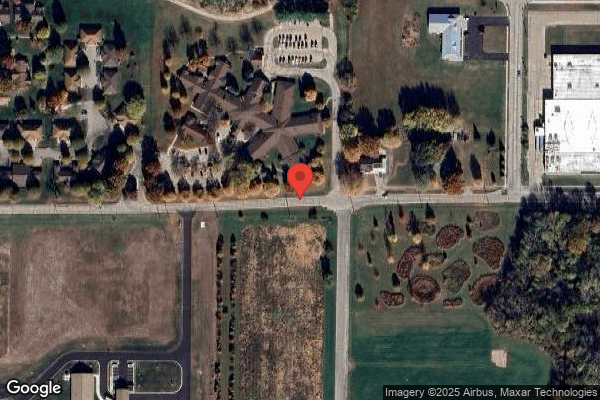
612 WEST ST MARY'S STREET, STERLING, IL 61081 (815) 626-9020
For profit - Corporation 130 Beds ALLURE HEALTHCARE SERVICES Data: November 2025
Trust Grade
30/100
#430 of 665 in IL
Last Inspection: September 2024

Within standard 12-15 month inspection cycle. Federal law requires annual inspections.

Overview

Allure of Sterling has received a Trust Grade of F, indicating significant concerns about the quality of care provided. Ranked #430 out of 665 facilities in Illinois, they fall in the bottom half, and are #6 out of 7 in Whiteside County, meaning there are only one other option in the area that is worse. While the facility is currently improving in terms of issues reported, dropping from 7 to 5 issues in the past year, there are still serious concerns, including incidents where residents suffered from untreated pressure injuries and a third-degree burn from hot coffee due to unsafe serving temperatures. Staffing is a weakness, with a poor rating of 1 out of 5, although the turnover rate at 42% is slightly better than the state average. Additionally, RN coverage is concerning as it is less than 89% of state facilities, which means there may be fewer registered nurses available to catch potential problems.

Trust Score
F
30/100
In Illinois
#430/665
Bottom 36%
Safety Record
Moderate
Needs review
Inspections
Getting Better
7 → 5 violations
Staff Stability
○ Average
42% turnover. Near Illinois's 48% average. Typical for the industry.
Penalties
✓ Good
No fines on record. Clean compliance history, better than most Illinois facilities.
Skilled Nurses
⚠ Watch
Each resident gets only 21 minutes of Registered Nurse (RN) attention daily — below average for Illinois. Fewer RN minutes means fewer trained eyes watching for problems.
Violations
⚠ Watch
33 deficiencies on record. Higher than average. Multiple issues found across inspections.
★☆☆☆☆
1.0
Overall Rating
★☆☆☆☆
1.0
Staff Levels
★☆☆☆☆
1.0
Care Quality
★★★☆☆
3.0
Inspection Score
Stable
2024: 7 issues
2025: 5 issues

The Good

  • Full Sprinkler Coverage · Fire safety systems throughout facility
  • No fines on record
  • Staff turnover below average (42%)

    6 points below Illinois average of 48%

Facility shows strength in fire safety.

The Bad

1-Star Overall Rating

Below Illinois average (2.5)

Significant quality concerns identified by CMS

Staff Turnover: 42%

Near Illinois avg (46%)

Typical for the industry

Chain: ALLURE HEALTHCARE SERVICES

Part of a multi-facility chain

Ask about local staffing decisions and management

The Ugly 33 deficiencies on record

2 actual harm
Aug 2025 1 deficiency
CONCERN (D) 📢 Someone Reported This

A family member, employee, or ombudsman was alarmed enough to file a formal complaint

Potential for Harm - no one hurt, but risky conditions existed

Accident Prevention (Tag F0689)

Could have caused harm · This affected 1 resident

**NOTE- TERMS IN BRACKETS HAVE BEEN EDITED TO PROTECT CONFIDENTIALITY** Based on observation, interview and record review the facility failed to ensure a resident at risk for elopement was supervised ...

Read full inspector narrative →
**NOTE- TERMS IN BRACKETS HAVE BEEN EDITED TO PROTECT CONFIDENTIALITY** Based on observation, interview and record review the facility failed to ensure a resident at risk for elopement was supervised for 1 of 3 residents (R3) reviewed for safety and supervision in the sample of 3.The findings include:R3's admission record documents he was admitted on [DATE] with a diabetic foot ulcer and cellulitis. R3's elopement evaluation of 8/5/25 shows he had a history of elopement or attempted elopement while at home. Scoring a 1 for risk of elopement. No risk factors for elopement were identified, and no clinical suggestions or interventions were checked on the form.On 8/9/25 at 8:50 AM, V6 Licensed Practical Nurse (LPN) said on 8/5/25 R3 was observed going to the front door asking for family members to give him a ride. V6 said V8 Registered Nurse placed a wander guard bracelet on him so if he was attempting to go outside the alarm would sound. V6 did not recall where the wander guard came from or who gave it to V8 to put it on him. V6 said the next day on 8/6/25, R3 went to the front door in his wheelchair and had removed the wander guard so the alarm would not sound, and he left the facility. V6 said he was located at the gas station down the road. On 8/9/25, a message was left for V8, but no return call was received.On 8/9/25 at 8:55 AM, R3 said he was admitted to the facility for an infection to his foot, and he was on the other side of the facility for therapy. R3 stated the following: R3 can walk on his own but uses his wheelchair for longer distances. R3 was not happy his kids put him in the facility, so he left and was going to his friend's house. R3 did not tell anyone he was leaving; he just took off. R3 removed the wander guard because it would have made the door squeal when he left. R3 headed towards route 40 and made it to the gas station. R3 said he waited at the crosswalk to go across the highway. R3 said at the gas station he was put into a car and returned to the facility. R3 denied any falls, or injury and walked the entire distance without any issues. During the interview R3 was ambulating without assistance in his room. R3 had no visible injuries and spoke clearly of the event.On 8/9/25 at 1:00 PM, V9 LPN said R3 resided on the 200 wing and did not have any exit seeking behaviors. V9 said V12 CNA came to inform her R3 was asking family members to give him a ride. V9 said she completed the task she was doing and went to speak with R3, but he was not in his room or in the lobby. She said his wheelchair was by the front door and his wander guard was on the floor. V9 said she informed V6 to announce a missing resident, and all staff began to search for him. V9 said she left out the front door and went towards the east and the rest of the staff went west. Once she turned, she could see him down the road. R3 had a sack with him and was talking to a couple that were on the road. V9 said the couple assisted R3 across the highway to the gas station. Once at the gas station, V10 CNA arrived with the facility van, and V12 arrived with her mother in a private vehicle to assist with getting R3 back to the facility. V9 said R3 refused to get into the facility van but would get into the car. V9 said R3 was out of the facility for about 10 minutes total and had no injury noted upon assessment. On 8/9/25 at 2:25 PM, V1 Administrator said she was notified of the elopement around 6:00 PM, it was shift change. V1 was advised R3s wheelchair was found by the front door, and he had removed a wander guard. V1 said she was not aware R3 had a wander guard and could not determine who ordered it or placed it on R3. V1 said there is a process for placing a resident on such a device. It should have an assessment, care planning and orders.The facility's 4/16/21 policy for elopements and wandering residents the facility ensures that residents who exhibit wandering behavior and or are at risk for elopement receive adequate supervision to prevent accidents and receive care in accordance with their person-centered plan of care addressing the unique factors contributing to wandering or elopement risk.
Jun 2025 3 deficiencies
CONCERN (D) 📢 Someone Reported This

A family member, employee, or ombudsman was alarmed enough to file a formal complaint

Potential for Harm - no one hurt, but risky conditions existed

Free from Abuse/Neglect (Tag F0600)

Could have caused harm · This affected 1 resident

Based on observation, interview, and record review the facility failed to prevent resident to resident physical abuse for one resident (R3) of three residents reviewed for abuse in the sample of 3. Th...

Read full inspector narrative →
Based on observation, interview, and record review the facility failed to prevent resident to resident physical abuse for one resident (R3) of three residents reviewed for abuse in the sample of 3. The Findings include: Comprehensive Cognitive Assessment indicates R3 is moderately impaired and has diagnosis of Mild Intellectual Disabilities. Incident Investigation Report dated 6/6/25 at 2:45pm indicates R3 was asked if someone hit her and R3 responded, Yes. My Roommate. Incident Investigation Report dated 6/6/25 at 2:45pm indicates R2 denied hitting R3 and stated that if she did, she didn't mean to. On 6/6/25 at 2pm, R3 was lying in bed and when asked if her previous roommate (R2) had ever hit her. R3 responded Yes. When asked where she was hit, R3 made eye contact and stated, All over. R3 denied being physically hurt. According to resident Census/Room assignments, both R2 and R3 were roommates until 5/28/25 when R2 was moved to another room on the same hall. R3 did not have another roommate after 5/28/25. Current Comprehensive Assessment indicates R2 is independent with mobility. Current Care Plan indicates R2 prefers to have a private room and has been manipulative and rude to past roommates (Revised 10/4/24). Current Comprehensive Assessment indicates R3 is total assist with transfers via mechanical lift and only has limited use of her right arm; Hemiplegia/Hemiparesis affecting left side. Social Service Progress Note dated 5/28/25 at 9:38am indicates R2 and guardian were notified and in agreement with the room move due to roommate preferences. Progress Note dated 5/29/25 at 2:48pm indicates R2 was noted to have behaviors of delusional thinking regarding their roommate. Intervention added of room move. Social Service Progress Note dated 5/28/25 at 9:41am indicates R3 and POA (Power of Attorney) notified of room move due to resident preference for window side of room. On 6/10/25 at 3pm V7, LPN (Licensed Practical Nurse) stated I don't remember who told me. I did hear (R2) was on (R3's) bed and that (R2) hit (R3). V7 stated she heard it as gossip and stated she didn't know if it was true or not. V7 stated, I heard in passing that's why (R3) was moved. On 6/10/25 at 2:45pm V2, ADON (Assistant Director of Nursing) stated she heard R2 was on R3's side of the room before they were moved. On 6/11/25 at 7:15pm V8, LPN stated R2 was found on R3's side of the room insisting it was R2's side. On 6/6/25 at 3:25pm V3, SSD (Social Service Director) denied R2 was moved to another room due to the alleged altercation of R2 and R3. Progress Notes did not include any documentation regarding a potential physical altercation between R2 and R3 or that R2 was insisting R3 was on the wrong side of the room. Facility Policy/Abuse, Neglect and Exploitation dated 2025 documents: It is the policy of this facility to provide protections for the heath, welfare and rights of each resident by developing and implementing written policies and procedures that prohibit and prevent abuse, neglect, exploitation and misappropriation resident property. Physical Abuse includes, but is not limited to hitting, slapping, punching, biting and kicking.
CONCERN (D) 📢 Someone Reported This

A family member, employee, or ombudsman was alarmed enough to file a formal complaint

Potential for Harm - no one hurt, but risky conditions existed

Report Alleged Abuse (Tag F0609)

Could have caused harm · This affected 1 resident

Based on interview and record review the facility failed to report allegations of abuse to the Abuse Coordinator for three residents (R1, R2, R3) of three residents reviewed for abuse in the sample of...

Read full inspector narrative →
Based on interview and record review the facility failed to report allegations of abuse to the Abuse Coordinator for three residents (R1, R2, R3) of three residents reviewed for abuse in the sample of 3. Findings include: Comprehensive Cognitive Assessment indicates R1 is moderately impaired and has diagnosis of Mild Intellectual Disabilities. On 6/5/25 at 1:15pm R1 stated (with V1, Administrator present) that [female staff member name] threw her up against the wall and she hit the left side of her head. R1 stated it hurt, but she didn't cry and there was no bump or anything. R1 identified [female staff member name] as a night shift CNA (Certified Nurse Assistant). R1 was unable to state the day/date of this incident. On 6/6/25 at 11:30am R1 stated (with V5, Hospice RN/Registered Nurse present) that [female staff member name] got her dressed for bed one night and then threw her against the wall getting her into bed. R1 stated that she hit the left side of her head It didn't hurt, I didn't cry but it made me mad. R1 stated that [female staff member name] does not have the temperament for the job and has a bad attitude. R1 stated that she told V7, LPN (Licensed Practical Nurse) the nurse who comes in the morning and stated V7 told R1 she would report her concerns. On 6/10/25 at 10:45am V9, CNA stated that about two weeks ago she was getting R1 out of bed in the morning and R1 told V9 Thank God it's you, because last night [female staff member name] threw me in the bed. V9 stated she was pretty sure there wasn't any staff by the name of [female staff member name] and (R1) talks all the time. V9 stated while she was still assisting R1 - V5, Hospice Nurse came into the room and V9 asked V5 if she knew who [female staff member name] was and if she had ever heard R1 talk about her. V5 told V9 that (V5) knew about R1's allegations and that (V5) was handling it. V9 stated she did not tell V1, Administrator or any other facility staff about R1's allegations. V9 acknowledged even if someone is cognitively impaired their allegations should be reported to their supervisor or to V1, Administrator. On 6/5/25 at 3:45pm V5, Hospice RN stated that R1 did tell her that a CNA named [female staff member name] had been rough while helping her to bed About 3-4 weeks ago and she reported R1's allegations to V2, ADON (Assistant Director of Nursing) at that time. V5 stated that she believed R1 was referring to V12, CNA who was usually R1's CNA on night shift. V5 stated she was told that R1 sometimes refers to V12 as [female staff member name] although that is not V12's name. On 6/6/25 at 2pm V7, LPN stated she also heard R1 calls V12 by [female staff member name] On 6/5/25 and again on 6/10/25 V2, ADON denied V5 reported any allegations of abuse to her regarding R1 or any other resident. R1 was consistent in her reporting of allegations throughout the investigation. Internal reporting of an allegation of abuse was not implemented until reported to the V1, Administrator by the State Agency surveyor on 6/5/25. 2) Current Comprehensive Assessment indicates R2 is independent with mobility. Current Comprehensive Assessment indicates R3 is total assist with transfers via mechanical lift and only has limited use of her right arm; Hemiplegia/Hemiparesis affecting left side. According to resident Census/Room assignments - both R2 and R3 were roommates until 5/28/25 when R2 was moved to another room on the same hall. Social Service Progress Note dated 5/28/25 at 9:38am indicates R2 and guardian notified and in agreement with room move due to roommate preferences. Progress Note dated 5/29/25 at 2:48pm indicates R2 noted to have behaviors of delusional thinking regarding roommate. Intervention added of room move. Social Service Progress Note dated 5/28/25 at 9:41am indicates R3 and POA (Power of Attorney) notified of room move due to resident preference for window side of room. On 6/10/25 at 3pm V7, LPN stated, I don't remember who told me - I did hear (R2) was on (R3's) bed and that (R2) hit (R3). V7 stated she heard it as Gossip and stated she didn't know if it was true or not. V7 stated, I heard in passing, that's why (R3) was moved. On 6/10/25 at 2:45pm V2, ADON stated that she did hear that R2 was on R3's side of the room before they were moved. On 6/6/25 at 2pm, R3 was lying in bed and when asked if her previous roommate (R2) had ever hit her - R3 responded Yes. When asked where she was hit, R3 stated, All over. R3 denied being physically hurt. Progress Notes did not include any documentation regarding a potential physical altercation between R2 and R3. No internal reporting of R2 being physically aggressive with R3 was made until 6/6/25 when State Agency surveyor reported the allegation to V13, Regional Nurse Consultant. Facility Policy/Abuse, Neglect and Exploitation dated 2025 documents: It is the policy of this facility to provide protections for the health, welfare and rights of each resident by developing and implementing written policies and procedures that prohibit and prevent abuse, neglect, exploitation and misappropriation resident property. The facility will have written procedures that include: Reporting of alleged violations to the Administrator, state agency, adult protective services and to all other required agencies within specified timeframe's: Immediately, but not later than 2 hours after the allegation is made, if the events that cause the allegation involve abuse or result in serious bodily injury. The facility will provide ongoing oversight and supervision of staff in order to assure that its policies are implemented as written.
CONCERN (D) 📢 Someone Reported This

A family member, employee, or ombudsman was alarmed enough to file a formal complaint

Potential for Harm - no one hurt, but risky conditions existed

Investigate Abuse (Tag F0610)

Could have caused harm · This affected 1 resident

Based on interview and record review the facility failed to protect one resident (R1) from further potential abuse for 1 of three residents reviewed for abuse in the sample of 3. Findings include: On ...

Read full inspector narrative →
Based on interview and record review the facility failed to protect one resident (R1) from further potential abuse for 1 of three residents reviewed for abuse in the sample of 3. Findings include: On 6/5/25 at 1:15pm R1 stated (with V1, Administrator present) that [female staff member name] threw her up against the wall and she hit the left side of her head. R1 stated it hurt, but she didn't cry and there was no bump or anything. R1 identified [female staff member name] as a night shift CNA (Certified Nurse Assistant). On 6/6/25 at 11:30am R1 stated (with V5, Hospice RN/Registered Nurse present) that [female staff member name] got her dressed for bed one night and then threw her against the wall getting her into bed. R1 stated that she hit the left side of her head, It didn't hurt, I didn't cry but it made me mad. R1 stated that [female staff member name] does not have the temperament for the job and has a bad attitude. R1 stated that she told V7, LPN (Licensed Practical Nurse) the nurse who comes in the morning and stated V7 told R1 she would report her concerns. R1 never referred to the CNA in question [female staff member name] by any other name. R1 stated she could not recall if [female staff member name] cared for her after the incident or not. On 6/10/25 at 11:45am V7 denied R1 reported being thrown into bed [female staff member name]. V7 stated R1 usually just sits next to her and talks non-stop has a very soft voice and is difficult to understand at times. V7 stated R1 may have thought she told V7, But I might not have really been listening. On 6/10/25 at 10:45am V9, CNA stated that about two weeks ago she was getting R1 out of bed in the morning and R1 told V9 Thank God it's you, because (last night) [female staff member name] threw me in the bed. V9 stated she was pretty sure there wasn't any staff by that name and (R1) talks all the time. V9 stated while she was still assisting R1 - V5, Hospice Nurse came into the room and V9 asked V5 if she knew who [female staff member name] was and if she had ever heard R1 talk about her. V5 told V9 that (V5) knew about R1's allegations and that (V5) was handling it. V9 stated she did not tell V1, Administrator or any other facility staff about R1's allegations. V9 acknowledged even if someone is cognitively impaired their allegations should be reported to their supervisor or to V1, Administrator. On 6/5/25 at 3:45pm V5, Hospice RN stated that R1 did tell her that a CNA named [female staff member name] had been rough while helping her to bed About 3-4 weeks ago and she reported R1's allegations to V2, ADON (Assistant Director of Nursing) at that time. V5 stated she did look at R1's head and did not find any signs of injury. V5 stated that she believed R1 was referring to V12, CNA who was usually R1's CNA on night shift. V5 stated she was told that R1 sometimes refers to V12 as [female staff member name] although that is not V12's name. On 6/6/25 at 2pm V7, LPN stated she also heard R1 calls V12 [female staff member name]. Current list of all nursing staff employed at the facility were reviewed and no staff named [female staff member name] was identified. On 6/5/25 at 1:15pm V1, Administrator stated the facility does not utilize CNA Agency staff. On 6/5/25 at 3:55pm V1 confirmed that V12 had quit yesterday due to an assignment dispute. Human Resources: Change in Status Form indicates V12 Walked out and quit on 6/4/25 and was terminated from employment at that time. Prior to 6/4/25 - Time Card Reports indicate V12 remained working at the facility on Night shift until 6/4/25. V5, Hospice Nurse stated she reported R1's allegation to V2, ADON 3-4 weeks ago, V2 denied receiving the allegation from V5. V9, CNA stated that R1 reported the allegation to her approximately 2 weeks ago and V9 did not report R1's allegation to any facility staff. V12, CNA was not suspended pending investigation and continued to work primarily as R1's CNA until 6/4/25. Facility Policy/Abuse, Neglect and Exploitation dated 2025 documents: It is the policy of this facility to provide protections for the health, welfare and rights of each resident by developing and implementing written policies and procedures that prohibit and prevent abuse, neglect, exploitation and misappropriation resident property. Protection of Resident: The facility will make all efforts to ensure all residents are protected from physical and psychosocial harm, as well as additional abuse, during and after the investigation. Examples include but are not limited to: Responding immediately to protect the alleged victim and integrity of the investigation; Examining the alleged victim for any sign of injury, including a physical examination or psychosocial assessment if needed; Increased supervision of the alleged victim and residents. Room or staffing changes, if necessary, to protect the resident(s) from the alleged perpetrator; Protect from retaliation; Providing emotional support and counseling to the resident during and after the investigation, as needed.
May 2025 1 deficiency
CONCERN (D) 📢 Someone Reported This

A family member, employee, or ombudsman was alarmed enough to file a formal complaint

Potential for Harm - no one hurt, but risky conditions existed

Notification of Changes (Tag F0580)

Could have caused harm · This affected 1 resident

**NOTE- TERMS IN BRACKETS HAVE BEEN EDITED TO PROTECT CONFIDENTIALITY** Based on interview and record review, the facility failed to notify a resident's representative after a fall with injury, and fa...

Read full inspector narrative →
**NOTE- TERMS IN BRACKETS HAVE BEEN EDITED TO PROTECT CONFIDENTIALITY** Based on interview and record review, the facility failed to notify a resident's representative after a fall with injury, and failed to notify the representative that the resident was sent out to a local hospital for 1 of 3 residents (R1) reviewed for resident injury in the sample of 8. The findings include: R1's admission Record, provided by the facility on 5/14/2025, showed he was admitted to the facility on [DATE] with diagnoses including unspecified dementia, malignant neoplasm of head, face and neck, and hypertension. R1's 5/8/2025 Clinical admission assessment showed R1 was confused and had severe cognitive impairment affecting all areas of judgement. The assessment showed R1 had wandering behaviors, was occasionally incontinent of urine and frequently incontinent of bowel. On 5/13/2025 at 9:06 AM, V1 (Administrator) said R1 had 2 falls in the facility on 5/8/2025. V1 said the first fall was earlier, while R1's family was in the building. V1 said R1 had another fall later that night after being put in bed. On 5/13/2025 at 1:57 PM, V4 (Licensed Practical Nurse-LPN) said she was working when R1 fell on 5/8/2025. V4 said it was around 10:30 PM. V4 said she could not recall which Certified Nursing Assistant (CNA) told her that R1 was found on the floor. V4 said she assessed R1, and he did not complain of pain at first. V4 said after they got him back into bed, R1 complained of left hip and knee pain. V4 said she thinks she just sent R1 out to the emergency room after he complained of pain. V4 said she left a message for R1's doctor and then notified his family. V4 was asked who the family member was she spoke to. V4 said she did not remember. V4 was informed this surveyor had just spoken with R1's family and they were not aware that he had a second fall in the facility. V4 said she thought she called them to let them know he was being sent to the hospital. V4 said, I sure thought I did. I don't know. I will be honest with you, and I hate to admit it, but my memory isn't the best. On 5/13/2025 at 1:25 PM, V13 (R1's daughter and POA) said R1 was admitted to the facility Thursday night. R1 was sent out to the hospital later and no one from the facility called the family to let them know that he was sent out. V13 said R1 had a fall earlier that night while V14 (R1's other daughter and POA) was still at the facility. V13 was asked if R1 had another fall and that is why he was sent out. V13 said no, he only had the one fall in the facility. V14 was on the phone call and agreed R1 had only had the one fall in the facility, and that neither of them was notified that R1 had been sent out to the hospital. V13 said at 12:55 AM they received a call from the emergency room doctor asking if they wanted R1 to have surgery due to a fractured hip. V13 said that is how they found out that R1 had been sent to the hospital. R1's 5/8/2025 progress notes do not show R1's daughters/POAs were notified of the fall, or that he was sent out to the hospital. R1's 5/8/2025 incident reports showed a fall at 4:45 PM, and another fall at 10:30 PM. The facility's 2024 policy and procedure titled Notification of Changes showed the purpose of the policy is to ensure the facility promptly informs the resident, consults the resident's physician, and notifies consistent with his or her authority, the resident's representative when there is a change requiring notification. The policy showed circumstances requiring notification include accidents resulting in injury and the potential to require physician intervention. The policy also lists a transfer or discharge of the resident from the facility as a circumstance requiring notification.
Sept 2024 7 deficiencies 1 Harm
SERIOUS (G)

Actual Harm - a resident was hurt due to facility failures

Pressure Ulcer Prevention (Tag F0686)

A resident was harmed · This affected 1 resident

**NOTE- TERMS IN BRACKETS HAVE BEEN EDITED TO PROTECT CONFIDENTIALITY** Based on observation, interview, and record review, the facility failed to identify a pressure injury prior to be becoming a Sta...

Read full inspector narrative →
**NOTE- TERMS IN BRACKETS HAVE BEEN EDITED TO PROTECT CONFIDENTIALITY** Based on observation, interview, and record review, the facility failed to identify a pressure injury prior to be becoming a Stage 3, failed to assess a new pressure injury, and failed to implement pressure relieving interventions after a new wound was found for 1 of 6 of residents (R82) reviewed for pressure in the sample of 19. These failures resulted in R82 having a Stage 3 pressure injury for a week before an assessment was done, pressure relieving interventions were put into place and the pressure care plan interventions were updated. The findings include: R82's face sheet showed a [AGE] year-old female with diagnosis of mild protein calorie malnutrition, conversion disorder with seizures, intellectual disabilities, hypertension, dysphagia, malignant neoplasm of the uterus, and cognitive communication deficit. On 9/24/24 at 10:23 AM, R82 was in the hallway in a wheelchair. R82 was self-propelling the chair and leaned to the left. On 9/24/24 and 9/25/24, R82 was seen in her wheelchair and consistently leaned to the left. On 9/26/24 at 7:41 AM, V8 (Wound Doctor) said he expects a wound to be assessed by the nurse at the time it is found. V8 said, They shouldn't wait a week for me to look at it. The wound could deteriorate. [R82's] left mid back wound is a Stage 3 pressure injury. V8 measured the back wound as 3.0 centimeters (cm) X 2.5 cm X 0.1 cm. The wound had a reddened circumference, darkened center, and was circular in shape. V8 ran his finger on R82's back to show the staff present the wound was over the posterior rib cage. V8 told the staff, You don't want it to get any worse. It's right over the chest. V8 debrided the wound at the bedside. V6 (Licensed Practical Nurse) showed V8 R82's wheelchair and said she believed R82's back rubbed on the metal bar on the left side of the wheelchair as she usually leans that way. V8 asked V6 to have therapy apply a pad to the back of the chair to pad the area and alleviate pressure from the bar. V8 said the facility definitely should have implemented interventions to relive pressure to R82's back. V8 said, A cushion or something to provide pressure relief. An initial assessment is important to know if the treatment is doing the job or not. Is it getting better or worse? It helps you decide on the treatment. On 9/26/24 at 8:07 AM, V2 Director of Nursing (DON) said when a wound is found the nurse should do an assessment and document the assessment. V2 said, Documentation could be done in the progress note. Not every wound has a wound observation tool. There should be a wound note on the date the wound is found, and I don't see one for [R82's] wound. V2 was unable to show any care plan interventions initiated after finding the wound to R82's back. V2 said R82 is only in bed at night. R82's 5/22/24 admission skin assessment showed no open areas. R82's physician order sheet showed a 9/19/24 order that she may see the wound care services. Another order dated 9/18/24 showed wound treatment orders to the mid back wound to start 9/19/24 (wound present 9/18/24). R82's wound doctor notes showed no mention or assessment of the left mid back wound. R82's pressure care plan interventions have had no updates since 5/2024. R82's 8/23/24 facility assessment showed moderate cognitive impairment. The facility's 1/3/22 Pressure Injury Prevention and Management Policy showed: The facility shall establish and utilize a systemic approach for pressure injury prevention and management, including prompt assessment and treatment; intervening to stabilize, reduce or remove underlying risk factors; and modifying the interventions as appropriate. Licensed nurses will conduct a full body skin assessment on all residents after any newly identified pressure injury. Assessments of pressure injuries will be performed by a licensed nurse and documented on the____________ (left blank). After completing a thorough assessment/evaluation, the interdisciplinary team shall develop a relevant care plan that includes measurable goals for prevention and management of pressure injuries with appropriate interventions. Interventions will be based on specific factors identified in the risk assessment, skin assessment, and any pressure injury assessment. Evidence based interventions for prevention will be implemented for all residents who have a pressure injury present. Interventions on a resident's care plan will be modified as needed. Considerations for needed modifications include new onset or recurrent pressure injury development.
CONCERN (D)

Potential for Harm - no one hurt, but risky conditions existed

Deficiency F0583 (Tag F0583)

Could have caused harm · This affected 1 resident

**NOTE- TERMS IN BRACKETS HAVE BEEN EDITED TO PROTECT CONFIDENTIALITY** Based on interview and record review the facility failed to provide privacy for a resident during physician appointments for 1 o...

Read full inspector narrative →
**NOTE- TERMS IN BRACKETS HAVE BEEN EDITED TO PROTECT CONFIDENTIALITY** Based on interview and record review the facility failed to provide privacy for a resident during physician appointments for 1 of 1 residents (R13) reviewed for privacy in the sample of 19. The findings include: R13's admission record shows she was admitted to the facility on [DATE] with multiple diagnoses including spinal stenosis, difficulty walking and lack of coordination. The 8/26/24 annual resident assessment shows she is cognitively intact. On 9/25/24 at 11:00 AM, R13 said V5 (transportation coordinator) takes me to my doctor appointments but goes back into the office to see the doctor with her. R13 said she has asked (V5) to stay in the lobby as she can go see the doctor by herself, and V5 told her that was not possible, and was responsible for her and not able to let her out of her sight. R13 said she has requested privacy for her appointments, and V5 will not listen. On 9/25/24 at 2:00 PM, V5 said she transports residents to their appointments. She takes the paperwork with her and gives it to the nurses at the office. She also goes back into appointments with the resident so she can hear what is going on with them. She said no one has ever requested she not go in with them. On 9/26/24 at 10:25 AM V1 (Administrator) said, it depends on a residents cognition level, and the doctor's office whether V5 should be going into a residents appointment. Some residents are completely alert and oriented, and able to go alone if they choose. V1 said R13 is alert and able to make that decision for herself. V1 said, it would be their right, and a right to privacy. The facility's 2024 policy for resident right to privacy in communication shows it is the policy of this facility to support and facilitate a resident's right to privacy in communications with individuals and entities within and external to the facility.
CONCERN (D)

Potential for Harm - no one hurt, but risky conditions existed

Respiratory Care (Tag F0695)

Could have caused harm · This affected 1 resident

**NOTE- TERMS IN BRACKETS HAVE BEEN EDITED TO PROTECT CONFIDENTIALITY** Based on observation, interview, and record review, the facility failed to ensure a resident receiving oxygen had a physician or...

Read full inspector narrative →
**NOTE- TERMS IN BRACKETS HAVE BEEN EDITED TO PROTECT CONFIDENTIALITY** Based on observation, interview, and record review, the facility failed to ensure a resident receiving oxygen had a physician order, failed to ensure oxygen and breathing treatment equipment was changed weekly and stored in a manner to prevent cross contamination for 3 of 3 residents (R19, R82, R14) reviewed for respiratory in the sample of 19. The findings include: 1. R19's face sheet showed a [AGE] year-old female with diagnosis of acute respiratory failure, chronic obstructive pulmonary disease, obstructive sleep apnea, hypertension, and anxiety disorder. On 9/24/24 at 11:04 AM, R19 was in bed. R19 had oxygen being administered via nasal cannula at 2 liters per minute. At 1:30 PM, V7 Licensed Practical Nurse (LPN) said R19 has been on oxygen for at least six months. On 9/26/24 at 8:00 AM, V2 Director of Nursing (DON) said R19 should have an order for oxygen. It used to be as needed. Oxygen is a treatment which requires a physician order. Oxygen tubing and breathing treatment tubing should be dated when started and changed once a week for infection control purposes. Oxygen and nebulizer treatment tubing should be stored in a plastic bag to keep it clean. R19's physician order sheet (POS) had no current order for oxygen administration. R19 did not have an oxygen administration care plan. The facility's 4/1/24 Oxygen Administration Policy showed oxygen is administered under orders of a physician. The resident's care plan shall identify the interventions for oxygen therapy, based upon the resident assessment and orders, such as, but not limited to the type of oxygen delivery, when to administer, such as continuous or intermittent and/or when to discontinue, equipment setting for the flow rates. Change oxygen tubing and mask/cannula weekly and as needed if they become soiled or contaminated. Keep delivery devices covered in plastic bag when not in use. 2. R82's face sheet showed a [AGE] year-old female with diagnosis of acute respiratory failure with hypoxia, asthma, atrial fibrillation, conversion disorder with seizures, intellectual disabilities, and pneumonia. On 9/24/24 at 10:23 AM, R82 was in the hallway in a wheelchair. R82 was self-propelling the chair and there was an oxygen tank on the back of the chair. The oxygen tubing attached to the tank had no date to indicate when it was initiated. The oxygen was not in use and the tubing was not stored in a plastic bag. It was wrapped around the top of the tank. On 9/25/24 at 11:01 AM, R82's oxygen concentrator in her room had a nasal cannula attached and lying on the floor. There was no date on the nasal cannula and the tubing was not stored in a plastic bag. R82's current POS showed an order for oxygen at 2 liters per nasal cannula for saturations (sat) below 90% as needed to maintain oxygen (O2) sat above 90%. 3. R14's face sheet showed an [AGE] year-old female with diagnosis of asthma, chronic obstructive pulmonary disease, chronic kidney disease, anxiety disorder, hypertension, bipolar disorder, and diabetes. On 9/24/24 at 11:08 AM, R14 was in bed with her eyes closed. There was a breathing treatment machine on the bedside table. The machine was not in use. The tubing was not stored in a bag and there was not date on the tubing. At 1:30 PM, V7 Licensed Practical Nurse (LPN) said she administered R14's two breathing treatments today. V7 said she did not know how old the nebulizer tubing was or when it needed to be changed. V7 confirmed she did not place the tubing in a plastic bag after the treatments. R14's current POS showed an order for albuterol nebulizer solution orally via nebulizer every four hours. R14's medication administration record (MAR) showed R14 was given a treatment 9/24/24 at 8:00 AM and 12:00 PM.
CONCERN (D)

Potential for Harm - no one hurt, but risky conditions existed

Pharmacy Services (Tag F0755)

Could have caused harm · This affected 1 resident

**NOTE- TERMS IN BRACKETS HAVE BEEN EDITED TO PROTECT CONFIDENTIALITY** Based on interview and record review, the facility failed to administer two doses of an ordered antibiotic to 1 of 3 residents (...

Read full inspector narrative →
**NOTE- TERMS IN BRACKETS HAVE BEEN EDITED TO PROTECT CONFIDENTIALITY** Based on interview and record review, the facility failed to administer two doses of an ordered antibiotic to 1 of 3 residents (R32) reviewed for hospitalization in the sample of 19. The findings include: R32's face sheet showed a [AGE] year-old male with diagnosis of urinary tract infection, multiple sclerosis, neuromuscular dysfunction of the bladder, calculus of the kidney and ureter, and chronic obstructive pulmonary disease. R32's 5/20/24 local hospital history and physical showed he had a suprapubic catheter and fever of 102 while at the facility. At the hospital R32 was found to have a urinary tract infection (UTI). R32's local hospital 6/2/24 hospitalist note showed R32 was diagnosed with sepsis likely source UTI, osteomyelitis, and infected decubitus ulcers. R32's facility census showed he returned to the facility on 6/4/24 after 14 days in the hospital. R32's 6/15/24 local hospital history and physical showed his workup in the emergency room revealed a urinary tract infection with fever, elevated white blood cell count, and early sepsis. R32's local hospital records showed admission on [DATE] and discharge back to the facility on 6/18/24. R32's 6/18/24 hospital discharge report showed to administer amoxicillin 500 milligrams (mg) by mouth three times a day for eight days. R32's census report showed he returned to the facility from a hospital stay on June 18, 2024, at 6:50 PM. The facility's stock drug convenience box list showed amoxicillin 250 mg capsules (six doses) were available on site. R32's June 2024 MAR showed the amoxicillin was not administered June 18, 2024, at 8:00 PM or on June 19, 2024, at 8:00 AM. On 9/26/24 at 7:58 AM, V2 Director of Nursing (DON) said there's no excuse for R32 not receiving his antibiotic doses on 6/18/24 and 6/19/24. If it didn't come from pharmacy both doses could have been taken out of the convenience box in the facility. The facility's 2024 Medication Administration Policy showed medications are administered by licensed nurse as ordered by the physician and in accordance with professional standards of practice.
CONCERN (D)

Potential for Harm - no one hurt, but risky conditions existed

Infection Control (Tag F0880)

Could have caused harm · This affected 1 resident

Based on observation, interview, and record review the facility failed to ensure PPE (personal protective equipment) was worn in a manner to prevent cross contamination for 2 residents (R71, R84) in t...

Read full inspector narrative →
Based on observation, interview, and record review the facility failed to ensure PPE (personal protective equipment) was worn in a manner to prevent cross contamination for 2 residents (R71, R84) in the sample and 1 resident (R72) outside the sample. The findings include: 1. R71's September 2024 order summary report showed an order for modified droplet/precautions with face/eye protection. Verify signage is on outside of door to identify the isolation every shift. R72's September 2024 order summary report showed an order for modified droplet precautions with face/eye protection. Verify signage is on outside of room to identify the isolation every shift. On 9/24/24 at 8:53 AM, V1 (Administrator/Infection Control Preventionist) stated R72 is in a COVID positive room. V1 said her roommate (R71) is also a COVID positive resident. On 9/24/24 at 10:24 AM, R71 and R72 had signage on the door indicating the room was on special droplet/contact isolation precautions. The sign showed everyone must, including visitors, doctors, and staff, wear an N-95 mask, eye protection, gown and gloves. A bin of the required PPE was located directly next to the door. At 10:26 AM, V11 (CNA-Certified Nurse Aide) entered the room wearing only a surgical mask. R71 was observed from the hallway seated in a wheelchair. V11 leaned in close to R71 and asked if she wanted anything to drink. V11 continued conversing with R71 for several minutes before exiting the room. R72 (roommate) was observed from the hallway and was lying in bed. V11 returned five minutes later and went into the room to deliver a cup of juice to R71. V11 wore only the surgical mask. On 9/24/24 at 12:32 PM, V13 (CNA) entered the room wearing only a surgical mask and delivered a lunch tray to R71. V13 remained in the room and assisted R71 with the lunch meal. At 12:35 PM, V11 (CNA) entered the room wearing only a surgical mask and delivered a lunch tray to R72. At no time were gowns, eye protection or N-95 masks worn. On 9/25/24 at 1:15 PM, V1 (Administrator/Infection Control Preventionist) stated anyone entering a COVID positive room needs eye protection, N-95 mask, gowns, and gloves on. The PPE should be donned at the door and removed before exiting. The sign clearly shows what needs to be worn in the room. The PPE stops the spread of germs to other residents and other areas. Staff are educated at multiple times during the year and should be aware of what to wear in that room. The facility's Infection Control Policy and Procedure For COVID-19 states under the universal PPE for healthcare providers' section: If a resident is suspected or confirmed to have COVID-19, HCP (healthcare providers) must wear an N95 respirator, eye protection, gown and gloves. 2. On 9/25/24 at 9:15 AM, a sign was on the door to R84's room showing he was on enhanced barrier precautions. The sign stated staff must wear gloves and a gown for high contact resident care activities. Examples of high contact activities included transfers, changing briefs, toileting, and wounds. At 9:25 AM, V11 and V12 (CNAs) transferred R84 from his wheelchair to the toilet using a stand lift. The aides changed his brief and provided peri care then transferred R84 back to his wheelchair. The aides wore gloves but at no time did the aides wear a gown. On 9/25/24 at 1:24 PM, V1 (Administrator/Infection Control Preventionist) stated R84 has a wound to his left foot and is on enhanced barrier precautions. Staff need to wear gloves and gowns during care which includes transfers and toileting. Germs and infection can spread when the correct PPE is not worn. The facility's undated Enhanced Barrier Precaution policy states: PPE for enhanced barrier precautions is only necessary when performing high-contact care activities and may not need to be donned prior to entering the resident's room. The policy listed several high-contact care activities including transferring, providing hygiene and wounds.
CONCERN (E)

Potential for Harm - no one hurt, but risky conditions existed

Accident Prevention (Tag F0689)

Could have caused harm · This affected multiple residents

Based on observation, interview, and record the review the facility failed to transfer a resident in a safe manner for 1 resident (R343) and failed to ensure hazardous liquids and disposable razors we...

Read full inspector narrative →
Based on observation, interview, and record the review the facility failed to transfer a resident in a safe manner for 1 resident (R343) and failed to ensure hazardous liquids and disposable razors were inaccessible for 1 sampled resident (R56) and 10 residents outside the sample (R43, R60, R34, R28, R22, R86, R75, R85, R33, R41). The findings include: 1. On 9/26/24 the facility supplied a list of residents able to ambulate or propel independently on the dementia unit. The list included (R43, R56, R60, R34, R28, R22, R86, R75, R85, R33, R41). On 9/24/24 at 12:02 PM, the dementia unit shower room door was unlocked. The handle had a numbered keypad. This surveyor was able to fully access the room alone. Bins of mouth wash, skin and hair cleanser, hand sanitizer, body lotion, baby powder, and shaving cream were in the room. A spray bottle of glass and surface cleanser was hanging from a wire rack in the room. A bin with multiple disposable razors were in the room. On 9/25/24 at 9:16 AM, the shower room door was still unlocked, and the same items were in the room. The body lotion, skin and hair cleanser, hand sanitizer, and shave cream had caution labels stating: Keep out of reach of children. Instructions to Do not swallow and call the Poison Control Center immediately was on several items. The Safety Data Sheet for the glass and surface cleanser showed under the toxicological information section: Causes eye irritation. May be mildly irritating to sensitive skin. May cause irritation, nausea, vomiting and diarrhea. The sheet showed to keep out of reach of children. On 9/26/24 at 11:15 AM, V13 and V17 (Certified Nurse Aides) stated the door should always be locked. There are several residents that wander around on the unit. Some are known to grab supplies out of the room and take them to their own room. The door has a code to lock it and keep the residents away from the items in the shower room. On 9/26/24 at 10:15 AM, V2 (Director of Nurses) stated the shower room needs to be locked at all times. There are supplies in there that are potentially dangerous to the residents. Residents could open the door and get access to hazardous items when it is unlocked. It should never be left open. The door's keypad should be automatically locking when it closes. It is a safety issue for the confused residents that reside on the dementia unit. The facility's undated Accidents and Supervision policy states: The facility shall establish and utilize a systematic approach to address resident risk and environmental hazards to minimize the likelihood of accidents. 2. R343's face sheet printed on 9/26/24 showed diagnoses including but not limited to lack of coordination, hypertension, and obesity. R343's care plan showed a focus area dated 9/18/24 related to risk for falls due to deconditioning and gait/balance problems. On 9/24/24 at 10:43 AM, V9 and V10 (Certified Nurse Aides) were assisting R343 with toileting and peri care. R343 was unsteady and struggled to stand up during peri care. V9 and V10 instructed R343 to hold his walker, stand up, and walk across the room to his wheelchair. R343 needed verbal cues to hold the walker, walk upright, and go to a seated position in his wheelchair. V10 held the back of R343 pants and V9 held his forearm. R343 was weak and slow during the transfer. V9 and V10 did not apply a gait belt around R343 at any time during the peri care or transfer. A gait belt was observed hanging on the back of R343's room door. On 9/26/24 at 10:10 AM, V2 (Director of Nurses) stated gaits belts are needed to keep resident up during transfers. It gives staff more control and safety to steady the resident. It helps with balance. The therapy department determines who needs gait belts while transferring. It is a good indication one is needed if there is one in the room. V2 said staff should be using a gait belt with R343 during transfers. The facility's undated Use of Gait Belt policy states: It is the policy of this facility to use gait belts with residents that cannot independently ambulate or transfer for the purpose of safety.
CONCERN (F)

Potential for Harm - no one hurt, but risky conditions existed

Food Safety (Tag F0812)

Could have caused harm · This affected most or all residents

Based on interview and record review the facility failed to monitor food temperatures and failed to monitor and record dishwasher temperatures. This applies to all 90 residents residing in the facilit...

Read full inspector narrative →
Based on interview and record review the facility failed to monitor food temperatures and failed to monitor and record dishwasher temperatures. This applies to all 90 residents residing in the facility. The findings include: The facility's 9/24/24 CMS (Centers for Medicare and Medicaid Services) 671 form shows 90 residents reside in the facility. 1. On 9/24/24 at 8:53 AM V14 (Dietary Manager) said the dishwasher is a hot water sanitizer, and the temperature gets up to 200 degrees, there is a booster in place. The temperatures are checked before cleaning the dishes from each meal and should be logged and recorded. V14 said it is important to make sure the dishes are sanitized to ensure there is no bacteria that could cause food borne illnesses. The September 2024 dishwasher logs show no monitoring of the temperatures from 9/6/24 until 9/11/24, and no temperature recordings on 9/17/24. The facility's 2024 policy for dishwasher temperatures documents it is the policy of this facility to ensure dishes and utensils are cleaned under sanitary conditions through adequate dishwasher temperatures. 6. Water temperatures shall be measured and recorded prior to each meal and /or after the dishwasher has been emptied or re-filled for cleaning purposes. 2. On 9/24/24 at 9:30 AM, V16 (Cook) said the food temperatures are checked prior to serving and are logged into the book. It is the responsibility of the cook to ensure this is done. The food temperature log for the week of 9/22/24 was reviewed and show no dinner temperatures of the food have been logged for the past 2 night meals. On 9/24/24 at 9:45 AM, V14 (Dietary Manager) said it is important to check the food temps before plating the food to make sure all the bacteria are killed to prevent food borne illnesses. The food temperature log shows the temperatures should be checked prior to serving the food, and again after half of the meals have been served. The facility's 2024 policy for record of food temperatures documents it is the policy of this facility to record food temperatures daily to ensure food is at the proper serving temperatures before trays are assembled.
Dec 2023 1 deficiency
CONCERN (D) 📢 Someone Reported This

A family member, employee, or ombudsman was alarmed enough to file a formal complaint

Potential for Harm - no one hurt, but risky conditions existed

Quality of Care (Tag F0684)

Could have caused harm · This affected 1 resident

**NOTE- TERMS IN BRACKETS HAVE BEEN EDITED TO PROTECT CONFIDENTIALITY** Based on interview and record review the facility failed to document resident assessments for 2 of 3 residents (R4, R7) reviewed...

Read full inspector narrative →
**NOTE- TERMS IN BRACKETS HAVE BEEN EDITED TO PROTECT CONFIDENTIALITY** Based on interview and record review the facility failed to document resident assessments for 2 of 3 residents (R4, R7) reviewed for change of condition in the sample of 13. The findings include: 1. R4's face sheet documents she was admitted to the facility on [DATE] and discharged on [DATE]. R4 had multiple diagnoses including chronic respiratory failure, oxygen dependency, and COPD (chronic obstructive pulmonary disease). The order summary sheet shows an order for oxygen at 2L (liters) continuous. R4 had an order for a full code status. On [DATE] at 8:50 AM, V1 (Administrator) documented during the AM medication pass, nurse entered (R4's) room to observe resident with no pulse and no respirations. Code blue called. This writer assessed resident and CPR (Cardiopulmonary Resuscitation) initiated at 7:50 AM. 911 called and CPR continued until EMS arrived. Resident left facility, with no pulse/respirations at 8:34 AM with [NAME] Machine (chest compression machine) operating. The progress notes did not contain any assessment or description of R4 at the time of the code, including where she was, physical appearance or if any vitals were able to be obtained. On [DATE] at 10:30 AM, V16 LPN (Licensed Practical Nurse) said on [DATE] she was the day shift nurse assigned R4, on the garden unit. V16 said at the time of the incident, she was on the 200 wing passing medications when her aide from gardens came running to get her for a non-responsive resident. V16 said she ran to the garden unit, verified R4's code status to be a full code and initiated CPR. V16 said R4 had bubbles around her mouth and nose, and her oxygen cannula was still in her nose. V16 said multiple staff began to appear and assist with the code by calling 911, family and the physician. V16 said R4 left the facility with the ambulance crew continuing CPR. After R4 left, V1 instructed her to write down the last set of vital signs. V16 said as a new nurse she was not sure what to do or what needed to be done as far as documenting anything. V16 said she dropped the ball and should have documented how R4 was found, and step by step details of events and the time they occurred. On [DATE] at 11:10 AM, V2 DON (Director of Nursing) said following an incident such as a code blue, the nurse should be documenting when the resident was last seen, how they found the resident, their color, the temperature of their skin whether they are cold or still warm to touch, if there are any vital signs or no vital signs. The progress notes should note when CPR began, and when paramedics arrived, and when the resident left or expired. The notes should also contain what staff were present for the code. On [DATE] at 11:45 AM, V1 said at the time of the code blue, she was in her office when the overhead page went out. V1 found V16 had gone into R4's room during morning medication pass and noticed she had no pulse or respirations. V16 and V4 (Certified Nursing Assistant Staff Coordinator) were performing CPR, and V1 stepped in and took over. V1 said while she ran the code, staff were calling 911 and the family. V1 said V16 is a newer nurse and needed a break after the code, and after R4 left the facility. V1 said she completed the documentation in R4's record but was unaware V16 was on the 200 wing when the code occurred. 2. R7's admission record shows she was admitted to the facility on [DATE] with multiple diagnoses including heart failure, and nonrheumatic aortic stenosis. The order summary sheet documents an order for oxygen at 1-2 L/NC (liters per nasal cannula) to keep SATs (saturation levels) above 92%. The weights and vitals summary shows her last oxygen saturation level on [DATE] was 99% with oxygen via nasal cannula. R7's progress notes for [DATE] at 1:41 AM shows V16 notified the physician of resident status, advised to send to local ER (Emergency Room) for further evaluation of symptoms. The progress notes have no assessment or documentation of R7's condition, vital signs, or assessment. A note at 1:55 AM shows R7 was transferred out of the facility for low oxygen saturation levels. No oxygen levels or assessment were noted at this time. Assessments for R7 on [DATE] were requested and none provided relating to the transfer out to the ER. On [DATE] at 10:30 AM, V16 said she assessed R7 but did not document anything. V16 said she remembers that night and sending R7 out due to low oxygen level, but could not recall how low the level was, and did not write it down. V16 said she should have documented a full assessment in the progress notes including why the resident was being sent out and any abnormal findings. V16 said she was unsure of what should be documented, and as a new nurse was not comfortable working the night shift. V16 was aware of how important it is to document on the residents. On [DATE] at 11:19 AM, V2 said with any resident with a change of condition V2 would expect the nurse to have a progress note with the change, and how it changed from a prior assessment. The note should also include vital signs, oxygen readings and what was done for the resident, if they had any signs or symptoms associated with the change. V2 said in addition there should be a note if any shortness of breath, their overall color, lung sounds and a cough if present. V2 reviewed R7's record and said she did not see any notes documented regarding details of the transfer out to the ER on [DATE]. V2 said V16 should have noted what if anything was done, and the oxygen saturation level. The facility's [DATE] policy for change in a resident's condition or status defines 2. A significant change of condition is a major decline or improvement in the resident's status that: a. Will not normally resolve itself without intervention by staff or by implementing standard disease-related clinical interventions. 8. The nurse will record in the resident's medical record information relative to changes in the resident's medical/mental condition or status.
Oct 2023 8 deficiencies
CONCERN (D)

Potential for Harm - no one hurt, but risky conditions existed

Resident Rights (Tag F0550)

Could have caused harm · This affected 1 resident

**NOTE- TERMS IN BRACKETS HAVE BEEN EDITED TO PROTECT CONFIDENTIALITY** Based on observation, interview and record review the facility failed to ensure dignity was provided for a resident during incon...

Read full inspector narrative →
**NOTE- TERMS IN BRACKETS HAVE BEEN EDITED TO PROTECT CONFIDENTIALITY** Based on observation, interview and record review the facility failed to ensure dignity was provided for a resident during incontinence care for 1 of 2 residents (R33) reviewed for dignity in the sample of 19. The findings include: On 10/17/23 at 9:42 AM, R33 was sitting in wheelchair. V13 CNA (Certified Nursing Assistant) and V14 CNA used a mechanical lift and transferred R33 to his bed to provide incontinence care. V13 and V14 did not pull the curtain closed between R33 and his roommate (R30) who was sitting in a recliner in the room. V13 and V14 undressed R33, changed his wet incontinence brief, cleaned his groin and buttocks and redressed R33. V13 and V14 stated they should have pulled the curtain closed in the room for the resident's privacy and dignity when providing care. On 10/17/23 at 10:10 AM, V2 DON (Director of Nursing) stated curtains are to be pulled before giving any private cares for dignity issues. The Face Sheet dated 10/18/23 for R33 showed medical diagnoses including osteoarthritis, essential tremors, muscle weakness, hypertension, heart failure, type 2 diabetes mellitus, major depressive disorder, benign prostatic hyperplasia with lower urinary tract symptoms, and mild protein calorie malnutrition. The MDS (Minimum Data Set) assessment dated [DATE] for R33 showed moderate cognitive impairment; extensive assistance needed for bed mobility, transfers, dressing, toilet use, and personal hygiene; total dependence for bathing. The facility's Promoting/Maintaining Resident Dignity policy (2022) showed, it is the practice of this facility to protect and promote resident rights and treat each resident with respect and dignity as well as care for each resident in a manner in an environment, that maintains or enhances resident's quality of life by recognizing each resident's individuality. All staff members are involved in providing care to residents to promote and maintain resident dignity and respect resident rights. Maintain resident privacy.
CONCERN (D)

Potential for Harm - no one hurt, but risky conditions existed

ADL Care (Tag F0677)

Could have caused harm · This affected 1 resident

**NOTE- TERMS IN BRACKETS HAVE BEEN EDITED TO PROTECT CONFIDENTIALITY** Based on observation, interview, and record review, the facility failed to provide incontinence care for a resident requiring st...

Read full inspector narrative →
**NOTE- TERMS IN BRACKETS HAVE BEEN EDITED TO PROTECT CONFIDENTIALITY** Based on observation, interview, and record review, the facility failed to provide incontinence care for a resident requiring staff assistance for 1 of 1 resident (R27) reviewed for activities of daily living in the sample of 19. The findings include: R27's face sheet showed a [AGE] year-old female with diagnosis of dementia, hypertension, fibromyalgia, hemiplegia and hemiparesis following a cerebral infarction affecting the left non-dominant side, osteoporosis, rheumatoid arthritis, and muscle weakness. On 10/17/23, R27 was in a high back reclining chair in her room at 09:21 AM, 10:19 AM, 10:58 AM, 11:16 AM, 11:31 AM, and 11:51 AM. On 10/17/23, R27 was in a high back reclining chair in the dining room at 11:51 AM, 12:00 PM, 12:23 PM, and 12:31 PM. On 10/17/23 at 02:00 PM, V6 Certified Nursing Assistant (CNA) and V8 (CNA) transferred R27 from the chair to bed using a total mechanical lift. V8 removed the transfer sling and placed it into a plastic bag to send to laundry. R27's pants were removed and placed in a plastic bag for laundry. V8 confirmed R27 was incontinent of urine and the urine had soaked through the incontinent brief, pants and onto the lift sling. V8 said, she's always wet. On 10/17/23 at 2:00 PM, V8 CNA said, there is no excuse. We usually check and change R27 every two hours. V8 confirmed she had not checked or changed R27 from at least 9:30 AM until 2:00 PM today. On 10/19/23 at 09:38 AM, V2 Director of Nursing (DON) said residents should be checked and changed at least every two hours (for incontinence) to protect skin integrity. Dignity could be an issue too if she was soaked through. R27 is totally dependent for care, and it is absolutely my expectation that she (R27) should have been checked and changed at least every two hours (on 10/17/23). On 10/19/23 at 11:13 AM, V6 CNA said she did not reposition or check and change (for incontinence care) R27 from 9:30 AM-2:00 PM on 10/17/23. V6 said, we just ran out of time. R27's 9/14/23 facility assessment showed her cognition was moderately impaired, was frequently incontinent of urine, and always incontinent of bowel. This assessment showed she required extensive assistance of two plus persons to physically assist with transfers, toilet use, dressing, and personal hygiene. The undated Activities of Daily Living Policy showed a resident who is unable to carry out activities of daily living will receive the necessary services to maintain personal hygiene. The facility's undated Incontinence Policy showed based on the resident's comprehensive assessment, all residents that are incontinent will receive appropriate treatment and services. Residents that are incontinent of bladder or bowel will receive appropriate treatment to prevent infections and to restore continence to the extent possible.
CONCERN (D)

Potential for Harm - no one hurt, but risky conditions existed

Quality of Care (Tag F0684)

Could have caused harm · This affected 1 resident

**NOTE- TERMS IN BRACKETS HAVE BEEN EDITED TO PROTECT CONFIDENTIALITY** Based on observation, interview, and record review the facility failed to notify emergency services for nearly 30 minutes after ...

Read full inspector narrative →
**NOTE- TERMS IN BRACKETS HAVE BEEN EDITED TO PROTECT CONFIDENTIALITY** Based on observation, interview, and record review the facility failed to notify emergency services for nearly 30 minutes after a significant change in condition was identified. This applies to 1 of 3 residents reviewed for hospitalizations in the sample of 19. The findings include: R35's admission Record (Face Sheet) showed an original admission date of [DATE] with diagnoses to include type 2 diabetes, stroke, and dementia. R35's Practitioner Order for Life-Sustaining Treatment (POLST, Code Status) form showed R35 selected Attempt Resuscitation/CPR (Full Code) and she also selected Full Treatment. The POLST form was signed by R35 on [DATE]. On [DATE] at 1:30 PM R35 was near the nurses' station. R35 was able, upon request, to self-propel herself to her room. R35 was able to locate her room and she was aware of health conditions to include diabetes and pressure injures to both heels. R35 had normal skin tone and not tremors were not witnessed during the interview. R35 was unable to recall the reason for a recent hospitalization. R35's [DATE] Progress Note from 4:45 PM showed, Resident color is gray, V.S. 141/62 - 98.2 - 16 - 94% - 93. Resident Jerking, unable to follow simple direction. (Vital Signs Blood pressure of 141/62; Temperature of 98.2 degrees Fahrenheit; Respiratory Rate of 16 breaths per minute; heart rate 93 beats per minute. Authored by V5 Registered Nurse) R35's [DATE] Progress Note from 5:09 PM (Note was a late entry, entered at 5:18 PM) showed the nurse called the provider and was given an order to send the resident to the emergency department. The note showed 911 was called at 5:13 PM. (Nearly 30 minutes after the change in condition was identified.) R35's [DATE] hospital documentation showed she was treated for elevated potassium levels. On [DATE] at 11:40 AM V5 Registered Nurse stated R35 had been experiencing elevated blood sugars on [DATE]. V5 stated, I asked the CNA's (Certified Nursing Assistants) about her color, and they said something is just not right with her and I didn't know if it was potassium and if it's a cardiac issue. V5 stated R35's hands were twitching and one was worse than the other. V5 stated she believed R35 was not experiencing a significant change in condition, which required her to call 911. On [DATE] at 10:48 AM, V2 Director of Nursing stated nursing staff do not need to call the primary provider for orders to send a resident to the emergency department. V2 said this is especially true when a resident is Full Code/Full Treatment. V2 said staff should send residents to the emergency department for stroke like symptoms and airway issues. V2 said, after having R35's [DATE] (4:45PM) progress note read to her, If I saw her like that, after that assessment, I would have called 911 right away. It is important to call right away to start treatment, depending on what the problem is. Some treatments are time sensitive. Depending on the situation, 30 minutes can be too long but she should have called 911 as soon as she was able to. She does not need to get an order to send out. The facilities Change in a Resident's Condition or Status (Dated 2023) showed a significant change of condition is a major decline or improvement in the resident's status that: Will not normally resolve itself without intervention by staff .impacts more than one area of the resident's health status; requires interdisciplinary review and/or revision to the care plan; and Ultimately is based on the judgement of the clinical staff The facilities change in condition policy does not show when or if emergency medical services should be notified.
CONCERN (D)

Potential for Harm - no one hurt, but risky conditions existed

Deficiency F0688 (Tag F0688)

Could have caused harm · This affected 1 resident

**NOTE- TERMS IN BRACKETS HAVE BEEN EDITED TO PROTECT CONFIDENTIALITY** Based on observation, interview and record review the facility failed to ensure residents were offered a restorative program to ...

Read full inspector narrative →
**NOTE- TERMS IN BRACKETS HAVE BEEN EDITED TO PROTECT CONFIDENTIALITY** Based on observation, interview and record review the facility failed to ensure residents were offered a restorative program to help them maintain their functional abilities and ROM (Range of Motion). This applies to 2 of 2 resident (R43 and R322) reviewed for Mobility/Restorative in a sample of 19. The findings include: 1. The Face Sheet printed on 10/18/23 shows R43's diagnoses to include osteoarthritis, heart failure, unsteadiness on feet, weakness, and lack of coordination. The MDS (Minimum Data Set) dated 8/7/23 shows R43 is cognitively intact and has not attempted to walk in his room or the corridor and uses a wheelchair for mobility. On 10/17/23 at 11:38 AM, R43 was lying in bed, alert and oriented. On 10/19/23 at 12:23 PM, R43 was lying in bed, alert and oriented. On 10/17/23 at 11:38 AM, R43 said, when he received physical therapy, he used to walk with help all over the facility, now no one will help him walk and he feels that he has lost strength in his legs. R43 said he would be willing to walk to the dining room for meals if staff would help him. R43 said it has been a long time since the CNA's (Certified Nursing Assistant) have offered to help him walk. On 10/18/23 at 11:01 AM V9 (Therapy Director) said, once therapy is over, we recommend to the facility that restorative takes over where we left off. If we had a resident walking, then we suggest the staff does a walk to dine program with the resident so he/she doesn't decline. V9 said, this facility does not have a restorative program. The purpose of a restorative program is to keep the residents from declining in their functional mobility. On 10/19/23 at 11:35 AM, V14 CNA said, (R43) is not steady to walk, it would be unsafe. The ADL (Activity of Daily Living)/Locomotion on the unit, under the category, Extensive Assistance-Resident involved in activity, staff provide weight-bearing support shows the CNA's provided weight bearing support 2 times in 14 days (10/6/23-10/19/23). R43's Therapy Notes dated 8/23/23 shows he walked 8 feet x 4 repetitions using the parallel bars. No walking assessment were completed after 8/23/23. R43's Care plan shows he has Impaired Physical Mobility. The INTERVENTION/TASK is to assist R43 with ambulation and transfers. the same Care Plan shows R43 has an ADL (Activity of Daily Living) self-care performance deficit related to Impaired balance, Limited Mobility. The INTERVENTION/TASK is to assist R43 with ambulation with 1 assist, using a rolling walker, may walk to dine. (2/8/23). The 2023 Restorative Nursing Service Policy and Procedure shows, Residents will receive restorative nursing care as needed to help promote optimal safety and independence. The Policy Interpretation and Implementation shows, #5b Developing and maintaining or strengthening his/hers physiological .resources. 2. On 10/17/23 at 11:05 AM, R322 was sitting in his motorized wheelchair. R322 had a left above knee amputation and an offloading device to his right lower extremity. R322 stated he was paraplegic from a fall and has had a stroke. R322 could move his left hand; some fingers on his left hand were starting to curl inward. R322 could move his right hand. R322 stated he used to have therapy but doesn't get any exercises. R322 stated he doesn't receive any restorative programs. R322 stated his hands have been slowly getting tighter and he feels like he has less function. R322 stated said he has built up silverware he can use but cannot write anymore. R322 was worried about losing function to his left hand and his ability to use his motorized wheelchair in the future. R322 stated he was worried about becoming contracted in his legs. The Face Sheet dated 10/18/23 for R322 showed medical diagnoses including paraplegia, type 2 diabetes mellitus with hyperglycemia, moderate protein calorie malnutrition, acquired absence of left leg above knee, pressure ulcer, chronic obstructive pulmonary disease, edema, need for assistance with personal care, peripheral vascular disease, weakness, history of deep venous thrombosis, major depressive disorder, neuromuscular dysfunction of the bladder, hypertension, and lack of coordination. The MDS (Minimum Data Set) assessment dated [DATE] for R322 showed no cognitive impairment; extensive assistance needed for bed mobility, dressing, toilet use, and personal hygiene; supervision for eating, locomotion on and off unit; impairment in ROM (range of motion) to both sides of the upper extremities; impairment in ROM (range of motion) on one side to the lower extremities. On 10/18/23 at 9:56 AM, V1 (Administrator) stated, the facility does not have a restorative programs in place for residents right now. V1 stated the facility needs to have a restorative program for residents; they need to get one in place. V1 stated there were not any notes for restorative programs. V1 stated they needed to get to it and get restorative programs in place. V1 stated they have ADL (activity of daily living) care plans in place for residents. V1 stated R322 was a resident that would need restorative programs. On 10/18/23 at 10:29 AM, V2 DON (Director of Nursing) stated, we just ensure residents have a ADL care plan. The care plan goes into the CNA [NAME] so direct care staff can access the information. This way the staff know how to care for the residents. V2 stated they do not have any AAROM/ROM care plans in place for residents. V2 stated the residents that were more at risk for a functional decline and needed the restorative programs were the ones that were in and out of the facility; have just come off therapy services and need to maintain their baseline. V2 stated the purpose of restorative programs was to maintain the residents baseline, prevent a functional decline, and maintain their current level of mobility. V2 stated restorative programs were important to prevent contractures. V2 stated certain residents with diagnoses of multiple sclerosis or paraplegia would benefit from restorative programs. V2 stated there haven't been restorative programs in place since she has been at the facility. V2 stated it has come up that we need them but they were never started. The Care plan dated 7/26/23 for R322 was reviewed and showed he has limited physical mobility related to general weakness, paraplegia, and cerebral vascular accident. Provide gentle range of motion as tolerated with daily care. On 10/18/23 the EMR (electronic medical record) CNA (Certified Nursing Assistant) task documentation for October 2023 for R322 did not show any ROM or AAROM (active assistive range of motion) programs for him. The Physical Therapy Evaluation & Plan of Treatment dated 4/19/21 for R322 showed he had general weakness, limitations in ROM of both hips/knees, and had declined in rolling in bed for the mechanical lift sling placement. R322 had impaired ROM and strength to his right and left lower extremities. R322 had functional limitations as a result of contractures. This was the last Physical Therapy note in R322's electronic medical record. The last Restorative Nursing Program Note Assessment for R322 was dated 10/11/19 for active and passive ROM. R322 was unable to move his bilateral lower extremities and prefers ROM to be performed on a 1 on 1 basis. R322 is very eager to participate and continues with AAROM to BUE (bilateral upper extremities). Will continue to monitor programs and make adjustment accordingly. The facility's Restorative Nursing Services (2023) showed residents will receive restorative nursing care as needed to help promote optimal safety and independence. Restorative nursing care consists of nursing interventions that may or may not be accompanied by formalized rehabilitative services (e.g., physical, occupational or speech therapies). Residents may be started on a restorative nursing program upon admission, during the course of stay or when discharged from rehabilitative care. Restorative goals and objectives are individualized and resident- centered and are outlined in the resident's plan of care.
CONCERN (D)

Potential for Harm - no one hurt, but risky conditions existed

Accident Prevention (Tag F0689)

Could have caused harm · This affected 1 resident

**NOTE- TERMS IN BRACKETS HAVE BEEN EDITED TO PROTECT CONFIDENTIALITY** Based on observation, interview, and record review the facility failed to monitor a confused resident while she was in the bathr...

Read full inspector narrative →
**NOTE- TERMS IN BRACKETS HAVE BEEN EDITED TO PROTECT CONFIDENTIALITY** Based on observation, interview, and record review the facility failed to monitor a confused resident while she was in the bathroom and failed to ensure a resident was safely positioned in their wheelchair. This applies to 2 of 3 (R273, R33) reviewed for falls in the sample of The findings include: 1. R273's admission Record (Face Sheet) showed an original admission date of 9/21/23 with diagnoses to include lack of coordination, dementia, muscle weakness, and type two diabetes. R273's 9/26/23 Minimum Data Set (MDS) showed she was totally dependent upon staff for transfers. On 10/17/23 at 1:45 PM V16 (R273's Spouse) stated .Therapy is not going well because of her dementia .She had a fall last night in the bathroom. She didn't remember to pull the cord in the bathroom. I think it (R273's fall) was around 10:00 PM. I think they took her to the bathroom and left her in there . R273's 10/16/23 Progress Note from 6:02 AM showed, [R273] was confused this past evening shift when she pulled out her PICC (Peripherally Inserted Central Catheter) line. She has no idea why she pulled it out and states she doesn't want it back in . R273's 10/16/23 Nurse Practitioner note from 1:45 PM showed, .confused, wanting to go home. Spoke to patient about her most recent cardiac surgery and re-hospitalization and she had no recall . R273's 10/16/23 Progress Note from 7:45 PM showed, [V15 Certified Nursing Assistant, CNA] notified this nurse that Resident was observed on the floor in the doorway of the bathroom lying on her left side. It appears resident attempted to self-transfer from the toilet to w/c (wheelchair). Resident alert and oriented to person at this time. Denies hitting head. All skin intact. Bruising noted to bilateral knees. Resident reports left knee pain. ROM WNL (Range of Motion Within Normal limits) . The note showed R273 was transported to a local area hospital per facility policy for residents on blood thinners. On 10/19/23 at 12:41 PM, V2 stated she was not certain if R273 transferred herself to the bathroom or if staff assisted her to the bathroom. V2 stated. after reading R273's progress note, Based on the note, I think the resident took herself to the bathroom. Also, I think the resident took herself to the bathroom because the resident should not have been left alone in the bathroom. On 10/19/23 at 12:46 PM, V15 stated, I took her (R273) to the bathroom in her wheelchair and then I put her on the toilet. I did have to step away; there were three call lights going off and there was a gentleman that I had to attend to. I was the only CNA on that hallway, and I didn't know if the other call lights were serious concerns. I did apologize to the resident for leaving her there on the toilet and that I had to answer call lights and I would be back as soon as possible; she said 'okay'. She should not have been left alone in the bathroom it was a 50/50 shot. If I was in the bathroom with her, she would not have fallen. R273's Care Plan showed, The resident is risk for falls r/t (related to) confusion, deconditioning, gait/balance problems, unaware of safety needs. The facility's Managing Falls and Fall Risk policy (dated 2023) showed, Resident conditions that may contribute to the risk of falls include: .cognitive impairment .functional impairments . 2. On 10/17/23 at 9:42 AM, R33 was sitting in his wheelchair in his room. R33 was fully dressed and had grip socks on. R33's buttocks were not positioned in the back of his wheelchair. R33 was close to the end of the seat in his wheelchair with a mechanical lift sling under him. R33 stated he felt like he was sitting too far forward in his wheelchair. V13 CNA (Certified Nursing Assistant) and V14 CNA came into R33's room, transferred him to bed, provided incontinence care, and transferred him back to his wheelchair using a mechanical lift. V13 stated to V14 that R33 was leaning to his side in his wheelchair. V13 stated she noticed R33 was sitting towards the end of his chair earlier but she was coming in to clean him up so he wasn't repositioned. V13 stated R33 sometimes leans in his chair and likes to move around (propel his wheelchair). V13 and V14 stated it was important for R33 to be positioned correctly in his chair and not leaning so he doesn't fall out of his chair. On 10/17/23 at 10:10 AM, V2 DON (Director of Nursing) stated residents should be positioned in a wheelchair as far back in the chair as possible. V2 stated a resident should be positioned to the back of the wheelchair to prevent slipping and falls. The Face Sheet dated 10/18/23 for R33 showed medical diagnoses including osteoarthritis, essential tremors, muscle weakness, hypertension, heart failure, type 2 diabetes mellitus, major depressive disorder, benign prostatic hyperplasia with lower urinary tract symptoms, and mild protein calorie malnutrition. The Fall Risk assessment dated [DATE] for R33 showed a score of 18; a total score of 10 or greater is considered at high-risk potential for falls. The Progress Notes for R33 showed on 10/5/23 the resident was sitting in his wheelchair and fell out of his wheelchair when reaching for items. R33 was sent to the hospital because he was on a blood thinner, hit his head and had a lump to his head. R33 had a skin tear to his left posterior arm. The MDS (Minimum Data Set) assessment dated [DATE] for R33 showed moderate cognitive impairment; extensive assistance needed for bed mobility, transfers, dressing, toilet use, and personal hygiene; total dependence for bathing. The Care Plan dated 8/4/23 for R33 showed, Impaired physical mobility. Observe resident's posture and gait. Determine the level needed assistance based on ADL's (activities of daily living). Risk for falls as evident by scoring tool. Signage posted in room to call before falling. If the resident is a fall risk, initiate fall risk precautions. The facility's Falls and Fall Risk, managing policy (2023) showed, the staff, with the input of the attending physician, will implement a resident centered fall prevention plan to reduce the specific factor(s) of falls for each resident at risk or with a history of falls. If a systematic evaluation of a resident's fall risk identifies several possible interventions, the staff may choose to prioritize interventions. If falling recurs despite initial interventions, staff will implement additional or different interventions, or indicate why a certain approach remains relevant.
CONCERN (D)

Potential for Harm - no one hurt, but risky conditions existed

Respiratory Care (Tag F0695)

Could have caused harm · This affected 1 resident

Based on observation, interview and record review the facility failed to ensure an air filter on an oxygen concentrator was clean. The facility failed to ensure a nasal cannula was changed weekly and ...

Read full inspector narrative →
Based on observation, interview and record review the facility failed to ensure an air filter on an oxygen concentrator was clean. The facility failed to ensure a nasal cannula was changed weekly and a humidification container on an oxygen concentrator was dated. This applies to 1 of 1 residents (R18) reviewed for oxygen in the sample of 19. The findings include: On 10/17/23 at 9:34 AM, R18 was lying in bed with oxygen on via a nasal cannula. R18 stated she was short of breath that morning and her oxygen saturation was low. R18 had an oxygen concentrator next to her bed that the nasal cannula was plugged into. The orange sticker on the humidification bubbler showed the oxygen tubing was last changed on 8/26/23 at 10:00 PM. The bubbler was half full and did not show when it was last applied/changed. There was a thick layer of dust covering the oxygen concentrator. The filter on the back of the concentrator was supposed to be black but had a thick layer of grayish white material that appeared to be dust. On 10/17/23 at 10:10 AM, V2 DON (Director of Nursing) stated she would pull the facility policy for oxygen concentrators. V2 was unsure how often the filters were to be cleaned. V2 stated it was important to ensure the filters were clean because the resident is breathing in oxygen that is going through the filter. V2 stated bubblers and tubing are changed and it is labeled when they are changed. V2 stated she believed the oxygen tubing was changed weekly and the bubbler is changed when it is empty and as needed. V2 stated she would not use a bubbler and tubing that is labeled 8/26/23 because it is outdated. The Physician Orders dated 10/18/23 for R18 showed, oxygen (O2) per nasal cannula. Titrate O2 to keep oxygen saturation above 90%. Notify physician if increased oxygen is required or if oxygen saturation is less than 90%. The TAR (Treatment Administration Record) dated October 2023 for R18 showed, change oxygen tubing/ cannula/ mask every week on Saturday on the night shift. The TAR showed it was marked as being completed on 10/14/23; however, the tubing was dated 8/26/23. The Care Plan dated 6/2/23 for R18 showed risk for chronic obstructive pulmonary disease complication. Oxygen per nasal cannula as ordered. The Face Sheet dated 10/18/23 for R18 showed medical diagnoses including chronic obstructive pulmonary disease, morbid obesity, pneumonia, generalized anxiety disorder, major depressive disorder, dependence on supplemental oxygen, acute respiratory failure, obstructive sleep apnea, repeated falls, atherosclerotic heart disease, gastritis, lymphedema, and hypertension. The facility's Oxygen Administration policy (2023) showed, oxygen is administered to residents who need it, consistent with professional standards of practice, the comprehensive person-centered care plans, and the resident's goals and preferences. Other infection control measures include: Follow manufacturer recommendations for the frequency of cleaning equipment and filters. Change oxygen tubing and mask/cannula routinely and as needed if it becomes soiled or contaminated. Change humidifier bottle when empty, every 72 hours or per facility policy and as needed if they become soiled or contaminated. Cleaning and care of equipment shall be in accordance with facility policies for such equipment. The facility's Oxygen Concentrator policy (2023) showed, Nurse responsibilities: Follow manufacturer recommendations for the frequency of cleaning filters and servicing the device. Change oxygen tubing and mask/cannula routinely and as needed if it becomes soiled or contaminated. Change humidifier bottle when empty, every seventy-two hours, or as recommended by the manufacturer.
CONCERN (D)

Potential for Harm - no one hurt, but risky conditions existed

Infection Control (Tag F0880)

Could have caused harm · This affected 1 resident

**NOTE- TERMS IN BRACKETS HAVE BEEN EDITED TO PROTECT CONFIDENTIALITY** Based on observation, interview, and record review the facility failed to prevent cross contamination of resident contact surfac...

Read full inspector narrative →
**NOTE- TERMS IN BRACKETS HAVE BEEN EDITED TO PROTECT CONFIDENTIALITY** Based on observation, interview, and record review the facility failed to prevent cross contamination of resident contact surfaces by not removing gloves and washing hands after providing incontinence care for 1 of 1 residents (R33) reviewed for infection control in the sample of 19. The findings include: On 10/17/23 at 9:42 AM, R33 was sitting in wheelchair. V13 CNA (certified nursing assistant) and V14 CNA used a mechanical lift and transferred R33 to his bed to provide incontinence care. V13 and V14 had gloves on; V13 removed R33's pants. V14 put clean, dry sweat pants on R33's lower legs. V13 unfastened R33's wet incontinence brief and took disposable wipes and cleaned R33's groin and penis. V13 discarded the wipes in the trash. V13 did not remove her gloves/change gloves. V13 grabbed the edge of the mechanical lift sling under R33 and pulled it taught. V13 and V14 assisted R33 to turn onto his left side. V13 grabbed the disposable wipes, cleaned his buttocks, and discarded the wipes. V13 and V14 and put a clean incontinence brief under R33 and helped turn him onto his back. V13 and V14 grabbed his shirt to assist in rolling R33 onto his right side and finished pulling the clean incontinence brief through. V13 and V14 turned R33 onto his back and fastened the brief closed. V13 and V14 pulled R33's his pants up and adjusted his shirt and pants. V14 wiped crumbs off from R33's sling and removed her gloves. On 10/17/23 at 10:03 AM, V13 and V14 were asked when gloves were supposed to be changed. V13 stated they change their gloves after they clean the resident and for each resident. On 10/17/23 at 10:10 AM, V2 DON (Director of Nursing) stated staff should change gloves after they are done touching anything dirty and before touching anything clean. V2 stated gloves should be changed after providing incontinence care and before touching anything else in the room for infection control The Face Sheet dated 10/18/23 for R33 showed medical diagnoses including osteoarthritis, essential tremors, muscle weakness, hypertension, heart failure, type 2 diabetes mellitus, major depressive disorder, benign prostatic hyperplasia with lower urinary tract symptoms, and mild protein calorie malnutrition. The MDS (Minimum Data Set) assessment dated [DATE] for R33 showed moderate cognitive impairment; extensive assistance needed for bed mobility, transfers, dressing, toilet use, and personal hygiene; total dependence for bathing. The Care Plan dated 8/4/23 for R33 showed, the resident has an ADL (activity of daily living) self-care performance deficit related to deconditioning. The resident requires extensive assist by 1 staff with personal hygiene and oral care. History of urinary tract infection. The facility's Personal Protective Equipment - Using Gloves policy (2023), Objectives: To prevent the spread of infection; To protect hands from potentially infectious material. When to use gloves: When touching excretions, secretions, blood, body fluids, mucous membranes or non-intact skin; When cleaning potentially contaminated items; and whenever in doubt. Use non-sterile gloves primarily to prevent contamination of the employee's hands when providing treatment or services to the patient and when cleaning contaminated surfaces. Wash hands after removing gloves.
CONCERN (F)

Potential for Harm - no one hurt, but risky conditions existed

Deficiency F0761 (Tag F0761)

Could have caused harm · This affected most or all residents

Based on observation, interview, and record review, the facility failed to ensure medication storage temperatures were monitored, failed to ensure medications were labeled with the open date and expir...

Read full inspector narrative →
Based on observation, interview, and record review, the facility failed to ensure medication storage temperatures were monitored, failed to ensure medications were labeled with the open date and expiration date, and failed to ensure expired medications were removed from stock. This failure had the potential to affect all 70 facility residents. The findings include: The facility's 10/17/23 Resident Census and Condition of Residents form showed there were 70 residents in the facility. On 10/17/23 at 02:11 PM the facility's medication storage and labeling task was started. The 400-hall med cart review was witnessed by V4 Licensed Practical Nurse (LPN). There was a fast-acting insulin vial with R322's name which did not have an open or expiration date. An unlabeled fast acting insulin pen had an illegible date on the outside. There was no resident name and no indication if the date was an opened date or expired date. V4 was unable to clarify what was written. There was an insulin pen with R6's name on it with no open dates or expiration dates on the container. On 10/17/23 at 2:25 PM, V4 said when an insulin vial or pen is opened the date opened and expiration dates are written on the container. Insulin expires 28 days after it's opened. On 10/17/23 at 02:51 PM, there was no temperature log on the refrigerator which stores medication for the long-term care areas. There were numerous insulin pens, vials, three medication convenience boxes, tuberculin skin testing solution, stock suppositories, and other medications stored in this refrigerator. V4 was present and observed the same. On 10/17/23 at 2:50 PM, V4 said she believes the night shift checks the refrigerator temperatures. V7 LPN said she thought night shift or housekeeping checks the temps. On 10/17/23 at 02:35 PM, the medication cart in the rehabilitation area was reviewed and witnessed by V5 Registered Nurse (RN). The top drawer had a clear plastic medication cup with an open package labeled with an antibiotic name. The pill inside the open package had half of the tablet missing. V5 could not identify any residents that receive the medication, why it was there or who put it there. V5 destroyed the medication tablet. There was a stock bottle of a laxative and a second stock bottle of Vitamin B12 both with a manufacturer's expiration date of 9/23 in the medication cart. The unit's medication refrigerator had no temperature log and there was ice buildup in the freezer area. Inside the refrigerator were multi-use vials of tuberculin skin testing liquid, numerous unopen insulin vials and pens and stock analgesic suppositories. On 10/17/23 at 2:45 PM, V5 said there was no temperature log on the refrigerator that morning and she did not check the temperature today. On 10/17/23 at 03:05 PM, V2 Director of Nursing (DON) said she had a binder in her office with the refrigerator temperature logs. V2 said she started doing the daily refrigerator temperature checks since June of last year after she found inconsistent monitoring. V2 said the last time she checked and recorded any temperatures for any of the facilities medication refrigerators was 9/21/23. V2 said the temperatures should be checked daily. On 10/19/23 at 11:57 AM, V2 said it's important to monitor medication storage refrigerator temperatures because the meds need to be temperature controlled to be effective upon use. There could be a delay in recognizing an issue if temperatures are not monitored. Medication vials, pens, and multi-use vials should be labeled with the opened dated and expiration to ensure the effective use of the medication. Medication should be discarded if it's expired, and new medication should be ordered. The facility's September and October 2023 medication room refrigeration temperature logs showed the last date temperatures were recorded was 9/21/23. The facility's 2023 Storage of Medication Requiring Refrigeration Policy showed it is the policy of this facility to assure proper and safe storage of medications requiring refrigeration and to prevent the potential alteration of medication by exposure to improper temperature controls. The facility must provide safe and effective storage of all drugs and biologicals under proper temperature controls. The facility will ensure that all drugs and biologicals used will be labeled in accordance with professional standard, including expiration dates. The facility will ensure that all medications and biologicals will be stored at proper temperatures and other appropriate environmental controls according to the manufacturer's recommendations to preserve their integrity: temperature to be monitored daily to ensure proper temperature control and documented on the temperature log with date, time, and signature of person performing the check clearly written. Staff should observe proper storage and labeling requirements for all medications and vaccines during the performance of their daily tasks and should demonstrate safety in regard to the medication's integrity, such duties should include but not limited to: Remove any expired medications from active stock and discard medication according to facility policy; Use only medication maintained at proper temperatures for administration. Date label of any multi-use vial when the vial is first accessed, the vial should be dated and discarded within 28 days unless the manufacturer specifies a different date for that opened vial.
Sept 2023 1 deficiency
CONCERN (D) 📢 Someone Reported This

A family member, employee, or ombudsman was alarmed enough to file a formal complaint

Potential for Harm - no one hurt, but risky conditions existed

Quality of Care (Tag F0684)

Could have caused harm · This affected 1 resident

**NOTE- TERMS IN BRACKETS HAVE BEEN EDITED TO PROTECT CONFIDENTIALITY** Based on interview and record review the facility failed to ensure a physician's plan for care of a resident was ordered and imp...

Read full inspector narrative →
**NOTE- TERMS IN BRACKETS HAVE BEEN EDITED TO PROTECT CONFIDENTIALITY** Based on interview and record review the facility failed to ensure a physician's plan for care of a resident was ordered and implemented for 1 of 3 residents (R1) reviewed for standard of care in the sample of 7. The findings include: The Face Sheet dated 9/26/23 for R1 showed diagnoses including gastroesophageal reflux disease, vitamin D deficiency, hypertension, heart failure, chronic obstructive pulmonary disease, repeated falls, cataract, hyperlipidemia, urinary tract infection, muscle weakness, macular degeneration, cardiac pacemaker, chronic kidney disease, and hypothyroidism. The Progress Notes dated 8/15/23 for R1 showed R1 was admitted to the facility from the hospital with non-pitting edema to her bilateral lower extremities. The Rehabilitation Nurse Practitioner's Note for R1 dated 8/16/23 showed R1 had a fall outside of a public library, 911 was called and R1 was admitted to the hospital with dehydration and a urinary tract infection. R1 admitted to falling more frequently at home and agreed to go to a facility for rehab. R1 had +2 edema to her bilateral lower extremities and was on Lasix for her heart failure. The Skilled Evaluation Note dated 8/17/23 for R1 showed she had +2 pitting edema to her left leg and non-pitting edema to her right leg. The Nephrology Nurse Practitioner's Consultation Note dated 8/21/23 for R1 showed, follow up for renal medication reconciliation, titrating renal medications, lab follow up, following volume status, adjusting diuretics as needed, monitoring hemodynamics/symptoms during and post physical therapy, and increased risk for renal re-admission. R1 had +1 pitting edema to her bilateral lower extremities. Plan: Congestive heart failure, denies shortness of breath, +1 pitting edema to bilateral lower extremities, continue diuretic. Recommendations include weekly weight, low salt diet, fluid restriction 1.5 liter (daily), elevate bilateral lower extremities if tolerated, compression hose or elastic bandage wraps for edema, and follow up with cardiology as ordered. On 9/26/23 at 12:00 PM, V2 DON (Director of Nursing) stated the facility has cardiology and nephrology nurse practitioners that come into the facility to see residents. V2 stated within 24 hours the NP's (nurse practitioner) progress notes would be reviewed by the interdisciplinary team. If there is a treatment plan in the resident's progress notes that did not get placed as orders the nurse would reach out to the NP to obtain the orders. Th nurse would contact the primary physician to let them know and implement the orders as soon as possible. V2 reviewed the nephrology NP's Consultation Note dated 8/21/23 for R1 and stated someone should have followed up to see if the NP or doctor wanted what was written in the plan/recommendations written as orders. V2 stated that should have been followed up on within 24 hours. On 9/26/23 at 1:39 PM, V3 ADON (Assistant Director of Nursing) reviewed the Nephrology Nurse Practitioner's Consultation Note dated 8/21/23 for R1 and stated the nephrology plan should have been put in place as orders such as the fluid restriction, wraps to her legs, and elevation of lower extremities should have been placed as orders. The nurse working the floor that day should have reviewed the note first. V3 stated if she was there and was the nurse, she would read and clarify the note or show the primary physician. V3 stated she wouldn't just leave it. That would be V3's nursing judgement. The August 2023 Physician Order's for R1 did not show any orders in place for the 1.5 Liter fluid restriction, elevation of bilateral lower extremities as tolerated, and compression hose or elastic bandage wraps for edema. The Care Plan dated 8/15/23 for R1 showed R1 was at risk for altered fluid balance. Administer medications as prescribed. Educate Resident / Representative on positions that improve shortness of breath. Evaluate for edema. Evaluate for respiratory complaints. R1's care plan did not show a plan in place for a fluid restriction, elevation of bilateral lower extremities as needed, and compression hose or elastic wraps for edema. On 9/26/23 at 2:17 PM, V5 CNA (Certified Nursing Assistant) stated she looks under charting in the computer to see what interventions are in place for a resident and that is what is followed. V5 stated they can look at the [NAME], which is part of the care plan, and then do whatever it says needs to be done for a resident. The Nurse's Notes dated 8/24/23 for R1 showed: At 4:54 PM R1's daughter was concerned about the edema to R1's bilateral lower extremities and wanted R1 transported to the emergency room. At 9:18 PM R1's family called and stated R1 was admitted to the hospital for edema, congestive heart failure, and dehydration. The facility's Change in Resident's Condition or Status policy (2023) showed the nurse will notify the resident's attending physician or physician on call when there has been a significant change in the resident's physical/emotional/mental condition; a need to alter the resident's medical treatment significantly. Except in medical emergencies, notifications will be made within twenty-four (24) hours of a change occurring in the resident's medical/mental condition or status.
Jul 2023 2 deficiencies
CONCERN (D) 📢 Someone Reported This

A family member, employee, or ombudsman was alarmed enough to file a formal complaint

Potential for Harm - no one hurt, but risky conditions existed

Accident Prevention (Tag F0689)

Could have caused harm · This affected 1 resident

**NOTE- TERMS IN BRACKETS HAVE BEEN EDITED TO PROTECT CONFIDENTIALITY** Based on interview, and record review, the facility failed to ensure residents were transferred in a safe manner by not utilizin...

Read full inspector narrative →
**NOTE- TERMS IN BRACKETS HAVE BEEN EDITED TO PROTECT CONFIDENTIALITY** Based on interview, and record review, the facility failed to ensure residents were transferred in a safe manner by not utilizing two staff for 1 of 3 residents (R1) reviewed for transfers in the sample of 8 and 1 resident (R7) outside the sample. The findings include: 1. R1's face sheet showed a [AGE] year-old male with diagnosis of osteoarthritis, diabetes mellitus, morbid obesity, irritable bowel syndrome, sleep apnea, and major depressive disorder. On 7/5/23 at 10:30 AM, V4 Certified Nursing Assistant (CNA) and V5 CNA transferred R1 from his bed to wheelchair using a total mechanical lift. On 7/5/23 at 9:00 AM, R1 said, If they're short only one person operates the lift. At 9:45 AM, V5 said, Two staff should always be used to operate a total mechanical lift. I train these girls to always have a partner. Two people should be used for resident and staff safety. At 10:22 AM, V4 said two people should be present to use a total mechanical lift. At 12:05 PM, V2 Director of Nursing (DON) said two staff members should be present when using a total mechanical lift for safety. R1 had a recent decline in health and is new to using the lift. R1 has a history of making false accusations. Its care planned. R1's 6/24/23 facility assessment showed he was cognitively intact and required extensive assistance of two plus persons physical assistance to transfer. R1's care plan showed to use a total mechanical lift with 2 staff for all transfers. There was no documentation in R1's care plan of making false accusations. The facility's 1/31/23 Safe Resident Handling/Transfers Policy showed it is the policy of this facility to ensure that residents are handled and transferred safely to prevent or minimize risks for injury and provide and promote a safe, secure and comfortable experience for the resident while keeping the employees safe in accordance with current standards and guidelines. Two staff members must be utilized when transferring residents with a mechanical lift. 2. R7's face sheet showed a [AGE] year-old male with diagnosis of paraplegia, Type 2 diabetes, acquired absence of the left leg above the knee, pressure ulcer of the sacrum Stage 2, major depressive disorder, and hypertension. On 7/5/23 at 9:37 AM, V4 and V5, CNAs transferred R7 from his electric chair to his bed using a total mechanical lift. On 7/5/23 at 9:20 AM, R7 said, A couple girls do a real good job using the lift by themselves. At 12:05 PM, V2 Director of Nursing (DON) said R7 has a history of making false accusations. It's care planned. R7's 4/14/23 facility assessment showed R7 was cognitively intact and was totally dependent on two plus persons to transfer. R7's care plan showed he required a mechanical lift with two staff to move between surfaces. There was no documentation in R7's care plan of making false accusations.
CONCERN (E) 📢 Someone Reported This

A family member, employee, or ombudsman was alarmed enough to file a formal complaint

Potential for Harm - no one hurt, but risky conditions existed

Resident Rights (Tag F0550)

Could have caused harm · This affected multiple residents

**NOTE- TERMS IN BRACKETS HAVE BEEN EDITED TO PROTECT CONFIDENTIALITY** Based on interview and record review, the facility failed to ensure the dignity of a resident by not providing incontinence care...

Read full inspector narrative →
**NOTE- TERMS IN BRACKETS HAVE BEEN EDITED TO PROTECT CONFIDENTIALITY** Based on interview and record review, the facility failed to ensure the dignity of a resident by not providing incontinence care in a timely manner for 3 of 3 residents (R1, R2, R3) reviewed for incontinence care in the sample of 8 and 2 residents (R6, R7) outside the sample. The findings include: 1. R1's face sheet showed a [AGE] year-old male with diagnosis of osteoarthritis, diabetes mellitus, morbid obesity, irritable bowel syndrome, sleep apnea, and major depressive disorder. On 7/5/23 at 9:00 AM, R1 said sometimes it takes a while to answer call lights. I have waited an hour and a half. I had to go bad. Nobody was around. It was depressing to have to wait so long (soiled). They brought my lunch, and I told them to take it back. I was not going to eat while sitting in feces. At 12:05 PM, V2 Director of Nursing (DON) said, R1 has a history of making false accusations. It's care planned. V1 Regional Nurse was asked how soon incontinence/perineal care should be provided for an incontinent resident. V1 said as soon as staff can get to the person. V1 said, I'd have to say what's acceptable to the patient is acceptable. V1 was asked if a resident felt 30-90 minutes was an unacceptable amount of time to wait to be cleaned up from an incontinent episode, would she (V1) agree that it was unacceptable and V1 responded I would. The facility's 3/1/23 Incontinence Policy showed all residents that are incontinent will receive appropriate treatment and services. Residents that are incontinent of bladder or bowel will receive appropriate treatment to prevent infections. The facility's 5/1/23 Perineal Care Policy showed it is the practice of the facility to provide perineal care to all incontinent residents as needed in order to promote cleanliness and comfort, prevent infection to the extent possible, and to prevent and assess for skin breakdown. R1's 6/24/23 facility assessment showed he was cognitively intact, required extensive assistance of two plus persons physical assistance with toileting, extensive assistance of one-person physical assistance with personal hygiene, and total dependence of one-person physical assistance for bathing. This assessment showed occasional incontinence of bowel and bladder. R1's care plan showed R1 was at risk for bowel/bladder incontinence and to keep skin clean and dry. Assist with any incontinent episodes. Provide assistance with peri-care. There was no documentation in R1's care plan of making false accusations. 2. R2's face sheet showed a [AGE] year-old male with diagnosis of hemiplegia and hemiparesis following a cerebral hemorrhage affecting the right dominant side, major depressive disorder, right hand contracture, aphasia, and hypertension. R2 was unable to speak but could clearly communicate with nodding and shaking head, mouthing words, and using his left hand. On 7/5/23 at 8:30 AM, R2 said everyday it takes 1 ½ to 2 hours to get his call light answered even if he's lying in feces. R2 said it doesn't matter what time of day it is when this happens. R2 used his left index and thumb to show it makes him feel little when this happens, less of a person. R2 nodded in agreement as this surveyor verbalized his description. At 12:05 PM, V2 said R2's cognition and ability to communicate was questionable. R2's 5/29/23 facility assessment showed modified independence (some difficulty in new situations only) regarding his cognitive skills for daily decision making. The assessment showed R2's short- and long-term memory were ok. R2 requires extensive assistance of two plus persons physical assistance for toilet use, extensive assistance of one-person physical assistance for personal hygiene, and total dependence for bathing. R2 was always incontinent of bowel and bladder. R2's 6/29/23 cognition assessment showed he could recall the current season, staff names and faces, and that he was in a nursing home. R2's 7/3/23 assessment showed he had an indwelling urinary catheter, communicated verbally, was alert and oriented to person, place, and time, was coherent, had unclear speech, and could make himself understood. R2's care plan showed a potential for skin integrity issues and to keep skin clean and dry. 3. R3's face sheet showed a [AGE] year-old male with diagnosis of need for assistance with personal care, malignant neoplasm of the prostate, malignant neoplasm of the bone, and depression. On 7/5/23 at 8:40 AM, R3 said sometimes it takes 15-20 minutes to answer my call light and another hour or so to get back to me while I lay in feces. It doesn't make me feel good. I feel I deserve better. R3's 6/14/23 facility assessment showed he was cognitively intact, required extensive assistance of one-person physical assistance to move in bed, transfer, and bathe. This assessment showed R3 required assistance with toileting and personal hygiene and was occasionally incontinent of bowel. R3's skin integrity care plan showed to keep skin clean and dry. 4. R6's face sheet showed a [AGE] year-old female with diagnosis of cerebral infarction, osteoarthritis, Type 2 diabetes, ataxia, colostomy, and major depressive disorder. On 7/5/23 at 8:50 AM, R6 said she must wait about half an hour for help to change her when she is incontinent. R6 said that's too long, and she becomes boisterous and that lets them know she is not happy. R6's 4/24/23 facility assessment showed she was cognitively intact, required extensive assistance of one-person physical assistance to move in bed, toilet use, personal hygiene and bathing. This assessment showed R6 was frequently incontinent of urine. 5. R7's face sheet showed a [AGE] year-old male with diagnosis of paraplegia, Type 2 diabetes, acquired absence of left leg above the knee, need for assistance with personal care, pressure ulcer of the sacrum Stage 2, and hypertension. On 7/5/23 at 9:20 AM, R7 said he has waited 45 minutes to an hour sitting in feces in a diaper. R7 said, It makes me mad and might be one of the times I yell. At 12:05 PM, V2 Director of Nursing (DON) said R7 has a history of making false accusations. It's care planned. R7's 4/14/23 facility assessment showed he was cognitively intact, was totally dependent on two plus persons to transfer, use the toilet, and bathe. This assessment showed R7 required extensive assistance of two plus persons physical assistance to move in bed, for personal hygiene and was always incontinent of bowel and bladder. R7's care plan showed he had an indwelling urinary catheter. There was no documentation in R7's care plan of making false accusations.
Jun 2023 1 deficiency
CONCERN (F) 📢 Someone Reported This

A family member, employee, or ombudsman was alarmed enough to file a formal complaint

Potential for Harm - no one hurt, but risky conditions existed

Deficiency F0925 (Tag F0925)

Could have caused harm · This affected most or all residents

Based on observation, interview, and record review the facility failed to have an effective pest control program. This applies to all 67 residents residing in the facility. The findings include: The f...

Read full inspector narrative →
Based on observation, interview, and record review the facility failed to have an effective pest control program. This applies to all 67 residents residing in the facility. The findings include: The facility Data Sheet dated 6/5/23 documents 67 residents reside in the facility. On 6/5/23 at 4:30 PM, the food storage unit was observed to have mouse droppings on the window sill and along the baseboards of the room. On 6/6/23 at 9:44 AM, V6 (Environmental Health Sanitarian) said he was in the facility February of this year (2023) and notified the kitchen staff of the mouse droppings in the storage room next to the kitchen. V6 said on 6/5/23 he conducted his inspection and found the mouse droppings to be much worse and notified V4 County Director of Environmental Health. V4 stated he arrived at the facility and inspected the storage room and found a large amount of mouse droppings on boxes, and on the floor. V4 said the facility should have proper pest control using a licensed pest company. It appears the facility was trying to fix the mouse problem on their own. The food storage room is one place the exterminator should have been inspecting. On 6/6/23 at 11:30 AM, V3 (Dietary Manager) said in February she received a report of mouse droppings in the storage room. She called V7 (Maintenance Director) and requested mouse traps. She tried to clean up the room and find where the mice were coming into the room. V3 said she thought the exterminator was looking in the storage room when he was in the facility. V3 said the air conditioning unit was removed from the window, thinking that was the point of entry, but the problem did not get any better. V3 again requested more mouse traps. V3 said she should have been a little more proactive and instead of attempting to clean up the room and remove the air conditioning unit at different steps, she should have contacted V7 to have the exterminator look at the problem. On 6/6/23 at 11:00 AM, V7 said V5 (Exterminator) would come out to the facility and make his rounds by himself. V7 said when he asked V5 about the food storage room, V5 said he had never been in the room. V7 said it would be very important for him to be inspecting the room for mice, we thought he was doing that on his monthly visit. V7 said he had not set any mouse traps in the storage room; he had given them to V3 and she was setting them. V7 said he thought V3 was using the traps just as prevention. V7 said he had not been made aware of the mouse droppings that were found in February, if notified he would have made sure V5 was given that information. On 6/5/23, V1 Administrator said V5 had been the exterminator since at least January 2022. She said he comes to the facility monthly and he should have been looking for mice along with other pests. V1 said it was not brought to her attention in February when mouse droppings were found in the storage area, she would have called out V5 to see what needed to be done. The exterminators' monthly statements from February 2023 to May 2023 show the targeted pests as ants, roaches and spiders. No documentation of mice or mouse droppings being reported by the facility. The facility's 1/1/22 Pest control program policy states it is the policy of this facility to maintain an effective pest control program that eradicates and contains common household pests and rodents.
Aug 2022 8 deficiencies 1 Harm
SERIOUS (G)

Actual Harm - a resident was hurt due to facility failures

Accident Prevention (Tag F0689)

A resident was harmed · This affected 1 resident

**NOTE- TERMS IN BRACKETS HAVE BEEN EDITED TO PROTECT CONFIDENTIALITY** Based on observation, interview, and record review the facility failed to ensure coffee was served at a safe temperature to a re...

Read full inspector narrative →
**NOTE- TERMS IN BRACKETS HAVE BEEN EDITED TO PROTECT CONFIDENTIALITY** Based on observation, interview, and record review the facility failed to ensure coffee was served at a safe temperature to a resident. This failure resulted in R3 sustaining a full thickness (third degree) burn to her right thigh from hot coffee. The facility failed to ensure needles were safely disposed of. This applies to 2 of 18 residents (R3, R32) reviewed for safety in the sample of 18. The findings include: 1. On 08/29/22 at 09:43 AM, V14 Hospice Nurse said R3 has a burn on outer right thigh from coffee she spilt on herself last week. On 08/29/22 at 11:42 AM, V4 Dietary Manager stated, we had a resident get burned last week with coffee. It was too hot. The resident who got burned was served coffee that was above 155 degrees. We got a new coffee machine at the beginning of the year and now we are recording the temperature before it goes out to the dining room. On 08/30/22 at 11:15 AM, V3 Assistant Director of Nursing (ADON)/ Wound Nurse said R3 has a burn to her right posterior thigh from hot coffee. V3 stated R3 spilled coffee on herself, it happened on the weekend on 8/20/22. The original wound had blisters on the area touched by the hot liquid, and then it was reddened around the blisters. It measured 19 centimeters (cm) by 15 cm by 0.1 cm. There was fluid filled blisters. The treatment orders were silver sulfadiazine cream with xeroform gauze dressing and gauze wrap in case the blister drained. On 08/30/22 at 01:17 PM, V3 exposed R3's right leg. R3 had an undated dressing on her right thigh. The dressing was saturated with yellow fluid and the edges of the dressing were slightly rolled. R3 had a large area of dark redness that appeared wet/raw looking with yellow/cream colored skin pieces flattened to the wound bed surrounded by an area of slightly less reddened skin. There were smaller reddened areas (down from the large area) closer to R3's knee. The blisters appeared to have drained (flattened). On 08/31/22 at 950 AM, V8 Licensed Practical Nurse (LPN) stated It happened on a Saturday morning. R3 asked a new Certified Nursing Assistant (CNA) for coffee. The CNA went to kitchen to get it and then handed it to R3. R3 was sitting up in her chair in her room and R3 spilled it in her lap. I was in another room, and I heard hollering out. The CNA came and got me. The CNA was first in the room, and she removed R3's pants and put cool cloths on it. We got R3 in bed and situated with cool cloths. I called the on-call doctor and I let the doctor know it was a pretty large red area. I called the wound doctor and got orders for Silvadene and Vaseline gauze. I left R3 in bed and gave her morphine. It was a big red area. I frequently checked on her, there were no blisters at the time I left on Saturday evening. Sunday morning when I checked on her, there was big fluid filled blisters. R3 would say she was in pain when asked and I would give her morphine. R3 is also on scheduled for Tylenol which helps her. It (the coffee) was obviously too hot if it burned her. I let the aid know to not give coffee that's too hot. R3's Burn Incident Report dated 8/20/22 shows, Resident spilled coffee on her lap. Resident states I burned my leg .burn to right posterior thigh resident will be monitored when having coffee at meal and other times . R3's Wound Evaluation and Management Summary dated 8/25/22 shows burn wound to the right, posterior, lateral thigh full thickness Wound size 19 cm x 15 cm x 0.1 cm. The facility's Coffee and Drink Cart Check list shows coffee is to be temped and recorded before each meal .must be 155 degrees or lower before leaving the kitchen 2. On 08/29/22 at 09:46 AM, R32 was up in her wheelchair next to the bed. On the bed next to R32 was a used blood draw needle within reach of R32. On 08/29/22 at 09:49 AM, V8 LPN saw the used blood draw needle and stated yes they left that. That's a safety concern. That's terrible. R3 could reach that if she tried, she's not alert. I'll talk to the lab girl, she should not have left that, it needs to be in a sharps container. R32's Facesheet shows R32 has a diagnosis of unspecified dementia. R32's Minimum Data Set, dated [DATE] shows R32 is cognitively impaired.
CONCERN (D)

Potential for Harm - no one hurt, but risky conditions existed

Pressure Ulcer Prevention (Tag F0686)

Could have caused harm · This affected 1 resident

Based on observation, interview, and record review the facility failed to ensure pressure injury interventions were in place for 2 of 7 residents (R3, R29) reviewed for pressure in the sample of 18. T...

Read full inspector narrative →
Based on observation, interview, and record review the facility failed to ensure pressure injury interventions were in place for 2 of 7 residents (R3, R29) reviewed for pressure in the sample of 18. The findings include: 1. On 08/29/22 at 10:56 AM, R29's left heel was directly on the foot rest of the reclining chair. There were no pillows or heel boots on. On 08/30/22 at 09:40 AM, R29's heels were flat on the foot rest of the reclining chair. On 08/30/22 at 11:15 AM, V3 Assistant Director of Nursing (ADON) said R29's right heel has a stage 2 pressure injury. V3 said treatment orders are to cover with bordered dressing, and to float or offload heels. V3 said R29's heels should be offloaded when in a chair or bed, at all times, with boots or pillows. On 08/30/22 at 01:17 PM, V3ADON removed R29's socks and there was no dressing on R29's right heel. R29 stated Oh its sore. V3 stated, she should have a dressing on. On 08/30/22 at 1:29 PM, V13 Licensed Practical Nurse said she was the nurse for R29, and she was unaware that R29 didn't have a dressing on her heel. R29's Physician Orders dated 7/21/22 shows float heels at all times and an order dated 8/25/22 right heel: collagen powder mixed with hydrogel to wound, cover with gauze island border dressing daily. 2. On 08/30/22 at 10:10 AM, R3 was sitting up in reclining wheelchair. R3's feet were bare and resting directly on the foot rest of the chair. On 08/30/22 at 11:32 AM, R3 was sitting up in the reclining wheelchair in the dining room. V16 Certified Nursing Assistant lifted the blanket off of R3's lap. R3's feet remained bare and were resting on the foot rest of the chair. On 08/30/22 at 11:15 AM, V3 ADON said R3 has a stage 1 pressure injury to her right heel. V3 said the pressure interventions for R3 are to off load and float her heels. V3 said R3 should not have bare feet on foot rest of the chair, she should have at least gripper socks on. R3's Wound Evaluation and Management Summary dated 8/25/22 shows Stage 1 pressure wound to right heel .Heel boot to be worn in bed and chair to off-load wound. The facility's Pressure Ulcer/Skin Breakdown-Clinical Protocol Policy shows The physician will order pertinent wound treatments, including pressure reduction surfaces.
CONCERN (D)

Potential for Harm - no one hurt, but risky conditions existed

Deficiency F0692 (Tag F0692)

Could have caused harm · This affected 1 resident

Based on observation, interview, and record review the facility failed to ensure weights were monitored per physician orders for a resident with weight loss for 1 of 3 residents (R66) reviewed for wei...

Read full inspector narrative →
Based on observation, interview, and record review the facility failed to ensure weights were monitored per physician orders for a resident with weight loss for 1 of 3 residents (R66) reviewed for weight loss in the sample of 18. The findings include: On 08/29/22 at 09:39 AM, R66 was sitting in a reclining chair sleeping. R66 was small in stature and appeared thin. 08/31/22 at 9:42 AM, V8 Licensed Practical Nurse (LPN) said for the last few months R66 has been having trouble eating and he has lost weight. V8 said speech therapy recommended a feeding tube but the family declined and so he is on a pureed diet. V8 said R66's order shows weekly weights done on Tuesdays but there is no weights charted. R66's Physician Orders dated 5/25/22 shows weekly weights in the morning every Tuesday. Monitoring related to decrease. R66's Weights and Vitals Summary shows R66 weighed on 7/8/22 and was 140.2 pounds. The next weight was on 8/12/22 (5 weeks later) and was 138.6 pounds. R66's Weight Change Progress Note dated 7/8/22 (the most recent) shows reweigh requested .will follow up after weight re-done. On 08/31/22 at 11:35 AM, V15 Corporate Nurse stated there were no weekly weights done for R66. The order is still for weekly weights. The facility's Weight Assessment and Intervention Policy shows the multidisciplinary team will strive to prevent, monitor, and intervene for undesirable weight loss for our residents.
CONCERN (D)

Potential for Harm - no one hurt, but risky conditions existed

Deficiency F0925 (Tag F0925)

Could have caused harm · This affected 1 resident

Based on observation, interview, and record review the facility failed to ensure the facility was free of gnats in resident rooms and resident hallways. This applies to 3 of 18 residents (R63, R25, R4...

Read full inspector narrative →
Based on observation, interview, and record review the facility failed to ensure the facility was free of gnats in resident rooms and resident hallways. This applies to 3 of 18 residents (R63, R25, R48) reviewed for pest control in the sample of 18. The findings include: 1. On 8/29/2022 at 12:46PM, gnats were observed to be flying around and landing on R63's lunch plate in her room. 2. On 8/28/2022 at 9:51AM, gnats were observed flying around R25's room during the initial screening process. 3. On 8/28/2022 at 10:09AM, R48 said gnats have been flying all over and gnats are gross. R48 said he told staff about the issue over the weekend but was unsure which staff member he told. On 8/31/2022 at 10:43AM, V7 Licensed Practical Nurse (LPN) said she had seen gnats flying around the facility for the last couple of days. V7 said the nourishment room has problems with gnats when trays are left in the room and staff has found gnats in the sink. V7 said she had not reported seeing gnats to administration or maintenance staff. V7 said she has worked with R48 for about two years, he is alert and oriented. On 8/31/2022 at 10:43AM, V8 LPN said she has seen gnats flying around the facility. V8 said she cleaned up the trays in the nourishment room sometime in the last week because there were gnats flying around, but unsure what day. V8 said she had not reported seeing gnats to administration or maintenance staff. On 8/30/2022 at 9:35AM, V6 Maintenance Supervisor said they had not received any requests from staff or residents regarding gnats. V6 said the facility has pest control come out monthly but wouldn't normally treat for gnats unless there was an issue. The facility's monthly pest control invoices from May - August 2022 were reviewed and no interventions in place for treating gnats are listed. The facility's Pest Control Program policy, dated 2/1/2022, .It is the policy of this facility to maintain an effective pest control program that eradicates and contains common household pests and rodents . facility will utilize a variety of methods in controlling certain seasonal pests, i.e., flies. These will involve indoor and outdoor methods that are deemed appropriate by the outside pest service and state and federal regulations.
CONCERN (E)

Potential for Harm - no one hurt, but risky conditions existed

Respiratory Care (Tag F0695)

Could have caused harm · This affected multiple residents

3. On 8/29/2022 at 9:51AM, R25 was observed sitting up in his room on the edge of the bed wearing oxygen per nasal cannula. R25's oxygen tubing was not dated. R25's current Order Summary Report shows...

Read full inspector narrative →
3. On 8/29/2022 at 9:51AM, R25 was observed sitting up in his room on the edge of the bed wearing oxygen per nasal cannula. R25's oxygen tubing was not dated. R25's current Order Summary Report shows an order for O2 at 5L via NC started on 4/28/2022. R25's current Order Summary Report shows an order to change oxygen tubing/cannula/mask every week started on 4/20/2022. 4. On 8/29/2022 at 12:40PM, R26 was observed lying in bed using oxygen via nasal cannula. R26's oxygen tubing was dated 8/14. R26's current Order Summary Report shows an order for oxygen continuous per nasal cannula to maintain saturation above 92% started on 8/15/2022. On 8/31/2022 at 10:01AM, V9 Licensed Practical Nurse (LPN) said oxygen tubing should be changed weekly and should be dated when the tubing has been replaced. The facility's Oxygen Administration policy, copywrite date 2022, states .Change oxygen tubing and mask/cannula weekly and as needed. Based on observation, interview, and record review the facility failed to ensure oxygen was administered according to physician orders and oxygen tubing was labeled and changed for 4 of 5 residents (R3, R29, R25, R26) reviewed for oxygen in the sample of 18. The findings include: 1. On 08/29/22 at 10:07 AM, R29 was in her reclining wheelchair sleeping. R29's nasal cannula was on and the oxygen concentrator was set at 3.5 liters. R29's oxygen tubing was not dated. On 08/29/22 at 12:34 PM, R29 was in the dining room. R29's oxygen was on and the oxygen concentrator was set to 2 liters. On 08/30/22 at 09:40 AM, R29 was in her room in her reclining chair. R29's oxygen was on and the concentrator was set to 3 liters. On 08/30/22 at 01:17 PM, V3 Assistant Director of Nursing (ADON) stated R29 is on 3 liters. I'm not sure how much she should be on. I would have to look at the orders. On 08/31/22 at 10:02 AM, V8 Licensed Practical Nurse stated the oxygen setting is listed in the orders and should be followed. R29's Physician Orders dated 6/9/21 shows R29 has diagnoses of chronic obstructive pulmonary disease and shows an order oxygen at 1 liter per nasal cannula. 2. On 08/30/22 at 09:39 AM, R3 was sleeping in a reclining chair. R3's nasal cannula was on and the oxygen was set to 4 liters. On 08/30/22 at 01:20 PM, V3 ADON looked at R3's oxygen concentrator and said R3's oxygen is set on 4 liters. R3's oxygen tubing was dated 8/14/22. R3's Physician Orders shows R3 has diagnoses of acute and chronic respiratory failure, chronic obstructive pulmonary disease, and dependence on supplemental oxygen with and order dated 6/7/21 for oxygen 2 liter via nasal cannula continuous. The facility's Oxygen Concentrator Policy shows The nurse shall verify physician's order for the rate of flow.
CONCERN (E)

Potential for Harm - no one hurt, but risky conditions existed

Deficiency F0761 (Tag F0761)

Could have caused harm · This affected multiple residents

Based on observation, interview, and record review the facility failed to ensure insulin was dated after opening the vial or pen. This applies to 4 of 7 residents (R28, R326, R42, R56) reviewed for ph...

Read full inspector narrative →
Based on observation, interview, and record review the facility failed to ensure insulin was dated after opening the vial or pen. This applies to 4 of 7 residents (R28, R326, R42, R56) reviewed for pharmacy services in the sample of 18. The findings include: On 8/31/2022 at 9:33AM, medication carts were checked with V9 Licensed Practical Nurse (LPN) on medication carts number 3 and 4. 1. On 8/31/2022 at 9:33AM, both of R28's Lantus pens were opened and not labeled with an open date. 2. On 8/31/2022 at 9:45AM, R326's Lantus insulin pen was opened and not labeled with an open date. 3. On 8/31/2022 at 9:33AM, R42's Tresiba insulin vial was opened and not labeled with an open date. 4. On 8/31/2022 at 9:33AM, R56's Humalin R and Lispro vials were opened and not labeled with an open date. On 8/31/2022 at 9:33AM, V9 said resident's insulin should be dated with an open date after its opened. On 8/31/2022 at 9:45AM, V7 LPN said insulin should be dated when opened and is only good for 28 days after the opened date. On 8/31/2022 at 9:57AM, V2 Director of Nursing said insulin is only good for 28 days after opening and should be labeled with an open date. The facility's Insulin Pen policy, dated 2/1/11, states .Insulin pens should be disposed of after 28 days or according to manufacturer's recommendation.
CONCERN (F)

Potential for Harm - no one hurt, but risky conditions existed

Food Safety (Tag F0812)

Could have caused harm · This affected most or all residents

Based on observation, interview, and record review the facility to ensure the high temperature dishwasher was properly sanitizing the dishes and failed to dispose of expired food. This applies to all ...

Read full inspector narrative →
Based on observation, interview, and record review the facility to ensure the high temperature dishwasher was properly sanitizing the dishes and failed to dispose of expired food. This applies to all residents residing in the facility. The findings include: The Resident Census and Conditions of Residents form dated 8/29/22 shows 77 residing in the facility. On 8/29/22 during the initial kitchen tour at 9:06 AM, V4 (Dietary Manager) loaded the dishwasher with a rack of soiled dishes and placed a test strip in the rack. The black strip on the test strip did not change color. V4 said the test strip should change from black to orange. V4 ran the dishwasher again with another test strip. The test strip did not change color. V4 said they use a high temperature dishwasher, and it should reach a temperature of 180 degrees. V4 said if the test strip does not change color the dishwasher is not sanitizing the dishes. V4 showed the surveyor a plastic baggie of undated test strips and said this is where we keep the used test strips. V4 said we should be dated the test strips and keep a log, but we don't. On 8/29/22 during the initial tour at 9:20 AM, the walk-in fridge had six containers of heavy cream with an expiration date of 8/8/22. On 8/29/22 at 11:13 AM, V4 said the heavy cream should have been disposed of. The facility's Dishwasher Temperature and Maintenance Policy dated 10/20 states, It is the policy of this facility to ensure dishes and utensils are cleaned and sanitized under sanitary conditions through adequate dishwasher temperatures .For high temperature dishwashers (heat sanitization) the wash temperature shall be 150 degrees or above and the final rinse shall be 180 degrees or above Water temperatures shall be measured and recorded prior to each meal and/or after the dishwasher has been emptied or re-filled for cleaning purposed for high temperature dishwashers. Periodic temperature checks with a temperature sensitive test strip shall be recorded at least once a day . The facility's Food Receiving and Storage undated Policy states, Food shall be received and stored in a manner that complies with safe food handling practices .
CONCERN (F)

Potential for Harm - no one hurt, but risky conditions existed

Infection Control (Tag F0880)

Could have caused harm · This affected most or all residents

Based on observation, interview, and record review the facility failed to ensure staff wore required PPE (Personal Protective Equipment) in COVID positive rooms and failed to ensure that residents wer...

Read full inspector narrative →
Based on observation, interview, and record review the facility failed to ensure staff wore required PPE (Personal Protective Equipment) in COVID positive rooms and failed to ensure that residents were placed in a separate area when COVID positive with their doors shut. This applies to all 77 residents residing in the facility. The findings include: The CMS 672 Resident Census and Conditions form dated August 29, 2022 shows, there is 77 residents residing in the facility. On August 29, 2022 at 9:29 AM, V18 Registered Nurse (RN) stated, R176, R50, and R18 were positive for COVID. There are 2 halls on the unit. One hall had R50 and R18 at the end of the hall (both positive for COVID). R176 (COVID positive) was on the other hall and was the first resident on the hall. There were other COVID negative residents on both hallways. There were other open rooms with no residents residing in them. R176's room is right across from the dining room area for the residents on that unit. At 9:29 AM, R176's door to his room was open. On August 29, 2022, at 11:16 AM, R176's door to his room was open. Residents were sitting in the dining room area across from his room waiting for lunch to be served. On August 30, 2022 at 9:21 AM, V17 housekeeper was in R176's room cleaning his room. They were talking to each other. R176's door was open. V17 was wearing a KN95 mask, eyewear, and gloves. She did not have on an N95 or gown. When V17 came out of R176's room she went to the nurses cart and got a tissue off the cart. She was still wearing the same gloves. She wiped her glasses and face and then went back to her cart and removed her gloves. She did not wash her hands or use alcohol-based hand sanitizer. On August 30, 2022 at 11:41 AM, R176's door to his room was open. Residents were sitting in the dining room area across from his room eating lunch. R176's electronic medical records (EMR) show, he is alert and oriented x3. His records do not show, he is a safety risk and the door to his room should be opened. On August 30, 2022 at 1:08 PM, V1 Administrator and V2 Director of Nursing stated, there have been open rooms on the unit for the last couple of days. They also stated, any time staff go into a COVID positive room they should wear full PPE. Full PPE is an N95, eye protection, gown, and gloves. The facility's infection control policy and procedure for COVID-19: facility response strategy last revised May 30, 2022 shows, Management of Residents: Residents with confirmed COVID-19: Resident placement: single room if possible (may cohort other COVID positive residents), door closed (if safe to do so), separate area or unit as a COVID-19 unit if able to do so, may designate rooms at the end of a hallway. Facility may consider buffer rooms on either side of the confirmed or suspected COVID-19 positive residents . Isolate using transmission-based precautions, place clear signage on resident doors . Staff wear full PPE (N95 respirator, gown, gloves, eye protection) which should be provided right outside the bedroom door .
Understanding Severity Codes (click to expand)
Life-Threatening (Immediate Jeopardy)
J - Isolated K - Pattern L - Widespread
Actual Harm
G - Isolated H - Pattern I - Widespread
Potential for Harm
D - Isolated E - Pattern F - Widespread
No Harm (Minor)
A - Isolated B - Pattern C - Widespread

Questions to Ask on Your Visit

  • "Can I speak with families of current residents?"
  • "What's your RN coverage like on weekends and overnight?"

Our Honest Assessment

Strengths
  • • No fines on record. Clean compliance history, better than most Illinois facilities.
  • • 42% turnover. Below Illinois's 48% average. Good staff retention means consistent care.
Concerns
  • • 33 deficiencies on record, including 2 serious (caused harm) violations. Ask about corrective actions taken.
  • • Grade F (30/100). Below average facility with significant concerns.
Bottom line: Trust Score of 30/100 indicates significant concerns. Thoroughly evaluate alternatives.

About This Facility

What is Allure Of Sterling's CMS Rating?

CMS assigns ALLURE OF STERLING an overall rating of 1 out of 5 stars, which is considered much below average nationally. Within Illinois, this rating places the facility higher than 0% of the state's 100 nursing homes. A rating at this level reflects concerns identified through health inspections, staffing assessments, or quality measures that families should carefully consider.

How is Allure Of Sterling Staffed?

CMS rates ALLURE OF STERLING's staffing level at 1 out of 5 stars, which is much below average compared to other nursing homes. Staff turnover is 42%, compared to the Illinois average of 46%. This relatively stable workforce can support continuity of care. RN turnover specifically is 67%, which is notably high. RNs provide skilled clinical oversight, so turnover in this role can affect medical care quality.

What Have Inspectors Found at Allure Of Sterling?

State health inspectors documented 33 deficiencies at ALLURE OF STERLING during 2022 to 2025. These included: 2 that caused actual resident harm and 31 with potential for harm. Deficiencies causing actual harm indicate documented cases where residents experienced negative health consequences.

Who Owns and Operates Allure Of Sterling?

ALLURE OF STERLING is owned by a for-profit company. For-profit facilities operate as businesses with obligations to shareholders or private owners. The facility is operated by ALLURE HEALTHCARE SERVICES, a chain that manages multiple nursing homes. With 130 certified beds and approximately 89 residents (about 68% occupancy), it is a mid-sized facility located in STERLING, Illinois.

How Does Allure Of Sterling Compare to Other Illinois Nursing Homes?

Compared to the 100 nursing homes in Illinois, ALLURE OF STERLING's overall rating (1 stars) is below the state average of 2.5, staff turnover (42%) is near the state average of 46%, and health inspection rating (3 stars) is at the national benchmark.

What Should Families Ask When Visiting Allure Of Sterling?

Based on this facility's data, families visiting should ask: "Can you walk me through typical staffing levels on day, evening, and night shifts?" "Can I visit during a mealtime to observe dining assistance and food quality?" "How do you handle medical emergencies, and what is your hospital transfer rate?" "Can I speak with family members of current residents about their experience?" These questions are particularly relevant given the below-average staffing rating.

Is Allure Of Sterling Safe?

Based on CMS inspection data, ALLURE OF STERLING has a clean safety record: no substantiated abuse findings (meaning no confirmed cases of resident harm), no Immediate Jeopardy citations (the most serious violation level indicating risk of serious injury or death), and is not on the Special Focus Facility watch list (a federal program monitoring the lowest-performing 1% of nursing homes). The facility has a 1-star overall rating and ranks #100 of 100 nursing homes in Illinois. While no facility is perfect, families should still ask about staff-to-resident ratios and recent inspection results during their visit.

Do Nurses at Allure Of Sterling Stick Around?

ALLURE OF STERLING has a staff turnover rate of 42%, which is about average for Illinois nursing homes (state average: 46%). Moderate turnover is common in nursing homes, but families should still ask about staff tenure and how the facility maintains care continuity when employees leave.

Was Allure Of Sterling Ever Fined?

ALLURE OF STERLING has no federal fines on record. CMS issues fines when nursing homes fail to meet care standards or don't correct problems found during inspections. The absence of fines suggests the facility has either maintained compliance or corrected any issues before penalties were assessed. This is a positive indicator, though families should still review recent inspection reports for the full picture.

Is Allure Of Sterling on Any Federal Watch List?

ALLURE OF STERLING is not on any federal watch list. The most significant is the Special Focus Facility (SFF) program, which identifies the bottom 1% of nursing homes nationally based on persistent, serious quality problems. Not being on this list means the facility has avoided the pattern of deficiencies that triggers enhanced federal oversight. This is a positive indicator, though families should still review the facility's inspection history directly.