ASCENSION LIVING SACRED HEART VILLAGE

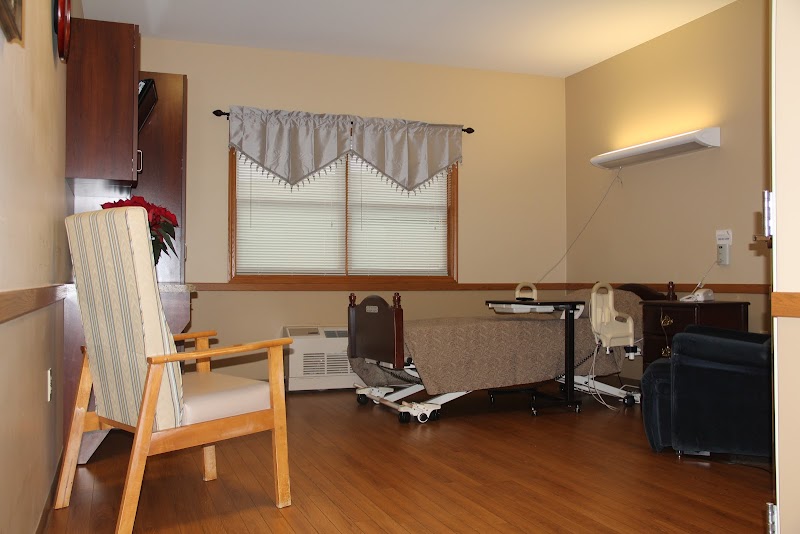
515 N MAIN ST, AVILLA, IN 46710 (260) 897-2841
Non profit - Church related 133 Beds ASCENSION LIVING Data: November 2025
Trust Grade
75/100
#116 of 505 in IN
Last Inspection: December 2024

Within standard 12-15 month inspection cycle. Federal law requires annual inspections.

Overview

Ascension Living Sacred Heart Village has a Trust Grade of B, indicating it is a good choice but not without its issues. It ranks #116 out of 505 nursing homes in Indiana, placing it in the top half of facilities statewide, and #2 out of 5 in Noble County, meaning only one other local option is better. Unfortunately, the facility's trend is worsening, with reported issues increasing from 2 in 2023 to 12 in 2024, highlighting a growing concern. Staffing is a strength, with a 4 out of 5 star rating and a turnover rate of 45%, which is slightly below the Indiana average, suggesting that staff members are fairly stable and familiar with the residents. Notably, the facility has had no fines, which is a positive sign, and benefits from more RN coverage than 78% of other Indiana facilities. However, there are specific areas of concern based on recent inspections. For instance, the facility failed to maintain safe food storage practices, with issues such as unsealed and unlabeled food items and expired products found in the kitchen. Additionally, there was a serious lapse in oxygen administration for a resident, where the oxygen concentrator was set to deliver zero liters instead of the required two liters. Lastly, privacy concerns arose when a resident's catheter bag was visible from the hallway, compromising their dignity. While there are strengths in staffing and no fines, these incidents highlight significant areas that need improvement.

Trust Score
B
75/100
In Indiana
#116/505
Top 22%
Safety Record
Low Risk
No red flags
Inspections
Getting Worse
2 → 12 violations
Staff Stability
⚠ Watch
45% turnover. Above average. Higher turnover means staff may not know residents' routines.
Penalties
✓ Good
No fines on record. Clean compliance history, better than most Indiana facilities.
Skilled Nurses
✓ Good
Each resident gets 48 minutes of Registered Nurse (RN) attention daily — more than average for Indiana. RNs are trained to catch health problems early.
Violations
⚠ Watch
14 deficiencies on record. Higher than average. Multiple issues found across inspections.
★★★★☆
4.0
Overall Rating
★★★★☆
4.0
Staff Levels
★★★★★
5.0
Care Quality
★★★☆☆
3.0
Inspection Score
Stable
2023: 2 issues
2024: 12 issues

The Good

  • 4-Star Staffing Rating · Above-average nurse staffing levels
  • 5-Star Quality Measures · Strong clinical quality outcomes
  • Full Sprinkler Coverage · Fire safety systems throughout facility
  • No fines on record

Facility shows strength in staffing levels, quality measures, fire safety.

The Bad

Staff Turnover: 45%

Near Indiana avg (46%)

Higher turnover may affect care consistency

Chain: ASCENSION LIVING

Part of a multi-facility chain

Ask about local staffing decisions and management

The Ugly 14 deficiencies on record

Dec 2024 5 deficiencies
CONCERN (D)

Potential for Harm - no one hurt, but risky conditions existed

Deficiency F0583 (Tag F0583)

Could have caused harm · This affected 1 resident

**NOTE- TERMS IN BRACKETS HAVE BEEN EDITED TO PROTECT CONFIDENTIALITY** Based on observation, interview, and record review the facility failed to ensure privacy of health information for 2 of 18 resid...

Read full inspector narrative →
**NOTE- TERMS IN BRACKETS HAVE BEEN EDITED TO PROTECT CONFIDENTIALITY** Based on observation, interview, and record review the facility failed to ensure privacy of health information for 2 of 18 residents reviewed (Resident 36 and Resident 72). Findings include: 1) During an observation on 12/15/24 at 10:32 AM, Resident 36 was viewed from the hallway sitting in her room in a wheelchair watching television. A catheter bag was observed attached to the wheelchair frame underneath the seat of the wheelchair. The catheter bag contained about 200 ml of yellow fluid. During an interview on 12/15/24 at 10:36 AM the Weekend Supervisor indicated urine in the catheter bag should not be visible from the hallway. Resident 36's record was reviewed on 12/16/24 at 2:52 PM. Diagnoses included obstructive and reflux uropathy, and encounter for attention to other artificial openings of the urinary tract. Resident 36's current admission Minimum Data Set (MDS) dated [DATE] indicated their Basic Interview for Mental Status (BIMS) score was 6 (cognitively impaired). The MDS indicated Resident 36 needed maximal assistance with lower body activities of daily living. During an interview on 12/16/24 at 3:07 PM, the Director of Nursing (DON) indicated catheter bags should be maintained with a cover so contents cannot be viewed by any passersby. In an interview on 12/19/24 at 11:09 AM, the DON indicated the facility did not have a policy specifying how staff should keep contents of catheter bags from being seen by passersby. 2) During an observation on 12/15/24 at 12:16 PM, Resident 72 was seated in her wheelchair while Certified Nurse Aide (CNA) 2 was pushing her wheelchair out of the main dining room. CNA 2 called loudly to staff members in the assisted dining area across the hall; Resident 72 needed to go to the restroom and she did not know how to assist her. Residents, staff and a family member were all seated in the dining room, positioned to hear what was said. Resident 72's record was reviewed on 12/16/24 at 11:51 AM. Diagnoses included psychotic disorder with delusions due to known physiological conditions, rheumatoid arthritis, and need for assistance with personal care. Resident 72's current quarterly MDS indicated their Basic Interview for Mental Status (BIMS) score was 9 (cognitively impaired). The MDS indicated Resident 72 required supervision or touching assistance with toilet transfers, and partial/moderate assistance with toileting hygiene. Resident 72's current care plan, titled .needs assistance with Activity of Daily Living (ADL) care, with a goal date of 2/3/24 indicated Resident 72 needed limited assistance with one person staff support for toileting activities. In an interview on 12/15/24 at 12:51 PM, Certified Nurse Aide (CNA) 2 indicated staff should not call across the room to communicate resident needs to one another. Staff should speak in low tones in a private area to communicate residents' personal needs to one another. In an interview on 12/16/24 at 3:07 PM, the DON indicated staff should go to a private area to discuss resident needs and not reveal private information about residents in populated areas. A current policy, titled Confidentiality of Information, dated 12/2019, provided by the DON on 12/16/24 at 3:23 PM, indicated all resident information should be treated confidentially. 3-1(p)(5)
CONCERN (D)

Potential for Harm - no one hurt, but risky conditions existed

Quality of Care (Tag F0684)

Could have caused harm · This affected 1 resident

Based on interview and record review, the facility failed to ensure ongoing assessment for a change in condition for 1 of 4 residents reviewed (Resident 75) Findings include: Resident 75's record was ...

Read full inspector narrative →
Based on interview and record review, the facility failed to ensure ongoing assessment for a change in condition for 1 of 4 residents reviewed (Resident 75) Findings include: Resident 75's record was reviewed 12/27/24 at 10:23 AM. Diagnoses included Cerebral infarction (stroke), diabetes, high blood pressure, and osteoarthritis, A review of progress notes indicated the following: Dated 10/1/24, Resident 75 was afebrile. Orders were obtained for a complete blood count and comprehensive metabolic panel. No reason for the tests or assessment of Resident 75's condition was documented. Dated 10/2/24, Resident 75 was placed on Robitussin. There was no documentation regarding breath sounds, or other condition of the resident. Dated 10/3/24, Resident 75 was placed on an antibiotic Invanz for urinary tract infection symptoms. The resident was afebrile, the urine color was yellow, and there were no complaints of pain on urination. There was no documentation regarding other symptoms of the infection, urine clarity, or presence of pain. Dated 10/4/24, No documentation regarding urinary symptoms was available for review. Dated 10/5/24, Resident 75 was afebrile, and her urine was yellow. Fluids were encouraged. Dated 10/6/24 at 9:21 PM, Resident 75 becomes very confused, the family was notified, urine characteristics were not documented. Dated 10/7/24 at 2:48 AM, Resident 75's urine was amber with sediment documented. Fluids were pushed. There was no documentation the family or physician was notified of the change in the urine characteristics. Dated 10/7/24 at 10:22 PM, Resident 75 was eating only bites and pocketing food. The resident's confusion continued. The family was aware of the resident's condition, but there was no documentation the physician was notified. of the change in urine characteristics. Dated 10/8/24 at 10:20 AM, Resident 75's urine showed signs of blood. The note indicated the resident had been tugging on her catheter. The Nurse Practitioner was notified and the anchored catheter was discontinued. The notes indicated Resident 75's temperature was within normal limits. The note indicated the resident was confused, but did not indicate any other assessment of her condition. Dated 10/9/24 Resident 75's temperature was within normal limits. There was no documentation of her urine characteristics, but an increase in the resident's confusion was documented. Dated 10/10/24 indicated Resident 75 remained confused, did not urinate through the night. When toileted later in the morning, her urine was decreased amount, was amber and clear. Dated 10/11/24 indicated Resident 75 had increased confusion. but there was no documentation of urinary characteristics, color, clarity, or pain. Dated 10/12/24, Resident 75's temperature was 98.0. There was no other documentation regarding the resident's urinary characteristics. A physician's order, dated 10/12/24 at 3:30 PM, indicated to send Resident 75 to emergency room, related to low blood pressure and sepsis. In an interview on 12/17/24 at 11:15 AM, Licensed Practical Nurse (LPN) 8 indicated staff should be assessing the resident for changes in condition that indicate condition improvement or decline. 3.1-37
CONCERN (D)

Potential for Harm - no one hurt, but risky conditions existed

Deficiency F0688 (Tag F0688)

Could have caused harm · This affected 1 resident

**NOTE- TERMS IN BRACKETS HAVE BEEN EDITED TO PROTECT CONFIDENTIALITY** Based on observation, interview and record review, the facility failed to ensure functional and comfortable positioning for 1 of...

Read full inspector narrative →
**NOTE- TERMS IN BRACKETS HAVE BEEN EDITED TO PROTECT CONFIDENTIALITY** Based on observation, interview and record review, the facility failed to ensure functional and comfortable positioning for 1 of 3 residents reviewed (Resident 12). Findings include: On 12/15/24 at 12:35 PM, Resident 12 was observed sitting in an adjustable positioning wheelchair (Broda chair) in the dining room. Resident 12 was observed sitting upright with their head leaning forward. Resident 12's chin was observed to be approximately 1 inch from their chest. A staff member was observed lifting Resident 12's head by placing their hand on the resident's forehead. The staff member was observed placing a spoon in Resident 12's mouth while continuing to hold the resident's head up with their hand on the resident's forehead Resident 12's record was reviewed on 12/18/24 at 12:05 PM. Diagnoses included Alzheimer's, hypothyroidism, (underactive thyroid gland) muscle weakness and multiple sites of muscle contractures (tightening that can restrict movement). Resident 12's Quarterly Minimum Data Set, (MDS) dated [DATE], indicated the resident's Brief Interview for Mental Status (BIMS) score was not rated as the resident was seldom or never understood. The MDS indicated Resident 12 was dependent on staff for eating. The MDS indicated Resident 12 was dependent on staff for all position changes. A physician order, dated 10/15/24, indicated Resident 12 could have a Broda chair for positioning and comfort. Resident 12's Care Plan, dated 10/29/24, indicated the resident required extensive or total assistance for all activities of daily living (ADLs). ADLs included eating, toileting, dressing, bathing and positioning. The target goal was for Resident 12 to have their ADL needs met through the next review period. Interventions included a total lift assistive device for transfers, a Broda chair for mobility and a hand roll to their left hand at night. Resident 12's Care Plan, dated 11/6/24, indicated the resident was at risk for further decline in range of motion due to having a contracture to their left hand. The target goal was for Resident 12 to have no further decline or complications to their left hand. Interventions included passive range of motion, hand roll to left hand at night, monitor and notify the nurse of any changes and the nurse was to inform Occupational Therapy (OT) of any issues. The Care Plan did not indicate Resident 12's head leaned forward. Resident 12's Care Plan, dated 118/24, indicated the resident was at risk for further decrease in all their joints due to reduced mobility and advanced dementia. The target goal was Resident 12 would not have a further decline of range of motion through the next review date unless the decline was clinically unavoidable. Interventions included passive range of motion to the upper and lower body, notify the nurse of changes and the nurse was to notify OT of changes. The Care Plan did not indicate Resident 12's head leaned forward. Resident 12's Care Plan, dated 10/29/24, indicated the resident was at risk for impaired nutrition. The target goal was for the resident to have nutritional needs met without significant weight changes through the next review. An intervention was a pureed diet. Interventions dated 11/1124 included providing supplements as ordered and weighing the resident monthly. An intervention dated 12/15/24 indicated Resident 12 needed fed by staff at mealtimes. The Care Plan did not indicate Resident 12's head leaned forward. On 12/18/24 at 12:25 PM, Resident 12 was observed sitting in their Broda chair in the dining room. Resident 12 was sitting upright in the Broda Chair. Resident 12's chin was approximately 1 inch from their chest. The staff member feeding Resident 12 encouraged Resident 12 to lift their head. Resident 12 lifted their head up a minimal amount. The staff member fed Resident 12 a spoonful while the staff member's head was lowered to the level of Resident 12. Resident 12 immediately lowered their head to the prior position of approximately 1 inch from their chest. In an interview on 12/18/24 at 12:41 PM, the Director of Nursing (DON) was made aware of Resident 12's head being manually lifted during lunch on 12/15/24. The DON indicated they were aware of Resident 12's Care Plan to notify OT for concerns. The DON indicated it was not unusual for Resident 12 to sit with their head leaning forward to their chest. The DON indicated Resident 12's head leaning forward was not a new occurrence. In an interview on 12/18/24 at 2:34 PM, the DON indicated Resident 12 had received OT services approximately 30 days ago. The DON indicated they believed OT had focused on Resident 12's head and neck positioning. Resident 12's therapy record was reviewed on 12/18/24 at 2:44 PM. Resident 12's OT start of care was 8/15/24. Resident 12's end of care was 9/24/24. An OT Plan of Care, dated 8/15/24 at 8:08 PM, indicated OT was required to improve Broda chair positioning to reduce fall risk, prevent increased contractures and improve comfort. Resident 12's current level of function was contractures of the neck, the trunk, both arms and both legs. A short-term goal was for Resident 12 to achieve midline head and body alignment using head positioners and lateral support devices by 8/29/24. A long-term goal was for Resident 12 to achieve midline head and body alignment using head positioners and lateral support devices by 10/13/24. An OT progress note dated 8/29/24 at 2:48 PM, indicated a short-term goal was for Resident 12 to achieve midline head and body alignment using head positioners and lateral support devices by 8/29/24. The clinical impression indicated Resident 12's seating had looked better with lateral support devices and staff had been educated for lateral support. An OT progress note, dated 9/12/24 at 2:42 PM, indicated a short-term goal was for Resident 12 to achieve midline head and body alignment using head positioners and lateral support devices by 9/26/24. The clinical impression indicated Resident 12's midline had improved but was still leaning forward into flexion. The progress note indicated a wedge cushion was ordered. An OT progress and Discharge summary, dated [DATE] at 7:59 AM, indicated a long-term goal of Resident 12 12 to achieve midline head and body alignment using head positioners and lateral support devices had been met. The clinical impression indicated the resident had improved their Broda chair positioning with the use of lateral supports and a high-profile step cushion. The summary indicated staff had been educated for adaptive equipment and Broda chair positioning. In an interview on12/18/24 at 3:15 PM, Certified Nurse Aide (CNA) 12 indicated they were not aware of Resident 12 having any postural positioning devices to assist with lifting their head. Resident 12's CNA worksheet was reviewed with CNA12. Resident 12's CNA worksheet indicated the nurse was to inform OT of any issues. The worksheet indicated Resident 12 was to have passive range of motion of their left hand prior to applying left hand splint, a mat at bedside while in bed, a total lift assistive device and a Broda chair. The CNA worksheet did not indicate Resident 12 had a positional device for their head and neck while in the Broda chair. On 12/19/24 at 10:01 AM, Resident 12 was observed in the beauty shop sitting upright in their Broda chair with their head leaning forward. Resident 12's feet were placed on a triangular shaped cushion. In an interview on 12/19/24 at 10:34 AM, the DON indicated Resident 12's Care Plan did not include the assistive equipment recommended by therapy. The DON indicated the aides were not aware of any assistive equipment recommended by therapy due to the recommendations not being on their CNA worksheets. A current facility policy, dated12/2017, provided by the DON on 12/19/24 at 11:10 AM, indicated each resident's care plan should reflect their specific positioning needs. The policy indicated each resident would be placed be assisted into a comfortable position according to their individualized care plan. A current facility policy, dated 11/2019, provided by the DON on 12/19/24 at 11:10 AM, indicated residents who are unable to feed themselves would be fed by staff with attention to safety, comfort and dignity. 3.1-42(a)(1) 3.1-42(a)(2)
CONCERN (D)

Potential for Harm - no one hurt, but risky conditions existed

Incontinence Care (Tag F0690)

Could have caused harm · This affected 1 resident

**NOTE- TERMS IN BRACKETS HAVE BEEN EDITED TO PROTECT CONFIDENTIALITY** Based on observation, interview, and record review the facility failed to ensure sanitary handling of a catheter bag in 1 of 2 r...

Read full inspector narrative →
**NOTE- TERMS IN BRACKETS HAVE BEEN EDITED TO PROTECT CONFIDENTIALITY** Based on observation, interview, and record review the facility failed to ensure sanitary handling of a catheter bag in 1 of 2 residents reviewed (Resident 36). Findings include: During an observation on 12/15/24 at 10:32 AM, Resident 36 was viewed from the hallway sitting in her room in a wheelchair watching television. A catheter bag was observed attached to the wheelchair frame underneath the seat of the wheelchair. The catheter bag contained about 200 ml of yellow fluid and was in contact with the floor. During an interview on 12/15/24 at 10:36 AM the Weekend Supervisor indicated urine in the catheter bag should be secured to the wheelchair keeping it from contacting the floor. She indicated contact with the floor could increase the risk of infection. Resident 36's record was reviewed on 12/16/24 at 2:52 PM. Diagnoses included obstructive and reflux uropathy, and encounter for attention to other artificial openings of the urinary tract. Resident 36's current admission Minimum Data Set (MDS) dated [DATE] indicated their Basic Interview for Mental Status (BIMS) score was 6 (cognitively impaired). The MDS indicated Resident 36 needed maximal assistance with lower body activities of daily living. Resident 36's current care plan titled .altered elimination related to uropathy . indicated Resident 36, with a goal date of 2/24/25. Interventions included maintaining a closed drainage system. Physician orders dated 12/11/24 indicated Resident 36 should have a 16 french 10 ml foley catheter for obstructive uropathy. During an interview on 12/16/24 at 3:07 PM, the Director of Nursing (DON) indicated catheter bags should be maintained without contact with the floor. A current policy dated 12/2017 provided by the DON on 12/16/24 at 3:23 PM indicated staff should ensure the catheter tubing and bag were kept off the floor. 3.1-41(a)(2)
CONCERN (F)

Potential for Harm - no one hurt, but risky conditions existed

Food Safety (Tag F0812)

Could have caused harm · This affected most or all residents

Based on observation, interview, and record review, the facility failed to ensure safe, sanitary food storage and serving practices for 5 of 5 observations. Food prepared in the kitchen was consumed b...

Read full inspector narrative →
Based on observation, interview, and record review, the facility failed to ensure safe, sanitary food storage and serving practices for 5 of 5 observations. Food prepared in the kitchen was consumed by 74 of 74 residents who lived in the facility. Findings include: During a continuous observation on 12/15/24 from 10:16 AM - 11:00 AM the following observations were made: A countertop had open slotted drains and a brown, murky liquid puddle under the countertop. The opened bag of french fries and bread were not dated in Freezer 1. Freezer 2 had whipped cream in a bag not labeled or dated. The whipped cream was unsealed and open to air. The opened bag of macaroni was not dated in the dry pantry. There was a package of swiss cheese, expired 11/2024, located in Refrigerator 1. 2 of 5 stacked metal pans had moisture between them. The stand mixer had dime sized, dry, yellow flaky material on the paddle. During a continuous observation from 11:34 AM-12:25 PM, Dietary Aide 4 donned gloves and started distribution of food to resident plates. She touched brussel sprouts and bread with gloved hands. Dietary Aide 4 held clean bowls against her t-shirt, touched her shirt with her gloved hands and then resumed serving food. Dietary Aide 4 was observed using a pen to write on a meal ticket with her gloved hands and then resumed serving food. Dietary Aide 4 then scooped ice with a cup, and placed the cup onto the meal tray. Dietary Aide 4 did not perform hand hygiene or change gloves during the continuous observation. During the distribution of food, 3 plates from the clean stack were observed with small flecks of dried yellow particles. During an observation on 12/15/24 at 12:20 PM, Dietary Aide 11 assembled meal trays and covered dessert with plastic wrap. Her hands were gloved. Dietary Aide 11 knocked the plastic wrap box onto the floor. She then picked up the box with her gloved hands from the floor, resumed assembling the meal trays and covering desserts with the same plastic wrap. Dietary Aide 11 did not perform hand hygiene or change her gloves. In an interview, on 12/15/24 at 10:18 AM, Dietary Shift Supervisor 7 indicated the bread was to be used within one week. She indicated the mixer was now clean and ready to be used. She indicated there should not be dry yellow substance on the mixer. During an observation on 12/18/24 at 11:44 AM, Unit A's pantry freezer contained prepackaged meals with no date. In an interview on 12/18/24 at 11:44 AM, Certified Nurse Aide (CNA) 9 indicated the meals should be labeled and dated. During an observation on 12/18/24 at 11:50 AM, Unit B's pantry refrigerator contained soup with an expiration date of 11/13/24. There were also black and brown particles and a popcorn kernel between the refrigerator and the floor. In an interview on 12/18/24 at 11:50 AM, Registered Nurse (RN) 10 indicated expired food should not be in the refrigerator. In an interview on 12/19/24 at 11:09 AM, the Director of Nursing (DON) indicated all 74 residents received food that was prepared in the facility kitchen. A current policy, dated 01/2023, titled Food Preparation Area Safety and Sanitation, was provided by DON on 12/18/24 at 12:45 PM. The policy indicated all counters and equipment should be cleaned and sanitized after each use. A current policy, dated 01/2023, titled Food Purchasing and Storage, was provided by DON on 12/18/24 at 12:45 PM. The policy indicated food storage areas shall be clean and dry at all times. Food must be date marked if it is prepared on site and refrigerated, or commercially processed after the original container is opened. Food shall be dated with the current date and be used or discarded per State Food Code Regulations. The policy also indicated if potentially hazardous, ready-to-eat food is frozen, the food shall be dated with the current date and used or discarded per State Food Code Regulations. A current policy, dated 03/2023, titled Foods Brought by Resident Representative(s)/Visitors and Personal Refrigerators, was provided by DON on 12/18/24 at 12:45 PM. The policy indicated perishable foods brought into the community and stored in the kitchenette refrigerators or the resident's room shall be clearly marked with . 2. food items labeled with an expiration date shall be marked with the date opened and stored until the expiration date. The policy also indicated the kitchenette refrigerators shall be monitored by the dining staff for outdated/expired food. A current policy, dated 08/2024, titled Hand Hygiene, was provided by DON on 12/18/24 at 12:45 PM. The policy indicated hand hygiene should be preformed before and after handling food and the use of gloves did not replace hand hygiene. 3.1-21(i)(3)
Jan 2024 7 deficiencies
CONCERN (D)

Potential for Harm - no one hurt, but risky conditions existed

Deficiency F0583 (Tag F0583)

Could have caused harm · This affected 1 resident

**NOTE- TERMS IN BRACKETS HAVE BEEN EDITED TO PROTECT CONFIDENTIALITY** Based on observation, interview, and record review the facility failed to ensure privacy was maintained for 2 of 24 residents re...

Read full inspector narrative →
**NOTE- TERMS IN BRACKETS HAVE BEEN EDITED TO PROTECT CONFIDENTIALITY** Based on observation, interview, and record review the facility failed to ensure privacy was maintained for 2 of 24 residents reviewed (Resident 24, and Resident 32). Findings include: 1) During an observation and interview on 1/2/24 at 9:48 AM, Resident 24's catheter bag partially filled with yellow liquid was visible from his doorway. Qualified Medicine Aide (QMA) 2 indicated Resident 24's catheter bag should be covered. Resident 24's record was reviewed on 1/2/24 at 11:07 AM. Diagnoses included multiple sclerosis, neuromuscular dysfunction of the bladder, and benign prostatic hyperplasia with lower urinary tract symptoms. A review of Resident 24's current quarterly Minimum Data Set (MDS) dated [DATE] indicated he had a Basic Interview for Mental Status (BIMS) score of 14 (cognitively intact). The MDS indicated Resident 24 used an indwelling catheter. A review of Resident 24's current care plan titled .indwelling catheter for diagnosis of neuromuscular bladder . indicated the resident had a problem of indwelling catheter use, with a goal date of 3/11/24. Interventions included cover catheter bag with a dignity cover. A review of physician orders dated 1/10/19 indicated Resident 24's catheter and drainage bag should be changed as needed based on clinical indicators. In an interview on 1/3/24 at 2:45 PM, the Director of Nursing indicated the catheter bag should have been covered to maintain privacy. A current policy titled Procedure: Catheter Care, Urinary, Last reviewed 12/17, provided by the Director of Nursing on 1/3/24 at 2:45 PM did not indicated the resident's catheter should be covered. 2) During a medication pass observation on 1/4/24 at 8:20 AM, Registered Nurse (RN 3) was observed preparing medications for Resident 32. After preparing the medications, RN 3 walked away from the cart leaving it unattended with the computer screen open. Resident 32's protected health information including her name and medications were visible on the screen to individuals passing by. The cart was situated by the dining room with residents and staff passing within visual range of the cart. During an observation on 1/5/24 at 1:21 PM, RN 3 prepared a cup with pills in it and walked away from her cart with her computer screen open leaving resident information visible. The cart was situated in the hallway with staff and residnets passing within visual range of the cart. During an interview on 1/4/24 at 8:55 AM, RN 3 indicated she should have closed her computer screen prior to leaving the medication cart to ensure privacy. Resident 32's record was reviewed on 1/8/24 at 12:29 PM. Diagnoses included Vascular dementia, moderate with psychotic disturbance, anxiety disorder, and hypertensive heart disease without heart failure. A review of Resident 32's current quarterly MDS dated [DATE], indicated Resident 32 had a BIMS score of 12 (mild cognitive impairment). A current policy titled Ascension Annual Compliance, dated 2023, provided by the Director of Nursing on 1/8/24 at 11:20 AM indicated staff should not walk away from computers while logged in and the screen should have been locked when the staff member was away from the computer. 3-1(p)(5)
CONCERN (D)

Potential for Harm - no one hurt, but risky conditions existed

Investigate Abuse (Tag F0610)

Could have caused harm · This affected 1 resident

Based on observation, interview and record review, the facility failed to ensure the investigation of attempted self-harm for 1 of 3 residents reviewed. (Resident 4). Findings include: In an interview...

Read full inspector narrative →
Based on observation, interview and record review, the facility failed to ensure the investigation of attempted self-harm for 1 of 3 residents reviewed. (Resident 4). Findings include: In an interview on 1/2/24 at 1:48 PM Resident 4 was observed avoiding eye contact during the interview. Resident 4 did not respond verbally to this writer's greetings and continued to look at the floor. Resident 4's record was reviewed on 1/4/24 at 10:16 AM. Diagnoses included Down Syndrome, anxiety disorder, major depressive disorder, Alzheimer's, unspecified dementia, restlessness and agitation. Resident 4's current quarterly Minimum Data Set (MDS) indicated their Basic Interview for Mental Status (BIMS) score was 1 (severe cognitive impairment). The MDS indicated Resident 4 had not displayed any behaviors. The MDS indicated Resident 4 was able to make themselves understood and was able to understand others. Resident 4's current care plan entry dated 2/9/23 indicated the resident's family had reported a history of suicidal ideations. The target goal was for the resident to have no suicidal ideations through 11/30/23. Interventions included arranging psychiatric services as needed, 1 to 1 staff visits, monitor moods and monitor effectiveness of antipsychotic medications. Resident 4's current care plan entry dated 5/1/23 indicated the resident had displayed behaviors of refusal of care, refusing medications, being combative with staff during care and difficulty with redirection. The target goal was for Resident 4 to have fewer refusals through 11/30/23. Interventions included review of medications, allow choices, monitor and document behaviors, ask for family input and encourage communication. Resident 4's current care plan entry dated 1/24/20 indicated the resident had a life long history of depression and displayed extreme tearfulness and unrealistic fears. Target goals included attendance of 1 new activity weekly and no increase in depression through 11/29/23. Interventions included 1 to staff visits, encourage socialization, allow choices, allow the resident to select dining room seating and monitor effectiveness of medications. A progress note dated 3/4/23 at 11:23 AM indicated Resident 4 had been found holding their call light cord around their neck. Resident 4 did not respond to questions related to the call light cord being around their neck. A progress note dated 3/4/23 at 11:44 AM indicated Resident 4 did not display increased depression symptoms, was pleasant and cooperative and had no thoughts of harming self or thoughts of being better off dead. Resident 4's call light cord was found lying on their bed wrapped loosely numerous times with a loop lying on the bed and wrapped around the bed rail. It was determined Resident 4 most likely got tangled in the call light cord on accident. Resident 4's call light was removed and replaced with a bell. A progress note dated 3/6/23 at 9:33 AM noted as a late entry for 3/4/23 indicated the incident was determined to not be a behavioral incident. In an interview on 1/5/24 at 3:18 PM the Director of Nursing (DON) indicated Resident 4 having been found with their call light cord wrapped around their neck had not been investigated. The DON indicated the event had not been reported to the Indiana Department of Health (IDOH). The DON indicated they did not believe the event was an unusual occurrence. The Assistant Director of Nursing (ADON) indicated Resident 4 had an exceptionally long call light cord. The ADON indicated they did not believe Resident 4 had formulated a plan to harm themselves. The ADON indicated Resident 4 was pleasant, laughing and denied the depression screen question of having thoughts of harming self or thoughts of being better off dead. The DON indicated the facility did not have a policy for suicidal ideation or suicide precautions. A current policy related to reportables dated 12/16 provided by the DON indicated the facility was to report adverse events or unusual occurrences as required by federal or state regulations. 3.1-28(d) 3.1-28(e)
CONCERN (D)

Potential for Harm - no one hurt, but risky conditions existed

Quality of Care (Tag F0684)

Could have caused harm · This affected 1 resident

**NOTE- TERMS IN BRACKETS HAVE BEEN EDITED TO PROTECT CONFIDENTIALITY** Based on observation, interview and record review the facility failed to ensure MD orders were followed for cervical spine fract...

Read full inspector narrative →
**NOTE- TERMS IN BRACKETS HAVE BEEN EDITED TO PROTECT CONFIDENTIALITY** Based on observation, interview and record review the facility failed to ensure MD orders were followed for cervical spine fracture management in 1 of 24 resident reviewed for quality of care. (Resident 181). Findings include: During an observation on 1/2/24 at 1:05 PM, Resident 181 was sitting in his recliner watching television. The resident's cervical collar (C-collar) was in a chair across the room. In an interview on 1/2/24 at 1:08 PM, Resident 181 indicated he was supposed to wear the C-collar, but the staff never puts the C-collar back on. Resident 181's record was reviewed on 1/7/24 at 2:47 PM. Diagnoses included a fall from a motorized mobility scooter resulting in C2 odontoid process fracture, bilateral hearing loss, and mild cognitive impairment of unknown origin. Resident 181's current admission Minimum Data Set (MDS), dated [DATE], indicated his Basic Interview for Mental Status (BIMS) score was 10 (moderate cognitive impairment). The MDS indicated in the last month prior to admission he had a fall with a related fracture. The MDS indicated the resident required supervision/assistance for transfers and ambulation and used a walker or manual wheelchair. The MDS indicated he was receiving occupational and physical therapy. Resident 181's current Care plan, dated 6/26/23, titled Non-compliance with Care and Orders indicated the resident refused to wear his C-collar at times, with a goal he would not have an injury when refusing to wear the C-collar. Interventions included documenting the resident's refusal to wear his C-collar. A physician orders dated 12/26/23 indicated Resident 181's C-collar was to be worn at all times. There was no indication in the nursing progress notes dated 1-1-24 through 1-3-24 the resident refused to wear his C-collar except for a note dated 1/3/24 at 6:30 PM when a nursing note was entered regarding the resident's refusal. In an interview on 1/2/24 at 1:15 PM, LPN 6 indicated Resident 181 was to wear his C-collar when he was up walking around. After a request to check the orders, LPN 6 indicated she was incorrect, and the resident was to have the C-collar on at all times. LPN 6 went to Resident 181's room and immediately placed the C-collar on the resident. In an interview on 1/8/23 at 9:26 AM, the DON indicated Resident 181 was to wear his C-collar at all times. In an interview on 1/8/23 at 9:26 AM, the DON indicated the facility had no policy for ensuring medical devices were in place. No policy was provided by survey exit. 3.1-37
CONCERN (D)

Potential for Harm - no one hurt, but risky conditions existed

Accident Prevention (Tag F0689)

Could have caused harm · This affected 1 resident

**NOTE- TERMS IN BRACKETS HAVE BEEN EDITED TO PROTECT CONFIDENTIALITY** Based on interview and record review the facility failed to ensure fall precaution interventions were made available to direct c...

Read full inspector narrative →
**NOTE- TERMS IN BRACKETS HAVE BEEN EDITED TO PROTECT CONFIDENTIALITY** Based on interview and record review the facility failed to ensure fall precaution interventions were made available to direct care staff members for 1 of 2 residents reviewed (Resident 15). This resulted in an injury from a fall that required emergency department intervention for Resident 15. Findings include: On 1/2/24 at 4:00 PM the facility reported Resident 15 had experienced a fall on 1/1/24 at 4:30 PM. The fall resulted in a lip laceration that required sutures. Resident 15's record was reviewed on 1/5/24 at 9:30 AM. Diagnoses included Alzheimer's, major depressive disorder, dementia, restless leg syndrome and contractures to the left hand. A review of Resident 15's most recent annual Minimum Data Set (MDS) dated [DATE] indicated their Basic Interview for Mental Status (BIMS) score was 0 (severe cognitive loss). Resident 15 required maximum assistance to roll left and right in the bed. The resident was dependent on staff to change position from lying in bed to sitting on the side of the bed. The resident was dependent on staff to change position from sitting on the side of the bed to lying in the bed and was dependant for 2 assist with sitting balance. Resident 15 was dependent on staff for transfers from a bed to a chair and from a chair to a bed. A physician orders dated 9/20/21 indicated Resident 15 was to have a Broda (an assistive seating device for fall prevention) chair for proper positioning. Resident 15's current care plan entry dated 4/22/14, revised 11/13/23 indicated the resident was at risk for falls or fall related injuries. The target goal was reduced risk for falls and fall related injuries through 2/2/24. An intervention dated 2/24/20 indicated Resident 15 was to be seated in a reclined position in their Broda chair at all times except during meals. An intervention dated 5/5/20 indicated staff were to assist with all transfers. An intervention dated 1/1/24 indicated Resident 15 was not to be seated on the side of the bed until ready for transfer. Interventions did not specify the assistance of 2 staff members for resident transfer. The interventions did not include a mechanical lift for resident transfer. Resident 15's undated care card (guide to CNA care) for direct care staff members indicated the resident was at risk for falls. Resident 15 required assistance from 1 staff member for bed mobility, required a Broda chair, required a mechanical lift for transfers and was not to be placed in a sitting position on the side of the bed until ready for transfer due to the resident having poor trunk strength (dated 1/1/24). A progress note dated 1/1/24 at 8:04 PM indicated Resident 15 had a witnessed fall at 4:30 PM. The note indicated staff had been preparing Resident 15 to take a shower and had placed the resident up on the bed. The note indicated Resident 15 slid to the left, hit the bedside table splitting her lip. An Interdisciplinary Team (IDT) progress note dated 1/2/24 at 1:19 PM indicated a Certified Nurse Aide (CNA) placed Resident 15 on the side of the bed and turned away to remove items from the closet. The note indicated Resident 15 had poor trunk control. A Resident at Risk Review dated 11/22/23 indicated Resident 15 had a fall risk score of 22 (moderate risk). The review indicated Resident 15 was bed/chair bound and required extensive staff assistance for activities of daily living (bathing, dressing, getting in or out of bed or chair, eating and toileting). Resident 15 required the assistance of 2 staff members for transfers. An Indiana State Department of Health Survey Report dated 1/2/24 indicated Resident 15 had experienced a fall on 1/1/24 at 4:30 PM. The report indicated a CNA placed Resident 15 on the side of the bed and turned away to remove items from the closet. Resident 15 slid to the side and hit their lip on the bedside table. The report indicated Resident 15 had a BIMS score of 0, used a Broda chair for positioning and required staff assistance for transfers. In an interview on 1/5/24 at 12:10 PM the Director of Nursing (DON) indicated according to MDS assessments, Resident 15 was not physically capable of sitting on the side of the bed alone and did not fall during a transfer. The DON indicated Resident 15 was being prepared for transfer to the shower chair when the fall occurred. In an interview on 1/5/24 at 1:03 PM Qualified Medication Aide (QMA) 4 indicated on 1/1/24 Resident 15 had a witnessed fall from the bed to the floor. A CNA had positioned the resident in a sitting position on the side of the bed and the CNA then turned away. The CNA who left the resident sitting on the side of the bed unattended was from a staffing agency. Resident 15 slid from the bed hitting the bedside table before falling to the floor, and should have not been left sitting on the side of the bed unattended. QMA 4 indicated the resident's care card had been updated to include not leaving the resident sitting on the side of the bed unattended on 1/1/24 after the resident fell. QMA 4 indicated Resident 15 was ready for transfer, but another CNA had left the room to retrieve a shower chair. A current policy dated 12/17 provided by the DON indicated the documentation of identified interventions should be maintained in the clinical record and available to the direct care associates. 3.1-45(a)
CONCERN (D)

Potential for Harm - no one hurt, but risky conditions existed

Tube Feeding (Tag F0693)

Could have caused harm · This affected 1 resident

**NOTE- TERMS IN BRACKETS HAVE BEEN EDITED TO PROTECT CONFIDENTIALITY** Based on observation, interview, and record review the facility failed to ensure tube feeding formula was labeled and dated for ...

Read full inspector narrative →
**NOTE- TERMS IN BRACKETS HAVE BEEN EDITED TO PROTECT CONFIDENTIALITY** Based on observation, interview, and record review the facility failed to ensure tube feeding formula was labeled and dated for 1 of 1 resident reviewed (Resident 71). Findings include: During an observation on 1/2/24 at 9:37 AM Resident 71 was observed sitting in the recliner in her room with a translucent bag of about an inch of tan liquid. A tubing engaged in a tube feeding pump was attached to Resident 71's gastric tube. The bag and tubing were not dated or labeled with the formula type or orders for administration. During an observation on 1/4/24 at 3:02 PM, Resident 71 was observed sitting in the recliner in her room visiting with a guest. A tube feeding bag was observed with about 1/2 inch of tan liquid in the tubing draped over the top of the pole holding the tube feeding pump. No date or label was seen on the bag. Resident 71's record was reviewed on 1/4/24 at 3:10 PM. Diagnoses included amyotrophic lateral sclerosis, progressive bulbar palsy, and dysphagia, oropharyngeal phase. A review of Resident 71's significant change Minimum Data Set (MDS) dated [DATE] indicated her Basic Interview for Mental Status (BIMS) score was 15 (cognitively intact). The MDS indicated the resident received a tube feeding. A review of physician orders dated 11/28/23 indicated Jevity 1.5 should be administered at 60 ml per hour via kangaroo pump starting at 10:00 PM and stopping at 10:00 AM. In an interview on 1/5/24 at 9:32 AM, the Director of Nursing (DON) indicated tube feeding bags and tubing should be changed daily, labeled, and dated. She indicated she was unable to confirm this was being done since the bag and tubing were not labeled and dated. A current policy titled Procedure: Enteral Tube Feeding Via Continuous Pump dated 1/24 provided by the DON on 1/5/24 at 11:28 AM indicated the bag should be labeled with initials, date, and time the formula was hung and initials that the label was checked against the order. 3.1-44(a)(2)
CONCERN (D)

Potential for Harm - no one hurt, but risky conditions existed

Deficiency F0761 (Tag F0761)

Could have caused harm · This affected 1 resident

**NOTE- TERMS IN BRACKETS HAVE BEEN EDITED TO PROTECT CONFIDENTIALITY** Based on observation, interview, and record review the facility failed to ensure insulin in a medication cart was removed when e...

Read full inspector narrative →
**NOTE- TERMS IN BRACKETS HAVE BEEN EDITED TO PROTECT CONFIDENTIALITY** Based on observation, interview, and record review the facility failed to ensure insulin in a medication cart was removed when expired for 1 of 29 residents and a medication refrigerator temperature was monitored for 1 of 2 medication rooms reviewed (Resident 16). Findings include: 1. During an observation and interview on [DATE] at 1:21 PM, medication storage was reviewed with Registered Nurse (RN) 3. A lispro insulin pen was in the top drawer of the cart with an open date of [DATE]. The pen was in a plastic bag with a printed label indicating it was for Resident 16. RN 3 indicated the insulin was expired and should have been pulled from the cart and replaced with a new pen. Resident 16's record was reviewed on [DATE] at 12:12 PM. Diagnoses included morbid obesity due to excess calories, pseudocyst of the pancreas, and chronic kidney disease, stage 3. A review of Resident 16's current significant change Minimum Data Set (MDS) dated [DATE] indicated her Basic Interview for Mental Status (BIMS) score was 6 (cognitively impaired). The MDS indicated insulin was given during the reference period. A review of physician orders dated [DATE] indicated insulin lispro was to be given subcutaneously according to a sliding scale as follows: For blood sugar 151-200 give 2 units, 201-250 give 4 units, 251-300 give 6 units, 301-350 give 8 units, 351-400 give 10 units, for blood sugar over 400 give 12 units and call provider. In an interview on [DATE] at 1:59 PM, the DON indicated manufacturers recommendations are followed to determine expiration dates. A review of Humalog lispro insulin KwikPen instructions for use, [NAME] Lilly, 2023, indicated manufacturers guidelines include throwing away the insulin pen 28 days after opening. A current policy titled Insulin Administration dated 6/17 provided by the DON on [DATE] at 10:09 AM indicated expired insulin should be immediately discarded. 2. During an observation and interview on [DATE] at 1:27 PM, a temperature log taped to the front of the medication refrigerator in the medication storage room on unit A was reviewed with RN 3. The temperature log had readings recorded on [DATE] and [DATE] with no further entries. RN 3 indicated temperatures should have been recorded each day and she was unable to guarantee the rerigerator temperatures were consistant for safe med storage. Multiple medications were stored in the refrigerator. A current policy titled Equipment Temperature Monitoring and documentation dated 5/23 provided by the Director of Nursing (DON) on [DATE] at 2:47 PM indicated refrigerator temperatures should be documented daily. 3.1-25(j)
CONCERN (E)

Potential for Harm - no one hurt, but risky conditions existed

Respiratory Care (Tag F0695)

Could have caused harm · This affected multiple residents

**NOTE- TERMS IN BRACKETS HAVE BEEN EDITED TO PROTECT CONFIDENTIALITY** 2) During an observation and interview on 1/2/24 at 9:40 AM, Resident 24 was observed lying in bed with a nasal cannula placed i...

Read full inspector narrative →
**NOTE- TERMS IN BRACKETS HAVE BEEN EDITED TO PROTECT CONFIDENTIALITY** 2) During an observation and interview on 1/2/24 at 9:40 AM, Resident 24 was observed lying in bed with a nasal cannula placed in his nostrils, attached to an oxygen concentrator beside the bed. The oxygen concentrator was turned on and set to deliver 0 liters of oxygen per minute. Qualified Medicine Aide (QMA) 2 indicated the oxygen should have been set at 2 liters per minute and she did not know why it had been turned down to zero. QMA 2 indicated she was unable to verify when the oxygen tubing had been changed because she was unable to find a date on the tubing. Resident 24's record was reviewed on 1/4/24 at 12:56 PM. Diagnoses included multiple sclerosis, sleep apnea, unspecified, and personal history of pulmonary embolism. A review of Resident 24's current quarterly Minimum Data Set (MDS) dated [DATE] indicated he had a Basic Interview for Mental Status (BIMS) score of 14 (cognitively intact). The MDS indicated Resident 24 used oxygen. A review of a care plan titled .has pneumonia, undated and labeled inactive, included an approach indicating oxygen should be administered as ordered. No current care plan pertaining to oxygen use was available for review. A review of physician orders dated 11/6/23 indicated oxygen should be delivered at 2 liters per minute by nasal cannula. A physician's order dated 11/7/23 indicated oxygen tubing should be changed weekly. In an interview on 1/3/24 at 2:45 PM, the Director of Nursing (DON) indicated oxygen should be administered as ordered and tubing should be changed weekly and dated. 3) During an observation and interview on 1/3/24 at 10:52 AM, A respiratory treatment mask and tubing were observed lying on Resident 36's dresser unbagged and undated. Resident 36 was seated in his wheelchair in his room and was not using oxygen. He indicated he had not used oxygen in a while. Resident 36's record was reviewed on 1/3/24 at 10:52 AM. Diagnoses included chronic obstructive pulmonary disease, personal history of pulmonary embolism, hypoxemia, and dependence on supplemental oxygen. A review of Resident 36's current quarterly Minimum Data Set (MDS) dated [DATE] indicated his Basic Interview for Mental Status (BIMS) score was 14 (cognitively intact). A review of Resident 36's care plan, dated 1/22/21, labeled inactive, included an approach to administer oxygen as ordered for shortness of breath. No current care plans mentioning oxygen were available for review. A review of current physician's orders dated 2/14/22 indicated oxygen should be administered at a rate of 2 liters per minute via nasal cannula for shortness of breath. An additional current physician's order dated 2/14/22 indicated oxygen should be administered at a rate of 2 liters per minute via nasal cannula as needed for oxygen saturations less than 90 percent and shortness of breath. In an interview on 1/3/24 at 2:45 PM, the DON indicated Resident 36's oxygen orders should be clarified, and respiratory equipment should be bagged when not in use. 4) During an observation on 1/2/24 at 10:26 AM Resident 68 was observed sitting in his wheelchair in his room. No oxygen was in use at the time of the observation. An oxygen concentrator was observed several feet from the foot of the bed with a nasal cannula lying on top of it, undated and unbagged. A nebulizer machine with tubing and a mask attached to it was lying undated and unbagged on a recliner chair in the room. During an observation on 1/8/24 at 9:39 AM, Resident 68 was observed lying on his bed with the oxygen concentrator positioned across the room and turned off. Resident 68's record was reviewed on 1/3/24 at 9:44 AM. Diagnoses included chronic obstructive pulmonary disease, chronic respiratory failure with hypoxia, and muscle weakness. A review of Resident 68's current quarterly MDS dated [DATE] indicated his BIMS score was 15 (cognitively intact). In an interview on 1/2/24 at 10:26 AM, Residnet 68 indicated he had not had oxygen on in quite some time A review of current physician's orders included the following orders dated 2/24/23: Change oxygen tubing and humidifier weekly on Sundays. Supplemental oxygen via nasal cannula at 3 liters to keep sats greater than or equal to 90 percent, may titrate. In a review of the Medication Administration Record for January 2024, an order dated 2/24/23, indicating supplemental oxygen via nasal cannula at 3 liters to keep saturations greater than or equal to 90 percent, may titrate, was checked as given on 1/1/24, 1/2/24, and 1/3/24. A review of Resident 68's current care plan titled .at risk for respiratory distress indicated the resident had a problem of shortness of breath, with a goal date of 1/9/24. Interventions included maintain oxygen administration device as ordered. A review of progress notes dated 1/4/24 at 2:44 PM indicated Resident 68 was using continuous oxygen at 3 liters per minute. In an interview on 1/3/24 at 2:45 PM, the DON indicated respiratory tubing should be bagged when not in use and oxygen orders should be followed. A current policy titled Procedure: Administering Medications Through a Small Volume Nebulizer dated 1/24 provided by the DON on 1/3/24 at 2:45 PM indicated respiratory equipment should be cleaned after use and stored in a plastic bag with the resident's name and date. The policy indicated the equipment should be changed every seven days. A current policy titled Procedure: Oxygen Administration dated 12/22 provided by the DON on 1/3/24 at 2:45 PM indicated oxygen tubing should be labeled and dated. 3.1-47(a)(6) Based on observation, record review and interview, the facility failed to ensure physician orders were followed and safe handling of respiratory equipment was completed for 4 of 24 residents reviewed. (Resident 9, Resident 24, Resident 36, and Resident 68). Findings include: 1) During an observation on 1/2/24 at 1:35 PM, Resident 9 was laying in her bed. Her nasal cannula (NC) oxygen tubing (a lightweight tube split into two prongs on one end and placed in the nostrils used to deliver supplemental oxygen) was attached to her oxygen condenser (a medical device that gives you extra oxygen) laying on the oxygen condenser unbagged. The oxygen condenser flow meter was turned to 2 liters per minutes (LPM) delivering oxygen via the NC. Her oxygen condenser was positioned at the upper right side of her bed. The resident's portable oxygen condenser (a lightweight transportable oxygen condenser), not in use at that time, was sitting on the floor with NC oxygen tubing attached. The NC oxygen tubing extended from the portable oxygen unit and laid on the chair unbagged. The oxygen tubings attached to Resident 9's oxygen condenser and portable oxygen condenser were not labeled with the time and date the tubing was changed. During an interview on 1/3/24 at 1:41 PM, Resident 9 indicated she wore oxygen. During an observation on 1/2/24 at 1:41 PM, Licensed Practical Nurse (LPN) 5 put the NC oxygen tubing on Resident 9. Resident 9's record was reviewed on 1/3/24 at 2:20 PM. Diagnoses included chronic obstructive pulmonary disease (COPD), obstructive sleep apnea (OSA), and morbid obesity, Resident 9's current significant change in status Minimum Data Set (MDS) assessment, dated 10/31/23, indicated her Basic Interview of Mental Status (BIMS) score was 8 (mild cognitive impairment). The MDS indicated she had a lower extremity impairment on one side and used a manual wheelchair. The MDS indicated the resident required maximal assistance from staff to roll right to left and lying to sitting on the side of the bed and was dependent on staff to bed-to chair transfers. The MDS indicated the resident had shortness of breath or trouble breathing when laying flat and wore oxygen after arriving to the facility. Resident 9's current care plan titled Impaired Gas Exchange indicated the resident was dependent on oxygen related to COPD and OSA with a goal to be free from cardiac symptoms of respiratory distress. Interventions included to monitor oxygen flow rate and change tubing and bubblers per protocol or as ordered. A physician orders dated 10/19/23 indicated Resident 9's oxygen was to be at 2 LPM via NC and may be titrated to keep oxygen sats above 90%. A physician orders dated 6/19/23 indicated Resident 9's oxygen tubing was to be changed weekly on 3rd shift. Resident 9's Medication Administration Record indicated the oxygen tubing was changed at 5:00 AM on 12/4/23, 12/10/23, 12/17/23, 12/24/23 and 12/31/23 indicating the oxygen tubing for the oxygen condenser and portable oxygen condenser was last changed on Sunday 12/31/23 at 5:00 AM but not labeled.
Jan 2023 2 deficiencies
CONCERN (D)

Potential for Harm - no one hurt, but risky conditions existed

Incontinence Care (Tag F0690)

Could have caused harm · This affected 1 resident

**NOTE- TERMS IN BRACKETS HAVE BEEN EDITED TO PROTECT CONFIDENTIALITY** Based on observation, interview, and record review, the facility failed to ensure signs of a urinary tract infection were prompt...

Read full inspector narrative →
**NOTE- TERMS IN BRACKETS HAVE BEEN EDITED TO PROTECT CONFIDENTIALITY** Based on observation, interview, and record review, the facility failed to ensure signs of a urinary tract infection were promptly reported to a physician or designee for 1 of 1 resident reviewed. (Resident 68). Findings include: During an observation on 1/3/23 at 9:47 AM, Resident 68 was observed seated in a reclining wheelchair in the unit lounge area with his eyes closed. During an observation on 1/3/23 at 2:23 PM, Resident 68 was observed at a table with other residents. Resident 68 frequently closed his eyes and frequently nodded his head forward, showing signs of drowsiness. Resident 68 did not respond to other residents seated at the table who attempted to interact with him. During an observation on 1/4/23 at 11:15 AM, Resident 68's catheter tubing had medium yellow, cloudy urine with whitish sediment. During an observation on 1/5/23 at 10:21 AM, Resident 68's catheter tubing had medium yellow, cloudy urine with whitish sediment. Irregularly shaped whitish matter with a mucous-like appearance was also noted in the tubing. During catheter care observation on 1/6/23 at 11:35 AM, Certified Nursing Assistant (CNA) 6 indicated irregularities in urine odor and appearance should be reported to the nurse when observed. Resident 68 kept his eyes closed throughout the procedure. CNA 6 indicated Resident 68 had been sleepy a lot lately. Urine in catheter tubing was medium yellow with whitish sediment and irregularly shaped whitish matter with a mucous-like appearance. During an interview conducted on 1/6/23 at 11:46 AM, Licensed Practical Nurse (LPN) 7 indicated urine in catheter tubing should be observed each shift and irregularities such as foul odor, cloudiness, abnormal color, or sediment should be reported to the Nurse Practitioner (NP). During a record review conducted on 1/9/22 at 11:01 AM, a Minimum Data Set (MDS) dated [DATE] indicated Resident 68 had diagnoses including hydrocephalus, non-Alzheimer's dementia, and hypertension. A Basic Interview for Mental Status (BIMS) score of 6 indicated Resident 68 was cognitively impaired and unable to be interviewed. A nurse's note dated 12/28/22 at 10:21 PM indicated Resident 68 was unable to be awakened enough to take his medications. No notes or assessments of urine between 12/28/22 and 1/6/22 were available for review. A nurse's note dated 1/6/22 at 12:18 PM indicated Resident 68's urine was malodorous and contained sediment. The NP was notified, and a dip procedure was ordered with a urinalysis and culture and sensitivity to follow if dip results were positive. A nurse's note dated 1/7/22 at 4:07 AM indicated urine was collected for urinalysis. The urine was described as brownish yellow, cloudy, and malodorous. A lab report dated 1/7/22 indicated Resident 68's urinalysis had many abnormal findings, including protein detected, positive nitrite results and 4+ (many) bacteria. The report indicated the urine had been sent to microbiology for culture. A facility policy titled Procedure: Catheter Care, Urinary, last revised 12/2017 indicated caregivers should observe for signs of a urinary tract infection and report them immediately to the physician. 3.1-41 (a)(1)
CONCERN (D)

Potential for Harm - no one hurt, but risky conditions existed

Deficiency F0761 (Tag F0761)

Could have caused harm · This affected 1 resident

**NOTE- TERMS IN BRACKETS HAVE BEEN EDITED TO PROTECT CONFIDENTIALITY** Based on observation, interview, and record review, the facility failed to ensure safe medication storage for 1 of 1 resident re...

Read full inspector narrative →
**NOTE- TERMS IN BRACKETS HAVE BEEN EDITED TO PROTECT CONFIDENTIALITY** Based on observation, interview, and record review, the facility failed to ensure safe medication storage for 1 of 1 resident reviewed. (Resident 11). Findings include: During an observation on 1/3/23 at 9:52 AM, Resident 11 was observed lying in bed with her head elevated. A bottle of Refresh tears (eye drops) was observed on Resident 11's overbed table within her reach. A bottle of elderberry gummy supplements was also observed within Resident 11's reach on top of the bedside table. During an observation on 1/3/23 at 2:18 PM, the bottle of Refresh tears and elderberry gummy supplements remained in the same places as observed that morning. During an observation on 1/4/23 at 1:45 PM, Resident 11 was positioned in her wheelchair with her overbed table positioned in front of her. The bottle of Refresh tears was placed on the overbed table in front of Resident 11. The bottle of elderberry gummy supplements was observed sitting on Resident 11's bedside table. During an interview conducted on 1/4/23 at 2:03 PM, Registered Nurse (RN) 2 indicated self-administration assessments should be done to determine appropriateness of any bedside medications. She also indicated any medications deemed appropriate for self-administration must be kept in a locked box and should not be accessible to other residents. During an observation of Resident 11's room with RN 2, she indicated the eye drops and elderberry supplements should not be at the bedside. During an interview conducted on 1/4/23 at 2:26 PM with the Director of Nursing (DON), the DON indicated Resident 11 was not able to correctly self-administer or keep medications at her bedside. During a record review on 1/4/23 at 1:50 PM, a Minimum Data Set (MDS) dated [DATE] indicated Resident 11 had diagnoses including myasthenia gravis, diabetes mellitus, and hypothyroidism. The MDS included a Basic Interview for Mental Status (BIMS) score of 10, indicating Resident 11 was cognitively impaired. A Medication Self-Administration Evaluation dated 11/10/22 indicated Resident 11 was unable to state the proper dosage of medications. The evaluation also indicated Resident 11 was unable to demonstrate secure storage of medication kept in her room. The evaluation deemed Resident 11 unable to safely self-administer medication. A current physician's order for the elderberry gummy supplement was not available for review. A facility policy titled Self-Administration of Medications, last revised 12/2017, indicated if the nurse and physician determined the resident cannot safely self-administer medications, the nursing staff will administer the medications. The policy also indicated self-administered medications must be stored in a safe and secure place. 3.1-25 (m)
Understanding Severity Codes (click to expand)
Life-Threatening (Immediate Jeopardy)
J - Isolated K - Pattern L - Widespread
Actual Harm
G - Isolated H - Pattern I - Widespread
Potential for Harm
D - Isolated E - Pattern F - Widespread
No Harm (Minor)
A - Isolated B - Pattern C - Widespread

Questions to Ask on Your Visit

  • "Can I speak with families of current residents?"
  • "What's your RN coverage like on weekends and overnight?"

Our Honest Assessment

Strengths
  • • No major safety red flags. No abuse findings, life-threatening violations, or SFF status.
  • • No fines on record. Clean compliance history, better than most Indiana facilities.
Concerns
  • • 14 deficiencies on record. Higher than average. Multiple issues found across inspections.
Bottom line: Generally positive indicators. Standard due diligence and a personal visit recommended.

About This Facility

What is Ascension Living Sacred Heart Village's CMS Rating?

CMS assigns ASCENSION LIVING SACRED HEART VILLAGE an overall rating of 4 out of 5 stars, which is considered above average nationally. Within Indiana, this rating places the facility higher than 99% of the state's 100 nursing homes. This rating reflects solid performance across the metrics CMS uses to evaluate nursing home quality.
How is Ascension Living Sacred Heart Village Staffed?

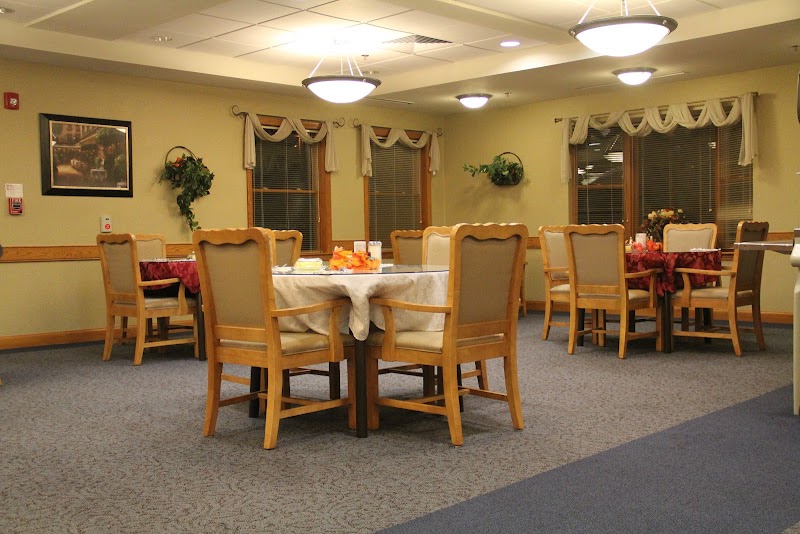
CMS rates ASCENSION LIVING SACRED HEART VILLAGE's staffing level at 4 out of 5 stars, which is above average compared to other nursing homes. Staff turnover is 45%, compared to the Indiana average of 46%. This relatively stable workforce can support continuity of care.

What Have Inspectors Found at Ascension Living Sacred Heart Village?

State health inspectors documented 14 deficiencies at ASCENSION LIVING SACRED HEART VILLAGE during 2023 to 2024. These included: 14 with potential for harm.
Who Owns and Operates Ascension Living Sacred Heart Village?

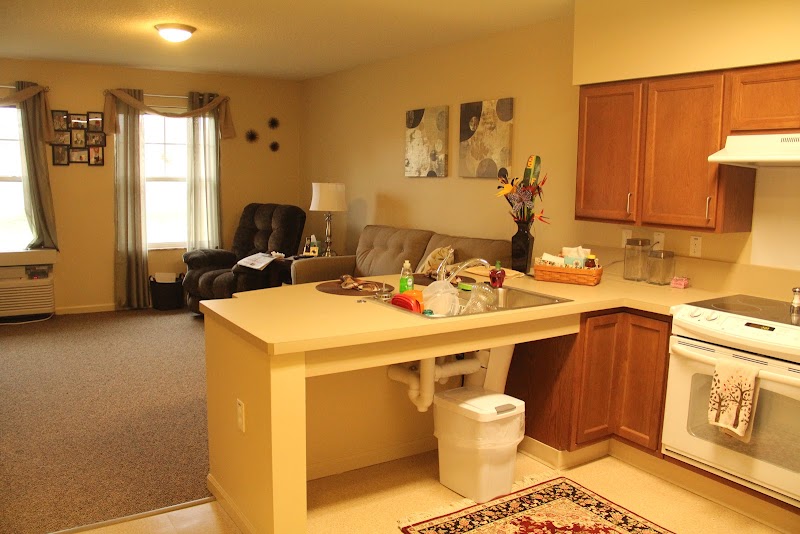
ASCENSION LIVING SACRED HEART VILLAGE is owned by a non-profit organization. Non-profit facilities reinvest revenue into operations rather than distributing to shareholders. The facility is operated by ASCENSION LIVING, a chain that manages multiple nursing homes. With 133 certified beds and approximately 78 residents (about 59% occupancy), it is a mid-sized facility located in AVILLA, Indiana.
How Does Ascension Living Sacred Heart Village Compare to Other Indiana Nursing Homes?

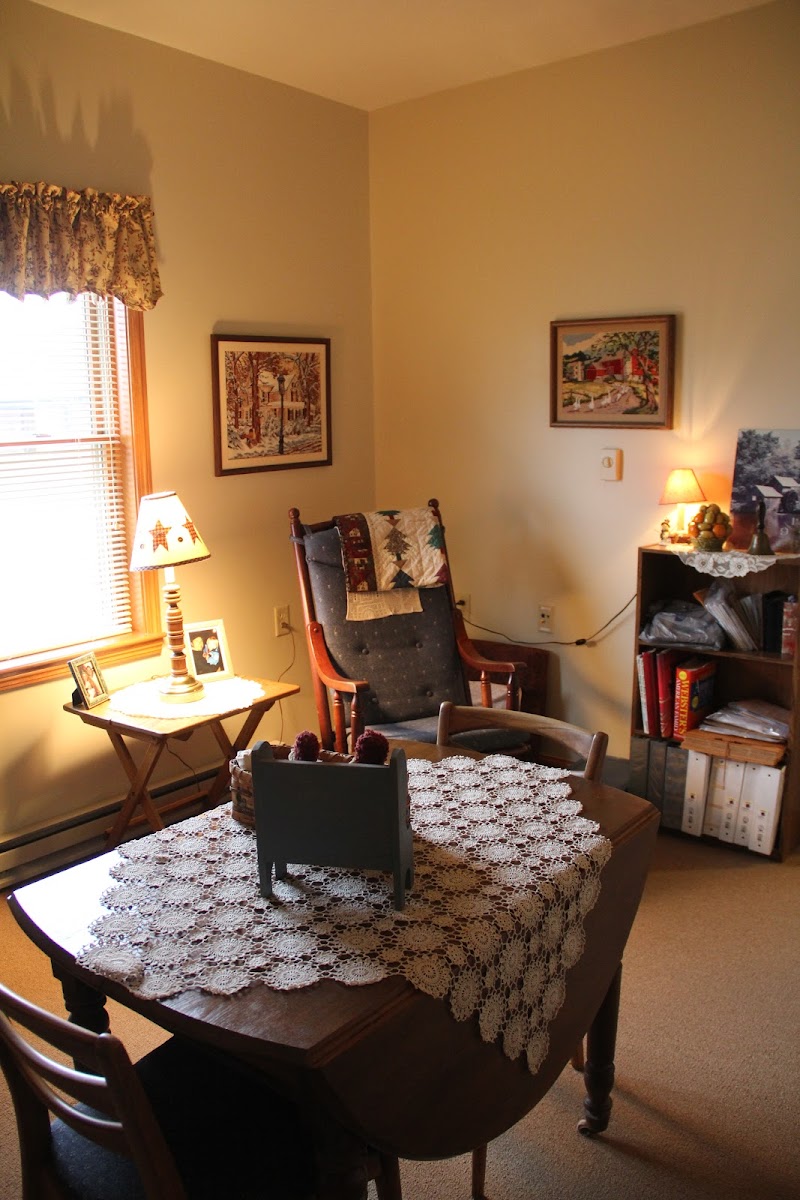
Compared to the 100 nursing homes in Indiana, ASCENSION LIVING SACRED HEART VILLAGE's overall rating (4 stars) is above the state average of 3.1, staff turnover (45%) is near the state average of 46%, and health inspection rating (3 stars) is at the national benchmark.

What Should Families Ask When Visiting Ascension Living Sacred Heart Village?

Based on this facility's data, families visiting should ask: "Can I visit during a mealtime to observe dining assistance and food quality?" "How do you handle medical emergencies, and what is your hospital transfer rate?" "Can I speak with family members of current residents about their experience?"

Is Ascension Living Sacred Heart Village Safe?

Based on CMS inspection data, ASCENSION LIVING SACRED HEART VILLAGE has a clean safety record: no substantiated abuse findings (meaning no confirmed cases of resident harm), no Immediate Jeopardy citations (the most serious violation level indicating risk of serious injury or death), and is not on the Special Focus Facility watch list (a federal program monitoring the lowest-performing 1% of nursing homes). The facility has a 4-star overall rating and ranks #1 of 100 nursing homes in Indiana. While no facility is perfect, families should still ask about staff-to-resident ratios and recent inspection results during their visit.

Do Nurses at Ascension Living Sacred Heart Village Stick Around?

ASCENSION LIVING SACRED HEART VILLAGE has a staff turnover rate of 45%, which is about average for Indiana nursing homes (state average: 46%). Moderate turnover is common in nursing homes, but families should still ask about staff tenure and how the facility maintains care continuity when employees leave.

Was Ascension Living Sacred Heart Village Ever Fined?

ASCENSION LIVING SACRED HEART VILLAGE has no federal fines on record. CMS issues fines when nursing homes fail to meet care standards or don't correct problems found during inspections. The absence of fines suggests the facility has either maintained compliance or corrected any issues before penalties were assessed. This is a positive indicator, though families should still review recent inspection reports for the full picture.

Is Ascension Living Sacred Heart Village on Any Federal Watch List?

ASCENSION LIVING SACRED HEART VILLAGE is not on any federal watch list. The most significant is the Special Focus Facility (SFF) program, which identifies the bottom 1% of nursing homes nationally based on persistent, serious quality problems. Not being on this list means the facility has avoided the pattern of deficiencies that triggers enhanced federal oversight. This is a positive indicator, though families should still review the facility's inspection history directly.