LUTHERAN LIFE VILLAGES
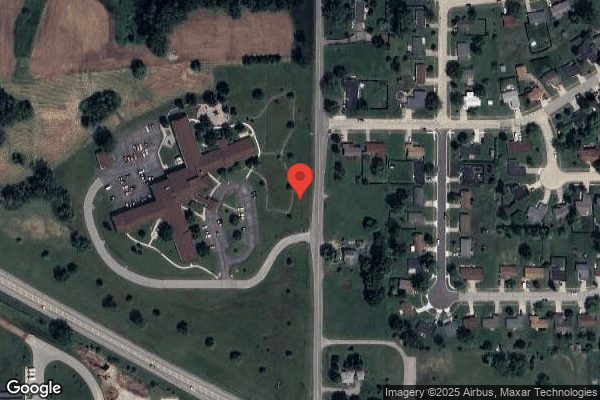
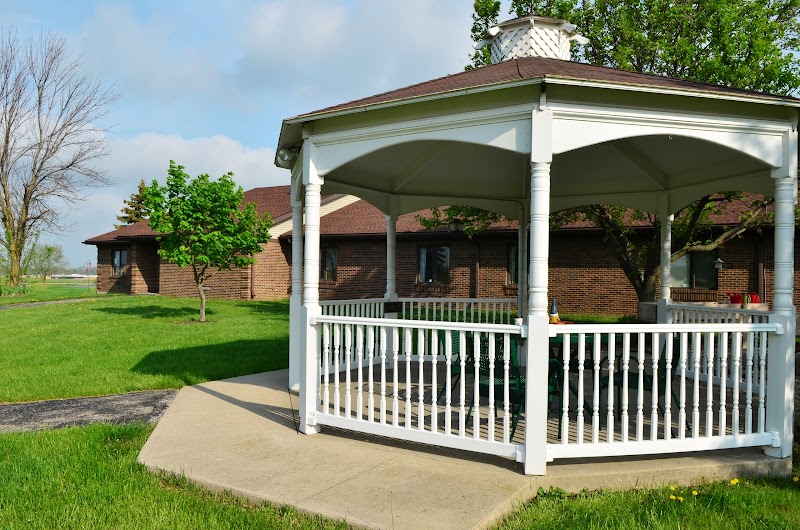
351 N ALLEN CHAPEL RD, KENDALLVILLE, IN 46755 (260) 347-2256
Government - County 99 Beds Independent Data: November 2025
Trust Grade
90/100
#64 of 505 in IN
Last Inspection: February 2025

Within standard 12-15 month inspection cycle. Federal law requires annual inspections.

Overview

Lutheran Life Villages in Kendallville, Indiana, has an impressive Trust Grade of A, indicating it is an excellent facility that is highly recommended. It ranks #65 out of 505 nursing homes in Indiana, placing it in the top half, and is the best-rated option among the five facilities in Noble County. The facility is showing improvement, with a decrease in reported issues from 2 in 2024 to 1 in 2025. Staffing is a relative strength, rated 4 out of 5 stars with a turnover rate of 36%, which is significantly better than the state average of 47%. There have been no fines on record, which reflects positively on compliance. However, there are some concerns. Recent inspections revealed that privacy for medical records was not adequately maintained, as sensitive information was left visible on a medication cart. Additionally, the facility failed to consistently recognize and respond to the emotional triggers of some residents, which may affect their well-being. Despite these weaknesses, the overall quality of care is strong, with excellent health and staffing ratings.

Trust Score
A
90/100
In Indiana
#64/505
Top 12%
Safety Record
Low Risk
No red flags
Inspections
Getting Better
2 → 1 violations
Staff Stability
○ Average
36% turnover. Near Indiana's 48% average. Typical for the industry.
Penalties
✓ Good
No fines on record. Clean compliance history, better than most Indiana facilities.
Skilled Nurses
○ Average
Each resident gets 40 minutes of Registered Nurse (RN) attention daily — about average for Indiana. RNs are the most trained staff who monitor for health changes.
Violations
○ Average
7 deficiencies on record. Average for a facility this size. Mostly minor or procedural issues.
★★★★★
5.0
Overall Rating
★★★★☆
4.0
Staff Levels
★★★★★
5.0
Care Quality
★★★★★
5.0
Inspection Score
Stable
2024: 2 issues
2025: 1 issues

The Good

  • 4-Star Staffing Rating · Above-average nurse staffing levels
  • 5-Star Quality Measures · Strong clinical quality outcomes
  • Full Sprinkler Coverage · Fire safety systems throughout facility
  • No fines on record
  • Staff turnover below average (36%)

    12 points below Indiana average of 48%

Facility shows strength in staffing levels, quality measures, fire safety.

The Bad

Staff Turnover: 36%

Near Indiana avg (46%)

Typical for the industry

The Ugly 7 deficiencies on record

Feb 2025 1 deficiency
CONCERN (D)

Potential for Harm - no one hurt, but risky conditions existed

Deficiency F0583 (Tag F0583)

Could have caused harm · This affected 1 resident

**NOTE- TERMS IN BRACKETS HAVE BEEN EDITED TO PROTECT CONFIDENTIALITY** Based on observation, interview, and record review the facility failed to ensure privacy of medical records for 2 of 8 residents...

Read full inspector narrative →
**NOTE- TERMS IN BRACKETS HAVE BEEN EDITED TO PROTECT CONFIDENTIALITY** Based on observation, interview, and record review the facility failed to ensure privacy of medical records for 2 of 8 residents reviewed (Resident 50, and Resident 123). Findings include: 1. During an observation on 2/12/25 at 11:40 AM, a computer screen on top of the medication cart on the dementia unit contained a picture of Resident 123, her name, medications and other care related physician's orders. A worksheet containing a list of the residents on the dementia unit with notes pertaining to their personal care was lying on top of the cart, visible to passersby. No staff member was observed attending to the cart. Two unidentified ambulatory residents, a dietary staff member and two Certified Nurse Aides were walking in the area. Licensed Practical Nurse (LPN) 2 was observed seated in a nurse's station across the hall from the medication cart. On 2/12/25 at 11:45 AM, LPN 2 returned to the cart and closed the screen. Resident 123's record was reviewed on 2/14/25 at 9:55 AM. Diagnoses included vascular dementia and cerebral infarction. Resident 123's current Basic Interview for Mental Status (BIMS) score, dated 2/11/25, was 10 (cognitively impaired). 2. During an observation on 2/14/25 at 8:52 AM, a computer screen on top of the medication cart on the dementia unit was observed open to a page listing Resident 50's medications. A worksheet listing the names and care needs of the residents residing on the dementia unit was lying on top of the cart visible to any passerby. No staff member was present at the cart. Two unidentified staff and two unidentified residents passed the cart before Licensed Practical Nurse (LPN) 2 returned to the cart. Resident 50's record was reviewed on 2/14/25 at 9:03 AM. Diagnoses included Alzheimer's disease and hypertension. Resident 50's current Minimum Data Set (MDS), dated [DATE], indicated his BIMS score was 5 (cognitively impaired). During an interview on 2/14/25 at 9:03 AM, LPN 2 indicated he should have closed the screen on the computer and covered or turned over the worksheet with resident information prior to leaving the cart. In an interview, on 2/14/25 at 9:54 AM, the Administrator indicated private resident health information should not be visible on unattended medication carts and computer screens. A current policy titled Privacy and Confidentiality, dated 11/21/16, provided by the Administrator on 2/14/25 at 10:13 AM, indicated residents had the right to secure and confidential personal and medical records. The policy indicated the facility was responsible for safeguarding the personal and medical records from unauthorized access. A current policy titled Electronic Medical Records-Physical Safeguards, dated 12/21/16, provided by the Administrator on 2/14/25 at 10:13 AM, indicated display screens and keyboard devices should be placed in such a way that access was limited to those employees with a demonstrated need to know. 3-1(p)(5)
Feb 2024 2 deficiencies
CONCERN (D)

Potential for Harm - no one hurt, but risky conditions existed

Deficiency F0699 (Tag F0699)

Could have caused harm · This affected 1 resident

**NOTE- TERMS IN BRACKETS HAVE BEEN EDITED TO PROTECT CONFIDENTIALITY** Based on observation, interview and record review the facility failed to recognize and identify triggers for a resident with a h...

Read full inspector narrative →
**NOTE- TERMS IN BRACKETS HAVE BEEN EDITED TO PROTECT CONFIDENTIALITY** Based on observation, interview and record review the facility failed to recognize and identify triggers for a resident with a history of trauma for 1 of 6 residents reviewed. (Resident 5) Findings include: On 2/21/24 at 10:45 A.M. Resident 5 was observed to be tearful while sitting in a common area in a reclining chair. In an attempted interview on 2/21/24 at 12:06 P.M. Resident 5 responded with brief answers then looked away. Resident 5's record was reviewed on 2/22/24 at 1:58 P.M. Diagnoses included recurrent depressive disorder and anxiety disorder. Resident 5's current quarterly Minimum Data Set (MDS) dated [DATE] indicated their Basic Interview for Mental Status (BIMS) score was 11 (moderate cognitive impairment). The MDS indicated Resident 5 did not exhibit any behaviors. Resident 5's current Care Plan dated 10/25/23 for mood indicated the resident had mood changes related to anxiety. The target goal was for Resident 5 to display sadness or depression less than daily through 1/24/24. Interventions included identification of strengths, medication as ordered and documentation of mood or behavior changes. The Care Plan indicated the resident was at risk for episodes of crying, being withdrawn and not eating. Interventions included medication as ordered, documentation of withdrawal from usual activity, documentation of tearfulness, sadness, insomnia, negative statements and one on one support. Resident 5's current Care Plan dated 10/25/23 indicated the resident had a history of trauma related to violence and sexual abuse. The Care Plan Indicated Resident 5 was unaware of their current triggers. The Care Plan Indicated Resident 5 often wept, cried and became overwhelmed with emotions. The target goals were to engage in meaningful social situations, enable staff assistance with moving past triggers and staff assistance with avoidance of triggers by the next review date. Interventions included staff assistance with recovery and avoidance of re-traumatization by medication as ordered, allowance of independence, awareness of triggers to reactions, respect of personal space, the provision of meaningful activities, the monitoring of physical health and keeping the resident informed of possible changes. A progress note dated 8/10/23 at 12:20 P.M. indicated Resident 5 had displayed increased tearfulness due to memories of sexual abuse. A progress note dated 8/13/23 at 2:11 P.M. indicated Resident 5 was tearful due to fear of a necklace they had received as a gift. A progress note dated 9/11/23 at 12:15 P.M. indicated Resident 5 preferred female caregivers due to a history of sexual abuse. The progress note indicated Resident 5 became tearful when they felt others were upset with them. A progress note dated 10/24/23 at 4:50 P.M. indicated Resident 5 had been crying due to memories of past sexual abuse. In an interview on 2/26/24 at 2:31 P.M. the Director of Nursing (DON) indicated Resident 5 was extremely easily moved to tears. The DON indicated facility staff were unaware of specific triggers and had not tracked to be able to identify specific triggers related to the resident's tearfulness. The DON voiced understanding related to the need for the facility staff to identify specific triggers. The DON indicated they were aware of Resident 5's preference for female staff. The DON indicated the preference for female staff should be included as an intervention and all staff should be made aware of the preference for female staff. A current policy dated 9/20/19, provided by the Administrator, indicated the facility would account for resident specific experiences and preferences in order to eliminate or mitigate triggers that may cause re-traumatization.
CONCERN (D)

Potential for Harm - no one hurt, but risky conditions existed

Medication Errors (Tag F0758)

Could have caused harm · This affected 1 resident

**NOTE- TERMS IN BRACKETS HAVE BEEN EDITED TO PROTECT CONFIDENTIALITY** Based on interview and record review the facility failed to ensure behaviors were documented prior to the administration of an a...

Read full inspector narrative →
**NOTE- TERMS IN BRACKETS HAVE BEEN EDITED TO PROTECT CONFIDENTIALITY** Based on interview and record review the facility failed to ensure behaviors were documented prior to the administration of an as needed medication for 1 of 5 residents reviewed (Resident 31). Findings include: Resident 31's record was reviewed on 2/23/24 at 9:13 AM. Diagnoses included dementia in other diseases classified elsewhere with anxiety, psychotic disorder with delusions, and delusional disorder. A review of Resident 31's current significant change Minimum Data Set (MDS), dated [DATE] indicated her Basic Interview for Mental Status (BIMS) score was 15 (cognitively intact). The MDS indicated Resident 31 had verbal behaviors directed at others 4 to 6 days weekly and behaviors had worsened since the last assessment period. A review of Resident 31's current care plan, dated 1/23/24, titled I have a diagnosis of dementia with anxiety disorder indicated the resident had a problem of anxiety with a goal date of 4/19/24. Interventions included signs of anxiety should be observed, recorded, and reported. A review of physician orders, dated 1/15/24, indicated diazepam intensol oral concentrate (an antianxiety medication) 5 milligrams (mg) per milliliter (ml), at a dosage of 0.5 ml was ordered to be given every four hours as needed for anxiety. A review of progress notes dated 1/17/24 at 12:00 AM indicated Registered Nurse (RN) 2 had given Qualified Medicine Aide (QMA) 3 permission to administer an as needed dose of diazepam. A description of the behavior requiring the use of the medication was not available for review in the medical record. A review of a Medication Administration Record dated 1/17/24 indicated diazepam intensol 5 mg/ml 0.5ml was administered by QMA 3 at 12:32 AM. In an interview on 2/23/24 at 2:30 PM, the Administrator indicated a new staff member was assigned to the unit and needed more training at that time on behavior documentation. She indicated documentation should have included a description of the behavior, interventions provided and whether they were successful prior to administering an as needed psychotropic medication. A current policy titled Psychotropic Medication policy, dated 4/28/17 provided by the DON at 2/26/24 at 8:50 AM indicated a psychotropic drug is any drug that affects brain activities associated with mental processes and behavior. The policy indicated anti-anxiety medications were an example of psychotropic medications. The policy indicated as needed orders for a psychotropic drug should be used only to treat a specific condition documented in the medical record. 3.1-48(a)(4)
Feb 2023 4 deficiencies
CONCERN (D)

Potential for Harm - no one hurt, but risky conditions existed

Quality of Care (Tag F0684)

Could have caused harm · This affected 1 resident

Based on observation, interview and record review, the facility failed to ensure orders, treatments, and assessments for a skin tear were completed for 1 of 3 residents reviewed. (Resident 57) Finding...

Read full inspector narrative →
Based on observation, interview and record review, the facility failed to ensure orders, treatments, and assessments for a skin tear were completed for 1 of 3 residents reviewed. (Resident 57) Findings include: During an observation and interview 02/16/23 at 10:42 AM, Resident 57 had a clear dressing on the left forearm. the dressin had slightly rolled edges with greying under the edges. The dressing had no date to indicate when it was placed. Under the dressing appeared to be a thick brownish red straight mark, approximately 2 inches long. Resident 57 indicated he had a skin tear from his arm falling off of his wheelchair and hitting something. Resident 57 denied pain to the area, and indicated he was unable to feel much of anything on that side of his body. Resident 57 indicated the incident happened about a week or 2 ago. Resident 57 had no other disruptions of his skin observable at that time. Resident 57's record was reviewed on 2/16/23 at 12:17PM. Diagnoses included stroke, flaccid left nondominant side, anxiety, and heart disease. A review of physician orders indicated to assist resident in using Velcro strap on wheelchair for left upper extremity, monitor left upper extremity for skin integrity and circulation, and weekly skin assessment. A review of the TAR (Treatment Administration Record) date January and February 2023 indicated the following: There was no documentation of daily skin integrity documented on 1/23/23, 1/24/23, 1/26/23, 2/6/23, and 2/12/23. There was no documentation regarding assisting Resident 57 to use Velcro strap after 2/15/23. Weekly skin assessments were documented as completed as ordered. Resident 57's weekly skin assessments completed by nursing on 1/8/23, 1/13/23, 1/20/23, 1/27/23, 2/3/23, and 2/10/23 indicated no skin impairment was noted. There was no documentation regarding the condition of the skin tear to the left forearm. Resident 57's progress notes indicated the following: On 1/22/23, his daughter alerted nursing to the skin tear on his left forearm. The documentation indicated they cleansed it with normal saline, applied a tefla dressing then notified the doctor and wound care nurse. The progress note did not indicate an order was received for treatment. On 2/3/23, a note indicated the skin tear to the left forearm was resolved. On 2/16/23 at 7:48 am indicated Resident 57 had picked a scab from a skin tear on his left forearm and now it was bleeding. Resident 57's physician orders dated 1/23/23 included to change dressing to left forearm skin tear daily. The order was updated on 1/29/23 to include cleanse skin tears to left forearm with soap and water then apply tegaderm dressing change dressing every 5 days. A review of the TAR dated February of 2023 indicated the dressing had not been changed for the month February. In an interview on 02/16/23 at 02:30 PM, the DON (Director of Nursing) indicated the tegaderm was placed by LPN 3 (Licensed Practical Nurse). The DON indicated the dressing was not dated nor initialed due to not wanting to draw Resident 57's attention to the dressing. The DON stated, he is a picker and indicated Resident 57 had the behavior of picking at scabs. The DON indicated Resident 57 frequently had scabs on the left forearm. The DON indicated there was no order, assessment, or progress note completed becasue LPN 3 did not have time to do so. Resident 57's behavior monitoring for the last 30 days indicated no behaviors were noted. Resident 57 had no specific behavior tracking for picking. Resident 57's current care plan indicated a new intervention under skin integrity initiated on 2/16/23 of I have a tendency to pick skin/scabs. Staff to cover as needed. Another intervention included keep skin clean and dry. Use lotion on dry skin, initiated 8/7/20. The care plan addressed diagnosis of anxiety and indicated the anxiety shows as restlessness and seeking out staff attention. The behavior of picking at skin had not been addressed. On 2/18//23 at 2:30 PM, a current policy and procedure titled Skin Management, revised May 2019, was provided by ED (Executive Director) indicated; Residents who are at risk or with wounds are/or pressure injuries and those at risk for skin compromise are identified, assessed, and provided appropriate treatment to encourage healing and/or integrity. Ongoing monitoring and evaluation are provided to ensure optimal resident outcomes Skin tear . can be partial or full thickness, usually due to friction an/or shear forces .15. Skin tears will be reported to the licensed nurse upon occurrence. An incident report will be completed in the electronic medical record if from unknown origin. The nurse will notify the physician and the resident representative of the kin tear. The Licensed nurse will initiate skin care with attending physician/s order until healed . 3.1-37(a)
CONCERN (D)

Potential for Harm - no one hurt, but risky conditions existed

Respiratory Care (Tag F0695)

Could have caused harm · This affected 1 resident

**NOTE- TERMS IN BRACKETS HAVE BEEN EDITED TO PROTECT CONFIDENTIALITY** Based on observation, interview, and record review, the facility failed to ensure oxygen tubing changes were performed according...

Read full inspector narrative →
**NOTE- TERMS IN BRACKETS HAVE BEEN EDITED TO PROTECT CONFIDENTIALITY** Based on observation, interview, and record review, the facility failed to ensure oxygen tubing changes were performed according to standards in 2 of 2 residents reviewed (Resident 15 and Resident 67). 1.During an observation at 11:31 AM on 2/14/23, Resident 15 was observed in bed with a nasal cannula in place delivering 3 liters of oxygen. A piece of tape attached to the oxygen tubing was dated 1/30/23. At 9:23 AM on 2/15/23, Resident 15 was observed in her chair using oxygen at 3 liters by nasal cannula. The tubing was dated 1/30/23. During a record review at 9:36 AM on 2/15/23, Resident 15 had diagnoses including chronic respiratory failure with hypoxia, chronic obstructive pulmonary disease, and Alzheimer's disease with late onset. A Minimum Data Set (MDS) dated [DATE] was reviewed. The MDS indicated Resident 15 was cognitively impaired and unable to be interviewed. A physician's order dated 12/17/22 indicated oxygen should be administered at 3 liter per minute by nasal cannula continuously. Another physician's order dated 11/28/22 indicated oxygen tubing should be changed weekly on Sunday nights. 2. During an observation at 9:44 AM on 2/14/23, Resident 67 was observed sitting in a chair in her room with a nasal cannula in place delivering oxygen at 5 liters. No date was observed on the oxygen tubing. During an observation at 9:35 AM on 2/15/23, Resident 67 was observed sitting in her chair using oxygen at 5 liters by nasal cannula. No date was observed on the oxygen tubing. During a record review at 9:48 AM on 2/15/23, Resident 67 had diagnoses including chronic obstructive pulmonary disease (COPD), essential hypertension, and unspecified dementia. An MDS dated [DATE] indicated Resident 67 was cognitively impaired and unable to be interviewed. A physician's order dated 12/15/22 indicated oxygens should be administered at 5 liters by nasal cannula every shift for shortness of breath related to COPD. A physician's order dated 12/24/33 indicated oxygen tubing should be changed weekly every Sunday night. During an interview at 9:22 AM on 2/15/23, Licensed Practical Nurse 5 indicated oxygen tubing should be changed weekly on Sunday nights and dated. A current policy titled Policy and Procedure: Oxygen, last revised 2/16/18, indicated oxygen tubing should be changed every Sunday night on night shift. 3.1-47(a)(6)
CONCERN (D)

Potential for Harm - no one hurt, but risky conditions existed

Deficiency F0697 (Tag F0697)

Could have caused harm · This affected 1 resident

Based on observation, interview, and record review the facility failed to ensure non-pharmacologic interventions were implemented for 2 of 5 residents reviewed. (Resident 8 and Resident 75) 1) During...

Read full inspector narrative →
Based on observation, interview, and record review the facility failed to ensure non-pharmacologic interventions were implemented for 2 of 5 residents reviewed. (Resident 8 and Resident 75) 1) During an observation and interview on 2/16/23 at 10:57 AM Resident 8 was observed grimacing, moving very slowly and cautiously. Resident 8 indicated she had been in a great deal of pain from kidney stones. Resident 8 indicated staff were aware of her continued pain and would administer pain medication. Resident 8 denied having any other interventions offered for pain. Resident 8's recorded review began on 2/16/22 at 1:18PM. The record indicated diagnosis included osteoarthritis of knee, deficit following a stroke, and muscle weakness generalized. Resident 8's physician orders included; Norco tablet 5-325mg give one every six hours for pain, observe for side effects related to opioid medication, offer at least 2 non-pharmalogical interventions prior to giving PRN pain medication, and access pain level every shift. A review of the Medication Administration Record (MAR) dated February 2023 indicated day shift there were 2 times the pain level was not documented. On 2/7/23 pain was documented a 2 on night shift. On 2/8/23 night shift documented pain level was 1. The MAR dated February 2023 indicated Resident 8 was administered Norco 5-325mg tablet at the following times: On 2/1/23 at 2045, 2 non pharmalogical interventions were offered. The documentation indicated the non pharmalogical interventions were ineffective. There was no documentation indicating what the interventions were. On 2/2/23 at 1734, 2 non pharmalogical interventions were offered. The documentation indicated the non pharmalogical interventions were effective, yet the PRN pain medication was given. There was no documentation of what the non pharmalogical interventions were or why the medication was still given. On 2/3/23 at 1812, 2 non pharmalogical interventions were offered. The documentation indicated the interventions were effective, yet the PRN pain medications was given. There was no documentation of what the intervetions were or why the pain medication was given. On 2/6/23 at 1852, 2 non pharmalogical interventions were offered. The documentation indicated the non pharmalogical interventions were effective, yet the PRN pain medication was given. There was no documentation of what the non pharmalogical interventions were or why the medication was still given. On 2/7/23 at 0153, there was no documentation of 2 non pharmalogical interventions offered. On 2/7/23 at 1719, 2 non pharmalogical interventions were offered. The documentation indicated the non pharmalogical interventions were effective, yet the PRN pain medication was given. There was no documentation of what the non pharmalogical interventions were or why the medication was still given. On 2/8/23 at 1908, there was no documentation of 2 non pharmalogical interventions offered. On 2/9/23 at 1747, 2 non pharmalogical interventions were offered. The documentation indicated the non pharmalogical interventions were effective, yet the PRN pain medication was given. There was no documentation of what the non pharmalogical interventions were or why the medication was still given. On 2/10/23 at 1640, 2 non pharmalogical interventions were offered. The documentation indicated the non pharmalogical interventions were effective, yet the PRN pain medication was given. There was no documentation of what the non pharmalogical interventions were or why the medication was still given. On 2/15/23 at 1110, 2 non pharmalogical interventions were offered. The documentation indicated the non pharmalogical interventions were effective, yet the PRN pain medication was given. There was no documentation of what the non pharmalogical interventions were or why the medication was still given. 2) Resident 75's record was reviewed on 2/16/23 at 11:43. Diagnosis included displaced fracture of right femur, type 2 diabetes, and history of stroke. Resident 75's physician orders included offer at least 2 non-pharmological interventions prior to PRN pain medication, observe for side effects related to opioid use, pain level every shift, and Norco 5-325mg give one tabled every 8hrs as needed for severe pain. Resident 75's pain level was documented three times a day from 2/1/23 to 2/15/23 as zero (no pain). She was given Tylenol on 2/4/23 at 1935 with pain documented as zero and twice on 2/12/23 with pain documented each time at a level of 1. Resident 75 was documented as receiving Norco 5-325mg as follows: On 2/1/23 at 2001 there was no documentation of 2 non pharmalogical interventions offered. On 2/2/23 at 2105 there was no documentation of 2 non pharmalogical interventions offered. On 2/3/23 at 0410, 2 non pharmalogical interventions were offered. The documentation indicated the non pharmalogical interventions were ineffective. There was no documentation of what the non pharmalogical interventions were. On 2/3/23 at 2008, 2 non pharmalogical interventions were offered. The documentation indicated the non pharmalogical interventions were ineffective. There was no documentation of what the non pharmalogical interventions were. On 2/4/23 at 0551 there was no documentation of 2 non pharmalogical interventions offered. On 2/5/23 at 0845, 2 non pharmalogical interventions were offered. The documentation indicated the non pharmalogical interventions were ineffective. There was no documentation of what the non pharmalogical interventions were. On 2/8/23 at 2000, 2 non pharmalogical interventions were offered. The documentation indicated the non pharmalogical interventions were ineffective. There was no documentation of what the non pharmalogical interventions were. On 2/10/23 at 2007 there was no documentation of 2 non pharmalogical interventions offered. On 2/12/23 at 1956 there was no documentation of 2 non pharmalogical interventions offered. On 2/14/23 at 1953 there was no documentation of 2 non pharmalogical interventions offered. On 2/15/23 at 2013, 2 non pharmalogical interventions were offered. The documentation indicated the non pharmalogical interventions were ineffective. There was no documentation of what the non pharmalogical interventions were. In an interview on 02/16/23 at 2:34 PM, LPN 5 (Licensed Practical Nurse) indicated there should had been non-pharmacologic interventions implemented and documented or marked refused on the MAR prior to the administration of pain medication. LPN 5 indicated if the non pharmalogical interventions were effective no pain medication should be dispensed. On 2/18//23 at 2:00 PM, a current procedure titled Pain Management, revised October 2020, indicated; approach for recognition, assessment, treatment, and monitoring of pain .Recognition: 1 .a. recognizes when the resident is experiencing pain. 2. d. facial expressions Pain assessment 2. b. asking the patient to rate the intensity of his/her pain using a numerical scale .Pain management and treatment. 5. Non pharmalogical interventions will include but are not limited to: a. environmental comfort .b. loosening any restrictive clothing.c. applying splinting . d. physical modalities.e . exercise to address stiffness f. cognitive/behavioral interventions . 3.1-37(a)
CONCERN (D)

Potential for Harm - no one hurt, but risky conditions existed

Deficiency F0849 (Tag F0849)

Could have caused harm · This affected 1 resident

**NOTE- TERMS IN BRACKETS HAVE BEEN EDITED TO PROTECT CONFIDENTIALITY** Based on observation, interview, and record review, the facility failed to ensure instructions for contacting the correct hospic...

Read full inspector narrative →
**NOTE- TERMS IN BRACKETS HAVE BEEN EDITED TO PROTECT CONFIDENTIALITY** Based on observation, interview, and record review, the facility failed to ensure instructions for contacting the correct hospice company were clearly communicated to staff for 1 of 3 residents reviewed (Resident 67). During a family interview at 1:28 PM on 2/14/23, a family member of Resident 67 indicated they had previously used hospice services from Heart-to-Heart hospice but had recently changed to Parkview Noble Hospice services. The family had initiated and approved this change. During a record review at 9:48 AM on 2/15/23, Resident 67 had diagnoses including chronic obstructive pulmonary disease (COPD), essential hypertension, and unspecified dementia. An MDS dated [DATE] indicated Resident 67 was cognitively impaired and unable to be interviewed. A physician order dated 1/10/23 indicated Resident 67 was admitted to Heart-to-Heart Hospice for a diagnosis of end stage COPD. A phone number was listed in the physician's order with instructions to call Heart-to-Heart hospice for hospice care. A physician's order dated 2/6/23 indicated Resident 67 may have Parkview Noble Hospice care evaluate and admit. A care plan dated 12/15/22 indicated Resident 67 received hospice care from Heart-to-Heart hospice. During an observation with Licensed Practical Nurse (LPN) 6 at 10:25 on 2/16/23, red binder labeled Heart-to-Heart hospice was observed with Resident 67's name on it. The binder included records including physician's orders, care plans, and staff visit records and notes. Positioned next to that binder was a green binder labeled Parkview Noble Hospice with Resident 67's name on it containing physician's orders, care plans, and staff visit records and notes. During an interview during an observation at 10:25 on 2/16/23, LPN 6 indicated staff should refer to the current physician orders to determine which hospice service a resident is using. He indicated when there is a discrepancy in the orders, staff should refer to a daily assignment sheet. A current daily assignment sheet provided by LPN 6 indicated Resident 67 used Heart-to-Heart hospice service. LPN 6 indicated the physician's orders for Heart-to-Heart hospice should have been discontinued and the records should have been updated to reflect the change to Parkview Noble Hospice. A policy regarding clarification of hospice choice was not available for review.
Understanding Severity Codes (click to expand)
Life-Threatening (Immediate Jeopardy)
J - Isolated K - Pattern L - Widespread
Actual Harm
G - Isolated H - Pattern I - Widespread
Potential for Harm
D - Isolated E - Pattern F - Widespread
No Harm (Minor)
A - Isolated B - Pattern C - Widespread

Questions to Ask on Your Visit

  • "Can I speak with families of current residents?"
  • "What's your RN coverage like on weekends and overnight?"

Our Honest Assessment

Strengths
  • • Grade A (90/100). Above average facility, better than most options in Indiana.
  • • No major safety red flags. No abuse findings, life-threatening violations, or SFF status.
  • • No fines on record. Clean compliance history, better than most Indiana facilities.
  • • 36% turnover. Below Indiana's 48% average. Good staff retention means consistent care.
Concerns
  • • No significant concerns identified. This facility shows no red flags across CMS ratings, staff turnover, or federal penalties.
Bottom line: Generally positive indicators. Standard due diligence and a personal visit recommended.

About This Facility

What is Lutheran Life Villages's CMS Rating?

CMS assigns LUTHERAN LIFE VILLAGES an overall rating of 5 out of 5 stars, which is considered much above average nationally. Within Indiana, this rating places the facility higher than 99% of the state's 100 nursing homes. This rating reflects solid performance across the metrics CMS uses to evaluate nursing home quality.
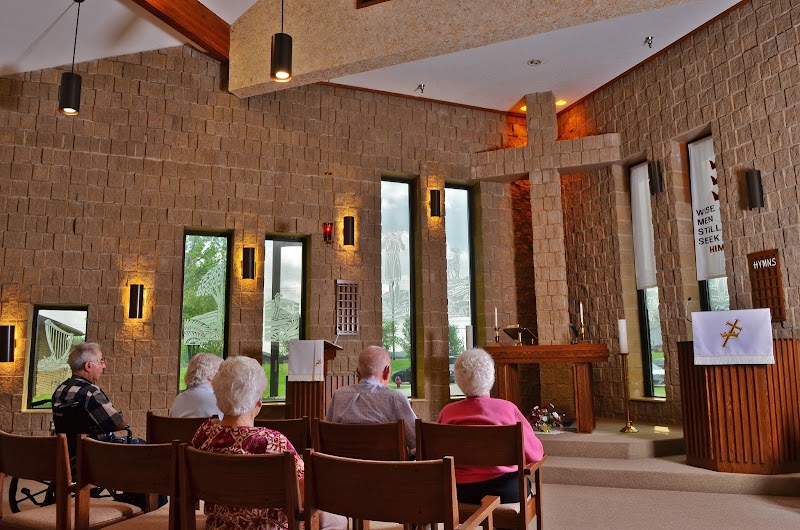
How is Lutheran Life Villages Staffed?

CMS rates LUTHERAN LIFE VILLAGES's staffing level at 4 out of 5 stars, which is above average compared to other nursing homes. Staff turnover is 36%, compared to the Indiana average of 46%. This relatively stable workforce can support continuity of care.

What Have Inspectors Found at Lutheran Life Villages?

State health inspectors documented 7 deficiencies at LUTHERAN LIFE VILLAGES during 2023 to 2025. These included: 7 with potential for harm.

Who Owns and Operates Lutheran Life Villages?

LUTHERAN LIFE VILLAGES is owned by a government entity. Government-operated facilities are typically run by state, county, or municipal agencies. The facility operates independently rather than as part of a larger chain. With 99 certified beds and approximately 75 residents (about 76% occupancy), it is a smaller facility located in KENDALLVILLE, Indiana.
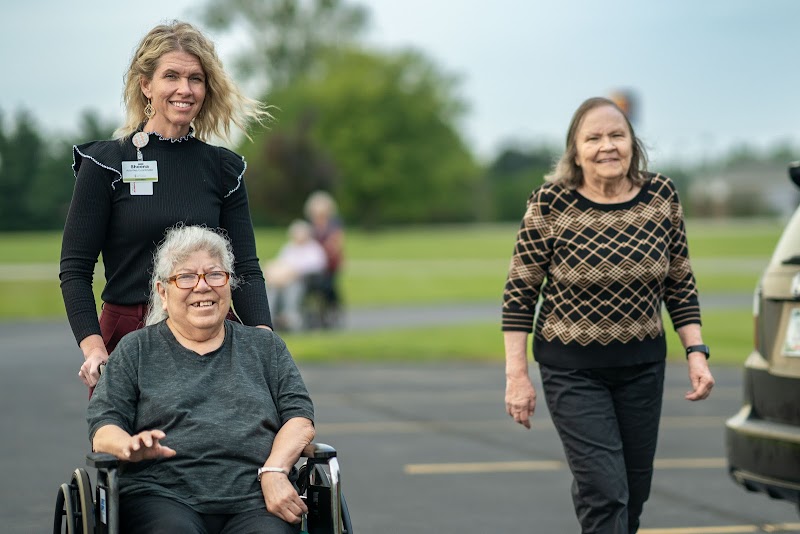
How Does Lutheran Life Villages Compare to Other Indiana Nursing Homes?

Compared to the 100 nursing homes in Indiana, LUTHERAN LIFE VILLAGES's overall rating (5 stars) is above the state average of 3.1, staff turnover (36%) is near the state average of 46%, and health inspection rating (5 stars) is much above the national benchmark.

What Should Families Ask When Visiting Lutheran Life Villages?

Based on this facility's data, families visiting should ask: "Can I visit during a mealtime to observe dining assistance and food quality?" "How do you handle medical emergencies, and what is your hospital transfer rate?" "Can I speak with family members of current residents about their experience?"

Is Lutheran Life Villages Safe?

Based on CMS inspection data, LUTHERAN LIFE VILLAGES has a clean safety record: no substantiated abuse findings (meaning no confirmed cases of resident harm), no Immediate Jeopardy citations (the most serious violation level indicating risk of serious injury or death), and is not on the Special Focus Facility watch list (a federal program monitoring the lowest-performing 1% of nursing homes). The facility has a 5-star overall rating and ranks #1 of 100 nursing homes in Indiana. While no facility is perfect, families should still ask about staff-to-resident ratios and recent inspection results during their visit.

Do Nurses at Lutheran Life Villages Stick Around?

LUTHERAN LIFE VILLAGES has a staff turnover rate of 36%, which is about average for Indiana nursing homes (state average: 46%). Moderate turnover is common in nursing homes, but families should still ask about staff tenure and how the facility maintains care continuity when employees leave.

Was Lutheran Life Villages Ever Fined?

LUTHERAN LIFE VILLAGES has no federal fines on record. CMS issues fines when nursing homes fail to meet care standards or don't correct problems found during inspections. The absence of fines suggests the facility has either maintained compliance or corrected any issues before penalties were assessed. This is a positive indicator, though families should still review recent inspection reports for the full picture.

Is Lutheran Life Villages on Any Federal Watch List?

LUTHERAN LIFE VILLAGES is not on any federal watch list. The most significant is the Special Focus Facility (SFF) program, which identifies the bottom 1% of nursing homes nationally based on persistent, serious quality problems. Not being on this list means the facility has avoided the pattern of deficiencies that triggers enhanced federal oversight. This is a positive indicator, though families should still review the facility's inspection history directly.