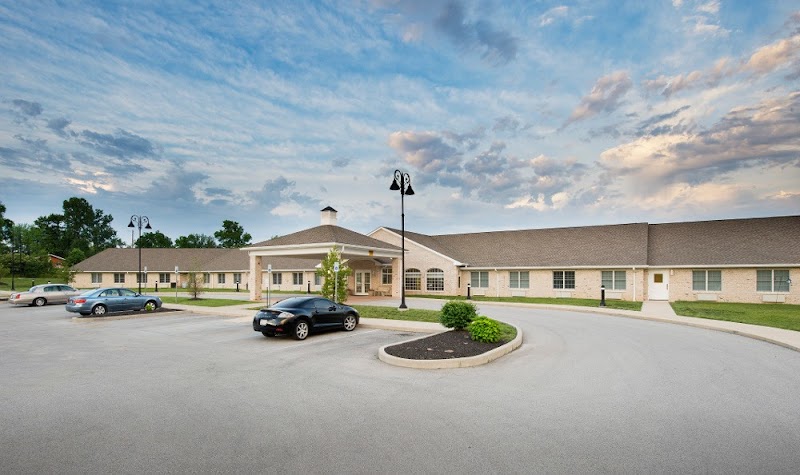
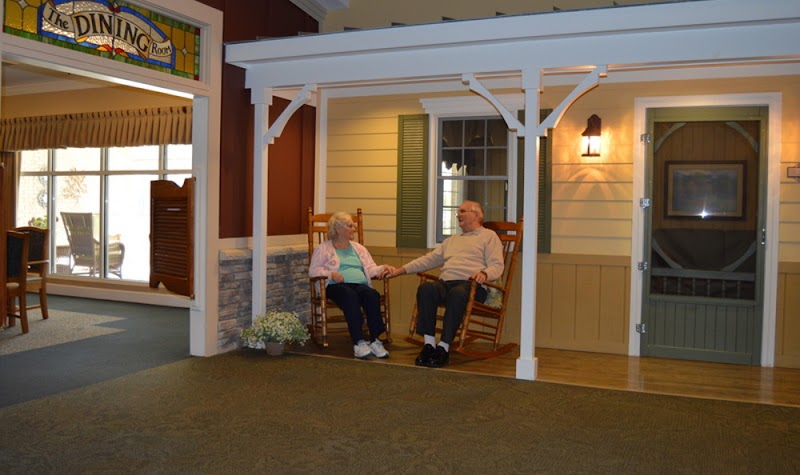
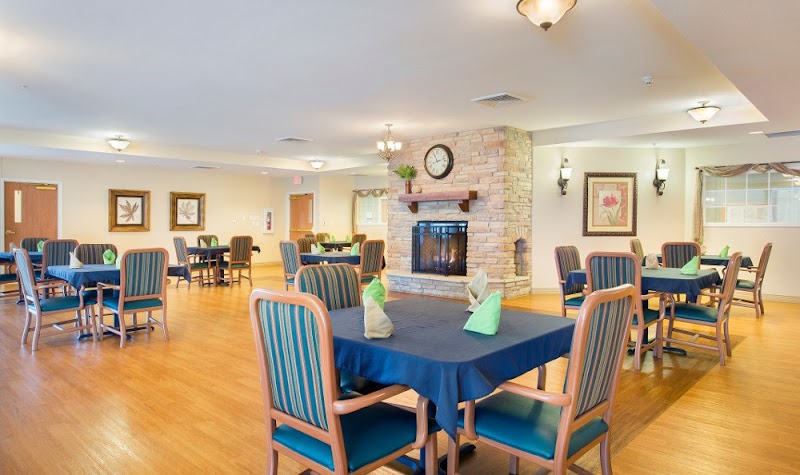
AVON HEALTH & REHABILITATION CENTER

4171 FOREST POINTE CIRCLE, AVON, IN 46123 (317) 745-5184
Non profit - Corporation 137 Beds TLC MANAGEMENT Data: November 2025
Trust Grade
80/100
#7 of 505 in IN
Last Inspection: January 2025

Within standard 12-15 month inspection cycle. Federal law requires annual inspections.

Overview

Avon Health & Rehabilitation Center has a Trust Grade of B+, indicating it is above average and recommended for families considering options. It ranks #7 out of 505 facilities in Indiana, placing it in the top tier of care options, and is the top facility among 9 in Hendricks County. Recently, the facility has shown improvement, reducing its issues from 7 in 2023 to 5 in 2025. Staffing is a mixed bag; while there is a strong rating for overall care and a low turnover rate of 35%, the facility has less registered nurse (RN) coverage than 80% of Indiana facilities, which could impact the level of care. Notably, there have been some concerning incidents, such as call lights being out of reach for several residents, which could hinder timely assistance, and a failure to conduct required background checks for new employees, raising safety concerns.

Trust Score
B+
80/100
In Indiana
#7/505
Top 1%
Safety Record
Low Risk
No red flags
Inspections
Getting Better
7 → 5 violations
Staff Stability
○ Average
35% turnover. Near Indiana's 48% average. Typical for the industry.
Penalties
✓ Good
No fines on record. Clean compliance history, better than most Indiana facilities.
Skilled Nurses
⚠ Watch
Each resident gets only 25 minutes of Registered Nurse (RN) attention daily — below average for Indiana. Fewer RN minutes means fewer trained eyes watching for problems.
Violations
⚠ Watch
21 deficiencies on record. Higher than average. Multiple issues found across inspections.
★★★★★
5.0
Overall Rating
★★★☆☆
3.0
Staff Levels
★★★★★
5.0
Care Quality
★★★★☆
4.0
Inspection Score
Stable
2023: 7 issues
2025: 5 issues

The Good

  • 5-Star Quality Measures · Strong clinical quality outcomes
  • Full Sprinkler Coverage · Fire safety systems throughout facility
  • No fines on record
  • Staff turnover below average (35%)

    13 points below Indiana average of 48%

Facility shows strength in quality measures, fire safety.

The Bad

Staff Turnover: 35%

11pts below Indiana avg (46%)

Typical for the industry

Chain: TLC MANAGEMENT

Part of a multi-facility chain

Ask about local staffing decisions and management

The Ugly 21 deficiencies on record

Jan 2025 5 deficiencies
CONCERN (D)

Potential for Harm - no one hurt, but risky conditions existed

PASARR Coordination (Tag F0644)

Could have caused harm · This affected 1 resident

Based on record review and interviews, the facility failed to complete a new level of care Pre-admission screening and resident review (PASARR) for a resident when she had a diagnosis of psychosis add...

Read full inspector narrative →
Based on record review and interviews, the facility failed to complete a new level of care Pre-admission screening and resident review (PASARR) for a resident when she had a diagnosis of psychosis added to her history for 1 of 1 resident reviewed (Resident 63). Findings include: On 1/22/25 at 12:22 p.m., a record review was completed for Resident 63. She had the following diagnoses which included but was not limited to hypertension, type 2 diabetes mellitus, generalized anxiety, and delusional disorders. She had a level 1 PASARR in her medical record. It did not include the diagnosis of delusional disorders. On 1/22/25 at 2:30 p.m., during an interview, the Minimum Data Set (MDS) Licensed Practical Nurse (LPN) indicated delusional disorders were on her list of diagnoses, therefore, he coded delusional disorders. On 1/23/25 at 9:30 a.m., the Director of Nursing (DON) indicated a new level of care was being completed for Resident 63 and she would provide the results. On 1/27/25 at 12:10 p.m., the DON provided a copy of Resident 63, new level of care dated 1/24/25, and it indicated to refer for a level 2 PASARR on site. A policy titled, Level I and Level II process was provided by the DON on 1/27/25 at 2:38 p.m. It indicated .Social Service Director will notify refer residents with newly evident or possible serious mental disorder, intellectual disability, or a related condition to the state mental health authority or the state intellectual authority. Documentation will be made in the progress notes
CONCERN (D)

Potential for Harm - no one hurt, but risky conditions existed

Deficiency F0657 (Tag F0657)

Could have caused harm · This affected 1 resident

Based on observation, interview, and record review, the facility failed to ensure a comprehensive resident centered care plan related to advanced directives was revised to reflect the wants and needs ...

Read full inspector narrative →
Based on observation, interview, and record review, the facility failed to ensure a comprehensive resident centered care plan related to advanced directives was revised to reflect the wants and needs of a resident for 1 of 1 resident reviewed for advanced directives. (Resident 32) Findings include: On 1/21/25 at 10:21 a.m., Resident 32 was observed as she sat up in her bed. The Resident was in enhanced barrier precautions for her urostomy (an opening in the abdomen to allow urine to pass through) and gastrointestinal tube (Gtube), and she indicated she had recently tested positive for flu A. A urine drainage bag was observed as it hung on the side of the Residents bed frame covered with a dignity cover. Clear yellow urine was observed in the tubing and no dependent loops were noted. On 1/23/25 at 1:35 p.m., Resident 32's medical record was reviewed. She was a long-term care resident whose diagnoses included but were not limited to, post left wrist flap closure surgery, osteomyelitis (an infection of the bone that causes inflammation and damage to the bone tissue) of the hand and Methicillin Resistant Staphylococcus Aureus (MRSA) infection. Resident 32 had an active care plan, dated 5/17/23, for a Do Not Resuscitate (DNR) code status. Resident 32 had an active order, dated 12/13/24, for a full code status. On 1/24/25 at 10:06 a.m., the Director of Nursing (DON) provided documentation of the original DNR care plan and the updated Full Code care plan. She indicated that the DNR care plan was wrong and should have been a Full Code status care plan. On 1/28/25 at 10:50 a.m., the DON provided a copy of a current facility policy titled, Comprehensive Care Plans, dated 9/18/24. The policy indicated .Other factors identified by the interdisciplinary team, or in accordance with the resident's preferences, will also be addressed in the care plan , .5. The comprehensive care plan will be reviewed and revised by the interdisciplinary team after each comprehensive and quarterly Minimum Data Set (MDS) assessment 3.1-35(c)(1)
CONCERN (D)

Potential for Harm - no one hurt, but risky conditions existed

Incontinence Care (Tag F0690)

Could have caused harm · This affected 1 resident

Based on observation, interview, and record review, the facility failed to ensure a resident (Resident 70) who required the use of a suprapubic catheter (a thin, flexible tube inserted directly into t...

Read full inspector narrative →
Based on observation, interview, and record review, the facility failed to ensure a resident (Resident 70) who required the use of a suprapubic catheter (a thin, flexible tube inserted directly into the bladder through a small incision in the lower abdomen, just above the pubic bone) received treatment and services to prevent the potential for urinary tract infections (UTI) for 1 of 3 residents reviewed for catheters. Findings include: On 1/21/25 at 10:55 a.m., Resident 70 was observed in his room on the secured memory care unit. He was reclined in his bed and spoke out loud to anyone he saw. He repeatedly asked staff that passed by his room, where his watch was, and was told that it was, being cleaned. His voice was raised, but he did not yell, as he continued to ask about his watch, and what he should do. An unidentified staff member who passed by his room indicated, he always does this, he just gets so anxious about one thing after the other, sometimes its his watch, other times the catheter leg bag and he wants the water off his leg. On 1/27/25 at 12:39 p.m., Resident 70's medical record was reviewed. He was a long-term care resident who resided on the secured memory care unit with diagnoses which included, but were not limited to, unspecified dementia (a degenerative brain disease which affects memory and cognitive function), anxiety and benign prostatic hyperplasia (BPH - a condition where the prostate gland, located at the base of the bladder in men, enlarges) with lower urinary tract symptoms (LUTS -symptoms that affect urination and can occur with BPH). There was an initial catheter assessment, dated 3/11/24, and a quarterly assessment, dated 5/27/24, but the record lacked further quarterly assessments. A urology physician's order, dated 12/16/24, indicated his catheter should be changed every 4 to 6 weeks. At the time of the initial record review, the facility's physician order list lacked a physician order with these specific instructions. An admission physician order, dated 3/11/24, indicated Resident 70's urine output should be recorded every shift. Resident 70's March 2024 Medication/Treatment Administration Records (MAR/TAR) was reviewed and revealed there was no output recorded for the following shifts: 3/17/24 night shift, 3/22/24 evening shift, 3/27/24 day shift and 3/31/24 night shift. A nursing progress note, dated 3/15/24 at 12:50 a.m., indicated, hematuria [blood in the urine] continues, daughter aware. The record lacked documentation the physician had been notified. A nursing progress note, dated 3/19/24 at 8:59 p.m., indicated Resident 70 emptied the catheter bag but did not recall how much was in it. The record lacked notification the physician was notified. A nursing progress note, dated 3/20/24 at 7:52 p.m., indicated Resident 70 emptied his catheter bag into the toilet, but an amount of output was not recorded. A nursing progress note, dated 3/28/24 at 8:14 p.m., indicated Resident 70 emptied his bag and the output was not recorded. Resident 70's April 2024 MAR/TAR was reviewed and revealed no output was recorded for the following shifts: 4/9/24 night shift, 4/12/24 evening shift, 4/21/24 night shift and 4/25/24 day shift. A nursing progress note, dated 4/14/24 at 8:46 p.m., indicated hematuria was still noted in his catheter drainage bag, but lacked documentation of physician notification. A nursing progress note, dated 4/18/24 at 9:17 p.m., indicated Resident 70 emptied his bag and no output was recorded. A nursing progress note, dated 4/22/24 at 8:49 p.m., indicated Resident 70 emptied his bag and no output was recorded. A nursing progress note, dated 4/26/24 at 9:45 p.m., indicated Resident 70's urine output was unable to be obtained because the bag was leaking and was replaced. The record lacked documentation the physician was notified. A nursing progress note, dated 4/29/24 at 8:41 p.m., indicated Resident 70 emptied his bag and no output was recorded. Resident 70's May 2024 MAR/TAR was reviewed and revealed no output was recorded for the following shifts: 5/1/24 day shift, 5/8/24 evening shift, 5/16/24 day shift, 5/17/24 day shift, and 5/20/24 day shift. A nursing progress note, dated 5/1/24 at 10:32 p.m., indicated Resident 70 emptied his bag and no output was recorded. A nursing progress note, dated 5/2/24 at 4:45 a.m., indicated no measurable output was obtained because Resident 70 emptied his own bag. A nursing progress not, dated 5/9/24 at 9:27 p.m., indicated his bag leaked but lacked documentation the physician was notified. The record lacked documentation of Interdisciplinary team (IDT) follow up and/or interventions to address Resident 70's behaviors of emptying his bag and not being able to recall the amounts. A change of condition progress note, dated 5/22/24 at 8:13 p.m., indicated Resident 70 had a fever of 100.6 degrees Fahrenheit. A nursing progress note, dated 5/22/24 at 9:19 p.m., indicated Resident 70 was sent to the hospital for catheter dysfunction, fever, and elevated blood pressure. A corresponding hospital summary, dated 5/22/24, indicated Resident 70 was admitted and had blood infection, UTI, and acute kidney injury. Resident 70 had a compressive care plan which was initiated on 3/13/24 which indicated, Resident 70 used a suprapubic catheter due to his obstructive uropathy. Interventions for this plan of care included: Change catheter system when clinically indicated or ordered, I will have extra fluids offered with medications, I will receive fluid of my choice with meals, I will receive teaching on how to care for my catheter and personal hygiene needs, proper positioning of the drainage bag, I will report and you will observe for changes in the color, consistency, and odor of urine, changes in mental status, changes in amount of urine produced, and pain in lower back or lower abdomen, My catheter will be flushed as ordered and my treatment will be completed as ordered. The care plan lacked revision to address Resident 70's behavior of emptying his bag without letting staff know when, or how much. The care plan lacked revision of Resident 70's catheter specifications. The care plan lacked revision and specification of his urologist instructions and/or contact information, scheduled and/or as needed visits. On 1/28/24 at 10: 50 a.m., the Director of Nursing (DON) provided a copy of current facility policy titled, Suprapubic Catheterization, reviewed 9/3/24. The policy indicated, Suprapubic catheters will be changed in accordance with current standards of practice to minimize risk for bacterial contamination or failed insertions .the care and maintenance of suprapubic catheters shall be in accordance with physician orders. The orders shall specify the type and size of catheter, and frequency of catheter changes On 1/28/24 at 10: 50 a.m., the DON provided a copy of current facility policy titled, Bowel and Bladder Incontinence Management, revised 5/2022. The policy indicated, . to ensure that a resident is incontinent of bladder receives appropriate treatment and services to prevent urinary tract infection . a resident requiring a catheter will have a catheter evaluation . completed at the time of admission, new order for catheter, and quarterly . On 1/28/24 at 10: 50 a.m., the DON provided a copy of current facility policy titled, Comprehensive Care Plans, reviewed 9/18/24. The policy indicated, It is the policy of this facility to develop and implement a comprehensive person-centered care plan for each resident, consistent with resident rights, that includes measurable objectives and timeframes to meet a resident's medical, nursing, and mental and psychosocial needs that are identified in the resident's comprehensive assessment . the care planning process will include an assessment of the resident's strengths and needs . resident specific interventions that reflect the resident's needs and preferences . the physician, other practitioner, or professional will inform the resident and/or resident representative of the risks and benefits of proposed care, of treatment, and treatment alternatives/options. The facility will attempt alternate methods of refusal of treatment and services and document such attempts in the clinical record 3.1-41(a)(2)
CONCERN (D)

Potential for Harm - no one hurt, but risky conditions existed

Deficiency F0744 (Tag F0744)

Could have caused harm · This affected 1 resident

Based on observation, interview, and record review, the facility failed to adequately implement care planned interventions, provide activities, and ensure proper dementia care was provided for a resid...

Read full inspector narrative →
Based on observation, interview, and record review, the facility failed to adequately implement care planned interventions, provide activities, and ensure proper dementia care was provided for a resident in the memory care unit who was in isolation for flu A for 1 of 3 residents reviewed for activities on dementia care (Resident 72). Findings include: On 1/23/25 at 10:15 a.m., Resident 72 was observed as she left her room to head to the common area. Resident 72 was on contact (a set of precautions that prevent the spread of disease by touching a resident or objects in their room.) and droplet (a set of precautions used to prevent the spread of respiratory infections from a resident to others.) precautions for flu A. Certified Nursing Assistant (CNA) 125 was observed as she redirected the Resident back to her room. CNA 125 came up to Resident 72 and told her she needed to go back to her room because she was sick. Resident 72 indicated she was not sick, and CNA 125 indicated she may not feel sick, but she was. Resident 72 was assisted by CNA 125 back to her room where CNA 125 was observed as she helped settle Resident 72 for approximately 2 minutes. During an interview on 1/23/25 at 10:20 a.m., CNA 125 indicated Resident 72 had tried to come out of her room several times that day. CNA 125 indicated staff did not normally do anything special or different to engage or redirect residents who were in isolation. She indicated the activities staff usually did not go into the isolation rooms, but now that Resident 72 was feeling a little better the activity staff might go in there and do a one-on-one activity. On 1/23/25 at 10:24 a.m., 5 unknown staff members were observed talking amongst themselves at the nurse's station. On 1/27/25 at 11:41 a.m., Resident 72's record was reviewed. She was a long-term care resident who resided in the memory care unit. Her diagnoses included but were not limited to Cerebral infarction (stroke), history of falling, and influenza A. She had a comprehensive care plan, dated 7/26/22, which indicated Resident 72 should be offered snacks, drinks and conversation. She had a comprehensive care plan dated 7/26/22 which indicated, Staff should provide Resident 72 with 1 on 1 conversation and attention and should offer the resident diversional activities when voicing a desire to leave. She had a comprehensive care plan, dated 9/16/22, which indicated staff will give Resident 72 an activity of her choice if she wandered. She had a comprehensive care plan, dated 12/28/23, which indicated Resident 72 enjoyed interacting with her peers and staff. A fall Interdisciplinary Team (IDT) note, dated 2/19/24, indicated Resident 72 had a fall on 2/18/24 where she was found on the floor near her bathroom door. The intervention indicated the Resident will be toileted on the last round of night shift. A fall progress note, dated 3/2/24, indicated Resident 72 was found on the floor by the hallway. The immediate intervention indicated the Resident will participate in a toileting program. A fall progress note, dated 4/8/24, indicated, Resident 72 was found by an unknown CNA as she sat on the floor in the doorway to the resident's bathroom. The immediate intervention indicated staff will assist Resident 72 to the bathroom prior to lunch. A fall progress note, dated 7/15/24, indicated Resident 72 lost her balance in the dining room and fell, she had nonskid socks on, but they were twisted on her feet. A progress note, dated 1/19/25 at 9:00 a.m. indicated Resident 72 tested positive for flu A. A progress note, dated 1/19/25 at 11:27 a.m., indicated Resident 72 was placed in contact and droplet isolation. A fall progress note, dated 1/24/25, indicated at 12:25 a.m. Resident 72 was found on the floor at the foot of her roommate's bed. The immediate intervention indicated the resident would have her call light in reach at all times. A fall progress note, dated 1/24/25, indicated at 3:20 a.m. Resident 72 was found face down on the floor next to her bed. The intervention indicated the resident will have frequent checks throughout the night. Resident 72's activity logs were reviewed. Between the dates of 1/1/25 and 1/17/25 it was charted that Resident 72 was provided with an activity 18 times. On 1/19/25 Resident 72 was put in isolation for flu A until 1/27/25. Between the dates of 1/19/25 and 1/27/25 it was charted that Resident 72 was provided with an activity 4 times and it was charted that the resident was unavailable 5 times. During an interview on 1/27/25 at 1:45 p.m., the Activity Director indicated memory care activity participation fluctuates depending on the level each resident wass at on any given day. She indicated even when a resident was in isolation, they should still be able to receive one-on-one activities and visits with activity staff and other staff. On 1/28/25 at 2:30 p.m., the Director of Nursing (DON) provided a copy of a current facility policy titled, Resident Self Determination and Participation (Activities), dated 1/9/24. The policy indicated, .c. The right to interact with members of the community and participate in community activities both inside and outside of the facility On 1/28/25 at 2:30 p.m., the Director of Nursing (DON) provided a copy of a current facility policy titled, Dementia Care, dated 3/5/24. The policy indicated, .5. Individualized, non-pharmacological approaches to care will be utilized, to include meaningful activities aimed at enhancing the resident's well-being On 1/28/25 at 2:30 p.m., the Director of Nursing (DON) provided a copy of a current facility policy titled, Activities, dated 1/9/24. The policy indicated, .8. Activities will include individual, small and large group activities as well as: .g. In-room activities ., .9. Special considerations will be made for developing meaningful activities for residents with dementia and/or special needs. These include, but are not limited to, considerations for: .f. Residents who excessively seek attention from staff and/or peers . 3.1-37
CONCERN (D)

Potential for Harm - no one hurt, but risky conditions existed

Medication Errors (Tag F0758)

Could have caused harm · This affected 1 resident

Based on observation, interview, and record review, the facility failed to manage a resident's medication regimen for unnecessary medications in the absence of a specific condition or behaviors in the...

Read full inspector narrative →
Based on observation, interview, and record review, the facility failed to manage a resident's medication regimen for unnecessary medications in the absence of a specific condition or behaviors in the medical record for 1 of 3 residents reviewed (Resident 265). Findings include: On 1/27/25 at 10:30 a.m., a record review was completed for Resident 265. She had the following diagnoses which included but were not limited to dementia with other behavioral disturbances, encounter for palliative care, and insomnia. Resident 265 had orders for the following medications. Trazodone (an antidepressant that is used to treat insomnia) 100 milligrams (mg) at bedtime, melatonin (a supplement used to treat insomnia) 12 mg at bedtime, quetiapine (an antipsychotic medication that treats several kinds of mental health conditions including schizophrenia and bipolar disorder) 100 mg at bedtime, hydrocodone-acetaminophen (It contains an opioid pain reliever (hydrocodone) and a non-opioid pain reliever (acetaminophen) 7.5/325 mg two times daily, and gabapentin (works in the brain to prevent seizures and relieve pain for certain conditions in the nervous system) 300 mg two times daily. On 1/9/25 the pharmacist recommended adding a diagnosis for the use of quetiapine. The diagnosis in use was behaviors. The diagnosis was updated to psychosis. She was not seen by psychiatry prior to adding the diagnosis. The resident's medical record lacked documentation of behaviors associated with the use of quetiapine. On 1/21/25 at 10:30 a.m., observed Resident 265 lying in bed with her eyes closed. She did not respond when spoken to. On 1/27/25 at 12:45 p.m., during an interview with the son, he indicated that hospice had her on the medications and he did not know what the quetiapine was used for. He indicated he visited her on 1/26/25 and she appeared to be sleepy. On 1/27/25 at 1:00 p.m., during an interview with the Director of Nursing (DON), she indicated Resident 265 entered the facility on the medications and it was not time for a gradual dose reduction for Resident 265. She indicated there was no consent for antipsychotic usage in the medical record because they do not do consent to treat for antipsychotic medications. On 1/27/25 at 1:14 p.m. during an interview with the hospice nurse, he indicated resident medications were reviewed and her gabapentin was reduced. He indicated she had been on quetiapine for a long time, long before hospice began treating her. He was unsure of why she was on the medication. On 1/28/25 at 10:38 a.m., phoned Resident 265's physician to inquire about quetiapine usage and did not receive a return call. A policy titled Gradual Dose Reduction of Psychotropic Drugs was provided by the DON on 1/27/25 at 2:38 p.m. It indicated, .The timeframes and duration of attempts to taper any medication shall depend on factors including the coexisting medication regimen, the underlying causes of the symptoms, individual risk factors, and pharmacologic characteristics of the medication . 3.1-48(b)
Nov 2023 4 deficiencies
CONCERN (D)

Potential for Harm - no one hurt, but risky conditions existed

Assessment Accuracy (Tag F0641)

Could have caused harm · This affected 1 resident

**NOTE- TERMS IN BRACKETS HAVE BEEN EDITED TO PROTECT CONFIDENTIALITY** Based on record review and interview, the facility failed to accurately code the MDS (Minimum Data Set) with appropriate PASRR (...

Read full inspector narrative →
**NOTE- TERMS IN BRACKETS HAVE BEEN EDITED TO PROTECT CONFIDENTIALITY** Based on record review and interview, the facility failed to accurately code the MDS (Minimum Data Set) with appropriate PASRR (Preadmission Screening and Resident Review) Level 2 information for 2 of 3 residents reviewed (Resident 17 and 68). Findings include: a.) A comprehensive record review was completed on 11/14/23 at 11:32 a.m. Resident 17 had the following diagnoses which included but were not limited to schizoaffective disorder (a combination of symptoms of schizophrenia and mood disorder, such as depression or bipolar disorder), auditory hallucinations, and psychotic disorder (severe mental disorders that cause abnormal thinking and perceptions). Resident 17 had a level 2 related to her diagnoses which gave instructions to properly code her mental health status on the MDS. The MDS, dated [DATE], lacked documentation of the level 2 assessment. b.) A comprehensive record review was completed on 11/16/23 at 10:12 a.m. Resident 68 had the following diagnoses which included but were not limited to TBI (traumatic brain injury), dementia, and psychotic disorder. Resident 68 had a level 2 related to his diagnoses which gave instructions to properly code his mental health status on the MDS. The MDS, dated [DATE], lacked documentation of the level 2 assessment. During an interview with the DCS (Director of Clinical Services) on 11/20/23 at 12:15 a.m., she indicated the MDS department follow the RAI (Resident Assessment Instrument) manual for accuracy of assessments.
CONCERN (D)

Potential for Harm - no one hurt, but risky conditions existed

Deficiency F0757 (Tag F0757)

Could have caused harm · This affected 1 resident

Based on observation, interview, and record review, the facility failed to ensure a resident (Resident 112) was observed for adverse effects related to the use of an opiate medication, and failed to s...

Read full inspector narrative →
Based on observation, interview, and record review, the facility failed to ensure a resident (Resident 112) was observed for adverse effects related to the use of an opiate medication, and failed to set parameters to ensure nursing staff were provided clear instructions on when to administer a medication and which medication was appropriate to address varying levels of pain for 1 of 5 residents reviewed for unnecessary medications. Finding include: On 11/15/23 at 10:00 a.m., a comprehensive record review was completed for Resident 112. She had the following diagnoses but were not limited to malignant neoplasm of the brain (abnormal masses of tissue that grow in the brain due to excessive overgrowth of brain cells), osteoarthritis, asthma, generalized anxiety disorder, hallucinations, delusional disorder, and malignant neoplasm of the lower lobe, unspecified bronchus, or lobe (cancer). Resident 112's physician's orders included but were not limited to the following as needed (PRN) pain medication. a. Dilaudid oral liquid 1mg/ml (hydromorphone) give 1.5ml by mouth every 2 hours as needed for pain or shortness of breath. Do not give within 1 hour of scheduled dose. b. Norco oral tablet 10/325mg (hydrocodone-acetaminophen) give 1 tablet by mouth every 4 hours as needed for pain not to exceed 4,000 mg of Tylenol in a day from all sources. c. Norco oral tablet 10/325mg (hydrocodone-acetaminophen) give 2 tablets by mouth every 4 hours as needed for pain not to exceed 4,000 mg of Tylenol in a day from all sources. d. Percocet oral tablet 10-325mg (oxycodone with acetaminophen) give 1 tablet by mouth every 4 hours for moderate pain not to exceed 4,000 mg of Tylenol in a day from all sources. On 11/16/23 at 1:17 p.m. Hospice RN 19 was interviewed. He indicated nurses should assess the resident prior to administering medications for pain. There were no parameters on the as needed pain medications. He indicated through the nurse's assessment she should be able to make that determination. He would call the facility with new orders for the as needed medications. On 11/16/23 at 1:23 p.m. LPN 17 was interviewed. She indicated Resident 112 always wanted 2 Norco tablets. LPN 17 indicated she knew what the resident wanted. The order for Percocet was added when Norco was unavailable. The Percocet was never discontinued when the Norco became available. A policy titled, Unnecessary Medications, was provided by the Director of Clinical Services (DCS) on 11/17/23 at 10:32 a.m., it indicated, .Proper medication selection and prescribing (including dose, duration, and type of medication(s) may help stabilize or improve a resident's outcome, quality of life and functional capacity. Any medication or combination of medications-or the use of a medication without adequate monitoring may increase the risk of a broad range of adverse consequences such as medication interactions, depression, confusion, immobility, falls, hip fractures, and death. Each resident's drug regimen must be free from unnecessary drugs. An unnecessary drug is any drug when used a. In excessive dose (including duplicate drug therapy); or b. For excessive duration; c. Without adequate monitoring; or d. Without adequate indications for its use; or e. In the presence of adverse consequences which indicate the dose should be reduced or discontinued, or f. Any combinations of the reasons stated . 3.1-48(a) 3.1-48(l) 3.1-48(6)
CONCERN (D)

Potential for Harm - no one hurt, but risky conditions existed

Deficiency F0804 (Tag F0804)

Could have caused harm · This affected 1 resident

Based on observation, interview, and record review, the facility failed to ensure the Memory Care (MC) residents received warm food during lunch services for 25 of 25 MC residents during 1 of 3 lunch ...

Read full inspector narrative →
Based on observation, interview, and record review, the facility failed to ensure the Memory Care (MC) residents received warm food during lunch services for 25 of 25 MC residents during 1 of 3 lunch observations. Findings include: On 11/13/23 at 11:53 a.m., Certified Nursing Aide (CNA) 15 indicated the MC residents were receiving glazed pork cutlet, cheesy potatoes, and green beans for lunch. The glazed pork cutlets were observed to be in a portable steam table. The green beans and cheesy potatoes were observed in stainless steel hotel pans on the second shelf. On 11/13/23 at 11:54 a.m., CNA 13 indicated the cheesy potatoes and green beans did not have a heating device below them to keep them warm during serving. On 11/13/23 at 12:03 p.m., CNAs 15 and 13 finished serving lunch, with the residents needing assistance with eating being served last. At the same time, [NAME] 14 entered the MC dining room to check the temperature of the food. [NAME] 14 indicated the food left the kitchen at the temperature of 165 Fahrenheit (F) or higher. The cheesy potatoes were 79 F and the green beans were 113 F. She indicated the food temperatures were too low for the food to be served to residents. The glazed pork cutlets were 136 F. She indicated she usually put all the food in the portable steam table, but was in a hurry today and did not do it, and it was her fault the food temperatures were served too low. On 11/13/23 at 12:09 p.m., the residents as the last table served were unable to communicate whether the did not like the food being too cold. It was observed that the residents did not eat their food well. On 11/14/23 at 11:29 a.m., after all the residents were served, the Dietary Director (DD) indicated the chicken noodles were at 168 F and the broccoli at 197 F. On 11/15/23 at 11:10 a.m., an observation of portable steamer being used for MC lunch foods: country fried steak, mashed potatoes, and stewed tomatoes. [NAME] bread and coconut bars were also served. The residents who needed assistance with eating were served first. A policy titled, Food Temperature Monitoring, dated 5/16/23, was provided by the Director of Nursing (DON), on 11/15/23 at 10:33 a.m. A review of the policy, indicated, .Proper food handling techniques, per regulatory requirements, are used in the preparation and serving of food 3.1-21(a)(2)
CONCERN (D)

Potential for Harm - no one hurt, but risky conditions existed

Food Safety (Tag F0812)

Could have caused harm · This affected 1 resident

Based on observation, interview, and record review, the facility failed to ensure staff washed their hand appropriate while assisting Memory Care (MC) resident with eating for 2 of 3 lunch observation...

Read full inspector narrative →
Based on observation, interview, and record review, the facility failed to ensure staff washed their hand appropriate while assisting Memory Care (MC) resident with eating for 2 of 3 lunch observations (Resident 50, 52, 60, 76, and 111). Findings include: On 11/13/23 at 11:31 a.m., Certified Nursing Aide (CNA) 15 was observed serving the MC residents food, CNA 13 was providing it to the residents, and the MC Director (MCD) followed behind and cut-up the resident's food as needed. On 11/13/23 from 12:11 to 12:19 p.m., CNA 15 was observed to assist several MC resident with eating but did not wash her hands between touching the resident, their wheelchair, or their utensils before moving onto the next resident. a. She touched Resident 111's spoon, then touched Resident 60's spoon in her vanilla pudding dessert. b. She assisted Resident 111 with eating by holding his spoon with cheesy potatoes. Then, touching the arm rest of an Resident 60's wheelchair and then assisting her with eating. On 11/13/23 from 12:14 to 12:19 p.m., CNA 13 was observed to assist two MC residents with eating. She assisted Resident 60 by providing a bite of food, then offered Resident 52 a bite of food, and back to Resident 60 to offer a bite of food. She did not sanitize or wash her hands between residents. Resident 52 was visually impaired with blindness. On 11/15/23 at 11:09 a.m., the resident that required assistance with eating were served first. Five resident were observed not eating. The lunch included country fried steak, mashed potatoes, bread, stewed tomatoes, and a coconut bar. On 11/15/23 at 11:15 a.m., CNA 19 was observed standing and leaning her body over the lunch table to assist Resident 52 with opening her barbeque container on the other side of the table. She leaned over Resident 50's and Resident 76's food, while they were sitting at the table waiting for assistance with eating. She did not do hand hygiene and assisted Resident 50 with a bite of food and a drink. Then, she walked away from the table to get milk for Resident 60. She did not do hand hygiene and provided Resident 50 with a bite of food. On 11/15/23 at 11:18 a.m., Activity Assistant 12 was observed to touch Resident 52's sleeve and manual guiding her hand to her drink. She did not do hand hygiene and touched the silverware of Resident 111. She came back to Resident 52's table and touched her sleeve again to manually guide her to the chicken nuggets on her plate. She was overheard saying to an aide, Resident 52 can only see shadows. She did no hand hygiene and at 11:30 a.m., she touched Resident 60's plate, did no hand hygiene afterward, and assisted Resident 52 with a bite of her coconut bar. On 11/15/23 at 11:19 a.m., CNA 19 went back to assist the residents will eating. First, she assisted Resident 76, she touched her plate to turn it. Then, provided 2 bites of food to Resident 50. She did not do hand hygiene between residents. On 11/15/23 at 11:31 a.m., CNA 19 was observed to scratch her back, she did not do hand hygiene, then returned to assisting residents with eating. On 11/15/23 at 11:40 a.m., CNA 15 was observed touching Resident 60's silverware to try and get her to eat more food. Without using hand hygiene between residents, at 11:43, she started assisting Resident 76 with eating her dessert. On 11/15/23 at 11:49 a.m., CNA 15 was observed touching Resident 60's wheelchair handles to move her closer to the table. She did not do any hand hygiene and started assisting Resident 52 with eating for dessert. On 11/15/23 at 11:44 a.m., CNA 19 was assisting Resident 111 with bites of food. She put her hands in her lap, then continued with assisting him with lunch by offering bites of food again. On 11/13/23 at 12:23 p.m., CNA 15 indicated she was trained to wash her hands between resident when assisting them with eating. On 11/15/23 at 11:55 a.m., Licensed Practical Nurse (LPN) 11 indicated the MC staff should have been performing hand hygiene between residents when assisting residents with eating and would educate the staff accordingly. A current policy, titled, Meal Service to Dining Rooms or Resident Rooms, dated 3/2020, was provided by the Director of Nursing (DON), on 11/15/23 at 1:29 p.m. A review of the policy indicated, .Dining service to residents will be provided in an efficient manner, using standard sanitary procedures and providing residents with the assistance and attention they need to enjoy their meals 3.1-21(i)(2) 3.1-21(i)(3)
Aug 2023 1 deficiency
CONCERN (D) 📢 Someone Reported This

A family member, employee, or ombudsman was alarmed enough to file a formal complaint

Potential for Harm - no one hurt, but risky conditions existed

Deficiency F0760 (Tag F0760)

Could have caused harm · This affected 1 resident

Based on record review and interview, the facility failed to ensure transdermal medication patches (a method of drug delivery in which an adhesive patch provides a pre-prescribed dose of medication th...

Read full inspector narrative →
Based on record review and interview, the facility failed to ensure transdermal medication patches (a method of drug delivery in which an adhesive patch provides a pre-prescribed dose of medication that is absorbed through the skin and into the bloodstream) were removed per physician's order for 1 of 11 residents reviewed for nursing services (Resident B). Finding includes: Resident B's record was reviewed on 8/15/23 at 11:47 a.m. The profile indicated the resident's diagnoses included but were not limited to Parkinson's disease (a brain disorder that causes unintended or uncontrollable movements, such as shaking, stiffness, and difficulty with balance and coordination). A Medicare 5-day Minimum Data Set (MDS) assessment (a standardized assessment tool that measures health status in nursing home residents), dated 8/6/23, indicated the resident had no cognitive deficit and a documented issue had been found during a drug regimen review. A care plan, dated 6/16/23, indicated the resident had increased secretions. Interventions included, but were not limited to, the resident's medicated patch would be applied as ordered. A physician's order, dated 6/23/23, indicated Scopolamine (a medication used for the management of drooling in disabled patients) transdermal patch 72-hour, 1 milligram (mg) every 3 days. Apply 1 mg transdermal every 72 hours for increased secretions Remove old patch before applying new one. Review of the resident's July 2023 medication administration record (MAR) indicated the medication had been discontinued on 8/1/23. The MAR lacked documentation of the patch having been administered on 7/11/23. All other dates indicated the patch had been administered as ordered. A Change of Condition document, dated 7/29/23 at 7:00 p.m., indicated the resident experienced altered mental status (a change in mental function), increased confusion, and general weakness. The resident had trouble feeding himself and was putting his spoon in the air instead of in his food. The physician was contacted and gave orders for a complete blood count (CBC) with differential (a blood test which measures the total number and each type of white blood cells in the body), a comprehensive metabolic panel (CMP-a blood test that measures 14 different substances in the blood), and urine sample to be sent to the lab, the next day. The physician also ordered to monitor the resident's vital signs, every shift, for 72 hours. The resident's daughter was present in the facility during the symptoms and requested the resident be sent out to the hospital. The physician agreed and gave the order to send the resident to the hospital. 911 was contacted and the resident was transferred to the hospital. A progress note, dated 7/29/23 at 7:00 p.m., indicated the resident had been transferred to the hospital via 911 ambulance. The daughter was at the facility and followed the ambulance to the hospital. An emergency room physician's progress note, dated 7/29/23 at 10:08 p.m., indicated the resident had presented to the emergency room with altered mental status. The resident had 2 scopolamine patches on upon arrival. A hospital admitting note history and physical document, dated 7/29/23 at 11:15 p.m., indicated the resident would be admitted to the hospital, as an inpatient, for management of altered mental status. A hospital provider discharge note, dated 8/2/23 at 5:11 p.m., indicated the resident's hospital diagnoses included, but were not limited to, acute metabolic encephalopathy from polypharmacy (results from an acute [sudden onset] dysfunction of the brain due to different physical and chemical process disturbances including medications). On 8/17/23 at 10:32 a.m., the Director of Clinical Services (DCS) provided investigation documentation and indicated they were the documents compiled during the facility's investigation of the incident. The documents included, but were not limited to, the following: a) An undated investigation summary. The summary indicated the facility had begun their investigation after hospital records had been received on 7/31/23, which indicated that 2 scopolamine patches had been found on the resident in the emergency room. The facility had reached out to the hospital to clarify the appearance of the patches (date of placement, initials, type of patch) but the patches found on the resident had been disposed of. The box of the resident's patches was identified in the medication cart. 5 patches of 10 remained in the box. All 5 patches had been signed out by the nursing staff. Nursing staff were interviewed, and all stated the old patches had been removed once the new one was placed. The investigation had been completed on 7/31/23, and the resident' son was notified. b) A grievance form, dated 8/7/23, indicated the resident's power of attorney (POA-an individual who acts on the behalf of a resident) had filed a grievance on 8/7/23, questioning the resident's recent hospitalization and order history of his scopolamine patches. The grievance resolution indicated the facility's nurses and qualified medication aides (QMAs) had been educated on the proper procedures for transdermal patches. The form indicated the Assistant Director of Clinical Services (ADCS) had spoken to the POA, who voiced understanding. During a telephone interview, on 8/17/23 at 9:29 a.m., the consultant pharmacist indicated the typical side effects of scopolamine overdose would be drowsiness, dryness of the mouth and eyes, and confusion. The symptoms often mimic the signs of a urinary tract infection (UTI). The medication in the patches were slow release to minimize the concern over side effects. The patches would be placed every 3 days. Typically, at the end of the 3 days, there is no medication left in the patch. He had not been made aware that a resident had been found with 2 patches in place. Anytime a new order for any patches were made, they would always include removal of the old patch when the new patch is placed. During an interview, on 8/17/23 at 9:38 a.m., the DCS indicated there had been a medication error investigation involving a resident who was taken to emergency room due to extreme confusion. At the emergency room, they found and removed 2 scopolamine patches from the resident. The facility investigated the incident but could not confirm that the patches had been put on at the facility and that, even if they had, there was not any medication left in the old patch which could cause the extreme confusion. Review of the hospital documentation could only confirm that 2 patches were found but could not confirm that the 2 patches were the cause of the resident's confusion. They also were ruling out a UTI at the hospital. During an interview, on 8/17/23 at 10:06 a.m., Resident B indicated about 2 months ago he began to experience overactive drooling. He told the nurses and they spoke with his doctor and got him scopolamine patches. He received 1 patch placed behind his ear every 3 days. A couple weeks ago, the nurse came in to place another patch on him. At that time, he felt behind his left ear and told the nurse he thought he felt the old patch back there. He believed that the nurse just put another patch next to the old patch. He shortly afterwards began to feel off and told his friend, who is a retired pharmacist about it. His friend indicated to him that it was not a good situation to have 2 patches on at the same time. After that, he doesn't remember too much. He believed that was on a Sunday and he didn't remember much until the following Tuesday, when he realized he was in the hospital. He preferred not to mention the nurses name who failed to remove the old patch prior to placing the new one on him. On 8/17/23 at 10:32 a.m., the DCS provided a document, with a revision dated of 7/16, titled, Transdermal Patch Procedure, and indicated it was the policy currently being used by the facility. The policy indicated, .Purpose: To ensure resident does not receive more than the prescribed dosage of medication .All other transdermal patches: .3. The nurse/QMA .will document the removal of the old patch when the documentation of the new patch being placed is documented in the eMAR (electronic medication administration record) On 8/17/23 at 11:48 a.m., the DCS provided a document, with a revision date of 10/19, titled, Following Medication Physician Orders/Parameters, and indicated it was the policy currently being used by the facility. The policy indicated, .Purpose: To administer medications in a safe and effective manner and following physician orders .Procedures: .D .1) Check MAR/TAR (treatment administration record) for order The deficient practice was corrected by 8/1/23, prior to the start of the survey and was therefore Past Noncompliance. Prior to the start of the survey, the facility implemented a plan which included staff education, transdermal medication administration audits, and ongoing monitoring was put in place. This Federal finding relates to Complaints IN00414436 and IN00414657. 3.1-48(c)(2)
Jun 2023 1 deficiency
CONCERN (E) 📢 Someone Reported This

A family member, employee, or ombudsman was alarmed enough to file a formal complaint

Potential for Harm - no one hurt, but risky conditions existed

Deficiency F0558 (Tag F0558)

Could have caused harm · This affected multiple residents

Based on observation, interview, and record review, the facility failed to ensure call lights were within reach for 7 of 13 residents randomly observed for call light placement (Residents D, F, H, L, ...

Read full inspector narrative →
Based on observation, interview, and record review, the facility failed to ensure call lights were within reach for 7 of 13 residents randomly observed for call light placement (Residents D, F, H, L, M, P, and Q). Findings include: 1. During an initial pool interview on 6/19/23 at 10:45 a.m., Resident D was observed lying in bed watching television, her call light button was on her right side down between the bed and mattress out of sight of the resident. Resident D requested assistance with her the call light button as she could not find it. Resident D's record was reviewed on 6/20/23 at 8:42 a.m. Diagnoses on Resident D's profile included, but were not limited to, hemiplegia (paralysis) affecting the right side. A current care plan for Resident D indicated the resident was at risk for falls related to weakness. The goal was for the resident interventions to minimize the risk for falls resulting in serious injury. Interventions included to be assisted back to bed upon request and to have personal items that were used frequently within reach. 2. During the initial pool tour, on 6/19/23 at 10:57 a.m., Resident F was observed lying in bed, eyes closed, legs slowly moving under the covers. The resident's call light was hanging down between the side rail and mattress out of sight and reach of resident. Registered Nurse (RN) 7 indicated the resident was primarily dependent on others, could not transfer independently, and did not always use the call light. Resident F's record was reviewed on 6/20/23 at 8:52 a.m. Diagnoses on Resident F's profile included, but were not limited to, history of falling. A quarterly risk evaluation, dated 4/7/23, a score of 8.0 indicated moderate fall risk. A significant change Minimum Data Set (MDS) assessment, completed on 6/8/23, assessed the resident as having the ability to make herself understood and to understand others. Staff were unable to complete the Brief Interview for Mental Status (BIMS) assessment. Resident F required extensive assistance of 2 or more persons physical assist for bed mobility, total assistance of 2 or more persons physical assist for transfers, and the resident's mobility devices included a wheelchair. A current care plan for Resident F indicated at risk for falls related to weakness. The goal was for the resident interventions to minimize the risk for falls resulting in serious injury. Interventions included bolsters on the bed to remind resident of bed boundaries, personal items within reach, and assistive devices to be kept within reach. 3. During the initial pool tour, on 6/19/23 at 11:07 a.m., RN 10 was observed to enter Resident H's room to take her blood pressure. The resident was lying on her left side facing the window, her call light was hanging behind her from the bed rail on the right side of the bed, out of sight and reach of the resident. Resident H's record was reviewed on 6/20/23 at 9:04 a.m. Diagnoses on Resident H's profile included, but were not limited to, Alzheimer's disease, and repeated falls. A quarterly risk evaluation, dated 5/19/23, a score of 13.0 indicated moderate fall risk. An annual MDS assessment, completed on 5/17/23, assessed the resident as having the ability to make herself understood and to understand others. A BIMS score of 1 out of 15 indicated severe cognitive impairment. Resident H required extensive assistance of 2 or more persons physical assist for bed mobility and transfers. Resident H's mobility devices included a wheelchair. Resident H had one fall since prior assessment without injury. A current care plan for Resident H, indicated at risk for falls related to a history of falls, impaired cognition, and impaired mobility. The goal was for the resident interventions to minimize the risk for falls resulting in serious injury. Interventions included bolsters on the bed to remind resident of bed boundaries, keep personal items used frequently within reach, and encourage to use call light when needing assistance prior to transfers. 4. During the initial pool tour, on 6/19/23 at 11:19 a.m., Resident L was observed lying in bed with eyes closed, television on, call light laying on the bottom bed frame under the top of the bed, out of sight and reach of the resident. Licensed Practical Nurse (LPN) 6 indicated the resident required stand by assistance for transfers. LPN 6 indicated the resident required 2 person assist for transfers and did not routinely use her call light to call for assistance. Resident L's record was reviewed on 6/20/23 at 9:15 a.m. Diagnoses on Resident L's profile included, but were not limited to dementia, and history of falling. A quarterly risk evaluation, dated 5/28/23, a score of 15.0 indicated high fall risk. An annual MDS assessment, completed on 5/25/23, assessed the resident as having the ability to make herself understood and to understand others. BIMS score of 3 out of 15 indicated severe cognitive impairment. Resident L required extensive assistance of two or more persons physical assist for bed mobility and transfers. Mobility devices included a wheelchair. A current care plan for Resident L, indicated at risk for falls related to dementia. The goal was for the resident interventions to minimize the risk for falls resulting in serious injury. Interventions included personal items that were used frequently within reach, and assistive devices to be kept within reach. 5. During the initial pool tour, on 6/19/23 at 11:24 a.m., Resident M was observed lying in bed propped with a pillow facing left towards the doorway, call light observed tethered to the bottom of the side rail on the right side of the bed out of sight and reach of the resident. The resident was alert and talkative and indicated if she needed assistance she would use her call button. Resident M's record was reviewed on 6/20/23 at 9:30 a.m. Diagnoses on Resident M's profile included, but were not limited to, generalized anxiety disorder, and history of falling. A quarterly risk evaluation, dated 5/15/23, indicated a score of 9.0 which was a moderate fall risk. An annual MDS assessment, completed on 4/12/23, assessed the resident as having the ability to make herself understood and to understand others. A BIMS score of 5 out of 15 indicated severe cognitive impairment. Resident M required extensive assistance of one person physical assist for bed mobility, and locomotion in the room, extensive assistance of 2 or more persons physical assist for transfers, and mobility devices included a walker. A current care plan for Resident M indicated at risk for falls related to impaired mobility. The goal was for the resident interventions to minimize the risk for falls resulting in serious injury. Interventions included to be assisted back to bed upon request and to have personal items that were used frequently within reach. 6. During the initial pool tour, on 6/19/23 at 11:34 a.m., Resident P was overheard yelling help me. Resident P was observed propped in bed looking out the door, call light observed out of sight on the bedrail on left side of bed. Qualified Medication Aide (QMA) 14 and an unidentified aide were observed to walk by the resident room conversing about personal subjects and did not respond to the resident. LPN 12 indicated the resident was declining quickly and required staff assistance for bed mobility and transfers. On 6/20/23 at 7:52 a.m., the resident's call light was observed hanging down from the top of right handrail past bottom of rail out of sight and reach of resident. Resident P's record was reviewed on 6/20/23 at 9:45 a.m. Diagnoses on Resident P's profiled included, but were not limited to, dementia. A quarterly risk evaluation, dated 5/25/23, indicated a score of 11.0 which was a moderate fall risk. An annual MDS assessment, completed on 4/7/23, assessed the resident as having the ability to make himself understood and to understand others. A BIMS score of 11 out of 15 indicated moderate cognitive impairment. Resident P required an extensive assistance of one person physical assist for bed mobility, locomotion in the room and corridor. The resident required an extensive assistance of 2 or more persons physical assist for transfers. Mobility devices included a wheelchair. A care plan for Resident P, indicated at risk for falls related to impaired mobility and impaired cognition. The goal was for the resident interventions to minimize the risk for falls resulting in serious injury. Interventions included to have personal items that were used frequently within reach and to educate to use the call light prior to attempting to transfer. 7. During the initial pool tour, on 6/19/23 at 11:38 a.m., Resident Q was observed lying in bed propped on her left side facing the door. The call light was observed laying on the floor below the right side of the bed. The resident was alert and talkative and indicated if she needed assistance from staff, she pushed her call button but always had a hard time finding it. LPN 12 indicated the resident required a Hoyer lift for transfers. On 6/20/23 at 7:41 a.m., the resident was observed having her bed adjusted by an unidentified aide setting the resident up for breakfast, the call light was tucked behind the right side of the pillow behind the resident's head, out of sight and reach of the resident. On 6/20/23 at 10:18 a.m., observation of the resident propped in bed, the call light continued to be tucked behind the right side of the pillow behind the resident's head, out of sight and reach of the resident. Resident Q's record was reviewed on 6/20/23 at 9:48 a.m. Diagnoses on Resident Q's profile included but were not limited to history of falling. A quarterly risk evaluation, dated 4/4/23, indicated a score of 14.0 which indicated moderate fall risk. A quarterly MDS assessment, completed on 4/6/23, assessed the resident as having the ability to make herself understood and to understand others. A BIMS score of 11 out of 15 indicated moderately impaired cognition. Resident Q required an extensive assistance of 2 or more persons physical assist for bed mobility and transfers. Mobility devices included a wheelchair and walker. A current care plan for Resident Q indicated the resident was at risk for falls related to weakness. The goal was for the resident interventions to minimize the risk for falls resulting in serious injury. Interventions included to have personal items that were used frequently within reach and to have assistive devices kept within reach. During an interview on 6/20/23 at 10:24 a.m., the Assistant Director of Nursing (ADON) indicated, there was a nurse and/or QMA on each hallway. All staff no matter the department should have made sure call lights were in reach when leaving a resident room, ultimately it fell on the nurse covering the hallway to make sure call lights were in place. Upon rounds the prior day, management staff had observed call lights not being in place. On 6/20/23 at 10:40 a.m., the ADON provided a Resident Call System policy, revised 10/22, and indicated the policy was the one currently being used by the facility. The policy indicated, Purpose: The facility must be adequately equipped to allow residents to call for staff assistance though a communication system which relays the call directly to a staff member or a centralized staff work area .The call light should be within reach of the resident whether in bed, sitting in a chair in their room, in the toilet and bathing area. The intent of this requirement is that residents, when in their rooms, toilet, and bathing areas, have a means of directly contacting caregivers 3.1-3(v)(1)
Jan 2023 1 deficiency
CONCERN (D) 📢 Someone Reported This

A family member, employee, or ombudsman was alarmed enough to file a formal complaint

Potential for Harm - no one hurt, but risky conditions existed

Accident Prevention (Tag F0689)

Could have caused harm · This affected 1 resident

Based on observation, interview, and record review, the facility failed to ensure management and oversight of a confused resident resulting in elopement of 1 of 4 residents reviewed for wandering and ...

Read full inspector narrative →
Based on observation, interview, and record review, the facility failed to ensure management and oversight of a confused resident resulting in elopement of 1 of 4 residents reviewed for wandering and exit seeking behaviors (Resident B). Using the reasonable person concept, it is likely that this would lead to mental anguish including anger, distrust, and chronic or recurrent fear and anxiety. Findings include: An Indiana State Department of Health Survey Report System report, dated 10/6/22 at 6:01 a.m., indicated Resident B was found in the employee parking lot. Resident assessed by Nurse Practitioner, noted to possibly have delirium related to hospitalization, surgery, and anesthesia. On 1/18/23 at 9:10 a.m., observation of the staff service hallway located midway down the 500 hallway. The door providing access onto the service hallway equipped with a keypad lock was observed to be ajar and visitor was able to access the hallway. A regional maintenance worker indicated the door was not closing properly and would be looked at. The first exit door on the left in the service hallway that provided direct access to the generator and back employee parking lot was observed to have a keypad lock. Housekeeper 13 indicated the keypad lock had recently been installed on that exit door to the parking lot. On 1/18/23 at 9:29 a.m., a second observation of the door providing access to the 500 hallway service hallway observed to be standing ajar. Observation of 2 unidentified staff members going through the door from service hallway, lag time for the door to close and secure was approximately 15 - 30 seconds. The regional maintenance worker indicated he and a crew had entered the facility on Monday 1/16/23 to provide general maintenance to resident rooms and noticed at that time the service doorway was not closing properly, and he had made the facility aware. On 1/18/23 at 9:40 a.m., together with Certified Nursing Assistants (CNAs) 7 and 9, the Assistant Director of Clinical Services (ADCS) was observed exiting the service hallway then walking down the 500 hallway towards the nurses' station. The door opening onto the service hallway was observed to not close completely or latch. On 1/18/23 at 9:50 a.m., contracted construction worker 17 was observed on a ladder at the entry of the employee service hallway. He indicated positive air pressure was the cause of the door not closing or not closing timely and locking. The first exit door on the left in the service hallway facing the employee parking lot and generator had not been locked or had an audible alarm until he had recently installed the keypad lock and alarm over the door. Before the door could be opened just by pushing the bar on the door. Accessing that door could have set off an alarm at the nurse's station, but he was not sure. Contracted construction workers 17 and 18 demonstrated opening the exit door and an alarm sounding in the nurse's station with the button lighting up on the panel. Contracted construction worker 18 demonstrated how to reset the alarm button, then demonstrated how by pushing any button on the alarm panel, the alarms could be silenced on any access doorway to include the door in question on the service hallway. Contracted construction worker 17 indicated the service door from the 500 hallway now had a keypad but no alarm, so anyone could access the service hallway with the code and no alarm would sound. The ADCS indicated this was most likely due to frequent staff traffic in and out. Resident B's record was reviewed on 1/17/23 at 11:37 a.m. Diagnoses on Resident B's profile included, but were not limited to, surgical aftercare, mitral valve disorders, atrial fibrillation (rapid and irregular heart beating), hypertension (high blood pressure), muscle wasting and atrophy, abnormalities of gait and mobility, lack of coordination, need for assistance with personal care, and cognitive communication deficit (difficulty with thinking and how someone uses language). A physician's order, dated 10/5/22, indicated strict sternal precautions (i.e., don't push or reach out with both arms) for 6 weeks. A physician's order, dated 10/5/22, indicated may go out on leave of absence (LOA) with responsible party and meds. An admission assessment, dated 10/5/22 at 5:21 p.m., indicated Resident B was alert to person, lethargic and questioning, his mood passive and comprehensive slow. The resident ambulated independently with no assistive devices and had no fall history. An initial care plan addressed potential for bleeding, pressure ulcers and falls. There was no documentation that addressed potential for elopement. A Quarterly Risk Evaluations, dated 10/5/22, indicated a score of 8 and moderate risk for falls. The resident had the ability to move about the facility independently and demonstrated poor judgement/impaired safety awareness. No history of wandering. An intra-facility transfer form, dated 10/6/22, indicated resident relocated from the skilled unit to the secured memory care unit. The move was necessary for the welfare of the resident or other persons. Responsible party waived the 48 hour notice and relocation planning conference. The resident record lacked documentation the resident was moved back out of the secured memory care unit to his original room on the skilled unit. A late entry notes by Nurse Practitioner (NP) 20, created on 10/11/22 at 12:50 a.m., effective 10/6/22 at 12:50 a.m., indicated the resident was admitted to the facility secondary to deficits in mobility and activities of daily living (ADL's). Nursing notes that the patient was found outside the building wandering earlier today and had had episodes of increased confusion and agitation. Family notes that the patient did have delirium after surgery without much improvement. Patient continued to have confusion at this facility and was found wandering outside and at times could be agitated. Family stated that they did not want the patient in the dementia unit. Accommodations were made so that the family could stay with the patient 24 hours a day in a private rehab room. A late entry nurse's note by the Assistance Director of Clinical Services (ADCS) created on 10/6/22 at 12:40 p.m., effective 10/6/22 at 7:00 a.m., indicated she was notified by nursing staff at 6:09 a.m. Resident B had been found by staff in the employee parking lot at shift change. Resident was brought in by staff and placed on secure memory care unit for breakfast until he could be assessed for proper placement. ADCS was informed the resident had been at the nurse's station at approximately 5:00 a.m. and was redirected back to his room. Family stated there had been a change in the resident's mentation from the previous day. They did not want to send resident out for evaluation and felt that it was probably from all the changes. Family requested the resident move out of the secure memory care unit back to his prior room, and that family would provide 1 on 1 with him until mentation improved or the resident discharged to home. A nurses note dated 10/7/22 at 8:41 p.m. daughter called and stated the resident was taken from a doctor's appointment to the emergency room (ER) and was being re-admitted to the hospital. A Medicare 5 day Minimum Data Set (MDS) assessment completed on 10/7/22, indicated Resident B had the ability to make himself understood and to understand others. A Brief Interview for Mental Status (BIMS) score of 3 indicated severe cognitive impairment. No signs or symptoms of delirium, behaviors, rejection of care, or wandering. Extensive assistance of 1 person physical assist for bed mobility, transfers, walking in the room and corridor, locomotion on and off the unit, dressing, toilet use, and personal hygiene. Mobility devices included a wheelchair and walker. A handwritten witness statement by staff member 6, dated 10/6/22, indicate, Pulling in the parking lot at 6 am. As I was walking in I seen a resident being walked back to the building. [CNA 9] was escorting him back. A handwritten witness statement by Licensed Practical Nurse (LPN) 8, dated 10/6/22 at 6:00 a.m., indicated, I saw 1 staff member arm in arm with resident. They were walking from in between cars in south parking lot going towards the 500 hall door. They entered the door and assisted resident into a wheelchair. Staff immediately notified supervisors and directed to take resident to 400 hall. Resident complied without issues. A handwritten witness statement by CNA 9, dated 10/6/22, indicated, around 6:00 am on Tuesday 6th of Oct he was called by his wife who dropped him off at work, said she saw someone maybe staff or resident walking from the parking lot. Look was and after clock in at 6:00 am I went back outside to see what was going on and I talk to this man and I bring him to the building before I knew he was one of the residents. E-mail correspondence between the facility and the Regional Director of Operations, included pictures and descriptions to include, a. Picture of electronic panel with note, Door is alarmed but the alarm was silenced. b. Picture of a door, This is the door that should have a keypad added. c. Picture of a door, This door had an automatic opener that is very slow and leaves the door open for several seconds. d. Picture of Evacuation Plan on the wall, The service hallway on the evacuation plan is the area that the door is located that the resident exited. A memo posted by an alarm panel in the nurse's station, signed by the Executive Director (ED), indicated, These alarms are to always remain on! If they are found to be turned off, disciplinary action up to and including termination will occur. A work order, created 10/6/22 at 12:00 p.m., updated 10/16/22 at 11:06 a.m., indicated the service door going to the generator needed a keypad installed. This was from an elopement in the building. The Maintenance Supervisor indicated the keypad was installed between 10/10/22 and 10/12/22. A list of residents known for wandering included documentation of six (6) residents, 2 of which continued to reside on the 500 hallway, Residents F and G. During an interview on 1/18/23 at 9:15 a.m., Housekeeper 13 indicated the first exit door on the left in the service hallway recently had a keypad lock applied. If the wrong code was entered an alarm was supposed to sound at the nurse's station. During an interview on 1/18/23 at 9:23 a.m., CNA 7 indicated, the door leading onto the service hall had not closed properly for a couple of years, staff had repeatedly reported the door to management, and Resident B was not the first resident to go out that door. The night Resident B eloped, he had wanted to go outside to smoke, and the night shift staff did not routinely take residents out to smoke. To her knowledge, CNA 9's wife had seen Resident B near a gate to a nearby housing addition just standing outside. She had thought there was snow on the ground at that time and was unsure if the resident had a coat on. Resident B had to have gone thru the service door that did not latch and then out through the side exit door on the service hallway that was not alarmed. There was a paved sidewalk straight to the back parking lot towards a newer housing addition. During an interview on 1/18/23 at 9:30 a.m., CNA 9 indicated on 10/6/22 his wife had dropped him off at work at 6:00 a.m. He entered the facility to clock in and his wife called, indicated when she turned around and was coming back by the employee entrance her headlights spotted a gentleman crossing the parking lot road and walking onto the grass near the back yard of a nearby housing addition. CNA 9 went back outside and with the help of his wife backing up and turning her car headlights towards the housing addition was able to see a man underneath some trees on the grass. CNA 9 was not sure if the gentleman was a resident or not but assisted him from behind the trees, down across the grass, through the parked car, and into the facility and helped him into a wheelchair and took him to the nurse's station. A night nurse identified Resident B as a new resident from the prior evening. The resident was dressed in a short sleeved red button-up t-shirt with no coat carrying a small bag, and it was cold outside. CNA 9 indicated he was not sure how long the resident had been outside or how he got out but speculated the service door had not latch with staff going through to either take out the trash or laundry and the resident went out the unsecured exit door on the service hallway that was a straight path to where he was found in the trees. Resident B seemed confused, and when asked if he was okay, replied he was not doing good and I'm tired. Indicated after the resident was found outside, he was initially placed on the secured memory care unit, but the family did not want him to be back there, so he was returned to the 500 unit room. The plan was for family to 1:1 with the resident, but they would stay periods of time then leave. CNA 9 acknowledged Resident B was found near the neighboring housing addition, hidden in the trees in the dark, confused, and if his wife had not found the resident he could have walked away and got to the road or highway nearby without anyone knowing where he had gone. During an interview on 1/18/23 at 9:53 a.m., the ADCS indicated she did not have prior knowledge of the service door not consistently latching. Indicated on 10/6/22 she was told at around 5:00 a.m. Resident B had been seen at the nurse's station and staff redirected him back to his room. When day shift started arriving around 5:30 a.m. - 6:00 a.m. the resident was observed by the employee entrance. She thought Resident B had gone through the service door that was slow to close after an employee had gone through. The resident then got out of an unlocked exit door on the service hallway. All the exterior doors of the building when opened would alarm at the nurse's station, and the alarm panel at the nurse's station was found to have been silenced that night. The resident was supposed to have assistance with ambulation but would walk around independently. Family indicated Resident B lived alone before surgery, but after surgery his mental status was totally different, even from the day before a lot different. During an interview on 1/18/23 at 9:57 a.m., the Maintenance Supervisor indicated, he was not made aware of issues with the service door not latching until that today. Upon review, he had no maintenance slips regarding the service doors from January 2022 to present. During an interview on 1/18/23 at 10:32 a.m., the Regional Nurse indicated, the alarm in the nurse's station had sounded on 10/6/22, but there were no nurses in the nurse's station and the alarm was not loud enough to be heard on the hallways. There had always been a maglock alarm (locking device that consists of an electromagnet attached to the doorframe that bonds to an armature plate on the door when shut) on the exit door down the service hallway that faced the parking lot by the generator, but the keypad was new. During an interview on 1/19/23 at 9:56 a.m., Licensed Practical Nurse (LPN) 19 indicated when anyone accessed any hallway exit door, a loud alarm would sound in the nurse's station from a panel on the wall. A button would light up on the panel to indicated which door was opened. Staff were to go to the door and visualize to see who set it off, and not just turn off the alarm until a determination made was it not a resident outside. On 1/17/23 at 3:00 p.m., the Director of Clinical Services (DCS) provided an Elopement/Missing Resident Policy, revised 10/22, and indicated the policy was the one currently being used by the facility. The policy indicated, It is the responsibility of all personnel to report a cognitively impaired resident found outside the facility or attempting to leave the facility to the change nurse immediately .Facilities are responsible for identifying and assessing a resident's risk for leaving the facility without notification to staff and developing interventions to address the risk Using the reasonable person concept, it is likely that this would lead to mental anguish including anger, distrust, and chronic or recurrent fear and anxiety. This Federal tag relates to Complaint IN00391937. 3.1-45(a)(1) 3.1-45(a)(2)
Aug 2022 9 deficiencies
CONCERN (D)

Potential for Harm - no one hurt, but risky conditions existed

Notification of Changes (Tag F0580)

Could have caused harm · This affected 1 resident

Based on observation, interview, and record review, the facility failed to ensure a resident's (Resident 21) physician was notified for a change in condition related to increased pain and limited rang...

Read full inspector narrative →
Based on observation, interview, and record review, the facility failed to ensure a resident's (Resident 21) physician was notified for a change in condition related to increased pain and limited range of motion, and failed to notify the physician after it had been noted she spit out medication for 1 of 2 residents reviewed for pain. Findings include: On 8/15/22 at 10:30 a.m., Resident 21 was observed as she laid in bed. She laid on her right side, and her knees were pulled up towards her chest, almost in a fetal position. She grimaced her face and indicated she hurt all over. During a confidential interview, it was indicated Resident 21 was recently moved from the secured memory care unit, to the far back of the 500-Long Term Care Hall. It was right by an exit door, and not a day after she moved, Resident 21 was agitated and attempted to get out of the door. Over the weekend she remained restless and had a fall. She had been in bed ever since. On 8/16/22 at 2:18 p.m., Certified Nursing Assistant (CNA) 20 was observed as she passed ice water at Resident 21's room. At this time she indicated Resident 21 was new to the hall, she moved from the memory care unit. CNA 20 had been off over the weekend, but when she returned to work that morning, Resident 21 was not her normal self. Usually Resident 21 could independently transfer, and liked to get out of bed, but now she stayed in bed and complained of pain. CNA 20 indicated her pain was localized to the left hip area. During an interview on 8/16/22 at 3:02 p.m., Registered Nurse (RN) 21 indicated yesterday the CNA had informed him that Resident 21 was complaining of pain. When he assessed her, it appeared she had some increased pain which she showed in her face and increased limited range of motion in her lower extremities. She was still on fall follow up from her fall over the weekend, so he had documented his assessment in the fall follow up assessment but had not called the Physician or DON at that time. He had not been down to check on her so far, as she had been sleeping when he arrived on his shift. On 8/16/22 at 3:15 p.m., RN 21 was observed as he went to assess Resident 21. She was pleasant and cooperative as he moved her arms and hands. However, when he attempted to have Resident 21 straighten her legs, she began to cry out in pain. He stopped and indicated it was similar to her reaction yesterday. When he attempted range of motion on her left leg a second time, Resident 21 cried out, Ow! Get off of me! RN 21 indicated he would the let Nurse Practitioner know and see if she would order an x-ray. On 8/16/22 at 3:57 p.m., a Mobil x-ray technician indicated he was able to complete 2 views of Resident 21's left hip. It took longer than usual, because she was in a great deal of pain, and it was difficult to get her positioned. During an interview on 8/16/22 at 4:13 p.m., the Director of Nursing (DON) indicated, RN 21 did note Resident had increased pain and limited range of motion on his post fall assessment, but should have notified the NP, or the DON at that time, so that an x-ray could have been ordered sooner. He had administered her pain medication at that time. On 8/17/22 at 9:00 a.m., the DON indicated, Resident 21's x-ray results had been received and were negative for fracture. On 8/17/22 at 9:39 a.m., Resident 21 was observed. She laid in bed with the head of her bed slightly elevated. Her eyes were open. There was a blue streaking stain observed on her bottom lip and upon closer observation, small white capsule/beads were observed stuck to her bottom lip. A partially dissolved blue capsule was observed on the resident's chest, with more small white capsule/beads coming out of it. There was a second circular white pill on her chest. At this time CNA 19 entered the room to check on Resident 21. The CNA was alerted to the pills, and she indicated, it appeared as if Resident 21 had spit them out. She wrapped the pills in a paper-towel and indicated she would let the nurse know. During a follow up interview on 8/19/22 at 11:41 a.m., CNA 19 indicated, she had taken the pills to the Unit Manager, During an interview on 8/19/22 at 11:43 a.m., Registered Nurse (RN) 4 indicated, CNA 19 had let her know Resident 21 spit out two pills and brought them to her. The pills had been administered by the QMA (qualified medication aid) on the medication cart, but were too disintegrated to identify, so she disposed of them in the sharps container. She had not notified the physician and did not know if the QMA had notified the physician either. During an interview on 8/19/22 at 11:47 a.m., the Assistant Director of Nursing (ADON) indicated, if medications were noted to have been spit out, the nurse should notify the physician to get an order to monitor the resident, especially if they were unable to determine what medications might have been missed and what side effects that might cause. On 8/16/22 at 4:30 p.m., Resident 21's medical record was reviewed. She had active diagnoses which included, but were not limited to, Alzheimer's disease with late onset, high blood pressure, atrial fibrillation, generalized anxiety and major depressive disorder. She had physicians order for the following scheduled daily medications: a. Aspirin (a blood thinning medication) 81 mg (milligrams) b. Buspirone 5 mg (an antianxiety medication) c. Diltiazem (a medication used to treat high blood pressure) 240 mg extended release d. Namenda (a medication used to treat dementia) 5 mg e. Tramadol (a narcotic pain medication used to treat pain) 50 mg f. Zoloft (an antidepressant medication) 100mg She had a current physician's order dated 1/27/22 which indicated, Resident requires secured memory care unit. Her census record indicated she had been moved to the Long-Term Care 500 hall on 8/9/22. A nursing progress note dated 8/10/22 at 1:38 p.m., (the day after her from the secured memory care unit) indicated, Resident 21 had become agitated and transferred out of her wheelchair and was walking in the hallway. She attempted to get out of the 500-hall back door and was hitting the window screaming I want to go home, and let me out, staff immediately assisted and attempted to redirect res, unsuccessful for several minutes until res became weak and needed to sit down in her wheelchair. A nursing progress note dated 8/14/222 at 4:38 p.m., indicated, Resident 21 had a fall. An IDT (interdisciplinary team) progress note dated 8/15/22 at 12:36 p.m., indicated Resident 21's fall was reviewed. She had been ambulating in the hallway, when she was noted to become weak and fell to the floor. An intervention was added for staff to offer Resident 21 assistance with ambulating prior to dinner. A post fall evaluation dated 8/15/22 at 5:00 p.m. indicated Resident 21 had limited right lower extremity limitations. The record lacked documentation the physician had been notified of the new limited range of motion. The record lacked documentation the physician had been notified of the two pills Resident 21 had spit out. On 8/16/22 at 4:30 p.m., the DON provided a current facility policy titled, Pain Evaluation, dated 5/2012, revised 3/2020. The policy indicated, .Residents will have a pain evaluation completed upon admission, quarterly, and when the resident experiences new pain in a different location . when completing the pain evaluation, the nurse will assess the resident pain level at the time the evaluation is completed . nursing will document any complaints and sings/symptoms of pain in the progress notes as indicated On 8/19/22 at 1:50 p.m., the DON provided a copy of current facility policy titled, Physician/Clinician/Family/Responsible Party Notification for Change in Condition, dated 6/2014, revised 2/2022. The policy indicated, To ensure that medical/psychological care problems are communicated to the attending physician/clinician and family/resident representative in a timely manner . The facility must immediately inform the resident; consult with the resident's physician/clinician; an notify, consistent with his or her authority, the resident representative(s) when there is . a need to alter treatment significantly (that is, a need to discontinue an existing form of treatment due adverse consequences, or to commence a new form of treatment 3.1-5(a)(3)
CONCERN (D)

Potential for Harm - no one hurt, but risky conditions existed

Deficiency F0583 (Tag F0583)

Could have caused harm · This affected 1 resident

Based on observation and interview, the facility failed to properly dispose of of medication containers with confidential information identifying resident and physician orders on the label for 2 of 2 ...

Read full inspector narrative →
Based on observation and interview, the facility failed to properly dispose of of medication containers with confidential information identifying resident and physician orders on the label for 2 of 2 residents (Residents 44 and 71) with medication packages thrown into the medication cart trash can. Findings include: On 08/18/22 at 8:49 a.m., during a random medication storage observation of the 300 Hall medication cart, the trash can on the side of the cart had medication packaging visible with resident names on the container/package. An opened lidocaine (pain patch) patch label for Resident 71 indicated: Lidocaine Patch 4 % Apply to lower back topically one time a day for pain. Pharmacy Active 12/2/2021 07:00 12/1/2021 An open bottle of omeprazole suspension, partially full, with a smeared label for Resident 44 indicated: Omeprazole Suspension 2 MG/ML Give 20 ml by mouth one time a day for gastroesophageal reflux disease. Pharmacy Active 8/20/2022 07:00 8/19/2022 On 8/18/22 at 8:55 a.m., during an interview, Licensed Practical Nurse (LPN) 14 indicated the resident names should have been marked out in black marker before throwing medication packages in the trash to make them unidentifiable. She did not put them in the trash and did not know who did. LPN 14 had the medication cart keys and opened the cart to complete the medication storage observation. On 8/18/22 at 1:56 p.m., the Director of Nursing (DON) provided a current policy, dated as revised on 12/21, titled Notice of Privacy Practices. This policy indicated .Although your health record is the physical property of the nursing facility, the information in your record belongs to you On 8/22/22 at 11:00 a.m., the DON provided a current policy, dated as revised on 2/22, titled Drug Disposition. This policy indicated Non-unit dose drugs not qualifying for return to the issuing pharmacy and drugs left by residents discharged from the facility shall be destroyed .destroyed in the presence of two (2) licensed .persons witnessing the distribution/disposal of drugs must date and sign the drug disposition record . 3.1-3(o)
CONCERN (D)

Potential for Harm - no one hurt, but risky conditions existed

Assessment Accuracy (Tag F0641)

Could have caused harm · This affected 1 resident

**NOTE- TERMS IN BRACKETS HAVE BEEN EDITED TO PROTECT CONFIDENTIALITY** Based on record review and interview, the facility failed to ensure the Minimum Data Set assessment (MDS) was coded correctly fo...

Read full inspector narrative →
**NOTE- TERMS IN BRACKETS HAVE BEEN EDITED TO PROTECT CONFIDENTIALITY** Based on record review and interview, the facility failed to ensure the Minimum Data Set assessment (MDS) was coded correctly for 1 of 2 residents (Resident 20) reviewed for Preadmission Screening and Resident Review (PASRR) . Findings include: On 8/15/22 at 9:28 a.m., the medical record was reviewed for Resident 20. The electronic record had a Preadmission Screening and Resident Review (PASRR) Level II document scanned into the file, it was dated November 16, 2021. This PASRR screen indicated Resident 20 had a serious mental illness with diagnoses of schizoeffective disorder, delusional disorder, and persistive depressive disorder. This document indicated .Since this evaluation has determined that you have a PASRR Level II condition, if you admit to a Medicaid-certified nursing facility, or if you are currently in a Medicaid-certified nursing facility, the facility will need to document your PASRR condition in the Minimum Dataset (MDS) assessment record. The facility should mark yes for question A1500 on the MDS Also your specific PASRR condition(s) should be checked in question A1510, Level II Preadmission Screening and Resident Review (PASRR) Conditions Resident 20 was admitted to the facility on [DATE]. The admission Minimum Dataset (MDS) assessment indicated No for question 1500A Is the resident currently considered by the state level II PASRR process to have serious mental illness and/or intellectual disability or a related condition? Section 1510 did not have a check to indicate Resident 20 had any serious mental health conditions. On 8/17/22 at 2:01 p.m., during an interview with the Social Service Director (SSD) she indicated Resident 20 had a PASARR Level II. The resident had been admitted from another facility. They had started a PASRR Level I on her but she already had a PASRR II from the other facility and they were able to use it. She had spoke to the Minimum Dataset (MDS) Coordinator about the coding, because she did not do the coding in MDS. He indicated to her the Level II could only be coded on a comprehensive review. It had not been coded on the admission comprehensive and would have to be added to the annual when it was done. On 8/22/22 at 11:30 a.m., the Director of Nursing (DON) provided a current, undated policy, titled Accurate coding peer the RAI [Resident Assessment Instrument] Pages 3-1 and Z-5 . This document indicated .The goal of this chapter is to facilitate the accurate coding of the MDS .To facilitate accurate resident assessment .to the best of your knowledge, most accuraely reflects the resident's status . 3.1-31(i)
CONCERN (D)

Potential for Harm - no one hurt, but risky conditions existed

Quality of Care (Tag F0684)

Could have caused harm · This affected 1 resident

**NOTE- TERMS IN BRACKETS HAVE BEEN EDITED TO PROTECT CONFIDENTIALITY** Based on observation, interview, and record review, the facility failed to ensure a resident received necessary treatment medica...

Read full inspector narrative →
**NOTE- TERMS IN BRACKETS HAVE BEEN EDITED TO PROTECT CONFIDENTIALITY** Based on observation, interview, and record review, the facility failed to ensure a resident received necessary treatment medications prescribed by hospice services and failed to follow up in collaboration with the hospice company to ensure a resident who required hospice services received the plan of care as recommended on the hospice consult (Resident 37) for 1 of 1 residents reviewed for hospice services. Findings include: On 8/15/22 at 1:46 p.m., Resident 37 was observed up in a high backed wheel chair seated in front of the television in the common area. She appeared confused and disoriented. She did not converse. On 8/19/22 at 9:48 a.m., during an observation and interview, Resident 37 was observed up in a high back wheelchair in the common area, seated in front of the television. Her eyes were closed and her arms were folded across her lap. She did not carry a conversation but nodded and softly responded yes and no. When asked how she was doing resident did not respond. When asked if she was having pain she shook her head and said no. On 8/18/22 at 1:47 p.m., the medical record was reviewed for Resident 37. The diagnoses included, but were not limited to, acute nuerologic metabolic encephalopathy (a progressive chemical deterioration of the brain) and cardiac (heart irregularities) arrythmias. A SBAR (situation, background, assessment, recommendation) note, dated 8/11/22 at 11:21 a.m., indicated a change in condition. The resident's weight was 88 pounds per wheelchair scale . She resided at the facility for long term care and had a history of dementia . She had a Do Not Resuscitate (DNR) order . Nursing observations, evaluation, and recommendations are: patient lost consciousness and 'fainted' on toilet after having an xxl bowel movement. Patient still able to respond to painful stimuli . Primary Care Provider Feedback: Primary Care Provider responded with the following feedback: A. Recommendations: daughter [Name] notified and does not want resident to be sent out to hospital, daughter contemplating hospice, daughter to let staff know upon deciding. If daughter decides not to do hospice Np wants labs drawn (cbc and bmp), UA [urinalysis] completed and vs q4. A Social Service progress note, dated 8/11/22 at 2:25 p.m., indicated, Writer made aware of daughter's request for hospice services. Reviewed options and requested for referral be sent to [Name of Hospice Company]. Referral sent on this date. The physician's orders did not include an order for hospice services. An order, dated 8/11/22, indicated do not send to the hospital, per daughter. There were no orders seen for hospice care medications or treatments. There was no care plan for hospice care. The most recent quarterly Minimum Data Set (MDS) assessment, dated 5/31/22, indicated the resident had a Brief Interview for Mental Status (BIMS) score of 3 which identified severe mental impairment. On 8/19/22 at 8:51 a.m., during an interview with the Social Service Director (SSD) she indicated the Nurse Practitioner let the nurses know to enter the physician order once the conversation had taken place with the family, for a hospice consult. On 8/19/22 at 8:55 a.m., during an interview, the Director of Nursing (DON) indicated there had been an order to evaluate for hospice, it was discontinued (from the physician order set) after the evaluation was completed. A printed copy of the discontinued electronic order, dated 8/11/22 at 2:37 p.m., indicated, Hospice to evaluate and treat. On 8/19/22 at 8:56 a.m., Resident 37's hospice binder, at the nurses' station was reviewed. A hand written order set, on plain paper, was observed in the front of the binder. It indicated: 1. Admit to hospice effective 8/12/22 with diagnosis of senile regeneration with routine home care. 2. Morphine (pain medication) 20 mg/ml 0.25 ml po (by mouth) every 2 hours as needed. 3. Levsin (calming agent for stomach, intestine) 0.125 mg take 2 tablets every 4 hours as needed. 4. Acetaminophen 650 mg supository give 1 QD (every day) as needed. 5. Biscadoyl 10 mg RR 1 supp QD as needed for constipation. 6. Discontinue Atrovastatin (cholesterol medication) and Thera vitamin. A review of Resident 37's electronic medical record and Medication Administration Record (MAR) did not indicate any of the above orders, current or discontinued. The record still contained active orders for atrovastatin and thera vitamins. On 8/19/22 at 9:20 a.m., during an interview, the DON indicated the hospice orders were usually given to a nurse, then they would make sure they were entered (into the physician order set of the electronic record). She would look at it. On 8/19/22 at 9:41 a.m., during a telephone interview, with the Hospice Executive Director of (Name of Hospice Company), she indicated we admitted her (Resident 37) on the 12th. The nurse, chaplain, social services and aid had all seen her. Paper copies of the chart documents were printed off weekly and brought out to the facility. The nurse doing the visit gave the orders to facility nurse. Per the visit notes and admission assessment, the hospice nurse consulted with Licensed Practical Nurse (LPN) 15, facility staff. The facility had access to view all the electronic hospice documents, and plan of care online. The printed copies would be placed in the binder on the next visit. On 8/19/22 at 9:58 a.m., during a second telephone interview with the Hospice Executive Director, she indicated Hospice Nurse 26 had completed Resident 37's hospice admission. She gave a written copy of the orders to Qualified Medication Assistant (QMA) 13 and told her there was a second copy in the binder. She took a copy with her. They always made 3 copies of their orders. On 8/22/22 at 11:00 a.m., the DON provided a current policy, dated as revised on 4/21, titled, Electronic Transcription of Hospice Orders. This policy indicated, To ensure the resident receives necessary treatment provided by hospice. Licensed Nurses from Hospice will enter the orders electronically into the resident's medical record. The orders will require a licensed facility nurse to confirm the order prior to being sent to the pharmacy. This will ensure the charge nurse for the resident is aware of any new orders received from hospice 3.1-37(a)
CONCERN (D)

Potential for Harm - no one hurt, but risky conditions existed

Accident Prevention (Tag F0689)

Could have caused harm · This affected 1 resident

**NOTE- TERMS IN BRACKETS HAVE BEEN EDITED TO PROTECT CONFIDENTIALITY** Based on observation, interview, and record review, the facility failed to ensure a resident, (Resident 41) with a history of fa...

Read full inspector narrative →
**NOTE- TERMS IN BRACKETS HAVE BEEN EDITED TO PROTECT CONFIDENTIALITY** Based on observation, interview, and record review, the facility failed to ensure a resident, (Resident 41) with a history of falls and personal preference to prop her feet up, received a new bed, or had her broken bed repaired in a timely manner to prevent an accident when she slid out of bed for 1 of 7 residents reviewed for accidents, and failed to ensure medications were not left at the bedside of a resident, (Resident 104) who had poor vision for 1 of 7 residents reviewed for accidents. Findings include: 1. On 8/15/22 at 1:31 p.m., Resident 41 was observed as she laid in bed, and received two family visitors. Resident 41 was unable to answer questions. Her family member indicated, the facility always called to let them know about changes in her condition just like recently she [Resident 41] slid from her bed and had gotten a skin tear. During a confidential interview, it was indicated that Resident 41's bed had been broken for several weeks. The foot of her bed would not raise up to elevate her legs, like the resident preferred. Instead, her legs remained in a downward position which increased the likeliness that she could slide out of bed. At this time, it was demonstrated, by using the electric remote, the foot of Resident 41's bed would not raise when the button was pressed. It was indicated the family and several staff had been made aware of the issue. During an interview on 8/16/22 at 11:10 a.m., another visiting family member indicated he had witnessed Resident 41's last fall. He had been at the facility visiting his wife, who resided directly across the hall from Resident 41. He heard Resident 41's roommate calling for help, and when he got up to look, he saw that Resident 41 appeared to have slid from her bed. Her upper body was on the floor and her legs remained up in the bed. It had not taken long before staff got to her. During an interview on 8/16/22 at 11:20 a.m., the Maintenance Director indicated he was aware Resident 41's bed was broken. The problem was the bed's actuator (a device on the bed used to lower and lift the bed into different positions). The company that manufactured the bed sent a replacement kit, however the kit did not fit her bed, so the whole bed would need to be replaced but cooperate had not approved it yet. During a confidential interview it was indicated, Resident 41 did like to have her legs propped up. Since her bed was not working, she often propped her legs up on the visitor's chair beside her bed, or even sometimes on top of the overbed table if she could reach it. During a follow up interview on 8/16/22 at 1:45 p.m., Resident 41's visiting family member indicated, the bed had probably been broken for 2 months, maybe 7 weeks. She had spoken to the Maintenance Director and Social Services Director about it. Resident 41 liked to prop her feet up because she had always had low back pain, and that seemed to help alleviate some of her discomfort. Since the bed had been broken, she would sometimes prop her feet up on the chair beside her bed which caused her to lean, almost off the bed. On 8/16/22 at 4:00 p.m., Hospice staff were observed as the delivered a new bed to Resident 41. During an interview on 8/16/22 at 4:16 p.m., the Director of Nursing (DON) indicated she had not been notified that Resident 41's bed had been broken. If she had known sooner, she would have been able to contact Hospice to have her bed replaced as soon as needed. On 8/17/22 at 1:12 p.m., Resident 41's medical record was reviewed. She had active diagnoses which included, but were not limited to, Alzheimer's disease with late onset, dementia with behavioral disturbances, chronic pain and adjustment disorder. She was admitted to Hospice on 1/7/22. The most recent Minimum Data Set (MDS) assessment was a quarterly assessment dated [DATE]. The MDS staff indicated she was severely cognitively impaired and required extensive to total assistance with all ADLS (activities of daily living). A nursing progress note, dated 8/14/22 at 11:22 a.m., indicated, .roommate alerted staff that resident was on the floor. Upon entering the room, PT [Resident 41] was laying on her back with the lower half of her legs still in the bed. PT was grabbing the back of her head, and her roommate said that she did hit her head when she fell . assessed area, no bruising or bleeding noted in this moment. Writer obtained vitals and then lifted PT into bed. PT made comfortable, and pain medication administered. It was noted that PT had increased anxiety and restlessness today. PRN [as needed] Ativan [an antianxiety medication] administered per order The physician was notified, and no new orders were given at that time. An IDT (interdisciplinary team) progress note, dated 8/15/22 at 1:28 p.m., met to discuss Resident 41's recent fall on 8/14/22, .Summary of the fall: Resident was found lying on the floor in her room. Resident's roommate had called for assistance. Resident had previously been in her bed with her call light within reach but did not call for assistance prior to fall. Resident was not soiled and denied the need to toilet. Resident was noted to be wearing nonskid footwear. Resident was not able to state what she was attempting to do. Resident was noted to be restless prior to the fall. The floor was noted to be clean and dry. Root cause of fall: Resident was noted to be restless and appeared to have rolled out of bed. Intervention and care plan updated: Resident will have a medication adjustment related to increased restlessness A new skin and wound evaluation was opened 8/14/22 at 9:09 p.m. and indicated the presence of a new skin tear on Resident 41's right outer calf. The skin tear was linear and measured, 6.8 cm (centimeters) long, by 4.5 cm wide and was 1.9 cm deep. New orders were placed to .cleanse skin tear to right outer calf with wound cleanser pat dry apply hydrogel and foam every three days A Post-Fall note, dated 8/15/22 at 1:00 a.m., indicated the presence of a new skin tear on her leg, with no noted bleeding at that time. A Change of Condition Physician notification was placed on 8/14/22 at 10:21 p.m. and indicated the presence of a new skin tear.Resident has a chair with wood arms beside her bed that she likes to put her legs on while she is lying in bed. She could have tore [torn] her fragile skin on the arm of the chair On 8/22/22 at 11:00 a.m., the Administrator provided a copy of the most recent work orders placed on behalf of Resident 41. A work order of medium priority was placed on 8/9/22 at 11:52 a.m., which indicated, Actuator had gone bad, and they are on back order. The work order was updated on 8/10/22 at 9:20 a.m. and indicated set to completed. On 8/16/22 at 4:30 p.m., the DON provided a copy of current facility policy titled, Fall Investigation and Risk Evaluation, dated 6/2012, revised 6/2022. The policy indicated, It is the policy of this facility to provide an environment that is free from accident hazards over which the facility had control and provides supervision and assisted devices to prevent avoidable accidents . avoidable accident means that an accident occurred because the facility failed to: identify environmental hazards and/or assess individual resident risk of an accident, including the need for supervision and/or assistive devices 2. On 8/16/22 at 10:00 a.m., Resident 104 was observed as she laid in her bed. The head of her bed was elevated so that she sat upright. Both of her hands were observed to be contracted and at this time Resident 104 indicated she only had limited use of her left hand. Resident 104 had very slow, garbled speech and at times was difficult to understand. She indicated because of that it felt like many staff did not take the time to listen to everything she wanted to tell them and often rushed out of the room before completing the tasks she needed assistance with. On 8/18/22 at 9:11 a.m., Resident 104 was observed as she laid in bed with the head of her bed elevated so that she sat upright. Her overbed table was placed in front of her at this time, and there was a pill cup on the table with several unidentified pills and capsules. Resident 104 indicated the nurse left the pills for her to take on her won, but she wanted the nurse to stay so she could ask which pills she was getting at that time since she could not see them well. If she could not see them well, she was afraid she might miss one if it dropped. On 8/18/22 at 9:55 a.m., Resident 104's medical record was reviewed. She had active diagnoses which included, but were not limited to, injury of muscles and tendons of the rotator cuff of right shoulder, dysphagia (language disorder marked by deficiency in the generation of speech), hereditary motor and sensory neuropathy, and chronic pain. Her current/active physician's orders lacked documentation that Resident 104 could administer her medications by herself. The record lacked documentation of that a self-administration of medication assessment had been completed. An annual Minimum Data Set (MDS) assessment, dated 7/19/22, indicated Resident 104 was cognitively intact but required extensive to total assistance with all ADLS (activities of daily living). She had a comprehensive care plan, dated 10/6/21, indicated she had a communication deficit as evidence by dysphagia which resulted in slow, garbled speech. Interventions for this plan of care included, but was not limited to, I will be given time to respond to prompts and questions. Another comprehensive care plan, dated 10/6/21, indicated Resident 104 had vision impairment and at times was unable to keep her eyes, or unable to open them effectively related to my motor and sensory neuropathy. Interventions for this plan of care included, but was not limited to, .assist me with mobility and ADLs as needed During an interview on 8/18/22 at 9:28 a.m., the DON indicated she double checked Resident 104's record and there was not order or assessment for her to administer her own medications, her medications should not have been left at the bedside. On 8/18/22 at 12:00 p.m., the DON provided a copy of current facility policy titled, Self-Administration of Medications, dated 3/2012 and revised 6/2021. The policy indicated, .A resident may not be permitted to administer or retain medication in her/her room unless so ordered, in writing, by the attending physician/clinician . Should the resident's attending physician/clinician permit the resident to administer his/her medication(s), the following conditions should apply, a. A self-administration of medication evaluation will be completed 3.1-45(a)
CONCERN (D)

Potential for Harm - no one hurt, but risky conditions existed

Tube Feeding (Tag F0693)

Could have caused harm · This affected 1 resident

Based on observation, interview, and record review, the facility failed to ensure appropriate care and services for a resident who had received enteral feeding(s) for 1 of 1 resident reviewed for ente...

Read full inspector narrative →
Based on observation, interview, and record review, the facility failed to ensure appropriate care and services for a resident who had received enteral feeding(s) for 1 of 1 resident reviewed for enteral nutrition (Resident 44). Findings include: Resident 44's clinical records were reviewed on August 12, 2022 at 2:30 p.m. Diagnoses included, but were not limited to anemia, gastroesophageal reflux disease, dementia, and malnutrition. The admission Minimum Data Set Assessment, dated May 27, 2022, indicated Resident 44 had moderate cognitive impairment, required extensive assistance with activities of daily living, and had a feeding tube due to coughing or choking during meals or when swallowing medications. An open ended physician order, dated May 23, 2022, indicated Jevity 1.2 (enteral nutrition) via peg tube at 30 mL/hour from 7:00 p.m. to 5:00 a.m. every shift. A physician order, dated August 01, 2022, indicated to hold (not administer) Jevity. Medication administration records, dated August 01 through August 17, 2022, indicated Jevity was held (not administered). Resident 44's care plan for enteral nutrition, dated June 08, 2022, indicated, I will maintain my nutritional status utilizing my care plan interventions . I will receive feeding(s) as ordered On August 17, 2022 at 1:06 p.m., Resident 44's room was observed to have 800 cubic centimeters (cc) of warm brown enteral nutrition inside of a non-labeled kangaroo pouch that had been hung from a pole. Connection tubing was present on the kangaroo pouch. During an interview, on August 17, 2022 at 2:15 p.m., the Director of Nursing indicated Resident 44's Jevity had not been being administered. The bag was hung, has been hanging since August 01, 2022, and had since been thrown away. On August 17, 2022 at 1:40 p.m.; Jevity 1.2 label was reviewed. The label indicated, 1000 cc bottle hand up to 48 hours after initial connection. On August 18, 2022 at 2:30 p.m.; the Director of Nursing provided a blank kangaroo label that is to be applied to enteral feedings. A review of the label indicated: Name Room Number Date Time Rate Formula Volume Per Day On August 18, 2022 at 9:30 a.m., the Director of Nursing provided a copy of the facility's current policy titled, Gastric Tube Feeding via Gravity Bag, originally dated July 2012 and revised in April 2017 and again revised in September 2017. A review of the policy indicated, Purpose: To provide nourishment to the resident who is unable to obtain nourishment orally The policy lacked documentation to label the kangaroo pouch to ensure hung formula within manufacture's recommendations. 3.1-44(a)(2)
CONCERN (D)

Potential for Harm - no one hurt, but risky conditions existed

Deficiency F0698 (Tag F0698)

Could have caused harm · This affected 1 resident

Based on observation, interview, and record review, the facility failed to ensure a resident, (Resident 35) received post-dialysis assessments after returning from her appointments for 1 of 1 resident...

Read full inspector narrative →
Based on observation, interview, and record review, the facility failed to ensure a resident, (Resident 35) received post-dialysis assessments after returning from her appointments for 1 of 1 residents reviewed for dialysis. Findings include: On 8/15/22 at 11:02 a.m., Resident 35 was observed in her room. She sat in her wheelchair (WC) beside her bed and listened to an audio book. At this time, she indicated she did receive Dialysis on Tuesdays, Thursdays, and Saturdays, but she had missed a couple of days in the previous weeks and many times when she returned from her appointments, she was not given a post-Dialysis assessment. Usually, the nurse just took the form that came back with her to the nurse's station, and that was it. On 8/18/22 at 1:30 p.m. Resident 35 was observed in her room. She sat in her WC beside her bed and listened to an audio book. Resident 35 indicated she returned from Dialysis earlier that afternoon. Her lunch tray had been left for her, so she started to eat. The nurse came down to give her medication but never did complete a post Dialysis assessment. They were supposed to take my vitals, bruit and thrill (the rumbling or swooshing sound of a dialysis fistula [an access made by joining an artery and vein which allows blood to travel through soft tubes to the dialysis machine]). On 8/17/22 at 11:35 a.m., Resident 35's medical record was reviewed. She had active diagnoses which included but were not limited to, end-stage renal disease with dependence on renal Dialysis. She had active physician's orders which included but were not limited to, an order dated 11/7/18 to check bruit and thrill of her Dialysis fistula every shift, and document Y=positive, N= negative. Resident 35's Medication Administration Record (MAR) was reviewed and revealed the above physician's order had not been checked off as completed for the following shifts: June 2, 3, 13, 14, 15, 16, 23, 24, 25 and 28, 2022. July 5, 13, 14, 15, 19, 21, 22, 25, 26, 27, 28, and 29, 2022. August 2, 3, 4, 5 and 11, 2022. Resident 35's MAR indicated N=Negative (no bruit/thrill detected) and lacked documentation that the physician had been notified on the following dates: June 7th night shift, and 11th and 12th day shift. July 4th, night shift. August 12th, evening shift. Resident 35 had a comprehensive care plan initially dated 11/7/18 and revised 5/6/2020. The care plan indicated Resident 35 had end-stage renal disease and required Dialysis. Interventions for this plan of care included, receiving medication as ordered, weights and vitals to be obtained as ordered and as needed, participation in Dialysis as scheduled, and a receiving her diet and supplements as ordered. The care plan lacked documentation of quarterly revision as required by the RAI (resident assessment instrument) and lacked person-centered specifications for Resident 35's transportation to and from her appointments, caring and/or monitoring of her fistula cite [including pre-post Dialysis assessments]. A nursing progress note, dated 6/8/21 at 2:30 p.m., indicated, Resident returned from dialysis at approximately 1 p.m. However, there was no corresponding Pre-Dialysis assessment. A nursing progress note, dated 5/6/21 at 1:23 p.m., indicated, [Resident 35] returned from dialysis There was no corresponding Pre-Dialysis assessment. A nursing progress note dated 2/2/21 at 1:15 p.m., indicated, Resident out to dialysis this shift . There was no corresponding Pre-Dialysis assessment. From January 2022 to current August 2022 Pre/Post Dialysis assessments were reconciled revealed a total of 58 pre-Dialysis assessments had been completed, whereas only 14 were followed by post-Dialysis assessments. During an interview on 8/17/22 at 2:29 p.m., the Director of Nursing (DON) indicated there should be a post dialysis assessment completed by the facility nurse. Even though the resident comes back from the center with a communication form, the facility staff should be completing their own assessment. When the Resident comes back from the Dialysis center she would give the nurse the communication form, which would then go to Medical Records to get scanned in, but at that time it did not appear there was any indication (by way of nurses) signature or corresponding documentation that they had reviewed the communication forms. On 8/17/22 at 3:00 p.m., the DON provided a copy of current facility policy titled, Dialysis, dated 5/2018, revised 4/2021. The policy indicated, .Residents receiving hemodialysis will receive appropriate monitoring and care from the facility and the dialysis provider in order to coordinate care . monitoring of the dialysis fistula will be completed by the nurse assigned to the resident . listen using a stethoscope for bruit and lightly palpate the fistula for the thrill once each shift. Document the presence or absence of the bruit and thrill on the treatment record each shift . the physician and dialysis center will be notified of the bruit and thrill are no present . A TLC pre-dialysis assessment will be completed before dialysis . A TLC post-dialysis form will be completed after dialysis and compared to the pre-assessment; any abnormal findings will be reported to the physician Dialysis patients will have a coordinated care plan based on their plan and interventions CMS's (The Centers for Medicare & Medicaid Services) RAI Version 2.0, Chapter 2: The Assessment Schedule for the RAI was reviewed and indicated, . Following the third Quarterly, and within a year of the admission assessment, an Annual assessment is completed. This is a comprehensive assessment that requires a full MDS with RAPs and care plan review . In conducting Quarterly assessments, facilities must also assess any additional items required for use by the State. Based on the Quarterly assessment, the resident's care plan is revised if necessary 3.1-37(a)
CONCERN (D)

Potential for Harm - no one hurt, but risky conditions existed

Deficiency F0744 (Tag F0744)

Could have caused harm · This affected 1 resident

**NOTE- TERMS IN BRACKETS HAVE BEEN EDITED TO PROTECT CONFIDENTIALITY** Based on interviews and record reviews, the facility failed to ensure a resident (Resident 32) had the right to be informed of a...

Read full inspector narrative →
**NOTE- TERMS IN BRACKETS HAVE BEEN EDITED TO PROTECT CONFIDENTIALITY** Based on interviews and record reviews, the facility failed to ensure a resident (Resident 32) had the right to be informed of a reason for her move to a secured memory care unit, failed to accurately assess her before the move, and failed to implement less restrictive person-centered interventions before moving her to a secured memory care unit for 1 of 3 residents reviewed for transfer/discharge. Findings include: On 8/18/22 at 2:25 p.m., Resident 32's medical record was reviewed. She admitted to the facility in October of 2020 and resided in the main population until she was moved to the secured memory care unit on 8/9/22 which led to an unplanned discharge on [DATE]. She had diagnoses which included but were not limited to cerebral infarction (stroke) due to thrombosis (blood clot which results in restricted blood flow) of right middle cerebral artery, hemiplegia (paralysis) affecting the left nondominant side, vascular dementia, mood disorder due to known physiological condition with depressive features, pseudobulbar affect (Inappropriate involuntary laughing and crying due to a nervous system disorder), and generalized anxiety disorder. Her current, completed, and discontinued physician's orders were reviewed and lacked documentation that Resident 32 had a written order to reside on the secured memory care unit at any time during her residence. The most recent comprehensive assessment was an annual minimum data set (MDS) assessment dated [DATE]. The MDS indicated Resident 32 was cognitively impaired with a Brief Interview for Mental Status (BIMS) score of 8 out of 15. There were no behaviors coded for the 7-day look back period which would include, but not be limited to, rejection of care. Resident 32's comprehensive care plans were reviewed and lacked documentation of concerns and/or complications related to wandering and/or making attempts to elope. A comprehensive care plan, dated 10/7/21, which indicated her specific choices: she enjoyed adult coloring books, word searches, watching TV, puzzle books, coffee/news, reading the daily chronicles, talking on the phone and spending time with family, she enjoyed people watching out her door and socializing with peers in the hallways and lounge areas. A comprehensive care plan, dated 10/13/21 and revised 1/16/22, which indicated Resident 32 had a cognitive deficit related to her CVA [stroke] and vascular dementia, but she continued to be alert to her name, recognized family and familiar staff members, and that she was oriented to the facility. She presented with poor time orientation and short term recall. She had a comprehensive care plan, dated 2/24/22 and revised 8/15/22, which indicated Resident 32 had behavioral symptoms of hitting staff and peers, making negative statements towards staff and peers, refused care, and locked bathroom door related to a cognitive impairment and mood disorder. Resident 32 had a history of behavioral symptoms such as making negative statement about wanting to harm herself related to the passing of her roommate and diagnosis of major depression. Interventions for this plan of care included, but were not limited to, Diversional activity such as watching my preferred television program, encouraging me to participate in communal activities, encouraging me to attend communal dining with me peers and talking on the phone with my family, encourage my family to participate with my behavior plan, reassure/comfort me when I need it to calm me down She did have a comprehensive care plan, dated 4/22/22, which indicated her overall mood was affected by pseudobulbar affect as evidence by her mood quickly changing and experiencing intense emptions which may be presented as sobbing without cause, then quickly changing to be laughing or talking without tearfulness. Interventions for this plan of care included, but were not limited to, .allow me to express my feeling, encourage me to discuss my feelings of anger and agitation and options of how to channel these feeling appropriately, encourage me to participate in activities, encourage me to use my support sources such as family, friends and church Resident 32 was seen on a regular and as needed basis by an outside agency, and her psychiatric progress notes were reviewed in the months leading up to her transfer to the secured memory care unit. A psychiatric progress note, dated 5/16/22, indicated Resident 32 was euthymic (a state of living without mood disturbances) with no acute concerns and moderate cognitive impairment. A behavioral follow-up progress note, dated 5/23/22 at 3:40 p.m., indicated on 5/21/22 Resident 32 had refused assistance with getting dressed then walked herself to the bathroom with unsteady gait and locked herself in the bathroom. When the CNA unlocked the bathroom door, Resident 32 swore at her. When she was redirected a few moments later, she allowed staff to help her. A corresponding Behavior Sheet was dated 5/21/22. A psychiatric progress note, dated 6/2/22, indicated Resident 32 was assessed in a common area as she participated in activities. Stated she was doing well and had no concerns at that time. She denied hallucinations, delusions, paranoia, illogical thought processes or worsening mood or depression. A psychiatric progress note, dated 6/20/22, indicated Resident 32 presented as depressed but became more responsive throughout the session. A psychiatric progress note, dated 6/23/22, indicated Resident 32 was assessed in her room where she was resting in bed. She was alert and pleasant, and stated she was doing well, and adjusting well to the introduction of Neudexta (a medication used to treat uncontrollable crying or laughing). Staff reported [Resident 32's] behaviors have stopped. A psychiatric progress note, dated 6/30/22, indicated Resident 32 was assessed in a common area sitting in a private section. She appeared tearful and when asked about her mood she began to cry. Staff reports she has been crying more lately. Introduced Neudexta to address these behaviors and plan to increase antidepressant. The most recent Risk Assessment was dated 7/5/22 and indicated Resident 32 was not at risk for elopement. The assessment indicated she did not have a diagnosis of dementia, did not demonstrate poor judgement or impaired safety awareness, did not have a history of wandering, did not verbalize wanting to leave the facility, did not search for spouse/family, and did not stand at locked doors waiting for someone to let her out. A psychiatric progress note, dated 7/14/22, indicated Resident 32 was assessed in the common area while she was waiting for morning exercise activities to begin. Staff reported Resident's moods have improved with less frequent episodes of tearfulness noted. A psychiatric progress note, dated 7/25/22, indicated Resident 32 was euthymic and was packing her belongings upon entry and stated, I am packing up because my family is coming to get me. She noted she was looking forward to going home. Staff reported Resident 32 was not going home. The record lacked documentation than an updated elopement risk assessment had been completed on or after 7/25/22 related to the above psych noted related to Resident 32's delusion that she was going home. A psychiatric progress note, dated 7/28/22, indicated Resident 32 was assessed in the common area participating with group activities exercise and coffee-talk. She stated she was doing well. Staff reported she was stable and displayed no worsening mood or depression. Continued to be cooperative with care. Staff reported she sometimes did things to get attention. On 8/1/22 an initial psychiatric assessment was conducted by a new psychiatric practitioner as the facility had elected to switch to a new psychiatric consult group. This initial evaluation indicated Resident 32's chief complaint as, I am very depressed. She was calm and cooperative. However, she was short and concrete in her answers. She admitted feeling sad, down and depressed, but denied feeling hopeless/helpless/worthless. She denied having episodes of crying although she was tearful throughout this entire assessment. The resident's CNA that was present reported she often cried and often without provocation. She told the provider she was depressed because her mother was dead. The resident's CNA reported her mother was not dead and she spoke to her on the phone daily. The most recent behavior notes/assessments on file were from 5/21/22. The resident reportedly refused care from CNAs and locked herself in her bathroom. Patient cursed at staff. She did unlock the door and go back to bed, but she did not allow staff to put a gown on her. Staff verbally reported on this date that the resident had episodes of mood swings/anger at times. This was not documented recently. Staff denied any episodes of physical aggression/refusal of care. A nursing progress note, dated 8/4/22 at 4:34 p.m., indicated Resident 32 had been sitting by the front door and waited until a visitor came in and attempted to go through the front doors. Staff were able to intervene and stopped her. She was redirected back to the main nurses' station. When asked, Resident 32 indicated she wanted to go outside. Staff indicated she could go to the courtyard if she wanted, but Resident 32 did not want to. She wanted to go outside so she could leave. Staff told her she could not leave by herself, so she wheeled herself toward the nurses' station and called the staff member a mean bitch. The record lacked documentation of Resident 32's specific choices being offered as interventions on 8/4/22 when she expressed her desire to go outside and leave. Interventions in record included involving family in behavioral care plan, offering elected diversional activities, redirecting to communal activity, and/or offering other options of how to appropriately channel her anger/frustration. The record lacked documentation that an updated elopement risk assessment had been completed on or after 8/4/22 after her attempt to exit the front door. A Social Service Progress note, dated 8/5/22 at 1:18 p.m., indicated SSD was notified by staff that Resident 32 had wandered into the Service hallway off of the 500-hall. She had been easily redirected and returned to her room after she explained she had been trying to go somewhere in the facility but did not know the way. Resident 32 recently had sat by the front entrance to the facility and attempted to exit unassisted when visitors entered but was also redirected at that time. Resident was agreeable to staff redirection. Resident has dementia and became disoriented of location within the facility at times. Outcome and Prevention included the resident information was placed in the elopement binder. Staff were to monitor resident's behavior. Encourage engagement in activities and socialize with others. Writer to follow up with the family regarding potential move to secure memory care unit. The record lacked documentation of the date/time Resident 32 had wandered onto the staff service-hall on 8/5/22. The record lacked documentation of Resident 32's specific choices being offered as interventions on 8/5/22 when staff had reported it, she wandered onto the Staff Service hallway. The record lacked documentation than an updated elopement risk assessment had been completed on or after 8/5/22 related to the SSD's progress note that Resident 32 had wandered on the service-hall. Nursing progress notes after 8/4/22 until 8/9/22 were reviewed and indicated Resident 32 had remained pleasant, cooperative, and had not developed any signs of aggression, refusal of care, or attempts to elope. A Social Service progress note, dated 8/8/22 at 1:30 p.m., indicated Resident 32's family member was notified of a room move to the secured memory care unit due to Resident 32's recent attempts to go outside, and that the resident and family member were agreeable to her being moved on 8/9/22. A room move notification also dated 8/8/22 was signed by Resident 32 which waived her rights to a 48-hour notice but did not indicate a reason for the room move. Resident 32 was moved to the secured memory care unit on 8/9/22. A nursing progress note, dated 8/10/22 at 10:59 p.m., indicated it had been reported by the CNA that Resident 32 was trying to get out of the unit and was redirected but she became aggressive. She was brought to order by a familiar staff from another unit who helped her, changed her, and put her to bed. She continued throwing everything within her reach even when she was talked to, and staff attempted to make her comfortable. At this time for her safety and that of others, she was asked to be sent out after notifying the on-call practitioner, DON, and family member. She was sent to the emergency department (ED) for further evaluation of behavior. Resident 32 returned later that same evening around 10:55 p.m. A nursing progress note, dated 8/11/22 at 9:38 a.m., indicated on 8/10/22 around 2:30 p.m. Resident 32 was having behaviors during that shift. Staff informed writer that resident had been banging on the doors attempting to get out of the unit. When staff attempted to redirect the resident, she became aggressive. She was attempted to hit staff, yelled, and cursed at staff. She was kicking and attempted to bite staff. Resident 32 removed her foot pedal from her wheelchair and swung it around. Another resident, Resident 321 attempted to get around Resident 32, when she swung the foot pedal and it hit Resident 321. The Medical Doctor (MD) was notified, and an order was obtained to send Resident 32 to emergency department (ED) for evaluation. Resident was sent to the ED and returned several hours later and rested in bed calmly. Resident 32 was placed on 15-minute checks through the night. In the morning, Resident 32 became aggressive again. She attempted to hit staff with a gait belt and was noted to be wandering. She was placed on one-to-one supervision. Her Psych service provider was in the facility and saw the resident. A referral was sent to for an in-patient psychiatric placement, and they were waiting on acceptance. Resident was to continue on one-on-one (1:1) supervision until sent out or until IDT determined it was no longer needed. An acute psychiatric progress note, dated 8/11/22, indicated, .patient is seen on this date. Patient has been having acute, major psychiatric and behavioral concerns in the last 24 hours. Patient had been increasingly psychotic and exit seeking. She was aggressive when redirected. Patient was moved back to the memory care unit for safety. Patient became increasingly psychotic and belligerent with others. She reportedly removed parts of her wheelchair and hit another resident. She reportedly was throwing items from her room and unit at staff. Patient was immediately sent to the ER for an evaluation. She returned to this facility within hours with no changes. Patient continued to be psychotic and explosive towards staff. Patient was swinging her gait belt at staff. Patient continued to be persecutory and paranoid of others. Staff has been monitoring her 1:1 Multiple inpatient psychiatric units were contacted for an admission. It appears [name of in-patient psychiatric facility] may be able to admit the patient today. Patient closed her eyes/refused to speak to this provider today. On 8/11/22, Resident 32 was discharged to the in-patient psychiatric facility. During an interview on 8/18/22 at 3:12 p.m., Resident 32's family member indicated there had only been one discussion about the possibility of moving Resident 32 to the secured memory care unit, but it had been a couple of weeks prior. Since then, she had not had any issues or behaviors until the day they called and asked if they could move her. At that time, he was told about Resident 32's attempt to go onto the staff service-hall. He was told they were moving Resident 32 to the secured memory care unit to monitor recent medication changes to determine if the medications were causing the behaviors. He had spoken to Resident 32 the week before and she seemed like her normal self. During an interview on 8/18/22 at 3:19 p.m., with the DON present CNA 18 indicated she had been working in the memory care unit when Resident 32 began to act out. By the time she got to Resident 32, the resident was being very aggressive, and she was yelling, No! No! Get away from me! She was sitting in her wheelchair at the memory care entrance and tried to open the door. When the aids attempted to move her wheelchair away from the door, she continued to pivot her wheelchair to the door and tried to get out. She grabbed the foot petal of her wheelchair and began to swing at us with it. I don't know what came over her, ever since she moved to memory care even when we took her to her room, she was aggressive. She started calling us names, and cussing at us, I was so scared. The DON indicated that night when her behaviors got bad, staff went to get another CNA from the 500-hall where she had been prior to her move. CNA 20 was able to come over and get her to stop swinging the pedal and help her calm down a little until they could get her sent to the ER. In the ER they gave her Haldol (an antipsychotic medication) and Benadryl (an antihistamine medication that can cause drowsiness). So, by the time she returned she slept through the night, but by 6:00 a.m., the next morning, she was back up at it again and swinging the gait belt around so that was when the facility put a referral out to a psychiatric hospital. The DON indicated the move to the locked dementia unit had been conducted after the resident attempted to get out the front door and was trying to go on the staff service-hall. In order for a resident to meet the requirement to be admitted to the memory care unit they needed to be comprehensively assessed to determine if the unit would meet their needs. They did not necessarily have to have a diagnosis of dementia, even though Resident 32 did have dementia. Typically, it would not be appropriate to ask the resident being moved to memory care to sign her own transfer notice, especially without an indication as to why. During an interview on 8/18/22 at 4:12 p.m., Registered Nurse (RN) 23 indicated it had been reported to her that Resident 32 was having behaviors. She was called to complete an assessment on Resident 321 after being hit by the wheelchair pedal. RN 23 indicated the CNA on the unit could not redirect Resident 32. She continued to be aggressive, and they eventually had to get a CNA from her previous hall to come help calm her down. By the time EMS (emergency medical technicians) got there, she was sitting calmly in her room, but kept her eyes closed and would not speak. During an interview on 8/19/22 at 10:19 a.m., CNAs 17 and 24 indicated they both knew Resident 32 well. She had been on their hall prior to her move to memory care. Both CNAs agreed they were shocked to learn that Resident 32 had been moved because she had not seemed all that confused or exit seeking. Resident 32 liked to go through the building and followed staff around to visit with them, but she was more with it than some for the other residents on this hall. Resident 32's worst days were when she seemed upset for no reason and just cried, but even then, it was easy to redirect her with conversation, activities, T.V., or a hug. Maybe she could have been moved to another hall where she would not have been able to see the service-hall, or she could have been moved closer to the nurses' station. CNA 17 indicated she was not surprised Resident 32, lost it back there, because no one back there could really converse with her on her cognitive level. During an interview on 8/19/22 at 10:23 a.m., the Maintenance Director indicated he knew Resident 32 in passing. She was always in the hallways visiting with someone and when he walked by, she would call out to him and made jokes with him about his name. She seemed quite pleasant. During an interview on 8/19/22 at 10:25 a.m., the Activity Director (AD) indicated Resident 32 loved activities. She participated in almost all of them on a regular basis. If she was having one of her bad days, we made sure to go encourage her to come down, and usually by the end of the activity she was back to her happy self. She did wander through the building but more or so to visit with people, and the AD never witnessed any exit seeking behaviors. During an interview on 8/19/22 at 10:28 a.m., the Business Office Manager (BOM) indicated she knew Resident 32 only from the couple of times she would come up to the front offices looking for candy. She would sit by the fireplace and visit with people as they passed by. During an interview on 8/22/22 at 11:02 a.m., the Social Service Director (SSD) indicated Resident 32 had been a resident of the facility since October of 2020. She initially came for rehabilitation, then moved to long term care. Overall, she was pleasant, and cooperative. Her moods would fluctuate, for example one minute she may have been crying over nothing, then turn around and start laughing. [NAME] was a big motivator for her, she also liked to talk with her family on the phone, group activities, and she enjoyed individual activities like puzzles or word finds. For the most part she was easily redirectable with those interventions, depending on the day, sometimes it might take more time to get her attention turned away. Her behaviors seemed to increase in the last month, when she tried to get out the front door, and then attempted to go on the staff service-hall. The last time she went through the service-hall was when they decided she might need some more interventions like the memory care unit. They gave her the 48-hour notice, and she signed it. During an interview on 8/22/22 at 11:17 a.m., with the SSD present, the Memory Care Director (MCD) indicated Resident 32 moved to the unit on 8/9/22. From what she remembered, the first day everything seemed ok. The MCD was not there the evening of the 10th, but it appeared she tried to go out the front doors of the unit, and when she was redirected and told she could not leave the unit was when she lost it and became aggressive. She was not able to be redirected. The MCD indicated she did not know what specific interventions had been offered, but nothing seemed to work. The SSD indicated her displayed behaviors those couple of days on the memory care unit were a significant change from her baseline. It appeared, she just shut down. On 8/18/22 at 3:30 p.m., the DON indicated there was no specific policy for Memory Care unit but provided a brochure/pamphlet titled, Memory Care at [NAME], which included the following information: Familiar, Home-Like Environment .every inch of our community supports resident centered care and is designed to help residents function at their optimal level. Activity-Based Care .we promote physical, emotional, social, and spiritual well-being by creating daily programs of fun group activities deigned to appear to personal interest. Resident centered care is the heart of our memory care program On 8/22/22 at 11:30 a.m., the Administrator (ADM) provided a copy of the facility's Alzheimer's/Dementia Special Care Unit State Form 48896, dated 12/14/21. The Disclosure form indicated, the memory care unit did have a mission statement as follows: Autumn Woods is designed to affirm and preserve the dignity of the individual, recognizing that each person has unique physical, mental, social and spiritual needs that must be understood, met and respected. The process begins with the comprehensive assessment of the individual's needs and abilities On 8/19/22 at 1:50 p.m., the DON provided a copy of current, but undated facility policy titled, Resident Rights. The policy indicated, .The Resident has the right to a dignified existence . (a) Transfer and Discharge, (2) Documentation. When the facility transfers or discharges a resident under any of the circumstances specified in paragraphs (a)(2)(i) through (v) of this section, the resident's clinical records must be documented. (4) Notice before transfer. Before a facility transfers or discharges a resident, the facility must- (ii) record the reason in the resident's clinical record, (iii) Include in the notice the items described in paragraph (a)(6) of this section . A facility musts care for its residents in a manner an in an environment that promotes maintenance or enhancement of each resident's' quality of life . the resident has the right to (1) choose activities, schedules and health care consistent with his or her interests, assessments, and plans of care; (2) Interact with members of the community both inside and outside the facility 3.1-37
CONCERN (E)

Potential for Harm - no one hurt, but risky conditions existed

Abuse Prevention Policies (Tag F0607)

Could have caused harm · This affected multiple residents

Based on interview and record review, the facility failed to follow their policy to ensure all newly hired employees had a criminal background check completed and reviewed before starting work at the ...

Read full inspector narrative →
Based on interview and record review, the facility failed to follow their policy to ensure all newly hired employees had a criminal background check completed and reviewed before starting work at the facility for 1 of 5 randomly selected new hire employees reviewed for criminal background checks (Housekeeper 25). This deficient practice had the potential to effect 120 of 120 residents who resided in the facility. Findings include: On 8/15/22 during the entrance conference State Form 5440, employee records was provided to the Executive Director for completion. On 8/18/22 at 10:15 a.m., the employee record form and 5 new hire employee files, randomly selected, were reviewed. The file for Housekeeper 25, hired on 6/14/22, did not contain a criminal background check. On 8/18/22 at 1:25 p.m., the file was returned to the Business Office Manager (BOM) for verification. On 8/19/22 at 11:00 a.m., during an interview, the Director of Nursing (DON) indicated Housekeeper 25 was a minor.The facility's background check company did not do background checks for minors. The facility had sent her to a private fingerprint company to be fingerprinted for an Indiana State Police criminal record review. The company was supposed to mail the verification to the minor's parent's home address. The mother also worked at the facility and was known to them. The mother told the facility the report had not been received. Housekeeper 25 was not currently working any shifts at the facility because she was back in school, for the fall. The DON provided a (Name of Company) registration record for Housekeeper 25 to be finger printed on 8/19/22 at 4:10 p.m. She indicated they had requested she be re-finger printed since they had not received the first results. A printout of Housekeeper 25's time card indicated she had worked at the facility for 27 shifts between 6/14/22 and 8/18/22, for a total of 170.25 hours. On 8/22/22 at 12:03 p.m., the DON provided a current policy, dated as reviewed on 4/25/08, titled Required Criminal History Checks for Minor Employees. This document indicated To adhere to the State Department of Health's requirement as stated in IC 16-28-13 for obtaining criminal histories on all employees including minors. It is the policy of [Name of Corporation] to require that an Indiana State Police Limited Criminal History be obtained for minor employees prior to but no later than the first day of employment 3.1-28(a)
Understanding Severity Codes (click to expand)
Life-Threatening (Immediate Jeopardy)
J - Isolated K - Pattern L - Widespread
Actual Harm
G - Isolated H - Pattern I - Widespread
Potential for Harm
D - Isolated E - Pattern F - Widespread
No Harm (Minor)
A - Isolated B - Pattern C - Widespread

Questions to Ask on Your Visit

  • "Can I speak with families of current residents?"
  • "What's your RN coverage like on weekends and overnight?"

Our Honest Assessment

Strengths
  • • Grade B+ (80/100). Above average facility, better than most options in Indiana.
  • • No major safety red flags. No abuse findings, life-threatening violations, or SFF status.
  • • No fines on record. Clean compliance history, better than most Indiana facilities.
  • • 35% turnover. Below Indiana's 48% average. Good staff retention means consistent care.
Concerns
  • • 21 deficiencies on record. Higher than average. Multiple issues found across inspections.
Bottom line: Generally positive indicators. Standard due diligence and a personal visit recommended.

About This Facility

What is Avon Health & Rehabilitation Center's CMS Rating?

CMS assigns AVON HEALTH & REHABILITATION CENTER an overall rating of 5 out of 5 stars, which is considered much above average nationally. Within Indiana, this rating places the facility higher than 99% of the state's 100 nursing homes. This rating reflects solid performance across the metrics CMS uses to evaluate nursing home quality.

How is Avon Health & Rehabilitation Center Staffed?

CMS rates AVON HEALTH & REHABILITATION CENTER's staffing level at 3 out of 5 stars, which is average compared to other nursing homes. Staff turnover is 35%, compared to the Indiana average of 46%. This relatively stable workforce can support continuity of care.

What Have Inspectors Found at Avon Health & Rehabilitation Center?

State health inspectors documented 21 deficiencies at AVON HEALTH & REHABILITATION CENTER during 2022 to 2025. These included: 21 with potential for harm.

Who Owns and Operates Avon Health & Rehabilitation Center?

AVON HEALTH & REHABILITATION CENTER is owned by a non-profit organization. Non-profit facilities reinvest revenue into operations rather than distributing to shareholders. The facility is operated by TLC MANAGEMENT, a chain that manages multiple nursing homes. With 137 certified beds and approximately 120 residents (about 88% occupancy), it is a mid-sized facility located in AVON, Indiana.

How Does Avon Health & Rehabilitation Center Compare to Other Indiana Nursing Homes?

Compared to the 100 nursing homes in Indiana, AVON HEALTH & REHABILITATION CENTER's overall rating (5 stars) is above the state average of 3.1, staff turnover (35%) is significantly lower than the state average of 46%, and health inspection rating (4 stars) is above the national benchmark.

What Should Families Ask When Visiting Avon Health & Rehabilitation Center?

Based on this facility's data, families visiting should ask: "Can I visit during a mealtime to observe dining assistance and food quality?" "How do you handle medical emergencies, and what is your hospital transfer rate?" "Can I speak with family members of current residents about their experience?"

Is Avon Health & Rehabilitation Center Safe?

Based on CMS inspection data, AVON HEALTH & REHABILITATION CENTER has a clean safety record: no substantiated abuse findings (meaning no confirmed cases of resident harm), no Immediate Jeopardy citations (the most serious violation level indicating risk of serious injury or death), and is not on the Special Focus Facility watch list (a federal program monitoring the lowest-performing 1% of nursing homes). The facility has a 5-star overall rating and ranks #1 of 100 nursing homes in Indiana. While no facility is perfect, families should still ask about staff-to-resident ratios and recent inspection results during their visit.

Do Nurses at Avon Health & Rehabilitation Center Stick Around?

AVON HEALTH & REHABILITATION CENTER has a staff turnover rate of 35%, which is about average for Indiana nursing homes (state average: 46%). Moderate turnover is common in nursing homes, but families should still ask about staff tenure and how the facility maintains care continuity when employees leave.

Was Avon Health & Rehabilitation Center Ever Fined?

AVON HEALTH & REHABILITATION CENTER has no federal fines on record. CMS issues fines when nursing homes fail to meet care standards or don't correct problems found during inspections. The absence of fines suggests the facility has either maintained compliance or corrected any issues before penalties were assessed. This is a positive indicator, though families should still review recent inspection reports for the full picture.

Is Avon Health & Rehabilitation Center on Any Federal Watch List?

AVON HEALTH & REHABILITATION CENTER is not on any federal watch list. The most significant is the Special Focus Facility (SFF) program, which identifies the bottom 1% of nursing homes nationally based on persistent, serious quality problems. Not being on this list means the facility has avoided the pattern of deficiencies that triggers enhanced federal oversight. This is a positive indicator, though families should still review the facility's inspection history directly.