
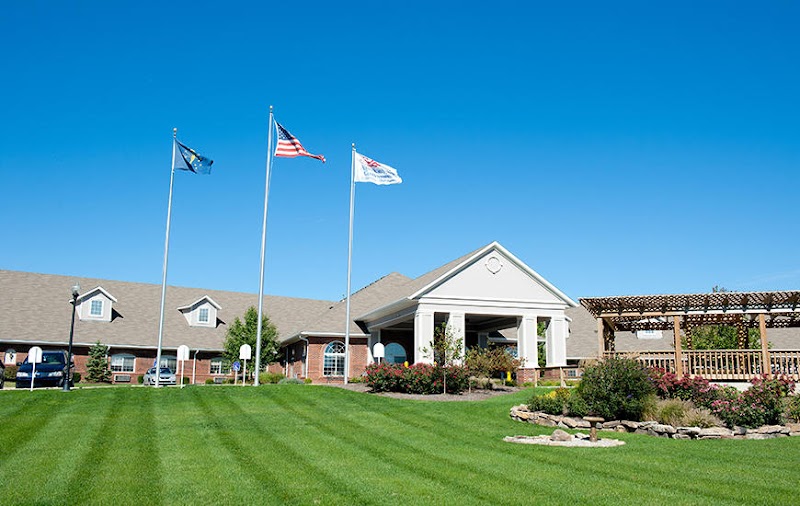


COUNTRYSIDE MEADOWS

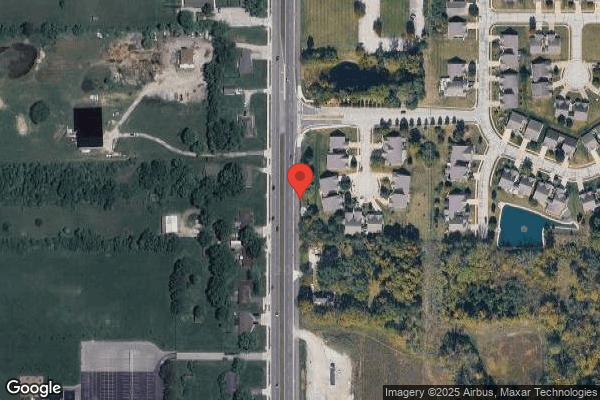
762 N DAN JONES RD, AVON, IN 46123 (317) 495-7200
For profit - Corporation 171 Beds AMERICAN SENIOR COMMUNITIES Data: November 2025
Trust Grade
58/100
#230 of 505 in IN
Last Inspection: October 2024

Within standard 12-15 month inspection cycle. Federal law requires annual inspections.

Overview

Countryside Meadows in Avon, Indiana, has a Trust Grade of C, which means it is average and sits in the middle of the pack among nursing homes. It ranks #230 out of 505 facilities in the state, placing it in the top half, and #5 out of 9 in Hendricks County, meaning only one local option is better. Unfortunately, the facility is experiencing a worsening trend, with issues increasing from 11 in 2023 to 18 in 2024. Staffing is a relative strength, with a turnover rate of 29%, significantly lower than the state average, yet the overall staffing rating is only 2 out of 5 stars. While there have been no fines recorded, which is a positive indicator, the facility has had serious concerns, including a failure to timely address a urinary tract infection that led to a resident's severe health decline and eventual death. Additionally, there were issues with call lights being out of reach for residents, risking their safety, and medications not being properly labeled or dated, which could lead to medication errors. Overall, while there are strengths such as low turnover and no fines, the facility has significant areas needing improvement, particularly related to resident care and safety measures.

Trust Score
C
58/100
In Indiana
#230/505
Top 45%
Safety Record
Moderate
Needs review
Inspections
Getting Worse
11 → 18 violations
Staff Stability
✓ Good
29% annual turnover. Excellent stability, 19 points below Indiana's 48% average. Staff who stay learn residents' needs.
Penalties
✓ Good
No fines on record. Clean compliance history, better than most Indiana facilities.
Skilled Nurses
○ Average
Each resident gets 34 minutes of Registered Nurse (RN) attention daily — about average for Indiana. RNs are the most trained staff who monitor for health changes.
Violations
⚠ Watch
39 deficiencies on record. Higher than average. Multiple issues found across inspections.
★★★☆☆
3.0
Overall Rating
★★☆☆☆
2.0
Staff Levels
★★★★★
5.0
Care Quality
★★☆☆☆
2.0
Inspection Score
Stable
2023: 11 issues
2024: 18 issues

The Good

  • 5-Star Quality Measures · Strong clinical quality outcomes
  • Low Staff Turnover (29%) · Staff stability means consistent care
  • Full Sprinkler Coverage · Fire safety systems throughout facility
  • No fines on record
  • Staff turnover is low (29%)

    19 points below Indiana average of 48%

Facility shows strength in quality measures, staff retention, fire safety.

The Bad

3-Star Overall Rating

Near Indiana average (3.1)

Meets federal standards, typical of most facilities

Chain: AMERICAN SENIOR COMMUNITIES

Part of a multi-facility chain

Ask about local staffing decisions and management

The Ugly 39 deficiencies on record

1 actual harm
Oct 2024 8 deficiencies
CONCERN (D)

Potential for Harm - no one hurt, but risky conditions existed

Notification of Changes (Tag F0580)

Could have caused harm · This affected 1 resident

Based on observation, interview, and record review, the facility failed to ensure the physician was notified of a resident's, (Resident 102) change of condition after a fall when he experienced break ...

Read full inspector narrative →
Based on observation, interview, and record review, the facility failed to ensure the physician was notified of a resident's, (Resident 102) change of condition after a fall when he experienced break through pain and a decline in his ability to perform activities of daily living for 1 of 1 residents reviewed for notification of change of condition. Findings include: On 10/1/24 at 11:47 a.m., Resident 102 was observed. He was seated in a specialty wheelchair (WC) and was positioned slouched/slid down in his seat. He had a visitor who sat with him and waited for lunch. On 10/1/24 at 11:51 a.m., an unidentified nursing staff member and the visitor repositioned Resident 102 in his WC. They pulled him to an upright seated position. As they pulled him up, Resident 102 called out nonsensical words and grimaced his face. During an interview on 10/1/24 at 11:55 a.m., Resident 102's visitor identified herself as his sister and indicated she visited him almost every day. She indicated Resident 102 had Down's Syndrome (a genetic condition where a person is born with an extra chromosome which causes developmental and intellectual delays) and Alzheimer's dementia (a degenerative brain disease which affects cognitive function and memory). When asked about his positioning in the WC, his sister indicated, they (she and the facility's Interdisciplinary team [IDT]) had a difficult time finding a good fit wheelchair for his stature, posture, and fluctuating mobility. Resident 102 had always used a rollator walker, but since his last fall, which had resulted in a femur fracture and required surgery, he needed to use a WC because he had not been able to regained his ability to walk and had experienced a stark decline in his overall condition. On 10/3/24 at 9:48 a.m., Resident 102 medical record was reviewed. He was a long-term care resident who resided on the secured memory care unit with diagnoses which included, but were not limited to, Down's Syndrome, slowness and poor responsiveness, and epilepsy (a chronic brain disease that causes seizures, which are episodes of abnormal electrical activity in the brain). A nursing progress note, dated 2/20/24 at 5:58 a.m., indicated Resident 102 was found on floor after an unwitnessed fall and he sustained a laceration to his right brow. The NP and Director of Nursing (DON) were notified. A nursing progress note, dated 2/24/24 at 1:20 p.m., indicated Resident 102 refused the morning meal and was resistant to care. He was gotten up and brought to the dining room for lunch. Resident 102 complained of pain and limped on his right lower extremity when ambulating, so he used a WC instead. The progress note lacked documentation the NP was notified of ongoing pain, and limping. A nursing progress note, dated 2/25/24 at 2:00 p.m., indicated, Resident 102 was very hostile and resisted morning care. He was aggressive towards staff and not easily redirected and was educated on kindness. The progress note lacked documentation the NP was notified of his change of behavior. An OT daily summary note dated 2/27/24 at 3:13 p.m., indicated Resident 102 refused to stand due to knee pain. Resident demonstrated full Functional Outcome Measure (FOM) of the right knee. When the therapist attempted to move Resident 102's leg similarly the resident reported pain and refused to move further. Resident 102 reported he needed to use the bathroom, but when taken to the bathroom he refused to transfer to toilet once in there. The note indicated nursing was notified. The record lacked documentation that nursing notified MD or NP of Resident 102's continuing breakthrough pain and refusal to transfer to the toilet. An OT daily summary note, dated 2/29/24 at 1:54 p.m., indicated, .patient performed therapeutic exercises using Omnicycle [the OmniCycle is a motorized therapeutic exercise system that can be used by patients with neurological, orthopedic, cardiac, or other challenges] . patient's response included 35% activity with multiple rest breaks . patient refused standing on this date The record lacked documentation the MD was notified that Resident 102 still refused to stand. On 10/4/24 at 12:15 p.m., the DON provided a copy of current facility policy titled, Resident Change of Condition Policy, revised, 11/2018. The policy indicated, .It is the policy of this facility that all changes in resident condition will be communicated to the physician and family/responsible party, and that appropriate, timely, and effective intervention takes place . acute medical change a. any sudden or serious change in a resident's condition manifested by a marked change in physical or mental behavior will be communicated to the physician Cross Reference F684. 3.1-5(a)(2)
CONCERN (D)

Potential for Harm - no one hurt, but risky conditions existed

Assessment Accuracy (Tag F0641)

Could have caused harm · This affected 1 resident

**NOTE- TERMS IN BRACKETS HAVE BEEN EDITED TO PROTECT CONFIDENTIALITY** Based on interview and record review, the facility failed to ensure information reported on the Minimum Date Set (MDS) was accur...

Read full inspector narrative →
**NOTE- TERMS IN BRACKETS HAVE BEEN EDITED TO PROTECT CONFIDENTIALITY** Based on interview and record review, the facility failed to ensure information reported on the Minimum Date Set (MDS) was accurate for 1 of 2 residents reviewed for MDS accuracy (Resident 61). Findings include: On 10/7/24 at 9:56 a.m., Resident 61's record was reviewed. She was admitted on [DATE]. Her diagnoses included, but were not limited to, paroxysmal atrial fibrillation (irregular heartbeat), long term use of antithrombotic (to prevent blood clots) / antiplatelets (prevent blood cells from sticking together), and dementia (brain disorder). Resident 61's medication order included, but was not limited to, aspirin (antiplatelet) 81 mg (milligram), chewable, once a day for paroxysmal atrial fibrillation. No physician order for an anticoagulant (blood thinner) was observed. Resident 61's care plan, dated 9/10/24, indicated she was at risk for bleeding and bruising related to use of antiplatelet medication. The goal was for her to remain free of adverse effects of antiplatelet medication. Resident 61's MDS, dated [DATE], was reviewed for medications. It indicated she was not on an antiplatelet. During an interview, on 10/7/24 at 10:51 a.m., the Regional Director of Clinical Services (RDCS) indicated Resident 61 was on was on Plavix (antiplatelet) from 9/13/24 to 9/20/24. The Centers for Medicare & Medicaid Services, Long-Term Care Facility Resident Assessment Instrument 3.0 User's Manual, Version 1.19.1, October 2024 was reviewed on 10/9/24 at 4:16 p.m. It indicated for, .Code all high-risk drug class medications according to their pharmacological classification .Antiplatelet: Check if an antiplatelet medication (e.g., aspirin/extended release, dipyridamole, clopidogrel) was taken by the resident at any time during the 7-day observation period .Anticoagulant: Check if there is an indication noted for all anticoagulant medications taken by the resident any time during the observation period 3.1-31(i)
CONCERN (D)

Potential for Harm - no one hurt, but risky conditions existed

Comprehensive Care Plan (Tag F0656)

Could have caused harm · This affected 1 resident

Based on record review and interview, the facility failed to implement a care plan for the use of Seroquel (an antipsychotic) medication for 1 of 3 residents reviewed for care plans (Resident 43). Fin...

Read full inspector narrative →
Based on record review and interview, the facility failed to implement a care plan for the use of Seroquel (an antipsychotic) medication for 1 of 3 residents reviewed for care plans (Resident 43). Findings include: On 10/4/24 at 10:52 a.m., a record review was completed for Resident 43. She had the following diagnoses which included but were not limited to dementia, anxiety, major depressive disorder, and bipolar disorder (a mental illness that causes extreme shifts in mood, energy, and activity levels). Resident 43's medical record lacked a care plan addressing the use of Seroquel for bi-polar disorder. On 10/4/23 at 1:30 p.m., during an interview with the Director of Nursing (DON), she indicated she had nothing to add for the resident not having a care plan. A policy titled, Comprehensive Care Plans was provided by the DON on 10/3/24 at 12:55 p.m., It indicated, .It is the policy of this facility that each resident will have an interdisciplinary comprehensive person-centered care plan .Physician's orders are considered part of the comprehensive plan of care . 3.1-35(a)
CONCERN (D)

Potential for Harm - no one hurt, but risky conditions existed

Quality of Care (Tag F0684)

Could have caused harm · This affected 1 resident

Based on observation, interview, and record review, the facility failed to ensure a resident, (Resident 102), who had diagnoses of dementia and an intellectual disability was adequately assessed for b...

Read full inspector narrative →
Based on observation, interview, and record review, the facility failed to ensure a resident, (Resident 102), who had diagnoses of dementia and an intellectual disability was adequately assessed for breakthrough pain and change of condition after a fall resulting in a delay of treatment for 1 of 2 residents reviewed for change of condition, and failed to ensure a resident with pain after a fall was sent to the hospital without delay after x-ray results confirmed a fracture for 1 of 2 residents reviewed for change of condition (Resident 40). Findings include: 1. On 10/1/24 at 11:47 a.m., Resident 102 was observed. He was seated in a specialty wheelchair (WC) and was positioned slouched/slid down in his seat. He had a visitor who sat with him and waited for lunch. On 10/1/24 at 11:51 a.m., an unidentified nursing staff member and the visitor repositioned Resident 102 in his WC. They pulled him to an upright seated position. As they pulled him up, Resident 102 called out nonsensical words and grimaced his face. During an interview on 10/1/24 at 11:55 a.m., Resident 102's visitor identified herself as his sister and indicated she visited him almost every day. She indicated, Resident 102 had Down's Syndrome (a genetic condition where a person is born with an extra chromosome which causes developmental and intellectual delays) and Alzheimer's dementia (a degenerative brain disease which affects cognitive function and memory). His sister indicated, they (she and the facility's Interdisciplinary team [IDT]) had a difficult time finding a good fit wheelchair for his stature, posture, and fluctuating mobility. Resident 102 had always used a rollator walker, but since his last fall, which had resulted in a femur fracture and required surgery, he needed to use a WC because he had not been able to regain his ability to walk and had experienced a stark decline in his overall condition. On 10/3/24 at 9:48 a.m., Resident 102 medical record was reviewed. He was a long-term care resident who resided on the secured memory care unit with diagnoses which included, but were not limited to, Down's Syndrome, slowness and poor responsiveness, and epilepsy (a chronic brain disease that causes seizures, which are episodes of abnormal electrical activity in the brain). A care plan initiated on 6/28/23 which indicated he was at risk for pain due his diagnoses. Interventions included, but not limited to; notify MD if pain is unrelieved and/or worsening, observe for non-verbal signs of pain: changes in breathing, vocalizations, mood/behavior changes, eyes change expression, sad/worried face, crying, teeth clenched, changes in posture. A care plan initiated on 7/12/23 which indicated he exhibited cognitive impairment as example by, a BIMS score of less than 13. Resident is Severely Impaired. This care plan lacked revision of individualized risks/causes of his impairment related to his diagnosis of Down Syndrome and/or dementia. A significant change Minimum Data Set (MDS) assessment, dated 8/7/24, indicated Resident 102 was moderately cognitively impaired with a Brief Interview for Mental Status (BIMS) score, 7 of 15. He was interviewed for his preferences and customary daily routines and answered all but 4 of 16 questions as very important. His Functional ability assessment indicated he was independent in his ability to walk, needed minimal assistance to eat, and was able to transfer himself with stand-by assistance. A Nurse Practitioner (NP) progress note, dated 1/23/24 at 2:10 p.m., indicated Resident 102 . is able to get up out of bed and ambulate with his rollator per his baseline A nursing progress note, dated 2/20/24 at 5:58 a.m., indicated Resident 102 was found on floor after an unwitnessed fall and he sustained a laceration to his right brow. The NP and Director of Nursing (DON) were notified. A corresponding Fall Event assessment, dated 2/20/24 at 11:08 a.m., indicated Resident 102 stated he was using the bathroom and lost his balance and fell. An Event question, did nurse request an ER eval, was left blank. An Event question, Prior to the fall, when was the last time the resident was toileted or received incontinent care, was left blank. Resident 102 did not complain of pain at the time of the fall, and no new orders were received. A nursing progress note, dated 2/21/24 at 11:34 a.m., indicated Resident 102 complained of right knee pain during range of motion (ROM). He refused to get out of bed. When the NP was notified, new orders were obtained for X-Rays of his right knee, and bilateral hips. A nursing progress note, dated 2/21/24 at 5:58 p.m., indicated Resident 102 was given Tylenol which was somewhat effective and still refused to get out of bed. On 2/21/24 at 6:56 p.m., Resident 102's as needed (PRN) Tylenol orders were changed to scheduled Tylenol 1000 milligrams (mg) three times a day. A fall follow up nursing note, dated 2/21/24 at 9:22 p.m., indicated Resident 102 had a noted change with increased pain and resistance to right lower extremity. The NP was notified. New orders were received but not specified. A nursing progress note, dated 2/22/24 at 5:56 a.m., indicated Resident 102 continued to express pain with movement to right lower extremity and he refused to ambulate to the bathroom and refused hygiene care, but after several ques he did allow hygiene care. A NP progress note, dated 2/22/24 at 2:33 p.m., indicated, .[Resident 102] seen today for pain. He was found on the floor in his room on Monday with no initial complaints of pain. He is now refusing to get out of bed or ambulate. He had a R [right] knee and R [right] hip x-ray yesterday. The knee x-ray was negative. The hip x-ray showed history of AVN [Avascular necrosis (AVN), also known as osteonecrosis, is a condition where bone tissue dies due to a disruption of blood flow. It can occur in any bone, but most commonly affects the ends of long bones where they meet a joint, such as the hip)], but no acute findings. Dementia and disability makes ROS [review of symptoms] difficult. He is unable to answer questions appropriately. He has full ROM in R knee. When attempting ROM of R [right] hip he grimaces and when asked to stand/ambulate he refuses The NP's Assessment/Treatment Plan indicated, . Check femur X-ray; schedule Tylenol, Biofreeze and Lido patch. A nursing progress note, dated 2/22/24 at 10:28 p.m., indicated, Resident 102's new orders were in place, all scheduled medications had been given but he still complained of pain to his right lower extremity during movement. His family requested CT or MRI scans and the NP was notified. A new physician's order for Occupational Therapy eval and treatment was ordered on 2/22/24. An OT Evaluation and Plan of Treatment summary, dated 2/22/24, indicated, .referred to OT eval and treatment following recent falls . has fallen 3 times in the last 3 months . upon OT eval pt [patient] presents with decreased strength, endurance, unsteadiness on feet, and decreased ADL participation from baseline impacting the pt's ability to safely complete ADLs, transfers, and ambulation at maximum level of safety An OT daily summary, dated 2/23/24 at 4:47 p.m., indicated, .patient seemed to guard right lower extremity [RLE] and was not putting foot down. Patient unable to verbalize location of pain The OT note did not indicated/document that nursing staff and/or MD was notified of Resident 102 guarding RLE and not putting weight on his foot. A nursing progress note, dated 2/24/24 at 1:20 p.m., indicated Resident 102 refused in morning meal and was resistant to care. He was assisted up and brought to the dining room for lunch. Resident 102 complained of pain and limped on his right lower extremity when ambulating, so he used a WC instead. The progress note lacked documentation the NP was notified of ongoing pain, and limping. A nursing progress note, dated 2/25/24 at 2:00 p.m., indicated Resident 102 was very hostile and resisted morning care. He was aggressive towards staff and not easily redirected and was educated on kindness. The progress note lacked documentation the NP was notified of his change of behavior. An OT daily summary note dated 2/27/24 at 3:13 p.m., indicated Resident 102 refused to stand due to knee pain. Resident demonstrated full Functional Outcome Measure (FOM) of the right knee. When the therapist attempted to move Resident 102's leg similarly the resident reported pain and refused to move further. Resident 102 reported he needed to use the bathroom, but when taken to the bathroom he refused to transfer to toilet once in there. The note indicated nursing was notified. The record lacked documentation that nursing notified MD of Resident 102's continuing breakthrough pain and refusal to transfer to the toilet. A significant change MDS assessment, dated 2/28/24, indicated Resident 102's cognitive function decreased from a 7, to 3 out of 15 on his BIMS score. He was interviewed for his preferences and customary daily routines and answered only 1 of 16 questions as very important. His Functional ability assessment indicated, he required partial to moderate assistance to walk, to use the bathroom and to transfer. An OT daily summary note, dated 2/29/24 at 1:54 p.m., indicated, .patient performed therapeutic exercises using Omnicycle [the OmniCycle is a motorized therapeutic exercise system that can be used by patients with neurological, orthopedic, cardiac, or other challenges] . patient's response included 35% activity with multiple rest breaks . patient refused standing on this date The record lacked documentation the MD was notified that Resident 102 still refused to stand. An OT daily summary note, dated 3/1/24 at 2:48 p.m., indicated, .attempted to engage pt [patient] in OmniCycle for increase lower extremity strength however pt refusing on this date . pt agreeable to walk on this date and ambulated 57 feet . A nursing progress note, dated 3/4/24 at 4:53 p.m., indicated Resident 102 had an unwitnessed fall from his WC in the dining room. An IDT progress note, dated 3/5/24 at 11:49 a.m., indicated he fell from the wrong size WC in the dining room and the new intervention put in place was to have therapy eval him for the correct size WC. An OT daily summary note, dated 3/5/24 at 4:23 p.m., indicated, .recent fall noted possibly from WC being too tall for patient . writer was able to find a different WC and maintenance request to lower WC to lowest level for better WC for. Patient required max ques for sit to stand transfers A nursing progress note, dated 3/1/24 at 1:38 p.m., indicated an MRI had been scheduled for Resident 102 for 3/5/24. A nursing progress note, dated 3/6/24 at 1:42 p.m., indicated, Resident 102 had returned from his MRI appointment and the results were received and sent to the NP. The NP gave new orders to send him to the emergency room. A Hospital Record summary, dated 3/6/24 at 5:18 p.m., indicated, .He had a fall approximately 2 weeks ago with MRI obtained earlier today ordered from an outside facility. Apparently this shows after subchondral collapse consistent with AVN at the right femoral head and the nondisplaced intertrochanteric femur fracture. They were brought to ER, where x-rays were done that identified nondisplaced right intertrochanteric femur fracture and AVN of the right femoral head. Orthopedics was consulted and that patient was admitted with plans for surgical stabilization A nursing progress note, dated 3/11/24 at 8:07 p.m., indicated Resident 102 returned from hospital after femur fracture surgical repair with three surgical incisions covered with dressings. During a follow up interview on 10/4/24 at 11:49 a.m., Resident 102's sister indicated he had experienced a significant decline in his overall health since his last fall and surgery. At the time of the fall, because of his Down Syndrome and dementia, it had been very difficult to determine where he was hurt, how bad the pain was, or what caused the pain. His sister indicated when the x-rays all came back negative, but he still screamed out in pain, refused to get out of bed and couldn't use the bathroom, she requested an MRI. His sister indicated, because of Resident 102's Down Syndrome, he had a delayed pain response and high pain threshold, so if he said he was hurting, then it must have really been hurting. The sister talked to the facility NP and asked if he could be sent to the ER for an MRI, but the NP suggested they get the MRI scheduled with a guaranteed date and time, instead of sending him to the ER to sit and wait for hours. His sister indicated, she agreed at the time and scheduled the MRI through his PCP (primary care provider), but in hindsight, she would have sent him to the ER since the MRI eventually revealed the femur fracture and he needed surgery. During an interview on 10/4/24 at 1:28 p.m., the NP indicated, Resident 102's sister was very involved and well informed regarding his care and she often preferred to go through his PCP because of his Down Syndrome. The NP visited Resident 102 after the fall and ordered a series of x-rays which all came back negative. The NP had a conversation with the sister about an MRI but did not document details of the conversation. When Resident 102's progress notes were reviewed where there was no documentation of physician notification, the NP indicated she would want to be notified of ongoing and/or unrelieved pain, or new changes in behavior to address the change of condition. During an interview on 10/4/24 at 1:53 p.m., the DON indicated, if a resident experienced breakthrough pain or unrelieved symptoms and changes in behavior, she would expect nursing to notify the MD to address the change of condition and receive new orders if applicable. On 10/4/24 at 12:15 p.m., the DON provided a copy of current facility policy titled, Pain Management, revised, 7/2024. The policy indicated, .It is the policy of American Senior Communities to provide the necessary care and services to attain or maintain the highest practicable physical, mental, and psychosocial wellbeing, including pain management . non-Interviewable resident- pain medications will be prescribed and given based upon nursing assessment for the following: non-verbal sounds . facial expressions . protective body movements or postures . the physician will be notified of unrelieved or worsening pain On 10/4/24 at 12:15 p.m., the DON provided a copy of current facility policy titled, Resident Change of Condition Policy, revised, 11/2018. The policy indicated, .It is the policy of this facility that all changes in resident condition will be communicated to the physician and family/responsible party, and that appropriate, timely, and effective intervention takes place . acute medical change a. any sudden or serious change in a resident's condition manifested by a marked change in physical or mental behavior will be communicated to the physician. 2. On 10/3/24 at 9:39 a.m., Resident 40's record was reviewed. Her diagnoses included, but were not limited to, history of falling, non-displaced comminuted (the broken bone was more than 2 pieces) fracture of shaft of right femur (thigh bone), displaced (not in alignment) supracondylar (just above the knee joint) fracture with intercondylar (ball shaped ends of the femur) extension of lower end of right femur, right-sided hemiplegia and hemiparesis (paralysis and weakness), cognitive communication deficit, anoxic (oxygen deprivation) brain damage, cerebral infarction (stroke), intellectual disabilities (decreased acquisition of knowledge and skills), anxiety disorder, and panic disorder (unexpected and repeated episodes of intense fear accompanied by physical symptoms). A care plan, dated 4/13/24, indicated Resident 40 may yell out and become upset when her roommate was being provided care. The goal was for her not to exhibit this behavioral expression. An intervention indicated to talk with the resident and redirect her. A care plan, dated 6/20/24, indicated Resident 40 had a communication deficit related to anoxic brain damage, a history of cerebral vascular accident (stroke), and mental retardation (impairment in intellectual ability). The goal was for the resident to be able to effectively communicate her needs. An intervention indicated to use simple communication and avoid open-ended questions. A care plan, dated 6/25/24, indicated Resident 40 required assistance with toileting due to incontinence of bladder and bowel. An intervention indicated to assist with incontinence care as needed. A care plan, dated 7/23/24, indicated Resident 40 experienced the following behavior, she may yell out and cry in her room when she wanted something. Interventions included, but were not limited to, to address her immediate needs and ensure her safety. Resident 40's Fall Event, dated 9/9/24 at 2:06 p.m., indicated Resident 40 had an unwitnessed fall on 9/9/24 at 9:40 a.m. She was found on her right side on the floor next to her bed. She had removed her clothing and soiled disposable brief. After her fall, the nursing assessment indicated she was not experiencing any pain and had no injuries. She had been having behaviors and refusing care to be cleaned up. No progress note was found on the date and around the time of Resident 40's fall on 9/9/24 at 9:40 a.m. A progress note, dated 9/9/24 at 2:06 p.m., indicated Resident 40 was in bed, had removed gown and disposable brief, and played in her bowel movement (BM). She was refusing to allow care, she was yelling and fighting with the CNA. She was covered in BM. The DNS (Director of Nursing Services) was informed and she spoke to Resident 40 regarding her behaviors. Resident 40 continued to refuse care. Her bed lowered and she was covered up. The CNA pulled the curtain and was over with resident's roommate providing care. Resident 40 raised up the height of her bed and rolled off into floor in between the beds. She was lying on her right side. She was assessed with her vital signs stable, neurological assessment started and range of motion was within normal limits for her. No injury was noted. Resident 40 was assisted up into her wheelchair and a gown was put on. The CNA was able to take her to the shower and clean her up. A progress note, dated 9/9/24 at 10:29 p.m., indicated Resident 40 was observed sitting in her wheelchair with no complaints of pain while propelling herself in the hallway and dining room, but when the staff put her in bed, she started yelling and complaining of pain. PRN medications provided but did not help her pain. Her right knee was observed to be swollen, and she felt pain when it was touched. The Nurse Practitioner (NP) was notified with a new telephone order for an x-ray with 2 views. The results of her right knee x-ray, dated 9/10/24 at 1:20 a.m., indicated Resident 40 had a transverse fracture involving her right distal femur with mild callus and modest posterior angulation and displacement. The joint showed no dislocation. There was associate joint effusion swelling(define). Soft tissue swelling was seen. The conclusion was right knee fracture. Resident 40's pain medication orders included, but were not limited to, scheduled acetaminophen 500 mg (milligram) three times a day at 7:00 a.m., 3:00 p.m., and 11:00 p.m., ibuprofen 400 mg, every 6 hours PRN (as needed), and hydrocodone-acetaminophen 5-325 mg three times a day at 8:00 a.m., 12:00 p.m., and 9:00 p.m. Resident 40's medication administration record (MAR) indicated: a. Hydrocodone-acetaminophen 5-325 mg was given three times on 9/9/24. b. Acetaminophen 500 mg was given three times as scheduled on 9/9/24. c. Ibuprofen 400 mg was administered due to Resident 40's complaint of right knee pain at the level 6 on a pain scale of 0 - 10. One ibuprofen was provided on 9/9/24 at 9:43 p.m. The medication effectiveness was assessed on 9/10/24 at 6:24 a.m. as somewhat effective. A progress note, dated 9/10/24 at 8:02 a.m., indicated the facility attempted to call and notify the Resident's brother and left a message to call the facility back. The resident continued with behaviors, most of the redirections had been unsuccessful since yesterday with the resident only accepting redirection one time since yesterday during the day. A progress note, dated 9/10/24 at 8:42 a.m., indicated Resident 40 was observed playing in her BM. BM was observed all over the resident and the sheets. She had removed her gown and disposable brief and threw them on the floor. The CNA attempted to clean up the resident, but she was combative. She was observed thrashing about to, throw self out of bed. She was redirected to allow the CNA to provide care. Resident's brother notified. A progress note, dated 9/10/24 at 9:49 a.m., indicated Resident 40 was sent to the ED (emergency department) for evaluation and treatment related to the fracture. CNA (bus driver) accompanied the resident. The resident went to the hospital via the facility bus. The bus driver was also a CNA who stayed with the resident in hospital emergency room waiting room until her brother arrived. On 9/10/24 at 11:08 a.m., the interdisciplinary team (IDT) fall review note indicated Resident 40 had a fall on 9/9/24 at 9:40 a.m. The resident was in bed prior to fall waiting for the wound physician. The resident did not place call light on for assistance. She started yelling out and screaming to get out of bed. Nursing staff explained she had to be seen by the wound doctor and then she would be able to get up for breakfast. Nursing staff went back in the resident's room, and she had, played in her feces. Nursing staff explained she was going to receive a shower to clean up. She agreed. Her bed was lowered to the appropriate level and staff was assisting her roommate to get up. Resident 40 raised her bed to a higher level and rolled out of the bed. No injuries were noted at the time. Resident 40 complained of latent pain and the on-call provider paged for the facility to get an x-ray. The x-ray results indicated a transverse fracture involving right distal femur with mild callus (hardened skin) and modest posterior angulation (abnormal bend) and displacement. ER evaluation indicated she would be admitted . The determination of the root cause of the fall was the resident did not want to wait on the wound physician and wanted to get out of bed. The resident played in her feces to have staff come in and get her up. On 9/10/24 at 3:55 p.m., the bus driver/CNA called from the hospital and indicated Resident 40 was being admitted . On 9/10/24 at 3:59 p.m., the IDT behavior review note indicated Resident 40 had removed her gown in her room, while on her bed, and started playing in her bowel movement. The immediate intervention was for staff to educate her on the importance of not doing that behavior. The assessment of a potential correlation to the root cause was Resident 40 had unmet needs. The resident's soiled brief needed to be changed. The root cause of her behavioral expression was she was upset about her roommate getting up for the day before she did. She was to remain in bed so the wound physician could see her. A document titled, Hospital-ER Transfer Form, dated 9/11/24 at 12:59 p.m., indicated the time of Resident 40's transfer, due to femur fracture, was 9/10/24 at 9:30 a.m. She was transferred to the emergency room by the facility bus. A progress note was included, it indicated on 9/11/24 at 3:48 p.m., the IDT description of Resident 40's behavior was playing in her BM and attempting to throw herself out of bed. The staff had encouraged her to allow them to provide peri care. A potential correlation to the root cause was unmet needs because the resident needed to be changed. An ED (emergency department) physician's note, dated 9/10/24, indicated she saw Resident 40 at 3:31 p.m. She indicated Resident 40 told her she fell onto the floor and had pain in her right knee. An assessment of her right lower extremity (RLE) showed knee deformity, with swelling and ecchymosis (bruising), and distal femur TTP (tenderness to palpitation). She will be admitted to the hospital for an internist and orthopedic follow-ups. The hospital x-ray indicated, .impacted supracondylar fracture distal femur A care plan, dated 9/20/24, indicated Resident 40 was determined to be intellectually disabled (effects learning, problem solving, and everyday tasks) and mentally ill (conditions involving (changes in emotions, thinking and/or behavior). The goal was her to have her mental health needs met. An intervention was to have continue current mental health services. A care plan, dated 9/20/24, indicated Resident 40 exhibited cognitive impairment (problems with thinking, learning, remembering, use of judgment and making decisions) as evidence by a brief interview for mental status (BIMS) less than 13. The resident was severely impaired. An intervention was to provide the resident with prompts and cues as needed. A care plan, dated 9/24/24, indicated Resident 40 required assistance with ADLs (activities of daily living) including bed mobility, transfers, and toileting related to decreased mobility, cognitive deficits, right sided hemiplegia, and retardation. A care plan, revised on 10/1/24, indicated Resident 40 was at risk for falls due to a history of falls, cognitive deficits, communication deficit, anoxic brain damage, developmental delay, anxiety, and panic attacks. The goal was to reduce her fall risk factors to avoid significant injury. Interventions included her being placed on the morning get-up schedule per her request to be up early and she will be seen first by the wound physician so she can get up for the day. During an interview, on 10/2/24 at 2:25 p.m., the DNS indicated their mobile x-ray service would call and fax the results of an x-ray to the facility. She indicated she did not keep the faxes, so she did not know when the fax arrived at the facility. The doctor should have been notified when the x-ray results came in. During an interview, on 10/2/24 at 2:29 p.m., the Regional Director of Clinical Support (RDCS) indicated the SBAR communication (physician communication tool to provide the situation, background, assessment, and recommendation) with the physician indicated Resident 40's x-ray was abnormal on 9/10 at 9:46 am. During an interview, on 10/3/24 at 11:22 a.m., the DNS indicated the x-ray results was reported back to the facility on 9/10/24 at 1:20 a.m. She indicated she did not know the time because she did not keep the faxes. She indicated the staff was aware of the x-ray at 2:01 a.m. and notified the Nurse Practitioner (NP). The NP responded with, Send out. During an interview, on 10/3/24 at 11:52 a.m., Resident 40's brother indicated the facility called and indicated she fell out of bed and injured her knee. The facility had the x-ray results, and her leg was fractured. They called the morning it happened and indicated she was going to the emergency room (ER). He was annoyed that she had to wait in the ER lobby for 5 hours before being seen. He did not know why the facility sent her to the ER by the facility bus. He clearly stated he did not request that she go to the ER by the facility bus. During a phone interview, on 10/3/24 at 1:30 p.m., the local mobile x-ray company Representative 18 indicated when they received a positive result (fracture), they called the facility with the results. On 10/4/24 at 9:55 a.m., the DNS indicated the facility used progress notes and SBAR for tracking behaviors. We had no specific tracking device for behaviors. During an interview on 10/4/24 at 2:15 p.m., the DNS asked Resident 40 to stay in bed because the wound physician would be coming around. The resident was playing in her feces with her BM everywhere. CNA 17 was in Resident 40's room working with her roommate. She told Resident 40 she would give her a shower next. Resident 40's raised the level of her bed and toppled out onto the floor. The DNS indicated she was not aware of the resident raising the bed before then. The wound physician had made it to her hallway, but she did not know if he was able to see her or not. SBAR documentation, dated 9/9/24 at 10:19 p.m., between the facility and the NP, was provided by the RDCS, on 10/7/24 at 10:30 a.m. It indicated Resident 40 had a fall this morning, she was not complaining of pain while she propelled herself in the hallways and dining room, but when she was put in bed, she started yelling and complaining of pain. Her PRN medication was provided but did not relieve her pain. Her right knee was observed to be swollen, and she felt pain when it was touched. Requesting a STAT (immediate) order for a right knee x-ray. SBAR documentation, dated 9/10/24 at 2:01 a.m., between the facility and the NP, was provided by the RDCS, on 10/7/24 at 10:30 a.m. It indicated Resident 40 had a right distal femur displaced fracture. The new order was received to, Send out. SBAR documentation, dated 9/10/24 at 9:00 a.m., between the facility and the physician, was provided by the RDCS, on 10/7/24 at 10:30 a.m. It indicated Resident 40 had an abnormal x-ray of her femur. She was unstable, likely to get worse, bedside clinician requests to, send to ED for eval (evaluation) and tx (treatment) r/t (related to) distal femur rx (fracture). On 10/7/24 at 10:30 a.m., the RDCS provided an email, dated 10/3/24, from the Medical Director. It indicated, .The result of the radiograph (x-ray) was transmitted to the provider on call with response to send out the patient for assessment based on the finding of the right distal femur fracture .she was transported by facility bus to the Emergency Department for further assessment. Her care was transitioned to both internal medicine and orthopedics .she was maintaining stability without significant pain .she arrived at the ER about 9 am .(she) was formally assessed there until [sic] 3 pm. It was determined that she would need surgery, but no immediate intervention was provided other than being placed in a hinged brace During an interview, on 10/7/24 at 10:39 a.m., the Executive Director (ED) indicated regardless of whether Resident 40's roommate was getting care, the resident needed to stay in bed so the wound physician could she her on his rounds. She was seen by the wound physician consistently. During an interview with the ED, on 10/7/24 at 10:42 a.m., a request was made to interview the facility bus driver/CNA (certified nurse aide) who drove the resident to the hospital and stayed with her until her brother arrived. She indicated the bus driver no longer worked there and she would provide the phone number. No phone number was provided prior to exit. During a phone interview, on 10/7/24 at 1:53 p.m., a local mobile x-ray company medical records representative 19 indicated the facility contacted them for an x-ray on 9/9/24 at 11:16 p.m. Their x-ray technician arrived at the facility on 9/10/24 at 12:40 a.m., and completed the x-ray at 12:48 a.m. The x-ray was read, and the facility contacted by fax of a positive result (fracture) at 1:24 a.m. On 10/8/24 at 8:29 a.m., an email was received from the local mobile x-ray medical records representative. The email indicated the facility was not set up to receive phone calls, emails, or text alert when a positive result (fracture) was obtained. Therefore, the result of Resident 40's fractured femur was faxed only. A current policy, titled, Fall Management Policy, dated 08/2022, was provided by the Director of Nursing Services (DNS), on 10/3/24 at 1:00 p.m. A review of the policy, indicated, [TRUNCATED]
CONCERN (D)

Potential for Harm - no one hurt, but risky conditions existed

Accident Prevention (Tag F0689)

Could have caused harm · This affected 1 resident

Based on observation, record review, and interview, the facility failed to ensure that medications were not left unsupervised in a resident's room for 1 of 1 random observation (Resident 49) and faile...

Read full inspector narrative →
Based on observation, record review, and interview, the facility failed to ensure that medications were not left unsupervised in a resident's room for 1 of 1 random observation (Resident 49) and failed to implement fall prevention interventions for a resident (Resident 37) for 1 of 3 residents reviewed for falls. Findings include: 1. On 10/2/24 at 10:32 a.m., a record review was completed for Resident 49. He had the following diagnoses which included but were not limited to type 2 diabetes mellitus (DM), hypertension (HTN), obstructive sleep apnea (OSA), hyperlipidemia (HLD), and generalized anxiety disorder (GAD). During an observation on 10/1/24 at 11:42 a.m., Resident 49 was in transmission-based precautions (TBP). Upon entering his room, it was noted he had a clear, plastic cup with approximately 8 pills inside the cup. Resident 49 indicated those were his morning medications. Resident 49's record lacked a self-medication administration assessment. During an interview with the Director of Nursing (DON) on 10/4/24 at 1:30 p.m., she indicated Resident 49 should not have had his medications left at bedside. A policy titled, General Dose Preparation and Medication Administration was provided by the DON on 10/3/24 at 1:42 p.m. It indicated, .Observe the resident's consumption of medication(s) . 2. On 10/2/24 a record review was completed for Resident 37. She had the following diagnoses which included but were not limited to osteoarthritis, HTN, HLD, and unspecified injury to the muscle. She had a history of falls with a care plan indicating she was at risk for falls due to: decreased mobility, incontinency, history of falls, cognition, age, refuses eye glasses at times and related to diagnoses of mental retardation, atrial fibrillation (a type of irregular heartbeat that causes the heart to beat faster and in an irregular pattern), seizures, intermittent explosive disorder, HTN, hypokalemia (low potassium), history of hyponatremia (when the level of sodium in your blood is lower than normal), osteoarthritis (OA), allergic rhinitis (allergies), tendon injury, hypertrophy of bone (a medical condition that causes abnormal bone growth and enlargement), fatigue, urinary tract infection (UTI), depression, constipation, history of COVID-19, fracture of left ulna, and malnutrition. Interventions included adding brake extenders to her wheel chair on 11/22/22 and bright colored tape to wheelchair brakes on 2/12/23. During an observation on 10/3/24 at 12:22 p.m., she did not have brake extenders or colored tape to her brakes on her wheelchair as care planned. She had written orders on 3/22/23 for brake extenders and on 2/8/23 for bright colored tape to wheelchair brakes. During an interview with the Director of Nursing (DON) on 10/4/24 at 1:30 p.m., she indicated Resident 37 should have had brake extenders and bright tape to her brakes of her wheelchair. A policy titled; Interdisciplinary Care Plan (IDT) Comprehensive Care Plan Policy, was provided by the DON on 10/3/24 at 12:55 p.m. It indicated, .Care plan problems, goals, and interventions must be reviewed and revised by the interdisciplinary team periodically and following completion of each minimum data set (MDS) assessment . 3.1-45(a)
CONCERN (D)

Potential for Harm - no one hurt, but risky conditions existed

Deficiency F0757 (Tag F0757)

Could have caused harm · This affected 1 resident

Based on record review and interview, the facility failed to initiate a pharmacy recommendation for 1 of 5 residents reviewed for pharmacy requests (Resident 13). Findings include: On 10/3/24 at 11:56...

Read full inspector narrative →
Based on record review and interview, the facility failed to initiate a pharmacy recommendation for 1 of 5 residents reviewed for pharmacy requests (Resident 13). Findings include: On 10/3/24 at 11:56 a.m., a record review was completed for Resident 13. She had the following diagnoses which included dementia, insomnia, major depression, and gastroesophageal reflux disease (GERD). A pharmacy recommendation was made on 6/21/24 to reevaluate the continued need for omeprazole (a medication for GERD) discontinue and initiate famotidine (a medication for GERD) 20 mg once daily with the end goal of discontinuation. The physician accepted the recommendation and left instructions to implement the recommendation as written. The facility failed to implement the new order for famotidine 20 mg daily. On 10/4/24 at 2:10 p.m., the Director of Nursing (DON) was interviewed. She indicated she could not find where famotidine was ever initiated but did find where Tums as needed (PRN) was initiated instead. A policy titled; General Dose Preparation and Medication Administration was provided by the DON on 10/3/24 at 1:42 p.m. The policy did not discuss pharmacy recommendations and new order changes. 3.1-48(a)(1) 3.1-48(a)(2) 3.1-48(a)(3) 3.1-48(a)(4) 3.1-48(a)(5) 3.1-48(a)(6)
CONCERN (E)

Potential for Harm - no one hurt, but risky conditions existed

Deficiency F0558 (Tag F0558)

Could have caused harm · This affected multiple residents

Based on observation, interview, and record review, the facility failed to ensure call lights were in reach for 4 of 8 residents reviewed for call lights (Resident 25, 50, 52, and 72). Findings includ...

Read full inspector narrative →
Based on observation, interview, and record review, the facility failed to ensure call lights were in reach for 4 of 8 residents reviewed for call lights (Resident 25, 50, 52, and 72). Findings include: 1. On 10/4/24 at 11:55 a.m., Resident 25's call light was observed out of reach. Her diagnoses included, but were not limited to, right-sided hemiplegia (loss of strength or paralysis), atrial fibrillation (irregular heartbeat), hypertension (HTN) (high blood pressure), paroxysmal tachycardia (episodes of rapid heart rate), convulsions (sudden, violent, irregular movement of a limb or the body cause by involuntary contraction of the muscles), osteoporosis (OP) (bone disease that causes bones to become weak and more likely to break), and anxiety disorder (excessive and persistent feelings of fear, worry, or dread). A care plan, dated 8/27/15, indicated Resident 25 was at risk for falls due to her medications, atrial fibrillation, osteopenia (OP) (loss of bone density), decreased mobility, incontinence (lack of voluntary control of bladder and/or bowel), right-sided hemiplegia, hypertension, cerebral vascular accident (CVA), seizures (uncontrolled burst of electrical activity in the brain causing changes in behavior, movement and awareness), transient ischemic attack (TIA) (stroke), anxiety, hypoxic (oxygen deficiency) respiratory failure, chronic kidney disease (CKD) (impaired kidney-blood filtration), weakness, right-hand contracture (permanent tightening of the muscles, tendons, and skin), and history of respiratory failure. Interventions included to keep her personal items in reach and keeping her call light in reach. A care plan, dated 5/24/19, indicated Resident 25 was at risk for pathological fracture due to a diagnosis of osteopenia. Interventions included to remind the resident to ask for help, assist with transfers, and her call light in reach. 2. On 10/4/24 at 11:57 p.m., Resident 52's call light was observed not in reach. Her diagnoses included, but were not limited to, dementia, cerebral ischemia, encephalopathy (brain disease affect the function of the brain), HTN, paroxysmal atrial fibrillation, history of falls, cervical spondylosis (degeneration of the bones and discs in the neck), lumbar scoliosis (condition that causes an abnormal sideways curve in the lower back), postural lordosis (condition were the spine curves too much forward), anorexia (eating disorder), generalized anxiety disorder (GAD) (excessive, ongoing anxiety and worry), and weakness. A care plan, dated 8/8/24, indicated Resident 52 was at risk for falls due to decreased mobility, cognition, history of falls, medications, and related to cerebral ischemia (blockage in an artery restricts the delivery of oxygen rich blood to the brain, resulting in brain damage), a head injury related to a fall, dementia (loss of cognitive functioning such as thinking, remembering, and reasoning), encephalopathy, HTN, atrial fibrillation, cervical disc degeneration, cervical spondylosis, lumbar scoliosis, and postural lordosis. Interventions included keeping her personal items in reach and keeping her call light in reach. 3. On 10/4/24 at 11:59 a.m., Resident 72's call light was observed out of reach. His diagnoses included, but were not limited to, heart failure, chronic obstructive pulmonary disease (COPD), diabetes mellitus (DM) (blood sugar disorder), cerebral infarction, TIA, angina pectoris (severe pain caused by an inadequate blood supply to the heart), cognitive communication deficit (brain injury that makes it difficult for a person to communicate), and osteoarthritis (OA) (degenerative joint disease that breaks down cartilage in the joint). A care plan, dated 10/9/23, indicated Resident 72 was at risk for falls due to decreased mobility, incontinence, history of falls, medications, visual impairments, and related to a diagnosis of heart failure, COPD, DM, CVA, TIA, angina pectoris, HTN, and chest pain. The goal was to reduce risk factors to prevent significant fall related injury. Interventions included keeping personal items in reach and her call light in reach A care plan, dated 10/13/23, indicated Resident 72 had impaired vision related to verbalizing that with his eyeglasses, he can only read large print. The goal was the resident will not experience negative consequences of vision loss as evidenced by remaining physically safe. Interventions included to be sure that the lenses of his eyeglasses were clean and keeping his call light in reach. 4. On 10/4/24 at 12:00 p.m., Resident 50's call light was observed out of reach. His diagnoses included, but were not limited to, paranoid schizophrenia (chronic mental disorder that affects how people think, feel, and behave), diabetes mellitus, pain in (unspecified) knee, HTN, acute kidney failure (AKF), TIA, and long term (current) use of antithrombotic (to prevent blood clots) / antiplatelets (to stop platelets from sticking together and forming blood clots) and muscle weakness. A care plan, dated 6/14/24, indicated Resident 50 was at risk for falls due to decreased mobility, incontinence, history of falls, medications and related to diagnosis of history of methicillin-resistant staphylococcus aureus (MSSA), history of sepsis (life-threatening emergency that occurs when the body's immune system had an extreme response to an infection or injury), DM, bacteremia (blood stream infection), colitis (inflammation of the lining of the colon), HTN, schizophrenia, bilateral knee pain, history of psychoactive (affecting the mind) drug use, history of CVA, and insomnia. The goal was to have fall factors reduced to avoid significant fall related injuries. Interventions included personal items in reach and keeping his call light in reach. A current policy, titled, IDT Comprehensive Care Plan Policy, dated 8/2023, was provided by the Director of Nursing (DNS) on 10/3/24 at 12:55 a.m. She indicated the facility did not have a call light policy and this policy was used for call lights. A review of the policy indicated, .The care plan must include measurable goals and resident specific interventions based on resident needs and preferences to promote the resident's highest level of functioning including medical, nursing, mental, and psychosocial well-being 3.1-3(v)(1)
CONCERN (E)

Potential for Harm - no one hurt, but risky conditions existed

Deficiency F0761 (Tag F0761)

Could have caused harm · This affected multiple residents

**NOTE- TERMS IN BRACKETS HAVE BEEN EDITED TO PROTECT CONFIDENTIALITY** Based on observation and record review, the facility failed to ensure medications were labeled and dated for 3 of 3 medication c...

Read full inspector narrative →
**NOTE- TERMS IN BRACKETS HAVE BEEN EDITED TO PROTECT CONFIDENTIALITY** Based on observation and record review, the facility failed to ensure medications were labeled and dated for 3 of 3 medication carts reviewed for medications (Resident 47, 49, 56, 83, 86, 106, 112, and 278). Findings include: On [DATE] at 1:53 p.m., the 500 back hall medication cart was observed with Qualified Medical Assistant (QMA) 11. The findings were: a The facility tuberculin serum was opened [DATE] and expired on [DATE]. b. Resident 83's was sent to the facility on [DATE] but had no opened date. c. Resident 86's had latanoprost was observed in the medication cart with only his name and date to indicate when it was opened d. Resident 112's had budesonide-formoterol with no date. The 500 front medication cart was observed with Registered Nurse (RN) 20. The findings were: a Resident 56's breyna 160-4.5 mcg (microgram) and fluticasone 50 mcg spray, had no open dates. b. Resident 47's had a nasal spray with no open date. The 100 front medication cart was observed with RN 12. The findings were: a Resident 278's lispro insulin was expired on [DATE]. b. Resident 49's lispro insulin had no prescription label or open date. c. Expired novolog with no name was opened on [DATE]. d. Resident 106's latanoprost 0.05% was sent on [DATE], it had no open date. e. Resident 106's dorzolamide-timolol drops did not have an open date. f. Resident 106's rhopressa 0.02% ophthalmic solution had no open date. A current policy, titled, LTC Facility Pharmacy Services and Procedures Manual, was provided by the Executive Director (ED), on [DATE] at 12:37 p.m. A review of the policy, indicated, .The facility should ensure that medications and biologicals that: (1) have an expired date on the label; (2) have been retained longer than recommended by manufacturer or supplier guidelines .Facility staff should record the date opened on the primary medication container .when the medication has a shortened expiration date once opened 3.1-25(j)
Aug 2024 6 deficiencies 1 Harm
SERIOUS (G) 📢 Someone Reported This

A family member, employee, or ombudsman was alarmed enough to file a formal complaint

Actual Harm - a resident was hurt due to facility failures

Incontinence Care (Tag F0690)

A resident was harmed · This affected 1 resident

**NOTE- TERMS IN BRACKETS HAVE BEEN EDITED TO PROTECT CONFIDENTIALITY** Based on interview and record review, the facility failed to ensure lab specimens were obtained immediately with symptoms of uri...

Read full inspector narrative →
**NOTE- TERMS IN BRACKETS HAVE BEEN EDITED TO PROTECT CONFIDENTIALITY** Based on interview and record review, the facility failed to ensure lab specimens were obtained immediately with symptoms of urinary tract infection and laboratory results were reviewed in a timely manner for a resident with an indwelling urinary catheter to prevent urinary tract infection for 1 of 3 residents reviewed for quality of care (Resident F). This deficient practice resulted in a delay of treatment and the resident developed urosepsis with acute kidney failure with a systemic inflammatory response syndrome (SIRS) and died. Findings include: During a confidential interview, it was indicated Resident F's family member received a phone call on [DATE]. The facility wanted to confirm Resident F's Do-Not-Resuscitate (DNR) orders because he had an infection and experienced a change in condition. The family member wanted Resident F to be sent out to the hospital, had been unaware that Resident F was being treated for an infection, and that his condition had worsened so severely. Resident F had a history of infections. When the family member arrived to the facility, there was an ambulance at the front door. EMS and the facility nurse said there was nothing more they could do for Resident F, and the resident took his last breaths moments after the family walked into the room. On [DATE] at 10:55 a.m., Resident F's medical record was reviewed. He was a long-term care resident with diagnoses which included, but were not limited to, history of a cerebral infarction (stroke, bleeding in the brain) which resulted in left side hemiplegia and hemiparesis, (similar conditions that cause weakness on one side of the body), Alzheimer's disease (a degenerative brain disease with affects memory and cognition) and he required the use of a suprapubic catheter (a surgically created connection between the urinary bladder and the skin through the abdominal cavity used to drain urine from the bladder in individuals with obstruction of normal urinary flow) related to neuromuscular dysfunction of the bladder. Resident F had a Physician's Scope of Treatment (POST) form dated [DATE]. The POST form gave instruction for Resident F to be a DNR if the patient had no pulse AND was not breathing, and also specified his wishes for main treatment goals were to give, full interventions including life support measures in the intensive care unit. In addition to care described in Comfort Measures and Limited Additional Interventions above, use intubation, advance airway interventions, and mechanical ventilation as indicated. Transfer to hospital and/or intensive care unit if indicated to meet medical needs. Resident F had a care plan, initiated [DATE], which indicated he required the use of a suprapubic catheter related to his diagnosis of neurogenic bladder. Interventions for this plan of care included, but were not limited to, report complications/UTI: acute confusion, bladder spasms, low back/flank pain, malaise, nausea, emesis, chills, fever, foul odor, concentrated urine, blood in urine .staff to record urinary output in milliliters Resident F had a care plan, initiated [DATE], which indicated he had the potential for pain related to his diagnoses which included, but was not limited to, back pain. Interventions for this plan of care included, but were not limited to, Notify MD [Medical Doctor] if pain is unrelieved and/or worsening. On [DATE] at 11:04 a.m., Resident F's Medication Administration Record (MAR) indicated he complained of back pain on a scale of 7 out of 10. An as needed (PRN) physician order for 500 milligrams (mg) of extra-strength Tylenol was administered and effective until 4:39 p.m., when he complained of increased pain at a level 9 out of 10. A second dose of his PRN Tylenol was administered. There was no documentation on the MAR, progress notes, or within the resident's electronic record that the physician was notified of resident's worsening pain. On [DATE] at 3:12 p.m., Resident F's MAR indicated he complained of pain at a level 9 out of 10 and his PRN Tylenol was administered. There was no documentation on the MAR, progress notes, or within the resident's electronic record that the physician was notified of resident's continued back pain. A Nurse Practitioner (NP) progress note, dated [DATE] at 4:09 p.m., indicated nursing staff requested the NP visit due to increased confusion. seen today for confusion. He has a history of dementia with acute worsening of confusion. He is seen today, sitting up in his wheelchair. Nursing noted increased confusion over night. He asked what time dinner was after he just finished dinner. They also noted purulent drainage around SP cath [suprapubic catheter]. On exam, he is awake but drowsy in his wheelchair. He has a low grade temp of 99.3. Other VSS [vital signs stable]. He denies SP [suprapubic] pain but does endorse CVA tenderness [Costovertebral angle- CVA tenderness often indicates kidney pathology]. His SP cath has purulent sediment noted in the tubing . The NP ordered STAT (an task that is to be completed immediately. The standard time for STAT lab results is 90 minutes, or one hour or less from specimen receipt) for a CBC (Complete metabolic panel), BMP (Basic Metabolic Panel), and urinalysis. A Lab requisition form, dated [DATE], with a timestamp that was not visible, indicated Resident F's urine sample had been collected at 4:00 p.m. The requisition did not indicate or specify STAT status. At the bottom of the requisition, Lab Use Only indicated the urine sample was not collected by the lab until [DATE] at 7:33 a.m. A nursing progress note, dated [DATE] at 4:00 p.m., indicated, collected urine specimen for STAT UA C&S [urinalysis with culture and sensitivity] stored in lab refrigerator for pick up. During an interview on [DATE] at 2:00 p.m., the Director of Nursing (DON) indicated the facility did not have a policy or procedure related to lab services/STAT lab services. On [DATE] at 1:33 p.m., the Senior [NAME] President (SVP) of Customer Service for the contracted Lab Service company provided a copy of the Lab's timeline of events for the Resident F's STAT lab order as follows: a. Order for STAT labs was received on [DATE] at 2:54 p.m. b. On [DATE] at 7:03 p.m., a Lab Associate called the facility to notify them, a Lab Technician would not be available until the next morning and made a note, nurse didn't answer page. c. On [DATE] results of the CBC were faxed at 10:41 a.m., the BMP results were faxed at 11:42 a.m., and the UA results were faxed at 10:49 a.m. On [DATE] at 9:00 a.m., the DON provided a copy of Resident F's urinalysis lab results. The results were dated [DATE] at 8:27 a.m. and were positive for signs of infection as the urine was cloudy and orange with white blood cell (WBC) clumps, many bacteria and a large amount of Leukocytes were present. The results were initialed by the NP as reviewed on 5/25. On [DATE] at 9:00 a.m., the DON provided a copy of Resident F's C&S results. The results were reported [DATE] at 10:39 a.m. and indicated the presence of Proteus mirabilis (a gram-negative bacterium that is a common cause of catheter-associated urinary tract infections). During an interview on [DATE] at 10:24 a.m., the NP indicated she received the urinalysis results at home over the holiday weekend and decided to wait for the C&S before she ordered a treatment because he had a history of frequent infections. The NP indicated she did not remember what time she received the urinalysis or the C&S results. Resident F's electronic record including, but not limited to, vital signs, and progress notes, lacked documentation of a set of vital signs or resident assessment over the weekend on [DATE] or [DATE]. Resident F's electronic record including, but not limited to, events, documents, and progress notes, lacked documentation of assessment/monitoring of his suprapubic catheter (SP cath) insertion cite and/or tubing/drainage system after signs of an infection had been noted on [DATE]. A nursing progress note, dated [DATE] at 11:26 p.m., indicated at 4:00 p.m., Resident called for help in a very faint voice, resident panting, cyanotic [bluish-purplish discoloration] lips and legs, cold clammy all extremities, bloody urine noted in urine bag. Temperature: 101.5, unable to get BP [blood pressure] and O2 [oxygen] saturation. Placed on 2 L [liters] O2 via nasal cannula Eventually obtained BP of 113/68, pulse of 124, O2 sat of 99% at 2L O2 via nasal cannula. DON and on call NP notified. On [DATE] at 12:47 p.m., the DON provided a copy of the On-Call Provider correspondence which indicated the following: On [DATE] at 4:25 p.m., the facility nurse messaged the On-Call Provider to report Resident F's change in condition and indicated, .last week he started to have confusion and back pain. Pus and redness noted on SP cath insertion site, cloudy urine, now it's bloody, redness on SP region . The NP responded (with no timestamp noted) and indicated to administer Rocephin (antibiotic) 1 gram (gm) IM (intramuscular) now and place a peripherally inserted central catheter (PICC) to administer Vancomycin (antibiotic) 1 gm now then to have the pharmacy determine the dose time for additional Vancomycin over the next 7 days. The provider ordered STAT labs for diagnosis of sepsis. Nursing was to administer Tylenol 650 milligrams (mg) every 4 hours and as needed (PRN) ibuprofen 400 mg every 6 hours for fever. Once temps trended down vital signs were to be obtained every 4 hours for 24 hours. Additional orders included a chest x-ray after PICC placement. The facility nurse responded (with no timestamp notes), phlebotomist was not able to put PICC but she was able to put a midline [a long, flexible tube inserted into a vein in the upper arm to administer medication or fluids into the bloodstream], I will give Vancomycin IV now. At 7:49 p.m., the facility nurse responded, .we ran out [Vancomycin] in the EDK [Emergency Drug Kit], I called pharmacy to expedite vancomycin one time 1 gram IV. At 8:01 p.m., the facility nurse notified the On-Call Provider, Vancomycin came, he is now much better after Rocephin . A nursing progress note, dated [DATE] at 1:15 p.m., indicated the results of the chest x-ray concluded no abnormalities, infiltrate or effusion. An NP Progress note, dated [DATE] at 3:38 p.m., indicated Resident F was, .seen today for AKI [Acute Kidney Injury] and SIRS [Systemic Inflammatory Response Syndrome]. He was seen Friday for AMS [altered mental status] at which time, labs were ordered. Labs reviewed . Yesterday, on call provider was called after nurse noted hematuria, increased weakness, low grade temp and tachycardia. On call provider ordered Rocephin IM x 1 and Vancomycin. After discussion with pharmacy, vanc [vancomycin] had to be discontinued because of elevated creatinine and dosing being every 72 hours. He is seen today, resting in his bed. He is awake, confused and agitated. He does report that he has not been feeling well. He remains tachycardic but is afebrile on exam. His SP cath is draining dark, brown urine with purulent drainage at SP site. He is 97% [02 saturation] on room air with no reported hypoxia, cough or dyspnea. He has a RUE [right upper extremity] midline in place. He meets SIRS criteria with fever and tachycardia. Likely urinary source, however culture is <100,000. He has a history of Proteus UTI as well as EColi with ESBL. Will start rocephin and if no improvement will transition to Merrem . The NP ordered to start IV fluids and a renal ultrasound. On [DATE] at 5:20 a.m., Resident F had bloodwork drawn for a CMP and the results were reported on [DATE] at 1:46 p.m. His Creatine level rose from 4.6 to 6.7 and his BUN level was elevated at 94. A nursing progress note, dated [DATE] at 10:45 a.m., indicated Resident F, .continues on second liter of IVFs [intravenous fluids] per MD order . On [DATE] at 5:10 a.m., Resident F had bloodwork drawn for a BMP and the results were reported on [DATE] at 1:57 p.m. His BUN level rose and was now critically high at 102. A nursing progress note, dated [DATE] at 2:50 p.m., indicated, .Received call from lab regarding critical high urea nitrogen 102. On call NP notified, NP ordered additional 1L NaCl 0.9% 100ml/hr, and repeat BMP in AM. Lab request placed, resident completed 2 L NaCl 0.9%. Hooked additional 1 L NaCl 0.9% 100 ml/hr A nursing progress note, dated [DATE] at 2:07 p.m., indicated, an ultrasound technician had been unable to complete a renal ultrasound due to unable to obtain clear imaging and the NP was notified. A late nursing progress note, created, [DATE] at 3:54 p.m., and set as effective for [DATE] at 8:30 p.m. indicated, Resident's SP cath was changed per order and a 22 French catheter was inserted. Resident tolerated the change well and urine output flowing with ease. On [DATE] at 8:26 a.m., Resident F had bloodwork drawn for a CMP and the results were reported on [DATE] at 1:12 p.m. His BUN and Creatine levels remained elevated. His BUN was still critically high at 101. A nursing progress note, dated, [DATE] at 6:14 a.m., indicated during morning care the Certified Nursing Aide (CNA) called the nurse into room to show the discoloration to Resident F's left side of abdominal area. The area was hard to touch. The resident did not complain of pain when touched. Resident's name was put in the doctor's binder to be reviewed. During an interview on [DATE] at 9:00 a.m., the DON provided the Doctor's Binder for review. She indicated the binder was an internal tool used by the nurses to put notes and concerns related to resident conditions, so that when the MD or NP came in, they would look through the Doctor's Binder to review and see residents as needed. The DON looked for notes related to Resident F from May, 2024, but was unable to locate any. When the DON contacted the NP, the NP indicated she threw the old pages away after the resident's had been seen. A nursing progress note, dated [DATE] at 8:10 a.m., indicated a second nurse was notified by a CNA .that resident had a large hematoma to side of ABD [abdomen], writer assessed area and it was hard to touch, resident did not c/o pain .Vital signs were within normal limits. The NP was informed of findings. NP had seen him during the week, and would see him this morning. On [DATE] at 4:20 a.m., Resident F had bloodwork drawn for a BMP and the results were reported on [DATE] at 12:05 p.m. His BUN was even more elevated and critically high at 105. Resident F's electronic record lacked documentation, and no documentation or evidence was provided by the DON, NP, or any facility staff before exit, to indicate his increased and critically high BUN level had been reviewed. During an interview on [DATE] at 10:24 a.m., the NP could not recall if there was a note on her Doctor's Binder. The NP had seen Resident F on the morning of [DATE] and saw the discolored area. The NP described the discoloration as a large bruise that was tender to touch, but at that time he had been eating breakfast so she told him she would come back later in the day to see him again. The NP indicated the bruising could be a symptom of worsening SIRS, but the NP still felt comfortable treating Resident F in-house. The NP indicated she had been asked to come back around lunch time, to re-assess and check on Resident F as he had another change of condition. The NP indicated when she saw him, he was not well. They called Resident F's family member and reviewed his code status as a DNR, but also asked if the family would like him sent to the ER. The Family member did want him sent out. By the time EMS got to the facility, they determined due to Resident F's DNR status, he was too far gone and there was nothing more they could do except let him pass away. On [DATE] at 9:00 a.m., the DON provided a copy of the lab contract. The document was titled, American Senior Communities, L.L.C. Service Agreement, Service Agreement: Clinical Laboratory Services which was dated [DATE]. The contract indicated, .Vendor will provide Lab Services to ASC Locations in accordance with each ASC Location's policies .Vendor provides STAT (life threatening situation) services 24 hours per day, 365 days per year. Laboratory STAT testing will be reported within four (4) hours . Vendor shall respond to an ASC Location's request for STAT Services within 30 minutes and notify ASC Location of the time that Vendor will arrive . Critical and STAT results will be phoned to the ASC Location as soon as they are available The contract did not indicate/specify a timeframe and/or a minimum number of attempts to contact the facility for Critical/STAT labs. According to the Lab Contract specifications, Resident F's urine specimen should have been picked up, processed and reported by [DATE] at 8:00 p.m. but was not picked up until more than 11 hours later. The facility did not have a policy for the Lab Service to indicate/specify a timeframe and/or a minimum number of attempts should be required to report Critical/STAT labs, and/or have facility nursing staff follow up on Critical/STAT labs. On [DATE] at 9:00 a.m., the DON provided a copy of current facility policy titled, Resident Change of Condition, revised 11/2018. The policy indicated, It is the policy of this facility that all changes in resident condition will be communicated to the physician and family/responsible party, and that appropriate, timely, and effective intervention takes place .1. Life Threatening Change: the licensed nurse will notify the family/representative party of resident change of condition and document in the medical record .2. Acute Medical Change: any acute or serious change in a resident's condition manifested by a marked change in physical or mental behavior will be communicated to the physician . the responsible party will be notified that there has been a change in the resident's condition and what steps are being taken . Non-Urgent Medical Change: . the nurse in charge is responsible for notification of physician and family/representative party prior to end of assigned shift when a significant change in the resident's condition is noted. If unable to reach the physician or family/representative party, all calls to physician's or exchanges and family/representative party requesting callbacks will be documented in the medical record . the licensed nurse responsible for the resident will continue assessment and documentation in the medical record every shift until the resident's condition has stabilized This citation relates to Complaint IN00438092. 3.1-41(a)(2)
CONCERN (D) 📢 Someone Reported This

A family member, employee, or ombudsman was alarmed enough to file a formal complaint

Potential for Harm - no one hurt, but risky conditions existed

Deficiency F0578 (Tag F0578)

Could have caused harm · This affected 1 resident

**NOTE- TERMS IN BRACKETS HAVE BEEN EDITED TO PROTECT CONFIDENTIALITY** Based on interview and record review, the facility failed to ensure a resident, (Resident E) received treatments and services in...

Read full inspector narrative →
**NOTE- TERMS IN BRACKETS HAVE BEEN EDITED TO PROTECT CONFIDENTIALITY** Based on interview and record review, the facility failed to ensure a resident, (Resident E) received treatments and services in accordance with his guardian's wishes. This deficient practice had the potential to effect 1 of 3 residents reviewed for quality of care. Findings include: During an interview on 8/1/24 at 12:11 p.m., Resident E's guardian indicated, she had received a call from Nurse Practitioner, (NP) on 6/14/24 who indicated, Resident E had not eaten or drank anything and had been sleeping more than usual. The guardian asked the NP, did she believe this change in his condition was related to the progression of his dementia, or could there be something else going on. The NP told the guardian, she did believe the decline was related to his dementia. The NP asked the family about changing his code status from a Full Code, too a Do-Not Resuscitate (DNR). Because the guardian lived out of state, she told the NP she wanted her brother to go visit Resident E first, before she made a decision about changing his code status, however, during a care plan meeting on June 27th, the guardian was informed, her brother had been asked and signed a DNR POST form which the guardian had not agreed to. The guardian indicated, no one was authorized to sign off, and/or make treatment changing decision about Resident E's care except for her. The guardian indicated, she was upset to learn that her brother had been asked to sign the DNR, and that his overall treatment plan and goals had been changed to palliative care without her knowledge or consent. During an interview on 8/1/24 at 12:58 p.m., Resident E's son indicated, his sister was Resident E's guardian, but she lived out of state, so he was often asked to visit Resident E on her behalf to check on his condition. He indicated, there was some confusion on the part of the facility and Resident E's DNR was presented to him under the assumption that his dementia had gotten worse and that he was at the end of his life, basically, he was getting ready to pass. Resident E's son indicated, the NP [NAME] him a DNR form and said it was OK for him to sign it. Resident E's son indicated he regretted signing the form, because it was presented to him as already approved by the guardian. On 7/31/24 at 10:00 a.m., Resident E's medical record was reviewed. He was a long-term care resident who resided on the secured memory care unit with diagnoses which included, but were not limited to, Parkinson's disease a chronic, progressive brain disorder that affects the body's motor and non-motor systems) Alzheimer's disease (a degenerative brain disease which affects memory and cognition), Peripheral vascular disease (a progressive disorder that occurs when blood vessels outside of the heart or brain narrow, block, or spasm) and Atherosclerosis (the thickening or hardening of the arteries caused by a buildup of plaque in the inner lining of an artery). Resident E had a physician's order to be a full code which had been initiated 3/28/24, but was discontinued on 6/19/24. A POST form dated 6/18/24, changed his code status from a full code to a DNR with comfort measures. The POST was signed by Resident E's son and the NP. A document titled, Permanent Guardianship, dated 12/3/2020 indicated, .grated [name of Resident E's guardian] the authority to administer the permanent guardianship of the Person and Estate of [Resident E's name]. Said guardian shall have all of the authority of permanent guardianship under I.C. 29-3-7-3 A Social Service care plan meeting and documentation progress note dated 6/17/24 at 10:29 a.m., indicated, Resident E had a legal guardian who requested the resident remain a full code. A NP progress note dated 6/18/24 at NP 1:43 p.m., indicated, Resident E was .seen today in f/u [follow up] for hypernatremia. Labs reviewed and sodium remains elevated at 155 and creatinine up to 2.0. He is resting in bed with SQ button in place. He previously discontinued his Midline. Daughter called to discuss resident declining condition with poor PO [by mouth] intakes and labs. Daughter states that her father was previously a DNR with comfort care. Son in building. Reviewed POST form and signed DNR comfort measures. Discussed declining condition with poor PO intakes. He has the same wishes as his sister. Both agree on palliative care with comfort focused care. The NP gave new orders at that time to DC the SQ button and added morphine (a narcotic pain medication) and lorazepam (an anti-anxiety medication) as needed. A nursing progress note dated 6/18/24 at 9:49 p.m., indicated, Resident E's son (an not his guardian) had been notified of the new orders to DC all labs, doppler, and was placed on palliative care with morphine and lorazepam as needed. Cross reference F684. This citation relates to Complaint IN00438111. 3.1-4(l)(4)
CONCERN (D) 📢 Someone Reported This

A family member, employee, or ombudsman was alarmed enough to file a formal complaint

Potential for Harm - no one hurt, but risky conditions existed

Notification of Changes (Tag F0580)

Could have caused harm · This affected 1 resident

Based on interview and record review, the facility failed to ensure the family/representative for a resident, (Resident F) was notified of a change in condition related to an acute urinary tract infec...

Read full inspector narrative →
Based on interview and record review, the facility failed to ensure the family/representative for a resident, (Resident F) was notified of a change in condition related to an acute urinary tract infection (UTI) which resulted in urosepsis-associated acute kidney injury/failure, (SA-AKI) and had a systemic inflammatory response (SIRS) for 1 of 3 residents reviewed for quality of care. Findings include: During a confidential interview, it was indicated, Resident F's family member received a phone call on the day he passed away which was 5/31/24. The facility wanted to confirm Resident F's Do-Not-Resuscitate (DNR) orders because he had an infection and experienced a change in condition. The facility asked if the family member wanted Resident F to be sent to the hospital. The family member did want Resident F to be sent out and had been unaware that Resident F was being treated for an infection and that his condition had worsened so severely. Resident F had a history of infections and they could get bad fast. When the family member arrived to the facility, there was an ambulance at the door. When the family member got to Resident F's room, EMS and the facility nurse said there was nothing more they could do, and he took his last breaths moments after the family walked into the room. The family member indicated they were shocked and in denial that this had happened so quickly and did not understand why they had not been made aware of the infection in the first place. On 7/30/24 at 10:55 a.m., Resident F's medical record was reviewed. He was a long-term care resident with diagnoses which included, but were not limited to, history of a cerebral infarction (stroke, bleeding in the brain) which resulted in left side hemiplegia and hemiparesis, (similar conditions that cause weakness on one side of the body), Alzheimer's disease (a degenerative brain disease with affects memory and cognition) and he required the use of a suprapubic catheter (a surgically created connection between the urinary bladder and the skin through the abdominal cavity used to drain urine from the bladder in individuals with obstruction of normal urinary flow) related to neuromuscular dysfunction of the bladder. Resident F had a Physician's Scope of Treatment (POST) form dated 4/16/2020. The POST form gave instruction for Resident F to be a DNR if the patient had no pulse AND was not breathing, and also specified his wishes for main treatment goals were to give, full interventions including life support measures in the intensive care unit. In addition to care described in Comfort Measures and Limited Additional Interventions above, use intubation, advance airway interventions, and mechanical ventilation as indicated. Transfer to hospital and/or intensive care unit if indicated to meet medical needs. Resident F had a care plan, initiated on 11/1/2012, which indicated he was in the facility for long term placement. Interventions for this plan of care included, but were not limited to, encourage family/friends to stay involved in resident care. A STAT (immediate) New Order Documentation/Temporary Care plan was initiated on 5/24/24 at 3:13 p.m. Notification to the family/representative was not noted as completed until 5/31/24 at 12:22 p.m. Resident F's condition continued to decline over the weekend of May 25th-26th with critical lab results and acute SIRS related bruising. Cross Reference F690. The record lacked documentation, and documentation and/or evidence was not provided before the time of exit, to indicated Resident F's family had been notified of his acute change of condition. On 7/31/24 at 9:00 a.m., the DON provided a copy of current facility policy titled, Resident Change of Condition, revised, 11/2018. The policy indicated, It is the policy of this facility that all changes in resident condition will be communicated to the physician and family/responsible party, and that appropriate, timely, and effective intervention takes place .1. Life Threatening Change: the licensed nurse will notify the family/representative party of resident change of condition and document in the medical record .2. Acute Medical Change: any acute or serious change in a resident's condition manifested by a marked change in physical or mental behavior will be communicated to the physician . the responsible party will be notified that there has been a change in the resident's condition and what steps are being taken . Non-Urgent Medical Change: . the nurse in charge is responsible for notification of physician and family/representative party prior to end of assigned shift when a significant change in the resident's condition is noted. If unable to reach the physician or family/representative party, all calls to physician's or exchanges and family/representative party requesting callbacks will be documented in the medical record This citation relates to Complaint IN00438092. 3.1-5(a)(2)
CONCERN (D) 📢 Someone Reported This

A family member, employee, or ombudsman was alarmed enough to file a formal complaint

Potential for Harm - no one hurt, but risky conditions existed

Deficiency F0657 (Tag F0657)

Could have caused harm · This affected 1 resident

Based on record review and interview, the facility failed to update a skin care plan for a resident with skin breakdown for 1 of 3 residents reviewed for care plans (Resident D). Findings include: On ...

Read full inspector narrative →
Based on record review and interview, the facility failed to update a skin care plan for a resident with skin breakdown for 1 of 3 residents reviewed for care plans (Resident D). Findings include: On 7/31/24 at 12:13 p.m., a record review was conducted for Resident D. He had the following diagnoses which included, but were not limited to, cerebral infarction (stroke), Parkinson's disease, and diabetes mellitus. Resident D had a skin event, dated 7/17/24, indicating he had skin breakdown to his coccyx measuring 1.0 centimeters (cm) by (x) 1.0 cm x 1.0 cm. Resident D's care plan, dated 6/14/24, indicated resident was at risk for skin breakdown related to decreased mobility, incontinence, friction/shearing, and related to diagnoses of CVA (Cerebral Vascular Accident) with left sided hemiplegia (paralysis), adult failure to thrive, aphasia (loss of ability to understand or express speech, caused by brain damage), and HLD (hyperlipidemia). On 8/1/24 3:20 p.m., during an interview with the Director of Nursing Services (DNS), she indicated an event was a care plan that was good for at least seven days, after that the care plan should be updated. A policy titled, IDT (Interdisciplinary Team) Comprehensive Care Plan Policy, dated 8/2023, was provided by the MDS (Minimum Data Set) Coordinator on 8/1/24 at 3:27 p.m. It indicated, .Care plan problems, goals, and interventions must be reviewed and revised by the interdisciplinary team periodically and following completion of each MDS assessment This citation relates to Complaint IN00438994. 3.1-35(c)(1)
CONCERN (D) 📢 Someone Reported This

A family member, employee, or ombudsman was alarmed enough to file a formal complaint

Potential for Harm - no one hurt, but risky conditions existed

Quality of Care (Tag F0684)

Could have caused harm · This affected 1 resident

Based on interview and record review, the facility failed to ensure a resident's legal guardian participated and agreed to the changes in the resident's plan of care and treatment for 1 of 3 residents...

Read full inspector narrative →
Based on interview and record review, the facility failed to ensure a resident's legal guardian participated and agreed to the changes in the resident's plan of care and treatment for 1 of 3 residents reviewed for quality of care (Resident E). Findings include: During an interview on 8/1/24 at 12:11 p.m., Resident E's guardian indicated, she had received a call from Nurse Practitioner, (NP) on 6/14/24 who indicated Resident E had not eaten or drank anything and had been sleeping more than usual. The NP told the guardian, she did believe the decline was related to his dementia. The NP asked the family about changing his code status from a Full Code, too a Do-Not Resuscitate (DNR). The guardian lived out of state and told the NP she wanted her brother to go visit Resident E before the guardian made a decision about changing the resident's code status. The guardian indicated her brother went to visit Resident E on June 16th. Resident E had been awake, alert, and took food and drink when assisted by the family. The guardian indicated the family requested staff to sit with Resident E to assist him with meals due to his dementia. The guardian indicated she did not hear anything back after that and assumed everything was going well or back to baseline. On June 26th, the guardian received a call back from the NP who told her Resident E's right big toe had turned black and had an odor, which meant the toe was dead. The NP informed the guardian she had placed a referral for a vascular surgeon and ordered a doppler ultrasound. The NP indicated it would be approximately 2 weeks to a month before the vascular doctor could see Resident E. The guardian indicated, that was unacceptable. On June 27th, the guardian indicated she called the facility back and told them to have a doctor's appointment and a care plan meeting scheduled so they could discuss and review Resident E's condition. A care plan meeting was scheduled for that afternoon, and a vascular doctor's appointment was set for June 28th. During the care plan meeting, the guardian was informed, her brother had been asked and signed a DNR form and Resident E's overall treatment plan and goals had been changed to palliative care without her knowledge or consent. The guardian indicated no one was authorized to sign off, and/or make treatment changes or decisions about Resident E's care. During an interview on 8/1/24 at 12:58 p.m., Resident E's son indicated his sister was Resident E's guardian, but she lived out of state. So he was often asked to visit Resident E on her behalf to check on his condition. He indicated there was some confusion on the part of the facility and Resident E's DNR was presented to him under the assumption that his dementia had gotten worse and that he was at the end of his life, basically, he was getting ready to pass. Resident E's son indicated the NP brought him a DNR form and said it was OK for him to sign it. Resident E's son indicated the form was presented to him as already approved by the guardian. On 7/31/24 at 10:00 a.m., Resident E's medical record was reviewed. He was a long-term care resident who resided on the secured memory care unit with diagnoses which included, but were not limited to, Parkinson's disease (a chronic, progressive brain disorder that affects the body's motor and non-motor systems), Alzheimer's disease (a degenerative brain disease which affects memory and cognition), peripheral vascular disease (a progressive disorder that occurs when blood vessels outside of the heart or brain narrow, block, or spasm), and atherosclerosis (the thickening or hardening of the arteries caused by a buildup of plaque in the inner lining of an artery). A document titled, Permanent Guardianship, dated 12/3/2020, indicated, .granted [name of Resident E's guardian] the authority to administer the permanent guardianship of the Person and Estate of [Resident E's name]. Said guardian shall have all of the authority of permanent guardianship under I.C. 29-3-7-3 Resident E had a physician's order to be a full code had been initiated 3/28/24 and was discontinued on 6/19/24. A Social Service care plan meeting and documentation progress note, dated 6/17/24 at 10:29 a.m., indicated Resident E had a legal guardian who requested the resident remain a full code. A nursing progress note, dated 6/18/24 at 2:31 p.m., indicated Resident E was started on the D5W fluid via a subcutaneous (SQ) button, (a site where a healthcare provider inserts a small needle under the skin to administer fluids). Resident E tolerated the fluids well. A NP progress note, dated 6/18/24 at 3:20 p.m., indicated, Resident E was seen for, .hypernatremia [a condition where the sodium concentration in the blood is too high]. Labs reviewed on Friday and Na [sodium] was elevated at 155. New orders were given for midline and D5W [a type of intravenous (IV) fluid]. He pulled out his midline and did not receive the fluids . his R [right] great toenail is bleeding and likely bumped on something . The NP gave new orders to discontinue (DC) his Lasix (a diuretic medication) and re-insert a midline for fluids. An interdisciplinary team (IDT) progress note, dated 6/18/24, indicated a new skin injury had been noted to Resident E's right great toe. The root-cause determination was Resident E, .is in weakened state and while ambulating stubbed toe. Currently resting in bed since injury. New interventions initiated: Lab tests ordered and IV fluids ordered to determine reason for weakness and support hydration A NP progress note, dated 6/18/24 at NP 1:43 p.m., indicated, Resident E was .seen today in f/u [follow up] for hypernatremia. Labs reviewed and sodium remains elevated at 155 and creatinine up to 2.0. He is resting in bed with SQ button in place. He previously discontinued his Midline. Daughter called to discuss resident declining condition with poor PO [by mouth] intakes and labs. Daughter states that her father was previously a DNR with comfort care. Son in building. Reviewed POST form and signed DNR comfort measures. Discussed declining condition with poor PO intakes. He has the same wishes as his sister. Both agree on palliative care with comfort focused care. The NP gave new orders at that time to DC the SQ button and added morphine (a narcotic pain medication) and lorazepam (an anti-anxiety medication) as needed. A Physician's Order for Scope of Treatment (POST) form, dated 6/18/24, changed his code status from a full code to a DNR with comfort measures. The POST was signed by Resident E's son and the NP. A new order for a doppler ultrasound was conducted on 6/18/24 and results were available the same day at 4:22 p.m. The doppler indicated, .Right common femoral artery and infrapopliteal arterial stenosis. The doppler results also recommended, .further examination recommended such as additional imaging modalities A nursing progress note dated 6/18/24 at 9:49 p.m., indicated, Resident E's son (and not his guardian) had been notified of the new orders to DC all labs, doppler, and was placed on palliative care with morphine and lorazepam as needed. Cross reference F578. This citation relates to Complaint IN00438111. 3.1-37(a)
CONCERN (D) 📢 Someone Reported This

A family member, employee, or ombudsman was alarmed enough to file a formal complaint

Potential for Harm - no one hurt, but risky conditions existed

Medical Records (Tag F0842)

Could have caused harm · This affected 1 resident

Based on observations, record review, and interviews, the facility failed to document the results of glucometer (blood sugar) results for 1 of 3 residents reviewed for quality of care (Resident D). Fi...

Read full inspector narrative →
Based on observations, record review, and interviews, the facility failed to document the results of glucometer (blood sugar) results for 1 of 3 residents reviewed for quality of care (Resident D). Findings include: On 7/31/24 at 12:13 p.m., a record review was conducted for Resident D. He had the following diagnoses which included but were not limited to cerebral infarction (stroke), Parkinson's disease, and diabetes mellitus. He had a physician order, updated on 7/23/24, to obtain blood sugar every 6 hours and to notify the physician if results are below 70 or greater than 400. His Medication Administration Record (MAR) for June and July 2024 had missing documentation of the results for the following dates/times: a.) 7/14/24 at 8:00 a.m. b.) 7/30/24 at 6:00 a.m. c.) 6/20/24 at 8:00 a.m. d.) 6/19/24 at 8:00 a.m. e.) 6/17/24 at 8:00 a.m. During an interview with the Director of Nursing Services (DNS), she indicated they had gotten away from running reports to see what was omitted from the day before. A policy titled;, Blood Glucose Monitoring, dated 2/2015, was provided by the Minimum Data Set (MDS) Coordinator on 8/1/24 at 3:27 p.m. It indicated, .Blood glucose results will be documented on the capillary blood glucose monitoring tool or on the medication administration record (MAR) This citation relates to Complaint IN00438994. 3.1-3(o) 3.1-3(r)
Jun 2024 1 deficiency
CONCERN (D) 📢 Someone Reported This

A family member, employee, or ombudsman was alarmed enough to file a formal complaint

Potential for Harm - no one hurt, but risky conditions existed

ADL Care (Tag F0677)

Could have caused harm · This affected 1 resident

Based on observation, interview, and record review, the facility failed to ensure nail care was provided to a dependent resident for 1 of 3 residents reviewed for activities of daily living (ADL) (dai...

Read full inspector narrative →
Based on observation, interview, and record review, the facility failed to ensure nail care was provided to a dependent resident for 1 of 3 residents reviewed for activities of daily living (ADL) (daily tasks related to resident care and hygiene) (Resident D). Findings include: On 6/14/24 at 12:01 p.m., Resident D was observed with long, untrimmed fingernails with dark debris underneath the fingernails on both hands, while lying in bed watching television. On 6/17/24 at 11:50 a.m., Resident D was observed with long, untrimmed fingernails with dark debris underneath the fingernails on both hands, while lying in bed watching television. During an interview, on 6/18/24 at 9:35 a.m., Resident D's family member indicated when she visited Resident D, she would sometimes trim and often cleaned underneath Resident D's fingernails because there was dark stuff underneath the fingernails that looked disgusting. On 6/18/24 at 11:45 a.m., Resident D was observed with long, untrimmed fingernails with dark debris underneath the fingernails on both hands, while lying in bed watching television. During an observation with the Director of Nursing (DON) of Resident D, on 6/18/24 at 1:13 p.m., the DON observed Resident D with long, untrimmed fingernails with dark debris underneath the fingernails on both hands and indicated, the resident's nails were too long and dirty. Staff should have trimmed and cleaned the fingernails when they observed the soiled hands and during bathing. Resident D's record was reviewed on 6/17/24 at 10:05 a.m. The resident was admitted to the facility, on 2/19/24, with diagnoses included but not limited to, dementia (general term for loss of memory, language, problem-solving, and other thinking abilities severe enough to interfere with daily life), hemiplegia and hemiparesis following cerebral infarction (stroke) affecting the right dominant side (weakness and paralysis of the right side of the body after a stroke [loss of blood supply to the brain]), and aphasia (difficulty with language or speech) following cerebral infarction, and altered mental status. A quarter Minimum Data Set (MDS) assessment, dated 5/17/24, indicated Resident D had a severe cognitive impairment, had not rejected care, required setup or clean-up assistance for eating, partial/moderate assistance for personal hygiene, and required substantial/maximal assistance for toilet use, bathing, and dressing. An ADL assistance required care plan, initiated on 2/20/24, indicated the resident required staff assistance in performing ADLs with interventions, included but not limited to, morning and evening tasks included bathing, dressing, hair combing, and oral care. On 6/18/24 at 2:30 p.m., DON provided a copy of the 6/17/24 shower sheet for Resident D and indicated Certified Nursing Aide (CNA) 11 had bathed and completed the shower sheet for Resident D. CNA 11 had indicated to the DON that Resident D had pulled her hand away when CNA 11 had attempted to perform nail care after the bed bath. On 6/18/24 at 2:44 p.m., CNA 11 indicated the resident had wanted to stay in bed, so CNA 11 gave her a bed bath and nail care should have been completed with the bed bath. CNA 11 had washed the resident's hands, but the resident had withdrawn her hand when the CNA had tried to perform nail care. CNA 11 indicated she had gotten busy and forgot to go back to Resident D to complete the nail care. CNA 11 indicated she should have had another staff member try to do the nail care, since she was unable to complete the nail care for Resident D. On 6/18/24 at 3:04 p.m., DON provided and identified a document as a current facility policy titled, IDT Comprehensive Care Plan Policy, dated 8/2023. The policy indicated, .Policy: It is the policy of this facility that each resident will have an interdisciplinary comprehensive person-centered care plan developed and implemented .The care plan must include measurable goals and resident specific interventions based on resident needs and preferences to promote the resident's highest level of functioning including medical, nursing, mental, and psychosocial well-being This citation relates to Complaint IN00436259. 3.1-38(a)(3)(E)
Jan 2024 3 deficiencies
CONCERN (D) 📢 Someone Reported This

A family member, employee, or ombudsman was alarmed enough to file a formal complaint

Potential for Harm - no one hurt, but risky conditions existed

Comprehensive Care Plan (Tag F0656)

Could have caused harm · This affected 1 resident

**NOTE- TERMS IN BRACKETS HAVE BEEN EDITED TO PROTECT CONFIDENTIALITY** Based on observation, interview, and record review, the facility failed to accurately promote continuity of care and communicati...

Read full inspector narrative →
**NOTE- TERMS IN BRACKETS HAVE BEEN EDITED TO PROTECT CONFIDENTIALITY** Based on observation, interview, and record review, the facility failed to accurately promote continuity of care and communication within the resident's care plan, to maintain resident safety, and safeguard against adverse events for 1 of 1 resident reviewed for care plans (Resident C). Findings include: During a phone interview on 1/18/24 at 3:20 p.m., the resident's responsible party indicated Resident C was not allowed to eat by mouth unless he was with a speech therapist. He was given a tray of ham and beans and a sandwich on Christmas eve. Resident C ate the meal. He called her and told her he had received a meal tray. She came into the facility and the nurse told her they had pulled food out of his mouth. On 1/18/24 at 3:40 p.m., Resident C was lying in bed with bedside items on the floor on top of a mat within reach. He indicated he was no longer seen by Speech Therapy (ST). He had a sign on the wall that identified he was to have no solid foods or regular liquids unless given by ST. He indicated had a sandwich a while back because he thought he had graduated, and they had brought him a tray. But he had not graduated from speech therapy. On 1/19/24 at 10:00 a.m., the medical record was reviewed. Diagnoses included but were not limited to, Food in respiratory tract part unspecified causing other injury, pneumonitis due to inhalation of food and vomit, malignant neoplasm of brain, chronic obstructive pulmonary disease (COPD) a group of diseases that cause airflow blockage and breathing-related problems, type 2 diabetes mellitus without complications (a disease that occurs when your blood glucose, also called blood sugar, is too high), and Epilepsy (a disorder of the brain characterized by repeated seizures). Physician orders included but were not limited to: Osmolite 1.5 bolus at 237 milliliters (mL) 5 times per day with 160 mL water flush each bolus. Occupational Therapy to treat 5 times a week from 8 weeks due to weakness/lack of coordination due to acute respiratory failure and history of brain tumor, treatment will include therapeutic exercises, Therapeutic activities, activities of daily living (ADL) skill training, manual modalities as needed, wheelchair management training, and group therapy as indicated. Two Cal 237 mL bolus with 200 mL water flushes per Gastric Tube as needed. Rezlidhia (olutasidenib) capsule 150 mg in gastric tube for cancer, twice a day. Diet order: nothing by mouth (NPO). A care plan, dated 12/22/2023, indicated resident had a nutritional risk related to primary diagnoses of food in respiratory tract, pneumonitis due to inhalation of food and vomit, malignant neoplasm of brain, COPD, type 2 diabetes mellitus, and dysphagia. Interventions included enteral feeding and bolus with (NPO) nothing by mouth diet, no food by mouth per order, honor known food preferences, offer substitution if consumes <50% of meal, provide diet per MD Order: NPO, TwoCal bolus 4 times daily with 200 ml water flush each bolus. A care plan, dated 12/18/2023, indicated Resident C required chemotherapy. Approaches included: Avoid foods that resident complains about taste, do not chew or crush medicine, encourage oral intake of food and fluids, Fluids/feedings as ordered, keep fluids at bedside, offer available substitutes if resident has problems with the food being served, praise resident's attempts to complete meal, provide assistance for meals, provide ice chips. Problem Start Date: 01/18/2024 indicated the resident will put call light on and ask nursing staff specifically for solid foods. Resident was aware of current diet orders and restrictions. Resident would comply with dietary order, re-educate resident importance of following dietary orders. An admission Minimum Data Set (MDS), dated [DATE], indicated Resident C had dietary requirements of 51% or more with a gastric tube feeding. During an interview on 1/19/24 at 10:35 a.m. with the Director of Nurses (DON) and Executive Director (ED), the ED indicated the MDS nurse oversaw the care plans. The care plans were updated as needed or quarterly. Registered Nurse (RN) 5, did updates when a quarterly MDS review was completed. The interdisciplinary team (IDT), reviewed the care plan to ensure it was correct. After a resident was admitted during the admission MDS assessment all of the IDT team would review the MDS for accuracy. The DON and ED acknowledged the resident was given a regular meal on 12/24/23 and consumed it though he had a physician's diet order for nothing by mouth (NPO). During an interview on 1/19/24 at 10:45 a.m., RN 5 indicated when the resident was admitted , the floor nurse initiated a care plan, the next business day the MDS nurse reviewed the care plan and confirmed all areas and updates the care plan as needed. The care plan was then reviewed during quarterly assessment. RN 5 acknowledged the care plan for the resident was incorrect. The facility did not provide a policy for care plans. This citation relates to Complaint IN00425410. 3.1-35(a)
CONCERN (D) 📢 Someone Reported This

A family member, employee, or ombudsman was alarmed enough to file a formal complaint

Potential for Harm - no one hurt, but risky conditions existed

Deficiency F0760 (Tag F0760)

Could have caused harm · This affected 1 resident

**NOTE- TERMS IN BRACKETS HAVE BEEN EDITED TO PROTECT CONFIDENTIALITY** Based on observation, interview, and record review the facility failed to prevent a significant medication error by not followin...

Read full inspector narrative →
**NOTE- TERMS IN BRACKETS HAVE BEEN EDITED TO PROTECT CONFIDENTIALITY** Based on observation, interview, and record review the facility failed to prevent a significant medication error by not following the manufacture administration guidelines for 1 of 2 residents reviewed for medication administration (Resident C). Findings include: On 1/18/24 at 3:20 p.m., phone interview with the resident's responsible party. She indicated the facility was not administering the resident's chemotherapy medication (Rezlidhia), correctly. She indicated she gave the nurse a copy of the special instructions as to how the medication was to be administered and it was on the medication bottle. The medication was an experimental medication and had very specific indications for administration. On 1/18/24 at 4:00 p.m., an interview with Licensed Practical Nurse (LPN) 3 indicated the resident just moved to the hall, and he was not sure what times his medications were to be given. He verified the administration record and indicated the Rezlidia was to be given at 4 p.m. The next bolus feeding was due at 5:00 p.m. Review of the medication label identified the medication as Rezlidhia 150 milligrams (mg) one tablet two times per day (BID) on empty stomach. On 1/19/24 at 10:00 a.m., review of the medical record. Diagnosis included but were not limited to Food in respiratory tract causing other injury, Pneumonitis due to inhalation of food and vomit, Malignant neoplasm of brain, chronic obstructive pulmonary disease (COPD) a group of diseases that cause airflow blockage and breathing-related problems, Type 2 diabetes mellitus without complications (a disease that occurs when your blood glucose, also called blood sugar, is too high), and Epilepsy (a disorder of the brain characterized by repeated seizures). Physician Orders included but were not limited to: Osmolite 1.5 bolus at 237 milliliters (mL) 5 times a day with 160 mL water flush each bolus, Occupational Therapy to treat 5 times a week from 8 weeks due to weakness/lack of coordination due to acute respiratory failure and history of Brain tumor, treatment will include therapeutic exercises, Therapeutic activity, activity daily living skill training, wheelchair management training, and group therapy as indicated. Two Cal 237 mL bolus with 200 mL water flushes per Gastric Tube as needed. Rezlidhia (olutasidenib) capsule 150 mg by gastric tube for Cancer, Twice A Day. Diet order: NPO (nothing by mouth) The resident was discharged from the hospital on [DATE]. The hospital discharge orders for the medication indicated it was to be administered two times a day (BID) at 8 am and 8 pm. The manufacture guidelines for Rezlidhia indicated the following, .do not change your dose, or stop taking REZLIDHIA without talking to your healthcare provider, take REZLIDHIA 2 times a day (about 12 hours apart) around the same times each day, take REZLIDHIA on an empty stomach, at least 1 hour before or 2 hours after a meal Review of medication administration record (MAR), dated 12/15/23 to 1/11/24, indicated the medication was administered between 7:00 a.m. and 11:00 a.m. and between 7:00 p.m. and 10:00 p.m. The MAR, dated 1/15/24 to 1/19/24, indicated the medication was administered at 5:00 a.m. and 4:00 p.m. Documentation indicated the gastric bolus feedings were administered from 12/15/23 to 1/19/24 at 9:00 a.m., 1:00 p.m., 5:00 p.m., and 9:00 p.m. On 1/19/24 at 10:35 a.m., interview with Director of Nurses (DON) and Executive Director (ED). The DON indicated the chemotherapy medication was administered through the gastric tube. She indicated she changed the medication administration times in January, after the resident's mother brought to her attention the times it was to be given. She acknowledged the prescription label on the bottle indicated the medication was to be administered on an empty stomach. The DON acknowledged they did not obtain an order to administer the medication 12 hours apart on an empty stomach. On 1/19/24 at 9:30 a.m., the DON provided an undated document titled, Med Pass Times, and indicated it was the policy currently being used by the facility. The policy indicated, .7:00 AM - 11:00 AM .7:00 PM - 10:00 PM . Medication orders outside of these times will be based on resident's physician orders On 1/19/24 at 11:54 A.M., the DON provided a document titled, LTC Facility's Pharmacy and Procedure Manual dated. 1/1/22, and indicated it was the policy currently being used by the facility. The policy indicated, .PROCEDURE . 4. Prior to administration of medication .4.1 .Facility staff should .4.1.1 .Verify each time a medication is administered that it is the correct medication, at the correct dose, at the correct route, at the correct rate, at the correct time, for the correct resident as set forth in facility's medication administration schedule 5.8 .Follow manufacturer medication administration guidelines This citation relates to Complaint IN00425410. 3.1-48(c)(2)
CONCERN (D) 📢 Someone Reported This

A family member, employee, or ombudsman was alarmed enough to file a formal complaint

Potential for Harm - no one hurt, but risky conditions existed

Deficiency F0800 (Tag F0800)

Could have caused harm · This affected 1 resident

Based on observations, interview, and record review, the facility failed to implement a nothing by mouth (NPO) order for a resident with dietary restriction to ensure the resident was not given oral i...

Read full inspector narrative →
Based on observations, interview, and record review, the facility failed to implement a nothing by mouth (NPO) order for a resident with dietary restriction to ensure the resident was not given oral intake for 1 of 1 resident reviewed for gastric tube feedings (Resident C). Findings include: During an interview on 1/18/24 at 3:40 p.m., Resident C indicated he did not receive speech therapy services, but he had a sign on the wall that identified he was to have no solid foods or regular liquids unless given by speech therapist. The resident indicated he was given a sandwich a while back on a meal tray. He thought he had graduated and was cleared to eat since he was delivered a tray. He indicated he did not get choked when he ate the solid food, but the nurse removed the food from his mouth, and he had not had any solid foods since that happened. The resident indicated he was administered feedings through his gastric tube four times per day. On 1/19/24 at 11:39 interview with the Executive Director (ED) the ED indicated on 12/24/23 a certified nurse aide (CNA) obtained a tray for the resident from the dietary department. She did not provide a tray ticket and informed the staff she had lost the ticket. The CNA gave the resident the meal because he asked for a meal tray. The resident consumed some of the sandwich. A chest x-ray was obtained with no negative outcomes indicated. The ED indicated the kitchen staff was not to deliver a tray without a dietary ticket or approval from the nurse. During an interview on 1/18/24 at 5:17 p.m., Dietary [NAME] 4 indicated he did not serve a tray unless there was a dietary ticket on the tray. If a staff member requested a tray for a resident, they must provide a tray ticket to verify the dietary order. They did not send out trays for residents who were NPO, nothing by mouth status. The facility did not provide a dietary policy. This citation relates to Complaint IN00425410. 3.1-20(a)
Aug 2023 9 deficiencies
CONCERN (D)

Potential for Harm - no one hurt, but risky conditions existed

Notification of Changes (Tag F0580)

Could have caused harm · This affected 1 resident

**NOTE- TERMS IN BRACKETS HAVE BEEN EDITED TO PROTECT CONFIDENTIALITY** 2. On 8/30/23 at 2:31 p.m., Resident 115's medical record was reviewed. Resident 115 was admitted , on 6/14/23, and had diagnos...

Read full inspector narrative →
**NOTE- TERMS IN BRACKETS HAVE BEEN EDITED TO PROTECT CONFIDENTIALITY** 2. On 8/30/23 at 2:31 p.m., Resident 115's medical record was reviewed. Resident 115 was admitted , on 6/14/23, and had diagnoses which included, but were not limited to, schizoaffective disorder (a mental health condition with a combination of symptoms which may include delusions, hallucinations, depressed episodes, and manic periods of high energy), type 2 diabetes mellitus (a disease which causes dysregulation and disruption of the body's ability to process blood sugar, [BS]), chronic obstructive pulmonary disease ([COPD] a group of diseases which cause airflow blockage and breathing-related problems), paroxysmal atrial fibrillation (a rapid, erratic heart rate), and epilepsy (a seizure disorder). He had current Physician's orders, which included, but were not limited to the following: a. insulin glargine- insulin pen; 100 unit/mL (3 mL); amount: 10 units; subcutaneous (a long-acting insulin medication). b. instructions to notify the Medical Doctor (MD) for blood sugar (BS) less than 70 and greater than 350. c. insulin lispro insulin pen; 100 unit/mL; amount: 5 units; subcutaneous, which included instructions to notify MD for BS less than 70 and greater than 350. Resident 115's Medication Administration Record (MAR) was reviewed and revealed, 9 separate occasions between the dates of 6/14/23-8/31/23, when his BS was recorded to exceed 350. The record lacked documentation the physician had been notified of the elevated BS levels. On 8/30/23 at 3:19 p.m., the Director of Nursing (DON) provided a document, which indicated, a record of blood glucose readings from 8/1/23 to 8/30/23. The record indicated Resident 115's blood glucose readings were documented to be above 350 on 9 separate occasions. During an interview, on 8/30/23 at 3:19 p.m., the DON indicated the Nurse Practitioner (NP) was scheduled to be at the facility on Mondays, Tuesdays, Thursdays, and Fridays from 9:00 a.m., to 4:00-5:00 p.m. During her visits, she would look at the communication board to identify which residents needed to be seen or which residents needed medical review. At this time, the DON provided a copy of the Communication Board record which indicated the following BS documentation for Resident 115. a. 8/19/23 at 5:13 a.m., BS= 389. The record lacked documentation of physician notification. b. 8/19/23 at 5:54 a.m., BS= 389. The record lacked documentation of physician notification. An NP progress note, dated 8/21/23 at 2:04 p.m., indicated the NP had reviewed Resident 115's blood glucose. The note indicated .blood sugars reviewed and addressed blood sugars are running mostly 200-300s with sugar of 500 today. He is on glargine 5 units q hs with no other antihyperglycemic medications. Vital signs reviewed and stable. Face to face assessment warranted to assess for resolution of rash and direct proper medical care The Communication Board BS record for Resident 115 indicated, on 8/21/23 at 8:10 p.m., his BS was 359. Although the record indicated the NP was notified, the record lacked documentation of the date, time, or method the NP was notified or the date and time the information was reviewed by the NP, and the medical record lacked documentation of notification to the physician of blood glucose reading above 350, as ordered. The Communication Board BS record for Resident 115 indicated, on 8/22/23 at 7:35 a.m., his BS was 346. Although the NP was notified of elevated blood sugar reading, the record lacked documentation of the date, time, or method the NP was notified, and the record lacked documentation of notification to the physician of blood glucose above 350, as ordered. The Communication Board BS record for Resident 115 indicated, on 8/22/23 at 5:03 p.m., his BS was 362. The record lacked documentation of notification to the physician of blood glucose above 350, as ordered. The Communication Board BS record for Resident 115 indicated, on 8/22/23 at 6:49 p.m., his BS was 374. The record lacked documentation of notification to the physician of blood glucose above 350, as ordered. The Communication Board BS record for Resident 115 indicated, on 8/25/23 at 5:16 p.m., his BS was 362. A request was entered on the communication board for the NP to see Resident 115, however the record lacked documentation of the date, time, or method the NP was notified. The record lacked documentation of notification to the physician of blood glucose above 350, as ordered. On 8/31/23 at 8:30 a.m., the Administrator (ADM) provided a copy of a current facility policy, titled Resident Change of Condition Policy, dated 11/2018. The policy indicated .It is the policy of this facility that all changes in resident condition will be communicated to the physician and family/responsible party, and that appropriate, timely and effective intervention takes place .Procedure .2. Acute Medical Change a. Any sudden or serious change in the resident's condition manifested by a marked change in physical or mental behavior will be communicated to the physician .Non-Urgent Medical Change .a. All symptoms and unusual signs will be documented in the medical record and communicated to the attending physician promptly .b. The nurse in charge is responsible for notification of physician and family/responsible party prior to end of assigned shift when significant change in the resident's condition is noted .f. Document resident change of condition and response in the medical record. Documentation will include time and family/physician response 3.1-5(a)(3) Based on record review and interview, the facility failed to ensure a resident, (Resident 138) had the right for his physician to be notified of an alteration of his medication administration, when a blood pressure medication was withheld due to parameters that were not ordered for his medication, and the facility failed to ensure a resident, (Resident 115) had the right for his physician to be notified of elevated blood sugar levels, as ordered, for 2 of 3 residents reviewed for change of condition. Findings include: 1. On 8/28/23 at 3:27 p.m., Resident 138's medical record was reviewed. Resident 138 admitted to the facility on [DATE] after an acute hospital visit, due to an increase of severe orthostatic hypotension episodes. (OH), (a sudden drop in blood pressure which occurs when a person stands up which can cause lightheadedness, dizziness or even cause a person to faint). Upon his admission, he had diagnoses which included, but were not limited to, OH, syncope and collapse (the medical term for fainting or passing out), and end stage renal (kidney) disease. Due to his advanced kidney disease, he required a life-sustaining process of peritoneal dialysis, (PD) a type of treatment for kidney failure which uses the lining of the abdomen, to filter blood inside the body by using the peritoneum in a person's abdomen as the membrane through which fluid and dissolved substances are exchanged with the blood. This process removes excess fluid, corrects electrolyte problems, and removes toxins from the body. Resident 138 had a physician's order for peritoneal dialysis with 2 yellow bags (2.5%) 1 green bag (1.5%), for a total of 3 bags = 18,000 ml (milliliters) which should run over a period of 10 hours. PD solutions are often color-coded based on the dextrose (sugar) concentration. Dextrose is used as the osmotically active agent. An osmotic agent increases the oncotic pressure of the blood; this pulls water from tissues and increases the volume of the blood acutely. The increased blood volume will inhibit renin release, thus increasing renal blood flow. Resident 138's physician order and instructions for PD did not include any parameters or limitations based on blood pressure. Upon his admission on [DATE], Resident 138 had a physician's order for midodrine 2.5 mg (milligrams). Midodrine is a medication used to treat low blood pressure, (hypotension) which works by stimulating nerve endings in blood vessels, causing the blood vessels to tighten, as a result, blood pressure is increased. His initial order for midodrine, did not include any parameters or limitations based on blood pressure. A nursing progress note, dated 5/25/23 at 3:46 p.m., indicated during a hospital follow-up appointment, he had to be admitted due to a very low blood pressure (BP). Upon his return to the facility, on 5/30/23, his order for midodrine had been increased from 2.5 mg every 8 hours to 5 mg 4 times a day without any parameters or limitations based on BP. Resident 138's record lacked documentation for any routine BP monitoring, parameters and or limitation based on BP. Resident 138's Medication Administration Record (MAR) was reviewed and revealed: On 6/1/23, his scheduled dose for 6:00 a.m., was held by Registered Nurse (RN) 40. The MAR comment indicated Not Administered: Other. BP: 127/77. I did not give [resident] his 15 mg midodrine. The record lacked documentation of physician notification for clarification to give the midodrine or not due to BP, and lacked notification the physician was notified the medication was withheld. On 6/2/23, his scheduled dose for 6:00 p.m., was held by RN 41. The MAR comment indicated Not Administered: Due to Condition. Comment: BP 142/72. The record lacked documentation of physician notification for clarification to give the midodrine or not due to BP, and lacked notification the physician was notified the medication was withheld. On 6/3/23, his scheduled dose for 12:00 a.m., was held by RN 42. The MAR comment indicated Not Administered: Due to Condition. Comment: [resident] BP 127/68. The record lacked documentation of physician notification for clarification to give the midodrine or not due to BP, and lacked notification the physician was notified the medication was withheld. On 6/4/23, his scheduled dose for 12:00 a.m., was held by RN 42. The MAR comment indicated Not Administered: Other. Per [resident] his max should be 45 mg per day opt not to take at this time. The record lacked documentation of physician notification for clarification to give the midodrine or not due to BP, and lacked notification the physician was notified the medication was withheld. A nursing progress note, dated 6/5/233 at 6:21 a.m., indicated Resident 138 experienced a change of condition when his BP and oxygen (02) saturation dropped. His 02 was 85% and his BP was 88/56. 911 was called and although his 02 increased to 90% he stopped breathing and the emergency medical technician (EMT) pronounced his death shortly after arrival. During an interview, on 8/30/23 at 8:52 a.m., the Administrator (ADM) and Director of Nursing (DON) indicated after review of Resident 138's midodrine medication/doses, it appeared staff had pulled his increased 5 mg dose from another resident who had discharged . During an interview, on 8/30/23 at 3:47 p.m., Licensed Practical Nurse (LPN) 43 indicated there had been another resident (Resident 250) who had since discharged but had also used midodrine. She had been very particular, even aggressive with staff about when to give her the medicine or not and this made staff uneasy. It appeared, when staff pulled the midodrine from Resident 250 to supplement Resident 138's order, the nurses held the medication for his blood pressures readings even though there were no parameters for him. LPN 43 indicated they should not have held the medicine without notifying the physician. On 8/31/23 at 8:30 a.m., the ADM provided a copy of a Charge Nurse Position Description which was dated 11/2014. The Position Description outlined the roles and responsibilities of the Nurse, which included, but was not limited to, .ensures compliance on unit with residents rights .administered medications and specialized treatments and diet as prescribed .promptly consults with their Nursing Supervisor/Unit Manager/ADNS and/or Social Worker if unsure of proper course of action that respects resident's rights .uses good judgement to prepare, administer and immediately document medications and treatments as ordered by physicians On 8/31/23 at 8:30 a.m., the ADM provided a copy of current facility policy, titled General Dose Preparation and Medication Administration, revised 1/1/22. The policy indicated .facility staff should comply with Facility policy, applicable law and the State Operations Manual when administering medications .facility staff should verify that the medication name and dose are correct when compared to the medication order on the medication administration record .facility staff should: verify each time a medication is administered that it is the correct medication, at the correct dose, a the correct route, at the correct rate, at the correct time for the correct residents, as set forth in facility's medication administration schedule .Confirm that the MAR reflects the most recent medication order
CONCERN (D)

Potential for Harm - no one hurt, but risky conditions existed

Comprehensive Care Plan (Tag F0656)

Could have caused harm · This affected 1 resident

**NOTE- TERMS IN BRACKETS HAVE BEEN EDITED TO PROTECT CONFIDENTIALITY** Based on observation, interview, and record review, the facility failed to ensure a person-centered comprehensive care plan was ...

Read full inspector narrative →
**NOTE- TERMS IN BRACKETS HAVE BEEN EDITED TO PROTECT CONFIDENTIALITY** Based on observation, interview, and record review, the facility failed to ensure a person-centered comprehensive care plan was initiated and implemented to prevent the worsening of contractures for 1 of 2 residents reviewed for mobility/range of motion/positioning (Resident 42). Findings include: On 8/29/23 at 11:28 a.m., Resident 42 was observed, lying in bed with a cover over her. Her arms and hands were outside of the cover. Her nails on both hands were long and thickened with brown debris under the nails. The nails were pressed into the residents contracted left hand. A rolled-up wash cloth was in the palm of the residents contracted right hand. On 8/29/23 at 11:28 a.m., Resident 42 was observed. She laid in bed with her eyes closed and her arms at her sides. Her left hand was observed to be contracted (a condition of shortening and hardening of muscles, tendons, or other tissue, often leading to deformity and rigidity of joints). The nails of her left had begun to press into the palm of her hand. A rolled-up wash cloth was observed in the palm of her right hand, which was also observed to be contracted. During an interview, on 8/29/23 at 11:45 a.m., Registered Nurse (RN) 18 indicated Resident 42 should have an anti-contracture device in each hand. During an interview, on 8/29/23 at 11:50 a.m., Unit Manager (UM) 3 indicated he did not know if the Resident 42 had an order for an anti-contracture device. Resident 42 should have anti-contracture devices in both hands to prevent the worsening of her contracture and to help prevent her nails from pressing further into her palms. During an interview, on 8/29/23 at 12:00 p.m., the Director of Nursing (DON) indicated Resident 42 refused to allow staff to clean or trim her nails. She was not aware if the resident had anti-contracture devices in her hands. On 8/30/23 at 11:24 a.m., Resident 42's medical record was reviewed. She had diagnoses which include, but were not limited to, hemiplegia (a loss of strength in the arm, leg, and sometimes face on one side of the body), hemiparesis (a relatively mild loss of strength) following cerebral infarction (the medical term for a stroke, which occurs when blood flow to a part of the brain is stopped either by a blockage or the rupture of a blood vessel), affecting right dominant side, chronic obstructive pulmonary disease, (a unspecified group of diseases which cause airflow blockage and breathing-related problems), moderate protein-calorie malnutrition, type 2 diabetes mellitus with other specified complication (a disease which occurs when your blood glucose, also called blood sugar, [BS] is too high), dysphagia (difficulty swallowing) following cerebral infarction, chronic diastolic (congestive) heart failure (a condition in which your heart's main pumping chamber (left ventricle) becomes stiff and unable to fill properly). On 8/29/23 at 1:29 p.m., the Administrator (ADM) provided a copy of an Occupational Therapy (OT) Discharge summary, dated [DATE]. The document indicated instructions for the trial use of a palm protector for Resident 42's left hand put in place to reduce the risk of her contracture worsening and to help maintain joint integrity. Skilled service interventions included, but were not limited to, passive stretch range of motion (ROM), manual treatment pain management techniques, hygiene of elbow joint and trialing an elbow splint. The record lacked documentation of a physician's order for an anticontracture device as recommended by therapy. A quarterly minimum data set (MDS) assessment, dated 3/9/23, indicated splints or braces were not being used at the time of the assessment. A care plan, dated 4/27/2023, indicated the resident required a brace program and active range of motion due to a contracture of her right elbow. Resident is cooperative with care. Resident follows directions. The goal indicated Resident can turn head side to side. Resident can make a fist with left/right hand. Resident can bend right/left leg at the knee. Resident can flex and extend toes on right/left. Resident has activity intolerance: shortness of breath, tires easily, weakness, pain-right elbow. Needs cues/ reminders/task segmentation. Interventions included, but were not limited to, active range of motion to: Bilateral upper/lower extremities, 2 sets of 10, 6 days/week on day shift. Evaluation notes, dated 7/24/23, indicated the resident needed to continue the restorative program to maintain current strength and joint mobility. Continue current goals. Continue current interventions. Goals/interventions will not be revised at this time. The care plan lacked documentation of the implementation of a plan of care to address the contractures of her right and left hand. Her care plan for range of motion lacked revision to include individualized, person-centered interventions to prevent the worsening of her contractures of the right and left hand. The care plan lacked revision or documentation of an intervention to prevent the nails from pressing into the palms of the residents' hands and lacked documentation of revision or interventions for resident refusal to allow nail care. On 8/29/23 at 1:29 p.m., the ADM provided a copy of a document, titled Restorative Nursing Program, dated 11/2018. The ADM indicated the Restorative Nursing Program was the current facility policy. The program indicated .Process .Program documentation .A resident centered Care Plan will be developed by the nurse and include measurable objectives, specific interventions to maintain or improve function, or to prevent, to the extent possible, further declines in resident function On 8/31/23 at 8:30 a.m., the ADM provided a copy of a current facility policy, titled IDT comprehensive Care Plan Policy, dated 10/2019. The policy indicated .It is the policy of this facility that each resident will have a comprehensive person-centered care plan developed based on comprehensive assessment. The care plan will include measurable goals and resident specific interventions based on resident needs and preference to promote the residents highest level of functioning including medical, nursing, mental, and psychosocial needs .Procedure: Care plan review will be interdisciplinary and should include, to the extent possible, nursing, social services, activities, dietary, therapy, pharmacy, physician, direct care staff, and hospice personnel (if indicated) .Care plan problems, goals, and interventions will be updated based on changes in resident assessment/condition, resident preferences or family input 3.1-35(a)
CONCERN (D)

Potential for Harm - no one hurt, but risky conditions existed

Respiratory Care (Tag F0695)

Could have caused harm · This affected 1 resident

Based on observation, interview and record review, the facility failed to ensure a nebulizer mask was covered and nasal cannula (NC) tubing was observed disconnected from the oxygen concentrator for 2...

Read full inspector narrative →
Based on observation, interview and record review, the facility failed to ensure a nebulizer mask was covered and nasal cannula (NC) tubing was observed disconnected from the oxygen concentrator for 2 for 8 residents observed. (Resident 29 and 69) Findings include: 1. On 8/29/23 at 3:54 p.m., Resident 29's diagnoses included, but were not limited to, dementia and chronic obstructive pulmonary disease (constriction of the airway causing difficulty breathing). Resident 29's care plan indicated she would have adequate respiratory functions. Her physician's order, dated 6/12/23, indicated ipratropium-albuterol solution (dilates airways) was used for nebulizer treatments, three times a day. Another physician order, dated 5/1/23, indicated albuterol sulfate (dilates airways) solution was used for nebulizer treatments as needed. On 8/24/23 at 10:07 a.m., her nebulizer mask was observed uncovered and unbagged. On 8/26/23 at 4:22 p.m., her nebulizer mask was observed uncovered and unbagged. 2. On 8/30/23 at 9:33 a.m., Resident 69's diagnoses included, but were not limited to, chronic obstructive pulmonary disease (COPD) and acute (sudden) and chronic (long-term) respiratory failure with hypoxia (lack of oxygen). Resident 69's care plan, dated 8/28/23, indicated she was at risk for impaired gas exchange related to complaints of shortness of breath, related to her diagnosis of COPD, heart failure, cardiomegaly (enlarged heart), respiratory failure, pleural effusion (excess fluid between layers of the chest wall and lung), history of pneumonia and atelectasis (partial collapsed lung), and history of Covid-19. Interventions included to administer oxygen as ordered. Her current physician's order, dated 10/25/19, indicated oxygen at 3 liter per minute (LPM) every shift. On 8/23/23 at 10:35 a.m., Resident 69 was in bed with her eyes closed. She was wearing her nasal cannula (NC) (tubing to deliver oxygen), the other end of the NC was observed to not be attached to the oxygen concentrator, as it was laying on the floor near her bed. On 8/23/23 at 10:41 a.m., Licensed Practical Nurse (LPN) 14 indicated her NC should have been attached to the oxygen concentrator. To get to it, she had to move her rollator, then her wheelchair. The oxygen concentrator was under the wheelchair seat against the wall. She indicated the oxygen concentrator should not be enclosed like that since the machine felt warm. She indicated her oxygen was set at 3.5 LPM. Her physician's order, dated 10/25/19, indicated to provide oxygen at 3 LPM on every shift. On 8/24/23 at 3:10 p.m., a policy was requested for oxygen and nebulizer storage, cleaning, and supplies. On 8/28/23 at 8:30 a.m., the Executive Director (ED) indicated the facility did not have policies regarding respiratory services because they were contracted out. 3.1-47(a)(6)
CONCERN (D)

Potential for Harm - no one hurt, but risky conditions existed

Pharmacy Services (Tag F0755)

Could have caused harm · This affected 1 resident

**NOTE- TERMS IN BRACKETS HAVE BEEN EDITED TO PROTECT CONFIDENTIALITY** Based on record review and interview, the facility failed to follow up with the pharmacy to ensure a resident (Resident 138) rec...

Read full inspector narrative →
**NOTE- TERMS IN BRACKETS HAVE BEEN EDITED TO PROTECT CONFIDENTIALITY** Based on record review and interview, the facility failed to follow up with the pharmacy to ensure a resident (Resident 138) received medications as ordered by his physician for 1 of 6 residents reviewed for unnecessary medications. Findings include: On 8/28/23 at 3:27 p.m., Resident 138's medical record was reviewed. Resident 138 admitted to the facility, on 5/19/23, after an acute hospital visit, due to an increase of severe orthostatic hypotension episodes (OH), a sudden drop in blood pressure that occurs when a person stands up which can cause lightheadedness, dizziness or even cause a person to faint. Upon his admission, he had diagnoses which included, but were not limited to, OH, syncope and collapse (the medical term for fainting or passing out), and end stage renal (kidney) disease. He had a physician's order for midodrine 2.5 mg (milligrams) to be given every 8 hours. (Midodrine is a medication used to treat low blood pressure, [hypotension] which works by stimulating nerve endings in blood vessels, causing the blood vessels to tighten, as a result, blood pressure is increased.) On 5/25/23, his physician's order for midodrine was revised to change the language from 2.5 mg every 8 hours, to three times a day. A nursing progress note, dated 5/25/23 at 3:46 p.m., indicated during a hospital follow-up appointment, he had to be admitted due to very low blood pressure (BP). Upon his return to the facility, on 5/30/23, his order for midodrine had been increased from 2.5 mg to 5 mg to be given four times a day. On 8/29/23 at 3:38 p.m., the Pharmacist in Charge for the contract pharmacy used by the facility, provided a written statement which indicated The resident was admitted on [DATE] and at 3:19 p.m. on that date we received an electronic order for Midodrine 2.5 mg orally every 8 hours. This order was processed per normal procedures and a quantity of 45 tablets were dispensed on the next regular delivery which arrived at the facility at 3:07 a.m. on 5/20/23. On 5/25/23 at 7:26 a.m. the order was updated from 2.5 mg orally every 8 hours to 2.5 mg orally three times daily. As it was too soon to process an additional fill, no additional quantity was sent. On 5/30/23 at 4:51 p.m. a new order was received for Midodrine 5 mg tablets with the directions of 15 mg orally every 6 hours. The pharmacist reviewing the order felt that this dose needed clarification, so no additional quantity was dispensed. Clarification was requested via fax. Resident 138's record lacked documentation the facility followed up with the pharmacist's request for clarification. During an interview, on 8/30/23 at 3:47 p.m., Licensed Practical Nurse (LPN) 43 indicated she did not know why Resident 138's order clarification was not followed up with. To ensure Resident 138 received the appropriate dose of medication, the facility pulled the same medication from another resident who had since discharged from the facility. On 8/29/23 at 3:30 p.m., the DON provided a copy of current facility policy titled, Physician/Prescriber Authorization and Communication of Orders to Pharmacy, revised 1/1/22. The policy indicated .once admission orders are verified, staff should promptly transmit medication orders to the pharmacy. A delay in transmission of new orders to the pharmacy may impact the time of delivery and resident access to medically necessary medications . pharmacy may contact facility via fax, telephone, or e-mail before dispensing a medication when the pharmacist believes that there is a need to clarify the medication order because the order is unclear, incomplete or vague, contraindicated, or has a severe drug interaction, is duplicate therapy, the resident has an allergy to it, or is written for an inappropriate dose or frequency .facility staff should regularly check the fax machines for any pharmacy communication, pharmacy will hold medication orders until physician/prescriber is able to clarify the order, facility should contact physician/prescriber when staff is notified by pharmacy of an order requiring clarification 3.1-25(a)
CONCERN (D)

Potential for Harm - no one hurt, but risky conditions existed

Deficiency F0761 (Tag F0761)

Could have caused harm · This affected 1 resident

Based on observation, interview, and record review, the facility failed to ensure insulin labels were consistent with the physician's orders (Residents 82 and 241) and to ensure an insulin opened date...

Read full inspector narrative →
Based on observation, interview, and record review, the facility failed to ensure insulin labels were consistent with the physician's orders (Residents 82 and 241) and to ensure an insulin opened date was legible (Resident 53) for 3 of 3 residents reviewed for insulin storage. Findings include: 1a. On 8/29/23 at 12:04 p.m., Resident 82's order for insulin was reviewed with Registered Nurse (RN) 32. RN 32 indicated her Medication Administration Record (MAR) indicated she had a standing order for 6 units of Lispro insulin per insulin pen. With her current blood sugar, she would receive a total of 10 units per sliding scale. RN 32 indicated she would give one additional unit for every 50 points over the blood sugar of 150. RN 32 removed an insulin vial from the medication cart. The physician's instructions on the pharmacy bottle indicated to give 4 units of insulin scheduled. On 8/20/23 at 12:12 p.m., RN 32 indicated see knew the label on the insulin prescription bottle was different than the instructions on the MAR. She indicated Resident 82's MAR order required her to give 4 units scheduled. She indicated Resident 82 used to have 4 units scheduled, but the order had changed to 6 units scheduled and she would follow the MAR. She indicated pharmacy would not send a new label. On 8/29/23 at 12:36 p.m., RN 32 indicated she should have waited 3-5 seconds before removing needle from Resident 82's upper arm. On 8/29/23 at 1:47 p.m., Resident 82's record was reviewed. Her diagnoses included, but were not limited to, diabetes mellitus (DM) (blood sugar disorder) with diabetic neuropathy and diabetic cataract. Resident 82's physician's order for insulin, dated 8/24/23 for 12:00 p.m., was for a Lispro insulin pen, 100 units/mL. Give 6 units, plus sliding scale (SS), subcutaneously (SQ) (under the skin), once daily. Special Instructions: If BS (blood sugar) is less than 70 or greater than 350 notify the physician. Resident 82's physician's order for SS insulin, dated 8/18/23 for 12:00 p.m., was Lispro insulin pen, 100 units/mL. Give SQ. If Blood Sugar was less than 70, call MD. If Blood Sugar was 150 to 200, give 1 Units. If Blood Sugar was 201 to 250, give 2 Units. If Blood Sugar was 251 to 300, give 3 Units. If Blood Sugar was 301 to 350, give 4 Units. If Blood Sugar was greater than 350, call MD (physician). Resident 82's diabetic care plan, dated 7/31/23, indicated to give medications as ordered. 1b. On 8/29/23 at 12:26 p.m., Resident 241's order for insulin was reviewed with RN 32. RN 32 indicated her MAR had a standing order of 4 units of Humalog Kwik Pen insulin. She indicated the pharmacy had not been sending the Humalog Kwik Pens, but the vials instead. So, they used the vials. She knew the order indicated to use the Humalog Kwik Pen. On 8/29/23 at 2:14 p.m., Resident 241's record was reviewed. Her diagnoses included, but were not limited to, diabetes mellitus with ketoacidosis (blood sugar disorder with excessively low insulin level), diabetic retinopathy (loss of vision), diabetic nephropathy (deterioration of kidney function), and chronic (long-term) kidney disease. A diabetic care plan, dated 8/15/23, indicated Resident 241 was at risk for adverse effects of hyperglycemia or hypoglycemia. An intervention indicated to provided medications as ordered. A physician's order indicated to give Humalog Kwik Pen per SS. If Blood Sugar was less than 70, call MD. If Blood Sugar was 150 to 200, give 1 Units. If Blood Sugar was 201 to 250, give 2 Units. If Blood Sugar was 251 to 300, give 3 Units. If Blood Sugar was 301 to 350, give 4 Units. If Blood Sugar was greater than 350, call MD. On 8/29/23 at 1:52 p.m., one of the facility's Registered Pharmacist (RPh) 33 indicated she could not print a new label if the physician's orders had changed. She indicated the company which owned this facility wanted vials of insulin instead of insulin pens because they were cheaper. When the pharmacy sent the vials of insulin, someone at the facility should have changed the order for the resident to receive the insulin from a vial, instead of an insulin pen. 2. On 8/30/23 at 3:55 p.m., the 200 Hall Odds Medication Cart with observed with the Assistance Director of Nursing (ADON). Memory Care (MC) Resident 53's Humalog Kwik Pen's open date was smeared illegibly. RN 47 indicated her Humalog Kwik Pen was opened 8/9/23. Then, she indicated the pharmacy label indicated the insulin arrived from the pharmacy on 8/16/23. There was a insulin pen cap in the pharmacy Ziploc bag that indicated the medication was opened on 7/29/23. She indicated the insulin pen cap must have been switched. On 8/30/23 at 4:00 p.m., the ADON indicated Resident 53's Humalog Kwik Pen would be disposed of because the open date was unsure. On 8/30/23 at 5:00 p.m., Resident 53's record was reviewed. Her diagnoses indicated she had paranoid schizophrenia (delusion and hallucination that persecute or threaten), Alzheimer's disease (progress brain degeneration), and diabetes mellitus. Her diabetes care plan indicated she would not experience symptoms of hyperglycemia (high blood sugar) or hypoglycemia (low blood sugar). A current policy, titled Physician/Prescriber Authorization and Communication of Orders to Pharmacy, was provided by the Director of Nursing (DON), on 8/29/23 at 3:30 p.m. A review of the policy indicated .The physician/prescriber must also provide identical or verbal chart orders to facility staff .Facility staff should immediately record the new orders in the resident's medical record and medication administration record .Upon receipt of medications from the pharmacy that have been electronically prescribed, facility staff should reconcile the medications received to the orders entered in the resident's medical record .Facility staff should notify the physician/prescriber of any identified discrepancies in electronically prescribed orders entered from the pharmacy and orders entered into the resident's medical record for resolution .Facility should ensure that food is not to be stored in the refrigerator, freezer, or general storage areas where medications and biologicals are stored A current policy, titled General Dose Preparation and Medication Administration, was provided by the DON, on 8/29/23 at 3:30 p.m. A review of the policy indicated .Facility staff should not administer a medication if the medication or prescription label is missing or illegible .Facility staff should verify that the medication name and dose are correct when compared to the medication order on the medication administration record .Facility staff should enter the date opened on the label of medication with shortened expiration dated (e.g., insulins, irrigation solutions, etc.) 4.1-25(j)
CONCERN (D)

Potential for Harm - no one hurt, but risky conditions existed

Infection Control (Tag F0880)

Could have caused harm · This affected 1 resident

Based on observation, interview and record review, the facility failed to ensure glucometers (device for measuring blood sugar) were cleaned according to the package instructions on the disinfecting w...

Read full inspector narrative →
Based on observation, interview and record review, the facility failed to ensure glucometers (device for measuring blood sugar) were cleaned according to the package instructions on the disinfecting wipe for 2 of 2 residents observed for glucometer cleaning. (Resident 82 and 241) Findings include: On 8/29/23 at 11:56 a.m., Registered Nurse (RN) 32 indicated each medication cart had its own glucometer. She used a bleach germicidal wipe to clean the glucometer in preparation to check Resident 82's blood sugar (BS). She indicated the glucometer should be wiped for 1 minute and let sit for 3 minutes to dry. On 8/29/23 at 11:57 a.m., RN 32 indicate the whole glucometer was not wet. She was just waiting 3 minutes for the other tiny, bubbled areas to dry. On 8/29/23 at 1:45 p.m., the packaging was reviewed for the Clorox Healthcare Bleach Germicidal Wipes: Instructions. It indicated to wipe the surface to be disinfected. Use enough wipes for the treated surface to remain visibly wet for 3 minutes, then let it air dry. On 8/29/23 at 11:59 a.m., RN 32 dropped the glucometer on the floor in Resident 82's room. On 8/29/23 at 12:01 p.m., RN 32 wiped the glucometer again. She wiped less than one minute, and was finished on 8/29/23 at 12:01 p.m. She indicated she needed to wait the 3 minutes for it to dry. 2. On 8/29/23 at 12:08 p.m., RN 32 was observed wiping the glucometer for about a minute before laying it on a paper towel on the medication cart. She let it dry. On 8/29/23 at 12:19 p.m., RN 32 picked up the glucometer and laid it in the contaminated bin on a clean paper towel. On 8/29/23 at 12:24 p.m., after taking Resident 241's BS, she cleaned the glucometer again, wiping with a bleach wipe for about one minute and let it dry. During an interview, on 8/29/23 at 2:20 p.m., the Director of Nursing (DON) indicated she trained everybody to wipe it down, then let it dry for 3 minutes. She indicated she would revisit the training and provide further information. No further information was provided. A current policy, titled Blood Glucose Meter Cleaning/Disinfecting and Testing, dated 6/2023, was provided by the DON, on 8/29/23 at 3:30 p.m. A review of the policy indicated .Wipe entire external surface of the blood glucose meter with wipe and allow the surface of the meter to remain wet for 3 minutes .allow the meter to completely dry . 3.1-18(b)
CONCERN (E) 📢 Someone Reported This

A family member, employee, or ombudsman was alarmed enough to file a formal complaint

Potential for Harm - no one hurt, but risky conditions existed

Deficiency F0558 (Tag F0558)

Could have caused harm · This affected multiple residents

Based on observation and interview, the facility failed to ensure resident's call lights were in reach for 5 of 24 residents reviewed for call lights. (Resident 9, 74, 31, 17, and 54) Findings include...

Read full inspector narrative →
Based on observation and interview, the facility failed to ensure resident's call lights were in reach for 5 of 24 residents reviewed for call lights. (Resident 9, 74, 31, 17, and 54) Findings include: 1. On 8/23/23 at 10:42 a.m., Resident 9 was in bed, her call light was observed on the floor, at the end of the bed. On 8/24/23 at 9:35 a.m., Resident 9 was in her bed, her call light was observed on the floor, at the end of the bed. On 8/28/23 at 12:30 p.m., Resident 9 was in her recliner. Her call light was behind her bed. 2. On 8/23/23 at 10:55 a.m., Resident 74 was in her bed, her call light was clipped on the top, posterior corner of her bed. She was unable to see or reach it. 3. On 8/23/23 at 11:17 a.m., Resident 31 was in her wheelchair. Her call light was on the floor behind her. She indicated she could not reach it. 4. On 8/23/23 at 11:42 a.m., Resident 17's call light was on the floor out of her reach. 5. On 8/23/23 at 11:56 a.m., Resident 54's call light was clipped on the top, posterior corner of her bed. The resident could not see or reach it. On 8/24/23/23 at 10:20 a.m., Resident 54's call light was clipped on the top, posterior corner of her bed. The resident could not see or reach it. On 8/28/23 at 11:56 a.m., Resident 54's call light was out of reach, hanging off over her bedside table. On 8/28/23 at 2:49 p.m., the Executive Director (ED) indicated the facility did not have a call light policy but call lights should have been in reach for the residents. 3.1-3(v)(1)
CONCERN (E)

Potential for Harm - no one hurt, but risky conditions existed

Incontinence Care (Tag F0690)

Could have caused harm · This affected multiple residents

Based on observation, interview and record review, the facility failed to ensure physician's orders for a Foley catheter (a flexible tube inserted through the urethra and into the bladder to drain uri...

Read full inspector narrative →
Based on observation, interview and record review, the facility failed to ensure physician's orders for a Foley catheter (a flexible tube inserted through the urethra and into the bladder to drain urine) securement device was in place for a resident (Resident 126), failed to honor resident preferences to have a leg bag in place for two residents (Resident 126 and 21), and failed to ensure residents catheter tubing and drainage bags were positioned correctly for 5 residents (Residents 126, 21, 76, 41 and 94) for 5 of 7 residents reviewed for bowel & bladder. Findings include: 1. On 8/28/23 at 9:07 a.m., Resident 126 was observed in the Secured Memory Care (MC) dining room. He was seated in his wheelchair (WC) with a Foley catheter hung beneath the chair. His catheter tubing was observed with cloudy urine in the tube, and the tube was touching the floor. On 8/29/23 at 9:41 a.m., Resident 126 was observed in the MC dining room. He was wearing shorts, so his catheter tubing was visible. The tubing was pulled back against the edge of his WC seat, so the urine drainage port appeared to be pinched off. At that time, Licensed Practical Nurse (LPN) 7 was asked about the positioning of his catheter tube. She observed the tube and indicated it was pulled to tight and caused the tube to be closed off. She indicated this could be a problem and could cause a blockage and/or urine to backflow back into the bladder and increase the risk for infection. On 8/30/23 at 9:45 a.m., Resident 126 was observed as he received incontinent care. Certified Nursing Aid (CNA) 45 and CNA 46 entered his room and gently positioned him for peri-care as he had an incontinent bowel movement. When the aids removed his pants, his Foley catheter tube was observed, lose, and unsecured. When Resident 126 was positioned onto his side, the aids did not move his catheter tube to the front of his thigh, but allowed it to remain between his closed legs, pressed against the bottom of his scrotum. As CNA 46 wiped, the motion tugged against the tubing, and Resident 126 flinched and yelled out, it hurt. On 8/30/23 at 11:22 a.m., Resident 126 was observed in his room. He was seated upright in his WC with his eyes closed. His Foley catheter drainage bag was detached from under the chair and rested flat on the floor. The tubing was observed looped and rested on the floor. On 8/30/23 at 11:25 a.m., Resident 126 was observed with Registered Nurse (RN) 47. She indicated his drainage bag should be hooked on the bottom of the chair and both the bag and tubing should be off the floor. At that time, she indicated he was not wearing a securement device at that time, and she had not seen one on him all week. RN 47 indicated Resident 126 tolerated the use of a leg bag better than the larger hanging drainage bag and the securement device helped keep the tubing secure and decrease his risk for tugging or pulling on his tube which would cause irritation. On 8/30/23 at 10:15 a.m., Resident 126's medical record was reviewed. He admitted to the facility, on 6/5/23, with diagnoses which included, but were not limited to, vascular dementia (a degenerative brain disease which affects reasoning, planning, judgment, memory and other thought processes caused from impaired blood flow to the brain), benign prostatic hyperplasia (BPH, a condition in men where the prostate gland is enlarged and not cancerous) with lower urinary tract symptoms, retention of urine, and gross hematuria (visible blood in the urine). He had physician's orders for the use of a urinary catheter which included, but were not limited to the following: a. Foley catheter, size 16 Fr. (French, the unit of measurement for how catheters are sized). b. Change Foley catheter and urinary drainage bag as needed for dislodgement, leakage, or occlusion. c. Foley catheter care, securement device in place. d. Must have a Statlock for his Foley. (Statlock is a stabilization device which locks the Foley catheter in place, stabilizes the catheter and reduced the change of a sudden pull and discomfort from tugging). Resident 126 had a comprehensive care plan initiated 6/6/23 and revised on 8/4/23. The care plan indicated he required the use of an indwelling catheter related to his diagnosis of obstructive uropathy. The care plan goal indicated Resident 126 used a suprapubic catheter, (a different type of catheter which is inserted through a small incision of the abdomen) which would be managed appropriately. The care plan had not been revised to reflect the correct Foley catheter equipment. Interventions for this care plan included, but were not limited to, Statlock to foley, avoid obstructions in the drainage, do not allow tubing or any part of the drainage system to touch the floor and manipulate tubing as little as possible during care. Resident 126 had a comprehensive care plan initiated 6/25/23 and revised 8/4/23. The care plan indicated he sometimes pulled out his catheter. Interventions for the care plan included, but were not limited to, staff to assist with leg bag placement. A nursing progress note, dated 6/24/23 at 2:15 a.m., indicated Resident 126 had somehow tangled his urinary bag on his WC and was pulling on his foley catheter. He indicated, it's going to cut my prostate. Bright red bleeding was noted after urinary bag was untangled. A nursing progress note, dated 6/25/23 at 11:28 a.m., indicated Resident 126 continued to pull on his catheter saying he needed to urinate. A nursing progress note, dated 6/25/23 at 8:34 p.m., indicated Resident 126's family member said he would likely stop pulling his catheter if he used a leg bag. He used the leg bag at prior facility and it was what worked the best. A leg bag was placed with no issues. 2. On 8/23/23 at 10:20 a.m., Resident 21 was observed. She was reclined in her bed with her eyes closed. A Foley catheter tube and drainage bag were observed at that time. Because her bed was in the lowest position, her drainage bag had been placed in a plastic bin to keep it off the floor. However, the inside of the bin was observed to have some debris and what appeared to be dried droplets/splashes of urine. On 8/23/23 at 11:35 a.m., Resident 21 was observed as she was assisted out of her room to go into the MC dining room. Her Foley catheter drainage bag was observed to be hooked to the bottom of her rollator walker, and the tubing was looped under the walker and dragged on the floor. On 8/23/23 at 11:40 a.m., Resident 21 was seated at a table in the MC dining room. When asked how she felt, she curled her lips and shrugged her shoulders. She indicated towards the catheter tubing and indicated she, did not like that thing, and it was always in the way. On 8/28/23 at 9:14 a.m., Resident 21 was observed. She sat in a chair in the MC hallway across from the nurses' desk. Her catheter tubing was observed as it ran out from the bottom of her pants, and touched the floor. During an interview, on 8/28/23 at 11:57 a.m., CNA 48 indicated there had been an attempt to discontinue Resident 21's catheter because she did not like it, but her bladder would just fall asleep so the catheter was replaced. CNA 48 indicated she still hated the catheter, but tolerated a leg bag better so she could walk with her walker more freely. On 8/28/23 at 2:59 p.m., Resident 21 was observed in the MC dining room. When asked about her catheter, she smiled and indicated it had been changed to a leg bag which she thought was much better and did not get in the way of her walker. On 8/29/23 at 3:12 p.m., Resident 21's medical record was reviewed. She was a long-term care resident with diagnoses which included, but were not limited to, unspecified dementia and neuromuscular dysfunction of the bladder (a disfunction in the nerves and muscles of the bladder which may result in the bladders inability to fill or empty correctly). Although she had a current physician's order for a 16 Fr. Foley catheter with instructions to change as needed for dislodgement, leakage or occlusion, the orders lacked revision for regularly schedule maintenance. Resident 21's Medication/Treatment Administration Record was reviewed and lacked documentation her catheter had been changed on 8/28/23 as observed above. She had a comprehensive care plan initiated 3/23/23 which was revised 6/29/23. The care plan indicated Resident 21 required the use of an indwelling urinary catheter related to her diagnosis of neurogenic bladder. Interventions for this plan of care included, but were not limited to, do not allow tubing or any part of the drainage system to touch the floor. The care plan lacked revision to include Resident 21's preference for the use of a leg bag.3. On 8/25/23 at 10:50 a.m., Resident 76's diagnoses included, but were not limited to dementia (progressive deterioration of the brain), bipolar disease (illness with maniac and depressive events) and obstructive uropathy (blockage of urine flow). Resident 76's care plans indicated her catheter care would be managed appropriately and she had a history of recurrent urinary tract infections (UTI). On 8/28/23 at 11:55 a.m., Resident 76 was observed in her bed watching TV, her catheter bag was lying flat on the floor. 4. On 8/29/23 at 9:28 a.m., Resident 41's diagnoses included, but were not limited to, schizophrenia (mental disorder of thought, emotion, and behavior), obstructive uropathy (blocked urine flow), overactive bladder (frequent and sudden urges to urinate), and a personal history of urinary tract infections. Resident 41's care plan indicated he required a suprapubic catheter. An intervention indicated to position the bag below the level of the bladder and do not allow the tubing or any part of the drainage system to touch the floor. On 8/28/23 at 4:25 p.m., Resident 41 was observed tightly grasping the Foley bag at his waist level. He was being pushed in his wheelchair from the shower to his room by Certified Nursing Aide (CNA) 30. On 8/28/23 at 4:27 p.m., Registered Nurse Unit Manager (RN UM) 30 indicated the Foley bag should have been below Resident 41's bladder. 5. On 8/30/23 at 10:00 a.m., Resident 94's diagnoses included, but were not limited to, dementia, chronic kidney disease (decreased kidney ability to filter the blood), neuromuscular dysfunction of the bladder (lack of bladder control), and a personal history of urinary tract infections (UTI). Resident 94's care plan indicated he required a suprapubic catheter. An intervention indicated to not allow tubing or any part of the drainage system to touch the floor. On 8/29/23 at 4:09 p.m., Resident 94 was in his wheelchair near the main nurse's station. He Foley tubing was dragging the floor as he moved forward. A current policy, titled Indwelling Urinary Catheters-Suprapubic or Urethral, with no date, was provided by the Director of Nursing (DON), on 8/29/23 at 3:30 p.m. A review of the policy indicated .It is recommended that catheter care be performed every shift or as indicated per physician orders The policy did not indicate any appropriate infection control measures regarding the urinary catheter bag or tubing touching the floor. 3.1-41(a)(2)
CONCERN (E)

Potential for Harm - no one hurt, but risky conditions existed

Food Safety (Tag F0812)

Could have caused harm · This affected multiple residents

Based on observation, interview and record review, the facility failed to ensure the three-compartment sink had sufficient chemicals to disinfection items washed, chef assistant (CA) had his moustache...

Read full inspector narrative →
Based on observation, interview and record review, the facility failed to ensure the three-compartment sink had sufficient chemicals to disinfection items washed, chef assistant (CA) had his moustache covered, and did not touch his eyeglasses while serving resident lunches and washed his hands correctly before returning to serve on the lunch line again. The facility failed to ensure a Certified Nursing Aide (CNA) while assisting a resident with did not contaminate her hands for 1 of 2 observed. (Resident 15) Findings include: 1a. During the first kitchen tour, on 8/23/23 at 9:55 a.m., the Certified Dietary Manager (CDM) indicated the facility did not have internal thermometers in their 2 milk coolers. On 8/23/23 at 11:05 a.m., Head Chef 24 checked the chemicals in the three-compartment sink. He indicated the chemicals were so low the litmus strip did not read any chemicals. They had been using the three-compartment sink for cleaning stainless steel pans. He indicated the reason the sink had no chemicals was because the dietary aides continued to add water until the chemicals were diluted to the point of not being readable on the litmus strip. 1b. On 8/28/23 at 12:03 p.m., Chef Aide (CA) 25 was observed placing food on lunch trays for residents waiting in the dining room. He was wearing a beard guard, but his moustache was still out. Twenty-five residents were observed in the dining room. On 8/28/23 at 12:18 p.m., the Infection Preventionist (IP) indicated CA 25 should have had his moustache inside the beard restrain, especially while serving resident trays. 1c. On 8/28/23 at 12:19 p.m., CA 25 was observed to touch his face with his bare hands to move the beard guard over his moustache. Then, he was observed to touch his eyeglasses frame to adjust them on his face. He did not hand wash after touching his face. He continued to serve 7 additional resident lunch trays. On 8/28/23 at 12:21 p.m., the IP indicated CA 25 should have washed his hands before serving more resident food. She asked him to wash his hands. On 8/28/23 at 12:23 p.m., CA 25 was observed washing his hands. He turned the faucet off with his bare hand, then dried them on paper towels. He returned to the serving line and prepared 2 more resident lunches. On 8/28/23 at 12:24 p.m., the IP indicated he should have turned the faucet off with the paper towel after drying his hands. A current policy, titled Culinary Personal Hygiene, dated 5/23, was provided by the Director of Nursing (DON), on 8/28/23 at 3:21 p.m. A review of the policy indicated .Proper handwashing is the most critical aspect of personal hygiene. Culinary employees must wash their hands .after the following tasks .Touching the hair, face, or body .All employees working in the culinary department must wear a clean hair restraint which effectively covers all hair .Culinary employees with facial hair must also wear a beard restraint 2. On 8/23/23 at 12:40 p.m., Certified Nursing Aide (CNA) 20 provided Resident 15 his lunch. She picked up his orange drink with her fingers around the rim. She pulled up a chair with her left hand to sit down to assist him with eating. She was observed resting her left forearm on his wheelchair arm rest. Then, she used both hands with his eating utensils to cut up his grill cheese sandwich. On 8/23/23 at 12:46 p.m., CNA 20 was observed to stand up while assisting Resident 15 with eating. She briefly talked with CNA 21. When she sat down, she used both hands to adjust her chair. She cut up more of Resident 15's food without washing her hands. On 8/23/23 at 12:49 p.m., CNA 21 talked with CNA 20 while she was still assisting Resident 15 with eating. Unit Manager 3 and Registered Nurse (RN) 18 were in the dining room, they were not assisting residents with eating. On 8/23/23 at 12:50 p.m., CNA 26 slightly leaned over Resident 15 to talk with CNA 20. On 8/23/23 at 12:55 p.m., RN 18 indicated the staff should not be talking with another staff member while they are assisting a resident with eating. A current policy, titled Culinary Personal Hygiene, dated 5/23, was provided by the DON, on 8/28/23 at 3:21 p.m. A review of the policy indicated .Employees will maintain good personal hygiene to prevent food contamination 3.1-21(i)(3)
Jun 2023 1 deficiency
CONCERN (D) 📢 Someone Reported This

A family member, employee, or ombudsman was alarmed enough to file a formal complaint

Potential for Harm - no one hurt, but risky conditions existed

Comprehensive Care Plan (Tag F0656)

Could have caused harm · This affected 1 resident

Based on observations and record review, the facility failed to implement the comprehensive, person-centered care plans for a resident who required adaptive equipment to promote independence with eati...

Read full inspector narrative →
Based on observations and record review, the facility failed to implement the comprehensive, person-centered care plans for a resident who required adaptive equipment to promote independence with eating and skin care prevention for 1 of 3 residents reviewed for quality of care (Resident E). Findings include: During an observation on 6/16/23 at 11:41 a.m., Resident E was lying in bed with the head of the bed up. His heels were not floated and pressing into the mattress. He had a regular cup on his bedside table that was full of warm water. During an observation on 6/16/23 at 12:55 p.m., Resident E was sitting up in the bed. He was being assisted with eating by Certified Nursing Aide (CNA) 7. Resident E had a built-up spoon, a regular spoon, and did not have a 2 handled cup. During an observation on 6/17/23 at 5:35 p.m., Resident E was sitting up in the bed. His heels were pressing into the mattress. His dinner tray was on a cart in the hallway. His chocolate milk, house shake, and water were unopened. He had a 2 handled cup but did not have a built-up spoon on his tray. During an observation on 6/17/23 at 6:05 p.m., Resident E's heel protectors were on the floor next to his bed. During an observation on 6/17/23 at 6:58 p.m., Resident E's heels was sitting up in bed. His heels were pressing into the mattress. During an observation 6/17/23 at 8:05 p.m., Resident E was sitting up in the bed. His heels were pressing into the mattress. His heel protectors were on the floor next to his bed. A record review was completed on 6/19/23 at 10:01 a.m. Resident E had the following diagnoses but not limited to cerebral infarction, atrial fibrillation, COPD (chronic obstructive pulmonary disease), ASHD (atherosclerotic heart disease), essential hypertension, hyperlipidemia, chronic kidney disease, and dementia, Resident E had an order, dated 5/12/23, for a regular diet with special instructions for a weighted built-up curved spoon, a two handled cup, and a standard fork for all meals. Resident E had an order, dated 1/4/23, for heel Medix boots to bilateral lower extremities (BLE) while in bed with special instructions to check placement every shift. Resident E's care plan, dated 9/28/22, indicated Resident E required extensive assistance with Activities of Daily Living (ADLs) including bed mobility, transfers, eating, and toileting related to decreased mobility, cognition, and related to diagnoses of atrial fibrillation, COPD, CVA, dysphagia, esophageal cancer, CAD and history of COVID. The goal of the care plan problem was, dated 8/16/23, and indicated Resident had the desire to improve current functional status. An intervention dated 5/12/23 indicated resident was to have weighted, built up and curved spoon, two handled cups, as well as standard fork for all meals. Resident E's care plan, dated 9/28/22, indicated Resident E was at risk for skin breakdown related to decreased mobility, incontinence, friction/shearing, poor intakes at times, refusals of meals at times and diagnoses of atrial fibrillation, CVA, CAD, aortic regurgitation, cerebral artery stenosis, aortic stenosis, angina, hyperlipidemia, chronic kidney disease, elevated troponin, bradycardia, neuropathy, spinal stenosis, history of coronary artery bi-pass graft (CABG), and history of COVID. An intervention, dated 10/21/22, indicated Resident E would wear heel Medix boots to bilateral lower extremities while in bed. During an interview with the Director of Nursing Services (DNS) on 6/19/23 at 2:22 p.m., she indicated Resident E did not have any pressure ulcers to his heels. On 6/19/23 at 1:47 p.m., the DNS provided a policy titled, IDT Comprehensive Care Plan Policy. It indicated, .It is the policy of this facility that each resident will have a comprehensive person-centered care plan developed based on comprehensive assessment. The care plan will include measurable goals and resident specific interventions based on resident needs and preferences to promote the resident's highest level of functioning including medical, nursing, mental and psychosocial needs. Purpose: Create an organized resident-centered review on a routine basis to improve communication with resident's goals, total health status, including functional status, nutritional status, rehabilitation, and restorative potential, ability to participate in activities, cognitive status, oral health status, psychosocial status, sensory and physical impairments, as well as care and services provided to main or restore health and well-being, improve functional level or relieve symptoms
May 2023 1 deficiency
CONCERN (D) 📢 Someone Reported This

A family member, employee, or ombudsman was alarmed enough to file a formal complaint

Potential for Harm - no one hurt, but risky conditions existed

Deficiency F0806 (Tag F0806)

Could have caused harm · This affected 1 resident

Based on observation, interview, and record review, the facility failed to provide lactose free milk to accommodate residents' allergies and preferences and lacked consistent documentation in resident...

Read full inspector narrative →
Based on observation, interview, and record review, the facility failed to provide lactose free milk to accommodate residents' allergies and preferences and lacked consistent documentation in resident records of lactose intolerance and preference for lactose free milk for 2 of 4 residents reviewed for dining services (Residents B, L, and Q). Findings include: 1. During an initial pool interview on 5/25/23 at 10:59 a.m., Resident K indicated he did not always like the meals, had a long list of foods he did not like, and was lactose intolerant. He indicated he was a big man, and the servings were not near enough food for him. The resident's breakfast tray was observed sitting on a dresser at the end of the bed, the food was gone, and drink containers empty to include a coffee cup and a half pint carton of 2% milkfat reduced fat milk. Resident K indicated regular milk could upset his stomach, make him gassy, and sometimes caused him to have diarrhea. He had not notified staff of having the incorrect milk that morning as he had a nice breakfast with hot coffee and did not want it to get cold while waiting for a replacement milk. A meal ticket laying on Resident K's breakfast tray indicated, regular diet, lactose intolerant, no milk products, and no peas. A list of food items on the tray included orange juice 6 ounces (oz), dry cereal 6 oz, scrambled eggs 2 oz, sausage patty 1 each, French toast ½ slice, syrup 2 oz, butter 1 packet, and lactose free milk 8 oz. Allergies: lactose. On 6/25/23 at 11:21 a.m., the Activity Assistant was observed to enter to give the resident a Daily Chronical with the lunch menu listed on the back. She indicated the milk carton on the breakfast tray was not lactose free. Resident K's record was reviewed on 5/25/23 at 3:45 p.m. Diagnoses on Resident K's profile included, but were not limited to, transient cerebral ischemic attack (a brief stroke-like attack) morbid (severe) obesity due to excess calories, severe protein-calorie malnutrition, type 2 diabetes mellitus (condition that affects the way the body processes blood sugar), gastroesophageal reflux disease (GERD - stomach acid or bile irritated the food pipe lining), left below the knee amputation, nutritional anemia (not enough healthy red blood cells), and vitamin D deficiency. A face sheet on the electronic medical record (EMR) indicated, allergies to include lactose. A Physician's order for Resident K, dated 4/10/23, indicated regular diet. An Initial Nutrition Review, dated 4/11/23, indicated Resident K's current nutrition prescription indicated regular diet, lactose intolerant, problems with diarrhea and constipation, and documented foods disliked/not tolerated as lima beans, peas, and hot cereal. Food beverage preferences included orange juice and Lactaid for breakfast, lemonade and Lactaid for lunch, and lemonade and Lactaid for dinner. A Concern/Grievance Form from Resident K provided with the May 2023 grievance log, undated, indicated the food sucks. A dietary note from the Registered Dietician (RD), dated 4/17/23 at 8:30 p.m., indicated upon admission the resident had a regular diet. The RD note lacked documentation the resident had requested to have double portions of food, that he was lactose intolerant, and preferred to receive Lactaid for every meal. A Nurse Practitioner (NP) visit progress note, dated 5/15/23 at 1:36 p.m., indicated the resident had an allergy to lactose. A list of residents with lactose listed under their allergies, indicated Residents B, K, L, M, and Q. The Executive Director (ED) indicated Resident Q was the only one who had a physician's order for lactose free milk. A care plan, dated 4/8/23, indicated Resident K had a problem of allergies to include lactose. The goal was for the resident not to receive lactose or its derivative or come in contact/digest products containing lactose. Approaches included the resident had an allergy to lactose. Notify dietary and the pharmacy of all dietary allergies, and note the medication administration record (MAR), treatment administration record (TAR), and chart with all allergies. During an interview on 5/25/23 at 11:27 a.m., Certified Nursing Assistant (CNA) 8 indicated she was assigned to Resident K's hallway that date, had cared for him, and delivered meal trays on his hallway. She indicated she could not answer as to why the resident had regular milk versus lactose free milk on his breakfast tray, and indicated he may have asked for it. During an interview on 5/23/23 at 11:30 a.m., the Dietary Manager (DM) indicated last week a cooler had gone down, and they lost a lot of milk. The DM indicated there were 4 residents in the facility on lactose free diets served from the main kitchen, to include Residents B and L, and two additional residents residing on the secured memory care unit. The DM indicated, the cooler going down in the past week was no excuse, Resident K should not have gotten milk that was not lactose free. She had spoken to him the previous day about being lactose intolerant, but he had not reported he wanted double portions. 2. During an initial pool interview on 5/25/23 at 11:39 a.m., Resident L indicated in his opinion all the food served in the facility was garbage, horrible, and he would not feed it to his beagle hound. Resident L indicated about 10 days prior a fellow resident had come into his room with a petition against the food he was asking all the residents to sign, and he had. He no longer requested replacement foods as the dietary staff were incompetent and it would make no difference. Director of Nursing Services (DNS) had entered the room, overheard the conversation, and confirmed the resident's statements about the petition. Resident L indicated a good example of the kitchen's incompetence was he was lactose intolerant and supposed to have lactose free milk but the day before he had received a carton of whole milk on his food tray, and the current morning he did not receive any milk. The DNS offered to address the resident's concerns; he responded not to bother as nothing would get done. The DNS indicated she had reviewed his EMR and could not find documentation he was lactose intolerant but would follow up. Resident L's record was reviewed on 5/25/23 at 3:31 p.m. Diagnoses on Resident L's profile included, but were not limited to, type 2 diabetes mellitus, protein-calorie malnutrition, and GERD. A face sheet on the EMR indicated, no known drug allergies. A Physician's order for Resident L, dated 4/5/23, indicated regular diet. An Initial Nutrition Review, dated 4/7/23, indicated Resident L's current nutrition prescription indicated regular diet. Foods disliked/not tolerated indicated lactose intolerant, no milk, and resident wanted Lactaid. Other milk products were ok. Food beverage preferences included cranberry juice and Lactaid for breakfast, water and Lactaid for lunch, and water and Lactaid for dinner. Concern/Grievance forms provided with the May 2023 grievance log, indicated Resident L's grievance form was not available. The DNS indicated she was unsure where his form was, but she could rewrite it as she had heard his concerns. A dietary note from the RD, dated 4/16/23 at 4:45 p.m., indicated upon admission Resident L had a regular diet. He was at risk of altered nutrition related to diagnosis diabetes and unspecified protein calorie malnutrition. The RD note lacked documentation the resident was lactose intolerant and preferred to receive Lactaid for every meal. A care plan, dated 4/5/23, indicated Resident L was at nutritional risk related to diagnosis of type 2 diabetes mellitus and protein calorie malnutrition. The goal was for the resident to maintain weight without significant change. Approaches included to honor known food preferences. On 5/25/23 at 11:00 a.m., the ED provided a Concern/Grievance Log, and accompanying grievance/concern forms, dated May 2023. The ED indicated on 5/8/23 a former resident had taken a stack of grievance forms around the facility and asked his peers to fill out food related complaints. After she received the forms, the residents were all interviewed, and the 17 determined to be valid were documented on the monthly log and a new form completed that was not in the former resident's handwriting and with follow up detail. An emergency dietary council meeting was conducted 5/10/23 to address resident concerns documented to include things such as would like more vegetables, food cold, food bland, would like more variety, food tastes bad, and would like preferences updated. During an interview on 5/25/23 at 10:16 a.m., Registered Nurse (RN) 5 indicated the 100 hallway was primarily rehab to home residents. Residents had the option to eat in the main dining room over between the 400 and 500 hallways, but those needing assistance usually ate in the dining room on the hallway. Residents were given a menu to choose options for all 3 meals, and diets were ordered per the physician. Residents ultimately chose to eat what they wanted, and staff would go to the kitchen and get them alternative items such as a salad per request. 3. On 5/23/23 at 11:30 a.m., the ED indicated there was a cooler on the secured memory unit that had lactose free milk available. On 5/25/23 at 2:55 p.m., observation of the secured memory unit refrigerator with CNA 9 and Qualified Medication Aide (QMA) 10. There was no lactose free milk in the refrigerator. CNA 9 and QMA 10 indicated they usually had little cartons of lactose free milk available, it was sent from the kitchen. CNA 9 and QMA 10 indicated Resident Q was the only resident with an order for lactose free milk on the unit. QMA 10 indicated she thought there had been lactose free milk available the prior day, but they must have used it. During an interview of 5/25/23 at 4:46 p.m., the DM indicated when a resident was admitted to the facility, she conducted the initial dietary interview to include food preferences, and the information was documented in the electronic medical record on a dietary assessment form. It was the responsibility of the Registered Dietician (RD) to assure the resident record reflected the correct diet order and developed a dietary care plan. The prior week staff had arrived at work to find one of the two milk coolers that was provided by the milk vendor off and the entire shipment of milk bad and stinky. The DM indicated after lunch on this date the ED had gone to the secured memory unit and taken their opened ½ gallon of lactose free milk to divide among the residents for dinner. A new shipment of lactose free milk was due the next morning before breakfast. The DM indicated residents receiving the incorrect milk this morning was just a human error by new staff that were working with a trainer. It was the DM's responsibility to assure lactose free milk was available and served to residents from the kitchen. On 5/25/23 at 5:25 p.m., the ED provided a Food Alternates policy, dated 5/23, and indicated the policy was the one currently being used by the facility. The policy indicated, It is the policy of the facility to obtain resident food allergies, intolerances, and preferences and to offer appropriate alternatives. Procedure: 1. Every effort will be made to ascertain individual food preferences, intolerances, and allergies upon admission and as needed so that appropriate alternatives can be provided when necessary. 2. Alternatives provided should be of similar nutritive value. Alternatives should be offered which are within the parameters of any therapeutic diet order .4. The Culinary Department will have alternative food items available at all meals This Federal tag relates to Complaint IN00408268.
May 2022 10 deficiencies
CONCERN (D)

Potential for Harm - no one hurt, but risky conditions existed

Resident Rights (Tag F0550)

Could have caused harm · This affected 1 resident

Based on observation, interview, and record review, the facility failed to ensure dignity was provided during a bed-bath for 1 of 1 resident randomly observed during a bed bath (Resident 61). Finding...

Read full inspector narrative →
Based on observation, interview, and record review, the facility failed to ensure dignity was provided during a bed-bath for 1 of 1 resident randomly observed during a bed bath (Resident 61). Findings include: During an observation and interview on 5/17/22 at 8:55 a.m., Resident 61's privacy curtain was closed. Resident 61 could be heard whimpering and cried out. A shadow of a staff member and shuffled sounds of moving were heard. Hospice Certified Nursing Assistant (CNA) 12 indicated she was giving Resident 61 a bed bath. Resident 61 was observed laying in her bed, naked except for a brief. Resident 61's eyes were wide, her face appeared anxious, her arms were drawn up to her chest with her hand tucked under her chin. Without explaining or preparing the resident, Hospice CNA 12 abruptly repositioned Resident 61 by pulling the sheet from under her and used both hands to push Resident 61 almost entirely onto her stomach. Resident 61 cried out and struggled to lift her head, as her face pressed into a pillow. Hospice CNA 12 did not speak to the resident, reassure her, or explain the procedure. Hospice CNA 12 indicated Resident 61 was only a 1 person assist. She was moving quickly because Resident 61 often became combative, so Hospice CNA 12 wanted to get her done quickly. Hospice CNA 12 continued the bed bath as she lifted a washcloth of water and wrung it out over Resident 61's back which caused the water to splash over the resident's back. Resident 61 cried out again. Hospice CNA 12 dropped the washcloth onto the resident's back and began to quickly rub in circles. She did not speak to Resident 61 to explain the procedure or reassure her. During an interview, on 5/17/22 at 9:42 a.m., the Administrator was informed of the above observation. She indicated staff should have announced patient care to provide privacy and dignity for the residents. It was her expectation for staff to ensure the resident was comfortable during a bed bath and for staff to be patient and explain the procedure and/or speak reassuringly to residents who may be confused. On 5/17/22 at 10:28 a.m., Resident 61's medical record was reviewed. Resident 61 received hospice services related to a diagnoses of senile degeneration of the brain. She was totally dependent on staff for all aspects of her daily care which included, but was not limited to, bed baths. During the survey entrance conference on 5/16/22 at 9:28 a.m., a copy of the Resident admission Packet was provided which included a copy of current facility policy for Resident's Rights. The policy indicated, .The resident has the right to a dignified existence, self-determination . and to be treated with respect and dignity On 5/19/22 at 11:09 a.m., the Administrator provided a copy of a CNA Skills Validation check-off for a bed bath procedure. At this time, the Administrator indicated, bed baths should be provided in a manner which maintains the resident's dignity. The Skill Validation step 1. indicated staff should explain the procedure. Step 6. indicated staff should drape or cover the resident with a blanket or towel. Step 27 indicated staff should make sure the resident was comfortable. 3.1-3(t)
CONCERN (D)

Potential for Harm - no one hurt, but risky conditions existed

Quality of Care (Tag F0684)

Could have caused harm · This affected 1 resident

Based on observation, interview, and record review, the facility failed to ensure weekly skin assessments were completed per physician's order, failed to document or assess a new wound, notify the phy...

Read full inspector narrative →
Based on observation, interview, and record review, the facility failed to ensure weekly skin assessments were completed per physician's order, failed to document or assess a new wound, notify the physician, or get a wound order for a wound on the posterior, lower leg extremity and failed to consistently apply a compression wrap to a resident's lower extremities for 1 of 6 residents reviewed for wounds (Resident 78). Findings include: On 5/16/22 at 10:21 a.m., Resident 78 indicated he might have cellulitis (inflammation of subcutaneous connective tissue) in his left lower leg (LLE). He indicated he had a wound on the back of his left lower leg. His lower legs had only been compression wrapped three times since he was admitted . On 5/16/22 at 10:24 a.m., Resident 78's bilateral (both) lower legs (BLE) were not wrapped according to a physician's order for lymphedema (localized swelling due to accumulation of lymph fluid). An ace wrap was observed on the left lower leg only. On 5/17/22 at 9:38 a.m., Resident 78's BLE were not wrapped according to a physician's order for lymphedema. An ace wrap was observed on the left lower leg only. On 5/18/22 at 9:30 a.m., Resident 78's record was reviewed. His diagnoses included, but were not limited to, edema (watery fluid collecting in the tissues of the body), cellulitis of abdominal wall, venous chronic and peripheral insufficiency (diminished blood supply), dependence of supplemental oxygen, chronic respiratory failure, and chronic obstructive pulmonary disease (constriction of the airways and difficulty in breathing) with acute exacerbation (a sudden increase in severity of a problem). A Wound Management document, dated 5/18/22, indicated Resident 78 had, .no wound types identified for this resident at this time Physician orders, dated 4/11/22, indicated weekly skin assessments on Mondays. Another order dated, 5/9/22, indicated wrap legs for venous stasis (pooling of blood in the lower legs). A care plan, dated 4/11/22, indicated Resident 78 was, .at risk for ineffective tissue perfusion related to .edema .and venous stasis The goal was he would maintain adequate tissue perfusion as evidence by, .no edema Coban lite (compression dressing to diminish swelling in the legs) to BLE for compression for edema management, change as ordered. A care plan, dated 4/11/22, indicated Resident 78 was, .at risk for further skin breakdown related to .edema During an interview, on 5/18/22 at 4:22 p.m., Director of Nursing (DON) indicated she was not aware of any open or active wounds for Resident 78. She provided only one skin assessment, dated 4/11/22, and indicated the facility did not do the physician ordered weekly skin assessments. Before becoming the DON, she was the wound nurse. During an interview, on 5/19/22 at 8:43 a.m., Resident 78 indicated he had more wounds on his body now than then he entered the facility. During a dressing change observation, on 5/19/22 and 10:32 a.m., the DON and Qualified Medication Assistant (QMA) 17 used hand sanitizer on their hands, put on gloves, and turned Resident 78 on his left side. The DON indicated she found two small open areas to his left posterior upper thigh. Licensed Registered Nurse (LPN) 18 assisted with positioning Resident 78. After removing their gloves, they used hand sanitizer. On 5/19/22 at 10:51 a.m., Resident 78 complained of rawness under his abdominal fold. The DON sprayed wound cleanser on a gauze square and cleaned the powder off of the crease of his abdominal fold. She used two moistened gauze to clean it. She found a small open area on the right side of his abdominal fold. On 5/19/22 at 10:55 a.m., the compression dressings were removed from Resident 78's right lower extremity (RLE). The DON described his leg as dry and scaly with creases in the skin due to the compression wrap. The skin had a darkened discoloration, possibly due to vascular insufficiency. His heel was dry, and the bottom of his foot had a circular hardened, thickened skin on the ball of his foot. The resident indicated it was a corn (painful area of thickened skin on the foot) and the bottom of his foot was sore. A small black area on the anterior (front) ankle was a black scab according to the DON. On 5/19/22 at 11:09 a.m., without changing gloves or washing hands, the DON and QMA 17 removed the compression dressings from Resident 78's left lower extremity (LLE). The DON described his leg as dry. There was a wound, on the anterior, slightly lateral (exterior side) area, about the size of a quarter. The DON indicated it had 100% granulation (appearance of healing tissue). On his posterior LLE the DON indicated there was an undated dressing with no initials covering a wound. She removed the undated dressing and indicated the dressing was very bloody, some dry and moist blood. The wound was observed to have blood nearly dripping from the wound. The resident indicated he could feel something running down his leg, toward his knee. He indicated he was concerned about blood getting on the bed. An open disposable brief was placed under the LLE. The DON sprayed wound cleanser on the posterior LLE wound. She was able to wipe off some dried blood. She indicated it was an open wound, measuring 3.9 centimeters (cm) by (x) 2.0 cm x 0.1 cm. She indicated she was going to use Medi-Honey (wound gel) and a foam dressing on the wound. On 5/19/22 at 11:21 a.m., Resident 78 was observed to have 2 open wounds on the bottom of his left foot. Resident 78 indicated they were corns. Dried blood was observed to run down the length of the foot to the heel. The bottom of his foot was resting on the foot board of the bed. Dried blood was observed on the exterior foot board. It measured approximately 1 inch x 2 inches. QMA 17 was observed to lift the resident's LLE again. During an interview, on 5/19/22 at 11:29 a.m., the DON indicated the facility did not have a wound care nurse but had a wound doctor at the facility every Monday. Her expectation was for the nursing staff to complete the weekly skin assessments per the physician's orders. A physician's order, dated 5/19/22, indicated to cleanse wound to LLE, and pat dry. Apply Thera Honey (wound gel), cover and secure. Once a day on Monday and Thursday. A wound care plan, dated 5/19/22 at 11:52 a.m., indicated Resident 78 had impaired skin integrity: a venous ulcer to the left calf. To assess the wound weekly and document the measurements and wound description. Notify the physician of any change in the wound. On 5/23/22 at 9:16 a.m., the Nurse Practitioner (NP) 8 indicated Resident 78's BLE should have been wrapped on Mondays with the lymphedema wrap remaining in place until it was changed on Thursdays, and then remaining in place until it was changed again on Monday. It was a continuous cycle for the resident's legs to remain wrapped. During an interview, on 5/23/22 at 10:52 a.m., the Administrator indicated Resident 78's weekly skin assessments should have been completed per the physician's order. During an interview, on 5/23/22 at 10:56 a.m., the Regional Clinical Consultant (RCC) indicated there should have been a new skin assessment and a narrative note after the posterior venous wound was found on 5/16/22. The Nurse Practitioner (NP) should have been notified. During an interview, on 5/19/22 at 11:31 a.m., the DON indicated the facility did not have a policy about resident's getting weekly skin assessments. On 5/19/22 at 11:40 a.m., the Administrator provided a copy of current facility policy titled, Skin Management Program, dated 7/2021. The policy indicated, It is the policy of American Senior Communities to ensure that each resident receives care, consistent with professional standards of practice . Procedure for wound prevention: . interventions to prevent wounds from developing and/or promote healing will be initiated based upon the individual's risk factors .residents identified at risk for pressure ulcer/injury and those with pressure ulcer/injury will have an individualized care plan developed with specific risk factors and contributing factors including preventative measures. Direct care givers will be notified of the resident specific prevention interventions On 5/19/22 at 11:40 a.m., the Administrator provided a copy of a nursing skills procedure titled, Dressing Change Clean Technique (Incision or wound), dated 6/2021. The Procedure indicated gloves should be removed after removing the old bandage, hand hygiene should be performed after the removal of each pair of gloves, and new gloves should be placed on to apply the clean treatment. 3.1-37(a)
CONCERN (D)

Potential for Harm - no one hurt, but risky conditions existed

Pressure Ulcer Prevention (Tag F0686)

Could have caused harm · This affected 1 resident

Based on observation, interview, and record review, the facility failed to prevent the development of an unstageable pressure ulcer for a resident who was completely dependent on staff for all aspects...

Read full inspector narrative →
Based on observation, interview, and record review, the facility failed to prevent the development of an unstageable pressure ulcer for a resident who was completely dependent on staff for all aspects of her care, failed to ensure pressure ulcer interventions were in place as ordered and skin assessments were completed weekly as ordered for 1 of 6 residents reviewed for pressure ulcers (Resident 61). Findings include: On 5/16/22 at 10:10 a.m., Resident 61 was observed laying in her bed with her eyes closed. A pair of pressure reducing protective boots were observed on the top of her dresser across the room. On 5/17/22 at 10:28 a.m., Resident 61's medical record was briefly reviewed. She had an active, current physician order which indicated, Heel Medix boots on at all times. On 5/17/22 at 11:56 a.m., Resident 61 was observed. She remained in bed and her pressure boots were observed on the top of her dresser. On 5/18/22 at 10:06 a.m., Resident 61 was observed as she laid in bed. Her boots were observed on the dresser top. On 5/19/22 at 9:20 a.m., Resident 61 was observed. She remained in bed and her boots were still on top of her dresser across the room. On 5/19/22 at 9:34 a.m., Resident 61's medical record was reviewed. She received hospice services for an active diagnoses of senile degeneration of the brain and was totally dependent on staff for all aspects of her daily care and needs. The most recent comprehensive assessment was a significant change Minimum Data Set (MDS) assessment, dated 4/10/22, which indicated Resident 61 was totally dependent or required maximum assistance for all aspects of her activities of daily living. She had a new, facility acquired, unstageable pressure ulcer to the inside of her right heel which was discovered on 3/28/22. She had current physician's orders which included, but were not limited to, the Medix boots noted above, weekly skin assessments to be completed every Thursday, and a treatment order to the area with instructions to cleanse the area with wound cleanser, apply Thera honey (a medicated ointment used to treat wounds), cover with fluffed gauze and secure. The record lacked documentation weekly skin assessment had been completed as ordered. An assessment had been completed on 2/16/22, and again on 5/4/22. Before the pressure ulcer was discovered, Resident 61 had a comprehensive care plan, dated 2/27/17, which indicated she was at risk for skin breakdown. Interventions for the plan of care included, but were not limited to weekly skin assessments, Medix boots on at all times as the resident allowed, and to be turned and repositioned every two hours. On 3/29/22, a new comprehensive care plan was initiated which indicated Resident 61 had developed a pressure ulcer to her right foot. Interventions put in place for this plan of care included, but were not limited to, weekly skin assessments, Medix boots on at all times as the resident allowed, and to be turned and repositioned every two hours. The record lacked documentation of Resident 61's refusal to wear the Medix Boots or being combative with any aspects of her care. On 5/19/22 at 10:45 a.m., Resident 61's wound treatment was observed. Licensed Practical Nurse (LPN) 27 completed the treatment with LPN 28's assistance. Upon entrance into Resident 61's room, LPN 28 applied hand sanitizer and donned a clean pair of gloves. LPN 27 did not perform hand hygiene before she put on a clean pair of gloves. LPN 27 and 28 helped carefully reposition Resident 61 in bed so that her right heel could be accessed. A dressing was observed in place at that time with the previous days date. LPN 27 removed the dressing. There was a scant amount of serosanguinous (light pink, slightly red) drainage noted on the bandage, but the wound was clean. It was approximately the size of a pencil eraser, circular, with clean, regular edges. The wound bed was pink, and no slough (dead tissue) was noted. After LPN 27 removed the dressing, she sprayed wound cleanser onto a clean gauze and wiped the wound to clean the area. Resident 61 displayed no signs of discomfort of agitation as the wound was cleaned. After LPN 27 cleansed the area, she did not remove her old gloves to perform hand hygiene. Instead, she placed a dab of Thera honey (a medicated ointment used to treat wounds) onto the tip of her gloved finger and applied it directly onto the wound. LPN 27 then opened and applies fluffed gauze and secured the treatment in place with a bandage. Resident 61 allowed the nurses to apply her knee brace securely in place and allowed the Medix boots to be put on with no agitation, combativeness or refusal. LPN 27 and 28 used hand gel as they exited the room after the treatment was completed. During an interview on 5/19/22 at 10:50 a.m., Hospice LPN 36 indicated she was a hospice wound nurse and worked with Resident 61 often. Hospice LPN 36 indicated Resident 61 was totally dependent on staff, she rarely got out of bed, and had developed a pressure ulcer on her right foot, mostly likely caused by Resident 61's worsening contracture of her knees and positioning of her legs. Resident 61 was delicate and required a strict turn/reposition schedule and her Medix boots should be on at all times to prevent additional wounds or worsening of her current wound. During an interview, on 5/23/22 at 11:40 a.m., the Director of Nursing (DON), indicated, it was her expectation that hand hygiene should be performed before starting any wound dressing. Additionally, gloves should be removed, and hand hygiene performed when moving from, dirty to clean, which meant, in between the removal of the old dressing and cleaning the wound, and then applying the treatment and new dressing. On 5/19/22 at 11:40 a.m., the Administrator provided a copy of current facility policy titled, Skin Management Program, dated 7/2021. The policy indicated, It is the policy of American Senior Communities to ensure that each resident receives care, consistent with professional standards of practice, to prevent pressure ulcer and does not develop pressure ulcers unless the individual's clinical condition demonstrated that they were unavoidable; and a resident with pressure ulcers receives necessary treatment and services, consistent with professional standards of practice, to promote healing, prevent infection and prevent new ulcers from developing . Procedure for wound prevention: . interventions to prevent wounds from developing and/or promote healing will be initiated based upon the individual's risk factors .residents identified at risk for pressure ulcer/injury and those with pressure ulcer/injury will have an individualized care plan developed with specific risk factors and contributing factors including preventative measures. Direct care givers will be notified of the resident specific prevention interventions On 5/19/22 at 11:40 a.m., the Administrator provided a copy of a nursing skills procedure, titled, Dressing Change Clean Technique (Incision or wound), dated 6/2021. The Procedure indicated gloves should be removed after removing the old bandage, hand hygiene should be performed after the removal of each pair of gloves, and new gloves should be placed on to apply the clean treatment. 3.1-40(a)(2)
CONCERN (D)

Potential for Harm - no one hurt, but risky conditions existed

Accident Prevention (Tag F0689)

Could have caused harm · This affected 1 resident

Based on observation, record review, and interview, the facility failed to ensure appropriate fall interventions were implemented, assessed, and revised as needed to prevent a resident with a history ...

Read full inspector narrative →
Based on observation, record review, and interview, the facility failed to ensure appropriate fall interventions were implemented, assessed, and revised as needed to prevent a resident with a history of falls from additional falls including a fall with a head injury for 1 of 7 residents reviewed for falls (Resident 50). Findings include: On 5/20/22 at 12:30 p.m., Resident 50's medical record was reviewed. Resident 50 was admitted to the facilities locked Memory Care unit on 2/4/22 with diagnoses which included, but were not limited to Dementia. A Nursing admission Assessment, dated 2/4/22, indicated Resident 50 was at risk for falls. Resident 50 had a current comprehensive care dated, 2/7/22 which indicated he was at risk for falls due to but not limited to impaired balance and gait, medications, decreased mobility, history of falls, incontinence, attempts to stand up compulsively without assistance, overall decline and cerebrovascular accident (CVA), bradycardia, hypertension, encephalopathy (brain disease), osteoarthritis (OA), gout, low back pain, insomnia, constipation, delusional disorder, urinary tract infection (UTI), and anxiety. The goal for his care plan included resident fall risk factors will be reduced in an attempt to avoid significant fall related injury. Interventions for this care plan included but were not limited to: 1.) Personal items within reach, implemented on 2/7/22 2.) Non-skid footwear implemented on 2/7/22 3.) Environmental changes implemented on 2/7/22 4.) Call light within reach implemented on 2/7/22 4.) Assist with toilet before and after meals, and when get up and bedtime implemented on 2/7/22 5.) Offer to assist resident to get up between 5 a.m. and 6 a.m. and bring out of the room to common area after getting dressed implemented on 2/14/22 6.) Offer to lay down after meals implemented on 2/21/22 7.) Soft touch call light implemented on 3/2/22 8.) Nonskid strips at bedside implemented on 3/2/22 9.) Labs as ordered implemented on 3/2/22 10.) Assist resident out of room to dining room for table-top activity/drink after assisting up from bed each morning implemented on 3/10/22 11.) Hospice implemented on 3/14/22 12.) When he was frequently trying to stand up from chair, assist him to stand and/or walk implemented on 3/17/22 13.) Provide table for sensory activities implemented on 3/17/22 14.) Dycem to wheelchair implemented on 3/17/22 15.) Evaluate for restorative program implemented on 3/24/22 16.) No foot pedals to wheelchair implemented on 4/1/22 17.) Encourage afternoon tasks 4/20/22 As of 5/20/22 at 1:00 p.m., Resident 50's record indicated, from 2/7/22 to 5/7/22, he had 14 documented falls on the following dates: 2/7/22 at 7:41 a.m. 2/12/22 at 6:27 a.m. 2/18/22 at 7:00 p.m. 2/25/22 at 11:15 p.m. 2/27/22 at 3:56 p.m. 3/10/22 at 6:30 a.m. 3/15/22 at 8:40 p.m. 3/16/22 at 4:30 p.m. 3/16/22 at 5:39 p.m. 3/18/22 at 7:31 p.m. 3/23/22 at 2:33 p.m. 4/1/22 at 7:03 p.m. 5/1/22 at 4:45 a.m. 5/7/22 at 1:23 p.m. An IDT note, dated 3/2/22, indicated, to remove floor mat next to bed and to add non-skid strips. During an observation on 5/20/22 at 11:45 a.m., a blue foam mat was folded in half and was placed against the wall in his room, a sign that reminded him to ask for assistance before getting up unassisted and a sign that said to use a slide board during transfers were on the wall. A Nursing Progress note, dated 3/9/22 at 6:50 a.m., indicated Resident 50 was observed crawling from his bed to the floor mat. Resident's floor mat was discontinued on 3/2/22 per IDT (Interdisciplinary Team) note. On 5/20/22 at 3:45 p.m., the DON indicated she could not find additional information for the fall occurring on 3/9/22. Record review on 5/20/22 at 1:23 p.m., Resident 50 fell on 3/14/22 at 8:40 p.m., IDT added an intervention to assist Resident 50 to bed after meal (dinner). This intervention was previously added after a fall on 2/21/22. Resident 50 fell on 3/18/22 at 7:31 p.m., IDT added an intervention to toilet after meals. IDT added this intervention previously on 2/7/22. Resident 50 fell on 4/1/22 at 7:03 p.m., IDT reviewed and added intervention to remove wheelchair pedals from his wheelchair. According to the care plan, Resident 50 was to be assisted to bed after dinner meal. Resident 50 had a fall on 5/7/22 at 1:23 p.m. IDT reviewed and intervention added to be up in common area when up in wheelchair and the care plan did not reflect this updated intervention. On 5/23/22 at 9:32 a.m., during an observation, the signage and the blue foam mat were removed from Resident 50's room. A facility policy titled, Fall Management Program, dated 11/2017. The policy indicated, .is the policy of [name of facility management company] to ensure residents residing within the facility receive adequate supervision and or assistance to prevent injury related to falls . residents who are categorized as moderate to high fall risk should have fall interventions based on resident specific risk factors 3.1-45(a)
CONCERN (D)

Potential for Harm - no one hurt, but risky conditions existed

Incontinence Care (Tag F0690)

Could have caused harm · This affected 1 resident

**NOTE- TERMS IN BRACKETS HAVE BEEN EDITED TO PROTECT CONFIDENTIALITY** Based on observation, interview, and record review, the facility failed to ensure a resident with a history of Urinary Tract Inf...

Read full inspector narrative →
**NOTE- TERMS IN BRACKETS HAVE BEEN EDITED TO PROTECT CONFIDENTIALITY** Based on observation, interview, and record review, the facility failed to ensure a resident with a history of Urinary Tract Infections (UTI) was assessed and monitored for the use of her foley catheter to prevent the development of a UTI for 1 of 6 resident reviewed for catheter care (Resident 58). Findings include: On 5/16/22 at 11:55 a.m., Resident 58 was observed. Her catheter bag touched the floor. On 5/16/22, at 3:00 p.m., Resident 58's medical record was comprehensively reviewed. Resident 58 admitted to the facility on [DATE] with diagnoses which included but were not limited to, vascular dementia, neuromuscular dysfunction of the bladder, Type II diabetes mellitus. A comprehensive care plan dated, 4/3/22, indicated Resident 58 had an indwelling catheter. The record lacked documentation of current physician orders for the use of a foley catheter, indication for the use of the foley catheter, and lacked documentation of instructions/care/monitoring of the foley catheter. An admission nursing assessment dated [DATE] at 11:51 am., indicated no catheter was noted. A selection box for the use of a catheter was coded, NONE. During an interview on 5/17/22 at 11:18 a.m., the DON (Director of Nursing) indicated Resident 58 had been transferred to the emergency room (ER) yesterday (5/16/22) and the catheter had been removed at that time. The DON confirmed Resident 58 had a care plan for her catheter, and the MDS was correctly coded for the use of her catheter, but the DON indicated there were no physician order for the catheter. The DON indicated Resident 58 returned from the emergency room (ER) with a diagnosis of UTI. A comprehensive care plan dated,4/3/22, indicated Resident 58 had a history of chronic UTIs. Interventions for this plan of care included, but were not limited to, assist with incontinent care, document abnormal findings and notify MD, encourage fluids, observe for signs/symptoms of UTI: cloudy/foul smelling urine, complaints of frequency, urgency, or burning with urination, abdominal or flank pain, fever, change in mental status. On 5/23/22 at 9:30 a.m., the DON provided a copy of current facility policy titled, Indwelling Urinary Catheters- Suprapubic or Urethral, dated 3/10 with the last revision date of 5/2019. The policy indicated residents who have an indwelling catheter will be assessed upon admission, using the IDT Catheter Review. The assessment was to include the reason for the indwelling urinary catheter. If it was determined an indwelling catheter was medically necessary, staff was to obtain a physician's order with size of catheter and balloon, frequency of change and the diagnosis or condition to support the use of the catheter. It was recommended that catheter care be performed every shift or as indicated per physician orders. 3.1-41(a)(2)
CONCERN (D)

Potential for Harm - no one hurt, but risky conditions existed

Respiratory Care (Tag F0695)

Could have caused harm · This affected 1 resident

Based on observation, interview, and record review, the facility failed to ensure a resident had a physician's order and nursing care plan for a resident on a portable ventilator, and failed to ensure...

Read full inspector narrative →
Based on observation, interview, and record review, the facility failed to ensure a resident had a physician's order and nursing care plan for a resident on a portable ventilator, and failed to ensure the oxygen concentrator was set according to the physician's order with humidity for 1 of 1 resident reviewed for respiratory care (Resident 78). Finding include: On 5/16/22 at 10:21 a.m., Resident 78 indicated he was on oxygen that went to a Trilogy machine (portable ventilator) to assist his breathing. On 5/16/22 at 10:39 a.m., Resident 78's oxygen concentrator was observed to be set on 3 liters per minute (LPM) with no water bottle for humidity. The oxygen tubing was attached to the oxygen concentrator, then to the portable ventilator (Trilogy), then the tubing from the portable ventilator to the resident. He wore nasal pillows on his nostrils. On 5/17/22 at 9:38 a.m., Resident 78's oxygen concentrator was observed to be set on 3 LPM with no water bottle for humidity. He was using his portable ventilator and nasal pillows to assist his breathing. On 5/18/22 at 11:02 a.m., Resident 78's oxygen concentrator was observed to be set on 3 LPM with no water bottle for humidity. He was using his portable ventilator and nasal pillows to assist his breathing. On 5/18/22 at 8:39 a.m., Resident 78's oxygen concentrator was observed to be set on 3 LPM with no water bottle for humidity. He was eating breakfast and not using his portable ventilator. On 5/19/22 at 8:51 a.m., Qualified Medication Aide (QMA) 17 came in Resident 78's room to provide his medications. She checked his oxygen saturation, it was 88%. She indicated he should begin using his portable ventilator again. The resident immediately put it back on. On 5/18/22 at 9:30 a.m., Resident 78's record was reviewed. His diagnoses included but were not limited to, dependence of supplemental oxygen, chronic respiratory failure, and chronic obstructive pulmonary disease (COPD: obstruction and constriction of the airways causing difficulty in breathing) with acute exacerbation (a sudden increase in severity of a problem). His physician's order, dated 4/11/22, indicated oxygen at 4 liters per nasal cannula, every shift and change oxygen tubing and humidity once a day of Sunday. His oxygen care plan, dated 4/11/22, indicated Resident 78 was at risk for impaired gas exchange (deficit in oxygenation or carbon dioxide elimination), related to complaints of shortness of breath related to diagnosis of COPD, respiratory failure, morbid obesity (severely over weight that interferes with basic physical functions that causes additional health problems), heart failure, sleep apnea (intermittent airflow blockage during sleep), tobacco abuse with a goal to decrease or shortness of breath with improved oxygen saturation results. A nursing intervention included to administer oxygen as ordered. During an interview, on 5/19/22 at 11:33 a.m., while in Resident 78's room, the Director of Nursing (DON) indicated she observed the resident's oxygen concentrator was set on 3 liter per minutes (LPM) with no humidity. She indicated her expectation was for the staff to follow the physician's order of 4 LPM with humidity. During an interview, on 5/23/22 at 11:17 a.m., the MDS (Minimum Data Set) Coordinator indicated Resident 78's portable ventilator was not on the admissions MDS because there was no physician's order or any further documentation for it. During an interview, on 5/23/22 at 10:50 a.m., the Executive Director (ED) indicated Resident 78 should have had physician's orders and care plan for his portable ventilator and his oxygen concentrator should have been set to 4 LPM according to physician's orders with humidity. A current policy, titled, Oxygen Concentrator, with no date, was provided by the DON, on 5/20/20 at 10:10 a.m. A review of the document indicated, .Verify and understand the physician's order .Know the flow rate and duration of use .If prescribed, attach the humidifier bottle to the oxygen outlet connection, and ensure there is water in the bottle .Adjust the flow meter control knob to the flow setting prescribed by the physician .Check the water level in the humidity bottle 3.1-47(a)(6)
CONCERN (D)

Potential for Harm - no one hurt, but risky conditions existed

Deficiency F0697 (Tag F0697)

Could have caused harm · This affected 1 resident

Based on observation, interview, and record review, the facility failed to ensure an effective pain management regimen was in place for a resident with a facility acquired stage IV (full thickness tis...

Read full inspector narrative →
Based on observation, interview, and record review, the facility failed to ensure an effective pain management regimen was in place for a resident with a facility acquired stage IV (full thickness tissue loss with exposed bone, tendon, or muscle) pressure ulcer during a wound treatment observation and the facility failed to ensure her controlled narcotic PRN (as needed) medication was recorded on the Electronic MAR (Medication Administration Record) for 1 of 1 resident reviewed for pain management (Resident 12). Findings include: On 5/20/22 at 2:47 p.m., Resident 12's wound treatment was completed as ordered by the Assistant Director of Nursing (ADON) with assistance from Licensed Practical Nurse (LPN) 36. Upon entrance into the room, Resident 12 was observed laying cooperatively on her right side. The ADON and LPN 36 gently and patiently prepared Resident 12 for the treatment. The old treatment was observed in place. When the ADON began to pull the bandage off, Resident 12's skin was pulled taut with the bandage as it peeled off and Resident 12 cried out in pain. A soiled, wadded clump of gauze fell out of the wound, and the ADON indicated it was the old dressing's fluffed gauze. It was saturated with a light brown, greenish, discharge. The pressure ulcer was circular with irregular and rounded under edges, and undermining present on half the wound from the 9:00 o'clock to the 3:00 o'clock location. At the wound bed, a small shiny white piece of bone was visible. There was a scant amount of slough (dead tissue) at the base of the wound near the 6:00 and 7:00 o'clock location. The ADON inserted a q-tip to measure the tunneling at the 12:00 o'clock location and as she did Resident 12 cried out in pain, they're hurting us, they're putting needles in us! When asked about Resident 12's pain, the ADON indicated Resident 12 had already received her PRN pain medication before the treatment. The ADON continued the treatment as ordered. She flushed with normal saline, and applied medihoney (wound gel) to a Q-tip to place on the wound bed. Resident 12 cried out in pain and indicated she wanted them to stop hurting her, and while the ADON was patient, careful and slow, she did not stop the treatment and she did not ask the resident about her pain. On 5/23/22 at 2:47 p.m., Resident 12 was observed sitting up in her bed. The head of her bed had been elevated so she could sit up and eat breakfast. Resident 12 indicated breakfast was pretty good, she was slowly eating, but her bottom hurt. On 5/23/22 at 10:14 a.m., CNA (Certified Nursing Assistant) 9 entered Resident 12's room and indicated to the resident it was time to get her cleaned up and lay back down after breakfast. When CNA 9 checked Resident 12's brief, she indicated the resident had a bowel movement and she needed to get some additional supplies. On 5/23/22 at 10:26 a.m., CNA 9 returned and was accompanied by the Infection Preventionist (IP) LPN. The IP indicated she was there to assist CNA 9 with her incontinent care. When CNA 9 removed the resident's brief, she indicated stool had gotten into the resident's wound, so she would clean the resident as best as she could, but the nurse would need to reapply the wound treatment. CNA 9 indicated she did not recall seeing a dressing in place when she removed the brief, but there was a lot of stool so she may have missed it. At this time, the IP used a cleansing wipe on the peri-wound which was observed to be bright red. Resident 12 called out in pain, pinched her buttock together and pulled away from the wiping motion. During an interview, on 5/23/22 at 10:30 a.m., the IP indicated she did not see a dressing when she observed the wound, but the CNA may have already removed it before she saw it. Additionally, the wound doctor had been in that morning around 8:30 a.m. and may have had the dressing removed and it had just not been replaced yet. On 5/23/22 at 12:42 p.m., Resident 12's medical record was reviewed. A comprehensive care plan, dated 1/25/22, indicated Resident 12 had compromised skin integrity via a pressure ulcer to her sacrum. Interventions for this plan of care included, but were not limited to assess for pain, treat as ordered. Notify MD for unrelieved or worsening pain A comprehensive care plan, dated 8/25/21, indicated Resident 12 was at risk for pain related to, but not all inclusive of, history and complaints of pain and her wound. Interventions for this plan of care included but were not limited to administer medications as ordered and to notify the physician if pain was unrelieved and/or worsening. While Resident 12 had no regularly scheduled pain medication, there were two current physician orders for PRN pain medication as follows: a. Acetaminophen (Tylenol) 650 mg (milligrams) every 6 hours as needed for pain b. Hydrocodone-Acetaminophen (a narcotic pain medication paired with Tylenol, commonly called Norco) 5-325 mg every 6 hours as needed for pain. Resident 12's MAR was reviewed for the date of the wound treatment observation and revealed she had received her PRN Norco on 5/20/22 at 10:22 a.m. The wound treatment was completed at 2:47 p.m., more than 4 hours after her pain medication had been administered. She had not been given her additional PRN Tylenol pain medicine. On 5/23/22 at 12:28 p.m., Resident 12's Norco count sheet were reviewed and reconciled with the MAR. a. In February 2022, there were no recorded Norco or Tylenol administrations on the resident's MAR. However, the Norco count sheet indicated 24 Norco tablets had been pulled. b. In March 2022, there were no recorded Norco or Tylenol administrations on the resident's MAR. However, the Norco count sheet indicated 39 Norco tablets had been pulled. c. In April 2022, the MAR indicated Norco had been administered on 9 separate occasions, with the same indication of, complaints of pain during wound treatment. There were no recorded administrations for Tylenol. The March Norco count sheet indicated 34 Norco tablets had been pulled. d. In May, (up until the review date) the MAR indicated Norco had been administered on 4 separate occasions, with the same indication of, complaint of pain during dressing change. There were no recorded administration for Tylenol. The May Norco count sheet indicated 33 Norco tablets had been pulled. Resident 12's nursing progress notes were reviewed. On 1/29/22 at 1:28 p.m., Resident 12 complained of pain on her buttocks and PRN pain medication was administered. On 2/13/22 at 10:14 a.m., the treatment to Resident 12's pressure ulcer was completed. Resident 12 voiced the area was painful to touch. Her PRN pain medication was administered, and the area was offloaded with pillows. On 3/4/22 at 9:34 a.m., Resident 12 complained of pain during her wound treatment and her PRN medicine was administered. On 5/7/22 at 1:55 p.m., Resident 12 complained of pain during her wound treatment and her PRN medicine was administered. The record lacked documentation that the physician had been notified of the continued and ongoing pain during the Resident's wound treatments. The most recent Wound Round progress note from the contracted Wound Doctor was dated 5/23/22. The progress note indicated the wound had been in treatment for 15 weeks. The wound was classified as a Stage IV wound located on the sacrum and measured 3.1 cm (centimeters) long by 3.2 cm wide and 0.4 cm deep and was painful. The peri-wound skin exhibited a rash and was tender to touch. A new anti-fungal topical ointment was ordered. No additional pain management medication or treatment was noted as discussed or ordered in this note. On 5/23/22 at 11:00 a.m., the Director of Nursing (DON) provided a copy of current facility policy titled, Pain Management, dated 10/2020. The policy indicated, .It is the policy of American Senior Communities to provide the necessary care and services to attain or maintain the highest practicable physical, mental, and psychosocial wellbeing, including pain management . the physician will be notified of unrelieved or worsening pain .documentation of administration of ordered PRN pain medication will be initialed on the Medication Administration Record (MAR) On 5/19/22 at 11:40 a.m., the Administrator (ADM) provided a copy of a Nursing Skills Procedure, titled, Dressing Change Clean Technique (Incision or wound), dated 6/2021. The Procedure indicated, . if resident complaints of pain or shows non-verbal signs of pain at any time during the procedure, stop and gently cover wound to protect from contamination. Assess pain and provide intervention 3.1-17(a)
CONCERN (D)

Potential for Harm - no one hurt, but risky conditions existed

Deficiency F0698 (Tag F0698)

Could have caused harm · This affected 1 resident

Based on observation and record review, the facility failed to assess a resident before and after dialysis, provide meals on dialysis days, provide medications on dialysis days, and ensure communicati...

Read full inspector narrative →
Based on observation and record review, the facility failed to assess a resident before and after dialysis, provide meals on dialysis days, provide medications on dialysis days, and ensure communication with the dialysis center for a resident who required dialysis for 1 of 3 residents (Resident 165). Findings include: Resident 165' s record was reviewed on 5/18/22 at 10:31 a.m. Resident 165 had orders to receive dialysis three times per week at a local dialysis center. He was transported to dialysis at 5:45 a.m. by the facility on Monday, Wednesday, and Friday each week. An event note, dated 5/11/22 at 5:47 a.m., indicated the name and address of the dialysis center Resident 165 was going as (name of dialysis center 1). An event note, dated 5/13/22 at 6:56 a.m., indicated the name and address of the dialysis center Resident 165 was going to as (name of dialysis center 2). The time of the event was initiated after the time Resident 165 was scheduled to leave for dialysis. His appointment time was 6:30 a.m. An event note, dated 5/18/22 at 2:49 p.m., lacked an assessment prior to Resident 165 leaving for his dialysis appointment. The record lacked an event note for dialysis appointment on 5/16/22. On 5/19/22 at 11:00 a.m., the Director of Nursing (DON) provided dialysis events for Resident 165 for the following dates: 5/11/22, 5/13/22, 5/18/22. The event note for 5/16/22 dialysis event was not provided. During the medication review on 5/18/22 at 10:31 a.m., Resident 165's Medication Administration Record (MAR) indicated that he did not receive a blood sugar test at 7:00 a.m., humulin insulin 70/30; 16 units at 7:00 a.m., carvedilol (a medication that is a beta-blocker that is used to treat hypertension and heart function problems) 25 milligrams (mg), daily multi-vitamin between 7:00 a.m. and 11:00 a.m., hydralazine 100 mg (a medication used to treat hypertension) at 7:00 a.m. because he was at dialysis appointment. He did not receive the mentioned medications on 5/11/22, 5/13/22, or 5/16/22. He did not receive Senna 8.6mg (a medication used to treat constipation) on 5/11/22 between 7 a.m. and 11:00 a.m. because he was at his dialysis appointment. Senna was discontinued on 5/12/22. The chart lack documentation to support that the medication was administered. During an interview on 5/17/22 at 2:25 p.m. Resident 165 indicated that he did not receive breakfast, medications that were ordered, or his blood sugar checks before he left for dialysis. Resident did not receive breakfast on his dialysis days 5/11/22, 5/13/22, or 5/16/22. An interview was conducted with the Dietary Manager on 5/18/22 at 11:35 a.m., the Dietary Manager indicated she was unsure if Resident 165 received a breakfast tray before he left for dialysis. She would have talk with her staff. On 5/18/22 at 12:05 p.m., the Dietary Manager indicated that she did not know that resident received dialysis. She reported that a tray did go down on the cart for him, but not until he had already gone to dialysis. Now that she knew she would make certain that he received a breakfast tray before he left. She had a cook that reported to the kitchen at 5:00 a.m. An interview was conducted with Registered Nurse (RN) 16 on 5/18/22 at 11:18 a.m., RN reported Resident 165 went to dialysis and he was supposed to take a binder with him, but sometimes this got missed. Before residents went to dialysis, they were supposed to have their vital signs obtained. She was unaware if Resident 165 received breakfast before dialysis because he was gone before she came on duty. RN 16 reported that the resident had a right clavicle catheter that she checked for redness, swelling and drainage. The resident returned from dialysis with a dressing covering the site. Usually a gauze dressing. During his off days from dialysis, RN 16 checked the site for signs and symptoms of infection. If the dressing was bad, she took it off and replaced it. A policy and procedure titled, Dialysis Care, dated 2/02 with the latest revision date of 11/2017, indicated that residents were to have an order for dialysis access care, assess and document vital signs (including blood pressure in the arm where the access site is not located), weight if ordered and communication with the dialysis center prior to and post dialysis. An assessment of the resident was to be completed upon return from each dialysis visit to include vital signs, assessment of the site including bruit and thrill (if applicable), drainage, and general condition. Administer medications and meals before or after dialysis as ordered. A dialysis event was to be initiated in EMR (Electronic Medical Record) to include time of transfer and completed on return to the unit. 3.1-37(a)
CONCERN (E)

Potential for Harm - no one hurt, but risky conditions existed

Food Safety (Tag F0812)

Could have caused harm · This affected multiple residents

Based on observation, interview, and record review, the facility failed to prevent the buildup of ice in the walk-in freezer which compromised the seal between the walk-in freezer and refrigerator cau...

Read full inspector narrative →
Based on observation, interview, and record review, the facility failed to prevent the buildup of ice in the walk-in freezer which compromised the seal between the walk-in freezer and refrigerator causing melted ice to create a puddle of standing water in the refrigerator for 2 of 2 observations of the kitchen; facility failed to ensure prepared food was stored with an identifying label for 1 of 2 observations of the kitchen, failed to ensure staff completed hand hygiene prior to assisting a resident with eating for 1 of 1 observation; and temperature logs were kept for the Moving Forward refrigerator for 2 of 2 observations. Findings include: 1. On 5/16/22 at 9:20 a.m., an initial kitchen tour was conducted with the Culinary Manager (CM) present. Upon entrance into the main walk-in refrigerator, a large puddle of standing water was noted to cover the majority of the floor space. Directly above the puddle of water were two rolling carts of pre-prepared trays, which were covered by a layer of protective plastic that was open on the bottom. When the carts were rolled out of the way, water splashed. When staff walked in the refrigerator, water splashed. The CM indicated she did not know where the water was coming from, she had been out for several days and had not had a chance to check the refrigerator but indicated there was a potential for bacterial growth and splash back from the puddle had the potential to contaminate items in the refrigerator. In the walk-in refrigerator, there were 7 large metal pans covered with Saran plastic wrap. None of the pans had an identifying label. The CM indicated she could not identify to food, but it appeared to be sloppy joe mix or perhaps lasagna meat sauce. The CM indicated there should have been a label to identify what the food was, when it was prepared and when it should be used by. The door at the back of the walk-in refrigerator, opened into the walk-in freezer. When the Freezer door was opened, the hanging plastic barrier strips were observed to be thickly coated with layers of ice, and stiffly swung side to side. In doing this, ice chipped off and fell to the floor, and created a pile of chipped/shaved ice at the seal of the door, which in turn, prevented the freezer door from properly sealing shut. Inside the freezer, copious amounts of ice were built up on the walls, and icicles had formed on the exhaust fan pipes. Several blocks of ice were observed to have fallen into open boxes of various food items. The CM indicated the ice build up had started weeks ago after the freezer went out and a contractor came to fix the freezer, for some reason, the ice build up had gotten worse, she did not know why. On 5/19/22 at 11:23 a.m., a follow kitchen observation of the refrigerator and freezer was conducted with the Maintenance Director (MD) present. There was still water in the refrigerator, and the floor was slippery, but the puddle had been mopped up. The MD indicated, several weeks ago, the freezer went out all together and a contractor came in to fix it. In the process, ice build up around the seal of the freezer door and at the entrance of the door which prevented a proper seal, (he pointed to the freezer seals indicating where the ice had built up) so the ice melted, leaked through the seal, and formed a puddle of water in the fridge. The MD indicated maintenance staff were responsible for ensuring no ice buildup occurred in the freezer, but kitchen staff had to let the maintenance department know when it needed service. The MD indicated he had not gotten to de-icing the freezer because he had been off of work for several days over the previous weeks due to personal medical issues, there was however a second maintenance staff in the building to help out. On 5/19/22 at 11:09 a.m., the Administrator (ADM) provided a copy of current facility policy titled, Food Storage, dated 10/2017. The policy indicated, .left over preprepared foods are to be stored in covered containers or wrapped securely. The food must be clearly labeled with name of the product, the date it was prepared, and marked to indicate the date by which the food shall be consumed or discarded On 5/19/22 at 11:09 a.m., the ADM provided a copy of current facility policy titled, Cleaning Freezers, dated 10/2015. The policy indicated, .Freezers will be kept clean and free of ice build-up. Freezer floor will be swept/mopped weekly or more frequently as needed . freezers will be defrosted as needed 3. On 5/16/22 at 9:29 a.m., during an initial tour and observation of the Moving Forward (100) Hall dining room, the refrigerator was observed. There was no temperature log on the refrigerator. A thermometer inside the refrigerator was read at 40 degrees Fahrenheit (F). Therapist 21 opened the refrigerator and removed an item. During an interview, she indicated she did not know who was responsible for monitoring the refrigerator temperatures. On 5/19/22 at 8:45 a.m., the refrigerator in the Moving Forward dining room was observed. There still was no refrigerator temp log. The temperature read 40 degrees F., on the thermometer inside the refrigerator. On 5/19/22 at 9:34 a.m., the policy and temperature logs were requested from the Administrator (ADM). No temperature logs were provided, for this refrigerator. On 5/19/22 at 11:06 a.m., the ADM provided a current policy, dated 2/02, titled, Food and Nutrition Infection Control Policy. This policy indicated, All local, state and federal standards and regulations are followed in order to assure a safe and sanitary department .Stored food is protected from contamination and growth of any pathogenic organisms. Each food item is stored at appropriate temperature according to food safety guidelines 3.1-21(i)(1) 3.1-21(i)(3) 2. On 5/16/22 at 12:55 p.m., Memory Care (MC) Certified Nursing Aide (CNA) 15 provided a lunch meal for Resident 50. She touched the back of the chair with her bare hand and sat down. After setting up the resident's food, she got up and retrieved a straw for his drink. She touched the back of the chair again and sat down. She did not wash her hands or hand sanitize before assisting the resident with eating. During an interview, on 5/16/22 at 1:09 p.m., Memory Care Support Services (MCSS) indicated the MC staff should use hand hygiene after touching a chair and before assisting a resident with eating. During an interview, on 5/23/22 at 11:12 a.m., the Executive Director (ED) indicated the MC staff should have used hand hygiene after touching the chair and before assisting the resident with eating. A current policy, titled, Hand Hygiene, dated 2/2010, was provided by the Director of Nursing (DON) on 5/23/22 at 11:31 a.m. A review of the policy showed she provided the procedure for hand washing. It indicated, .Hand Hygiene with soap and water (hand washing) .Hand Hygiene with ABHR (alcohol based hand rub)
CONCERN (E)

Potential for Harm - no one hurt, but risky conditions existed

Infection Control (Tag F0880)

Could have caused harm · This affected multiple residents

**NOTE- TERMS IN BRACKETS HAVE BEEN EDITED TO PROTECT CONFIDENTIALITY** 4. During an observation on 5/19/22 at 2:21 p.m., Resident 165 doorway was observed . There was no posting of a sign to indicate...

Read full inspector narrative →
**NOTE- TERMS IN BRACKETS HAVE BEEN EDITED TO PROTECT CONFIDENTIALITY** 4. During an observation on 5/19/22 at 2:21 p.m., Resident 165 doorway was observed . There was no posting of a sign to indicate that Resident 165 was in isolation. No personal protective equipment (PPE) was located outside the entrance to the resident's room. On 5/19/22 at 3:10 p.m., Resident 165's's medical record was reviewed. Resident had the following diagnosis but not limited to Displaced Trimalleolar Fracture of the Left Lower Leg, End Stage Renal Disease (ESRD), Dependence on Renal Dialysis, Pulmonary Hypertension, Type II Diabetes with Diabetic Neuropathy, Unspecified. Resident 165 had orders for contact/droplet isolation from 5/10/22 through 5/20/22. The chart indicates Resident 165 was given a rapid antigen COVID-19 test upon admission and the results were negative. Resident 165's COVID-19 vaccination status was reviewed and indicated he refused the vaccine as a conscientious objector. Resident 165 had a current comprehensive care plan dated 5/11/22 which indicated he required droplet isolation due to potential exposure to COVID-19. Interventions for the plan of care included but where not limited to ., address psychosocial issues as needed, droplet + precautions for at least 10 days with all services provided in the room, educate resident on precautions and observe the ability to follow precautions, follow facility policy for cleaning and disinfecting room, linen, and equipment, keep beds at least 6 feet apart, monitor for fever and signs or symptoms of respiratory illness each shift, notify MD of fever and/or respiratory symptoms, observe for signs or symptoms of adverse effects of room restriction (anxiety, depression, tearfulness, anger, etc.), provide individual activities per resident preference, provide private room or cohort with another recently admitted resident if necessary, provide/assist with frequent hand hygiene. During a follow up observation on 5/18/22 at 9:56 a.m., three instruction signs for droplet isolation were observed posted on Resident 165's door. Additionally, a PPE container had been placed outside his door. At this time, the DON was approached, and she indicated she would get with her Infection Preventionist (IP) to discuss his isolation status with her. 3.1-18(b)(1) Based on observation, interview and record review, the facility failed to ensure appropriate infection control practices were implemented to prevent the potential for the spread of COVID-19 (Coronavirus) during an ongoing pandemic when staff failed to follow personal protective equipment (PPE) requirements before entering transmission-based precautions (TBP) isolation rooms for 2 of 6 days of observation of infection control on the 100 hall (Residents 217 and 213). The facility failed to ensure meal trays were delivered to resident rooms in TBP with food kept covered to assure safe and sanitary delivery and proper PPE was used when delivering trays for 1 of 1 observation of hall tray delivery (Residents 221 and 215). The facility failed to ensure TBP isolation for a resident that newly admitted to the facility with refusal to receive the COVID vaccination for 1 of 1 resident observed for TBP (Resident 165). Findings include: 1. On 5/16/22 at 9:39 a.m., during an initial tour and observation of the Moving Forward (100) Hall, Resident 217's room was observed with Isolation, yellow zone, transmission-based precaution (TBP) signs posted on the door. The signs indicated gown, gloves, N-95 face mask and a face shield were required to enter the room. The room door was open and Housekeeper 22 was observed mopping the floor. She wore a surgical mask and no other personal protective equipment (PPE). The housekeeping cart was outside the door, in the hall and next to the cart was a 3-drawer plastic cart which contained PPE. On 5/16/22 at 9:48 a.m., during an interview, Housekeeper 22 indicated Resident 217 was in isolation. She knew by the signs on the door. She should have put on all PPE to enter the room. She was just taking a quick couple of minutes to mop the bathroom and did not put on any extra PPE. On 5/16/22 at 9:55 a.m., during an interview, Qualified Medication Aid (QMA) 19 indicated Resident 217 had been at the facility about a week, the signage on the door indicated isolation and full PPE was required to go in there. On 5/16/22 at 10:01 a.m., Resident 213 was observed as she was wheeled out of her room in a wheelchair by an unidentified staff member. They were accompanied by a male carrying a bag of belongings. All three individuals wore surgical masks as they exited the room and proceeded down the hall toward front exit of the building. Resident 213's room door displayed isolation, yellow zone signs which indicated PPE was required. During an interview, at that time, Resident 213 indicated she was getting to go home today, she had been at the facility since 5/8/22 for rehabilitation. 2. On 5/16/22 a continuous dining observation took place on the Moving Forward Hall from 12:15 p.m. to 1:05 p.m. On 5/16/22 at 12:35 p.m., ambulance technicians were observed wheeling Resident 221 on a cart, down the hall to a clean, previously unoccupied resident room. The technicians gave report at the medication cart to Licensed Practical Nurse (LPN) 18, for the new admission. The resident's room had no signage on the door and there was no isolation cart outside the room. On 5/16/22 at 12:25 p.m., a meal cart was delivered to the hall, from the kitchen. Staff members began passing meal trays. Qualified Medication Aid (QMA) 19 and Certified Nurse Aid (CNA) 20 wore surgical masks as they removed trays from the meal cart. CNA 20 also wore a face shield. CNA 20 delivered a meal tray to room [ROOM NUMBER], she uncovered the plate in the hallway and left the plate cover in the hall, stuck in handrail, as she transported the uncovered meal to the resident. On 5/16/22 at 12:38 p.m., QMA 19 delivered a meal tray to room [ROOM NUMBER], she uncovered the plate in the hallway and left the plate cover in hall, stuck in handrail, as she transported the uncovered meal to the resident. room [ROOM NUMBER] had a Yellow Zone Isolation Sign on the door. The signs indicated gown, gloves, N-95 face mask, and a face shield were required to enter the room. No additional PPE was donned before entering the room with the meal tray. On 5/16/22 12:38 p.m., CNA 20 delivered a meal tray to room [ROOM NUMBER], she uncovered the plate in the hallway and left the plate cover in hall, stuck in handrail, as she transported the uncovered meal to the resident. On 5/16/22 at 12:39 p.m., QMA 19 delivered a meal tray to room [ROOM NUMBER], she uncovered the plate in the hallway and left the plate cover in hall, stuck in handrail, as she transported the uncovered meal to the resident. On 5/16/22 at 12:41 p.m., CNA 20 delivered a meal tray to room [ROOM NUMBER], she uncovered the plate in the hallway and left the plate cover in hall, stuck in handrail, as she transported the uncovered meal to the resident. room [ROOM NUMBER] had a yellow zone isolation sign on the door. No additional PPE was donned before entering the room with the meal tray. On 5/16/22 at 12:43 p.m., CNA 20 exited room [ROOM NUMBER] and gelled her hands. She went to an ice chest in the Moving Forward dining area and filled a cup with ice and obtained a drink from the kitchen/dining room. On 5/16/22 at 12:44 p.m., CNA 20 went back into room [ROOM NUMBER] with the drink. She did not don any additional PPE to reenter the room. On 5/16/22 at 12:46 p.m., QMA 19 brought a meal tray down the hall and gave to CNA 20 to deliver. QMA 19 indicated it was for Resident 221. The resident was a new resident. She (CNA 20) uncovered the plate in the hallway and left the plate cover in the hall, stuck in the handrail, as she transported the uncovered meal to the resident. No additional PPE was donned before entering the room with the meal tray. On 5/16/22 at 12:49 p.m., CNA 20 delivered a meal tray to room [ROOM NUMBER], she uncovered the plate in the hallway and left the plate cover in hall, stuck in handrail, as she transported the uncovered meal to the resident. On 5/16/22 at 12:55 p.m., CNA 20 delivered a meal tray to Resident 215's room. The resident was not in the room. There were yellow zone isolation signs on the door. A PPE cart was outside the room. The aid did not put on any additional PPE to enter the room. The meal tray was left on the resident's dresser. On 5/16/22 at 12:58 p.m., during an interview, LPN 18 indicated Resident 215 was gone to dialysis. On 5/17/22 at 9:45 a.m., during a random observation of the Moving Forward Hall, Resident 221's room (a new admission from the prior day) now had an isolation, Yellow Zone sign on the door and a PPE cart outside the door. On 5/17/22 at 10:19 a.m., during an interview with the Infection Preventionist (IP), she indicated everyone who entered a yellow zone, isolation room should have to put on the required additional PPE, even if they were just going into room to deliver a tray or ask a question. On 5/19/22 at 11:06 a.m., the Administrator provided a current policy, dated 2/02, titled, Food and Nutrition Infection Control Policy. This policy indicated, .All local, state and federal standards and regulations are followed in order to assure a safe and sanitary department .Stored food is protected from contamination and growth of any pathogenic organisms. Each food item is stored at appropriate temperature according to food safety guidelines 3. On 5/17/22 at 9:50 a.m., during a random observation on the Moving Forward hall, Physician's Assistant (PA) Student 23 was observed as she knocked at the door, then immediately entered Resident 215's room. There were TBP sign's which indicated yellow zone isolation posted on the resident's door. The signs indicated gown, gloves, N-95 face mask, and a face shield were required to enter the room. A plastic cart of PPE was outside the door. PA Student 23 was wearing a surgical mask and did not don any additional PPE to enter the room. On 5/17/22 at 9:53 a.m., PA Student 23 was observed as she knocked at the door, then immediately entered the room of Resident 221. There were TBP sign's which indicated yellow zone isolation posted on the resident's door. A plastic cart of PPE was outside the door. PA Student 23 was wearing a surgical mask and did not don any additional PPE to enter the room. The Infection Prevention (IP) Nurse was observed inside the room door, dressed in a gown, gloves, N-95 face mask and face shield. The IP immediately directed PA Student 23 back into the hall where she put on a gown, gloves, N-95 face mask and face shield then reentered the room. On 5/17/22 at 10:19 a.m., during an interview with the IP, she indicated she stopped PA Student 23 from entering Resident 221's room without donning PPE. Everyone who entered a yellow zone, isolation room should have put on the additional required PPE, even if they were just going into room to deliver a tray or ask a question. COVID-19 LTC [Long Term Care] Facility Infection Control Guidance Standard Operating Procedure updated 10/19/20, indicated, HCP [health care personnel] will wear single gown per resident, glove, N95 mask and eye protection (face shield/or goggles). Gowns and gloves should be changed after every resident encounter with hand hygiene performed. Masks and face shields may be used for the entire shift if not wet or visibly soiled. Gowns and gloves should be changed after every resident encounter. Residents should be wearing masks when within 6 feet of the HCP .Glove Hygiene: Perform hand hygiene before use of non-sterile gloves upon entry into the resident room for direct care area. Change gloves if they become torn or heavily contaminated. Remove and discard gloves when leaving the resident room or care area. Immediately perform hand hygiene after removal of gloves
Understanding Severity Codes (click to expand)
Life-Threatening (Immediate Jeopardy)
J - Isolated K - Pattern L - Widespread
Actual Harm
G - Isolated H - Pattern I - Widespread
Potential for Harm
D - Isolated E - Pattern F - Widespread
No Harm (Minor)
A - Isolated B - Pattern C - Widespread

Questions to Ask on Your Visit

  • "Can I speak with families of current residents?"
  • "What's your RN coverage like on weekends and overnight?"

Our Honest Assessment

Strengths
  • • No fines on record. Clean compliance history, better than most Indiana facilities.
  • • 29% annual turnover. Excellent stability, 19 points below Indiana's 48% average. Staff who stay learn residents' needs.
Concerns
  • • 39 deficiencies on record, including 1 serious (caused harm) violation. Ask about corrective actions taken.
  • • Grade C (58/100). Below average facility with significant concerns.
Bottom line: Mixed indicators with Trust Score of 58/100. Visit in person and ask pointed questions.

About This Facility

What is Countryside Meadows's CMS Rating?

CMS assigns COUNTRYSIDE MEADOWS an overall rating of 3 out of 5 stars, which is considered average nationally. Within Indiana, this rating places the facility higher than 0% of the state's 100 nursing homes. This mid-range rating indicates the facility meets federal standards but may have areas for improvement.

How is Countryside Meadows Staffed?

CMS rates COUNTRYSIDE MEADOWS's staffing level at 2 out of 5 stars, which is below average compared to other nursing homes. Staff turnover is 29%, compared to the Indiana average of 46%. This relatively stable workforce can support continuity of care.

What Have Inspectors Found at Countryside Meadows?

State health inspectors documented 39 deficiencies at COUNTRYSIDE MEADOWS during 2022 to 2024. These included: 1 that caused actual resident harm and 38 with potential for harm. Deficiencies causing actual harm indicate documented cases where residents experienced negative health consequences.

Who Owns and Operates Countryside Meadows?

COUNTRYSIDE MEADOWS is owned by a for-profit company. For-profit facilities operate as businesses with obligations to shareholders or private owners. The facility is operated by AMERICAN SENIOR COMMUNITIES, a chain that manages multiple nursing homes. With 171 certified beds and approximately 131 residents (about 77% occupancy), it is a mid-sized facility located in AVON, Indiana.

How Does Countryside Meadows Compare to Other Indiana Nursing Homes?

Compared to the 100 nursing homes in Indiana, COUNTRYSIDE MEADOWS's overall rating (3 stars) is below the state average of 3.1, staff turnover (29%) is significantly lower than the state average of 46%, and health inspection rating (2 stars) is below the national benchmark.

What Should Families Ask When Visiting Countryside Meadows?

Based on this facility's data, families visiting should ask: "Can you walk me through typical staffing levels on day, evening, and night shifts?" "Can I visit during a mealtime to observe dining assistance and food quality?" "How do you handle medical emergencies, and what is your hospital transfer rate?" "Can I speak with family members of current residents about their experience?" These questions are particularly relevant given the below-average staffing rating.

Is Countryside Meadows Safe?

Based on CMS inspection data, COUNTRYSIDE MEADOWS has a clean safety record: no substantiated abuse findings (meaning no confirmed cases of resident harm), no Immediate Jeopardy citations (the most serious violation level indicating risk of serious injury or death), and is not on the Special Focus Facility watch list (a federal program monitoring the lowest-performing 1% of nursing homes). The facility has a 3-star overall rating and ranks #100 of 100 nursing homes in Indiana. While no facility is perfect, families should still ask about staff-to-resident ratios and recent inspection results during their visit.

Do Nurses at Countryside Meadows Stick Around?

Staff at COUNTRYSIDE MEADOWS tend to stick around. With a turnover rate of 29%, the facility is 17 percentage points below the Indiana average of 46%. Low turnover is a positive sign. It means caregivers have time to learn each resident's needs, medications, and personal preferences. Consistent staff also notice subtle changes in a resident's condition more quickly.

Was Countryside Meadows Ever Fined?

COUNTRYSIDE MEADOWS has no federal fines on record. CMS issues fines when nursing homes fail to meet care standards or don't correct problems found during inspections. The absence of fines suggests the facility has either maintained compliance or corrected any issues before penalties were assessed. This is a positive indicator, though families should still review recent inspection reports for the full picture.

Is Countryside Meadows on Any Federal Watch List?

COUNTRYSIDE MEADOWS is not on any federal watch list. The most significant is the Special Focus Facility (SFF) program, which identifies the bottom 1% of nursing homes nationally based on persistent, serious quality problems. Not being on this list means the facility has avoided the pattern of deficiencies that triggers enhanced federal oversight. This is a positive indicator, though families should still review the facility's inspection history directly.