BROOKE KNOLL VILLAGE
1108 KINGWOOD DRIVE, AVON, IN 46123 (317) 271-7052
Government - County 117 Beds HCF MANAGEMENT INDIANA Data: November 2025
Trust Grade
60/100
#221 of 505 in IN
Last Inspection: March 2025

Within standard 12-15 month inspection cycle. Federal law requires annual inspections.

Overview

Brooke Knoll Village in Avon, Indiana has a Trust Grade of C+, indicating it is slightly above average but not outstanding. It ranks #221 out of 505 facilities in Indiana, placing it in the top half, and #3 out of 9 in Hendricks County, meaning only two local options are better. The facility's performance has been stable, with 10 issues reported in both 2024 and 2025. Staffing is average, with a 3/5 star rating and a 51% turnover rate, which is close to the state average, suggesting some staff stability. While there are no fines on record, the health inspection score is concerning at 2/5 stars, indicating below-average performance. Specific issues include staff entering resident rooms without knocking or announcing themselves, which has led residents to feel disrespected, and failures to properly date and label medications, raising potential safety concerns. Overall, while there are strengths in the facility's ranking and absence of fines, the health inspection results and some specific incidents highlight areas needing improvement.

Trust Score
C+
60/100
In Indiana
#221/505
Top 43%
Safety Record
Low Risk
No red flags
Inspections
Holding Steady
10 → 10 violations
Staff Stability
⚠ Watch
51% turnover. Above average. Higher turnover means staff may not know residents' routines.
Penalties
✓ Good
No fines on record. Clean compliance history, better than most Indiana facilities.
Skilled Nurses
○ Average
Each resident gets 33 minutes of Registered Nurse (RN) attention daily — about average for Indiana. RNs are the most trained staff who monitor for health changes.
Violations
⚠ Watch
25 deficiencies on record. Higher than average. Multiple issues found across inspections.
★★★☆☆
3.0
Overall Rating
★★★☆☆
3.0
Staff Levels
★★★★★
5.0
Care Quality
★★☆☆☆
2.0
Inspection Score
Stable
2024: 10 issues
2025: 10 issues

The Good

  • 5-Star Quality Measures · Strong clinical quality outcomes
  • Full Sprinkler Coverage · Fire safety systems throughout facility
  • No fines on record

Facility shows strength in quality measures, fire safety.

The Bad

3-Star Overall Rating

Near Indiana average (3.1)

Meets federal standards, typical of most facilities

Staff Turnover: 51%

Near Indiana avg (46%)

Higher turnover may affect care consistency

Chain: HCF MANAGEMENT INDIANA

Part of a multi-facility chain

Ask about local staffing decisions and management

The Ugly 25 deficiencies on record

Aug 2025 1 deficiency
CONCERN (D) 📢 Someone Reported This

A family member, employee, or ombudsman was alarmed enough to file a formal complaint

Potential for Harm - no one hurt, but risky conditions existed

Deficiency F0761 (Tag F0761)

Could have caused harm · This affected 1 resident

Based on observations and interviews, the facility failed to ensure controlled substances were appropriately stored in a medication cart for 1 of 2 narcotic count observations. Findings include:On 8/1...

Read full inspector narrative →
Based on observations and interviews, the facility failed to ensure controlled substances were appropriately stored in a medication cart for 1 of 2 narcotic count observations. Findings include:On 8/14/25 at 10:43 a.m. the medication cart on 500 hall was observed for a narcotic count with Qualified Medication Aide (QMA) 7.Resident B had a bottle of Tramadol 50 milligrams (mg) tablets with an order to take 1/2 a tablet twice daily. QMA 7 took the contents out of the bottle. There were three pill crush sleeves stapled together with 20 half tablets in each of the sleeves, one pill crusher sleeve that was stapled with 20 half tablets in it and 1 pill crusher sleeve open with 14 half tablets in it. QMA 7 indicated the three sleeves that were stapled together were from another full bottle of the same prescription, and the other two were from the current bottle. The QMA indicated sometimes the nurse who received the bottle would pre count the pills to make counting easier. They would put 20 pills each into a pill crusher sleeve and then staple them shut.During an interview on 8/14/25 at 12:00 p.m. the Executive Director (ED) indicated that the practice of pre counting pills and storing multiple bottles of pills in one bottle was not best standard practice and he would expect the nursing staff to follow the facilities policy on medication storage.On 8/14/25 at 12:15 p.m. the ED provided a copy of a current facility policy titled, Storing Drugs, dated 7/2025. This policy indicated, . each drug must be kept and stored in the labeled dispensing container. Drugs may not be transferred from one container to another.3.1-25 (j)3.1-25 (m) 3.1-25 (n)
Mar 2025 9 deficiencies
CONCERN (D)

Potential for Harm - no one hurt, but risky conditions existed

Deficiency F0561 (Tag F0561)

Could have caused harm · This affected 1 resident

Based on observation, interview and record review, the facility failed to ensure the resident had the right to chose when he received routine lab draws that honored his preference not to be woken up t...

Read full inspector narrative →
Based on observation, interview and record review, the facility failed to ensure the resident had the right to chose when he received routine lab draws that honored his preference not to be woken up too early for 1 of 1 residents reviewed for choices. Findings include: During an interview on 3/24/25 at 2:11 p.m., Resident 47 indicated, he was doing ok except he was tired of being woken up too early to keep getting blood draws. He indicated last time he woke up around 2:00 a.m. with a needle in his arm, it had startled him and made him mad. When they came that early to get his blood, they turned on the lights, jostle him in bed, stuck him and drew the blood, then he had a hard time falling back asleep. Resident 47 indicated he did not understand why he had to keep getting so much lab work done, and he wished they would do it later in the day. During a follow up interview on 3/27/25 at 8:48 a.m., Resident 47 indicated he did not understand, why they keep getting me up so D--- early for all this blood work. He couldn't go back to sleep then felt grumpy throughout the day. He indicated he told everyone and named three staff members. I know I've told them, but nothing gets done about it. During an interview on 3/27/25 at 8:50 a.m., Certified Nursing Aide (CNA) 12 indicated Resident 47 did not like it when labs came in super early. CNA 12 tried to remind the resident, it was only once a week or so, and not every day, and encouraged him to take naps throughout the day. CNA 12 did notice a difference in Resident 47's attitude on the morning he was woken up too early. Resident 47 would be a little more grumpy than usual and short-tempered. During an interview on 3/27/25 at 9:00 a.m., Qualified Medication Aide (QMA) 11 indicated Residnet 47 hated it when labs came early for his bloodwork. QMA 11 worked night shift sometimes and indicated labs usually came around 3:00-4:00 in the morning for fasting blood draws. He usually had a hard time falling back asleep and would be grumpy later in the day. During an interview on 3/27/25 at 10:47 a.m., the Activity Director (AD) indicated she knew Resident 47 was not an early morning person. She knew he preferred to sleep in, and would often deliver his Daily Chronicle or other activities later in the morning after he had a chance to get up and eat breakfast. During an interview on 3/27/25 at 11:04 a.m., the Director of Nursing indicated, labs usually came early in the morning around 3:00-4:00 a.m., but resident's had the right to refuse, and the nurses at the facility could draw the labs later if needed. On 3/26/25 at 1:58 p.m., Resident 47 electronic and hard/paper charts were reviewed. He was a long-term care resident with diagnoses which included, but were not limited to, a history of a kidney transplant and insomnia. He had a standing lab order, dated 8/1/24, which indicated, the above patient [Resident 47] had a kidney transplant . and will be coming to your lab routinely for the following labs. This is a standing lab order. Expiration date of the order should be the maximum allowed time interval by your company policy. Resident 47 was instructed to receive monthly lab work, which included, but was not limited to a Prograf draw (Tacrolimus/Prograf is an immunosuppressant medication used along with other medications to prevent rejection in people who have received a liver, lung, or heart transplants) the order specified that the Prograf must be 24 hr trough level, (Trough is the lowest level of a drug in a patient's body and blood should be drawn immediately before the next dose to assess drug concentrations during the trough phase). Resident 47 had a current physician's order for tacrolimus capsule; 0.5 milligrams (mg) administer 1 tablet every morning scheduled from 6:30 a.m. - 10:30 a.m. Resident 47's comprehensive care plans were reviewed and lacked implementation or revision to include goals/interventions for his routine recurring lab orders. Resident 47's labs were reviewed and revealed the following: On 11/4/24 at 3:14 a.m., blood was collected for his routine labs which included a draw for his Tacrolimus level. The medication was scheduled to be given the previous day as early as 6:30 a.m., so the lab would have been drawn too early. On 12/3/24 at 3:56 a.m., blood was collected for his routine labs which included a draw for his Tacrolimus level. The medication was scheduled to be given the previous day as early as 6:30 a.m., so the lab would have been drawn too early. On 12/5/24 at 2:41 a.m., blood was collected for his routine labs. On 1/7/25 at 3:56 a.m., blood was collected for his routine labs which included a draw for his Tacrolimus level. The medication was scheduled to be given the previous day as early as 6:30 a.m., so the lab would have been drawn too early. On 2/5/25 at 3:14 a.m., blood was collected for his routine labs which included a draw for his Tacrolimus level. The medication was scheduled to be given the previous day as early as 6:30 a.m., so the lab would have been drawn too early. In March 2025, Resident 47 had 5 early labs as follows: a. On 3/3/25 at 4:09 a.m. blood was collected for his routine labs which included a draw for his Tacrolimus level. The medication was scheduled to be given the previous day as early as 6:30 a.m., so the lab would have been drawn too early. b. On 3/5/25 at 3:21 a.m., he had a draw for magnesium. c. On 3/10/25 at 4:16 a.m., he had a draw for magnesium. d. On 3/14/25 at 4:21 a.m., he had blood work drawn for routine labs and a vitamin D level. e. On 3/24/25 at 3:34 a.m., he had a draw for magnesium. During an interview on 3/27/25 11:07 a.m., the Social Service Director (SSD) indicated she was not aware that Resident 47 did not like getting his labs draw too early, but she was told by nursing to make a new care plan that morning. The SSD reviewed his care plans and indicated he did not have one to address his routine labs, and she would add one. On 3/27/25 at 10:50 a.m., the Regulatory Consultant provided a copy of current facility policy titled, Laboratory Orders, Timely Draws, reviewed January 2025. The policy indicated, Laboratory testing shall be conducted in a timely manner per physician's orders. The facility shall ensure that physician's orders requesting laboratory services to be rendered are followed as specified in the order On 3/27/25 at 10:50 a.m., the Regulatory Consultant provided a copy of current facility policy titled, Resident Choice/Self-Determination, reviewed January 2025. The policy indicated, This facility shall promote and facilitate resident self-determination through support of resident choice. The resident has the right to and this facility shall promote and facilitate self-determination through support of resident choice, including but not limited to . a right to make choices about aspects of his or her life in the facility that are significant to the resident . the resident/representative shall be interviewed following admission in an effort to identify resident choice/self-determination . the resident/representative shall be encouraged to notify staff should a resident's choice change, in an effort the facility may support and accommodate said change, communicating the same to applicable caregivers 3.1-3(u)
CONCERN (D)

Potential for Harm - no one hurt, but risky conditions existed

Deficiency F0646 (Tag F0646)

Could have caused harm · This affected 1 resident

Based on record review and interviews, the facility failed to initiate a new PASARR (Preadmission Screening and Resident Review)screening after a new mental health diagnosis was added to the diagnosis...

Read full inspector narrative →
Based on record review and interviews, the facility failed to initiate a new PASARR (Preadmission Screening and Resident Review)screening after a new mental health diagnosis was added to the diagnosis listing for 1 of 1 resident reviewed for PASARR (Resident 3). Findings include: On 3/27/25 at 8:56 a.m., a record review was completed for Resident 3. She had the following diagnoses which included but were not limited to bi-polar , dementia, essential hypertension, chronic kidney disease, and major depressive disorder. Resident 3 had a level I (A Level 1 Screening involves completion of an evaluation to determine if an individual has, or is suspected of having, a PASRR condition, i.e., serious mental illness (SMI), intellectual disability (ID), developmental disability (DD), or related condition (RC) completed on 1/24/25. The diagnosis listed on her level I was major depression. On 4/15/24, Resident 3 had a new diagnosis of bi-polar added. Resident 3's record lacked documentation that a new PASRR screening was completed to determine if a level II was required. During an interview on 3/27/25 at 10:21 a.m., the Social Services and Activities Consultant indicated that Resident 3 had a diagnosis of dementia so it may not have triggered a level II. A policy titled, PASARR Level II Referral provided by the Regulatory Consultant on 3/27/25 at 1:01 p.m. It indicated, .The facility shall notify the state mental health authority or state intellectual disability authority, as applicable, promptly after a significant change in the mental or physical condition of a resident who has a mental disorder or intellectual disability for resident review .
CONCERN (D)

Potential for Harm - no one hurt, but risky conditions existed

Deficiency F0661 (Tag F0661)

Could have caused harm · This affected 1 resident

**NOTE- TERMS IN BRACKETS HAVE BEEN EDITED TO PROTECT CONFIDENTIALITY** Based on record review and interview, the facility failed to ensure a comprehensive discharge plan was in place and implemented ...

Read full inspector narrative →
**NOTE- TERMS IN BRACKETS HAVE BEEN EDITED TO PROTECT CONFIDENTIALITY** Based on record review and interview, the facility failed to ensure a comprehensive discharge plan was in place and implemented for 1 of 2 closed record reviewed (Resident 80). Findings include: On 3/26/25 at 8:46 a.m., Resident 80's closed record was reviewed. She had been a short-term resident who completed a rehabilitation stay from 12/17/24 - 12/29/24 for aftercare following a joint replacement surgery. Resident 80 had a comprehensive care plan, dated 12/18/24, which indicated her desire to discharge home, but her goal was TBD (to be determined). Interventions for this plan of care were not person centered and adaptive equipment needed was left blank as well as home services needed was left blank. A Discharge summary, dated [DATE], was reviewed. The recapitulation of the resident's stay was left blank. A summary at the time of her discharge was left blank. Her discharge plan of care indicated, discharge hom and proceed with home health for nursing, physical and occupational therapy and home health aide. The Discharge summary lacked specification of which home health agency, physical therapy and/or occupation therapy contract service she might need, and did not include any contact information for any service. A copy of her Home Discharge Instructions form dated 12/29/24 was reviewed. The instructions lacked documentation for the following areas: a. A list of medications with instructions b. Dietary specifications c. Activity specifications d. Therapy specifications e. Referral documentation. The Discharge instructions for social services indicated, seek assistance as needed . but did not specify who, or provide contact information. The record lacked documentation of reconciliation for all her medications at the time of her discharge. During an interview on 3/27/25 at 11:00 a.m., the Regional Nurse Consultant, (RNC) indicated she could not locate any documentation of Resident 80's medication reconciliation for the time of her discharge and reviewed the above Discharge summary and Home Instruction forms. She indicated the forms were minimally documented and should have included more information and details. On 3/27/25 at 8:15 a.m. the Regulatory Consultant provided a copy of current facility policy titled, Discharge Planning, reviewed January 2025. The policy indicated, The facility shall develop and implement an effective discharge planning process that focuses on the resident's discharge goals, the preparation of residents to be active partners and effectively transition them to post-discharge care and the reduction of factors leading to preventable readmissions . The discharge planning process shall begin on admission and involve identifying each resident's discharge goals and needs, developing and implementing interventions to address the, and continuously evaluate them throughout the residents stay to ensure a successful discharge . the discharge care plan is part of the comprehensive care plan and must: . be re-evaluated regularly and updated when the resident's needs or goals change . discharge planning must include: documentation of referral to local contact agencies . documentation of the response to referrals . the facility shall documents any referrals to local contact agencies or other appropriate entities made for this purpose . this facility shall update the resident comprehensive care plan and discharge plan, as appropriate, in response to information received from referrals to local contact agencies or other appropriate entities . 3.1-36(a)
CONCERN (D)

Potential for Harm - no one hurt, but risky conditions existed

Accident Prevention (Tag F0689)

Could have caused harm · This affected 1 resident

Based on observation, record review, and interview, the facility failed to prevent the potential for accidents related to medications at bedside for 2 of 4 residents reviewed for accidents (Residents ...

Read full inspector narrative →
Based on observation, record review, and interview, the facility failed to prevent the potential for accidents related to medications at bedside for 2 of 4 residents reviewed for accidents (Residents 60 and 33). Findings include: 1. On 3/26/25 at 1:30 p.m., a record review was completed for Resident 60. He had the following diagnoses which included but not limited to hypertension, arthritis, weakness, and anxiety. On 3/24/25 at 10:12 a.m., Resident 60 was sitting in his wheelchair with his back at the door. Behind him on a table was a cup of pills. The color of the pills was white, orange, and red. There were approximately 8 pills in the cup. On 3/25/25 at 1:58 p.m., the Regulatory Consultant indicated the Qualified Medication Assistant (QMA) was instructed not to leave Resident 60's medications at bedside unattended. On 3/27/25 at 10:21 a.m., the Director of Nursing (DON) indicated he was now allowed to have his medication at bedside.2. During a medication pass on 3/27/25 at 8:20 a.m. Resident 33 indicated to Licensed Practical Nurse (LPN) 13, there was a pill on the floor next to her bed that was there from night shift. LPN 13 walked over to where the Resident said the pill was picked up an unidentified, oblong shaped, tan pill off the ground next to the resident's bed. LPN 13 immediately disposed of the pill in the sharps container and continued with medication pass. A policy titled, Medications, Self-Administration was provided by the Regulatory Consultant on 3/25/25 at 1:35 p.m., It indicated, .Always observe the resident taking their medication(s). Never permit medication to remain in the resident's room. Residents may not self-administer medications unless specifically authorized in writing by the attending physician, and then only in accordance with facility procedures for self-administration 3.1-45(a)
CONCERN (D)

Potential for Harm - no one hurt, but risky conditions existed

Deficiency F0699 (Tag F0699)

Could have caused harm · This affected 1 resident

**NOTE- TERMS IN BRACKETS HAVE BEEN EDITED TO PROTECT CONFIDENTIALITY** Based on observation, interview and record review, the facility failed to ensure residents with significant past trauma and/or p...

Read full inspector narrative →
**NOTE- TERMS IN BRACKETS HAVE BEEN EDITED TO PROTECT CONFIDENTIALITY** Based on observation, interview and record review, the facility failed to ensure residents with significant past trauma and/or post-traumic stress disorder (PTSD) received personalized care to address and avoid triggers for 2 of 2 residents reviewed for trauma informed care (Residents 25 and 65). Findings include: 1. During an interview on 3/24/25 at 10:25 a.m., Resident 25 indicated she regularly stayed up late at night because she couldn't shut her mind off and had trouble going to sleep and staying asleep. On 3/25/25 at 1:35 p.m., Resident 25's medical record was reviewed. She was a long-term care resident whose diagnoses included, but were not limited to Multiple Sclerosis (a chronic, autoimmune disease that affects the brain and spinal cord) and Major Depressive Disorder. A progress note, dated 1/1/2025 at 4:52 a.m., indicated Resident 25 was up in her wheelchair awake. When the nurse asked the resident if she had slept any throughout the night the Resident indicated she had not because she had too much on her mind to sleep. A mood and behavior communication memo, dated 10/17/24, indicated between 10:00 p.m. and 6:00 a.m., Resident 25 was up in her wheelchair sleeping. The nurse asked the Resident to get in bed because she was sliding out of her wheelchair. The Resident agreed but at 2:00 a.m. when the nurse checked on the resident she had gotten back up out of bed and into her wheelchair. The resident was redirected four times to rest in bed. A psychology note, dated 11/7/24, indicated Resident 25 had a significant history of trauma which included but was not limited to, her father committing suicide in their backyard while she was home when the resident was [AGE] years old and the resident's father being an alcoholic and physically abusive to her and her mother. The note also indicated Resident 25 had experienced depression and PTSD her entire adult life and was facing current life challenges as she had to sell her home, had to have her cats adopted because she was unable to live on her own, and her long-time roommate was moving away with family. A trauma questionnaire, dated 10/7/23, indicated when asked, have you ever had a close friend or family member murdered or killed by a drunk driver, substance abuse or suicide the answer was no. The record lacked documentation that a new trauma-informed questionnaire/interview had been conducted after the Psych provider identified evidence of her past trauma. Resident 25's comprehensive care plans were reviewed and lacked documentation of implementation and/or revision of her plan of care to address her mental health and past trauma experiences. During an interview on 3/27/25 at 3:21 p.m., the Social Services Director (SSD) indicated she did the initial trauma questionnaire upon a resident's admission and was unaware that Resident 25 had past trauma. The SSD indicated that the Psychology group didn't usually talk or debrief with her after they talked to the Resident, she usually just read through the notes but she indicated she easily could have missed that information. The SSD indicated the notes from the psychology group should have prompted her to do a new trauma questionnaire for trauma informed care. 2. During an initial interview on 3/24/25 at 10:36 a.m., Resident 65 indicated she had severe PTSD related to her history. She shared openly, but became tearful as she explained she had been sexually assaulted so severely that her jaw was broken and she lost her ability to play the flute and lost a musical scholarship. She had to change her major to art and theatre, which she enjoyed, but felt a great loss that she could never play the flute again. Resident 65 also spent time as an Emergency Medical Technician (EMT) and experienced PTSD related to some horrible things she responded to. Resident 65 indicated she found ways to cope by learning new instruments, arts and crafts. Resident 65 indicated the best thing she could do when she felt triggered or overwhelmed was to talk with other people because it felt like she was in control and could help someone else. Resident 65 indicated she absolutely did not like to leave her room, and it made her anxious when she was asked to go and do things because she did not want to upset anyone by saying no, but she preferred to stay in her room. Resident 65 indicated she did not like to have male caregivers and it made her angry that she was told she refused showers because she didn't want to take them with a male caregiver. She did not want to be labeled as refusing care, just because she preferred only female staff. On 3/26/25 at 11:19 a.m., Resident 65's electronic medical record was reviewed. She was a long-term care resident who had diagnoses which included, but were not limited to, PTSD, anxiety and psychosis with hallucinations. The electronic record Resident Profile lacked documentation of her PTSD triggers and/or interventions. A copy of Resident 65's current Certified Nursing Aide (CNA) assignment sheet was provided by Licensed Practical Nurse (LPN) 13. The assignment sheet lacked documentation of her PTSD triggers and/or interventions. During an interview on 3/26/25 at 10:20 a.m., CNAs 14 and 15 indicated they worked with Resident 65 on a regular basis. They knew she had PTSD because she was pretty open about her past and shared with her female caregivers but did not like male caregivers. The CNAs did not know what her triggers were, or if she had other specific interventions other than just trying to talk to her and calm her down. The CNAs used their assignment sheets, but those mostly only indicated the resident's activities of daily living (ADL) requirements, like diet orders, side rails, transfer assistance etc. Information related to her mental illness would need to come from the nurse because the CNAs did not have time to go through folders of care plans. On 3/26/25 at 11:19 a.m., Resident 65's paper/hard chart was reviewed. She had a Pre-admission Screen and Record Review (PASARR) level II dated 8/9/25 effective indefinitely which indicated she was considered to have a major mental illness. She had a physician's note from her long-standing psychiatric provider which indicated any attempt at gradual dose reductions (GDRs) for her psychiatric medications would likely cause instability and was contraindicated related to her history. Resident 65 had a .long-standing diagnosis of psychotic disorder and psychosis with hallucinations which is effectively managed [by her psychiatric medications]. Resident 65's folder of comprehensive care plans was reviewed. There were over 75 individual pages of care plans, and 14 pages related to mood/behavior/psychiatric disorder etc . Care plans titled Mood and Behavior 1. Delusions revised 1/20/25, which indicated, .may exhibit any or all of the following mood and behavior challenges: (LIST) but none were listed. Interventions included, encourage activities of interest such as: (LIST), but none were listed. 2. Psychosis revised 1/20/25. Interventions included, encourage activities of interest such as: (LIST), but none were listed. 3. PTSD, revised 1/25/25, indicated, .may exhibit any or all of the following mood and behavior challenges: recent events, past events, sex abuse, verbal abuse. Interventions: listen to music, games on phone, play musical instruments. Additional care plans related to behaviors: 4. Rejection of care revised 1/20/25, bathing and showers were circled, but lacked revision to include her preference for female caregivers. 5. Non-Adherence revised 1/20/25, which indicated, the resident is non-adherent with: . but was left blank. 6. Verbal Behavior Symptoms Directed Towards Others, the list for interventions was left blank. 7. False Allegations Against Staff, revised 1/20/25 which had check marks over care or lack of care, abuse, neglect etc. Interventions were not individualized. 8. Manipulative Behavior, revised 1/20/25, which indicated she voiced different stories and would tell her niece she showered when she had not. There were no individualized interventions listed. Additional care plans related to her mental health conditions: 9. Hallucinations, revised 1/20/25 which indicated, The resident has hallucinations as evidence by: previous nursing notes. There were no individualized interventions. 10. Health Conditions, revised 1/2/25 which indicated she had PTSD disorder, she was easily startled, had anxiety and difficulty sleeping. There were no individualized interventions. 11. Abuse, revised 1/20/25 which indicated, she had a history of sexual, physical, mental and verbal abuse and has PTSD with potential triggers: loud noises, loud voices, crowds and male caregivers. Interventions included, but were not limited to, avoid triggers. 12. Mental Health Services, revised 1/20/25 which indicated, Outside Provider, but did not specify who the provider was or how often she was seen. 13. Anxiety, revised 12/24/25 which indicated she had fatigue, irritability and racing thoughts. Interventions included, watching TV, playing on phone and talking to family. 14. Fear and Anxiety- Potential For, revised 1/20/25, which indicated, she had anxiety due to past sexual, verbal, mental and physical abuse. Triggers: noises, loud voices, crowds, male caregivers. Interventions included, but were not limited to, avoid triggers. Resident 65 had a Trauma Questionnaire, dated 8/23/24 which indicated she had experienced verbal, mental and physical abuse and had attempted suicide in the past. A De-Escelation Preference Interview, dated 8/24/24, indicated Resident 65 had the following triggers: being touched, being isolated, feeling rushed, preferences not being honored, unresolved pain, door remaining open, loud noises, yelling, crowded places, specific scents such as bleach, pesticides and perfumes Resident 65's care plan did not include and/or were not revised to include documentation related to her suicide attempt in the past and/or being sensitive and/or triggered by certain scents. During an interview on 3/27/25 at 11:14 a.m., the Social Service Director, (SSD) indicated staff should have access to the care plan folders and could see that trying to flip through so many pages with different issues and interventions could be cumbersome. The SSD indicated the CNA assignment sheet would be the best place to put her triggers and interventions for Residents with PTSD and be updated as needed. The SSD indicated a lot of the times she was too busy to pick though each page of the care plans to find one to revise, so she would quickly print and date a new one to stick it in the folder. During an interview on 3/27/25 at 11:23 a.m. the Regional Nurse Consultant, (RNC) reviewed the 14 pages of care plans for Resident 65 and indicated they should be condensed down, and/or updated interventions that were most helpful could be added to the CNA assignments sheets for easier access to direct care staff. On 3/27/25 at 10:50 a.m. the Regulatory Consultant provided a copy of current facility policy titled, Trauma Informed and Culturally Competent Care, revised January 2025. The policy indicated, A trauma-informed, culturally competent approach to care acknowledges that caregivers have a complete picture of a resident's life situation - past and present - in order to provide effective healthcare services with a healing approach On 3/27/25 at 10:50 a.m. the Regulatory Consultant provided a copy of current facility policy titled, Care Plan development and Review, revised January 2025. The policy indicated, .the facility shall develop and implement a comprehensive person-centered care plan for each resident . care plans shall be re-written as needed to maintain an up-to-date legible document . care plan interventions specific to direct care personnel will be included on the direct caregiver's assignment sheet, or similar tool in use
CONCERN (D)

Potential for Harm - no one hurt, but risky conditions existed

Drug Regimen Review (Tag F0756)

Could have caused harm · This affected 1 resident

Based on record review and interview, the facility failed to follow up with pharmacy recommendations in a timely manner for 1 of 5 residents reviewed (Resident 69). Findings include: On 3/26/25 at 1:0...

Read full inspector narrative →
Based on record review and interview, the facility failed to follow up with pharmacy recommendations in a timely manner for 1 of 5 residents reviewed (Resident 69). Findings include: On 3/26/25 at 1:02 p.m., a record review was completed for Resident 69. He had the following diagnoses which included but were not limited to encounter for palliative care, hypertension, sleep apnea, and pain. He had a pharmacy recommendation on 2/5/25 for a reduction in the amount of aspirin he was receiving. The physician did not respond until 2/12/24, 7 days later. Resident 69 had a pharmacy recommendation on 2/5/25 for a reduction gabapentin and the current dosage. The physician did not respond until 2/12/25. On 3/26/25 at 1:32 p.m., the Regulatory Consultant indicated the facility's policy indicated they have 3 days to get pharmacy recommendations completed. On 3/27/25 at 10:09 a.m., The Director of Nursing (DON) indicated they send the recommendation to the physician and if there was no response in 3 days, she sent it again. She flagged the recommendations and when the physician responded, she pulled them back down in her binder. On 3/26/25 at 12:20 p.m., the Regulatory Consultant provided a policy titled, Pharmacy Recommendations and Regimen Review. It indicated, DON or designee, shall be responsible to monitor attending physician review/response. Recommendations of an emergent nature shall be communicated by the pharmacist immediately to the DON with a request for immediate attending physician review/response. For recommendations of a non-emergent nature, should response not received in three (3) physician office business days, DON or designee shall be responsible to ensure the attending physician is again contacted and response received and documented 3.1-25(i)
CONCERN (E)

Potential for Harm - no one hurt, but risky conditions existed

Resident Rights (Tag F0550)

Could have caused harm · This affected multiple residents

2. During a random observation on 3/26/25 at 8:51 a.m., Certified Nursing Aide (CNA) 12 and another unidentified CNA rolled a hoyer lift to Resident 34's closed door. They opened the door and entered ...

Read full inspector narrative →
2. During a random observation on 3/26/25 at 8:51 a.m., Certified Nursing Aide (CNA) 12 and another unidentified CNA rolled a hoyer lift to Resident 34's closed door. They opened the door and entered without knocking or identifying who they were and rolled the hoyer lift into the room. 3. On 3/26/25 at 1:00 p.m., a Resident Council Meeting was held with Residents 9, 20, 48, 11, and 43. They indicated, staff did not always knock and announce themselves before they entered the residents' rooms. Especially if the call light was already on, they would just walk into the rooms and say, what do you need now? The residents indicated when this happened, they did not feel like they were treated with respect or given privacy in their rooms. 4. On 3/26/25 at 1:54 p.m., CNA 14 was explaining how staff could tell if a resident was on enhanced barrier precautions (EBP) and as an example she indicated to Resident 46's room and walked in without knocking, or announcing herself to the resident who was in bed. On 3/27/25 at 10:50 a.m. the Regulatory Consultant provided a copy of current facility policy title, Residents Rights, reviewed January 2025. The policy indicated, This facility shall treat each resident with respect and dignity and care for each resident in a manner and in an environment that promotes maintenance or enhancement of his or her quality of life . always knock and request permission before entering the room. The person entering should call out his/her name and wait slightly for the resident to respond to the individual prior to entering the room 3.1-3(p) Based on observations, interviews and record reviews, the facility failed to ensure residents had the right to privacy and dignity when staff failed to knock and announce themselves before entering the residents' room for 3 of 3 residents reviewed for dignity (Resident 25, 34, and 46), and for 1 of 1 resident council meeting (Residents 9, 20, 48, 11, and 43). Findings include: 1. During an interview on 3/24/25 at 10:25 a.m. with Resident 25, an unknown staff member opened the door without knocking and entered the room. The staff member indicated she was looking for Resident 25's roommate and then left abruptly. Resident 25 indicated a lot of staff members did not knock before they entered the room or the bathroom. Staff would often make demeaning comments about the smell when she had a bowl movement. Resident 25 indicated when staff did not knock before coming into the room or bathroom it made her feel disrespected and undignified.
CONCERN (E)

Potential for Harm - no one hurt, but risky conditions existed

Deficiency F0761 (Tag F0761)

Could have caused harm · This affected multiple residents

**NOTE- TERMS IN BRACKETS HAVE BEEN EDITED TO PROTECT CONFIDENTIALITY** Based on observation and interview, the facility failed to date medications when opened and label over the counter medications f...

Read full inspector narrative →
**NOTE- TERMS IN BRACKETS HAVE BEEN EDITED TO PROTECT CONFIDENTIALITY** Based on observation and interview, the facility failed to date medications when opened and label over the counter medications for 3 of 6 medication carts reviewed (Residents 34, 47, 5, 64, 49, 11, 44, and 59). Findings include: 1. Resident 34 had an insulin pen lispro in the cart dated [DATE]. It expired 28 days after opening. 2. Resident 47 had latanoprost eye drops in the medication cart with no date to indicate when they were open for 2 of 2 bottles observed. 3. Resident 5 had a bottle of nasal deep-sea spray in the cart with no date to indicate when it was opened. 4. Resident 64 had a bottle of Tylenol in the medication cart, and it lacked a label. 5. Resident 49 had an insulin pen lantus in the medication cart dated [DATE]. It expired 28 days after opening. 6. Resident 11 had a bottle of Tylenol in the medication cart with no label on the bottle. She had a nasal spray, nanogel, in the cart with no date to indicate when it was opened. 7. Resident 44 had a bottle of fish oil with no label on the bottle. 8. Resident 59 had fluticasone nasal spray in the medication cart. It lacked a date to indicate when it was opened. On [DATE] at 10:20 a.m., the Nurse Consultant indicated they attempted to manage medication storage, but it was a difficult task. She indicated the carts were correct now. A policy titled, Medication Expiration was provided by the Regulatory Consultant on [DATE] at 1:35 p.m. It indicated, .Opthalmic, otic, and nasal preparations will expire per the manufacturer expiration date unless otherwise noted on manufacturer packaging, e.g. refrigerate, discard any unused solution after 14 days. Multiple dose injections, such as insulin will expire 28 days after opening unless otherwise noted by manufacturer. Facility staff shall date the label of any multi-use vial when the vial is first accessed and access the vial in a dedicated medication preparation area 3.1-25(j) 3.1-25(m) 3.1-25(n)
CONCERN (E)

Potential for Harm - no one hurt, but risky conditions existed

Infection Control (Tag F0880)

Could have caused harm · This affected multiple residents

B2. On 3/24/25 at 10:45 a.m., Unit Manager 10 indicated she was preparing to complete the dressing changes for Resident 71 who had wounds on both of his feet. Resident 71's room had no indication via ...

Read full inspector narrative →
B2. On 3/24/25 at 10:45 a.m., Unit Manager 10 indicated she was preparing to complete the dressing changes for Resident 71 who had wounds on both of his feet. Resident 71's room had no indication via signage and/or available PPE that he required EBP as an extra precaution against the potential for infection related to his wounds. On 3/26/25 at 10:47 a.m., Certified Nursing Aide (CNA) 14 exited Resident 15's room with a trash bag. She indicated she had just changed the resident's brief for the morning, but had not donned any PPE because she only changed her brief and did not get near the resident's wound on her foot. On 3/26/25 at 1:43 p.m., Residents 15, 71 and 46 rooms were observed for EBP and PPE. Resident 15, who required EBP for a wound on her left foot had an EBP sign on her closet door, but there was no PPE in the closet, or elsewhere in her room. Resident 71, who required EBP for wound to both of his feet, had no indication of his requirement for EBP. There was no sign and no PPE. Resident 46, who required EBP for her use of a foley catheter, had a sign on her closet door. During an interview on 3/26/25 at 1:54 p.m., CNA 14 indicated staff should know if a resident required EPB because there should be a sign on the closet door and the PPE was stocked in each resident's closet. CNA 14 entered Resident 46's room (without knocking) and pointed to the EBP sign on her closet door and indicated, there should be PPE in the closet, but when she opened the closet to check, there was no PPE. On 3/25/25 at 1:35 p.m., the Regulatory Consultant provided a copy of current facility policy titled, Enhanced Barrier Precautions (EBP), reviewed January 2025. The policy indicated, .use of EBP is also indicated for residents with chronic wounds and/or indwelling medical devices even if the resident is not known to be infected or colonized with a MDRO . procedure: post signage within the resident room . make PPE, including gowns and gloves available within the resident room A. Based on observations, interviews, and record reviews, the facility failed to ensure appropriate infection control measures were used during the administration of a nasal spray for a resident for 1 of 1 observation of a nasal spray administration (Resident 13). B. Based on observations, interviews, and record reviews, the facility failed to ensure consistent and effective infection control practices related to enhanced barrier precautions (EBP) to ensure staff and visitors were aware of who required EBP and that personal protective equipment (PPE) was readily accessible for 6 of 6 residents reviewed for EBP (Residents 44, 34, 41, 71, 15, and 46). Findings include: A. During a medication administration observation on 3/27/25 at 8:30 a.m., Licensed Practical Nurse (LPN) 13 was observed as she prepared a nasal spray for Resident 6. LPN 13 set and administered the resident's oral medications, then returned to the cart to prepare the resident's nasal spray. LPN 13 proceeded to administer the residents nasal spray without performing hand hygiene or donning gloves. After administering the nasal spray, LPN 13 left Resident 6's room and did not perform hand hygiene. On 3/27/25 at 1:21 p.m. the Regulatory Consultant, provided a copy of a current facility policy titled Nasal Drops/Spray Instillation reviewed January 2025. The policy indicated, . 1. Perform necessary initial steps . 5. Perform necessary final steps .procedure #1: initial steps . 9. Wear gloves as indicated by standard precautions .Procedure #2: final steps . 1. Remove gloves if applicable and wash your hands . B1. On 3/26/25 at 1:50 p.m. Residents 44, 34, and 41's rooms were observed for Enhanced Barrier Precautions (EBP) and Personal Protective Equipment (PPE). Resident 44, who required EPB related to her feeding tube, had a small EBP sign on her closet door and two packages of almost empty yellow isolation gowns stuffed into different corners of her closet, intermixed with the resident's personal clothing and items. Resident 34, who required EBP related to a below the knee amputation (BKA) and dialysis, had a small EBP sign on his closet door and one thin package of blue isolation gowns on the top shelf of his closet. Resident 41, who required EBP related to a pressure ulcer wound, had a small EBP sign on his closet door, but did not have any PPE in or around his closet.
Mar 2024 1 deficiency
CONCERN (D) 📢 Someone Reported This

A family member, employee, or ombudsman was alarmed enough to file a formal complaint

Potential for Harm - no one hurt, but risky conditions existed

Accident Prevention (Tag F0689)

Could have caused harm · This affected 1 resident

**NOTE- TERMS IN BRACKETS HAVE BEEN EDITED TO PROTECT CONFIDENTIALITY** Based on interview and record review, the facility failed to ensure a resident's wheelchair wheels were engaged into the facilit...

Read full inspector narrative →
**NOTE- TERMS IN BRACKETS HAVE BEEN EDITED TO PROTECT CONFIDENTIALITY** Based on interview and record review, the facility failed to ensure a resident's wheelchair wheels were engaged into the facility van wheelchair-locks properly for 1 of 3 residents reviewed for accidents (Resident B). The deficient practice was corrected on 2/22/24, prior to the start of the survey, and was therefore Past Noncompliance. Finding includes: A confidential interview during the survey indicated on 2/20/24 Resident B was being transported in the facility van while seated in her wheelchair. Resident B's wheelchair was not strapped into the van properly. The wheelchair and resident tipped over and the resident hit her head. During an interview, on 3/8/24 at 2:00 p.m., the Corporate Consultant (CC) indicated Resident B had an accident while riding in the facility van. The van made a sudden stop that caused the resident and the wheelchair to tip backwards. The resident her hit head on the wall/floor of the van. A facility nurse went to the van and assessed the resident. The resident had a bump on the back of her head. The resident went to the hospital. The facility spoke with the van manufacturer about the van's automatic wheelchair locks, and they suggested getting upgraded hand crank straps to hold the wheelchair better in place. The facility van has been out of commission since the incident. The facility had another van which had hand crank straps to hold the wheelchairs in place during transports that the facility had been utilizing. Resident B's record was reviewed on 3/8/24 at 2:30 p.m. The resident was admitted to the facility on [DATE] with the diagnoses that included, but were not limited to, type 2 diabetes mellitus with diabetic chronic kidney disease (high blood sugar with kidney damage) and dependence on renal dialysis (procedure to remove waste products and excess fluid from the blood when the kidneys stop working properly). An admission Minimum Data Set (MDS) assessment, dated 2/15/24, indicated the resident was cognitively intact, required supervision or touching assistance for transfers, and received dialysis while a resident at the facility. An Accident and Incident Report and Investigation, dated 2/20/24 at 8:40 a.m., indicated the Administrator (ADM) had contacted a nurse to come assess Resident B, who had fallen while riding in the facility van with noted hematoma (bump) to the forehead. Resident B denied pain and indicated she was sitting in her wheelchair in the van when the driver hit the brakes and the wheelchair flipped backwards causing the resident to fall into the back of the van. The resident's family arrived and requested Resident B be sent to the emergency room for further evaluation. A hospital record, dated 2/20/24 at 9:50 a.m., indicated the resident was being transported in the facility van. The wheelchair wheels were not engaged in the van properly. The van made a sudden stop which caused the wheelchair to tip backwards and the resident hit her head on wall/floor of van. The resident required assistance to stand and endorsed constant frontal headache since incident. Noticed head swelling but not bleeding. An x-ray of the resident's head and neck showed low force trauma to the head without signs of active bleeding and no abnormalities. The resident was discharged from the hospital and returned to the facility the same day as the incident. The transportation driver's statement, dated 2/20/24, indicated, that morning, during transport of Resident B, the driver began merging into traffic, had to tap the van brakes, and he observed Resident B begin to tip in her wheelchair. Upon stopping the van, the driver immediately opened the back hatch to view the resident. Resident B was attempting to rise by herself, and the driver assisted the resident by bringing the wheelchair into the upright position to prevent any injury, as the resident was demanding to get up and attempting to rise by herself. The driver contacted the ADM about the incident. The ADM had a nurse come to the site to assess the resident within 15 minutes. The resident's family arrived and requested the resident be sent to the hospital for evaluation. The ADM and driver confirmed the wheelchair brakes were applied and the back two wheelchair wheel restraints were locked into place, but the front two wheelchair wheel restraints were not attached. The van was inspected by the automobile dealership with results of the wheel restraints and vehicle securement system were working properly. The ADM's statement, dated 2/20/24, indicated she had received a call from the transportation driver indicating while transporting Resident B he had tapped his brakes and saw the resident tip in her wheelchair. The ADM had a nurse go to the scene and assess the resident. The resident was sent to the emergency room via 911, and the ADM immediately took the vehicle out of service. The wheelchair was assessed with no concerns. No obvious signs of equipment damage in the van. The vehicle was taken to the dealership for inspection. The dealership advised that no malfunctions of equipment were noted and that there was a potential that if the resident was too close at the time she was secured that the latch would not secure. Dealership advised that the facility could upgrade to self-securement system, but this incident was possibly the result of user error and not ensuring the securement device clicked prior to moving the vehicle. Upon return of the van, on 2/22/24, the ADM provided education to transportation drivers, to confirm a secure click, when securing residents' wheelchairs wheels properly in the facility van with a return demonstration from the transportation drivers. A confidential interview during the survey indicated, on 2/20/24, the interviewee was waiting for Resident B at the dialysis center and had called Resident B to see where she was. Resident B answered the phone, explained the van incident, and they went to the scene of the van incident to see the resident. The transportation driver, the ADM, and a nurse were at the scene. They observed swelling on Resident B's head and a knot on the front of the resident's forehead, and requested the resident be sent to the hospital emergency room for examination. The hospital staff indicated the resident did not have any active bleeding from the incident and the resident returned to the facility. On 3/8/24 at 3:35 p.m., the Corporate Consultant provided and identified a document as a current facility policy, titled Accident and Incident Reporting, dated 10/2014. The policy indicated, .Purpose: To document all accidents and incidents occurring to residents, employees and visitors .Policy: An Accident/Incident Report form is to be completed for all incidents involving residents, employees and visitors. A written description of circumstances surrounding the incident is to be completed and submitted to the nursing supervisor as soon as possible during the tour of duty in which the incident occurred. The report form should be initiated as soon as possible following the incident, after appropriate assessment and necessary emergency intervention is completed .Procedure: 1. Resident: Complete assessment and provide necessary emergency care .Notify physician, family and nursing supervisor .4. In All Cases: Generate Accident/Incident Report Form .Provide an accurate, written description of the circumstances surrounding the accident/incident The Past Noncompliance deficiency began on 2/20/24 and was removed and corrected by 2/22/24, after the facility implemented a systemic plan that included the following actions: the facility van was out of commission since the incident, the van was inspected by the dealership, and the facility staff in-serviced the transportation drivers to ensure the van's wheelchair wheels locks were fully engaged into the wheelchair restraint locks before transporting a resident. This citation relates to Complaint IN00428895. 3.1-45(a)(1)
Jan 2024 9 deficiencies
CONCERN (D)

Potential for Harm - no one hurt, but risky conditions existed

Assessment Accuracy (Tag F0641)

Could have caused harm · This affected 1 resident

Based on observation and interview, the facility failed to accurately code the MDS (Minimum Data Set) for 1 of 2 residents reviewed for PASARR (Pre-Assessment Screening and Resident Review) for 1 of 2...

Read full inspector narrative →
Based on observation and interview, the facility failed to accurately code the MDS (Minimum Data Set) for 1 of 2 residents reviewed for PASARR (Pre-Assessment Screening and Resident Review) for 1 of 2 residents reviewed for accuracy (Resident 39). Findings include: During a comprehensive record review on 1/29/24 at 12:36 p.m. Resident 39 had the following diagnoses which included but were not limited to major depressive disorder, anxiety disorder, unspecified dementia with behavioral disturbance, schizoaffective disorder, delirium, and mood disorder. Resident had a Level II evaluation to identify the specialized needs of individuals with mental illness, intellectual or developmental disability ID/DD, or both (MI/ID/DD) related to her diagnoses. It was determined on 7/6/2021 that she required level II services. She had a MDS completed on 4/25/34. The question, Is resident currently considered by the state level II PASRR process to have serious mental illness and/or intellectual disability or a related condition. The answer was no indicating resident did not require a level II. During an interview with the IP (Infection Preventionist) on 1/23/24 at 2:00 p.m., he indicated the MDS Coordinator informed him, they followed the RAI (Resident Assessment Instrument) for accuracy of MDS assessments and that they did not have a specific policy for accuracy.
CONCERN (D)

Potential for Harm - no one hurt, but risky conditions existed

ADL Care (Tag F0677)

Could have caused harm · This affected 1 resident

**NOTE- TERMS IN BRACKETS HAVE BEEN EDITED TO PROTECT CONFIDENTIALITY** Based on observation, interview, and record review the facility failed to ensure a resident's toenails were cut to prevent disco...

Read full inspector narrative →
**NOTE- TERMS IN BRACKETS HAVE BEEN EDITED TO PROTECT CONFIDENTIALITY** Based on observation, interview, and record review the facility failed to ensure a resident's toenails were cut to prevent discomfort for 1 of 1 resident reviewed for activities of daily living care (Resident 15). Findings include: On 1/18/24 at 11:30 a.m., Resident 15 indicated she could not see the podiatrist (foot doctor) to get her toenails cut. She had diabetes and needed his care. On 1/22/24 at 11:08 a.m., an observation of Resident 15's toes showed very long, clean toenails. She indicated her daughter had been cutting them when the podiatrist did not see her. She had been in the facility for 4 and a half months. The podiatrist had been here three times and did not see her. She preferred the podiatrist to do her toenails because she was diabetic (blood sugar disorder) and did not want an injury on her foot. The facility had kept telling her she was on the list, but she had not seen him yet. On 1/22/24 at 2:28 p.m., the Infection Preventionist (IP) provided the podiatrist's resident list for the 8/14/23, 10/16/23, and 12/18/23 visits. Resident 15 was not on the lists. On 1/23/24 at 10:06 a.m., the IP provided the podiatrist's resident list for his next visit on 2/26/24. Resident 15 was not on the list. On 1/23/24 at 10:44 a.m., Resident 15 indicated she and her daughter had asked the facility staff several times to be put on the podiatrist resident list. She indicated she worried about her toenails because she had diabetes mellitus. On 1/23/24 at 11:03 a.m., Resident 15's record was reviewed. She was admitted on [DATE]. Her diagnoses included, but were not limited to, insulin-dependent diabetes mellitus (disorder in which the amount of sugar in the blood is elevated and insulin was required) with diabetic neuropathy (nerve damage leading to pain, weakness, numbness or tingling in the affected area), age-related debility (state of being weak, feeble, or infirm), epilepsy (brain disorder characterized by repeated seizures), toxic encephalopathy (damage in the brain that can lead to altered mental state), and cerebral infarction (stroke). Her insulin medications included but were not limited to Novolog (rapid-acting insulin that helps lower mealtime blood sugar spikes) and Basaglar (long-acting insulin). Her epilepsy medication included, but were not limited to, levetiracetam (slows the electrical bursts of activity in the brain). Her physician's orders, dated 9/5/23, indicated she may be seen by a podiatrist. A nursing progress note, dated 9/8/23, indicated Resident 15's daughter had requested the resident be placed on the podiatry list. A nursing progress note, dated 9/15/23, indicated Resident 15's daughter had notified the nurse that she was not seen by the podiatrist. A nursing progress note, dated 9/16/23, indicated nursing notified Resident 15's daughter that the podiatrist left earlier due to an emergency. A nursing progress note, dated 12/22/23, indicated Resident 15's daughter indicated Resident 15 was skipped by podiatry again. Her care plan, dated 1/21/24, indicated she had a diagnosis of diabetes mellitus. An intervention indicated to refer her to podiatry. On 1/23/24 at 11:04 a.m., the Infection Preventionist (IP) indicated the facility did rounds on everyone in the building to create the list of residents who needed to be seen by podiatry on 2/26/24. Resident 15 was not on the list. He indicated he would be sure to add her to the podiatrist list for his next visit to the facility. On 1/24/24 at 11:37 a.m., the IP indicated the Certified Nursing Aides (CNA) cannot cut the toenails of diabetes mellitus residents, but the nursing staff can. But the facility preferred the podiatrist to do it. On 1/25/24 at 9:31 a.m., Resident 15 indicated her shoes rub on the long toenails. Her shoes push the toes nails down and it's painful, especially the big toes that could be alleviated with a trim. On 1/25/24 at 9:41 a.m., IP indicated the podiatrist did not come back to finish the resident on the list in December after his family emergency. A podiatry and facility contract, dated 4/23/18, was provided by the IP, on 1/25/24 at 9:05 a.m. A review of the contract indicated, .Eligibles person are resident of FACILITY who shall be entitled to received Services .FACILITY Services and Obligations. FACILITY shall .requested Services for the Eligible persons A policy titled, Ancillary Companies Servicing Facilities, dated 2023, was provided by the IP, on 1/25/24 at 9:05 a.m. A review of the policy indicated that ancillary service provider must remain educated regarding, .Resident Rights, Abuse Prohibition .Elder Justice Act It did not provide information about providing services to residents in a timely manner. 3.1-39(a)(3)(E)
CONCERN (D)

Potential for Harm - no one hurt, but risky conditions existed

Accident Prevention (Tag F0689)

Could have caused harm · This affected 1 resident

2. During an observation on 1/18/24 at 10:57 a.m., Resident 21 was sitting in her recliner with her bedside table over her. Sitting on the bedside table were timolol eye drops (used to treat glaucoma)...

Read full inspector narrative →
2. During an observation on 1/18/24 at 10:57 a.m., Resident 21 was sitting in her recliner with her bedside table over her. Sitting on the bedside table were timolol eye drops (used to treat glaucoma), refresh eye drops and orajel ointment. During an observation on 1/19/24 at 11:00 a.m. Resident 21 was sitting in her recliner with her bedside table over her. 2 eye drops (timolol and refresh) were sitting on her table, along with orajel ointment. During an observation on 1/22/24 at 10:15 a.m., Resident 21 was not present in her room. She had 2 eye drops (timolol and refresh) sitting on her table. She had a tube of orajel ointment sitting on the table, as well. During an interview with Resident 21 on 1/22/24 at 12:24 p.m., she indicated she could not see the label on her eye drops. She knew she had 2. She was unable to feel which eye was which. On 1/22/24 at 2:30 p.m., a record review was completed for Resident 21. She had the following diagnoses which included but were not limited to essential hypertension, acute kidney failure, glaucoma, vitamin deficiency, arthritis, osteoporosis, essential tremor, and hyperlipidemia. Resident 21 had orders for timolol maleate 0.5%, 1 drop both eyes two times daily, do not administer within 10 minutes of any other eye drop. She had an order for refresh tears 0.5%, 1 drop both eye three times daily. She did not have an order for orajel. On 1/23/24 at 2:00 p.m., the Corporate Nurse Consultant indicated her care plan addressed the orajel and oil to flush her ears was on her care plan. He also indicated she did not have a medication self-administration assessment that would allow her to have medications in her room. A policy titled, Storing Drugs dated 4/2021 was provided by the IP (Infection Preventionist) on 1/22/24 at 1:23 p.m. He indicated to use this policy for medications at bedside. The policy did not contain any information pertaining to medications being at bedside. 3.1-45(a)(1) Based on observation, interview, and record review, the facility failed to ensure resident's equipment was maintained and free from the potential for accidents for 1 of 5 residents reviewed for accidents (Resident 33), and failed to ensure medications were not left at bedside for 1 of 5 residents reviewed for accidents (Resident 21). Findings include: 1. On 1/18/24 at 11:07 a.m., Resident 33's bed was initially observed. She had two, half siderails installed to her bed. The bedrail on the right side of the bed was observed to have fallen to the side, and when manipulated was observed to be loose and unsteady. The loose bedrail created a large gap between the mattress and rail. At that time, Resident 33 was seated in her wheelchair beside her bed and the plastic/rubber protective endcap of the wheelchair brake extender was observed to be missing so that the blunt metal end was level with her armrest. During an interview on 1/18/24 at 11:07 a.m., Resident 33 indicated her bedrail had been like that for some time, but she was still able to use it to get herself in and out of bed. The cap to her wheelchair had been missing for a while and staff were supposed to be getting a replacement. On 1/19/24 at 9:46 a.m., Resident 33 was observed lying in bed. She appeared to be asleep at that time, and her bedrail was observed and still leaned away from the mattress. She slept in the middle of the bed. On 1/19/24 at 11:05 a.m., Resident 33's bedrail was observed and remained loose and leaned away from the mattress. On 1/22/24 at 9:48 a.m., Resident 33 was observed. She sat on the right edge of her bed and used the loose bedrail to transfer herself to a standing position and seated herself in her wheelchair. At that time, the wheelchair brake extender was observed and remained uncapped. On 1/23/24 at 9:19 a.m., Resident 33 was observed seated in her wheelchair beside her bed. The brake extender remained uncapped, and her bedrail leaned away from the bed. On 1/23/24 at 2:30 p.m., Resident 33 was observed. She lay in the middle of her bed with the lights off and appeared to be asleep. The right bedrail leaned away from the mattress. Her wheelchair was beside the bed, and the brake extender was observed to remain uncapped. On 1/24/24 at 4:00 p.m., Resident 33's bedrail and wheelchair brake extender were observed with the Infection Preventionist (IP). He indicated the bedrail was too loose and needed to be repaired/tightened, and the extender needed a new cap. On 1/24/24 at 2:30 p.m., Resident 33's medical record was reviewed. She was a long-term care resident who had a diagnosis which included, but was not limited to, repeated falls. She had a comprehensive care plan, revised on 11/23/23, which indicated she used bilateral half bedrails as a mobility device. Interventions for this plan of care included, but were not limited to, . inspect bed rails to ensure the rails properly latch, only appropriate space within the rail, between the rails and mattress, the rails and the head of the bed that could entrap limbs or other body parts that could cause injury or death ON 1/24/24 at 11:52 a.m., the IP provided a copy of current facility policy titled, Bed Rail Use, revised 9/2017. The policy indicated, Bed rails are used, as indicated by resident or per physician's order, as needed to enable the residents to turn and reposition while in bed . while providing resident care, inspect the bed rails for proper function and ability to lock into place. Report any malfunction to maintenance personnel
CONCERN (D)

Potential for Harm - no one hurt, but risky conditions existed

Tube Feeding (Tag F0693)

Could have caused harm · This affected 1 resident

Based on observation, record review, and interview, the facility failed to date feeding and water bags for 1 of 2 residents reviewed for feeding tubes (Resident 78). Findings include: During an obse...

Read full inspector narrative →
Based on observation, record review, and interview, the facility failed to date feeding and water bags for 1 of 2 residents reviewed for feeding tubes (Resident 78). Findings include: During an observation on 1/18/24 at 10:57 a.m., Resident 78 was observed sitting in his wheelchair next to his bed. He had a bag of Isosource 1.5 with formula inside the bag and a bag with clear fluids hanging on a pole behind him. The feeding was disconnected from the resident. The formula was dated, and the clear fluid was not dated. During an observation on 1/19/24 at 10:24 a.m., Resident 78 was sitting up in his wheelchair. He had a bag of Isosource 1.5, with formula in it and a bag of clear fluid. Both bags lacked a date. On 1/19/24 at 2:15 p.m., Resident 78 had a bag of Isosource and a bag of clear fluid with no date on them and disconnected from the resident. A comprehensive record review was completed on 1/23/24 at 11:05 a.m. He had the following diagnoses which included but were not limited to respiratory failure, obstructive sleep apnea, malignant neoplasm, weakness, heart failure and type 2 diabetes mellitus. Resident 78 had orders to administer 75ml of free water via feeding tube every 2 hours via pump. Resident 78 had orders to be NPO (Nothing by Mouth). He had orders for enteral feeding formula of Isosource 1.5 continuous via tube with pump every shift. A policy titled, Tube Feedings (naso-gastric or gastrostomy tube), with a date of 10/2014, was provided by the IP (Infection Preventionist) It indicated, .label feeding bag or container with resident's name, date, and time opened . 3.1-44(a)(2)
CONCERN (D)

Potential for Harm - no one hurt, but risky conditions existed

Respiratory Care (Tag F0695)

Could have caused harm · This affected 1 resident

Based on observation and interview, the facility failed to exchange oxygen equipment for a resident who received oxygen therapy for 1 of 4 residents (Resident 37). Findings include: During an observat...

Read full inspector narrative →
Based on observation and interview, the facility failed to exchange oxygen equipment for a resident who received oxygen therapy for 1 of 4 residents (Resident 37). Findings include: During an observation on 1/18/24 at 10:55 a.m., Resident 37 was sitting up in his wheelchair next to his bed. He was wearing oxygen per nasal cannula. He had an oxygen bag, tubing, and humidified water attached to a wall unit of oxygen. The tubing, humidified water, and bag were dated 12/23/23. During an observation on 1/18/24 at 2:15 p.m., Resident 37 was sitting up in his wheelchair in his room. An oxygen bag with tubing inside and humidified water attached to a wall unit were dated 12/23/23. During an observation on 1/19/24 at 10:00 a.m., Resident 37 was sitting in his wheelchair in his room. He had an oxygen bag with tubing attached to an oxygen wall unit, along with humidified water dated 12/23/23. During an observation on 1/19/24 at 2:00 p.m., Resident 37 was sitting up in his wheelchair in his room. A wall unit of oxygen had tubing connected to it with humidified water. The tubing was placed inside a bag. The equipment and bag were dated 12/23/23. On 1/19/23 at 10:17 a.m., a comprehensive record review was completed for Resident 37. He had the following diagnoses which included but not limited to muscle weakness, difficulty swallowing, difficulty walking, malignant neoplasm of the right lung, insomnia, and hyperlipidemia. A document titled, Supply Change Out was provided by the IP (Infection Preventionist). It indicated to change out oxygen tubing weekly and as needed. It indicated to change out humidification jar weekly and as needed. 3.1-47(a)(2)
CONCERN (D)

Potential for Harm - no one hurt, but risky conditions existed

Deficiency F0699 (Tag F0699)

Could have caused harm · This affected 1 resident

**NOTE- TERMS IN BRACKETS HAVE BEEN EDITED TO PROTECT CONFIDENTIALITY** Based on observation, interview, and record review, the facility failed to ensure culturally appropriate and person-centered ser...

Read full inspector narrative →
**NOTE- TERMS IN BRACKETS HAVE BEEN EDITED TO PROTECT CONFIDENTIALITY** Based on observation, interview, and record review, the facility failed to ensure culturally appropriate and person-centered services, routine/preferences, and activities were available and/or implemented for a resident who spoke a different language for 1 of 1 residents reviewed for culturally competent care (Resident 71). Findings include: On 1/18/24 at 10:23 a.m., Resident 71 was initially observed. He was seated in a specialized high-back wheelchair (WC) in his room near the foot of his bed. He did not speak English, but there was a 3-ring binder observed on his dresser top. The binder indicated Resident 71 spoke [NAME] and included several pages of clip art pictures with [NAME] words. Most of the pages were tattered, folded, ripped or scribbled on. There were some words spelled phonetically in English but without indication of what the words were. Resident 71 was observed to have long hair pulled back into a ponytail, and a beard with long hair that came to a point at the top of his stomach. On 1/18/24 at 2:01 p.m., Resident 71 was observed as he laid in bed. He called out in his native language. Staff passed and did not answer. On 1/19/24 at 9:48 a.m., Resident 71 was observed. He was seated in his WC and called out in his native Language. admission Staff 20 knocked and entered. His communication binder was not observed. admission Staff 20 attempted to ask what he called for, but indicated she would get an aide. Resident 71's beard remained long and pointed triangularly to the top of his stomach. On 1/19/24 at 9:52 a.m., Certified Nursing Aide (CNA) 21 knocked and entered his room. Resident 71 formed a circle with his right hand and placed it to his eyes as he mimicked glasses. CNA 21 picked up a pair of glasses from beside the resident's bed and placed them on for him. Resident 71's T.V. was on and English subtitles were noted. CNA 21 indicated he did not know if Resident 71 could read the subtitles or not, but having his glasses would help. CNA 21 indicated he did not know the language the resident spoke, but he tried to communicate with yes and no questions and gestures. On 1/19/24 at 10:43 a.m., Resident 71 was assisted to the main activity lounge for an English-speaking News and Trivia group activity. Residents already in attendance had been provided a piece of paper with American word and phrase riddles. He was not provided with a translated activity. He was unable to engage in the activity. On 1/22/24 at 9:51 a.m., Resident 71 was observed. He was seated in his specialty wheelchair at the foot of his bed. He called out in his native language. Housekeeper 22 passed by the room and indicated, she was not sure what he asked or what he needed. He did not speak English and she could not understand him so she would get an aide. His communication binder was not observed or able to be located. On 1/22/24 at 10:31 a.m., Resident 71 was observed. He remained seated in his wheelchair at the foot of his bed. His communication binder was not observed and unable to be located. Resident 71 put his fingers to his mouth, and it appeared he indicated he was hungry. On 1/22/24 at 10:40 a.m., an observation of the puree meal preparation was conducted with the Corporate Dietary Consultant (DC) present. [NAME] 18 was observed as she prepared pureed beets. She indicated she had already completed the main course beef lasagna puree. There was one pan of pureed lasagna on the steam table. [NAME] 18 indicated that was all she had prepared, there were no additional or separated servings and she would dip from that pan for all 6 pureed plates when it was time to serve. On 1/22/24 at 11:00 a.m., Resident 71 was assisted to the main activity lounge for an English-speaking group activity. The Activity Director (AD) reviewed the Weekly Chronicle (a trivia newsletter) and each resident had been provided a piece of paper for an activity of Wackey Wordies. Resident 71 was not provided with a translated copy. He was unable to participate in the activity. Throughout the activity, Resident 71 spoke in his native language and reached behind his headrest, and it appeared he attempted to ask for a position adjustment. Staff passed and did not ask what he needed. During a dining observation on 1/22/24 at 11:24 a.m., until 12:01 p.m., the following was observed. At 11:24 a.m., Resident 71 was assisted to the main dining room by the AD. Resident 71 was seated at a table alone. The AD asked if he would like a clothing protector but before he could finish giving a response in his native language, she placed the clothing protector around his neck and walked away as he spoke. At 11:30 a.m., Resident 71 was offered hot chocolate or coffee. He indicated, Chocolate and was given a cup of hot chocolate. Hot tea was not a beverage option. At 11:41 a.m., Resident 71 received his lunch tray. A staff member removed the lids from his bowls, and he spoke to her in his language, but she did not understand and walked away. Resident 71 attempted to readjust himself closer to the table. At 11:45 a.m., Resident 71 had adjusted himself closer to the table and slowly unwrapped his utensil. He began to eat the prepared meal. His meal ticket was observed and indicated, no beef. During an interview on 1/22/24 at 12:01 p.m., the DC indicated Resident 71 had been given the same beef lasagna as the other pureed trays, but he had eaten most of it without concern. On 1/23/24 at 9:15 a.m., Resident 71 was observed in his specialty wheelchair. He independently ambulated around the main nurse's station. It appeared he had a recent shower as his long hair was damp and pulled back into a braided ponytail. His beard, which had been longer and pointed triangularly to the top of his stomach was observed to have been bluntly cut straight across the top of his chest. On 1/23/24 at 10:00 a.m., Resident 71 approached an unidentified CNA who was seated on a couch in the hallway as she charted. He attempted to speak to her, but she did not understand him, stood up, and walked away. On 1/23/24 at 10:54 a.m., Resident 71 had ambulated to his room, but CNA 21 assisted him out of his room and back into the hallway without speaking. Resident 71 made his way back down to the main nurse's station where the ED assisted him to the main dining room. On 1/23/24 at 2:45 p.m., Resident 71 was observed with a visitor. The visitor was a family member and both Resident 71 and his family were agreeable to a translated interview. Resident 71 immigrated to the United States later in life, so he had a harder time learning the language but did speak some English words. The family member indicated Resident 71's beard had been cut. Both the family member and Resident 71 indicated they did not want his beard cut because they practiced Seik religion. Resident 71 tried to tell the aide not to cut his beard but only trim it, but he did not understand and made a blunt cut. Resident 71 was not angry but requested to please not cut the length of his beard again. Resident 71's dentures had been lost during his previous stay at the hospital and without them he was only able to eat soft foods. He did not like the American food, it was bland. The family member indicated they [NAME] in food for him when they could. Resident 71 wanted to have a choice about what to eat but was never asked what he preferred to eat. He also preferred to drink hot tea from his country that the family had brought in. During a translated interview on 1/24/24 at 9:30 a.m., Physical Therapist (PT) 23 indicated he spoke Hindi which was the national language of Resident 71's homeland. Although Resident 71 preferred and prominently spoke [NAME], he was able to communicate with PT 23 and through him indicated, he was unhappy that his beard had been cut and explained that in his culture/religion it was not good to cut the beard. He tried to tell the aide not to cut his beard, and only trim his mustache, but the aide did not understand. He said he is a Seik, and he does not cut his beard and he feels very sad. During an interview on 1/24/24 at 12:57 p.m., CNA 14 indicated she had cut Resident 71's beard before, but he never appeared to be upset about it. She indicated she would trim his mustache and under his bottom lip area because food would get stuck in it. When asked if she had ever cut length from the beard, she indicated, no, just enough of a trim around the shape of the beard to maintain it. On 1/24/24 at 1:00 p.m., Resident 71 was observed with CNA 14. She observed his beard and indicated she had never cut it that short before, and she was glad to know it was his preference now so that she did not make that mistake. She indicated his record said he was Muslim, and she did not know he identified as Seik. During a translated interview on 1/24/24 at 1:26 p.m., PT 24 indicated he not only spoke Resident 71's native [NAME] language but could speak the same dialect as well. When asked about his beard, PT indicated during his time with Resident 71 he had not been made aware that he preferred not to have his beard cut, but because he was Seik and not Muslim, it would be important not to cut the beard. PT 24 discussed the cut of his beard with Resident 71 and indicated, he tried to tell someone not to cut his beard and because he thinks everyone speaks [NAME], he thought they must have understood him. Resident 71 indicated before he was sick he liked to work, go for walks, and be in the garden. He liked to drink [NAME] tea. Resident 71 indicated the communication binder worked at first, but no one used it now, and really what he wanted was a speaking translator. Resident 71 indicated he did not like the food. PT 24 indicated he encouraged Resident 71 to eat the food anyway because he needed it to make him strong again so that he could get better. When asked what kind of food Resident 71 would prefer he indicated the following: curry, chickpeas, rice, lintels, a special [NAME] squash and baked fish. On 1/22/24 at 11:06 a.m., Resident 71's medical record was reviewed. He was a long-term care resident with diagnoses which included, but were not limited to, hemiplegia/hemiparesis (muscle paralysis/weakness) following a stroke which affected his left non-dominate side. A handwritten admission Activity Assessment was completed on 8/29/23 but did not indicate who the information was obtained from. His Ethnicity was written: white. His religious affiliation was written: Muslim, with no special considerations noted. Activity goals indicated, a weekly Chronicle would be given to him for his family to read, and he would be provided with a monthly calendar, but did not specify if the calendar could be translated. Spiritual activities indicated: Muslim Beliefs ([NAME]) and Chants in room. Gardening was crossed off even though he had interests and former business in agriculture, and his involvement with the T.V was not much due to language barrier. A handwritten quarterly Activity Review was completed the next day on 8/30/23 but did not indicate who the information was obtained from or discussed with. The review indicated, .Resident watches T.V. in room. And family was in daily for visits. The review noted he spoke little to no English, but lacked revision or inclusion of ways to adapt the activity program for his ability to participate through translated materials, use of an interpreter, inviting him to activities with family when present for group socialization, outreach to local cultural community for volunteers, etc. The record lacked documentation of the next routine quarterly activity assessment on or around 11/30/23. A late quarterly Activity Review was completed 1/17/24 and lacked revision or inclusion of ways to adapt the activity program for his ability to participate such as through translated materials, use of an interpreter, inviting him to activities with family when present for group socialization, outreach to local cultural community for volunteers, etc. Resident 71's nursing progress notes were reviewed. Several Medicare Charting notes which included but were not limited to notes written between 9/1/23-10/31/23 all referred to his language barrier, but that staff were able to communicate through his communication board and two therapists that spoke his language. Resident 71's baseline care plan, dated 8/23/23, was reviewed and lacked identification of his language barrier, cultural identity and/or special needs/considerations/accommodations for communicating with him. Resident 71's comprehensive care plans were reviewed and lacked revision to include the languages he spoke and/or the communication binder. On 1/23/24 at 4:10 p.m., the Infection Preventionist (IP) provided a copy of current facility policy titled, Trauma Informed and Culturally competent Care, dated 10/20/19. The policy indicated, .A trauma informed, culturally competent approach to care acknowledges that caregivers have a complete picture of a resident's life situation -past and present- in order to provide effective healthcare services with a healing approach, and effective clinical care to residents from a particular ethnic or racial group . the facility shall promote cultural competence, as possible, through awareness and communication of resident specific cultural characteristics such as language, religion, cuisine, social habits, music and arts
CONCERN (D)

Potential for Harm - no one hurt, but risky conditions existed

Food Safety (Tag F0812)

Could have caused harm · This affected 1 resident

Based on observation, interview, and record review, the facility failed to ensure hand washing was completed according to policy for 2 of 4 residents (Residents 1 and 51). Finding include: On 1/18/24...

Read full inspector narrative →
Based on observation, interview, and record review, the facility failed to ensure hand washing was completed according to policy for 2 of 4 residents (Residents 1 and 51). Finding include: On 1/18/24 at 11:55 a.m., Certified Nursing Aide (CNA) 19 was observed to pick up Resident 1's paper lunch ticket from the floor. Without hand washing or gelling her hands, she assisted Resident 1 and Resident 51 with eating. She started with her left hand, providing a bite of food to Resident 51. Then, provided a drink with her left hand and a bite with her right hand for Resident 1. She went back to Resident 51 and wiped her mouth and provided a drink and several bites of food with both her right and left hands. A current policy, titled, Handwashing/Hand Hygiene, dated 10/2014, was provided by the Infection Preventionist (IP), on 1/24/24 at 11:53 a.m. A review of the policy indicated, .Hand hygiene is the single most important measure for preventing the spread of infection .The hand hygiene guidelines are part of an overall CDC [Centers for Disease Prevention and Control] strategy to reduce infections in health care setting to promote resident safety .When the hands are not visibly soiled, the CDC recommends the use of alcohol-based hand rubs by health care personnel for resident care .Before and after assisting a resident with meals 3.1-21(i)(3)
CONCERN (E)

Potential for Harm - no one hurt, but risky conditions existed

Deficiency F0558 (Tag F0558)

Could have caused harm · This affected multiple residents

Based on observation, interview and record review, the facility failed to ensure call lights were placed within reach for 4 of 4 residents randomly observed for call light placement (Residents 13, 31,...

Read full inspector narrative →
Based on observation, interview and record review, the facility failed to ensure call lights were placed within reach for 4 of 4 residents randomly observed for call light placement (Residents 13, 31, 52 and 71). Findings include: 1. On 1/19/24 at 11:38 a.m., Resident 13 was observed during a hall-tray lunch meal service. She was seated in her wheelchair at the foot of her bed. Her bed was neatly made but her call light was observed draped on top of the mattress near her pillow. The call light was out of sight and out of reach. During an interview on 1/19/24 at 11:40 a.m., Resident 13 indicated she did not like the meal because it was fried fish, and she did not like any fish. When asked if she could call and ask for an alternative meal, Resident 13 indicated she thought she had a call button, but did not know where it was, so not to bother with it. On 1/19/24 at 11:50 a.m., CNA 8 and an unidentified Dietary aide returned with a new lunch tray. Resident 13 was provided with a fresh garden salad and a peanut butter and jelly sandwich. The staff helped her set up her tray and exited her room. Resident 13's call light remained out of her line of sight and out of reach behind her on the mattress near her pillow. On 1/24/24 at 2:30 p.m., Resident 13's medical record was reviewed. She was a long-term care resident who had a diagnosis which included, but was not limited to, a history of falling. A quarterly Minimum Data Set (MDS) assessment, dated 12/5/23, indicated Resident 13 was only moderately cognitively impaired with a Brief Interview for Mental Status (BIMS) score of 10 of 15. She had a comprehensive care plan, revised on 12/8/23, which indicated she was at risk for complications and limited range of motion due to a right shoulder dislocation and osteoarthritis. 2. On 1/22/24 at 9:54 a.m., Resident 31 was observed. He was seated in his wheelchair at the foot of his bed and indicated he wanted to get into bed. When asked where his call light was, to call for an aide, he shrugged his shoulders and asked the visitor to get his aide. His call light was observed wrapped around the half bed rail, which was positioned behind the resident, out of sight and out of reach. On 1/22/24 at 9:55 a.m., a passing CNA was notified Resident 31 wanted to get back into bed. On 1/24/24 at 9:15 a.m., Resident 31 was observed. He was seated in his wheelchair at the foot of his bed as he intermittently watched television. At that time his call light was observed out of sight and out of reach, located behind him and wrapped around the bedrail of his bed. On 1/24/24 at 10:10 a.m., Resident 31's call light remained out of sight and out of reach, located behind him and wrapped around the bedrail. On 1/24/24 at 2:35 p.m., Resident 31's medical record was reviewed. He was a long-term care resident with a diagnosis which included but was not limited to repeated falls. An admission MDS assessment, dated 11/13/23, indicated Resident 31 was cognitively intact with a BIMS score of 13 of 15. 3. On 1/23/24 at 2:29 p.m., Resident 52 was observed. He was seated in a wheelchair at the foot of his bed. A soft touch call light was observed draped near the end of his bed, but Resident 52 appeared to have limited range of motion. When asked if he could reach his light, he shook his head no, and demonstrated his limited ability to reach with his arm. He pointed to the bed. When asked if he wanted to get back into bed, he nodded yes. The call light was pressed for him. On 1/23/24 at 2:32 p.m., an unidentified housekeeper knocked and entered Resident 52's room. She turned off his light and left the room. She indicated she would look for the nurse or aide to let them know he wanted to return to bed. On 1/23/24 at 3:06 p.m., Resident 52 was observed. He remained in his wheelchair and slowly ambulated into the hallway. He asked a passing staff member if he could lay down. She indicated she would get an aide. On 1/24/24 at 2:40 p.m., Resident 52's medical record was reviewed. He was a long-term care resident with a history of a stroke which affected his right dominate side and caused hemiplegia/hemiparesis (muscle paralysis/weakness) A quarterly MDS assessment, dated 11/23/23, indicated he was cognitively intact with a BIMS score of 14 of 15. He had a comprehensive care plan, revised 1/8/24, which indicated he needed assistance and was at risk for complications related to his history of stroke. 4. On 1/22/24 at 9:54 a.m., Resident 71 was observed. He was seated in his high back wheelchair at the right-side foot of his bed. His call light was observed wrapped around the left half bedrail and draped on top of the mattress on the left side of the bed. The call light was out of reach. Resident 71 did not speak English but pointed with his right hand to his bed and it appeared he asked to get back into bed. He was unable to use his left arm. On 1/22/24 at 9:55 a.m., a passing CNA was notified Resident 71 wanted to get back into bed. On 1/22/24 at 11:06 a.m., Resident 71's medical record was reviewed. He was a long-term care resident with a diagnosis which included but was not limited to a history of stroke which affected his left non-dominant side. On 1/24/24 at 2:22 p.m., the Infection Preventionist (IP) provided a copy of current facility policy titled, Call Light, revised 10/2014. The policy indicated, .Resident will have a call light to summon facility personnel to ensure the resident's needs will be met. Resident's call light is to be within reach and answered promptly by facility personnel . offer further services before leaving the room. Ensure call light is within reach. Call lights must remain functional and within reach of the resident 3.1-3(v)(1)
CONCERN (E)

Potential for Harm - no one hurt, but risky conditions existed

Deficiency F0761 (Tag F0761)

Could have caused harm · This affected multiple residents

Based on observation and interview, the facility failed to ensure that expired medications were replaced and failed to ensure a refrigerated medication was stored in the refrigerator for 5 of 6 reside...

Read full inspector narrative →
Based on observation and interview, the facility failed to ensure that expired medications were replaced and failed to ensure a refrigerated medication was stored in the refrigerator for 5 of 6 residents reviewed for medication storage (Residents 5, 38, 58, 68, and 243). Findings include: 1. During an observation on 1/24/23 at 10:02 a.m., the 400-hall medication cart was observed. The cart contained erythromycin eye ointment lacked a date to indicate when it was opened and a NovoLog insulin pen that was dated 12/19/23 was expired, belonging to Resident 68. 2. During an observation on 1/24/23 at 10:15 a.m., the front 300 hall medication cart was observed. The cart contained several medications that were undated when they were opened. a. Resident 5 had saline nasal (sodium chloride) aerosol spray 0.65% (use for thick or crusty mucus) with no date added to indicate when it was opened. b. Resident 58 had fluticasone proprionate 50mcg/actuation (a medication used to treat sneezing, itching or runny nose and other symptoms caused by hay fever) with no date to indicate when opened. Resident 58 had fluticasone proprionated spray, 50mcg/actuation on the medication cart with no date to indicate when it was opened. c. Resident 38 had carboymethycien 0.5% (refresh tears used to treat dry eyes) was present in the cart with no date on the bottle to indicate when opened. 3. During a medication administration observation. Licensed Practical Nurse (LPN) 20 pulled Resident 243's bottle of Mary's Magic Potion 300mg/5ml from the 400-hall medication cart. The bottle clearly indicated to refrigerate the medication. The medication was being stored at room temperature. LPN 20 indicated this was not her normal cart and that she floated all over the facility. A policy titled Storing Drugs with a date of 4/2021 was provided by the IP (Infection Preventionist) of 1/22/24 at 1:23 p.m. It indicated, refrigerated medications must be stored in a refrigerator designated for medication only at a temperature of 36-46 degrees Fahrenheit (2-8 degrees Celsius). The medication refrigerator must contain a functional thermometer designated for a refrigerator and any outdated, contaminated, deteriorated drugs. Or those drugs that have containers that are cracked, soiled, or without secure closures must be removed from stock and destroyed according to policy . A policy titled Medication Expiration with a date of 9/2017 was provided by the IP (Infection Preventionist) on 1/2223 at 2:00 p.m., It indicated, .Facility staff shall date the label of any multi-use vial when the vial is first accessed and access the vial in dedicated medication preparation area: if a multi-dose vial had been opened or accessed, the vial should be dated discarded within 28 days unless the manufacturer specifies a different dated for that opened vial . 3.1-25(j) 3.1-25(m) 3.1-25(n)
Oct 2022 5 deficiencies
CONCERN (D)

Potential for Harm - no one hurt, but risky conditions existed

Deficiency F0582 (Tag F0582)

Could have caused harm · This affected 1 resident

Based on observation, interview, and record review, the facility failed to ensure a resident (Resident 55) who was his own representative, received appropriate and timely notice that his Medicare cove...

Read full inspector narrative →
Based on observation, interview, and record review, the facility failed to ensure a resident (Resident 55) who was his own representative, received appropriate and timely notice that his Medicare covered services were coming to an end for 1 of 3 residents reviewed for Notice of Medicare Noncoverage (NOMNC) beneficiary notice review. Findings include: On 9/29/22 at 10:48 a.m., Resident 55 was observed in his room watching television (TV). At this time, he indicated he thought he should be going home soon, or at least his goal was to get back home as soon as possible. Resident 55 indicated he still received therapy but did not know how much longer he had, what services were covered, or for how long. On 10/4/22 at 11:15 a.m., the Administrator provided a copy of Resident 55's Notice of Medicare Noncoverage (NOMNC) beneficiary notice. The NOMNC indicated Resident 55's Medicare Part A services would end on 3/8/22. There was a handwritten note for additional information which indicated, .On 3/4/33 spoke with [wife] due to cognition, and she is aware of last covered day and is fine Resident 55 was listed on his contacts page as his own resident representative, responsible party, primary financial contact, and received his own statements. There were two admission agreement packets scanned into Resident 55's medical record. The first was dated 2/8/22, the second was dated 7/27/22. Both packets were reviewed with and signed by the resident as he remained his own responsible party. On 10/4/22 at 12:00 p.m., Resident 55's Medicare charting and nursing progress notes were reviewed in the days leading up to the end of his covered services, from 3/1/22-3/8/22, throughout the notes it was indicated Resident 55 was alert and oriented times (x) 3 and x 4 (person, place, time, situation), and that he was able to make his needs and wants known. During an interview on 10/4/22 at 11:30 a.m., the Business Office Manager (BOM) indicated Resident 55 received his NOMNC before she started in the position. However, she was familiar with Resident 55 and double checked his record on the computer which indicated he was his own responsible party, therefore he should have received a copy of his NOMNC. All residents who were of sound of mind should receive a copy of their notice. During a follow up interview on 10/5/22 at 10:31 a.m., Resident 55 indicated his wife was highly involved in his care and decision making, but it remained his wish to be asked and to receive statements directly. Copies could be provided to his wife. This deficiency was corrected by 3/8/22 prior to the start of the survey and was therefore Past Noncompliance. The facility implemented a systemic plan that included a new BOM being hired and individually educated on the process for providing notifications to residents and/or representatives as individually applicable. Further, the facility added a quality assurance measure for monthly review for NOMNC and was last reviewed on 9/21/22. 3.1-4(f)(1) 3.1-4(f)(2)
CONCERN (D)

Potential for Harm - no one hurt, but risky conditions existed

Deficiency F0655 (Tag F0655)

Could have caused harm · This affected 1 resident

**NOTE- TERMS IN BRACKETS HAVE BEEN EDITED TO PROTECT CONFIDENTIALITY** Based on record review and interview, the facility failed to ensure a complete baseline care plan was implemented for a newly ad...

Read full inspector narrative →
**NOTE- TERMS IN BRACKETS HAVE BEEN EDITED TO PROTECT CONFIDENTIALITY** Based on record review and interview, the facility failed to ensure a complete baseline care plan was implemented for a newly admitted resident for 1 of 3 residents reviewed for baseline care plans (Resident 76). Findings include: On 10/6/22 at 9:11 a.m., Resident 76's medical record was reviewed. She admitted to the facility on [DATE] after an acute hospital stay where she received treatment for a fractured fibula after a fall at home and required surgery for a new pacemaker to be placed after a 3-degree heart block was found. A hospital Discharge summary dated [DATE] indicated, .doing well post pacemaker . diagnosed with a fibular fracture . third-degree heart block diagnosed in after transfer here with pacemaker placed 7/9/22 . patient somewhat distraught as someone mentioned that she might need a kidney machine . no plans for emergent dialysis and patient's [family member] questions if she should be on a renal diet Resident 76 had a baseline care plan, dated 7/20/22, which gave instructions to circle applicable options and place interventions/goals. a. Diet/Nutrition options were not circled. b. Fall Risk options were not circled c. Special Medical Needs/Considerations were not specified. Resident 76's comprehensive care plans were reviewed and lacked documentation of a fall risk care plan, diet/nutrition care plans, and a plan of care to address her newly placed pacemaker. During an interview on 10/6/22 at 12:00 p.m., the Clinical Consultant indicated baseline care plans were completed within 48 hours a resident's admission in order to capture the most important care aspects which would include fall risk, nutrition/diet orders, and other special considerations such as a pacemaker. On 10/6/22 at 1:50 p.m., the Clinical Consultant provided a copy of current facility policy titled, Care Plan Development and Review, revised 9/2017. The policy indicated, .the facility shall develop and implement a baseline care plan within 48 hours of a resident's admission that includes the instructions needed to provide effective and person-centered care of the resident that meet profession standards of quality care . A baseline care plan shall be developed to include the minimum healthcare information necessary to properly care for a resident including, but not limited to: initial goals based on admission orders, physician orders, dietary orders, therapy services, social services
CONCERN (E)

Potential for Harm - no one hurt, but risky conditions existed

Accident Prevention (Tag F0689)

Could have caused harm · This affected multiple residents

Based on observation, interview, and record review, the facility failed to ensure medications were not left in residents' rooms for 5 of 5 residents observed with medications at bedside (Resident 32, ...

Read full inspector narrative →
Based on observation, interview, and record review, the facility failed to ensure medications were not left in residents' rooms for 5 of 5 residents observed with medications at bedside (Resident 32, 23, 43, 35, and 27), and unauthorized staff were not in the resident's room with unsecured medications for 1 of 5 residents observed with medications at bedside (Resident 32). Findings include: 1. On 10/4/22 at 4:12 p.m., Licensed Practical Nurse (LPN) 19 left medications for Resident 32 in her room. The resident was lying in bed, and LPN 19 indicated she would check with her in 2 seconds to see if Resident 32 had taken them. The following medications were left: a. Vascepa (for high triglycerides) 1 gm (grams) 2 capsules ordered for twice a day. b. Glipizide (anti-diabetic) 5 mg ordered for twice a day. c. Xarelto (anti-coagulation) 20 mg ordered for once a day. d. Simethicone (treats bloating) 80 mg ordered for three times a day. On 10/4/22 at 4:37 p.m., LPN 19 was observed to walk past Resident 32's room, with the medication cart, as she continued to pass medications down the hall. She did not check to see if Resident 32 had taken the medications. On 10/4/22 at 4:39 p.m., Certified Nursing Assistant (CNA) 20 and CNA 21 entered Resident 32's room to reposition her roommate. Resident 32's medications had not been taken and were not secure. Resident 32 was lying in bed with her eyes closed. On 10/4/22 at 4:47 p.m., the Clinical Consultant asked LPN 19 to observe Resident 32 take the medications that were provided. On 10/4/22 at 4:50 p.m., LPN 19 observed the resident take the Vascepa, glipizide, and Xarelto. When LPN 19 was observed leaving the resident's room, the simethicone was still in the medication cup in the resident's room. LPN 19 came back and asked Resident 32 if she wanted her to put the medications back into the medication cart until she received her dinner. The resident was agreeable. 2. On 10/3/22 at 1:44 p.m., Resident 23 diagnoses included, but were not limited to, legal blindness and glaucoma. On 9/29/22 at 11:57 a.m., Resident 23 was observed with Refresh Tears 0.5%. lubricant eye drops on her bed side table. The pharmacy instruction indicated to instill one drop in each eye daily. The resident indicated the staff put her eye drops in for her. On her dresser was a bottle of Multi Collagen capsules. The bottle instructions indicated the suggested dose was 3 capsules per day with 8 ounces (oz) of water, juice, or tea. There was no open or expiration date on bottle. Orajel toothache cream (oral antiseptic/pain reliever/astringent) 0.33 oz. and Orajel 3X medication (20% benzocaine) unopened. A small, plastic container of an unidentified liquid with no label, open, or expiration date. The resident indicated she put it in her ears. A plastic baggie of large cotton swabs was next to it. On 10/3/22 at 10:11 a.m., Resident 23 was observed with Refresh Tears 0.5%. lubricant eye drops on her bed side table. The pharmacy instruction indicated to instill one drop in each eye daily. The resident indicated the staff put her eye drops in for her. On her dresser was a bottle of Multi Collagen capsules. The bottle instructions indicated the suggested dose was 3 capsules per day with 8 ounces (oz) of water, juice, or tea. There was no open or expiration date on bottle. Orajel toothache cream (oral antiseptic/pain reliever/astringent) 0.33 oz. and Orajel 3X medication (20% benzocaine) unopened. A small plastic container of an unidentified liquid with no label, open, or expiration date. The resident indicated she put it in her ears. A plastic baggie of large cotton swabs was next to it. On 10/3/22 11:44 a.m., the Clinical Consultant indicated Resident 23 only had a self-administration assessment for Latanoprost (treats glaucoma) eye drops. On 10/3/22 at 12:08 p.m., the Executive Director (ED) indicated Resident 23 did not have a medication self-administration assessment for the medications in her room. She indicated they would call the family to let them know not to bring medications into the facility without informing the nurse. On 10/3/22 at 12:19 p.m., the Clinical Consultant indicated the unknown, unlabeled liquid in her room was olive oil. Her niece brought it in for her dry ears. He indicated she saw an ear doctor here and had an order for Debrox (earwax removal drops). 3. On 9/29/22 at 1:14 p.m., Resident 43 was in her room, on her over the bed table a container of Miconazole Nitrate was observed. The pharmacy instructions indicated to apply to bilateral (both) feet. On 10/3/22 at 9:50 a.m., Resident 43 was in her room, on her over the bed table a container of Miconazole Nitrate was observed. It appeared to be empty or very close to empty. When asked about it, she indicated the staff would provide another one to keep in her room. On 10/3/22 at 12:08 p.m., the ED indicated Resident 43 did not have a medication self-administration assessment for the medication in her room. 4. On 9/29/22 at 11:28 a.m., Resident 35 was in bed with her eyes closed. On a shelf by her bed, Ammonia lactate lotion 12% (treats dry skin) was observed. The pharmacy instructions indicated to apply to lower legs every day. It had arrived from pharmacy on 6/18/21. There was no expiration date on the bottle. It was unknown how long it was good for once opened. On 10/3/22 at 10:15 a.m., Resident 35 was in bed with her eyes closed. On a shelf by her bed, Ammonia lactate lotion 12% was observed. The pharmacy instructions indicated to apply to lower legs every day. It had arrived from pharmacy on 6/18/21. There was no expiration date on the bottle. It was unknown how long it was good for once opened. On 10/3/22 at 12:08 p.m., the ED indicated Resident 35 did not have a self-administration assessment for the medication in her room. On 10/5/22 at 2:03 p.m., Resident 35's diagnoses included, but were not limited to, cerebral infarction (stroke), hemiplegia and hemiparesis affecting the right dominant side, and chronic obstructive pulmonary disease (COPD). 5. On 9/30/22 at 10:35 a.m., Resident 27 was in her room. She had Diclofenac sodium 1% (treats inflammation and pain) in her room. The pharmacy instructions indicated to use to bilateral knees 4 times a day. On 10/3/22 at 10:09 a.m., Resident 27 was in her room. The Diclofenac sodium was no longer in her room. On her dresser, there was 2 containers of Iodoform (medicated cotton gauze strips for wounds) and three bottles of spray wound cleanser. On 10/3/22 at 12:08 p.m., the ED indicated Resident 27 did not have a medication self-administration assessment for the medications in her room. A current policy, titled, Medication Administration, dated 4/2017, was provided by the Clinical Consultant on 10/5/22 at 10:15 a.m. A review of the policy indicated, .Medications are administered to residents only as prescribed and only by person licensed or qualified to do so .Always observe the resident taking their medication(s). Never permit medication to remain in the resident's room. Resident may not self-administer medications unless specifically authorized in writing by the attending physician, and then only in accordance with facility procedures for self-administration A current policy, titled, Medication, Self-Administration, dated 9/17, was provided by the Clinical Consultant (CC), on 10/5/22 at 10:15 a.m. A review of the policy indicated, .the interdisciplinary team shall evaluation the resident for the cognitive, physical and visual ability to accomplish this task. The interdisciplinary team shall determine self-administration to be clinically appropriate .Medications shall be stored in a manner to prevent potential access to confused residents in the facility 3.1-25(j) 3.1-25(l) 3.1-25(m) 3.1-45(a)
CONCERN (E)

Potential for Harm - no one hurt, but risky conditions existed

Food Safety (Tag F0812)

Could have caused harm · This affected multiple residents

Based on observation, interview, and record review, the facility failed to ensure one freezer and one four-door refrigerator had a thermometer inside, the temperature logs were completed, all foods we...

Read full inspector narrative →
Based on observation, interview, and record review, the facility failed to ensure one freezer and one four-door refrigerator had a thermometer inside, the temperature logs were completed, all foods were labeled and had open dating with expiration dates, the sanitizer buckets had the correct amount of sanitizer, and staff wore beard covers while in the kitchen. These issues had the potential to effect 80 of 81 residents who received food from the kitchen. Findings include: On 9/29/22 at 9:27 a.m., a tour was completed with the Dietary Manager (DM). Freezer 1 and the four-door refrigerator had no internal thermometers and the temperature logs were incomplete for 9/27/22 and 9/28/22. Nine lidded juice cups had no label or date. The walk-in refrigerator had two 2-liter containers of Coke. Neither had a resident name on them, one was open, and one was still sealed. Several plastic wrapped containers of cheese had no label, open, or expiration dates: one plastic wrapped bag of shredded cheese, 2 plastic wrapped packages of American cheese, and one plastic wrapped package of Swiss cheese. One plastic bag of salad lettuce had no open or expiration date. Tomato soup in a large plastic bin and 2 covered stainless steel containers of hamburgers in beef broth, had no label, open or expiration dates. In the dry storage area, a plastic bag of cake mix had no label, open or expiration date. On 9/29/22 at 10:02 a.m., the DM indicated she would get internal thermometers for Freezer 1 and the four-door refrigerator. On 9/29/22 at 9:47 a.m., the DM tested the amount of sanitizer for the cleaning bucket in the cook area. The first litmus strip she tried showed the sanitizer was at 100, but the litmus strips were expired on 6/2021. She got an unexpired litmus strip and the sanitizer amount was zero. On 9/29/22 at 9:50 a.m., [NAME] 7 indicated he came in at 5:00 a.m. and clean the kitchen prep counters using the bucket with zero sanitizer before breakfast service. On 10/3/22 at 10:47 a.m., the District Manager of Dietary Services (DMDS) indicated the sanitizer bucket in the kitchen prep area was 200-400 parts per million (ppm). The litmus strip did not turn green indicating it was below 400 ppm of sanitizer. On 10/3/22 at 10:52 a.m., the DM emptied the sanitizer bucket and replaced the 200-400 ppm solution with fresh fresh sanitizer solution. It tested at 400 ppm. On 10/3/22 at 10:34 a.m., Laundry aide 15 who was assisting in the kitchen was observed putting clean trays away. He had a full beard and was not wearing a beard net. He indicated he was not aware he needed one, and no one told him to wear one. On 10/3/22 at 10:36 a.m., Dietary aide 10 was observed in the kitchen. He had a surgical mask below his chin, his mustache and goatee were not covered. A current policy, titled, Storage of Foods under Sanitary Conditions, dated 5/2018, was provided by the ED, on 10/7/22 at 11:45 a.m. A review of the policy indicated, .All food items stored in the refrigerator must be labeled and dated if not scheduled to be served at the next meal A current policy, titled, Food Storage: Cold Foods, dated 4/2018, was provided by the ED, on 10/4/22 at 8:45 a.m. A review of the policy indicated, .An accurate thermometer will be kept in each refrigerator and freezer. A written record of daily temperatures will be recorded. All foods will be stored wrapped or in covered containers, labeled and dated, and arranged in a manner to prevent cross contamination A current policy, titled, Environment, dated 9/2017, was provided by the ED, on 10/4/22 at 8:45 a.m. A review of the policy indicated, .All food preparation areas, food service areas, and dining areas will be maintained in a clean and sanitary condition .All food contact surfaces will be cleaned and sanitized after each use A current policy, titled, Sanitation Buckets, dated 5/2018, was provided by the ED, on 10/4/22 at 8:45 a.m. A review of the policy indicated, .The desired concentration .200-400 ppm (parts per million) for Quat (sanitizer solution) .Test solution strength as needed A current policy, titled, Staff Attire, dated 9/2017, was provided by the ED, on 10/4/22 at 8:45 a.m. A review of the policy indicated, .All staff members will have their .facial hair properly restrained 3.1-21(i)(2) 3.1-21(i)(3)
CONCERN (E)

Potential for Harm - no one hurt, but risky conditions existed

Infection Control (Tag F0880)

Could have caused harm · This affected multiple residents

Based on observation, interview, and record review, the facility failed to ensure proper sanitation procedures for cleaning a reusable blood glucose meter for 2 of 2 residents reviewed for blood gluco...

Read full inspector narrative →
Based on observation, interview, and record review, the facility failed to ensure proper sanitation procedures for cleaning a reusable blood glucose meter for 2 of 2 residents reviewed for blood glucose monitoring (Resident 29 and 60), and failed to ensure soiled and clean linens were appropriately handled for 4 of 4 residents reviewed for linen handling (Resident 34. 39, 59, and one unidentified resident). Findings include: 1. On 10/4/22 at 3:56 p.m., Licensed Practical Nurse (LPN) 19 was observed to remove the glucometer (blood sugar measuring device) from the medication cart, wipe it for less than 10 seconds with an alcohol wipe, and used it to measure the blood sugar of Resident 29. She did not clean it before returning it to the medication cart. When asked about it, she removed it from the medication cart and cleaned it with an alcohol swab for less than 10 seconds. On 10/4/22 at 4:18 p.m., LPN 19 was observed to remove the glucometer from the medication cart, wipe it for less than 10 seconds with an alcohol wipe, lay it on a clean gloves on top of the medication cart. She took the glucometer into Resident 60's room and laid it on the uncleaned surface of his over the bed table, then used it to measure the blood sugar of Resident 60. She was observed to clean the glucometer for least than 10 second and put it back into the medication cart. On 10/4/22 at 4:45 p.m., the Clinical Consultant indicated the glucometer were cleaned with bleach wipe for a 3-5 minute cleaning time, depending on which bleach wipe was used and no residents on that hall had blood borne pathogens. Manufacturer's instructions were provided for the glucometer, titled EvenCareG2, Care for the Meter, not dated, was provided by the Clinical Consultant on 10/5/22 at 1:53 p.m. A review of the instructions indicated, .Cleaning also allows for subsequent disinfection to ensure germs and disease causing agents are destroyed on the meter .To disinfect your meter, clean the meter with one of the validated disinfecting wipes .Wipe all external areas of the meter .both front and back surface until visibly clean .Allow the surface of the meter .to remain wet at room temperature for the contact time listed on the wipe's directions for use Manufacturer's instructions were provided for, Micro-Kill Bleach Germicidal Bleach Wipes, dated 8/6/2020, by the Clinical Consultant, on 10/5/22 at 1:53 p.m. A review of the instructions indicated, .Apply premoistened towelette and wipe desired surface to be disinfected .a 3 minutes contact time is required for efficacy .Allow treated surfaces to remain visibly wet for 3 minutes .ensure that the surface remains visibly wet for the entire contact time. Allow surface to air dry A current policy, titled, .Blood Glucose Measurement, EvenCare G2, dated 10/2014, was provided by the Clinical Consultant, on 10/5/22 at 10:15 a.m. A review of the policy indicated, .If a facility meter was used, follow instruction for sanitization listed on the facility designated wipe in an effort to prepare for next use A current policy, titled, .Medication Administration, dated 4/2017, was provided by the Clinical Consultant, on 10/5/22 at 10:15 a.m. A review of the policy indicated, .Use clean paper towel to set any item down while in the resident's room if it is to be returned to the medication cart 2. On 9/29/22 at 12:38 p.m., Certified Nursing Assistant (CNA) 23 was observed to carry unbagged soiled linens from an unidentified resident's room, down the 200 Hall. She opened the lidded soiled linen bin in the hall and deposited the soiled linen inside. On 10/4/22 at 3:00 p.m., CNA 24 was observed having a conversation with Unit Manager (UM) 25. She was carrying a stack of clean linens up against her body. She entered Resident 34's room and set the stack of linens on his bed. She indicated she should not have held the clean linens against her body. She indicated she had been carrying 2 chucks, several towels, and 2 resident gowns. She picked up all the linens except for one chuck that remained on Resident 34's bed. She distributed the remaining linens to Resident 39 and 59's rooms. A current policy, titled, .Linen, Handling, dated 12/2015, was provided by the Clinical Consultant, on 10/5/22 at 10:15 a.m. A review of the policy indicated, .Linen will not be carried against the body .Soiled linen will be placed in a container (i.e. linen barrel, plastic bag, etc) prior to taking it into the hallway 3.1-18(b)(1)
Understanding Severity Codes (click to expand)
Life-Threatening (Immediate Jeopardy)
J - Isolated K - Pattern L - Widespread
Actual Harm
G - Isolated H - Pattern I - Widespread
Potential for Harm
D - Isolated E - Pattern F - Widespread
No Harm (Minor)
A - Isolated B - Pattern C - Widespread

Questions to Ask on Your Visit

  • "Can I speak with families of current residents?"
  • "What's your RN coverage like on weekends and overnight?"

Our Honest Assessment

Strengths
  • • No major safety red flags. No abuse findings, life-threatening violations, or SFF status.
  • • No fines on record. Clean compliance history, better than most Indiana facilities.
Concerns
  • • 25 deficiencies on record. Higher than average. Multiple issues found across inspections.
Bottom line: Mixed indicators with Trust Score of 60/100. Visit in person and ask pointed questions.

About This Facility

What is Brooke Knoll Village's CMS Rating?

CMS assigns BROOKE KNOLL VILLAGE an overall rating of 3 out of 5 stars, which is considered average nationally. Within Indiana, this rating places the facility higher than 0% of the state's 100 nursing homes. This mid-range rating indicates the facility meets federal standards but may have areas for improvement.
How is Brooke Knoll Village Staffed?

CMS rates BROOKE KNOLL VILLAGE's staffing level at 3 out of 5 stars, which is average compared to other nursing homes. Staff turnover is 51%, compared to the Indiana average of 46%.

What Have Inspectors Found at Brooke Knoll Village?

State health inspectors documented 25 deficiencies at BROOKE KNOLL VILLAGE during 2022 to 2025. These included: 25 with potential for harm.
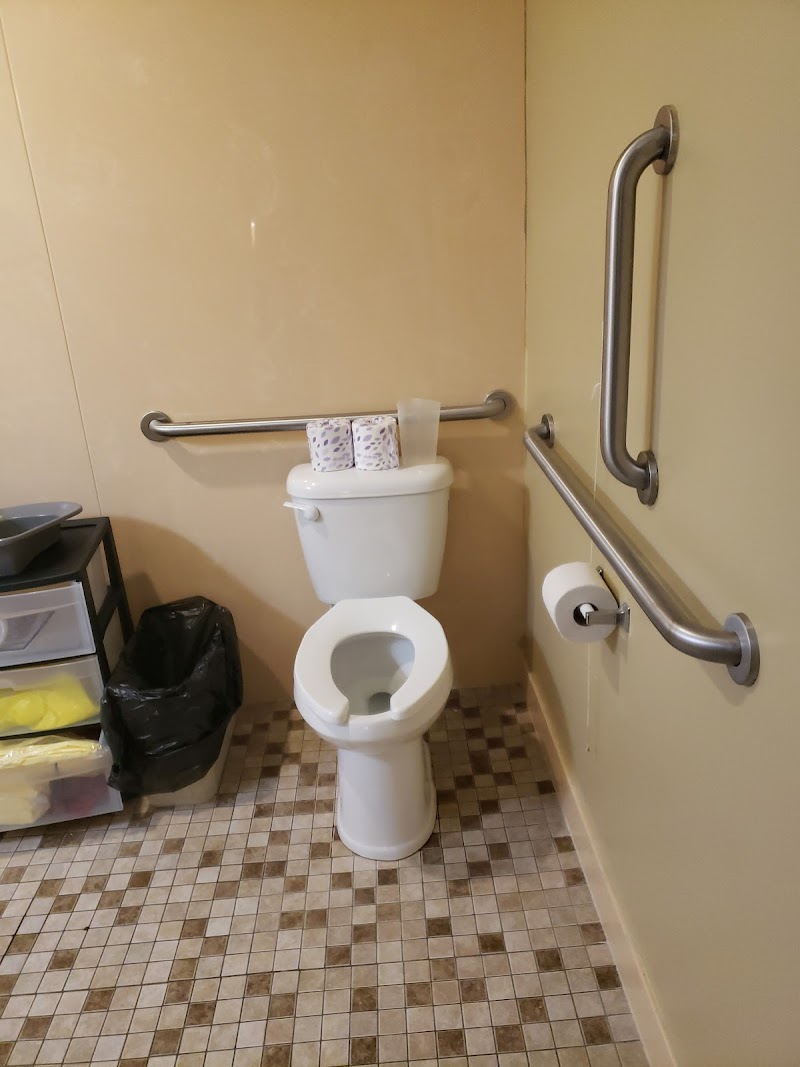
Who Owns and Operates Brooke Knoll Village?

BROOKE KNOLL VILLAGE is owned by a government entity. Government-operated facilities are typically run by state, county, or municipal agencies. The facility is operated by HCF MANAGEMENT INDIANA, a chain that manages multiple nursing homes. With 117 certified beds and approximately 78 residents (about 67% occupancy), it is a mid-sized facility located in AVON, Indiana.
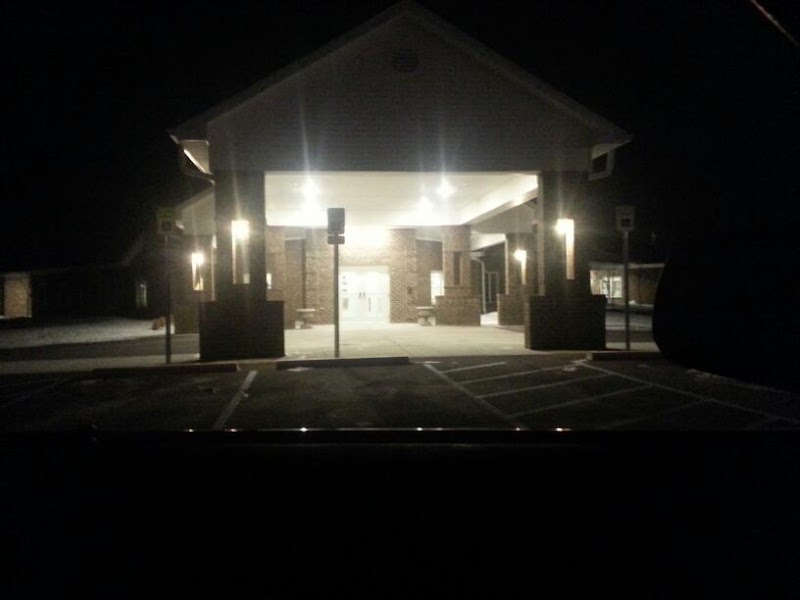
How Does Brooke Knoll Village Compare to Other Indiana Nursing Homes?

Compared to the 100 nursing homes in Indiana, BROOKE KNOLL VILLAGE's overall rating (3 stars) is below the state average of 3.1, staff turnover (51%) is near the state average of 46%, and health inspection rating (2 stars) is below the national benchmark.

What Should Families Ask When Visiting Brooke Knoll Village?

Based on this facility's data, families visiting should ask: "Can I visit during a mealtime to observe dining assistance and food quality?" "How do you handle medical emergencies, and what is your hospital transfer rate?" "Can I speak with family members of current residents about their experience?"

Is Brooke Knoll Village Safe?

Based on CMS inspection data, BROOKE KNOLL VILLAGE has a clean safety record: no substantiated abuse findings (meaning no confirmed cases of resident harm), no Immediate Jeopardy citations (the most serious violation level indicating risk of serious injury or death), and is not on the Special Focus Facility watch list (a federal program monitoring the lowest-performing 1% of nursing homes). The facility has a 3-star overall rating and ranks #100 of 100 nursing homes in Indiana. While no facility is perfect, families should still ask about staff-to-resident ratios and recent inspection results during their visit.

Do Nurses at Brooke Knoll Village Stick Around?

BROOKE KNOLL VILLAGE has a staff turnover rate of 51%, which is 5 percentage points above the Indiana average of 46%. Moderate turnover is common in nursing homes, but families should still ask about staff tenure and how the facility maintains care continuity when employees leave.

Was Brooke Knoll Village Ever Fined?

BROOKE KNOLL VILLAGE has no federal fines on record. CMS issues fines when nursing homes fail to meet care standards or don't correct problems found during inspections. The absence of fines suggests the facility has either maintained compliance or corrected any issues before penalties were assessed. This is a positive indicator, though families should still review recent inspection reports for the full picture.

Is Brooke Knoll Village on Any Federal Watch List?

BROOKE KNOLL VILLAGE is not on any federal watch list. The most significant is the Special Focus Facility (SFF) program, which identifies the bottom 1% of nursing homes nationally based on persistent, serious quality problems. Not being on this list means the facility has avoided the pattern of deficiencies that triggers enhanced federal oversight. This is a positive indicator, though families should still review the facility's inspection history directly.